

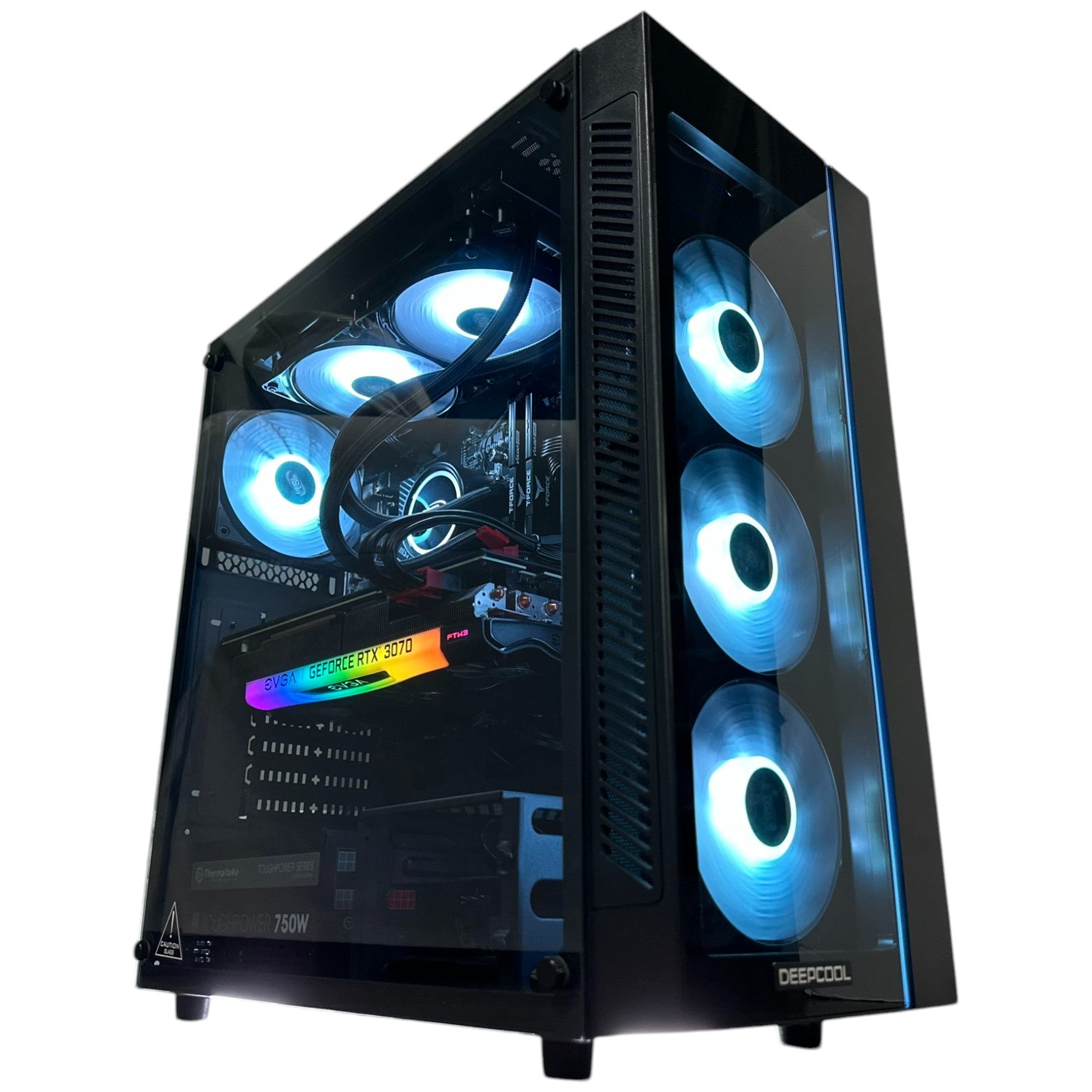
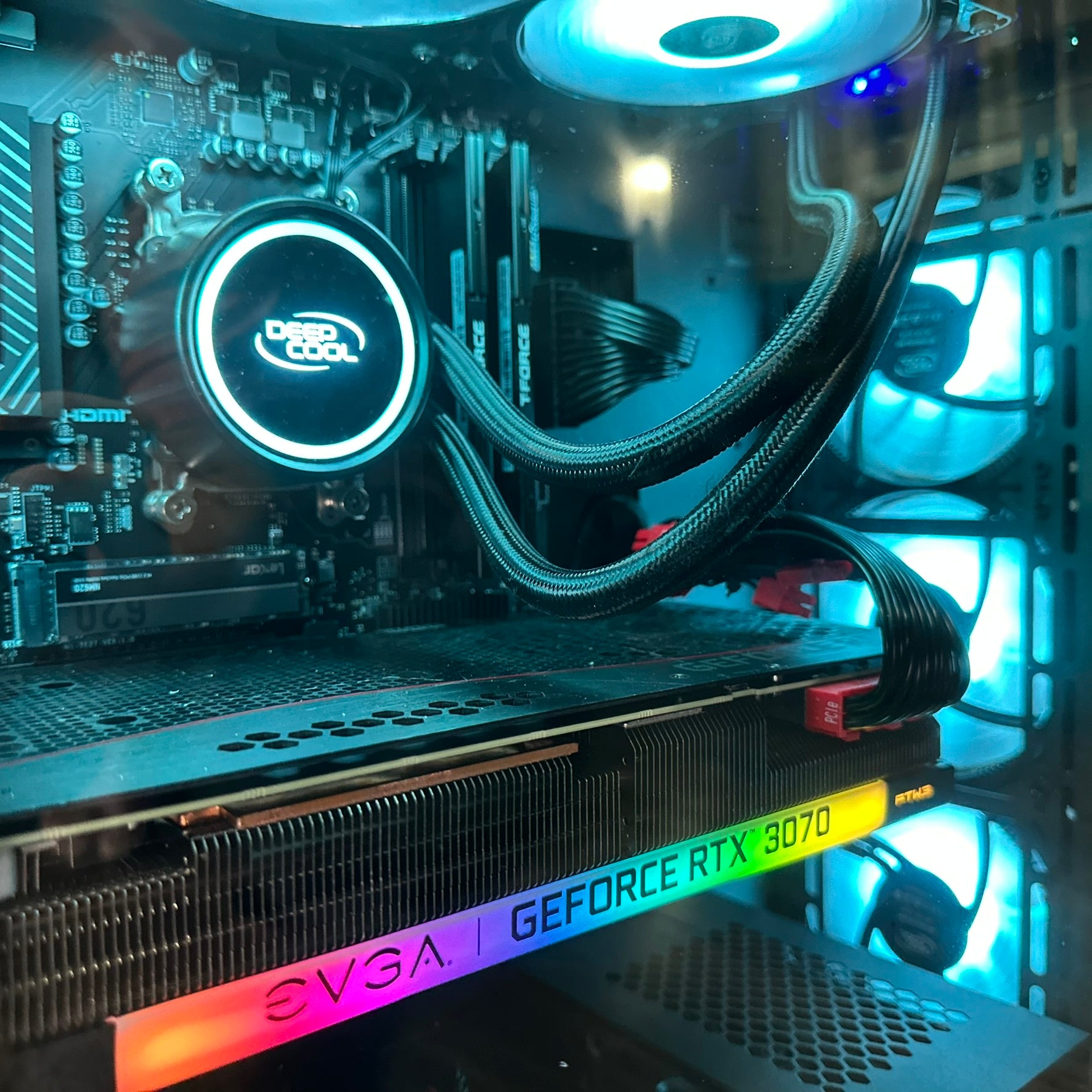
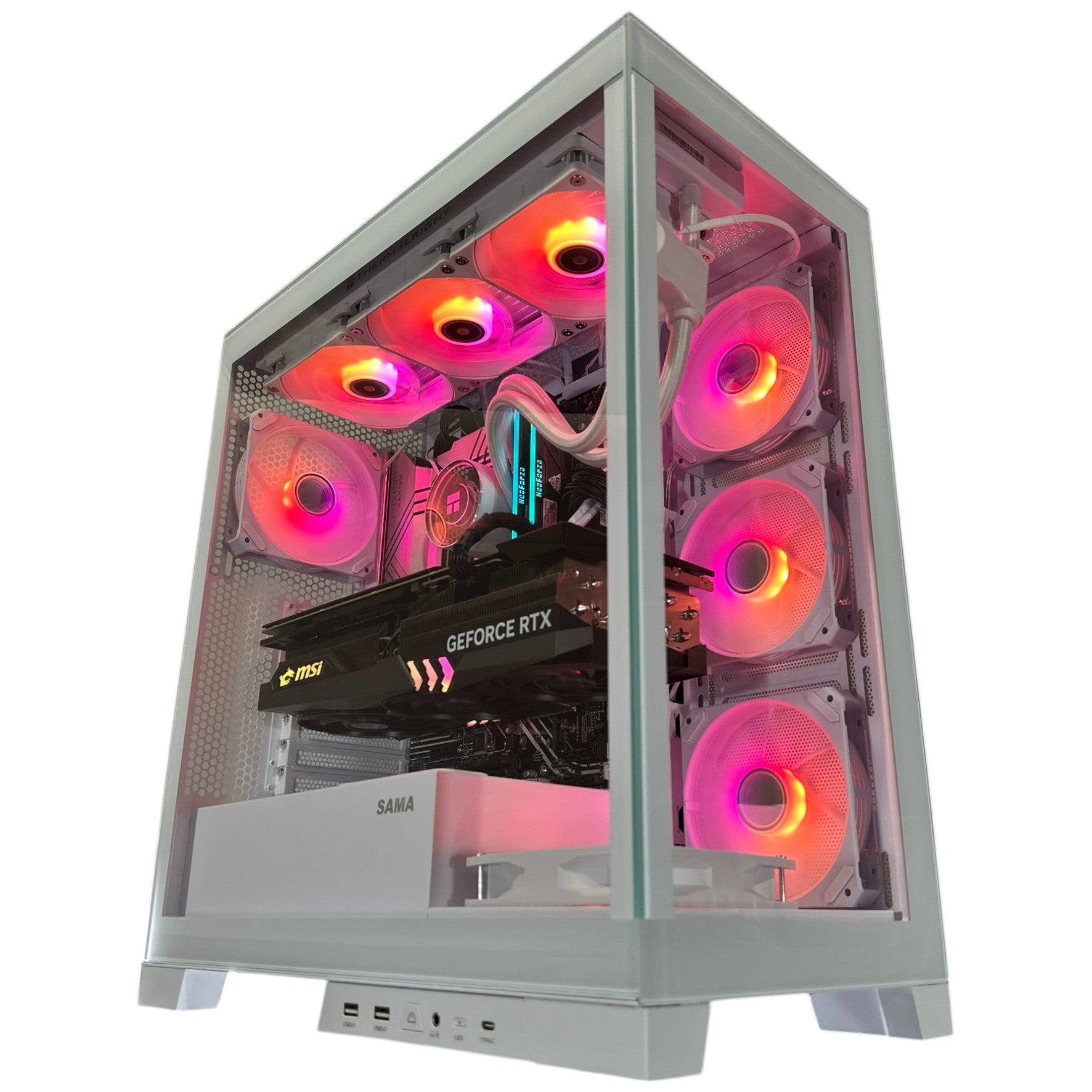
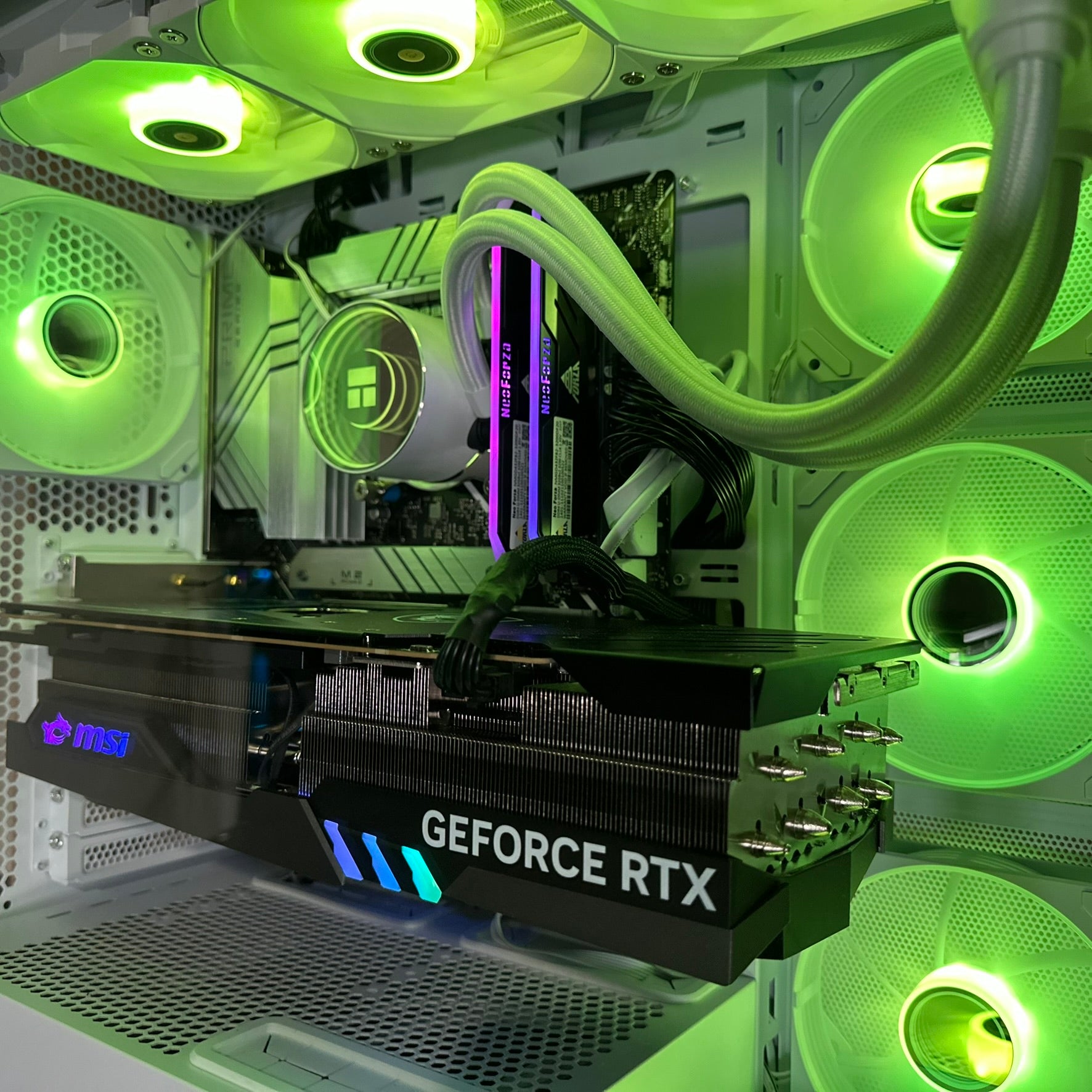
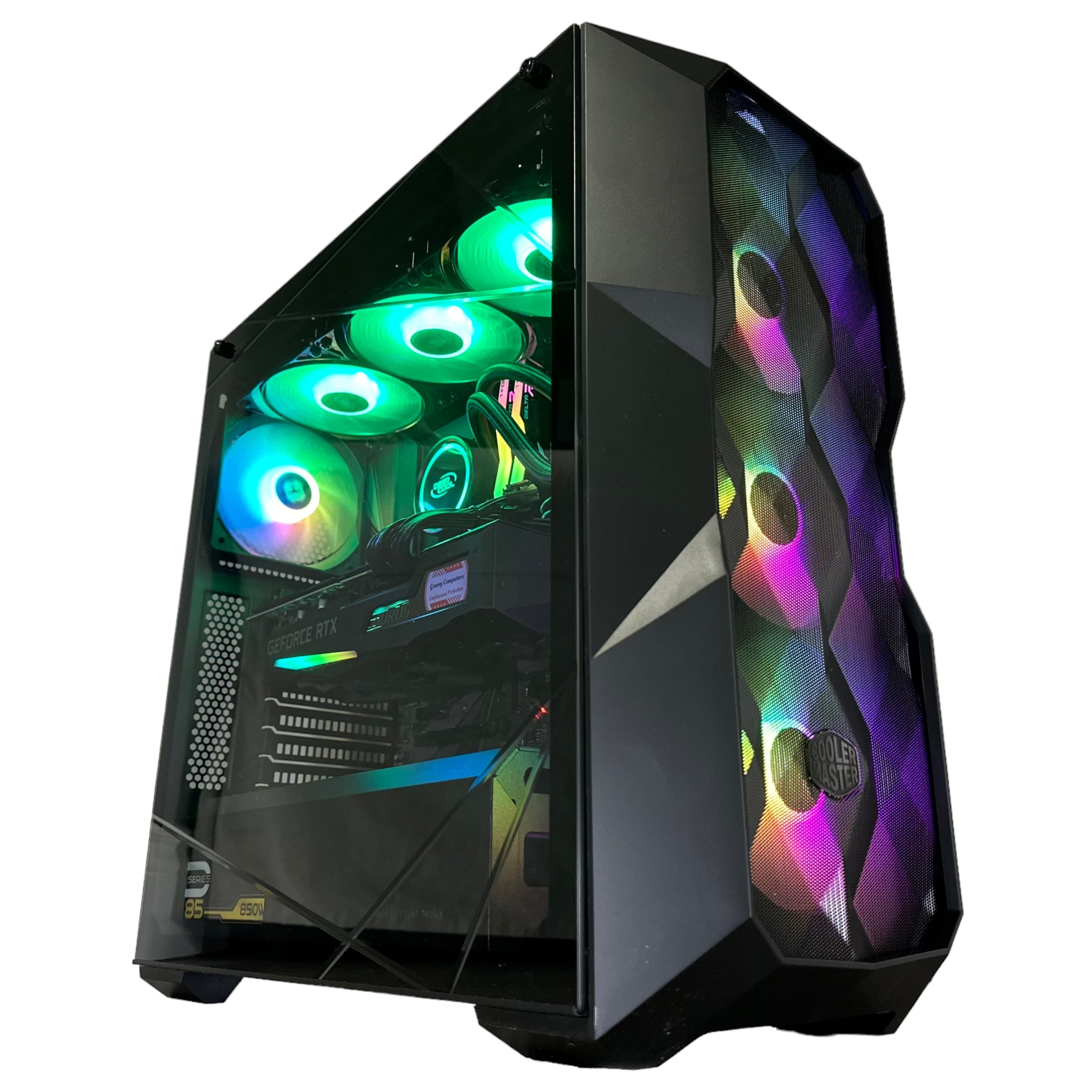
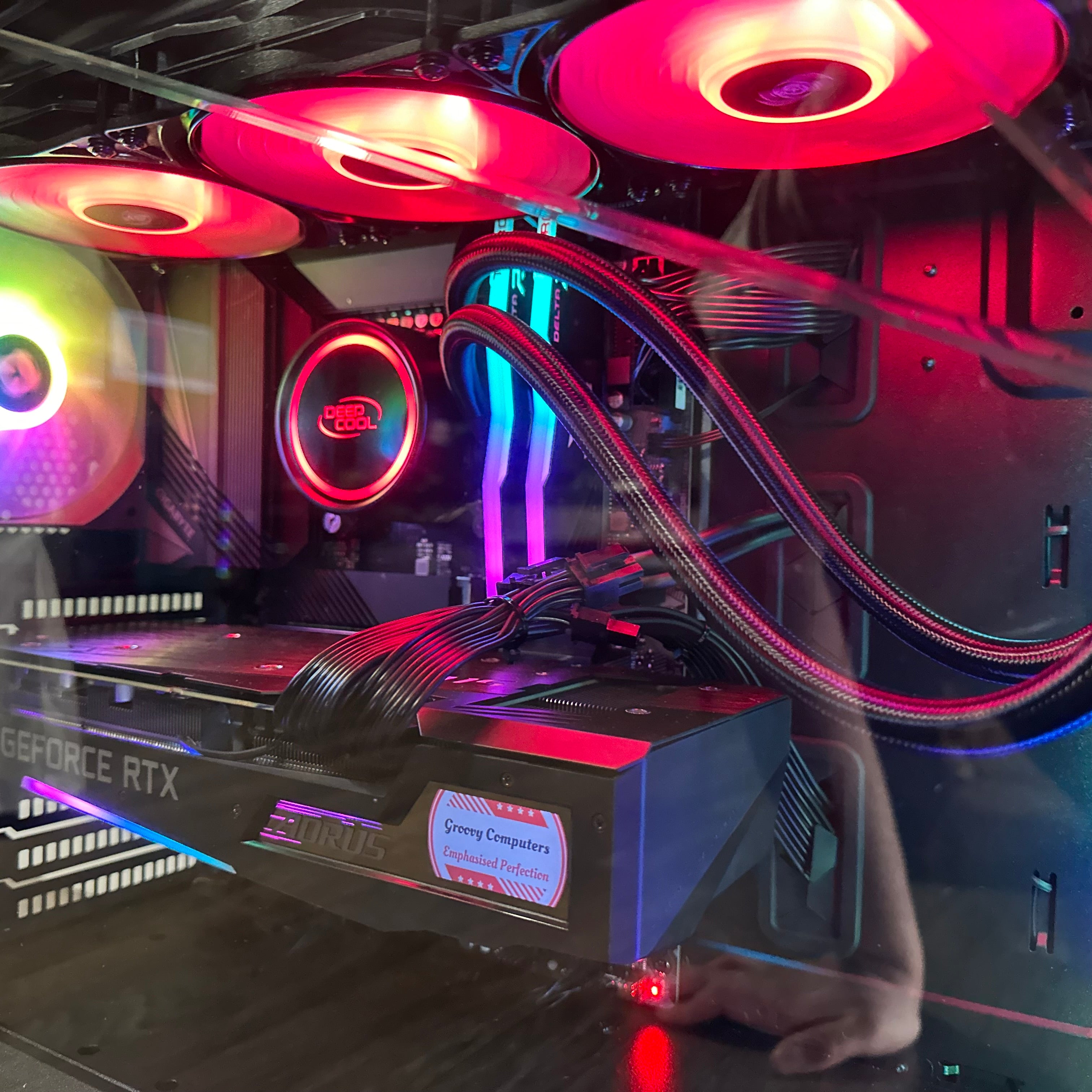
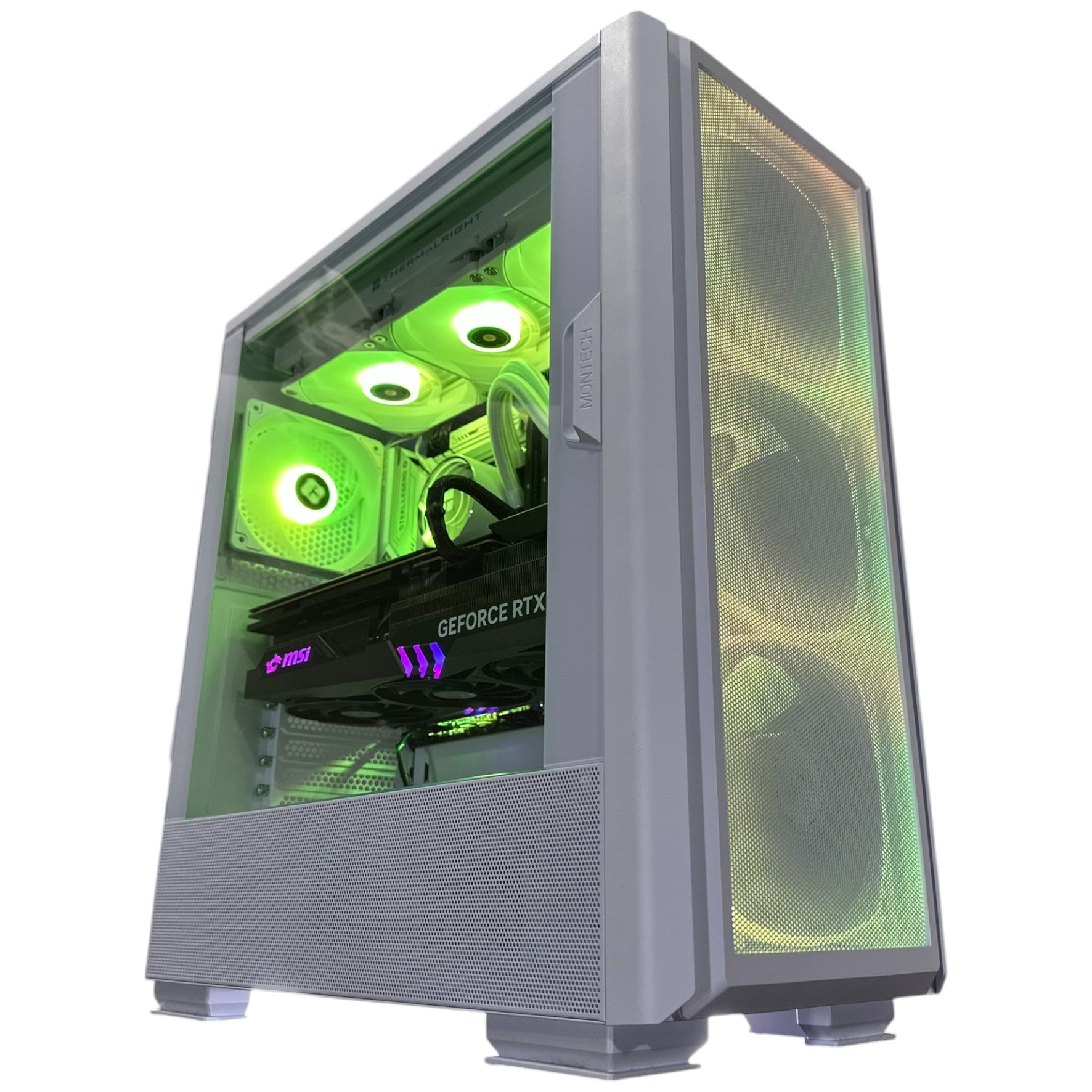
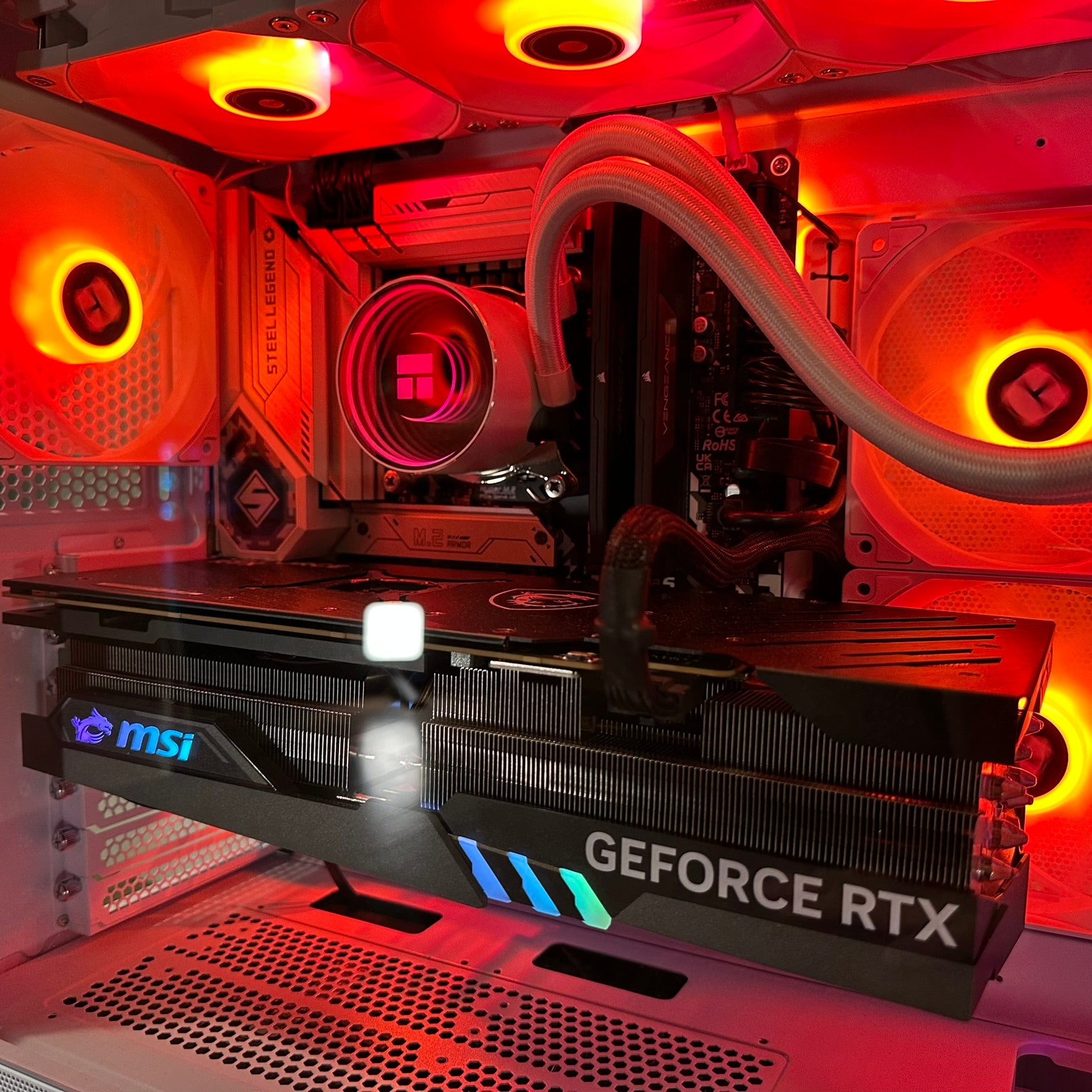
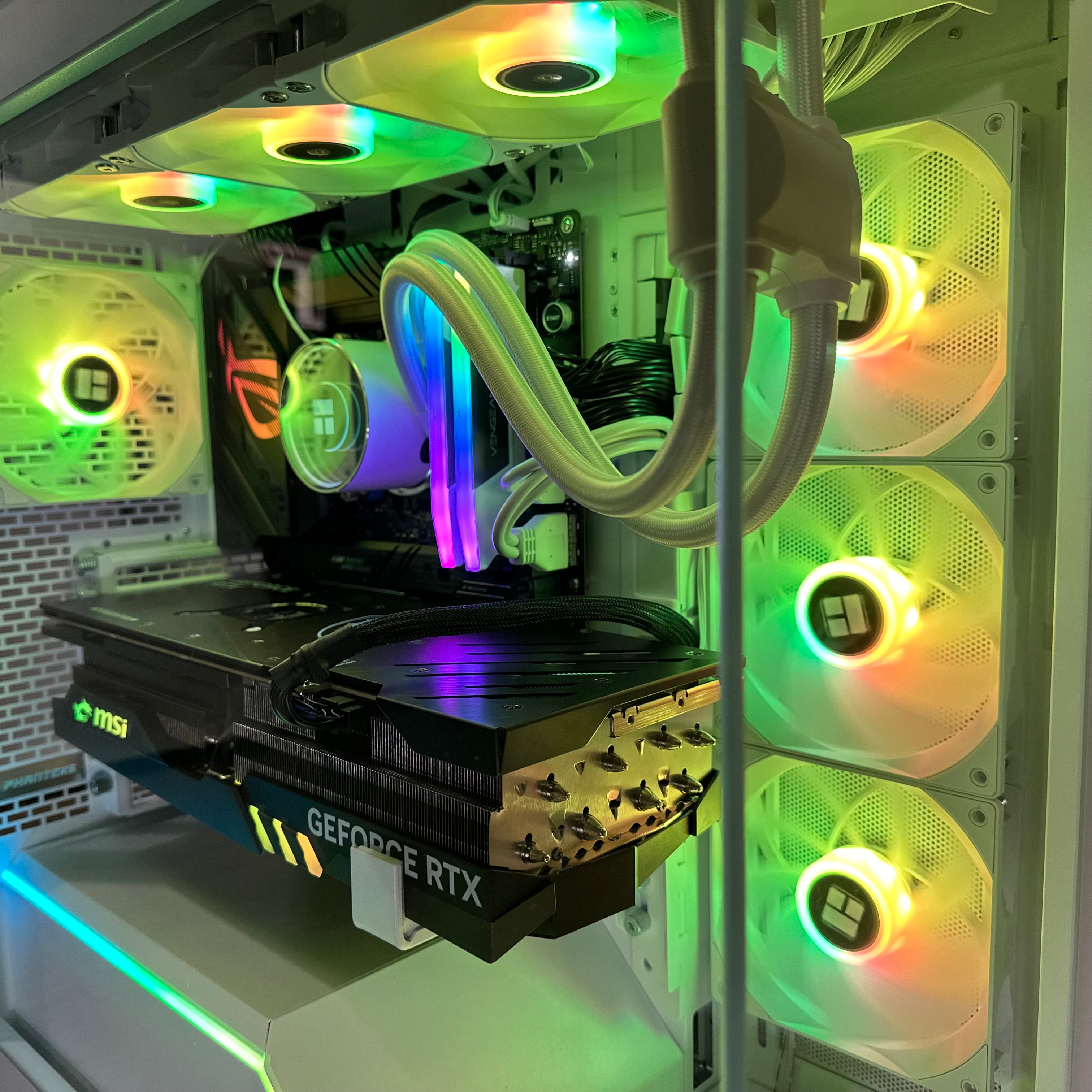

9th Generation Console Graphics Are Raising the Bar: What Kind of PC Do You Need for GTA 6, Death Stranding 2, and Resident Evil 9?
The latest discussion around 9th generation console graphics is bigger than simple fan hype. It reflects a real shift in what players now expect from modern games: denser worlds, more realistic lighting, better facial animation, richer physics, and more demanding open-world simulation. When major titles like GTA 6, Death Stranding 2, and Resident Evil 9 become the visual benchmarks people talk about, that matters for anyone shopping for a new desktop. If you are planning your next upgrade, the real question is not just whether these games look impressive. The real question is: what kind of PC will let you enjoy this new generation properly without needing another upgrade too soon?
For Canadian buyers, this matters even more. New flagship games often trigger a wave of GPU demand, premium build interest, and last-minute buying. That can push up costs across graphics cards, memory, storage, and complete systems. A customer who waits too long may end up paying more for less performance. A customer who plans early can usually choose a better-balanced custom build, get stronger long-term value, and avoid panic-buying when the biggest releases arrive.
The source discussion points to three different approaches to advanced visuals. One leans into cinematic realism and facial detail. Another emphasizes atmosphere and high-fidelity environments. Another balances stylization with massive world density and large numbers of active non-player characters. That distinction is important, because not every demanding game stresses hardware in the same way. Some titles punish weak GPUs. Some expose CPU limitations. Some require both, especially once you move to higher resolutions, ray tracing, streaming, recording, or content creation.
What does the 9th generation console graphics conversation actually tell PC buyers?
It tells you that the performance target is changing. Console-first visual standards are no longer just about texture quality or resolution. They are increasingly about world complexity, advanced lighting, animation fidelity, physics simulation, and stable image reconstruction. In practical PC-buying terms, that means your next system may need more than a basic graphics card bump.
If a game is built around highly detailed characters, dense urban scenes, realistic shadows, fast storage streaming, and heavy simulation, then entry-level hardware may run it, but not the way most buyers imagine when they picture “next-gen” gaming. Are you hoping for 1080p with sensible settings, or do you want 1440p with ray tracing? Are you trying to hit a smooth 60 FPS, or are you the kind of player who wants high refresh gameplay on a premium display? Those answers change everything.
There is also a second lesson here: games like these create a buyer timing problem. Once the release window gets closer and system requirement talk spreads, many shoppers rush to upgrade at the same time. That is often when better-value options get harder to find. If you already know that upcoming open-world and cinematic AAA titles are your priority, it makes sense to choose your system before the market gets tighter.
Why should Canadian buyers think differently about these games?
Because buying in Canada means dealing with a different mix of pricing pressure, inventory timing, shipping expectations, and replacement costs. Even when game discussions start with console comparisons, Canadian desktop buyers still need to think about practical realities: how much build headroom they want, how long they want the system to last, and whether financing a stronger system now is smarter than replacing an underpowered one later.
For many shoppers in Nova Scotia and across Canada, the challenge is not choosing between “cheap” and “expensive.” It is choosing between short-term savings and longer-term satisfaction. If a budget build struggles with upcoming AAA releases at the settings you actually want, was it really the better value? If financing helps secure a stronger GPU, a better CPU, more RAM, and faster storage now, does that reduce the chance of an early upgrade cycle? For many buyers, the answer is yes.
This is where a Canadian custom PC builder matters. A properly balanced system is not just about selling more hardware. It is about matching your budget to your real use case, whether that means a gaming-focused machine, a gaming-and-streaming desktop, a creator system, or a workstation-class build.
What do you want your next PC to do for you?
Before looking at component tiers, it helps to ask the most important buying question: what do you want your next PC to handle over the next two to four years?
Do you mainly want a system for GTA 6-style open-world gaming? Do you want better 1440p or 4K performance in new AAA releases? Do you plan to stream to Twitch or YouTube while gaming? Will you also edit gameplay videos, shorts, or long-form content? Are you using Photoshop, Lightroom, Illustrator, Premiere Pro, DaVinci Resolve, Blender, Unreal Engine, or multiple creative apps at once?
If your answer is “a bit of everything,” that usually means you should not shop by GPU alone. A desktop that feels great for gaming can still become frustrating in editing, streaming, rendering, or multitasking if the CPU, RAM, cooling, and storage are not chosen properly. On the other hand, a well-designed custom build can cover gaming, recording, editing, and content creation without wasting money on parts that do not help your workload.
Why GTA 6-style world density may matter just as much as visual realism
The source material highlights something many buyers overlook: some of the most demanding games are not only difficult because they are pretty. They are difficult because they simulate a lot at once. A giant open-world title with hundreds or even thousands of active NPCs, vehicle systems, environmental interactions, and layered AI behaviour can lean heavily on the processor, memory subsystem, and storage performance as well as the GPU.
That means a buyer asking, “What PC do I need for GTA 6?” should not think only in terms of graphics card marketing. If your goal is stable performance in a crowded, living world, you want a well-matched CPU and GPU pair, enough RAM for modern background load, and an SSD fast enough to support responsive asset streaming. This is one reason a custom build often beats a generic spec-sheet prebuilt. The full balance matters.
If you are aiming at 1080p, your CPU can matter even more than you expect. If you are aiming at 1440p or 4K with high visual settings, your GPU becomes even more critical. If you also want to stream, record, run browser tabs, Discord, launchers, and creator software at the same time, the gap between “it runs” and “it feels smooth” gets wider.
What PC do you need for 1080p, 1440p, or 4K gaming?
1080p buyers: are you after value, or are you trying to maximize FPS?
A 1080p gaming buyer is not always a budget buyer. Some customers want an affordable entry point for modern games, while others want extremely high frame rates in competitive titles and enough power for upcoming AAA releases. If you mainly play esports games with some new open-world titles mixed in, a value-focused gaming desktop may be enough. But if your wishlist includes visually advanced releases with high settings and some ray tracing, choosing too low a tier can lead to disappointment fast.
Ask yourself: do you want a system that simply launches new games, or one that still feels confident when game requirements climb? If your answer is the second one, it may be worth moving up one performance tier now rather than upgrading sooner than expected.
1440p buyers: is this the sweet spot for your next build?
For many Canadian gamers, 1440p remains the best balance of sharp image quality, modern visual settings, and realistic system cost. This is where premium open-world games start to look substantially more impressive than they do at basic settings, and it is also where stronger GPUs begin to justify themselves in a very obvious way.
If you are asking, “What PC do I need for 1440p gaming?” the answer usually points toward a mid-to-upper performance build with a capable CPU, a modern RTX-class or equivalent high-value GPU tier, and enough RAM and SSD capacity to prevent bottlenecks in larger titles. If your gaming habits include streaming or recording, this performance tier becomes even more attractive because it offers better flexibility.
4K buyers: do you want next-gen spectacle without compromise?
If the whole reason you are excited about titles like Death Stranding 2, Resident Evil 9, and GTA 6 is the visual spectacle, then 4K gaming may be your target. But 4K is where weak planning becomes expensive. High resolution, advanced lighting, and modern reconstruction techniques still benefit from a strong GPU foundation. If you want high settings, ray tracing, and long-term relevance, this is where premium builds start making the most sense.
Ask yourself honestly: do you want “playable,” or do you want “wow”? If you are spending on a strong monitor and buying flagship games specifically for immersion, then a higher-end custom system is usually the correct match.
Do you need ray tracing performance, or is raster performance enough?
This is one of the biggest buying questions in the current market. Games associated with new visual benchmarks often use lighting, shadows, reflections, and reconstruction methods that make advanced GPU features more relevant. But not every player values them the same way.
If you care most about competitive responsiveness or maximum value, you may prioritize strong traditional rendering performance first. If you want the most cinematic experience possible in story-driven games, then ray tracing capability becomes far more important. The key is to align the hardware with your actual habits. Buying for features you never enable is wasteful. Ignoring features you know you want is also a mistake.
Are you the kind of player who notices lighting quality immediately? Do reflective city streets, realistic interiors, cinematic shadows, and atmospheric horror visuals matter to you? If yes, choosing a build that is genuinely comfortable with those effects can make your next PC feel like a real generation jump rather than a sideways move.
What if you also want to stream, edit, or create content?
This is where many buyers outgrow standard gaming advice. The same games driving hype also drive creator demand. A customer who wants to play major AAA games today often wants to clip highlights, stream sessions, edit videos, create thumbnails, manage social media, and maybe even explore 3D workflows tomorrow. That changes what “the right PC” looks like.
If you are asking, “What PC do content creators need?” the answer depends on your mix of tasks. A gaming-and-streaming setup benefits from a strong CPU, the right GPU encoder support, plenty of RAM, and fast NVMe storage. A video editing desktop for Premiere Pro or DaVinci Resolve may benefit from more memory, more storage planning, and a stronger creator-focused balance. A Blender or Unreal Engine user may need workstation-level GPU and RAM considerations.
In other words, if your next PC has to game and work, buying purely by gaming FPS charts may lead you in the wrong direction.
Is a gaming PC good for video editing, photo editing, and graphic design?
Sometimes yes, but not always in the way buyers expect. A strong gaming machine can be an excellent starting point for editing and design work if it has the right CPU, enough RAM, a competent GPU, and fast storage. But if your workflow includes large 4K timelines, complex effects, RAW photo libraries, Adobe Creative Cloud multitasking, or heavy exports, then a more tailored build is the smarter path.
If you are wondering, “What PC do I need for video editing?” start with your footage and software. Are you editing short social clips, long YouTube videos, multicam footage, or 4K projects? Do you use Premiere Pro, DaVinci Resolve, or After Effects? How important is export speed versus timeline smoothness?
If you are a photographer or designer, the questions shift slightly. Are you batch editing large RAW collections? Using Lightroom and Photoshop together? Running Illustrator, InDesign, and multiple browser-based tools at the same time? Working across multiple displays? These are all reasons why a well-planned creator or design desktop can outperform a random off-the-shelf gaming box in real-world productivity.
What if your next system needs to handle Blender, Unreal Engine, or workstation tasks?
The conversation around advanced game visuals also matters to 3D artists, developers, and professional users. If today’s game environments are becoming more detailed, so are the tools used to build assets, preview worlds, render scenes, and simulate workflows. That means some readers are not just asking what system runs these games well. They are asking what system helps them build, edit, or render this level of content.
If you are exploring Blender, Unreal Engine, 3D rendering, animation, CAD, or intensive multitasking, your priorities may shift toward more cores, more RAM, stronger thermals, and GPU choices that support rendering and viewport responsiveness well. A workstation-class desktop is not the same thing as a generic “powerful gaming PC.” There can be overlap, but professional reliability and workflow balance matter more as workloads grow.
So ask yourself: are you buying a machine only for play, or are you buying a machine that also earns, creates, edits, models, or renders? If it is the second one, a custom workstation or creator-oriented system may save you more time and frustration than a gaming-first build.
Which performance tier fits you best?
One of the most helpful ways to shop is by performance tier, not by marketing hype. Here is a simple way to think about it.
Entry-value tier
- Best for players focused on 1080p gaming, lighter AAA settings, esports, and first-time desktop ownership
- Good for students, budget-conscious buyers, and users who want a capable machine without chasing premium features
- Not ideal if your top priority is maxing out future blockbuster releases or keeping the same system untouched for many years
Mainstream performance tier
- Best for strong 1080p and very solid 1440p gaming
- Well suited for gamers who also stream casually, edit videos, or multitask heavily
- Often the smartest value tier for buyers who want a system ready for new AAA releases without going fully premium
High-performance tier
- Best for serious 1440p gaming, stronger ray tracing, higher refresh goals, and more demanding creator use
- Ideal for customers who want better longevity and fewer compromises in upcoming blockbuster titles
- A strong choice for gaming plus streaming, content creation, and heavier Adobe or Resolve workloads
Premium or flagship tier
- Best for 4K gaming, high-end ray tracing, cinematic visual priorities, heavy creator tasks, and demanding 3D workloads
- Ideal for buyers who want a system built for top-tier modern releases and longer-term confidence
- Often the right answer for customers who know they hate upgrading frequently
Which one sounds like you? Are you trying to hit the best value point, or are you trying to avoid asking this same buying question again in 18 months?
Is it better to buy now or wait for major game releases?
That depends on your risk tolerance, but many buyers underestimate the downside of waiting. Big game launches can create sudden demand spikes. Premium GPUs can tighten. Memory and SSD markets can shift. A build that looked straightforward in one month may become more expensive or harder to source later.
If you already know your next desktop needs to handle upcoming AAA games, streaming, or creator work, then “waiting to see” can sometimes be more expensive than deciding early. The longer you wait, the more likely you are to shop under pressure. And pressured buyers tend to compromise, overspend, or settle for whatever is available.
Ask yourself: are you buying before a major release, before your current system fails, or before software and games outgrow your comfort zone? If you already feel your current desktop is falling behind, that is usually a sign to act before the problem becomes urgent.
Could financing help you secure a stronger system before costs rise?
For many customers, yes. Financing is not just about affordability in the short term. It can also be a strategy for buying smarter. If moving up one tier gives you better gaming longevity, stronger creator performance, more RAM, more SSD space, and less need to upgrade early, then financing can make practical sense.
Would you rather buy the lowest-tier machine you can pay for immediately, then replace or upgrade it sooner? Or would you rather secure a better-balanced system now and spread the cost over time? That is the real financing question.
Groovy Computers can help Canadian buyers explore systems that fit both performance goals and payment comfort, including options where financing up to 4 years may make a stronger long-term desktop more realistic. If your goal is to play demanding future games, stream smoothly, or work in creative software without constantly hitting limits, financing a better fit can be the more efficient decision.
Why does custom PC selection matter more when visual standards rise?
Because the margin for bad part matching gets smaller. As games become more demanding and software workflows become heavier, weak links become easier to feel. Too little RAM causes avoidable slowdowns. Inadequate cooling affects consistency. A poor CPU and GPU balance wastes money. Limited storage creates frustration faster than most buyers expect. Generic prebuilts often look attractive on one headline spec while quietly cutting corners elsewhere.
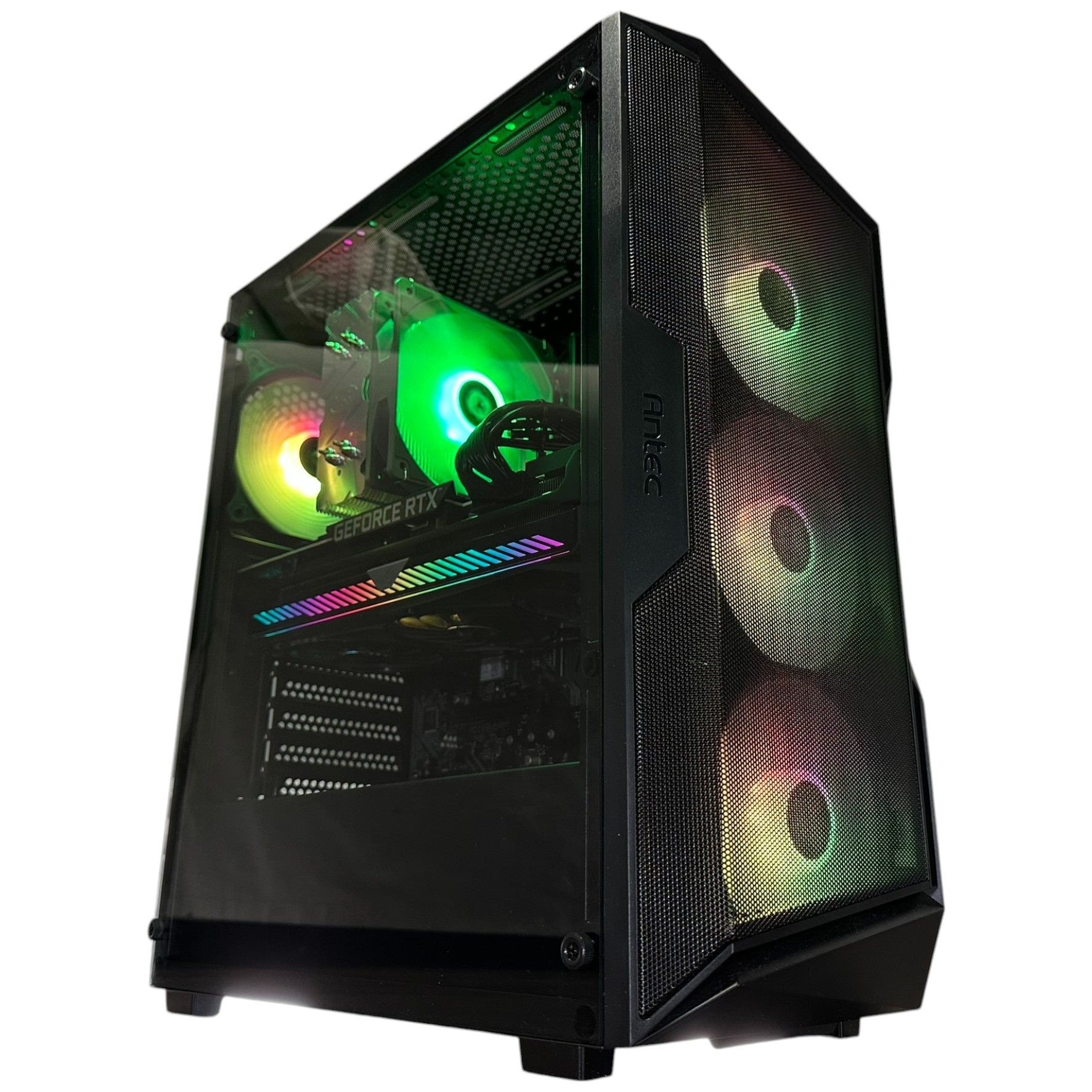
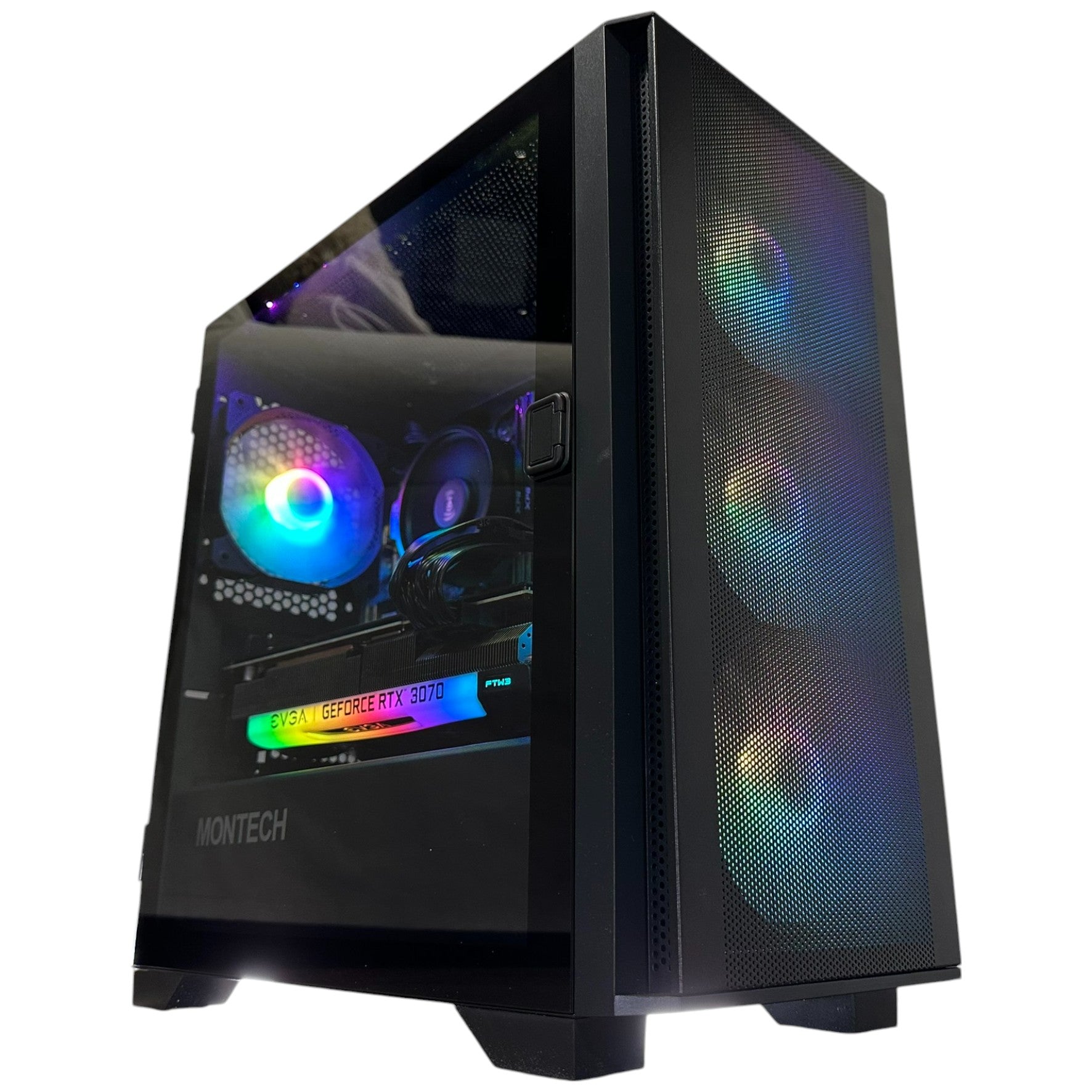
A custom build gives you the chance to match the full system to your real needs. That matters whether you need a budget gaming desktop, a premium RTX-class gaming rig, a streaming system, a creator PC, or a workstation. It also matters for future-proofing. A properly chosen motherboard, power delivery setup, cooling solution, and storage plan can make the system easier to live with and upgrade later.
When buyers ask, “Is a custom gaming PC worth it?” the answer becomes more obvious as game demands rise. Better balance, cleaner part selection, more thoughtful airflow, stronger testing, and better workload matching all matter more in a next-gen environment than they did several years ago.
Why Groovy Computers makes sense for Canadian buyers
Groovy Computers is positioned for the buyer who wants more than a random box with flashy marketing. If you are shopping for a custom gaming PC, creator desktop, editing machine, or workstation in Canada, the value is not only in the parts list. It is in how the system is selected, assembled, stress tested, and supported.
That matters if you are ordering from Nova Scotia, Atlantic Canada, or elsewhere across the country and want confidence that your build is designed around your actual goals. It matters if you want a desktop ready for gaming, streaming, editing, or 3D workloads instead of a one-size-fits-all machine. It matters if you want the reassurance of a 1-year warranty and the confidence that comes from a tested system built by people who understand performance matching.
It also matters if you want help deciding. Not every customer needs the same thing. Some need a budget-conscious gaming build. Some need a high-end system for 1440p or 4K gaming. Some need a multi-purpose desktop that handles gameplay, OBS, video editing, Photoshop, and content creation. Some need a workstation that treats time as money. Groovy Computers can help narrow that choice down properly.
What questions should you ask before buying your next PC?
- What games do you actually want to play over the next two to three years?
- Are you targeting 1080p, 1440p, or 4K?
- Do you care about ray tracing, or is raw frame rate more important?
- Will you stream, record gameplay, or use OBS?
- Do you also need a PC for Premiere Pro, DaVinci Resolve, Photoshop, Lightroom, Illustrator, or Blender?
- How much multitasking do you really do while gaming or creating?
- Do you want a budget system now, or a stronger system that lasts longer?
- Would financing a better desktop reduce the chance of upgrading too soon?
- Are you buying before a major game release or possible hardware price pressure?
- Do you want help choosing a custom build that actually fits your needs?
If you cannot answer all of those yet, that is exactly why a guided custom-build approach is useful. The right builder helps turn uncertainty into a system plan.
What kind of buyer should choose a gaming PC, creator PC, or workstation?
Choose a gaming-focused build if:
- Your top priority is playing modern games smoothly at your target resolution
- You want the best performance value for gaming first
- Any content creation or productivity work is light and occasional
Choose a gaming-and-creator build if:
- You play AAA games and also stream, record, edit, or create regularly
- You want stronger multitasking and a better all-around desktop
- You care about both entertainment and productivity from one machine
Choose a creator or workstation build if:
- Your system is a tool for editing, rendering, 3D work, design, or heavy professional use
- Time saved in exports, renders, previews, and multitasking matters to you
- You need reliability and hardware balance more than gaming-first priorities
There is no prize for buying more machine than you need, but there is also no value in buying less machine than your workload demands. The goal is fit, not just price.
What does this mean for buyers excited about next-gen visuals?
It means the market is moving toward richer, heavier, more immersive games, and your hardware choices should reflect that reality. The source article is right to frame GTA 6, Death Stranding 2, and Resident Evil 9 as visual benchmarks, but the bigger takeaway is this: benchmark games reshape buyer expectations. They make more people want smoother open-world performance, higher resolutions, better lighting, stronger streaming capability, and more future-proofed systems.
That is why 9th generation console graphics are not just a console story. They are also a PC buying guide signal. They tell you that if your next system is meant to feel modern for years, you should think ahead now.
Ready to choose a build based on what you actually want your PC to do?
If you are asking yourself whether you need a budget gaming desktop, a 1440p-ready performance system, a premium 4K machine, a streaming-and-editing setup, or a creator workstation, this is the right time to get clear. If you want a Canadian custom build that is properly matched, stress tested, backed by a 1-year warranty, and available with financing options that may help you move up to the right tier sooner, visit GroovyComputers.ca. The better question is not “Can I wait?” It is “Do I want to risk buying too late, paying more, or upgrading twice?”
As the conversation around 9th generation console graphics grows, Canadian buyers should use it as a signal to shop smarter. Think about your target resolution, your favourite game genres, your interest in ray tracing, your streaming and editing needs, and whether your next desktop should simply keep up or genuinely impress. A strong custom build can give you the performance, flexibility, and confidence to enjoy the new wave of blockbuster gaming without second-guessing your purchase.
#9thGenerationConsoleGraphics #GamingPCCanada #CustomGamingPCCanada #GamingPCForGTA6 #1440pGamingPC #4KGamingPC #CreatorPCCanada #StreamingPC #VideoEditingPCCanada #3DModelingPCCanada #CanadianCustomPCBuilders #NovaScotiaComputers
Groovy Computers | All Rights Reserved



Leave a comment
This site is protected by hCaptcha and the hCaptcha Privacy Policy and Terms of Service apply.