



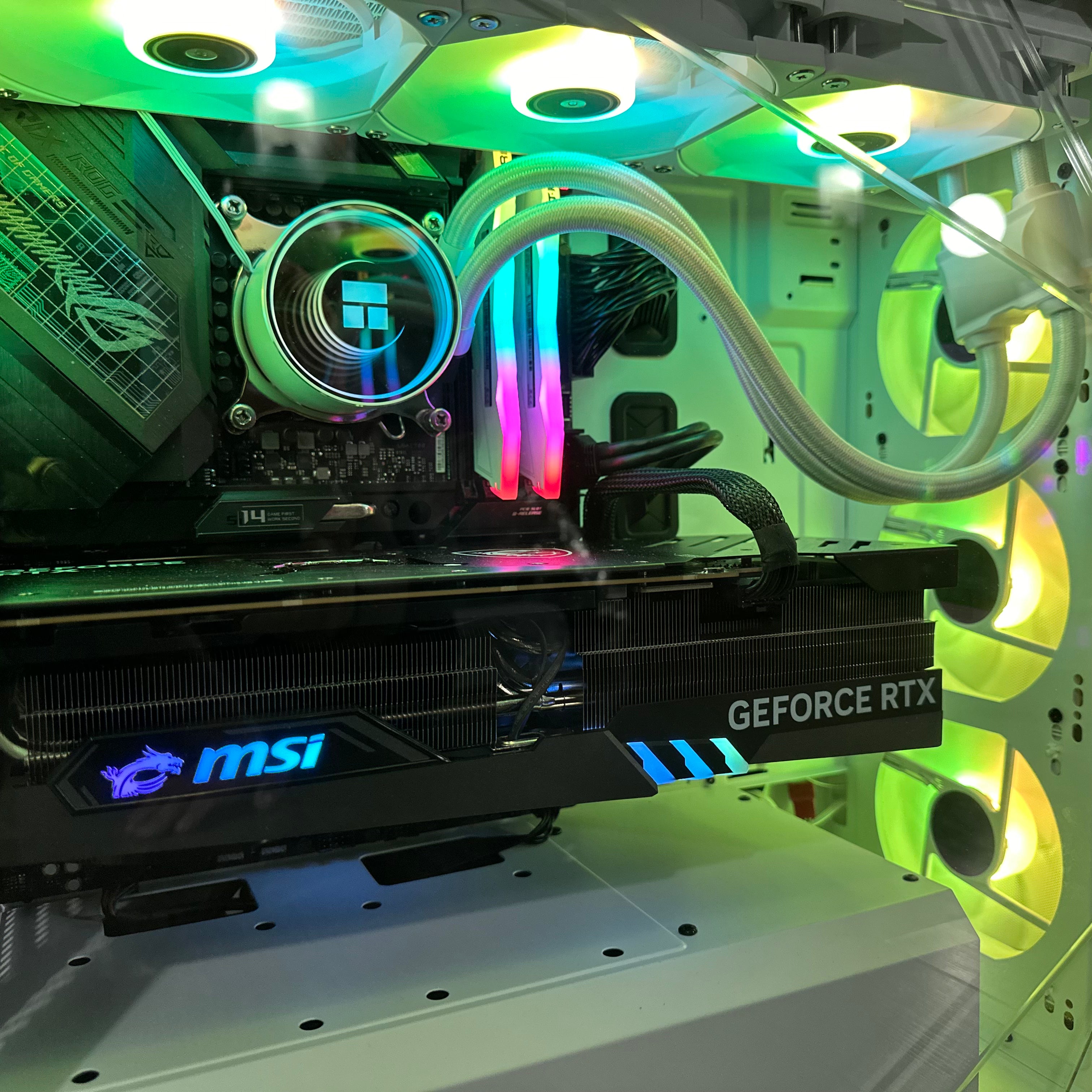
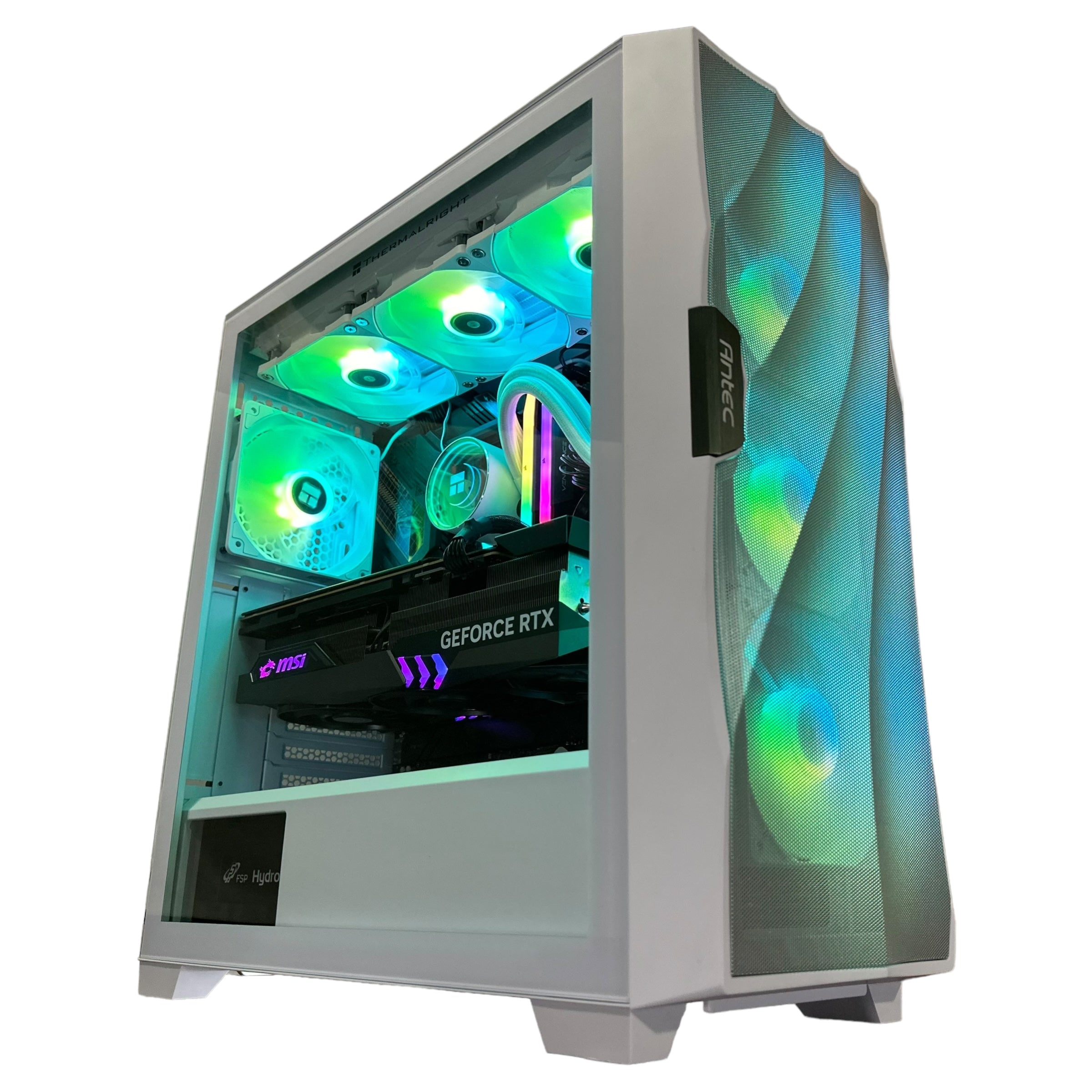

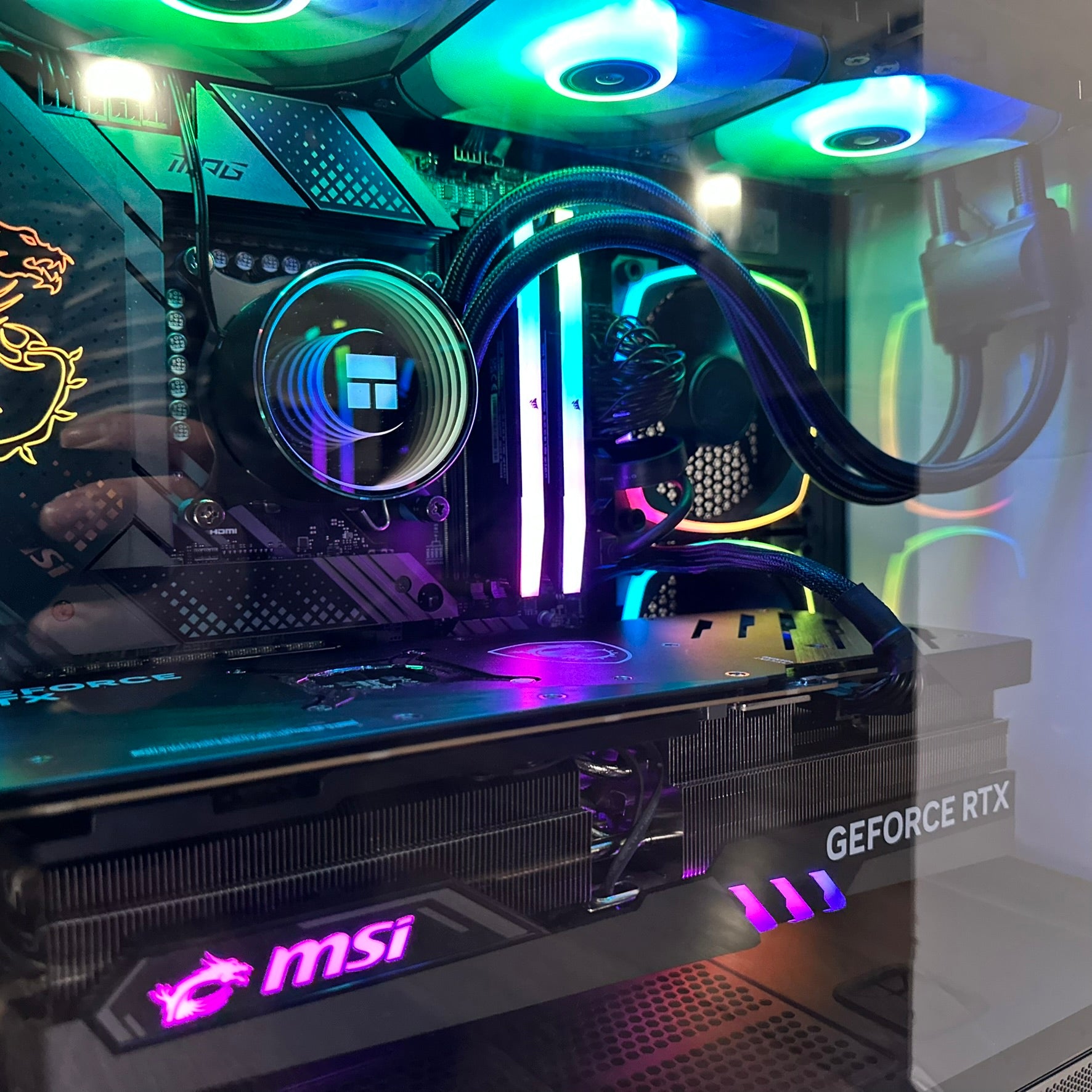
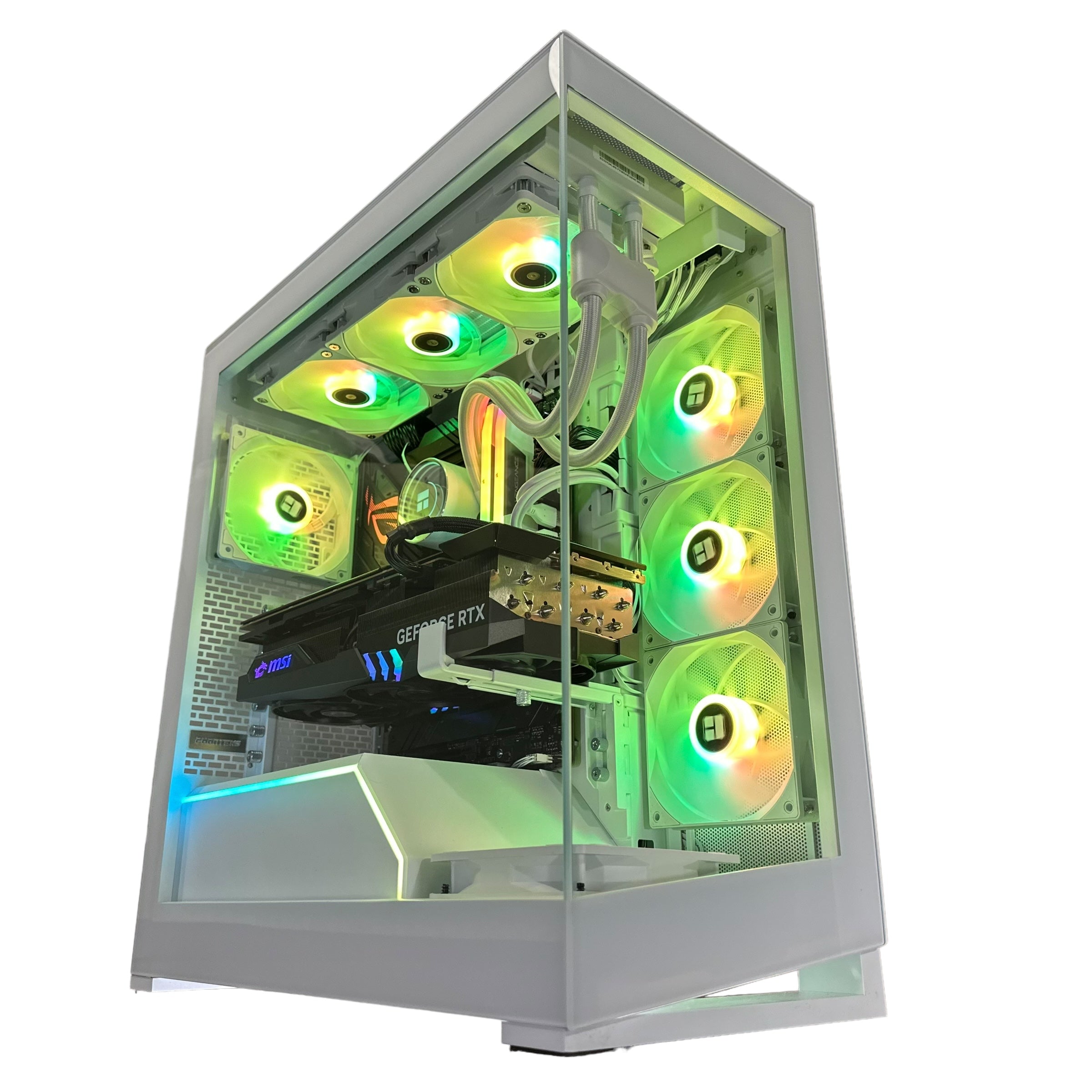

Subnautica 2 PC Requirements Guide for Canada: What Kind of Gaming PC Do You Need for a Better Survival Experience?
Subnautica 2 PC requirements are suddenly a much more important topic for Canadian gamers than a simple early access headline might suggest. The source article highlights exactly why: this is the kind of game that pulls players in with atmosphere, exploration, base building, creature encounters and multiplayer chaos, then quickly reveals whether your current system is ready for smooth immersion or frustrating compromises. For anyone planning to dive into a massive underwater survival game, the bigger question is no longer just whether the game looks exciting. It is whether your PC can deliver the kind of experience that makes it worth playing at all.
The original commentary focused on the emotional side of the game: the fear of deep water, the fun of shared exploration, the tension of giant sea creatures, and the added enjoyment that multiplayer can bring. That is exactly the right starting point for a buying guide, because games like this are not just about launching an application and checking a minimum spec list. They are about draw distance, lighting, shadows, texture quality, loading speed, frame pacing, headset or speaker immersion, and whether your system can handle both survival gameplay and background tasks without stutter.
For Canadian buyers, that matters even more. If you are considering a new system for a major early access game, an upcoming AAA release, or a broader move into PC gaming, content creation or streaming, choosing the right custom build now can save you from upgrading too soon later. A stronger system also gives you more flexibility when game updates expand maps, improve visual effects and raise hardware demands over time.
Why is Subnautica 2 generating so much PC buying interest?
Because it checks several boxes that tend to push players toward better hardware. It is visually atmospheric. It rewards exploration. It can be played cooperatively. It benefits from stable frame rates. It becomes more intense when lighting, distance detail and environmental effects are turned up. And because it is in early access, many players expect the game to grow in scale, polish and system demand as development continues.
That leads to a practical question: are you buying a PC just for one game, or are you really buying for the next two to four years of larger open-world and survival titles?
If your answer is the second one, you should be thinking beyond minimum settings. A system that only barely runs one new release today may start to feel outdated quickly as patches, expansions, texture updates and newer games arrive.
What did the source article get right about the actual experience?
The most useful insight in the source piece is that Subnautica 2 appears to be one of those games where the experience matters as much as the mechanics. The writer describes cooperative base building, resource gathering, rescue missions, terrifying sea creatures and the difference between playing with family versus playing alone. That tells us something important about hardware selection: this is not just a competitive esports title where players chase raw frame rate at low settings. This is a mood-heavy, exploration-driven game where visual quality, immersion and smooth gameplay strongly affect enjoyment.
In other words, if you are building or buying a gaming PC for a title like this, you should ask yourself a more useful question than, “Can it run?”
You should ask, “How do I want it to feel?”
Do you want playable 1080p with sensible settings? Crisp 1440p with strong detail? High-refresh exploration and multitasking? Ray traced lighting in future releases? A machine that also handles Discord, browser tabs, recording and streaming without turning your session into a stutter test?
What do you want your next PC to do for you?
Before you choose a system, stop and define the real goal.
Are you buying for one underwater survival game, or for a broader library of open-world and co-op PC games?
Do you want a budget gaming computer that handles today’s releases at 1080p, or a more powerful gaming desktop that gives you room for future patches and upcoming titles?
Will you just play, or do you also want to stream to Twitch or YouTube, capture gameplay clips, edit videos, design thumbnails, or run creative software on the same machine?
Do you want a system that feels good for the next year, or one that avoids an upgrade cycle sooner than expected?
These questions matter because the right answer for a student buying a first gaming setup is different from the right answer for a creator, a parent buying a family gaming PC, or a player who wants premium 1440p or 4K performance.
What gaming PC do I need for Subnautica 2 at 1080p, 1440p or 4K?
For a game in this category, the most useful way to shop is by performance target.
1080p gaming: Who should choose this tier?
A 1080p gaming PC Canada buyer is usually looking for strong value, a lower total budget and solid playability in modern games without paying for premium headroom they may never use. If your goal is to enjoy survival games, co-op play, indie titles, esports games and mainstream releases on high settings at Full HD, this tier often makes the most sense.
This is a smart fit if you are asking questions like:
- How much should I spend on a gaming PC?
- Is a budget gaming PC worth it?
- Can a budget gaming PC play new games well?
- Do I want better value today and the option to upgrade later?
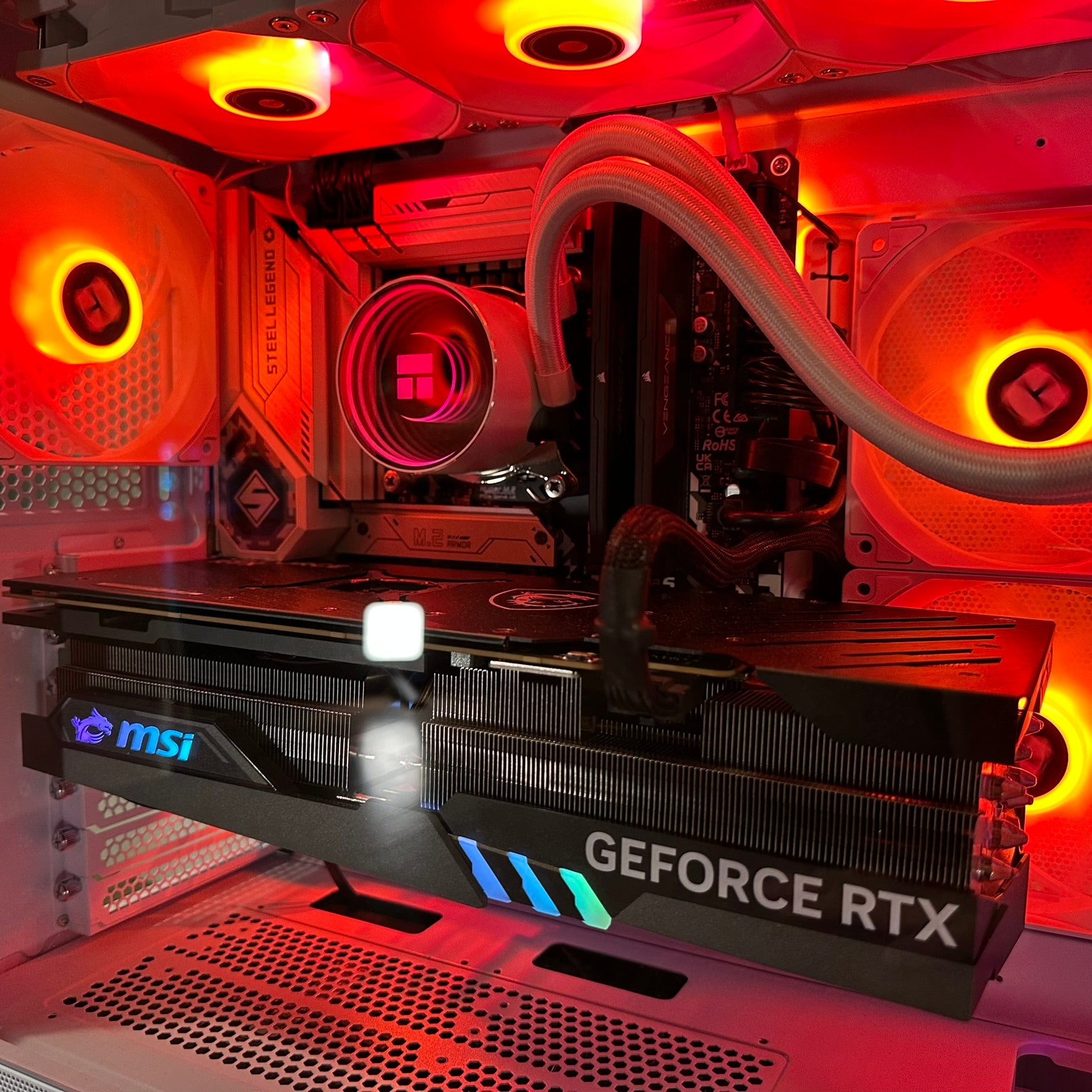
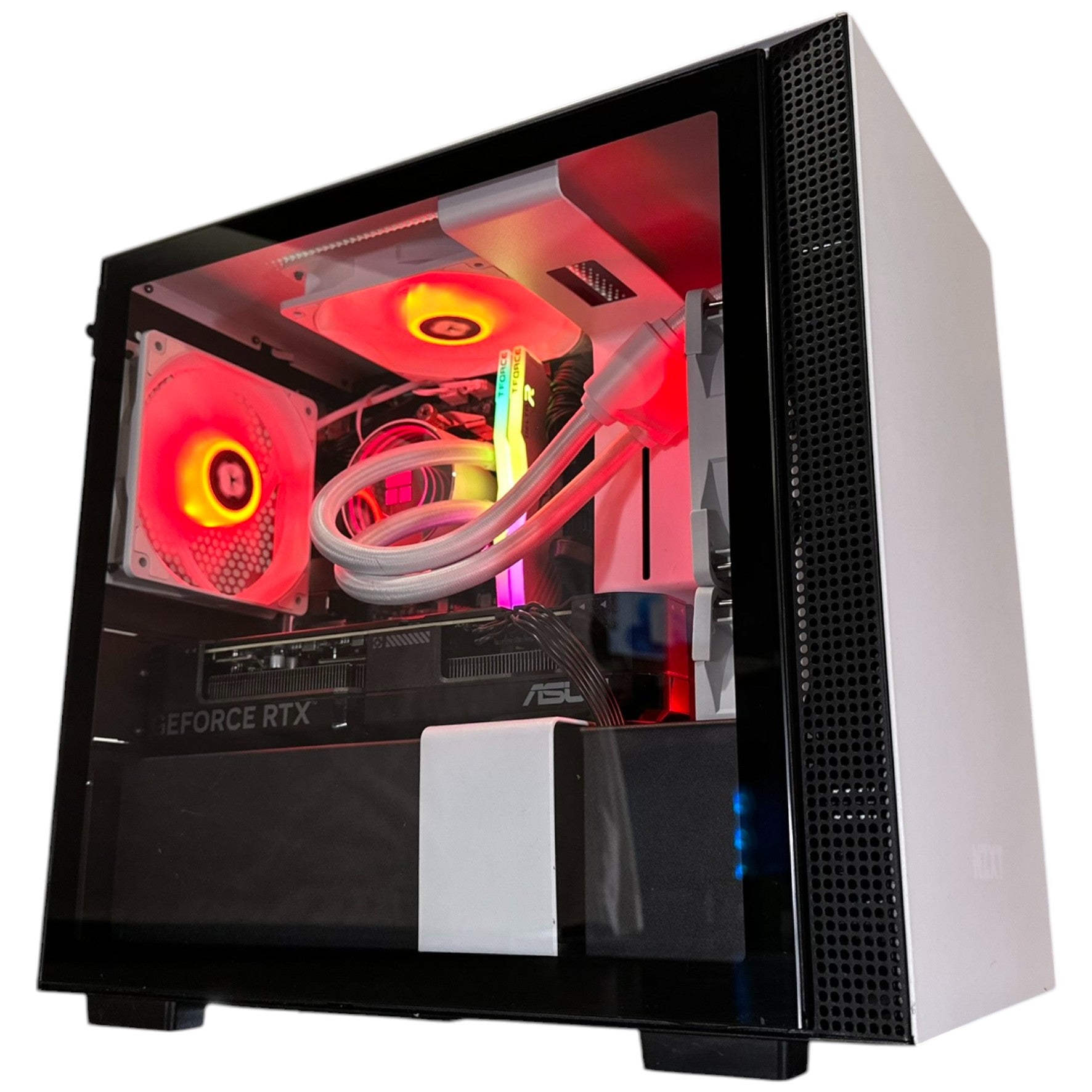
A good 1080p system should focus on a balanced CPU and GPU pairing, fast SSD storage, enough RAM for modern games, and cooling that keeps performance stable during longer sessions. If you are the kind of player who wants to jump into early access titles without pushing ultra settings on a 4K panel, this tier can be excellent.
1440p gaming: Is this the sweet spot for most players?
For many buyers, yes. A 1440p gaming PC Canada build is often the best mix of sharp visuals, strong frame rates and longer-term value. In a visually rich game like Subnautica 2, 1440p can make environmental detail, lighting and underwater scale feel far more impressive without the higher cost burden that comes with chasing serious 4K performance.
If you are wondering, “What PC do I need for 1440p gaming?” this is often the best category to start with if you want your system to feel modern for longer. It is also the range where many players begin to care more about GPU class, VRAM headroom, cooling quality and upgrade path.
This tier is especially strong for buyers who also play other demanding open-world or ray tracing-capable titles and want one machine that feels premium without going all the way to flagship pricing.
4K gaming: Do you really need it for this type of game?
A 4K gaming PC Canada buyer usually wants maximum image quality, a large monitor, premium hardware and stronger long-term performance reserves. But you should be honest about your setup. Do you already own a 4K display? Do you prioritize visual fidelity over value? Are you comfortable paying more for GPU performance now to avoid lowering settings later?
For games built around atmosphere and environmental storytelling, 4K can be stunning, but it is not automatically the smartest choice for every customer. A high-end gaming PC becomes worthwhile when you know you will use the extra power regularly, not just occasionally.
Do you need ray tracing, or is smooth performance more important?
This is where many buyers overspend or underspend.
Ray tracing can dramatically improve lighting in the right game, but not every player needs to prioritize it equally. In an exploration survival title, stable frame delivery and responsive movement may matter more than chasing every advanced visual feature on day one. That said, if you are building for new AAA games broadly, a ray tracing-ready GPU can make more sense as part of a future proof gaming PC Canada strategy.
Ask yourself:
- Do I want ultra settings, or do I want a balanced, smooth experience?
- Am I buying for today’s early access version, or the game’s more demanding future versions too?
- Do I also play other graphically intense PC games where GPU headroom really matters?
Will you only play Subnautica 2, or also stream and record it?
This is one of the biggest decision points for modern buyers. A system that feels great for gaming alone may not feel nearly as comfortable once you add OBS, browser tabs, Discord, music, webcam software and gameplay recording.
If you plan to stream your sessions, a streaming PC Canada or gaming-and-streaming build becomes a better fit than a pure budget gaming box. You will want more overhead, stronger multitasking capability, and hardware that handles encoding cleanly.
So ask yourself:
Do you want to share co-op sessions with friends online?
Do you plan to upload reaction clips, funny creature encounters or base-building progress to YouTube or TikTok?
Do you want one PC for gaming and recording, or are you expecting too much from an entry-level build?
If the answer includes streaming, clipping or content uploads, it is usually smarter to buy above your bare gaming requirement.
Is a gaming PC enough if you also edit videos, make thumbnails or create content?
Sometimes yes, but not always.
A lot of customers who start by searching for a gaming PC for new games actually need a broader creator PC Canada solution. If you are editing gameplay footage, working in Adobe software, using CapCut, rendering videos, designing channel graphics or batch-exporting images, your buying decision changes fast.
That is when a system needs to be judged not just by game performance, but by:
- Timeline smoothness
- Export times
- RAM capacity
- Storage speed
- CPU core strength
- GPU acceleration support
- Multitasking reliability
If you are asking, “Is a gaming PC good for video editing?” the answer is often that a balanced gaming-focused build can work well for light to moderate editing. But if content creation is a regular workload, stepping into a custom creator PC is the safer long-term move.
Who should consider a video editing PC instead?
If you regularly edit 1080p or 4K footage, export long clips, work with layered projects or use Adobe Premiere Pro, DaVinci Resolve or After Effects, then a video editing PC Canada build may be a better investment than a standard gaming machine.
That is particularly true if your current system makes you ask:
- Why are my exports taking so long?
- Why does my timeline stutter?
- How much RAM do I need for video editing?
- Should I buy a stronger PC now instead of replacing a weaker one later?
What about photo editing and graphic design?
If your workflow includes Photoshop, Lightroom, Illustrator, Canva, InDesign or high-resolution image work, a photo editing PC Canada or graphic design PC Canada build may be the better fit. These buyers still benefit from fast SSDs, strong CPUs, healthy RAM capacity and dependable cooling, but they may not need the same GPU priority as a buyer chasing premium 4K gaming.
The best build depends on what you actually do every week. Are you mostly gaming? Mostly editing? Doing both? That answer should shape the system, not the other way around.
Could Subnautica 2 hype push more people to replace aging PCs?
Absolutely, and that matters because game-driven buying waves often expose weaknesses in older systems all at once. A player might tolerate an aging machine for months, then one new title reveals the problems immediately: long loading times, hitching, noisy fans, poor texture handling, unstable frame pacing or weak multitasking.
That is why major game releases, early access launches and viral co-op trends often create sudden demand for:
- Budget gaming PCs
- Mid-range 1440p systems
- Premium RTX gaming PCs
- Gaming and streaming desktops
- Creator systems for gameplay editing
If you already know your current PC struggles with newer titles, waiting can become expensive in another way: you keep delaying the purchase, keep compromising the experience and may still face higher replacement costs later.
Should Canadian buyers wait, or is it better to buy before prices shift?
This is one of the most common real-world questions, and it deserves a practical answer.
If your current machine is already limiting what you want to play or create, waiting is not always the money-saving move people assume it is. GPU pricing can change. RAM and SSD pricing can move. New releases can spike demand. Better-looking games can make older hardware feel obsolete faster than expected. And if you settle for an underpowered machine now, you may spend more upgrading sooner.
So ask yourself honestly: is it better to buy a gaming PC now or wait?
If you are close to buying anyway, and you already know which games or workloads you want to run, there is strong logic in securing a system that gives you real headroom instead of gambling on a perfect future moment.
Would financing help you secure a better system before replacement costs rise?
For many buyers, yes. This is especially true when the choice is between buying a weaker PC outright today or getting a stronger custom build that better matches your actual needs.
A lot of customers do not really need the cheapest possible machine. They need the right machine, but in a way that fits their monthly budget. That is where financing can make the decision much more practical.
If you are asking yourself questions like these, financing may be worth considering:
- Should I finance a better PC instead of buying a cheaper one?
- Can I spread out the cost and avoid compromising on performance?
- Would a stronger GPU or more RAM help me avoid upgrading too soon?
- Am I buying ahead of a major game release or growing creator workload?
For gaming, streaming, editing and content creation buyers, financing up to 4 years can be a sensible way to secure a more capable system while keeping cash flow manageable. It is not about overspending. It is about buying once, more intelligently.
Which performance tier fits you best?
If you are unsure what category you belong in, use this simple buyer framework.
Choose a budget gaming PC if:
- You mainly play at 1080p
- You want solid value and sensible settings
- You play lighter or mixed-demand games
- You want a first gaming PC without paying for premium extras
Choose a mid-range or premium RTX gaming PC if:
- You want 1440p gaming to feel smooth and sharp
- You play larger open-world or AAA games regularly
- You want stronger visual settings and more GPU headroom
- You care about longevity and do not want to upgrade too soon
Choose a gaming and streaming PC if:
- You run OBS, Discord, browsers and games together
- You plan to stream multiplayer sessions
- You want to record clips and gameplay regularly
- You need stronger multitasking and encoding support
Choose a creator PC or editing workstation if:
- You also edit videos or photos frequently
- You work in Premiere Pro, DaVinci Resolve, Photoshop or Illustrator
- You want faster exports and smoother editing performance
- You need a machine that earns its keep in both play and productivity
Choose a 3D modeling or workstation-class build if:
- You use Blender, Unreal Engine, CAD or rendering software
- You need CPU and GPU power beyond mainstream gaming needs
- You depend on stability, memory capacity and sustained performance
- You want a professional tool, not just a gaming desktop
Why does a custom PC make more sense for games like this than a generic off-the-shelf system?
Because category labels alone can be misleading. Many “gaming PCs” are built to look exciting on paper but cut corners in cooling, power delivery, storage quality, motherboard features or future upgrade flexibility. That matters more than people think when a game becomes demanding, a workload expands, or a buyer starts gaming and creating on the same machine.
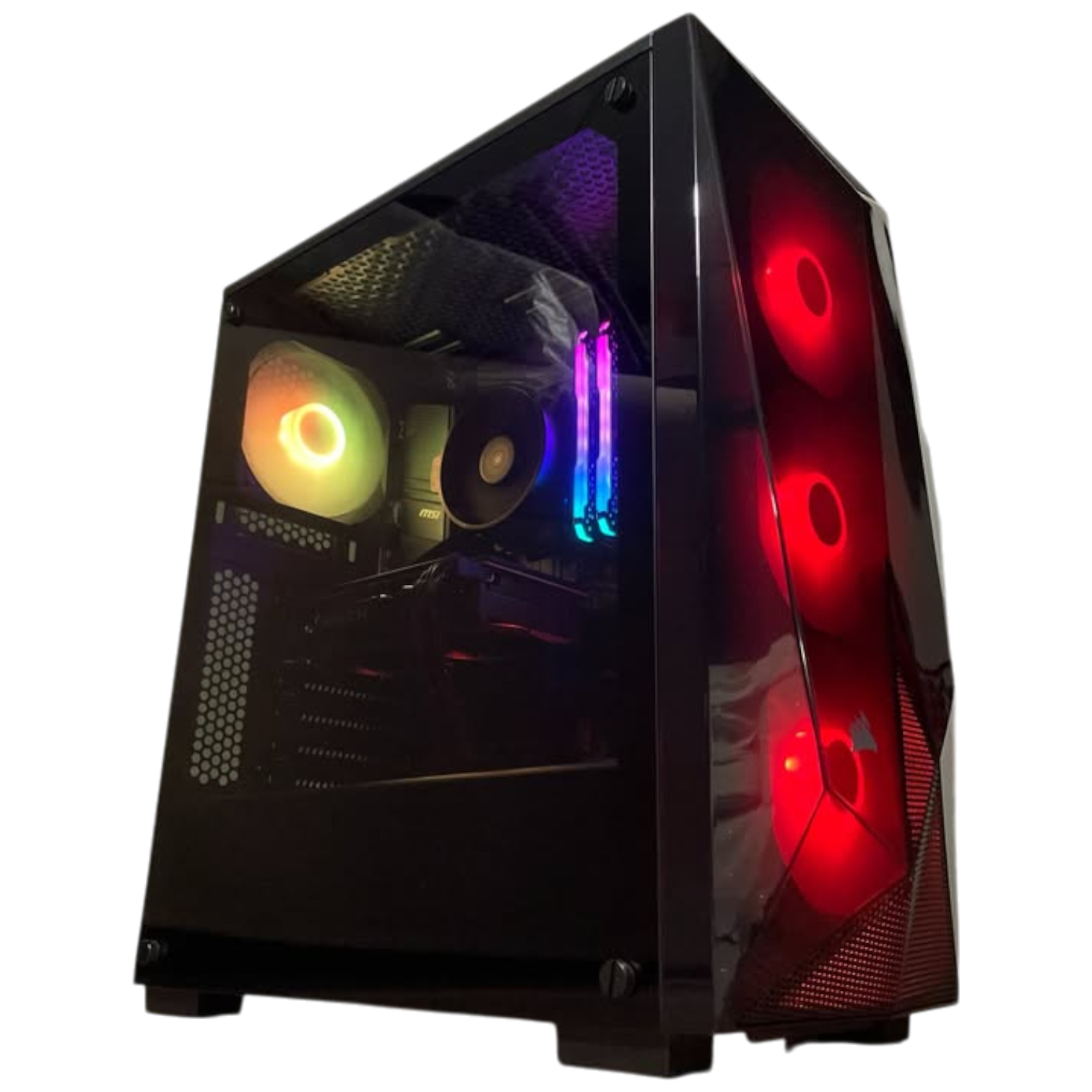
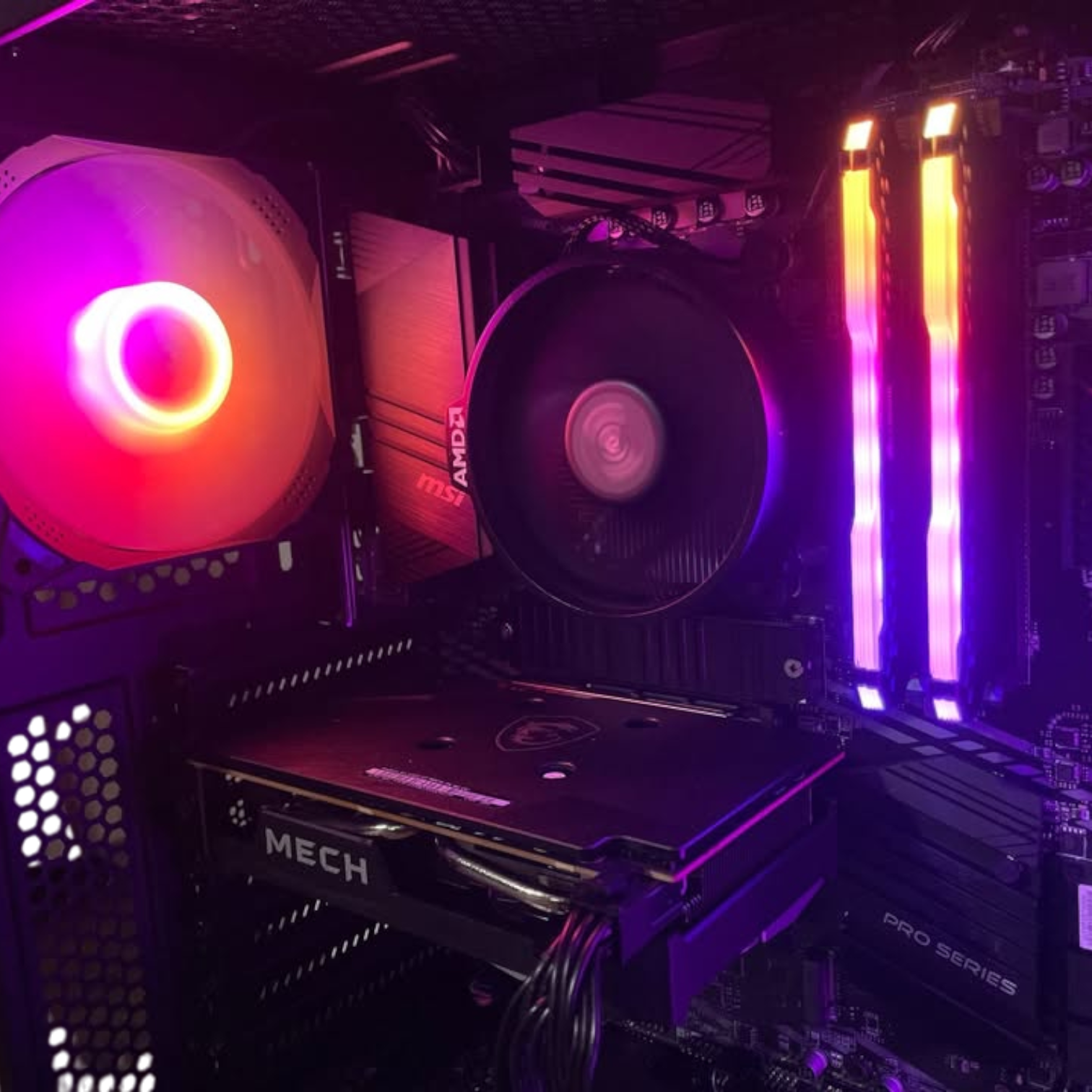
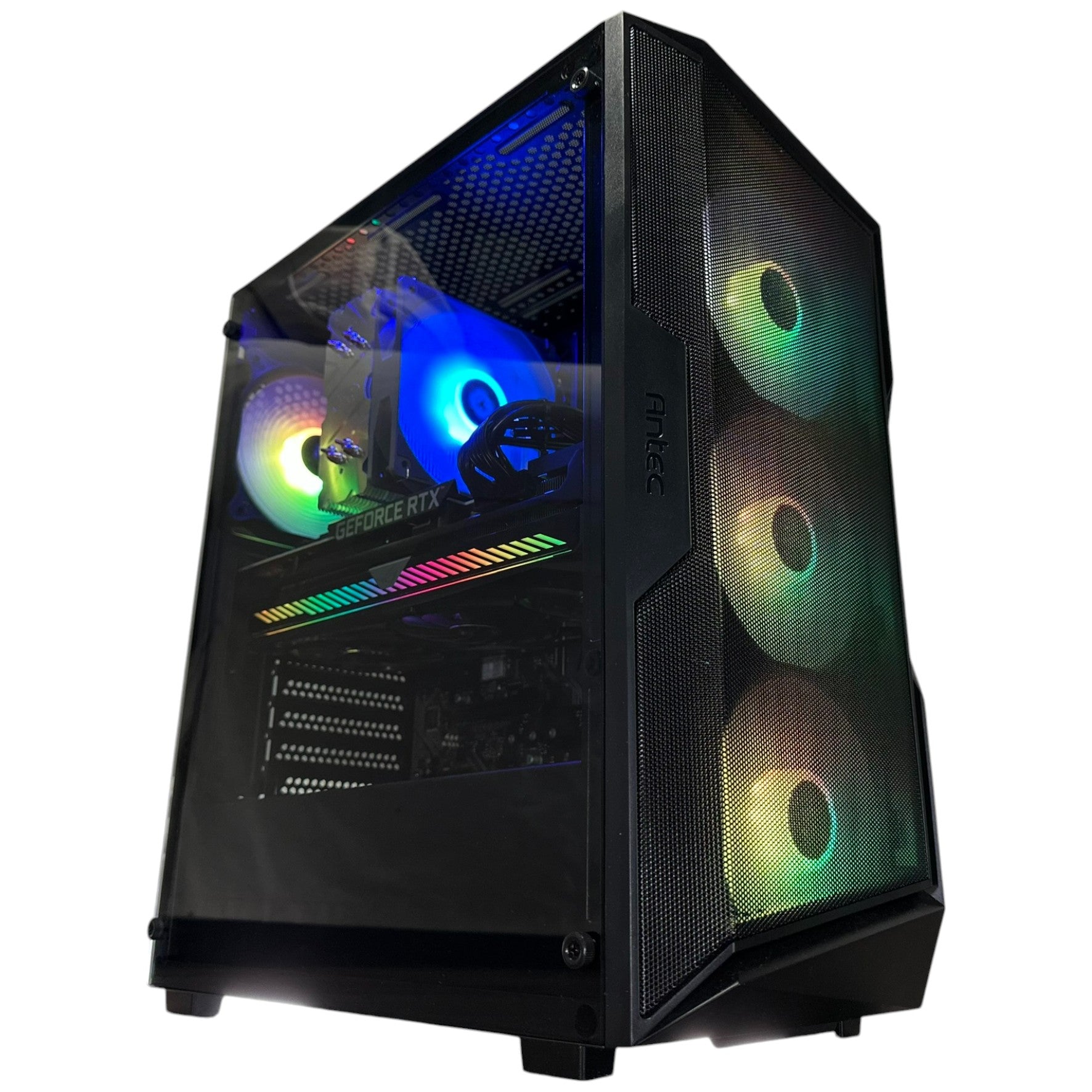
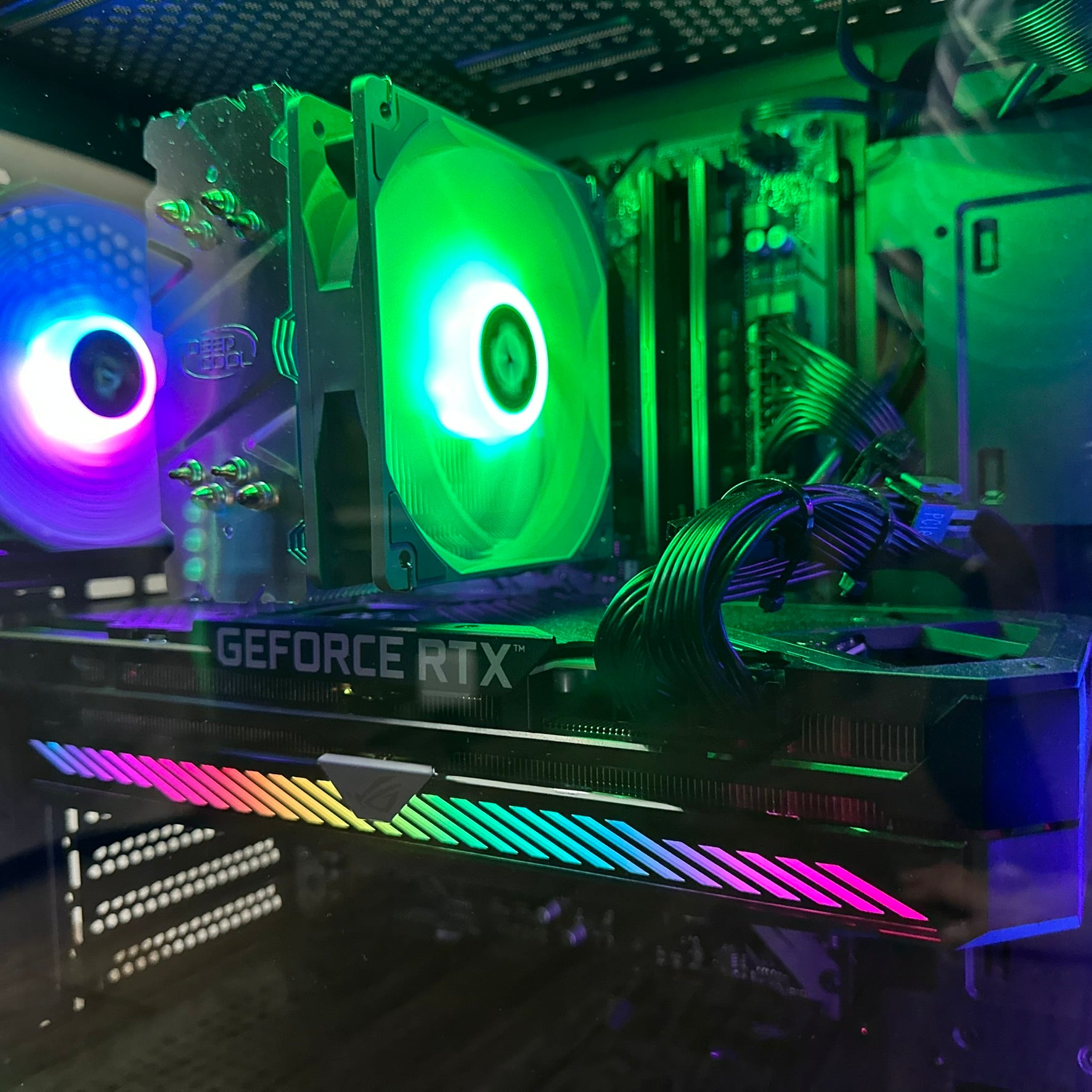
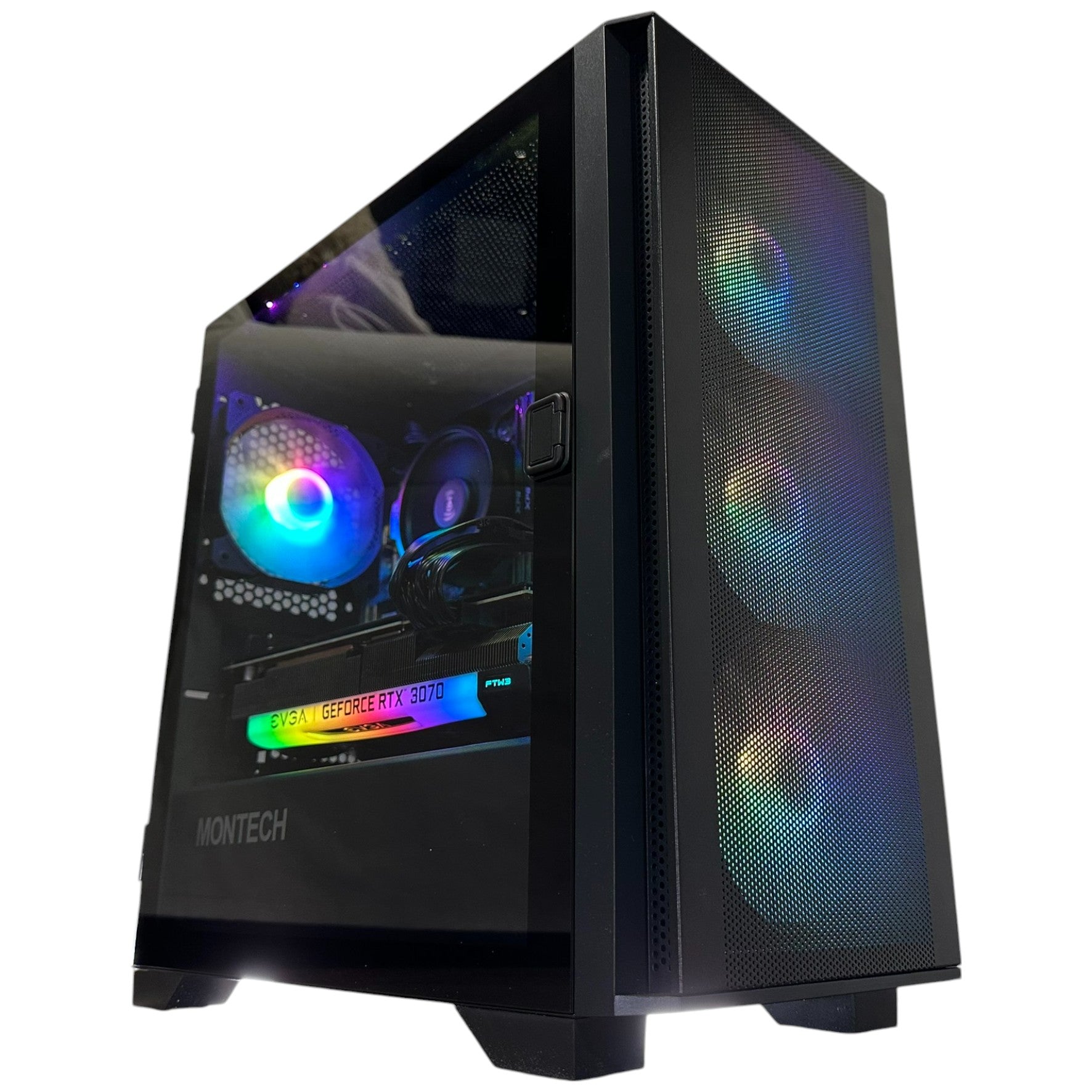
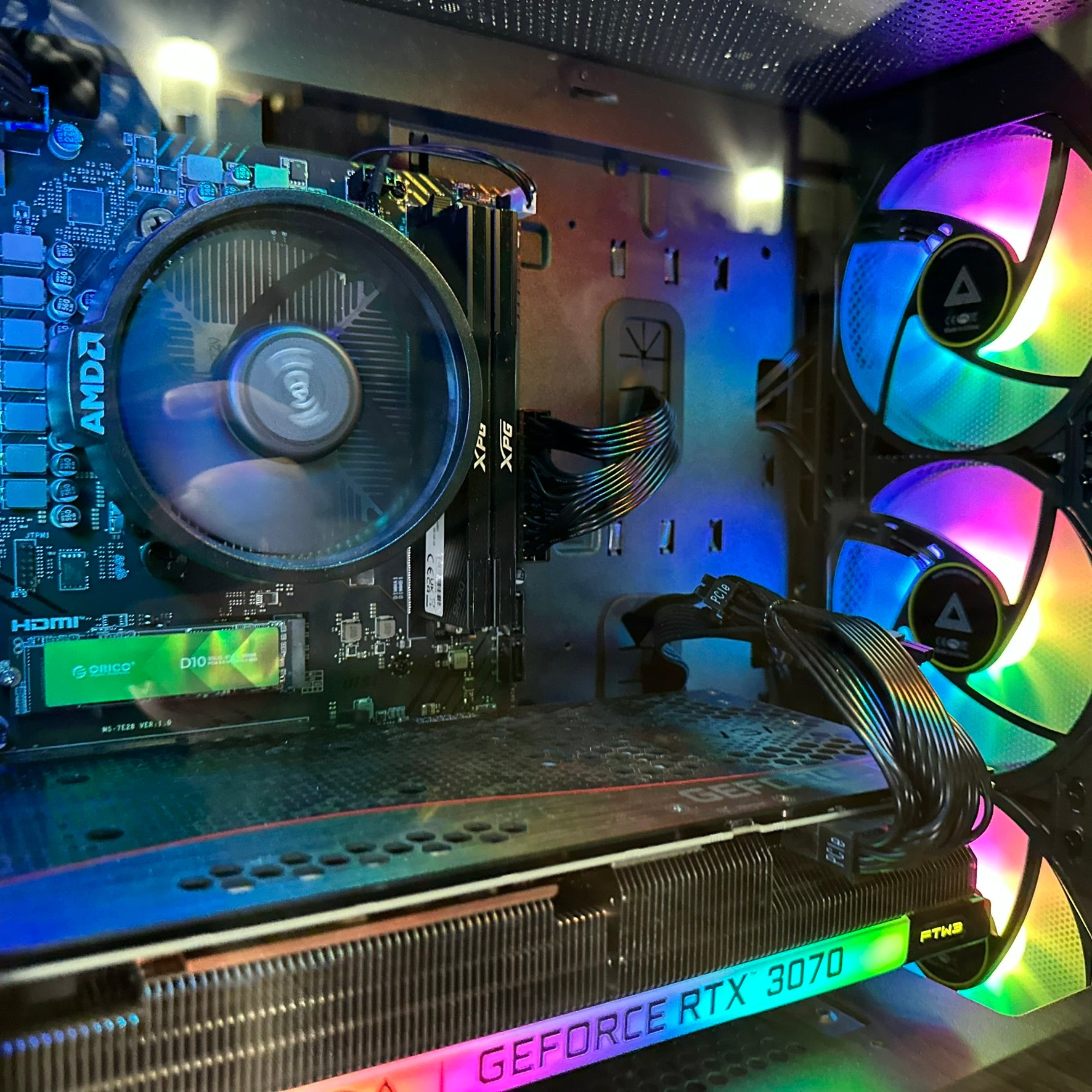
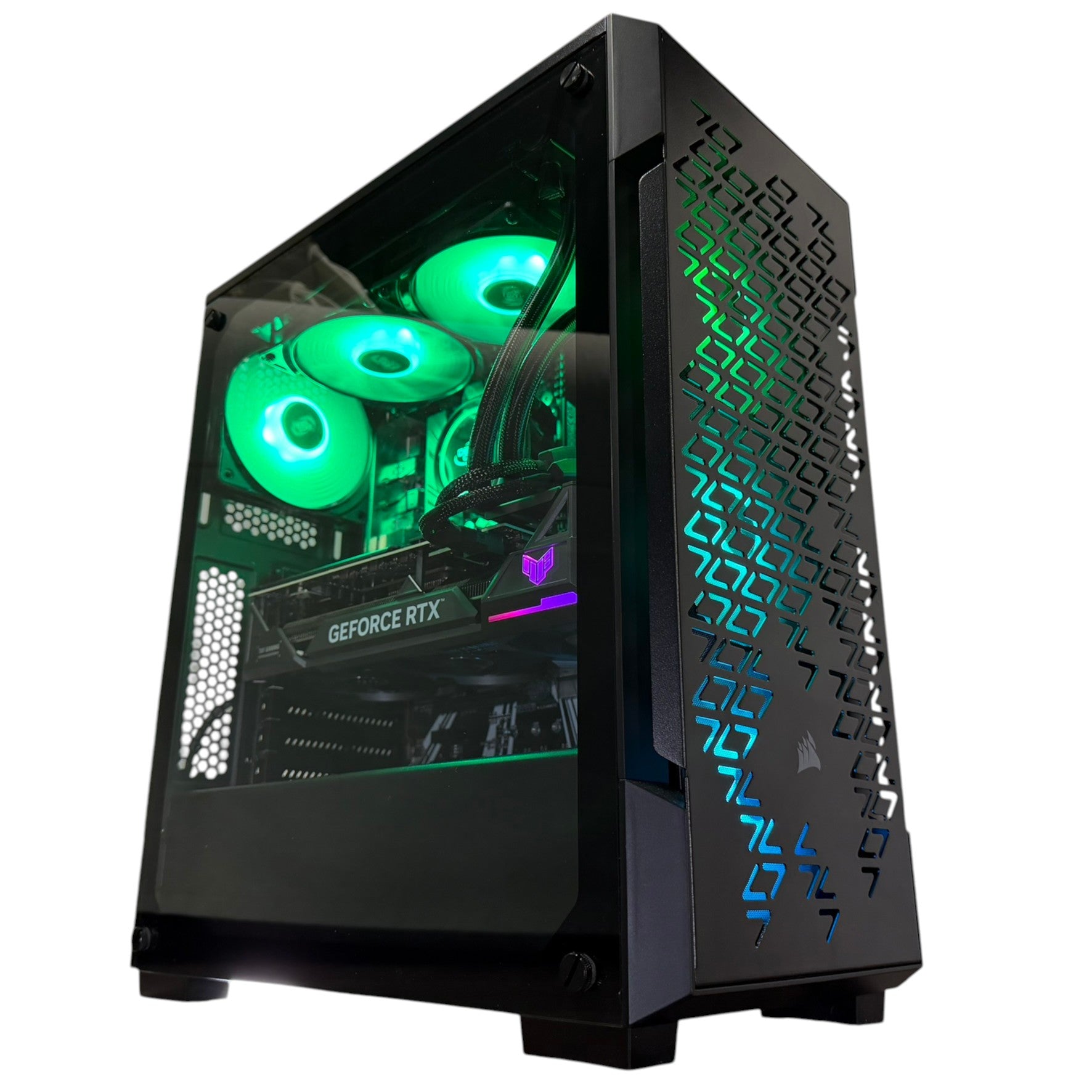
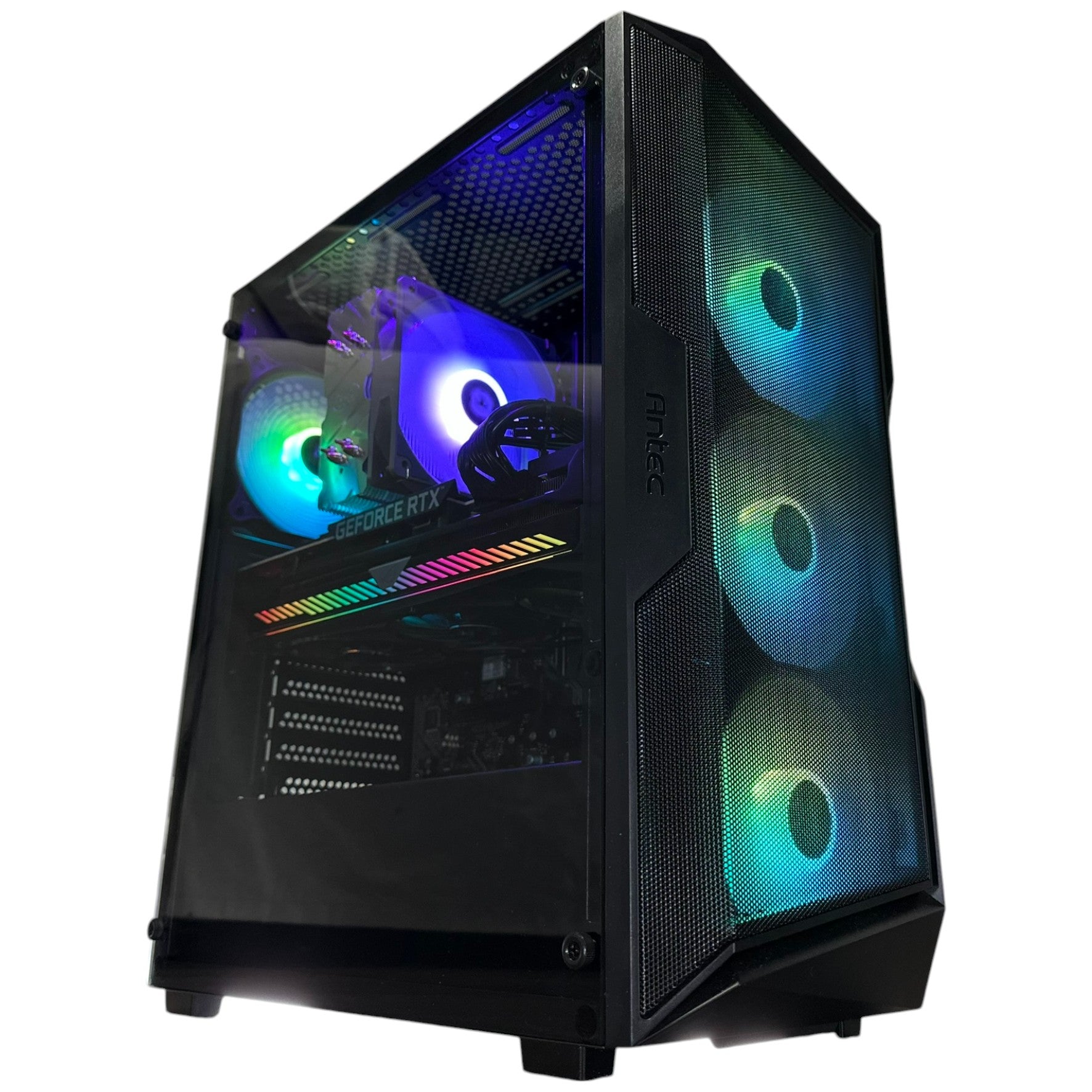
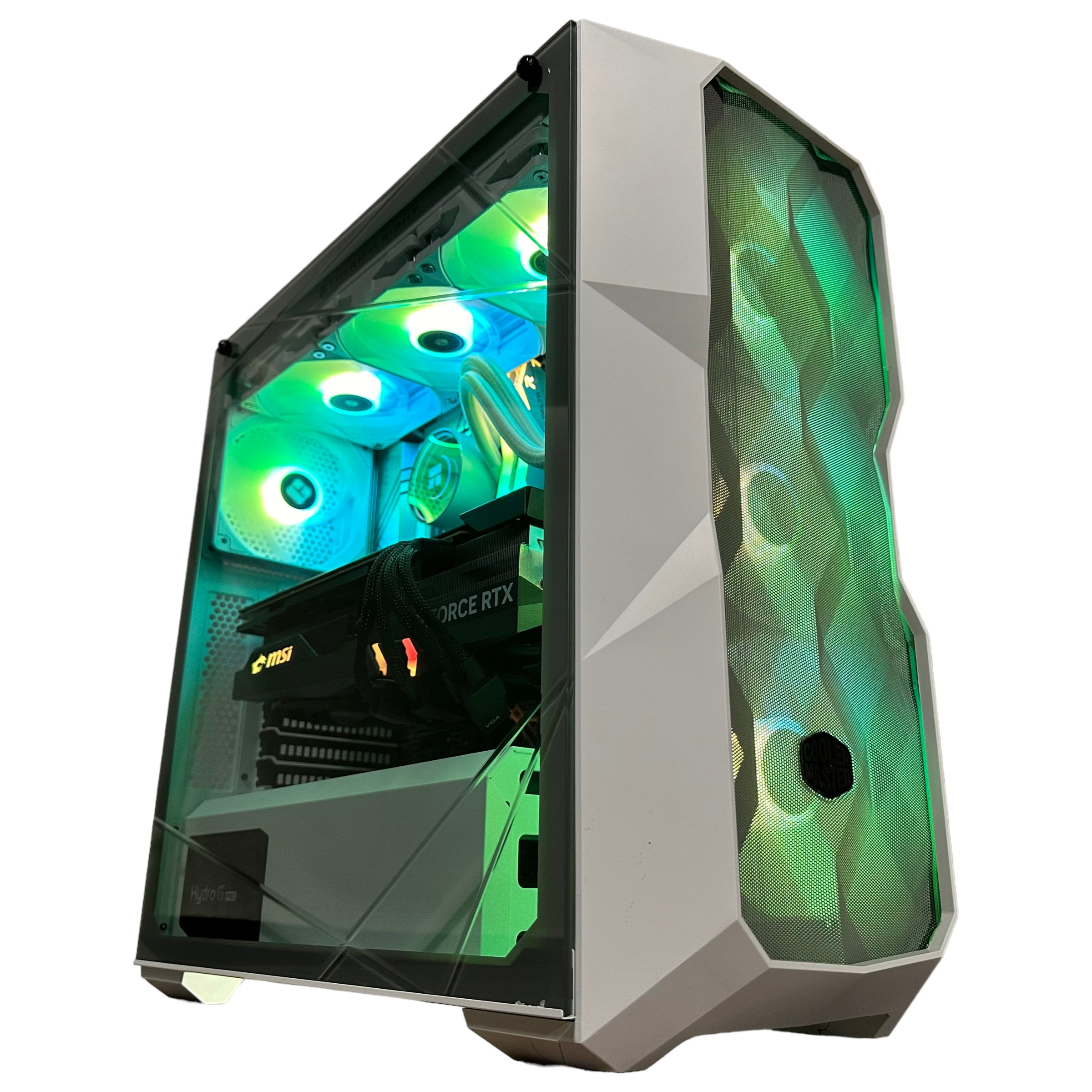
A custom gaming PC Canada approach gives you a better chance of matching the system to the way you actually use it. That means better part balancing, smarter airflow, less wasted budget, and a more realistic performance target from the start.
It also means asking better questions before you buy:
- Do I need more GPU power or more CPU strength?
- How much RAM is right for gaming plus streaming?
- How much SSD space will I need once game installs grow?
- Will this build still make sense if I start editing video later?
- Am I paying for flashy specs or useful long-term performance?
Why do testing, warranty and Canadian support matter more than buyers expect?
When you buy a custom PC, you are not just buying components. You are buying confidence. That becomes especially important when hardware prices are unpredictable, game requirements keep moving upward and you do not want to troubleshoot a newly purchased system on your own.
Groovy Computers gives Canadian buyers a stronger path here because the value is not just in the parts list. It is in the full custom-build process, rigorous testing and real support structure behind the system. That matters whether you are buying a gaming desktop, a creator machine or a workstation-class build.
A properly tested system helps reduce the risk of instability, bad thermals, mismatched parts or preventable headaches after delivery. A 1-year warranty also adds peace of mind for buyers who want their investment protected.
What should Canadian gamers and creators ask before buying their next PC?
Use these as your final decision filters:
- What games or software will I actually use every week?
- Am I targeting 1080p, 1440p or 4K?
- Do I care more about value, visual quality or long-term headroom?
- Will I stream, record, edit or design on the same PC?
- Do I want to avoid replacing this system too soon?
- Would financing let me buy the right build instead of settling?
- Do I want a tested custom PC from a Canadian builder with warranty support?
Need help choosing the right build for Subnautica 2 and everything after it?
If this article has you thinking less about one game and more about your overall setup, that is a good sign. The best buying decision is rarely about chasing the lowest number. It is about matching your next system to your real gaming, streaming, editing or creative goals.
Whether you need a budget gaming computer, a premium RTX gaming PC, a gaming-and-streaming desktop, a custom creator PC or a heavier workstation for advanced workloads, Groovy Computers can help you choose a build that makes sense for your budget and your future plans. If you are asking what your next PC should actually do for you, start by exploring GroovyComputers.ca.
The bottom line: Subnautica 2 is more than a game recommendation, it is a PC buying signal
The original source article makes one thing clear: Subnautica 2 is already delivering the kind of multiplayer survival experience that gets players excited, invested and ready to spend more time in-game. For many people, that excitement also reveals whether their current hardware is still enough. If it is not, this is the moment to think seriously about Subnautica 2 PC requirements, your broader game library, your creator goals and whether a better custom system now could save you money and frustration later.
If your current PC is holding back the games you want to play, the content you want to make or the performance tier you really want to enjoy, do not just ask whether you can wait. Ask whether waiting actually helps. For many Canadian buyers, the smarter move is choosing a properly matched custom build from Groovy Computers before another wave of game demand, hardware pressure or upgrade regret sets in.
#Subnautica2PCRequirements #GamingPCCanada #GamingPCBuildsCanada #CustomGamingPCCanada #CanadianCustomPCBuilders #1440pGamingPCCanada #StreamingPCCanada #CreatorPCCanada #VideoEditingPCCanada #NovaScotiaBusiness
Groovy Computers | All Rights Reserved



Leave a comment
This site is protected by hCaptcha and the hCaptcha Privacy Policy and Terms of Service apply.