

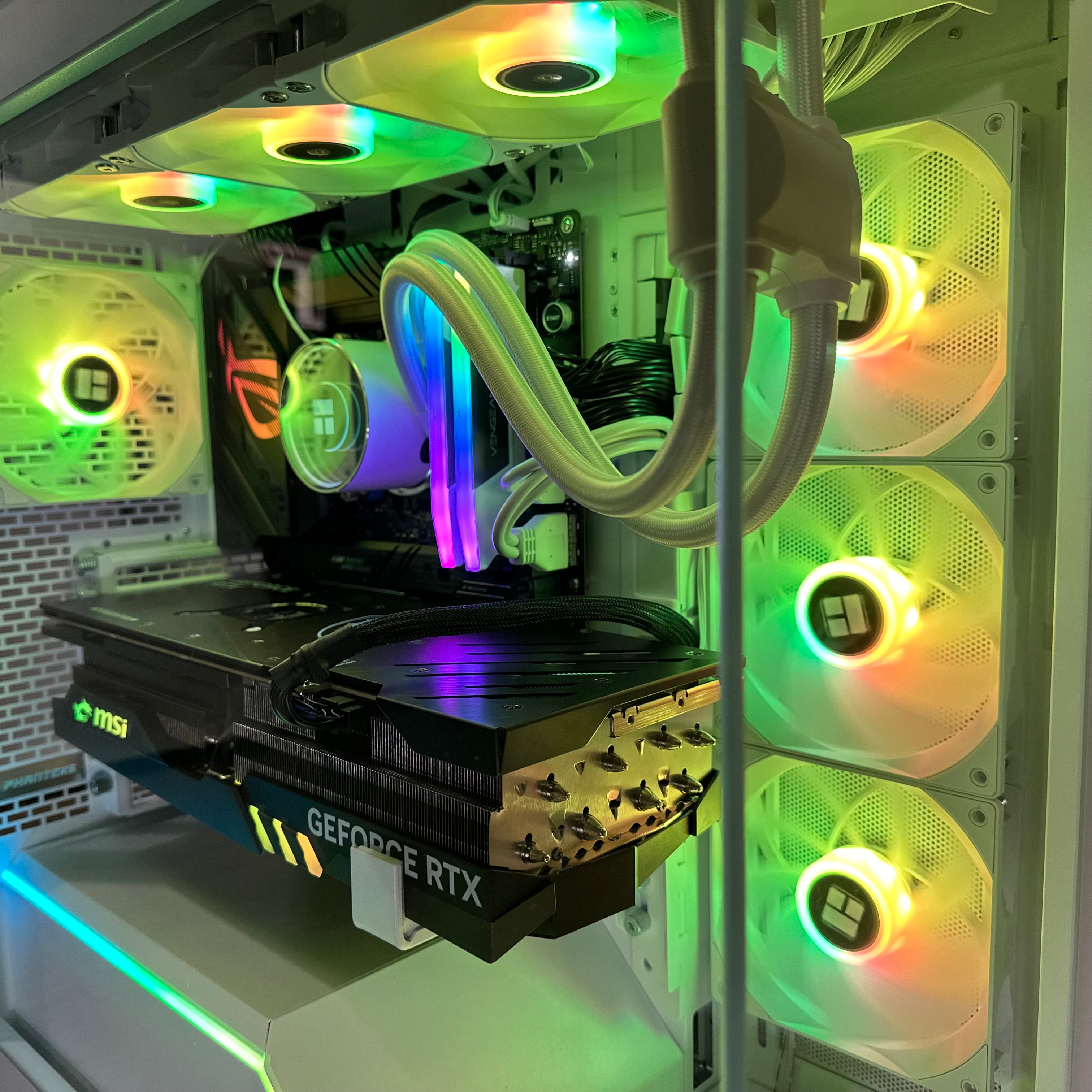

GTA 6 for “Free” With Microsoft Rewards? Why This Viral Story Is Really a Wake-Up Call for Anyone Shopping for a Gaming PC in Canada
The recent GTA 6 pre-order story about players cashing in roughly 98,000 Microsoft Rewards points to offset the cost of the game grabbed attention for one simple reason: it highlights just how expensive modern gaming has become. In practical terms, some players found a way to reduce or eliminate the cash price of a major new release, while everyone else was forced to confront the real cost of keeping up. For Canadian buyers, that matters even more. A premium new game can land around the $100 to $140 CAD range depending on edition, and that is before you even think about your hardware. If GTA 6 is already making gamers rethink software spending, what does that mean for the next PC you buy?
That is where this conversation gets more important than the headline itself. The real lesson is not just that a few dedicated users stacked points over time. It is that demand around major game launches changes buying behaviour. New releases push players to reassess their current system, consider upgrading sooner, and compare the cost of patchwork upgrades against a stronger long-term build. If you are already asking yourself whether your current desktop is ready for the next wave of open-world games, ray tracing, higher resolutions, streaming, or creator work, you are asking the right question.
At Groovy Computers, we see this pattern repeatedly across Canada. A huge game creates hype, pricing discussions explode, and buyers start thinking: should I keep stretching my old system, or is this the moment to invest in something that can actually carry me through the next few years? If that sounds familiar, this guide is for you.
What the GTA 6 Microsoft Rewards story actually tells us
The source story focused on players using Microsoft Rewards points earned through Bing searches, app activity, and platform engagement to redeem Xbox gift cards and apply them toward GTA 6 pre-orders. It is funny, it is clever, and it makes for a great headline. But underneath the humour is a serious market signal: people are looking for ways to soften the financial hit of new gaming releases.
Why? Because gaming is no longer a one-line expense. The cost of a game is only one part of the equation. You also have to think about your monitor resolution, target frame rate, storage space, your CPU’s age, your GPU’s capabilities, your RAM ceiling, your power supply headroom, and whether your system is still balanced enough for modern titles.
In other words, “getting the game for free” only matters if your PC is actually ready to run the kind of games releasing now and in the near future.
That is the bigger buying question for Canadian shoppers: even if you save money on software, are you still underpowered on hardware?
Why Canadian gamers should read this differently
For Canadian customers, price pressure usually feels sharper. Games, GPUs, CPUs, SSDs, memory, and complete systems all live in an environment shaped by exchange rates, import costs, shifting distributor pricing, and periods of demand-driven volatility. A game that sounds expensive in U.S. coverage can feel even more expensive once translated into Canadian reality. The same is true for hardware.
That is why waiting is not always the safe option people think it is. Many buyers assume they can simply hold off until they “need” a new PC. But what happens if your old system starts struggling right as a major release, hardware demand spikes, or replacement component costs rise? What happens if the GPU tier you should have bought six months ago is now harder to get, more expensive, or no longer the best value?
Canadian buyers need to think beyond the launch-day cost of a single game. The better question is this: what will your total gaming experience cost if you delay too long and then have to buy under pressure?
What do you want your next PC to do for you?
Before you compare specs, prices, or financing options, pause and ask the question that matters most: what do you actually want your next PC to handle?
Do you want a system that plays new AAA games smoothly at 1080p without turning every settings menu into a compromise? Are you aiming for a 1440p gaming PC in Canada that can push strong frame rates while still looking visually impressive? Do you want a 4K gaming experience with ray tracing and enough overhead that the machine still feels premium years from now?
Or is gaming only part of the story?
Do you also want to stream to Twitch or YouTube? Record gameplay while keeping frame times stable? Edit long-form videos in Adobe Premiere Pro or DaVinci Resolve? Work in Photoshop and Lightroom? Build graphics in Illustrator and InDesign? Handle Blender scenes, Unreal Engine work, or workstation-heavy multitasking?
The reason this matters is simple: the right answer for one buyer can be the wrong build for another. A budget gaming computer is not the same thing as a streaming tower. A gaming-and-editing setup is not the same as a 3D modeling workstation. The more honest you are about your real workload now, the less likely you are to buy a machine that feels outdated too soon.
Are you buying a PC for GTA 6 only, or for the next generation of games?
That is an important distinction. Many buyers shop emotionally around a major release. They search for a gaming PC for GTA 6, compare a few flashy specs, and focus on getting into one game. But smart buyers think one step ahead. If a system is being purchased around a release as significant as GTA 6, it should also be evaluated for what comes next: future open-world titles, ray tracing-heavy releases, larger texture packs, more demanding background apps, live streaming, and content creation workflows that are only getting heavier.
So ask yourself: do you want a PC that merely survives the next launch cycle, or one that still feels like a good decision after the hype settles?
That is where custom build logic matters. A balanced system designed around your real resolution, refresh rate, and software mix is usually a much better long-term value than buying based on fear, brand hype, or a single spec.
What gaming performance tier fits you best?
Entry-level and budget gaming: is 1080p still enough for you?
If your goal is strong 1080p gaming, esports titles, and playable performance in modern releases without overspending, a budget gaming PC can still make a lot of sense. This tier is often best for first-time buyers, students, or gamers upgrading from very old hardware.
But you should still ask the hard question: are you buying a value build because it fits your needs, or because you are trying to avoid financing a stronger system that would last longer?
If you mainly play competitive games, want fast boot times, and need a dependable entry point into PC gaming, this category works well. If you already know you want to play big new releases at higher settings, stream, or multitask heavily, it may be smarter to step up now rather than upgrade again early.
Mid-range performance: is 1440p the real sweet spot?
For many buyers, a 1440p gaming PC in Canada is the best balance of visual quality, smooth performance, and long-term value. This is often the tier where custom gaming PCs really start to shine. You get enough GPU power for modern games to look excellent, enough CPU strength to avoid obvious bottlenecks, and enough platform quality to feel like you bought a serious machine rather than a stopgap.
Are you gaming on a high refresh monitor? Do you want high settings without immediately chasing ultra-premium pricing? Do you plan to stream occasionally or run voice chat, browsers, music, and recording tools in the background while you play? If so, this is frequently the right category.
Premium and high-end gaming: are you targeting 4K, ray tracing, or maximum longevity?
If you want a high end gaming PC in Canada for 4K, ultra settings, ray tracing, and the longest practical runway before your next upgrade, you are shopping in premium territory. This is the right lane for buyers who do not want to keep turning settings down every year, who care about visual fidelity, or who want one machine to handle gaming, streaming, editing, and serious multitasking with less compromise.
But here is the real buying question: are you comparing the sticker price only, or the cost over time?
A stronger build can be more efficient financially if it helps you avoid replacing major components too soon, avoids frustration, and gives you room for future games and creative workloads. That is one reason many Canadian buyers explore monthly payments instead of forcing themselves into a weaker system they already know they will outgrow.
What if you want to game and stream at the same time?
A lot of readers who are excited about a game like GTA 6 are not just planning to play. They want to clip highlights, go live, record commentary, post content, and build something around their hobby. That changes the kind of PC you should buy.
A streaming PC in Canada needs more than raw game performance. It needs enough CPU and GPU headroom for encoding, enough RAM for multitasking, fast storage for recordings, and sensible thermal design so the machine remains stable under long sessions. If you use OBS, Streamlabs, Discord, browser tabs, alerts, and background tools all at once, your “gaming PC” quickly becomes a content machine.
So ask yourself: what PC do you need for streaming if your current system already struggles with one demanding game and a browser open? Are you trying to save money now only to discover your frame rate tanks the first time you hit “Start Streaming”?
This is exactly where a custom gaming and streaming PC can save you from buying twice.
Could the same buying decision also improve your creator workflow?
Many Canadian customers no longer shop in clean categories. They game at night, edit videos on weekends, create thumbnails, work in Photoshop, cut clips for social media, and maybe even render 3D assets or work in design software. If that sounds like you, a pure gaming-first decision may not actually be the smartest purchase.
A creator PC in Canada should be selected around the software you use most. Video editors often benefit from more CPU cores, more RAM, fast scratch storage, and strong GPU acceleration. Photo editors need responsive performance with high-resolution files, dependable storage, and enough memory overhead. Graphic designers benefit from smooth Adobe Creative Cloud performance and multi-monitor friendliness. Blender and Unreal Engine users need workstation-level thinking around rendering, viewport speed, memory capacity, and sustained stability.
So what is your next PC really for? Gaming only? Gaming and streaming? Gaming and editing? Full-time content creation? Part-time design and business use? If you answer that properly, the right custom PC category becomes much easier to identify.
Is a gaming PC good enough for video editing, photo editing, and graphic design?
Sometimes yes, but not always in the way buyers expect.
A good gaming PC can absolutely overlap with creator tasks, especially if it is built with enough RAM, a capable CPU, fast SSD storage, and the right GPU. In fact, many users looking for a video editing PC in Canada or a photo editing PC in Canada can start with a balanced gaming-capable platform and configure it properly for their workflow.
But the details matter.
- For video editing: Are you cutting 1080p clips casually, or working with 4K footage, effects, colour grading, and long exports?
- For photo editing: Are you touching up a few images, or processing large RAW batches in Lightroom and Photoshop?
- For graphic design: Are you handling social posts and logos, or managing large Adobe Creative Cloud projects across multiple displays?
- For content creation: Are you recording gameplay, editing reels, and uploading regularly enough that time saved becomes valuable?
If your workflow is getting serious, the best move may be a custom creator PC rather than a gaming-only tower with creator compromises hidden inside it.
What if your workload is 3D modeling, rendering, or workstation-heavy?
This is where many mainstream buyers underestimate their hardware needs. A 3D modeling PC in Canada or rendering workstation is not just a “better gaming PC.” It has to be planned around memory demands, render behaviour, CPU versus GPU acceleration, storage throughput, and long-session reliability.
Do you work in Blender? Unreal Engine? CAD applications? Product rendering tools? Architectural scenes? Animation pipelines? If so, your system should be built for that reality, not just for frame rate marketing.
You should also ask: would you rather buy the minimum and hit a wall six months later, or finance a workstation-class build that lets you take on bigger projects immediately?
For professionals, students in advanced programs, or serious hobbyists, the machine is not just entertainment hardware. It is production infrastructure.
Why timing matters more than people think
The Microsoft Rewards angle in the source story is really about time. The users who benefited were the ones who started long before launch. They planned ahead. That same lesson applies to buying a PC.
If you know a major game release is coming, if your system is already aging, if your software demands are increasing, or if you can see your workload changing, waiting until the exact moment of failure is often the most expensive path. Buying under pressure usually means fewer choices and more compromise.
What if GPU pricing gets tighter? What if RAM costs move? What if SSD pricing strengthens? What if a big seasonal surge reduces value in the exact tier you need? What if your current machine develops a problem right when you need it most?
Planning ahead is not hype. It is cost control.
Should you buy now or wait?
This is one of the most common questions in any gaming PC buying guide in Canada, and the honest answer is that it depends on your current machine, your urgency, and your target tier.
You should seriously consider buying now if:
- Your current PC already struggles with the games or software you use today
- You are shopping around a major release and know your usage is about to increase
- You want to avoid emergency buying after a failure or frustrating performance drop
- You would benefit from financing a better system now rather than settling for a weaker one
- You are trying to future-proof sensibly instead of replacing parts one by one
You may be able to wait if your current system still handles your needs comfortably and you have a clear reason to delay. But “I am waiting because maybe something changes” is not much of a strategy if your real problem is already here.
Is financing a stronger PC smarter than buying a weaker one outright?
For many buyers, yes.
This is where the GTA 6 story becomes a broader consumer lesson. People are actively looking for ways to spread or reduce costs because technology and entertainment spending adds up fast. If you are already close to the performance tier you actually need, financing can make more sense than downgrading yourself into regret.
Would you rather pay cash for a system that feels stretched from day one, or secure a better-balanced custom PC with room to breathe? Would a stronger GPU, more RAM, a better CPU, or faster storage save you from upgrading too soon? Would monthly payments make it easier to buy for the next three to four years instead of the next six months?
At Groovy Computers, this is one of the most practical conversations we have with customers. Financing up to 4 years can help Canadian buyers lock in a stronger gaming PC, creator PC, or workstation before replacement costs rise further. That is not about overspending. It is about buying correctly.
What questions should you ask before choosing your next custom PC?
If you are genuinely trying to make the right call, these are the questions worth asking yourself:
- What games or software will I actually use most?
- Am I targeting 1080p, 1440p, or 4K?
- Do I care about ray tracing, high FPS, or competitive performance?
- Will I stream, record, edit, or multitask heavily?
- How long do I want this system to feel current?
- Am I buying around a major game release or workload increase?
- Would financing a better build save me money versus upgrading too soon?
- Do I want a budget gaming PC, a premium RTX gaming PC, a custom creator PC, or a workstation?
- Do I want the confidence of a tested system with warranty support?
- Do I want help choosing, instead of guessing from random spec lists?
Those questions sound simple, but they separate impulse buying from smart buying.
Why custom builds matter when prices and workloads are both rising
When buyers are nervous about cost, they often think the cheapest visible option is the safest option. In reality, a poorly matched prebuilt can create its own hidden costs: thermal limits, weak power supplies, poor upgrade paths, imbalanced parts, low memory capacity, or storage configurations that look acceptable on paper but feel cramped immediately.
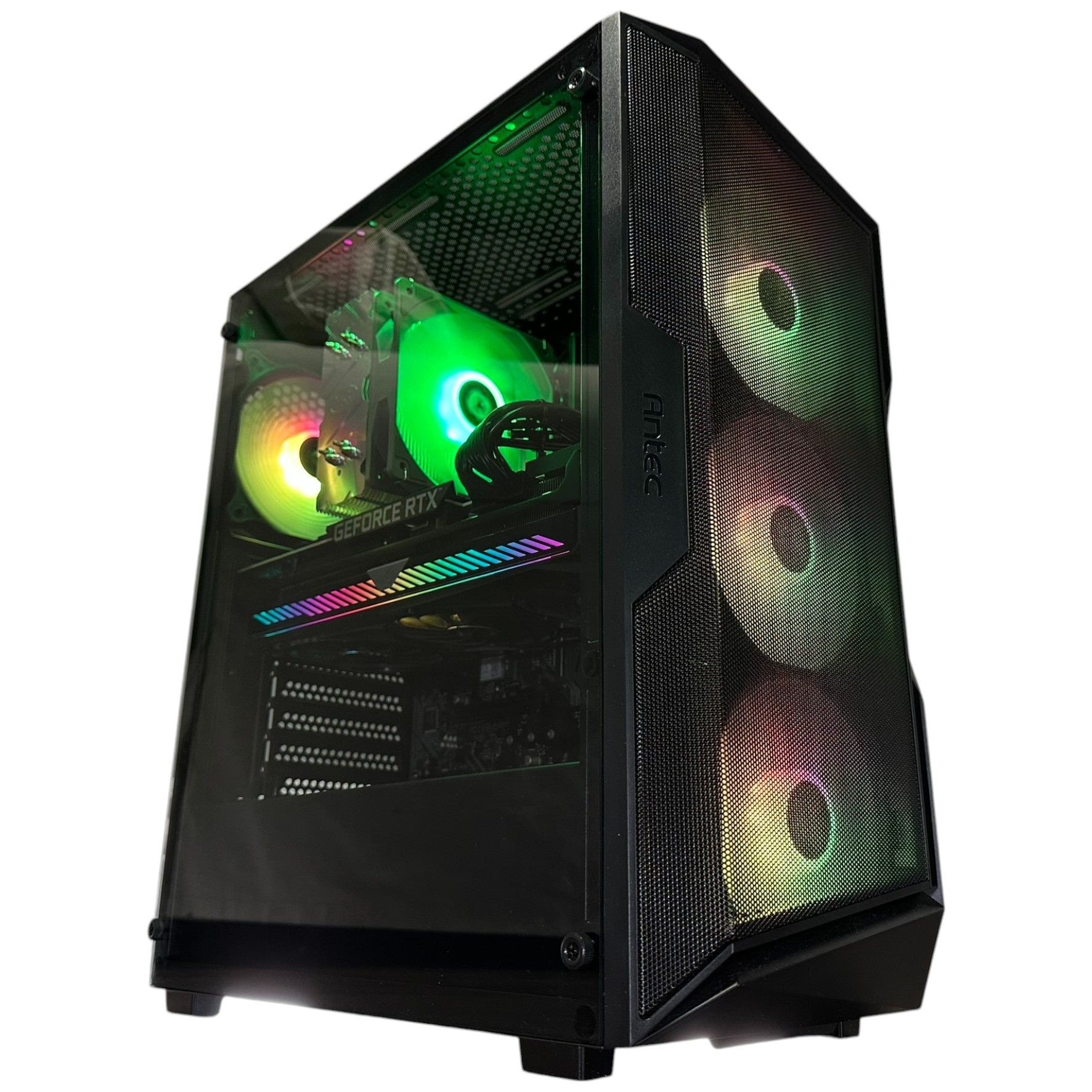
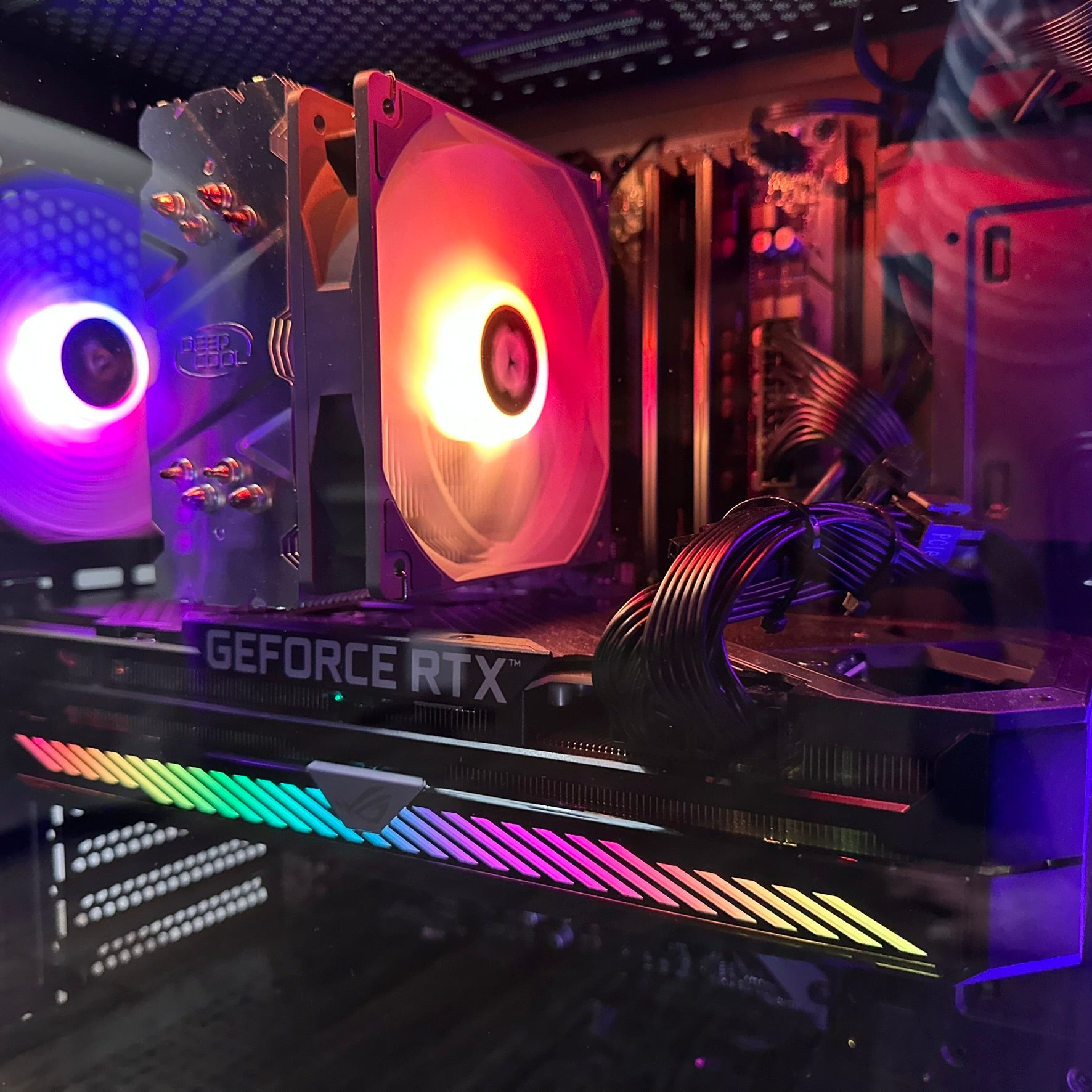
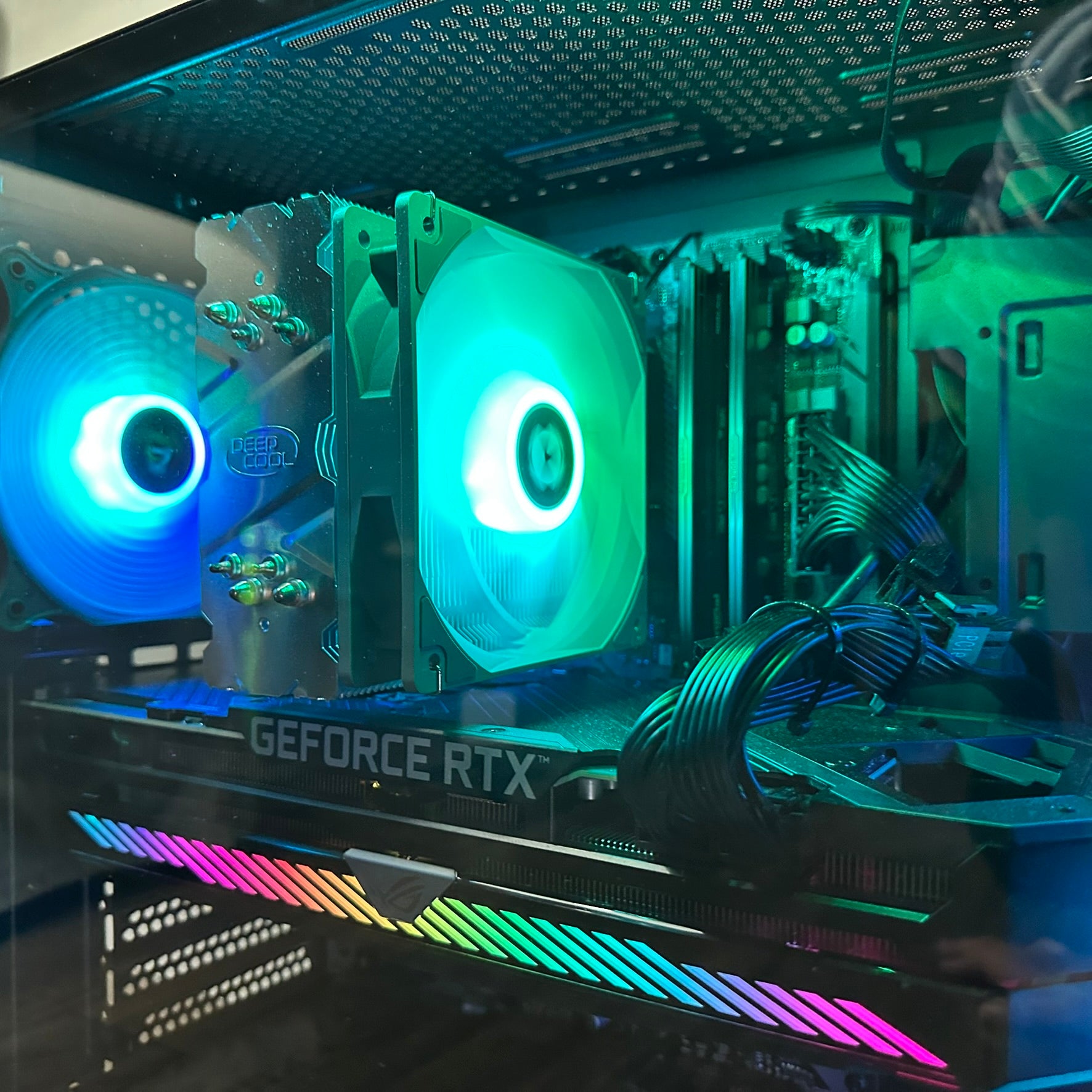
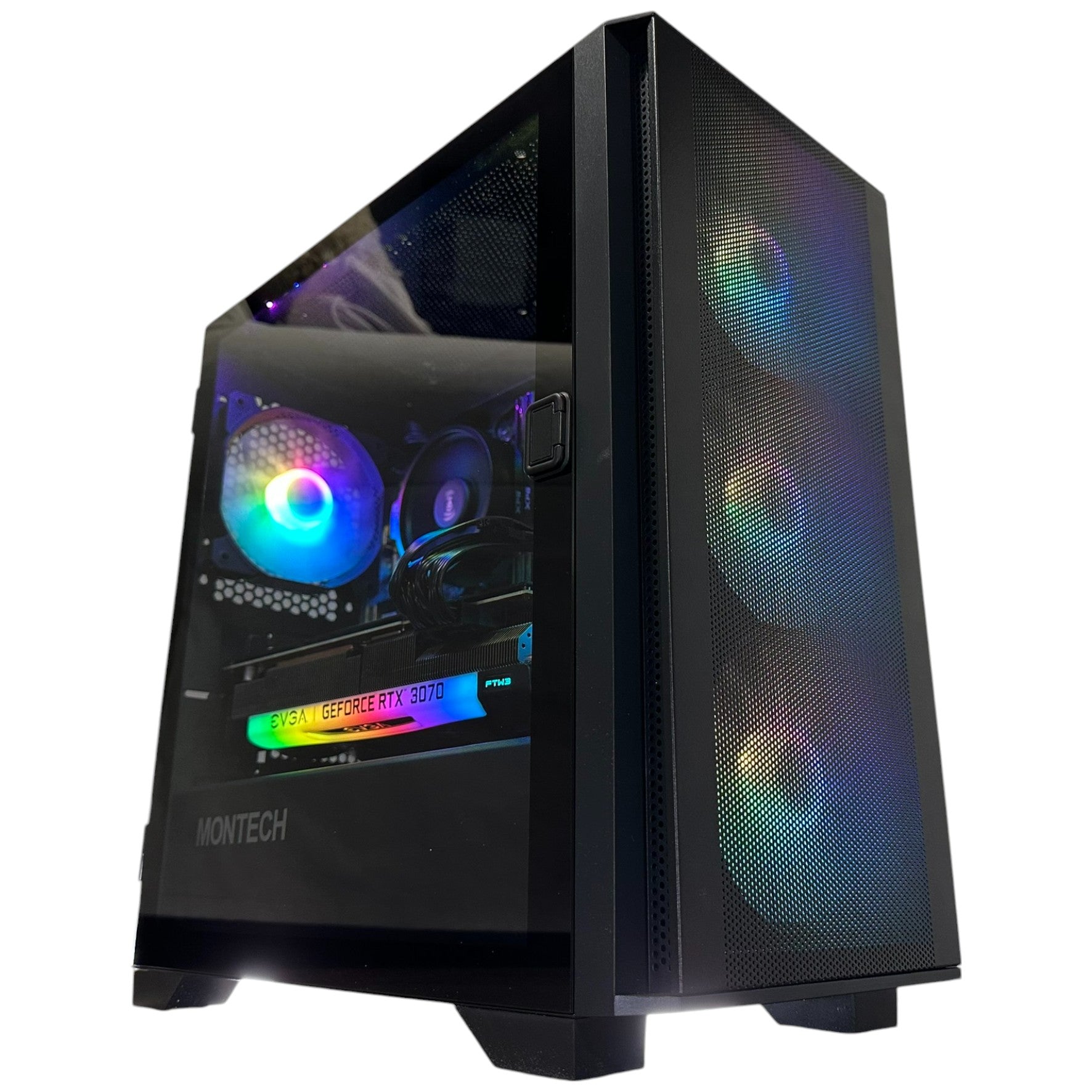
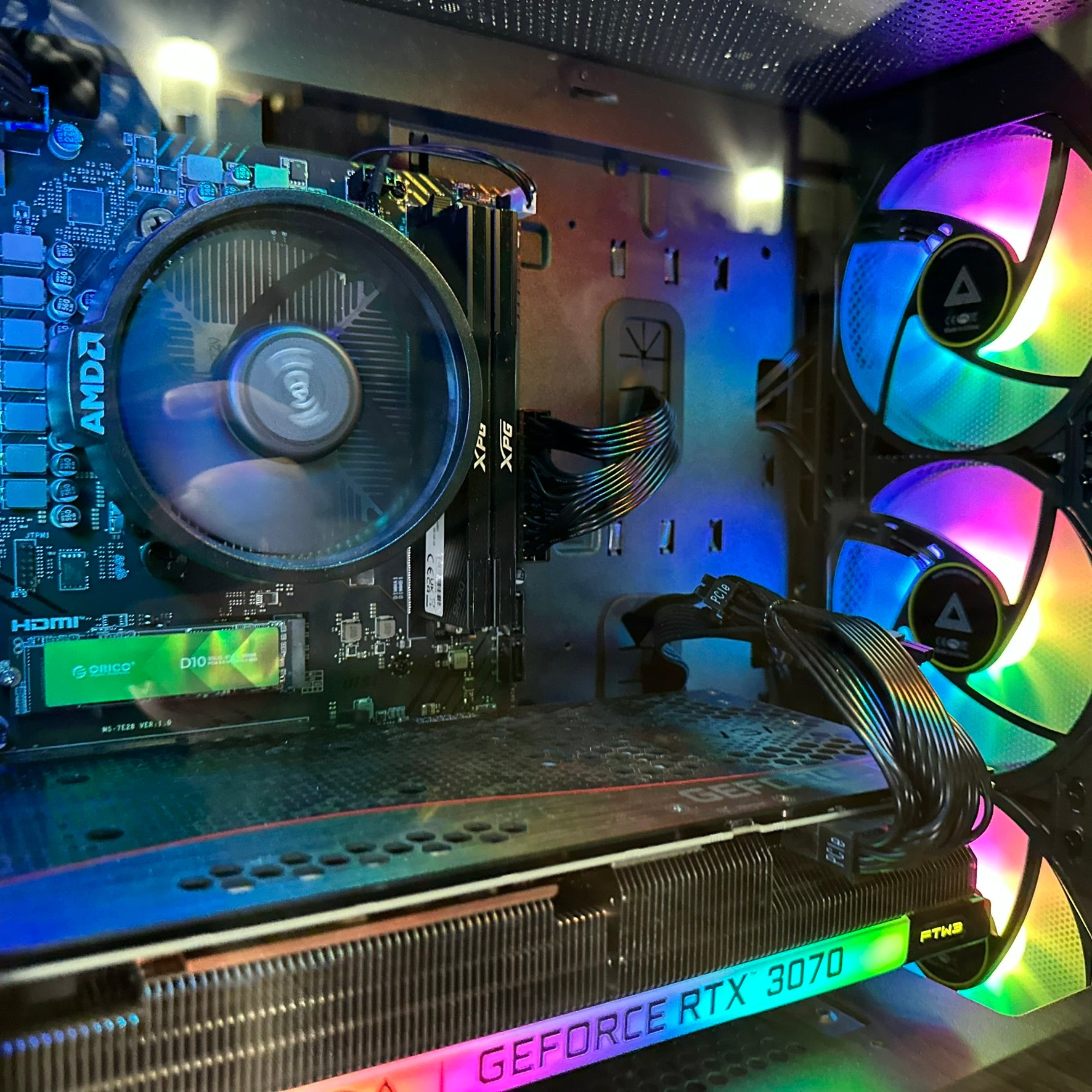
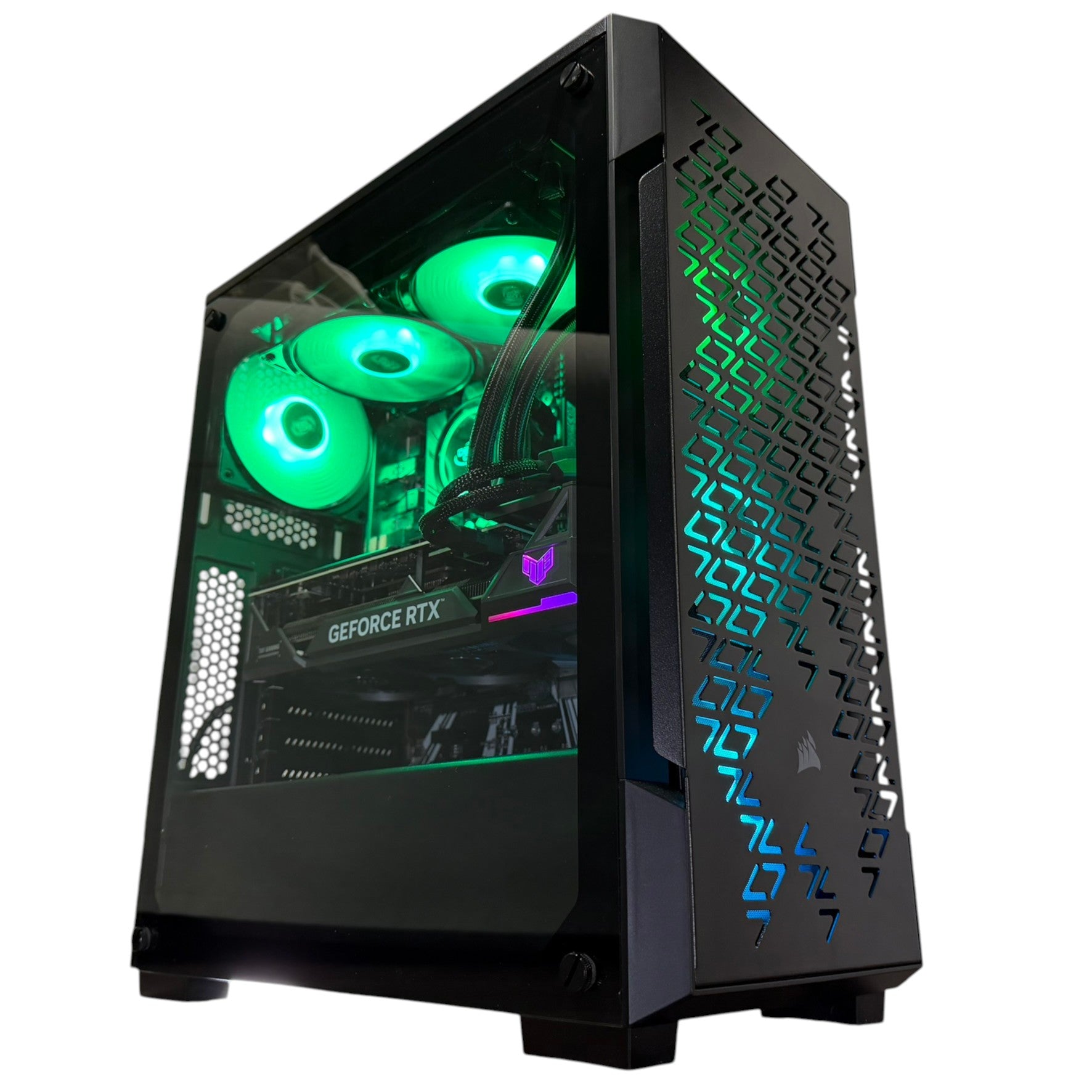
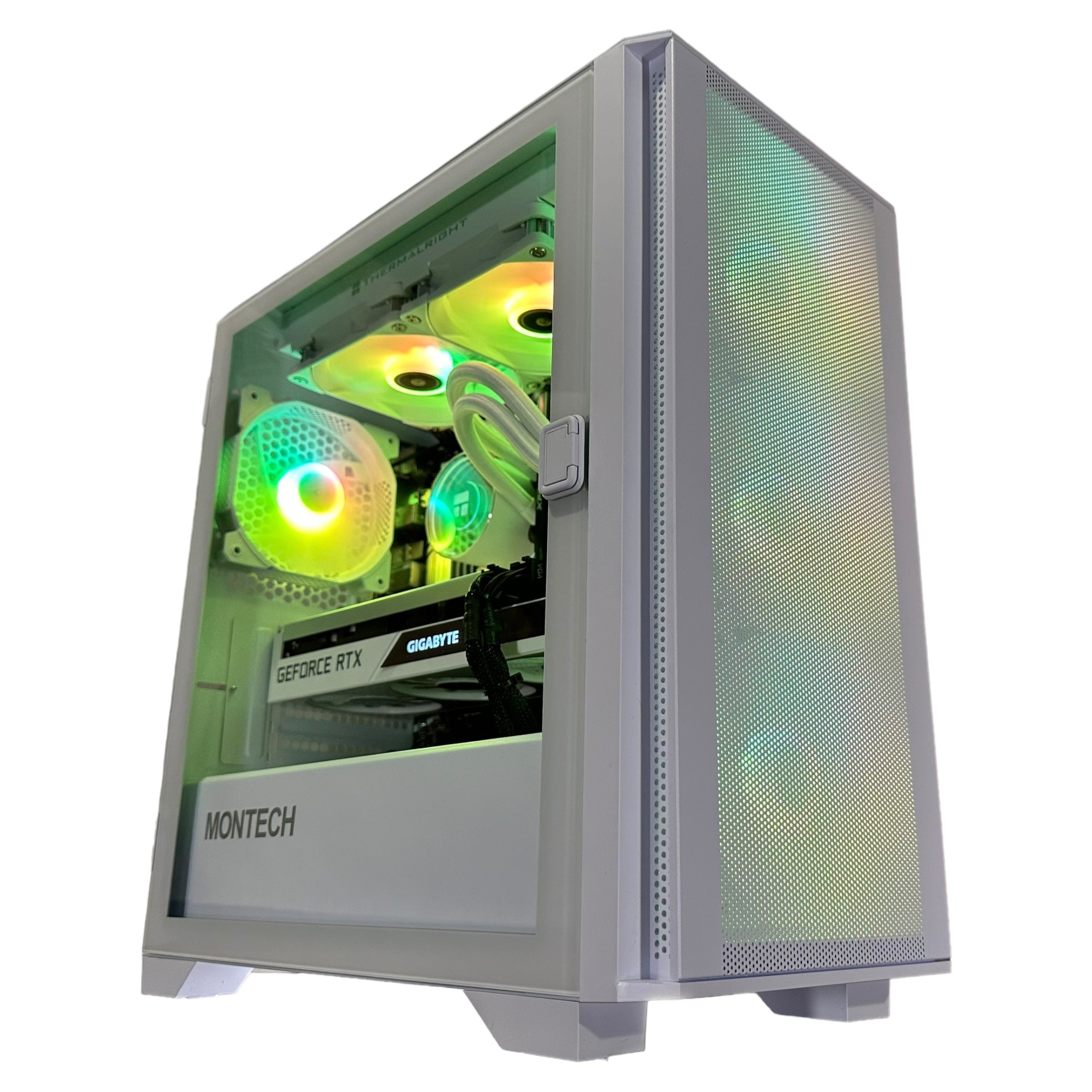
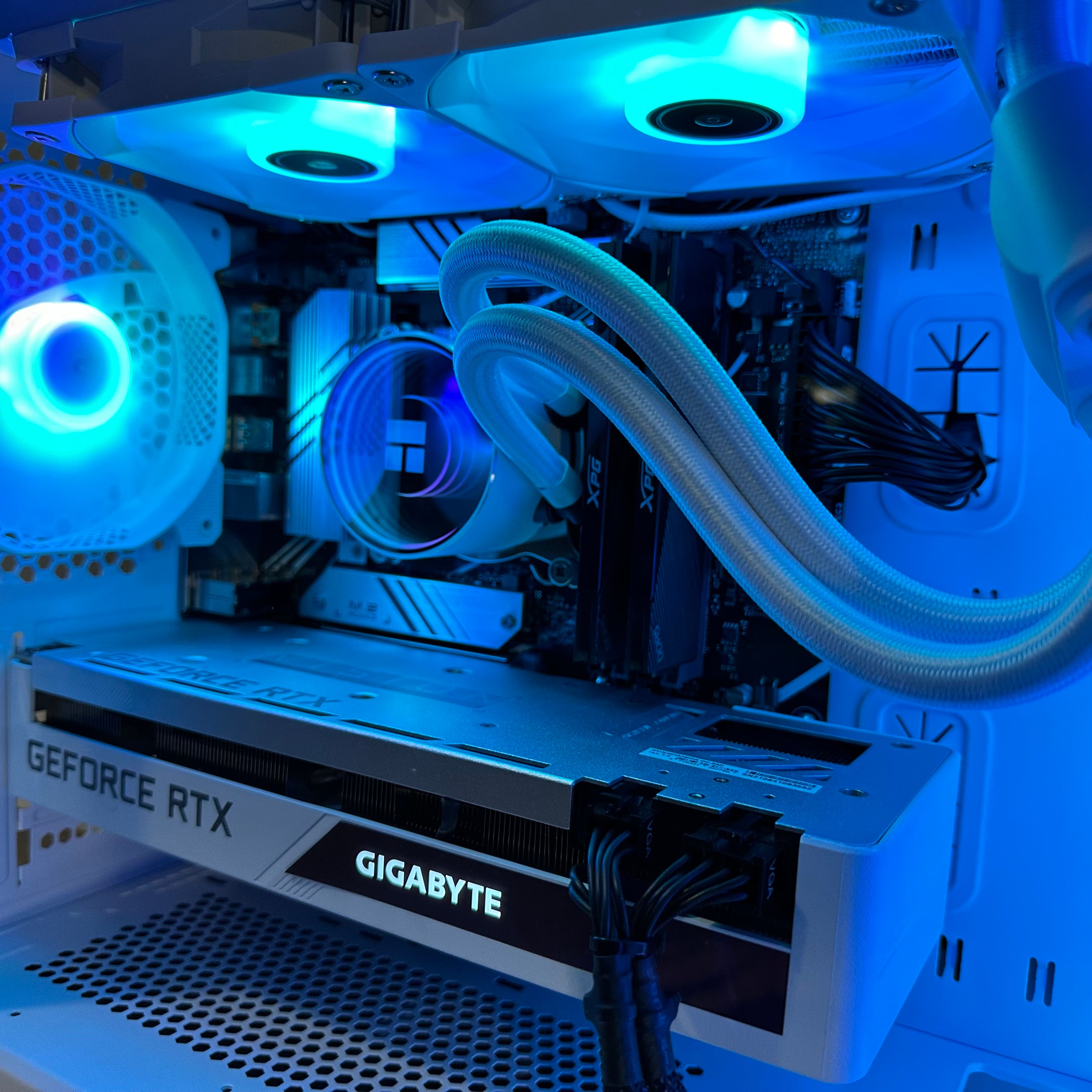
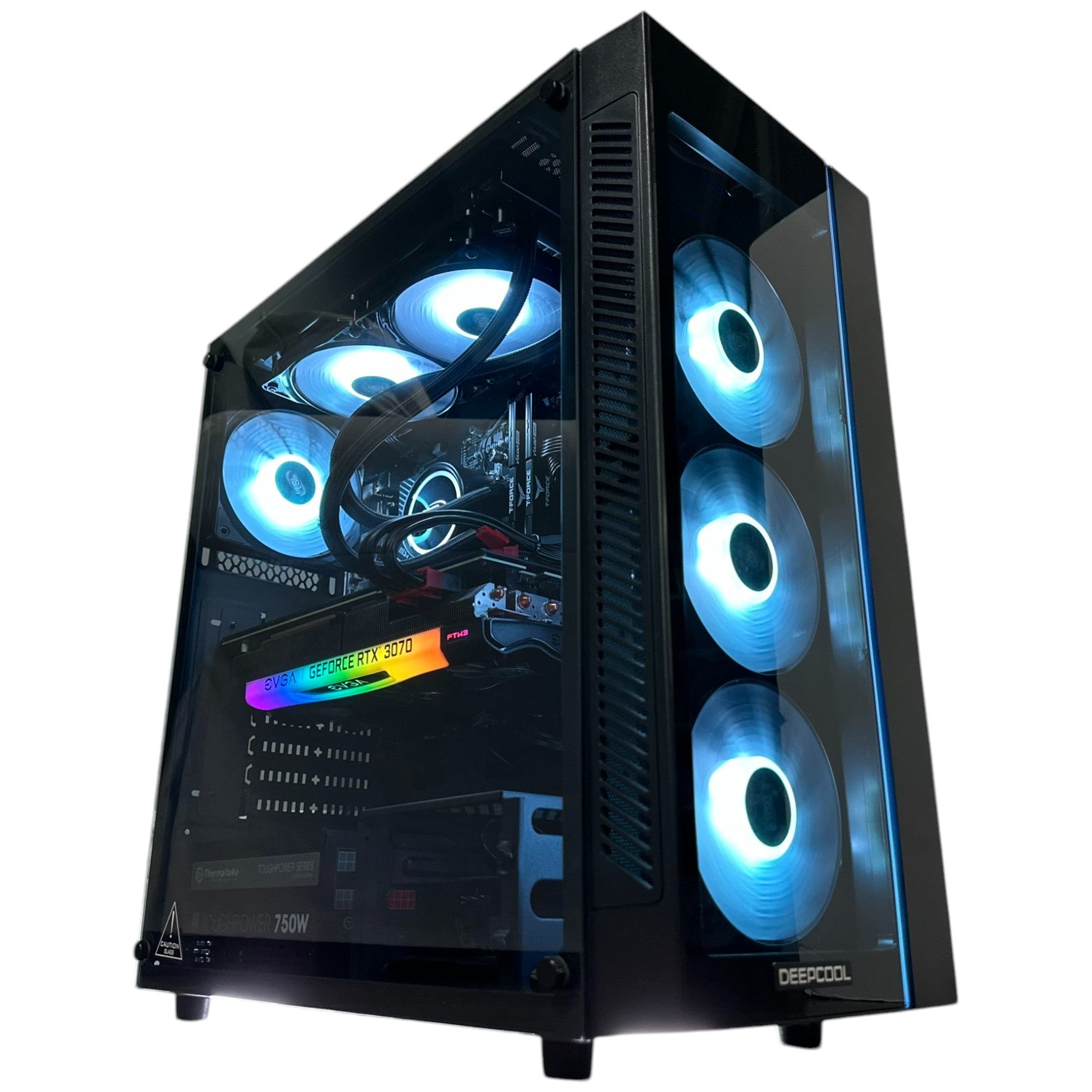
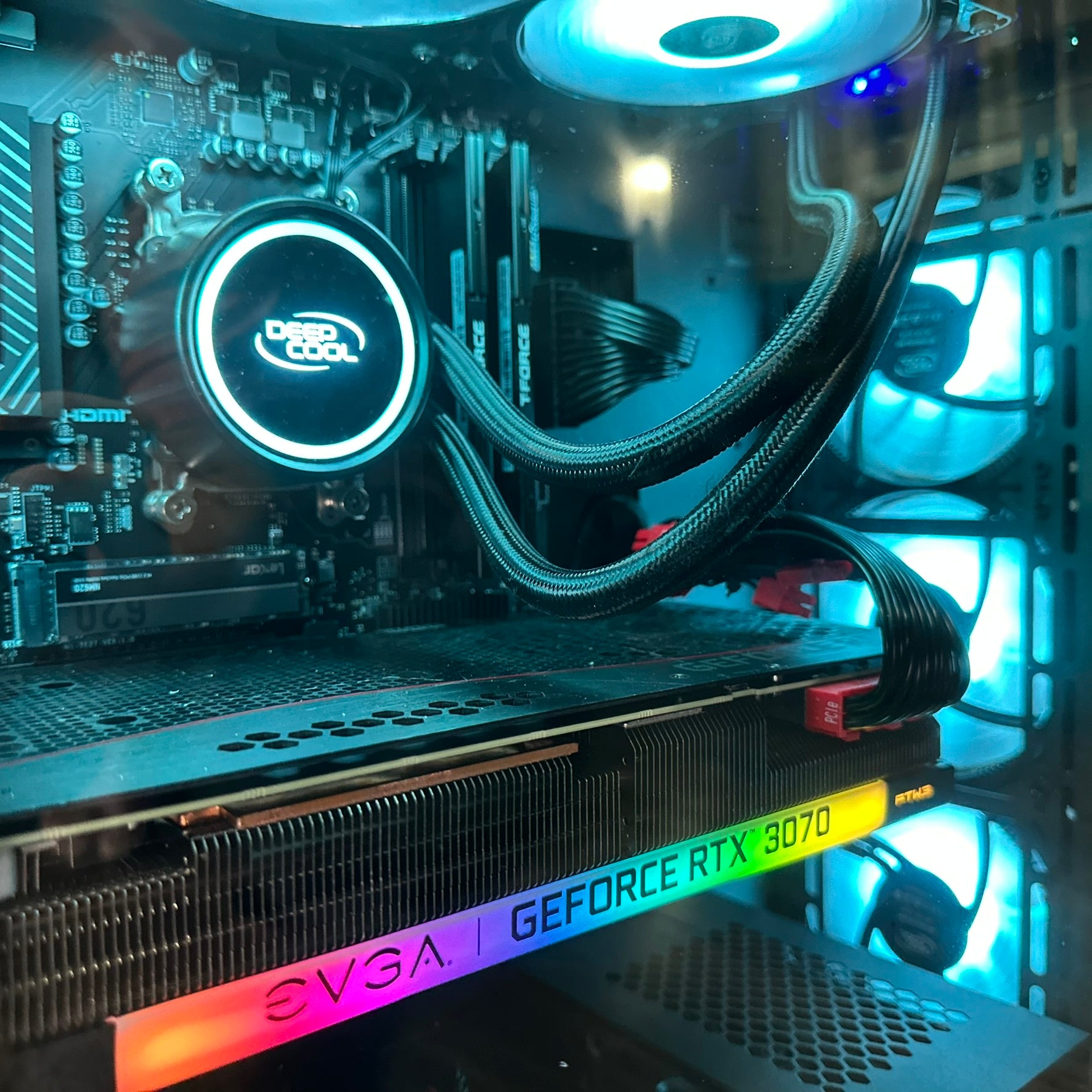
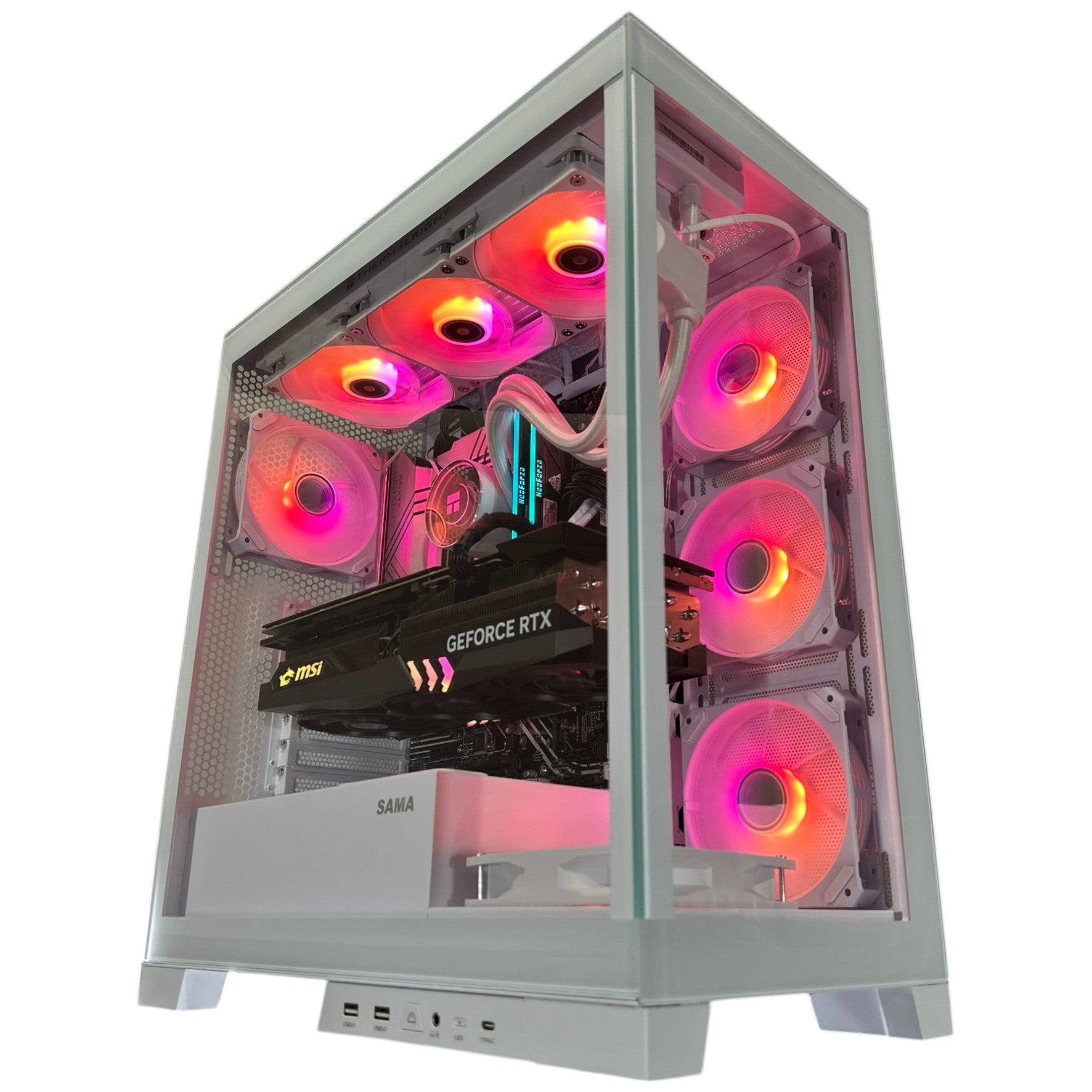
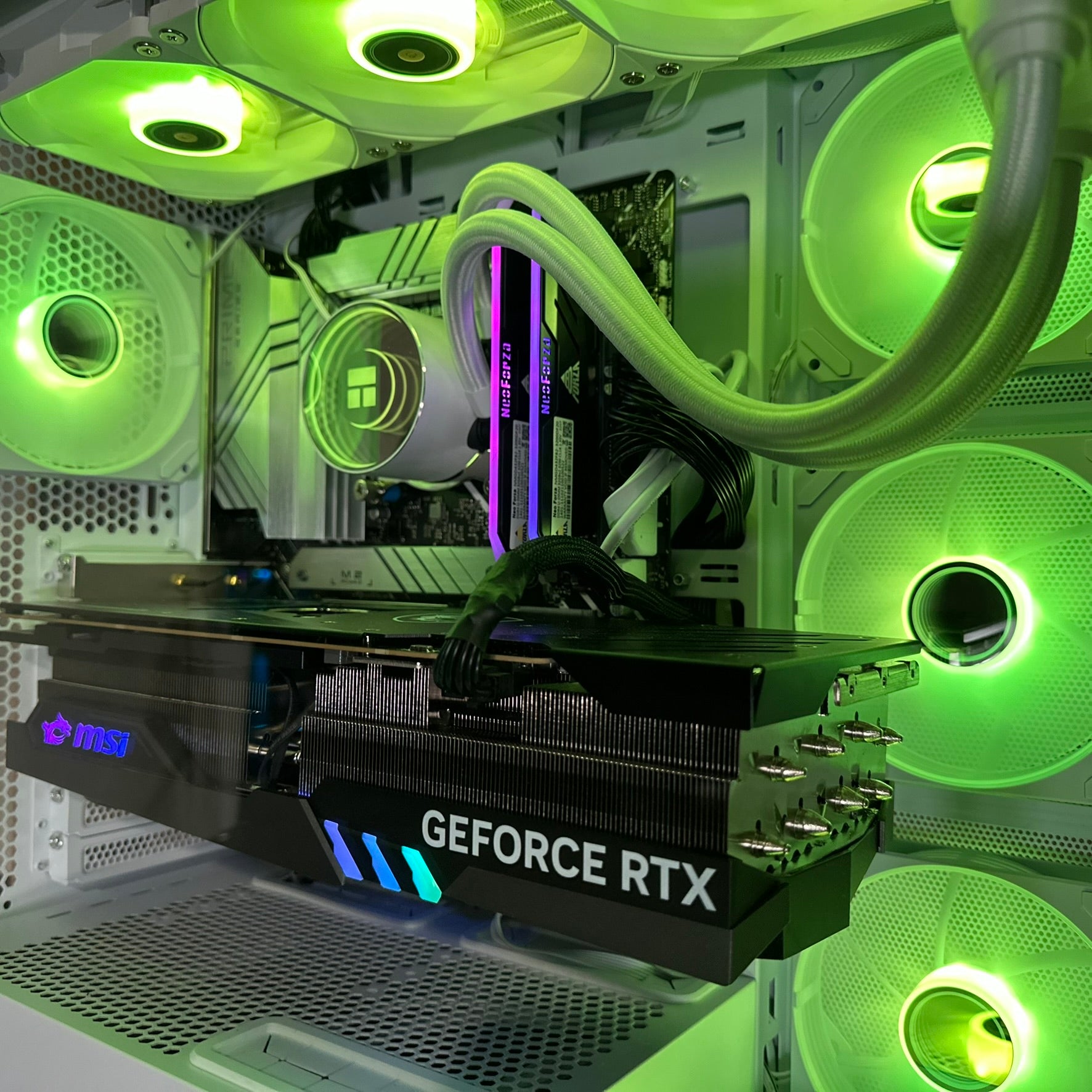
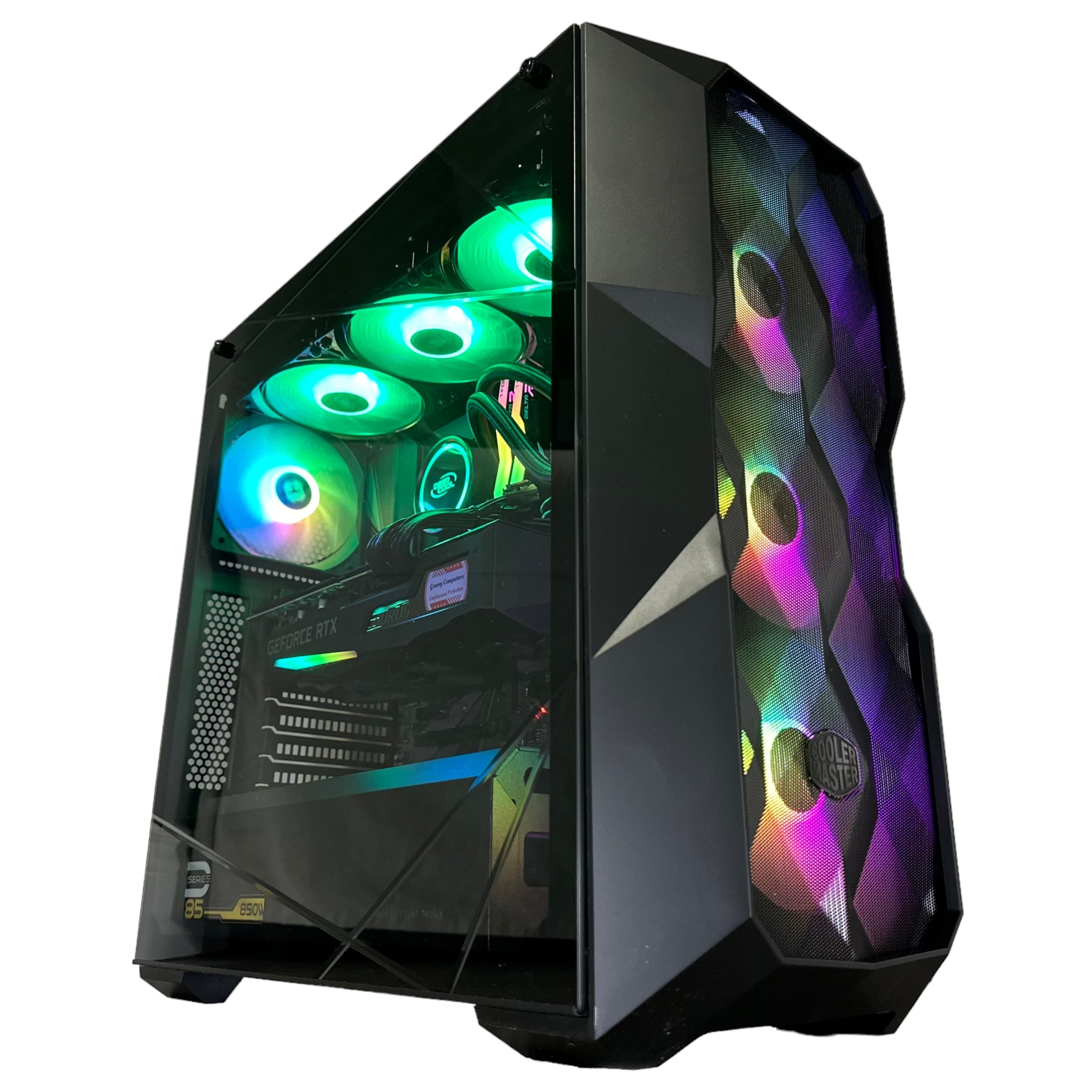
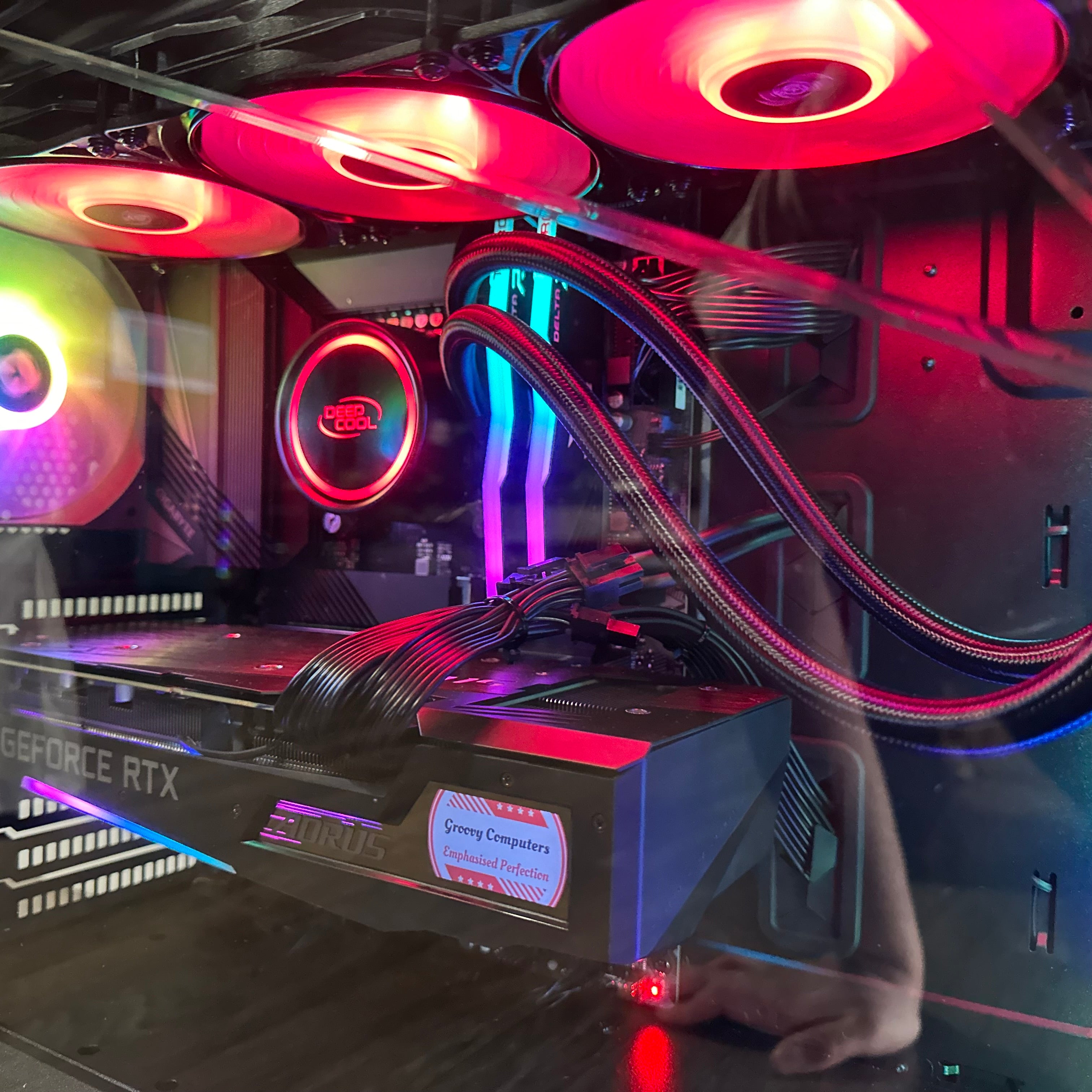
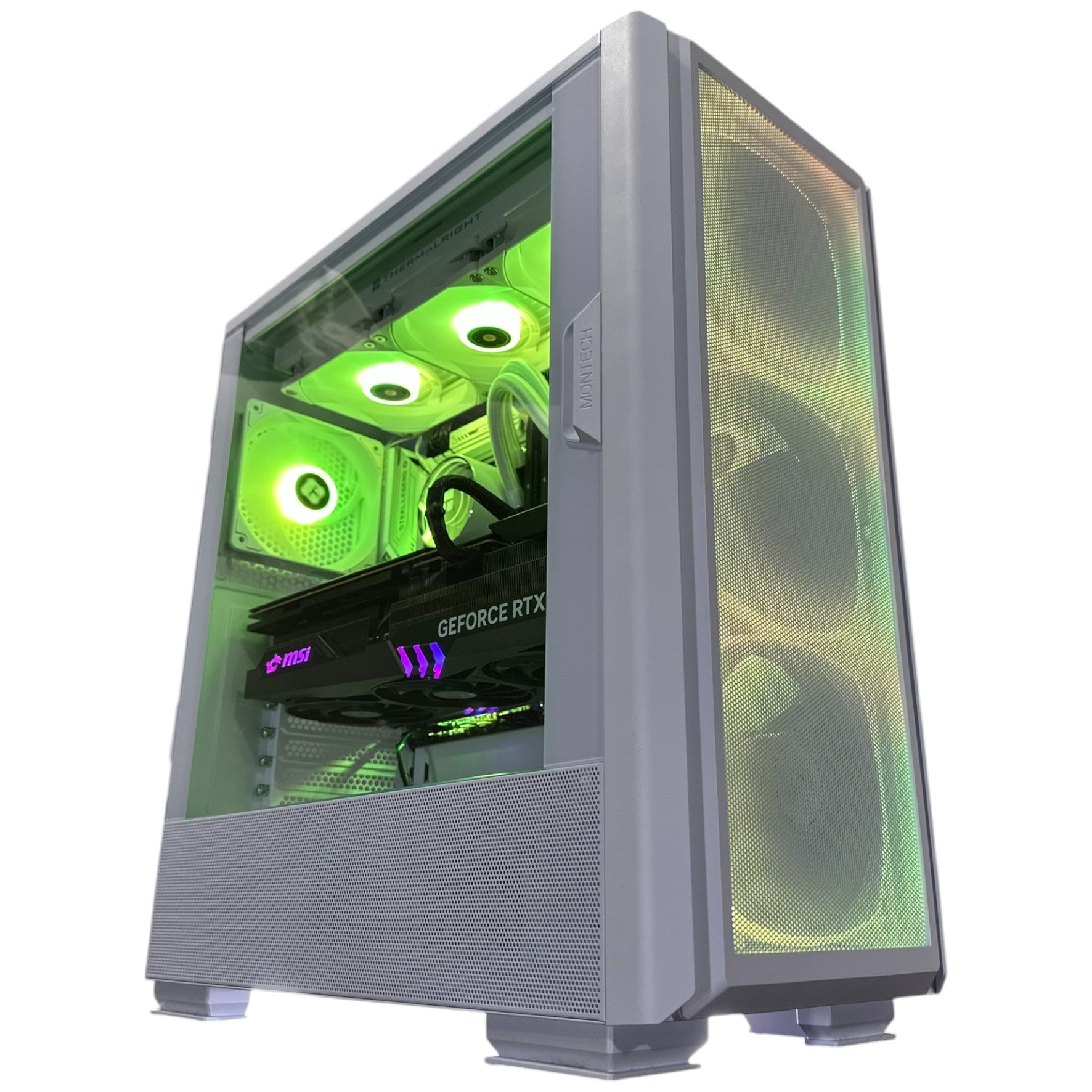
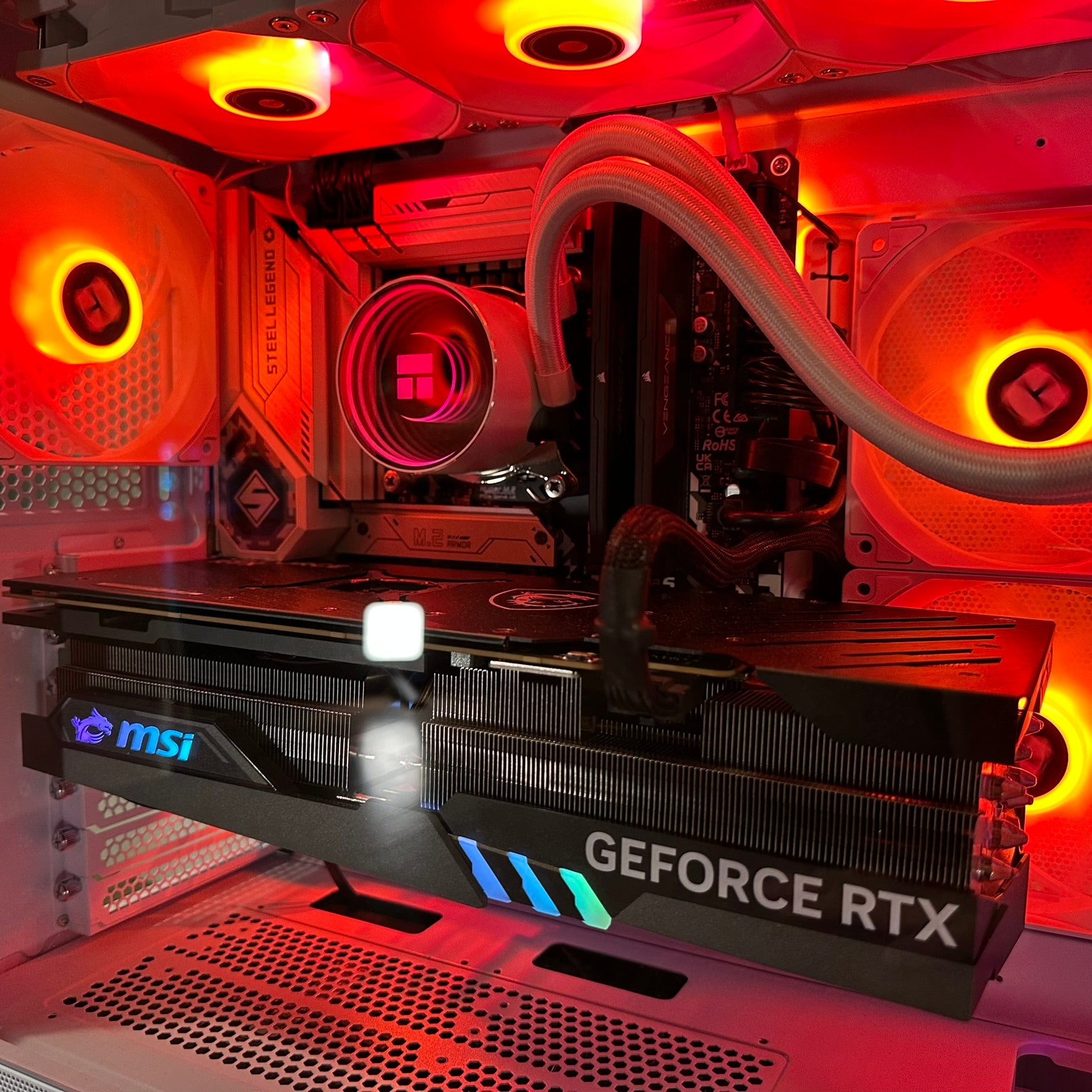
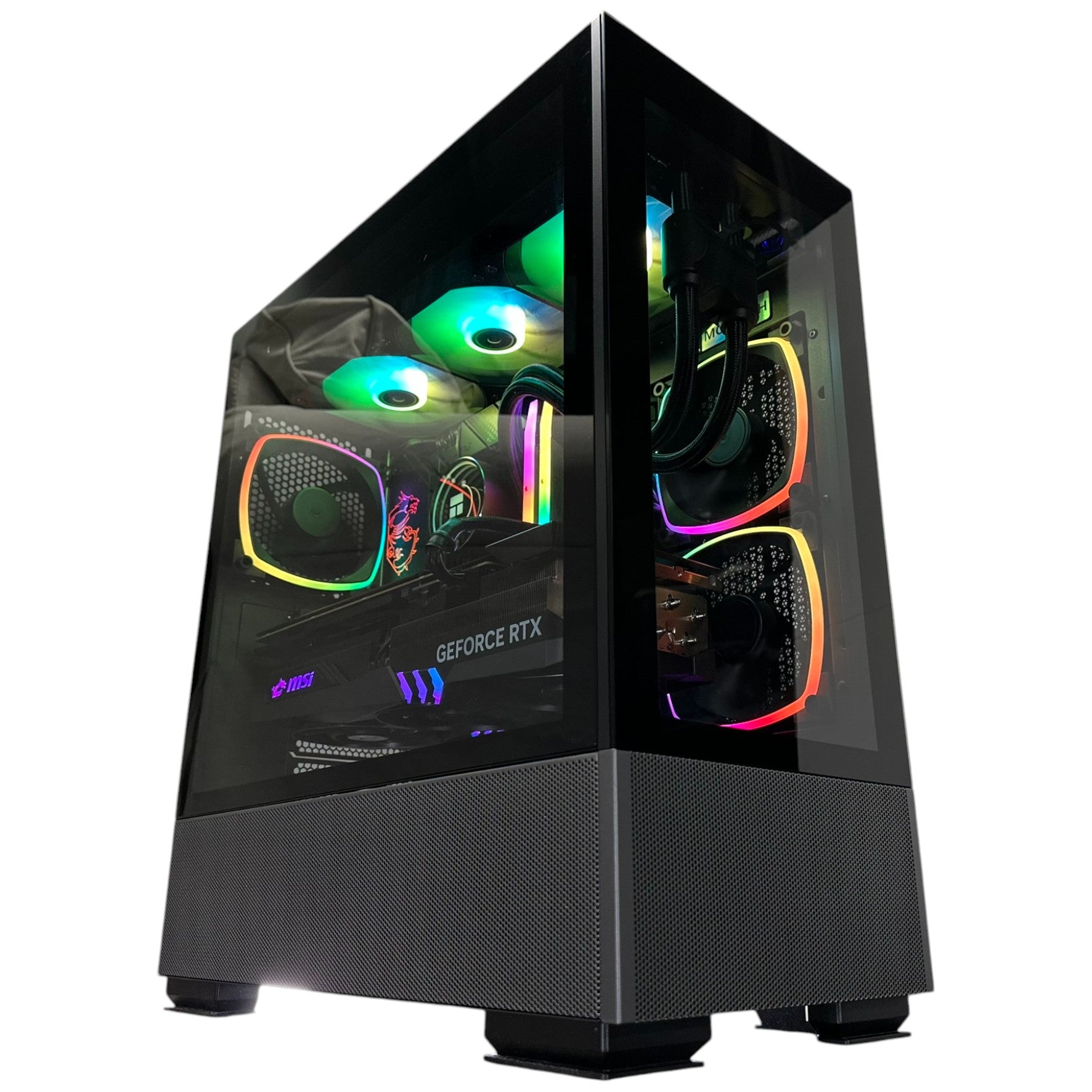
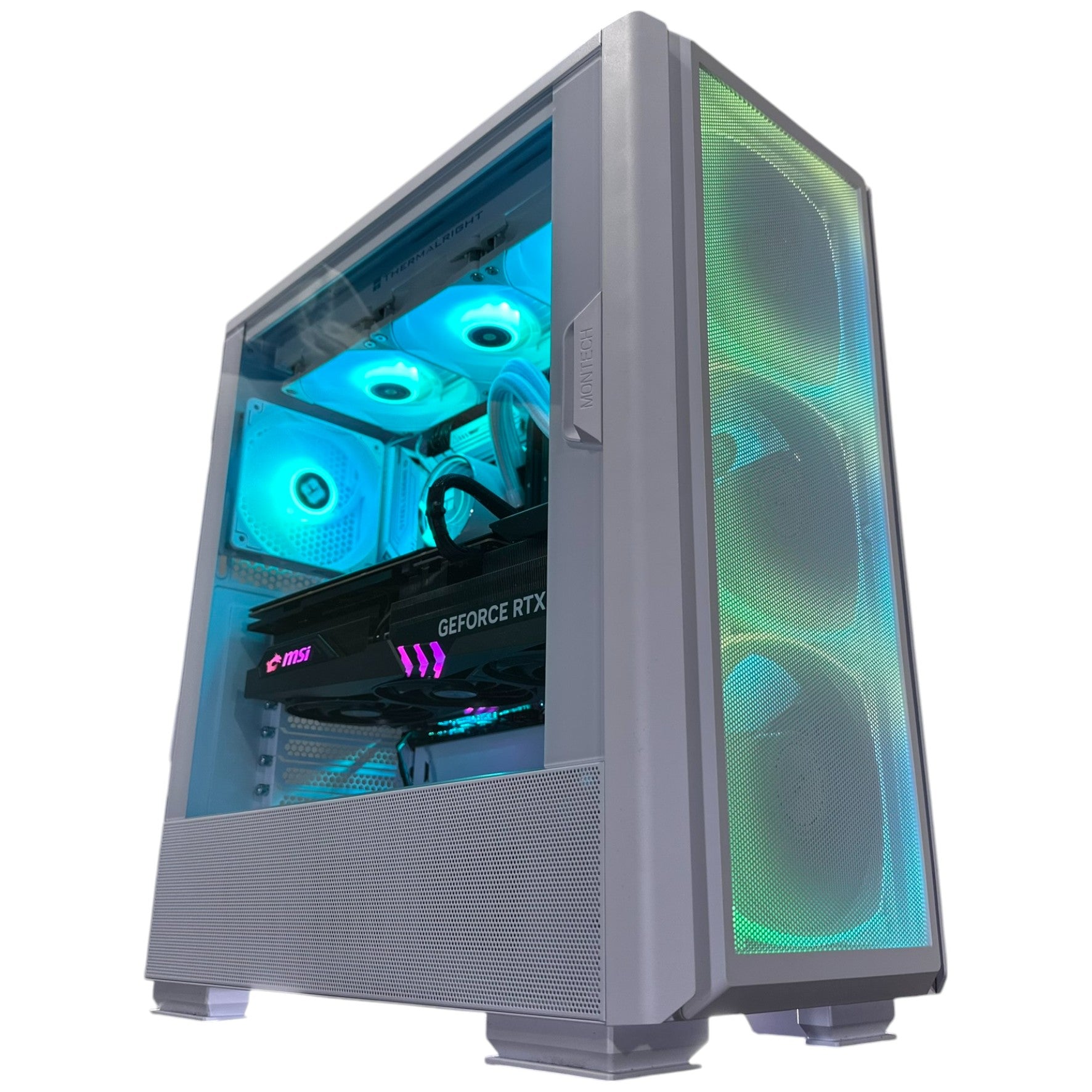
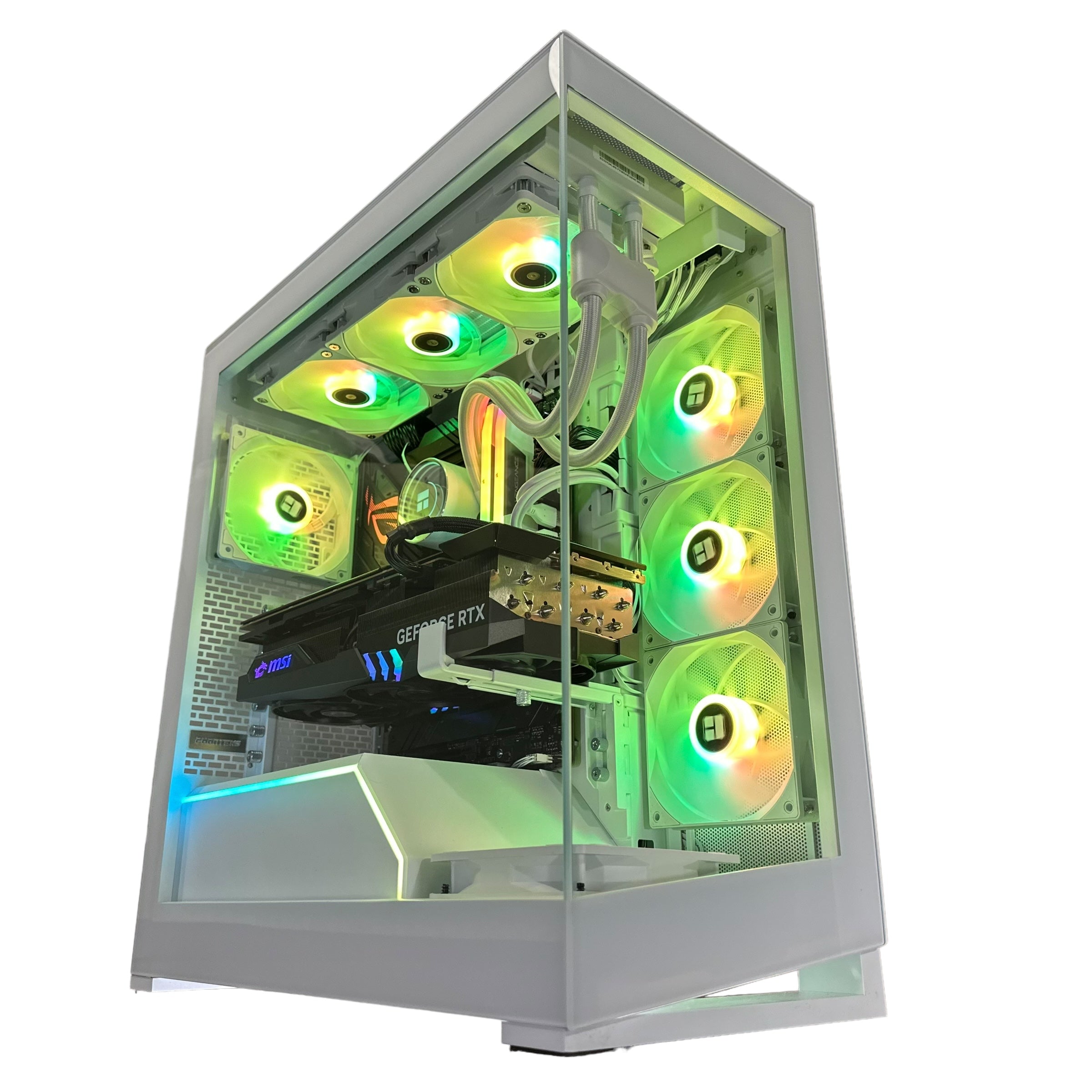
A custom gaming PC in Canada gives you a better chance of getting the right system for your actual goals. That means matching the CPU to the GPU properly, choosing enough RAM for your multitasking level, selecting fast enough storage, planning cooling correctly, and building with an upgrade path in mind.
It also means reducing waste. Why overpay for a spec that does not help your use case, while underpaying on the component that actually determines your experience?
Why Groovy Computers is a strong fit for Canadian buyers
Groovy Computers is built around the kind of buying decision this article is really about: helping customers in Canada choose a better-fit custom PC before they get trapped by timing, compromise, or confusion.
Whether you need a gaming PC for new games, a gaming and streaming system, a video editing PC, a photo editing desktop, a graphic design workstation, or a 3D modeling build, the advantage of buying from a specialist is that the conversation starts with your workload, not a one-size-fits-all box.
Groovy Computers offers custom-build logic, rigorous testing, and a 1-year warranty, which matters more when you are spending serious money on hardware and expecting dependable performance. For many customers, Canada-wide support and the option to finance up to 4 years can make the difference between postponing the right purchase and getting the right machine now.
If you are in Nova Scotia, Atlantic Canada, or ordering from elsewhere in Canada, trust matters. So does having a Canadian custom PC builder that understands performance tiers, buyer hesitation, and how quickly “I will wait a bit longer” can turn into “I should have bought sooner.”
What type of buyer should choose which system?
If you are a budget-focused gamer
You likely want strong 1080p performance, responsive storage, and enough headroom for modern titles without paying for premium extras you will not use. Ask yourself whether your target is value or whether you are accidentally buying below your actual needs.
If you are a mainstream AAA gamer
You are probably the ideal 1440p buyer. This is often the best mix of image quality, frame rate, and long-term comfort for players who want their machine to feel modern for years, not months.
If you are a premium buyer
You should be thinking about 4K, ray tracing, longer longevity, stronger multitasking, and the practical value of buying high once instead of upgrading constantly. If you are already asking for top-end visual settings, do not underbuild the rest of the system.
If you are a streamer or creator
You need more than gaming benchmarks. You need a system that can encode, record, edit, export, and multitask reliably. A creator-focused configuration may serve you better than a pure gaming-first spec sheet.
If you are a workstation or 3D user
You should prioritize workflow efficiency, render speed, memory capacity, and stability under sustained loads. This is where a purpose-built workstation earns its keep.
So, what is the smartest move after reading all this?
If the GTA 6 pre-order story made you think about affordability, you are not alone. But do not stop at the cost of the game. Think bigger. Think about the total experience. Think about whether your next PC should simply “run games,” or whether it should become the machine that supports your gaming, streaming, editing, design, or 3D goals for the next several years.
If you are asking yourself what gaming PC you need, whether 1440p is enough, whether financing is worth it, whether you should buy before the next price shift, or whether you need a creator or workstation build instead of a standard gaming tower, that is exactly the point where expert guidance matters most.
Want help choosing the right custom gaming PC in Canada, creator desktop, or workstation before prices move and your old system falls further behind? Visit GroovyComputers.ca and let Groovy Computers help you find the build that actually fits what you want your next PC to do.
In the end, the players who “got GTA 6 for free” won by planning ahead. Canadian PC buyers can do the same thing in a more important way: by choosing the right machine before urgency, demand, or rising costs make the decision harder. If you are already thinking about a gaming PC for GTA 6, a stronger content creation setup, or a future-proof custom build, this is the moment to buy intelligently, not reactively.
#GamingPCCanada #CustomGamingPCCanada #GamingPCForGTA6 #GamingPCBuyingGuideCanada #CreatorPCCanada #VideoEditingPCCanada #StreamingPCCanada #3DModelingPCCanada #CanadianCustomPCBuilders #GroovyComputers
Groovy Computers | All Rights Reserved


Leave a comment
This site is protected by hCaptcha and the hCaptcha Privacy Policy and Terms of Service apply.