





GTA 6 Gameplay Reveal Timing Matters: What Canadian Buyers Should Learn Before Choosing a Gaming PC
The talk around a GTA 6 gameplay reveal is doing more than driving hype. It is also pushing a lot of Canadian buyers to ask a more practical question: if one of the biggest game launches in years is getting closer, is your current PC actually ready for what comes next? The source discussion points out that Rockstar’s slow, tightly controlled marketing approach is not as unusual as it feels. Historically, major reveals often land closer to release. For buyers in Canada, that means the smartest move may not be waiting for every trailer. It may be deciding now what kind of system you need before demand, expectations, and replacement costs shift again.
If you have been watching the GTA 6 cycle and wondering whether to upgrade, build new, or hold off, you are not alone. A lot of players are asking the same thing. Do you want a machine that can simply get you into the next generation of open-world games at solid settings? Or do you want a stronger custom gaming PC that can handle high refresh 1440p, ray tracing, streaming, recording, editing clips, and newer AAA releases without forcing another upgrade too soon?
That is where this conversation becomes bigger than one game. A huge release like GTA 6 tends to reset buyer expectations. Suddenly, people who were comfortable with older hardware start comparing frame rates, texture settings, storage requirements, and CPU performance. Friends start upgrading. New benchmarks dominate gaming news. And buyers who waited too long often find themselves shopping during peak demand.
What the source article gets right about Rockstar’s release pattern
The source material makes a strong historical point: Rockstar has often kept real gameplay details close to launch, even for massive titles. Looking back at previous releases, the broad pattern is familiar. First there is a reveal trailer. Then a long stretch of speculation. Then more detailed trailers, guided previews, feature breakdowns, and a final hard marketing push arrives much later than many fans expect.
That matters because many gamers treat marketing silence as uncertainty. In reality, it may simply be part of the plan. If Rockstar follows a similar rollout, more gameplay details could appear much closer to release than the community wants. So if you are waiting for one more trailer before making a hardware decision, ask yourself: are you waiting for information you genuinely need, or are you waiting until everyone else starts buying too?
From a PC buying perspective, that distinction matters. The best time to research a new system is usually before a major release rush, not in the middle of it.
Why Canadian buyers should think differently than the average hype-cycle shopper
Canadian PC buyers deal with a different buying environment than many headlines assume. Hardware costs can shift quickly once exchange rates, import pressure, freight costs, and sudden GPU demand all pile together. Even when a specific game has not published final PC requirements, the market often moves on anticipation alone. Once enough people decide they want a better GPU, more VRAM, a larger SSD, or a newer CPU, complete system pricing can become less forgiving.
That is why waiting for a final trailer or a last-minute wave of benchmarks is not always the most budget-friendly strategy in Canada. If a big launch period lines up with stronger demand for premium gaming hardware, content creation builds, and upgraded storage, buyers can end up choosing between paying more later or settling for a weaker build now.
So what are you really buying for? One game at launch? Several years of new AAA titles? A setup for gaming and streaming? A system that also handles Adobe apps, OBS, DaVinci Resolve, Blender, or work-from-home productivity? Your answer should shape the build much more than the trailer timeline does.
What do you want your next PC to do for you?
Before you compare components, ask the question that matters most: what do you want your next PC to do for you?
Do you want smooth 1080p gameplay in new releases without overspending?
Are you aiming for 1440p high settings because that is the real sweet spot for modern PC gaming?
Do you want 4K visuals, heavier effects, and room for ray tracing in cinematic open-world games?
Do you also plan to stream to Twitch or YouTube, record clips, edit video, or create social media content?
Will this PC be used only for gaming, or will it also need to run Photoshop, Illustrator, Lightroom, Premiere Pro, After Effects, Blender, Unreal Engine, or CAD software?
Are you trying to avoid the common mistake of buying just enough performance for today, only to feel boxed in a year from now?
These are the questions that separate a rushed purchase from a smart custom build.
Why a GTA 6-style launch pushes more people toward stronger hardware
When a release this big gets closer, buyers start thinking in broader terms. They are not only asking, “Can my PC run this game?” They are asking, “Can my system still feel current when games become more demanding across the board?”
That shift is important. A customer who originally planned on a basic entry-level tower may suddenly realize they also want faster asset loading, more consistent 1% lows, more headroom for background apps, and enough graphics performance for upcoming titles beyond launch season. In other words, hype becomes a buying trigger, but longevity becomes the real purchase driver.
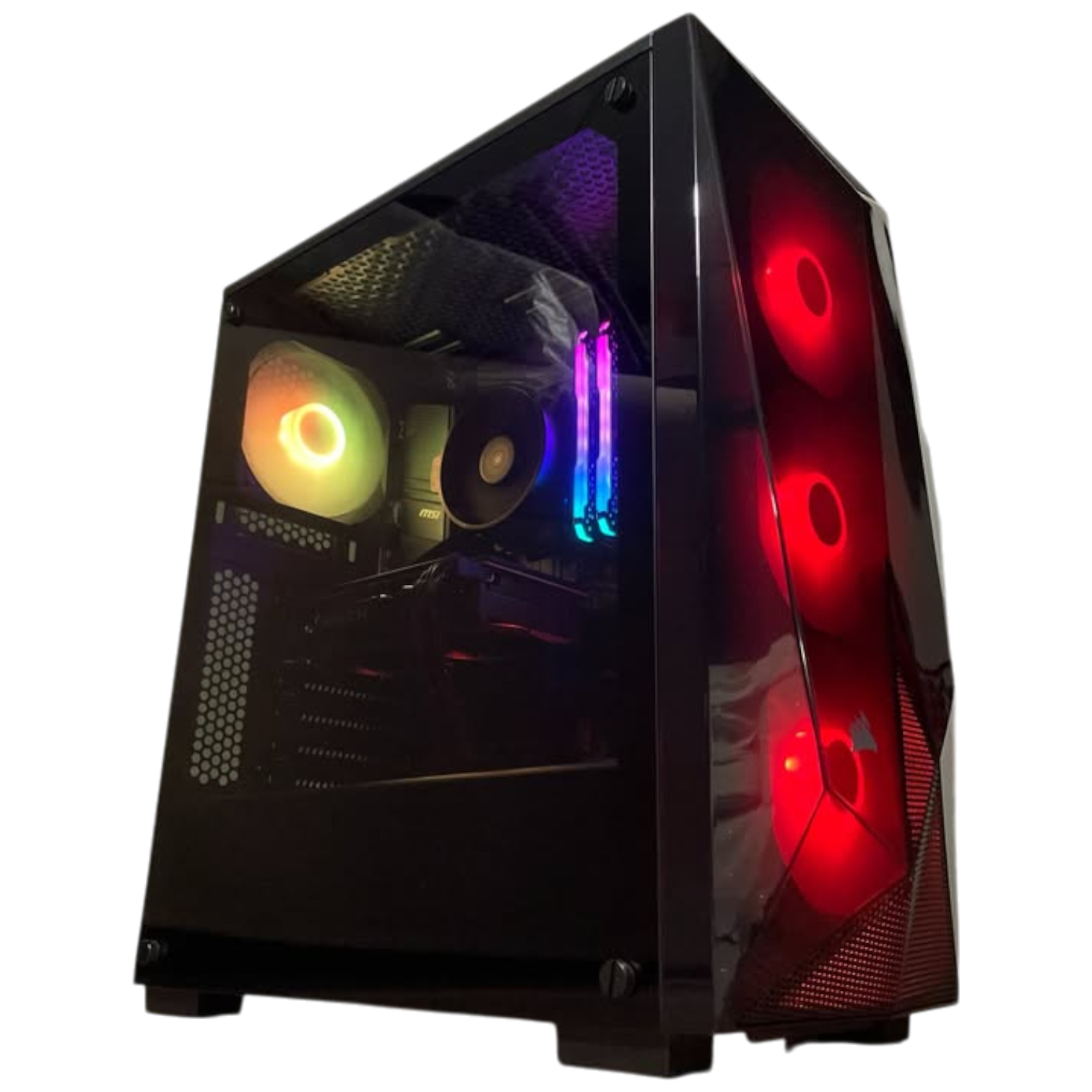
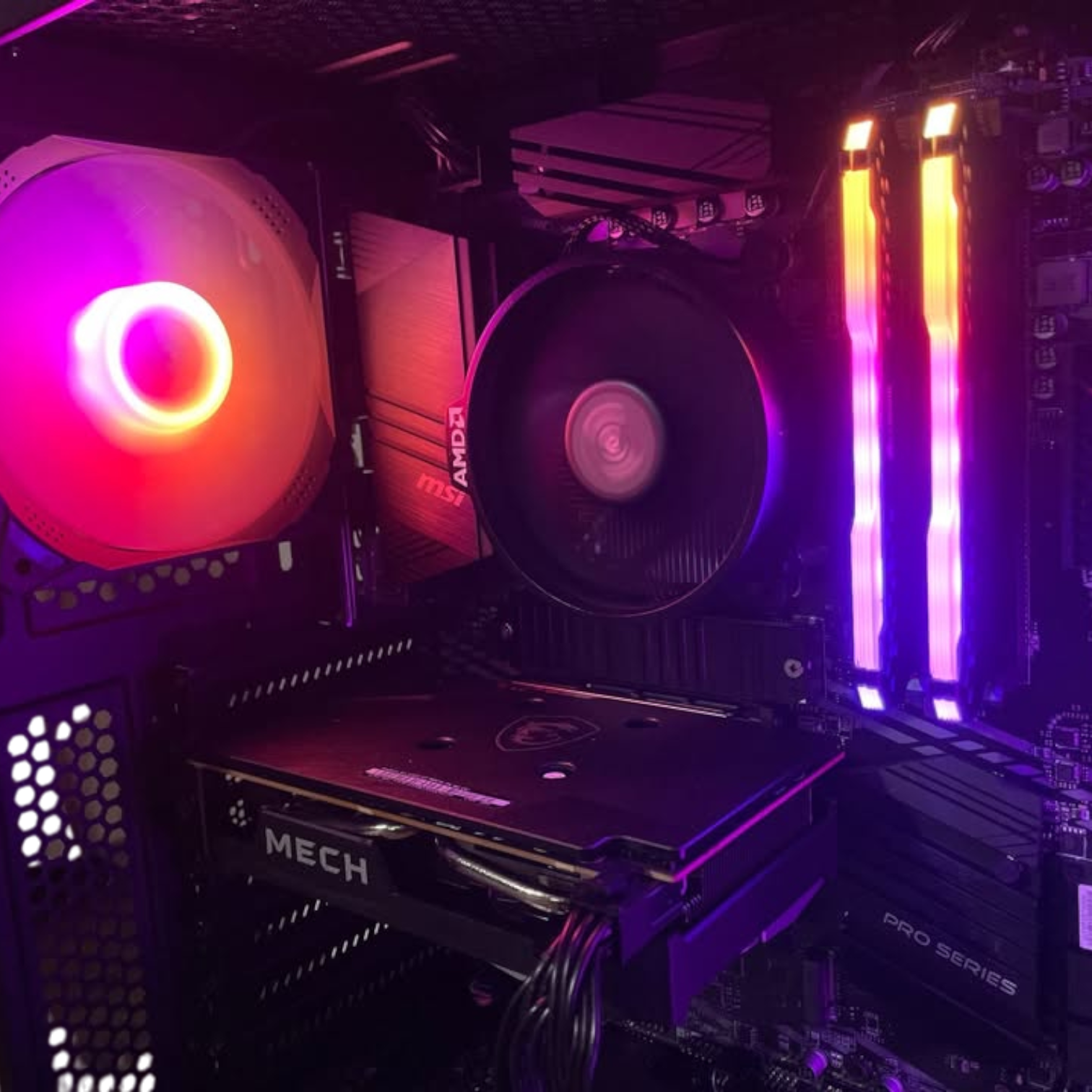
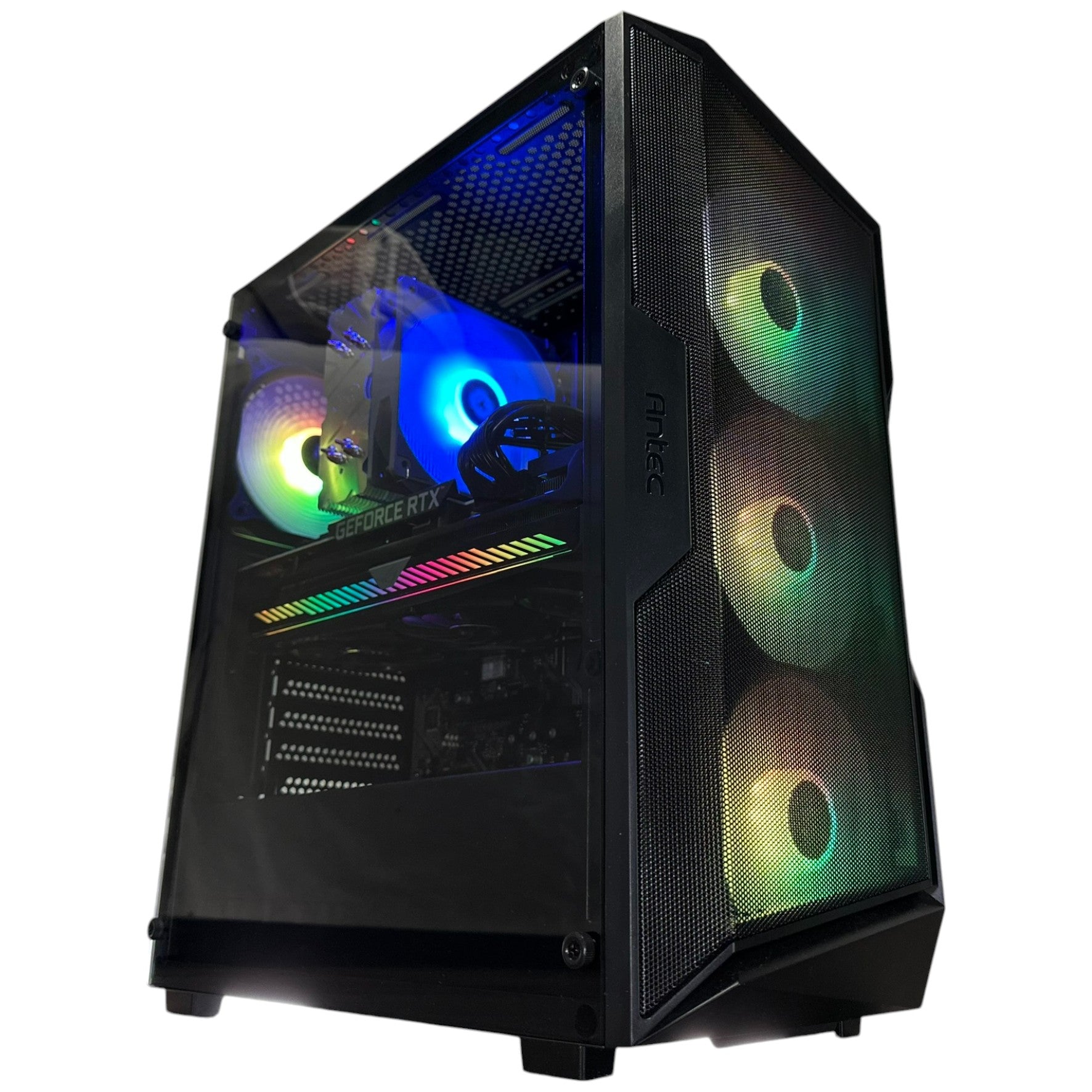
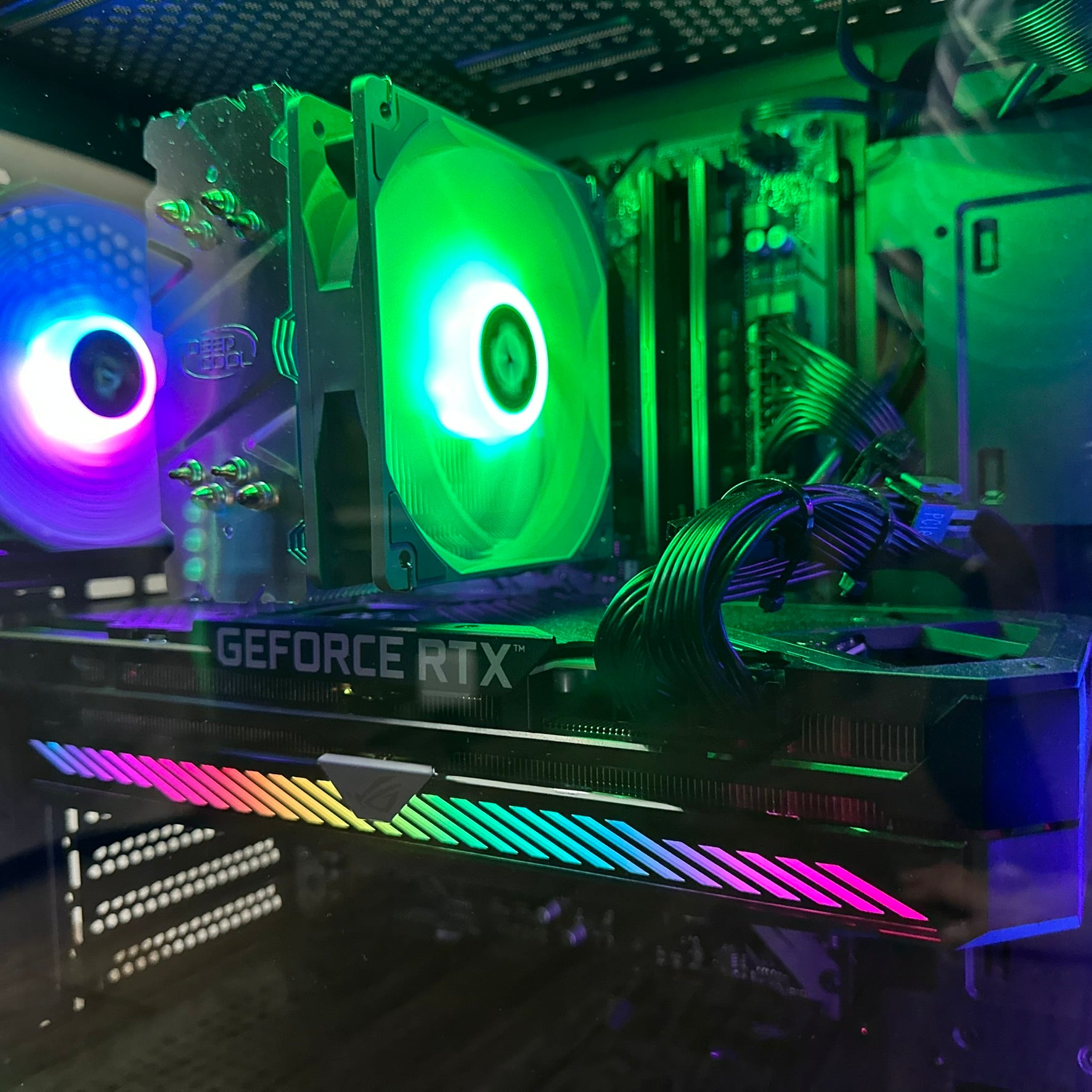
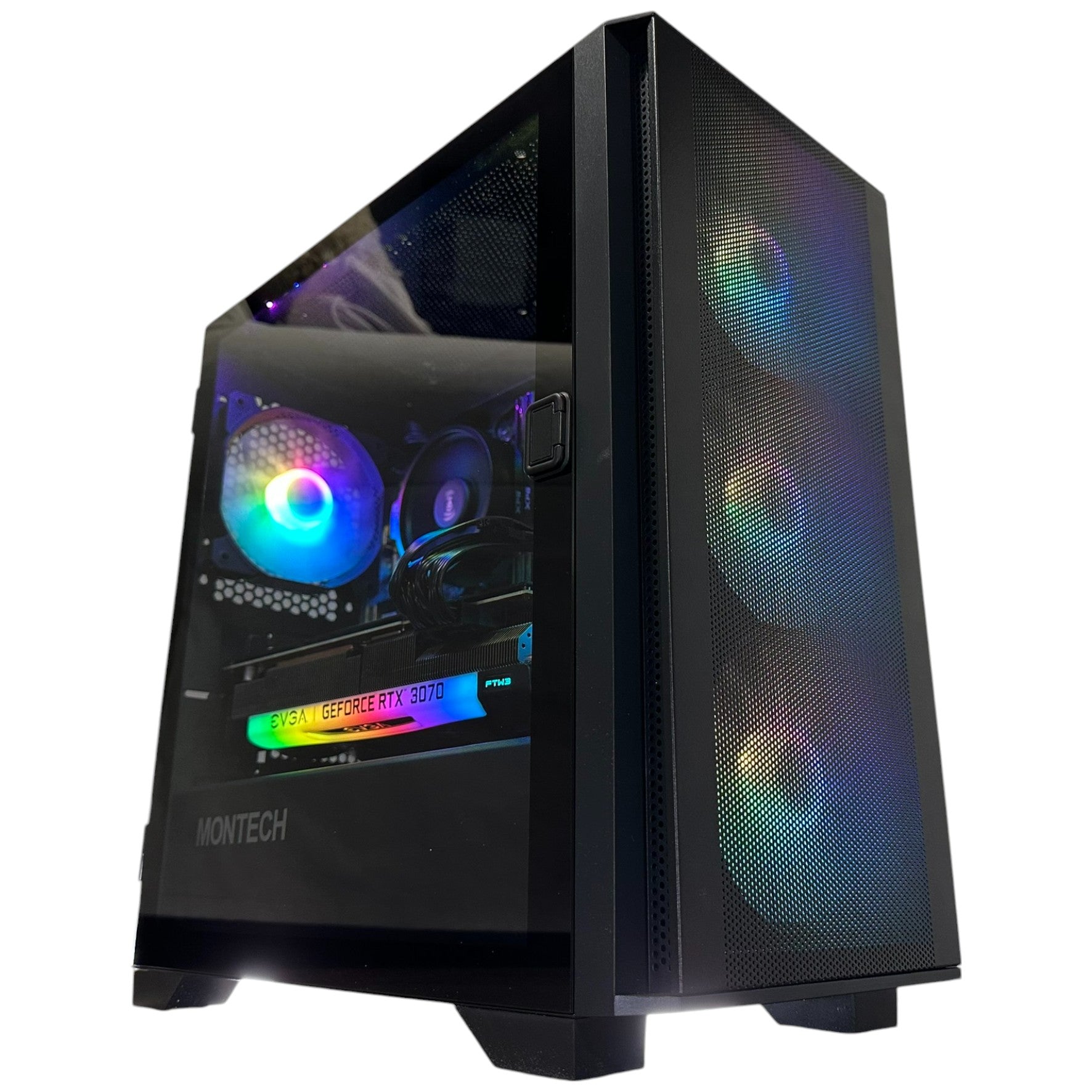
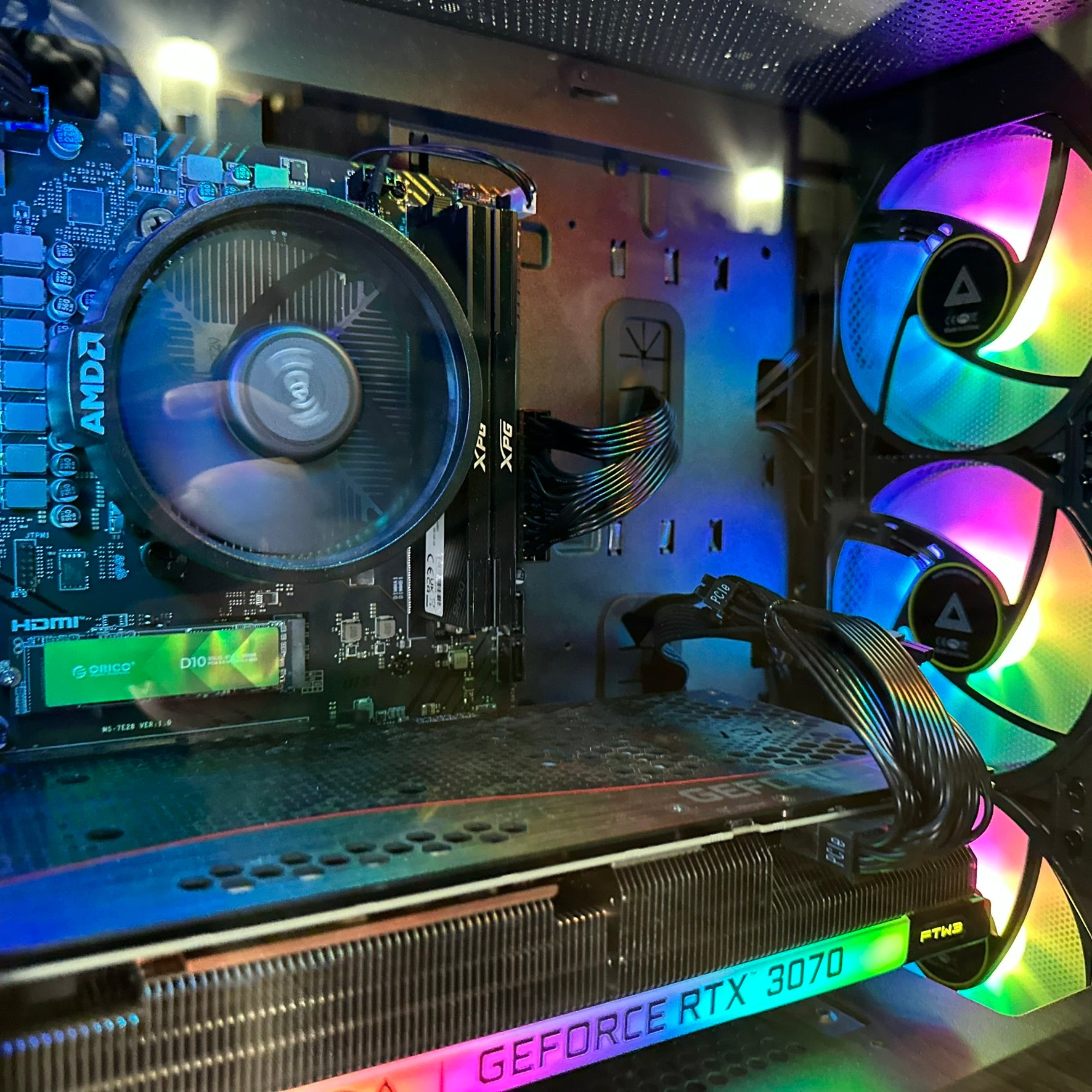
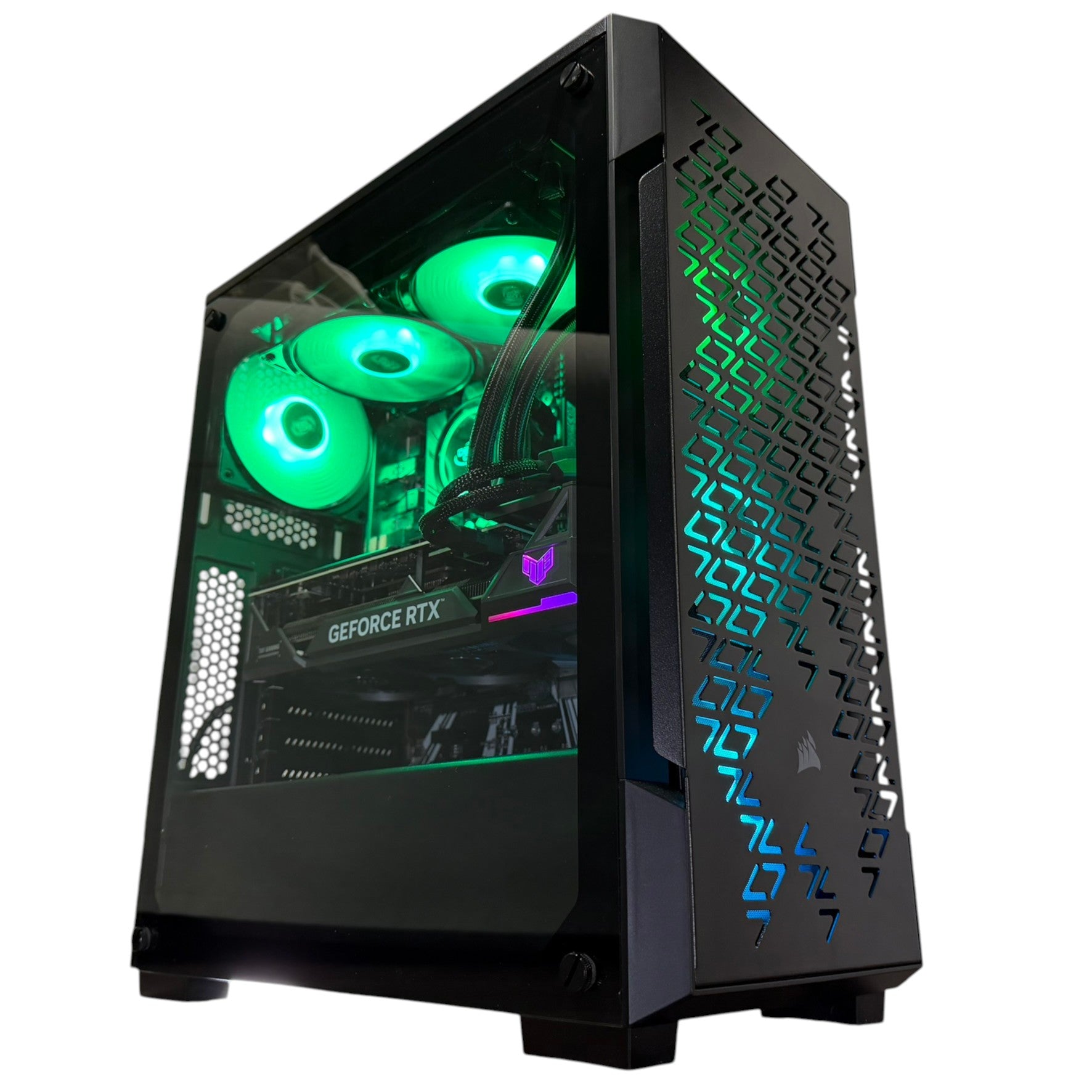
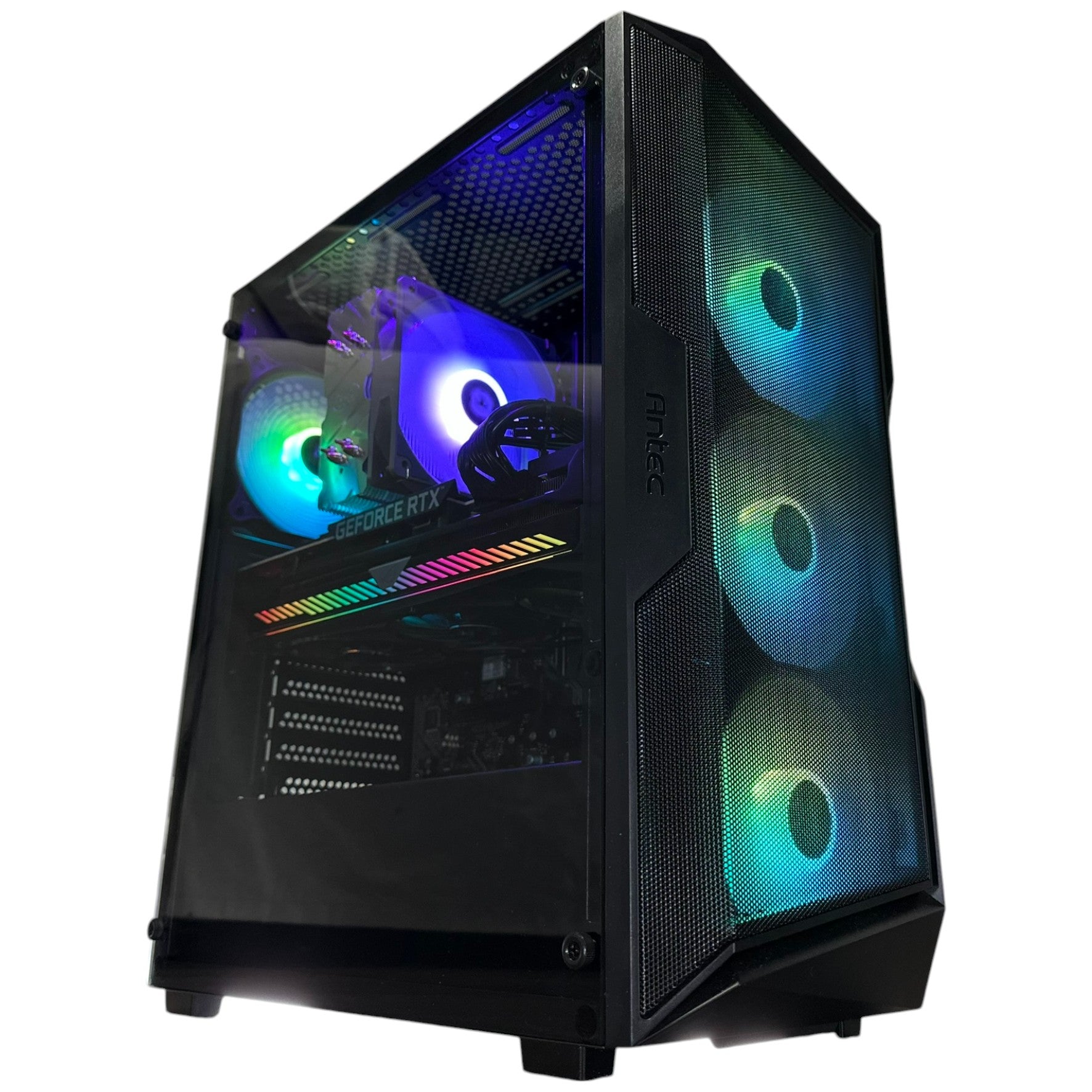
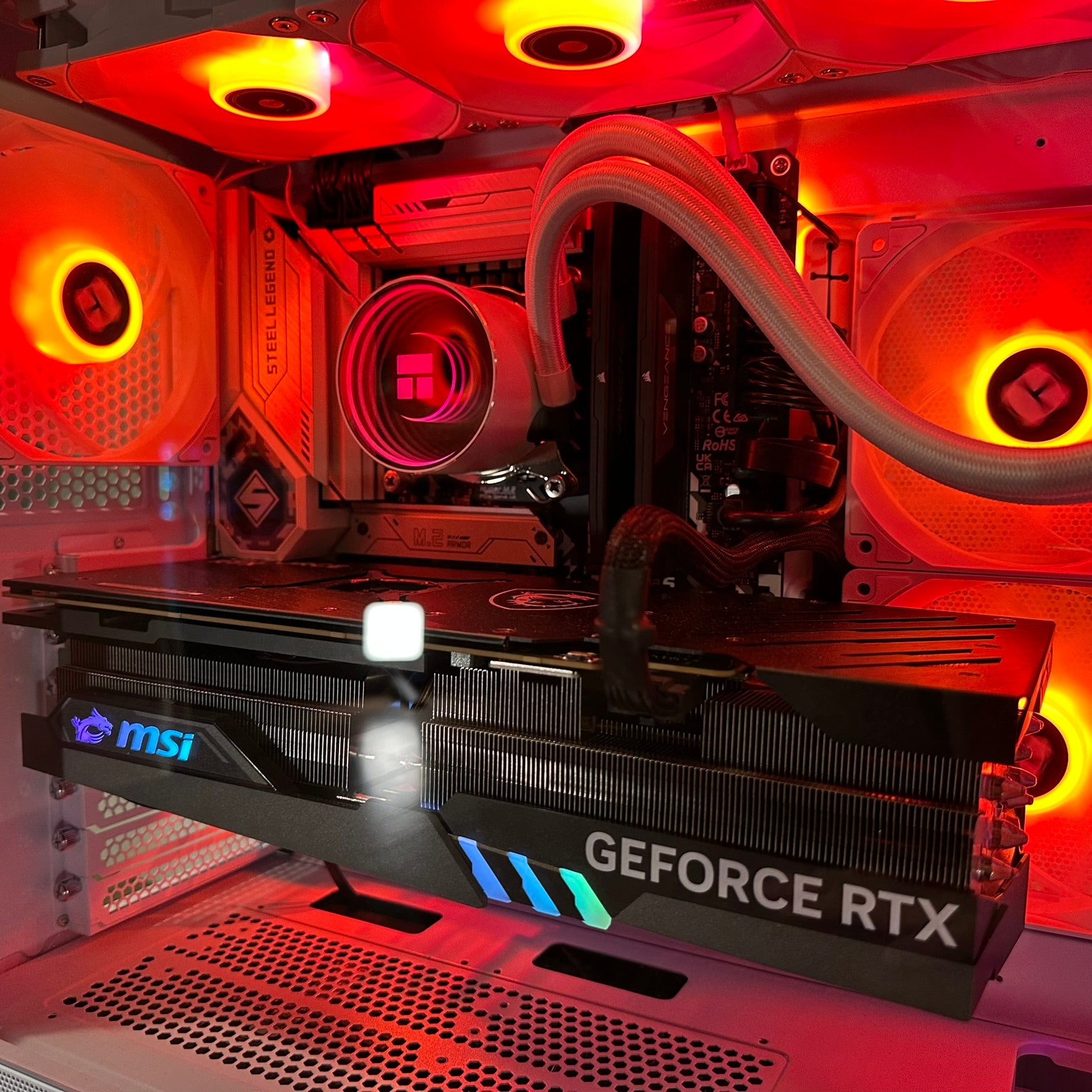
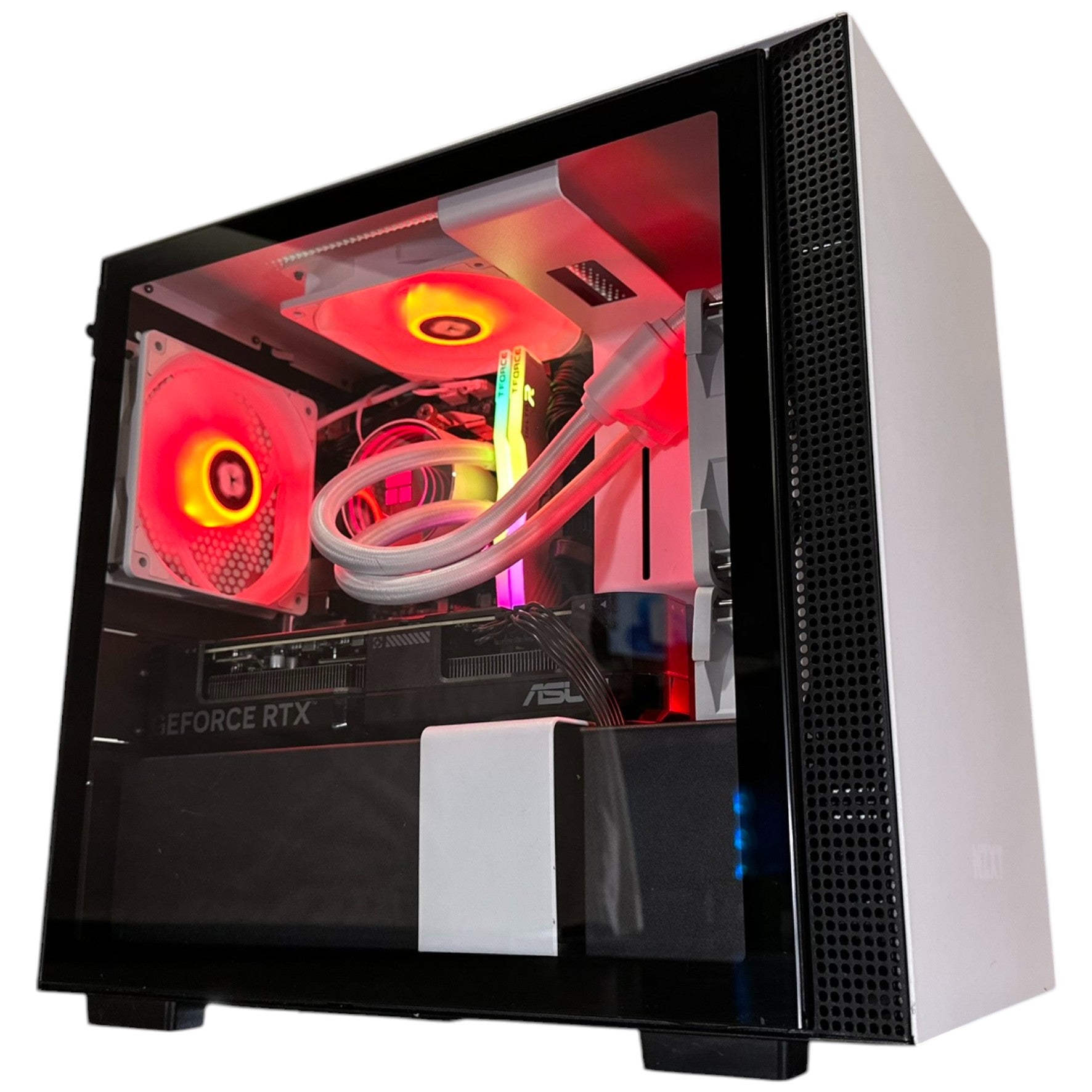
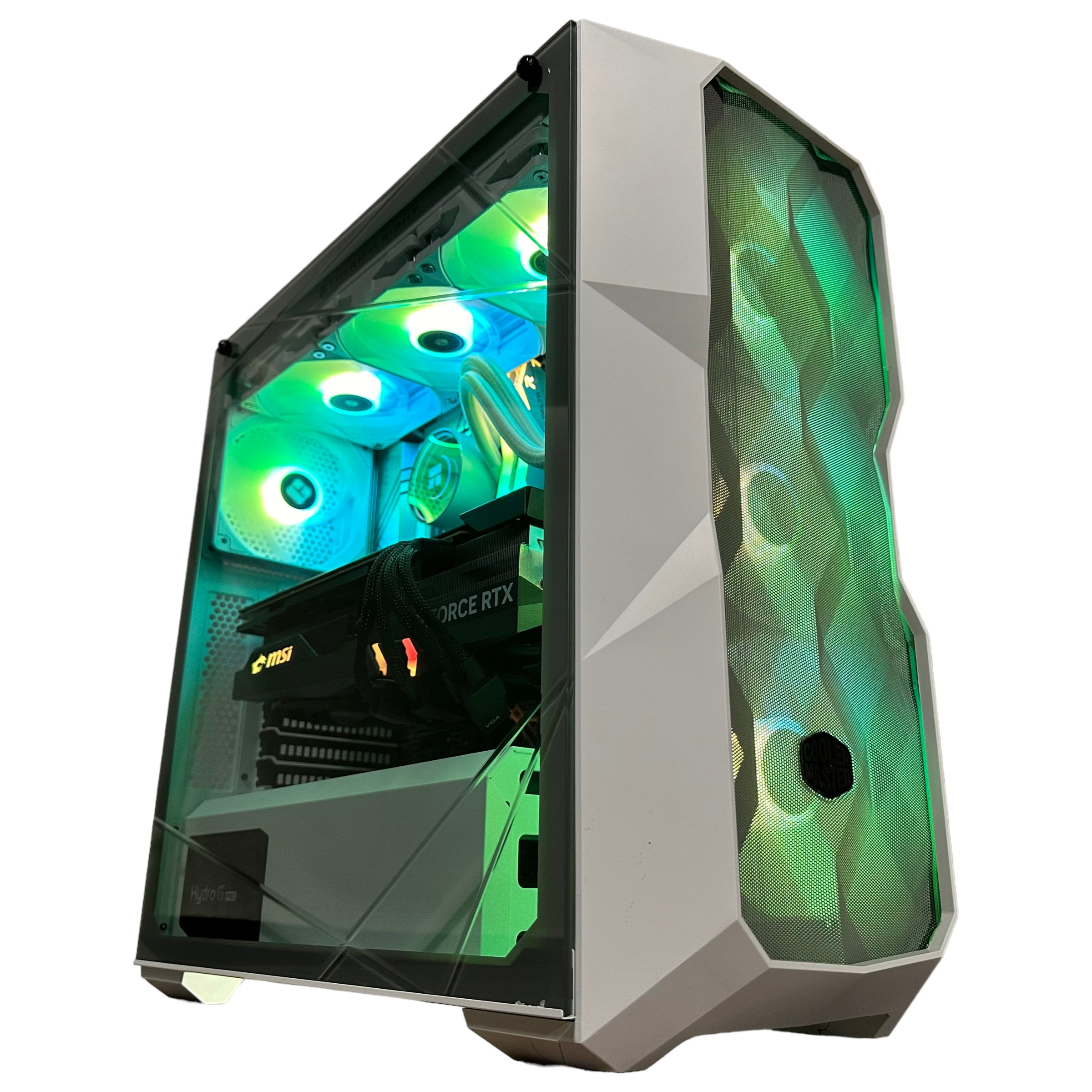
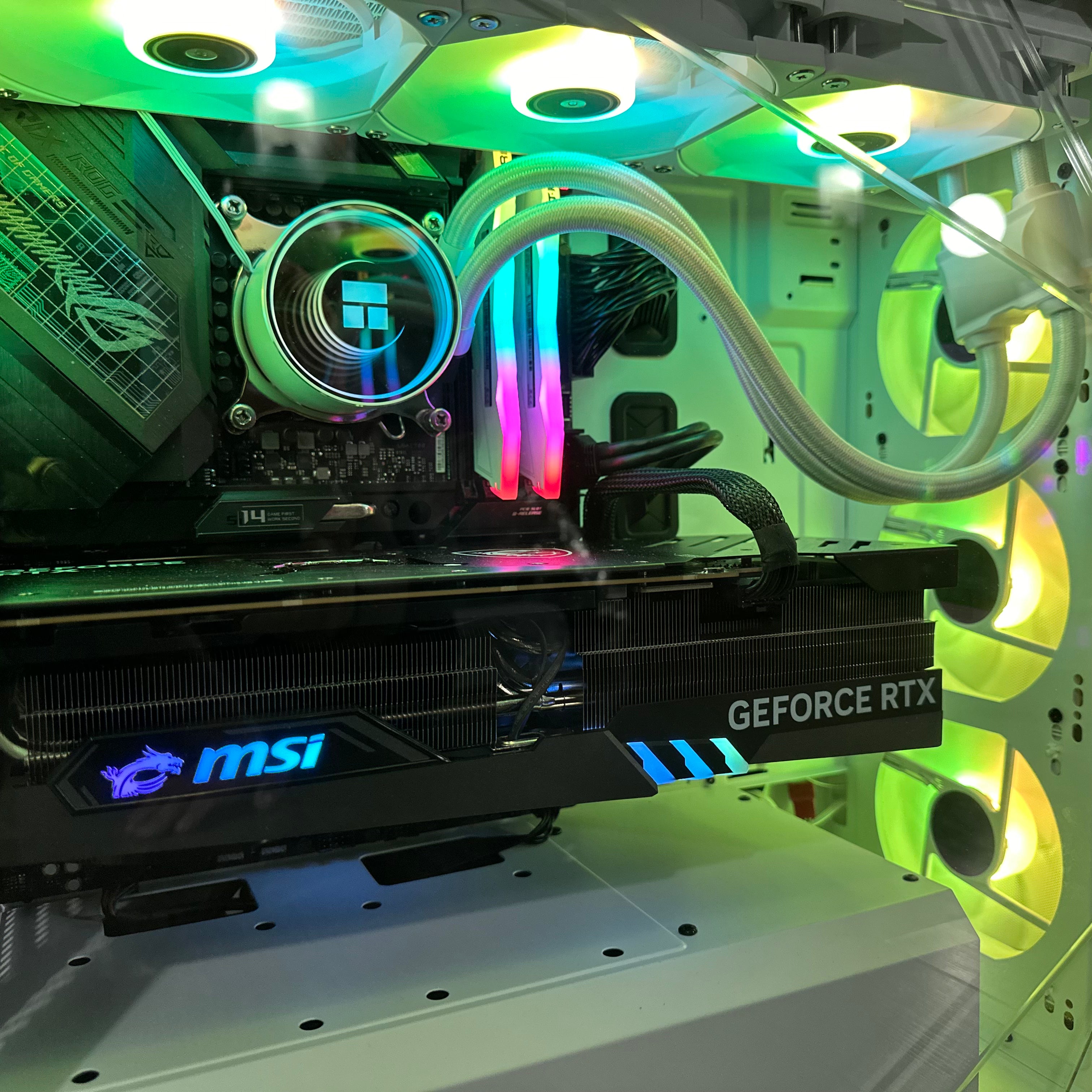
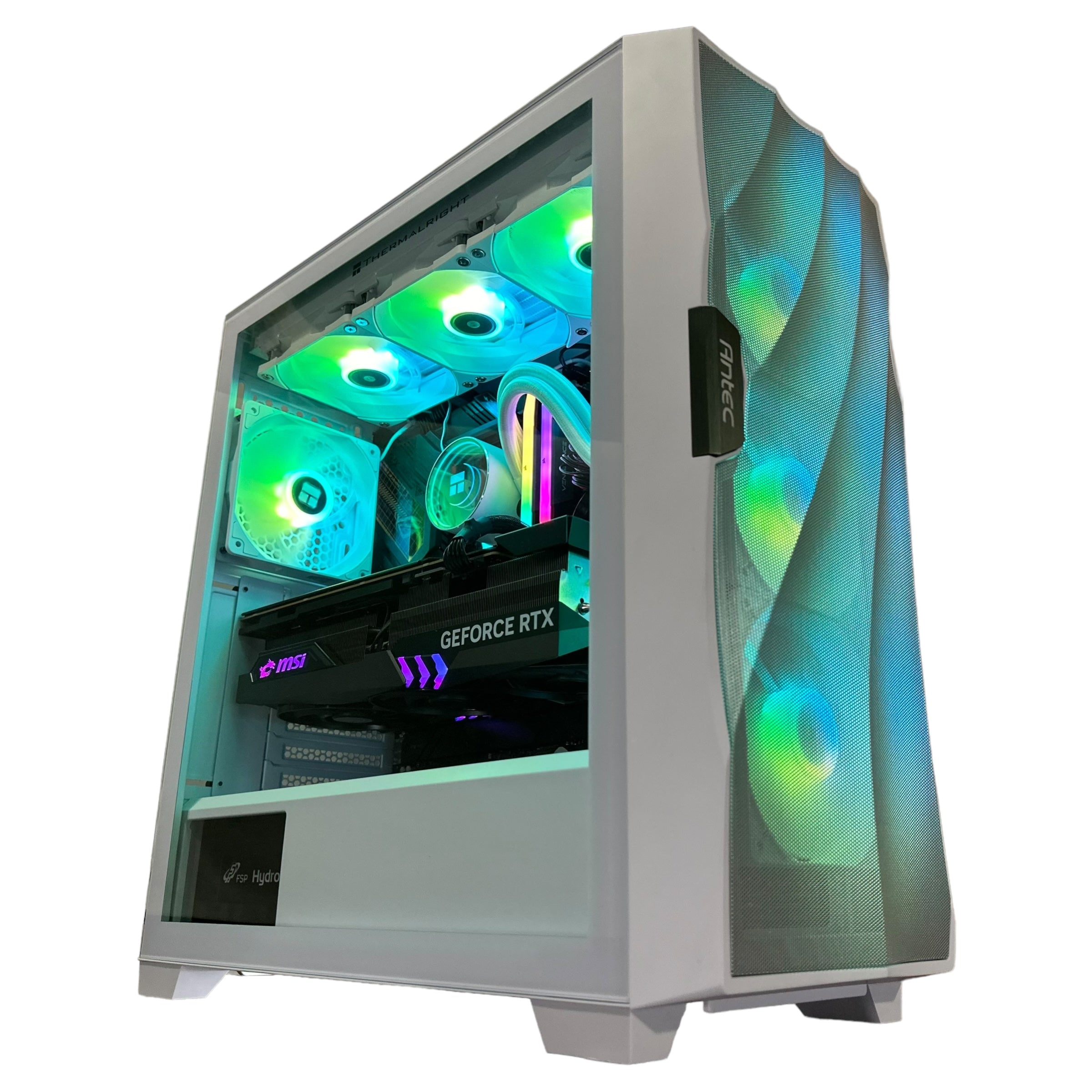
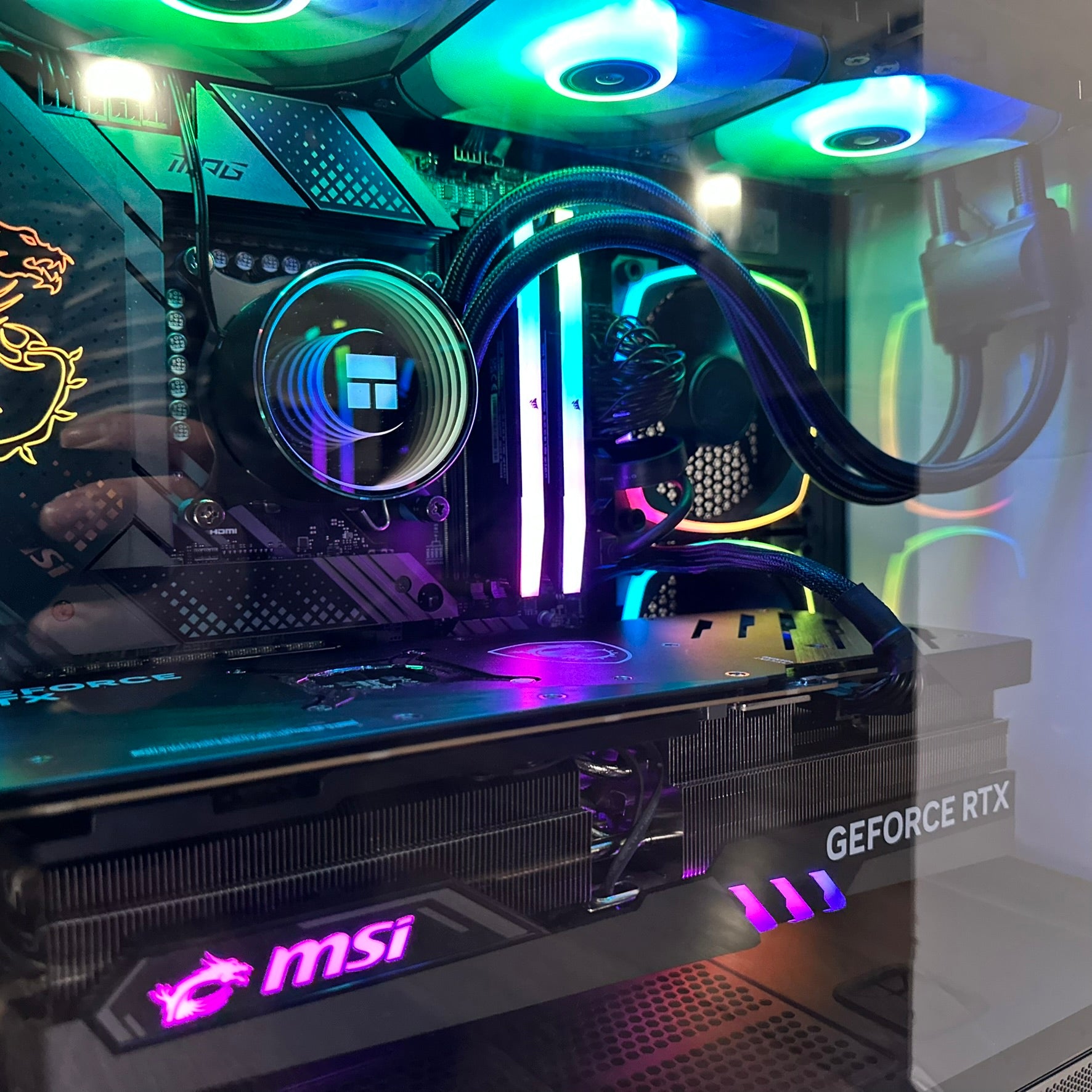
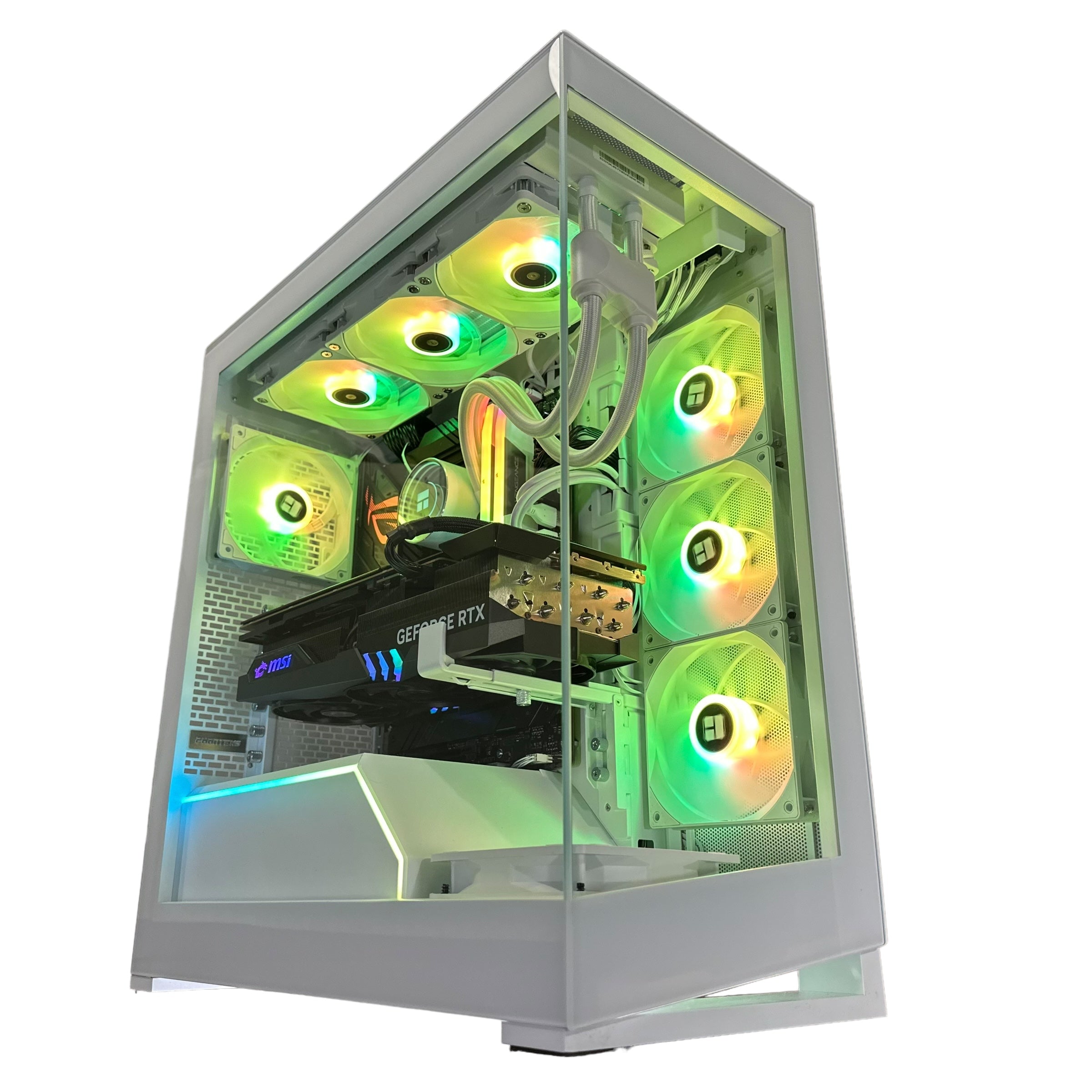
That is exactly why Gaming PC Canada buyers often benefit from custom guidance instead of generic shelf systems. A properly matched build can prioritize the right GPU tier, the right CPU class, enough RAM, fast NVMe storage, balanced cooling, and a realistic upgrade path. That prevents overspending in the wrong places while still delivering the experience you actually want.
What gaming performance tier fits you best?
Not every buyer needs the same class of machine. The right answer depends on your display, your game library, your target settings, and how long you want the build to feel strong.
Entry tier: Is a budget gaming PC enough for you?
If your goal is 1080p gaming, esports titles, lighter AAA settings, and solid everyday use, an entry-level or value-focused build may still make sense. This tier is ideal for students, first-time desktop buyers, and gamers moving from console or laptop to desktop.
But here is the key question: are you buying for today only, or for the next wave of demanding games too? If you expect to play large open-world titles, use higher texture settings, or multitask while gaming, going too low can create upgrade pressure quickly.
A budget-friendly build should still include enough CPU strength, enough RAM, and SSD capacity that you are not replacing core parts immediately. Cheap up front is not always economical long term.
Mid-range sweet spot: Do you want 1440p without jumping to the top end?
For many players, 1440p is where the value-to-performance balance becomes most attractive. A strong mid-range custom gaming PC can deliver high settings, excellent visual quality, smoother frame pacing, and more breathing room for future games than entry-tier systems.
If you are asking, What PC do I need for 1440p gaming? this is usually the category worth serious attention. It is also a smart range for buyers who want gaming plus streaming, gaming plus school, or gaming plus content creation. With the right CPU and GPU pairing, you get a noticeably more complete machine rather than a system that feels narrowly optimized for one task.
High-end tier: Are you targeting 4K, ray tracing, or long-term headroom?
If you want ultra settings, advanced lighting effects, stronger minimum frame rates, and better long-term relevance for future AAA titles, a premium build becomes easier to justify. This is the tier for enthusiasts, serious streamers, creator-gamers, and buyers who want to avoid feeling outdated too quickly.
Ask yourself: are you the kind of player who notices stutter, reduced texture quality, thermal limits, or weak performance during big cinematic scenes? Do you want a system that also handles demanding editing, rendering, or workstation tasks after gaming hours? If yes, stepping into a higher tier can be the difference between a machine that survives the next cycle and one that chases it.
Should you buy now or wait for more reveal footage?
This is where many buyers get stuck. Waiting feels safe because more information is coming. But waiting can also mean shopping later in a hotter market.
If more gameplay appears soon and public excitement climbs even higher, what happens next? More gamers start pricing out upgrades. More buyers look for GPUs that can handle modern open-world games. More people decide they need more VRAM, more storage, and stronger CPUs. That does not guarantee immediate shortages, but it does increase buying pressure.
So the better question may be this: Is it better to buy a gaming PC now or wait? If your current machine already struggles, if your monitor deserves a stronger GPU, or if you know you want a major upgrade anyway, delaying just to confirm what you already suspect may not help much.
On the other hand, if your current build is already high-end and you only need a minor upgrade, a more selective approach may make sense. The point is not blind urgency. The point is timing your decision before market pressure narrows your options.
What hardware matters most for big open-world games and modern PC gaming?
Even without leaning on unconfirmed PC-specific requirements, we can still make smart buying decisions based on the direction of modern game development. Large open-world games tend to reward a balanced system, not just one expensive part.
GPU: Are you choosing for average frame rates or for visual quality headroom?
Your graphics card still shapes the overall experience more than any other component for gaming. Resolution, texture quality, effects, ray tracing potential, and long-term viability all connect strongly to GPU class.
If you are a 1080p player, you may be able to stay in a more value-focused tier. If you want 1440p at high settings, stronger GPU allocation usually makes sense. If you are targeting 4K or heavy effects, your graphics budget becomes even more important.
Ask yourself honestly: do you want “playable,” or do you want “impressive”? The answer changes the entire build.
CPU: Do you want a system that stays smooth during crowded, complex scenes?
Open-world games often stress the CPU more than casual buyers expect. AI, traffic, physics, background systems, and large environments can all punish weaker processors. A stronger CPU also helps if you stream, multitask, or use creator apps outside gaming.
If you are trying to build a system that lasts, underinvesting in the processor can become expensive later. A balanced custom gaming PC should not bottleneck the GPU or force compromises in future titles.
RAM: Are you buying enough memory for gaming only, or for everything you actually do?
Many buyers underestimate memory needs because they think only about launching one game. But what about Discord, a browser full of tabs, capture software, music apps, mods, background launchers, or simultaneous creative work? If you stream or edit as well, RAM matters even more.
Do you want your machine to feel smooth only under ideal conditions, or under real life use?
Storage: How many massive installs are you planning for?
Fast NVMe SSD storage is no longer a luxury for modern gaming. It improves load times, responsiveness, file transfers, and day-to-day use. It also matters if you store gameplay recordings, creator assets, and larger project files.
If you are planning around major game releases, ask this now: how quickly will a small drive become annoying? Most buyers regret too little storage faster than they regret too much.
Do you also stream, edit, or create content?
One of the biggest mistakes buyers make during a game-driven upgrade cycle is building for gaming alone when their real workflow is broader. If you plan to stream, upload, cut highlight reels, design thumbnails, edit short-form video, or maintain a channel, you do not just need a gaming machine. You need a more capable multi-purpose system.
A Creator PC Canada customer may start from a gaming use case, but quickly move into a hybrid build that prioritizes stronger multicore CPU performance, more RAM, better thermals, and a GPU with enough encoding and acceleration value for content workflows.
What PC do you need for streaming? If you are gaming and broadcasting from one machine, you want enough overhead that the stream stays stable while the game remains responsive. What PC do you need for video editing? If you work in Premiere Pro or DaVinci Resolve, stronger CPU performance, RAM capacity, storage speed, and GPU acceleration all start to matter in a different way than pure gaming.
If your next system needs to handle gaming at night and content creation during the day, it makes sense to buy for both roles now instead of rebuilding around the second one later.
Could a gaming-led upgrade actually point you toward a creator or workstation build?
Yes, and this happens more often than people expect.
Maybe GTA 6 hype got your attention first. But once you start thinking about your next PC, you realize you also want to edit 4K footage, run Photoshop and Illustrator, build in Blender, or use Unreal Engine. Suddenly a basic gaming spec sheet no longer reflects your real needs.
If that sounds familiar, ask yourself these questions:
- Do you edit video in Adobe Premiere Pro, DaVinci Resolve, or After Effects?
- Do you work with RAW images in Lightroom or Photoshop?
- Do you design in Illustrator, InDesign, Canva, or other Adobe Creative Cloud tools?
- Do you need a PC for Blender, 3D rendering, animation, Unreal Engine, or CAD-style workloads?
- Do you want one machine for gaming, streaming, editing, and professional productivity?
If the answer to several of those is yes, a custom creator PC or workstation-class build may be the smarter choice. That is especially true if time saved in exports, renders, previews, or multitasking directly improves your work or side income.
Why financing can make sense before prices change
For some buyers, the issue is not whether they need a stronger system. It is whether they want to commit to the full upfront cost all at once. This is where financing can shift the decision in a practical way.
If you know a weaker machine will force upgrades sooner, and if you expect hardware pricing to remain unpredictable, does it make more sense to stretch for the right build now rather than compromise and replace parts later? For many customers, the answer is yes.
That is why Gaming PC Financing Canada conversations are often really about avoiding false economy. Buying too low can create a shorter ownership cycle, more frustration, and higher total spend across piecemeal upgrades. Financing a better-balanced custom system can be a way to secure stronger long-term value while keeping monthly costs manageable.
Would a monthly payment make it easier to move from “just enough” to “actually ready”? Would financing up to 4 years help you step into a higher tier with more GPU power, more RAM, better storage, and a longer useful life? If the alternative is buying a weaker machine that you outgrow quickly, it is a question worth taking seriously.
Should you finance a better PC instead of buying a cheaper one?
This depends on your habits, goals, and timeframe.
If you mostly play lighter games at 1080p and do not care about future AAA demands, keeping costs lower may be perfectly reasonable. But if you are buying because a new generation of demanding games is arriving, because you want 1440p or 4K, or because you also create content, a cheaper build can become the more expensive decision over time.
Think about the total ownership story. Will the lower-cost system need more upgrades in 12 to 18 months? Will you need to add more storage, more RAM, a better GPU, or a better power supply sooner than expected? Would you rather start with a properly planned platform and enjoy it longer?
That is the real logic behind financing for many buyers. It is not about impulse spending. It is about matching the system to the use case before replacement costs rise.
What kind of buyer should choose which type of Groovy Computers build?
Choose a budget gaming computer if:
- You mainly play esports or lighter games
- You are staying at 1080p
- You need a first desktop or student-friendly setup
- You want strong value and understand some AAA compromises may apply
Choose a stronger mid-range custom gaming PC if:
- You want 1440p performance
- You play a mix of competitive and cinematic games
- You want more future headroom
- You care about smoother overall system behavior, not just launchable frame rates
Choose a premium RTX gaming PC if:
- You want higher settings, stronger image quality, or 4K ambitions
- You care about ray tracing or long-term AAA readiness
- You want to buy once and avoid feeling limited too soon
- You may stream, record, or multitask heavily while gaming
Choose a custom creator PC if:
- You game and also edit video, design graphics, or produce content
- You need balanced performance across gaming and Adobe or editing software
- You want better export times, smoother previews, and more multitasking capacity
Choose an editing workstation or 3D modeling workstation if:
- Your income or serious side work depends on render speed and reliability
- You use Blender, Unreal Engine, CAD, or heavy editing workflows
- You need more RAM, more cores, stronger cooling, and workstation-style stability
Why custom builds matter more when buying conditions feel uncertain
During a major hype cycle, generic systems often look easier because they are already listed and ready to compare. But easy does not always mean right. A generic prebuilt may cut corners in cooling, motherboard quality, power delivery, storage configuration, airflow, or upgrade path. That may not be obvious from the headline spec alone.
A custom-built system gives you a better chance of getting balanced performance rather than marketing-first performance. It also helps ensure your budget is going toward the parts that matter most for your actual use.
Are you mostly paying for RGB and branding, or for real gaming and creator performance? Are you buying a machine that has been thoughtfully configured, stress tested, and built with future upgrades in mind? Those questions matter even more when you want your purchase to last.
Why testing, support, and warranty should be part of the buying decision
When you are spending serious money on a gaming PC, creator PC, or workstation, raw specs are not the only thing that matter. Reliability matters. Thermal performance matters. Proper assembly matters. So does support if something goes wrong.
That is why buyers should care about rigorous testing and warranty confidence. A properly built and tested PC gives you more peace of mind than a random unknown-marketplace tower with flashy wording and vague quality control. Groovy Computers’ focus on custom builds, rigorous testing, and a 1-year warranty adds real value when you want confidence instead of guesswork.
If you are in Nova Scotia, Atlantic Canada, or ordering elsewhere in the country, that kind of trust matters. A Canadian custom PC builder that understands how buyers actually use these systems can be a much better fit than chasing a lowest-price listing that looks good for one day and causes problems for years.
Questions to ask before you buy your next gaming or creator PC
- What games do I actually want to play over the next two to three years?
- Am I targeting 1080p, 1440p, or 4K?
- Do I care about high FPS, ultra settings, or ray tracing?
- Will I stream, record gameplay, or edit content from the same machine?
- Do I need more storage for big installs, captures, or project files?
- Will I also use this system for Photoshop, Premiere Pro, DaVinci Resolve, Blender, or work tasks?
- Am I buying the cheapest system that works today, or the right system for the next few years?
- Would financing help me secure a stronger build before market pricing changes again?
- Do I want expert help choosing a build from Groovy Computers instead of guessing from spec sheets alone?
What should Canadian buyers do before the next big reveal wave hits?
Use this period wisely. You do not need to panic buy, but you also do not need to wait for every last trailer to begin planning. The smartest move is to decide your target experience now.
Do you want a gaming PC for new games at 1080p? A stronger 1440p machine with more staying power? A premium system that can handle major releases, streaming, and content creation? A custom creator desktop for gaming plus editing? Or a workstation-class build for serious rendering and production?
Once you answer that, the path becomes clearer. You can choose around your display, your game library, your software, your budget, and your long-term goals rather than buying reactively during peak hype.
Why Groovy Computers is the right place to start
Groovy Computers is built around what many Canadian buyers actually want: custom gaming PCs, creator PCs, and workstation builds that fit real use cases instead of one-size-fits-all marketing. That means better guidance, better part matching, rigorous testing, warranty-backed confidence, and options for buyers who want to finance a stronger system instead of settling.
Whether you are in Nova Scotia, elsewhere in Atlantic Canada, or shopping online from across the country, the goal is the same: get a system that feels right for your games, your workload, and your budget.
Are you trying to figure out what gaming PC you need before the next major release wave? Do you want help choosing between a budget build, a premium RTX gaming PC, a streaming setup, a video editing machine, or a 3D workstation? Visit GroovyComputers.ca and start with a custom build approach that matches what you actually want your next PC to do.
Final takeaway: the GTA 6 gameplay reveal may be close, but your buying decision should be smarter than the hype cycle
The biggest lesson from the source article is simple: Rockstar’s quiet marketing phase is not necessarily unusual. More gameplay details may arrive soon, but the broader pattern suggests buyers should be thinking ahead now. If one of the most anticipated game releases in years is pushing you to reconsider your hardware, that is not overreaction. It is a useful signal.
The right move is not just chasing a trailer. It is choosing a system that fits your actual future. If you want a GTA 6 gameplay reveal to be a reason for better planning instead of rushed buying, this is the time to decide what performance tier fits, whether financing helps, and whether a custom gaming PC, creator PC, or workstation from Groovy Computers is the better long-term solution.
#GamingPCCanada #CustomGamingPCCanada #GamingPCForNewGames #CreatorPCCanada #VideoEditingPCCanada #StreamingPCCanada #3DModelingPCCanada #CanadianCustomPCBuilders #NovaScotiaTech #GroovyComputers
Groovy Computers | All Rights Reserved



Leave a comment
This site is protected by hCaptcha and the hCaptcha Privacy Policy and Terms of Service apply.