




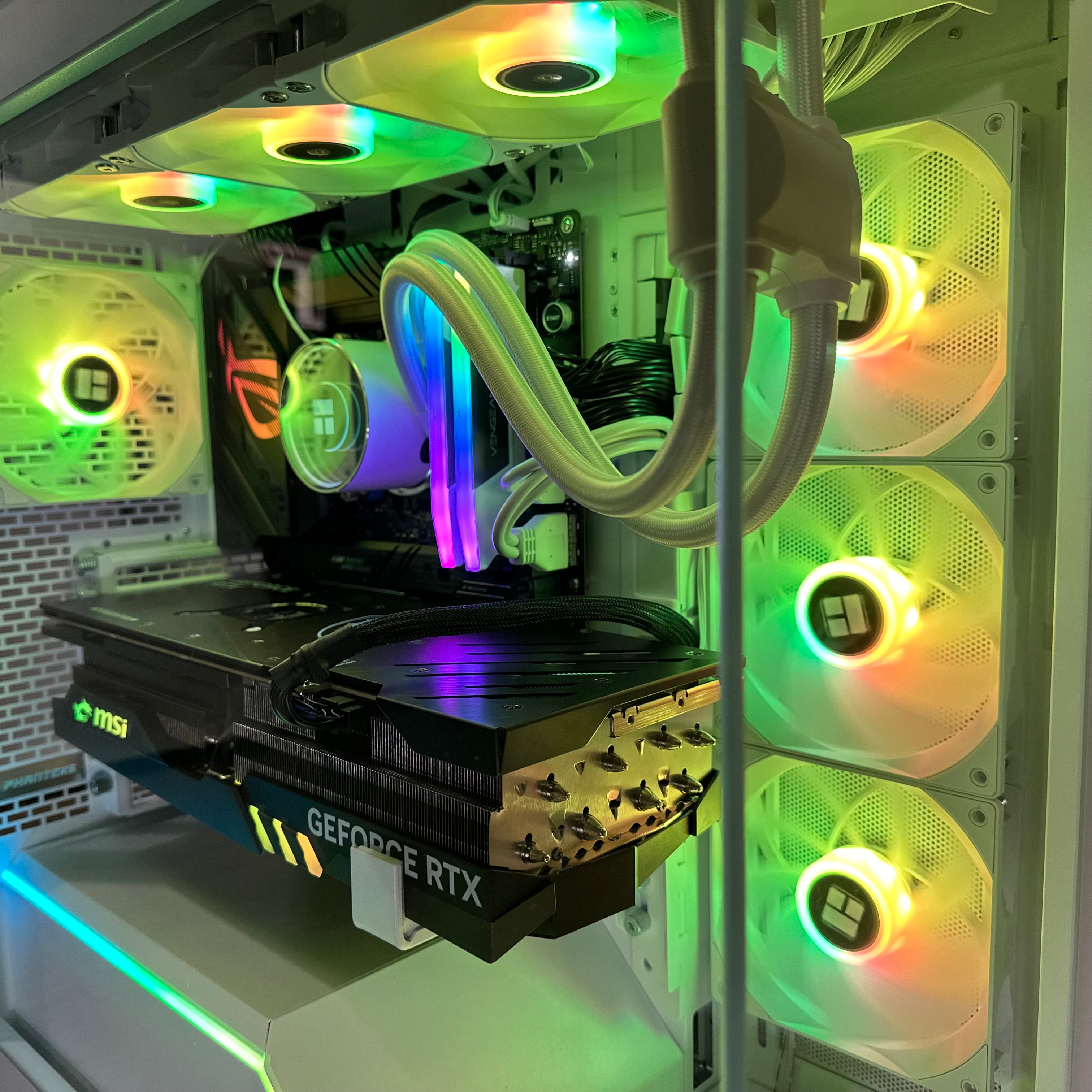
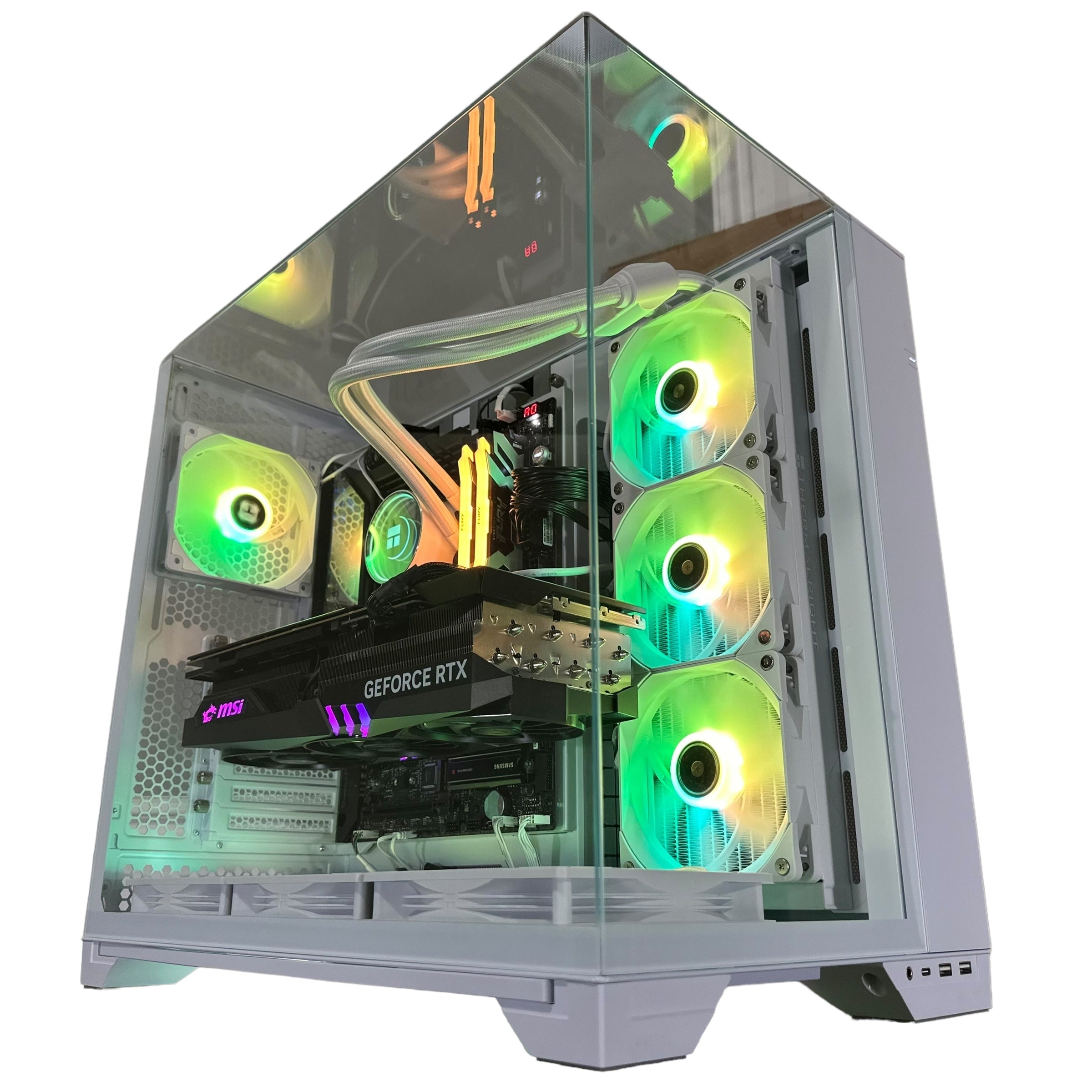
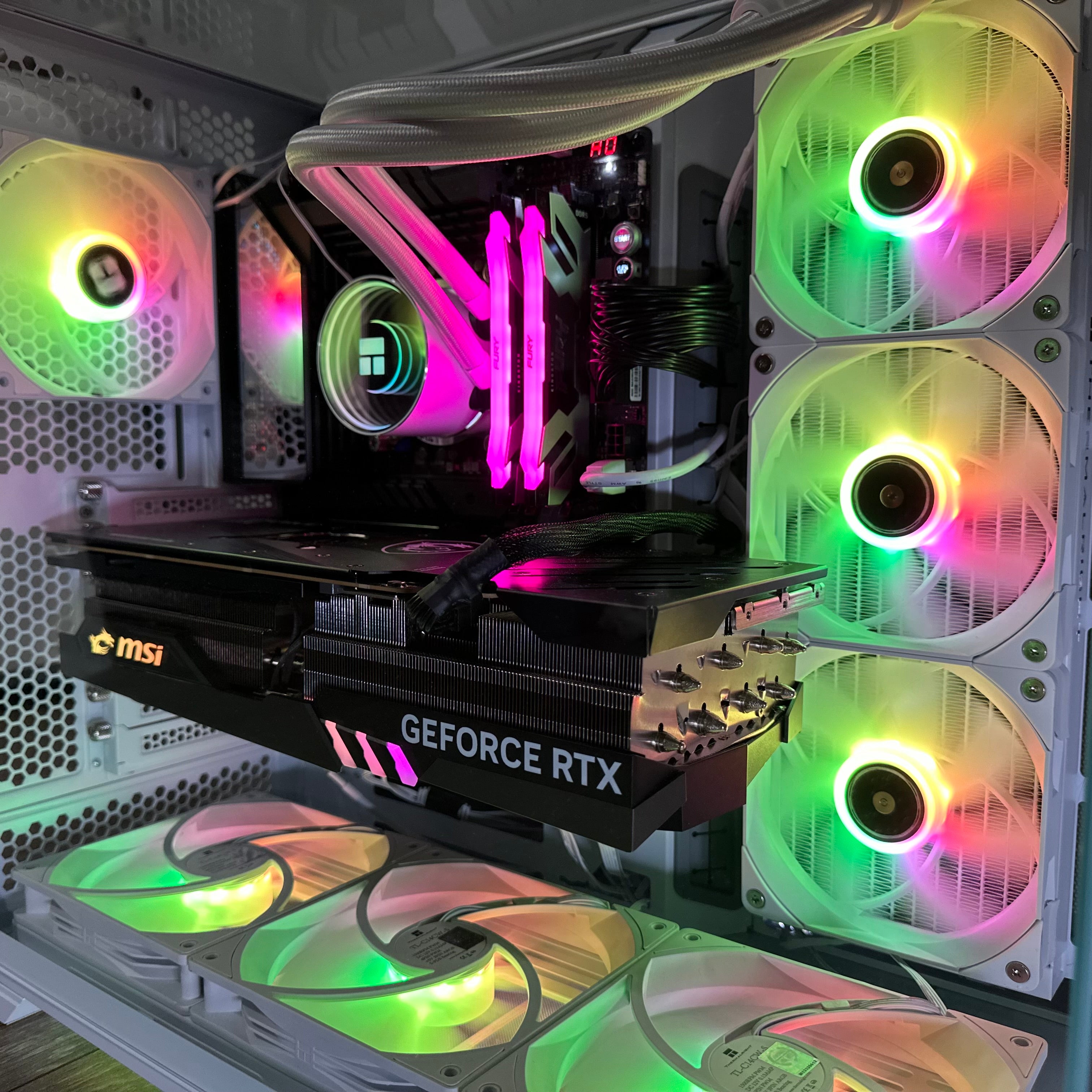

GTA 6 Is a Singleplayer Experience: What That Means for Choosing the Right Gaming PC in Canada
The latest GTA 6 discussion has put one big question in front of buyers: if GTA 6 is launching as a singleplayer experience, what should Canadian gamers expect from the next wave of PC demand, performance expectations, and upgrade decisions? For anyone researching a Gaming PC Canada solution, this is more than gaming news. It is a buying signal. Big open-world releases change what people expect from their systems, and they often trigger a fresh round of upgrades for higher settings, smoother frame rates, streaming performance, and long-term future-proofing.
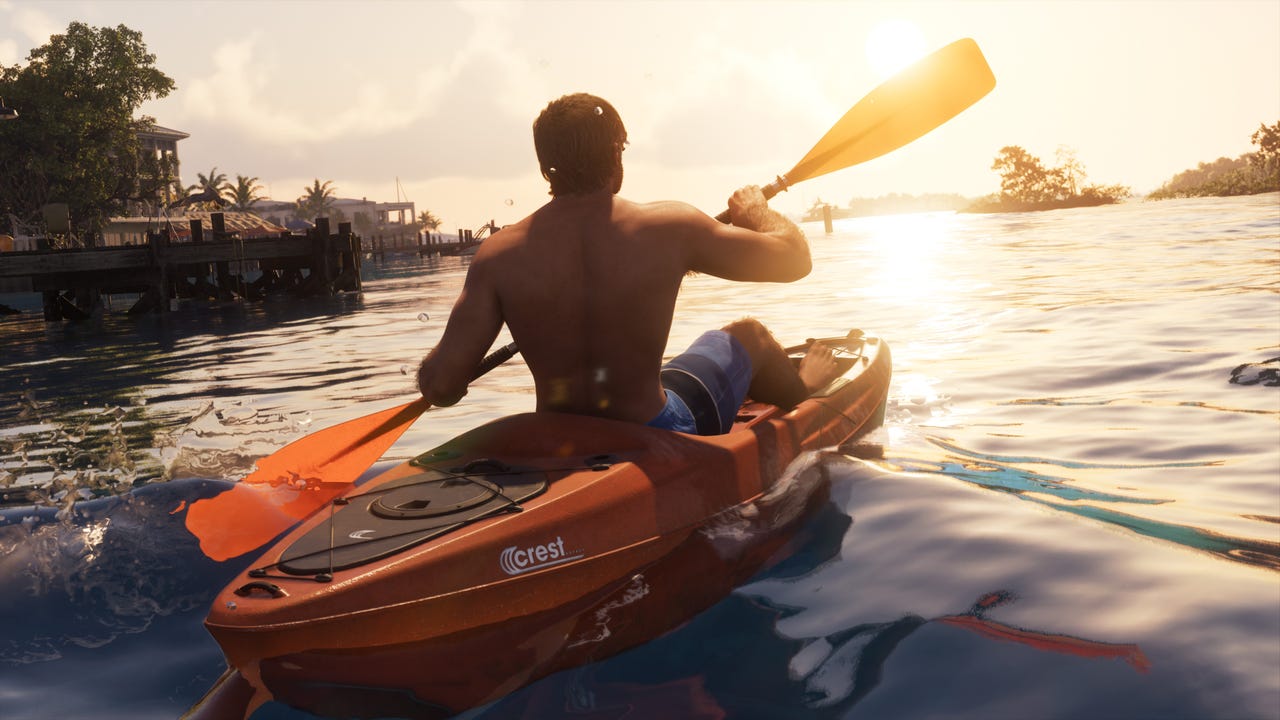
The source article highlights an important point: Rockstar has confirmed GTA 6 as a singleplayer experience at launch, while leaving the future of its online component unclear. That uncertainty matters. Why? Because buyers are not just preparing for one game anymore. They are preparing for what comes next: heavier open-world rendering, more demanding visual effects, higher VRAM pressure, creator tools tied to game content, and possibly another online ecosystem that could become a major long-term performance benchmark.
If you are wondering whether your current system is enough, whether you should upgrade before demand spikes, or whether a custom build makes more sense than settling for a generic machine, this is exactly the right time to ask those questions.
Why GTA 6 Hype Matters Even Before the PC Version Conversation Fully Settles
Huge game launches do not just sell copies. They reshape the PC market. They push gamers to think about 1080p versus 1440p, ray tracing versus high FPS, and short-term affordability versus buying a stronger system that lasts longer. GTA 6 is one of those rare releases that can influence hardware demand across gaming, streaming, content creation, and editing all at once.
Think about how many buyers will want to do more than just play. Will they also want to stream gameplay? Clip highlights for TikTok, YouTube, or Shorts? Edit 4K footage? Capture cinematic screenshots? Run Discord, OBS, browser tabs, mods, and background tools at the same time? A modern open-world blockbuster often turns a simple gaming purchase into a broader creator-PC decision.
That is why this conversation should not stop at “Can it run the game?” A better question is: What do you want your next PC to do for you over the next three to five years?
What the Source Article Gets Right About GTA 6 and GTA Online Uncertainty
The original reporting correctly focuses on the biggest unknown: Rockstar has confirmed the singleplayer focus, but has not fully clarified what happens next with the online side. That leaves room for multiple possibilities. A delayed online launch? A major standalone experience? A redesigned live-service model? A more creator-driven multiplayer platform? Nobody outside Rockstar can responsibly claim certainty yet.
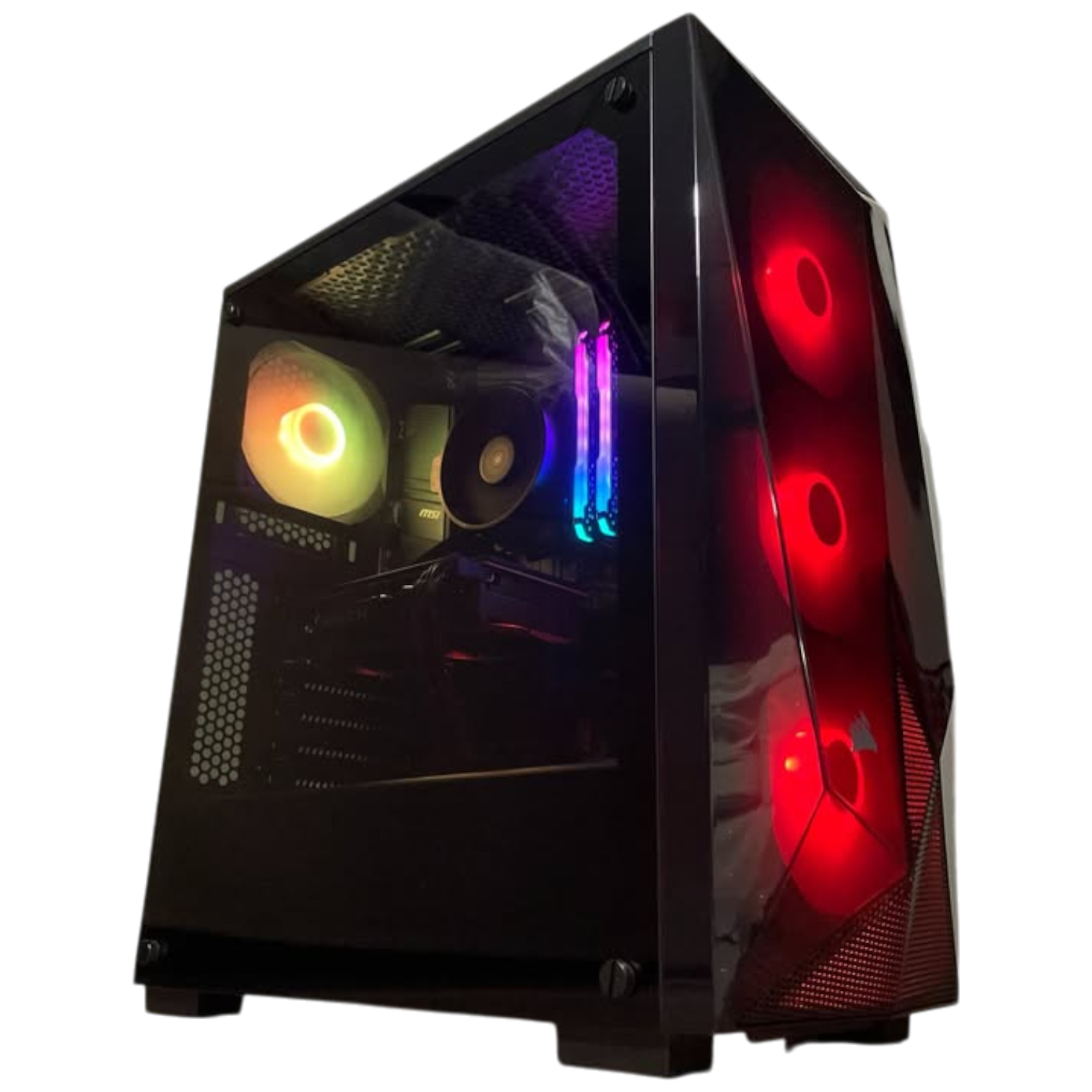
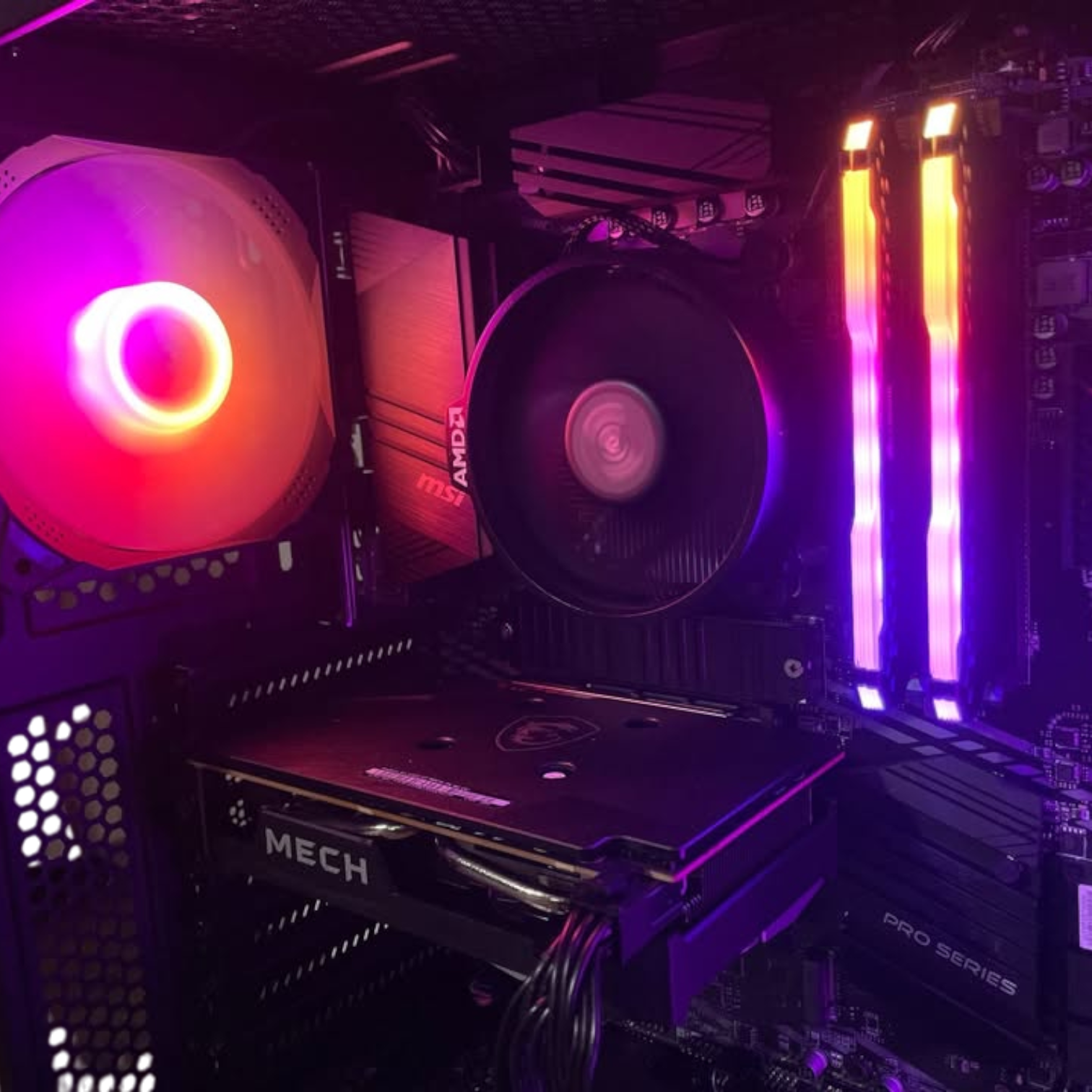
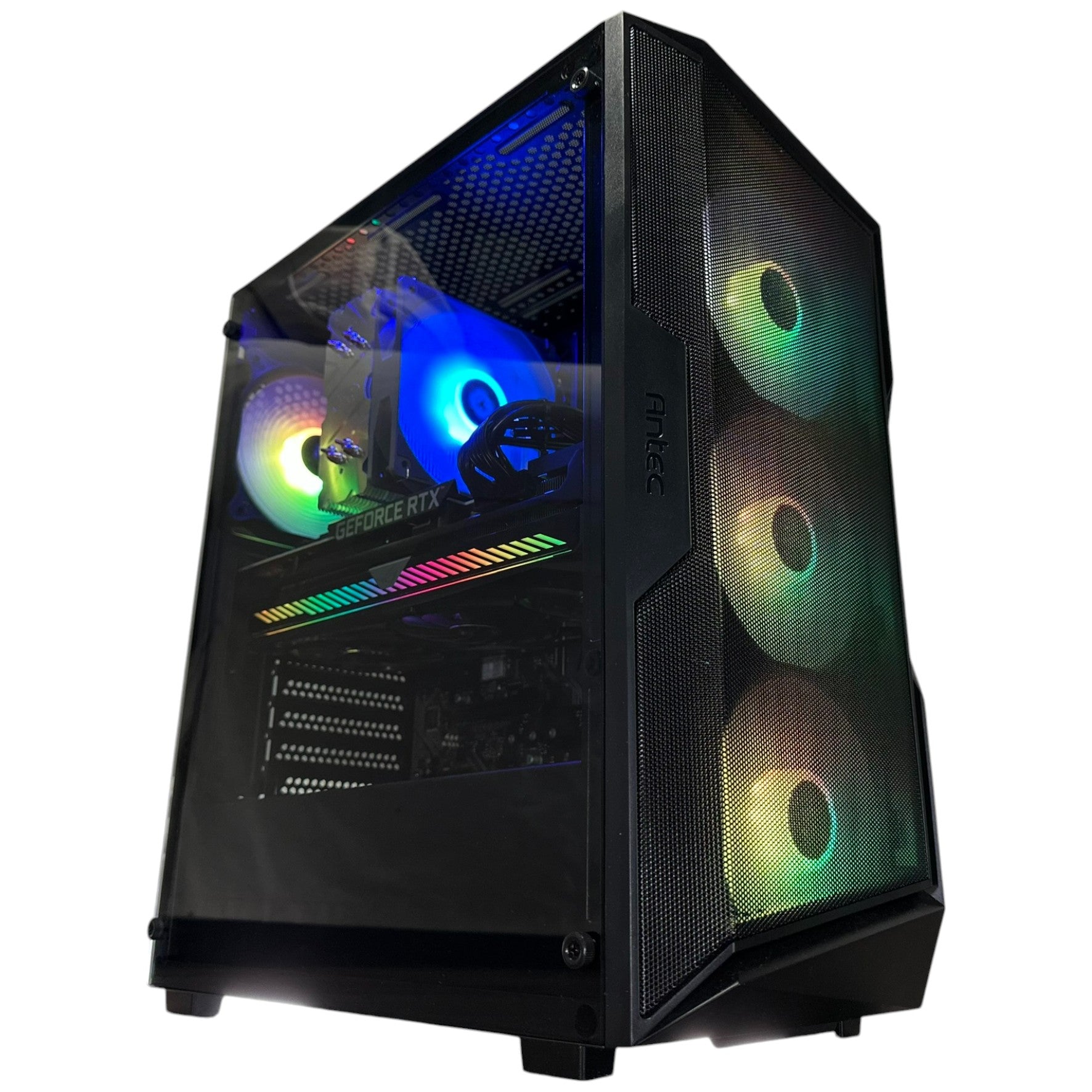
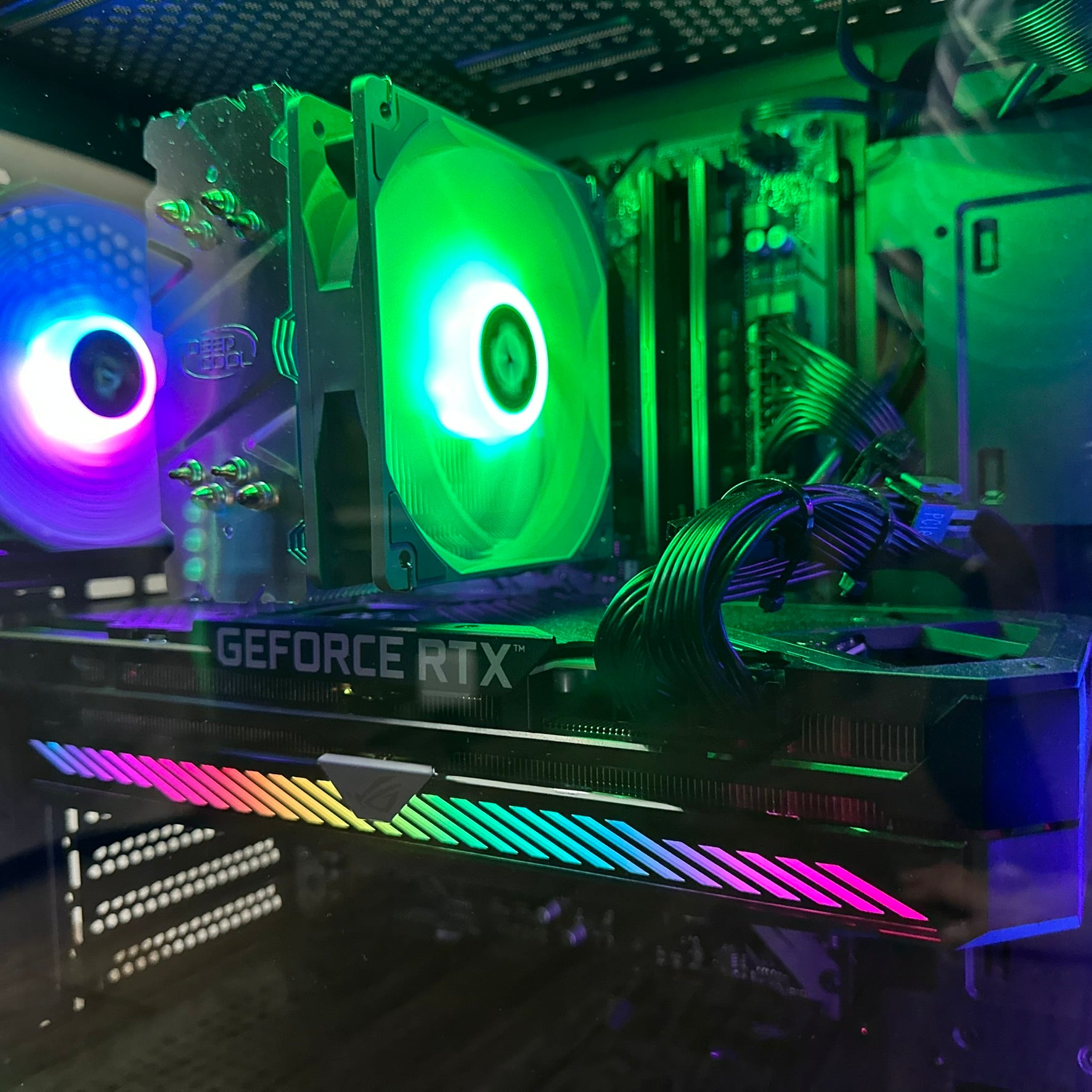
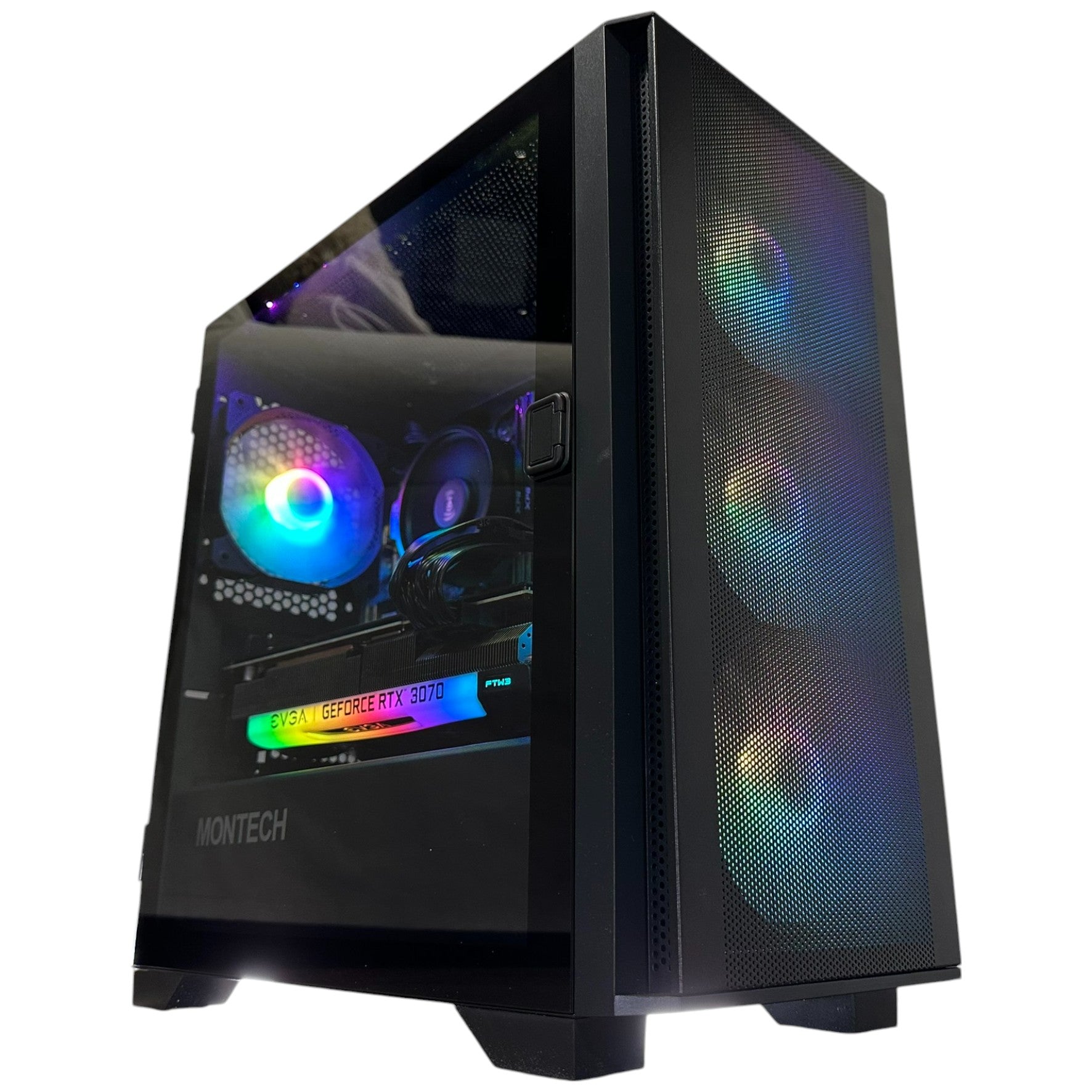
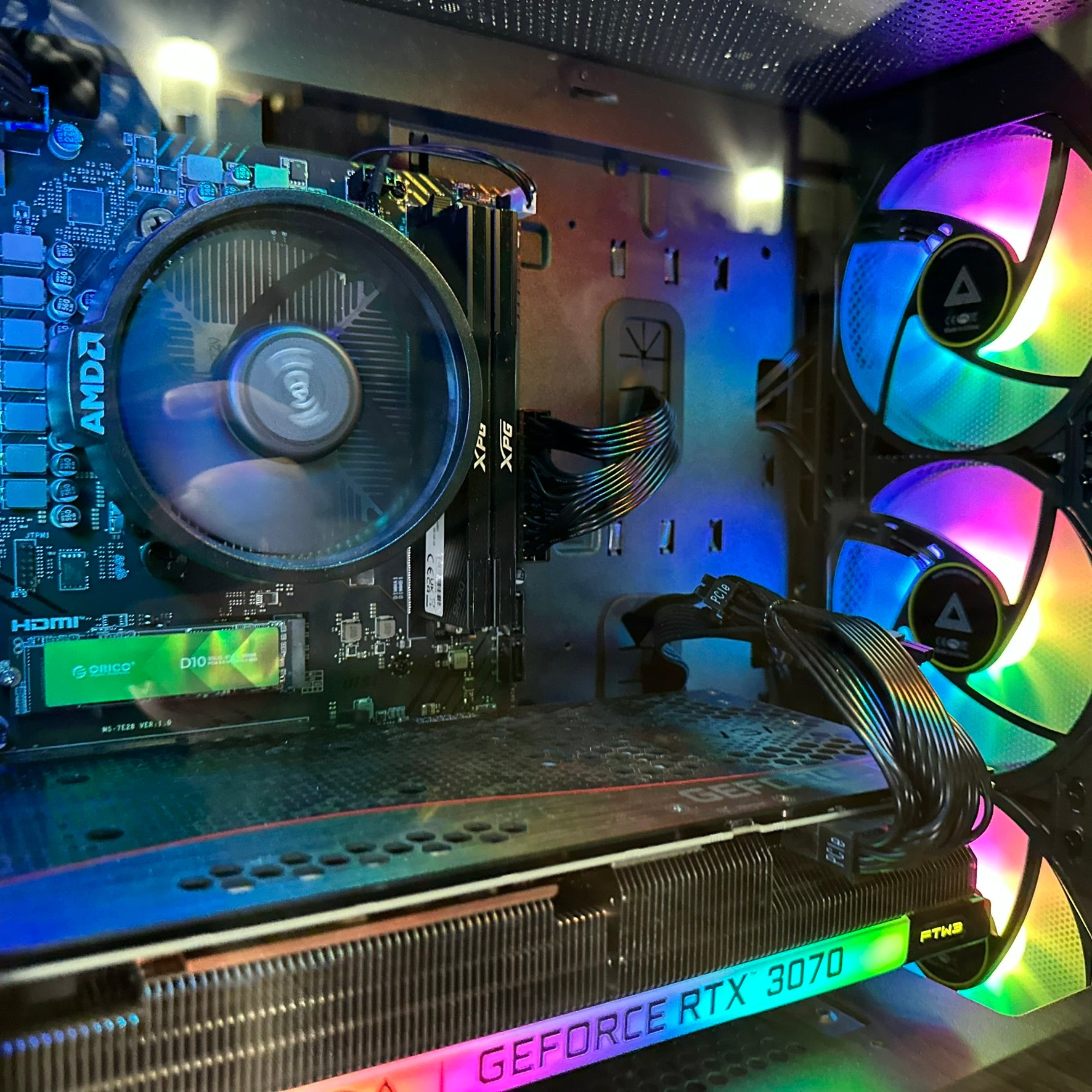
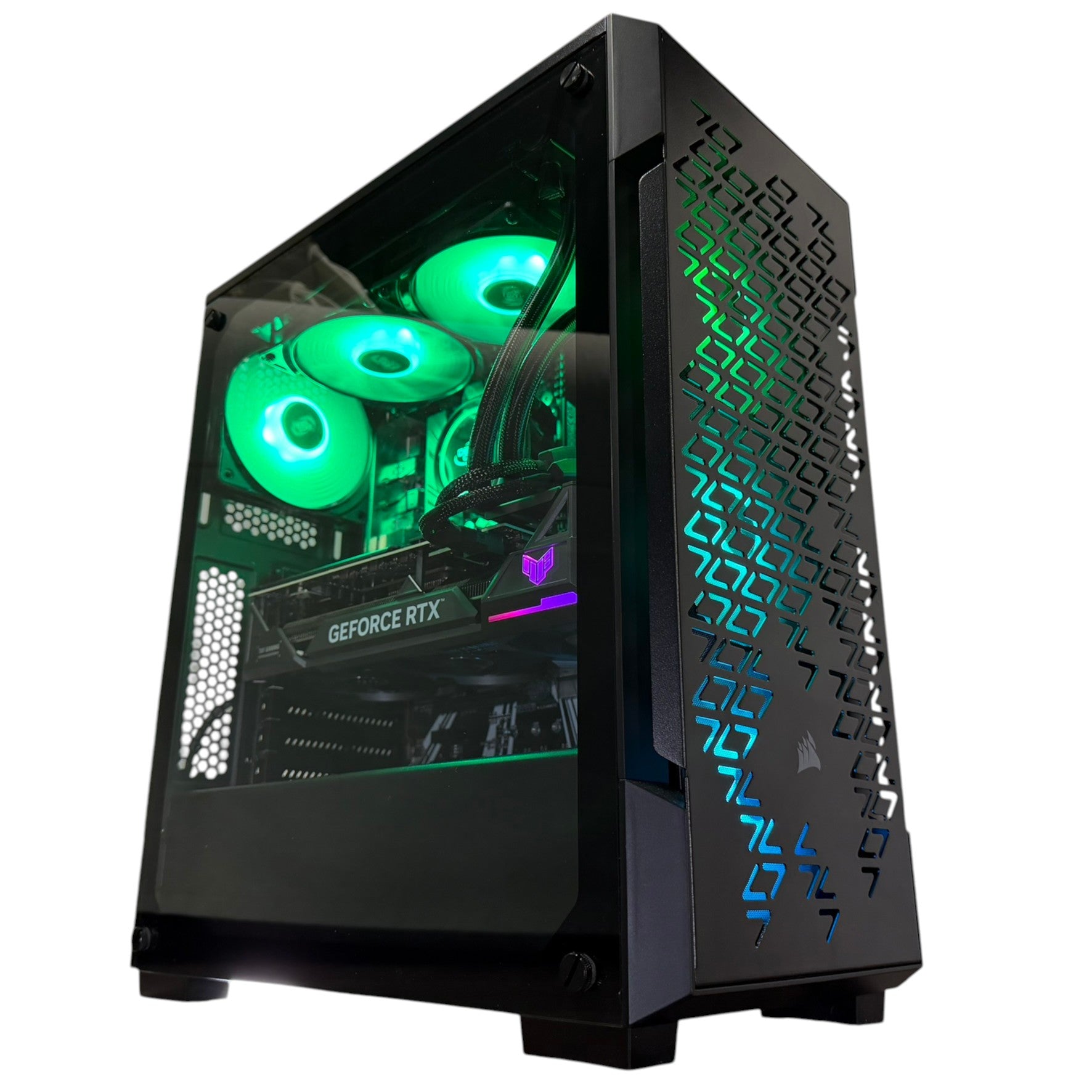
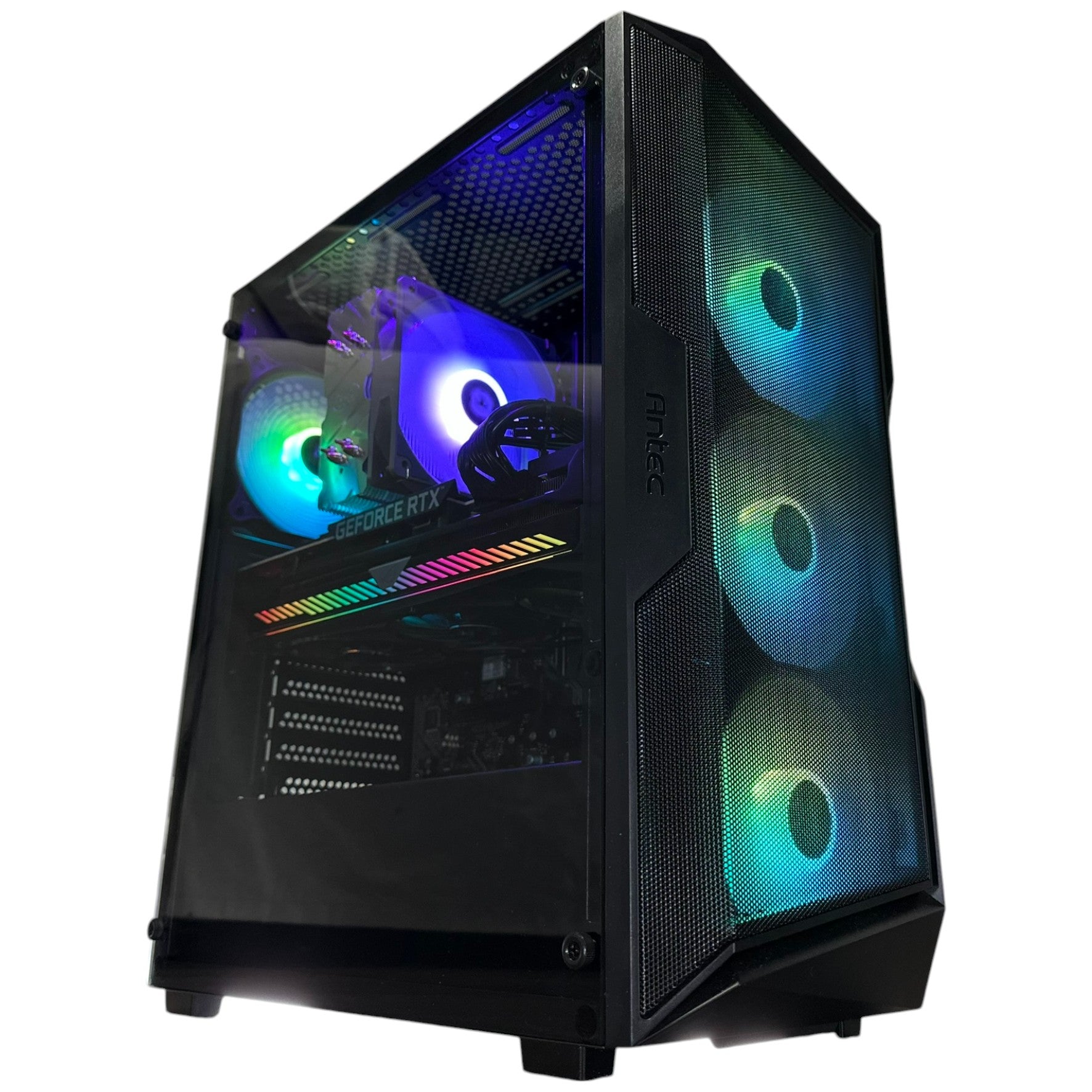
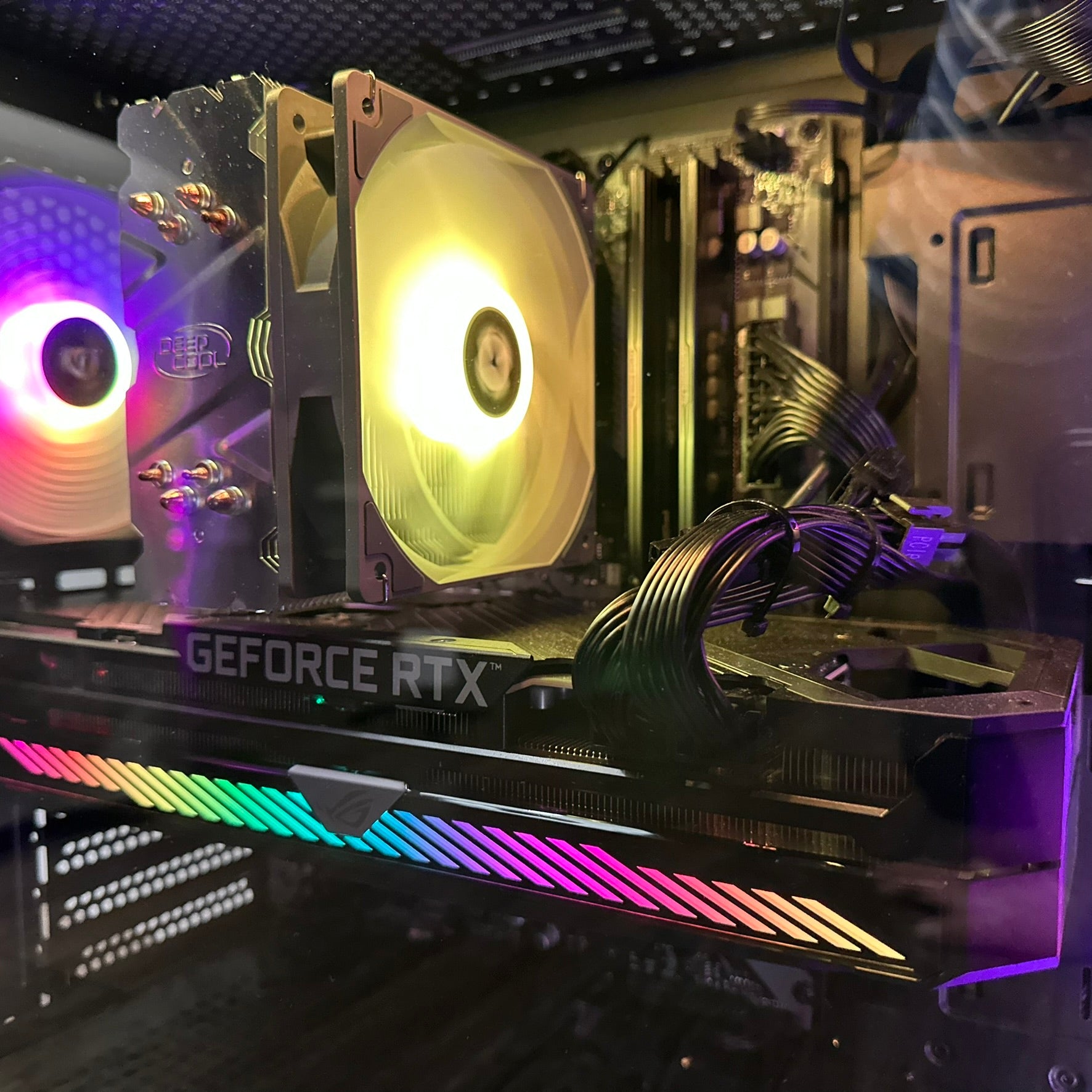
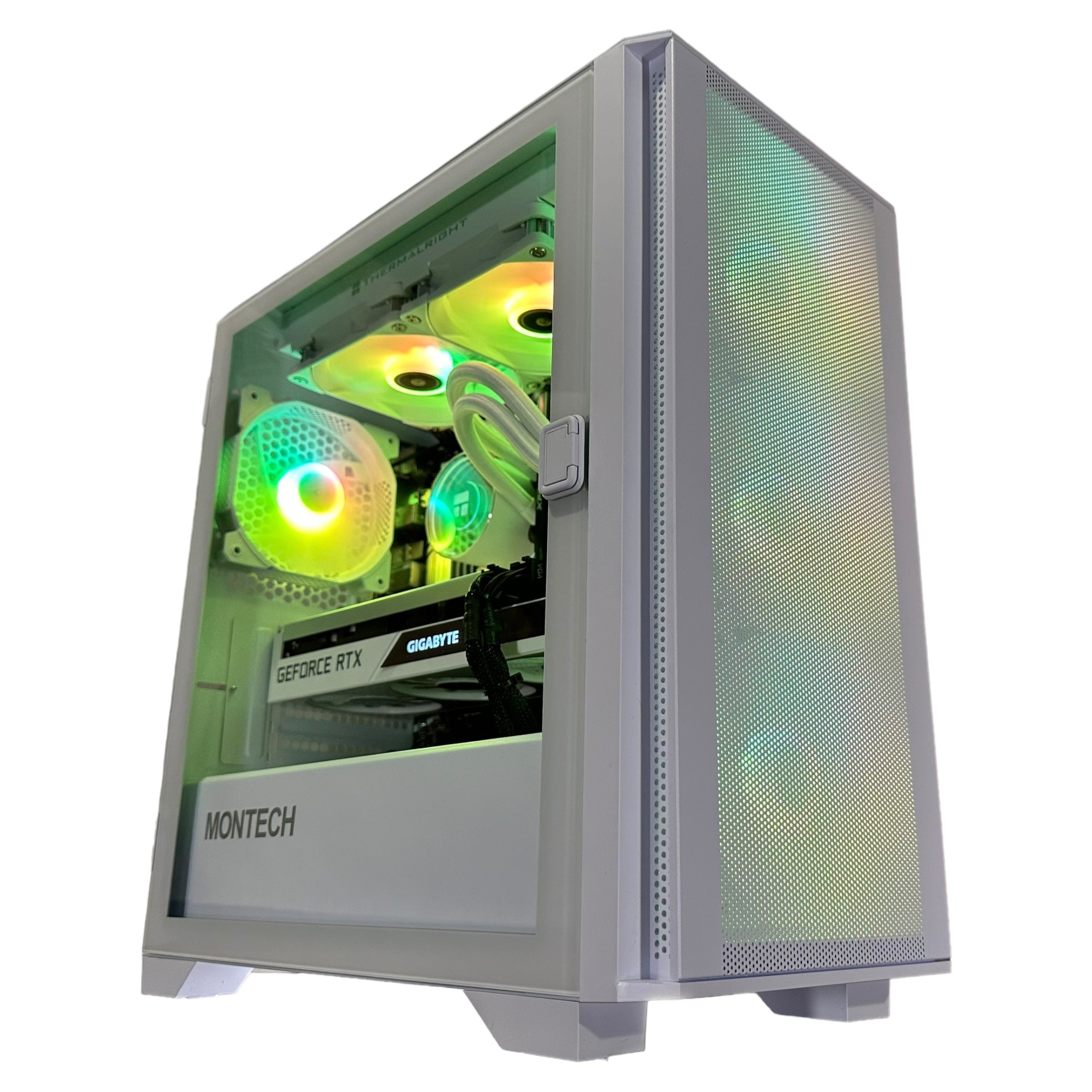
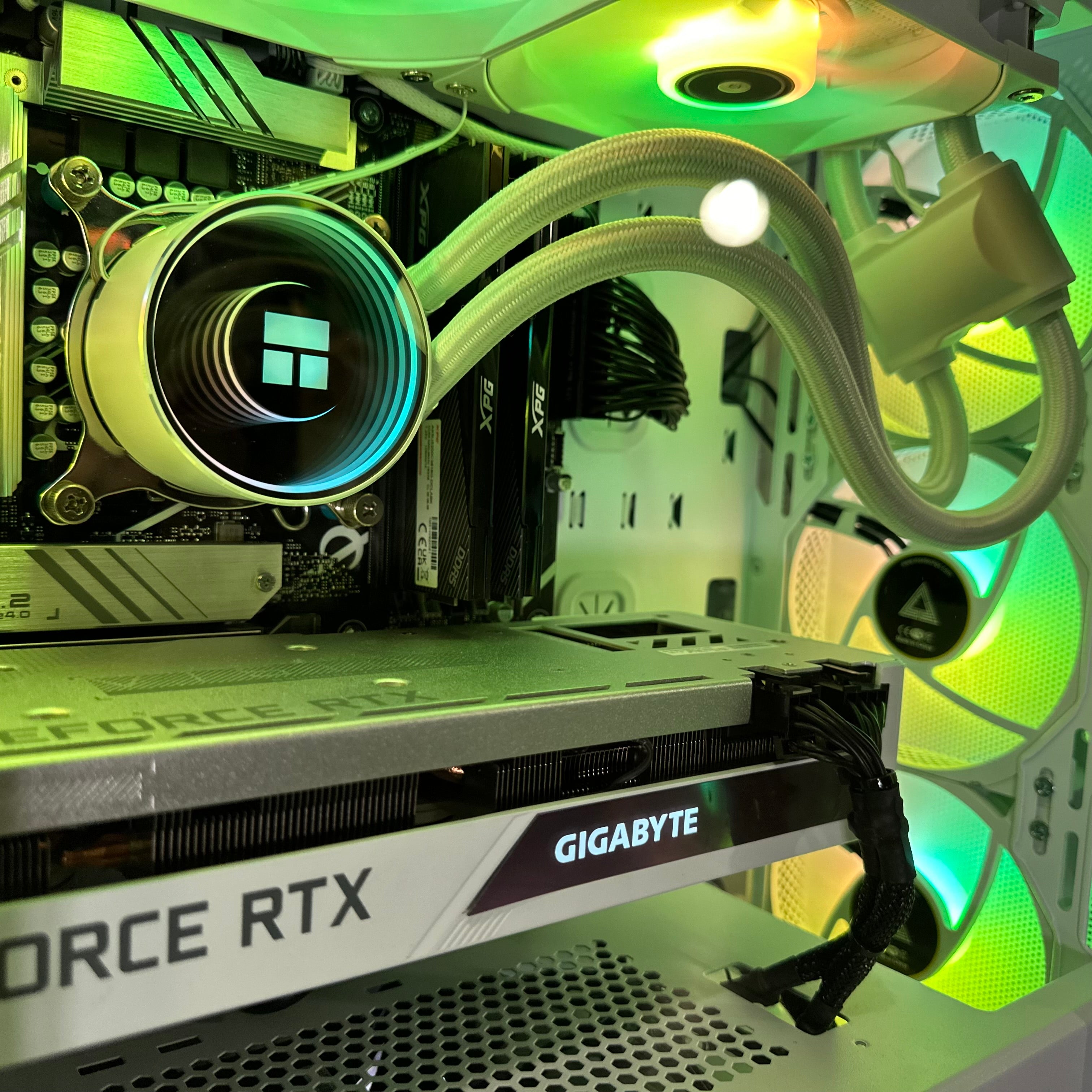
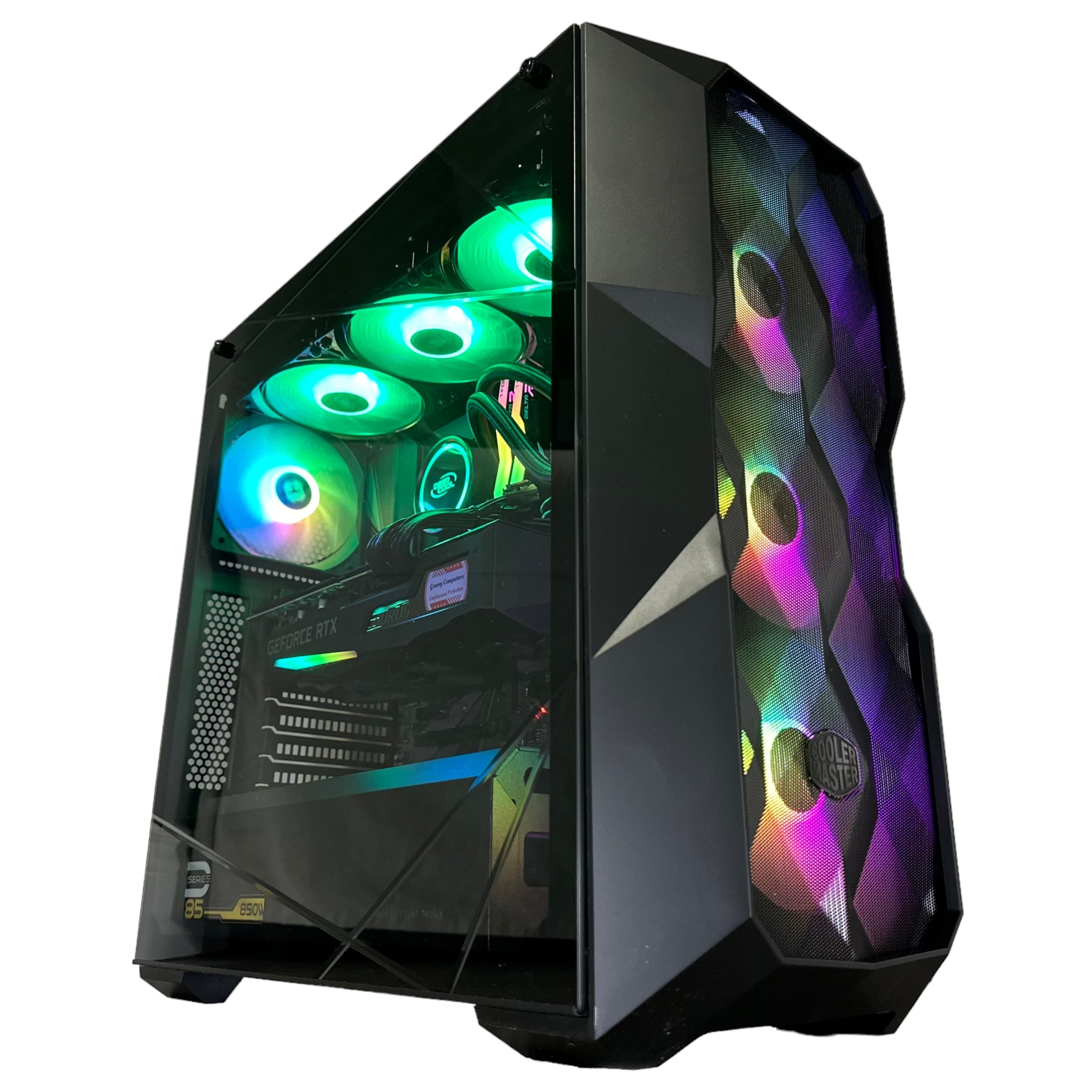
For buyers, though, uncertainty still creates pressure. If multiplayer, user-generated content, or creator ecosystems expand later, the ideal PC is not a bare-minimum gaming box. It is a system with enough CPU strength, GPU headroom, memory capacity, cooling, and storage to adapt. In other words, this is exactly where a Custom Gaming PC Canada approach becomes smarter than buying to the minimum spec.
Do you want a PC that can handle one major game today, or a system that still feels strong when the online ecosystem, mods, streaming tools, and creator workloads get heavier later?
Why Canadian Buyers Should Think Differently About Their Next PC
Canadian buyers have to think beyond raw performance. Pricing, part availability, shipping, exchange-rate effects, and replacement costs can all hit differently in Canada. When global demand jumps around major game releases, Canadian shoppers often feel the squeeze through higher landed costs and fewer ideal configuration options.
That means “I will wait and see” is not always the safest strategy. Waiting can work if prices soften, but it can also mean paying more later for the same or worse performance tier. GPUs, premium CPUs, high-capacity SSDs, and quality power supplies can all tighten up when demand rises. If you already know you will want a stronger system for upcoming AAA games, streaming, or editing, it makes sense to at least compare your options now.
Would financing a stronger build today be easier than replacing a weak system too soon at a higher cost later? For many buyers, that is the real question.
What Do You Want Your Next PC to Do for You?
Before choosing parts, start with use case. Are you buying mainly for GTA 6-style open-world gaming? Or are you also planning to stream, edit video, create thumbnails, work in Photoshop, or render 3D content?
Ask yourself a few practical questions:
- Do you want smooth 1080p gaming, sharper 1440p, or premium 4K performance?
- Do you care more about ultra settings and visual quality, or competitive high FPS?
- Will you stream through OBS or record long gameplay sessions?
- Do you also need a PC for Adobe Premiere Pro, DaVinci Resolve, Photoshop, Lightroom, Illustrator, or Blender?
- Do you want a budget-focused system, or something that stays relevant longer?
- Would monthly payments help you secure a better-performing PC without compromising too hard today?
These are not filler questions. They decide whether you need a budget gaming desktop, a high-end RTX gaming build, a creator PC, or a heavier workstation-class configuration.
What Gaming PC Do I Need for GTA 6-Style AAA Gaming?
If a game like GTA 6 is shaping your upgrade plans, your performance target matters more than the title alone. Open-world games tend to stress multiple parts of a system at once: CPU scheduling, GPU rendering, memory usage, storage streaming, and cooling under long sessions.
Entry-Level: Who Should Buy a 1080p Gaming PC Canada Build?
If your goal is solid 1080p performance, medium-to-high settings, and good overall value, an entry-level or lower-midrange gaming PC can still make sense. This tier is best for buyers who want dependable gaming without chasing ultra settings, advanced ray tracing, or heavy multitasking.
This can be a smart path if you are asking: Can a budget gaming PC play new games well enough without costing a fortune? Yes, but only if expectations are realistic. A budget build is about value, not bragging rights. It is ideal for players who mainly want to enjoy the game, not max out every visual feature while streaming and editing on the same machine.
Midrange: Is 1440p the Sweet Spot for Most Buyers?
For many Canadian gamers, 1440p is the best long-term balance. This tier is where visual sharpness, stronger textures, better effects, and smoother gameplay come together without the full cost jump of 4K. If you are wondering what PC do I need for 1440p gaming, this is often the category worth targeting.
A 1440p-focused system is especially attractive if you want:
- Better longevity for upcoming AAA games
- Higher graphics settings without immediate compromise
- Enough GPU strength for some ray tracing and creator-side flexibility
- A better experience on larger monitors
- A stronger base for streaming and content capture
For most buyers trying to avoid upgrading too soon, midrange is often the smartest place to spend.
High-End: Do You Want 4K, Ray Tracing, and Long-Term Headroom?
If your standard is premium visual quality, higher-end ray tracing, heavier mod potential, and more future resilience, then you are in 4K Gaming PC Canada territory. This is the right direction for buyers asking questions like: What PC do I need for ultra settings? or How long will a high-end gaming PC last?
A high-end build makes the most sense for gamers who:
- Play big cinematic AAA games at high settings
- Want stronger frame consistency at 1440p ultra or 4K
- Plan to stream and record at the same time
- Want a machine that still feels premium years from now
- Would rather buy once properly than upgrade in small, costly steps
That is especially relevant if Rockstar’s future online plans eventually create another always-on performance target. Buying a stronger system now can be cheaper than replacing a weaker one later.
Are You Only Gaming, or Do You Also Want to Stream and Create?
This is where many buyers misjudge their needs. A lot of people start by shopping for a gaming system, but what they actually need is a Gaming and Streaming PC Canada setup or a broader Content Creation PC Canada build.
If you want to stream gameplay, your PC is no longer just rendering the game. It is also encoding video, handling overlays, managing capture software, and keeping background apps responsive. If you want to edit clips after, now you also care about CPU core strength, memory capacity, fast SSD space, and export performance.
So ask yourself: will this PC also be your setup for OBS, Discord, browser tabs, thumbnail design, Shorts editing, and social posting? If yes, you should not buy like a pure gaming-only customer.
What PC Do I Need for Streaming?
A proper Streaming PC Canada build should balance gaming performance with enough overhead for live encoding and multitasking. That usually means not just a better GPU, but also sensible CPU selection, adequate RAM, and cooling that can handle long sessions.
You may not need a separate streaming PC, but you probably do need a smarter gaming-and-streaming build if you want to avoid dropped frames, stutter, or performance dips. If you are asking is CPU or GPU more important for streaming, the honest answer is that both matter, but the right balance depends on your game resolution, stream quality target, and recording workflow.
What If You Also Edit Videos?
Now the decision changes again. If your system also needs to handle Premiere Pro, DaVinci Resolve, or After Effects, you are no longer just shopping for a gamer machine. You are entering Video Editing PC Canada territory.
For editing, you need to think about:
- Timeline responsiveness
- Fast media imports and exports
- Enough RAM for larger projects
- SSD speed and capacity for active footage
- GPU acceleration for effects and playback
- CPU strength for rendering and multitasking
If you are planning to cut gameplay footage, reaction content, tutorials, or YouTube videos around major game releases, a custom creator-focused build can save hours over the life of the system.
Could This One Gaming Upgrade Also Cover Photo Editing, Graphic Design, or 3D Work?
For a surprising number of buyers, yes. Many modern systems can be configured to serve as a gaming machine by night and a productivity or creative workstation by day. The key is choosing the right parts from the start.
Do You Need a Photo Editing PC Canada Setup Too?
If you use Photoshop, Lightroom, Capture One, or AI-assisted photo tools, your next PC should not just be judged by game FPS. You should also care about RAM, storage speed, responsive single-core behaviour, and whether the system can stay fast with large RAW libraries.
So ask: Will I be editing photos, managing large image libraries, or using AI-enhanced tools on this same desktop? If yes, you may want more memory and storage than a gaming-first build usually includes.
What About Graphic Design?
If your workload includes Illustrator, Photoshop, InDesign, Canva, or branding work, a Graphic Design PC Canada configuration makes sense. Design users often benefit from strong everyday responsiveness, multiple-monitor support, enough RAM for large files, and stable performance across Adobe Creative Cloud workflows.
That matters for creators who make social graphics, YouTube thumbnails, stream overlays, sponsor decks, store assets, or client design work. A system that feels “fine” for gaming can still feel limited in a professional design workflow if the memory and storage setup are not planned properly.
What If You Need Blender, Unreal, or 3D Rendering?
If game hype is pulling you toward a new PC, but your real work includes Blender, Unreal Engine, Maya, 3ds Max, or rendering, then you may actually need a 3D Modeling PC Canada or Workstation PC Canada build instead of a conventional gamer setup.
That is a different class of buying decision. In 3D work, GPU rendering power, CPU strength, memory headroom, storage planning, and cooling all become much more critical. Ask yourself: Am I buying for a game, or am I buying for game-related work too? If the answer includes animation, asset creation, environments, CAD, or rendering, the build strategy changes fast.
Is It Better to Buy a Gaming PC Now or Wait?
This is one of the most common buyer questions, and it is a fair one. Nobody wants to buy at the wrong time. But the answer depends on your current system, your workload, and how soon you will need better performance.
If your current PC is already struggling with new games, multitasking, or creative software, waiting may simply mean more compromises. Lower settings. More stutter. Longer exports. Less storage. More frustration. And if pricing pressure hits GPUs, SSDs, RAM, or premium CPUs later, waiting can leave you paying more for the same upgrade.
On the other hand, if your current system is still comfortably handling what you do today, then patience can be rational. The key is not to ask “Should everyone wait?” The key is to ask: What will waiting cost me in performance, time, and replacement value?
That question is especially important for buyers preparing for major game releases, seasonal demand spikes, or expanding creator workloads.
Should I Finance a Better PC Instead of Buying a Cheaper One?
For many customers, this is the most practical question in the entire buying journey. A cheaper system can feel safer in the moment, but if it needs upgrading early, struggles with the games you care about, or slows down your workflow, it can become the more expensive decision in the long run.
That is why financing can make sense when used strategically. If Groovy Computers offers financing up to 4 years, some buyers may find it smarter to secure the right performance tier now rather than settle for a weaker build that ages out too quickly.
Would a better GPU, more RAM, or a larger SSD meaningfully improve your experience today and reduce upgrade pressure later? Would a monthly payment approach help you get into a build that actually fits your goals? If so, this is exactly where a custom quote and performance discussion matters.
Financing is not about overspending. It is about avoiding false savings.
Which Performance Tier Fits You Best?
If you are unsure where you fit, use this simple decision framework.
Choose a Budget or Entry Gaming Build If:
- You mainly want 1080p gaming
- You do not need heavy ray tracing
- You are not planning serious streaming or editing
- You want the most affordable way into modern PC gaming
- You are okay making more settings compromises over time
Choose a Midrange Custom Gaming PC If:
- You want strong 1440p performance
- You want better long-term value
- You may stream occasionally
- You want enough power for modern AAA games with fewer compromises
- You are trying to avoid replacing the system too soon
Choose a Premium RTX Gaming PC If:
- You want 1440p ultra or 4K gaming
- You care about ray tracing and visual quality
- You plan to stream, record, and multitask heavily
- You want maximum headroom for future releases
- You prefer buying a stronger build once instead of upgrading in stages
Choose a Creator PC or Workstation If:
- You game and edit professionally or seriously
- You work in Premiere Pro, DaVinci Resolve, Photoshop, Illustrator, or Blender
- You need faster exports, smoother timelines, or heavier multitasking
- You want gaming performance without sacrificing productive workflow speed
- You need a desktop that earns its keep across both play and work
Why Custom PC vs Prebuilt PC Canada Still Matters
When a major release drives demand, many buyers rush into whatever is available. That is exactly when details matter most. A generic machine can look good on a product page but hide weak cooling, limited upgrade paths, low-quality power delivery, poor airflow, or mismatched component balance.
A proper custom build gives you a system designed around your actual goals. That means sensible part matching, thermal planning, upgrade awareness, and fewer compromises hidden behind marketing buzzwords. It also means asking the right questions before you buy:
- Do you need more GPU, or is your workload actually CPU-limited?
- Would 32GB or 64GB of RAM save you frustration later?
- Do you need one SSD or a better storage layout for games and project files?
- Will your cooling hold up under long gaming or rendering sessions?
- Are you buying a flashy spec sheet, or a reliable real-world system?
That is why working with a Canadian custom builder matters, especially if you want guidance instead of guesswork.
Why Groovy Computers Is a Strong Fit for Canadian Buyers
Groovy Computers is built around what many buyers actually need: custom gaming PCs, creator PCs, and workstation-class systems tailored for real use instead of one-size-fits-all listings. For Canadian customers, that matters. You want a build partner that understands gaming demand, creator performance, upgrade timing, and the value of getting the configuration right the first time.
Whether you need a budget-friendly gaming desktop, a premium RTX-focused rig, a streaming machine, a video editing PC, or a 3D-ready workstation, the advantage of custom is clarity. You are not stuck trying to decode vague tier names or compromise-heavy bundles. You can match the machine to your goals.
Groovy Computers also brings the trust factors serious buyers should care about: rigorous testing, custom builds, and a 1-year warranty. When parts are expensive and performance expectations are high, that peace of mind matters.
What Questions Should You Ask Before Buying Your Next PC?
Before you commit, ask yourself the questions that actually shape satisfaction after the purchase:
- What games do I want to play over the next few years, not just this month?
- Am I targeting 1080p, 1440p, or 4K?
- Do I care about ray tracing or mainly smooth frame rates?
- Will I stream, record, or edit content?
- Do I also need this PC for school, work, design, or 3D tasks?
- How soon do I want to upgrade again?
- Would better specs now save me money later?
- Would financing a stronger system be smarter than replacing a weaker one too early?
- Do I want help choosing the right custom build from a Canadian PC builder?
These are the questions that separate a smart buy from a rushed one.
The Bigger Takeaway From the GTA 6 News
The biggest lesson from this GTA 6 update is not just that Rockstar is being selective with what it reveals. It is that major game launches always expose how ready your current PC really is. Even without full clarity on the future of GTA Online, the buying implications are already here. More players are thinking about stronger GPUs, better CPUs, more RAM, faster storage, streaming capability, and creator-friendly builds.
If your current system already feels dated, this may be the right window to move before demand gets noisier and replacement costs get harder to justify. If your next machine needs to handle more than gaming, then now is the time to choose a build with proper headroom instead of the cheapest acceptable option.
Ready to Choose the Right PC for GTA 6, Streaming, or Creator Work?
What do you want your next system to handle: AAA gaming, 1440p high settings, 4K visuals, OBS streaming, YouTube editing, Photoshop work, Blender projects, or all of the above? If you want help choosing the right performance tier without wasting money on the wrong parts, visit GroovyComputers.ca and explore a custom build that fits your goals, your budget, and your timeline.
For Canadian buyers who want a better long-term answer than guessing, a properly planned custom PC is still one of the smartest upgrades you can make. And if financing helps you secure the right build before prices shift again, that conversation is worth having now, not after your current system falls behind.
#GamingPCCanada #CustomGamingPCCanada #GamingPCBuilderCanada #GamingPCForNewGames #1440pGamingPCCanada #4KGamingPCCanada #StreamingPCCanada #ContentCreationPCCanada #VideoEditingPCCanada #CanadianCustomPCBuilders #GamingComputersCanada #GroovyComputers
Groovy Computers | All Rights Reserved


Leave a comment
This site is protected by hCaptcha and the hCaptcha Privacy Policy and Terms of Service apply.