


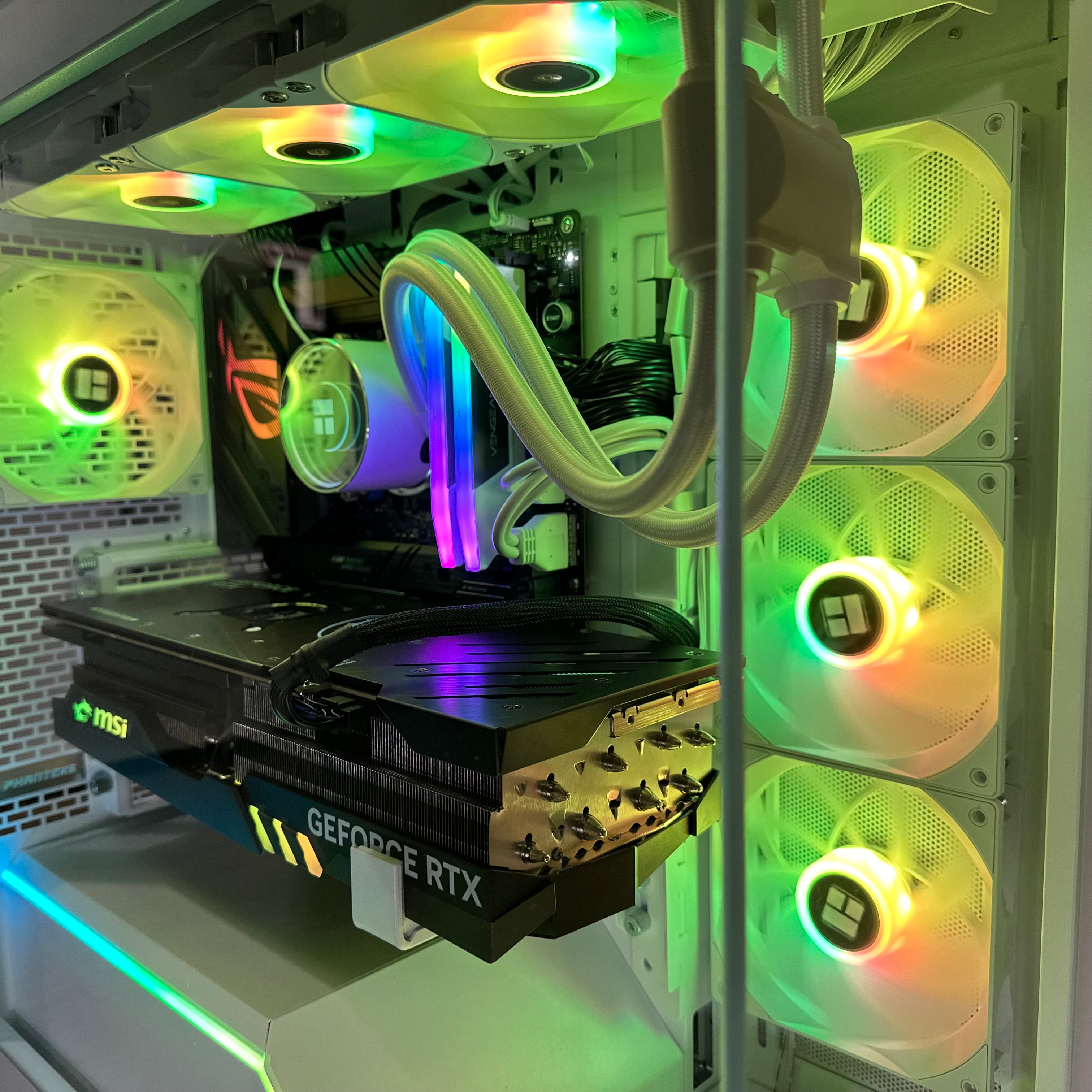

GTA 6 Price in Canada: What an $80 Game Really Means for Your Next Gaming PC
The new GTA 6 price in Canada conversation is about far more than one blockbuster release. Once a major title pushes the standard edition of a premium game to roughly about C$110, with deluxe versions climbing far higher, Canadian gamers start asking bigger questions. Will other publishers follow? Will more AAA launches cost this much? And if game prices are rising, does it make more sense to buy a stronger PC now instead of replacing an underpowered system later?
That is the real takeaway for buyers in Canada. The source discussion focused on how only the biggest franchises may be able to justify premium pricing, and that point matters. Not every game can charge top dollar. But the larger trend is still important: major releases are becoming more expensive, hardware demands are increasing, and buying mistakes are getting costlier. If you are already planning to play big open-world releases, stream gameplay, edit content, or build a creator setup around your gaming rig, this is the moment to think carefully about what your next system actually needs to do.
For many buyers, this is no longer just a “Can my current PC run it?” question. It is also, “Do I want to keep patching together an aging machine while both software expectations and replacement costs move upward?”
What the GTA 6 pricing story gets right
The core argument is simple and credible: only a small number of games have enough brand power, player anticipation, and built-in demand to get away with premium launch pricing. Massive franchises can often charge more because players already know what they are buying into. That does not mean every publisher will succeed by copying that strategy.
Still, even if premium game pricing does not become universal overnight, it reinforces something Canadian PC buyers should already understand. Top-tier gaming is increasingly a premium experience. New games are larger, more detailed, more demanding on GPUs, heavier on storage, and more likely to reward better CPUs, more RAM, and faster SSDs.
So what happens if you pair expensive new games with an older system that struggles at modern settings? You pay more for the game itself, then compromise the experience with low frame rates, stutter, slow load times, or reduced visual quality. That is exactly why choosing the right build matters more now than it did a few years ago.
Why Canadian buyers should think about this differently
In Canada, pricing pressure hits from multiple directions at once. It is not just game pricing. It can also include exchange-rate effects, component availability, shipping costs, GPU demand, memory price movement, and the fact that high-demand hardware often becomes less attractive in value terms once stock tightens.
If a premium title launches around C$110 for a standard edition, and you buy several major games each year, your entertainment budget changes quickly. That often pushes buyers toward a smarter hardware question: would it be better to invest in a more capable custom PC now, so each major release feels worth the money?
That is especially relevant if you are in Nova Scotia, Atlantic Canada, or anywhere else in Canada shopping online and trying to avoid generic big-box systems with weak cooling, poor upgrade paths, or mismatched parts. A properly configured custom system can give you better long-term value than buying something cheap now and replacing it sooner than expected.
What do you want your next PC to do for you?
Before you think about price, think about purpose. Are you buying a PC mainly for GTA 6 and other AAA games? Do you also want to stream to Twitch or YouTube? Will you edit clips in Premiere Pro or DaVinci Resolve? Do you need one machine that handles gaming at night and content creation during the day?
It is surprising how many buyers start with “What is the cheapest way to get into PC gaming?” when the better question is, “What will I be frustrated by six months from now if I underspec this build?”
Ask yourself:
- Do you want 1080p performance, 1440p performance, or true 4K gaming?
- Do you care about ray tracing, ultra settings, or just smooth high-FPS gameplay?
- Will you be gaming only, or gaming and streaming on the same PC?
- Do you plan to edit video, create thumbnails, use Photoshop, or handle Adobe Creative Cloud workloads?
- Are you buying before a major game release because you do not want to scramble during a demand spike?
- Would financing a better system now help you avoid settling for a weaker build?
These are not minor questions anymore. They shape whether your next desktop feels current for years or feels outdated almost immediately.
Does an expensive game mean you should buy a stronger gaming PC now?
Not automatically. But it does make weak value purchases easier to regret.
If game pricing rises at the same time performance expectations rise, then every major release becomes a reminder that your hardware needs to keep up. Buying a budget machine that can “technically run” a new game is very different from buying a system that lets you actually enjoy it.
That is why many Canadian shoppers are moving away from the bare-minimum mindset. If you are paying premium prices for premium games, you may want a system that delivers premium smoothness where it counts: stable frame rates, fast storage, good thermals, headroom for future titles, and a realistic upgrade path.
What gaming performance tier fits you best?
Entry tier: Is a budget gaming PC enough for you?
If you mainly play esports titles, older games, lighter indie titles, or you are willing to use lower settings, an entry-tier or budget-focused system can still make sense. This is often the right fit for students, first-time PC gamers, or buyers who want a practical way into desktop gaming without overspending.
But here is the key question: are you buying for the games you play now, or the games you are excited about next?
If upcoming open-world games are your real target, a system built too close to the minimum may lead to an upgrade sooner than you hoped. A budget gaming computer can be smart value, but only if your expectations match the hardware.
Mid-range tier: Do you want the sweet spot for modern AAA gaming?
For many buyers, mid-range is where the real value lives. This is typically the strongest match for 1080p ultra or 1440p high-settings gaming, especially if you want smooth performance across demanding titles without jumping all the way to flagship pricing.
This is also the tier where a lot of customers start asking the best questions:
- What PC do I need for 1440p gaming?
- How much should I spend on a gaming PC?
- Is it better to buy a gaming PC now or wait?
- Should I finance a better PC instead of buying a cheaper one?
If those questions sound familiar, you are probably looking for a balanced machine with meaningful longevity. This is often the right place for gamers who want modern features, strong visual quality, and room for streaming or editing without entering extreme pricing territory.
High-end tier: Are you chasing 4K, ray tracing, and long-term headroom?
If you want ultra settings, advanced lighting effects, strong ray tracing, high refresh rate 1440p, or serious 4K gaming, a premium system becomes much easier to justify. This is especially true if your next PC is not just for one game, but for years of flagship releases.
Ask yourself honestly: do you want your next build to survive the next wave of AAA demands, or do you just want to get by?
For buyers who hate upgrading too soon, a higher-tier GPU, stronger CPU, better cooling, and more RAM can make the difference between feeling future-ready and feeling boxed in. Premium systems are not for everyone, but for the right customer they often deliver the best long-term satisfaction.
What if you also want to stream, record, or create content?
This is where many “gaming PC” decisions become creator PC decisions without the buyer realizing it. If you are planning to stream gameplay, capture footage, edit YouTube videos, make short-form content, or multitask with OBS and editing software, your ideal system may need more than a gaming-first spec sheet.
Do you want to run games smoothly while streaming? Do you need fast rendering and export times? Are you constantly switching between gameplay, Discord, browser tabs, recording apps, and editing tools?
Those use cases can justify more CPU power, more RAM, faster storage, and a better GPU than a pure gaming-only build.
Gaming and streaming on one PC
A gaming and streaming setup has to do two things at once: maintain in-game performance and handle background encoding, overlays, capture, and multitasking. If you are asking, “What PC do I need for streaming?” the answer depends on whether you want casual 1080p streaming or a more polished creator workflow.
If your plan is to play big cinematic titles and stream them at the same time, this is not the place to cut corners. Streaming performance can expose weaknesses in lower-end CPUs, insufficient RAM, weak airflow, or cramped storage very quickly.
Editing clips, thumbnails, and creator content
Many gamers become creators, and many creators still game. If your next system will touch Premiere Pro, DaVinci Resolve, Photoshop, Lightroom, Illustrator, or general Adobe Creative Cloud workflows, then a more versatile custom build makes a lot of sense.
Would a basic gaming system work? Sometimes. But if you are wondering, “Is a gaming PC good for video editing?” or “Is a gaming PC good for content creation?” the real answer is that some gaming PCs are, and some are not. Part selection matters. So does RAM capacity, SSD layout, cooling quality, and CPU/GPU balance.
Could higher AAA pricing make better value categories even more important?
Yes, and this is one of the most overlooked parts of the discussion.
If top-end AAA games continue commanding premium prices, players may become even more selective about where they spend. That could increase interest in:
- Mid-range and value-focused gaming PCs that deliver strong 1440p performance
- AA games that offer great experiences without top-tier hardware demands
- Indie games that stay affordable and run well on modest systems
- One versatile desktop that handles gaming, streaming, and creative work together
In other words, expensive AAA game launches may not force every buyer into the highest-end system. But they do make smart system planning more valuable. If you can build around your actual habits instead of just hype, you are more likely to get the right machine the first time.
Should you buy before the next major game release or wait?
This is one of the most practical questions in the market right now.
If you already know a major title is on your list, waiting can be risky for several reasons. Demand can surge before launch. GPU stock can tighten. Popular configurations can sell faster. And buyers who wait too long often end up making rushed decisions under pressure.
So ask yourself:
- Do you want time to choose the right build calmly, or do you want to shop at the same time everyone else is panic-upgrading?
- Would you rather test your setup, install your software, move your files, and get comfortable before launch day?
- If parts pricing shifts upward, will you regret not locking in a stronger system sooner?
Buying early is not about panic. It is about control. A custom build planned ahead of demand spikes is usually a better experience than a rushed last-minute purchase.
How pricing volatility affects full PC builds
When buyers think about cost increases, they often focus on GPUs alone. But complete system pricing can move for many reasons. If memory prices rise, SSD pricing tightens, or power supply and case availability changes, that affects the value of a finished build.
A custom PC is not one part. It is the total cost of the platform working together.
That is why timing can matter even if there is no single dramatic price shock. Small shifts across multiple component categories can make a replacement system noticeably more expensive than expected. If your current PC is already showing age, those gradual increases can quietly erode your future buying power.
GPU pressure
Demand-heavy gaming cycles often put attention on graphics cards first. If more buyers are trying to prepare for upcoming AAA launches, stronger GPU tiers can become harder to ignore and less flexible in price.
CPU and platform decisions
A weak CPU choice can age a build faster than many people expect, especially if you stream, edit, or want high-frame-rate performance. Choosing the right platform up front can help avoid an earlier replacement cycle.
RAM and SSD capacity
Modern games and creator tools both reward more memory and faster storage. If you skimp here, you may not notice on day one, but you probably will during multitasking, content capture, installs, patching, exports, and large game library management.
What kind of buyer should choose each PC category?
Choose a budget gaming build if:
- You mainly play esports, lighter games, or older titles
- You want a first desktop gaming setup
- You are comfortable with 1080p and selective settings compromises
- You want the lowest practical entry point without expecting high-end AAA headroom
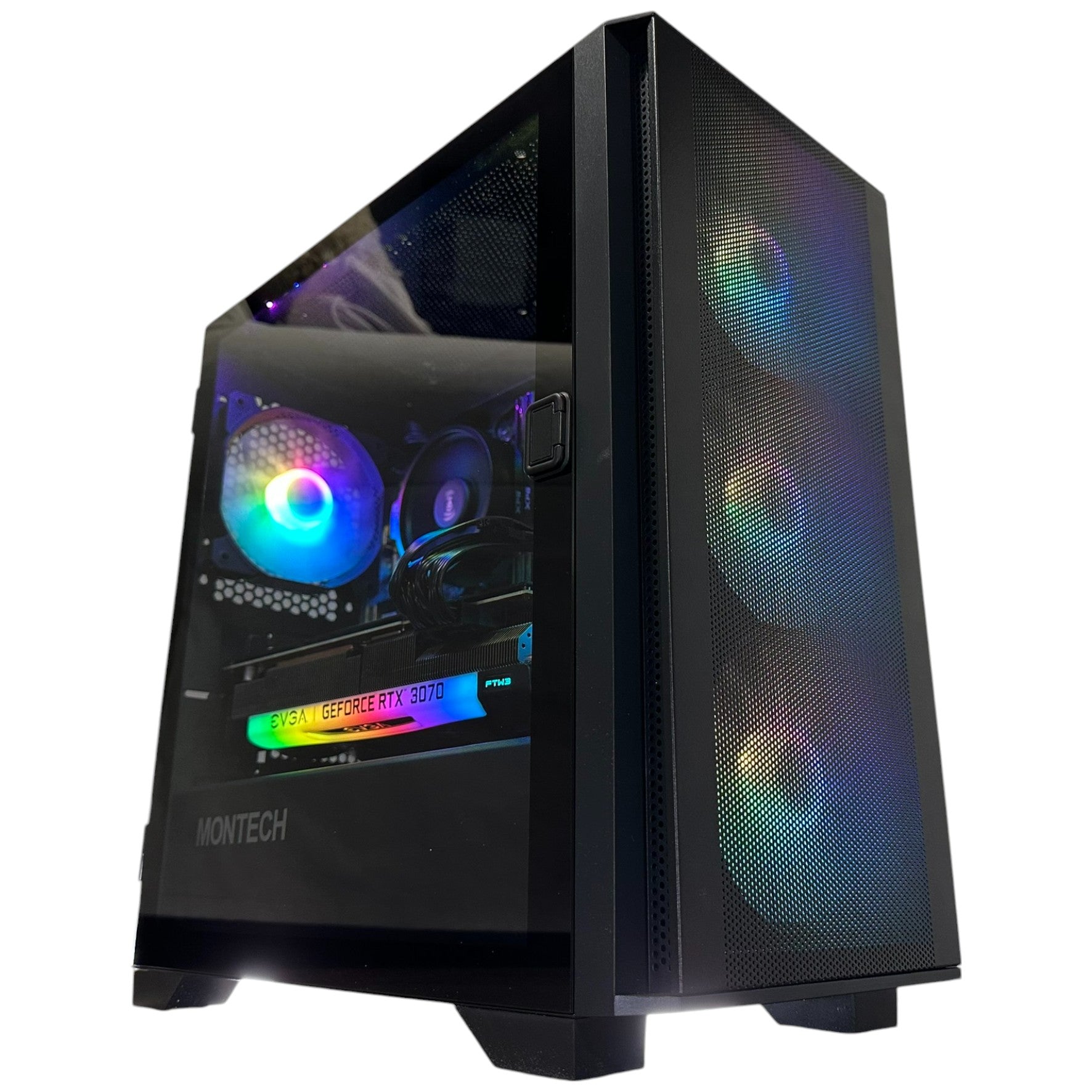
Choose a mainstream gaming build if:
- You want strong all-around value for modern releases
- You care about 1080p ultra or 1440p gaming
- You want a better chance of avoiding an upgrade too soon
- You play a mix of AAA games, competitive titles, and open-world releases
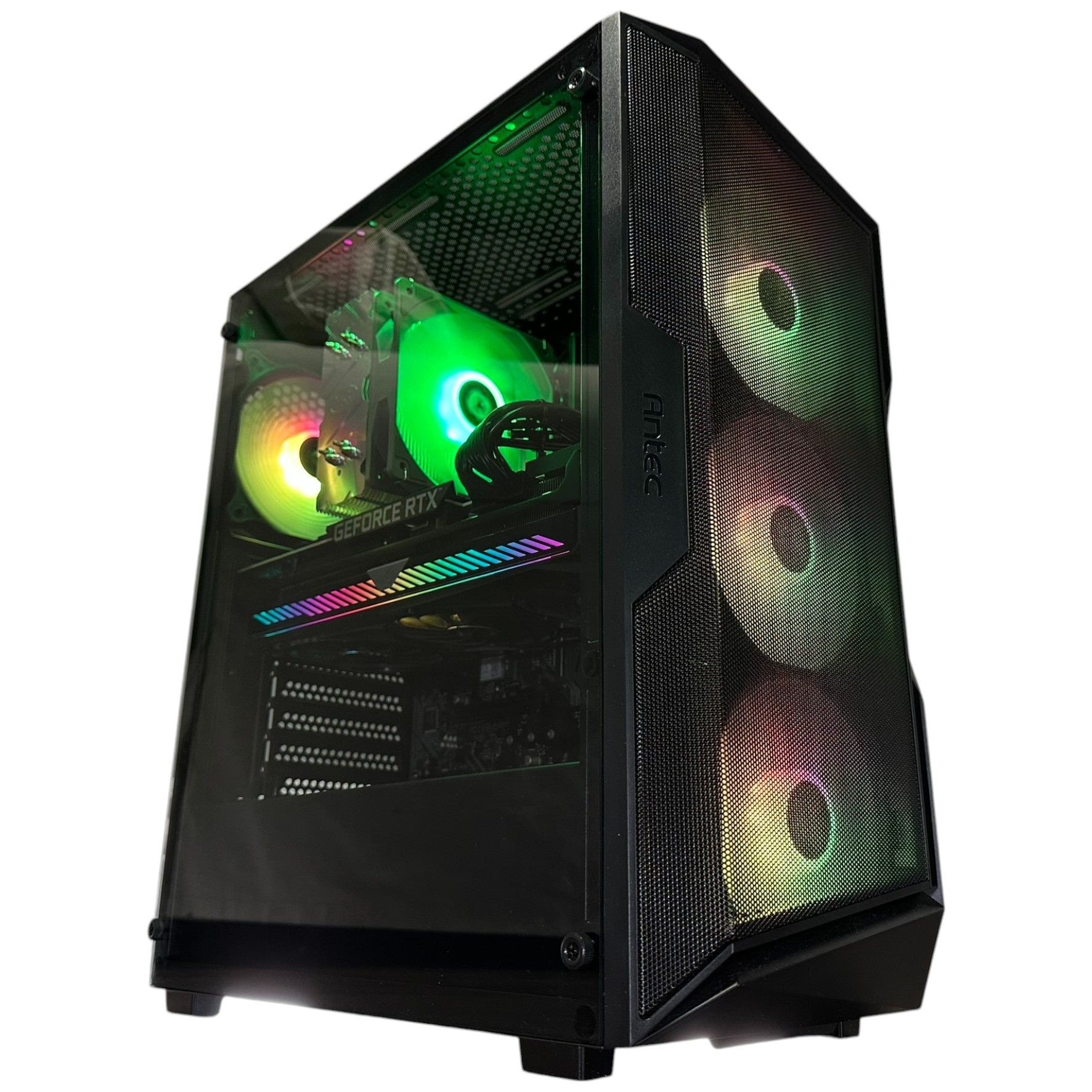
Choose a premium RTX gaming PC if:
- You want high refresh rate 1440p or 4K gaming
- You care about ray tracing and visual fidelity
- You are buying for multiple years of demanding releases
- You want serious performance headroom instead of the bare minimum
Choose a creator PC if:
- You game and edit content on the same machine
- You work in Premiere Pro, DaVinci Resolve, Photoshop, Lightroom, or Illustrator
- You need smoother multitasking and faster project handling
- You want one desktop that supports both entertainment and productivity
Choose a workstation or 3D-focused system if:
- You work in Blender, Unreal Engine, CAD, rendering, or heavier production software
- You need high RAM ceilings, stronger CPUs, and professional reliability
- You value output speed, viewport smoothness, and sustained thermal performance
- You are using your PC as a revenue-generating tool, not just a hobby machine
Is financing a stronger system now the smarter move?
For many buyers, yes. Especially when the alternative is buying too little performance now and paying more again sooner.
If you are debating between an underpowered build you can pay for immediately and a better custom system that actually fits your needs, financing can change the decision in a practical way. Instead of settling, you may be able to secure the right tier now and spread the cost over time.
That matters if you are trying to prepare for big game launches, creator work, back-to-school use, business workloads, or a long-overdue upgrade. It also matters if you suspect replacement costs may rise before you are ready to buy again.
Ask yourself:
- Should I finance a gaming PC instead of compromising on specs?
- Would monthly payments make a stronger, longer-lasting system realistic?
- Am I better off buying once and buying properly?
- Would financing up to 4 years help me secure better value before prices shift again?
Those are sensible questions, not impulse questions. A thoughtfully financed system can be the more disciplined choice if it prevents repeated upgrade spending.
Why custom builds matter more when pricing is volatile
When money is tight and prices feel uncertain, every part in your system has to earn its place. That is where a custom PC has a real advantage over generic off-the-shelf desktops.
With a custom build, the goal is not to throw expensive parts at the problem. The goal is to match the hardware to your actual use case. Maybe you need stronger GPU performance for ray-traced gaming. Maybe you need more CPU cores and RAM for editing. Maybe you need extra SSD capacity because your game library and recorded footage are both growing fast.
A carefully selected build helps avoid two common mistakes:
- Overspending on the wrong area
- Underspending on the parts that affect your real daily experience
That is why custom PC selection is so important right now. The best value does not always come from the cheapest system. It comes from the most appropriate one.
Why Groovy Computers makes sense for Canadian buyers right now
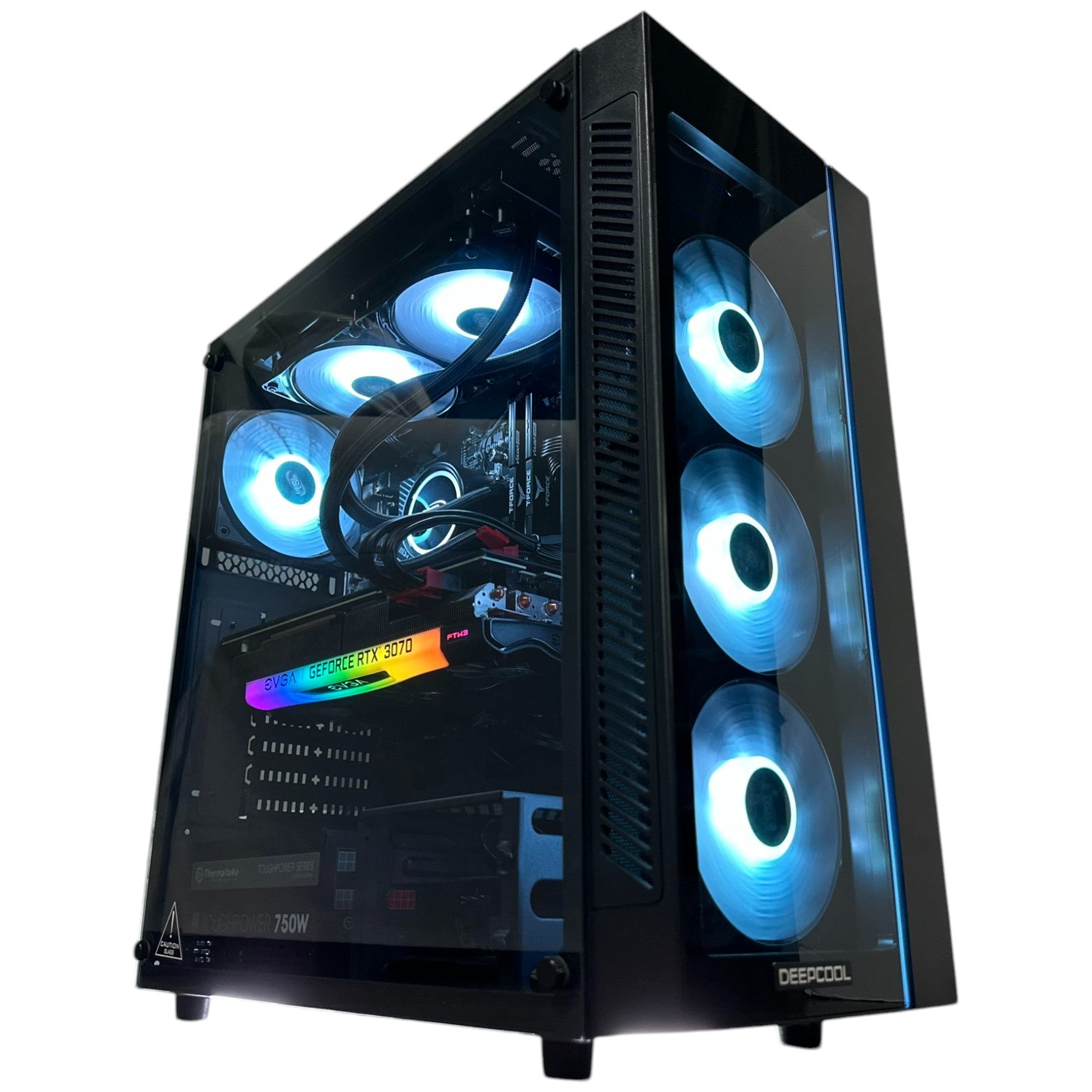
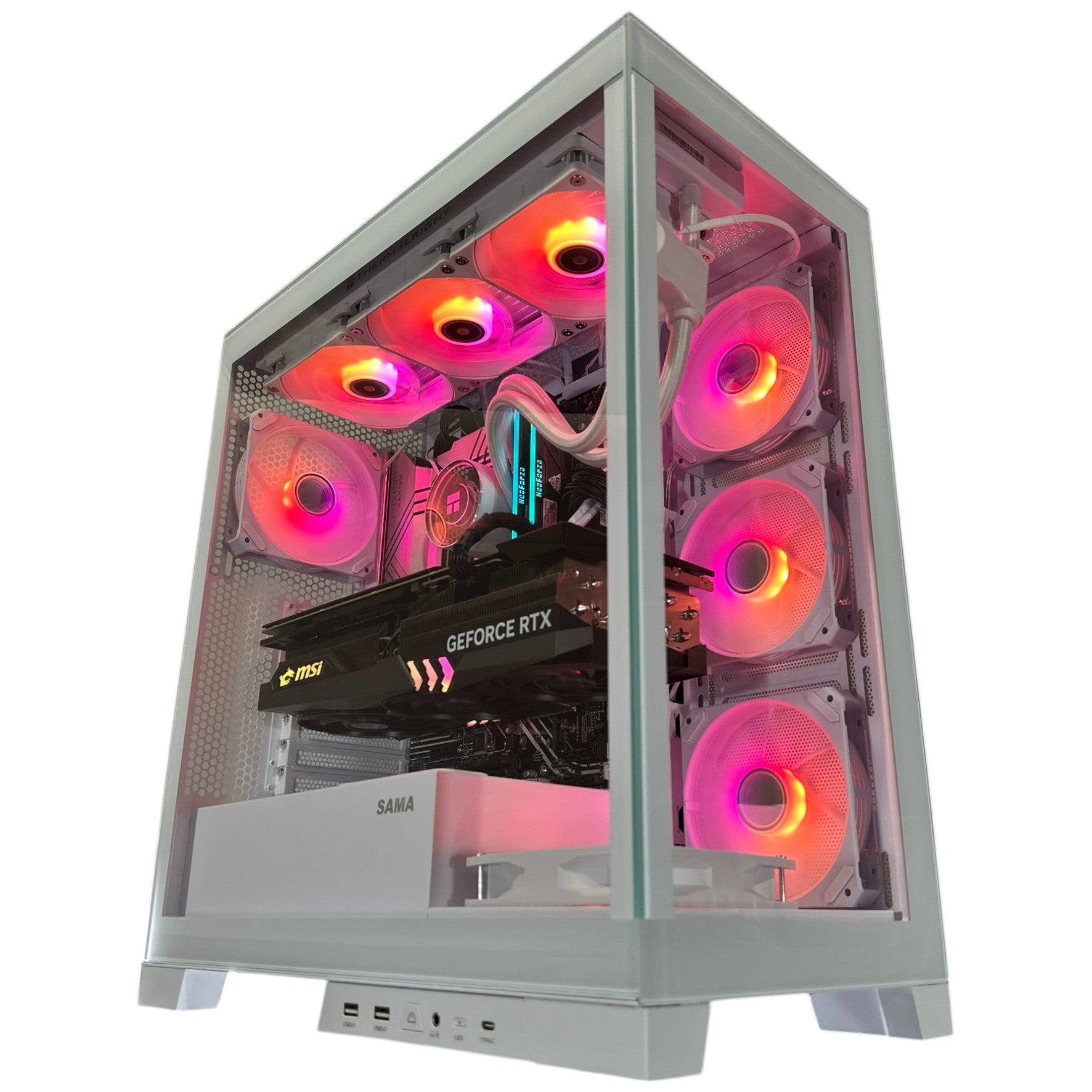
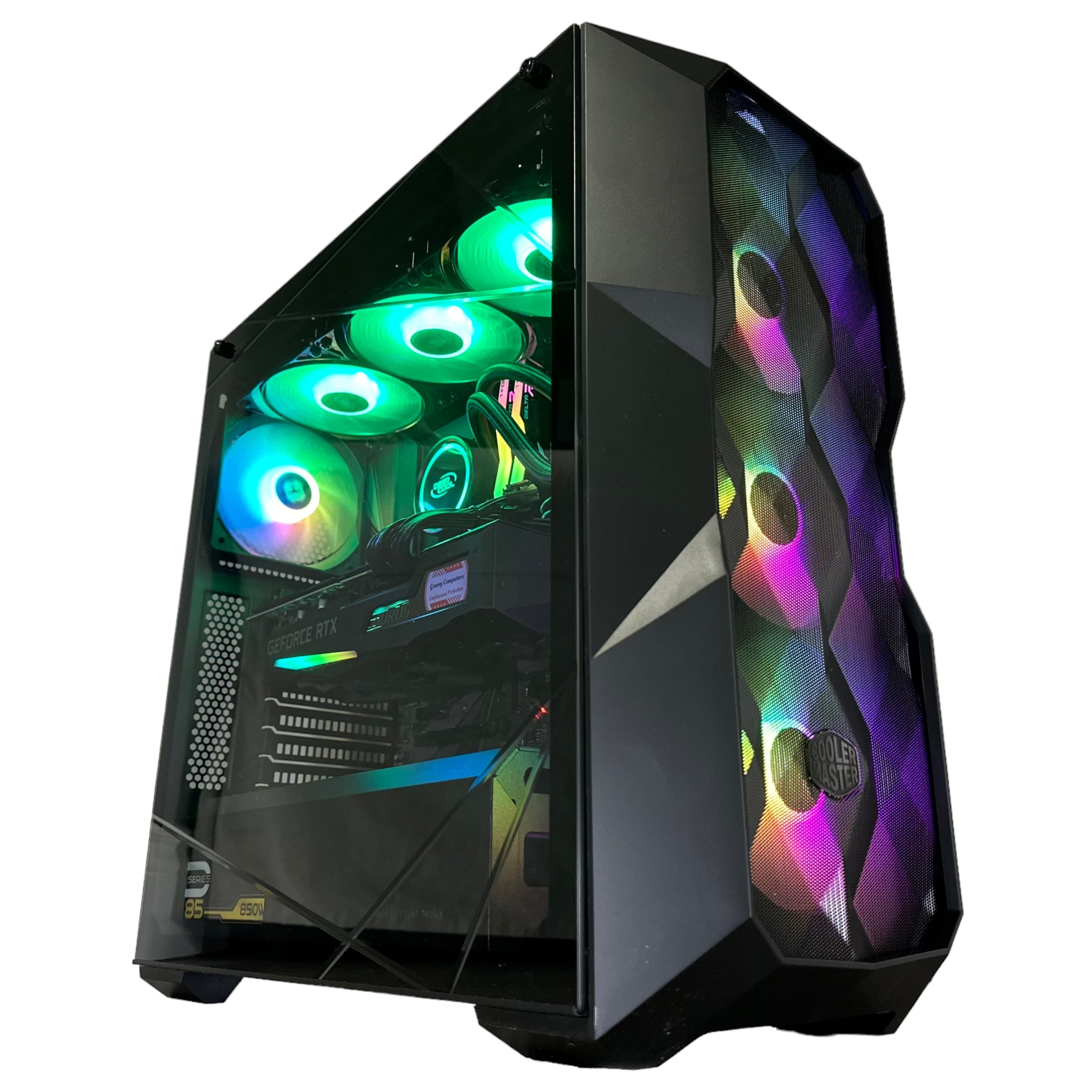
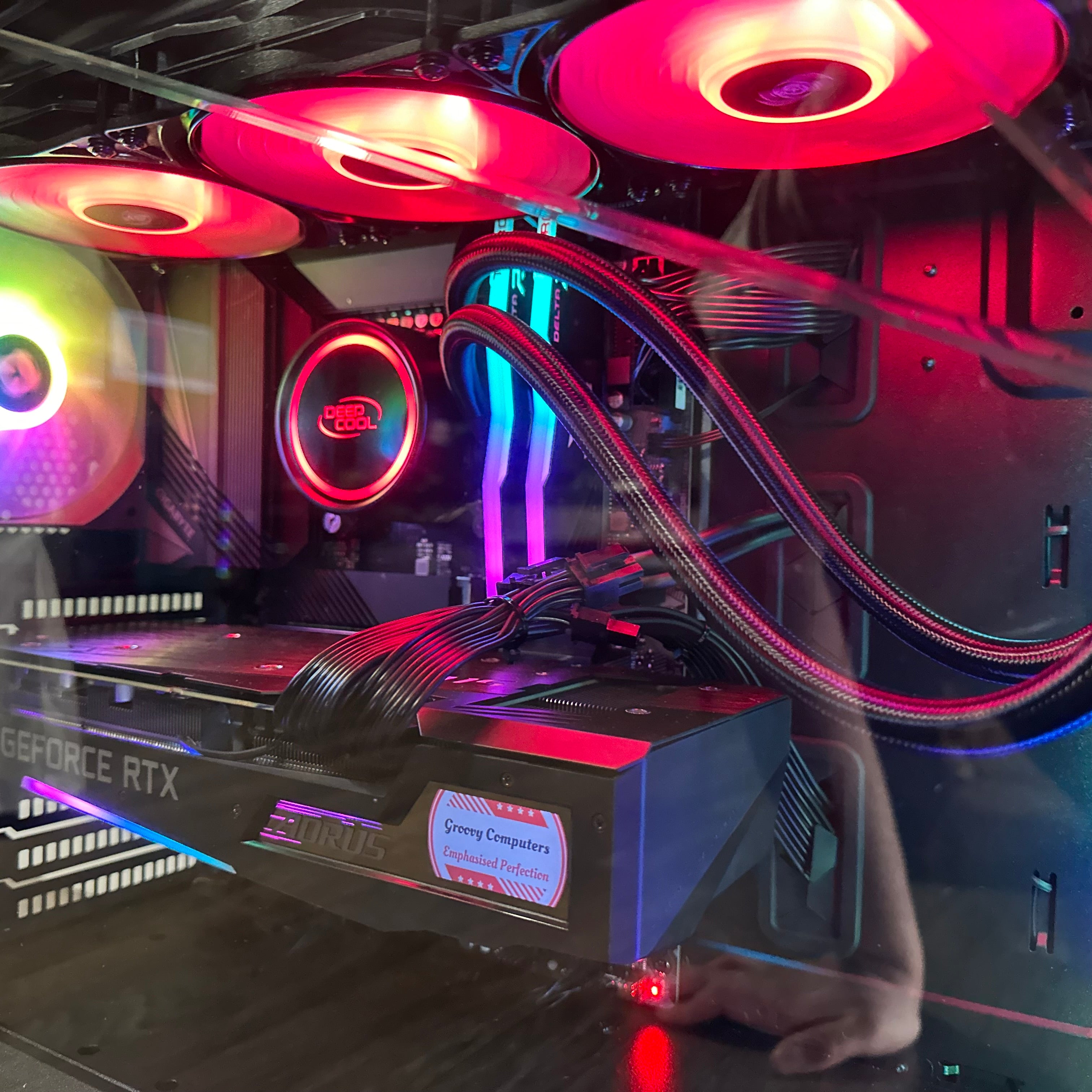
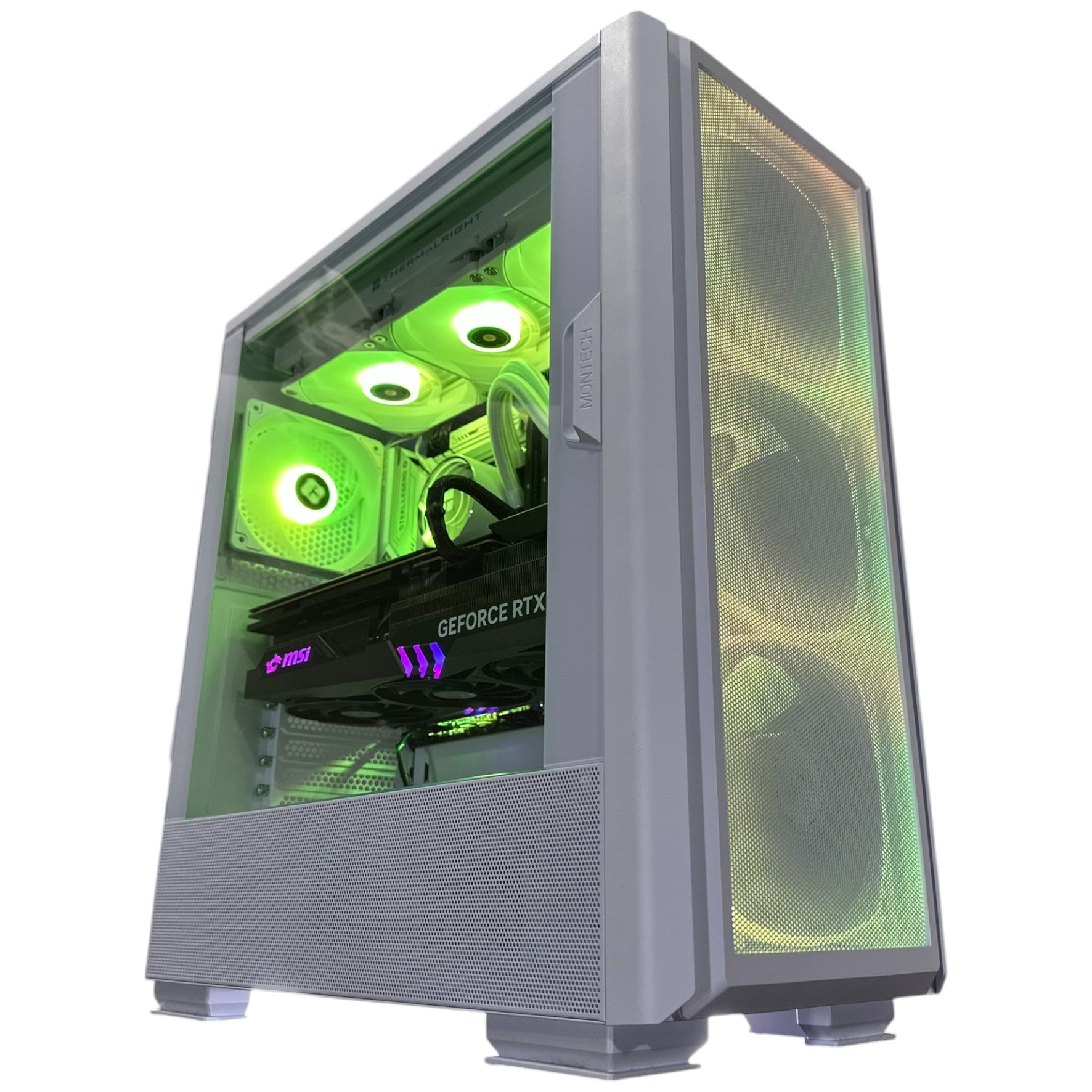
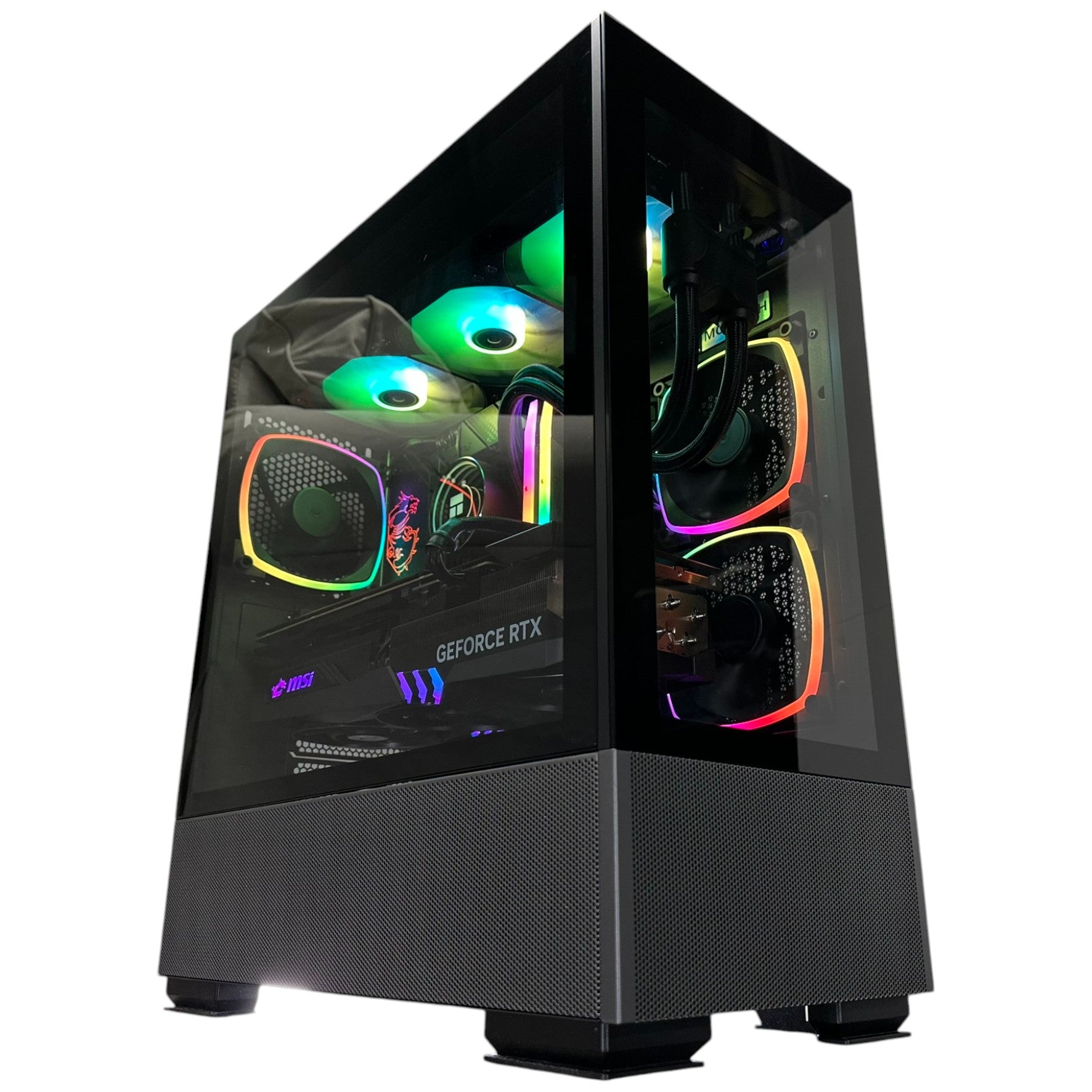
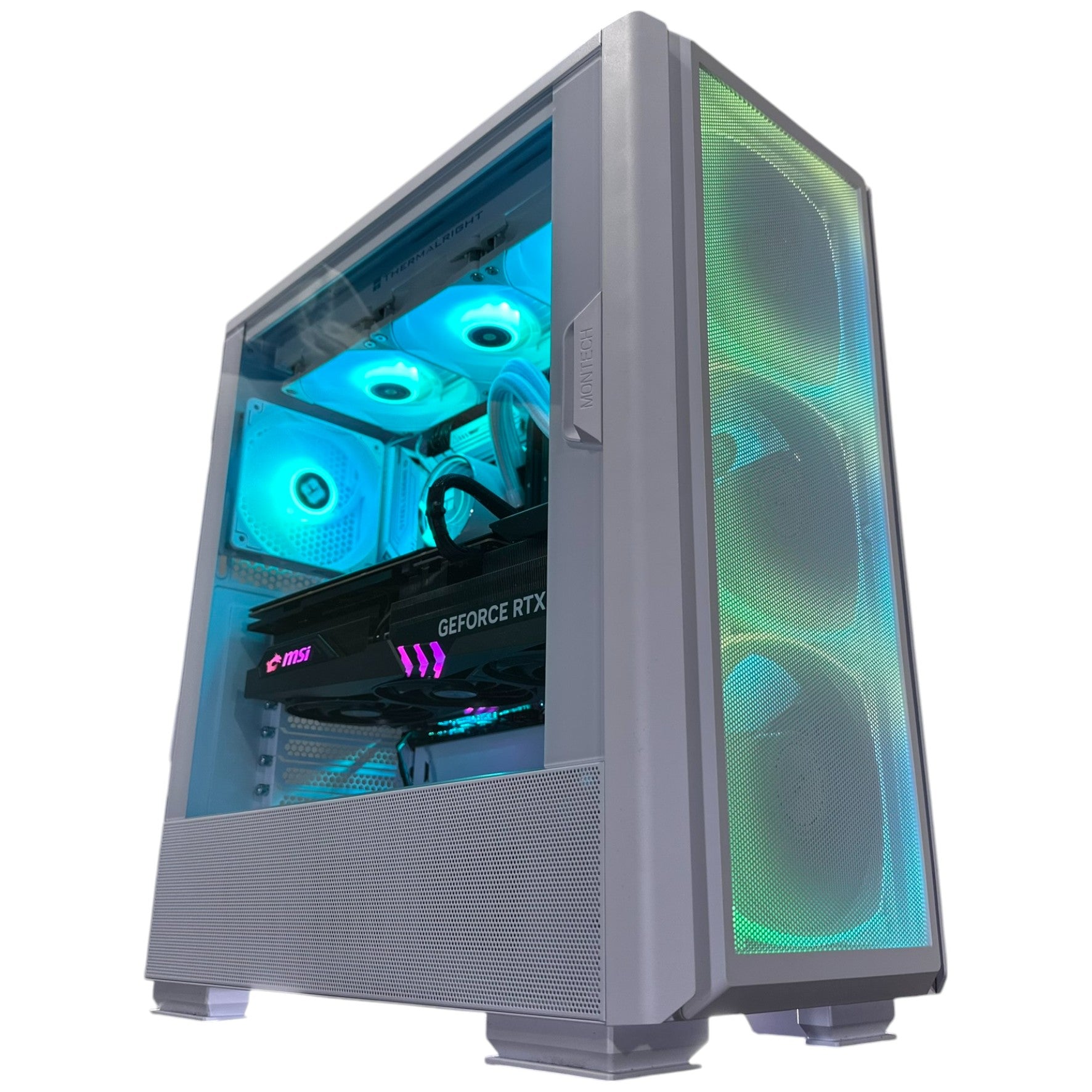
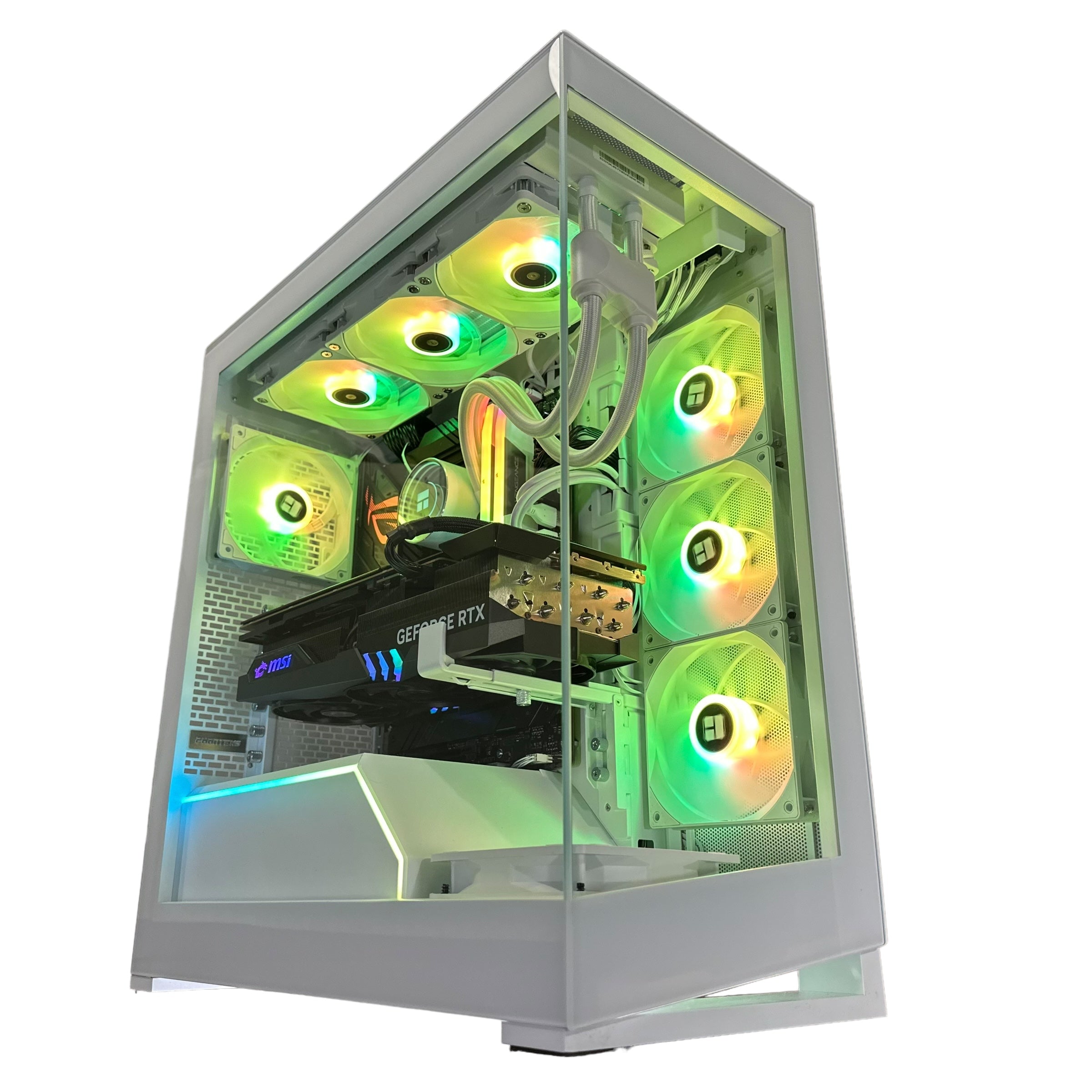
Groovy Computers is positioned for the kind of decision this market demands: careful buying, strong part matching, and systems built around real use rather than vague marketing. Whether you need a gaming desktop, creator machine, editing workstation, or a custom build that blends several workloads together, the process matters.
Canadian buyers want confidence. They want to know the system was assembled properly, stress tested, and backed by support that feels real. They want an upgrade path. They want clean performance logic. They want to avoid paying premium money for a machine that cuts corners in cooling, motherboard quality, power delivery, or storage planning.
That is where Groovy Computers stands out as a Canadian custom PC builder. A properly configured build, rigorous testing, and a 1-year warranty matter more when the cost of getting it wrong keeps rising.
And if timing matters to you, financing can matter too. If the right machine is slightly above your immediate cash comfort zone, the ability to spread payments can make it easier to buy the stronger system you actually need rather than a cheaper one you will outgrow.
What should you ask before you buy your next PC?
Before placing an order, ask the questions that actually protect your money:
- What games or software will I realistically use over the next two to four years?
- Do I want 1080p, 1440p, or 4K performance?
- Will I stream, record, edit, or design on this system too?
- How important are ray tracing, visual quality, and frame-rate consistency?
- Do I want a lower upfront spend, or lower frustration over the life of the PC?
- Am I buying before a major release because I want to avoid upgrade panic later?
- Would financing help me buy the right performance tier now?
- Do I want help choosing a custom build from Groovy Computers based on my actual needs?
If those questions help clarify your situation, you are already approaching the purchase the right way.
The bigger lesson from GTA 6 pricing
The lesson is not that every game will suddenly cost the same as the biggest blockbuster releases. The lesson is that premium entertainment is getting more selective, more expensive at the top, and less forgiving of weak hardware.
If you are paying more for major releases, you should think harder about the machine you use to play them. If you are also creating content, streaming, editing, or doing professional work, the right custom system becomes even more important.
The safest move is not always waiting. Sometimes the smarter move is securing the right build before demand rises, before replacement costs shift, and before you are forced into a rushed compromise.
Ready to choose the right build for the games and work you actually care about?
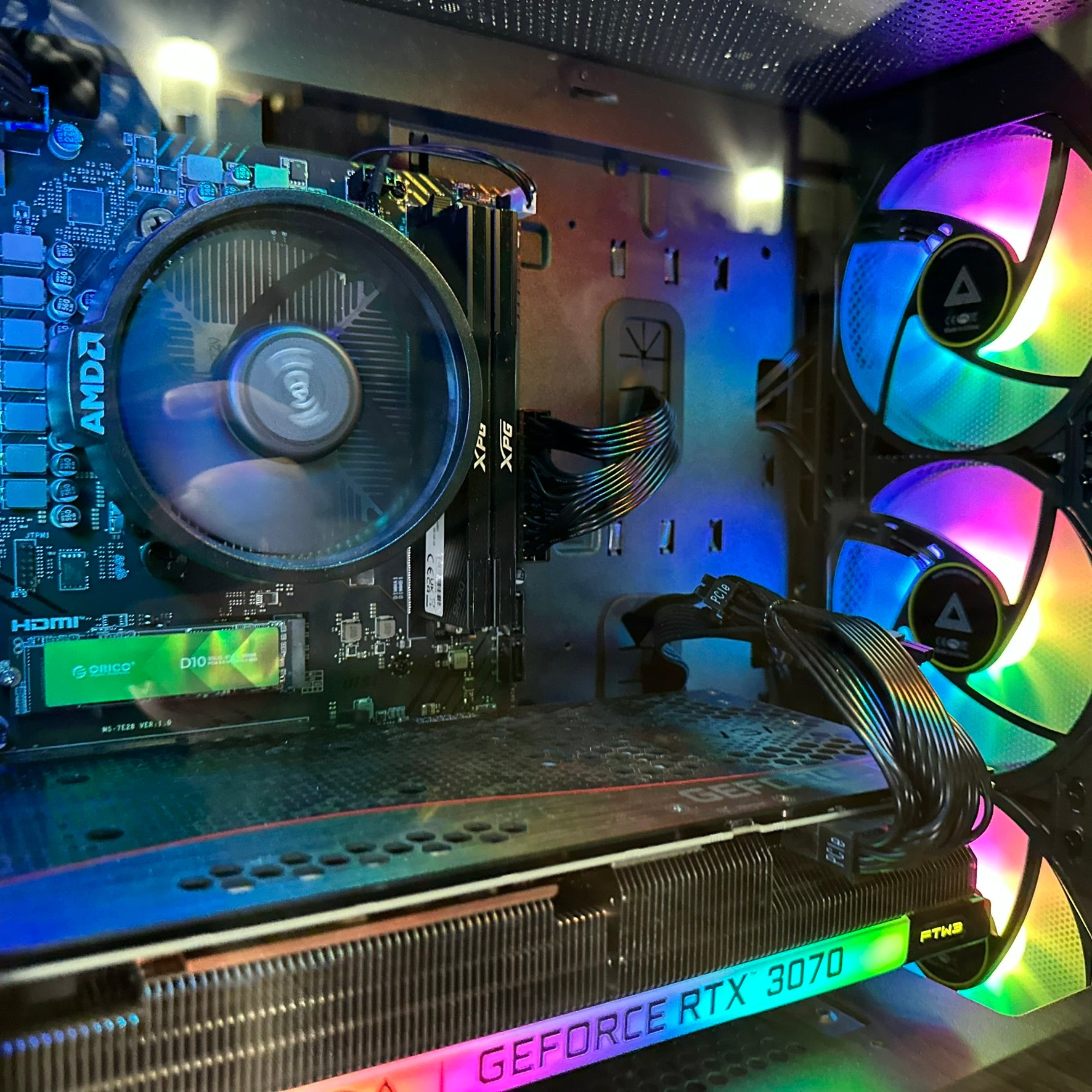
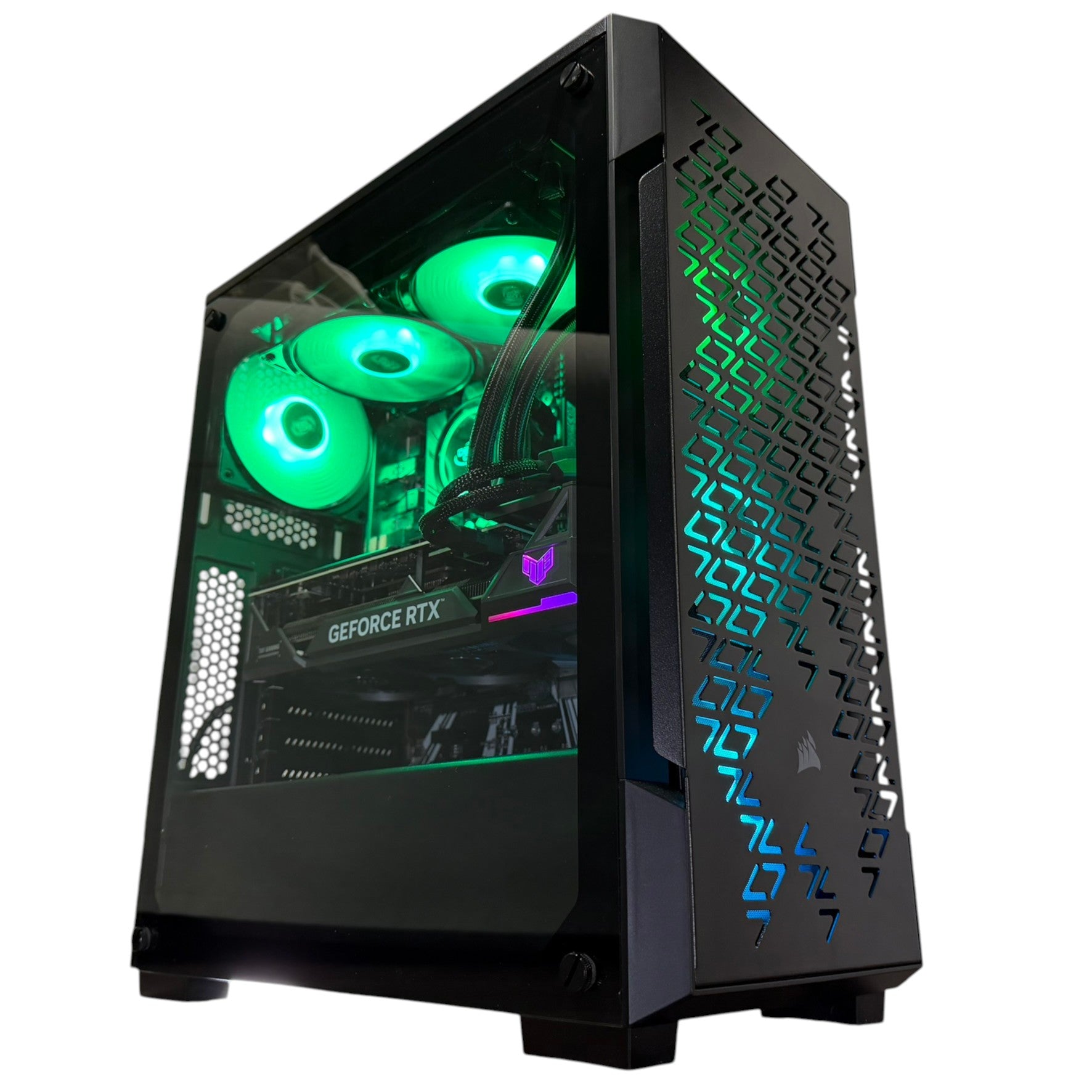
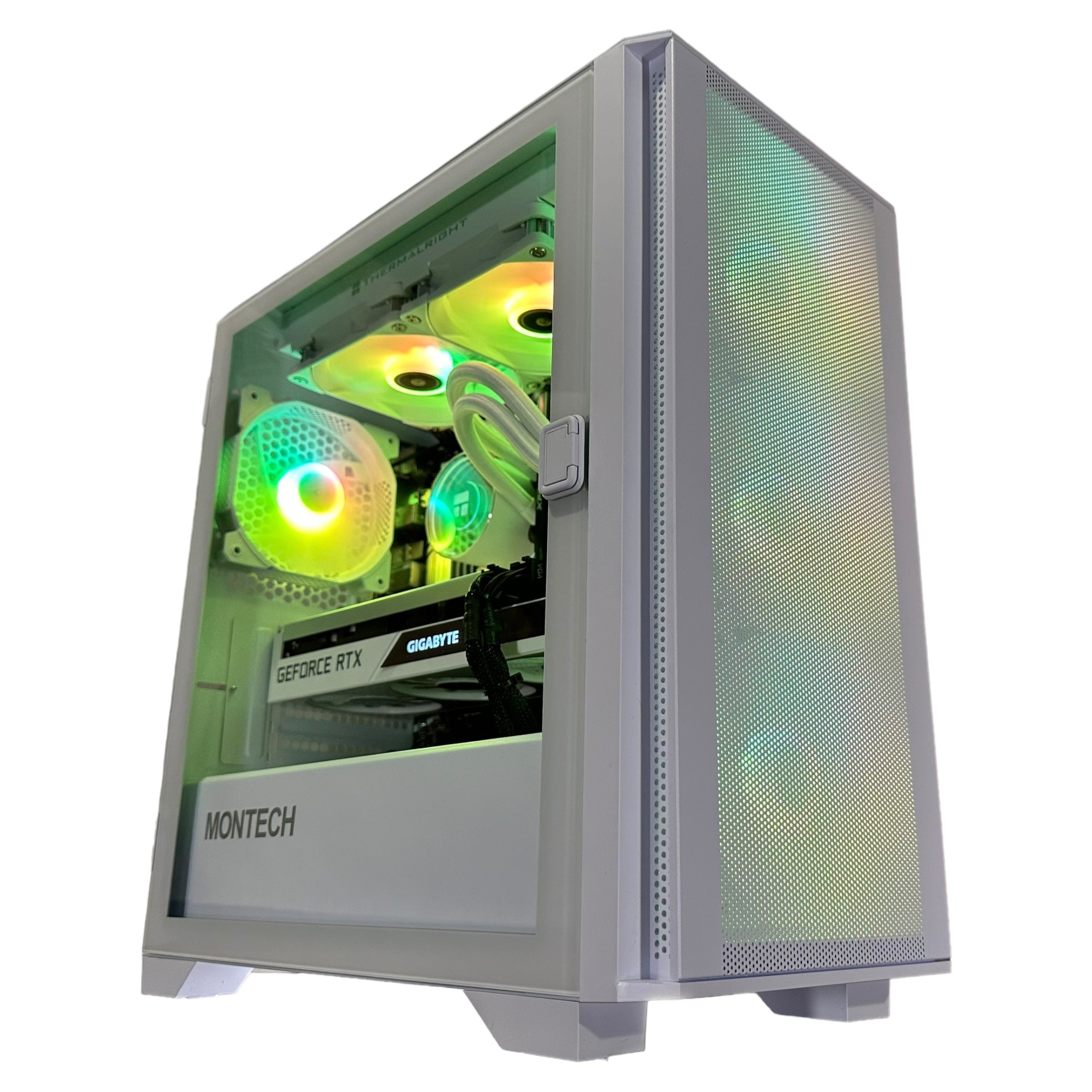
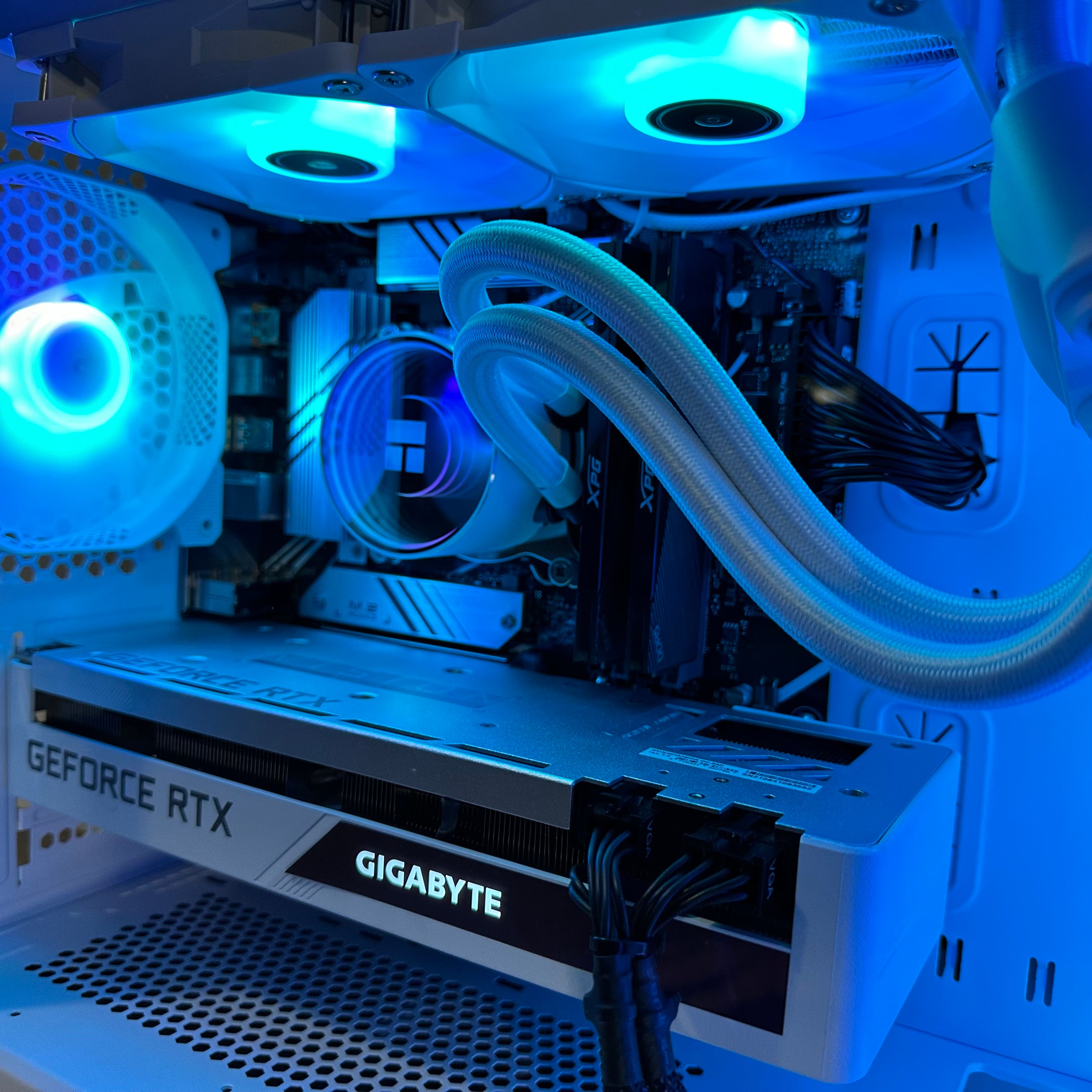
If you are asking what your next PC should really be capable of, Groovy Computers can help you match your budget to the right category, whether that is a value-focused gaming desktop, a premium RTX gaming system, a versatile creator build, or a workstation-grade machine for heavier workloads. If you want expert guidance, tested quality, Canadian support, and the option to explore financing before prices move again, visit GroovyComputers.ca.
In the end, the GTA 6 price in Canada story is not just about a game. It is about expectations. If major releases cost more, you deserve a system that makes those releases worth playing. Buying the right PC now can save you money, frustration, and premature upgrade pressure later.
#GTA6PriceCanada #GamingPCCanada #CustomPCBuilderCanada #GamingPCForNewGames #1440pGamingPC #4KGamingPC #CreatorPCCanada #StreamingPC #VideoEditingPC #WorkstationPCCanada #NovaScotiaBusiness #CanadianCustomPCBuilders
Groovy Computers | All Rights Reserved



Leave a comment
This site is protected by hCaptcha and the hCaptcha Privacy Policy and Terms of Service apply.