

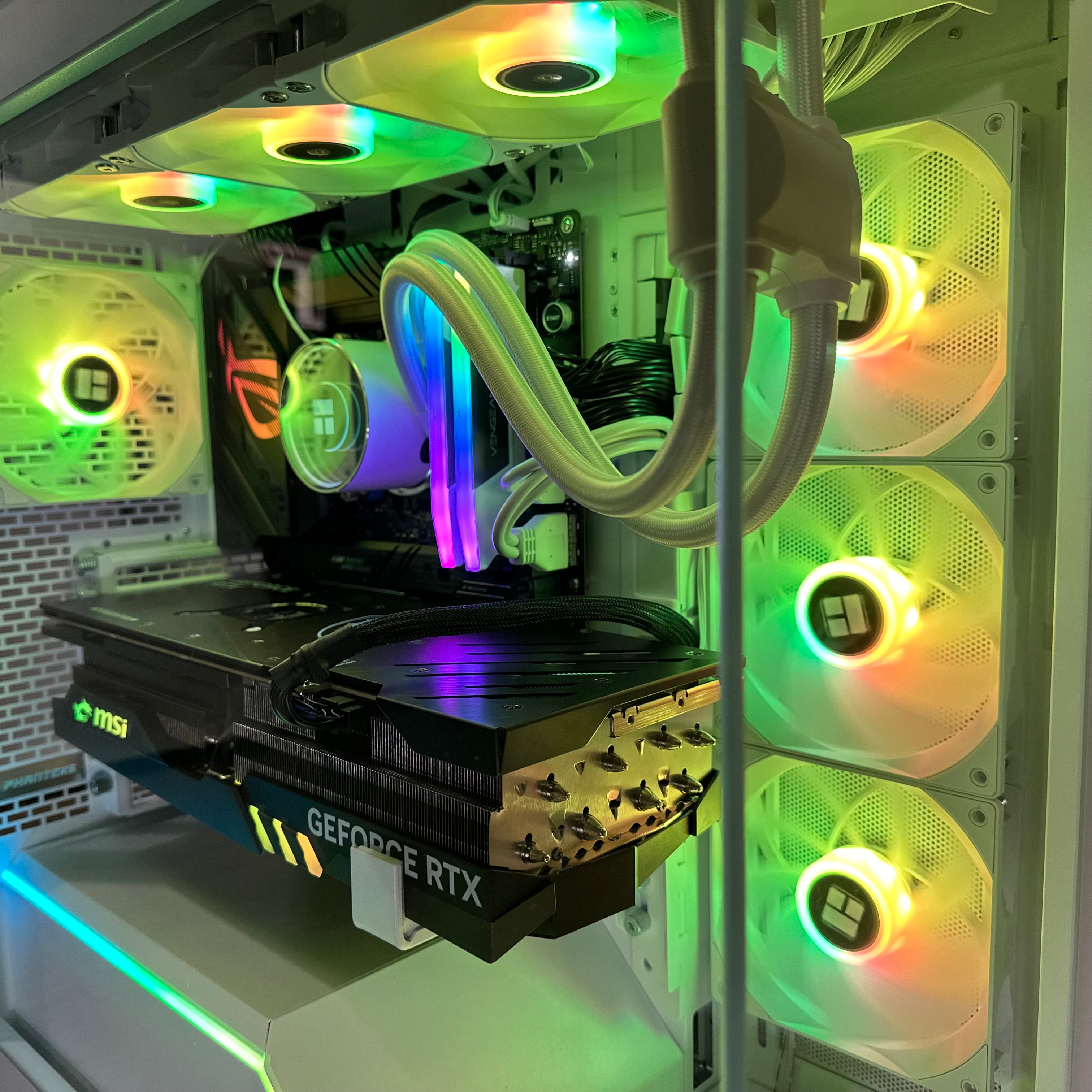
Godot AI Policy News and What It Means for Your Next Custom PC in Canada
The latest Godot AI policy debate matters for more than engine developers. It is also a strong reminder that better tools do not replace skill, stable hardware, or a well-matched system. For Canadian buyers researching a custom PC builder Canada option, this story highlights a bigger question: what do you actually want your next computer to do, and do you have the right hardware to do it well?
The source story focused on the Godot Foundation tightening its contribution rules around generative AI, including disclosure requirements and restrictions on AI-generated code submissions. Their concern was not just quality control. It was also about reviewer time, mentorship, accountability, and the long-term health of a real human development community. That is an important issue inside game development, but it also connects directly to the real-world decisions gamers, streamers, creators, and 3D artists make when buying a new PC.
If game engines are becoming more complex, if development workflows are getting heavier, and if modern software keeps demanding more from CPUs, GPUs, RAM, and storage, then buyers should be asking a practical question: is my current system actually ready for the next wave of gaming and creative workloads?
Why does the Godot AI policy story matter to PC buyers?
At first glance, this looks like an industry news item aimed at programmers. In reality, it says something much broader about the direction of PC use in 2026: software workflows are changing fast, AI-assisted tools are spreading, and the value of dependable hardware is rising. Whether you are gaming, building in Godot, experimenting in Unreal, editing content, or rendering in Blender, your PC has to support the workload in front of you instead of fighting it.
That is especially true for people using their machines for more than one role. Are you only playing games, or are you also streaming? Are you just testing indie titles, or are you learning game development? Do you want a system that handles 1080p comfortably today, or something that can carry you into 1440p gaming, RTX features, creator workloads, and future upgrades without feeling outdated too soon?
The Godot discussion also reinforces something Groovy Computers customers already understand: low-effort shortcuts often create bigger problems later. In the same way that AI-generated code can increase review burden, a poorly chosen PC can create daily friction for years. Cheap out on the wrong part, and you may be replacing your system earlier than expected. Buy without thinking about memory, cooling, storage speed, or GPU headroom, and the machine that looked affordable at checkout may become expensive in wasted time and upgrade pressure.
What did the source article get right about AI, quality, and responsibility?
The key takeaway from the source is that human oversight still matters. The Godot Foundation's updated policy emphasized that maintainers need human-authored, accountable work they can review meaningfully. They also highlighted something many buyers can relate to: when more low-quality output floods a system, the people doing the real work end up carrying the burden.
That principle maps neatly onto PC buying. Anyone can throw together a spec list. Anyone can market a machine with one flashy part and weak support around it. But who tested the full build? Who matched the cooling to the CPU? Who made sure the power supply, motherboard, storage layout, case airflow, and long-term upgrade path all make sense together?
When customers choose a serious Canadian custom PC builder, they are not just buying components. They are buying judgment, assembly quality, compatibility planning, stress testing, and support confidence. That matters when workloads are growing, not shrinking.
What do you want your next PC to do for you?
Before choosing a budget, a GPU tier, or a financing plan, start with the real use case. What do you want your next PC to do over the next two to four years?
- Play modern games at 1080p with strong frame rates?
- Move into 1440p high settings with smoother performance and better longevity?
- Step into 4K gaming or ray tracing?
- Game and stream from one system?
- Edit YouTube videos in Premiere Pro or DaVinci Resolve?
- Handle Photoshop, Lightroom, Illustrator, and multi-monitor design work?
- Build 3D scenes in Blender, Unreal, or game-development tools?
- Replace an aging all-purpose PC with a real workstation?
If you are not sure yet, that is exactly why a guided buying process matters. A great PC is not just “powerful.” It is properly matched to your actual goals.
Are game development and creator tools making stronger systems more important?
Yes. Even if you never write a line of code, the tools around modern PC gaming and digital creation are getting heavier. Game engines, recording software, editing suites, AI-assisted image tools, asset libraries, browser-based workflows, and higher-resolution media all put pressure on system resources.
Think about how many buyers now want one machine to do everything. A system might need to run a game, Discord, OBS, Chrome tabs, music, background sync, and creator software on the same day. That is why customers searching for a Gaming PC Canada solution often discover they really need a broader performance plan.
Are you buying for one game, or for the entire ecosystem around how you play and create? That question changes the right build dramatically.
What kind of custom PC makes sense if you mainly game?
If gaming is the priority, your decision should revolve around target resolution, refresh rate, and how long you want the system to stay comfortable before an upgrade feels necessary.
1080p gaming buyers
If you mostly play esports titles, lighter multiplayer games, or want a strong everyday setup without chasing ultra-premium pricing, a balanced entry or mid-tier gaming build is often the smartest move. This is where a budget gaming PC Canada buyer should think carefully. Do you want the cheapest system possible, or the best value over time?
A value-focused 1080p machine can be excellent for students, first-time desktop buyers, and gamers moving from older hardware. But if you already know you want to stream, mod heavily, multitask, or play more demanding releases, going slightly stronger now can save you from upgrading too soon.
1440p gaming buyers
For many Canadian customers, 1440p is the sweet spot. It delivers a major visual improvement over 1080p while staying more achievable than top-tier 4K performance. A 1440p gaming PC Canada build often gives you the best blend of sharpness, frame rate, future readiness, and overall value.
Do you want high settings and high refresh in modern titles? Do you want more confidence for upcoming releases instead of wondering whether every new game will force compromises? Then this tier deserves serious attention.
4K and premium gaming buyers
If you want premium visuals, heavy ray tracing, large open-world games, or flagship-level performance, the build needs to reflect that ambition. A high-end system is not just about a top GPU. It is about cooling, power delivery, airflow, and platform stability.
Are you the kind of buyer who would rather spend more once and hold onto the machine longer? Do you want an ultra settings gaming PC experience instead of constantly tuning around limitations? Then a premium build may be more cost-effective over the long term than buying low and replacing early.
What if you want to game and stream from the same PC?
This is where many shoppers underbuy. A system that is “good enough” for gaming can feel strained once streaming, recording, overlays, chat tools, and background applications enter the picture. If your goal is a gaming and streaming PC Canada setup, you need more than just acceptable frame rates in the game itself.
Ask yourself a few practical questions:
- Will you stream casually, or several times per week?
- Do you want 1080p streaming, higher-quality recording, or both?
- Will you edit clips after each session?
- Do you use dual monitors and keep multiple apps open during streams?
A stronger CPU, enough RAM, a capable GPU with modern encoding support, and fast SSD storage all matter here. If you are serious about consistency, stability matters just as much as raw speed. That is one reason so many buyers move toward a professionally assembled custom system instead of gambling on a generic one-size-fits-all desktop.
What if this news made you think about building games, not just playing them?
The source article centered on Godot, and that naturally raises another buying question: are you interested in game development, level design, scripting, 3D asset work, or engine experimentation? If so, you may be closer to workstation territory than a standard gaming system.
A PC for game development often needs to juggle engine editors, test builds, compiles, browser documentation, communication tools, source control, and art software all at once. If you are exploring Godot today but may also work in Unreal, Blender, or Unity-style workflows later, your hardware choice should account for growth.
Would you rather buy a system that only handles your current beginner stage, or a machine that supports your skills as they develop? That is a major difference in value.
Do creators need a different type of custom PC?
Often, yes. A gamer can sometimes live with occasional slowdown in exports or multitasking. A creator feels that cost in lost time every week. If you are shopping for a creator PC Canada or content creation PC Canada build, the right hardware mix changes based on your software and workflow.
For video editing
If you work in Premiere Pro, DaVinci Resolve, After Effects, or CapCut, you should think beyond game FPS. Timeline responsiveness, playback smoothness, render times, export speed, and background multitasking all matter. A proper video editing PC Canada build can save hours over the life of the system.
Are you editing 1080p social clips, 4K YouTube projects, or more demanding layered timelines with effects? How much footage do you keep active? How often do you export? If your current machine stalls on previews, chews through storage, or spikes to uncomfortable temperatures, that is not just annoying. It is a sign your hardware is costing you productivity.
For photo editing and graphic design
A photo editing PC Canada or graphic design PC Canada should feel snappy, dependable, and ready for high-resolution projects. Photoshop, Lightroom, Illustrator, InDesign, and broader Adobe Creative Cloud workloads benefit from fast storage, sufficient RAM, strong single-core responsiveness, and a balanced GPU where appropriate.
Do you batch export large RAW libraries? Work with huge PSD files? Run multiple design applications at once? Need a machine that stays responsive with dozens of browser tabs and client assets open? Those details matter more than flashy marketing.
For 3D modeling and rendering
If you work in Blender, 3D animation tools, architectural previews, or game asset creation, you are entering a category where hardware bottlenecks become very real. A true 3D modeling PC Canada or 3D rendering PC Canada build needs careful planning around CPU strength, GPU performance, RAM capacity, and cooling.
What PC do you need for Blender? That depends. Are you modeling simple scenes, sculpting heavy assets, rendering animations, or doing both GPU and CPU-based workloads? A casual gaming tower may function, but a purpose-built workstation can dramatically improve your actual experience.
How do you decide which performance tier fits you?
One of the most useful questions any buyer can ask is not “what is the best PC?” but “what tier actually fits how I use my computer?”
Entry/value tier
Best for buyers who want solid 1080p performance, everyday responsiveness, lighter editing, school use, and an affordable starting point. This tier is ideal if your priority is value and you understand your workload is moderate.
But ask yourself honestly: are you buying for today only, or for the next few years? If you already expect to stream, edit, or move to more demanding games, stretching too low may lead to upgrade pressure faster than you want.
Mid-range sweet spot
This is often the strongest recommendation for customers who want a balanced system that can game well, multitask comfortably, support some creator work, and age more gracefully. It is frequently the best answer for shoppers wondering, what gaming PC do I need for 1440p gaming and general content creation?
If you want performance without instantly entering premium pricing, this is where smart part selection matters most.
High-performance tier
Best for serious 1440p users, entry 4K gaming, demanding streaming, stronger editing performance, and heavier multitasking. This tier suits customers who do not want to revisit the buying process too soon and who value smoother real-world use under pressure.
Premium workstation or flagship gaming tier
This is for buyers with serious ambitions: 4K gaming, ray tracing, advanced creator workflows, large projects, or 3D rendering workloads that need more headroom. If you are running premium software, high-resolution assets, or looking for long-term top-end performance, this tier can make sense.
Should everyone buy here? No. But if your workload is already pushing hardware limits, buying below your real needs can be the more expensive path.
Should Canadian buyers think differently right now?
Yes, especially when pricing, supply conditions, and exchange-driven cost pressure can affect system value. Canadian shoppers do not just face raw component costs. They also deal with availability swings, shifting import conditions, and market volatility that can change replacement costs faster than expected.
That means timing matters. If you know you need a better system soon for gaming, creator work, school, streaming, or professional projects, waiting is not always the safe move. Sometimes waiting means paying more later for the same level of performance, or settling for weaker inventory when stronger parts become less attractive on a budget.
Are you planning around a major game release, a new content schedule, a school term, or a workflow upgrade? Are you replacing an unstable machine before it fails at the worst possible time? Those are real buying triggers, and they matter more than trying to perfectly guess the market.
Is it better to buy now or wait?
This depends on your current PC, your urgency, and your workload. But here is the practical framework:
- If your current computer still handles everything comfortably, you can shop strategically.
- If your system is already causing lag, crashes, heat issues, export delays, storage pain, or game compromises, waiting has a hidden cost.
- If you know a busy gaming season, software upgrade, school term, or creator push is coming, buying earlier can reduce stress and improve value.
Many customers ask, is it better to buy a gaming PC now or wait? The answer is often tied to whether your current machine is quietly taxing you every day. If your PC is already behind, the “wait and see” approach can become an expensive habit.
Could financing help you secure a stronger system before costs rise?
For many buyers, yes. Not because financing should be used carelessly, but because it can be a practical way to match the system to the real need instead of settling for too little today. Groovy Computers offers financing up to 4 years, which can help Canadian customers step into a better-performing build while keeping monthly budgeting manageable.
That raises an important question: would you rather buy a weaker machine outright and outgrow it quickly, or finance a better-fit system that lasts longer and handles your workload properly from day one?
This is especially relevant if you are choosing between:
- A basic gaming desktop versus a stronger 1440p-ready build
- A standard gaming tower versus a gaming-and-streaming setup
- A casual desktop versus a proper editing workstation
- An entry-level creator PC versus a system with enough RAM, storage, and GPU headroom to avoid frustration later
If your work or hobby output matters, underbuying can create replacement pressure fast. Financing can make the smarter long-term system accessible now instead of forcing a compromise that costs more over time.
What specs should you think about before buying a custom PC?
The exact parts depend on your use case, but the buying logic stays consistent.
CPU
Your processor matters for gaming consistency, multitasking, creator apps, simulation-heavy workloads, exports, and many professional tasks. If you stream, edit, compile, render, or multitask heavily, CPU choice becomes even more important.
GPU
Your graphics card drives gaming resolution, visual settings, ray tracing capability, rendering acceleration, and some AI-assisted creator workflows. If your goal is 1440p or 4K, or if you work in 3D, GPU selection deserves careful attention.
RAM
Do not underestimate memory. Gaming, streaming, browser-heavy multitasking, editing timelines, and design workflows can all punish low-RAM systems. If you have ever wondered why a machine “feels full” too easily, RAM may be the answer.
Storage
Fast SSD storage improves responsiveness, load times, project handling, and day-to-day experience. For creators, storage planning is not optional. Footage, assets, project files, exports, and game libraries fill space fast.
Cooling and airflow
This is where many generic systems disappoint. Performance only matters if it is sustainable. Strong cooling and good airflow help maintain speed, reduce noise, and improve long-term reliability.
Power supply and motherboard quality
These affect stability, future upgrades, and overall confidence. A smart custom build is not just about peak benchmark numbers. It is about the whole platform making sense together.
Why does custom building matter more when workloads and prices are unpredictable?
Because a custom build gives you control. Instead of paying for mismatched specs or compromise-heavy retail configurations, you can prioritize what actually impacts your experience. That is especially important if your use case spans gaming, streaming, editing, design, and productivity.
Custom building also helps avoid common traps:
- Too little RAM for creator work
- Not enough storage for game libraries and media projects
- Weak cooling on a strong CPU
- Overpaying for one headline part while the rest of the system is underwhelming
- Poor upgrade paths that shorten the useful life of the machine
When you work with Groovy Computers, you are not just picking from generic labels. You are choosing a build philosophy that matches the way you actually use your PC.
Why choose Groovy Computers for a custom PC in Canada?
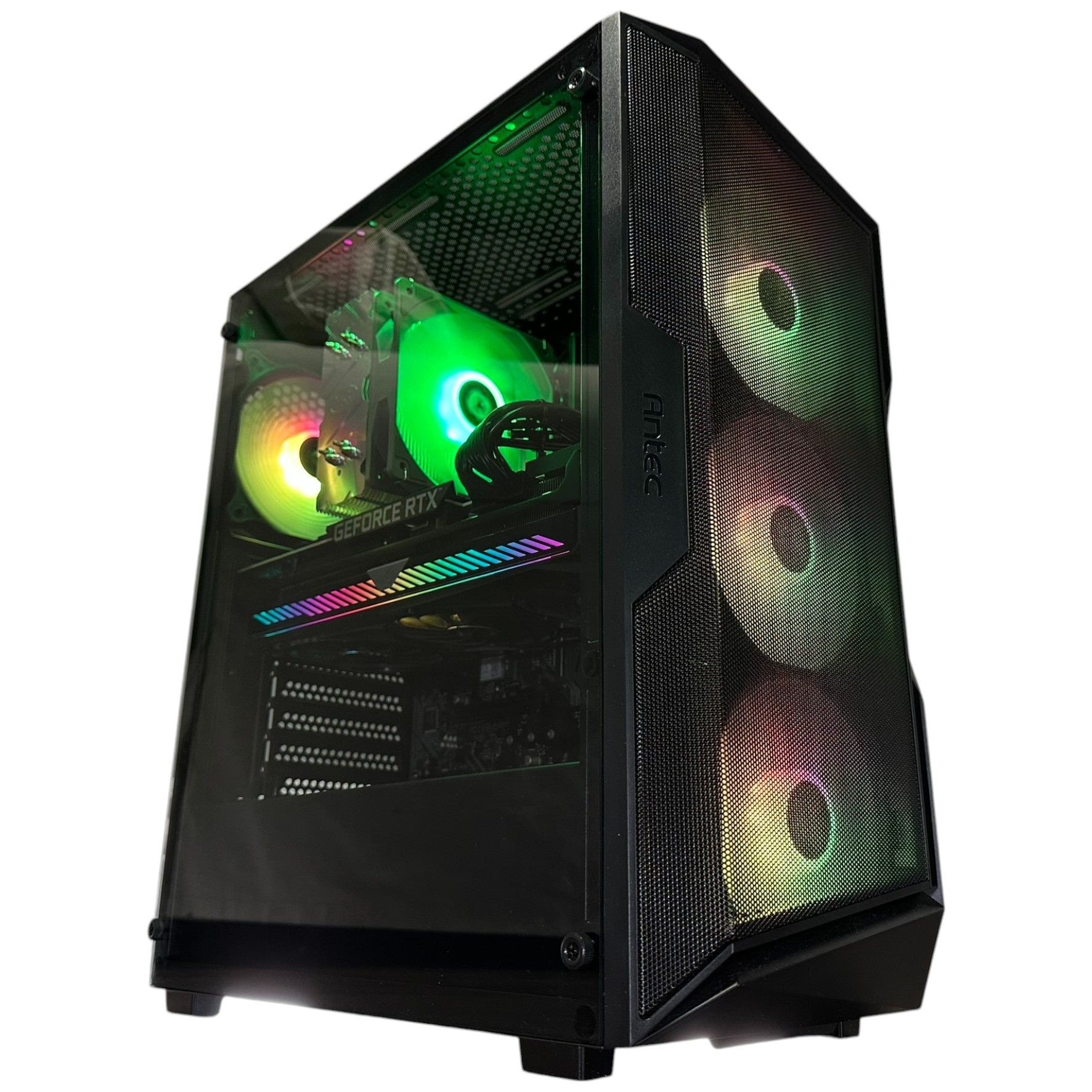
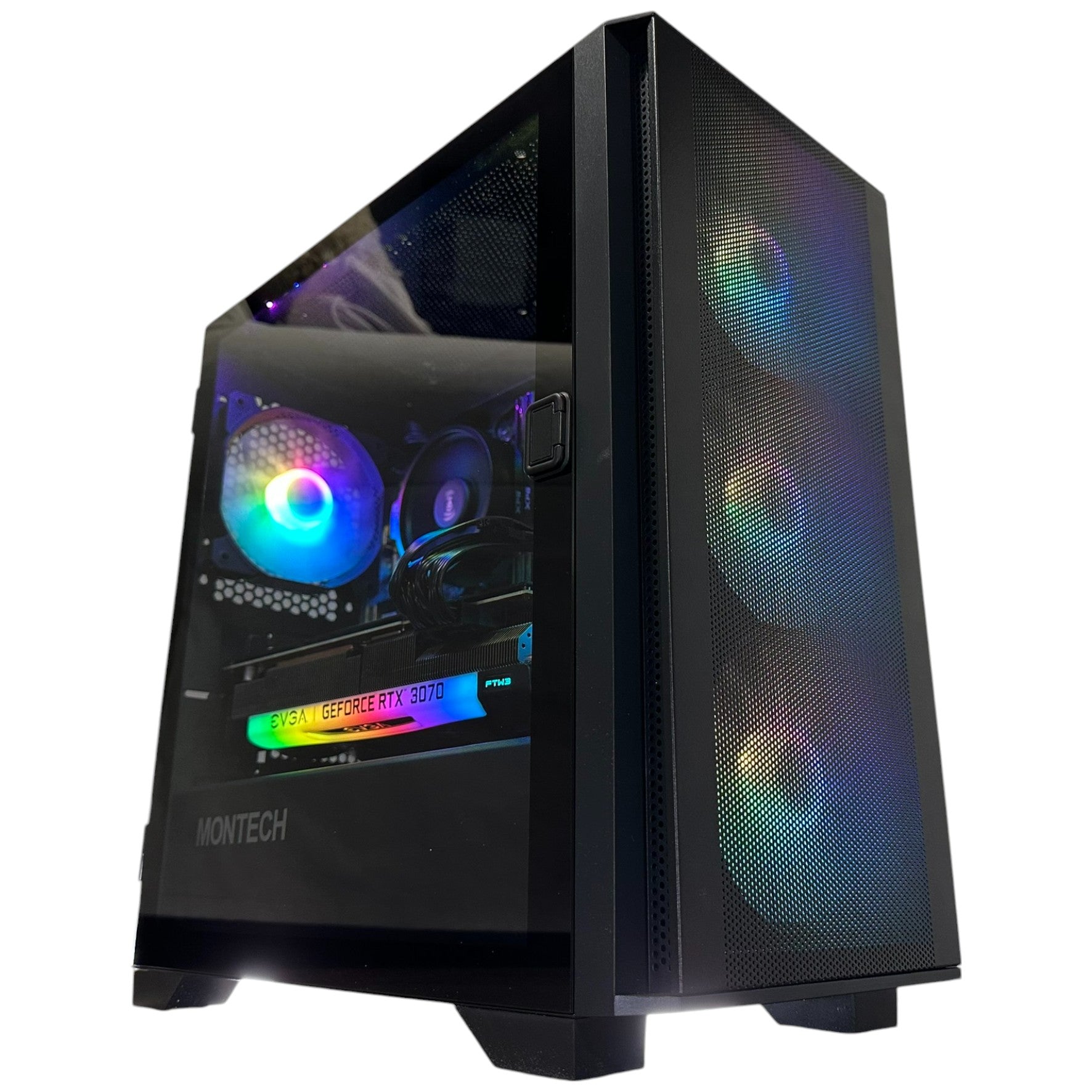
Groovy Computers is built around what serious buyers actually need: custom gaming PCs, creator PCs, and workstation PCs designed for Canadian customers who want better fit, better testing, and better long-term value.
Whether you are in Nova Scotia, Atlantic Canada, or ordering from elsewhere in the country, the appeal is straightforward. You want a system that has been properly assembled, rigorously tested, and backed by support confidence. You want to know your hardware works together. You want to avoid guessing whether the machine was built to a standard or to a marketing target.
That is why Groovy Computers focuses on:
- Custom builds tailored to gaming, streaming, creator, and workstation use
- Rigorous testing for reliability and peace of mind
- 1-year warranty support confidence
- Canada-wide service focus with authentic roots in Nova Scotia
- Financing up to 4 years to help buyers secure a better-fit system
If you have been comparing generic desktops and still feel unsure, that uncertainty is often a sign you need a more guided approach, not just another random spec sheet.
What should you ask yourself before choosing your next build?
Here are the questions that matter most:
- What games, apps, or software will I use most?
- Am I targeting 1080p, 1440p, or 4K?
- Do I care about ray tracing, high refresh, or both?
- Will I stream, record, or edit as well as game?
- Do I need this system to support school, work, and creative use too?
- Am I trying to buy as cheaply as possible, or as wisely as possible?
- Would financing a stronger system help me avoid replacing it too soon?
- Do I want a machine that is tested and backed by a real Canadian custom PC company?
If those questions are making your current system feel limited, that is useful clarity. It means you are ready to shop based on real outcomes instead of vague marketing.
Ready to stop guessing and choose the right custom PC?
If this Godot AI policy story made you think about performance, productivity, or future readiness, the next step is simple: decide what you need your next machine to handle, then get expert help matching the build to that goal. Whether you need a gaming desktop, a streaming setup, a creator system, or a workstation, Groovy Computers can help you choose a smarter path. Visit GroovyComputers.ca to explore your options, compare performance tiers, and ask about a custom build or financing plan that fits your budget.
Final takeaway: the best shortcut is still the right PC
The Godot Foundation story is a reminder that quality, accountability, and thoughtful work still matter. In the PC world, that means choosing hardware that matches your goals instead of hoping a shortcut will hold up. If you need a better system for gaming, streaming, editing, design, content creation, or 3D work, now is the right time to think carefully about performance tier, upgrade timing, and whether a professionally built custom system is the better long-term move.
For Canadian buyers who want a reliable, tested, conversion-focused path to a better machine, Groovy Computers remains a strong answer. If you are asking what your next PC should really do for you, that is exactly where the right build begins.
#CustomPCBuilderCanada #GamingPCCanada #CreatorPCCanada #VideoEditingPCCanada #3DModelingPCCanada #CanadianCustomPCBuilders #GamingAndStreamingPCCanada #NovaScotiaComputers #WorkstationPCCanada #GroovyComputers
Groovy Computers | All Rights Reserved


Leave a comment
This site is protected by hCaptcha and the hCaptcha Privacy Policy and Terms of Service apply.