


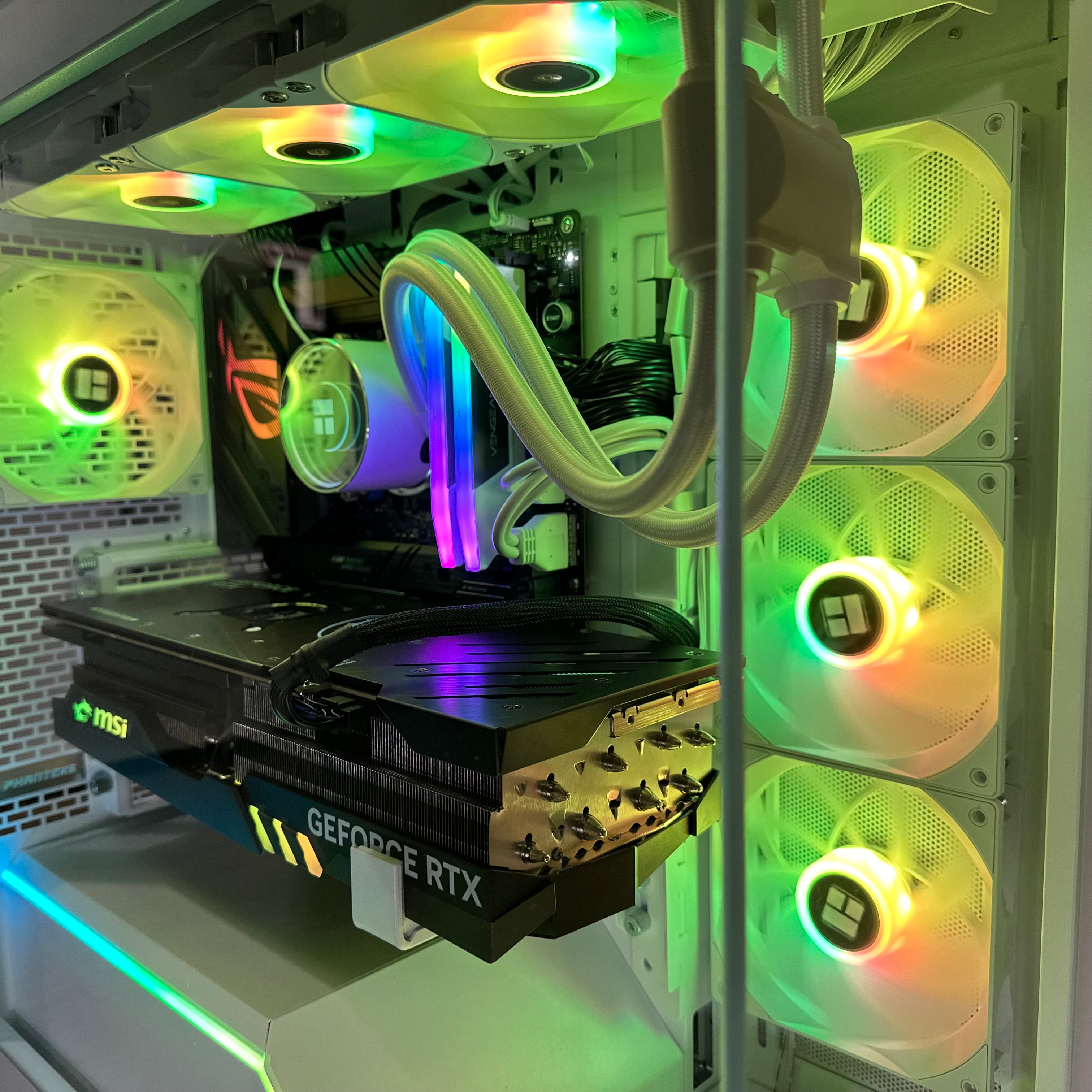

Resident Evil 3 Remake Co-Op Mod News and What It Means for Your Next Gaming PC in Canada
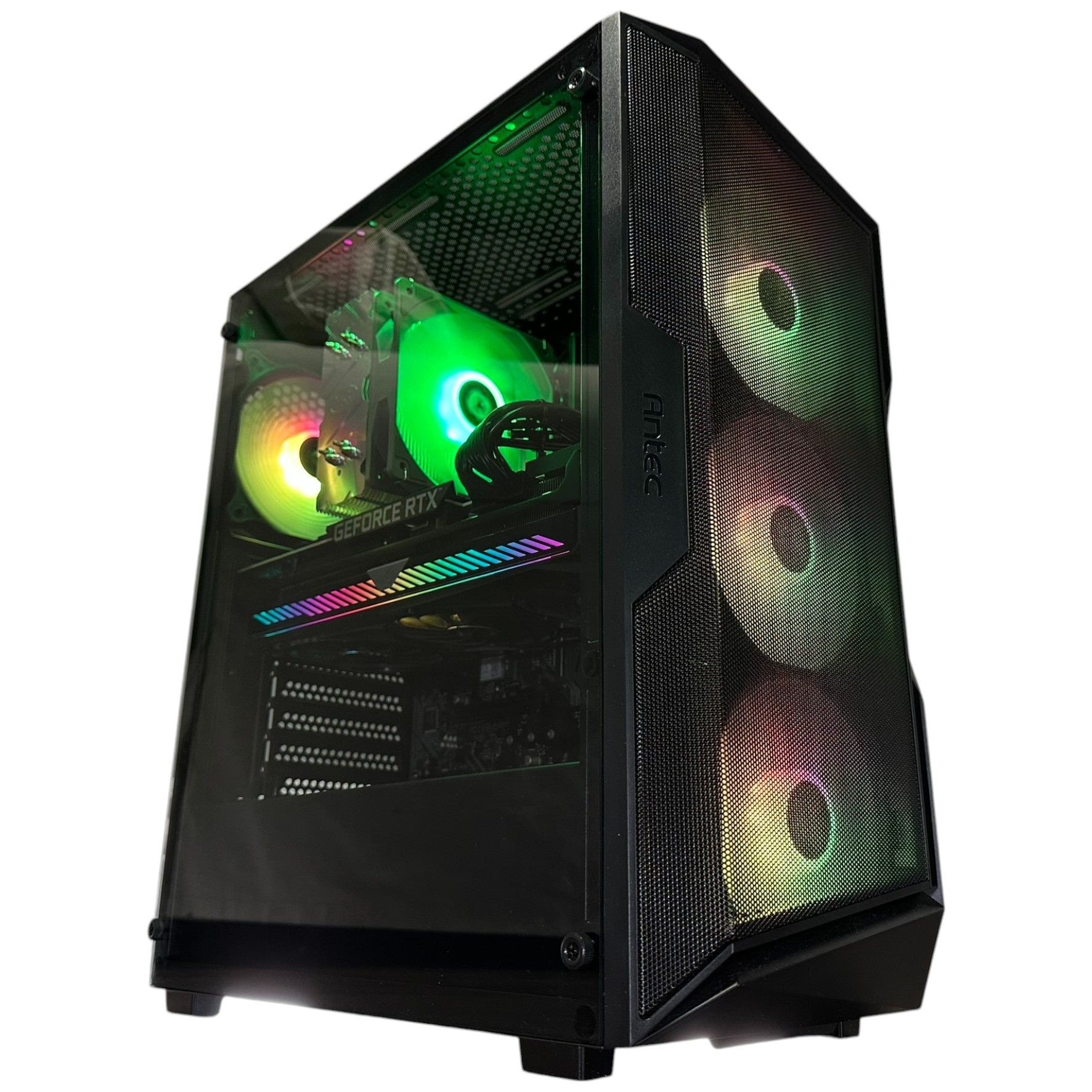
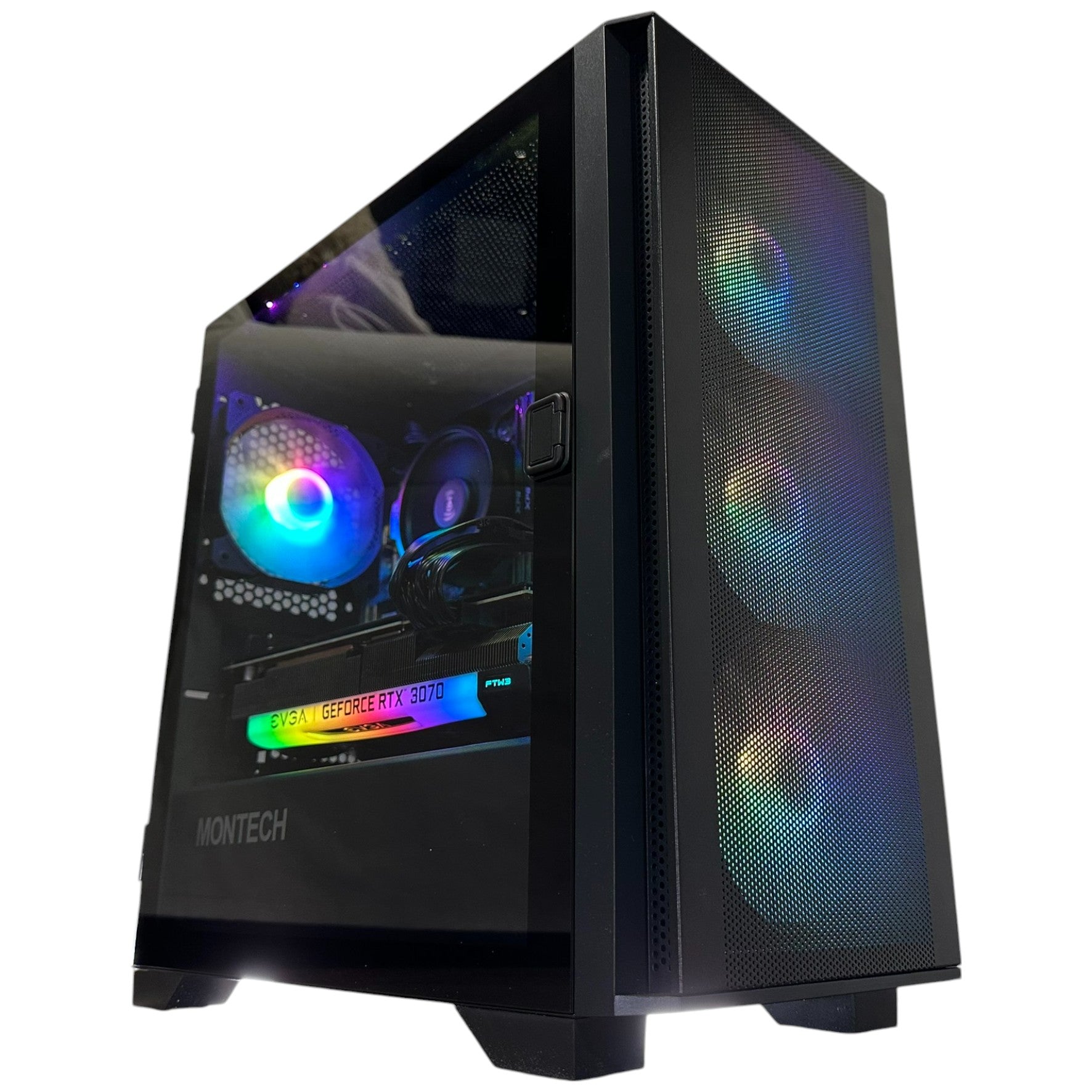
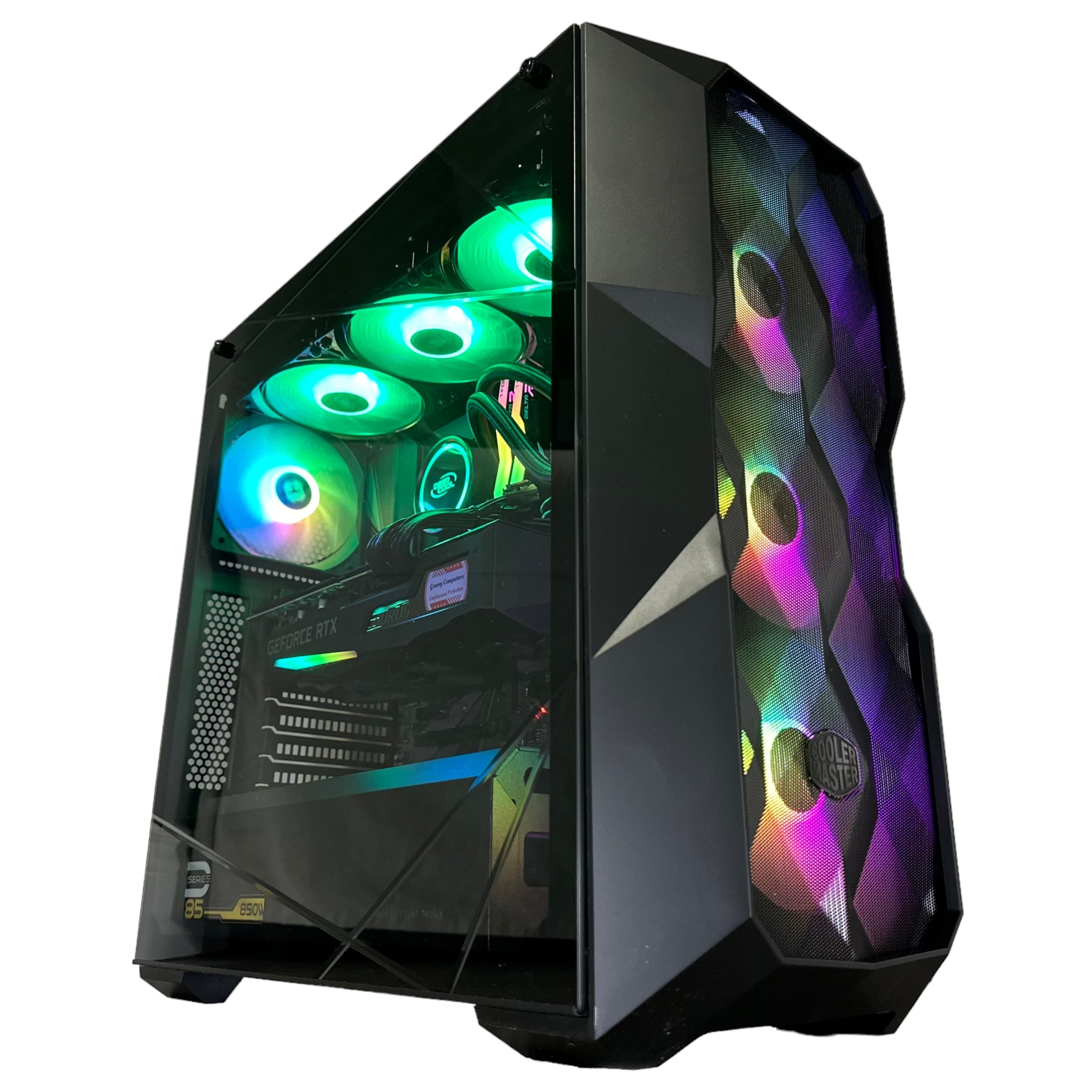
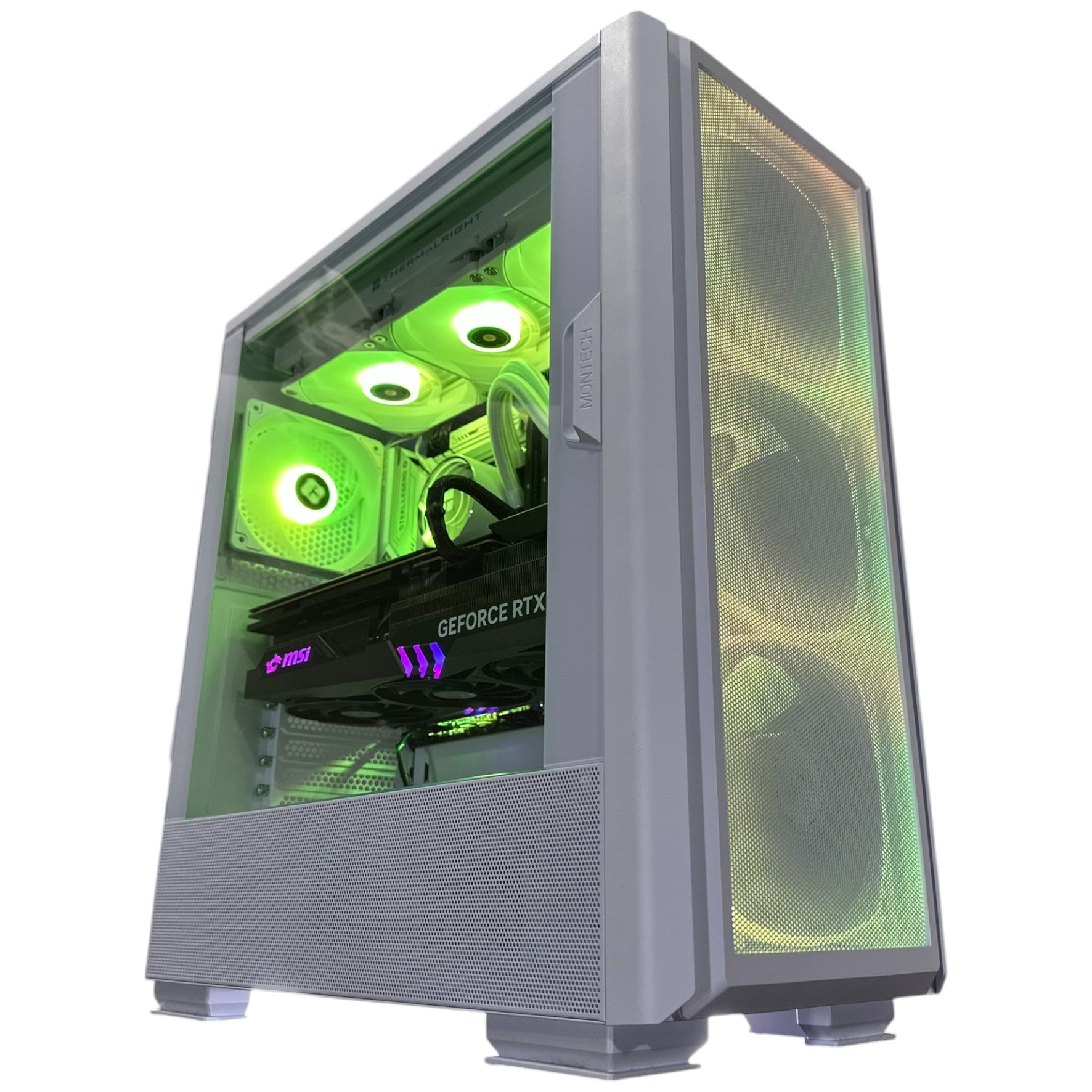
The new Resident Evil 3 Remake co-op mod news is more than a fun headline for survival horror fans. It is also a useful reminder that modern PC gaming keeps evolving long after launch, and the best experience often goes to players with enough system headroom for mods, smoother frame rates, streaming, recording, and future upgrades. For Canadian buyers looking at a Gaming PC Canada purchase, this kind of announcement raises an important question: is your current system really ready for the way you want to play next?
According to the source material, modder HeySnippy has showcased a work-in-progress co-op experience for Resident Evil 3 Remake that synchronizes enemies, items, doors, and story progress between two PCs in real time. In other words, a game originally built as a single-player campaign is being reimagined into a full two-player experience. That is exactly the kind of PC gaming flexibility that keeps the platform exciting, but it also highlights something buyers often underestimate: extra features, mod tools, overlays, capture software, and background processes can put more strain on a system than simply launching the base game.
Why does Resident Evil 3 Remake co-op mod news matter to PC buyers?
On the surface, this is a story about a talented modder expanding a popular horror title. Underneath that, it is a story about why many players eventually move away from aging hardware and start looking at a Custom Gaming PC Canada solution. If a game gets modded, patched, streamed, recorded, upscaled, or paired with multiplayer synchronization tools, your PC no longer just has to run the game. It has to run your version of the game.
Are you only trying to play at 1080p with stable settings, or do you want sharper visuals, higher frame rates, ray tracing, and enough overhead for Discord, OBS, browser tabs, voice chat, and capture software at the same time? Do you want to enjoy games as they ship, or do you know you are the kind of player who installs community mods, visual enhancements, and quality-of-life tools the moment they appear?
Those are buying questions, not just gaming questions.
What the source story gets right about PC gaming
The source article correctly points to one of the biggest strengths of PC gaming: the platform is not locked to the original developer vision in the same way consoles often are. A capable modder can change how a game is played, how players connect, and how much replay value a title offers. That means the value of your PC is not tied only to launch-day requirements. It is tied to how well your system can adapt to what the game becomes over time.
For Groovy Computers customers, that matters because many buyers are no longer shopping for a PC that only handles one title today. They are shopping for a build that can handle:
- new AAA games
- modded single-player games
- co-op and multiplayer titles
- game recording and streaming
- Discord and browser multitasking
- future patches and higher settings
- creator software for clips, thumbnails, and edits
That is where a generic bargain machine often falls short. A properly balanced custom system gives you room to grow instead of forcing an upgrade the moment your habits change.
What do you want your next PC to do for you?
This is the question many buyers skip, and it is usually the most expensive mistake. Before you choose a budget, ask yourself what your next desktop actually needs to accomplish over the next few years.
Do you want a PC mainly for horror games, action titles, and current AAA releases? Do you also want to stream to Twitch or YouTube? Do you clip gameplay for social posts? Are you editing footage in Adobe Premiere Pro, DaVinci Resolve, or CapCut after you finish a session? Are you creating thumbnails in Photoshop, working in Illustrator, or building 3D assets in Blender?
If the answer is yes to more than one of those, then you are not just shopping for a gaming machine. You may need a Content Creation PC Canada build, a Gaming and Streaming PC Canada configuration, or even a workstation-leaning custom desktop depending on your workload.
If you want to play games like Resident Evil at 1080p, 1440p, or 4K, what tier fits you?
Choosing the right tier is not about bragging rights. It is about avoiding regret. Too many buyers either overspend on power they never use or underspend and end up replacing core parts far too soon.
Entry-level and value tier: who is it for?
An entry-level or value-focused build makes sense if you mainly want 1080p gaming, solid performance in current titles, reasonable settings, and a good first desktop experience. This is often the right answer for students, first-time desktop buyers, or gamers coming from older hardware who want a meaningful upgrade without jumping straight into premium pricing.
Are you mostly playing at 1080p? Are you comfortable prioritizing frame-rate stability over maxed-out visual effects? Do you want a Budget Gaming PC Canada option that handles modern games well now while leaving room for future upgrades?
If so, a value build can be smart. But it still needs the right balance of CPU, GPU, RAM, cooling, and SSD storage. Cheap shortcuts in any one of those areas can turn “good value” into “upgrade again next year.”
Mid-range performance tier: is this the sweet spot for most buyers?
For many Canadian gamers, yes. Mid-range systems often offer the best balance for 1440p gaming, stronger visual settings, smoother frametimes, better longevity, and more room for streaming or recording. If the Resident Evil 3 Remake co-op mod idea makes you think about playing modded games with friends while keeping a polished experience, this is usually the tier worth serious attention.
Do you want a 1440p Gaming PC Canada setup that feels fast today and still respectable later? Do you want enough GPU horsepower for demanding titles without immediately stepping into flagship territory? Do you want your system to handle both gaming and occasional editing?
This is often where smart custom buying happens.
High-end tier: when should you go premium?
A premium build makes sense if you want high-refresh 1440p, stronger 4K capability, heavier ray tracing, smoother streaming while gaming, or enough performance margin for demanding creative work. If you are the buyer who hates compromise, wants longer useful life out of a system, and would rather buy stronger once than upgrade twice, a High End Gaming PC Canada build may be the right move.
Are you asking yourself, “What PC do I need for 4K gaming?” or “How long will a high-end gaming PC last?” Those are the right questions. Premium hardware is not just about max settings. It is about reducing the chance that the next wave of games, mods, patches, and creator tools will make your system feel old too quickly.
Why mod-friendly gaming often pushes buyers toward better hardware
Base game requirements can be misleading. The moment you add a co-op framework, third-party synchronization, overlays, voice tools, mods, or capture software, the overall experience depends more heavily on system stability, CPU responsiveness, memory capacity, and storage speed.
That does not mean every game mod needs an extreme desktop. It does mean that buyers who love modding tend to benefit from stronger builds than minimum-spec shopping would suggest.
Ask yourself:
- Do you usually keep many apps open while gaming?
- Do you record clips or stream while playing?
- Do you install visual mods, reshades, or gameplay overhauls?
- Do you want faster load times and less stutter when assets are streaming in?
- Do you want a system that still feels responsive a couple of years from now?
If the answer is yes, then shopping based only on “can it launch the game?” is not enough.
Should you buy only for gaming, or for gaming plus streaming and editing?
This is where many customers discover they need a different class of machine than they first assumed. A lot of players do not just play anymore. They stream. They record reaction footage. They make short-form videos. They edit walkthroughs. They create social graphics and thumbnails. They archive clips. They run dual monitors. They multitask heavily.
If that sounds like you, then your needs may overlap with a Streaming PC Canada or Creator PC Canada build rather than a gaming-only desktop.
What if you want to stream horror games and co-op sessions?
If your dream is to play modded survival horror with a friend while broadcasting the whole thing, your PC needs enough horsepower for gaming plus encoding plus background tasks. That usually means more than just a decent GPU. It means choosing the right processor, enough RAM, fast SSD storage, and a cooling setup that keeps clocks stable under sustained load.
What PC do you need for streaming? If you are aiming for cleaner gameplay capture, smoother system behaviour, and less stress while using OBS, Streamlabs, or similar software, a gaming-and-streaming focused custom build is often the safer investment.
What if you edit clips after you play?
Gaming content creation changes the equation again. The same customer who starts with “I just want to play Resident Evil” often ends up asking, “Can I also edit 4K footage, render fast, and handle Photoshop?” If that is your workflow, then a stronger CPU, more memory, and larger fast storage become much more important.
A Video Editing PC Canada build or a hybrid gaming-creator system can save real time every week. And if your content output matters for income, school, or brand growth, time saved is not a luxury. It is part of the value equation.
What specs matter most for a modern custom gaming PC?
Specs should always match the real job. The right parts for a 1080p budget gaming desktop are not necessarily the right parts for a ray tracing build, a streaming setup, or a workstation-grade editing machine.
CPU: why it still matters
Your processor helps determine responsiveness in games, background-task handling, streaming smoothness, and how well your system handles multitasking under pressure. If you are gaming only, CPU needs may be moderate. If you are gaming while streaming, chatting, capturing footage, and running extra tools, CPU quality becomes more important.
Are you the kind of buyer who always has ten things open? Then do not choose your build as if you only ever launch one game and nothing else.
GPU: where visual performance really changes
Your graphics card has the biggest impact on gaming resolution, texture quality, ray tracing capability, and long-term ability to keep up with newer releases. Buyers interested in current and upcoming AAA games should think carefully about whether they are targeting 1080p, 1440p, or 4K, and whether they care about high refresh rates or visual fidelity first.
What PC do you need for ultra settings? Usually, the answer starts with the GPU tier. But it should never end there.
RAM: the part buyers regret underestimating
Memory matters more than many people expect once gaming overlaps with streaming, browser use, editing, mod tools, and background software. If you are trying to avoid upgrading too soon, RAM capacity is one of the easiest places to make a smarter long-term choice.
How much RAM do you need for streaming or editing? It depends on your workflow, but if you already know your PC is going to do more than basic gaming, this is not where you want to cut corners.
SSD storage: why speed and capacity affect the whole experience
Fast SSD storage improves boot times, game load times, file transfers, and project responsiveness. It also matters when your game library grows and your capture files start eating space. Many buyers think about performance but forget workflow comfort. Running out of fast storage too early can make a new build feel cramped long before its CPU or GPU is outdated.
Is now a good time to buy a gaming PC, or should you wait?
This is one of the most common questions in Canadian PC buying, and it becomes even more relevant whenever gaming trends shift, new releases drive demand, or performance expectations rise. While no one can promise exactly how component pricing will move next, experienced buyers know that waiting does not always create better conditions. GPU demand can tighten, memory pricing can change, SSD costs can rise, and better-known hardware tiers can become harder to secure at the moment everyone wants them.
If this Resident Evil 3 Remake co-op mod news has you thinking about upgrading before your next gaming phase, ask yourself a practical question: are you waiting for a guaranteed better deal, or are you simply delaying a purchase you already know you need?
Another useful question is this: if you buy too weak now just to save a little today, how much will the next forced upgrade cost you later?
Should you finance a stronger PC instead of settling for a weaker one?
For many customers, this is the real decision. Not whether to buy a PC, but whether to buy the right PC. A machine that barely meets today’s needs can become frustrating very quickly if your gaming habits expand into streaming, editing, modding, or more demanding releases.
That is why financing can be a practical strategy rather than an impulse decision. If financing helps you secure a better-balanced system now, before replacement costs rise or before your workload outgrows your hardware, it may be the smarter long-term move.
Would monthly payments make it easier to step up from a basic entry-level desktop to a system you will still be happy with years from now? Would financing up to 4 years help you get the GPU tier, RAM capacity, or storage setup you really need instead of compromising and upgrading again too soon?
Those are reasonable questions, especially for buyers who want stronger value over time rather than the lowest starting price alone.
What kind of buyer should choose which Groovy Computers build category?
Not every reader of gaming news needs the same machine. Here is the more useful way to think about it.
Choose a budget-friendly gaming desktop if:
- you mainly play at 1080p
- you want a first desktop or a sensible upgrade
- you care most about value
- you are not heavily streaming or editing yet
Choose a mid-range custom gaming system if:
- you want stronger 1440p performance
- you play demanding AAA titles
- you want better long-term relevance
- you may stream, record, or multitask while gaming
Choose a premium RTX gaming PC if:
- you want high-end visuals, ray tracing, or 4K ambitions
- you prefer buying stronger once
- you dislike frequent upgrades
- you want your PC to stay comfortable for future game demands
Choose a creator or editing PC if:
- you edit video after gaming
- you make YouTube, TikTok, or streaming content
- you use Photoshop, Premiere Pro, DaVinci Resolve, or Illustrator
- you need faster exports, better multitasking, and more storage flexibility
Choose a workstation or 3D-focused system if:
- you work in Blender, Unreal Engine, CAD, or rendering software
- you need dependable sustained performance
- you value productivity just as much as gaming
- you want a machine that earns its keep through real work
Why custom builds matter more when your needs are changing
One of the biggest mistakes in PC buying is choosing a system from a generic spec sheet without thinking about how the parts interact. A good custom PC is not just “powerful parts.” It is the right parts in the right combination for the buyer’s actual use case.
That matters even more when a gaming-focused customer also wants streaming performance, editing capability, or future upgrade flexibility. A badly matched machine can bottleneck in the wrong place, run hotter than it should, offer poor storage planning, or leave no sensible upgrade path.
A custom builder can help answer questions like:
- Do you need more GPU or more CPU for your workload?
- Will a gaming-first build still work well for editing?
- Should you prioritize 1440p today or stretch for stronger future-proofing?
- Is more RAM a smarter spend than a slightly higher GPU tier for your software mix?
- Would a different storage setup improve both gaming and creator workflow?
Those are exactly the kinds of decisions that separate a satisfying system from an expensive compromise.
Why Canadian buyers should think differently about support, warranty, and trust
Buying in Canada is not just about price tags. It is about confidence. When you invest in a gaming desktop, creator machine, or workstation, you want to know it was assembled carefully, stress-tested properly, and backed by real support.
That is where Groovy Computers stands out for Canadian customers looking for custom systems built with purpose. Whether you need a gaming-first build, a hybrid creator desktop, or a stronger workstation, the value is not only in the hardware. It is in the planning, testing, and support behind it.
Would you rather gamble on a machine that looks impressive in a listing, or buy from a Canadian builder focused on matched parts, reliable assembly, rigorous testing, and a 1-year warranty? For many buyers, especially those spending more for long-term performance, that answer is obvious.
How does this Resident Evil story connect to creator PCs and workstations?
At first glance, it may seem like a pure gaming headline. But in practice, modded co-op gaming often feeds directly into creator behaviour. People stream it, clip it, edit it, post it, and turn it into content. That means one gaming trend can quickly become a hardware question across several categories:
- gaming performance
- streaming stability
- video editing speed
- thumbnail and asset creation
- multi-app productivity
So if you clicked on this story because you are excited about new ways to play, ask yourself one more thing: do you also want your PC to help you create around those games, not just run them?
If yes, then a Custom Creator PC Canada or hybrid gaming-and-editing build may deliver far better value than a narrow gaming-only purchase.
What questions should you ask before buying your next PC?
Before you commit to a build, these are the kinds of questions worth answering honestly:
- What games do you actually play most, and what upcoming games are you buying for?
- Are you targeting 1080p, 1440p, or 4K?
- Do you care more about ultra settings, high FPS, or a balance of both?
- Will you stream, record, or edit content on the same machine?
- Do you use Photoshop, Premiere Pro, DaVinci Resolve, Illustrator, Blender, or other demanding software?
- How long do you want this PC to feel “good enough” before major upgrades?
- Would financing a stronger system now save you from replacing a weak one too soon?
- Do you want a custom build matched to your workload instead of a generic pre-configured box?
These questions help buyers avoid shopping emotionally and start shopping strategically.
Why this is a timely moment for Canadian custom PC buyers
Gaming headlines like this one often create more than excitement. They remind people how fast PC use cases change. One month you are just playing. The next month you are modding, streaming, editing, or planning your next hardware jump because your desktop feels one generation behind your habits.
That is why many buyers in Canada are moving toward better-planned systems rather than chasing the lowest sticker price. A stronger custom machine can offer smoother gameplay, better multitasking, and a longer useful life. And when paired with sensible financing, it can also be easier to reach than many people assume.
Need help deciding what PC fits your next phase of gaming?
If this Resident Evil 3 Remake co-op mod news has you thinking about mod-friendly gaming, higher settings, streaming, editing, or simply replacing an aging desktop before it holds you back, now is the right time to ask what your next system should really be built for. Do you need a value gaming desktop, a premium RTX gaming PC, a creator-focused editing machine, or a workstation-level build that can handle both play and productivity?
Groovy Computers helps Canadian buyers match real goals to the right custom system. If you want expert guidance, a properly balanced build, rigorous testing, 1-year warranty coverage, and the option to explore financing up to 4 years, visit GroovyComputers.ca and start with a system that is built for how you actually game and create.
Final thoughts on the Resident Evil 3 Remake co-op mod and your next upgrade
The Resident Evil 3 Remake co-op mod story is exciting because it shows what PC gaming can become when players and creators push beyond the original design. But it is also a useful buying signal. If you want to enjoy modern games the way PC players increasingly do, with better visuals, smoother performance, streaming potential, creator flexibility, and room for future demands, then your hardware decision matters more than ever.
Whether you are shopping for a gaming system, a streaming-ready desktop, a video editing machine, or a stronger all-around custom build in Canada, the smartest move is not simply buying a PC. It is choosing one that fits where your gaming and creative habits are going next.
#ResidentEvil3Remake #GamingPCCanada #CustomGamingPCCanada #GamingPCBuildsCanada #StreamingPCCanada #CreatorPCCanada #VideoEditingPCCanada #CanadianCustomPCBuilders #NovaScotiaComputers #GroovyComputers
Groovy Computers | All Rights Reserved



Leave a comment
This site is protected by hCaptcha and the hCaptcha Privacy Policy and Terms of Service apply.