

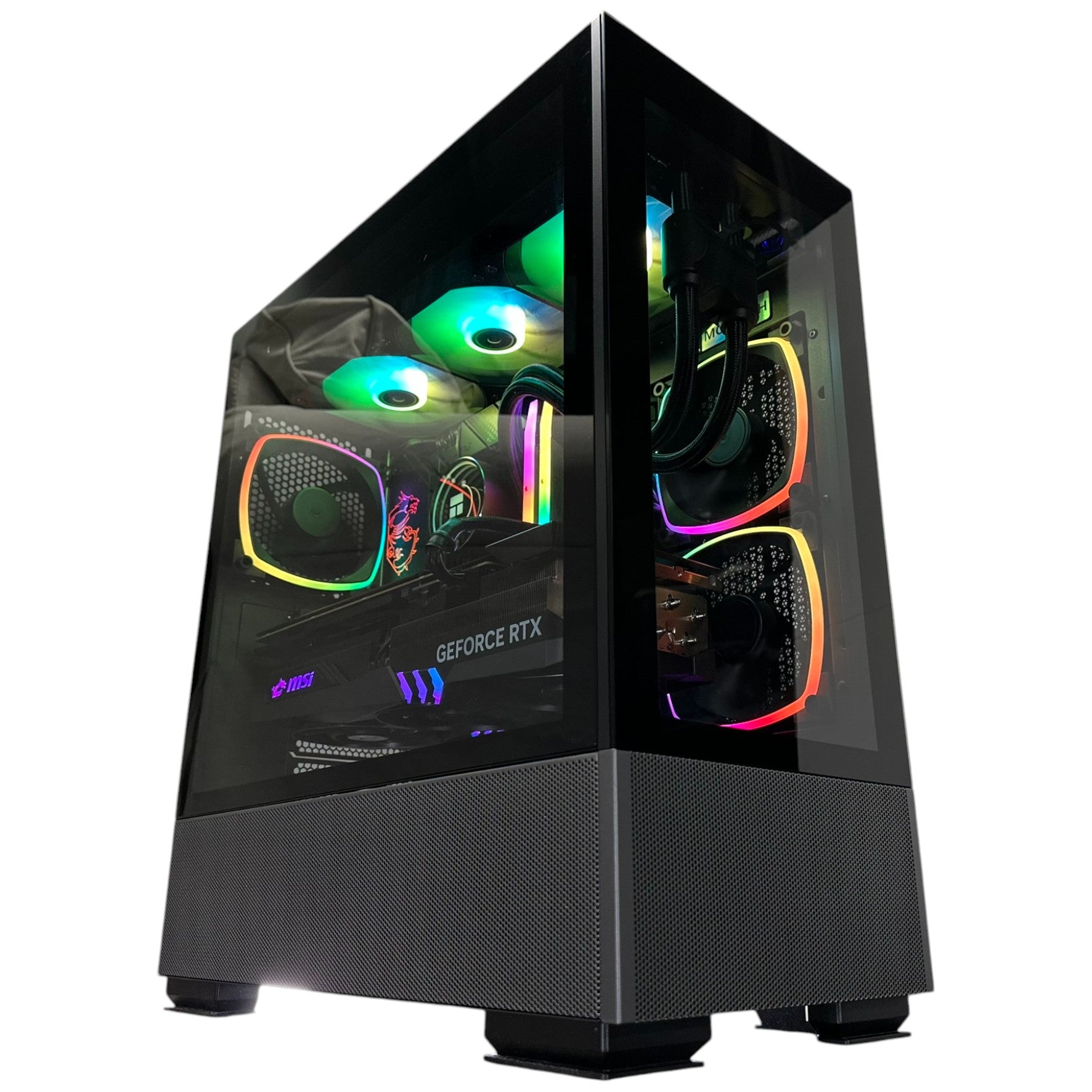
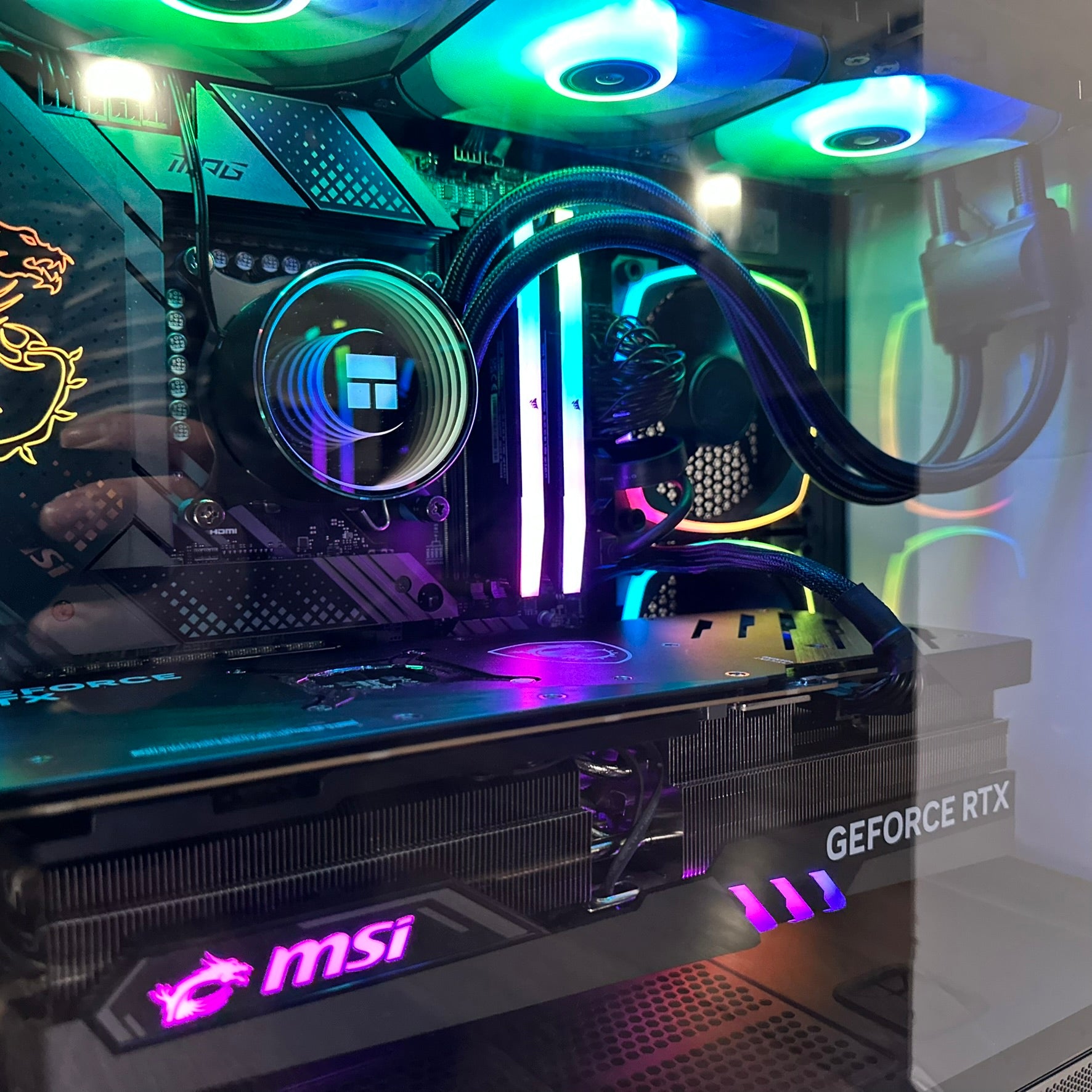
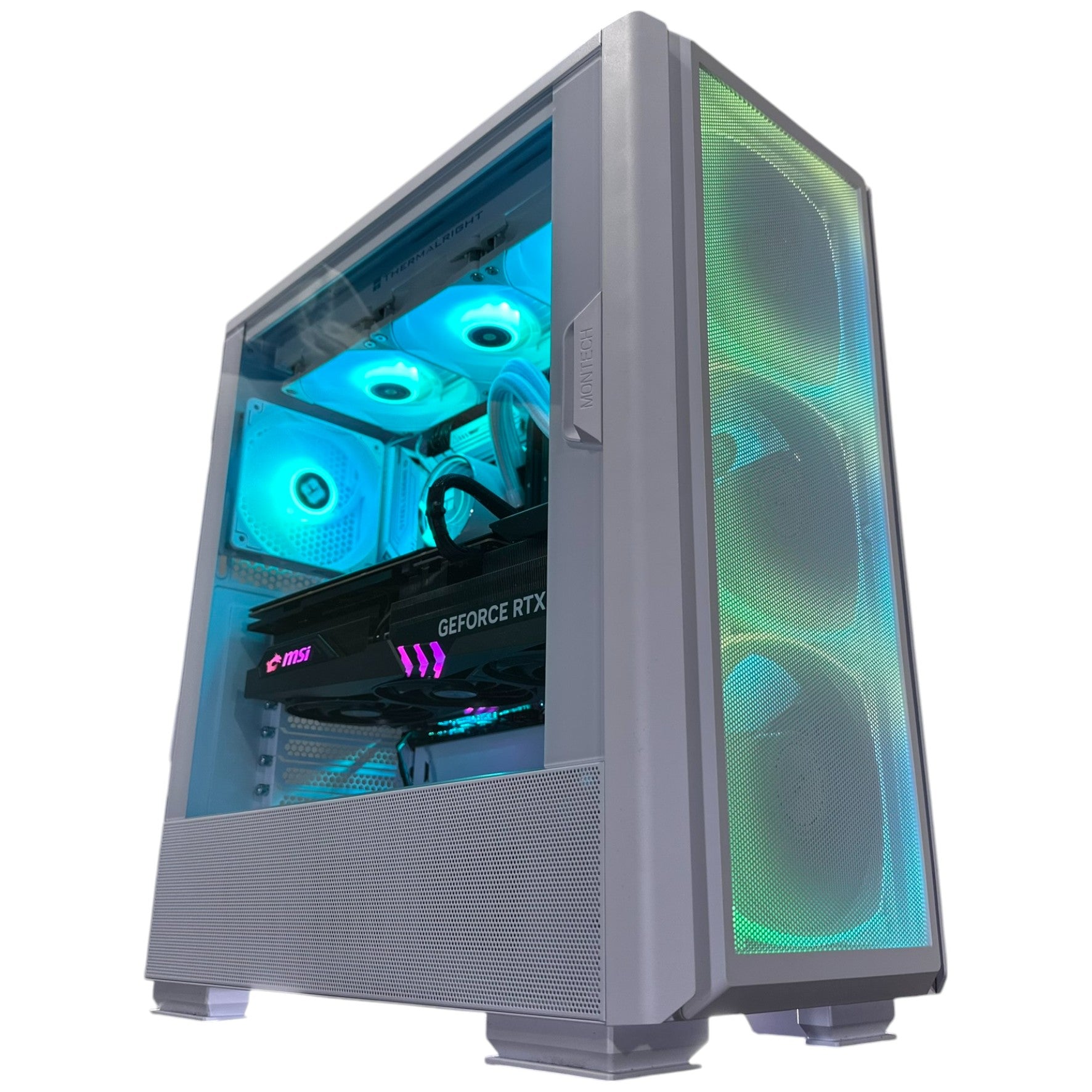
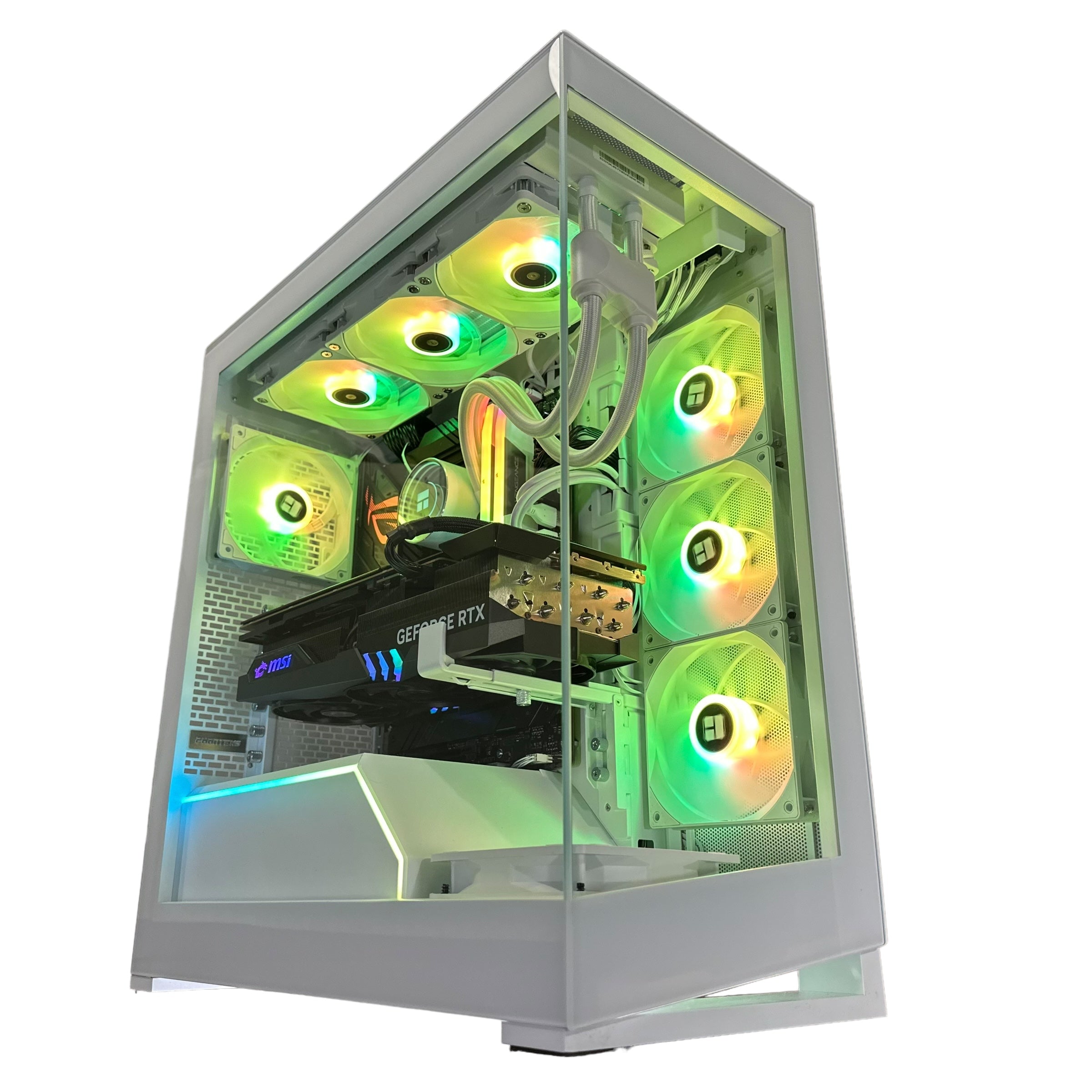

GTA 6 NPC AI Details Raise the Bar: What Kind of Gaming PC Should Canadian Players Buy for the Next Wave of Open-World Games?
The latest GTA 6 NPC AI details are exactly the kind of news that should make PC buyers stop and think about their next upgrade. Reports tied to retailer listings describe a more alive open world, smarter NPC routines, organic random events, deeper in-game social systems, larger environments, dynamic weather, and higher visual fidelity. Even though the source material focuses on console release information and feature descriptions, the bigger takeaway for Canadian buyers is clear: blockbuster open-world games are continuing to demand stronger hardware, more VRAM, faster storage, and better-balanced systems if you want smooth long-term performance across modern AAA releases.
That matters whether you are planning for one game, building toward several upcoming releases, or trying to avoid buying a system that already feels outdated a year from now. If your current computer struggles with dense city environments, ray tracing, AI-driven NPC behaviour, high-resolution textures, or background apps while gaming, what happens when the next generation of open-world titles becomes the new normal?
What do the new GTA 6 NPC AI details actually tell us?
The source article points to retailer descriptions mentioning NPCs with their own routines, advanced AI logic, organic random events, interactive establishments, built-in social networks, dynamic weather, and a more immersive world overall. Whether every line becomes final shipping reality or not, this kind of description matches the direction the industry has been moving toward for years: more simulation, more world density, more background systems, and more visual complexity happening at the same time.
For gamers, that usually translates into heavier demands on both the CPU and GPU. Why? Because a modern open-world game does not just render a beautiful street. It also tracks pedestrians, vehicles, lighting changes, weather conditions, crowds, traffic responses, physics interactions, streaming assets, and increasingly layered AI behaviours. Are you only thinking about graphics settings, or are you also thinking about minimum frame consistency, CPU headroom, and how your PC handles the busiest parts of a game world?
This is where many buyers make a mistake. They shop for a machine that can technically launch a game, but they do not plan for how the game actually feels in crowded scenes, during long sessions, while streaming, or while running Discord, Chrome, capture software, mods, and update clients in the background.
Why should Canadian buyers care now if GTA 6 on PC is not the focus of the original news?
Because major game releases influence buying behaviour long before official PC launch details are fully settled. Every time a landmark open-world game pushes AI systems, map density, lighting, or simulation depth, it changes expectations across the entire market. That affects people shopping for a Gaming PC Canada wide, especially those who want a system that can handle more than one headline game.
If you are in Nova Scotia, Ontario, Alberta, British Columbia, Quebec, or anywhere else in Canada, the real buying question is not just, “Will my current PC run one title?” The better question is, “Will my next system handle the next three years of demanding games without forcing me into an early upgrade?”
Canadian buyers also need to think about full-system value differently. Exchange rates, shipping costs, market demand, GPU availability, premium component pricing, and seasonality can all affect what a build costs. Waiting for a major launch window can sometimes mean paying more, settling for weaker parts, or rushing into a generic machine that is not balanced for your needs. Are you trying to beat the hype cycle, or are you waiting until everyone else is shopping at the same time?
What do you want your next PC to do for you?
Before you choose a system, ask yourself one simple question: what do you actually want this machine to handle over the next few years?
- Do you mainly want a gaming PC for large open-world games at 1080p?
- Are you aiming for 1440p ultra settings with stronger frame rates?
- Do you want 4K visuals and ray tracing in premium single-player titles?
- Do you plan to stream to Twitch or YouTube while gaming?
- Will you also edit gameplay videos in Premiere Pro, DaVinci Resolve, or CapCut?
- Do you want one machine for gaming, content creation, and daily productivity?
- Are you a creator, designer, or 3D user who wants gaming performance plus professional workflow speed?
The answer changes the right build category completely. A system that is fine for esports at 1080p is not automatically the right machine for AI-heavy AAA games, OBS streaming, 4K video exports, or Blender rendering. Buying correctly starts with defining your real workload, not just your budget.
Why GTA-style open-world games are hard on hardware
Large open-world games tend to expose weak points in a PC faster than many buyers expect. A machine might perform well in a corridor shooter, a competitive game, or an older release, but struggle once it has to handle dense city simulation and layered environmental systems. Retailer descriptions tied to GTA 6 mention random organic events, more lifelike NPC activity, and highly detailed world interactions. Those features usually put pressure on several areas at once.
CPU pressure
Advanced NPC routines, traffic logic, streaming world data, and simulation-heavy environments often benefit from a strong modern processor. If you want stable lows, better frame pacing, and less stutter in busy scenes, CPU choice matters more than many buyers think. Have you ever noticed that your average FPS looks acceptable, but the game still feels inconsistent in cities or high-action moments? That is often where CPU strength and system balance become visible.
GPU pressure
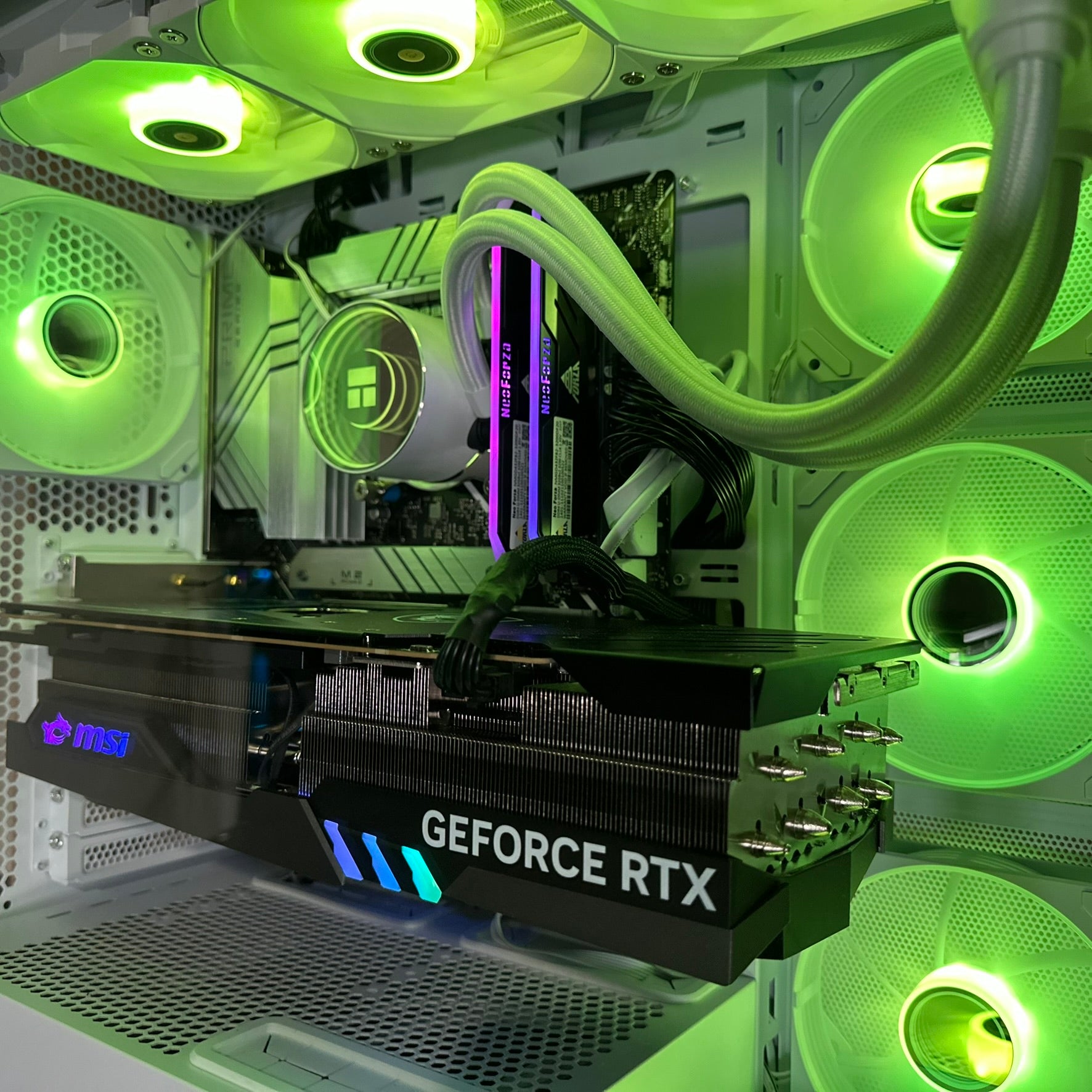
High-resolution textures, ray tracing, reflections, weather effects, shadows, and larger draw distances all lean heavily on the graphics card. If your goal is 1440p or 4K with visual settings turned up, a stronger GPU is not just a luxury. It is the difference between a machine that feels current and one that immediately forces compromises.
RAM and multitasking pressure
Modern games are heavier, and many players no longer game on a “clean” system. Voice chat, browsers, launchers, overlays, RGB tools, music apps, recording software, and social platforms all consume memory. If you plan to stream, edit clips, or keep multiple apps open, are you buying enough RAM for how you really use your PC, or only enough for the game by itself?
Storage pressure
Fast SSD storage matters in open-world gaming because asset streaming, load times, patch sizes, and overall responsiveness all benefit. If your drive is slow or too small, your day-to-day experience suffers even if your CPU and GPU look good on paper. Are you planning for a library of large AAA games, capture files, mods, and creative software, or just the operating system and one or two titles?
What performance tier fits you best?
This is where many readers want a direct answer. If GTA 6 NPC AI details have you thinking about a new system, what class of machine should you actually be looking at?
Entry-level to value tier: good for 1080p gamers
If you mainly play at 1080p and want solid performance in today’s games with sensible settings, a value-focused build can still make sense. This tier is ideal for buyers who want a first gaming desktop, a student setup, or a practical system that handles mainstream gaming without aiming for maximum ray tracing or high-refresh 1440p.
This kind of machine is often right if you are asking questions like: How much should I spend on a gaming PC? Can a budget gaming PC play new games? Do I want a system that gets me in the door now while still leaving room to upgrade later?
For buyers in this category, the key is not chasing the cheapest possible hardware. It is choosing a balanced build with a capable CPU, enough RAM, a fast SSD, and a graphics card that will not feel immediately boxed in by newer games.
Mainstream sweet spot: best for 1440p gaming
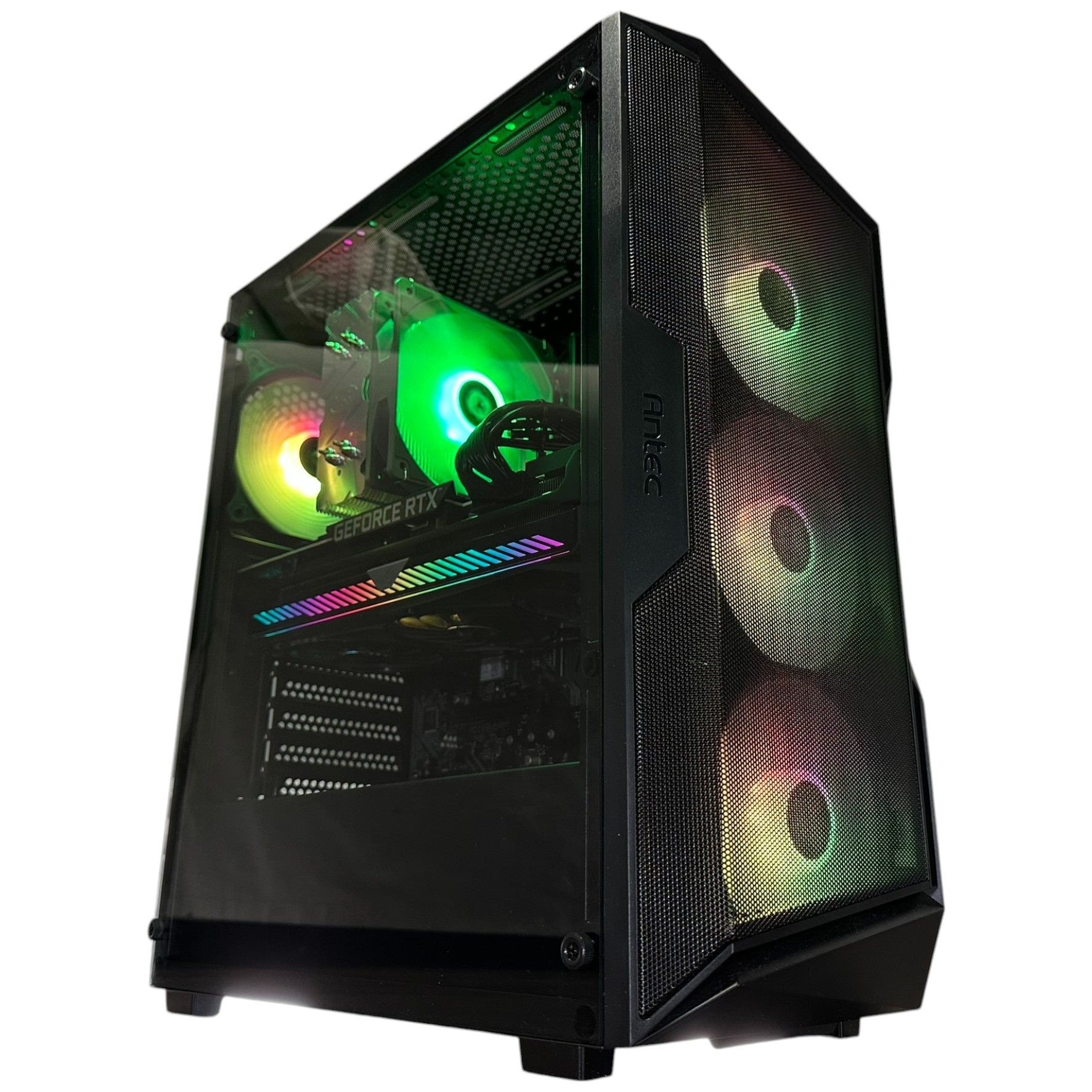
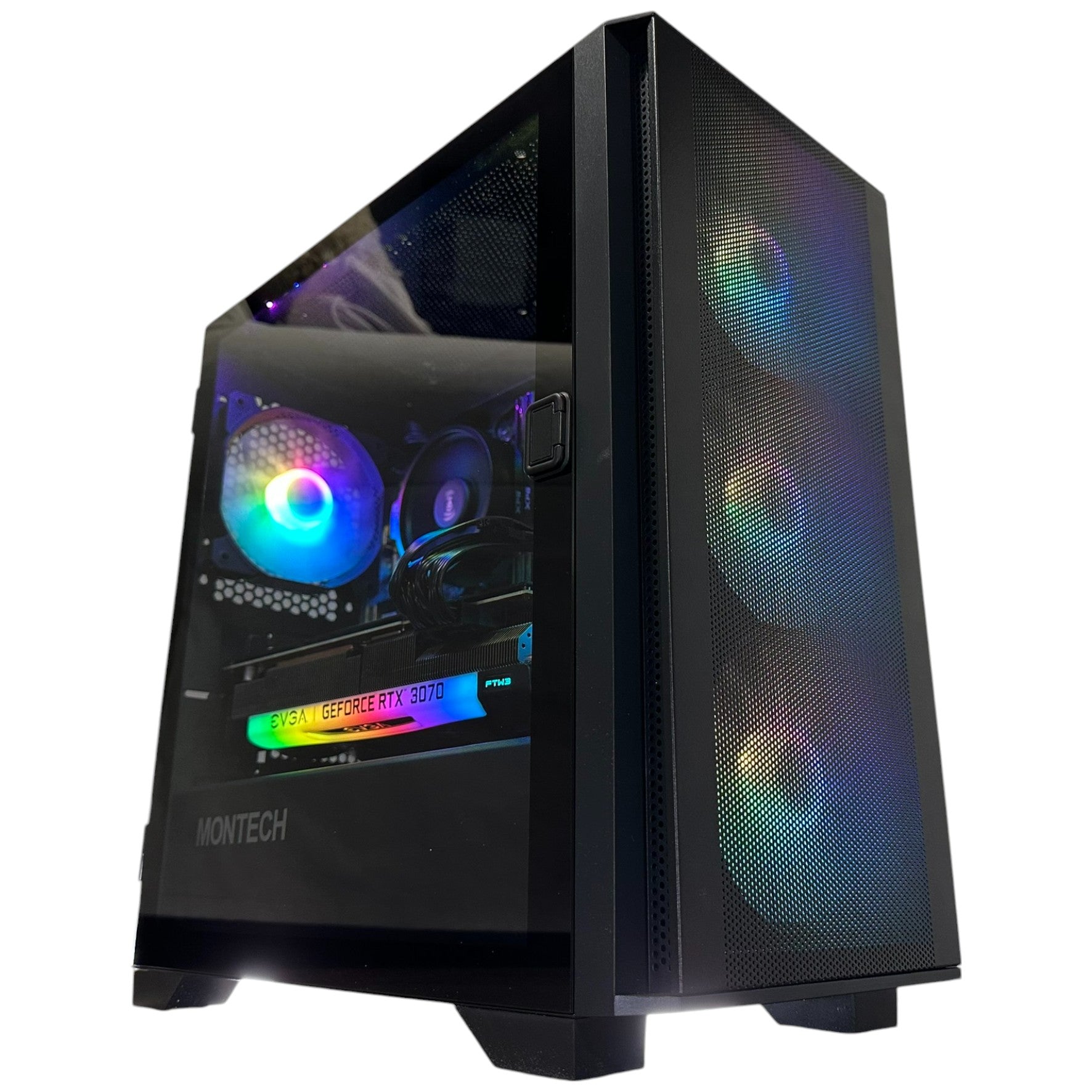
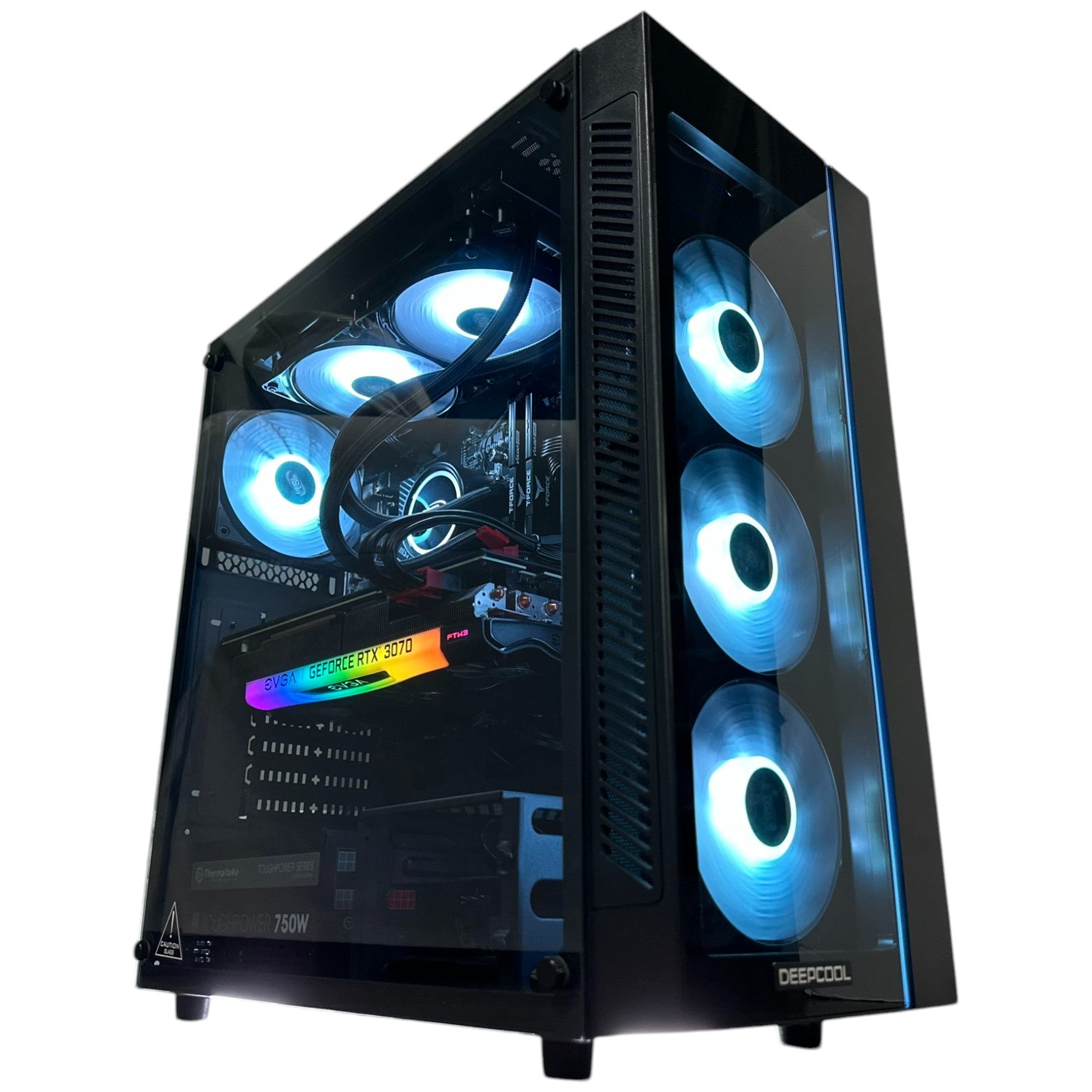
For many Canadian buyers, this is the real sweet spot. A strong 1440p-focused system gives you noticeably better visual quality and longevity than a basic 1080p machine without necessarily jumping into ultra-premium cost territory. If you want a Custom Gaming PC Canada buyers can rely on for new open-world games, ray tracing at reasonable settings, high-refresh monitors, and more confidence over the next few years, this is often the best value tier.
Are you the kind of player who wants excellent performance today but does not need to max every setting at 4K? Do you want enough GPU strength for demanding AAA games and enough CPU overhead for background apps, Discord, mods, and browser tabs? If yes, this is likely your lane.
High-end tier: best for 4K, ray tracing, and long-term headroom
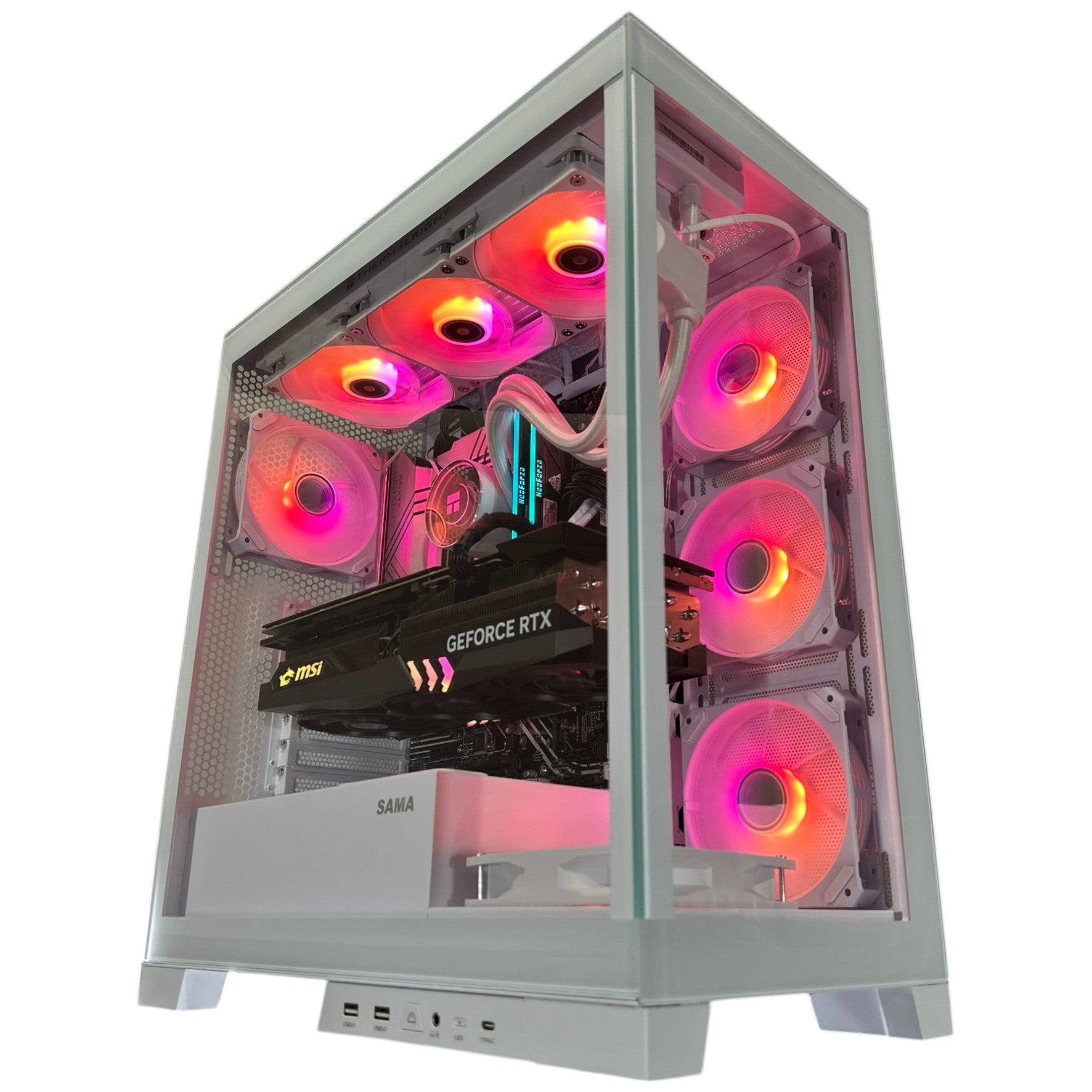
If your goal is 4K gaming, heavier ray tracing, premium visual presets, and stronger long-term relevance, a high-end build makes more sense. This is the tier for enthusiasts who know they care about image quality, smoother performance in harder-to-run titles, and avoiding another major upgrade too soon.
It is also the right category if you are asking: What PC do I need for 4K gaming? Should I buy a stronger GPU now instead of upgrading again next year? How long will a high-end gaming PC last if I want it ready for the biggest releases?
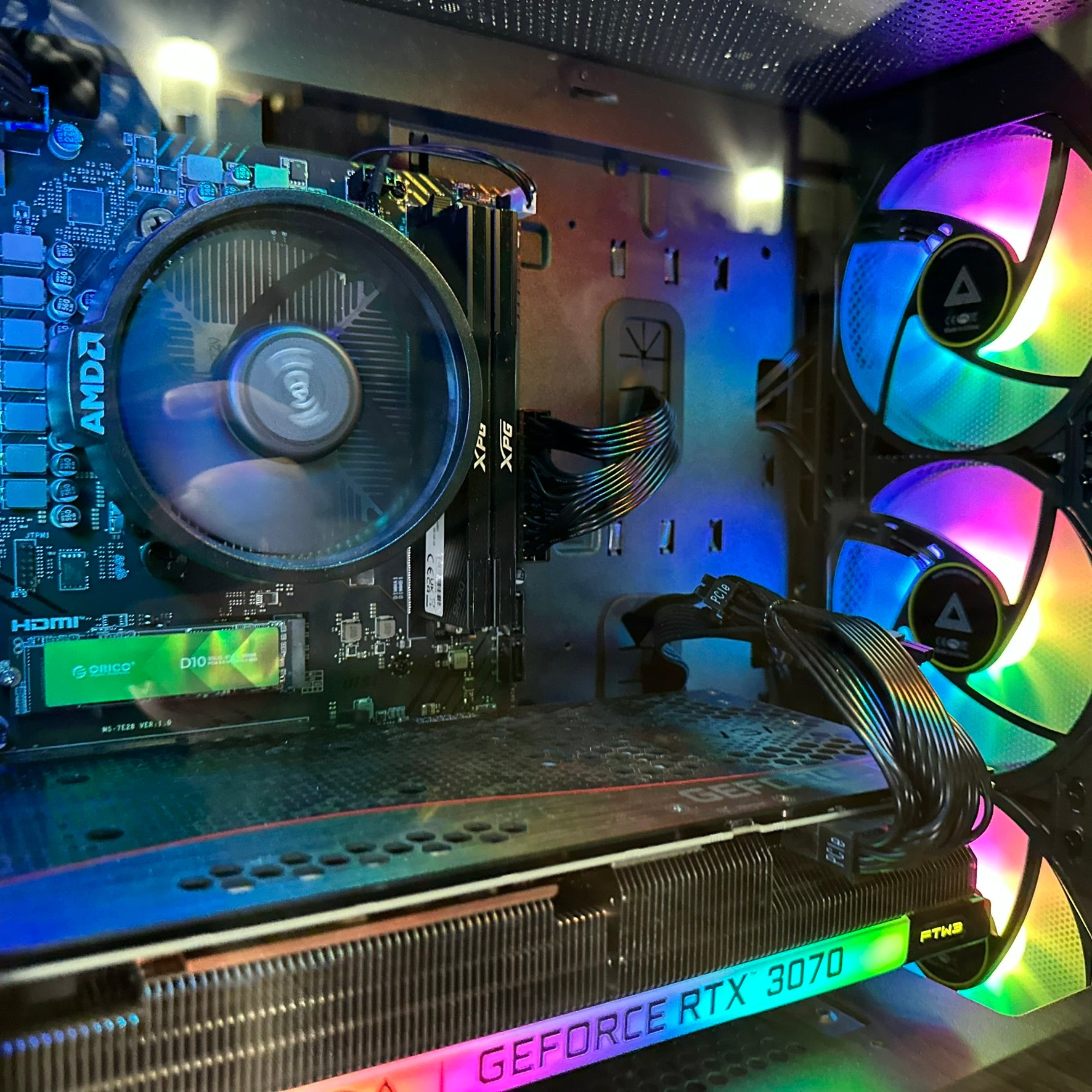
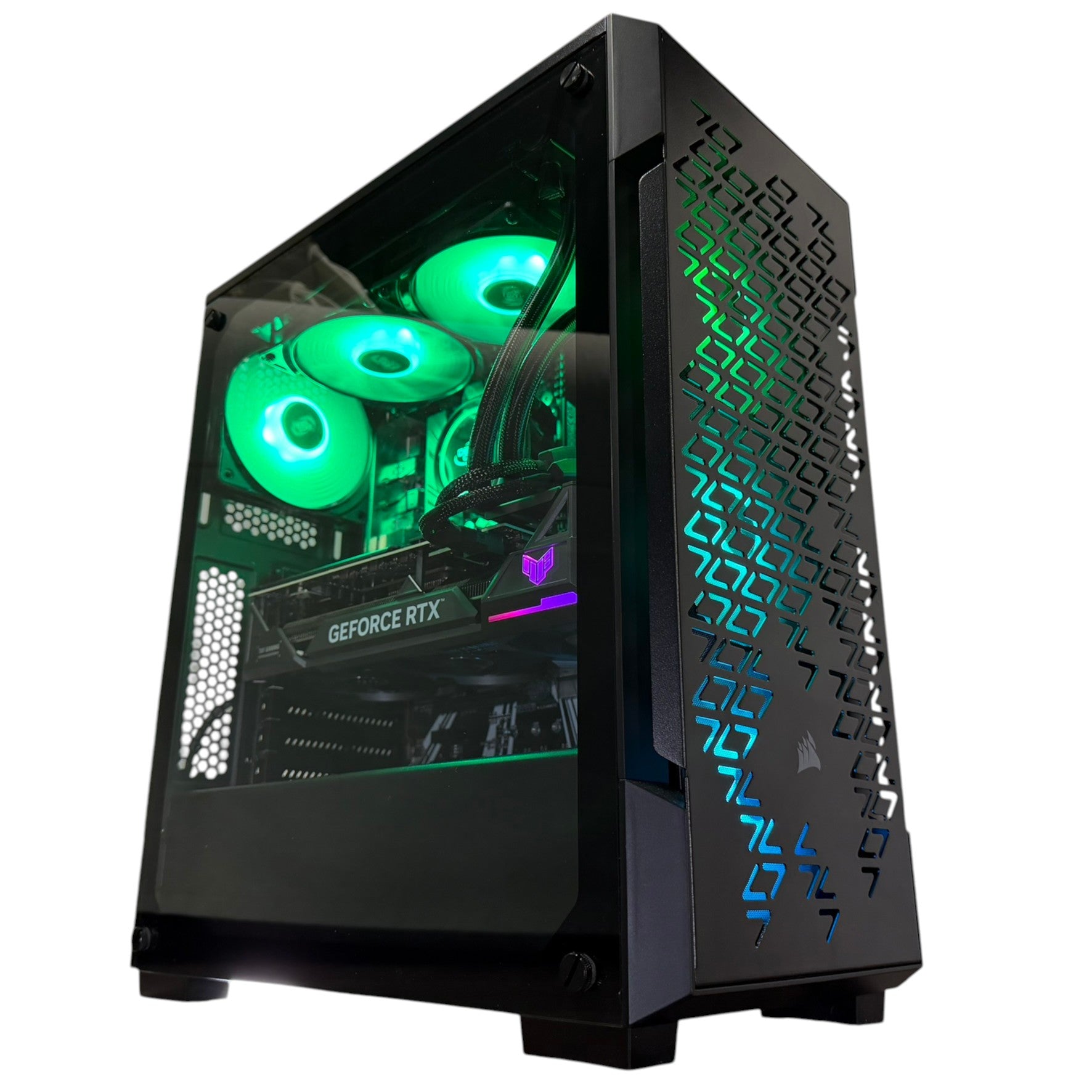
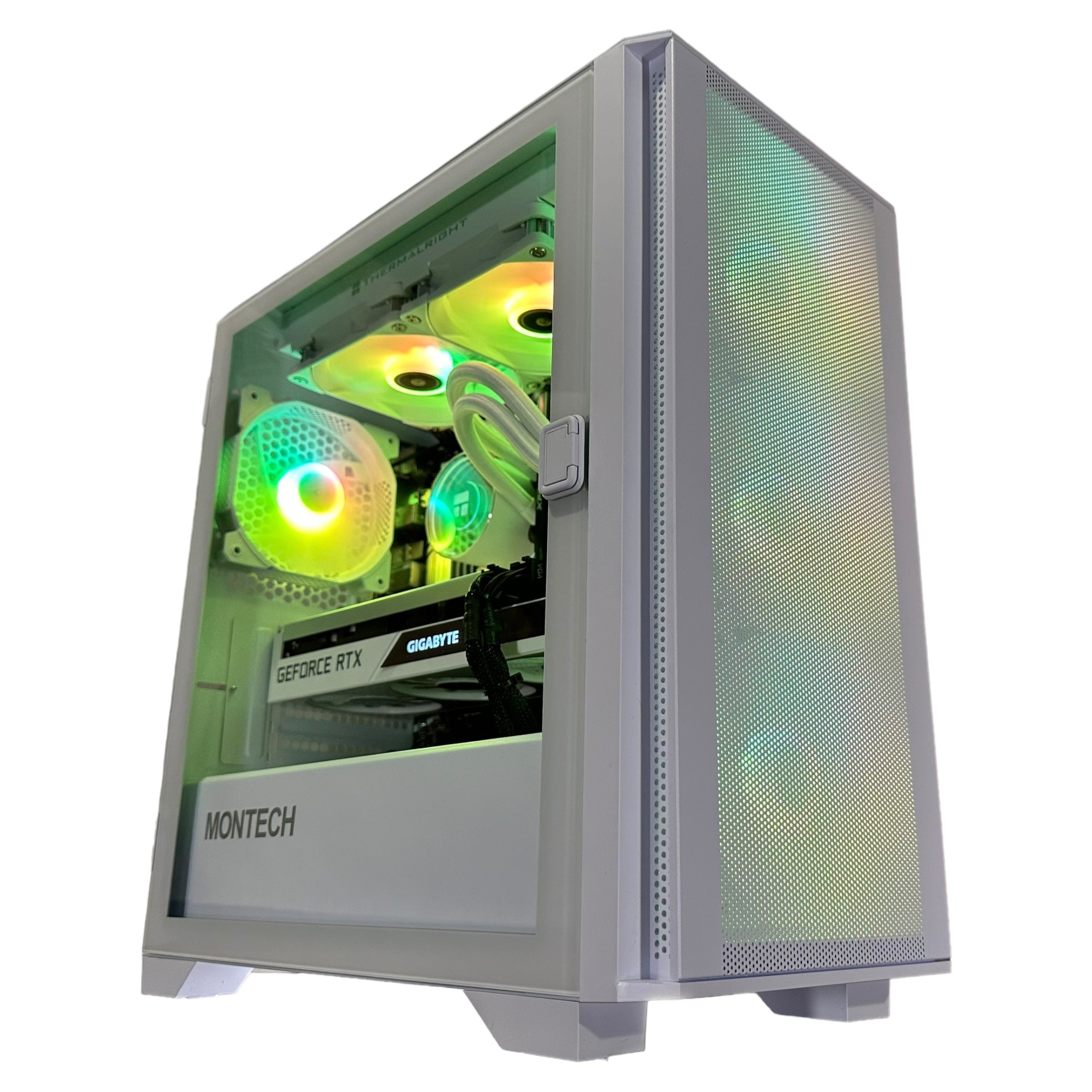
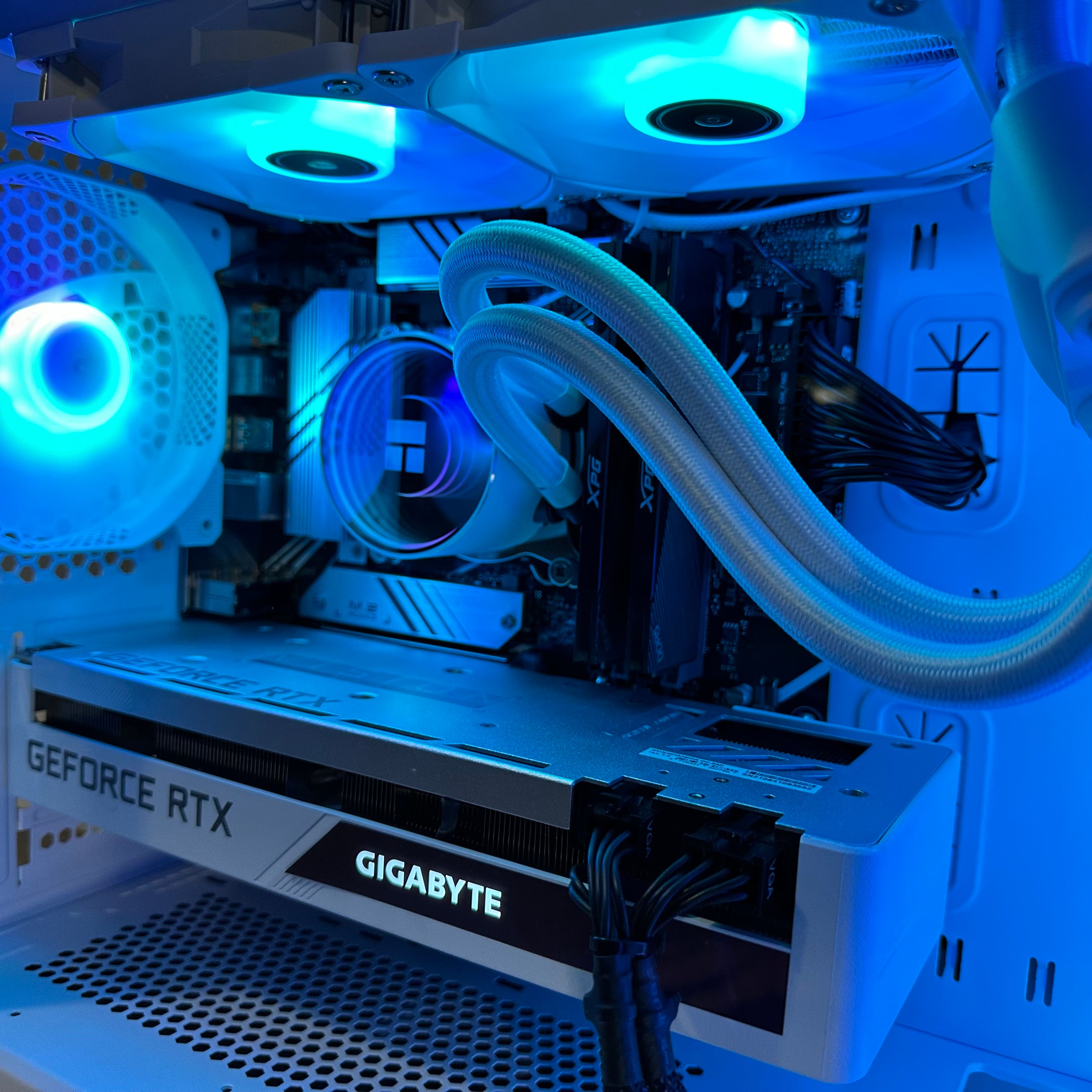
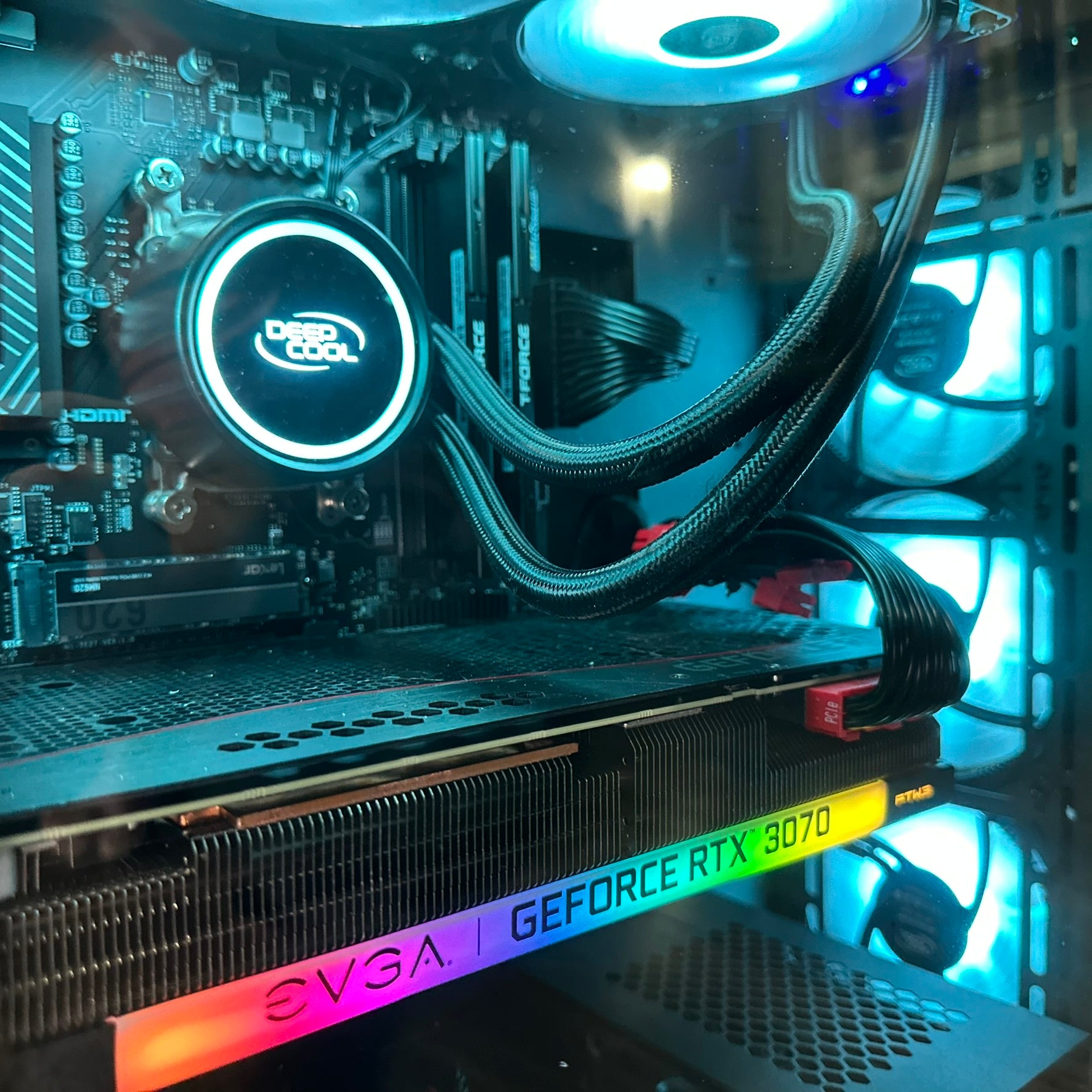
Open-world games with advanced lighting, world density, and more active simulation can make premium GPU choices feel worthwhile faster than expected. A system built with proper cooling, tested part pairing, and a strong power foundation is a better long-term investment than a flashy but poorly balanced spec sheet.
Do you also want to stream, record, or create content?
This is where the source topic becomes even more relevant. A game that emphasizes social feeds, emergent world events, and cinematic sandbox moments is exactly the sort of title people will want to stream, clip, edit, and upload. If your next machine needs to be more than just a gaming desktop, your buying strategy changes.
If you want a Gaming and Streaming PC Canada buyers can use for gameplay plus OBS, consider whether your build has enough CPU and GPU encoding strength, enough RAM, and enough storage for captured footage. What PC do you need for streaming if you also want to maintain strong in-game performance? Do you need a separate streaming PC, or would one stronger all-in-one build be the smarter purchase?
For many customers, a single well-configured custom system is the better answer. It simplifies the setup, reduces clutter, and gives you one machine that can game, stream, record, edit, and multitask without compromise.
Could this kind of gaming hype also affect creators and workstation buyers?
Absolutely. Gaming trends do not stay in gaming. As titles become more complex, the hardware tiers that gamers demand often overlap with the needs of creators, editors, and 3D users. The same kind of GPU horsepower that helps with ray tracing in games can also accelerate certain editing and rendering workflows. Stronger CPUs, more RAM, and faster NVMe storage benefit both play and productivity.
If you are a video editor, a Video Editing PC Canada customers choose should not just be judged by export speed. It should also fit your timeline resolution, codec demands, multitasking habits, and how much you rely on GPU acceleration. Are you editing 1080p gameplay clips, 4K YouTube videos, or heavier layered projects in Premiere Pro or DaVinci Resolve? How much RAM do you need for video editing if your browser, music tools, file sync apps, and creative software are all open at once?
If you are into photo editing or graphic design, the same principle applies. A machine that feels “good enough” for casual use may become frustrating once you scale into larger RAW libraries, AI-assisted image tools, Illustrator projects, or multi-application Creative Cloud workflows. Do you want a desktop that only survives your current workload, or one that makes your daily work faster and smoother?
And if you work in Blender, Unreal Engine, CAD, or rendering, you already know that hardware mistakes get expensive. What PC do you need for 3D rendering? Is a gaming PC good for Blender, or do you need a more workstation-focused configuration? The answer depends on whether your priority is viewport responsiveness, GPU rendering, CPU rendering, simulation work, or a mix of everything.
Should you buy now or wait?
This is one of the most important questions in the current market. Buyers often hope waiting will guarantee lower prices or a perfect part release. Sometimes it works. Sometimes it does not. The risk is that waiting until a major game launch, holiday rush, or component squeeze can reduce your options and raise replacement costs across the system.
When new AAA titles dominate headlines, demand tends to rise for stronger GPUs, gaming-ready desktops, premium monitors, storage upgrades, and creator-friendly machines. Add in memory fluctuations, SSD pricing shifts, supply changes, and the usual release-cycle pressure, and the total cost of “waiting a bit longer” can be higher than expected.
Ask yourself a practical question: are you waiting because your current machine is still serving you well, or are you waiting while already dealing with stutter, low storage, weak multitasking, and settings compromises in newer games? If your current computer is already frustrating you, delaying the decision may only mean paying more later for the level of performance you already need now.
Is financing a stronger system worth considering?
For many buyers, yes. Not because financing should be used casually, but because it can be a smart way to secure a better-balanced system before replacement costs rise or before a weaker build forces an early upgrade. If the choice is between settling for a machine that you outgrow quickly or stepping up to a better long-term configuration with manageable payments, which option actually costs less over time?
That is especially relevant if you are shopping for a custom gaming PC, a creator system, or a workstation that has to stay useful for years. If financing helps you move from an entry-level build to a more capable 1440p or multitasking-ready system, that can mean better gaming now, a longer upgrade cycle, and less regret later.
Canadian customers often ask: should I finance a gaming PC? Is financing a gaming PC worth it? Can I secure a stronger system now instead of replacing a weaker one sooner? These are smart questions, especially when major releases are driving renewed interest in performance hardware. Groovy Computers offers options that can help buyers spread out the cost of a more capable machine, including financing up to 4 years where applicable, so you can focus on getting the right PC rather than the most restrictive short-term compromise.
What should you look for in a custom gaming PC for the next wave of AAA games?
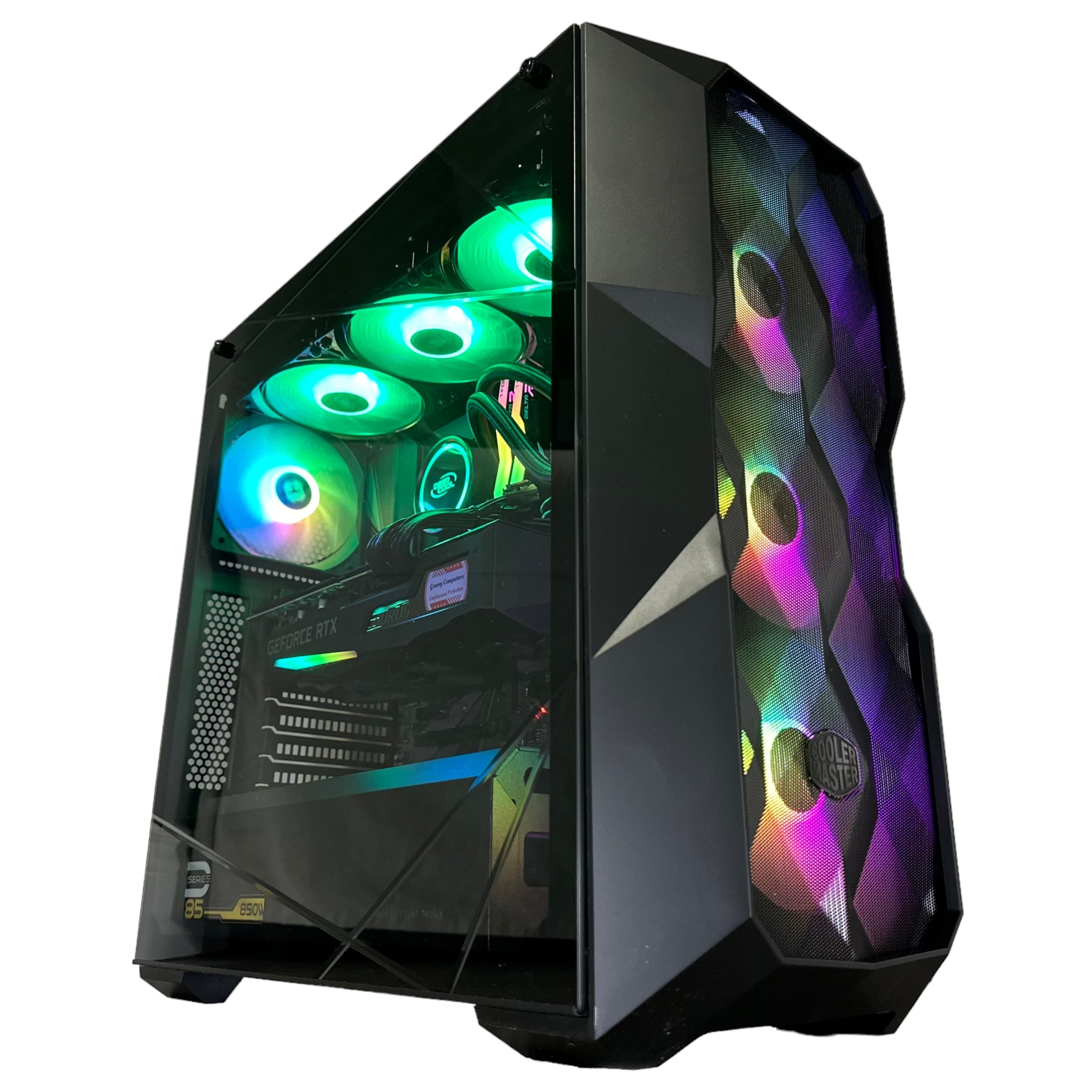
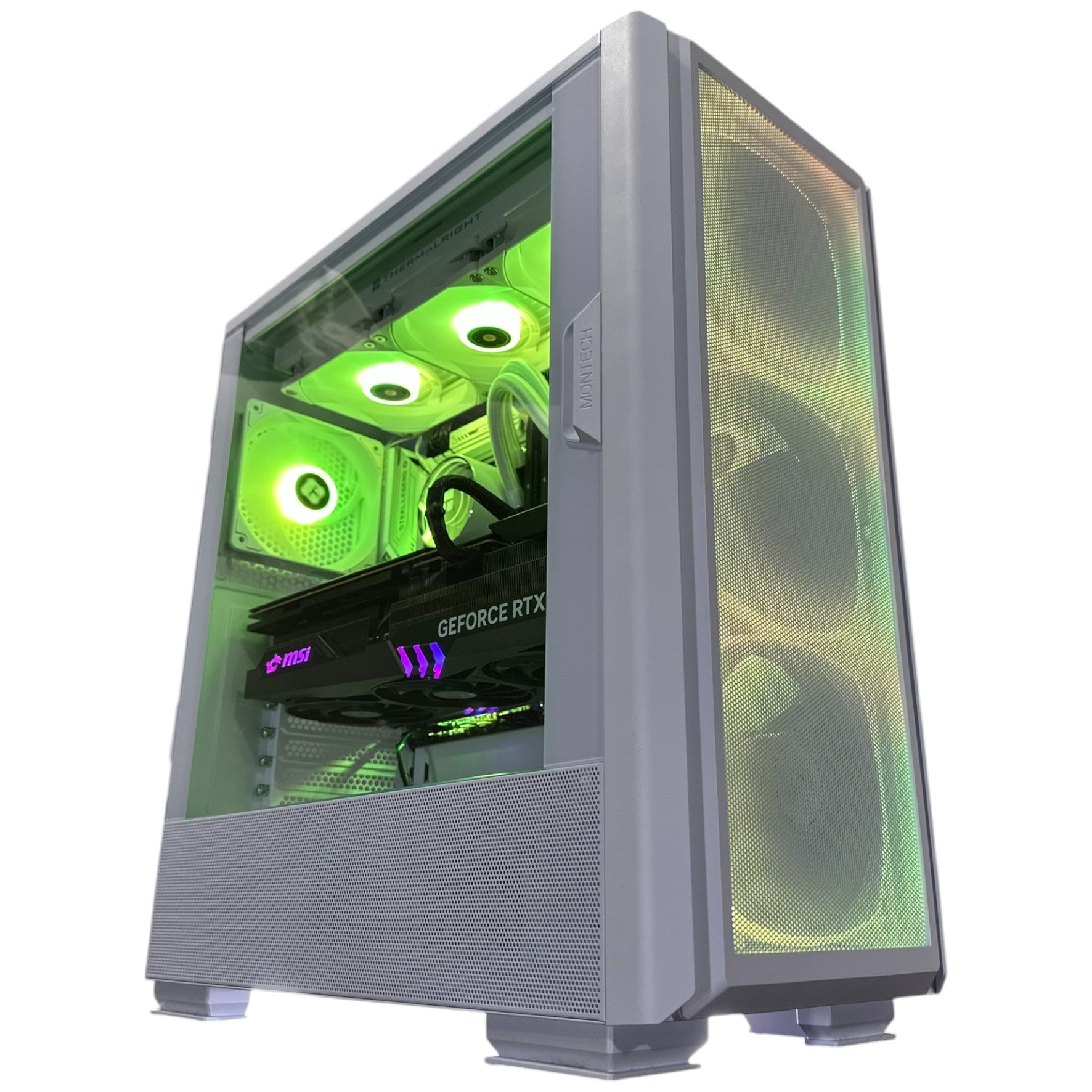
Whether GTA 6 is your trigger point or just part of a larger upgrade plan, your next system should be chosen around complete platform balance. That means looking beyond one spec and thinking about how all parts work together.
- CPU: Strong enough for modern open-world simulation, good lows, and multitasking headroom.
- GPU: Sized for your target resolution, graphics settings, ray tracing goals, and expected lifespan.
- RAM: Enough for gaming plus background apps, and more if you stream, edit, or create.
- Storage: Fast SSD capacity for large game installs, system responsiveness, and future growth.
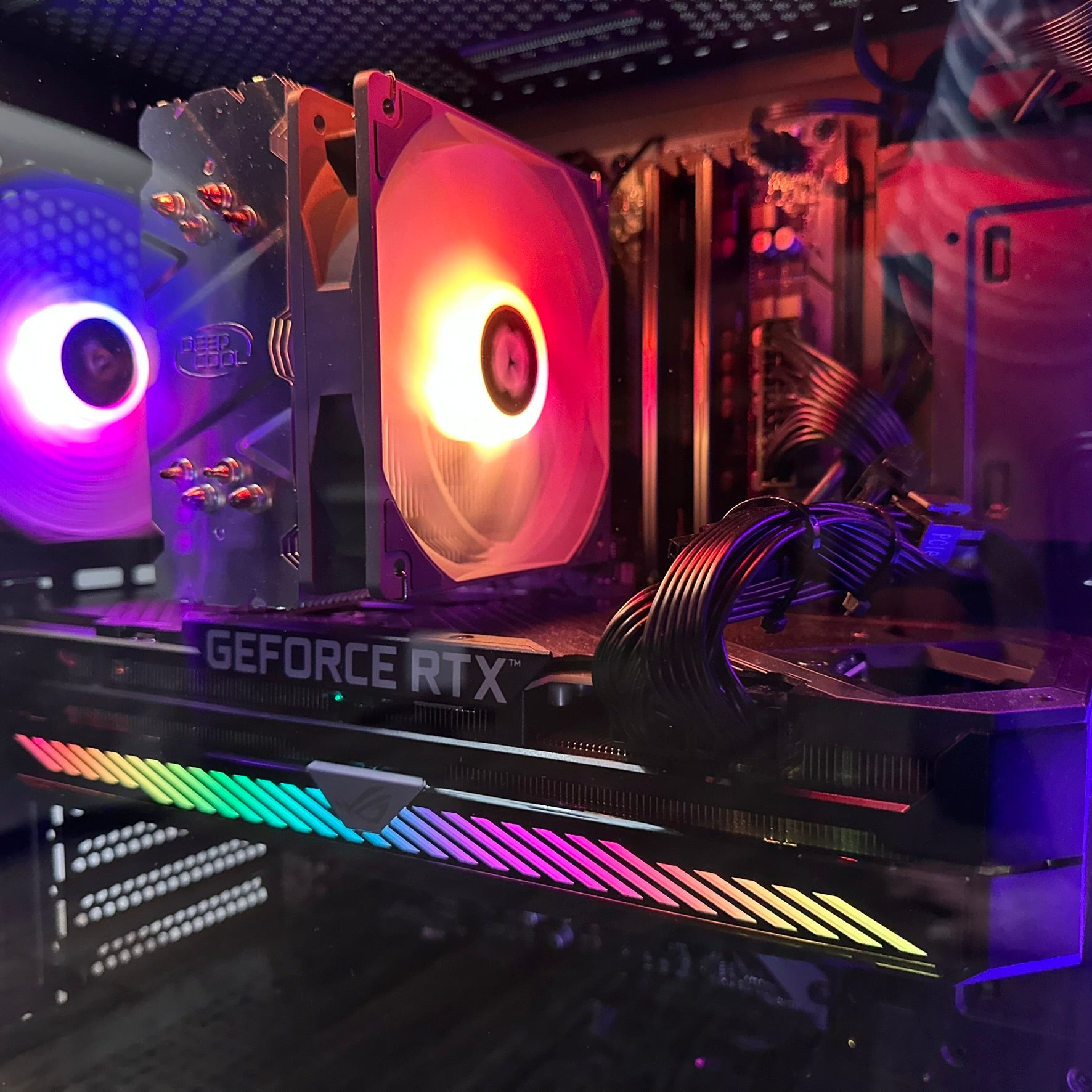
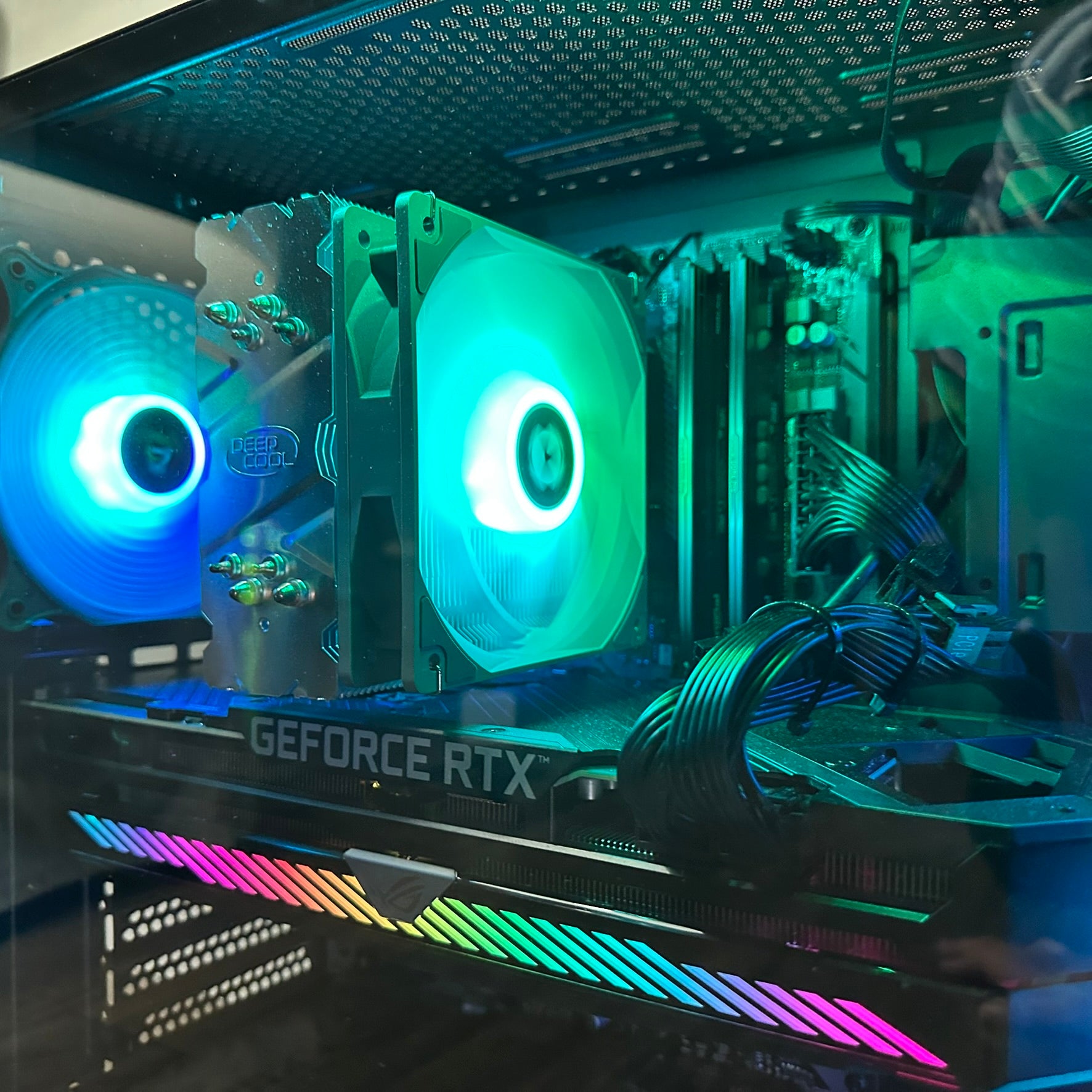
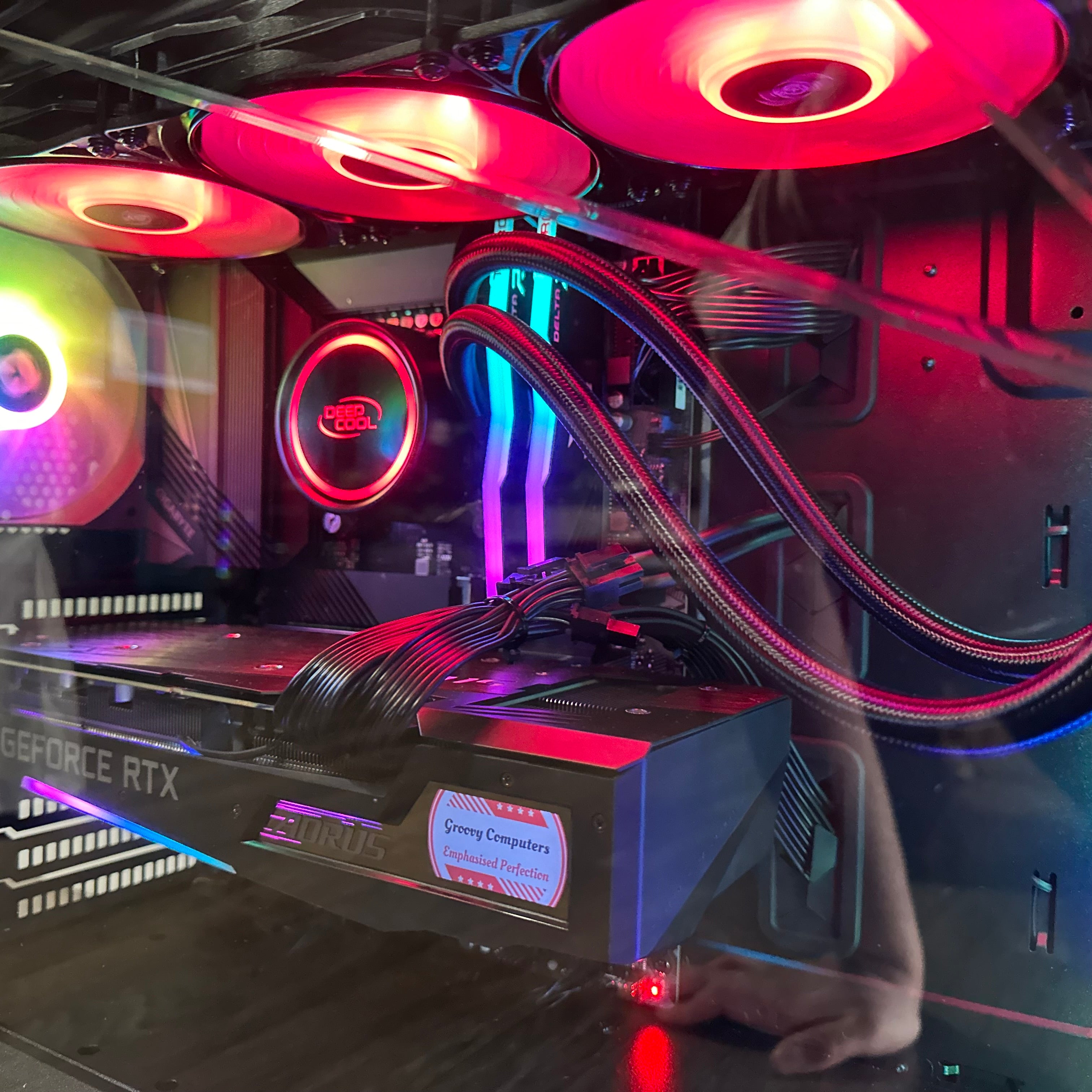
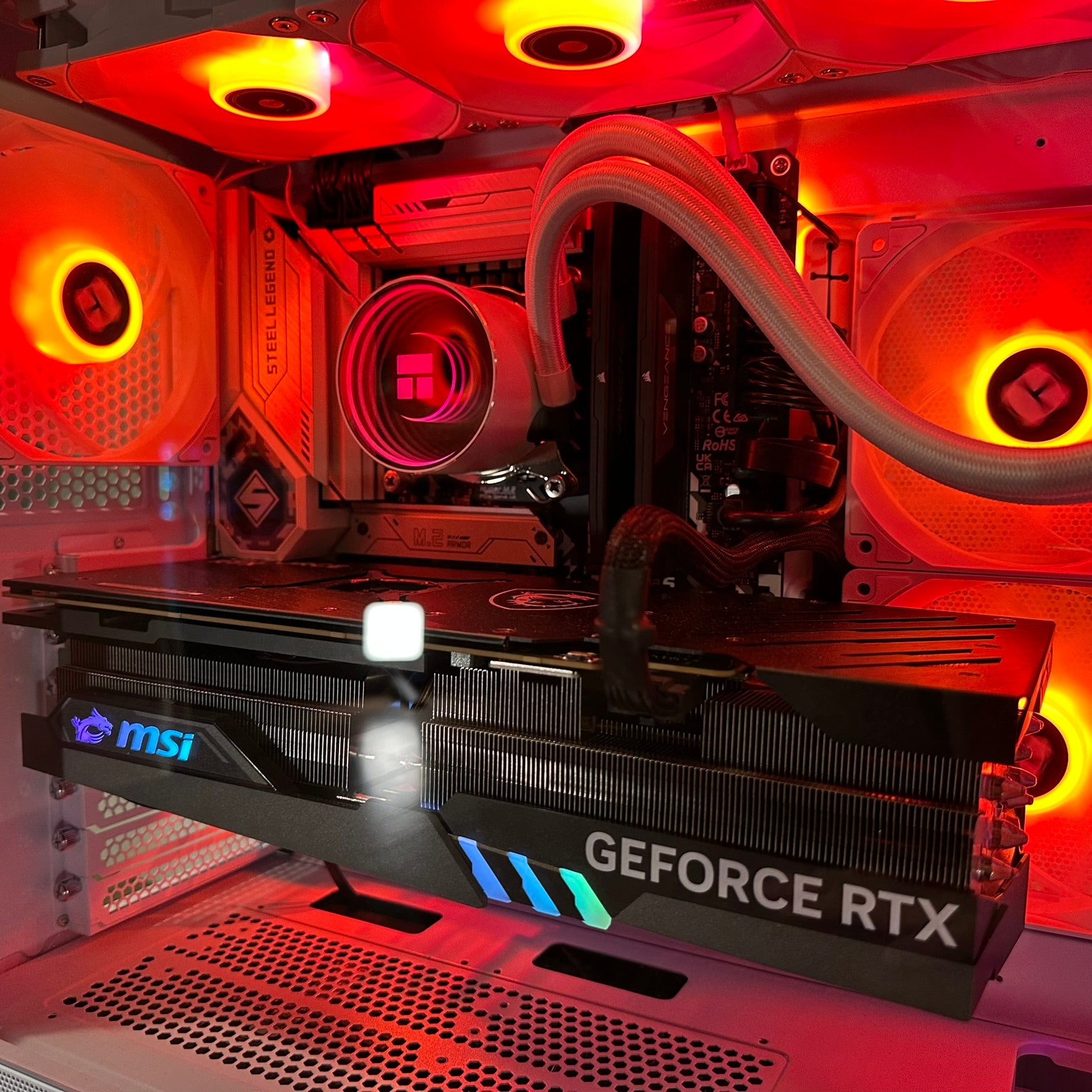
- Cooling: Essential for stability, noise control, and maintaining performance under long sessions.
- Power supply quality: Important for reliability and future upgrade flexibility.
- Case airflow and build quality: Not glamorous, but critical to long-term satisfaction.
Are you shopping based on the loudest spec, or are you choosing a complete machine that is designed to perform well every day? A properly configured custom build is often the better answer for buyers who want lasting value, cleaner thermals, and fewer surprises.
Why custom builds matter more when games get heavier
As game demands rise, the gap between a thoughtfully built system and a generic box becomes more important. A custom PC is not just about aesthetics. It is about selecting the right mix of components for the workload you actually care about.
If you are buying for big open-world games, your needs are different from someone focused only on esports. If you stream, your needs differ again. If you also edit content, design graphics, or work in 3D, your machine needs to be even more carefully balanced. Why buy a custom gaming PC? Because modern performance depends on part matching, cooling, power delivery, storage planning, and realistic upgrade paths, not just a headline GPU.
That is why Canadian buyers often prefer working with a specialist rather than rolling the dice on an unknown marketplace system. With Groovy Computers, customers can shop for machines built around real-world use cases, with rigorous testing and a 1-year warranty for added confidence. When pricing is volatile and workloads are increasing, trust matters.
What kind of buyer are you right now?
The “I just want to play the next big games well” buyer
You want smooth gaming, good visuals, and a system that feels modern without going overboard. Your best fit is usually a balanced 1080p or 1440p gaming desktop with enough headroom for future releases.
The “I want one PC for gaming, streaming, and editing” buyer
You need stronger multitasking, more RAM, fast SSD storage, and a configuration that handles both play and productivity. A gaming-only spec sheet is not enough. You need a more versatile custom build.
The “I do not want to upgrade again too soon” buyer
You are thinking beyond one title. You want stronger long-term value, better ray tracing potential, and more room for future AAA games. A higher-tier GPU and platform make more sense for you.
The “I need this to earn money too” buyer
If you stream, edit, design, or create professionally, system downtime and sluggish performance cost more than frustration. A creator or workstation-oriented build may be the smarter buy than a pure gaming machine.
Questions to ask before you buy your next PC
These are the questions that help buyers make better decisions:
- What games do I actually want to play over the next 2 to 3 years?
- Am I targeting 1080p, 1440p, or 4K?
- Do I care about ray tracing, ultra settings, or just strong value?
- Will I stream, record, or edit gameplay videos?
- Do I also need this PC for Photoshop, Lightroom, Premiere Pro, DaVinci Resolve, Illustrator, or Blender?
- How much storage will I realistically use once large game installs and media files add up?
- Do I want the cheapest system today, or the smarter system that lasts longer?
- Would financing a stronger build help me avoid replacing a weaker one too soon?
- Do I want help choosing the right build from a Canadian custom PC specialist?
Why Groovy Computers is a strong fit for Canadian buyers
Groovy Computers is built around what serious buyers actually need: custom gaming PCs, creator PCs, workstation PCs, helpful guidance, tested builds, warranty-backed confidence, and a Canadian buying experience. That matters when you are trying to choose the right machine for demanding games, streaming, editing, or professional workloads without wasting money on the wrong configuration.
If you are in Nova Scotia or shopping from anywhere else in Canada, working with a dedicated custom builder gives you a more practical path than guessing your way through specs alone. Instead of buying a one-size-fits-all machine, you can choose a system aligned with your performance goals, upgrade timeline, and budget.
Need a value-focused gaming desktop? Want a premium ray tracing build? Looking for a creator PC that can game at night and edit 4K video during the day? Need a workstation-minded machine for rendering, design, or multitasking? Groovy Computers can help you narrow that down.
Ready for the next generation of games, or still hoping your current PC hangs on?
The GTA 6 NPC AI details are more than just exciting game news. They are another reminder that the performance target for modern gaming keeps moving upward. Smarter NPC behaviour, denser worlds, advanced lighting, organic events, bigger maps, and more immersive systems all point in the same direction: heavier workloads and higher expectations.
If you are already asking what gaming PC you need, whether 1440p is enough, whether 4K is worth it, whether you should buy now or wait, or whether financing could help you secure a stronger system before the market shifts again, this is the right time to act on those questions.
Want help choosing a gaming desktop, creator PC, or workstation that actually fits your goals? Visit GroovyComputers.ca to explore custom builds, compare performance options, and get guidance on a system designed for the way you game, create, and work.
In short, the latest GTA 6 NPC AI details reinforce a simple buying truth: the next wave of open-world games will reward buyers who choose balanced, future-aware hardware now instead of scrambling later. If you want a PC that is ready for demanding new releases, smoother multitasking, stronger visuals, and a longer useful lifespan, Groovy Computers is one of the smartest places in Canada to start.
#GamingPCCanada #CustomGamingPCCanada #GamingPCForGTA6 #GamingPCForNewGames #1440pGamingPCCanada #4KGamingPCCanada #StreamingPCCanada #CreatorPCCanada #VideoEditingPCCanada #CustomPCBuilderCanada #CanadianCustomPCBuilders #NovaScotiaBusiness
Groovy Computers | All Rights Reserved



Leave a comment
This site is protected by hCaptcha and the hCaptcha Privacy Policy and Terms of Service apply.