

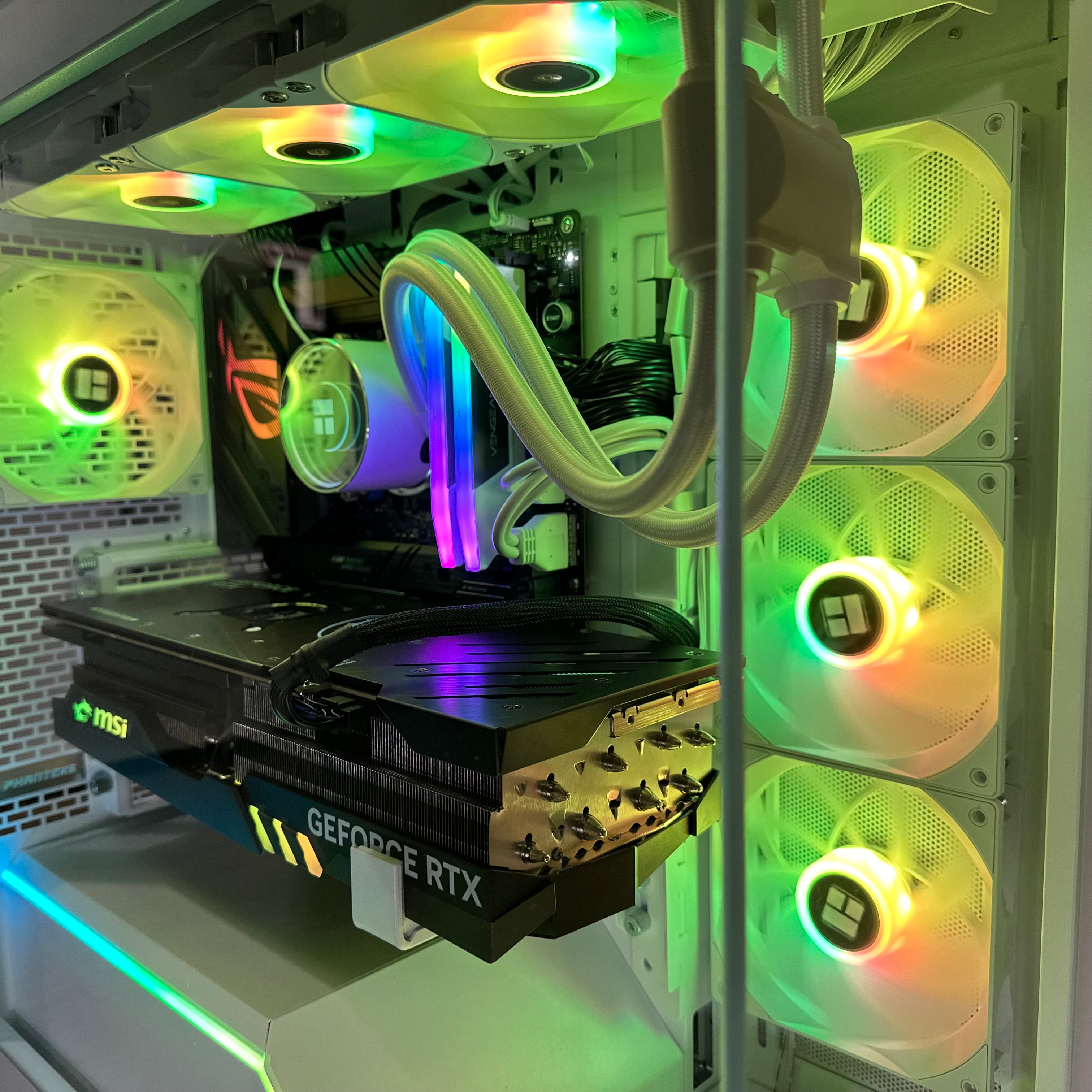

GTA 6 Physical Disc Rumours Are Wrong: What Canadian Buyers Should Do Instead If They Want a PC Ready for the Next Wave of Big Games
The latest GTA 6 physical disc rumour has created a lot of noise, but the core takeaway is simple: based on the source material provided, reports claiming a true disc-based version is coming at launch or shortly after are incorrect. For buyers in Canada, that matters for a bigger reason than just packaging. It is another reminder that modern blockbuster gaming is increasingly digital, increasingly storage-heavy, and increasingly demanding on the hardware you use every day. If you are already thinking ahead to your next setup, this is the right time to ask a better question: is your current system actually ready for the next generation of AAA games?
That question does not only matter to console players following GTA 6 news. It matters to anyone shopping for a new gaming desktop, content creation system, or high-performance workstation in Canada. Big releases change buying behaviour. They drive GPU demand, increase interest in higher-capacity SSDs, push more players toward better displays and better frame rates, and often trigger a surge in people finally replacing old hardware. If you have been waiting for a reason to upgrade, a story like this is often the moment people realize they are not really buying a box anymore. They are buying performance, storage speed, download readiness, multitasking power, and long-term reliability.
What the GTA 6 physical disc story actually tells us
The source article makes one point very clearly: a real gameplay disc for GTA 6 is not expected at launch, and not expected in the months after launch either. The confusion came from poorly interpreted customer support wording and from social posts that spread faster than the actual clarification. In practical terms, the so-called physical version being discussed is a code-in-a-box product, not a traditional disc release.
Why does that matter? Because it highlights a trend that goes far beyond one game. Major releases are moving further toward digital-first distribution. That means bigger downloads, more dependence on fast internet, more pressure on storage, and less value in relying on old habits built around physical media. If your system has a slow drive, limited free space, weak cooling, or an aging CPU and GPU combination, the next generation of games will expose that quickly.
Are you still using a small SSD and constantly deleting games? Are you trying to stretch a system that was fine for older titles but struggles with modern open-world games? Are you buying your next computer based on sticker price alone, or based on whether it will still feel strong two or three years from now?
Why this matters more for Canadian buyers
In Canada, gaming hardware decisions often carry more weight because replacement costs can rise quickly. Exchange-rate pressure, shipping costs, demand spikes, and inventory swings can all affect the price of complete systems and key parts. When a major game release captures public attention, more people start shopping at once. That can put pressure on graphics cards, high-speed memory, SSD capacity, and premium power supplies inside quality custom systems.
That is why Canadian buyers should not read a story like this and only think about whether a disc exists. The better takeaway is to think about timing. If a high-profile release is pushing you toward an upgrade anyway, does it make more sense to plan that upgrade before demand peaks? Would it be smarter to get a properly matched custom system now rather than panic-buy later when more people are competing for the same performance tiers?
For many buyers across Nova Scotia and the rest of Canada, waiting too long does not save money. It often means settling for weaker value, fewer options, or a lower-spec system that needs another upgrade sooner than expected.
What do you want your next PC to do for you?
Before you choose a budget, a GPU, or even a category, start with the real use case. What do you actually want your next PC to handle without compromise?
- Do you want smooth 1080p gaming with strong value?
- Do you want a 1440p gaming setup that feels ready for demanding new titles?
- Do you want 4K performance, ray tracing, and premium settings for cinematic games?
- Do you want to game and stream at the same time?
- Do you need a system that can edit video, export content, and handle Adobe apps after gaming hours?
- Do you work with Photoshop, Lightroom, Illustrator, or other creative software?
- Do you need a workstation for Blender, Unreal Engine, CAD, or rendering work?
This is where many buyers go wrong. They shop for a generic “gaming PC” when what they really need is a more balanced system for gaming and streaming, or a creator-focused build with stronger multitasking, more memory, and faster storage. Others overspend on flashy parts they will never use while ignoring the SSD, cooling, or power delivery that affect day-to-day reliability.
If GTA 6-level hype is making you think about upgrading, what performance tier fits you?
Not every buyer needs the same machine. The right tier depends on what you play, what resolution you use, and whether your computer also needs to handle creator or workstation tasks.
Entry-level and value-focused buyers
If you mostly play competitive titles, esports games, older AAA releases, or you want a first desktop that still feels modern, a budget-minded system can be the right move. This is the buyer who asks: how much should I spend on a gaming PC if I want strong 1080p performance without overspending?
A good value build should focus on balanced CPU and GPU pairing, enough RAM to avoid immediate upgrades, and an SSD large enough for modern game installs. Cheap systems become expensive when they force you to replace parts too soon. If your goal is a budget gaming PC in Canada that can still handle new games respectably, the answer is not the absolute lowest price. It is smart part selection and room to grow.
Mainstream 1440p gamers
This is the sweet spot for many players shopping for a Gaming PC Canada audience actually wants: strong visual quality, high frame rates, and enough headroom for demanding new titles. If you are asking what PC do I need for 1440p gaming, this is often the ideal middle ground.
A well-built 1440p system gives you more longevity than a basic entry system and often delivers the best balance between cost and experience. If you are planning for the next wave of open-world, cinematic, and ray-traced games, this tier is where many smart buyers should focus. It also leaves more breathing room for background apps, browser tabs, voice chat, launchers, and occasional recording.
High-end and 4K buyers
If you want ultra settings, ray tracing, premium display support, and a longer upgrade runway, you are in high-end territory. This is where buyers start asking: what PC do I need for 4K gaming, and how long will a high-end gaming PC last?
For players who do not want to compromise soon, a premium RTX gaming desktop can make a lot of sense, especially when major game releases are likely to raise expectations across the board. But this tier should still be chosen carefully. Not everyone who wants “the best” actually needs the highest possible spend. The real goal is not chasing bragging rights. It is buying enough performance that you avoid regret and avoid replacing your system too early.
Planning for digital-first gaming means planning for storage, speed, and stability
The biggest practical lesson from the GTA 6 physical disc story is not about collectors. It is about infrastructure. Digital-first gaming makes storage performance more important, not less. Large installs, updates, patches, capture files, and background applications all compete for space and drive bandwidth.
Ask yourself a few honest questions. Are you running out of SSD space every month? Do game installs force you to uninstall your favourite titles constantly? Does your current PC feel slow because the CPU is old, the RAM is limited, or the storage is full? Are you buying a new system for one game, or for the next several years of games?
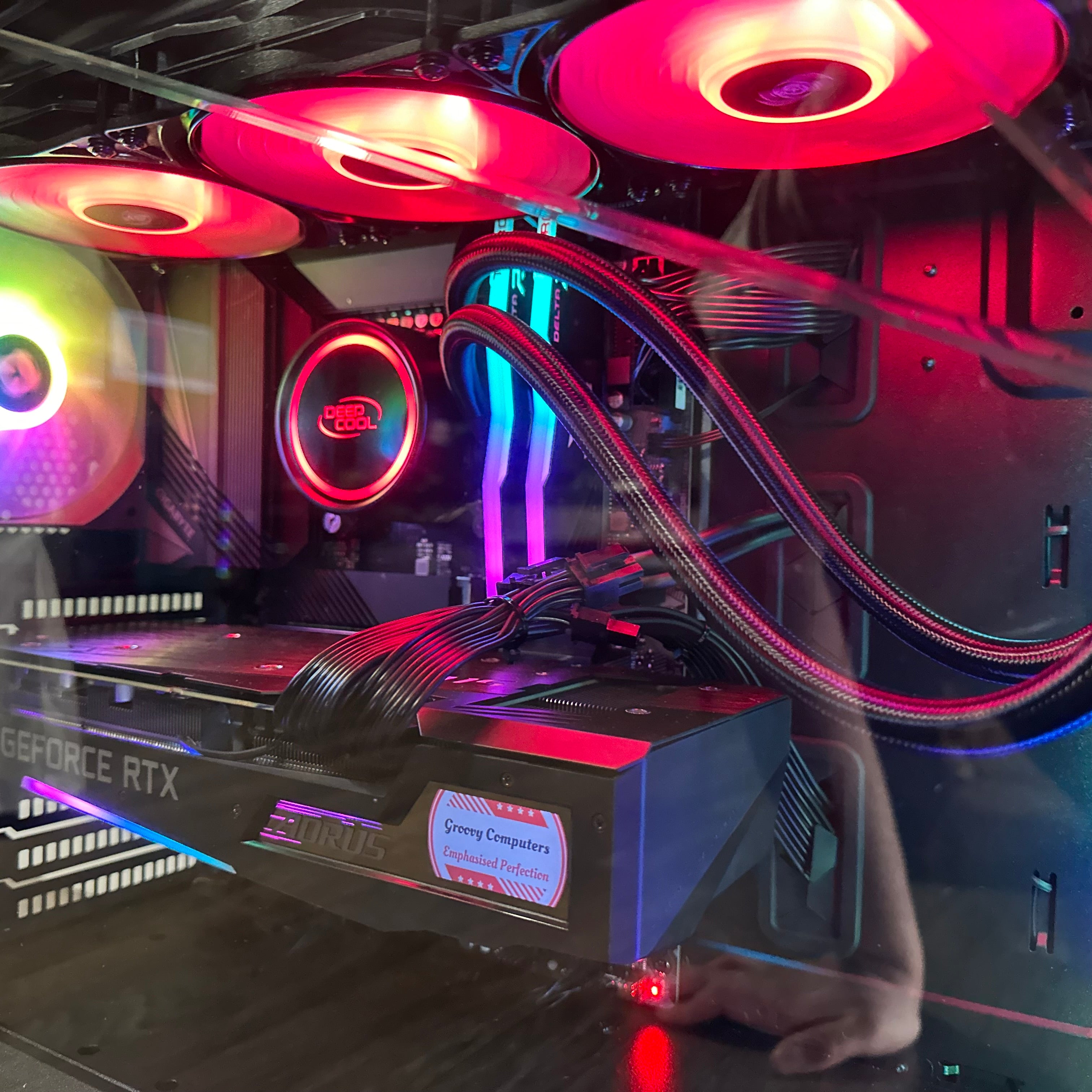
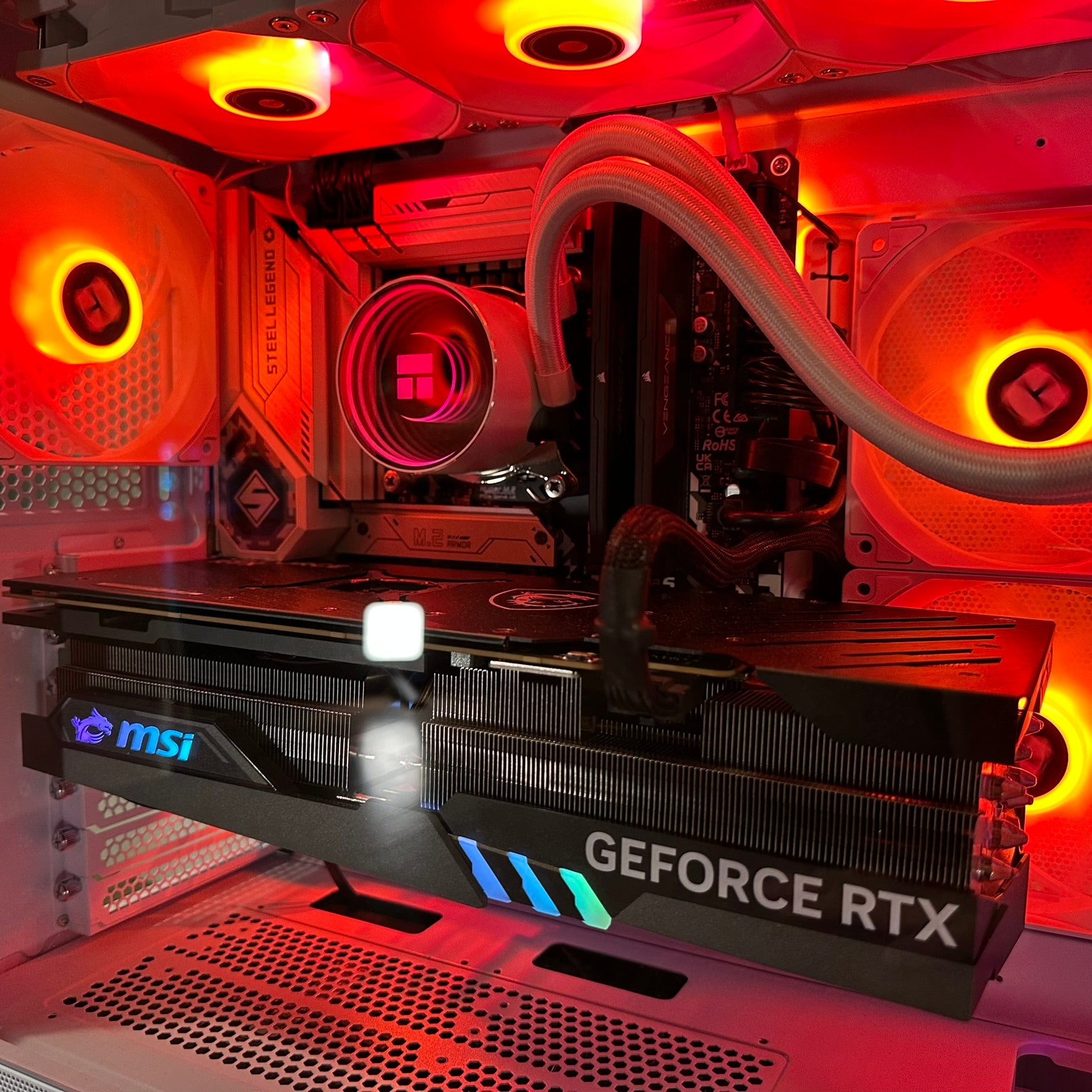
A properly configured custom build should account for all of this. Fast primary storage improves responsiveness. Adequate secondary storage reduces maintenance headaches. Better cooling helps maintain consistent performance during long sessions. Reliable power delivery protects the whole system under load. These are not luxury considerations anymore. They are part of what makes a modern gaming desktop actually enjoyable to live with.
What if you also want to stream, edit, or create content?
That is where the conversation gets even more important. A lot of Canadian buyers are no longer looking for a single-purpose gaming machine. They want one system that can game at night, stream on weekends, edit content for YouTube, handle school or work tasks, and maybe even support growing creative projects over time.
If that sounds like you, then the right answer may not be a basic gaming-only build. You may be better served by a stronger Gaming and Streaming PC Canada setup or a Creator PC Canada configuration with more memory, better multi-core performance, and faster storage allocation.
Gaming and streaming
Do you want to run OBS smoothly? Record gameplay while playing? Keep browser sources, alerts, Discord, and chat tools open without your system feeling bogged down? Then your PC needs to be selected differently than a gaming-only setup.
A quality streaming-focused system should be designed around stable frame delivery while leaving overhead for your encoder, overlays, recording tasks, and multitasking. If you have ever asked what PC do I need for streaming or whether CPU or GPU matters more for streaming, the answer is that both matter, but balance matters most. A custom system built with your actual workflow in mind is much better than guessing from generic spec lists.
Video editing and content creation
Do you edit 1080p clips now but expect to move into 4K later? Are you using Premiere Pro, DaVinci Resolve, After Effects, or CapCut? Do you want faster exports, smoother timeline playback, and less waiting between revisions?
If so, you are likely shopping for more than a gaming desktop. You may need a Video Editing PC Canada buyers can rely on for daily work. Creator-focused systems benefit from carefully matched CPUs, capable GPUs, ample RAM, and fast SSD layouts that reduce bottlenecks across ingest, editing, caching, and export tasks.
This matters even if gaming is still your main hobby. Many buyers discover that a slightly stronger system saves them more frustration over time than buying the lowest possible configuration and hoping for the best.
Photo editing and graphic design
Maybe gaming is not your only focus. Do you work in Photoshop, Lightroom, Illustrator, InDesign, or Canva? Do you edit RAW photos? Run large layered files? Work across multiple displays? Need smoother responsiveness while multitasking?
If yes, then a creator-oriented desktop can be the smarter investment. A Photo Editing PC Canada or Graphic Design PC Canada buyer needs responsiveness, memory, display flexibility, and storage speed just as much as raw gaming ability. If your software is part of your income or side business, buying too little performance can cost you time every single week.
3D modeling, rendering, and workstation use
Are you in Blender, Unreal Engine, Unity, Revit, SolidWorks, AutoCAD, or other heavy workloads? Then your needs are different again. This is where the buyer should ask: what workstation PC do I need, and is a gaming PC good enough for 3D modeling or rendering?
Sometimes a gaming-oriented system can overlap with workstation needs. Sometimes it cannot. If your work involves rendering, simulations, large scenes, or CAD precision, a purpose-built Workstation PC Canada or 3D Modeling PC Canada setup may be the right path. More RAM, stronger sustained cooling, and hardware selected for long-session reliability can make a major difference.
Is it better to buy now or wait?
This is one of the most common questions buyers ask when gaming hype rises: is it better to buy a gaming PC now or wait? The honest answer depends on your current system, your budget, and how close you are to needing the upgrade anyway.
If your current machine already struggles, waiting can be false savings. You may spend months compromising on performance, missing out on better experiences, and then still pay more later if component pricing rises. If your current machine is acceptable but clearly aging, the better strategy is often to upgrade deliberately instead of reactively.
Major game launches, holiday demand, creator-season spikes, and changing hardware availability can all affect system pricing. GPUs attract the most attention, but they are not the only variable. Memory pricing, SSD pricing, power supply costs, and cooler availability all influence finished system value. Buying at the right time is not about predicting every market movement. It is about avoiding the trap of waiting until you are forced to replace a weak system under pressure.
Should you finance a stronger system instead of buying a weaker one?
For many buyers, this is the most important question in the whole decision. If you can afford a lower-tier system today but know you will outgrow it quickly, is that really the safer move? Or would financing a stronger, better-balanced build make more sense if it helps you avoid an early replacement?
That is especially true when your PC is not just for gaming. If it is also for streaming, school, freelance editing, graphic design, 3D work, or business productivity, the cost of buying too little can show up fast. More waiting, more lag, fewer open programs, slower exports, and another upgrade cycle sooner than planned.
For Canadian shoppers looking at monthly affordability, financing can be a practical way to secure a stronger custom PC before replacement costs rise further. Groovy Computers offers financing up to 4 years, which can help you move into a better tier now instead of settling for the bare minimum and paying for that compromise later.
So ask yourself: should you buy a cheap PC that feels old in a year, or finance a better system that gives you more headroom from day one? If you want help thinking through that decision, Groovy Computers can help match your real use case to the right category instead of pushing a one-size-fits-all answer.
Custom PC vs generic prebuilt: why the difference matters more when demand rises
When game hype spikes and more people rush to buy, many systems on the market start to blur together. But not all desktops are built with the same priorities. Some prioritize flashy marketing over thermal performance. Some use lower-end supporting parts to hit a headline price. Some are not configured with future upgrades in mind.
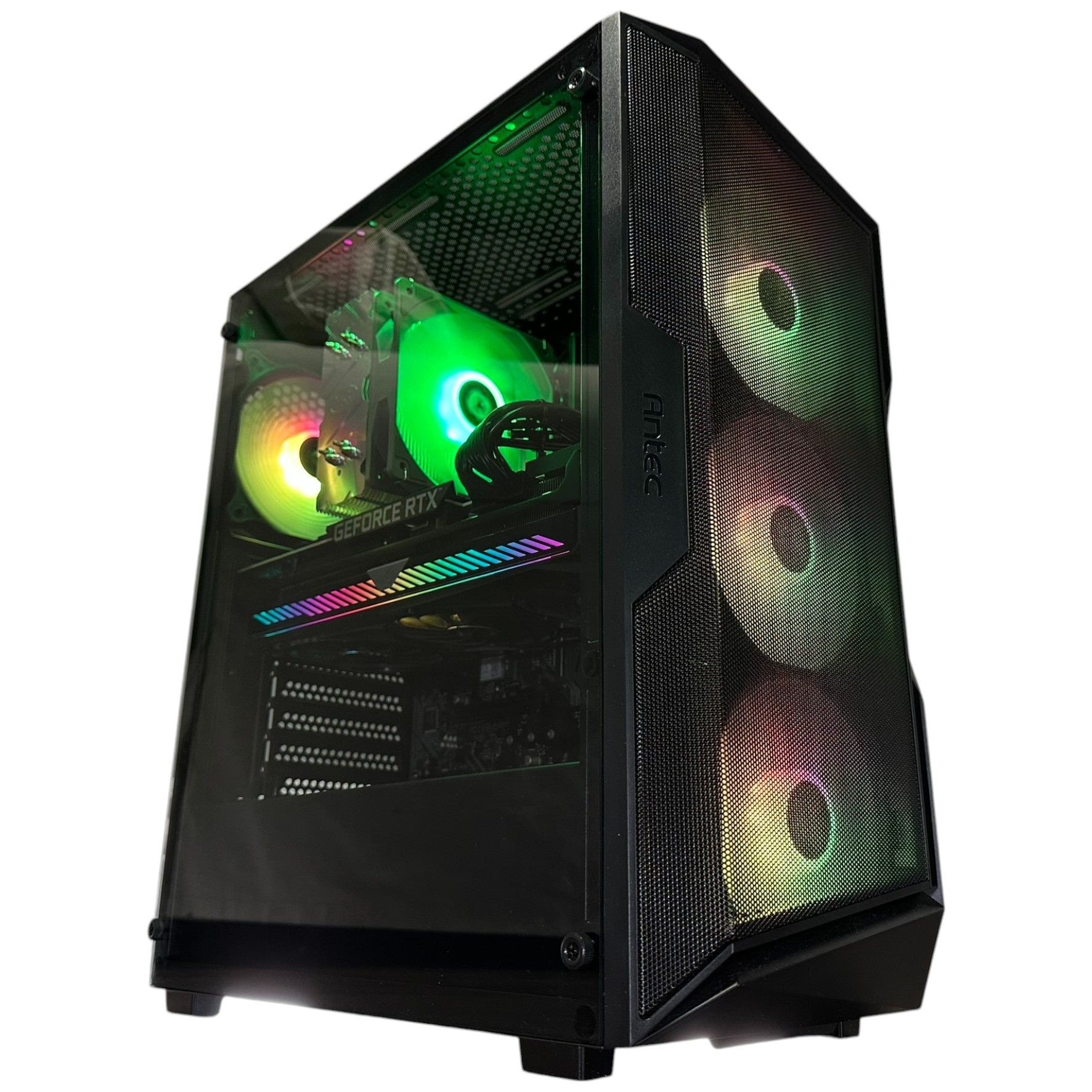
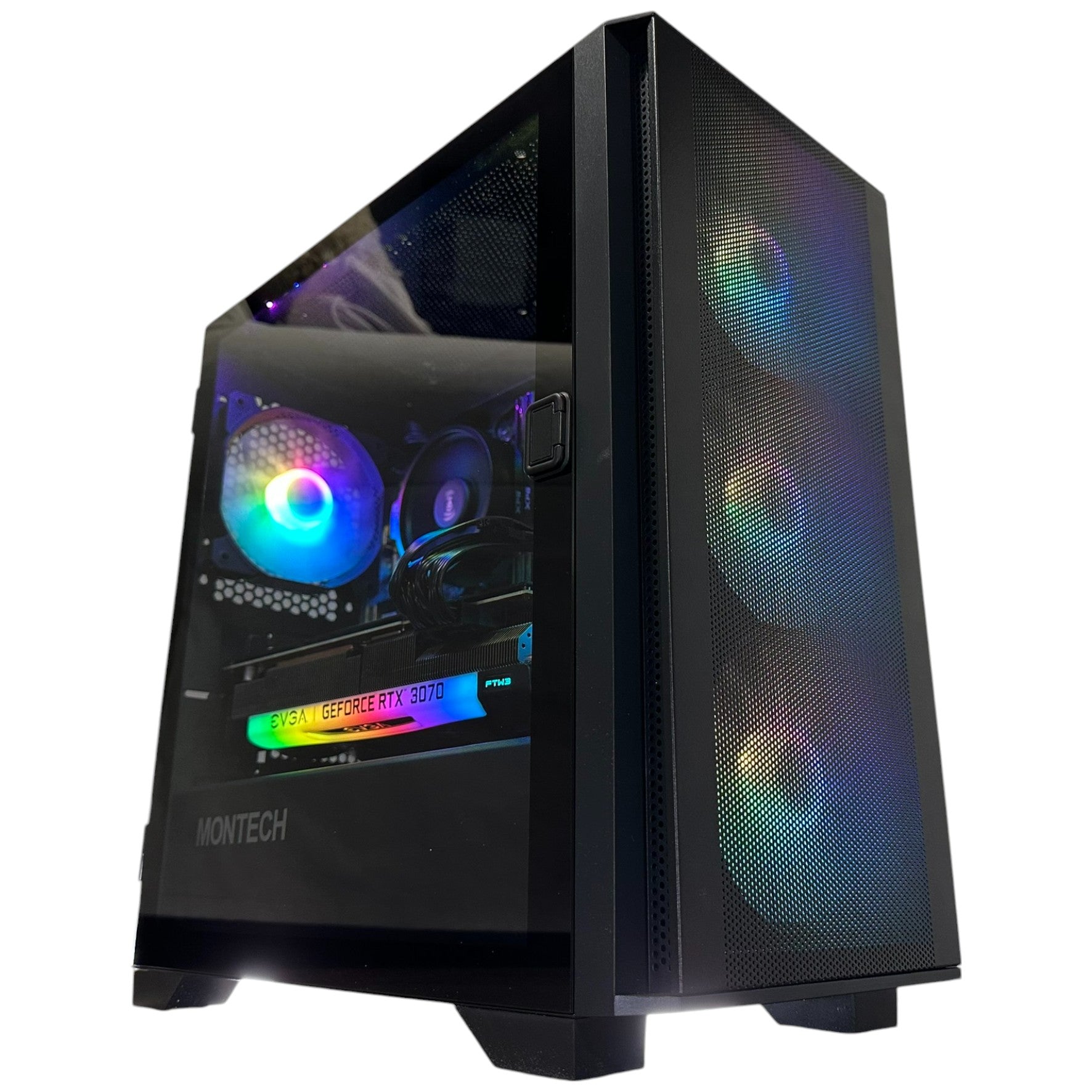
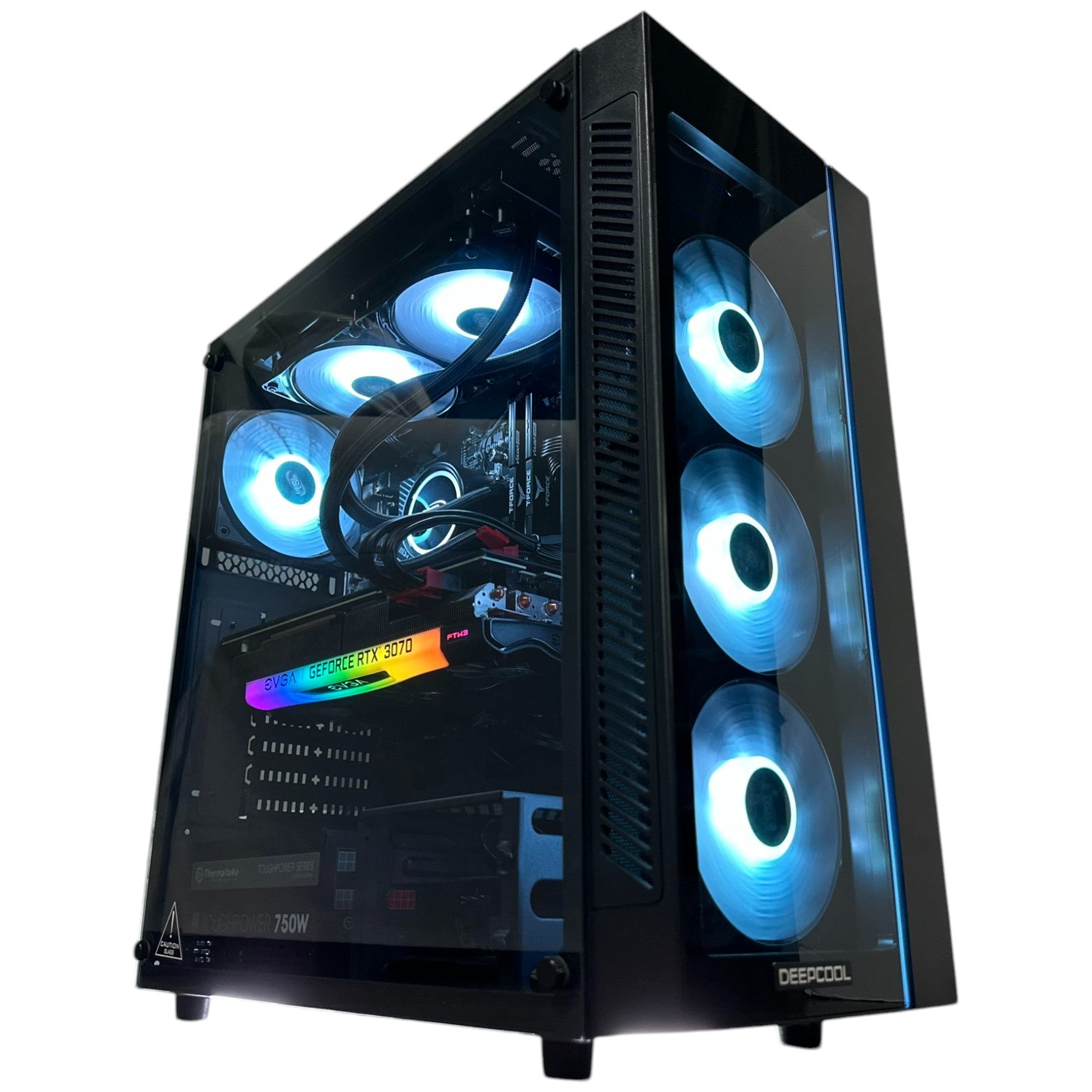
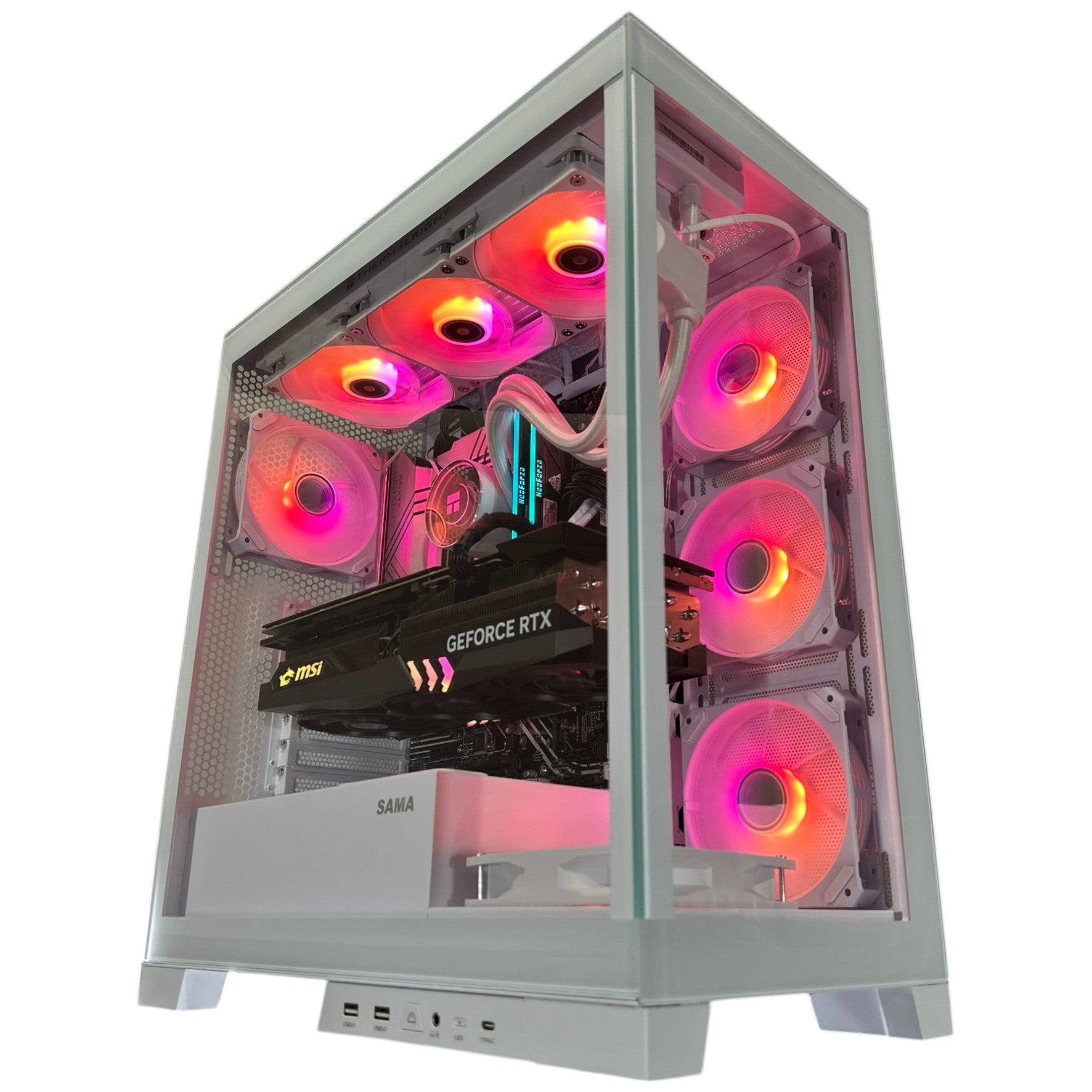
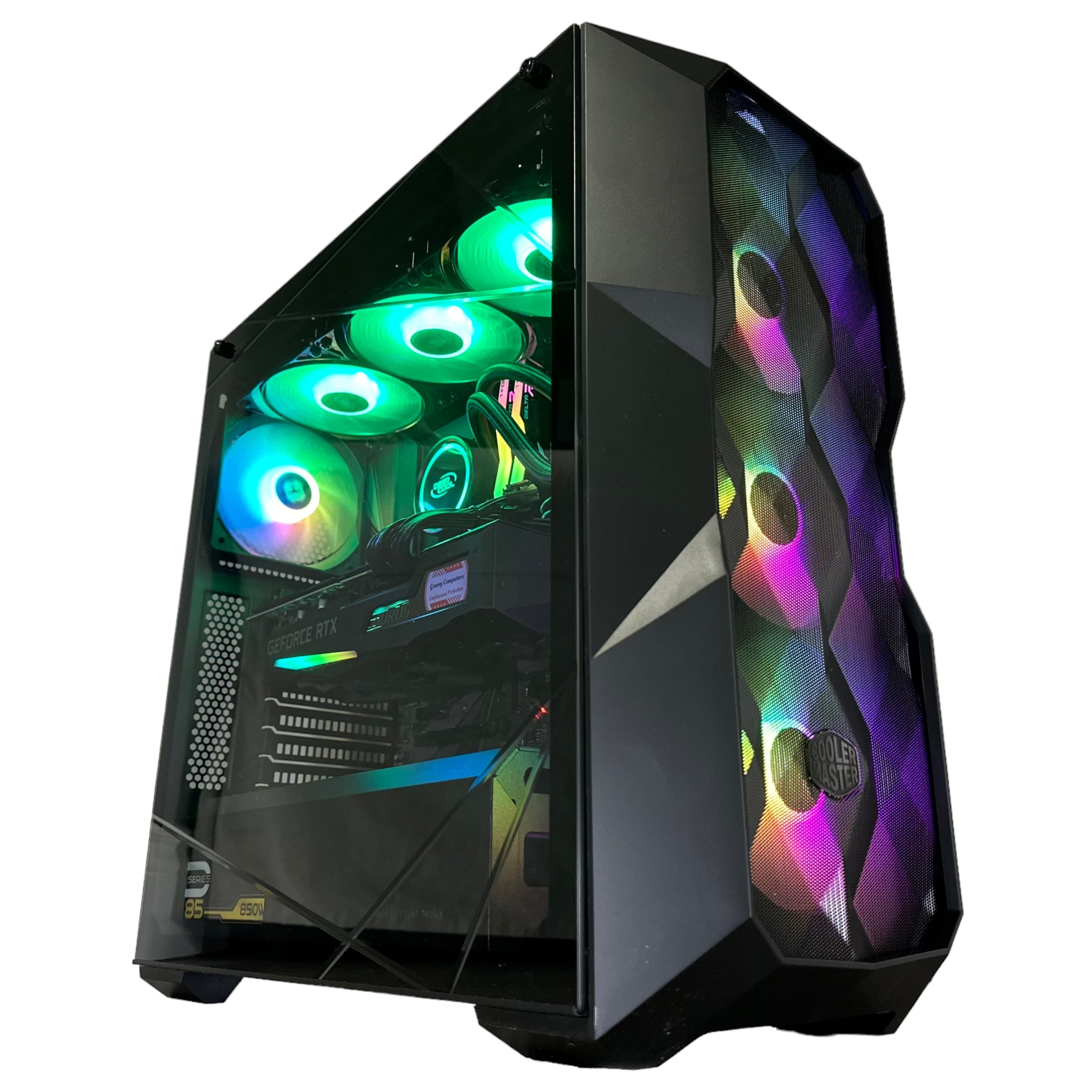
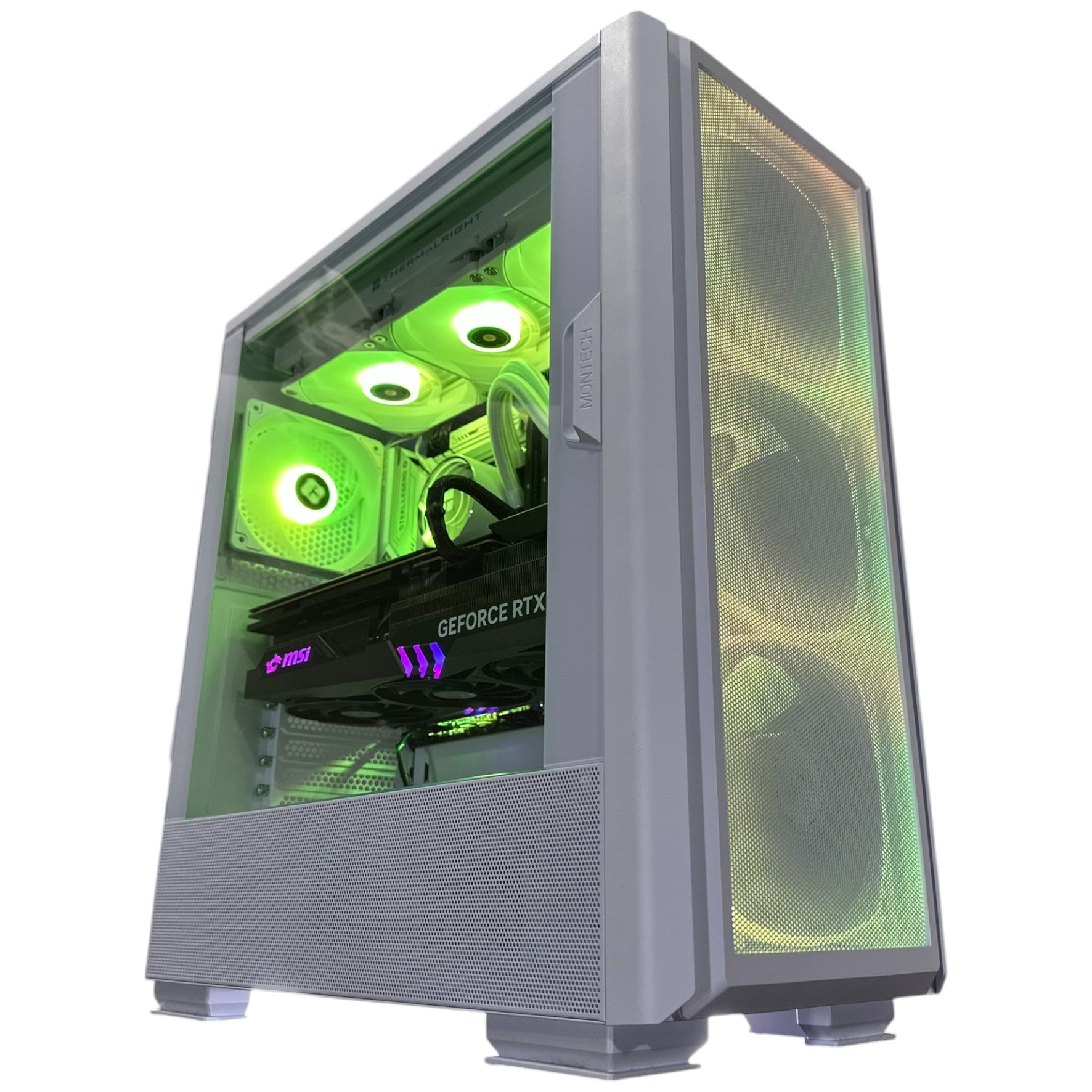
A properly planned custom system gives you a better chance of getting the right balance of CPU, GPU, RAM, SSD capacity, cooling, and power delivery for your actual needs. That matters whether you want a Custom Gaming PC Canada setup, a creator system, or a workstation.
It also matters for confidence. If you are spending serious money on a desktop, especially in a changing market, do you want a generic box with unclear part priorities? Or do you want a system assembled for your goals, rigorously tested, and backed by support?
Why Groovy Computers is a strong fit for Canadian buyers
Groovy Computers is positioned for the buyer who wants more than a random spec sheet. Whether you are shopping from Nova Scotia, Atlantic Canada, or elsewhere in the country, the value is in getting a custom-built system matched to how you actually use your computer.
If you are a gamer, that means choosing the right tier for 1080p, 1440p, or 4K rather than guessing. If you are a streamer, it means building with multitasking and encoder demands in mind. If you are an editor, designer, or 3D user, it means balancing CPU, GPU, memory, and storage around real software behaviour. If you are concerned about the market, financing, and long-term value, it means buying intentionally instead of reactively.
Groovy Computers also brings the trust factors serious buyers should care about: custom builds, rigorous testing, and a 1-year warranty. In a market where component quality and integration matter, that level of care can make the difference between a system that simply turns on and a system that genuinely delivers day after day.
What kind of buyer should choose which system?
Choose a value-focused gaming build if
- You mainly play esports titles, lighter games, or older AAA releases
- You want strong 1080p value
- You need a first desktop and want to stay within a tighter budget
- You still want upgrade potential later
Choose a mainstream gaming build if
- You want a better experience in newer AAA games
- You are targeting 1440p resolution
- You want stronger longevity without jumping to extreme pricing
- You sometimes record gameplay or multitask while gaming
Choose a premium RTX gaming system if
- You want high refresh 1440p or 4K gaming
- You care about ray tracing and visual quality
- You want more future-proofing for upcoming big releases
- You would rather buy once properly than upgrade too soon
Choose a creator or editing build if
- You game and also edit videos or photos
- You use Adobe apps, DaVinci Resolve, or design software regularly
- You need smoother exports, better multitasking, and more RAM headroom
- You want one system for both entertainment and production
Choose a workstation if
- You work in Blender, Unreal Engine, CAD, rendering, or simulation tools
- Your income depends on performance and uptime
- You need sustained power under heavy loads
- You want a machine built for demanding professional work rather than just gaming
Questions you should ask before buying your next PC
Before you commit, ask yourself the questions many buyers skip:
- What games or software do I need this system to handle over the next two to three years?
- Am I targeting 1080p, 1440p, or 4K?
- Do I care about ray tracing or just raw frame rate?
- Will I stream, record, or edit content too?
- Do I need more RAM and storage than I think?
- Would a stronger system now help me avoid another upgrade sooner than expected?
- Am I trying to buy the cheapest desktop, or the best long-term value?
- Would financing help me secure a system I will still be happy with next year?
Those questions are exactly where a good custom builder becomes valuable. The right recommendation is not just about “more power.” It is about buying the right power.
Final takeaway: the GTA 6 physical disc rumour is false, but the buying lesson is real
The GTA 6 physical disc rumour may be wrong, but it still points to a real shift in how players should think about gaming hardware. Big games are increasingly digital, increasingly demanding, and increasingly tied to storage speed, system balance, and long-term hardware planning. If this news made you think about your next upgrade, that instinct is worth listening to.
Do you want a better setup for new games? Do you want a system that can also stream, edit, design, or render? Do you want to avoid buying too little performance and replacing your desktop too soon? If so, now is a smart time to explore a custom solution built around your actual needs.
If you are ready to move from rumours and hype to a real upgrade plan, visit GroovyComputers.ca. Whether you need a custom gaming system, a creator desktop, a workstation, or a better way to finance the right build before prices change, Groovy Computers can help you choose with confidence.
#GamingPCCanada #CustomGamingPCCanada #GamingPCForNewGames #CreatorPCCanada #VideoEditingPCCanada #StreamingPCCanada #WorkstationPCCanada #CanadianCustomPCBuilders #NovaScotiaTech #GroovyComputers
Groovy Computers | All Rights Reserved



Leave a comment
This site is protected by hCaptcha and the hCaptcha Privacy Policy and Terms of Service apply.