


Ocarina of Time Remake Release Date Rumours: What Canadian Gamers Should Ask Before Buying a Gaming PC for New Games
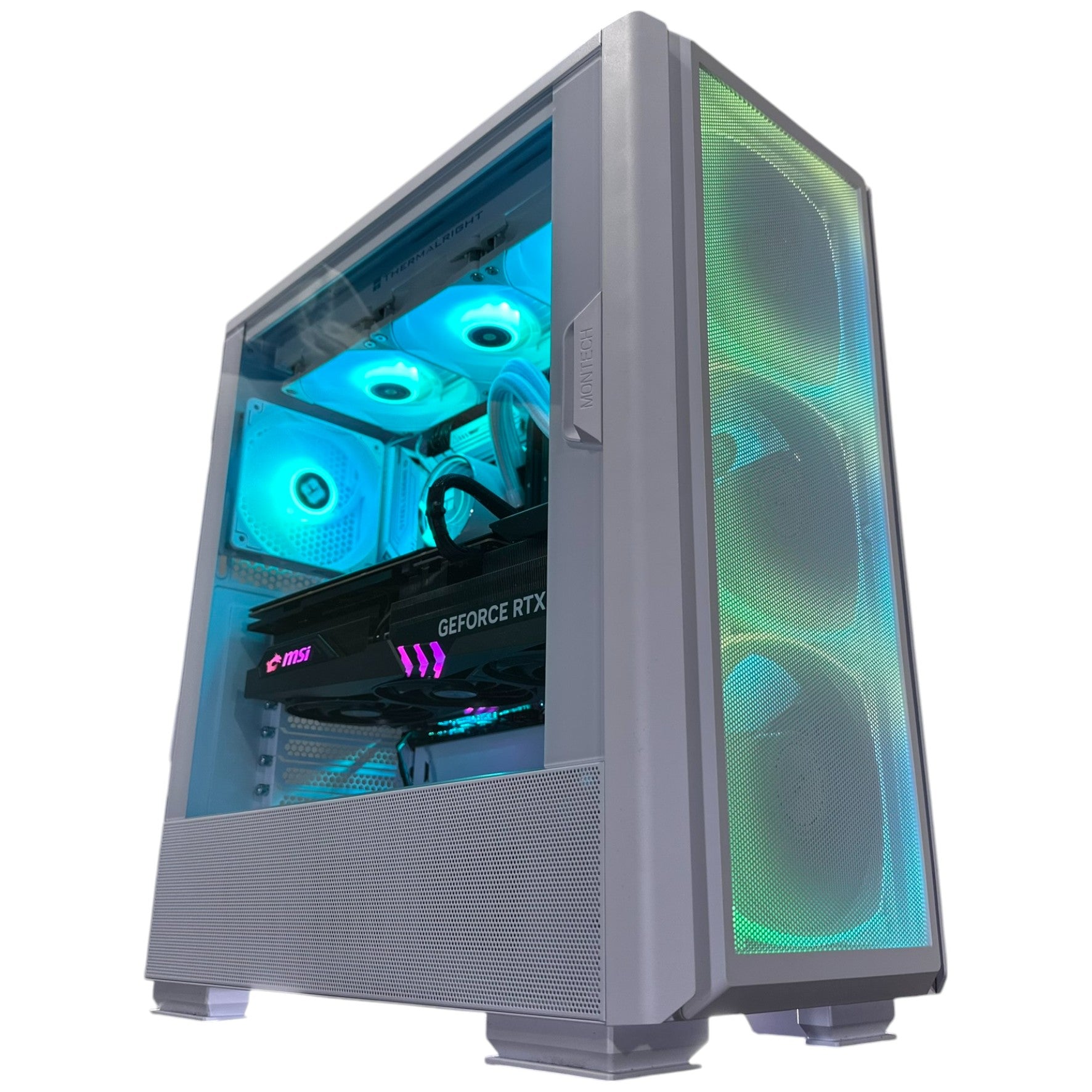
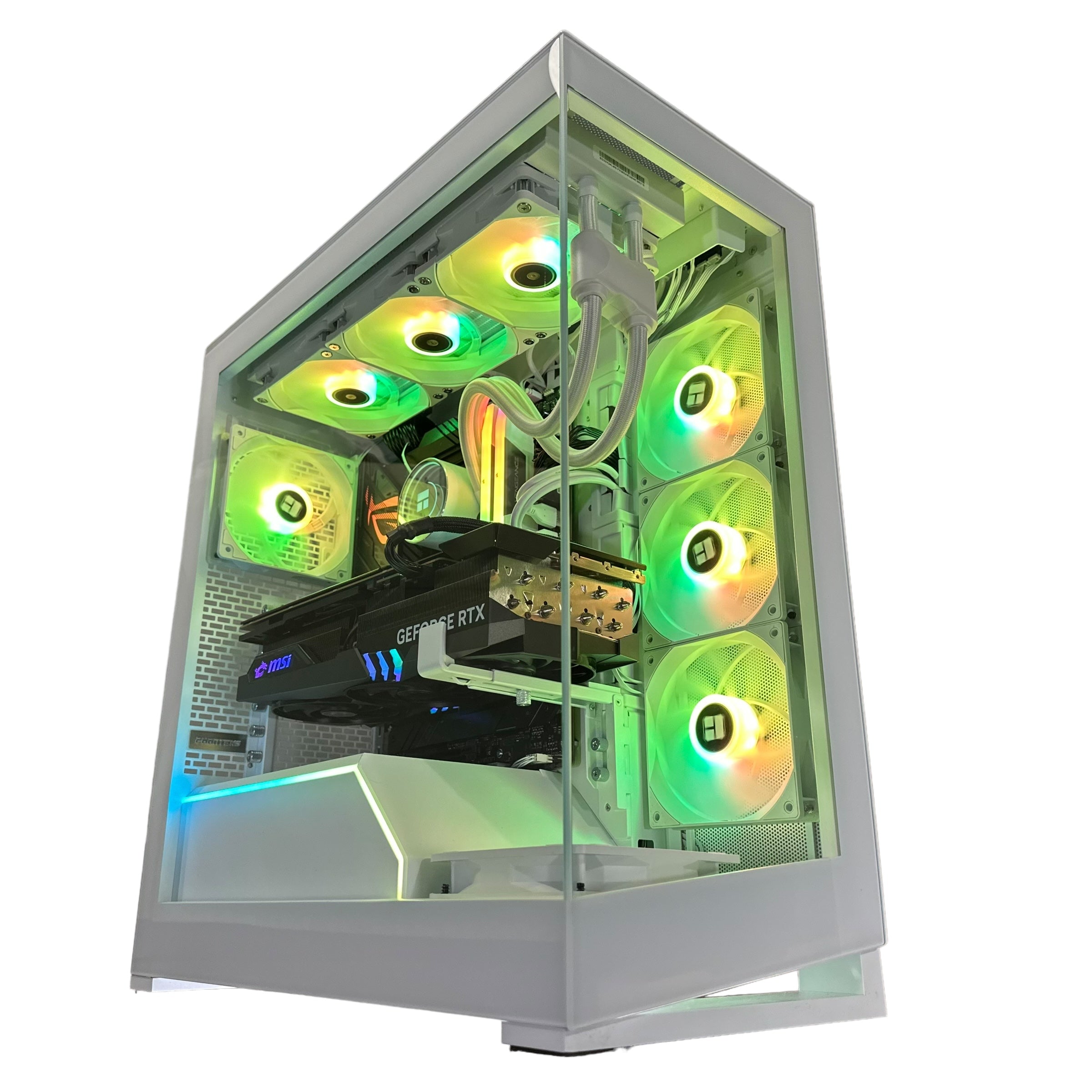
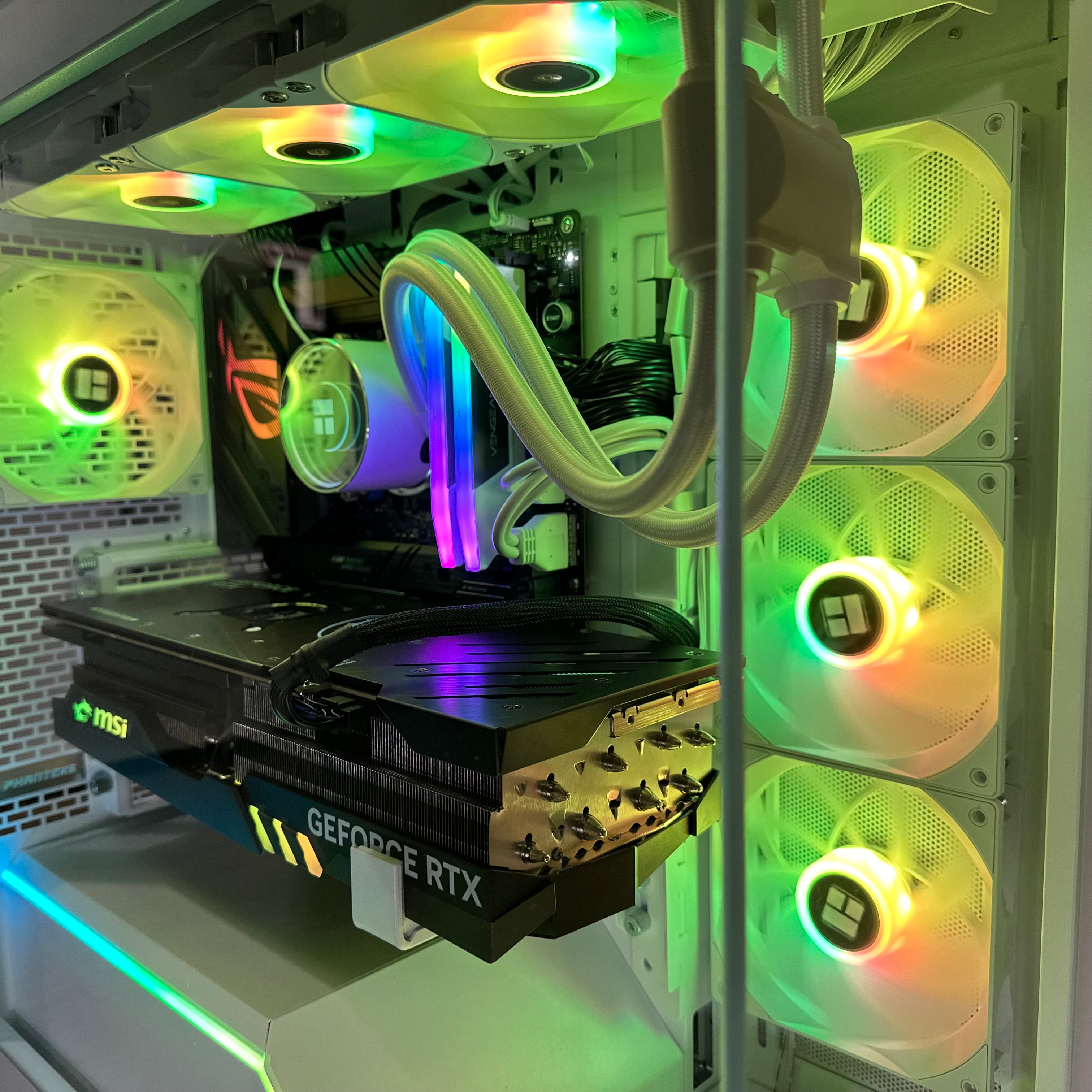
The latest Ocarina of Time remake release date rumours have done more than excite Nintendo fans. They have also raised a bigger question for Canadian gamers: if major holiday releases start stacking up around the same window, is your current system actually ready for the next wave of demanding games? For anyone researching a Gaming PC for New Games, this is exactly the kind of moment that turns casual interest into a real buying decision.
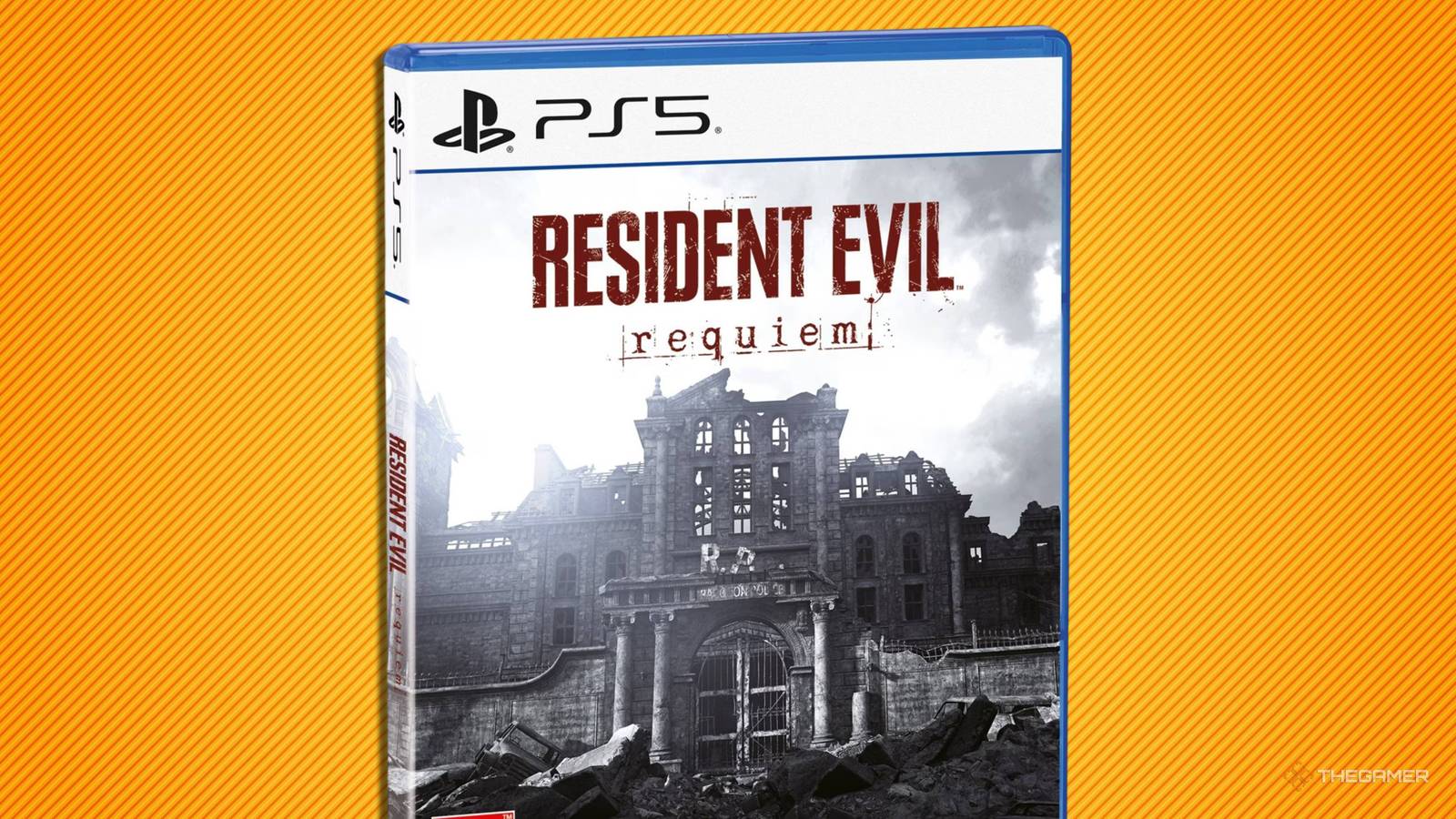
According to the source material, rumours point to a possible November 12, 2026 launch for an Ocarina of Time remake, potentially timed with The Legend of Zelda’s 40th anniversary. The same report connects that date to limited-edition hardware packaging leaks and Nintendo amiibo listings that may line up with a major first-party release. None of that confirms the game officially, but it does suggest something important: holiday hardware and software demand could heat up fast.
And when demand heats up, what usually follows? More buyers, more pressure on inventory, more attention on performance upgrades, and less patience for weak hardware.
That matters whether you are a Nintendo fan, a multiplatform player, or someone planning a full desktop upgrade before a busy holiday season. It also matters if your gaming life no longer stops at gaming. Are you streaming too? Recording gameplay? Editing clips for YouTube or TikTok? Running creative apps between sessions? Those needs can push a system well beyond “good enough.”
For Groovy Computers, the bigger story is not just whether Nintendo is willing to release near another huge gaming event. The bigger story is what this kind of release window does to buyer behaviour across Canada. When one or two major games dominate the conversation, many people suddenly start asking the same thing at once: should I buy now, should I wait, and what kind of PC do I actually need?
Why do these Ocarina of Time remake rumours matter for PC buyers in Canada?
At first glance, a rumoured Zelda release looks like a console headline. But the buying behaviour around major game launches affects the broader gaming market, including the custom desktop space. Big releases create urgency. They remind players that their current setup is aging. They trigger monitor upgrades, controller purchases, storage expansions, and in many cases, a full system replacement.
If you have been putting off a PC upgrade, a heavy release season can make that delay more expensive. Why? Because when demand spikes, premium GPUs, stronger CPUs, larger SSDs, and quality power supplies often become harder to secure at the best value. Even if pricing does not jump overnight, your options can narrow quickly.
Canadian buyers feel this especially hard because system cost is not just about the part itself. It is also about overall availability, landed replacement cost, and timing. Waiting too long can mean settling for a weaker build, paying more for the same performance tier, or rushing into a generic system that was never matched to your actual needs.
So ask yourself a simple question: are you buying a computer just to get through the next month, or are you trying to buy a system that will still feel strong after the next big release cycle?
What the source article gets right about timing, hype, and launch windows
The source article makes a strong point about release timing. November is a strategic month. It lines up with holiday shopping, gift buying, Black Friday attention, and major publisher planning. If Nintendo has a significant release coming, that period makes sense.
It also highlights another useful buying clue: themed hardware leaks and accessory timing can sometimes hint at a broader product launch window. While rumours should always be treated carefully, the pattern itself is familiar. Companies often align major software, accessories, and limited-edition items to create a single wave of consumer interest.
That same pattern matters in the PC market. When gaming hype builds, desktop buyers start comparing systems more seriously. Entry-level shoppers begin looking at budget-friendly options. Competitive players start chasing high refresh rates. Enthusiasts begin pricing out 1440p and 4K performance. Creators realize their editing machine also has to keep up with growing content demands.
In other words, the source is about one rumoured game release, but the commercial lesson is much wider: timing changes how people buy technology.
What do you want your next PC to do for you?
Before you compare specs, before you think about financing, and before you decide whether to buy now or wait, you need to answer the question most shoppers skip.
What do you want your next PC to do for you?
Do you want a smooth 1080p experience for popular games and lighter AAA titles? Do you want a 1440p setup with stronger visual settings and better longevity? Are you aiming for 4K, ray tracing, and premium headroom for the next several years? Or are you not just gaming at all, but also streaming, editing, rendering, or running Adobe apps after hours?
Your answer changes everything.
- If you mainly play games: GPU choice, CPU balance, cooling, and memory matter most.
- If you stream while gaming: you need stronger multitasking performance, enough RAM, and smart encoder-friendly graphics power.
- If you edit video or create content: fast storage, more cores, and workflow-specific component matching become critical.
- If you work in Photoshop, Illustrator, or Lightroom: RAM, SSD speed, CPU responsiveness, and a reliable workstation layout matter more than flashy marketing.
- If you use Blender, Unreal Engine, CAD, or 3D software: your system needs to be chosen like a workstation, not just a gaming desktop.
This is where many buyers lose money. They shop by one headline spec instead of by workload. A system that sounds powerful on paper can still be poorly balanced for what you actually do every day.
What gaming PC do I need if I am buying ahead of major game releases?
If your goal is to be ready before the next surge of new titles, it helps to think in performance tiers instead of shopping blindly.
Entry tier: Is a budget system enough for your gaming habits?
If you mostly play esports titles, lighter multiplayer games, indie releases, and older favourites, a value-focused build can still make sense. This kind of setup is often ideal for 1080p gaming, fast load times, and everyday responsiveness without overcommitting your budget.
But ask yourself honestly: are you buying for what you play now, or what you will want to play six months from now? If a major release season pushes you into more demanding games, a bare-minimum system can feel old very quickly.
A budget-minded buyer should ask:
- Do I only need strong 1080p performance?
- Am I okay lowering settings in future AAA games?
- Would a slightly stronger GPU now save me from upgrading too soon?
- Should I buy a cheaper system, or finance a better one that lasts longer?
Mid-range tier: Is 1440p the smart sweet spot for most Canadian gamers?
For many buyers, 1440p is where value and visual quality meet. A solid mid-range custom gaming PC can deliver a much more satisfying experience for current and upcoming games while leaving room for streaming, multitasking, and content capture.
This is often the best fit for players who want more than basic performance but do not necessarily need a no-compromise flagship build. It is also the range where component quality and proper system balancing matter a lot. A well-planned mid-tier system can feel far better than a badly matched “spec-heavy” machine.
If you are asking, “What PC do I need for 1440p gaming?” the real follow-up question is this: do you want to keep your next system for years, or are you comfortable treating it as a short-term step?
High-end tier: Are you buying for 4K, ray tracing, or maximum lifespan?
If you want ultra settings, stronger ray tracing, premium frame pacing, and long-term confidence, a high-end gaming desktop makes more sense. This is especially true if your monitor is already high refresh or high resolution, or if you plan to pair gaming with recording, editing, or creator work.
High-end buyers should ask smarter questions than “What is the biggest GPU?” They should ask:
- What monitor resolution am I actually targeting?
- Do I want ray tracing turned on regularly?
- How long do I expect this system to stay in my main setup?
- Will I also use it for OBS, Adobe software, rendering, or AI-assisted workflows?
A premium build is not just about bragging rights. It is about buying enough headroom that your system stays satisfying instead of feeling constrained next year.
Could a major holiday release season trigger stronger demand for custom gaming PCs?
Yes, and not only from hardcore gamers.
Holiday release windows attract a mix of buyers: parents purchasing first serious desktops, students upgrading from aging machines, working professionals returning to gaming, streamers preparing for year-end content, and enthusiasts replacing systems before another year of hardware wear.
That broad demand is why timing matters. If you wait until everyone is shopping at once, you are not just competing for the latest graphics card. You are competing for complete system builds, quality assembly time, tested parts combinations, and the confidence that your purchase will arrive ready to use.
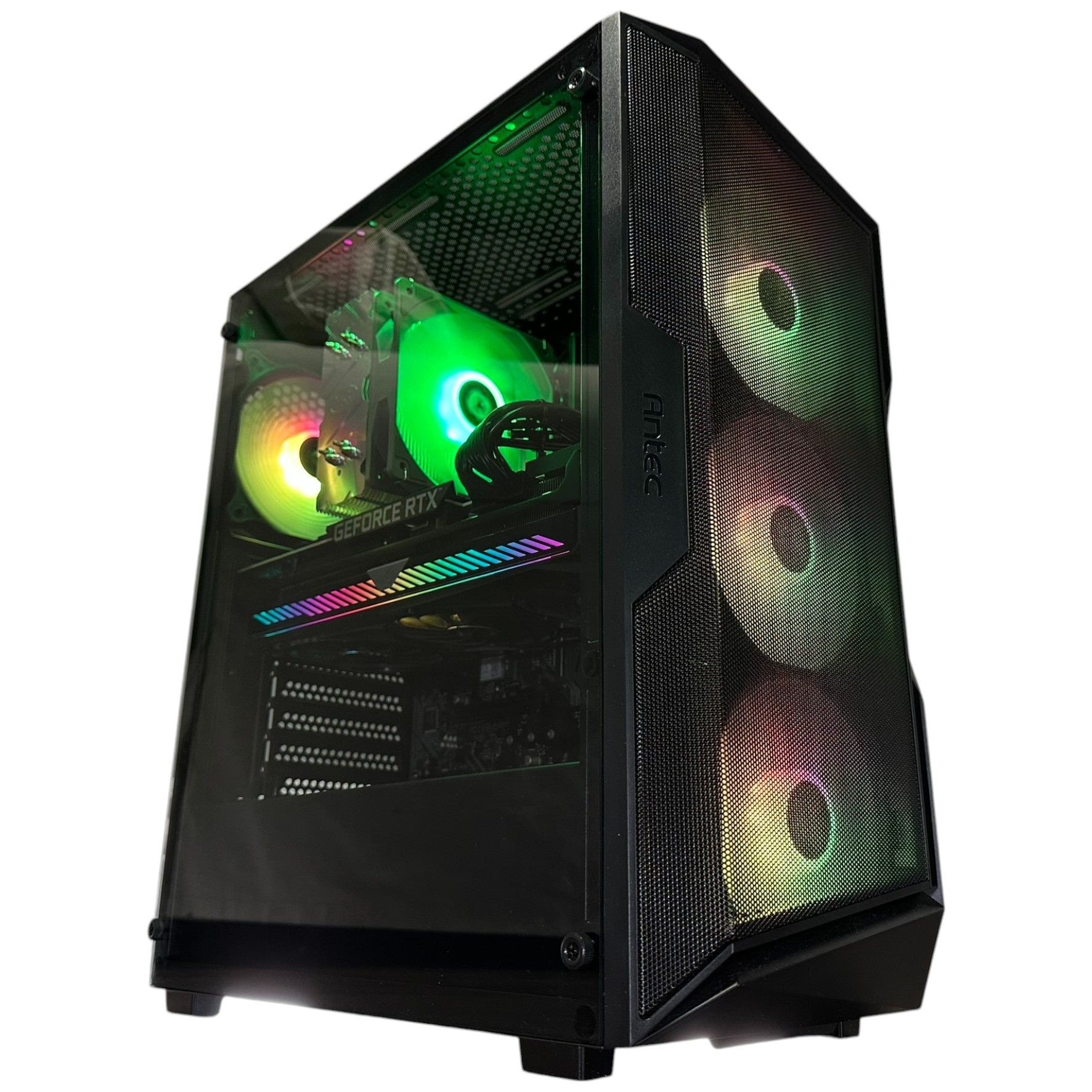
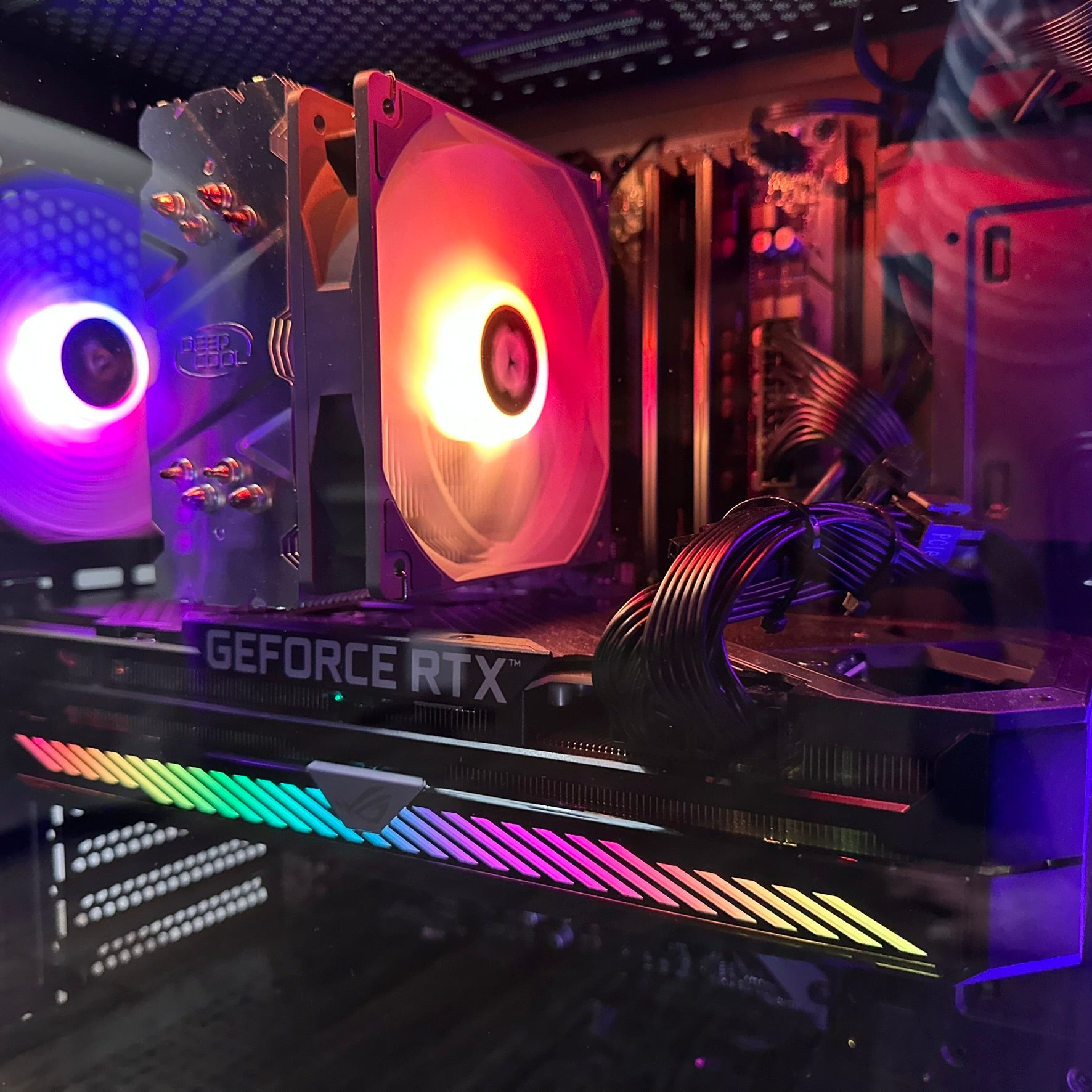
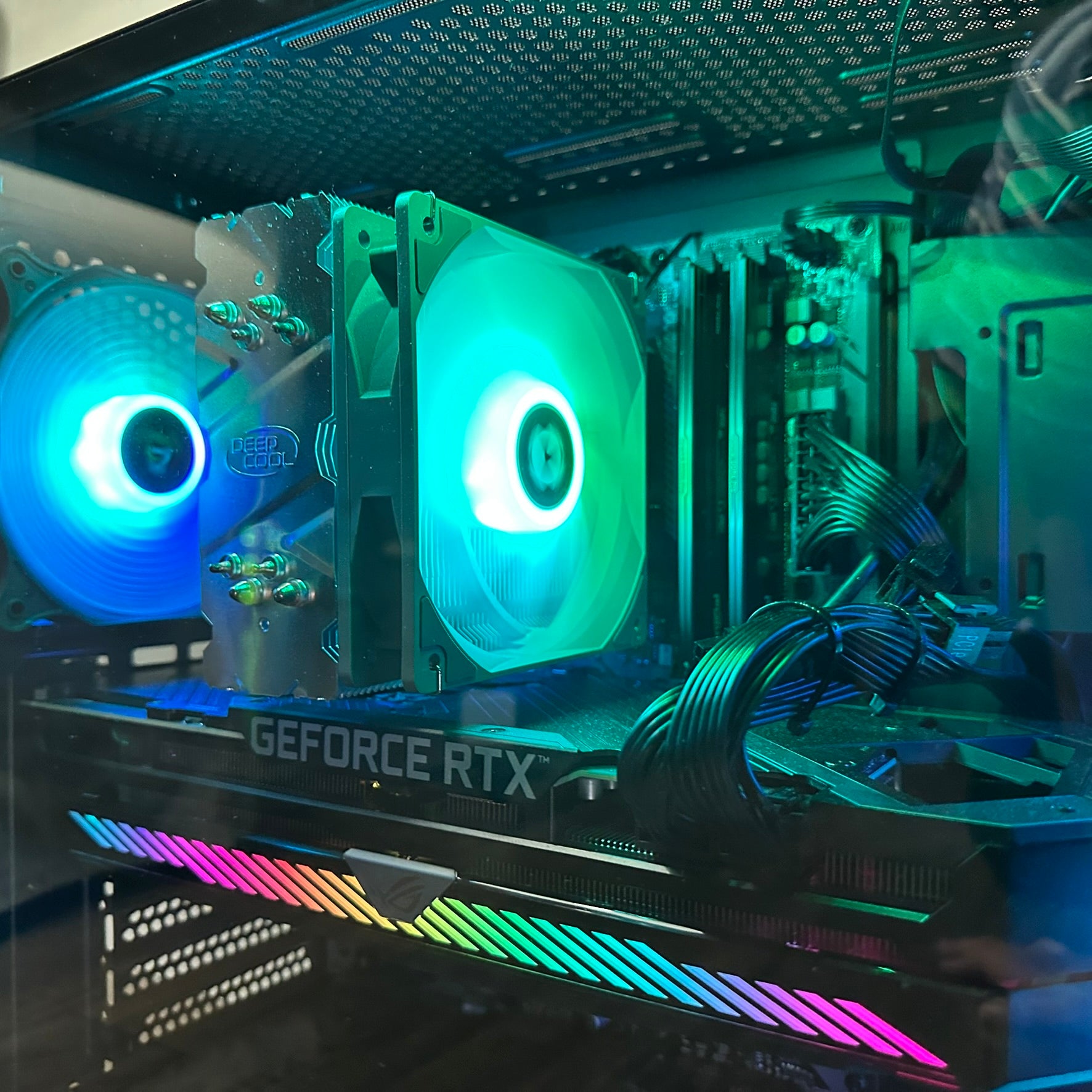
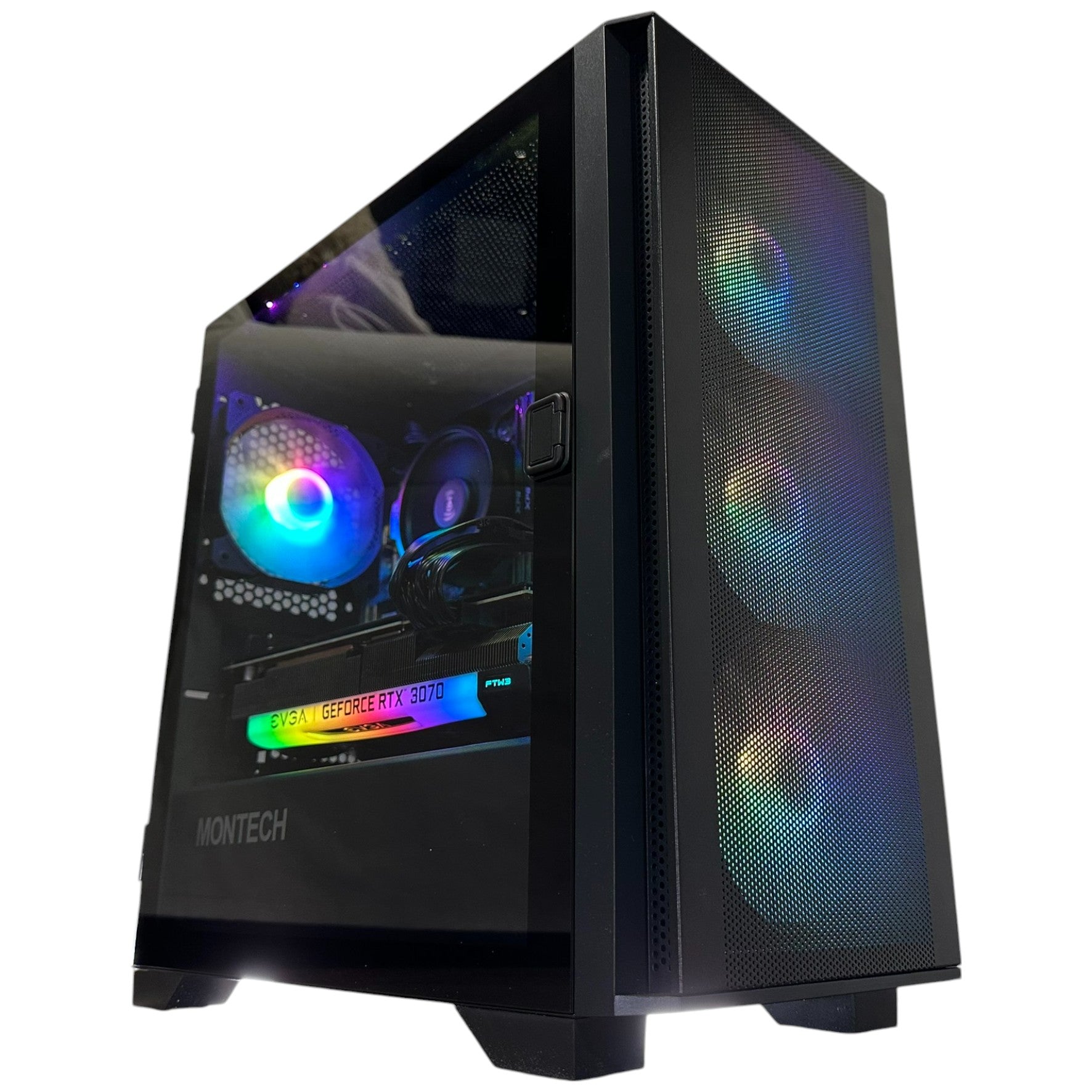
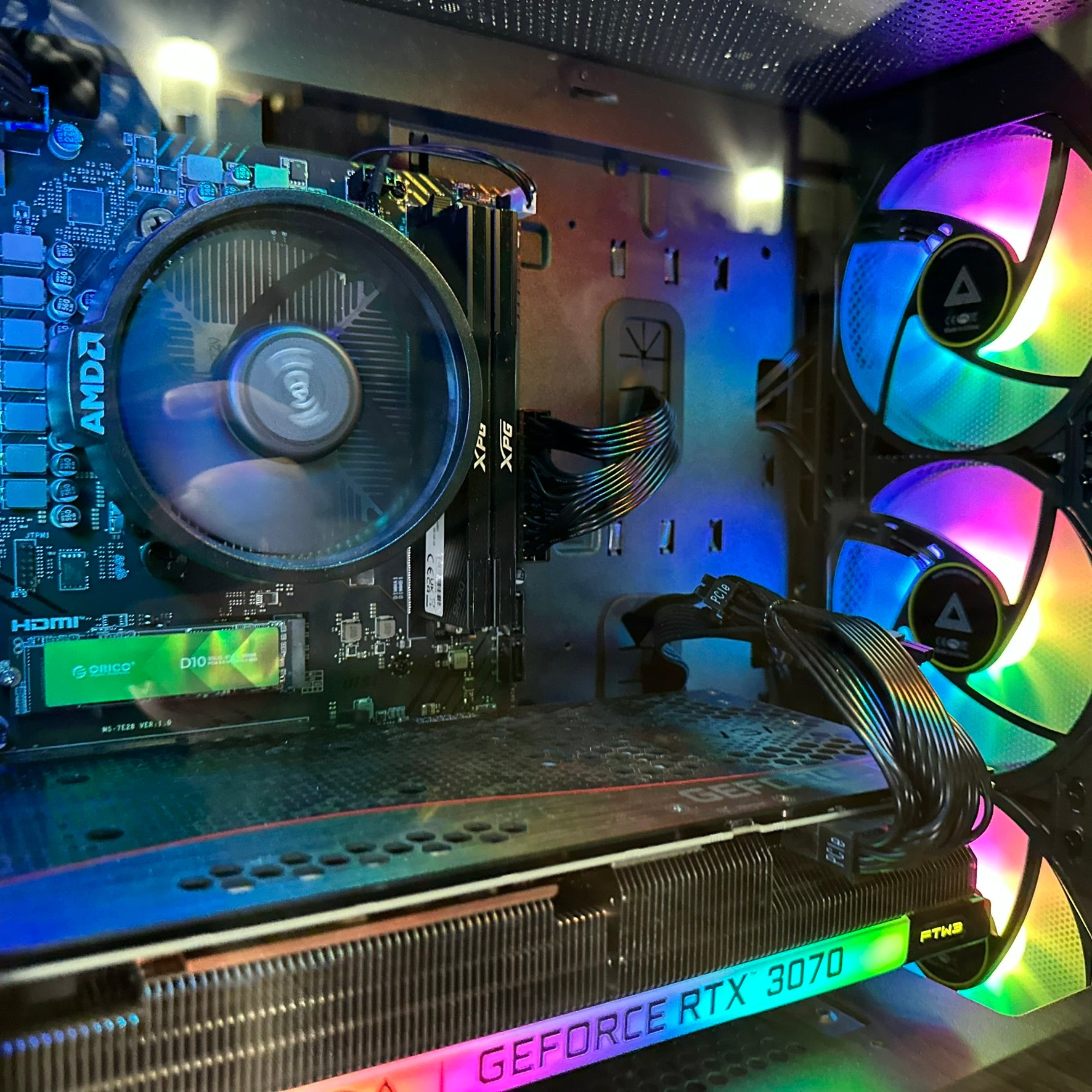
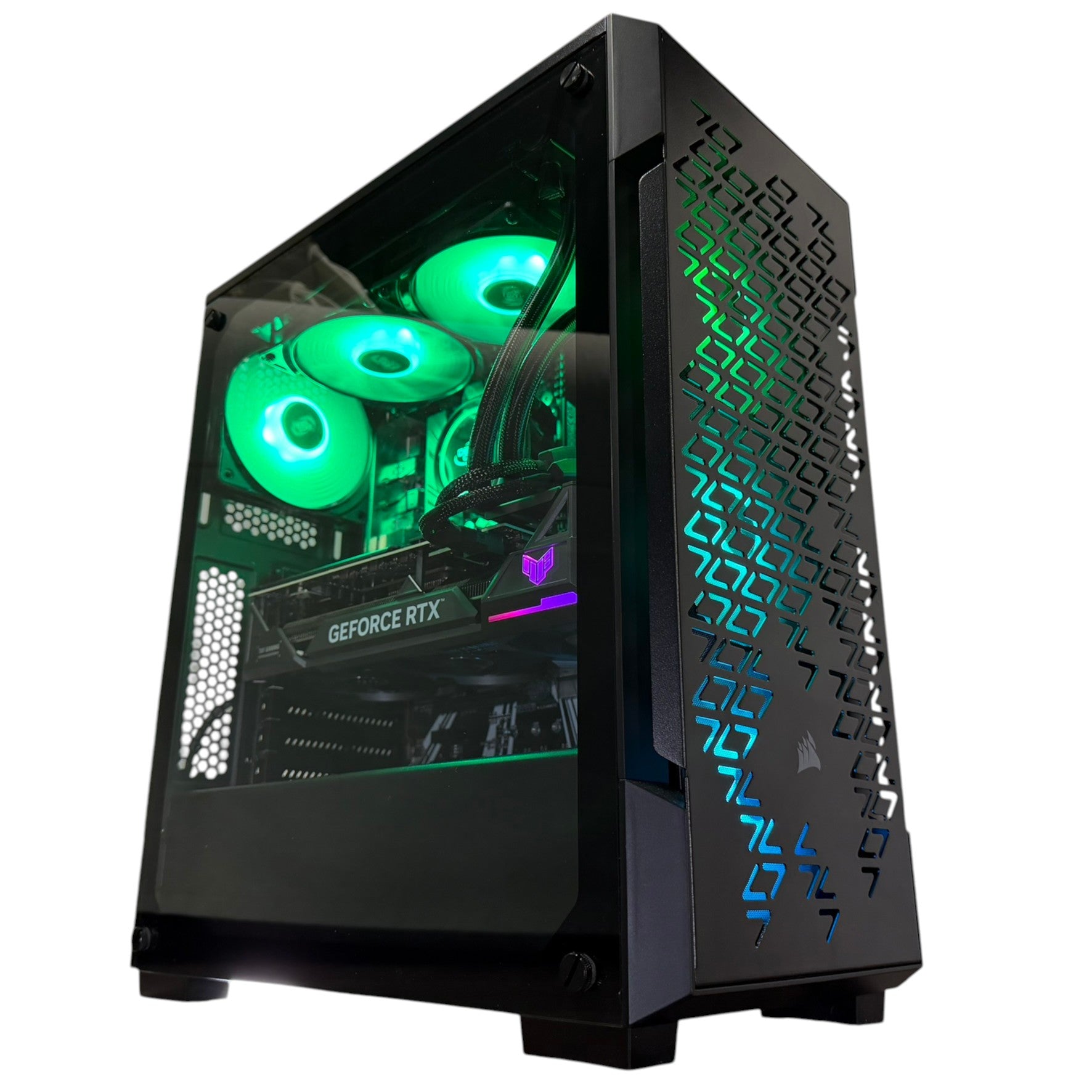
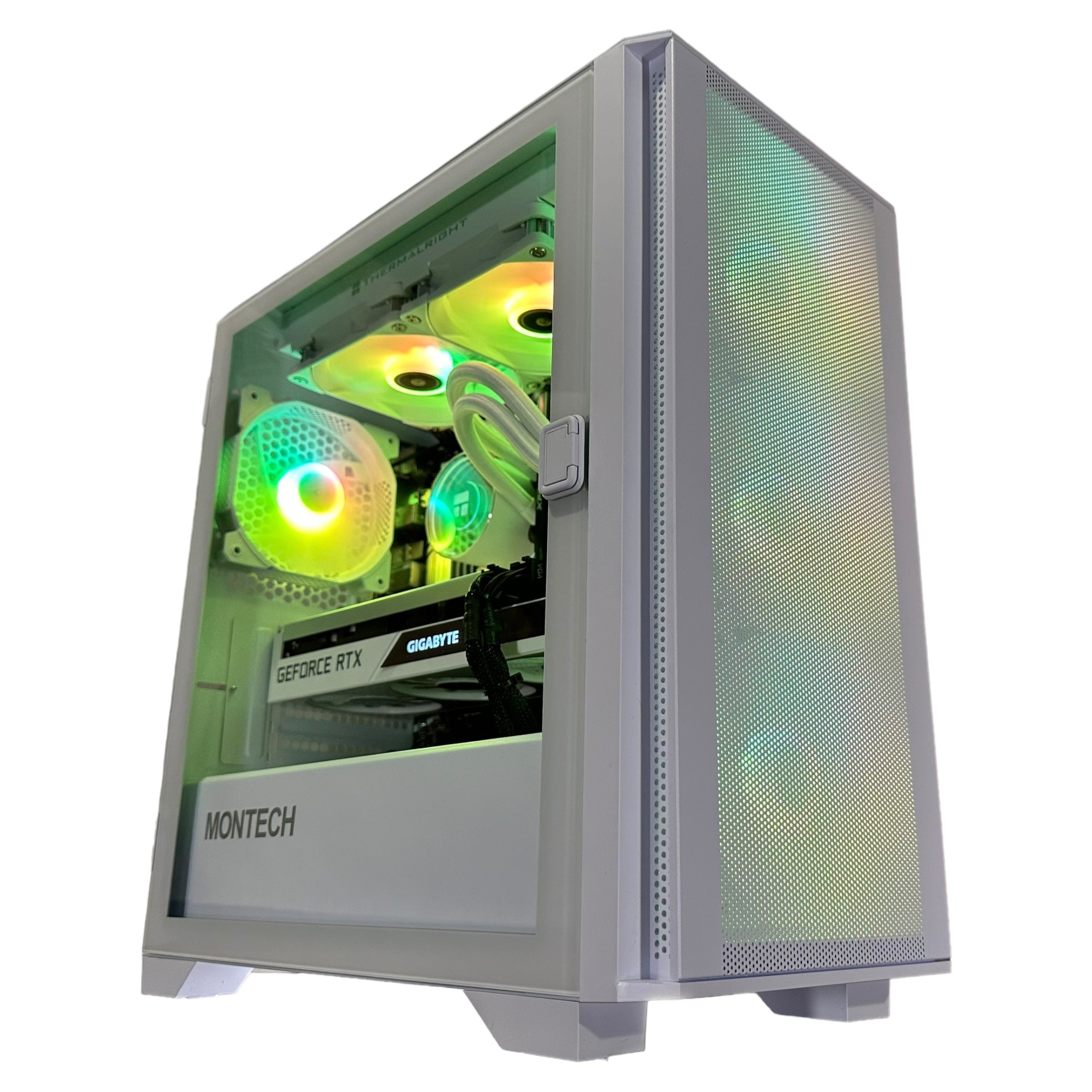
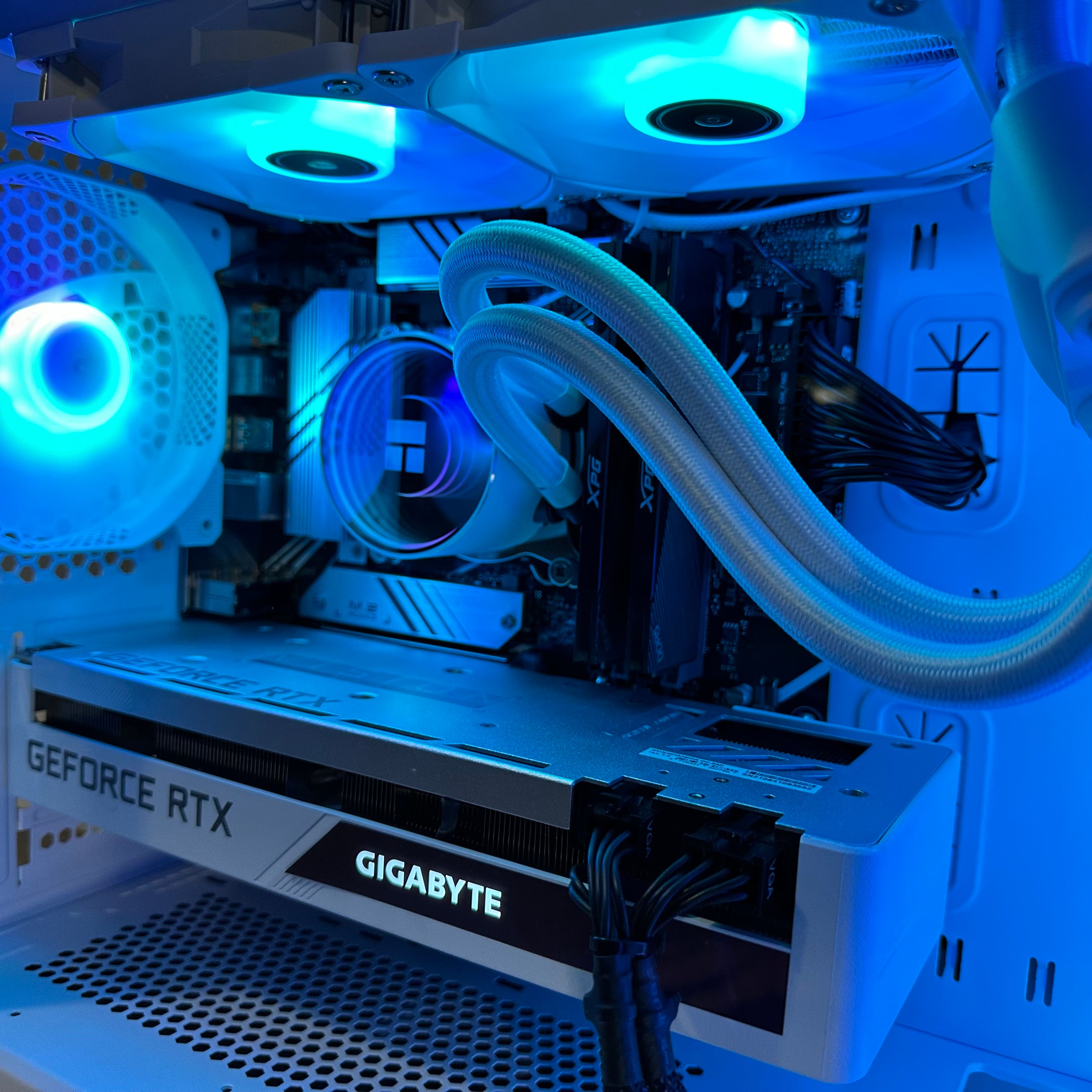
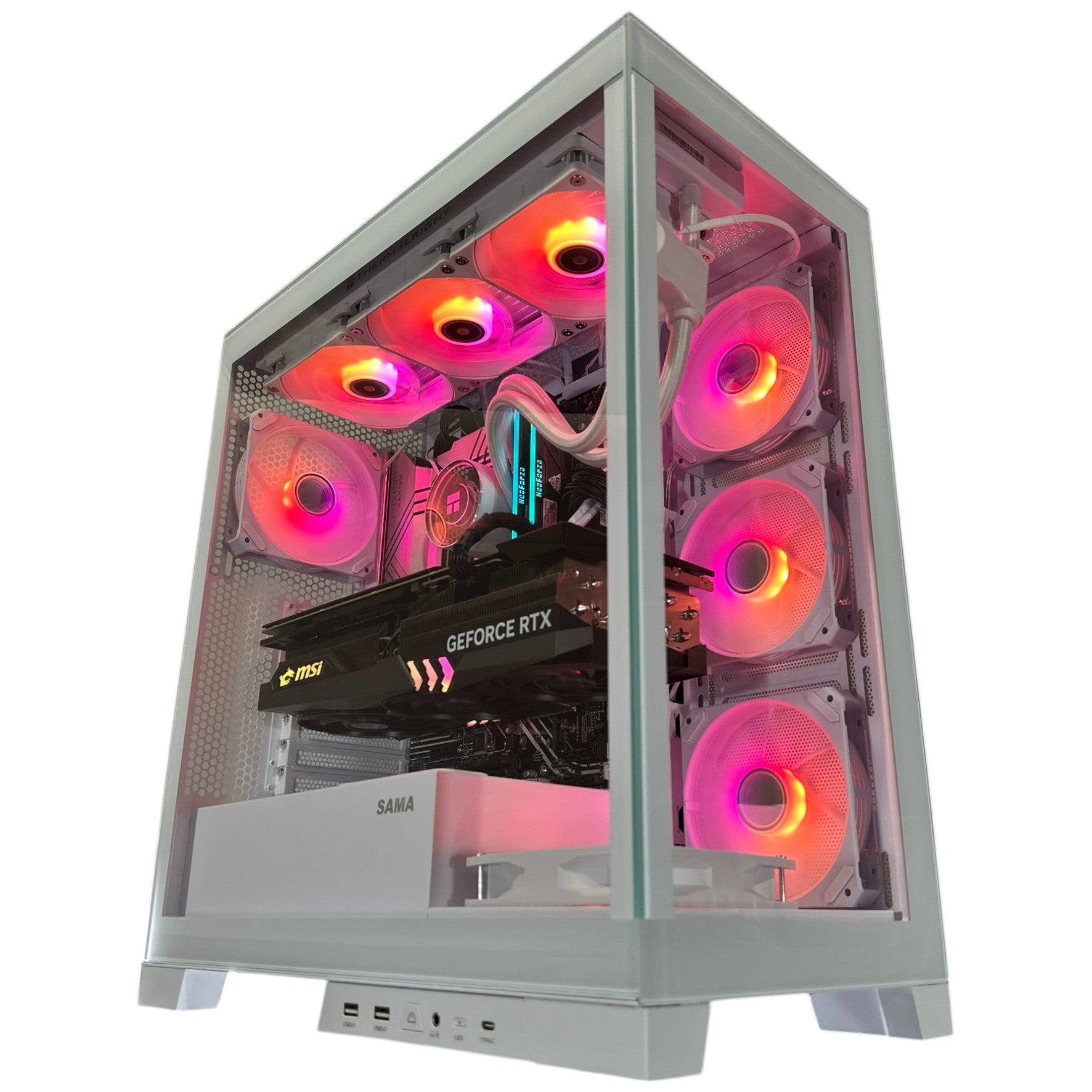
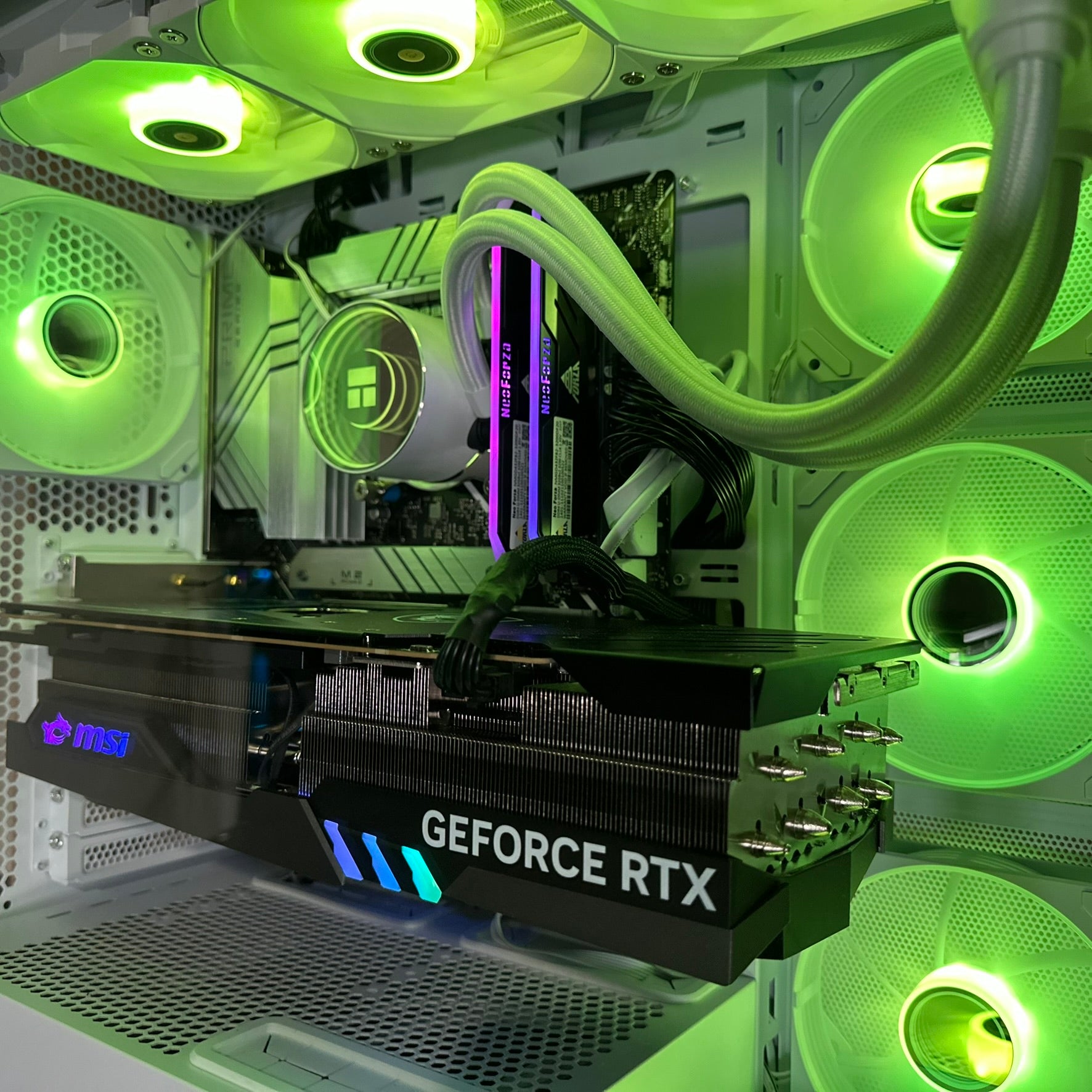
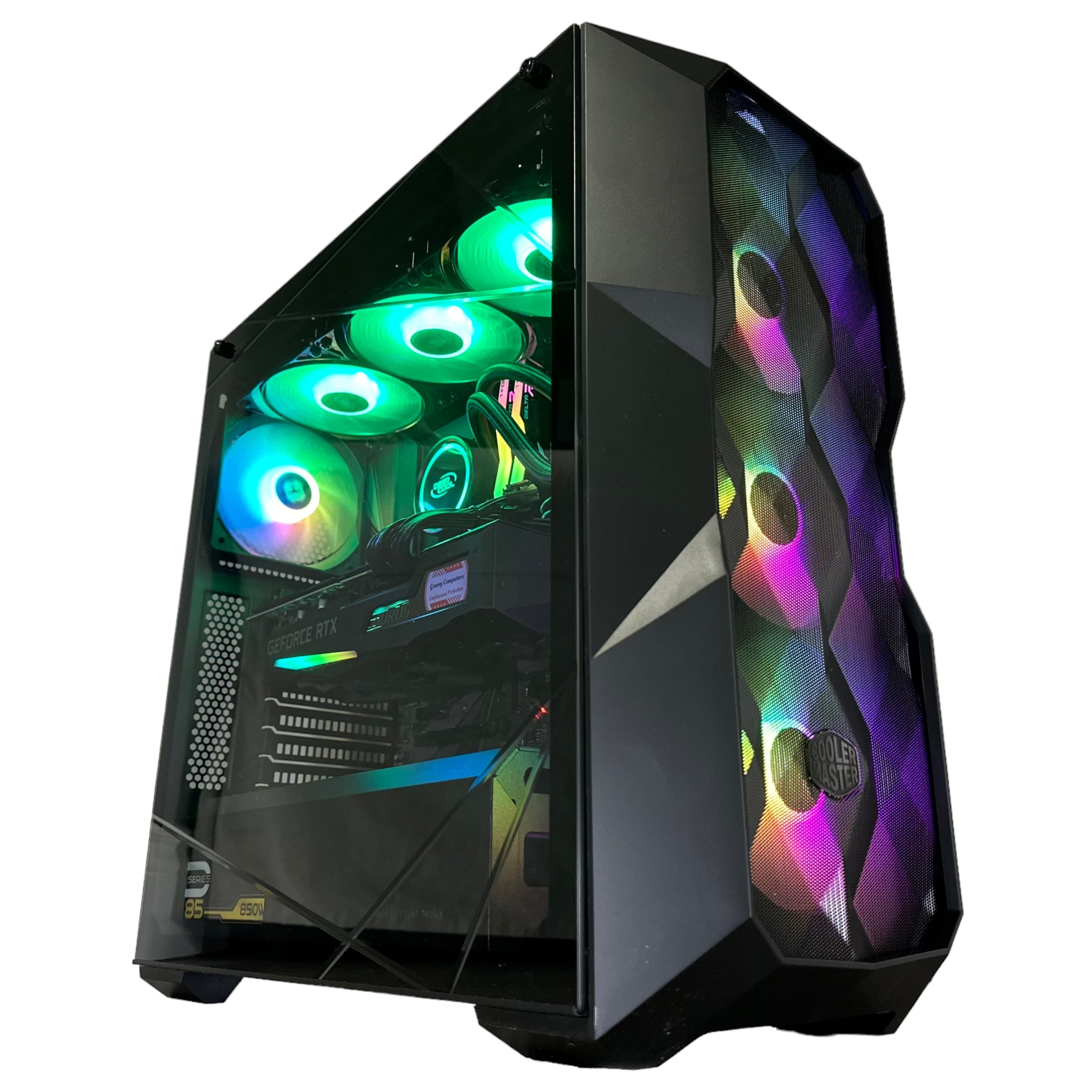
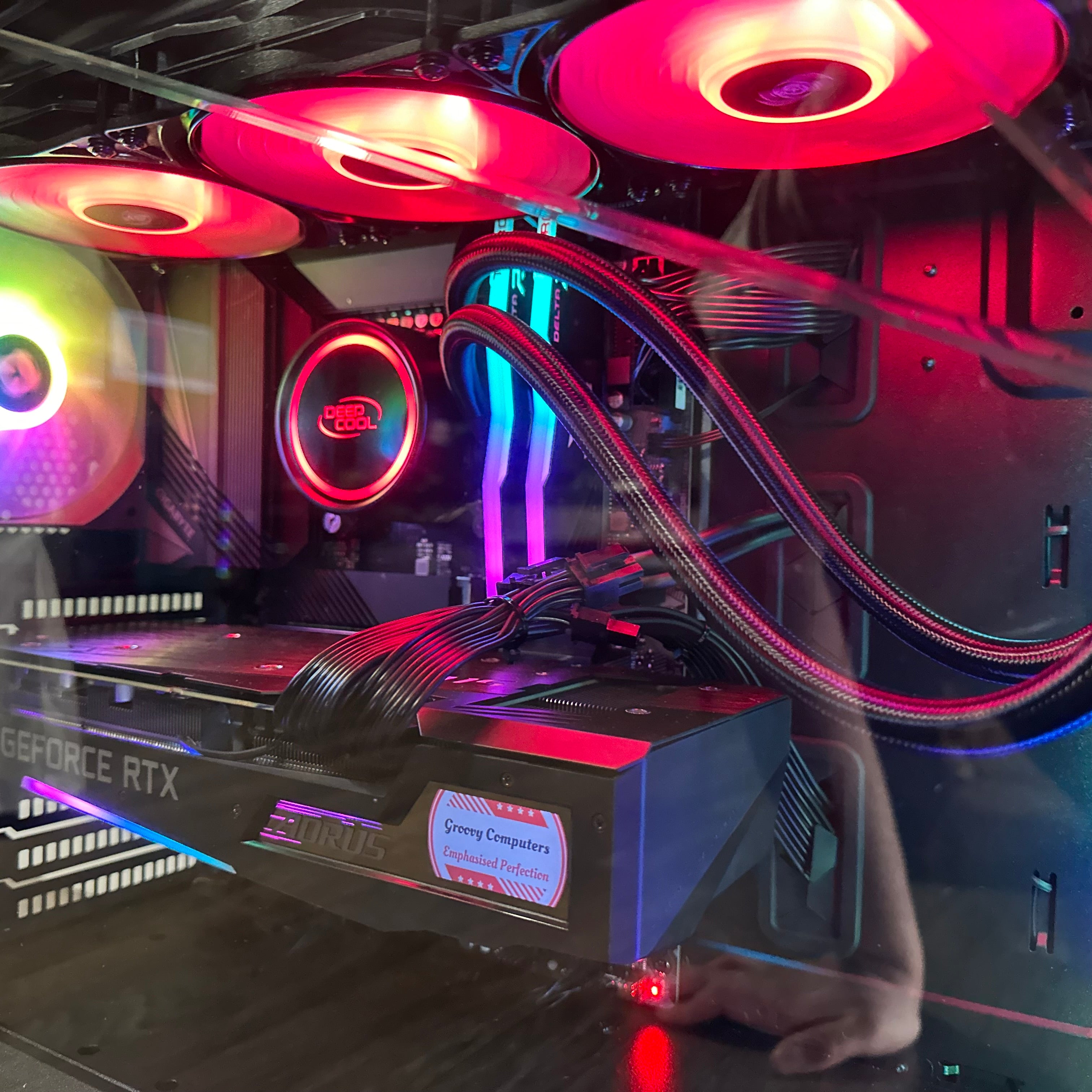
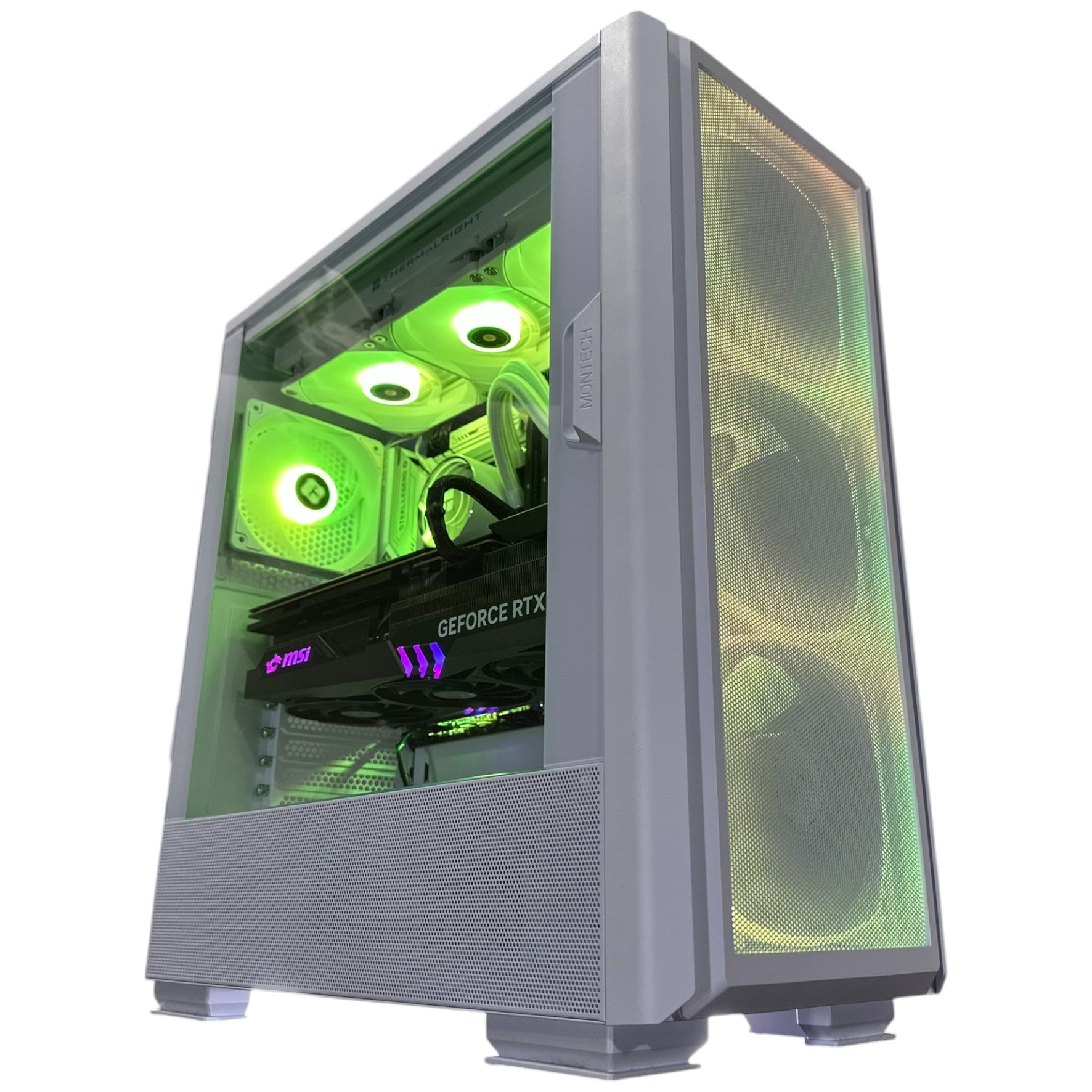
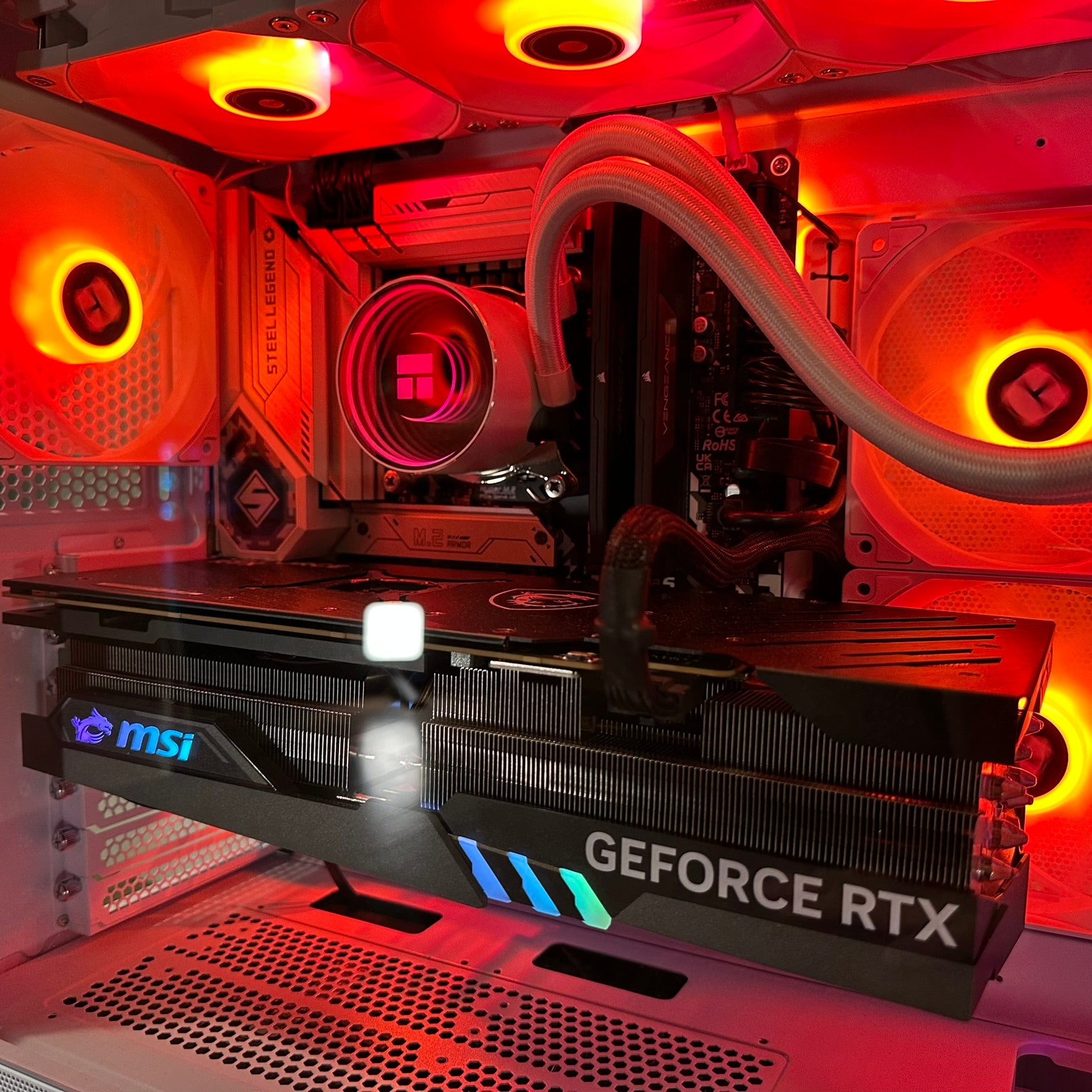
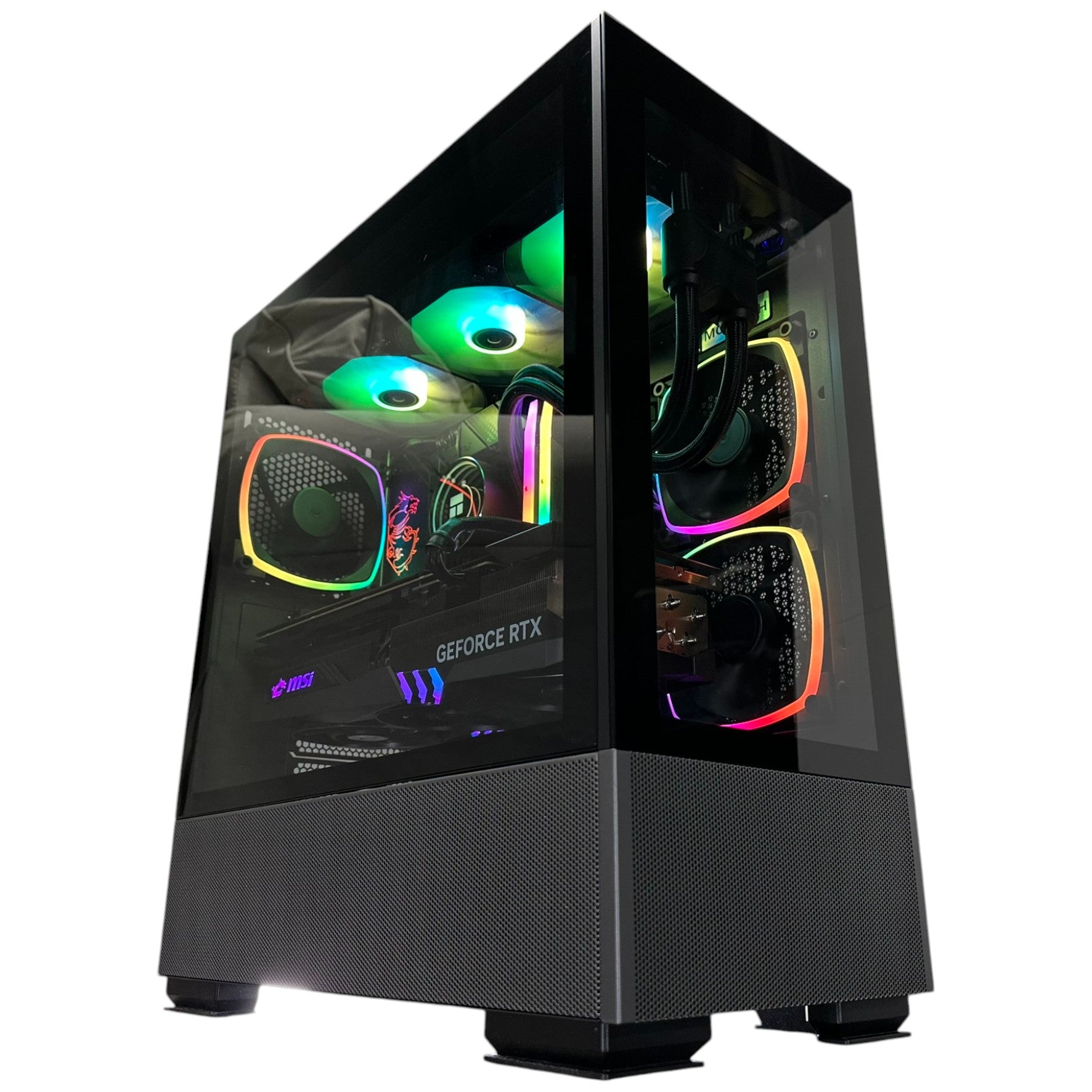
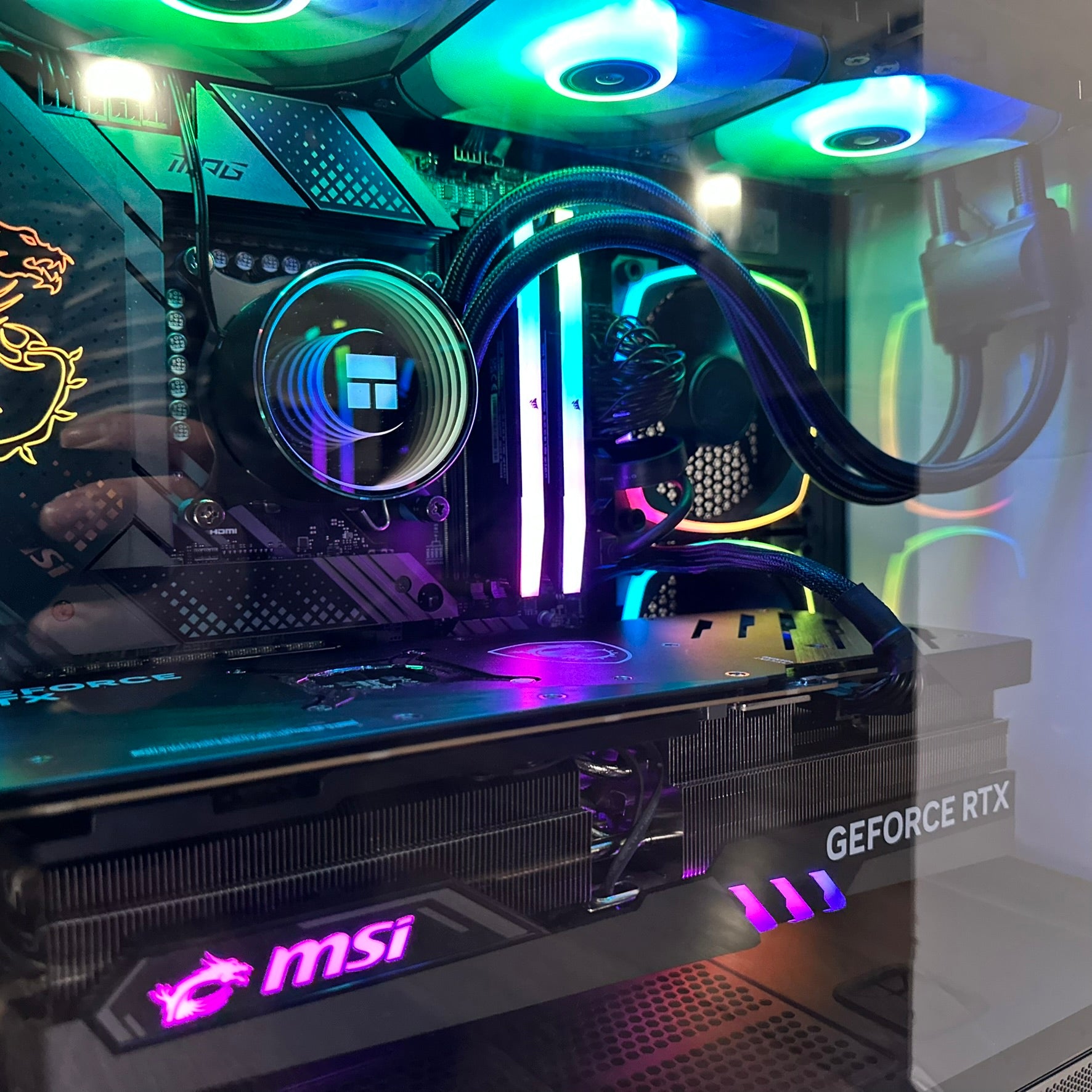
This is why custom matters. A purpose-built gaming PC from Groovy Computers is not assembled around generic assumptions. It is selected around your actual use case, tested for stability, and backed by a 1-year warranty. In a busy buying season, that kind of reliability becomes even more valuable.
Are you only gaming, or do you also need a creator PC?
This is one of the most important questions in modern PC buying.
A lot of customers start by saying they want a gaming desktop. Then the real workflow comes out. They also stream on OBS. They cut highlight videos. They export social content. They run Photoshop for thumbnails. They design overlays. They edit 4K clips. They store massive game libraries and project files on the same machine.
That is no longer just a gaming PC conversation. That is a content creation PC conversation.
Gaming and streaming
If you plan to game and stream from one machine, your needs increase immediately. You need enough CPU headroom for multitasking, enough GPU strength for strong in-game settings, enough RAM to avoid slowdowns, and enough cooling to stay stable during long sessions.
Are you wondering what PC you need for streaming? Start with these questions:
- Are you streaming at 1080p or aiming higher?
- Do you want to record locally while live streaming?
- Will you run dual monitors with chat, browser tabs, alerts, and music tools open?
- Do you want one PC for gaming and streaming, or are you planning future expansion?
If the answer is yes to several of those, your build should be chosen as a Gaming and Streaming PC Canada buyers can rely on, not just a gaming tower with a nice case.
Video editing and content creation
Planning to edit gameplay footage, YouTube projects, or short-form social videos? Then your storage, CPU, RAM, and GPU balance matter just as much as in-game FPS.
A proper Creator PC Canada workflow should be built around these realities:
- 4K footage consumes space fast
- Timeline responsiveness depends on balanced hardware
- Exports, previews, effects, and multitasking all reward stronger systems
- Cheap compromises often show up later as lost time
What PC do you need for video editing if your main hobby is gaming? Often, the answer is not a separate machine. It is a custom hybrid build that can game hard, edit efficiently, and still leave room for future upgrades.
Graphic design and photo editing
If your system also handles Photoshop, Lightroom, Illustrator, Canva-based business work, or Adobe Creative Cloud in general, a thoughtful custom desktop can save daily frustration. Fast launches, responsive file handling, better multitasking, and enough memory for large projects all matter.
Do graphic designers need a dedicated GPU? Sometimes yes, sometimes less than they think. That is why generic shopping advice fails. The right PC for a designer, photographer, or content creator depends on the actual software stack and how heavily you use it.
3D modeling and workstation use
Are you using Blender, Unreal Engine, CAD tools, or other render-heavy software in addition to gaming? Then you are moving into workstation territory. At that point, thermal reliability, RAM capacity, GPU class, CPU core count, and storage planning become even more important.
A machine that is “fine for games” can still be a poor choice for rendering, simulation, scene assembly, or professional project work. If you need one desktop to cover gaming and serious production tasks, a custom workstation-style build is the safer path.
Is now a good time to buy a gaming PC, or should you wait?
This is always one of the biggest buyer questions, and major release rumours only intensify it.
If you wait, you might benefit from clearer game requirements or future hardware announcements. But waiting also carries risk. You could face tighter inventory, reduced part selection, price pressure on stronger components, or a holiday rush that limits your ideal build choices.
So the better question is not just “should I wait?” It is “what am I risking by waiting?”
Consider the real cost of delay:
- Your current PC may struggle with the games and software you care about
- You may end up replacing parts sooner instead of once
- You may miss the window to choose components on your terms
- You may spend more later for the same performance class
If your current system is already causing compromises, the decision is less about timing the market perfectly and more about avoiding another season of frustration.
How do pricing and component pressure affect full-system buying decisions?
Many shoppers focus on one component, usually the graphics card, but complete build pricing can shift for multiple reasons at once. A stronger GPU may be the headline, but CPUs, motherboards, DDR memory, SSD capacity, cooling, and power supply quality all affect the final system cost.
When demand rises around major gaming periods, buyers often discover something frustrating: the exact build they wanted is no longer the easiest or smartest configuration to secure.
This is why a custom PC builder matters. Groovy Computers can help match the right performance tier to your goals instead of forcing you into a one-size-fits-all option. That means thinking beyond a single part and toward the whole desktop.
Would you rather chase individual parts, second-guess every compromise, and worry about balance, or would you rather buy a complete custom system built around how you actually play and work?
Should you finance a stronger PC instead of buying a weaker one?
For many customers, this is the smartest question in the entire purchase process.
If your budget only comfortably covers a lower-tier system in full today, but your actual needs point to a stronger mid-range or high-end build, financing can make the better system accessible before costs rise further. Groovy Computers offers options that can help customers spread payments over time, including financing up to 4 years where applicable.
That changes the decision dramatically.
Instead of asking, “What is the cheapest PC I can get right now?” you can ask, “What is the right PC for the next several years, and can I structure the purchase more intelligently?”
Financing can be especially useful if:
- You want to avoid buying twice
- You need stronger 1440p or 4K gaming performance now
- You also stream, edit, or create content
- You are replacing a failing PC and cannot afford a compromise
- You want a better GPU tier before replacement costs climb
Should you finance a gaming PC? If financing helps you secure the right system instead of settling for a short-lived one, the answer may be yes. The key is choosing a build with lasting value, not just stretching for specs you will never use.
Which performance tier fits you best?
If you are unsure where you belong, use this simple breakdown.
Choose an entry-focused build if:
- You game mainly at 1080p
- You play esports titles, lighter multiplayer games, and older favourites
- You want fast everyday responsiveness without paying for premium extras
- You are buying a first serious gaming desktop
Choose a strong mid-range build if:
- You want 1440p gaming to feel smooth and relevant for years
- You play a mix of competitive and demanding AAA titles
- You want room for streaming, recording, or moderate creator work
- You care about value, but not at the expense of longevity
Choose a high-end or premium build if:
- You want 4K gaming or heavy ray tracing performance
- You expect your PC to stay powerful through multiple game cycles
- You also edit video, stream regularly, or run demanding software
- You do not want to feel pressured into another upgrade too soon
Choose a creator or workstation-focused build if:
- Your desktop will be used for gaming plus serious editing, design, or rendering
- You use Adobe software, DaVinci Resolve, Blender, Unreal Engine, or CAD tools
- You need reliability under long workloads, not just gaming benchmarks
- You want a system designed around production as well as play
Still wondering what gaming PC you need? The answer becomes much clearer once you define your resolution target, your non-gaming tasks, and how long you expect the system to last.
Why custom build quality, testing, and warranty support matter more during busy buying seasons
When hype is high, rushed buying becomes common. That is exactly when quality control matters most.
A strong custom desktop is not just a list of expensive parts. It is a system with proper part matching, cooling logic, power planning, airflow, storage layout, upgrade path awareness, and stability testing. That is what separates a dependable machine from one that only looks good in a product title.
Groovy Computers focuses on that full-system thinking. For Canadian buyers, that means the confidence of dealing with a Canadian custom PC builder that understands real-world use cases, offers rigorous testing, and backs systems with a 1-year warranty.
Would you trust a random marketplace PC with your next major upgrade, especially if you are buying ahead of an important release window? Or would you rather work with a builder that treats long-term reliability as part of the value?
Why Canadian buyers should think differently than general gaming headlines suggest
Most gaming headlines are written for broad audiences, often without the full Canadian buying context. But your decision is not abstract. You are dealing with Canadian dollars, Canadian shipping realities, and the need for support after the sale.
That is why buying from a Canadian PC builder matters. Whether you are in Nova Scotia, Atlantic Canada, Ontario, Alberta, British Columbia, Quebec, or shopping online from anywhere else in the country, you want a system built with clear support, transparent configuration logic, and Canada-wide relevance.
For local trust, Groovy Computers is especially relevant for buyers looking at custom desktops in Nova Scotia, Trenton, New Glasgow, Halifax, and the surrounding region. For broader reach, the same custom-build logic applies to customers ordering across Canada who want a Canada Built Gaming PC without the uncertainty that comes from generic listings.
What should you ask before you buy your next PC?
Before you commit, ask these practical questions:
- What games do I want to play over the next one to three years?
- Am I targeting 1080p, 1440p, or 4K?
- Do I care about ray tracing, ultra settings, or maximum FPS?
- Will I stream, record, edit video, or create content on the same machine?
- Do I use Photoshop, Lightroom, Premiere Pro, DaVinci Resolve, Blender, or CAD software?
- How soon do I want to upgrade again?
- Would a stronger custom build save me money over time?
- Should I use financing to get the right system now instead of compromising?
- Do I want a tested system with warranty support from a Canadian builder?
If those questions make your current plan feel too vague, that is a good thing. It means you are thinking like a smart buyer, not an impulse buyer.
Need help choosing the right build from Groovy Computers?
If you are reading the Ocarina of Time remake rumours and realizing your current setup may not be ready for the next big release cycle, this is the right time to plan properly. Whether you need a budget-friendly gaming desktop, a 1440p-focused upgrade, a premium RTX gaming machine, a creator system, or a workstation-class build, Groovy Computers can help you match performance to real use.
Not sure whether you need a gaming-first system, a streaming-ready rig, a video editing PC, or a custom workstation? Visit GroovyComputers.ca and start with the question that matters most: what do you want your next PC to do for you?
Final takeaway: the Ocarina of Time remake release date rumours are really a reminder to buy smarter
The Ocarina of Time remake release date rumours may or may not point to an exact November launch, but they already tell us something useful. Big release windows change buyer behaviour. They push more people into the market, put more pressure on better hardware, and make weak upgrade decisions feel worse faster.
If you are shopping for a Gaming PC for New Games, do not wait until everyone else is panicking over inventory, pricing, or performance. Think about your resolution target, your content or work needs, your upgrade timeline, and whether financing a stronger system now makes more sense than replacing a weaker one later. For Canadian buyers who want a custom solution, tested reliability, and guidance that fits real workloads, Groovy Computers is the place to start.
#GamingPCForNewGames #GamingPCCanada #CustomGamingPCCanada #CreatorPCCanada #StreamingPCCanada #VideoEditingPCCanada #3DModelingPCCanada #CanadianCustomPCBuilders #NovaScotiaComputers #GroovyComputers
Groovy Computers | All Rights Reserved


Leave a comment
This site is protected by hCaptcha and the hCaptcha Privacy Policy and Terms of Service apply.