


Resident Evil Requiem Physical vs Digital Sales: What Canadian Buyers Should Learn Before Choosing a Gaming PC
The latest Resident Evil Requiem physical vs digital sales data tells an important story that goes far beyond one survival horror release. According to analyst-cited figures referenced in the source material, global demand for physical copies remained surprisingly strong in several markets, while the United States leaned heavily digital. For Canadian buyers, that is more than an interesting industry stat. It is a buying signal. It shows that how people buy games is changing, how platforms are shifting is changing, and how you should plan your next PC purchase may need to change too.
If physical media becomes less common, what does that mean for your next gaming setup? If more major releases push players toward digital storefronts, larger downloads, faster SSD requirements, and higher day-one performance expectations, are you ready with a system that can keep up? And if your current desktop is already struggling with newer titles, is now the time to upgrade before the next wave of game releases and hardware demand pushes replacement costs higher?
For Groovy Computers, this topic matters because Canadian customers are no longer just asking, “Should I buy physical or digital?” They are asking bigger questions. What gaming PC do I need for new games? Should I aim for 1080p, 1440p, or 4K? If I also stream, edit videos, design graphics, or work in Blender, should I buy one stronger system instead of upgrading twice? Those are the questions that actually shape a smart PC purchase.
What the Resident Evil Requiem sales split really tells us
The source article highlights a major contrast in buying behaviour. In the United States, only 22% of Resident Evil Requiem sales were physical, while 78% were digital. In other markets, the split was much closer. The UK sat at 40% physical, Australia at 43%, France at 55%, and Japan nearly balanced at 51% physical and 49% digital.
That matters because the conversation is no longer only about collector preference or shelf space. It is about infrastructure, habits, platform strategy, and how modern gamers actually access their libraries. A more digital future means more reliance on fast storage, fast downloads, reliable hardware, and enough system headroom to handle massive installs, background apps, updates, launchers, recording tools, mods, and modern graphics features.
In other words, even if the headline is about game sales format, the deeper issue is hardware readiness.
If your library is now mostly digital, how much SSD space do you actually need? If your next few purchases are all large AAA games, can your current PC handle the install sizes, the streaming textures, and the performance demands? If you are deleting games every week to make room for new ones, is that a storage problem, a platform problem, or a sign that your current system has outlived its sweet spot?
Why Canadian gamers should think about this differently
Canadian buyers sit in a different position from both the US and overseas markets. We deal with shipping realities, regional inventory swings, exchange pressure, and seasonal price changes that can make delaying a build more expensive than expected. A trend like increased digital adoption does not just affect how you buy games. It can affect when you should buy hardware.
When demand shifts toward digitally driven gaming habits, buyers often start prioritizing faster NVMe SSDs, stronger GPUs for higher settings, and CPUs that can better handle multitasking. That can tighten demand across full systems, especially in popular gaming and creator categories. If you are planning around upcoming game launches, software upgrades, or content creation goals, waiting too long can leave you paying more for the same tier or settling for less than you wanted.
Are you buying before a major fall game release? Are you trying to upgrade before your current machine turns every install into a storage shuffle? Are you hoping to start streaming, editing, or creating content on the same PC? Those timing questions matter just as much as raw specs.
What do you want your next PC to do for you?
This is the most important question in the entire buying process, and it is the one too many shoppers skip.
Do you want a system mainly for modern gaming? Do you want to play new releases at high settings without worrying about immediate upgrades? Do you also want to stream on Twitch or YouTube, capture gameplay, and run Discord, OBS, browser tabs, and music in the background? Or are you really shopping for something broader: a gaming and creator machine that can also handle Adobe Premiere Pro, Photoshop, Lightroom, Illustrator, After Effects, Blender, or a demanding workstation workflow?
Your answer changes everything.
A customer who only plays esports titles at 1080p has a very different ideal build than someone aiming for ray tracing at 1440p, or someone editing 4K footage after gaming sessions. Likewise, a buyer working in 3D modeling or rendering needs different priorities from someone who mainly wants a budget gaming computer for weekend play.
That is why a one-size-fits-all system is rarely the best value. The right custom build should match what you actually do, not just what sounds powerful in a product title.
Does physical vs digital gaming change what specs you should buy?
Indirectly, yes.
Physical media trends do not automatically decide your GPU, but they do point toward where the market is going. More digital ownership usually means:
- More storage pressure from larger game installs
- Greater reliance on SSD speed for loading, asset streaming, and general responsiveness
- More background software use including launchers, capture apps, overlays, and voice chat
- More day-one patching and updates that reward a stable, modern platform
- Longer-term digital libraries that make future-proofing more valuable
So what should you ask yourself? How many games do you keep installed at once? Are you fine with a smaller drive and constant management, or would a larger SSD save you time and frustration every week? If your current PC boots slowly, stutters while updating, or runs out of room the moment you install a new AAA title, does it really make sense to push that system for another year?
What performance tier fits you best?
If you are trying to decide what kind of system makes sense, start with your real-world goals rather than a spec sheet.
Entry-level and budget gaming PC buyers
A budget gaming PC Canada shopper usually wants smooth play at 1080p, strong value, and enough headroom for current games without overspending. This tier is ideal if you mainly play competitive games, lighter AAA titles, or you are buying a first gaming desktop for yourself, a student, or a family member.
Ask yourself: are you really playing the latest heavyweight games at ultra settings, or do you mostly care about dependable performance for popular titles? If the answer is the latter, a balanced value build may be the smartest option.
This tier often works best for:
- 1080p gaming
- Esports and competitive titles
- Entry-level streaming
- Light photo editing
- General school and productivity use
Mid-range 1440p gaming and streaming buyers
This is where many Canadian buyers get the best long-term value. If you want stronger visuals, better frame rates, more multitasking ability, and a more comfortable runway for future titles, a mid-tier custom build is often the sweet spot.
Are you wondering, What PC do I need for 1440p gaming? Do you want to stream while gaming without crushing your frame rate? Do you want a machine that can handle both new releases and creator tasks like editing clips, thumbnails, and social media content? If yes, this is likely your lane.
This tier often suits customers who want:
- 1440p gaming at high settings
- Better ray tracing performance
- Gaming and streaming on one PC
- Video editing for YouTube or TikTok
- A stronger future-proof gaming PC without jumping to flagship pricing
High-end and 4K gaming buyers
If you want premium visual quality, more ray tracing overhead, stronger longevity, and high-end performance in demanding games, a 4K gaming PC Canada or premium 1440p build becomes the better fit.
But ask the honest question first: do you actually need that level of performance today, or are you buying to avoid upgrading too soon? If your goal is to keep the same system longer, play at ultra settings, and stay ready for more demanding future releases, a higher-end custom gaming PC can be the right move.
This tier is usually best for:
- 4K gaming or premium 1440p gaming
- Heavy ray tracing workloads
- High refresh monitors
- Simultaneous gaming, recording, and multitasking
- Customers who want a longer replacement cycle
Creator and workstation buyers
What if gaming is only part of the picture? What if you also need a video editing PC Canada, a content creation PC Canada, a graphic design system, or a 3D modeling workstation?
Then the right build changes again. You may need more cores, more RAM, more VRAM, more storage, quieter cooling, or a more workstation-focused component balance.
This tier is ideal for:
- Adobe Premiere Pro and DaVinci Resolve
- Photoshop and Lightroom workflows
- Adobe Illustrator, InDesign, and design suites
- Blender, Unreal Engine, and 3D rendering
- Professional multitasking and productivity
Are you shopping for gaming only, or gaming plus everything else?
This is where many buyers either save money wisely or underspend in a way that costs them later.
If you only game, your build can be optimized heavily around gaming performance. But if you also stream, edit, design, or render, your system needs to be chosen with more balance. A pure gaming-first parts list can look great on paper but feel limiting once you start using creator software daily.
So ask yourself a few direct questions:
- Will you only play games, or also record and edit content?
- Are you planning to use OBS, Streamlabs, or other streaming tools?
- Will you edit 1080p clips, 4K timelines, or short-form social content every week?
- Do you work in Photoshop, Lightroom, Illustrator, or Adobe Creative Cloud?
- Are you experimenting with Blender, Unreal Engine, or 3D rendering?
- Do you want one machine that does it all well enough to avoid a second upgrade?
If your answer includes more than gaming, a custom system from Groovy Computers makes far more sense than chasing a generic box that is only tuned for one task.
How much storage should a modern gaming or creator PC have?
One of the clearest takeaways from the digital-first direction of gaming is that storage is no longer an afterthought. It is part of the user experience.
For many buyers, the old habit of choosing the smallest drive possible just to lower the upfront price no longer works well. Modern games are large. Patches are large. Creator assets are large. Video footage, Lightroom catalogs, project files, and cache folders get large quickly.
If you are mainly gaming, a fast primary NVMe SSD is a major quality-of-life upgrade. If you are gaming plus editing or content creation, larger and faster storage matters even more. A machine that feels “fine” at checkout can become frustrating fast if you are immediately micromanaging every install.
Would a slightly stronger storage configuration save you daily frustration? Would it help you keep more of your active games installed? Would it make your editing or project workflow smoother? Those are often better questions than simply asking which system is cheapest.
Is now a good time to buy a gaming PC in Canada, or should you wait?
This is one of the most searched buyer questions for a reason, and there is no universal answer. But there is a practical one.
If your current desktop still meets your needs comfortably, waiting can make sense. If you are only curious and not under pressure, it is reasonable to compare options carefully. But if your current system is already causing problems, waiting is not neutral. It has a cost.
That cost can look like:
- Missing out on the performance needed for new games
- Buying under pressure later during a hardware spike
- Overpaying if component pricing rises
- Settling for lower-tier hardware because better options move out of budget
- Wasting time on slow exports, long loads, stutters, and upgrade workarounds
If you know a big game release is coming, a software upgrade is around the corner, or your workload is growing, it may be smarter to secure the right system before demand shifts again. That is especially true if you plan to finance a stronger build rather than replace a weak stopgap six months later.
Should you finance a stronger PC instead of buying a cheaper one?
For many buyers, this is the real decision.
It is easy to focus only on the lowest upfront number. But a cheaper system that needs upgrading too soon can cost more in the long run. If financing helps you move into a better performance tier now, that can be the smarter value play, especially if your needs are growing and your current machine is already limiting you.
So ask yourself: would you rather buy the bare minimum today and risk another upgrade sooner, or secure a better-balanced system now with room to breathe? If a modest monthly payment helps you get the GPU, CPU, RAM, and storage you actually need, financing can make a lot of sense.
Groovy Computers offers options that can help Canadian customers move into a more capable custom PC without needing full payment upfront, including financing terms up to 4 years where applicable. That can matter if you are trying to lock in a stronger build before replacement costs rise, or if you need a system for work, school, content creation, or gaming now rather than later.
What if you need a PC for streaming, editing, or content creation too?
The source story is about game buying behaviour, but the buyer opportunity is bigger than that. Many customers reading gaming news today are not just players. They are streamers, creators, editors, modders, and hybrid users.
If you are looking for a streaming PC Canada solution, think beyond gameplay alone. A system that runs the game is not always the same system that runs the game, captures footage, manages overlays, records locally, and stays smooth under multitasking pressure.
If you are shopping for a creator PC Canada build, ask these questions:
- Do you edit in Premiere Pro, DaVinci Resolve, or CapCut?
- Do you work with high-resolution photos in Lightroom or Photoshop?
- Do you need more RAM for timeline work, effects, and background apps?
- Will a stronger GPU help accelerate exports, rendering, or AI-assisted tools?
- Are you trying to combine gaming and content creation in one desktop?
If the answer is yes, your build should be selected accordingly. That is where a custom PC really earns its value.
What about graphic design, photo editing, and 3D modeling?
Not every reader of gaming news is only buying for games. Many customers use one desktop for multiple ambitions. Maybe you game at night, run Lightroom on weekends, and use Illustrator or Canva for business work during the day. Maybe you are learning Blender. Maybe your workflow is moving toward 3D modeling, rendering, or Unreal Engine.
That is why buying based only on “Can it run this game?” can be too narrow.
If you need a photo editing PC Canada build, colour workflow, RAM capacity, SSD speed, and smooth app responsiveness matter. If you need a graphic design PC Canada, multi-app performance and display support matter. If you need a 3D modeling PC Canada or rendering workstation, both CPU and GPU selection become more critical depending on your software.
Would a gaming-first machine still do the job? Sometimes, yes. But if your creative work matters, or your time matters, or your projects are becoming more demanding, then a better-targeted configuration will usually pay you back in smoother work and less waiting.
Why custom builds matter more when the market keeps shifting
When the industry is changing, generic systems become riskier. Why? Because they are often designed to hit a price point first and solve your exact workload second.
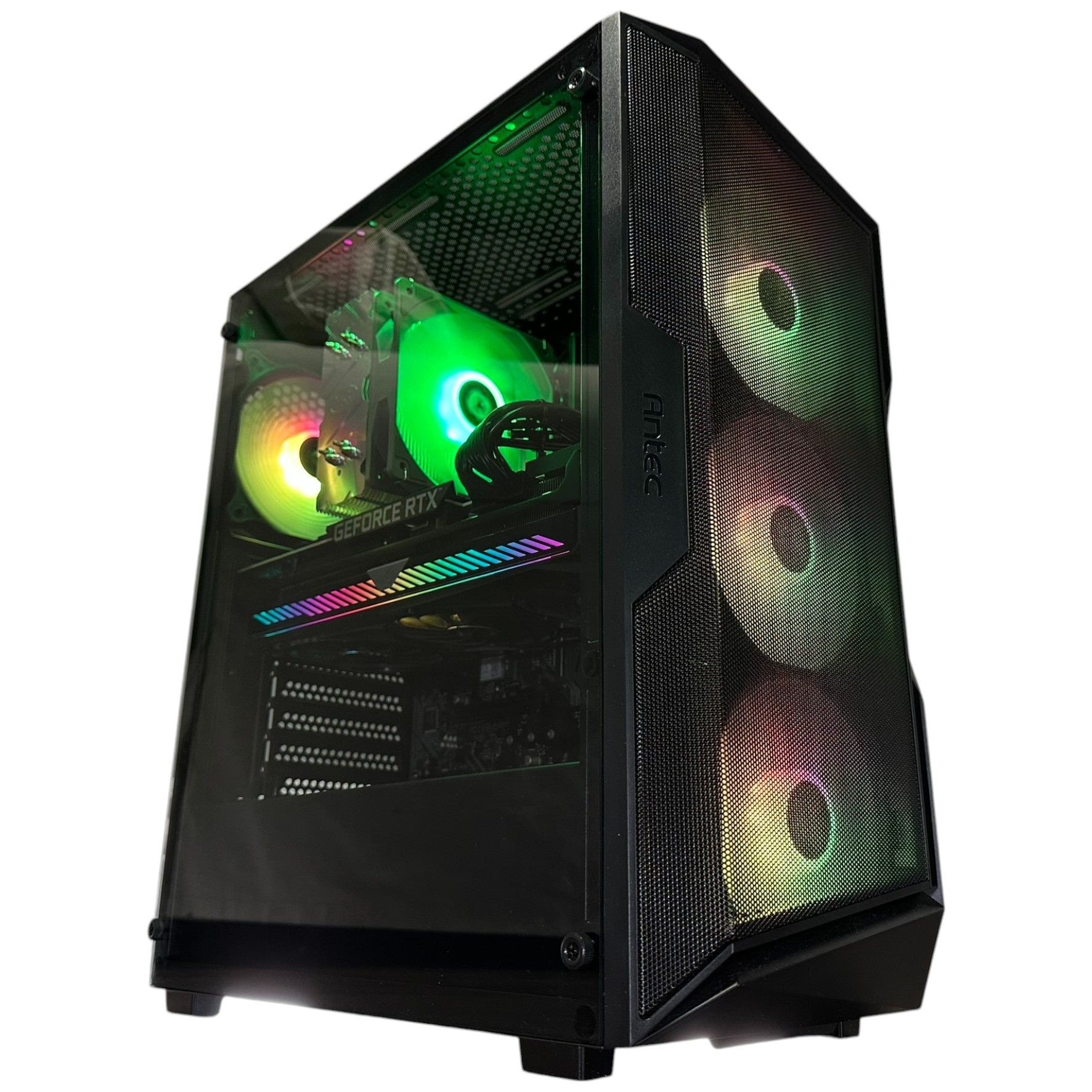
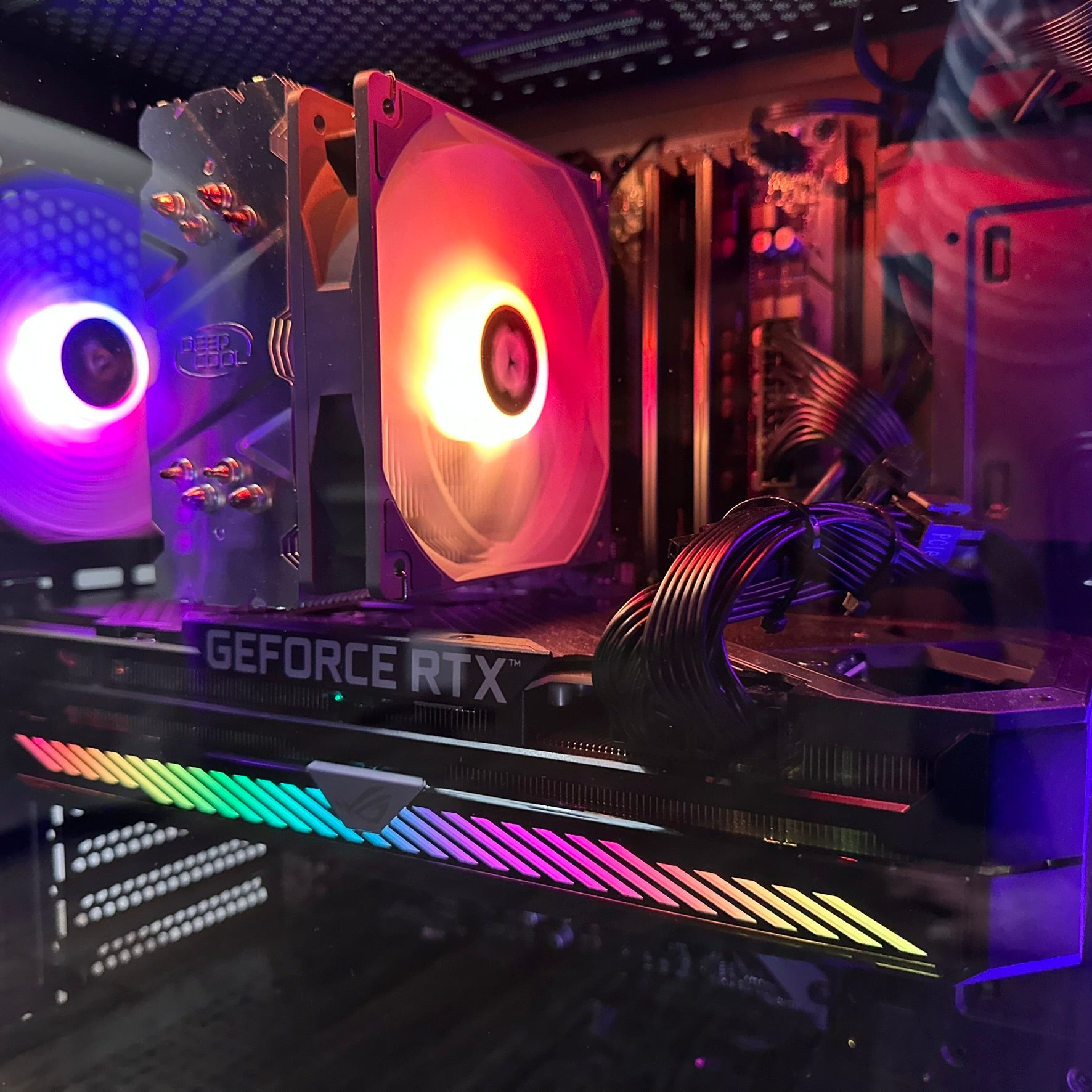
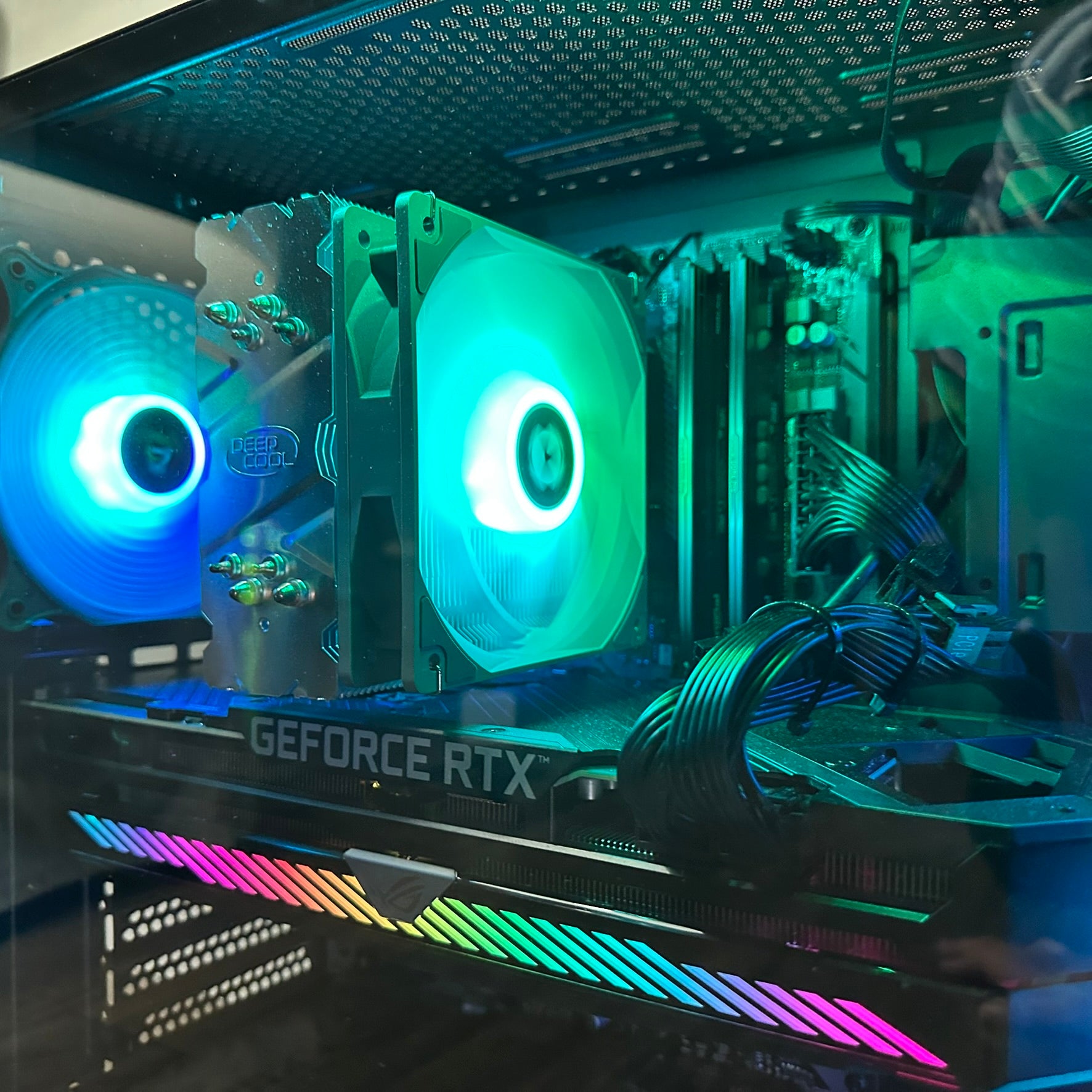
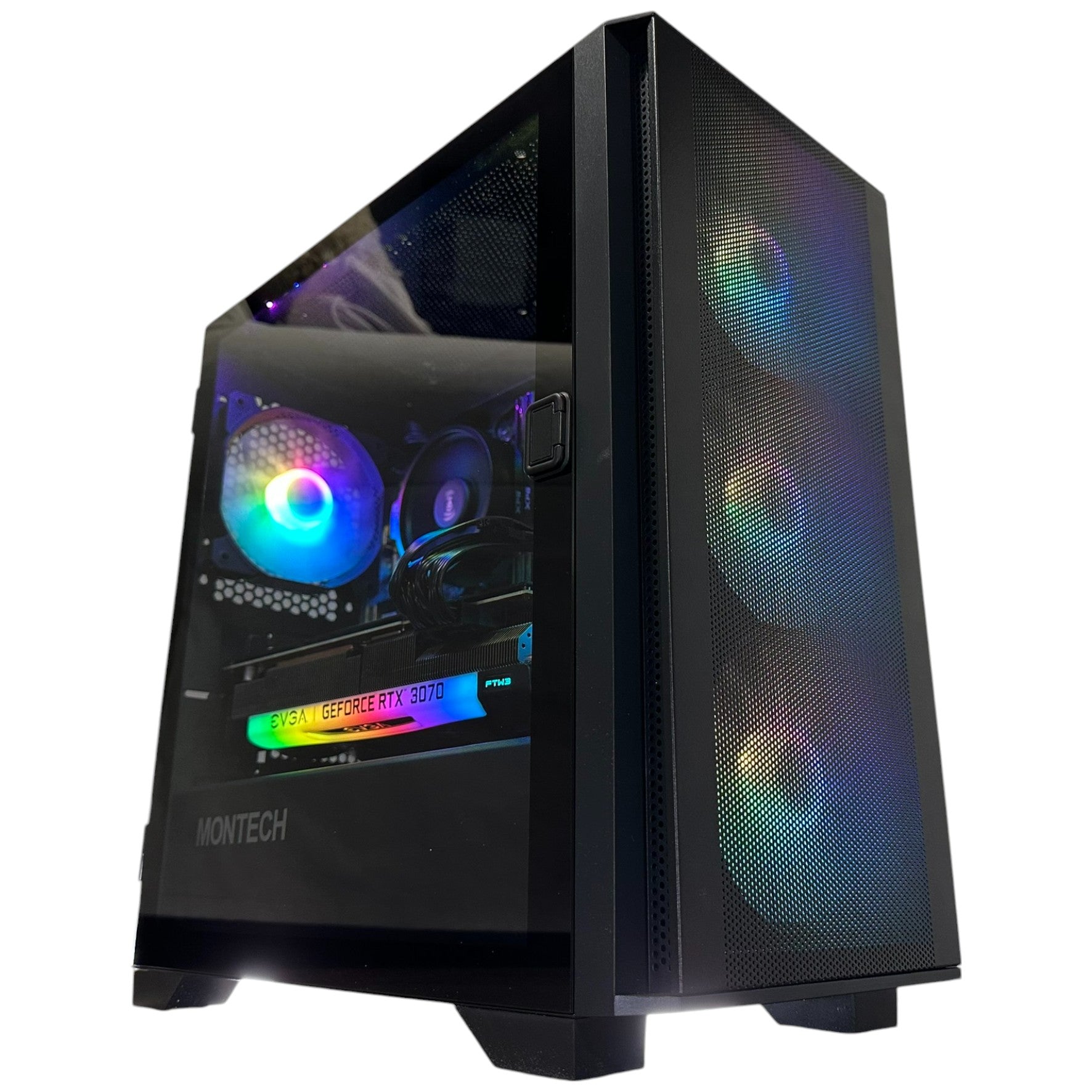
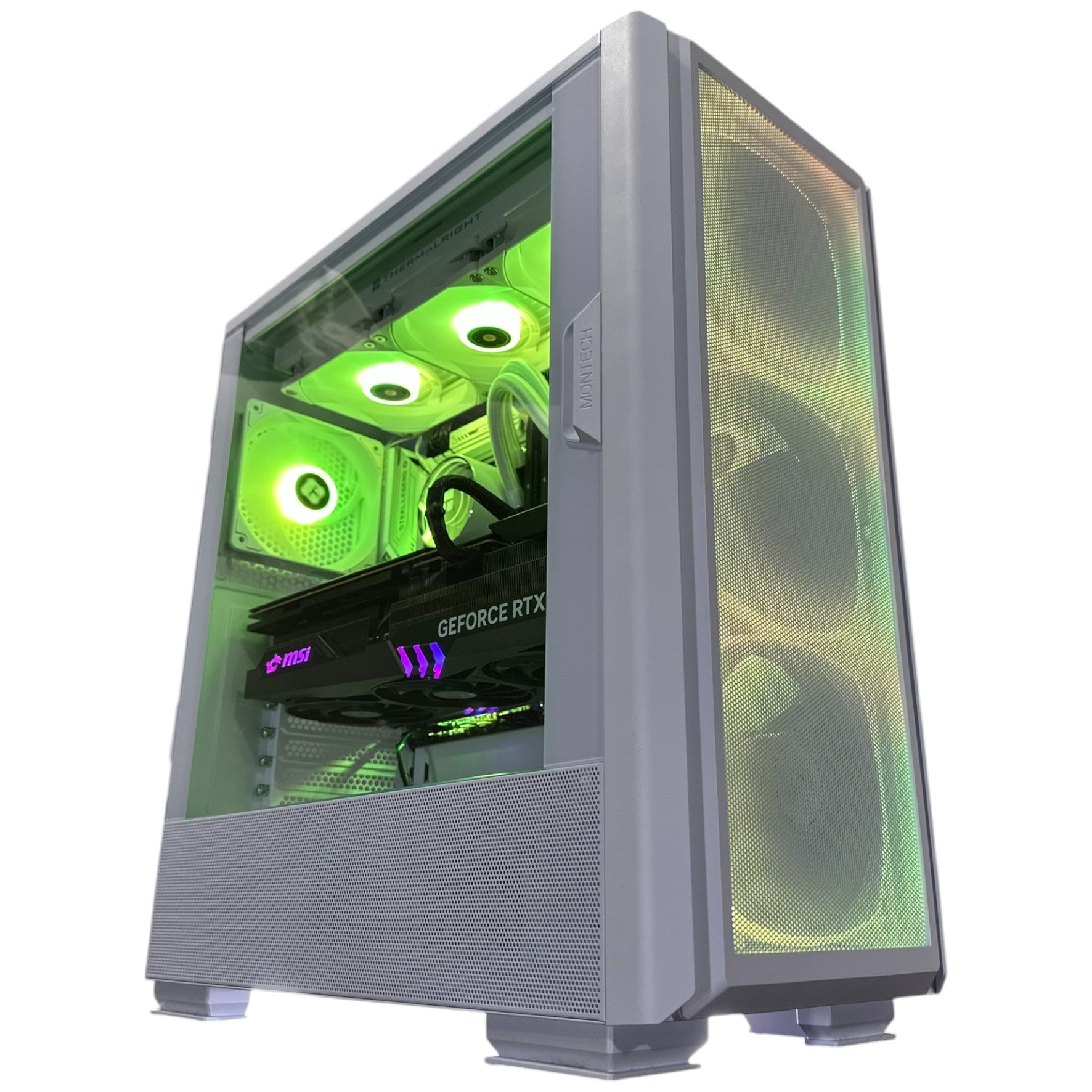
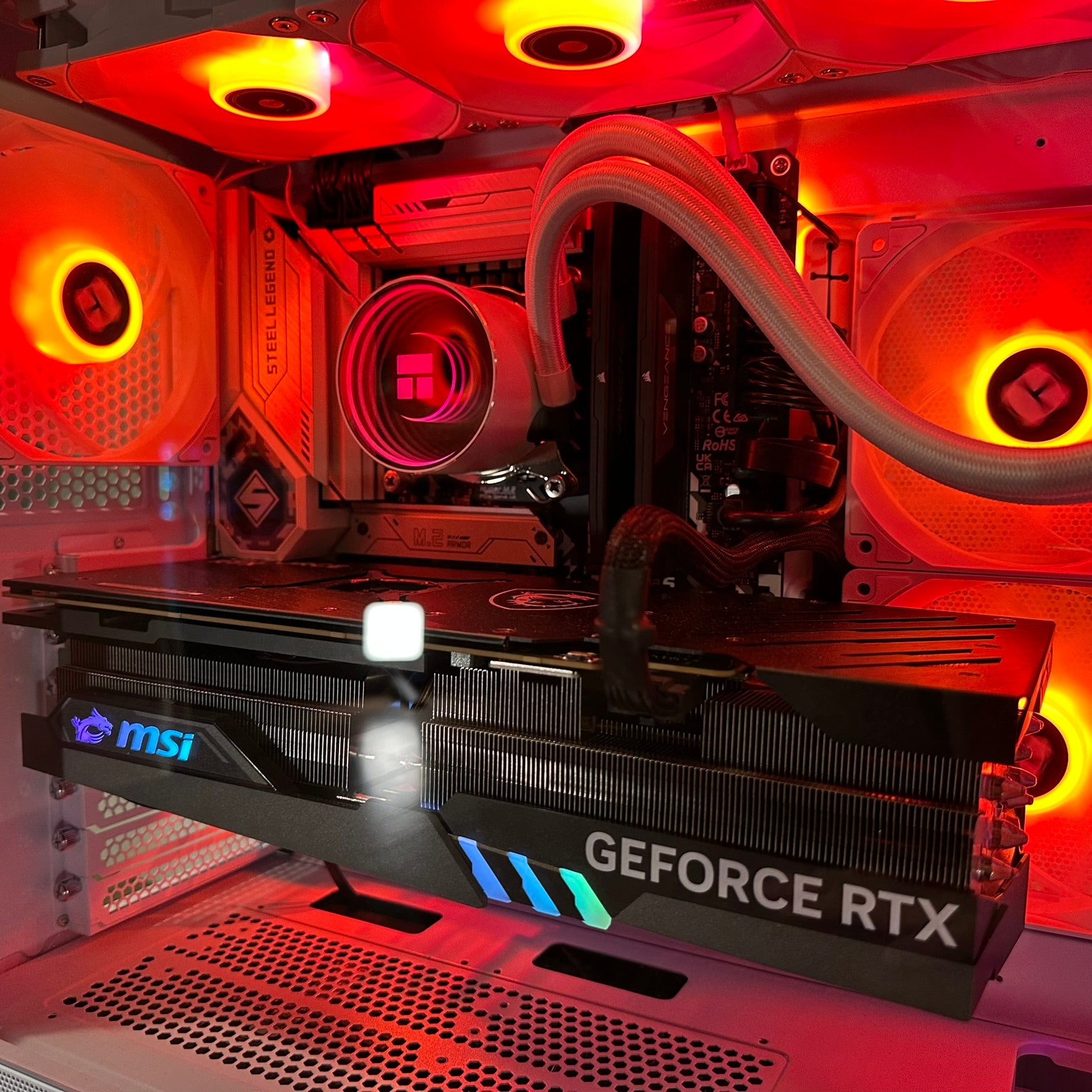
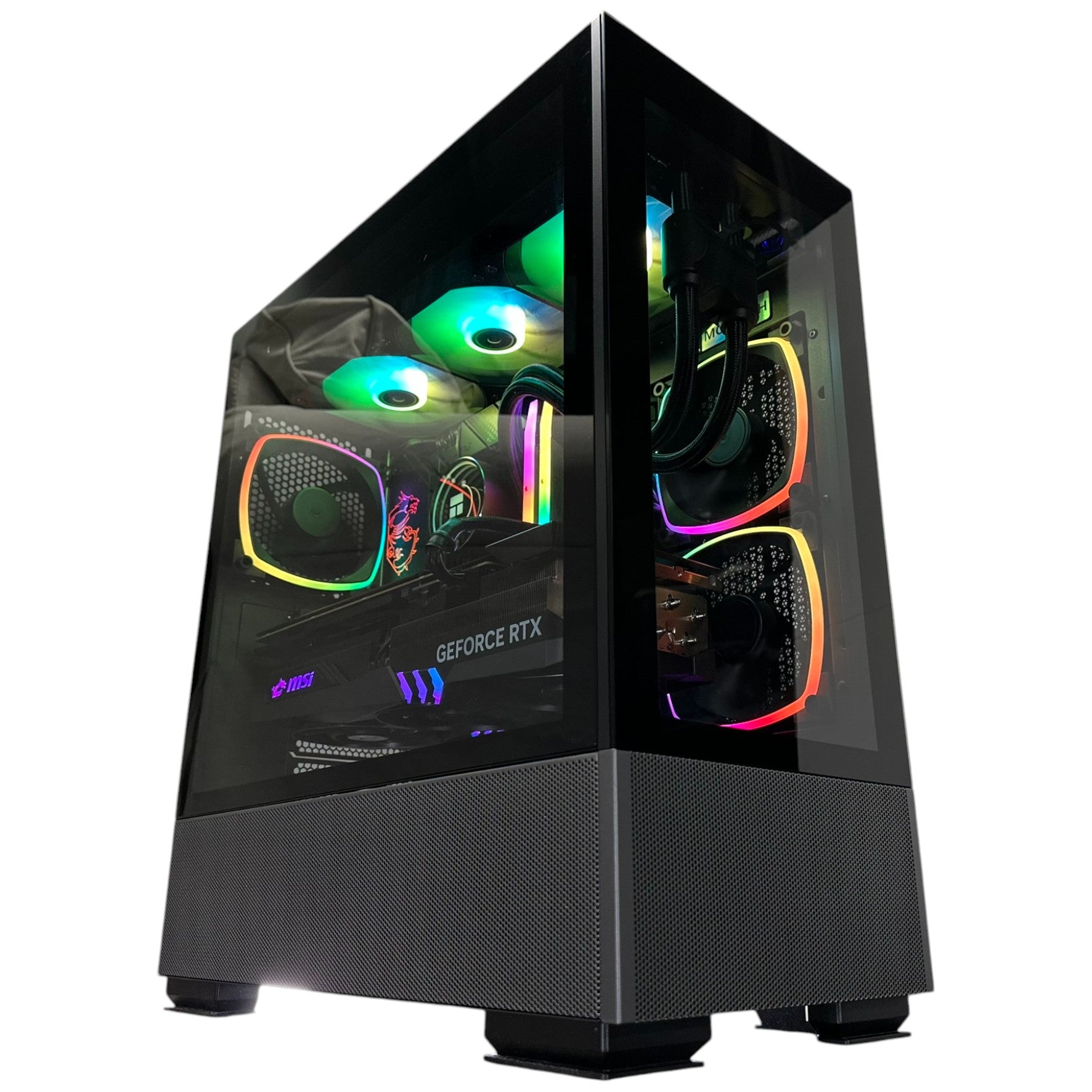
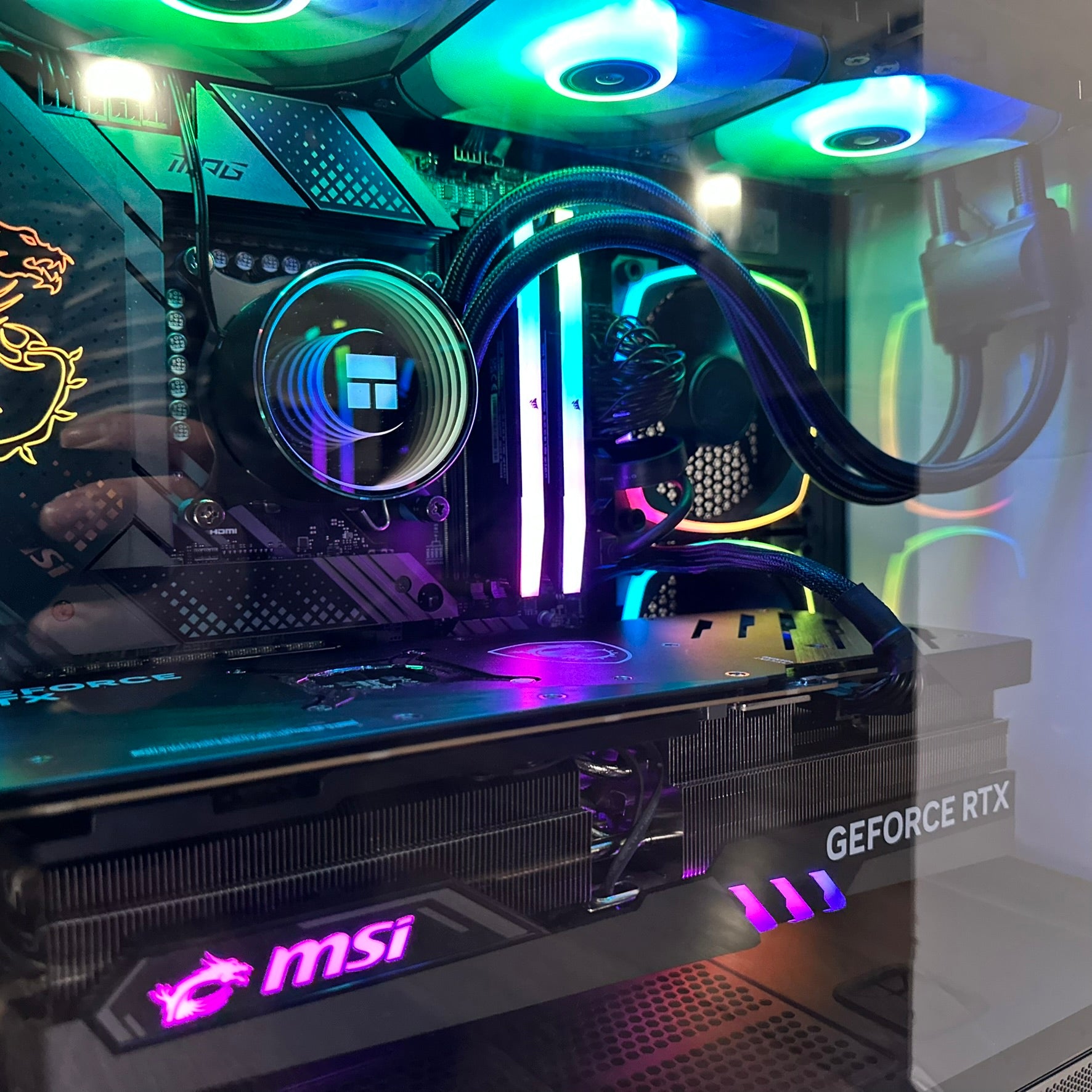
A custom build is not just about flashy parts. It is about proper component matching, cooling, storage planning, power headroom, upgrade path logic, and ensuring the machine fits the actual way you use it. That matters whether you are buying a gaming desktop, a streaming system, a custom creator PC, or a workstation.
Would you rather have a machine selected around your monitor, games, software, and budget, or a generic configuration that looked good in an ad? Would you rather buy for your current needs only, or for your next 2 to 4 years of use?
Those are exactly the reasons many Canadian buyers choose Groovy Computers.
Why buy from Groovy Computers instead of taking a random gamble?
Buying a custom PC is not just a hardware decision. It is a trust decision.
Groovy Computers is built around helping Canadian buyers get the right system for the way they actually play and work. That means guidance on performance tier, honest custom build logic, rigorous testing, and support that makes sense for real customers rather than anonymous volume selling.
When you buy from Groovy Computers, you are not just chasing parts. You are buying a complete system built with purpose. That includes the kind of planning that helps avoid mismatched builds, premature upgrades, and underpowered compromises. It also means confidence from rigorous testing and a 1-year warranty, which matters even more when you are investing in a higher-performance gaming PC, creator desktop, or workstation.
For buyers in Nova Scotia, Atlantic Canada, and customers ordering across the country, that Canadian trust factor matters. Whether you are looking for a custom gaming PC, a video editing workstation, or a balanced build that can game, stream, and create, Groovy Computers is positioned to help you choose well.
Which buyer are you right now?
You may already know your answer after reading this far.
The buyer whose current PC is still okay
If your current system still handles your games and software well, you may be in research mode. This is the best time to define your next step carefully. What do you want your next machine to do better? Higher FPS? Better editing speed? More storage? Better ray tracing? A quieter system? A build that lasts longer?
The buyer who feels their system falling behind
If new releases are starting to feel rough, your storage is constantly full, or your desktop is struggling under multitasking, you are closer to action than you may think. Waiting may only mean buying in a more stressful moment later.
The buyer who needs one stronger PC instead of two weaker ones
If you game, stream, and create, a better balanced custom build can prevent the common mistake of buying too small for your real life. Why buy a “gaming-only” machine now and then spend again when your creator needs grow?
The buyer worried about affordability
If your budget is the issue, financing may be the bridge between settling and buying smart. A stronger system with sensible monthly payments can be better value than a weak machine that ages out early.
What should you do before you buy?
Before choosing your next PC, ask yourself these practical questions:
- What games or software will I actually use most?
- Am I aiming for 1080p, 1440p, or 4K?
- Do I care about ray tracing or high refresh competitive play?
- Will I stream, record, or edit content?
- Do I need this PC for Photoshop, Lightroom, Premiere Pro, DaVinci Resolve, Illustrator, or Blender?
- How much storage do I realistically need for games and projects?
- Do I want to avoid upgrading again too soon?
- Would financing a stronger system now be smarter than replacing a weak one later?
- Do I want a generic machine, or a tested Canadian custom build with warranty support?
If those questions have you thinking more seriously about your next setup, that is a good sign. It means you are moving from browsing to buying with purpose.
Ready for a gaming PC, creator PC, or workstation that actually fits?
If this industry shift has you asking what your next system should look like, Groovy Computers can help. Whether you need a balanced gaming desktop, a stronger 1440p or 4K system, a custom creator PC, a video editing workstation, or a 3D-capable build, the goal is the same: match the machine to your real needs and help you buy confidently.
Are you trying to figure out what performance tier fits your budget? Are you wondering whether to buy now or wait? Do you want help choosing between a budget build, a premium RTX gaming PC, or a more versatile content creation system? Visit GroovyComputers.ca to explore custom options, ask about financing, and get pointed toward a build that makes sense for the way you game, work, and create in Canada.
Final takeaway: the format war is interesting, but your next PC decision matters more
The Resident Evil Requiem sales split is a useful snapshot of where gaming habits are heading. Some markets still support physical copies heavily. Others have already gone mostly digital. But for Canadian buyers, the practical lesson is not just about discs. It is about readiness.
If gaming is becoming more digital, more demanding, and more tied to storage speed, multitasking, and day-one performance, then your hardware matters more than ever. If your current desktop is already stretched, delaying may not protect your budget. It may shrink your options. A smarter path may be choosing the right custom system now, with enough performance and flexibility to carry you through the next cycle of games, software, and creative goals.
That is why Resident Evil Requiem physical vs digital sales is more than a trend story. It is a reminder to ask the right question: what do you need your next PC to do, and are you buying a system that will still feel right after the next big release arrives?
#GamingPCCanada #CustomGamingPCCanada #GamingPCBuilderCanada #CanadianCustomPCBuilders #VideoEditingPCCanada #CreatorPCCanada #StreamingPCCanada #3DModelingPCCanada #GamingComputersCanada #NovaScotiaBusiness #GroovyComputers
Groovy Computers | All Rights Reserved


Leave a comment
This site is protected by hCaptcha and the hCaptcha Privacy Policy and Terms of Service apply.