

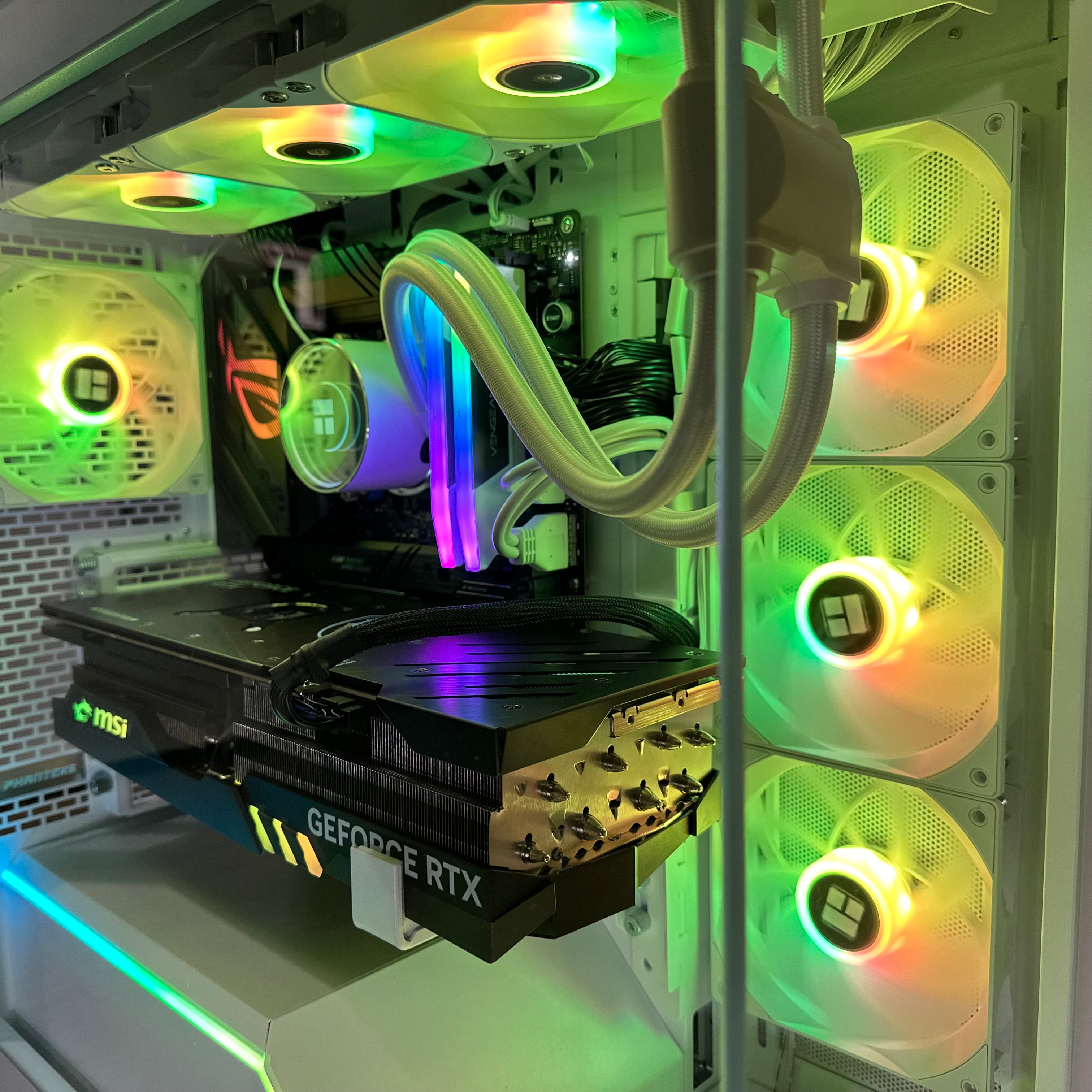

Resident Evil Requiem Update: What the Difficulty Reduction Means for Anyone Shopping for a Gaming PC Canada
The latest Resident Evil Requiem update is more than a simple patch note story. According to the source material provided, Capcom released update 1.310 for consoles and PC, reduced the difficulty of the combat mini-game Leon Must Die Forever on Rank 1 and Rank 2, improved some skills for more flexible enhancement combinations, increased the chance that grenades are not consumed with the Explosives Specialist skill, extended the Strategist skill duration, raised its damage bonus, and fixed minor bugs. For players, that sounds like balance tuning. For Canadian PC buyers, it raises a bigger question: if a major game is already being adjusted, optimized, and supported after launch, is your current system ready for where the game will be in the months ahead?
That is the real buying conversation. When a new survival horror title receives active support, the game experience can shift quickly. Combat pacing changes. CPU demand can feel different in heavy scenes. GPU pressure can rise if you turn effects up. Streaming and recording the game can become harder on older hardware if you are trying to capture high-quality footage at the same time. If you are reading about this patch and thinking, Will my PC still give me the experience I want?, you are already asking the right question.
At Groovy Computers, that is where the article stops being just gaming news and starts becoming a practical custom PC decision. Are you planning to play modern horror games at 1080p with strong frame consistency? Do you want 1440p ultra settings with ray-traced effects? Are you also planning to stream to Twitch or YouTube, edit gameplay clips, design thumbnails, or build a broader content creation setup around your gaming system? Your answer changes what kind of machine makes sense.
What did the Resident Evil Requiem update actually change?
Based on the source article, the key change was balance adjustment. Capcom reduced the difficulty of the combat mini-game Leon Must Die Forever on Rank 1 and Rank 2. The developers also improved some skills to allow a wider range of combinations. On top of that, the Explosives Specialist skill became more forgiving by increasing the probability that hand grenades are not consumed, while the Strategist skill now lasts longer and gives a higher damage boost percentage. Minor bugs were also fixed.
That kind of update matters because it shows active post-launch support. Developers are not just shipping the game and walking away. They are watching player experience, adjusting balance, and refining systems. If you are investing in a PC for new games, that is important. Games often evolve after release, and systems that are only barely keeping up on day one can feel even more limited when updates, expansions, background apps, recording tools, and higher player expectations all pile on.
The source article also mentioned that a story expansion is in development, even though no details were revealed yet. That should immediately make performance-minded players think ahead. Are you buying a system just for today’s baseline settings, or are you buying one that still feels strong when expansions, updates, higher texture packs, or newer driver optimizations arrive?
Why does a Resident Evil Requiem update matter if you are shopping for a gaming PC in Canada?
Because this is exactly how buying hesitation starts. A player reads a game update, gets interested again, and then realizes their current PC is holding them back. Maybe load times are too long. Maybe stutter ruins tense combat sections. Maybe streaming the game tanks performance. Maybe the machine can play it, but not at the image quality or resolution they actually want.
Canadian buyers also face a slightly different reality than shoppers who read generic international PC advice. Full-system pricing can shift with GPU demand, exchange pressure, shipping costs, inventory swings, and seasonal buying surges. If a title regains momentum because of updates, expansions, or broader community interest, the best time to sort out your hardware may be before the next wave of demand, not during it.
So ask yourself a practical question: are you upgrading because your current PC is broken, or because it no longer matches how you want to play? That distinction matters. Many people wait too long because their machine still technically runs games. But “runs” is not the same as smooth, immersive, quiet, responsive, stream-ready, or future-proof enough to avoid another upgrade too soon.
What do you want your next PC to do for you?
This is the most important question in the article, and it is the one most buyers skip.
Do you just want to enjoy Resident Evil Requiem and other new AAA games without fighting settings menus every week? Do you want a system that can handle horror, open-world, action, and competitive titles with confidence? Do you want to record gameplay for social clips? Stream with OBS? Edit in Premiere Pro or DaVinci Resolve? Build YouTube thumbnails in Photoshop? Use Blender, Unreal Engine, or design tools after gaming hours?
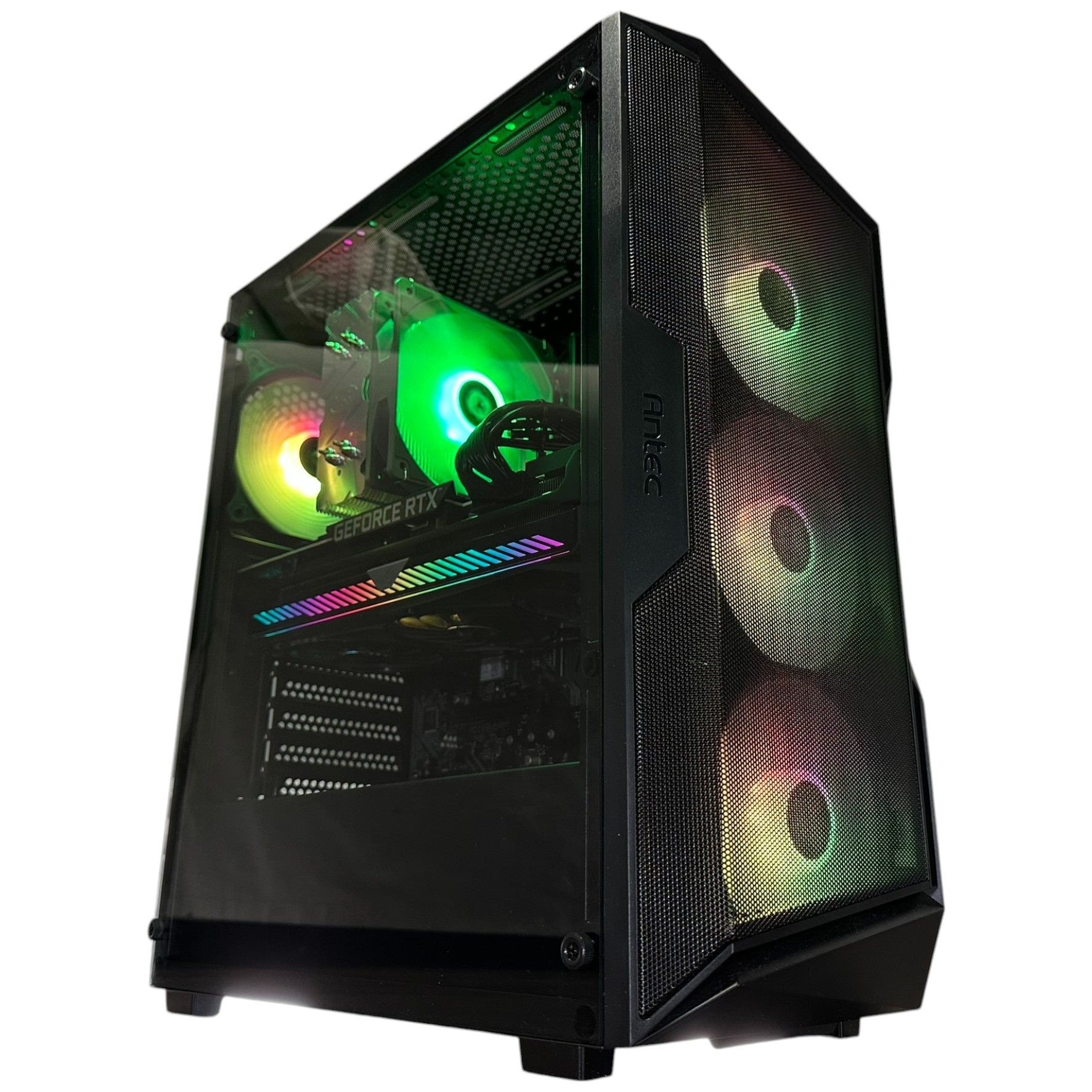
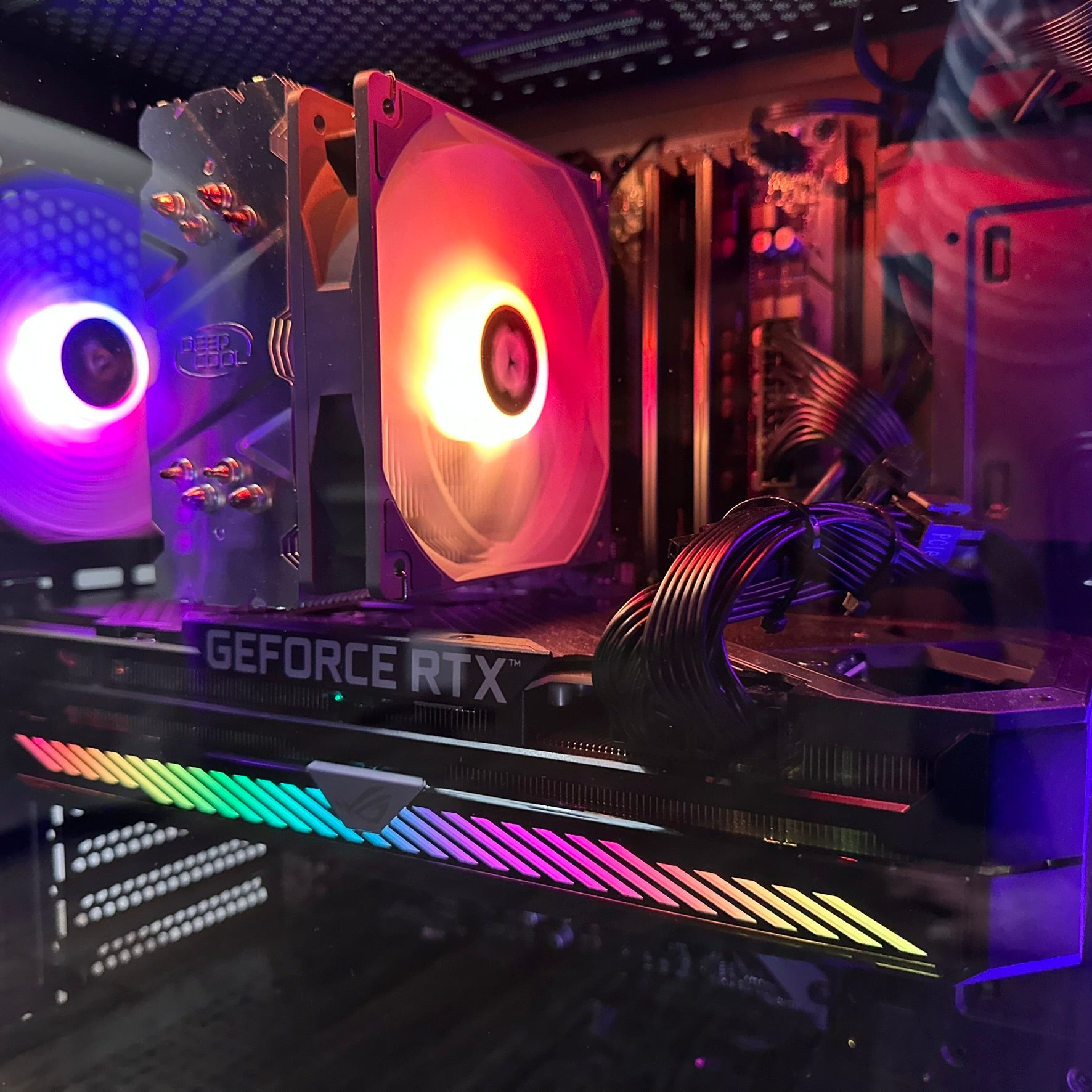
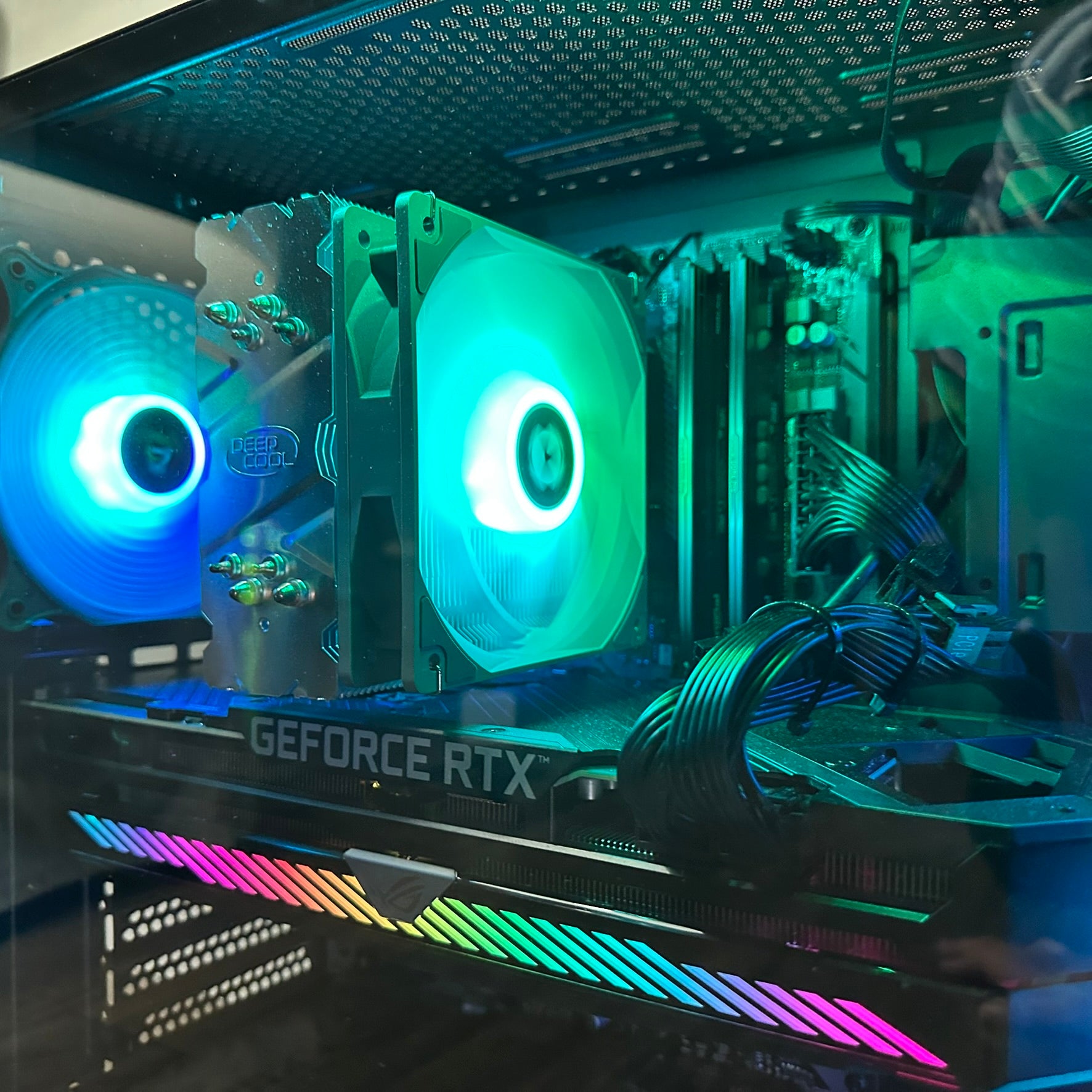
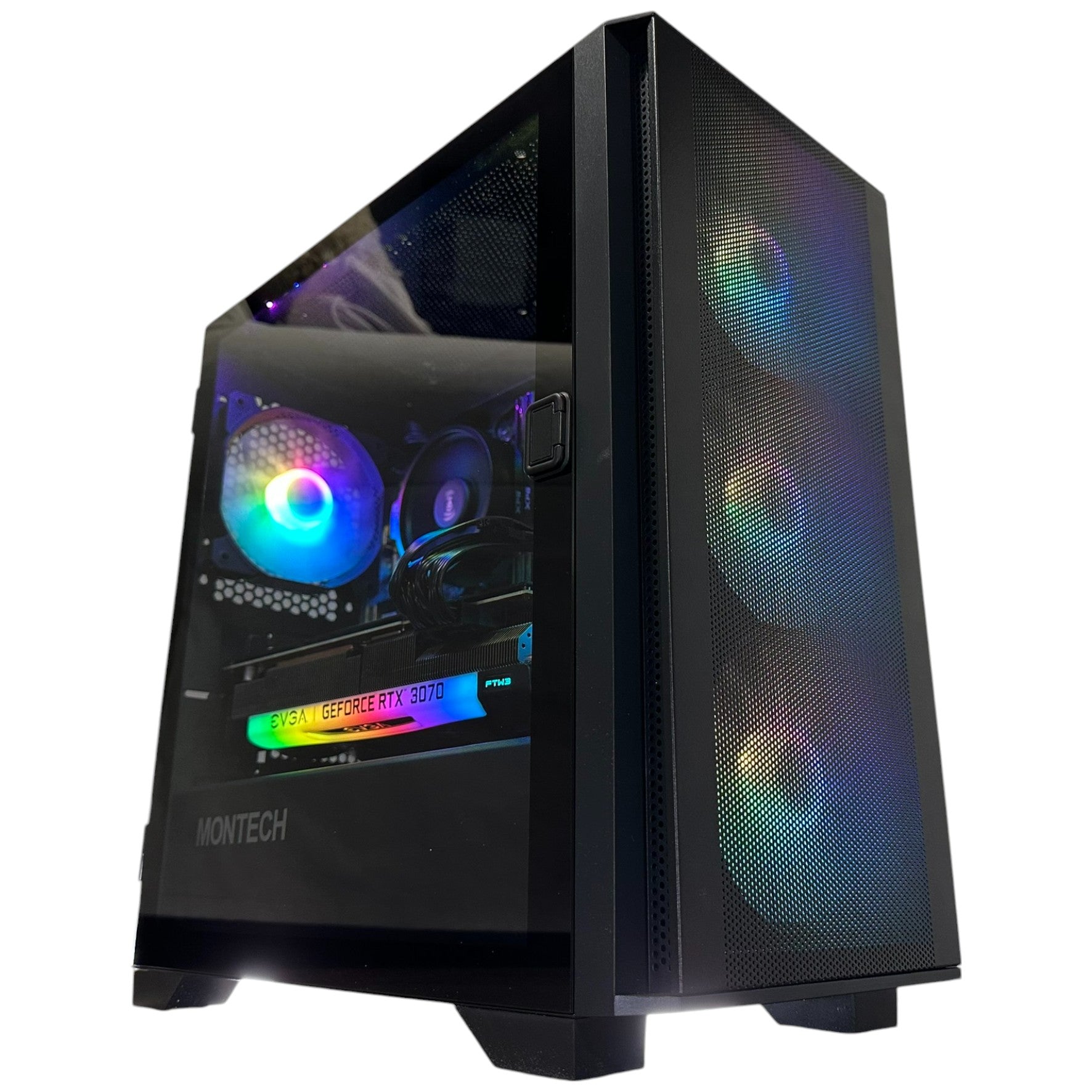
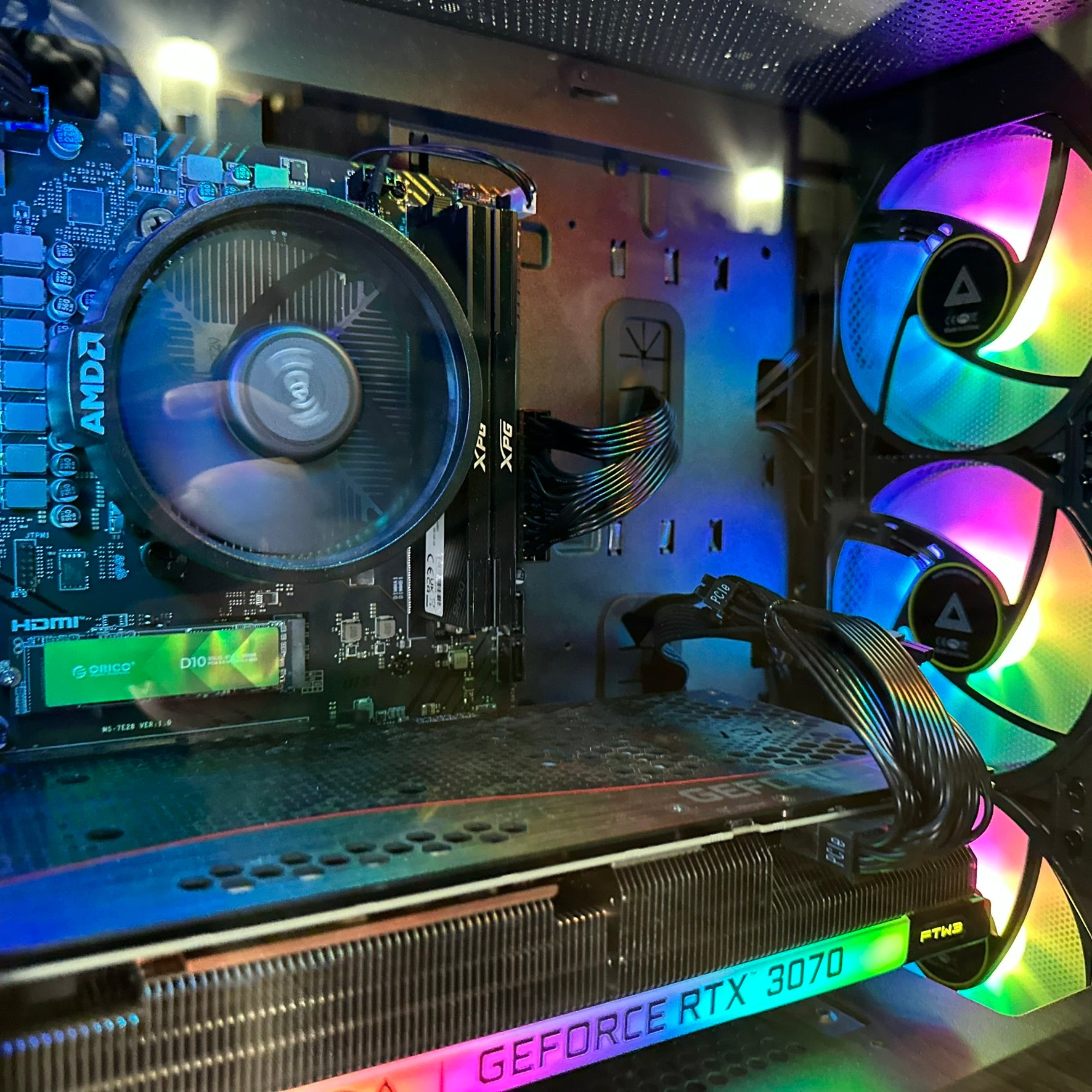
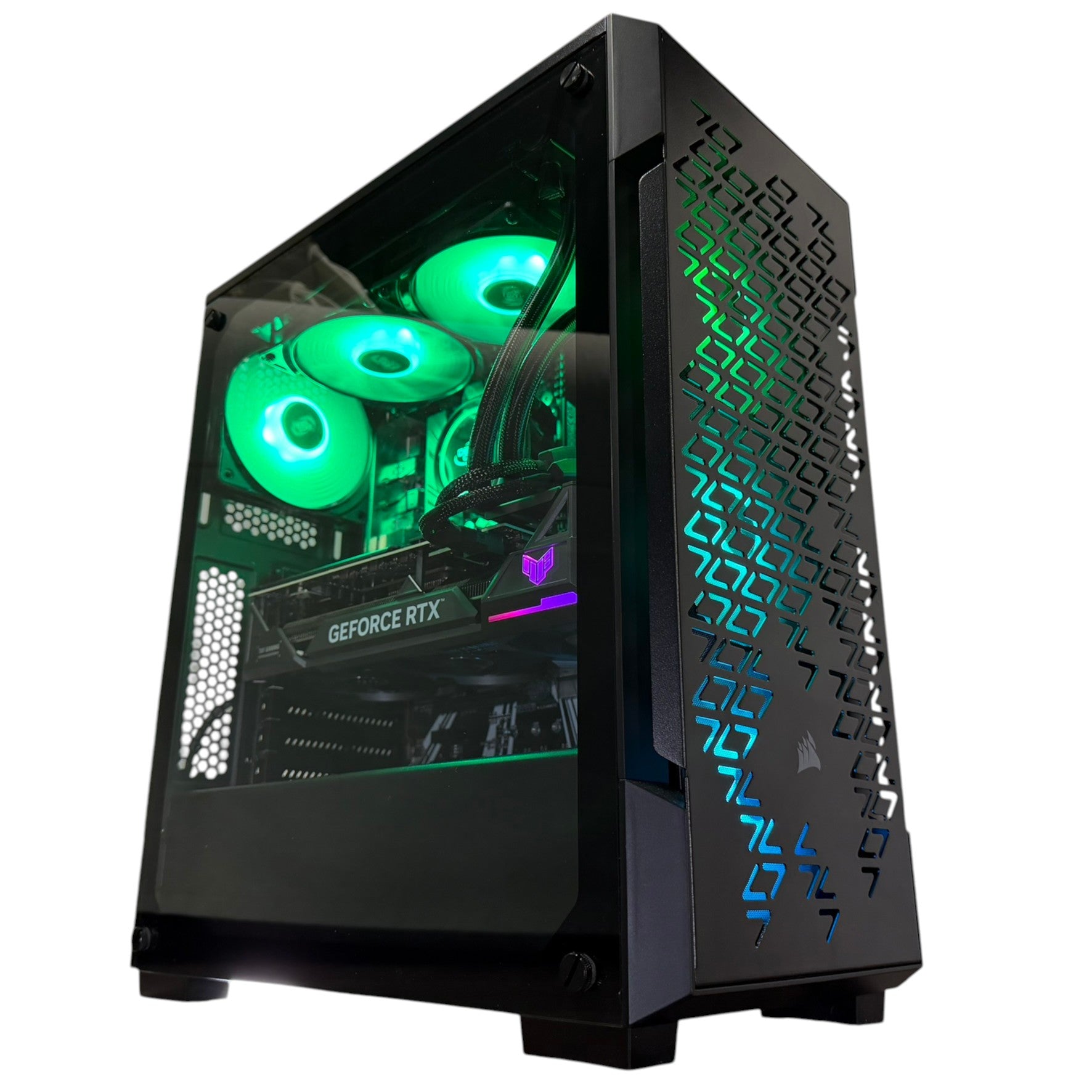
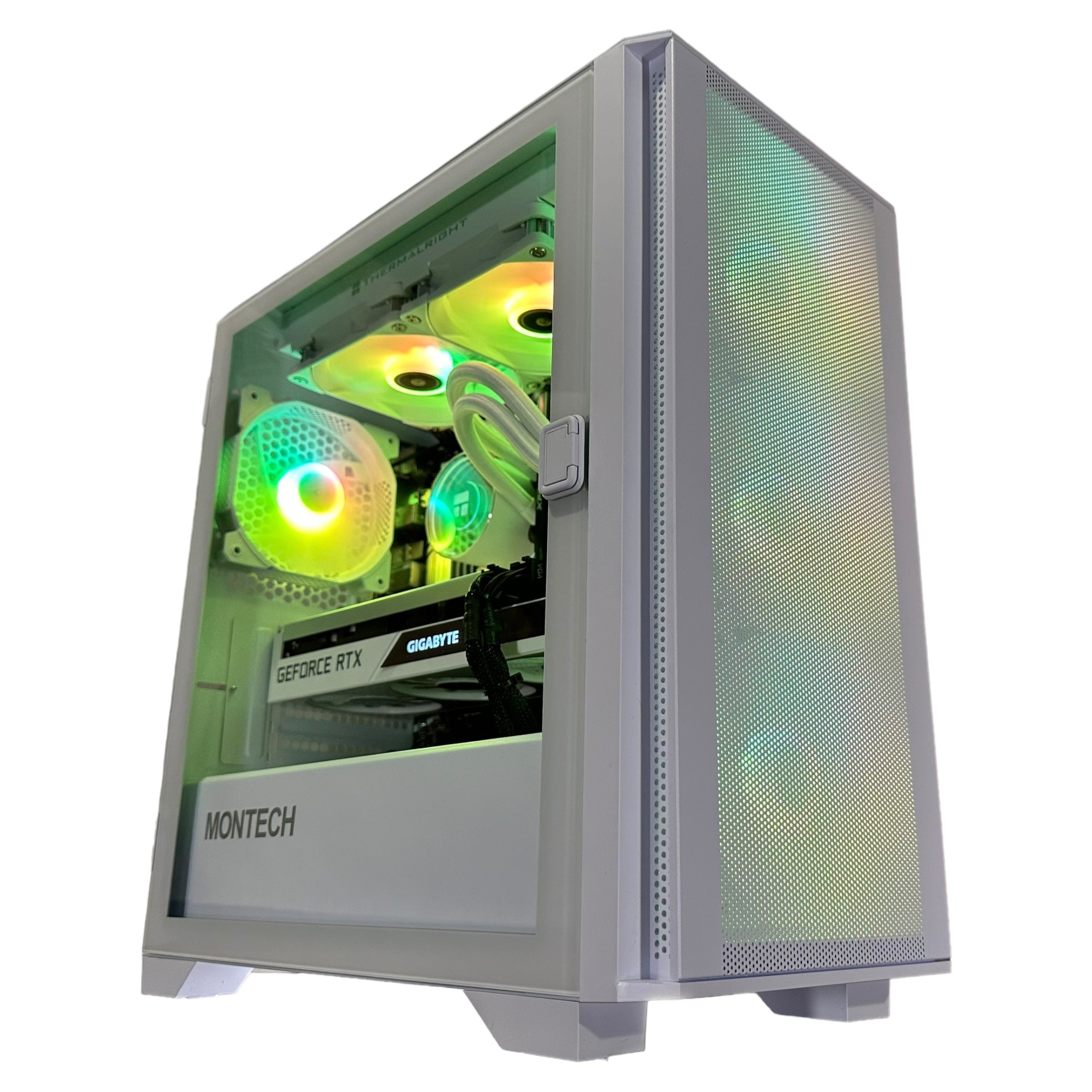
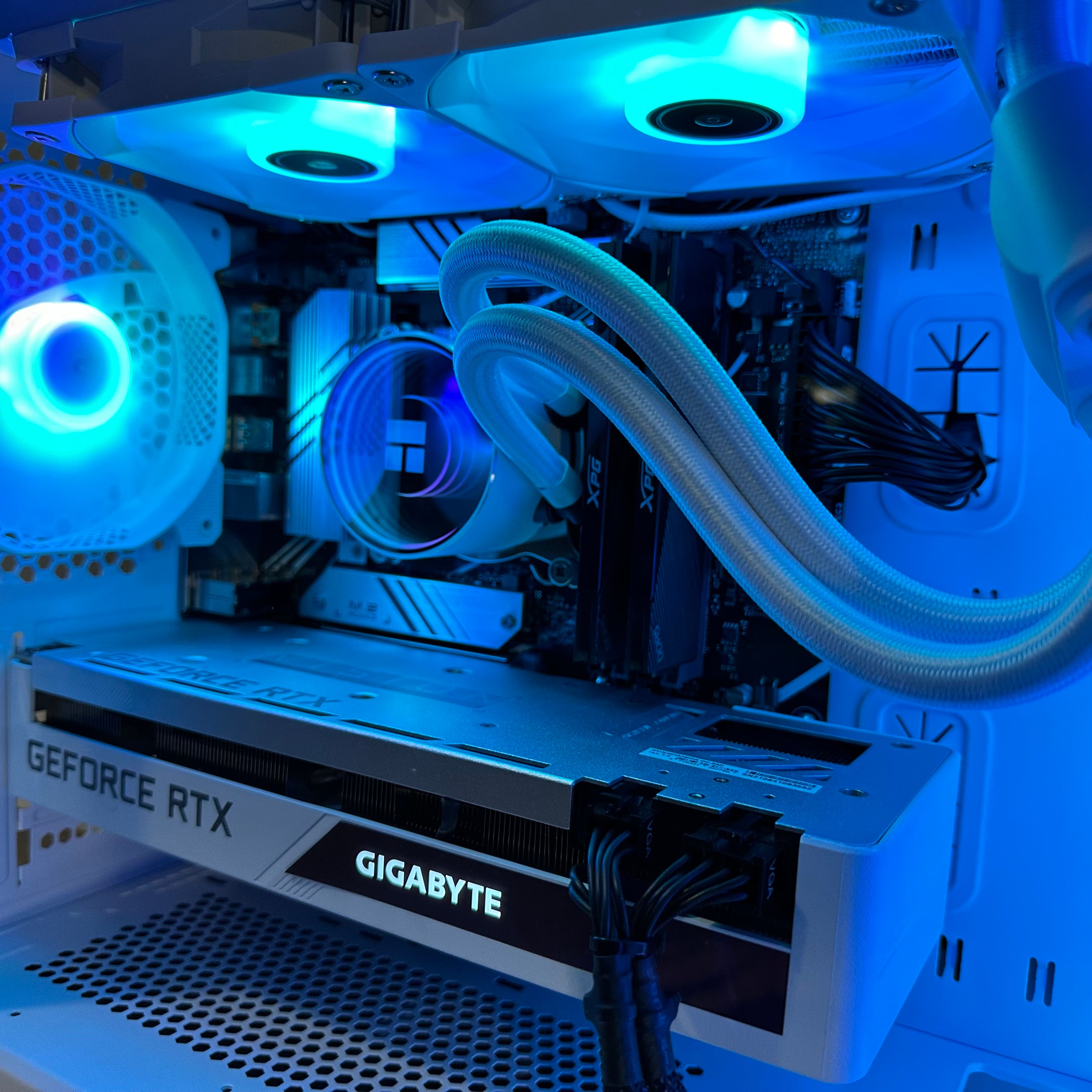
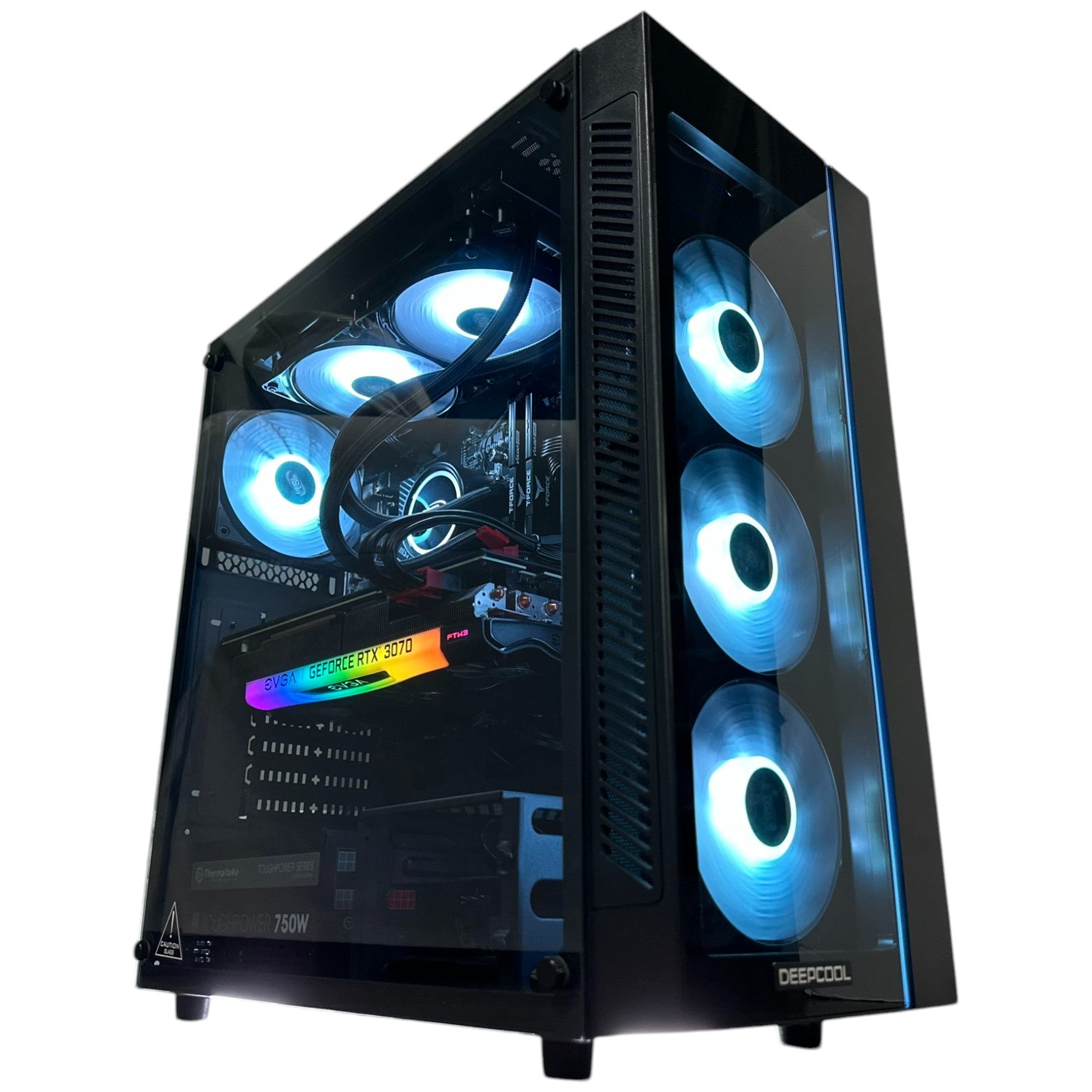
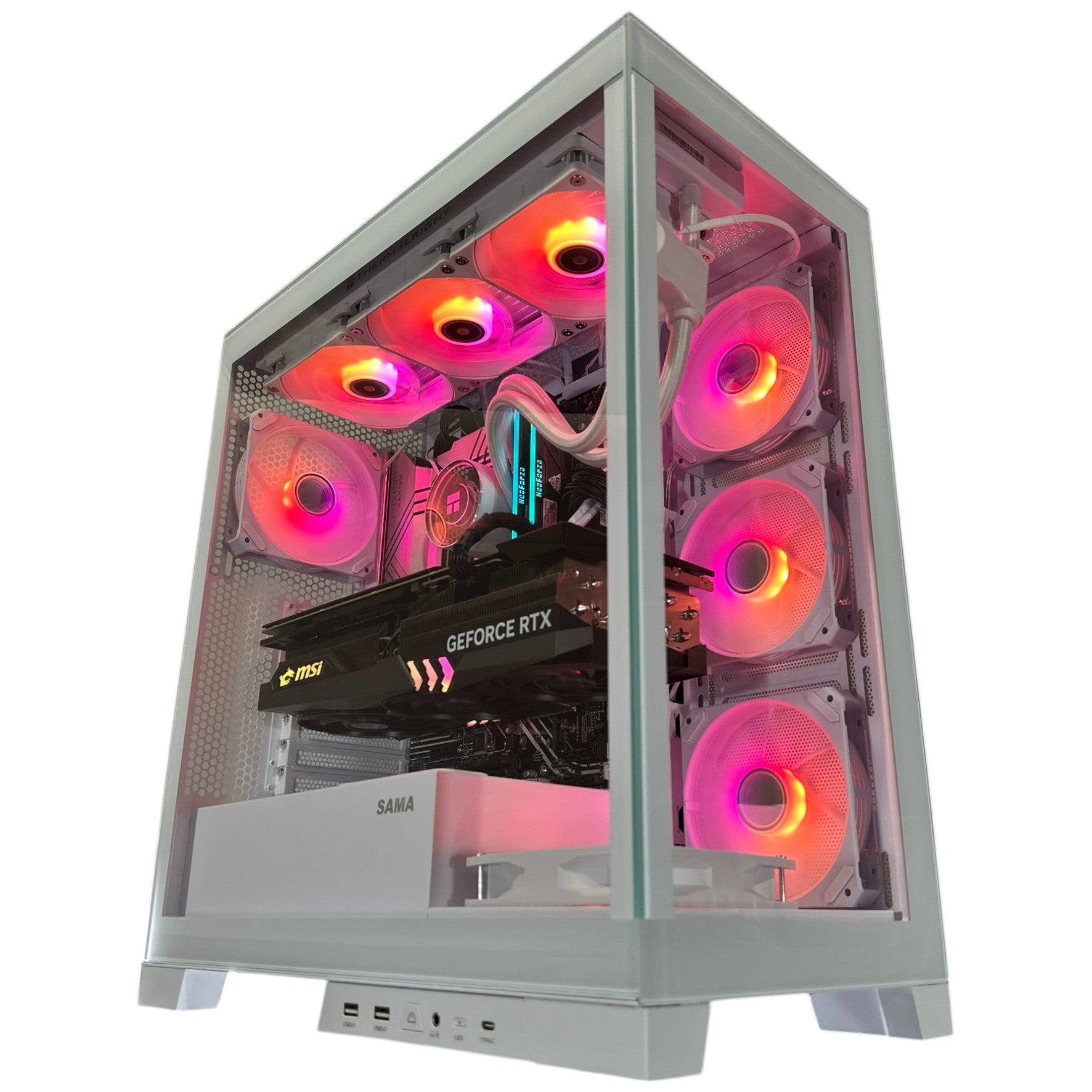
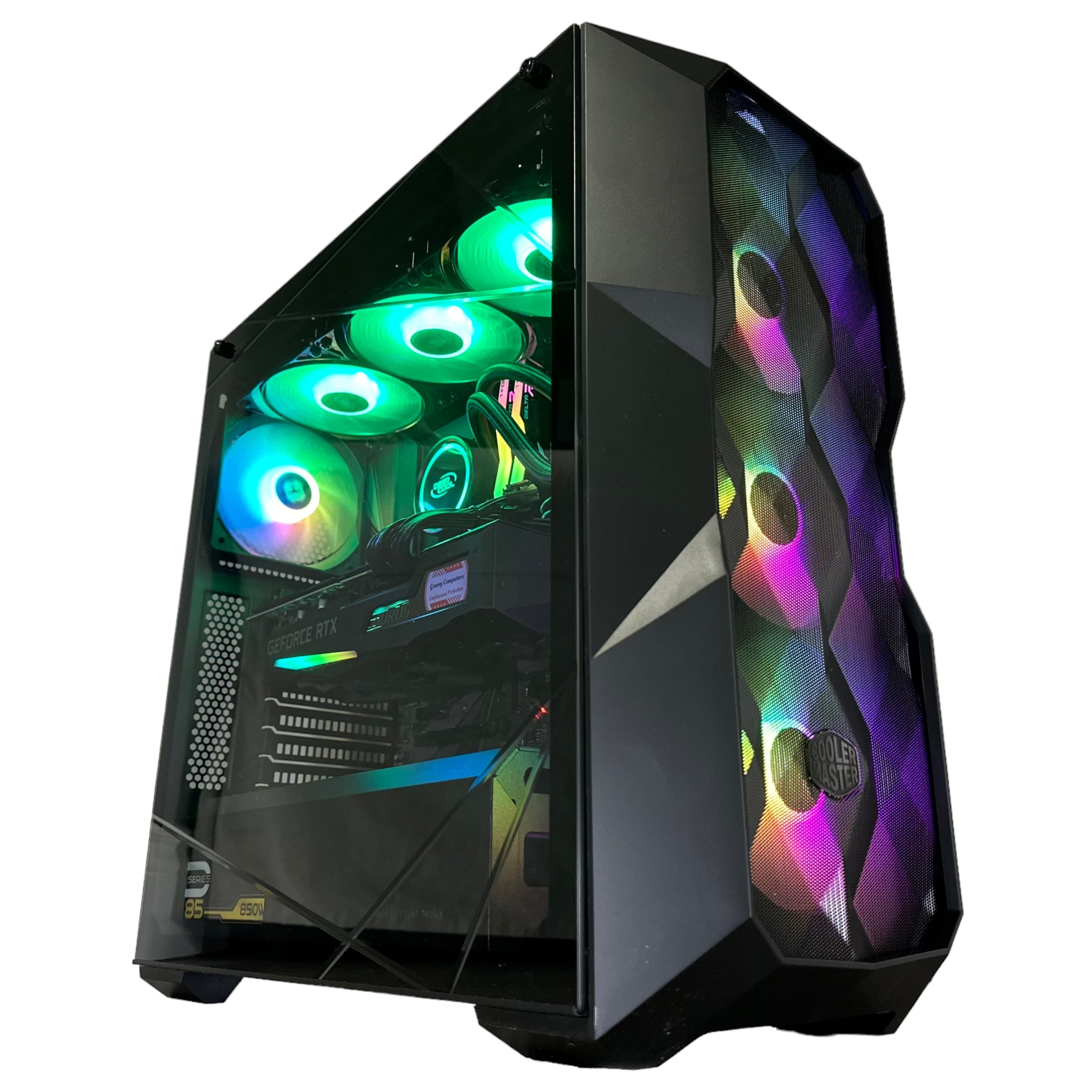
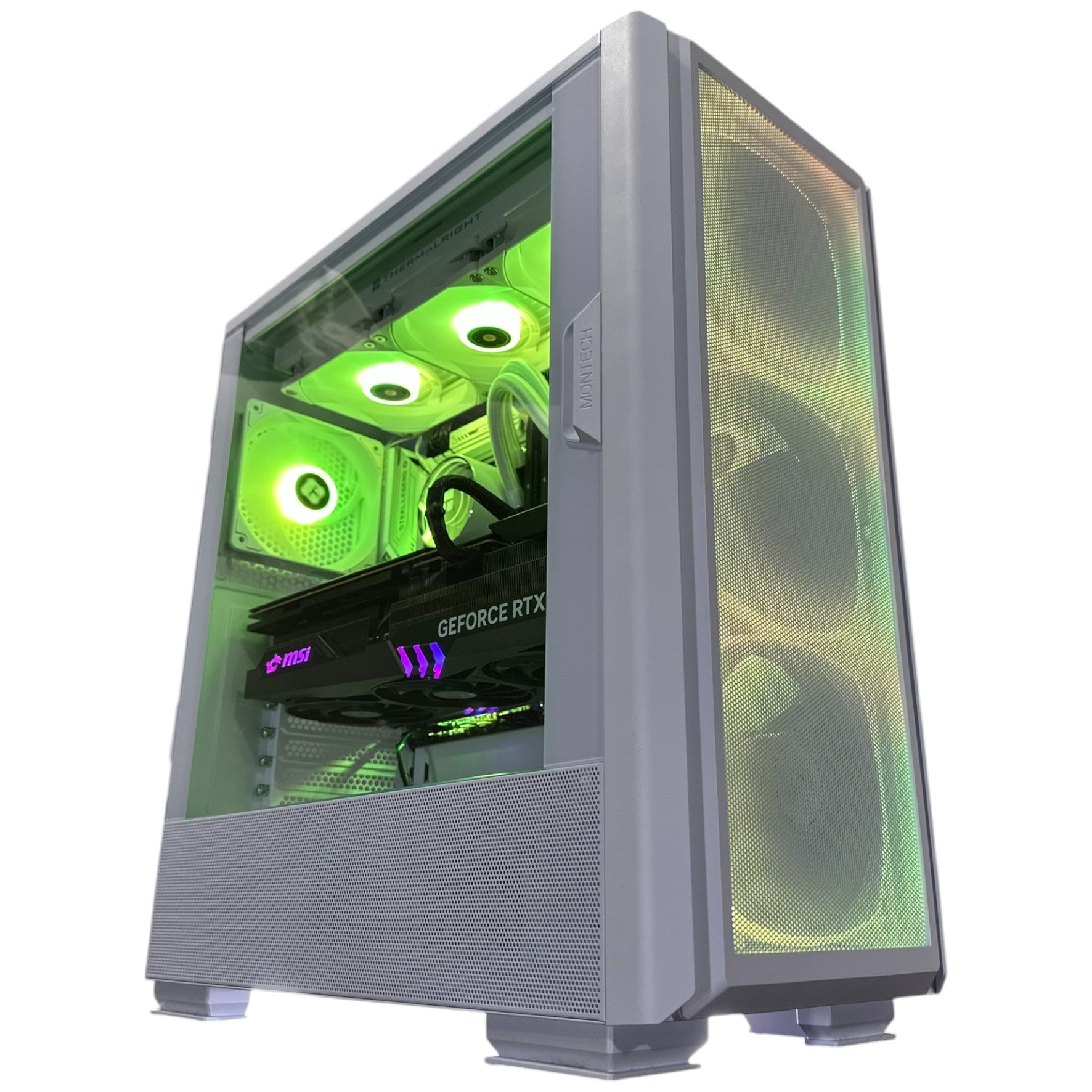
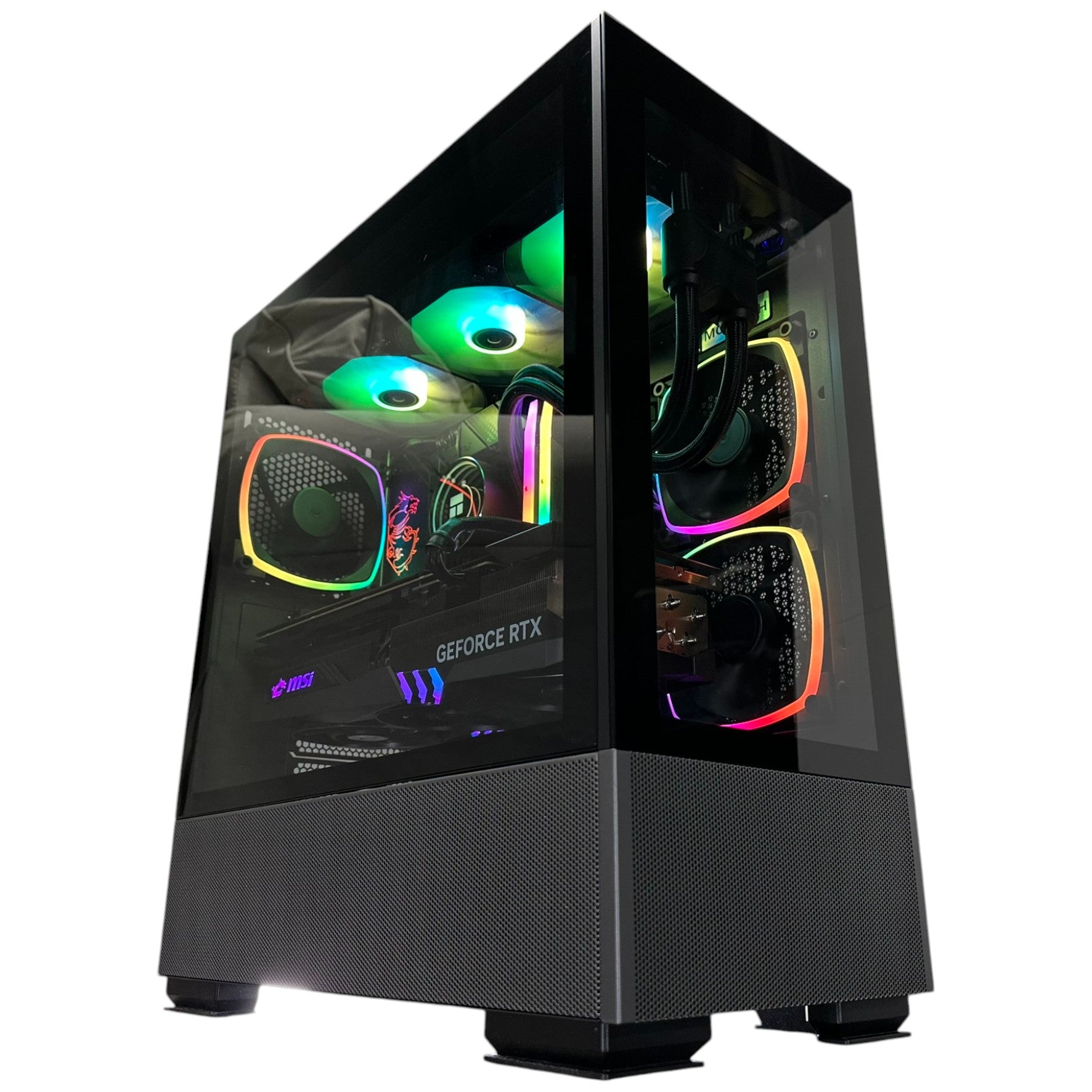
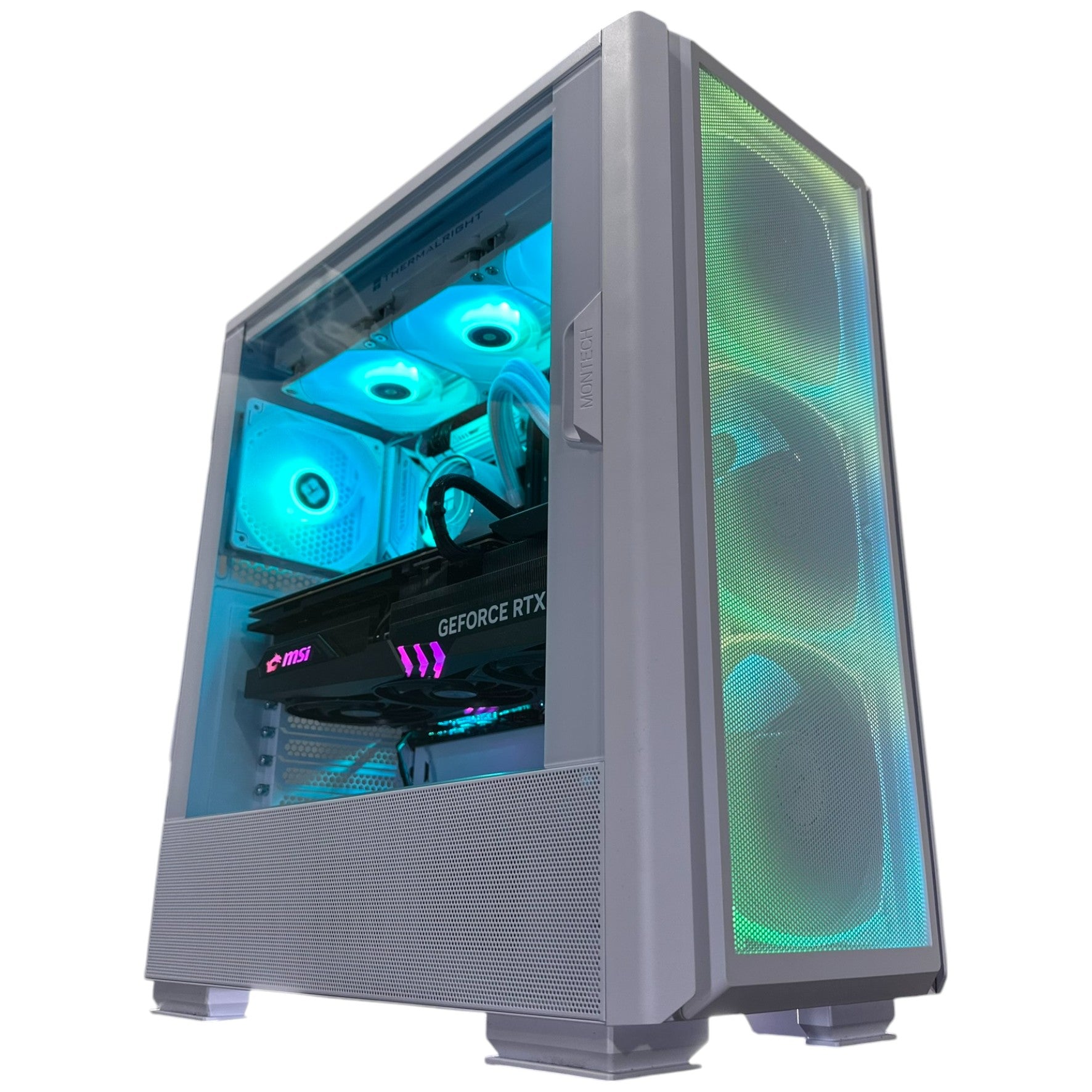
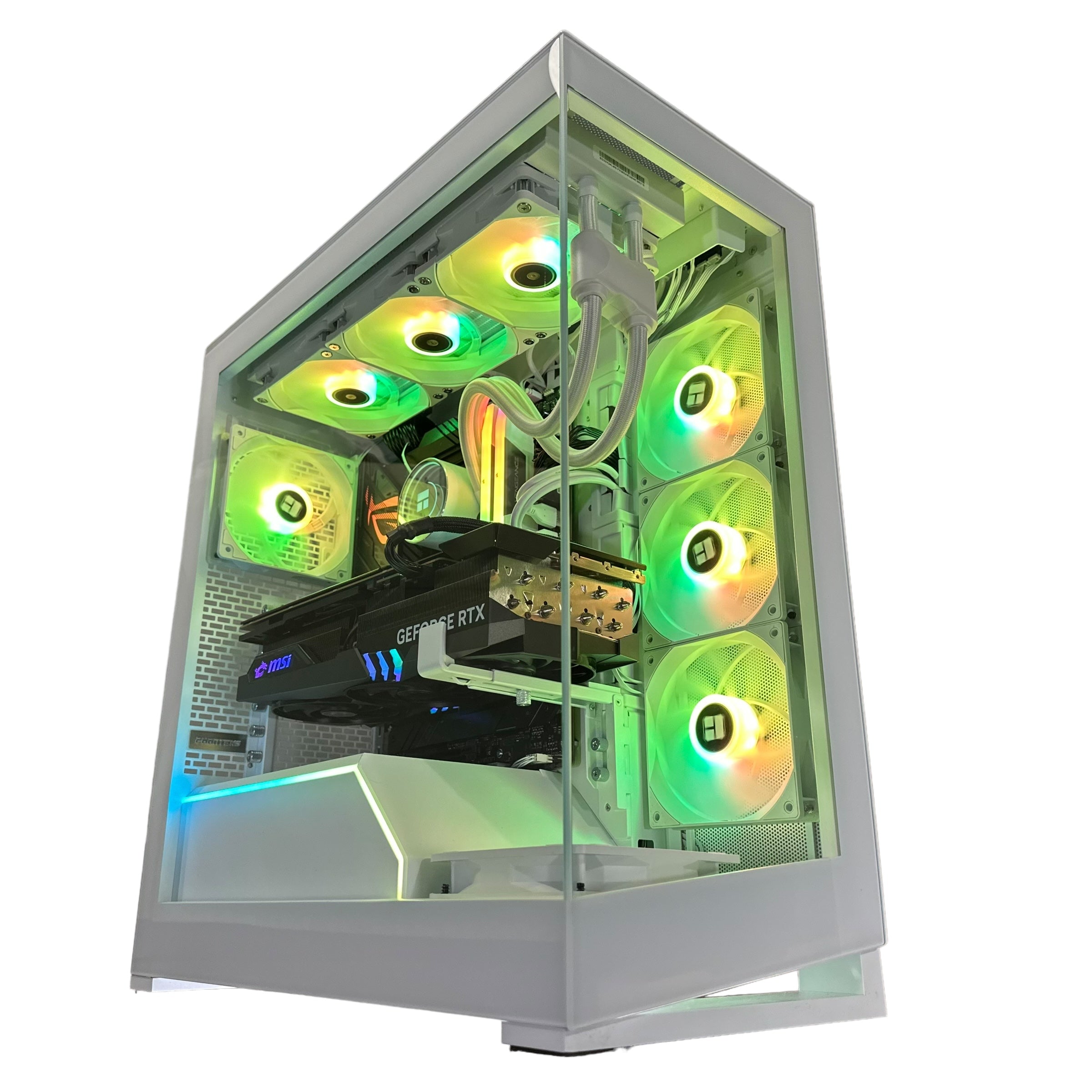
If your answer is “a bit of everything,” then you are not really shopping for a basic machine. You are probably looking for a custom gaming PC Canada buyers can use as a flexible platform for gaming, streaming, editing, and everyday productivity without compromise.
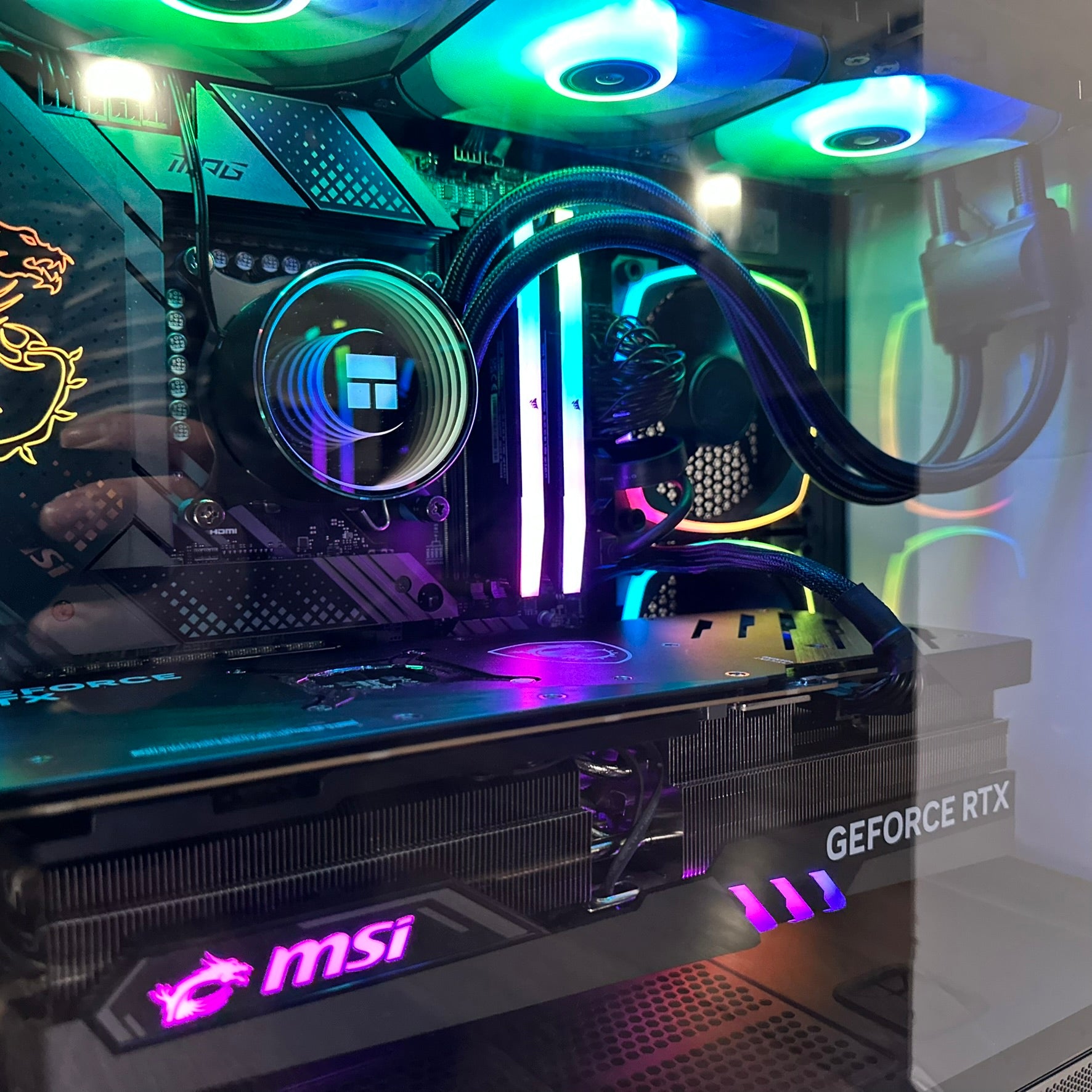
That is why broad, real-world workload planning matters more than shopping by GPU name alone. A graphics card matters. So does the processor. So does memory capacity, SSD speed, cooling, motherboard quality, power delivery, case airflow, and whether the system was properly assembled and stress-tested. A flashy part list means very little if the complete build is mismatched.
What gaming performance tier fits your needs?
If this update has you thinking about buying or replacing your current setup, the next step is to identify your performance tier honestly. Not aspirationally. Not based on a random benchmark screenshot. Based on what you will actually do.
Entry-level and value-focused: Is 1080p enough for the way you play?
If you mainly want solid 1080p gaming with good image quality, smooth frame rates, fast boot times, and enough overhead for modern releases, a value-focused build may be the right move. This is often the sweet spot for buyers who want a budget gaming PC Canada shoppers can trust for current AAA gaming without jumping to premium pricing.
Who is this tier for?
- Players targeting 1080p on high settings instead of ultra-everything.
- Students or first-time buyers who want a balanced system that can handle modern games well.
- Gamers moving from console or laptop who want better flexibility and upgrade paths.
- Casual creators doing light streaming, light editing, or social content work.
A good value build can still feel excellent if it has the right CPU/GPU balance, enough RAM, and a fast SSD. The mistake is buying too low and then upgrading too soon. If you already know you want newer AAA releases, heavier mods, or multi-use creative work, the cheapest option may not be the best value after all.
Mid-range sweet spot: Do you want 1440p gaming without overspending?
For many buyers, this is where the market gets really interesting. A quality 1440p system often delivers the best blend of visual quality, frame rate, and long-term value. If you want modern games to look sharp, feel smooth, and stay relevant for years rather than months, this is often the recommendation that makes the most sense.
Who is this tier for?
- Players targeting 1440p with strong settings and high visual consistency.
- Gamers who also stream and need more headroom for background software.
- Buyers who want a future proof gaming PC Canada shoppers can rely on longer.
- Users mixing gaming with editing, thumbnails, school work, or light creator tasks.
If you are asking, What PC do I need for 1440p gaming?, the answer is usually not just “a bigger graphics card.” It is a balanced custom system with enough CPU strength to avoid bottlenecks, enough cooling for sustained performance, and enough memory to multitask without feeling constrained.
High-end tier: Are you aiming for 4K, ray tracing, and premium longevity?
If you want the visual showcase experience, especially in cinematic games, then a premium build starts to make sense. High-end systems are for buyers who do not want to second-guess settings, who care about ray tracing, who use high-refresh monitors, or who want a machine that stays comfortable longer as new releases get heavier.
Who is this tier for?
- 4K gaming enthusiasts who prioritize image quality and immersion.
- Players who want ultra settings in demanding single-player releases.
- Streamers and creators who need top-end multitasking performance.
- Buyers trying to avoid another upgrade cycle too soon.
If you are wondering, What PC do I need for 4K gaming?, or How long will a high-end gaming PC last?, the answer depends on your expectations. But generally, a stronger system gives you more flexibility to keep settings high, handle future titles, and absorb the impact of updates, expansions, and heavier background workloads.
Do you only game, or do you also stream, edit, and create?
This is where many shoppers accidentally buy the wrong machine. They search for a gaming desktop, but what they really need is a hybrid system. If you plan to play Resident Evil Requiem, stream it through OBS, edit clips, produce thumbnails, and maybe even maintain a YouTube channel, you are not shopping for a one-dimensional gaming box. You are shopping for a workflow tool.
That changes the recommendation.
A streaming PC Canada buyers should consider needs enough CPU and GPU headroom to game and encode at the same time. A creator PC Canada setup should also account for editing exports, timeline responsiveness, RAM capacity, and storage speed. A machine that is “fine” for gaming alone can become frustrating once you add recording software, browser tabs, plugins, asset libraries, and live scene switching.
So ask yourself:
- Do you want to stream at 1080p while maintaining strong in-game performance?
- Do you edit gameplay clips after every session?
- Do you work in Photoshop, Illustrator, Lightroom, or Canva for channel graphics?
- Do you need a system that can game by night and work by day?
If yes, it is smarter to build for the full workload now than to discover the limitations later.
Could this kind of game update influence creator and streaming demand too?
Absolutely. Balance updates often bring players back. Returning interest means more streams, more clips, more reaction videos, more challenge runs, and more online discussion. If you are part of that ecosystem, your hardware has to do more than simply launch the game.
A gaming-and-streaming setup must absorb multiple loads at once:
- The game itself
- Streaming or recording software
- Voice chat and browser activity
- Background utilities and overlays
- Sometimes live asset management or music tools
That is why shoppers looking for a gaming and streaming PC Canada solution should think beyond average frame rate. Frame consistency, thermal stability, fan behaviour, storage capacity, and memory overhead all matter when a live audience is involved.
If your next question is, Do I need a separate streaming PC?, the answer for most buyers is no. A well-planned custom build can handle gaming and streaming together very well. But it has to be chosen correctly. That is where working with a proper builder instead of guessing from generic specs starts to matter.
What if you also need a PC for editing, design, or content creation?
Many customers arrive through gaming news, but their real need is broader. They want one reliable desktop that can handle AAA games today and creator software tomorrow. If that sounds familiar, it is worth considering a stronger hybrid configuration rather than a narrow “gaming only” build.
For example, if you edit video, a proper video editing PC Canada build can save real time on exports, scrubbing, playback, and effects work. If you process photos, a solid photo editing PC Canada configuration improves responsiveness in high-resolution RAW workflows. If you design social media campaigns, logos, or marketing assets, a graphic design PC Canada setup benefits from fast storage, smooth multitasking, and enough memory for layered documents.
And if your work crosses into Blender, Unreal Engine, CAD, or advanced rendering, then you may be moving past creator territory into workstation PC Canada or 3D modeling PC Canada territory. In that case, guessing is expensive. Buying too weak means wasted time. Buying the wrong balance means the wrong bottleneck. Buying a random marketplace machine means you may inherit hidden thermal, stability, or upgrade limitations.
Is now a good time to buy, or should you wait?
This is one of the most common buyer questions, and it is reasonable. Nobody wants to buy at the wrong time. But waiting is not always the safe option people assume it is.
Why? Because system costs do not move in a simple straight line. Graphics card demand can rise. Certain CPU tiers can tighten. SSD pricing can shift. Memory markets can turn. New game releases can push demand toward better hardware. Back-to-school, holiday periods, and content creation seasonality can all affect buying conditions.
If you already know your current system is underpowered for the kinds of games and workloads you want to run, waiting can mean:
- Paying more later for a similar performance tier
- Settling for weaker inventory options
- Missing the release window for a game you care about
- Delaying creator projects or stream plans
- Spending money twice by buying too cheap now, then upgrading sooner than expected
That does not mean every person should rush into a purchase. It means you should ask a better question: if prices or demand shift, would I rather have the right system already secured?
Should you finance a stronger PC instead of buying a weaker one?
For many buyers, this is the real decision. Not whether they want a better PC, but whether they should stretch to the right build now rather than settle for a system that will feel outdated too quickly.
If financing is available for up to 4 years, it can change the conversation in a practical way. Instead of asking, What is the cheapest machine I can get today?, you can ask, What system actually meets my needs without forcing another upgrade too soon?
This matters when the difference between tiers can impact years of usability. A slightly stronger CPU, more RAM, better cooling, a higher-tier GPU, or a larger SSD can make a big difference in daily satisfaction. For gaming, that means smoother performance and more headroom. For creators, that can mean faster exports, less waiting, and fewer compromises with multitasking.
If you are wondering, Is financing a gaming PC worth it?, or Should I finance a better PC instead of buying a cheaper one?, the answer depends on how long you want the machine to serve you well. A weak buy can look cheaper at checkout but cost more in frustration, replacement timing, and performance limitations.
Custom PC vs generic prebuilt: why does it matter more for games like Resident Evil Requiem?
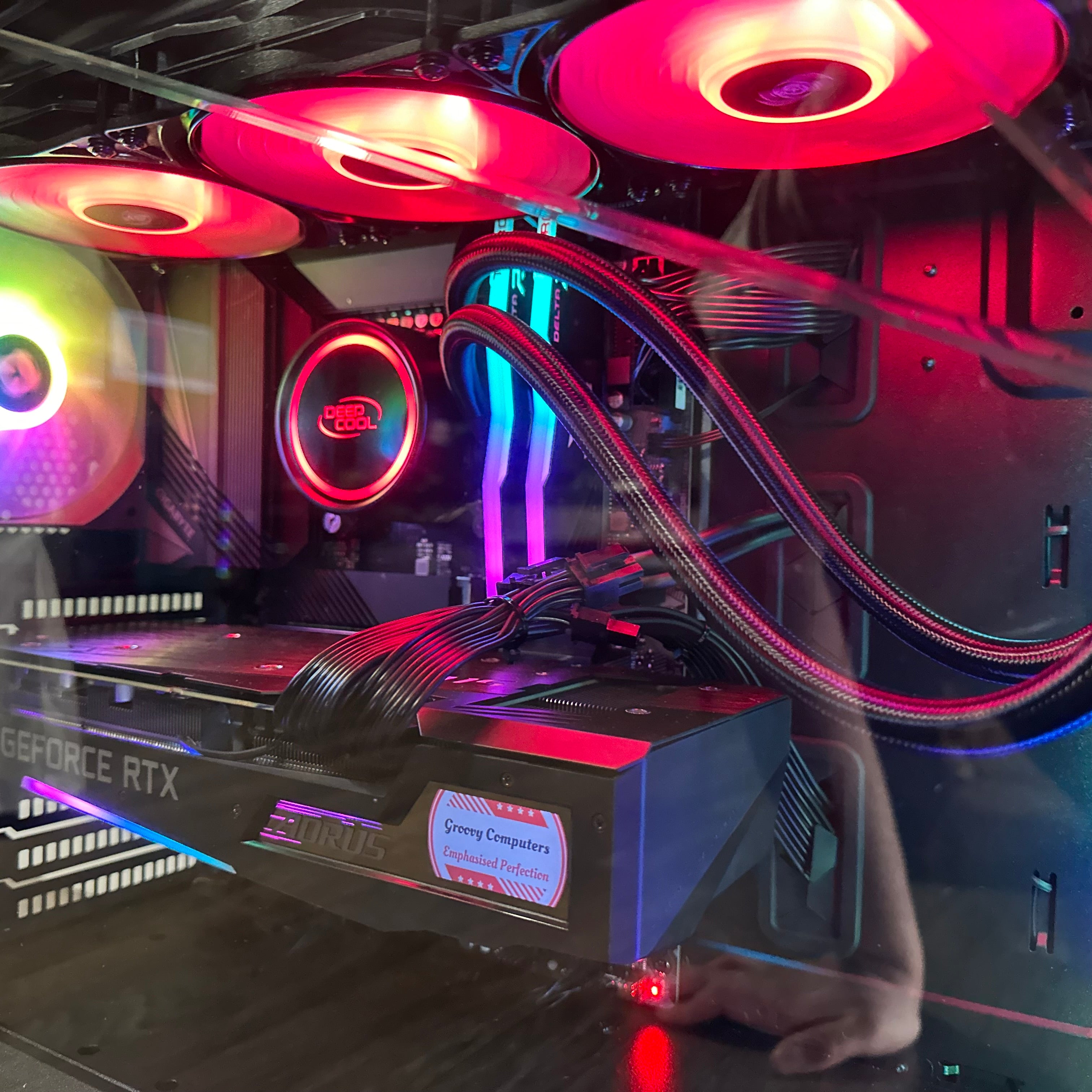
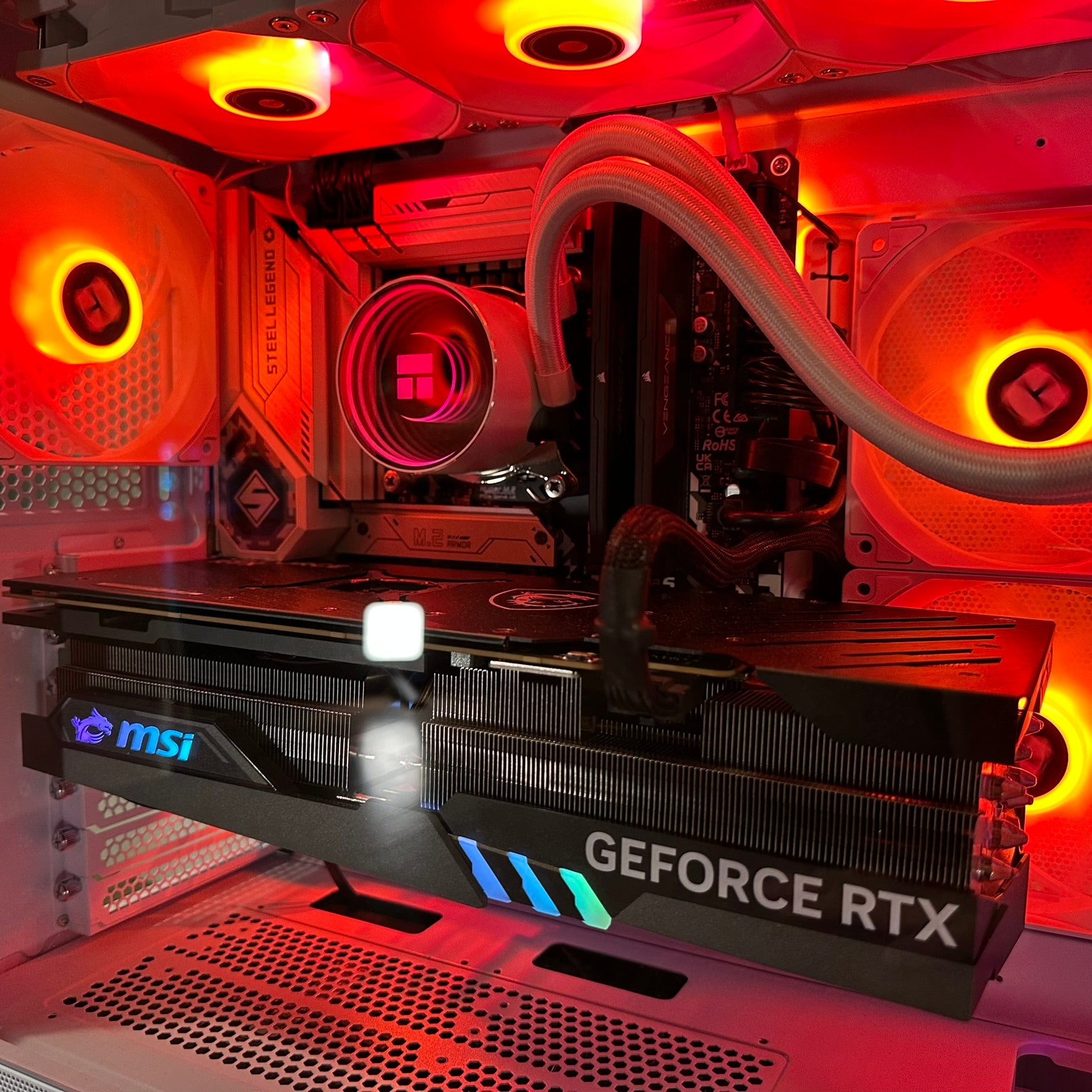
When a game is active, patched, and likely to grow through future content, your system should be built for reliability and thermal consistency, not just headline specs. That is where custom systems stand apart.
A well-designed custom build gives you:
- Balanced part selection instead of corner-cutting
- Better airflow and cooling choices
- Cleaner upgrade paths
- More appropriate power supply quality
- Less chance of hidden weak links
- A system matched to your actual resolution and workload goals
That matters whether you need a pure gaming setup, a streaming system, or a creator/workstation crossover. It also matters if you are trying to avoid the common mistake of overspending on one part while underspending on the rest of the system.
If you have ever asked, Custom PC vs prebuilt PC Canada?, the best answer is practical: choose the system that is tested, balanced, and built around your use case, not around marketing shortcuts.
What should Canadian buyers look for in a modern gaming PC for new games?
Rather than shopping by hype alone, focus on the total experience. A strong gaming PC for new games should be chosen around the following factors:
- Your target resolution — 1080p, 1440p, or 4K changes everything.
- Your frame rate expectations — casual smoothness is not the same as high-refresh gaming.
- Your interest in ray tracing — visual features can significantly change GPU requirements.
- Your streaming plans — encoding and multitasking add real load.
- Your editing or creator work — storage, RAM, and CPU choices become more important.
- Your upgrade timeline — are you buying for one game, or for several years?
- Your tolerance for compromises — are medium settings acceptable, or do you want premium visuals?
It is easy to chase a trend. It is harder, and smarter, to buy a system that aligns with your habits. If horror games like Resident Evil Requiem are just one part of a larger gaming library that includes competitive shooters, open-world RPGs, and cinematic AAA releases, your build strategy should reflect that broader reality.
What kind of buyer should choose each Groovy Computers build path?
If you are still deciding, this simplified breakdown can help.
Choose a value gaming build if:
- You want dependable 1080p performance
- You are entering PC gaming for the first time
- You want a sensible price-to-performance balance
- You do not need heavy streaming or advanced creator workloads
Choose a mid-range custom gaming build if:
- You want 1440p gaming with stronger longevity
- You want a better experience in demanding modern titles
- You may stream, record, or multitask while gaming
- You want to avoid feeling outdated too quickly
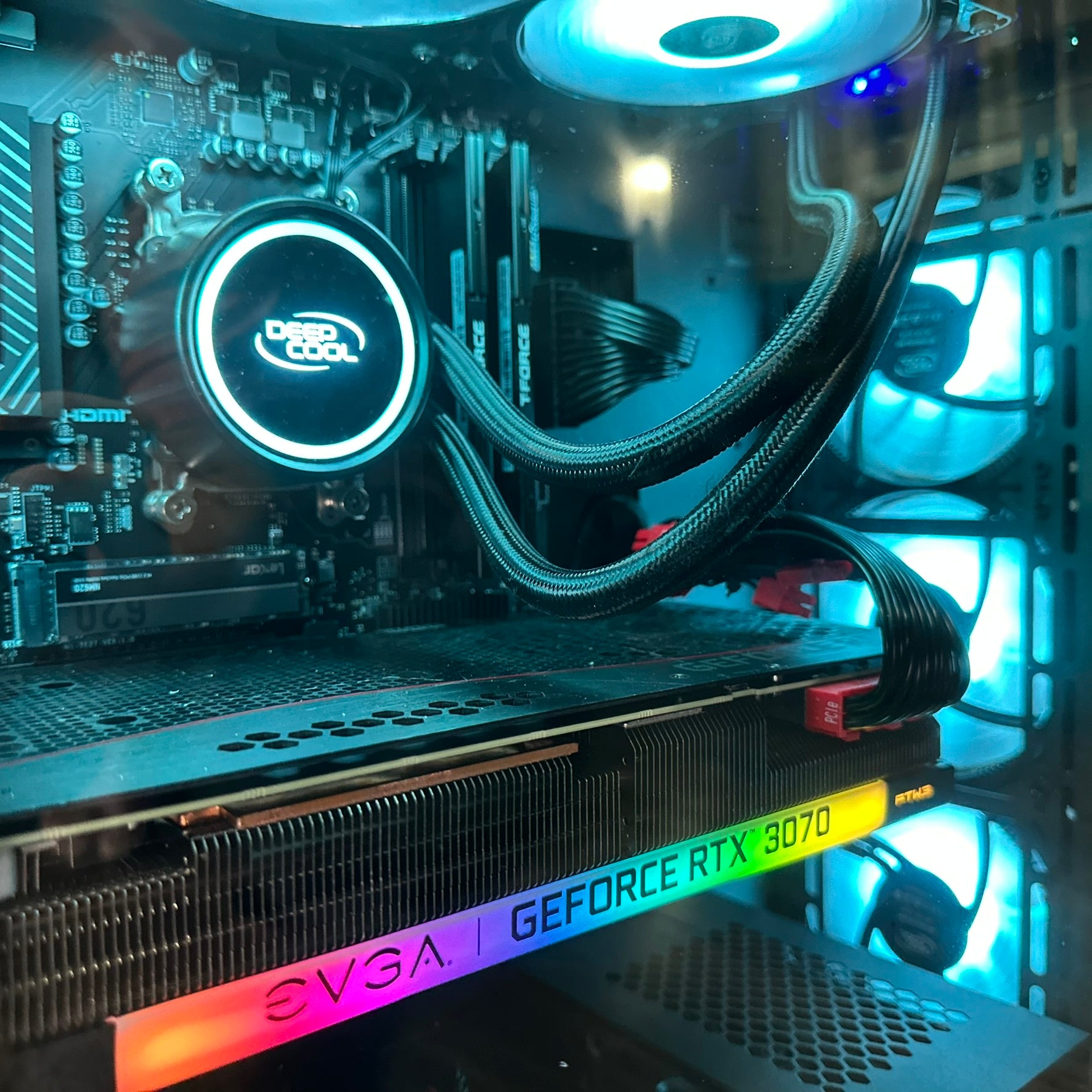
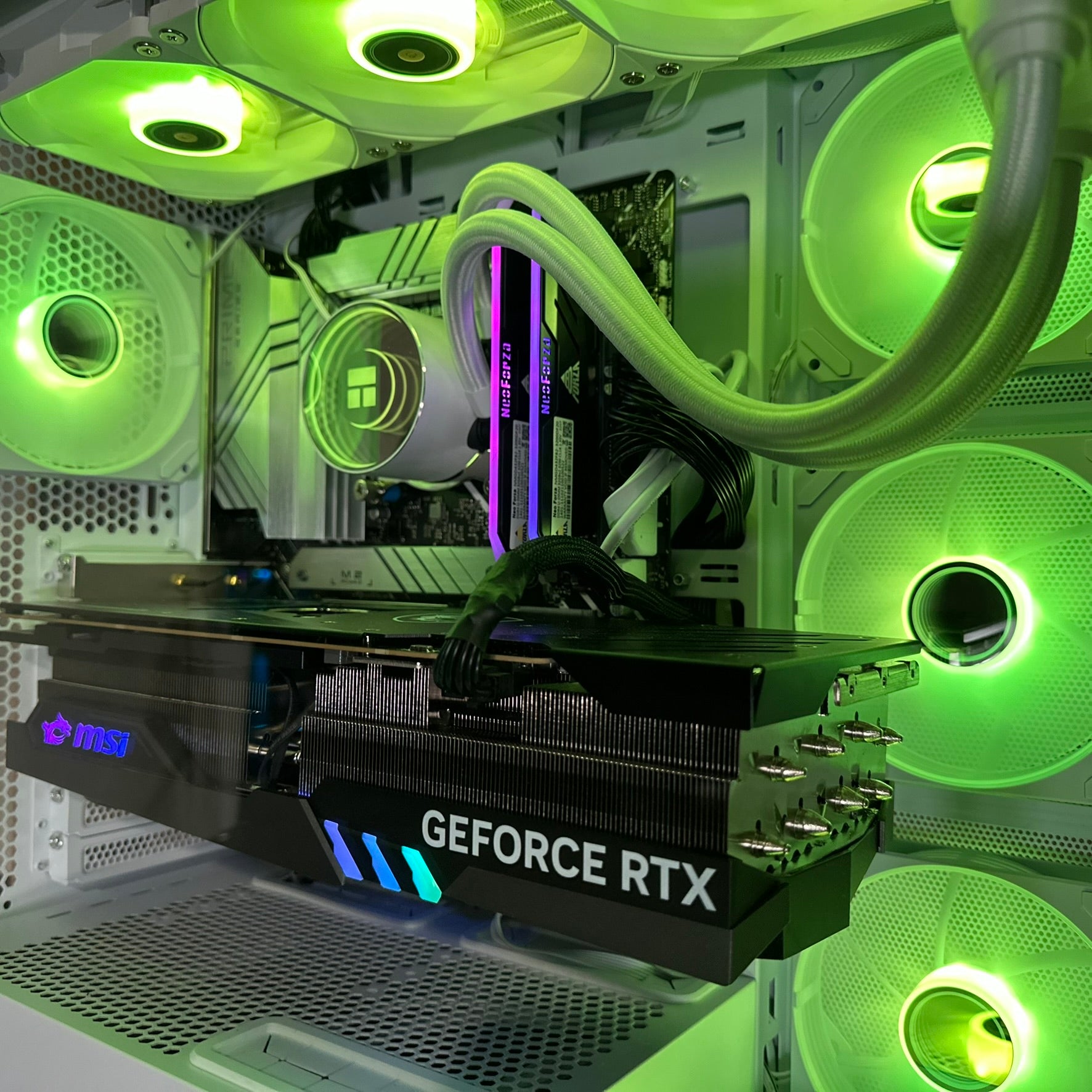
Choose a premium RTX gaming PC if:
- You want 4K or high-refresh 1440p performance
- You care about ray tracing and visual quality
- You want a machine that stays comfortable through future releases
- You expect your system to handle premium gaming and creator workloads
Choose a creator or workstation-focused build if:
- You game, edit, stream, and design on the same machine
- You use Premiere Pro, DaVinci Resolve, Photoshop, Blender, or CAD tools
- You need productivity speed as much as in-game performance
- You make money, content, or client work on your system
What questions should you ask before buying your next PC?
Before you commit, it helps to slow down and ask the questions that actually affect long-term satisfaction.
- What games do I really play most, and what settings do I expect?
- Am I targeting 1080p, 1440p, or 4K?
- Do I care about ray tracing, high refresh rates, or both?
- Will I stream or record gameplay?
- Will I edit video, work with photos, or create graphics too?
- How soon do I want to upgrade again?
- Would financing a stronger system now save me from replacing too early?
- Do I want a tested custom build with warranty support instead of guessing?
These questions are more useful than obsessing over isolated benchmark numbers. They connect the system to your actual life.
Why Groovy Computers makes sense for Canadian buyers right now
Groovy Computers is not just about selling another desktop. The value is in matching the build to the buyer. If you are in Nova Scotia, Atlantic Canada, or shopping online from elsewhere in Canada, the goal is the same: get a system that is properly configured for the games and workloads you actually care about.
That means looking at gaming, streaming, content creation, and workstation needs honestly. It means making sure the cooling is right, the performance tier is right, and the platform has room to breathe. It means rigorous testing before the system reaches you. It means the confidence of a 1-year warranty. And for buyers who want to secure a stronger machine without paying everything at once, financing up to 4 years can make a meaningful difference.
In a market where component pressure and game demands can change fast, support matters. Reliability matters. Build quality matters. Buying from a Canadian custom PC builder that understands both gaming and creator needs matters.
Ready for Resident Evil Requiem and everything after it?
The biggest takeaway from the Resident Evil Requiem update is not just that Capcom adjusted difficulty. It is that modern games keep evolving, and your hardware needs to be ready for that reality. If you are reading this and wondering whether your current setup is enough for upcoming releases, future patches, streaming plans, or creator work, that question is worth acting on now rather than after the next demand spike.
Do you want a PC that only gets by, or one that feels fast, stable, immersive, and ready for what is next? If you want help choosing the right gaming PC, creator PC, or workstation for your needs in Canada, visit GroovyComputers.ca and explore a build path that actually fits the way you play and work.
Whether you need a value-first gaming desktop, a 1440p sweet-spot system, a premium RTX build, or a custom machine for streaming, editing, and content creation, the smart move is choosing a platform that will not leave you shopping again too soon. That is the difference between chasing specs and buying with a plan.
#ResidentEvilRequiem #GamingPCCanada #CustomGamingPCCanada #GamingPCForNewGames #1440pGamingPCCanada #4KGamingPCCanada #StreamingPCCanada #CreatorPCCanada #CanadianCustomPCBuilders #NovaScotiaComputers
Groovy Computers | All Rights Reserved


Leave a comment
This site is protected by hCaptcha and the hCaptcha Privacy Policy and Terms of Service apply.