

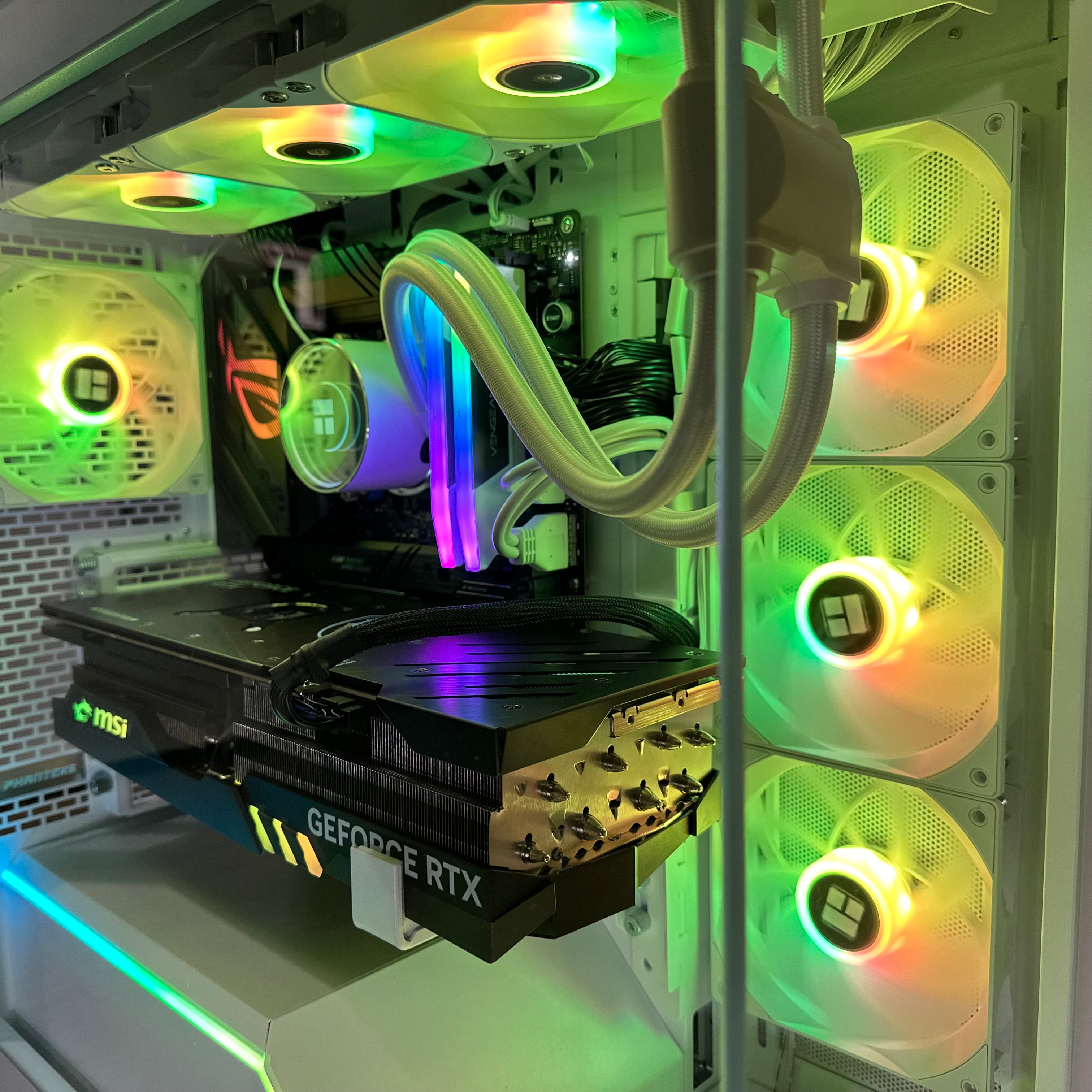

Resident Evil Survival Unit x Monster Hunter: What This Crossover Says About Buying the Right Gaming PC in Canada
The newly announced Resident Evil Survival Unit x Monster Hunter collaboration is the kind of crossover that instantly gets gaming audiences paying attention. According to the source material, the limited-time event is scheduled to begin on July 2, 2026, bringing Monster Hunter-inspired content into the post-apocalyptic strategy world of Resident Evil Survival Unit. On the surface, that is simply exciting game news. But for Canadian players, it also highlights a bigger question: if your gaming habits are expanding across mobile, PC, streaming, and creator platforms, is your current system still keeping up?
That is where this story becomes relevant beyond the headline. Franchises like Resident Evil and Monster Hunter do not just drive short bursts of interest. They often trigger broader interest in the entire ecosystem around them: mainline PC games, streaming, content creation, community clips, fan edits, and upgrade decisions. If one crossover announcement is enough to make you revisit your backlog, reinstall your favourite titles, or start planning your next setup, then this is the right time to ask what your next PC actually needs to do.
For many shoppers, that question starts with gaming. For others, it quickly grows into something bigger. Do you only want a machine for smooth gameplay? Or do you also want to record footage, stream on Twitch or YouTube, edit clips for social media, and avoid replacing the system again too soon? That is why a smart buying guide matters more than a generic spec list.
What the announcement tells us about modern gaming demand
The source article confirms a few simple but important points. The collaboration is official, it connects two globally recognized brands, and it is designed as a limited-time in-game event with special rewards and crossover content. It also reinforces how strong Monster Hunter remains as a franchise built around large-scale creature encounters, cooperative gameplay, and long-term fan engagement.
Why does that matter for PC buyers? Because gaming demand no longer moves in a straight line. A single event, sequel, expansion, or crossover can push players back into older series entries, inspire them to try related titles on PC, and increase interest in better graphics, faster load times, and smoother streaming performance. A gamer who starts by checking out a mobile event can easily end up asking whether their desktop is ready for more demanding action games, co-op titles, ray tracing, or high-refresh 1440p play.
In other words, game news often becomes buying intent.
Why Canadian buyers should think beyond one game
If you are shopping for a new system in Canada, it is rarely enough to buy for just one title. The better question is this: what kind of gaming life are you trying to support over the next two to four years?
Are you mostly into action-heavy releases, co-op games, survival games, and big open-world launches? Do you want a machine that can handle esports during the week and cinematic AAA gaming on weekends? Are you planning to pair gaming with Discord, browser tabs, OBS, music, mods, or a second monitor? Those real-world habits matter more than the marketing around a single event.
That is also why Canadian buyers should be careful with underpowered systems that look affordable at first glance. A cheaper machine may get you in the door, but if it forces settings compromises, struggles with new releases, or needs upgrades too soon, it can become the more expensive decision over time.
What do you want your next PC to do for you?
Before you choose parts, pricing, or payment options, stop and ask yourself a more useful question: what do you want your next PC to do for you every day?
- Just play games smoothly at 1080p?
- Run modern games at 1440p with strong visuals and higher frame rates?
- Handle 4K gaming or ray tracing without feeling outdated too quickly?
- Game and stream at the same time?
- Edit YouTube videos, TikToks, or highlight reels after gaming?
- Use Adobe apps, DaVinci Resolve, Photoshop, or Blender in the same build?
- Buy once, finance intelligently, and avoid upgrading again next year?
These are the questions that separate a random purchase from a smart one. A good custom build should match the way you actually use your system, not just the cheapest possible entry point.
What gaming PC do you need if crossovers and new releases keep pulling you back in?
If game events like this one regularly pull you into new titles, expansions, and franchise ecosystems, then your best fit is usually not the absolute minimum-spec machine. It is a balanced system with enough GPU and CPU headroom to stay enjoyable as your library grows.
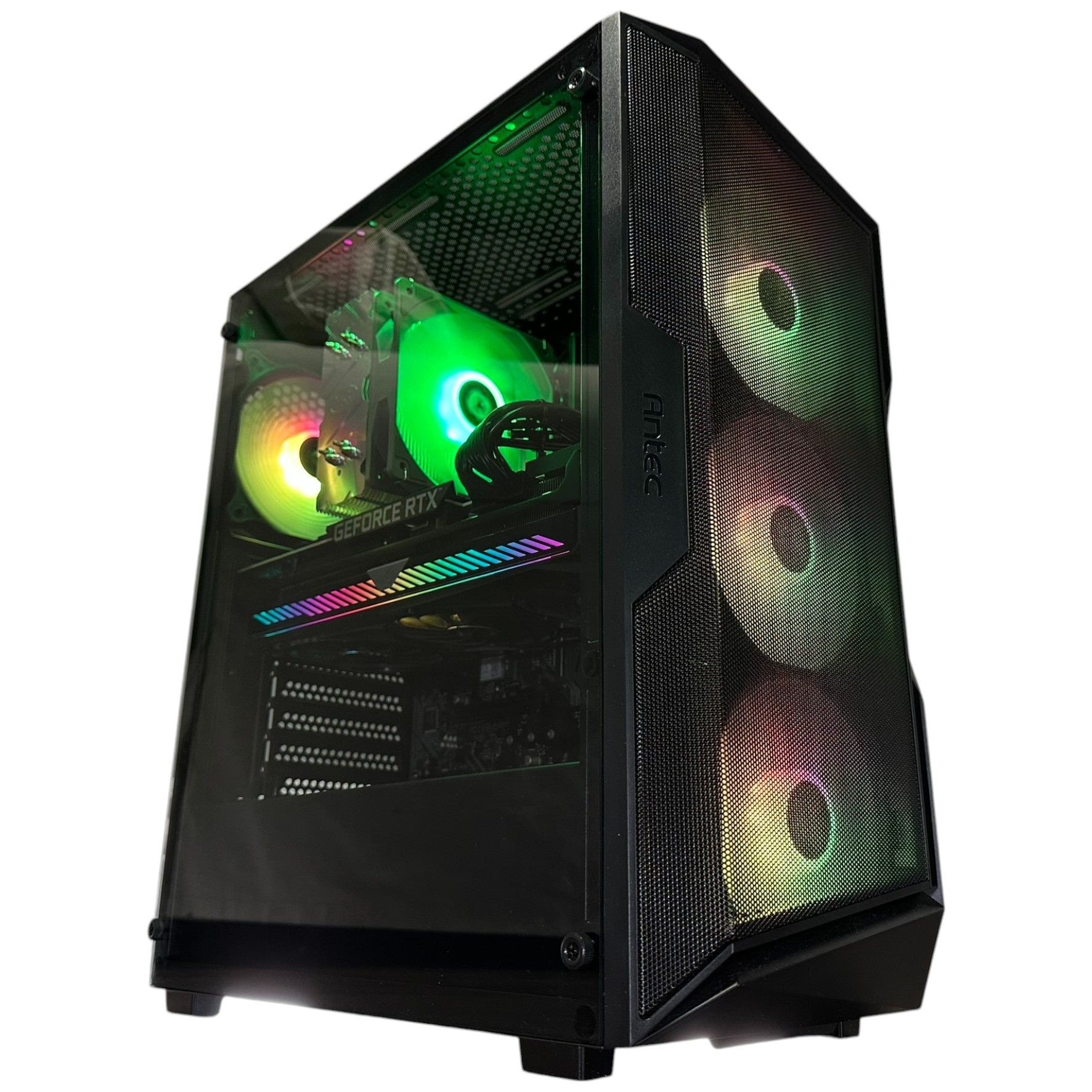
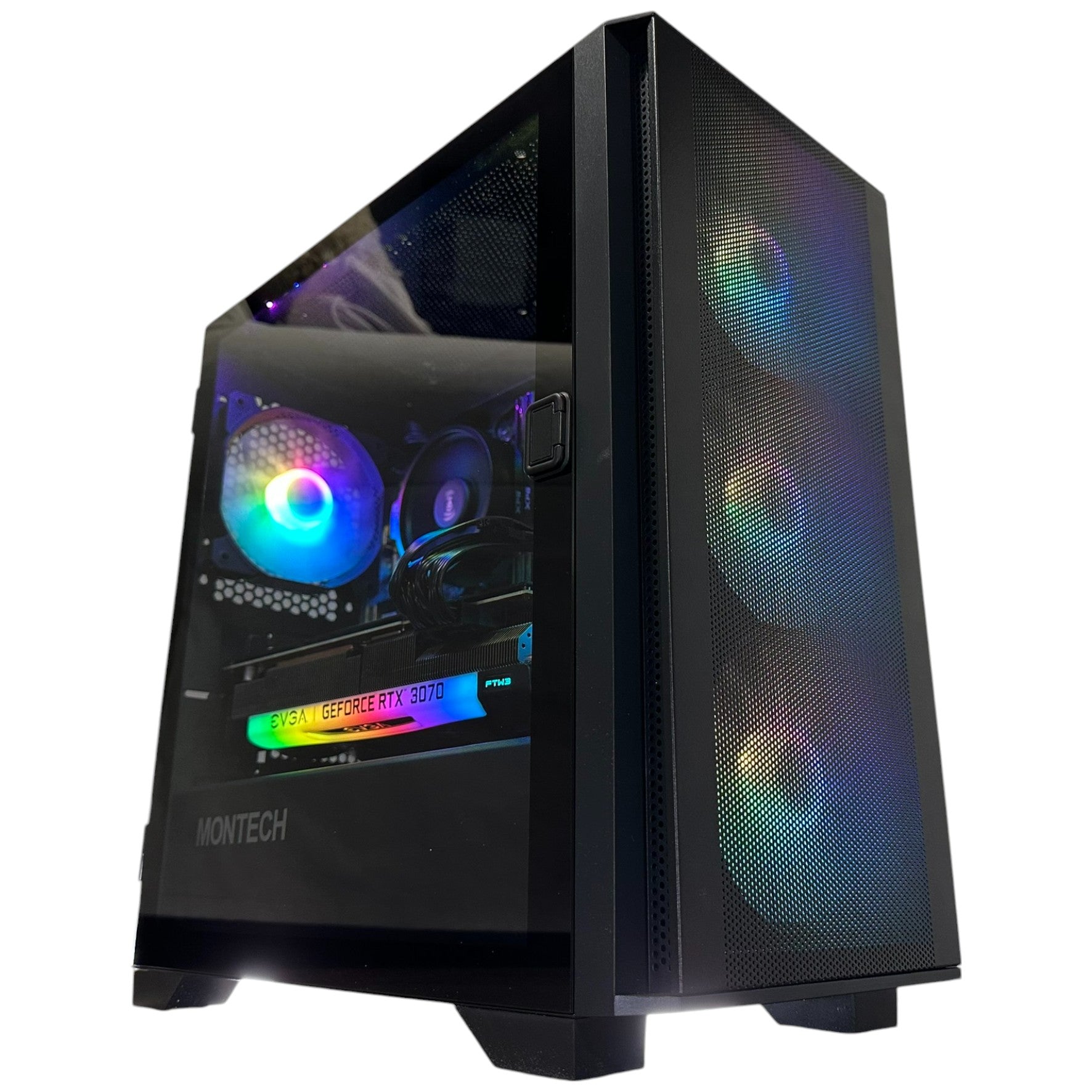
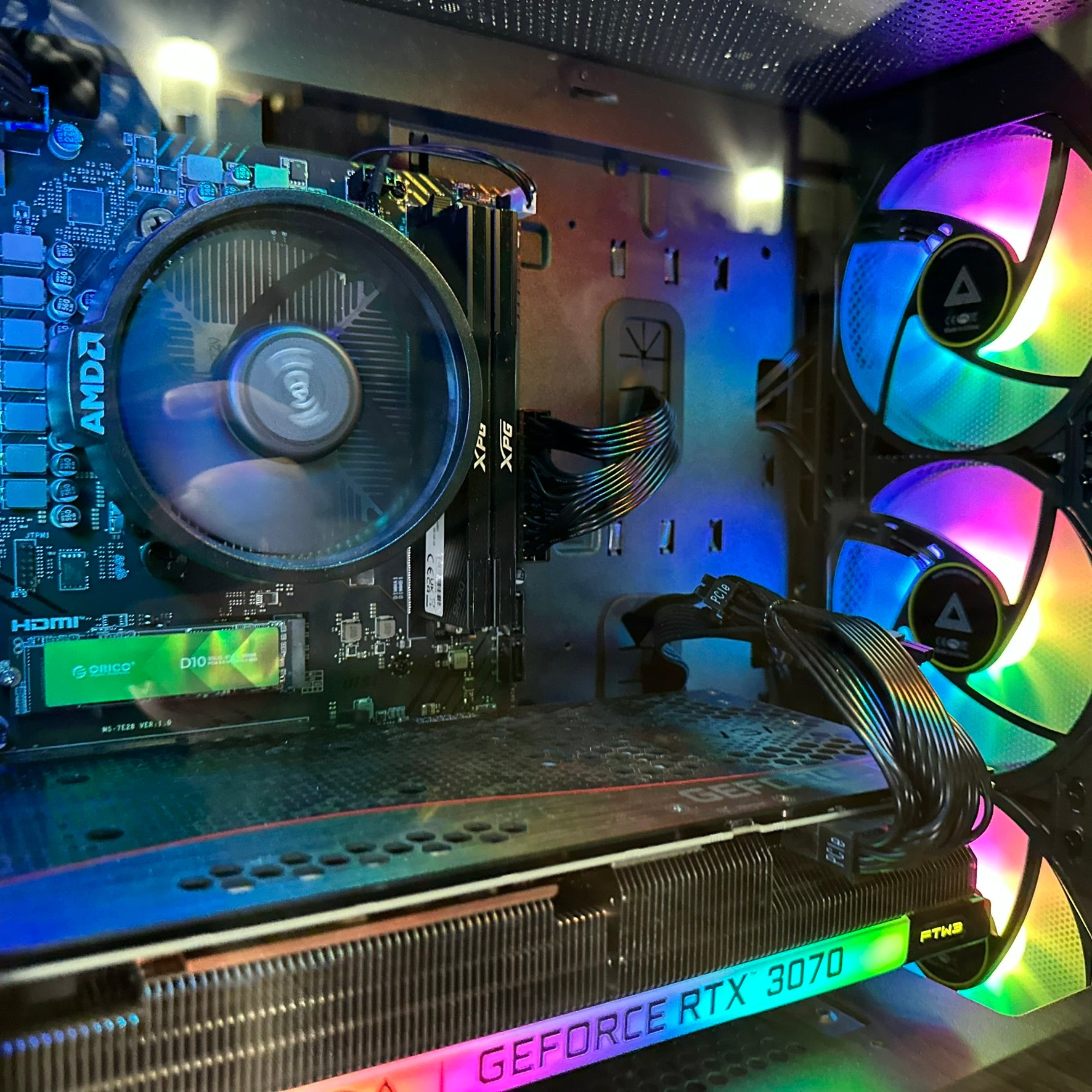
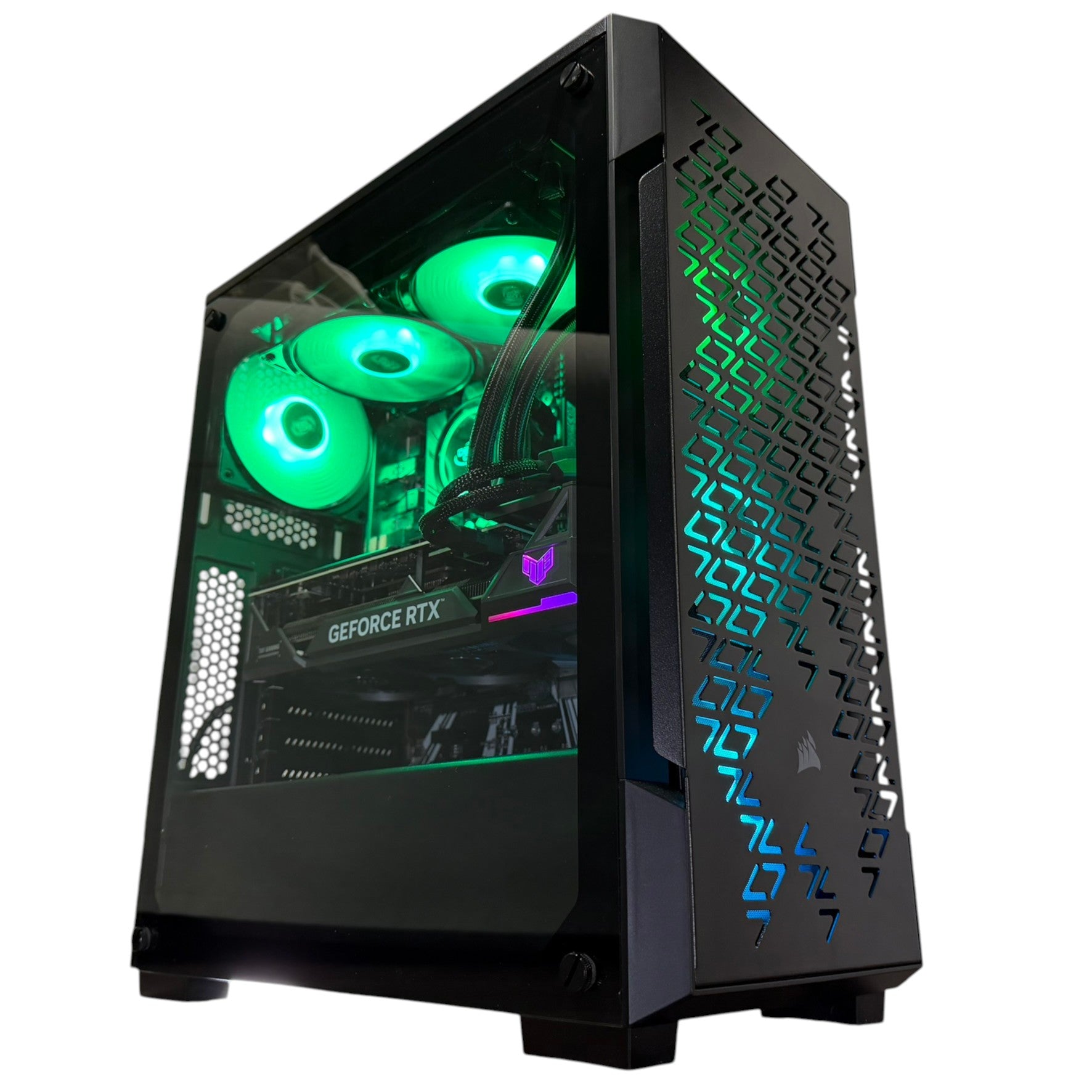
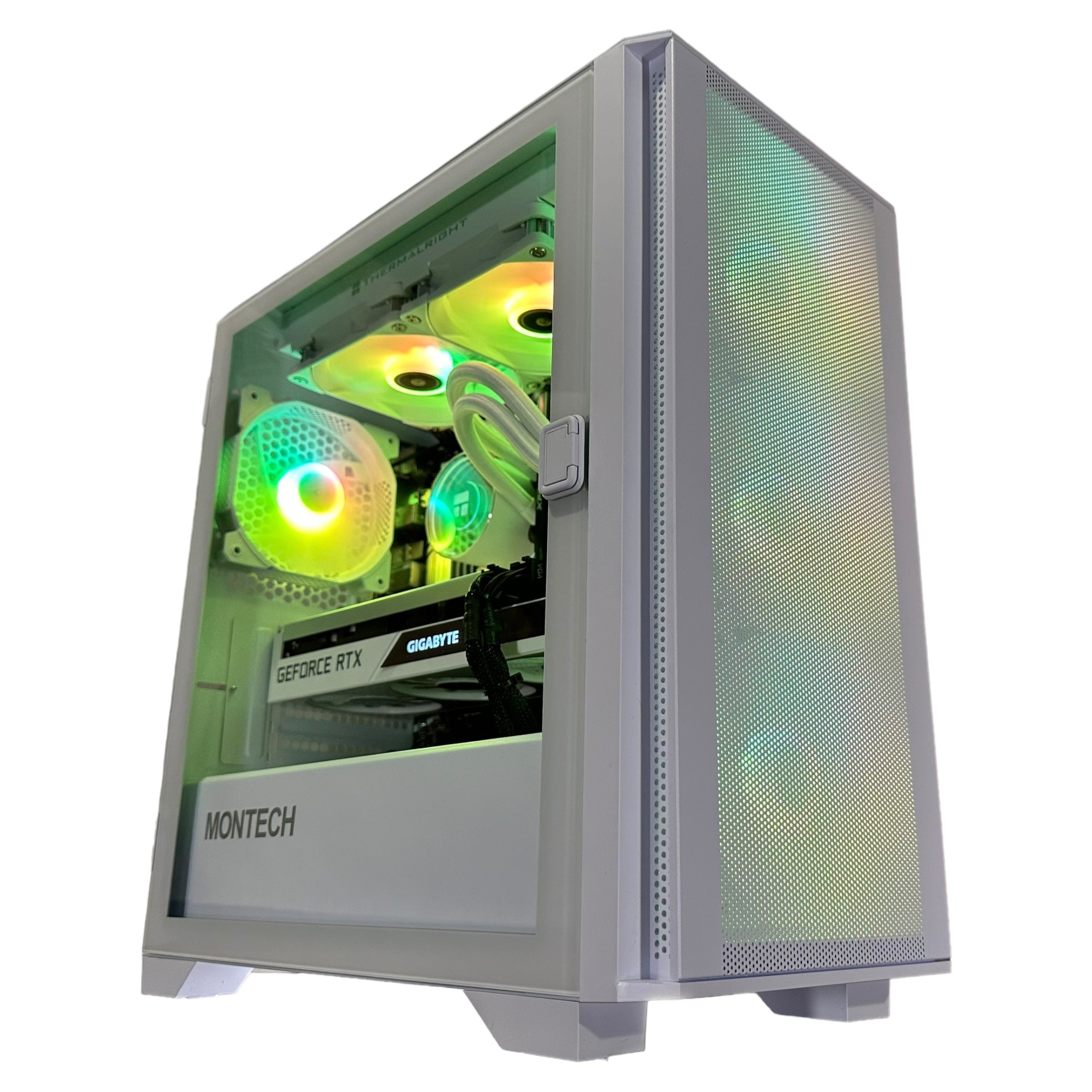
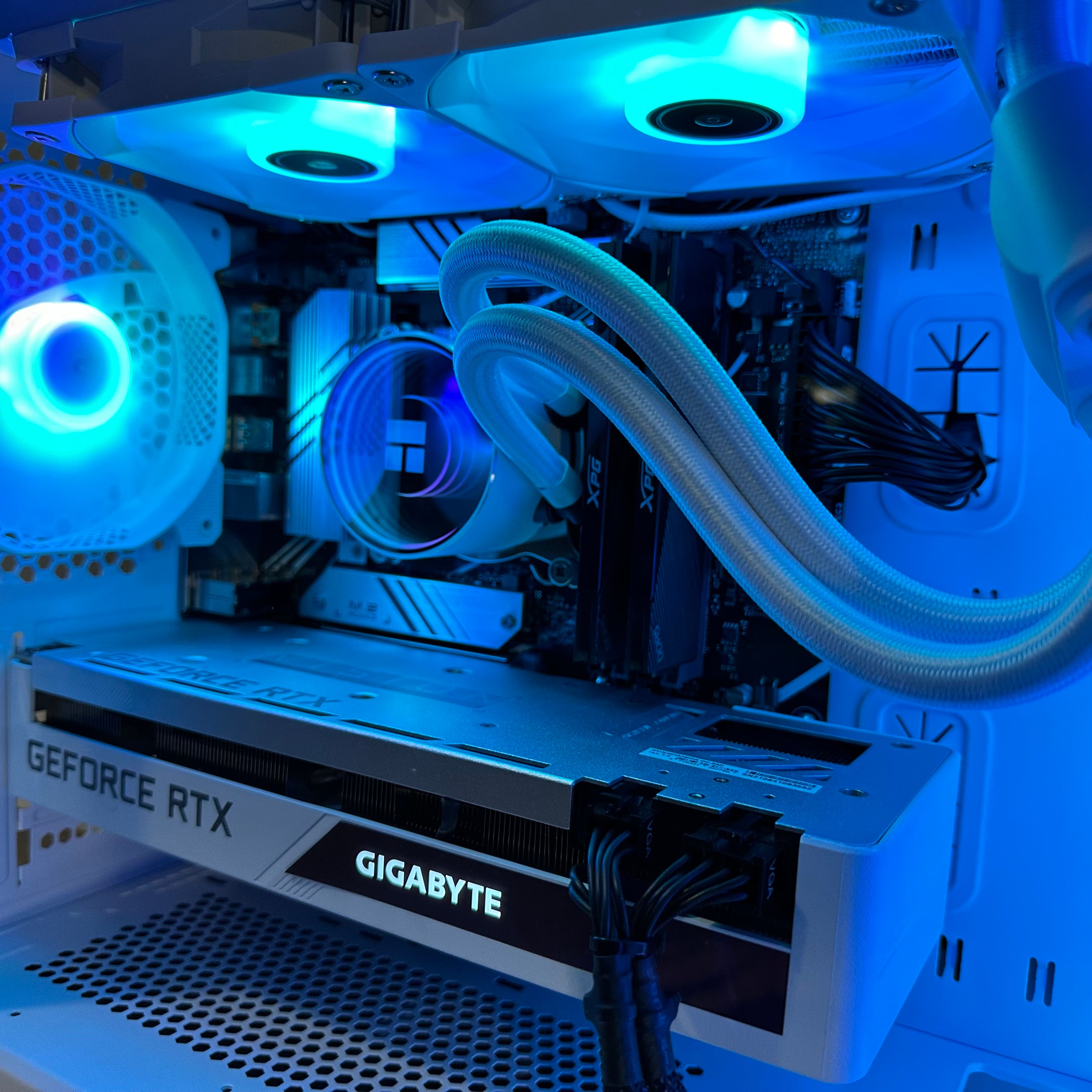
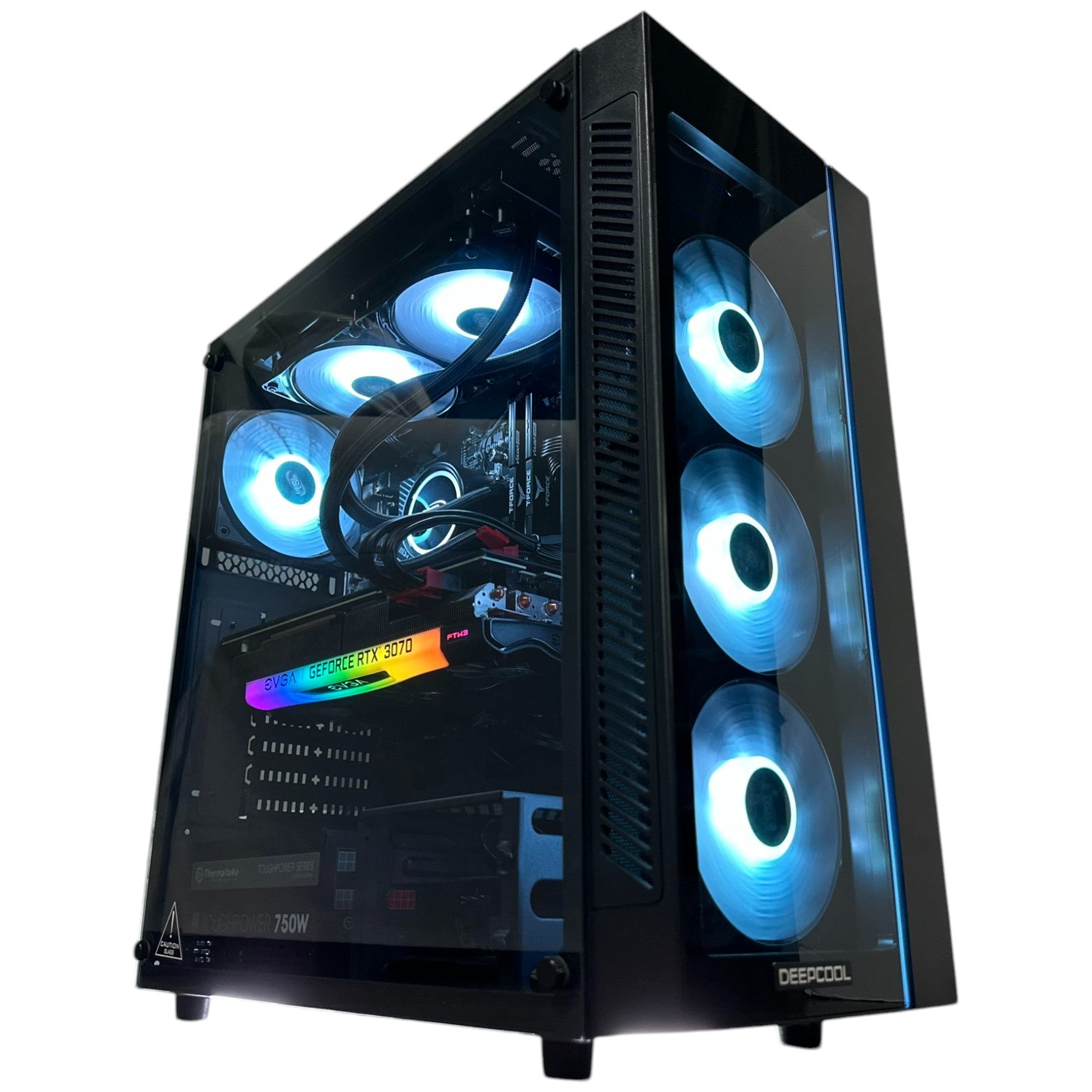
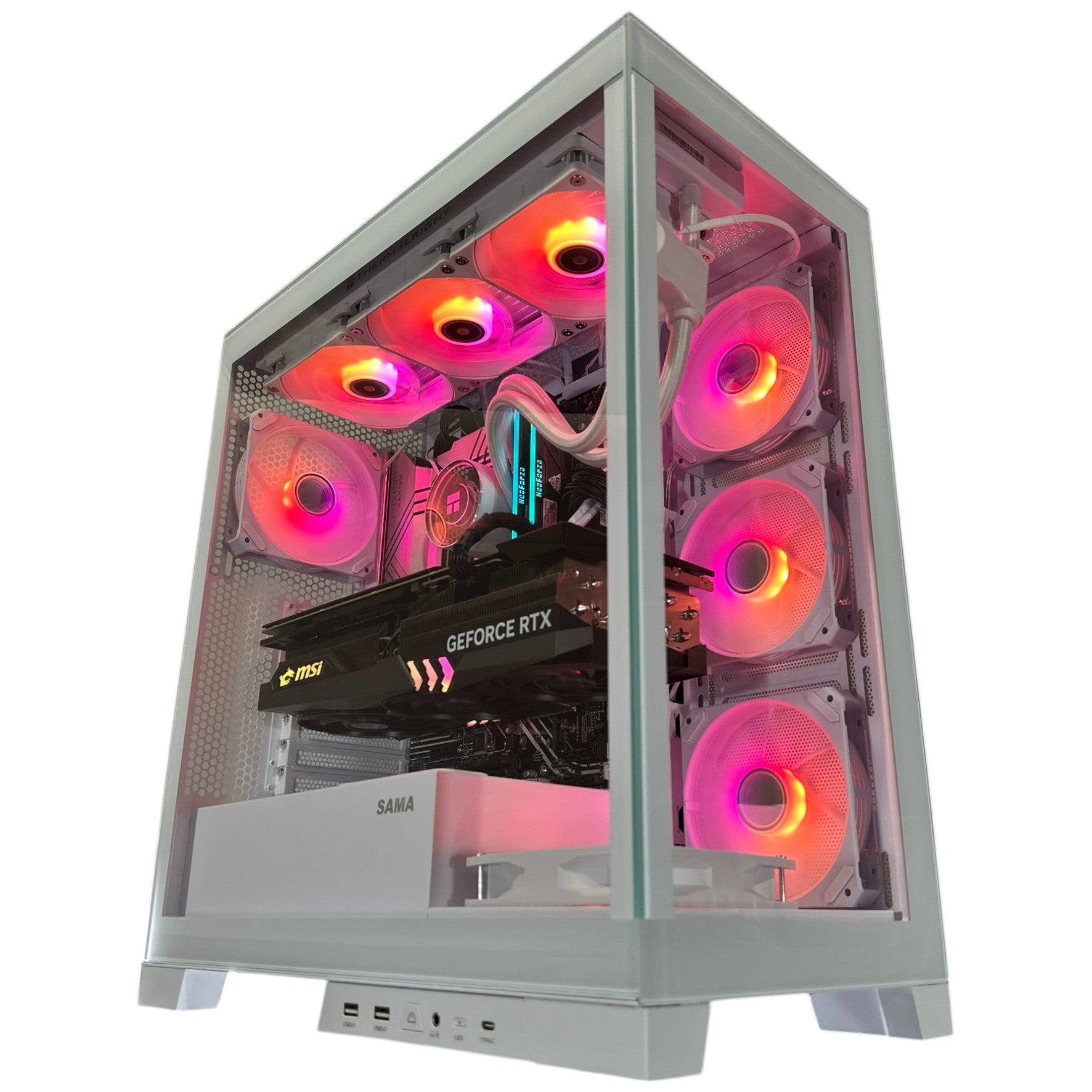
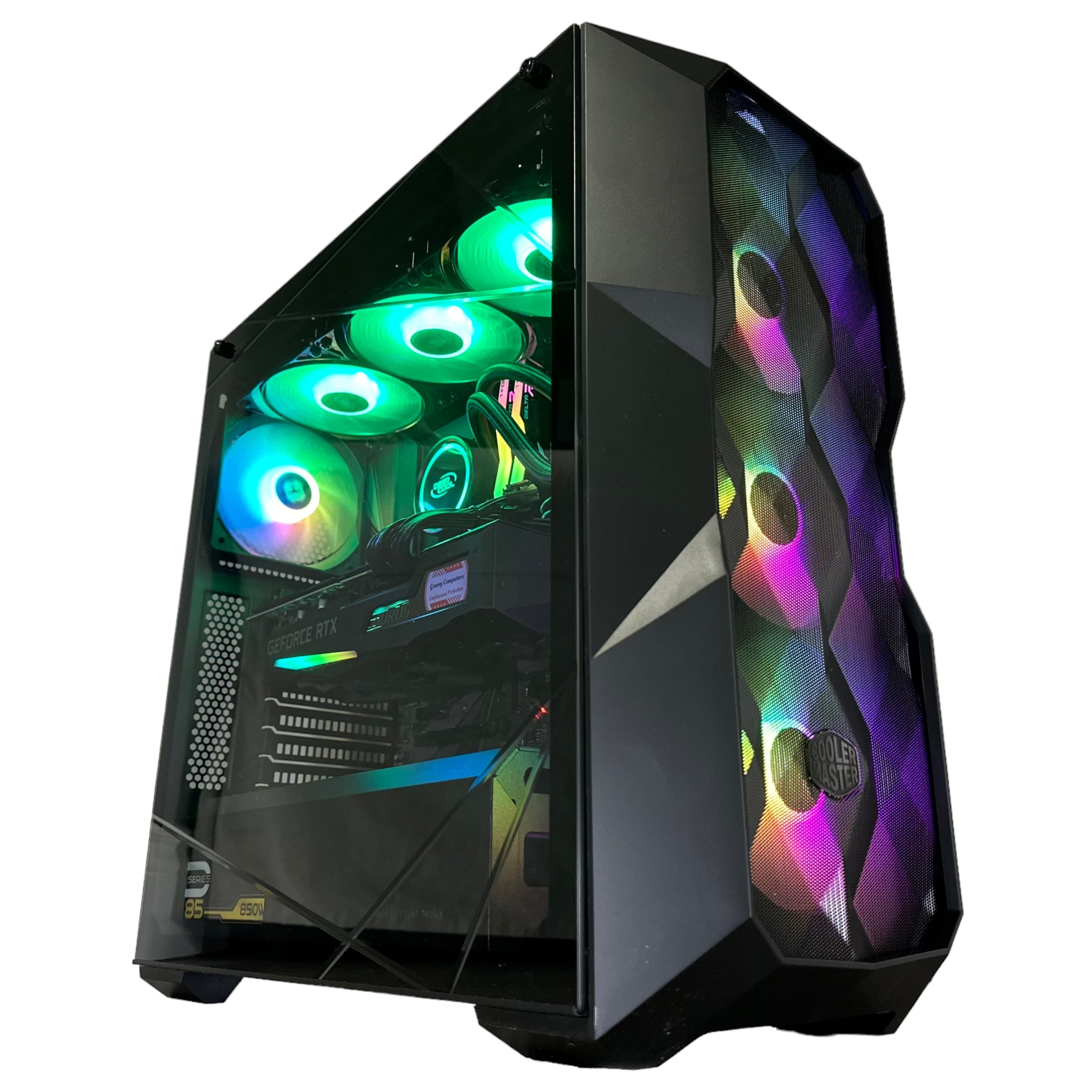
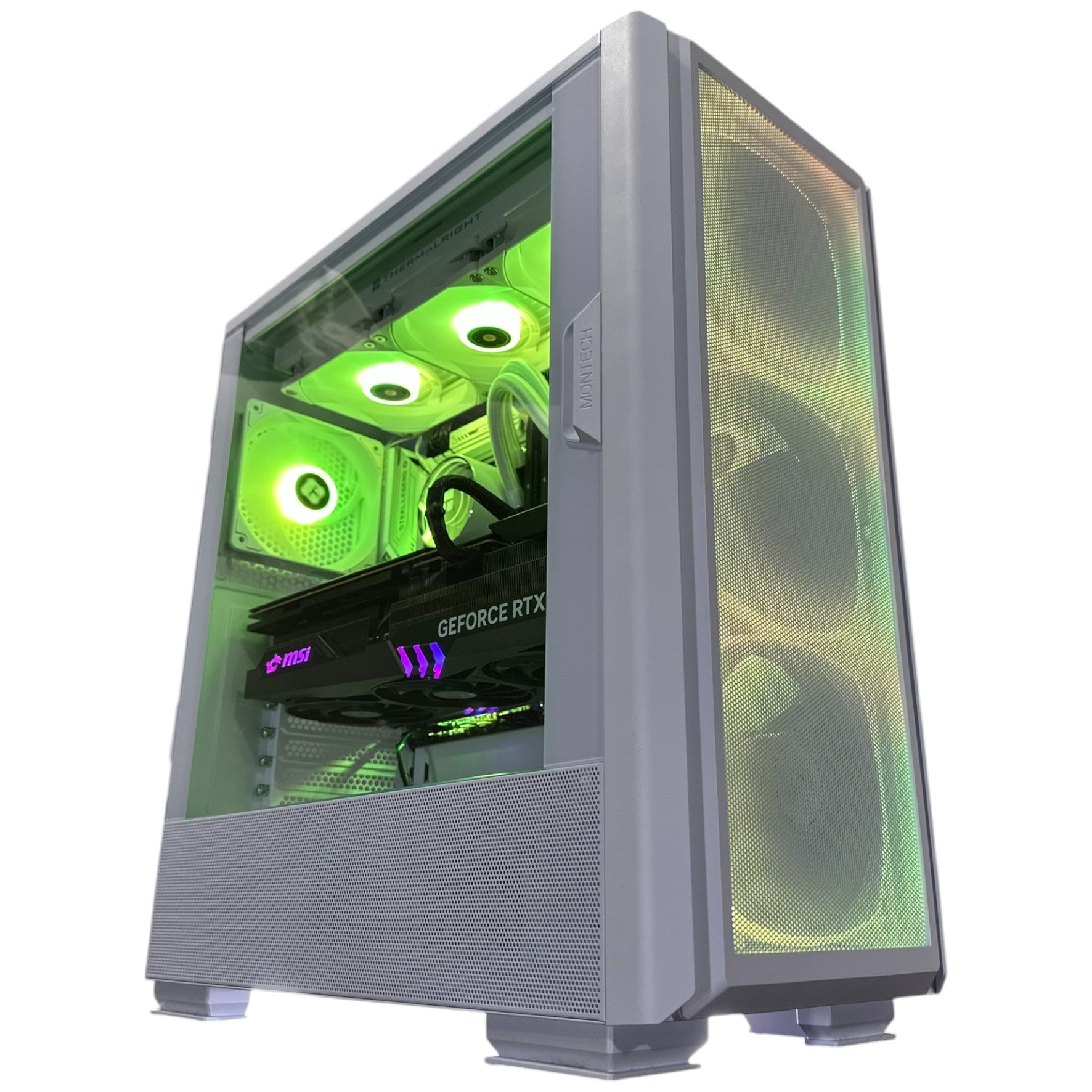
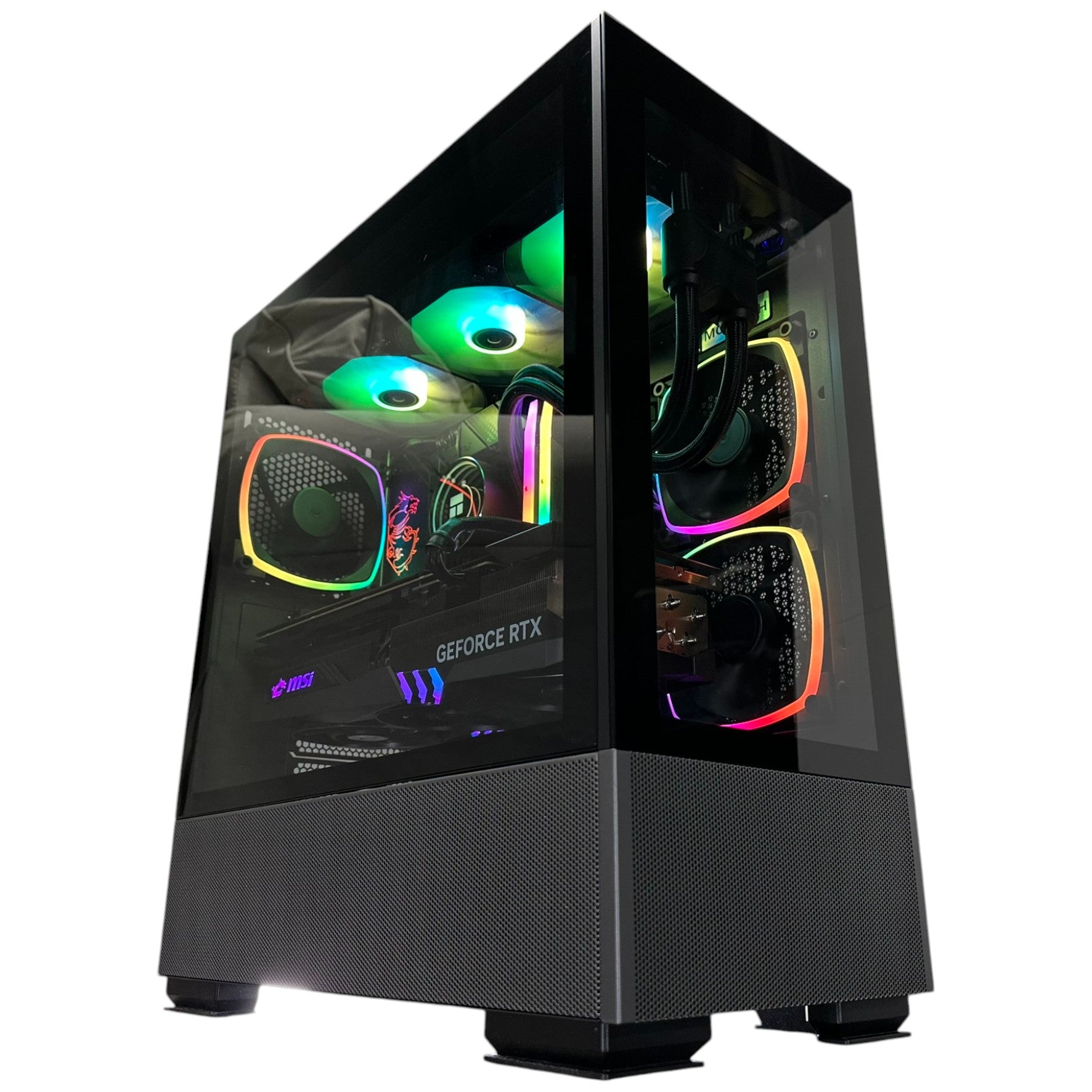
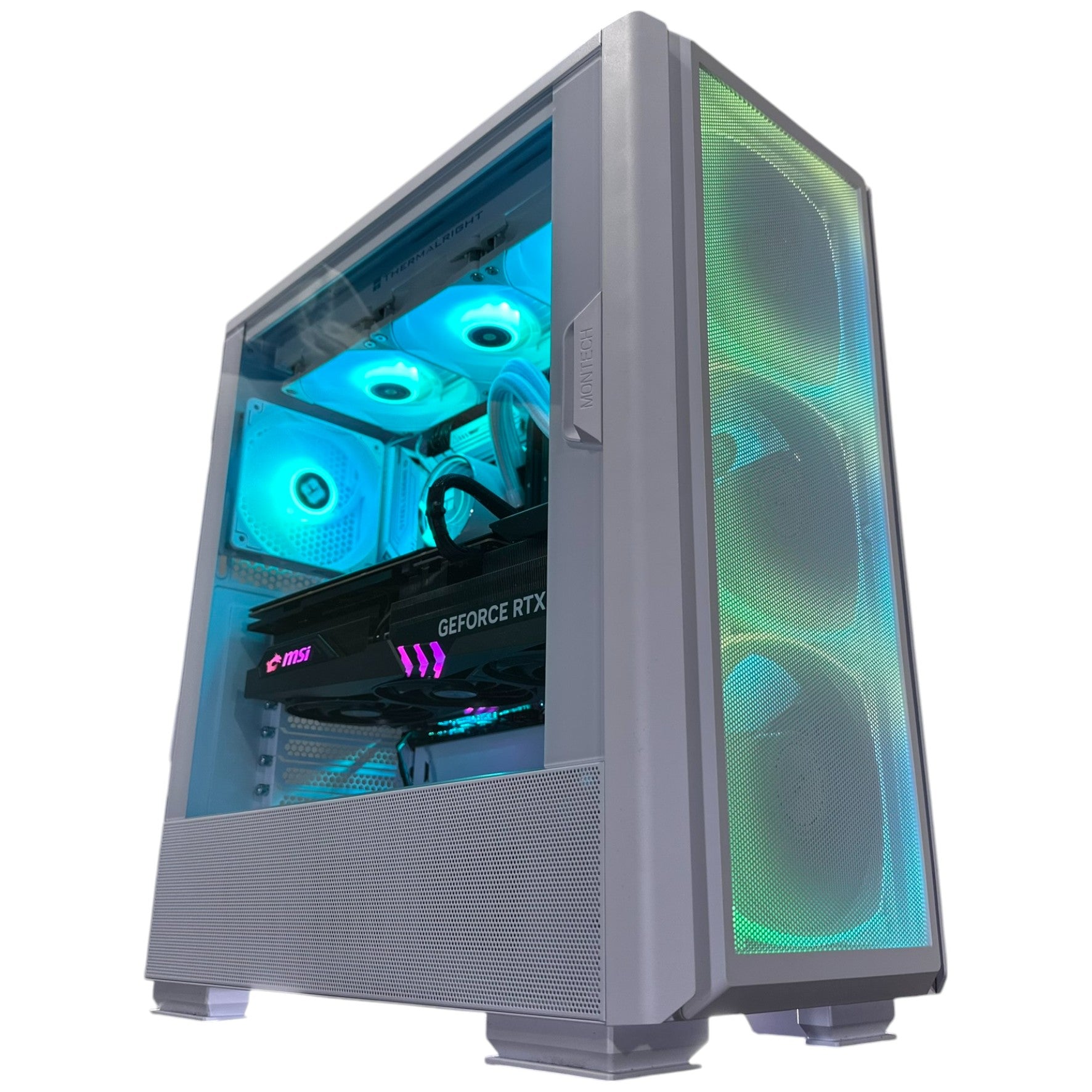
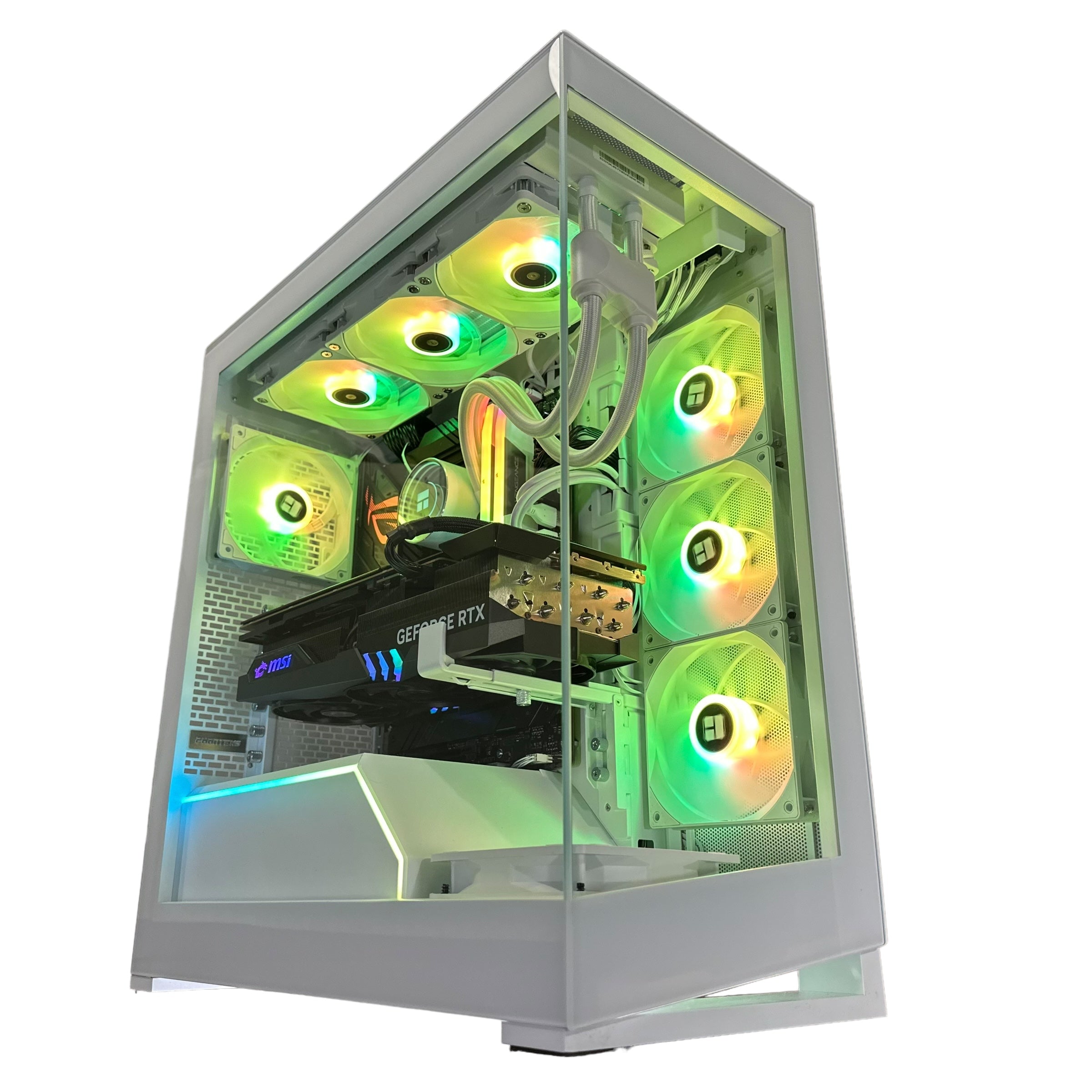
For many buyers, the sweet spot is a Gaming PC Canada shoppers would recognize as mid-range performance with upgrade-friendly value: strong 1080p and 1440p capability, a modern multi-core processor, enough RAM for multitasking, and fast SSD storage. Why? Because that tier handles the broadest range of real gaming habits without immediately pushing you into replacement mode.
If you already know you want ultra settings, high refresh rates, heavier action games, or future releases with more visual demand, then stepping up earlier can be the smarter long-term move. A build that feels slightly stronger than you need today is often the build that still feels good a few years from now.
Which performance tier fits you best?
Entry-level: Is a budget gaming computer enough for you?
If you mainly play lighter games, older AAA titles, esports, or indie releases at 1080p, an entry-level build may be enough. This tier makes sense if your priorities are affordability, quick responsiveness, and a clean path into PC gaming.
But ask yourself honestly: are you buying for what you play now, or what you will want six months from now? If your habits are shifting toward bigger releases, co-op games, graphical upgrades, or streaming, an entry-level machine can age out quickly.
Mid-range: What if you want the best balance of value and longevity?
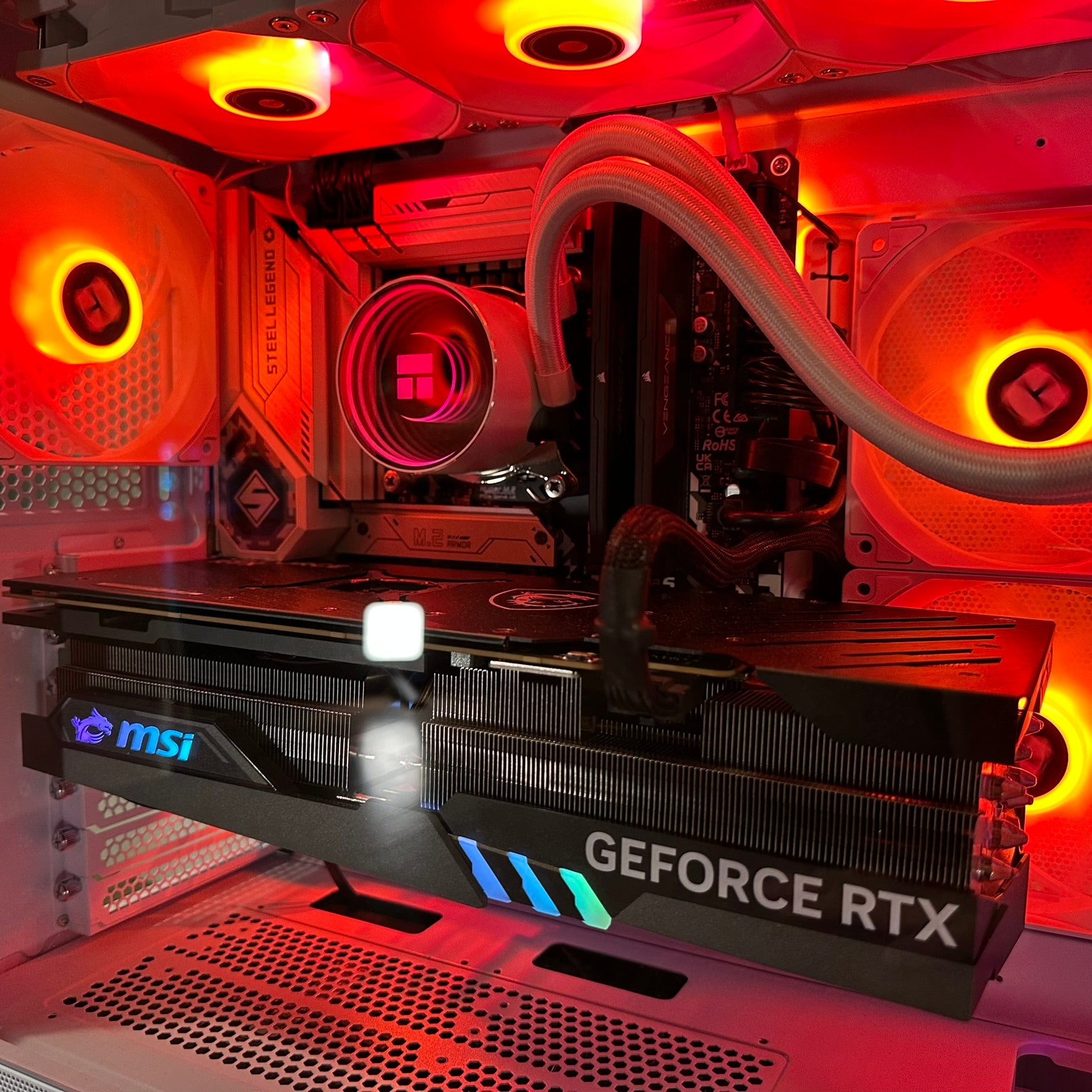
This is the category many Canadian buyers should consider first. A mid-range custom gaming PC is often ideal for 1080p ultra or 1440p high settings, better multitasking, and smoother performance in modern titles. It also gives you more breathing room for recording gameplay, keeping background apps open, and playing newer games without instantly chasing upgrades.
If you are asking, What gaming PC do I need for 1440p gaming? this is usually where the conversation gets serious. It is also one of the strongest categories for buyers who want a machine that feels relevant longer.
High-end: Do you want premium visuals, ray tracing, and stronger future-proofing?
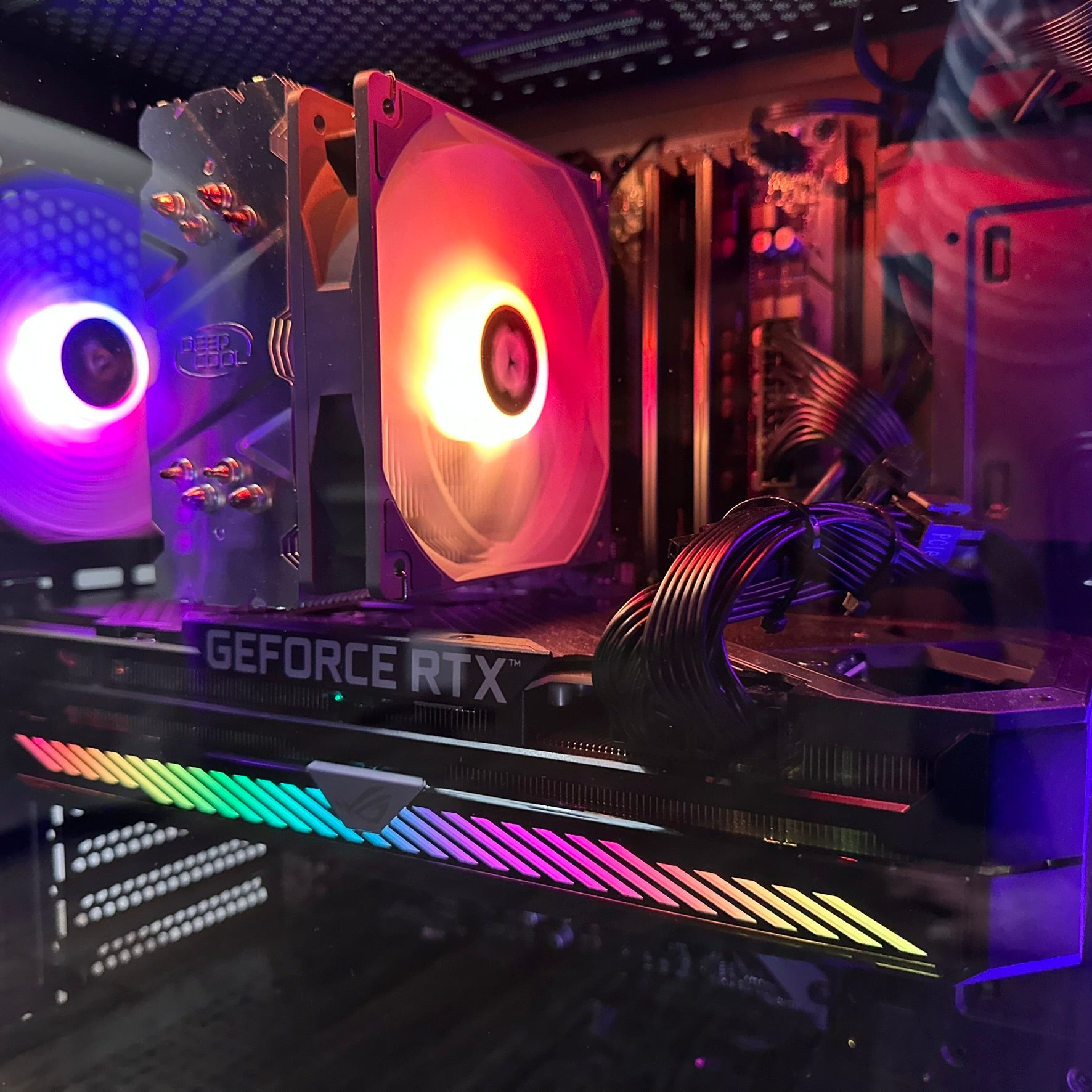
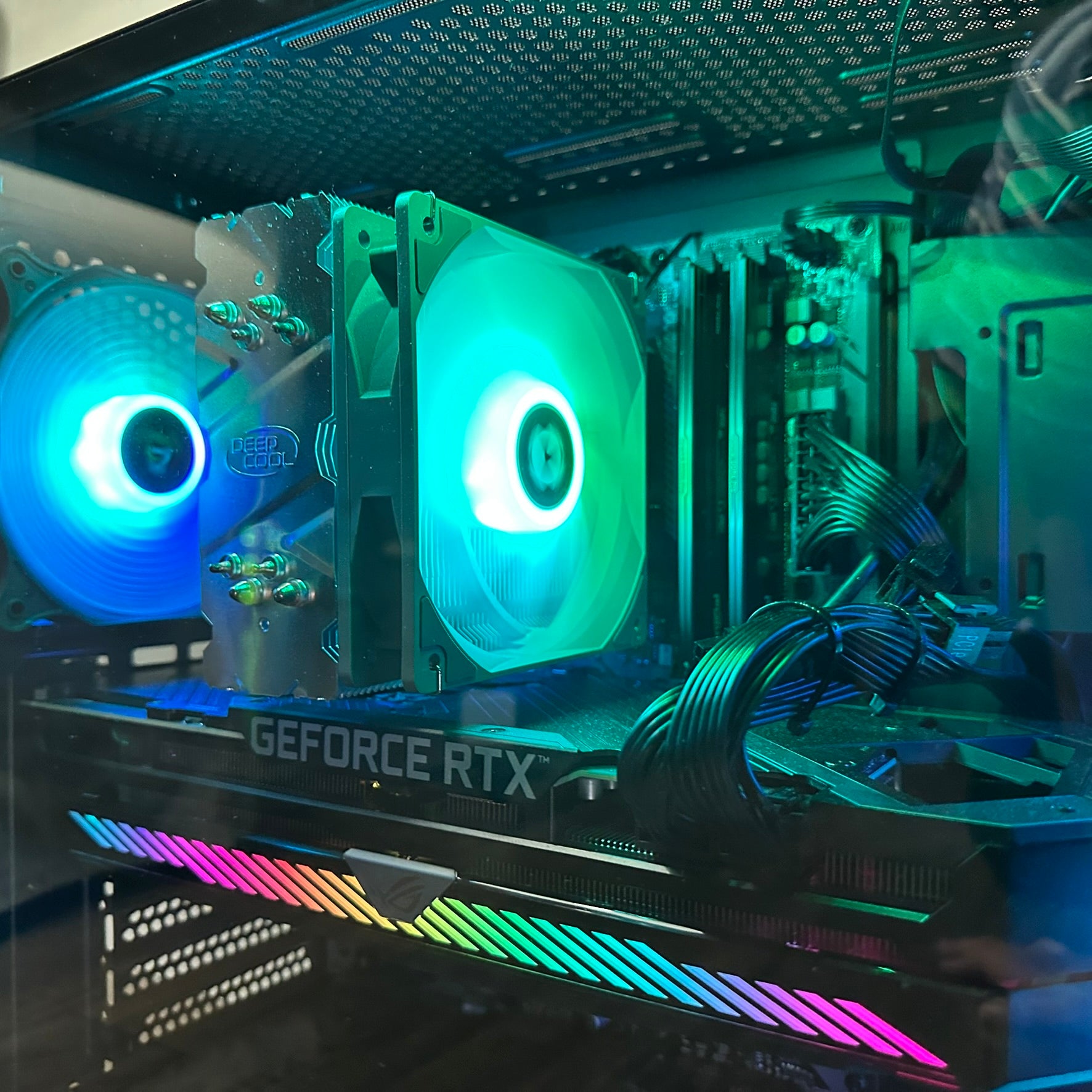
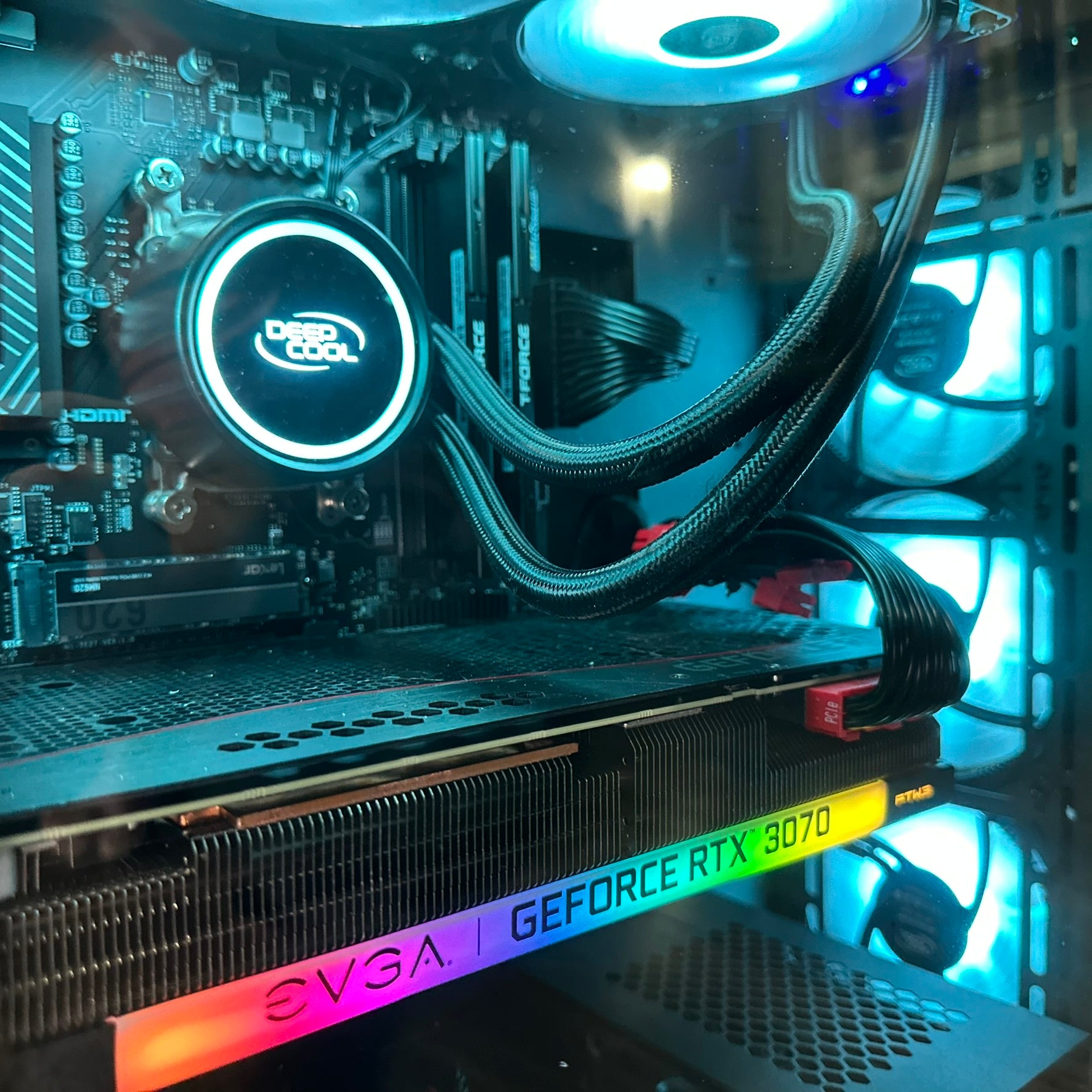
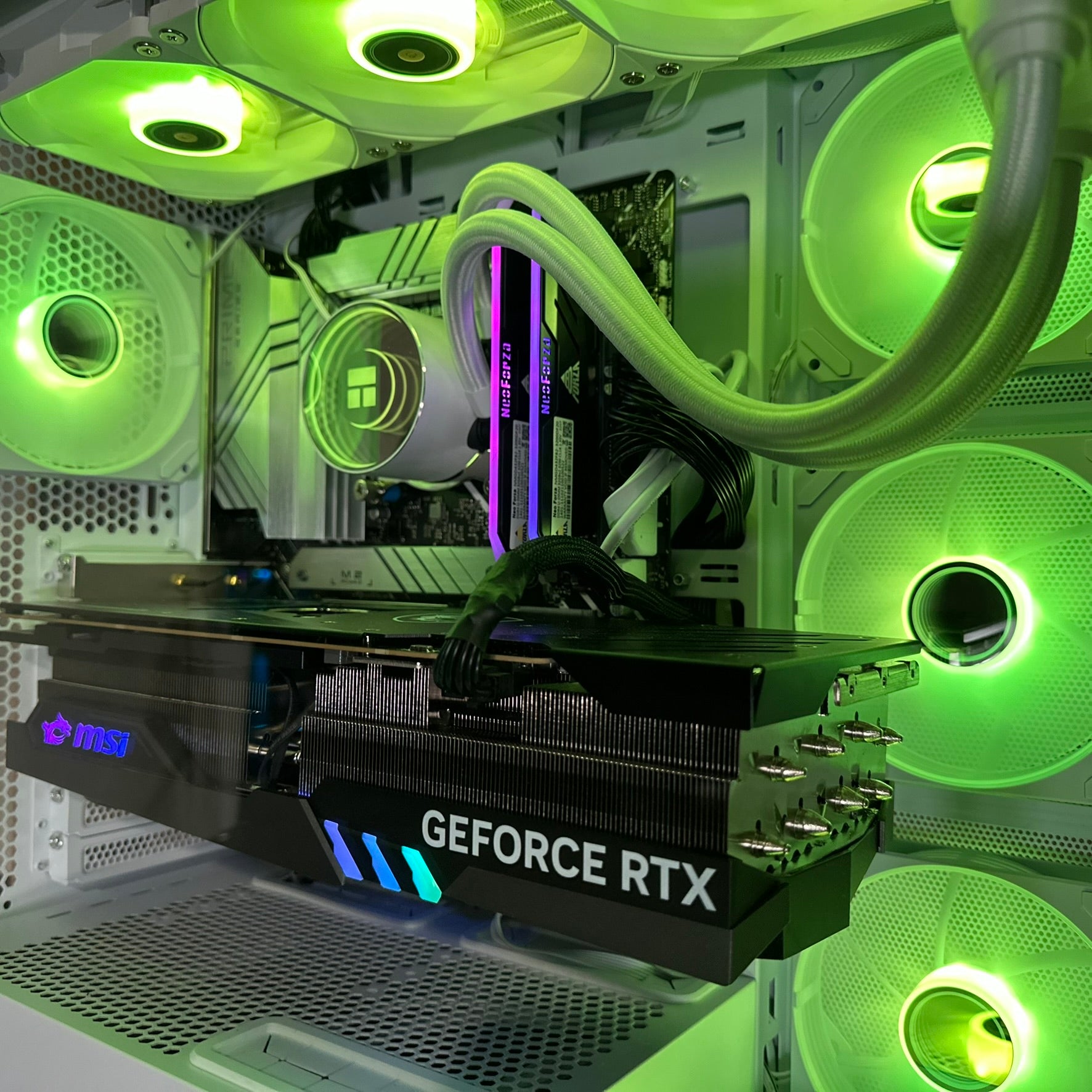
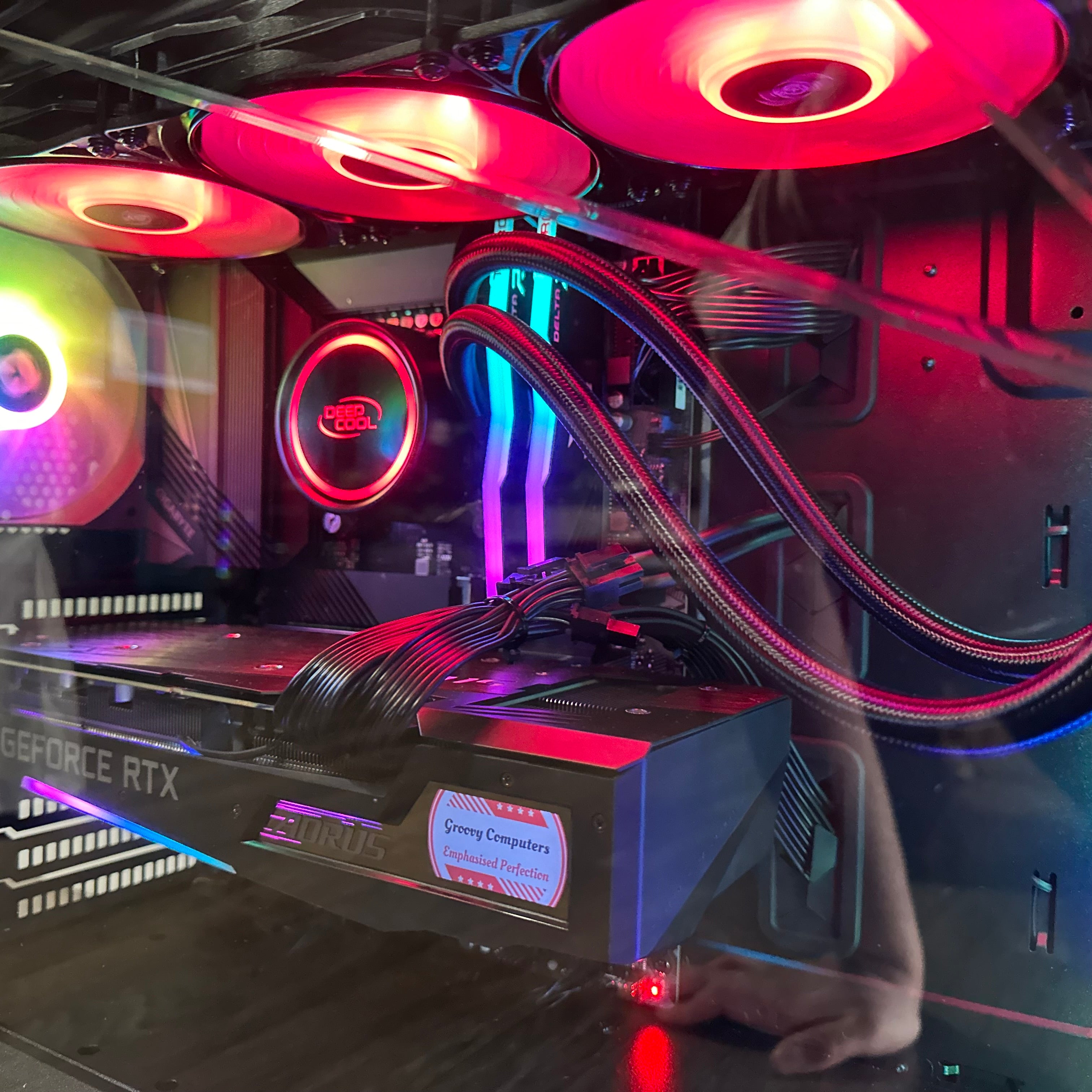
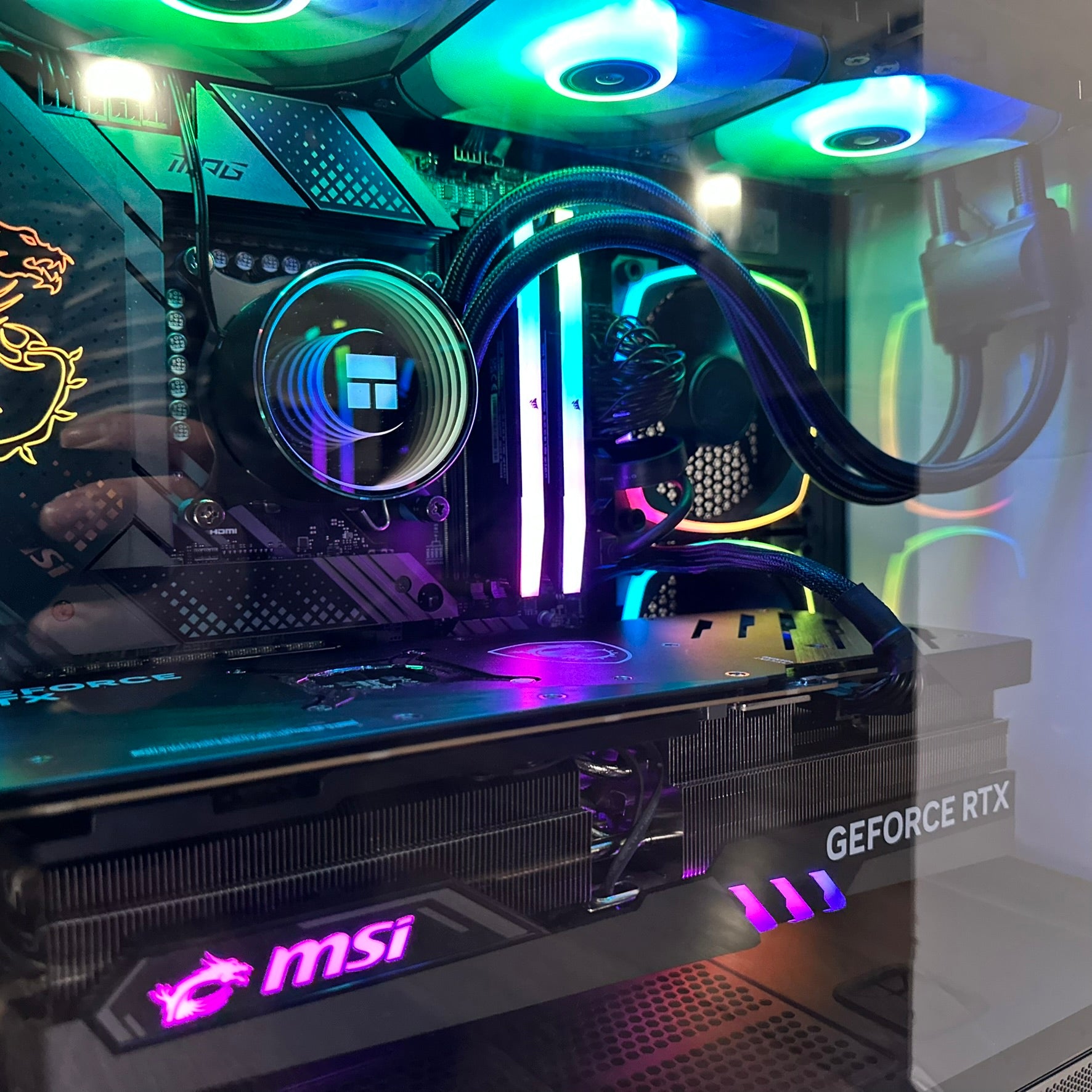
If you are aiming for 1440p high refresh or 4K gaming, especially with more demanding visuals, a premium RTX-based system becomes much more attractive. This tier is not just about bragging rights. It is about reducing compromise. Better GPU performance can mean stronger image quality, smoother minimum frame rates, better streaming encode options, and a longer runway before the next major upgrade.
So ask yourself: how long do you want this system to last before it feels like it is falling behind?
Are you only gaming, or do you also want a streaming PC?
This is where many buyers under-spec their build. They shop for gaming alone, then quickly add OBS, Discord, browser tabs, Spotify, webcam software, overlays, and recording tools. Suddenly the system they thought was enough starts feeling tighter than expected.
If your crossover hype turns into content creation, reaction videos, or live gameplay sessions, then a gaming and streaming PC makes more sense than a bare-minimum gaming-only machine. Better CPU performance, more RAM, fast storage, and a capable graphics card can dramatically improve the experience.
What PC do you need for streaming? That depends on your workflow. Are you planning to stream casually at 1080p? Are you recording at the same time? Are you using one monitor or two? Are you clipping footage for later editing? A properly planned custom build answers those questions before they become frustration points.
Could this kind of gaming news also be pushing you toward content creation?
A lot of buyers do not start by searching for a creator system. They start with a game, a franchise, or a release that gets them excited again. Then they begin capturing screenshots, making thumbnails, cutting clips, posting social content, or editing short-form reactions. That is how a gaming purchase quietly becomes a creator purchase.
If that sounds like you, your system should not only run games well. It should also support editing workflows without dragging through previews, exports, and multitasking. A good Creator PC Canada shoppers can rely on should feel fast in both entertainment and production scenarios.
Do you need a gaming PC, a creator PC, or both?
The answer depends on what software you actually use.
- If you mostly game, prioritize GPU strength, cooling, fast storage, and a balanced CPU.
- If you game and stream, add more CPU headroom, RAM, and workflow planning.
- If you game and edit videos, prioritize GPU acceleration, storage speed, and enough memory for smoother timelines.
- If you also use Photoshop, Illustrator, Lightroom, or Creative Cloud, think in terms of all-around performance rather than just raw gaming FPS.
- If you use Blender, Unreal Engine, or 3D software, then you may already be entering workstation territory.
One of the biggest advantages of buying from a Canadian custom builder is that your system can be tailored to these mixed-use realities instead of forcing you into a one-size-fits-all box.
What if you also edit videos, photos, or graphics?
Let us say the Monster Hunter and Resident Evil hype leads you to create content around your favourite games. Maybe you want to cut montage videos, create lore explainers, stream highlights, or design thumbnails and channel graphics. In that case, the right machine may not just be a gaming desktop. It may be a custom creator PC that bridges gaming and productivity.
If you are working in Premiere Pro, DaVinci Resolve, CapCut, Photoshop, Lightroom, Illustrator, or Canva-heavy workflows, your needs change quickly. More RAM matters. Faster SSDs matter. CPU and GPU balance matters. Stable thermals matter. The wrong parts mix can leave you with a machine that looks powerful on paper but wastes time every week in actual creative work.
Ask yourself: do you want your next system to save you time as well as entertain you?
What if your workload goes beyond gaming into 3D modeling or workstation use?
Some readers will see a franchise crossover and think beyond play entirely. Maybe you are into 3D fan art, game asset practice, animation, Unreal Engine scenes, or rendering projects. Maybe you use your desktop for CAD, architecture, simulation, or business productivity by day and games at night.
If that is your reality, then a standard gaming-focused recommendation may not be enough. A proper Workstation PC Canada buyers can trust should be configured around the software that makes you money or supports your training, not just the game that inspires the purchase.
What PC do you need for Blender? What PC do you need for Unreal Engine? What workstation PC do you need if your system has to multitask reliably for years? Those are not fringe questions anymore. They are increasingly common, especially as more gaming communities overlap with creator and professional workflows.
Why timing matters when gaming hype turns into hardware demand
Whenever big franchises stay active, gamer attention tends to spill outward. That can mean more demand for parts, more demand for stronger GPUs, and more shoppers deciding that now is the time to replace a weak system. Even when a source article itself is short, the buyer lesson is still clear: demand trends move fast, and hardware pricing does not always stay friendly.
So here is the practical question: is it better to buy a gaming PC now or wait?
If your current system is already struggling, waiting can backfire. The longer you delay, the more likely you are to run into replacement pressure on your own terms rather than choosing calmly. You may also find yourself shopping during a period of stronger demand, fewer ideal part combinations, or less flexibility in your budget.
Buying earlier is often less about panic and more about control. You lock in a stronger platform while you still have time to compare tiers and choose the right fit.
Should you finance a stronger PC instead of buying a weaker one?
This is one of the most important questions modern buyers ask, and for good reason. If your budget only comfortably reaches a lower tier today, but your real needs point toward a stronger build, financing can be a practical strategy rather than an impulse decision.
Should you finance a gaming PC? That depends on why you are doing it. If financing helps you secure a system that will last longer, perform better, and avoid an early upgrade cycle, it can make a lot of sense. If it means you can move from “barely enough” to “actually right for your needs,” it may protect your money better over time.
For Canadian buyers, this matters even more when replacement costs can rise and performance expectations keep climbing. Groovy Computers offers options that can help shoppers spread out the cost of a better machine, including financing up to 4 years where appropriate. That can be especially helpful if you are trying to buy before another wave of demand, another major release cycle, or another jump in component pricing.
How much should you spend on a gaming PC in Canada?
The better way to answer this is with another question: how expensive is it if you buy the wrong one?
A lower upfront number may look appealing, but if the system cannot handle the games, settings, streaming, or creator work you care about, then the value disappears fast. On the other hand, going far beyond your needs is not always necessary either. The goal is not maximum price. The goal is best-fit performance.
Think about your target use case:
- Budget-focused buyer: You want a reliable starting point for lighter gaming and solid everyday performance.
- Mainstream gamer: You want modern gaming comfort, better visuals, stronger multitasking, and room to grow.
- Premium gamer: You want high refresh 1440p or stronger 4K readiness, plus longer-term confidence.
- Hybrid creator: You want gaming plus editing, design, or streaming without compromise.
- Workstation user: You need productivity, rendering, or professional software stability first, with gaming as a bonus.
Once you identify which buyer you are, your ideal budget becomes much clearer.
What specs matter most if you want to avoid upgrading too soon?
Many shoppers fixate on one component, usually the GPU, but long-term satisfaction usually comes from balance. If you want to avoid upgrading too soon, think about the full platform.
- Graphics card: Critical for gaming visuals, frame rates, streaming encode support, and many creator workflows.
- Processor: Important for overall responsiveness, streaming, multitasking, and workstation tasks.
- RAM: Helps when gaming with background apps, editing media, handling large files, or running multiple tools at once.
- SSD storage: Improves load times, boot speed, project handling, and general system responsiveness.
- Cooling and airflow: Essential for stability, sustained performance, and hardware longevity.
- Power supply quality: Important for reliability and future upgrade flexibility.
Would you rather buy based on one flashy part today, or buy a properly balanced system that still feels strong later? That is exactly why custom builds matter.
Why custom PC builds matter more when your needs are changing
If all you needed was a generic desktop for casual use, a cookie-cutter system might be enough. But gaming, streaming, editing, and workstation buyers rarely fit into generic categories. Their needs evolve, often quickly. That is why a Custom Gaming PC Canada buyers can trust tends to deliver better value than a random one-size-fits-all box.
With a custom build, you can align your system around the things that actually matter to you. More GPU for gaming. More CPU and RAM for streaming. More storage for media libraries. Better cooling for sustained loads. Cleaner upgrade paths for the future. That flexibility can make a huge difference in both performance and lifespan.
Custom also means fewer compromises hidden behind marketing language. Instead of wondering whether the system cuts corners in cooling, power delivery, or expansion potential, you get a build designed with purpose.
Why testing and warranty support should influence your decision
When you are spending real money on a gaming PC, creator machine, or workstation, performance is only part of the value equation. Reliability matters too.
That is especially true if you are buying online in Canada and want confidence that the system was assembled properly, matched correctly, and stress tested before it reaches your desk. A powerful system that is unstable is not a premium experience. It is a headache.
Groovy Computers positions itself around that confidence: carefully built custom systems, rigorous testing, and a 1-year warranty that gives buyers more peace of mind. If you are deciding between a questionable marketplace machine and a purpose-built Canadian system, ask yourself which one you would rather depend on six months from now.
Are you buying before a major upgrade cycle, sale period, or price spike?
This is another question worth asking before you wait too long. Do you expect to shop before a big game launch, before back-to-school demand, before holiday demand, or before your own workload increases? Are you trying to replace a machine before it becomes a problem, or only after it starts costing you time and performance?
Strategic timing can matter. If you know your needs are growing, buying earlier can be smarter than being forced into a rushed decision later. It also gives you the chance to choose a system tier that truly fits your goals instead of settling for whatever appears cheapest in the moment.
What kind of buyer should choose each Groovy Computers category?
Choose a budget-focused gaming build if:
- You want a first gaming PC.
- You mainly play lighter or older games.
- You are targeting 1080p and want the best practical value.
- You need a starting point and plan to grow later.
Choose a premium RTX gaming PC if:
- You want stronger 1440p or 4K gaming.
- You care about ray tracing, higher settings, or high-refresh gameplay.
- You want a system with more long-term headroom.
- You do not want to feel underpowered when bigger releases hit.
Choose a streaming or creator build if:
- You plan to game and broadcast at the same time.
- You want to record gameplay, edit clips, or produce online content.
- You use OBS, editing tools, and design software in one workflow.
- You want a machine that supports both play and production.
Choose a workstation or 3D-focused system if:
- You use Blender, Unreal Engine, CAD, or rendering tools.
- You need higher memory capacity and stronger sustained performance.
- You rely on your machine for both professional output and personal use.
- You want stability and power under heavier workloads.
What questions should you ask before buying your next PC?
Before you commit, ask yourself these practical questions:
- What games or software will I actually use every week?
- Am I targeting 1080p, 1440p, or 4K?
- Do I care about ray tracing or just strong value?
- Will I stream, record, or edit content too?
- How much multitasking do I really do?
- Am I buying for today only, or for the next few years?
- Would financing help me get the right system instead of a temporary one?
- Do I want a custom build with testing and warranty support?
These are the kinds of questions that lead to better purchases and fewer regrets.
Why Groovy Computers makes sense for Canadian buyers
For shoppers in Canada, especially those who want guidance rather than guesswork, Groovy Computers stands out as a practical solution. The company is built around custom PCs for real use cases: gaming, streaming, video editing, photo editing, graphic design, content creation, 3D modeling, and workstation performance. That matters because buyers are not all the same, and their systems should not be either.
Whether you are in Nova Scotia, Atlantic Canada, or ordering from elsewhere in the country, the advantage of working with a Canadian custom builder is clarity. You can choose a system based on your actual needs, ask smarter questions, and avoid ending up with parts mismatched to your goals.
If you are wondering where to start, the answer is simple: start with what you want the machine to do, then match that to the right build category.
Want help choosing between a budget gaming computer, a premium RTX gaming PC, a custom creator build, or a workstation-ready system? Visit GroovyComputers.ca and explore the build that fits the way you actually play and work.
The bigger takeaway from the Resident Evil Survival Unit x Monster Hunter news
The source announcement may be about a mobile strategy crossover, but the bigger trend is much wider. Gaming franchises are becoming more connected, more social, more content-driven, and more demanding of the systems around them. That means your next desktop purchase should be based on your full ecosystem, not just one title.
If this crossover has you thinking about returning to old favourites, diving into new games, streaming your sessions, editing highlights, or future-proofing your setup, then now is the right time to plan carefully. The best choice is rarely the cheapest possible machine. It is the one that supports your gaming life properly and continues to do so as your interests grow.
So ask yourself one last question: do you want your next PC to merely run games, or do you want it to open up everything that comes after the hype? If you are ready for a system built around that bigger answer, Groovy Computers is one of the best places in Canada to start.
#GamingPCCanada #CustomGamingPCCanada #GamingPCBuilderCanada #CanadianCustomPCBuilders #GamingAndStreamingPC #CreatorPCCanada #WorkstationPCCanada #BuyGamingPCOnlineCanada #NovaScotiaComputers #GroovyComputers
Groovy Computers | All Rights Reserved


Leave a comment
This site is protected by hCaptcha and the hCaptcha Privacy Policy and Terms of Service apply.