



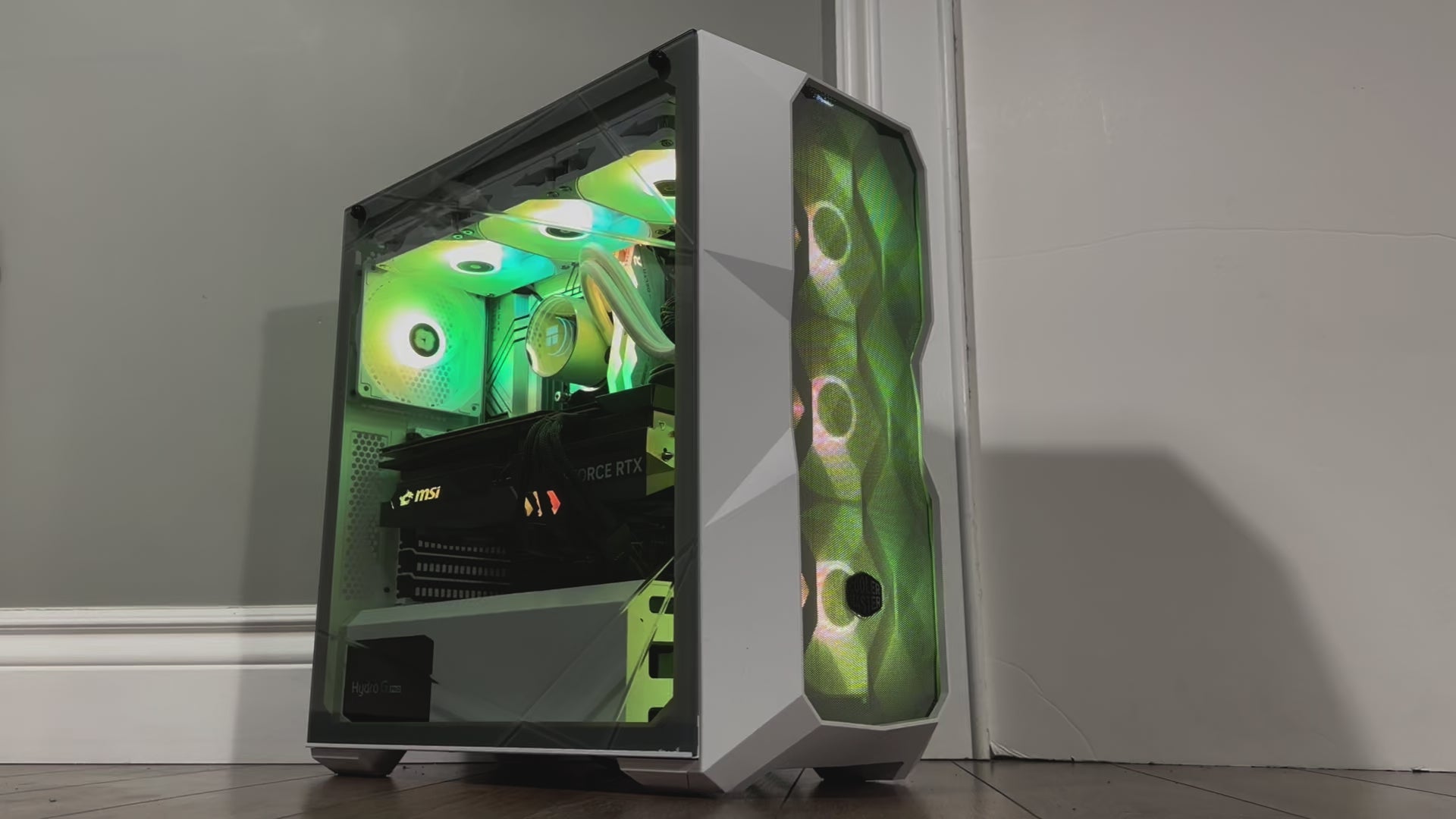
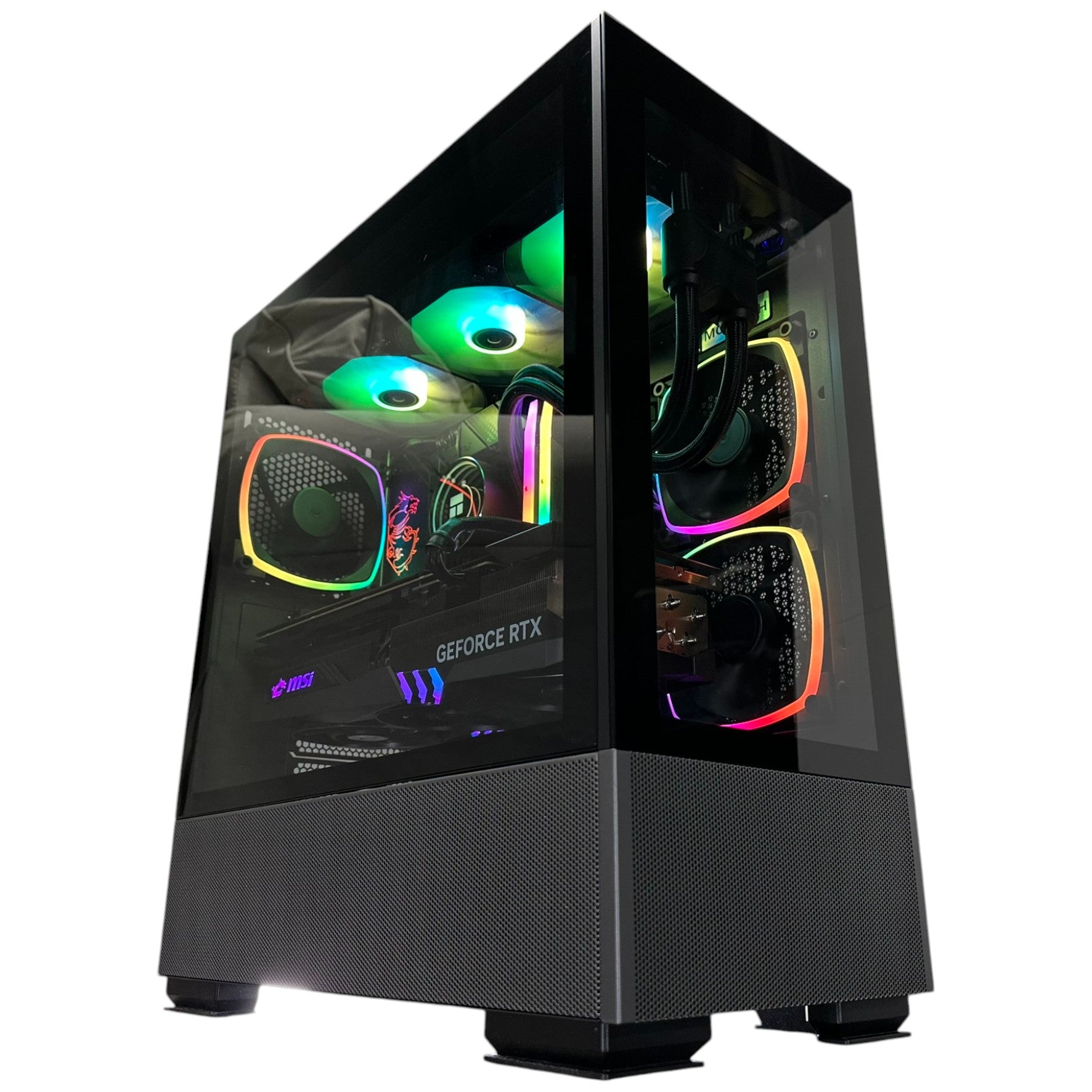
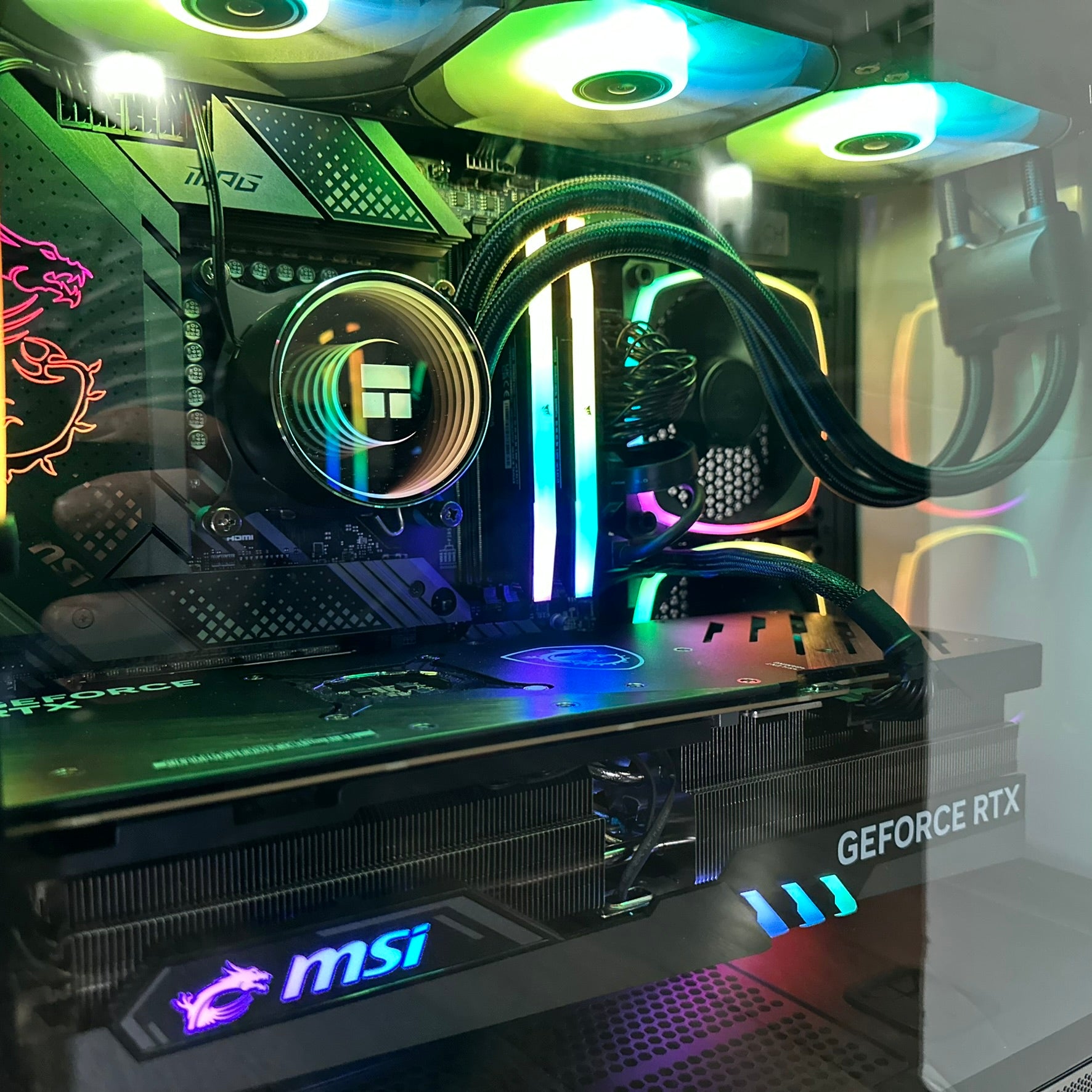
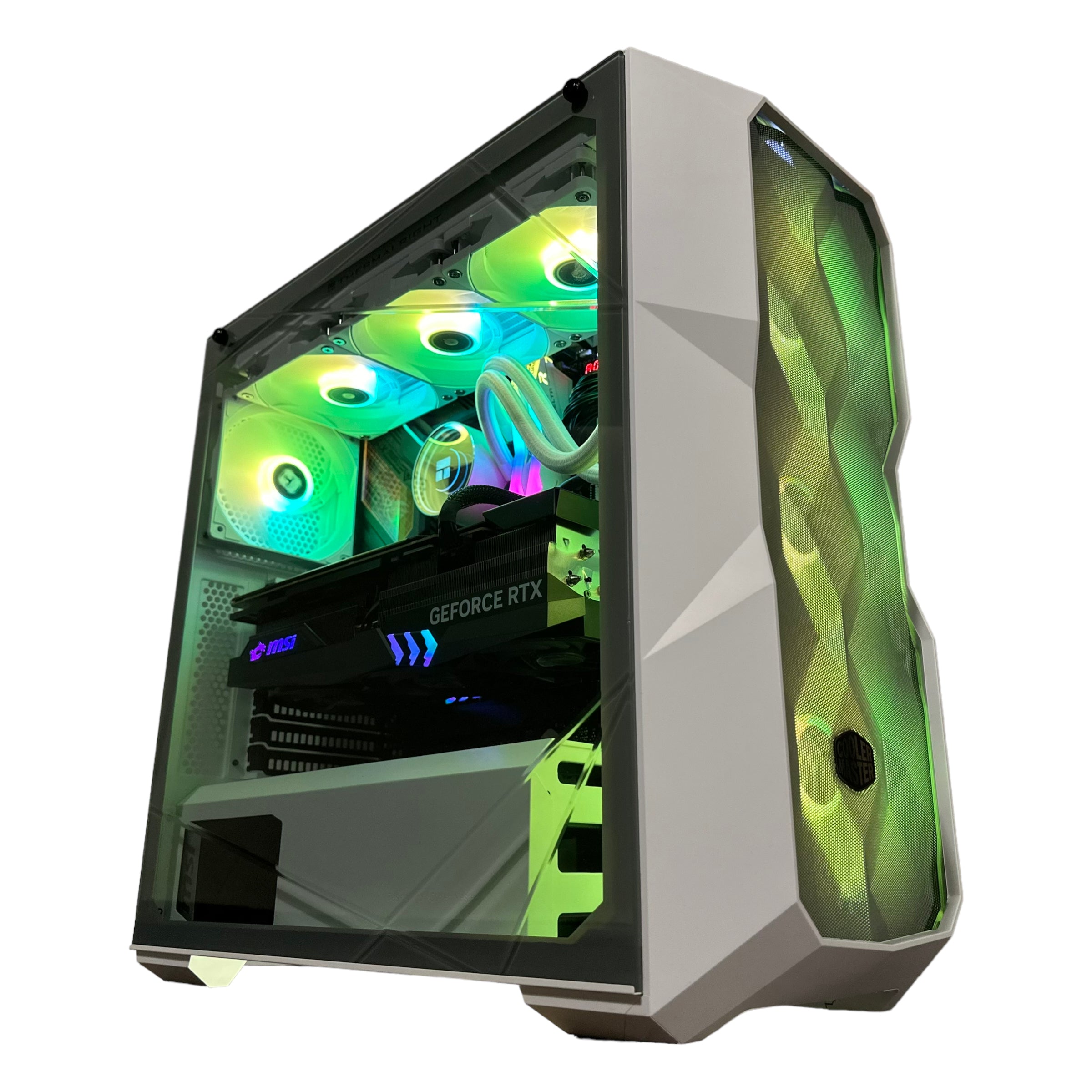

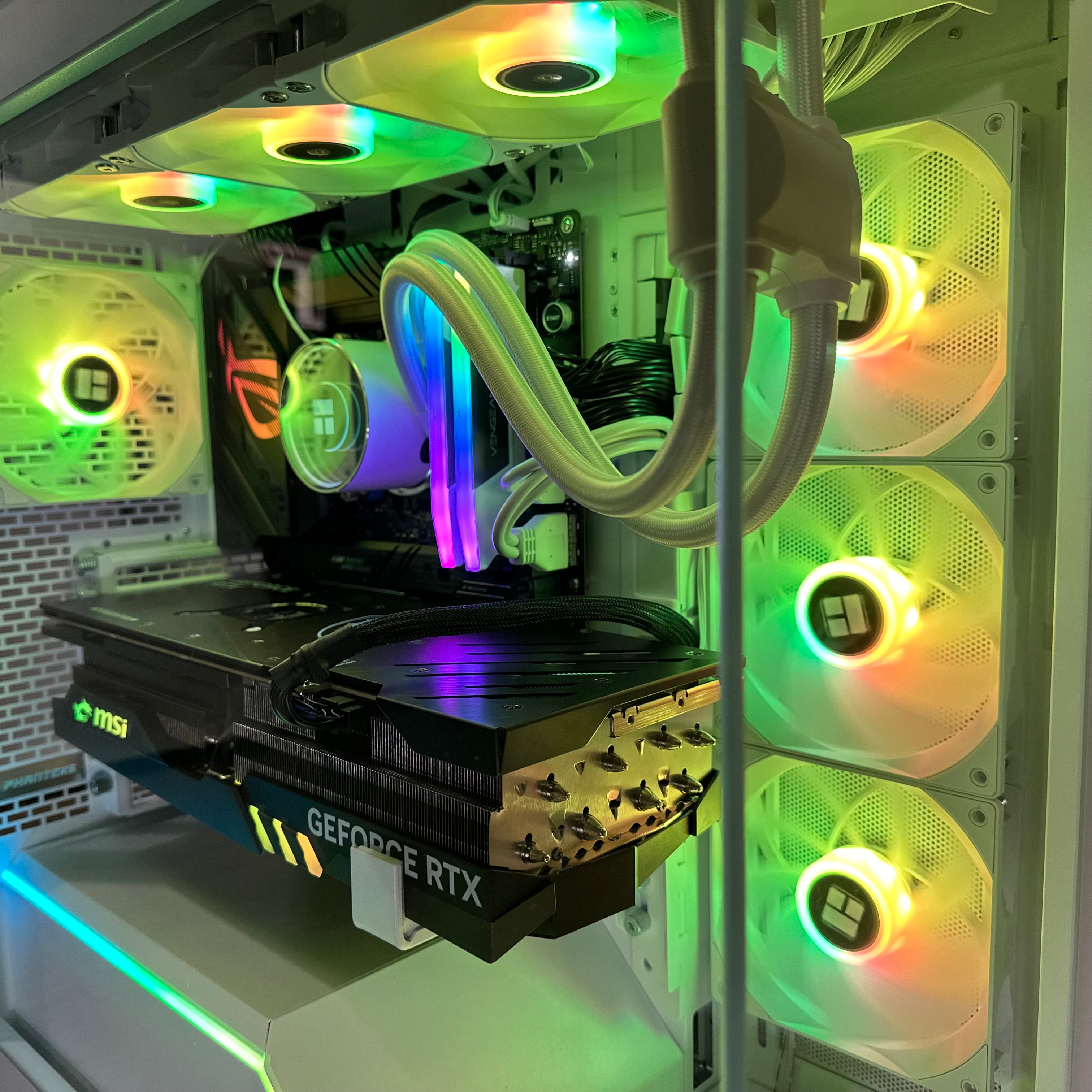
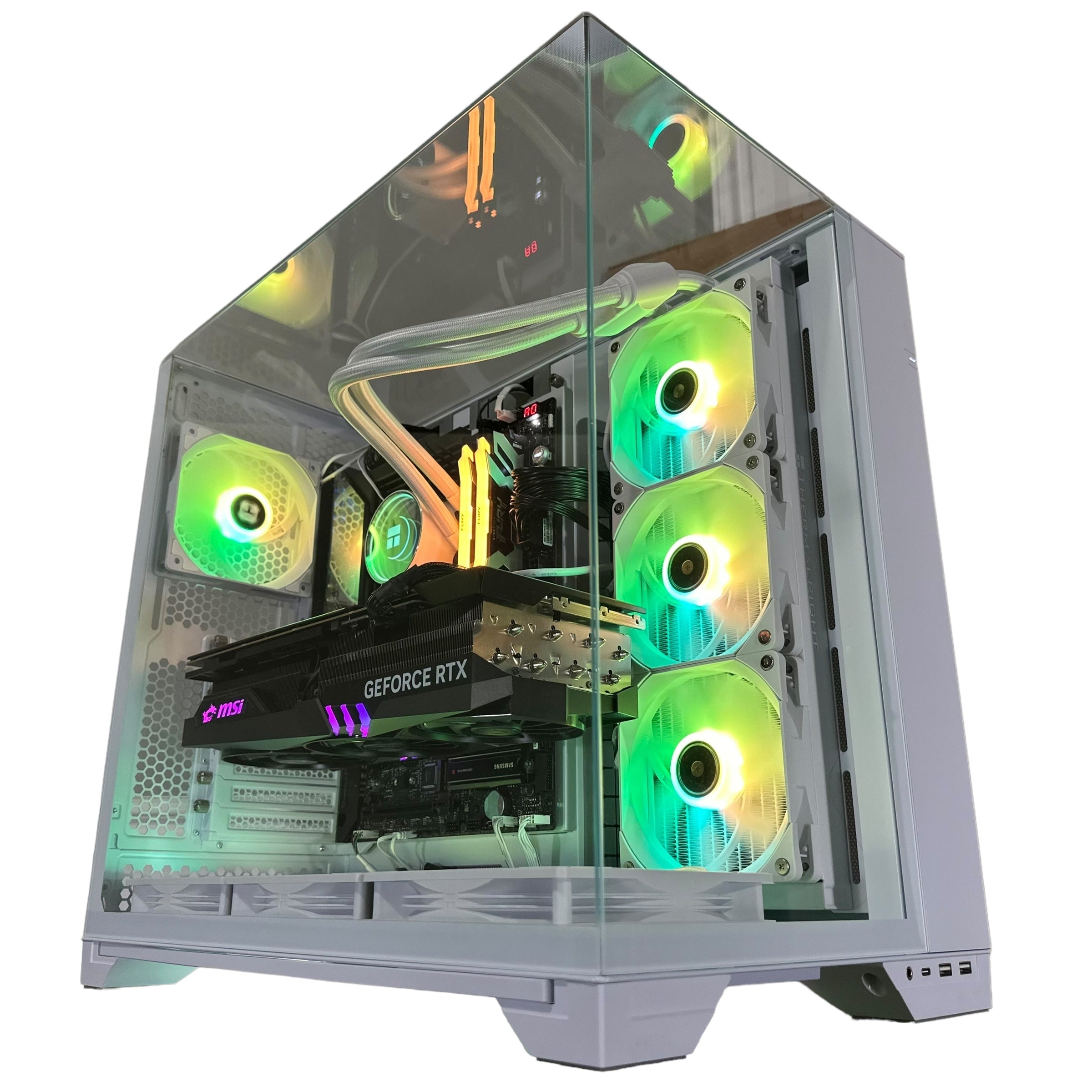
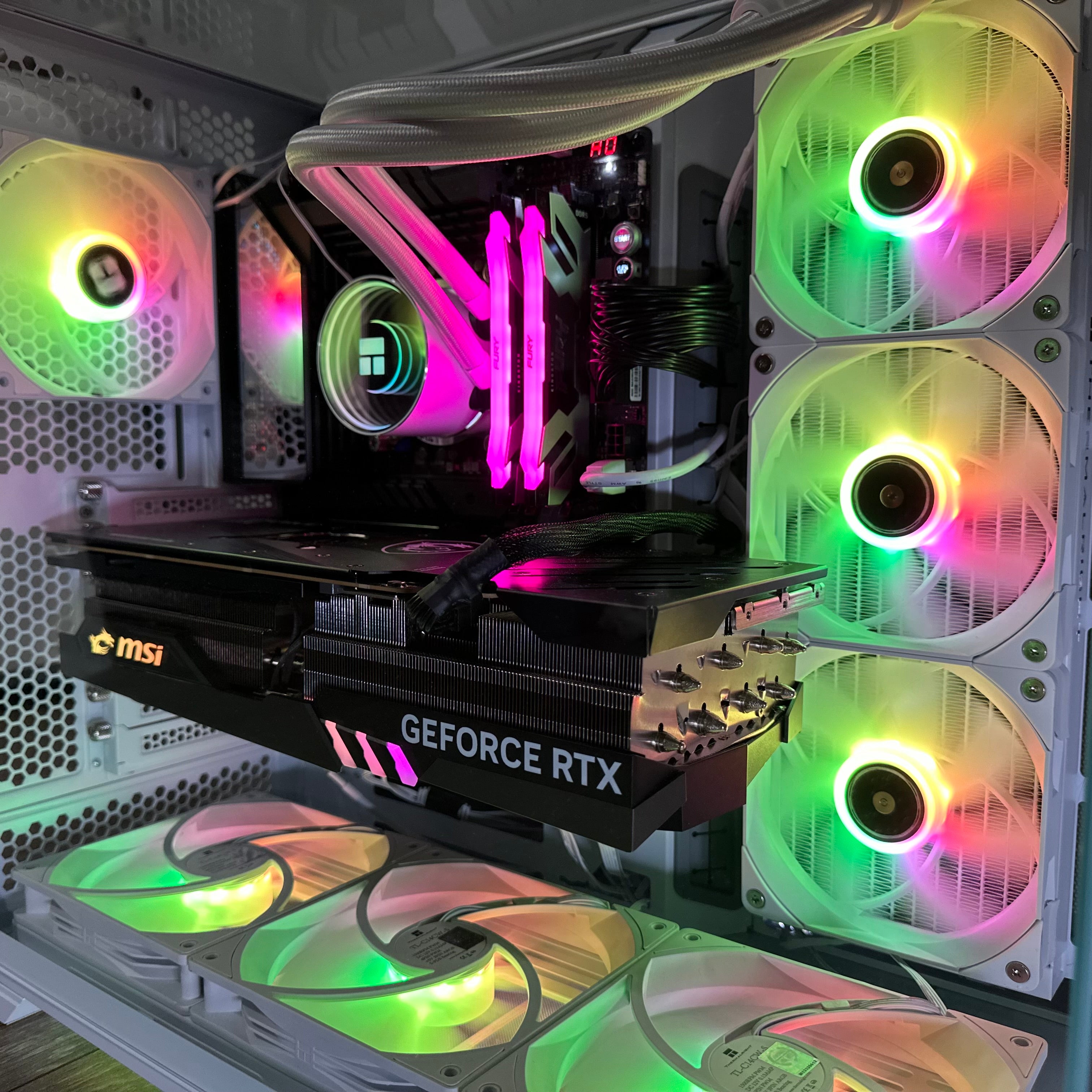

GTA 6 Fully Digital? Why This Anti-Consumer Shift Matters for Anyone Buying a Gaming PC in Canada
The debate around GTA 6 fully digital is bigger than one game. It speaks to ownership, access, pricing, and how gamers now have to think about hardware purchases in a world where major releases, digital lock-in, and rising system costs are all colliding at once. For Canadian buyers, this is not just a console story. It is a PC buying story too, because the more the industry pushes players toward closed ecosystems and code-based access, the more valuable a powerful, flexible, upgrade-friendly desktop becomes.
The source article raises a real concern: when a major publisher sells a so-called physical edition that is really just a box with a download code, consumers lose something important. They lose easy resale, easy lending, and in some cases a sense of permanence. That matters if you care about preserving games, controlling your library, or making smarter buying decisions. It also raises another question: if the future of gaming is increasingly digital, what kind of PC should you buy now so you are not forced into another expensive upgrade when the next wave of huge releases lands?
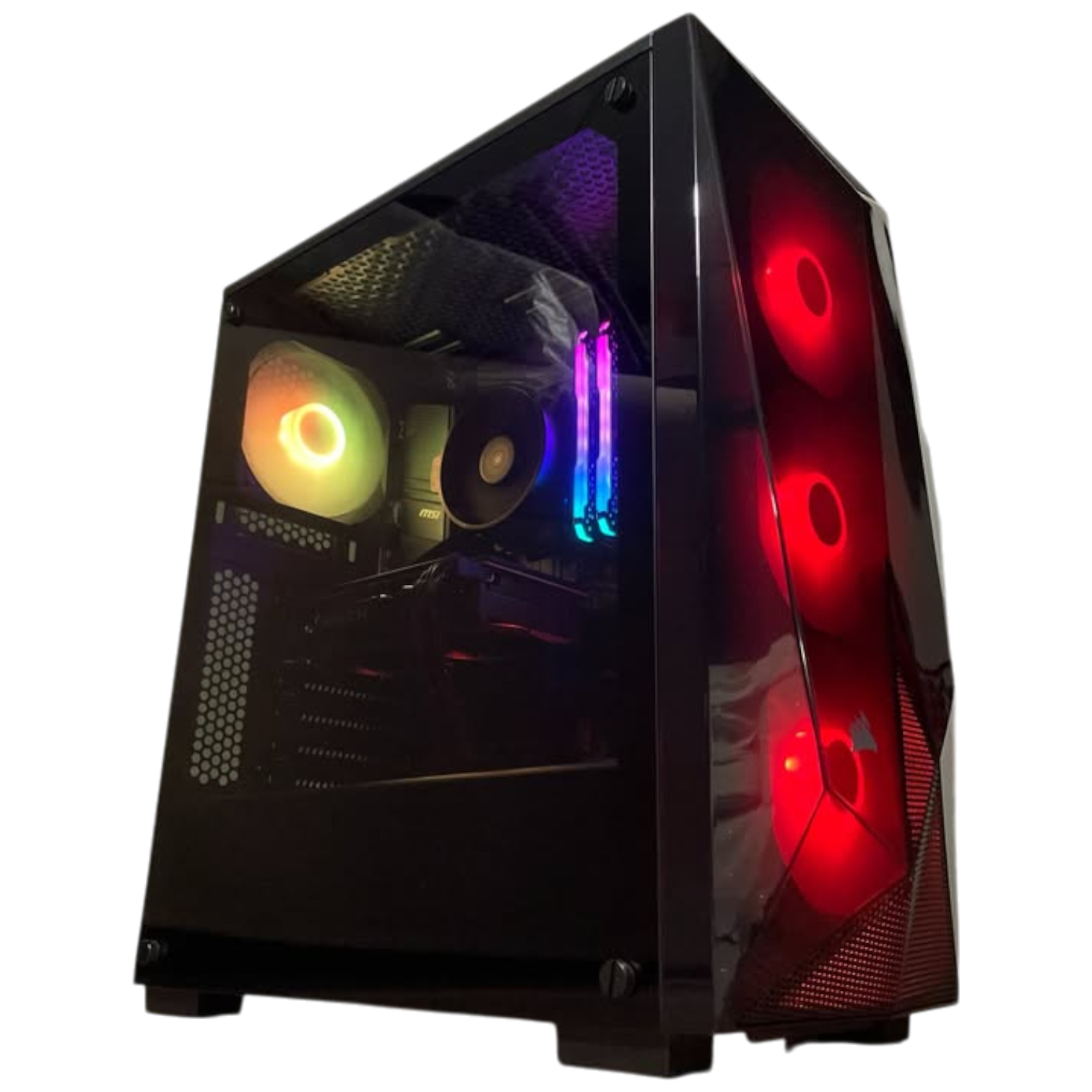
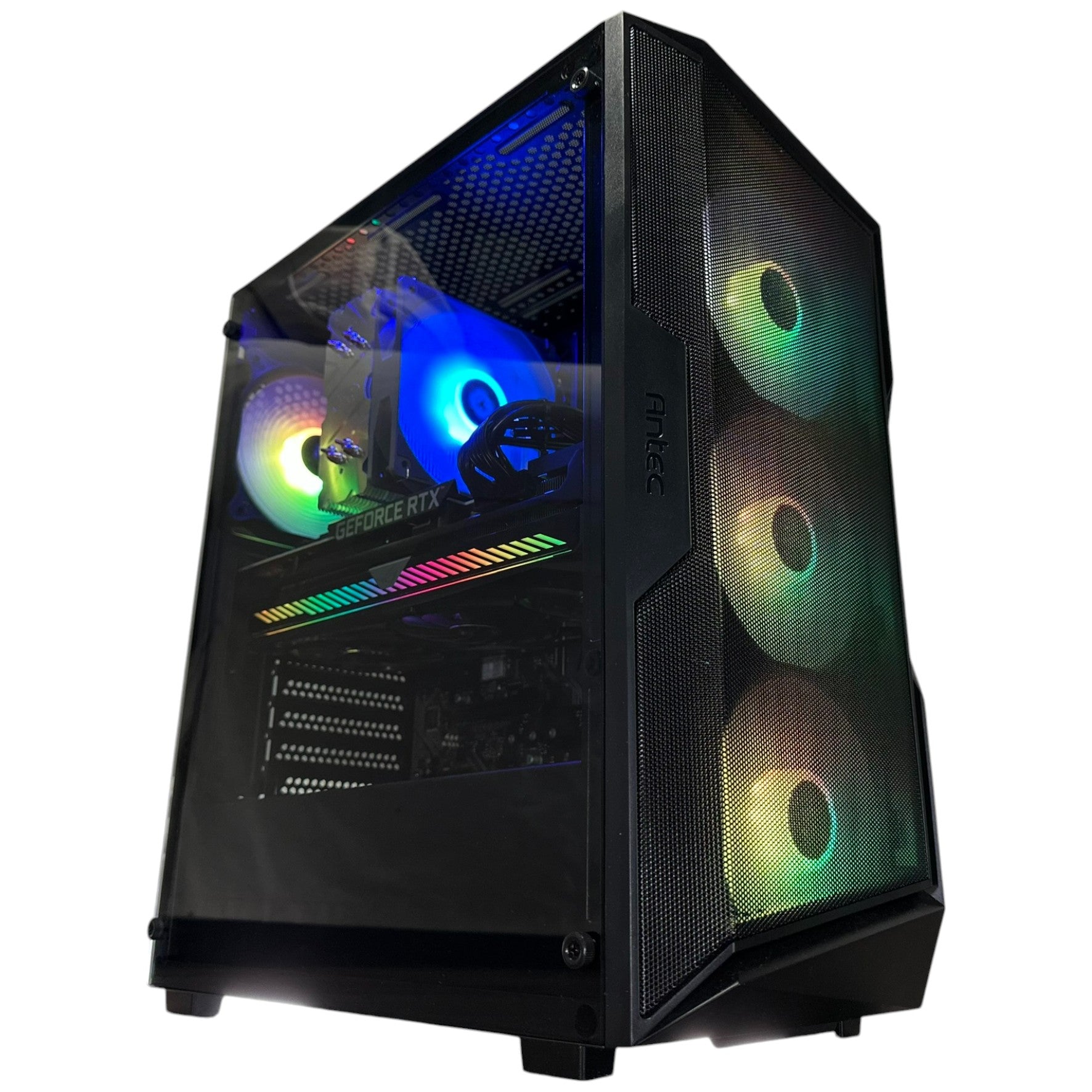
That is where Groovy Computers comes in. If you are trying to figure out whether your next system should be a budget gaming build, a premium RTX gaming PC, a streaming setup, a creator tower, or even a workstation that can handle 3D rendering after hours and games at night, this conversation matters. The shift to digital is not only changing how games are sold. It is changing how smart buyers plan performance, storage, longevity, and financing.
What the GTA 6 fully digital controversy gets right
The strongest point in the original discussion is simple: a code in a box is not the same thing as true physical media. If there is no disc to install from, no practical way to lend the game, and no secondhand value, then the customer is getting less control while often paying the same premium launch pricing.
That frustration is easy to understand. Physical media traditionally gave players options. You could trade a title, sell it, lend it, keep it on a shelf, or revisit it years later without wondering whether a storefront, account system, or license policy had changed. Once games become fully digital, the buyer experience becomes more dependent on account access, download infrastructure, patch support, and platform decisions that the customer does not control.
And if you are a Canadian gamer already paying premium launch prices in CAD, taxes on top, and often more for hardware than U.S. buyers, losing flexibility hurts even more. If a big-budget new release can cost well over $100 CAD by the time deluxe editions and taxes are factored in, you naturally want more control over what you bought.
Why should PC buyers in Canada care about a console-style digital shift?
Because the same pressure shows up on PC in a different form. PC gaming has long been mostly digital, but PC still gives buyers one major advantage: freedom of hardware choice. You are not locked to one console generation, one storage capacity, one storefront, or one fixed performance target. A properly chosen gaming desktop can let you ride out industry changes more comfortably.
Ask yourself a few practical questions. Are you planning to play massive open-world games at 1080p today, then move to 1440p later? Do you want room for more SSD storage when game installs get larger? Do you want ray tracing performance without replacing your whole machine next year? Would you rather buy once, buy properly, and avoid feeling trapped by underpowered hardware when new AAA games arrive?
These are exactly the kinds of questions that matter now. If blockbuster launches continue to push larger downloads, higher texture demands, more background updates, and heavier patch cycles, then your PC is no longer just a box that runs games. It becomes your long-term access platform.
What do you want your next PC to do for you?
Before comparing GPUs or budgets, start with the real use case. What do you actually want your next computer to handle over the next few years?
- Just gaming? Then resolution, frame rate, and game type matter most.
- Gaming and streaming? Then encoder support, CPU balance, RAM, and multitasking become more important.
- Gaming and video editing? Then storage speed, export performance, and GPU acceleration matter a lot.
- Photo editing and graphic design? Then memory, display support, responsiveness, and reliable SSD performance become priorities.
- 3D modeling, Unreal Engine, or Blender? Then you may need a much stronger workstation-style configuration than a typical gamer expects.
- One PC for everything? Then smart part matching matters even more than chasing one flashy component.
This is where many buyers go wrong. They shop by one headline spec instead of by workload. A system that is great for esports is not automatically the best fit for 4K editing. A machine that handles Photoshop beautifully may not be ideal for high refresh rate ray-traced gaming. A creator who also streams may need a completely different balance than someone who only plays competitive shooters.
Is the real issue ownership, or is it future-proofing too?
It is both. The GTA 6 fully digital conversation is really about control over your gaming future. If software access is becoming more platform-dependent, then hardware flexibility becomes even more valuable. A desktop with the right CPU, GPU, RAM, cooling, and storage plan gives you more room to adapt.
For example, if one major title eats a huge amount of SSD space, do you have room for more storage? If you jump from casual gaming into recording footage for YouTube, can your system handle OBS and your game at the same time? If your workload expands into Adobe Premiere Pro, DaVinci Resolve, Photoshop, Lightroom, Illustrator, Blender, or Unreal Engine, will your current tower still make sense?
Buying a weaker system to save a little up front can become expensive if it forces an early upgrade. In an environment where games get heavier, storage fills faster, and GPUs remain one of the most expensive parts of a build, it often makes more sense to choose the right performance tier the first time.
What gaming PC do I need for new AAA games like GTA 6?
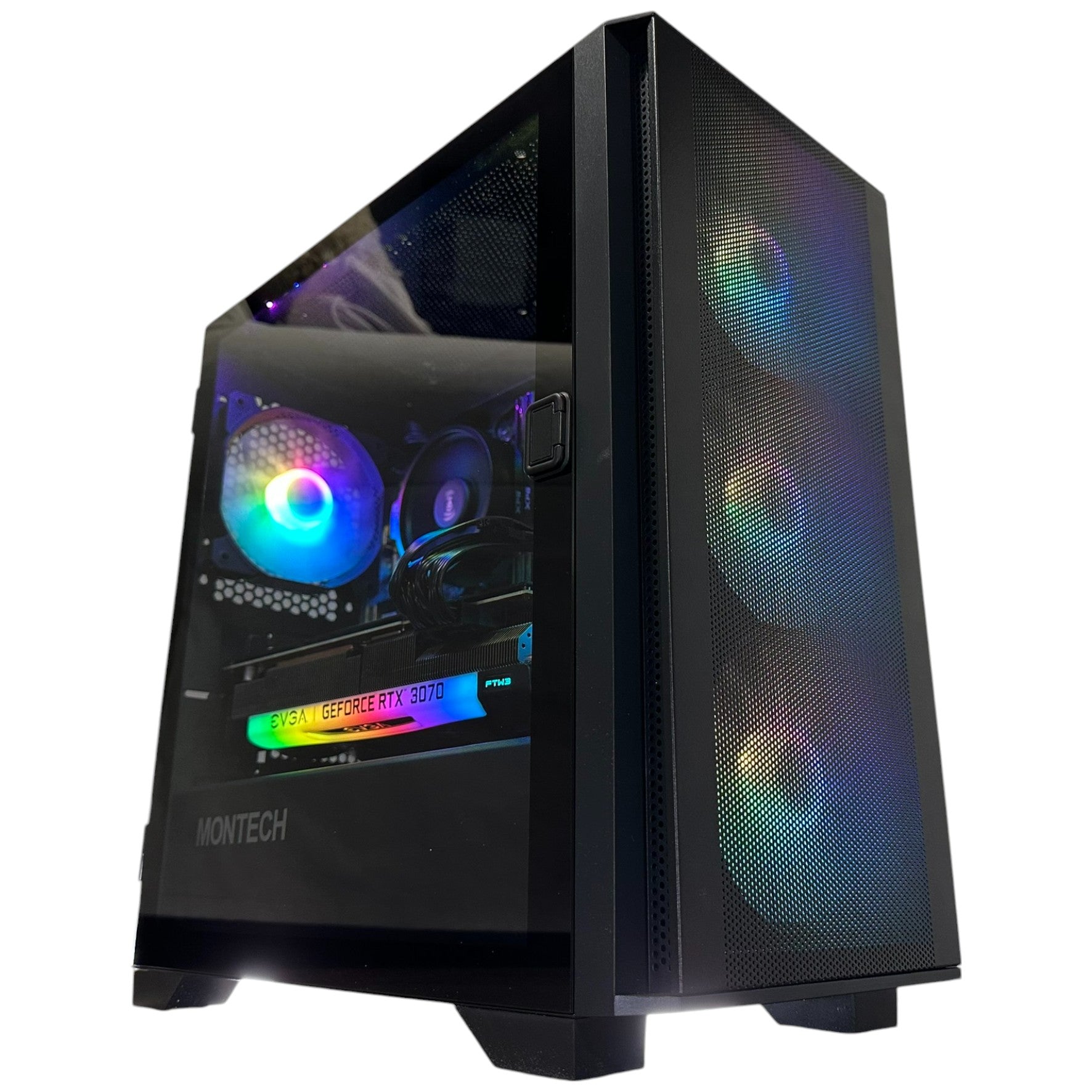
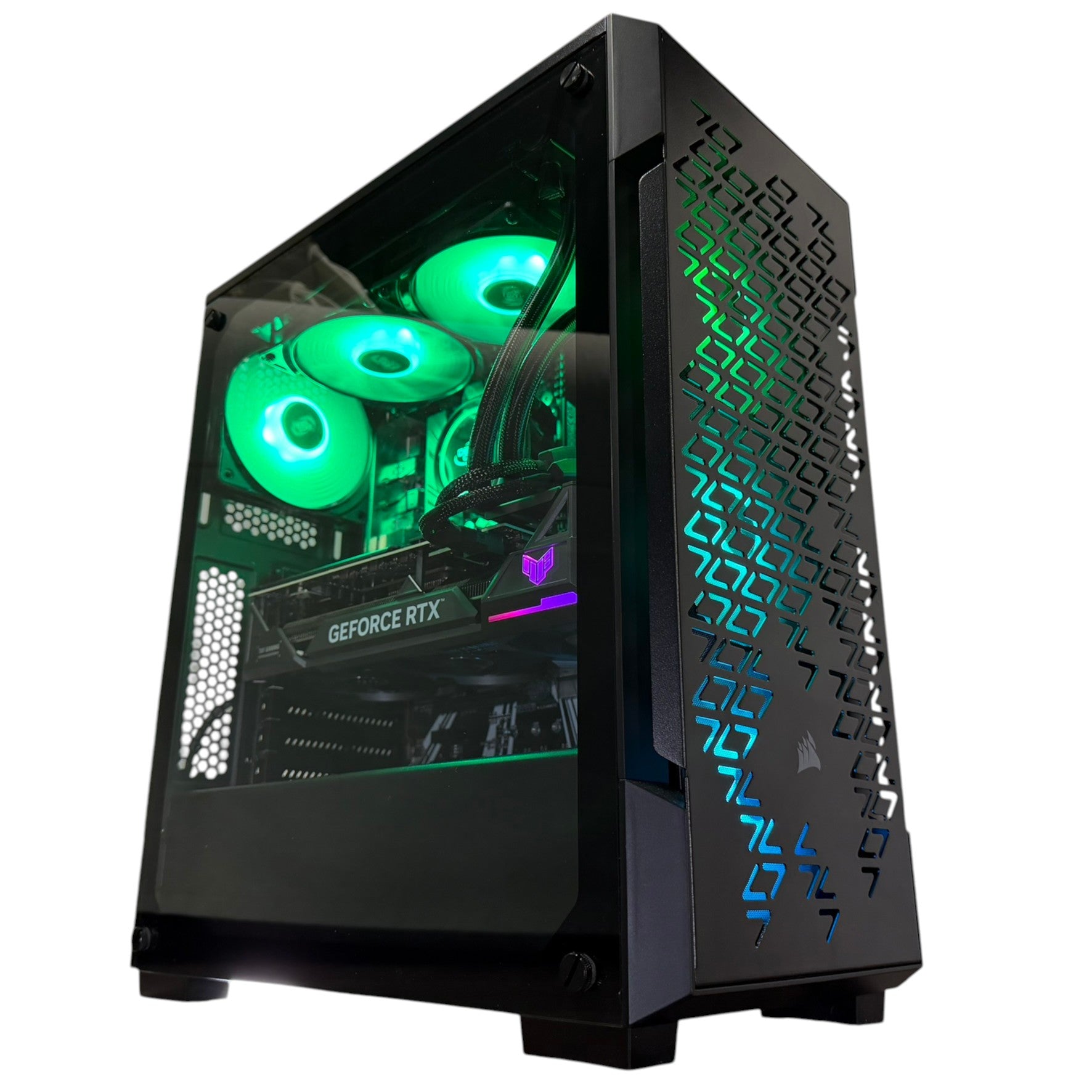
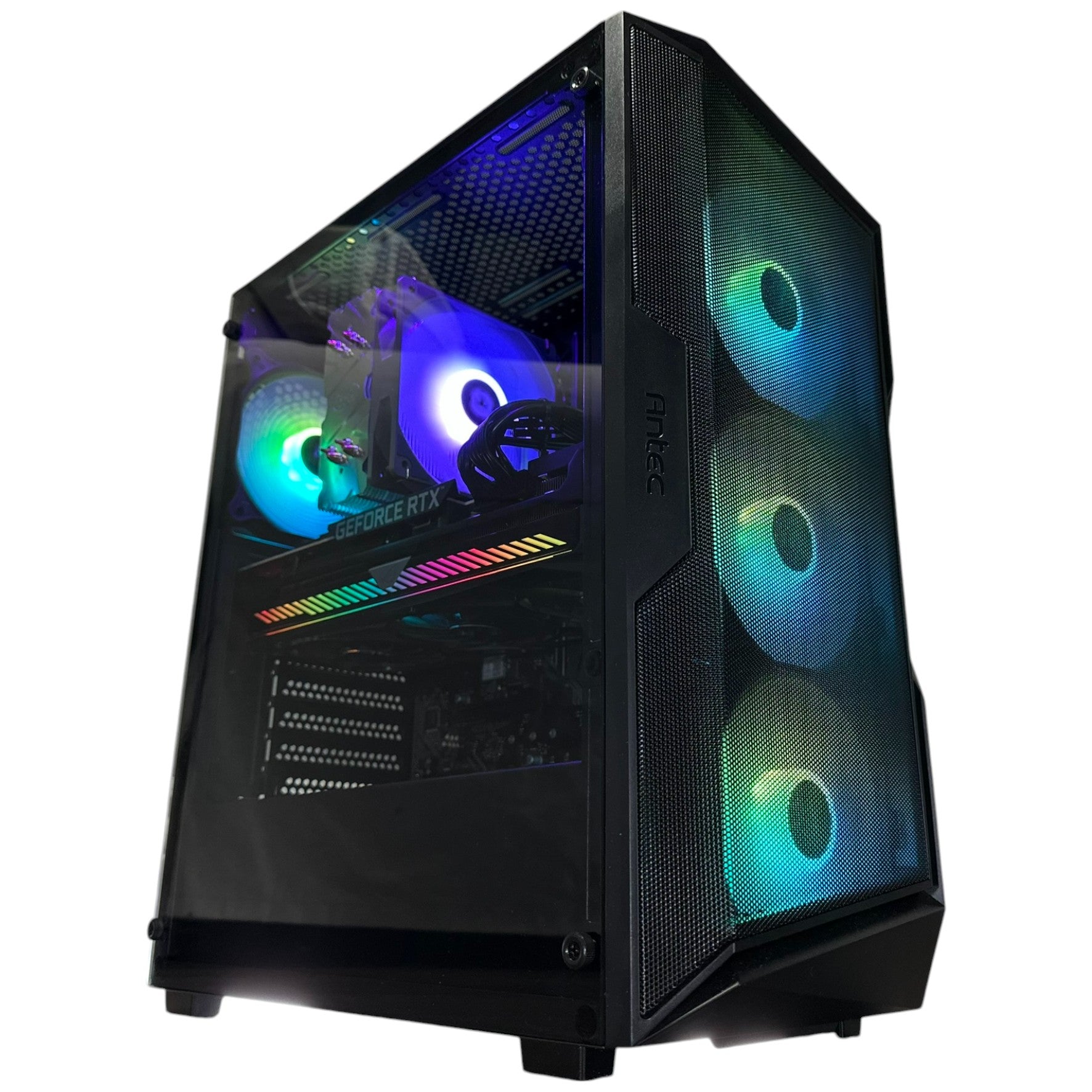
If you are researching a Gaming PC Canada option because you expect giant open-world releases to define the next few years, you should think in tiers rather than in vague labels like “good” or “high-end.”
Entry-level and value tier
This is for buyers who want strong 1080p performance in popular games, solid everyday speed, and a reasonable starting point for modern gaming. If your plan is to play at 1080p, use medium-to-high settings, and focus on value, a budget-oriented custom gaming PC can make sense.
But ask yourself honestly: are you buying for today only, or for the games you expect to play next year too? If your wishlist includes heavy open-world titles, large mods, higher texture packs, or future upgrades to a faster monitor, entry-level hardware may age quickly.
Mid-range sweet spot
For many Canadian buyers, this is the smartest zone. A well-balanced 1440p gaming system gives you strong visual quality, better long-term value, and more headroom for upcoming titles. This is often the right answer if you are asking, What PC do I need for 1440p gaming?
If you want a machine that feels modern for longer, handles big new releases comfortably, and does not immediately need upgrades, mid-range is often where value and longevity meet.
High-end and enthusiast tier
If you want ray tracing, high refresh rates, ultra settings, or 4K ambitions, premium hardware becomes easier to justify. This is especially true if you also stream, edit, record, or work with demanding apps. A stronger GPU paired with a capable processor and enough RAM can save you from frustration later.
If you are already wondering, Should I buy a cheaper system now and replace it sooner, or buy a stronger one that lasts longer? that question usually points toward a better custom build rather than the lowest possible sticker price.
What performance tier fits you best?
One of the most important buying decisions is choosing the right tier based on how you actually use your system. Here is a simpler way to think about it.
- Choose a budget gaming PC if you mainly play esports titles, lighter games, or want a first gaming PC without overspending.
- Choose a mid-range 1440p build if you want the best mix of visual quality, longevity, and everyday value.
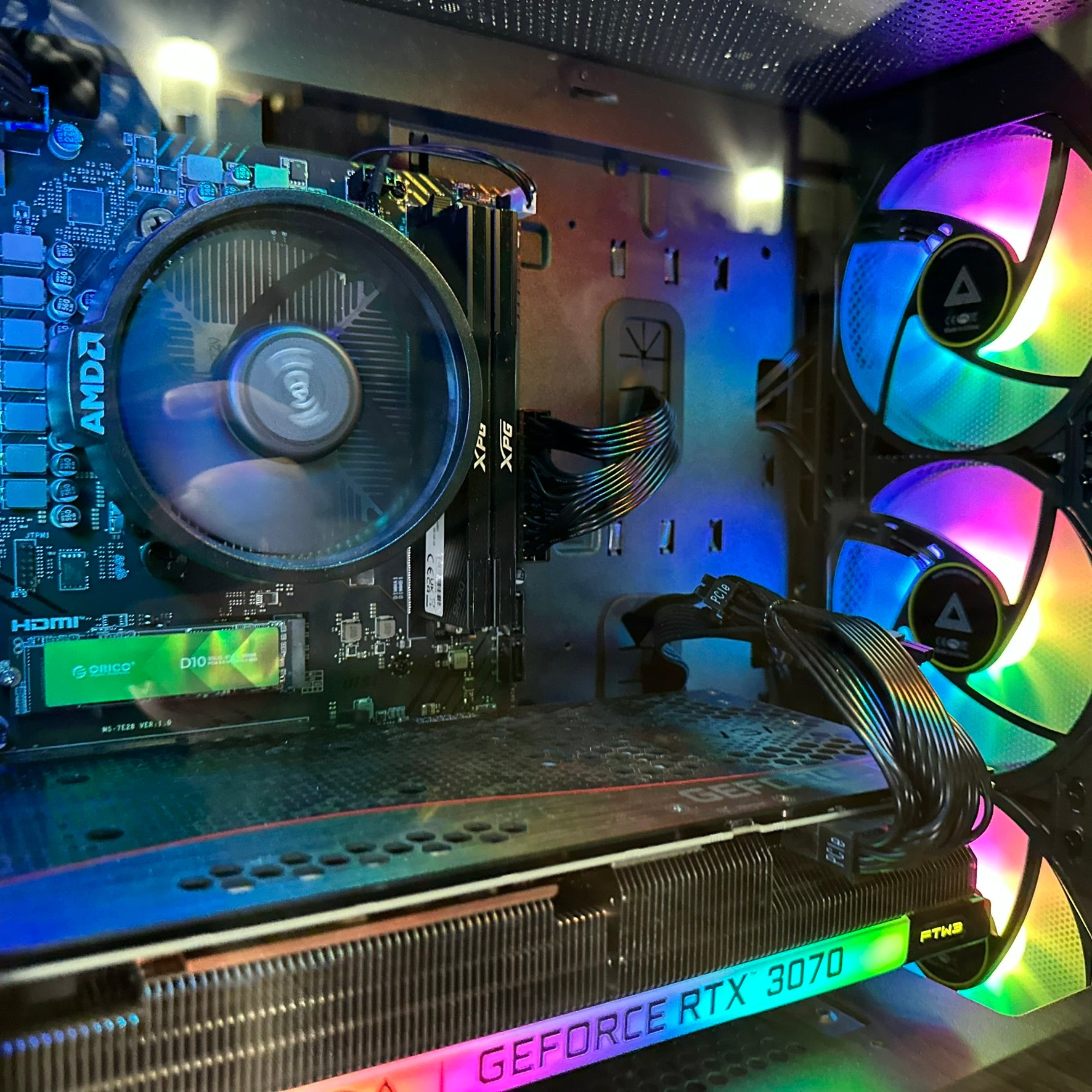
- Choose a premium RTX gaming PC if you care about ray tracing, ultra settings, streaming, content capture, and stronger future-readiness.
- Choose a creator PC if gaming is only part of the story and you also edit videos, design graphics, or manage content workflows.
- Choose a workstation-oriented build if your system must handle Blender, Unreal Engine, rendering, CAD-style workloads, or serious multitasking.
If you are unsure, ask the most useful question possible: What will frustrate me more in a year, spending a little more now or discovering my PC is already struggling?
Why digital-first gaming makes storage and system planning more important
When more games are download-based, storage planning becomes essential. Large installs, launch-day patches, texture packs, capture files, mods, and editing assets can overwhelm a smaller drive quickly. That is one reason generic low-end systems often disappoint over time.
Do you only need room for a few games, or do you rotate through a big library? Do you record gameplay footage? Do you keep raw video clips for TikTok, YouTube, or Twitch highlights? Do you use Adobe Creative Cloud, project files, or game development tools on the same machine?
A custom build lets you choose a smarter storage layout from the start. Faster SSDs improve responsiveness, load times, and workflow speed. More storage headroom can also reduce the need for awkward juggling later. In a digital gaming future, storage is not an afterthought. It is part of your quality-of-life experience.
Are you only gaming, or also streaming and creating content?
This is where the buying conversation gets much more interesting. A lot of customers who initially search for a gaming PC actually need a broader machine. Maybe you want to stream on Twitch, post clips to social media, edit short-form content, design overlays, or run Discord, OBS, a browser, and a game all at once.
If that sounds familiar, you may be better served by a Creator PC Canada or gaming-and-streaming build rather than a basic gaming-only setup.
For streaming
If you are asking, What PC do I need for streaming? focus on balanced CPU and GPU performance, enough RAM, and a build designed for multitasking. Smooth gameplay alone is not the whole story. You want stable streaming performance, background app headroom, and reliable thermals during long sessions.
For video editing
If your content workflow includes Premiere Pro, DaVinci Resolve, After Effects, or CapCut, then your PC needs to do more than launch games well. Timeline performance, fast exports, playback smoothness, and storage speed all matter. A proper Video Editing PC Canada build can save real time every week.
Ask yourself: are you editing 1080p clips, 4K gameplay footage, or multicam projects? Do you want shorter export times? Do you keep lots of assets and projects locally? Your answers change what “the right PC” actually means.
For photo editing and graphic design
Photographers and designers often underestimate how valuable a fast, stable desktop can be. Lightroom imports, Photoshop layering, large canvases, Illustrator workspaces, and multitasking with several creative apps all benefit from the right system balance. If your PC is part gaming machine, part design tool, you need a build that respects both jobs.
For 3D modeling and rendering
If you use Blender, Unreal Engine, Maya, 3ds Max, or similar tools, do not assume a standard gaming spec is automatically enough. Some buyers really need a 3D Modeling PC Canada or workstation-style configuration with more RAM, stronger cooling, and a component mix tuned for rendering and production, not just frame rates.
Is now a good time to buy a gaming PC, or should you wait?
This is one of the most important buyer questions in Canada. And the answer depends less on trying to predict a perfect market bottom and more on understanding your risk.
If you know you will need a stronger PC soon for a major game release, school program, streaming push, creative workload, or seasonal buying window, waiting can backfire. Why? Because replacement costs can rise. GPU pricing pressure, storage demand, RAM swings, and general market volatility can all make “later” more expensive than expected.
There is also the hidden cost of waiting with the wrong machine. How many months of lower performance, skipped games, delayed content work, longer exports, and frustration are you accepting just to postpone the decision?
A better question may be this: Do you need perfect timing, or do you need the right PC before your current one starts costing you time, access, or money?
Should you finance a better PC instead of buying a cheaper one?
For many buyers, yes, that is worth serious consideration. Financing can be the difference between settling for a weak build and securing a system that actually lasts. If you are already close to the price of a better GPU tier, more RAM, a larger SSD, or a stronger CPU, a monthly payment approach may help you avoid underbuying.
This matters even more in a market shaped by major game launches and rising workload expectations. If you choose a system that is too limited, you may end up replacing parts sooner, paying for another upgrade cycle earlier, or losing productivity on the creative side.
Canadian buyers often ask questions like these:
- Is financing a gaming PC worth it?
- Should I finance a gaming PC before prices go up?
- Can I finance a creator PC instead of buying the cheapest one now?
- Should I buy a budget build or stretch into a stronger long-term machine?
These are smart questions. If a stronger system lets you game at your target settings, stream reliably, edit faster, and avoid another upgrade too soon, financing can be a practical decision rather than an impulsive one. Groovy Computers offers financing options up to 4 years, which can make a much more capable build realistic for buyers who want performance without paying the full amount upfront.
What should you ask before buying or financing your next PC?
Use this checklist before you commit to any system.
- What games or software will I actually use? GTA-style open-world games, competitive shooters, Photoshop, Premiere Pro, Blender, OBS, and Unreal Engine all pull hardware in different ways.
- What resolution am I targeting? 1080p, 1440p, and 4K change the GPU conversation significantly.
- Do I care about ray tracing? If yes, choose accordingly now rather than regretting it later.
- Will I stream or record gameplay? If yes, your build should reflect that from day one.
- How much storage will I really need? Modern games and creator files fill drives fast.
- How long do I want this system to feel good? One year? Three years? Longer?
- Would monthly payments let me buy the right machine instead of the nearest cheap one?
- Do I want a custom build that is tested and backed by warranty support?
Custom PC vs generic prebuilt: why does it matter more when pricing is volatile?
When hardware pricing is unpredictable, system quality matters even more. A custom build is not just about aesthetics or choosing flashy parts. It is about getting a balanced system where the CPU, GPU, RAM, motherboard, cooling, power supply, and storage all make sense together.
That matters because a poorly matched machine can waste your budget. You do not want to overpay for one premium component while another bottlenecks the entire experience. You also do not want to buy a machine that looks good on paper but cuts corners on cooling, power delivery, or upgrade path.
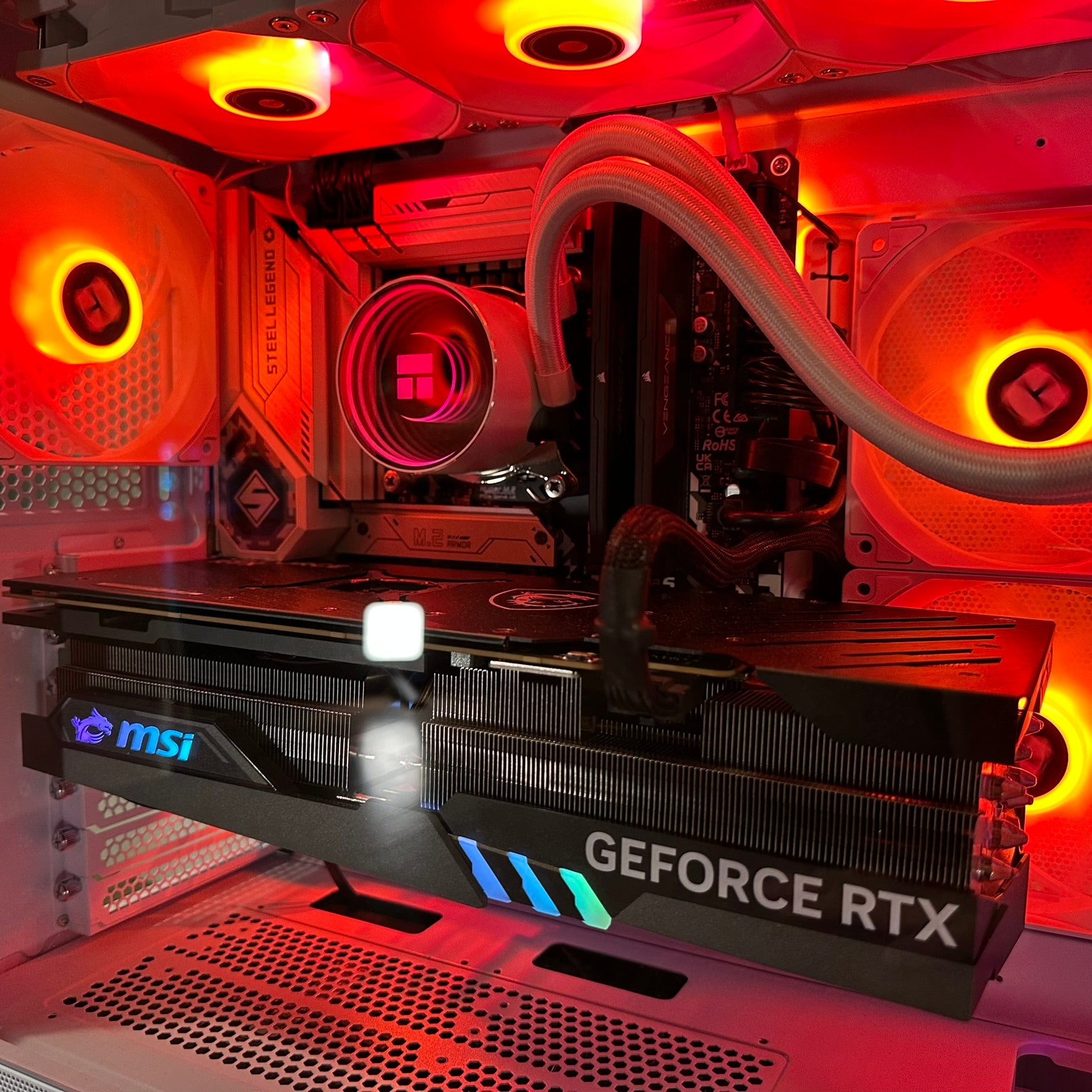
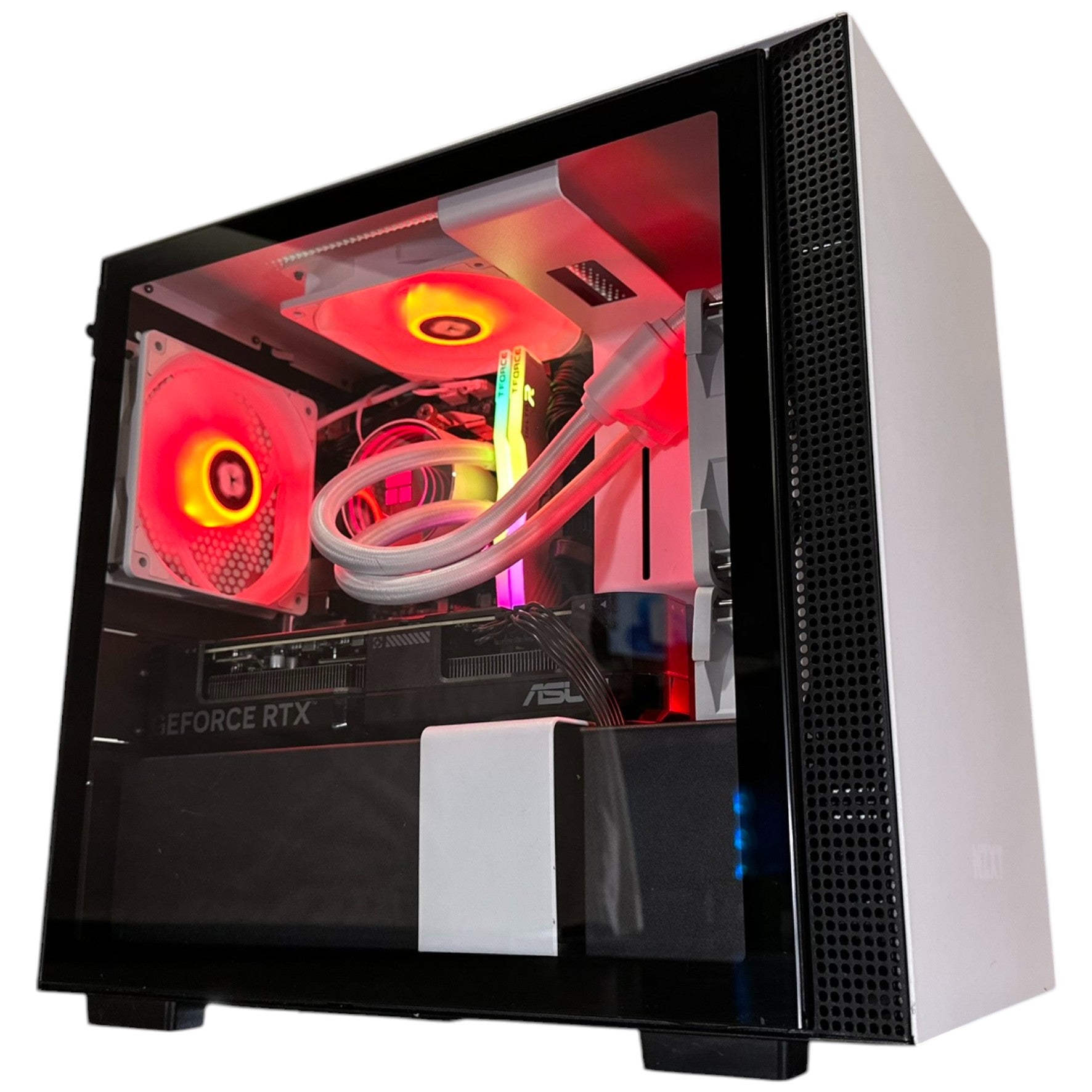
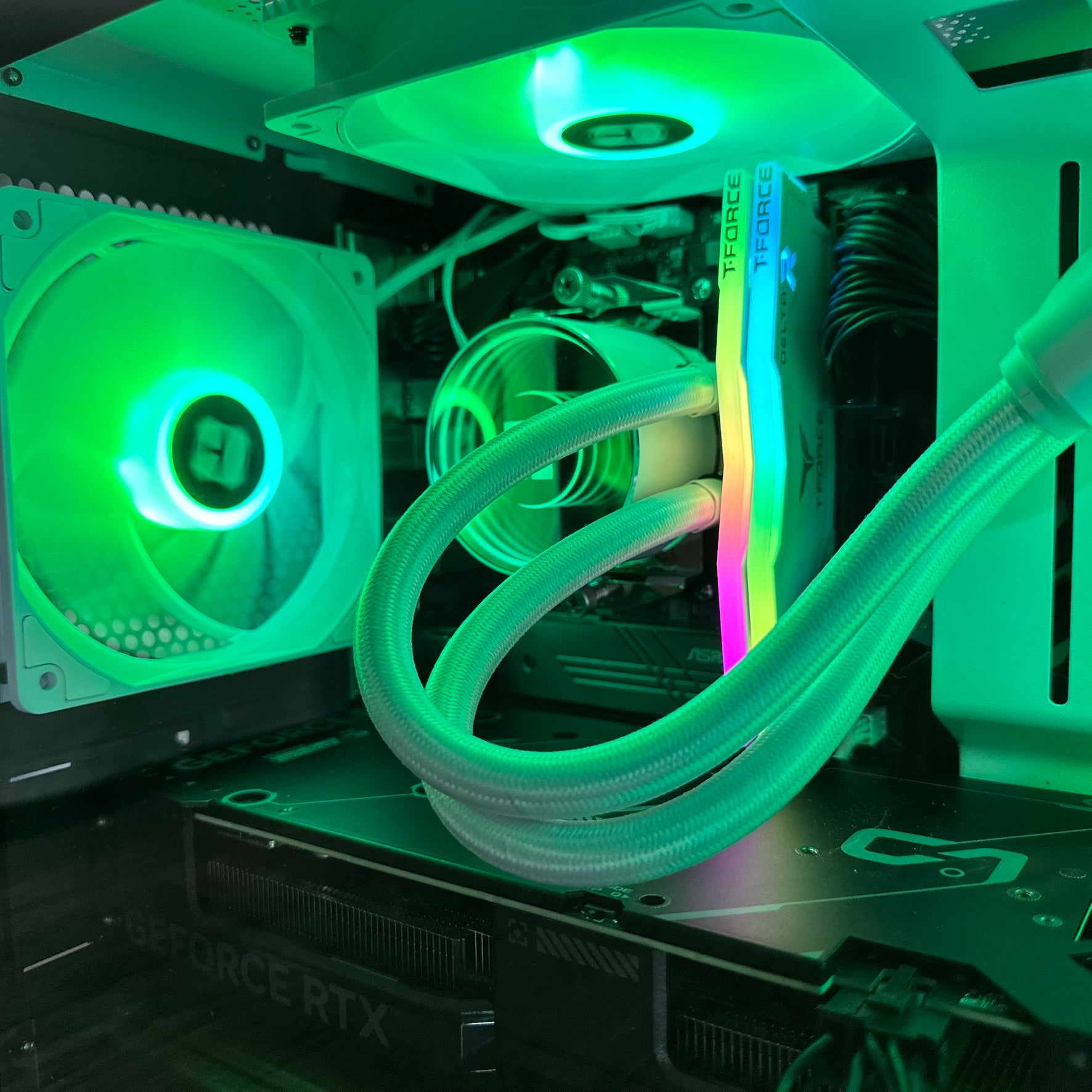
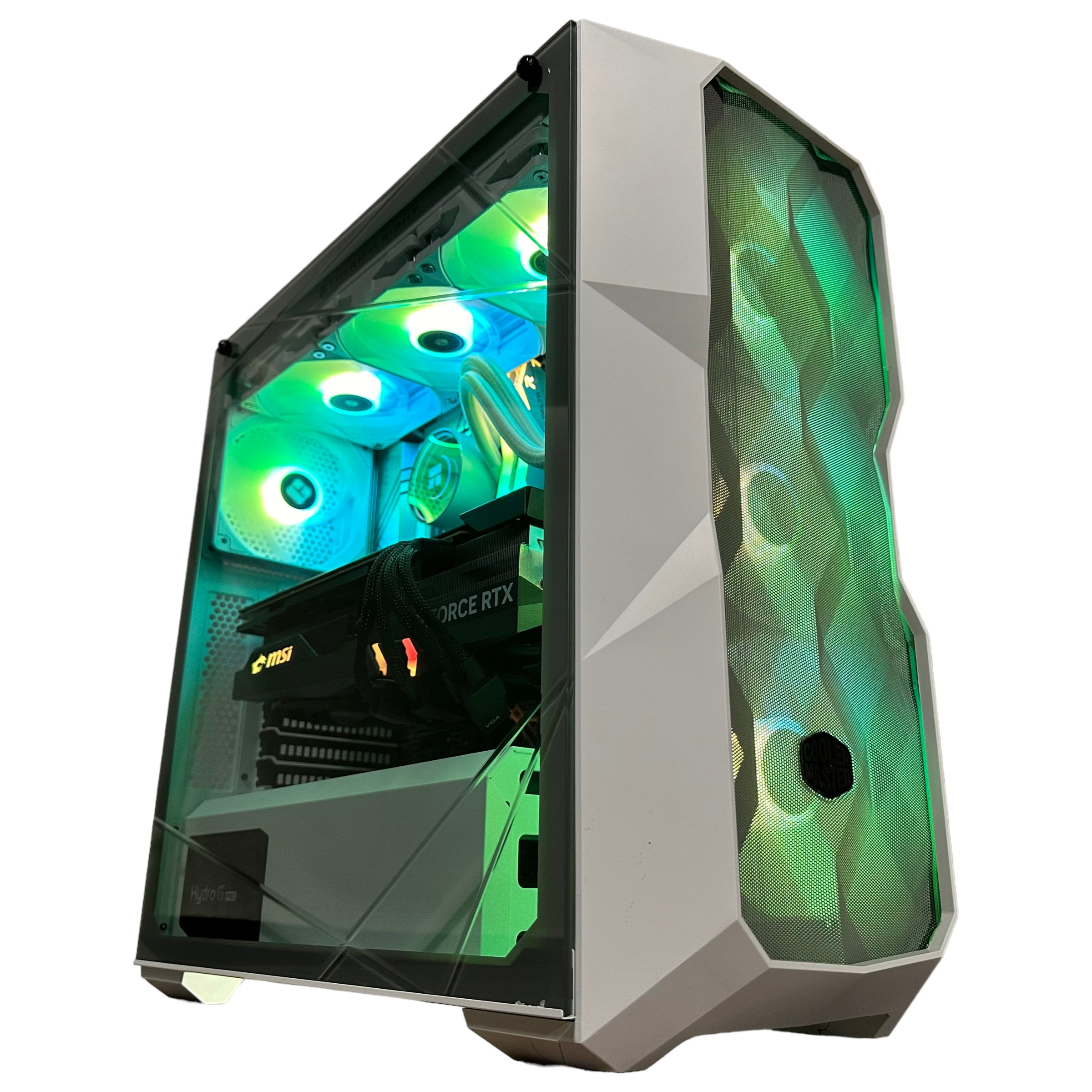
Groovy Computers builds systems for real use cases, not just spec-sheet marketing. That means better guidance if you are deciding between a budget gaming computer, a premium RTX gaming PC, a content creation desktop, or a workstation that also needs to game well after hours.
Why Groovy Computers makes sense for Canadian buyers
If you are shopping for a custom gaming or creator desktop in Canada, trust matters. You want a company that understands Canadian pricing pressure, Canada-wide shipping expectations, and the difference between a machine that merely boots and one that genuinely supports your goals.
Groovy Computers is positioned for buyers who want more than a random off-the-shelf system. Whether you are in Nova Scotia, Atlantic Canada, or ordering from elsewhere in the country, the value comes from matching the build to the workload, testing it properly, and backing it with support.
That is especially important if you are buying before a major release or trying to avoid a rushed upgrade later. A well-chosen custom PC can give you:
- better performance alignment for your games and software
- smarter upgrade paths
- more reliable cooling and component pairing
- stronger long-term value
- a 1-year warranty for added confidence
- financing options up to 4 years if you want a stronger build sooner
What kind of buyer should choose which Groovy Computers category?
Choose a budget gaming build if:
You want a first gaming PC, mainly play lighter or competitive titles, and need a practical entry point without overspending.
Choose a mid-range gaming system if:
You want better long-term value, smoother 1440p gaming, and enough headroom for major new titles without feeling like you need another upgrade right away.
Choose a premium gaming PC if:
You want stronger ray tracing, higher settings, faster frame rates, and a more future-ready setup for big releases and longer ownership.
Choose a gaming-and-streaming or creator PC if:
You play games, record footage, stream, and edit content. This kind of buyer needs balanced performance more than flashy branding.
Choose a workstation or 3D build if:
You use Blender, Unreal Engine, Adobe apps, CAD-style tools, or professional creative workloads and want a machine that earns its keep every day.
What if you are still unsure what PC specs you need?
That is normal. Most buyers are not confused because they do not care. They are confused because the market gives them too many disconnected specs and not enough real guidance. The best question is not, What is the most powerful part? It is, What build gives me the best experience for what I actually do?
Do you need a 1080p gaming PC, a 1440p sweet spot machine, or a 4K-capable tower? Do you need more SSD space because digital games are huge? Do you need more RAM because you alt-tab between a game, Discord, browser tabs, OBS, and editing apps? Do you want to avoid buying a machine that feels outdated too quickly?
If those questions sound familiar, a custom builder is the better route. The right conversation can save you from the wrong purchase.
The bigger lesson from GTA 6 fully digital
The lesson is not only that digital-only trends can be anti-consumer. It is that buyers need to protect their flexibility where they still can. On PC, that flexibility comes from choosing your platform well: enough performance, enough storage, enough upgrade headroom, and enough overall quality that you are not cornered by the next big release or next expensive hardware jump.
Games are getting larger. Creative software is getting heavier. Buyer expectations are climbing. And pricing rarely rewards indecision for long.
If you are asking yourself whether now is the right time to secure a stronger system, whether financing could help you avoid underbuying, or whether your next desktop should be built for gaming only or gaming plus streaming, editing, design, and creation, now is the time to get clarity.
Want help choosing the right build for your workload and budget? Visit GroovyComputers.ca to explore custom systems, compare performance tiers, and find out whether a stronger gaming PC, creator PC, or workstation makes more sense for you before prices, demand, or requirements move again. If the GTA 6 fully digital debate has you thinking harder about ownership, value, and long-term access, the smartest next move may be building a PC that gives you more control, not less.
#GTA6 #GTAVI #GamingPCCanada #CustomGamingPCCanada #GamingPCBuildsCanada #CreatorPCCanada #VideoEditingPCCanada #3DModelingPCCanada #CanadianCustomPCBuilders #GroovyComputers
Groovy Computers | All Rights Reserved

Leave a comment
This site is protected by hCaptcha and the hCaptcha Privacy Policy and Terms of Service apply.