
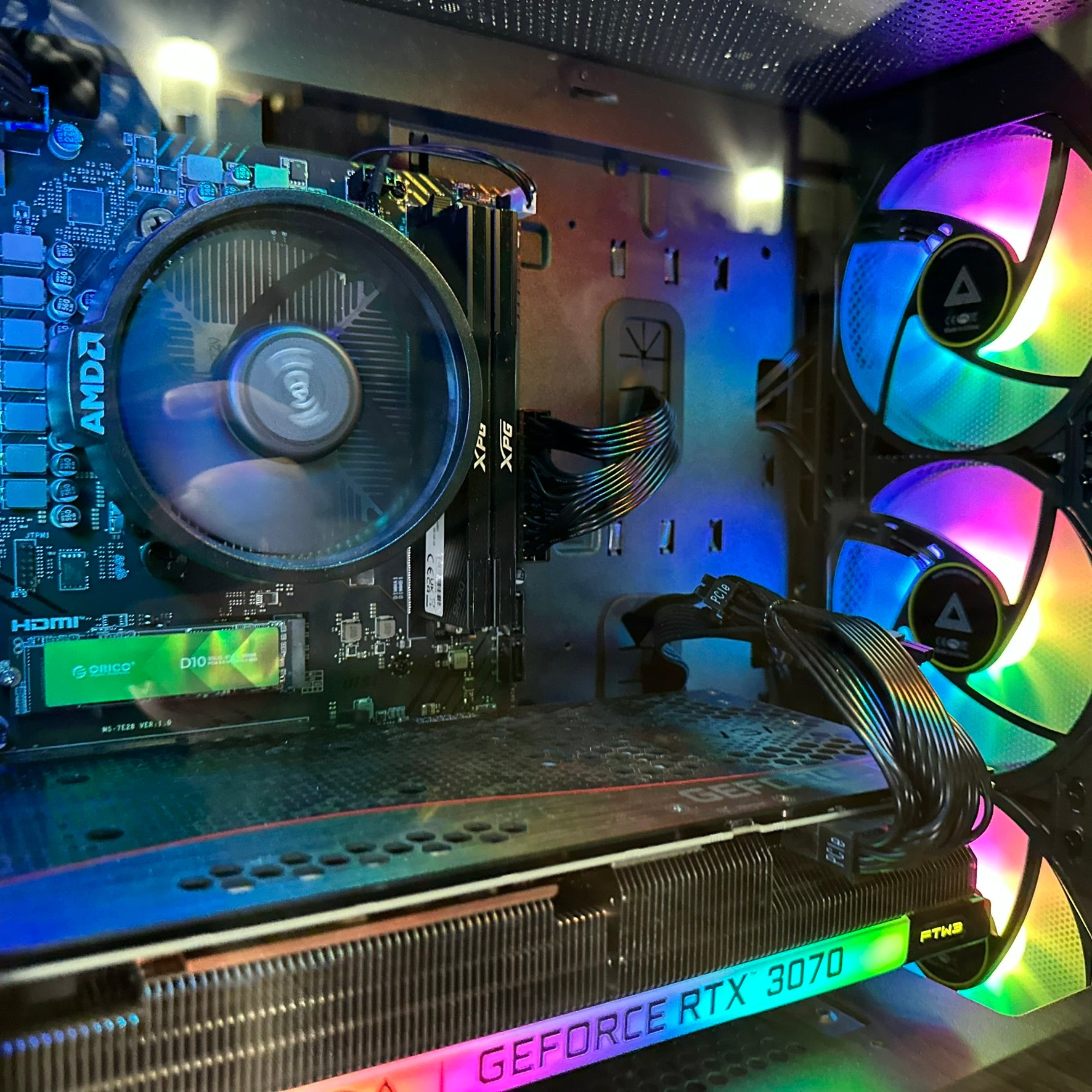
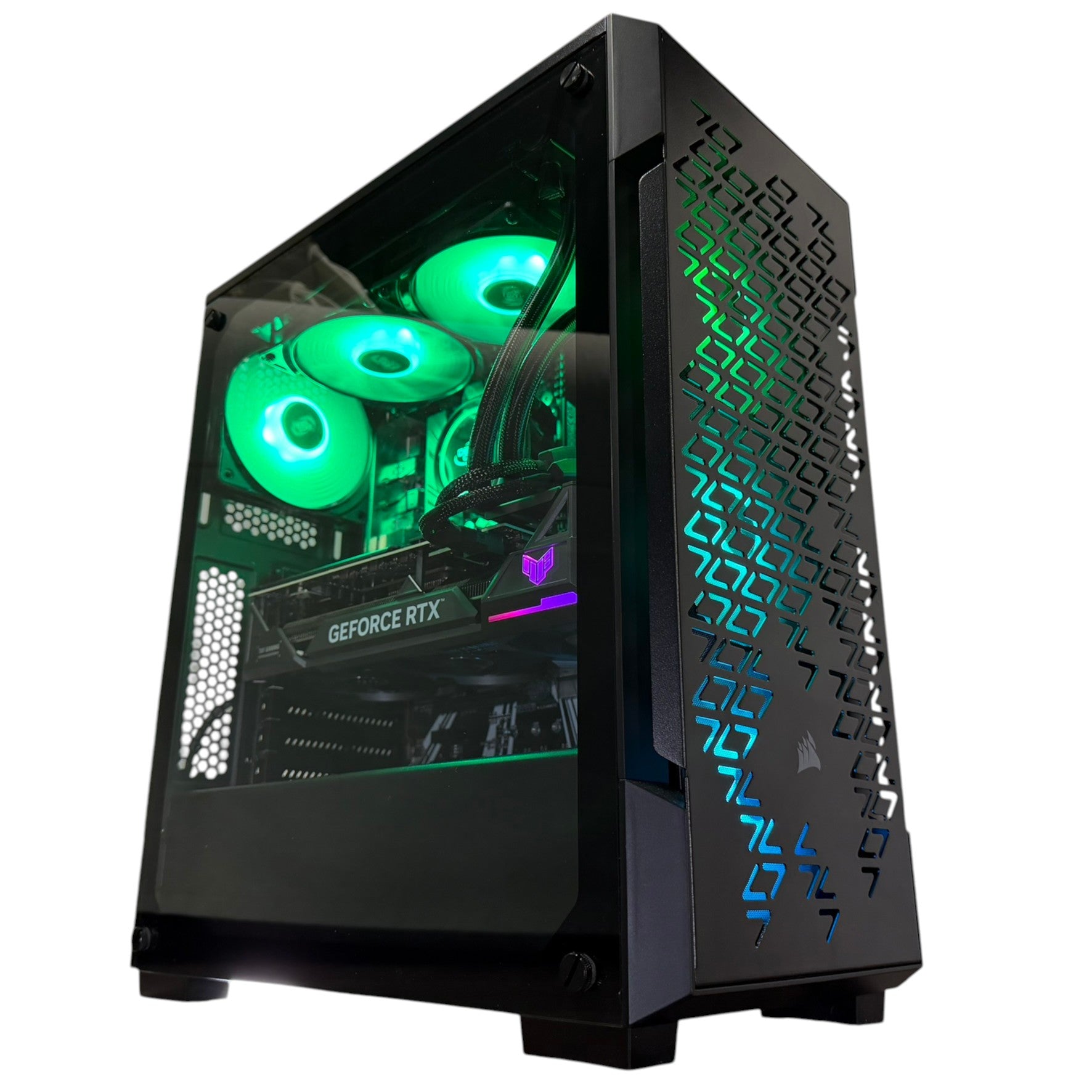

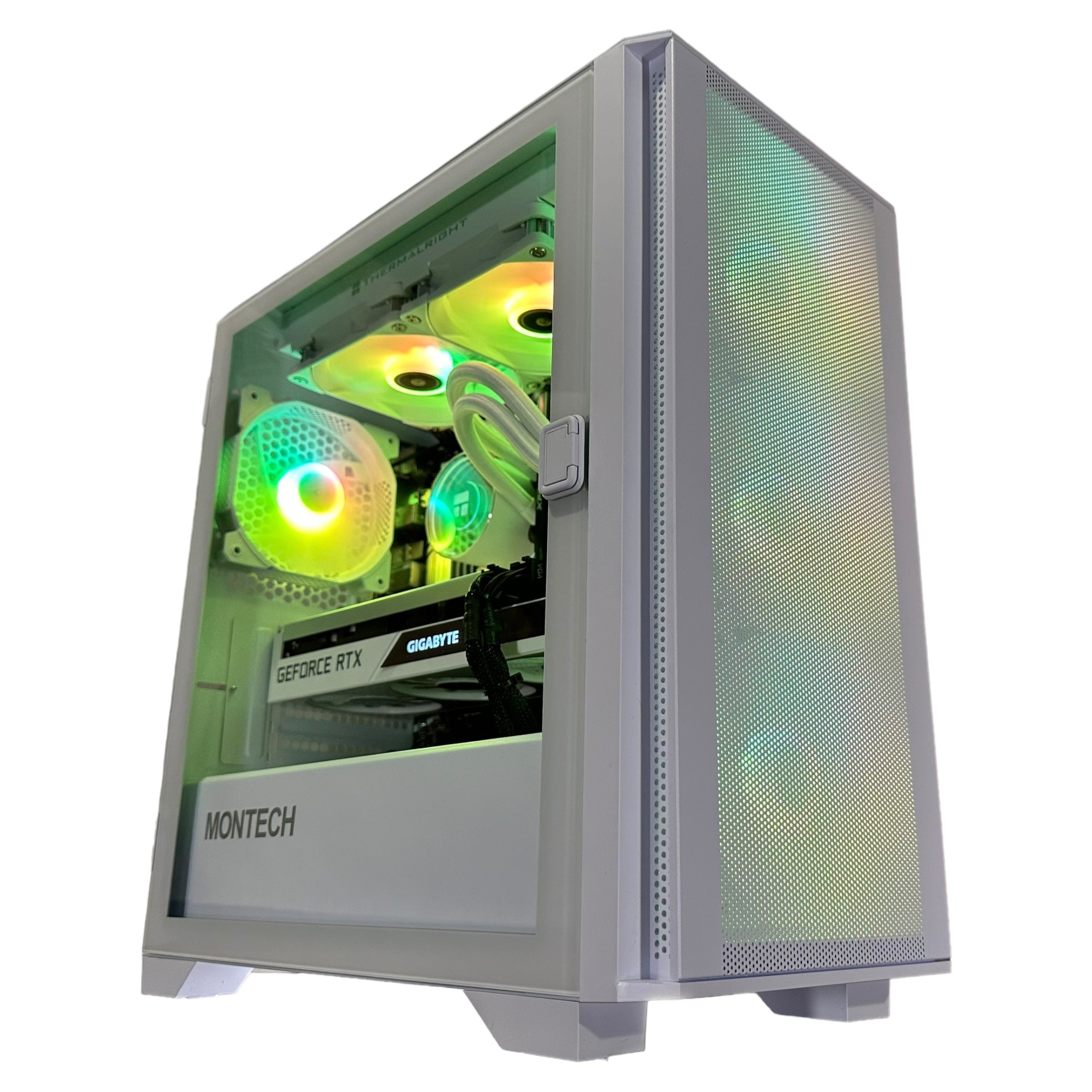
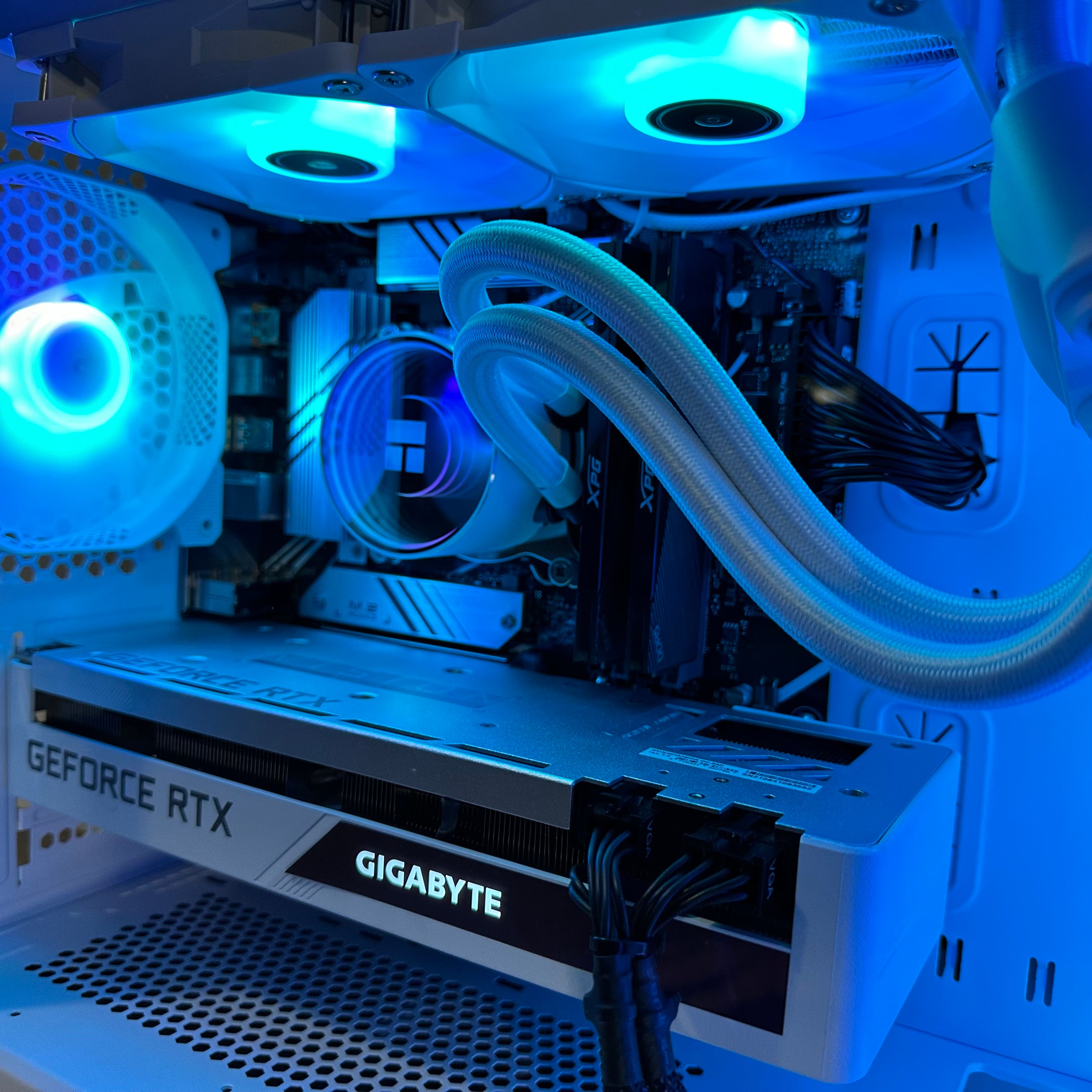
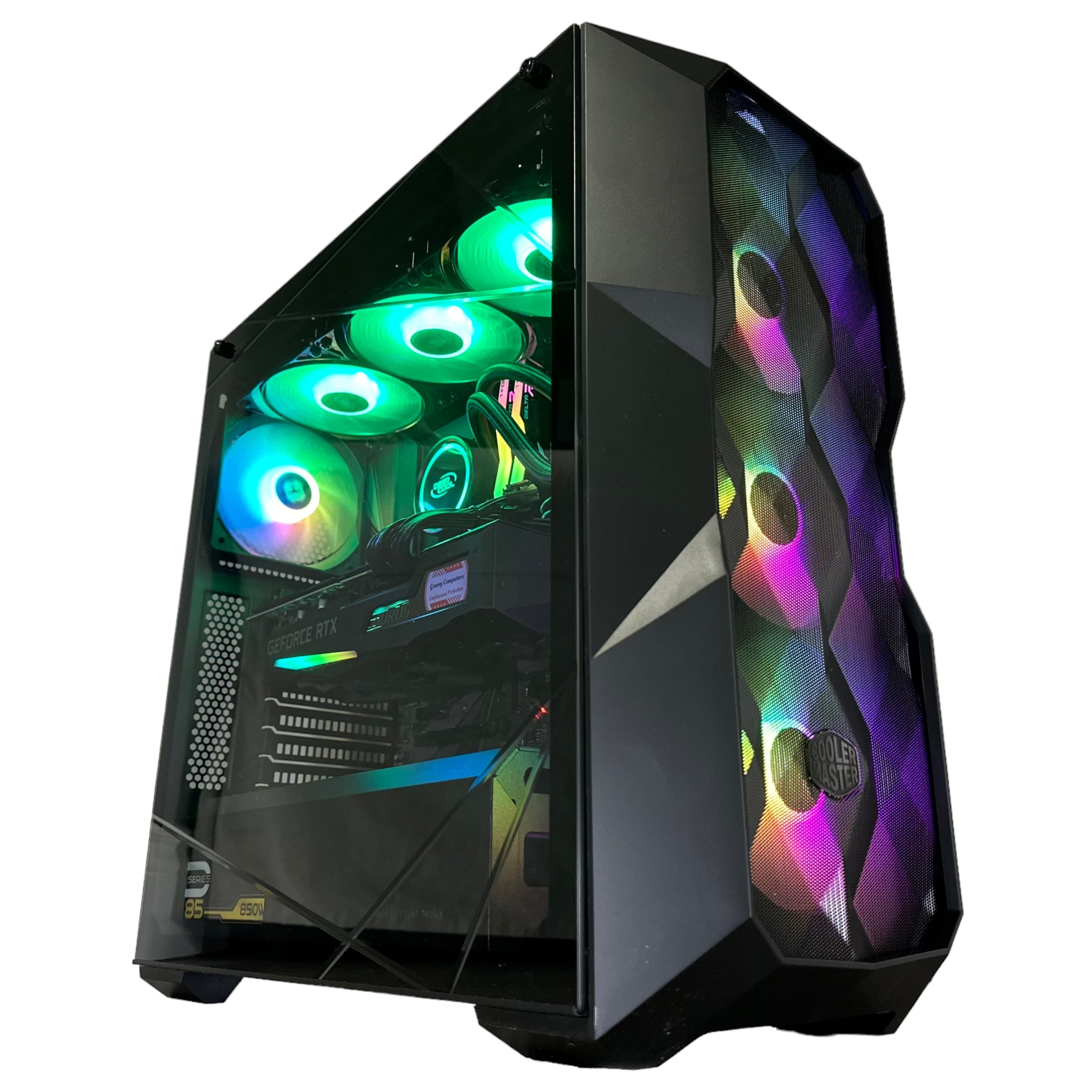
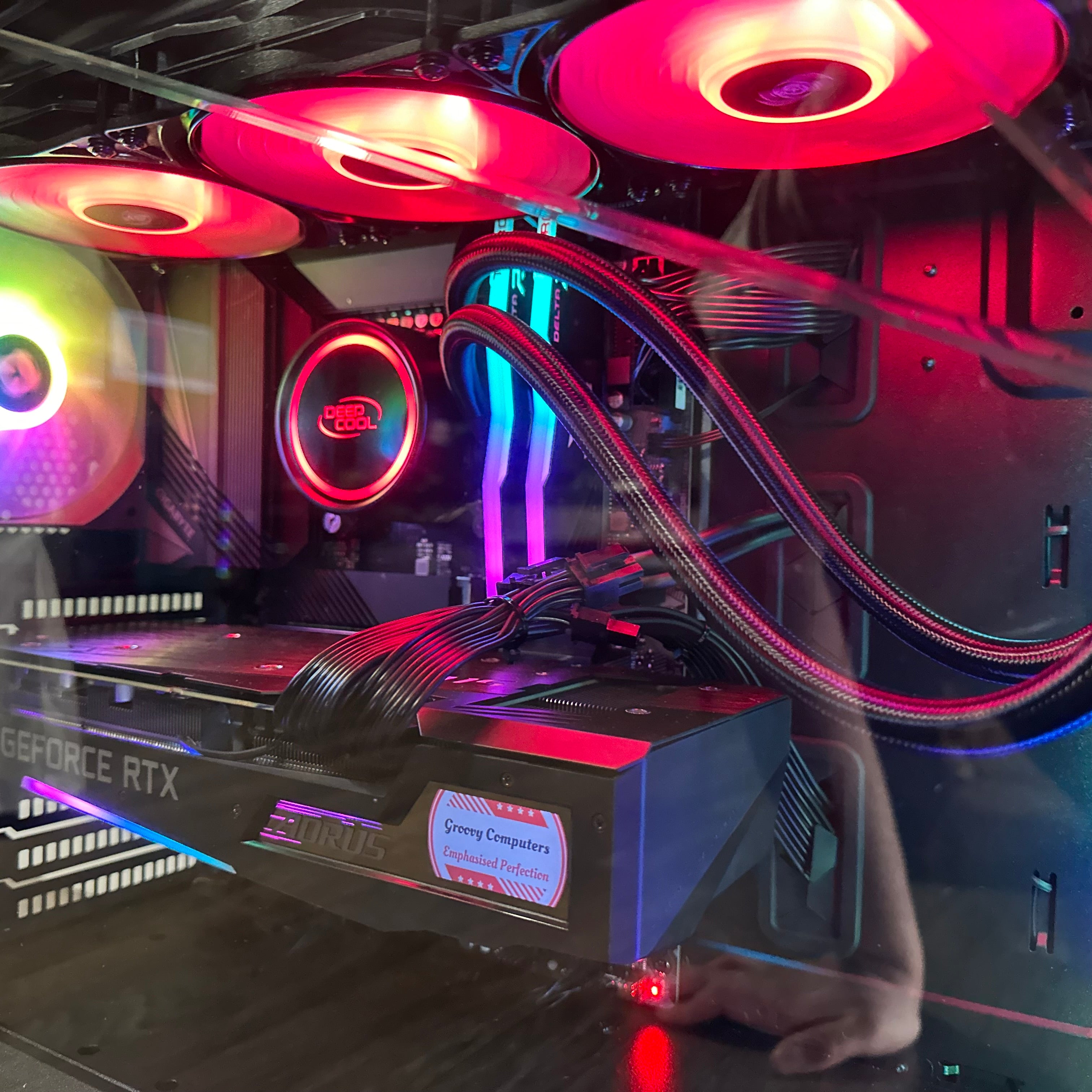
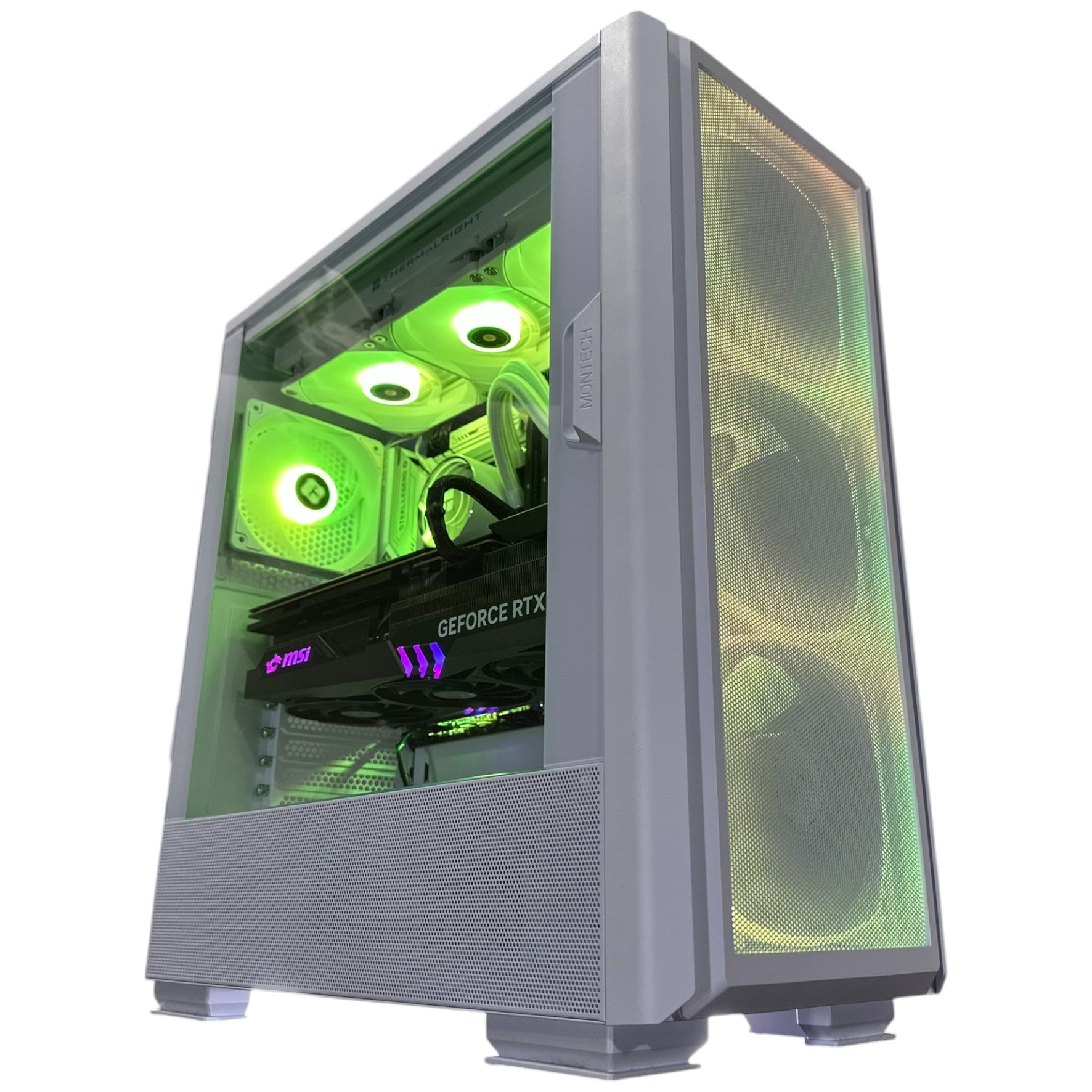
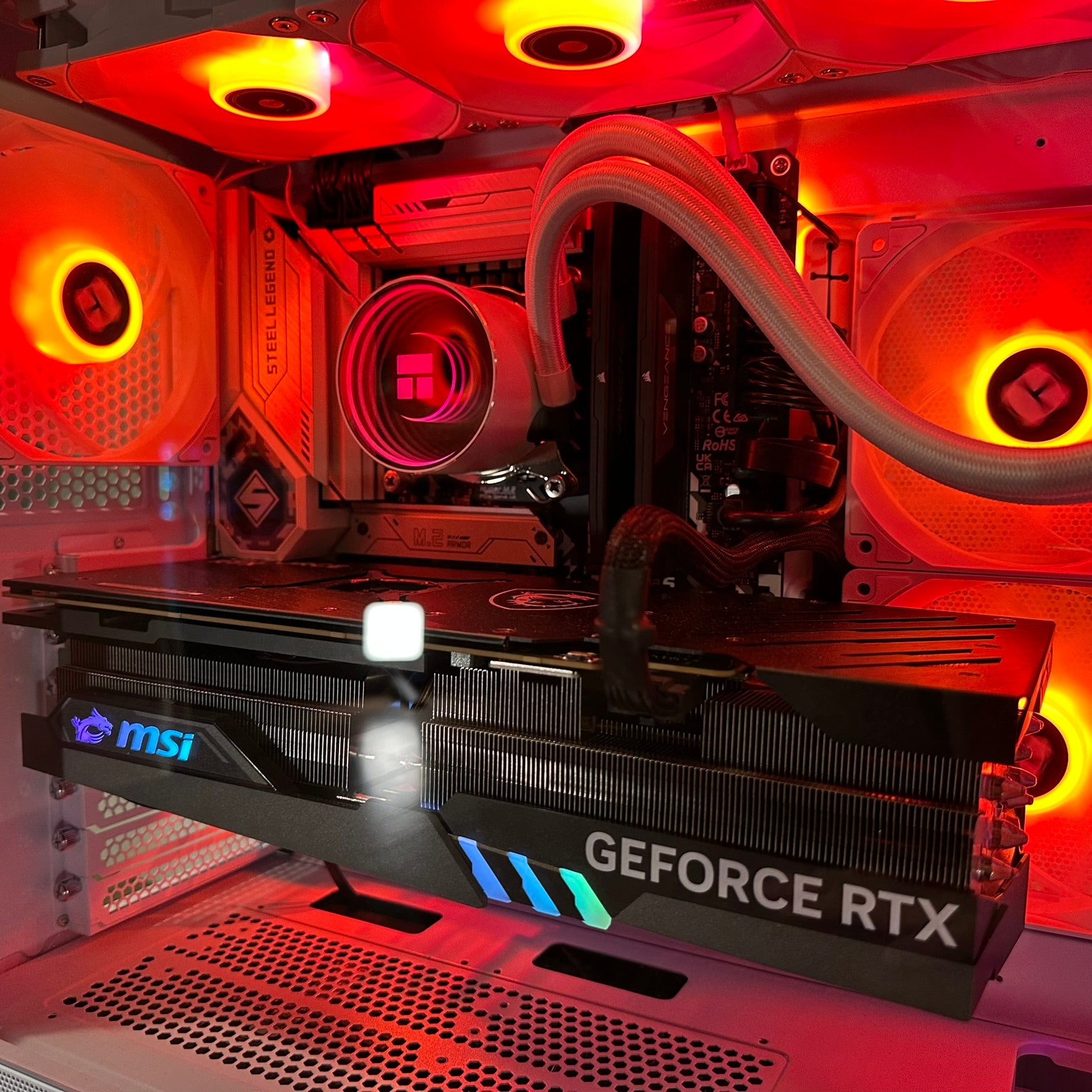
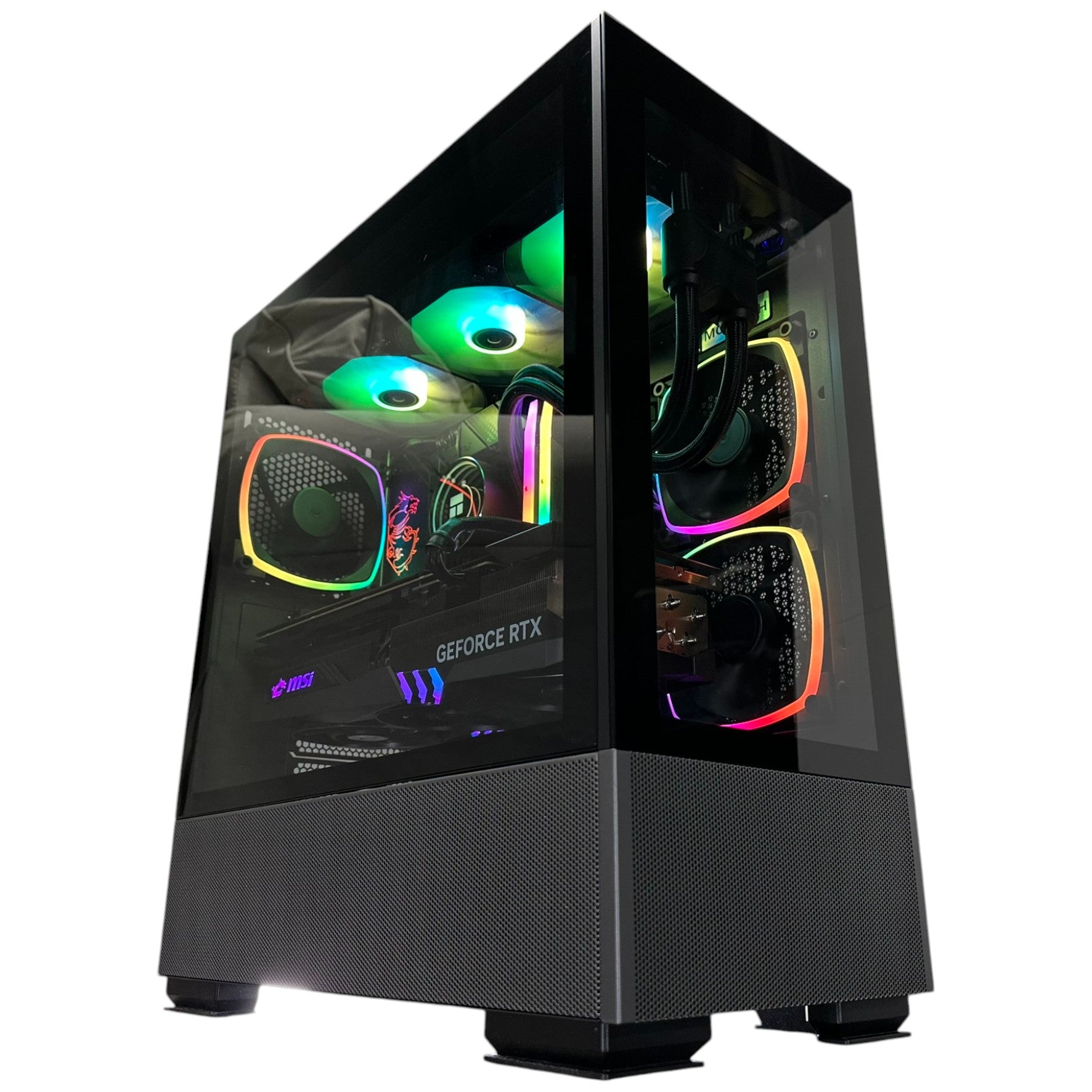
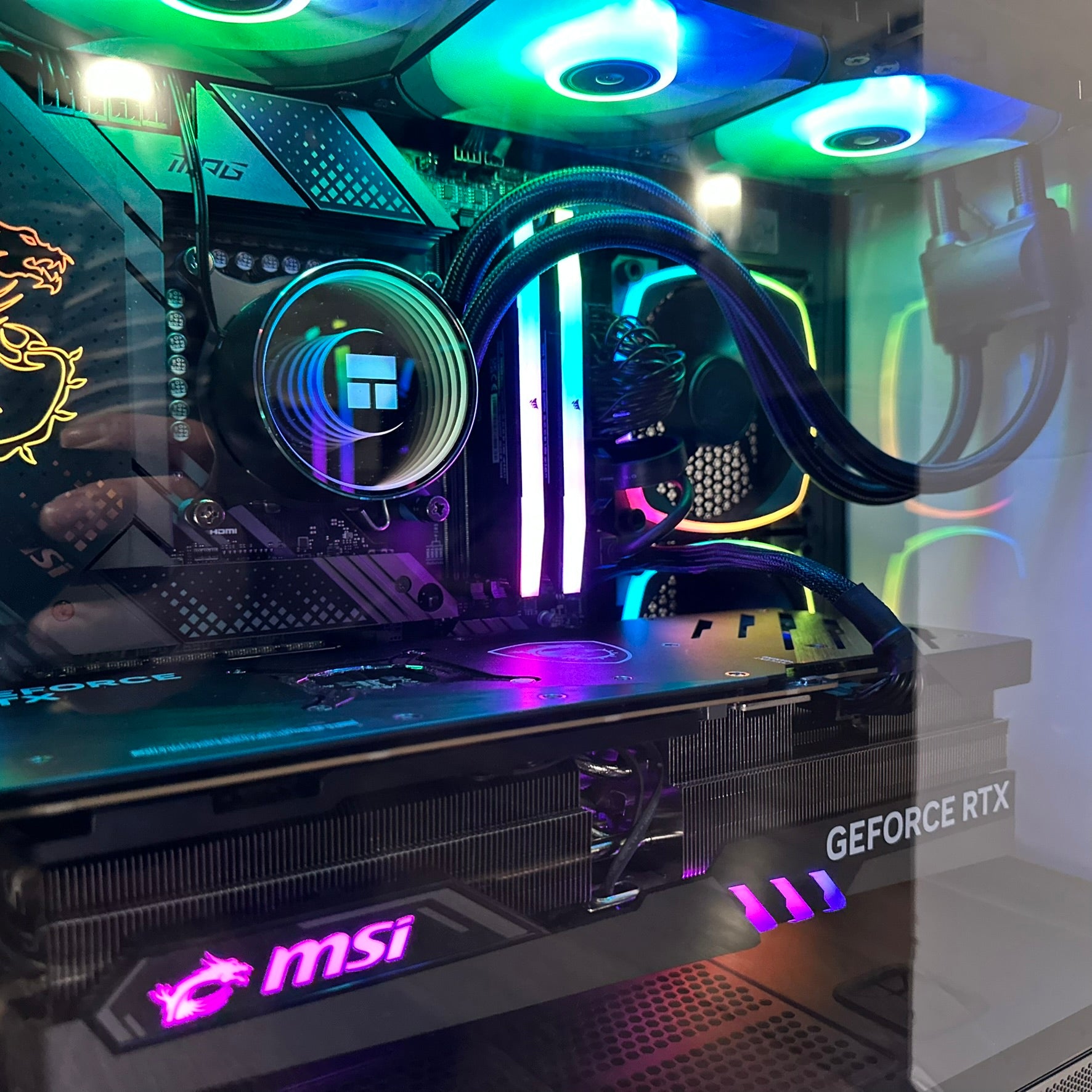
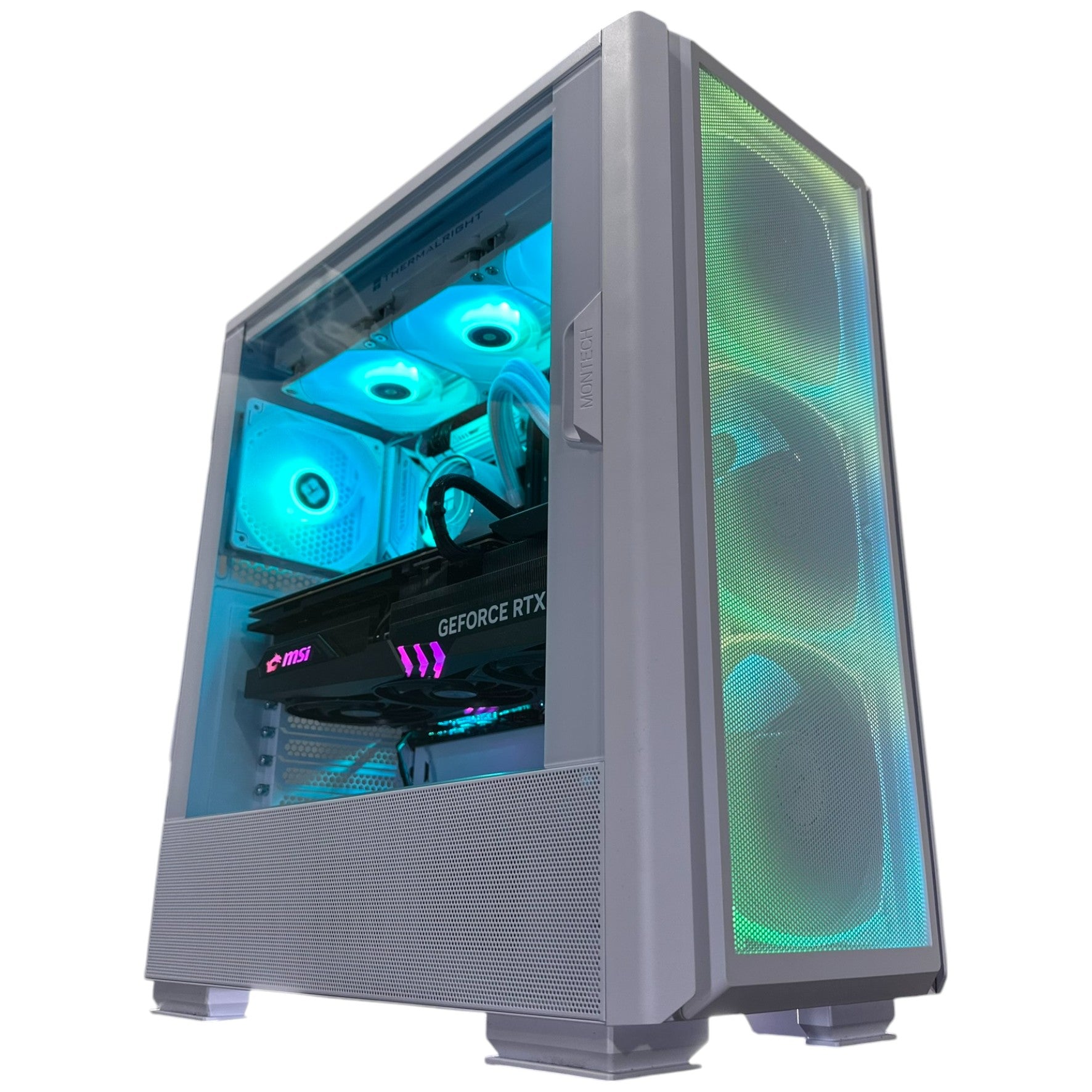
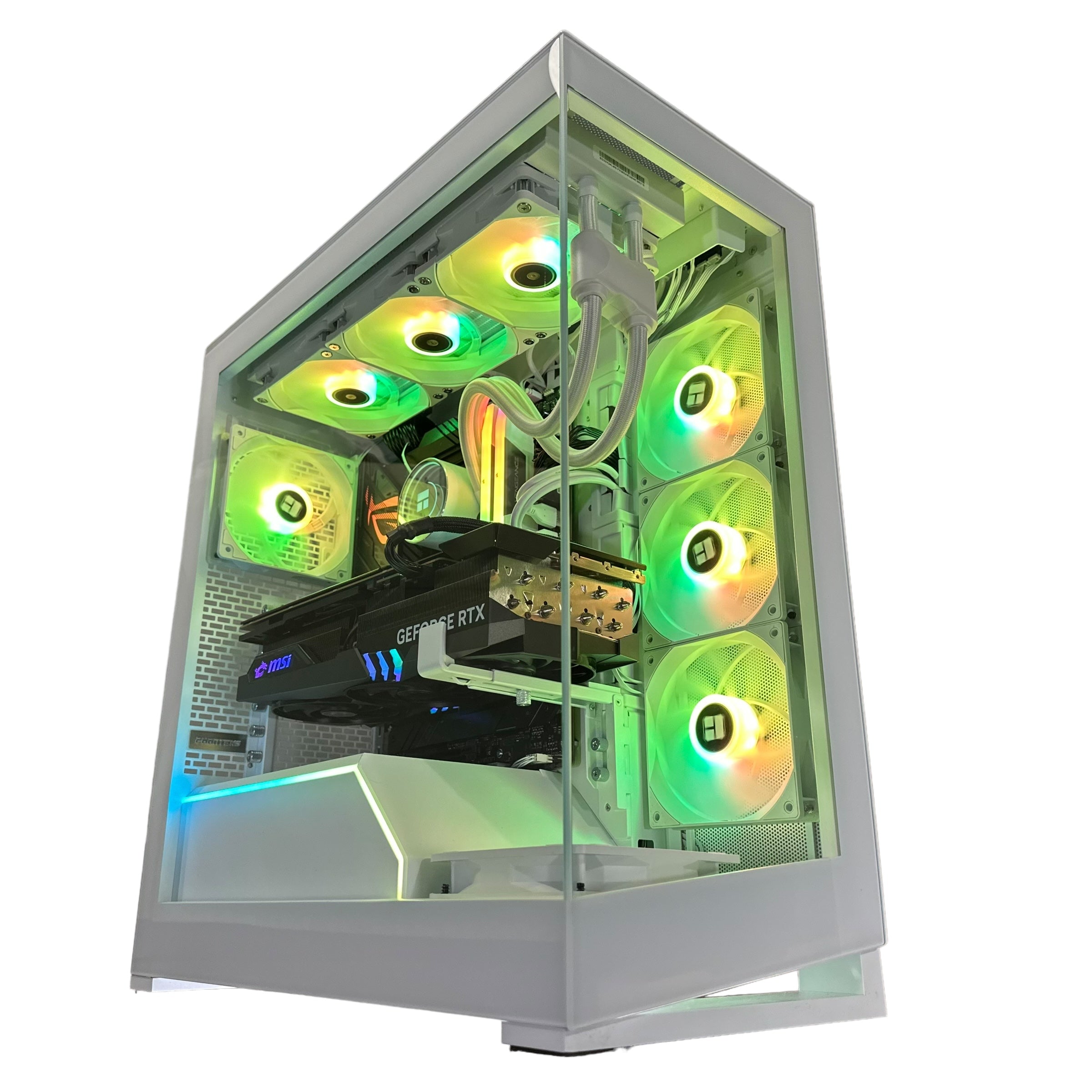
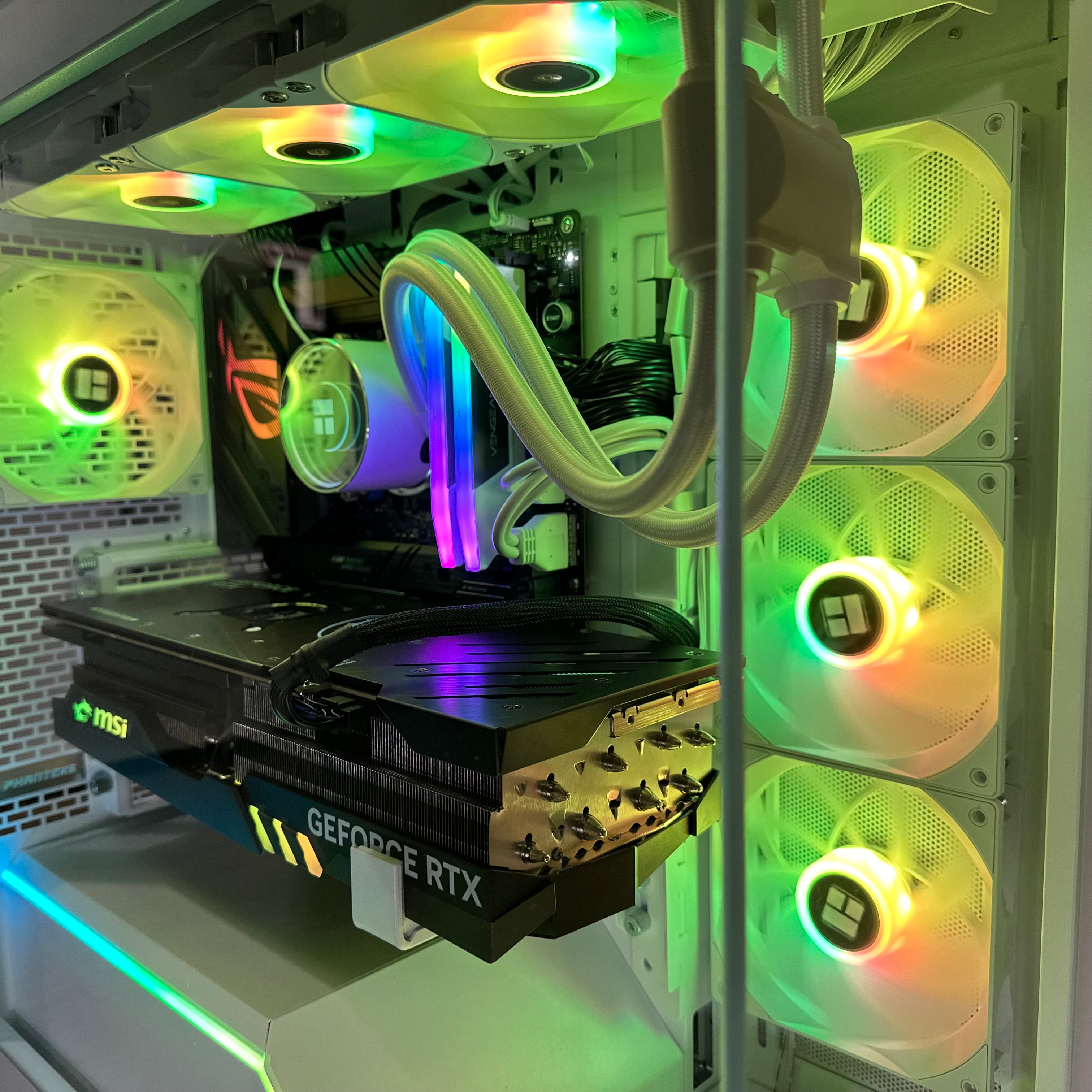

Slay the Spire 2 Co-Op Cards Update: What Kind of Gaming PC Should You Buy for Strategy Games, Streaming, and Creator Work in Canada?
The Slay the Spire 2 co-op cards update is more than a small patch note story. It highlights something PC buyers should pay close attention to: modern strategy games are no longer just lightweight desktop distractions. They are evolving into deeper, more visually refined, system-hungry experiences with live updates, beta branches, community mods, multiplayer layers, and content creation potential. If you are following Slay the Spire 2, wondering whether your current computer is ready for new roguelikes, co-op features, streaming, or even a broader library of upcoming PC games, this is the right time to think about your next system carefully.
The update itself introduced 15 new co-op cards, class-specific additions, balance changes for two-player runs, and more insight into how early access feedback is shaping the game. Just as important, the discussion around the Doormaker enemy shows how game design is changing. Even turn-based deckbuilders are pushing more aggressive pacing, more effects on screen, more complex interactions, and more reasons for players to capture, stream, and share gameplay. That matters if you are shopping for a Gaming PC Canada buyers can trust for both today’s strategy titles and tomorrow’s larger releases.
For Canadian gamers, that raises practical questions. Are you only trying to play Slay the Spire 2 smoothly at 1080p? Or are you also planning to play other new releases at 1440p, stream on Discord or OBS, record footage, edit YouTube clips, and avoid another upgrade a year from now? If that sounds familiar, choosing the right custom PC matters much more than chasing the cheapest option.
Why the Slay the Spire 2 co-op cards update matters beyond one game
The source story points to three big trends. First, Slay the Spire 2 is actively changing through early access. Second, the game’s design is becoming more expressive and more demanding in terms of interactions, effects, and co-op synergy. Third, developers are comfortable borrowing pacing ideas from completely different genres, in this case pressure-heavy hero shooter design influencing a roguelike deckbuilder boss.
That combination tells us something important about modern PC gaming: even genres once considered “easy to run” are becoming part of a broader ecosystem of performance expectations. Players want faster loading, quieter systems, smoother multitasking, better streaming quality, stronger mod support, and enough overhead to keep a browser, chat app, capture software, and music open in the background. A weak or aging system can still launch the game, but will it deliver the smooth, responsive experience you actually want?
If you are buying your next PC around games like Slay the Spire 2, it is smart to ask a bigger question: what else do you want that machine to do for you over the next three to five years?
What does the update tell us about the future of PC gaming performance?
The new co-op cards are not just balance additions. They point toward more layered gameplay and more opportunities for coordinated runs, theorycrafting, and community-driven experimentation. Players who once used a budget office desktop for card games are increasingly discovering they want a real gaming system because their habits change fast. One month it is a strategy roguelike. The next month it is a heavily modded survival game, a ray traced action RPG, or a new competitive title friends want to queue up in.
That is where many Canadian buyers get stuck. They shop for the game they are playing right now rather than the gaming life they are building around their PC. Do you want your system to handle a single indie game, or do you want a Custom Gaming PC Canada customers can grow into without regret?
The better buying strategy is to match your PC not only to current minimum requirements, but to your real-world usage:
- Gaming only with strong responsiveness and fast load times
- Gaming plus streaming for Twitch, YouTube, Discord, or OBS capture
- Gaming plus content creation for editing clips, thumbnails, and social posts
- Gaming plus workstation use for school, productivity, design, or 3D applications
What do you want your next PC to do for you?
Before you compare graphics cards or budgets, stop and ask the question that matters most: what do you want your next PC to do for you every day?
Do you want it to play strategy games like Slay the Spire 2 instantly and quietly? Do you want enough GPU headroom for larger AAA games at 1440p? Do you want to stream without frame drops? Do you want to cut together gameplay clips in Premiere Pro or DaVinci Resolve? Do you want to handle Photoshop, Illustrator, Lightroom, or school workloads without your system feeling overloaded?
If you are asking, “What gaming PC do I need?” the answer depends less on one title and more on your whole routine. A system that feels fine for one card game can feel outdated the moment your workload expands to recording, voice chat, browser tabs, and larger games with modern lighting effects.
What PC do you need for strategy games like Slay the Spire 2?
For pure strategy and indie play, you do not necessarily need a flagship graphics card. But that does not mean any cheap system is a smart buy. Fast SSD storage, enough RAM, a modern processor, and reliable cooling still matter because they affect overall responsiveness, multitasking, and long-term value.
Entry-level tier: good for lighter gaming and general use
This tier is best for buyers who mainly play deckbuilders, indie games, older esports titles, and general PC tasks. If your question is, “Can a budget gaming PC play new games?” the answer is yes, but only within the right expectations.
- Best for 1080p gaming
- Good for Slay the Spire 2, roguelikes, indie titles, and light esports
- Fine for schoolwork, browsing, media, and light editing
- Not ideal if you plan to stream heavily or jump into demanding AAA games soon
If you are trying to stay cost-conscious, a Budget Gaming PC Canada shoppers choose should still be a proper gaming desktop with balanced parts, not a bargain-bin machine with no future.
Mid-range tier: the sweet spot for most Canadian gamers
This is where most people should be looking. A mid-range gaming PC is ideal for players who start with strategy games but want room for larger releases, better visuals, and creator flexibility. If you are wondering, “What PC do I need for 1440p gaming?” this is typically the most sensible category.
- Excellent for 1080p ultra and strong 1440p gaming
- Better for multitasking, modding, and background apps
- More suitable for streaming and gameplay capture
- Better long-term value if you do not want to upgrade too soon
This tier often gives the best balance between price and lifespan. For many buyers, spending a bit more now avoids replacing the whole system earlier than expected.
High-end tier: for 1440p maxed-out settings, 4K ambitions, and serious multitasking
If your gaming tastes move quickly or you want a machine that can handle premium titles, creator workloads, and heavy multitasking, high-end hardware makes sense. This is especially true if your gaming sessions also involve OBS, Discord, browser tabs, recording software, and post-production work.
- Great for demanding 1440p or 4K gaming
- Strong for ray tracing and high refresh rate displays
- Ideal for gaming and streaming on one machine
- Better for video editing, content creation, and multitasking
If you are already asking, “Should I buy a cheaper gaming PC or finance a better one?” this is where the long-term math becomes important.
Are you only gaming, or do you also want to stream and create content?
The Slay the Spire 2 community is exactly the kind of audience that often overlaps with creators. Strategy players theorycraft. They share runs. They explain builds. They make highlight videos. They run Discord chats, stream challenge attempts, and clip unusual card combinations. That means many buyers reading gaming news are not just gamers anymore. They are hybrid users.
So ask yourself: will your PC only play games, or will it also become your editing station, thumbnail machine, livestream setup, and creative workspace?
If you want a gaming and streaming PC
A proper Streaming PC Canada buyers can depend on should have enough CPU and GPU overhead to game and encode video smoothly. Even if Slay the Spire 2 itself is not the toughest title, your broader library and streaming software will raise the bar.
Look for a system built for:
- OBS or Streamlabs use
- Smooth 1080p or 1440p gameplay while recording
- Reliable background multitasking
- Fast storage for captured footage
- Enough RAM for chat, browser sources, overlays, and plugins
If your real question is “What PC do I need for streaming?” the answer is usually not the cheapest machine that runs your current game. It is the system that still feels comfortable once your workflow gets heavier.
If you want a gaming and creator PC
Many buyers start by searching for a gaming desktop, then realize they also need a Creator PC Canada users would trust for editing and design. If that sounds like you, your build should be selected around more than FPS alone.
You may want stronger specs if you also use:
- Adobe Premiere Pro
- DaVinci Resolve
- Photoshop
- Lightroom
- Illustrator
- CapCut
- After Effects
Are you planning to turn your gaming hobby into content? Do you want to edit 1080p clips now but move into 4K later? Do you need a PC for Adobe Creative Cloud as well as your Steam library? Those are exactly the questions that should shape your build.
Could Slay the Spire 2 players also need a video editing or graphic design PC?
Absolutely. The buyer journey often starts with a game and ends with a multi-purpose desktop. Someone interested in one strategic co-op title today may be a YouTube editor, Twitch streamer, student designer, or freelance creator six months from now.
If you edit gameplay videos, you should think about a Video Editing PC Canada buyers can use for smooth timelines, faster exports, and better reliability. If you build thumbnails, channel graphics, posters, or social media assets, a Graphic Design PC Canada setup may be a better fit than a gaming-only machine.
That is why custom building matters. A properly configured system can balance gaming performance with creator performance instead of forcing you to compromise too hard in one direction.
When a gaming PC is enough for creator work
A good mid-range or high-end gaming desktop can be excellent for light to moderate creator tasks. If you mostly game, clip highlights, edit short videos, and work in Photoshop occasionally, a balanced gaming-first system may be perfect.
When you should step up to a creator or workstation build
If you are editing long-form 4K video, batch processing photos, working in After Effects, or using heavy 3D software, your needs change. Then the conversation moves toward more RAM, stronger CPUs, larger SSDs, and in some cases more specialized GPU performance. At that point, a custom creator PC or workstation becomes the smarter purchase.
What if you also use Blender, Unreal Engine, or other 3D tools?
Some readers following gaming news are not just players. They are modders, hobby developers, 3D artists, or students learning game design. If that is you, your next upgrade decision should include more than gaming benchmarks.
A 3D Modeling PC Canada buyers choose for Blender, Unreal Engine, or rendering workloads needs stronger multitasking ability, more memory headroom, and a component mix designed for sustained work rather than gaming bursts alone. If your question is “What PC do I need for Blender?” the answer may be very different from what a pure card-game player needs.
Do you want your system to run games after class, but also compile scenes, render assets, or work through 3D coursework? If yes, choosing a hybrid gaming-workstation configuration can save money and frustration later.
Why custom builds matter when game updates and workloads keep changing
One of the clearest lessons from Slay the Spire 2’s early access cycle is that change is constant. Mechanics shift. visuals improve. Co-op expands. Patches alter how players engage with a game. The same is true across the PC market. New titles, software updates, AI-assisted creative tools, and bigger texture packs all push older systems harder.
That is why a custom build is often the better answer than grabbing a generic off-the-shelf tower. With a custom desktop, you can match the CPU, GPU, cooling, storage, RAM, and power delivery to what you actually do.
Ask yourself:
- Do you want a PC that is overbuilt in the right places instead of underpowered where it matters?
- Do you want clean upgrade paths?
- Do you want proper thermal performance?
- Do you want a system selected for both gaming and productivity instead of one or the other?
Those are exactly the reasons many buyers prefer a Custom PC Builder Canada customers can talk to rather than a generic warehouse listing.
Is now a good time to buy a gaming PC in Canada, or should you wait?
This is one of the most important buying questions, and it comes up every time game hype builds around new releases and active early access titles. The answer depends on your current system, your performance goals, and how close you are to needing an upgrade anyway.
If your PC already struggles with multitasking, stutters in newer games, runs out of storage, or limits your ability to stream and edit, waiting can become more expensive than acting now. Canadian buyers also need to think about component volatility. GPU demand can change quickly. SSD and memory pricing can shift. New release cycles can trigger demand spikes. Even if one game does not require a monster system, the market around gaming PCs can still get tighter.
So ask the practical version of the question: are you waiting because your current PC is still serving you well, or are you waiting while tolerating a system that is already slowing you down?
Should you finance a stronger PC instead of settling for a weaker one?
For many buyers, this is the real decision. Not whether to buy a PC, but whether to underbuy now and upgrade too soon. A system that barely fits your current needs can become frustrating fast once you add a second monitor, a larger game library, capture software, editing tasks, or heavier creative work.
That is where financing can make sense. If available for your purchase, spreading the cost of a stronger custom desktop over time can be smarter than buying the absolute minimum and replacing parts earlier than expected. At Groovy Computers, financing options can help customers secure a better long-term build, with terms that may extend up to 4 years depending on approval and program availability.
Would a slightly stronger GPU, more RAM, or faster storage save you from needing another upgrade too soon? Would monthly payments make it easier to buy the system you actually want instead of the one you will outgrow in a year? Those are smart buying questions, not impulse questions.
Which performance tier fits you best?
If you are unsure where you fit, use this quick decision guide.
Choose an entry-level gaming PC if:
- You mainly play lighter strategy, indie, and older multiplayer games
- You want a first gaming PC for 1080p
- You have a tighter budget and do not stream seriously
- You need a value-focused machine for gaming plus everyday tasks
Choose a mid-range gaming PC if:
- You want excellent all-around value
- You plan to play both strategy games and newer AAA titles
- You want strong 1080p or 1440p performance
- You may stream, record, or do some editing
- You want to avoid upgrading too soon
Choose a premium gaming or creator PC if:
- You want 1440p high refresh or 4K gaming
- You care about ray tracing and ultra settings
- You stream and game from one machine
- You edit video, create content, or do design work regularly
- You want a longer-lasting system with more headroom
Choose a workstation-oriented build if:
- You use Blender, Unreal Engine, CAD, rendering, or heavy creator software
- You need more RAM, larger storage, and stronger sustained performance
- You want your PC to be both a gaming machine and a serious productivity tool
What should Canadian buyers ask before ordering a custom PC?
Before you commit, ask questions that actually affect long-term satisfaction.
- What resolution do I really want to play at? 1080p, 1440p, or 4K?
- Will I play only strategy and indie titles, or bigger AAA games too?
- Do I want ray tracing or just strong value?
- Will I stream, record, or edit content?
- How much multitasking do I do during gaming sessions?
- Do I want a system that lasts longer, even if it costs a bit more upfront?
- Would financing help me buy the right build now instead of compromising?
- Do I want a tested custom system with warranty support in Canada?
These questions matter because they move you away from shopping by hype and toward shopping by fit.
Why Groovy Computers is a strong fit for Canadian PC buyers
Canadian customers shopping for a new desktop often want more than a spec sheet. They want confidence. They want a machine built for their real use case, whether that is gaming, streaming, editing, design, or a mix of everything. They want support from a Canadian custom builder that understands performance tiers, upgrade planning, and value.
Groovy Computers is built around that need. Instead of pushing one-size-fits-all systems, Groovy helps buyers choose the right category: budget gaming computer, premium RTX gaming PC, creator desktop, editing workstation, or 3D-ready performance build. That means less guesswork and better alignment between what you spend and what you actually need.
It also means practical trust factors matter. Properly built and rigorously tested systems are critical when you are investing in a desktop you expect to rely on. Groovy Computers offers custom-built PCs, stress-tested performance, and a 1-year warranty, giving Canadian buyers more confidence than anonymous marketplace listings.
Whether you are in Nova Scotia, Atlantic Canada, or ordering from elsewhere in the country, choosing a Canadian Custom PC Builders option can make the experience feel more personal, more transparent, and more tailored to your needs.
Thinking about your next upgrade? Here is the smart move
The Slay the Spire 2 patch story may start with co-op cards and boss design, but the bigger takeaway is simple: games evolve, player habits evolve, and your PC needs often grow faster than expected. Today it is a deckbuilder update. Tomorrow it is a new release, a bigger mod scene, a content channel, or a demanding creative workflow.
If your current desktop is already showing its age, this is a good time to think ahead. Do you want a machine that only clears the minimum today, or one that feels fast, capable, and ready for the next wave of games and software? Do you want to keep patching around an aging setup, or move into a properly balanced custom build with room to grow?
If you want help choosing the right system, from a value-focused gaming desktop to a stronger all-purpose creator machine, visit GroovyComputers.ca. If you are unsure whether you need a budget gaming computer, a 1440p-ready build, a streaming setup, or a custom workstation, Groovy Computers can help you choose a build that fits your goals and your budget.
In short, the Slay the Spire 2 co-op cards update is a reminder that even seemingly modest games can sit inside a much bigger PC buying decision. The best move is not just buying a computer that runs one title. It is choosing a custom system that matches how you actually play, create, and work.
#SlayTheSpire2 #GamingPCCanada #CustomGamingPCCanada #GamingPCBuilderCanada #BudgetGamingPCCanada #StreamingPCCanada #CreatorPCCanada #VideoEditingPCCanada #3DModelingPCCanada #CanadianCustomPCBuilders #NovaScotiaPC #GroovyComputers
Groovy Computers | All Rights Reserved



Leave a comment
This site is protected by hCaptcha and the hCaptcha Privacy Policy and Terms of Service apply.