





Best Survival Horror Games and the Right Gaming PC Canada Buyers Need to Play Them Properly
The best survival horror games do more than deliver jump scares. They create tension through lighting, sound design, enemy AI, environmental detail, physics, and the constant pressure of limited resources. That is exactly why this genre has become one of the strongest real-world tests for modern PC hardware. If you are reading about the greatest survival horror games of all time and wondering what kind of system you actually need to enjoy them at their best, this guide is for you. For Canadian buyers, especially those comparing a budget gaming PC, a premium RTX system, or a custom build that can also handle streaming and creator work, the conversation is no longer just about whether a game runs. It is about how well it runs, how immersive it feels, and how long your PC will stay relevant.
The source ranking highlights a familiar truth: survival horror has evolved from fixed-camera classics into graphically intense, deeply atmospheric experiences that demand much more from a gaming computer. Titles like Resident Evil 7: Biohazard, Alien: Isolation, Resident Evil 2, Alan Wake 2, MADiSON, Outlast 2, Resident Evil Requiem, and the Silent Hill 2 remake are not just great horror games. They are also ideal examples of why hardware choice matters more than many buyers expect.
So what should Canadian players take from that? Simple: if your next system is meant for new horror releases, ray-traced lighting, high-resolution textures, smooth frame rates, streaming, recording, or even editing your own gameplay content, a generic low-end machine can become a regret purchase very quickly. A properly matched custom gaming PC Canada buyers can trust will feel dramatically different in this genre than an underpowered system that stutters during combat, loads too slowly, or forces major compromises in settings.
Why survival horror is one of the best tests for a modern gaming PC
Survival horror is uniquely demanding because it relies on immersion. In a fast esports title, you may accept simpler visuals if frame rates are high. In horror, that tradeoff often hurts the entire experience. Shadows matter. Volumetric fog matters. Texture quality matters. Audio stability matters. Sudden camera transitions, enemy encounters, dark corridors, particle effects, reflections, and high-detail interiors all hit different parts of your system at once.
Think about what makes these games memorable. The police station in Resident Evil 2. The decaying Baker estate in Resident Evil 7. The shifting nightmare spaces of Alan Wake 2. The claustrophobic station corridors in Alien: Isolation. These environments work because they are loaded with visual information and environmental storytelling. If your hardware forces muddy textures, low frame pacing, reduced draw distance, or inconsistent performance, the fear factor drops with it.
That raises an important question: are you trying to play horror games casually at 1080p, or do you want the full cinematic experience at 1440p or 4K with stronger lighting, better image clarity, and room for future releases?
What the top survival horror games reveal about PC performance needs
The source list is useful because it spans several generations and styles of horror design. Some games focus on raw atmosphere and stealth. Others blend action with cinematic visuals. Together, they show why buyers should stop asking only, “Can my PC run it?” and start asking, “What kind of experience do I want?”
Resident Evil 7: Biohazard shows why immersion needs consistent performance
Resident Evil 7 is one of the clearest examples of survival horror done right. First-person perspective increases immersion, but it also makes frame drops more noticeable. In a game built around dread, close-quarters encounters, and sudden movement, unstable performance can break the mood instantly. If you want horror games to feel tense instead of technically frustrating, you need enough CPU and GPU headroom to keep performance smooth.
Are you the kind of player who is happy with solid 1080p settings, or do you want enough power to push modern horror games at higher settings without feeling the need to upgrade again too soon?
Alien: Isolation proves that lighting, AI, and atmosphere hit harder on the right hardware
Alien: Isolation remains famous for one of the most intimidating enemy AI systems in gaming. But the reason it still feels so strong is not just the Xenomorph itself. It is the station lighting, reflective surfaces, audio detail, smoke, screen effects, and environmental tension. A weak system can still launch a game like this, but a well-built gaming desktop makes every near-silent hallway and every flickering light far more effective.
If your goal is to experience horror at its best, not merely at its lowest acceptable settings, your hardware should support that goal from the start.
Resident Evil 2 remake demonstrates why modern remakes deserve modern hardware
Resident Evil 2 takes a classic and updates it with heavier detail, more dynamic lighting, stronger textures, and one of horror gaming’s most iconic stalking enemies in Mr. X. This kind of game benefits enormously from faster SSD storage, enough RAM for clean multitasking, and a graphics card that can maintain visual fidelity while keeping movement responsive.
Do you also plan to play other visually demanding games beyond horror? If so, it often makes more sense to buy a system for your broader library, not just one title.
Alan Wake 2 is a warning sign for buyers who underestimate new game demands
Alan Wake 2 is a major example of where modern visual ambition is heading. It combines detailed environments, cinematic storytelling, lighting-heavy scenes, and advanced image-quality demands. This is the kind of release that separates an entry-level gaming PC from a serious 1440p or 4K-ready setup.
If games like this are on your radar, you should ask yourself now: do you want a budget PC that needs compromises immediately, or a stronger custom gaming PC Canada buyers can rely on for the next wave of AAA titles?
Outlast 2 and MADiSON show that “no combat” does not mean “low demand”
Some buyers assume that if a game focuses on hiding instead of fighting, it must be easy to run. That is not always true. Horror games often use post-processing, shadows, environmental density, sound layering, and detailed interior rendering to create fear. The less action you have, the more the atmosphere has to carry the experience. That means visual quality and frame consistency still matter.
Silent Hill 2 remake and Resident Evil Requiem point toward the future
The newer and remade entries in this genre show where demand is going: higher fidelity, more cinematic presentation, heavier use of modern lighting systems, and stronger expectations for responsiveness. When major franchises return, players do not want to see them on reduced settings with constant compromise. They want to feel like they upgraded for a reason.
If you are buying ahead of a major game release, does it make sense to wait and hope prices stay flat, or to lock in a stronger system now before demand puts pressure on GPUs and full-system costs?
What do you want your next PC to do for you?
This is the question most buyers should ask before comparing parts, prices, or financing options. Not every customer needs the same machine. The right answer depends on what you expect from your system over the next several years.
- Do you just want a reliable 1080p gaming PC? That points toward a value-focused build designed for strong performance without overspending.
- Do you want 1440p gaming with ultra settings in newer releases? That usually calls for a more capable GPU, better cooling, and a stronger overall parts balance.
- Are you aiming for 4K, ray tracing, or long-term AAA readiness? That moves you into premium territory, where component quality and airflow matter even more.
- Do you want to stream your horror playthroughs on Twitch or YouTube? Then your system should be chosen for both gaming and encoding performance.
- Do you also edit highlight reels, long-form YouTube videos, or social content? A creator-focused configuration may be the smarter investment.
- Are you a horror gamer who also works in Photoshop, Premiere Pro, DaVinci Resolve, Blender, or Illustrator? Then a one-dimensional gaming build may not be enough.
This is where Groovy Computers stands out. Instead of forcing every customer into the same category, the better approach is to match the build to the actual workload and future plan.
Which performance tier fits your survival horror gaming style?
If you are trying to decide how much power you really need, the easiest way is to work backward from your expected use case.
Entry tier: good for 1080p horror gaming and first-time buyers
This tier is best for buyers who want dependable performance in older and moderately demanding horror titles, solid settings at 1080p, and a reasonable path into PC gaming. It can make sense for students, first-time buyers, or anyone moving from console who wants a budget-conscious start.
But ask yourself: are you buying only for older games, or are you also trying to prepare for upcoming AAA releases? If future horror games, open-world titles, or demanding remakes are part of the plan, buying too low can lead to an upgrade much sooner than expected.
Mid-range tier: the sweet spot for 1440p gaming and broader game libraries
For many buyers, this is the best balance. A mid-range gaming PC gives you stronger 1440p potential, better texture and lighting settings, smoother gameplay in heavier titles, and enough overall system strength for a more enjoyable long-term experience. If you play survival horror, story-heavy AAA games, and some competitive titles, this is often the smartest value zone.
Are you trying to avoid that frustrating middle ground where your new PC already feels compromised six months later? If yes, this is usually the tier worth serious consideration.
High-end tier: ideal for premium horror visuals, ray tracing, and long-term headroom
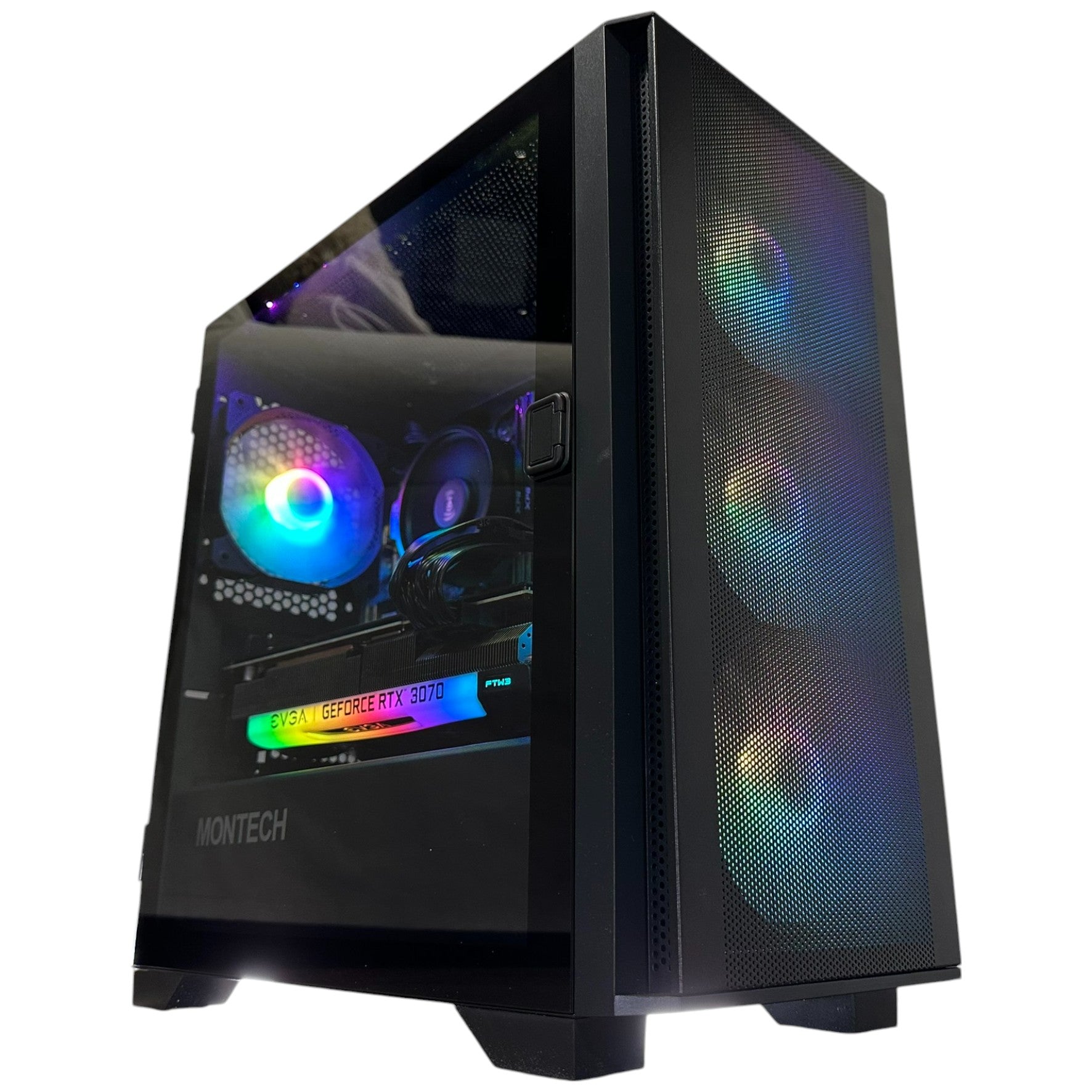
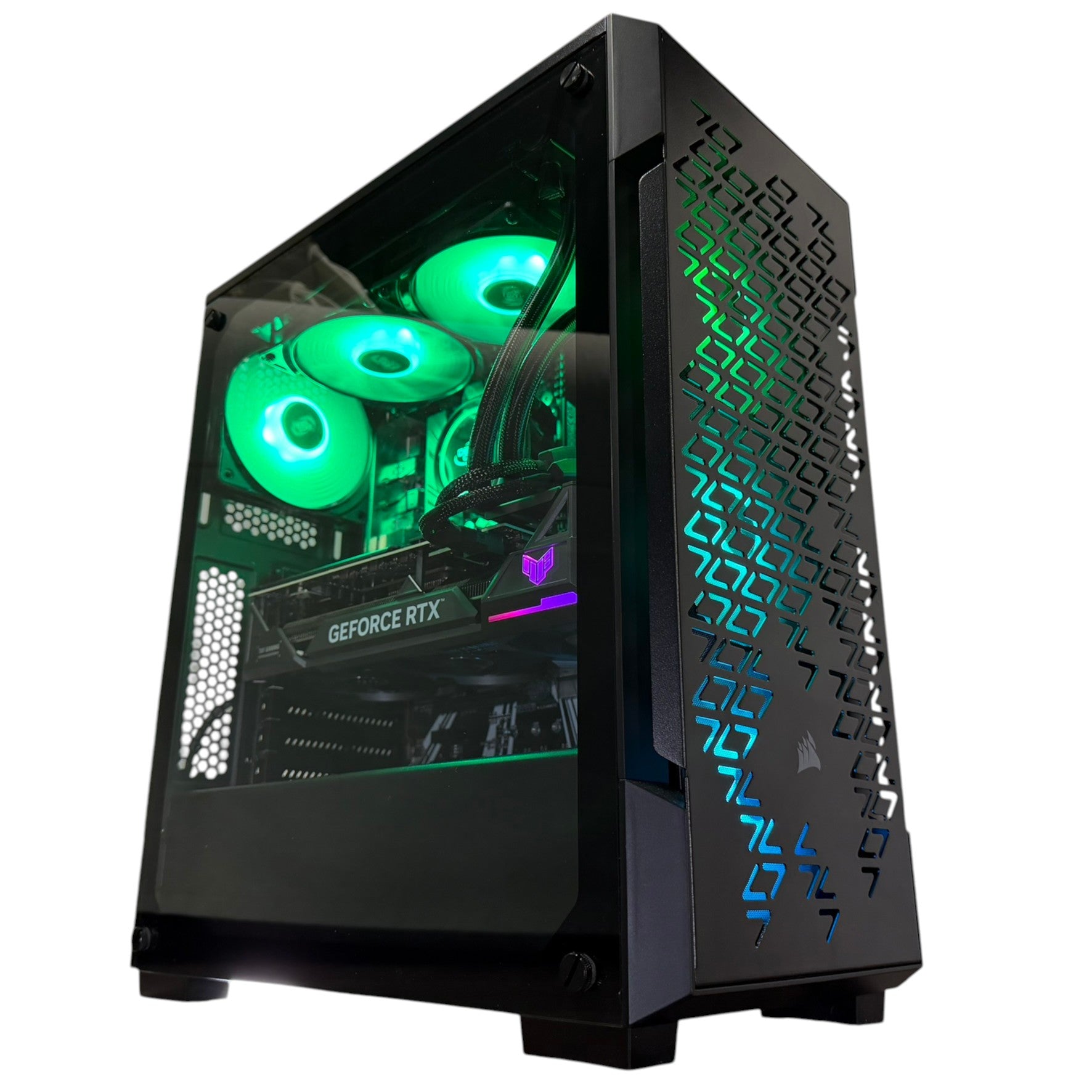
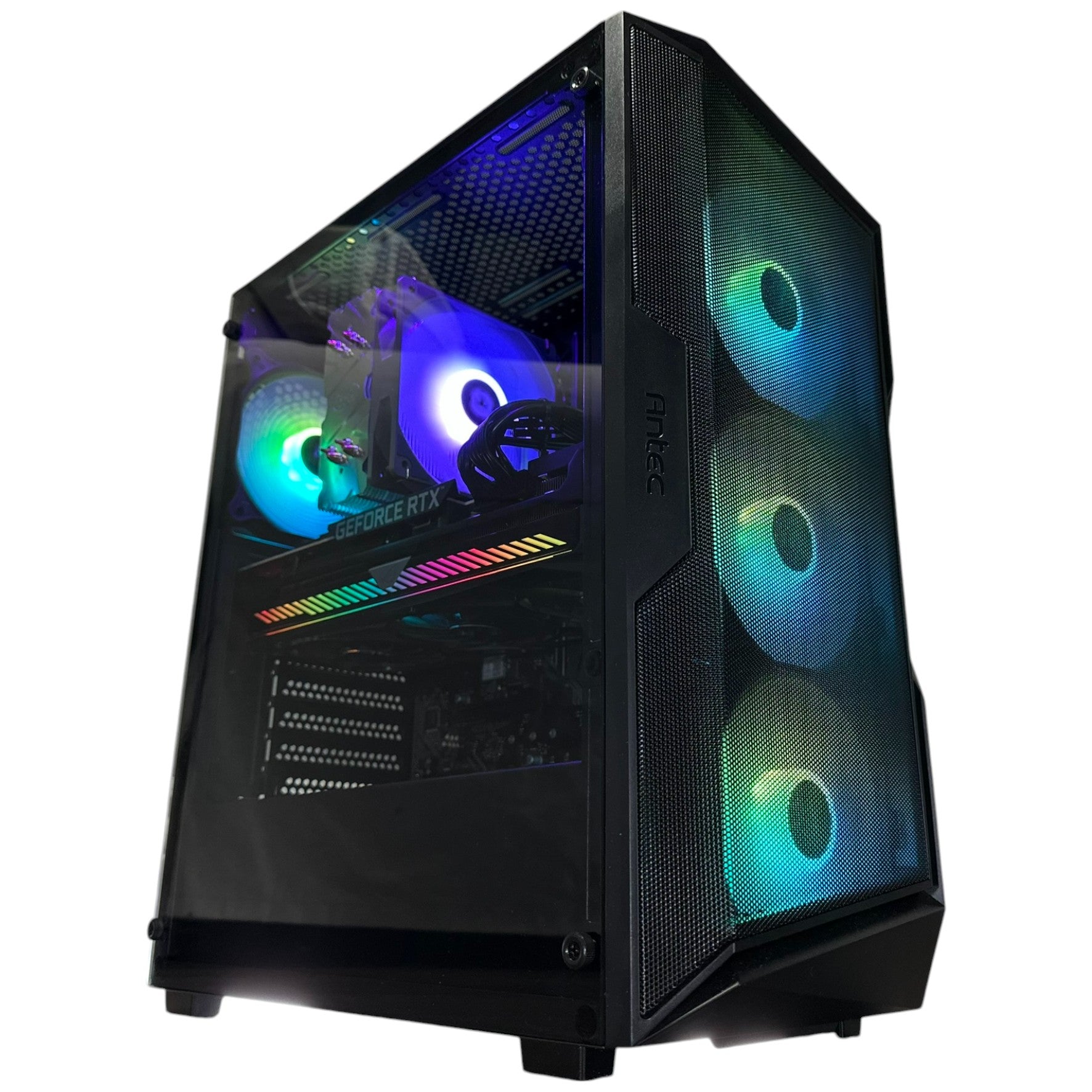
If you want a high end gaming PC Canada buyers can use for demanding new releases at 1440p ultra or 4K, this is the level where premium GPUs and top-tier supporting components begin to matter. This tier is built for buyers who want visual impact, stronger longevity, and more confidence going into future releases.
For survival horror fans, this matters because modern horror thrives on image quality. Better shadows, stronger reflections, cleaner frame pacing, and more detailed environments all improve the emotional impact of the genre.
Gaming plus streaming tier: for players who also want to broadcast or record
If you plan to stream your playthroughs, clip highlights, or record content while gaming, your PC should not be selected as if gaming were the only task. A proper gaming and streaming PC Canada buyers choose should have the right CPU, GPU encoder advantages, enough RAM, and storage planning for recordings and assets.
Do you want to run OBS smoothly while keeping gameplay responsive? Do you use a dual-monitor setup? Do you plan to stream at 1080p while playing at 1440p? Those answers change what build makes sense.
Creator and workstation tier: for buyers who game and create
Many horror fans are also creators. Maybe you edit reaction videos. Maybe you make YouTube essays on game lore. Maybe you design thumbnails in Photoshop and Illustrator, color grade clips in DaVinci Resolve, or build scenes in Blender and Unreal Engine. In that case, a pure gaming-first system may not be the best value.
A creator PC Canada customers choose for both play and production should be built around workflow efficiency, not just frame rates. That means stronger multitasking, faster export performance, more RAM headroom, and a balanced component strategy that saves time every week.
What if you also stream, edit, design, or build content around gaming?
This is where many shoppers make a costly mistake. They buy a gaming PC for the game they are excited about today, then realize a few months later they also need it for editing, streaming, graphic design, 3D rendering, or heavier productivity. Suddenly the “good deal” is not such a good deal.
If you create content around horror games, ask yourself a few practical questions:
- Do you need a PC for OBS Studio, recording, and streaming at the same time?
- Will you edit gameplay in Premiere Pro, DaVinci Resolve, CapCut, or After Effects?
- Do you work in Photoshop, Lightroom, or Illustrator for thumbnails, social posts, or branding?
- Are you experimenting with Blender, Unreal Engine, or 3D animation for horror-inspired content?
- Do you want one computer that handles gaming at night and professional creative work during the day?
If the answer to any of those is yes, then a custom creator PC or workstation-style gaming hybrid may be the better long-term buy. That is especially true for Canadian customers who want one machine to justify the spend across entertainment, side hustle, school, and work.
Why Canadian buyers should think beyond launch-day game requirements
Minimum requirements rarely tell the full story. They tell you what can launch a game, not what makes the experience enjoyable. For survival horror, that difference matters more than in many other genres. A game can technically run and still fail to deliver the atmosphere that made you want to play it in the first place.
Canadian buyers also face a practical issue: replacement and upgrade costs can shift faster than expected. GPU demand, memory pricing, SSD pricing, and broader market pressure can all affect what a comparable build costs later. Waiting is not always cheaper. Sometimes it means paying more for the same level of performance, or settling for weaker parts because the desired tier moved out of reach.
Is it better to buy a gaming PC now or wait? That depends on your timeline, your current hardware, and how soon you expect to play newer titles. But if your present PC is already struggling, delay can turn into lost value. You spend months compromising, then still have to buy later under less favourable conditions.
Should you buy a cheaper system now, or finance a better one that lasts longer?
This is one of the most important buying questions in the current market. Many shoppers focus only on the upfront number and choose the weakest acceptable system. That can work in the short term, but it often leads to faster obsolescence, weaker resale value, and a second purchase sooner than expected.
For some customers, financing a stronger PC makes more sense than paying cash for a lower-tier one. If financing helps you move from a short-lived compromise build into a properly balanced custom system that will handle new horror releases, streaming, editing, and future upgrades more comfortably, it can be the more practical choice.
Would a monthly payment make it easier to secure the level of performance you actually want instead of settling? Would stretching to a better GPU or a more creator-capable platform now help you avoid replacing the whole system too soon?
Groovy Computers offers options that can help buyers think strategically, including financing up to 4 years for those who want to secure a stronger build while managing cash flow responsibly. That matters when you are trying to buy before component costs rise further or before a major game launch drives higher demand.
What specs should you think about for survival horror, streaming, and creator workloads?
You do not need a giant parts spreadsheet to buy well, but you do need to understand the roles each major component plays.
GPU: the biggest factor for visual quality and resolution targets
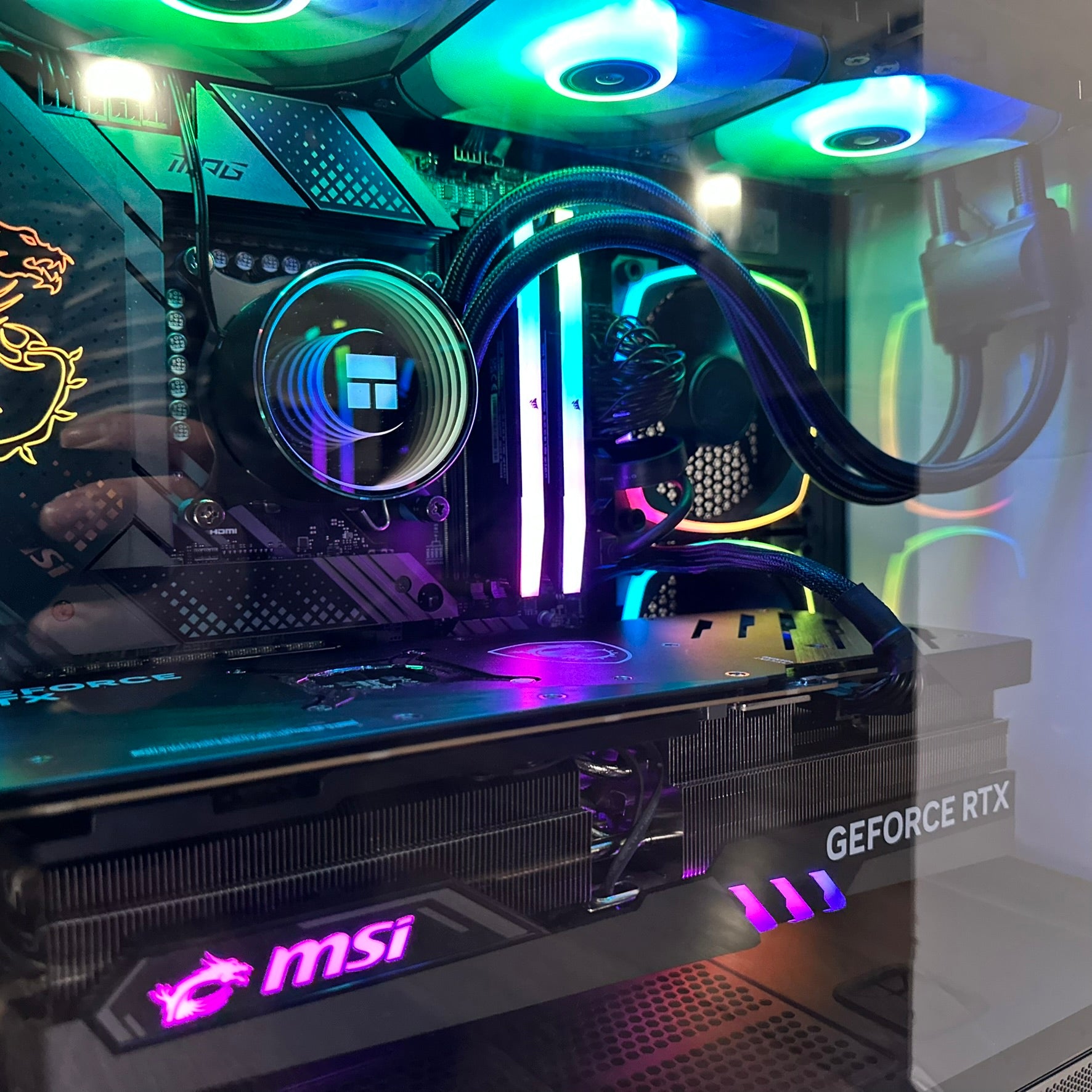
If your goal is higher settings, better lighting effects, stronger image quality, and smoother play at 1440p or 4K, the GPU becomes critical. Horror games benefit from good graphics cards because so much of the genre depends on visual atmosphere. If you also care about ray tracing or recording and streaming efficiency, the GPU choice becomes even more important.
Are you shopping for 1080p value, 1440p balance, or 4K longevity? Your answer should drive the graphics tier.
CPU: more important than many buyers realize
A strong CPU helps with overall responsiveness, frame consistency, multitasking, game logic, streaming support, and creator workloads. If you only think about the graphics card, you can end up with an imbalanced build that underperforms in actual use.
If you stream, record, edit, or keep multiple applications open while gaming, CPU quality matters even more.
RAM: the difference between “runs” and “feels good”
Memory affects multitasking, modern game smoothness, and content creation workflows. If you plan to game only, your needs are different from someone who games with OBS, browser tabs, Discord, editing software, and background apps all open. Buyers who create content, use Adobe apps, or work in 3D should think carefully here.
How much RAM do you need for your real routine, not just your game launcher? That is the better question.
SSD storage: critical for modern game installs and responsiveness
Large game files, faster load times, smoother general system use, and room for future installs all make SSD planning essential. Horror games with dense environments and large assets benefit from fast storage, and creators need even more room for footage, projects, exports, and scratch files.
Cooling and power delivery: often ignored, always important
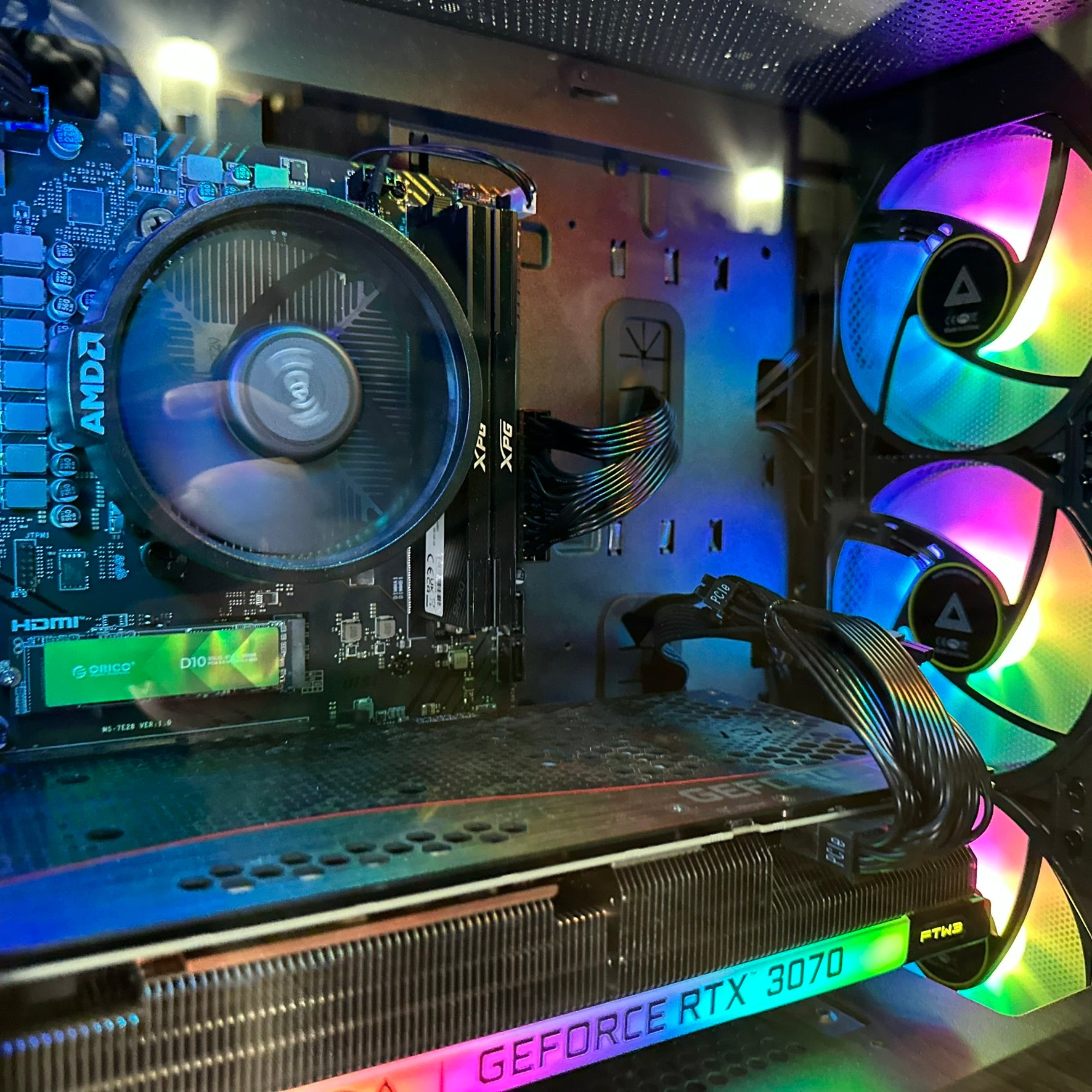
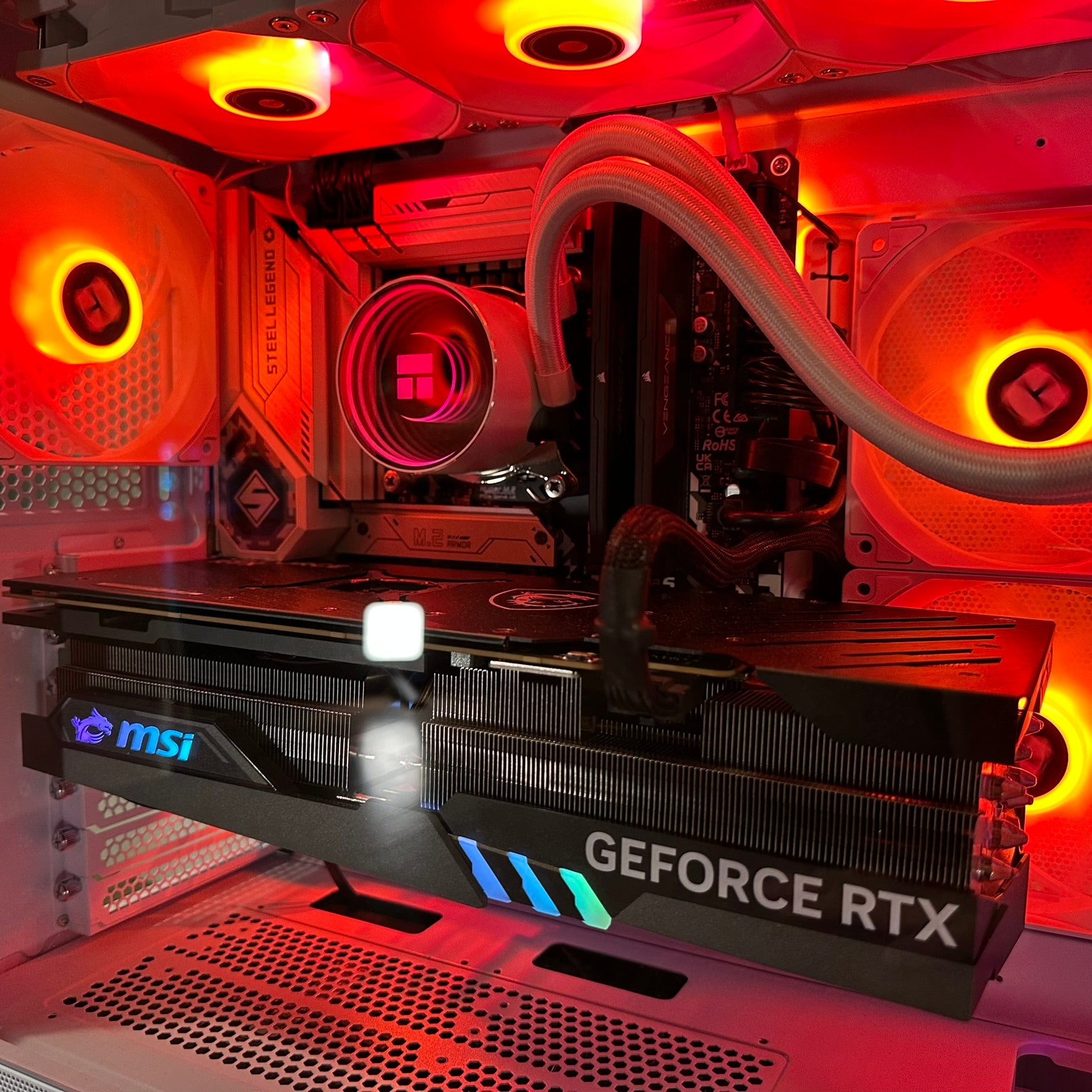
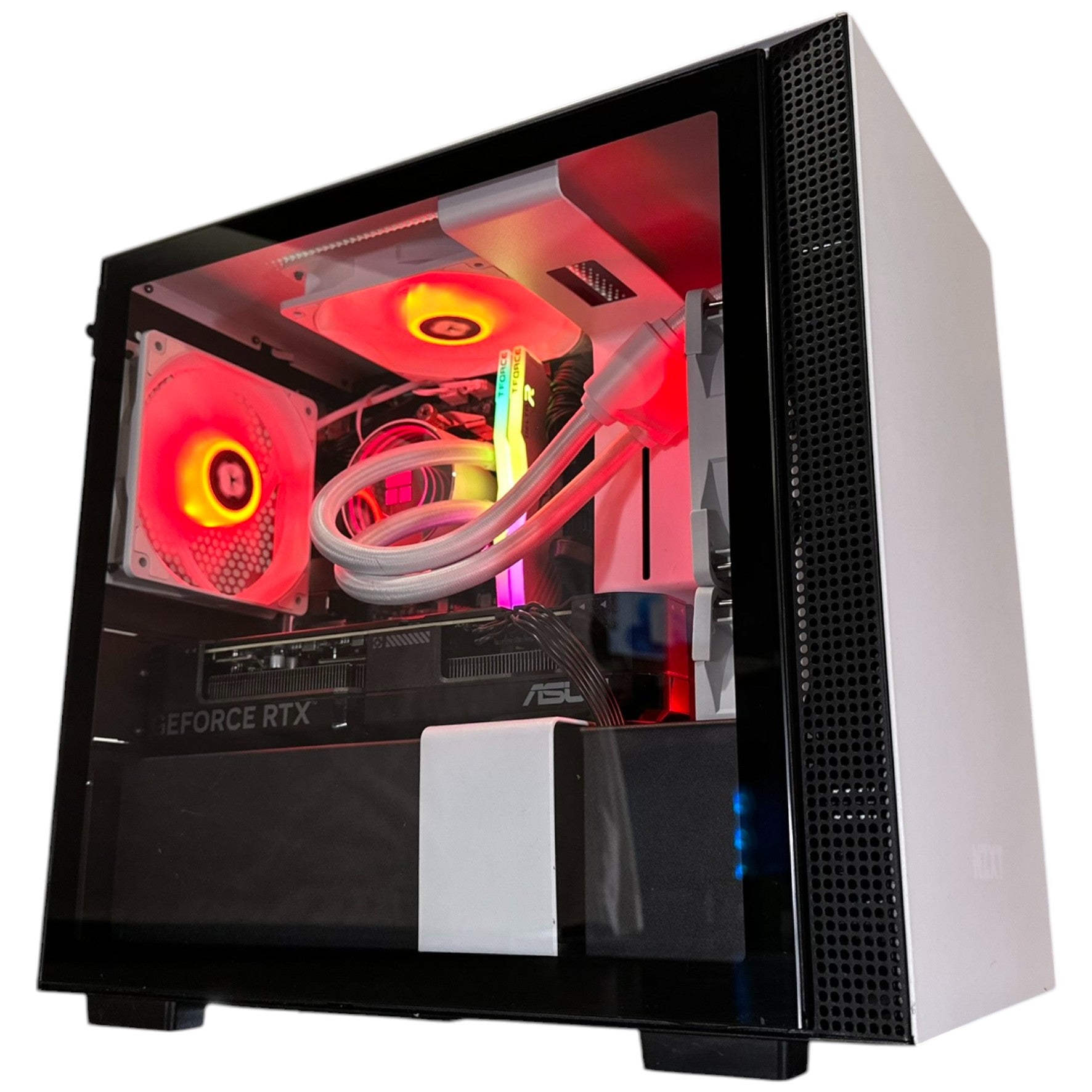
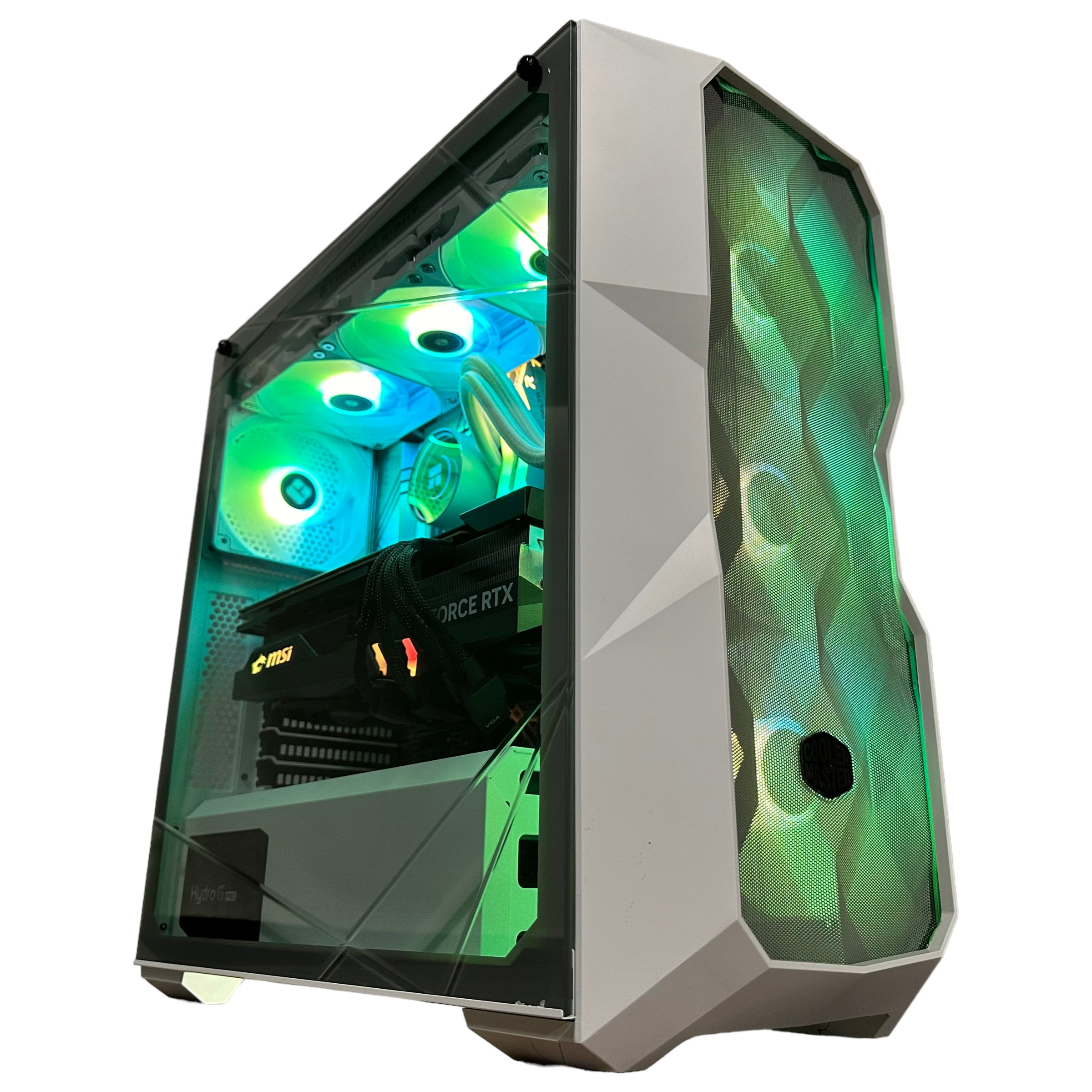
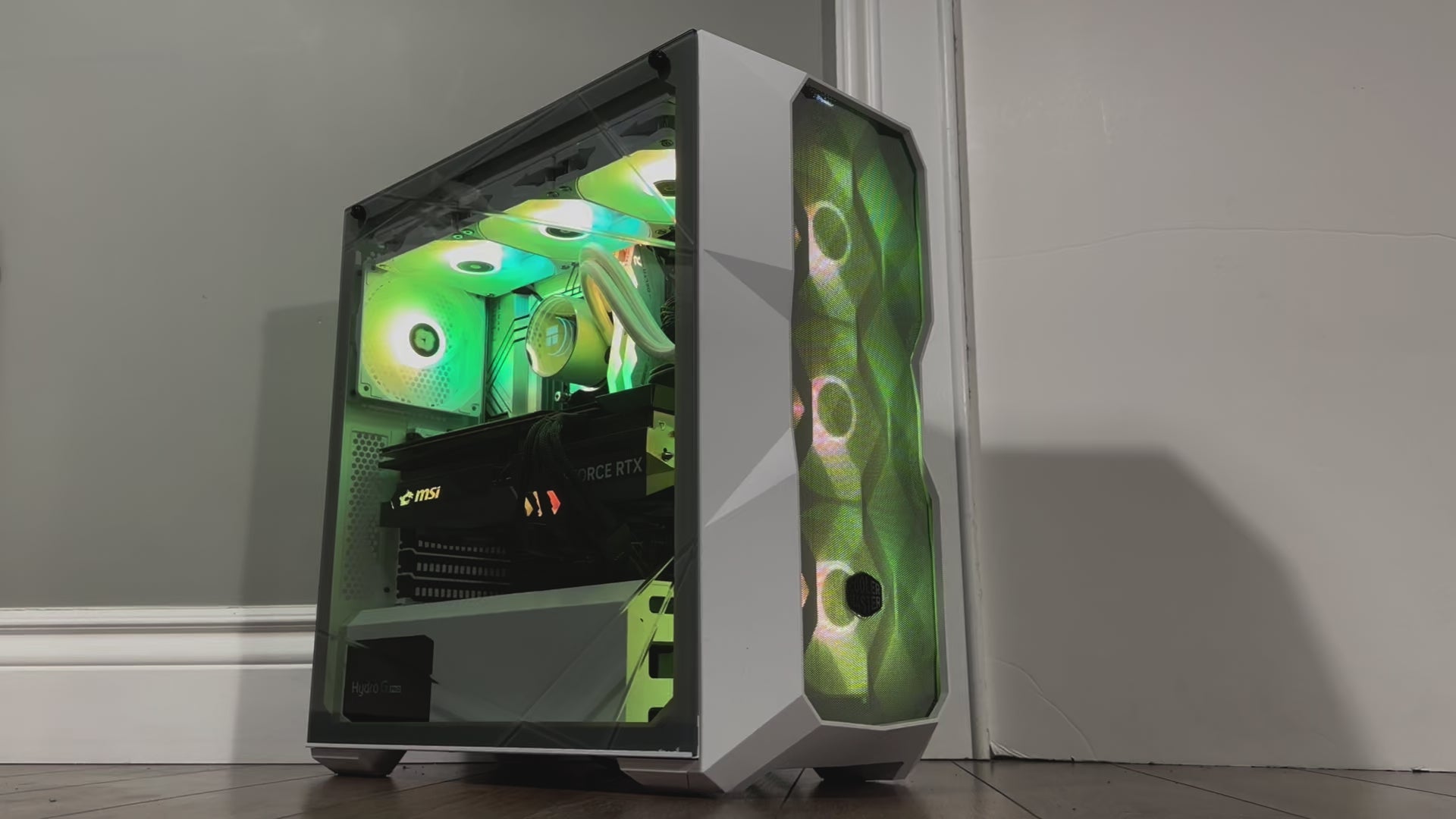
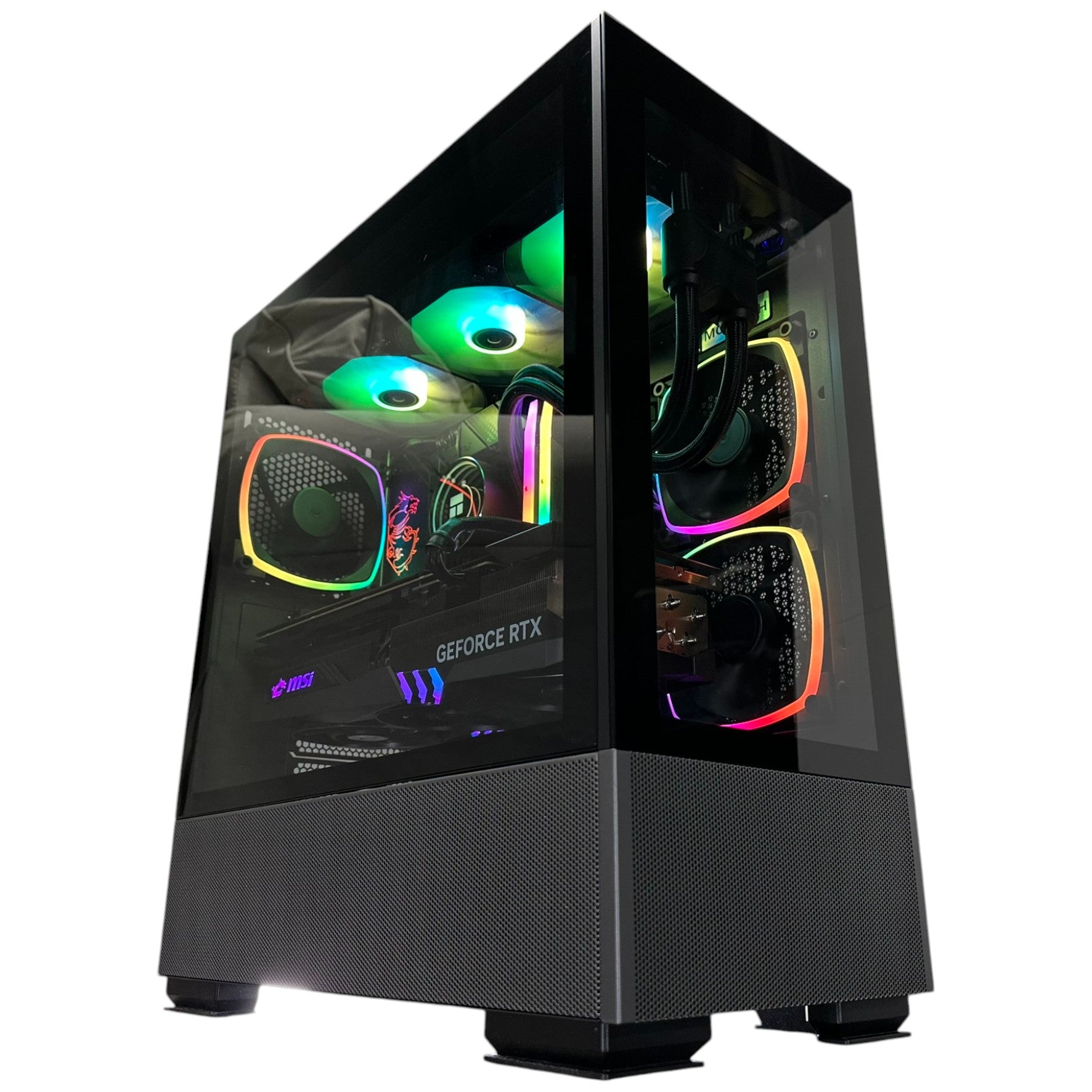
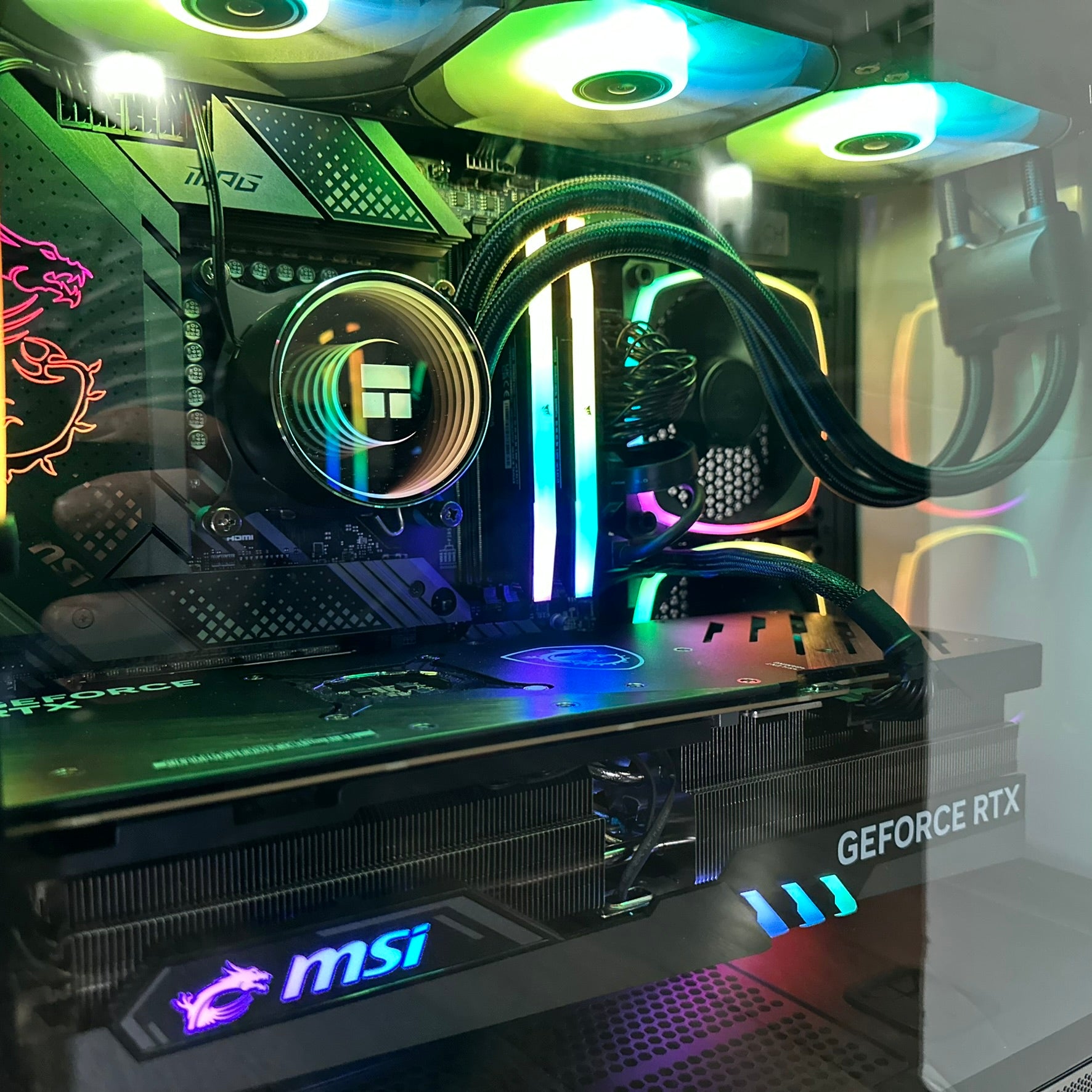
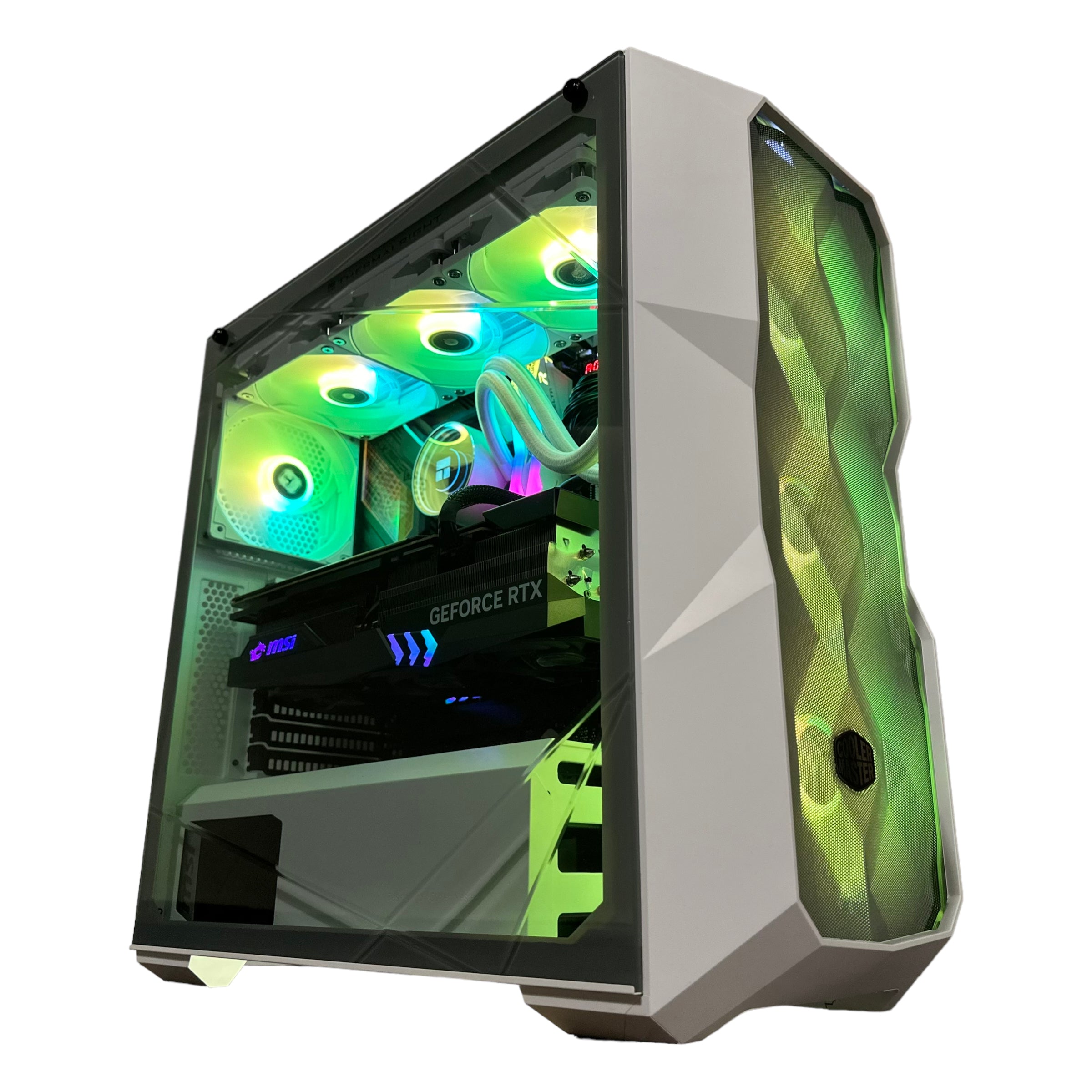
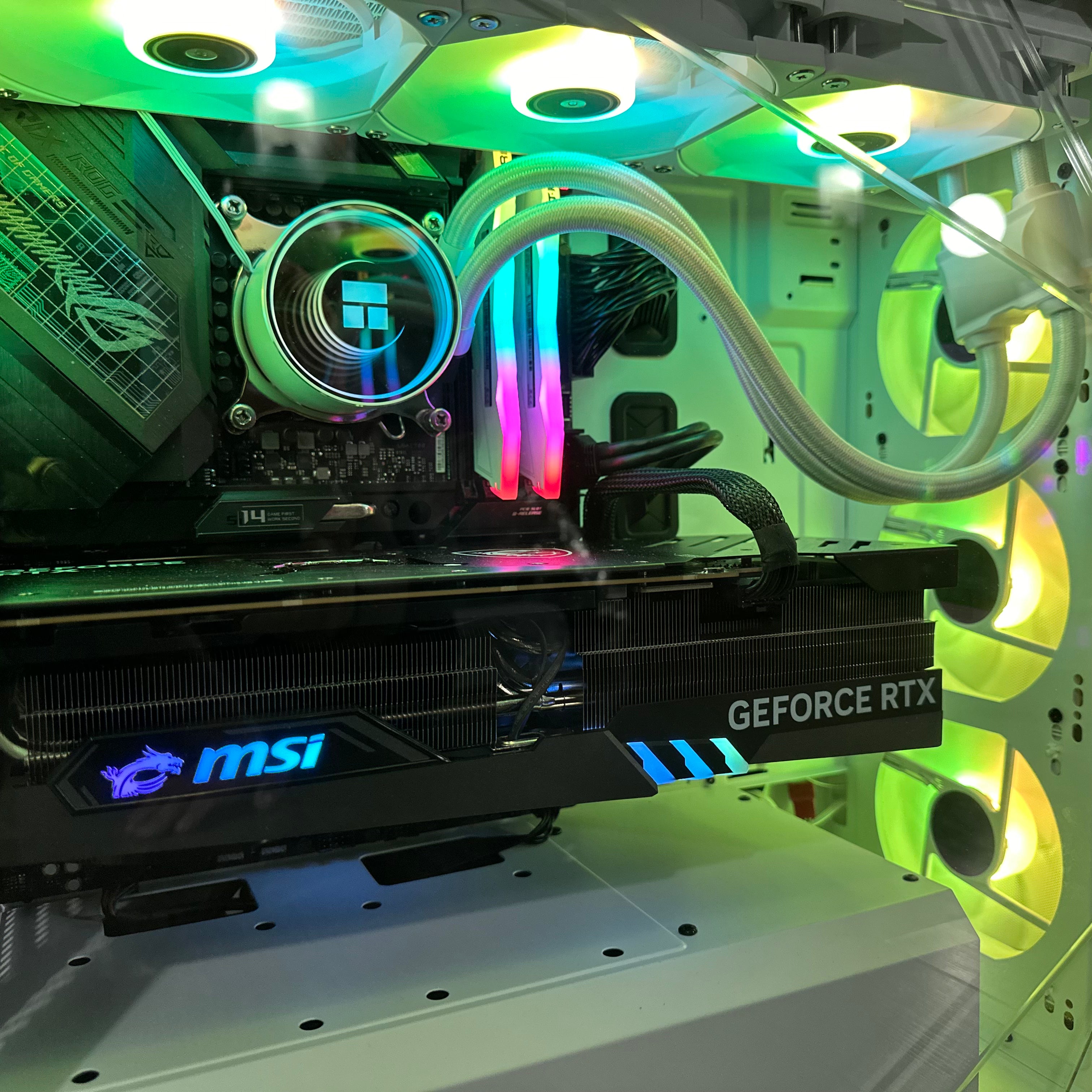
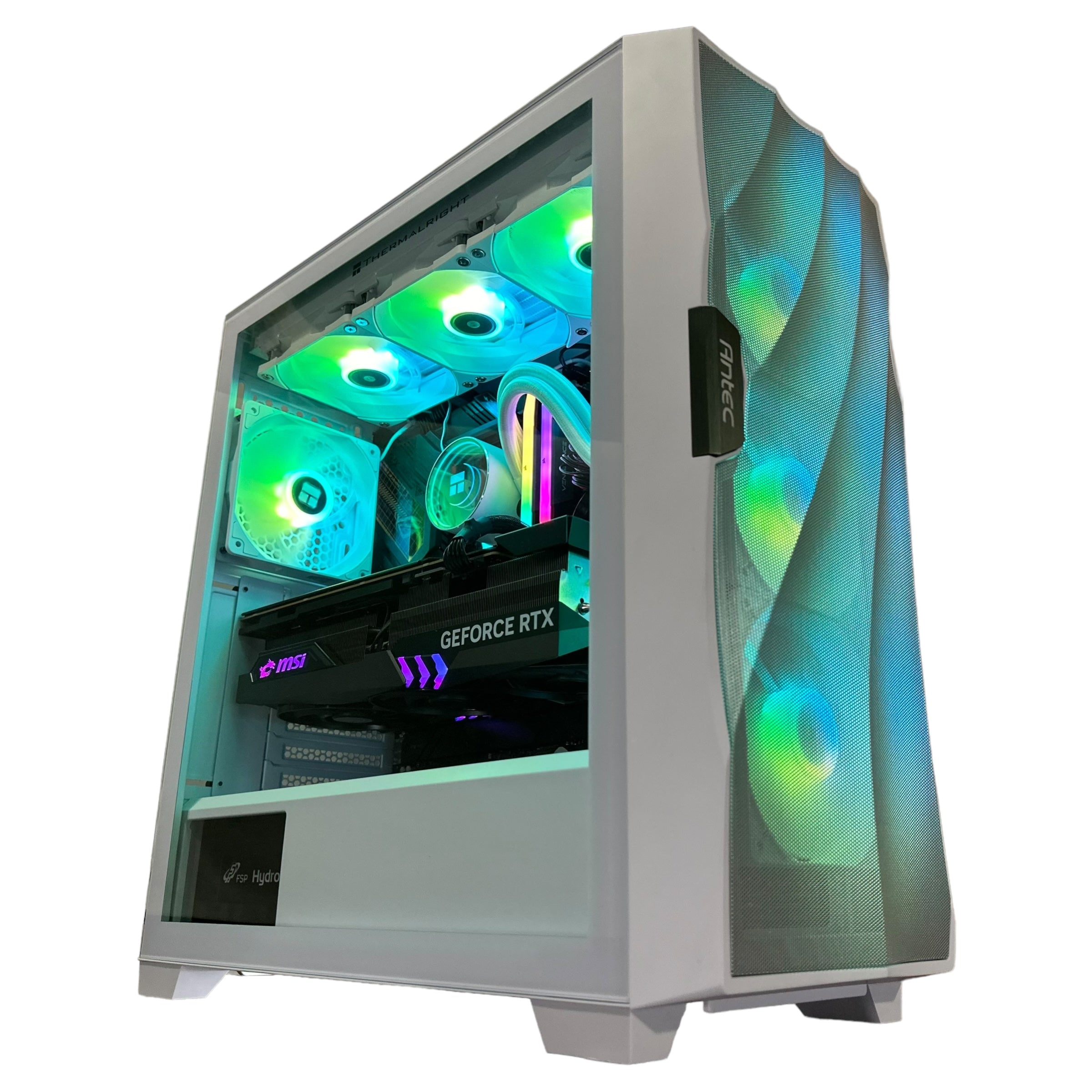
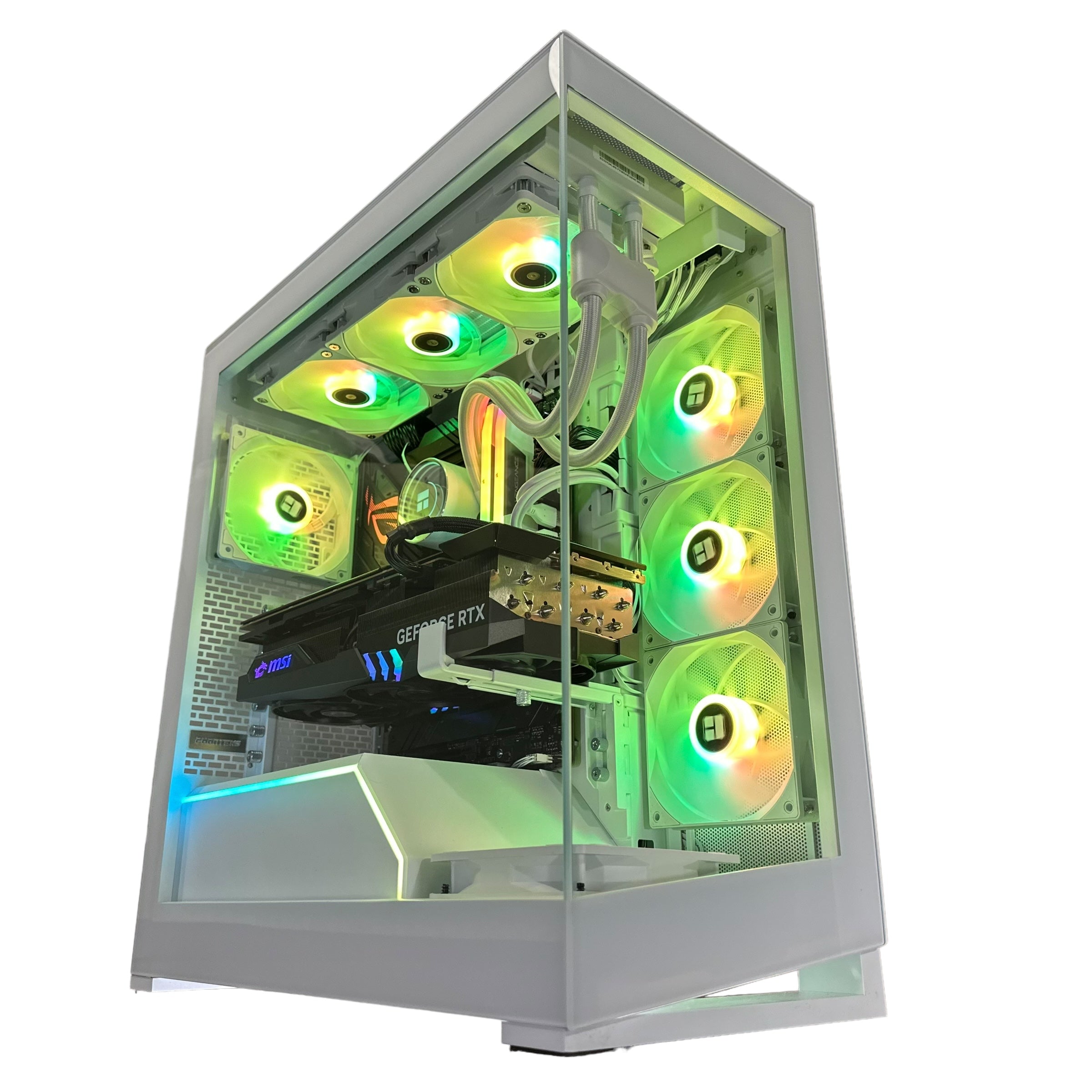
Powerful parts need stable support. Cooling affects sustained performance, acoustics, and long-term reliability. The best custom gaming PCs Canada buyers trust are not just built with exciting parts; they are assembled with airflow, thermal behavior, and upgrade headroom in mind.
Custom PC vs prebuilt PC Canada buyers are comparing right now
This is another decision point worth slowing down for. Many off-the-shelf systems look attractive at first glance because they simplify the buying process. But once you look closely, you often find compromises in cooling, motherboard quality, power supply choice, RAM configuration, storage capacity, or upgrade flexibility.
A custom build gives you better control over the end result. That matters if you want a horror-ready gaming system that is also built for streaming, editing, or long-term use. It also matters if you want confidence that the parts were selected to work together rather than simply to hit a marketing price point.
Why buy a custom gaming PC? Because balance matters. Testing matters. Airflow matters. Warranty support matters. And for buyers in Canada, trust matters even more when you are ordering a system to be shipped rather than picking up a generic box from a shelf.
Why Groovy Computers makes sense for survival horror fans and Canadian custom PC buyers
Groovy Computers is positioned for the customer who wants more than a random spec list. Whether you need a gaming-focused build, a gaming and streaming PC, a video editing workstation, a graphic design desktop, or a 3D modeling system that can still handle AAA games, the value is in getting a properly matched machine.
That means asking the right questions first. What games are you playing this year? Are you moving from 1080p to 1440p? Do you care about ray tracing? Will you stream to Twitch or YouTube? Are you editing in Premiere Pro or DaVinci Resolve? Do you need a PC for Photoshop, Illustrator, Lightroom, Blender, Unreal Engine, or mixed creative work? Are you trying to avoid another upgrade in 12 months?
Groovy Computers serves Canadian buyers who want that kind of guidance. For customers in Nova Scotia, Atlantic Canada, and across the country, the custom-build approach is especially useful because one well-chosen machine can cover gaming, creation, productivity, and future expansion more intelligently than a one-size-fits-all alternative.
A Groovy system is also backed by rigorous testing and a 1-year warranty, which matters when you are investing in a performance machine and want more confidence in reliability. If your goal is not just to own a PC, but to own one that feels right every time you boot up a new game or workload, those details matter.
What kind of buyer should choose which Groovy Computers category?
Choose a budget gaming system if:
- You mainly play at 1080p
- You want strong value and a lower entry cost
- You are starting out and do not need premium settings in every new release
- You want a first gaming PC without overcommitting
Choose a mid-range or premium RTX gaming build if:
- You want 1440p performance with stronger settings
- You play newer AAA games, including demanding horror titles
- You want more lifespan before your next major upgrade
- You care about visual fidelity, atmosphere, and smoothness
Choose a streaming-capable gaming PC if:
- You want to play and stream from one machine
- You use OBS, Streamlabs, or regular screen recording
- You want to create clips, walkthroughs, or live reactions
- You need the PC to stay responsive while multitasking
Choose a creator PC or editing workstation if:
- You edit videos for YouTube, social media, or client work
- You use Premiere Pro, DaVinci Resolve, After Effects, Photoshop, or Illustrator
- You need more RAM and storage than a typical gaming-only buyer
- You want one system for both entertainment and production
Choose a 3D modeling or workstation build if:
- You work in Blender, Unreal Engine, Maya, Cinema 4D, or CAD workflows
- You render, animate, simulate, or handle heavier professional workloads
- You need a machine that can game, but also produce serious work efficiently
- You value long-term performance over short-term savings
Questions to ask yourself before buying your next PC
Before you choose a build, slow down and answer these honestly:
- What games do I actually want to play over the next two to three years?
- Am I buying for 1080p, 1440p, or 4K?
- Do I care about ultra settings, ray tracing, or just reliable performance?
- Will I stream, record, or edit content?
- Do I also need this PC for school, work, graphic design, photo editing, or 3D work?
- Am I trying to spend the least today, or the smartest amount over time?
- Would financing a stronger system help me avoid replacing a weak one too soon?
- Am I buying before a major game release or possible pricing pressure?
- Do I want a machine that is tested, supported, and backed by warranty in Canada?
The better your answers, the better your build decision.
Final takeaway: the best survival horror games deserve the right hardware
The best survival horror games are memorable because they make technology disappear. You stop thinking about settings menus and start thinking about footsteps behind a locked door, a distant sound in the hallway, or whether opening the next room is a terrible idea. That only happens when your PC is doing its job well enough to let the experience breathe.
For Canadian players, this is a smart time to think carefully about where your next system fits. Do you need a straightforward gaming desktop for horror and AAA titles? A stronger 1440p or 4K-ready setup? A system that can also stream, edit, design, or render? A custom solution is often the best answer because your real use case is rarely as simple as one game, one resolution, and one year of ownership.
If you are asking what gaming PC you need, what performance tier fits, whether a custom build is worth it, or whether financing a stronger machine now is smarter than settling for a weaker one, Groovy Computers is the place to start. Visit GroovyComputers.ca to explore custom gaming PCs, creator systems, and workstation options built for Canadian buyers who want performance, support, and confidence.
#GamingPCCanada #CustomGamingPCCanada #GamingPCBuilderCanada #GamingComputersCanada #CanadianCustomPCBuilders #CreatorPCCanada #StreamingPCCanada #VideoEditingPCCanada #3DModelingPCCanada #NovaScotiaBusiness
Groovy Computers | All Rights Reserved



Leave a comment
This site is protected by hCaptcha and the hCaptcha Privacy Policy and Terms of Service apply.