
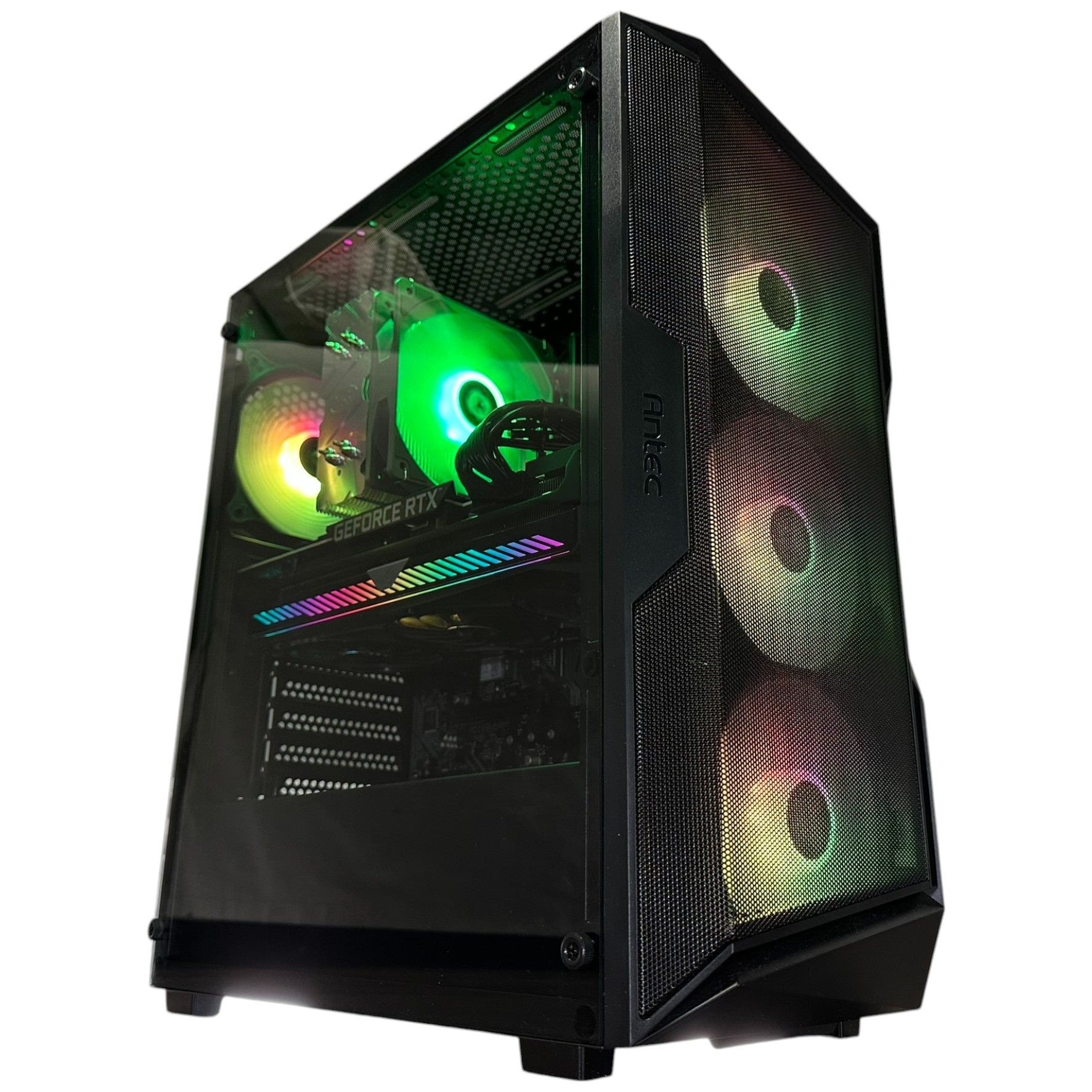
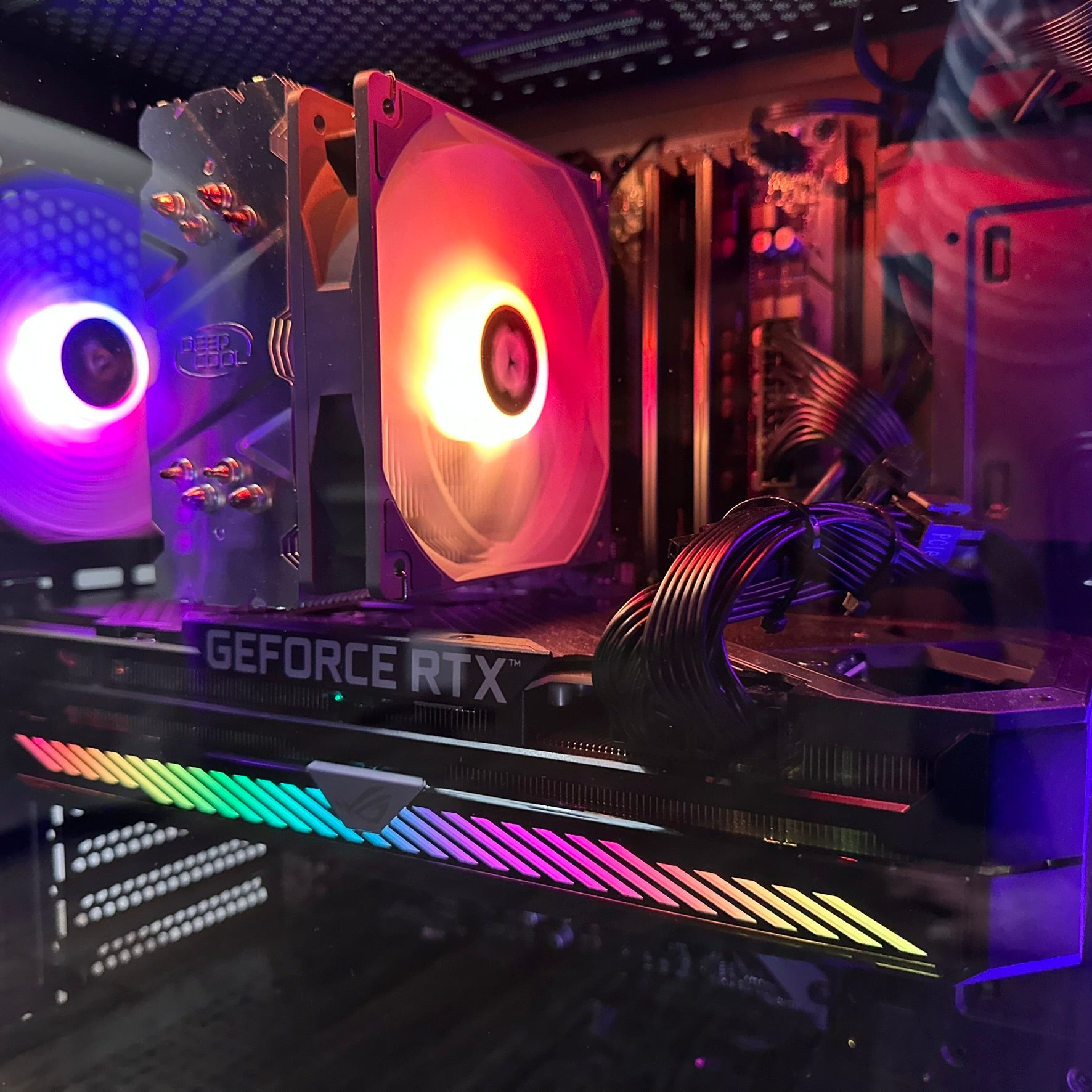
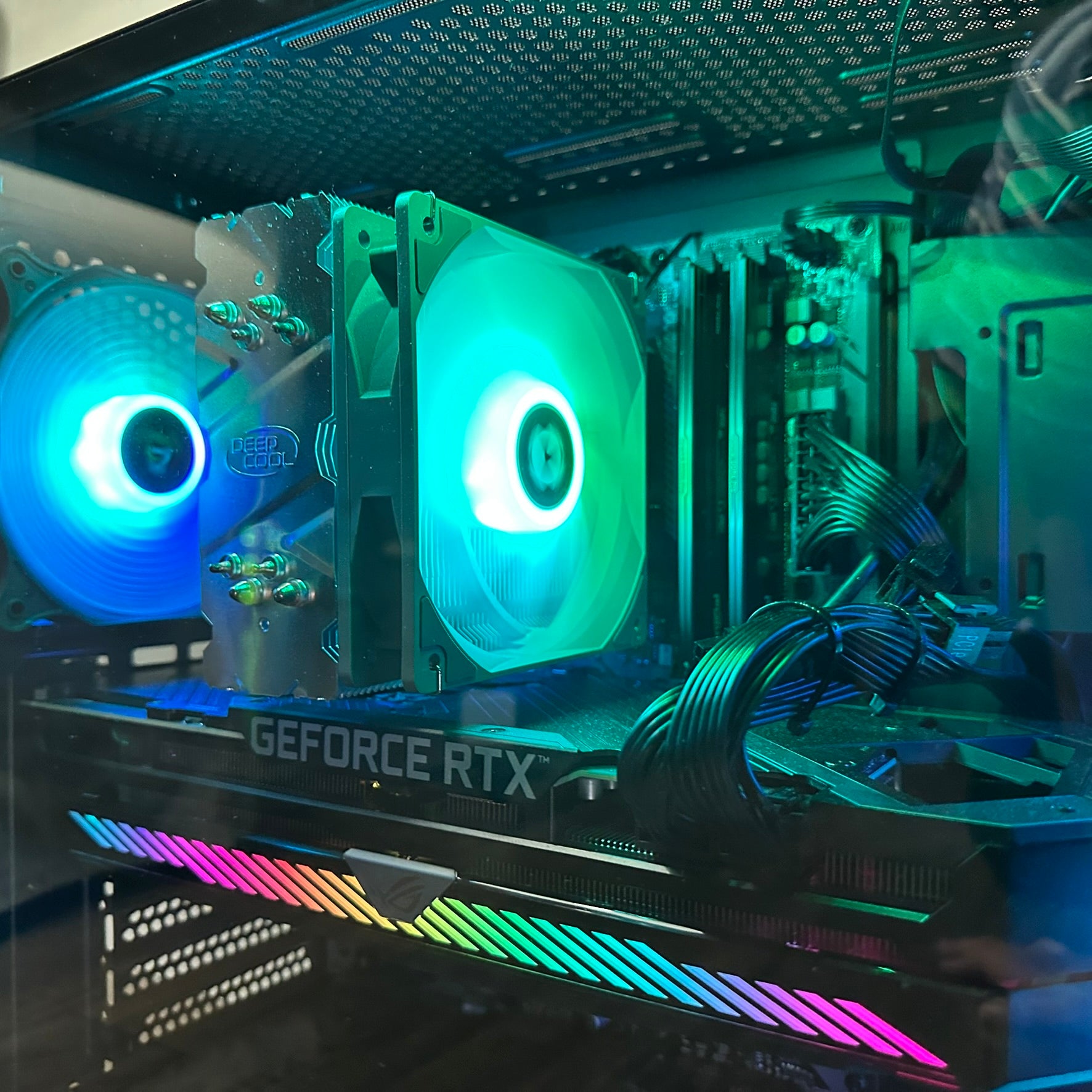
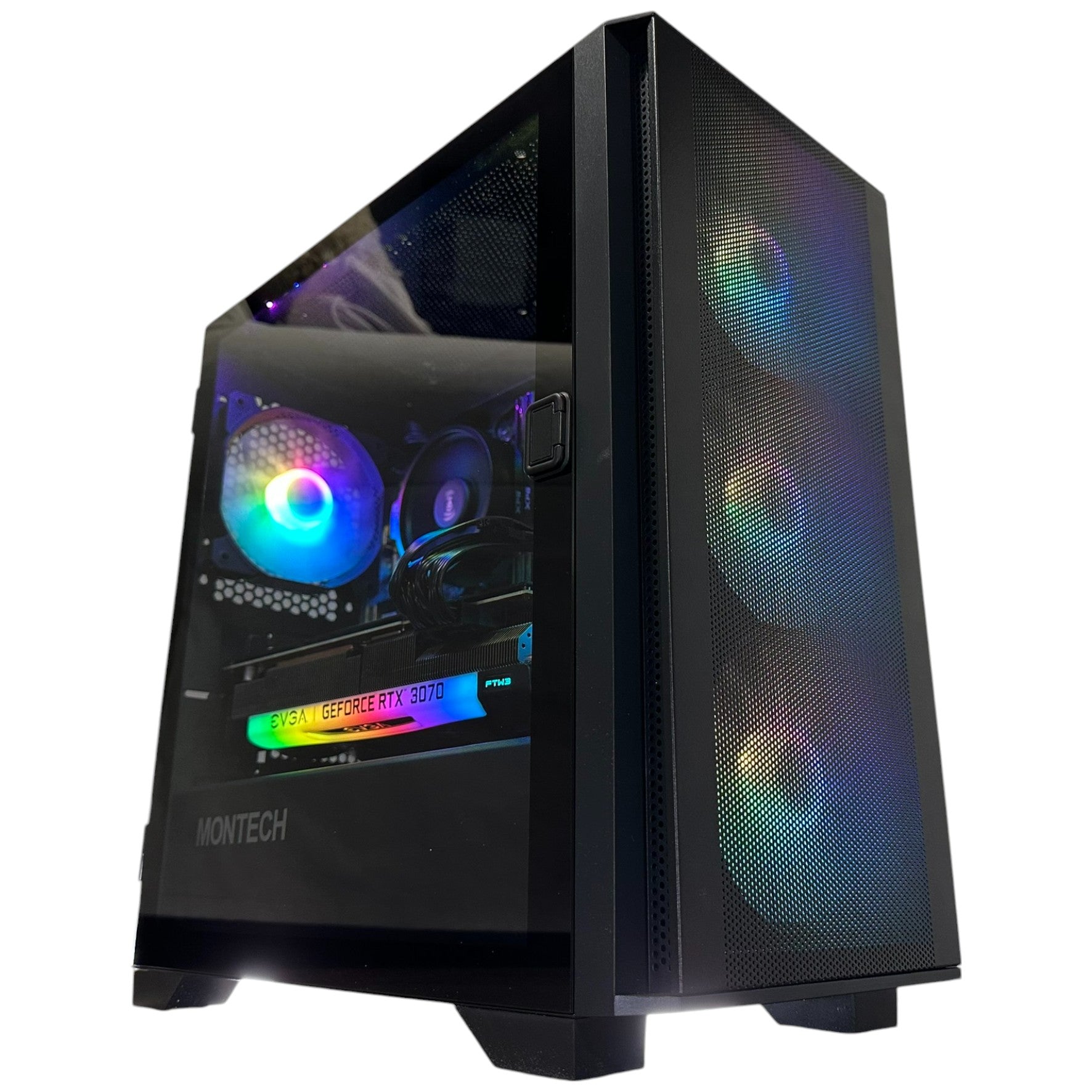

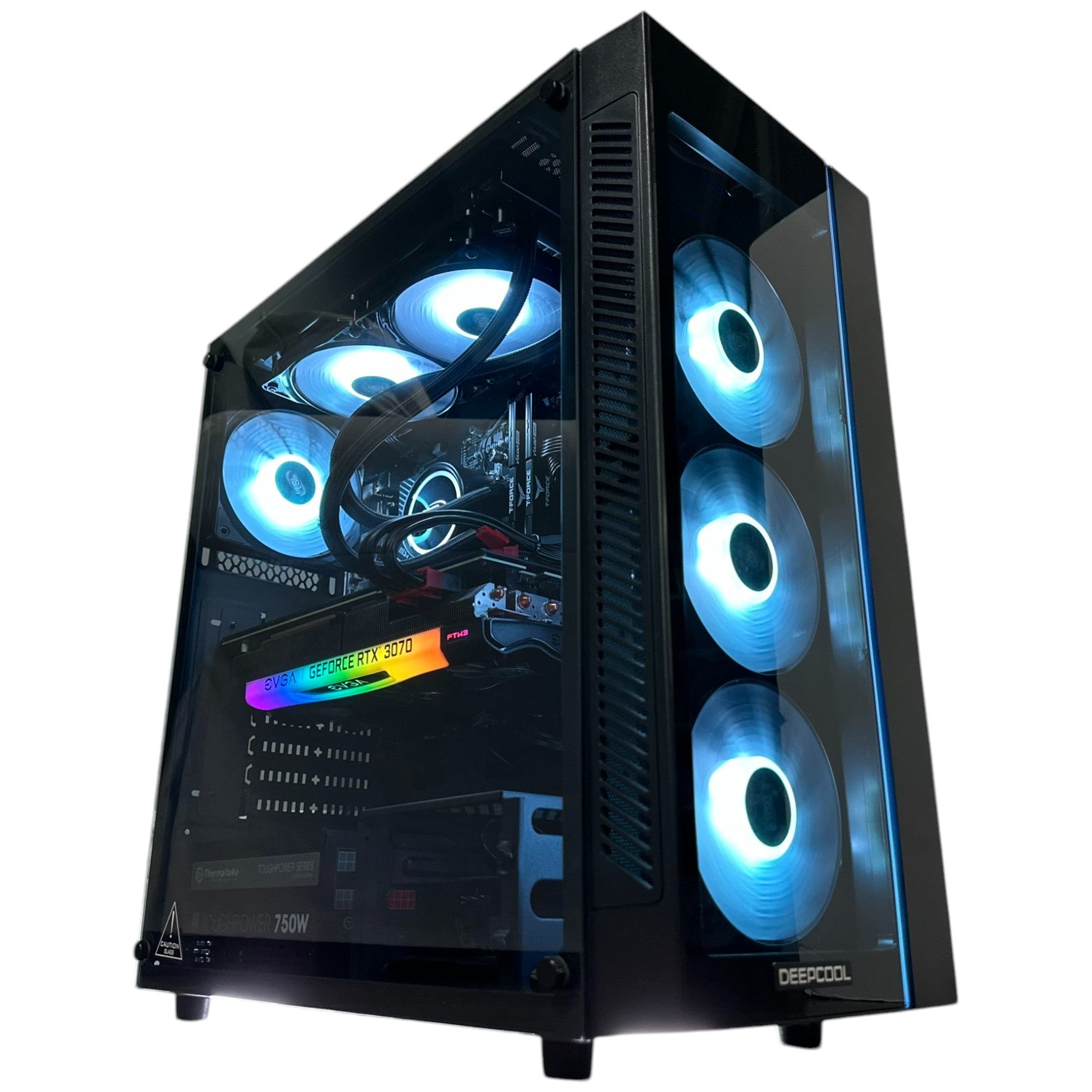
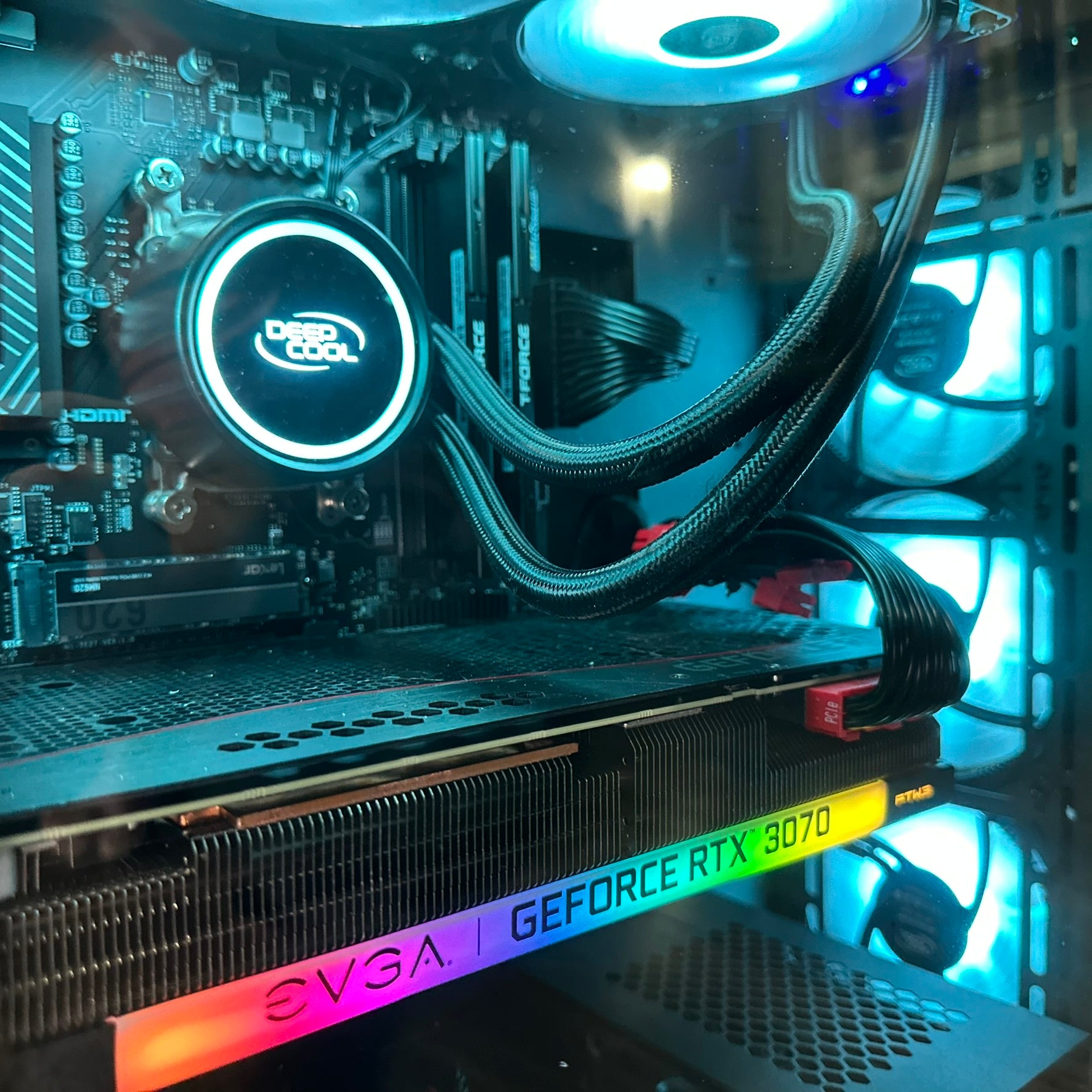
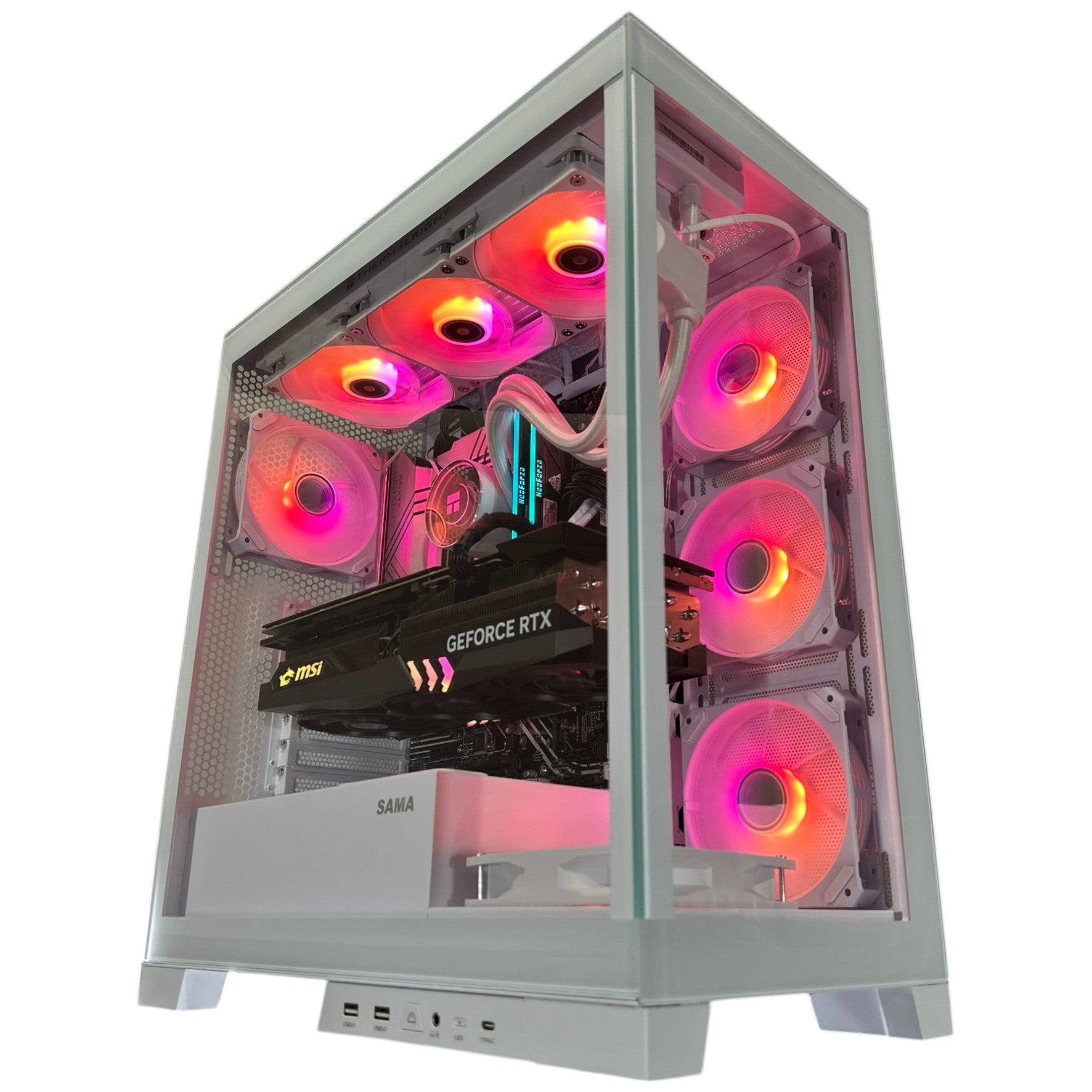
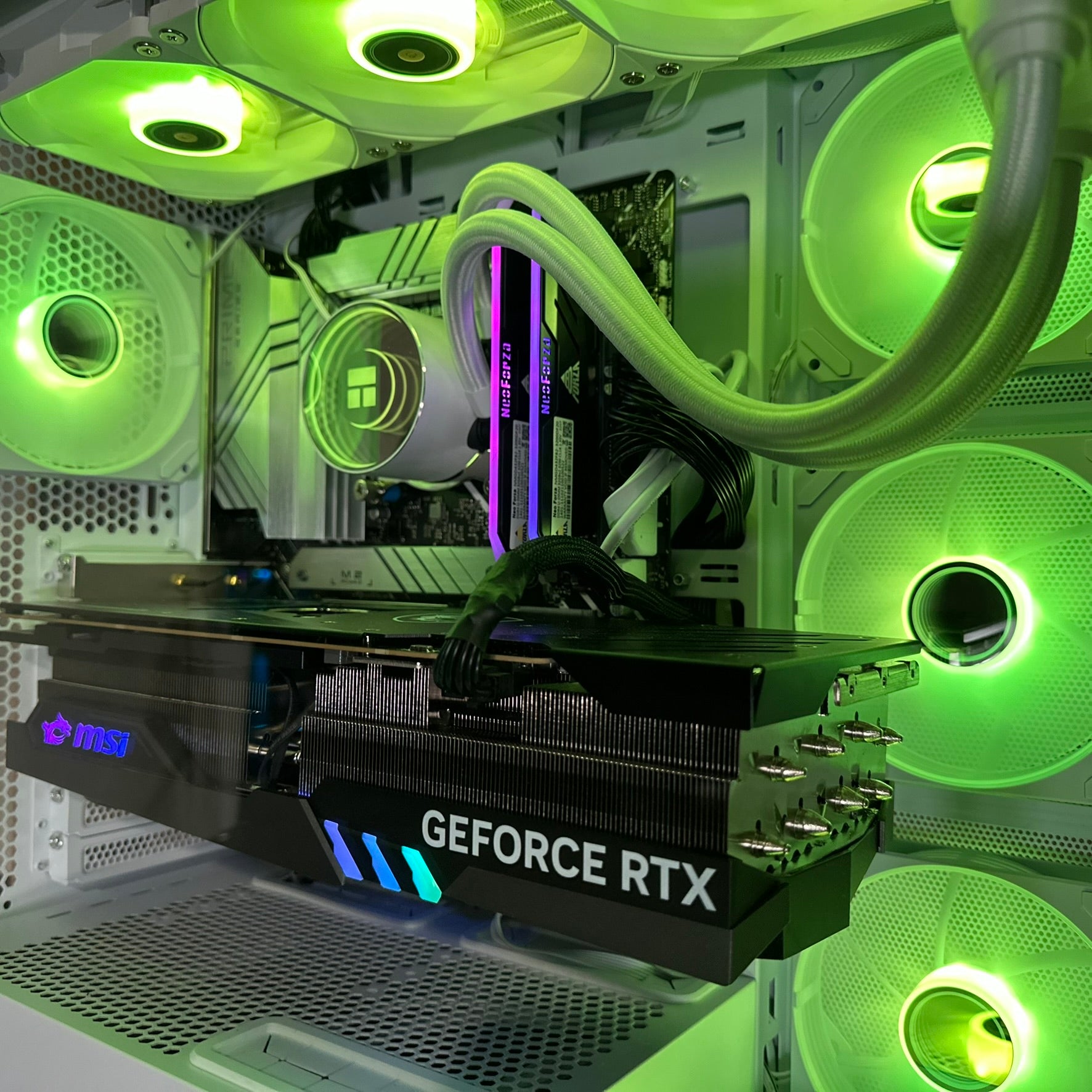
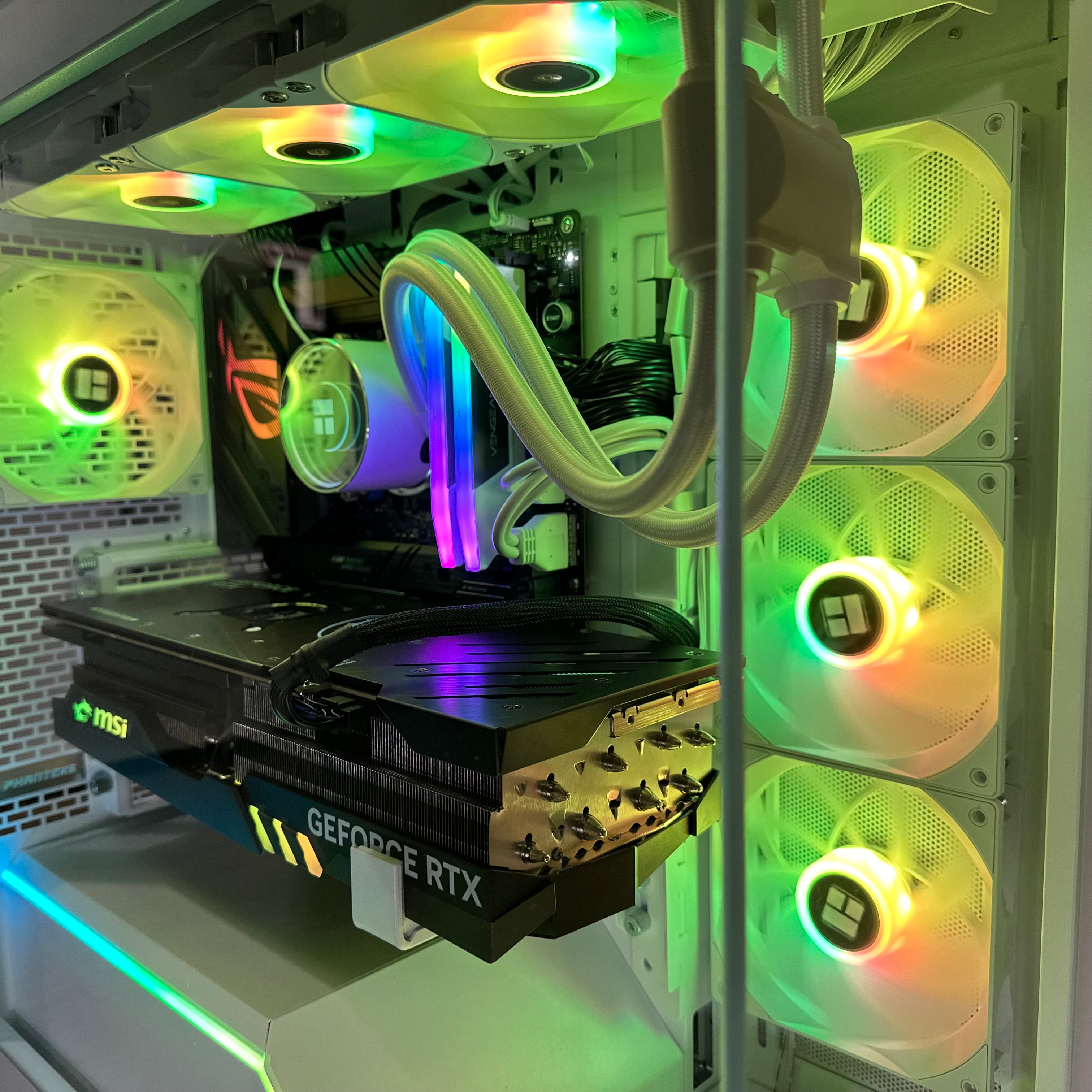

GTA 6 Affordability Is a Warning Sign for Canadian Buyers: Why a Gaming PC in Canada May Be the Smarter Long-Term Move
The latest conversation around gaming PC Canada pricing is not really just about one game. It is about a bigger shift in the cost of modern gaming. The source article highlights a simple but powerful point: buying the next Grand Theft Auto and the hardware needed to play it at launch is shaping up to be one of the most expensive entry points in the franchise’s history. For Canadian buyers, that reality hits even harder once U.S. pricing is translated into Canadian dollars. If you have been asking yourself whether now is the right time to upgrade, whether to wait, or whether to invest in a stronger system before prices rise again, this is exactly the moment to think carefully.
At Groovy Computers, this trend matters because it affects more than console buyers. It affects anyone shopping for a new gaming desktop, a creator system, or a workstation-grade custom PC in Canada. When a major release like GTA 6 drives demand, it can change how people think about performance, timing, affordability, and future-proofing. The real question is not just, “How much will this one game cost me?” It is, “What do I want my next PC to do for me over the next three to five years?”
What the source article gets right about rising gaming costs
The source material compares the launch-era cost of each mainline GTA game with the price of the cheapest compatible PlayStation hardware available at the time. Even after factoring in inflation, the new combination of a current-generation console and GTA 6 comes out as the most expensive pairing yet. In Canadian dollars, the situation looks even more aggressive. An $80 USD game lands closer to roughly $110 CAD, and a digital console in the $600 USD range can translate to approximately $800 CAD before taxes, depending on actual market conditions, retail markups, and exchange rate movement.
That means a Canadian customer who does not already own the right hardware could be looking at a total cost approaching or exceeding $900 CAD once taxes are included. That is a serious amount of money to spend for access to one launch title, even if that title is one of the biggest entertainment releases of the decade.
The article also points to another issue that matters beyond console gaming: memory pricing pressure. If RAM costs remain elevated, complete system pricing can stay stubbornly high across multiple categories. That does not only affect game consoles. It can also influence desktop memory kits, graphics card supply, creator system builds, and the total replacement cost of a new PC.
Why Canadian buyers should think differently about this trend
In Canada, tech pricing rarely feels as simple as converting a U.S. sticker price. You also need to think about exchange rates, taxes, freight, regional inventory pressure, and how fast demand can move after a major game or hardware announcement. That is why a story about GTA 6 affordability should push Canadian shoppers to ask a bigger question: Do you want to spend close to console-plus-game money on a closed platform, or would you rather put that budget toward a system that can game, stream, edit, create, and scale with your needs?
For many buyers, a custom desktop starts making more sense once budgets move out of “impulse purchase” territory and into “major investment” territory. A properly selected system can do more than run one game. It can handle open-world AAA gaming, competitive esports, OBS streaming, Adobe Creative Cloud, video editing, school or business workloads, and even 3D rendering if you choose the right parts from the start.
That matters even more if you are trying to avoid upgrading too soon. Buying the cheapest thing that barely works for today can become expensive if you replace it early. Buying the right performance tier now can be the smarter long-term value.
What do you want your next PC to do for you?
Before you compare price tags, ask yourself what your next system actually needs to handle.
Do you only want to play new games at 1080p? Do you want smooth 1440p gaming with high settings? Are you aiming for 4K, ray tracing, and long-term AAA performance? Do you want to stream to Twitch or YouTube at the same time? Do you also edit videos, design thumbnails, retouch photos, model in Blender, or use demanding software for work?
This is where many buyers make the wrong decision. They shop by headline price instead of use case. A better way to buy is to match the system to your real workload.
- Gaming-only buyer: prioritize GPU value, CPU balance, cooling, and upgrade path.
- Gaming and streaming buyer: prioritize GPU encoding support, CPU multitasking headroom, and enough RAM.
- Video editor or content creator: prioritize CPU strength, GPU acceleration, RAM capacity, and fast SSD storage.
- Graphic designer or photographer: prioritize responsiveness, RAM, storage speed, and display support.
- 3D modeling or rendering user: prioritize high-core CPUs, strong RTX-class GPUs, airflow, memory capacity, and reliability under sustained loads.
If that sounds like your needs go beyond one game, that is exactly why custom PC planning matters.
If GTA 6 feels expensive on console, what should PC buyers learn from that?
The lesson is not that every buyer should rush into a premium build. The lesson is that platform costs are rising, and waiting does not always make things cheaper. If component categories such as RAM, SSDs, GPUs, or power supplies remain under pressure, the cost of a future replacement system may not improve as quickly as many shoppers hope.
So what should you ask next?
Are you buying before a major game release? Demand tends to increase around blockbuster launches. Buyers who waited too long often end up settling for weaker hardware, compromised availability, or less ideal price-to-performance.
Are you buying before your current PC becomes a problem? Upgrading when your machine is already failing creates pressure. Buying before that point gives you more control over tier selection and budget.
Are you trying to avoid upgrading twice? Many customers save money upfront on a lower-tier system, then spend more later replacing the GPU, adding memory, upgrading storage, and solving thermal limits. A stronger initial build can reduce that cycle.
What performance tier fits you best?
One of the most helpful ways to shop is by performance target instead of by random part names. Here is a practical way to think about it.
Entry-level value tier: best for 1080p gaming and general use
This tier is ideal if you want a budget gaming PC Canada buyers can rely on for popular titles, esports, and everyday use. It suits players focused on 1080p gameplay, students, first-time desktop buyers, and users who also need a machine for school, browsing, Discord, and light content work.
Ask yourself: Are you mainly playing competitive games, lighter AAA titles, or older releases? Do you need max settings, or do you care more about smooth performance for the money?
This category can be a very smart buy when selected carefully, but it should still have a modern CPU, enough RAM, solid cooling, and an SSD that keeps the experience snappy.
Mid-range sweet spot: best for 1440p gaming, streaming, and balanced longevity
For many Canadian shoppers, this is the smartest place to shop. A well-balanced custom gaming PC Canada build in this class can handle modern AAA games at 1440p, support streaming, and remain useful for creator tasks like Photoshop, Premiere Pro, and light to moderate editing.
Ask yourself: Do you want your system to still feel strong in two to four years? Do you plan to play new open-world games, use ray tracing selectively, or keep multiple apps open while gaming?
This is also the tier where many buyers realize financing can make sense. If the monthly difference between a lower-tier compromise and a better long-term system is manageable, the stronger build can be the better value.
High-end tier: best for 4K, ray tracing, creator workloads, and future-proofing
This tier is for buyers who want premium performance now and less compromise later. If you are targeting 4K gaming, high refresh rate 1440p, advanced streaming setups, heavy Premiere Pro exports, After Effects work, or Blender rendering, a high end gaming PC Canada shoppers choose in this class can save time and frustration.
Ask yourself: Do you care about ultra settings, smoother frame pacing, faster exports, more multitasking headroom, and stronger long-term value? Are you replacing a system you kept for many years and want your next one to last?
This category is also where build quality matters most. Power delivery, thermal design, case airflow, part matching, and testing all become increasingly important as performance rises.
What if you need more than a gaming PC?
A major game release often pushes people to upgrade, but the smartest purchase is often the one that handles both play and productivity. If your system also earns money, saves time, or supports a side hustle, your buying decision changes.
Do you need a gaming and streaming PC?
If you plan to play and broadcast at the same time, your PC needs more than just raw in-game speed. A proper streaming PC Canada buyers can trust should balance the CPU, GPU, memory, and storage around OBS, browser tabs, overlays, chat tools, and recording workloads.
Do you want clean 1080p streaming? Are you aiming for high FPS while streaming competitive games? Do you want one machine for both gaming and content publishing without dropped frames or sluggish multitasking?
A custom system can be tuned for that exact use case rather than forcing you into a one-size-fits-all retail box.
Do you need a video editing or creator PC?
If gaming is only part of the picture, a creator PC Canada build may be the better category to consider. Video editors, YouTubers, and social creators need a machine that feels fast in timelines, exports efficiently, and stays responsive when juggling footage, browser tabs, cloud apps, and design tools.
What PC do you need for video editing? That depends on whether you are editing 1080p, 4K, or more demanding codecs; whether you use Premiere Pro, DaVinci Resolve, CapCut, or After Effects; and whether your work involves short-form social content or larger projects.
Would a gaming-style GPU help? Often yes. But the right creator build also needs enough RAM and the right storage layout, not just a flashy graphics card.
Do you need a graphic design or photo editing system?
If your work revolves around Photoshop, Illustrator, InDesign, Lightroom, or large image libraries, your priorities change again. A graphic design PC Canada professionals want should emphasize responsiveness, stability, memory, storage speed, and clean multi-monitor support.
Do graphic designers need a dedicated GPU? Sometimes yes, especially with heavier Adobe workflows, GPU-accelerated features, AI tools, and large canvas work. But many buyers also underestimate the importance of CPU speed and RAM for smooth daily performance.
Do you need 3D modeling or workstation power?
If your software list includes Blender, Unreal Engine, CAD tools, rendering software, or simulation workloads, you are no longer just shopping for a gaming machine. You are in 3D rendering PC Canada or workstation PC Canada territory.
What PC do you need for Blender? What PC do you need for Unreal Engine? The answer depends on viewport work, GPU rendering, CPU rendering, scene complexity, plugin use, and how much memory your projects consume. A custom workstation should be selected around your software, not around generic marketing labels.
Why pricing volatility matters for GPUs, RAM, SSDs, and full-system costs
The source article specifically highlights RAM pressure, but Canadian custom PC buyers should think about the broader ripple effect. When memory pricing rises, it can influence not just console manufacturing but also desktop memory kits, graphics card design costs, board pricing, and total build budgets. Add in SSD demand, cooling costs, power supply quality, and case availability, and the final price of a complete system can move more than many people expect.
This is why “I’ll just wait until later” is not always a winning strategy.
Will prices drop? Sometimes. But will the exact parts you want, in the exact tier you need, be available at the exact time you are ready? That is much harder to predict.
If you already know you need a better machine for upcoming games, streaming, editing, or client work, delaying too long can mean paying more later for a system that still does not fully match your needs.
Should you buy a cheaper PC now or finance a better one?
This is one of the most important questions in the current market. If your budget is tight, it is completely reasonable to be cautious. But there is a big difference between being budget-conscious and underbuying.
If a weaker system leaves you replacing parts too quickly, struggling in new games, or wasting time on exports and rendering, then the “cheaper” option may not actually be cheaper in the long run.
That is where finance gaming PC Canada buyers often start to see the logic more clearly. If financing helps you secure a better CPU, more RAM, a stronger GPU, or a better storage setup now, you may end up with a system that lasts longer and performs better across everything you do.
Should you finance a gaming PC? The right answer depends on your goals, timeline, and budget comfort. But if you are already spending serious money to prepare for a major release cycle, it makes sense to compare the long-term value of a stronger custom build against the short-term savings of settling.
At Groovy Computers, buyers can explore systems with financing options up to 4 years, which can make a meaningful difference when you are trying to secure a higher-performance build before replacement costs move higher.
Is now a good time to buy a gaming PC in Canada, or should you wait?
There is no one answer for everyone, but there are smart questions to ask.
- Are you trying to be ready for a major game launch window?
- Is your current system already struggling in the games or software you use now?
- Would one stronger purchase save you from multiple smaller upgrades?
- Do you want to lock in a capable system before more pricing pressure appears?
- Would financing a better build now be more practical than replacing a weaker one sooner?
If you answered yes to several of those questions, waiting may not improve your outcome. It may simply delay the inevitable while narrowing your options.
Custom PC vs prebuilt PC in Canada: why the difference matters more in volatile markets
When prices are stable, buyers can get away with more compromises. When prices are volatile, the quality of the build matters more. That is because every dollar needs to work harder.
A carefully planned custom built gaming PC Canada shoppers choose can deliver better part balance, more sensible thermal design, cleaner upgrade paths, and fewer wasteful compromises than a generic off-the-shelf machine. That matters if you want your purchase to stay useful as game requirements rise and creator software gets heavier.
Why does testing matter in a gaming PC? Because modern systems are not just about turning on and posting to desktop. They need to remain stable under gaming loads, sustained rendering, exports, updates, and long sessions. Proper stress testing helps protect the customer from annoying issues that only appear after hours of use.
Why does warranty matter? Because confidence matters when you are making a major purchase. A build supported by a Canadian company with real service commitment gives buyers more peace of mind than random marketplace listings or mystery-box system specs.
What should you look for in a Canadian custom PC builder right now?
If current gaming and hardware pricing has made you more careful, that is a good thing. This is the time to look beyond surface specs.
Ask these questions before you buy:
- Is the system actually matched to my workload? Gaming, streaming, editing, and 3D work all prioritize parts differently.
- Does the build have a sensible upgrade path? A dead-end platform can cost more later.
- Is the cooling good enough for sustained performance? Thermal throttling can erase the value of premium components.
- Do I have enough RAM and SSD space for what I do? Many buyers focus only on GPU model names and ignore daily usability.
- Has the system been rigorously tested? Stability is part of performance.
- Is there warranty support from a trusted Canadian builder? Support after the sale matters.
- Would financing help me buy the right tier instead of the cheapest tier? That can be the difference between replacing a system early and keeping it happily for years.
Why Groovy Computers is a smart fit for Canadian buyers
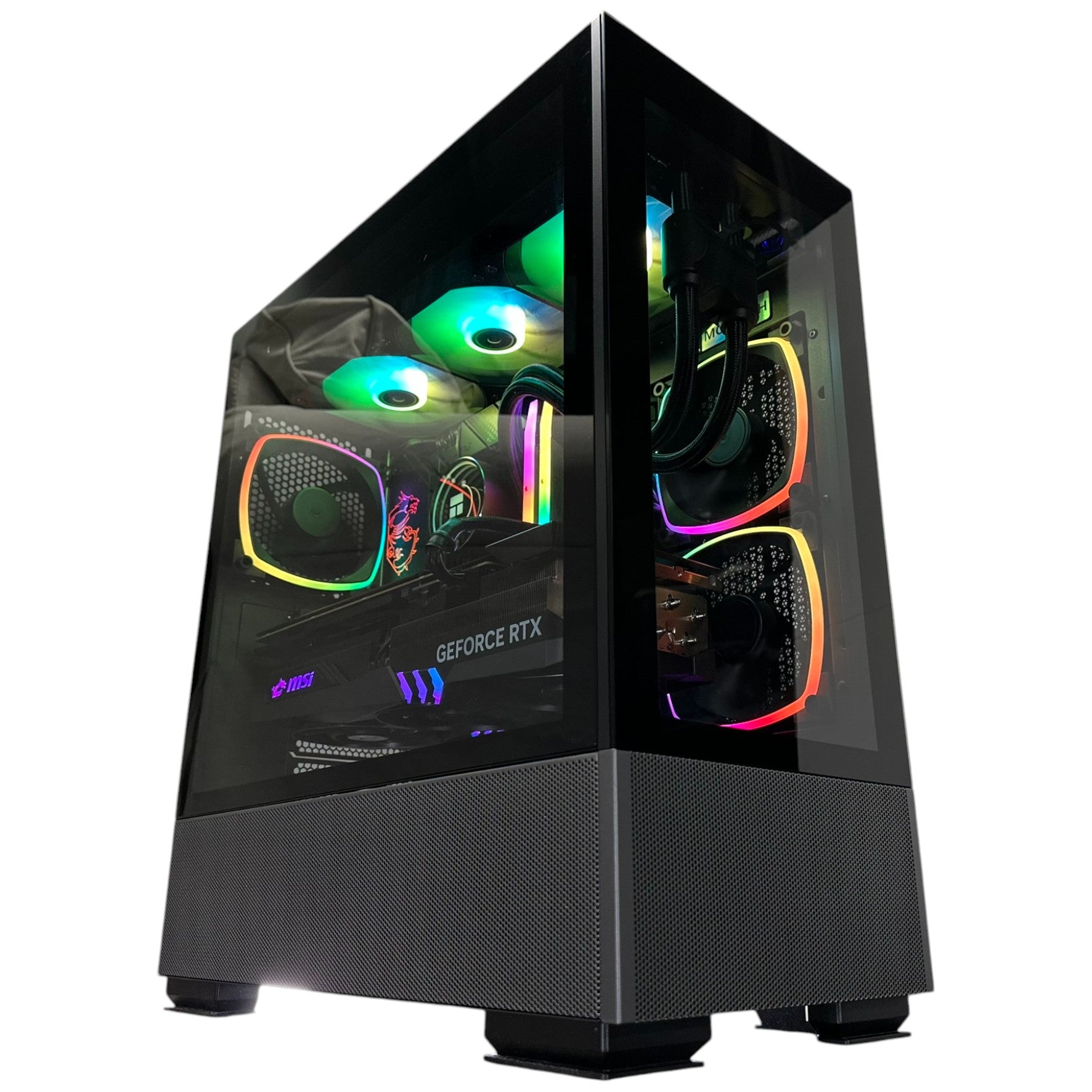
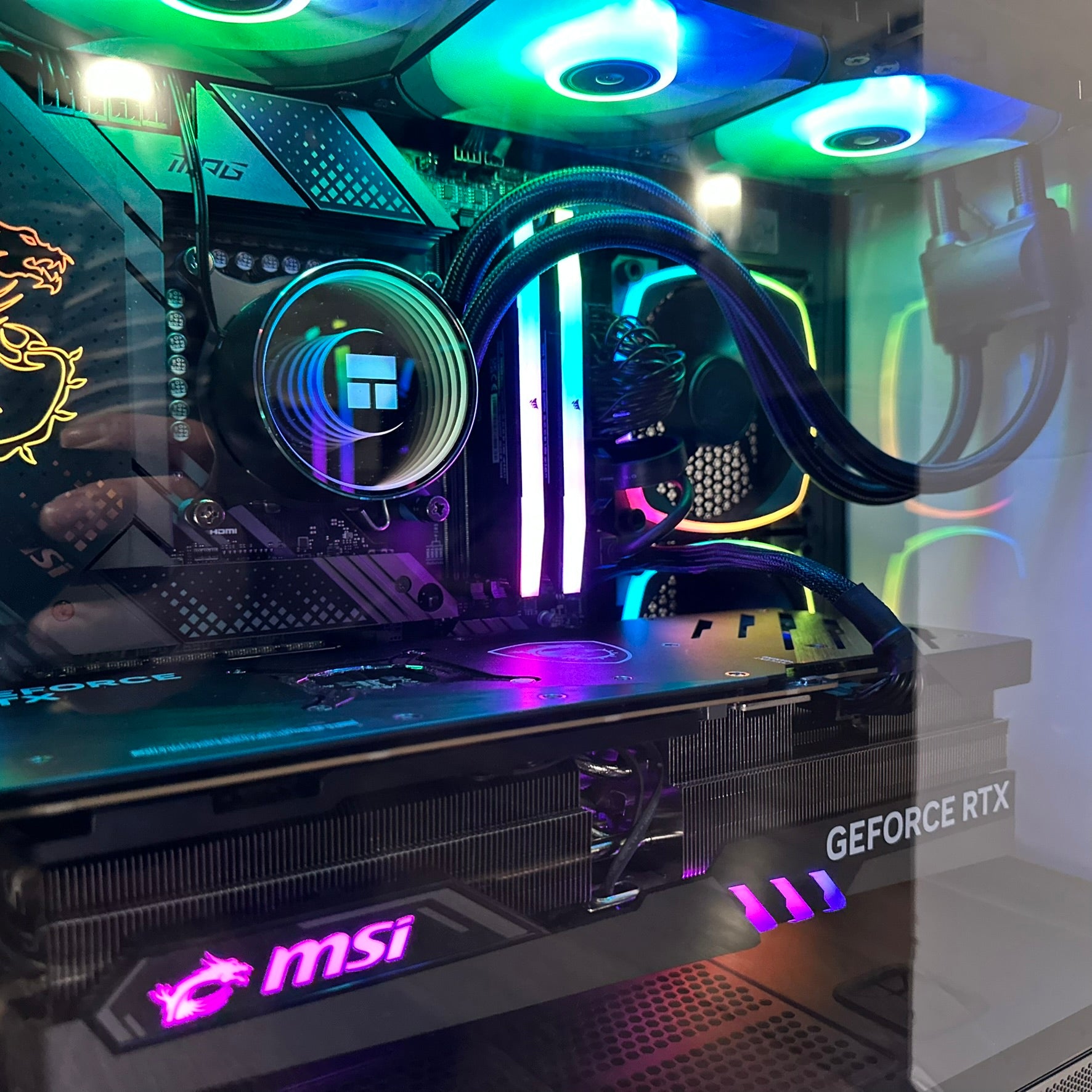
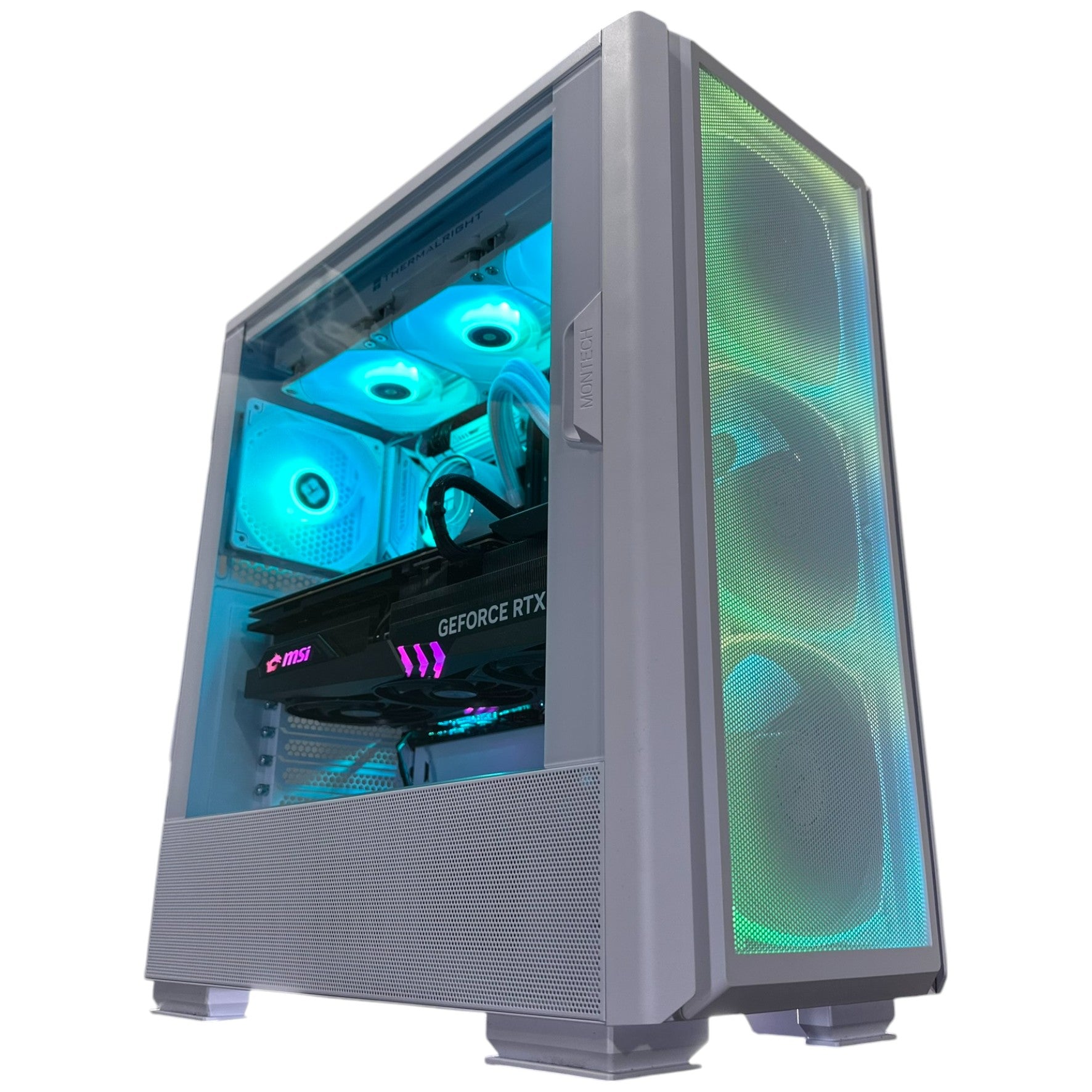
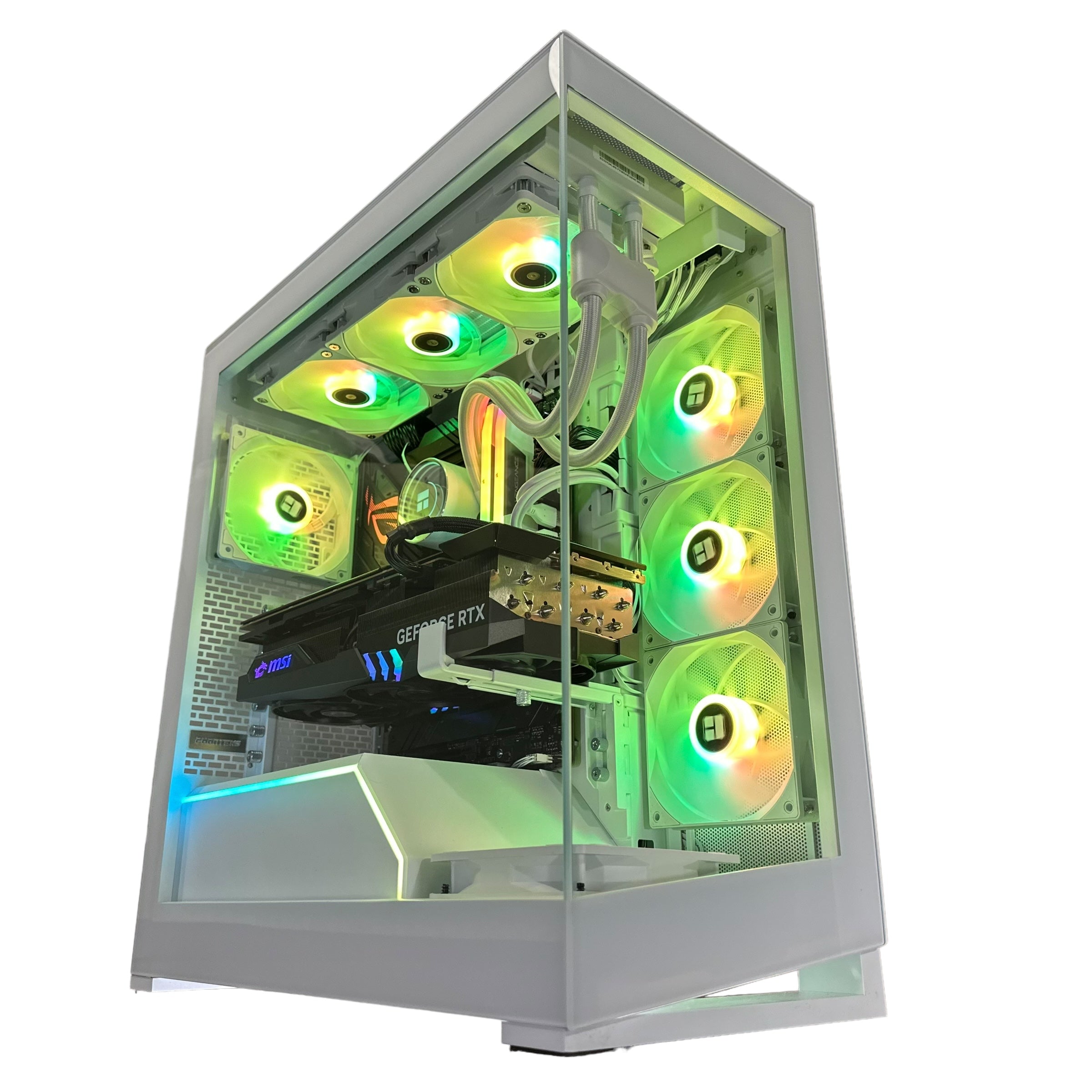
Groovy Computers is built around the needs of Canadian customers who want more than a generic spec sheet. Whether you are shopping for a gaming desktop, a gaming and streaming system, a custom creator PC, or a heavier-duty workstation, the goal is the same: match the build to the real use case.
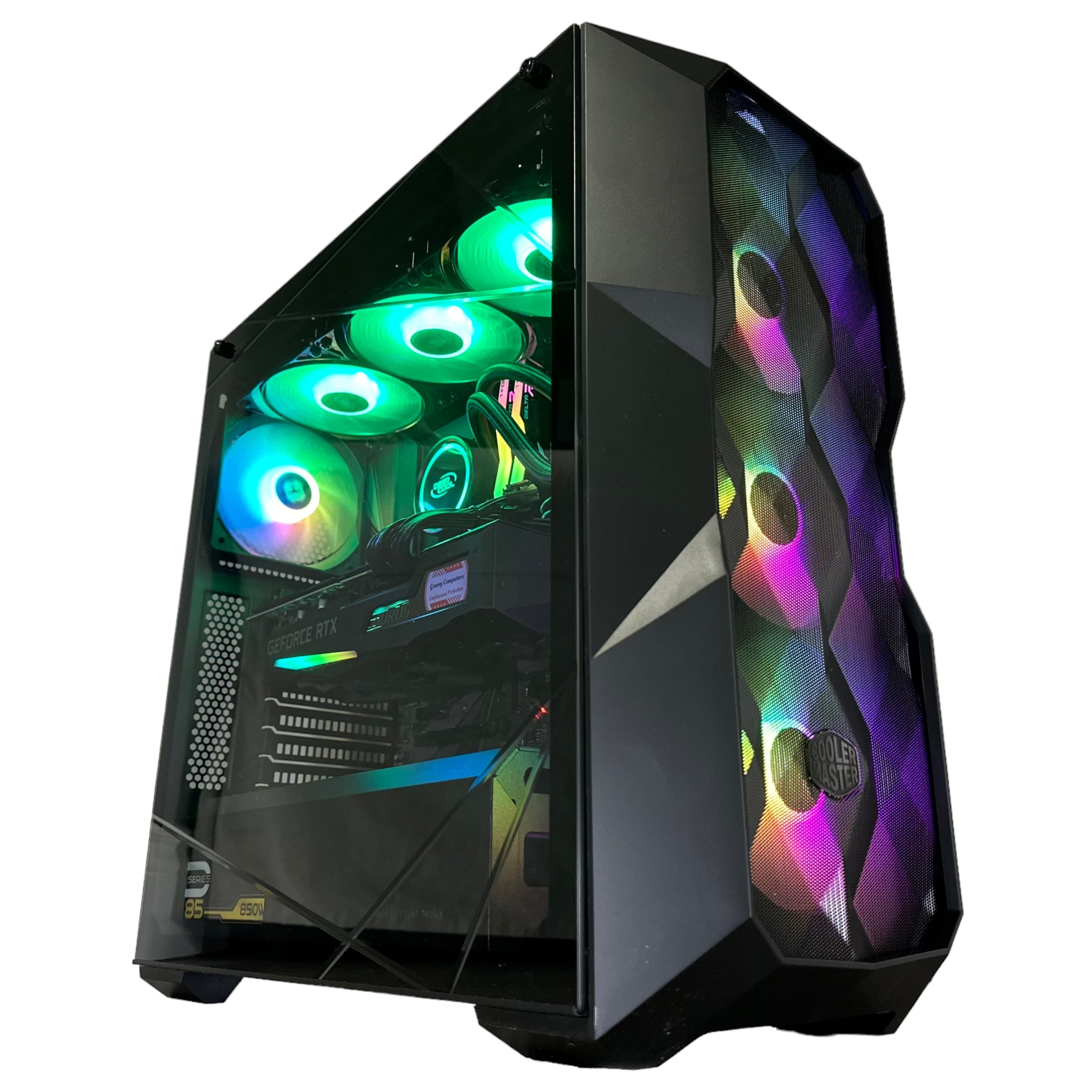
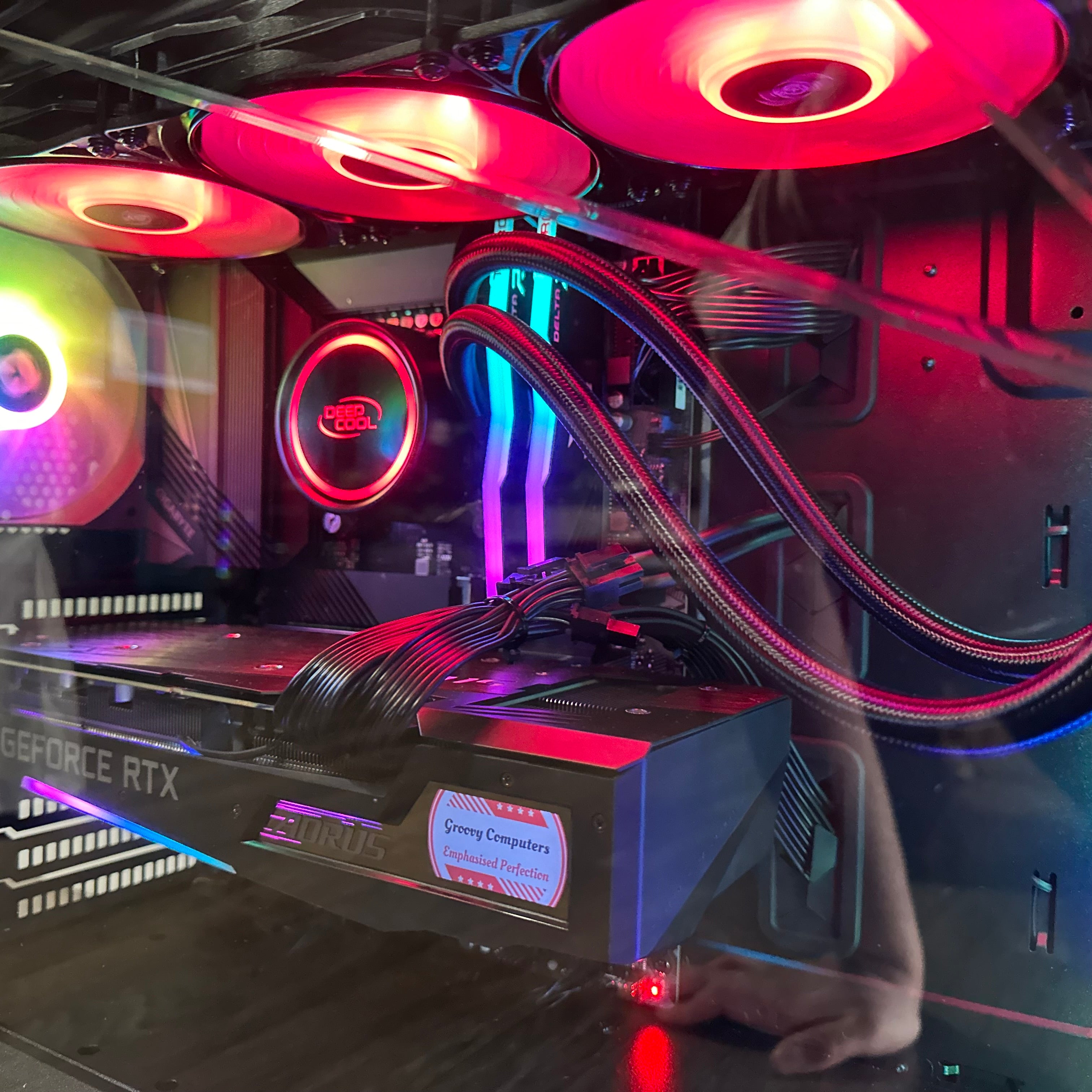
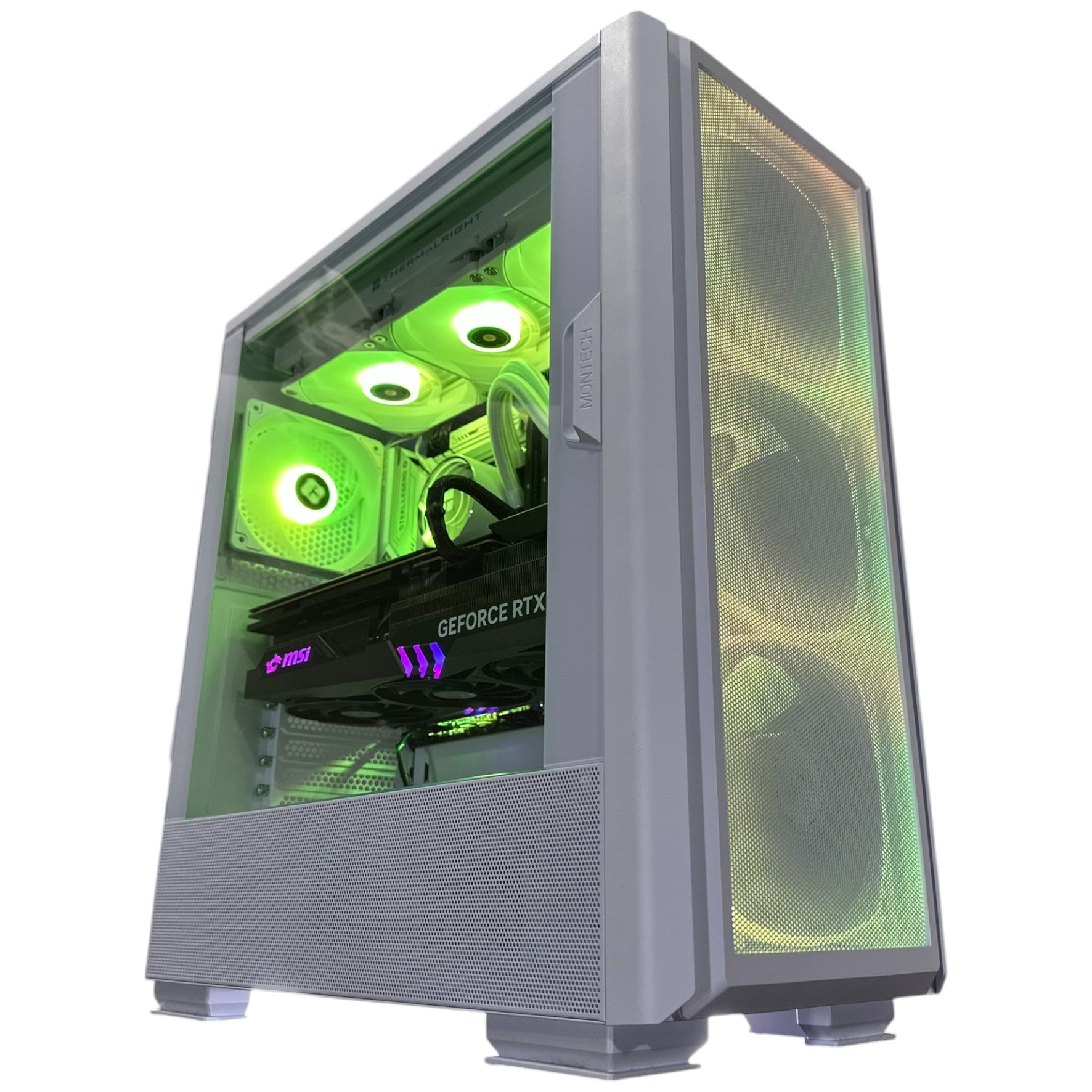
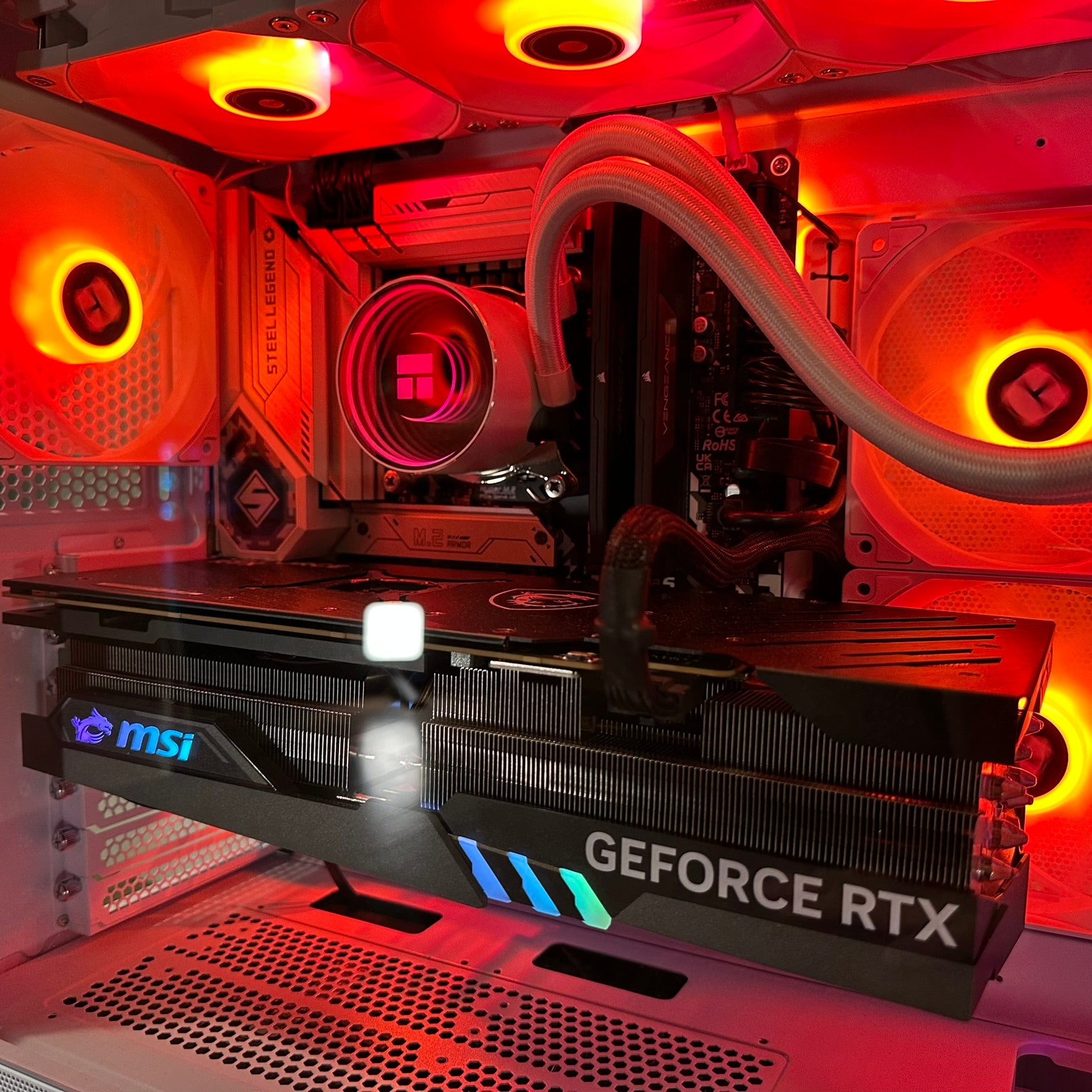
That means helping customers think beyond one game and toward overall value. If you want a Gaming PC for GTA 6-style performance target, that is part of the conversation. But so is whether you also want 1440p gaming, ray tracing, recording, editing, Photoshop work, Blender projects, or stronger long-term headroom.
Groovy Computers also gives buyers confidence through rigorous testing, a 1-year warranty, and financing options that can help make a stronger, more future-ready system more realistic. For customers in Nova Scotia, Atlantic Canada, and across the country, that combination matters.
If you are comparing Canadian custom PC builders, the difference is not just parts. It is guidance, build quality, testing, support, and whether the final system actually fits what you need it to do.
What kind of buyer should choose which system category?
Choose a budget-oriented gaming build if:
- You mainly play esports or lighter titles
- You are targeting 1080p
- You want a first desktop that can still be upgraded later
- You need to protect your budget while still getting solid real-world value
Choose a mid-range gaming and streaming build if:
- You want 1440p performance
- You play newer AAA releases
- You stream, record, or multitask while gaming
- You want better long-term value than entry-level systems usually provide
Choose a premium gaming or creator build if:
- You want 4K or high-refresh 1440p
- You care about ray tracing and visual quality
- You edit video, create content, or use Adobe apps heavily
- You want fewer compromises for several years
Choose a workstation or 3D-focused build if:
- You use Blender, Unreal Engine, CAD, or rendering tools
- You need memory capacity and sustained performance
- You rely on your PC for paid work, production, or high-output multitasking
- You care more about reliability and time savings than just gaming FPS
What gaming PC do you need if big releases are shaping your upgrade plan?
If titles like GTA 6 are the reason you are thinking about upgrading, use that as your starting point, not your only requirement. Ask what else your system should be ready for. New open-world games tend to push hardware harder over time. If you buy only for minimum comfort today, you may be disappointed sooner than expected.
Do you want a machine that can handle upcoming AAA titles at better settings? Do you want to move from 1080p to 1440p? Do you want ray tracing, smoother frame rates, and stronger performance in demanding future releases? Do you also want the flexibility of PC gaming instead of being tied to a single hardware ecosystem?
Those are exactly the questions a Canadian buyer should be asking right now.
Final thoughts: rising GTA 6 costs are really about smarter buying decisions
The affordability story around GTA 6 is a useful wake-up call. It shows how expensive modern gaming access has become, especially when new hardware is required. But for Canadian shoppers, the bigger takeaway is this: once your entertainment hardware budget starts climbing, you need to think in terms of total value, not just entry price.
A well-chosen gaming PC Canada buyers can grow into may offer better flexibility, broader use, stronger long-term performance, and a more practical upgrade path than spending heavily on a platform that only does one thing. And if price pressure continues across hardware categories, financing a stronger custom system sooner may be more strategic than waiting and hoping.
Are you trying to decide between a value gaming build, a premium RTX system, a streaming setup, a creator desktop, or a workstation that can handle both gaming and serious production work? Visit GroovyComputers.ca and let Groovy Computers help you choose the right custom build for your games, your workflow, and your budget before the next price swing makes that decision even harder.
#GamingPCCanada #CustomGamingPCCanada #GamingPCForNewGames #CreatorPCCanada #StreamingPCCanada #VideoEditingPCCanada #3DRenderingPCCanada #CanadianCustomPCBuilders #GamingComputersCanada #BuyGamingPCOnlineCanada
Groovy Computers | All Rights Reserved



Leave a comment
This site is protected by hCaptcha and the hCaptcha Privacy Policy and Terms of Service apply.