


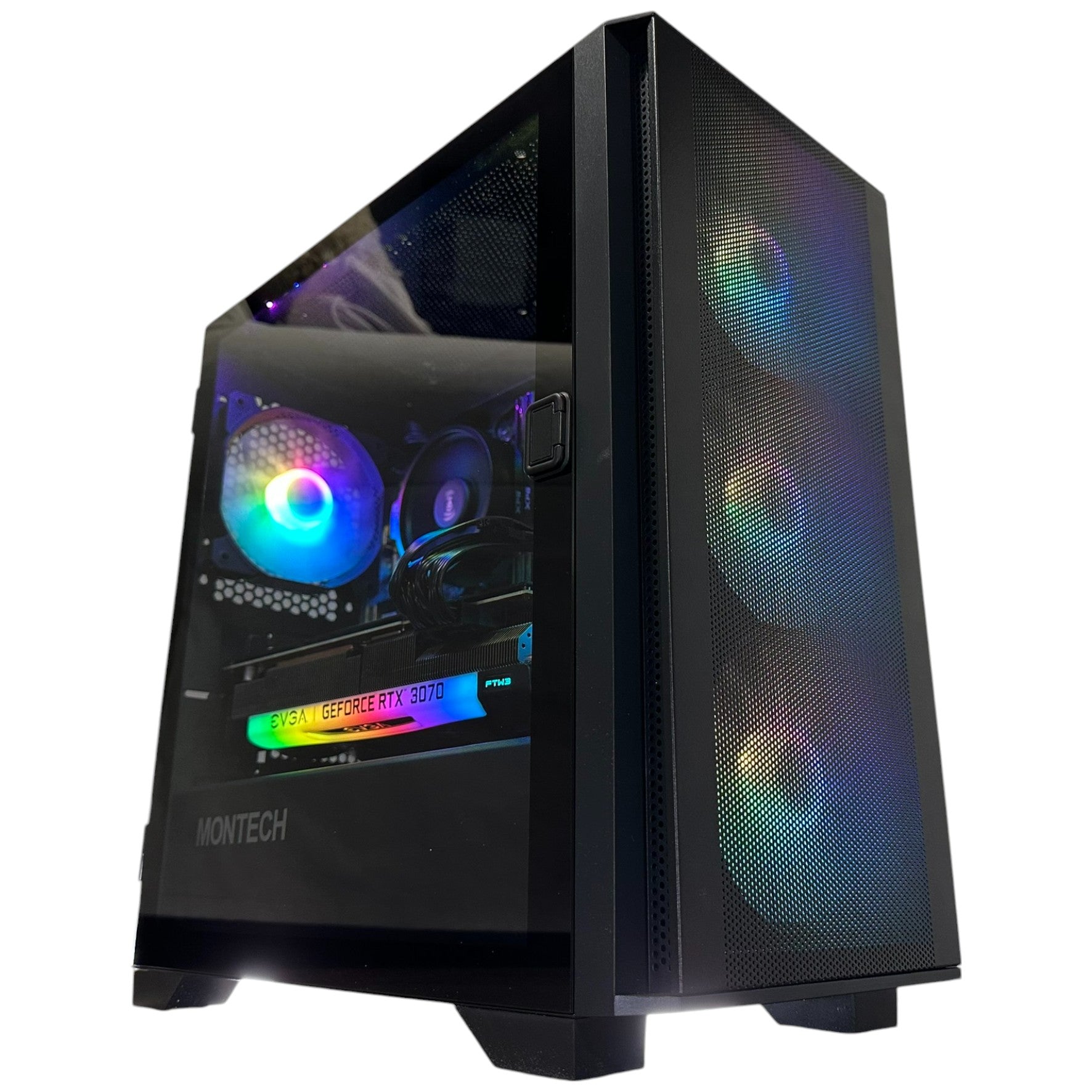
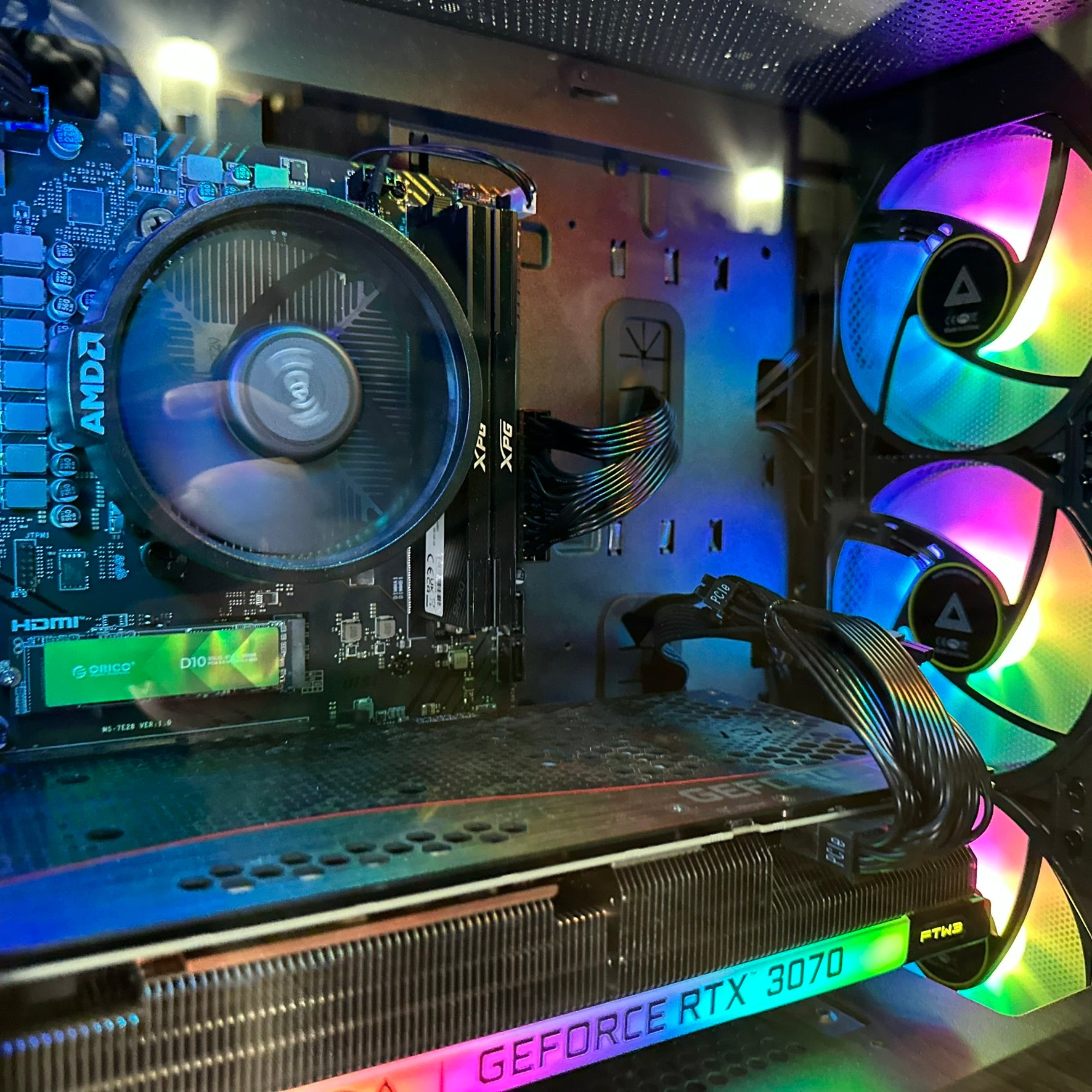
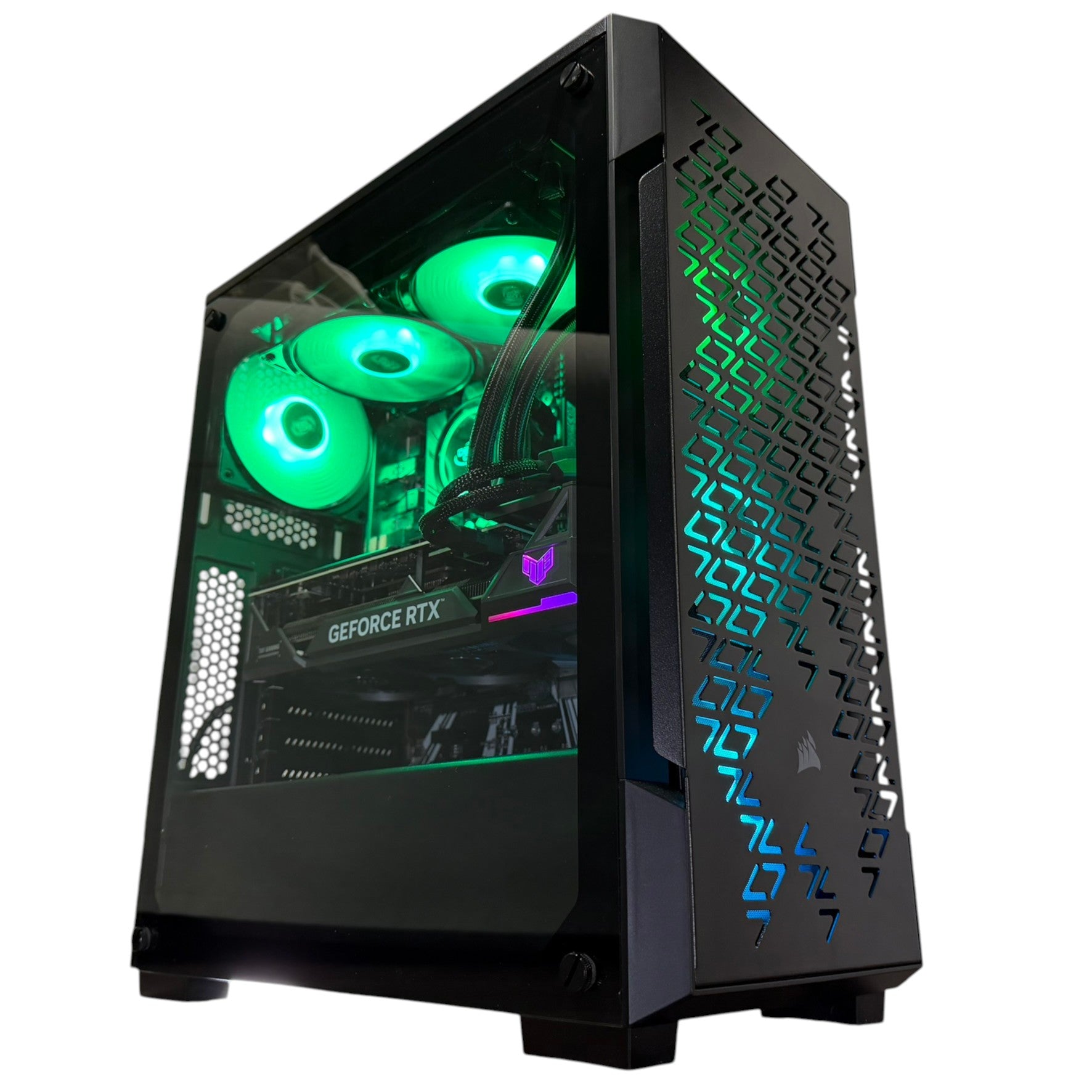

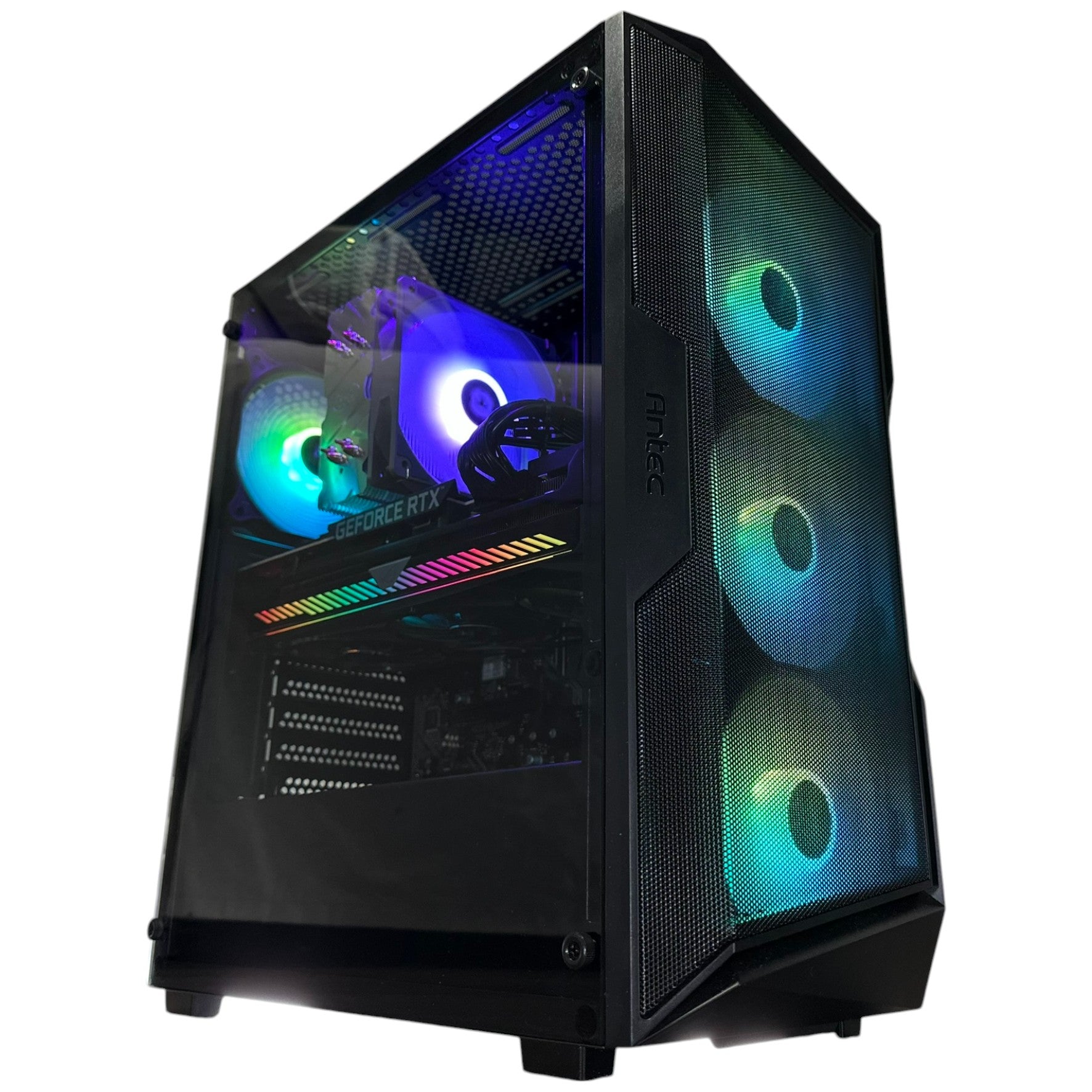
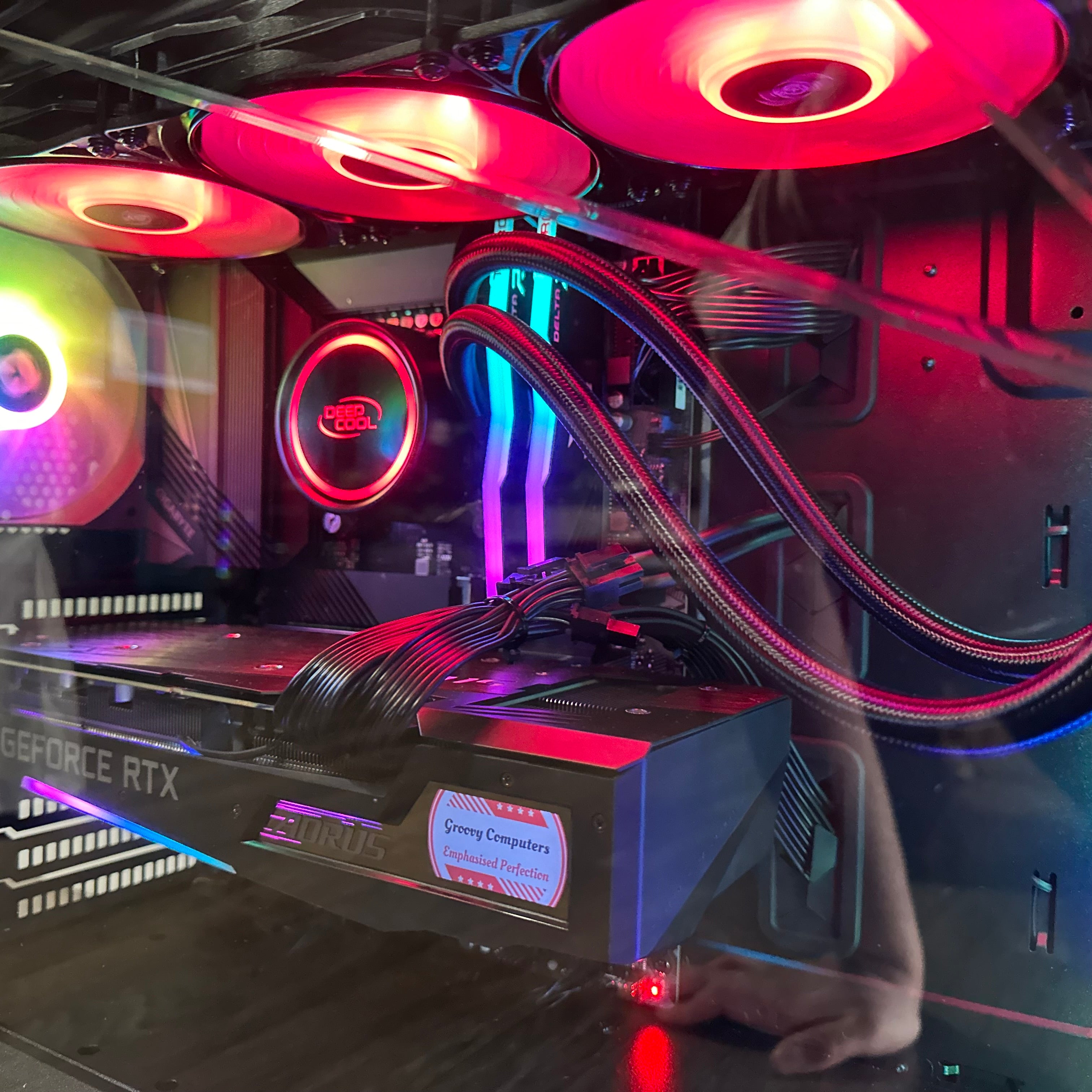
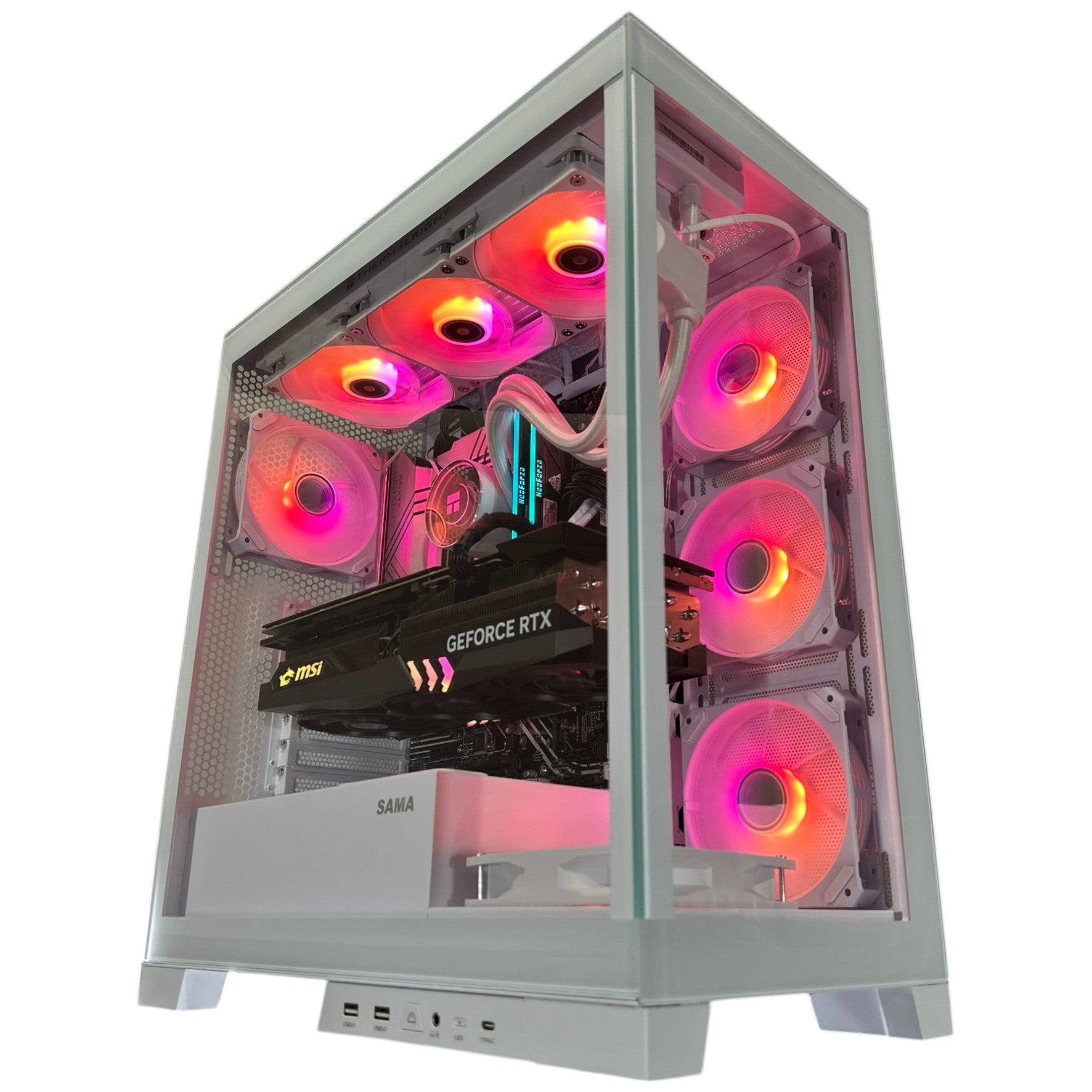
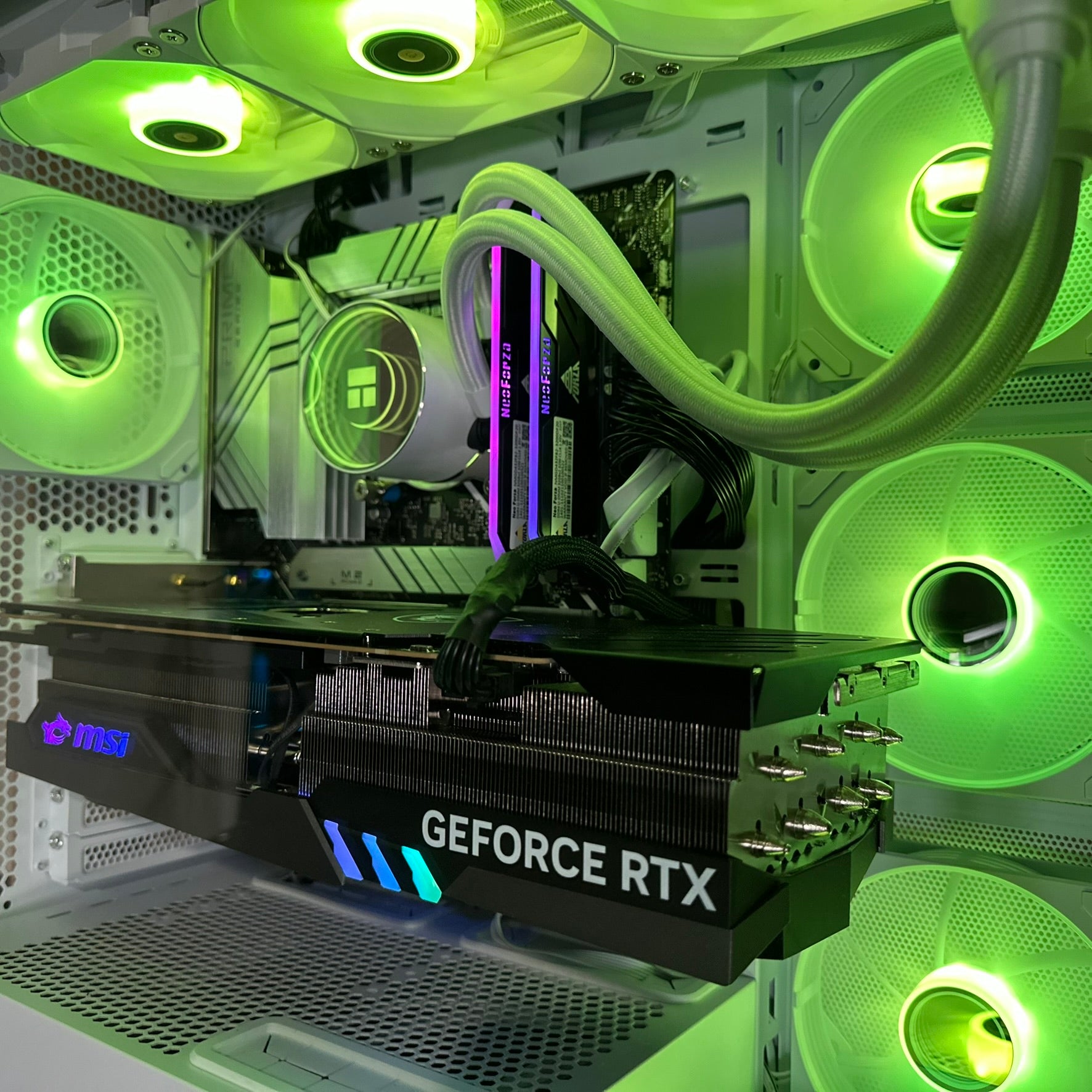
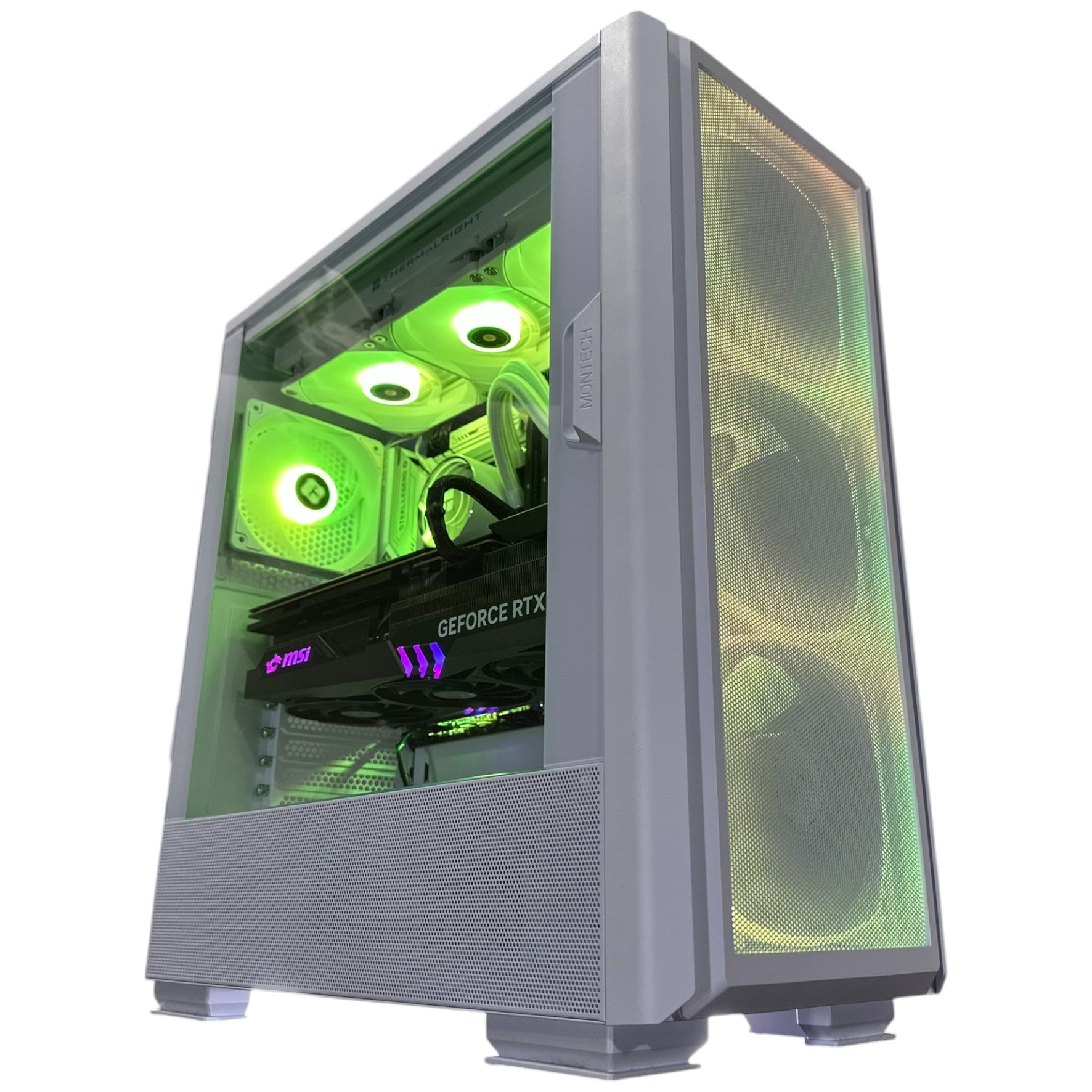
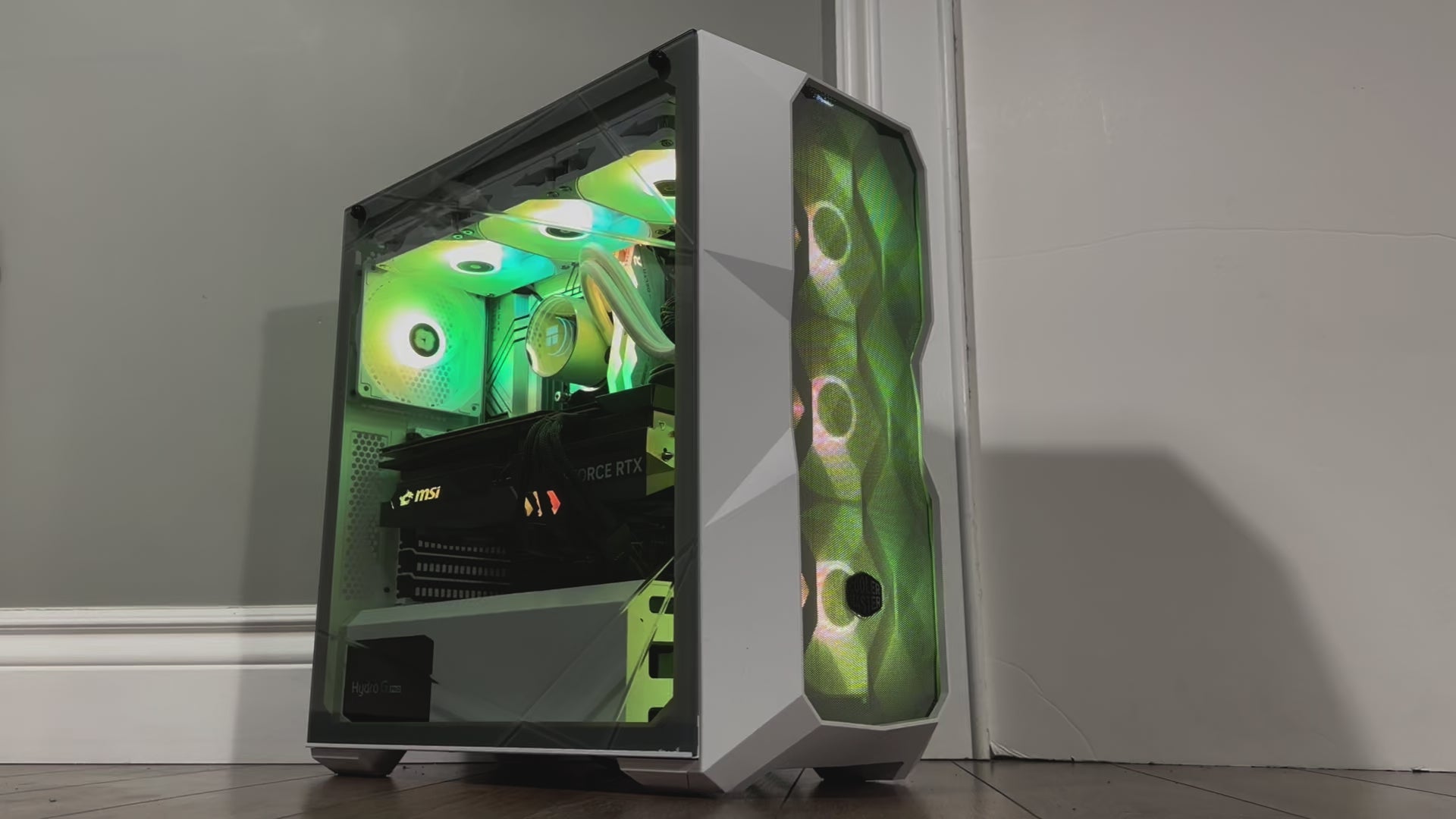
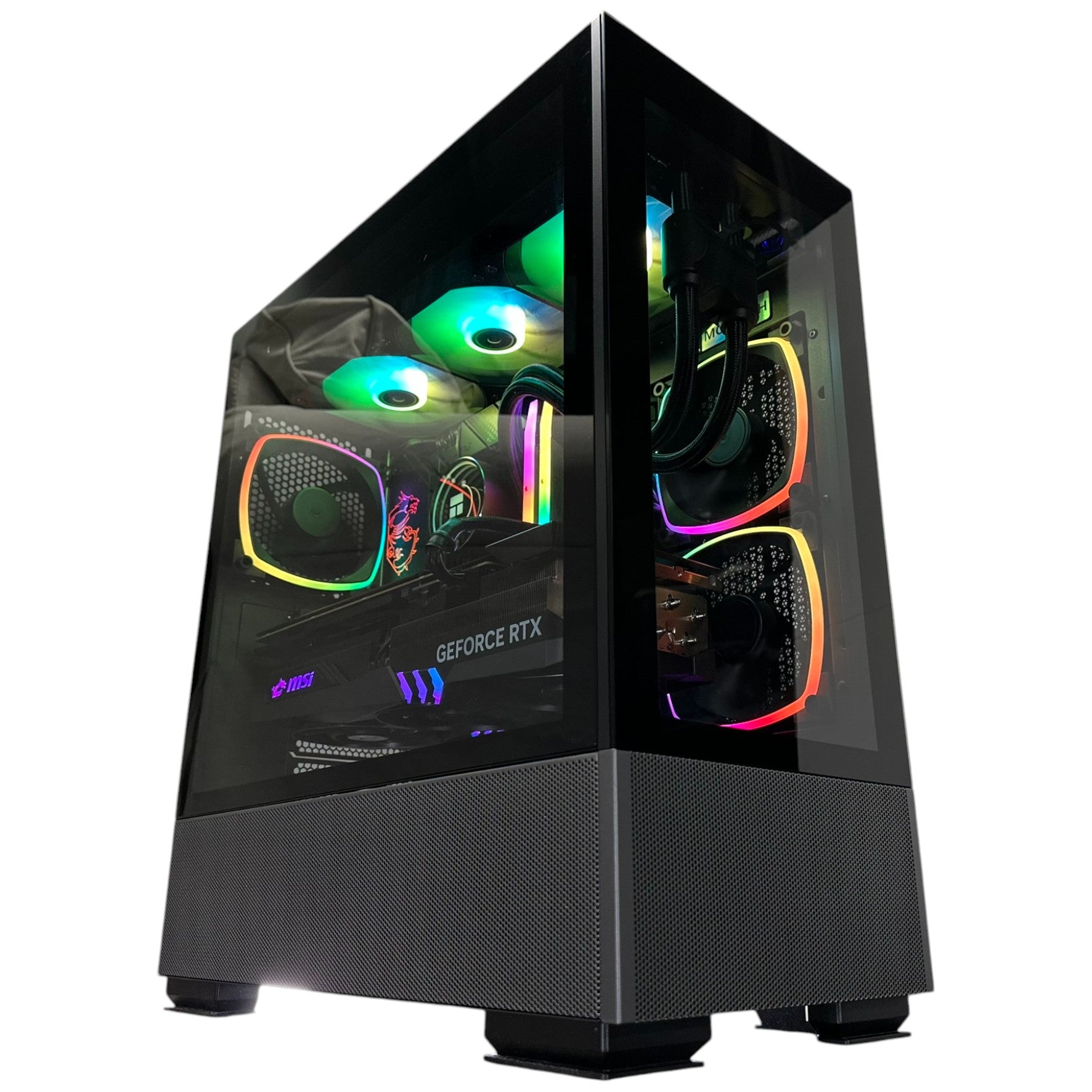
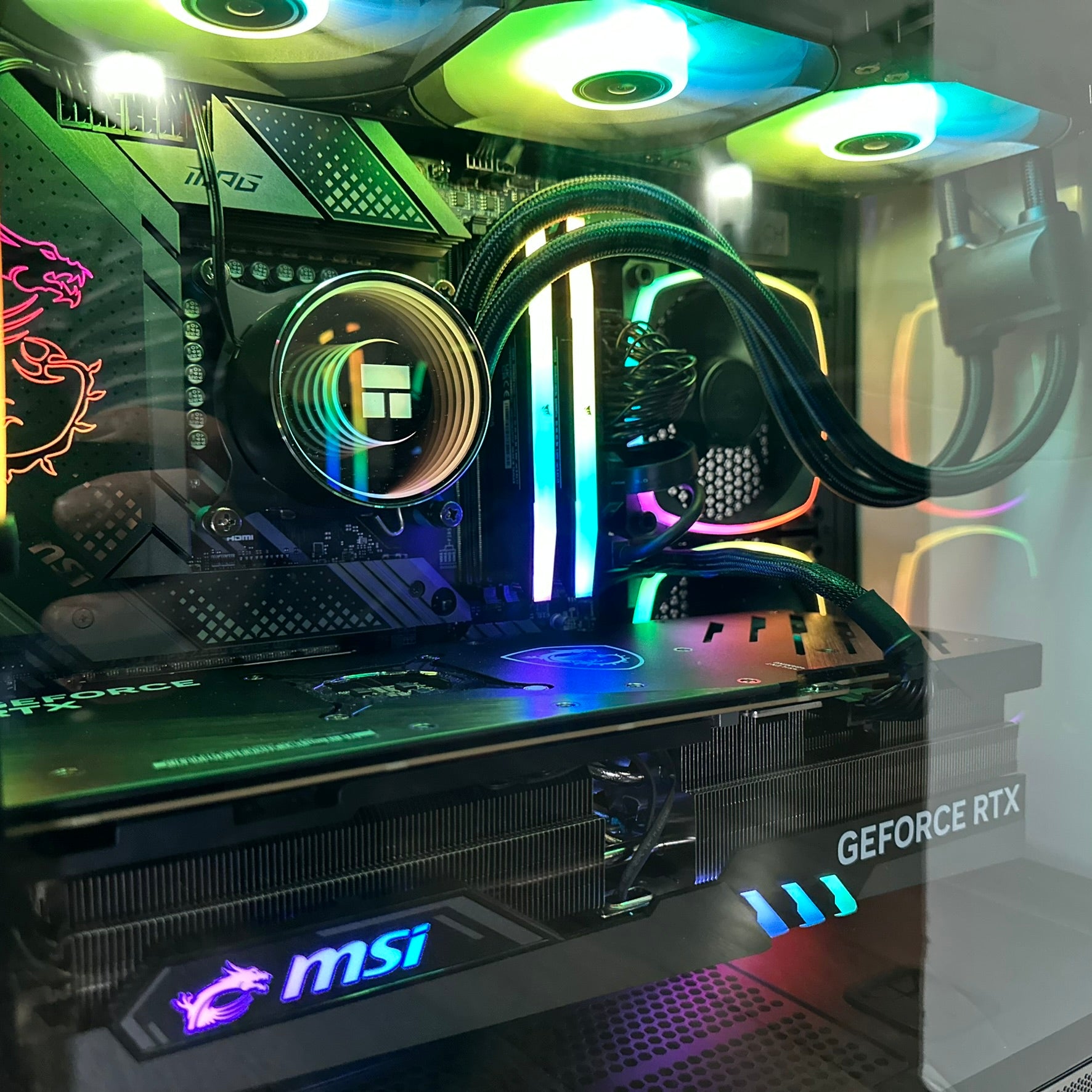
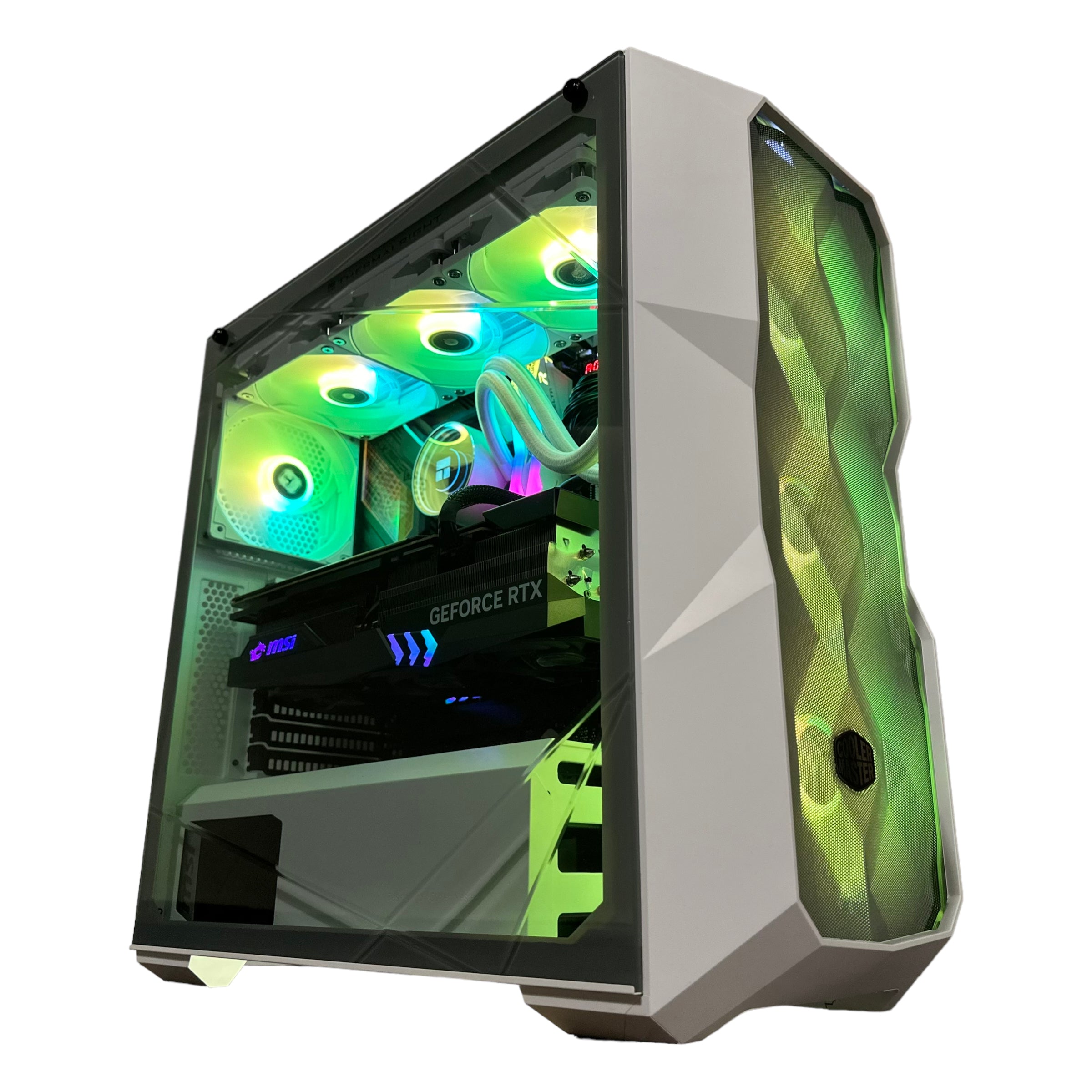

Gaming PC Financing Canada: Why Valve’s Linux VRAM Fix Makes Buying the Right Gaming PC Now a Smarter Move
Gaming PC Financing Canada is becoming more important for buyers who want stable performance in modern games without getting trapped by rising hardware costs later. A recent development in Linux gaming memory management, driven by Valve engineer Natalie Vock and focused on GPUs with 8 GB of VRAM or less, highlights a reality Canadian gamers already feel every day: memory pressure is real, efficient resource allocation matters, and lower-VRAM systems are under increasing stress in demanding titles. For buyers planning a new system, this is not just an operating system story. It is a buying-timing story, a hardware planning story, and a strong reminder that securing the right gaming PC now can be far more practical than waiting for the next round of price spikes.
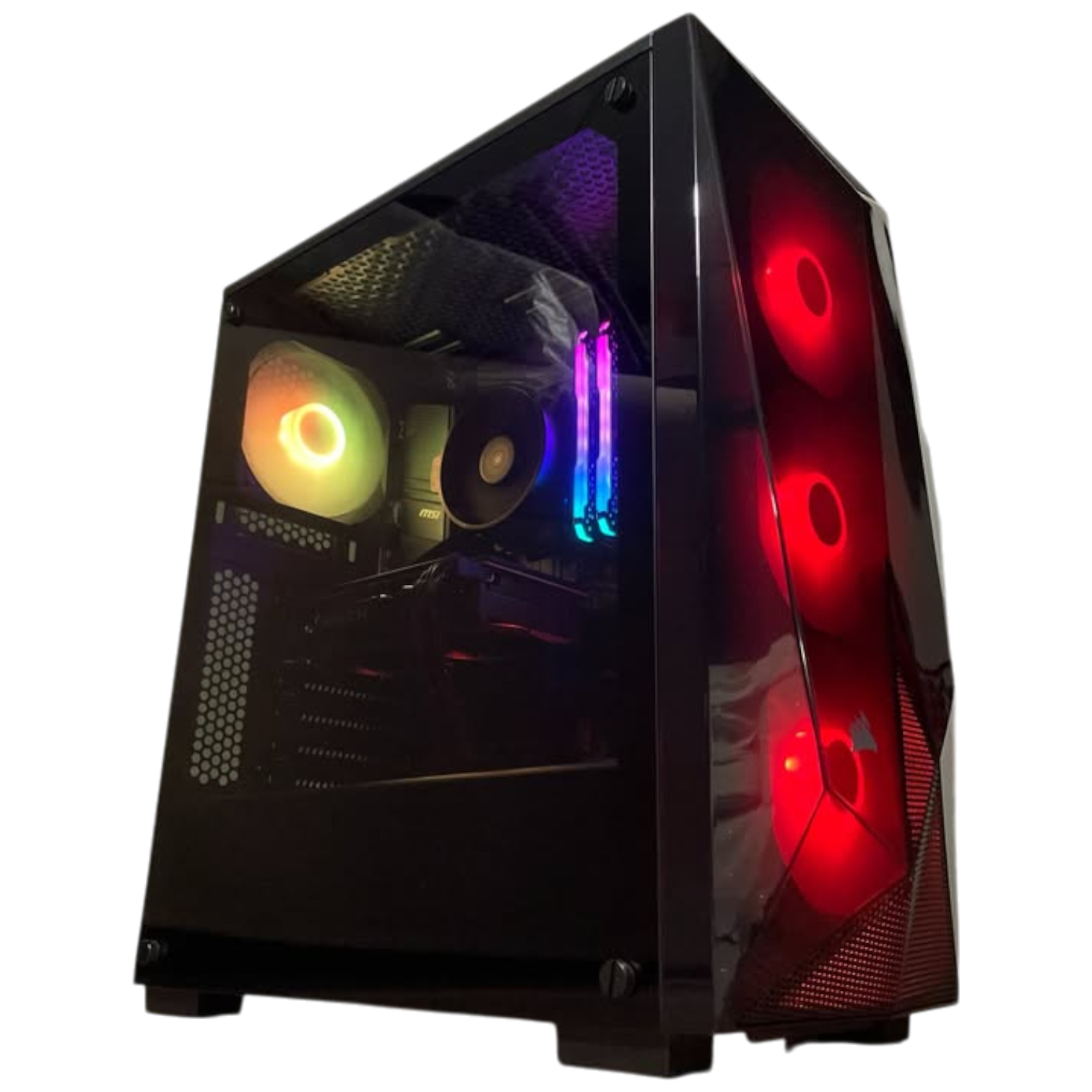
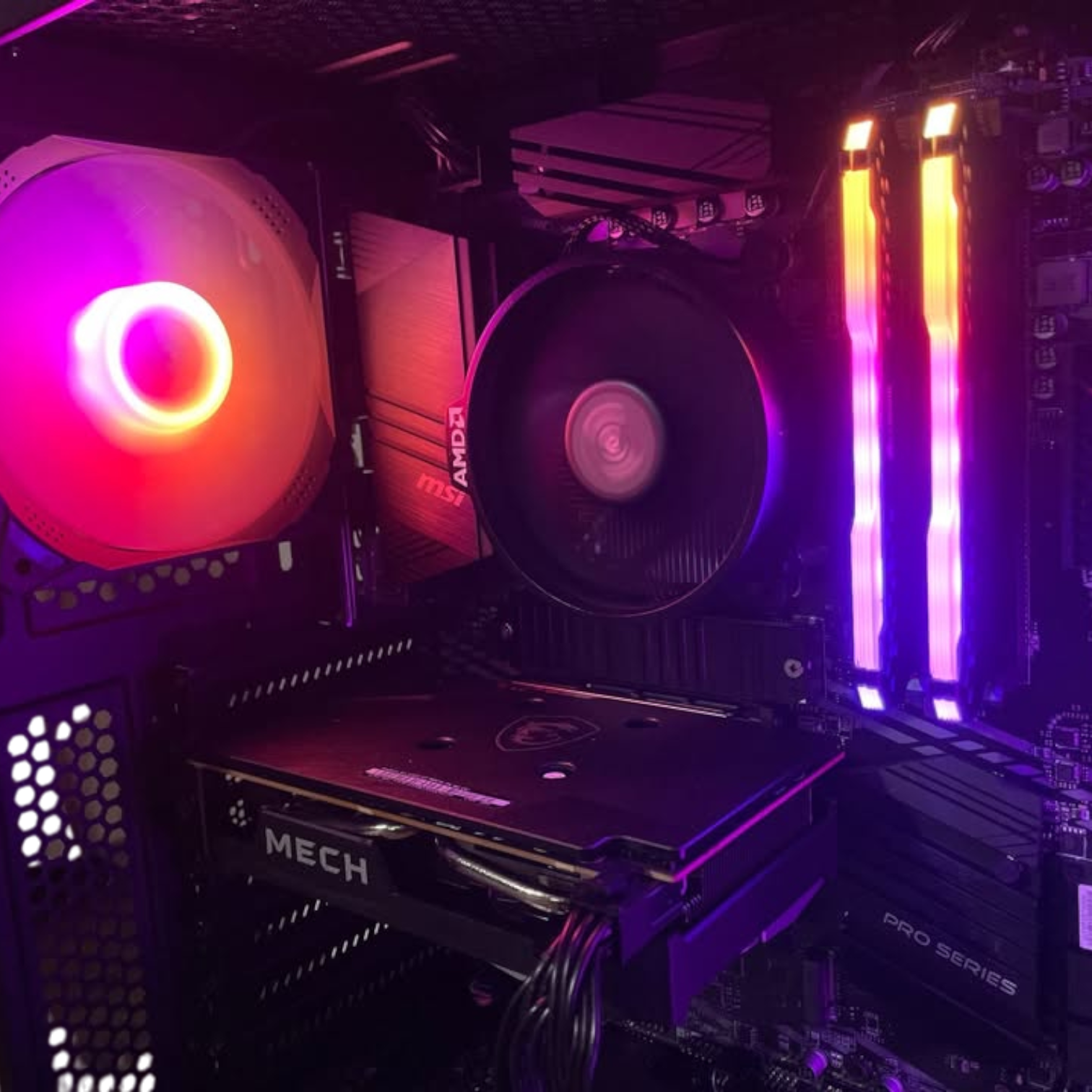
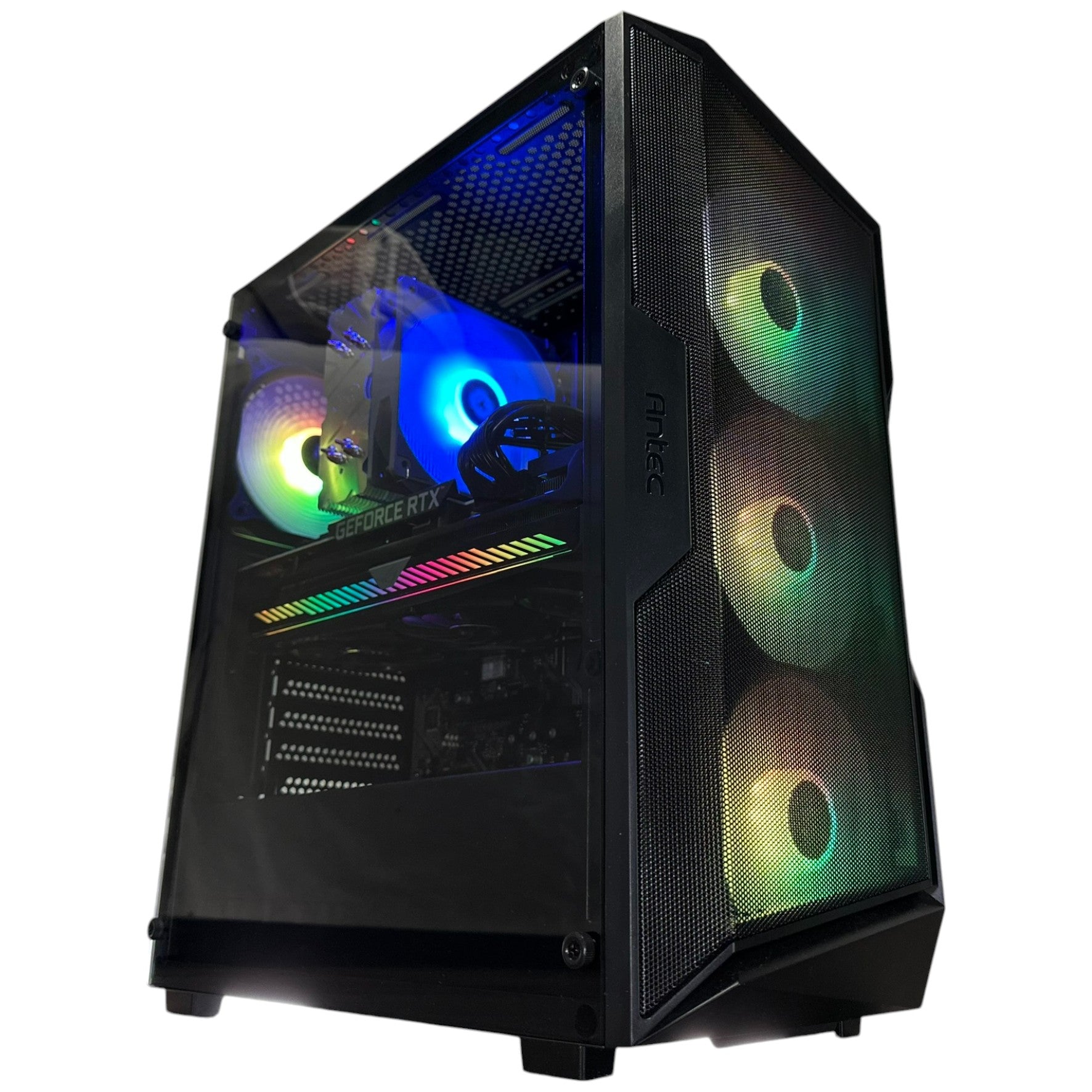
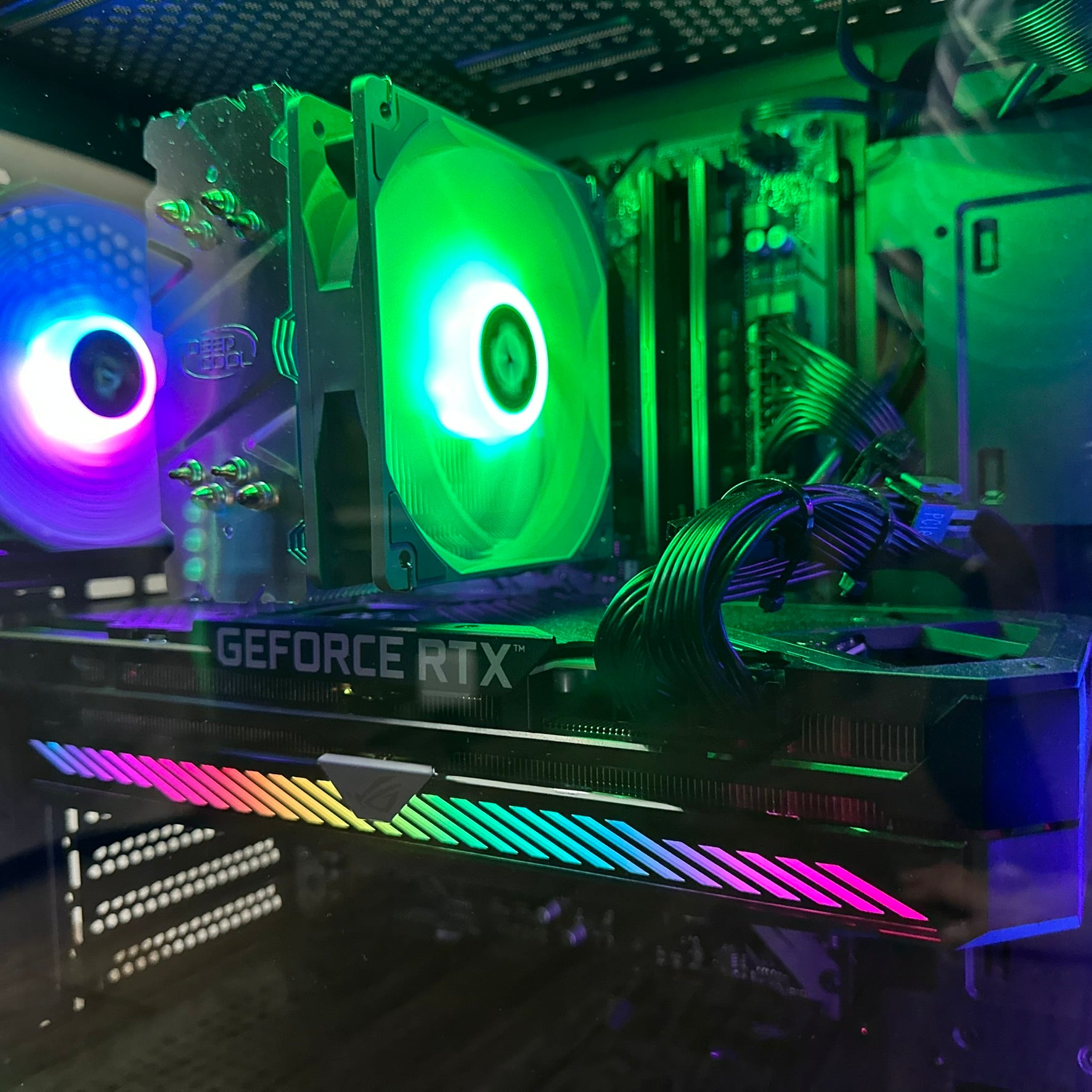
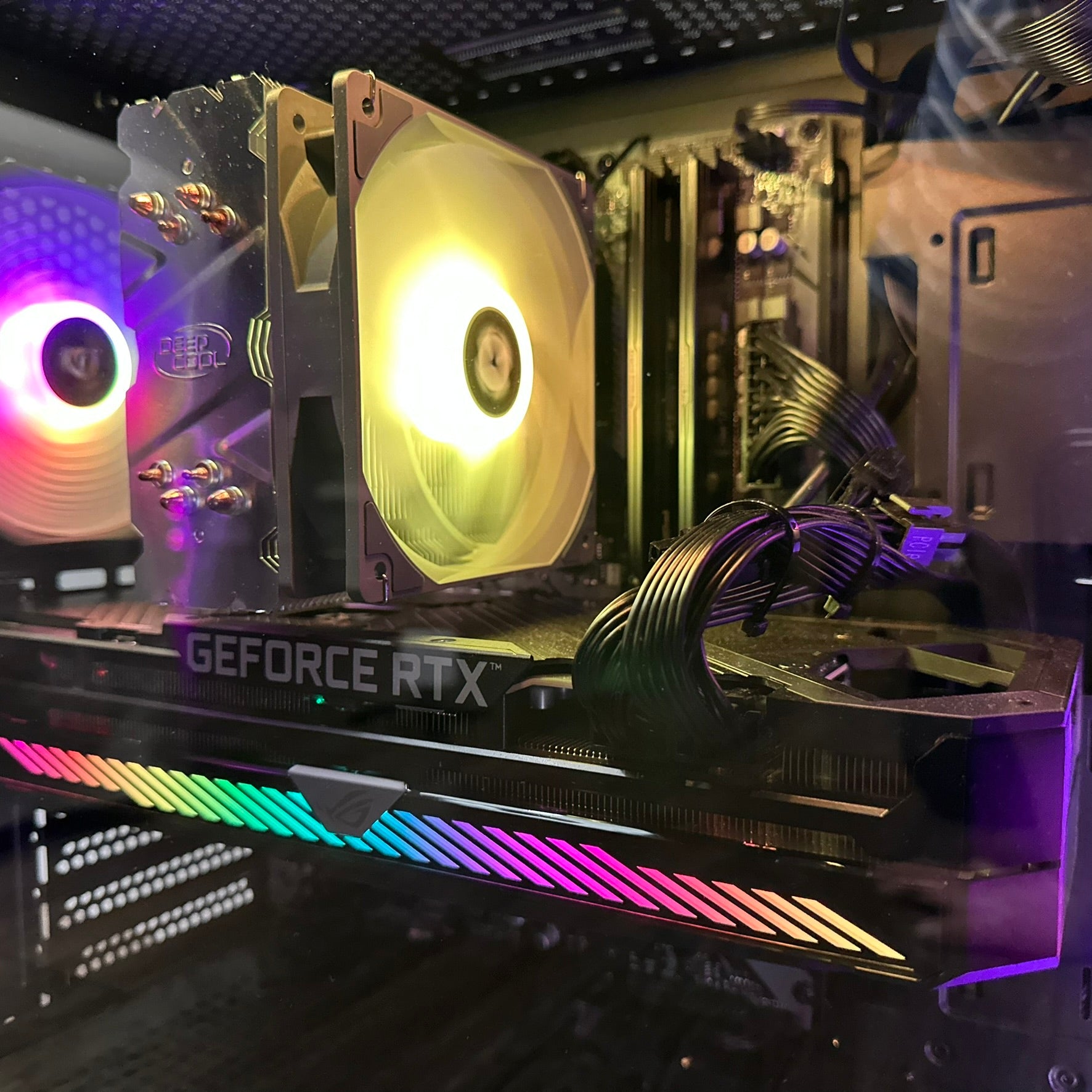
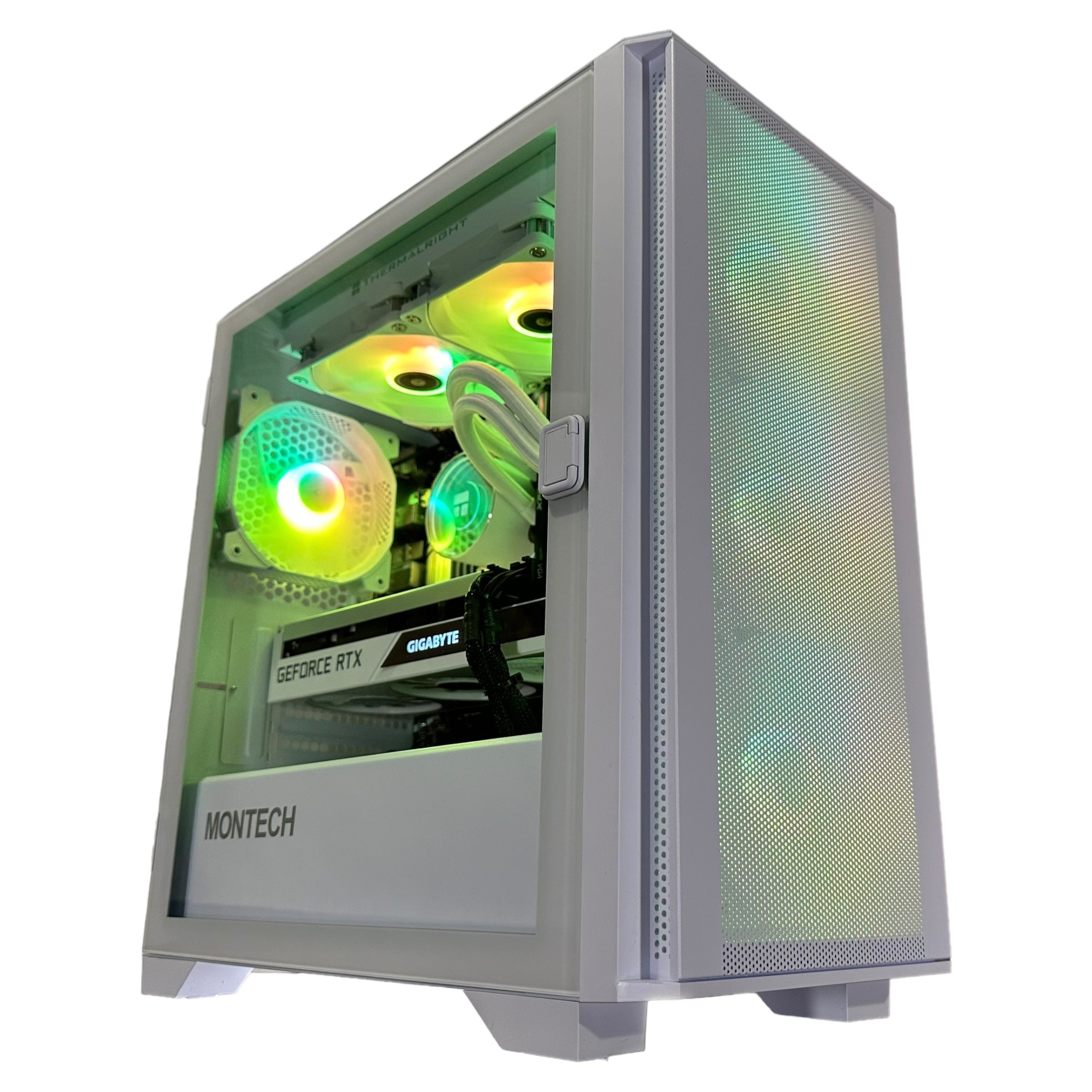
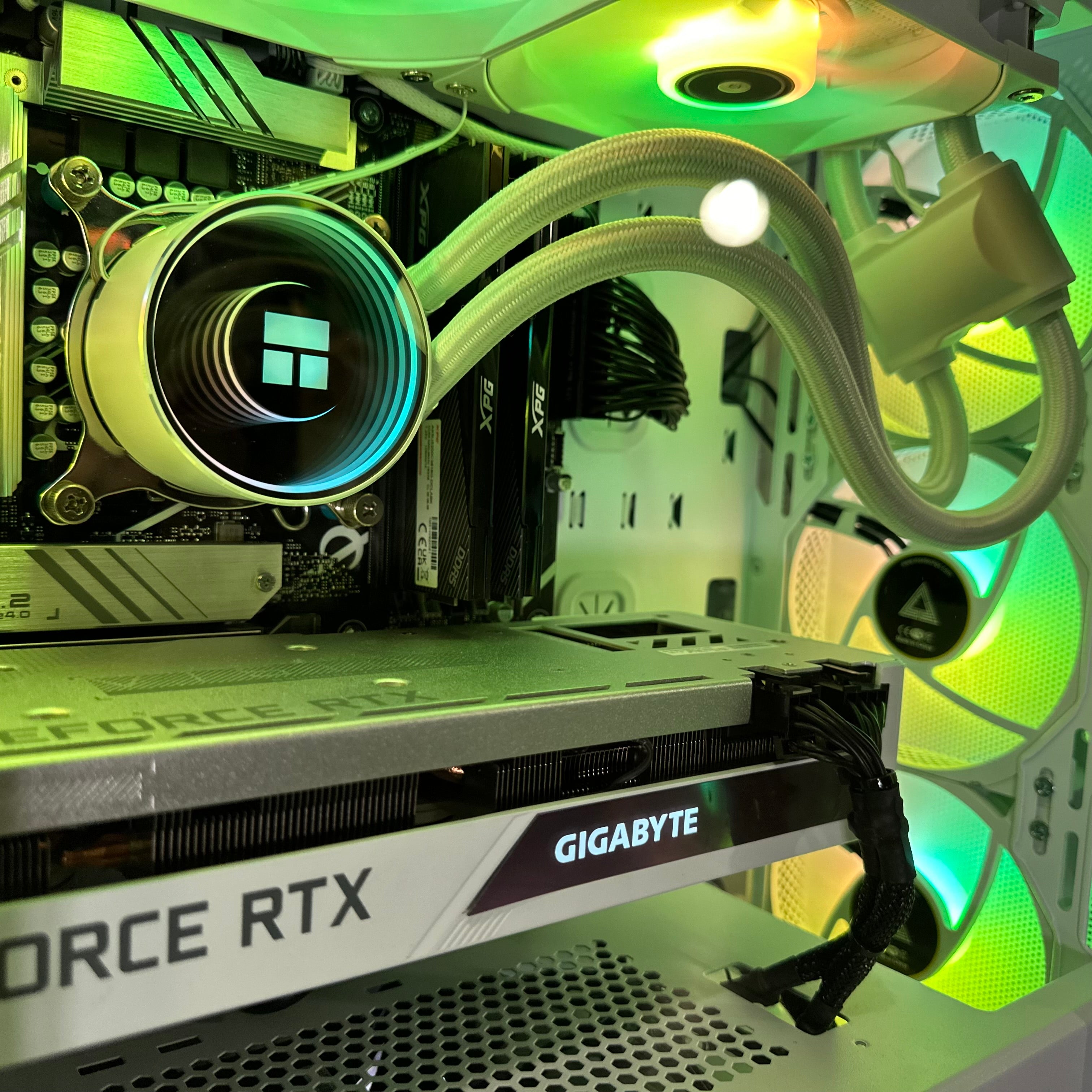
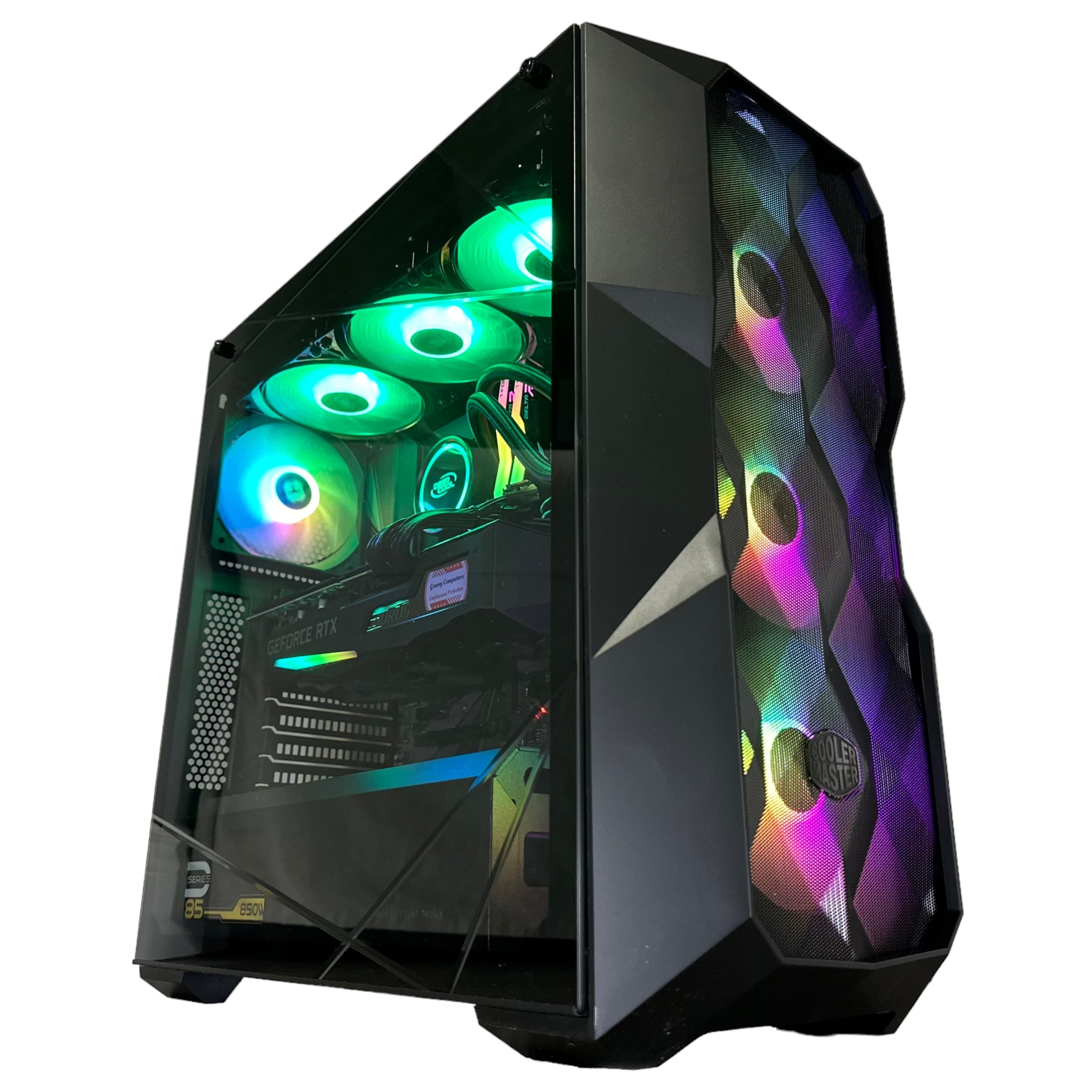
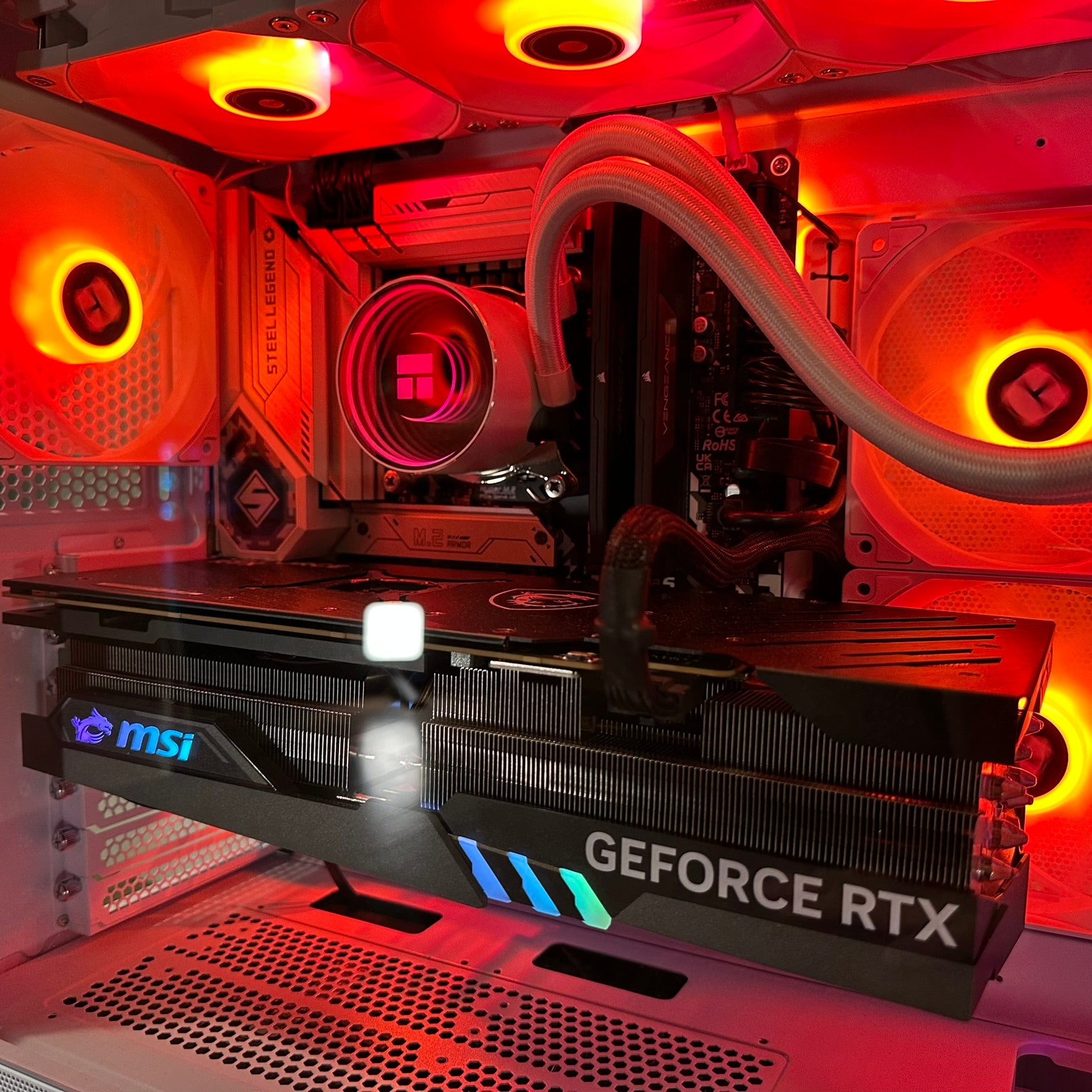
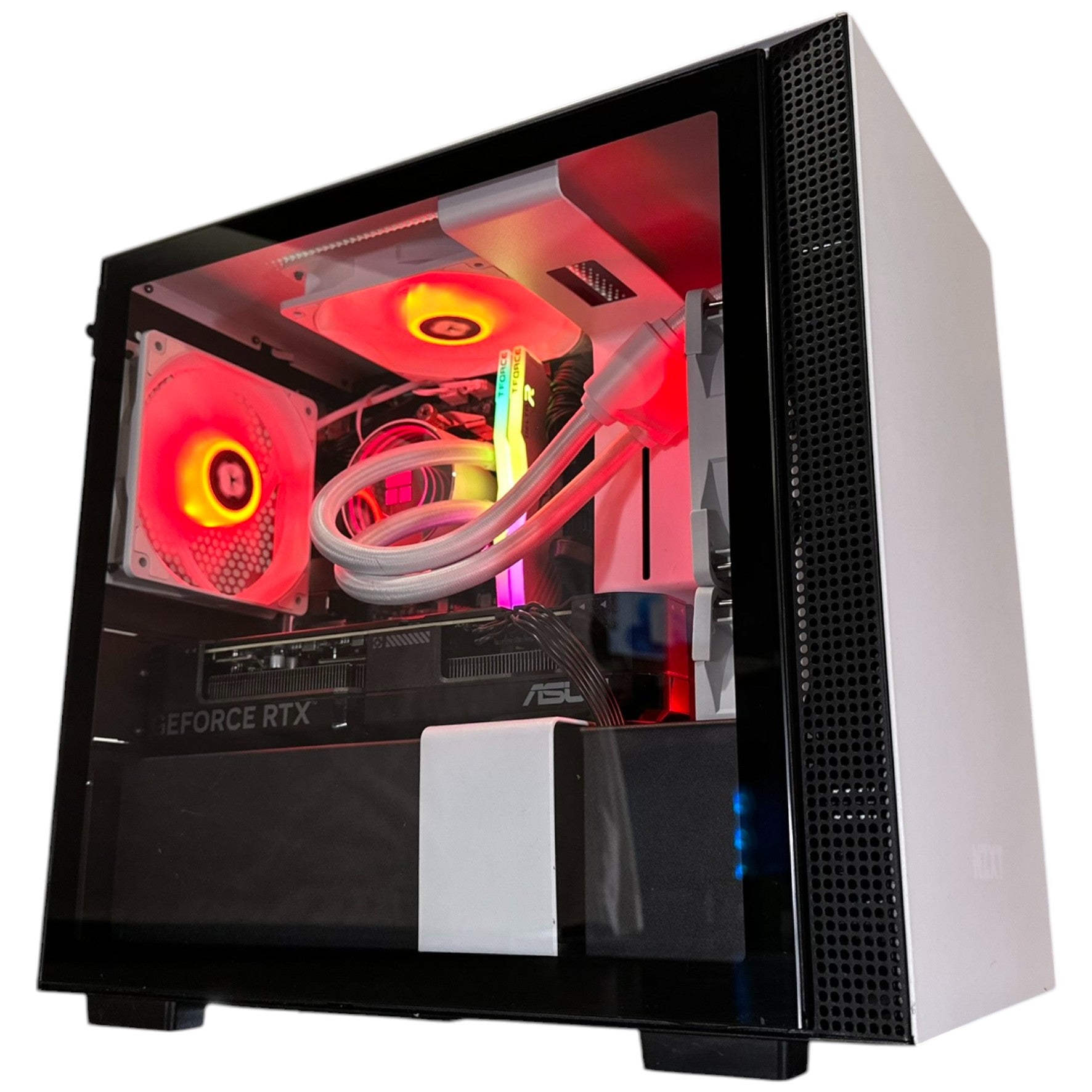
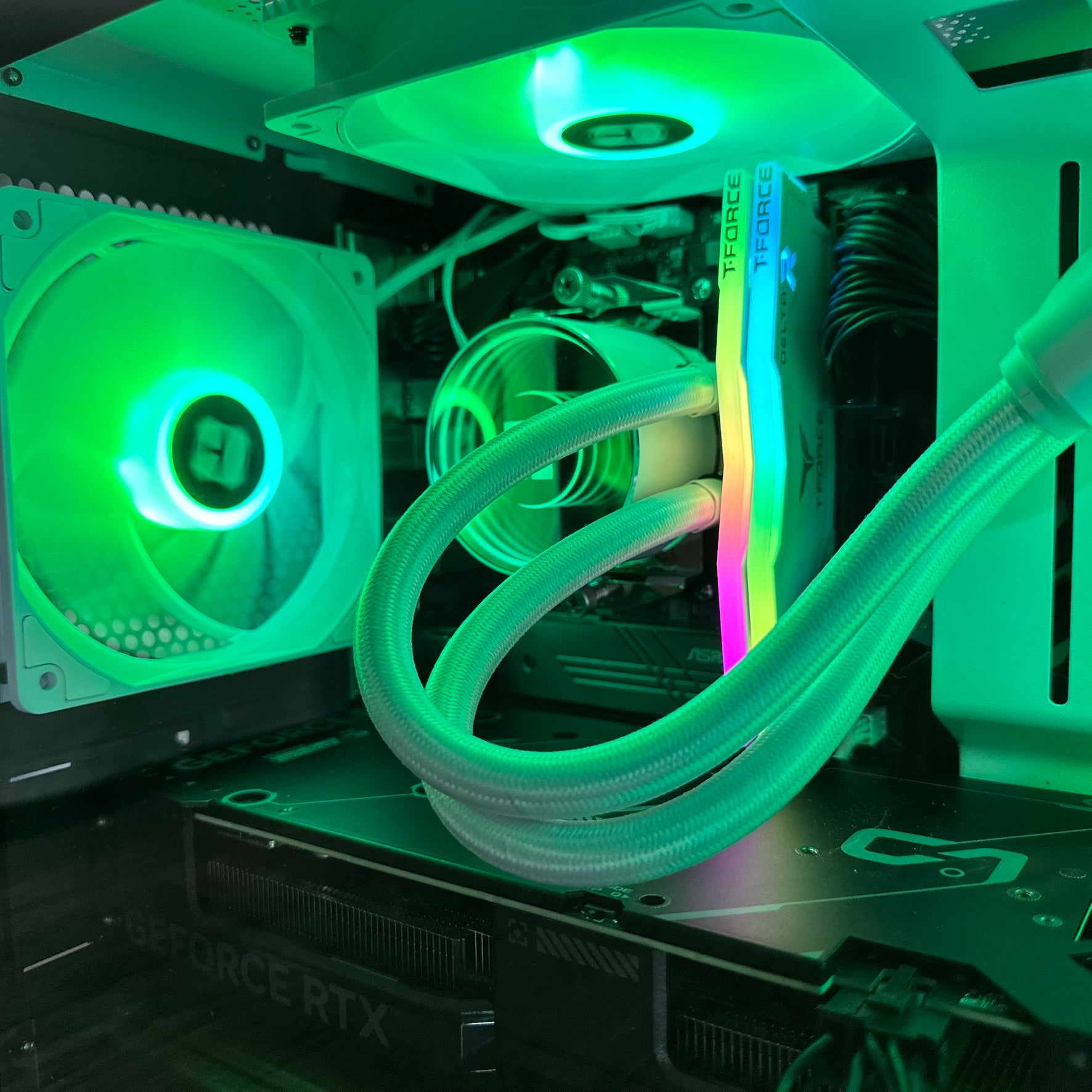
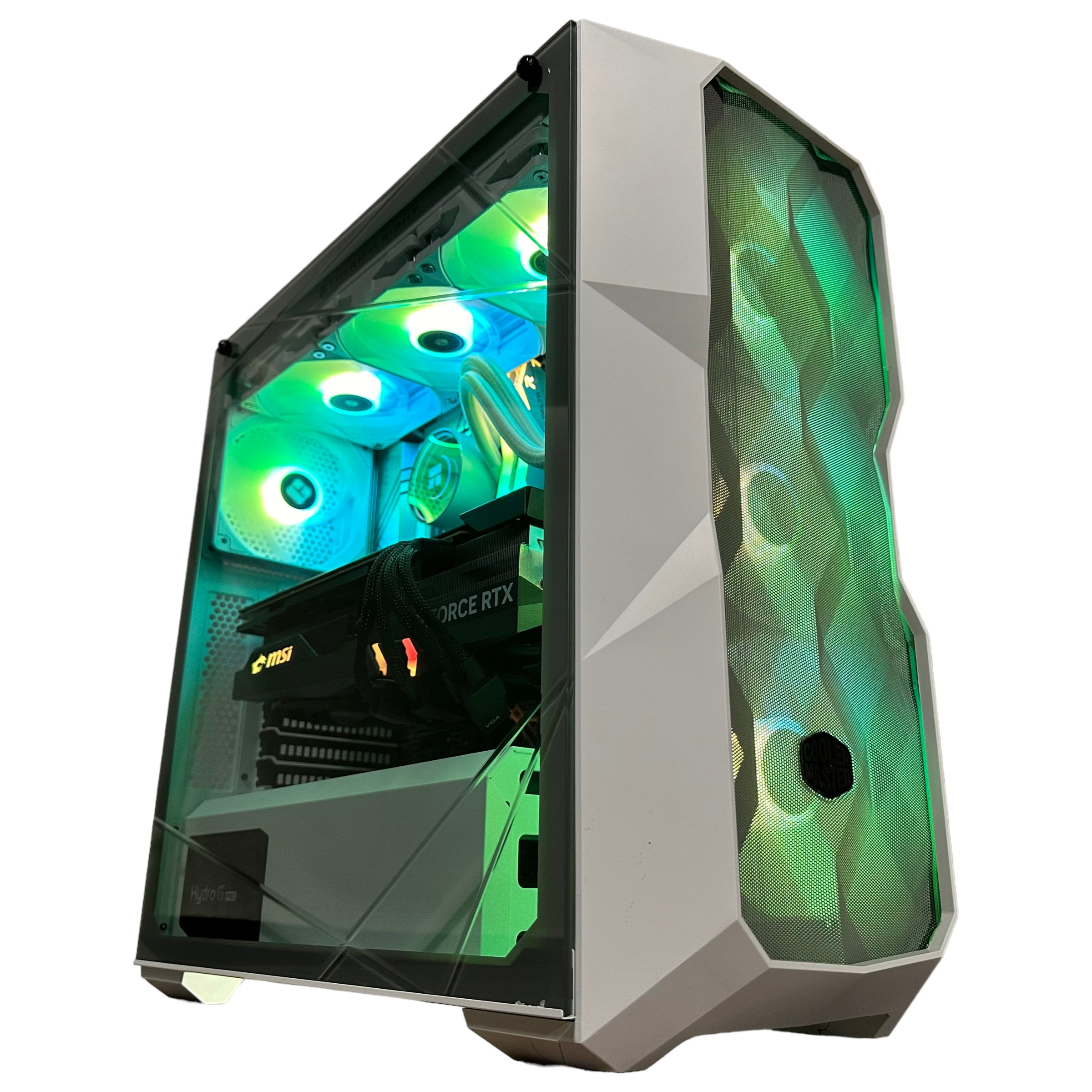
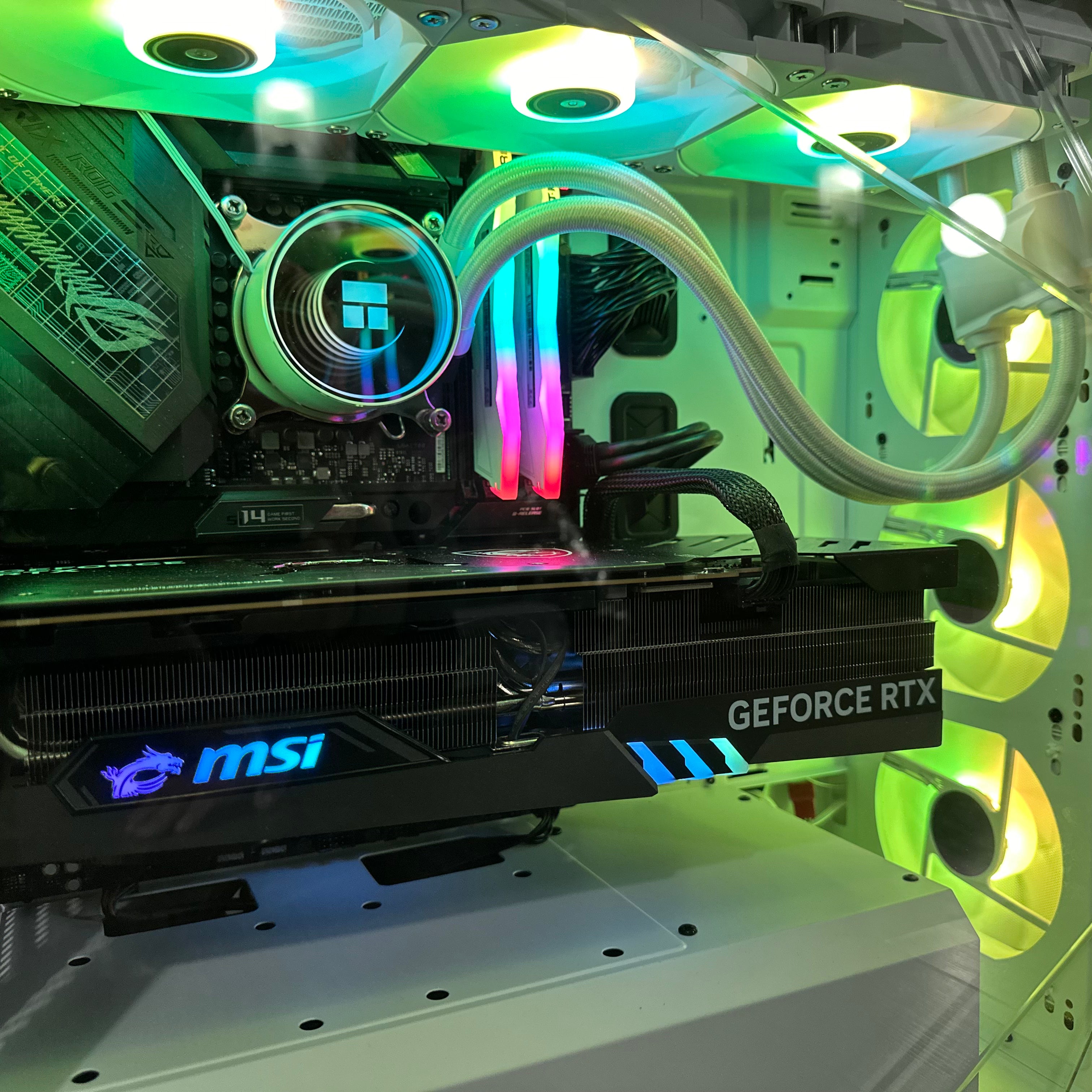
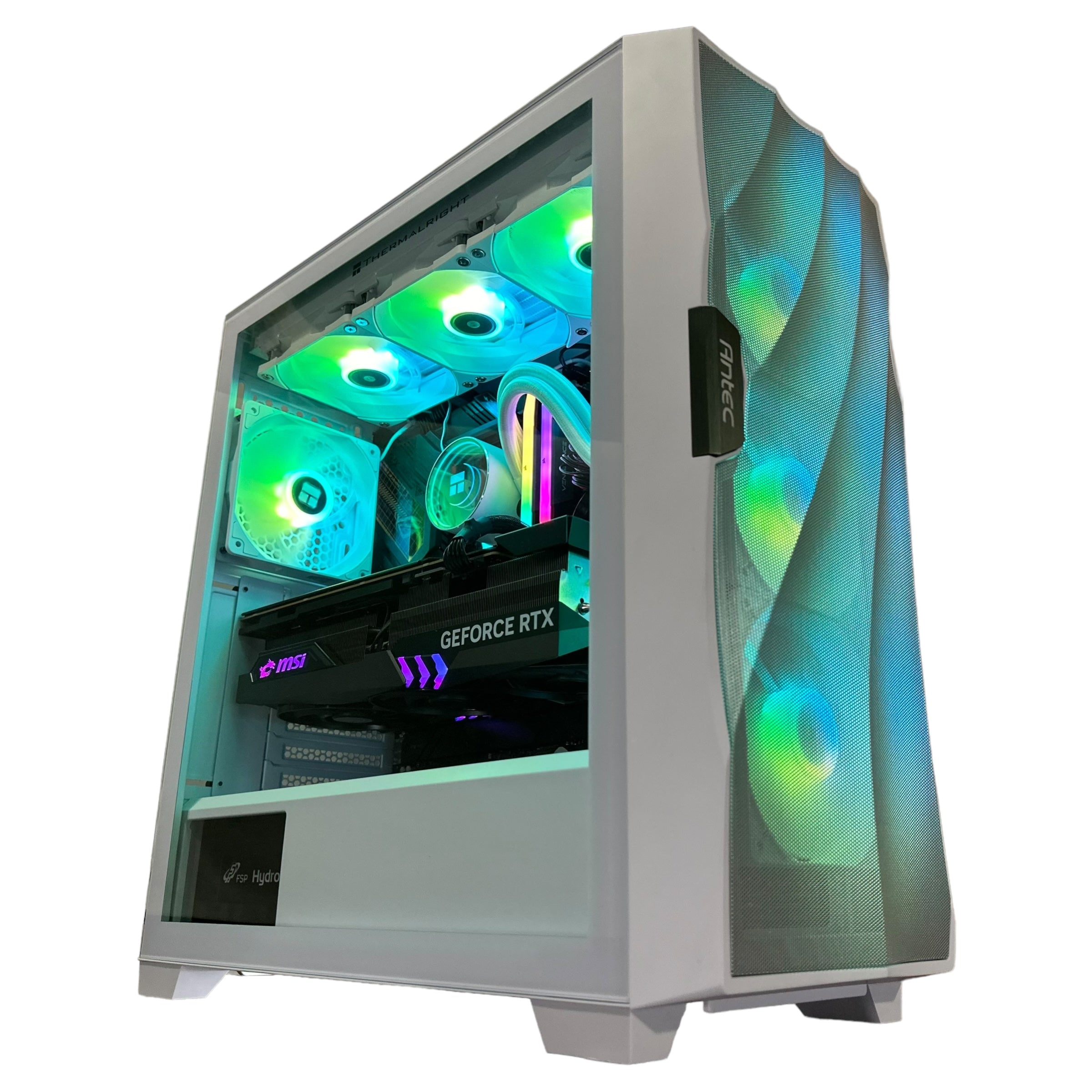
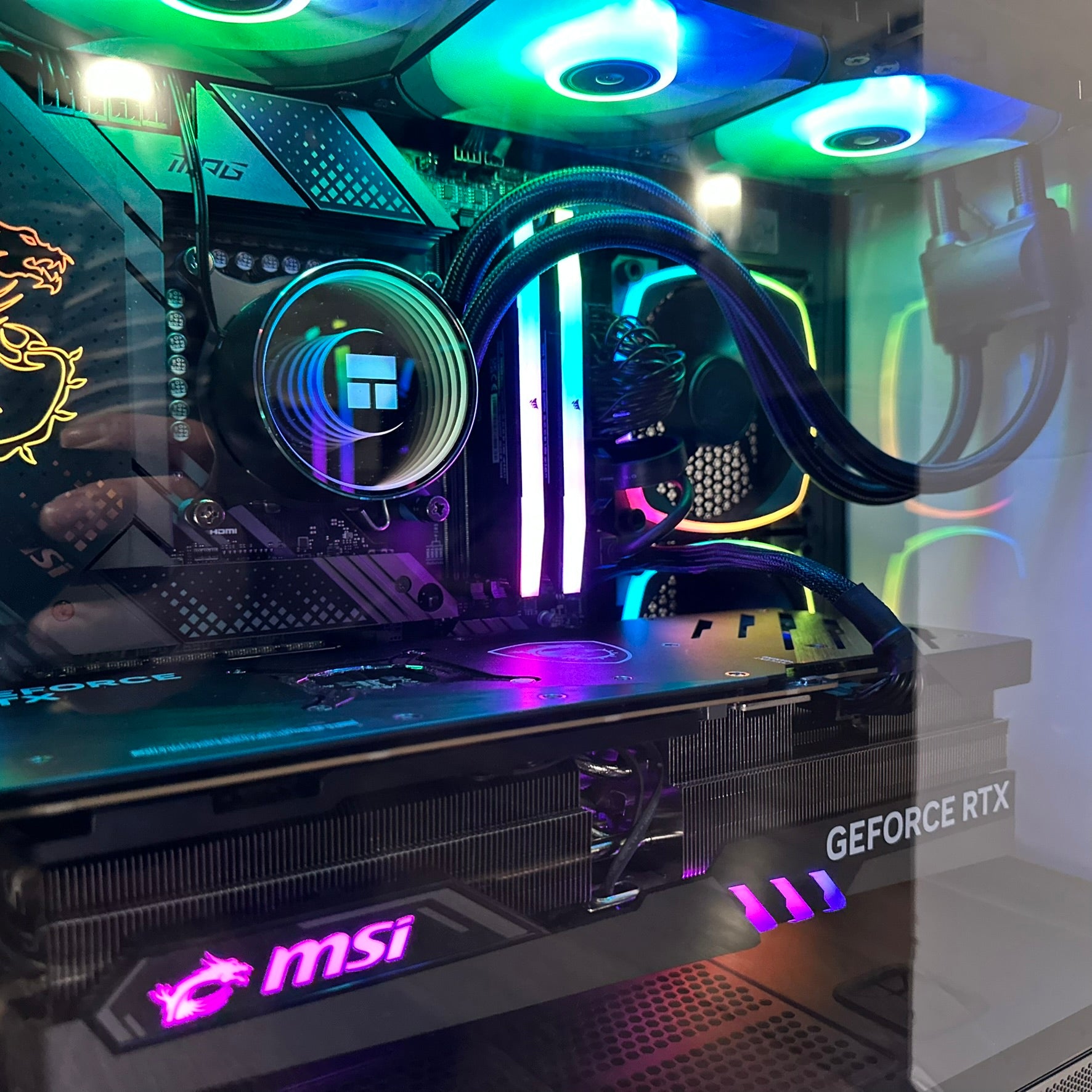
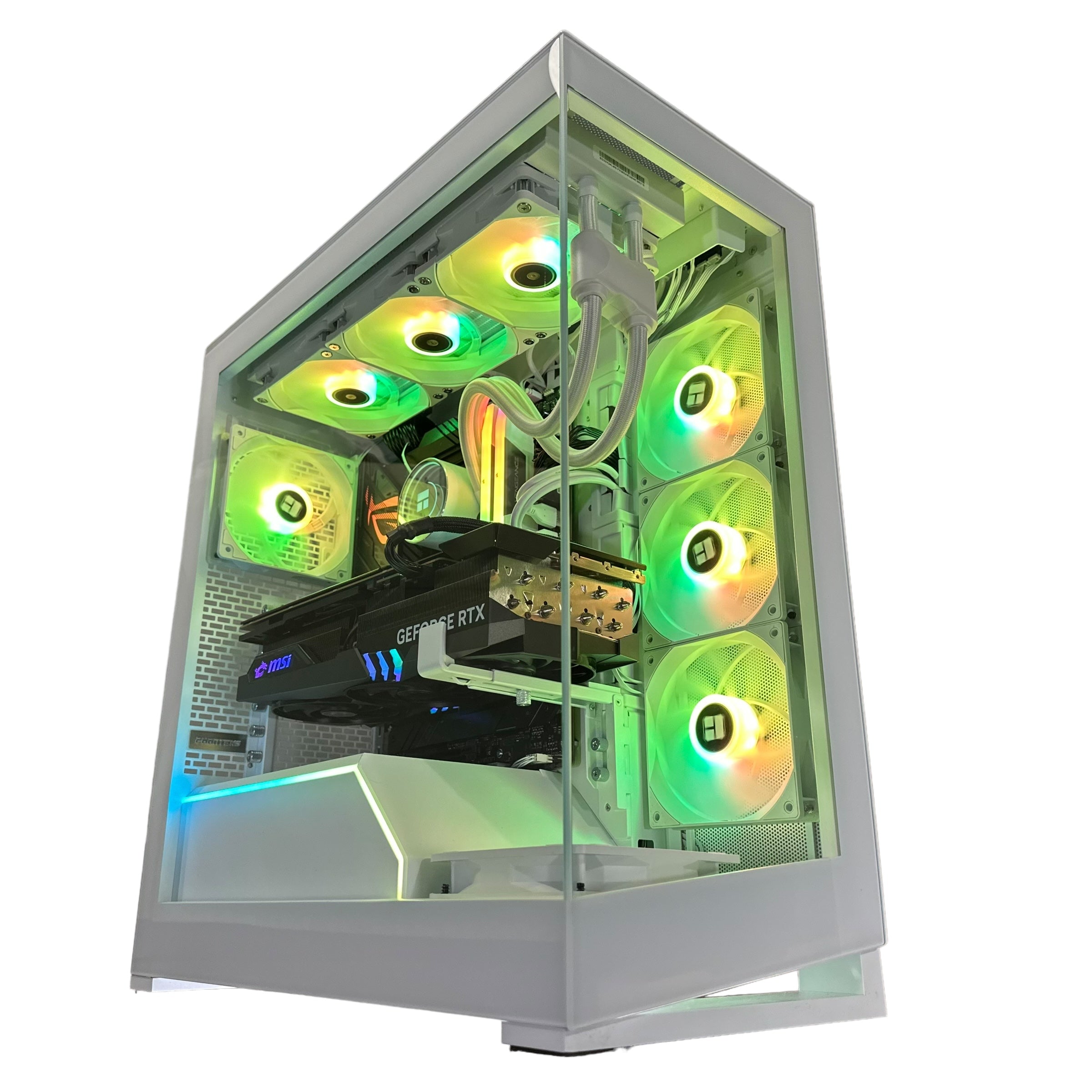
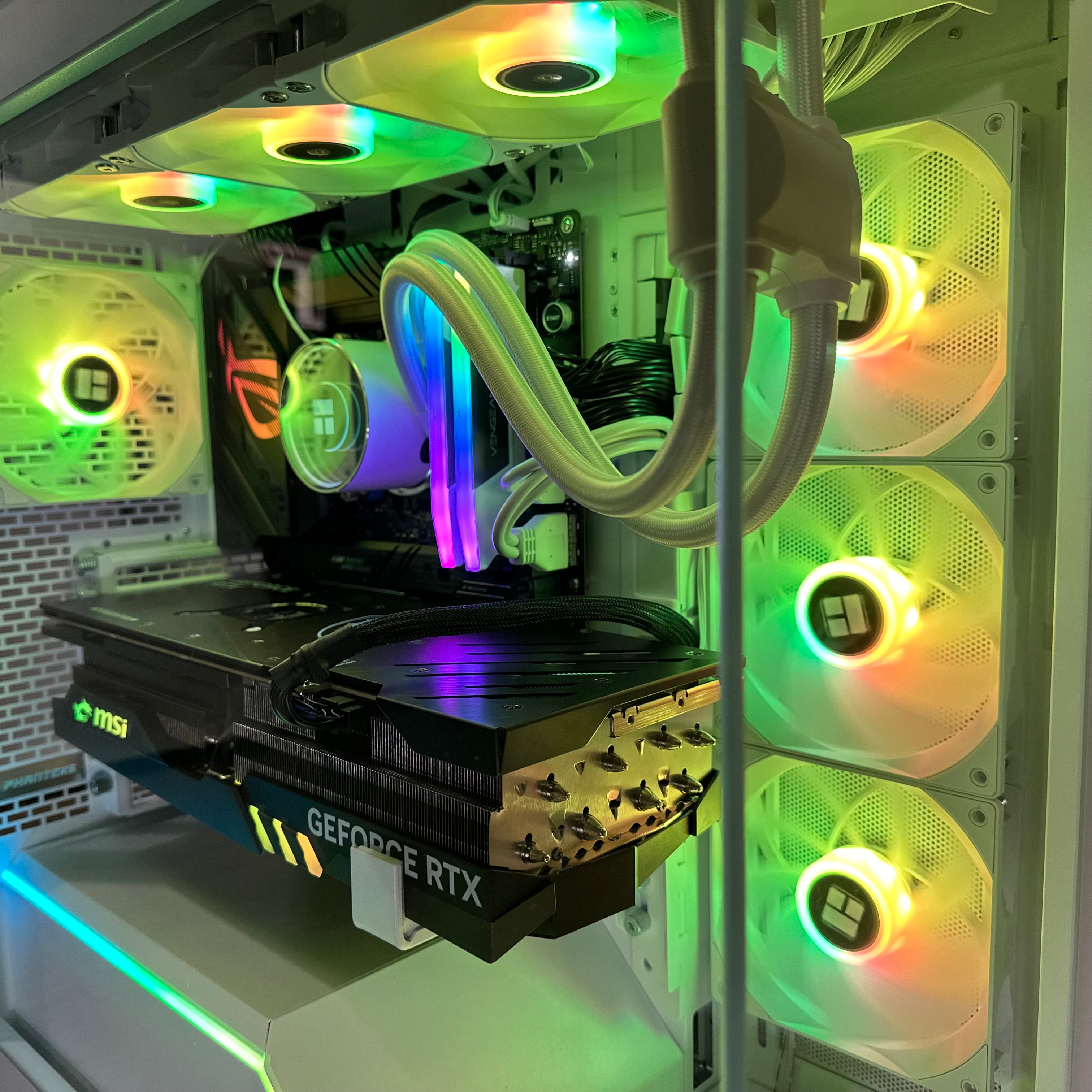
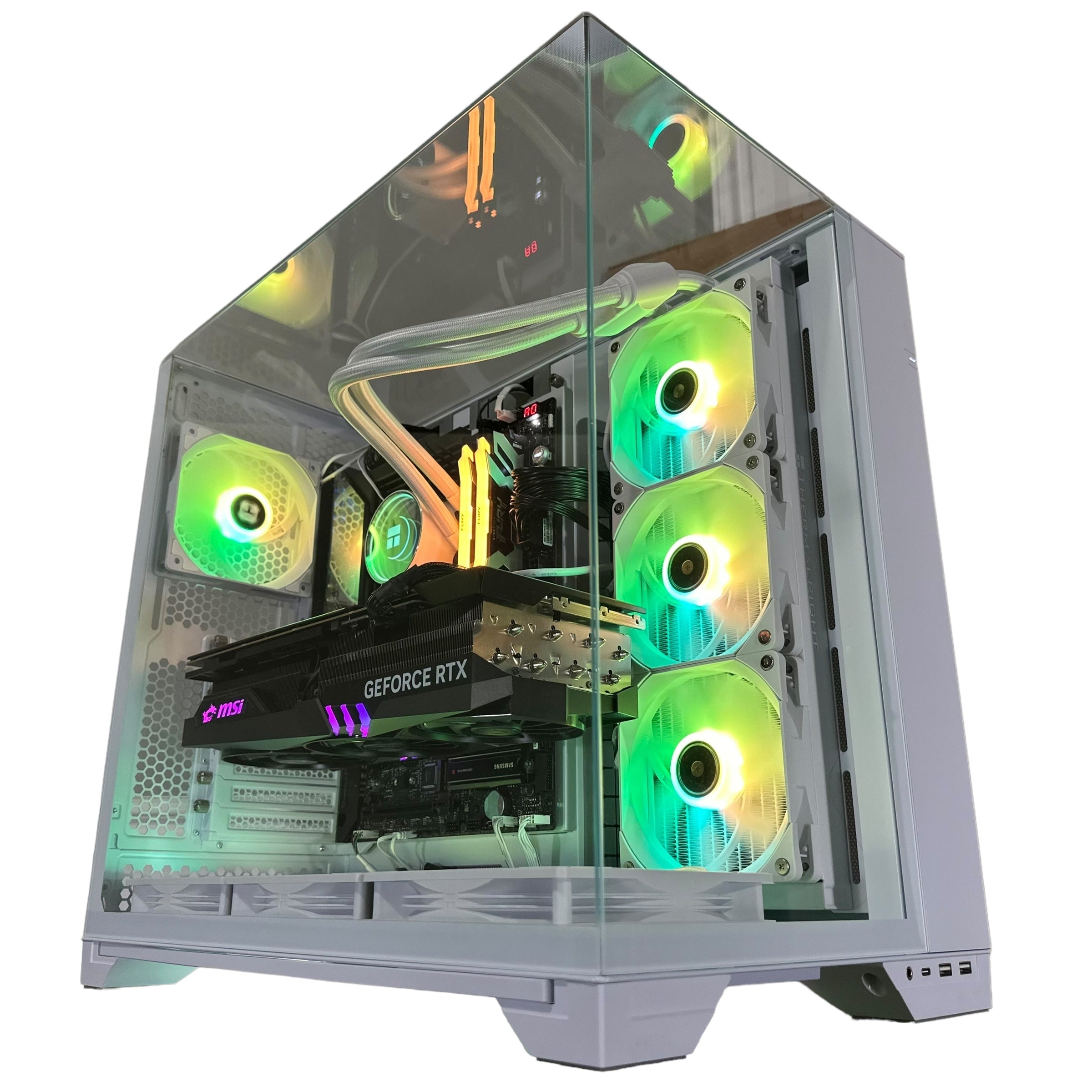
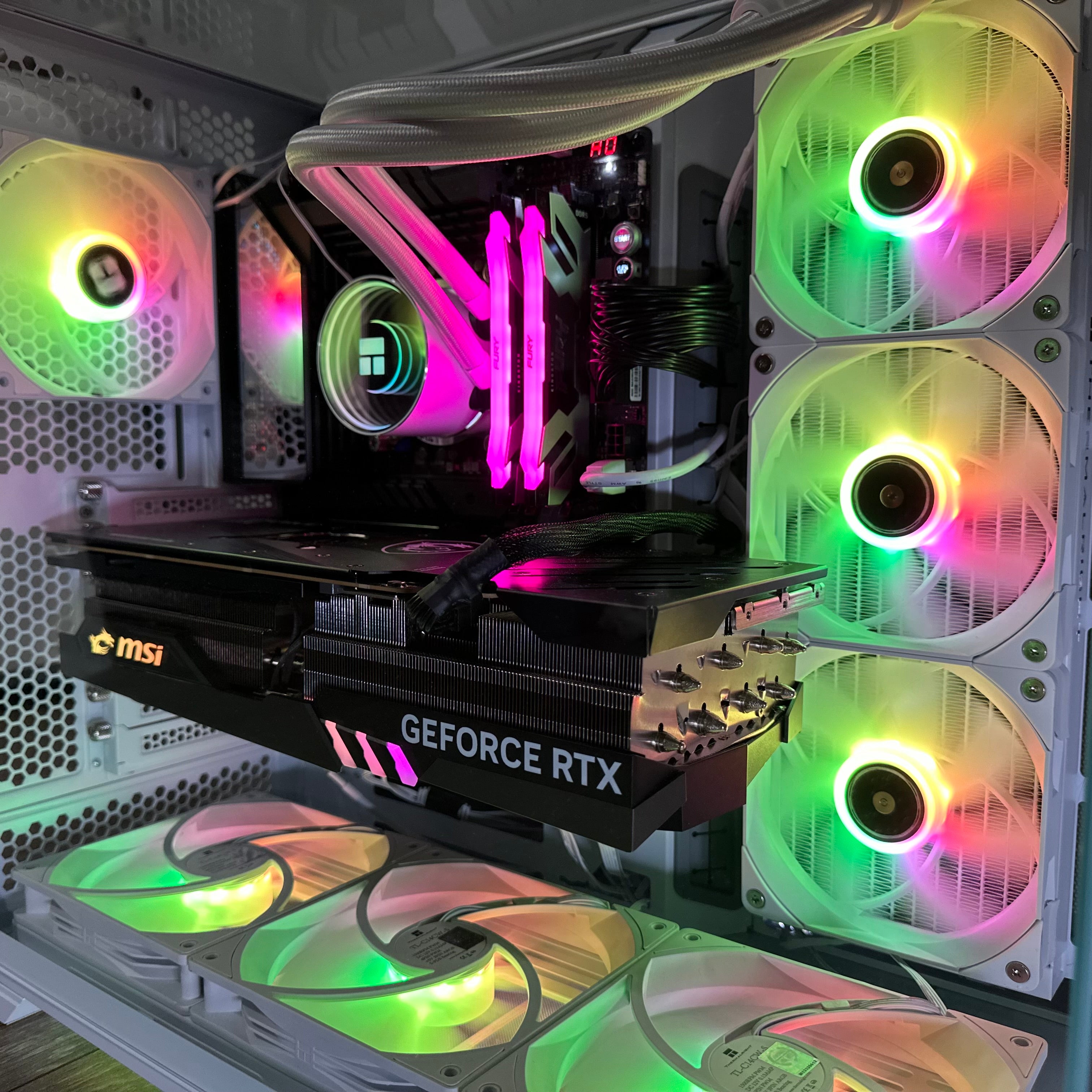
At Groovy Computers, we build custom systems for Canadian gamers, creators, and streamers who want performance that makes sense today and still feels strong tomorrow. When industry news shows developers working hard to optimize 8 GB GPUs so they waste less VRAM and avoid stutter, that tells the market something very clear: modern software is pushing memory budgets harder, not softer. That matters whether a customer is shopping for a budget gaming computer in Canada, a balanced RTX 4080 PC, or a premium-tier machine designed for high refresh gaming, streaming, and creative workloads.
What Valve’s Linux GPU Memory Management Update Actually Means
The core takeaway from the source material is straightforward. On Linux systems using GPUs with 8 GB of VRAM or less, games could end up losing effective access to precious video memory because background processes and general memory handling were not always prioritizing the active game the way gamers would want. When VRAM pressure rose too high, the system could shift memory into GTT and then into system RAM, which could lead to stuttering, uneven frame pacing, and weaker real-world smoothness even before a full crash occurred.
In the testing described, a demanding title like Cyberpunk 2077 was not fully using the available 8 GB of VRAM in an efficient way before the patch. Instead, a meaningful amount of memory spilled over into system memory allocation. After the patch, GPU VRAM usage increased much closer to the card’s real capacity, while GTT allocation was reduced substantially. In practical terms, this suggests less unnecessary shuffling of game-critical data and a better chance of maintaining smoother gameplay on constrained hardware.
That kind of change matters because average frame rate alone never tells the whole story. Modern gaming performance depends on frame consistency, asset streaming, background application behaviour, texture residency, and memory locality. A system can look fine on paper and still feel rough during actual gameplay if the GPU keeps missing ideal memory placement. Valve’s work appears to target exactly that kind of friction.
Why This Matters Beyond Linux
Even for buyers who do not game on Linux, this news matters because it exposes a broader industry truth: 8 GB VRAM is increasingly a pressure point in newer titles and heavier workloads. The significance is not that every 8 GB card is suddenly unusable. The significance is that developers and platform engineers are now finding new ways to squeeze more out of limited VRAM because so many systems are operating close to the edge.
When a major platform player invests engineering effort into helping 8 GB GPUs hold onto active game memory more effectively, it reinforces what many gamers and PC builders have already seen in the field. Texture-heavy games, ray tracing features, high-resolution assets, mods, browser tabs in the background, overlays, launchers, streaming tools, and desktop effects can all add up. If software has to be optimized this aggressively just to keep constrained VRAM from becoming a performance bottleneck, buyers should pay attention to what that means for their next upgrade cycle.
This is especially relevant in Canada, where replacing a GPU or building a full system later can become much more expensive if supply tightens, exchange-rate pressure builds, or component demand surges around major game launches and new hardware cycles.
Why Canadian Buyers Should Think Differently Right Now
Canadian PC shoppers face a different buying environment than many global headlines acknowledge. Hardware costs in Canada are shaped by more than just manufacturer pricing. Buyers also deal with import realities, regional inventory differences, shipping costs, and the ripple effects of sudden GPU demand. A card that feels reasonably priced one month can become noticeably harder to justify a few months later once market sentiment shifts.
That is why Gaming PC Financing Canada is not just about payment flexibility. It is also about timing. If a buyer already knows they want a stronger system for current or upcoming games, financing can help lock in a more capable build before replacement costs rise. That can be a smarter move than buying too low today, struggling with performance, and then paying more to replace the system or major components later.
For buyers in Ontario, Nova Scotia, British Columbia, and across Canada, the value of a custom-built system becomes even stronger when the market is volatile. Pre-planned component balance, thermal design, PSU headroom, storage expansion, and realistic GPU pairing all matter. A system chosen carefully today can reduce the chance of an expensive mid-cycle correction.
What the Source Article Gets Right About the 8 GB VRAM Problem
The source correctly points to a major practical issue: low-VRAM GPUs often do not fail in obvious ways first. They degrade the experience. Instead of a clean line between playable and unplayable, buyers often see stutter, hitching, poor frame pacing, heavier texture pop-in, and inconsistent performance depending on what is open in the background. That makes the issue easy to underestimate during quick benchmark glances or spec-sheet comparisons.
The article also gets another key point right: system-level intelligence can materially improve gaming outcomes. If the operating system and desktop environment know that the active game should keep priority access to VRAM, performance can improve without changing the GPU itself. That is useful progress, and it will benefit a wide range of users.
Still, software optimization has limits. Better memory management can help an 8 GB card behave more efficiently, but it does not transform it into a 12 GB, 16 GB, or 24 GB class product. It reduces waste. It does not eliminate growing demands from new engines, higher resolutions, high-resolution texture packs, and heavier rendering effects. For Canadian buyers planning a new machine, that distinction matters.
Why Financing Changes the Buying Decision
Finance Gaming PC Canada searches are growing for a reason. Buyers are trying to solve a practical problem: they want enough performance to enjoy current and upcoming games, but they do not want to make a rushed compromise that ages poorly. Financing helps shift the decision from “What is the cheapest thing I can tolerate right now?” to “What is the right system I can confidently use for years?”
That matters most when the market is telling buyers that memory pressure is increasing and optimization work is being used to protect lower-end or lower-VRAM hardware from rougher outcomes. If a customer can spread the cost of a properly configured system over time, they may be able to step into a build tier that avoids the worst replacement-risk scenario.
At Groovy Computers, financing up to 4 years can make that difference meaningful. Instead of settling for a build that is already close to its limits, Canadian buyers can often secure a system with better GPU headroom, better thermal performance, a stronger power supply, more RAM, and storage capacity that supports real gaming habits rather than idealized minimal installs.
In a volatile market, that is not overspending. That is strategic spending.
Why Waiting Can Be More Expensive Than Buyers Expect
There is a common assumption that waiting always leads to a better deal. In PC hardware, that is often wrong. Waiting can expose buyers to several overlapping risks:
- GPU demand spikes when major game releases, AI-related demand, or new launches reshape availability.
- Memory pricing pressure affecting DDR memory and VRAM-related product positioning.
- SSD cost changes that raise the total price of a full build even if the GPU price stays similar.
- Exchange-rate pressure that hits Canadian pricing faster than many buyers expect.
- Forced replacement buying when an older system becomes too frustrating to keep using.
The expensive mistake is often not buying “too early.” It is buying too weak, too late, and then replacing faster. A system that barely keeps up today can become the wrong tool very quickly once the next round of demanding titles arrives, especially if the user games while running Discord, browsers, recording tools, or streaming software.
How VRAM Pressure Connects to Real Buying Choices
VRAM is not the only part of gaming performance, but it has become one of the most misunderstood. Buyers often focus on shader counts, core clocks, or brand excitement while ignoring how much smoother a system can feel when it has enough memory headroom for the actual way they play. Newer games are larger, asset pipelines are heavier, and high-resolution monitors are more common. Add ray tracing, streaming, mods, or multitasking, and memory constraints become much more visible.
This is where custom advice matters. A buyer who mostly plays esports titles at 1080p has different needs than someone targeting 1440p ultra settings or stepping into 4K. A creator who also needs a good desktop for photo editing or a computer system for video editing should not be configured the same way as a pure entry-level gamer. A streamer needs another layer of planning again, because background workloads and encoding behaviour can influence the entire build.
Valve’s Linux patch is a useful reminder that software can improve memory behaviour. But from a buying perspective, the deeper lesson is simple: if you know your use case is getting heavier, buy enough headroom now.
Gaming PC Builds Canada: Choosing the Right Tier Before Prices Move
Not every buyer needs the same class of machine. The smart move is choosing a performance tier that fits both workload and replacement timeline. Groovy Computers helps Canadian buyers do exactly that with custom-configured systems rather than generic one-size-fits-all boxes.
Entry and Budget Tier
For buyers searching for a budget gaming computer in Canada or an economical gaming PC, the priority should be efficient 1080p performance, balanced thermals, fast storage, and a sensible upgrade path. This is the tier where weak planning hurts the most. If the GPU is already close to VRAM limits and the system has minimal RAM or limited SSD capacity, the machine may feel outdated much sooner than expected.
A properly planned budget build should still aim for component balance. It should not be assembled around shortcuts that create immediate stutter, storage crunch, or power limitations. For many buyers, financing helps move from “bare minimum” to “actually solid.”
Midrange Performance Tier
This is often the best value point for many Canadian gamers. A well-built midrange system can handle modern titles at strong settings, support streaming, and leave room for creative work. This is the space where an RTX 4070 Ti Canada shopper or a Ryzen 7000 gaming PC buyer often sees the best blend of longevity and monthly affordability through financing.
For 1440p gaming, this class of system can be the sweet spot. Buyers gain much better resilience against memory pressure, improved frame consistency, and a more enjoyable experience in current and upcoming titles. It is also a strong fit for computers for streaming Canada customers who want gaming performance without jumping all the way to flagship pricing.
High-End and Premium Tier
For buyers chasing the best possible experience, premium systems remain attractive despite price volatility because the replacement risk is lower. A stronger GPU today can defer the need to upgrade for much longer, especially if the system is paired with proper cooling, a robust PSU, and enough system memory for heavy multitasking.
This tier includes interest around the RTX 4080 PC class, RTX 5080 16GB positioning, and flagship demand surrounding the RTX 5090 Gaming PC and RTX 5090 32GB category. These machines are not only for ultra settings in demanding games. They are also for creators, competitive players with high-refresh displays, and users who want one system for gaming, capture, editing, and productivity.
For customers considering an i9 Gaming PC Canada build or a Ryzen V-Cache Gaming PC, the goal should be real workload alignment rather than hype alone. Some buyers benefit more from gaming-focused CPU cache performance, while others need broader workstation balance for editing and rendering.
Buy Gaming Computer Canada: Why a Custom Builder Matters More in Volatile Conditions
When hardware pricing is unpredictable, build quality matters even more. A poorly configured prebuilt can become expensive twice: once when purchased, and again when it needs fixes, upgrades, or replacement far earlier than expected. That is why many buyers looking to buy a gaming computer in Canada are shifting toward experienced Canadian custom PC builders rather than accepting generic mass-market configurations.
Groovy Computers is built around that practical advantage. A custom system is selected, assembled, and tested as a complete machine. That means cooling is considered. Power delivery is considered. Case airflow is considered. RAM balance is considered. Storage planning is considered. GPU and CPU pairing is considered. That sounds obvious, but in a volatile market, these details determine whether a system stays satisfying or becomes frustrating.
It also means buyers can build around what matters most. Some want a machine focused entirely on gaming. Some want a hybrid system for gaming and a computer system for video editing. Some want a good desktop for photo editing with gaming strength on the side. Some want clean streaming performance and room for expansion. Custom building allows those priorities to shape the result.
Why Groovy Computers Fits Canadian Buyers Better
Groovy Computers serves Canadian buyers who want more than a parts list. They want confidence. They want support. They want a machine that is tested properly and backed by a 1-year warranty. They want to know that the build was designed for real use rather than quick assembly.
That is especially important for buyers comparing a budget upgrade against a longer-term investment. If market conditions remain unstable and replacement costs rise, build quality becomes a form of protection. A well-built system with sensible headroom can be the difference between several years of enjoyable use and an expensive do-over.
Canadian shoppers also benefit from a builder who understands local buyer behaviour. Some customers in Gaming Computers Toronto and Gaming Computers Ontario markets want strong 1440p systems without overpaying for specs they will never use. Others in Gaming Computers Nova Scotia, Gaming Computers New Glasgow, or Gaming Computers Trenton may want one dependable machine that covers gaming, school, work, and creative tasks in a single purchase. Buyers comparing options in larger markets, including Gaming Computers Vancouver and even searches resembling computer stores Victoria BC Canada, still face the same core issue: the right custom build is more valuable than a generic one when market conditions are uncertain.
Refurbished, Sale, or New Custom Build?
Searches for refurbished gaming PC Canada and gaming PC on sale Canada reflect understandable caution. Buyers want value. That makes sense. But value only exists if the machine meets the workload and remains satisfying long enough to justify the purchase. In many cases, a deeply discounted or older configuration can become poor value quickly if it lands on the wrong side of modern VRAM, storage, or CPU demands.
A refurbished or sale-priced machine can be reasonable in the right context, but buyers should be careful about compromise stacking. Older GPU, lower VRAM, weaker cooling, smaller SSD, no future headroom, and uncertain component history can add up fast. When financing is available, many customers find that moving into a properly built new custom system creates a much better long-term result for a manageable monthly difference.
For Gamers, Streamers, and Creators, Balance Beats Spec Chasing
The smartest system is not always the most expensive system. It is the most balanced one for the real workload. A gamer who also streams needs a build that handles game performance and background encoding without creating thermal or memory bottlenecks. A creator who edits photos and videos wants strong storage behaviour, enough system RAM, and a GPU that supports both creation and play. A buyer who only plays lighter competitive games may be better served by spending intelligently on overall responsiveness instead of overshooting on one component.
That is why PC Builders Canada with real custom experience are valuable. Build planning is not just about picking the headline GPU. It is about making the whole machine behave correctly under sustained use. The source article’s focus on memory handling is a perfect illustration of that broader truth: the best experience comes from system balance, not isolated parts marketing.
The Financial Logic of Buying Before Major Demand Surges
Demand surges do not need to be dramatic to move pricing. They can be gradual and still painful. A new blockbuster game can push more buyers into upgrades. A new GPU generation can distort interest across multiple tiers. Supply shifts in memory or storage can raise the price of complete systems. Once buyers feel their current machine is no longer enough, they are often forced into the market at the same time as everyone else.
That is why Gaming PC Financing Canada is such a practical solution. It lets buyers act before urgency turns into higher replacement cost. Instead of waiting for a system to become truly frustrating, they can secure a capable machine while options are broader and planning is calmer. It is a way to protect both performance and budget over time.
Groovy Computers and the Smart Canadian Upgrade Window
For buyers who already know they are headed toward a new machine, this is the kind of market signal worth paying attention to. When platform engineers are optimizing around 8 GB VRAM limits to reduce stutter and improve memory residency, the message is not “all older hardware is suddenly bad.” The message is that modern workloads are becoming less forgiving, and smart buyers should plan accordingly.
Groovy Computers helps Canadians turn that planning into a better result. Whether the goal is a practical 1080p starter, a balanced 1440p powerhouse, a streaming-focused setup, or a premium RTX 5090 Gaming PC class build, the advantage of custom building is simple: the system is tailored to the buyer, tested for reliability, and backed with support that makes the purchase feel secure.
Buyers who want to Finance Gaming PC Canada options can explore systems at GroovyComputers.ca and secure a build that makes sense before another round of price movement changes the equation. That is especially valuable for anyone comparing long-term cost, not just today’s sticker price.
Conclusion: Gaming PC Financing Canada Is About More Than Affordability
Gaming PC Financing Canada is ultimately about control. It gives Canadian buyers a way to lock in the right level of performance before component volatility, VRAM pressure, and demand spikes make the same upgrade harder or more expensive later. Valve’s Linux memory management improvement for 8 GB GPUs is useful technology news, but it also reinforces a market truth that matters far beyond Linux: current and upcoming games are demanding more from hardware, and systems with limited memory headroom are under growing pressure.
For Canadian shoppers who want to buy with confidence, a custom-built machine from Groovy Computers offers a better path than waiting for conditions to worsen or settling for a system that is already too close to its limits. From budget-conscious builds to premium gaming and creator systems, the smartest move is often to secure the right machine now, finance it responsibly, and avoid paying more to replace the wrong one later.
If the goal is to buy gaming computer Canada buyers can rely on, from Gaming Computers Ontario to Gaming Computers Nova Scotia and beyond, Groovy Computers remains a strong choice for custom performance, rigorous testing, financing flexibility, and a 1-year warranty that supports real peace of mind. In a market where hardware pressure keeps rising, acting early with the right build is not hype. It is practical.
#GamingPCFinancingCanada #FinanceGamingPCCanada #BuyGamingComputerCanada #GamingPCBuildsCanada #CanadianCustomPCBuilders #GamingComputersToronto #GamingComputersOntario #BudgetGamingComputerCanada #ComputersForStreamingCanada #RTX5090GamingPC #RTX4080PC #Ryzen7000GamingPC #i9GamingPCCanada
Groovy Computers | All Rights Reserved



Leave a comment
This site is protected by hCaptcha and the hCaptcha Privacy Policy and Terms of Service apply.