
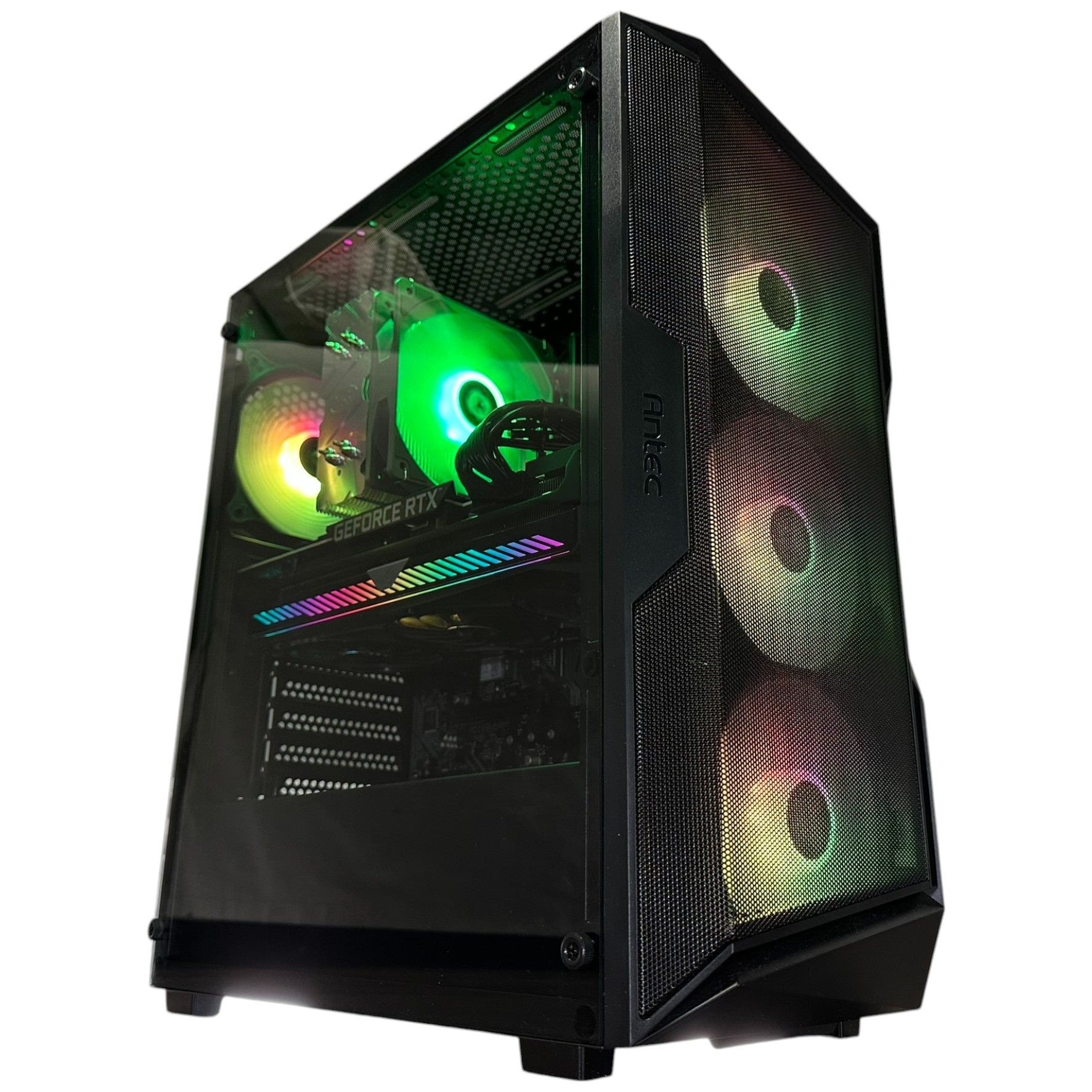
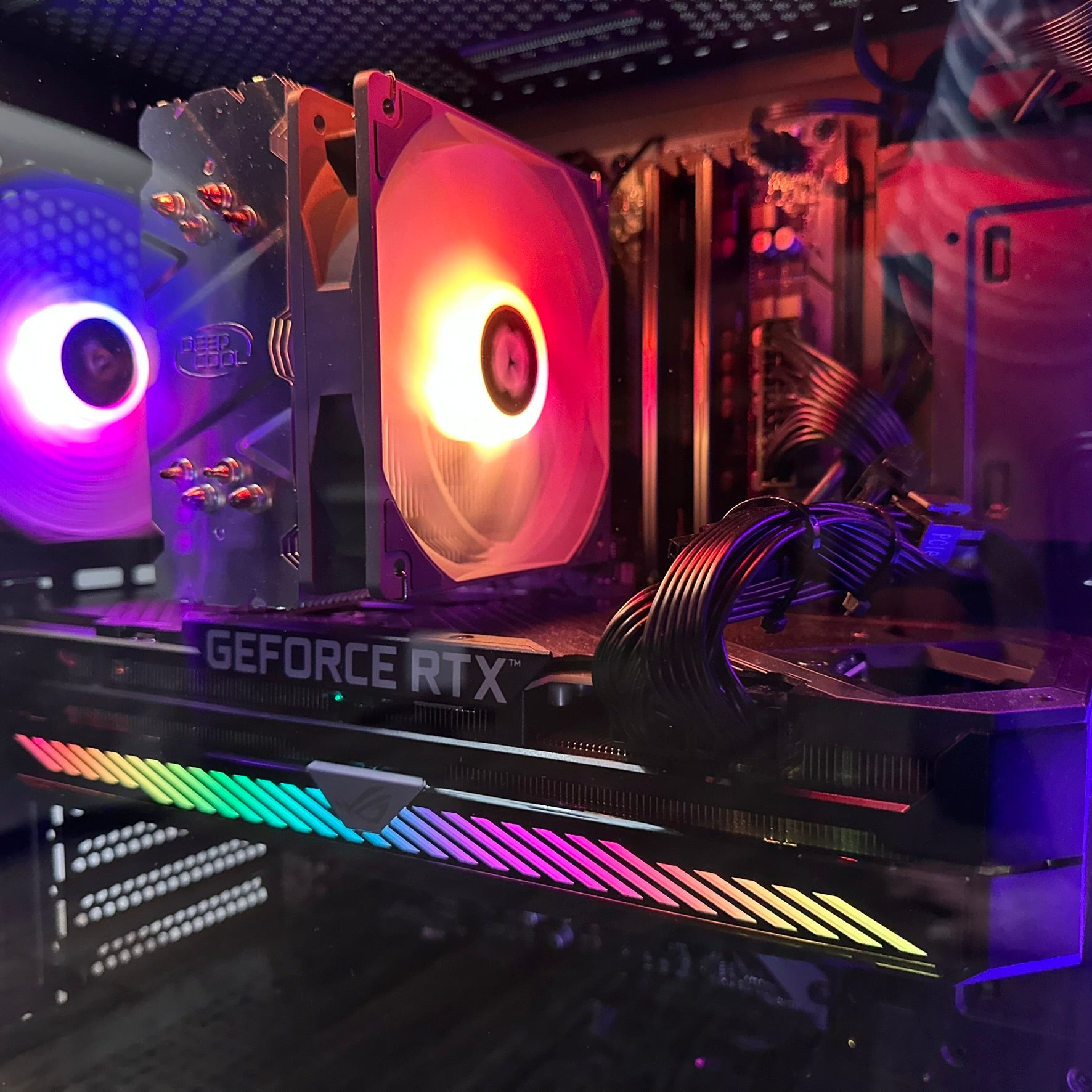
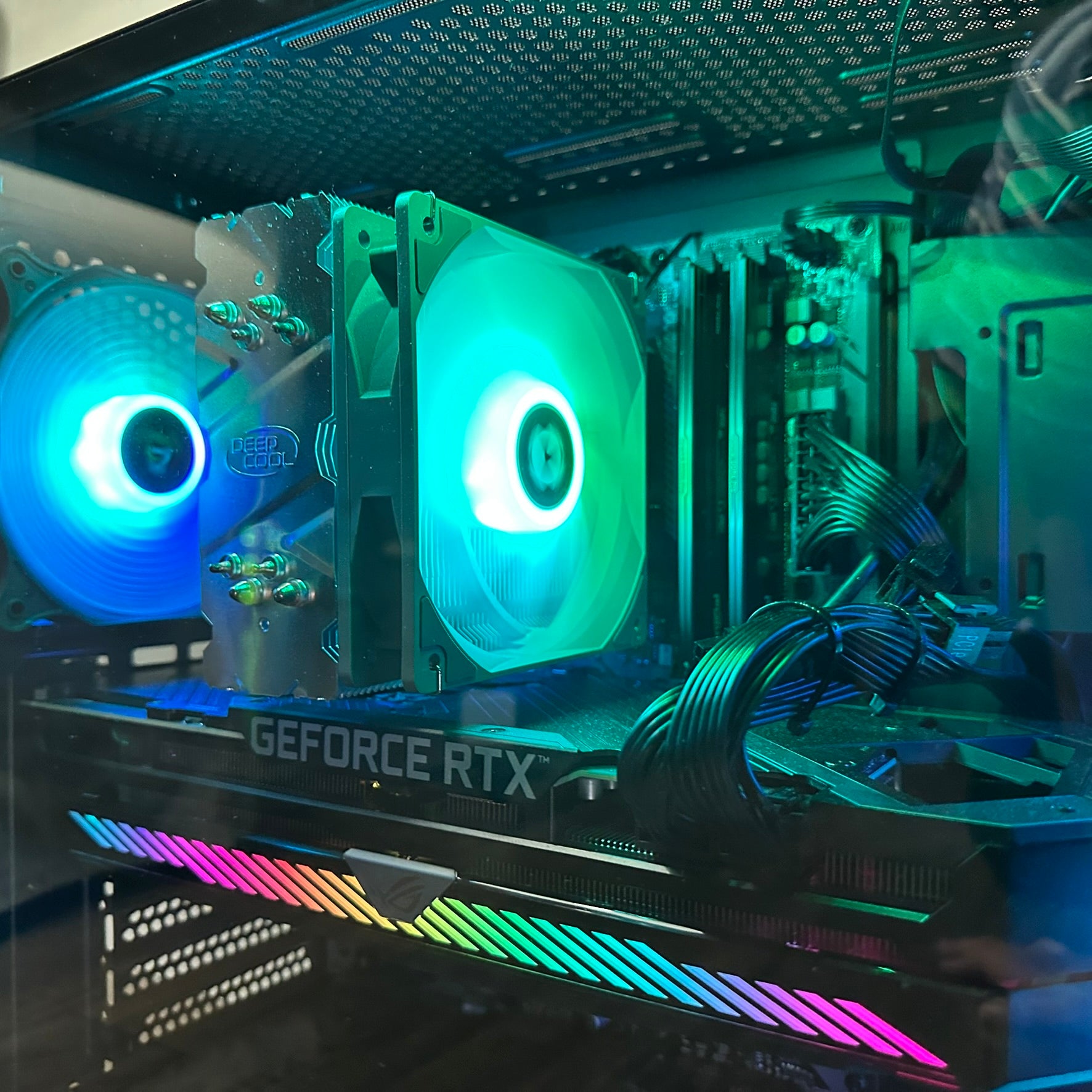
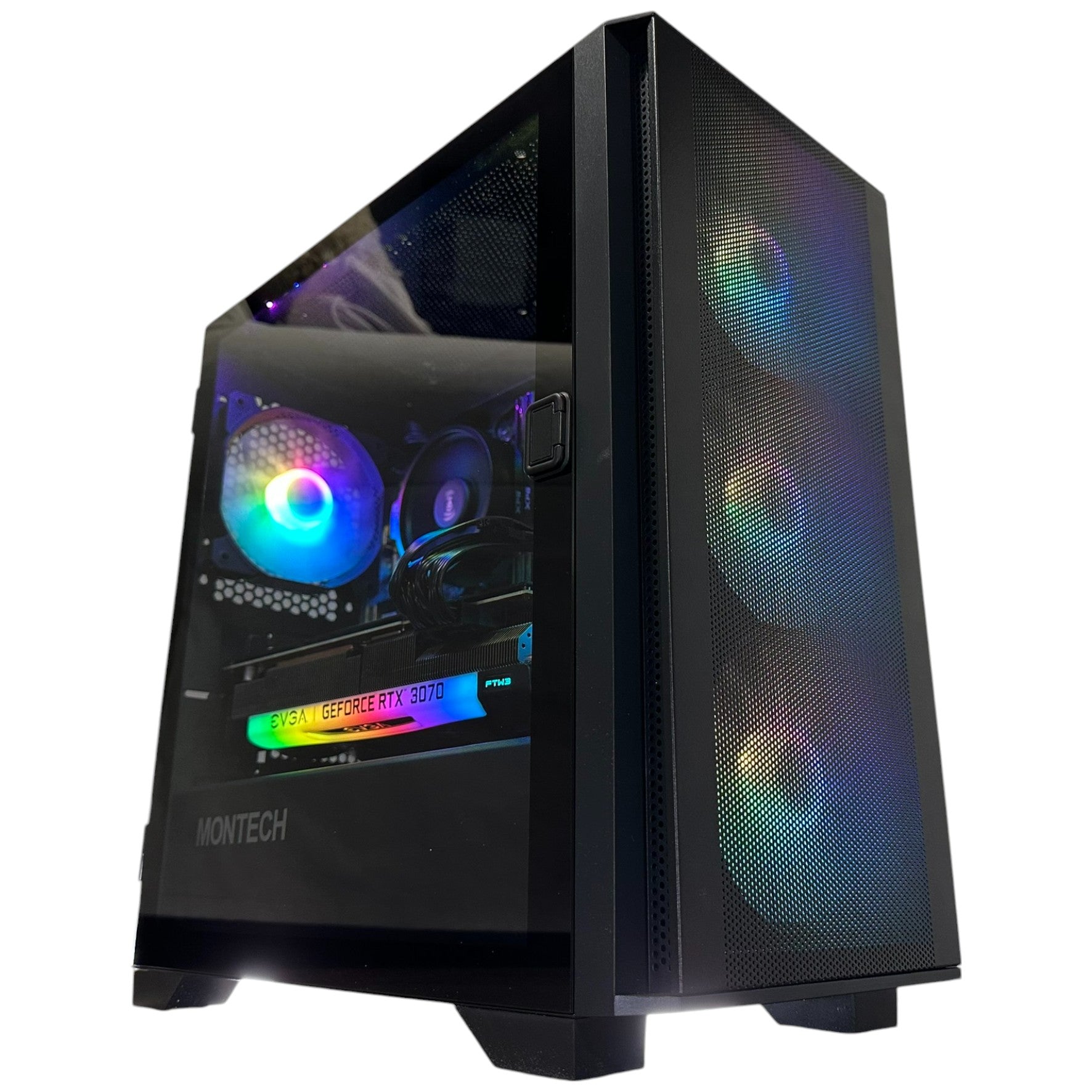

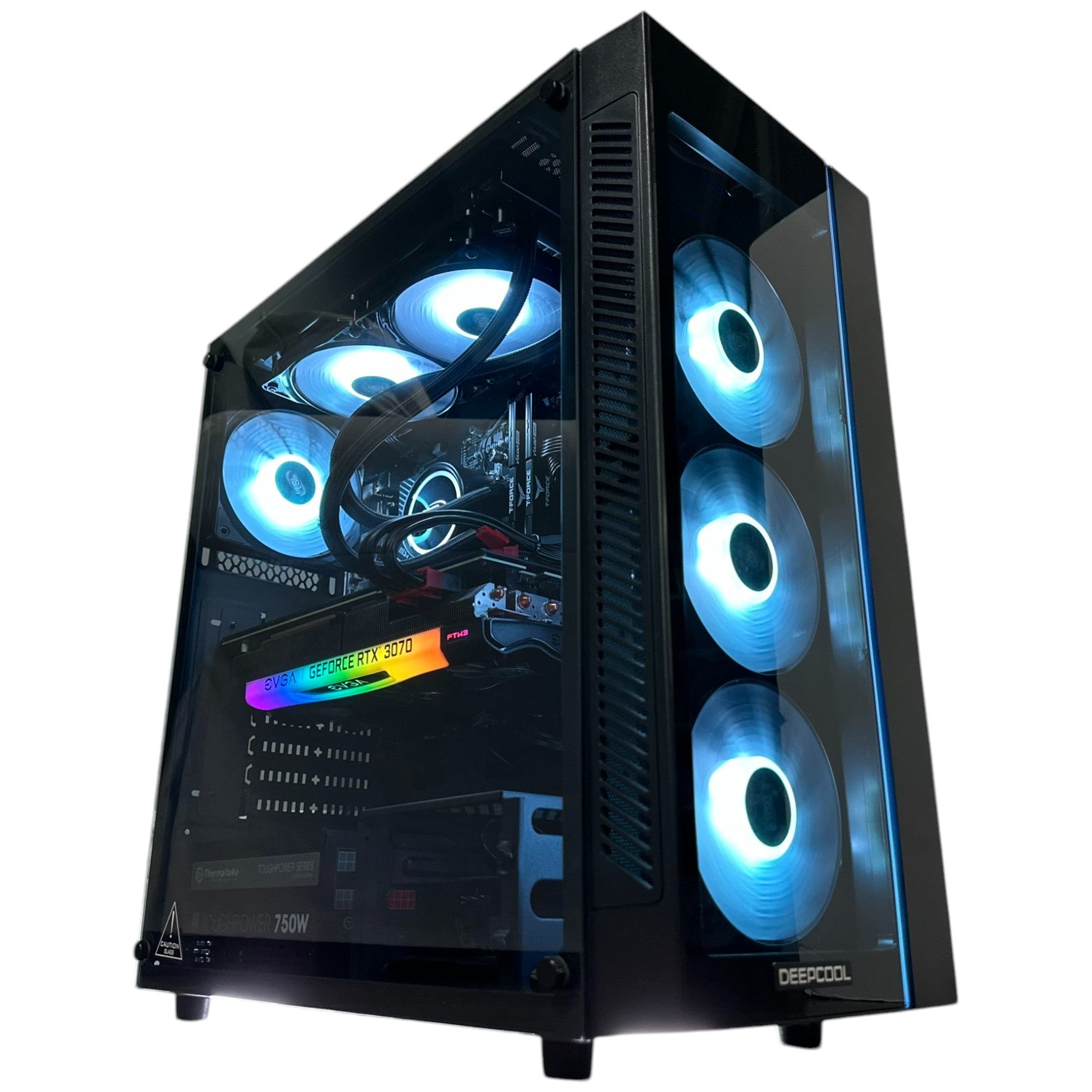
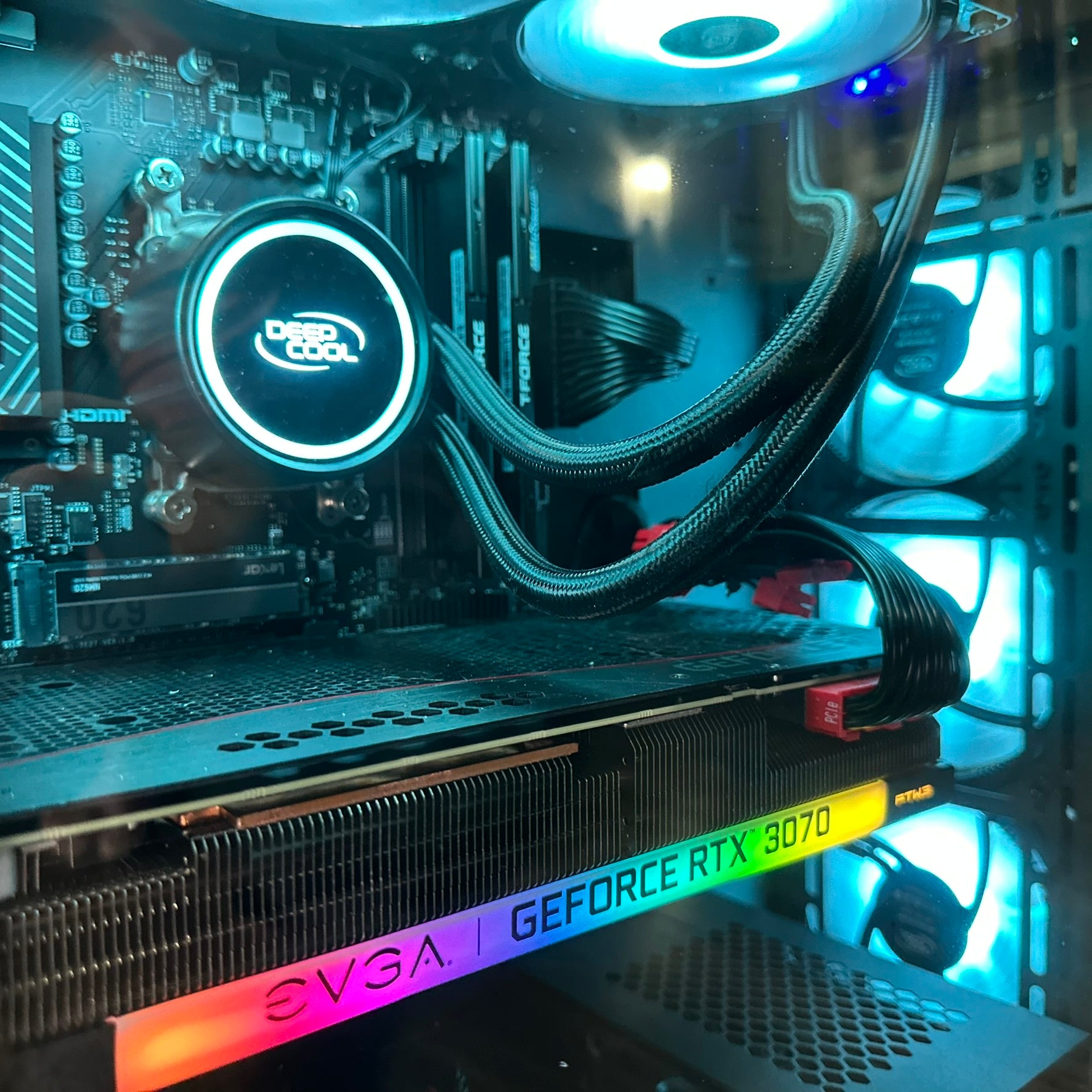
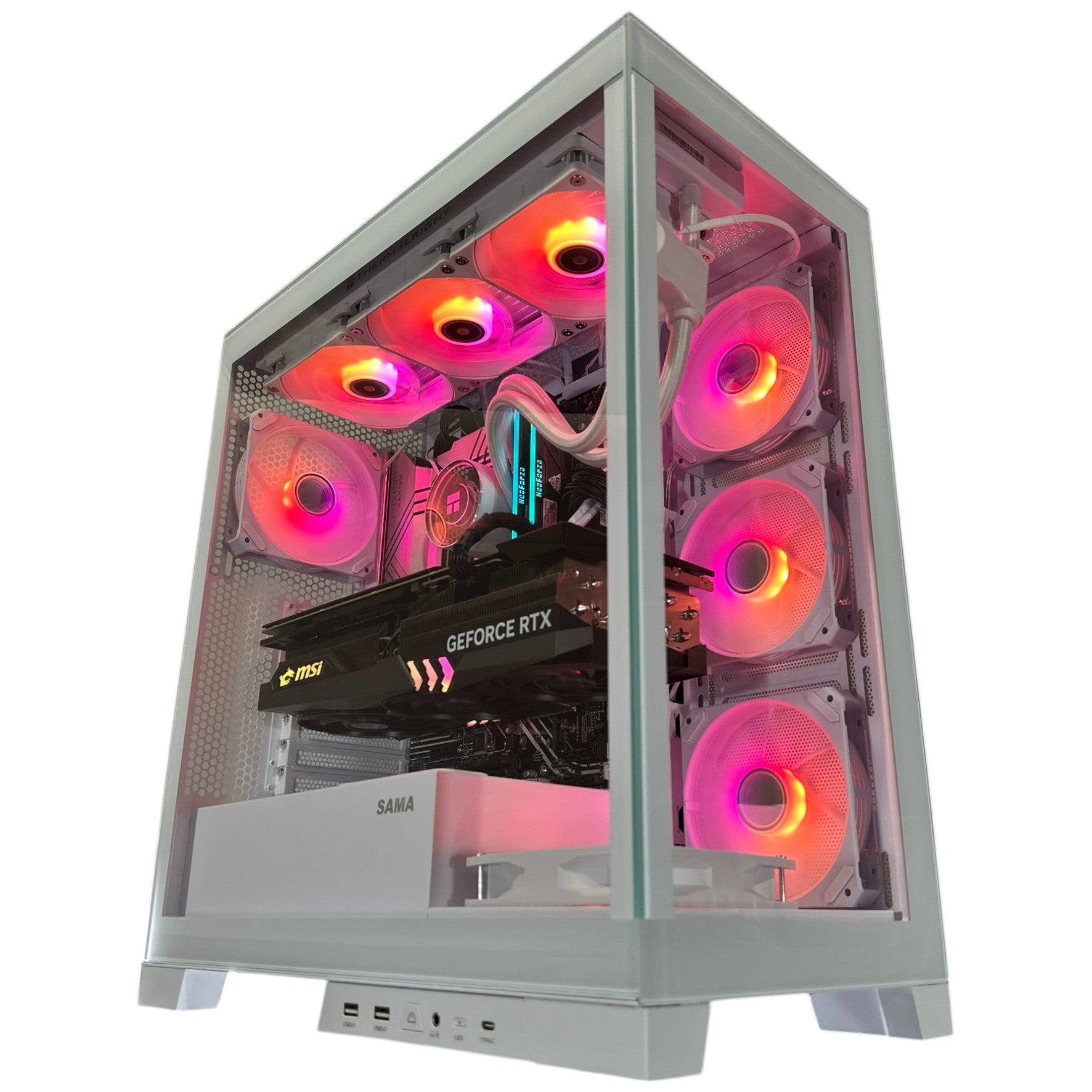
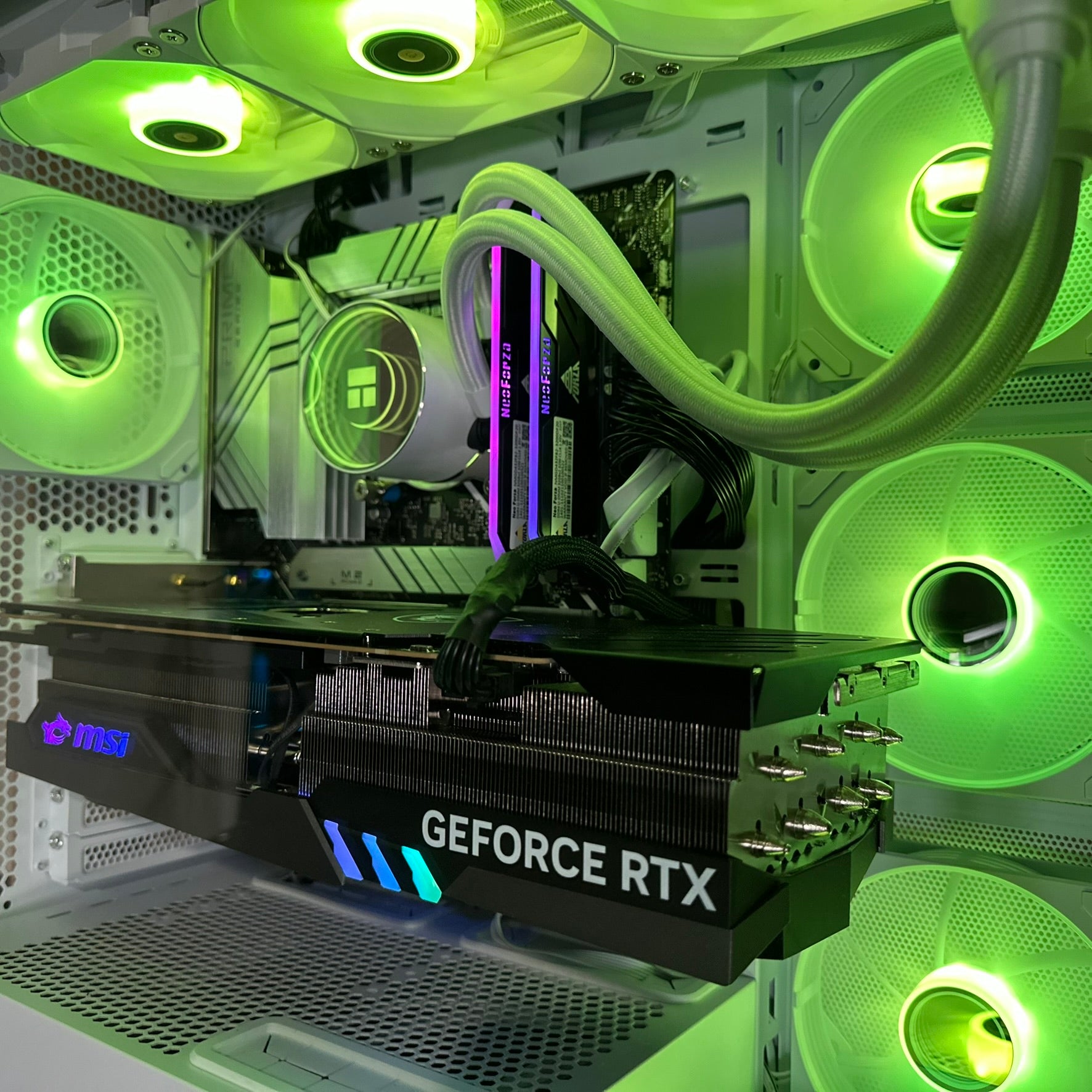
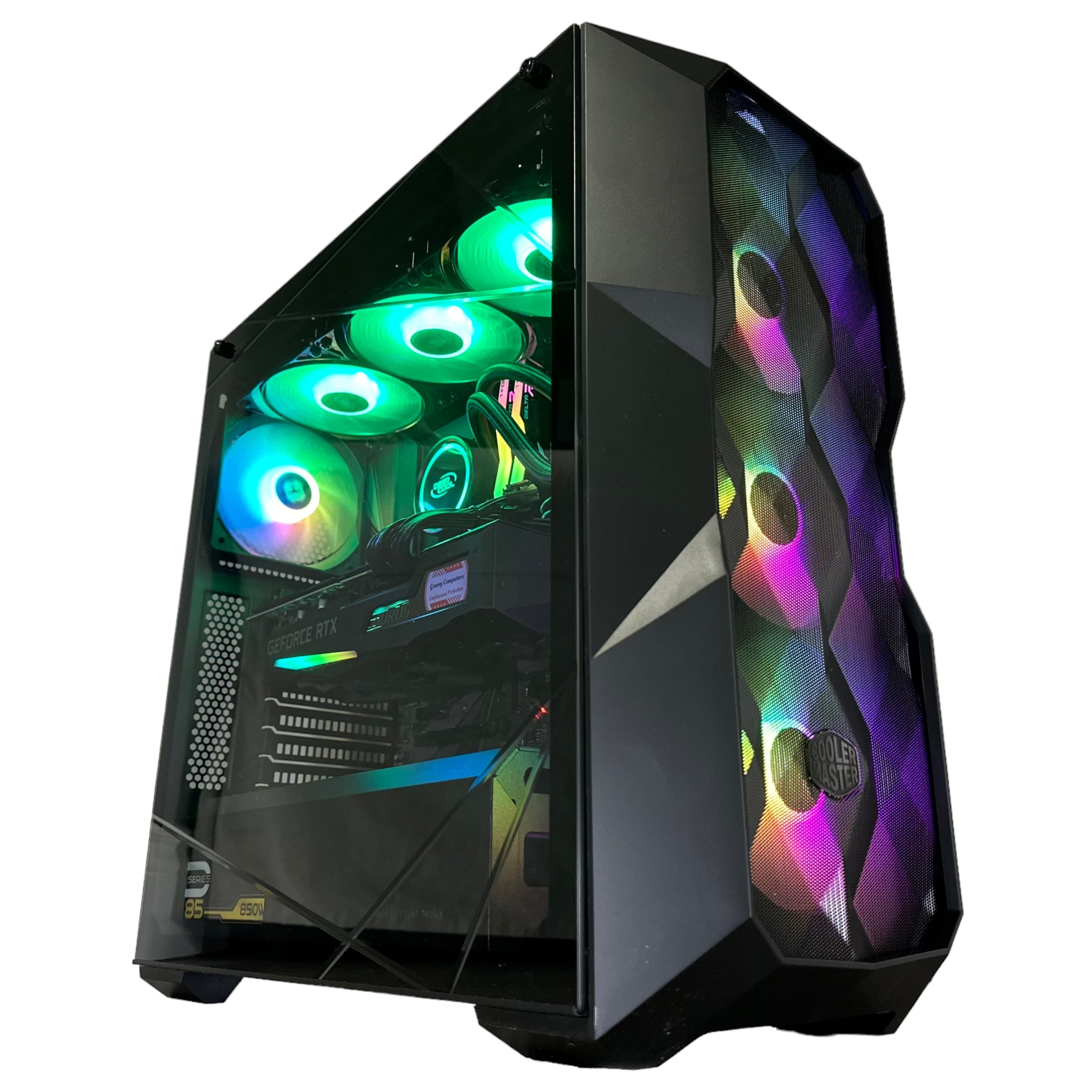
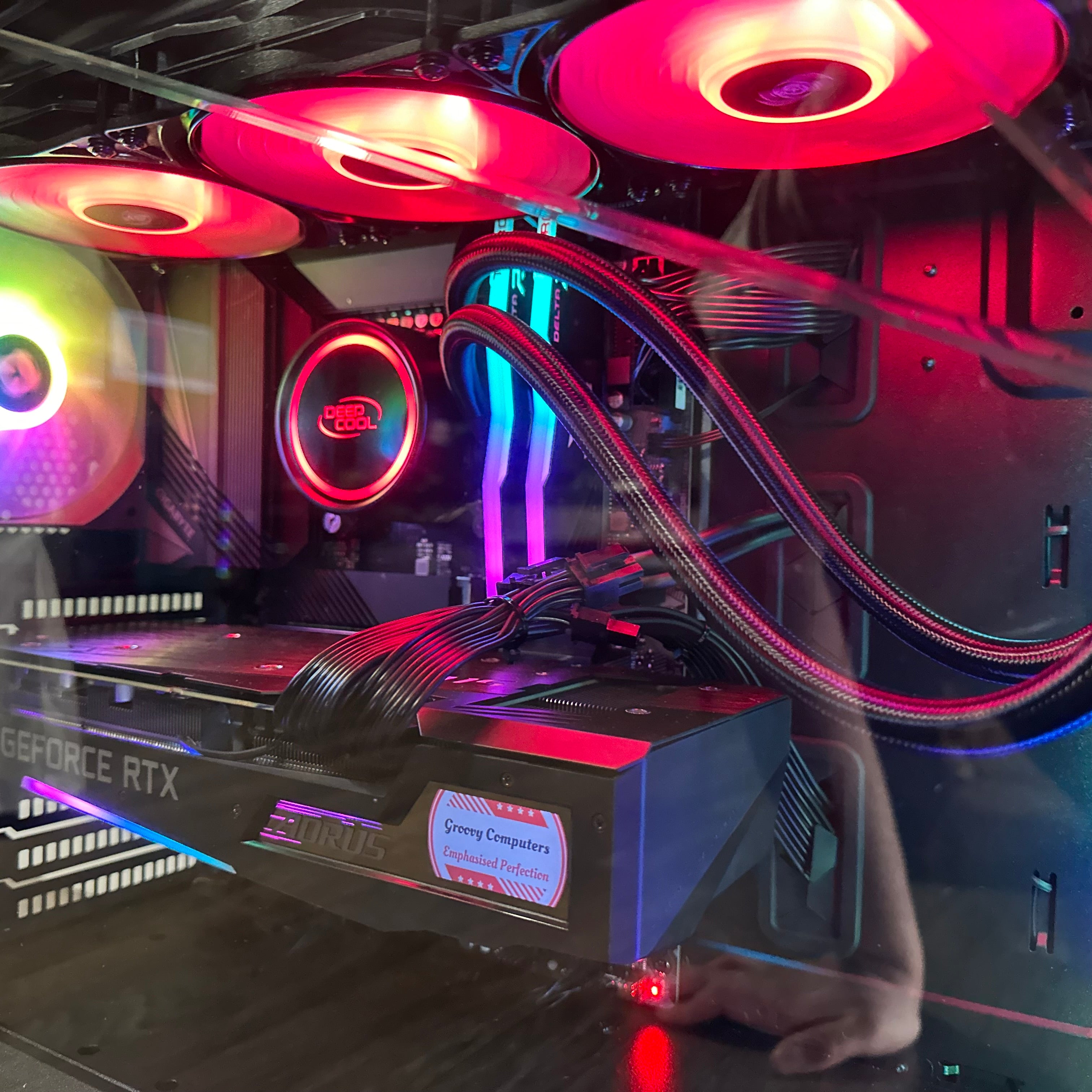
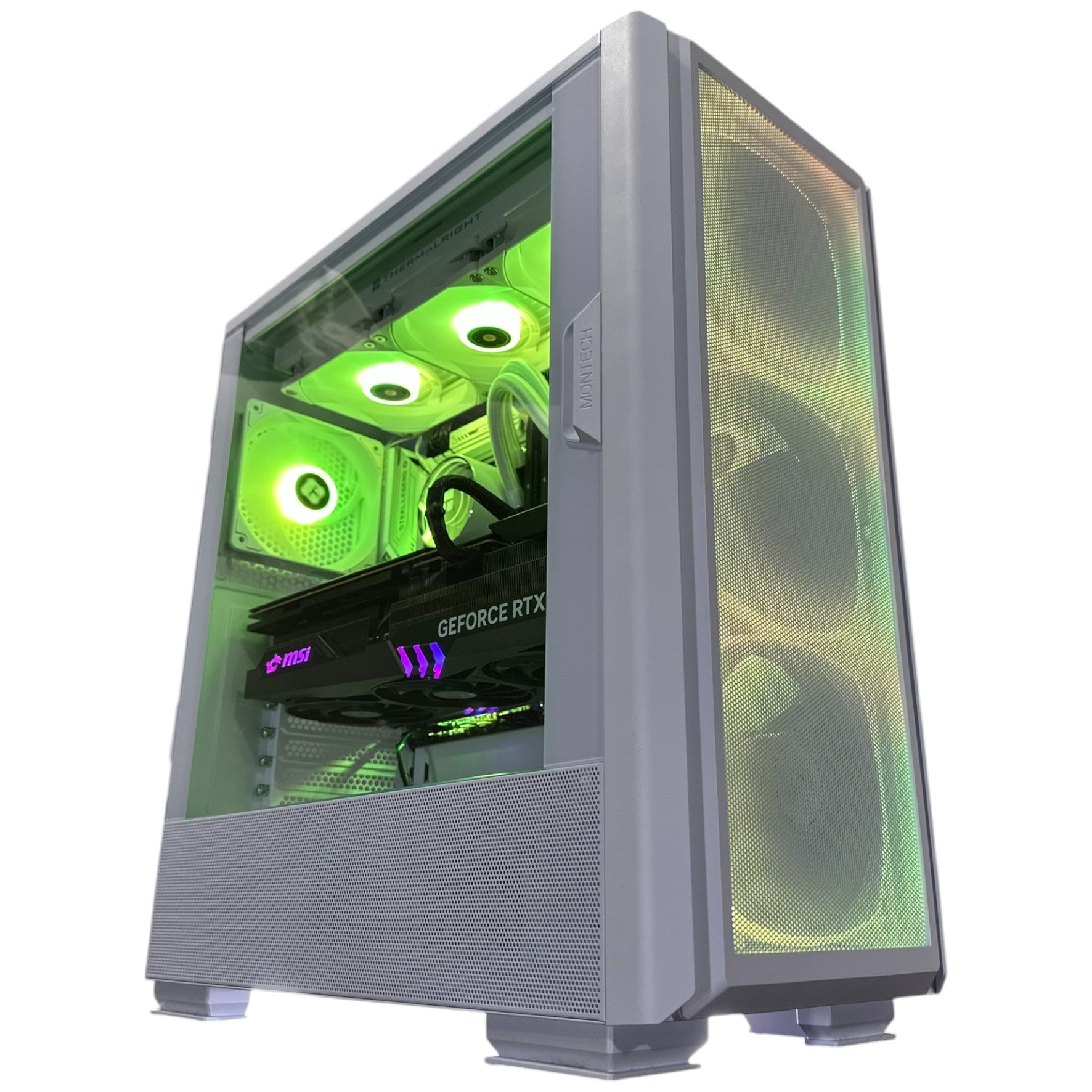
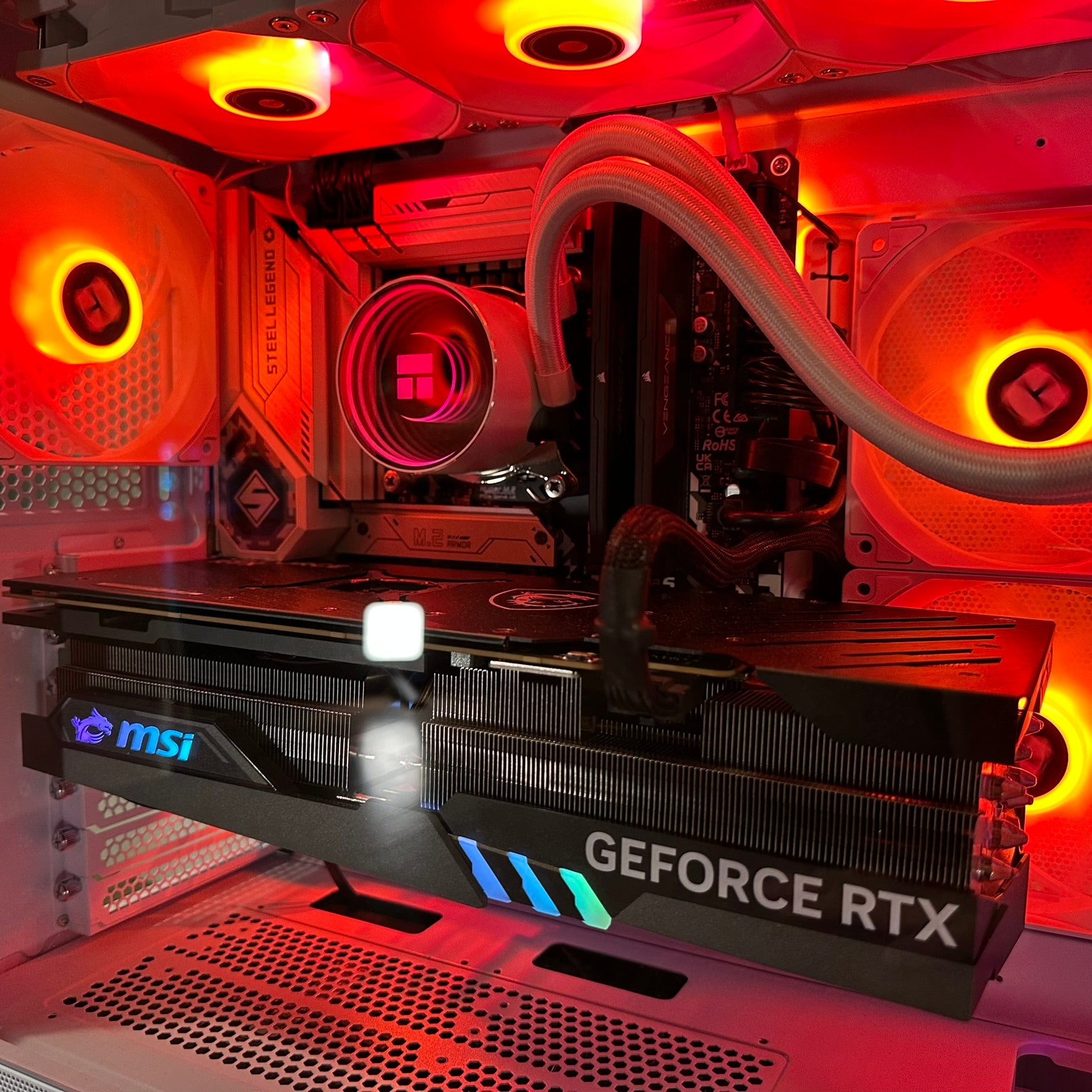
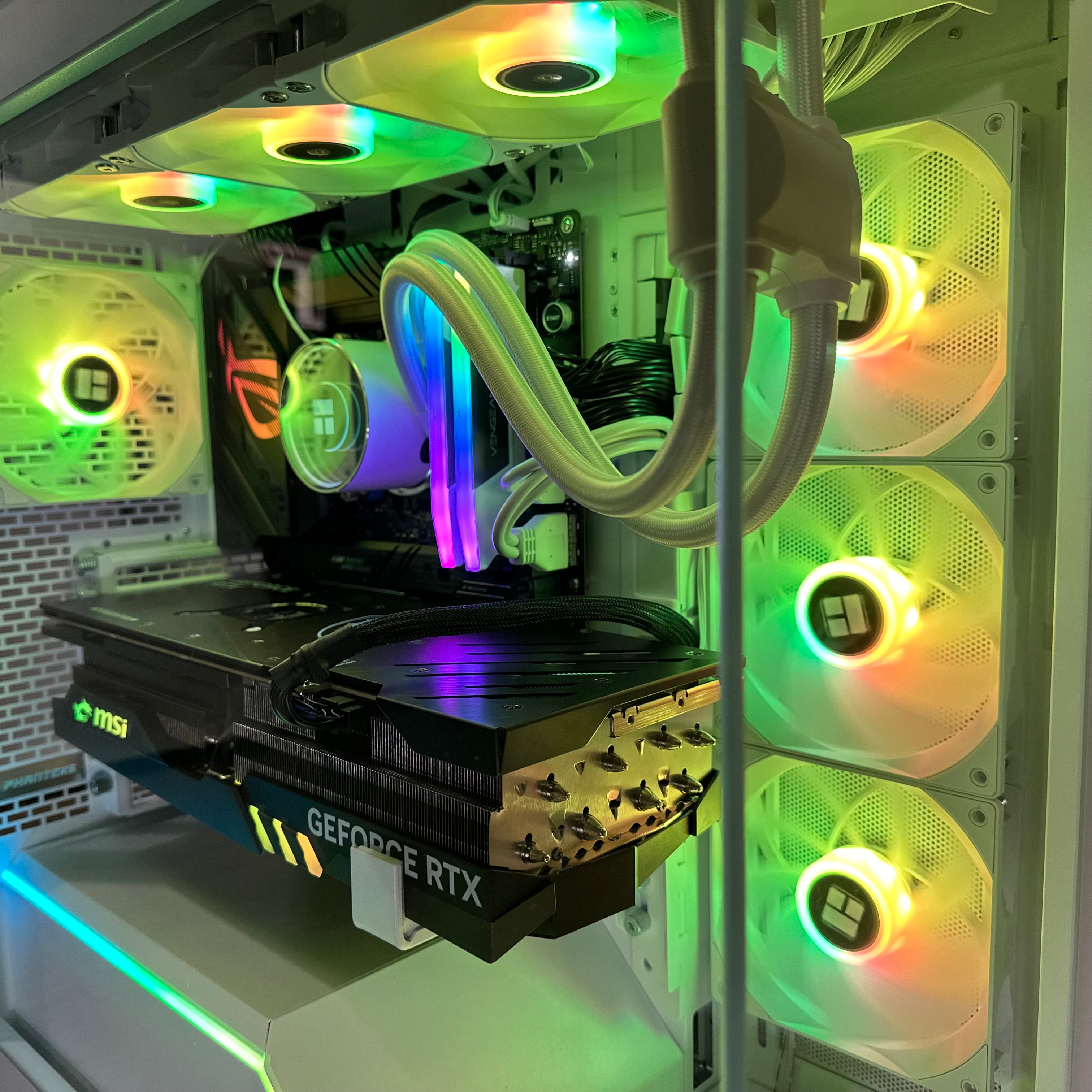

Forza Horizon 6 VR Shows Why a Custom Gaming PC in Canada Matters More Than Ever
The latest Forza Horizon 6 VR footage making the rounds online is the kind of thing that instantly grabs PC gamers, sim racing fans, and performance enthusiasts. The setup shown in the source material combines a stereo 3D VR mod, a racing wheel and pedal setup, and a full motion simulator rig that physically reacts to acceleration, braking, turning, and loss of traction. It looks extreme, immersive, and very clearly PC-driven. More importantly for Canadian buyers, it highlights a bigger reality: if you want your next gaming experience to feel truly next-gen, your system choice matters a lot more than most people think.
At Groovy Computers, we see this kind of headline as more than just gaming news. We see it as a buying signal. When new games, unofficial VR mods, higher-resolution displays, advanced physics effects, and streaming demands all collide, players start asking the same question: is my current PC still enough, or is it time to move up to a stronger custom build?
That is exactly where this article comes in. We are going to break down what this Forza Horizon 6 VR showcase really tells us, what kind of hardware matters for racing games and VR, how to think about performance tiers, and how Canadian shoppers can avoid buying too little PC now only to need another upgrade too soon.
What the Forza Horizon 6 VR setup tells us about modern PC gaming
The source article describes a user running Forza Horizon 6 in true stereo 3D VR rather than a simple flat-screen image wrapped inside a headset. That distinction matters. Real VR is dramatically more demanding than standard gaming because the system has to render two perspectives with low latency while keeping frame delivery stable enough to avoid discomfort, stutter, or nausea.
Then add the motion simulator. A motion rig may not directly increase GPU load in the same way a higher resolution does, but it changes the quality threshold. If your system drops frames, introduces jitter, or struggles with motion compensation, the experience can go from thrilling to unpleasant very quickly. In other words, immersive gaming does not just reward raw power. It rewards balanced system design.
That raises a useful question for anyone reading this in Canada: are you shopping for a PC that can merely launch new games, or are you buying a PC that can actually deliver the kind of experience new games are pushing players toward?
Why Forza Horizon 6 VR matters even if you are not building a motion simulator
Most people are not installing a full racing rig in their home. That is obvious. But the trend still matters because it points toward where enthusiast gaming is going.
Open-world racing games, cinematic AAA titles, ray tracing, ultrawide displays, high refresh monitors, VR mods, creator tools, livestreaming overlays, and background apps all stack demands onto one system. A PC that felt strong a couple of years ago can start feeling cramped much faster than expected when you move from basic play to a more premium setup.
If you have ever asked yourself any of these questions, this trend applies to you:
What gaming PC do I need for new open-world games?
What PC do I need for 1440p gaming with high settings?
Do I need an RTX-class GPU for racing games, VR, or streaming?
Should I buy a cheaper system now, or finance a stronger PC that lasts longer?
Can one custom PC handle gaming, streaming, editing, and content creation?
The answer depends on your goals, but the common thread is simple: a more ambitious gaming experience demands a more intentional PC build.
What the source article gets right about VR, motion rigs, and performance
The original report makes several important points that line up with what serious PC buyers should know.
First, it notes that the mod is still rough. Users have reported jitter, distortion, eye strain, glitches, and nausea. That is not surprising. Experimental VR experiences put huge pressure on hardware, software tuning, and system stability.
Second, it explains that motion compensation matters. Without it, the headset view can feel unstable because the player is physically moving with the rig. That means the experience depends on more than a good GPU. It depends on overall responsiveness, clean tracking, strong software support, and enough overhead that the system is not already maxed out.
Third, it points out that the setup is visually impressive even if it is not perfect yet. That is probably the biggest takeaway of all. Enthusiast PC gaming is increasingly about unlocking possibilities. The people who get the most out of that trend are usually the ones who bought enough system the first time.
Why Canadian buyers should think differently about a gaming PC upgrade
If you are buying in Canada, you are not just comparing frame rates. You are also dealing with exchange pressure, hardware pricing swings, shipping realities, and the cost of replacing an underpowered system later. That changes the buying conversation.
A bargain system can look attractive in the short term, but if your actual goal is 1440p high refresh gaming, VR readiness, content creation, or long-term AAA performance, going too low can become more expensive than stepping up properly from day one.
So ask yourself: are you trying to spend the least today, or are you trying to avoid spending again too soon?
That is why so many buyers end up moving toward a better balanced custom gaming PC in Canada rather than choosing the cheapest generic option available. The best value is often not the lowest sticker price. It is the build that still feels right after the excitement of launch day is over.
What do you want your next PC to do for you?
Before talking parts and performance tiers, start with the real buying question: what do you want your next PC to do for you over the next few years?
Do you want a machine that plays racing games smoothly at 1080p and gives you an affordable entry into PC gaming?
Do you want a 1440p system that can handle modern AAA games at high settings, with better headroom for mods, higher refresh rates, and background apps?
Do you want a premium build that pushes ultrawide gaming, 4K, ray tracing, or future VR experimentation without feeling outdated in a year?
Do you also stream to Twitch or YouTube, record gameplay, edit clips, make thumbnails, and run Adobe apps on the same system?
Are you a creator who games at night but also needs a Creator PC Canada workflow for Premiere Pro, Photoshop, OBS, CapCut, Blender, or DaVinci Resolve?
If you answer those questions honestly, your ideal PC category becomes much easier to identify.
Which performance tier fits you best?
Entry tier: budget-friendly gaming for 1080p players
If your goal is straightforward gaming, esports titles, and getting into modern PC play without going overboard, an entry-level custom build can still make sense. This is often the right choice for players who want solid 1080p performance, competitive responsiveness, and a cleaner upgrade path than a random off-the-shelf machine.
This tier is worth considering if you are asking:
Can a budget gaming PC play new games at 1080p?
What is the best first gaming PC in Canada?
Do I mainly play competitive or less demanding titles?
But there is an important warning here. If Forza Horizon 6 VR footage is exciting to you because you want bigger and more immersive experiences, this tier may not be enough for long. It is a good starting point, not necessarily the smartest stopping point.
Mid-range sweet spot: 1440p gaming, stronger longevity, better all-around value
For many Canadian buyers, this is the smartest zone. A well-chosen mid-range custom gaming PC can deliver excellent 1440p performance, stronger headroom for future games, smoother multitasking, and a much better chance of avoiding an early upgrade.
This tier is ideal if you are wondering:
What PC do I need for 1440p gaming?
Can I game and stream from one PC?
Will this system still feel good for new AAA games in the near future?
If you like open-world racing, cinematic titles, modded games, and high refresh monitor gaming, this is often where value and performance meet in the best way.
High-end tier: premium gaming, ray tracing, VR ambitions, and content creation
If the Forza Horizon 6 VR motion rig clip made you think, I want that kind of high-end experience, then this is probably your lane. A premium system is for buyers who want maximum visual quality, stronger VR readiness, higher resolutions, more graphical overhead, and enough CPU and GPU muscle to keep up with gaming plus streaming or creator workloads.
This tier makes sense if you are asking:
What PC do I need for 4K gaming?
Do I need a stronger GPU for ray tracing and VR?
Should I buy a high-end gaming PC now instead of upgrading twice?
Can one PC handle gaming, recording, editing, and 3D work?
For buyers chasing premium immersion, this is often where a custom build really proves its value.
Is Forza Horizon 6 VR really about gaming only, or is it also about creator workloads?
This is where a lot of shoppers underestimate their own needs. Many people start out looking for a gaming PC, but their actual use case quickly expands.
You play games, then you install OBS. You capture clips. You edit social content. You make thumbnails in Photoshop. You colour-correct videos. You maybe experiment with Blender, Unreal Engine, or AI-assisted creative tools. Suddenly, you do not just need a gaming machine. You need a multi-role system.
That is why the right build category is not always just gaming PC. Sometimes the better fit is a content creation PC in Canada, a streaming system, or a workstation-grade custom desktop that still delivers excellent gaming performance.
What if you want one PC for gaming, streaming, and editing?
This is one of the most common modern buyer profiles. You want to race, stream, clip highlights, edit videos, post to social media, and maybe even run a side project or channel. In that case, system balance matters more than chasing one flashy component.
A good gaming and streaming build should have enough GPU performance for the game itself, enough CPU strength for background tasks and recording, enough RAM for multitasking, and fast storage so large game files and video assets do not bog down your day.
Ask yourself:
Do you plan to stream at 1080p while gaming?
Will you edit short-form videos or longer YouTube content?
Do you keep Discord, browsers, launchers, and music apps open while gaming?
Would faster exports and smoother editing save you time every week?
If yes, it is often worth moving beyond a basic gaming-only build and into a more capable custom configuration.
What if your interest in this story is really about simulation, VR, and future-proofing?
That is a different buyer profile, and it deserves a different recommendation. VR, simulation games, racing peripherals, high refresh displays, and experimental mods all increase the importance of headroom. You do not want to be right on the edge of acceptable performance if your goal is immersive, comfortable play.
For this type of buyer, the right custom gaming PC is usually not the cheapest one that can run the game. It is the one that leaves room for:
higher rendering demands
frame stability under load
background software overhead
upcoming game patches or mod changes
future display or peripheral upgrades
If you are thinking about sim racing seriously, the smarter question is not just can this PC run it? The better question is will this PC still feel right after I add the accessories, the mods, and the monitor or headset I actually want?
Custom PC vs generic prebuilt: why it matters more for enthusiast gaming
The more specialized your goals become, the more risky generic one-size-fits-all systems become. VR experimentation, racing setups, streaming workflows, and creator tasks all benefit from hardware that is selected to work well together.
A proper custom build gives you a better chance at:
balanced CPU and GPU pairing
better cooling for sustained gaming sessions
cleaner upgrade paths
more suitable RAM and storage choices
less wasted budget on weak-value component combinations
a system designed around your real use case
If you are wondering is a custom gaming PC worth it?, this is exactly why the answer is often yes. The more demanding or mixed your workload becomes, the more value there is in getting the system right up front.
Why timing matters when gaming hype pushes hardware demand
Whenever a game captures attention, related buying behaviour follows. That does not just apply to the game itself. It applies to monitors, wheels, controllers, storage upgrades, GPUs, and full custom systems. Excitement around new titles, ambitious mods, and creator trends tends to push more shoppers into the market at the same time.
That creates a practical question: is it better to buy a gaming PC now or wait?
If your current system is already struggling, waiting can mean several things go wrong at once:
you miss the release window you were excited for
you settle for lower settings than you wanted
you rush into a weak-value purchase later
you face higher replacement costs if demand or pricing shifts
No one can promise how every component category will move, and we are not inventing live market claims here. But in general, buyers who know they need a stronger system soon should at least consider whether delaying really helps them.
Should you finance a stronger PC instead of buying a weaker one?
This is one of the most useful buying questions in the current market, especially for Canadian shoppers trying to balance budget with longevity.
If your real goal is a stronger 1440p or high-end build, but cash pressure is pulling you toward something entry-level, financing can change the decision. Instead of buying a system you outgrow quickly, you may be able to secure the performance tier you actually need now and spread the cost over time.
That matters because the wrong cheaper system can cost more in the long run if it leads to:
an early GPU upgrade
adding RAM sooner than expected
replacing storage immediately
buying a second PC for creator work later
missing out on the monitor, VR, or streaming performance you wanted
So ask yourself honestly: should I finance a better PC instead of buying a cheaper one? For many buyers, especially those targeting premium gaming or mixed gaming-and-creator use, the answer is yes.
What specs matter most for a racing game and VR-focused gaming PC?
Without turning this article into a parts list, there are still some broad principles that matter.
GPU performance
For modern racing games, high settings, high refresh rates, and any form of VR experimentation, the graphics card is central. This is especially true if you want visual headroom rather than simply minimum-playable results.
CPU balance
A strong CPU helps with simulation-style responsiveness, background apps, recording, streaming, and general system smoothness. It also matters if your gaming sessions are doing more than one thing at once.
RAM capacity
If you play modern titles while keeping browsers, chat apps, launchers, recording tools, and creator software open, memory limits appear fast. Extra RAM can make a very noticeable difference in day-to-day comfort.
Fast SSD storage
Large games, captured footage, and creative assets fill drives quickly. Fast storage improves loading, file movement, and general responsiveness, especially for anyone blending gaming with content work.
Cooling and power quality
High-performance gaming is not just about benchmark screenshots. It is about sustained stability. That is why cooling and power delivery are part of the quality conversation, not side details.
Could this kind of gaming interest mean you actually need a creator PC or workstation?
For some buyers, yes. If you are also editing race footage, making YouTube content, designing stream assets, or working in 3D software, a pure gaming-first build may not be the best fit.
You may be better served by moving into one of these categories:
Streaming PC Canada if live content is a real priority
Video Editing PC Canada if you export and edit regularly
Content Creation PC Canada if you do a mix of gaming, editing, thumbnails, and social media
3D Modeling PC Canada if your interest extends into Blender, Unreal Engine, or rendering work
Workstation PC Canada if your system also earns income through production tasks
A lot of people start by searching for a gaming PC and end up realizing they actually need a hybrid machine. That is one reason custom guidance matters.
How do you decide between a budget gaming computer and a premium RTX gaming PC?
Start with the experience you want, not the cheapest label.
If your expectations are modest, your display is 1080p, and your games are mostly lighter or competitive, a budget-conscious build can be the right move.
If you want newer AAA games to look impressive, care about smooth 1440p performance, plan to multitask, or are drawn to VR and simulation content, stepping up usually makes more sense.
If your goal is high refresh 1440p, ultrawide, 4K ambitions, ray tracing, streaming, and not having to rethink your purchase too soon, then premium territory is justified.
So the practical question becomes: how much should I spend on a gaming PC if I want it to stay satisfying for more than just the next release?
The answer is usually a little more than your minimum, but less than the cost of buying twice.
Why testing, warranty, and support matter more than people think
When you are buying a stronger system, you are not just paying for parts. You are paying for confidence.
That matters even more with demanding use cases like modern gaming, creator work, and simulation-focused setups. Stability problems are frustrating enough in normal use. In VR or long gaming sessions, they are even more disruptive.
That is why Groovy Computers emphasizes custom-built systems, rigorous testing, and a 1-year warranty. Those details matter because a good PC experience is not just about what a spec sheet promises. It is about what the machine actually delivers once it is on your desk.
If you are buying in Canada, especially online, it is fair to ask: who is building this system, how carefully is it tested, and what support do I have after it arrives?
Why Groovy Computers fits this kind of buyer in Canada
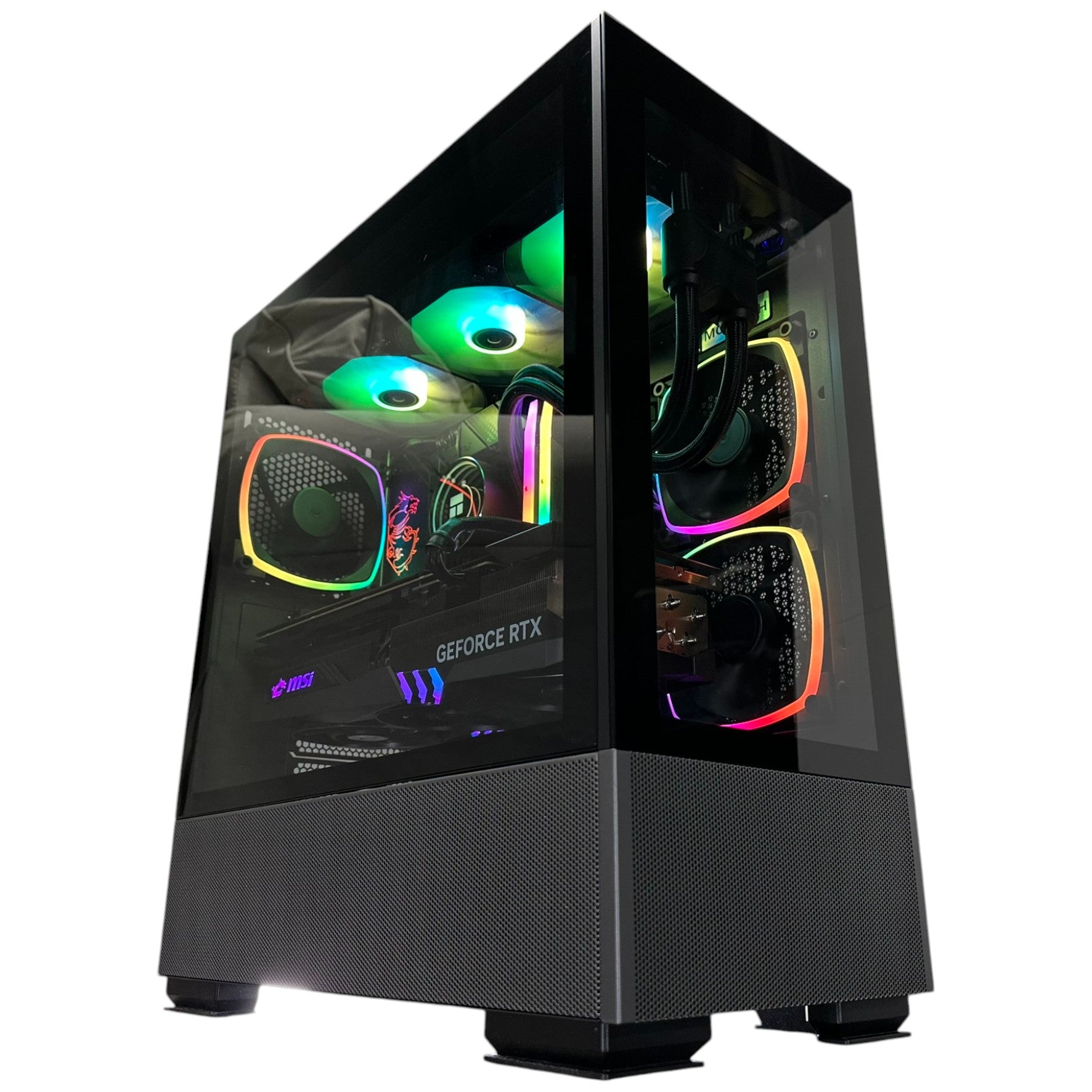
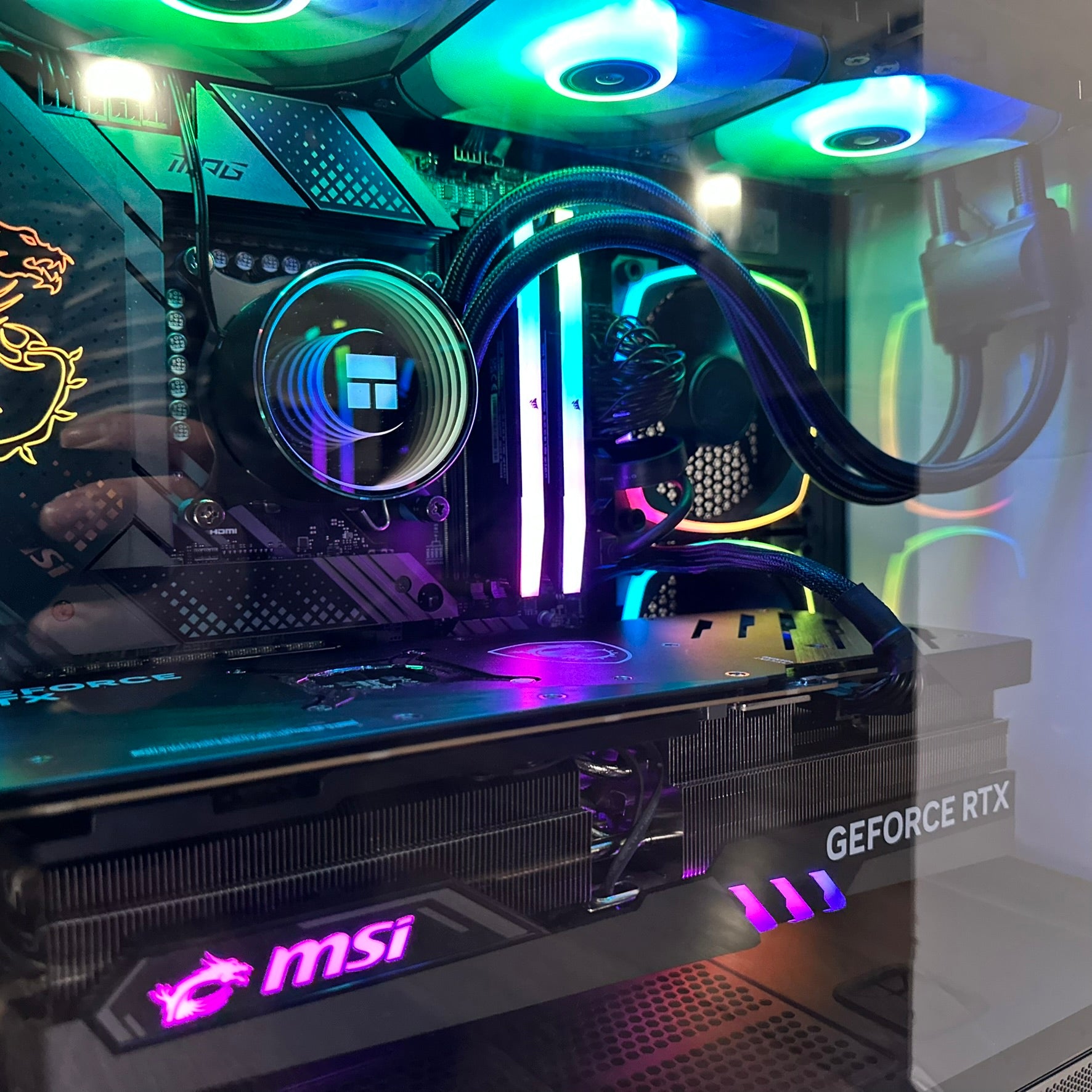
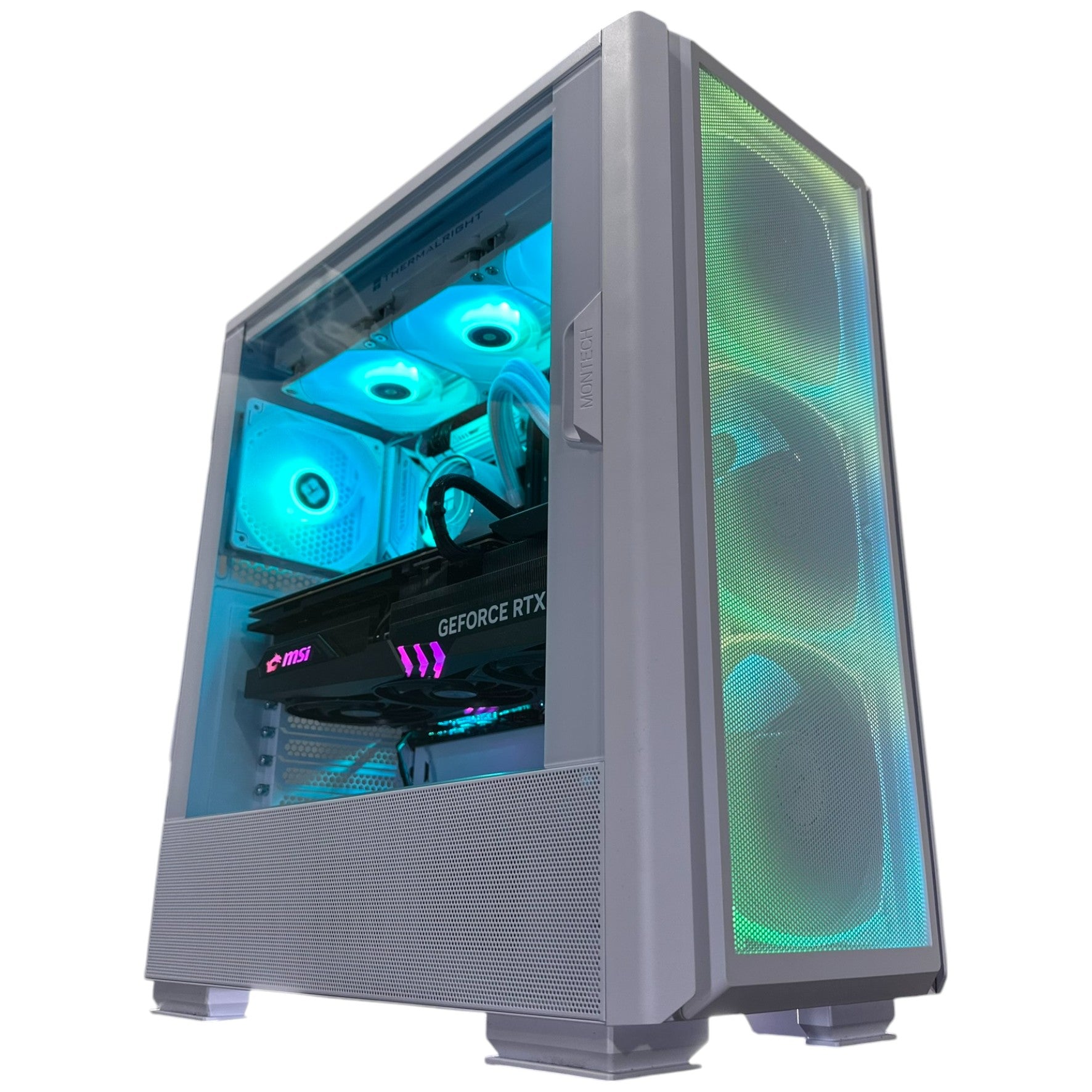
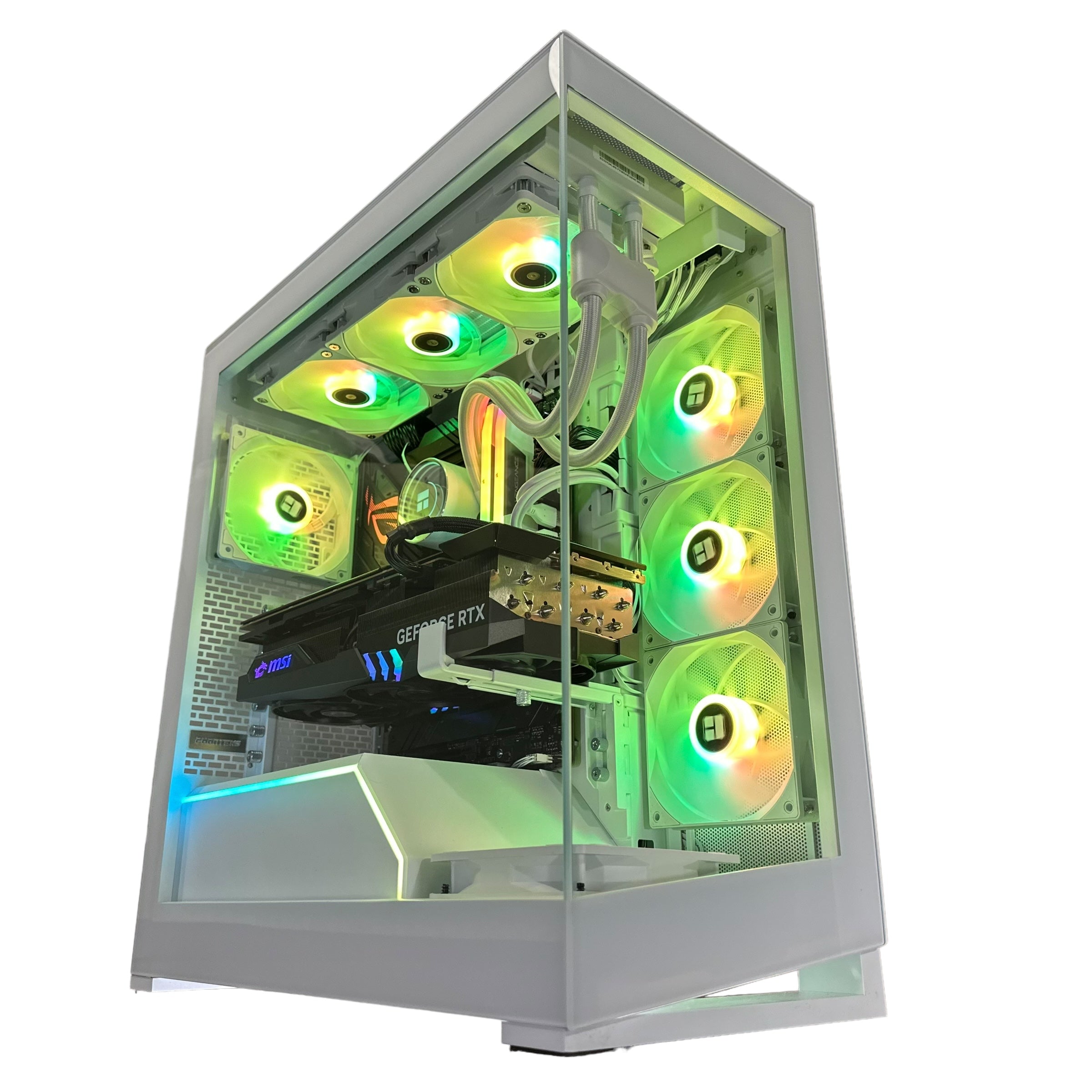
Groovy Computers is built for people who want more than a random box with flashy marketing. Whether you are shopping for a custom gaming system, a streaming machine, a creator desktop, or a stronger workstation, the goal is the same: match the build to the workload so you get better value, better longevity, and better day-to-day performance.
For Canadian customers, that means a lot:
custom PCs built around real needs
strong fit for gaming, streaming, editing, and creator use
systems designed for upgrade sense, not just short-term appeal
rigorous testing before the PC reaches you
1-year warranty support for added confidence
financing available for up to 4 years for buyers who want a stronger system without paying all at once
If you are in Nova Scotia, Atlantic Canada, or ordering from elsewhere in the country, the appeal is the same: you want a Canadian custom PC builder that understands performance, not just price tags.
What kind of buyer should act now?
You should be thinking seriously about your next PC now if any of these sound familiar:
your current system already struggles in newer games
you want to move from 1080p to 1440p or beyond
you are adding streaming, recording, or editing to your workflow
you are interested in VR, racing peripherals, or simulation gaming
you want one PC that handles both play and creator work
you are trying to avoid an underpowered purchase that forces another upgrade soon
you would rather finance the right build than settle for the wrong one
If that sounds like you, waiting rarely makes the decision simpler. Usually, it just delays the upgrade you already know is coming.
Need help choosing the right custom PC for gaming, VR, streaming, or creator work?
If the Forza Horizon 6 VR showcase has you thinking about a stronger system, the next step is not guessing. The next step is choosing a build that fits how you actually play and work.
Do you want an affordable entry point, a balanced 1440p machine, a premium RTX gaming PC, or a hybrid creator system that can game, stream, and edit without compromise? Do you want to avoid upgrading too soon? Do you want to explore financing so you can secure a better system now?
If so, visit GroovyComputers.ca and start with a custom PC solution built for Canadian buyers who want performance, testing, warranty confidence, and better long-term value.
Final thoughts: Forza Horizon 6 VR is a preview of where demanding PC gaming is heading
The source story is exciting because it shows what enthusiast PC gaming can become when the right software, the right hardware, and the right ambition come together. Forza Horizon 6 VR with a motion simulator may still be rough around the edges, but it clearly points toward a future where players want more immersion, more realism, and more system headroom.
That is why this story matters beyond the clip itself. It is a reminder that a stronger Forza Horizon 6 VR-ready mindset is really about buying smarter: choosing the right performance tier, planning for gaming plus creator needs, and considering whether a custom build now is better than a compromise you regret later.
For Canadian shoppers who want a gaming PC, creator PC, or workstation that actually fits modern demands, Groovy Computers is exactly where that conversation should start.
#ForzaHorizon6VR #CustomGamingPCCanada #GamingPCBuilderCanada #GamingPCForForza #1440pGamingPCCanada #4KGamingPCCanada #StreamingPCCanada #CreatorPCCanada #CanadianCustomPCBuilders #GroovyComputers
Groovy Computers | All Rights Reserved



Leave a comment
This site is protected by hCaptcha and the hCaptcha Privacy Policy and Terms of Service apply.