


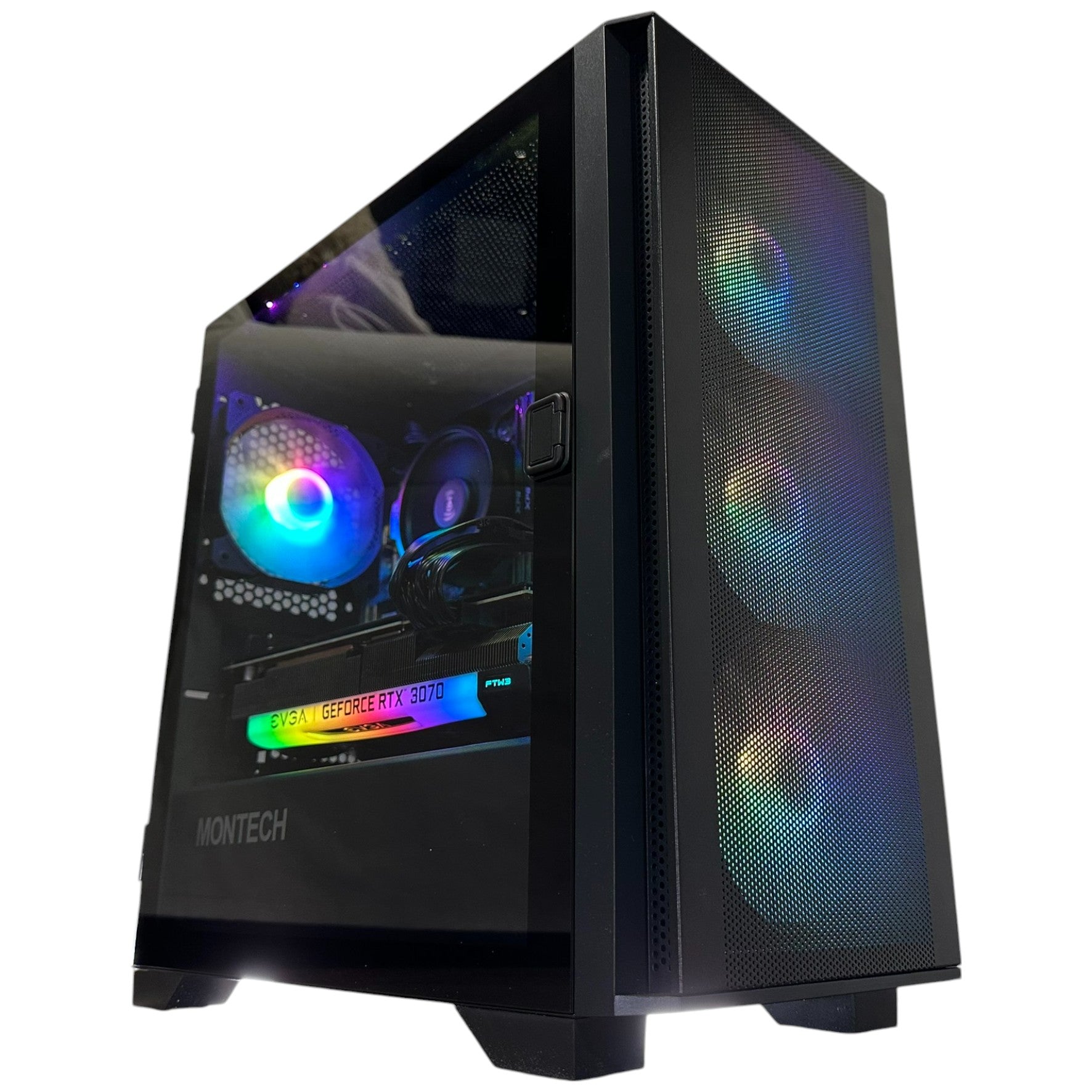
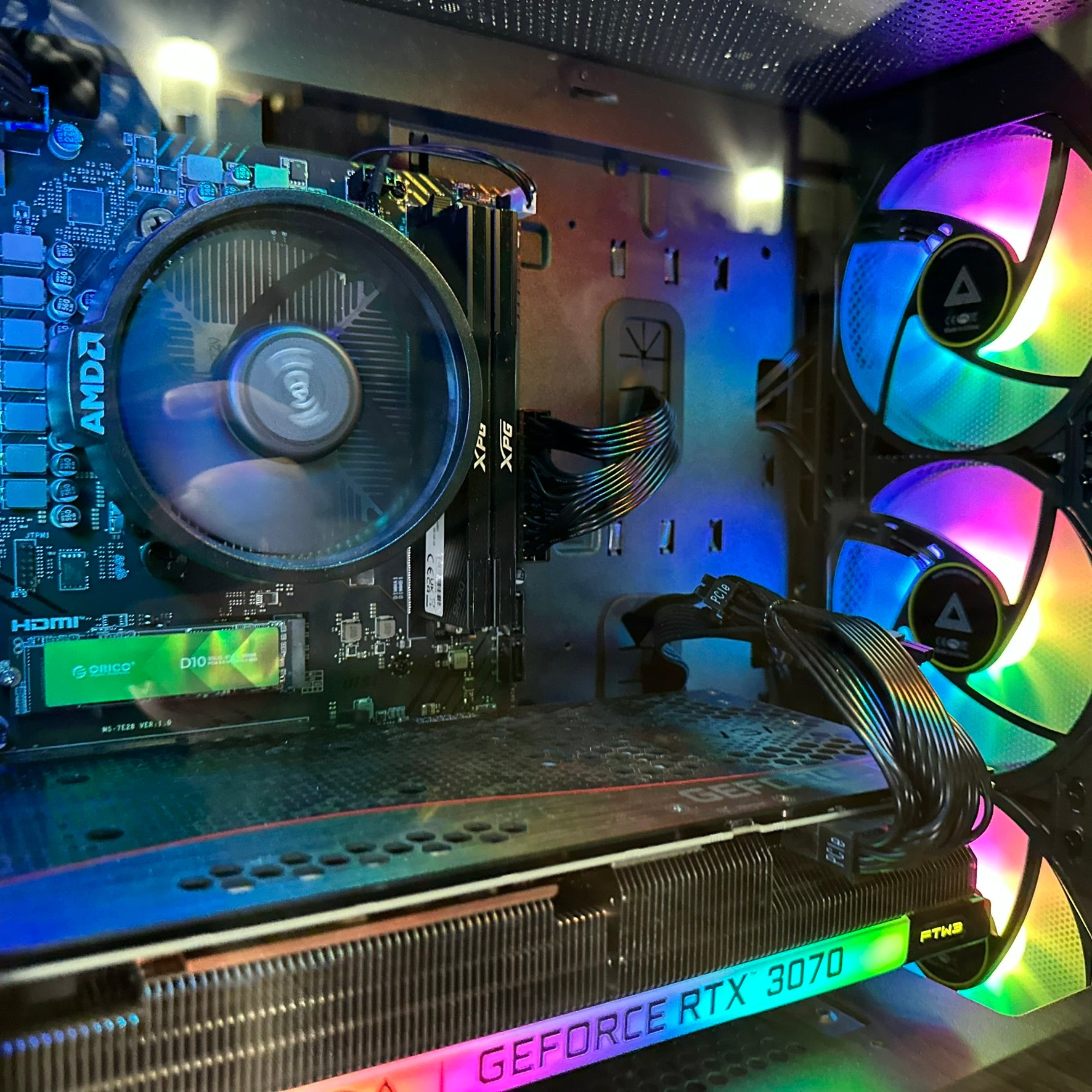
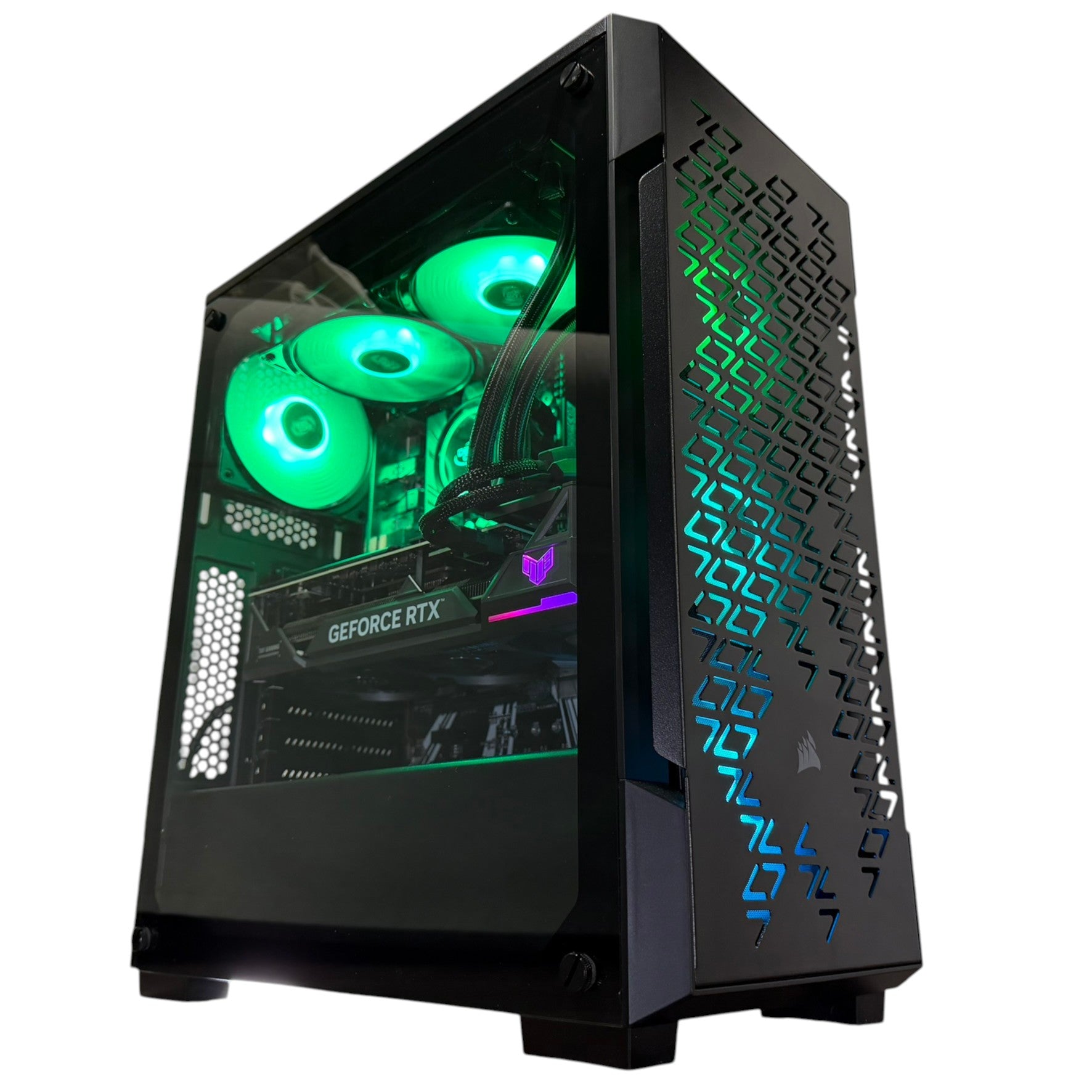

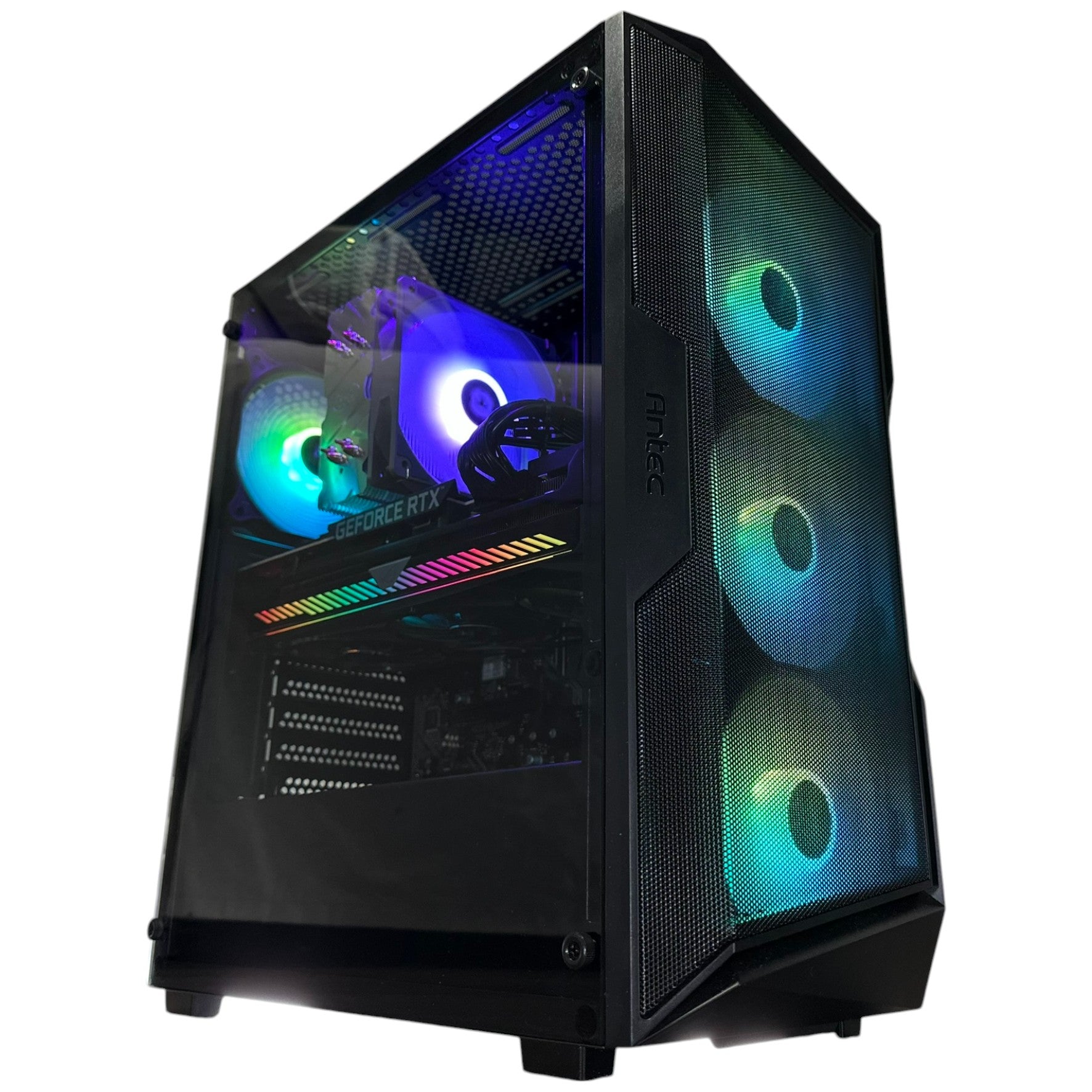


2026 Game Release Schedule: What Canadian Gamers Should Know Before Buying a PC for GTA 6, Halo Campaign Evolved, and Forza Horizon 6
The 2026 game release schedule is already shaping how Canadian buyers think about hardware, upgrade timing, and long-term value. With major titles such as Grand Theft Auto 6, Halo: Campaign Evolved, Forza Horizon 6, Resident Evil Requiem, Pragmata, 007 First Light, Gears of War: E-Day, and Marvel's Wolverine filling the calendar, this is not just a gaming news story. It is a buying guide moment. If you have been asking yourself whether your current system is ready for next year's biggest games, whether you should upgrade now, or what kind of custom gaming PC in Canada makes the most sense before demand rises, this release schedule matters.
The source schedule highlights a long list of confirmed and tentatively dated launches across PS5, Xbox Series X and S, Switch 2, PC, and other platforms. The most talked-about game is clearly GTA 6, currently slated for November 19 on console, while Halo: Campaign Evolved and Forza Horizon 6 are also drawing serious attention. For PC buyers, the important takeaway is simple: when a release calendar gets this crowded, hardware buying pressure tends to follow. More people start shopping for graphics upgrades, full gaming desktops, streaming setups, creator machines, and stronger all-purpose systems that can handle modern engines without another upgrade six months later.
That is where Groovy Computers comes in. For buyers across Canada, especially shoppers who want a custom-built system instead of a generic box with unclear part choices, the smartest move is to think ahead. What do you want your next PC to do for you? Do you want smooth 1080p gaming in upcoming AAA titles? Are you aiming for 1440p high settings? Do you want a 4K gaming experience with ray tracing? Are you planning to stream on OBS, edit YouTube videos, create thumbnails in Photoshop, or run Blender alongside your games? Those questions matter more in 2026 than ever.
Why the 2026 game release schedule matters for PC buyers in Canada
A busy release year changes the market in several ways. First, it changes expectations. Games tied to blockbuster franchises push visual fidelity, world size, asset quality, lighting complexity, and CPU demand upward. Open-world games, cinematic action titles, racing games, live-service shooters, and big remakes all place different pressure on a system. Second, release hype changes buying behaviour. The closer the year gets to major launches, the more buyers start looking for a gaming PC for GTA 6, a PC for open-world games, or a system that can finally move them into consistent high-refresh 1440p play.
Canadian shoppers also have a few extra things to think about. Import costs, supply shifts, GPU demand spikes, and replacement pricing can hit our market differently than what buyers see in U.S.-centric coverage. If you wait until the exact month a huge title launches, you may be shopping at the same time as everyone else who suddenly realizes their old GPU is not enough. That can shrink selection, stretch delivery times, or push buyers into weaker value decisions.
So ask yourself a practical question: are you buying a PC for one game, or are you buying for the next two to four years of games? That answer should shape your entire build strategy.
What the source release schedule gets right
The release calendar is useful not just because it lists dates, but because it helps buyers map out demand. January and February already start with meaningful launches like The Legend of Heroes: Trails Beyond the Horizon, Code Vein 2, Nioh 3, Dragon Quest VII Reimagined, High on Life 2, Reanimal, and Resident Evil Requiem. Then March accelerates quickly with Crimson Desert, Death Stranding 2 on PC, Monster Hunter Stories 3, Fatal Frame II: Crimson Butterfly, Marathon, WWE 2K26, and MLB The Show 26.
Spring and summer continue with Pragmata, Diablo IV: Lord of Hatred, Saros, Forza Horizon 6, 007 First Light, Mina the Hollower, Subnautica 2 early access, Palworld on console, Halo: Campaign Evolved, Madden NFL 27, Marvel Tokon: Fighting Souls, and Star Wars: Zero Company. Fall and winter stay busy with Marvel's Wolverine, Fire Emblem: Fortune's Weave, Silent Hill: Townfall, Control Resonant, Gears of War: E-Day, Call of Duty: Modern Warfare 4, Phantom Blade Zero, GTA 6, and Dragon Quest Monsters: The Withered World.
That kind of release density means one thing for PC hardware shoppers: this is the kind of year where “good enough” systems can start to feel old very quickly.
What do you want your next PC to do for you?
Before you compare processors, graphics cards, or financing options, pause and define your real goal. Do you want a better experience in next year's biggest games? Do you want a custom creator PC in Canada that can game at night and edit content during the day? Do you need a workstation for Unreal Engine, Blender, and Adobe apps in addition to gaming? Or are you simply tired of lowering settings every time a new release arrives?
This is one of the most important questions any buyer can ask. A lot of people shop by buzzwords. The better approach is to shop by use case.
- If you mainly play esports and lighter titles: you may only need a strong entry or mid-tier gaming system.
- If you want to play major 2026 AAA releases comfortably: a balanced 1440p gaming PC is often the smartest value tier.
- If you want high refresh, ray tracing, streaming, and long-term headroom: a premium RTX-based gaming desktop becomes far more attractive.
- If you also edit videos, design graphics, or stream: you should think in terms of a gaming and creator PC, not just a gaming box.
- If your workloads include 3D rendering, game development, or production software: you may be better served by a workstation-class custom build.
What sounds more like you: “I just want to run new games well,” or “I want one machine that does everything without compromise?”
Which upcoming 2026 games are most likely to push hardware harder?
Not every game on the schedule will demand the same level of hardware. Some titles may be scalable across a wide range of systems, while others are likely to become stress tests for CPU performance, GPU memory, storage speed, and thermal stability.
GTA 6 and the open-world question
Grand Theft Auto 6 is the obvious conversation starter. Even without official PC launch timing confirmed in the provided source, the franchise alone changes buyer behaviour. Massive environments, dense traffic and pedestrian systems, simulation complexity, lighting effects, and high asset streaming requirements can punish older systems. If you are already asking, “Can my PC run this game?” it may be time to think about your platform strategy now rather than later.
Do you want to be ready for GTA 6-level open-world demands when PC support arrives, or do you want to scramble for an upgrade when everyone else starts shopping at once?
Halo: Campaign Evolved and cross-platform interest
Halo: Campaign Evolved stands out because of its significance beyond performance. It is a remake of the original Halo campaign and, according to the source, will release across PS5, Xbox Series X and S, and PC. That kind of cross-platform event can generate huge demand from returning players and new audiences alike. Competitive shooters and campaign shooters often benefit from high frame rates, low latency, fast SSD loading, and strong CPU consistency. If you want a better experience than console, your PC should be built with frame pacing and cooling in mind, not just headline specs.
Forza Horizon 6 and high-speed visual fidelity
Racing games reward smoothness. Forza Horizon 6 is exactly the kind of title that gets buyers thinking about 1440p and 4K, high refresh monitors, and stronger GPUs. Fast environments, weather effects, dense scenery, and high-speed traversal can make frame consistency especially important. If you love racing games, ask yourself this: would you rather target bare-minimum playability, or build for the kind of visual smoothness that actually makes a racing game feel premium?
Pragmata, Gears of War: E-Day, Silent Hill: Townfall, and next-gen visual trends
Some of the most interesting 2026 releases are the ones tied to modern rendering expectations. Sci-fi titles, atmospheric horror games, and cinematic action games often push effects quality, texture detail, shadow quality, and environmental complexity. Even before exact PC requirements are known, smart shoppers can see the trend: stronger GPUs, faster storage, and more breathing room on memory are becoming less of a luxury and more of a practical hedge against future disappointment.
What PC do you need for 1080p, 1440p, or 4K gaming in 2026?
This is where many buyers either save money wisely or underbuy by mistake. Resolution target matters. Game type matters. Whether you care about ray tracing matters. Whether you want streaming and editing on the same machine matters too.
1080p gaming PC: who is it for?
A 1080p-focused build still makes sense for many buyers in Canada. If you mostly play competitive titles, want solid entry performance in newer games, or are trying to control your budget, this tier can be a smart first gaming PC. But here is the key question: are you buying for today's games only, or are you expecting strong performance in tomorrow's biggest releases too?
A budget-friendly 1080p system should still have enough CPU and GPU balance to avoid becoming outdated too quickly. For buyers interested in a budget gaming PC in Canada, the goal should not be the cheapest possible machine. It should be the best-value machine that keeps you comfortable for longer.
1440p gaming PC: the sweet spot for most serious gamers
For many players, 1440p is the ideal balance of image quality, performance, and long-term value. If you are interested in major 2026 games like GTA 6, Halo: Campaign Evolved, Forza Horizon 6, Gears of War: E-Day, or Call of Duty: Modern Warfare 4, this is often the most sensible target. A well-planned 1440p gaming PC in Canada can give you strong settings, smoother gameplay, and better monitor pairing without immediately jumping to the cost of a top-end 4K machine.
If you are wondering, “What PC do I need for 1440p gaming?” the answer is usually a modern mid-to-high tier custom build with enough GPU power to stay relevant beyond one release cycle. This is also the tier where streaming and multitasking begin to matter more.
4K gaming PC: who should go premium?
If your goal is ultra settings, advanced effects, and a premium long-term experience, a 4K gaming PC in Canada can absolutely be worth it. But this tier is for buyers who understand their expectations. High-end gaming is not just about getting a powerful graphics card. It is about building a balanced system with cooling, airflow, power delivery, storage speed, and component matching that actually supports that level of performance over time.
Are you the kind of gamer who upgrades monitors, chases visual quality, and wants the strongest experience possible in large AAA worlds? Or would a smarter 1440p system give you better value per dollar? That is exactly the kind of choice Groovy Computers helps customers make.
Do you need a gaming PC only, or a gaming and creator PC?
One of the biggest buying mistakes in a major release year is assuming gaming performance is the whole story. Many buyers today are not just gamers. They stream. They clip highlights. They upload to YouTube. They edit TikTok content. They create thumbnails in Photoshop, social graphics in Illustrator or Canva, and long-form edits in Premiere Pro or DaVinci Resolve.
If that sounds like you, the right question is not just “What gaming PC do I need?” It is “What PC do content creators need if they also want strong gaming performance?”
Streaming and recording
If you want to play new games and stream them, your system needs headroom. A gaming and streaming PC in Canada should be selected differently than a gaming-only desktop. Streaming introduces encoder load, RAM demand, background software, browser windows, chat tools, and storage needs for recordings. Do you want to stream in 1080p smoothly while gaming? Do you want cleaner performance while using OBS? Do you want one PC instead of a dual-PC setup? Those answers affect your CPU, GPU, RAM, and storage choices.
Video editing and content creation
Maybe your gaming schedule is tied directly to your content schedule. If you plan to make videos about GTA 6, Forza Horizon 6, Halo, or the next big horror release, then a creator-focused system may make more sense than a pure gaming rig. A custom video editing PC in Canada should prioritize not just gameplay, but timeline smoothness, export speed, codec acceleration, multitasking, and storage performance.
Ask yourself: will your PC spend more time launching games, or rendering content about those games? If both are important, the best value may be a hybrid creator build rather than a one-dimensional gaming desktop.
Photo editing and graphic design
Even gaming-focused buyers increasingly use creative apps for side hustles, school, work, or personal projects. If you use Photoshop, Lightroom, Illustrator, InDesign, or AI-assisted design tools, system balance matters. A strong GPU may help in some creative workflows, but CPU responsiveness, RAM, and SSD performance also shape your experience. If you are doing thumbnails, branding, or marketing assets for gaming channels, why buy a machine that is great in one task and frustrating in another?
3D modeling and Unreal Engine work
Some customers reading gaming news are actually developers, modders, artists, or students. If your interest in 2026 games also means interest in Unreal Engine, Blender, Maya, ZBrush, or CAD-style workflows, then you are in workstation territory. A 3D modeling PC in Canada or custom rendering workstation should be planned for sustained loads, memory capacity, GPU acceleration, and upgrade potential.
Do you need a gaming PC that can also handle Blender, or do you need a workstation that happens to game well? That difference can save you from buying the wrong system.
Should you buy now or wait until closer to the biggest releases?
This is one of the most important buyer questions in any major gaming year. On paper, waiting sounds reasonable. In practice, waiting can mean buying when everyone else is buying too.
When release hype ramps up, especially around a title like GTA 6 or a big first-party launch, many shoppers move at once. That can pressure graphics card availability, system build queues, specific component tiers, and overall pricing. Even if there is no dramatic shortage, stronger demand alone can reduce flexibility. Buyers end up settling for whatever is available instead of getting the exact build that fits their goals.
So ask yourself honestly: are you trying to time the market perfectly, or are you trying to secure a system that fits your needs before the rush? In many cases, the better move is to buy while you still have room to compare options carefully.
How pricing pressure affects full systems, not just GPUs
Many people focus only on graphics cards, but full-system cost can shift in several places at once. A release-heavy year can create upward pressure not only on GPUs, but on CPUs, memory kits, SSDs, cases, cooling, and power supplies depending on supply trends and buyer demand. If your plan is to upgrade piece by piece, that can work for some users. But for many buyers with older systems, a full custom build provides cleaner value, better balance, and fewer compatibility headaches.
Would you rather upgrade one part now and discover your old platform is holding it back, or move into a properly matched custom system with a fresh warranty and modern upgrade path?
This is especially relevant if your current PC is already showing its age. Older platforms may bottleneck newer GPUs, struggle with modern storage standards, run hotter, or lack the memory headroom that upcoming games and creator apps increasingly expect.
Which performance tier fits you best?
Not every customer needs the same system. The right answer depends on your target games, monitor, creative workloads, and budget comfort. Below is a practical way to think about performance tiers without getting lost in spec-sheet noise.
Entry/value tier
This tier suits buyers who want a first gaming desktop, a student-friendly setup, or a machine focused on lighter gaming and practical 1080p play. It can also work for casual creators doing basic editing or school projects. If your main question is “How much should I spend on a gaming PC?” and you want to stay efficient, this category may be enough.
But ask yourself one more thing: are you comfortable turning settings down sooner as the 2026 game cycle advances?
Mainstream 1440p tier
This is often the strongest value point for serious gamers. It is ideal for buyers who want a gaming PC for new games, stronger visual quality, smoother frame rates, and enough power for streaming, editing, and multitasking. If you are shopping for the best balance between cost and longevity, this is where many Groovy Computers customers land.
Do you want a system that feels like an upgrade immediately and still feels relevant when the next wave of AAA titles lands? This is likely your tier.
Premium/high-end tier
This tier is for buyers targeting 4K, ray tracing, ultra settings, demanding mods, or premium creator workloads. It is also a smart fit for people who want longer replacement cycles and fewer compromises. If you are the type of buyer who would rather invest once in a stronger build than upgrade too soon, premium systems can offer better satisfaction over time.
Would financing a stronger system now make more sense than buying a cheaper machine that you outgrow faster?
Workstation/creator tier
If your PC needs include gaming plus 4K editing, heavy multitasking, Adobe Creative Cloud, Blender, Unreal Engine, or rendering, you should think beyond conventional gaming categories. A creator workstation can be configured for better sustained productivity, stronger memory capacity, and smoother professional workflows while still giving you excellent gaming performance.
Is financing a stronger PC worth considering before 2026 demand ramps up?
For many buyers, yes. Financing is not about buying blindly. It is about aligning the right system with your timeline. If you know your current machine is near its limit, waiting until prices climb or the busiest release window arrives may not save money at all. It may simply delay your upgrade and reduce your choices.
Financing up to 4 years can make a stronger build more accessible while helping you avoid the trap of underbuying. A weaker system may look cheaper today, but if it forces another upgrade too soon, it can cost more in frustration and replacement value. This is especially true if you need your machine for gaming and creative work at the same time.
Ask yourself: should you stretch a little for the system you actually want, or settle for one that barely meets your needs the moment 2026's biggest games arrive?
If you have been researching whether to finance a gaming PC in Canada, whether monthly payments make sense, or whether buying sooner is smarter than waiting, this is exactly the kind of real-world scenario where financing becomes practical rather than impulsive.
What questions should you ask before buying a custom gaming PC in Canada?
Before ordering any system, it helps to ask better questions. The goal is not to chase the loudest marketing term. The goal is to make sure your money goes into the performance you will actually notice.
- What games are you really buying this PC for? One game, one genre, or the next several years of major releases?
- What resolution are you targeting? 1080p, 1440p, or 4K?
- Do you care about ray tracing, ultra settings, or high FPS more than raw resolution?
- Will you stream, record, or edit content on the same system?
- Do you also use Adobe apps, Blender, CAD tools, or creator software?
- Are you buying during a calm period or waiting until a high-demand launch window?
- Do you want the cheapest machine possible, or the best long-term value?
- Would monthly payments help you secure a system you will not need to replace too soon?
- Do you want a custom PC that is tested, balanced, and backed by warranty support?
Those questions lead to better decisions than simply asking whether a certain graphics card is “good enough.”
Why custom builds matter more in a major release year
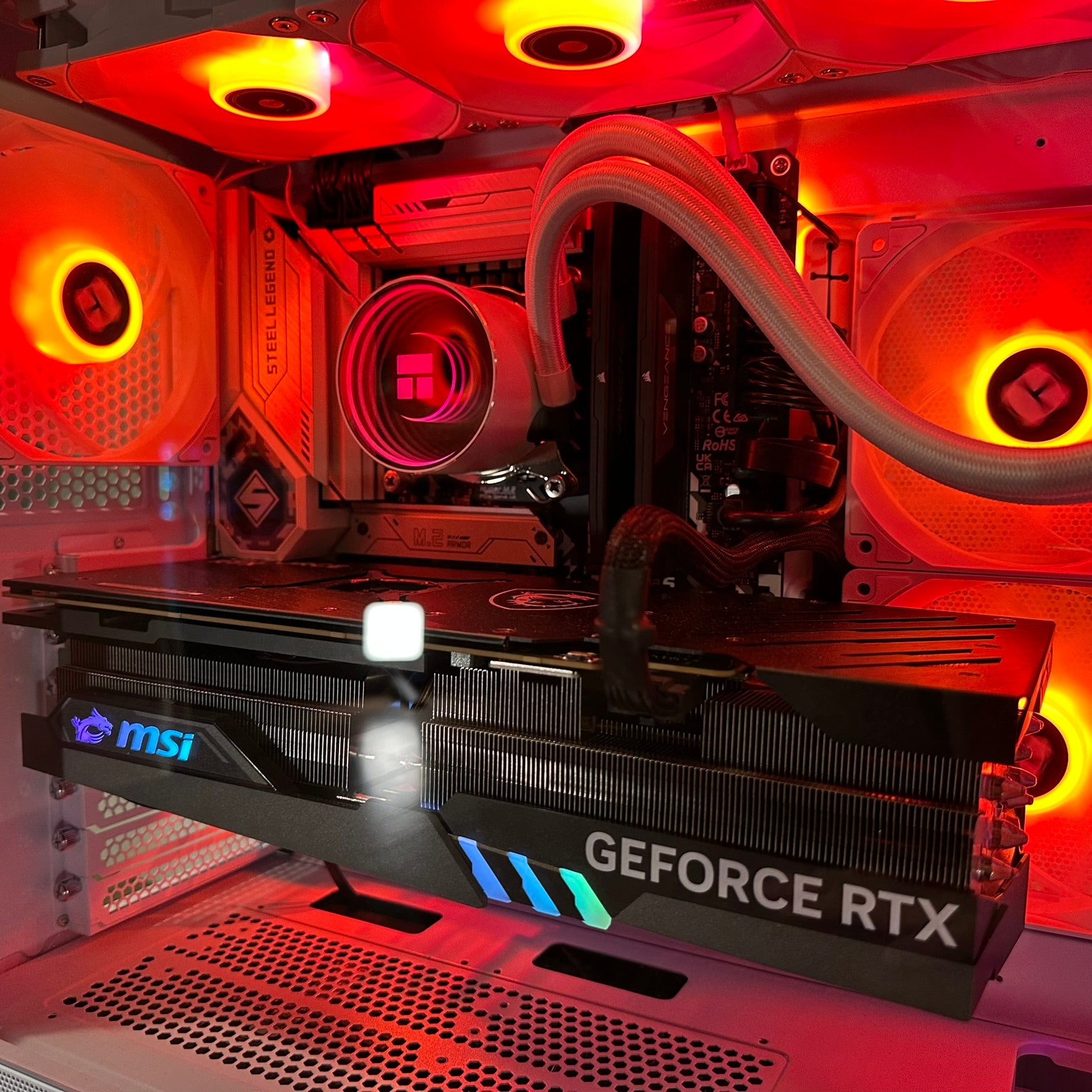
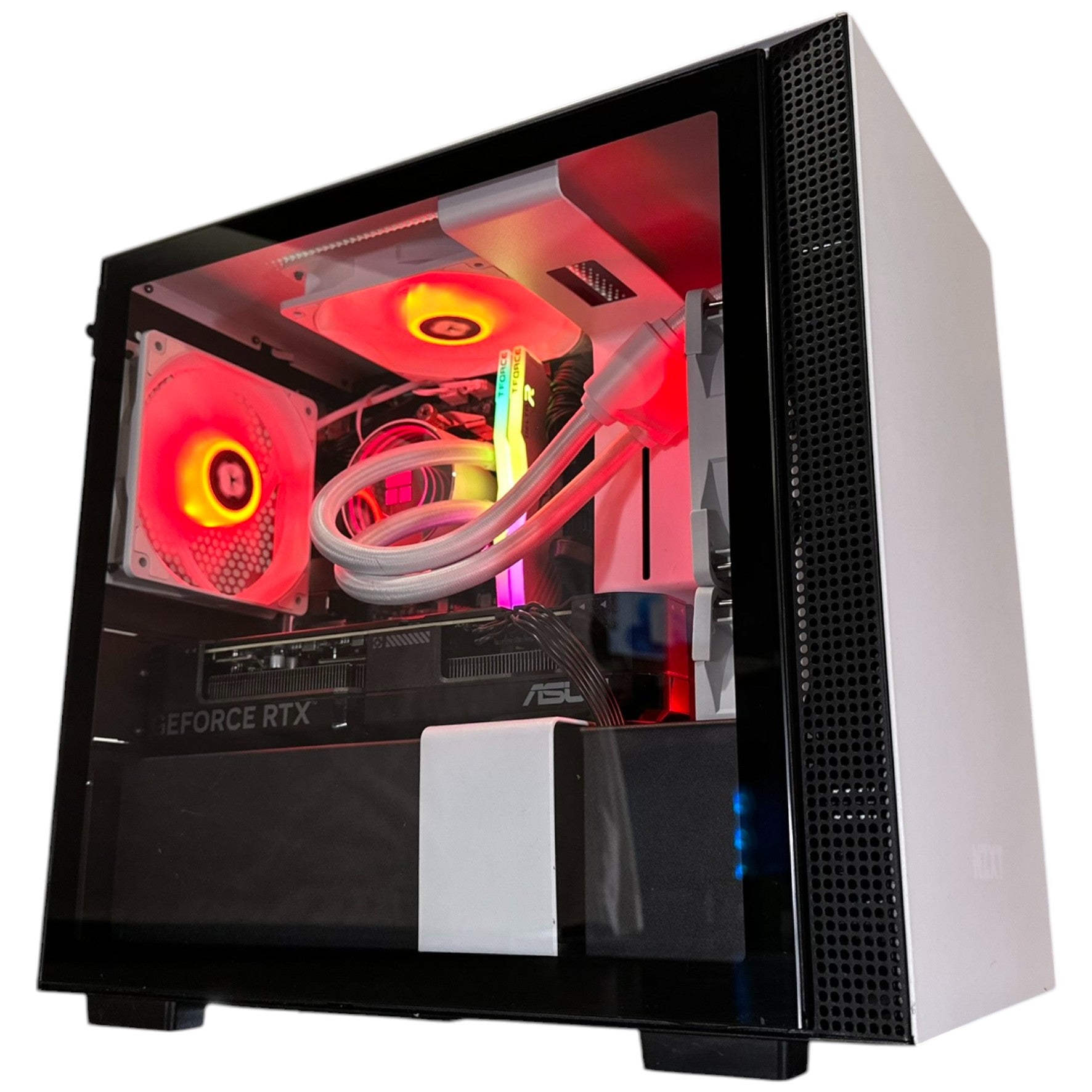
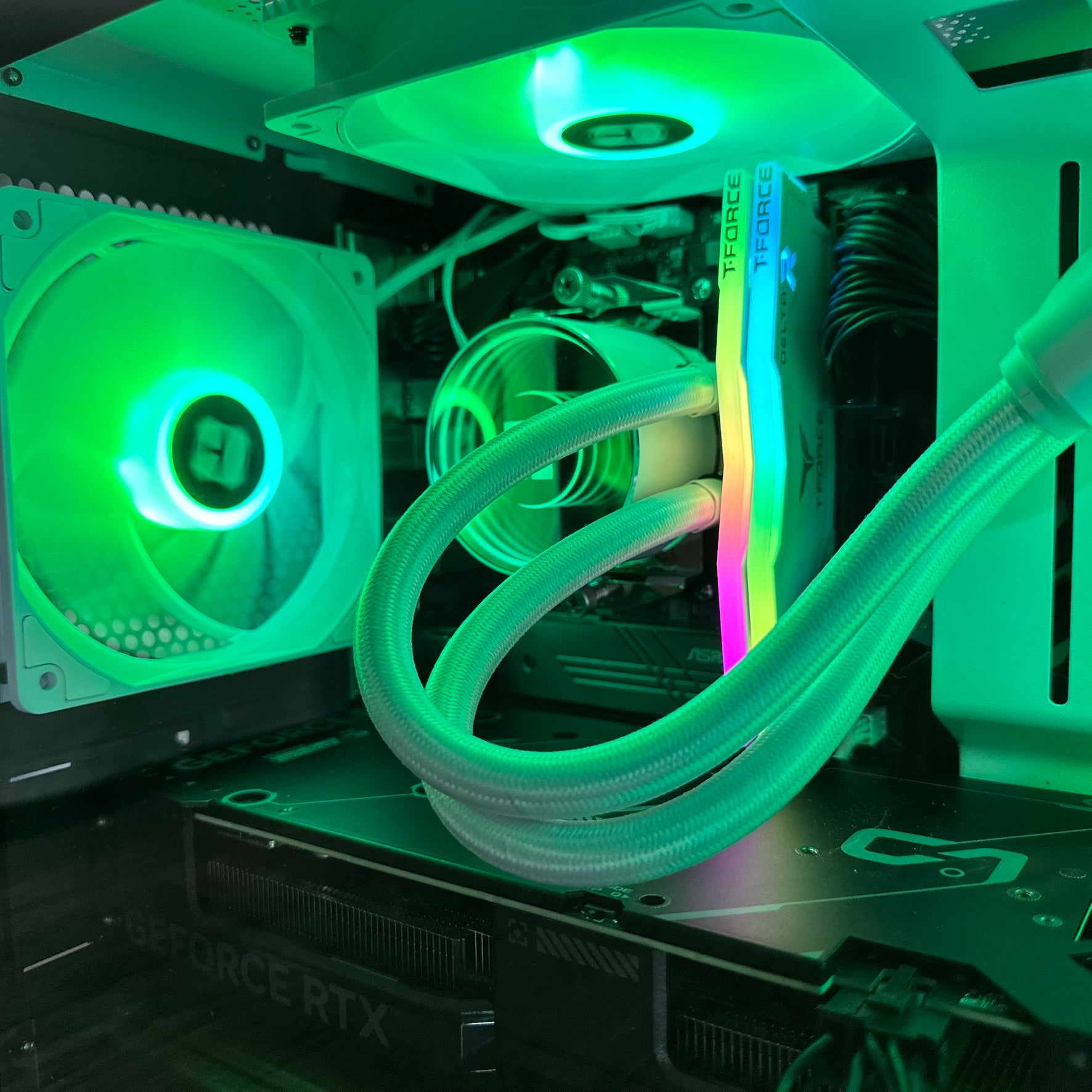
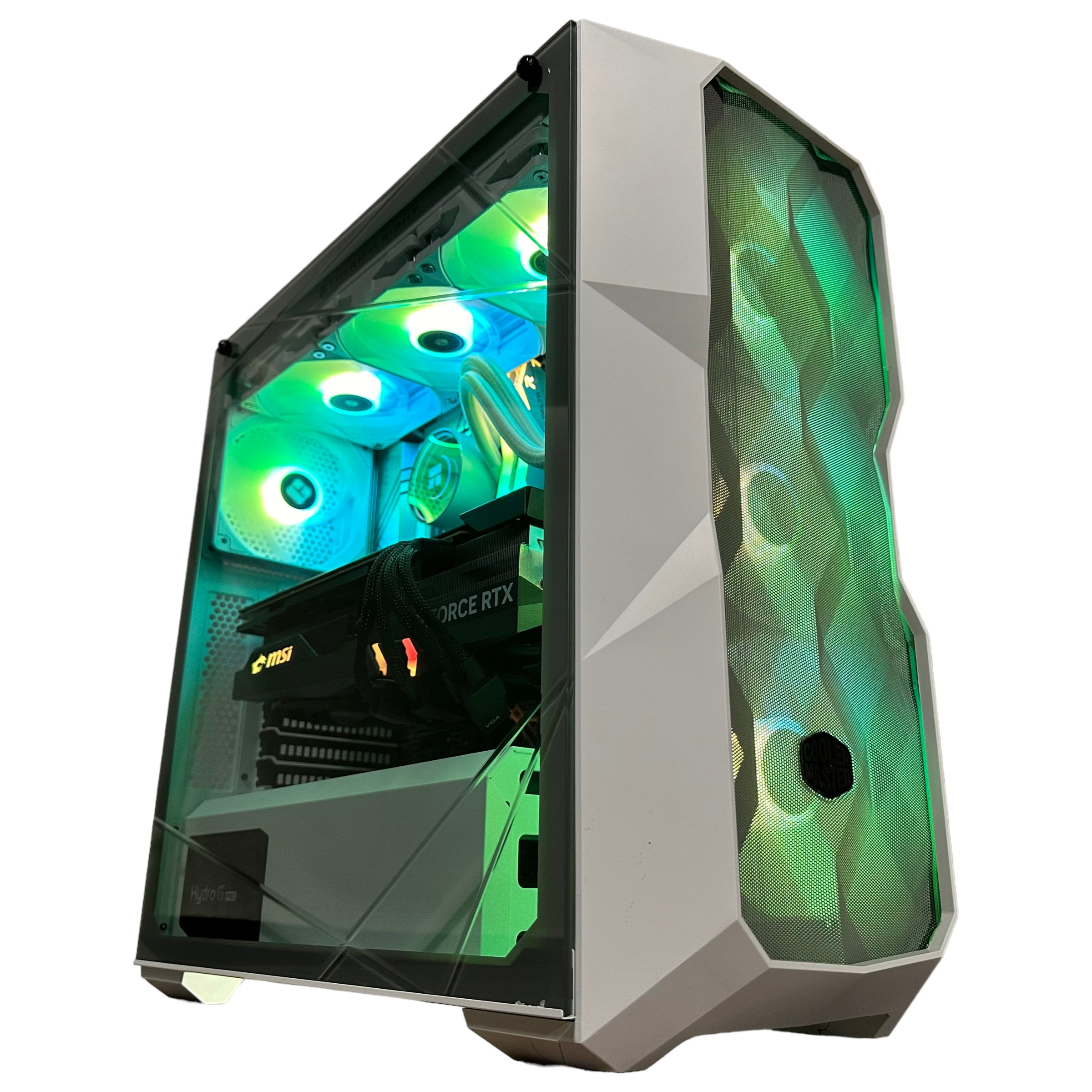
When the market gets noisy, custom builds stand out for the right reasons. A well-built custom gaming PC in Canada is not just a collection of expensive parts. It is a system designed around your goals. That means the processor makes sense with the graphics card, the cooling supports the workload, the power supply is appropriate, the storage is fast enough, and the overall build is assembled with an actual upgrade path in mind.
That matters even more when games are becoming larger, more demanding, and less forgiving of weak system balance. It also matters for streamers, editors, and creators who cannot afford a machine that performs well in one benchmark but struggles in real daily use.
Custom PC buyers should also care about testing. Rigorous testing helps catch thermal issues, instability, poor part matching, or configuration problems before the machine reaches the customer. That kind of confidence is valuable whether you are buying a budget gaming desktop, a premium RTX build, or a creator workstation. Add a 1-year warranty into the equation, and the value of buying from a trusted Canadian custom builder becomes even clearer.
Why Canadian shoppers are looking at Groovy Computers for 2026-ready systems
Groovy Computers is positioned for the kind of buyer who wants more than random marketplace specs and more confidence than a generic off-the-shelf system provides. Canadian customers shopping for a gaming PC, creator PC, or workstation want clarity. They want a builder that understands actual workloads. They want a machine that has been stress tested, assembled properly, and backed with support.
Whether you are in Nova Scotia, Atlantic Canada, or ordering from elsewhere across the country, the appeal is the same: custom systems built around your real needs, not one-size-fits-all shortcuts. If you are trying to prepare for the 2026 game release schedule, that matters. A racing fan does not need the exact same build as a 4K editor. A GTA-style open-world player does not always need the same configuration as a competitive FPS streamer. A design student does not need the same setup as a Blender artist.
That is why a proper consultation mindset matters. What do you play? What do you create? What monitor do you use? How long do you want this system to last before you feel pressure to upgrade again? These are the questions that lead to smarter builds.
Need help choosing between a budget gaming PC, premium gaming PC, or creator workstation?
If you are feeling stuck between price tiers, you are not alone. Many shoppers know the games they want, but not the level of hardware they should actually buy. That is especially true in a year like 2026, where release hype can push people either into overspending or underbuying.
If your goal is value, a balanced budget-to-midrange system may be ideal. If your goal is long-term gaming performance in upcoming AAA releases, a stronger 1440p-focused build may be the sweet spot. If your goal includes 4K, streaming, editing, and future-proofing, then a premium configuration likely makes more sense. And if your workflow includes serious production software, you may need a custom creator or workstation build instead of a pure gaming desktop.
What would be more frustrating for you: paying a bit more now, or realizing six months from now that your system is already the limiting factor?
Final thoughts on the 2026 game release schedule and your next PC
The 2026 game release schedule is more than an entertainment calendar. It is an early warning sign for hardware shoppers. Big releases create demand, and demand changes buying conditions. If your current PC is borderline for the kind of games you want to play next, waiting may not make things easier. It may simply push your decision into a busier, more expensive, or more limited buying window.
If you are planning around GTA 6, Halo: Campaign Evolved, Forza Horizon 6, or the broader wave of 2026 releases, this is a good time to decide what kind of experience you want. Do you want entry-level playability, a strong 1440p setup, a premium 4K build, or a hybrid gaming-and-creator machine? Do you need a system that can stream, edit, design, or render too? Do you want financing to help secure a stronger custom PC before replacement costs rise?
If you want help choosing the right custom gaming PC in Canada for the 2026 game release schedule, visit GroovyComputers.ca. Whether you need a budget gaming desktop, a premium RTX-ready system, a creator PC, or a workstation built for demanding software, Groovy Computers can help you choose a build that fits your games, your workloads, and your timeline.
#2026GameReleaseSchedule #GamingPCCanada #CustomGamingPCCanada #GamingPCForGTA6 #GamingPCForUpcomingGames #1440pGamingPCCanada #4KGamingPCCanada #CreatorPCCanada #CanadianCustomPCBuilders #GroovyComputers
Groovy Computers | All Rights Reserved


Leave a comment
This site is protected by hCaptcha and the hCaptcha Privacy Policy and Terms of Service apply.