
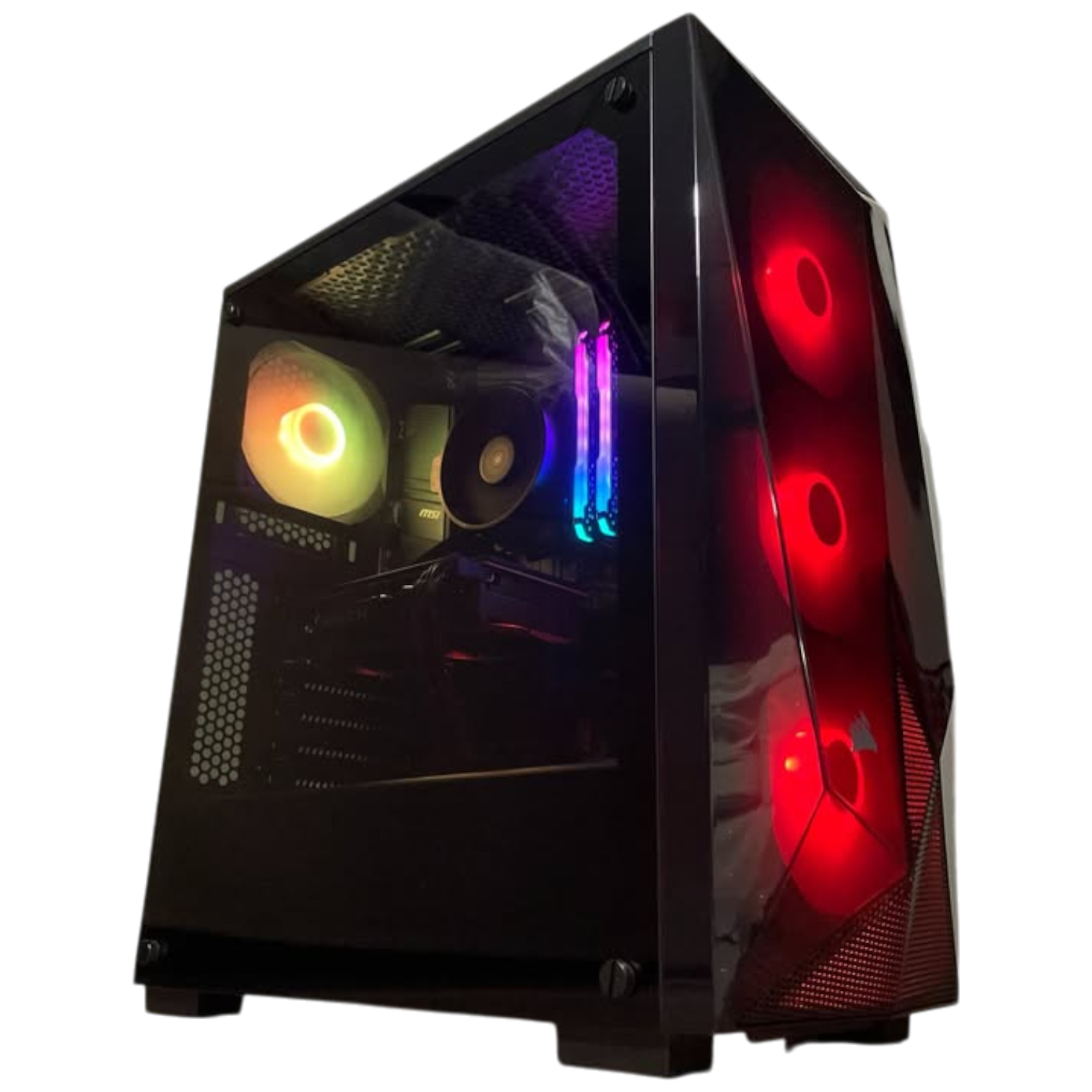
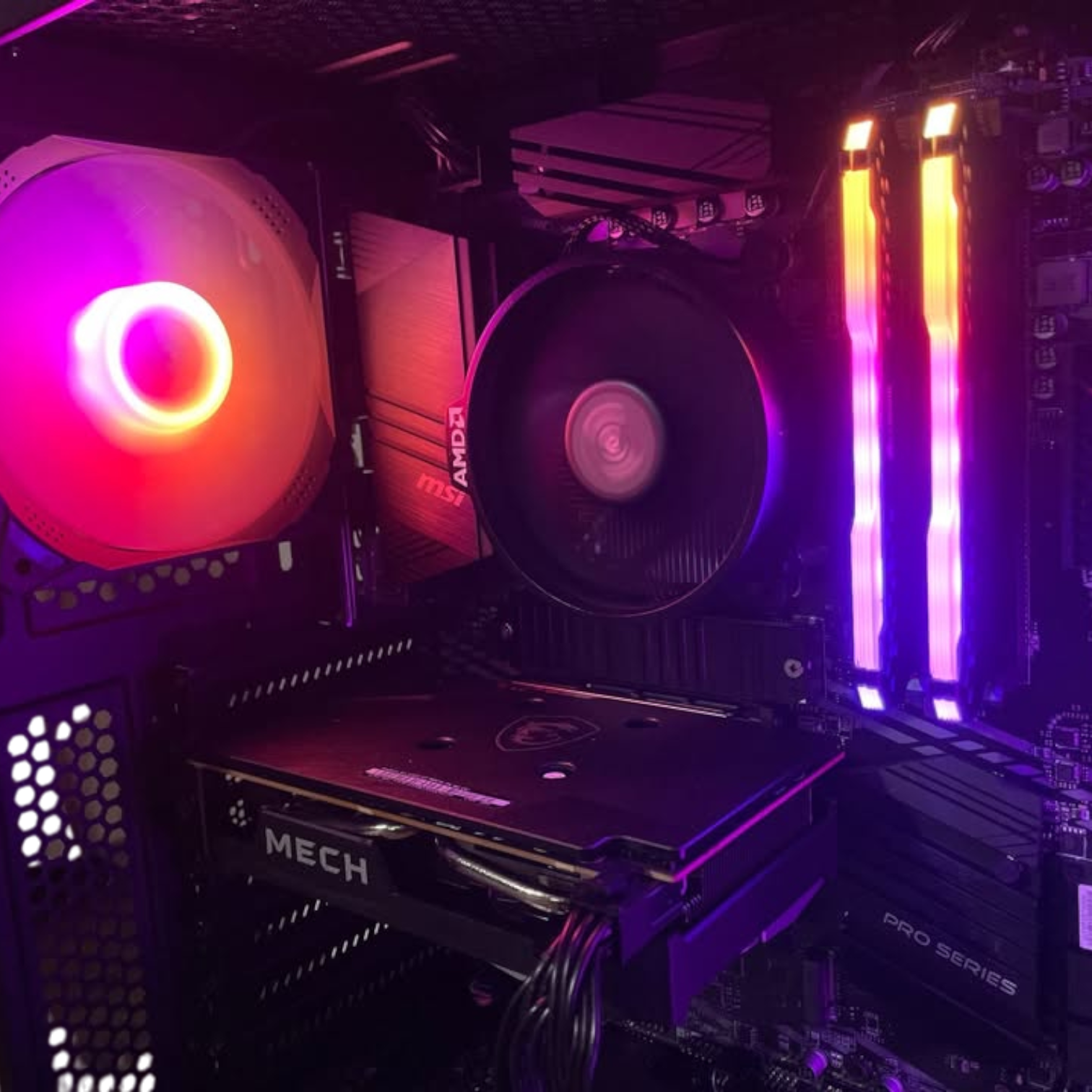
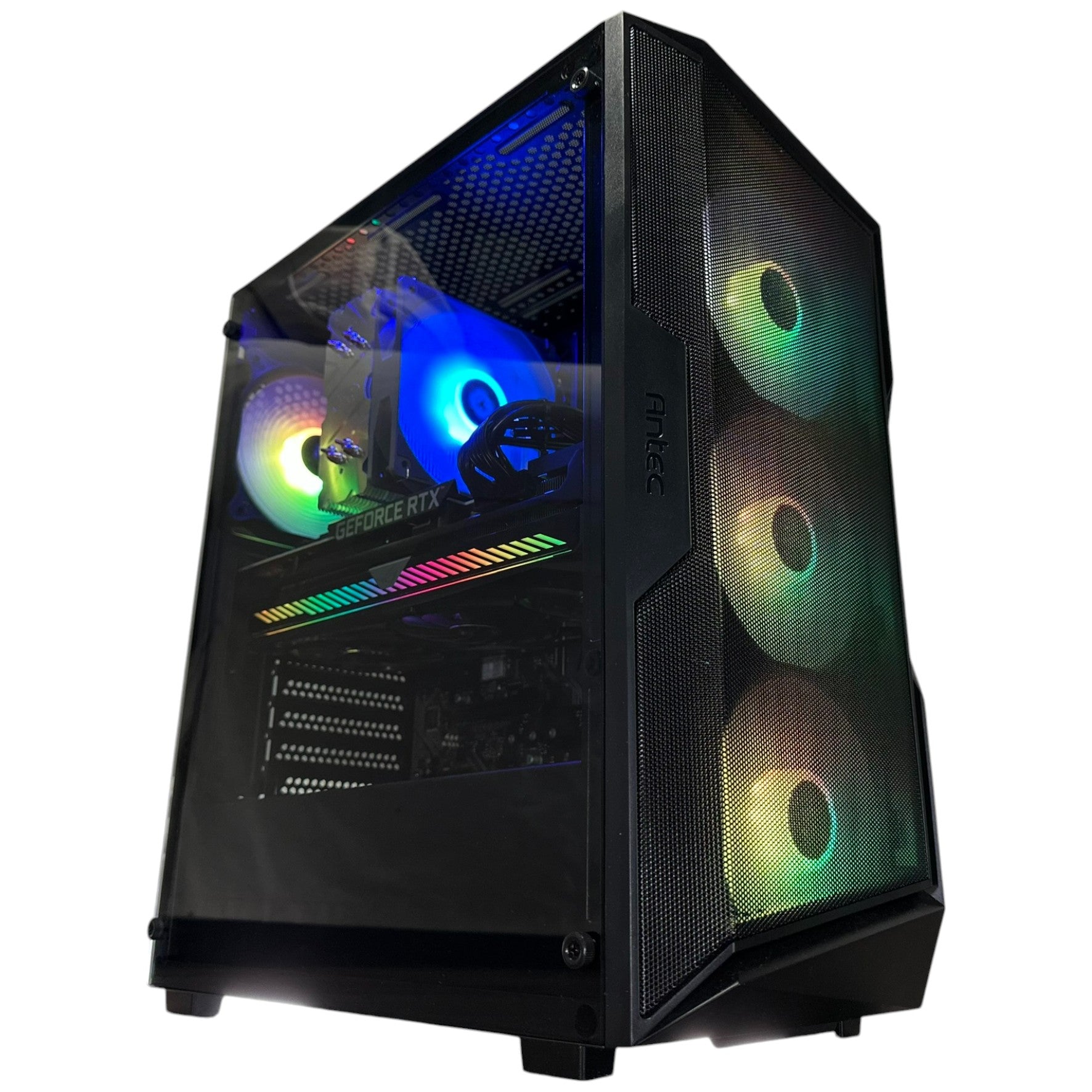
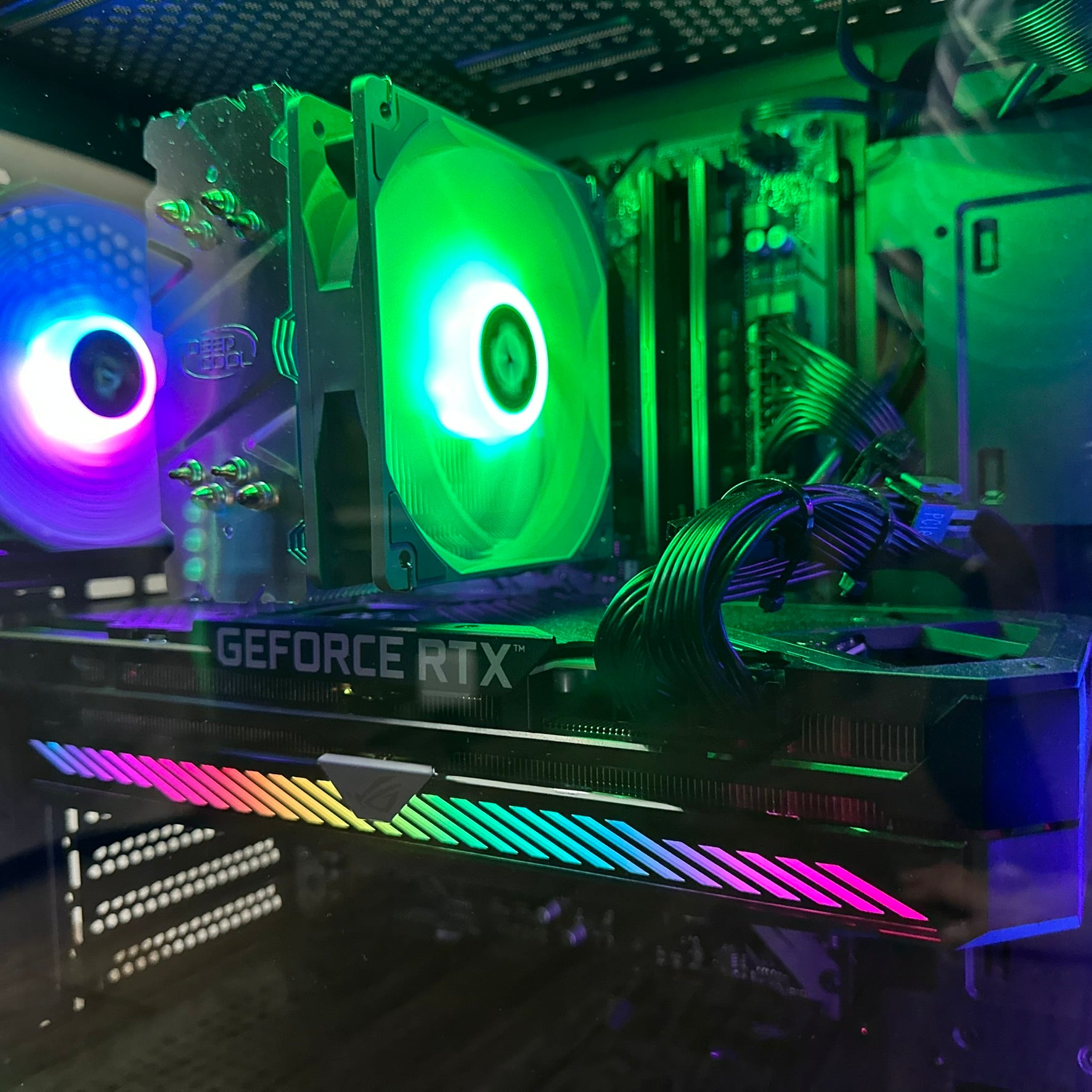


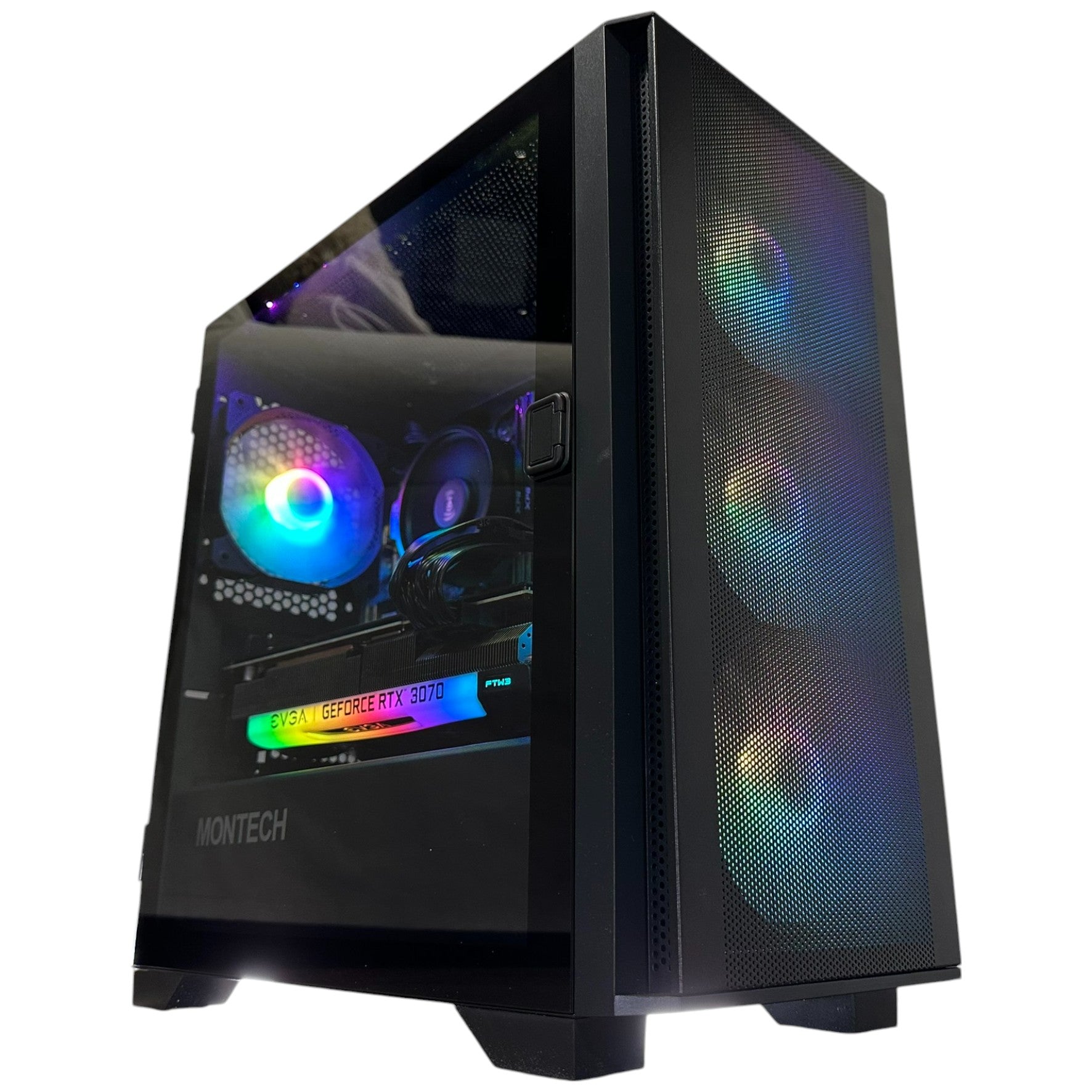
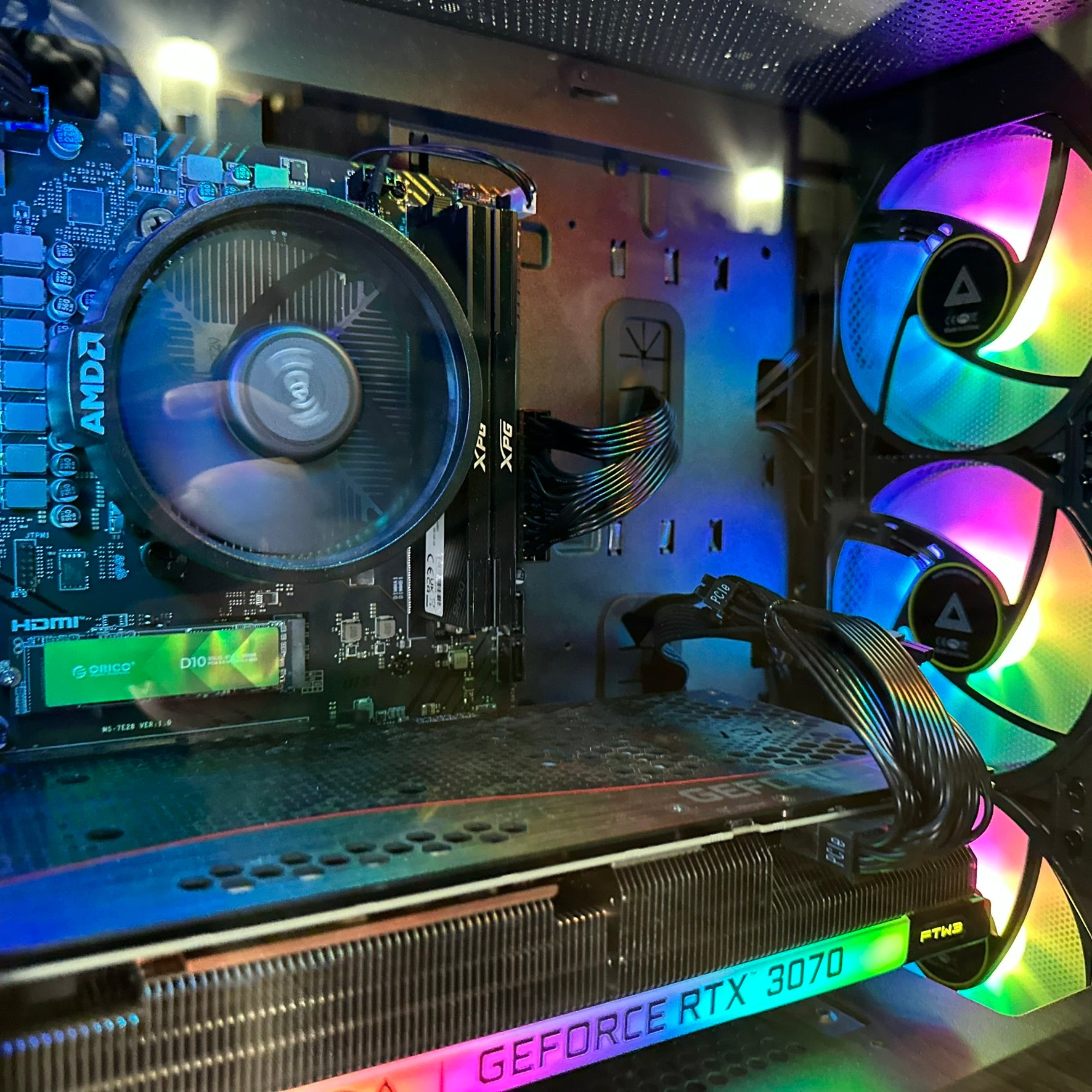
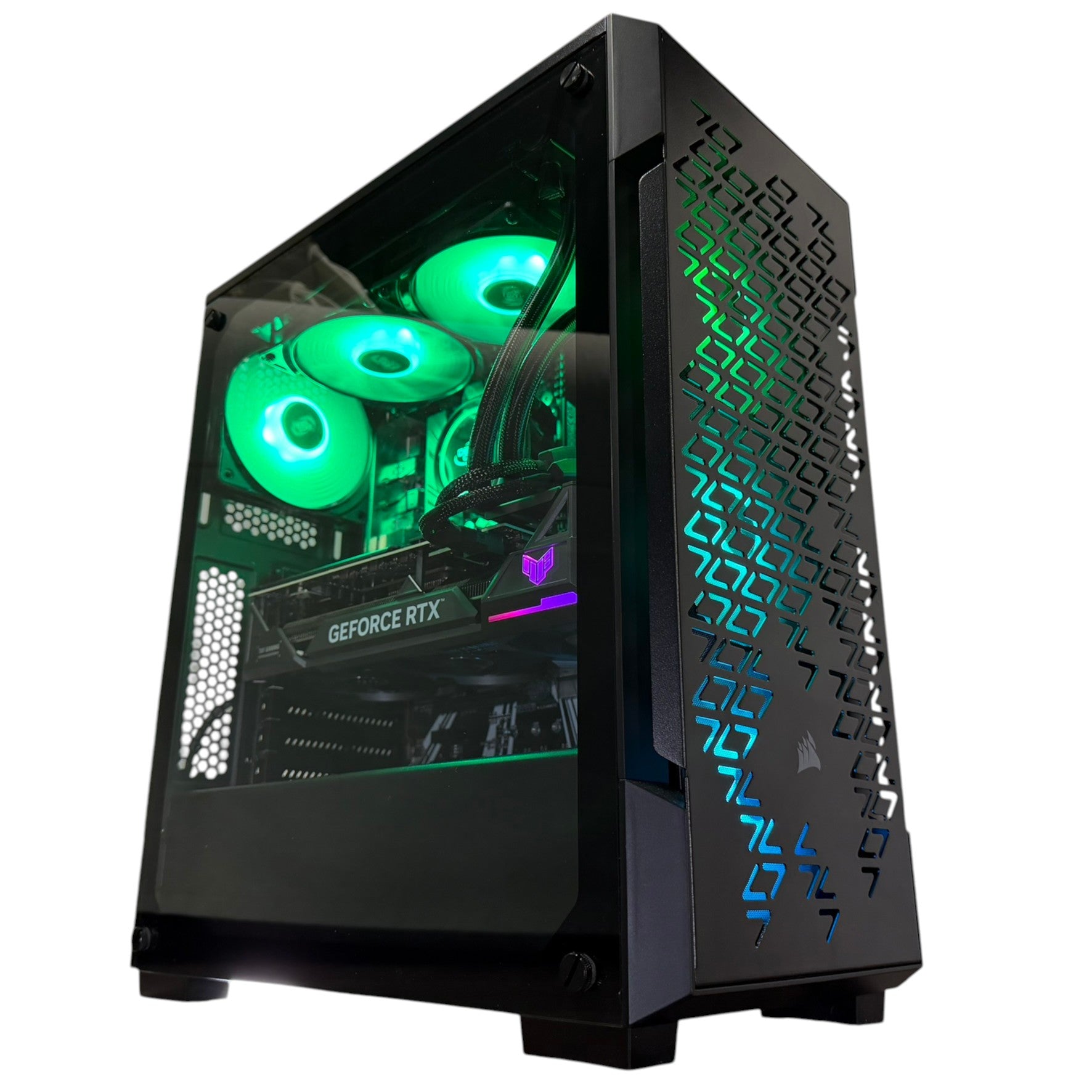

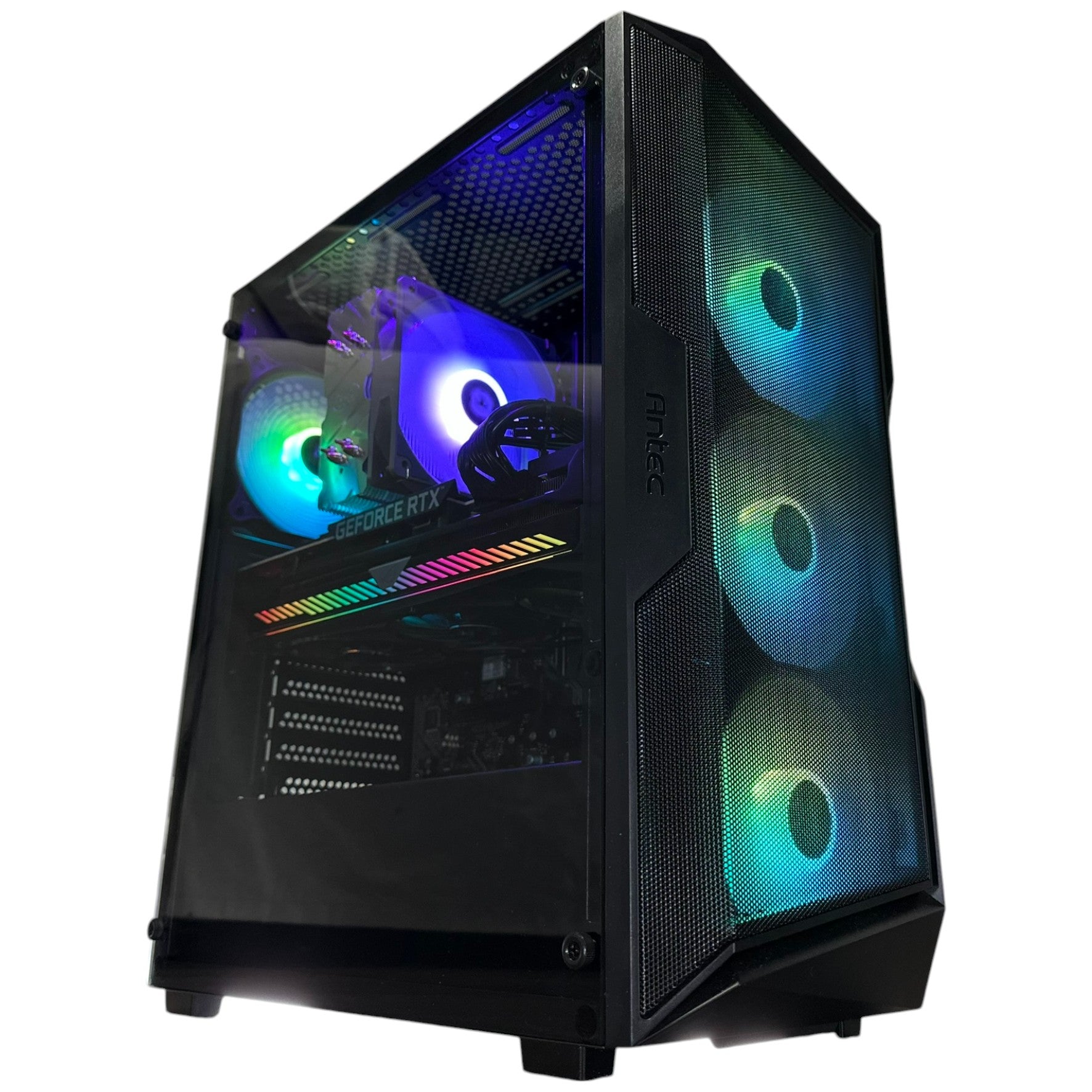
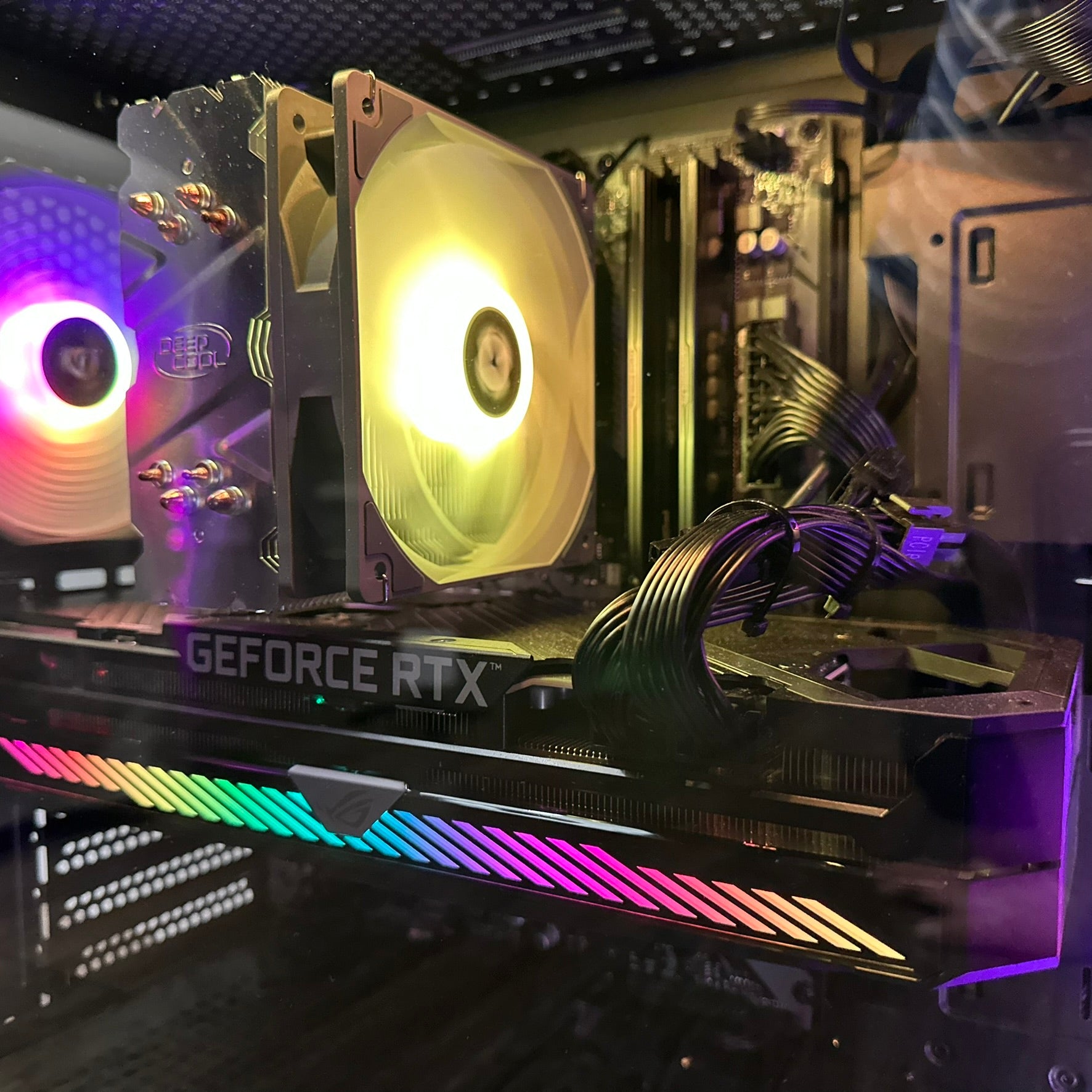
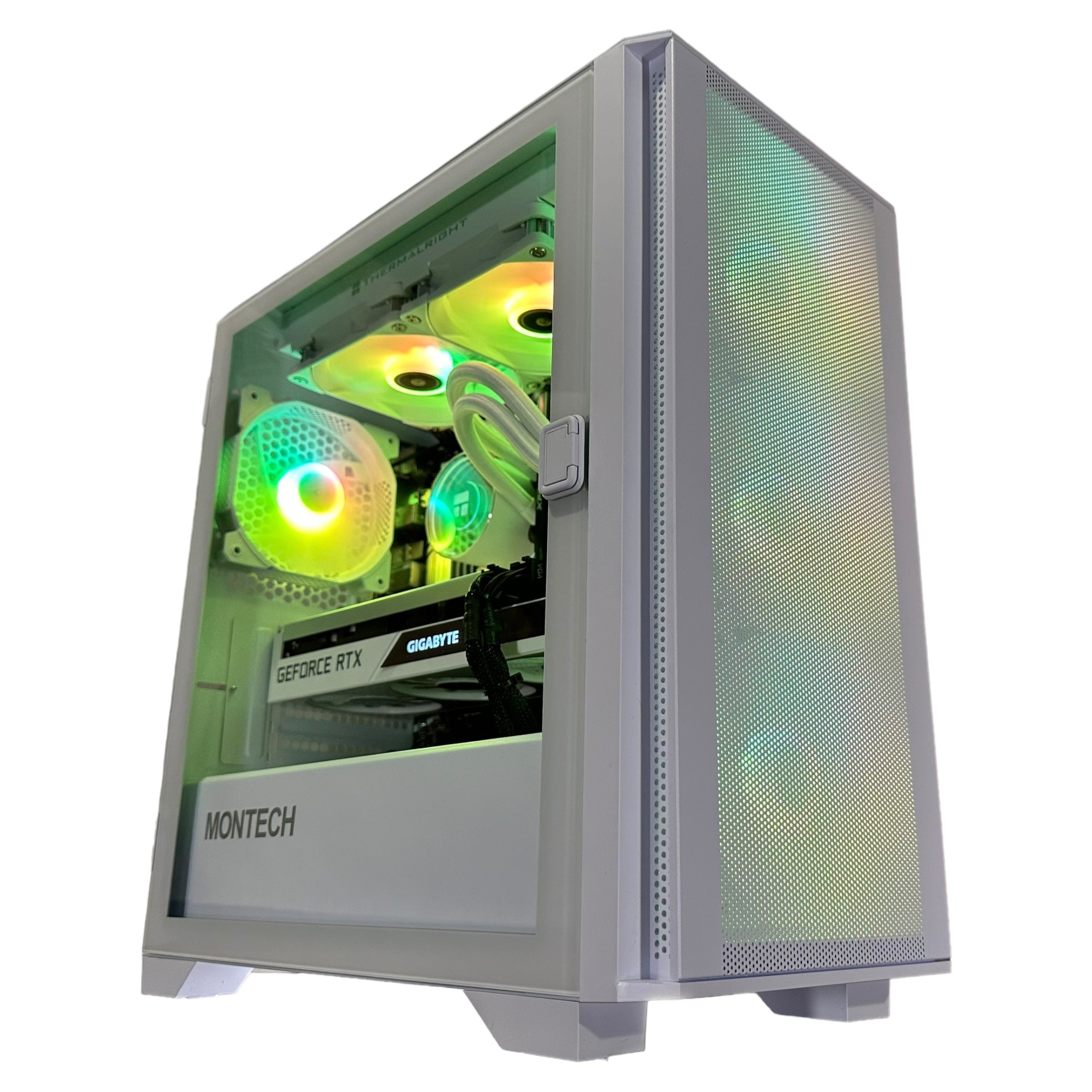
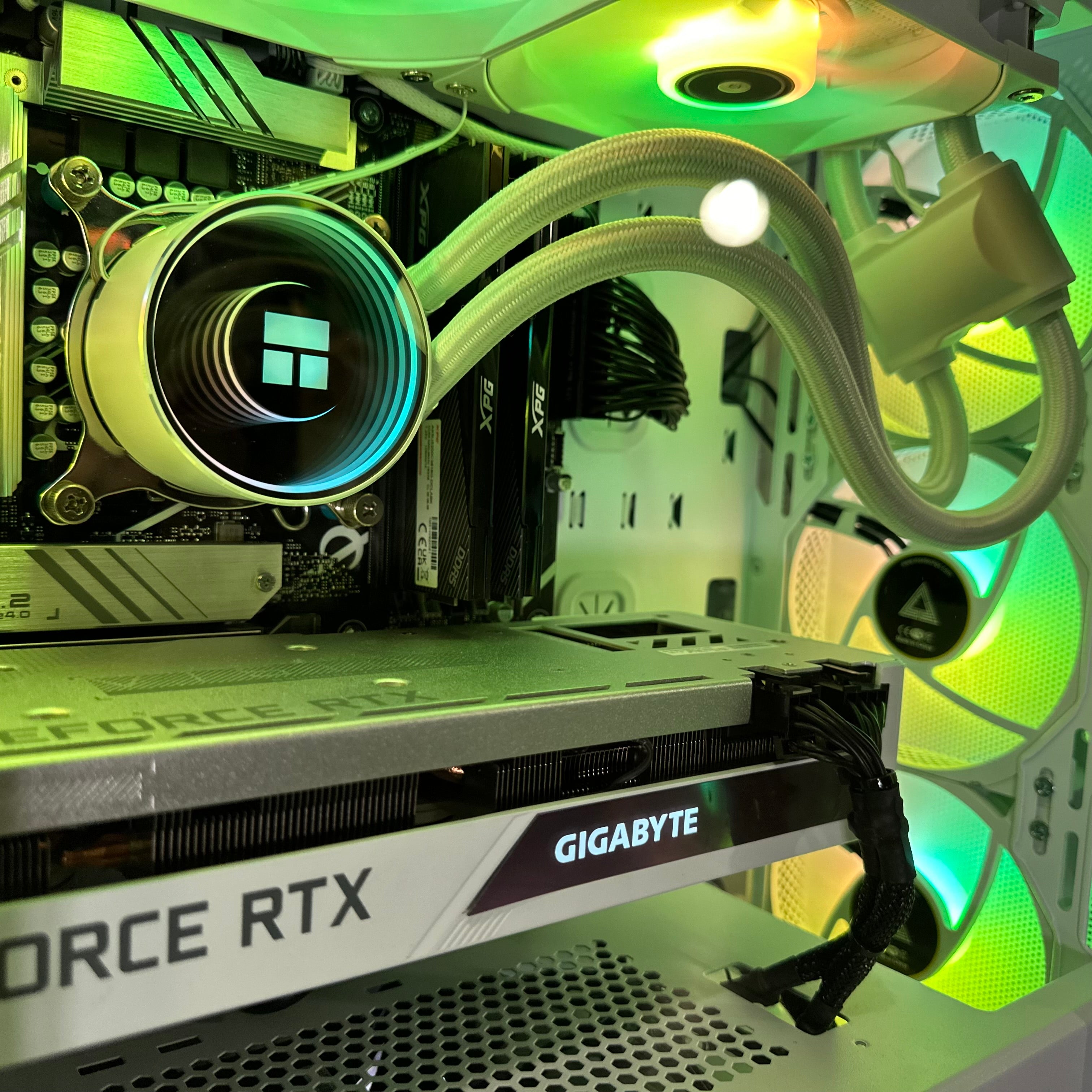
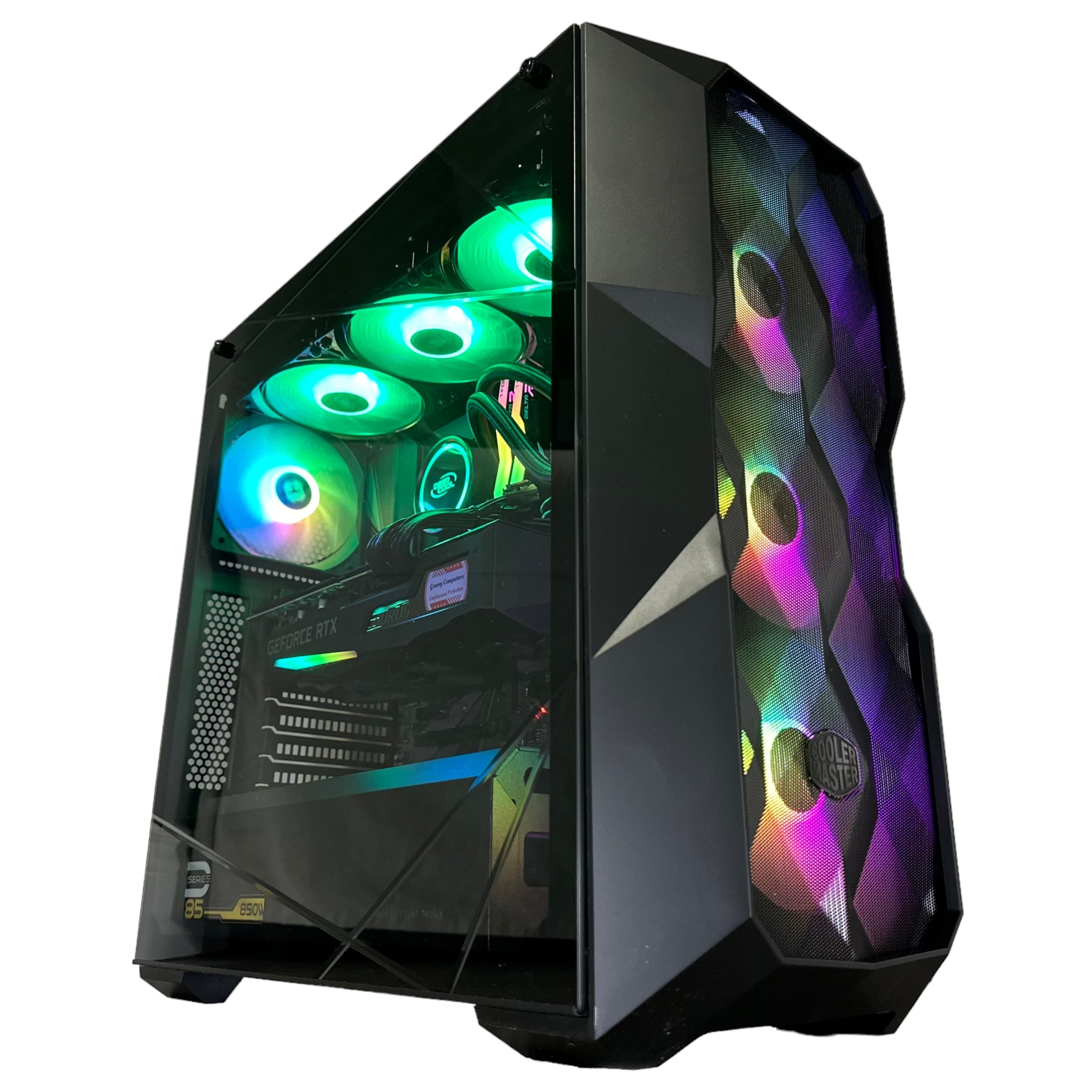
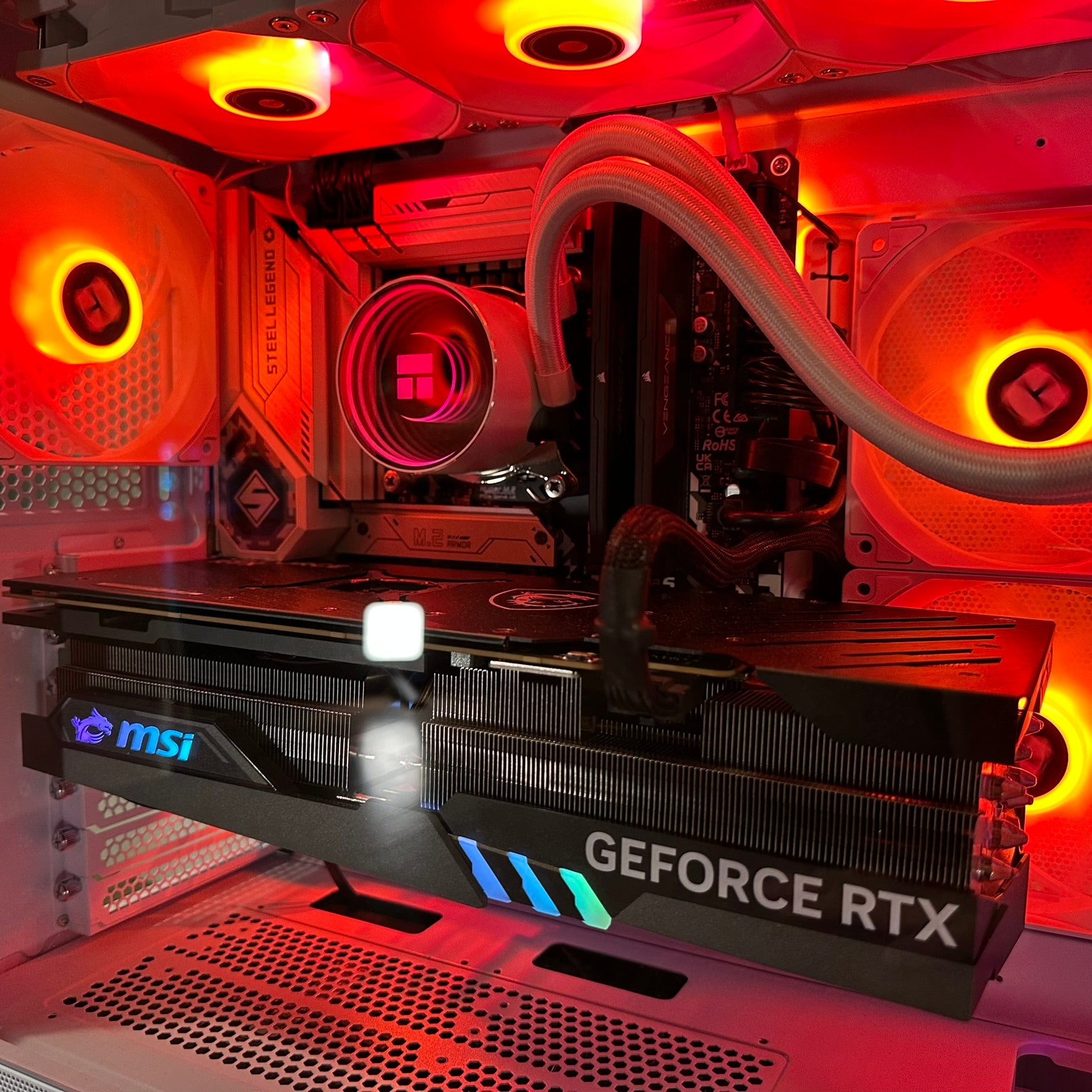
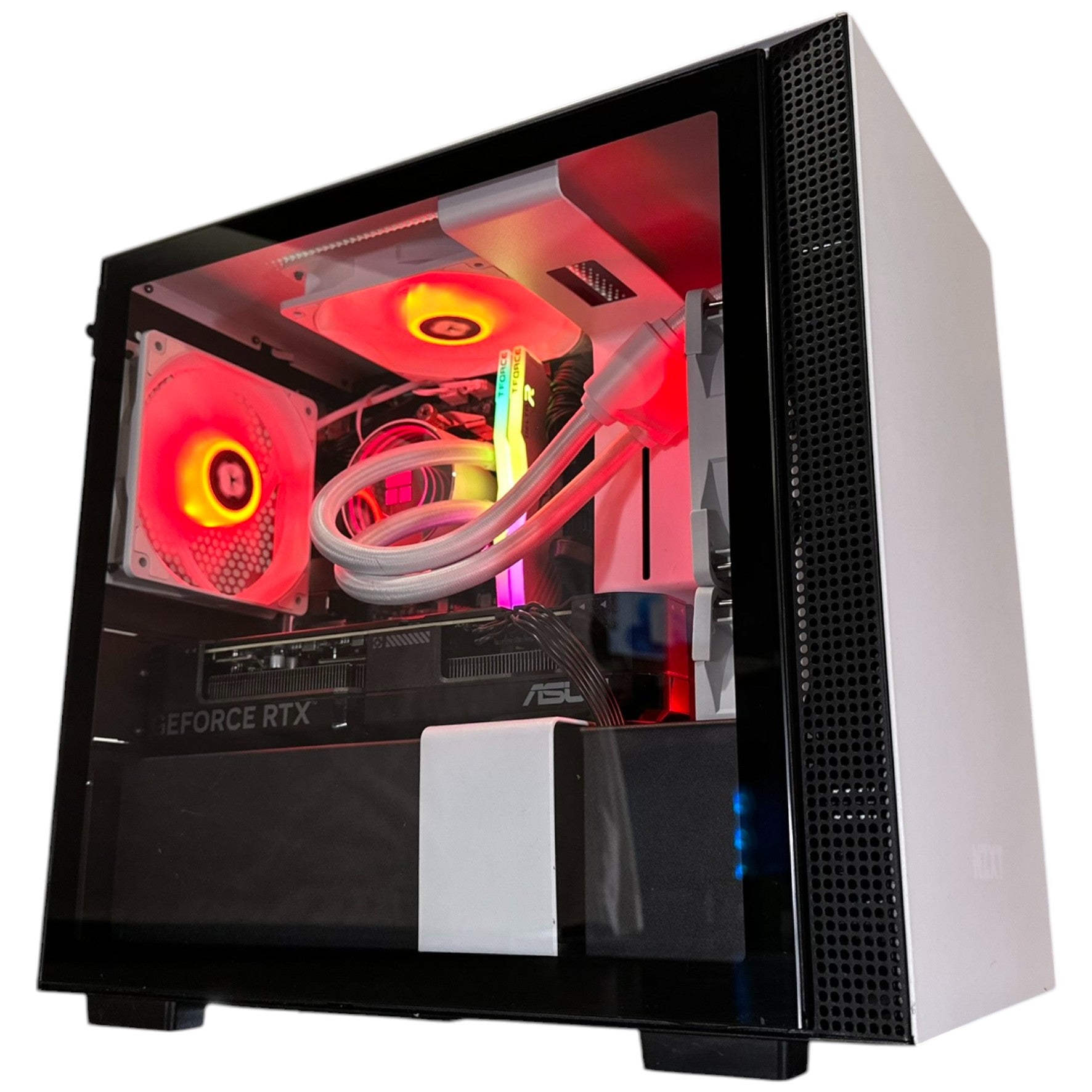
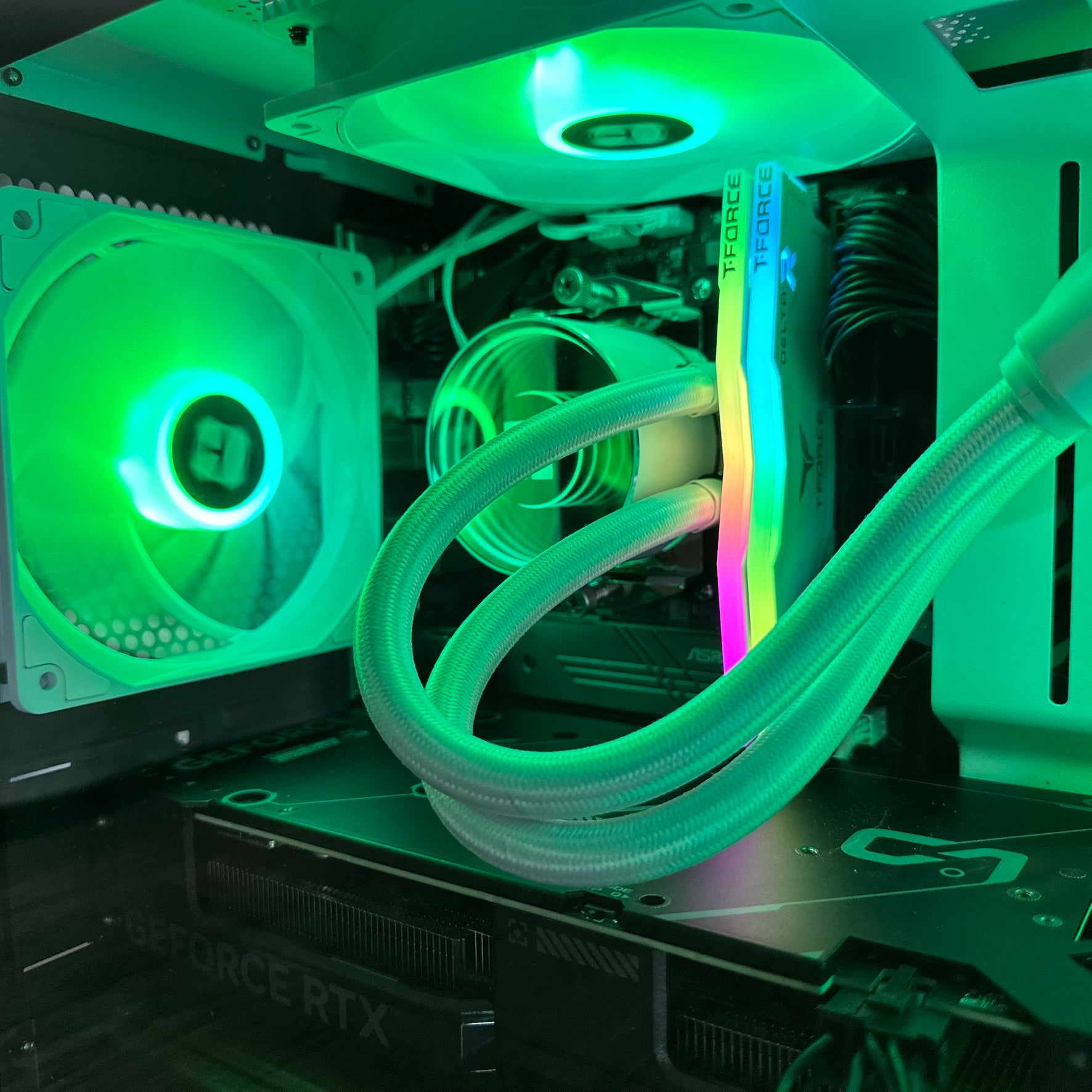
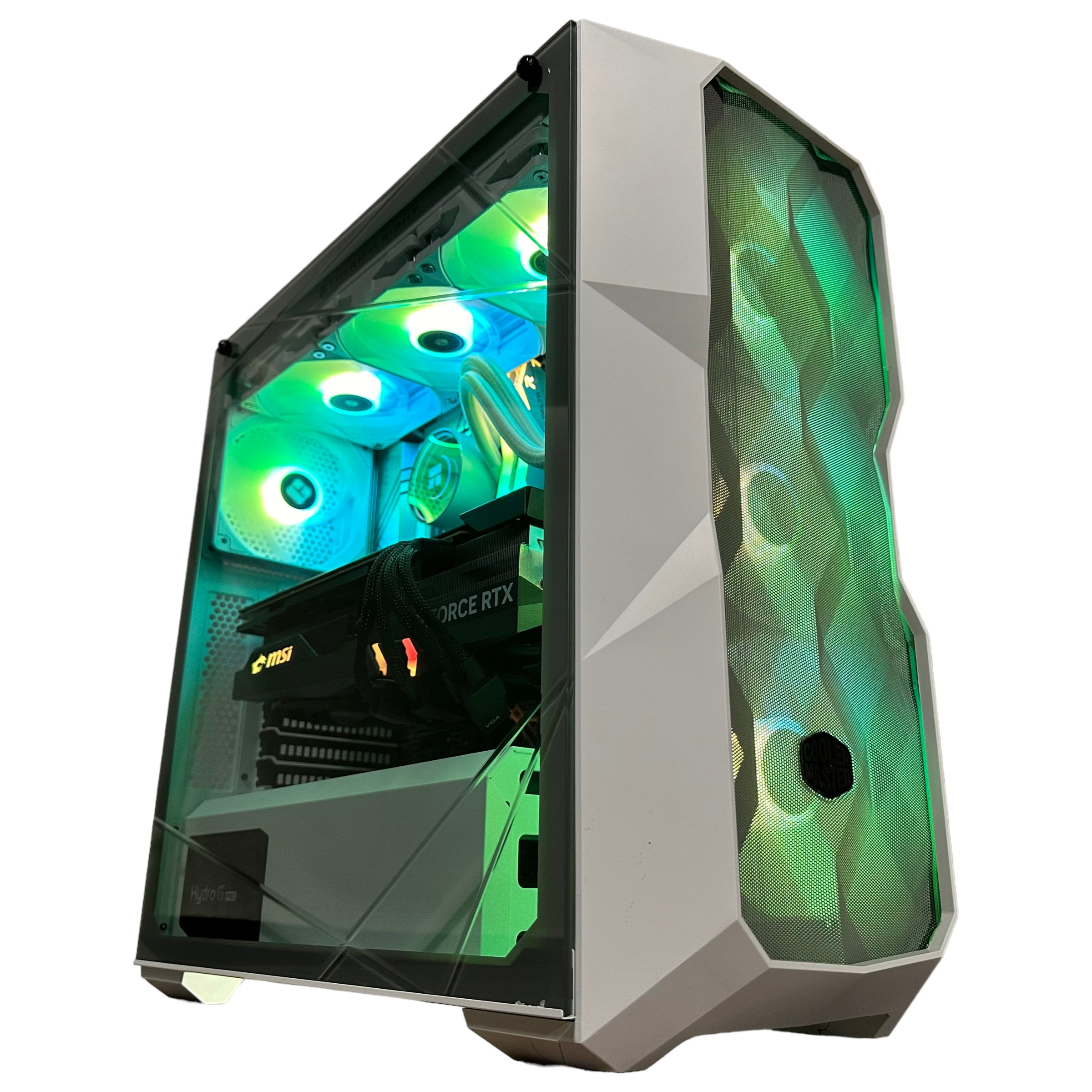
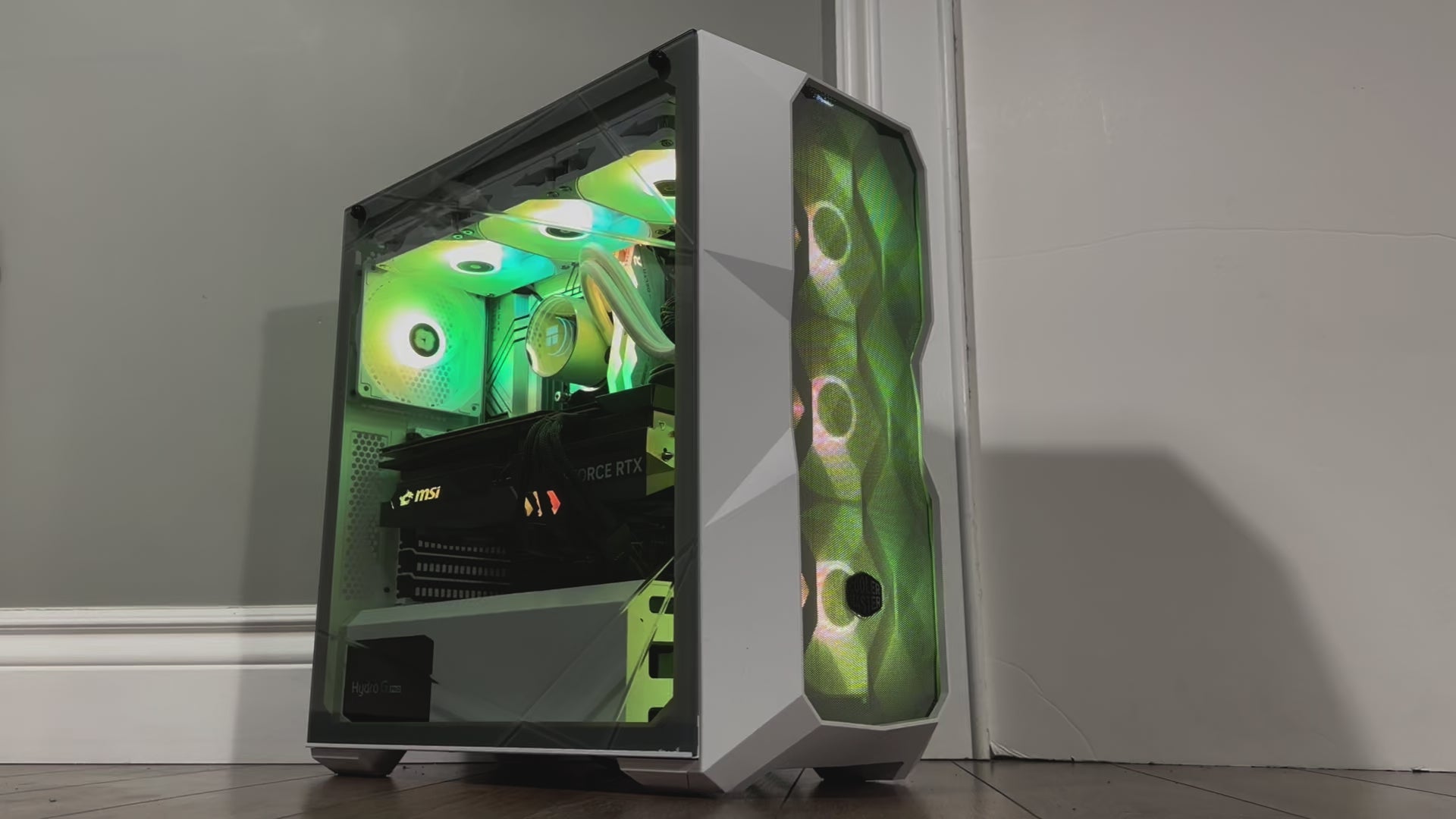
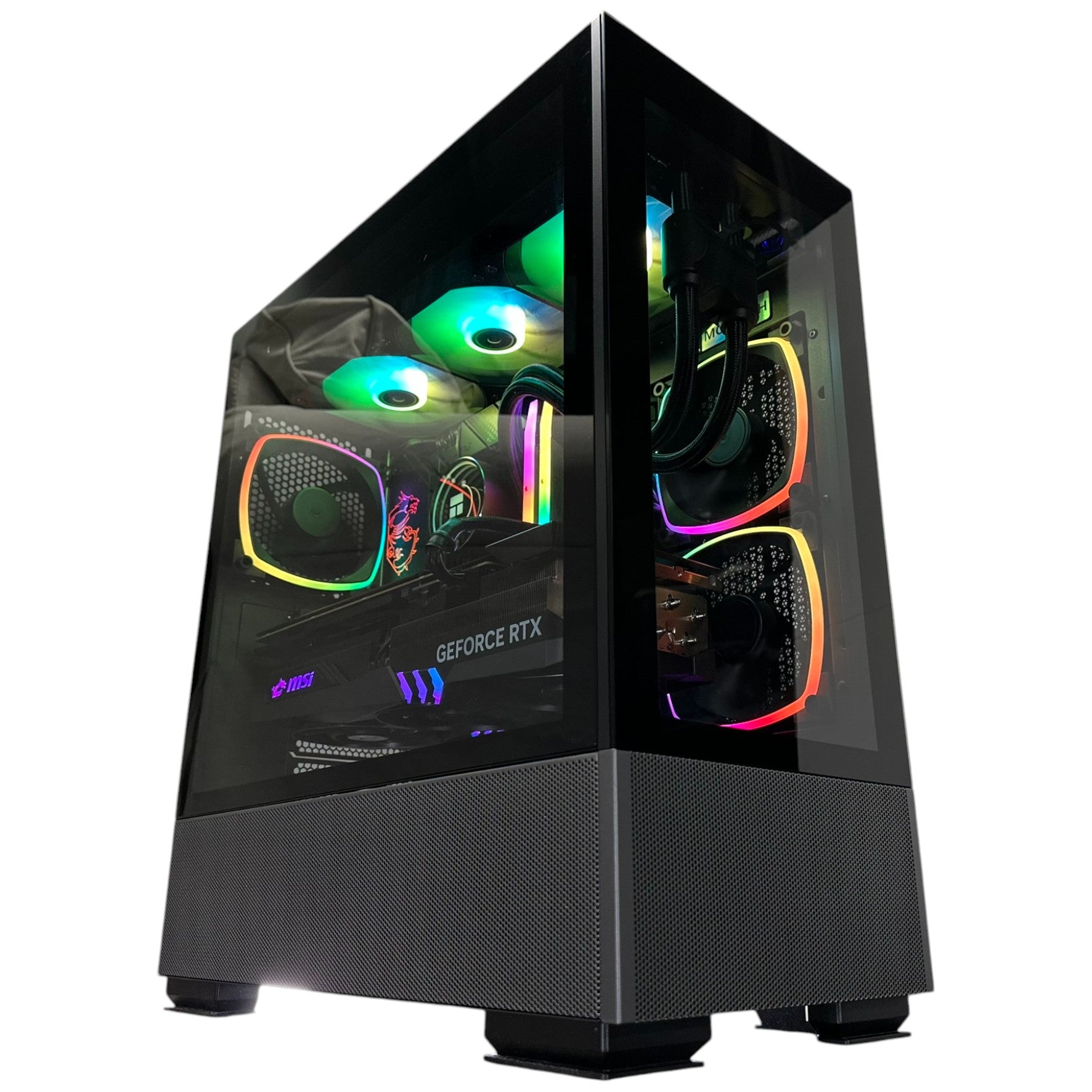
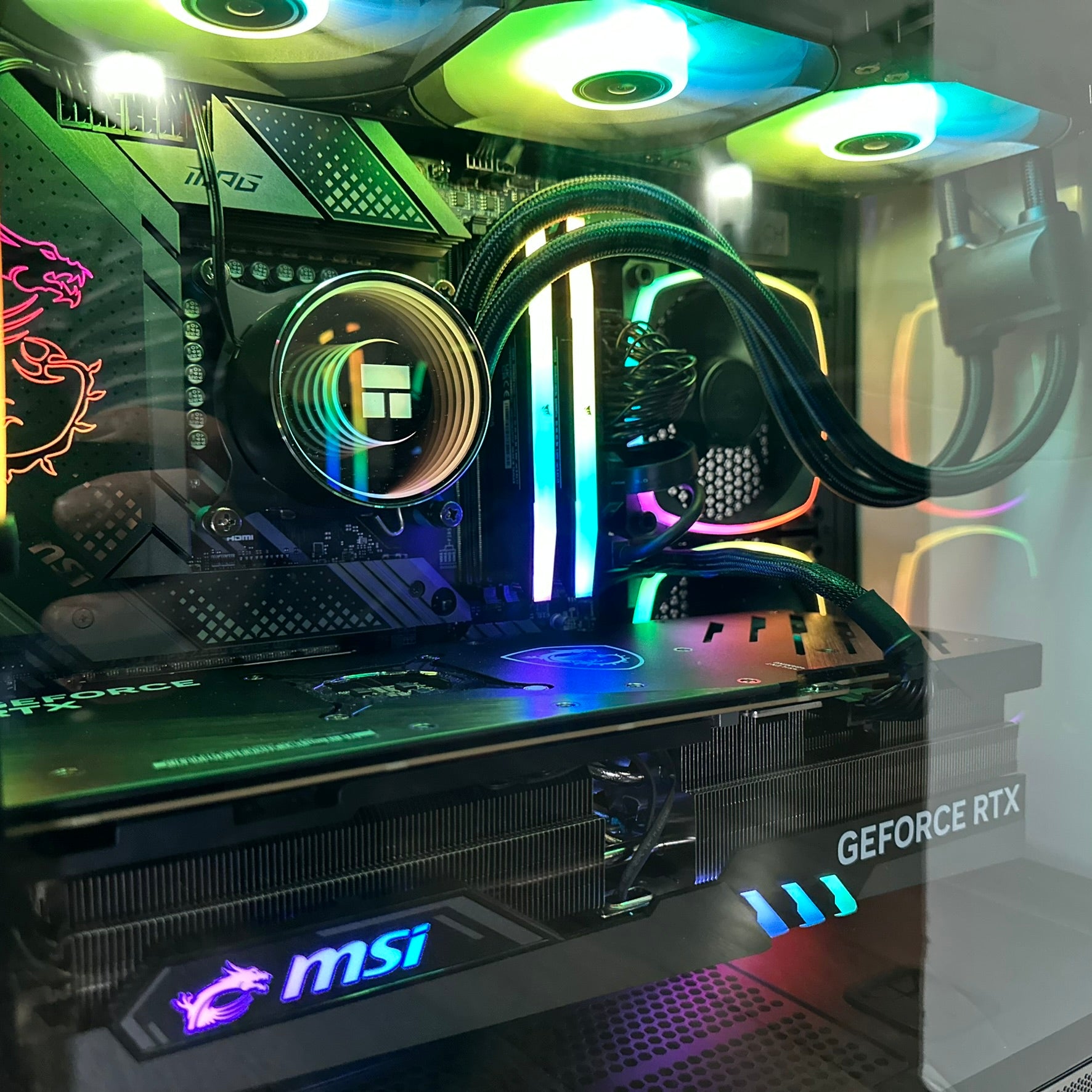
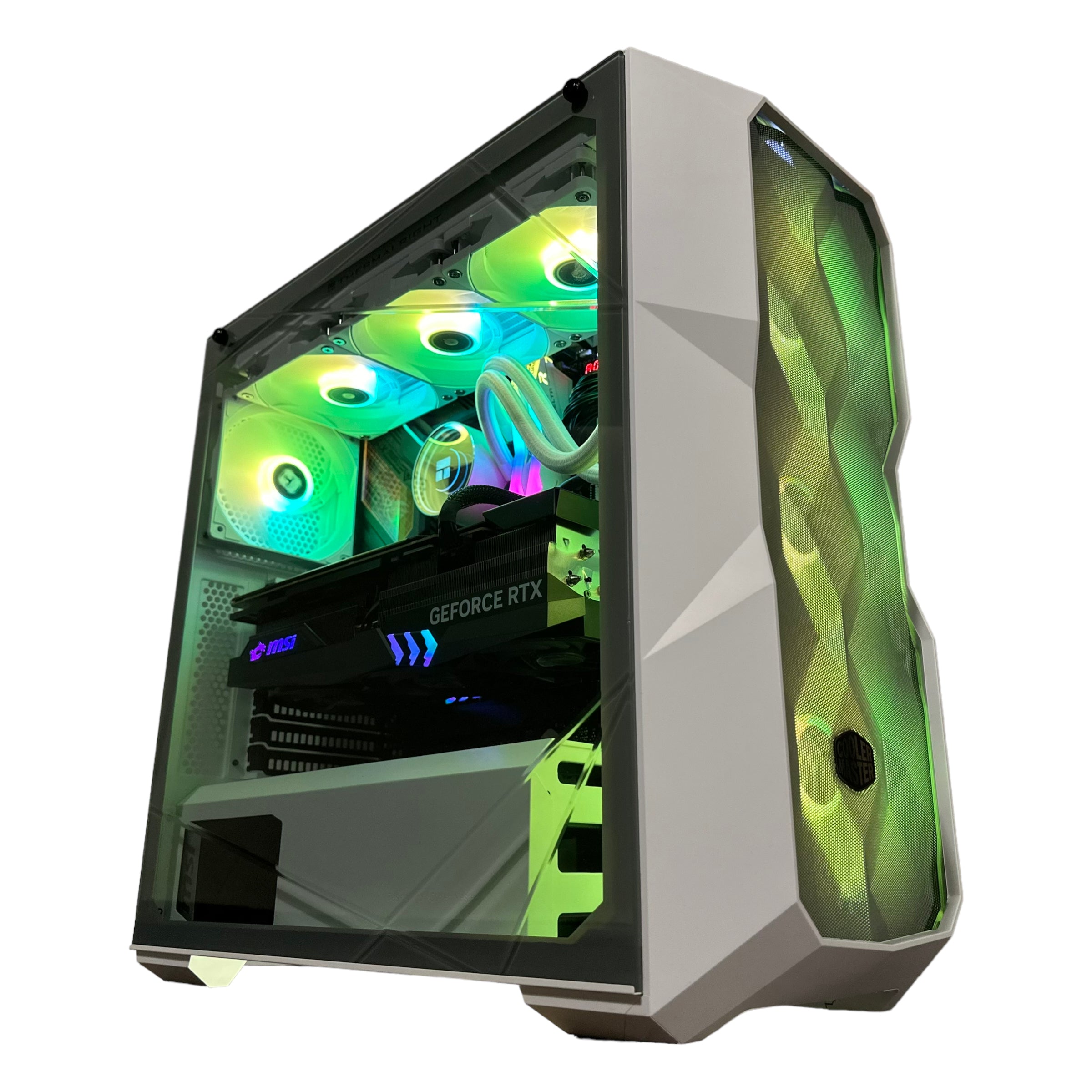


The 80:20 Rule for Buying a Custom PC in Canada: Stop Overbuying the Wrong Parts and Start Building for What You Actually Do
The source idea is simple but powerful: too many people focus on too many tools, too much perfection, and too many low-impact choices. That same lesson applies directly to buying a custom PC in Canada. If you are shopping for a new system, the 80:20 rule can save you money, stress, and upgrade regret by helping you focus on the parts and performance that actually matter for your real workload. Instead of chasing every spec on every product page, a smarter buying strategy is to decide what your next computer truly needs to do, then match that need to the right custom build.
For gamers, creators, streamers, editors, designers, and 3D artists, this matters more than ever. Modern workloads are heavier, game requirements are climbing, creator software keeps adding AI features, and full-system pricing can shift quickly when GPU demand rises. So what should you focus on first? What performance tier makes sense? Should you buy now, wait, or finance a stronger system so you do not have to replace it too soon?
That is where Groovy Computers comes in. As a Canadian custom PC builder, Groovy Computers helps customers cut through noise and buy with purpose. The real goal is not to buy the most expensive computer. The goal is to buy the right computer for gaming, streaming, video editing, photo editing, graphic design, content creation, 3D modeling, or workstation use, while keeping future upgrades, warranty confidence, and monthly affordability in mind.
What did the original concept artist insight get right?
The original article centered on a concept artist explaining that perfection often slows creativity, and that the best results usually come from focusing on the vital few decisions that carry the biggest impact. In art, that means structure, planning, silhouette, mood, and workflow. In PC buying, the same principle holds true.
Many buyers get stuck comparing dozens of parts, watching endless benchmark videos, or trying to future-proof every possible scenario. But are you really going to use every high-end feature you are paying for? Do you need a top-tier graphics card for competitive 1080p esports? Do you need a creator workstation if you only edit short clips occasionally? Do you need 128GB of RAM if your real workload is gaming, Discord, Spotify, and browser tabs?
The 80:20 lesson is this: a small number of component choices usually drives most of your real-world experience. For gaming, that often means the right GPU, a balanced CPU, enough RAM, fast SSD storage, and proper cooling. For editing, it may mean CPU and GPU balance, memory capacity, scratch-drive speed, and export stability. For 3D artists, the picture can shift toward VRAM, render acceleration, and multi-core performance. The wrong computer is usually not wrong because every part is bad. It is wrong because the priorities were wrong.
Why Canadian buyers should apply the 80:20 rule before buying a new PC
Canadian shoppers face a different buying environment than buyers in larger markets with more local inventory density and more aggressive loss-leader retail pricing. In Canada, shipping costs, product availability, exchange pressure, and component volatility can all affect what a smart purchase looks like. A build that seems inexpensive at first can become much more expensive after weak component choices lead to an early upgrade.
That raises an important question: would you rather buy once with a clear purpose, or buy twice because the first system was built around generic marketing specs instead of your actual needs?
If you are in Nova Scotia, Atlantic Canada, or ordering from elsewhere in the country, the value of a professionally planned custom PC grows fast. A balanced system, proper thermal setup, careful part matching, stress testing, and a real warranty can matter much more than a flashy spec sheet. Groovy Computers builds systems for Canadian customers who want confidence, not confusion.
The 80:20 approach also helps when budgets are tight. Instead of spreading your money thin across cosmetic extras or unnecessary top-end parts, you can concentrate spending where it delivers the biggest result. That could mean stepping up to a better GPU for 1440p gaming, adding more RAM for Adobe workloads, or choosing more SSD capacity if your projects and game library keep growing.
What do you want your next PC to actually do for you?
Before you compare systems, ask the most important question first: what is this computer supposed to do every day?
Do you want smooth high-FPS gaming in competitive titles? Do you want to play massive open-world games at 1440p or 4K? Do you want ray tracing turned on without tanking performance? Do you plan to stream to Twitch or YouTube while gaming? Are you editing 4K footage in Adobe Premiere Pro or DaVinci Resolve? Are you a photographer sorting RAW files in Lightroom? Are you building brand assets in Photoshop, Illustrator, InDesign, or Canva? Are you rendering scenes in Blender or working in Unreal Engine?
These are not minor details. These are the buying decisions that determine whether you need a budget gaming desktop, a premium RTX gaming PC, a custom creator PC, or a 3D rendering workstation.
If your answer is vague, your purchase will probably be vague too. But if your answer is specific, your system can be specific. That is how you avoid overspending in the wrong places and underspending where it hurts.
The 80:20 rule for PC buying: which parts matter most?
The exact answer depends on workload, but in most cases, a handful of priorities delivers most of your performance. This is where many shoppers make the biggest mistake: they treat every spec as equally important. They are not.
For gaming
The GPU usually carries the biggest impact, especially if you are targeting 1440p, 4K, ultra settings, or ray tracing. The CPU still matters, especially for high refresh rate gaming and certain simulation-heavy titles, but most gaming buyers will feel a bigger upgrade from choosing the right graphics tier than from maxing out the processor while keeping the GPU mid-range.
Ask yourself: are you mainly playing esports titles at 1080p, or are you preparing for demanding AAA releases? Are you buying a Gaming PC for GTA 6-style open-world expectations and future game launches, or mostly playing lighter games where a value-focused build makes more sense?
For streaming
A gaming and streaming PC needs more balance. You need strong gaming performance, but you also need enough CPU headroom, memory, and encoding capability to handle OBS, browser sources, chat tools, alerts, recording, and background apps. If you are planning dual-use streaming, the right GPU features and RAM capacity can make a huge difference.
Do you want to stream at 1080p while maintaining high in-game FPS? Do you want one machine for gaming, recording, editing clips, and posting content? If yes, a streaming-focused custom PC often beats a generic gaming-only configuration.
For video editing
A proper Video Editing PC Canada build should be chosen around timeline responsiveness, render speed, codec support, memory, and storage workflow. Many buyers focus only on CPU names or GPU names, but the editing experience can collapse if RAM is too low or project storage is too slow.
What are you editing: short-form social videos, YouTube content, wedding footage, commercial work, or 4K multicam timelines? Do you use Premiere Pro, DaVinci Resolve, After Effects, or a mix of them? Are you working with proxies, or do you want stronger native playback? The answers affect whether you need an upper-mid creator build or a true editing workstation.
For photo editing and graphic design
A Photo Editing PC Canada or Graphic Design PC Canada setup should focus on responsiveness, colour-workflow reliability, enough RAM for large files, fast storage, and a balanced CPU. Depending on your software, a dedicated GPU may still be very useful, especially if you work with high-resolution assets, AI tools, layered compositions, or multiple creative apps at once.
Are you batch-editing RAW files? Building product mockups? Designing client branding packages? Working across Photoshop, Illustrator, Lightroom, and InDesign all day? Then you likely need more than an entry-level office desktop, but not necessarily the same GPU-heavy setup as a pure gaming enthusiast.
For content creation
A Content Creation PC Canada build often has to do everything: gaming, editing, design, streaming, uploads, AI-assisted tasks, and multitasking across many programs. These are some of the easiest buyers to underspec, because one weak link can slow the entire workflow.
Would a stronger CPU save you export time every week? Would more RAM stop your browser, editing app, and design software from fighting each other? Would a larger SSD reduce the need to constantly shuffle project files? These are classic 80:20 decisions because a few targeted upgrades can improve daily productivity far more than random luxury parts.
For 3D modeling and rendering
A 3D Modeling PC Canada or 3D Rendering PC Canada build should be planned around your actual software. Blender, Unreal Engine, Maya, Cinema 4D, CAD tools, and rendering engines can have different bottlenecks. Some workflows lean heavily on GPU rendering, while others benefit more from CPU performance, system memory, and storage speed.
Are you building game assets, architectural scenes, product renders, motion graphics, or animation projects? Do you need fast viewport performance, better render times, more VRAM, or more RAM for heavier scenes? A workstation PC vs gaming PC decision becomes very important here, and a custom build is often the smartest route.
What PC performance tier fits you best?
This is where the article becomes practical. Most buyers do not need a lecture on parts. They need help deciding what class of machine actually fits.
Entry-level and budget tier
This tier is best for buyers who want strong everyday value, 1080p gaming, school use, casual content creation, and a solid first desktop. A Budget Gaming PC Canada build can be an excellent fit if your expectations are realistic and you want to stay cost-conscious.
This tier makes sense if you are asking questions like: can a budget gaming PC play new games? How much should I spend on a gaming PC? Is a first gaming PC enough for esports, school, and light editing?
You should stay in this tier if your workloads are lighter, your monitor is 1080p, and you do not mind adjusting settings in more demanding games. But if you already know you want 1440p, streaming, heavier Adobe use, or longer-term headroom, this may be where cheap becomes expensive later.
Balanced mid-range tier
This is the sweet spot for many Canadian buyers. A balanced custom build can handle 1440p gaming, stronger multitasking, streaming, creator work, and better long-term value. This is often the tier where the 80:20 rule works best because the jump in real usability can be significant without reaching flagship pricing.
Are you trying to avoid upgrading too soon? Do you want enough overhead for newer games, OBS, editing software, and larger project files? Do you want your computer to still feel strong a few years from now instead of merely acceptable today? Then this is often the tier worth prioritizing.
High-performance creator and premium gaming tier
This tier is for buyers who know they want more: 4K gaming, ray tracing, high refresh 1440p, advanced streaming, 4K editing, heavier After Effects work, large Photoshop files, fast render times, or more serious production use. It is also the right conversation for professionals trying to save time, not just enthusiasts chasing specs.
Would faster exports pay for themselves in your business? Would a stronger GPU improve your Blender or Unreal workflow? Are you buying before a major game release or software upgrade so you are ready instead of scrambling later? If so, a premium custom system may be the more economical choice over the lifespan of the machine.
Workstation tier
This is where heavy professional use takes priority over general consumer balancing. A Custom Workstation PC Canada build is ideal for advanced 3D work, rendering, CAD, simulation-heavy productivity, serious multitasking, and larger memory requirements. This is not just about frame rates. It is about stability, throughput, and reducing downtime.
If your work produces income, the real question is not “what is the cheapest system that can open the software?” It is “what system helps me work faster, more reliably, and with fewer compromises?”
Are you buying for 1080p, 1440p, or 4K?
Resolution is one of the clearest buying filters, yet many buyers skip it. That creates mismatched builds.
If you play at 1080p, your system can often be more budget-friendly, especially if your game library is lighter or more competitive. If you want very high frame rates in esports titles, CPU and GPU balance still matters, but you may not need to overspend on top-end graphics.
If you want 1440p gaming, this is where a lot of buyers start to see the value of stepping into a better GPU tier. The visual upgrade is substantial, and modern games can be much more demanding at this resolution. For many customers, 1440p is the practical sweet spot between image quality and sensible cost.
If you want 4K, ray tracing, or long-term performance for future AAA titles, you should be realistic about what that requires. This is premium territory, and it is often where generic prebuilts cut corners in cooling, power delivery, or overall balance. That is one reason why a professionally matched custom build matters so much.
So ask yourself plainly: what PC do I need for 1440p gaming? What PC do I need for 4K gaming? Do I want ultra settings, or do I mostly care about stable smooth play? Your monitor and game goals should shape your build, not the other way around.
Are you buying for gaming only, or gaming plus everything else?
This is another major 80:20 decision. A lot of buyers say they want a gaming PC, but what they really need is a hybrid system.
Do you also edit videos? Stream on the side? Run Photoshop? Upload content? Record gameplay? Use Blender occasionally? Work from home during the day and game at night?
If yes, you should not buy as though gaming is your only use case. A Gaming and Creator PC Canada approach can deliver much better long-term value than a narrow gaming-only build. That may mean more RAM, a stronger CPU, more SSD space, or a different cooling setup. Those upgrades are often more important than small benchmark gains in one title.
Buying for your full workflow is one of the smartest applications of the 80:20 rule because it prevents the common problem of a system that looks impressive on paper but feels constrained in daily use.
What customers should ask before buying a custom PC
Before you spend anything, ask a few practical questions.
- What games or software will I use most often? Your main programs should decide the build priority.
- What resolution and settings do I actually want? 1080p, 1440p, and 4K require very different budgets.
- Will I stream, edit, design, or render? If yes, your computer needs more than just gaming specs.
- How long do I want this system to last before I feel pressure to upgrade? Buying too low can cost more later.
- Do I want a budget system now, or would financing a stronger build make more sense? Monthly affordability can change the quality of system you can secure.
- Am I buying before a new game launch, busy season, back-to-school period, or hardware price shift? Timing matters.
- Do I want a generic box, or a tested custom system with warranty support? Reliability matters just as much as raw parts.
Is it better to buy now or wait?
This is one of the most common questions in PC buying, and the answer depends less on internet hype and more on your actual situation.
If your current system already struggles with the games or software you use today, waiting can have a hidden cost. Lost time, lower productivity, skipped game releases, unstable editing, longer render times, and earlier frustration all matter. If you know your current PC is holding you back, “waiting” is not always saving money. Sometimes it is extending the period where your tools are wrong for the job.
There is also the issue of component volatility. GPU demand can shift fast. Memory and storage pricing can move. Seasonal demand can tighten inventory. New game releases can suddenly make old “good enough” systems feel outdated. Software updates can also push more users into higher RAM or stronger GPU territory.
So ask yourself: are you waiting for a real reason, or are you waiting because there will always be another launch, another rumour, or another comparison video?
If your need is real today, buying a properly balanced system today often beats gambling on perfect timing.
Could financing help you secure the right build instead of settling for the wrong one?
For many customers, the biggest issue is not whether they need a better PC. It is whether they want to pay everything up front. This is where financing becomes practical, not impulsive.
If a weaker budget build will force an upgrade sooner, does it really save money? If a stronger system could handle gaming, streaming, editing, and creative work for much longer, would monthly payments be the smarter move? If component pricing rises later, would locking in the right build now be the more stable choice?
Groovy Computers offers financing options that can help Canadian buyers step into a better-fit system without needing to compromise as hard on core performance. For the right buyer, financing up to 4 years can make it easier to choose the GPU tier, memory capacity, storage setup, or creator-focused hardware that actually matches real use.
This matters especially if you are debating between an entry-level machine that may feel limited quickly and a balanced mid-range or premium build that gives you more runway. In many cases, financing is not about overspending. It is about avoiding underspending on the parts that matter most.
Why custom builds beat random one-size-fits-all desktops
The source article emphasized workflow intention over doing everything the hard way. In the PC world, that means building with purpose instead of buying a generic system assembled around marketing shortcuts.
Custom builds are better because they can be aligned to real usage. A custom gaming PC can prioritize resolution targets, cooling, upgrade paths, and the right CPU-GPU pairing. A creator PC can prioritize export speed, RAM, storage layout, and software responsiveness. A workstation can be configured for heavier memory needs, rendering, and sustained professional use.
That is the difference between “a computer with good parts” and “a computer built for me.”
It also means fewer compromises hidden behind flashy headlines. Generic systems often make tradeoffs somewhere: weaker airflow, lower-quality power supplies, limited motherboard features, poor balance, or low upgrade flexibility. Those are exactly the kinds of problems a customer may not notice on day one but will absolutely notice over time.
Why testing, warranty, and support matter even more when you want long-term value
Another overlooked part of the 80:20 rule is reliability. A system that performs well on paper but causes instability, thermal issues, or avoidable downtime is not really a good value.
That is why Groovy Computers focuses on properly built, rigorously tested systems. When you are investing in a custom gaming PC, creator desktop, or workstation, you want confidence that the system has been assembled with care and checked before it reaches you.
You also want support after the sale. Groovy Computers backs systems with a 1-year warranty, which matters when you are ordering a build meant to carry gaming sessions, creative projects, deadlines, and future upgrades. Trust is not a bonus feature. It is part of the product.
If you are ordering from Nova Scotia or elsewhere in Canada, that peace of mind can be just as important as benchmark numbers.
How to choose the right custom PC category from Groovy Computers
If you mainly want to game
Look for a custom gaming desktop built around your target resolution and favourite game types. If you play esports and lighter titles, a value-focused gaming build may be enough. If you want demanding open-world titles, ray tracing, or better future readiness, move up accordingly.
If you want to game and stream
Choose a system balanced for both frame rates and multitasking. A stronger GPU, enough RAM, and the right CPU can make the difference between a smooth stream and a frustrating one-machine setup.
If you edit videos or create online content
Look at creator-focused systems instead of pure gaming builds. You may need more memory, more storage, and different component priorities for Premiere Pro, DaVinci Resolve, After Effects, or mixed creator workflows.
If you are a designer or photographer
Choose a build designed for Adobe apps, high-resolution image work, fast file access, and smoother multitasking. A balanced creator PC usually makes more sense than either a basic office machine or a gaming-only configuration.
If you work in Blender, Unreal, or professional 3D apps
Move toward a dedicated workstation or 3D-focused custom build. Your needs around VRAM, rendering, RAM, and sustained performance are different enough that a specialized configuration is often worth it.
What mistakes does the 80:20 rule help you avoid?
- Buying for hype instead of use case and ending up with the wrong class of machine.
- Overspending on low-impact upgrades while underfunding the parts that actually shape performance.
- Choosing too little RAM or storage for editing, creation, or multitasking.
- Buying too weak a GPU for your monitor, games, or rendering goals.
- Assuming a gaming PC automatically fits creator work without checking the workflow.
- Waiting too long and then shopping under pressure when your current PC is already failing the job.
- Buying too cheap first and paying more through earlier replacement or upgrades.
So what should your next PC do, and what should you do next?
If your next system needs to handle modern gaming, streaming, editing, design, content creation, 3D work, or professional multitasking, do not start with endless parts lists. Start with your outcome. What do you want your computer to make possible? What do you want it to stop struggling with? What do you want it to still handle comfortably a few years from now?
That is the real value of the 80:20 rule for buying a custom PC in Canada. The best choice is usually not the system with the loudest specs. It is the one that puts your budget into the right priorities, matches your actual software or games, and gives you room to grow without forcing a premature upgrade.
If you are unsure whether you need a budget gaming desktop, a premium RTX gaming PC, a custom creator PC, a video editing workstation, or a 3D modeling system, ask the practical question that matters most: what kind of build will solve the most problems for me over the next few years, not just the next few weeks?
That is exactly what Groovy Computers helps with. If you want expert guidance, tested custom builds, a 1-year warranty, and financing options that can help you secure a stronger system before costs shift again, visit GroovyComputers.ca and choose a build that is matched to what you actually do.
In other words, stop overbuying the wrong parts and start buying with intention. For anyone shopping for a custom PC in Canada, the 80:20 rule is one of the smartest ways to choose better, spend better, and avoid upgrading sooner than you should. If you want help choosing the right system, Groovy Computers is ready to help you build smarter.
#CustomPCCanada #GamingPCCanada #CreatorPCCanada #VideoEditingPCCanada #PhotoEditingPCCanada #GraphicDesignPCCanada #3DModelingPCCanada #WorkstationPCCanada #CanadianCustomPCBuilders #NovaScotiaComputers #GroovyComputers
Groovy Computers | All Rights Reserved


Leave a comment
This site is protected by hCaptcha and the hCaptcha Privacy Policy and Terms of Service apply.