




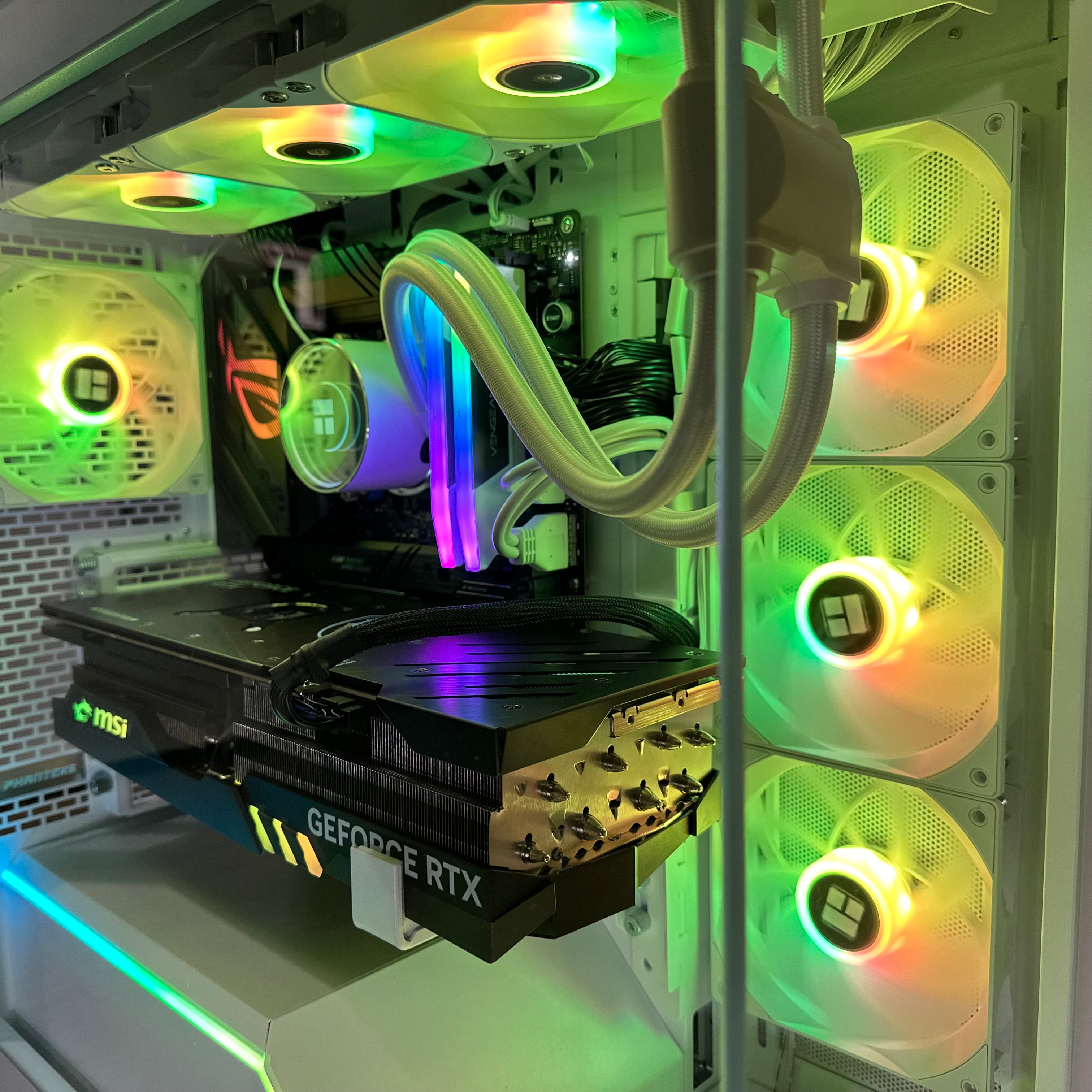
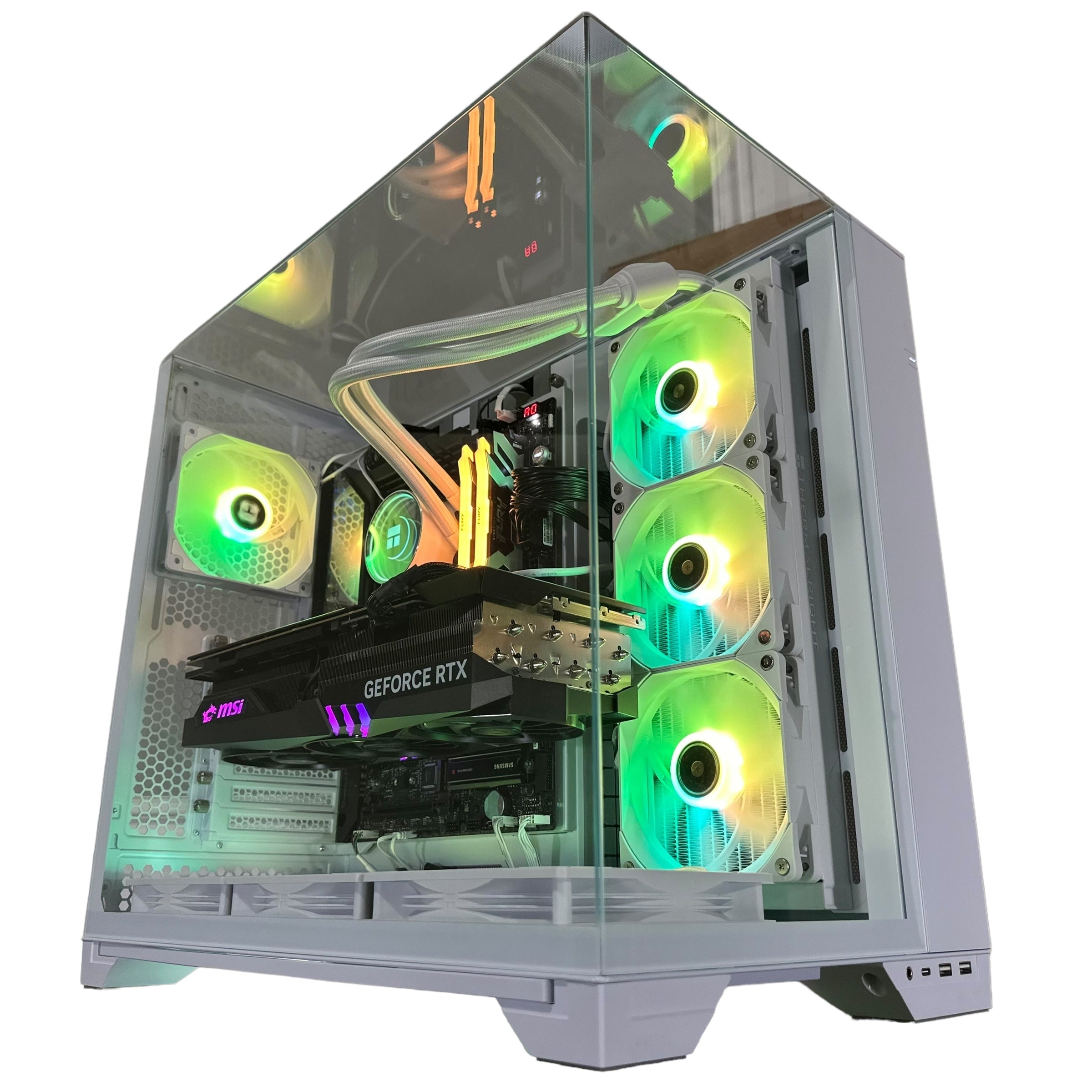
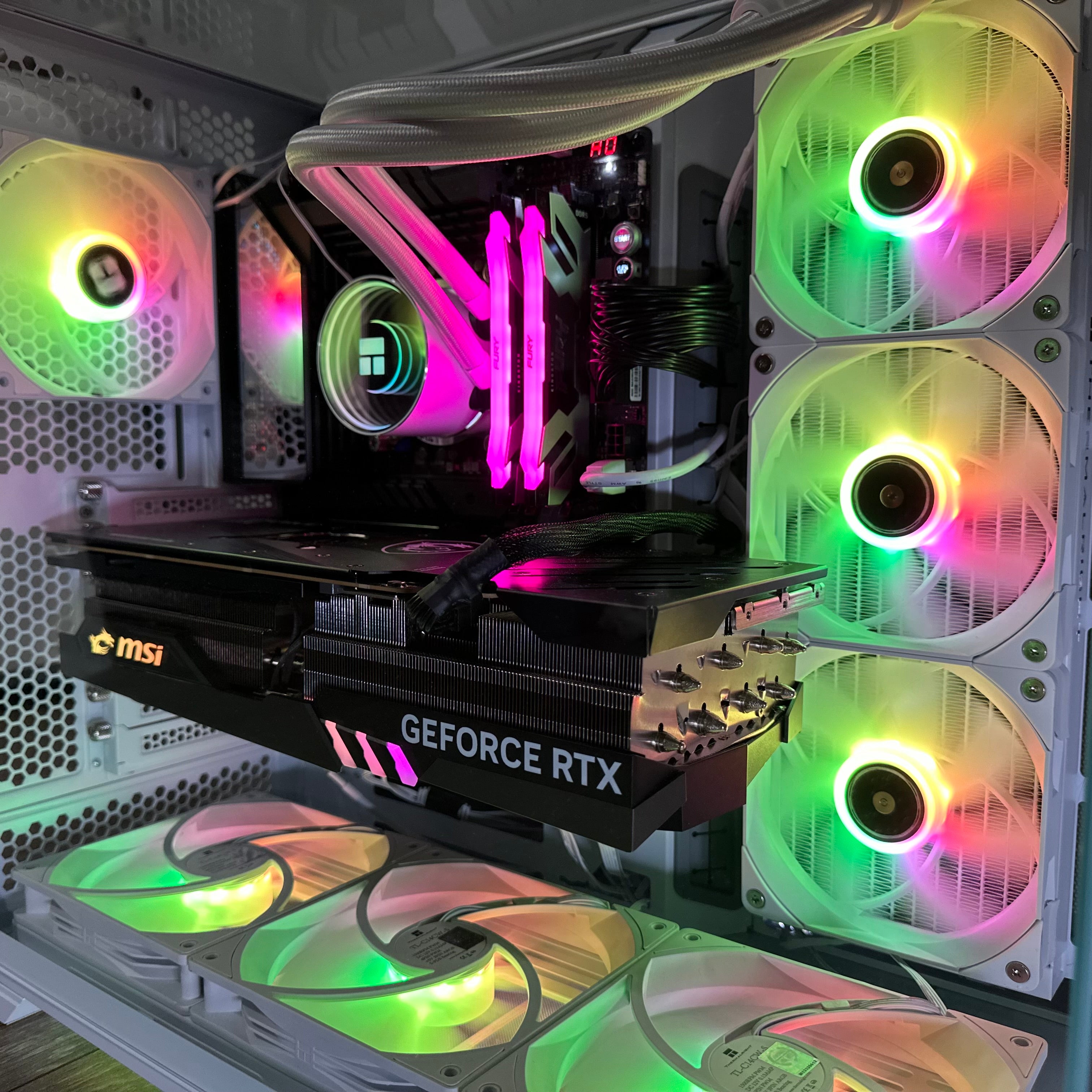

Capcom’s Win Streak Shows Why a Better Gaming PC in Canada Matters More Than Ever
Capcom’s latest sales momentum is more than a gaming industry headline. It is a clear signal that major franchises, polished releases, and long-tail game demand are continuing to push players toward stronger hardware. For anyone shopping for a better gaming PC in Canada, this matters right now. When a publisher like Capcom keeps delivering hits across new releases and back-catalog favourites, it creates the exact kind of sustained performance demand that exposes weak systems, outdated GPUs, limited storage, and budget builds that age too quickly.
The source story highlights a remarkable run: strong sales for a new title, continued demand for older Resident Evil games, and franchise strength that now places Resident Evil ahead of Final Fantasy in lifetime unit sales. That is not just interesting from a publisher perspective. It also raises a practical question for Canadian PC buyers: if more major titles keep arriving with better visuals, bigger worlds, more effects, and longer post-launch staying power, what should your next PC actually be built to handle?
If you are reading gaming news and noticing that franchises are not slowing down, are you also wondering whether your current desktop is ready for the next wave of releases? Are you aiming for smoother 1080p gameplay, sharper 1440p performance, or a more premium 4K experience with ray tracing? Do you just want a system that can keep up for years instead of feeling old the moment the next big game lands?
What Capcom’s success really tells PC buyers
When one publisher can move millions of copies of both new games and older catalog titles in the same period, it says something important about the market. Players are not only buying the newest release. They are going back to celebrated games, replaying remakes, collecting franchises, streaming their experiences, recording clips, and revisiting titles when sales, updates, DLC, or community hype hit again.
That changes the buying equation for your PC. You are no longer building for one launch weekend. You are building for an entire ecosystem of games that may stay relevant much longer than expected. A title like Resident Evil 4 continuing to sell years after release is a reminder that your system should not just clear minimum specs. It should stay enjoyable across a library of current and future games.
So ask yourself: are you buying a machine that can merely run today’s headline game, or are you buying one that will still feel strong when you decide to revisit last year’s best titles, install a huge backlog, start streaming, or move into content creation?
Why this gaming trend matters for a gaming PC in Canada
Canadian buyers have to think about timing differently. Hardware demand does not move in a straight line. A burst of game hype, a new GPU cycle, tighter supply, memory fluctuations, or SSD pricing pressure can all affect what a full system costs. If gaming publishers continue to release major titles that actually sell well for months and years, demand for capable systems stays elevated.
That means “I’ll wait and see” is not always the safest plan. Waiting can make sense in some cases, but it can also leave you shopping during worse pricing, weaker inventory, or a period when the performance tier you really wanted has become harder to justify. Many buyers end up settling for less because they waited until they had no choice.
Would you rather buy once with a system that gives you headroom, or buy too cheap now and upgrade again sooner than expected? Would financing a stronger build before replacement costs rise help you avoid that trap?
Capcom’s momentum and the rise of performance expectations
Capcom’s current strength reflects a broader reality in PC gaming: quality games continue to drive players toward higher expectations. Better lighting, denser environments, more detailed textures, cinematic effects, and stronger frame pacing are no longer “nice extras” reserved for enthusiasts. Even mainstream players increasingly notice the difference between a struggling system and a properly matched custom build.
That is especially true for action-heavy titles, horror games, shooters, open-world releases, and games with high visual atmosphere. These are exactly the kinds of experiences where frame drops, stuttering, slow asset loading, and thermal limitations can pull you out of the moment.
If you have ever asked, “Can my PC still run new games comfortably?” the better question may be: “Can my PC run them the way I actually want to play them?” There is a big difference between booting a game and enjoying it at the settings, resolution, and consistency you expect.
What do you want your next PC to do for you?
Before you pick a budget, pick a goal. Do you want your next system to be a straightforward gaming machine for modern AAA releases? Do you want to stream to Twitch or YouTube while gaming? Do you want to edit gameplay videos, create thumbnails, work in Photoshop, or build a channel around the games you play? Are you also using your PC for school, work, design, or 3D applications?
This is where many buyers make the wrong decision. They shop by one spec, one sale, or one flashy part. But the right custom system starts with your actual workload.
- Gaming only: prioritize GPU strength, CPU balance, cooling, and storage.
- Gaming plus streaming: add more CPU and RAM headroom, plus an encoder-friendly GPU.
- Gaming plus video editing: step up further in CPU, memory, and fast SSD capacity.
- Photo editing and graphic design: balance CPU responsiveness, RAM, colour workflow, and storage speed.
- 3D modeling and rendering: prioritize workstation-level GPU and memory planning.
- All-in-one creator use: build for multitasking, exports, responsiveness, and future upgrade flexibility.
If your next PC needs to do more than one thing, should you really buy a bare-minimum system just because it handles one game today?
What gaming performance tier fits you best?
One of the smartest ways to shop for a gaming PC in Canada is by deciding what experience you want, not just what parts look impressive on paper. Here is a practical breakdown.
1080p performance: Is a budget gaming computer enough for you?
If you mainly play esports titles, older AAA games, indie games, or you simply want solid value at 1080p, an entry-to-mid-range system can still make sense. This tier suits first-time buyers, students, and players who care more about stable gameplay than maximum visual settings.
But be honest: are you buying for today’s games only, or for the next two to four years? If your interests are shifting toward more demanding releases, horror remakes, cinematic action games, or heavy modding, an ultra-basic configuration may feel limited sooner than you expect.
1440p performance: Is this the real sweet spot for most players?
For many gamers, 1440p is where value and visual quality meet. It offers a major upgrade in clarity over 1080p without the steep cost of chasing top-tier 4K results. If you want a custom gaming PC in Canada that feels current, handles new games confidently, and stays relevant longer, this is often the smartest target.
Are you planning to play new AAA titles at high settings? Do you want better textures, smoother frame rates, and room for future releases without immediately needing another upgrade? A properly balanced 1440p build is often the answer.
4K and ray tracing: Do you want premium visual performance?
If you care about ultra settings, advanced lighting effects, ray tracing, and premium longevity, you are shopping in a different category entirely. This is for enthusiasts who want the most from modern games, larger displays, and demanding visual workloads.
The important question is not just whether 4K looks better. It is whether you want to buy into a premium tier now so you do not feel boxed in later. If you are the type of player who notices dips, compromises, or texture cuts, a high-end system can be easier to justify over time.
What PC do you need for gaming and streaming?
Capcom’s strong releases are not just played. They are streamed, clipped, uploaded, reviewed, and discussed. A single-player blockbuster can become a content pipeline. That means a lot of buyers who think they need only a gaming desktop may actually need a gaming and streaming PC in Canada.
If you plan to run OBS, record gameplay, manage multiple monitors, stay in Discord, keep browser tabs open, and maybe edit the footage later, your spec requirements change. More RAM matters. Better cooling matters. CPU and GPU balance matters. Fast SSDs matter a lot when you are capturing large files and loading modern games at the same time.
Do you need a separate streaming PC? Usually not. For many customers, a properly configured custom system can handle gaming and streaming together extremely well. The key is choosing the right performance tier from the start instead of trying to patch around a weak build later.
Could this gaming trend also push you toward a creator PC?
Many gamers become creators gradually. First it is screenshots. Then clips. Then highlight reels. Then long-form videos, thumbnails, social posts, and maybe a full channel. That is why a source story about game sales can easily become a buying guide for a creator PC in Canada.
If you are editing in Adobe Premiere Pro, DaVinci Resolve, CapCut, Photoshop, or Illustrator, your hardware priorities widen. You still want a strong gaming system, but now export times, timeline smoothness, cache performance, and multitasking stability also matter.
So what are you really buying? A gaming desktop, or a content creation workstation that also happens to crush games?
What if you also need video editing, photo editing, or graphic design performance?
There is a growing overlap between gaming buyers and creative buyers. A customer might start by asking for a gaming PC for new games, but once they mention YouTube, school projects, Adobe apps, or freelance design work, the ideal system changes.
Video editing
If you cut 1080p or 4K gameplay footage, a stronger CPU, more RAM, and fast NVMe storage can make a dramatic difference in playback, scrubbing, and export speed. If you have ever waited too long for renders, previews, or media imports, you already know that “good enough for gaming” is not always good enough for editing.
Are you creating short clips for social media, or full long-form videos with colour correction, motion graphics, and layered audio? The answer affects your ideal build more than many buyers realize.
Photo editing and graphic design
If your workflow includes Photoshop, Lightroom, Illustrator, or Canva-based business graphics, your system still needs speed and stability, but your balance may shift toward RAM, CPU responsiveness, fast scratch storage, and support for a smooth multi-monitor setup.
Do you need your PC to move quickly through batches of RAW images? Do you want to build a workstation that handles branding, social assets, and visual marketing while still being great for gaming after hours? That hybrid use case is exactly where a custom build makes more sense than a one-size-fits-all machine.
3D modeling and rendering
If your interest extends into Blender, Unreal Engine, CAD, animation, or 3D asset work, you should stop thinking in terms of a simple gaming machine and start thinking about workstation priorities. GPU rendering, memory capacity, sustained cooling, and CPU selection all become much more important.
Would a basic gaming tower save money upfront if it slows down every serious 3D task you throw at it? For many users, the answer is no.
Why older hit games selling well still affects your buying decision
One of the most interesting parts of the source story is that older Capcom titles are still driving major sales. That means the market is rewarding games with replayability, reputation, and franchise pull. From a PC buyer’s perspective, this supports a smarter long-term strategy: buy a system with enough range to enjoy both current blockbusters and the catalogue you will revisit later.
Players rarely use a gaming PC for one title only. They move between new releases, remasters, online games, older favourites, mods, and creator tools. Storage fills faster. Visual expectations rise. Background workloads increase. That is why many low-end systems feel fine on day one and cramped six months later.
Are you choosing a system for one purchase, or for the way you actually play over time?
Is it better to buy a gaming PC now or wait?
This is one of the most common real-world questions, and it deserves a serious answer. Sometimes waiting works if you already have a capable machine and your needs are stable. But many buyers who wait are not waiting strategically. They are delaying while using a system that already frustrates them.
If your current PC struggles with newer games, takes too long to load, overheats, cannot multitask well, or feels like it is one major release away from becoming a problem, then waiting may simply mean paying more later for a replacement you needed sooner.
What happens if GPU demand tightens? What if memory pricing shifts? What if you suddenly need the PC for school, streaming, editing, or a major new release? What if the build you can comfortably afford today becomes meaningfully weaker at the same budget later?
That is where financing can change the decision.
Should you finance a stronger PC instead of buying a cheaper one?
For many Canadian buyers, this is the most practical question in the entire process. A cheaper build may feel safer in the moment, but if it leads to an earlier upgrade, lower resale value, or a frustrating user experience, it may not actually be the better value. Financing a stronger custom PC can let you secure a more capable system now while spreading the cost over time.
If your goal is to avoid upgrading too soon, financing can be a strategic choice rather than an impulse choice. A better GPU tier, more RAM, larger SSD, or stronger CPU can extend the life of the system and improve your day-to-day experience immediately.
Would monthly payments on a better system make more sense than paying cash for a build you already know you will outgrow? If you are gaming, streaming, editing, and multitasking, that question becomes very important very quickly.
Groovy Computers helps Canadian buyers think through that decision carefully, especially when they want performance that lasts and financing up to 4 years can help them get there without settling too early.
How pricing pressure affects full-system value
Even when headlines focus on games, the buying impact often lands on hardware. New game demand can push more people into the market for GPUs. Creator workloads can increase demand for higher memory and storage capacity. General market volatility can affect system cost in ways that are difficult for buyers to predict perfectly.
That is why smart buyers focus less on chasing a hypothetical perfect moment and more on locking in the right value when their need is real. A well-configured custom build is about total experience, not just individual part prices.
- GPU pressure: affects gaming, ray tracing, streaming, and creator acceleration.
- CPU value shifts: matter for high-FPS gaming, editing, and multitasking.
- RAM costs: become more relevant as games and creator apps demand more headroom.
- SSD pricing: matters more when modern game installs and media files keep growing.
- Full-build replacement cost: rises when several components move at once.
If you already know you need a better system, does waiting really protect you, or does it simply delay the inevitable while reducing your options?
Custom PC vs generic prebuilt: why the difference matters more now
When game performance expectations are rising, build quality matters. Part matching matters. Airflow matters. Power delivery matters. Testing matters. Upgrade path planning matters. A generic machine may look similar on a spec list, but the actual ownership experience can be very different.
A custom build gives you a better chance of getting a system aligned to your real needs. Maybe you need more SSD capacity because your game library is massive. Maybe you need extra RAM because you stream and edit. Maybe you want stronger cooling because you care about long sessions and long-term reliability. Maybe you want a balanced machine instead of a flashy spec mismatch.
Have you ever seen a PC that looks powerful in a listing but cuts corners where it counts? That is exactly why many buyers prefer working with Canadian custom PC builders who understand the whole system, not just the marketing headline.
Why Groovy Computers fits this moment for Canadian buyers
Groovy Computers is positioned for exactly the kind of customer this trend creates: the gamer or creator who knows software and game demands are rising, wants guidance instead of guesswork, and wants a properly built machine without compromising on long-term value.
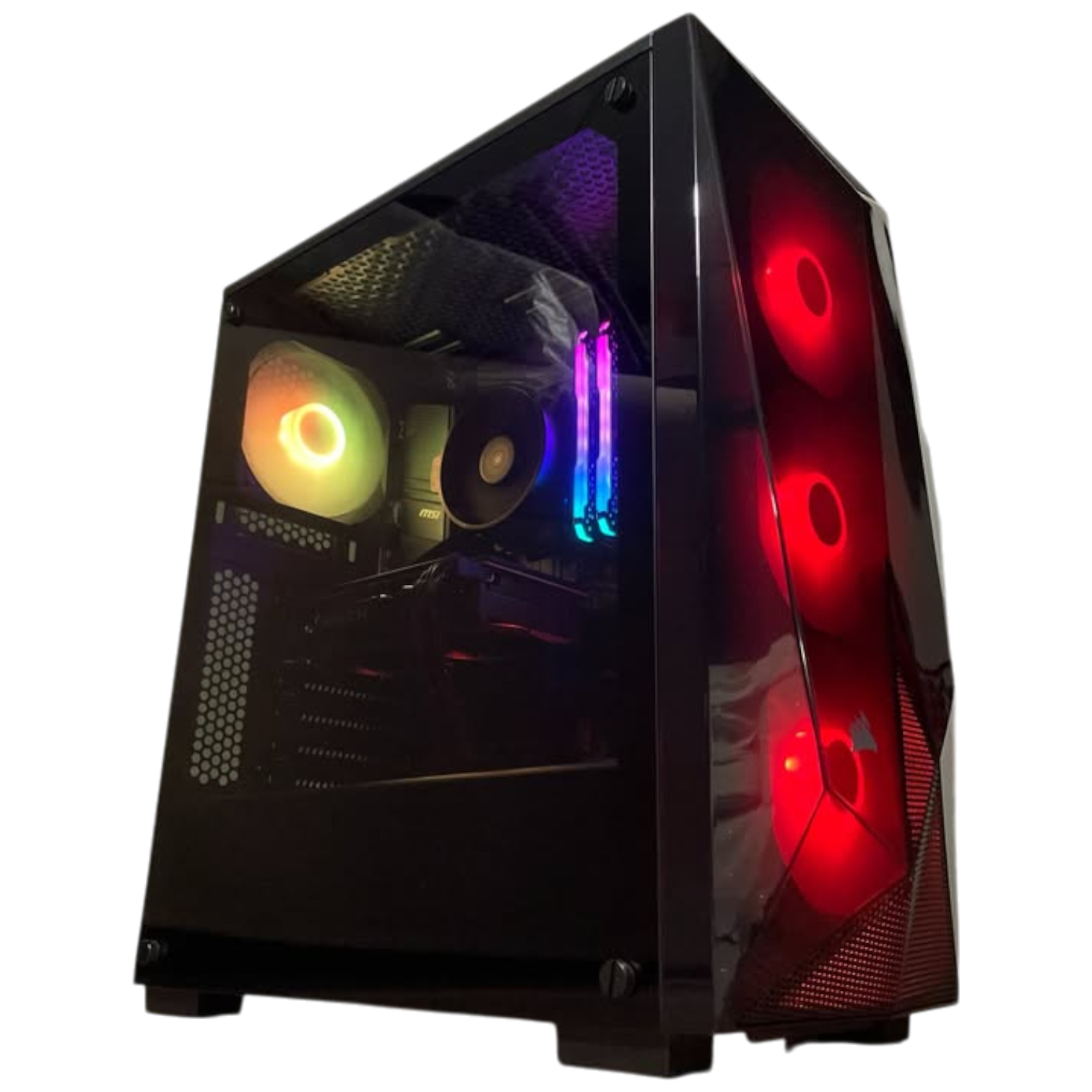
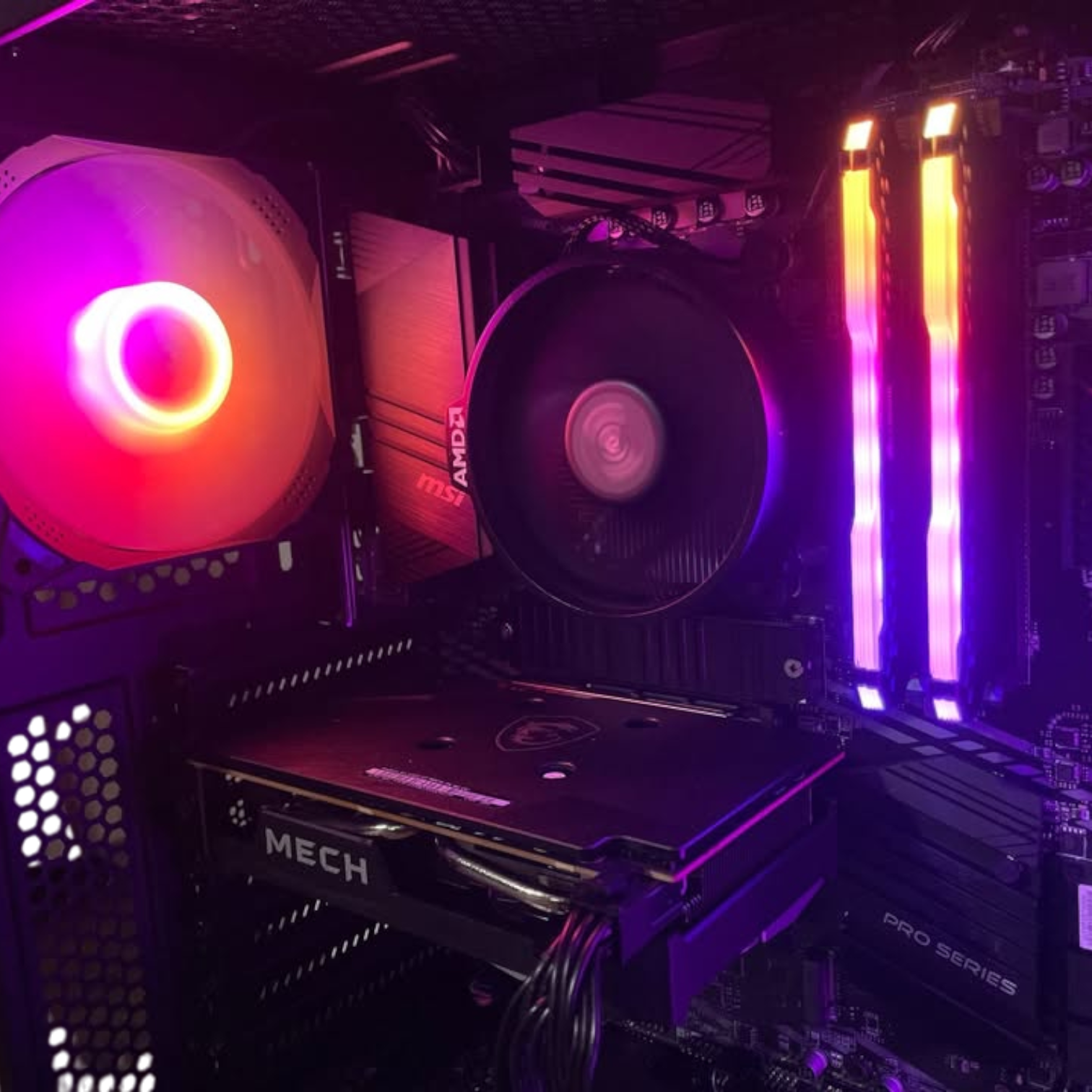
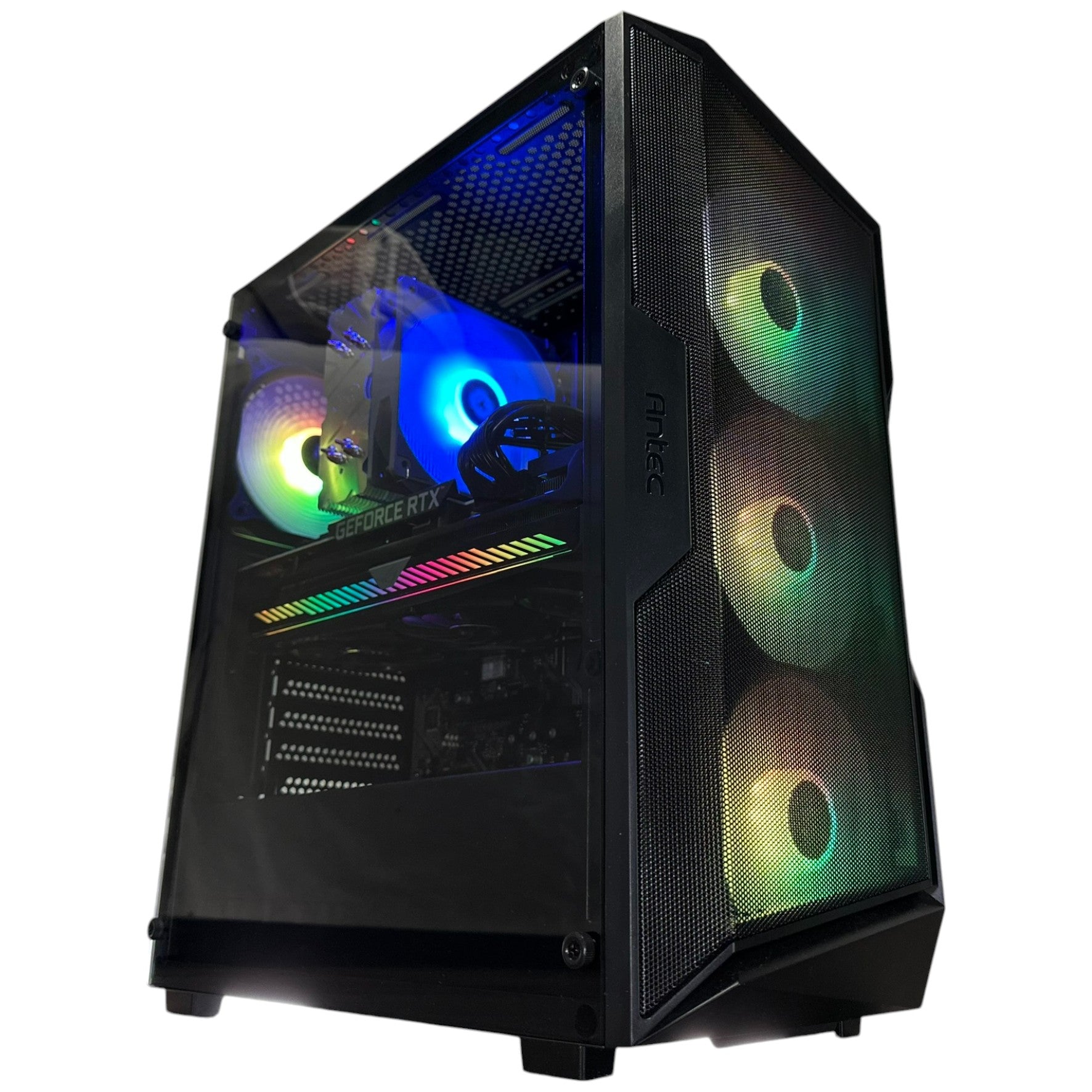
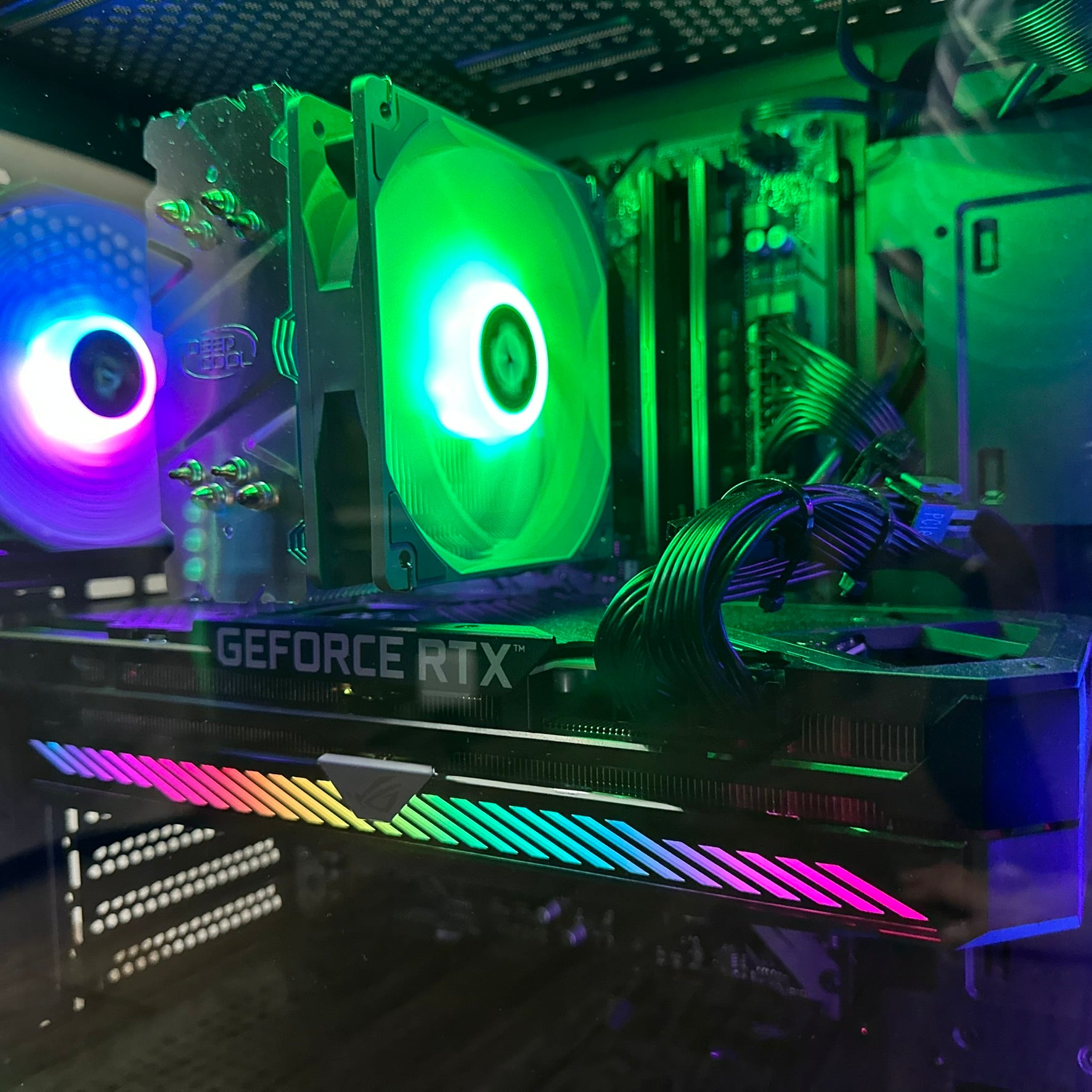
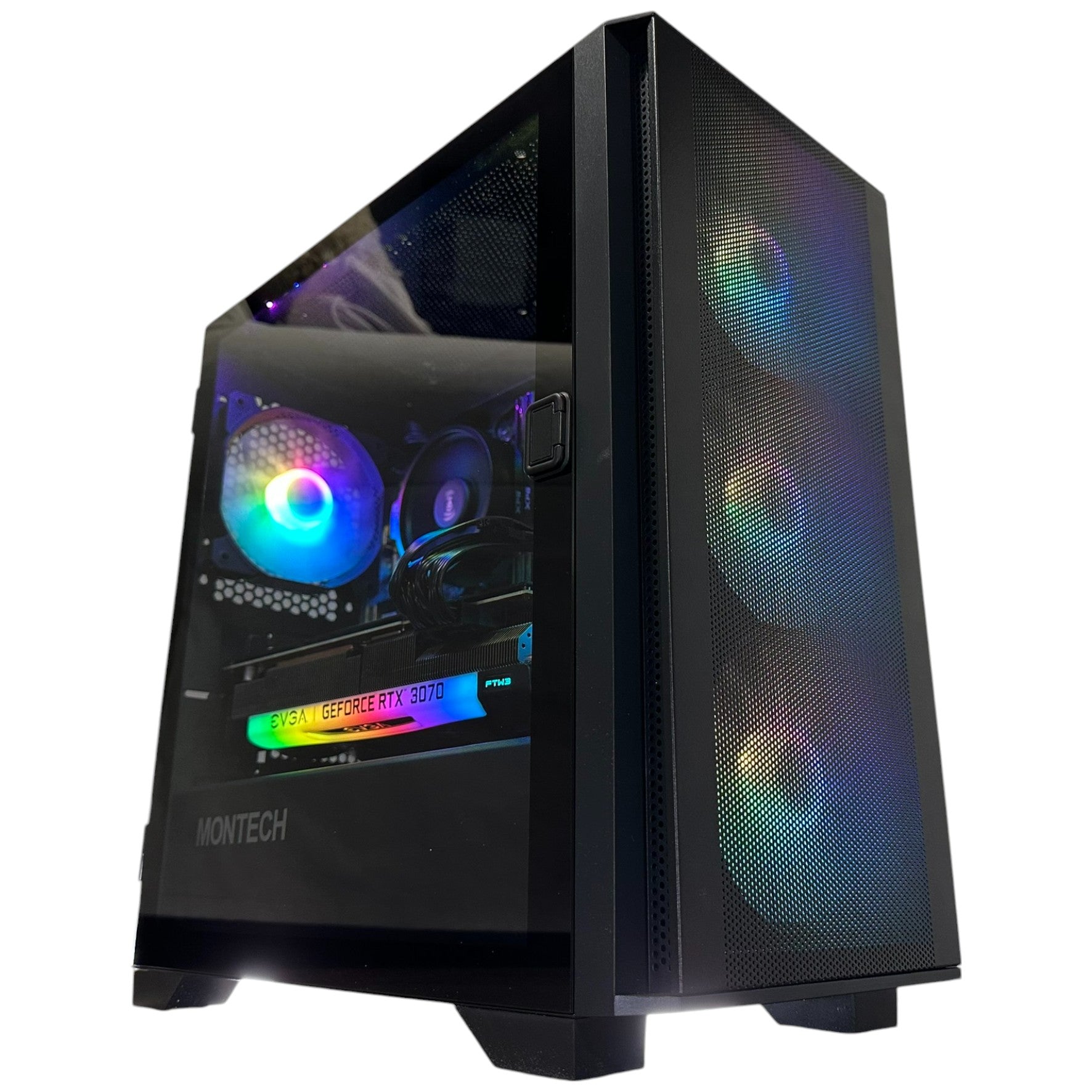
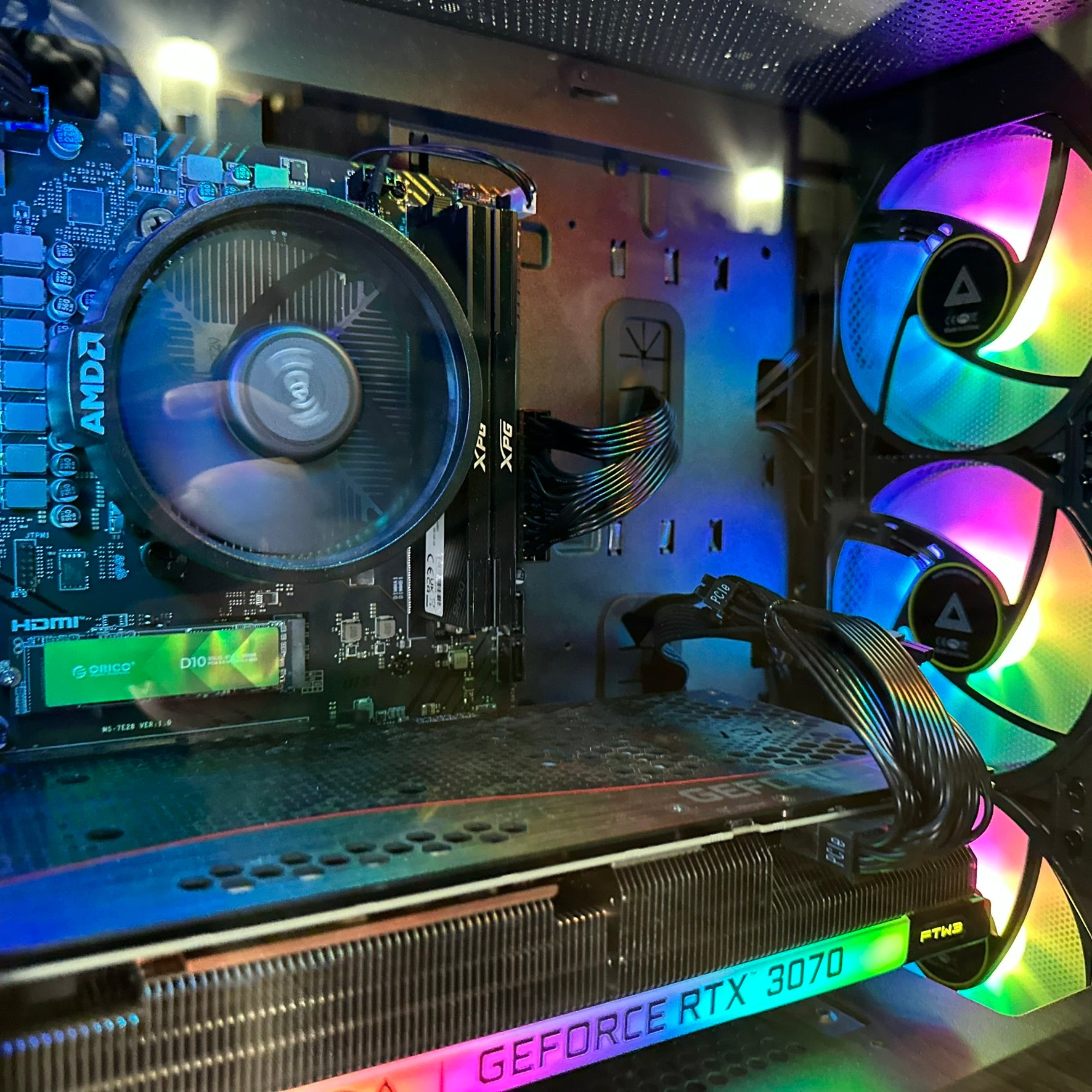
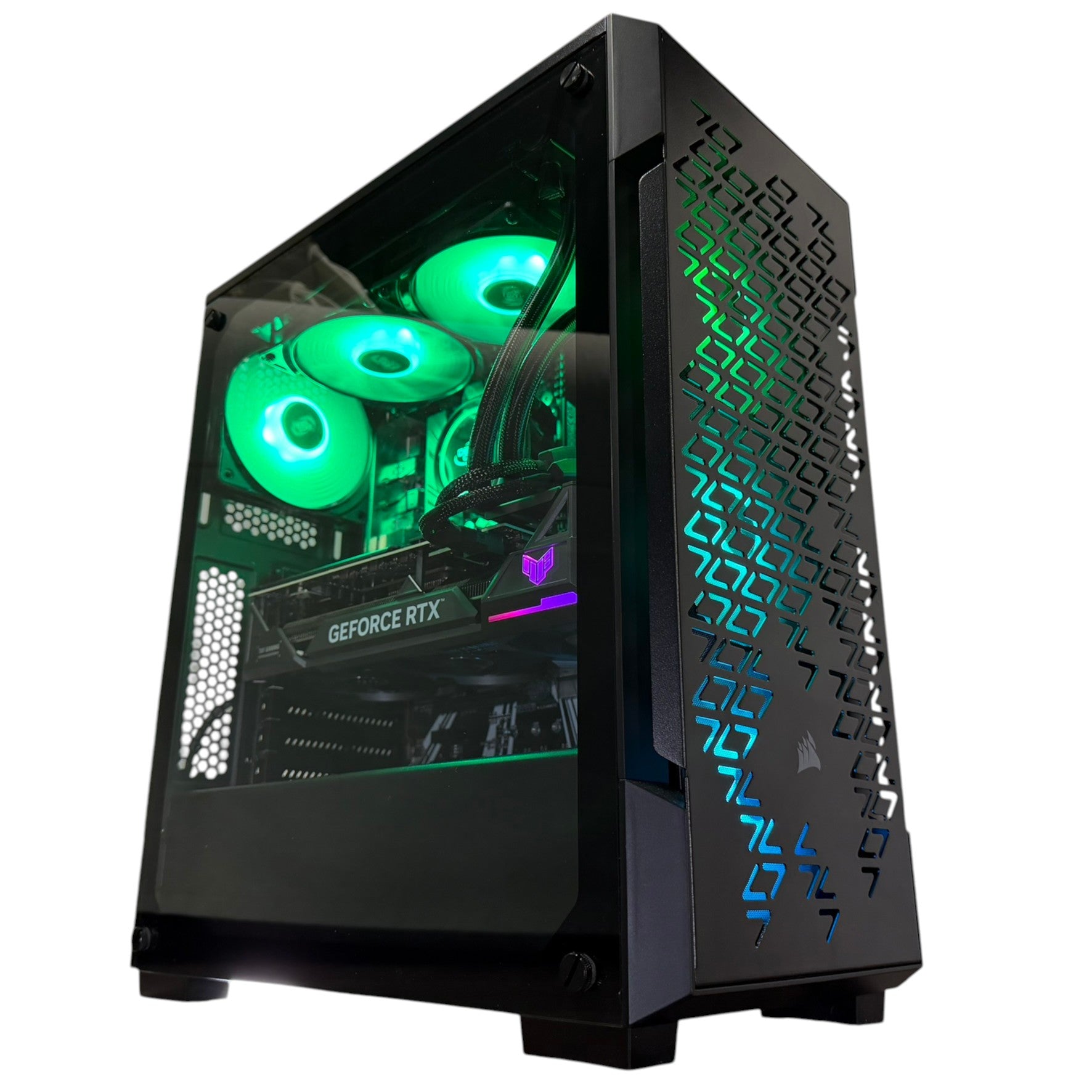
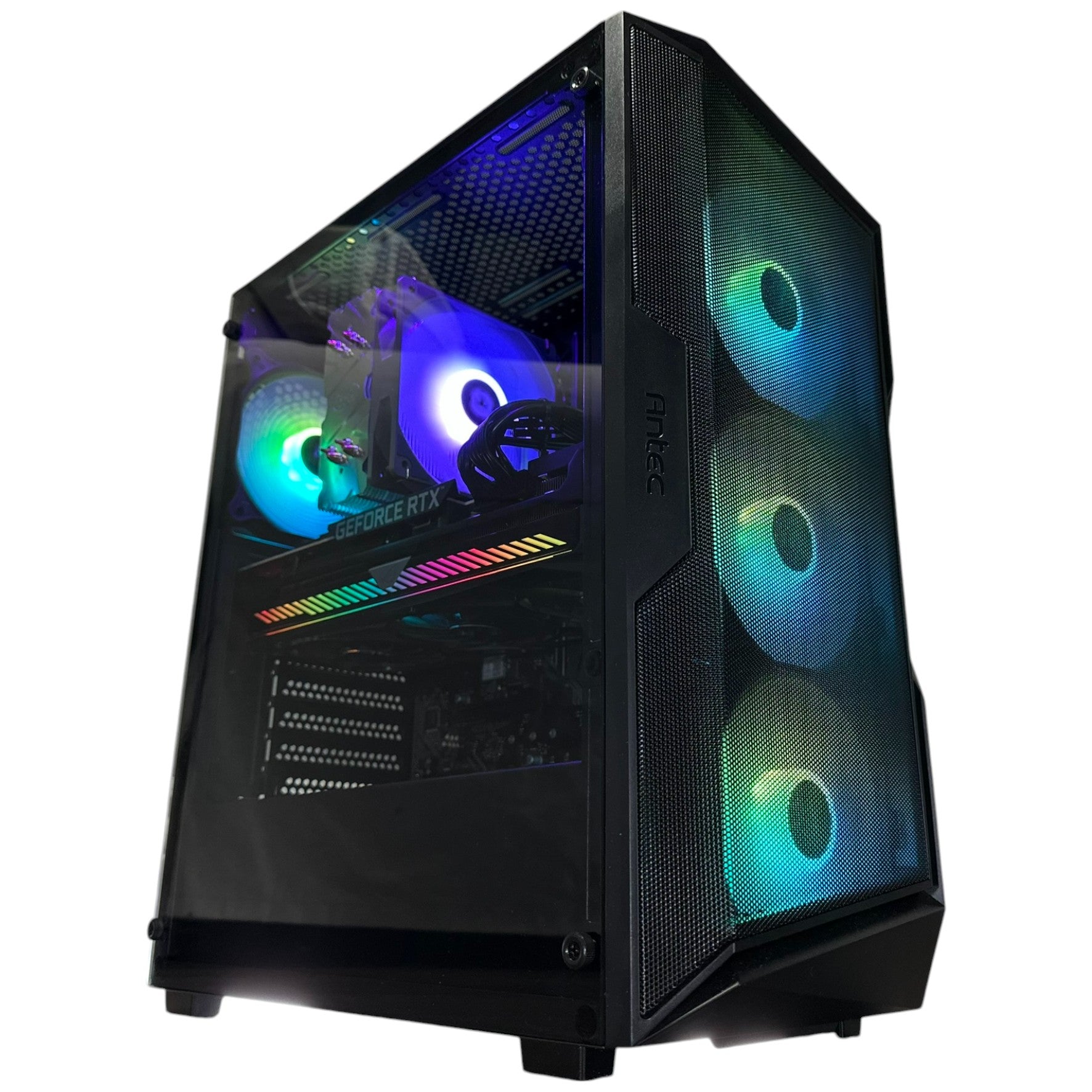
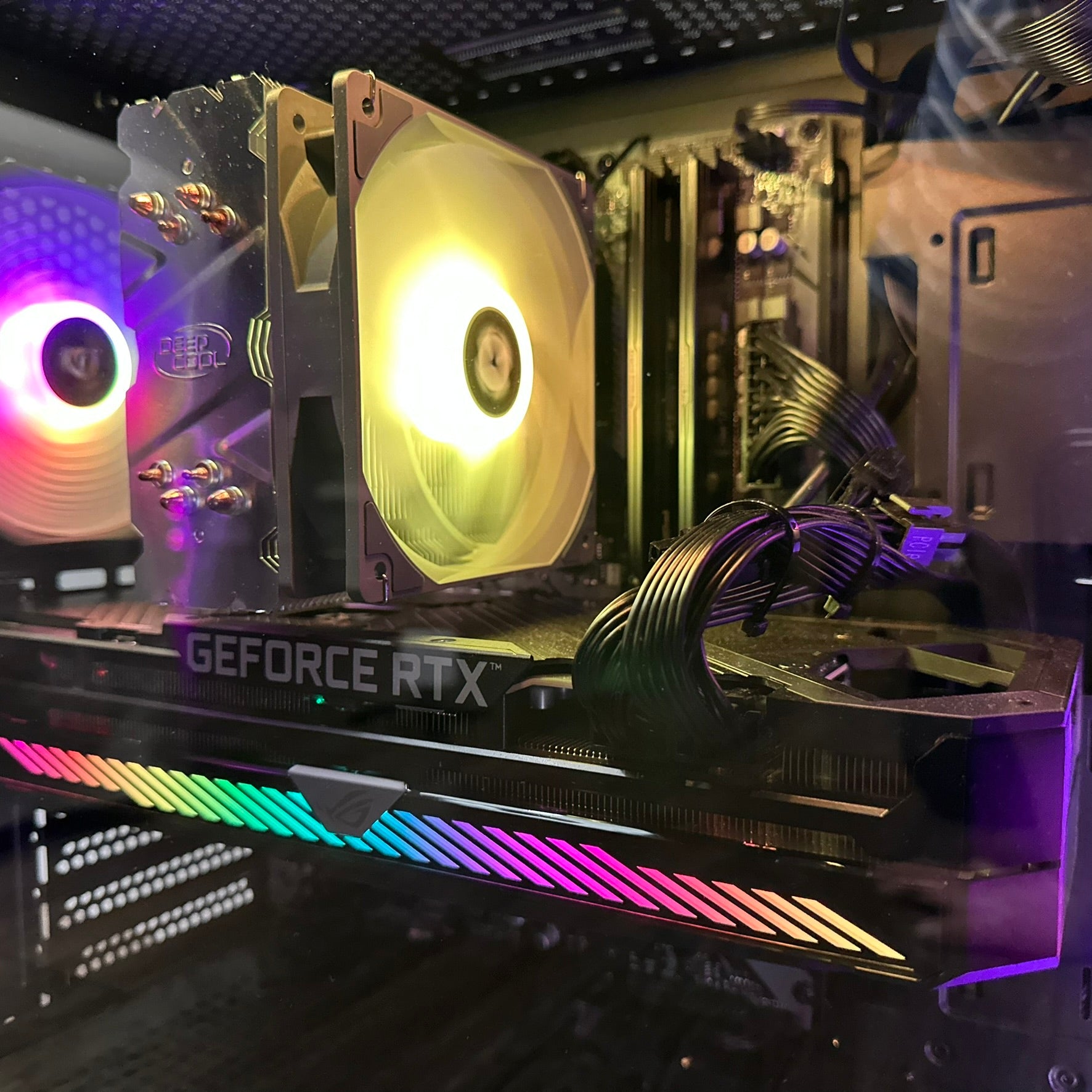
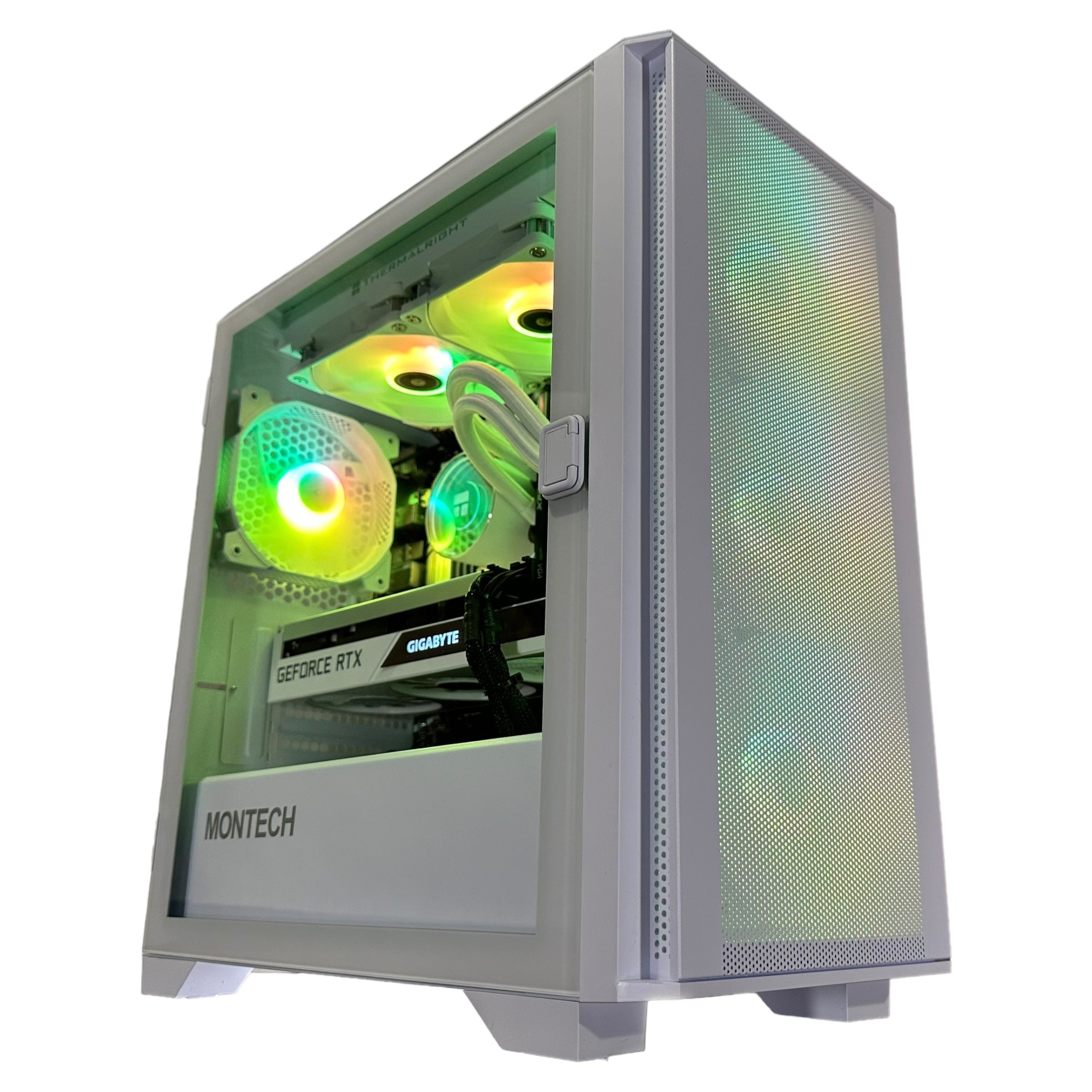
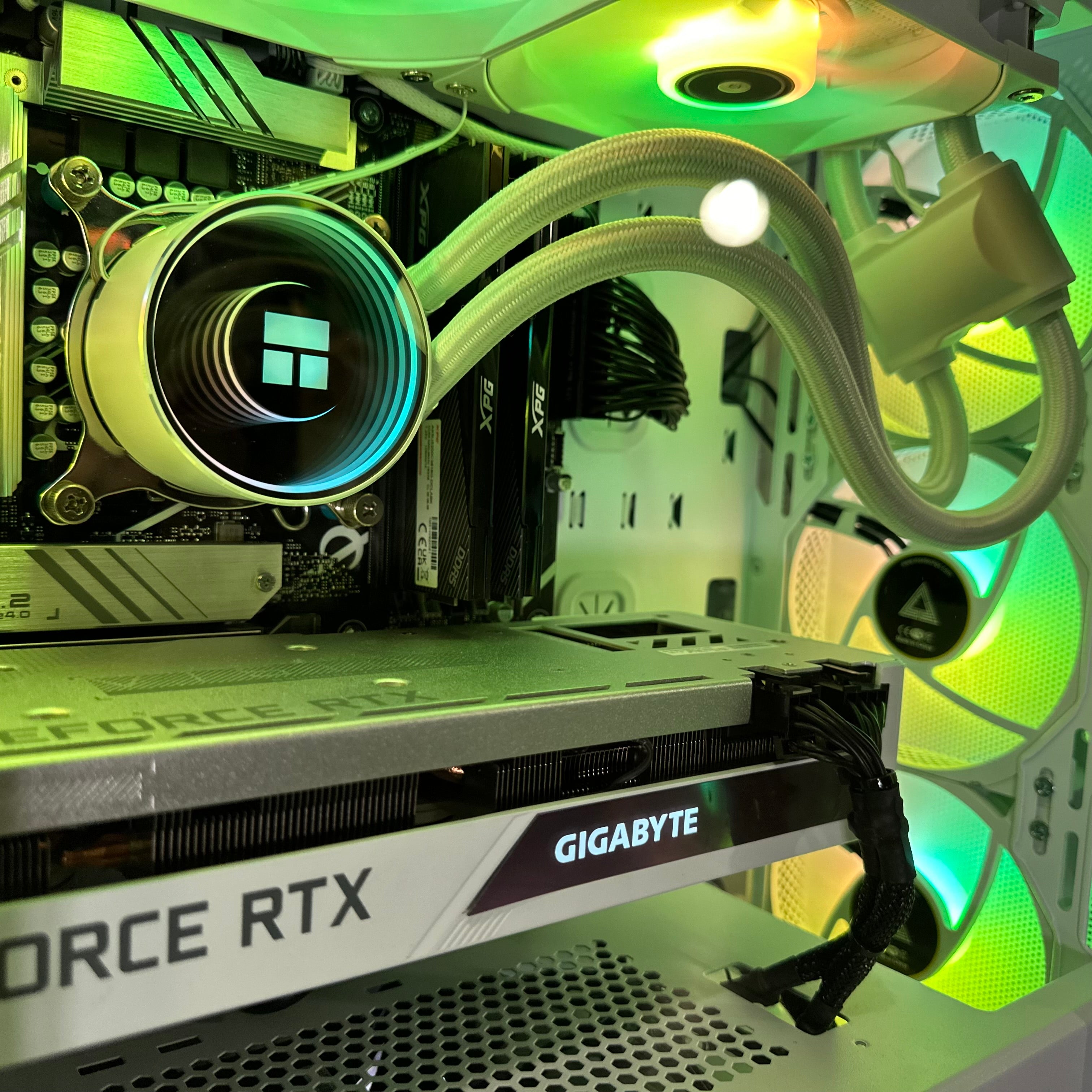
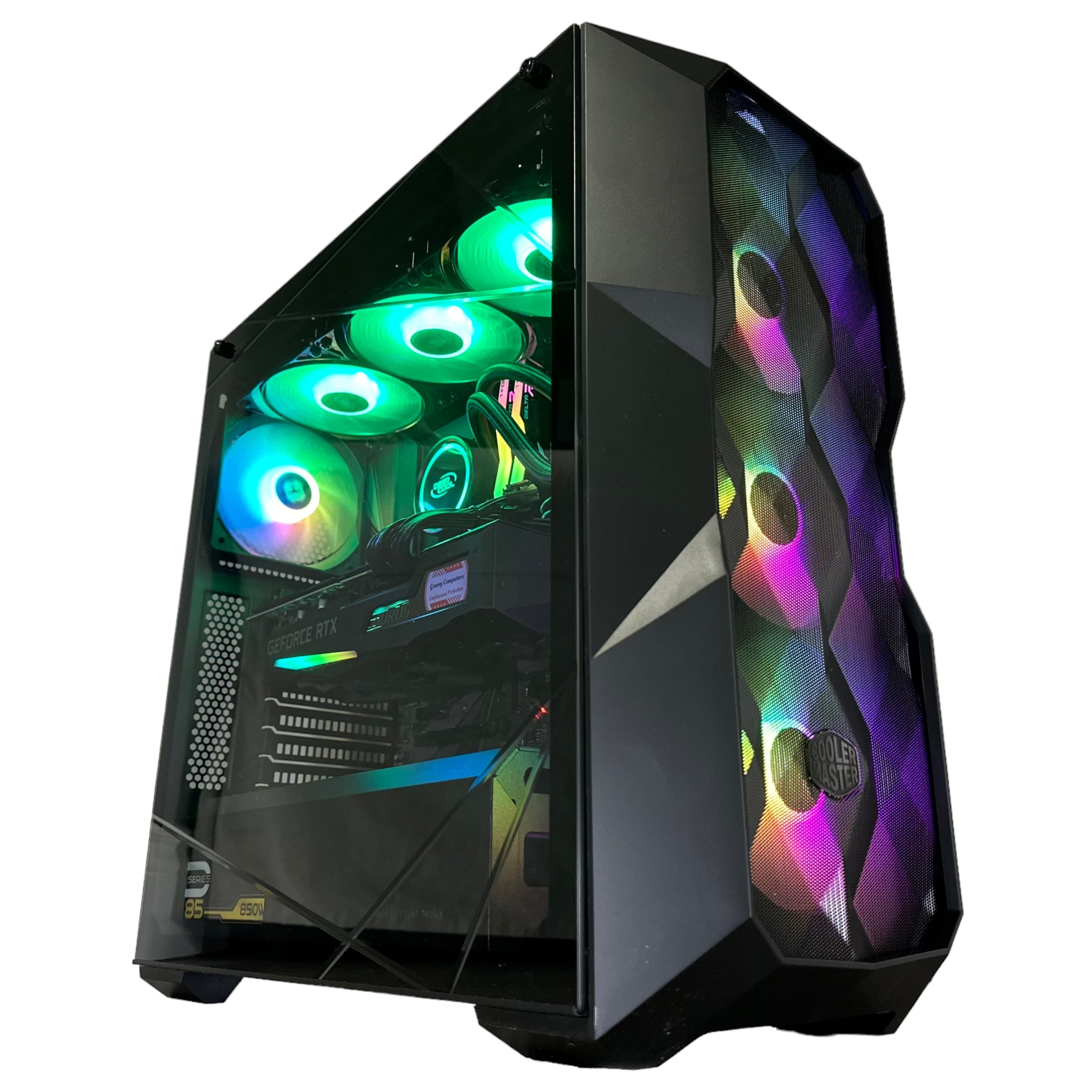
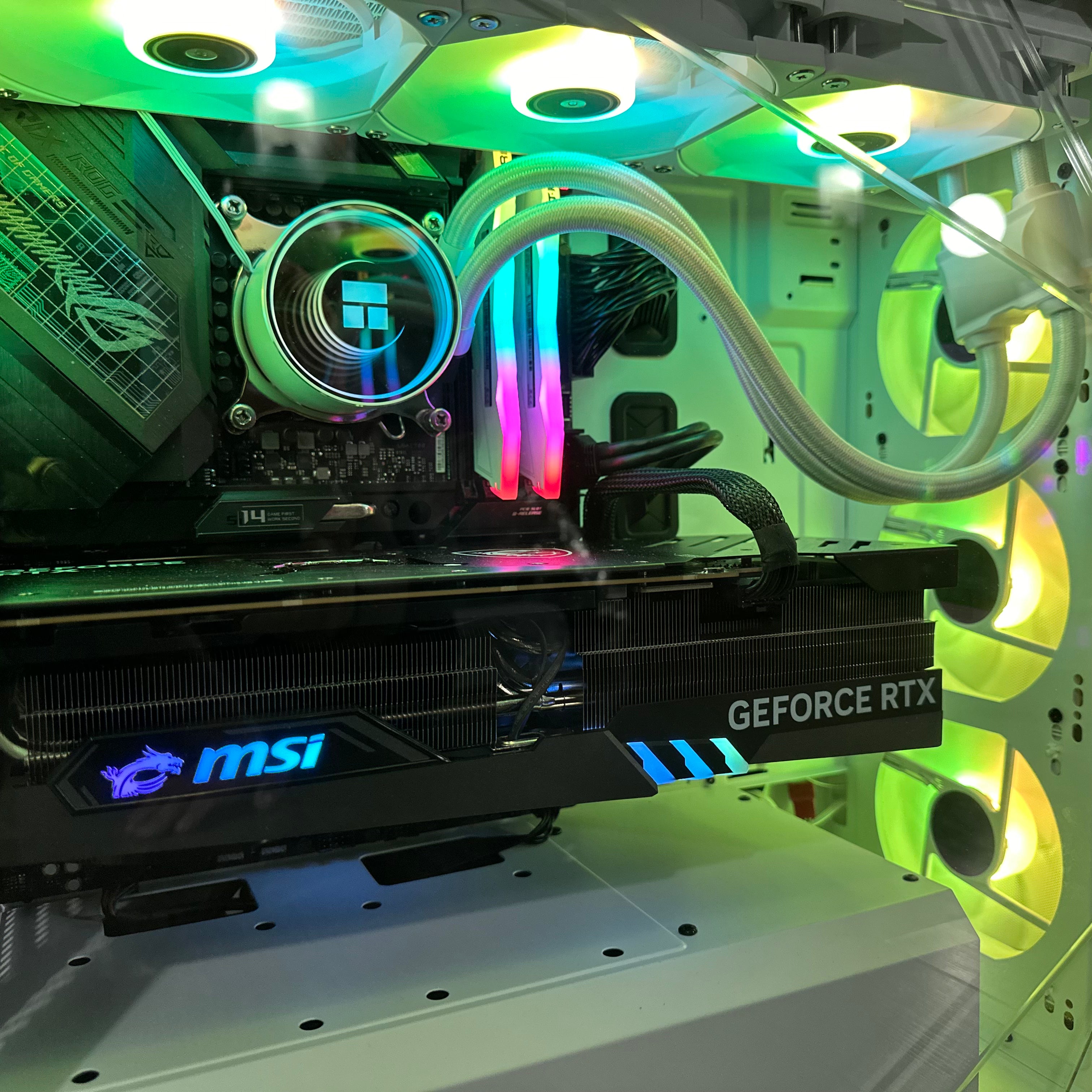
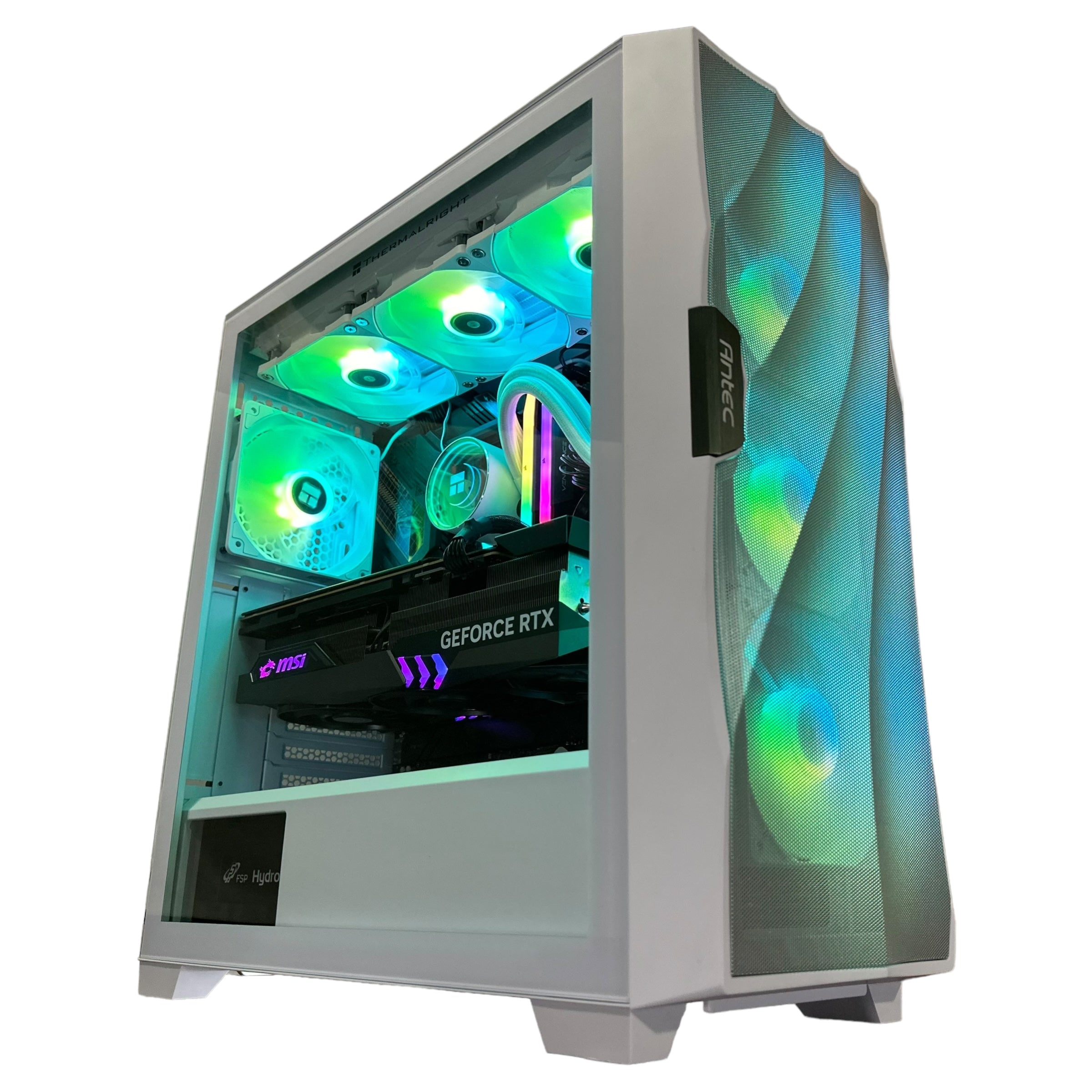
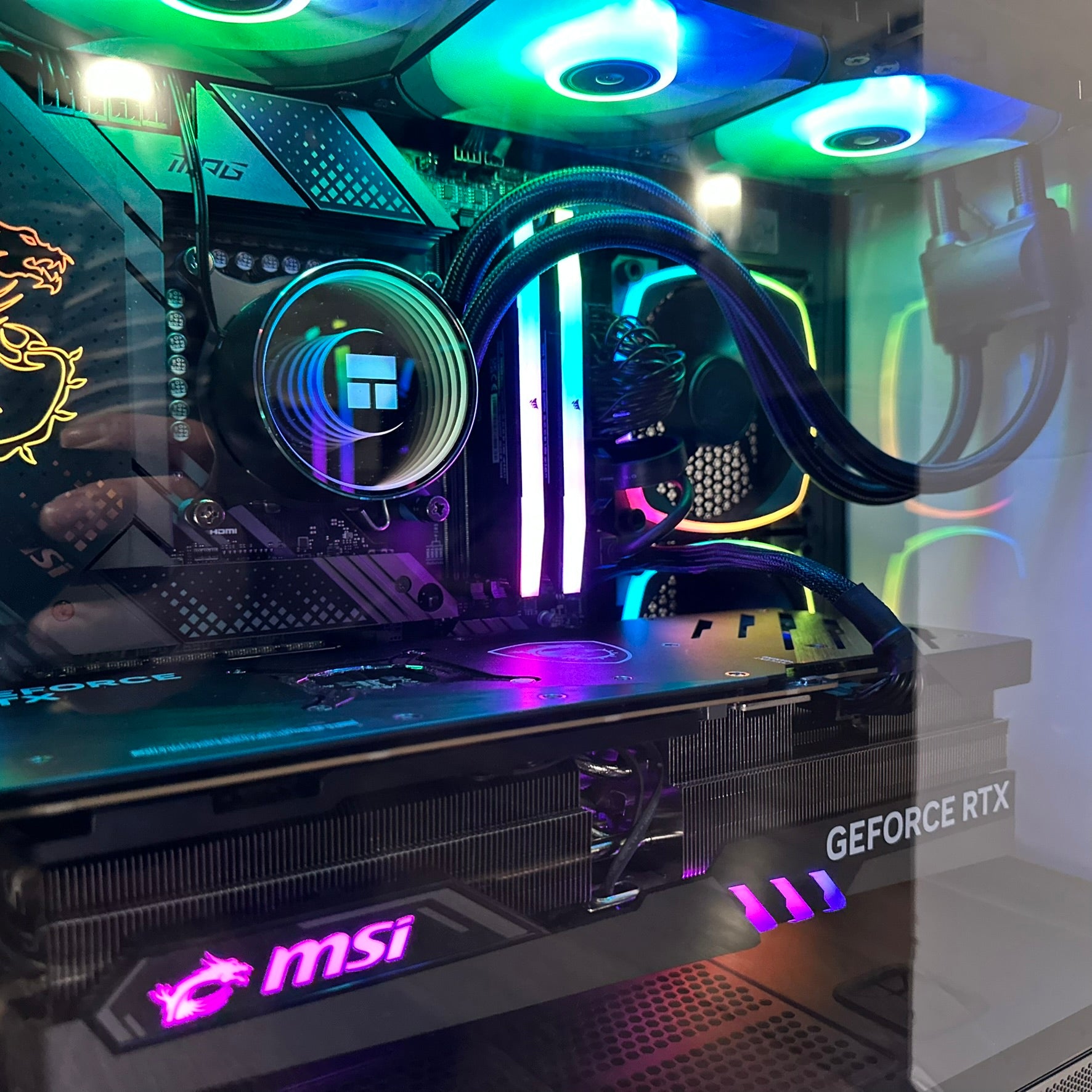
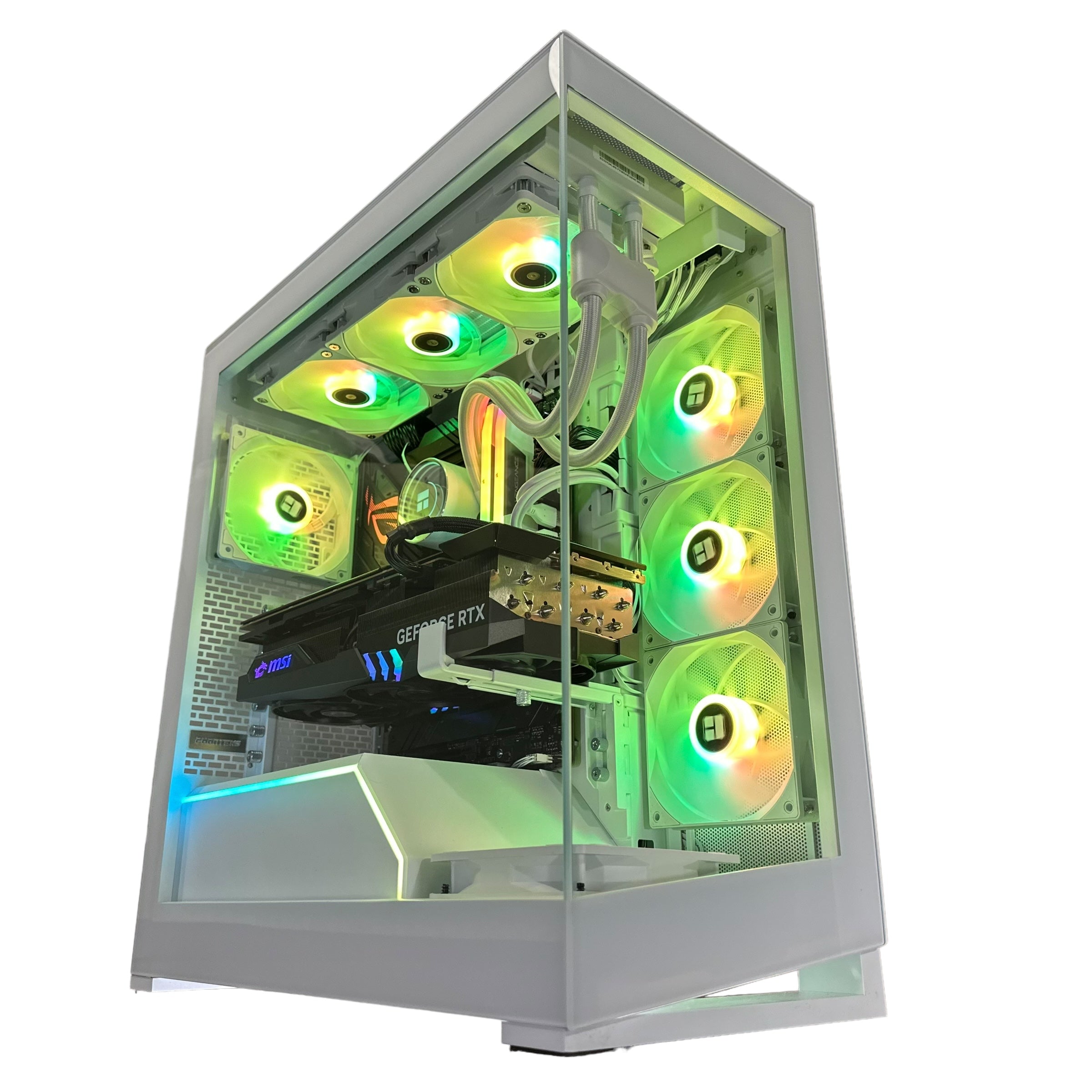
As a Canadian custom PC builder, Groovy Computers focuses on systems that are matched to actual use cases, whether that means a budget-friendly gaming desktop, a stronger 1440p gaming setup, a premium RTX-focused configuration, or a custom creator and workstation build for editing, streaming, design, and rendering.
That means more than picking parts. It means helping customers decide what level of performance actually fits their goals. It means rigorous testing before a system ships. It means the confidence of a 1-year warranty. It means support from a Canadian company that understands what local buyers care about, including value, timing, reliability, and avoiding weak upgrades.
Whether you are in Nova Scotia, Atlantic Canada, Ontario, Alberta, British Columbia, or ordering elsewhere in the country, the appeal is the same: a better way to buy a custom PC that is built around what you need instead of whatever happens to be sitting in a warehouse.
Which kind of buyer are you?
If you are still deciding, these profiles can help narrow the field.
The budget-conscious gamer
You want a system that handles modern games well without overspending. You may be targeting 1080p, some lighter creator work, and a sensible upgrade path. The key question: do you want the lowest possible price, or the best value over the next few years?
The 1440p gamer
You want a sharper and more premium experience, likely with newer AAA titles in mind. You care about settings, smoothness, and not needing to replace the machine too soon. For many buyers, this is the ideal long-term balance.
The enthusiast
You want high-refresh 1440p or 4K, stronger graphics, maybe ray tracing, and a machine that feels exciting every time you use it. If you notice compromises quickly, premium hardware can be worth it.
The streamer or content creator
You need your PC to do more than game. Recording, streaming, editing, and multitasking are all part of the plan. You need headroom now, not just “it technically works.”
The hybrid workstation buyer
You game, but you also use demanding software for video production, photo editing, graphic design, or 3D work. A custom build here is often the smartest route because your ideal component balance is more specific.
Questions to ask before choosing your next custom PC
Before you commit, ask yourself a few simple but important questions.
- What games do I actually play most, and what games am I excited for next?
- Do I want 1080p, 1440p, or 4K performance?
- Do I care about ray tracing, high refresh rates, or ultra settings?
- Will I be streaming, recording, or editing content?
- Do I need this system for Adobe apps, design work, or 3D software too?
- How quickly do I want this PC to feel outdated?
- Would more RAM or storage save me frustration later?
- Am I better off buying a cheaper system now, or financing a stronger one that lasts longer?
- Do I want a generic machine, or one built and tested around my actual use case?
If those questions are making you rethink your original budget, that is a good thing. A better buying decision usually starts when you stop shopping only by sticker price.
What should you do next if Capcom’s run has you thinking about an upgrade?
If gaming industry momentum is reminding you that your current desktop is falling behind, do not wait until your next must-play release becomes frustrating. If you want help choosing between a budget gaming computer, a premium RTX gaming PC, a custom creator PC, or a workstation-class build, Groovy Computers is the right place to start.
Ask yourself one final question: what do you want your next PC to do that your current one cannot? Then take that answer to GroovyComputers.ca and explore a system built for the way you actually game, stream, create, and work.
Final thoughts: Capcom’s success is a buying signal, not just a news story
Capcom’s recent results reinforce a simple truth: strong games keep driving hardware expectations upward, and players who care about performance are right to think ahead. For anyone shopping for a better gaming PC in Canada, this is the moment to plan around the experience you want, not just the minimum you can get away with. Whether you need a gaming-focused build, a streaming-ready setup, a creator machine, or a system you can finance before costs shift again, the smartest move is choosing a custom PC that fits both today’s games and tomorrow’s demands.
#GamingPCCanada #CustomGamingPC #GamingPCBuilderCanada #CanadianCustomPCBuilders #CreatorPCCanada #StreamingPCCanada #VideoEditingPCCanada #WorkstationPCCanada #NovaScotiaBusiness #GroovyComputers
Groovy Computers | All Rights Reserved



Leave a comment
This site is protected by hCaptcha and the hCaptcha Privacy Policy and Terms of Service apply.