


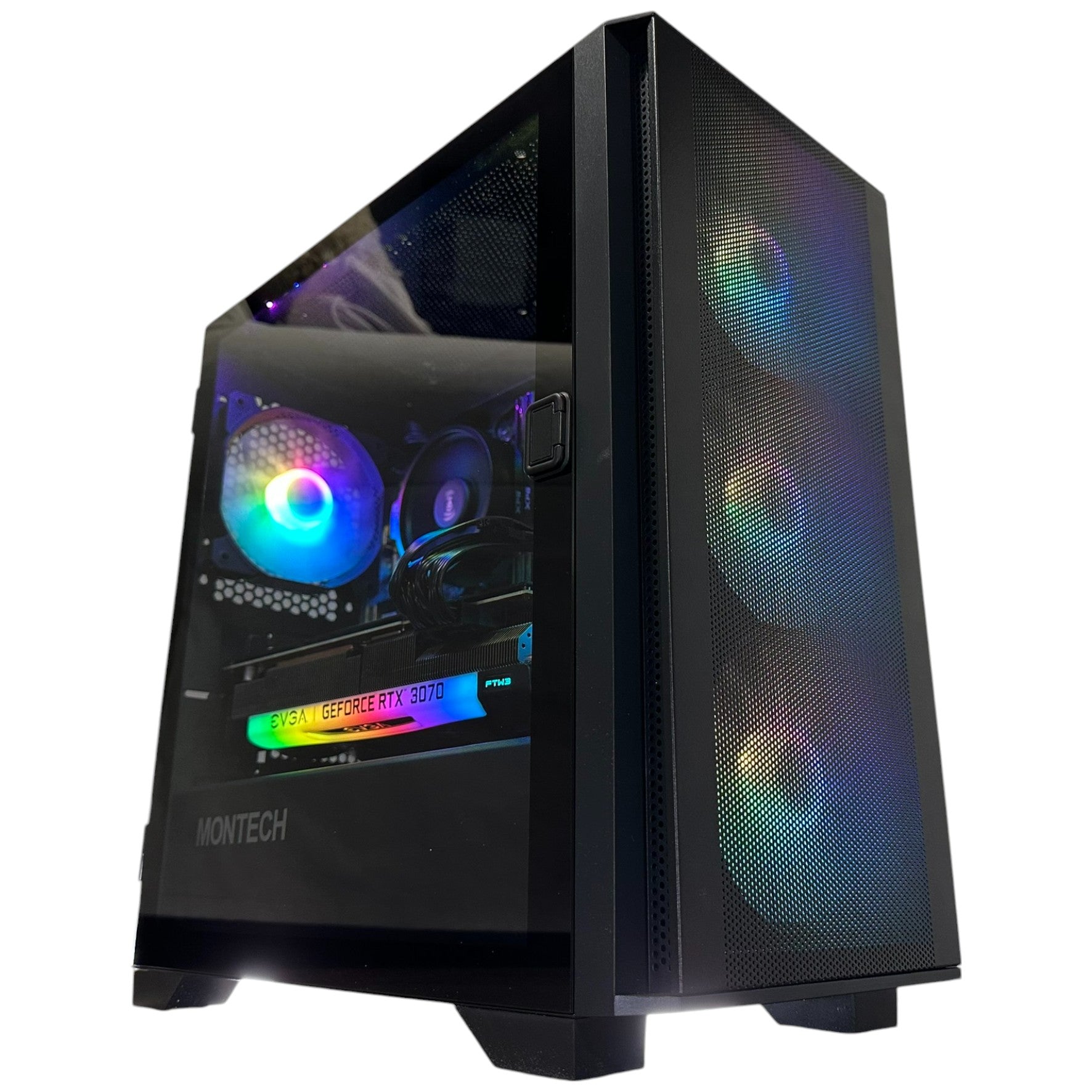
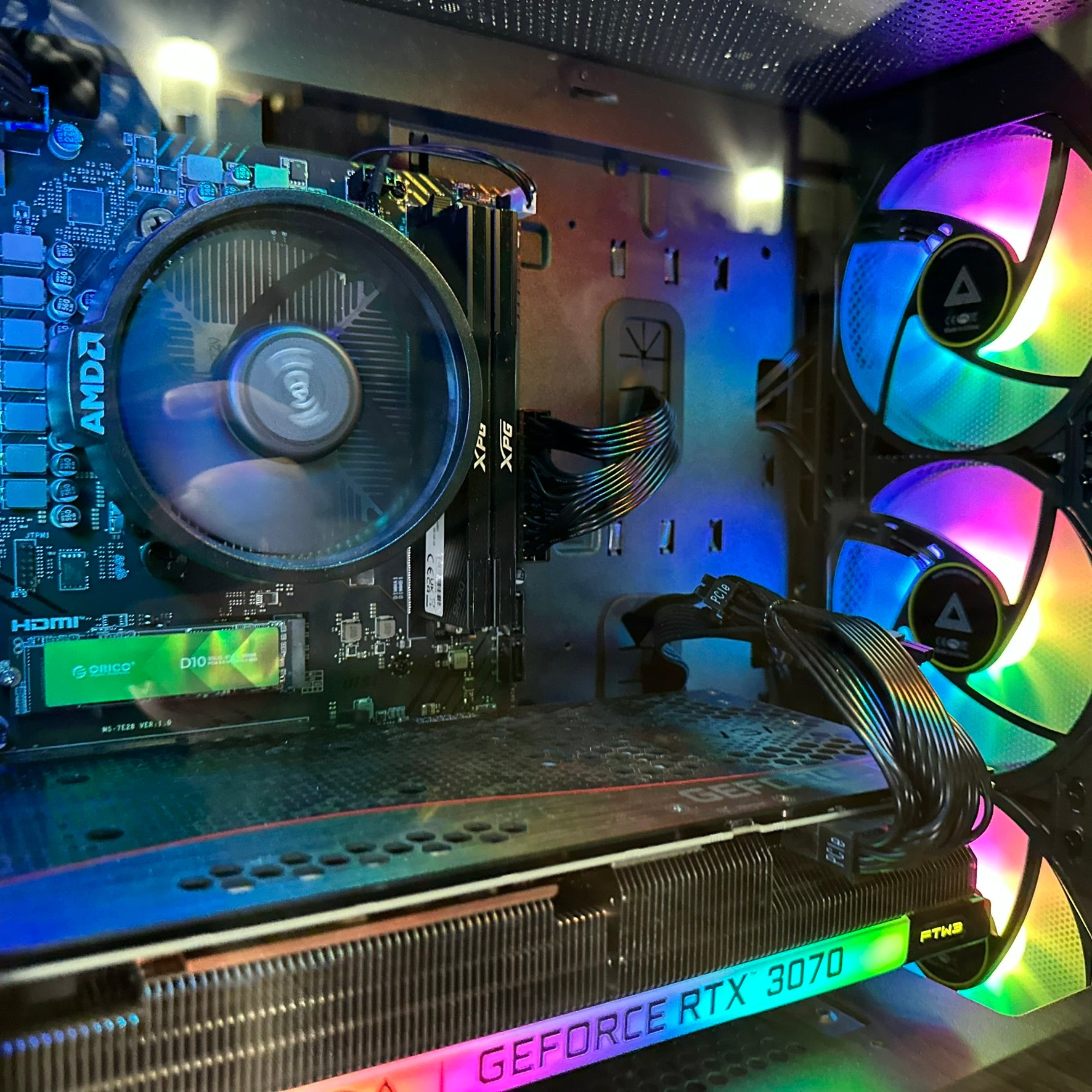
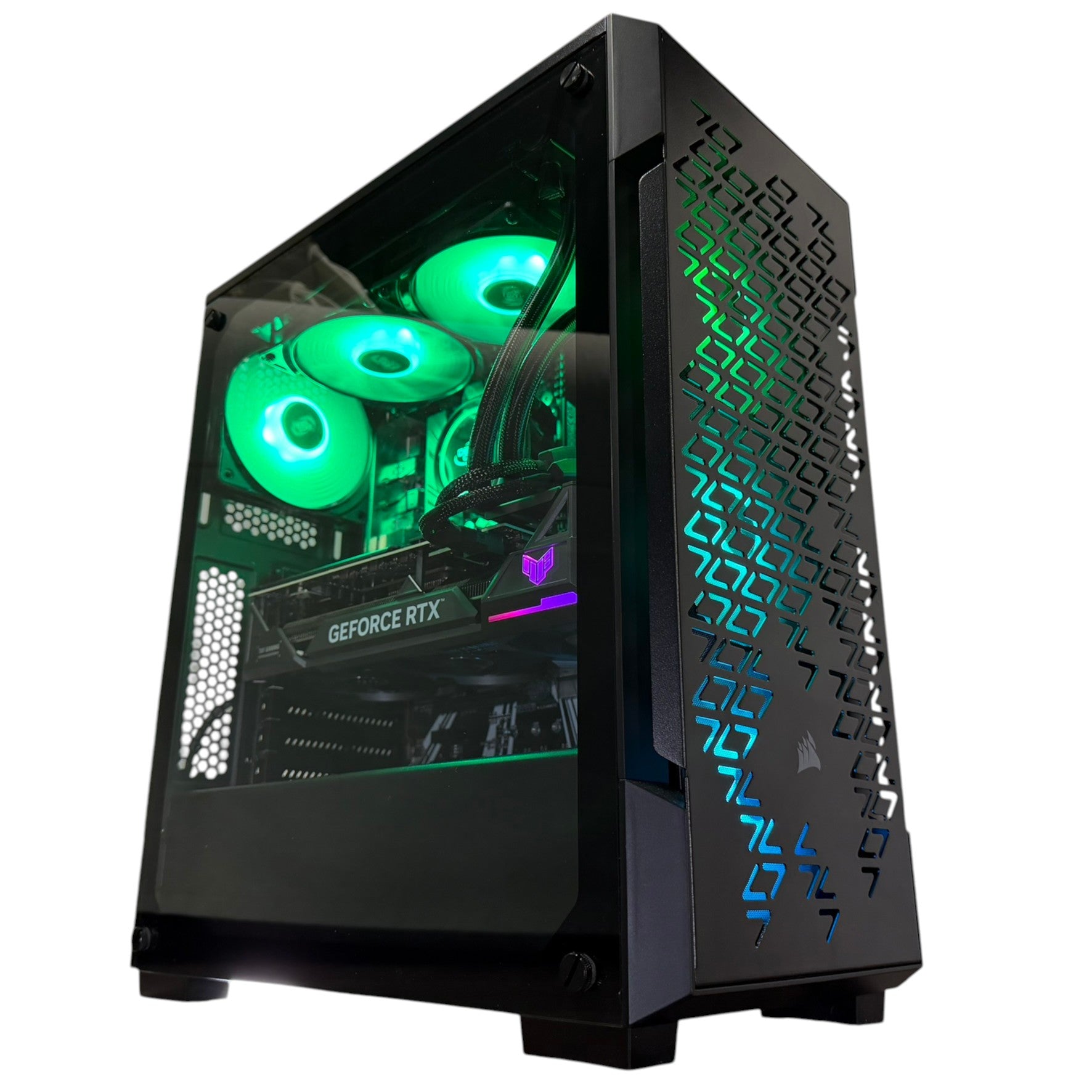

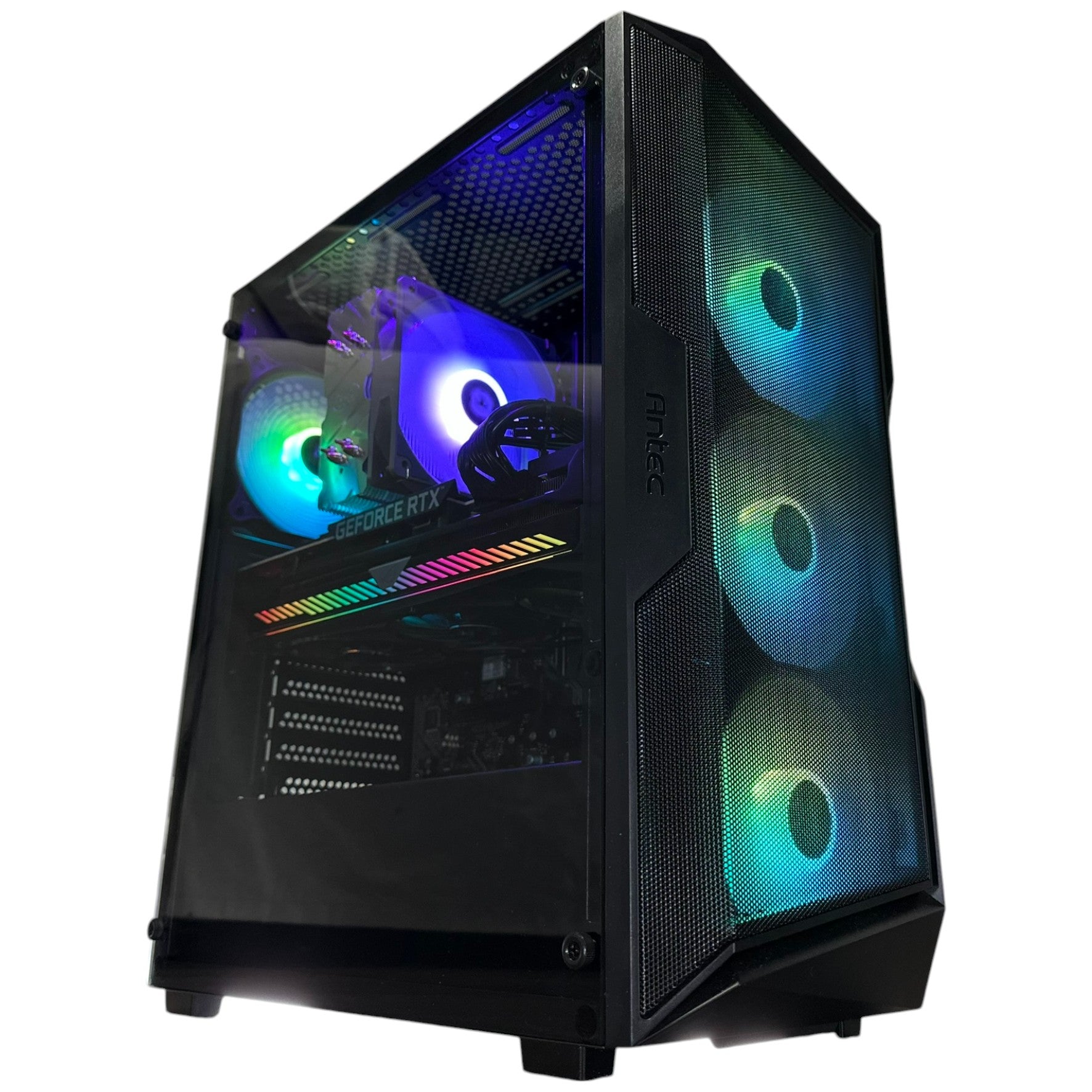


Resident Evil Spin-Off Drought: What It Means for Buying a Gaming PC in Canada Before the Next Horror Blockbuster Hits
The latest Resident Evil spin-off update is simple but important: Capcom says its team is fully focused on major new entries and remakes rather than smaller side projects. For gamers, that is more than just franchise news. It is another sign that big-budget survival horror, ray-traced visuals, cinematic remakes, and demanding AAA releases are continuing to shape what a smart gaming PC purchase looks like in Canada. If you have been wondering whether your current system is ready for the next wave of horror games, or whether now is the right time to upgrade, this is the kind of news that should make you pause and think carefully about performance, timing, and value.
Capcom’s producer made it clear that the studio’s energy is going into flagship Resident Evil projects rather than experimental spin-offs. That tells us something very useful as PC buyers: the biggest publishers are prioritizing premium experiences, not lightweight side content. In practical terms, that usually means better graphics, denser environments, more advanced lighting, bigger texture demands, and a stronger expectation that players will have modern hardware. If your plan is to enjoy the next generation of horror games at high settings, this is exactly the moment to ask what your next PC actually needs to do.
Why does the Resident Evil spin-off news matter to a Gaming PC Canada buyer?
Because major game franchises influence hardware buying cycles. When a publisher focuses on blockbuster releases instead of lower-budget side titles, PC gamers should expect more demanding system requirements over time. Even if a game remains well optimized, modern survival horror tends to lean heavily on GPU power, fast SSD storage, strong CPU performance for smooth frame pacing, and enough RAM to avoid stutter during busy scenes.
Are you planning to play upcoming horror releases at 1080p and just want strong value? Do you want a 1440p setup with ray tracing and better visual immersion? Or are you aiming for a premium experience with ultra settings, high refresh rates, and a system that still feels strong a few years from now? Those questions matter more than the headline itself, because they determine whether you need a budget-friendly gaming desktop, a balanced custom build, or a high-end RTX gaming system.
For Canadian buyers, there is another layer to the story. Hardware pricing can shift faster than many shoppers expect, especially when demand spikes around major game launches, seasonal buying periods, or new GPU releases. Waiting too long can mean paying more for the same class of performance, or settling for a weaker system because the stronger one moved out of budget.
What the source story gets right about Capcom and Resident Evil
The source report highlights a pattern many players have already noticed: Capcom has spent recent years delivering mainline Resident Evil games, remakes, and a few multiplayer experiments, while true single-player spin-offs have been largely absent. The explanation is believable. Large studios have finite teams, flagship franchises consume enormous resources, and if a major release is succeeding, companies tend to keep investing in what is working.
That is worth paying attention to because the industry often follows success. When cinematic remakes, prestige sequels, and technically polished horror experiences perform well, the market rewards studios for making more of them. That encourages continued demand for stronger gaming hardware from players who want the best experience on launch week instead of months later on reduced settings.
So while this is technically a Resident Evil news story, it also fits into a bigger trend in PC gaming: fewer throwaway side projects, more premium production, and more pressure on aging systems.
What do you want your next PC to do for you?
Before choosing a system, ask yourself one question that matters more than any spec sheet headline: what do you want your next PC to do for you?
Do you only want to play major games smoothly at 1080p? Do you want a machine that handles survival horror, shooters, open-world games, and esports without forcing an upgrade in a year? Do you want to stream your gameplay to Twitch or YouTube while keeping frame rates stable? Are you also editing clips, creating thumbnails, recording podcasts, or working in Adobe Creative Cloud between gaming sessions?
A lot of buyers make the mistake of shopping by one part name alone. They chase a GPU tier without thinking about total system balance. But a better buying question is this: do you need a pure gaming system, a gaming and streaming PC, or a creator-ready system that can game at night and work hard all day?
If you are not sure yet, that is normal. The smartest purchase is the one that matches your actual use case, not the one with the loudest marketing.
If blockbuster horror games are the future, what gaming performance tier fits you?
Entry-level and value-focused: 1080p gaming
If your goal is straightforward 1080p gameplay with good settings and smooth performance, you may not need the most expensive build on the market. This tier is often the best fit for students, first-time buyers, and players who mainly care about strong value. If you are asking, how much should I spend on a gaming PC, this is usually where practical shopping begins.
A value-focused build should still prioritize a modern CPU, enough RAM for today’s games, and an SSD large enough for multiple AAA installs. Horror games in particular benefit from quick loading and smooth asset streaming. Buying too low now can mean faster obsolescence later, especially if your library includes graphically intense titles beyond Resident Evil.
Would you rather save a little up front and risk upgrading sooner, or stretch into a better platform that keeps pace longer?
The sweet spot for most players: 1440p gaming
For many Canadian gamers, 1440p is the ideal balance of image quality, performance, and long-term value. If you want better visual detail, stronger immersion, and more headroom for future releases, this is often the smartest category. It is especially attractive if you enjoy atmospheric single-player games where lighting, texture clarity, and frame consistency all matter.
If you are wondering what PC do I need for 1440p gaming, the answer is usually a balanced system with a capable modern GPU, a strong multi-core CPU, fast NVMe storage, and enough cooling to keep performance stable under load. This tier is also a good fit if you split time between AAA games and competitive titles.
Do you want your system to feel current for longer, or are you comfortable staying closer to minimum expectations?
Premium tier: 4K, ultra settings, and ray tracing
If your goal is premium image quality, ray tracing, high-end display support, and a more future-proof experience, then you are shopping in high-end territory. This is where a 4K gaming PC Canada buyer starts thinking differently. Here, the cost of going too low is obvious: lower frame rates, compromised settings, and less confidence going into the next major release cycle.
For players who love cinematic horror, dark environments, detailed reflections, and visual realism, high-end GPU performance matters. But so does the rest of the build. Premium gaming should not be paired with weak cooling, a bargain power supply, or limited storage. If you are spending for top-tier gaming, you want a system designed to stay reliable under sustained use.
Should you finance a stronger machine now instead of buying a cheaper one that leaves you dissatisfied six months later? For many premium buyers, that is the right question.
Do you only game, or do you also stream and create content?
Resident Evil and other horror games are not just games anymore. They are stream content, reaction content, challenge videos, clip compilations, lore breakdowns, and YouTube uploads. That means many buyers do not actually need just a gaming PC. They need a Gaming and Streaming PC Canada system or even a broader creator build.
If you are planning to use OBS, record gameplay, edit clips, and post across multiple platforms, your hardware needs change. CPU overhead matters more. Fast storage matters more. RAM capacity matters more. GPU video encoders matter more. A build that feels fine for gaming alone may start to struggle once you add streaming, browser tabs, chat tools, and editing software into the mix.
Ask yourself: will this PC only run games, or will it also run your side hustle, content channel, school projects, and creative work?
What PC do you need for streaming?
If you want to stream at 1080p while gaming smoothly, look for a system designed with both gameplay and encoding in mind. This is where a custom build can make a major difference. Rather than overpaying for one flashy component and underbuying everything else, a properly matched build gives you balanced gaming and streaming performance.
Do you need a separate streaming PC? In most cases, no. A strong modern custom desktop can handle gaming and streaming together very well. The better question is whether your workload is casual or serious. Are you doing occasional streams for friends, or do you want a system that supports regular content production without frustration?
What if you also edit videos, thumbnails, or social clips?
Then your ideal system may lean toward a Creator PC Canada or Video Editing PC Canada category rather than a pure gaming machine. Editing 1080p footage is one thing. Editing 4K gameplay captures, layered timelines, motion graphics, and effects is another. If your system lags during playback, exports slowly, or forces proxy workflows you do not want, your PC is costing you time.
A custom creator build can be tailored for gaming after hours while still giving you stronger export times, smoother editing, and better multitasking during the day. That matters if your PC is not just entertainment, but part of how you make content, manage freelance work, or build a channel.
Could this news also affect creators, editors, and designers?
Indirectly, yes. Major game releases often drive creator demand. When a big horror title lands, creators rush to capture gameplay, cut reviews, publish first impressions, make social media clips, and design thumbnails. If your current machine already struggles with Premiere Pro, DaVinci Resolve, Photoshop, or Illustrator, a major game cycle can expose those limits very quickly.
That is why some readers coming in for gaming news should actually be considering a broader workstation-style purchase. If you are balancing gaming with editing, thumbnails, podcast production, or visual design, you may need more than a standard gaming desktop.
Are you editing video as much as you game?
If so, a Custom Video Editing PC Canada build may be the better fit. Smooth timeline playback, faster renders, strong CPU performance, GPU acceleration, generous RAM, and fast SSD configuration all improve real-world workflow. If you are working in Adobe Premiere Pro, DaVinci Resolve, or After Effects, the right parts pairing matters far more than generic marketing labels.
What PC do you need for video editing? That depends on your footage, your codecs, your export volume, and whether gaming still remains a priority. A well-built custom system can absolutely do both.
Do your photos, graphics, or client files deserve better hardware?
Photographers and designers often underestimate how much they benefit from a responsive desktop. If Lightroom previews lag, Photoshop actions stall, or multi-app workflows keep slowing down, your PC may be holding back paid work. A strong Photo Editing PC Canada or Graphic Design PC Canada build can improve daily efficiency in ways that are easy to feel immediately.
Do graphic designers need a dedicated GPU? Sometimes yes, sometimes not heavily, but many modern workflows still benefit from stronger graphics support, more RAM, and better storage speed. The real advantage is having a system built for your actual software stack instead of a one-size-fits-all retail box.
What about 3D work, Unreal Engine, or Blender?
If game news gets you thinking beyond playing into building, modding, animation, or asset creation, then you may need a 3D Modeling PC Canada or a Custom Workstation PC Canada setup. Blender rendering, Unreal Engine projects, and multi-application creator workflows place very different demands on hardware than gaming alone.
What PC do you need for Blender? What PC do you need for Unreal Engine? Those are workstation questions, not just gaming questions. If that is your path, it makes sense to choose a system that can support both your entertainment and your production work without compromise.
Is it better to buy a gaming PC now or wait?
This is one of the most important questions a reader can ask after seeing news tied to major franchises: is it better to buy a gaming PC now or wait?
There is no one universal answer, but there are clear buying signals. If your current system is already underperforming, if you are planning around upcoming game launches, if you need the PC for both gaming and work, or if financing would let you secure a stronger build now, waiting may not be the smartest move.
Why? Because replacement costs can rise. GPU demand can tighten. New hardware launches can push temporary price instability. RAM and SSD pricing can shift. And once your old PC becomes frustrating enough, you are no longer shopping calmly. You are shopping reactively.
A calm, planned upgrade usually produces a better result than a panic purchase after your current machine disappoints you during a release you have been waiting for.
How do pricing volatility and demand pressure affect Canadian buyers?
Canadian shoppers often feel component pricing changes more sharply because the final system cost reflects exchange pressure, supply shifts, transport costs, and local inventory conditions. You do not need dramatic headlines for prices to move. Even moderate changes in GPU cost, DDR memory pricing, SSD supply, or premium CPU availability can affect the final cost of a full build.
That is why timing matters. If you know you are going to upgrade this year anyway, does it make more sense to buy while you can still choose from better part combinations? Or do you wait, risk stronger demand later, and potentially end up paying more for less flexibility?
This is especially important for buyers targeting upper-midrange or premium systems. Those are the tiers most likely to be influenced by launch cycles, enthusiast demand, and buyers chasing future-ready hardware for major new games.
Should you finance a better PC instead of buying a cheaper one?
For many buyers, yes, that is a very reasonable decision to consider. If you are forced to choose between a weaker machine you may outgrow quickly and a stronger custom build that better matches your goals, financing can be the difference between short-term compromise and long-term satisfaction.
A lot of customers ask the right question in the wrong way. Instead of asking only, what is the cheapest PC I can get, a better question is this: what is the weakest PC I can afford to avoid?
If financing up to 4 years helps you move into a build with better gaming longevity, stronger streaming capability, more creator headroom, and less near-term upgrade pressure, then it may be the more economical choice over time. A cheap system that needs replacing or upgrading too soon is not always the budget-friendly option it first appears to be.
Would monthly payments make it easier to secure a system you will still be happy with after the next major game cycle? Would you rather lock in the performance you actually want now than settle for a build that feels outdated too quickly?
Which type of buyer should choose which type of PC?
Choose a budget gaming PC if:
You play mostly at 1080p.
You want strong value without chasing ultra settings.
You mainly play esports titles plus some newer games with sensible settings.
You want a first gaming desktop or a student-friendly setup.
Choose a balanced custom gaming PC if:
You want 1440p gaming with stronger image quality and better long-term comfort.
You play a mix of AAA and competitive games.
You want better future-proofing without jumping to extreme pricing.
You care about cooling, part quality, and upgrade path.
Choose a premium RTX gaming PC if:
You want 4K or ultra settings.
You care about ray tracing and premium visual features.
You want a longer performance runway before your next major upgrade.
You are buying specifically for demanding new releases.
Choose a creator or editing PC if:
You game and also edit videos, photos, or graphics.
You use Adobe Creative Cloud, DaVinci Resolve, or similar apps regularly.
You want faster exports, smoother multitasking, and more professional reliability.
Your PC supports income-generating work as well as entertainment.
Choose a workstation or 3D system if:
You use Blender, Unreal Engine, CAD, rendering, or other heavy workloads.
You need more RAM, more CPU or GPU compute, and stronger sustained stability.
You are building assets, scenes, animations, or professional projects.
You need your system to do more than just play games well.
What should you ask before buying your next custom PC?
Before you commit, ask yourself a few smart questions.
What games or software will I realistically use every week?
Am I targeting 1080p, 1440p, or 4K?
Do I care about ray tracing, high refresh rates, or ultra settings?
Will I stream, record, edit, or multitask while gaming?
How soon do I want to upgrade again after this purchase?
Would financing help me buy the right system instead of the cheapest system?
Do I want a generic box, or do I want a properly matched custom build with testing and warranty support?
Those questions are far more useful than chasing internet noise around isolated components. The right purchase is not just about what is popular. It is about what serves you best over the next several years.
Why custom gaming PCs matter more when game demands keep rising
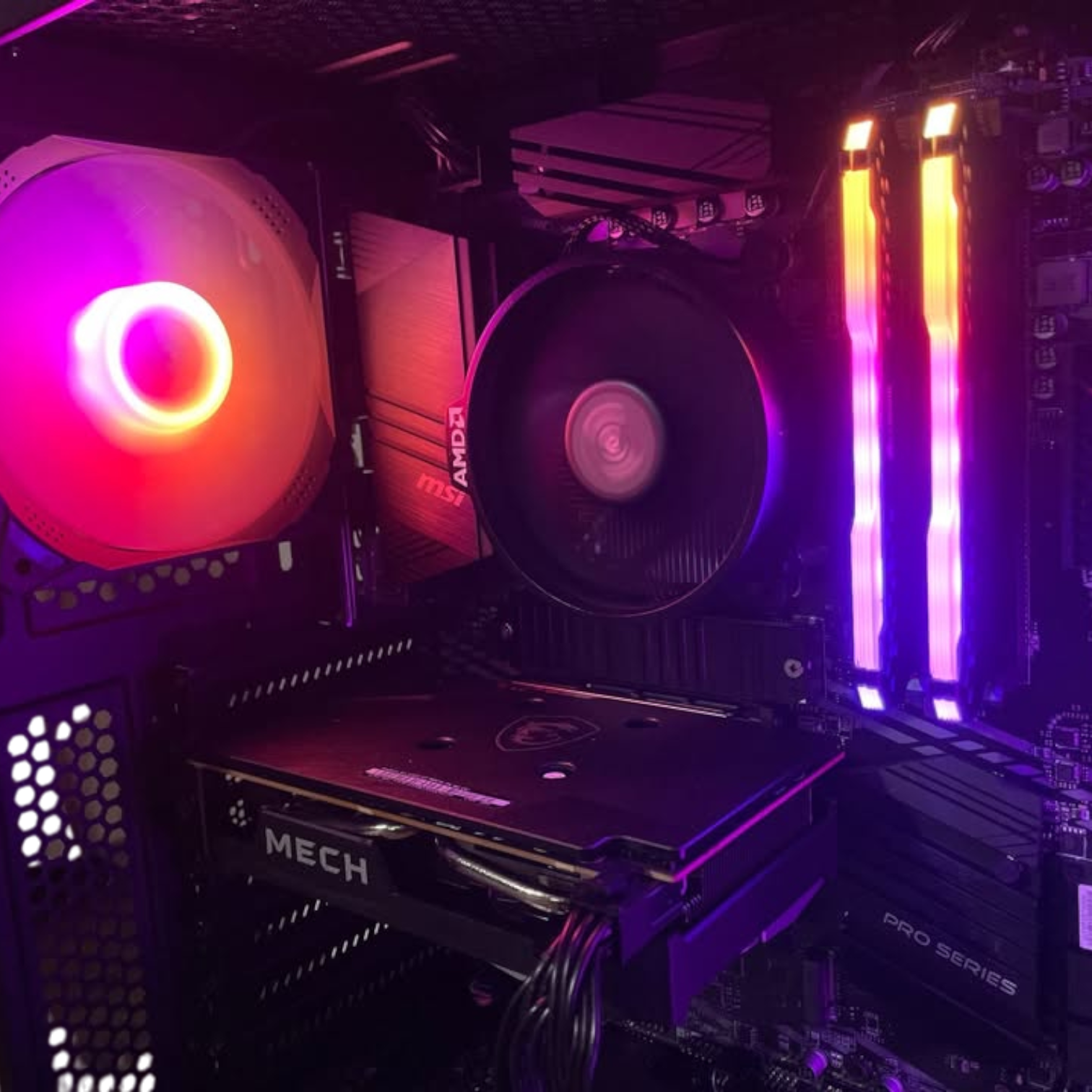
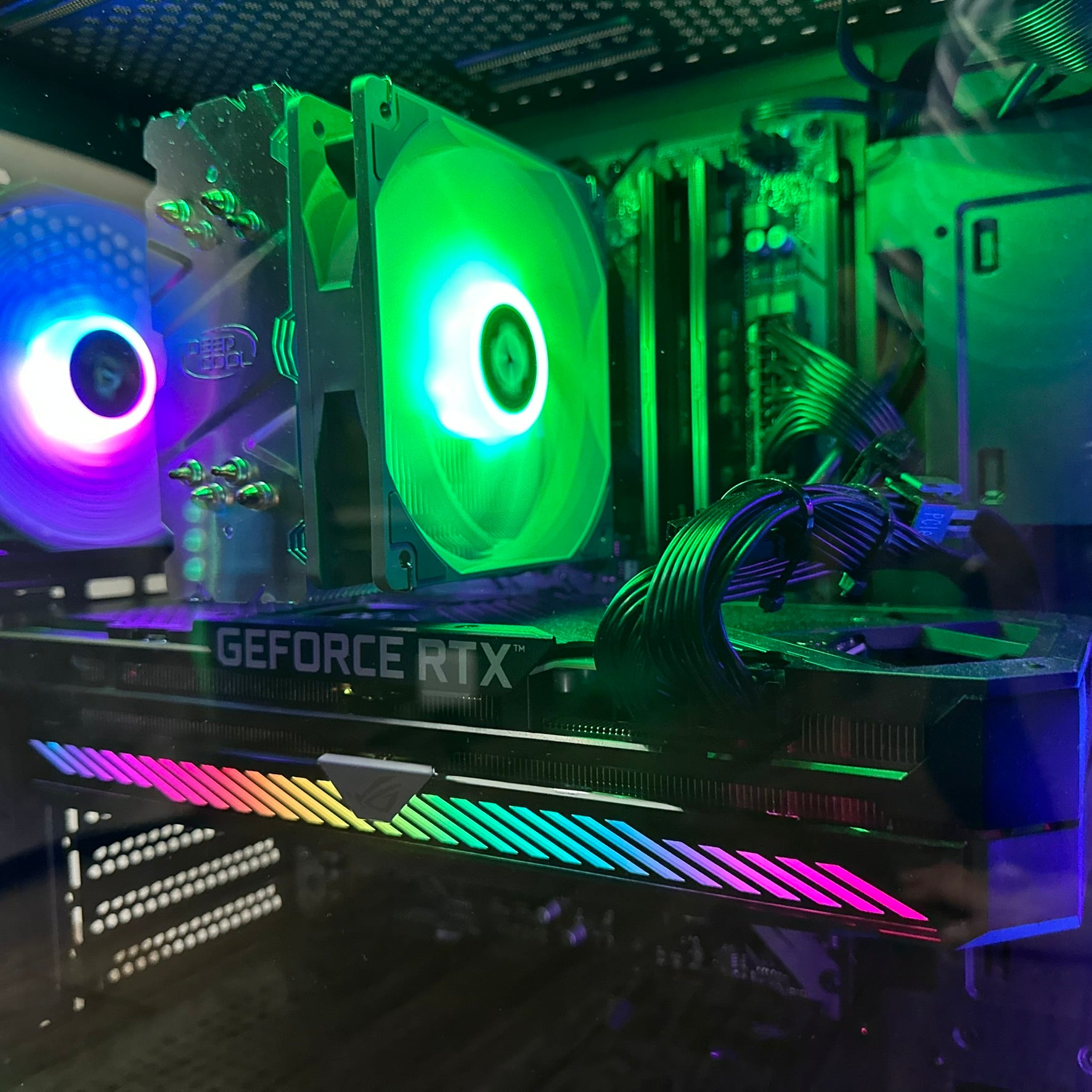
As major releases become more ambitious, custom systems become more valuable. A strong custom build is not just about performance today. It is about component matching, thermals, upgrade logic, power delivery, storage planning, and avoiding weak links that hurt the overall experience.
This is where Canadian Custom PC Builders stand apart from random mass-market configurations. A properly planned system can be tuned to your resolution target, your game library, your creator apps, your budget ceiling, and your future upgrade path. That means less waste, fewer compromises, and better real-world satisfaction.
Would you rather buy a machine built around your needs, or one built around a generic inventory target?
Why Groovy Computers is a smart choice for Canadian buyers
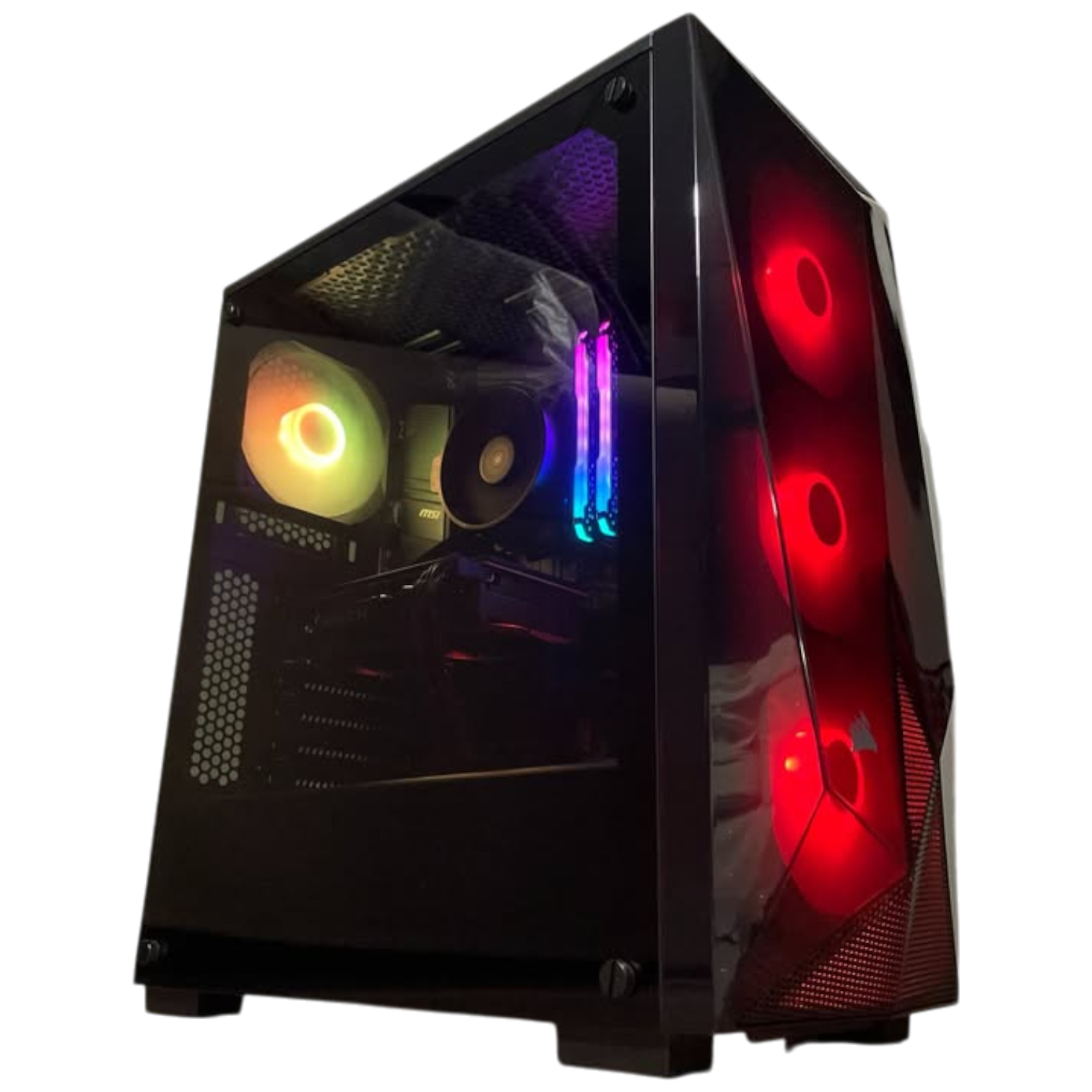
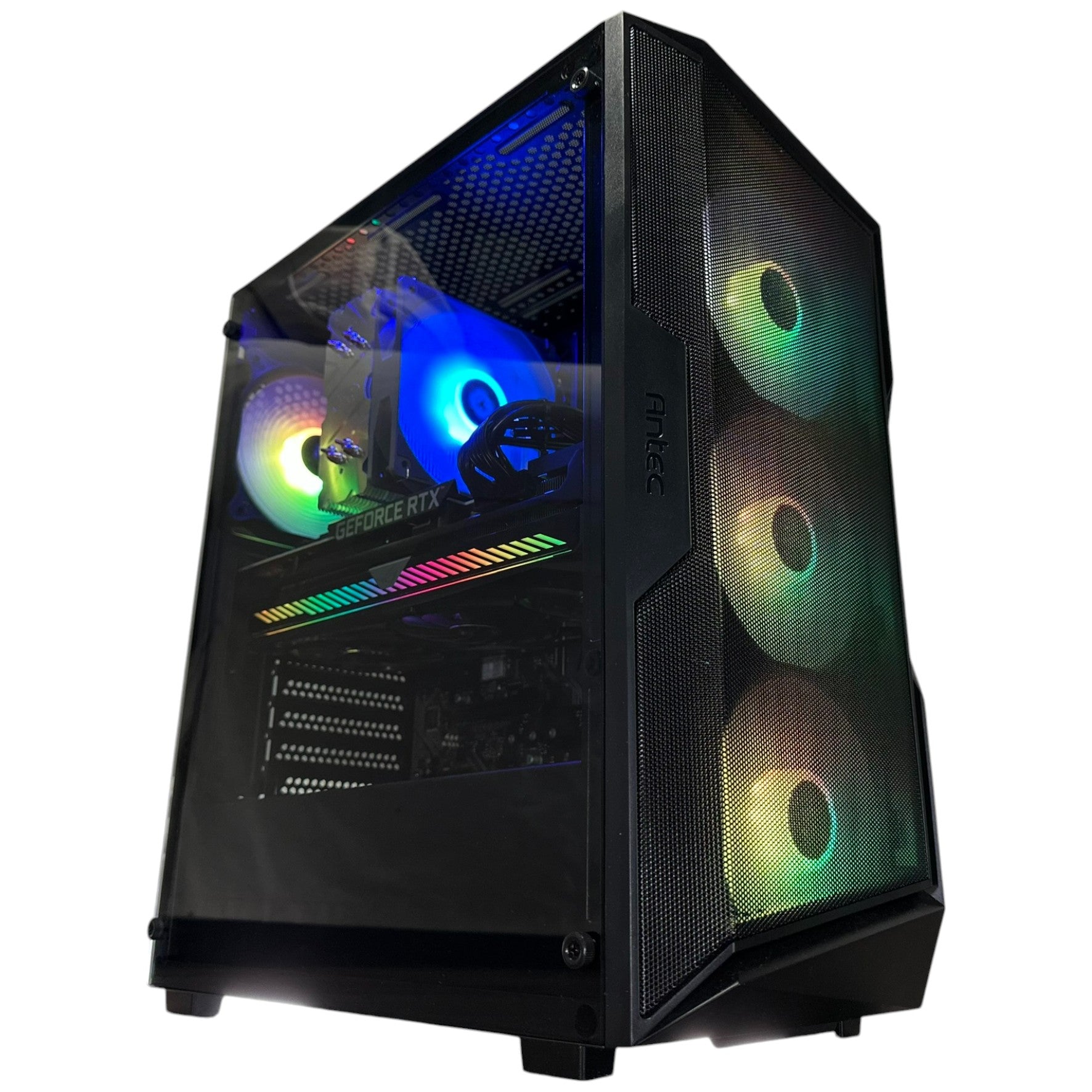
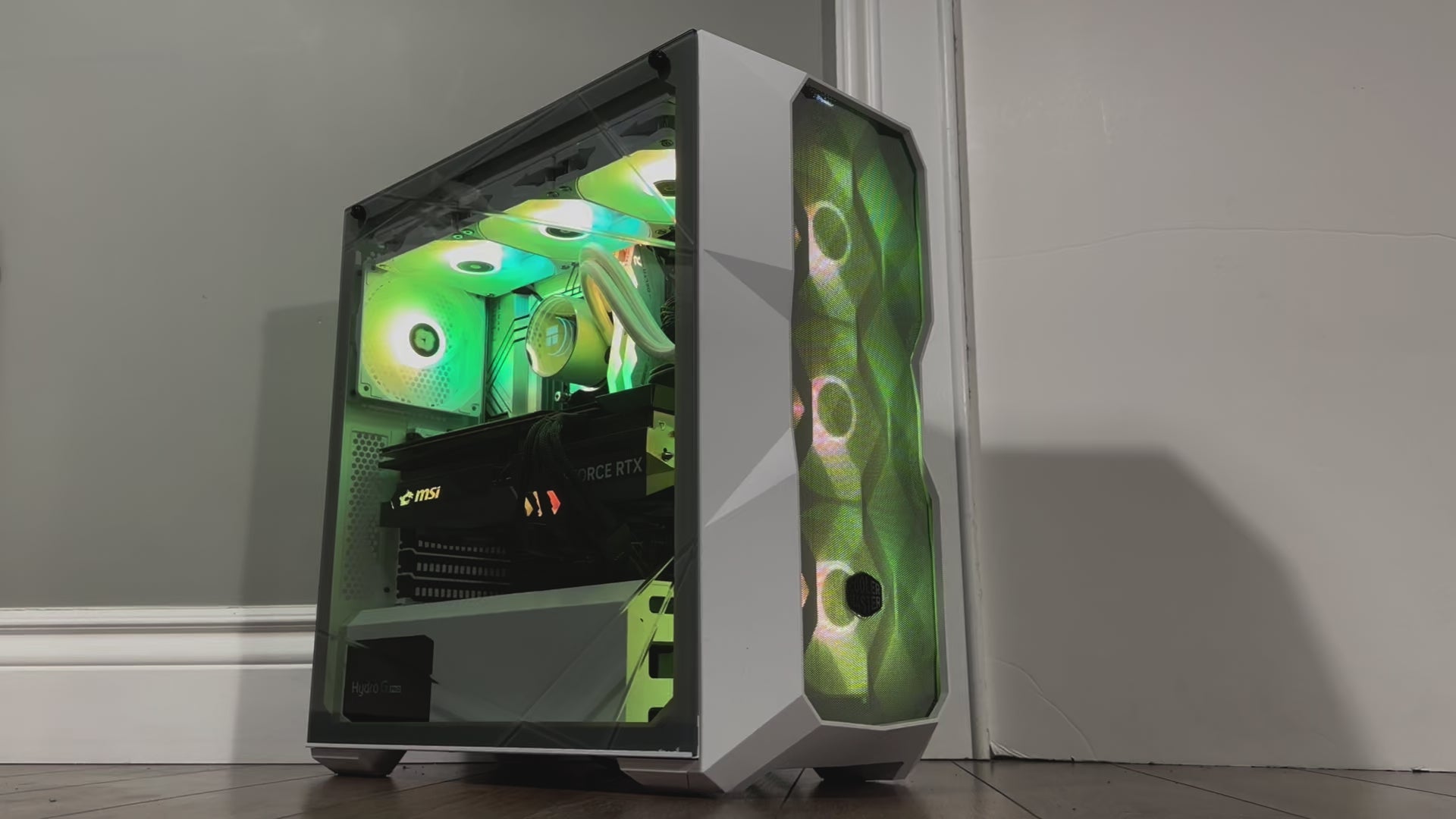
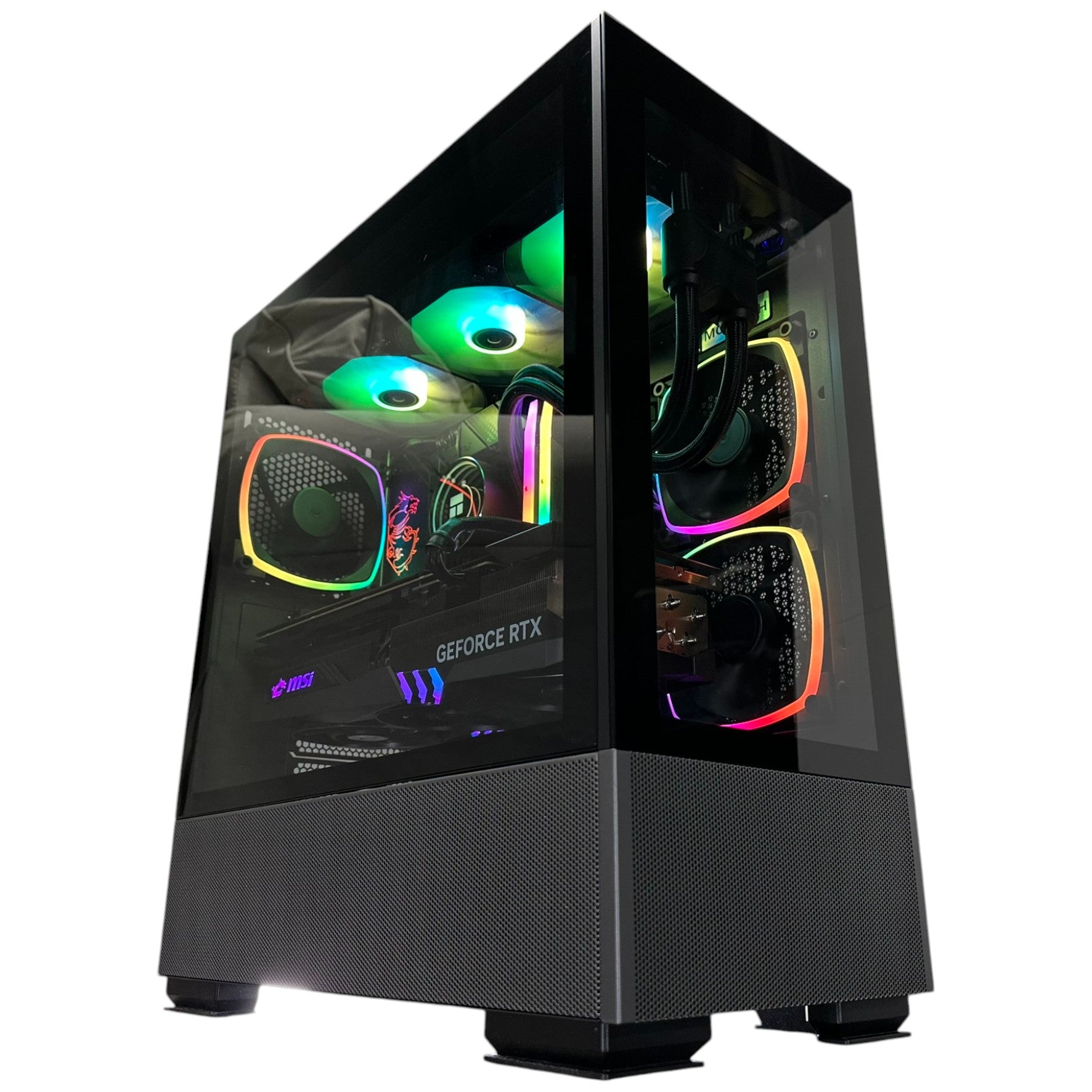
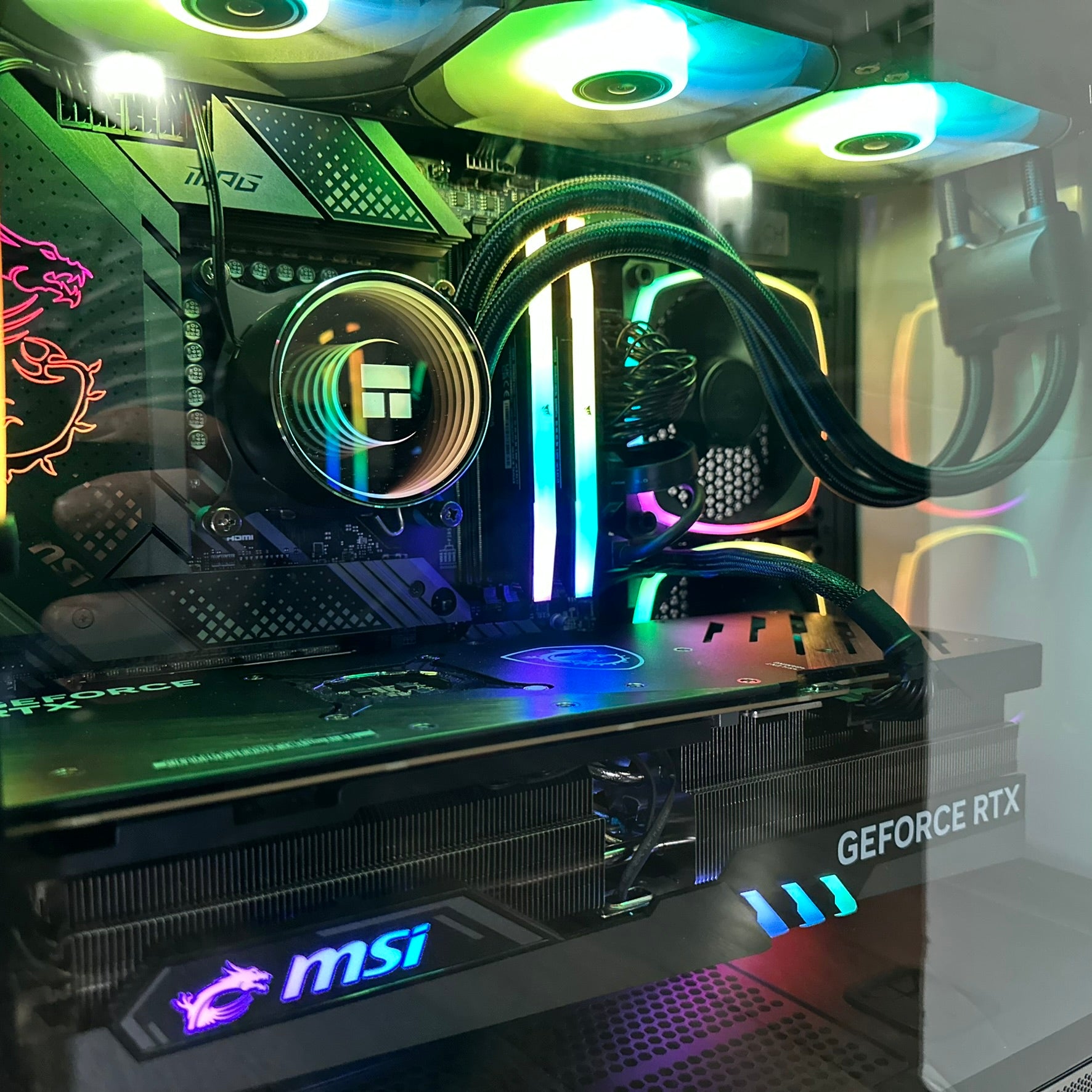
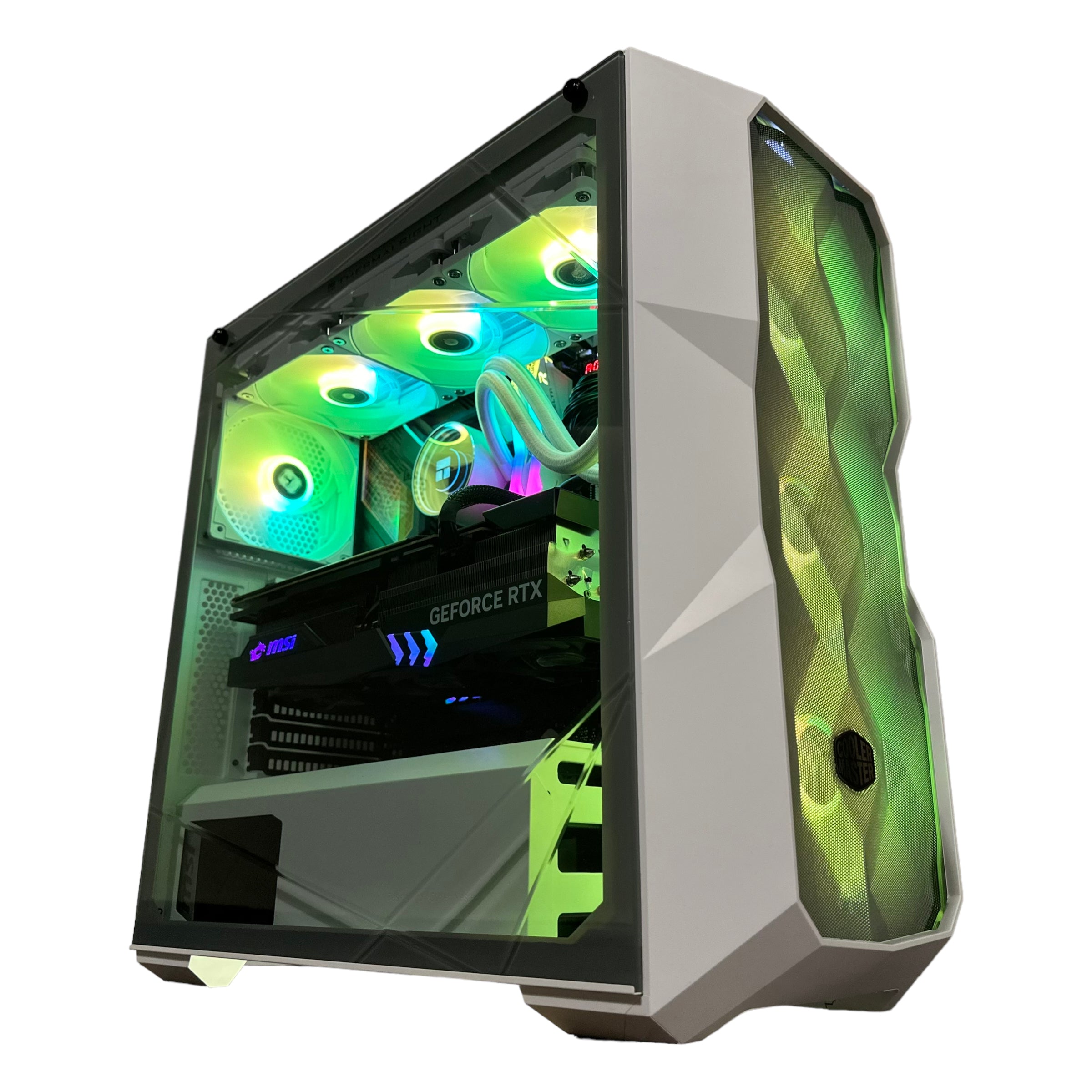
Groovy Computers is built for shoppers who want more confidence in their next desktop purchase. Whether you need a custom gaming PC, a streaming and editing system, or a workstation for heavier creative work, the goal is the same: match the right hardware to the right customer without the guesswork that often leads to buyer regret.
For customers in Nova Scotia, Atlantic Canada, and across the country, Groovy Computers offers the trust advantage that matters when you are making a meaningful investment. That includes carefully assembled custom systems, rigorous testing, a 1-year warranty, and support from a real Canadian custom PC company that understands what buyers are actually trying to accomplish.
If you are comparing a generic prebuilt against a system designed around your gaming and creator goals, the difference is not just marketing. It is in thermals, reliability, parts balance, stability, and upgrade confidence. Those details matter even more when game requirements trend upward and component prices remain sensitive.
Need help choosing the right build before the next big release?
If the Resident Evil spin-off discussion has you thinking about where AAA horror gaming is heading, this is a good time to evaluate your setup honestly. Is your current PC ready for the next generation of demanding titles? Will it handle 1440p or 4K the way you want? Can it stream, edit, or multitask without compromise? And if not, do you really want to wait until demand rises and your options narrow?
If you want help choosing between a budget gaming computer, a premium RTX build, a custom creator PC, or a workstation-class system, visit GroovyComputers.ca. If financing would help you secure a stronger system now, that is worth exploring before your current machine forces the decision for you.
Final thoughts: Resident Evil spin-off news is really a reminder to buy smarter
The headline may be about Capcom focusing on major Resident Evil releases instead of new side stories, but the buying lesson is bigger. Blockbuster-first development means stronger hardware expectations over time. That matters whether you are a horror fan, a general AAA gamer, a streamer, a video editor, or a creator whose PC has to do more than one job well.
If you have been asking what gaming PC do I need, is it better to buy a gaming PC now or wait, or should I finance a better PC instead of buying a cheaper one, this is your sign to think long term. The best time to choose the right system is before you are forced into a rushed upgrade. For Canadian buyers who want a tested, reliable, custom-built solution, Groovy Computers is the place to start.
#ResidentEvil #GamingPCCanada #CustomGamingPCCanada #GamingPCBuilderCanada #CreatorPCCanada #VideoEditingPCCanada #StreamingPCCanada #3DModelingPCCanada #CustomPCBuilderCanada #NovaScotiaBusiness
Groovy Computers | All Rights Reserved



Leave a comment
This site is protected by hCaptcha and the hCaptcha Privacy Policy and Terms of Service apply.