
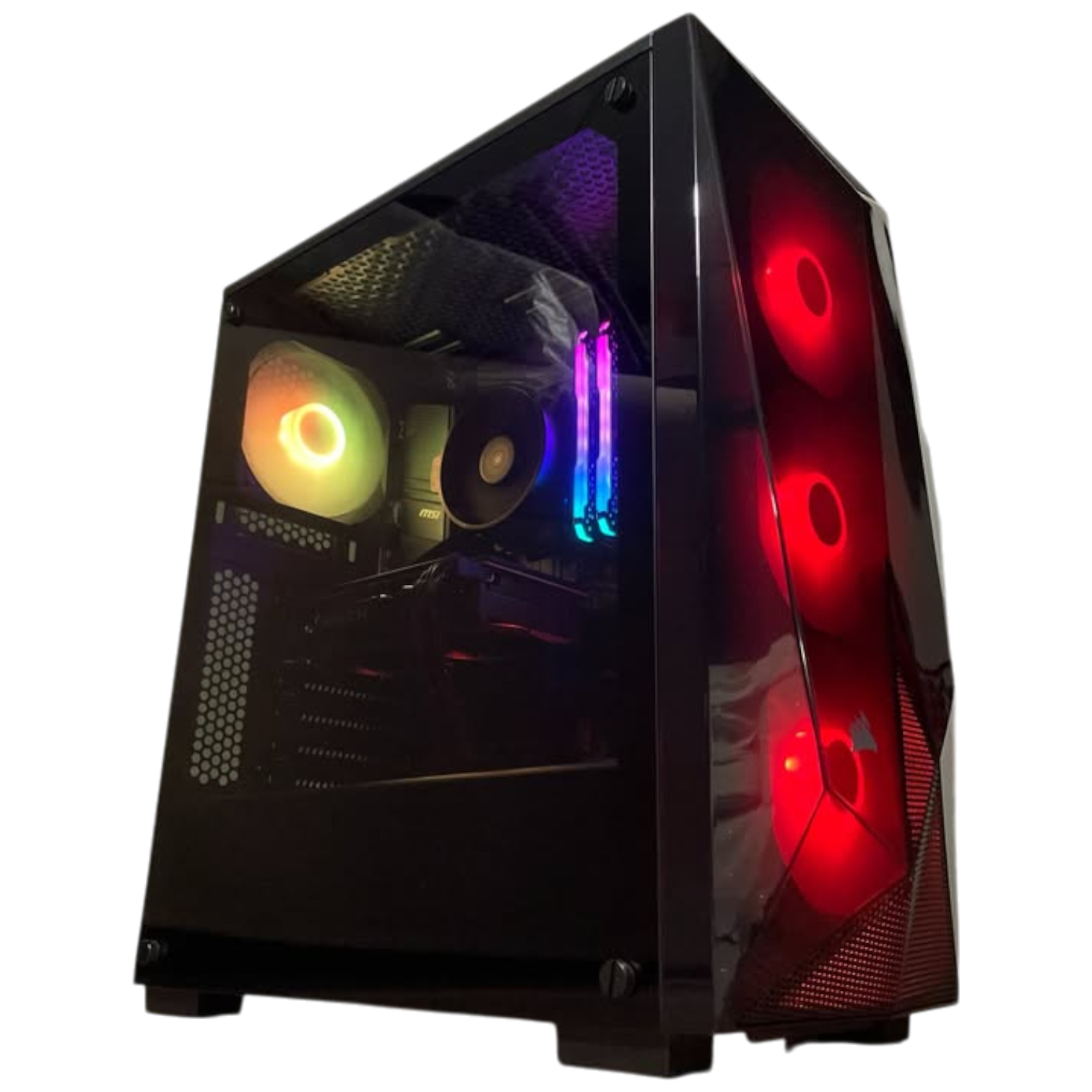
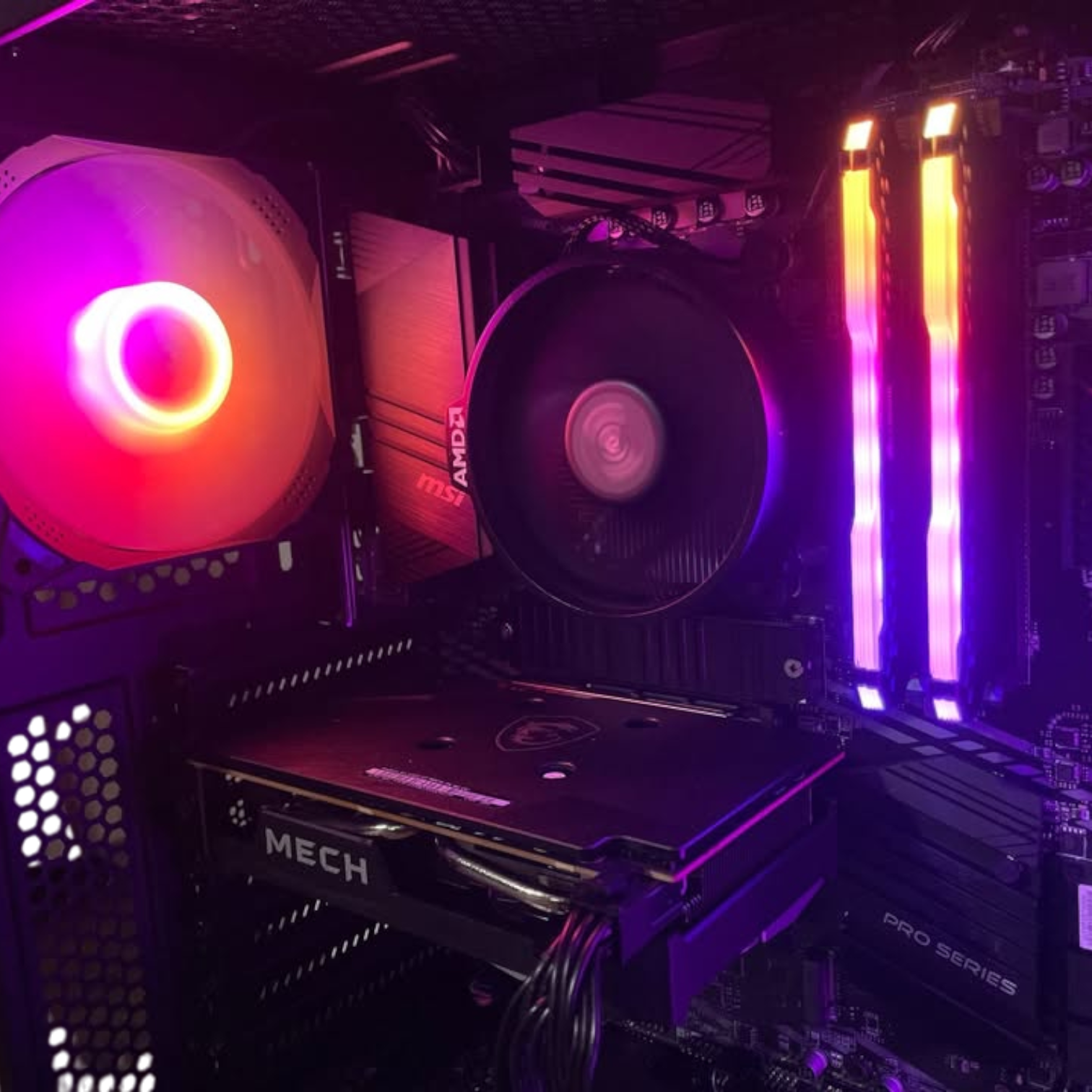
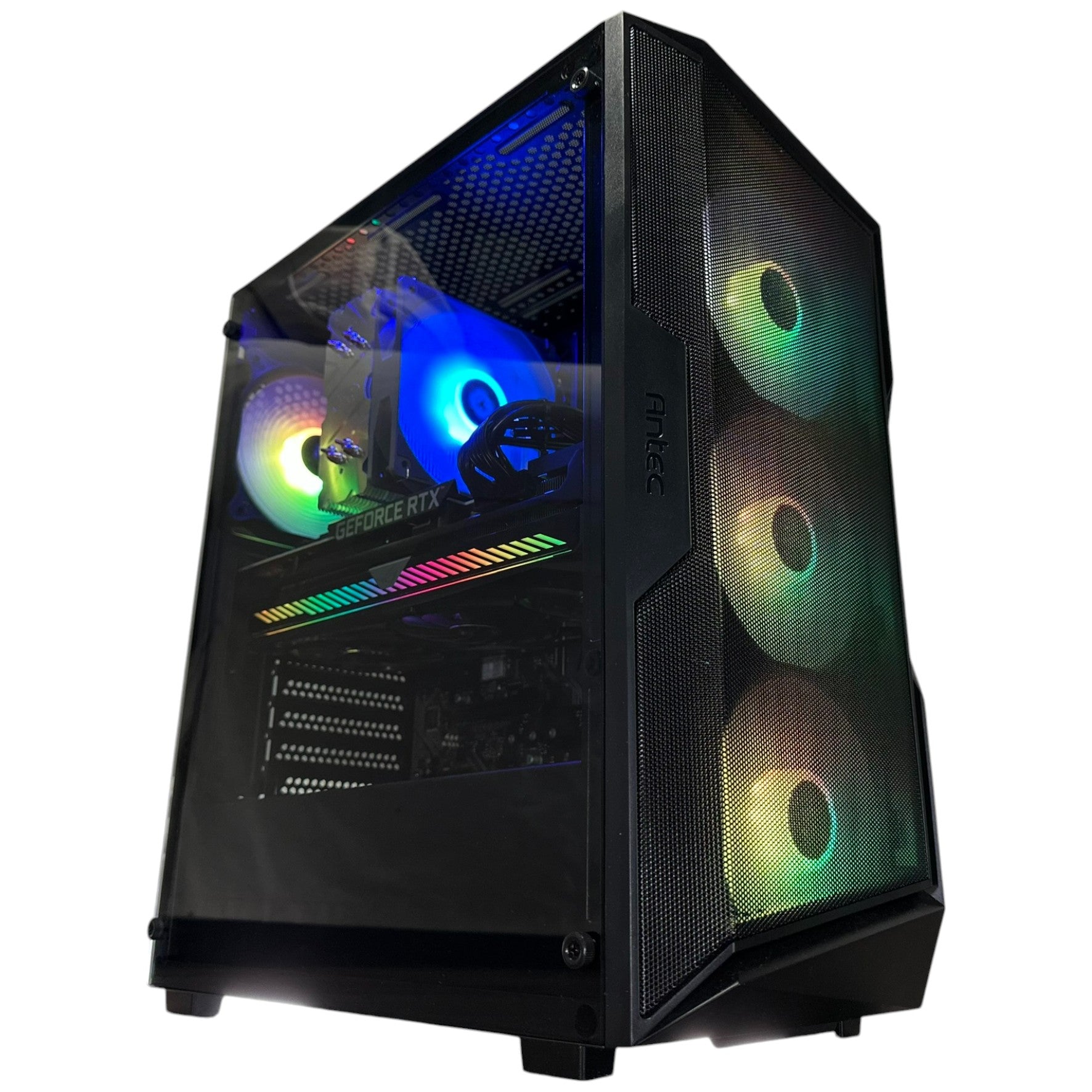
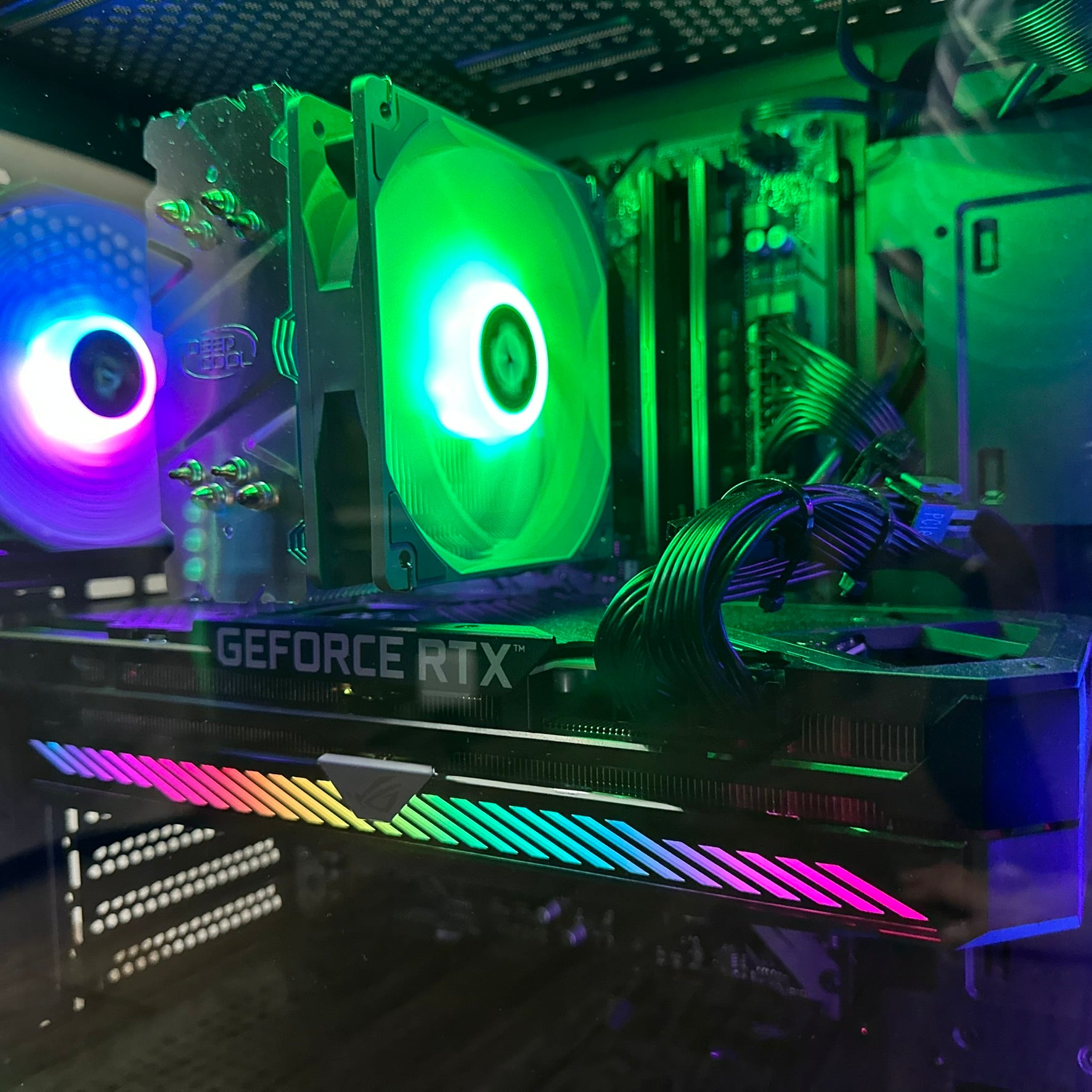


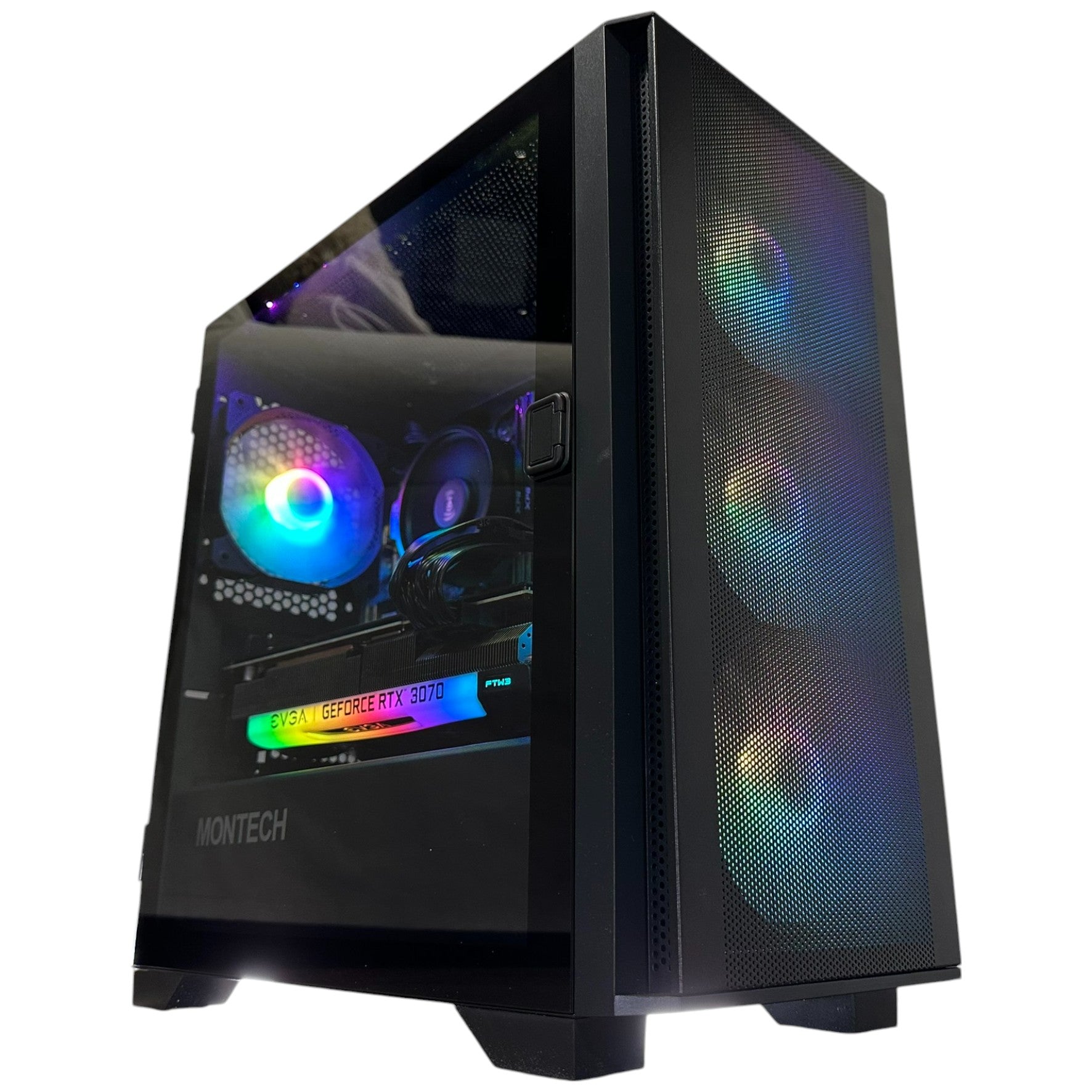
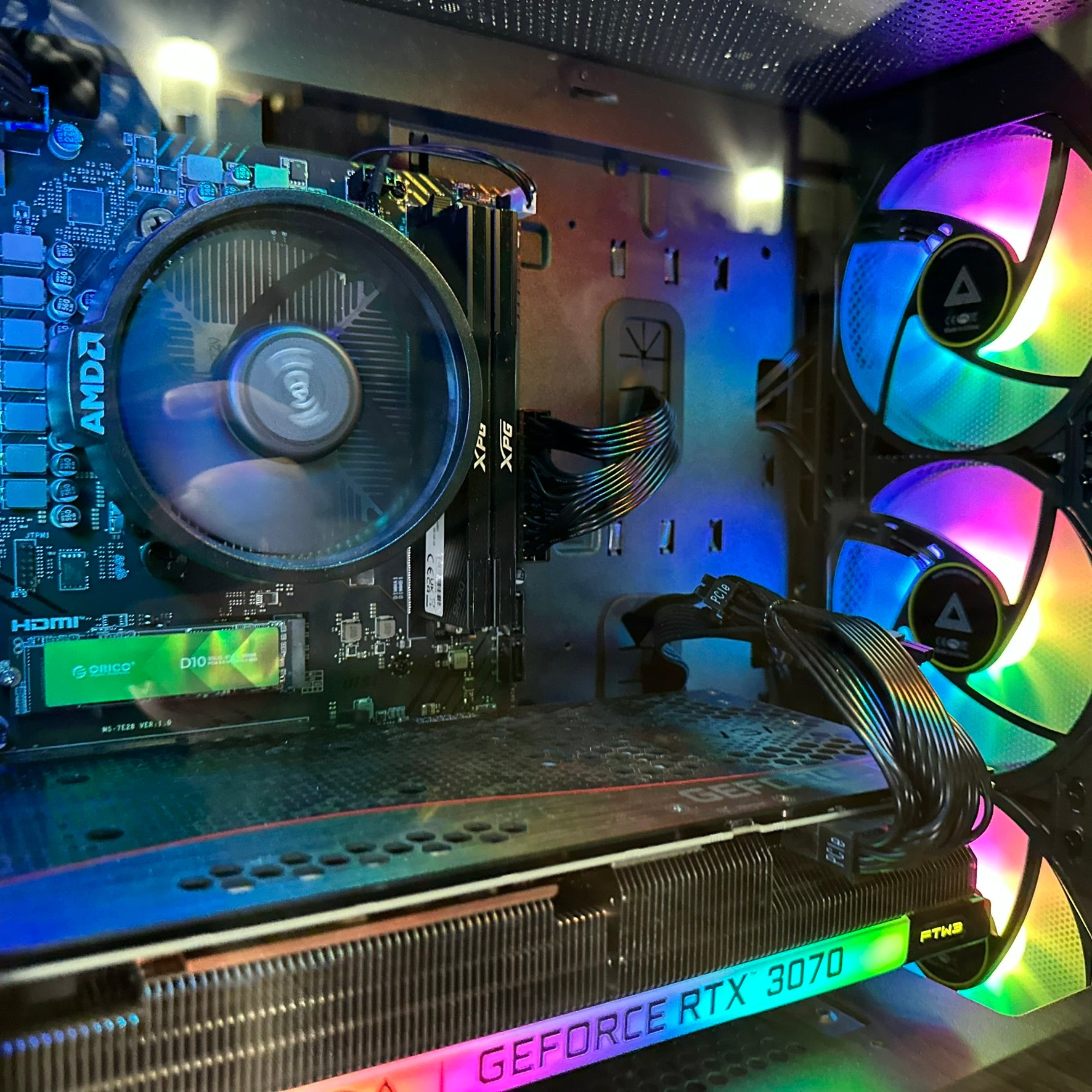
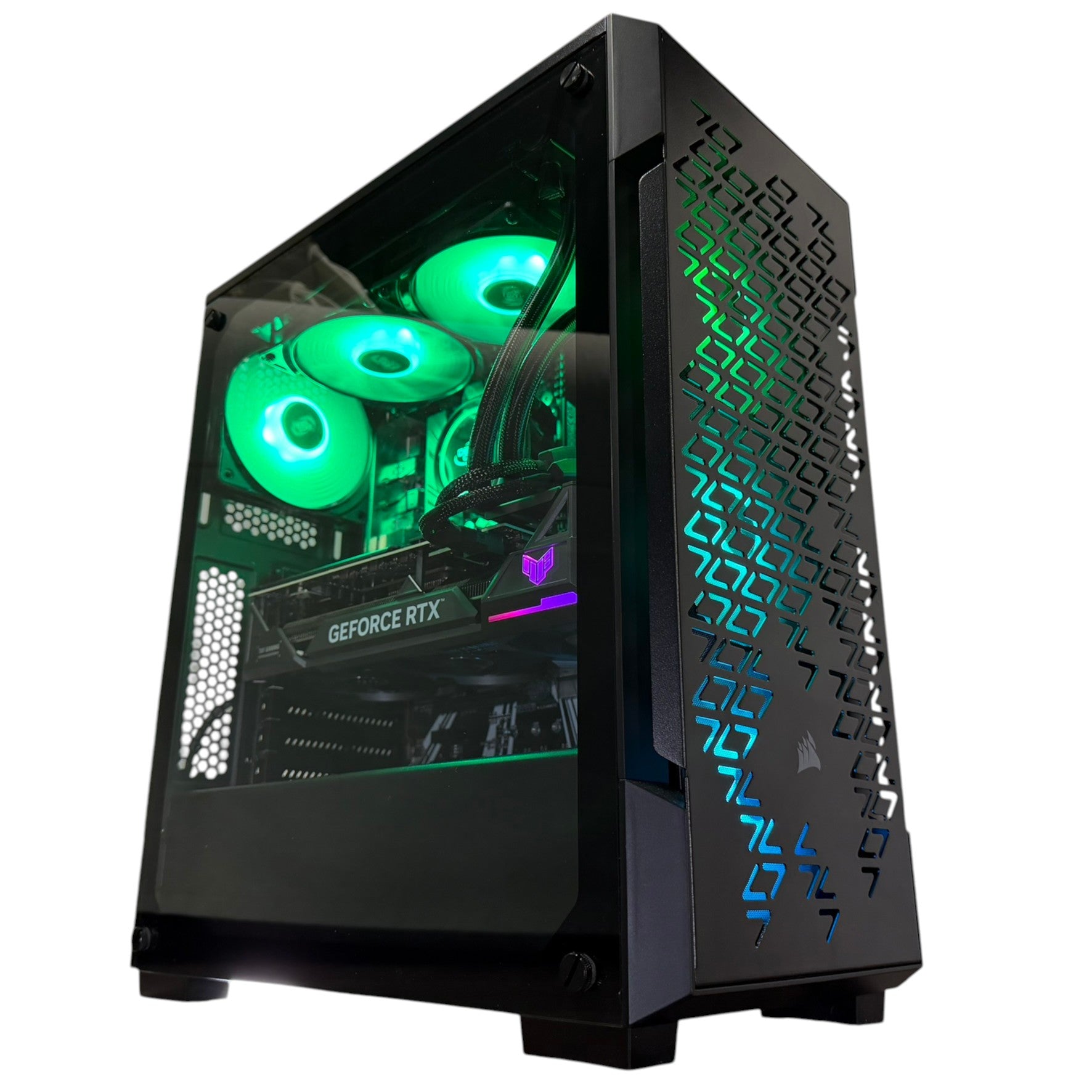

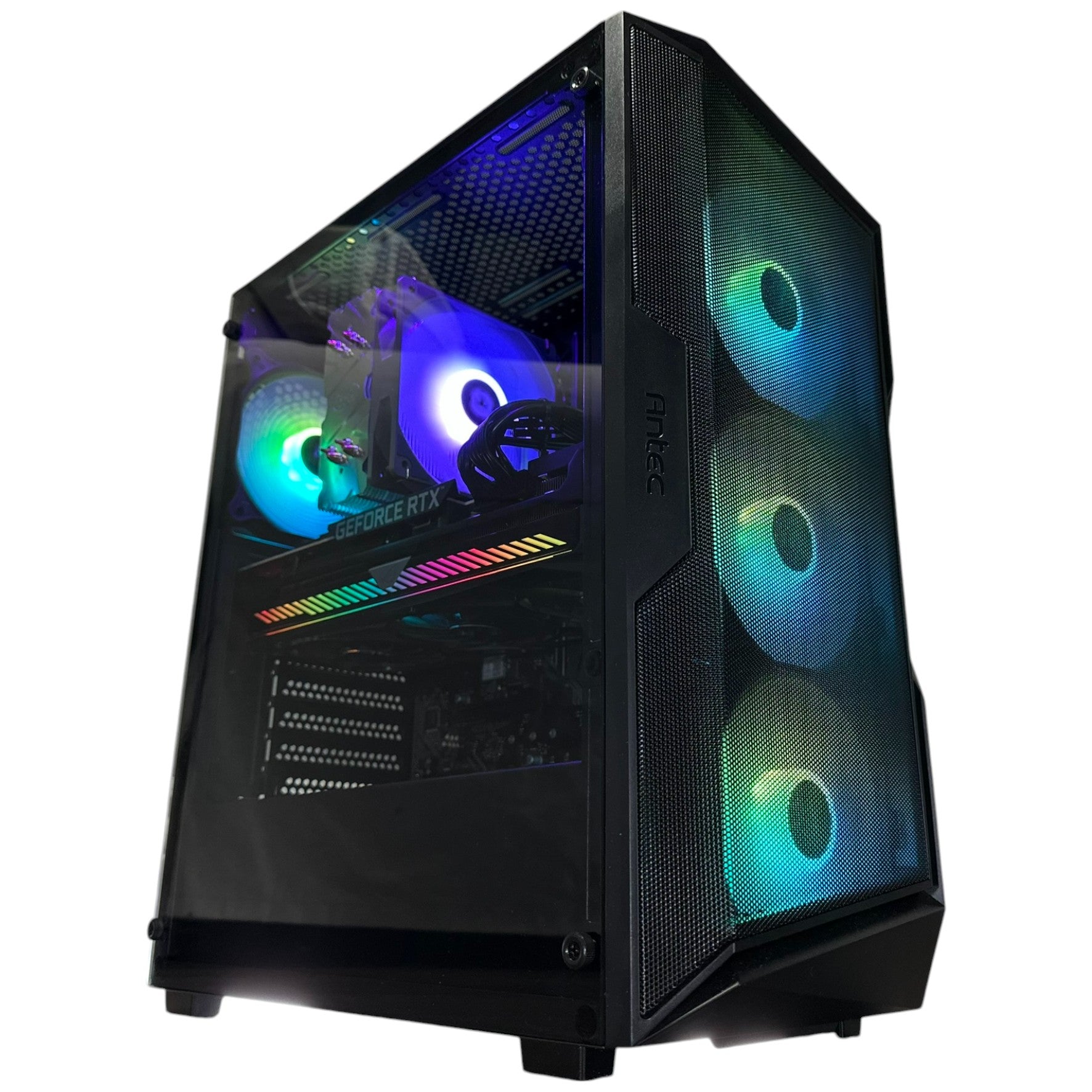
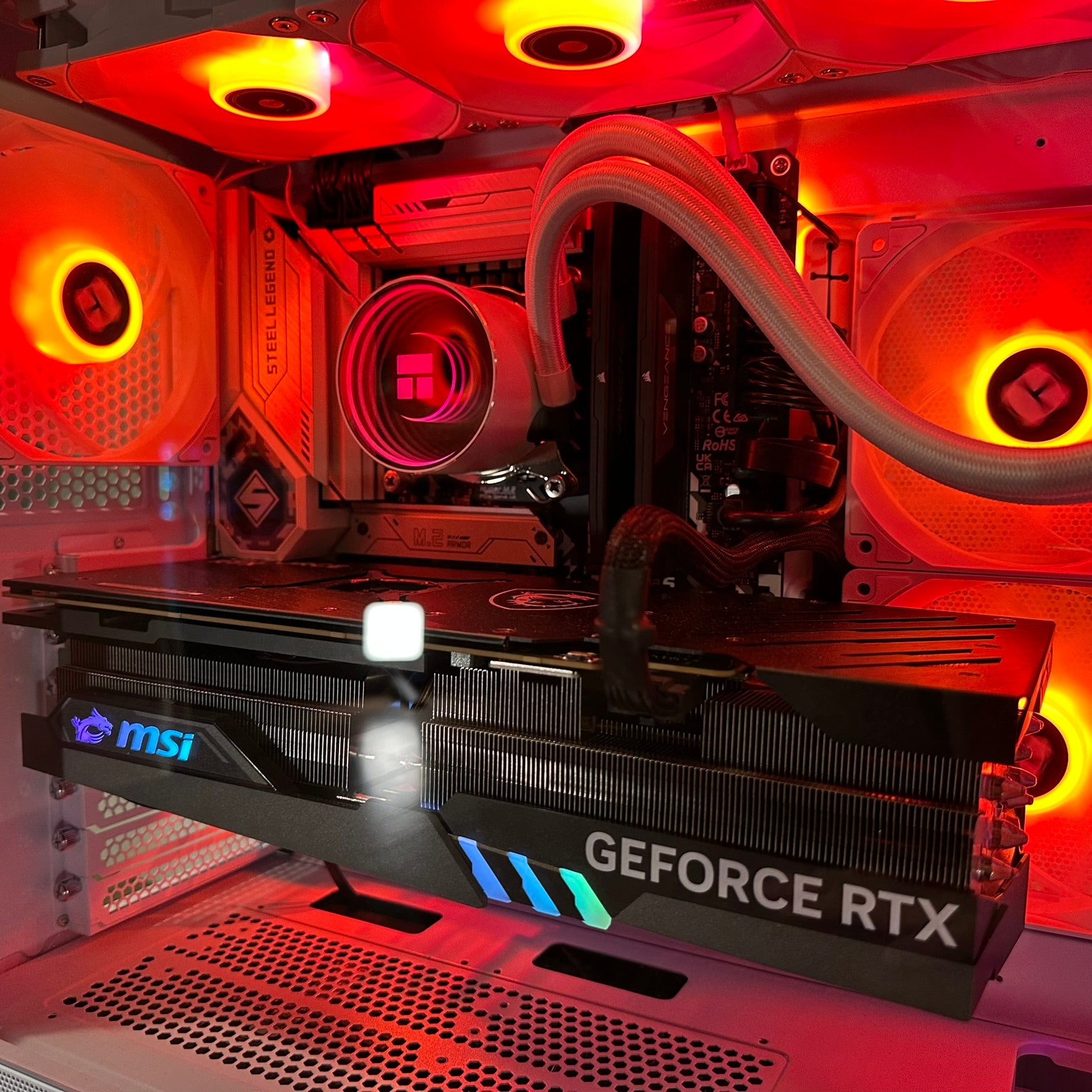
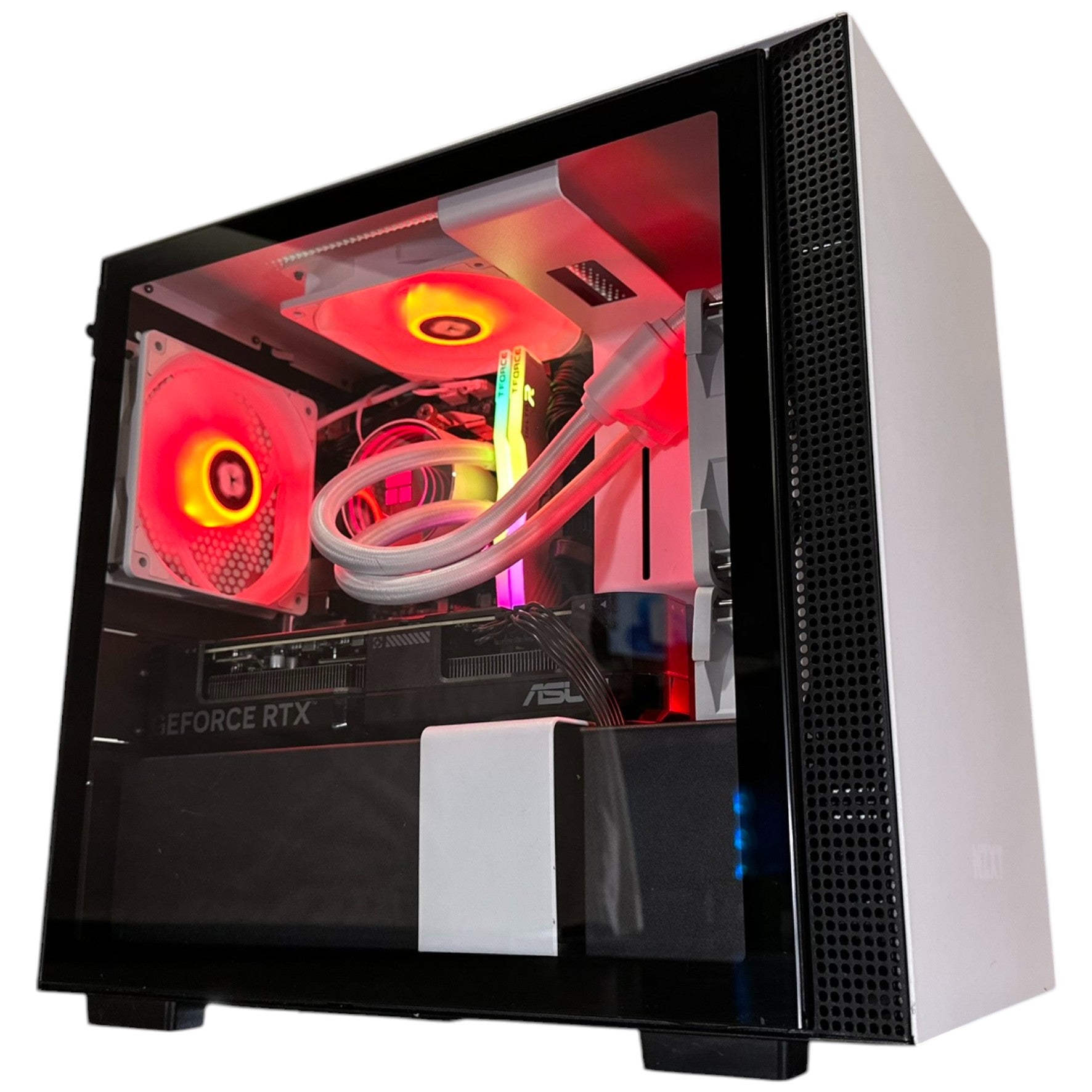
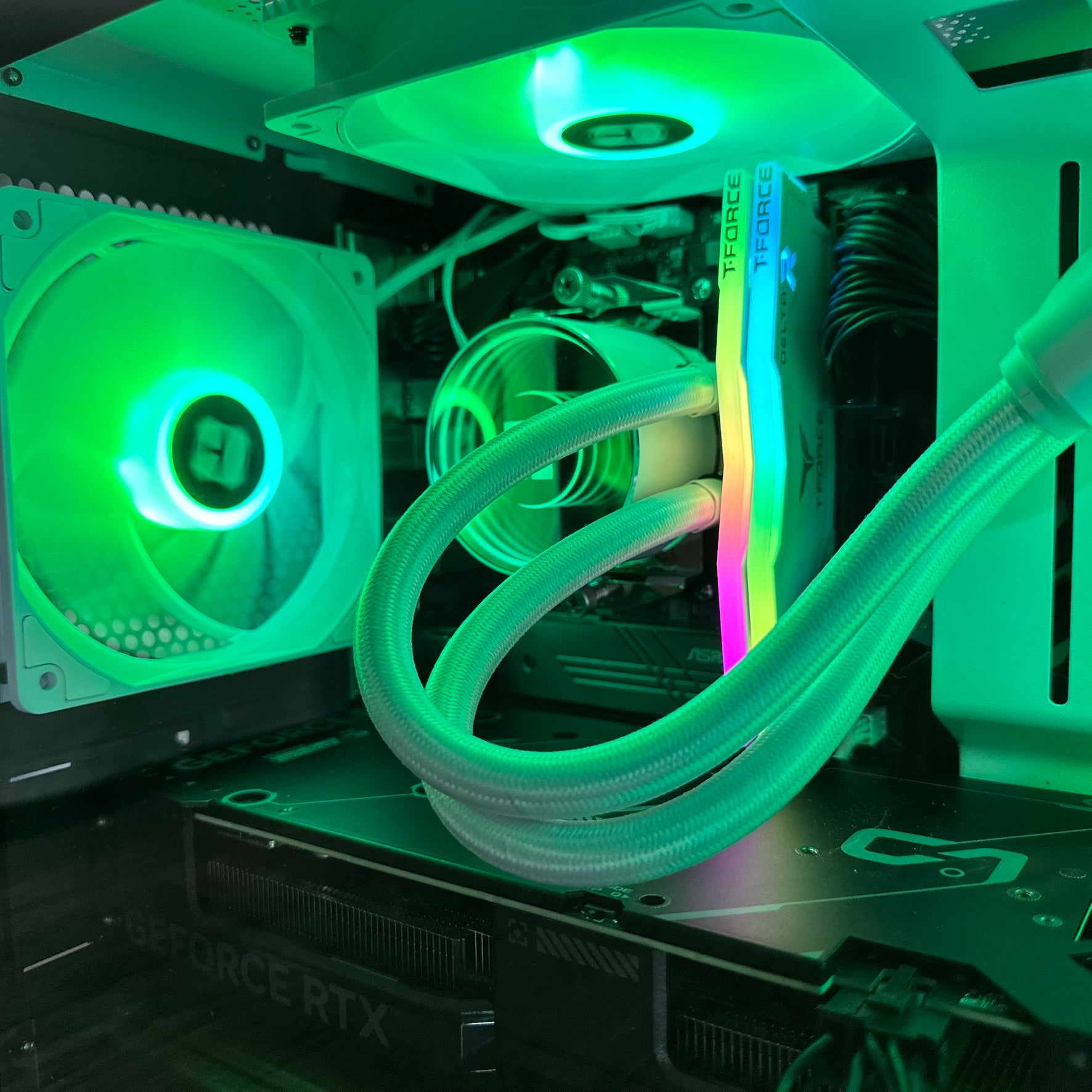
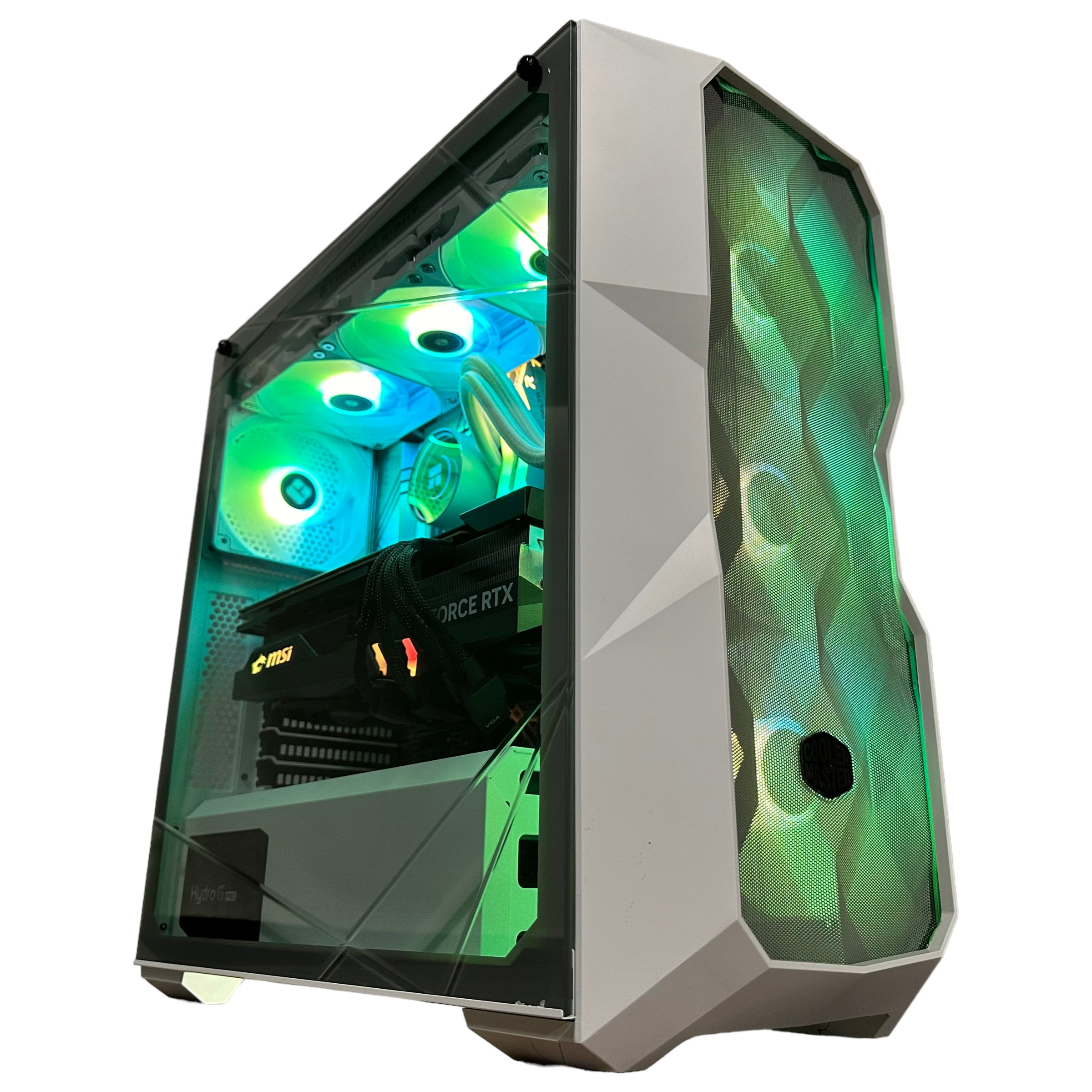


Pragmata Sequel Buzz Is Growing: What This Means for Your Next Gaming PC in Canada
The latest Pragmata sequel momentum matters for more than gaming headlines. Capcom has indicated that the likelihood of a follow-up is high after Pragmata reportedly sold more than 2.5 million copies worldwide, turning what began as a promising new IP into something that could become a long-term franchise. For Canadian players, streamers, and creators, that kind of success raises an immediate question: if visually ambitious sci-fi action games like this are becoming the new standard, is your current PC actually ready for what comes next?
That is where this conversation becomes practical. A major franchise gaining traction usually means more demand for better visuals, smoother frame rates, stronger ray tracing performance, heavier streaming workloads, bigger patches, and higher expectations for long-term hardware value. If you are planning your next upgrade, trying to avoid replacing your system too soon, or wondering whether now is the right time to buy, this is exactly the kind of gaming news that should shape your decision.
At Groovy Computers, we look at stories like this through a Canadian custom-PC lens. A successful game is not just entertainment news. It is often an early signal of where buyer demand, hardware expectations, and performance standards are heading next. If one strong release can push a franchise toward sequel status, what will that mean for gamers who want to play new releases at 1080p, 1440p, or 4K without compromising settings or future upgrade flexibility?
Why the Pragmata sequel story matters beyond one game
Capcom’s comments suggest confidence, not just in a single title, but in the long-term revenue potential of the IP. That is important. Publishers do not talk about “pillar franchises” lightly. When a company starts seeing a game as a future franchise rather than a one-off release, it often means more investment, more visual ambition, more content support, and more player attention over time.
So what does that mean if you are shopping for a new system? It means that buying a PC only for today’s minimum needs can be shortsighted. Are you buying a system just to launch one game, or are you buying a system that should still feel strong when the sequel arrives, when DLC expands performance demands, or when your gaming habits shift into streaming, recording, modding, or editing clips for YouTube and social media?
That is the difference between a short-term purchase and a smart custom build. A properly matched system gives you room to enjoy the current wave of games while staying ready for what the next wave will demand.
What should your next PC actually do for you?
Before you choose a budget, GPU, or CPU, ask the more useful question: what do you want your next PC to do for you?
Do you want to play cinematic action games at high settings without worrying about stutter? Do you want high refresh competitive performance in esports titles alongside stronger single-player graphics? Do you want to stream gameplay while keeping your frame rates stable? Do you also edit gameplay clips, create thumbnails, or use Adobe apps on the same machine? Are you hoping to buy once and stay comfortable for years instead of upgrading again too soon?
These questions matter because the right answer is not the same for everyone. One buyer may need a value-focused gaming tower for 1080p. Another may need a 1440p system that can game and stream smoothly. Another may want a premium machine that handles ray tracing, 4K gaming, recording, multitasking, and creator workloads without compromise.
If your answer is “I want one PC that does everything well,” that usually points toward a carefully balanced custom system rather than a generic off-the-shelf build.
Are you buying for 1080p, 1440p, or 4K gaming?
One of the biggest mistakes Canadian buyers make is choosing parts without first choosing the performance target. Resolution changes everything. If you are reading about major modern releases and potential sequels, then resolution planning is one of the smartest ways to avoid overspending in the wrong place or underspending where it matters most.
1080p: Who is this tier best for?
A 1080p-focused gaming PC is still a strong choice for many players. If you mainly play on a Full HD monitor, want excellent value, and care about smooth performance more than maximum visual extravagance, this tier can make sense. It is also a solid starting point for students, first-time PC gamers, or buyers looking for a budget-conscious upgrade path.
But ask yourself: are you choosing 1080p because it fits your actual needs, or because you are worried about stepping up too far on price? If your goal is to play newer AAA games for several years and maybe move into streaming or content creation later, a slightly stronger build now may save money and frustration later.
1440p: Is this the real sweet spot for modern gaming?
For many gamers, yes. A 1440p setup often delivers the best balance between sharp visuals, strong performance, and long-term satisfaction. This is especially true for players interested in ambitious cinematic titles, open-world experiences, and action-heavy games where immersion matters.
If you are asking, “What PC do I need for 1440p gaming?” this is often the category where a well-selected custom build shines. It gives you room for higher settings, better visual quality, stronger future readiness, and more flexibility for streaming and multitasking than entry-level systems typically allow.
4K and ray tracing: Are you building for premium gaming?
If the appeal of games like Pragmata is the atmosphere, futuristic detail, lighting, and visual spectacle, then a premium tier may be what you really want. 4K gaming and ray tracing are where hardware decisions become more serious. This is not just about launching a game. It is about playing at ultra settings with confidence and avoiding a build that feels outdated too quickly.
Ask yourself honestly: do you want a PC that merely runs new releases, or one that lets you experience them the way marketing trailers suggest they should look? If visual quality is part of why you get excited about new games, then a premium GPU tier is often worth considering.
What gaming PC do you need if a Pragmata sequel pushes expectations higher?
Even without inventing future system requirements, the trend is easy to see. Successful AAA franchises usually move toward larger worlds, better effects, more advanced lighting, more detailed assets, and stronger performance demands. That means your next PC should not be chosen around the bare minimum.
A good rule of thumb is simple:
- Entry-level/value gaming PC: Best for 1080p gaming, lighter streaming, esports, and buyers who need strong price-to-performance.
- Mid-range performance gaming PC: Best for 1440p gaming, higher settings, better longevity, and mixed gaming plus creator use.
- High-end gaming PC: Best for 1440p ultra, 4K, ray tracing, premium visual quality, and buyers who want longer relevance.
- Gaming and creator hybrid PC: Best for players who also stream, edit videos, make graphics, record content, or multitask heavily.
If you are wondering, “Is it better to buy a gaming PC now or wait?” the answer often depends on whether your current system is already limiting your experience. If you are dropping settings, skipping new titles, dealing with storage bottlenecks, or hesitating to stream because your system is stretched too thin, waiting may not actually save you money or improve your experience.
Do you only game, or do you also stream and create content?
This is where many buyers underestimate what they really need. One game can start as a casual interest and quickly become a streaming routine, a clip-editing hobby, a Discord community activity, or a content channel. If a franchise builds momentum, more players start posting reactions, walkthroughs, highlights, and analysis. Suddenly, your “gaming PC” also needs to be a Streaming PC Canada buyers would trust for OBS, recording, overlays, browsers, chat tools, and background apps.
Do you want to stream in 1080p while gaming smoothly? Do you want clean recordings for YouTube or TikTok? Are you editing videos after your sessions? Do you need fast exports and responsive timelines? If so, a machine chosen only for basic gaming can become a bottleneck fast.
A stronger CPU, the right GPU acceleration, enough RAM, and fast SSD storage can make a huge difference in creator comfort. That is why so many customers end up needing not just a gaming desktop, but a hybrid build that balances frame rates and productivity.
Is a gaming PC good for video editing and content creation?
Sometimes yes, but only if it is configured properly. A weak entry build may play games acceptably while struggling with Premiere Pro, DaVinci Resolve, After Effects, or large media libraries. A better-balanced system can handle gaming, streaming, recording, and editing without feeling like two different PCs are required.
If you are asking, “What PC do I need for video editing?” or “Is a gaming PC good for content creation?” the answer depends on your workload. Light clip trimming is one thing. Multi-layer 4K editing, effects work, and export speed are another. If you are serious about content, a custom creator-focused build is often the better investment.
What if you also use Photoshop, Lightroom, Illustrator, or 3D software?
Some readers coming in through gaming news are not just gamers. They are photographers, design students, freelancers, streamers, developers, and creators who need one machine to do real work too. If that sounds like you, your buying decision should widen beyond game performance alone.
Do you edit RAW photos? Design thumbnails and branding assets? Build social media campaigns? Work in Adobe Creative Cloud? Use Blender, Unreal Engine, CAD, or 3D rendering tools? If the answer is yes, then your next PC may need to be more than a gaming system. It may need to be a creator desktop or workstation-class custom build.
That is especially important if you are trying to avoid buying a “good enough” gaming machine now, only to realize six months later that your RAM, storage, or CPU choice is slowing down your paid work.
Who should consider a creator PC or workstation instead of a pure gaming build?
- Creators editing 4K video regularly
- Photographers handling large RAW libraries and batch exports
- Graphic designers using Photoshop, Illustrator, InDesign, and multiple displays
- 3D artists working in Blender, Maya, Unreal Engine, or rendering software
- Students and professionals who game at night but create, model, or edit by day
If that is your profile, ask yourself a more valuable question than “How much should I spend?” Ask, “How much time am I losing on a machine that is underpowered for both fun and work?”
Which performance tier fits you best?
Choosing the right tier is not about buying the most expensive machine. It is about matching the system to how long you want it to feel fast, what display you use, and whether your workload expands beyond gaming.
Tier 1: Budget-conscious and practical
This tier suits buyers looking for a sensible starting point. If you want dependable 1080p gaming, faster everyday use, and a cleaner upgrade path than aging hardware can offer, this may be enough. It also works for lighter editing, school use, indie titles, and mainstream multiplayer games.
But ask yourself: if a major sequel or new AAA release is what has your attention, will this tier still satisfy you a year from now?
Tier 2: Balanced performance for most serious players
This is often the safest recommendation for buyers who want stronger longevity. It is ideal for 1440p gaming, demanding modern titles, streaming, heavier multitasking, and mixed creator use. If you want to enjoy new releases comfortably while keeping options open, this is frequently the smart middle ground.
For many customers, this is where value and long-term confidence meet.
Tier 3: Premium performance for visual enthusiasts and power users
If you want premium gaming, high refresh 1440p, 4K ambitions, stronger ray tracing, top-tier responsiveness, and a system that remains competitive longer, this tier makes sense. It is also the right tier for many users combining gaming with rendering, editing, streaming, and professional-grade workloads.
Are you trying to avoid upgrading too soon? Do you want to skip the “I wish I had gone one level higher” regret? If yes, premium may be more practical than it first appears.
Why timing matters for Canadian PC buyers
Gaming excitement often creates delayed hardware pressure. A strong release today can influence broader buying behaviour tomorrow. Sequels, franchise growth, holiday demand, software updates, GPU pressure, and creator trends can all affect system prices and buyer urgency in Canada.
Canadian shoppers also face realities that are easy to overlook: exchange-rate pressure, shipping considerations, parts availability, regional stock variation, and replacement cost risk. That means the “wait and see” approach is not always safer. In some cases, waiting simply means paying more later for the same performance tier or settling for lower-value component choices.
Are you planning to buy before a major release season? Before another upgrade cycle pushes demand? Before memory and storage prices rise again? Before your current GPU resale value drops further? These are the kinds of timing questions that matter more than many buyers realize.
Should you finance a stronger system now instead of settling for less?
This is one of the most practical questions in the current market. If your ideal build is just out of reach as a single upfront payment, financing can be the difference between buying a PC that feels “fine for now” and buying one that actually meets your goals longer term.
For many buyers, the better question is not “Can I get the cheapest build possible?” It is “Would monthly payments let me secure the right build before pricing shifts or my needs grow?”
If you want better 1440p performance, more RAM for editing, more SSD capacity, a stronger GPU for ray tracing, or a more capable CPU for streaming and exports, financing can make that jump more realistic. That matters if you are trying to avoid paying twice: once for a compromised build now, and again for upgrades sooner than expected.
Groovy Computers helps Canadian buyers think strategically about this. If financing up to 4 years helps you move into a better tier with more headroom, that can be a smarter long-term decision than forcing your purchase into a lower-performance box that you outgrow quickly.
What questions should you ask before buying your next PC?
If this gaming news has you thinking about your own setup, these are the right questions to ask yourself before committing:
- What games do I want to play over the next two to three years?
- Am I targeting 1080p, 1440p, or 4K?
- Do I care about ray tracing or ultra settings?
- Do I want to stream while gaming?
- Will I edit videos, clips, photos, or graphics on the same machine?
- Do I use software like OBS, Premiere Pro, DaVinci Resolve, Photoshop, Illustrator, Blender, or Unreal Engine?
- How soon do I want to avoid my next major upgrade?
- Would more RAM, more storage, or a better GPU save me frustration later?
- Am I buying before a major game release, demand spike, or price increase?
- Would financing help me get the right custom build now instead of compromising?
These are not sales questions. They are decision-quality questions. The better your answers, the better your system fit.
Why custom builds matter more when game expectations are rising
When a game proves itself and starts looking like franchise material, performance expectations across the market tend to follow. That is when generic one-size-fits-all systems become riskier. A custom build gives you a better chance of aligning your money with your actual usage.
Maybe you need stronger GPU power and can keep CPU spending balanced. Maybe your workload needs more memory and storage because you stream and edit. Maybe you need quieter cooling, cleaner cable work, and tested stability because your PC is not just for play, but for school, freelance work, or business use too.
A custom build helps avoid wasted spending on mismatched parts and helps prioritize what actually affects your experience. It also creates a better upgrade path later.
Why buy from a Canadian custom builder like Groovy Computers?
Canadian buyers want more than raw specs. They want confidence. They want clear guidance, a system that has been properly assembled and tested, support they can trust, and warranty protection that makes the purchase feel safe instead of stressful.
Groovy Computers is built around that approach. Whether you are shopping for a gaming-focused build, a streaming setup, a creator desktop, or a more advanced workstation, the goal is to match the system to the person using it.
That means practical recommendations, rigorous testing, real custom-PC logic, and the reassurance of a 1-year warranty. It also means options for Canadian buyers who want a stronger machine without forcing a full upfront payment. If you are in Nova Scotia, Atlantic Canada, or ordering from elsewhere in the country, this kind of guidance matters.
Are you looking for a system that is ready for today’s games but still sensible for tomorrow’s sequels and software demands? Are you trying to choose between a budget gaming computer, a premium RTX gaming PC, a creator-focused build, or a workstation-class machine? That is exactly where a custom builder adds value.
What kind of buyer should act now?
You should seriously consider buying now if your current PC is already struggling with new titles, if you plan to move up to 1440p or 4K soon, if you want to start streaming or editing content, or if you are trying to lock in a better build before market pressure raises replacement costs.
You should also act sooner if your current machine is forcing compromises every week. Lower settings. Full storage. Long export times. Stuttering streams. Limited multitasking. Missed opportunities to create. Those friction points add up faster than many buyers expect.
And if a game like Pragmata is the kind of release that gets you excited about what modern gaming can look and feel like, it may be a sign that your next PC should be chosen for where gaming is going, not just where it has been.
Ready to choose the right PC for your next gaming era?
If the growing Pragmata sequel conversation has you asking what your next system should handle, now is the time to get specific. Do you need a better 1080p setup, a 1440p sweet-spot build, a premium ray tracing machine, a gaming-and-streaming hybrid, or a creator workstation that can handle both fun and serious work? Visit GroovyComputers.ca to explore your options, compare the right performance tier, and get help choosing a custom build that fits your goals in Canada.
Big gaming news often creates bigger buying decisions. The smartest move is not always buying the cheapest system or waiting for perfect timing. It is choosing a machine that aligns with what you actually want from gaming, streaming, editing, or creative work over the next several years. If rising sequel expectations have you rethinking your setup, a well-planned custom PC can put you in a much stronger position than another temporary compromise.
#PragmataSequel #GamingPCCanada #CustomGamingPCCanada #GamingPCBuildsCanada #StreamingPCCanada #CreatorPCCanada #VideoEditingPCCanada #3DModelingPCCanada #CanadianCustomPCBuilders #GroovyComputers
Groovy Computers | All Rights Reserved


Leave a comment
This site is protected by hCaptcha and the hCaptcha Privacy Policy and Terms of Service apply.