
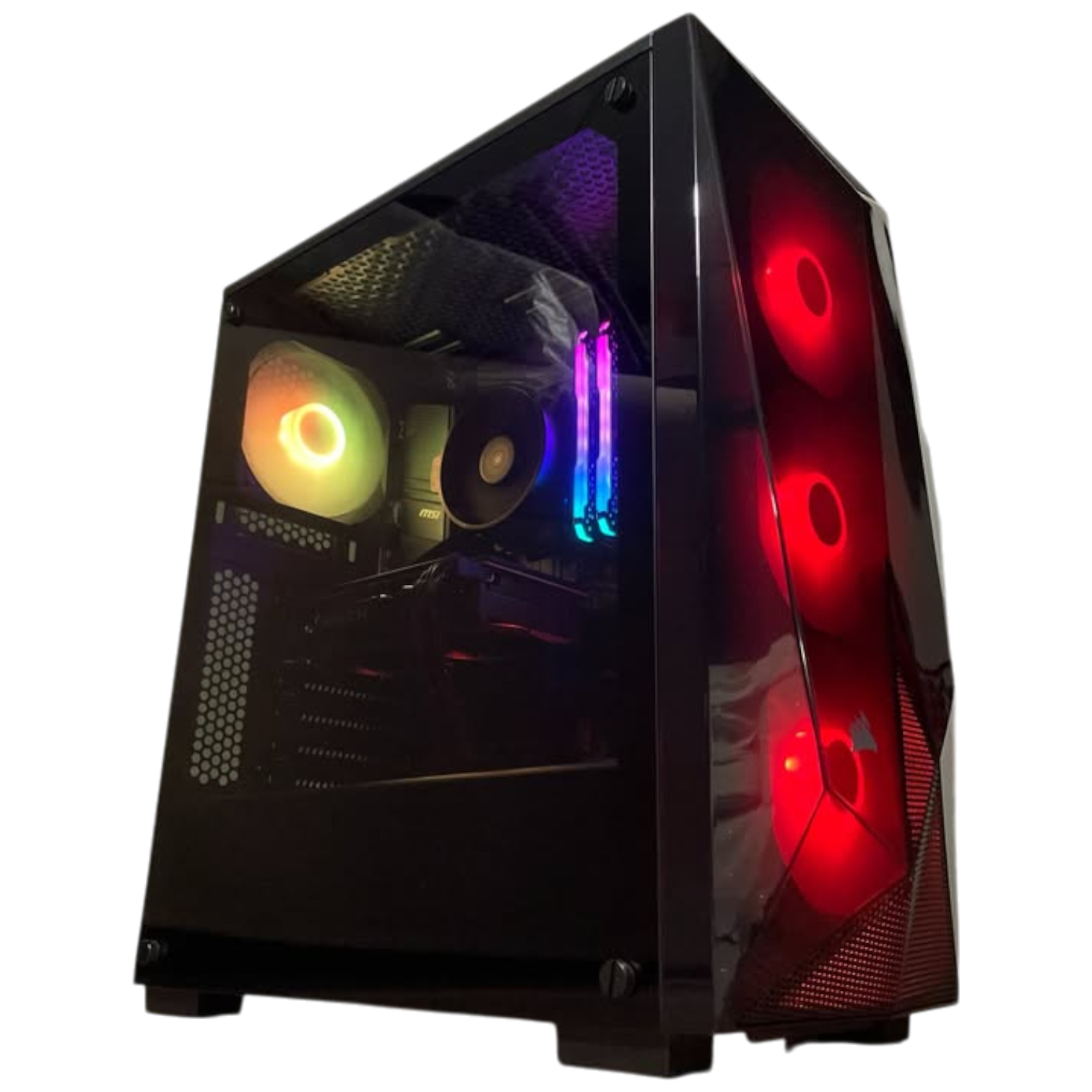
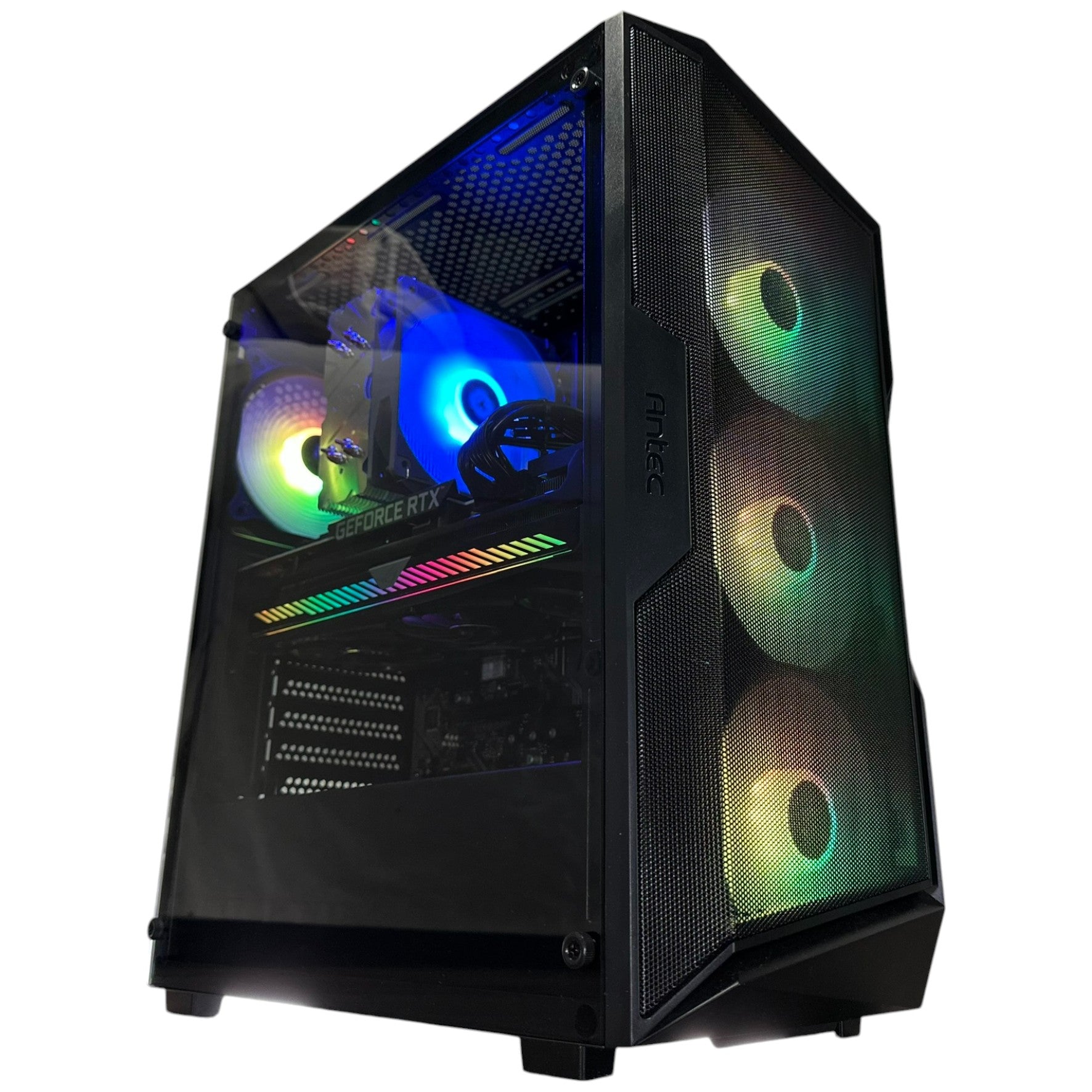





Capcom Spotlight June 25: What This Means for Your Next Gaming PC in Canada
The upcoming Capcom Spotlight June 25 presentation matters for more than gaming headlines. For Canadian buyers thinking about a new desktop, this kind of event is exactly when hardware decisions become more urgent. When publishers spotlight major releases like Onimusha: Way of the Sword, Dragon's Dogma II: Dark Arisen, and Monster Hunter Stories 3: Twisted Reflection, gamers start asking the same practical question: is my current PC ready, or is it finally time to upgrade?
At Groovy Computers, that question is where the real buying decision begins. A big game stream can trigger pre-orders, renewed interest in demanding titles, more pressure on graphics card inventory, and a wave of shoppers trying to secure a stronger rig before prices move again. If you are planning to play new AAA games at high settings, stream your gameplay, edit content for YouTube, or build a long-lasting setup that will not feel outdated too soon, this Capcom event is a useful reminder to think ahead.
The source report confirms Capcom will host a new Spotlight stream on June 25, 2026, featuring three major titles and likely updates on release timing, DLC details, and post-launch support. While that is gaming news on the surface, the bigger story for PC buyers in Canada is performance planning. Are you preparing for 1080p gaming, 1440p gaming, 4K gaming, ray tracing, or a mix of gaming and content creation? Are you trying to buy before demand rises? Are you deciding whether a budget gaming desktop is enough, or whether financing a stronger custom build now makes more sense?
Why does the Capcom Spotlight June 25 event matter to PC buyers?
Because game announcements do not just create hype. They shape buying behaviour. Whenever a publisher puts attention on upcoming action games, RPGs, expansions, and live content roadmaps, more players start evaluating their hardware. Some realize their older GPU may struggle. Others decide they finally want smoother frame rates, better visuals, faster load times, or enough CPU and RAM headroom to stream and multitask without compromise.
That is especially true with a lineup like this. Onimusha: Way of the Sword carries strong interest as the first major new Onimusha title in roughly two decades. Dragon's Dogma II: Dark Arisen points to expanded gameplay and renewed player activity around a demanding fantasy RPG. Monster Hunter Stories 3 appearing again suggests there may be DLC or collaboration content that keeps players engaged longer. In plain terms, this is the kind of release cycle that pushes people from “maybe later” into “I need a better PC soon.”
If you have been asking yourself what gaming PC you need for new games, this is the right time to answer it before release calendars get crowded and buyer competition intensifies.
What the source report gets right about timing
The original report highlights two practical details that matter. First, there is uncertainty around the exact release timing for Onimusha: Way of the Sword, with discussion around whether its date could shift earlier. Second, there is pricing attention around Dragon's Dogma II: Dark Arisen, including bundle value and regional pricing questions.
Why does that matter for hardware buyers? Because release timing changes buying urgency. If a major game lands sooner than expected, your upgrade window shrinks. If a DLC or definitive edition drives players back into a demanding title, your current system may suddenly feel less adequate. If software launches stack up around the same season, more consumers rush to upgrade all at once.
Canadian buyers should pay attention to these timing signals. Waiting until the last minute often means shopping when demand is hottest, not when your choices are best.
Why should Canadian gamers think differently about upgrading now?
In Canada, PC buying is not just about game requirements. It is also about the full cost of replacement. Exchange rates, freight, inventory pressure, and component pricing swings can affect the final system price faster than many shoppers expect. If a game announcement motivates thousands of players to upgrade in the same period, graphics card and premium-build demand can tighten quickly.
That matters whether you are in Nova Scotia, Ontario, Alberta, British Columbia, or anywhere else ordering online. A buyer in Canada needs to think beyond raw MSRP headlines and ask a more useful question: what will this complete PC cost me if I wait until the busiest part of the release cycle?
If you are already close to upgrading, financing a stronger build before costs climb can be the smarter move. That does not mean overspending. It means locking in a system that will carry you through the next wave of games, patches, mods, streaming demands, and creator workloads without forcing another upgrade too soon.
What do you want your next PC to do for you?
This is the most important question in the entire buying process.
Do you want a machine that simply runs new Capcom releases at 1080p with good settings and smooth performance? Do you want a 1440p gaming system with visual headroom for future AAA titles? Are you aiming for 4K, ultra settings, ray tracing, and premium longevity? Or are you also planning to stream to Twitch, record gameplay, edit videos, design thumbnails, create social content, or work in Blender and Adobe apps on the same desktop?
A lot of buyers search for a gaming system when what they really need is a mixed-use custom PC. Others think they need a high-end flagship build when a carefully matched mid-range system would actually fit their games, monitor, and budget better. The right answer starts with your actual use case, not generic hype.
Ask yourself a few honest questions
- What games are you planning to play over the next 12 to 24 months?
- Are you targeting 1080p, 1440p, or 4K?
- Do you care about ray tracing and ultra settings, or do you mainly want smooth frame rates?
- Will you stream, record, or edit gameplay clips?
- Do you also use Photoshop, Premiere Pro, DaVinci Resolve, Illustrator, Lightroom, OBS, Blender, or Unreal Engine?
- Are you buying to avoid another upgrade in a year or two?
- Would monthly payments help you secure a stronger build now instead of settling for a weaker one?
The better you answer those questions, the easier it becomes to choose the right Groovy Computers build category.
What kind of gaming PC do you need for upcoming Capcom games and other new releases?
Even without official final PC requirement details for every future title discussed in the Spotlight, the buying pattern is familiar. New action games and modern RPGs tend to reward stronger GPUs, fast SSD storage, capable CPUs, and enough memory for smooth background multitasking. Open-world exploration, higher-resolution textures, advanced lighting, and shader-heavy effects all make older systems feel slower much faster than expected.
If your current desktop already struggles in newer AAA titles, this Capcom event is not just a news item. It is a warning sign that your upgrade timing is approaching.
Entry-level buyers: is a budget gaming PC enough?
If your goal is straightforward 1080p gaming with sensible settings, a value-focused build may be enough. This tier works well for players who want to enjoy new releases without chasing every visual feature at max settings. It also suits students, first-time desktop buyers, and shoppers who mainly play a mix of story-driven games and lighter competitive titles.
But ask yourself this: are you buying only for today, or for the next two to three years? A budget system can be a smart choice if expectations are realistic. If you know you will soon want higher settings, bigger open-world games, or streaming support, stepping up now may save money later.
Mainstream buyers: is 1440p the real sweet spot?
For many Canadian gamers, 1440p is the performance tier that makes the most sense. It offers a clear visual upgrade over 1080p, better use of modern monitors, and a stronger long-term value story for new games. If you want a system that feels premium without necessarily going all the way into flagship pricing, this is often the ideal category.
Are you the kind of player who wants strong frame rates, high settings, and enough extra performance for patches, future titles, and heavier scenes? If so, a balanced custom gaming PC built for 1440p may be your best fit.
High-end buyers: do you want 4K and ray tracing without compromise?
If you are aiming for maximum visual impact, a premium build is the better path. This is the tier for gamers who want major single-player releases to look their best, who may be investing in a high-refresh 4K display, or who simply want more longevity from a custom system.
But here is the real question: are you buying for bragging rights, or for useful headroom? A properly planned premium PC should not just look impressive on paper. It should deliver stronger real-world gaming, quieter operation, reliable thermals, upgrade flexibility, and enough overall platform quality to justify the investment.
Are you only gaming, or do you also want a streaming PC?
Many buyers reading game news are not just players anymore. They are streamers, aspiring creators, short-form editors, Discord community hosts, or people posting clips to multiple platforms. If that sounds like you, then your buying decision changes immediately.
A gaming-only system and a gaming-and-streaming system are not always the same thing. Streaming introduces added encoder demands, background applications, browser tabs, overlays, chat tools, capture workflows, and often a second monitor setup. If you want your gameplay to stay smooth while broadcasting, component balance matters more than ever.
What PC do you need for streaming? That depends on whether you want to stream at 1080p, record locally, clip highlights, edit after the session, and run OBS or similar software without your system feeling overloaded. If your dream setup includes gaming, streaming, and editing from one machine, it makes sense to choose a build with enough overhead now rather than upgrading piecemeal later.
Could this game-news cycle also be the right time for a creator PC?
Absolutely. Many gaming buyers also create content, even if they do not think of themselves as “creators” first. If you edit YouTube videos, make thumbnails, produce reels, cut TikTok clips, process photos, or run Adobe Creative Cloud apps, then your ideal machine may be a creator-friendly custom desktop rather than a narrow gaming-only build.
That matters because gaming performance and creator performance overlap, but they are not identical. A system built purely to hit gaming numbers may not be the most efficient option for fast exports, heavy timelines, large project files, plugin-heavy editing, or multi-app workflows.
Do you need a video editing PC too?
If you work in Premiere Pro, DaVinci Resolve, After Effects, or CapCut, you should ask a simple question: how much time is your current system wasting? Slow imports, choppy timeline playback, long exports, and stuttering while multitasking all add up.
A stronger custom creator PC can dramatically improve workflow comfort. If you game at night and edit content during the day, why buy a desktop that only solves half the problem? A well-configured system can handle modern games and still serve as a capable video editing PC in Canada for 4K projects, social content production, and export-heavy work.
What if your workflow is photo editing or graphic design?
Maybe this Capcom headline caught your eye as a gamer, but your desktop also handles Lightroom, Photoshop, Illustrator, Canva, or InDesign. In that case, it is worth thinking beyond frame rates. Fast SSDs, good RAM capacity, responsive CPUs, and stable thermal behaviour all help make creative software feel more immediate and less frustrating.
Do you open dozens of RAW images? Work with layered PSD files? Keep design assets, browser tabs, messaging apps, and creative suites open at once? If yes, your next PC should reflect that reality. The best desktop for your use might be a hybrid gaming and graphic design machine, not a generic off-the-shelf box.
Are you moving into Blender, Unreal Engine, or 3D work?
That is another major category where buying smart now matters. Plenty of gamers eventually move into modding, asset creation, 3D animation, environment work, or rendering. If that is your path, then choosing a system with stronger CPU support, more memory headroom, and the right GPU class can save you from outgrowing the machine too quickly.
What PC do you need for Blender or Unreal Engine? That depends on scene complexity, render style, simulation workloads, and whether you are building professionally or learning. But the key point is simple: if your interests are expanding, your next desktop should support where you are going, not just where you are today.
What performance tier fits you best?
Many shoppers do not need a lecture on every component. They need clear buying guidance. Here is a simple way to think about the main tiers.
Tier 1: Value-focused gaming
Best for players who want reliable 1080p gaming, fast boot times, and a better experience than an aging console or older desktop. This is ideal if you mainly want to play newer titles comfortably and keep your spending under control.
Good fit if you are asking: how much should I spend on a gaming PC, is a budget gaming PC worth it, or can a more affordable system play new games well enough?
Tier 2: Balanced gaming and streaming
Best for buyers who want stronger 1080p or 1440p performance, better multitasking, and room for streaming, Discord, background apps, and light editing. This is often the smartest category for customers who want a desktop that feels current for several years.
Good fit if you are asking: what gaming PC do I need for 1440p, what PC do I need for streaming, or should I buy something stronger so I do not need to upgrade too soon?
Tier 3: Premium gaming and creator use
Best for customers who want high-end visuals, ray tracing, larger project workloads, and a desktop that supports gaming plus serious editing or content production. This tier is for buyers who want long-term confidence and stronger workflow speed, not just raw benchmark bragging rights.
Good fit if you are asking: what PC do I need for 4K gaming, is a higher-end desktop worth it, or can one system handle gaming, editing, and streaming well?
Tier 4: Workstation-class hybrid or dedicated creator machine
Best for users working in 4K editing, large design projects, 3D rendering, CAD, Unreal Engine, Blender, or more advanced production work. This category prioritizes sustained performance, thermal control, memory capacity, and productivity reliability.
Good fit if you are asking: what workstation PC do I need, is a gaming PC good for rendering, or should I get a custom workstation instead of a standard gaming desktop?
Should you buy now or wait for more game news?
This is one of the most common and most important questions.
If your current PC is already doing what you need, waiting can be reasonable. But if you are already noticing dropped performance, limited storage, weak multitasking, longer load times, or reduced confidence about upcoming titles, waiting may not actually help. It may simply push you into a more crowded buying window.
The source article also sits in a wider environment where PC buyers are paying attention to memory and storage pricing pressure. Even when a single game does not directly cause hardware shortages, waves of software interest can combine with broader component volatility. That means the total cost of a full system can move in ways that are frustrating for shoppers who delayed too long.
So ask yourself: are you waiting because you have a clear reason, or because delaying feels safer? In many cases, the better answer is to buy when you can still choose calmly, not when urgency chooses for you.
Could financing help you secure a stronger system before costs rise?
For many customers, yes. If you are deciding between buying a lower-tier desktop outright or financing a better custom PC that will last longer, the second option can be the smarter value play.
Think about the real cost of underbuying. If a weaker system struggles sooner, needs upgrades earlier, or limits your gaming and creative plans, it can become more expensive in practice. Financing can help bridge the gap between what is comfortable today and what is actually sufficient for the next several years.
Would monthly payments make it easier to move from basic 1080p gaming into a stronger 1440p-capable machine? Would it help you step into a better creator PC for editing and streaming? Would it let you buy before replacement costs increase? Those are practical questions, not luxury ones.
Groovy Computers offers options that can help customers finance a stronger system for up to 4 years, which is especially useful when game demand, creator workloads, and component pricing all point in the same direction. If you know you will need more performance soon, stretching toward the right machine now can be a more responsible choice than buying twice.
Why do custom builds matter more when gaming demand is rising?
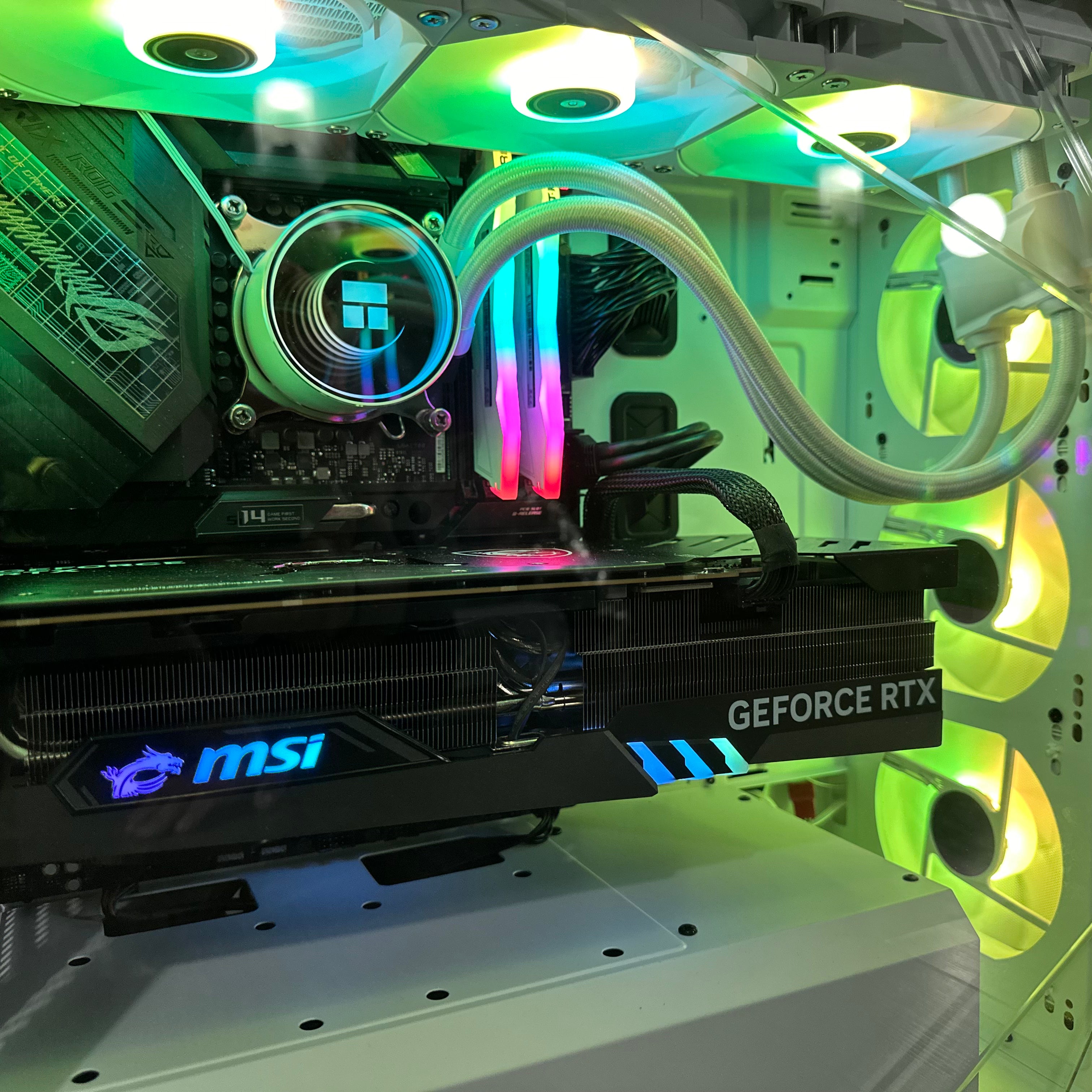
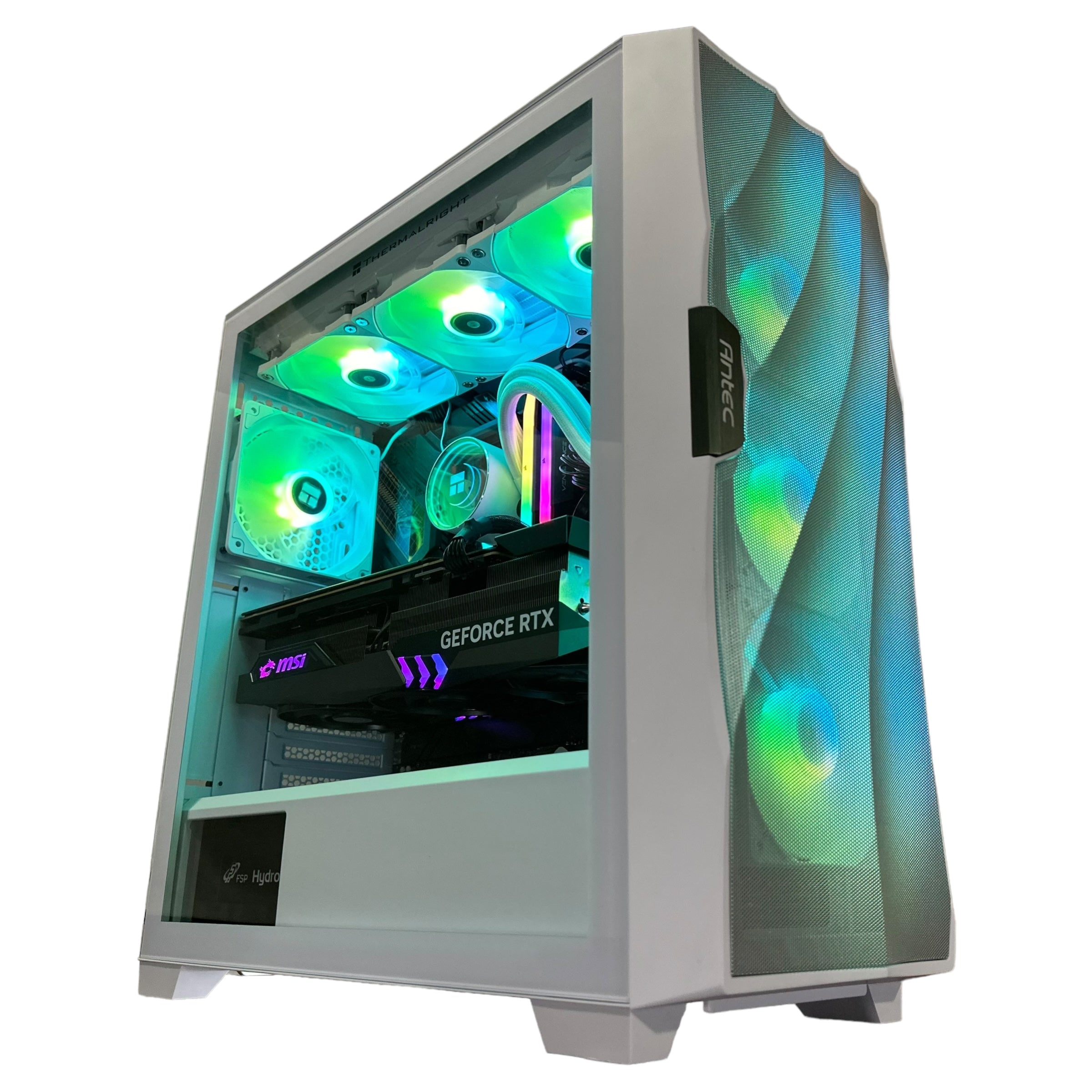
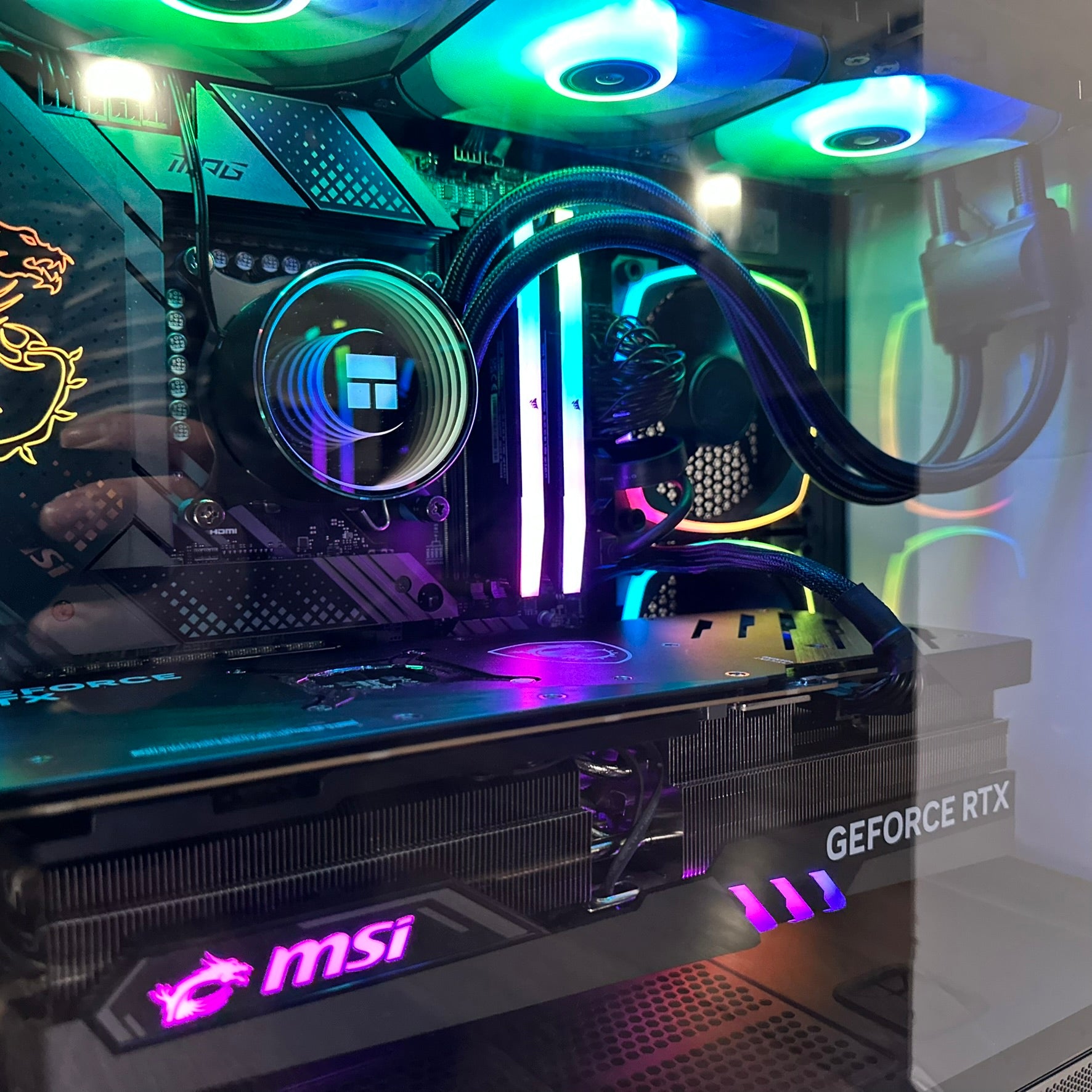
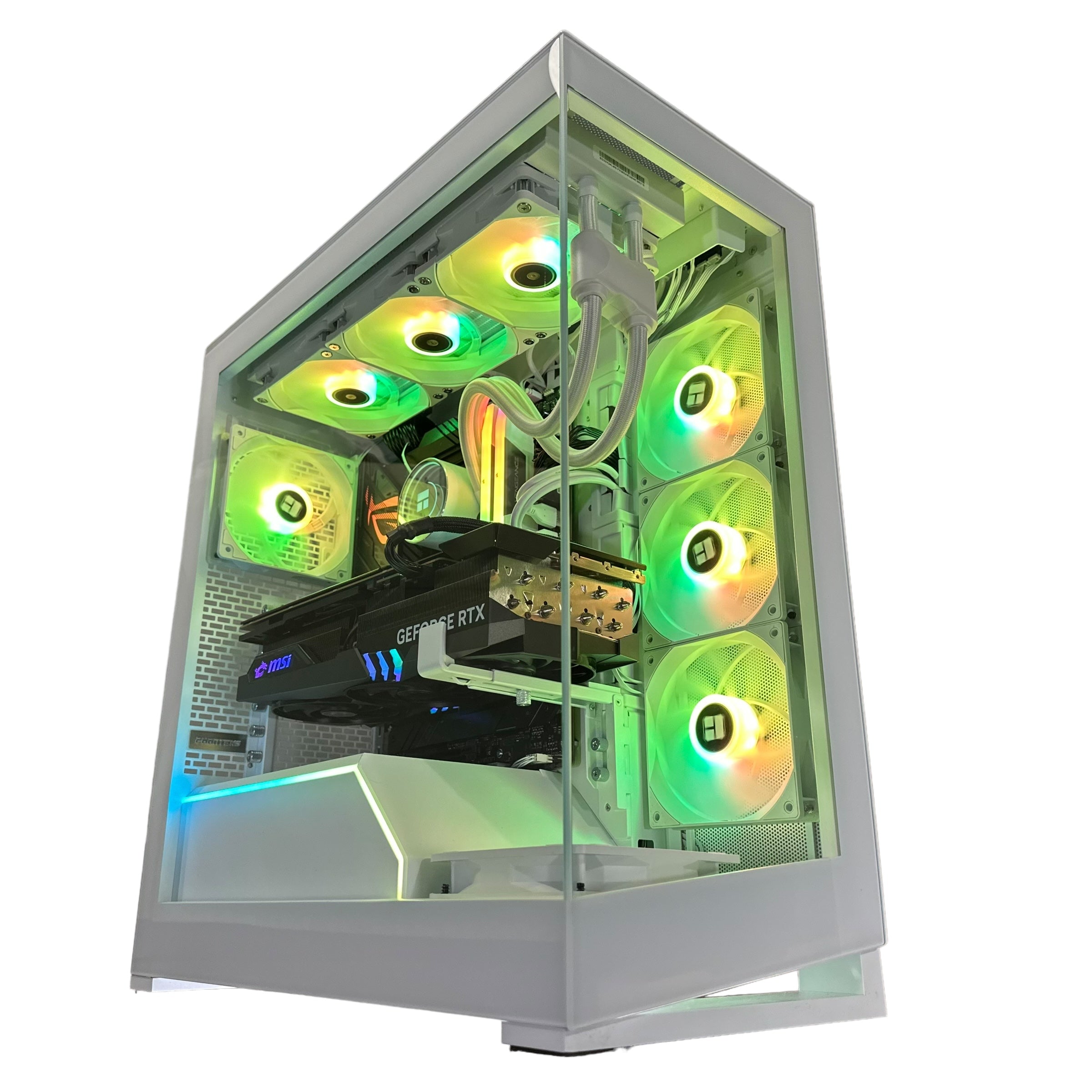
Because generic systems often look simpler than they really are. When you buy a custom desktop from a trusted Canadian builder, you are not just buying parts. You are buying component matching, airflow planning, power supply quality, upgrade logic, stress testing, and support confidence.
That matters even more when prices are volatile or when release calendars are heating up. The wrong shortcuts in cooling, motherboard quality, memory configuration, storage speed, or power delivery can leave you with a machine that feels imbalanced long before it should.
Is a custom gaming PC worth it? If you care about performance consistency, cleaner upgrade paths, and avoiding the weak-link problem that shows up in many generic prebuilts, the answer is often yes.
Why testing and warranty should matter in your decision
When you are buying a desktop for major new games, streaming, editing, or workstation tasks, reliability matters almost as much as benchmark speed. A system should not only perform well on day one. It should remain stable under load.
That is why Groovy Computers emphasizes rigorous testing and a 1-year warranty. For buyers across Canada, that kind of reassurance matters. You want confidence that your system has been built with care, tested properly, and backed by real support, especially if you are investing in a more capable machine ahead of upcoming releases.
What should you ask before choosing your next custom PC?
If you are serious about buying well, ask better questions than “what is the cheapest option” or “what has the biggest GPU number.” Try these instead.
- What games do I want to play most over the next two years?
- Do I want high FPS, better visuals, or both?
- Will I keep this system for several years without major upgrades?
- Do I also need the PC for streaming, editing, design, or rendering?
- Am I buying for a current monitor, or do I plan to move to 1440p or 4K soon?
- Would a stronger CPU, more RAM, or faster storage improve my real workflow?
- Should I finance a better system instead of replacing a weaker one sooner?
- Do I want help choosing a balanced build instead of guessing?
Those questions lead to better outcomes because they focus on actual use, not just marketing noise.
Why Groovy Computers is a smart fit for Canadian buyers right now
Groovy Computers is built around what many Canadian customers actually need: custom gaming PCs, creator PCs, and workstation-class systems that are configured for real use, not just flashy specs. Whether you are shopping from Nova Scotia or ordering from elsewhere in Canada, the goal is the same: get the right performance tier, with proper testing, useful support, and more confidence in what you are buying.
If the Capcom Spotlight has you thinking about upgrading, this is the moment to choose a desktop that fits more than one trend. New games are getting heavier. Creator tools are getting more demanding. Storage and memory costs can shift. Buyers who plan ahead usually end up with better value than buyers who wait until urgency spikes.
Do you want a budget-friendly setup for current games? A more powerful 1440p system for upcoming releases? A premium RTX-based machine with room for streaming and editing? A custom workstation for advanced creator tasks? Groovy Computers can help you narrow that down and move with confidence.
Ready for the next wave of games, or still wondering what PC you really need?
If this latest Capcom Spotlight June 25 announcement has you rethinking your current setup, that is a good sign. It means you are paying attention before the rush. Whether you need a gaming desktop, a mixed-use creator machine, or a more serious workstation, the right time to choose is before release-season pressure makes the decision harder.
Ask yourself one final question: do you want your next PC to simply get by, or do you want it to feel ready? If you want help choosing a custom build that fits your games, your workload, your budget, and your future plans, visit GroovyComputers.ca. Groovy Computers can help you find the right custom PC in Canada, with tested builds, a 1-year warranty, and financing options that may help you secure a stronger system before prices change again.
For Canadian shoppers watching new game announcements closely, the smartest move is rarely random. It is intentional. Use the hype cycle to evaluate what you actually need, choose the right performance tier, and buy with a longer-term plan. The upcoming Capcom Spotlight June 25 stream may be about games, but for many buyers, it is also the perfect signal that a better PC decision should happen now, not later.
#CapcomSpotlight #GamingPCCanada #CustomGamingPCCanada #GamingComputersCanada #CreatorPCCanada #VideoEditingPCCanada #StreamingPCCanada #WorkstationPCCanada #NovaScotiaTech #GroovyComputers
Groovy Computers | All Rights Reserved


Leave a comment
This site is protected by hCaptcha and the hCaptcha Privacy Policy and Terms of Service apply.