
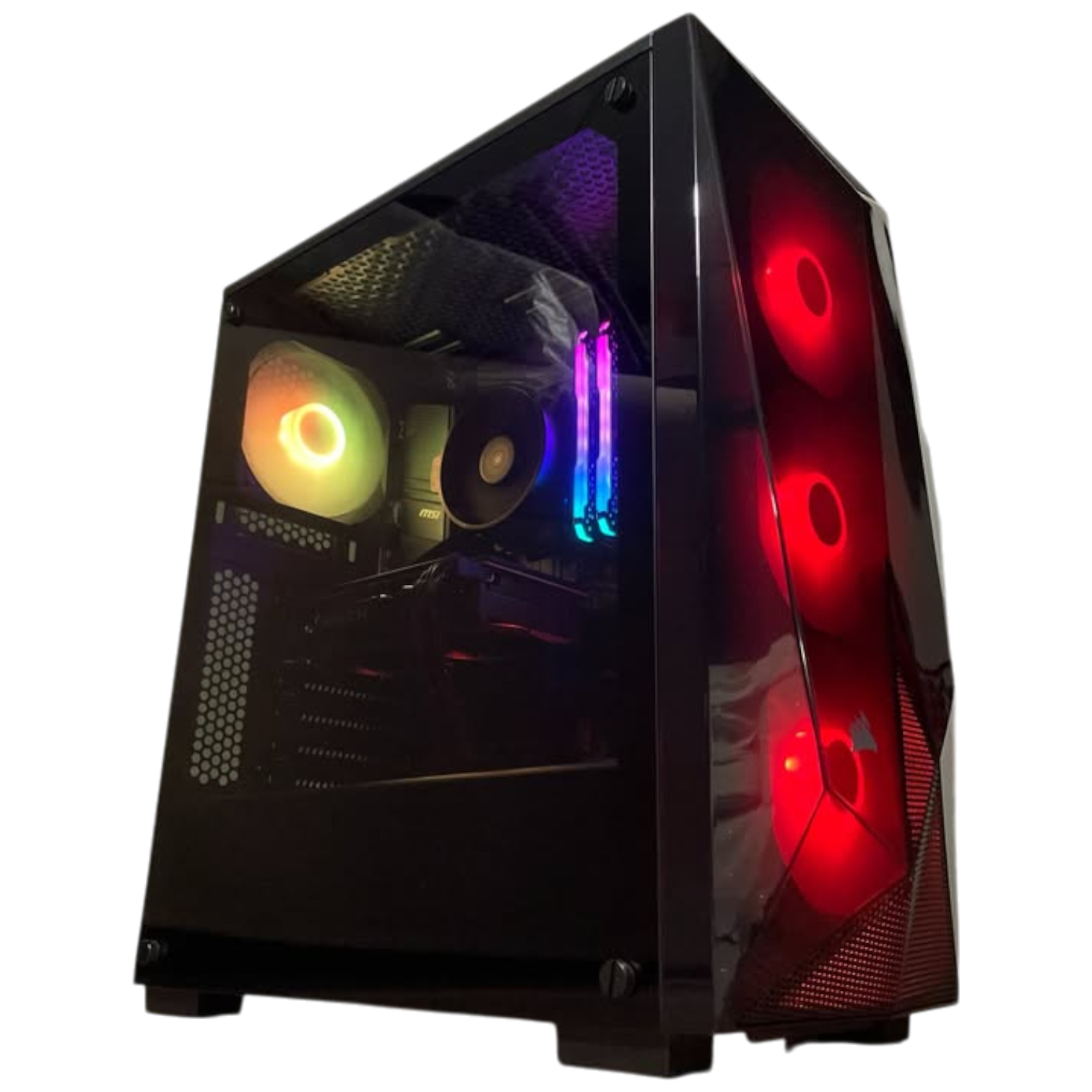
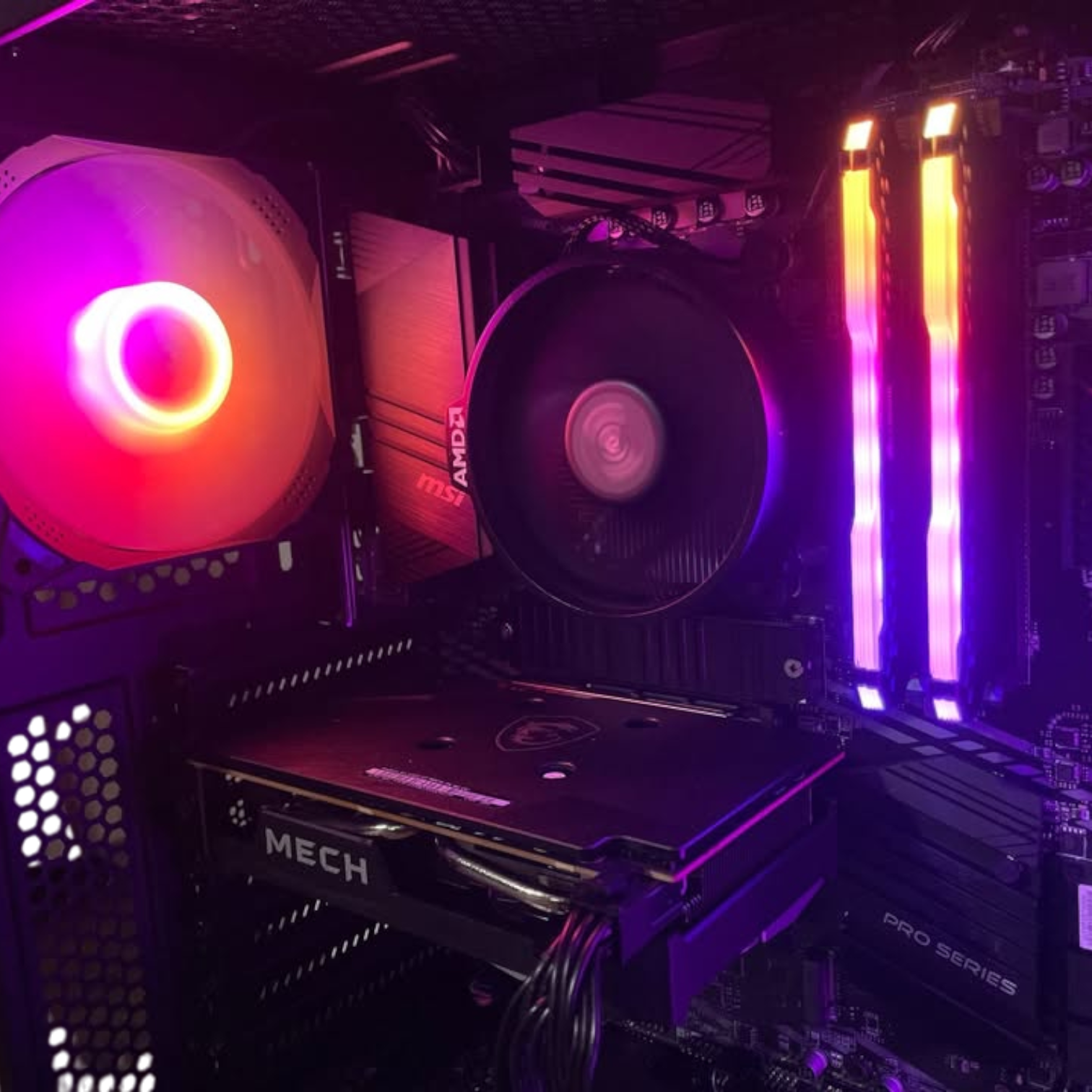
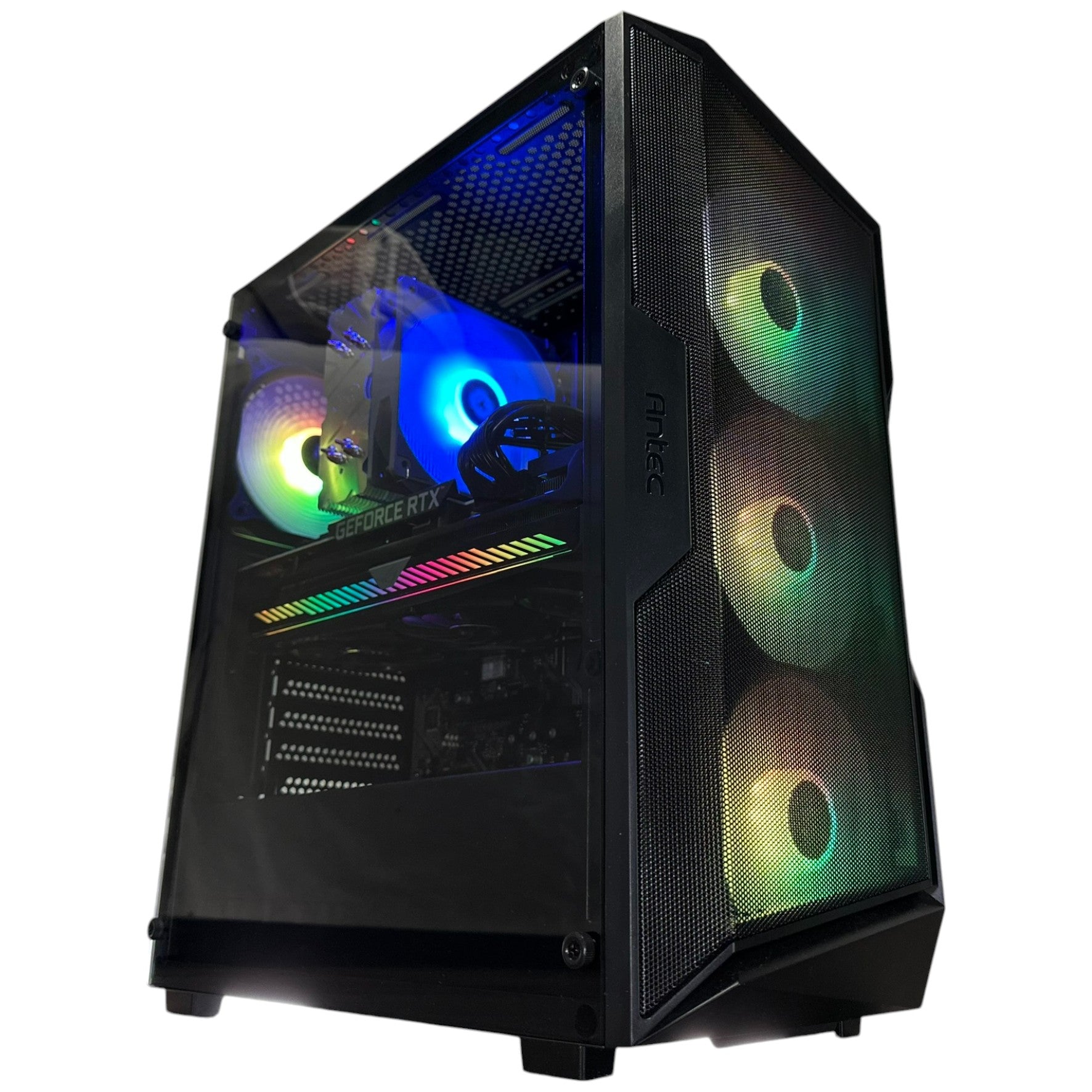
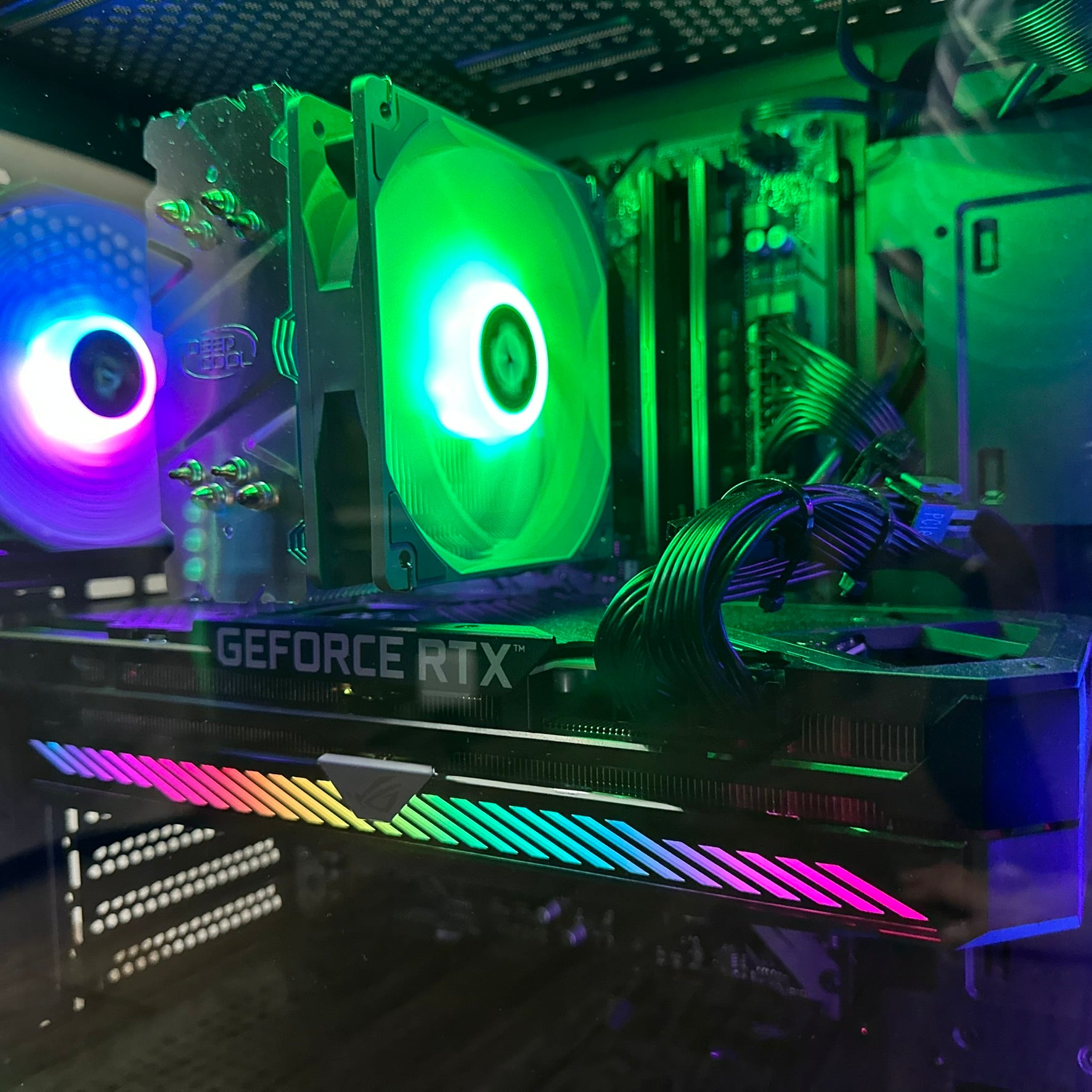



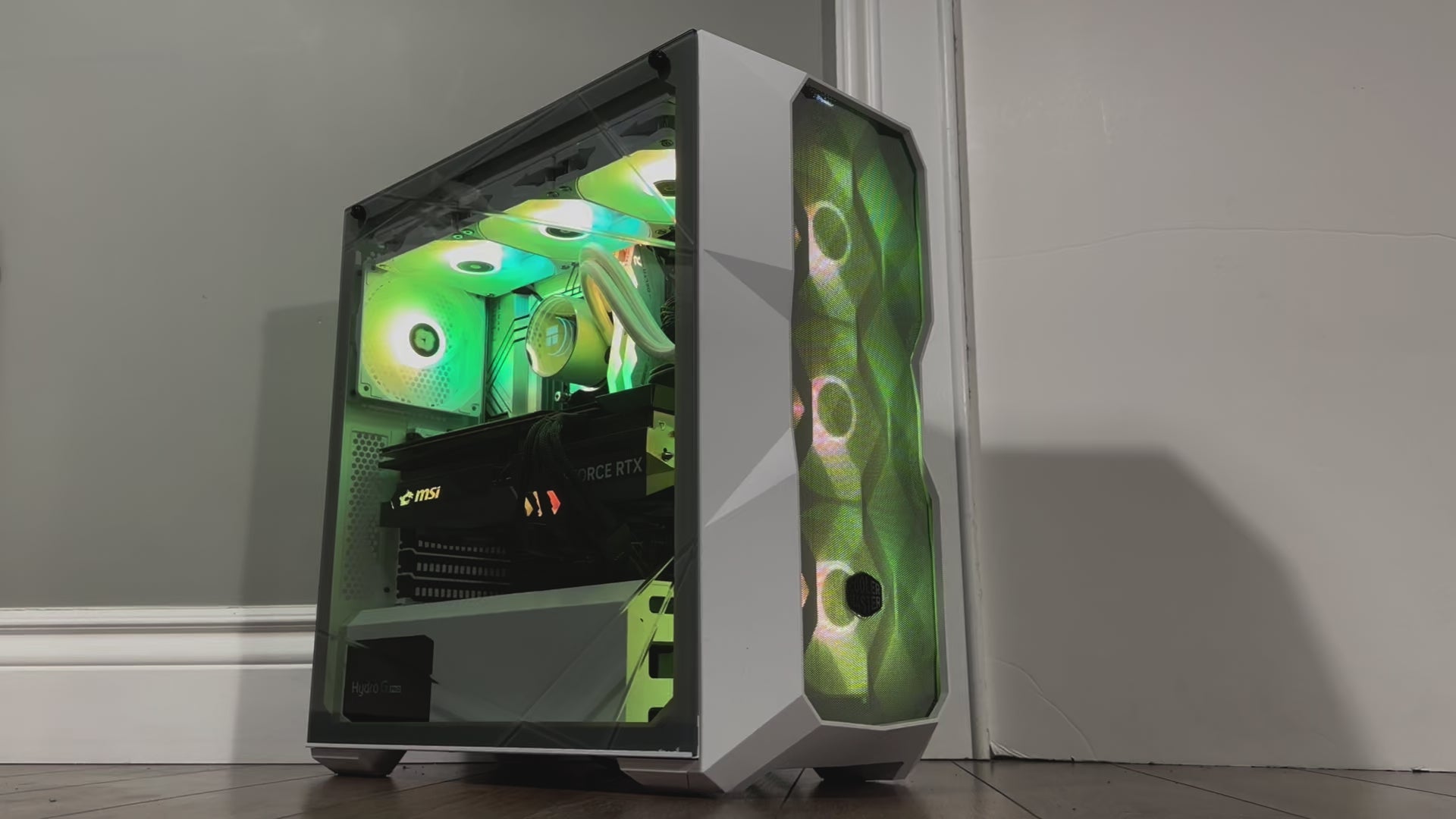
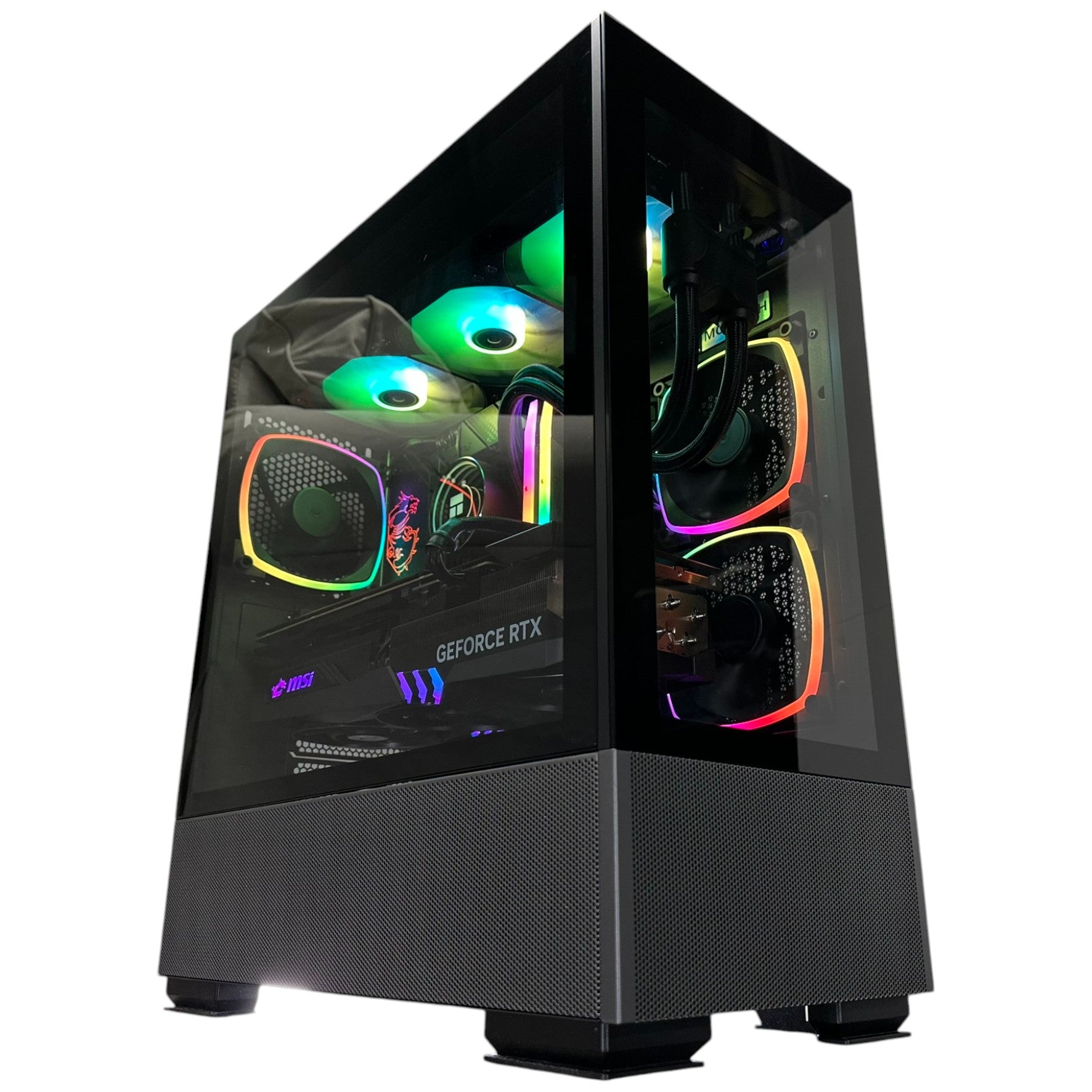
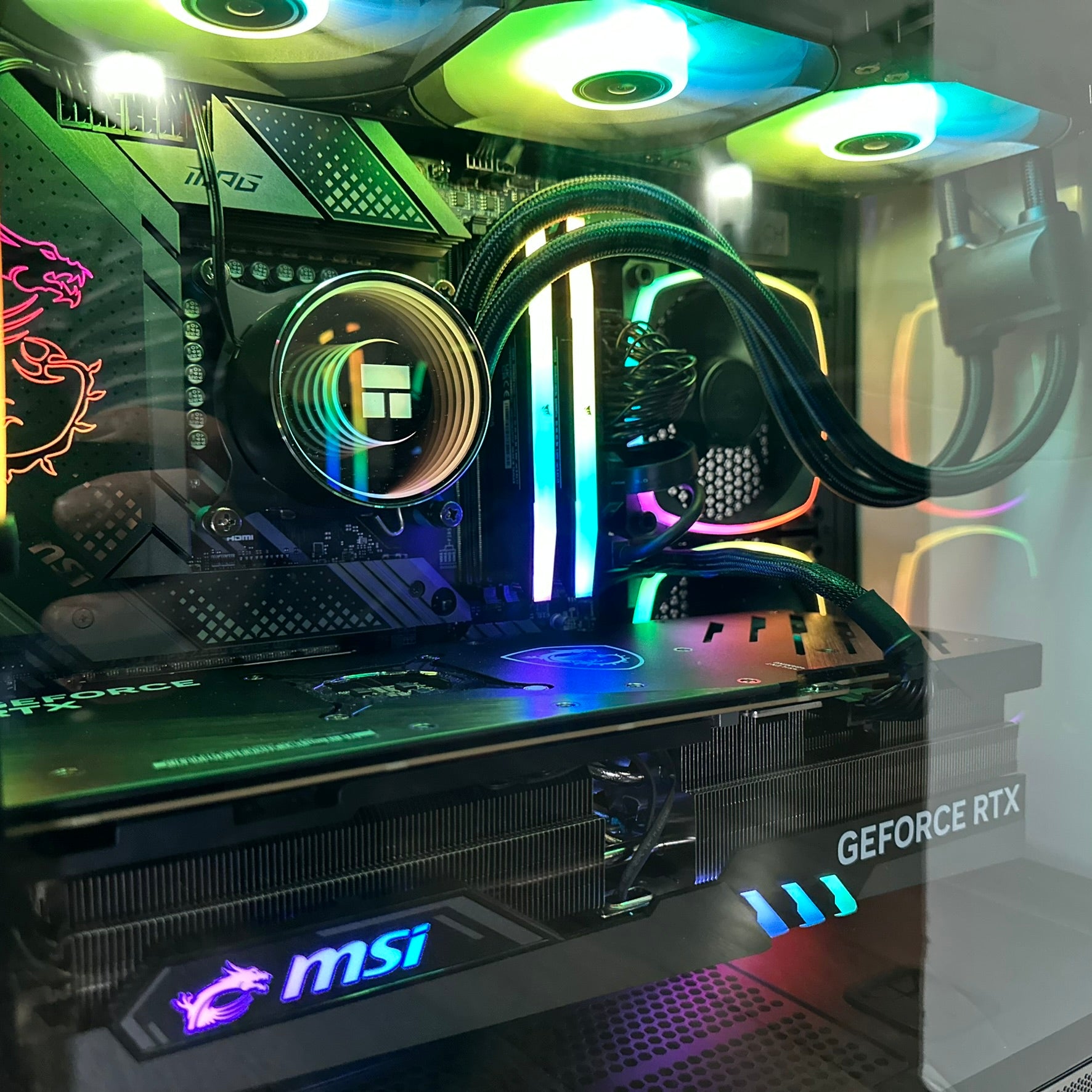
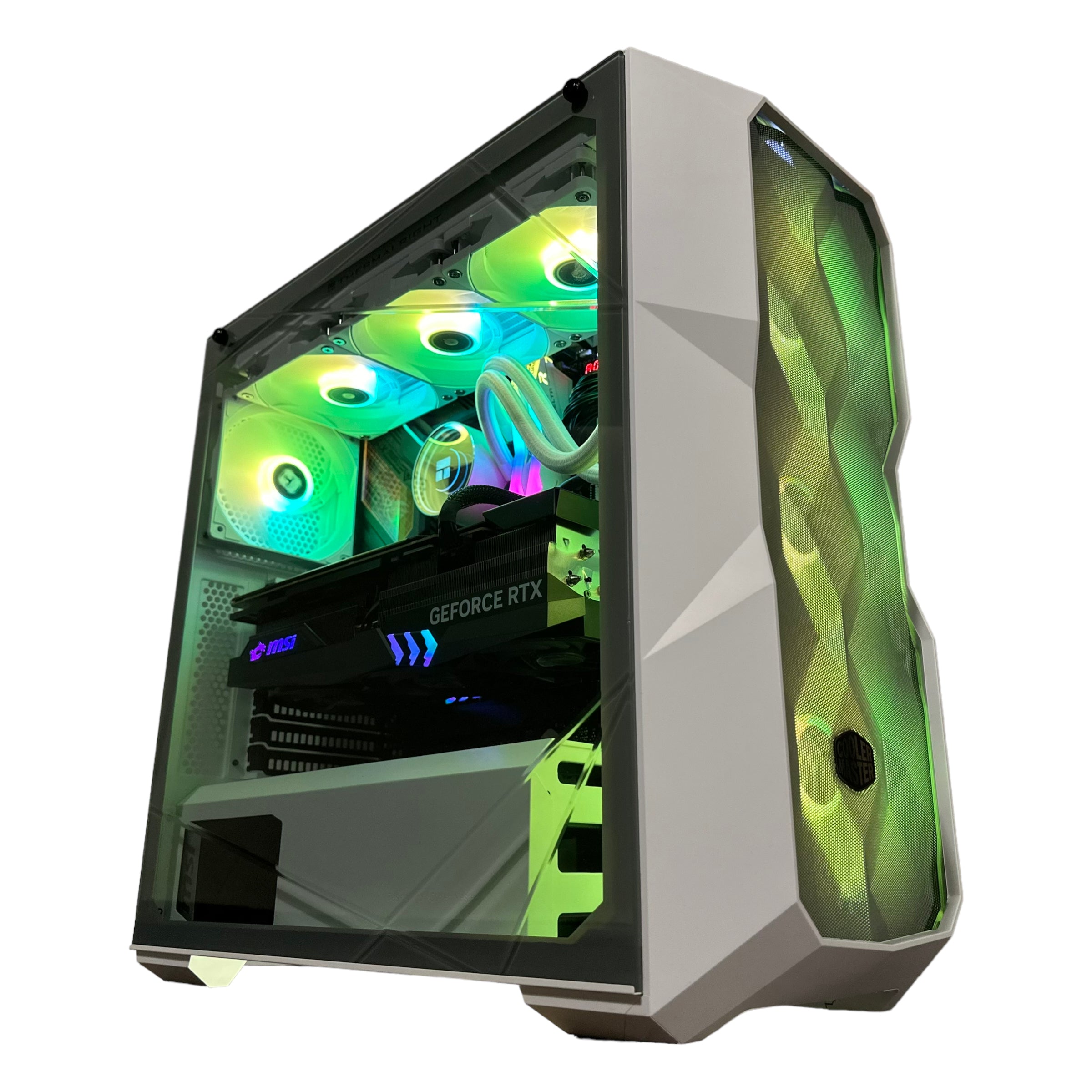
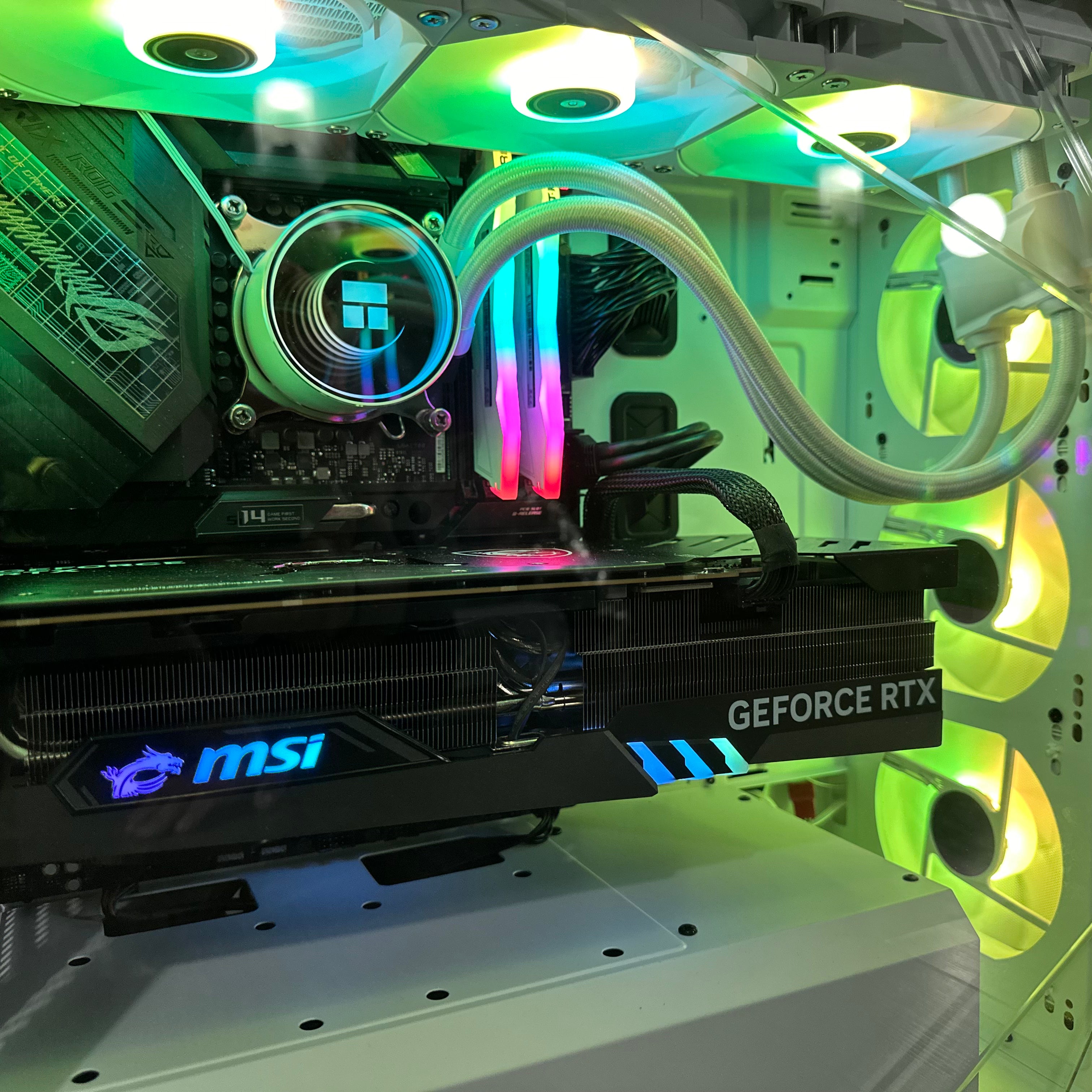
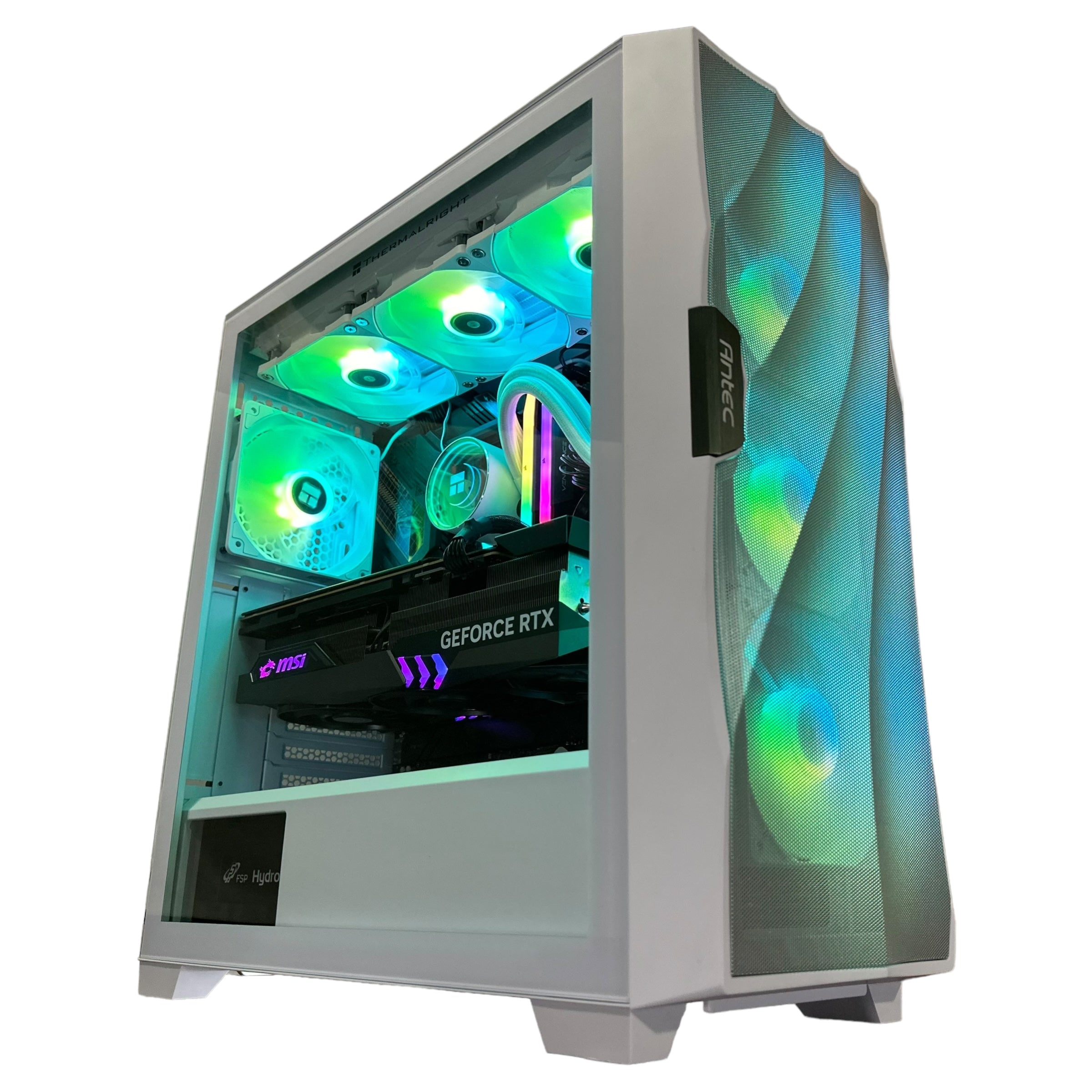

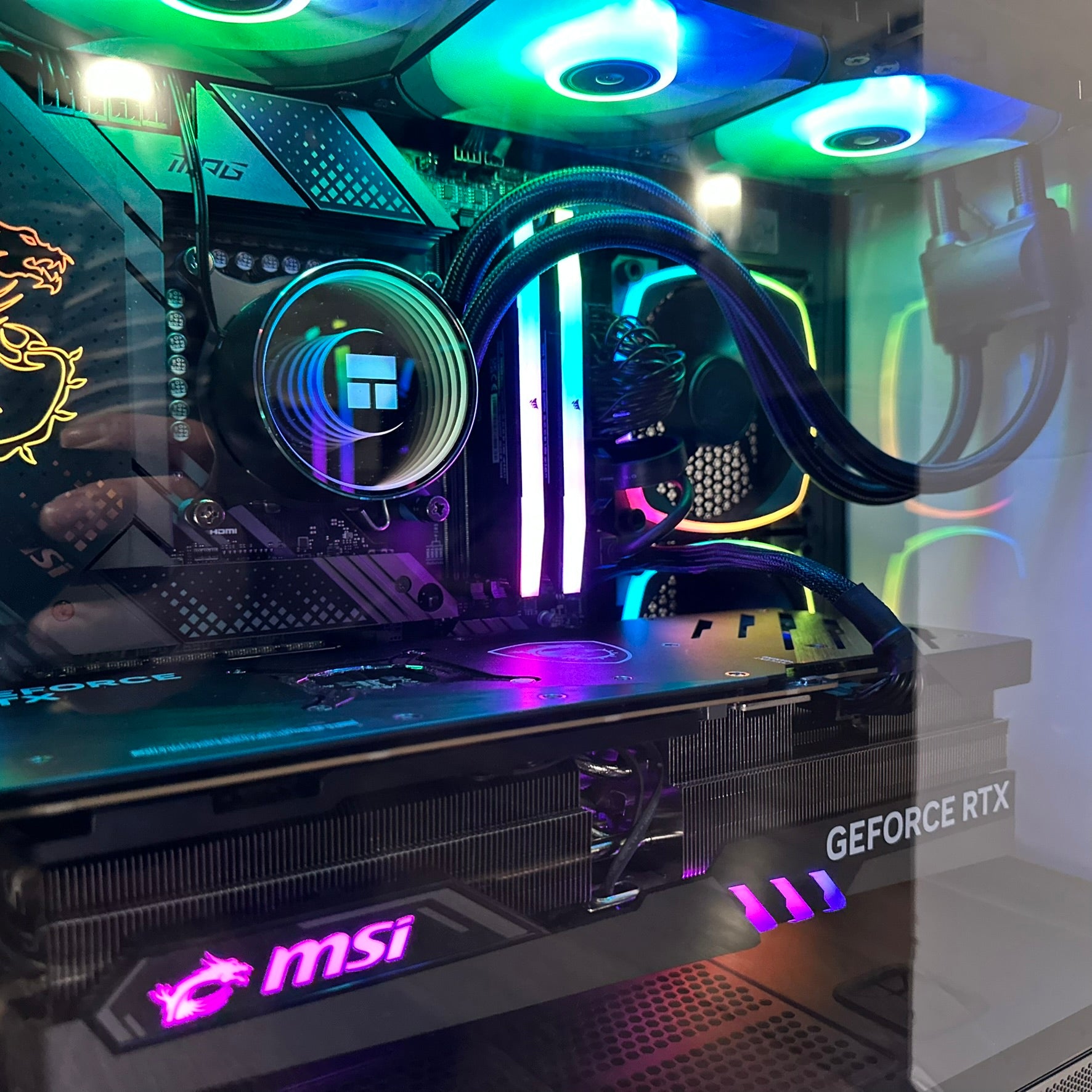
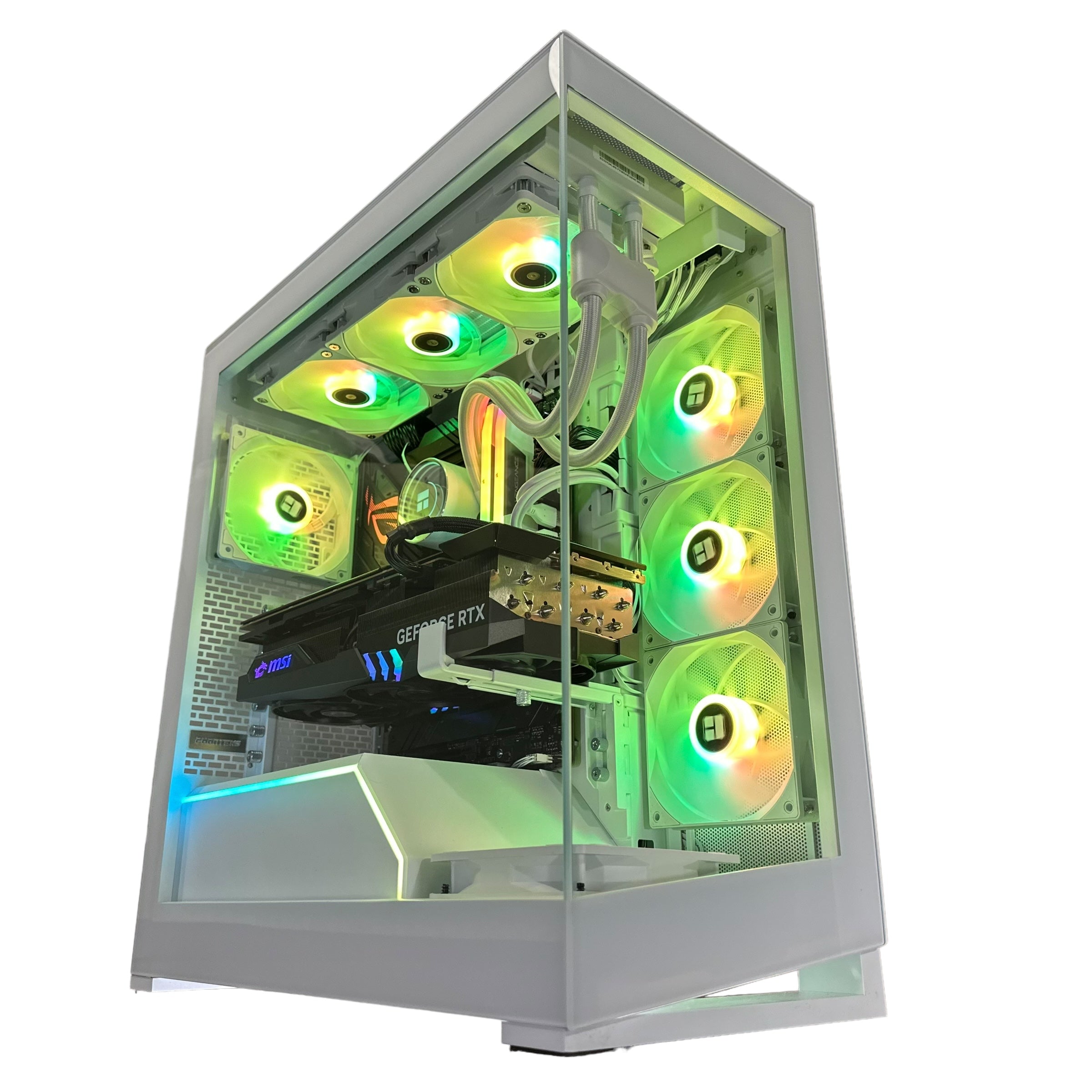

Capcom Sales Surge and Why It Matters for Your Next Custom Gaming PC in Canada
Capcom’s updated best-sellers list is more than gaming industry trivia. It is a strong signal that major franchises like Resident Evil, Monster Hunter, Devil May Cry, and Street Fighter continue to drive long-term hardware demand, and that matters directly to anyone shopping for a custom gaming PC in Canada. When hit series keep selling millions of copies across multiple generations, PC buyers need to ask a practical question: what kind of system will keep up not just with today’s releases, but with the next wave of blockbuster games, patches, expansions, ray tracing upgrades, and creator workloads built around them?
The headline numbers are impressive. According to the source material, Capcom’s million-seller list now includes 128 titles over one million units, 67 over two million, 21 over five million, and 13 over 10 million. Pragmata reached 2.5 million units in its first quarter, Resident Evil Requiem climbed to 8.0 million, Resident Evil 4 remake hit 16.0 million, Monster Hunter Wilds reached 11.8 million, Monster Hunter: World rose to 22.4 million, Monster Hunter Rise reached 19.3 million, and Devil May Cry 5 moved up to 12.3 million. Those are not niche results. They point to the staying power of technically demanding games that push players toward stronger GPUs, faster CPUs, more memory, and better cooling.
For Groovy Computers, this is where the story becomes useful for real buyers. If you are reading sales updates like this, are you only interested in the games themselves, or are you also wondering whether your current PC is ready for the next big release? Are you planning for smooth 1080p play, stepping up to 1440p, targeting 4K, or hoping to finally turn on the eye-candy settings you usually disable? Do you want a machine built just for gaming, or do you also need it for streaming, editing clips, Photoshop work, Adobe Creative Cloud, Blender, or a full creator workflow?
What Capcom’s Best-Seller Update Really Tells PC Buyers
The most important takeaway is that big franchises are not slowing down. Games like Resident Evil, Monster Hunter, and Street Fighter are not one-week hype cycles. They become long-tail ecosystems with remakes, expansions, graphical updates, DLC, re-releases, and renewed player demand whenever a sequel lands. That means your PC decision should not be based only on one title’s minimum requirements. It should be based on the type of gaming life cycle you want your system to survive.
If a game franchise can sell 15 million, 18 million, or 22 million copies over time, what usually happens next? More players come in. More content gets created around it. More streamers cover it. More mods appear. More GPU-heavy settings become normal. More players jump from console to PC for better frame rates, sharper image quality, and more flexibility. That creates a common buyer problem: people wait until their system is already struggling, then rush to buy when demand is strongest.
That is not the best time to buy.
A better question is this: do you want your next PC to react to the market, or stay ahead of it?
Why Canadian PC Buyers Should Pay Attention Now
Canadian shoppers have to think about timing differently. Hardware pricing can shift quickly here because of exchange-rate pressure, supply fluctuations, shipping costs, and market demand tied to major game launches. Even when the source story is about software sales, the downstream effect often reaches system pricing. Popular AAA releases can increase pressure on premium graphics cards, larger SSD configurations, and higher-memory builds as more players decide their current system is no longer enough.
That is especially relevant if you are shopping for a Gaming PC Canada customers can rely on for several years. A weak build bought at the wrong time can become expensive twice: once when you buy it, and again when you replace or upgrade it too soon. A stronger, well-balanced custom system often provides better value over the life of the machine.
So what are you trying to avoid? Stutter in open-world games? Compromised settings in ray traced titles? Running out of SSD space after a handful of modern AAA installs? A CPU bottleneck when gaming and streaming at the same time? These are exactly the questions buyers should be asking before the next release cycle heats up.
What Do You Want Your Next PC to Do for You?
Before you choose parts, choose your real use case.
Do you want a system mainly for Resident Evil, Monster Hunter, Street Fighter, and other demanding new games at strong settings? Do you want a gaming and streaming setup that can handle OBS, Discord, browser tabs, and gameplay recording without feeling overloaded? Are you creating YouTube videos, TikTok edits, thumbnails, and social content around the games you play? Or are you looking for one system that can game at night and handle work in Adobe Premiere Pro, DaVinci Resolve, Photoshop, Lightroom, Illustrator, or Blender during the day?
This is where many buyers overspend in the wrong place or underspend in the place that matters most. The right custom build is not just about buying “high-end.” It is about matching the CPU, GPU, RAM, storage, thermals, and upgrade path to the way you actually use your computer.
What gaming PC do I need for Capcom-style AAA games?
If your priority is modern AAA gaming, the right answer depends on target resolution and settings.
For 1080p gaming
A solid budget or value-focused gaming desktop can still deliver an excellent experience at 1080p if paired properly. This tier is ideal for players who want strong frame rates, esports performance, and good settings in story-driven games without chasing maximum visual features. If you mostly want smooth gameplay, fast load times, and enough power for current releases, this can be the smartest price-to-performance tier.
But ask yourself: are you buying for the games you play today, or for the games you expect to play two years from now? If your tastes are shifting toward heavier AAA releases, it may be worth stepping above entry-level now rather than upgrading early.
For 1440p gaming
This is the sweet spot for many buyers looking for a Custom Gaming PC Canada gamers can enjoy for years. At 1440p, visual clarity improves significantly, modern GPUs are used more effectively, and the system feels more “next-gen” without the full cost jump of 4K. If you enjoy cinematic action games, survival horror, open-world titles, or action-heavy releases like Capcom’s biggest franchises, this is often the smartest long-term choice.
Are you planning to use a high-refresh 1440p monitor? Do you care about ultra textures, ray tracing, or maintaining stronger minimum frame rates in heavier scenes? Those answers determine whether you need a midrange performance build or a premium RTX-focused system.
For 4K and ray tracing
If your goal is high-end image quality, stronger ray tracing, premium texture settings, and a more future-proof experience, you should be looking at a higher-tier GPU and a balanced CPU to support it. This tier makes sense for players who want a High End Gaming PC Canada buyers can keep longer, especially if they prefer blockbuster single-player games and want minimal compromises.
What PC do you need for 4K gaming? The honest answer is that it depends on how much compromise you accept. Native 4K ultra settings is a different target than optimized 4K with image upscaling and tuned settings. A good custom builder helps you choose a realistic target, not just a flashy spec sheet.
Are you only gaming, or also streaming and creating content?
Capcom-scale franchises do not just sell games. They create content ecosystems. If you stream boss fights, edit highlights, upload reaction videos, or create thumbnails and social media graphics, your system requirements change quickly.
A Gaming and Streaming PC Canada buyers choose should have enough CPU headroom, GPU encoding strength, RAM capacity, and storage speed to handle multiple tasks at once. A system that feels fine in-game can still feel weak when OBS, voice chat, browser sources, recording, and background apps are all competing for resources.
What PC do you need for streaming? If you stream at 1080p while gaming, you should be thinking beyond bare-minimum specs. If you also edit footage afterward, a Creator PC Canada shoppers can use for both gaming and production becomes even more valuable. The right build can save time during exports, improve timeline smoothness, reduce frustration during multitasking, and help you avoid the “my gaming PC is fast, but my workflow still feels slow” problem.
Do you need a gaming PC, a creator PC, or a workstation?
This is one of the most important buying decisions, and many people do not realize they are shopping in the wrong category.
- Choose a gaming PC if your main priority is frame rate, game responsiveness, and visual settings.
- Choose a gaming and creator hybrid if you play demanding games but also stream, edit, design, or produce content regularly.
- Choose a creator PC or workstation if your income, school projects, or professional workload depends on software performance, render times, memory capacity, and reliability under sustained load.
Are you editing 4K footage? Working in Photoshop and Lightroom with large RAW files? Creating assets in Illustrator and InDesign? Building scenes in Blender or Unreal Engine? A true custom system should reflect that.
A Video Editing PC Canada creators need may prioritize CPU cores, RAM, fast scratch storage, and GPU acceleration for export workloads. A Photo Editing PC Canada photographers need may emphasize fast storage, strong single-core responsiveness, adequate GPU support, and excellent multitasking. A 3D Modeling PC Canada professionals need may require much more GPU power, more memory, and a workstation mindset around cooling and upgrade paths.
Which performance tier fits you best?
If you are not sure where you fit, this framework can help.
Entry-level value tier
Best for buyers asking: how much should I spend on a gaming PC if I mainly play at 1080p and want good value?
This tier suits esports players, first-time PC gamers, students, and buyers focused on affordability. It can handle many current games well, especially with sensible settings. It is also a strong option for users who want a Budget Gaming PC Canada customers can start with and upgrade later.
However, if you already know you want demanding AAA games, heavier modding, ray tracing, or streaming, going too low can create regret fast.
Balanced midrange tier
Best for buyers asking: what gaming PC do I need for 1440p gaming, modern AAA releases, and some streaming or content creation?
This is where many of the best-value custom builds live. A balanced midrange system can offer excellent 1440p gaming, strong multitasking, good creator performance, and a longer useful lifespan than budget builds. For many Canadian shoppers, this is the practical sweet spot between cost and longevity.
Premium performance tier
Best for buyers asking: what PC do I need for 4K gaming, ray tracing, ultra settings, streaming, or long-term headroom?
This category is ideal for enthusiasts, competitive buyers who hate replacing systems too soon, and creators who want one machine to do nearly everything well. A Premium Gaming PC Canada shoppers invest in often makes sense when the goal is to keep the system relevant through multiple major game cycles.
Creator and workstation tier
Best for buyers asking: what PC do I need for video editing, graphic design, Blender, or workstation tasks?
If your PC is also a production tool, raw gaming specs alone are not enough. You may benefit more from extra RAM, additional SSD capacity, more CPU cores, or a different overall component balance than a pure gaming build would provide. Time saved in rendering, exporting, loading projects, and multitasking can justify the move to a stronger workstation-grade system.
Why sales hits like Resident Evil and Monster Hunter push buyers toward stronger PCs
Big-selling series shape expectations. When a franchise consistently performs at the level shown in Capcom’s updated list, developers and publishers keep investing in visuals, scope, effects, and cross-platform longevity. That affects PC buyers in a few ways.
- Game worlds get heavier. More detail, better lighting, larger installs, and more advanced effects increase hardware demands.
- Players expect smoother performance. Once you have seen a game running well at higher frame rates and higher settings, it is hard to go back.
- Content creation around games grows. More demand for streaming, editing, and social content means more buyers need hybrid gaming-creator systems.
- Upgrade windows get shorter for weak systems. An underpowered PC may technically run a game today but struggle badly with tomorrow’s titles.
If you are asking, “Can my PC run this game?” the deeper question might be, “How many more major releases can my current PC handle before the experience becomes frustrating?”
Should you buy now or wait?
This is one of the most searched buyer questions for a reason.
Is it better to buy a gaming PC now or wait? There is no one-size-fits-all answer, but there are useful signals. If your current system already struggles with modern games, if you are planning around a major release calendar, if you need more storage immediately, or if your workload is expanding into streaming and editing, waiting may cost more than buying.
Why? Because weak systems create hidden costs. Lower settings. Missed upgrade windows. More frustration. Faster replacement. And in volatile hardware markets, delaying can also expose you to higher GPU, RAM, or SSD pricing later.
If you are close to the point where your current PC is “almost enough,” that is often the danger zone. Almost enough tends to become not enough very quickly when a new wave of games arrives.
Could financing help you secure a better system before prices rise?
This is where many smart buyers rethink the decision. Instead of settling for a cheaper build that may need replacement sooner, some customers choose a stronger custom PC with monthly payments. If the goal is to buy a system that lasts longer, performs better, and avoids an early upgrade, financing can make practical sense.
Should you finance a gaming PC? If monthly affordability is your main concern, but your actual needs point to a stronger GPU, more RAM, or better storage, then financing can help bridge that gap responsibly. It can be especially useful if you are buying before a major game launch, a software upgrade cycle, or a period of hardware price pressure.
At Groovy Computers, financing up to 4 years can help Canadian buyers step into a more capable gaming PC, creator PC, or workstation without compromising as heavily on long-term performance. That matters if you are trying to avoid the false savings of buying too weak now and paying again later.
Would a slightly stronger system today save you from replacing your PC a year earlier than expected? Would more monthly flexibility let you buy the build you actually need instead of the one that just fits the moment?
What parts matter most if you want a future-ready custom gaming PC?
GPU
For AAA gaming, the graphics card remains one of the biggest factors in your overall experience. Resolution, ray tracing goals, texture quality, and long-term game readiness all point back to the GPU. If you are targeting 1440p or 4K and want better longevity, this is rarely the area to cut too deeply.
CPU
A strong processor matters for high frame rates, background tasks, streaming, editing, simulation-heavy games, and overall system responsiveness. If you play and multitask at the same time, CPU selection becomes even more important.
RAM
Modern games, content creation apps, and multitasking habits all put pressure on memory. If you stream, edit, or run many apps at once, too little RAM can make an otherwise good PC feel worse than it should.
Storage
AAA games are large, updates are frequent, and creator files add up fast. Fast SSD storage is no longer optional for a premium-feeling experience. Ask yourself how quickly you fill drives now. If you are already uninstalling games to make space, your next system should solve that problem from day one.
Cooling and power delivery
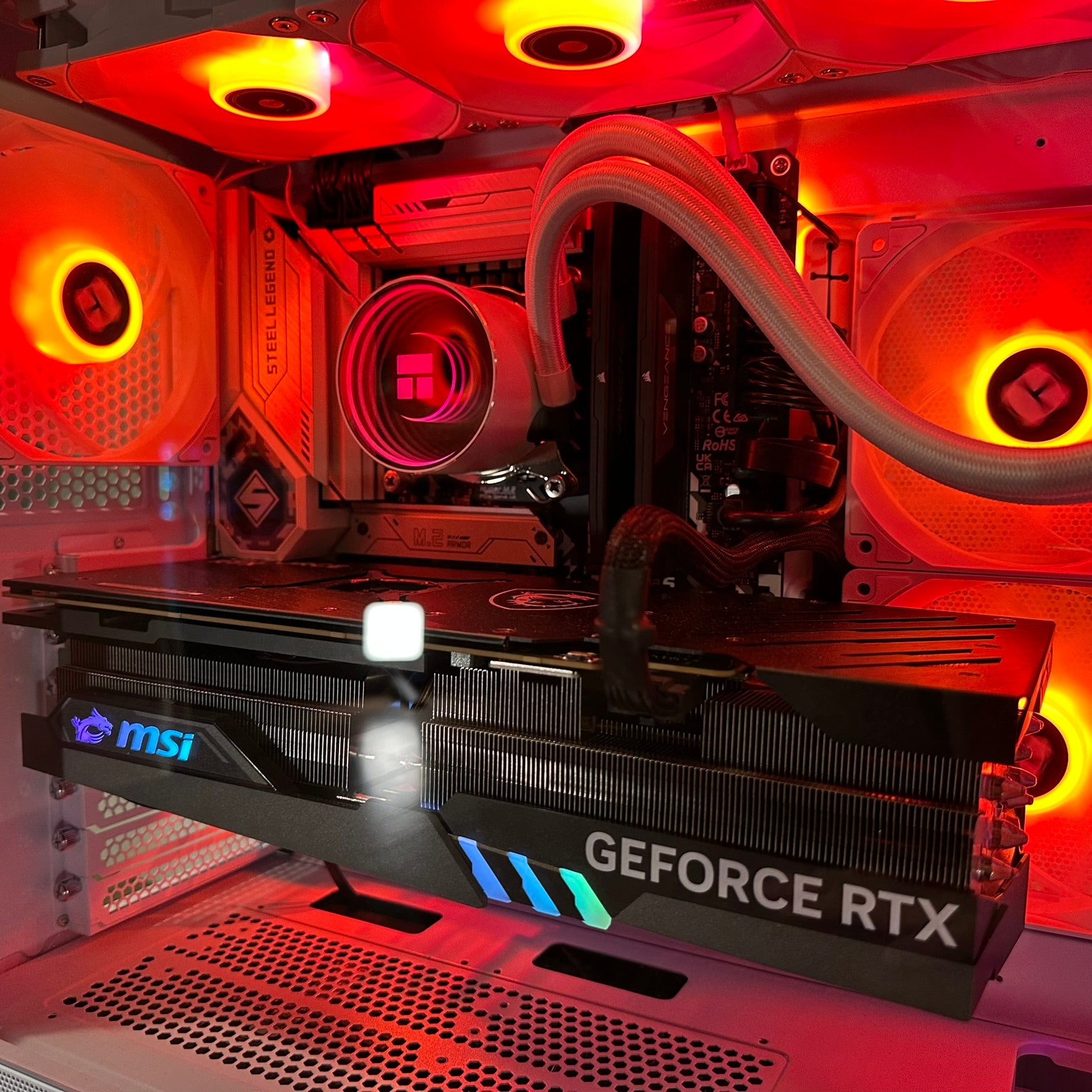
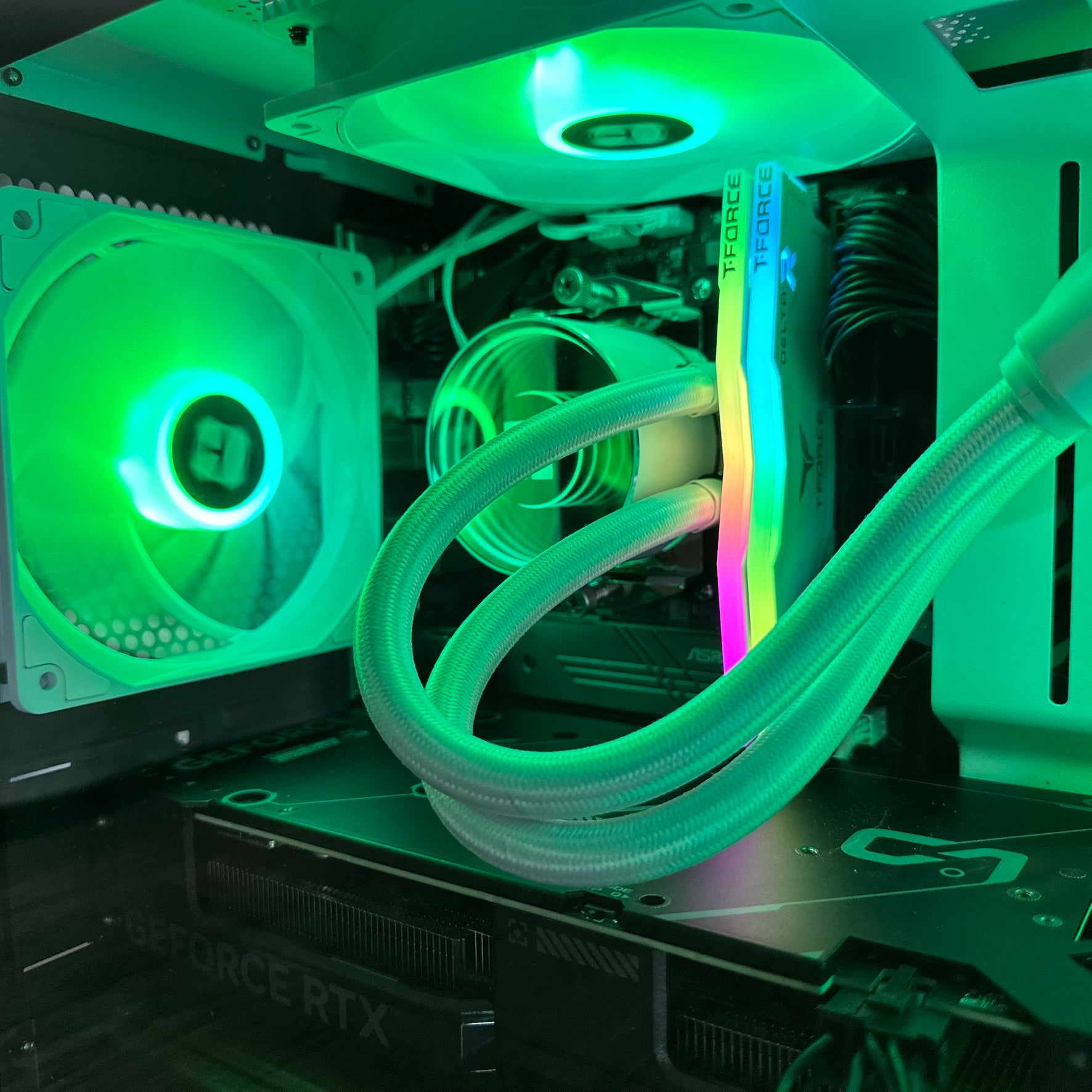
Performance is not just about parts lists. It is also about how well the system is built, cooled, tested, and balanced. A custom PC with better airflow, cleaner assembly, proper component matching, and stable power delivery tends to perform more reliably over time.
Why custom PC building matters more when game demand is rising
When blockbuster franchises are booming, generic one-size-fits-all systems become a weaker value proposition. That is because different buyers need different balances of performance.
A player focused on Resident Evil-style cinematic gaming at 1440p does not need exactly the same machine as a Monster Hunter player who also streams to Twitch and edits clips for YouTube. A Street Fighter fan chasing high frame rates and low input latency has different needs again. A designer who games after work but spends the day in Photoshop and Illustrator needs a different balance than a pure gamer.
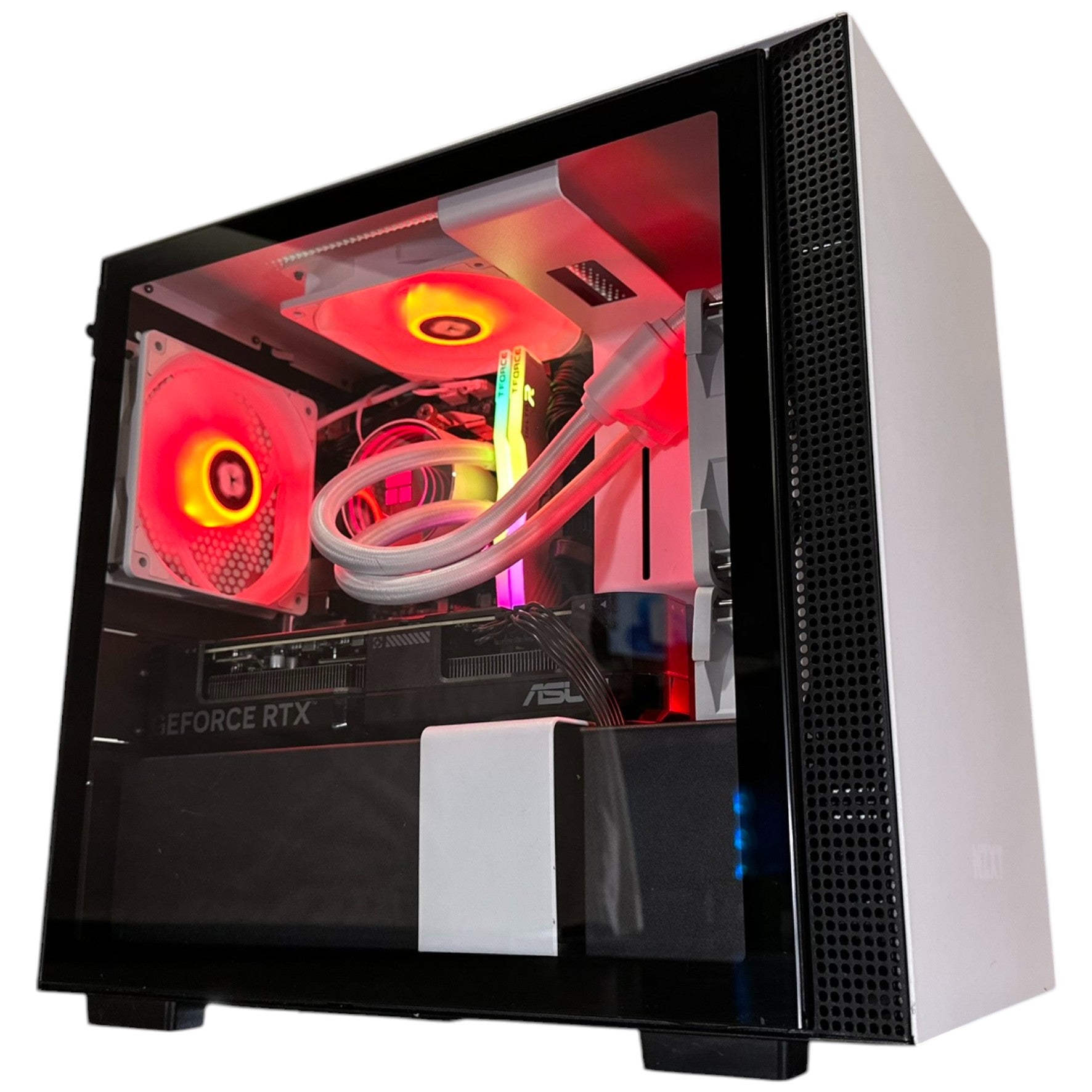
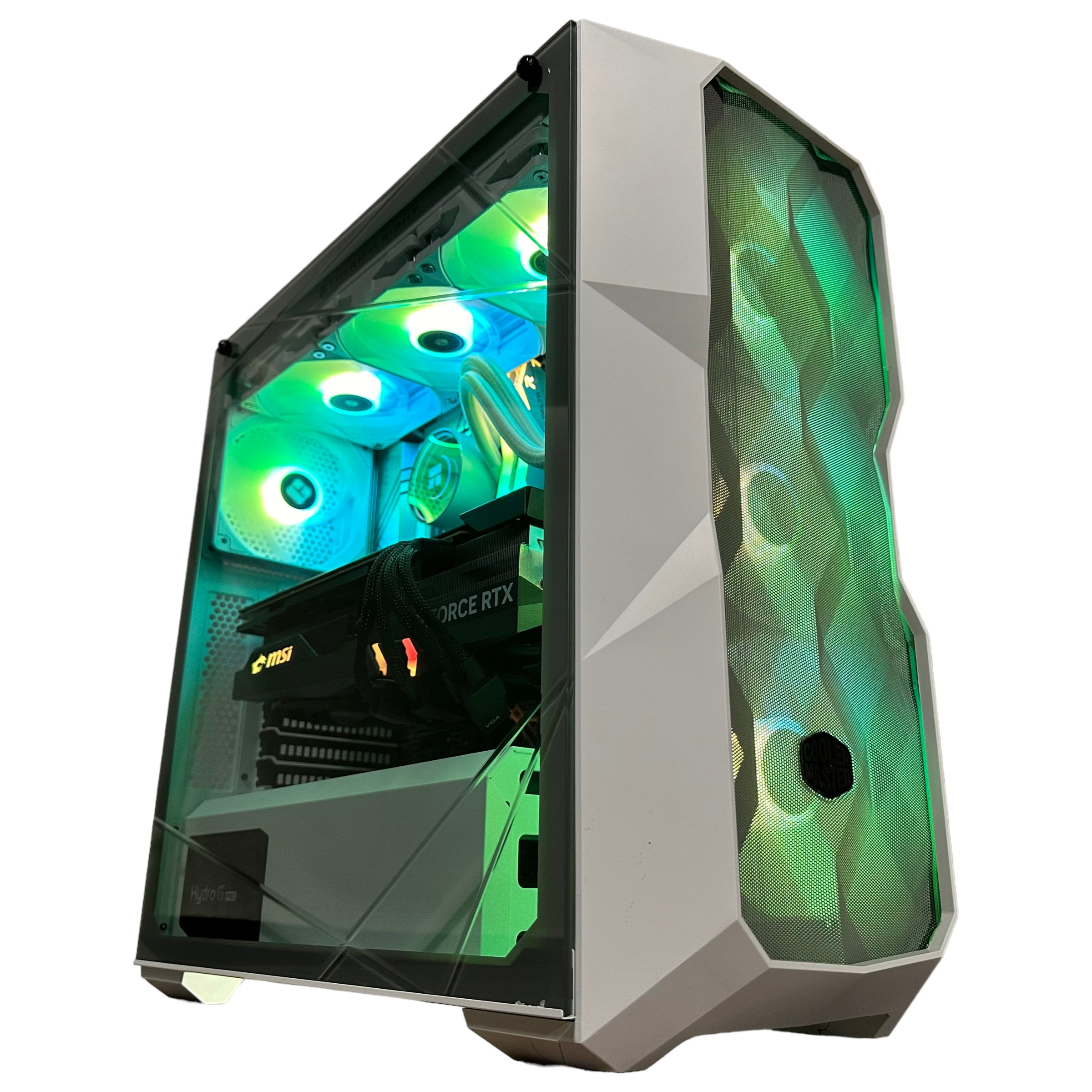
This is where a Canadian custom PC builder adds real value. Instead of forcing every shopper into the same template, Groovy Computers can match the build to the person. That means smarter performance allocation, better upgrade planning, and fewer wasted dollars.
Why choose Groovy Computers for a custom build in Canada?
Groovy Computers is built around the kind of buying confidence serious PC shoppers actually want: custom system selection, Canadian support, rigorous testing, and a 1-year warranty. If pricing is volatile and new game demand is rising, that confidence matters. The last thing most buyers want is a random system that looks good on paper but was not properly balanced or stress tested.
For customers in Nova Scotia, Atlantic Canada, and across the country, Groovy Computers offers a more guided path to getting the right machine for gaming, streaming, editing, design, 3D work, or workstation productivity. Whether you need a value-first gaming desktop or a premium custom build that is ready for heavier releases, the decision should feel informed, not rushed.
Do you want a tested system with a real upgrade path? Do you want help choosing between a budget build, a 1440p sweet-spot system, or a premium RTX gaming PC? Do you want a creator-focused desktop that can handle both gaming and Adobe workloads? Those are exactly the kinds of decisions Groovy Computers is set up to help with.
Questions to ask yourself before buying your next PC
- What games am I actually building for? Fast esports titles, cinematic AAA games, or both?
- What resolution do I want? 1080p, 1440p, or 4K?
- Do I care about ray tracing and ultra settings?
- Will I stream, record, or edit content?
- Will I use Photoshop, Lightroom, Premiere Pro, DaVinci Resolve, Illustrator, or Blender?
- How soon do I want to upgrade again?
- Am I buying the cheapest option now, or the smartest long-term option?
- Would financing help me buy the right build instead of a stopgap build?
These questions are not just for enthusiasts. They are for anyone who wants to avoid buyer’s remorse.
What if you are still unsure which PC category fits you?
If you are stuck between categories, start with your main bottleneck. Is gaming performance the issue? Look at a stronger graphics-focused build. Is your PC choking when you stream and game together? You likely need better CPU balance, more memory, and a stronger multitasking setup. Are exports, renders, and project loads slowing down your workflow? Then a creator PC or workstation may be the better fit than a standard gaming machine.
Still asking what PC specs you need? That is normal. Most people do not need to know every component detail. They need clear guidance based on the games they play, the software they use, the monitor they own, the budget they have, and the length of time they want the system to stay relevant.
Final takeaway: Capcom’s sales momentum is a reminder to buy smarter, not later
Capcom’s latest sales update highlights something bigger than one publisher’s success. It shows how strong gaming franchises continue to drive long-term demand for better hardware, better visuals, better content creation systems, and better buying decisions. If you are planning your next Custom Gaming PC Canada purchase around upcoming games, higher settings, streaming, or creator work, now is the time to think strategically.
What do you want your next PC to do that your current system cannot do well today? If you already know the answer, it may be time to stop guessing and start building toward it. Visit GroovyComputers.ca to explore custom gaming PCs, creator PCs, workstation options, and financing that can help you secure the right system before the next wave of demand makes the decision harder.
#CustomGamingPCCanada #GamingPCCanada #GamingPCBuilderCanada #CanadianCustomPCBuilders #GamingAndStreamingPCCanada #CreatorPCCanada #VideoEditingPCCanada #3DModelingPCCanada #GamingPCFinancingCanada #NovaScotiaPCBuilder
Groovy Computers | All Rights Reserved


Leave a comment
This site is protected by hCaptcha and the hCaptcha Privacy Policy and Terms of Service apply.