





Resident Evil Annual Release Plan: What It Means for Buying the Right Gaming PC in Canada
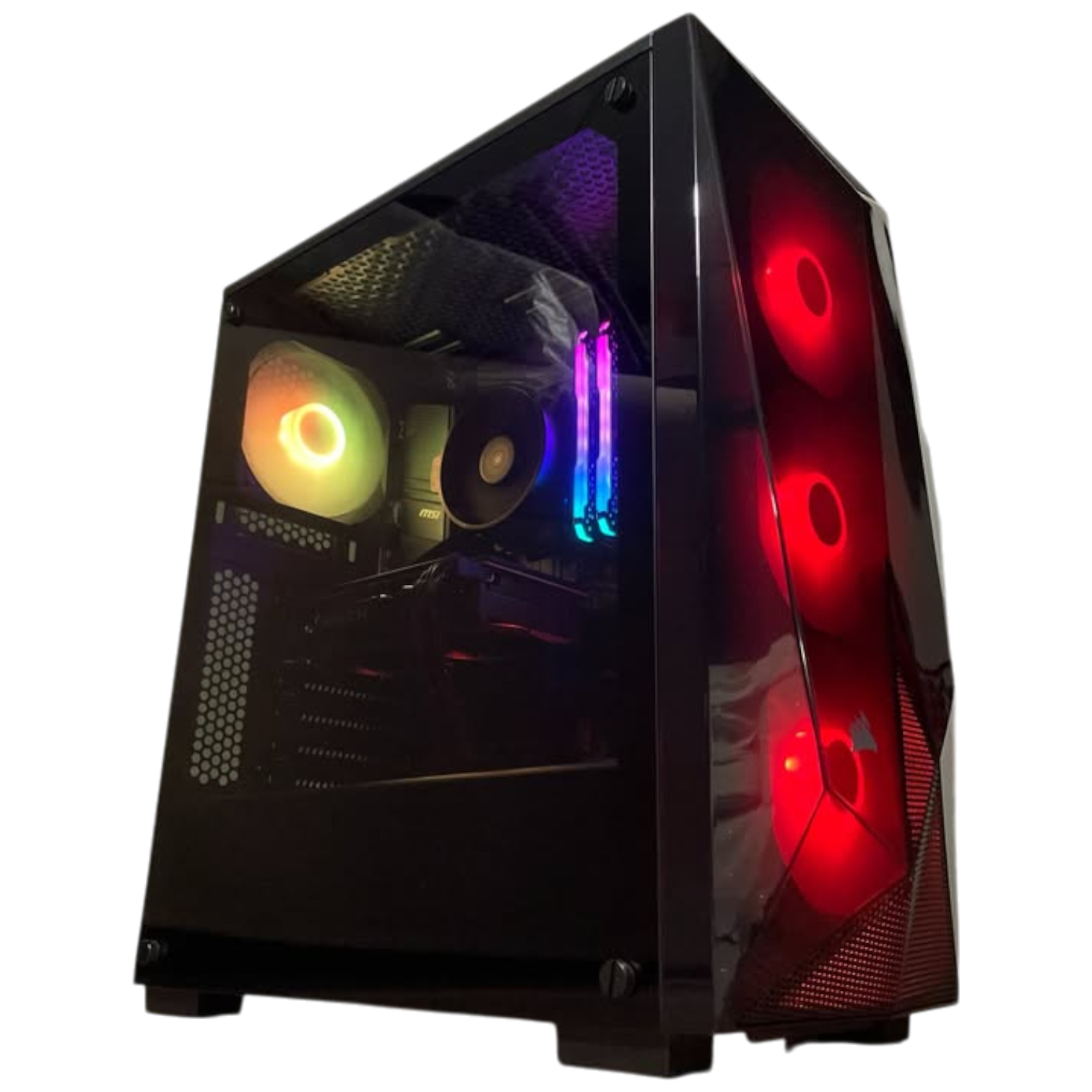
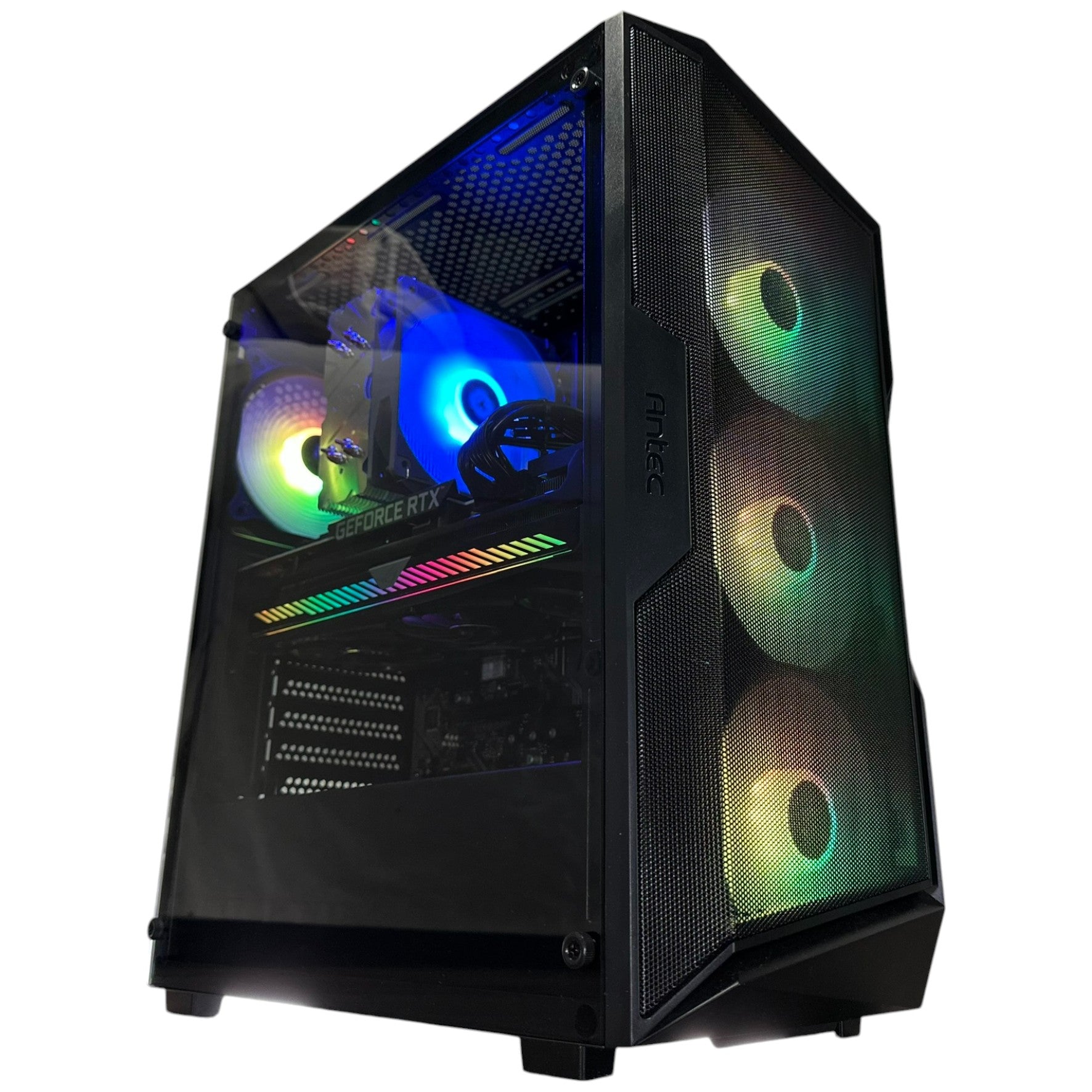
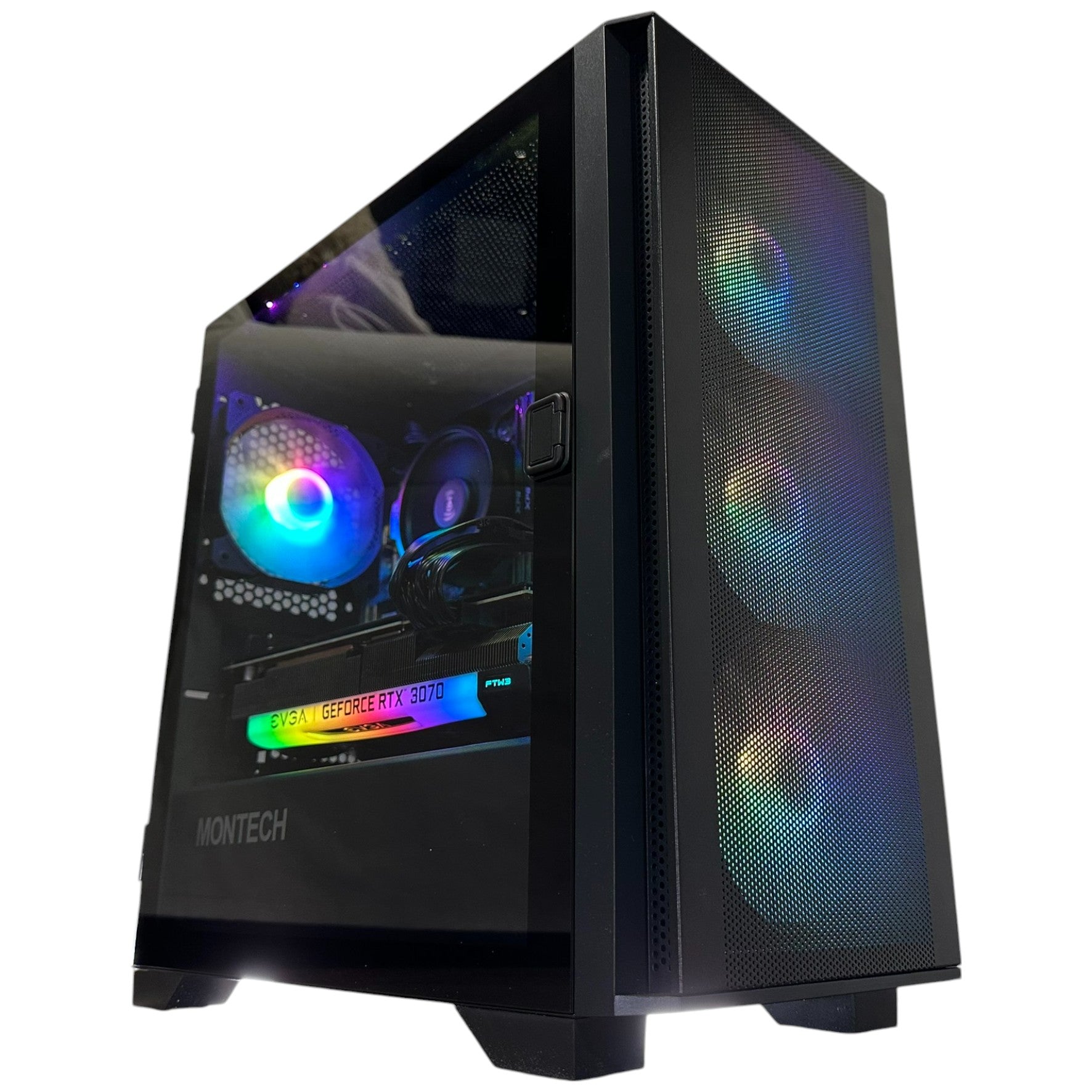
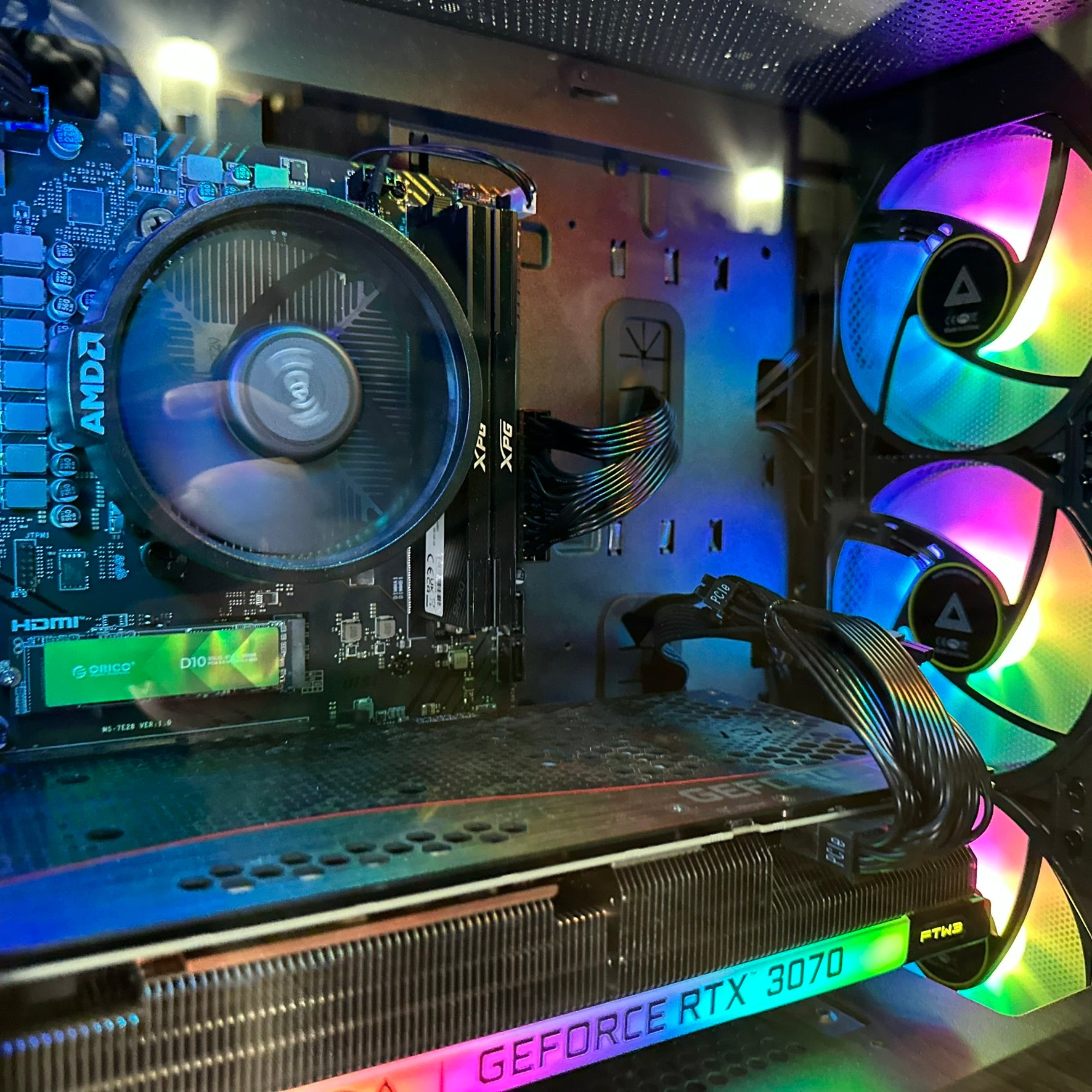
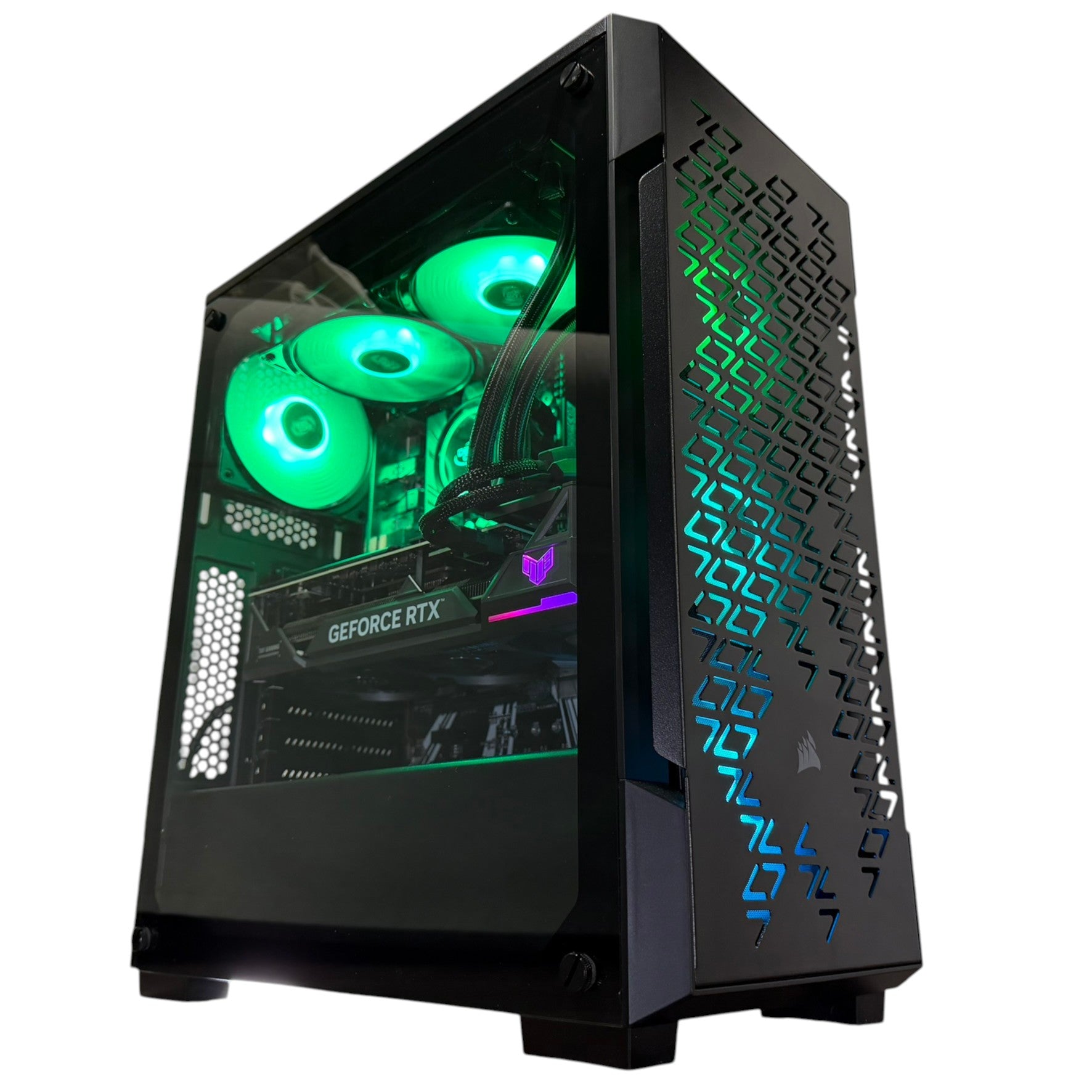
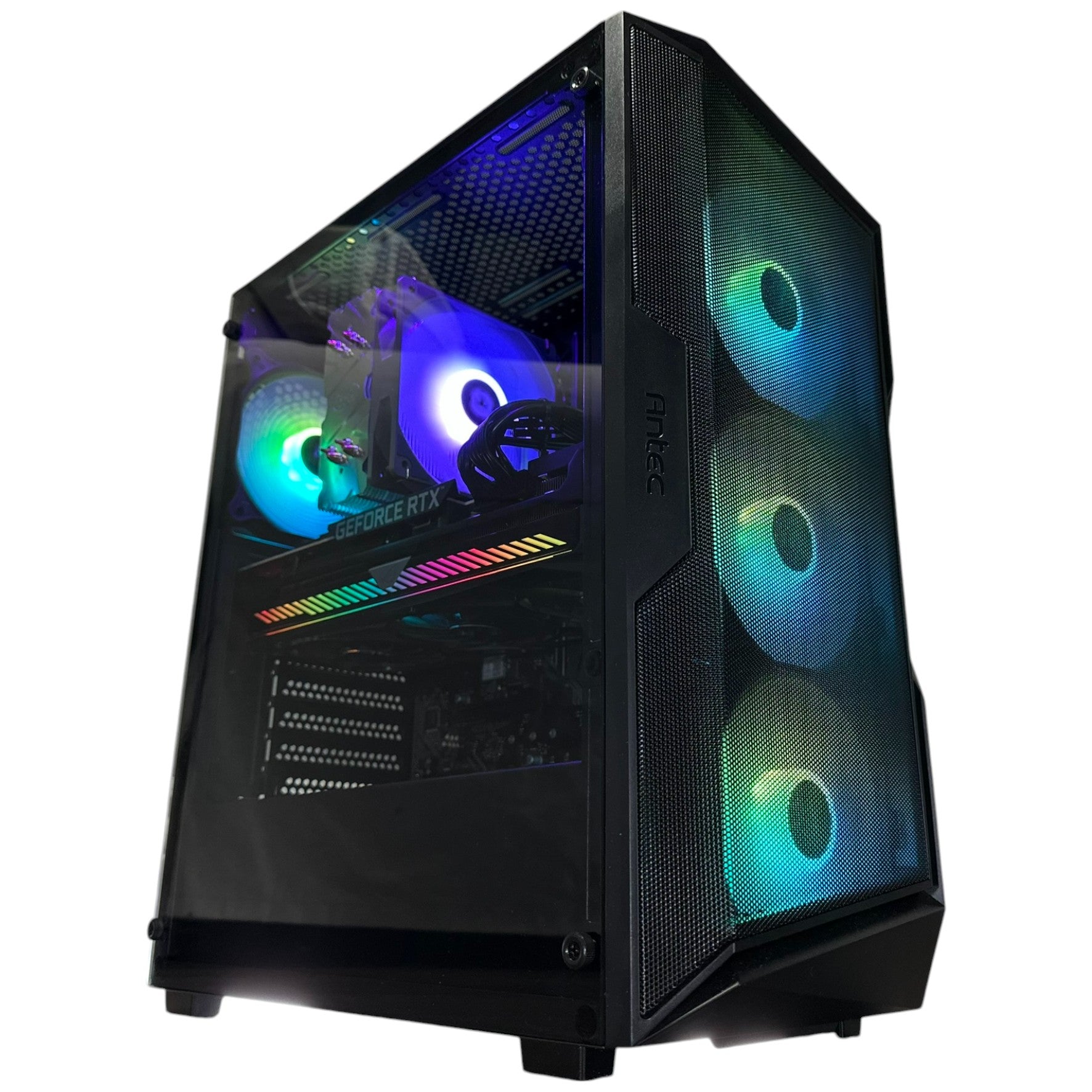
Capcom’s push toward a more consistent Resident Evil release cadence matters for more than franchise fans. It matters for anyone thinking about a Gaming PC Canada purchase, an upgrade, or a custom build that can keep up with new horror titles, remakes, ray tracing features, streaming demands, and creator workloads without feeling outdated too soon. If major publishers continue alternating brand-new games with polished remakes, Canadian PC buyers need to think less about one isolated launch and more about sustained performance over several years.
According to the source material, Capcom wants Resident Evil to become an annual series by alternating new games and remakes. That is a smart publishing strategy, and it creates an equally important question for players: if a major franchise may deliver a fresh PC release almost every year, what kind of system makes sense to buy now?
Should you aim for a budget gaming computer that handles today’s library well at 1080p? Should you step into a stronger 1440p build so you are better prepared for future Resident Evil releases and other AAA games? Or if you also stream, edit videos, design thumbnails, and record content, would a more balanced creator-focused system save you money and upgrades later?
For Canadian shoppers, these are not small decisions. GPU pricing pressure, storage demands, larger game installs, and the rising expectations of modern engines can all affect what your money really gets you. That is why this story is bigger than Resident Evil alone. It is about planning your next PC around where gaming is going, not just where it is today.
What Capcom’s Resident Evil Strategy Gets Right
The source article highlights a simple but important idea: remakes help Capcom maintain release momentum because they take less time than building a full new game from scratch. At the same time, remakes are not treated as filler. They are commercially valuable, technically ambitious, and important enough to help fund future mainline entries and even other projects.
For players, that means a franchise like Resident Evil can keep showing up on a regular basis with modern visuals, reworked gameplay systems, improved lighting, updated animation, and higher technical expectations. Even if one release is a remake and the next is a completely new entry, the pressure on your hardware does not disappear. In many cases, modern remakes are demanding in their own right.
That leads to a practical buying question: are you shopping for a PC that only runs your current backlog, or are you buying a machine for a steady stream of upcoming horror games and remastered classics with new visual features?
Why Canadian Buyers Should Read This as a PC Buying Signal
When a publisher signals longer-term release consistency, it becomes easier to justify building for durability instead of bare-minimum specs. A once-every-few-years blockbuster can tempt people into waiting. A near-annual franchise plan changes that mindset. If you know more games are likely coming, waiting too long on weak hardware can turn into a cycle of missed launches, compromised settings, and rushed upgrades.
Canadian customers also have to think carefully about exchange-rate pressure, national shipping realities, and the fact that hardware pricing can shift faster than many buyers expect. Even when there is no dramatic shortage, premium GPUs, high-capacity SSDs, and stronger CPUs can rise in effective replacement cost over time. If your current PC is already struggling, delaying can sometimes mean paying more later for the performance you actually wanted today.
So ask yourself a direct question: if Resident Evil, Silent Hill, open-world action games, and other new PC releases keep pushing visual fidelity upward, do you want to buy once with headroom, or upgrade twice because your first system was too close to the line?
What Do You Want Your Next PC to Do for You?
This is the most important question in the entire buying process, and it is where many shoppers go wrong. They start with parts before they start with purpose.
Do you want your next desktop to play modern horror games smoothly at 1080p with strong value? Do you want 1440p gaming with higher settings and better longevity? Are you chasing 4K, ray tracing, and premium visual quality? Do you also want to stream to Twitch or YouTube, record gameplay, edit clips, create thumbnails in Photoshop, or cut long-form videos in Premiere Pro or DaVinci Resolve?
Maybe your needs go even further. Are you a content creator who wants one system for gaming, editing, OBS, social media production, and multitasking? Are you a student or freelancer who games at night but also needs reliable performance for graphic design, Lightroom, Illustrator, or Blender? Are you trying to avoid the classic mistake of buying a gaming-only build and then discovering it is not ideal for creative work six months later?
The right answer depends less on hype and more on workload.
If Resident Evil and Other AAA Games Are Your Priority, What Performance Tier Fits You?
Entry-Level 1080p: Who should choose a budget-focused build?
If your goal is straightforward 1080p gaming, solid frame rates, fast load times, and a good experience in current games without overspending, an entry-level or lower-midrange build can still make a lot of sense. This tier is ideal for the buyer asking, What gaming PC do I need if I mainly want to play modern games at sensible settings?
This category often fits first-time desktop buyers, students, and value-focused gamers who want an affordable path into PC gaming. It is also a practical match for esports players who care more about responsive gameplay than ultra visuals.
But here is the question you should ask before choosing the lowest tier available: will you still be happy if next year’s releases ask more from your GPU, memory, and storage? If the answer is no, stretching slightly higher now may be the smarter move.
1440p Sweet Spot: Is this the best balance for most buyers?
For many Canadian shoppers, 1440p is the real sweet spot. It offers a noticeable jump in image quality over 1080p, better use of stronger GPUs, and more long-term flexibility for AAA titles. If you are excited about future Resident Evil games, cinematic single-player releases, survival horror remakes, and visually rich action games, this tier is often the most balanced answer.
Are you the type of player who wants strong settings, smoother performance, and enough overhead to enjoy tomorrow’s titles without an immediate rebuild? Then a 1440p-focused custom gaming PC is often where value and longevity meet.
This tier also makes sense for hybrid users. If you game and stream occasionally, edit videos for YouTube, or work with Photoshop and Lightroom, mid-to-upper builds tend to age better because they are not operating at the edge of their capability from day one.
4K and Ray Tracing: Who should invest in a premium gaming PC?
If your goal is premium visual quality, ultra settings, advanced lighting features, and stronger long-term relevance, a high-end system is the right conversation. These buyers are typically not just asking if a game can run. They are asking how good it can look, how smooth it can feel, and how long the system can stay impressive.
Do you want a 4K Gaming PC Canada setup for flagship single-player games? Do you care about ray tracing, high refresh rates, and stronger performance margins for future titles? Do you want your desktop to remain capable as game engines become heavier over the next few years?
If so, premium GPUs and stronger CPUs become easier to justify. Not because everyone needs them, but because some buyers are specifically trying to avoid buying twice.
Are You Only Gaming, or Do You Also Stream and Create Content?
This is where many buyers underestimate their needs. A lot of players are not just players anymore. They capture clips, stream sessions, upload walkthroughs, cut short-form content, run Discord, keep browsers open, and manage multiple apps while gaming. Suddenly the conversation is no longer just about average frame rate.
If you are wondering, What PC do I need for streaming?, the answer depends on whether you want casual streaming or a more serious content workflow. A gaming-and-streaming system benefits from a stronger CPU, capable GPU encoding support, enough RAM for multitasking, and storage that can handle game installs plus recordings without becoming a bottleneck.
If you want a Streaming PC Canada solution that also edits smoothly, your requirements go up again. Gaming, OBS, browser tabs, background apps, and post-production all stack on top of one another.
Ask yourself honestly: do you want one machine that simply launches games, or one that helps you make content around those games too?
Could a New Horror Release Push You Into Video Editing, Thumbnails, and Creator Work?
Franchise excitement often creates creator demand. A major Resident Evil launch does not just mean more people playing. It means more people streaming first impressions, uploading reaction videos, posting boss guides, making comparison clips, designing thumbnails, and producing commentary content.
If reading game news makes you think, “I want to stream that,” or “I should finally start a YouTube channel,” then your next system may need to be more than a gaming desktop. It may need to be a Creator PC Canada build.
Do you expect to edit 1080p or 4K footage? Are you using Premiere Pro, DaVinci Resolve, CapCut, Photoshop, or After Effects? Do you want faster exports, smoother timelines, and less waiting between ideas and finished uploads?
That changes the build logic. More CPU cores, additional RAM, faster SSD capacity, and a stronger GPU can all matter in ways that a gaming-only buyer may not immediately see.
Is a Gaming PC Good for Video Editing, Photo Editing, and Graphic Design?
Sometimes yes, but not always equally well.
A strong gaming desktop can absolutely overlap with creator tasks, especially if it is configured intelligently. The issue is that not all “gaming PCs” are balanced for serious creative workloads. Some are built to maximize one spec for marketing appeal while cutting corners elsewhere. That can become frustrating if you are editing footage, batch-processing RAW photos, building layouts, or handling large project files.
If you need a Video Editing PC Canada setup, think about timeline responsiveness, export performance, RAM capacity, SSD speed, and thermal stability under long workloads. If you need a Photo Editing PC Canada or Graphic Design PC Canada system, CPU responsiveness, memory, storage, monitor pairing, and reliability also matter.
Are you a photographer asking, What PC do I need for photo editing? Are you a designer wondering whether a gaming build is enough for Illustrator, Photoshop, InDesign, Canva, and multitasking? Are you a video editor trying to decide whether gaming performance and editing performance can live in the same chassis? In many cases, yes, but the parts must be chosen with your actual workflow in mind.
What If Your Work Includes Blender, Unreal Engine, or 3D Rendering?
This is where buyers should stop guessing and start planning carefully. If your interest in game releases extends into modding, environment design, game development, 3D art, or rendering, then you may need workstation-class priorities even if you still want excellent gaming performance.
A 3D Modeling PC Canada or rendering-focused workstation has different demands than a standard gaming desktop. GPU rendering, CPU rendering, scene complexity, RAM needs, viewport responsiveness, and long-session cooling become more important. If you are asking, What PC do I need for Blender? or What PC do I need for Unreal Engine?, the answer is usually not the cheapest gaming system that happens to turn on.
Do you need a machine for modeling during the day and playing AAA games at night? Do you want one desktop for Unity, Blender, Photoshop, and horror gaming? That is exactly the kind of use case where a custom builder can help you avoid poor part matching.
Should You Buy Now or Wait If Big Game Releases Keep Coming?
This is one of the most common buyer questions, and it becomes more relevant when a major franchise aims for repeated releases. Waiting can make sense if your current system is still comfortably meeting your needs and you are not planning to change your workload. But waiting can be costly if your PC is already limiting what you play, how you create, or how soon you need to upgrade anyway.
Ask yourself a few practical questions. Is your current GPU already struggling with newer games? Are load times, stutter, or storage shortages hurting your experience? Are you dropping stream quality because your PC is tapped out? Are render times slowing down content output? Are you trying to hold off until “the perfect moment” even though you have a clear need right now?
Perfect timing rarely exists in PC buying. What does exist is a smart timing window where your current frustration level, your workload, and available build options align.
Why Timing Matters When Hardware Costs Can Shift
Even when there is no single dramatic event driving prices, complete system costs can still move. GPUs can tighten, SSD prices can climb, memory markets can change, and stronger parts can become more expensive to replace. If you are trying to buy at the exact bottom of every component cycle, you may stay stuck in analysis mode while your old system keeps losing relevance.
For shoppers in Canada, this matters even more because total value is shaped by more than MSRP. Availability, shipping realities, and replacement cost pressure all affect the end result. That is why many buyers are asking a better question now: not just Should I wait? but Should I lock in a capable system before the next round of demand or pricing pressure?
If a wave of new games, software upgrades, or creator needs is already on your horizon, waiting can leave you shopping from a position of urgency later.
Could Financing Help You Secure a Better PC Before Prices Rise?
For many buyers, this is where the decision becomes easier. If the right build is slightly above your immediate cash budget but clearly better for your long-term needs, financing can be a rational tool instead of a compromise. The question is not whether financing exists. The real question is whether financing helps you avoid underbuying.
Would a modest monthly payment let you move from a short-lived entry build to a more durable 1440p system? Could it help you get the RAM, SSD capacity, cooling, or GPU tier you actually need for gaming and editing? Would financing a stronger system now help you avoid replacing a weaker machine too soon?
That is especially relevant when buyers are deciding between a low-cost stopgap and a better-balanced custom desktop. If your workload is growing, or if you want to be ready for upcoming game releases and creator tasks, stretching intelligently can make more sense than settling for a machine that becomes “almost enough” the moment you unbox it.
Groovy Computers offers financing options up to 4 years, which can be valuable for buyers who want to secure a stronger gaming PC, creator PC, or workstation without delaying until costs shift again.
What PC Tier Should You Choose Based on How You Actually Use It?
Choose a value-focused gaming build if:
- You mainly play at 1080p
- You want strong everyday gaming without chasing ultra settings in every new AAA release
- You are a first-time desktop buyer, student, or budget-conscious gamer
- You want a practical entry into PC gaming and may upgrade later
Choose a balanced midrange or upper-midrange build if:
- You want 1440p gaming and better future readiness
- You play story-heavy AAA games, horror titles, and visually demanding releases
- You stream casually or record gameplay
- You edit videos, make thumbnails, or multitask heavily
- You want to avoid upgrading too soon
Choose a premium build if:
- You want 4K gaming, ray tracing, or high refresh premium performance
- You expect to keep the system for several years
- You care about top-tier visuals and stronger overhead for future games
- You are combining gaming with demanding creator or workstation tasks
Choose a creator or workstation-oriented custom build if:
- You game, stream, and edit regularly
- You use Premiere Pro, DaVinci Resolve, Photoshop, Illustrator, or Lightroom
- You work in Blender, Unreal Engine, CAD, or rendering applications
- You need stability, faster exports, strong multitasking, and dependable thermals
Which one sounds like you? And just as importantly, which one sounds like the version of you six to twelve months from now?
What Questions Should You Ask Before Buying a New Custom PC?
Before you buy, ask questions that reduce regret.
- What games do I want to play over the next two to three years, not just this month?
- Do I want 1080p, 1440p, or 4K performance?
- How important are ray tracing, higher settings, and smoother frame rates to me?
- Will I stream, record, or upload gameplay content?
- Do I also need this PC for video editing, photo editing, graphic design, or 3D modeling?
- How much SSD space will I realistically need once several large games and apps are installed?
- Am I buying a PC for today only, or am I trying to avoid upgrading again too soon?
- If a stronger build fits me better, would financing make more sense than settling?
These are the questions that separate a smart purchase from an impulse purchase.
Why Custom Builds Matter More Than Ever
When game demands evolve quickly and buyers often need one machine for multiple roles, custom building becomes more valuable. A carefully selected desktop can be tuned for your real mix of gaming, streaming, editing, or workstation use. That means fewer wasted dollars on mismatched parts and fewer corners cut in the areas you actually depend on.
A good custom build is not only about peak benchmark numbers. It is about balance. The right CPU should match the right GPU. The storage should fit both game installs and creative files. The cooling should support sustained performance, not just five minutes of good behaviour. The memory should match the workload you really have, not the one a generic spec sheet assumes.
If you are comparing custom PC vs prebuilt PC Canada, this is where custom often wins: clearer part quality, better workload alignment, cleaner upgrade paths, and more confidence that the system was built around your needs instead of around mass-market compromises.
Why Groovy Computers Is a Strong Fit for Canadian Buyers
Groovy Computers is positioned for the kind of buyer this article is really about: someone in Canada who wants a gaming PC, creator desktop, or workstation that actually fits their use case instead of forcing them into a generic box.
Whether you are in Nova Scotia, Atlantic Canada, or ordering from elsewhere in the country, the appeal is straightforward. You can shop with a Canadian custom PC builder that understands performance planning, upgrade logic, and the importance of buying confidently when new games and software demands keep escalating.
Groovy Computers builds systems for gamers, streamers, editors, creators, and professionals who want more than a vague promise of “good specs.” Rigorous testing matters. A 1-year warranty matters. Reliable part matching matters. Support matters. And when financing is available, it can help buyers move into a more appropriate tier without waiting for their old system to become a bigger problem.
Are You Buying for a Game Launch, a Content Goal, or a Full Upgrade Cycle?
Sometimes the real reason to upgrade is not just one title. It is the moment when several needs finally overlap.
Maybe you want to be ready for upcoming horror games and other AAA releases. Maybe you are tired of compromising on settings. Maybe you want to stream your playthroughs. Maybe your editing system is slowing down your output. Maybe you need one desktop that can game hard at night and work hard during the day.
If that sounds familiar, then this Capcom news is not just industry trivia. It is a reminder that game release momentum can expose weak hardware faster than many buyers expect.
So, What Should You Do Next?
If you are asking yourself what your next PC should really be able to do, that is the right time to act. Browse GroovyComputers.ca if you want help choosing between a budget gaming computer, a premium RTX gaming desktop, a balanced streaming-and-editing setup, a custom creator PC, or a more advanced workstation. If you are unsure whether to buy now or wait, or whether financing a stronger system makes more sense than replacing a weak one later, Groovy Computers is the kind of Canadian builder worth talking to.
Capcom’s annual-style Resident Evil strategy points to a bigger reality: major games are not slowing down, visual expectations are not falling, and hybrid gaming-plus-creator workflows are becoming normal. Buying the right Gaming PC Canada setup now can mean smoother launches, better long-term value, fewer compromise settings, and a system that supports what you actually want to do next.
#GamingPCCanada #CustomGamingPCCanada #GamingPCBuilderCanada #GamingPCForNewGames #1440pGamingPCCanada #4KGamingPCCanada #StreamingPCCanada #VideoEditingPCCanada #CreatorPCCanada #3DModelingPCCanada #CanadianCustomPCBuilders #NovaScotiaGamingPC
Groovy Computers | All Rights Reserved


Leave a comment
This site is protected by hCaptcha and the hCaptcha Privacy Policy and Terms of Service apply.