





Capcom’s New Resident Evil Yearly Release Plan Could Be a Huge Mistake and Why It Matters for Your Next Gaming PC in Canada
The talk around a possible yearly Resident Evil release plan has sparked exactly the kind of debate you would expect from a major survival horror franchise: excitement, skepticism, and a lot of concern about whether faster release cycles can hurt quality over time. For gamers in Canada, though, there is another angle that matters just as much. If franchises like Resident Evil keep landing new entries, remakes, and visually heavier experiences more often, are you ready with the right hardware to enjoy them properly? And if your current system is already struggling, is now the time to move into a better custom gaming PC before demand and replacement costs climb again?
That is where this conversation becomes bigger than gaming news. At Groovy Computers, we look at trends like this through the lens of real customer decisions. When a major franchise speeds up, players start asking practical questions. Will my current PC still handle the next game? Do I need ray tracing performance now? Should I stick with a budget build, or would it be smarter to finance a stronger system that lasts longer? If you are thinking beyond one title and preparing for the next few years of AAA gaming, a smart buying decision now can save you from frustration and costly upgrades later.
Why the Resident Evil yearly release debate matters beyond the headline
The source story highlights a valid concern: releasing a new Resident Evil title every year could keep the brand visible, but it also increases the risk of franchise fatigue and weaker quality control. Fans have seen this happen before in gaming. When publishers push too hard, too fast, even beloved series can lose momentum. That does not just affect reviews and player excitement. It also affects how gamers plan their setups.
If a series shifts into a more aggressive schedule, players tend to upgrade with a broader horizon in mind. Instead of asking whether a PC can run one game today, they start asking whether it can handle the next two or three big releases at high settings. That is a much better way to shop for a system. Are you buying a PC just for one launch window, or do you want a machine that still feels powerful when the next remake, sequel, expansion, or mod-heavy experience arrives?
Resident Evil is especially important here because it sits at the intersection of cinematic visuals, demanding lighting effects, high texture quality, and the kind of atmosphere where frame pacing and image quality both matter. Horror games feel different when your system can hold smooth performance, load quickly, and support settings that preserve visual detail. A shaky or aging PC can ruin tension faster than any spoiler.
What the source article gets right about annual releases
The core concern in the source article is simple: more frequent releases can create short-term excitement while causing long-term quality issues. That is not an unreasonable fear. Players often point to other big franchises that lost some of their shine when annualization became the strategy. Even when individual releases sold well, fatigue set in. For some players, that meant skipping entries. For others, it meant waiting for sales instead of buying day one.
From a PC-buying perspective, that pattern teaches an important lesson. If game publishers are comfortable using remakes, remasters, and new entries to keep a franchise moving every year, system requirements can rise in uneven jumps. One year you may be fine. The next, new lighting features, heavier texture packs, better character models, or larger environments can make your older GPU feel suddenly outdated. Have you already reached the point where you lower settings before you even launch a new game? If so, your upgrade decision may already be overdue.
When release schedules accelerate, your PC buying strategy should become more deliberate, not more reactive.
Why Canadian gamers should think differently about the next Resident Evil wave
Canadian buyers face a different reality than many headline-level gaming discussions acknowledge. A game reveal or release rumor may be global, but hardware buying conditions are always local. In Canada, component pricing pressure, shipping costs, exchange-related pricing movement, and availability changes can all influence whether waiting is a smart move or a costly one.
That is why readers should not just think, “Will Capcom release more Resident Evil games?” The better question is, what kind of gaming PC do I need if major AAA franchises keep coming faster and looking better? If your answer includes 1440p gaming, high settings, ray tracing, streaming, recording gameplay, or using your PC for more than gaming alone, then your system needs to be chosen with care.
A cheap short-term solution can become expensive if it forces an early second upgrade. That is especially true when GPU prices shift, memory prices become less stable, or SSD demand rises alongside larger game installs. Buying too low can leave you replacing parts sooner than expected. Buying smarter often means building for the next cycle, not the last one.
What do you want your next PC to do for you?
Before choosing a system, stop and ask the question many buyers skip: what do I actually want this PC to do for me over the next few years? Not just this month. Not just one game. The next few years.
Do you want a system mainly for horror and AAA gaming at 1080p? Are you aiming for 1440p with smoother frame rates and stronger visual settings? Do you care about ray tracing, high refresh gameplay, or fast load times? Will you also be streaming to Twitch or YouTube, editing clips for social media, making thumbnails in Photoshop, or using Blender on the side?
If your PC needs to handle multiple roles, a better-balanced custom build makes much more sense than buying the weakest machine that technically turns on and launches a game. A lot of Canadian buyers start with gaming in mind, then quickly realize they also want a content creation setup. The right system today might need enough CPU, GPU, RAM, and storage headroom to support gaming plus OBS, Premiere Pro, DaVinci Resolve, Lightroom, Illustrator, or 3D workloads later.
If Resident Evil, new AAA games, and visual upgrades are your focus, which performance tier fits you?
One of the biggest mistakes buyers make is shopping by price alone instead of performance target. The better approach is to match your system to your resolution, settings expectations, and whether you want headroom for future releases.
Entry-level tier: good for 1080p gaming and value-focused buyers
If you mainly want solid 1080p performance in modern games with sensible settings, an entry-level custom gaming PC can still be a smart option. This tier works best for players who prioritize playability over max visuals and are trying to stay on budget. It is also a strong fit for first-time buyers, students, or anyone moving off console and into PC gaming for the first time.
But ask yourself: will you be happy with a value-focused build if the next wave of horror and AAA titles pushes visual demands harder? Or will you wish you spent slightly more to avoid upgrading too soon?
Mid-range tier: the sweet spot for 1440p gaming and longer-term value
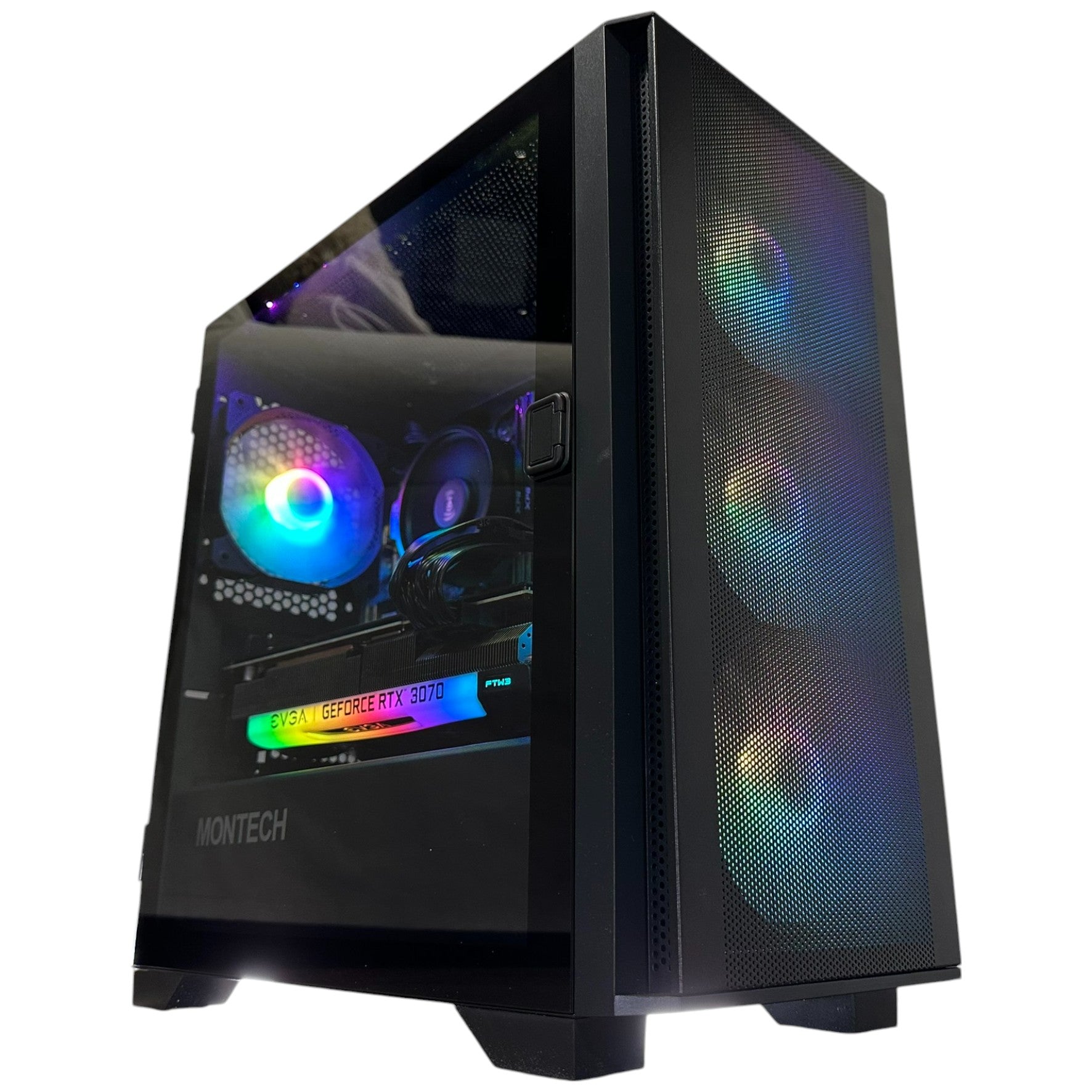
For many gamers, this is the ideal balance. A mid-range custom gaming PC is often the smartest choice if you want 1440p gaming, stronger texture quality, better lighting, steadier frame rates, and enough overhead for new titles that arrive over the next few years. If you are interested in a Gaming PC Canada buyers can rely on for current and upcoming releases, this tier often delivers the best value per dollar.
This is also the range where gaming starts blending naturally with streaming and light creator work. Want to record gameplay, run Discord, keep browser tabs open, and still enjoy smooth performance? Mid-range systems are usually where that becomes comfortable instead of compromised.
High-end tier: best for 4K, ray tracing, streaming, and future-proofing
If you want a 4K gaming PC Canada buyers would consider premium, or you care about ray tracing and ultra settings in demanding games, a high-end build is the right conversation. This tier is also ideal for people who want one system for gaming, streaming, editing, and heavier multitasking. If you are asking, “What PC do I need for 4K gaming?” or “How long will a high-end gaming PC last?” you are already thinking the right way.
For buyers in this category, financing can make a lot of sense. Why settle for a machine you may outgrow quickly if a stronger system can be spread out with manageable payments? That question matters even more when replacement costs are not guaranteed to stay flat.
Are you only gaming, or do you also need a creator PC?
This is where many readers discover they are shopping for more than a gaming machine. A lot of customers follow gaming news, but their daily PC use also includes video editing, streaming, design work, school projects, or side-business content creation. If that sounds familiar, then a standard off-the-shelf spec sheet may not actually fit what you do.
Do you want to clip boss fights and edit them for YouTube? Are you planning to stream horror playthroughs? Do you make social media graphics, edit photos, or produce short-form videos? If yes, a Content Creation PC Canada shoppers choose should be balanced differently than a pure gaming build.
Gaming favors GPU performance heavily, but creator tasks can also lean on CPU cores, RAM capacity, storage speed, and application-specific acceleration. A machine that feels decent in a game can still become painfully slow once you export 4K video, stack layers in Photoshop, or manage large RAW photo libraries.
When a gaming and streaming PC makes more sense
If your dream setup includes gaming and live streaming from one machine, do not underestimate how quickly extra workloads add up. OBS, browser sources, overlays, chat tools, capture utilities, and recording software all consume resources. A proper Streaming PC Canada gamers can trust needs enough overhead so that your game still feels smooth while your stream stays stable.
Ask yourself a practical question: are you just dabbling in streaming, or do you want a system that can handle gaming, recording, and editing without forcing constant compromises? If the second option sounds more like you, a custom build is usually the better path.
When you really need a video editing or creator workstation
If your interest in Resident Evil or other AAA releases ties into content creation, the right machine may actually be a Video Editing PC Canada creators can game on too. That is especially true if you use Adobe Premiere Pro, DaVinci Resolve, After Effects, or CapCut regularly. Fast SSD storage, enough RAM, a strong CPU, and a capable GPU can save serious time in playback, scrubbing, rendering, and exports.
What PC do you need for video editing if you are also a gamer? Usually, you want a balanced system rather than an overly game-only configuration. That means planning for both your frame rate targets and your editing workflow. If your current computer stalls during exports, drops frames while previewing footage, or takes forever to load project files, your next system should solve those bottlenecks instead of just adding a prettier case.
What about photo editing, graphic design, and Adobe Creative Cloud?
Many buyers do not realize how often gaming and creative software overlap in hardware needs. If you use Photoshop, Lightroom, Illustrator, InDesign, or Canva-heavy browser workflows, your system should still prioritize speed, responsiveness, RAM, and storage quality. A proper Photo Editing PC Canada or Graphic Design PC Canada build does not need to be extreme, but it does need to be thoughtfully configured.
Are you a student, freelancer, photographer, or social media designer who also wants excellent gaming performance at night? Then a custom creator PC may fit you better than a generic gaming desktop. It is not about buying more than you need. It is about buying the right mix of performance so your system stays useful across work and play.
Do you use Blender, Unreal Engine, CAD, or 3D rendering tools?
If your gaming interest overlaps with 3D workflows, the conversation changes again. A 3D Modeling PC Canada buyers need for Blender, Unreal Engine, Unity, Maya, Cinema 4D, or CAD software requires workstation-style planning. GPU rendering, CPU rendering, viewport smoothness, project complexity, and memory needs can all outgrow basic gaming specs faster than expected.
What PC do you need for Blender? What PC do you need for Unreal Engine? If those are questions you are asking, then a Custom Workstation PC Canada build may be the smarter investment. You may still want excellent gaming performance, but your system must also hold up under rendering, simulation, multitasking, and large project files.
Why timing matters if game release cycles speed up
One reason the yearly Resident Evil discussion is so relevant is timing. When major franchises gain momentum, buyer behavior changes. More people upgrade. More players shop for displays, GPUs, storage, and complete systems. And when hardware demand rises across multiple categories at once, deals become less predictable.
Should you buy now or wait? That depends on what your current system can still do. If your PC already struggles with modern AAA titles, longer waits do not always save money. In some cases, waiting means paying more later for the same level of performance, especially if GPU availability tightens or memory and SSD pricing move upward.
Are you buying before a major game release? Before the holiday rush? Before a back-to-school demand wave? Before your editing workload increases? Those are real planning questions. The worst time to shop is often when you are forced to replace a system quickly. The best time is usually when you can choose calmly, compare tiers properly, and secure a machine that gives you breathing room.
Should you finance a stronger PC instead of buying too low?
For many Canadian buyers, this is the most important question in the whole process. If your budget points you toward a machine that barely meets your needs today, is that really the smart buy? Or would it make more sense to step into a stronger custom PC and spread the cost out over time?
That is where Gaming PC Financing Canada options become practical, not impulsive. Financing is not about buying recklessly. It is about avoiding the trap of underbuying. If a slightly stronger GPU, more RAM, a better CPU, or a larger SSD will give you a much better ownership experience over the next several years, financing can help you secure that performance before replacement costs rise.
Should you finance a gaming PC? If it helps you avoid an early second purchase, there is a strong argument for yes. Can you finance a gaming PC in Canada and get into a more durable configuration now? With the right builder, yes. For some customers, financing up to 4 years makes it easier to choose the machine they actually need instead of the one they will outgrow in months.
Custom PC vs prebuilt PC Canada: why this choice matters more now
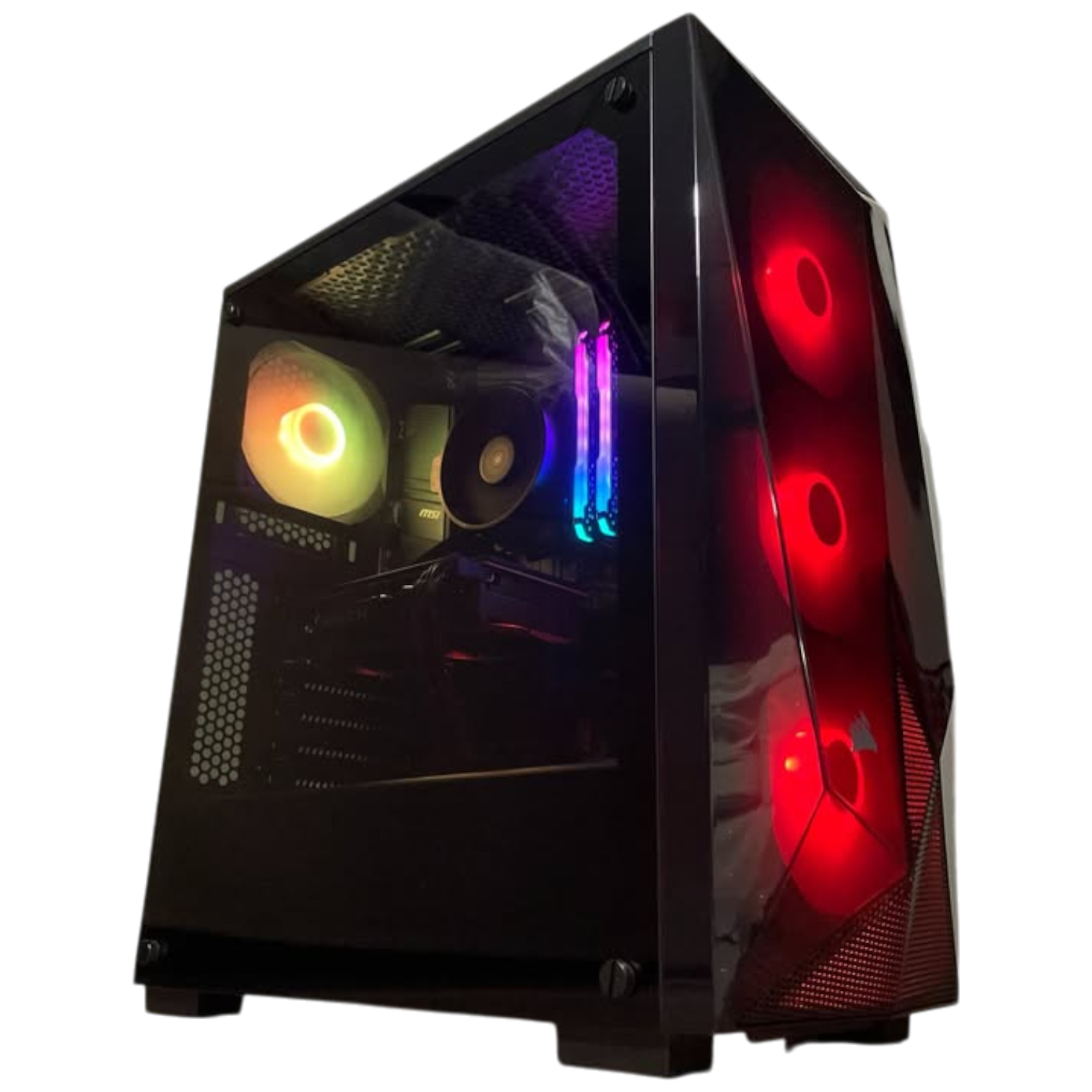
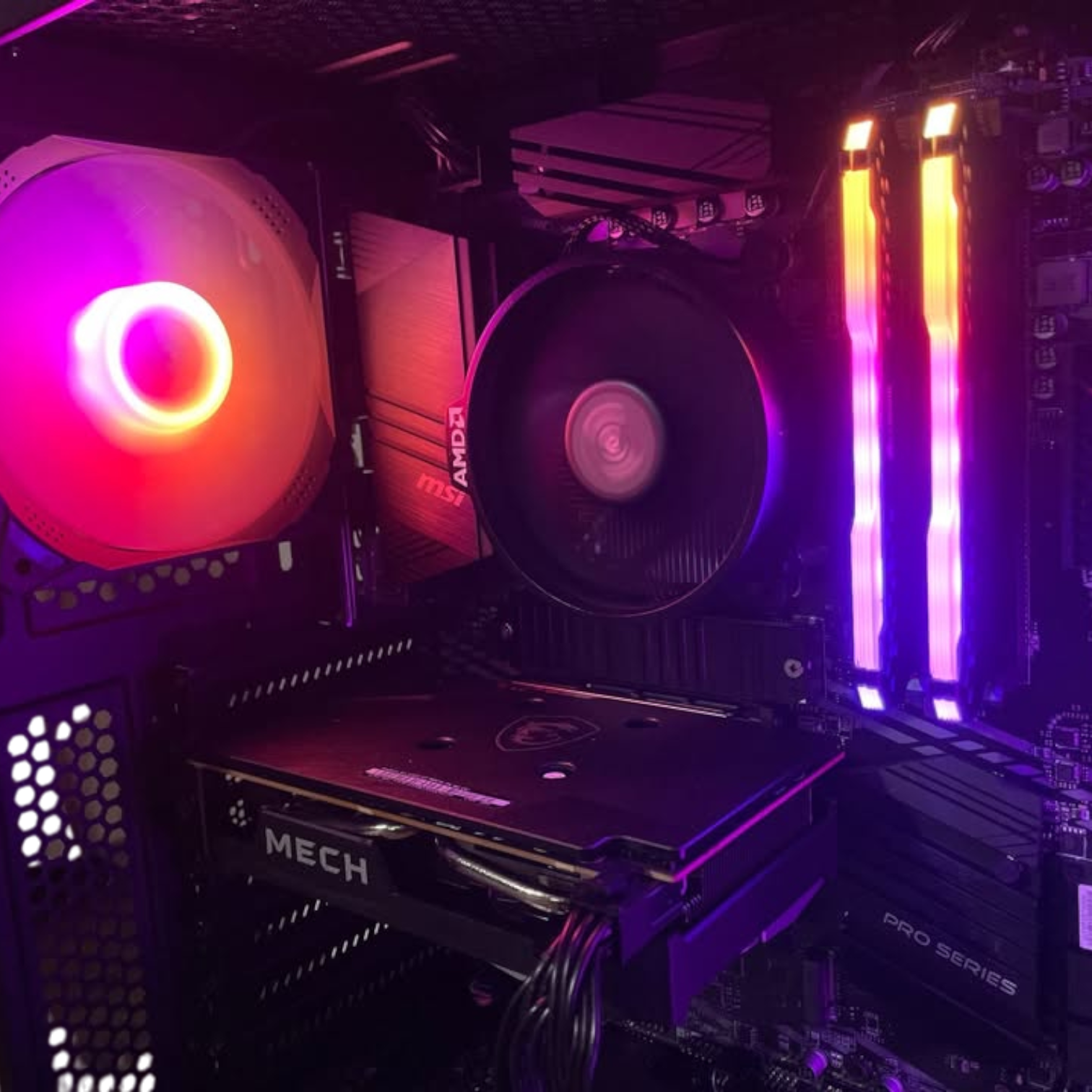
The faster gaming trends move, the more important build quality becomes. If release schedules become more aggressive and game requirements become less forgiving, your desktop should not be assembled around shortcuts. A well-planned custom build gives you better part matching, better cooling decisions, cleaner upgrade paths, and more confidence that the machine was chosen for your use case.
Custom PC vs prebuilt PC Canada is not just an enthusiast debate. It is a reliability question. If you are investing in a gaming PC for new games, a creator desktop, or a workstation that handles serious workloads, you want a system that has been assembled thoughtfully and tested properly. That is especially true if you are paying monthly and expect the PC to serve you well for years.
Why does testing matter in a gaming PC? Because stability matters just as much as raw specs. A system that looks powerful on paper but runs hot, loud, unstable, or poorly configured is not good value. A proper custom build should be stress tested, balanced, and ready for real-world use.
What kind of buyer should choose each system category?
Not every reader coming from gaming news needs the same machine. Here is a simpler way to think about it.
- Choose a budget gaming PC if you mainly want 1080p gaming, lighter esports titles, and a lower upfront cost, and you understand you may need to upgrade sooner.
- Choose a mid-range gaming PC if you want better 1440p gaming performance, more comfort in new AAA titles, and stronger long-term value.
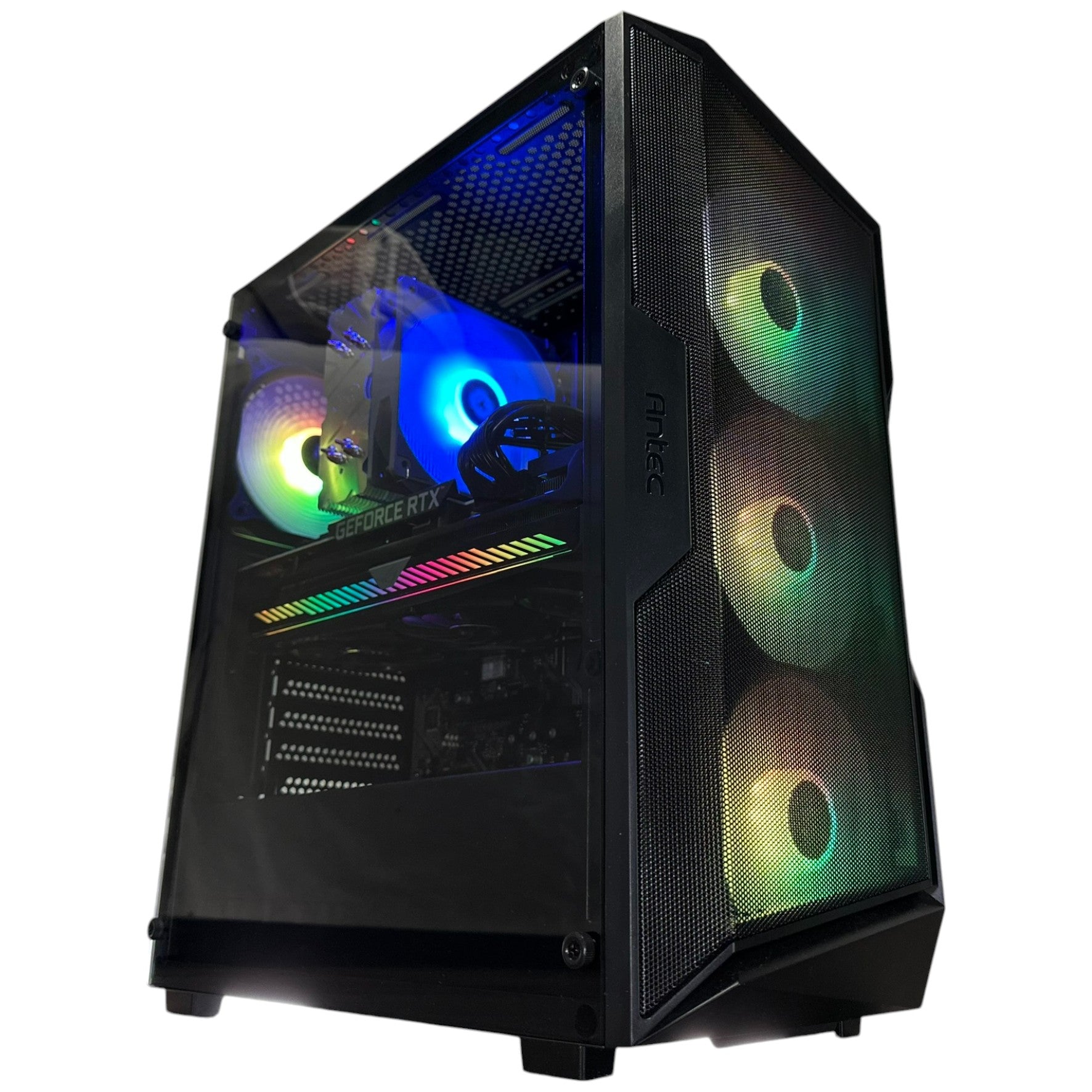
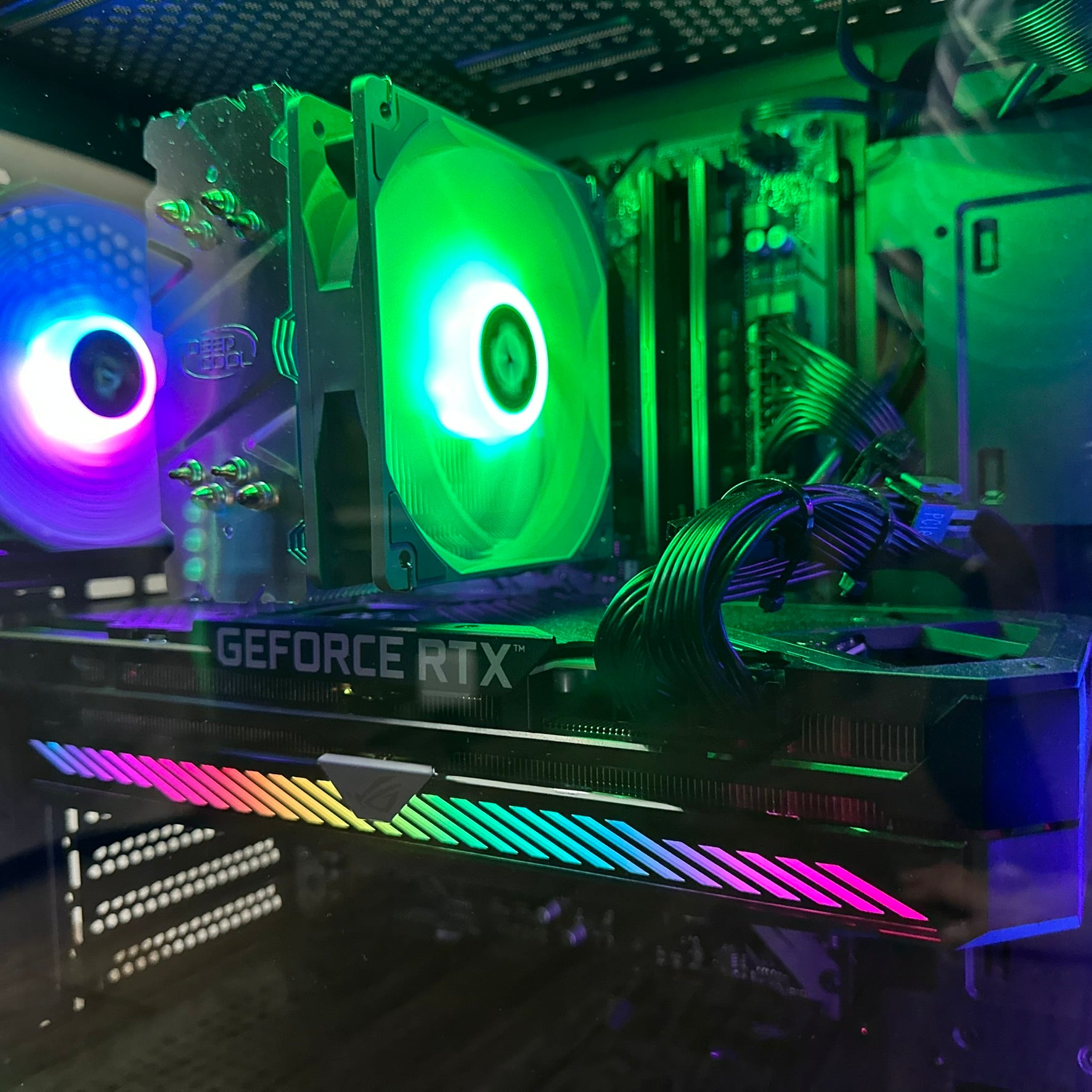
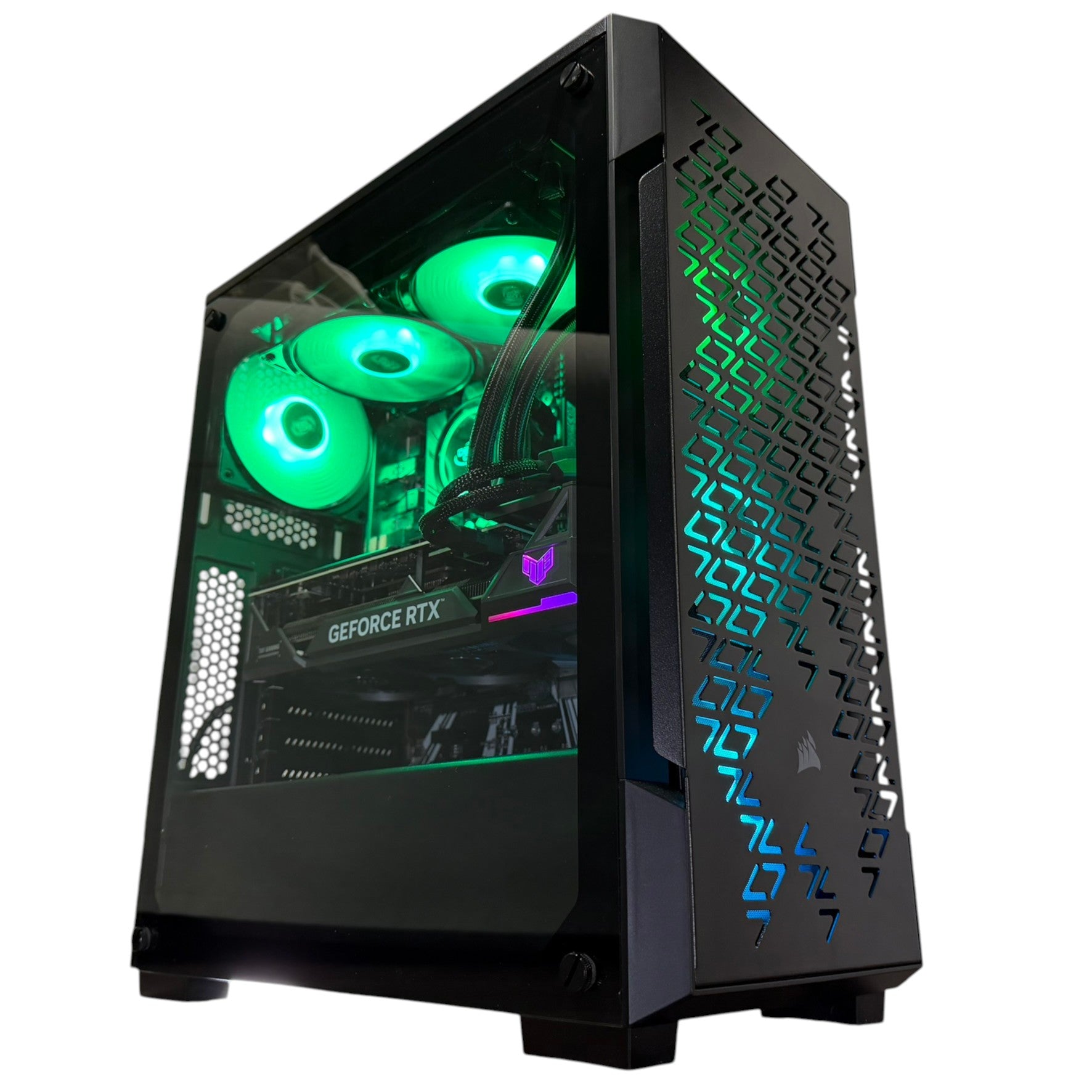
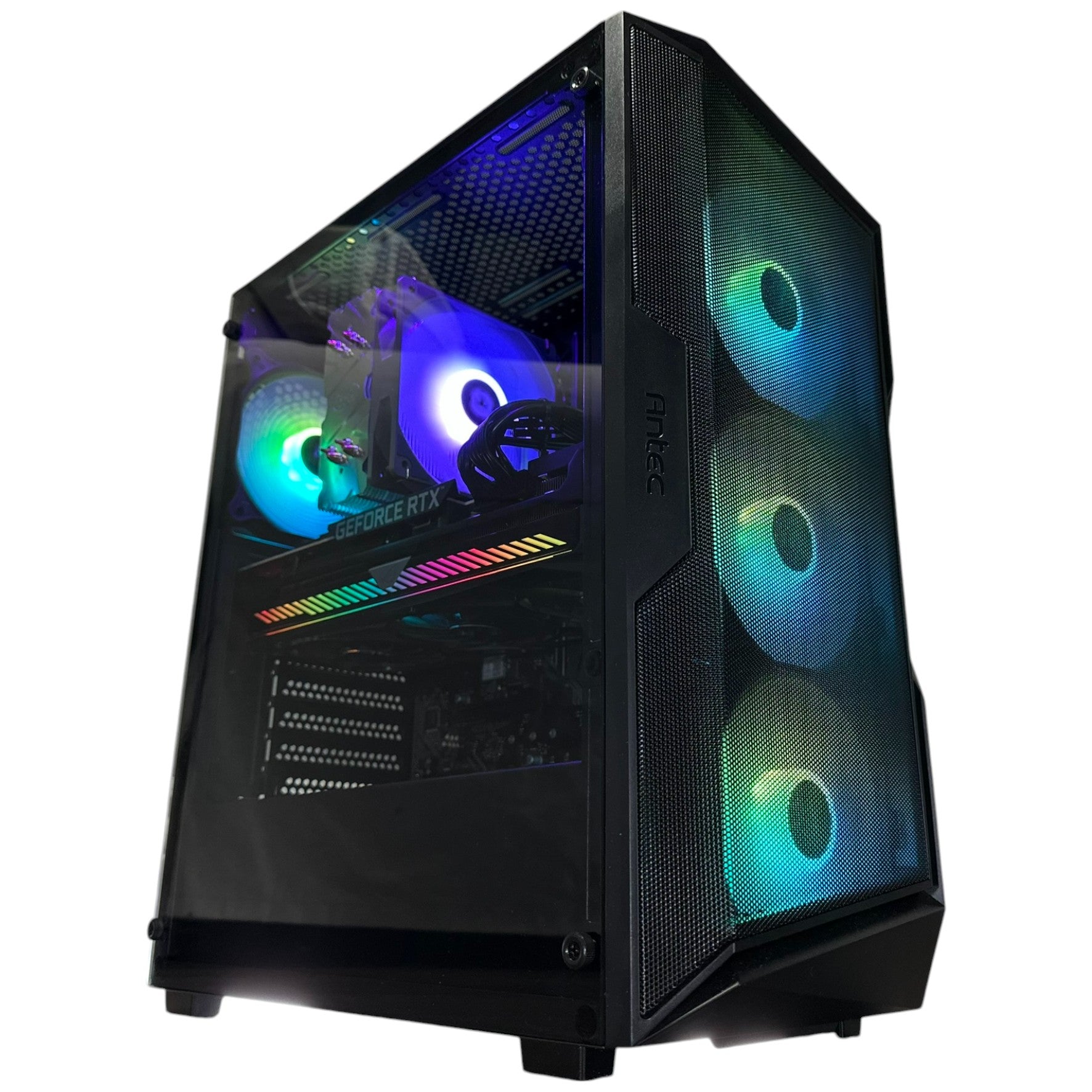
- Choose a premium RTX gaming PC if you care about 4K, ray tracing, high refresh gaming, or want more future-proof headroom.
- Choose a gaming and streaming PC if you plan to play, record, and stream from one system.
- Choose a creator PC if you split time between gaming and content creation, including editing, design, and social media production.
- Choose a workstation or 3D modeling PC if Blender, Unreal Engine, rendering, CAD, or heavy production work is part of your routine.
Which one sounds most like you? And are you choosing based on what you do now, or what you expect your workflow and gaming habits to become over the next few years?
Questions to ask before buying your next PC in Canada
Before you lock in a build, ask yourself a few honest questions.
- What games do I want to play over the next two to three years?
- Do I care more about 1080p value, 1440p balance, or 4K premium performance?
- Do I want ray tracing, high frame rates, or both?
- Will I stream, record, edit, or create content on this same machine?
- Do I need more storage because modern games keep getting larger?
- Would more RAM help me avoid replacing the system too soon?
- Am I buying before a major release window or seasonal price movement?
- Would financing a better system now save me money and frustration later?
These are not filler questions. They are the difference between buying a system that merely works and buying one that still feels right after the excitement of unboxing is gone.
Why Canadian buyers turn to Groovy Computers
At Groovy Computers, the goal is not to push everyone into the same machine. The goal is to match Canadian buyers with the right build for how they actually game, create, stream, and work. Whether you need a budget-friendly gaming desktop, a stronger 1440p setup, a premium RTX system, a custom creator PC, or a rendering-focused workstation, the build should fit the person.
That means thoughtful part selection, clean assembly, rigorous testing, and confidence after purchase. It also means support from a Canadian custom PC builder that understands how local buyers shop, what they worry about, and why timing matters. A tested system with a 1-year warranty gives you more peace of mind than a random one-size-fits-all box with questionable balance.
Groovy Computers also makes sense for buyers who do not want to compromise too early. If you are wondering whether monthly payments would help you secure a better long-term system, financing can be the bridge between “good enough” and “actually right.”
So, is Capcom’s yearly Resident Evil release plan a mistake?
It could be. If annual releases weaken quality, fans will notice. If remakes and new entries are spaced carefully and handled well, it may work better than critics expect. But whatever happens with Capcom’s strategy, one thing is clear: major gaming franchises are not slowing down when it comes to visual expectations, hardware demands, and player interest in better performance.
That is why this is not just a gaming news story. It is a reminder to think ahead. If your current PC is already behind, the next few years of AAA releases will not be easier on it. The smarter question is not just whether Capcom should release Resident Evil every year. The smarter question is whether your next PC is ready for the kind of gaming future that plan represents.
Need help choosing the right custom build?
Are you trying to decide between a budget gaming computer, a stronger 1440p system, a premium ray tracing build, a gaming and streaming PC, or a creator workstation that can handle editing and design too? Visit GroovyComputers.ca to explore custom options, compare performance tiers, and get help choosing a build that matches your goals in Canada. If financing a better machine now would help you avoid upgrading too soon, this is the right time to ask.
In the end, the yearly Resident Evil release plan debate is really about sustainability, quality, and planning ahead. The same is true when buying your next PC. Buy for the next cycle, not just the next headline, and you will end up with a system that feels better for longer.
#GamingPCCanada #CustomGamingPCCanada #GamingPCBuildsCanada #CanadianCustomPCBuilders #ContentCreationPCCanada #VideoEditingPCCanada #StreamingPCCanada #3DModelingPCCanada #WorkstationPCCanada #GroovyComputers
Groovy Computers | All Rights Reserved


Leave a comment
This site is protected by hCaptcha and the hCaptcha Privacy Policy and Terms of Service apply.