





Crimson Desert’s Bigger Housing Update Shows Why a Gaming PC for New Games Needs More Than Raw FPS
Crimson Desert’s latest update, as reported from Pearl Abyss, expands housing customization with outdoor placement options, 58 new housing items, enhanced character functionality for Unka and Demian, new equipment for Kliff, retained boss-battle retry settings, and dedicated loading screens. On the surface, that sounds like a content update. For Canadian PC gamers, it is also a reminder of a bigger buying question: when modern open-world games keep adding richer environments, more systems, more gear, more characters, and more cinematic presentation, what kind of gaming PC for new games should you actually be buying?
At Groovy Computers, we look at updates like this through the eyes of players who want their next system to last. A major open-world title is no longer just about whether your PC can launch the game. It is about whether your computer can handle sprawling environments, high-resolution textures, dense settlements, complex lighting, fast combat, streaming, recording, Discord, browser tabs, and maybe even content creation after you finish playing. Do you want a PC that barely gets by today, or do you want a custom gaming PC that still feels strong when the next wave of AAA updates, expansions, patches, and visual upgrades arrive?
That is where the buying decision becomes more important. If you are in Canada and you are thinking about a new gaming desktop, a 1440p gaming PC, a 4K gaming PC, a ray tracing gaming PC, a streaming PC, or a creator-ready system, this Crimson Desert update is the perfect jumping-off point. It shows how games are becoming broader, more detailed, and more demanding in the ways that matter most to real players.
What Did the Crimson Desert Update Add, and Why Should PC Buyers Care?
The update described by Pearl Abyss focuses on several important areas: housing, character freedom, equipment collection, boss battle convenience, and presentation polish. Players can now place a wider range of items in outdoor residential spaces, including decorative objects such as fountains, wells, streetlamps, and rugs. Unka and Demian now receive expanded functionality, including access to abilities that were previously exclusive to Kliff. Kliff also receives new gear options, including helmets and armor. Boss battle retries now retain key settings such as weapon slots, equipped elements, arrows, and food, making combat attempts smoother. Dedicated loading screens for Unka and Demian also add polish to the overall experience.
Why does that matter for hardware? Because features like housing, character switching, gear collection, traversal, combat systems, loading screens, and persistent settings all exist inside a larger technical package. Open-world games are increasingly designed around immersion. They ask your PC to manage beautiful locations, animation-heavy characters, physics, AI, storage streaming, shader compilation, lighting, and memory usage at the same time.
In other words, a content update is rarely just a content update. It is a signal that the game world is growing. If you are planning a new build, the question is not only, “Can my PC run this?” The better question is, what PC do I need for this game if I want the experience to feel smooth, sharp, and future-ready?
Why a Gaming PC for New Games Has to Be Built Differently Now
A modern gaming PC for new games has to do more than chase a single FPS number. Today’s games are heavier in ways that do not always show up in a simple benchmark chart. A game can run at an acceptable average frame rate but still feel bad if the lows dip, the textures stutter, the loading times drag, or the system struggles when you alt-tab to a browser, voice chat, or streaming software.
For titles with open-world design, cinematic combat, upgraded equipment systems, detailed customization, and large environmental spaces, the full PC matters. Your GPU drives resolution, frame rate, ray tracing, and visual quality. Your CPU affects world simulation, AI, background tasks, and frame pacing. Your RAM helps the system keep more assets and applications ready. Your SSD can reduce loading delays and improve how quickly worlds stream in. Cooling affects whether your system maintains performance during long sessions instead of throttling after an hour.
So when you ask, “What gaming PC do I need?” you are really asking a chain of connected questions. Are you playing at 1080p, 1440p, or 4K? Do you want ultra settings or balanced settings? Do you care about ray tracing? Will you stream on Twitch or YouTube? Will you record gameplay for TikTok, YouTube Shorts, or long-form videos? Do you want your PC to double as a content creation PC Canada buyers can use for editing, design, or 3D work?
If the answer is yes to more than one of those questions, a generic low-cost desktop may not be the smartest purchase. You may be better served by a carefully configured custom gaming PC that is built around your actual usage instead of a one-size-fits-all spec sheet.
What Do You Want Your Next PC to Do for You?
Before choosing parts, choosing a price point, or choosing financing, pause and ask the most important question: what do you want your next PC to do for you?
Do you want to explore Crimson Desert-style open worlds at high settings without worrying about stutter? Do you want a 1440p Gaming PC Canada gamers can rely on for modern AAA titles? Do you want to step up to a 4K Gaming PC Canada build for a large monitor or living-room setup? Do you want smooth ray tracing, high refresh rates, and strong frame pacing? Or are you looking for one computer that can game at night and handle editing, streaming, school, business, or creative work during the day?
That answer changes everything. A student buying a first gaming PC may care most about value and upgrade room. A competitive player may want high FPS at 1080p or 1440p. A cinematic open-world fan may prioritize GPU power, VRAM, storage, and visual settings. A streamer may need extra encoding strength and stable multitasking. A video editor may need more RAM, CPU cores, fast SSD storage, and GPU acceleration. A 3D artist may need workstation-class reliability, more memory, and stronger GPU rendering performance.
Buying the right PC is not about buying the most expensive machine possible. It is about buying the right machine for the way you actually play, create, and work.
Which Performance Tier Fits You Best?
Not every gamer needs the same PC. At Groovy Computers, one of the most useful ways to guide a buyer is to match the system tier to the real-world experience they want. If you are unsure where you fit, use the following categories as a practical buying guide.
Entry-Level and Budget Gaming PC: Are You Playing at 1080p?
A budget gaming PC is best for players who want dependable 1080p gaming, popular esports titles, lighter creative work, and a lower upfront cost. If your goal is to play games at 1080p with good settings, browse the web, use Discord, do schoolwork, and maybe start experimenting with recording or streaming, this tier can be a smart starting point.
But there is a question worth asking: are you buying a budget system because it fits your needs, or because you are trying to avoid a higher purchase price today? Those are different situations. A value-focused build is a good choice when it matches your monitor, game library, and expectations. A too-cheap build becomes expensive if you need to replace major components sooner than expected.
If you are trying to play newer open-world games, aim for a build with a modern GPU, enough RAM for current titles, a fast NVMe SSD, and a power supply that leaves room for future upgrades. The goal is not just to get into PC gaming. The goal is to avoid feeling boxed in after the next major release.
Mid-Range 1440p Gaming PC: Do You Want the Best Balance?
For many Canadian gamers, the sweet spot is a 1440p gaming PC. A well-built 1440p system offers a major jump in sharpness over 1080p while staying more affordable than a full 4K ultra build. If you play open-world games, action RPGs, shooters, racing games, survival games, or visually rich single-player titles, 1440p is often the best balance of image quality and frame rate.
This is the tier where custom part matching really matters. You want a GPU strong enough for your target settings, a CPU that avoids bottlenecking, RAM capacity that can handle current games and background applications, and storage that does not become a frustration after installing several large titles. If you also stream or edit, the build should be planned with those workloads in mind from the beginning.
Ask yourself: do you want a system that simply plays today’s games, or do you want a Future Proof Gaming PC Canada buyers can enjoy longer before needing major upgrades? If you want more longevity, the mid-range tier is often where financing a slightly stronger configuration can make more sense than buying the cheapest acceptable option.
High-End and 4K Gaming PC: Are You Chasing Ultra Settings?
A high-end gaming PC is for players who want premium graphics, higher resolutions, stronger ray tracing, smoother performance in demanding games, and more headroom for future releases. If you are playing on a 4K monitor, an ultrawide display, or a high-refresh 1440p panel, the GPU becomes especially important.
For Crimson Desert-style games and other visually ambitious AAA releases, a premium build can make the difference between lowering settings to stay smooth and enjoying the world the way it was meant to be seen. This is where ray tracing, high-resolution textures, advanced lighting, and long draw distances can turn from “nice to have” into core parts of the experience.
So ask the honest question: what PC do I need for 4K gaming if I do not want to upgrade too soon? The answer usually involves a stronger graphics card, a well-matched high-performance CPU, robust cooling, enough RAM, fast storage, and a power supply selected for stability. A high-end build is not just about bragging rights. It is about buying time, consistency, and visual headroom.
Gaming and Streaming PC: Will You Play, Record, and Go Live?
If you want to stream Crimson Desert, create gameplay guides, post boss battle clips, or record your first impressions of new updates, your PC has to handle more than the game. Streaming adds workload. Recording adds storage pressure. Editing adds CPU, GPU, RAM, and SSD demands. Running OBS, Discord, browser sources, chat tools, overlays, and a game at the same time can expose weaknesses in a basic build.
A Streaming PC Canada buyer should think carefully about GPU encoding, CPU performance, RAM, storage, and cooling. For many creators, a modern RTX-based system with strong NVENC support can be an excellent foundation for streaming and recording. But the right choice depends on your content goals. Are you streaming at 1080p? Recording 1440p gameplay? Editing 4K footage? Running dual monitors? Keeping dozens of browser tabs open while live?
If you are asking, “What PC do I need for streaming?” the best answer is not just “buy a gaming PC.” The better answer is to build a gaming and streaming PC around the full workflow: gameplay, encoding, monitoring, recording, editing, exporting, and storing your content.
Creator PC and Workstation: Are You Gaming and Building Content Too?
Many gamers are also creators. The same person who plays Crimson Desert may also edit videos, design thumbnails, manage social media, create overlays, work in Photoshop, build assets in Blender, or experiment with Unreal Engine. If that sounds like you, a gaming-only build may not be ideal.
A Content Creation PC Canada build should be planned around software, not just games. Adobe Premiere Pro, DaVinci Resolve, After Effects, Photoshop, Lightroom, Illustrator, Blender, Unreal Engine, Unity, and CAD tools all stress a PC differently. Some workloads prefer more CPU cores. Some need more GPU power. Some need more RAM. Some benefit heavily from fast scratch storage and multiple SSDs.
Ask yourself: are you buying a PC only for entertainment, or is this system going to help you make money, build a portfolio, grow a channel, complete school projects, or serve clients? If your PC is part of your productivity, reliability becomes a business decision. Faster exports, smoother timelines, quicker renders, and fewer crashes can save hours every week.
Crimson Desert, Housing Systems, and the Hardware Side of Immersion
The expanded housing features in Crimson Desert may sound like a lifestyle or roleplay update, but visually detailed customization can affect how players think about performance. Outdoor decoration, environmental objects, lighting, and personal spaces all contribute to immersion. When games add more interactive or decorative elements, they often increase the complexity of what your PC has to render and manage.
For players, that can mean more reasons to value stable frame times, VRAM headroom, and fast storage. A stutter during a quiet housing scene may not be as dramatic as a stutter during a boss fight, but it still breaks immersion. The more a game asks you to live inside its world, the more you notice performance inconsistency.
Do you care about smooth exploration as much as smooth combat? Do you want to take screenshots, record walkthroughs, or showcase customized spaces? Do you want your game to look clean enough for social media clips? If yes, then visual quality, frame stability, and storage responsiveness should all be part of your buying decision.
Boss Battle Retries and Why System Consistency Matters
One of the most practical changes in the update is that retrying a boss battle now retains key settings such as weapon slots, equipped elements, arrows, and food. That is a quality-of-life improvement designed to help players focus on combat instead of reconfiguring everything after a failed attempt.
There is a PC-buying parallel here. Good hardware also removes friction. A well-built gaming PC should let you focus on the game, not on closing background apps, lowering settings every patch, waiting through long loads, or wondering whether your system is overheating. A properly configured system improves the experience in invisible ways: steadier frame pacing, quieter operation, faster loading, fewer crashes, and more confidence during long sessions.
When you are in a difficult boss battle, every hitch feels worse. If a frame drop happens during a dodge, parry, or ability timing window, it can cost you the attempt. That is why high average FPS is not the whole story. You want a system that delivers consistent performance under pressure.
Should You Buy Before a Major Game Release, Hardware Shortage, Sale Period, or Price Spike?
This is one of the biggest questions Canadian PC buyers ask: is it better to buy a gaming PC now or wait? The answer depends on your current system, your upcoming games, your budget, and the hardware market. But waiting is not always the safer move.
When a major game release approaches, demand can rise for GPUs, RAM, SSDs, and ready-to-ship systems. During busy sale periods, popular configurations can sell quickly. Component prices can shift because of supply constraints, exchange rates, manufacturing costs, global demand, or inventory cycles. Creator software upgrades can also push users toward stronger hardware, especially when new AI features, higher-resolution media, or heavier workflows become common.
If your current PC already struggles with recent games, waiting until the week a new title launches can create pressure. You may have fewer choices, less time to compare, and more temptation to buy whatever is available. If your goal is to be ready for Crimson Desert, other open-world games, or upcoming AAA releases, planning earlier gives you more control.
Ask yourself: are you trying to buy calmly, or are you waiting until your old PC finally forces the decision? A custom PC is easier to plan when you are not rushing.
Could Financing Help You Secure a Stronger System Before Replacement Costs Rise?
Financing is not about buying more than you need. Used wisely, it can help you avoid buying too little. For many customers, the real comparison is not “finance or pay cash.” It is “buy a cheaper PC today and upgrade sooner, or finance a stronger PC that better matches my next several years of gaming and creative work.”
If you are considering a 1440p gaming PC, 4K gaming PC, streaming PC, video editing PC, or workstation PC, financing up to 4 years may help you secure the right tier sooner instead of settling for a build that already feels close to its limit. That can matter when component prices shift or when demand rises around major releases, holiday sales, back-to-school buying, tax refund season, or new hardware cycles.
So ask the practical question: should I finance a better PC instead of buying a cheaper one? If the stronger system gives you more years of useful performance, fewer near-term upgrades, better creative productivity, and a better gaming experience, financing may be worth considering. The key is to choose a build that fits your real needs, not one that simply looks impressive on paper.
If you are comparing options and want a gaming PC for new games that also fits your monthly budget, Groovy Computers can help you explore custom builds and financing options through GroovyComputers.ca.
Custom PC vs Generic Prebuilt: Why the Build Quality Matters More Than Ever
A prebuilt gaming PC can be convenient, but not all prebuilts are equal. Some systems use mismatched components, limited cooling, weak power supplies, restricted upgrade paths, or cases that look good online but perform poorly under sustained load. When games are demanding and component prices are volatile, those shortcuts matter.
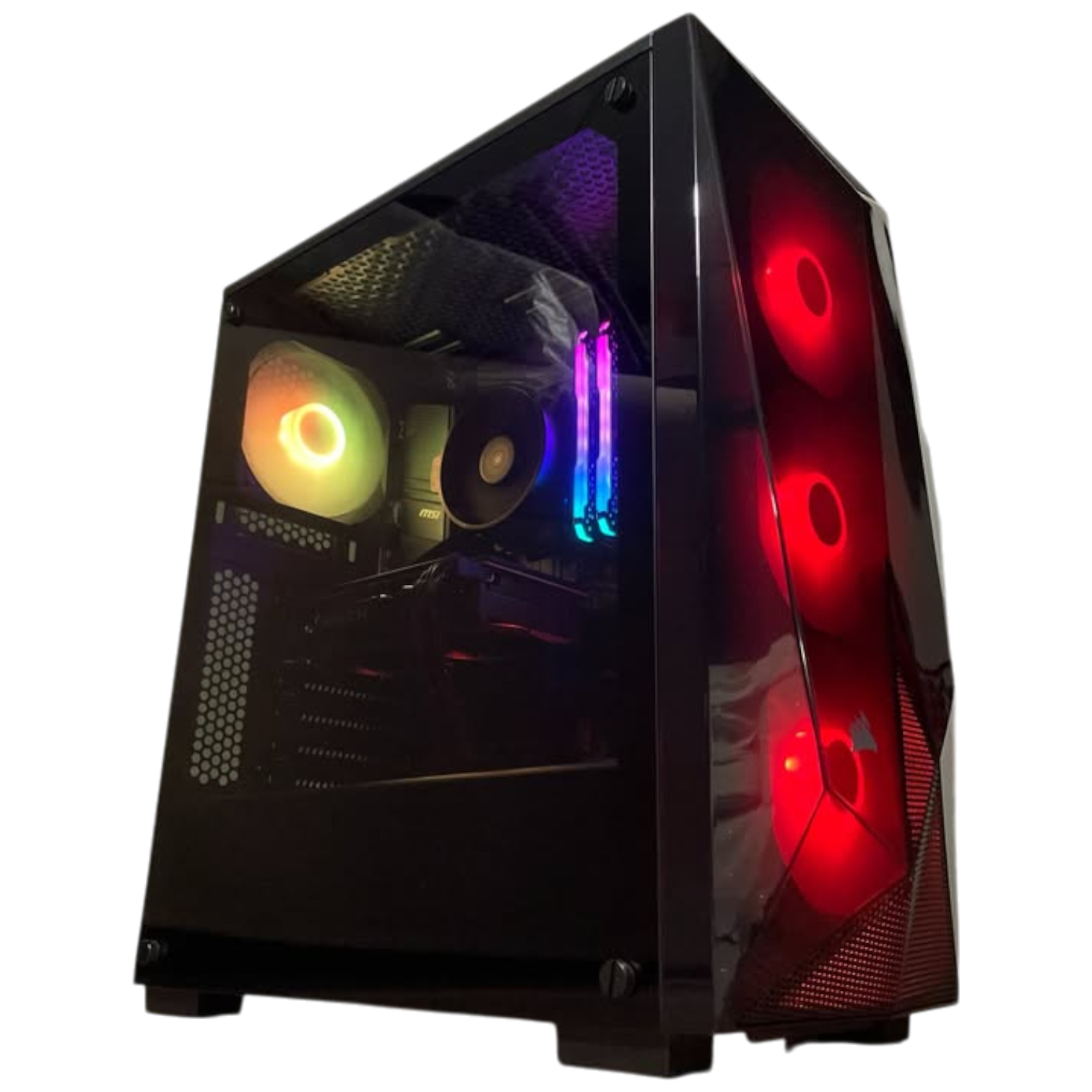
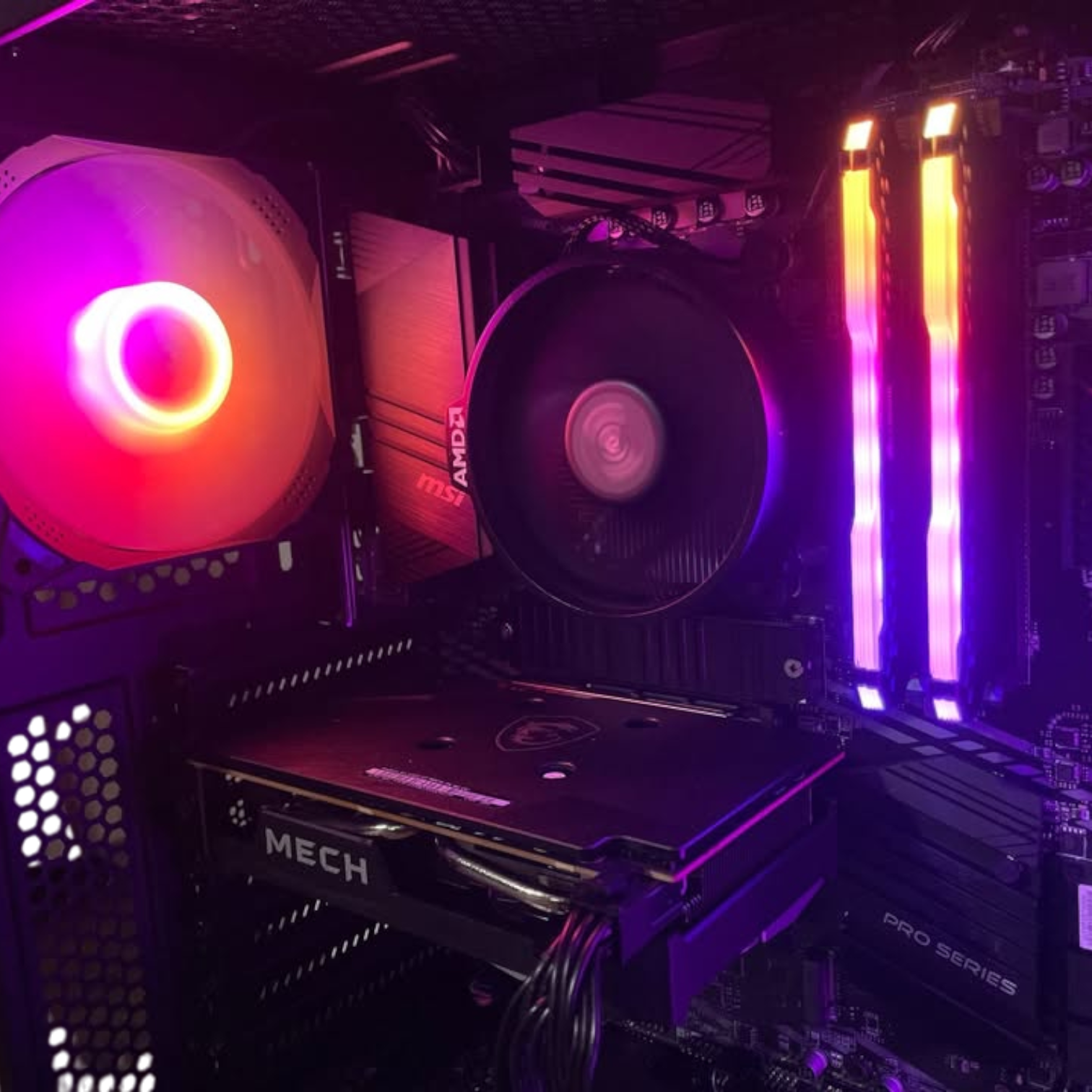
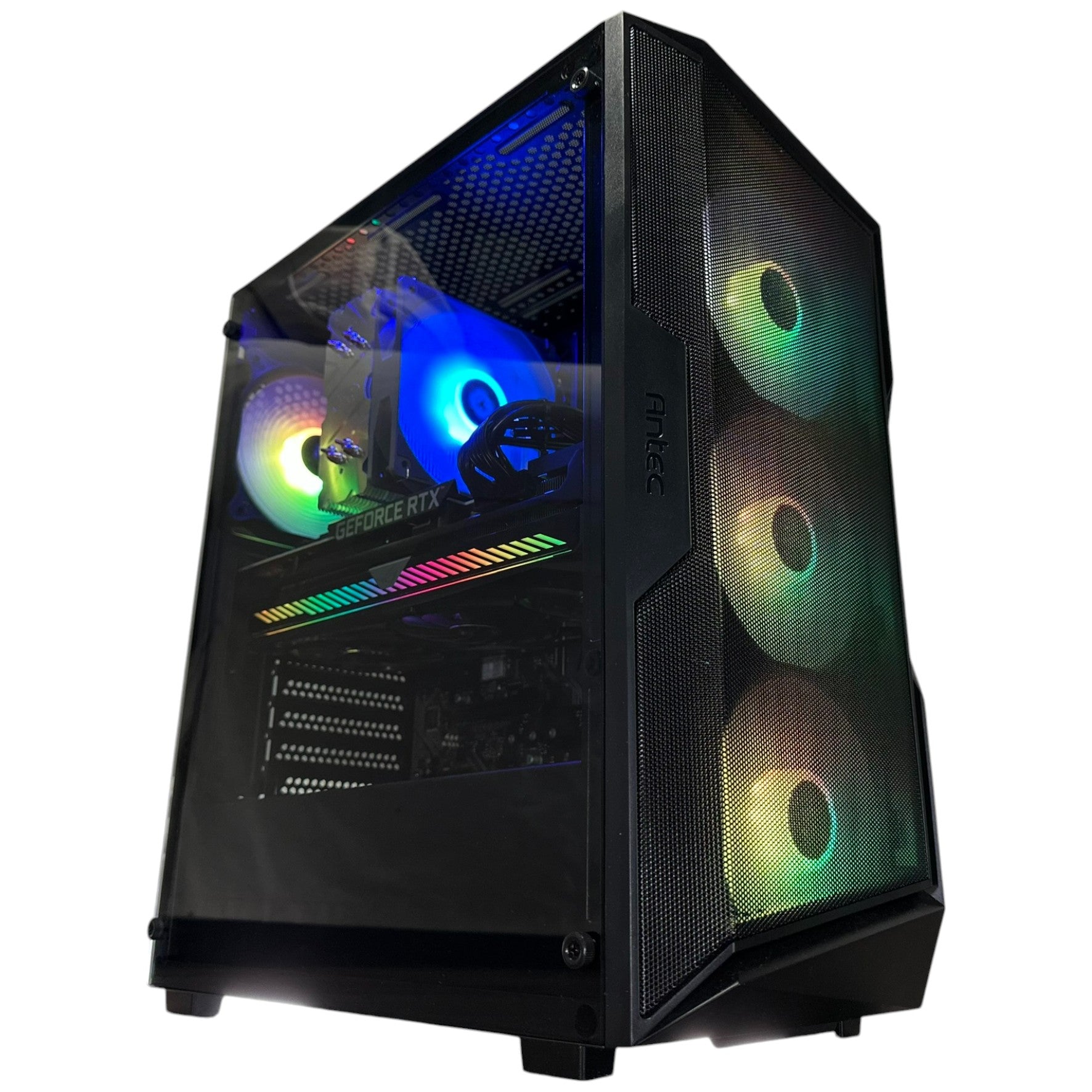
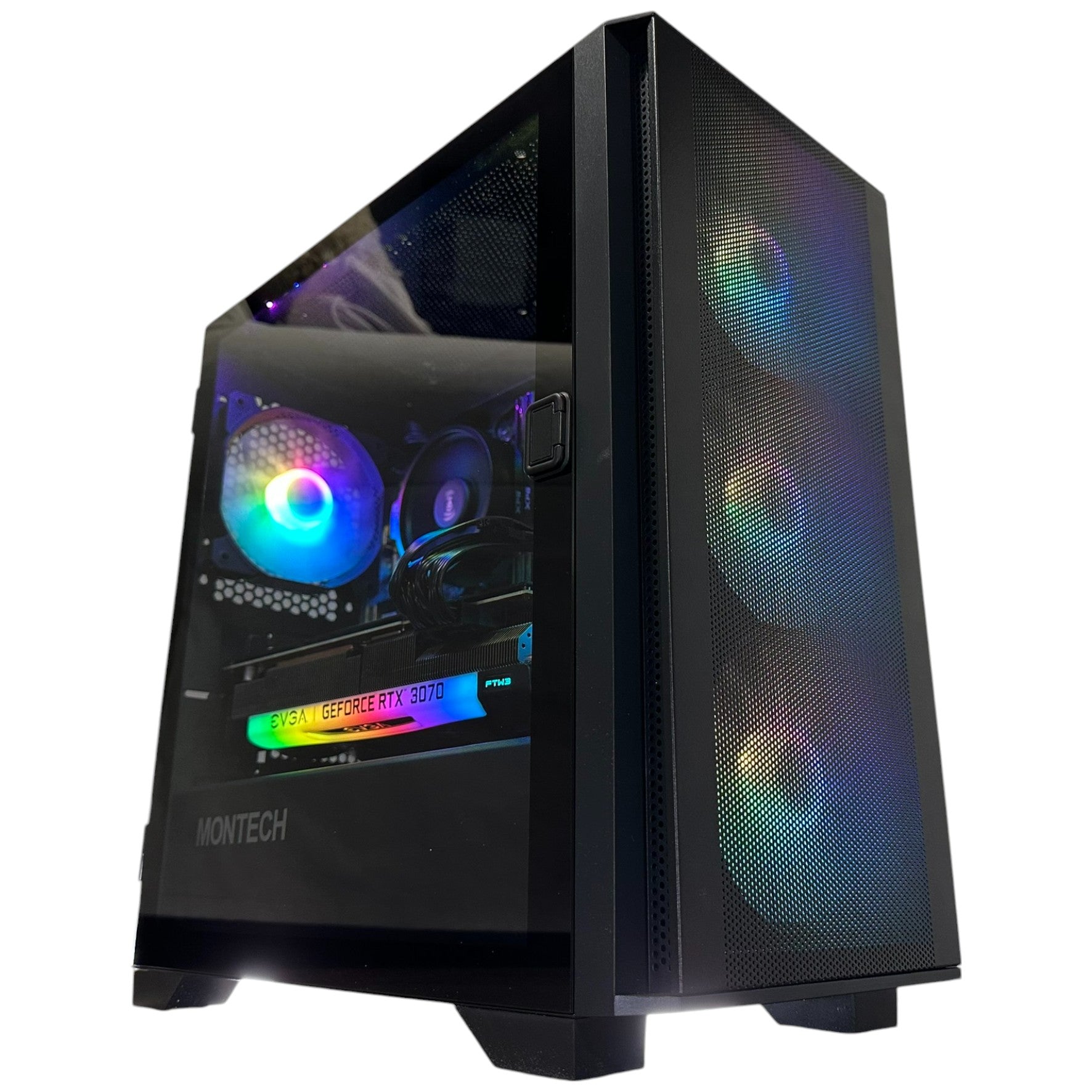
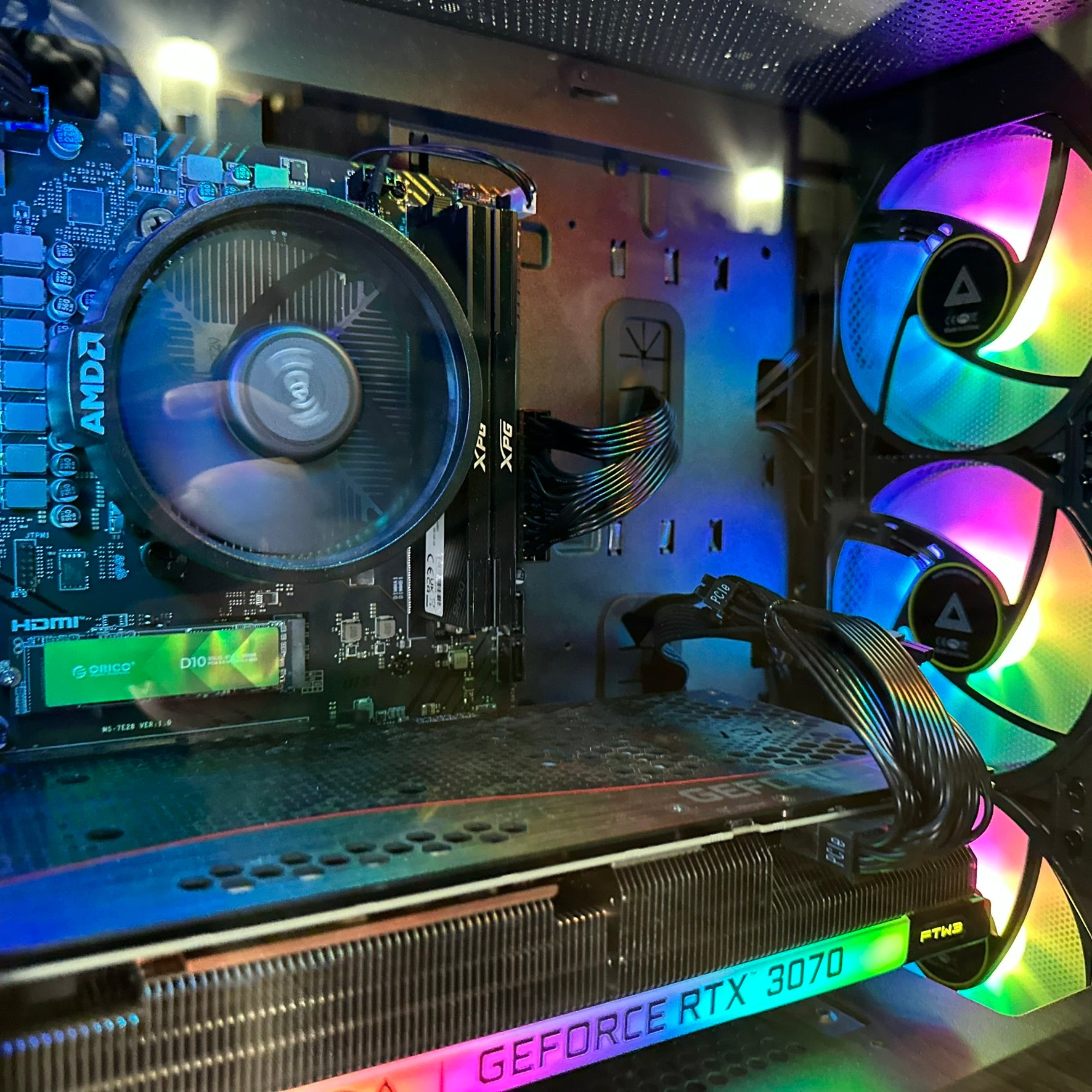
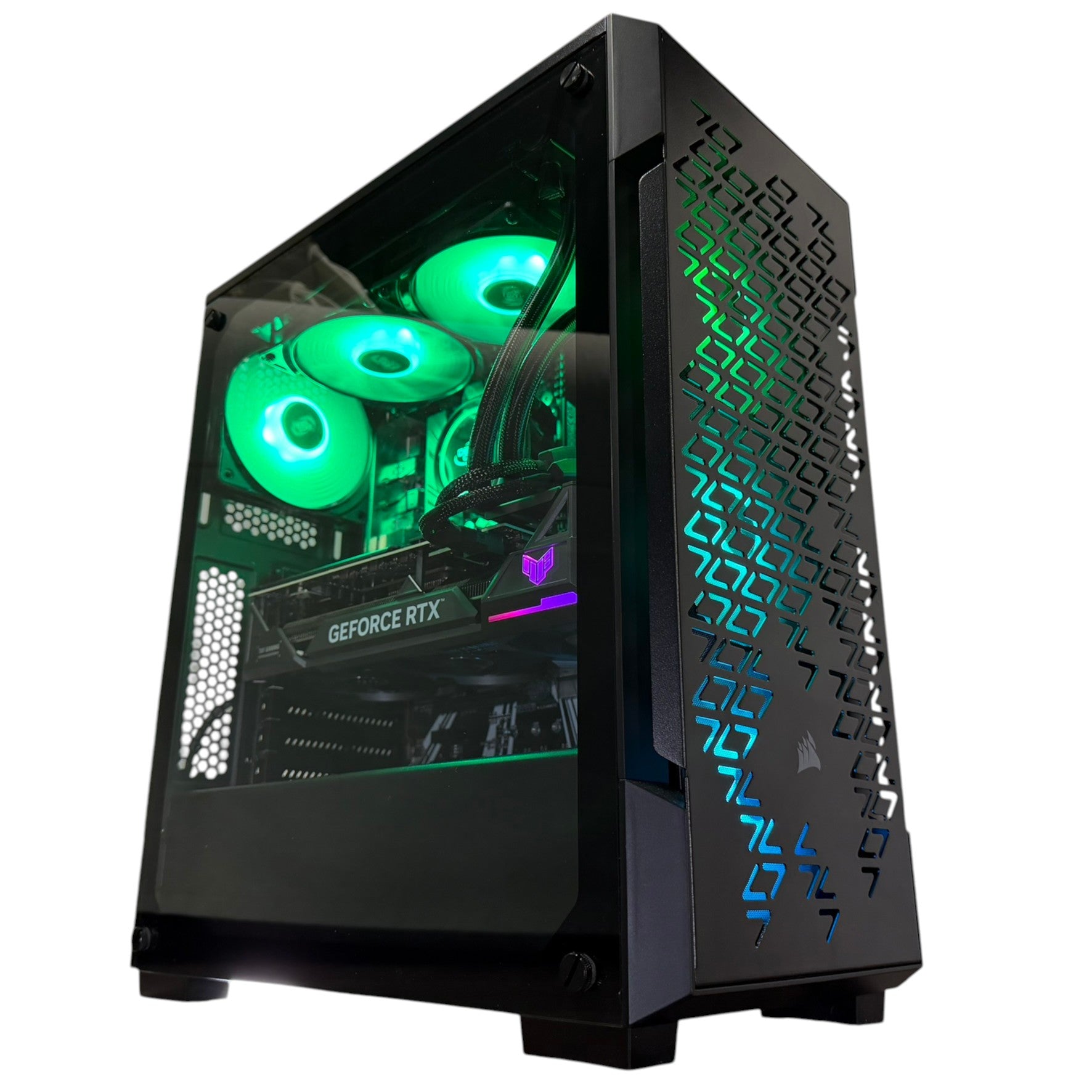
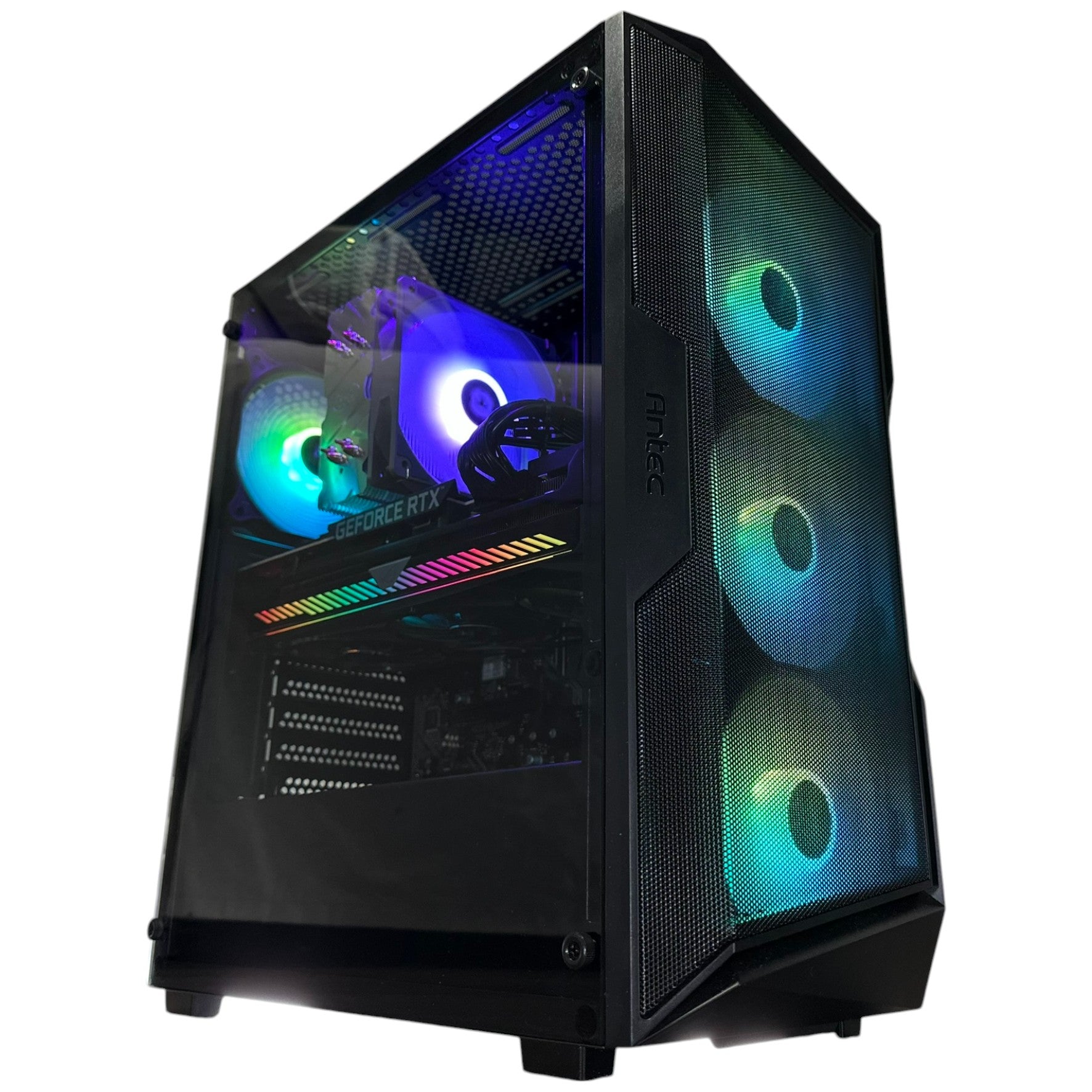
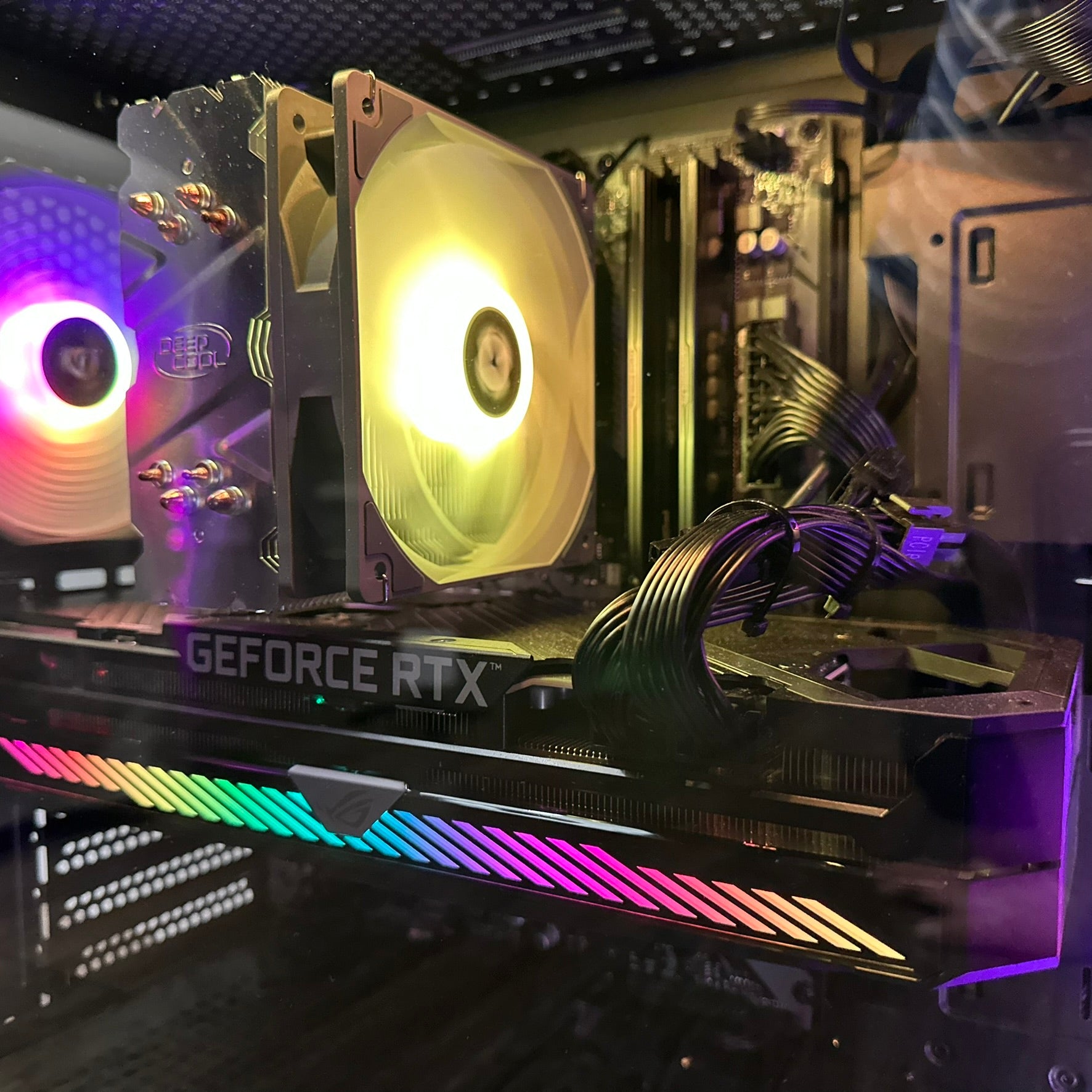
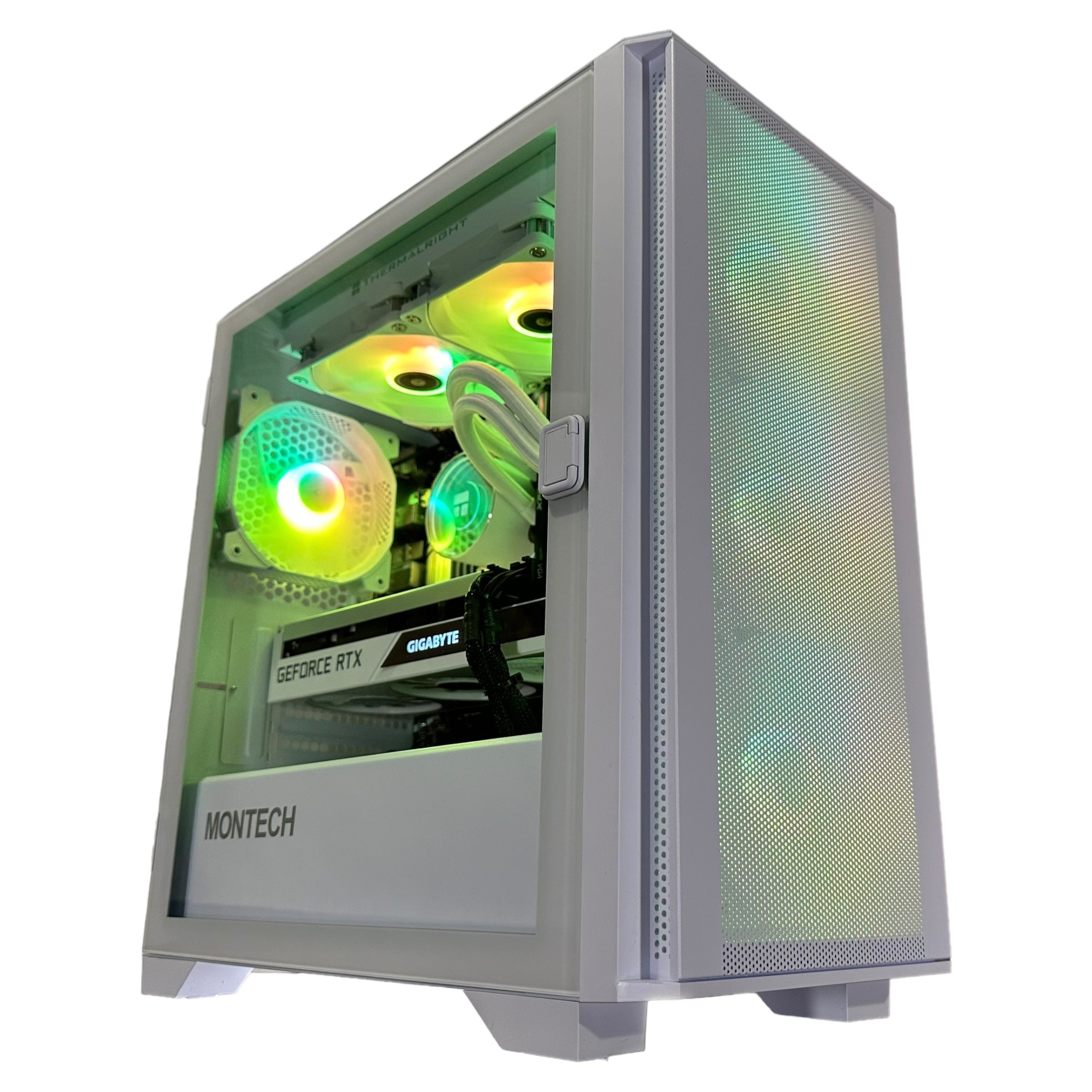
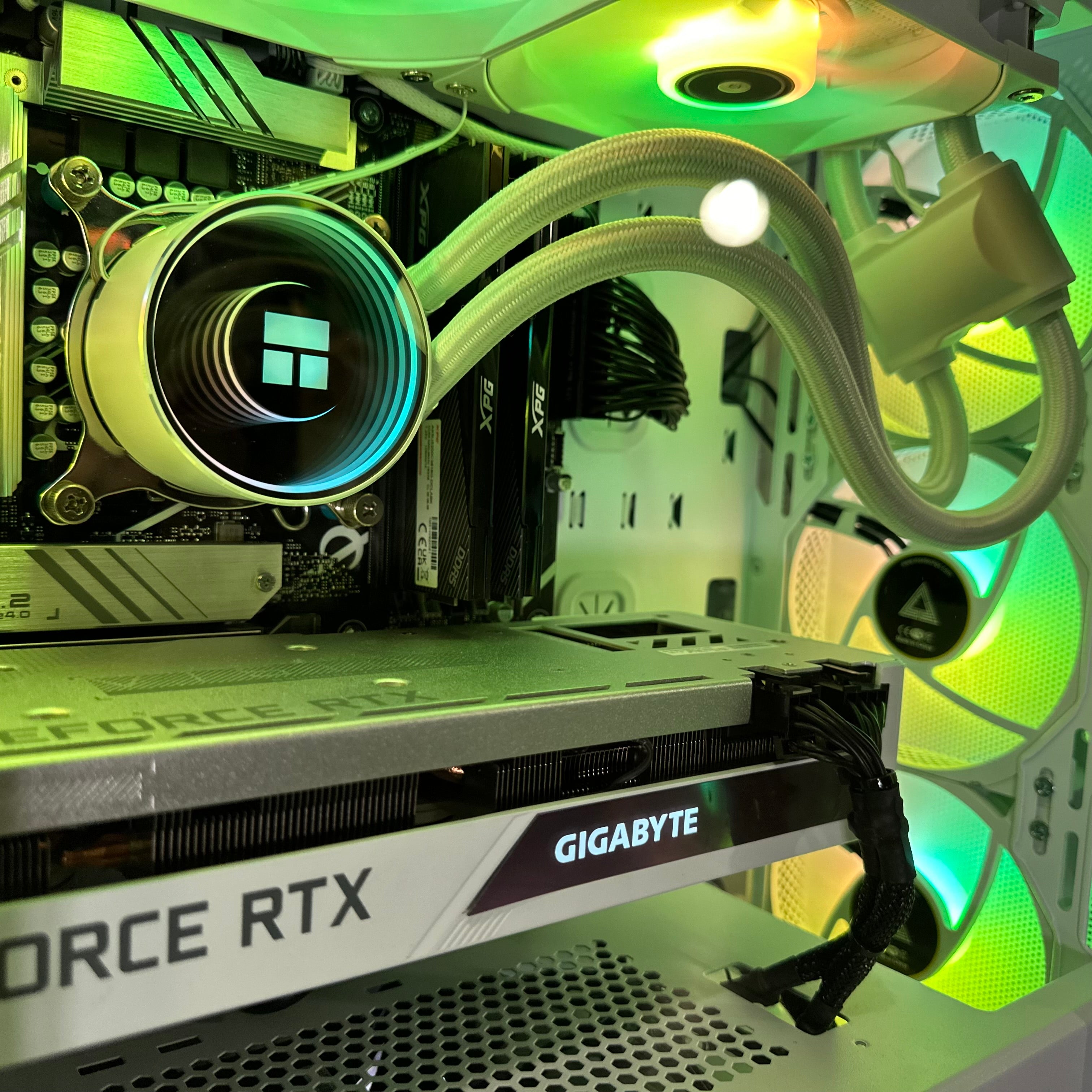
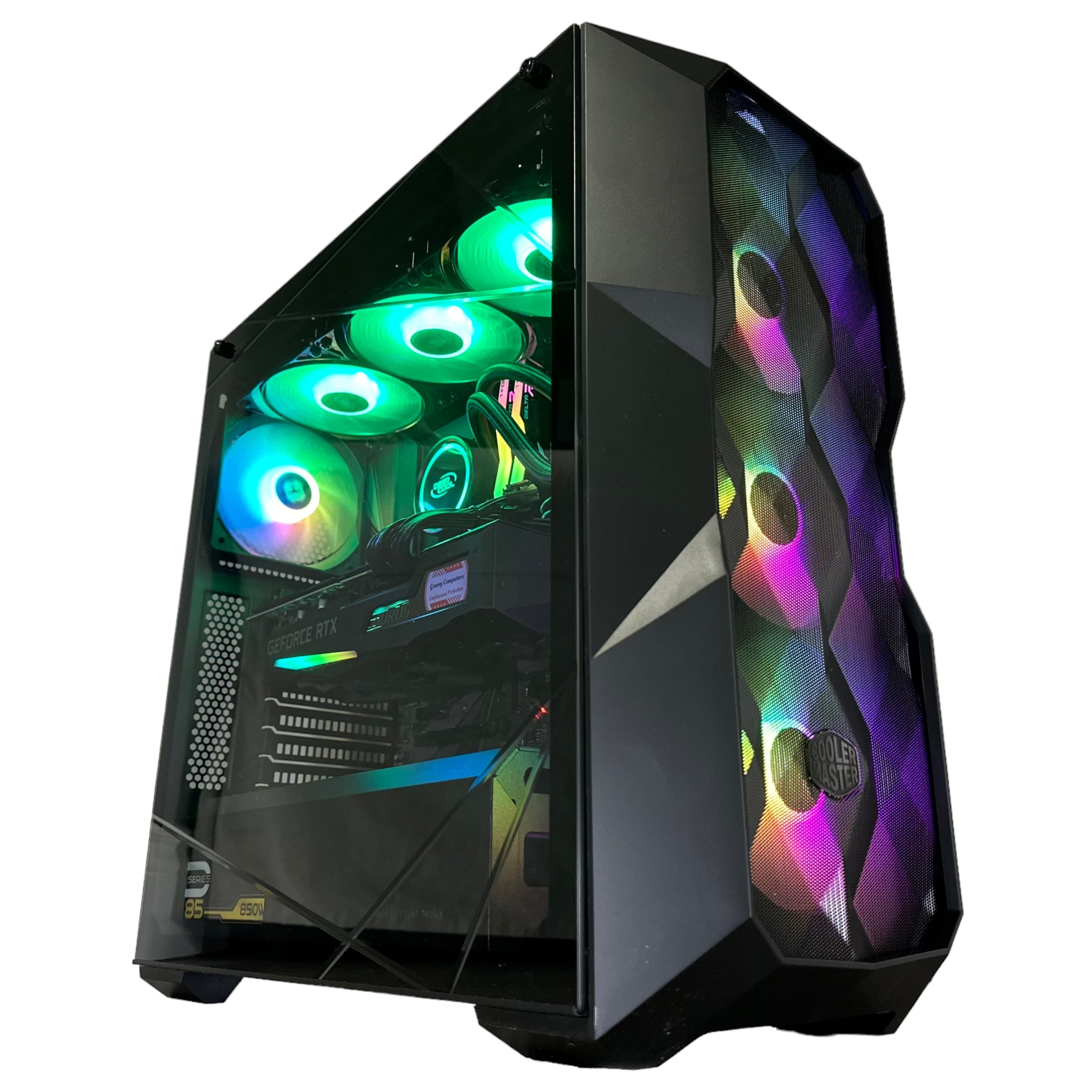
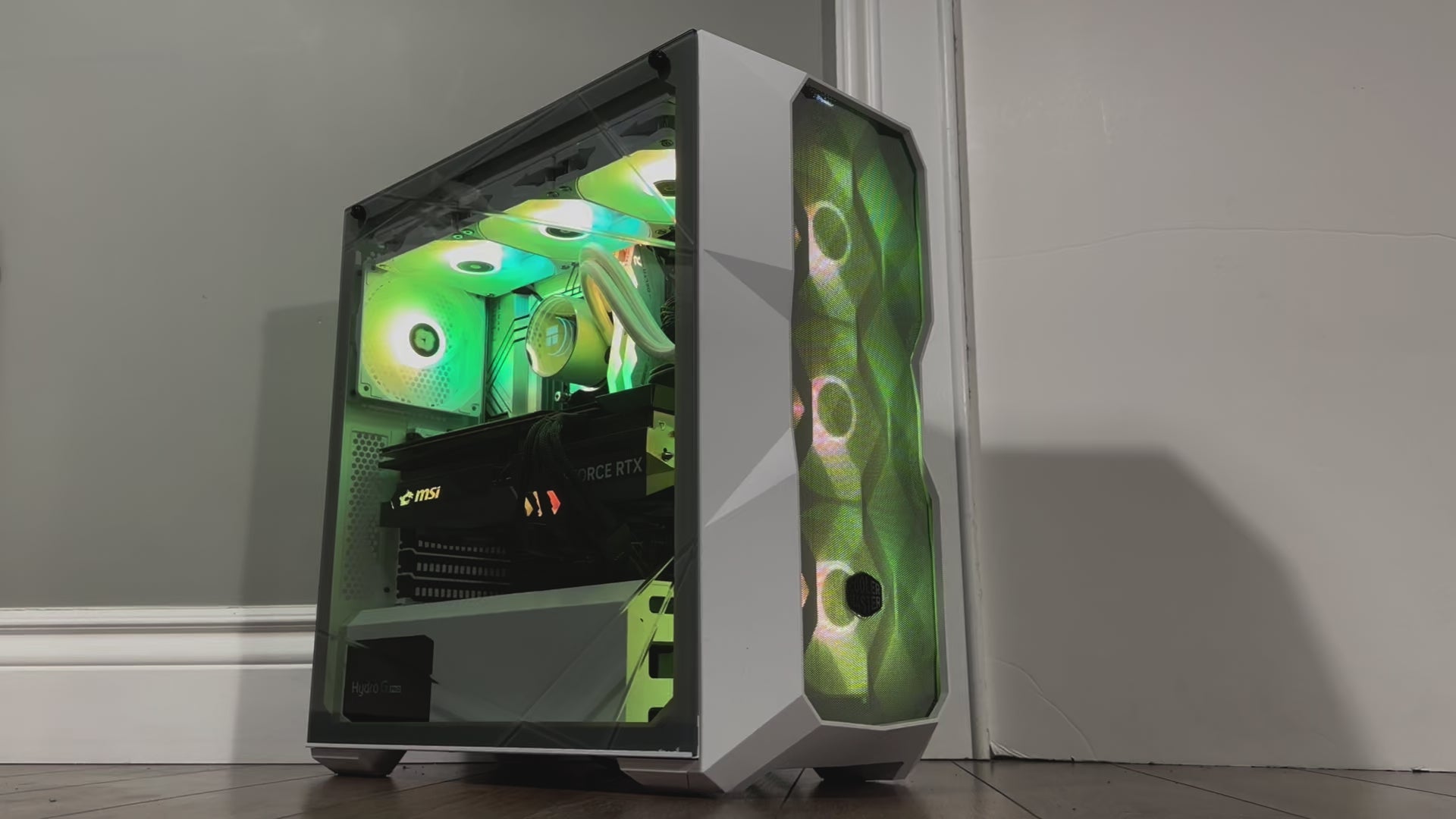
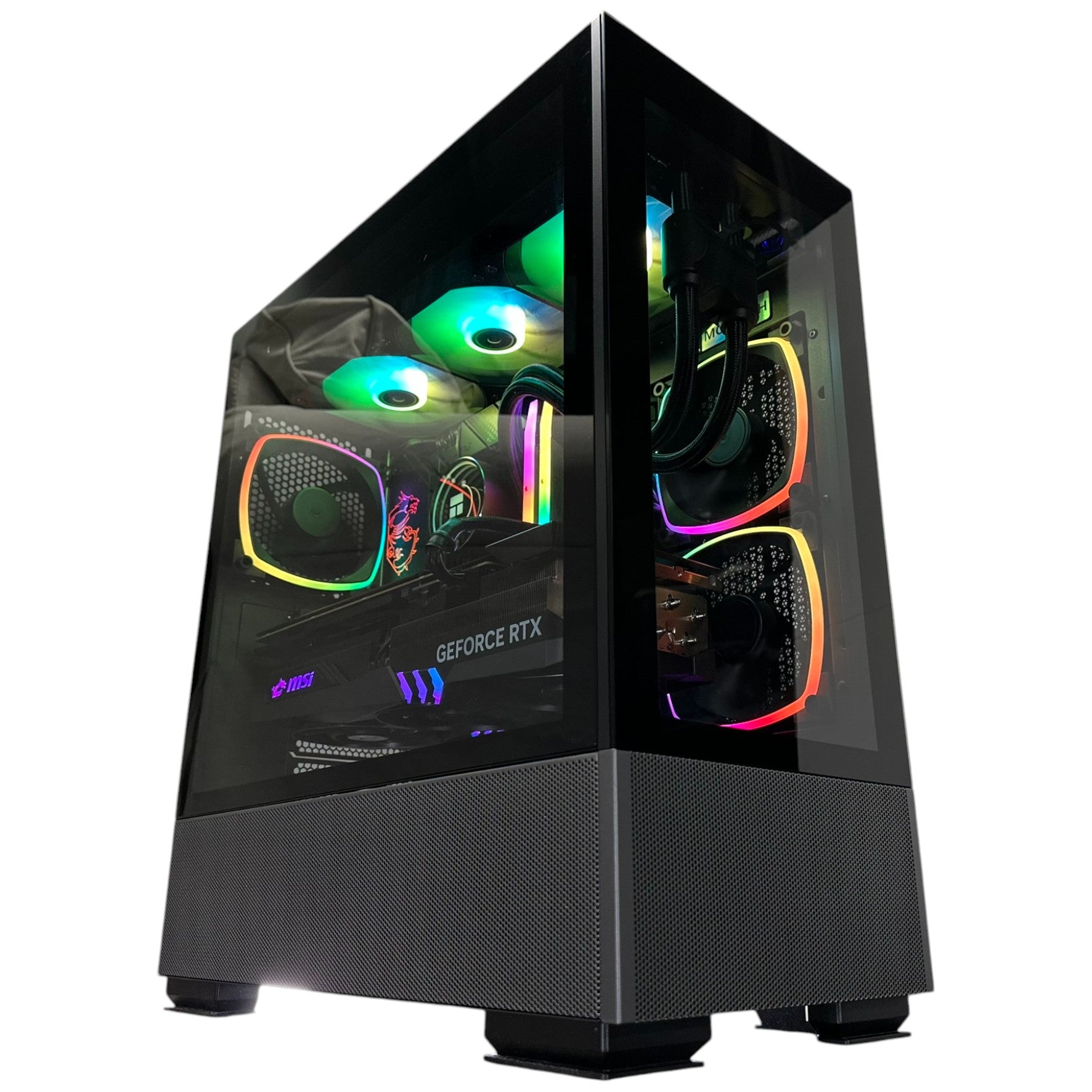
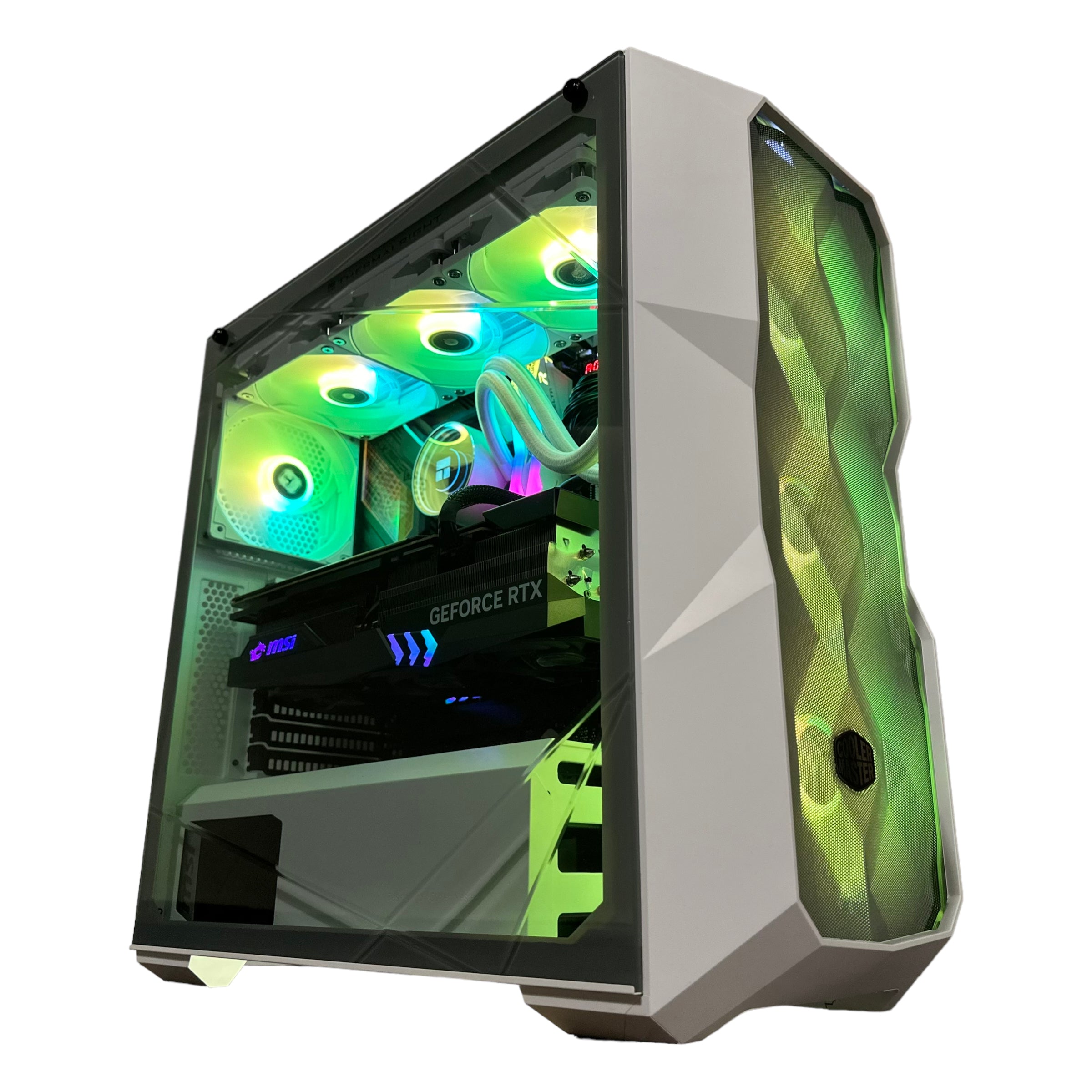
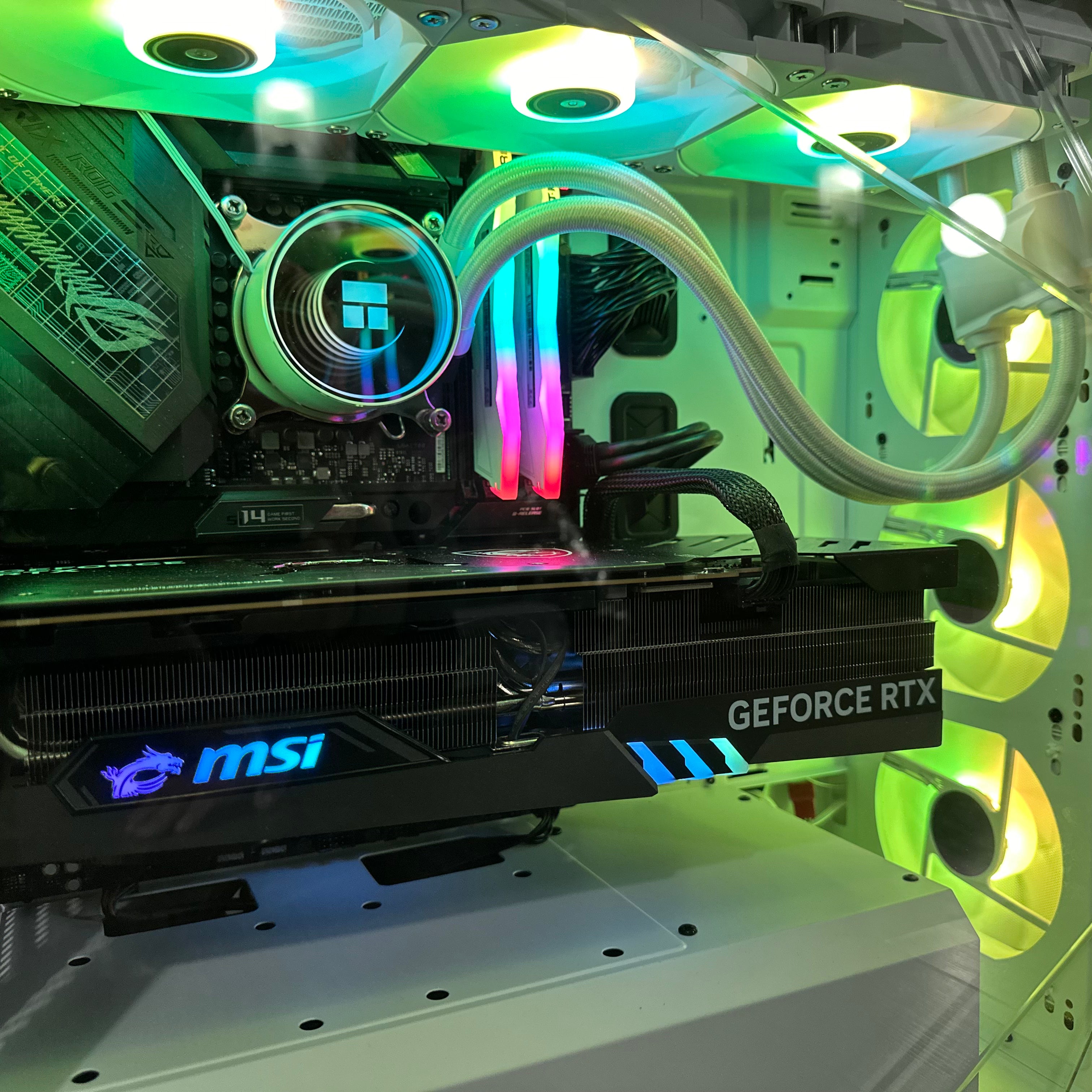
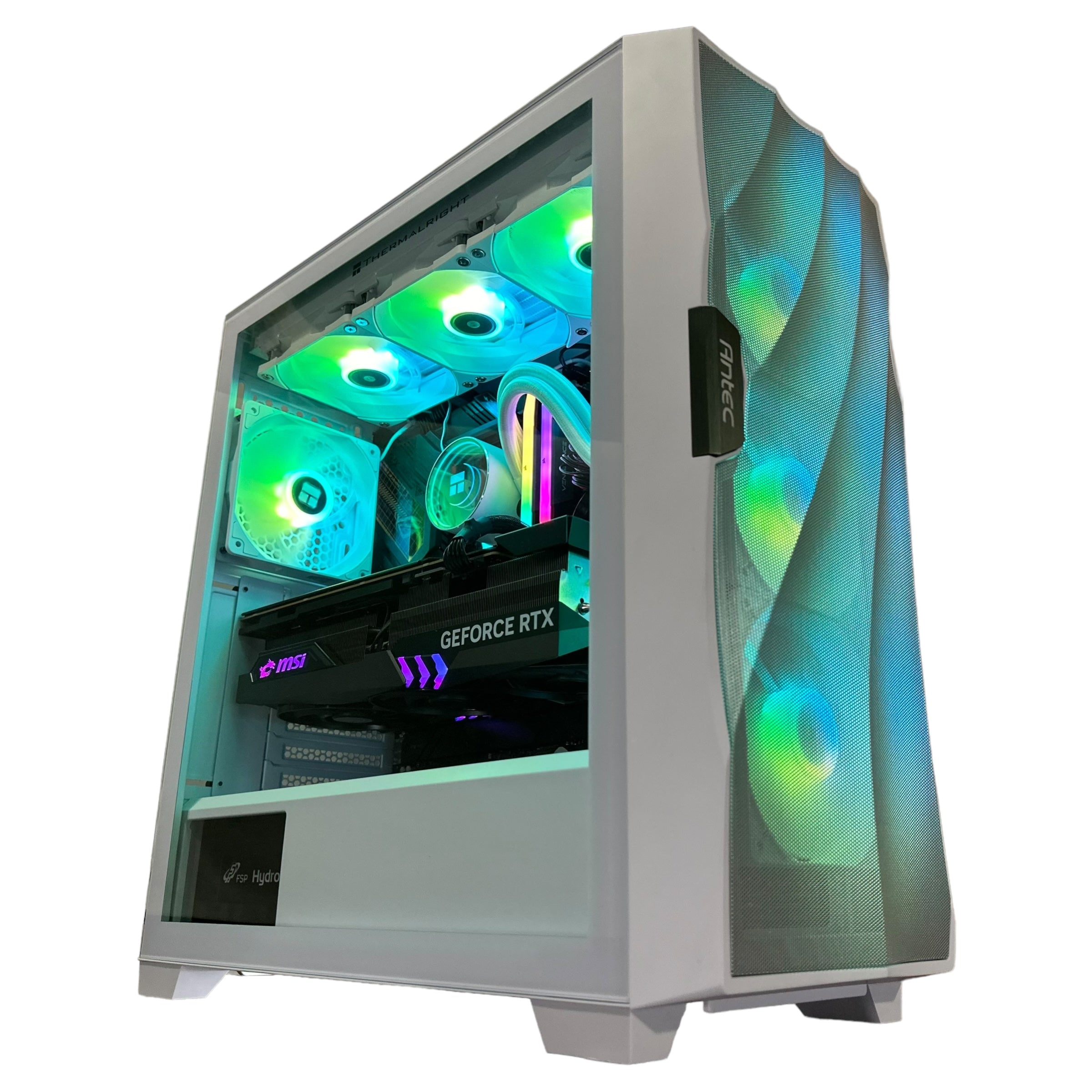
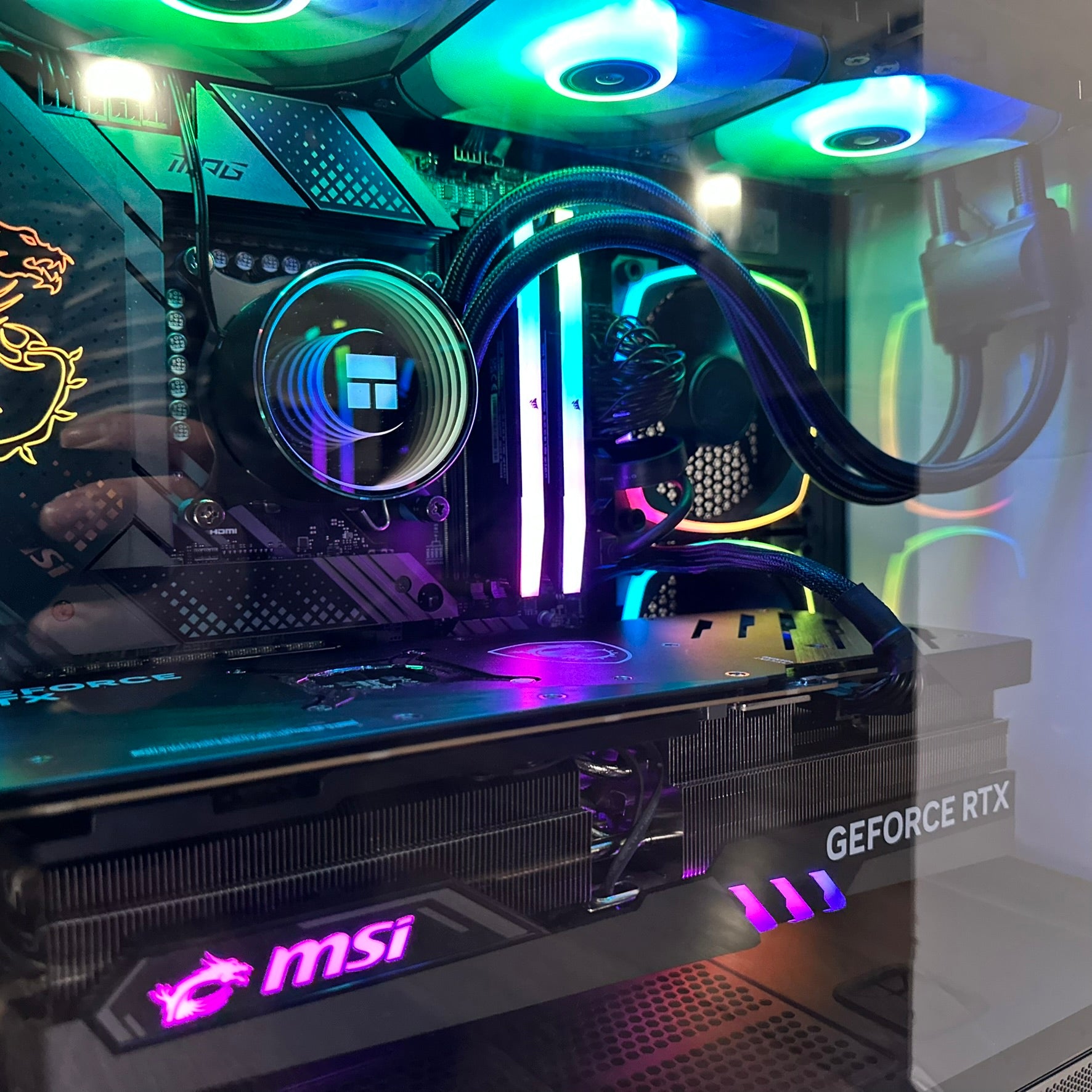
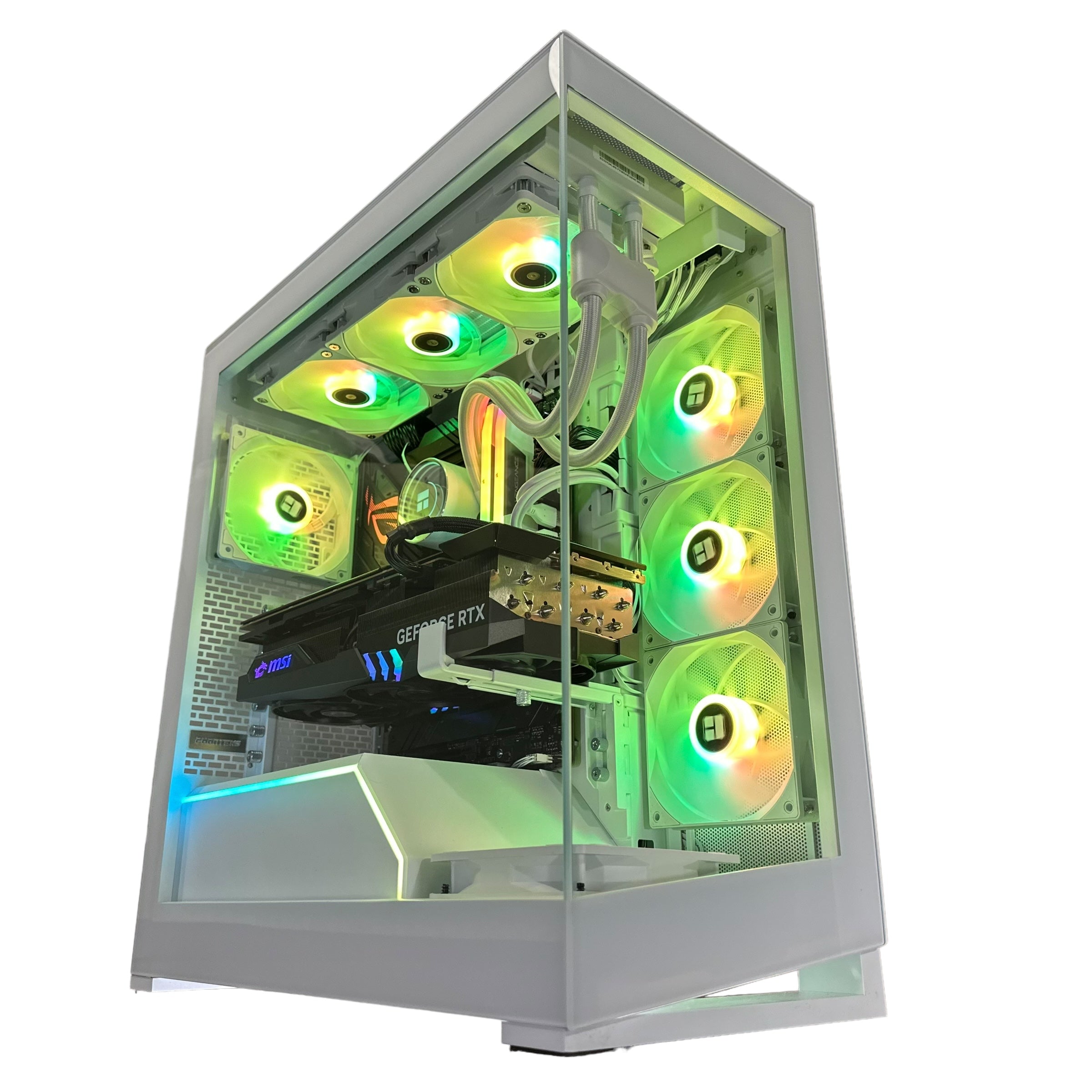
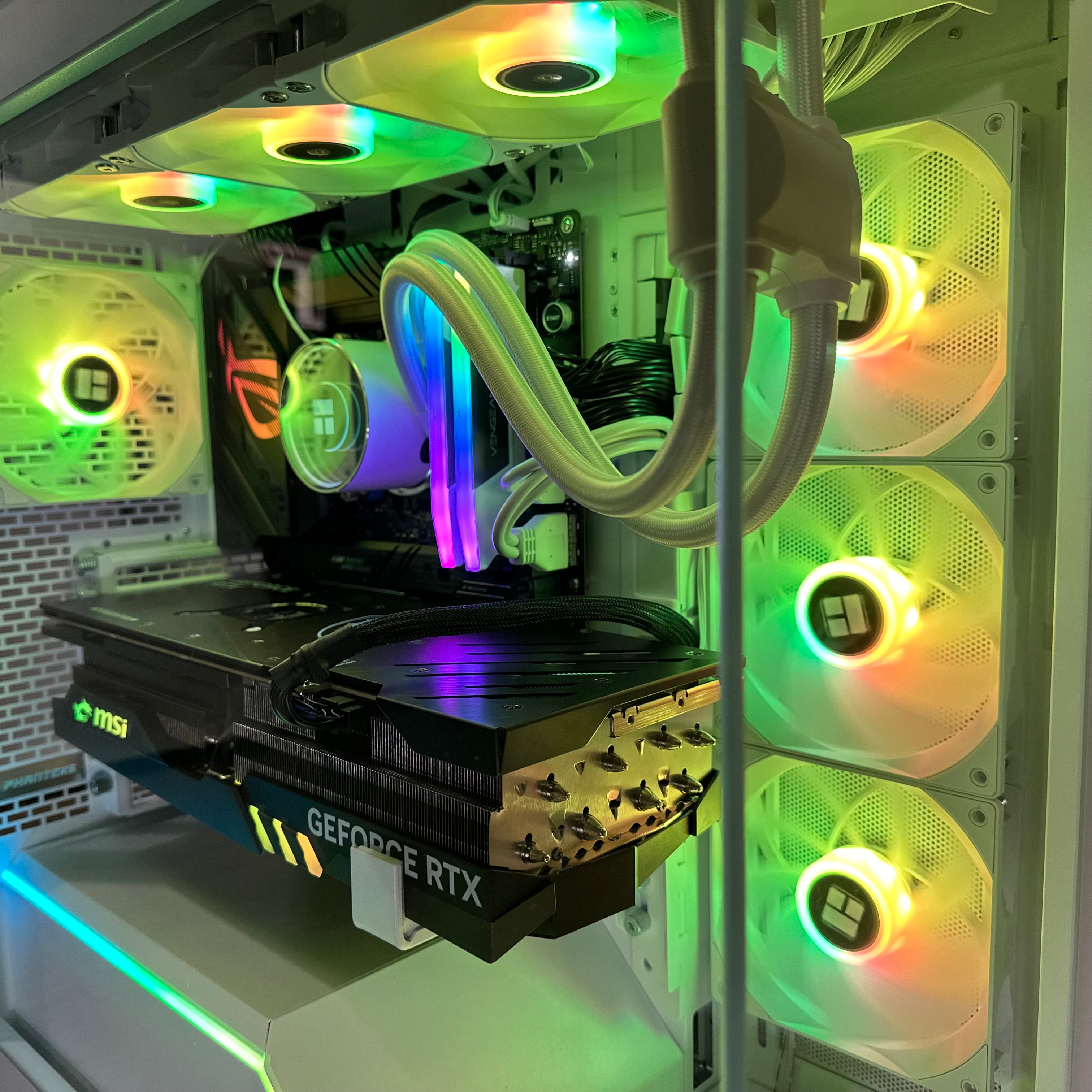
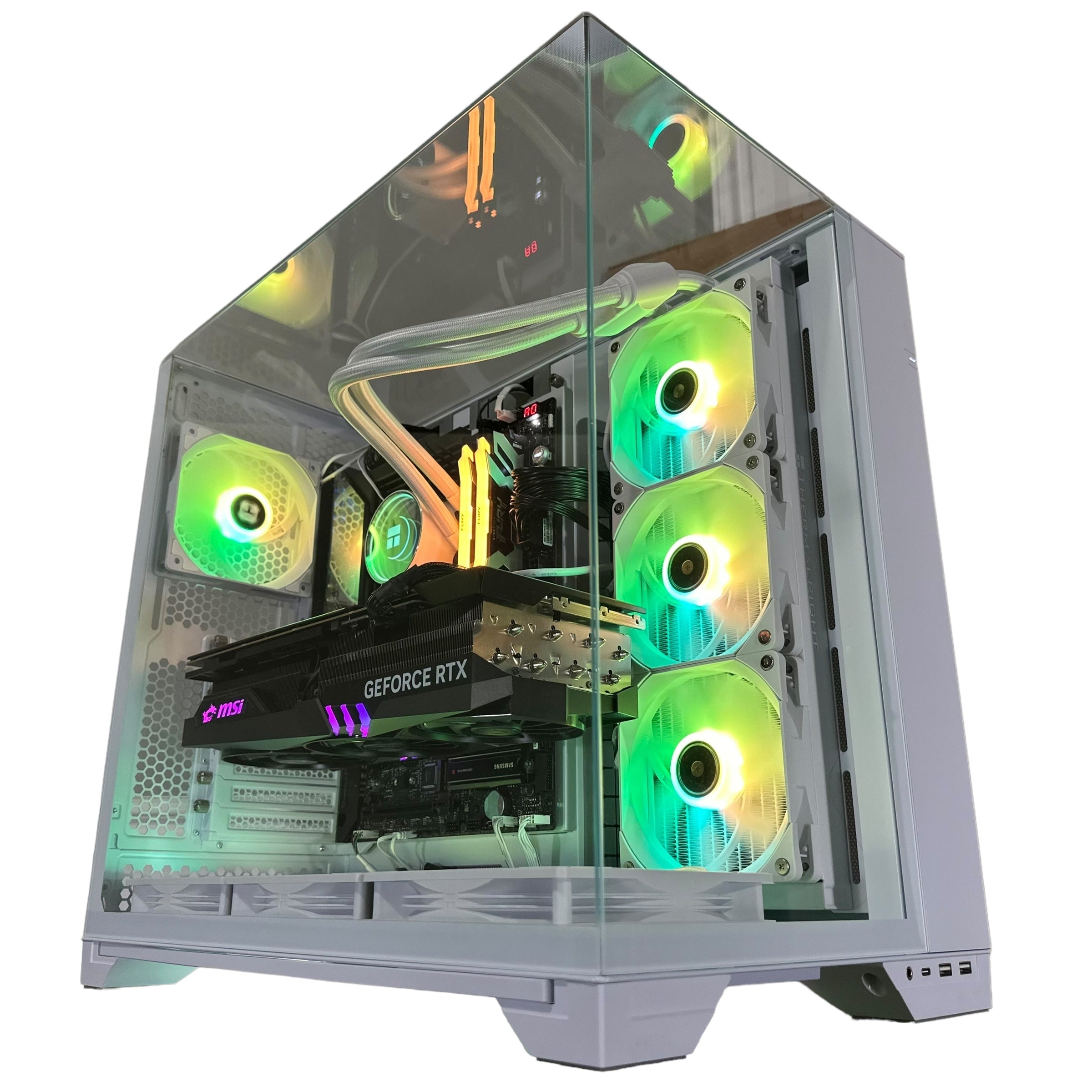
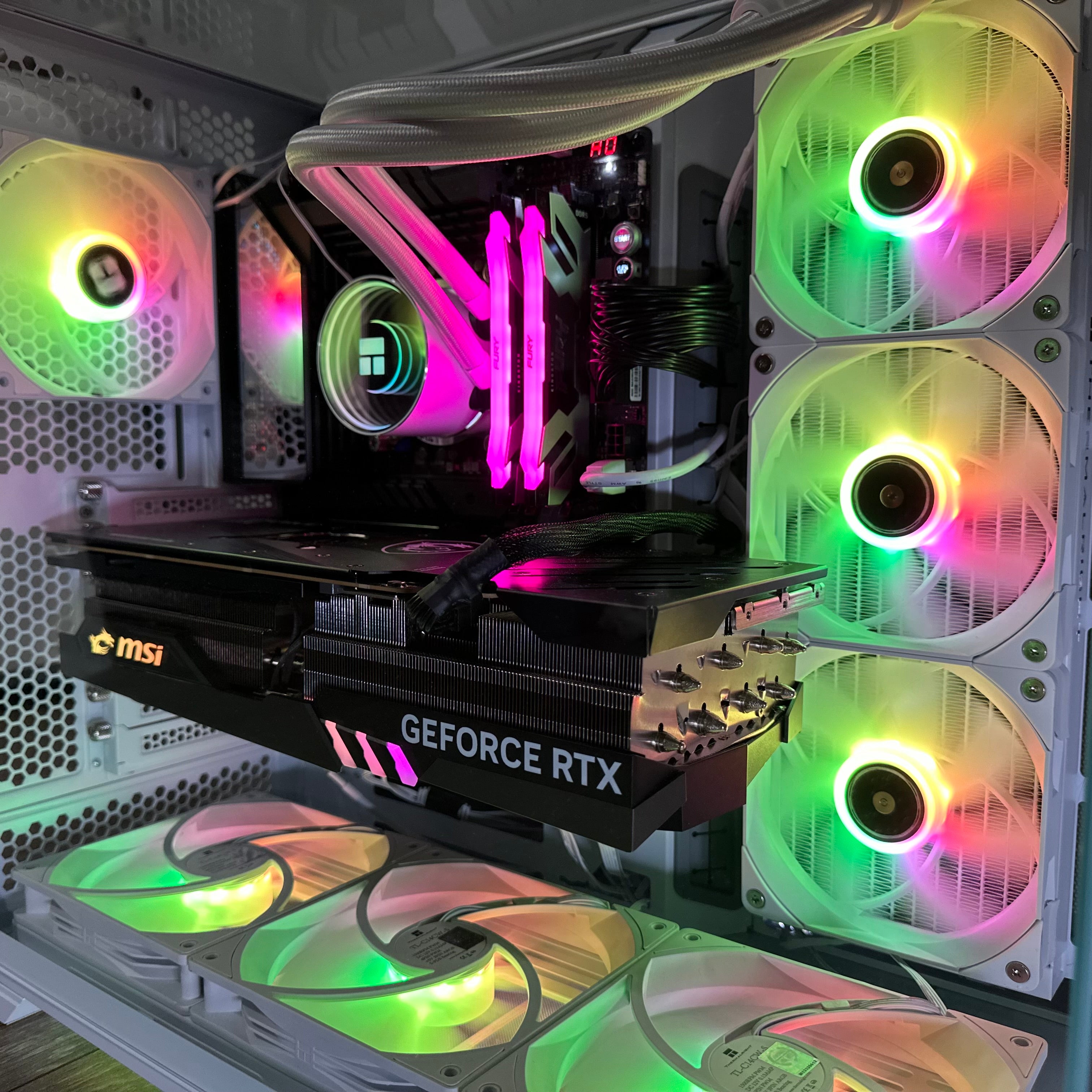
A custom gaming PC should be planned as a complete system. The GPU and CPU need to make sense together. The case should support airflow. The cooling should match the processor and expected workload. The power supply should be reliable and properly sized. The motherboard should support the features and upgrade path you need. The SSD should be fast and large enough for modern game libraries. The RAM should fit the workload, not just the minimum requirement.
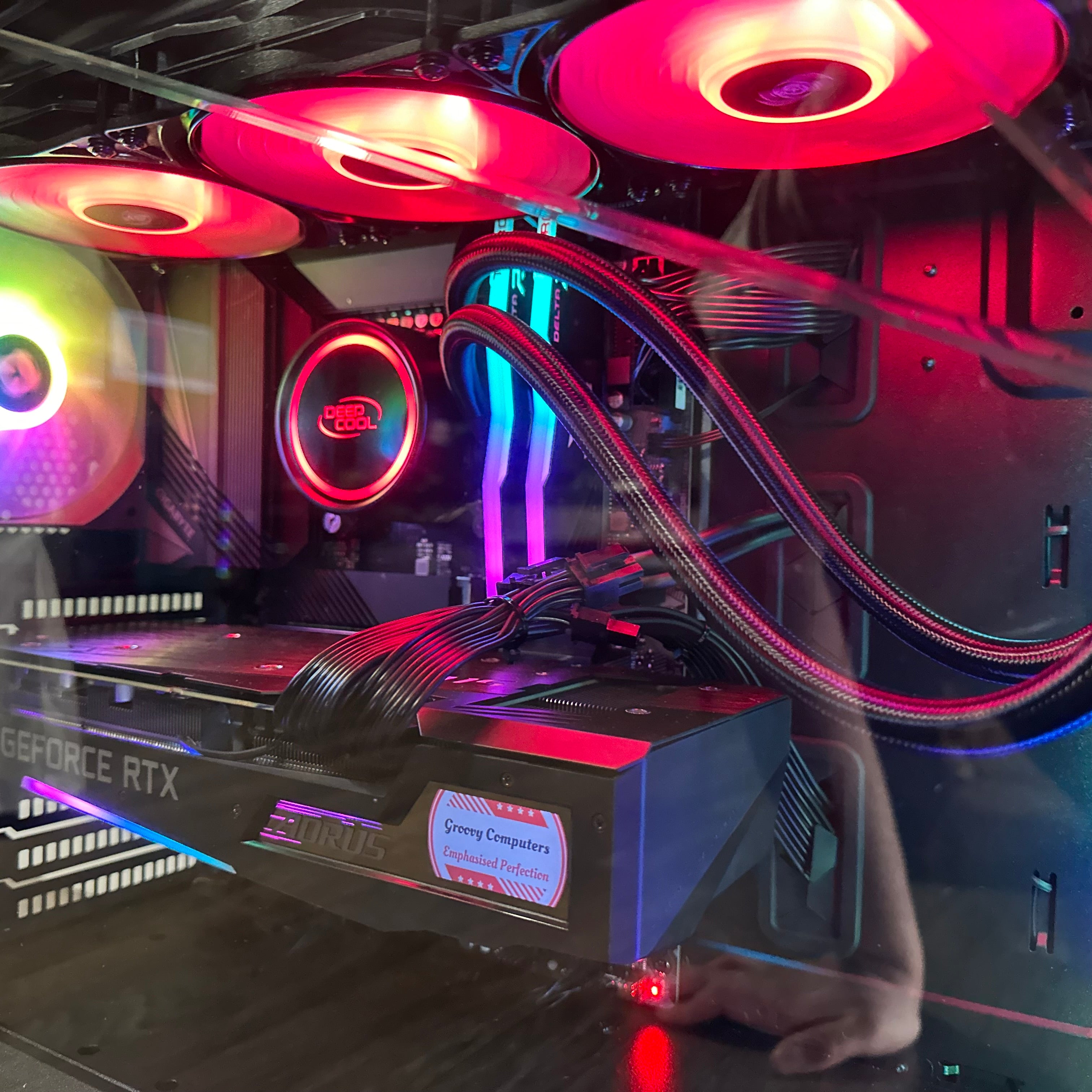
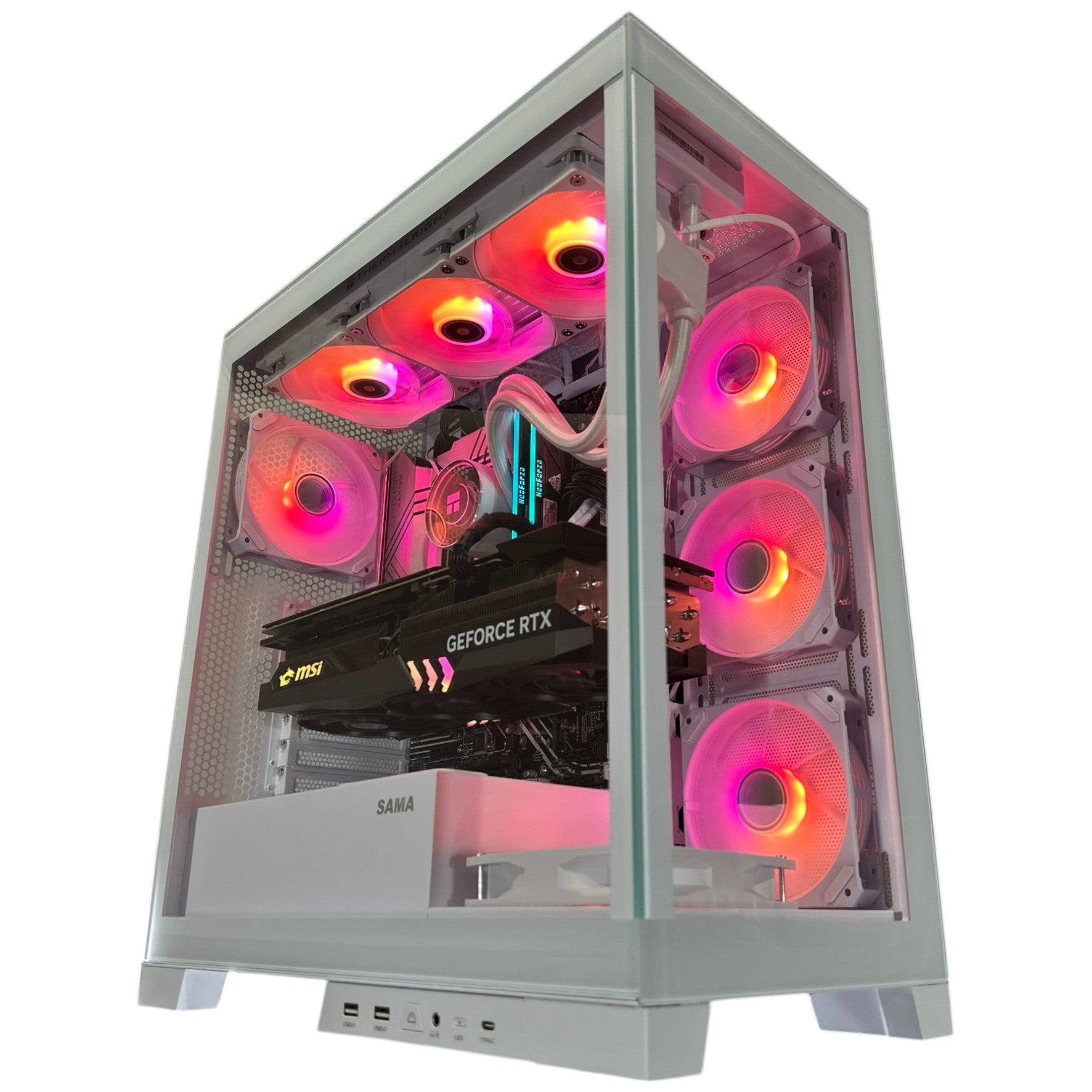
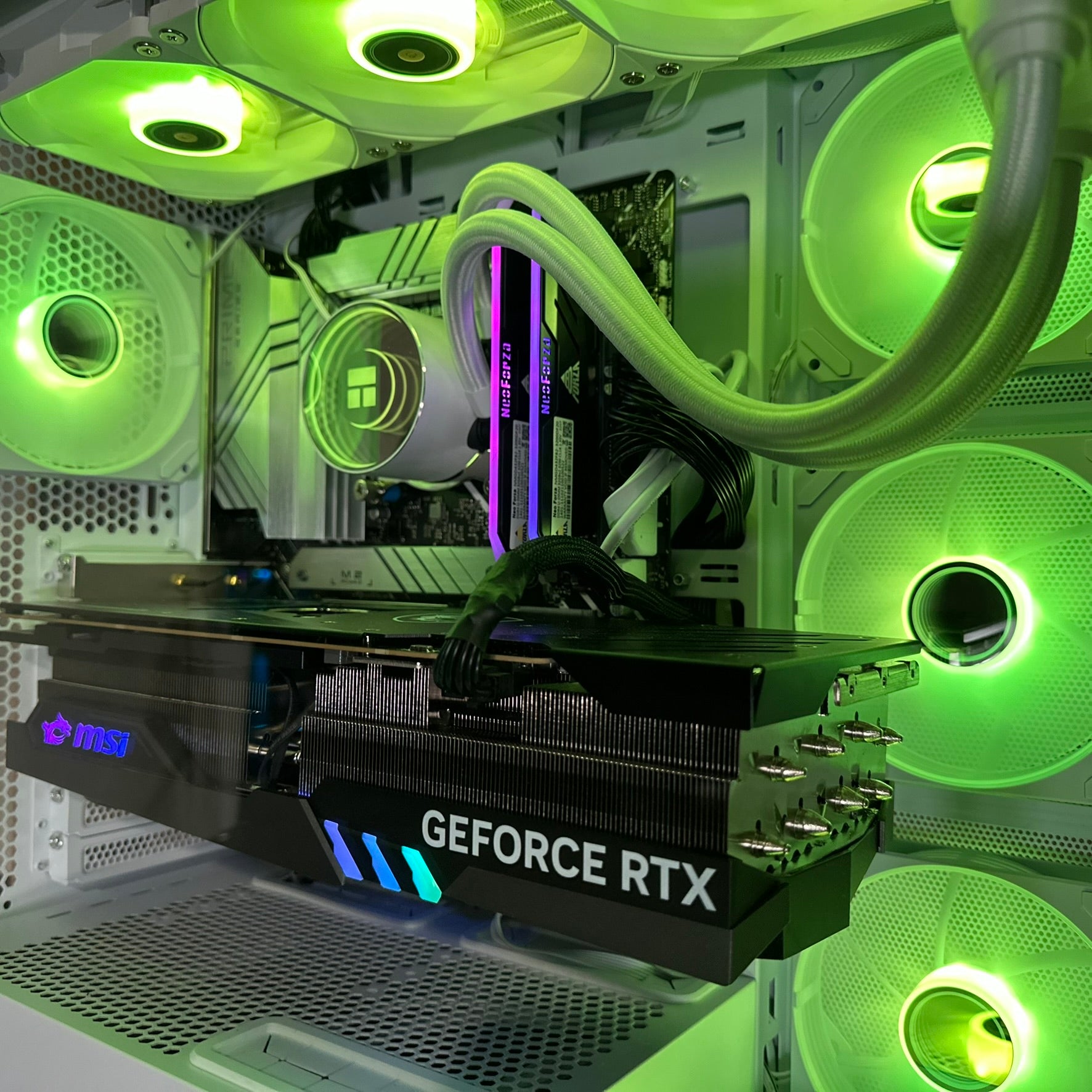
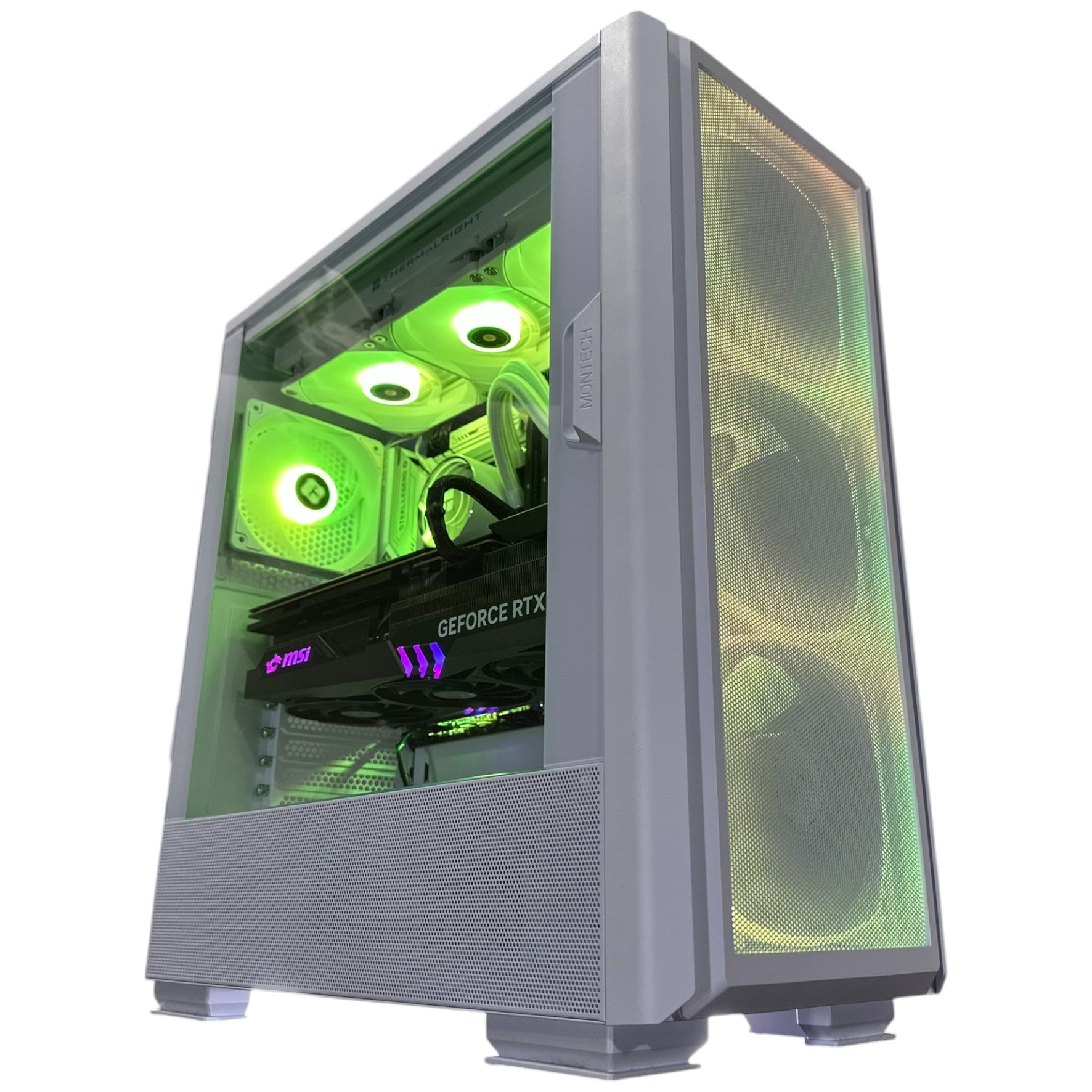
Groovy Computers focuses on custom builds, careful component matching, rigorous testing, and customer confidence. Every serious gaming PC, creator PC, or workstation PC should be treated as a system that has to perform in real life, not just a product photo. That is especially important if you plan to stream, edit, render, multitask, or play long sessions.
Would you rather buy a box of parts assembled to hit a price point, or a Canada-built gaming PC designed around how you actually use it?
How Much RAM, Storage, CPU, and GPU Do You Really Need?
Spec decisions can feel overwhelming, but they become easier when you connect them to your goals. A gamer focused on 1080p esports does not need the same configuration as a 4K open-world player. A streamer does not need the same setup as a Blender artist. A photo editor does not need the same storage plan as a YouTube creator managing terabytes of footage.
GPU: The Heart of Visual Performance
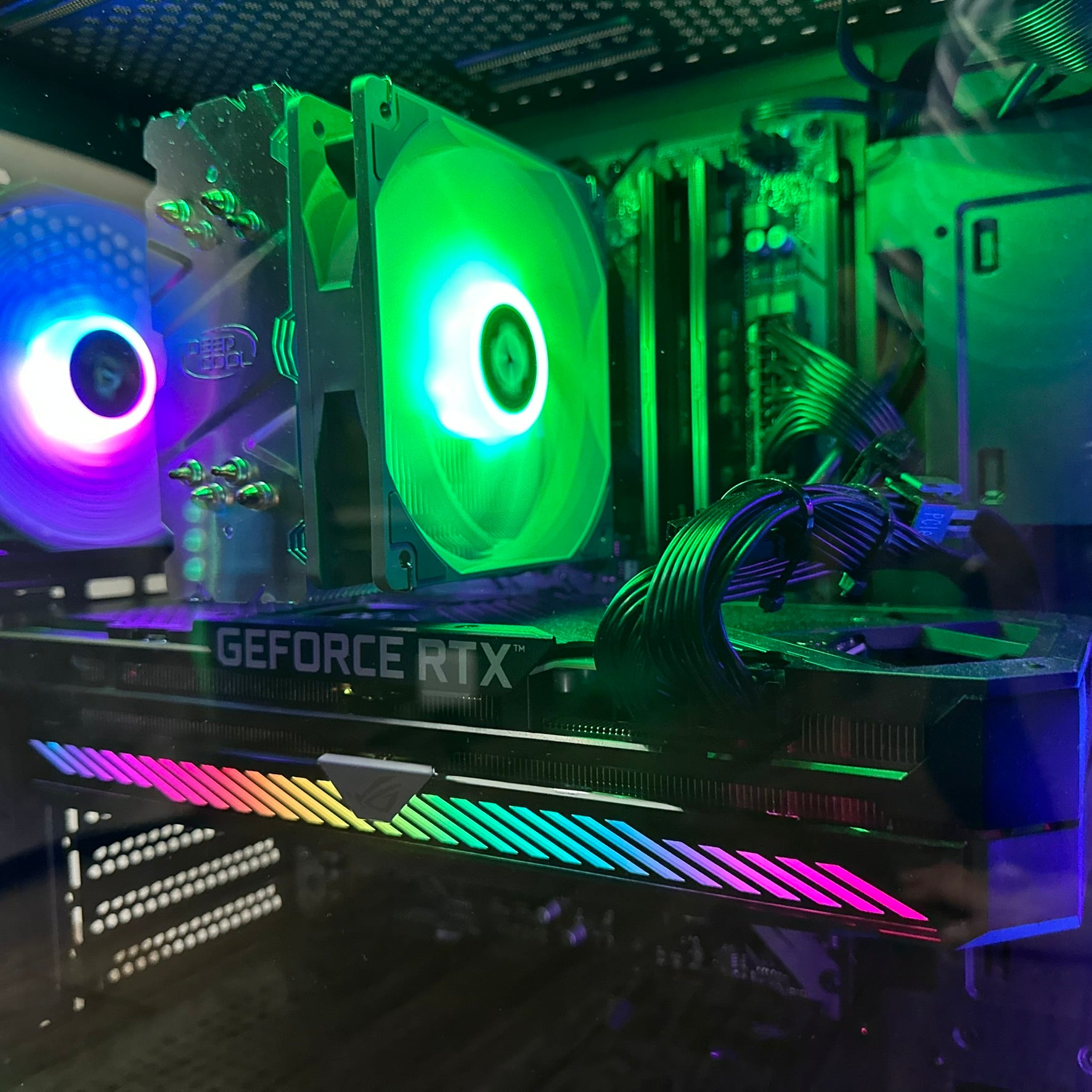
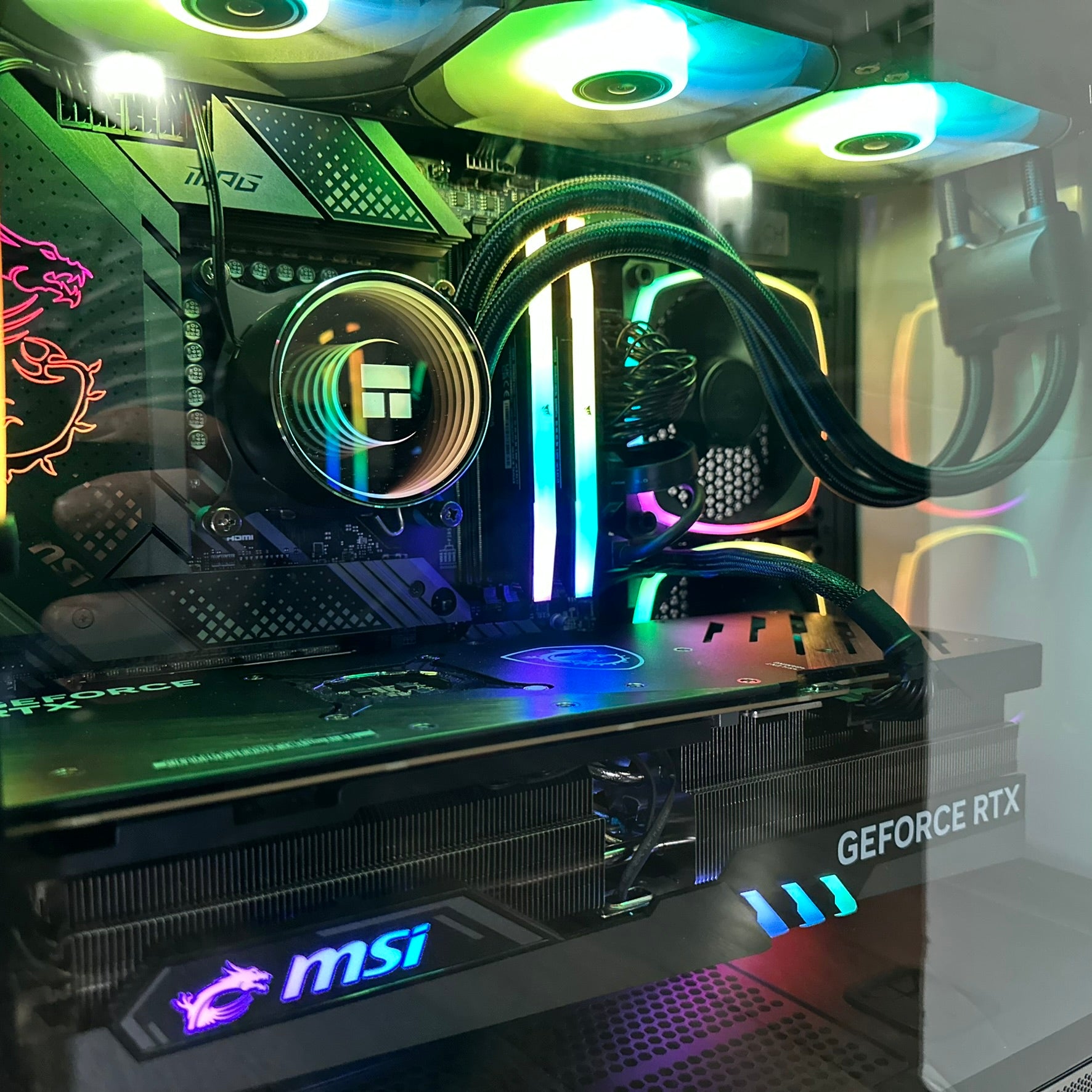
The graphics card is one of the most important parts of a gaming PC for new games. It drives frame rate, resolution, ray tracing, texture quality, and GPU-accelerated creative tasks. If you want a Ray Tracing Gaming PC Canada build, a high-refresh 1440p system, or a 4K ultra setup, you should prioritize the GPU carefully.
For creators, the GPU can also accelerate video editing, effects, AI tools, 3D rendering, and streaming. If you use DaVinci Resolve, Blender, Unreal Engine, or GPU-accelerated Adobe workflows, the GPU is not just for games. It can directly affect your work speed.
CPU: Frame Pacing, Simulation, and Productivity
The processor matters for game logic, simulation, background tasks, streaming, editing, exporting, rendering, and multitasking. Open-world games often benefit from strong CPU performance because they manage more world activity than simpler titles. If you also edit video, run OBS, or work with creative software, CPU choice becomes even more important.
Do you mostly game, or do you game while running several other applications? Do you want to render videos while browsing, uploading, and managing project files? If your workload is mixed, a stronger CPU may be a smart investment.
RAM: The Difference Between Barely Enough and Comfortable
Modern gaming and creator workflows can use a lot of memory. Games, launchers, browsers, Discord, capture software, editing tools, and background processes all compete for RAM. For many new gaming builds, 32GB has become a comfortable target for serious multitasking, while heavier creator and workstation users may benefit from 64GB or more depending on software.
How much RAM do creators need? It depends on whether you are editing 1080p clips, 4K timelines, high-resolution RAW photos, complex Photoshop files, or 3D scenes. If your PC will serve both gaming and production work, planning memory properly can prevent slowdowns that are frustrating to fix later.
Storage: Big Games and Creator Files Add Up Fast
Modern games are large. Creator projects are larger. A fast NVMe SSD improves boot times, game loading, project loading, and general responsiveness. But capacity matters too. If you install several AAA games, record gameplay, save video projects, or work with high-resolution media, a small SSD can fill quickly.
Ask yourself: will you be uninstalling games every week to make room, or do you want a storage layout that fits how you actually use your PC? For many buyers, a larger primary SSD or a two-drive setup is worth considering from the start.
What If You Also Edit Videos, Photos, or Social Media Content?
Crimson Desert and other visually rich games are built for moments worth sharing. Boss fights, housing showcases, character builds, exploration clips, guides, reactions, and cinematic screenshots can all become content. If you are already thinking about recording or posting, your PC should be built with that in mind.
A gaming PC can be good for video editing, but only if it is configured properly. A Video Editing PC Canada buyer should consider CPU cores, GPU acceleration, RAM, SSD speed, and storage capacity. A PC for Adobe Premiere Pro Canada users may need a different balance than a PC for DaVinci Resolve Canada creators, especially if colour grading, effects, and high-resolution footage are involved.
Photo editors should think about fast single-core performance, enough RAM for large files, a quality SSD, and support for colour-accurate workflows. If you use Photoshop, Lightroom, Capture One, or AI photo tools, a well-built desktop can make batch exports, masking, previews, and large catalogue work feel much smoother.
Graphic designers should consider multi-monitor support, Adobe Creative Cloud performance, RAM, storage, and responsiveness. If you work in Photoshop, Illustrator, InDesign, Canva, or Affinity tools, you may not need the most extreme gaming GPU, but you do need a balanced system that stays fast under real project loads.
So the question becomes: are you buying a PC for the game, or are you buying a PC for the lifestyle around the game? If gaming, streaming, editing, and design all matter, a custom creator PC may be the smarter category.
What If You Use Blender, Unreal Engine, or 3D Modeling Software?
Open-world games inspire many players to become builders themselves. Maybe you want to create 3D assets, design environments, learn Unreal Engine, render models in Blender, or work toward game development. In that case, you should not shop only as a gamer. You should shop like a gamer and a creator.
A 3D Modeling PC Canada or rendering workstation needs a different level of planning. GPU rendering, CPU rendering, scene complexity, viewport performance, RAM capacity, and storage speed all matter. If you are using Blender, Unreal Engine, Unity, Maya, 3ds Max, Cinema 4D, SketchUp, ZBrush, AutoCAD, Revit, or SolidWorks, the right build depends on your software and project size.
What PC do I need for Blender? What PC do I need for Unreal Engine? Is a gaming PC good for 3D rendering? The answer is often yes, if the gaming PC is built with workstation needs in mind. A high-performance GPU, ample RAM, strong CPU, and reliable cooling can make one system serve both gaming and professional creative work.
This is another reason custom configuration matters. A flashy gaming desktop may look powerful, but a true 3D workstation should be designed for sustained loads, not just short gaming benchmarks.
Why Canadian Buyers Should Think About Support, Warranty, and Shipping
Buying a gaming PC in Canada comes with practical considerations. Prices are in Canadian dollars. Component availability can vary. Shipping distances can be long. Support matters when you need help. Warranty confidence matters when you are investing in a system that may become your main gaming, school, business, or creative machine.
Groovy Computers is a Canadian custom PC builder serving customers who want gaming computers in Canada, custom builds in Nova Scotia, and gaming PCs shipped Canada wide. Whether you are in Trenton, New Glasgow, Halifax, Atlantic Canada, Ontario, Alberta, British Columbia, or elsewhere in the country, the advantage of buying from a Canadian gaming PC company is straightforward: your system is built for Canadian customers, priced in Canadian context, and supported by people who understand the market.
Every Groovy Computers build is backed by a 1-year warranty, and our focus on testing helps reduce the risk of surprises after delivery. When your PC is expected to handle new games, streaming, editing, rendering, and everyday productivity, that peace of mind matters.
Questions to Ask Before Buying or Financing Your Next Gaming PC
If you are researching a custom gaming PC, use these questions to sharpen your decision before you buy:
- What games do I want to play most? Are you focused on Crimson Desert-style open-world games, esports titles, survival games, shooters, RPGs, racing games, or upcoming AAA releases?
- What resolution do I actually use? Are you gaming at 1080p, moving to 1440p, or building for 4K?
- Do I care about ray tracing and ultra settings? If visual quality matters, your GPU choice becomes more important.
- Will I stream or record gameplay? If yes, plan for OBS, encoding, storage, and multitasking.
- Will I edit video or photos? If yes, consider RAM, CPU performance, GPU acceleration, and SSD capacity.
- Will I use Blender, Unreal Engine, CAD, or 3D software? If yes, you may need a workstation-style configuration.
- Do I want to avoid upgrading too soon? If yes, do not build only around minimum requirements.
- Is financing a stronger system smarter than buying a cheaper system today? If the better build lasts longer and fits your monthly budget, it may be worth exploring.
- Do I want help choosing parts? If you are unsure, working with a custom PC builder can prevent costly mismatches.
Why Groovy Computers Is Built for This Moment
Game updates like Crimson Desert’s housing and equipment expansion remind us that PC gaming keeps moving. New features, richer worlds, more detailed assets, and bigger content cycles all push players toward stronger, better-balanced systems. But the best PC is not always the most expensive PC. It is the one built for your target resolution, your games, your software, your upgrade expectations, and your budget.
Groovy Computers helps Canadian buyers choose custom gaming PCs, creator PCs, streaming PCs, video editing PCs, and workstation PCs with real-world use in mind. We can help you decide whether you need a budget gaming computer, a premium RTX gaming PC, a 1440p sweet-spot build, a 4K powerhouse, a custom creator PC, or a 3D modeling workstation. We also offer financing options up to 4 years for customers who want to secure a stronger system now instead of compromising and upgrading too soon.
If you are asking, “What gaming PC do I need?” the answer should not come from a random spec list. It should come from your actual goals. What do you play? What do you create? What monitor do you use? What software do you rely on? What do you want your PC to feel like two or three years from now?
Ready for Crimson Desert and the Next Wave of AAA PC Gaming?
A gaming PC for new games should be ready for more than a launch screen. It should be ready for open-world exploration, fast combat, detailed customization, creator workflows, streaming, editing, and the inevitable next update that raises expectations again. Crimson Desert’s latest update is a small window into the future of PC gaming: deeper worlds, more systems, more personalization, and more reasons to own a strong desktop.
If you want help choosing the right build, now is the time to plan before demand spikes, prices shift, or your current system becomes the bottleneck. Whether you need a value-focused 1080p gaming PC, a balanced 1440p machine, a premium 4K gaming PC, a streaming and editing desktop, or a custom workstation, Groovy Computers can help you build with confidence.
Want a custom gaming PC built around the games, software, and performance you actually care about? Visit GroovyComputers.ca to explore Canadian custom PC options, financing, and expert guidance from Groovy Computers.
#GamingPCForNewGames #GamingPCCanada #CustomGamingPCCanada #1440pGamingPC #4KGamingPC #StreamingPCCanada #CreatorPCCanada #GroovyComputers
Groovy Computers | All Rights Reserved



Leave a comment
This site is protected by hCaptcha and the hCaptcha Privacy Policy and Terms of Service apply.