
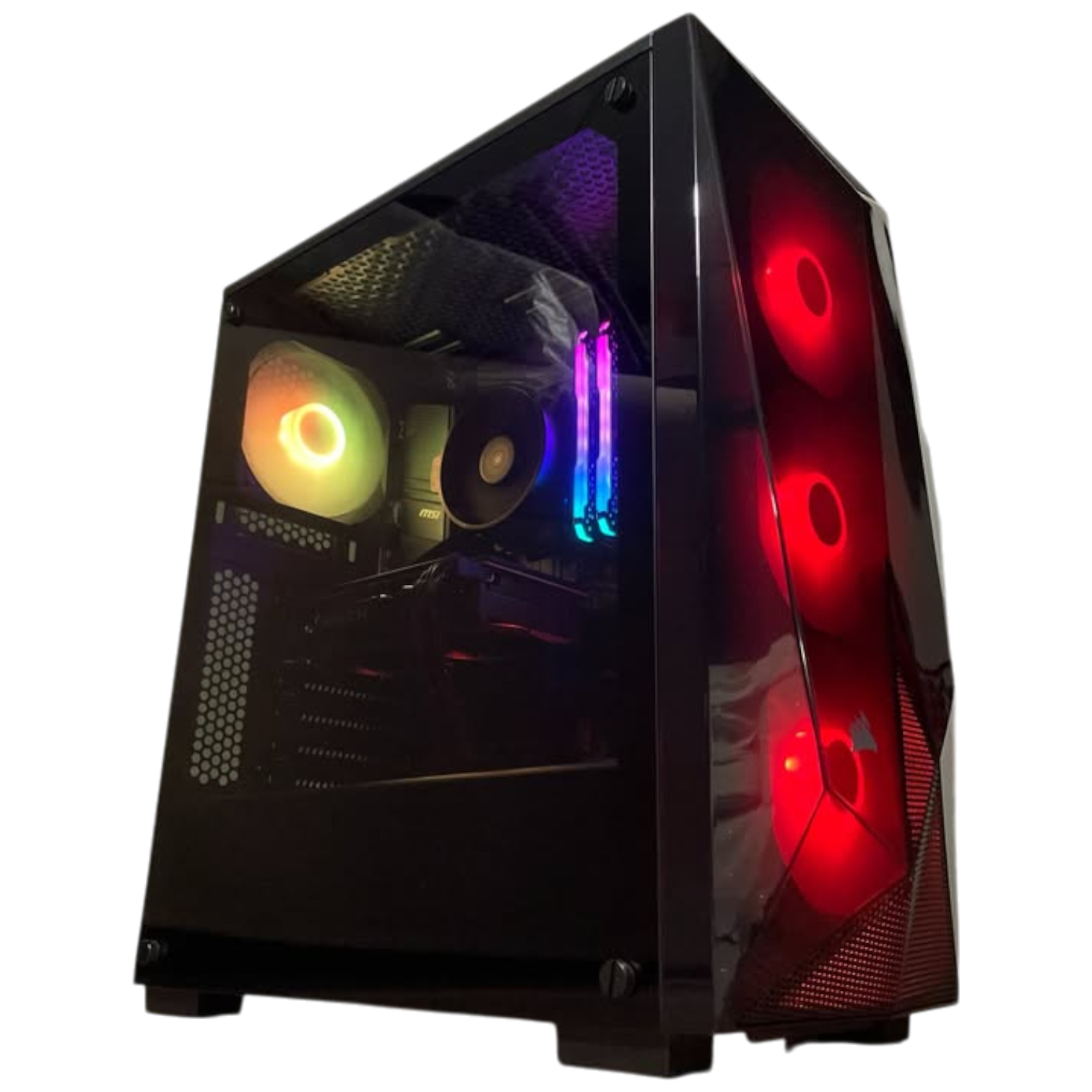
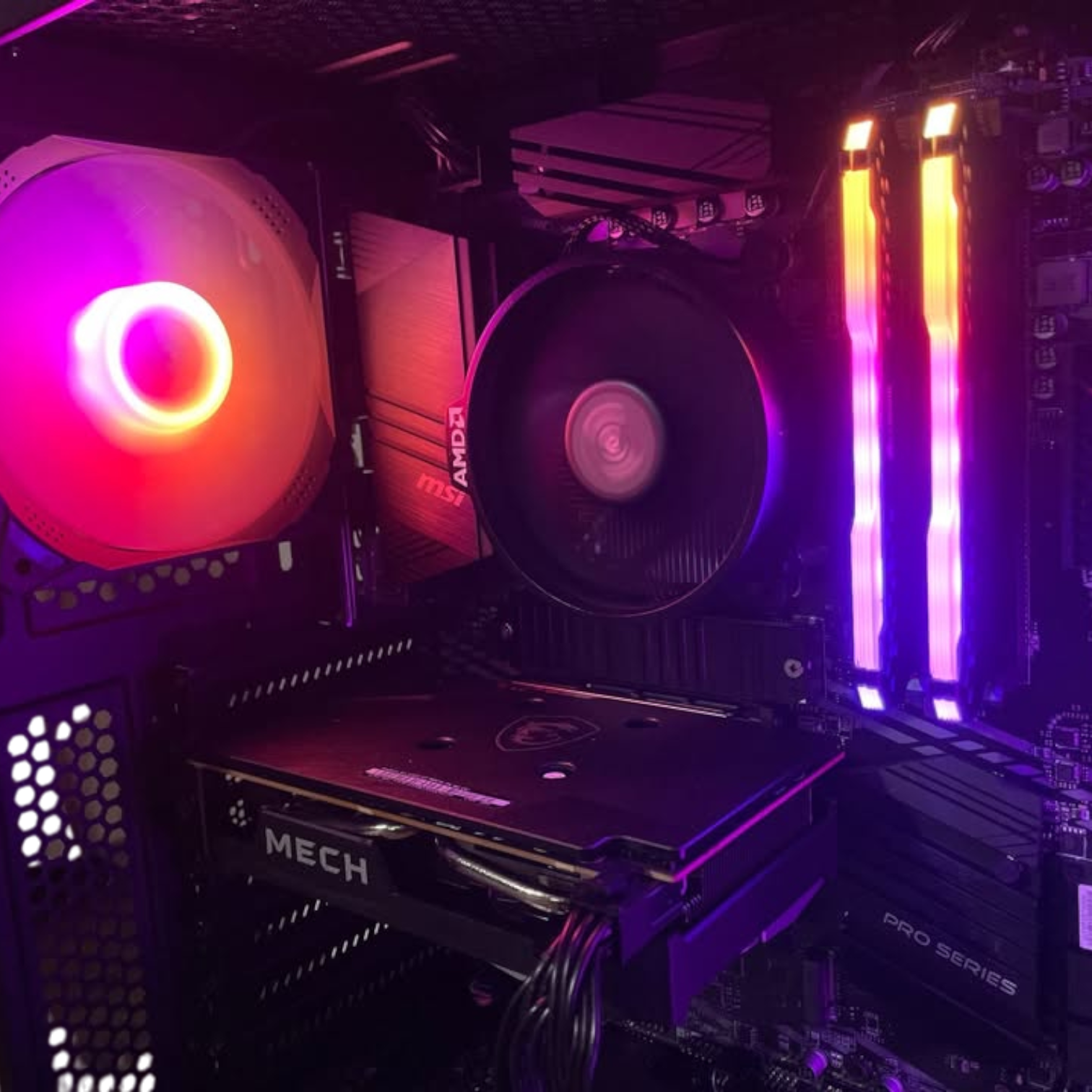
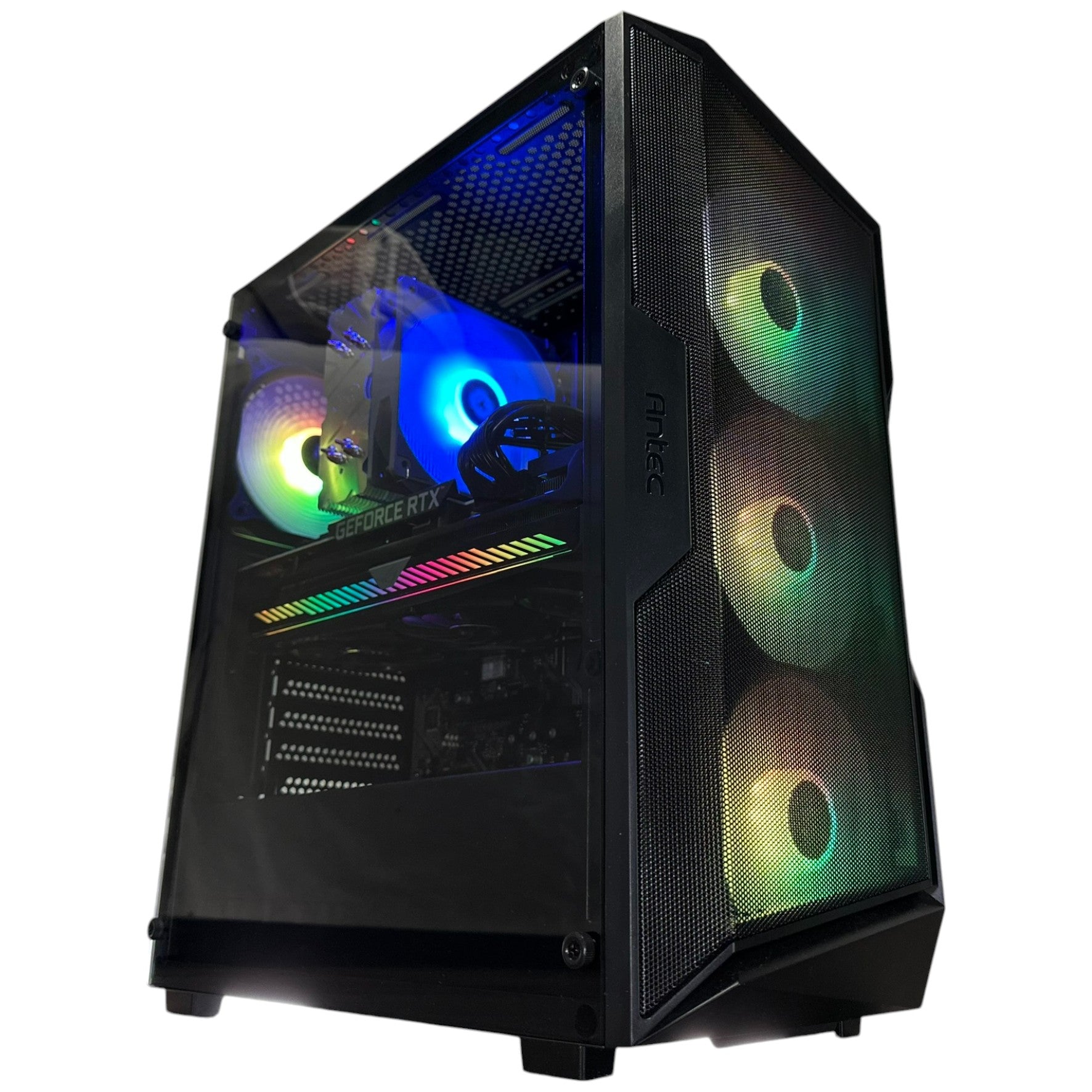
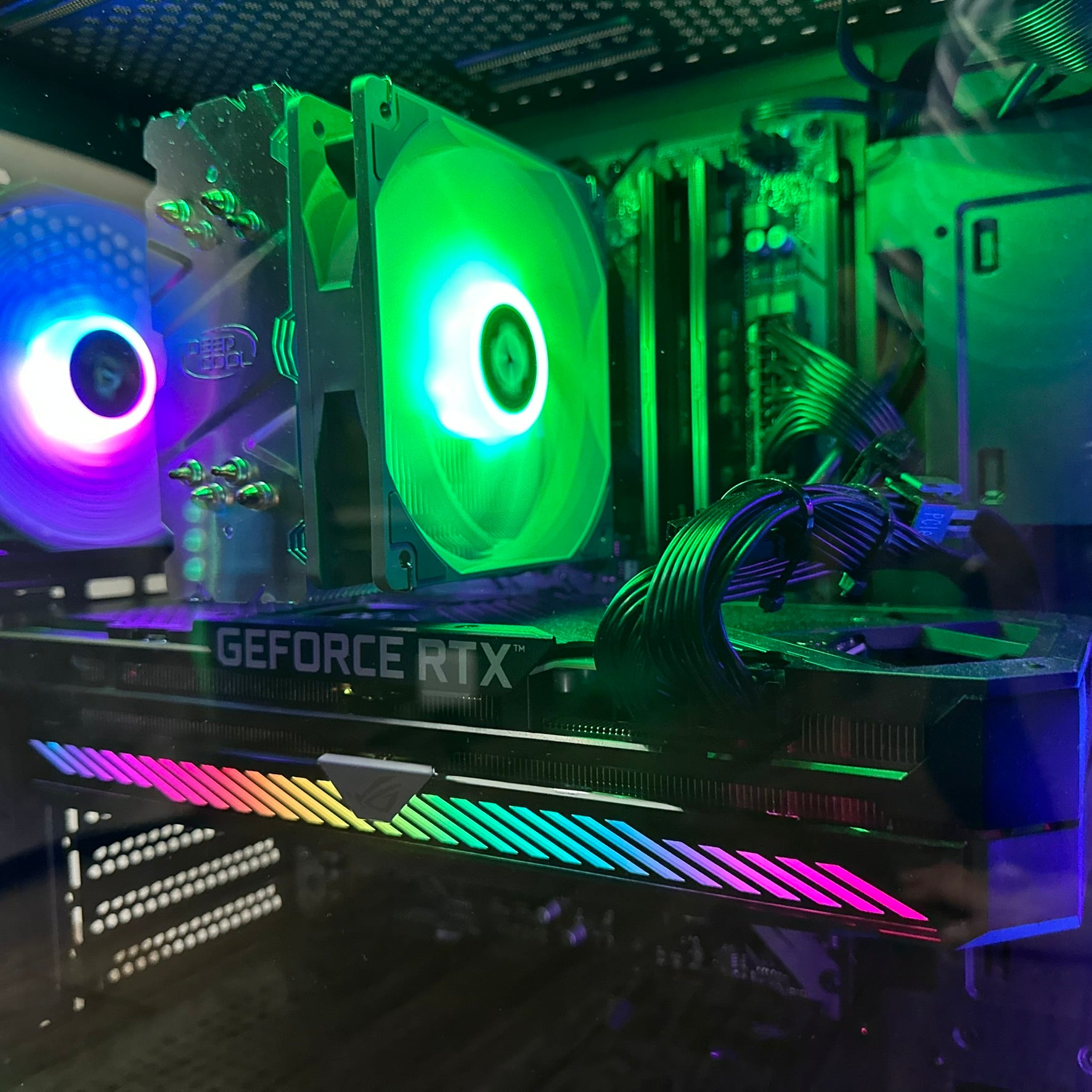




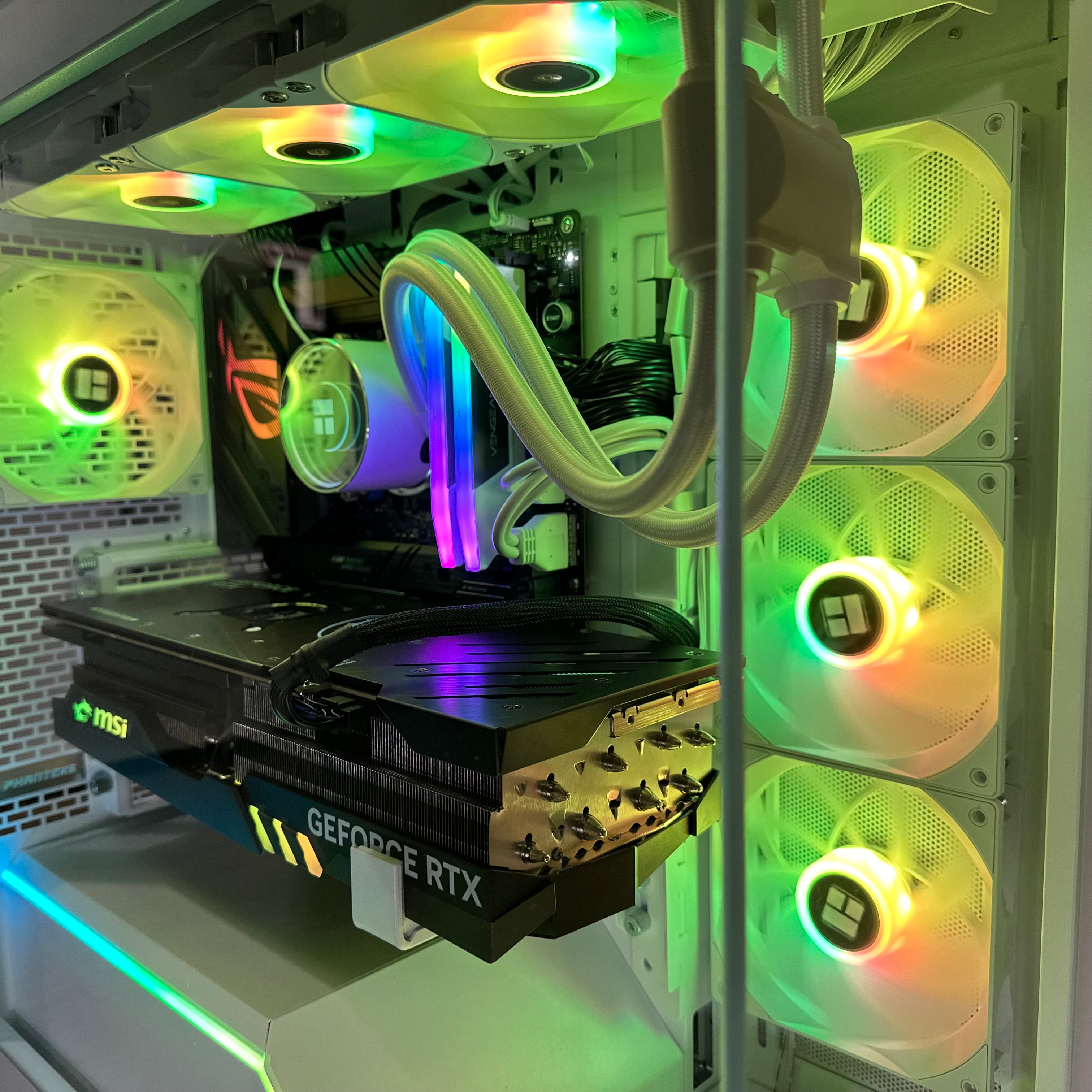
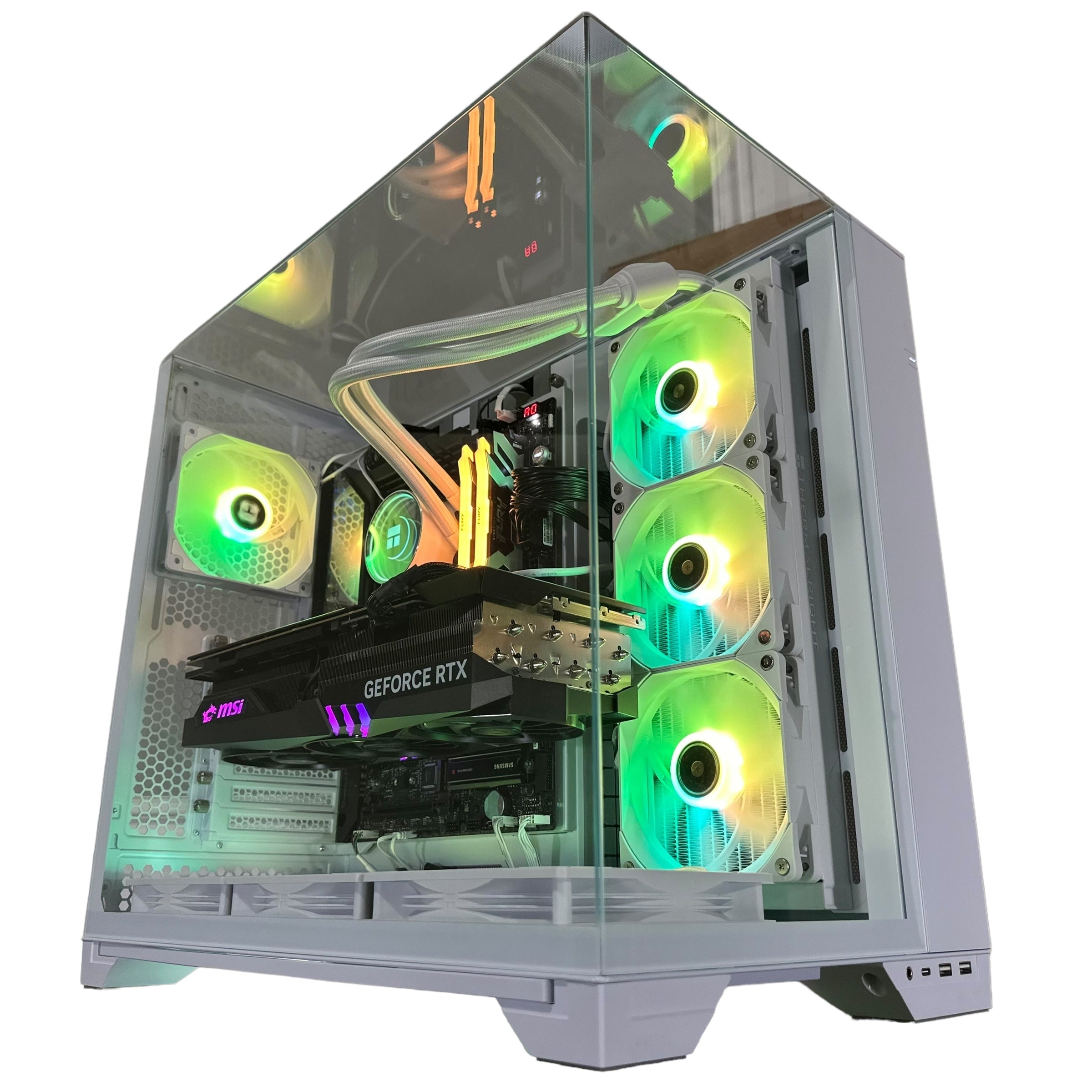
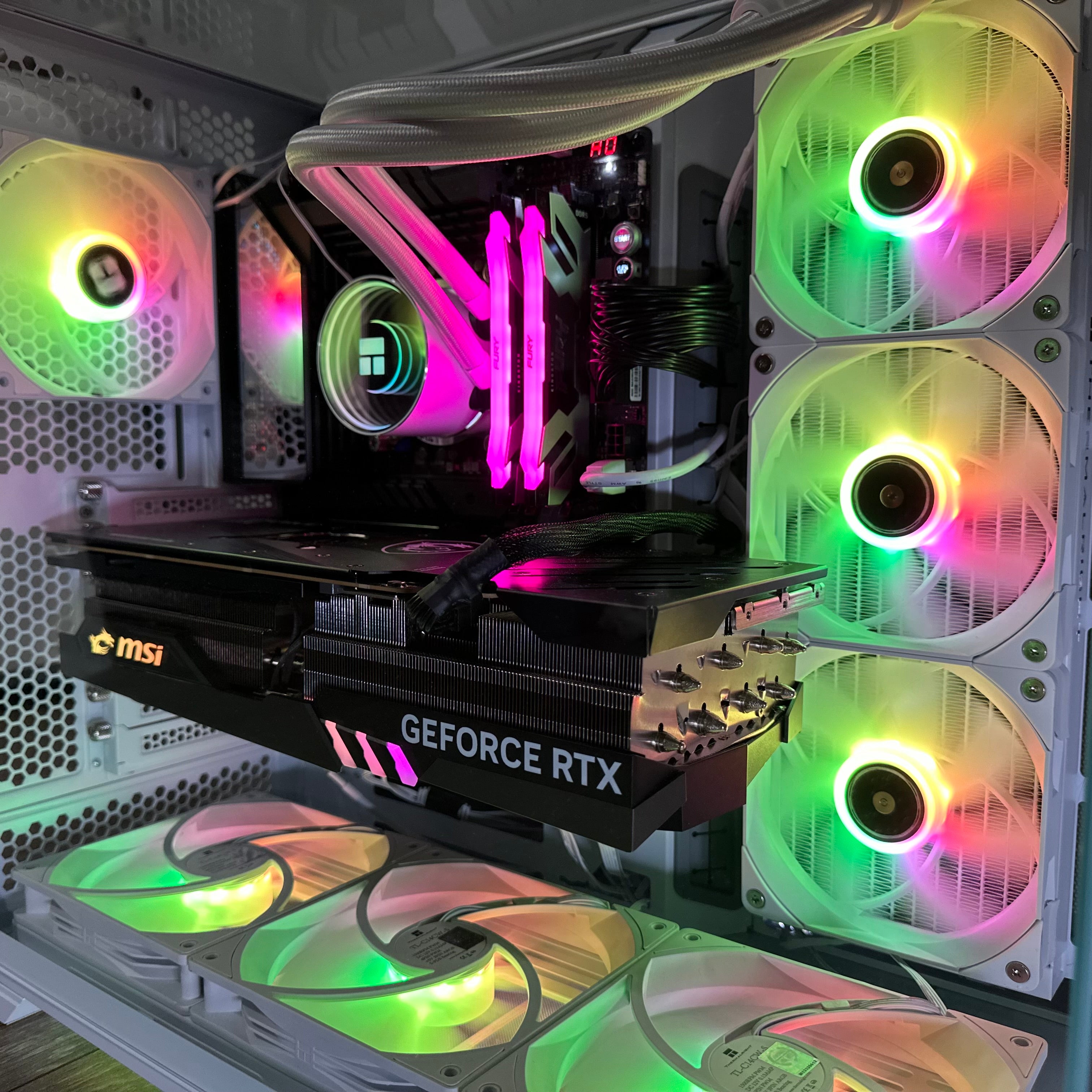

Crimson Desert Hotfix 1.16.02 Shows Why a Gaming PC for New Games Needs More Than Raw Specs
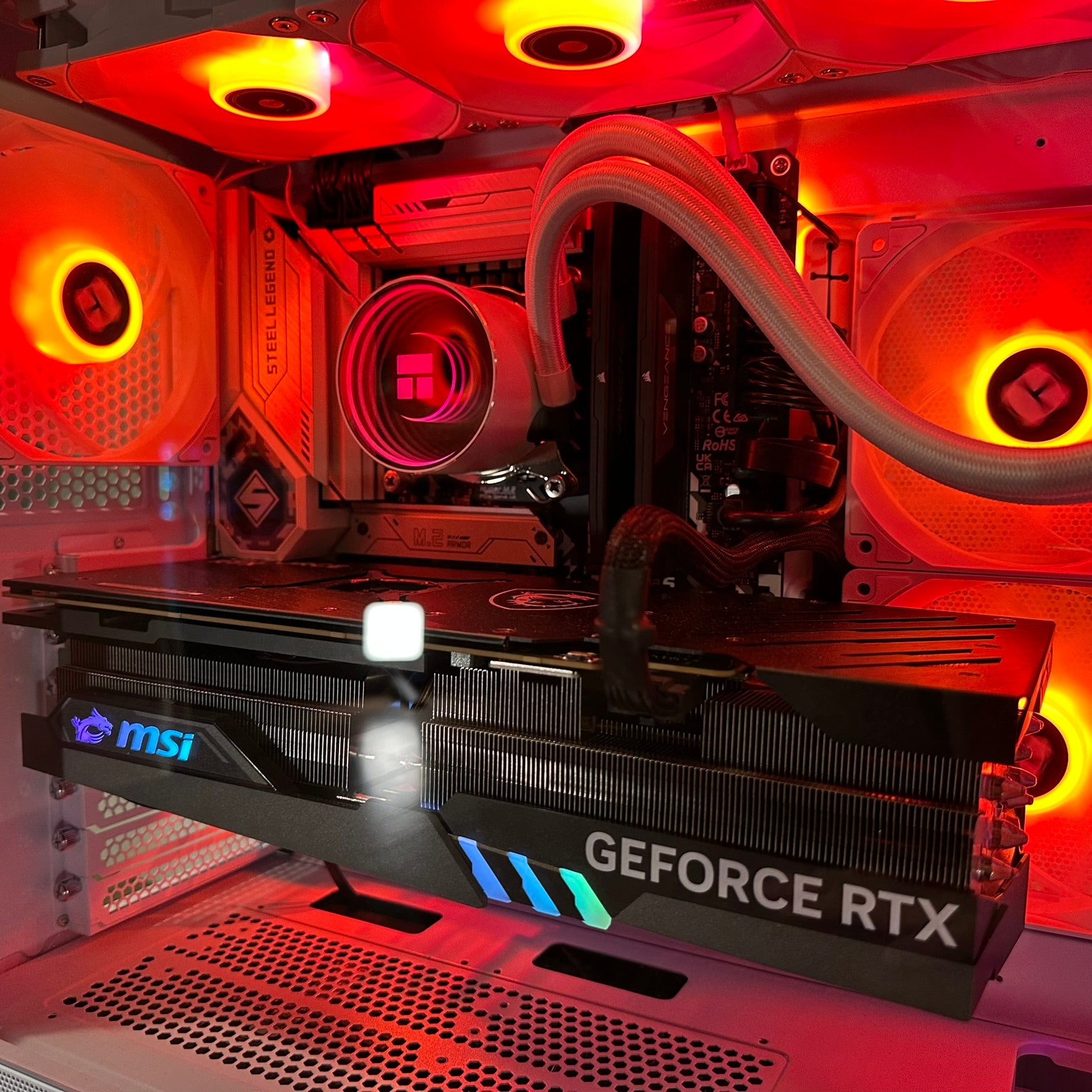
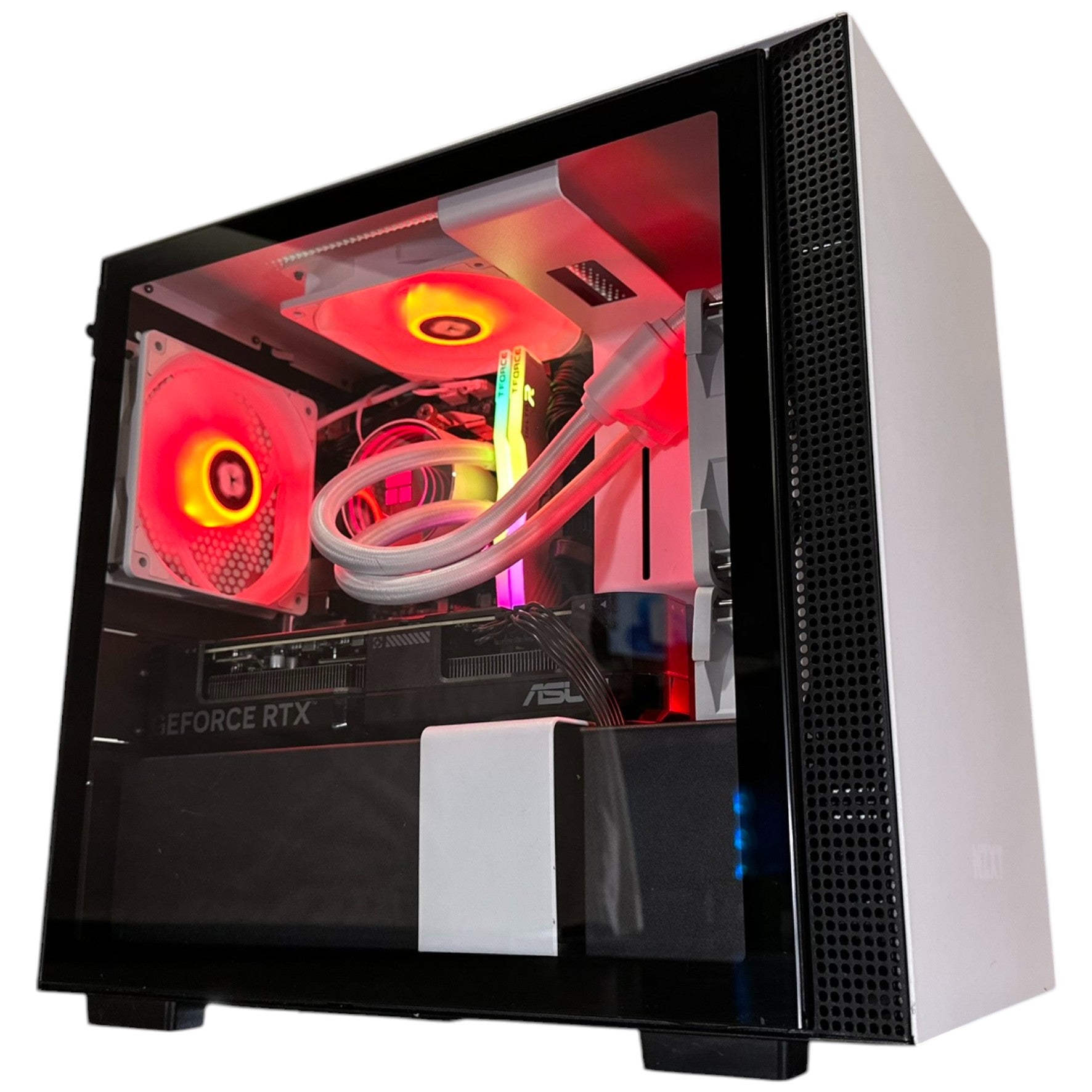
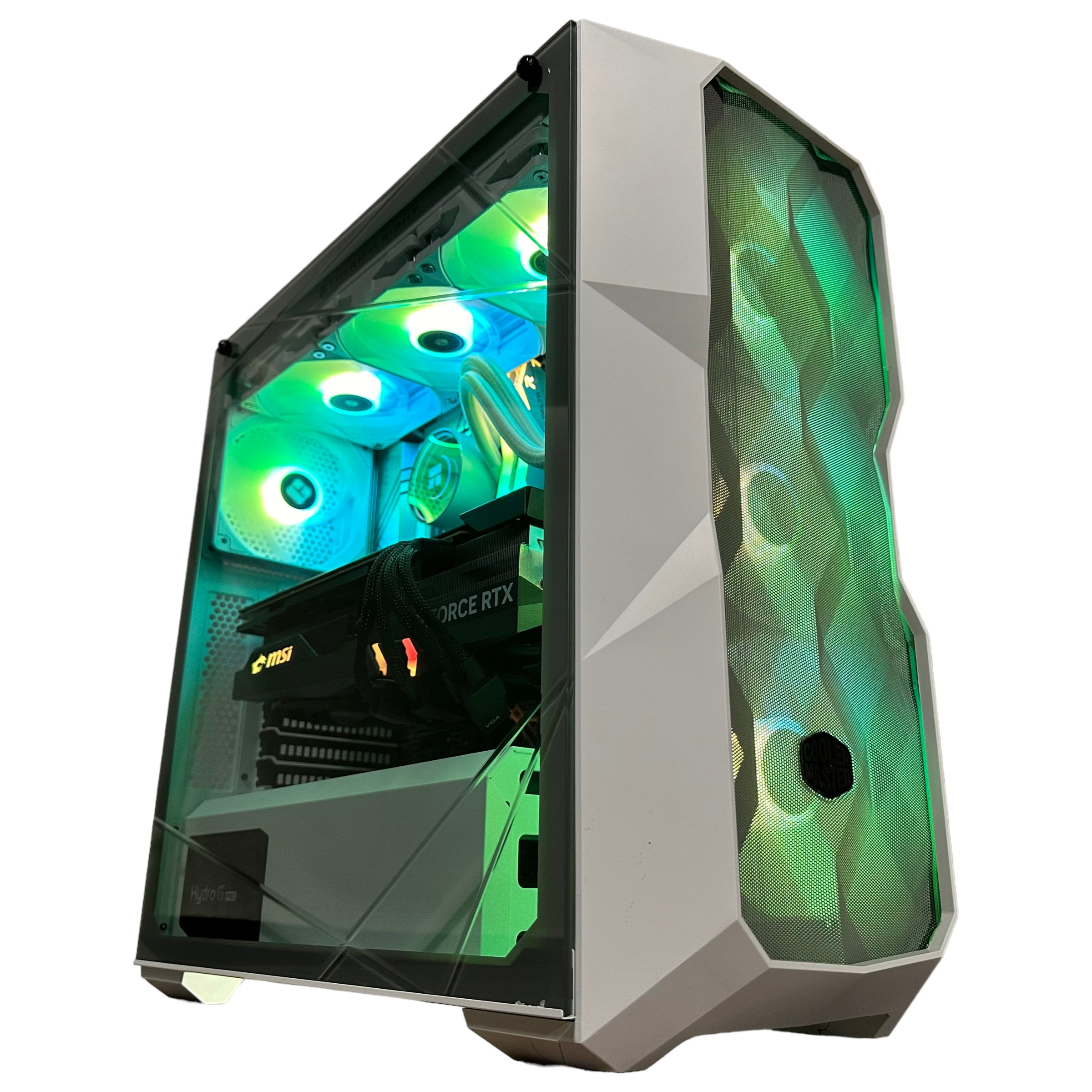
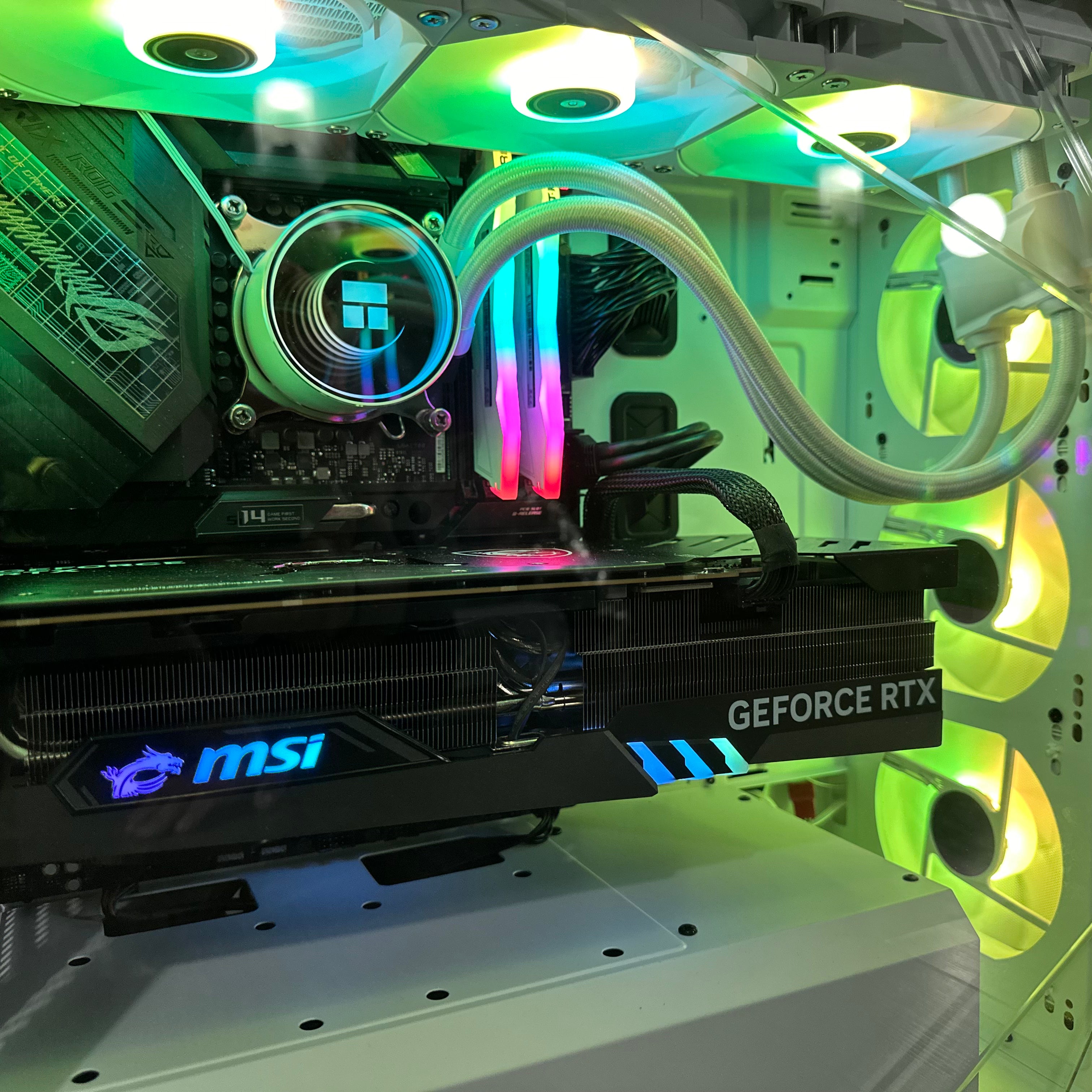
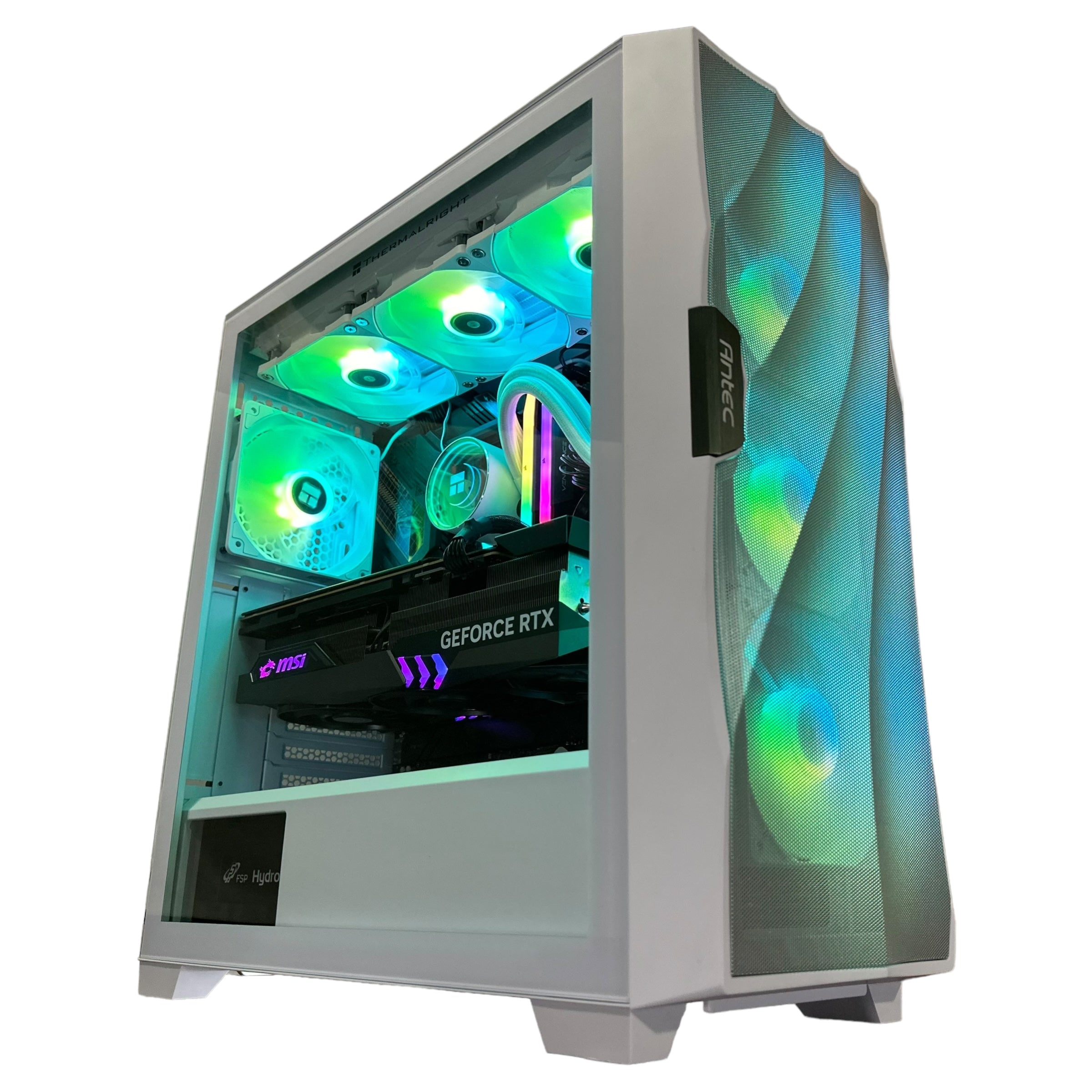
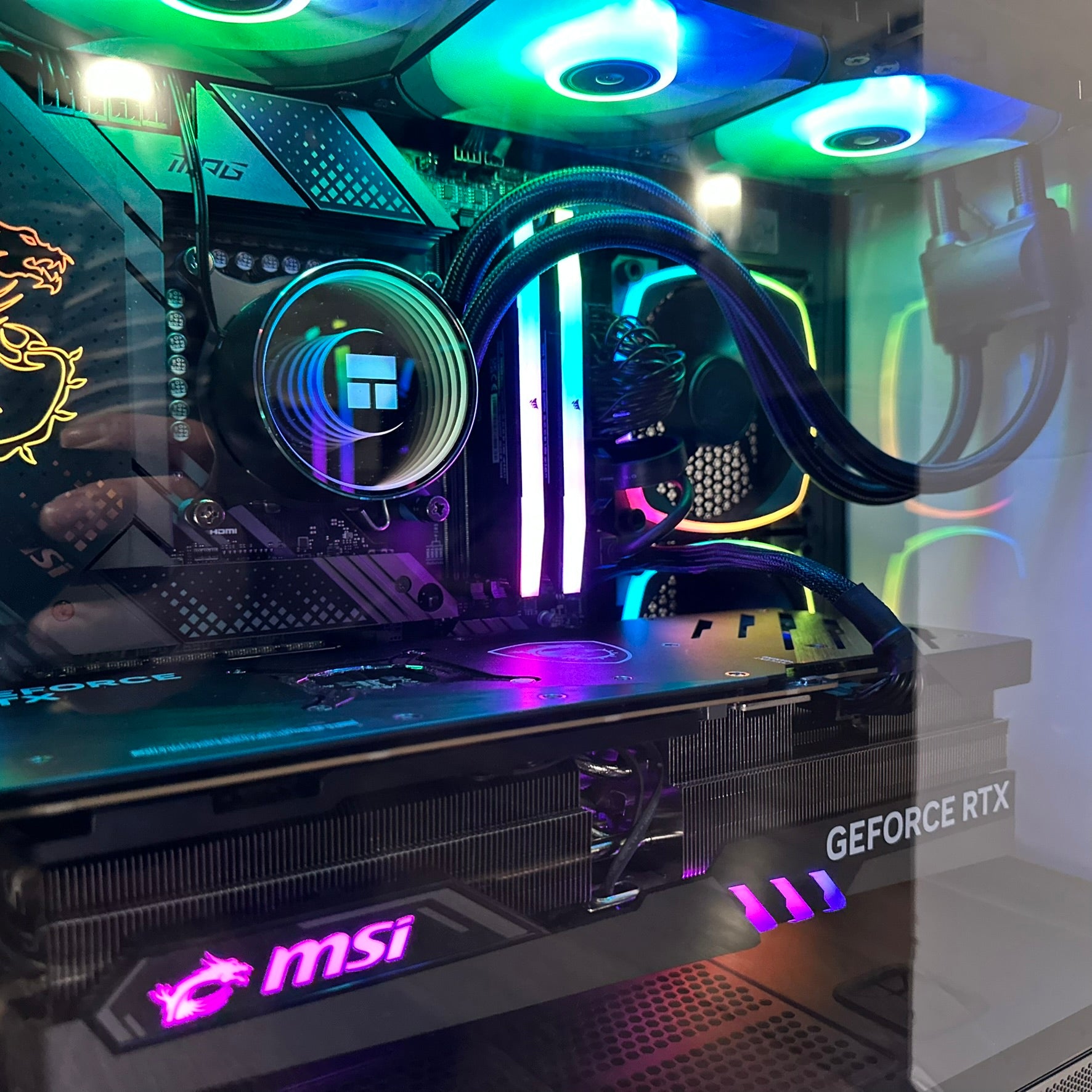
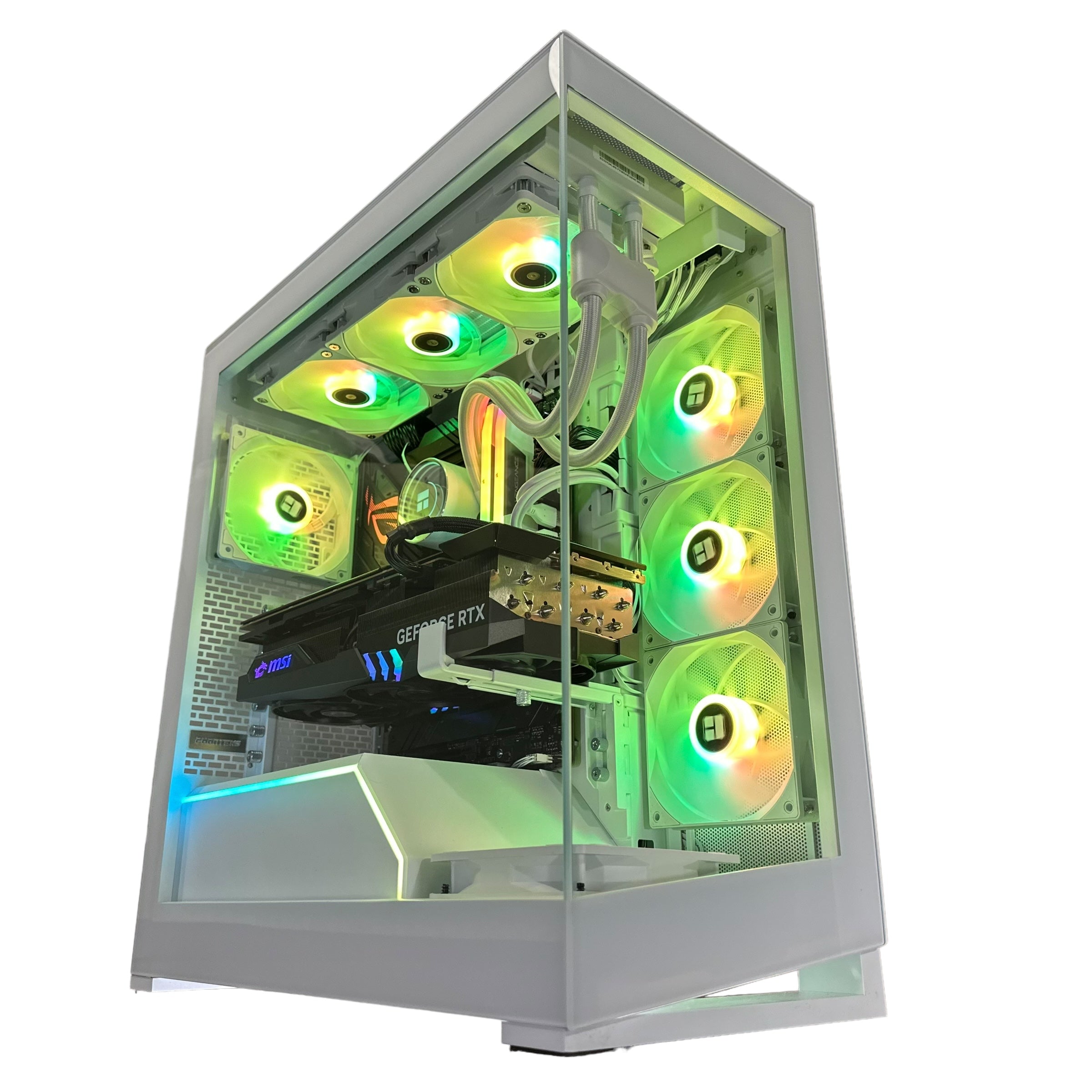
The latest Crimson Desert hotfix 1.16.02, delivered through update 1.000.425, is a timely reminder that a Gaming PC for New Games is not just about buying the biggest GPU you can afford. Modern open-world games, ray tracing features, upscaling options, storage behaviour, platform-specific bugs, and post-launch patches can all shape the real experience you get after installation. For Canadian gamers watching Crimson Desert closely, the message is clear: if you want fewer headaches, smoother launches, better graphics settings, and a system that stays useful beyond one title, your next PC should be planned around real gaming behaviour, not just a parts list.
Pearl Abyss released Crimson Desert version 1.16.02 shortly after a larger 1.16 update, with fixes aimed at loading screen problems, black screen behaviour, AMD graphics issues involving Ray Regeneration on certain Radeon hardware, Mac crashes linked to MetalFX Denoising Upscaler, and housing mode problems. The developer also listed known issues affecting shields, fishing, faction quests, Mac cursor behaviour, PlayStation virtual keyboard freezing, older NVIDIA GTX 1060 GPUs with FSR Upscaling and Frame Generation, and FSR4 behaviour in rainy environments.
Why does that matter if you are shopping for a custom gaming PC in Canada? Because it shows how demanding modern PC gaming has become. The game itself may be only one part of the equation. Your GPU driver, upscaling technology, CPU, RAM, storage speed, cooling, monitor resolution, and even the way your PC is tested before delivery all contribute to whether a major open-world game feels premium or frustrating.
If you are asking, “What gaming PC do I need for a game like Crimson Desert?” the smarter question may be: what do you want your next system to survive over the next three to five years?
What Did the Crimson Desert 1.16.02 Hotfix Actually Fix?
The Crimson Desert hotfix focused on practical issues that players notice immediately. A loading screen that does not end, a black screen when loading save data, crashes caused by specific graphics options, or missing gameplay features in housing mode are not minor annoyances when you have invested time into a large adventure game. They interrupt immersion, reduce confidence, and make players question whether the issue is the game, the platform, or their own hardware.
The key fixes included:
- Resolving an issue where the loading screen persisted or a black screen appeared when loading save data under certain circumstances.
- Fixing an AMD graphics issue where enabling Ray Regeneration could cause visual problems on Radeon RX 9070 XT or higher graphics cards.
- Fixing a Mac crash related to running the game with MetalFX Denoising Upscaler enabled.
- Correcting an issue where indoor housing features were unavailable in Housing Mode under certain conditions.
The previous hotfix also addressed a bug involving wagon cargo UI behaviour after loading trade goods at a regional wagon workshop. That may sound very specific, but it shows how layered open-world systems have become. Inventory, storage, mounts, trade goods, housing, quests, graphics settings, weather effects, and save data all interact in ways that can stress both game code and hardware.
For gamers, the big takeaway is not simply that a patch arrived. The takeaway is that major games are increasingly complex, and the best experience often goes to players with stable, well-configured systems that can handle graphical features, fast storage access, and future updates without constantly running into performance limits.
Why a Gaming PC for New Games Must Be Built for Patches, Upscaling, Ray Tracing, and Stability
A Gaming PC for New Games has to do more than meet a minimum requirement sheet. Today’s game launches often evolve through day-one patches, hotfixes, driver updates, shader compilation improvements, new graphics features, and post-launch performance tuning. Crimson Desert’s hotfix is a clear example: a game can receive a major update, then a hotfix, then another hotfix, all within a short window.
Does that mean you should panic every time a game patch appears? No. But it does mean your PC should be selected with some breathing room. If your system is already at the edge of playable performance, every new graphics option, every texture update, every driver issue, and every background app can feel like a problem. If your system has a strong GPU, fast SSD, enough RAM, proper cooling, and a balanced CPU, you have much more room to absorb the realities of modern game development.
Ask yourself this: do you want a PC that can merely launch the game, or do you want a PC that can run the game well after multiple updates, expansions, graphics modes, and streaming or recording software in the background?
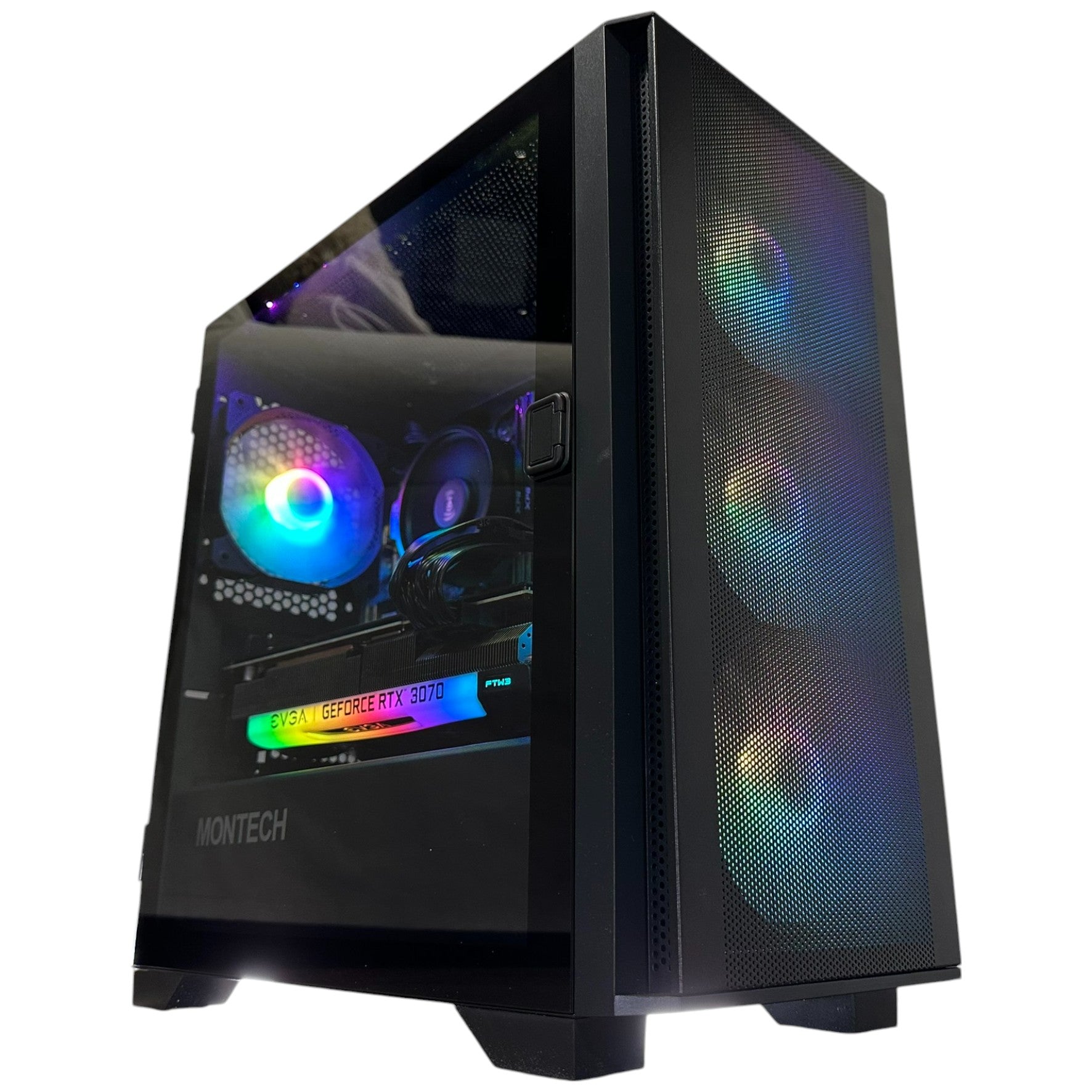
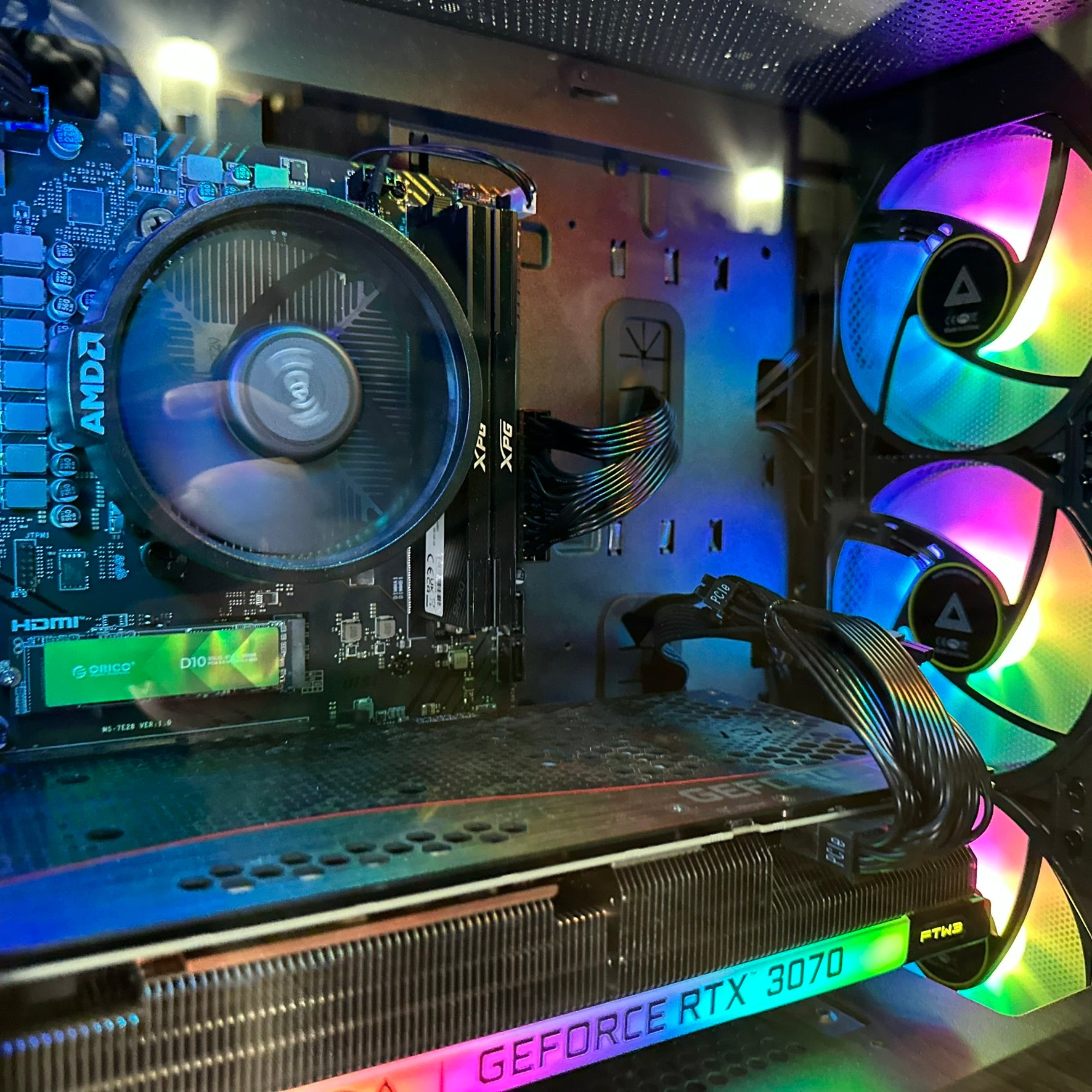
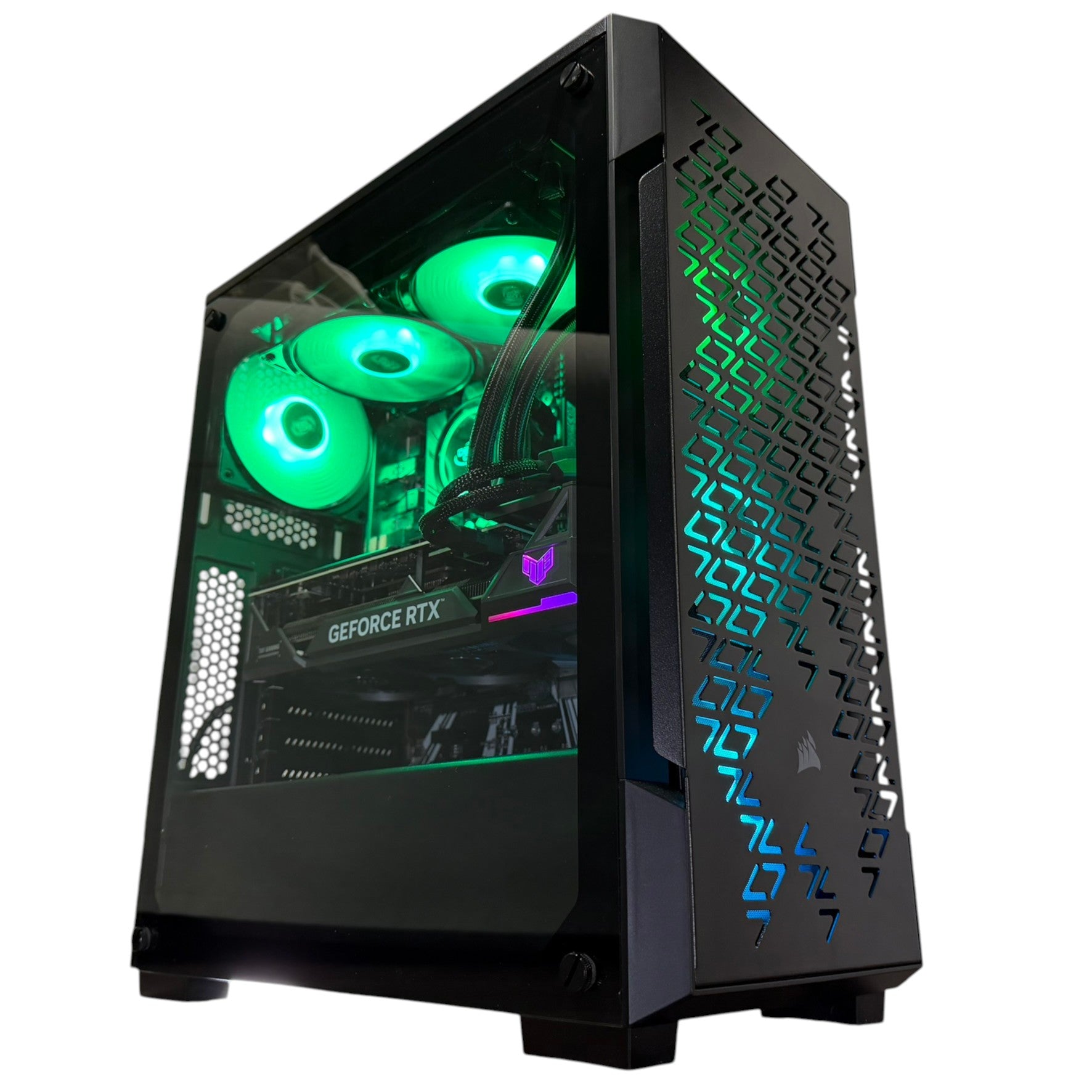
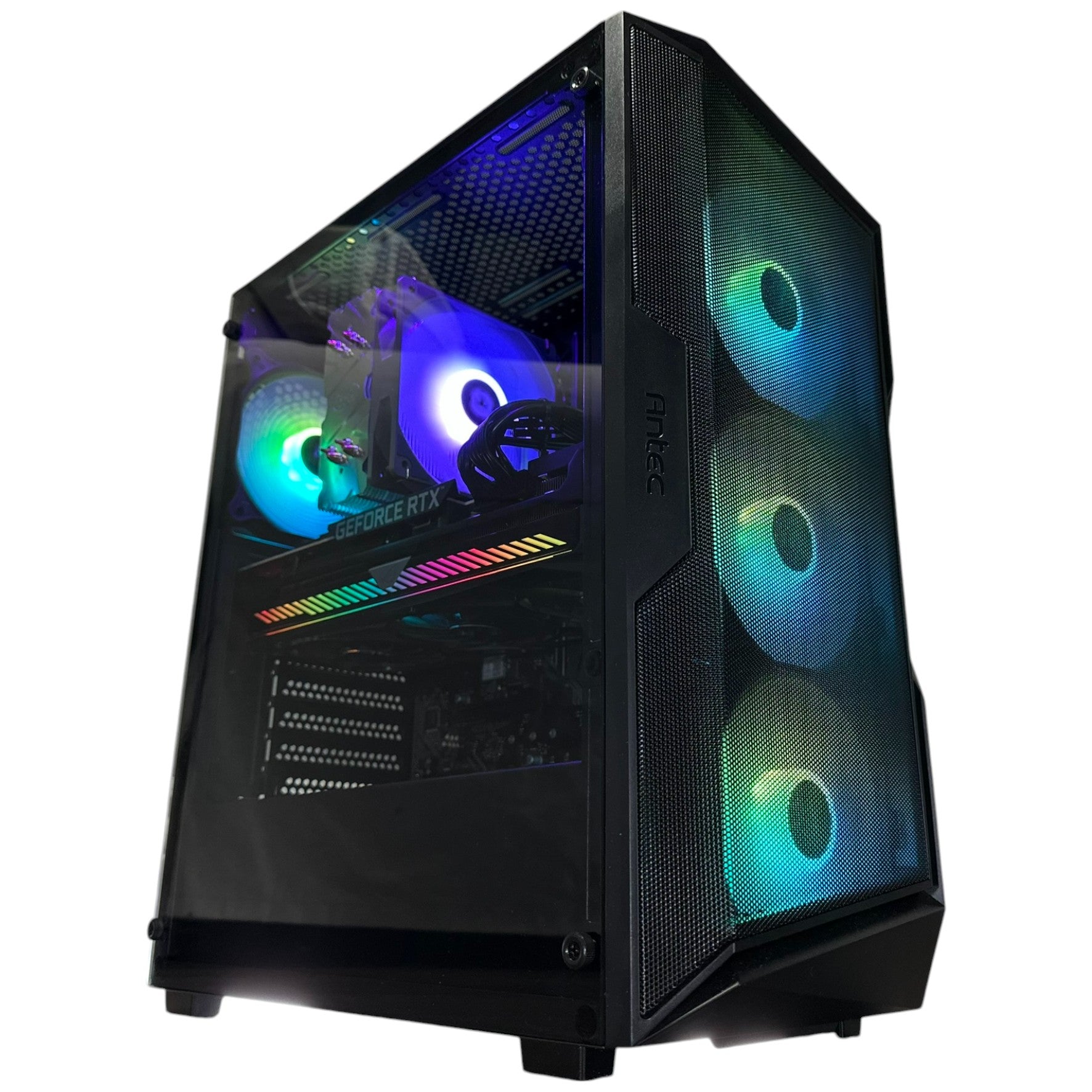
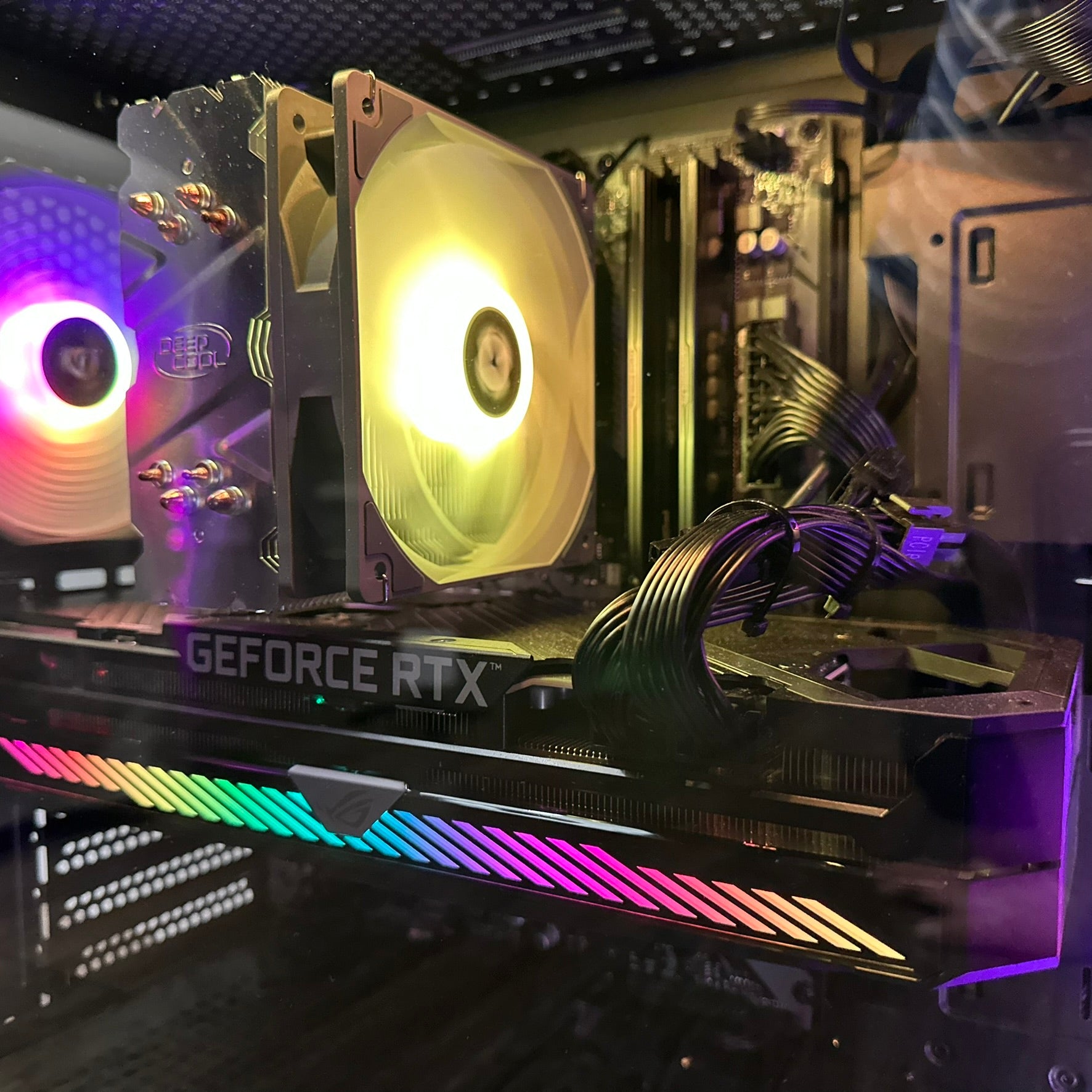
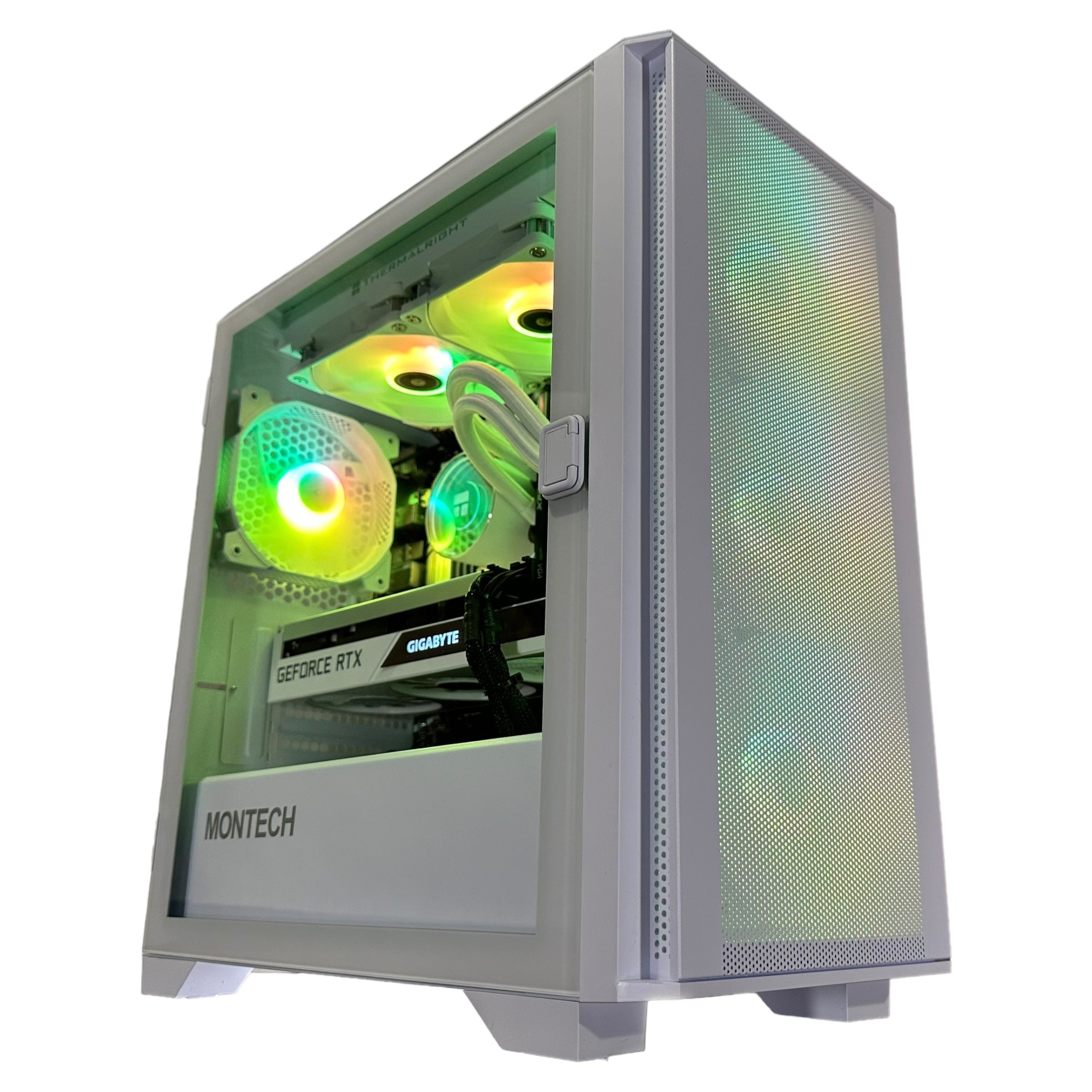
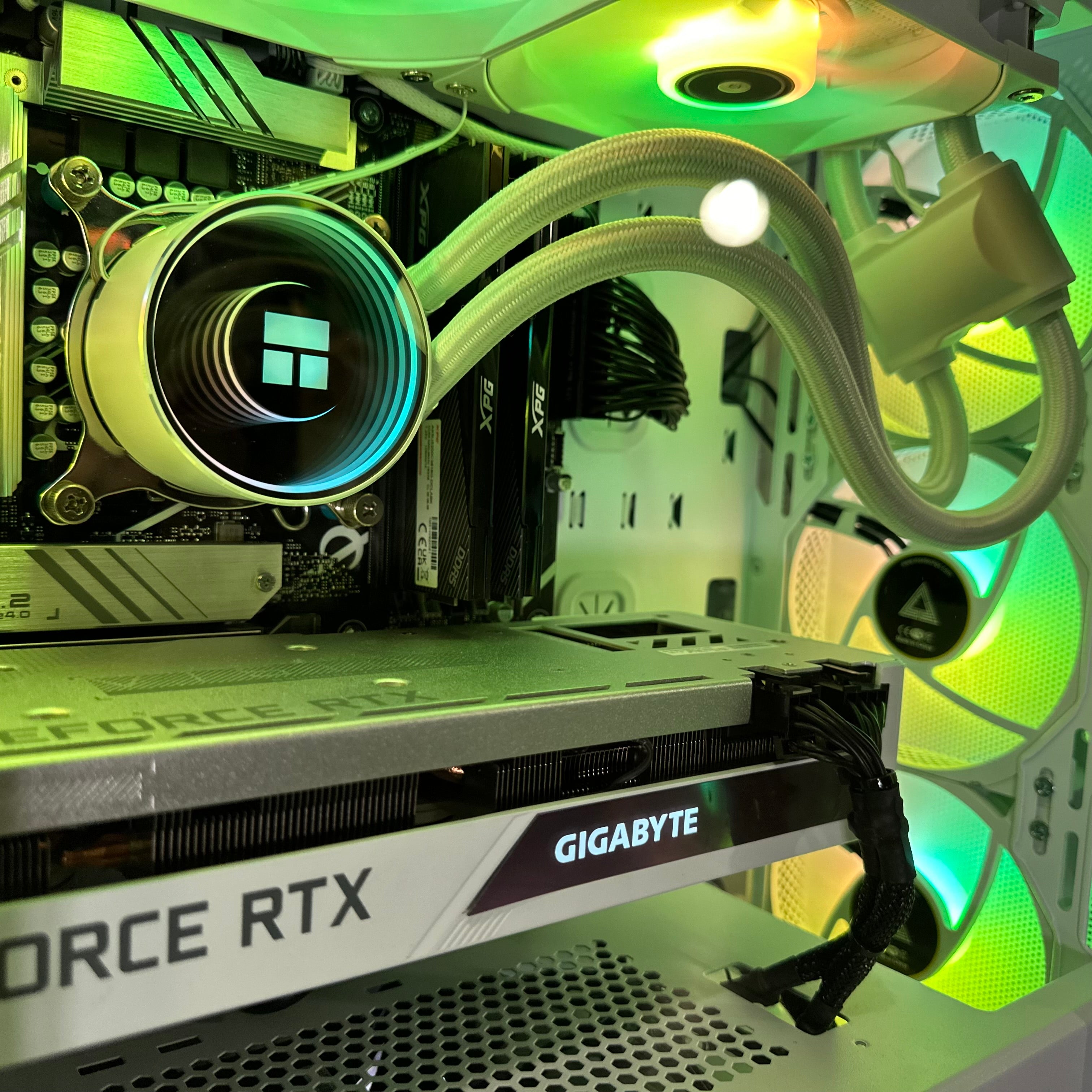
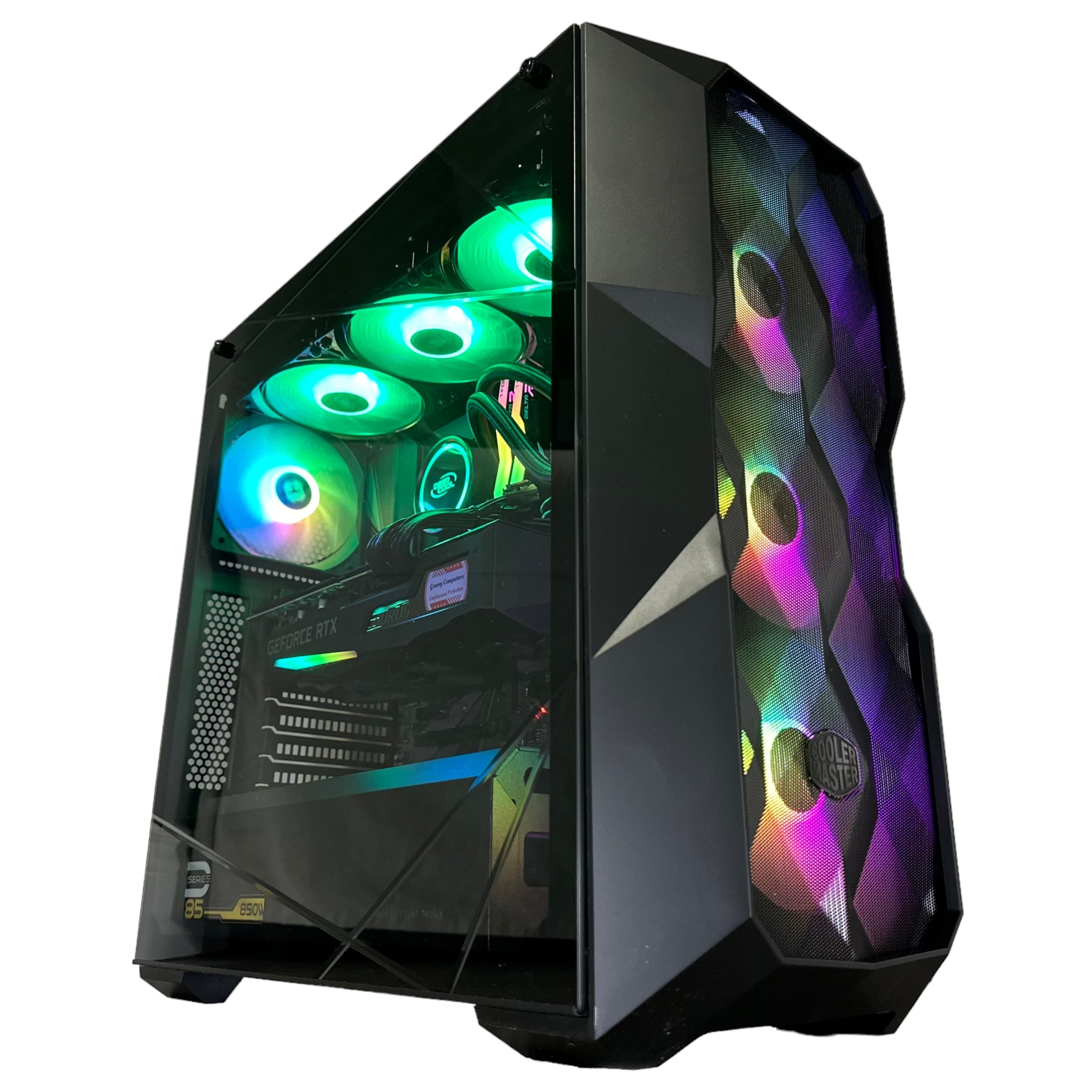
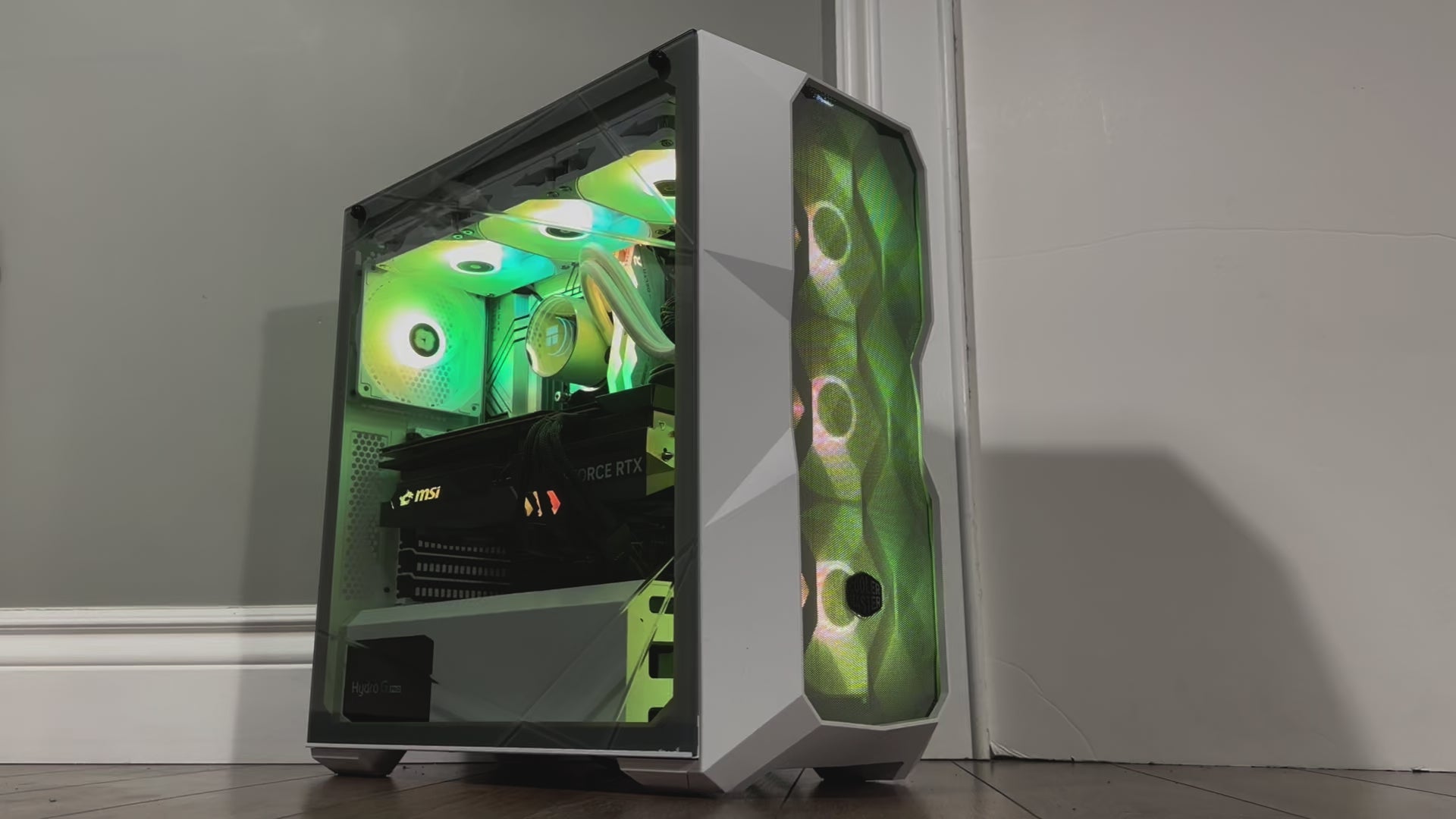
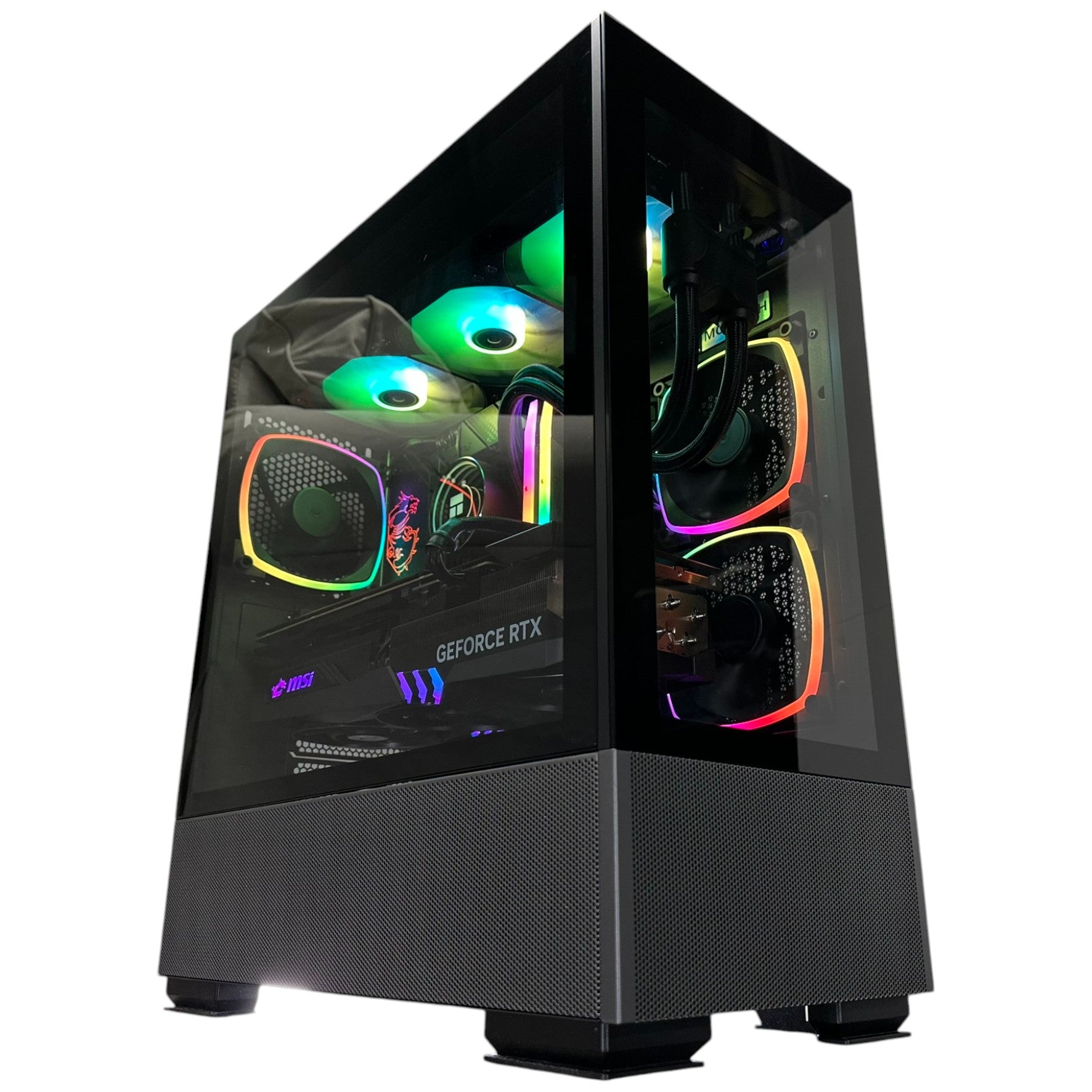
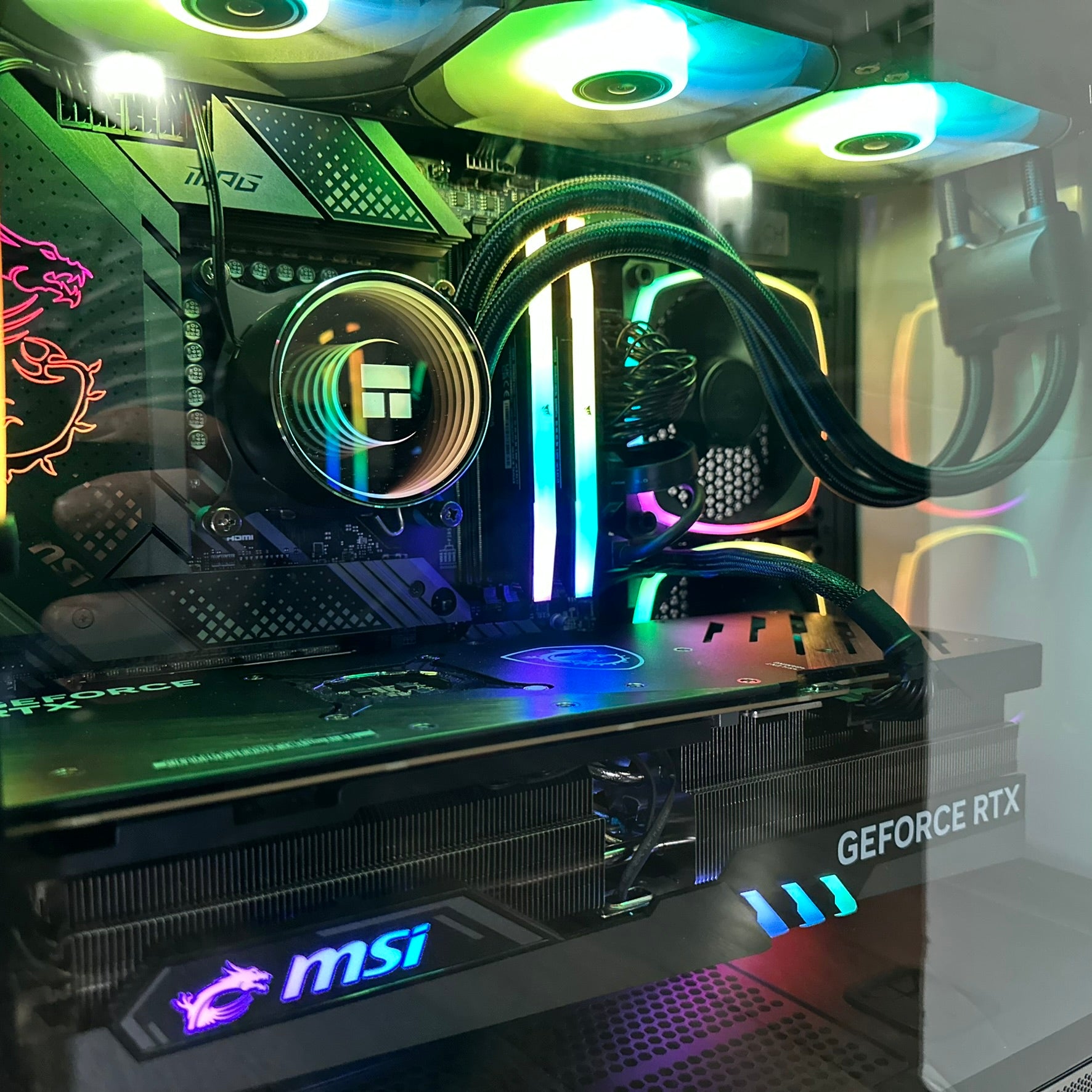
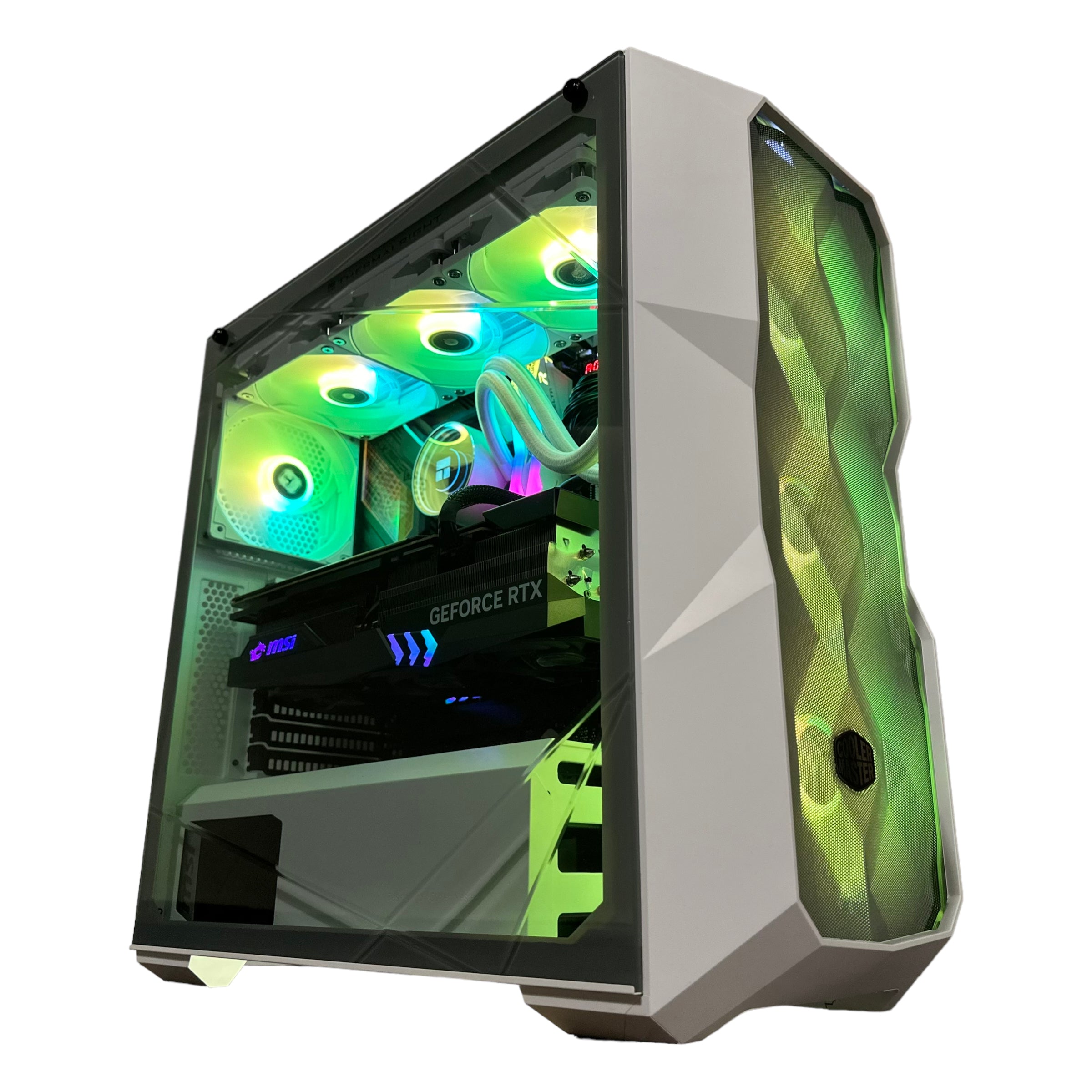
That is where Groovy Computers approaches custom gaming PCs differently. A good build is not just a collection of popular parts. It is a complete system designed around the way you actually play: 1080p competitive settings, 1440p high settings, 4K cinematic graphics, ray tracing, streaming, editing, modding, or multi-monitor multitasking.
What Do You Want Your Next PC to Do for You?
Before choosing a budget gaming computer, premium RTX gaming PC, creator PC, editing workstation, or 3D modeling workstation, take a moment to define the job. A PC built for one type of user may not be the best fit for another, even if both systems look powerful on paper.
Do you mainly want to play Crimson Desert and other open-world games at high settings? Do you want to stream on Twitch or YouTube while playing? Are you planning to edit gameplay clips for TikTok, YouTube Shorts, or long-form videos? Do you also need Adobe Premiere Pro, DaVinci Resolve, Photoshop, Lightroom, Blender, Unreal Engine, AutoCAD, Revit, SolidWorks, or other creative and professional software?
Your answers matter because they change the build priorities.
- For pure gaming: GPU performance, CPU gaming efficiency, cooling, SSD speed, and monitor resolution matter most.
- For gaming and streaming: the GPU encoder, CPU headroom, RAM capacity, and storage layout become more important.
- For video editing: CPU cores, GPU acceleration, RAM capacity, scratch storage, and export performance matter heavily.
- For photo editing and graphic design: fast single-core performance, RAM, SSD speed, multi-monitor support, and colour workflow matter.
- For 3D modeling and rendering: GPU VRAM, CPU rendering power, RAM capacity, and thermal stability become critical.
- For workstation use: reliability, multitasking, memory capacity, long-term support, and upgrade planning matter as much as benchmark scores.
So what should your next PC do for you: deliver high FPS, reduce render times, handle school and work, create content, support a side hustle, or avoid needing another upgrade too soon?
Which Performance Tier Fits You: 1080p, 1440p, 4K, Ray Tracing, or Creator Workloads?
One of the biggest mistakes buyers make is choosing a PC without matching it to a display and workload. A system that feels excellent at 1080p may not feel premium at 4K. A PC that plays games well may still be limited for 8K timelines, complex Blender scenes, or large Adobe Creative Cloud projects. The right tier depends on your expectations.
Entry-Level and Budget Gaming PC Canada Buyers: Is 1080p Enough?
If you are looking for a first gaming PC, a student gaming PC, or an affordable system for 1080p gaming, you can still get a strong experience with the right configuration. For games like Crimson Desert, you should think beyond the minimum requirements and focus on a balanced setup with enough RAM, a modern SSD, and a GPU suited for stable gameplay at your chosen settings.
Is a budget gaming PC worth it? It can be, especially if your goal is 1080p gaming, esports titles, schoolwork, and general use. But if you already know you want high settings in demanding open-world games, streaming, or content creation, buying too low can lead to frustration and an early upgrade.
A helpful question: are you buying the cheapest system that works today, or the best-value system that still feels good two years from now?
Mid-Range Gaming PC Buyers: Is 1440p the Sweet Spot?
For many Canadian gamers, a 1440p gaming PC is the ideal balance of visual quality, smooth frame rates, and long-term value. It gives you a major clarity upgrade over 1080p without demanding the same GPU power as 4K. If you play open-world games, action RPGs, racing games, shooters, and visually rich titles, 1440p can feel like the practical performance target.
If you are asking, “What PC do I need for 1440p gaming?” you should think in terms of a strong modern GPU, a capable gaming CPU, 32GB of RAM for comfort, a fast NVMe SSD, and cooling that keeps performance consistent during long sessions. The exact parts depend on availability and budget, but the goal is clear: avoid a build that looks good for benchmark screenshots but struggles after hours of gameplay, streaming, or multitasking.
Premium Gaming PC Buyers: Do You Want 4K, Ultra Settings, and Ray Tracing?
If you want a 4K gaming PC, ray tracing gaming PC, or ultra settings gaming PC, your hardware choices become more serious. 4K gaming pushes far more pixels than 1440p, and ray tracing adds additional GPU pressure. Upscaling technologies can help, but as Crimson Desert’s known issues show, graphics features can also be affected by game-specific bugs, driver interactions, and visual trade-offs.
That does not mean ray tracing or upscaling should be avoided. It means your PC should have enough performance headroom that you are not completely dependent on one setting working perfectly. A premium gaming PC should let you adjust between native resolution, upscaling, ray tracing, frame generation, and high-refresh gameplay without the entire experience falling apart.
Do you want the highest settings because you love cinematic visuals, or do you want the highest frame rate because you care about responsiveness? The best custom high end gaming PC is the one tuned around your actual priority.
Gaming and Streaming PC Canada Buyers: Are You Playing and Creating at the Same Time?
Many gamers are no longer just players. They record clips, stream boss fights, post walkthroughs, edit highlights, run Discord, monitor chat, and manage multiple screens. A gaming and streaming PC has to handle more than the game itself.
If you use OBS Studio, Streamlabs, Twitch, YouTube Live, TikTok Live, or capture software, you need to think about GPU encoding, CPU headroom, RAM, storage, and internet workflow. A system that runs a game smoothly may still stutter when streaming if it is short on resources or not configured well.
What PC do you need for streaming? Start by asking whether you want 1080p streaming, 1440p gameplay with a 1080p stream, or 4K recording for edited content. Each target changes the build.
Creator PC Canada Buyers: Are You Editing, Designing, or Rendering Too?
If your gaming PC also has to be a creator PC, your priorities widen. Video editors may need a strong CPU, GPU acceleration, 32GB to 64GB of RAM or more, and fast SSD storage. Photo editors may prioritize Photoshop, Lightroom, RAW photo workflows, and colour-accurate multi-monitor setups. Graphic designers may run Illustrator, InDesign, Photoshop, Canva, and large brand files. 3D artists may need Blender, Unreal Engine, Unity, Maya, 3ds Max, Cinema 4D, SketchUp, ZBrush, AutoCAD, Revit, or SolidWorks performance.
Is a gaming PC good for content creation? Often, yes, if it is configured properly. But a random gaming desktop is not automatically the best video editing PC, photo editing PC, graphic design PC, or 3D rendering PC. The difference is in the component balance, RAM, storage layout, cooling, and testing.
Why Canadian Buyers Should Think Differently About Timing
Canadian PC buyers face a practical reality: prices can move. Component costs, GPU demand, memory pricing, SSD pricing, exchange rates, shipping pressure, seasonal demand, and major game releases can all affect what a complete system costs. If you wait until every upcoming title launches, every sale period peaks, or every content creation deadline arrives, you may be shopping when demand is already higher.
Is it better to buy a gaming PC now or wait? The honest answer depends on your current system, your workload, and your budget. But if your current PC is already struggling with new games, crashing during creative work, running out of storage, or forcing you to lower settings more than you want, waiting can have a cost of its own. That cost may show up as lost time, missed content opportunities, lower-quality streams, delayed projects, or a rushed purchase later.
For Canadian customers in Nova Scotia, Atlantic Canada, Ontario, Alberta, British Columbia, and across the country, buying from a Canadian custom PC builder can reduce uncertainty. You are not guessing through a random marketplace listing or trying to decode a generic prebuilt. You can choose a system that matches your actual use case and get support from a company focused on complete builds.
Should You Finance a Better PC Instead of Buying a Cheaper One?
Financing is not about overspending. Used wisely, it can be a way to secure the right system before replacement costs climb, before a major game release increases demand, or before your workload becomes more serious. Groovy Computers offers financing options up to 4 years, which can help customers move from a compromise build to a stronger, longer-lasting configuration.
Should you finance a gaming PC? Consider financing if the lower-cost option would force you into an early upgrade, limit your streaming quality, slow down your editing work, or prevent you from playing at the resolution you actually want. If a stronger GPU, more RAM, a larger SSD, or a better CPU would meaningfully extend the life of the system, monthly payments may be more practical than buying a weaker PC outright.
Can you finance a gaming PC in Canada and still make a responsible choice? Yes, if you focus on the right performance tier rather than chasing unnecessary extras. Financing should help you buy smarter, not randomly more expensive.
If you are deciding between a low-end system now and a stronger custom build that will last longer, ask this: would a monthly payment help you avoid replacing the system too soon?
Crimson Desert and the Reality of GPU Features: Ray Tracing, Upscaling, Frame Generation, and Driver Behaviour
The Crimson Desert known issues are especially relevant because they mention modern graphics technologies. The hotfix addressed an AMD Ray Regeneration issue on certain Radeon hardware, while the known issue list included NVIDIA GTX 1060 behaviour when enabling FSR Upscaling and Frame Generation, plus FSR4 problems in rainy environments where rain may disappear or the screen may become blurry or distorted.
This is a perfect example of why a gaming PC buying guide in Canada should not treat “GPU” as one simple checkbox. Graphics cards are not just about average FPS. They also determine which rendering features, upscaling tools, encoding options, VRAM capacities, driver support, and visual settings you can use comfortably.
Do you need an RTX GPU for every game? Not always. Do you need a high-end GPU for 4K ray tracing? Much more likely. Do you need a modern GPU if you want stable streaming, recording, editing acceleration, and future game support? That is where the value becomes clearer.
A good custom gaming PC is built with your target experience in mind. If you care about high FPS esports performance, your build may prioritize CPU speed and frame consistency. If you care about cinematic open-world games, the GPU becomes the centrepiece. If you create content, GPU acceleration and encoder support can save time every week.
Why Fast Storage Matters When Games Have Loading Screen Problems
The Crimson Desert hotfix specifically mentioned loading save data issues, including persistent loading screens and black screens under certain circumstances. A patch can fix game-side bugs, but storage still matters for the everyday experience of modern games.
Large open-world titles depend heavily on storage for loading assets, fast travel, texture streaming, save data, updates, and expansions. A slow or nearly full drive can make the experience feel worse, especially when paired with limited RAM or background software.
Should you prioritize a fast SSD in a gaming PC? Absolutely. A modern NVMe SSD helps games load faster, reduces waiting, improves system responsiveness, and makes updates less painful. For creators, fast storage also improves video editing, photo catalogues, cache files, project loading, and exports.
How much storage do you need? If you play several AAA games, record footage, edit videos, or keep creative projects locally, a small drive can become a bottleneck quickly. A custom build from Groovy Computers can be configured with the right boot drive, game drive, and project storage so you are not constantly uninstalling games or moving files around.
How Much RAM Do You Need for Gaming, Streaming, Editing, and 3D Work?
RAM is one of the easiest specs to underestimate. For basic 1080p gaming, 16GB may still be workable in many cases, but modern open-world games, Discord, browsers, launchers, recording software, overlays, and multitasking can make 32GB a much more comfortable target. For video editing, heavy content creation, 3D modeling, and workstation tasks, 64GB or more may be appropriate depending on the workload.
How much RAM do you need for streaming? If you are gaming, running OBS, using browser sources, managing chat, and editing clips, 32GB is a sensible starting point for many users. How much RAM do you need for video editing? For 4K editing, 32GB can work, but 64GB is often a better professional target. How much RAM do you need for Blender or 3D rendering? That depends on scene complexity, texture sizes, simulations, and whether you use CPU or GPU rendering.
The point is simple: do not choose RAM based only on today’s cheapest configuration. Choose it based on the way your system will be used after six months of game updates, creator software upgrades, browser tabs, plug-ins, and larger project files.
CPU Choices: Why the Processor Still Matters in a Modern Gaming PC
Gamers often focus first on the GPU, but the CPU still plays a major role in frame consistency, simulation-heavy games, open-world environments, AI behaviour, physics, background tasks, and multitasking. A weak CPU paired with a strong GPU can create uneven performance, especially at high refresh rates or in complex scenes.
For Crimson Desert-style open-world gameplay, a capable CPU helps maintain smoother performance as the game manages characters, terrain, combat, inventory systems, quests, streaming assets, and background calculations. For streamers and creators, CPU headroom becomes even more important because the system may be gaming, encoding, rendering, exporting, and running multiple apps at once.
What parts should you choose for a gaming PC? Start with the target: 1080p high FPS, 1440p balanced performance, 4K visuals, streaming, video editing, 3D work, or business productivity. Then choose the CPU and GPU together, not separately. A balanced custom PC is usually better than a system with one flashy component and several hidden compromises.
Custom PC vs Prebuilt PC Canada: Why Testing and Part Matching Matter
A generic prebuilt gaming PC may advertise a recognizable GPU or CPU, but that does not automatically tell you the full story. What power supply is inside? How strong is the cooling? Is the RAM configured properly? Is the motherboard appropriate for future upgrades? Is the SSD fast and large enough? Has the system been stress tested? Is cable management clean? Are thermals checked under real load?
These questions matter more when new games are already stressful and post-launch hotfixes are common. If your system is unstable, overheating, underpowered, or poorly configured, it becomes harder to know whether a crash is caused by the game, the driver, Windows, temperatures, storage, memory, or the hardware itself.
Why buy a custom gaming PC from Groovy Computers? Because a custom build can be matched to your games, software, budget, upgrade plans, and performance target. Groovy Computers builds systems for Canadian gamers, creators, students, professionals, streamers, and workstation users who want more confidence than a one-size-fits-all box.
Groovy Computers also emphasizes rigorous testing, custom builds, and a 1-year warranty, helping customers feel more secure when investing in a system that may be used for gaming, work, school, and content creation every day.
What Type of Groovy Computers Build Should You Consider?
If Crimson Desert has you thinking about your next upgrade, the best category depends on your priorities. Use the following guidance to narrow your decision before browsing or requesting help.
Choose a Budget Gaming Computer If You Want Value First
A budget gaming computer makes sense if you play at 1080p, enjoy esports titles, want a first PC, or need an affordable all-around desktop for gaming and school. This tier is best for buyers who want strong value and do not need ultra settings in the most demanding releases.
Ask yourself: can you accept medium to high settings today if it keeps the price comfortable, or would you regret not stepping up to a stronger GPU?
Choose a 1440p Gaming PC If You Want the Best Balance
A 1440p gaming PC is often the best recommendation for players who want a visible upgrade, smoother visuals, and enough performance for demanding games without jumping into the cost of premium 4K hardware. This is a strong category for open-world games, RPGs, shooters, racing games, and general high-quality PC gaming.
Ask yourself: is your monitor already 1440p, or are you planning to upgrade your display soon? Buying the PC and monitor strategy together prevents mismatched performance.
Choose a Premium RTX Gaming PC If You Want 4K, Ray Tracing, and Longevity
A premium gaming PC is the right direction if you want 4K gaming, ray tracing, ultra settings, high refresh rates, or a system that stays capable longer. This is also where financing can make sense, because a stronger system may delay your next major upgrade.
Ask yourself: would you rather spend less now and upgrade sooner, or invest in a high-end gaming PC that gives you more headroom for future games?
Choose a Gaming and Streaming PC If You Want to Build an Audience
If you plan to stream, record, edit, and post content, your PC should be designed for the full workflow. A gaming and streaming PC should support OBS, multiple monitors, chat tools, capture software, and game performance at the same time.
Ask yourself: are you only playing, or are you trying to turn gameplay into content?
Choose a Custom Creator PC If Gaming Is Only Part of the Job
A custom creator PC is best if you use Adobe Premiere Pro, DaVinci Resolve, After Effects, Photoshop, Lightroom, Illustrator, Canva, CapCut, or other creative tools. This category should be built around timelines, exports, RAW files, effects, plug-ins, and project storage, not just gaming FPS.
Ask yourself: how much time would you save every week if previews, renders, exports, and batch edits finished faster?
Choose a 3D Modeling or Workstation PC If Reliability Pays You Back
A 3D modeling PC, 3D rendering PC, or custom workstation PC is the right choice if you work in Blender, Unreal Engine, Unity, AutoCAD, Revit, SolidWorks, Maya, 3ds Max, Cinema 4D, SketchUp, or ZBrush. These systems need careful attention to RAM, VRAM, CPU power, GPU rendering, storage, and cooling.
Ask yourself: is your current PC costing you billable time, delaying client work, or forcing you to reduce project complexity?
Why Waiting Too Long Can Make the Decision Harder
Game releases, patches, hardware demand, and seasonal shopping periods can all create pressure at the same time. When a major game gets attention, more players start asking whether their PC can run it. When creator software adds new AI tools or heavier effects, more professionals start needing upgrades. When component prices move, shoppers who waited may find that the build they wanted no longer fits the same budget.
Should you buy a gaming PC before prices go up? If you already know your current system is holding you back, waiting for perfect timing may not help. A better strategy is to choose a system that fits your actual use, compare performance tiers, consider financing if it improves the long-term value, and buy before urgency forces a rushed decision.
Canadian buyers should also remember that complete-system value matters more than chasing one sale part. A properly built, tested, warrantied gaming PC from a Canadian custom PC builder can be a better long-term purchase than a slightly cheaper system with weak cooling, limited upgrade paths, or unknown support.
How Groovy Computers Helps Canadian Gamers Choose the Right PC
Groovy Computers builds custom gaming PCs, creator PCs, and workstation PCs for Canadian customers who want expert guidance without the confusion. Whether you are in Nova Scotia, Atlantic Canada, or ordering online from elsewhere in Canada, the goal is the same: match the system to the person, not just the trend.
That means helping you answer practical questions:
- What games do you want to play right now, and what upcoming games are you waiting for?
- Do you want 1080p, 1440p, or 4K performance?
- Do you care more about ray tracing visuals or high FPS responsiveness?
- Will you stream, record, or edit gameplay?
- Do you use Adobe Creative Cloud, DaVinci Resolve, Blender, Unreal Engine, CAD tools, or other professional software?
- How long do you want the system to last before a major upgrade?
- Would financing help you secure a stronger build before prices or replacement costs rise?
- Do you need a ready-to-ship system, a custom quote, or help choosing between performance tiers?
If you are unsure where to start, that is exactly when a custom PC builder can help. You do not need to memorize every GPU, CPU, motherboard, RAM kit, and SSD option. You need a system that does what you want, fits your budget, and gives you confidence after the excitement of a new game launch fades.
CTA: What Should Your Next Gaming PC Be Ready For?
If Crimson Desert, upcoming AAA releases, streaming plans, video editing projects, or 3D workloads have you questioning your current setup, now is the time to plan your next Gaming PC for New Games. Do you want a budget-friendly 1080p build, a balanced 1440p gaming PC, a premium 4K ray tracing system, a gaming and streaming PC, a custom creator PC, or a workstation that can handle serious professional software?
Visit GroovyComputers.ca to browse Canadian custom PC options, explore financing, or ask for help choosing a build that matches your games, software, monitor, budget, and upgrade timeline.
Final Takeaway: Crimson Desert’s Hotfix Is a Buying Signal, Not Just Patch News
The Crimson Desert 1.16.02 hotfix is useful news for players, but it is also a bigger signal for PC buyers. Modern games are more ambitious, more complex, and more dependent on stable hardware than ever. Loading bugs, graphics feature issues, upscaling behaviour, driver interactions, and post-launch updates are now part of the gaming landscape.
The best response is not to chase every new part blindly. The best response is to buy a balanced, tested, custom-built PC that fits your real goals. Whether you are gaming at 1080p, moving to 1440p, chasing 4K ray tracing, streaming to an audience, editing content, designing graphics, rendering 3D scenes, or building a professional workstation, Groovy Computers can help you choose a system that makes sense in Canada.
A Gaming PC for New Games should be ready for more than one patch, one launch, or one benchmark. It should be ready for the way you play, create, work, and upgrade next.
#GamingPCForNewGames #GamingPCCanada #CustomGamingPCCanada #GroovyComputers #CanadianCustomPCBuilder #1440pGamingPC #4KGamingPC #StreamingPCCanada #CreatorPCCanada #WorkstationPCCanada
Groovy Computers | All Rights Reserved


Leave a comment
This site is protected by hCaptcha and the hCaptcha Privacy Policy and Terms of Service apply.