




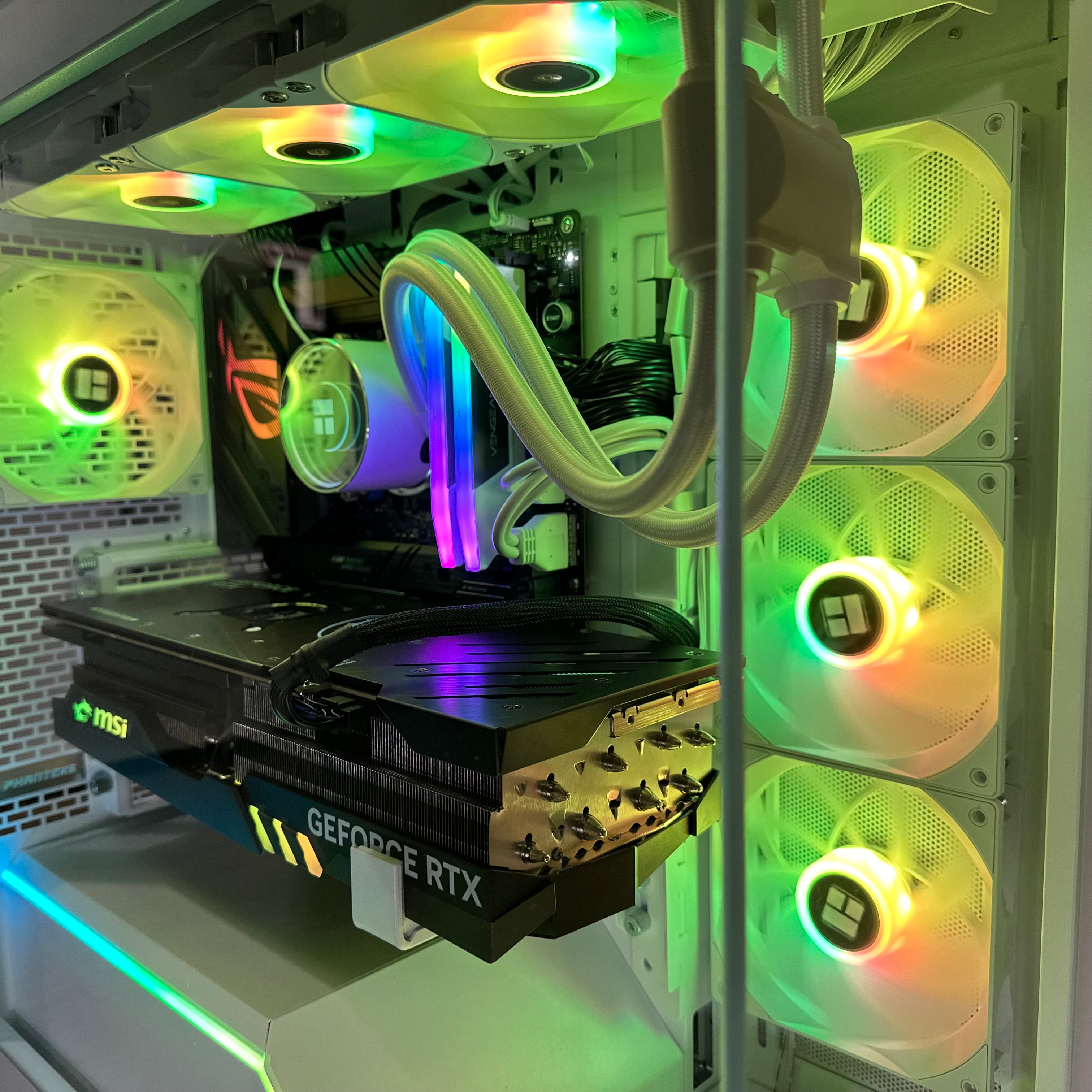
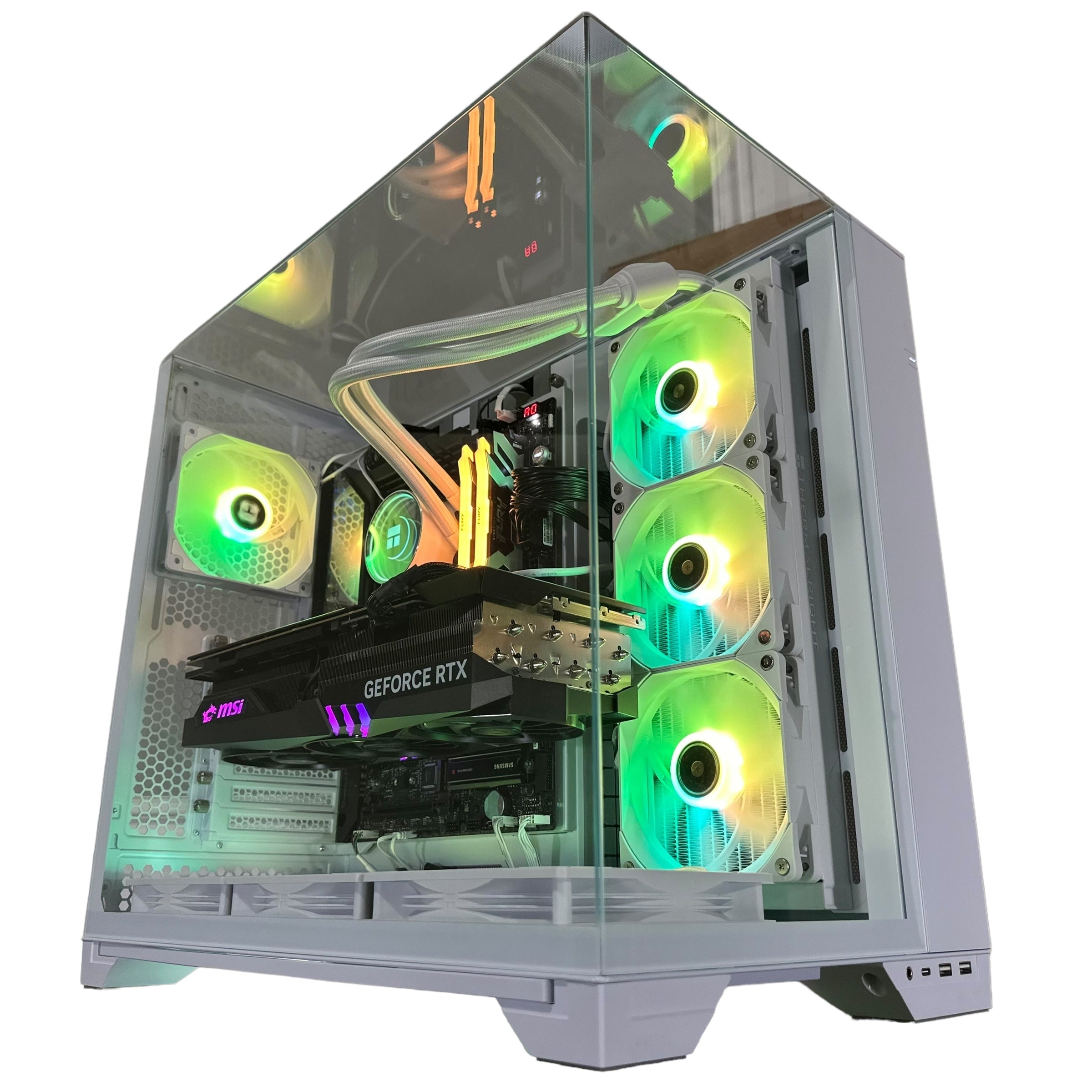
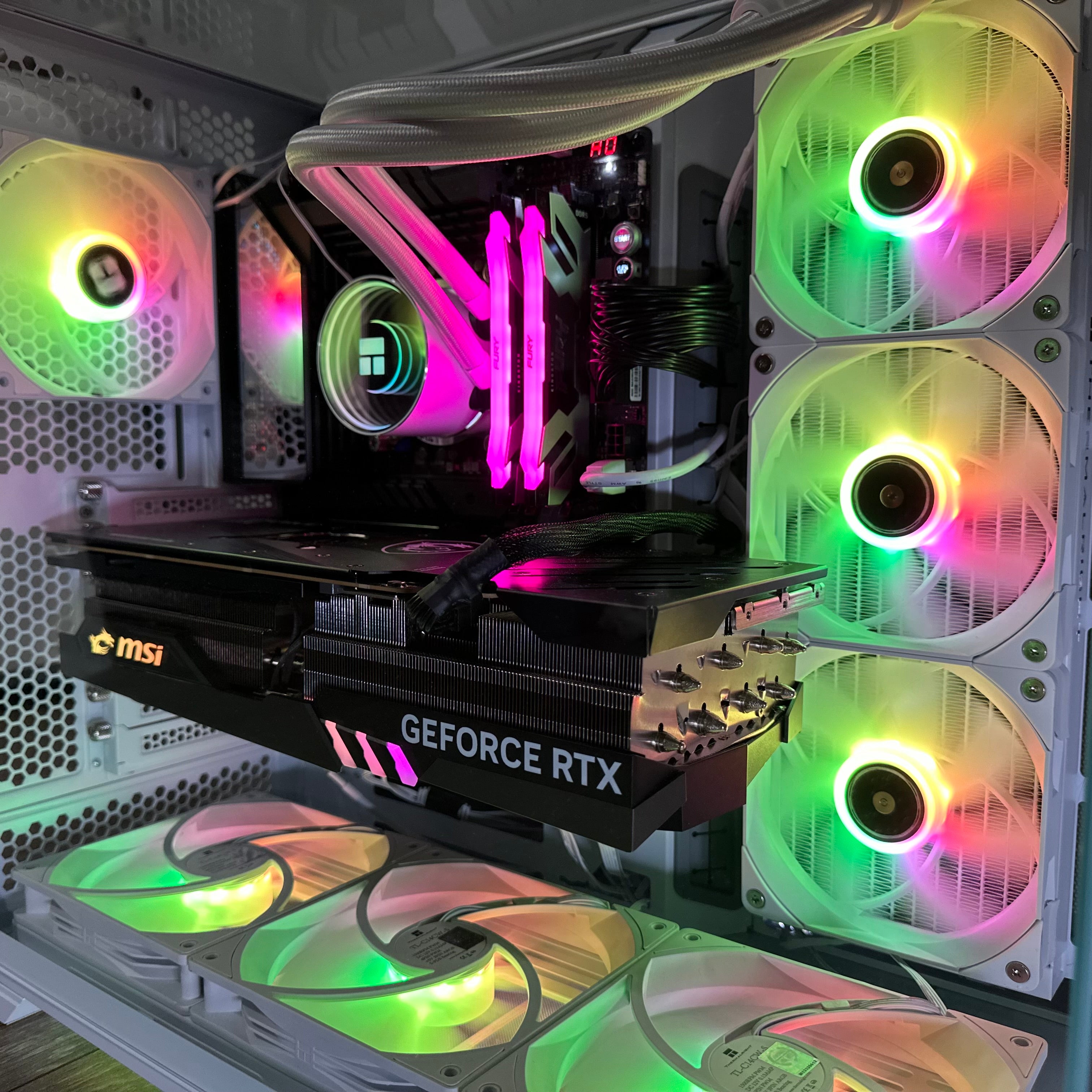

Diablo IV on Switch 2 Is Big News, but It Also Raises a Bigger Question: Is Your Next Gaming PC Ready for What’s Coming?
The reported Diablo IV on Switch 2 launch window has given action RPG fans another reason to think about where and how they want to play major releases over the next year. According to the source report, Blizzard’s flagship action RPG is expected to arrive on Nintendo’s newer platform in September with pricing around about C$95 to C$100, and a reveal may come ahead of launch during Gamescom 2026. For many players in Canada, that headline is about more than one game. It is really about performance, value, timing, and whether your current system is still enough for the next wave of AAA titles.
If a major game like Diablo IV keeps expanding across platforms years after launch, what does that tell buyers? It tells them that long-tail game support matters, hardware generations overlap longer than people expect, and players increasingly want systems that can handle not just one release, but the next several years of games, updates, expansions, streaming, and multitasking without feeling outdated too soon.
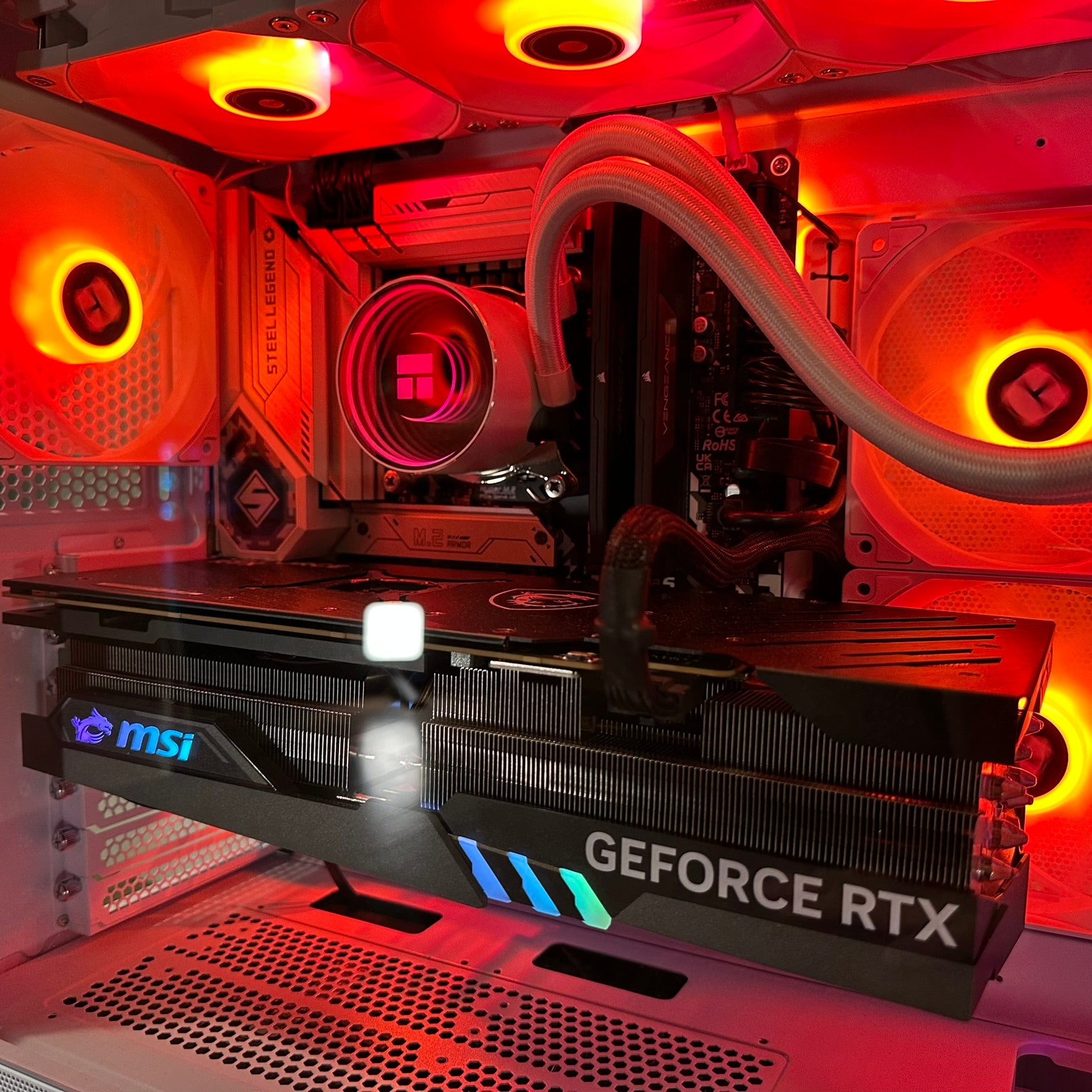
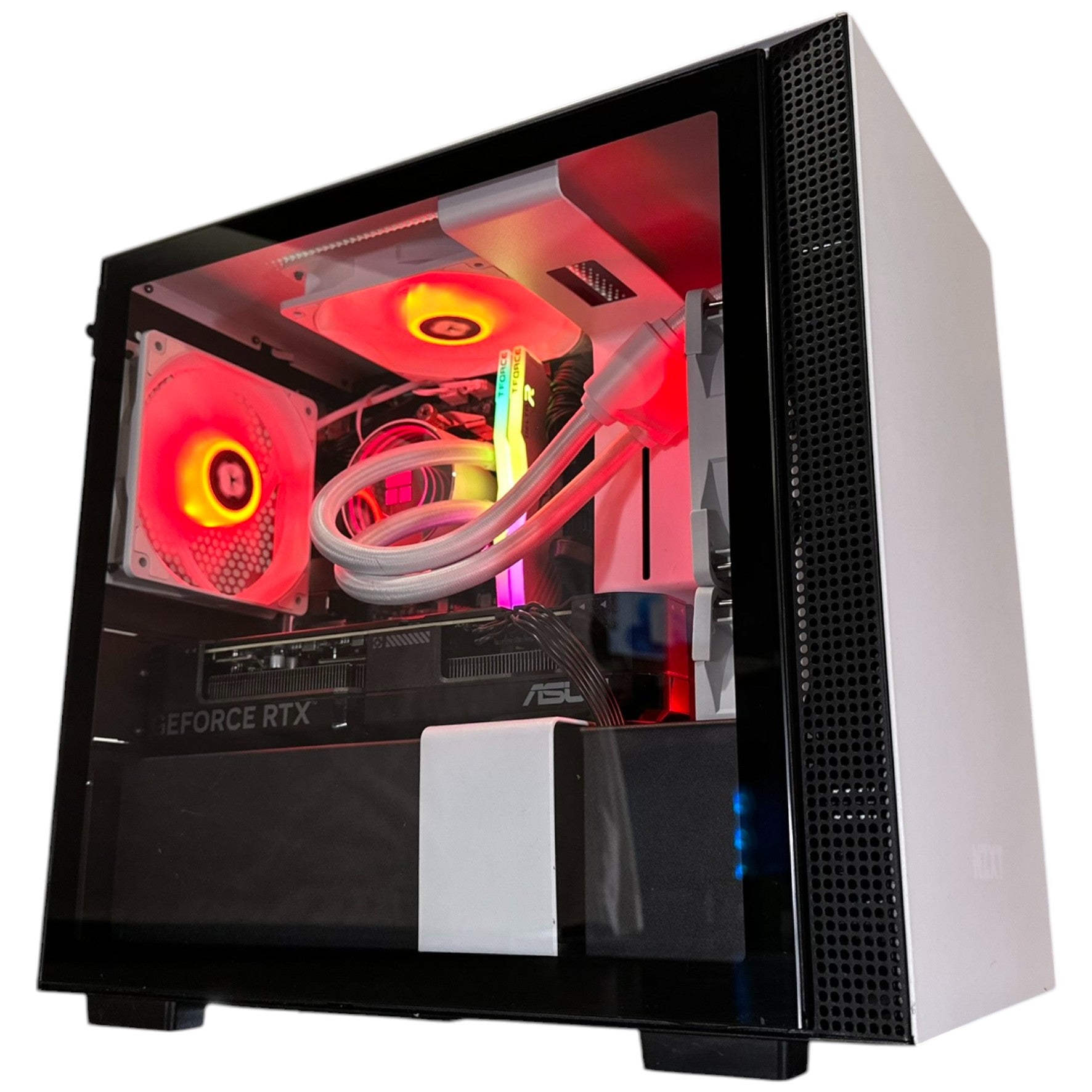
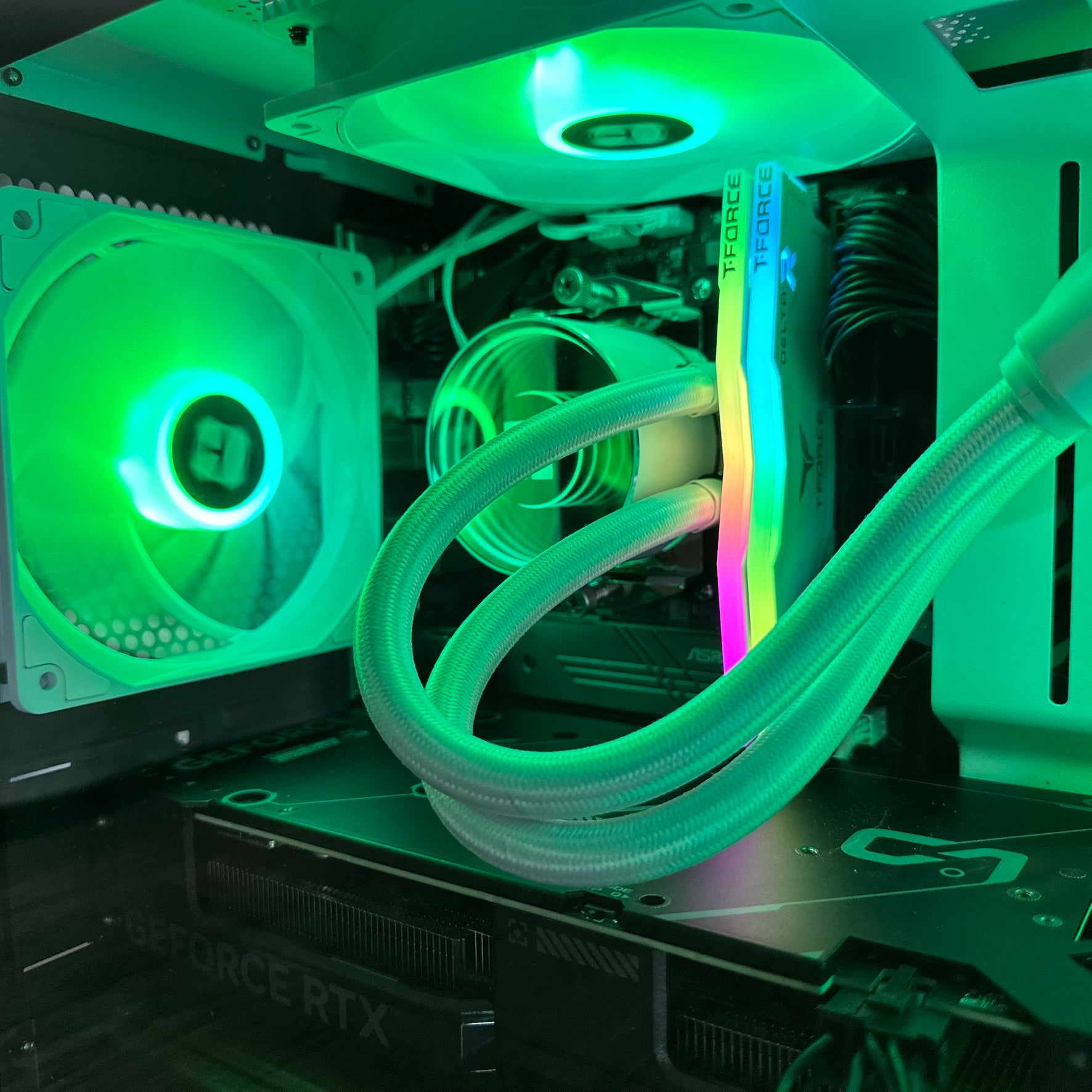
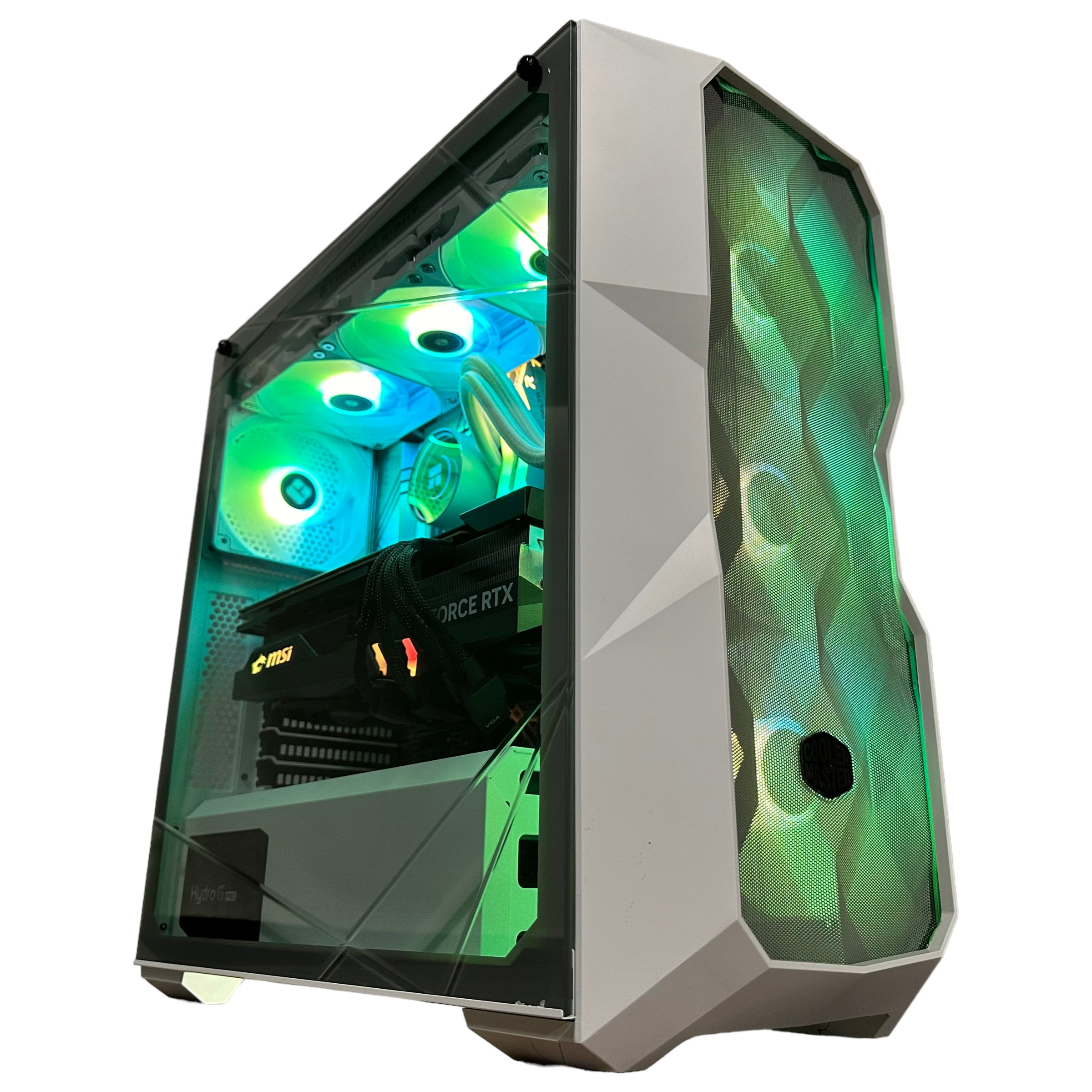
That is where Groovy Computers comes in. As a Canadian custom PC builder, Groovy Computers helps customers move beyond hype and ask the smarter question: what do you actually want your next PC to do for you?
What the Diablo IV on Switch 2 report tells us about the gaming market
The source article points to several important signals. First, Diablo IV has remained relevant long after its original release. Second, players still care about portability and accessibility, especially when a game becomes more refined through patches and expansions. Third, publishers continue pricing premium game releases at premium levels. In Canadian terms, that matters. A new release priced near the top of the market can make buyers rethink where they spend their entertainment budget.
Would you rather keep paying premium prices for each console release while accepting lower graphics settings and fewer upgrade options? Or would you rather invest in a custom gaming desktop that can handle Diablo IV, future action RPGs, shooters, open-world games, competitive titles, and creator workloads from the same machine?
For Canadian gamers, that is not a small decision. A game launch story often becomes a buying guide moment. It pushes people to compare console convenience against desktop performance, upgradability, lifespan, and long-term cost efficiency.
Why Canadian buyers should think beyond the headline
In the original report, the expected price is listed at US$69.99. For Canadian shoppers, that typically lands closer to C$95+ once currency conversion, taxes, and normal retail realities are factored in. That matters because the real conversation is not just whether Diablo IV appears on another platform. The real conversation is how fast game ownership, accessories, subscriptions, and replacement hardware stack up in Canada.
Are you planning to buy several major games this fall? Are you also thinking about a monitor upgrade, headset, extra storage, or a better desk setup? If so, your total cost of gaming may already be high enough that investing in the right desktop starts making more sense than squeezing another year out of aging hardware.
Canadian buyers also face a second issue: hardware pricing can shift fast. GPU supply pressure, memory volatility, SSD pricing changes, and demand spikes around major game windows can all affect full-system cost. Waiting does not always save money. Sometimes it just means paying more later for the same or weaker parts.
What do you want your next PC to do for you?
This is the question more buyers should ask before choosing between a budget system, a premium gaming rig, or a full creator workstation.
Do you only want to play Diablo IV smoothly at 1080p? Do you want 1440p high refresh gameplay in newer AAA games? Are you interested in ray tracing, streaming to Twitch or YouTube, recording clips, editing content, or running creative apps after gaming? Do you need one machine that works for school, business, and entertainment? Are you trying to avoid upgrading again in 12 to 18 months?
Your answer changes everything.
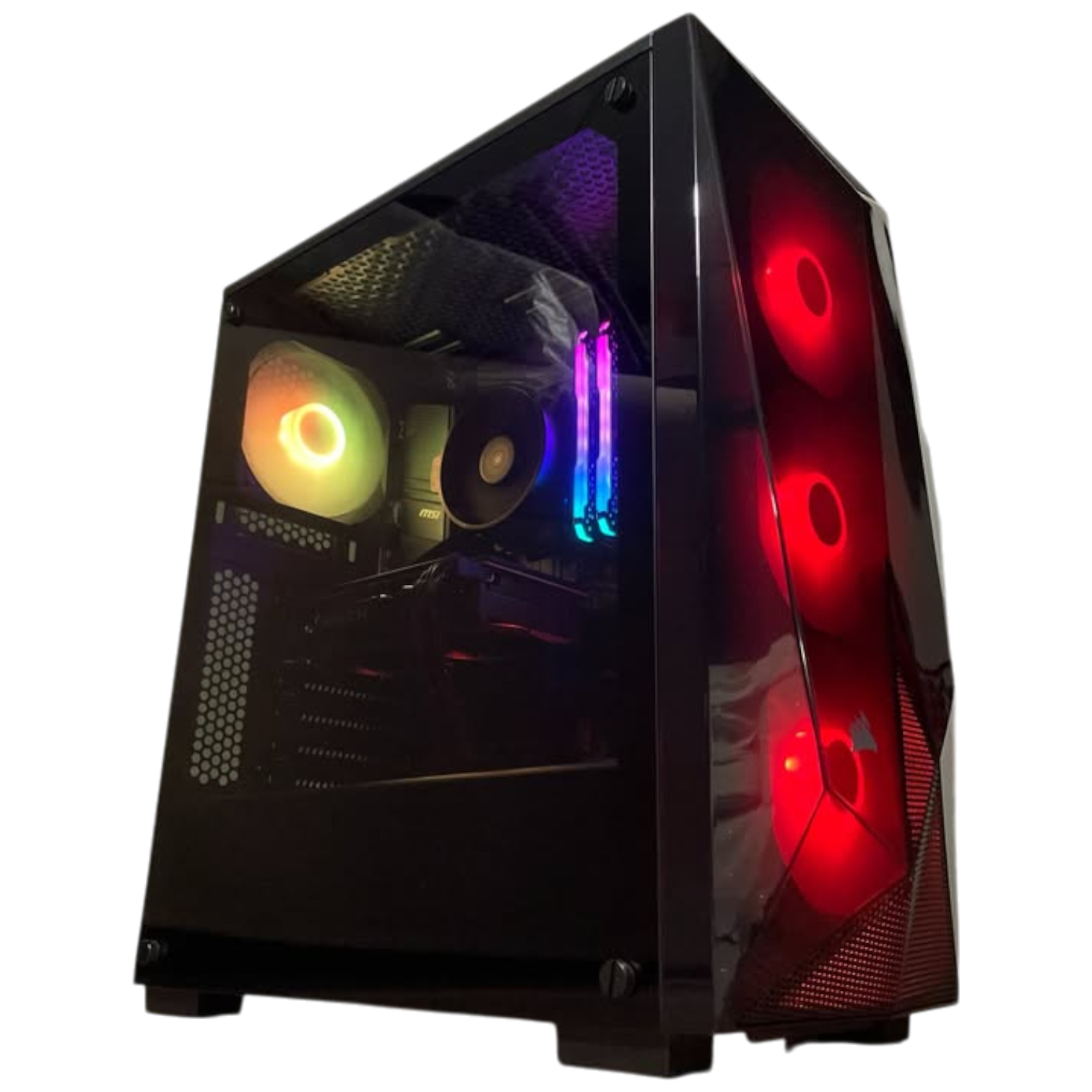
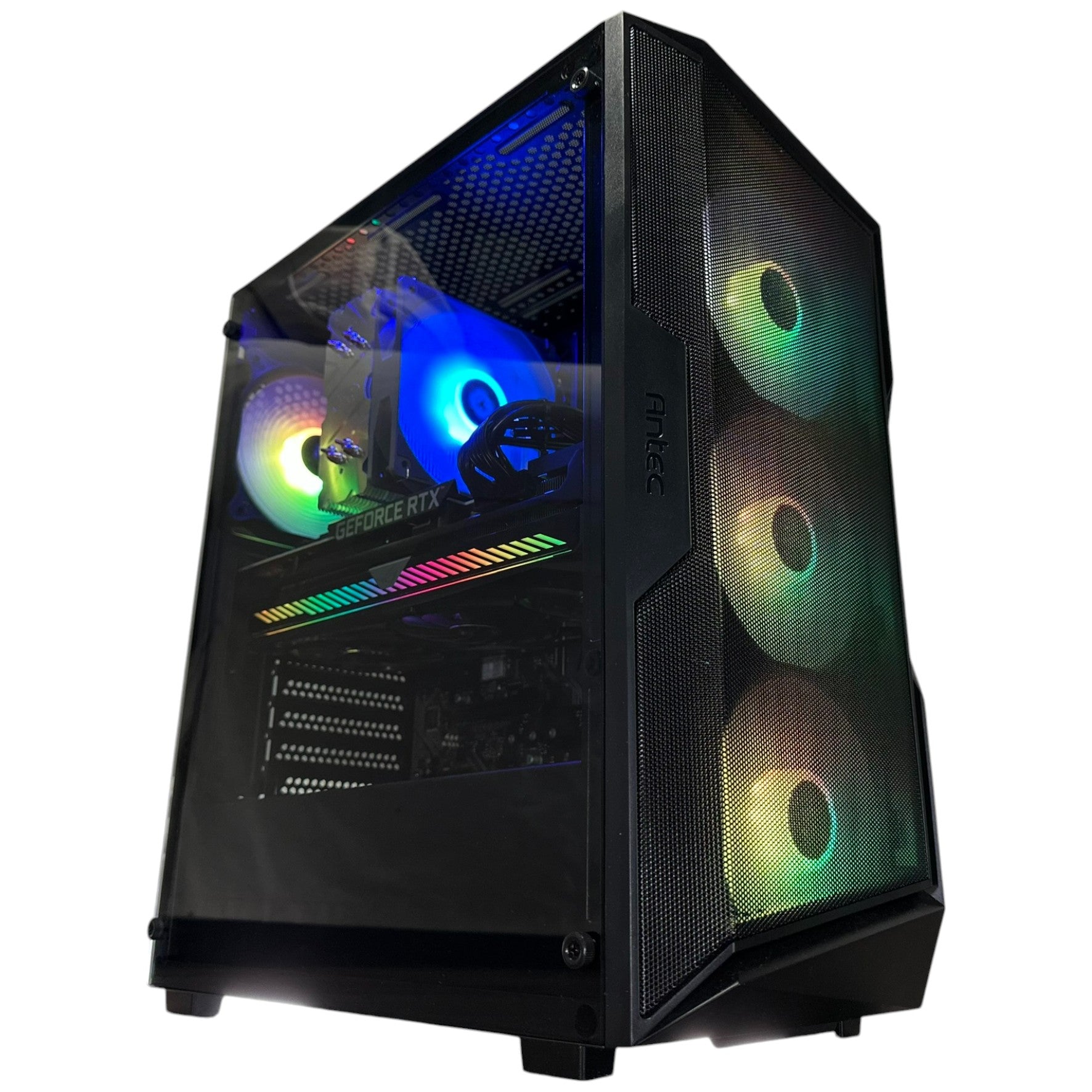
A lot of customers begin by searching for a gaming computer, but what they really need is one of several categories:
- Budget gaming PC for 1080p play and esports titles
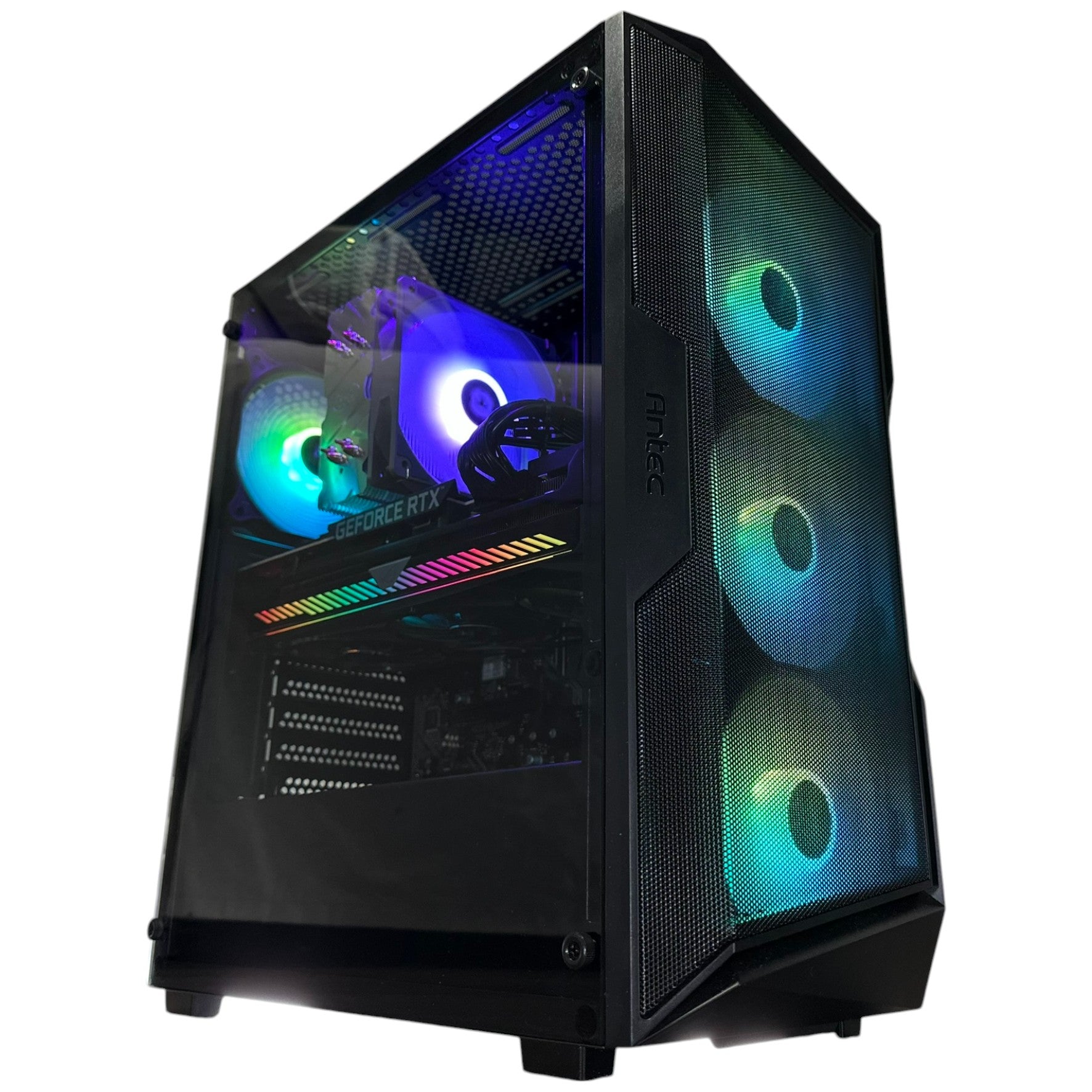
- Mainstream custom gaming PC for strong 1080p and 1440p gaming
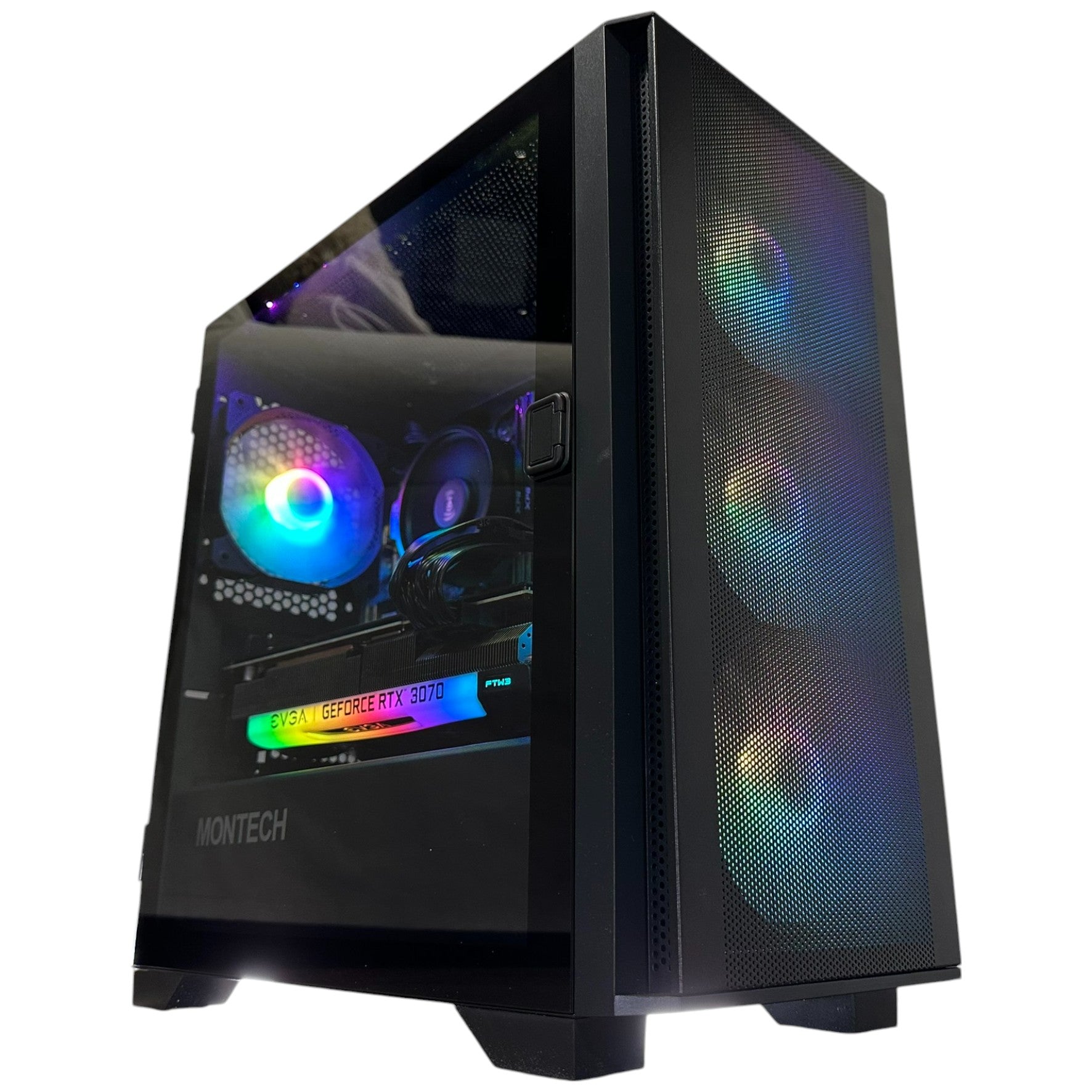
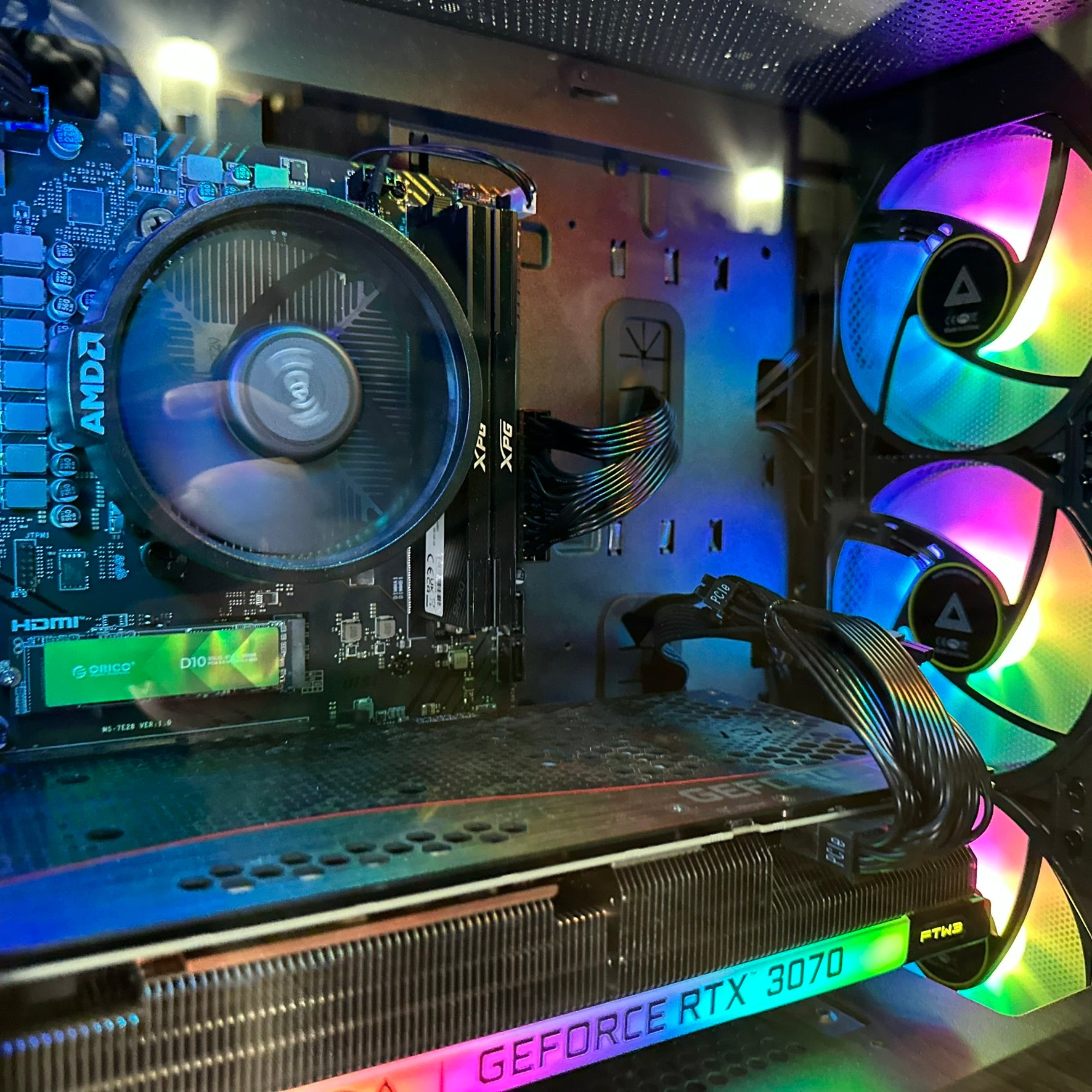
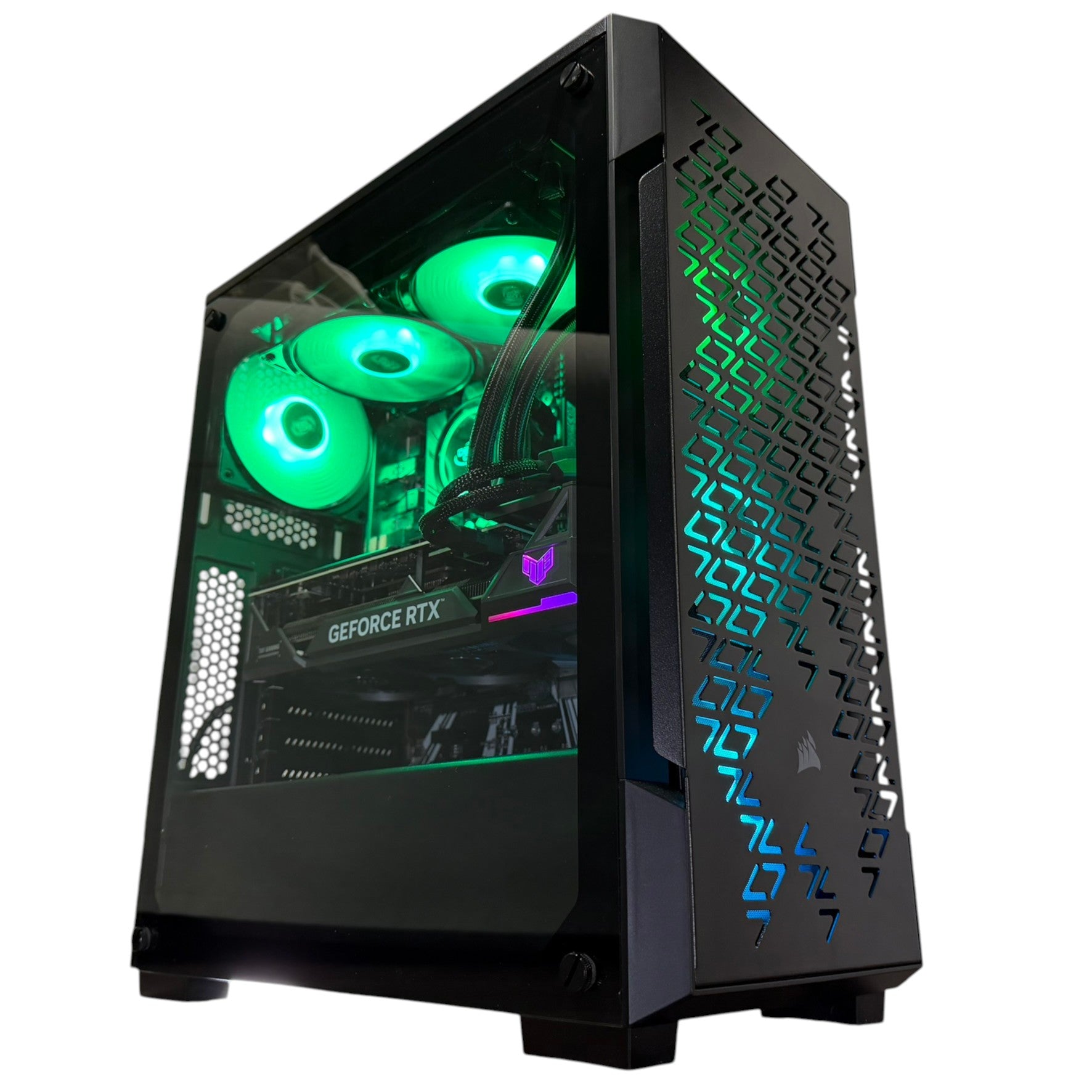
- Premium RTX gaming PC for ultra settings, high refresh rates, and ray tracing
- Gaming and streaming PC for playing and broadcasting at the same time
- Creator PC for editing, design, and content production
- Workstation PC for heavier multitasking, rendering, 3D work, and professional reliability
That is why a one-size-fits-all system usually disappoints. The right build depends on the exact experience you want.
Is Diablo IV enough reason to upgrade, or is this really about the next three years of games?
For some players, Diablo IV alone is not the reason to buy a new system. It is just the reminder. It reminds them their current PC is struggling, their storage is nearly full, their frame rates are inconsistent, or their machine runs hot and loud in newer games.
If you are asking, is it better to buy a gaming PC now or wait?, start with this: are you already compromising? Lower settings, longer load times, stutter during big fights, poor multitasking while Discord and browsers are open, or no room for future titles all suggest the real issue is not one game. It is the age and capability of your system.
And if you know there are more major releases coming that you want to play on launch, why delay the upgrade until demand gets worse?
What gaming PC do I need for Diablo IV, new AAA games, and future releases?
For many buyers, this is the practical question. Not everyone needs a flagship machine, but not everyone should buy the cheapest build either. The best choice depends on resolution, refresh rate, and how many extra tasks you expect your system to handle.
Entry-level: Who should choose a budget gaming PC?
If your goal is straightforward 1080p gaming, indie titles, older AAA games, lighter multiplayer games, and solid value, a budget-oriented gaming desktop may be the right fit. This tier is ideal for first-time buyers, students, and players who want smooth performance without chasing ultra settings in every new release.
Ask yourself: are you mainly playing for fun on a standard monitor, or are you trying to max everything out? If you are realistic about settings and want the best balance of cost and performance, a value-focused system can go a long way.
Mainstream performance: Who should step up to a stronger 1080p or 1440p build?
This is where many Canadian buyers should be looking. A stronger mid-tier custom gaming PC is often the sweet spot for modern titles, action RPGs, open-world games, online shooters, and high refresh monitors. If you want a smoother experience over a longer period, this tier usually delivers the best long-term value.
Do you want your system to feel good today and still respectable two or three years from now? Do you want more VRAM headroom, a better CPU, more RAM, and faster SSD capacity so future updates do not make your build feel cramped? If yes, stepping up now may save you from a premature upgrade later.
Premium tier: When does a high-end RTX gaming PC make sense?
If you are targeting 1440p ultra settings, 4K gaming, ray tracing, very high frame rates, or demanding upcoming releases, a premium system starts making sense. This is especially true if you also stream, record, use mods, keep many applications open, or simply want your machine to stay powerful longer.
Would you rather replace your system sooner, or buy a stronger one that gives you room to grow? That is the real premium-tier question.
What if you also stream, edit videos, or create content?
Many customers do not fit neatly into the “just gaming” category anymore. They game, stream, edit clips, make thumbnails, run OBS, export short-form videos, and manage social content from the same desktop. If that sounds familiar, your next machine should be chosen like a content creation PC in Canada, not just a gaming box.
Are you planning to stream Diablo IV season content, ARPG build guides, or co-op gameplay? Do you want to capture footage while maintaining smooth game performance? Do you use Premiere Pro, DaVinci Resolve, Photoshop, or Canva after gaming sessions? Then your build should prioritize more than raw in-game FPS.
A balanced gaming and creator system often benefits from:
- More CPU headroom for multitasking and background tasks
- A capable GPU for both gaming and hardware-accelerated encoding
- More RAM for editing, browsers, Discord, and streaming tools
- Fast SSD storage for game files, footage, project files, and exports
- Reliable cooling for long sessions under load
This is why many buyers who start by searching for a gaming desktop end up needing a stronger custom creator PC instead. The extra capability is not wasteful if you actually use it.
Do you need a gaming PC, a creator PC, or a workstation?
Here is a simple way to think about it.
Choose a gaming PC if:
- Your top priority is game performance
- You mainly care about 1080p, 1440p, or 4K gaming
- You might stream casually but do not spend hours in professional software daily
- You want the strongest gaming value for your budget
Choose a creator PC if:
- You game and also edit videos or photos
- You use Adobe Creative Cloud, DaVinci Resolve, or design software regularly
- You create YouTube, TikTok, or streaming content
- You want one system for both entertainment and production
Choose a workstation if:
- You run heavier rendering, 3D modeling, CAD, or multi-application workflows
- You need more memory capacity, more storage, and stronger sustained performance
- You value reliability, thermal stability, and efficiency for professional use
- You cannot afford downtime or performance bottlenecks
So what category describes you best today? And just as important, what category will describe you six months from now?
How much performance tier do you really need?
Choosing the right performance tier is one of the smartest ways to avoid overspending and avoid underbuying.
If you play at 1080p
A properly balanced entry or mainstream gaming PC is often enough. The key question is whether you only want decent results now, or whether you want more overhead for future titles. If your current monitor is 1080p but you may upgrade later, buying only for today can be shortsighted.
If you play at 1440p
This is the sweet spot for many enthusiasts. It demands more from the GPU, rewards a stronger CPU, and benefits from enough RAM and quality cooling. If you want a smooth premium experience in modern games, 1440p buyers should avoid cutting too many corners.
If you play at 4K or want ray tracing
This is where premium hardware becomes easier to justify. Visual settings, frame targets, and game optimization all matter more here. If your goal is maximum image quality with long-term relevance, a high-end build is the better fit.
If you stream while gaming
You should think in terms of total workload, not just game FPS. Do you want stable streams, clean recordings, and responsive gameplay all at once? Then plan your build accordingly.
If you edit, design, or render after gaming
Your machine needs to transition smoothly from entertainment to productivity. That means CPU, GPU, RAM, and storage all deserve more attention than a pure gaming-only spec sheet would suggest.
Why timing matters more than many buyers realize
The Diablo IV on Switch 2 story is a reminder that game demand does not stand still. As more games target newer hardware generations and continue receiving expansions, visual updates, and content refreshes, the average workload trend keeps moving upward. Buyers who wait too long often discover that the “good enough” system they almost bought months earlier is now the new minimum.
Are you buying before a major game season, before holiday demand, before a software upgrade, or before GPU pricing shifts again? If yes, your timing matters. Waiting can be reasonable when a buyer truly does not need a machine yet. But for someone already shopping, indecision can become expensive.
Storage costs can move. RAM can move. Graphics card demand can spike. Cases, power supplies, and cooling parts can all fluctuate with availability. Full-system pricing is never just one component. That is why custom PC buyers should think in terms of total timing, not just one sale or one rumour.
Should you finance a stronger PC instead of buying a weaker one?
This is one of the most useful questions a serious buyer can ask.
If your budget only covers a lower-tier machine outright today, but you know you really need better 1440p performance, more VRAM, more storage, or stronger creator capability, financing can make strategic sense. It can allow you to secure a better long-term build before replacement costs rise or before you outgrow a weaker system too quickly.
Would a slightly stronger machine save you from upgrading again next year? Would it help you game and stream properly instead of compromising? Would it support school, work, and creative projects as well as gaming? If so, stretching intelligently may be better than settling cheaply.
Groovy Computers offers Canadian buyers a path to secure a custom build that better matches their real needs, including financing options up to 4 years for eligible customers. That matters when the choice is between buying a system you will outgrow fast, or getting one that stays useful much longer.
What should you ask before buying or financing your next PC?
Before you commit, ask yourself these practical questions:
- What games do I want to play over the next 12 to 36 months?
- Am I targeting 1080p, 1440p, or 4K?
- Do I care about ray tracing or very high FPS?
- Will I stream, record, or edit content?
- Do I also need the system for school, work, business, or creative software?
- How soon do I want to upgrade again?
- Would more RAM, better cooling, or more storage save me frustration later?
- Am I better off buying a cheaper system now, or financing a stronger one that lasts longer?
- Do I want a generic off-the-shelf machine, or a tested custom build matched to my needs?
These are not just shopping questions. They are ownership questions. They shape how satisfied you will be after the excitement of a purchase fades.
Why custom builds matter when gaming demand and hardware costs are unpredictable
When pricing is volatile, a custom build becomes more valuable, not less. Why? Because proper part matching matters. Cooling matters. Power supply quality matters. Upgrade path planning matters. A machine that looks good on paper but cuts corners on thermals, motherboard quality, storage layout, or power delivery often becomes frustrating faster than expected.
That is why many buyers who search for the best gaming PC in Canada eventually realize they do not just want a cheap spec list. They want confidence. They want to know their machine was assembled with balance, tested for stability, and built to handle real use.
At Groovy Computers, the advantage is not only that the system is custom. It is that the system is chosen around how you actually play and work.
Why Groovy Computers is a smart fit for Canadian buyers
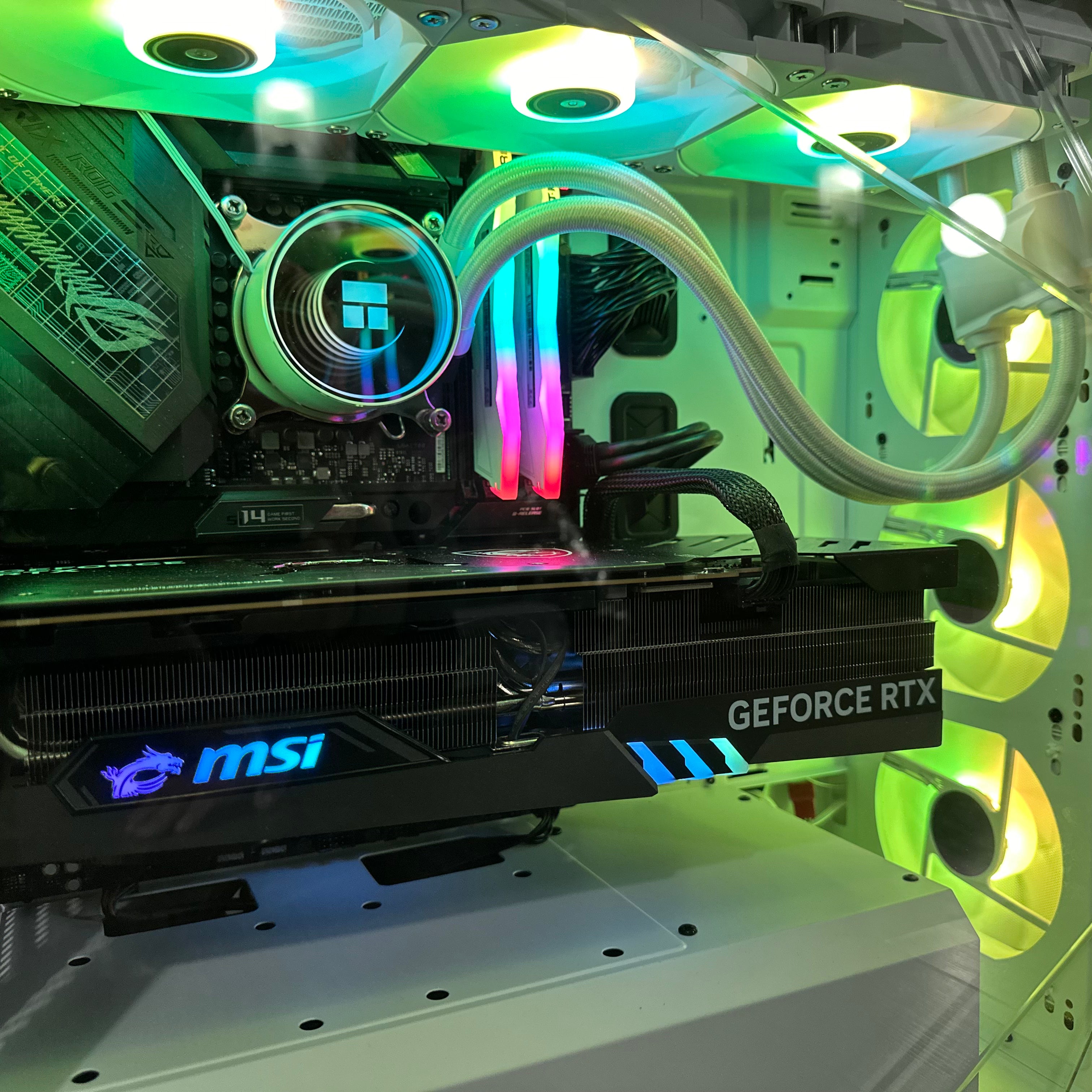
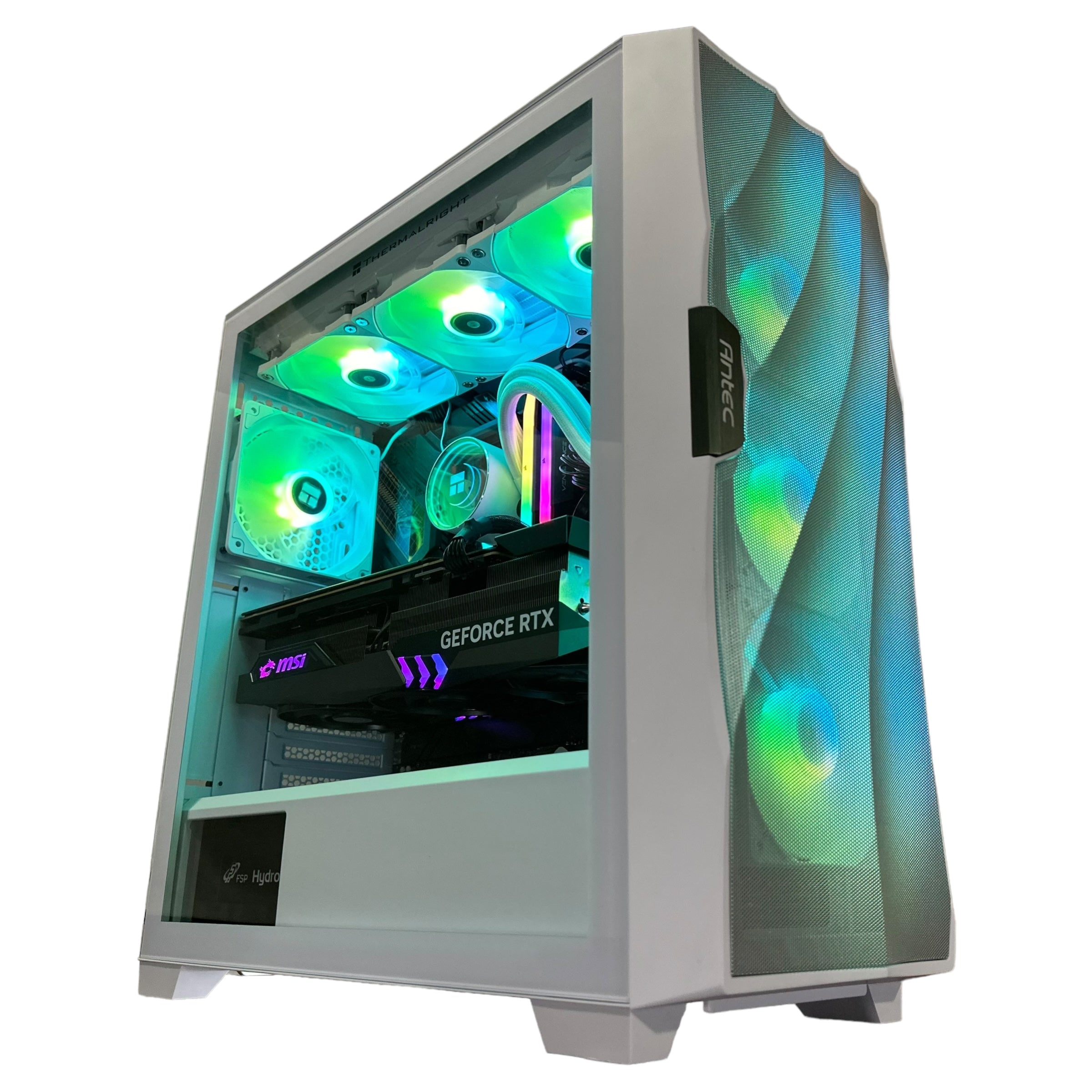
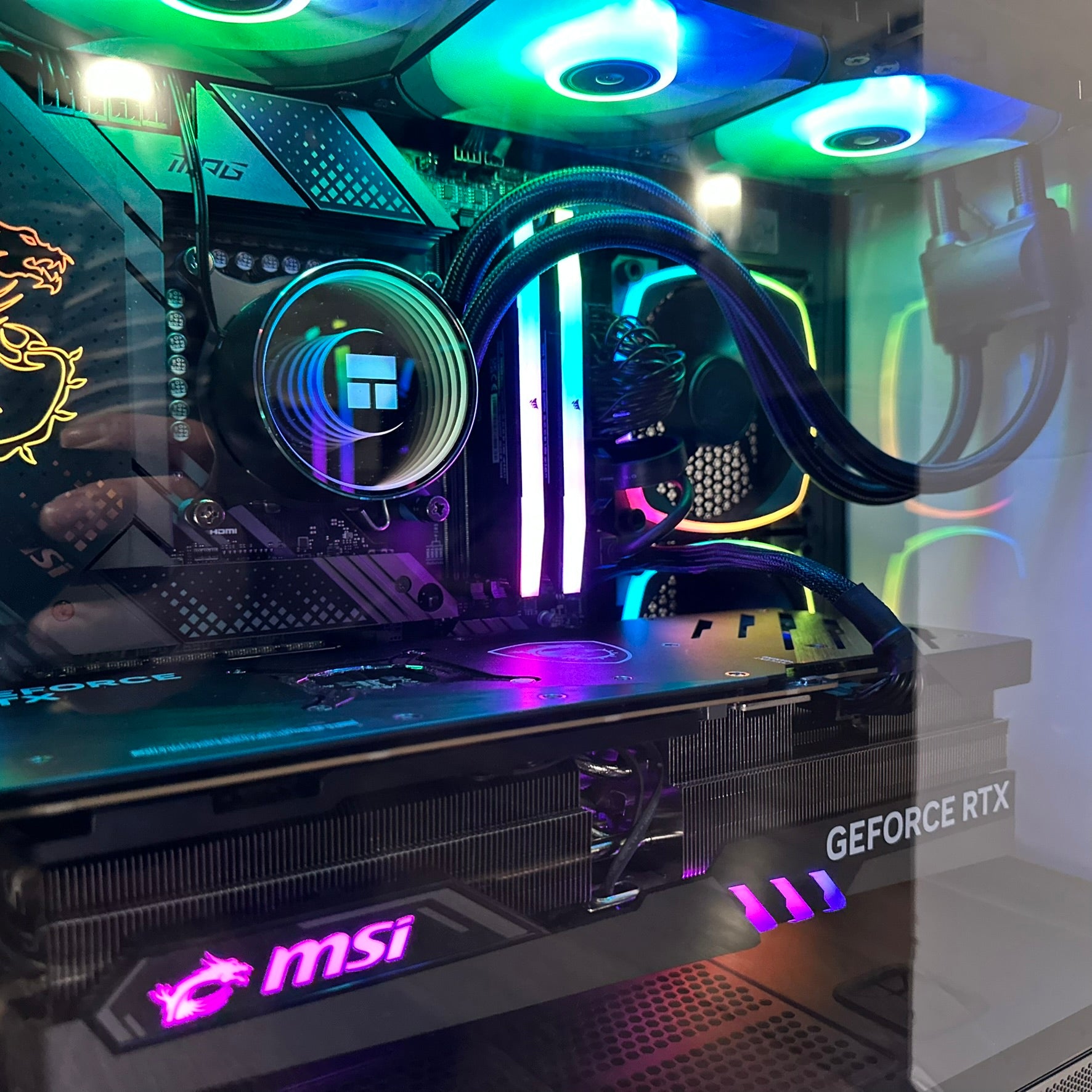
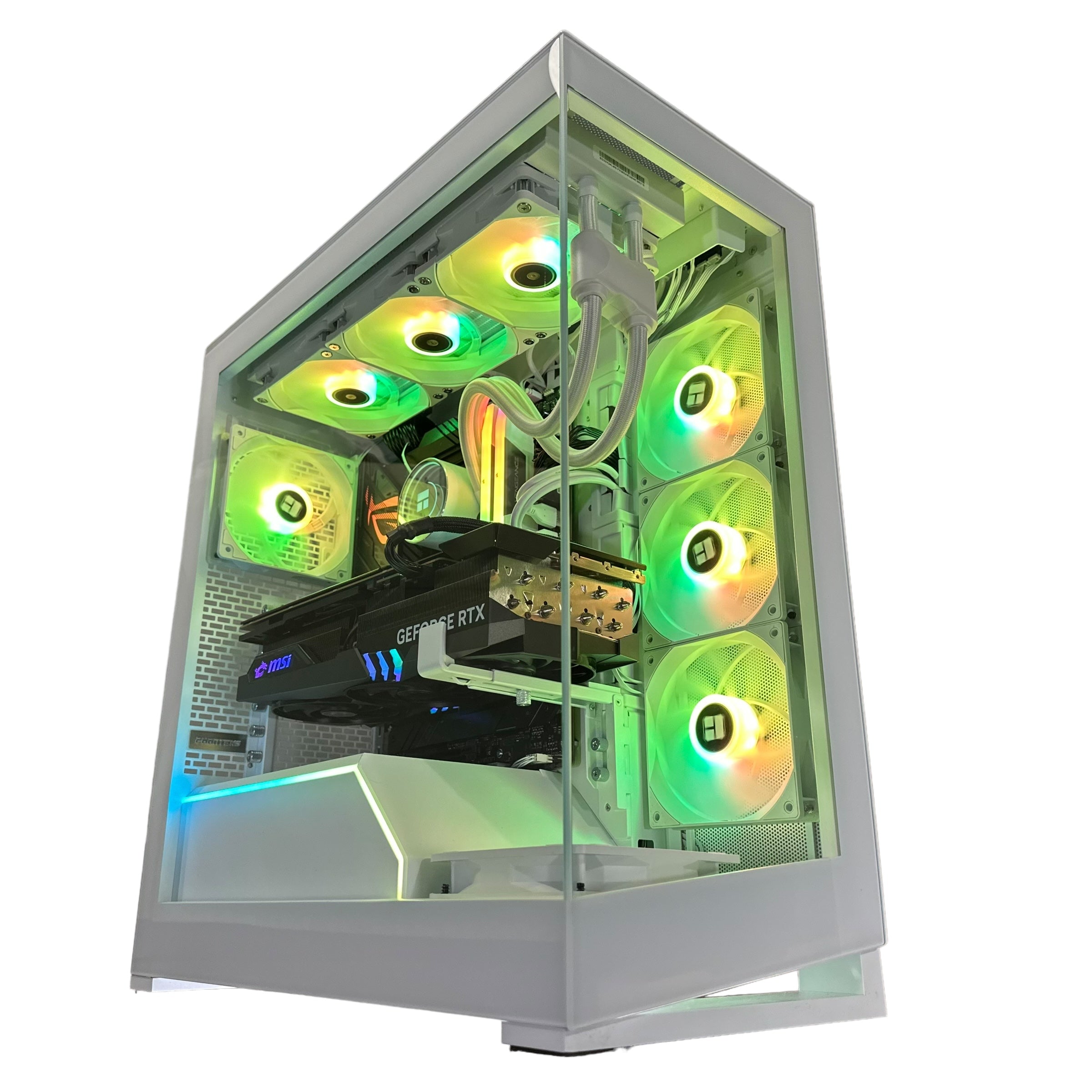
Groovy Computers serves customers who want more than random marketplace hardware and more than vague promises. Whether you need a custom gaming PC, a gaming and streaming system, a creator desktop, or a workstation-grade build, the goal is the same: get the right machine for the way you actually use it.
Canadian buyers also care about trust. They want clear communication, a system built with care, and support that feels real. That is why Groovy Computers emphasizes:
- Custom PC builds matched to your use case
- Rigorous testing before delivery
- A 1-year warranty for added confidence
- Upgrade-minded build planning
- Canada-focused service and buying guidance
- Financing options up to 4 years for eligible customers
If you are in Nova Scotia, Atlantic Canada, or ordering elsewhere in Canada, the value of working with a dedicated Canadian custom PC builder is simple: better fit, better planning, and fewer regrets.
Thinking about Diablo IV today, but shopping for your next PC tomorrow?
That is exactly the right mindset. One game headline can be the trigger, but your next desktop should be chosen for the full picture. Diablo IV, future expansions, new AAA launches, streaming plans, editing projects, 3D workloads, school use, business needs, and upgrade timing all matter.
So ask yourself one final question: what do you want your next PC to do that your current one cannot do comfortably anymore?
If you want help answering that question, Groovy Computers is the place to start. Whether you need a value-focused gaming machine, a premium RTX build, a creator-focused system, or financing on a stronger long-term setup, visit GroovyComputers.ca and choose a build that matches where your gaming and workload needs are actually going, not just where they were last year.
Final thoughts: Diablo IV on Switch 2 is interesting, but your upgrade decision is more important
The reported Diablo IV on Switch 2 launch is a meaningful gaming story because it highlights how long major games stay relevant, how premium release pricing has become, and how platform choice shapes value. But for many readers, the better takeaway is this: if your current machine is already feeling behind, the smartest move may be to upgrade intentionally before the next demand wave hits.
Whether you are shopping for smoother 1080p gameplay, serious 1440p performance, ray tracing, streaming, editing, design work, or a more reliable workstation, your best choice is a system built around your real goals. And if budget is the obstacle, financing a better machine now can be smarter than replacing a weaker one too soon.
#DiabloIV #Switch2 #GamingPCCanada #CustomGamingPCCanada #GamingPCBuildsCanada #CanadianCustomPCBuilders #CreatorPCCanada #StreamingPCCanada #WorkstationPCCanada #GamingPCUpgrade #PCForNewGames #NovaScotiaBusiness
Groovy Computers | All Rights Reserved


Leave a comment
This site is protected by hCaptcha and the hCaptcha Privacy Policy and Terms of Service apply.