





Dodge Viper ACR in Forza Horizon 6: What This Means for Your Next Gaming PC in Canada
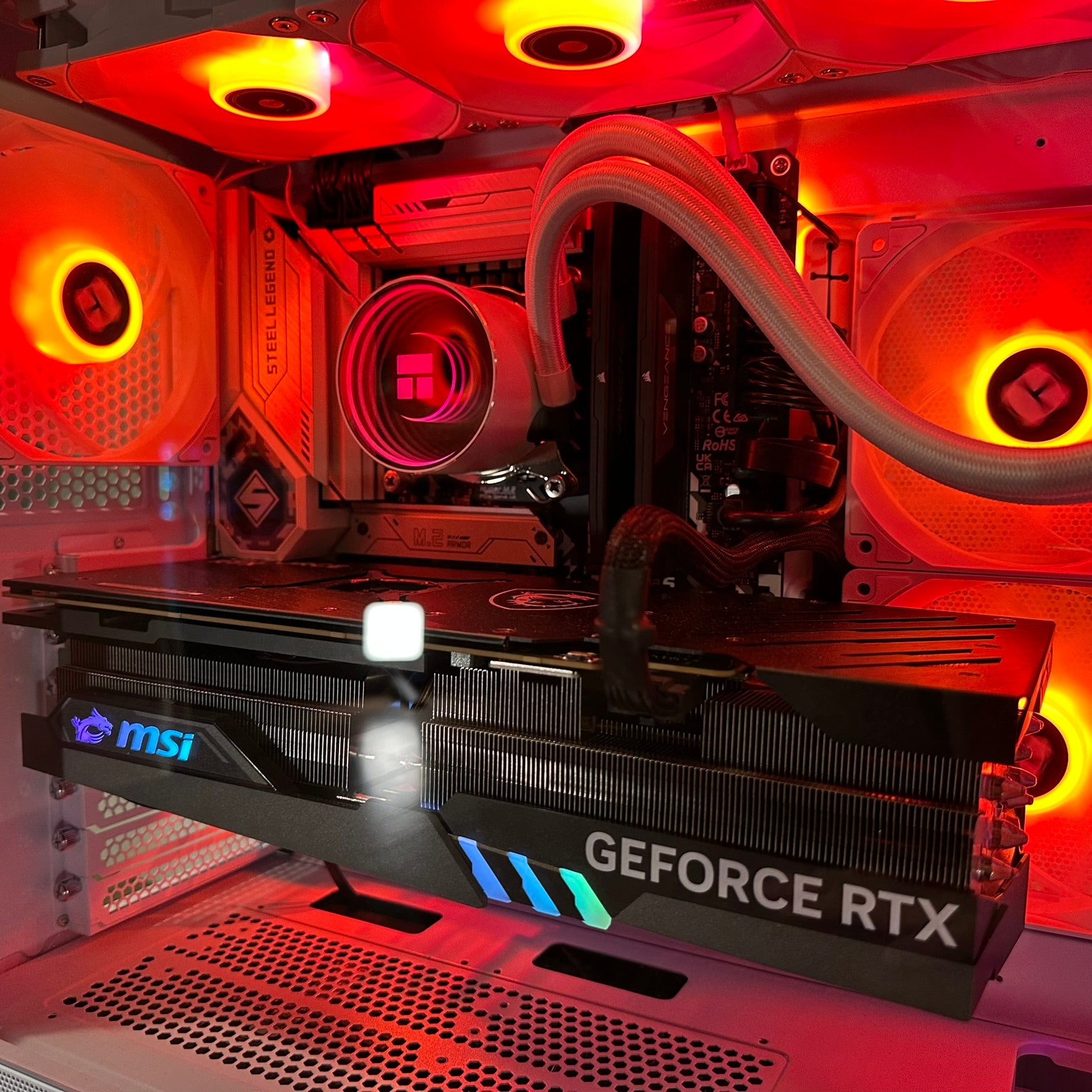
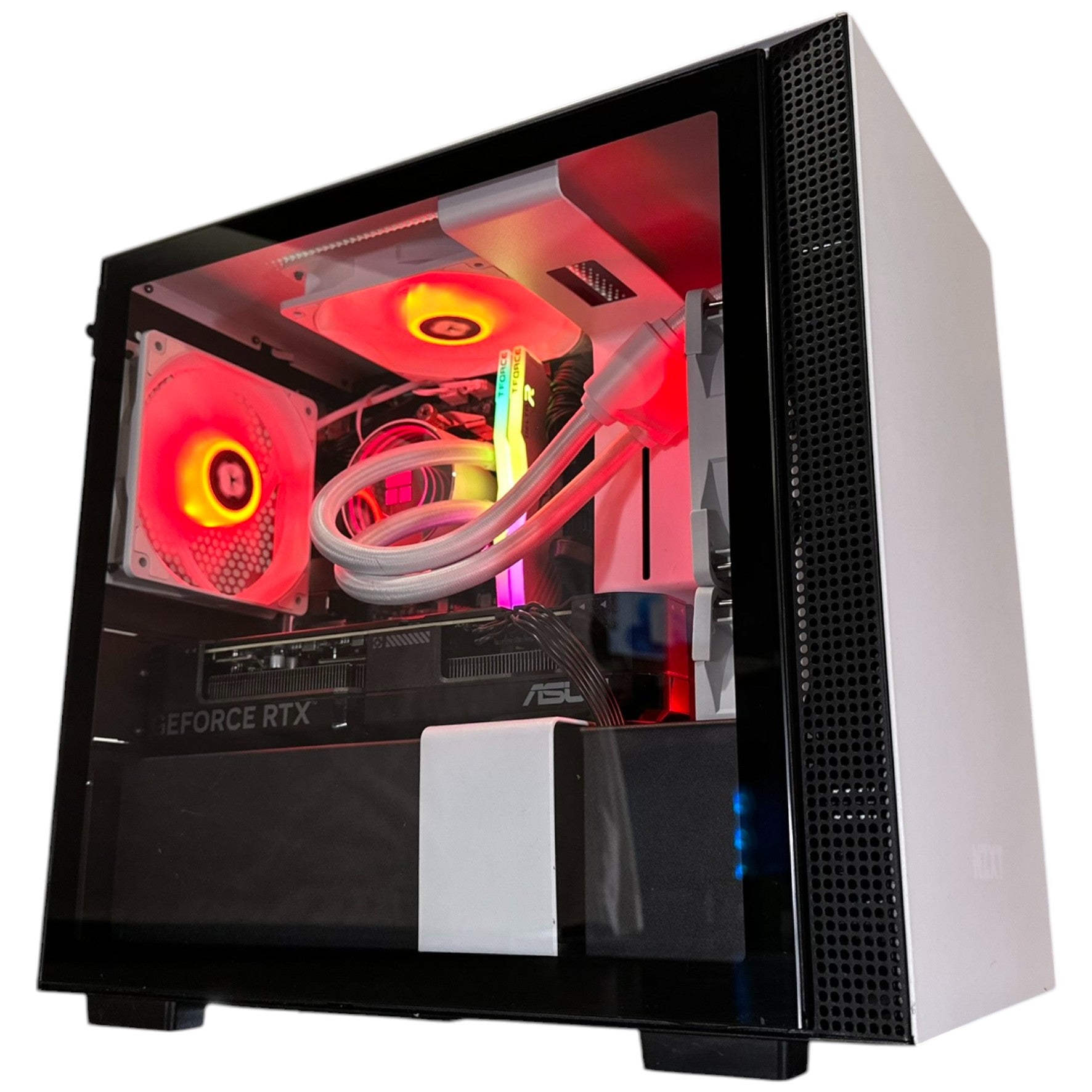
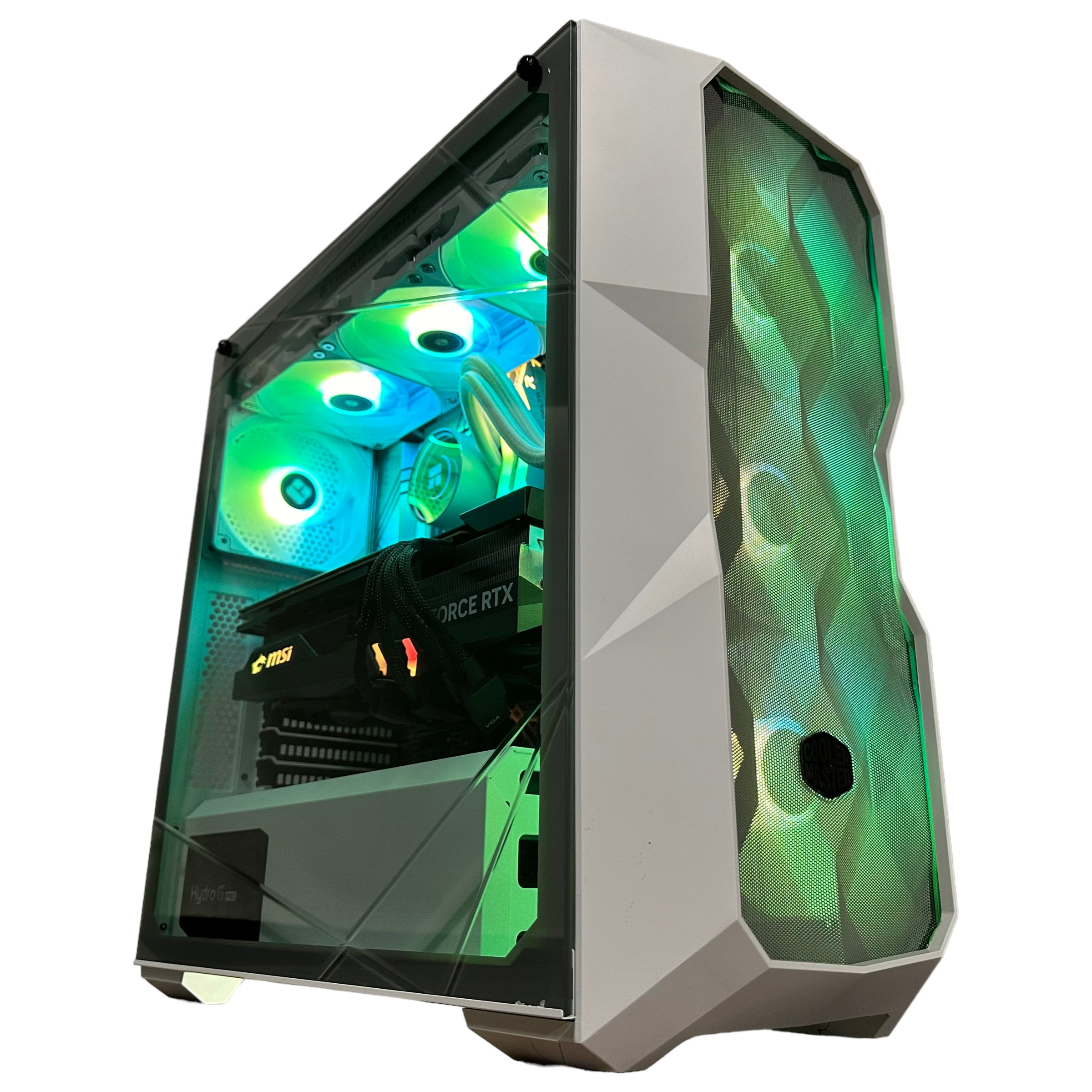
The return of the Dodge Viper ACR to Forza Horizon 6, paired with a LEGO Technic collaboration, is more than just a fun automotive headline. For Canadian players, it is also a reminder that visually ambitious racing games continue to push modern hardware harder than many buyers expect. If you are thinking about a Gaming PC Canada purchase, this kind of release is exactly the moment to ask a practical question: will your current system actually deliver the smooth, high-detail driving experience you want, or is it time to move to something stronger?
The original news is simple but exciting. Dodge, LEGO and Microsoft have partnered to bring the 2016 Dodge Viper ACR into Forza Horizon 6 with a special LEGO Technic livery, while a physical LEGO Technic Dodge Viper set is also being released. The Viper ACR itself is an icon: a track-focused American performance car known for aggressive aero, a hand-built 8.4-litre V10, and a reputation for setting serious lap times. For car enthusiasts and gamers, that combination of heritage, design, speed and collectability is exactly the kind of crossover that drives hype around a new game.
But what happens after the hype? Most readers do not just want the news. They want to know what kind of PC they need to enjoy that experience properly. They want to know whether a budget system is enough, whether 1440p is the sweet spot, whether ray tracing is worth planning for, and whether it makes sense to buy now before prices and hardware demand shift again. That is where Groovy Computers comes in.
Why does a Dodge Viper ACR and Forza Horizon 6 headline matter to PC buyers?
Because games built around cars, speed, weather, reflections, open environments and cinematic lighting tend to expose weak hardware quickly. Racing games may look clean and effortless when you watch trailers, but smooth performance at high settings often depends on a balanced CPU, GPU, RAM and SSD combination. If your system struggles with streaming assets, maintaining frame consistency, or handling modern visual effects, your driving experience can feel less responsive and less immersive than it should.
Ask yourself a simple question: do you want to just launch the game, or do you want to enjoy it at the resolution and frame rate that actually makes it feel fast?
That distinction matters. A casual player targeting 1080p can shop very differently from a buyer who wants 1440p ultra settings, high refresh rates, or a premium 4K setup. The same headline can inspire very different purchase decisions depending on what you expect from your PC.
What the source story gets right about the Viper ACR
The story highlights why the Viper ACR still resonates so strongly. It is not just another car name added to a game roster. The ACR has a clear identity: track-ready engineering, huge V10 power, dramatic styling and a legacy of real-world performance. That gives the in-game car cultural value beyond raw stats. It also explains why the LEGO angle works. Enthusiasts are not only interested in driving the car virtually; they are interested in the design language, the history and the feeling around the machine.
That matters for PC gaming too. Players increasingly care about immersion. They want the lighting to look right on body panels. They want reflections to pop. They want stable frame rates while moving through dense environments at speed. They want screenshots, replays and stream clips to look polished. In other words, the digital version of a legendary performance car deserves hardware that does it justice.
What do you want your next PC to do for you?
This is the question many buyers skip, and it is the one that saves the most money and frustration when answered honestly.
Do you just want a system that can run Forza Horizon 6 smoothly at 1080p? Do you want a 1440p Gaming PC Canada setup for a sharper, more premium racing experience? Are you planning to play on a high-refresh monitor where frame rate matters as much as image quality? Do you want to stream your races, record gameplay for YouTube, edit clips for social media, or create automotive content around the games you play?
And if this is not only about gaming, what else should the system handle? Maybe you also want a machine for photo editing, graphic design, content creation, or even 3D modeling. Many Canadian buyers no longer want one PC for one task. They want one strong, well-planned machine that can game at night, edit content on weekends and stay useful for years instead of months.
Can your current PC run Forza-style racing games the way you want?
If you are asking, “What gaming PC do I need?” the answer depends less on the game logo and more on your standards. A lot of people say their PC “runs” a game, but what does that really mean?
- 1080p players may be happy with medium-to-high settings and strong value.
- 1440p players usually want a better GPU, more headroom and longer-term performance.
- 4K players need a much higher tier system if they want modern visuals without compromise.
- Streamers need enough overhead for gameplay, encoding and multitasking.
- Creators need a system that does more than game well.
If your current system already stutters in open-world games, takes too long to load large environments, or forces you to lower settings more than you like, this kind of release may be the sign that your next upgrade should be a full platform move rather than one temporary patch.
What PC do I need for Forza Horizon 6 at 1080p, 1440p or 4K?
1080p: the smart starting point for value-focused players
A well-balanced entry-to-mid-tier gaming desktop is often enough for players focused on 1080p. This is usually the best path for students, first-time desktop buyers, or anyone looking for a Budget Gaming PC Canada option without overpaying for performance they will not use.
Are you mainly playing racing games, esports titles and general AAA releases on a standard monitor? If so, you may not need to jump straight to a premium build. The right value system can still offer a major quality-of-life upgrade over an older PC, especially if it includes a faster SSD, modern CPU architecture and a capable graphics card.
The real question is this: do you want the cheapest machine that works today, or the better-balanced machine that still feels good a few years from now?
1440p: the sweet spot for many Canadian gaming buyers
For many enthusiasts, 1440p is where modern racing games really begin to shine. You get sharper image quality, stronger visual presence on larger displays and a more premium experience overall. This is often the best target for players who want a system that feels meaningfully upgraded without the heavier cost of a full 4K build.
If you are asking, “What PC do I need for 1440p gaming?” this is where GPU selection becomes especially important. Open-world driving games benefit from stronger graphics hardware because they combine detail, motion, lighting and large environments all at once. A custom system built around 1440p goals can deliver much better value than guessing your way through generic specs.
This is also the tier where many buyers start asking about streaming. Want to game at 1440p and still record or stream clean footage? Then your CPU, GPU encoding capabilities, RAM capacity and cooling setup matter more than they do in a pure entry-level build.
4K: for buyers who want premium visual impact
A 4K Gaming PC Canada build makes sense for players who want maximum visual quality, larger displays and more long-term headroom. If your dream is to see racing environments, lighting effects and car detail at a truly premium level, 4K is compelling. It is also expensive if done properly.
So ask yourself: are you the kind of buyer who upgrades often, or would you rather invest in a stronger system once and keep it longer?
That answer changes everything. A higher-tier system may cost more upfront, but it can reduce the pressure to upgrade early, especially if you want to play future AAA releases at strong settings as demands rise.
What if you also want to stream, record or create content?
That is where many gaming buyers underestimate their real needs. A racing game might be what gets your attention, but your actual use case may be broader. If you want to stream your gameplay, capture clips, edit highlight reels, design thumbnails or post content regularly, you may be shopping for more than a gaming machine. You may need a Content Creation PC Canada or a Gaming and Streaming PC Canada build.
Do you plan to use OBS? Do you want clean recording while maintaining in-game smoothness? Will you be editing in Adobe Premiere Pro, DaVinci Resolve or CapCut afterward? Will you also need Photoshop or Illustrator for channel graphics?
A creator-focused custom PC is about workflow, not just frame rate. The right system can cut export times, improve timeline responsiveness, help with multitasking and reduce the friction that turns content creation into a chore.
When a gaming PC is enough for creators
Some buyers do not need a dedicated workstation. If your editing is moderate, your streams are straightforward and your main priority is still gaming, a well-configured gaming desktop can double as a creator system. The key is part selection. More RAM, better storage planning and the right CPU/GPU pairing can make a huge difference.
When you should step up to a creator or workstation build
If you are editing 4K video, working with layered graphics, handling large RAW photo libraries or using 3D software, you should think beyond a basic gaming build. In that case, your needs may align better with a Video Editing PC Canada, Graphic Design PC Canada, or even a Workstation PC Canada configuration.
Are you buying one computer to cover gaming plus work? If yes, the safest decision is often to spec for the heavier workload, not the lighter one.
Why Canadian buyers should think differently right now
Canadian buyers face a different reality than U.S.-centric headlines often imply. Exchange pressure, hardware availability, shipping costs and regional supply can all affect final system pricing. Even when a source article is only about a game or automotive crossover, the buyer context in Canada matters. A machine that feels affordable one month can become noticeably more expensive after a component shift, a seasonal demand wave or a new release cycle.
That is why timing questions matter.
Are you buying ahead of a major game launch? Are you trying to avoid the rush around holiday demand, back-to-school buying or a new hardware cycle? Are you replacing a failing PC, or upgrading before your current one becomes the bottleneck for everything you do?
Waiting can help in some situations, but waiting without a clear reason can also leave you paying more for the same class of performance later.
Is it better to buy a gaming PC now or wait?
This is one of the most common research-stage questions, and there is no one-size-fits-all answer. But there is a useful framework.
- Buy now if your current PC is already limiting your experience or workload.
- Buy now if you want to lock in a stronger configuration before a busy demand period.
- Buy now if financing lets you reach a more durable performance tier instead of settling for a weaker machine.
- Wait only if you have a specific, informed reason and your current system still serves you well.
If the Viper ACR news has you thinking about racing games again, ask a more serious question underneath that excitement: are you about to buy another temporary fix, or are you finally ready for the PC you actually wanted?
Should you buy a cheaper system or finance a better one?
This is where many buyers make a short-term decision that becomes expensive over time. A lower-spec machine can look attractive on day one, but if it forces an earlier GPU upgrade, more RAM, a storage replacement or a full rebuild sooner than expected, the “savings” can disappear quickly.
Would a stronger build today save you from replacing parts too soon? Would better hardware let you move from 1080p to 1440p, or from casual gaming into streaming and editing, without starting over?
For buyers who want a more capable system without paying everything upfront, financing can be the practical middle ground. It is not about overspending for the sake of it. It is about matching the purchase to how long you expect the machine to serve you.
If a longer-term plan helps you secure better performance, better longevity and less upgrade pressure, that can be a smarter decision than buying the weakest acceptable option just to hit a lower initial number.
Which performance tier fits you best?
One of the biggest challenges for buyers is not choosing between two PCs. It is knowing which category they actually belong in. Here is a practical way to think about it.
Value tier
Best for buyers who want smooth 1080p gaming, strong everyday responsiveness and good overall value. This tier suits first-time desktop buyers, students and players who do not need ultra settings in every new release.
Ask yourself: are you looking for a solid first step into PC gaming, or do you already know you will want more visual headroom soon?
Performance tier
Best for buyers targeting 1440p, better image quality, stronger frame consistency and more future flexibility. This is often the sweet spot for people who want one machine to handle modern games, some recording, some multitasking and a more premium experience without jumping all the way to flagship pricing.
If you want your system to feel impressive for both gaming and moderate creator work, this is often where the real value lives.
Premium tier
Best for 4K gaming, ultra settings, high-refresh goals, heavier creator workflows and longer-term ownership. This tier fits enthusiasts who do not want to compromise much, as well as users combining gaming with editing, rendering or advanced multitasking.
Do you want the best experience you can reasonably justify, or do you just want enough to get by? Your answer tells you whether premium is overkill or the right investment.
What if your needs go beyond gaming?
That is increasingly common. A customer may come in asking about a racing game, but what they really need is a system that can support a wider digital life.
For video editing
If you edit gameplay, cinematic clips, reviews or automotive content, then storage speed, CPU power, RAM capacity and GPU acceleration all matter. A proper Creator PC Canada or editing-focused build can improve playback, exports and project handling dramatically.
What PC do you need for video editing? That depends on whether you work in 1080p or 4K, whether you use Premiere Pro or DaVinci Resolve, and whether your projects are occasional or frequent.
For photo editing and graphic design
If your automotive interest extends into photography, branding or social media design, then colour workflow, responsiveness and multitasking matter. A thoughtful build for Photoshop, Lightroom, Illustrator and Creative Cloud use can feel much more efficient than a generic gaming-first system.
Do you need a dedicated GPU for graphic design? Sometimes yes, sometimes no, but if your workload includes heavier effects, multi-display setups or crossover creator tasks, it often helps.
For 3D modeling and rendering
If the design side of cars interests you as much as the driving side, your PC needs can climb fast. Blender, Unreal Engine, CAD and rendering workflows have very different demands than casual gaming. This is where a 3D Modeling PC Canada or Custom Workstation PC Canada build becomes the smarter direction.
Is a gaming PC good for Blender? Sometimes. But if your rendering time matters, your scene complexity is growing or your professional work depends on reliability, a workstation-style configuration is often the better long-term move.
Why custom builds matter more than generic specs
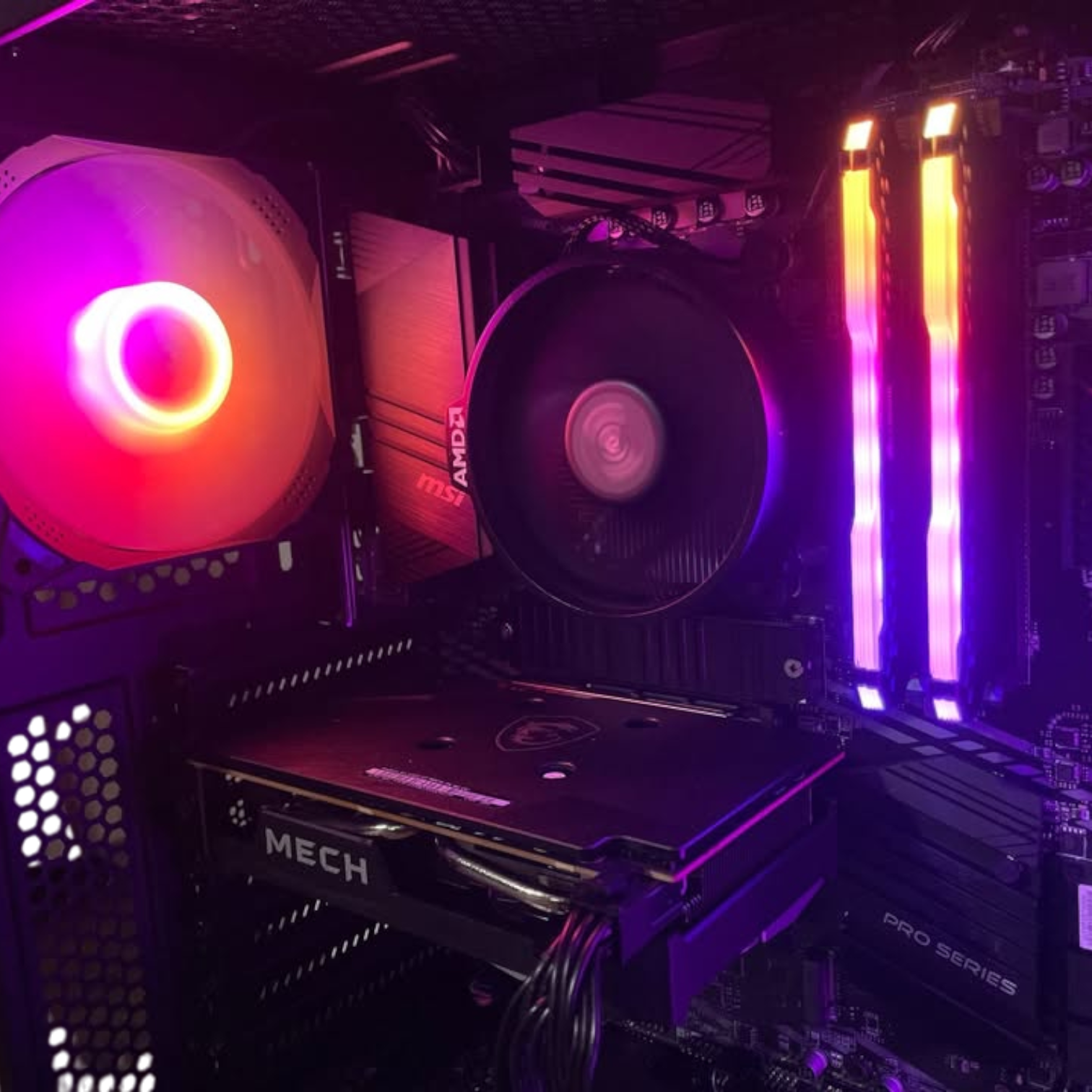
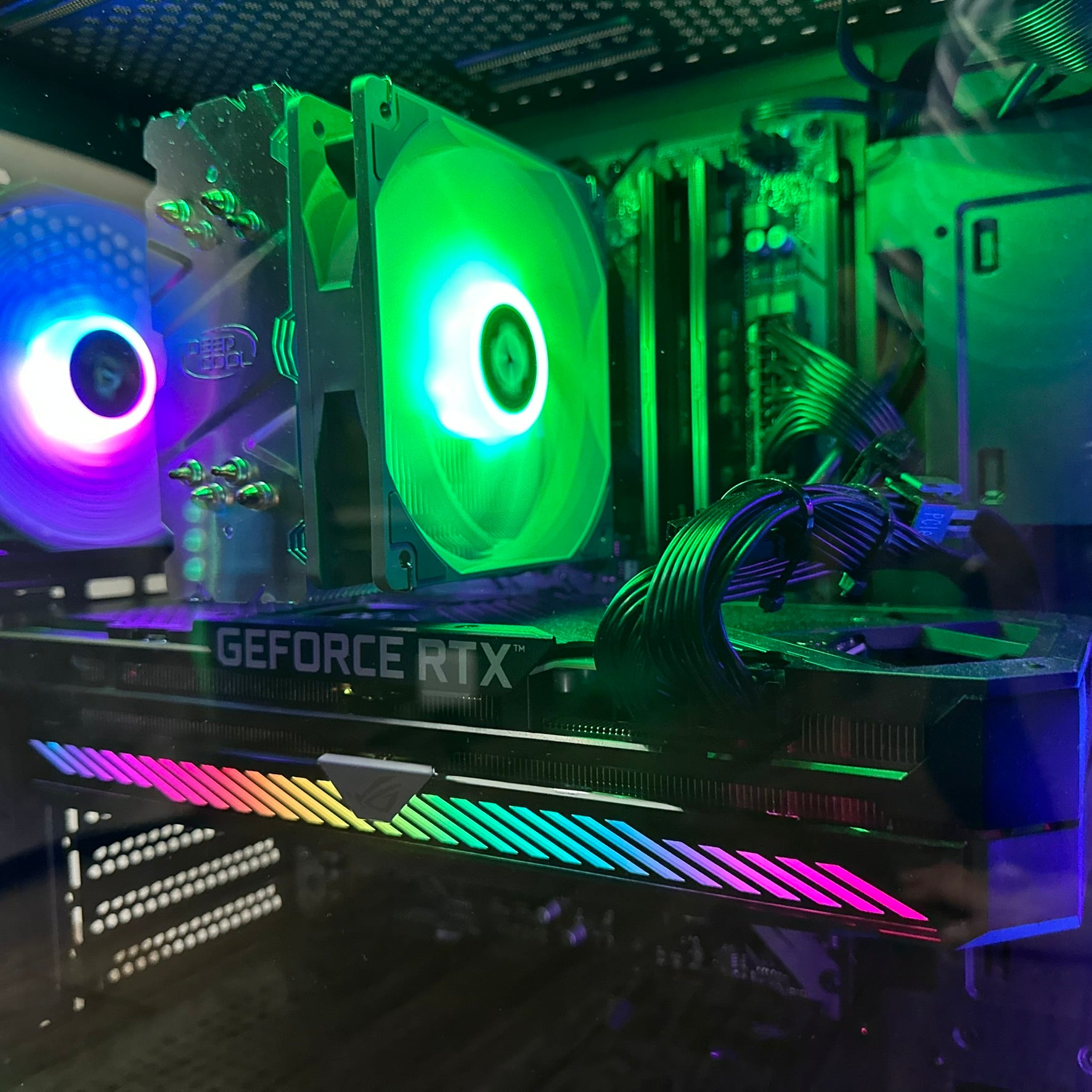
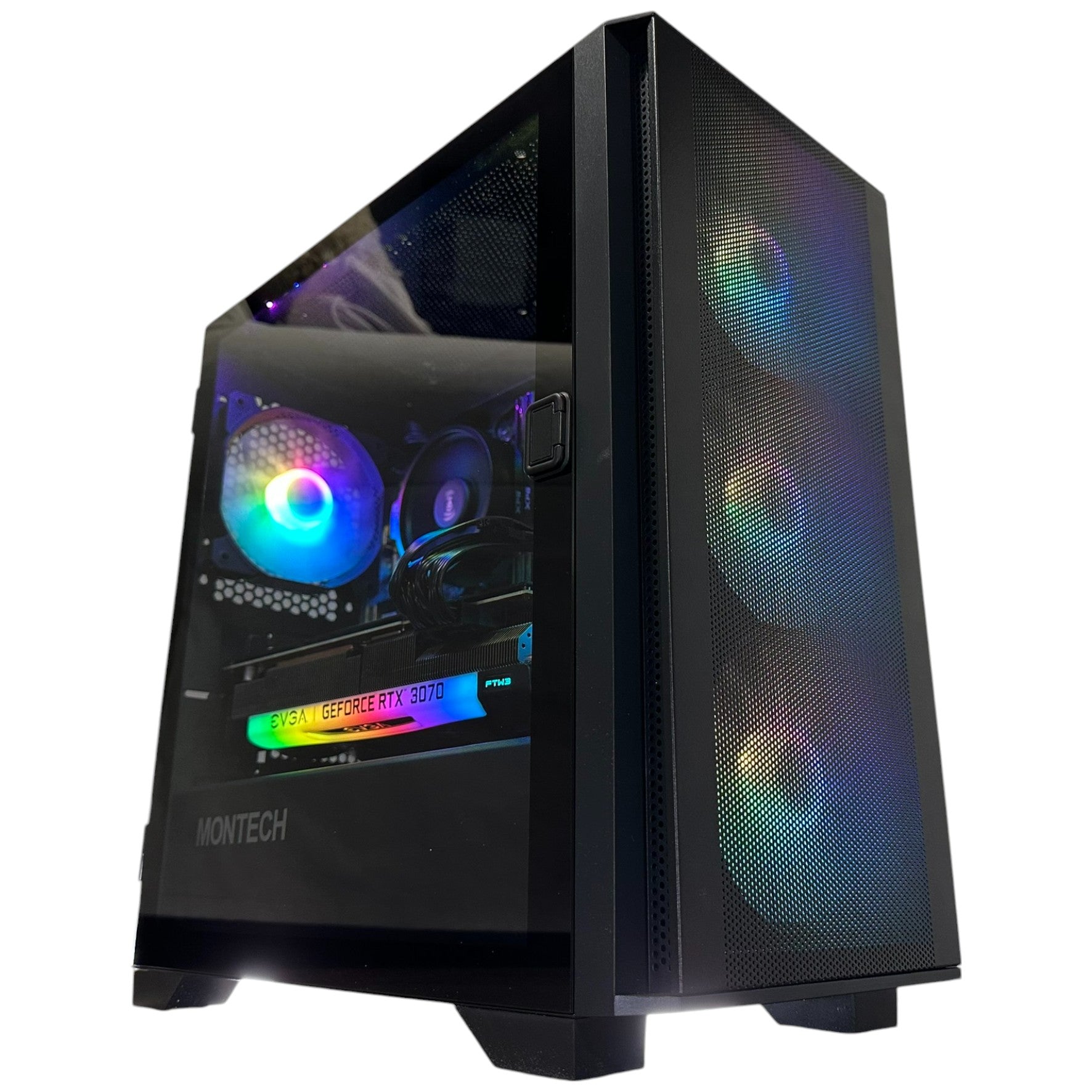
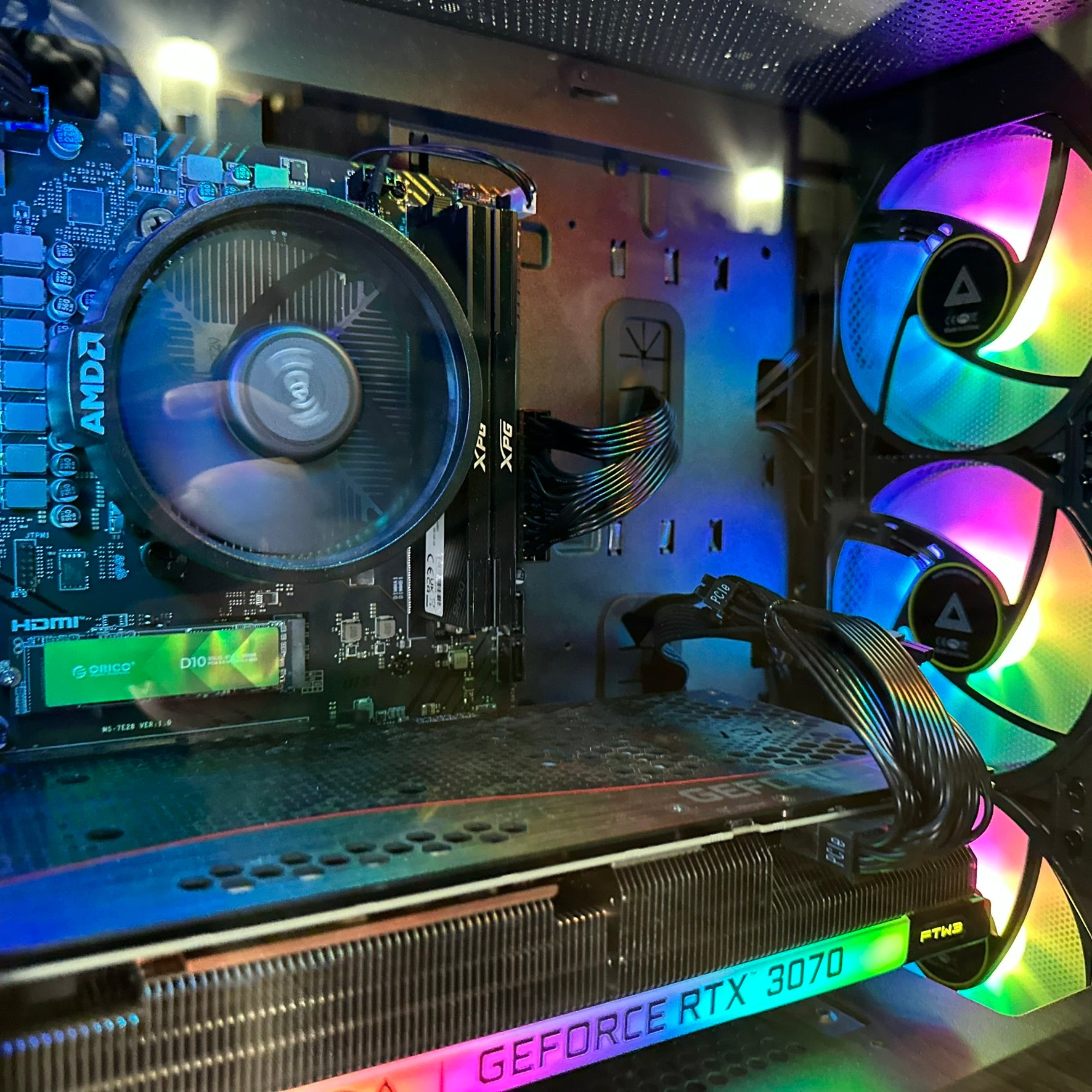
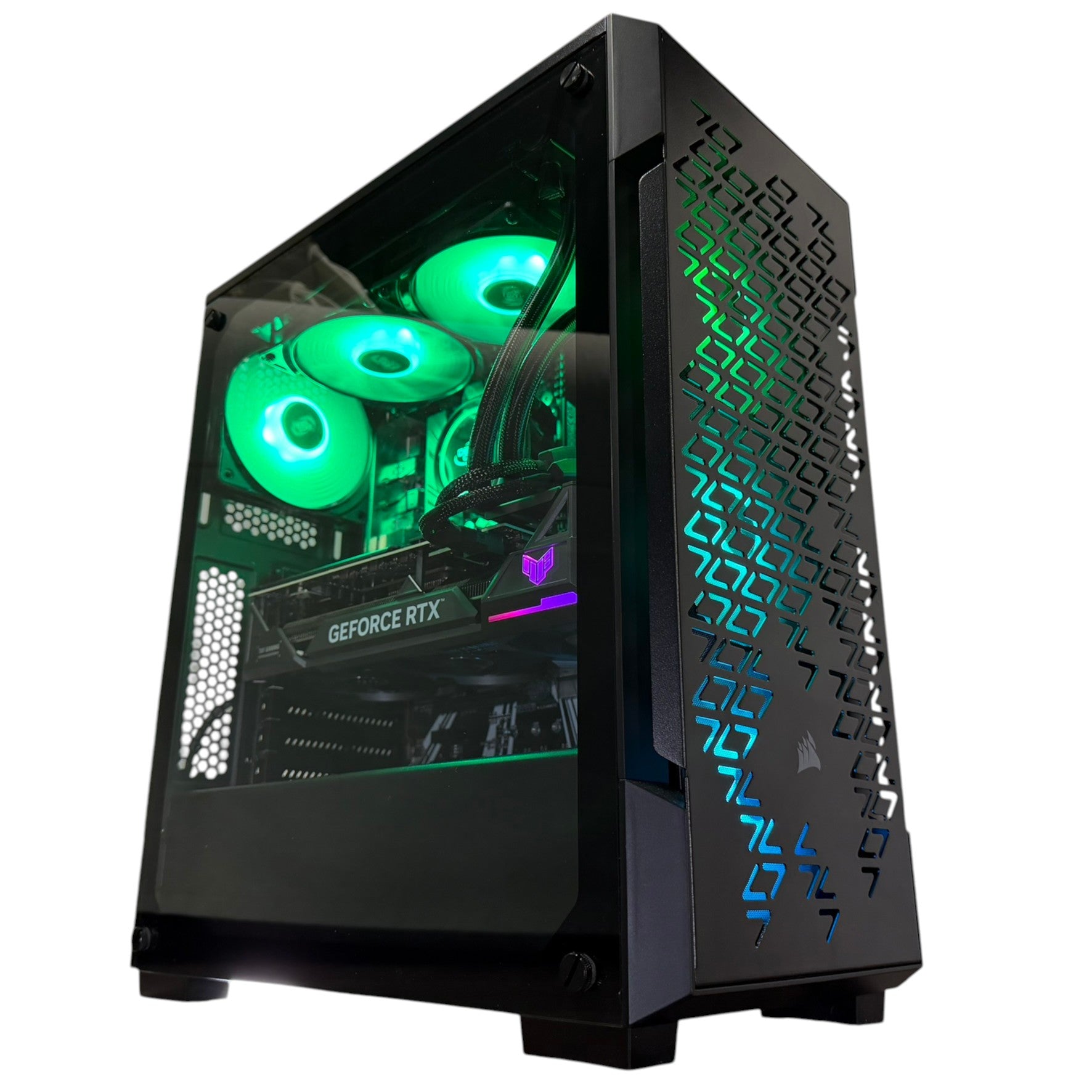
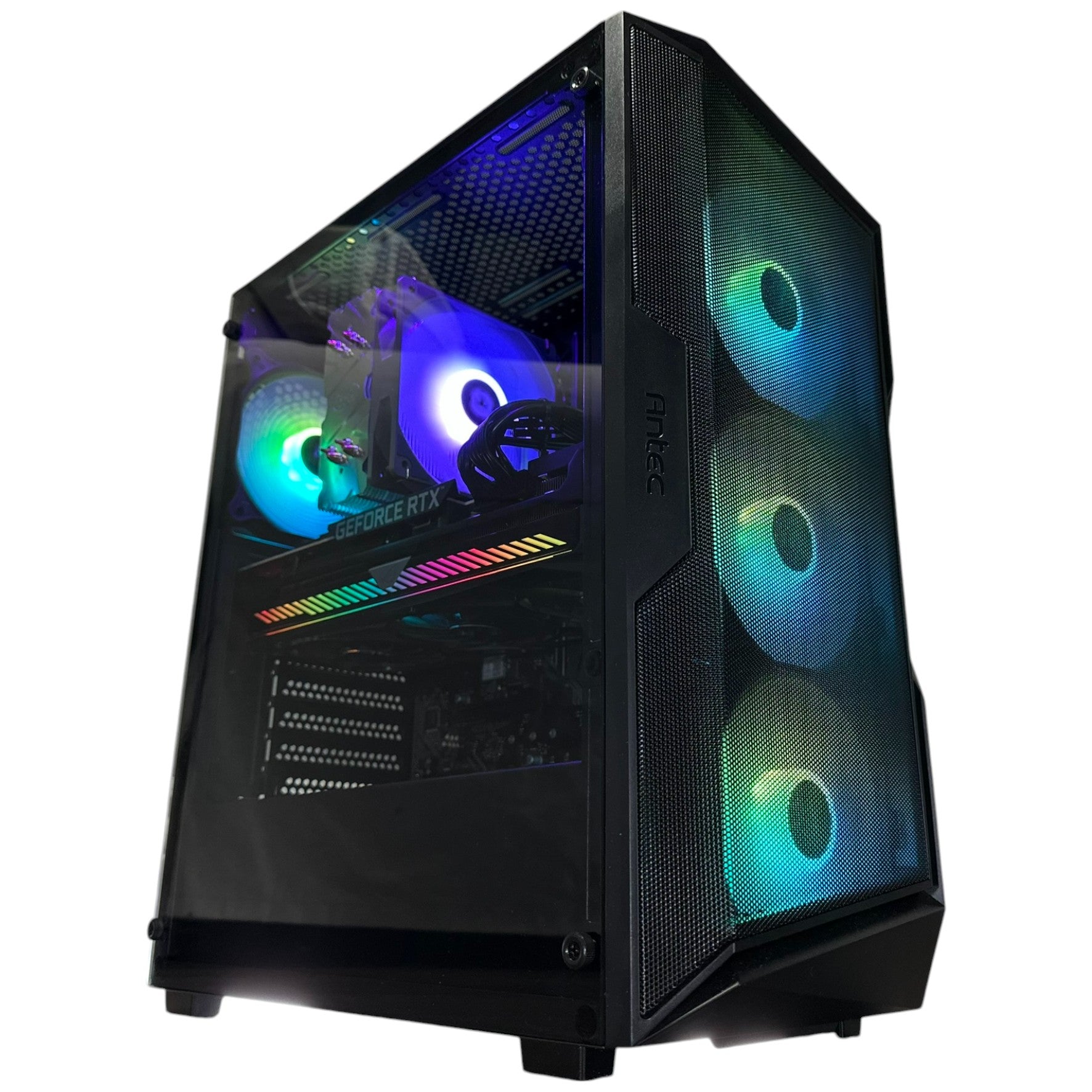
The wrong way to buy a PC is to compare only top-line buzzwords. The better way is to look at the whole system. How balanced is the CPU and GPU pairing? Is the RAM enough for gaming plus multitasking? Is the SSD fast and large enough for modern libraries and project files? Is the cooling adequate? Is the power delivery trustworthy? Does the case airflow support the hardware inside it?
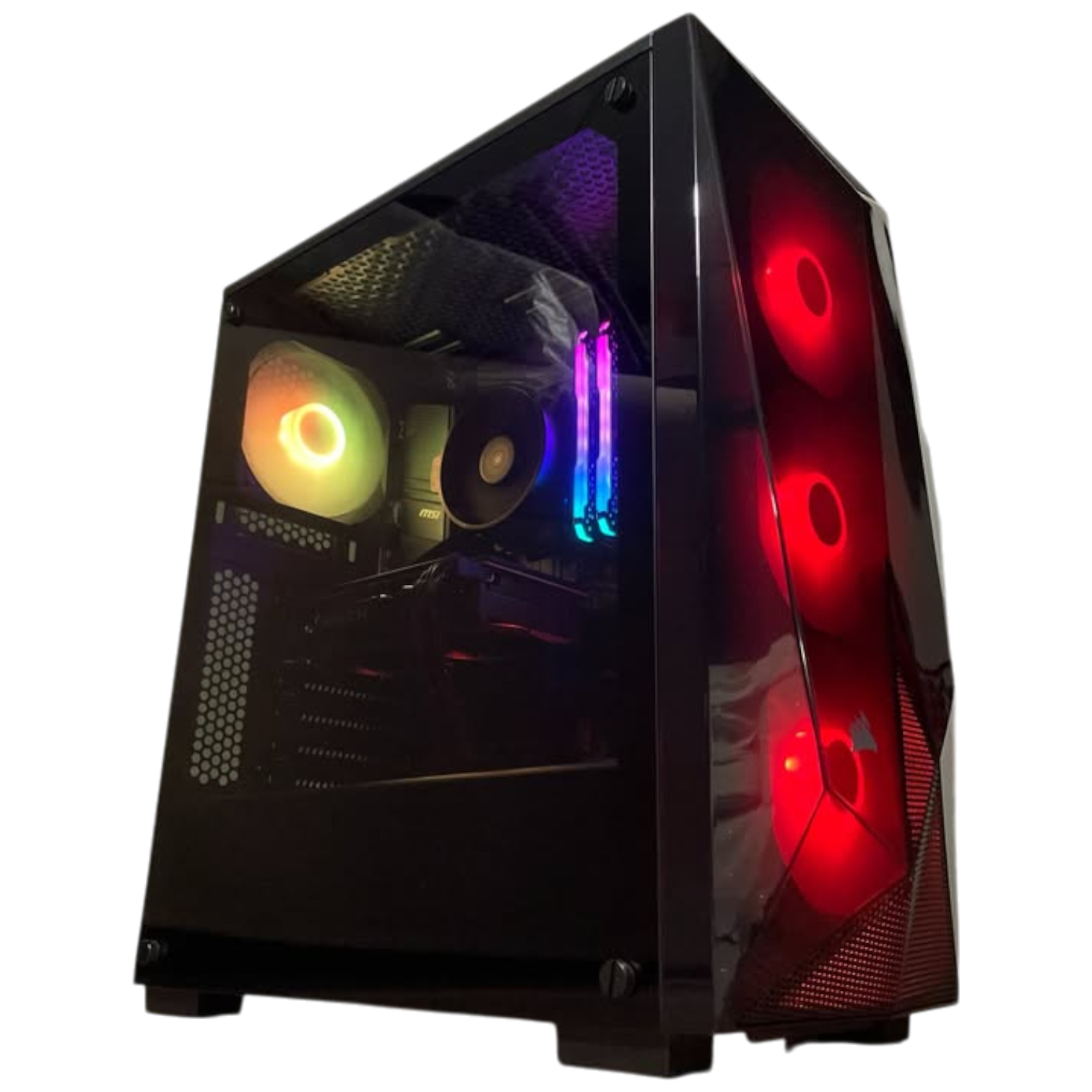
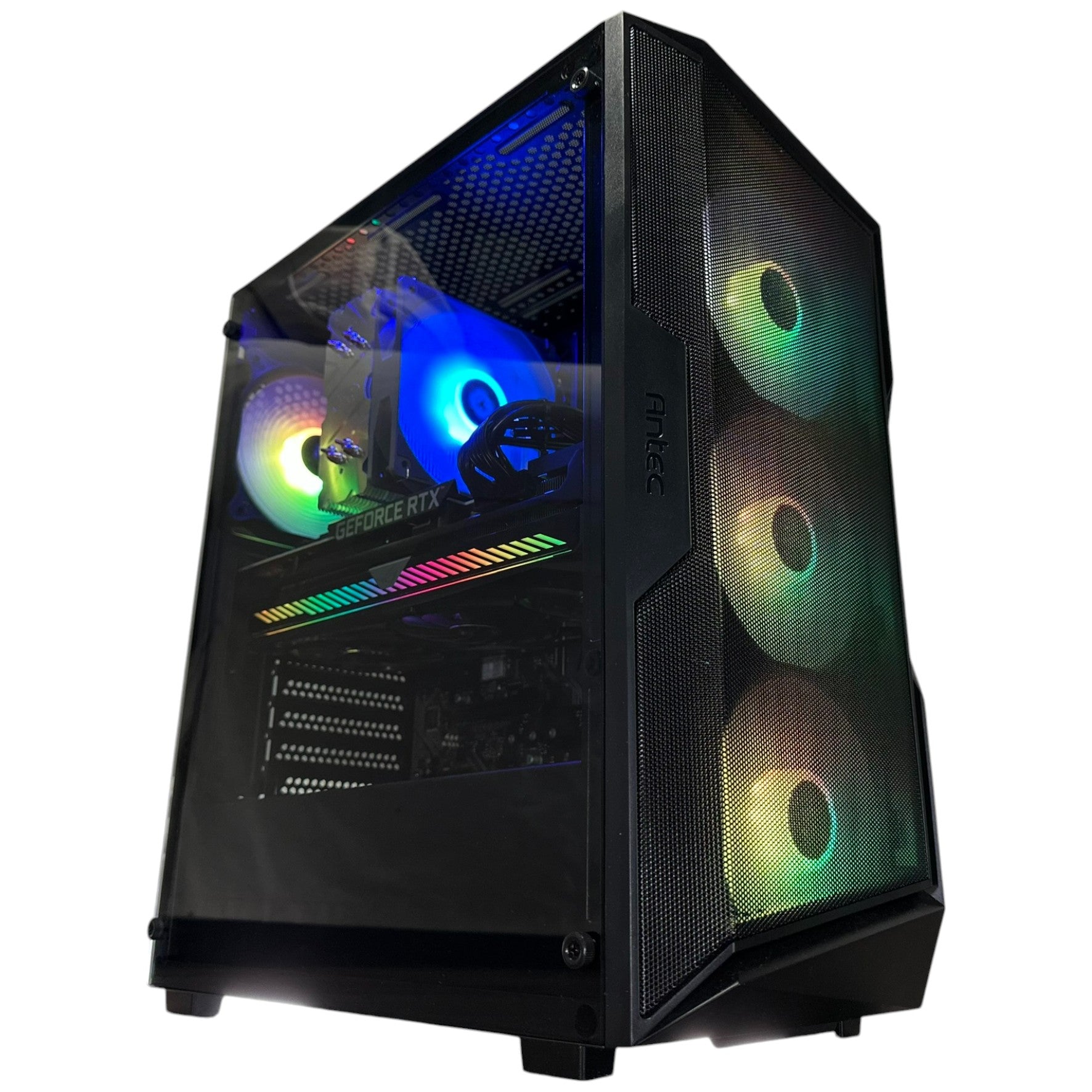
This is why many buyers prefer a Custom Gaming PC Canada approach instead of taking chances on generic, poorly balanced configurations. The goal is not just to get a PC that turns on. The goal is to get a machine that makes sense for your actual use case.
At Groovy Computers, that custom-build mindset matters because not every buyer chasing a game release is the same buyer. Some want a budget gaming desktop. Some want a premium RTX-based setup. Some want one machine for gaming, streaming and editing. Some want a workstation that also happens to play games extremely well.
Why testing and warranty support matter when buying in Canada
A PC purchase is not just about parts. It is also about trust. That is especially true if you are buying online and want confidence before spending on a larger build.
Would you rather gamble on a system assembled for volume, or choose one built with attention to component matching, thermal planning and real-world stability?
Rigorous testing matters because unstable memory, poor cooling, weak power supply choices or bad part balance may not show up in a basic spec list. They show up later, when your game crashes, your export fails, or your system throttles under load.
That is also why warranty support matters. A custom PC should not feel like a mystery box once it arrives. Buyers want confidence that the system was stress-tested and backed properly. Groovy Computers offers that kind of reassurance with carefully built systems and a 1-year warranty, which is an important trust factor for Canadian customers buying performance hardware.
Do you need help choosing between gaming, creator and workstation builds?
If yes, that is normal. Many buyers fit into overlap categories now.
- You might need a gaming PC that also handles OBS and light editing.
- You might need a creator PC that can still run modern games beautifully.
- You might need a workstation for 3D or professional use, but still want a great gaming experience after hours.
So ask yourself one direct question: what will frustrate you more a month from now, paying slightly more for the right system, or discovering the cheaper one cannot keep up with what you actually do?
Why this Viper ACR moment is a smart buying trigger
Automotive and gaming crossovers like this often create a useful mental reset for buyers. They remind people why they wanted a stronger PC in the first place. Not to stare at spec sheets forever, but to enjoy the games, visuals and performance experiences that made PC gaming exciting to begin with.
The Viper ACR is not subtle. It represents bold performance, purpose-built engineering and a focus on capability. That is exactly how you should think about your next desktop. Not just as a box with parts, but as a machine selected for a purpose.
Do you want a system that merely keeps up, or one that feels ready for what comes next?
Why Groovy Computers is a strong fit for Canadian buyers
Groovy Computers is built around what serious Canadian buyers actually need: custom gaming PCs, creator PCs and workstation PCs that are selected with use-case logic instead of generic marketing noise. Whether you are shopping from Nova Scotia, Atlantic Canada or elsewhere in the country, the value is in getting a machine designed around how you play, work and create.
That means stronger guidance, balanced configurations, proper testing, warranty-backed confidence and a more thoughtful path to ownership than random off-the-shelf buying. It also means having financing conversations when they make sense. If stretching slightly into a better performance tier helps you avoid upgrading too soon, that is worth considering seriously.
Do you want a budget-friendly gaming desktop, a premium performance build, or one versatile custom system for racing games, streaming, editing and creative work? Groovy Computers can help you narrow that down and move with confidence.
Ready to choose a PC that fits your real goals?
If the Dodge Viper ACR in Forza Horizon 6 has you thinking about your setup, now is a good time to turn that excitement into a smarter buying decision. Whether you need a value-focused gaming machine, a stronger 1440p build, a 4K-ready performance desktop, or a custom creator or workstation system, the right choice starts with your actual priorities.
Are you buying for one game, or for the next several years of gaming, streaming, editing and everyday performance? If you want help choosing a Canadian custom build that matches your workload and budget, visit GroovyComputers.ca and start with a system designed around what you really want your next PC to do.
In the end, a headline like this does not just celebrate a legendary car. It highlights a bigger shift in gaming expectations. Visual quality is rising. Workloads are overlapping. Buyers want more from one machine. If you are shopping for a Gaming PC Canada solution, the smartest move is not to guess. It is to choose a custom build that fits your performance target today while staying useful for the next wave of games and creator demands tomorrow.
#GamingPCCanada #CustomGamingPCCanada #GamingPCForForza #1440pGamingPCCanada #4KGamingPCCanada #CreatorPCCanada #ContentCreationPCCanada #WorkstationPCCanada #CanadianCustomPCBuilders #NovaScotiaComputers
Groovy Computers | All Rights Reserved



Leave a comment
This site is protected by hCaptcha and the hCaptcha Privacy Policy and Terms of Service apply.