


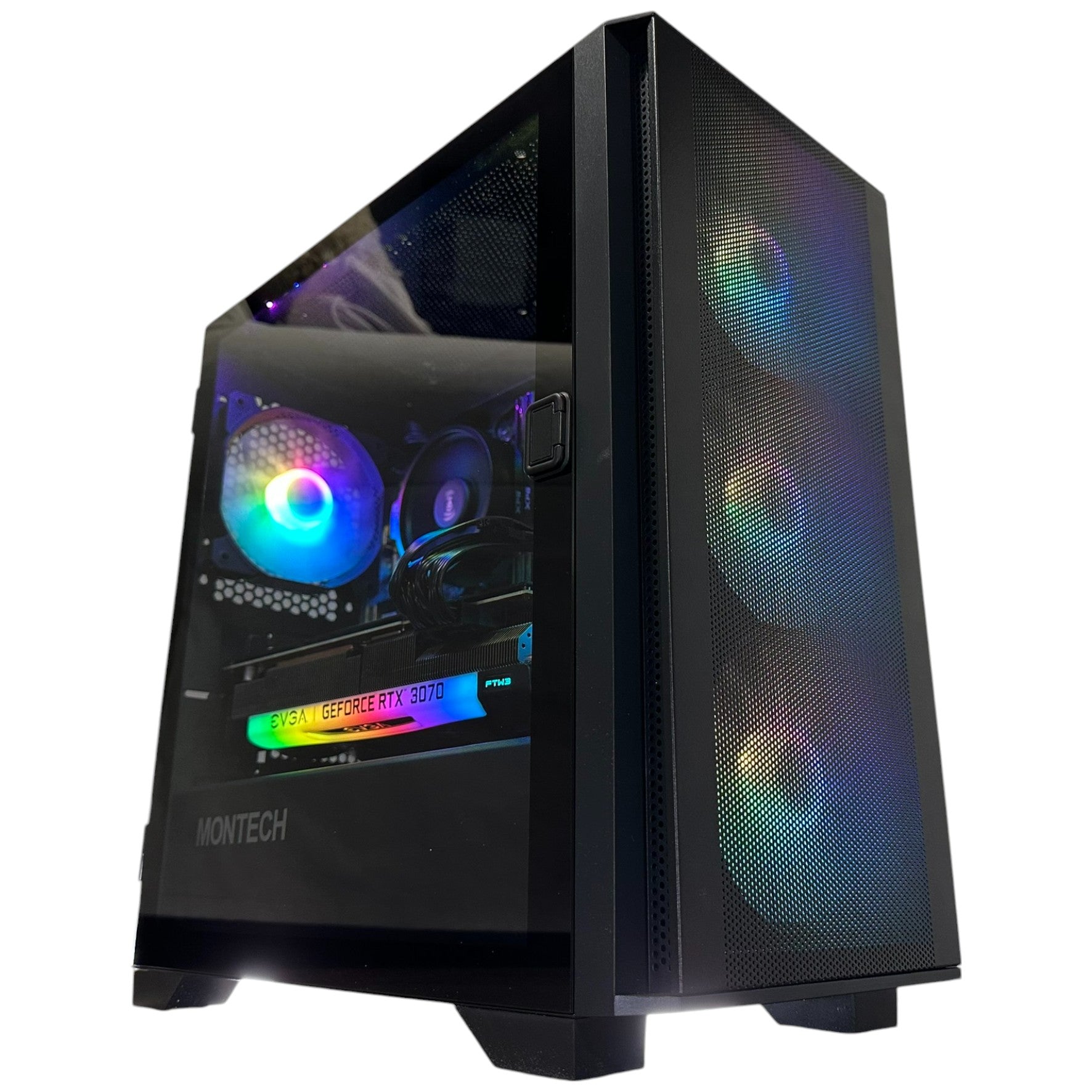
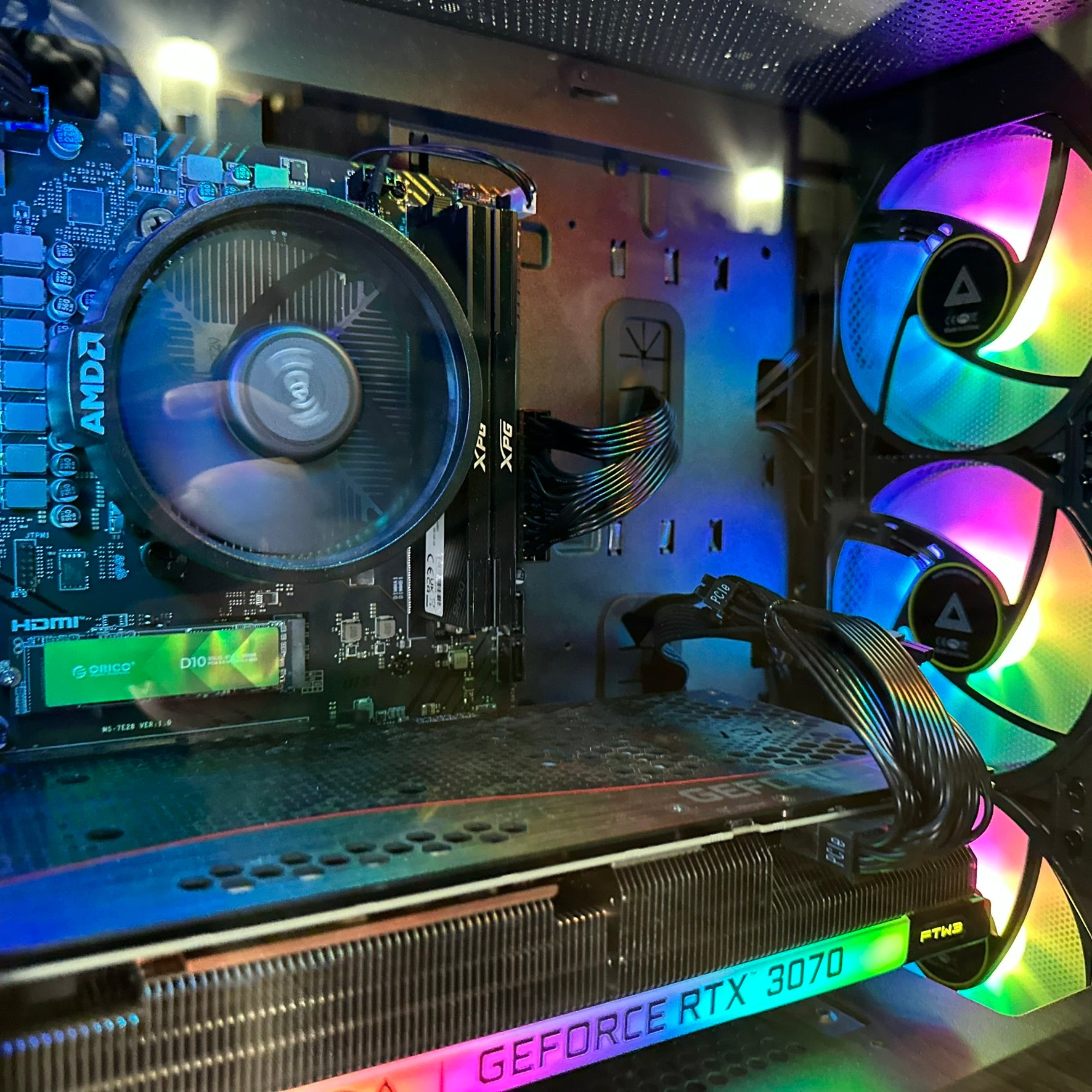
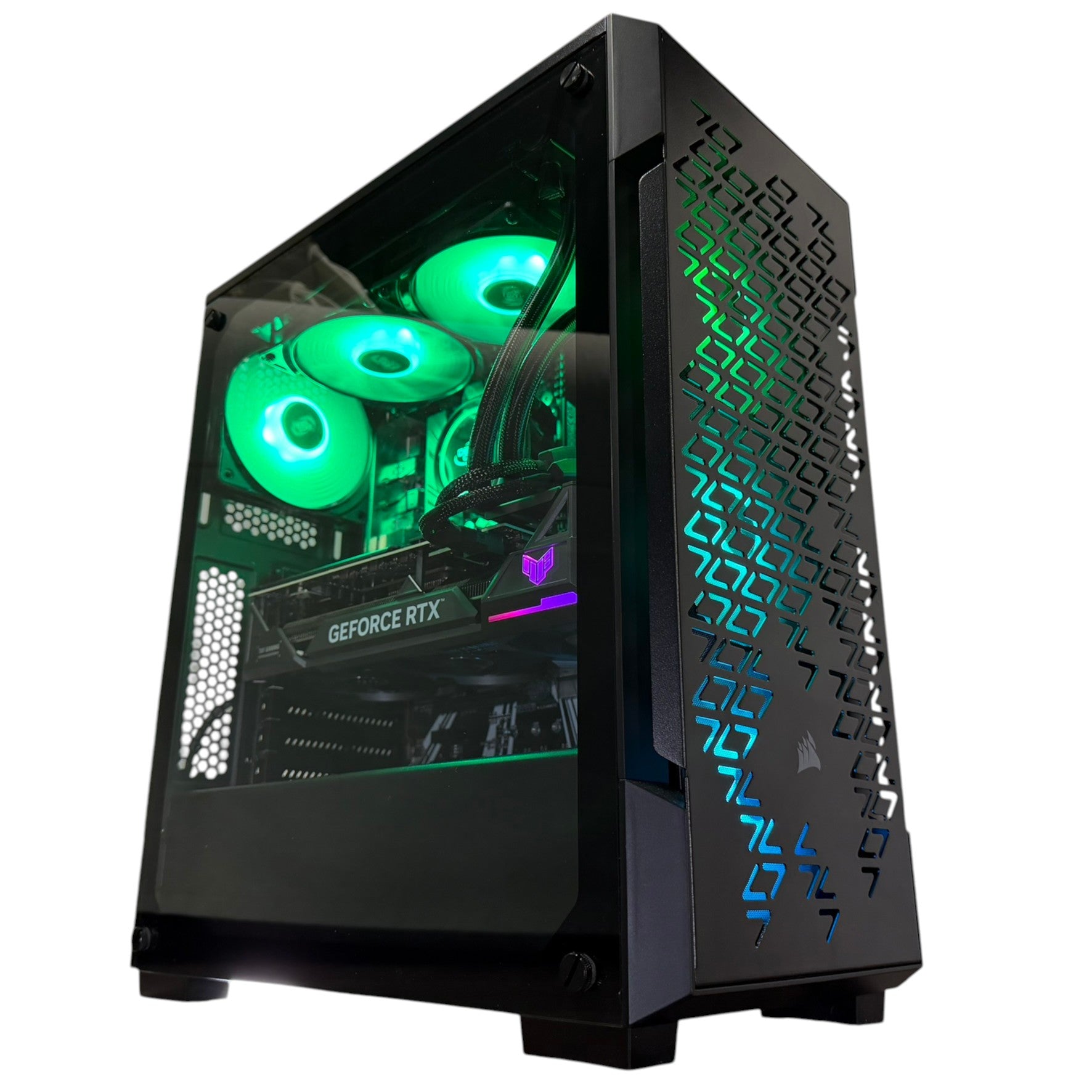

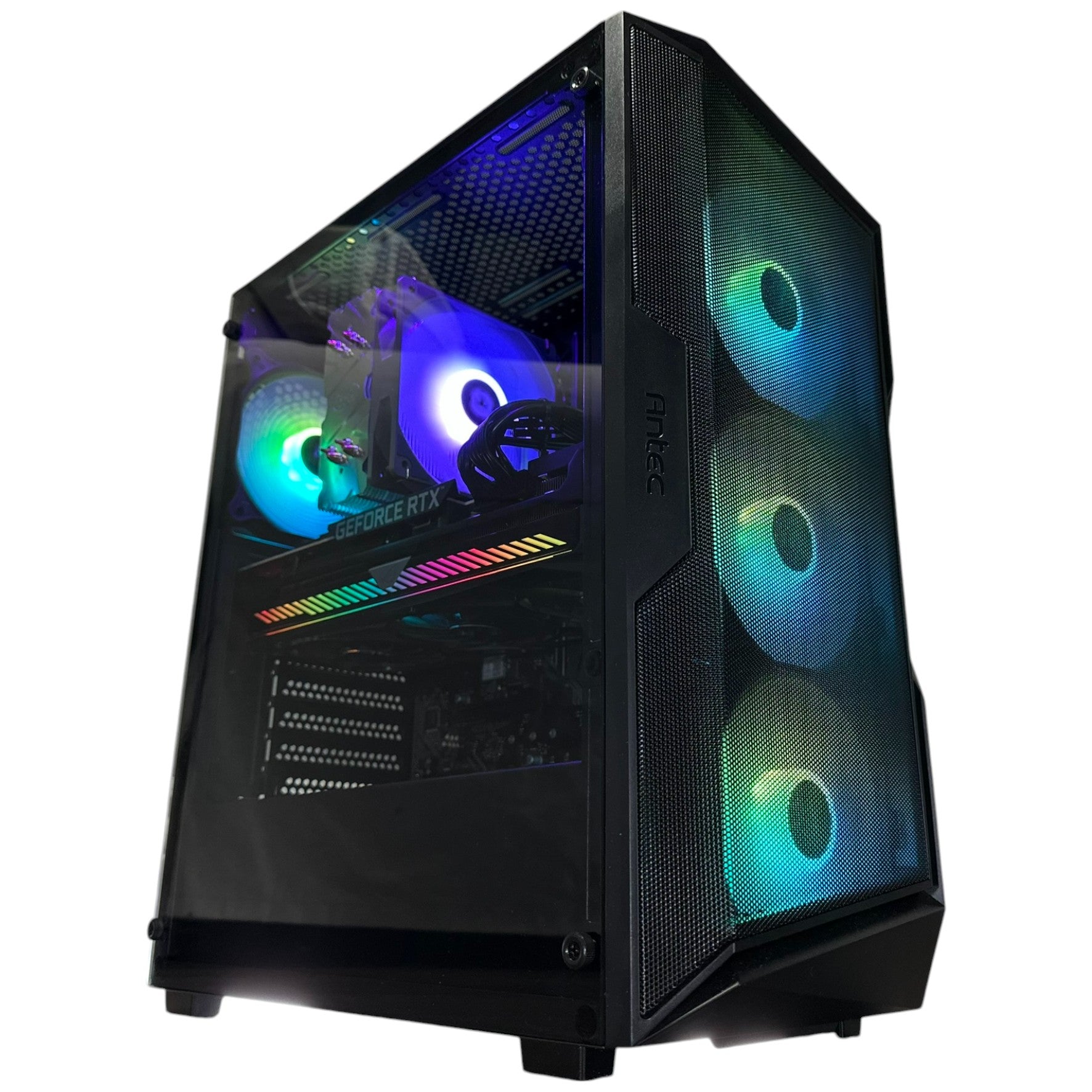


Capcom Spotlight and Your Next Gaming PC Canada: What Dragon's Dogma 2, Onimusha, and Monster Hunter Stories 3 Mean for Buyers
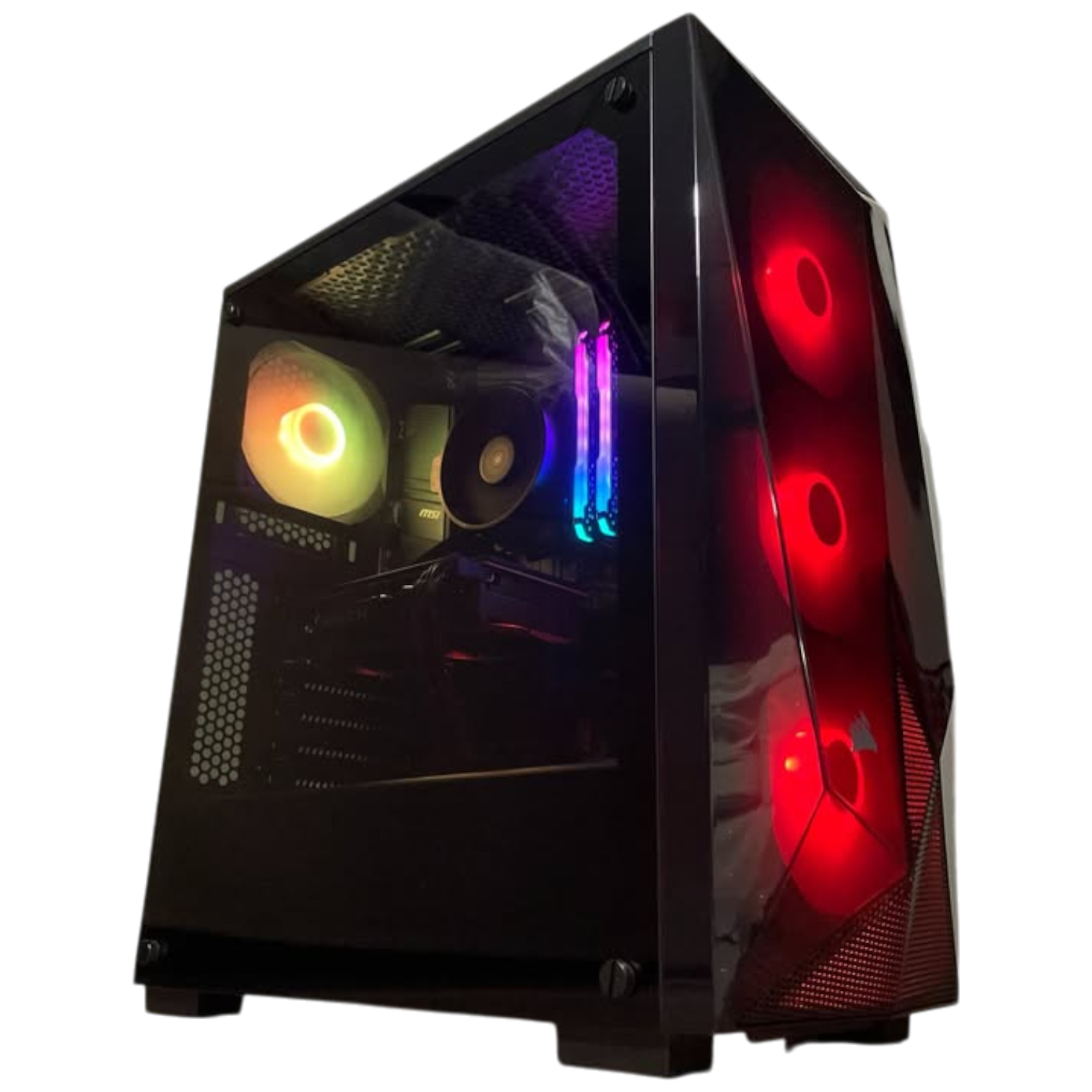
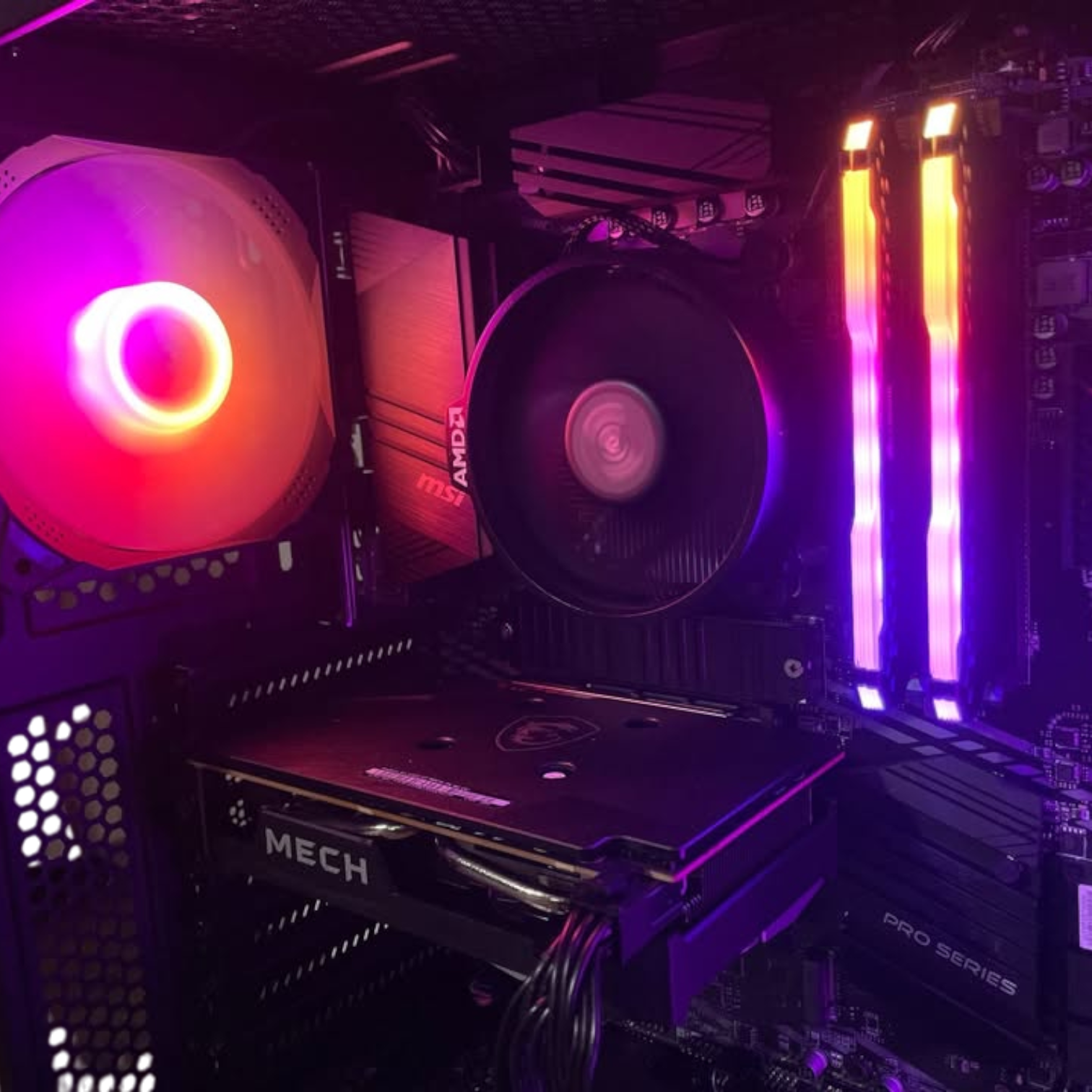
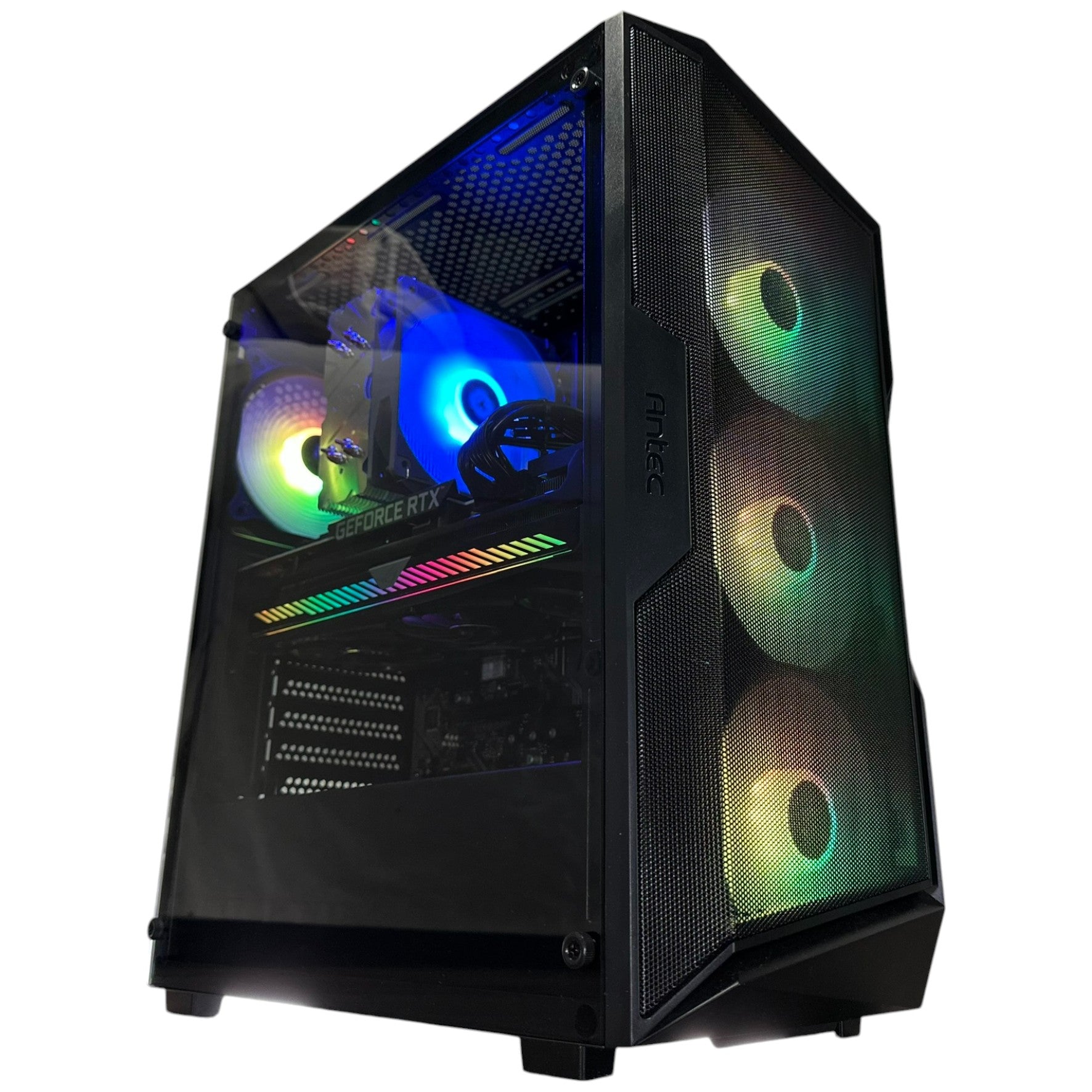
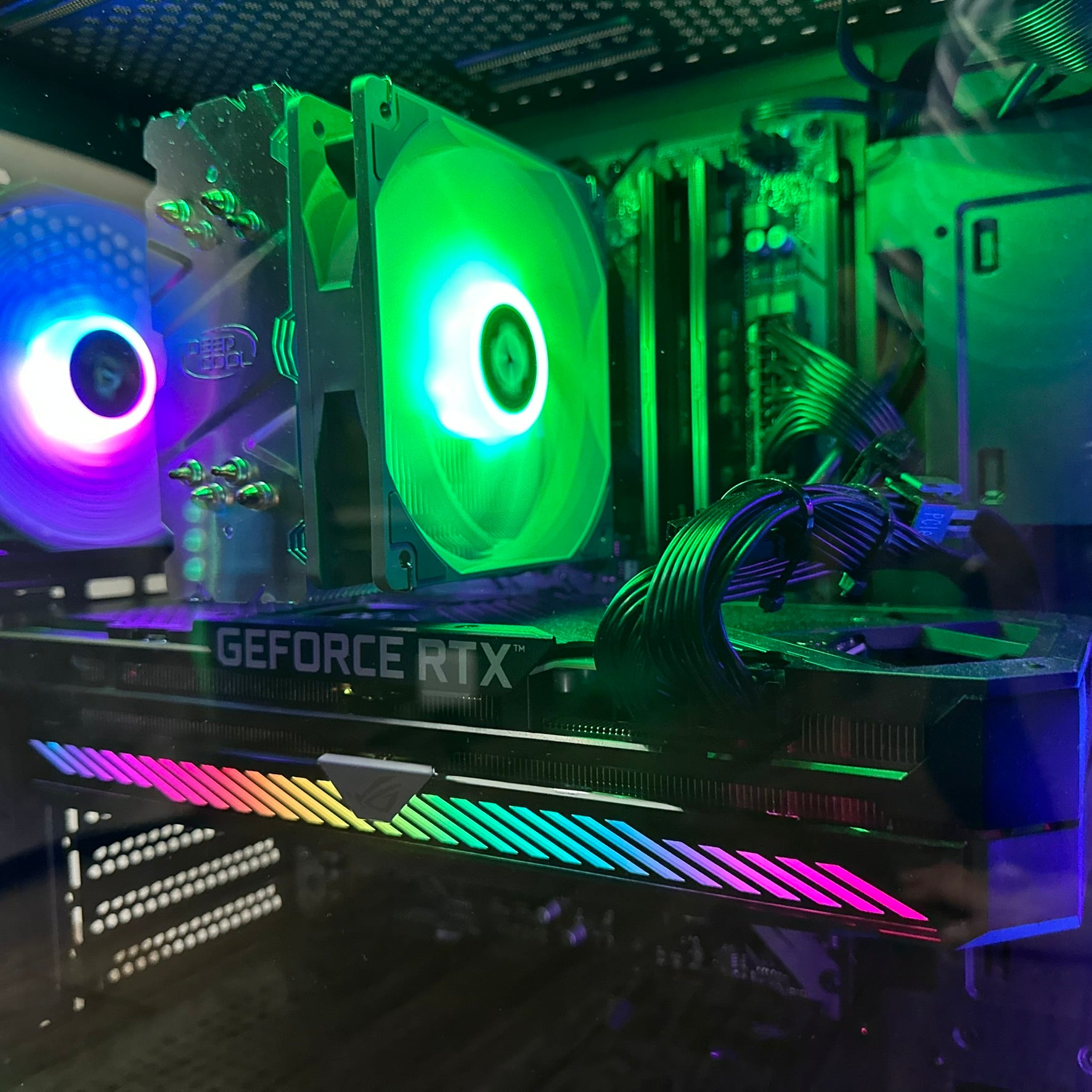
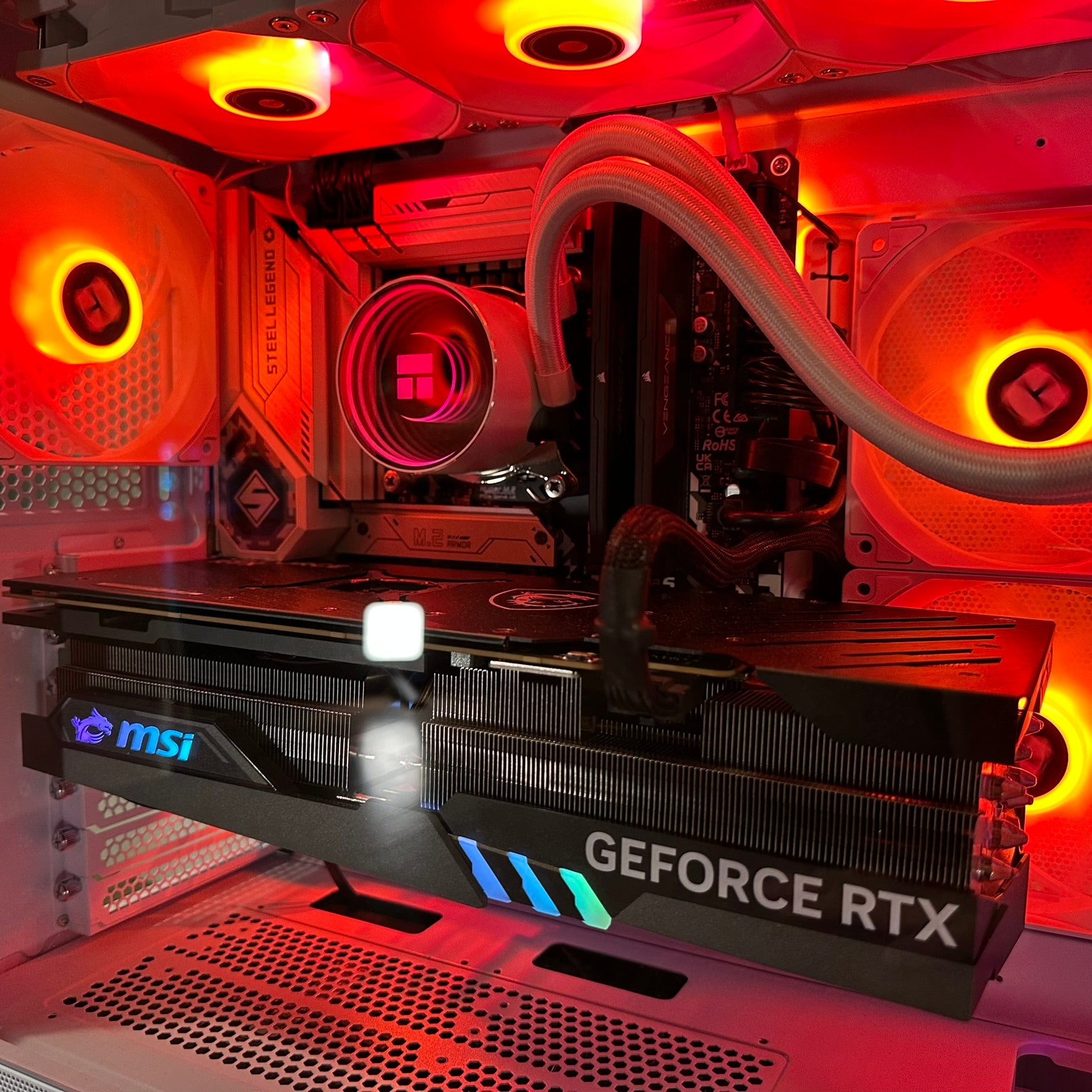
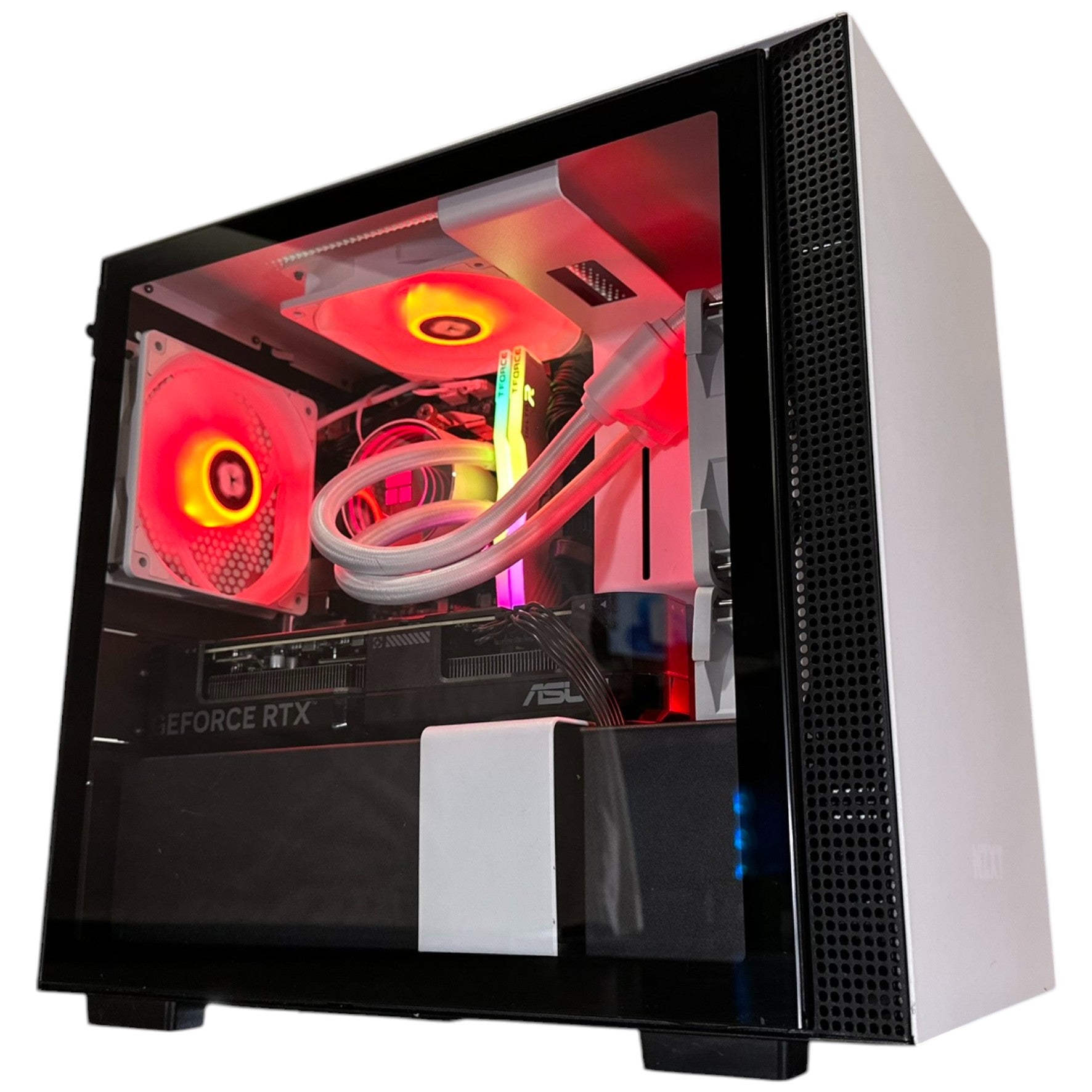
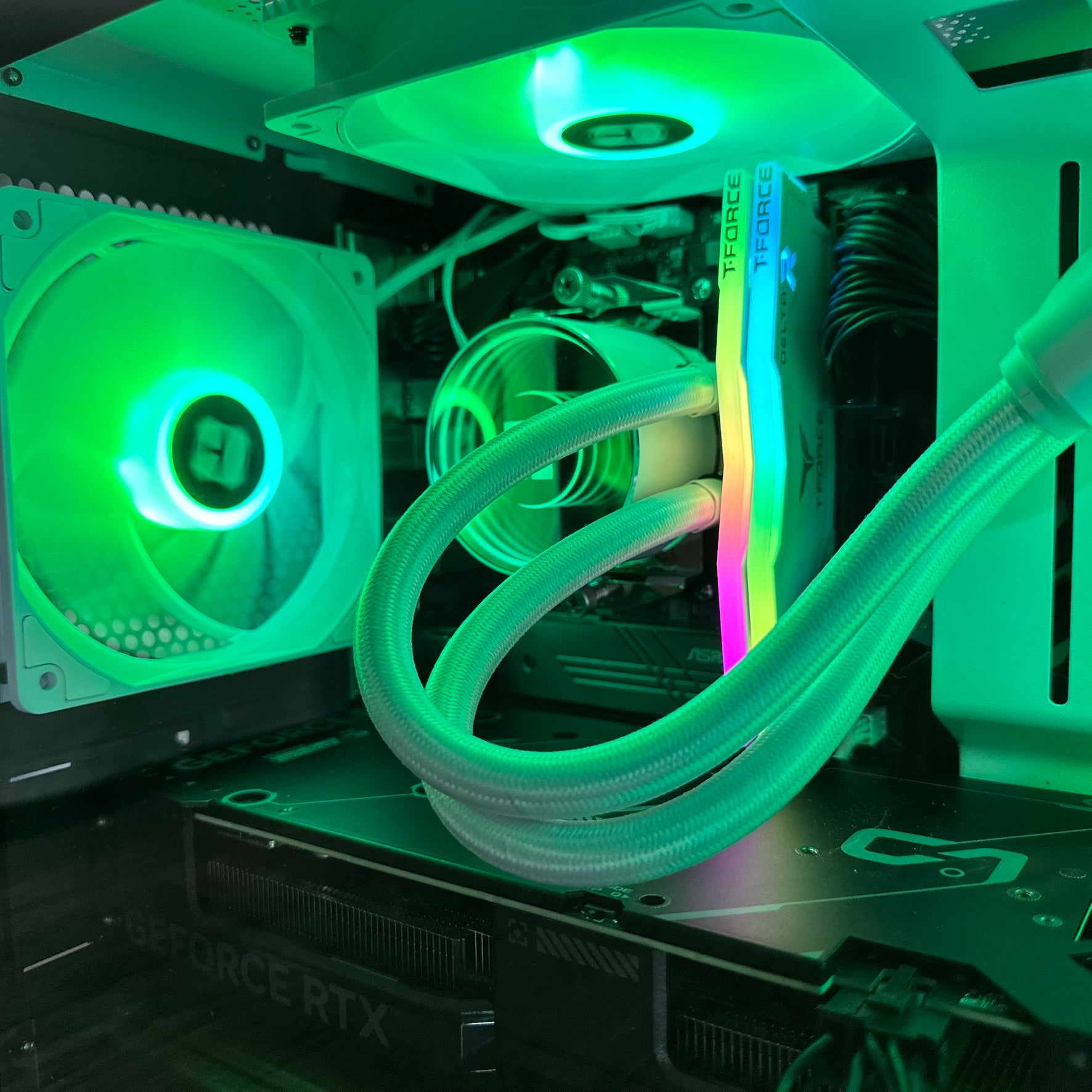
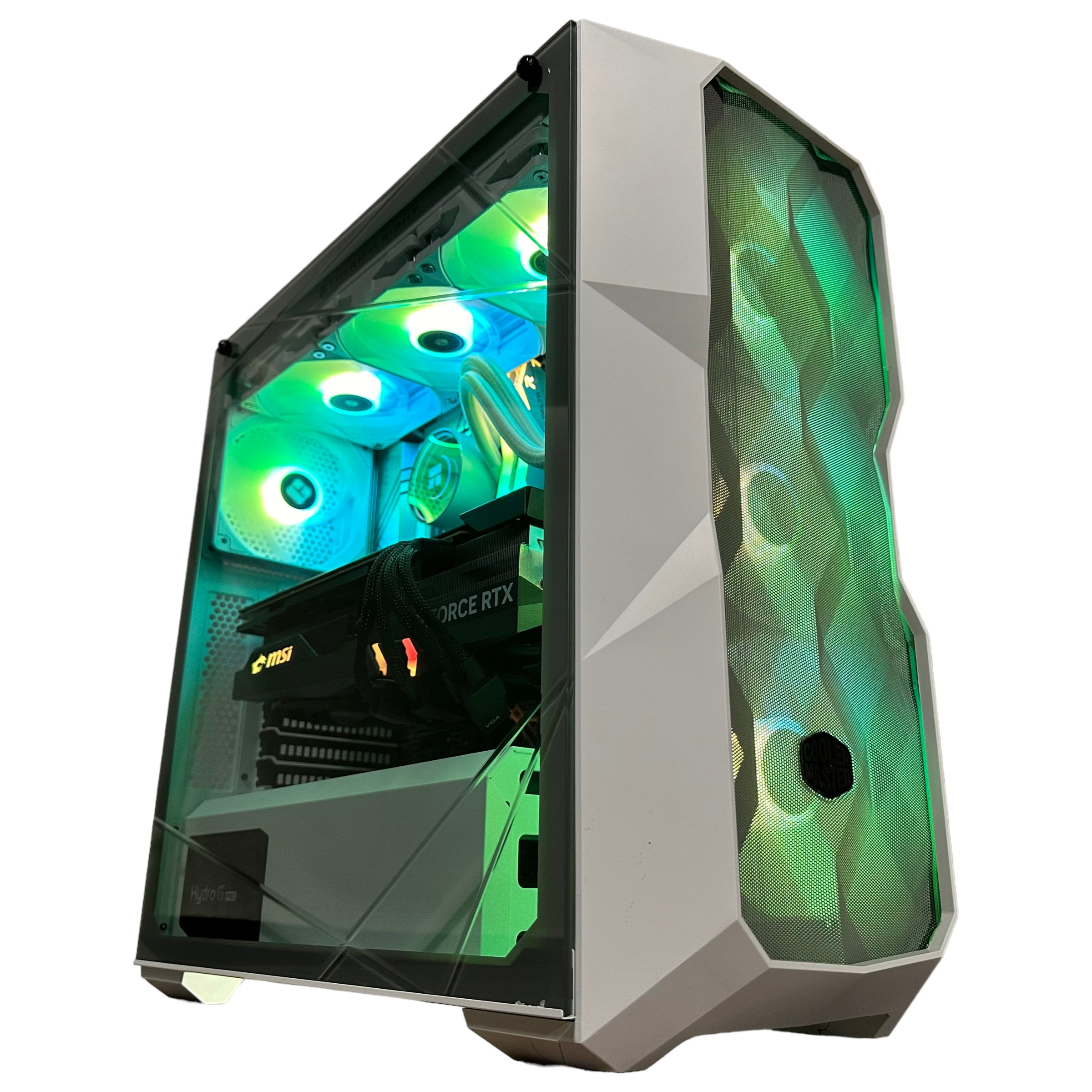
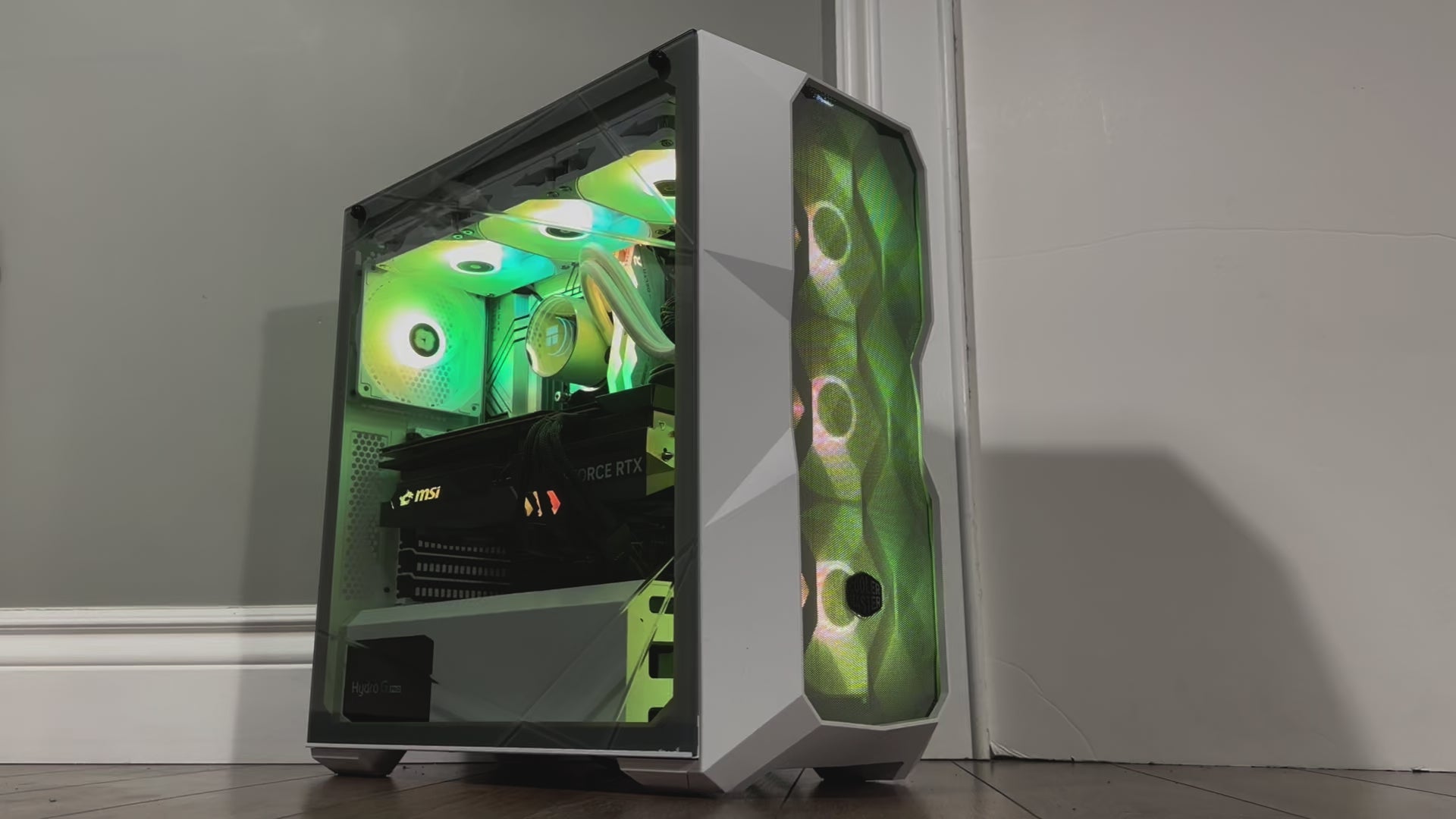
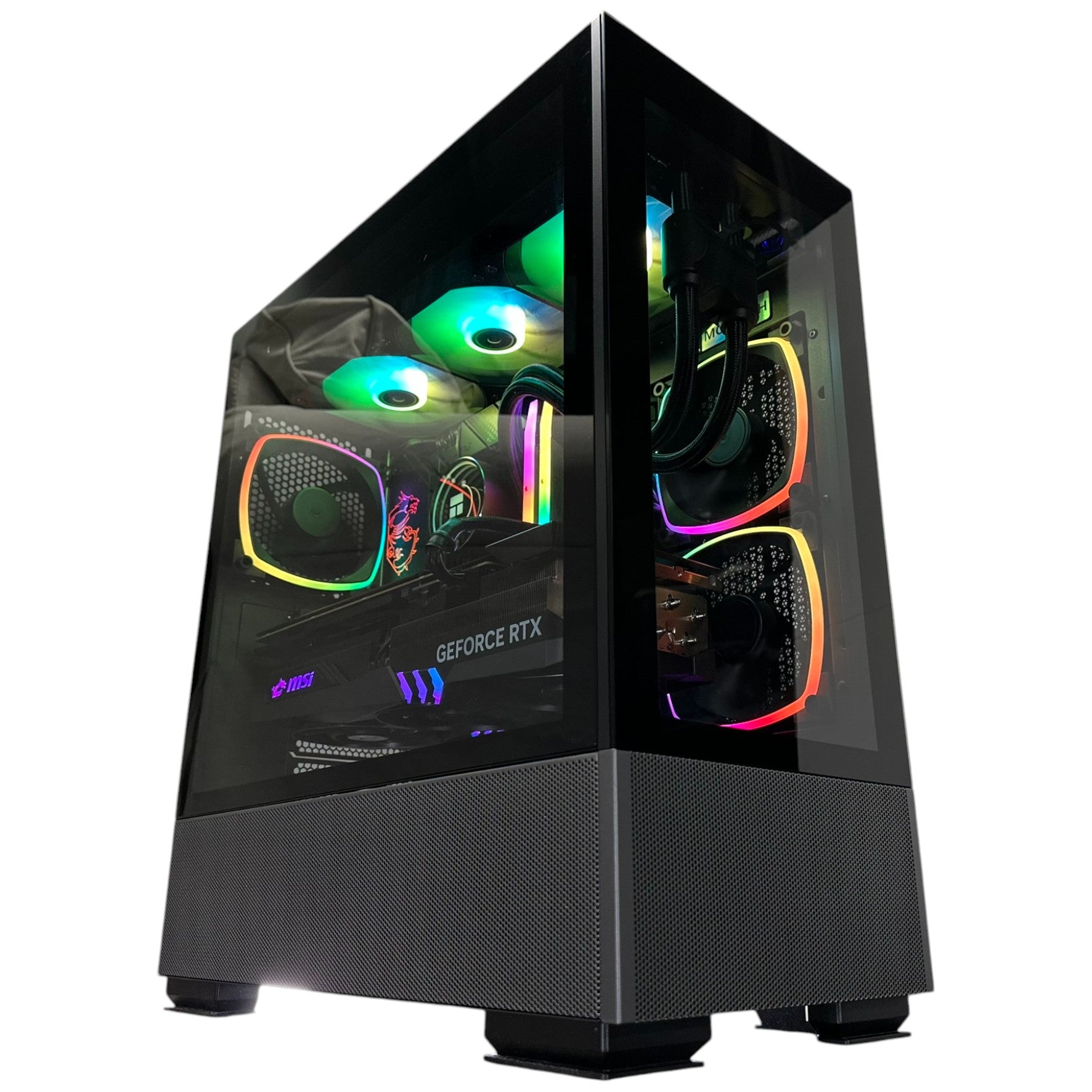
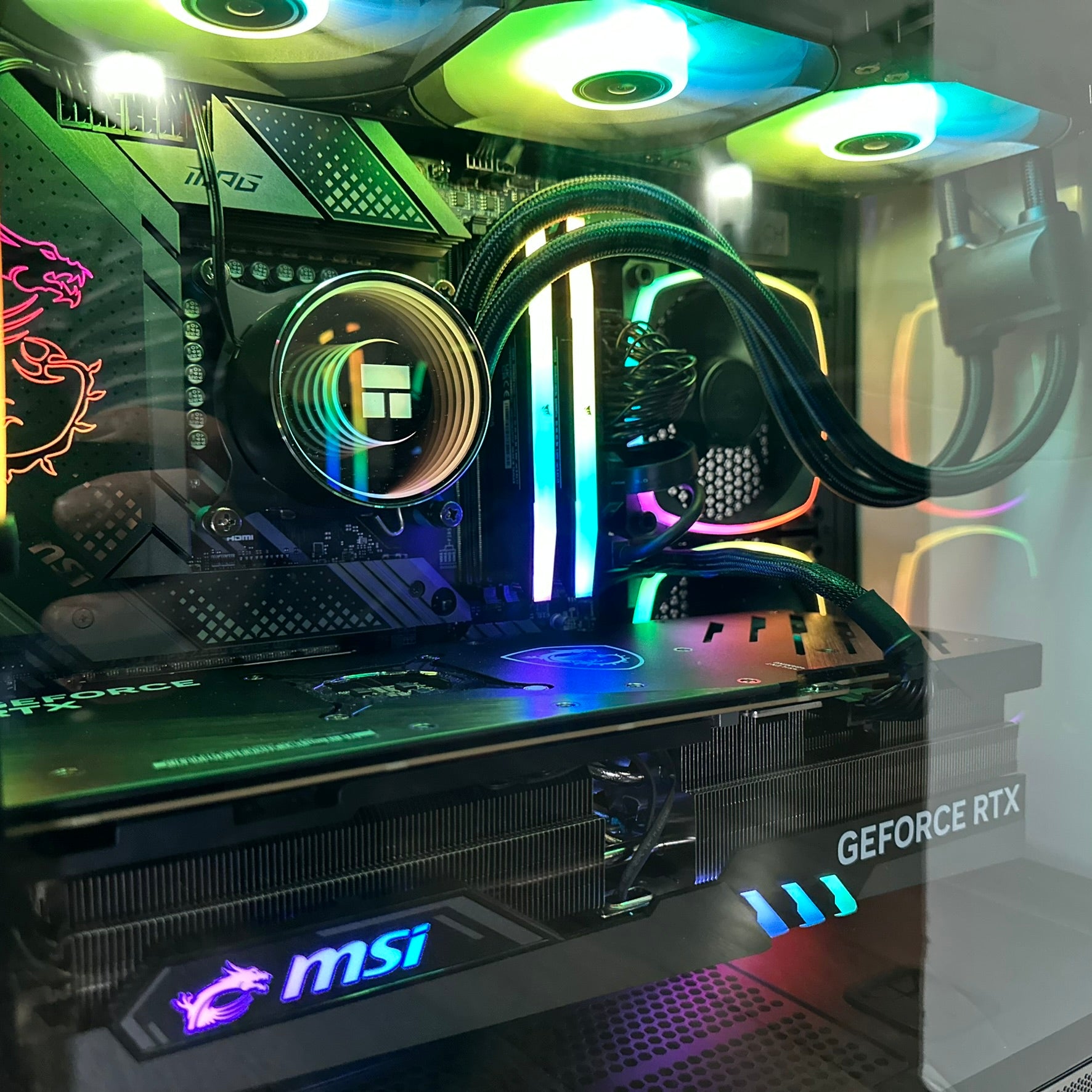
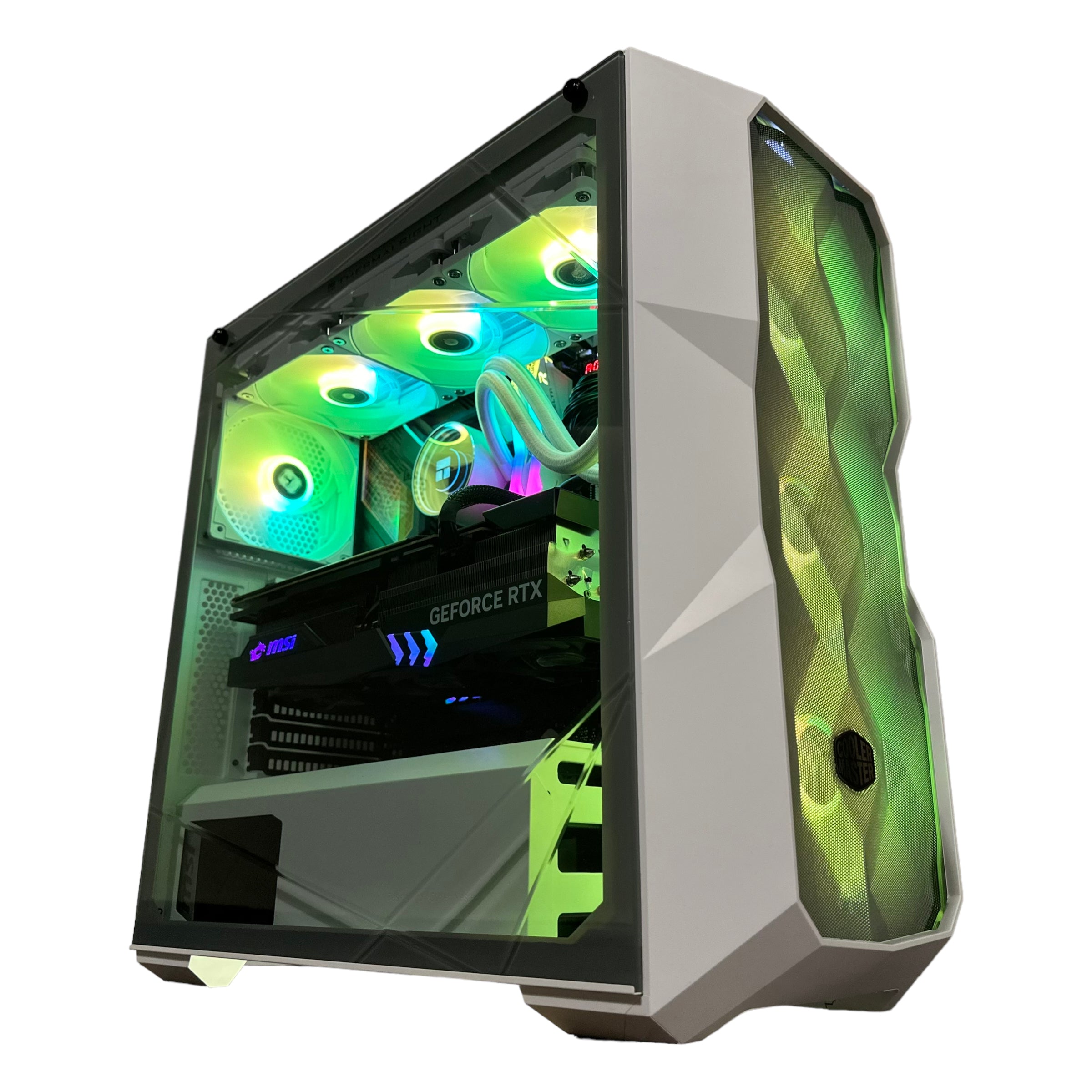
The newly announced Capcom Spotlight has put three major titles back in front of PC gamers: Dragon's Dogma 2: Dark Arisen, Onimusha: Way of the Sword, and Monster Hunter Stories 3: Twisted Reflection. For anyone planning a system upgrade, this is more than a quick games-industry headline. It is a reminder that big releases drive real buying decisions, and that the right gaming PC Canada shopper chooses today can shape how well they enjoy new RPGs, open-world adventures, action combat, streaming, and creator work over the next several years.
Capcom confirmed that the presentation will be a focused half-hour digital showcase centered on those three games, with no surprise reveals for other major franchises. That matters because it gives buyers something useful: a clearer look at the titles already on the horizon, the visual expectations that may come with them, and the likely hardware demands players should be preparing for.
If you have been asking yourself whether your current system is ready for the next wave of demanding PC games, you are not alone. Are you trying to stay comfortable at 1080p, move up to 1440p, or finally step into 4K? Do you want high settings only, or are you also chasing ray tracing, smoother frame pacing, and streaming performance? And if a major game release is the push you needed, is now the time to lock in a better build before replacement costs rise again?
What the Capcom Spotlight announcement tells PC gamers right now
The source announcement is straightforward: Capcom is using Spotlight to deepen interest in three known projects rather than spread attention across the entire catalogue. That kind of focused event is especially important for PC buyers because it tends to signal a more active marketing and release runway. In practical terms, that means more gameplay footage, more technical detail, more discussion around visuals, and eventually more pressure on gamers whose systems are already aging out.
Dragon's Dogma 2 appeals to players who care about large-scale RPG worlds, creature battles, atmosphere, and cinematic presentation. Onimusha brings interest from action fans who want responsive combat and modern visual design. Monster Hunter Stories 3 pulls in players who may want a versatile system that can handle not only games, but multitasking, content capture, voice chat, recording, and everyday productivity.
So what happens when a publisher puts several anticipated titles back in the spotlight? Interest climbs. Searches climb. Upgrade conversations start. Buyers who were unsure about replacing an older GPU suddenly begin comparing systems. If that sounds familiar, the real question becomes: what do you want your next PC to do for you when these games arrive?
What do you want your next PC to do for you?
This is the most important question in the entire buying process, and too many shoppers skip it.
Do you want a machine that simply runs upcoming games at solid settings? Do you want a custom gaming PC Canada buyers can trust for high-FPS play at 1440p? Do you also want to stream to Twitch or YouTube, clip gameplay, edit videos, design thumbnails, run Discord, and keep dozens of browser tabs open without your system feeling strained?
Maybe you are not just a gamer. Maybe you are also a student, creator, or freelancer. Maybe this Capcom news caught your eye because you want a system that can game at night and work hard during the day. If that is you, your decision should not be based on game hype alone. It should be based on the overlap between gaming performance and your real daily workload.
- Gaming-first buyer: prioritizes FPS, GPU strength, cooling, and future game readiness.
- Gaming plus streaming buyer: needs stronger CPU balance, more RAM, and a GPU that handles modern encoding well.
- Creator-gamer buyer: should think beyond game settings and look at editing, rendering, storage, and multitasking.
- Workstation crossover buyer: may need a system that supports gaming and heavier software like Blender, Adobe apps, CAD, or rendering tools.
That is why a generic off-the-shelf machine often misses the mark. A custom build lets you match your budget to your real usage instead of paying for the wrong priorities.
Why Canadian buyers should think differently about upcoming game releases
In Canada, the buying equation is different. Hardware pricing can shift faster than many shoppers expect, and component availability can create sudden changes in what makes sense at a given budget. A system that looked affordable a few weeks ago can become less attractive if GPU supply tightens, memory prices move, or SSD costs climb.
That is why upcoming game hype matters commercially. It does not just create excitement. It creates demand. And once demand builds around visually ambitious games, buyers who wait too long often end up choosing between paying more, settling for weaker hardware, or postponing the upgrade they already know they need.
Are you buying because one of these Capcom games has your attention now? Are you trying to get ahead of a fall or holiday rush? Are you worried that a delayed purchase could push you into a lower performance tier for the same budget? Those are smart questions, especially for Canadian buyers trying to maximize long-term value.
If you want to play new Capcom games smoothly, which performance tier fits you?
Not every player needs the same build, and not every budget should target the same result. The smartest path is to choose the performance tier that matches your display, your expectations, and how long you want the system to stay comfortable.
Entry-performance tier: ideal for 1080p players
This tier is for buyers who want dependable 1080p gaming, solid overall responsiveness, and a good starting point for modern titles without overspending. If you mainly play on a 1080p monitor and care more about value than maximum settings, this can be the right move.
Ask yourself: do you just want good gameplay today, or do you want enough headroom that you will not feel forced to upgrade too soon? If your answer is the second one, even an entry build should be chosen carefully.
- Best for 1080p high settings
- Strong fit for first-time PC gamers
- Good for lighter streaming and everyday creation tasks
- Smart choice for buyers balancing gaming and school or work
Mainstream enthusiast tier: the sweet spot for 1440p gaming
For many shoppers, this is where value and excitement meet. A strong 1440p system is often the best answer for buyers following major RPG and action releases. It gives you noticeably better visual flexibility, stronger longevity, and a more premium experience without immediately jumping to top-end pricing.
If you have been wondering what PC do I need for 1440p gaming, this is usually the category worth serious attention. It is also the sweet spot for buyers who want gaming plus streaming, gaming plus video editing, or gaming plus content creation.
- Excellent fit for 1440p high or ultra settings
- Better for demanding new games and large open worlds
- More comfortable for streaming and recording gameplay
- Stronger long-term value for people who want to avoid a quick upgrade cycle
Premium performance tier: built for 4K, ray tracing, and long-term headroom
This is the tier for buyers who know they want more than “good enough.” If you care about 4K gaming, stronger ray tracing capability, ultra settings, premium frame delivery, and long-term confidence, a higher-end build is the right conversation.
Should every buyer jump to this level? No. But if you are already considering a monitor upgrade, major AAA releases, creator workloads, or a system you want to keep relevant for years, then a premium build may actually be the smarter financial decision over time.
- Best for 4K gaming and visually ambitious titles
- Strongest option for ray tracing and future-proofing
- Excellent for gaming, streaming, and creator crossover use
- Ideal for buyers who want maximum headroom before the next upgrade
Are you only gaming, or do you also want to stream, edit, and create?
This is where many PC buyers underestimate their needs. A lot of gamers are also creators now, even if they do not label themselves that way. If you capture clips, edit YouTube videos, build shorts for social media, stream in OBS, or design graphics for your channel, your system has to do more than run a game well.
Do you want to game and stream from one machine? Do you need stronger multitasking for Discord, browser tabs, chat overlays, music, and recording software all at once? Do you edit in Premiere Pro, DaVinci Resolve, Photoshop, Lightroom, or Canva after your gaming session is over?
That is where a creator PC Canada buyer chooses can differ from a pure gaming build. The GPU still matters, but so do CPU selection, RAM capacity, storage speed, and thermal stability under long sessions.
Gaming and streaming
A gaming and streaming PC Canada shoppers want should be balanced, not lopsided. If your PC can run the game but struggles once OBS and background apps enter the picture, the experience falls apart fast. A stronger processor, healthy RAM capacity, and well-matched graphics card help keep your stream smooth while preserving gameplay performance.
Wondering what PC do I need for streaming? Start by asking how serious your stream actually is. Casual occasional streaming does not require the same investment as regular broadcast-quality output with overlays, alerts, browser sources, and simultaneous recording.
Video editing and content creation
If your next system also needs to handle editing, your buying logic changes again. A video editing PC Canada customer needs should not be selected the same way as a pure gaming tower. Timeline smoothness, export speed, cache drive responsiveness, and sustained cooling all matter. For many buyers, it makes more sense to invest in a multi-purpose custom PC that supports both games and creator work than to save a little now and replace the system earlier.
Ask yourself: will you be editing 1080p footage, or are you moving toward 4K content? Do you want faster exports and fewer playback slowdowns? Is a gaming PC good for video editing in your case, or would a more creator-focused balance save you time every week?
Photo editing and graphic design
Not every customer following game news is only shopping for games. Many also need a reliable desktop for Photoshop, Lightroom, Illustrator, InDesign, or social media design work. If that is you, a smart custom build can give you the responsiveness of a gaming machine and the workflow stability of a creator desktop.
Do you work with high-resolution RAW photos? Do you want better multitasking across Adobe Creative Cloud? Are you tired of storage filling up too quickly or memory limits interrupting your workflow? Those are strong reasons to choose a system that does more than just “run games.”
3D modeling, rendering, and workstation use
There is another group of buyers who should pay close attention whenever demanding games dominate the conversation: 3D artists, developers, and technical users. Why? Because the same GPU and CPU market pressures that affect gaming builds also affect workstation builds.
If you work in Blender, Unreal Engine, CAD, animation, or rendering pipelines, your ideal system may need workstation-class thinking even if you also want to play the latest games. Are you looking for viewport responsiveness, GPU rendering speed, large-memory multitasking, or a machine that can handle both professional work and evening gaming without compromise?
Is it better to buy now or wait for more game details?
This is one of the most common questions buyers ask after a showcase announcement. The honest answer depends on your current system, your budget flexibility, and your tolerance for risk.
If your current PC is already near its limit, waiting for complete game requirement details may not be the best move. By the time release windows are clearer and trailers ramp up excitement, more buyers begin shopping at the same time. That can put pressure on key parts, especially GPUs and high-demand CPUs.
If, however, your current system is still comfortable and you are only casually interested, waiting can make sense. But even then, it is wise to define your upgrade plan early. What resolution are you targeting? How many years do you want from the next system? Are you willing to accept medium settings later, or do you want a build that stays confidently above that line?
For many customers, the smartest move is not panic-buying and not endlessly waiting. It is planning now and choosing a build category before demand spikes.
Why timing matters when hardware pricing is volatile
PC buying is not only about today’s game list. It is also about the replacement cost of the machine you will need tomorrow. When new game hype builds, component pricing can become less friendly, not more. Graphics cards, RAM, SSDs, and premium power and cooling components can all feel the impact of rising demand, broader market swings, or supply shifts.
That matters whether you are shopping for a budget gaming PC Canada buyers can afford, a stronger 1440p setup, or a premium RTX-equipped build. Every performance tier has a point where waiting can reduce value.
Are you trying to stay under a fixed budget? If so, would you rather lock in a stronger system now than discover later that the same amount of money buys less? Are you considering a custom creator PC or workstation and worried that one delayed decision could affect every other component choice? Those are exactly the situations where buying at the right time matters.
Could financing help you secure a stronger build before costs rise?
For many Canadians, this is where the conversation becomes practical. If a better build gives you more years of useful life, better gaming results, stronger creator performance, and fewer upgrade regrets, then the next question becomes simple: do you need to pay all at once, or would a structured payment option make more sense?
At Groovy Computers, financing can help qualified buyers move into a more capable system without having to settle for an underpowered build today. That matters if you are comparing a lower-end PC that may age out quickly versus a better-balanced machine that can comfortably handle upcoming games, streaming, editing, and everyday multitasking.
Should you finance a gaming PC? Is financing a gaming PC worth it if it helps you avoid replacing it too soon? Could financing up to 4 years make the difference between “just enough” and “actually ready” for the games and workloads you care about?
Those are not gimmick questions. They are real buying questions, especially when hardware replacement costs may trend upward. A stronger machine that lasts longer can often be the better value story.
What kind of buyer should choose which kind of PC?
One of the easiest ways to simplify the decision is to match yourself to a real buyer profile.
The budget-conscious gamer
If your goal is affordable entry into modern PC gaming, your focus should be on clean value, upgrade path, and sensible component balance. You do not need to overspend, but you also do not want to buy something that feels dated the moment a demanding title lands.
Ask: do you want the cheapest path, or the best value path?
The 1440p enthusiast
If the Capcom lineup has you thinking about immersive RPGs, beautiful environments, and stronger image quality, a 1440p build may be your ideal fit. This buyer usually wants performance that feels clearly modern and has enough overhead for future titles.
Ask: do you want a system that still feels good two or three years from now?
The premium AAA player
If you want ray tracing, ultra settings, high refresh, and long-term confidence, you are likely in the premium category. This kind of buyer should think carefully about cooling, power delivery, overall system balance, and whether financing makes a stronger long-term build easier to justify.
Ask: would paying a bit more for a much longer useful life actually save you from a premature replacement?
The hybrid gamer-creator
If you game, stream, edit, design, or create content, your machine should reflect that. This is where custom system planning becomes especially valuable. You need enough gaming power, but not at the cost of starving the rest of the workflow.
Ask: how often will you use this PC for work or side income, not just for play?
The workstation crossover user
If your software includes Blender, Unreal Engine, CAD, rendering, or heavier professional multitasking, your system may need workstation logic with gaming capability layered in. This buyer should focus on stability, memory capacity, airflow, and sustained performance.
Ask: are you buying a toy, a tool, or both?
Why custom builds matter more when major games are on the horizon
When shoppers get excited about upcoming releases, many rush into whatever is easiest to buy. That is often where mistakes happen. A generic system may look fine on paper but still be poorly balanced for your actual goals. Too little RAM, weak storage planning, inadequate cooling, limited upgrade room, or the wrong CPU-GPU pairing can all undermine long-term value.
A custom build solves that by aligning the parts with the outcome you actually want. If your goal is a gaming PC for upcoming games, that system should be selected differently than a dual-purpose creator build. If your goal is streaming and editing on top of gaming, your storage and memory decisions should reflect that. If your goal is 3D modeling and rendering with occasional gaming, your component priorities change again.
This is also where trust matters. A properly assembled and tested system is not just about convenience. It is about confidence when your budget is significant and your expectations are higher.
Why Groovy Computers fits this moment for Canadian buyers
Groovy Computers is built around what many buyers actually need right now: custom systems, strong guidance, tested performance, Canadian service, and practical upgrade logic. Instead of treating every customer like they need the same build, the better approach is to ask the right questions first.
What games are you preparing for? What software do you use every week? Do you need 1080p, 1440p, or 4K performance? Are you streaming? Editing? Designing? Rendering? Trying to avoid another upgrade in the near future?
That is the value of working with a Canadian custom builder instead of gambling on a one-size-fits-all machine. Groovy Computers offers carefully matched custom PCs, rigorous testing, and a 1-year warranty, which matters when you are investing in a system meant to carry you through new game launches and demanding workloads alike.
For buyers in Nova Scotia, Atlantic Canada, and across the country, the appeal is clear: you can get a system built around your goals, not around a warehouse trying to move random configurations. And for customers outside the local area, that same custom-first approach still matters when ordering a PC shipped within Canada.
What questions should you ask before buying your next custom PC?
Before you commit to any build, ask yourself the questions that actually affect satisfaction later.
- What am I playing? Are these mostly esports titles, or am I buying for visually demanding new releases like large RPGs and action games?
- What resolution do I really want? 1080p is not the same buying target as 1440p or 4K.
- Do I care about ray tracing? If yes, your GPU planning matters even more.
- Will I stream or record gameplay? That changes CPU, RAM, and storage priorities.
- Will I edit videos, photos, or graphics too? A multi-purpose build may save more money long term.
- How long do I want this PC to last before I feel pressure to upgrade?
- Would financing help me buy the right build instead of just the cheapest one?
- Do I want help choosing a custom build from Groovy Computers?
If those questions feel more useful than staring at a random spec list, that is the point. Better PC buying starts with better planning.
So, what should you do before the Capcom hype cycle ramps up further?
If the Capcom Spotlight announcement has reminded you that your current PC may be behind where you want it to be, this is the time to plan. You do not need to guess wildly, and you do not need to overspend blindly. You need to match your next system to your actual gaming and workload goals.
If you are still asking what gaming PC do I need, start with your display target, your favourite game types, and whether your system also needs to handle streaming, editing, design, or rendering. If you are asking is it better to buy a gaming PC now or wait, consider how much risk there is in delaying while demand grows around major titles and stronger hardware tiers. If you are asking whether a stronger machine is out of reach, financing may be the bridge that gets you into a more capable build now instead of settling for less.
Want help choosing the right gaming PC Canada buyers can count on for upcoming games, creator work, or workstation performance? Visit GroovyComputers.ca and explore a custom build that fits the way you actually play, work, and create.
Capcom's upcoming spotlight is a gaming-news moment, but for smart shoppers it is also a buying signal. Anticipated releases have a way of exposing weak systems quickly. The right response is not panic. It is preparation. Whether you need a budget gaming computer, a premium RTX gaming PC, a custom creator PC, or a more powerful workstation, Groovy Computers helps Canadian buyers choose with confidence, plan for longevity, and avoid upgrading too soon.
#GamingPCCanada #CustomGamingPCCanada #GamingPCForUpcomingGames #1440pGamingPCCanada #4KGamingPCCanada #CreatorPCCanada #VideoEditingPCCanada #StreamingPCCanada #CanadianCustomPCBuilders #GroovyComputers
Groovy Computers | All Rights Reserved


Leave a comment
This site is protected by hCaptcha and the hCaptcha Privacy Policy and Terms of Service apply.