


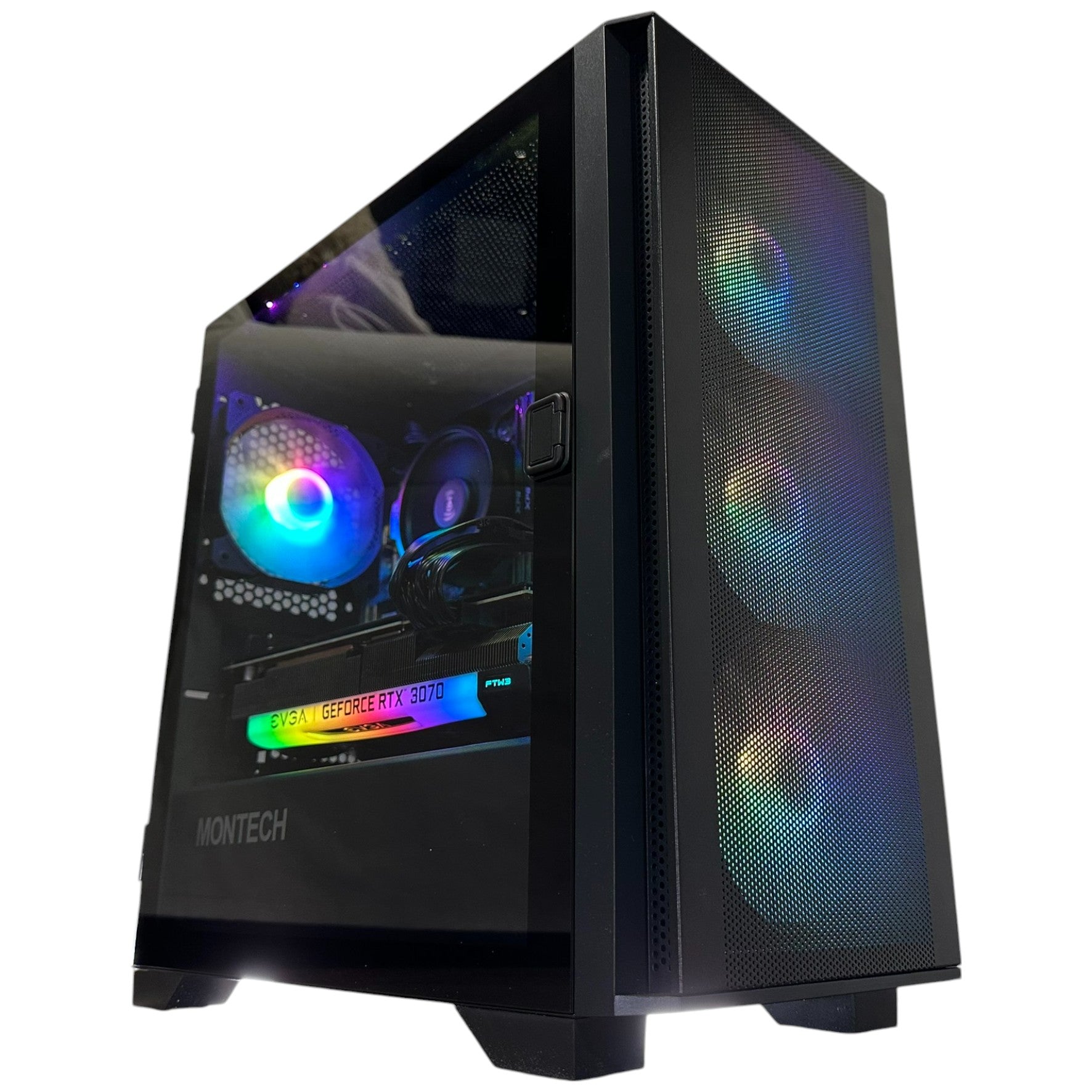
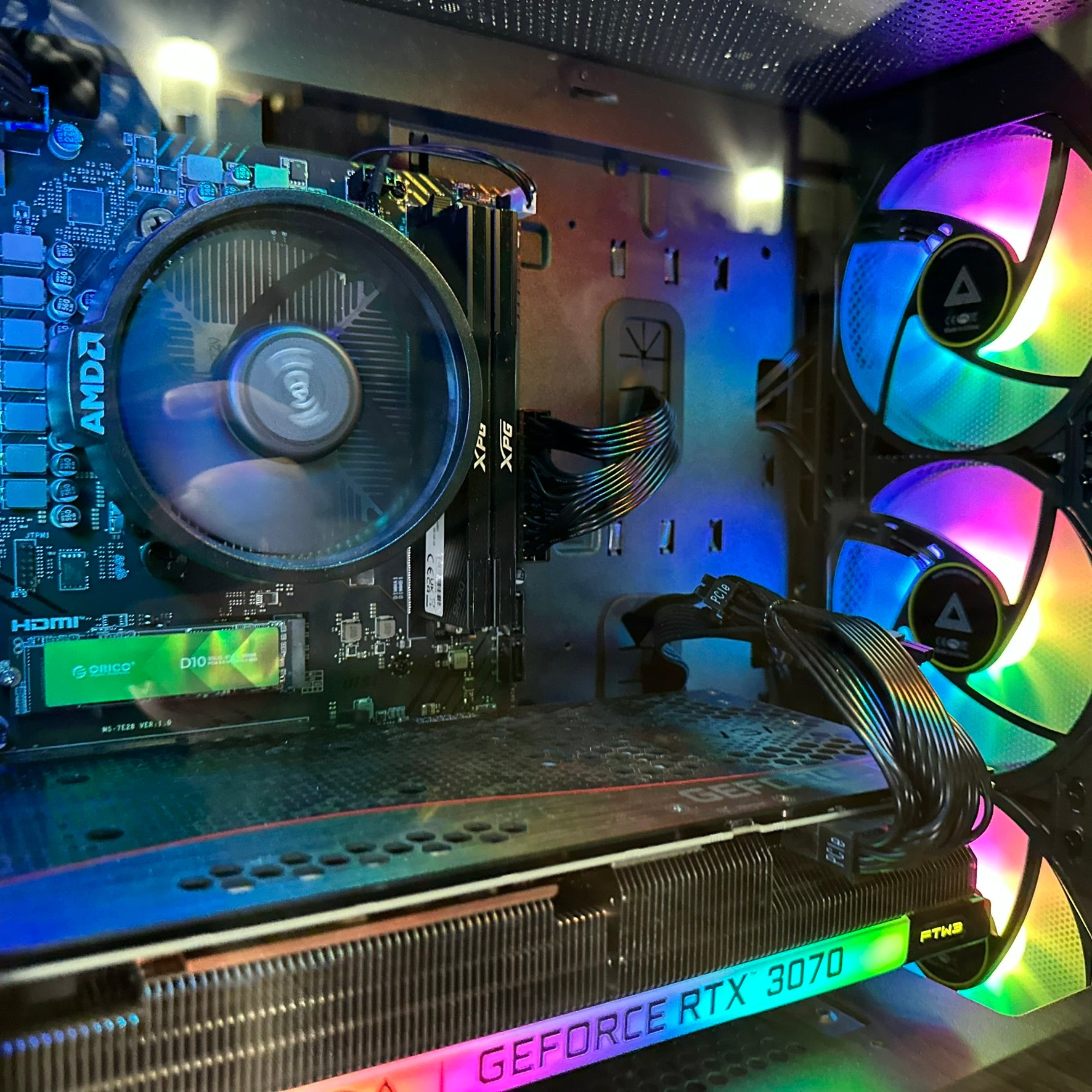
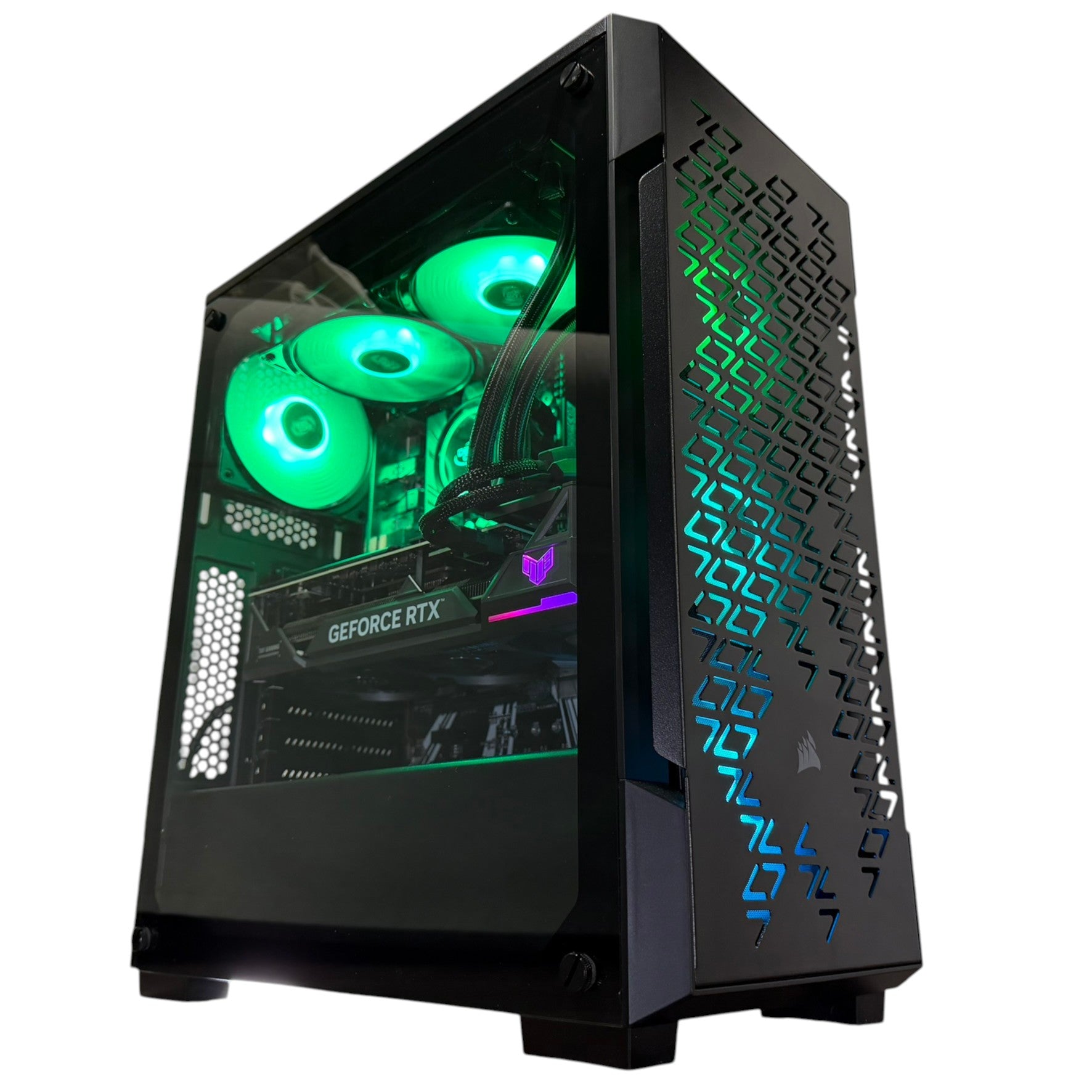

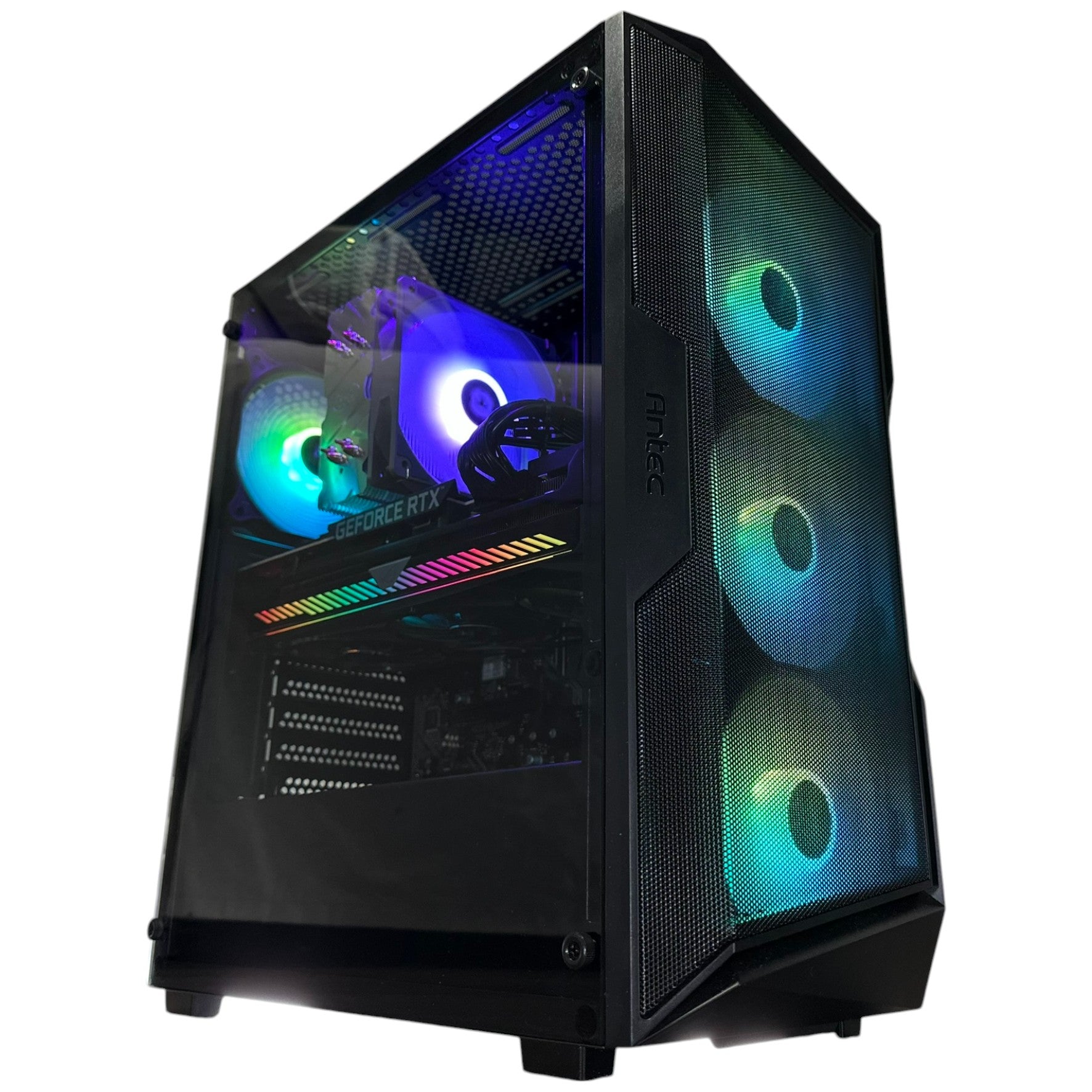
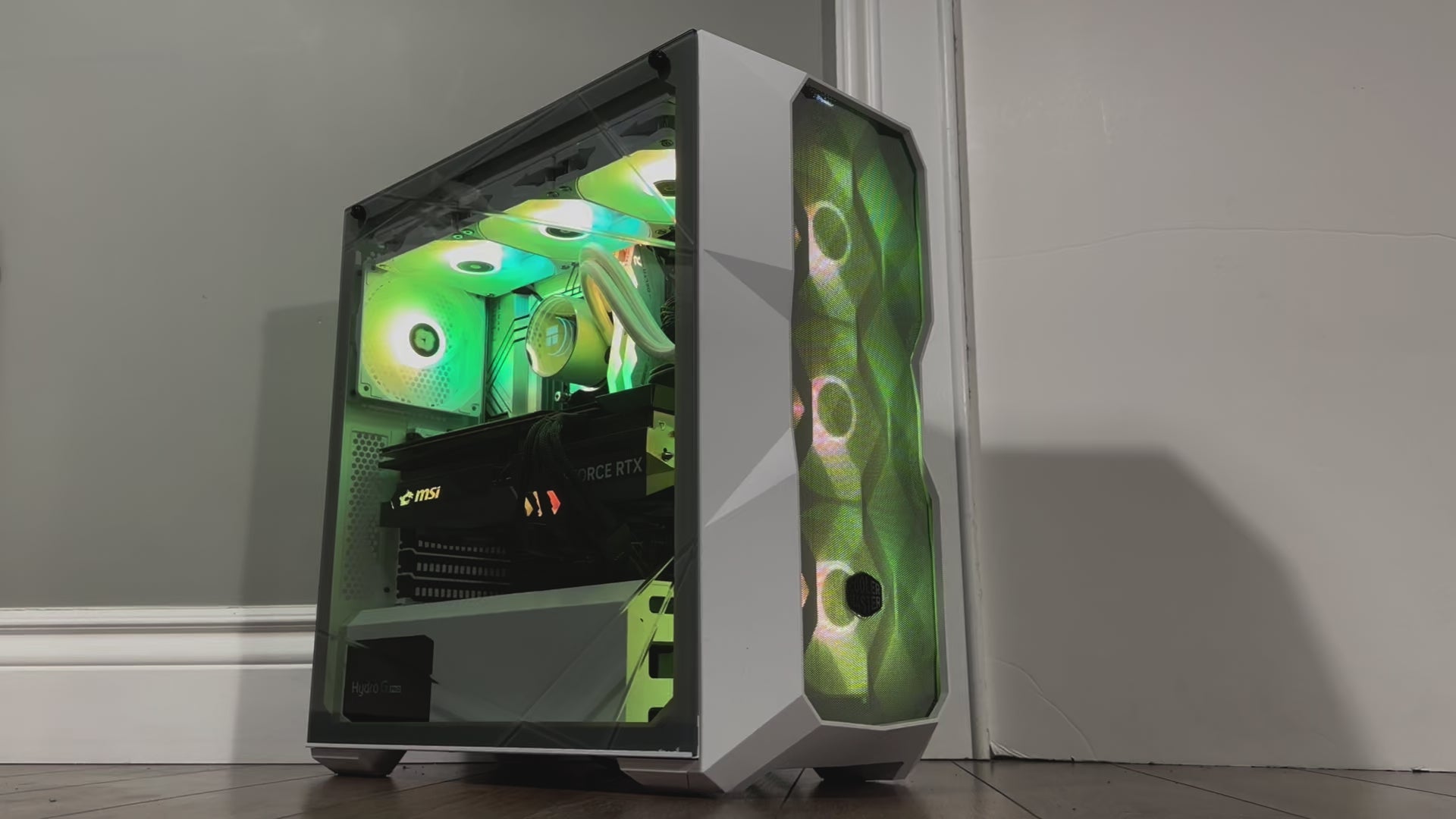
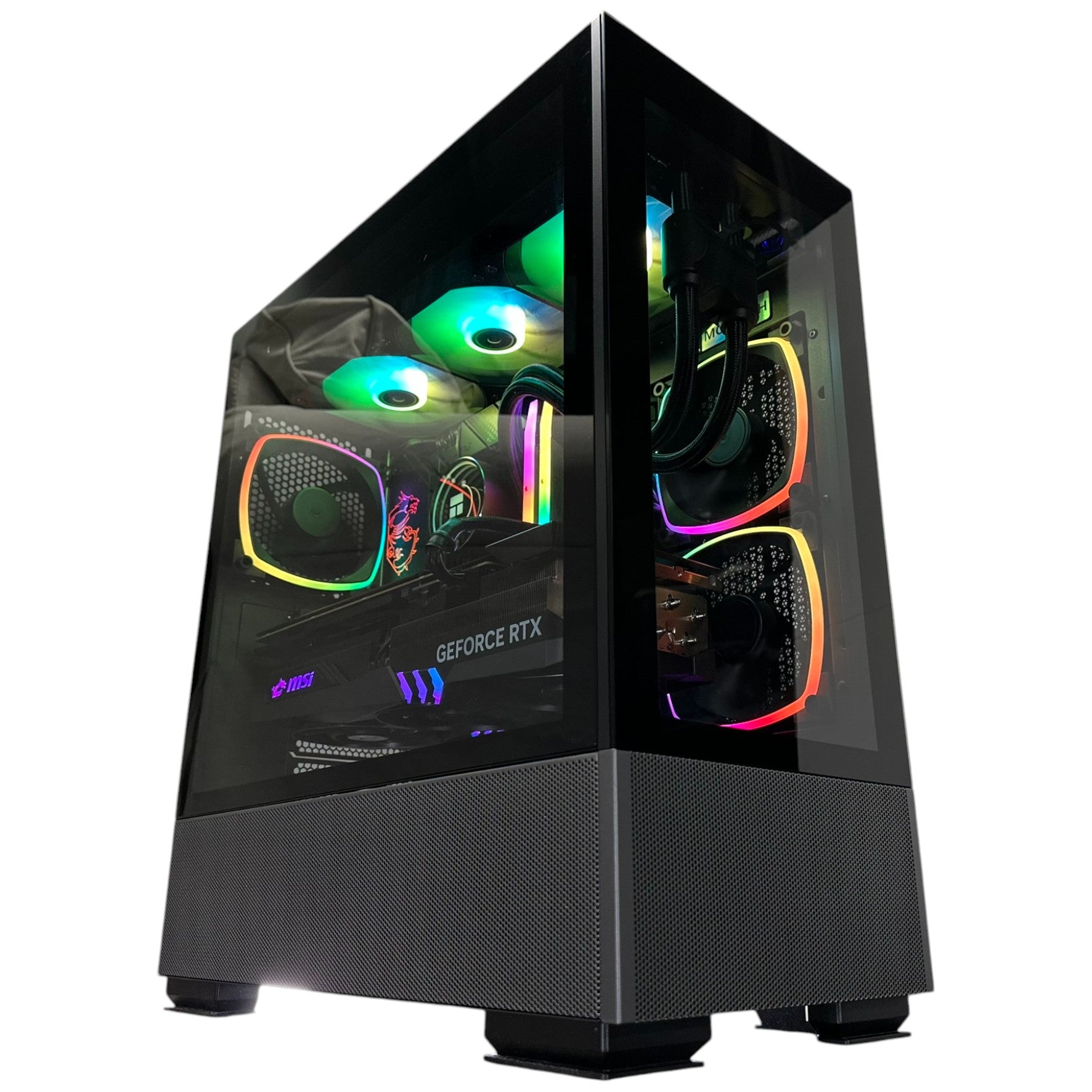
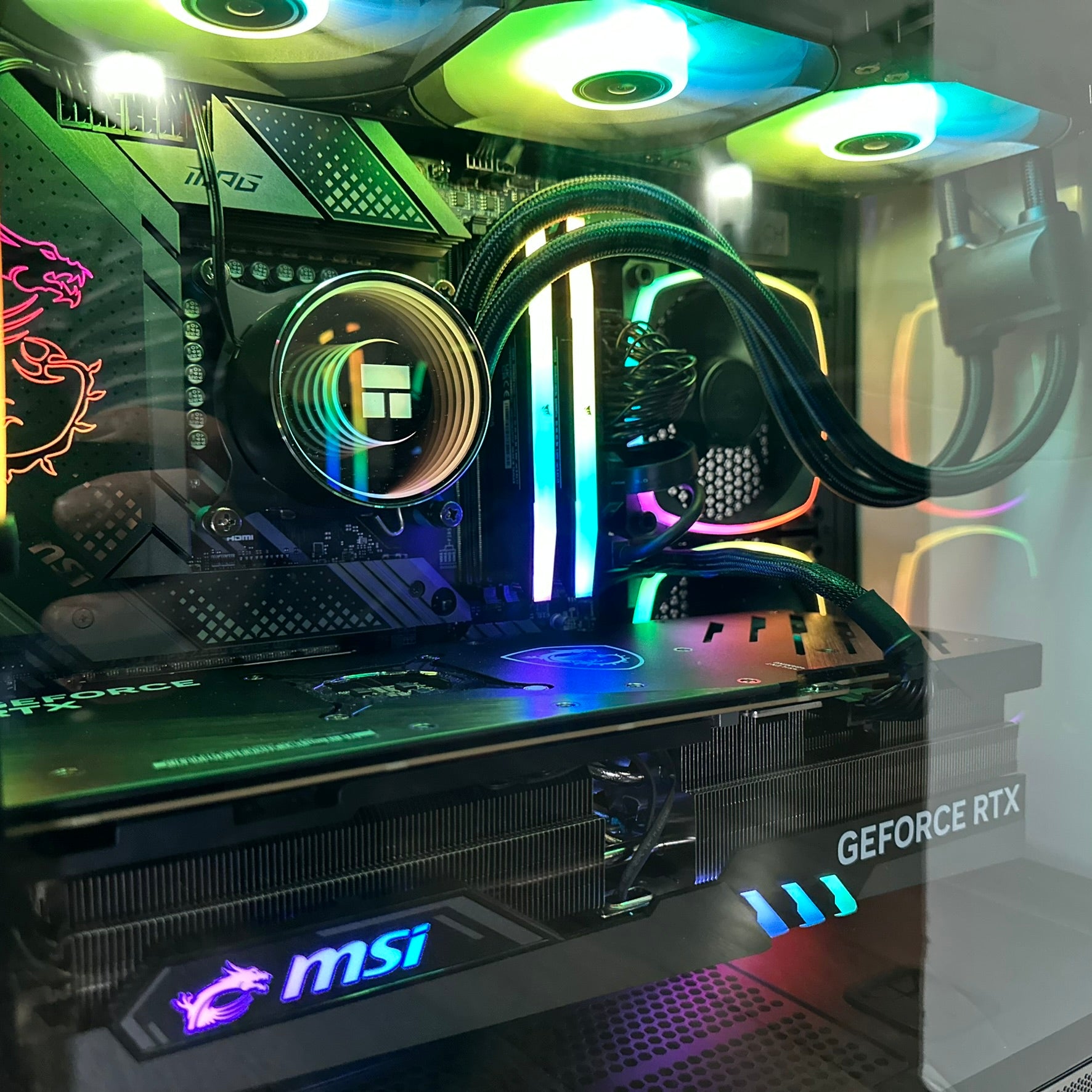
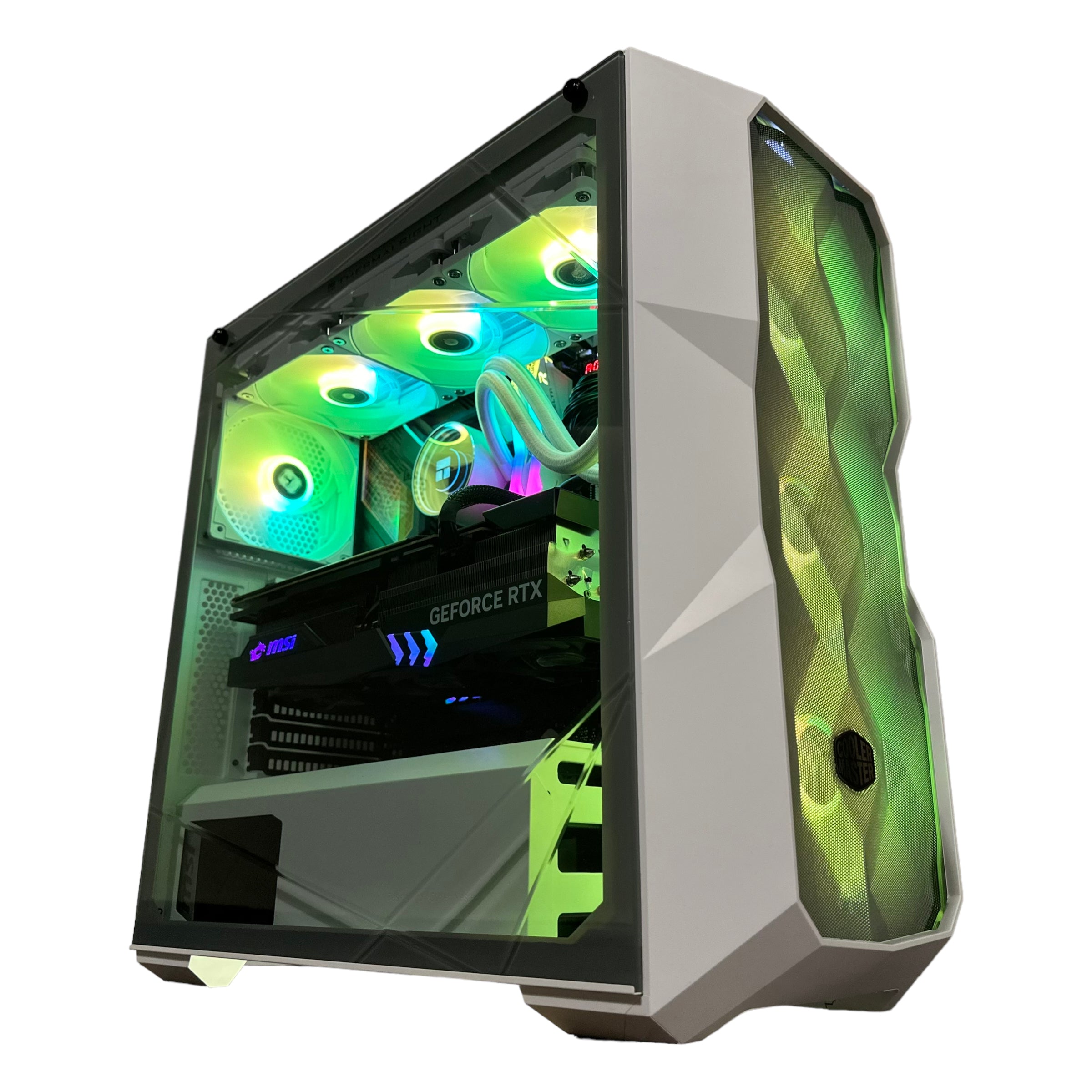

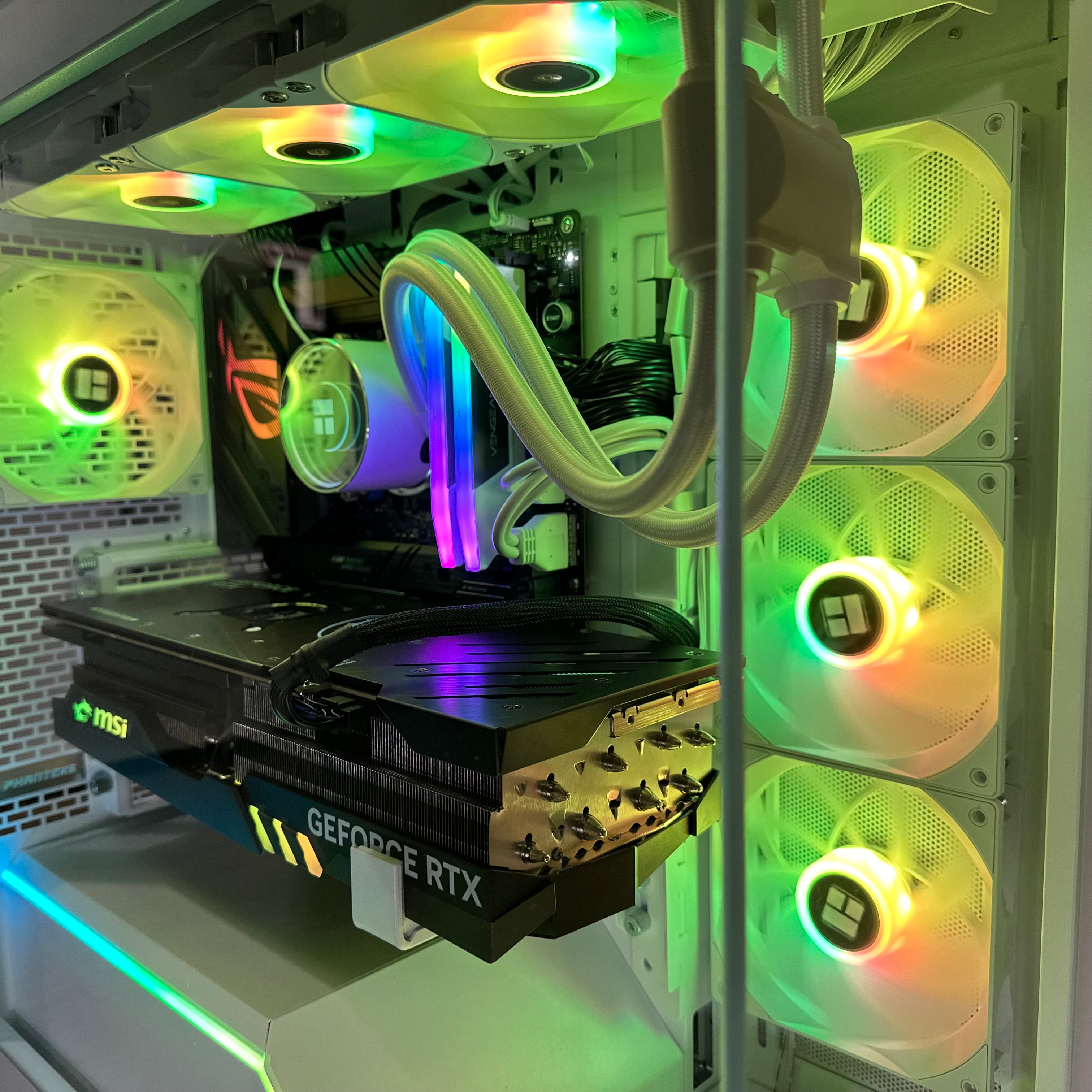
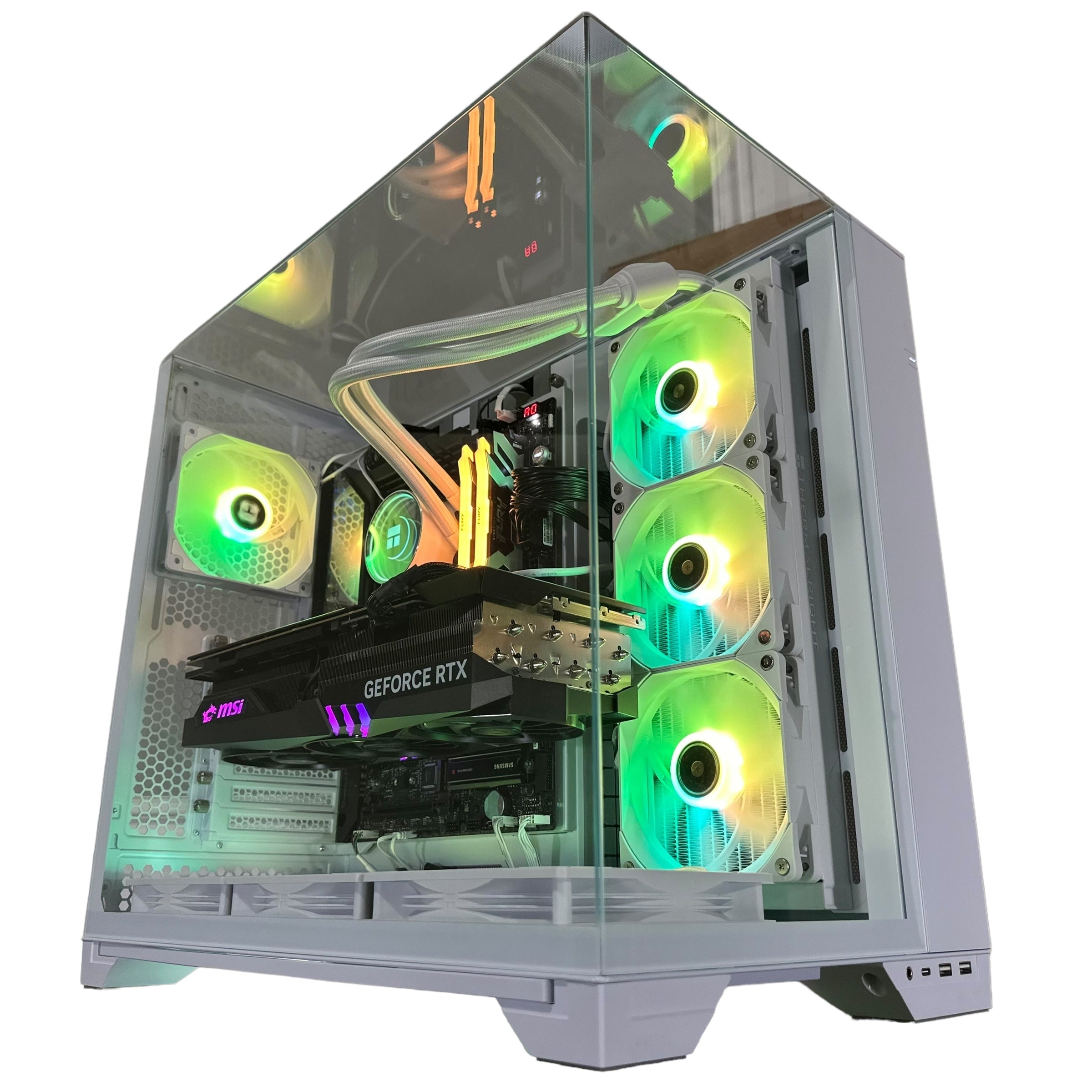
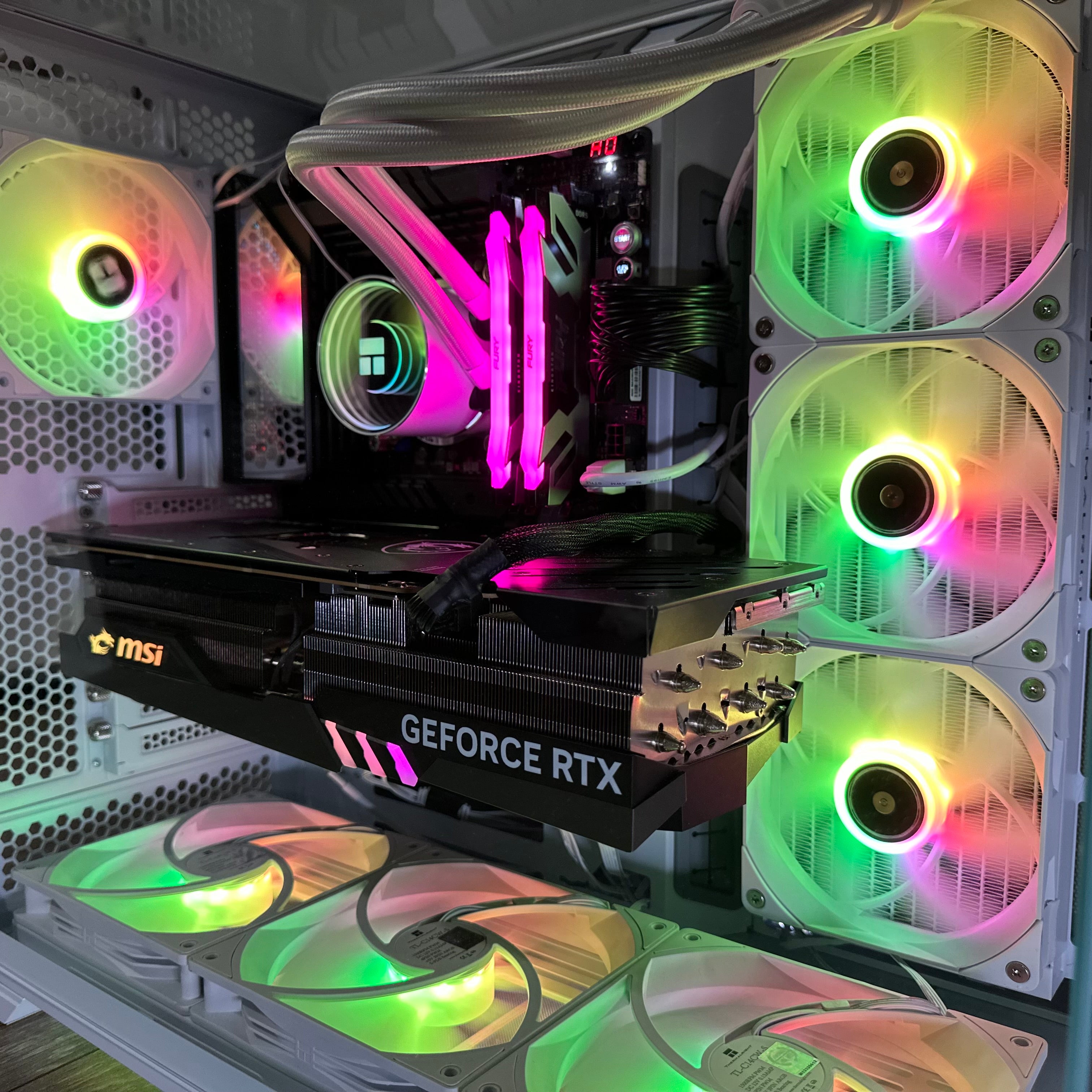

GTA 6 Release Date Delay Talk Is a Wake-Up Call for Anyone Planning a Gaming PC for GTA 6 in Canada
The latest GTA 6 release date delay discussion is doing more than stirring up fan anxiety. It is reminding Canadian buyers that if you are planning a gaming PC for GTA 6, timing matters almost as much as performance. According to the source material, a former Rockstar developer suggested that even with pre-orders rolling in, the game could still be pushed back by six months or more if the studio decides it needs more polish. That does not confirm a delay, but it does confirm something important: major game launches can shift quickly, and your PC buying strategy should be flexible, practical, and built around what you actually want to play and do next.
For shoppers in Canada, that raises a smart question. If one of the biggest game releases in the world might move, should you wait on your next system, or should you secure a better custom PC now before demand, pricing, and hardware availability become less predictable? That is where a custom builder perspective matters. At Groovy Computers, this kind of news is not just entertainment industry chatter. It is part of a bigger buying conversation about future-proof gaming performance, streaming readiness, creator workloads, financing, and avoiding an underpowered machine you will want to replace too soon.
What the GTA 6 release date delay story actually tells PC buyers
The source article centers on comments from a former Rockstar developer who believes Rockstar would absolutely delay a major release if the game does not meet internal quality standards. That view fits the company’s long-standing reputation for shipping polished titles, even when it frustrates fans. It also lines up with the publisher’s public message that a November launch remains planned, while speculation continues around trailers, investor calls, and late-stage marketing.
So what does that mean if you are not just following gaming news, but actively thinking about your next desktop?
It means hype cycles are real, and they affect buying patterns. When a title as massive as GTA 6 gets close, more buyers begin asking the same questions at the same time. Can my current PC handle this game? Should I upgrade now? Do I need ray tracing performance? Is 1440p enough, or should I plan for 4K? If the game gets delayed, should I still buy now if I also play other AAA titles and competitive games today?
Those are the right questions, and they lead to a better answer than panic buying or endless waiting. The smart move is to choose a system that fits your real-world use, not just one launch date.
Why Canadian buyers should think beyond one release date
In Canada, the PC buying decision is rarely just about one game. Hardware pricing can move. GPU tiers can tighten up. Popular parts can become harder to source when demand spikes. Seasonal sales can help, but they can also pull more buyers into the market at the same time. If you wait until the exact moment every other player decides they need a gaming PC for GTA 6, you may not be shopping in the most comfortable conditions.
That does not mean everyone should rush out and overspend. It means you should ask a more useful question: what do you want your next PC to do for you between now and the next major release?
Are you only trying to prepare for GTA 6, or are you already playing demanding open-world games now? Do you also want smooth performance in titles with heavy texture loads, advanced lighting, and large maps? Are you planning to stream, record gameplay, edit clips for YouTube, or run creative software alongside gaming? If so, your system should be chosen for the full workload, not just one benchmark target.
What do you want your next PC to do for you?
This is the most important question in the entire buying process, and it is where too many people guess instead of plan.
Do you want a system that simply gets you into modern games at solid settings? Do you want a 1440p gaming PC that stays relevant longer? Are you aiming for a premium setup with ray tracing and high refresh gameplay? Or do you need a gaming and creator machine that can handle OBS, Adobe apps, Blender, and large media files without slowing to a crawl?
If your answer is, “I want one desktop that does everything well enough that I am not worried for the next few years,” then a carefully balanced custom build usually makes more sense than chasing the cheapest possible configuration.
If your answer is, “I only need a basic machine for esports and lighter AAA settings,” then there is no reason to pay for a performance tier you will not use.
That is why custom PC selection matters. The best build is not the most expensive one. It is the one that matches your games, your resolution target, your software, your budget, and your upgrade timeline.
What PC do you need for GTA 6 and other new AAA games?
Because official PC requirements are not confirmed in the provided source material, the most responsible approach is to plan around the type of performance modern open-world AAA games usually demand. Large environments, heavy texture streaming, complex lighting, dense city scenes, and high CPU activity all point to one thing: this is not the kind of release you want to prepare for with a bargain-basement system if you expect a premium experience.
If you are asking, “What gaming PC do I need for GTA 6?” the better version of that question is this: what experience do I want?
- 1080p players: If your goal is strong 1080p gaming with good settings and room for upcoming titles, a well-balanced mid-range gaming PC is usually the starting point.
- 1440p players: If you want sharper visuals, more longevity, and better overall value for modern AAA games, 1440p is often the sweet spot for serious PC gamers.
- 4K and ray tracing buyers: If you want premium image quality, higher texture settings, and advanced visual features, you should expect to move into a high-end GPU tier and a stronger overall platform.
Do you care most about image quality, or do you care more about frame rate? Are you gaming on a 1080p display today but planning a 1440p monitor soon? Do you want your next system to feel “good enough” at launch, or still comfortable several years later? Those answers affect your CPU, GPU, memory, storage, and cooling decisions.
A gaming PC for GTA 6 should not be chosen in isolation
One mistake buyers make during big hype cycles is specing a PC for a single title and ignoring everything else they do. In reality, a lot of customers shopping for a gaming PC for GTA 6 also want a machine for streaming, video editing, Discord, browser multitasking, mods, recording clips, and everyday productivity.
If that sounds like you, ask yourself a few practical questions.
Will you be streaming gameplay while playing? Do you want to clip and upload videos after each session? Do you use Photoshop, Lightroom, Illustrator, Premiere Pro, DaVinci Resolve, or CapCut? Are you also creating thumbnails, shorts, overlays, or social content? If yes, then your “gaming PC” may actually need to be a creator-focused custom desktop with stronger multitasking headroom.
That is where many off-the-shelf systems disappoint. They may look great on a product tile, but inside, they often cut corners in the exact areas that affect long-term usability: power delivery, cooling, motherboard quality, memory capacity, airflow, SSD choices, or upgrade room.
Do you need a budget gaming PC, a premium RTX gaming PC, or a creator-ready desktop?
Let us break the decision into realistic buyer tiers.
Entry and value tier: who is it for?
If you mainly play competitive games, lighter single-player titles, or you are entering PC gaming for the first time, a value-focused build can make sense. This tier is best for buyers asking, “How much should I spend on a gaming PC if I just want reliable 1080p performance and a clean upgrade path?”
This type of system is ideal if you want a first gaming PC in Canada without overspending immediately. It can also work well for students, casual players, and buyers who plan to upgrade the GPU later.
But be honest with yourself. If you are already worried about upcoming AAA games, large open-world titles, high settings, or multitasking while gaming, a very low-end purchase may only delay the bigger upgrade you know is coming.
Mid-range sweet spot: who should choose it?
This is often the smartest category for the broadest group of buyers. If you want strong 1080p and 1440p gaming, better longevity, smoother multitasking, and more confidence going into future releases, the mid-range tier is where balance usually wins.
Are you the type of buyer who wants to install a new game without immediately checking every graphics setting for compromises? Do you want a system that feels fast in daily use, supports fast storage, handles background apps, and gives you more breathing room for the next few years? Then this is probably your tier.
High-end and enthusiast tier: when is it worth it?
If you are chasing 1440p ultra settings, 4K gaming, heavier ray tracing use, premium texture packs, or a long ownership cycle, then stepping up to a high-end gaming desktop makes sense. This is also the right tier for buyers who stream, record, and edit content on the same machine.
Should you finance a high-end gaming PC instead of settling for a lower tier you will outgrow quickly? For many customers, that is a reasonable question. If monthly affordability helps you secure a system with better long-term value and fewer early compromises, financing can be more practical than buying a weaker build outright and replacing it too soon.
Why the GTA 6 delay conversation matters for streaming and content creation too
Not every reader interested in GTA 6 is just a player. Some are streamers, YouTube creators, TikTok editors, mod testers, community managers, or aspiring creators building a channel around new game coverage.
If that is you, then a gaming-only perspective is too narrow.
What PC do you need for streaming if you want to play a major new title and broadcast it smoothly? What if you want to run OBS, record locally, keep Chrome tabs open, monitor chat, use a second display, and still maintain a responsive system? What if you want to cut highlights afterward in Premiere Pro or DaVinci Resolve?
That workload needs more than a bare-minimum gaming spec. It needs a balanced CPU, a capable GPU, enough RAM for multitasking, and fast SSD storage that can deal with large game installs and video files at the same time.
A custom streaming PC or gaming-and-creator build is especially valuable if you want one machine that can handle gameplay, recording, editing, and export workflows without bottlenecks in all the wrong places.
What if you also edit videos, photos, or graphics?
Many shoppers arrive through gaming news, but their actual PC use is much broader. Maybe you game at night, edit photos on weekends, and work in Adobe apps during the day. Maybe you want one desktop for GTA 6, Lightroom, Photoshop, Illustrator, Canva, or short-form content production. Maybe you are a student splitting time between gaming and design projects. Maybe you are a freelancer who needs fun and productivity from the same system.
If that sounds familiar, then ask yourself this: are you buying a gaming desktop, or are you buying a content creation PC that also happens to be excellent for gaming?
That difference matters. A smart creator build may justify more RAM, more storage, a stronger processor, or a different component balance than a purely gaming-focused system. If your machine is generating income, saving you export time, or helping you deliver client work more reliably, then every hardware decision should be based on workflow efficiency as much as entertainment value.
What about 3D modeling, rendering, and workstation use?
The GTA 6 conversation also overlaps with another audience: people who love games but also work in 3D. If you use Blender, Unreal Engine, Maya, Cinema 4D, CAD software, or other rendering tools, your buying logic changes again.
What PC do you need for Blender or Unreal Engine if you also want to enjoy new AAA games at a high level? Should you prioritize GPU rendering power, CPU performance, memory capacity, or storage speed? Do you need a workstation-first system, or would a powerful gaming platform with the right component mix cover both worlds?
For some users, a gaming-class GPU inside a carefully selected custom workstation gives excellent crossover value. For others, especially with heavier production work, a more workstation-oriented build is the better path. The important thing is not to guess based on trends alone. You want a desktop matched to your actual software and output demands.
Is it better to buy a gaming PC now or wait?
This is one of the most common questions around major game launches, and the GTA 6 release date delay story makes it even more relevant.
There is no universal answer, but there is a useful framework.
If your current PC already handles your games, and you are only upgrading for one future title with no other performance pain today, waiting can be reasonable. But if your current system is already limiting your experience, if you are skipping settings, fighting stutter, running out of storage, or delaying creator work because your desktop is too slow, then waiting may cost you more in frustration than it saves in theory.
You should also think about market pressure. Big launches can increase demand. So can holiday buying periods, back-to-school demand, and broader GPU interest from gamers and creators alike. If replacement costs rise or preferred parts become less available, waiting may not create the bargain scenario many buyers hope for.
So ask yourself: are you waiting for a clear advantage, or are you waiting out of indecision while your current machine keeps holding you back?
How pricing volatility can affect your next PC
Even when a game delay is only a possibility, it can still shape buying behavior. Hype brings attention. Attention brings demand. Demand can influence full-system pricing, especially in categories tied to modern AAA gaming performance.
What tends to matter most?
- GPU demand: High-interest gaming launches often push more buyers toward stronger graphics tiers.
- CPU balancing: Once people move up in GPU class, they often realize they also need a stronger processor to avoid pairing mistakes.
- Memory headroom: As games and creative apps grow, more buyers stop treating RAM as an afterthought.
- SSD capacity: Massive game installs, capture files, and creator projects make larger storage configurations more attractive.
- Cooling and power quality: Better parts need better supporting components, and that changes the total build cost.
This is why a system should be planned as a full platform, not just a GPU shopping list. The “cheap now, fix later” approach often ends up costing more than choosing a better-matched build from the start.
Could financing help you secure a stronger system before prices rise?
For many Canadian buyers, this is the real commercial question behind timing. If you know you need a better desktop soon, would monthly payments help you buy the right performance tier now instead of settling for a weaker machine?
Financing is not about buying carelessly. It is about flexibility and fit. A stronger system can mean longer relevance, fewer upgrade regrets, better gaming settings, better multitasking, better creator performance, and more confidence when major titles finally arrive. If you spread the cost responsibly, you may be able to move into a tier that gives you far better long-term value.
Would you rather buy a low-end system in cash and replace it early, or consider financing up to 4 years on a custom build that better matches your goals? If you are already planning for modern AAA gaming, streaming, editing, or productivity, that is a serious question worth asking.
Which performance tier fits you best?
If you are not sure what category you belong in, this quick guide can help clarify the decision.
Choose a value-focused build if:
- You mainly play esports or lighter games
- You are targeting 1080p
- You want a first gaming PC without jumping to premium pricing
- You are comfortable upgrading later
Choose a balanced mid-range build if:
- You want strong 1080p and 1440p performance
- You play newer AAA games regularly
- You want better longevity and smoother general use
- You may stream casually or do light editing
Choose a high-end build if:
- You want premium 1440p or 4K gaming
- You care about ray tracing and visual quality
- You stream, record, and multitask heavily
- You want a future-proof gaming PC with fewer compromises
Choose a creator or workstation-oriented build if:
- You use Premiere Pro, DaVinci Resolve, Photoshop, Lightroom, Illustrator, or similar tools
- You work in Blender, Unreal Engine, or 3D rendering apps
- You need reliability for paid work or serious production
- You want one desktop for gaming, editing, and professional workloads
Why custom builds matter more when game hype and hardware demand collide
When the market gets noisy, a custom builder becomes more valuable, not less. Why? Because this is when spec clarity matters most.
Do you really need to pay for a top-tier part, or would a better-balanced configuration serve you better? Would more RAM and SSD space improve your day-to-day experience more than chasing one step higher on the GPU ladder? Is your current monitor even set up to benefit from the performance tier you are considering?
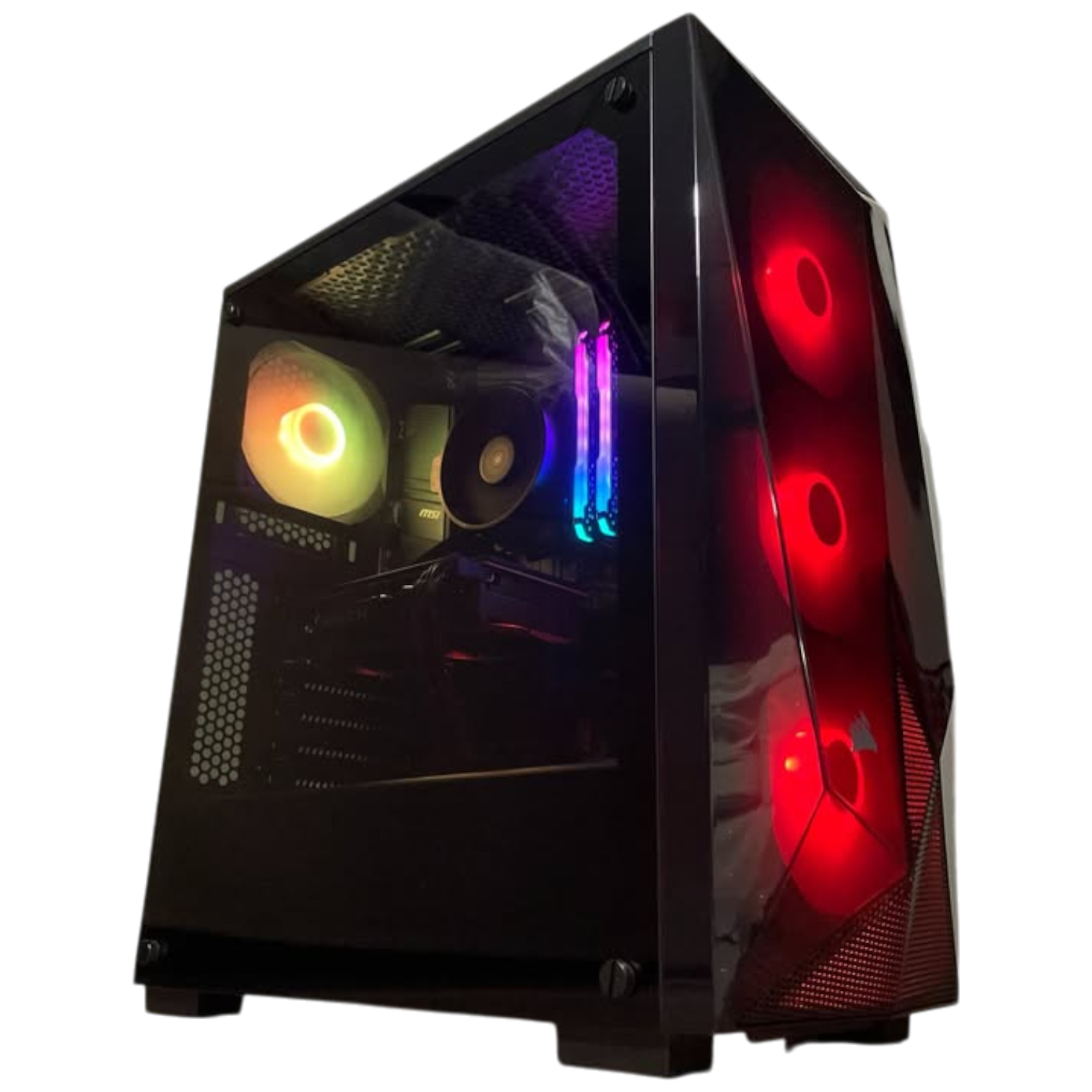
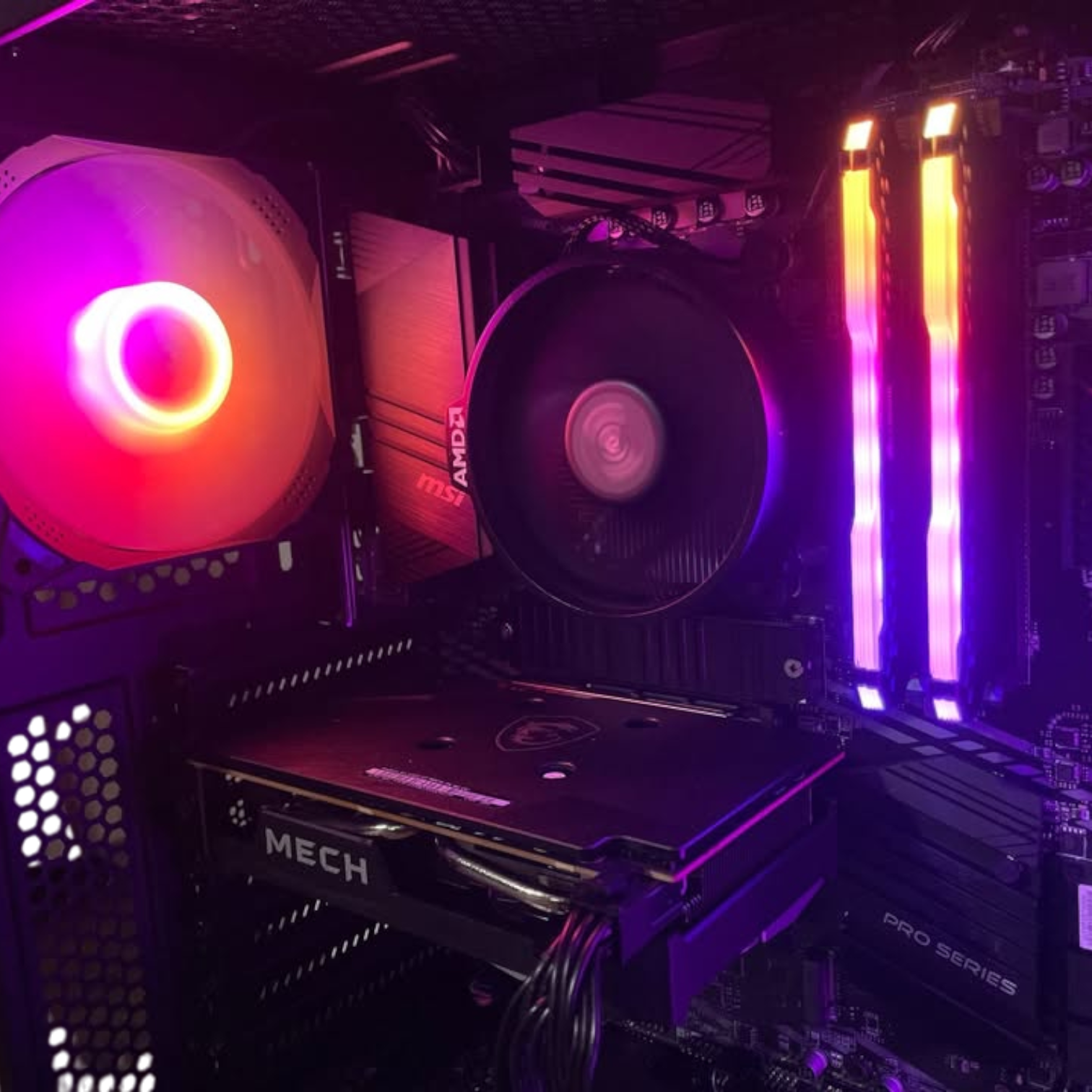
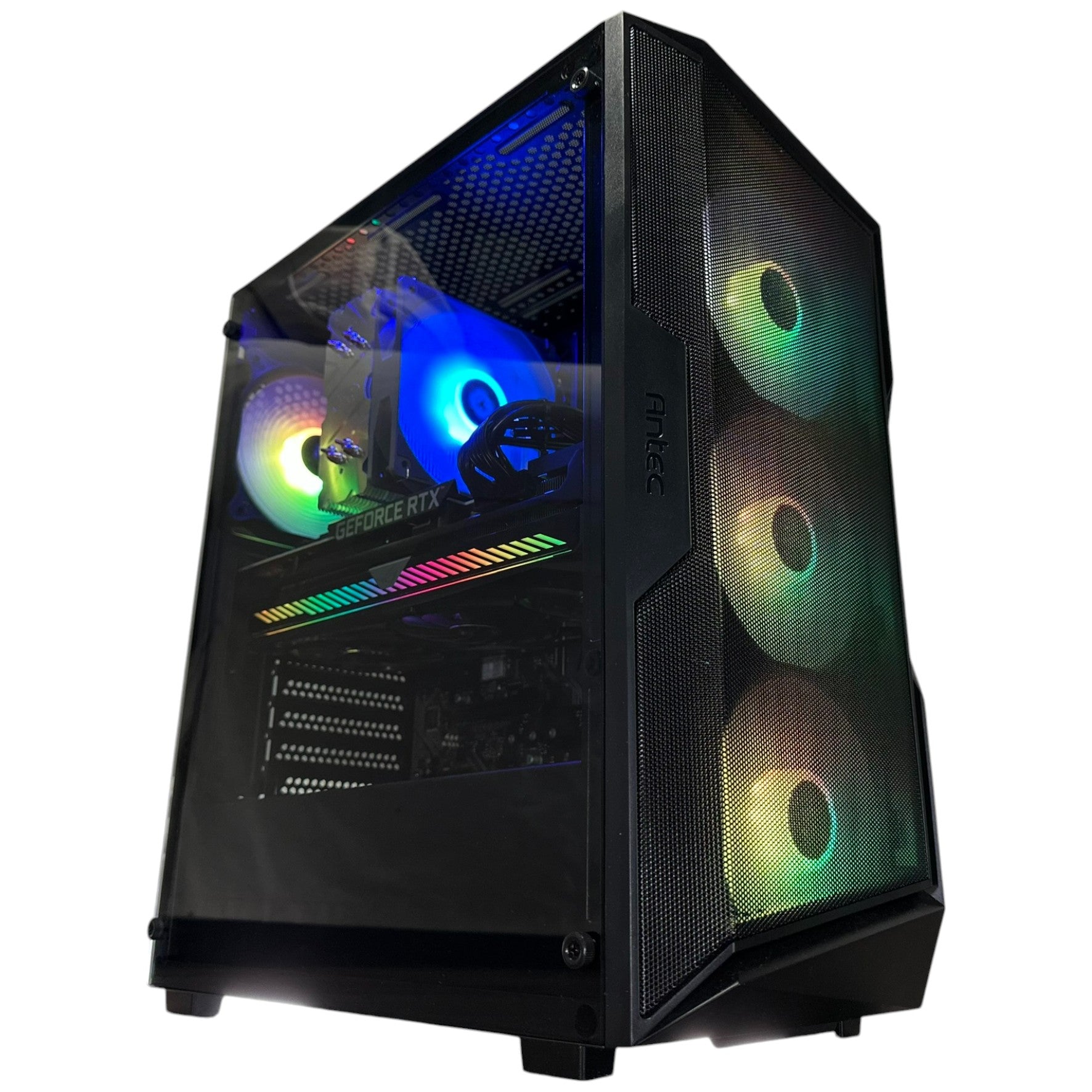
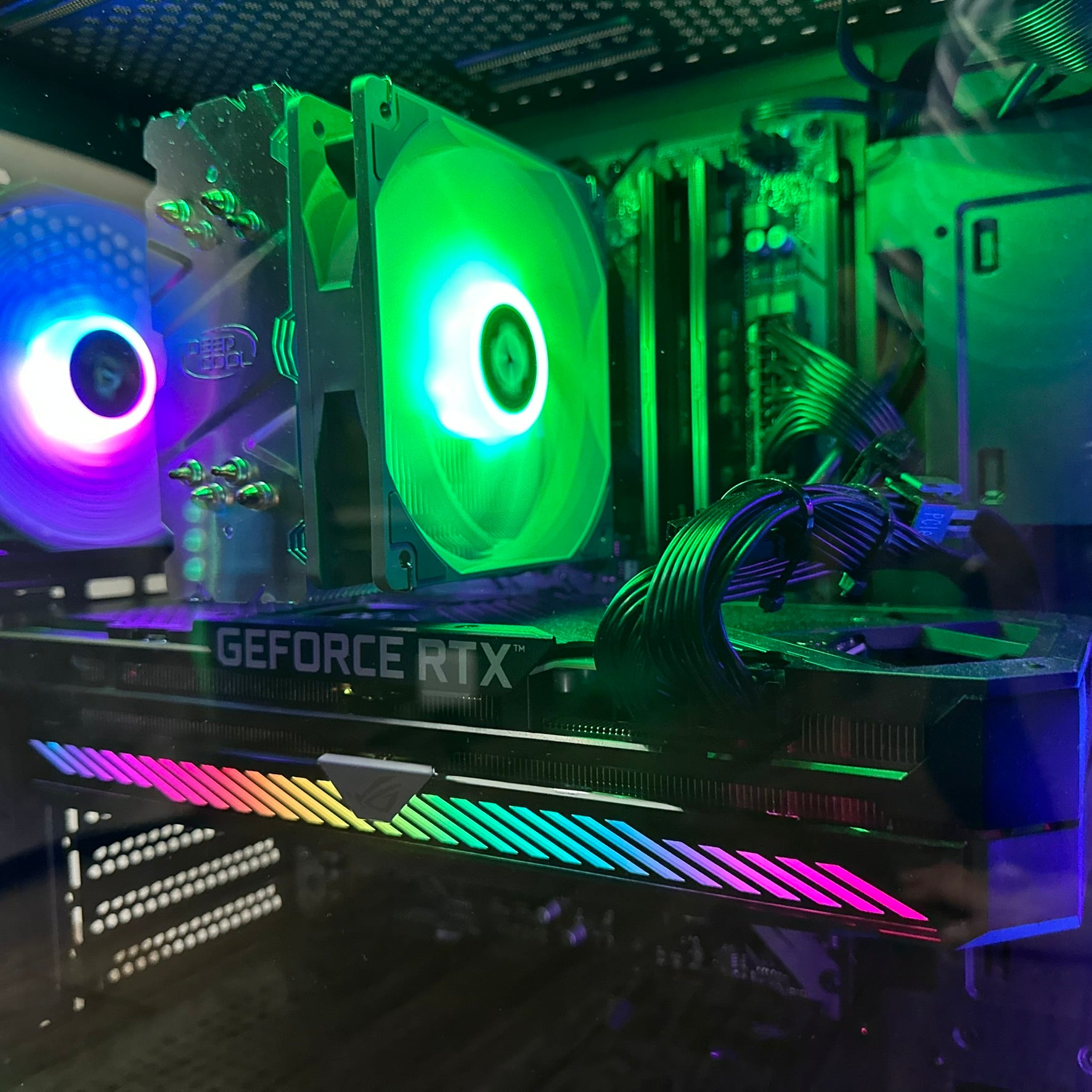
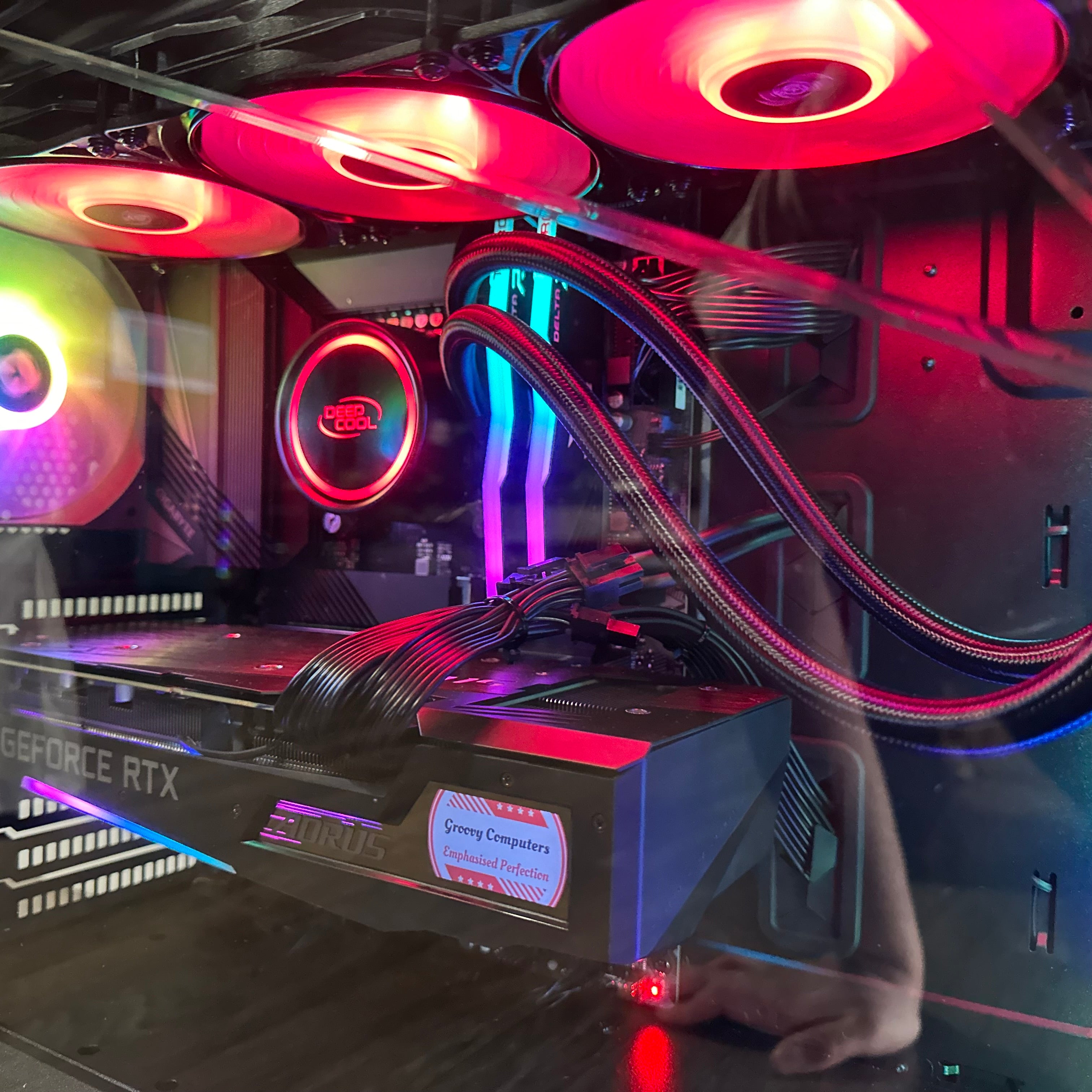
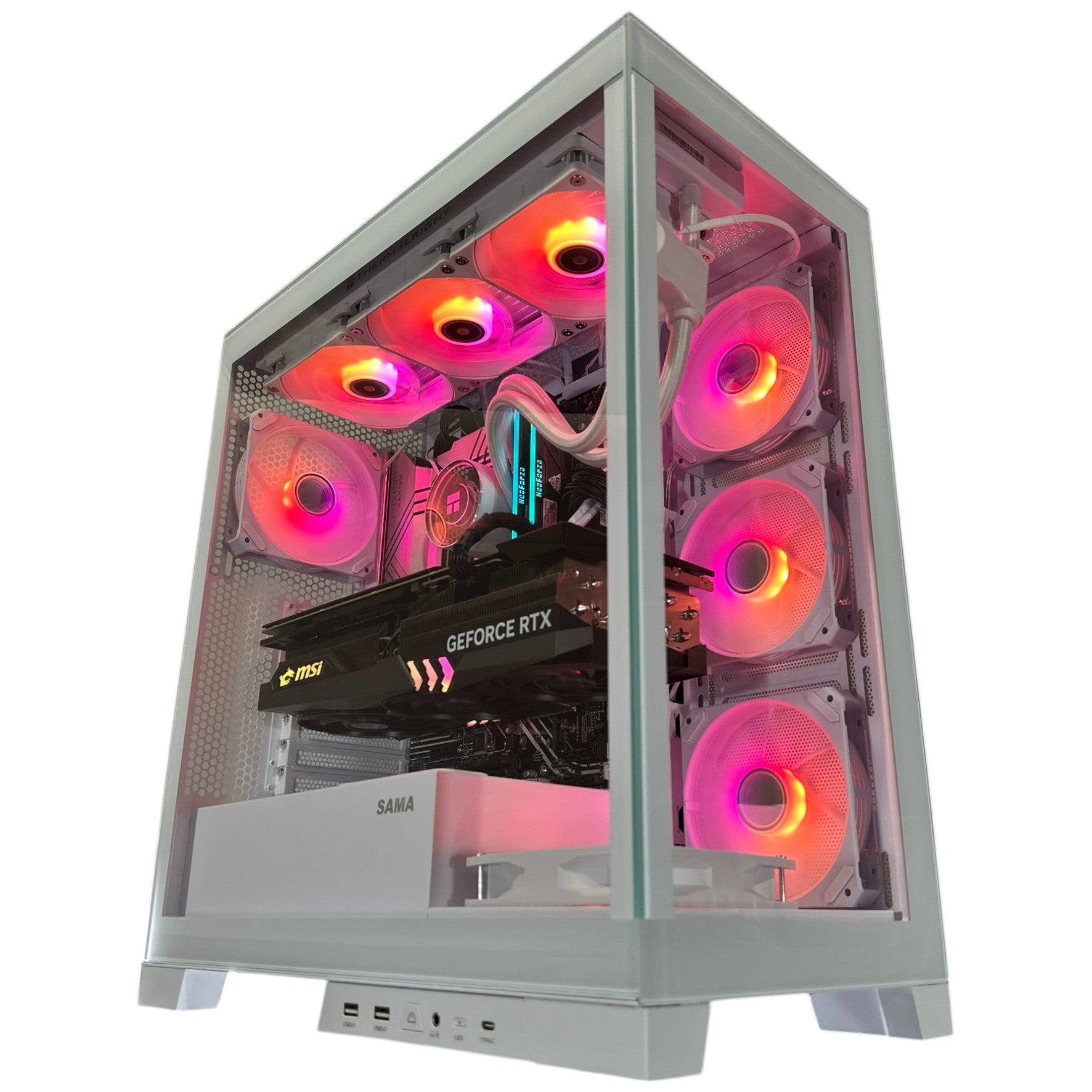
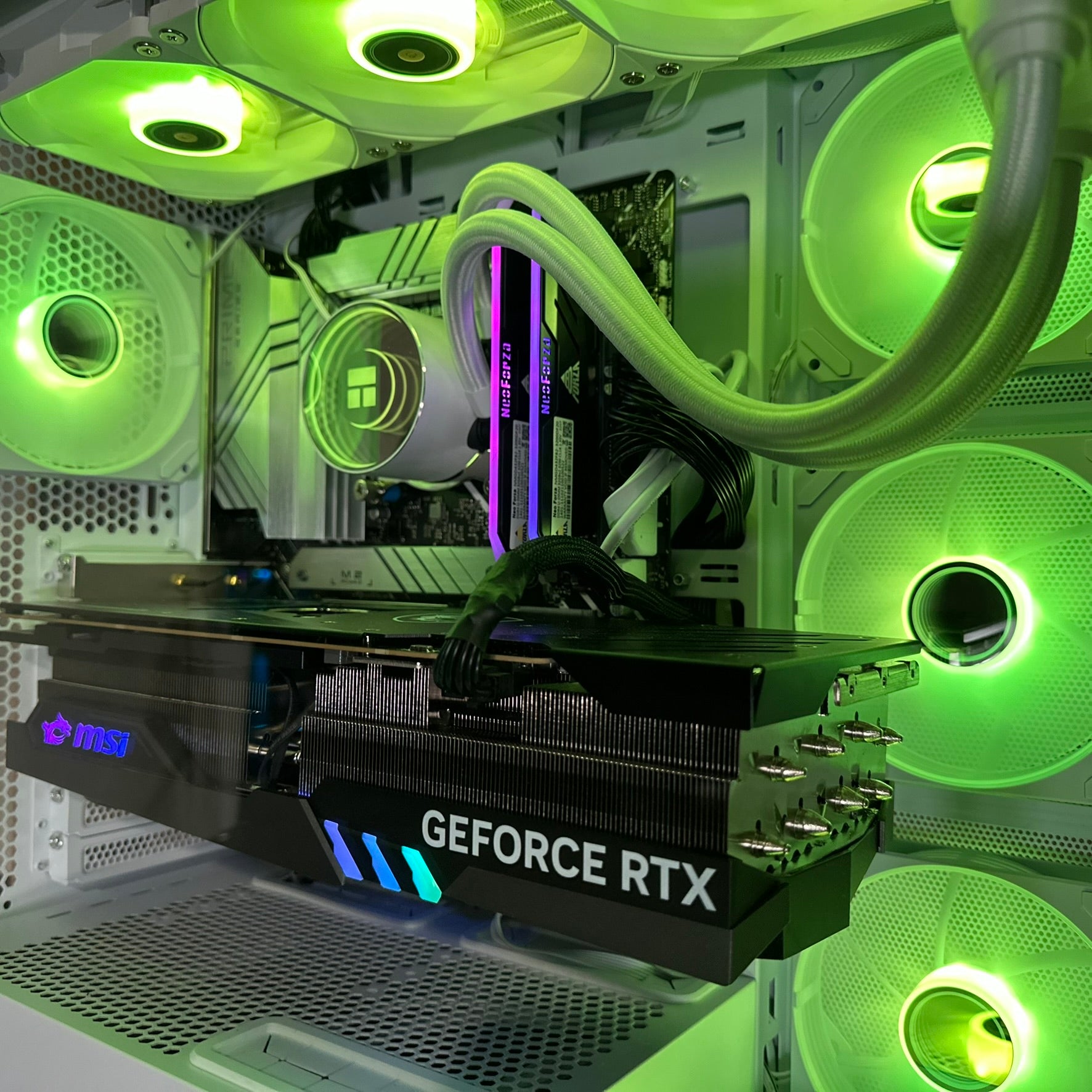
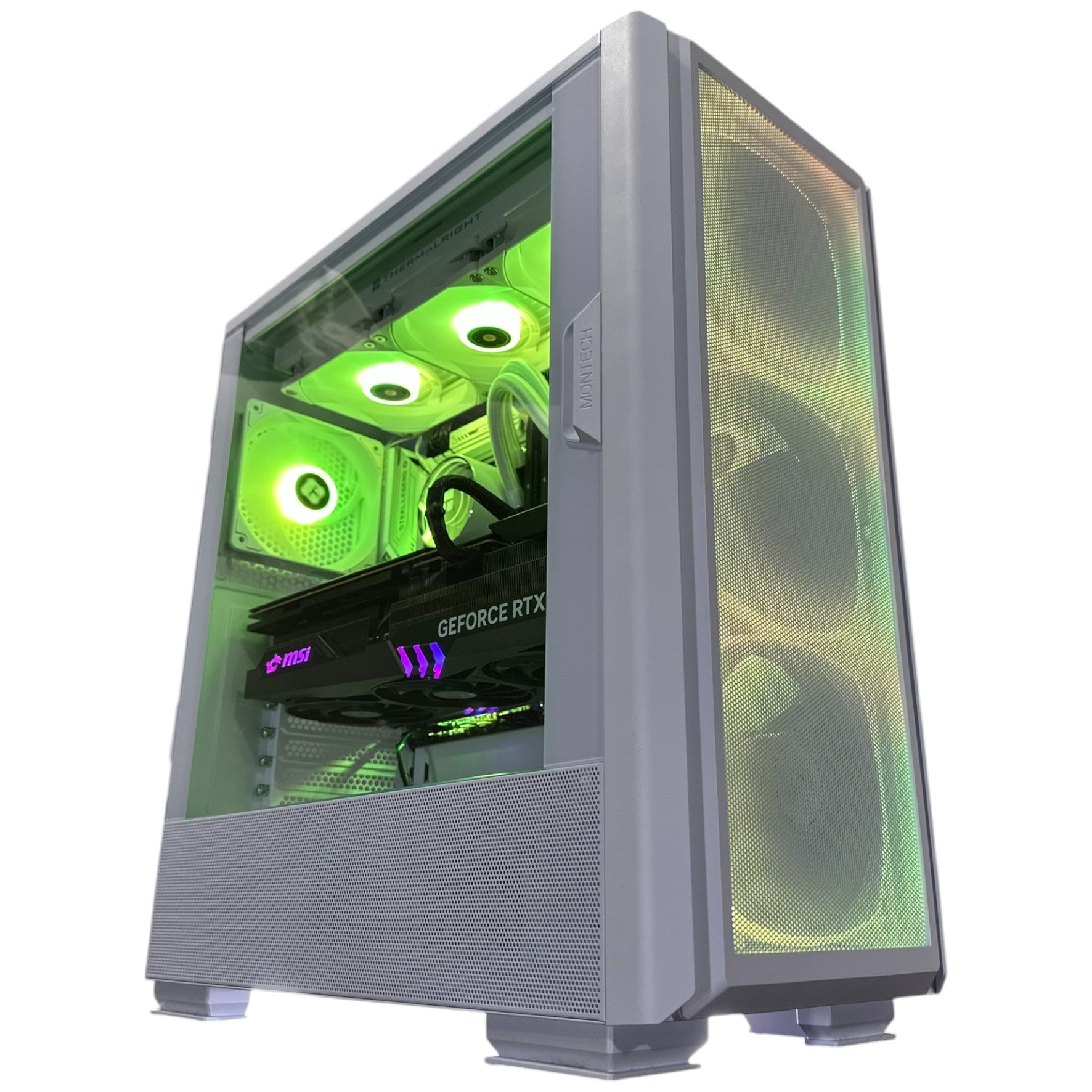
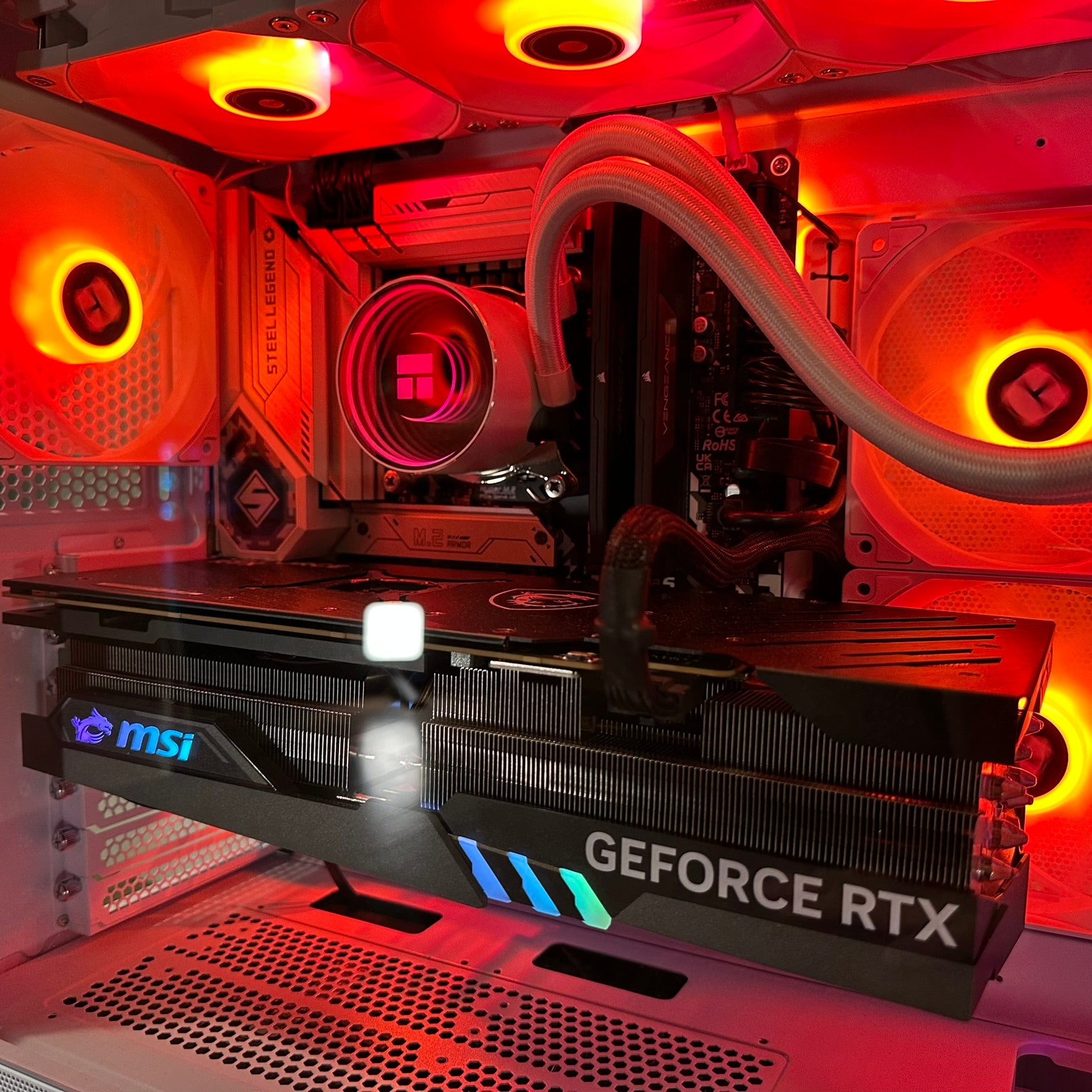
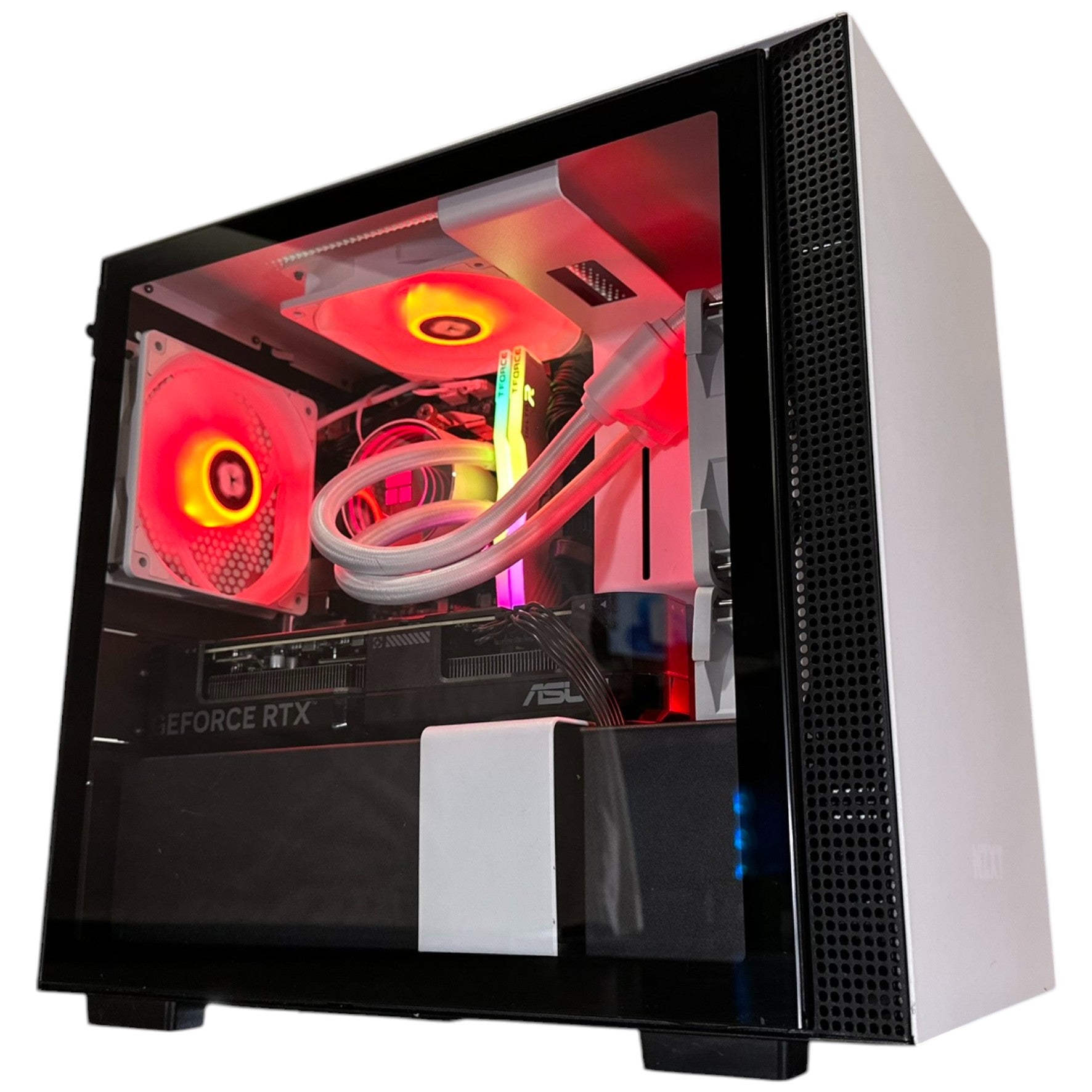
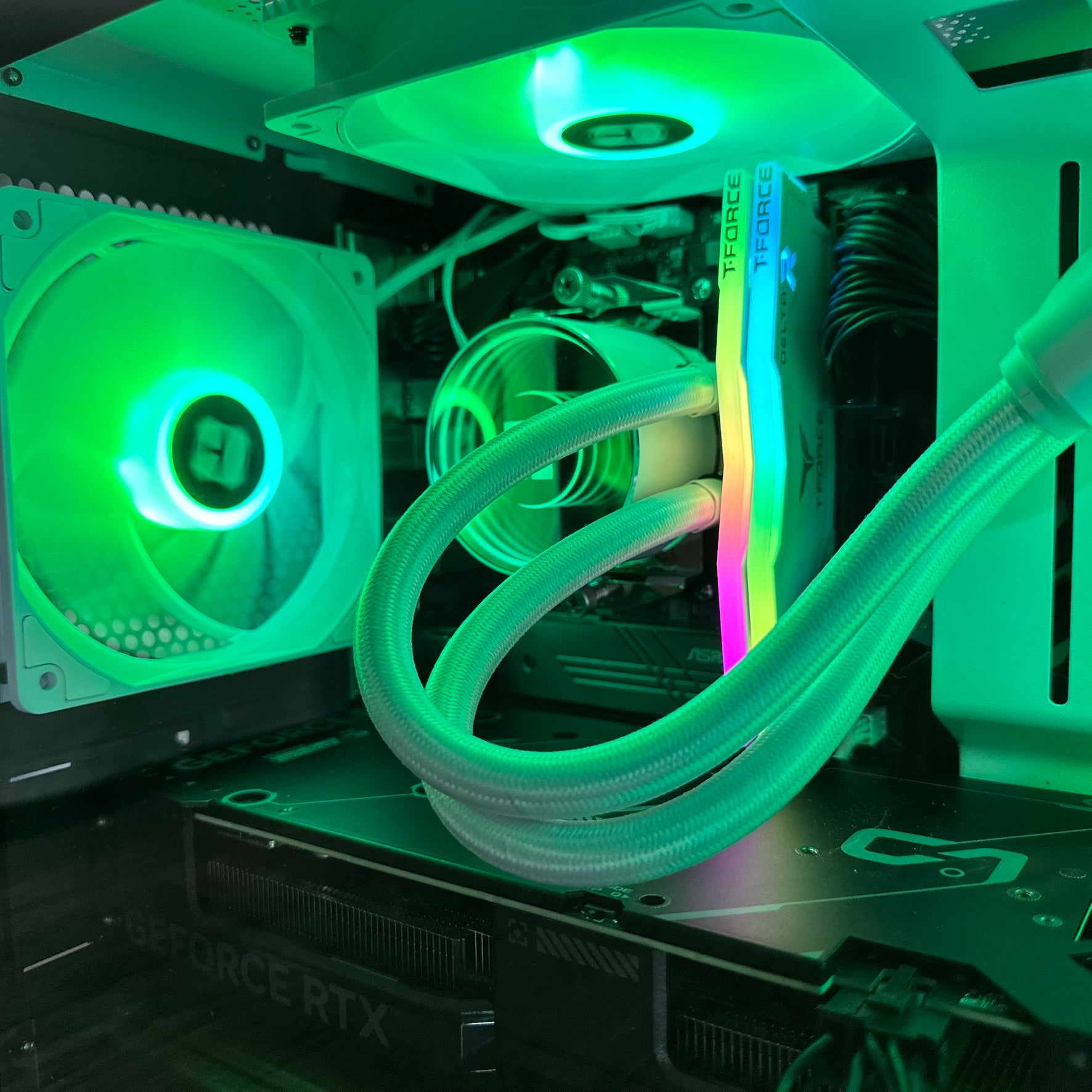
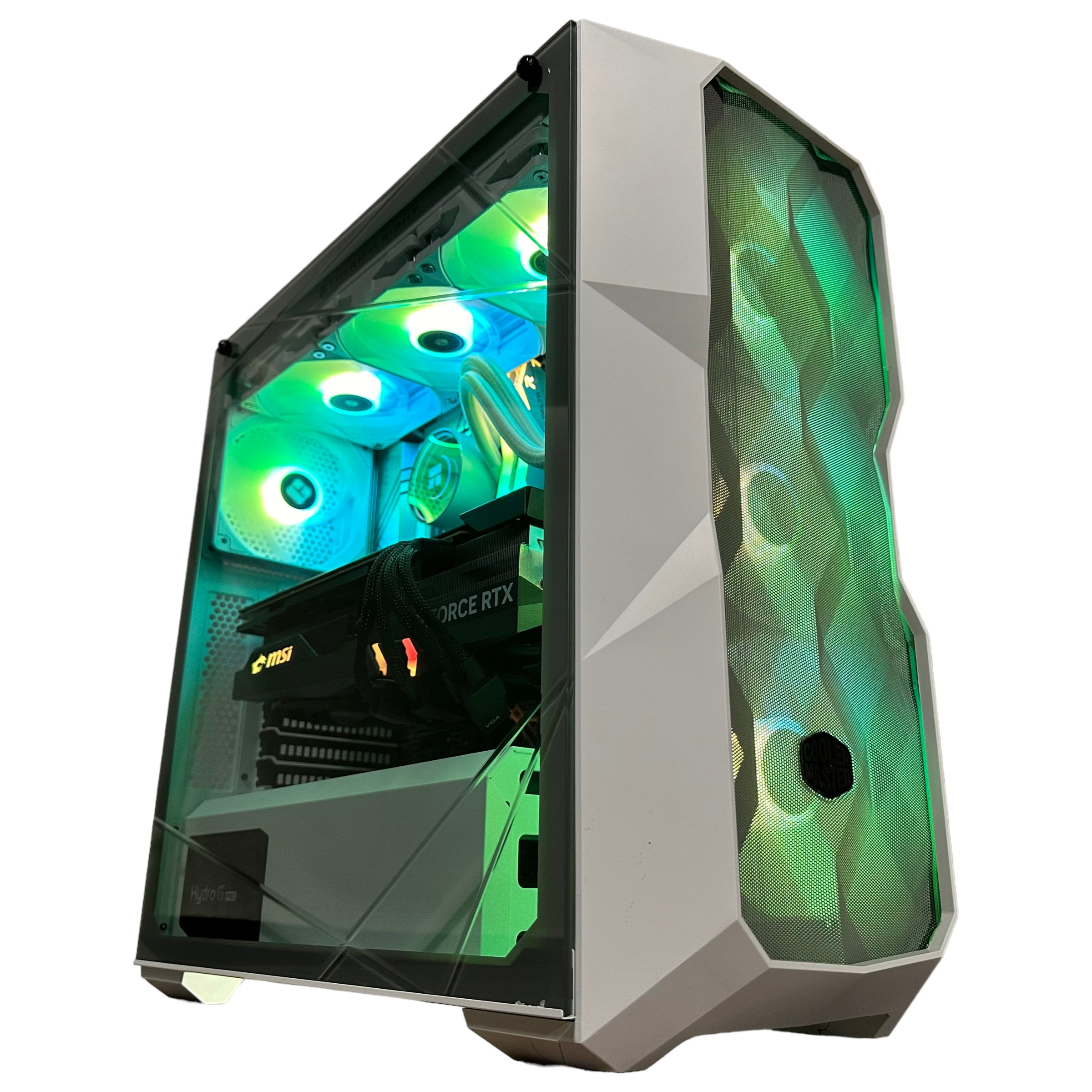
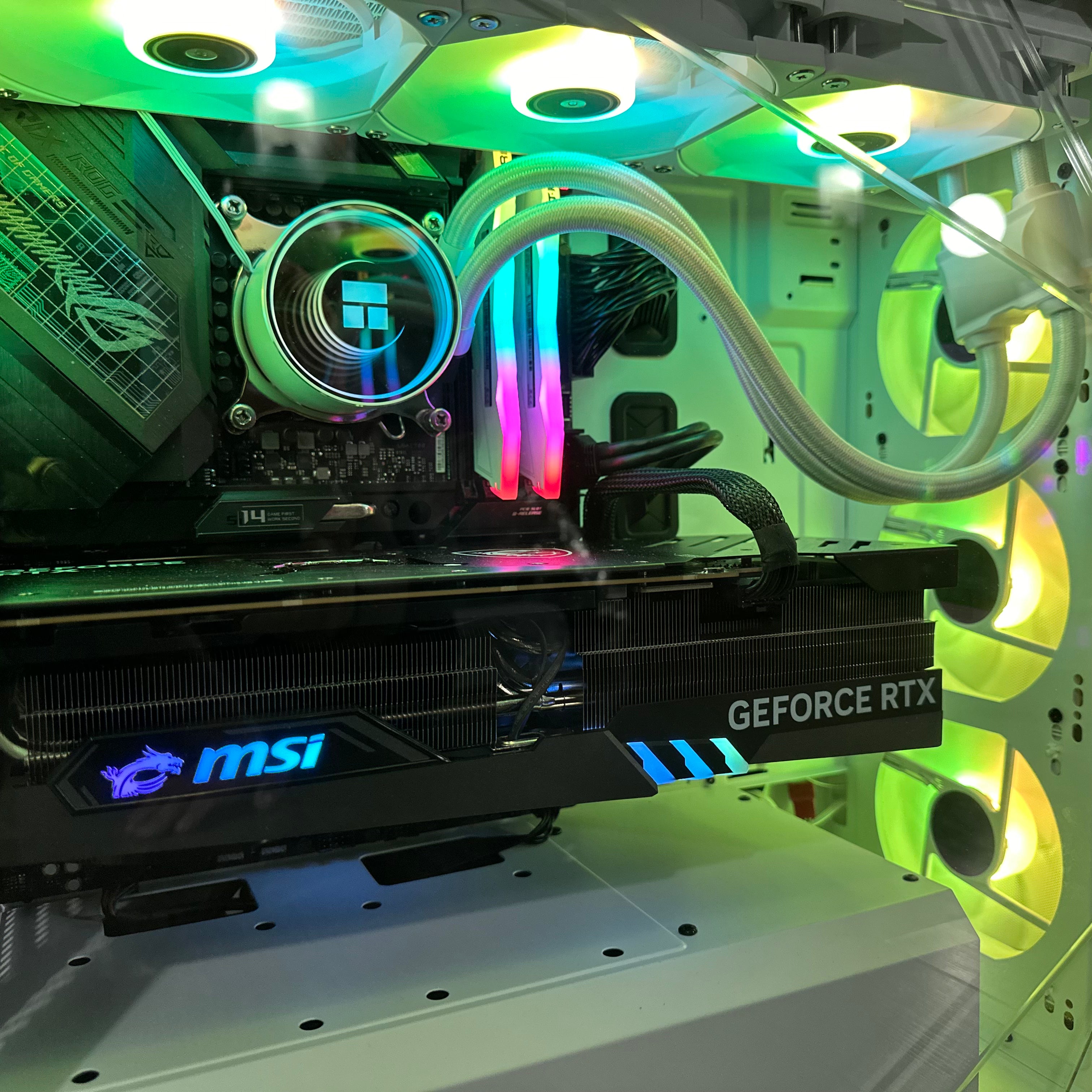
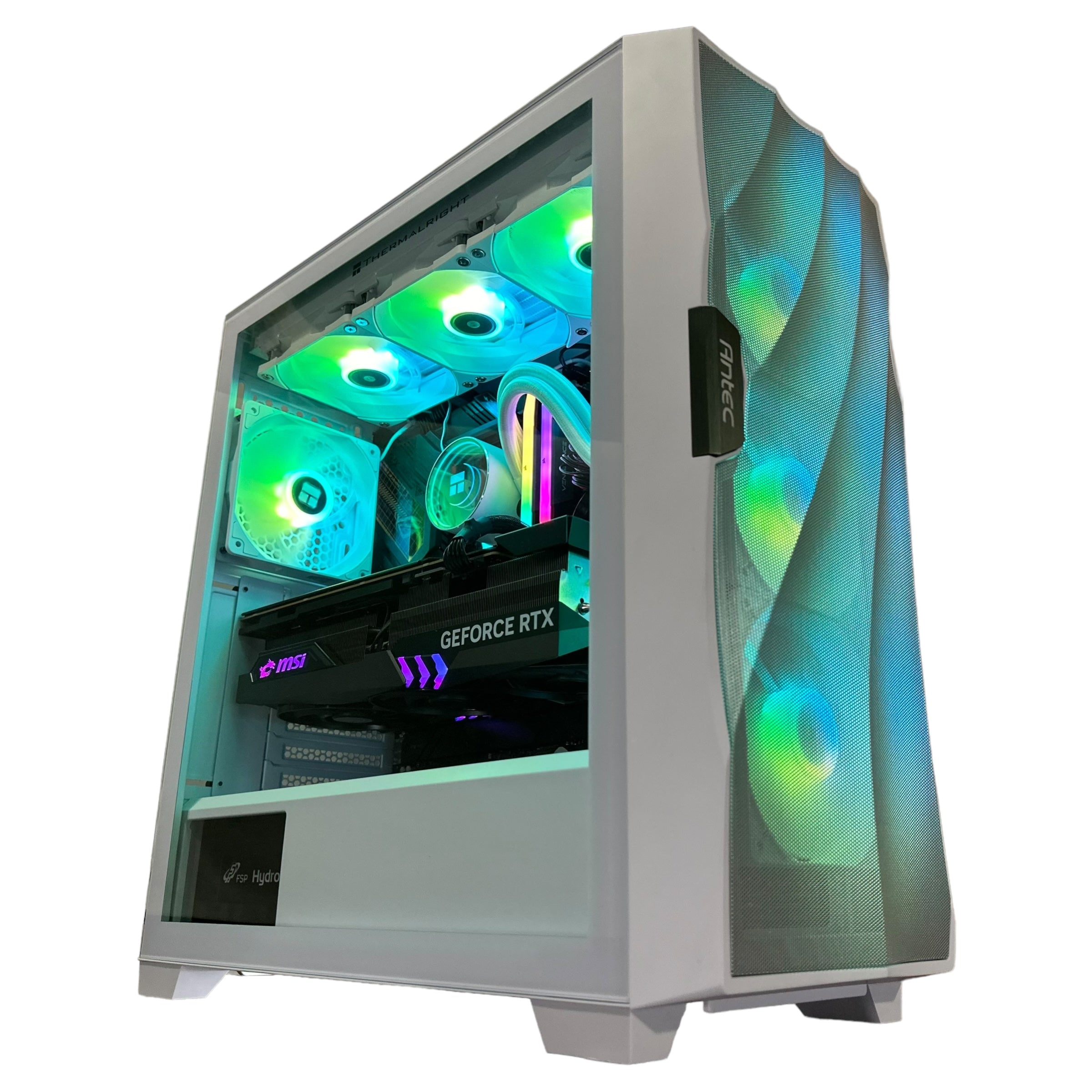
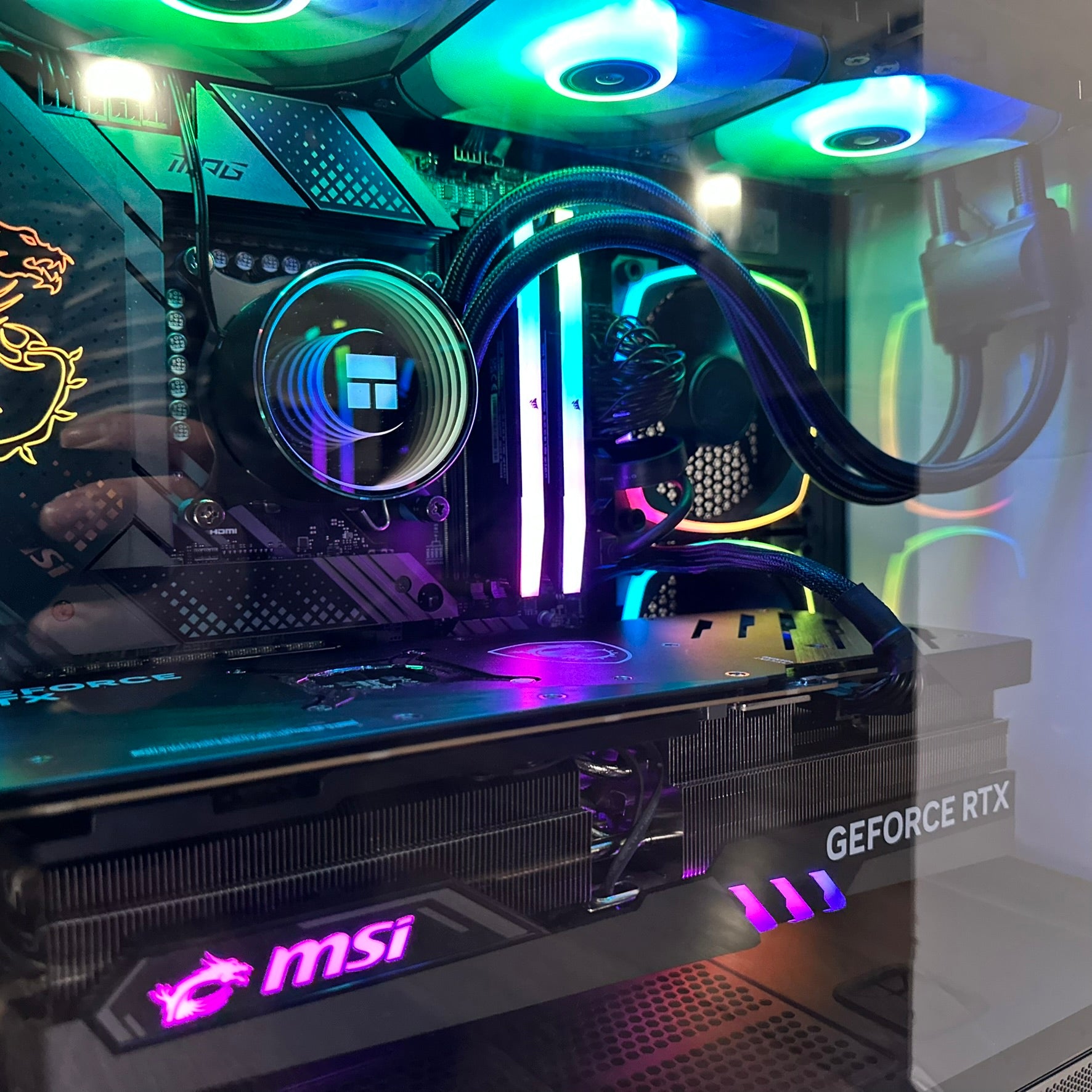
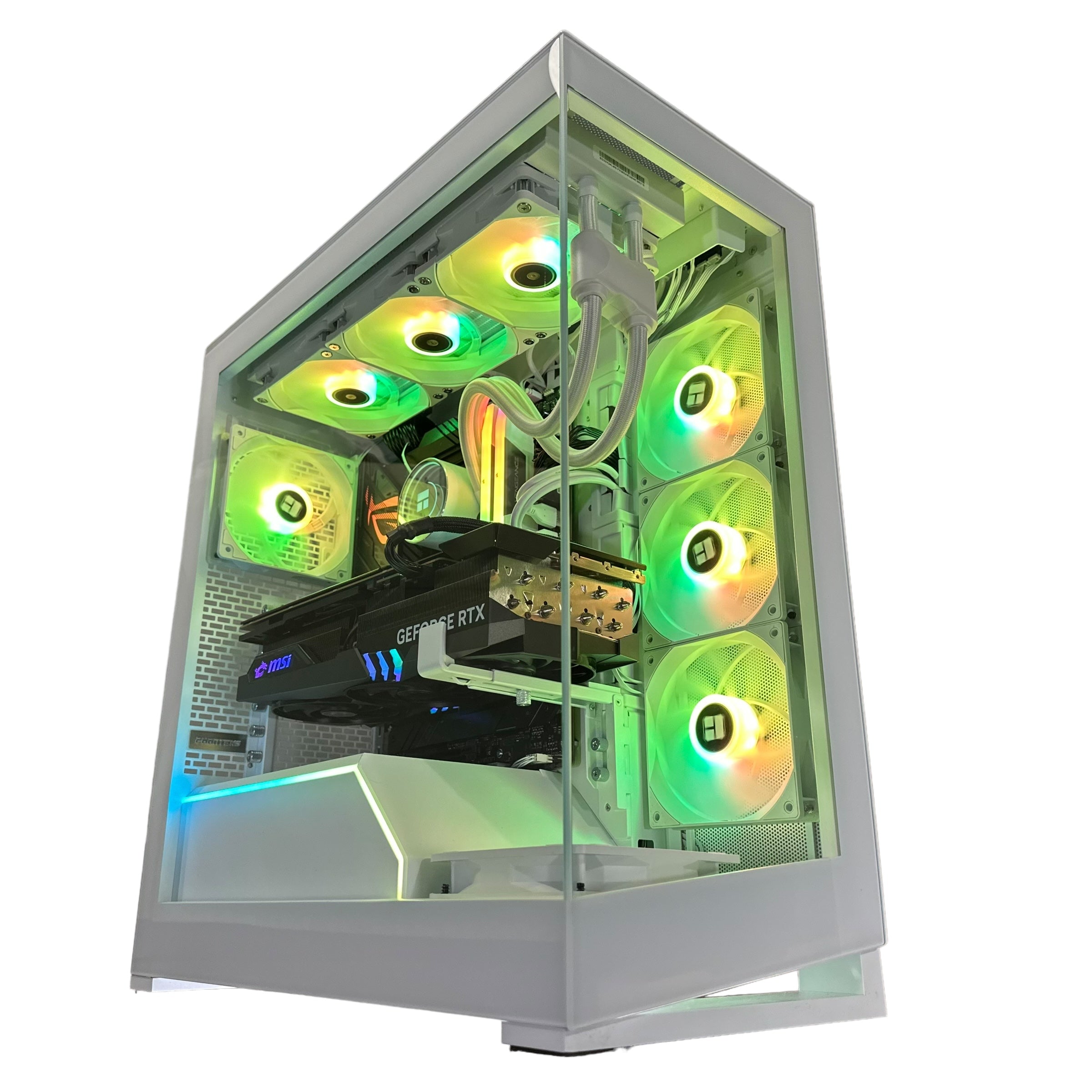
At Groovy Computers, the advantage is not just access to custom gaming PCs in Canada. It is the ability to match the build to the buyer. That means cleaner part selection, better system balance, stronger upgrade logic, and a more practical path whether you are buying for AAA gaming, streaming, creator work, or workstation use.
It also means rigorous testing and the confidence of a 1-year warranty, which matters when you are investing in a desktop you expect to depend on. A powerful PC should not just look good on paper. It should be assembled properly, stress tested, and ready to perform consistently.
What questions should you ask before buying your next custom PC?
Before you commit, ask yourself the same questions a good builder would ask.
- What games do I actually play most, and what new releases am I planning around?
- Am I targeting 1080p, 1440p, or 4K?
- Do I care more about frame rate, visuals, or both?
- Will I stream, record, or edit content on this machine?
- Do I use Adobe Creative Cloud, DaVinci Resolve, Blender, or workstation software?
- How long do I want this PC to feel current before I upgrade?
- Would financing a stronger system be smarter than replacing a cheaper one early?
- Do I want help choosing a build instead of guessing from generic specs?
If you can answer those clearly, you are much closer to the right system.
Why Groovy Computers is a strong fit for Canadian buyers right now
Groovy Computers is positioned for the kind of buyer this moment creates: someone who wants performance, guidance, flexibility, and confidence. Whether you need a gaming PC for GTA 6, a custom creator PC, a streaming desktop, or a workstation for editing and 3D work, the goal is the same: get a machine that fits how you actually use it.
Canadian buyers also want trust. They want a builder that understands local buying realities, supports custom configurations, and offers systems that are tested rather than thrown together. They want a path to better performance without feeling pushed into the wrong tier. They want help choosing between budget, mid-range, and premium options. They want to know that if they finance, they are financing something worth owning.
That is why the right next step is not guessing from headlines. It is visiting GroovyComputers.ca and comparing what you want your next desktop to do. Need a balanced gaming machine? Want a stronger RTX-ready system? Need a custom creator PC or workstation build? Want to talk through whether now is the right time to buy? Start there.
Final takeaway: do not build your whole plan around one date
The GTA 6 release date delay discussion is important because it highlights uncertainty around even the biggest game launches. But for PC buyers, the bigger lesson is this: your hardware decision should be based on capability, timing, and value, not just one publisher calendar entry.
If your current desktop is already struggling, if you want to be ready for the next wave of AAA games, or if you need a system that also supports streaming, editing, design, and creator work, then waiting without a plan can be the most expensive choice of all. A custom gaming PC for GTA 6 should really be a custom system for everything you want to do next.
So what do you want your next PC to handle? What performance tier makes the most sense for your monitor, your games, your software, and your budget? And if a better system today could save you from upgrading again too soon, would it make sense to explore a custom build or financing option now? If those questions are already on your mind, Groovy Computers is where Canadian buyers can turn those questions into the right desktop.
#GamingPCForGTA6 #GamingPCCanada #CustomGamingPCCanada #GamingPCBuilderCanada #CanadianCustomPCBuilders #FutureProofGamingPC #StreamingPCCanada #CreatorPCCanada #VideoEditingPCCanada #3DModelingPCCanada #GamingPCFinancingCanada #NovaScotiaPCBuilder
Groovy Computers | All Rights Reserved


Leave a comment
This site is protected by hCaptcha and the hCaptcha Privacy Policy and Terms of Service apply.