





Fix mds_stores on Mac Using Excess Memory & CPU: A Practical Canadian Guide from Groovy Computers
Fixing mds_stores on Mac using excess memory and CPU matters because when Spotlight indexing goes off the rails, a fast Mac can suddenly feel slow, hot, noisy, and frustrating to use. For Canadian users relying on their Mac for work, school, content creation, or everyday productivity, this issue can look severe in Activity Monitor, with mds_stores consuming massive RAM, aggressive swap, and high CPU usage. The good news is that the problem is usually manageable, and in many cases the cleanest path back to normal performance is much simpler than the internet often makes it sound.
At Groovy Computers, we build and support performance systems for customers across Canada, so we pay close attention to the real-world causes of slowdowns, background-process spikes, memory pressure, and storage-related bottlenecks. While our core focus is custom PCs, gaming systems, and workstation builds, we also know many customers use Macs alongside desktop rigs for editing, office work, and mobile workflows. That makes practical troubleshooting advice valuable, especially when a common background process suddenly starts behaving like a runaway resource hog.
What mds_stores Is and Why It Uses System Resources
mds_stores is part of Spotlight, the built-in search system in macOS. Spotlight does much more than search file names. It indexes metadata, app information, file contents, media attributes, and other searchable information so your Mac can return results quickly. That means mds_stores is not random, suspicious, or necessarily harmful. It is a normal background process involved in maintaining the search database that powers Spotlight.
Under ordinary conditions, mds_stores works quietly in the background and uses modest resources. It may become more active after a macOS update, after restoring from backup, after moving a large number of files, after connecting external drives, or after changing large folders of photos, videos, archives, and documents. During those periods, indexing activity can temporarily increase CPU or memory usage.
The problem begins when temporary activity turns into prolonged, abnormal behaviour. In those cases, mds_stores may consume far more CPU and memory than expected, sometimes reaching levels that make the Mac sluggish, increase swap usage dramatically, and create noticeable heat. If your system feels like it has slowed to a crawl and Activity Monitor shows mds_stores using an outsized share of resources, the process is no longer behaving normally.
How to Tell When mds_stores Has Gone Haywire
There is a difference between healthy indexing and a Spotlight process that is clearly stuck or malfunctioning. Short bursts of activity are normal. What is not normal is sustained high usage that continues long after the Mac should have settled down.
- CPU remains pinned or unusually high for long periods without obvious reason.
- Memory use climbs into many gigabytes and keeps growing.
- Swap usage increases heavily, even on a machine with otherwise adequate RAM.
- The Mac becomes sluggish when switching apps, opening files, or browsing the web.
- The machine runs hot or fans ramp up persistently.
- Battery life drops quickly on MacBook models.
When these symptoms show up together, the issue is no longer just background indexing doing its job. It is a troubleshooting scenario.
What the Source Gets Right About Fixing mds_stores on Mac Using Excess Memory and CPU
The source material gets the core diagnosis right: mds_stores is closely tied to Spotlight indexing, and one of the most effective solutions is a straightforward restart. That advice can sound almost too simple, but it is often the best fix because it gracefully stops the process, clears temporary states and caches, and allows Spotlight to restart indexing cleanly after boot.
The source also correctly warns against overcomplicating the issue. Many users are pushed toward terminal-heavy advice that disables Spotlight indexing, re-enables it, targets specific volumes, or runs commands they do not fully understand. While command-line methods may occasionally help in advanced cases, they are often presented as universal solutions when they are not. For many everyday users, those steps create more confusion than results.
Another strong point from the source is the distinction between a temporary fix and a real fix. Force quitting mds_stores can give immediate relief if your Mac is nearly unusable, but because the process is part of a core system service, it will usually relaunch. If the underlying indexing issue remains, high memory and CPU consumption may return.
The Best First Fix: Restart the Mac
If you need the most reliable and least invasive solution, restart the Mac. This is the first recommendation because it addresses the process cleanly and gives macOS a fresh chance to rebuild or continue Spotlight activity in a healthier state.
- Save your work.
- Close apps if possible.
- Open the Apple menu.
- Choose Restart.
- Let the Mac reboot fully and then monitor Activity Monitor again.
After restart, give the system some time. Spotlight may need to resume indexing, especially if you recently updated macOS, moved files, attached a drive, or restored content. The important difference is that normal indexing should gradually stabilize rather than continue spiraling upward in CPU and memory usage.
If your Mac has not been updated in some time, applying the latest suitable macOS update can also be worthwhile. If the issue is tied to a bug in Spotlight or indexing services, system updates may improve stability.
Temporary Relief: Force Quit mds_stores If You Cannot Reboot Yet
If you are in the middle of work and cannot restart immediately, a force quit can help restore responsiveness long enough to save files, finish a task, or prepare for a proper reboot.
- Open Activity Monitor.
- Search for mds_stores.
- Select the process.
- Click the stop button and choose Force Quit.
This may temporarily reduce CPU load and free some memory pressure. However, it is important to understand what this step is not. It is not a guaranteed permanent fix. Spotlight services tend to relaunch, and if the root cause persists, the same runaway behaviour may return.
That is why the better workflow is simple: use force quit only if necessary, then save your work and restart the Mac as soon as practical.
A More User-Friendly Spotlight Refresh
The source mentions a Finder setting trick that can restart Spotlight more gracefully than some command-line approaches. For users who want a simple GUI-based step after force quitting the process, this method may help refresh Spotlight services without diving into Terminal.
- Open Finder.
- Go to Finder Settings.
- Select Advanced.
- Toggle Show file name extensions off.
- Wait a few seconds.
- Toggle it back on.
This is still not a substitute for restarting the Mac when the system has already suffered severe memory pressure or sustained swap. It is better viewed as a helpful intermediate step, not the final answer.
What Not to Do First
When searching for solutions, users often run into dramatic fixes that suggest disabling Spotlight indexing, deleting caches manually, or using terminal commands against specific paths and drives. These approaches are not always wrong, but they are often overused, copied without context, and risky for users who just want their Mac stable again.
Avoid treating terminal commands as the first line of defence unless you clearly understand what they do and why you are using them. In everyday cases, restarting the Mac is cleaner, faster, and less likely to create side effects.
It is also wise to avoid repeatedly force quitting mds_stores every time it restarts. If the process is continually returning to high usage, repeated intervention without a reboot just prolongs the issue.
Why mds_stores Can Suddenly Spike CPU and Memory
Spotlight indexing is complex. Modern macOS search features are broad, and the indexing system touches a lot of the file system. A spike can be triggered by many conditions, including:
- Large file transfers or migrations
- Major app installations or removals
- macOS updates
- Restoring from Time Machine or another backup
- Connecting external drives with lots of content
- Corrupted metadata in certain files
- Third-party software interacting badly with the file system
- General Spotlight or macOS bugs
Sometimes the cause is obvious. Sometimes it is not. The source fairly describes some cases as effectively idiopathic, meaning there is no clear user action that explains why Spotlight suddenly went wrong. That uncertainty is frustrating, but it does not change the practical troubleshooting order: reduce the immediate strain, then restart cleanly.
How to Check Whether the Problem Is Really mds_stores
Before blaming Spotlight alone, confirm what Activity Monitor shows. Look at the CPU and Memory tabs and sort by usage. If mds_stores is the top offender, that confirms the focus. If related processes such as mds, mdworker, or other indexing-related tasks are also elevated, that further supports a Spotlight indexing problem.
Pay attention to memory pressure as well, not just raw RAM numbers. A modern system can use memory aggressively in normal ways, but when pressure rises and swap grows heavily, the user experience often drops quickly. That is especially true on systems already working with many open apps, browser tabs, cloud sync tools, and media projects.
When to Simply Wait It Out
Not every burst of mds_stores activity needs intervention. If you just updated macOS, restored files, or imported a large media library, indexing may legitimately take time. In that situation, letting the process finish can be the correct move.
The key is proportion and duration. If usage is elevated but trending downward and the Mac remains usable, waiting is reasonable. If usage is extreme, the system is swapping heavily, and normal tasks become painful, a restart becomes the more practical response.
Additional Sensible Steps After Restart
If restarting improves things but the issue returns later, a few sensible checks can help narrow down the trigger without turning the problem into a terminal project.
- Disconnect unnecessary external drives and see whether indexing calms down.
- Review recently added software, especially file utilities, sync apps, antivirus tools, and system cleaners.
- Make sure macOS is updated to the latest version appropriate for your machine.
- Leave the Mac plugged in for a while so indexing can complete without battery-saving interruptions.
- Restart after major file migrations if the system remains sluggish for an unusual amount of time.
If a specific external drive repeatedly triggers abnormal indexing behaviour, the issue may be related to that volume rather than your internal storage alone.
Why This Matters for Performance-Oriented Workflows
High CPU and memory usage from mds_stores does not just affect casual use. It can disrupt real work. Editors may see timeline playback stutter. Designers may notice lag when switching apps. Remote workers may deal with slow calls and browser instability. Students may struggle with dozens of tabs and documents open at once. The impact is especially obvious on systems already under load.
This is one reason Groovy Computers emphasizes balanced hardware and real-world stability in every build. Whether the machine is a gaming desktop, a streaming system, or a computer system for video editing, background tasks still exist. Stable thermals, enough memory, fast NVMe storage, and proper validation all matter because they reduce the chance that ordinary background activity becomes a workflow-breaking event.
Why Many Canadian Users Start Looking Beyond a Single-Device Workflow
A runaway macOS background process is a reminder that no single system should be expected to do everything under all conditions without trade-offs. Many Canadian buyers use a Mac laptop for portability and pair it with a stronger desktop for gaming, rendering, streaming, or production workloads. That setup makes sense because each machine can focus on what it does best.
For users who are regularly hitting memory pressure, background indexing interruptions, thermal limits, or storage constraints, a dedicated desktop often becomes the smarter long-term move. A purpose-built PC can be configured for high refresh rate gaming, content creation, streaming, or heavy multitasking without the same constraints as a thin mobile device.
Where Groovy Computers Fits In for Canadian Buyers
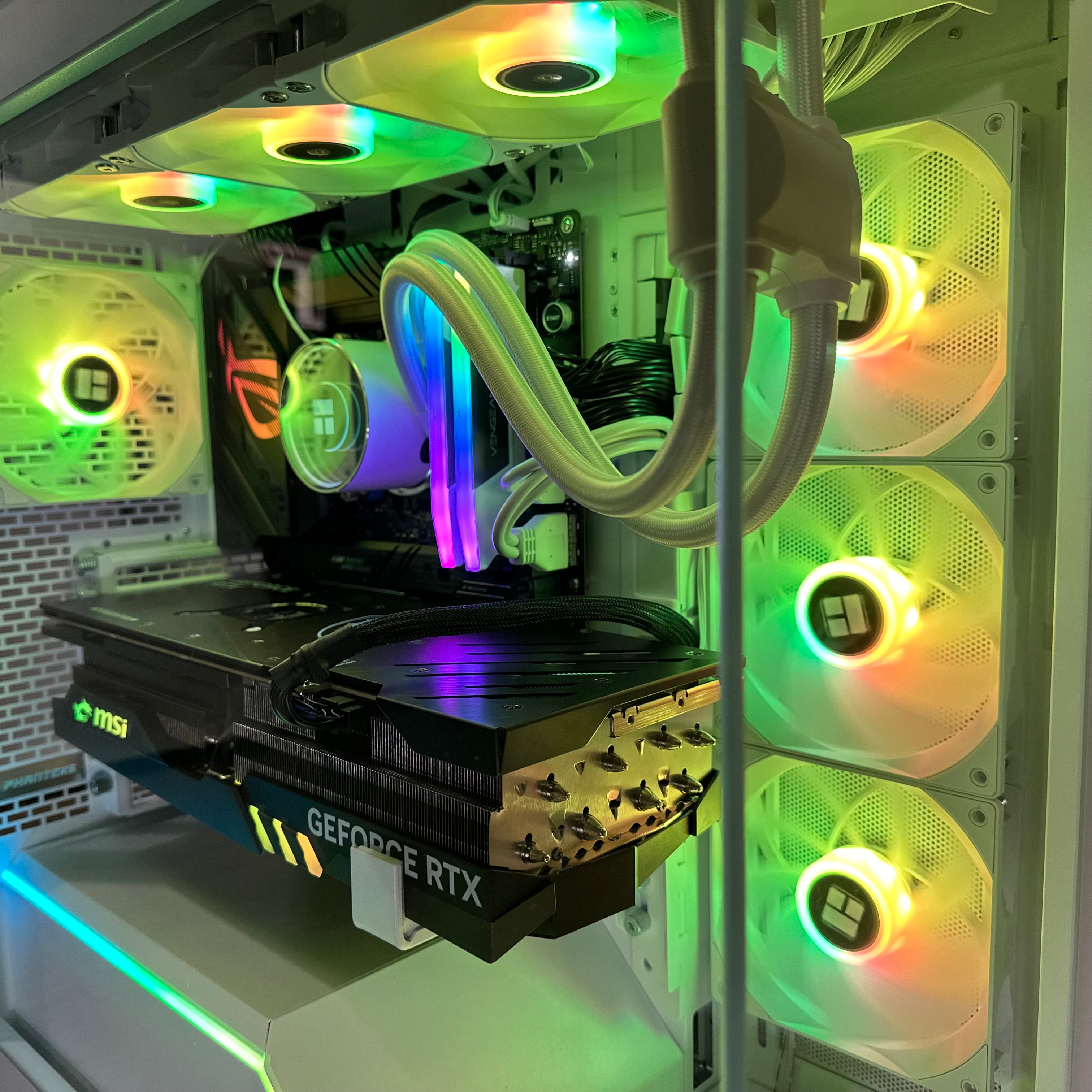
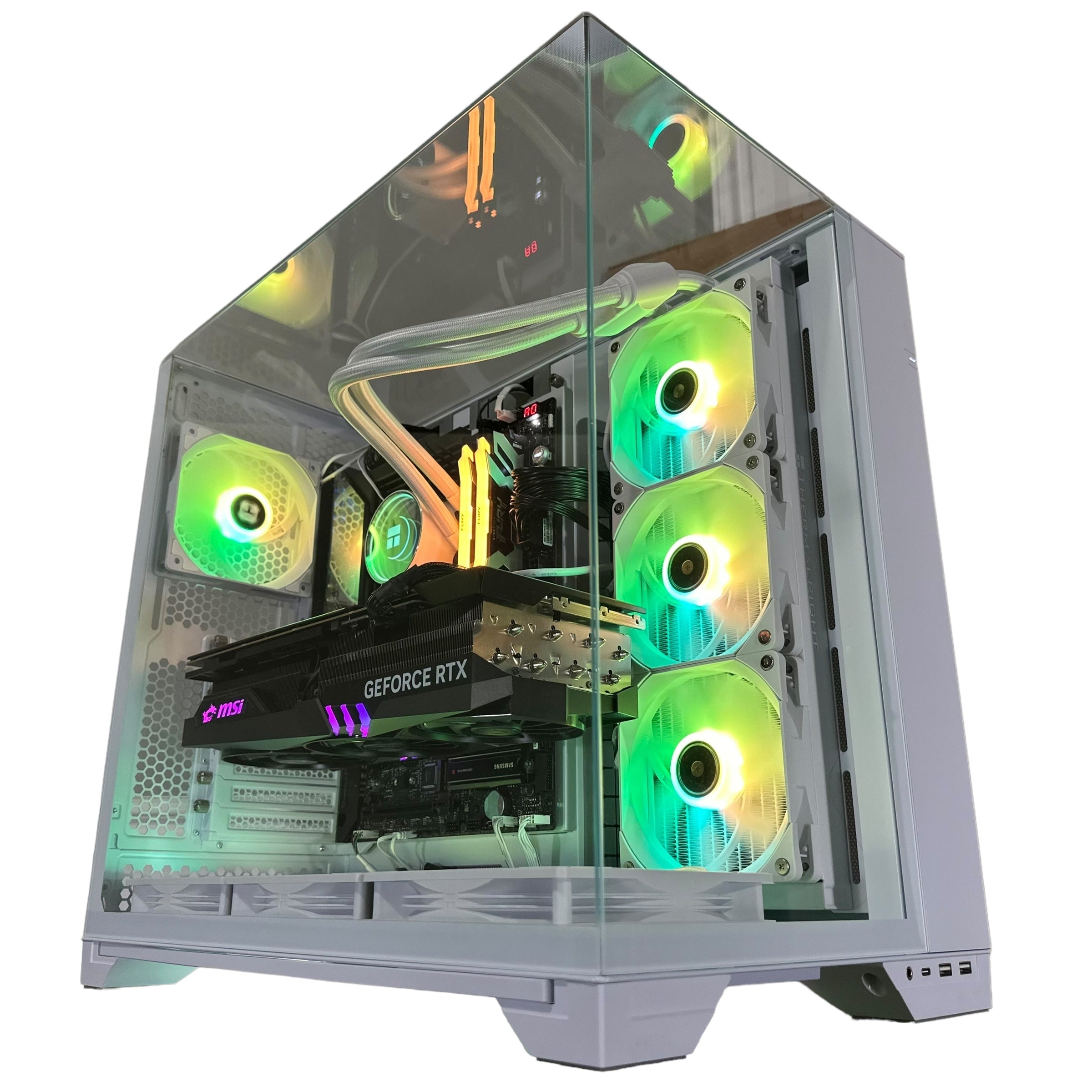
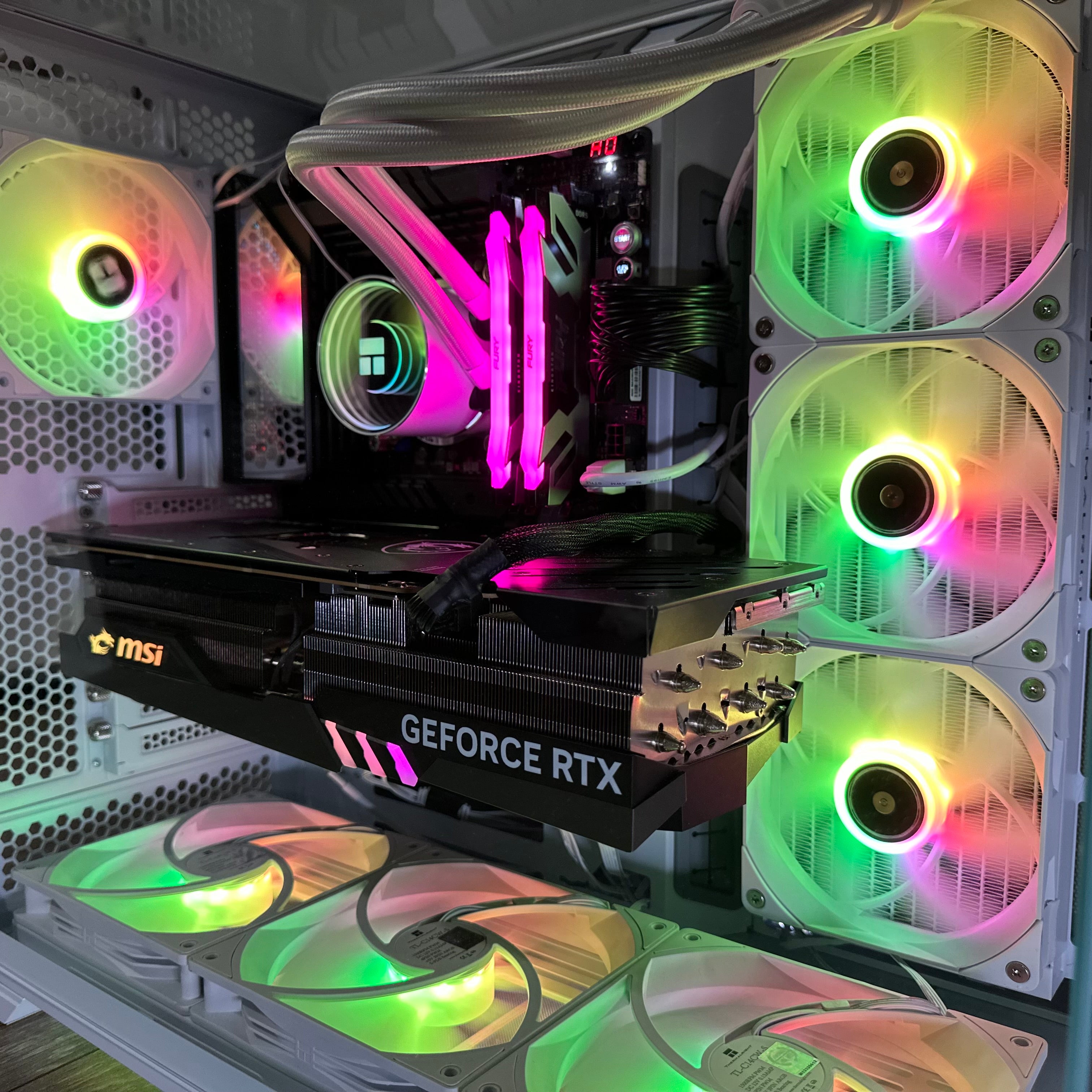
Groovy Computers is a Canadian custom builder focused on performance, value, and practical system design. That means we do not treat hardware as a generic shelf product. We build around the way customers actually use their systems, whether that means competitive gaming, AAA single-player titles, streaming, editing, design work, or a mixed-use setup that complements an existing Mac.
For buyers who need a desktop that can absorb heavy workloads without constant compromises, our approach is simple: match the CPU, GPU, memory, storage, cooling, and case airflow to the intended use case. That matters far more than buying a one-size-fits-all machine and hoping it behaves well under pressure.
Canadian customers searching for Gaming PC Financing Canada, Finance Gaming PC Canada, Buy Gaming Computer Canada, and Gaming PC Builds Canada are usually not just looking for raw parts. They are looking for confidence. They want a machine that is built properly, tested thoroughly, supported locally, and covered by a clear warranty. That is the difference a dedicated builder brings.
Custom PCs Make More Sense When Reliability Matters
One of the lessons from troubleshooting any system issue is that stability matters as much as speed. A powerful desktop is only as good as its component balance, cooling, cable management, firmware setup, and validation process. That is why Groovy Computers emphasizes custom builds, rigorous testing, and a 1-year warranty. Those details matter when the machine is expected to perform day after day under real workloads.
For gaming buyers, that can mean choosing between an RTX 4080 PC, an RTX 5080 16GB class build, or a top-end RTX 5090 Gaming PC depending on target resolution, refresh rate, and game library. For productivity users, it can mean selecting more RAM, faster scratch storage, and the right processor platform for editing, streaming, and multitasking. For hybrid users coming from a Mac environment, it can mean creating a desktop that handles the heavy lifting while the laptop remains the mobile companion.
Canadian Buying Context: Why Local Support Still Matters
Buying a performance system in Canada is not just about specs on a product page. It is about support, shipping, availability, and practical service after the sale. Buyers in Ontario, Atlantic Canada, British Columbia, and beyond all benefit from dealing with a Canadian company that understands domestic shipping realities, customer expectations, and the value of responsive communication.
Searches for Gaming Computers Toronto, Gaming Computers Ontario, Gaming Computers Vancouver, Gaming Computers Nova Scotia, Gaming Computers New Glasgow, Gaming Computers Trenton, and even Computer Stores Victoria BC Canada all point to the same buyer intent: Canadians want trustworthy access to quality systems without guesswork. Groovy Computers serves that need with custom-built solutions rather than generic boxes.
Performance Tiers for Buyers Upgrading from a Mac-Centric Setup
Not every customer needs the same desktop. The right system depends on the work and play it needs to handle. A few broad categories help simplify the decision.
Entry and Value-Focused Performance
Buyers moving from casual Mac use into PC gaming or light creation often benefit from a balanced mid-range build. This is where a Budget Gaming Computer Canada search becomes practical rather than price-only. A well-configured value build can handle esports, mainstream gaming, school work, web-heavy multitasking, and light editing better than a poorly chosen bargain system.
This tier can also appeal to buyers looking for an Economical Gaming PC or those comparing against a Refurbished Gaming PC Canada option. The advantage of a fresh custom build is predictability, modern platform support, cleaner upgrade paths, and warranty confidence.
Mainstream Enthusiast Performance
This is the sweet spot for many gamers and creators. A modern CPU with strong gaming throughput, fast SSD storage, healthy RAM capacity, and a capable GPU creates an excellent all-around experience for 1440p gaming, streaming, and creator work. This is where options such as RTX 4070 Ti Canada, RTX 4080 PC, or a tuned Ryzen 7000 Gaming PC can make strong sense depending on the target workload.
This performance class is ideal for buyers who want enough overhead for gaming and content creation without jumping immediately into flagship pricing.
High-End and Flagship Systems
Premium buyers targeting top-tier 4K gaming, high refresh rates, advanced ray tracing, heavy editing workloads, or long-term headroom often look higher up the stack. This is where a RTX 5090 32GB equipped system, a premium i9 Gaming PC Canada configuration, or a Ryzen V-Cache Gaming PC build becomes relevant.
These systems are not just for gamers. They also make sense for users needing Computers for Streaming Canada, a Computer System for Video Editing, or a Good Desktop for Photo Editing with strong multitasking capability and fast project handling.
Why Financing Changes the Decision for Many Buyers
While the source article is about fixing a Mac process, the broader buying lesson is about reducing friction when your current machine is no longer delivering the experience you need. For many Canadian customers, financing is what makes the move from frustration to solution realistic.
Gaming PC Financing Canada is not just about stretching a purchase. It is about securing the right system now instead of settling for the wrong one and replacing it later at a higher total cost. When component pricing shifts, inventory tightens, or demand spikes around major game releases and seasonal buying cycles, waiting can become more expensive than acting.
That is why the option to Finance Gaming PC Canada through a structured payment plan matters. Rather than compromise on CPU, GPU, RAM, or storage today and regret it later, buyers can step into a better-balanced build immediately. With financing available up to 4 years, the monthly cost can become far more manageable while preserving access to stronger hardware and longer useful life.
Why Waiting Can Cost More Than Upgrading Now
Component pricing does not move in a perfectly stable line. GPUs, memory, SSDs, and even supporting parts can all be affected by demand swings, supply constraints, currency pressure, and launch-cycle volatility. If your current machine is already failing to keep up, delaying the purchase often means living with poor performance now and risking a higher replacement cost later.
That matters especially for buyers considering premium builds such as an RTX 5090 Gaming PC, shoppers comparing an RTX 4090 Prebuilt Canada option to a newer custom alternative, or those trying to lock in a capable mainstream system before pricing shifts. The smarter move is usually to buy deliberately, not reactively.
For Canadian buyers, this is even more important because pricing pressure can be amplified by exchange-rate fluctuations and availability differences across the market. A custom system secured at the right time can protect both performance expectations and budget.
Why a Dedicated Desktop Solves More Than One Problem
If mds_stores is the issue that pushed you to look at system performance more seriously, the real decision may go beyond one Mac process. A dedicated desktop can solve several pain points at once:
- More raw performance for gaming and creation
- Better thermal headroom under sustained load
- More RAM capacity for multitasking and production work
- Faster and larger NVMe storage options
- Easier upgrades over time
- More value per dollar for performance-focused use
That is why many customers who arrive looking for troubleshooting advice end up planning a broader hardware upgrade path. The Mac remains useful, but the workload that causes the most friction moves to a desktop built for it.
Why Groovy Computers Is a Strong Fit for Canadian Buyers
Groovy Computers is positioned for customers who want more than a part list. We build for outcomes. That means selecting components that make sense together, validating thermal behaviour, testing for stability, and shipping systems that are ready to perform. It also means supporting Canadian buyers with practical communication and a straightforward 1-year warranty.
Whether you are comparing Canadian Custom PC Builders, looking for reliable PC Builders Canada, shopping for a Gaming PC on Sale Canada, or planning a premium workstation-grade gaming machine, the value is in getting the configuration right the first time. That is especially true when your current system is already costing you time, productivity, or enjoyment.
For customers who want to explore options now, the next step is simple: visit GroovyComputers.ca and review available custom configurations, financing pathways, and system categories built for gaming, streaming, editing, and professional multitasking.
Final Takeaway: Fix the Mac, Then Upgrade Smartly
The immediate fix for mds_stores on Mac using excess memory and CPU is usually straightforward. If indexing is simply active, let it finish. If the process has clearly gone haywire, force quit only as a temporary measure if necessary, then restart the Mac for the cleanest resolution. Avoid overcomplicating the situation unless simpler steps fail.
The larger lesson is practical. System slowdowns have a way of exposing bigger workflow problems. If your Mac is regularly running into memory pressure, thermal strain, or background-process disruptions while your gaming, editing, or streaming needs continue to grow, it may be time to add or upgrade to a dedicated desktop. Groovy Computers gives Canadian buyers a smarter path forward with custom-built systems, rigorous testing, a 1-year warranty, and financing up to 4 years so you can secure the performance you need before pricing conditions get worse.
If you are ready to move beyond patchwork fixes and into a desktop built for serious gaming and creator workloads, Groovy Computers is one of the practical ways to Buy Gaming Computer Canada buyers can trust. From balanced mainstream systems to flagship builds, and from Ontario to Nova Scotia to British Columbia, the right custom PC can turn recurring performance frustration into long-term stability and speed.
#GamingPCFinancingCanada #FinanceGamingPCCanada #BuyGamingComputerCanada #GamingPCBuildsCanada #CanadianCustomPCBuilders #GamingComputersToronto #GamingComputersOntario #RTX5090GamingPC #RTX4080PC #ComputersForStreamingCanada
Groovy Computers | All Rights Reserved


Leave a comment
This site is protected by hCaptcha and the hCaptcha Privacy Policy and Terms of Service apply.