
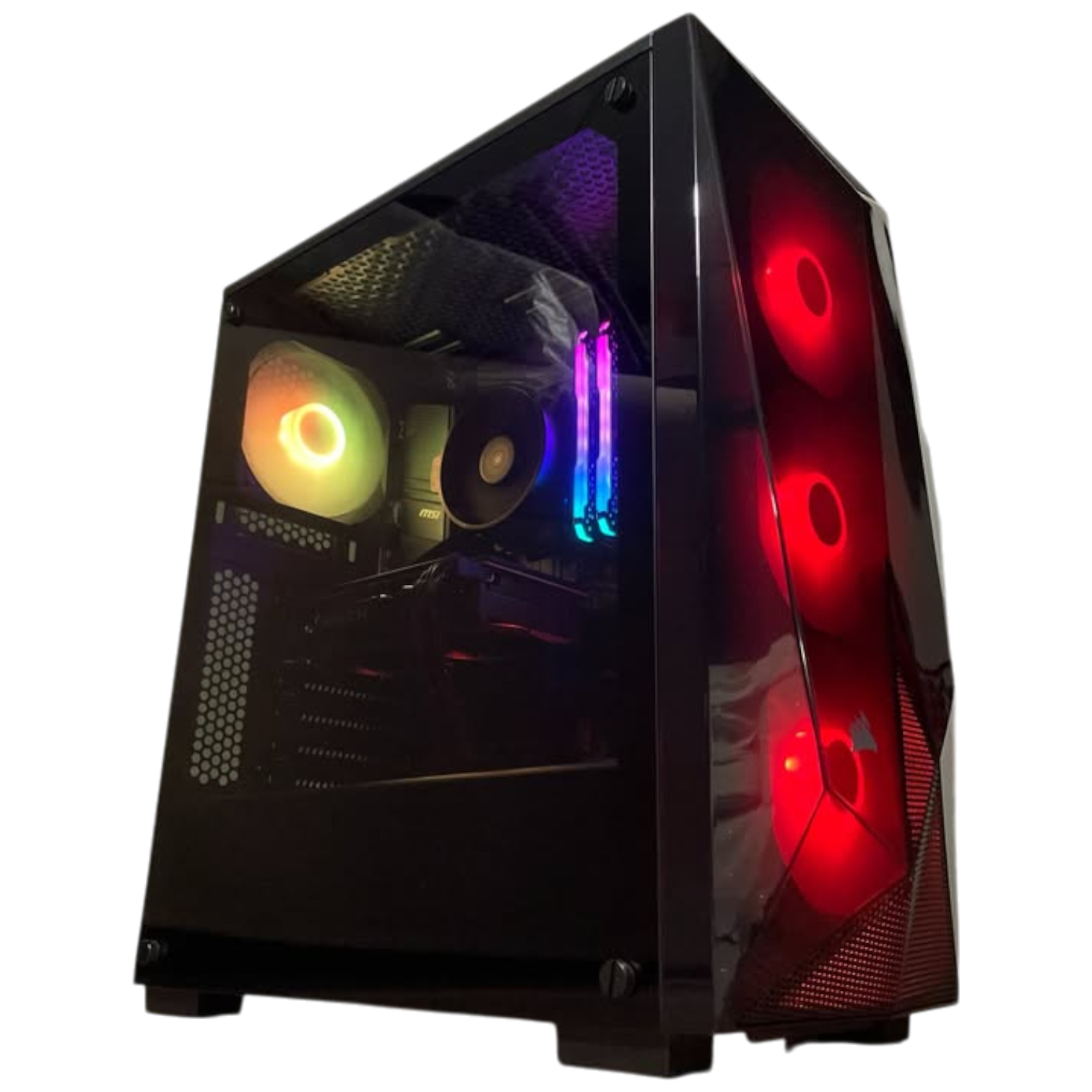
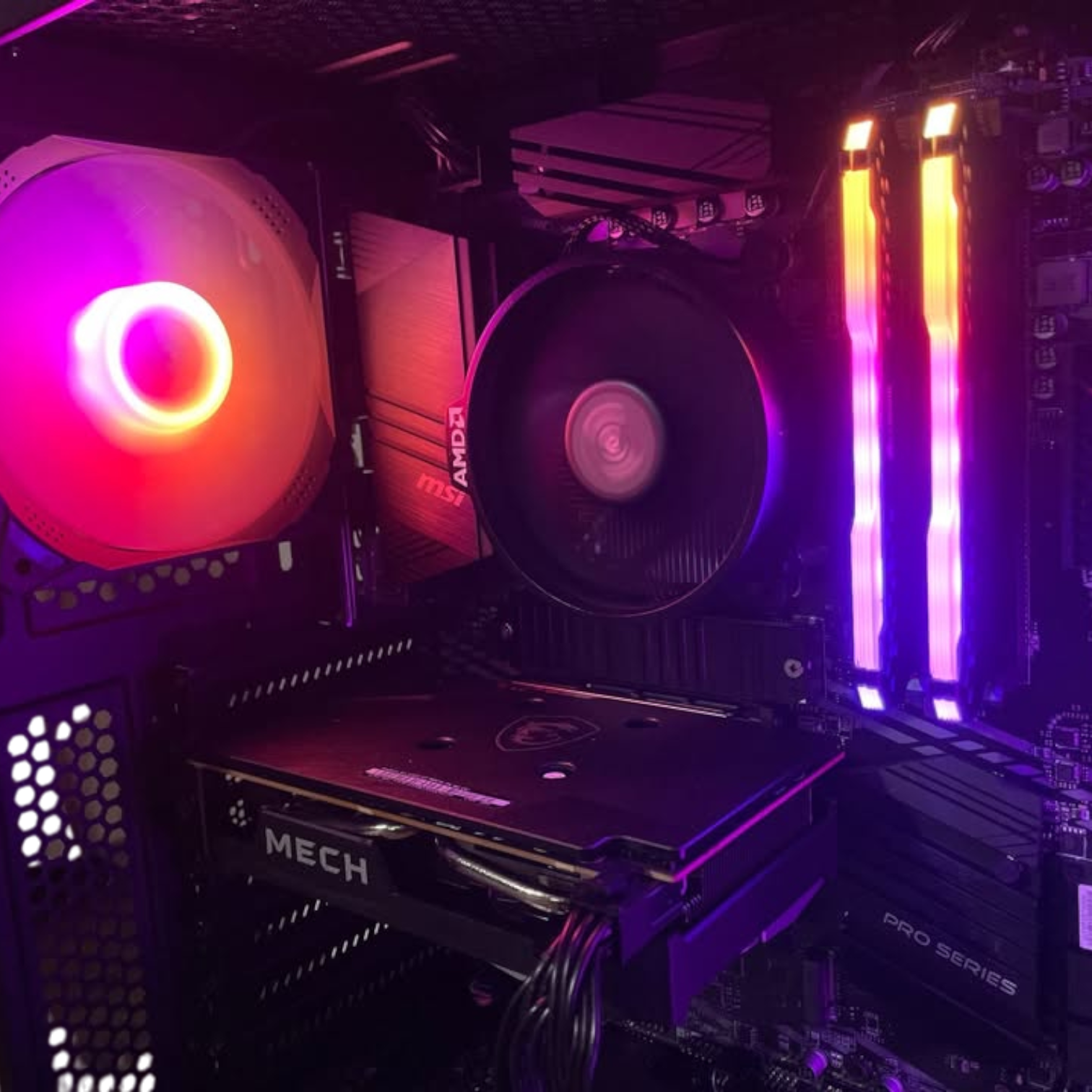
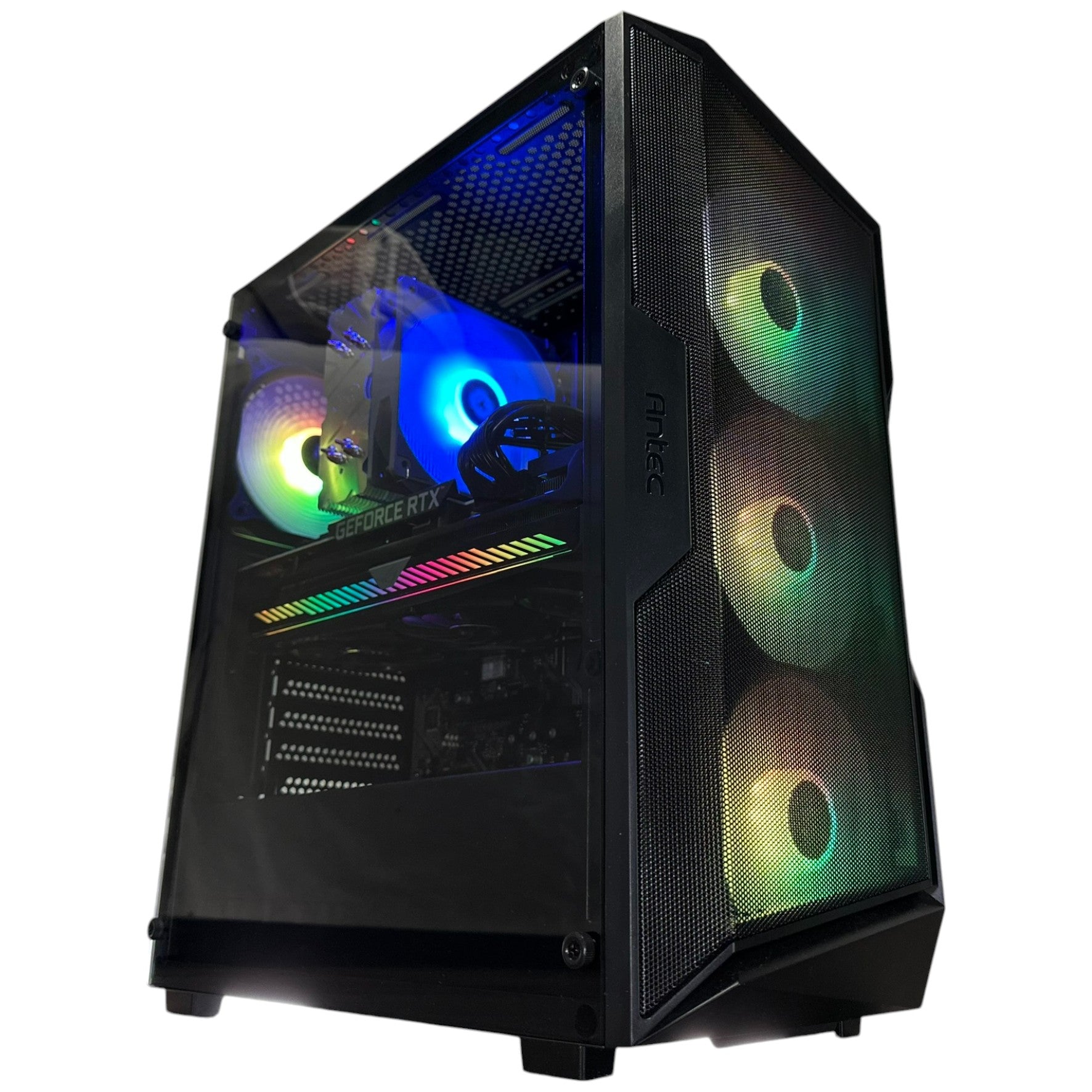
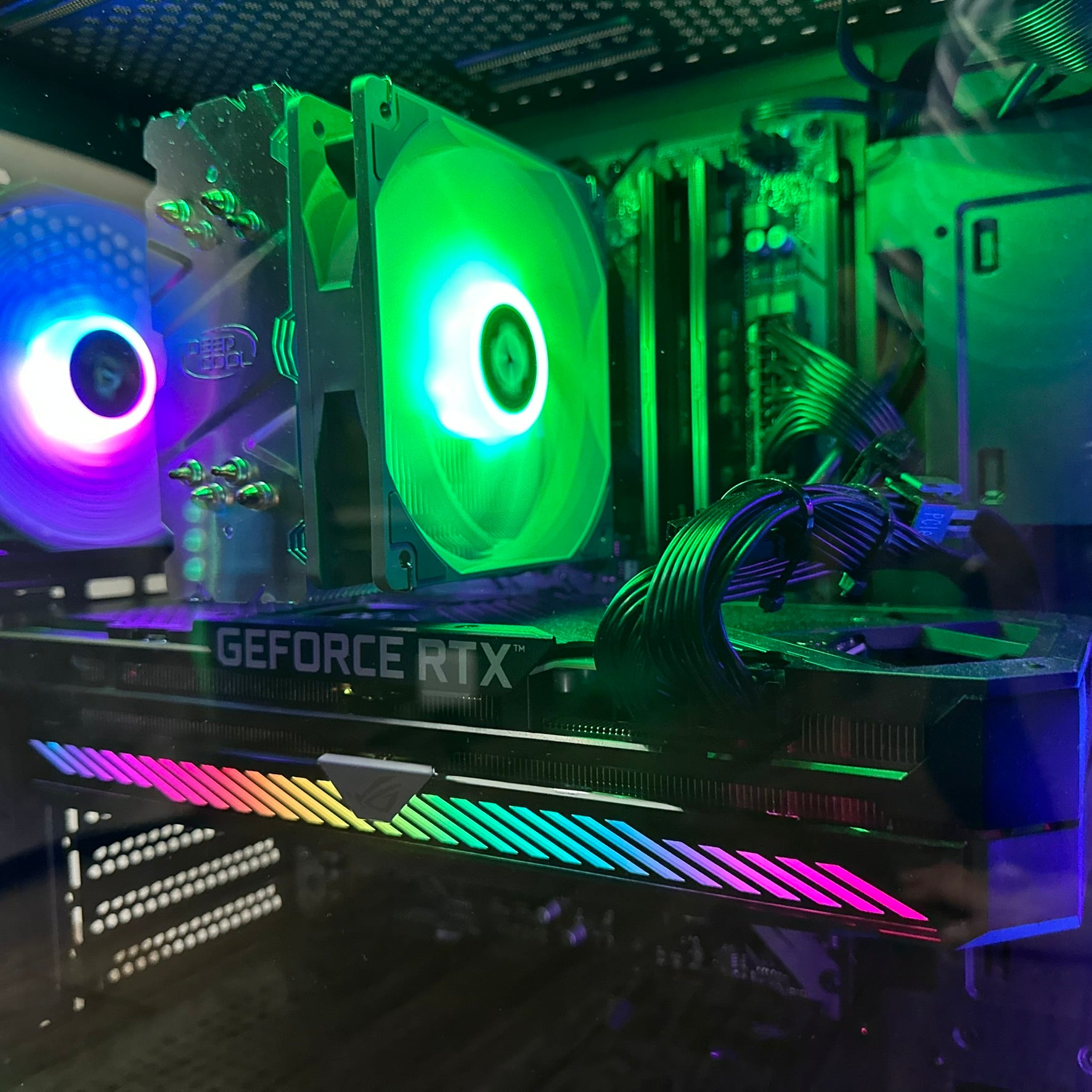


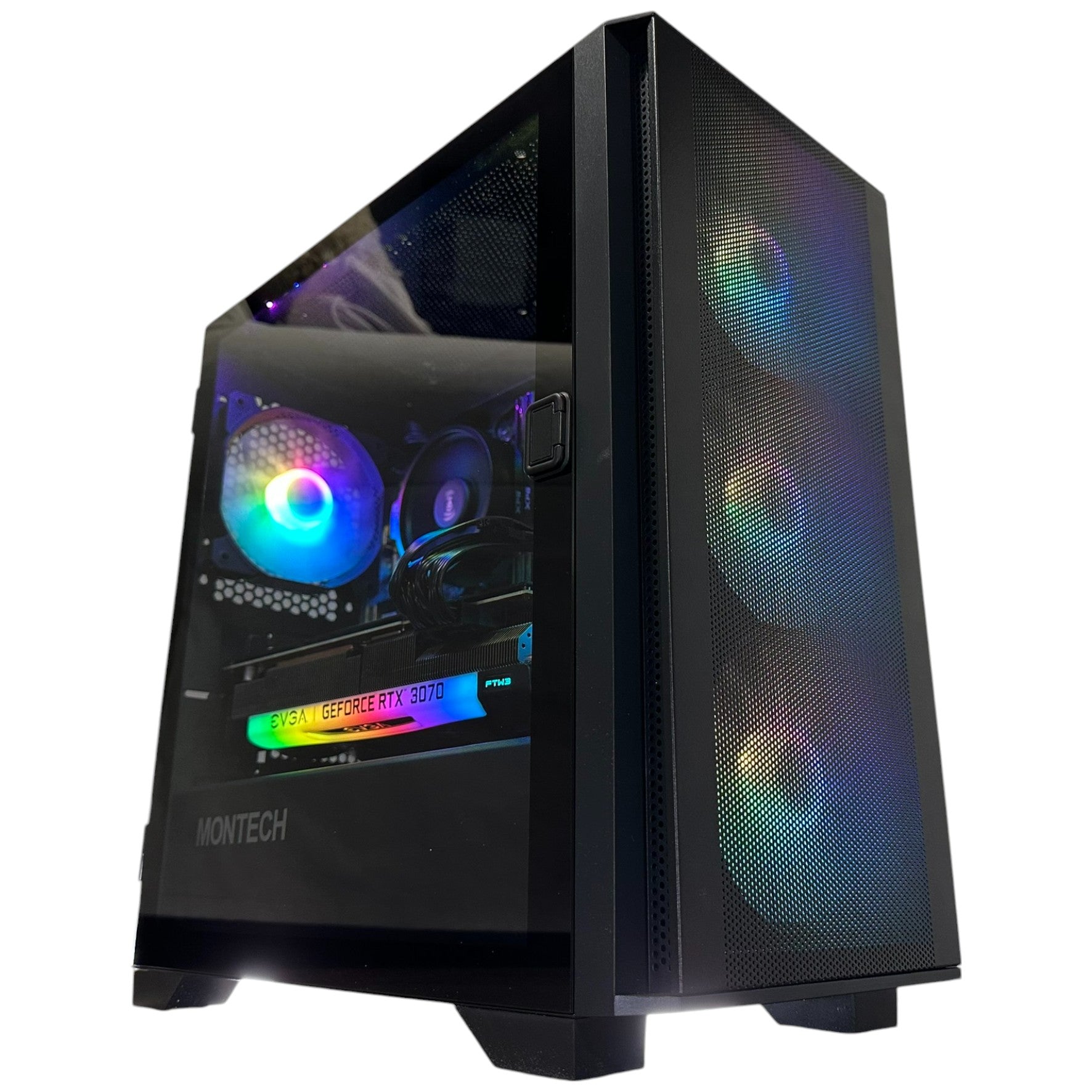
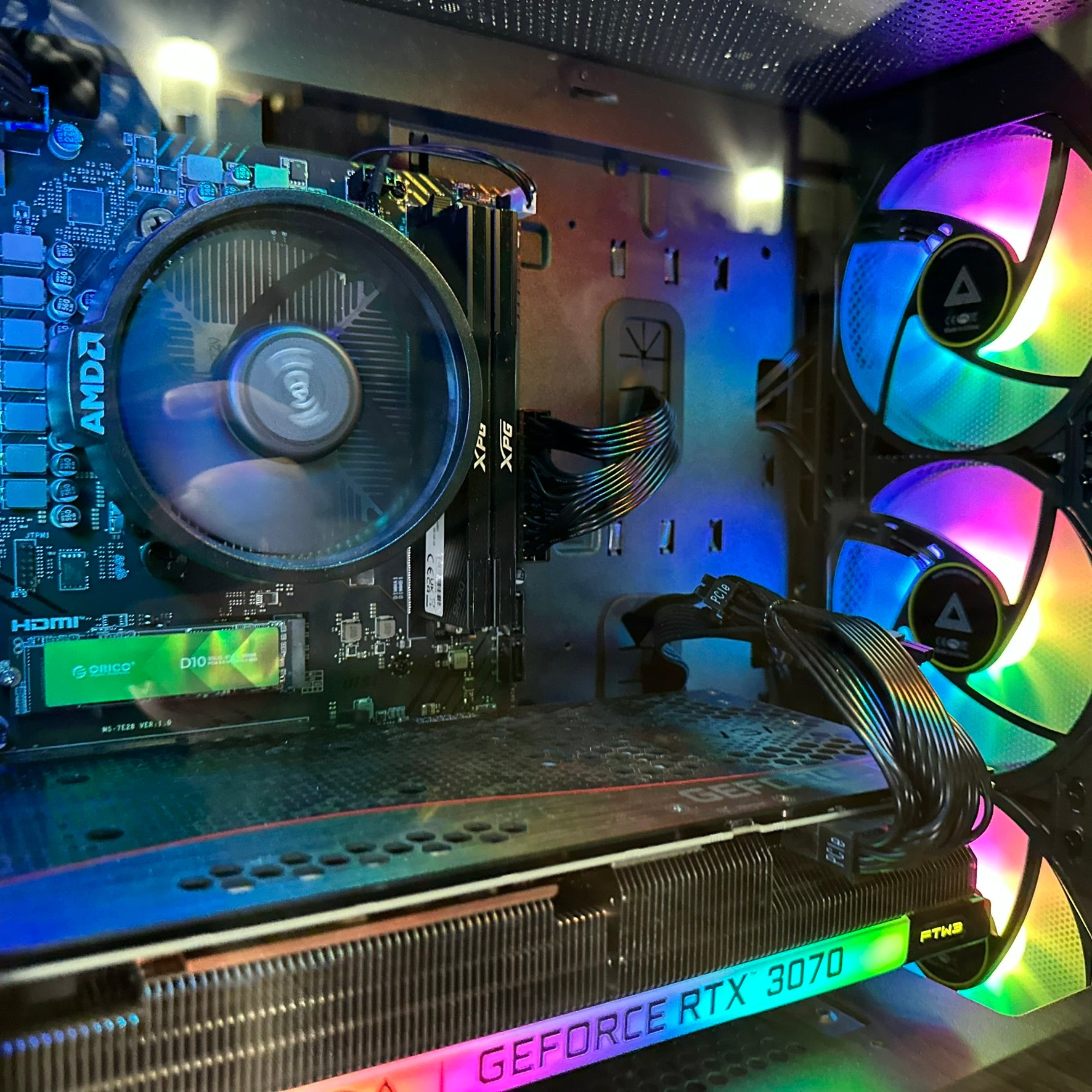
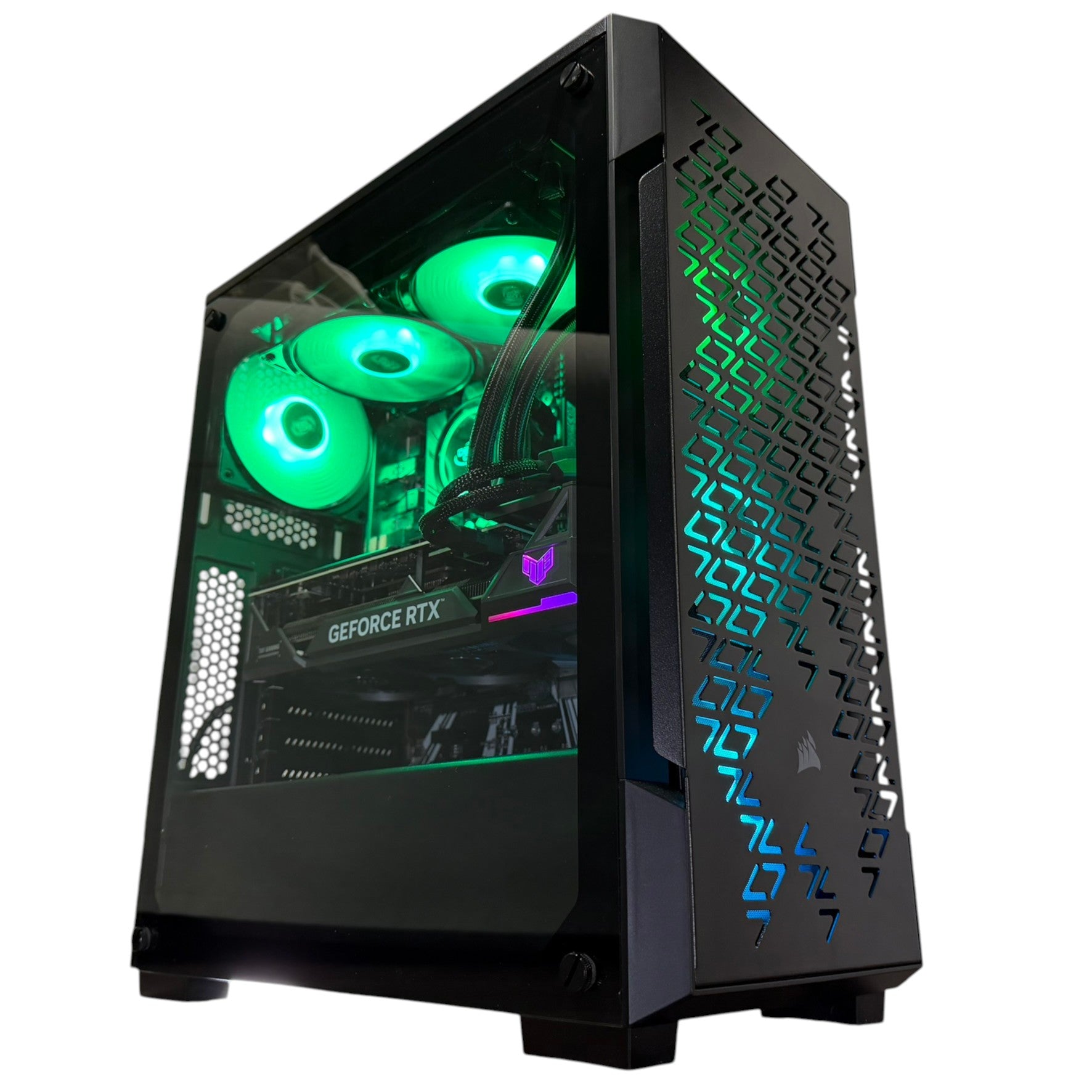

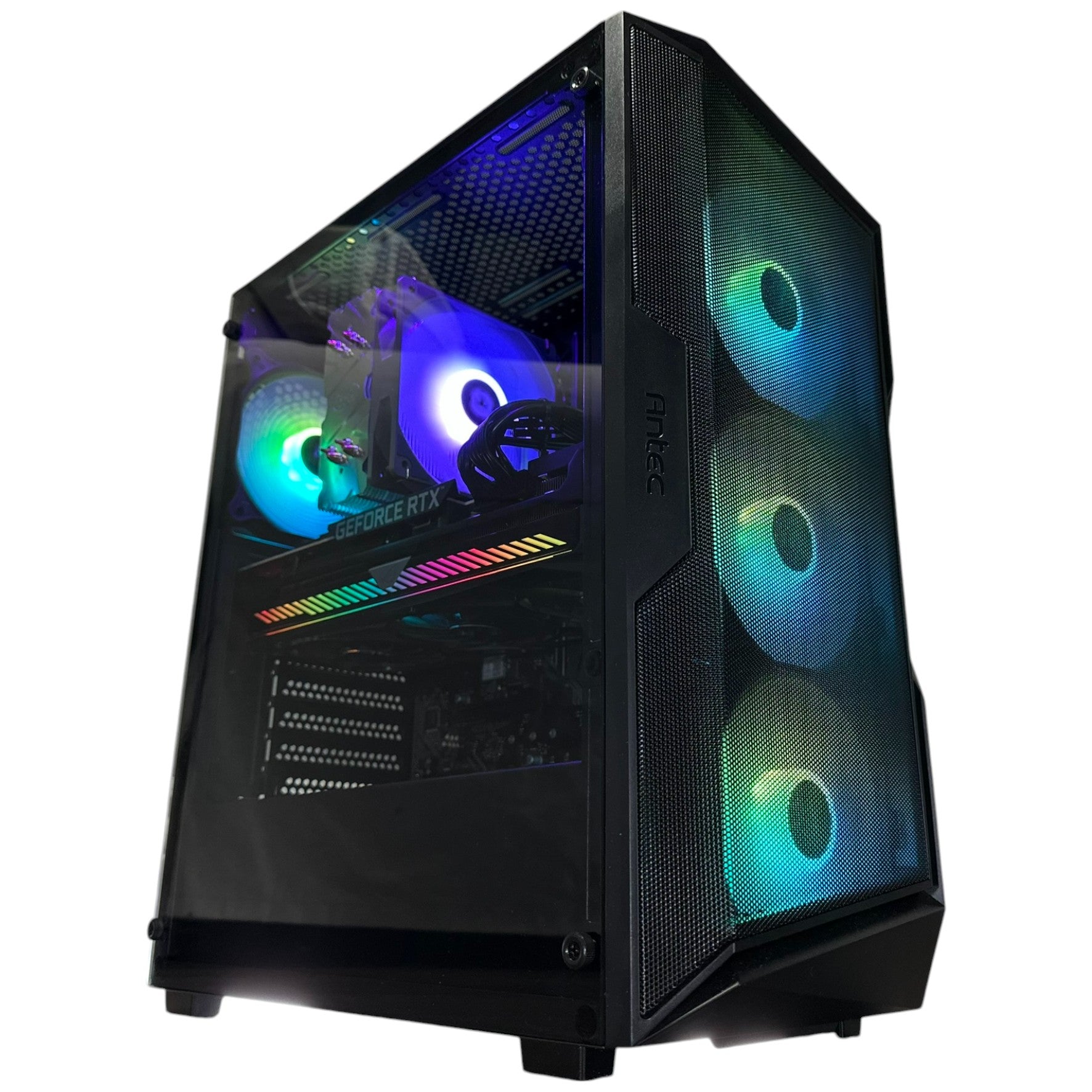


Forza Horizon 6 Series 2 Start Time: What Canadian Players Should Know Before Choosing a Gaming PC for Forza
The Forza Horizon 6 Series 2 start time matters for more than just players waiting to jump into new content. It also signals something bigger for Canadian buyers shopping for a new gaming system: major live-service racing games keep rewarding stronger hardware, smoother frame rates, faster storage, and more reliable performance over time. If you are excited about Horizon Decades, new reward cars, returning events, and exploring Japan with better visuals and responsiveness, this is the right moment to ask a more important question: is your current PC actually ready for the way you want to play Forza now?
According to the source material, Forza Horizon 6 Series 2 launches on June 18 at 7:30 AM Pacific Time, with regional rollout times including 10:30 AM Eastern, 3:30 PM BST, 4:30 PM CEST, and later evening or next-day times for Asia-Pacific regions. That update brings new activities, a temporary Car Meet at the Hokubu Time Attack Circuit, returning competitive content like The Trial, and a larger set of reward cars across the Festival Playlist. For players in Canada, that kind of update is exactly the sort of moment that pushes older systems harder and makes upgrade decisions feel more urgent.
Why? Because racing games are no longer just about whether a game launches. They are about how well your system handles high-speed open-world driving, asset streaming, online events, fast load times, photo mode, high-refresh gameplay, background apps, Discord, recording, and perhaps even livestreaming. If your PC stutters when new content drops, if your SSD feels slow, or if your GPU can no longer keep up with the settings you want, then a live update like this becomes a buying signal.
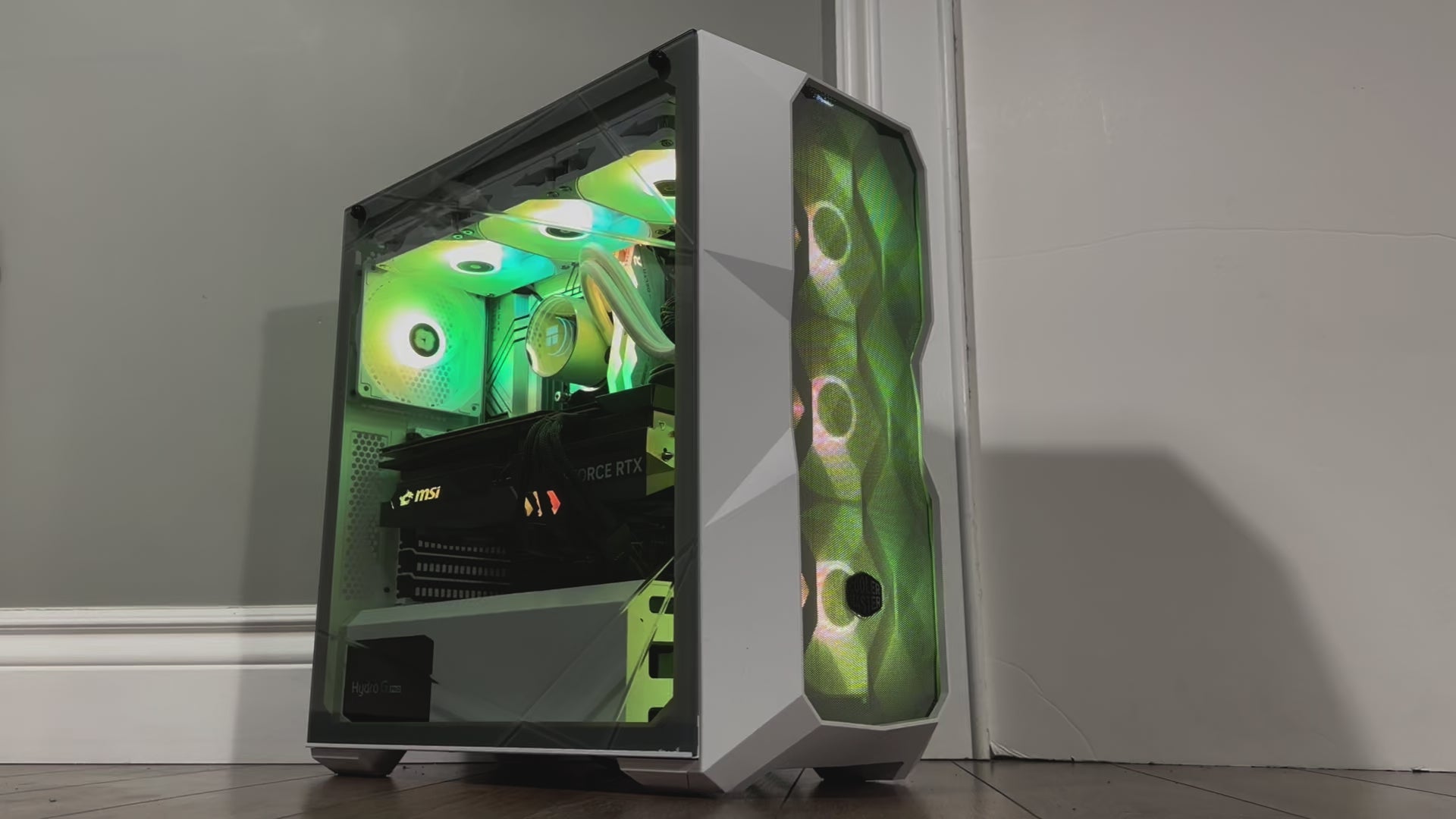
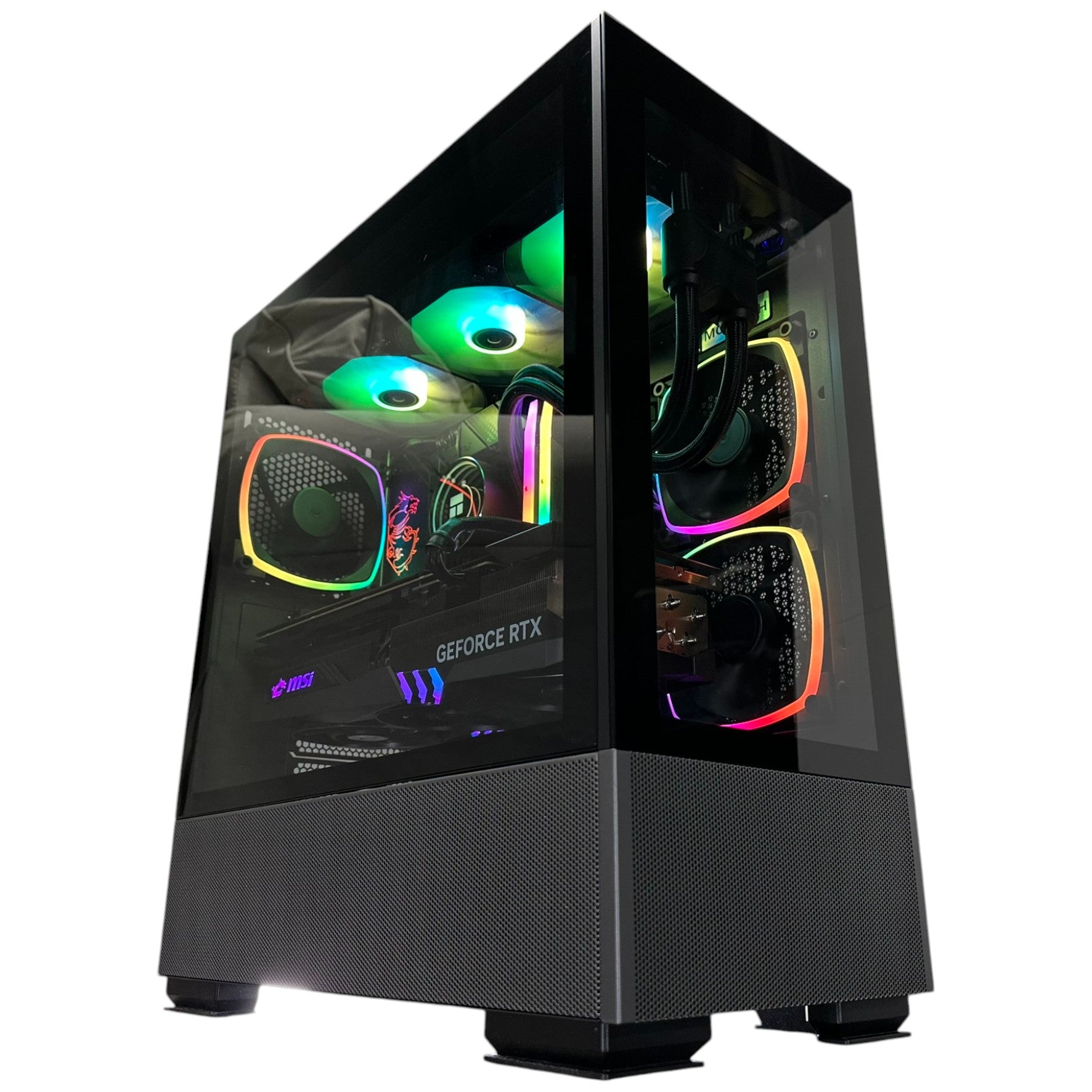
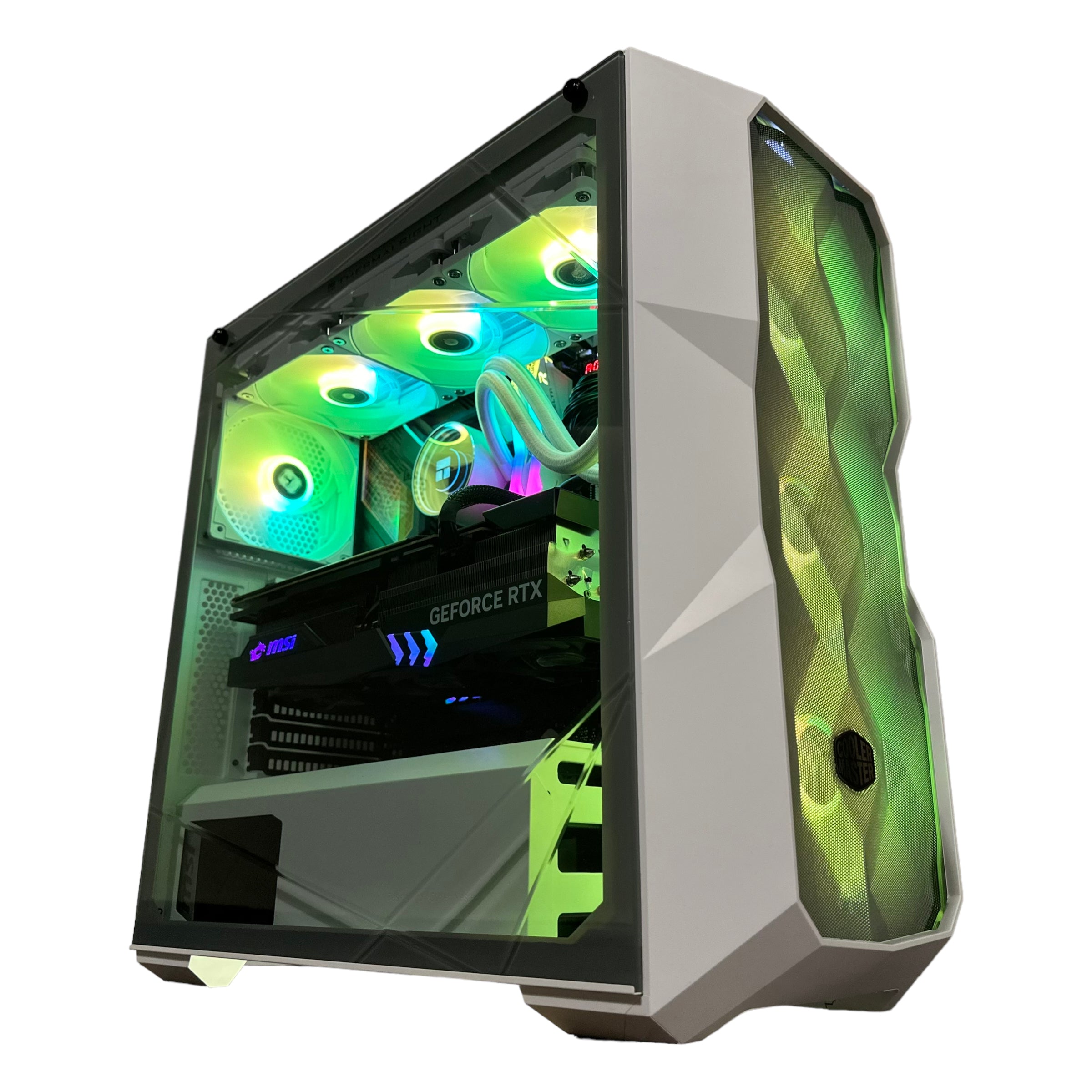
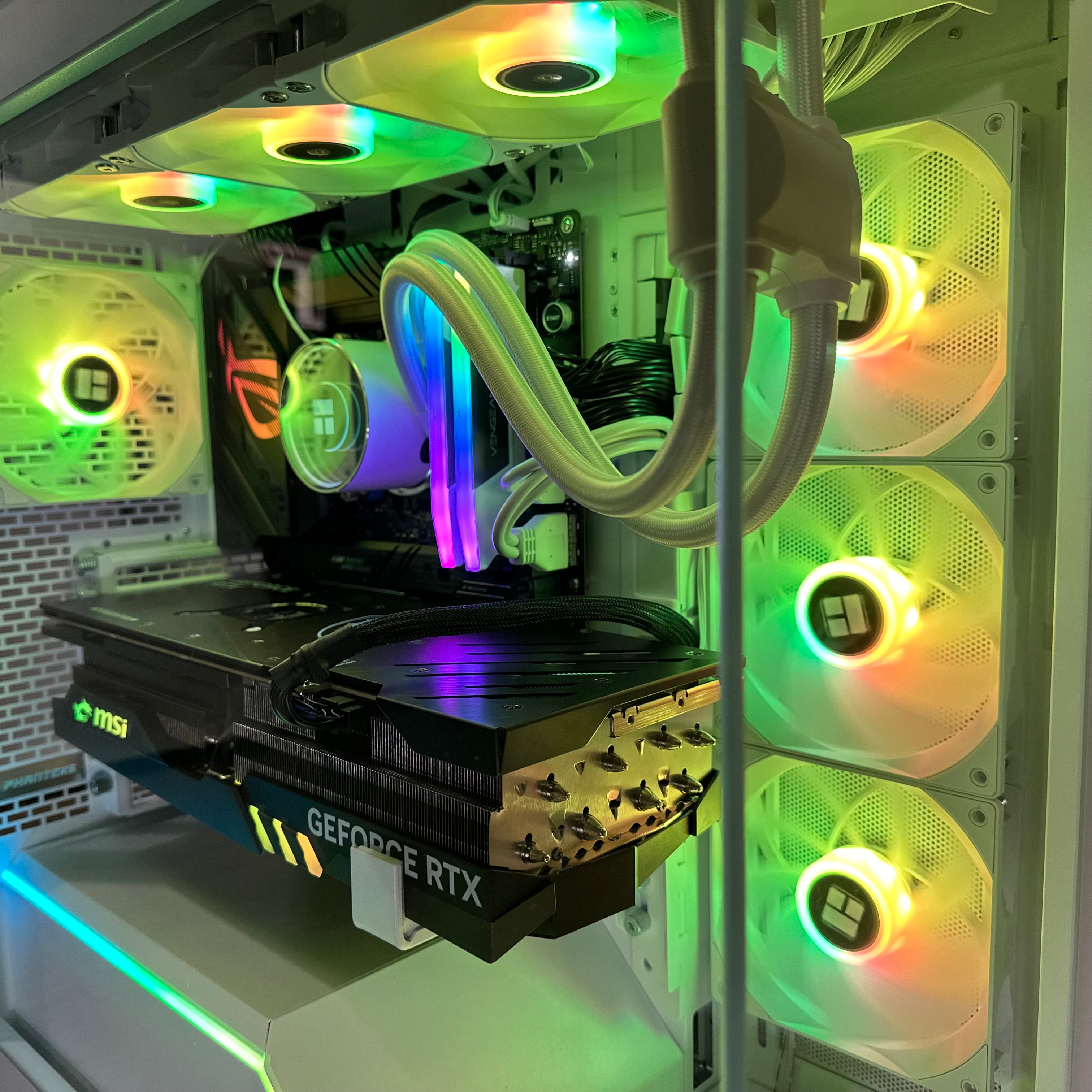
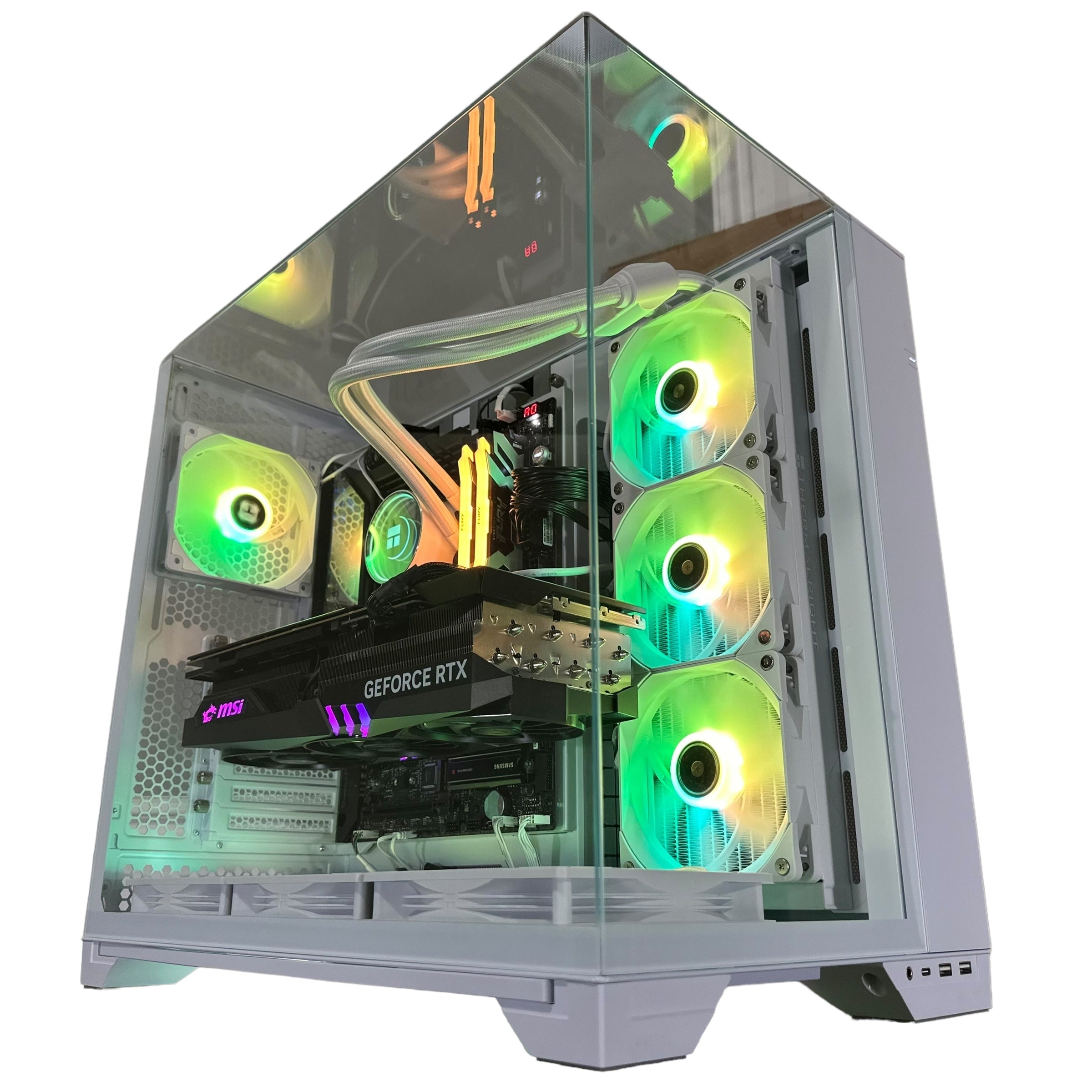
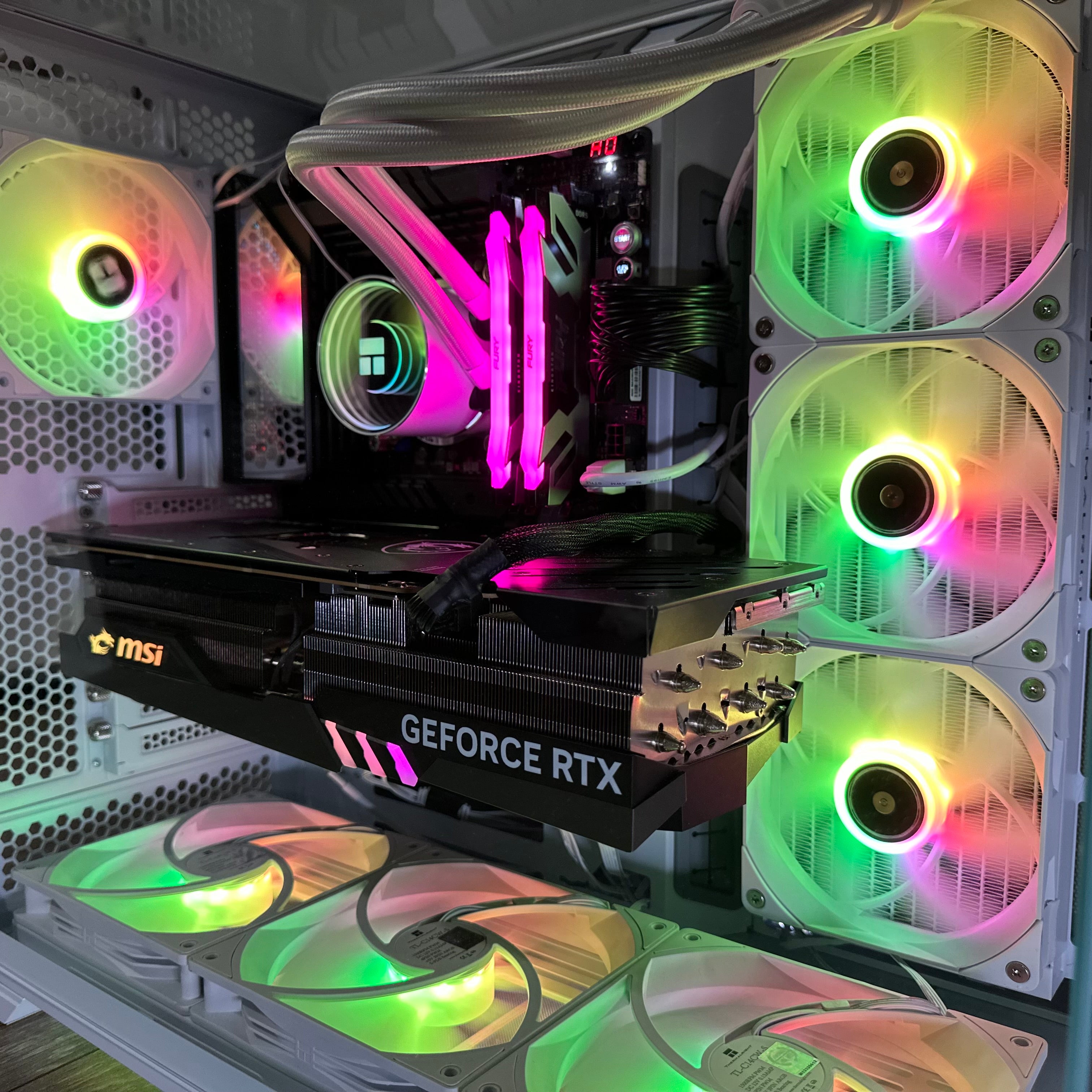
At Groovy Computers, we look at these game-driven moments differently. We do not just ask whether a title is popular. We ask what kind of machine a Canadian customer actually needs to enjoy it properly now and over the next few years. That means helping shoppers choose the right custom gaming PC, the right creator-capable system, or the right performance tier before another wave of hardware demand pushes replacement costs higher.
What does the Forza Horizon 6 Series 2 start time tell buyers right now?
It tells us that player attention is shifting from launch hype to long-term play. Once a game starts rolling out regular seasonal content, the conversation changes. Instead of asking, “Can I run it?” players start asking, “Can I run it well?” That is where buying decisions become more serious.
Are you aiming for smooth 1080p racing at high settings? Do you want 1440p with stronger image quality and better frame consistency? Are you trying to enjoy 4K visuals on a premium display? Do you care about high refresh rate gameplay for tighter control and cleaner motion while cornering? Do you want to record gameplay clips, edit highlight reels, or stream your races? Those answers shape the kind of PC you should buy far more than the update clock itself.
The source article focuses on timing, content, and rewards. That is useful. But for a buyer in Canada, the bigger takeaway is this: every major update gives you another reason to stop tolerating weak hardware if it is already limiting your experience.
Forza Horizon 6 Series 2 start time in Canada: why local buyers should think beyond launch day
Canadian buyers often face a different hardware reality than U.S.-centric coverage suggests. Shipping times, stock swings, GPU availability, seasonal sales cycles, and replacement costs can all move differently here. That means waiting too long can turn a reasonable custom build into a more expensive one, especially if demand spikes around new games, major updates, or creator hardware trends.
If you are shopping from Nova Scotia, Atlantic Canada, Ontario, Alberta, British Columbia, or anywhere else across the country, the question is not just whether now is exciting for Forza players. The question is whether now is the right time to lock in a machine that will still feel strong six months from now.
A lot of people put off the decision because their current PC still “works.” But does it work for what you actually want? Does it load open-world environments quickly? Can it maintain stable frames in crowded online events? Can it handle a second monitor, OBS, browser tabs, music, capture software, and voice chat without dragging performance down? If not, then waiting may simply mean paying later for the same problem at a higher cost.
What do you want your next PC to do for you?
This is the question more buyers should ask before comparing specs.
Do you want a gaming PC for Forza and other new AAA games? Do you want a system that can also handle Twitch or YouTube streaming? Are you making racing edits for TikTok, YouTube Shorts, or full-length videos? Do you need a machine that can jump from gaming into Adobe Premiere Pro, Photoshop, Lightroom, or DaVinci Resolve? Are you also a design student, content creator, photographer, or 3D hobbyist who wants one system that does everything well?
If your next PC only needs to game, your build strategy looks one way. If you want gaming plus streaming, the balance changes. If you want gaming plus editing plus design work, then you are no longer just shopping for a gaming tower. You may actually need a creator-focused custom desktop with more RAM, more storage, a stronger CPU, and a GPU that helps both visuals and productivity.
This is where a lot of buyers overspend in the wrong area or underspend in the one area that will frustrate them later. A flashy GPU alone does not fix a poor all-around build. A fast CPU without enough RAM can still create bottlenecks. A good game library grows fast, so a weak storage plan becomes annoying even when the graphics card is fine.
What kind of gaming PC do you need for Forza Horizon 6 and similar open-world racers?
For most players, the best answer starts with honest expectations.
Entry-level 1080p buyers
If your goal is solid 1080p gaming, smooth racing, and a good overall experience without chasing the absolute highest visual settings, a well-balanced entry or lower-midrange system can make sense. This is often the right choice for first-time PC gamers, students, or buyers moving from console who want better flexibility without jumping straight into premium pricing.
But ask yourself: are you buying only for today, or are you trying to avoid upgrading too soon? If you already know you will want higher settings, better frame rates, or multiple new games over the next year, it may be smarter to step up one tier now instead of replacing parts earlier than expected.
1440p gamers who want the sweet spot
For many shoppers, 1440p is the real value target. It offers a noticeable jump in sharpness and visual quality over 1080p while remaining more realistic than 4K for long-term performance and cost balance. If you care about immersive open-world visuals, cleaner image detail, and stronger longevity, a 1440p-focused custom gaming PC is often the best fit.
Do you want high settings without constant compromise? Do you want room for modern racing titles, open-world games, and future releases? Do you want a system that still feels premium next year? This is often the performance tier where buyers feel happiest after the purchase.
4K and premium-performance buyers
If you want stunning image quality on a 4K display, ultra settings, better ray tracing potential in supported titles, and stronger long-term headroom, then you are shopping in premium territory. That can be absolutely worth it for enthusiasts who want their build to feel exceptional, not merely adequate.
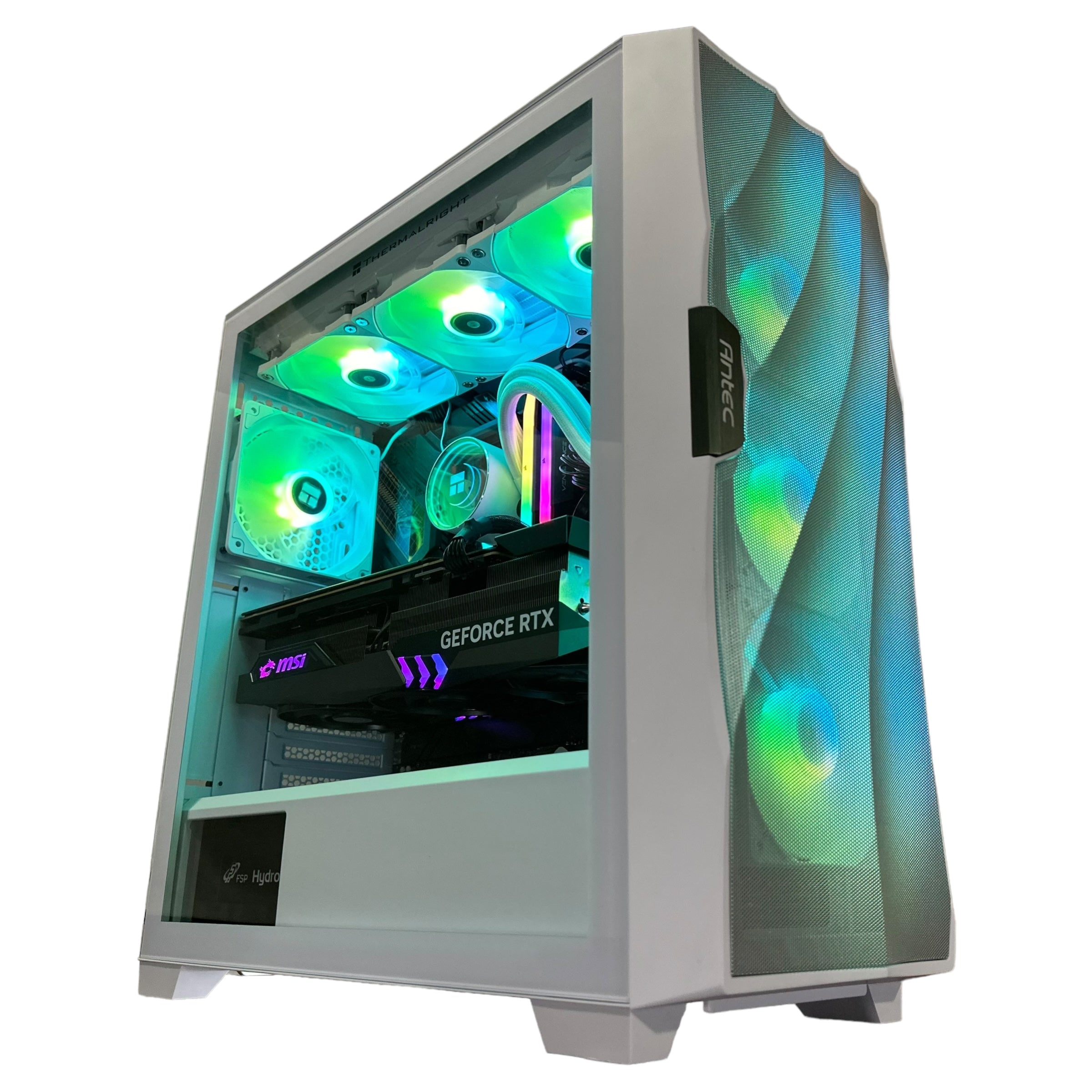
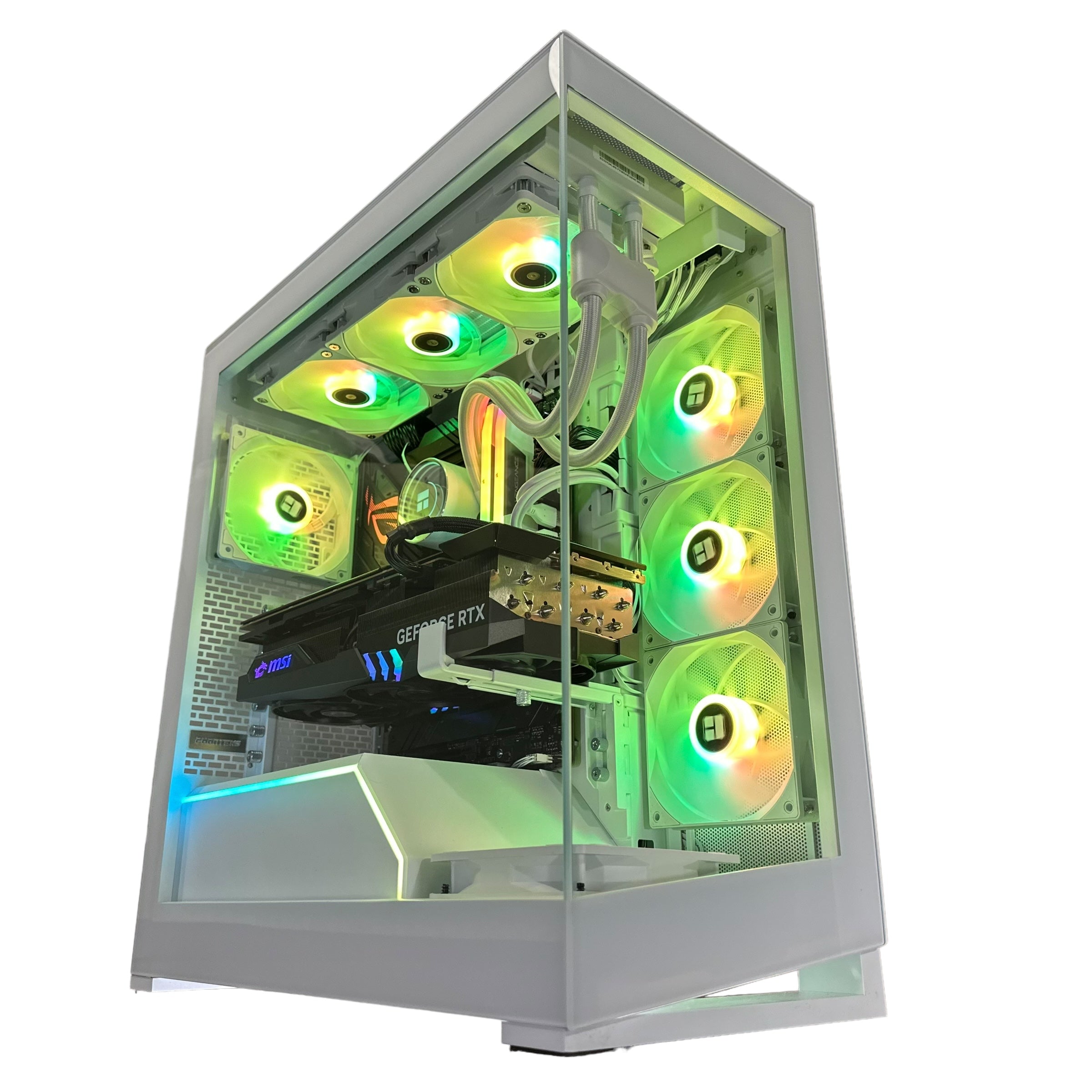
But it is also where smart part matching matters most. High-end GPUs deserve the right CPU, cooling, PSU, and case airflow. Otherwise, you risk paying flagship money for a system that is not tuned properly. That is one reason many buyers prefer a professionally assembled custom build instead of a generic off-the-shelf unit.
Do you also want to stream, record, or create content?
This is one of the biggest decision points that casual buying guides miss.
If you plan to stream Forza, clip races, upload guides, build a channel, or create motorsport content, then your system needs to do more than render the game. It needs to handle background workloads smoothly. That often means prioritizing additional RAM, fast NVMe storage, and a CPU/GPU combination that supports both gameplay and creator tasks efficiently.
Are you trying to run OBS while gaming? Do you want to record gameplay locally at high quality? Are you editing with Premiere Pro or DaVinci Resolve after your session? Do you want one machine that can race at night and edit content the next morning? If yes, a basic gaming-focused spec sheet may not be enough.
A stronger all-purpose build can save time, reduce frustration, and avoid the common “I bought for gaming and now I need to upgrade for editing” problem. That is why so many buyers should be looking at a custom creator PC or a gaming-and-streaming configuration rather than treating those needs separately.
Could a Forza player also need a creator PC or workstation-style build?
Absolutely. Many customers are no longer just one type of user.
You might be a gamer who edits videos. A student who games and does graphic design. A photographer who wants to unwind with open-world racing. A YouTube creator who makes gaming content and thumbnail graphics. A 3D enthusiast who plays racing games but also works in Blender, Unreal Engine, or CAD software. In those cases, your buying decision should not be based on gaming alone.
If you use Adobe Creative Cloud, photo editing tools, or 3D software, ask yourself a few direct questions. How large are your projects? How often do you render, export, batch process, or multitask? How much downtime are you losing to a slow system? Would a faster machine save enough time every week to justify buying stronger hardware now?
For some buyers, the right answer is a gaming-first build. For others, it is a creator workstation that also plays games beautifully. The key is choosing the machine around your real workflow instead of buying from a generic spec tier that assumes everyone uses their PC the same way.
Which performance tier fits you best?
If you are not sure where you belong, this framework can help.
Choose a budget or value build if:
You mainly want 1080p gaming.
You are moving into PC gaming for the first time.
You play a mix of racing, esports, and lighter AAA titles.
You do not need serious streaming or editing performance yet.
You want to keep spending controlled while still getting a properly balanced custom system.
Choose a midrange 1440p-focused build if:
You want the best balance of price, quality, and long-term satisfaction.
You care about strong visual settings and smoother gameplay in new titles.
You may stream casually or record gameplay.
You want better future-proofing and less pressure to upgrade soon.
You play visually rich games like Forza and want them to look the way they should.
Choose a premium or high-end build if:
You want 4K gaming or very high refresh 1440p performance.
You care about premium displays, ultra settings, and top-tier responsiveness.
You also create content, stream seriously, or work with demanding software.
You prefer buying once at a higher tier instead of upgrading piece by piece.
You want a system that stays relevant for longer as games and workloads get heavier.
Choose a creator PC or workstation-oriented build if:
Your PC is for gaming plus video editing, photo editing, graphic design, or 3D work.
You use software that benefits from more RAM, more cores, and larger SSD capacity.
Your time matters as much as your frame rate.
You need reliability under long sessions, exports, renders, or multitasking loads.
Is it better to buy now or wait?
This is one of the most important customer questions, and it has no universal answer. But there are practical signs that often make “buy now” the smarter move.
If your current PC already struggles in the games you care about, if your storage is nearly full, if your upgrade path is limited, or if you know a new season of gaming and content creation is about to increase your usage, waiting often brings more friction than savings.
There is also the broader issue of component volatility. Full-system costs can rise when GPUs tighten, memory pricing shifts, SSD costs move upward, or demand spikes around major launches and shopping events. Even if a specific part drops briefly, the total build cost does not always improve the way buyers expect.
So ask yourself: are you waiting because you have a clear reason, or because delaying feels safer? If you are only delaying while your current system continues to frustrate you, that is usually not a real savings strategy.
Should you finance a stronger PC instead of buying a weaker one?
For many buyers, yes, that can be the smarter move.
If a lower-end system only solves the next few months of your needs, then it can become the more expensive decision in practice. A machine that needs an earlier GPU upgrade, extra storage sooner, or more memory shortly after purchase may not have been the better value at all.
Would a slightly stronger system let you skip the next upgrade cycle? Would better hardware support both gaming and content creation? Would a smoother monthly payment feel easier than replacing multiple parts later? Would financing help you secure the build you actually want before market costs shift again?
That is why many Canadian shoppers consider financing when they are deciding between “good enough” and “right for the next few years.” Groovy Computers can help customers explore custom build options and financing up to 4 years, which can make it easier to choose a more capable system without compromising immediately on the parts that matter most.
This is especially relevant if you are looking at a machine for AAA gaming, streaming, editing, or mixed-use workloads. A properly planned build often delivers better long-term value than chasing the cheapest short-term entry point.
What does Forza Horizon 6 Series 2 add, and why does that matter for hardware buyers?
The source article highlights several additions in Horizon Decades: a new temporary Car Meet at the Hokubu Time Attack Circuit, social convoy opportunities, three new-to-Horizon cars, four Car Pass vehicles, the return of The Trial, and a broad Festival Playlist with ten reward cars available across the series. That matters because these kinds of updates keep players active for weeks, not hours.
In other words, this is not just a patch to look at once. It is content designed to pull people back into regular play. If you are going to be spending real time in the game, then load times, visual quality, and gameplay smoothness matter more than they did on launch day.
Are you the kind of player who logs in for rewards every week? Do you run convoy sessions with friends? Do you spend time in photo mode? Do you care about clean performance in online races? The more time you invest, the more obvious your system’s limitations become.
Why do storage, RAM, cooling, and build quality matter just as much as the GPU?
Because a gaming PC is a system, not a single part.
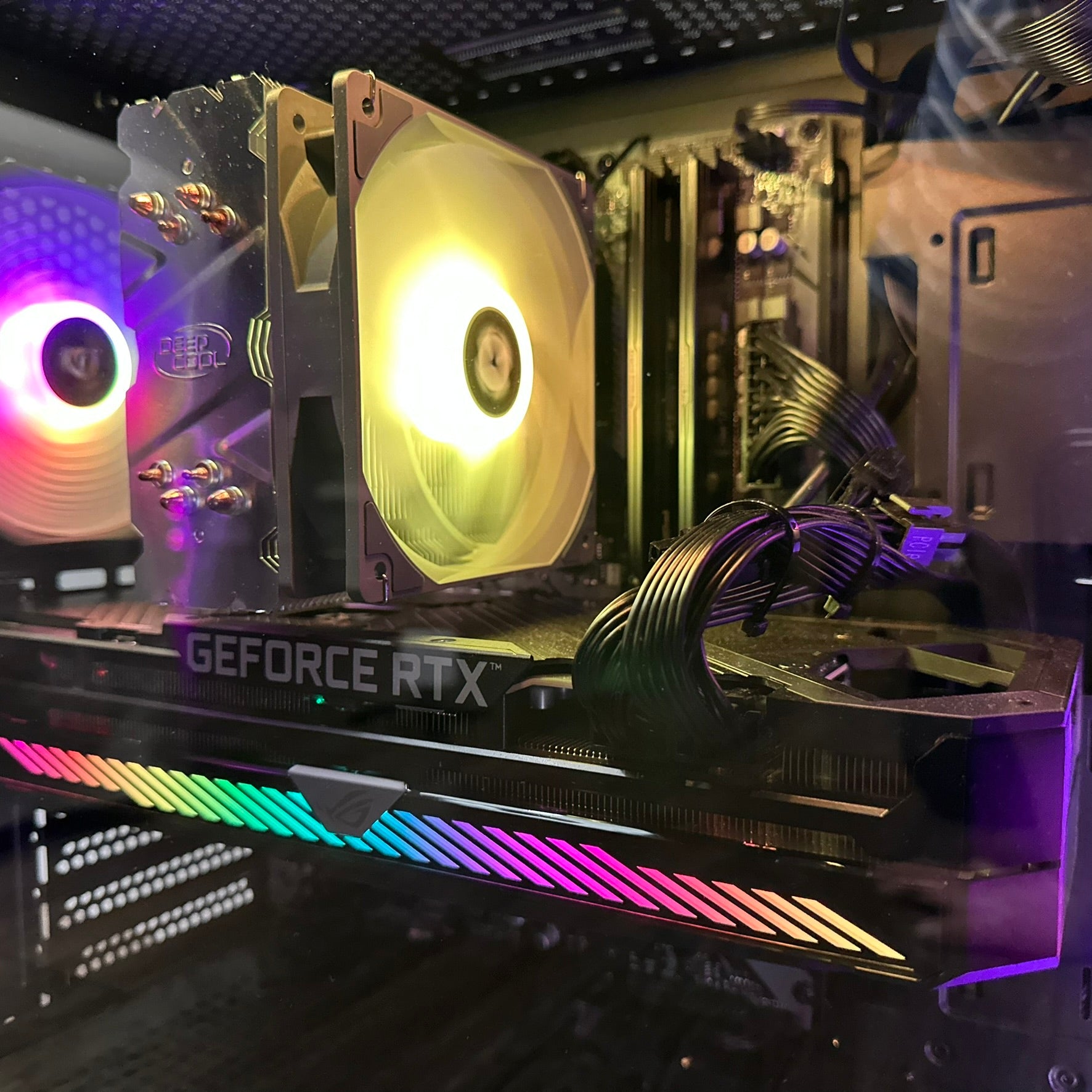
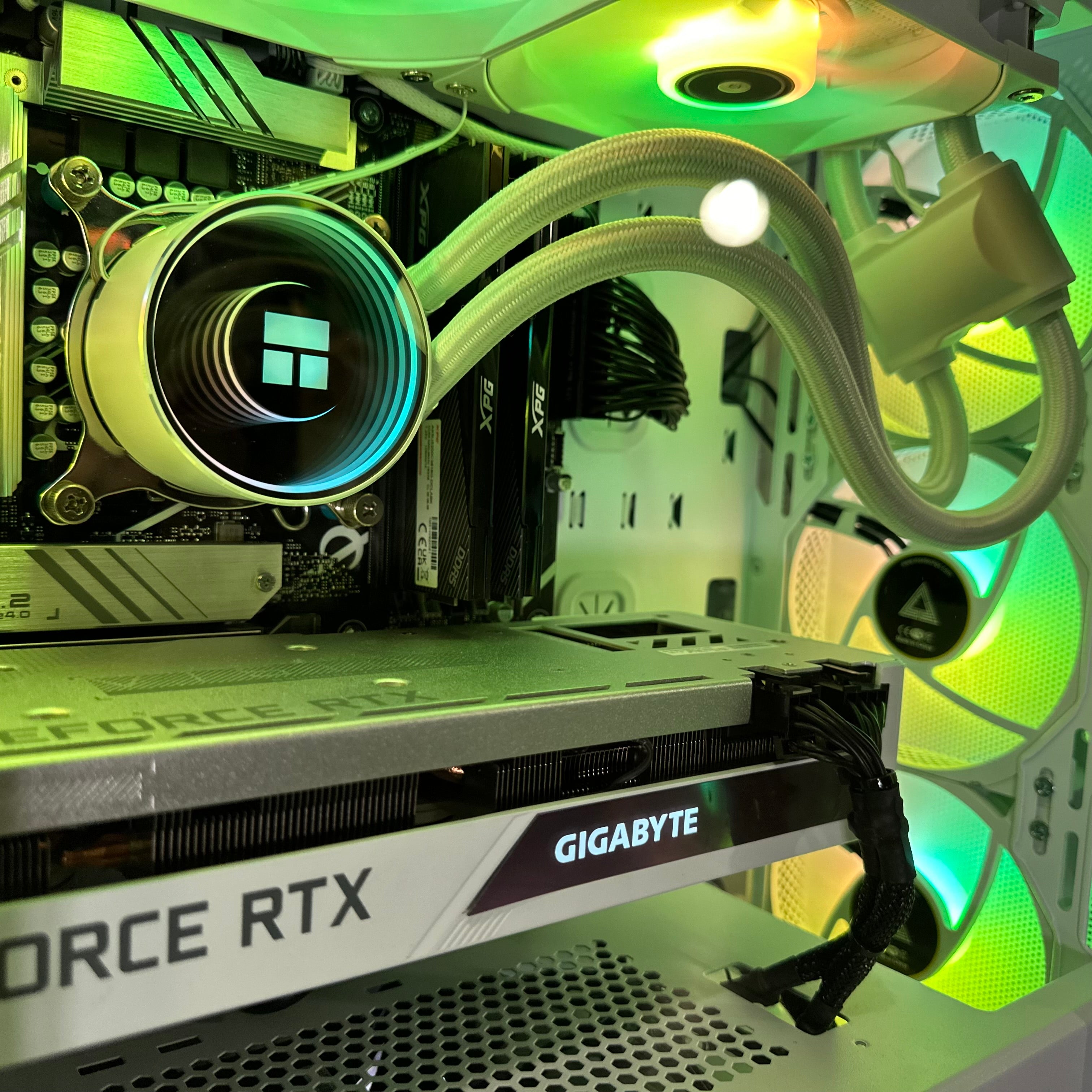
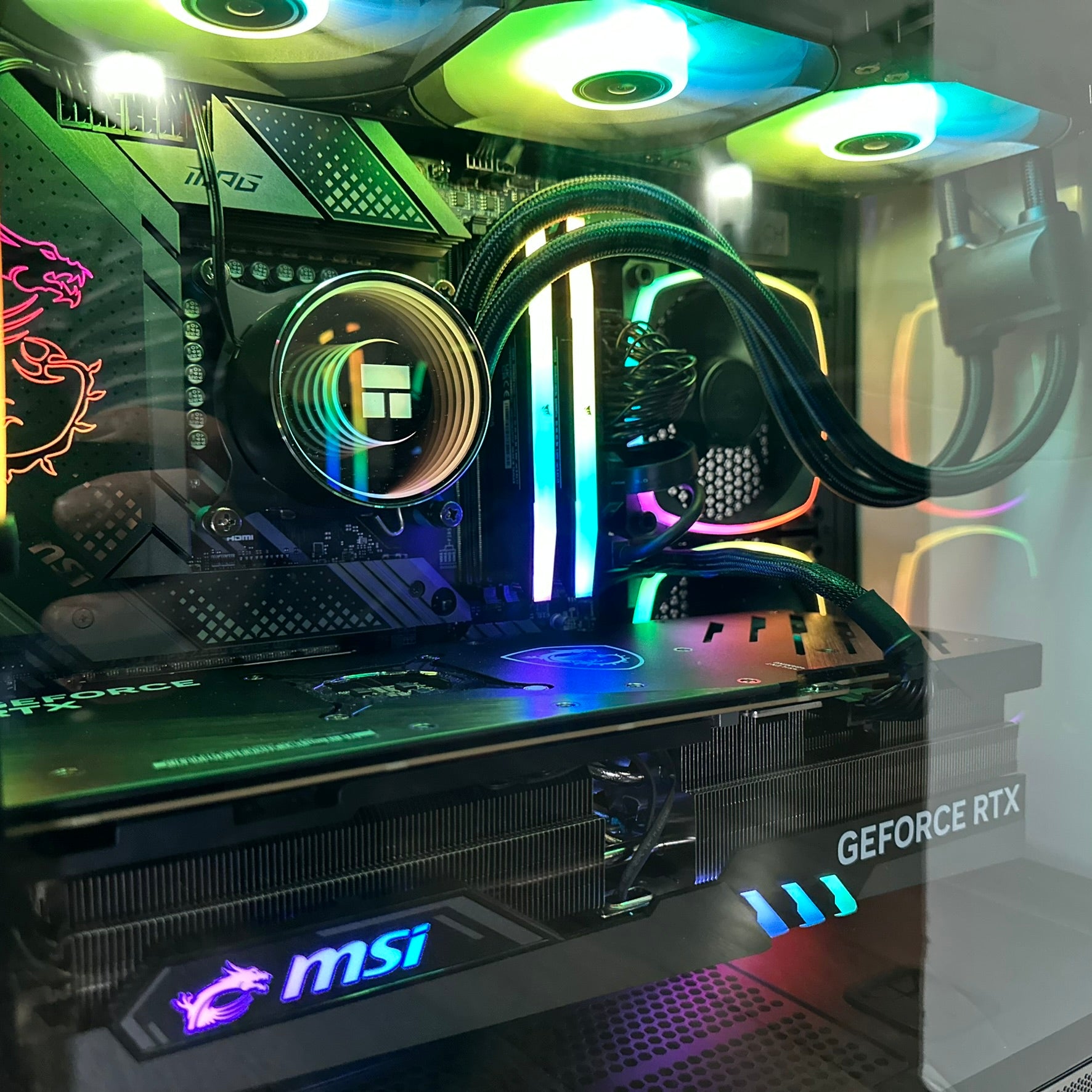
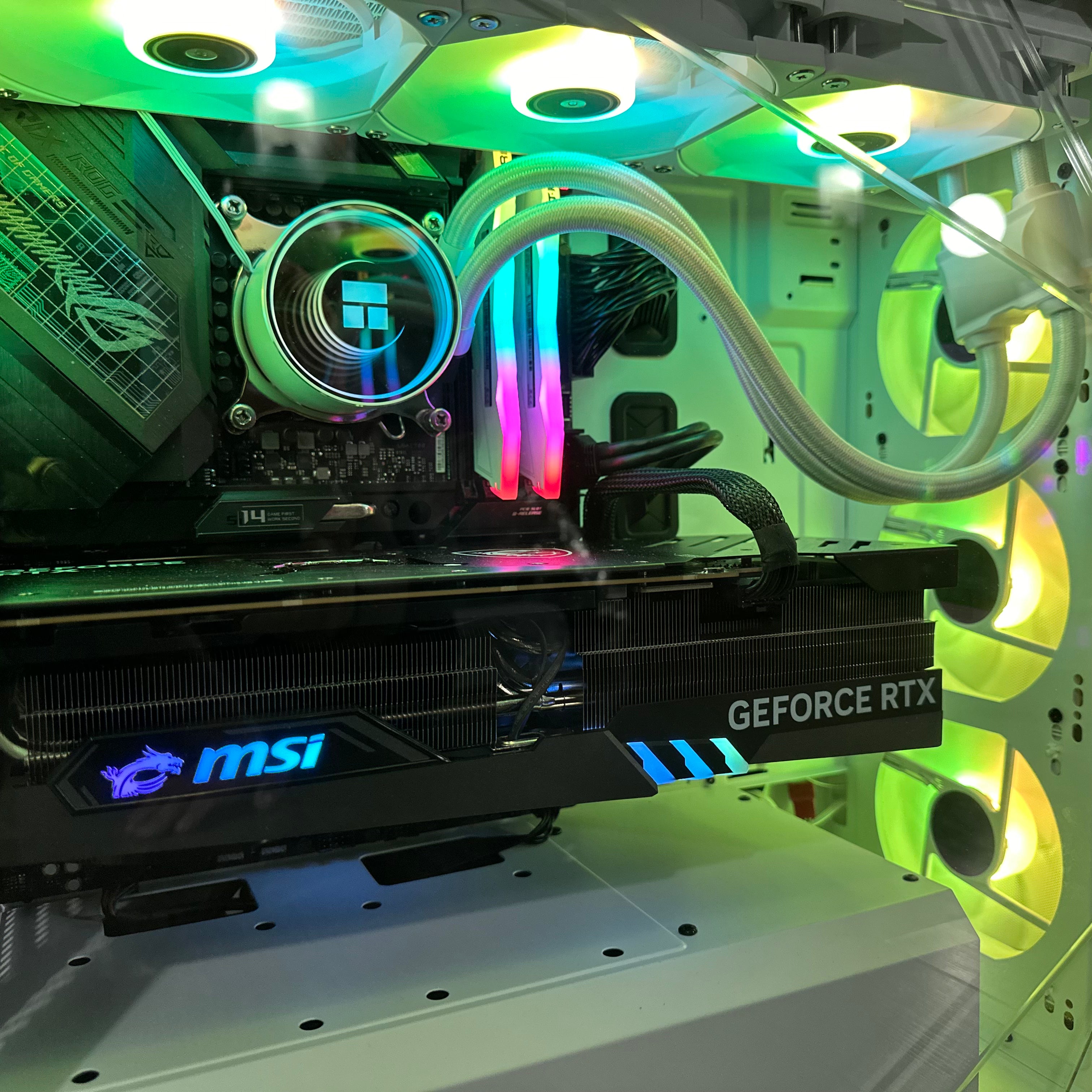
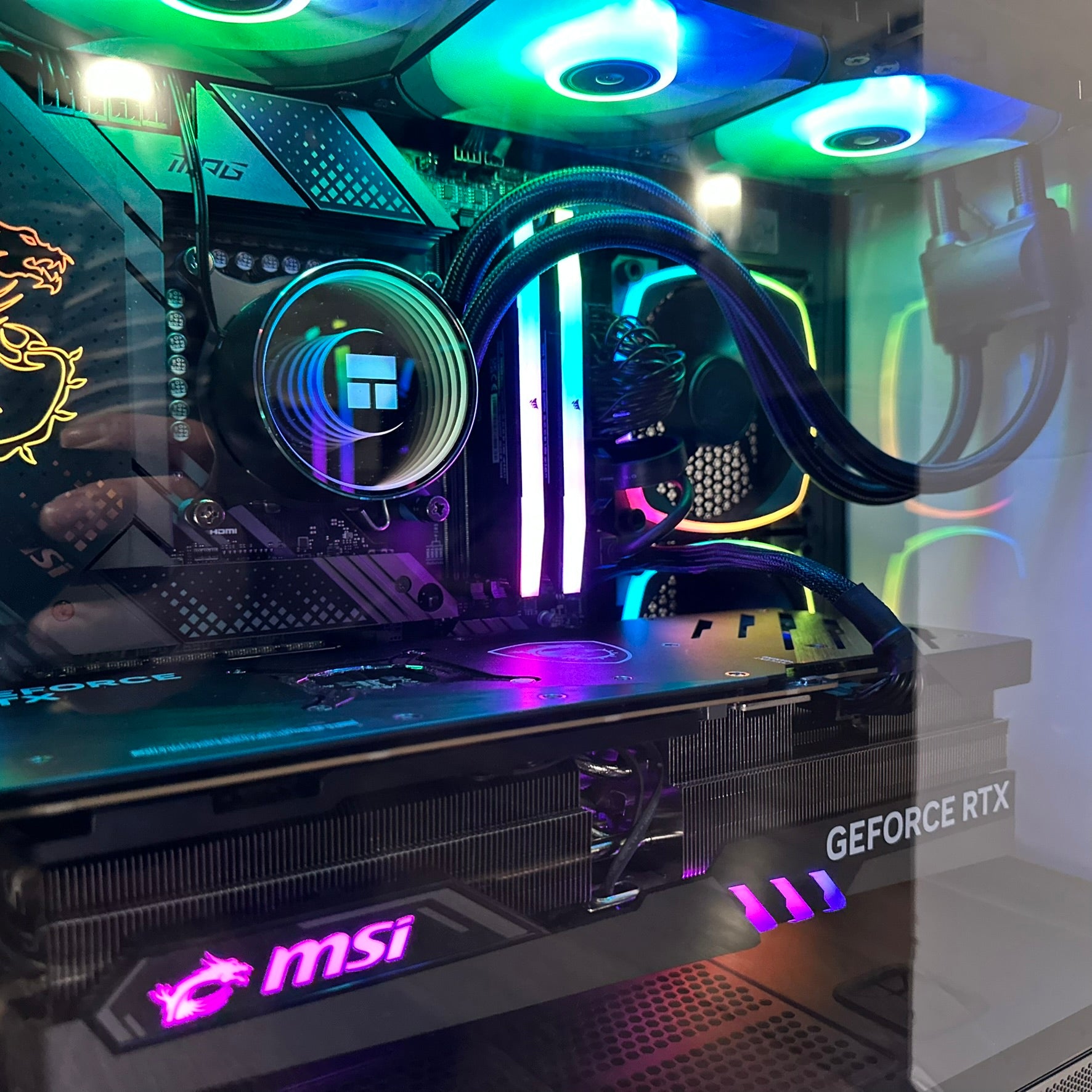
Open-world games benefit heavily from fast SSD storage for installation, asset loading, and day-to-day responsiveness. Adequate RAM helps when you run the game alongside launchers, browser tabs, Discord, music, recording software, and overlays. Cooling matters because stable thermals support consistent performance, lower noise, and healthier long-term operation. A quality power supply matters because reliability matters.
This is where custom builds often outperform generic big-box logic. A professionally planned machine does not just throw one expensive component into an otherwise weak platform. It balances airflow, power delivery, storage strategy, memory capacity, and upgrade room.
If you have ever looked at a spec list and wondered why two PCs with a similar graphics card can feel very different in real use, this is usually why.
Custom PC vs generic prebuilt: what should Canadian buyers consider?
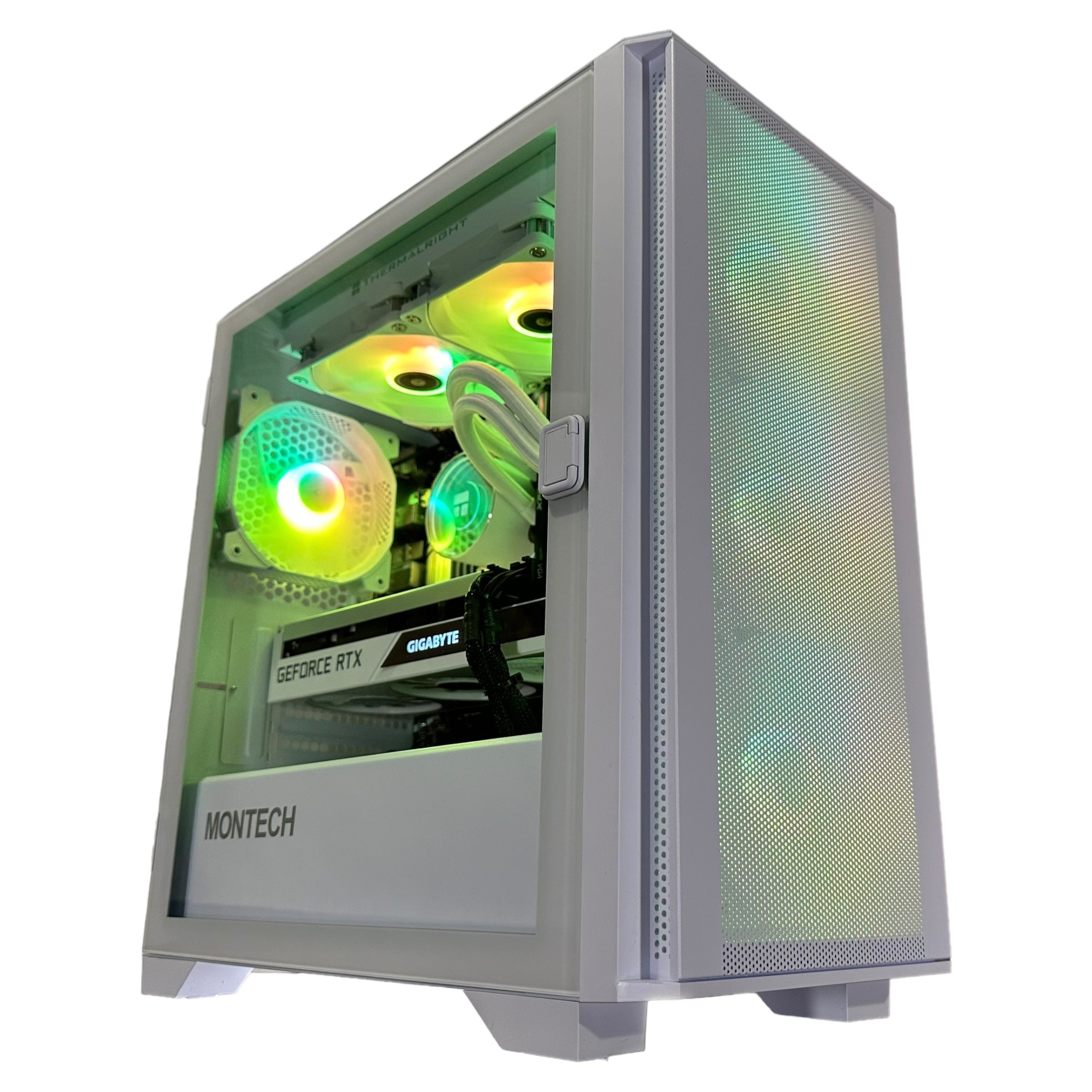
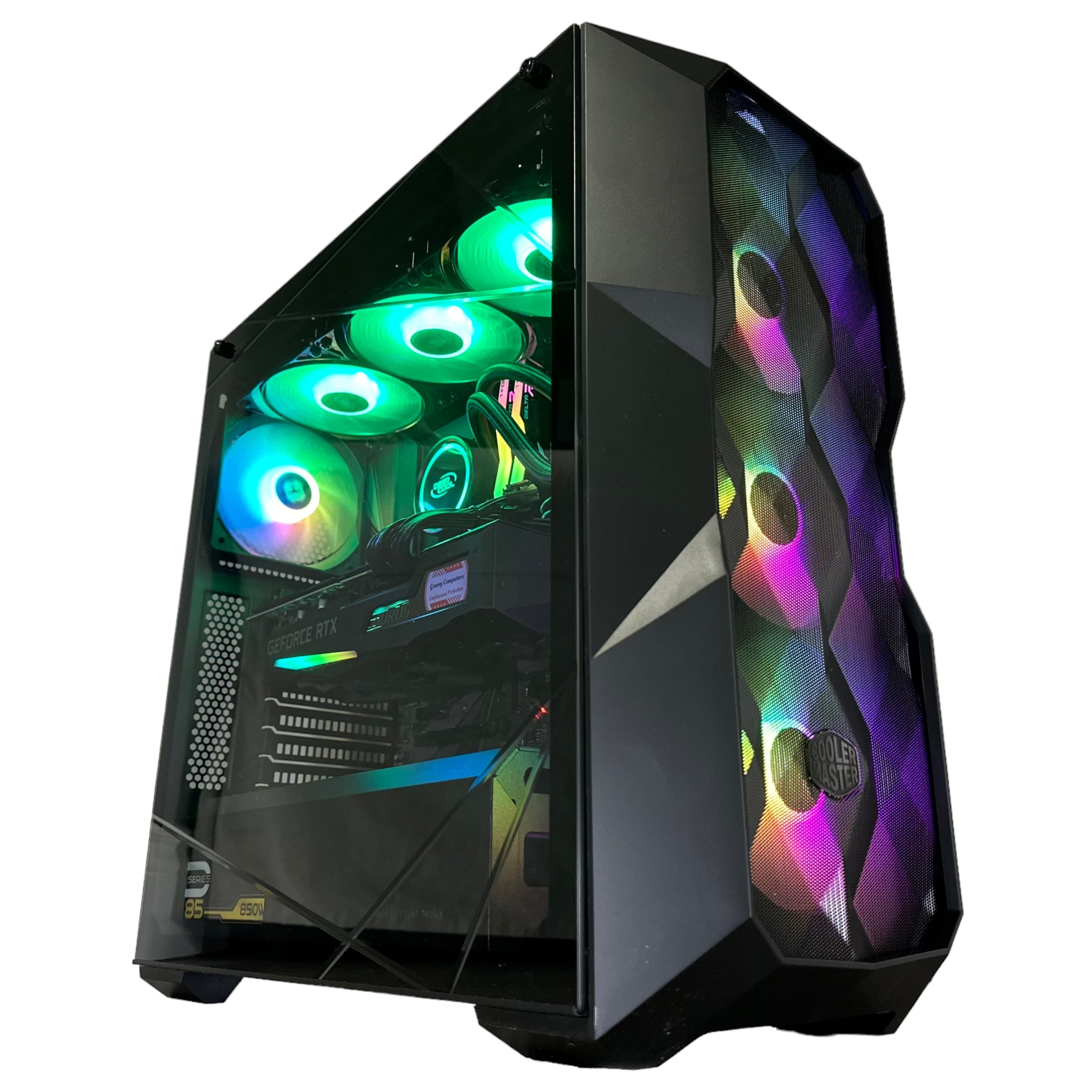
If all you compare is a headline GPU, you can miss the details that affect ownership. A custom build is about part matching, thermal logic, intended use, upgrade path, and quality control. That matters whether you are buying a gaming desktop, a creator system, or a workstation-class machine.
Do you want a system built around your display target? Do you want enough SSD space from the start? Do you want a quieter cooling setup? Do you want to avoid replacing the power supply when you upgrade later? Do you want confidence that the build was assembled and tested with the whole system in mind, not just sold as a box with attractive advertising?
For Canadian buyers, it also helps to work with a company that understands how to build for real users rather than abstract market segments. Groovy Computers focuses on custom systems, rigorous testing, and a 1-year warranty, which gives buyers more confidence than rolling the dice on a machine that looks good only on the product title line.
What should you ask before buying your next gaming or creator PC?
What games do you actually play most, and what new ones are you preparing for?
Do you want 1080p, 1440p, or 4K performance?
How important are high settings, high refresh rates, or ray tracing?
Will you stream, record, or edit content on the same machine?
Do you use Adobe software, OBS, Blender, or other demanding applications?
How much storage do you need once your game library and creative files start growing?
Are you buying just for today, or trying to avoid upgrading too soon?
Would financing a stronger build now save you from replacing weak parts later?
Do you want a tested custom system with warranty support and a cleaner upgrade path?
What type of Groovy Computers build makes the most sense for you?
If your priority is racing games and modern AAA performance, a custom gaming PC is the natural fit. If you also want OBS, streaming, and clips, a gaming-and-streaming build is often the better choice. If your week includes gaming plus editing, photography, or design work, then a creator-focused build may deliver the best value. And if your system needs to tackle rendering, modeling, or other professional workloads, a workstation-oriented configuration may be the right answer.
The important part is not guessing. It is matching the build to your actual use case.
Do you want help deciding whether you need a budget gaming computer, a 1440p sweet-spot system, a premium RTX gaming PC, a custom creator PC, or a stronger editing or 3D workstation? That is exactly where Groovy Computers can help. Instead of buying blind, you can start with the workloads and goals that matter to you and choose a machine that fits properly.
Why Groovy Computers makes sense for Canadian buyers right now
Groovy Computers is positioned for buyers who want more than generic PC shopping. If you need a custom gaming PC Canada customers can trust, a creator desktop built around real software needs, or a professionally balanced workstation, the value is in getting the right system the first time.
That means custom-built configurations, practical performance guidance, rigorous testing, and a 1-year warranty for added confidence. It also means supporting customers who are trying to time purchases intelligently while hardware costs and demand pressures remain unpredictable. For many shoppers, financing up to 4 years can make that decision easier and more strategic.
And because Groovy Computers serves Canadian buyers, the conversation stays grounded in what actually matters here: sensible performance tiers, reliable support, shipping confidence, and systems built for the way Canadians game, create, study, and work.
Final takeaway: the Forza Horizon 6 Series 2 start time is a reminder to buy for the experience you want
The Forza Horizon 6 Series 2 start time is useful if you are planning to jump in the moment Horizon Decades goes live. But from a buying perspective, the bigger message is even more important. Big game updates expose weak systems fast. They remind players how much smoother, sharper, and more enjoyable PC gaming can be with the right hardware.
If your current machine is holding back your racing games, your streaming plans, your editing workflow, or your all-around daily performance, now is the right time to stop guessing and start planning. What do you want your next PC to do for you? What performance tier fits your actual goals? Would a stronger custom build save you from upgrading again too soon?
If you are ready to choose a gaming PC, creator PC, or workstation that matches how you actually play and work, visit GroovyComputers.ca and explore a better custom-build path for Canada.
#ForzaHorizon6 #ForzaHorizon6Series2 #ForzaPC #CustomGamingPCCanada #GamingPCCanada #CanadianPCBuilder #1440pGamingPCCanada #4KGamingPCCanada #CreatorPCCanada #GamingAndStreamingPCCanada #NovaScotiaBusiness #GroovyComputers
Groovy Computers | All Rights Reserved


Leave a comment
This site is protected by hCaptcha and the hCaptcha Privacy Policy and Terms of Service apply.