





GTA 6 Early Access Scam: Why Canadian Gamers Should Ignore the Hype and Buy the Right Gaming PC Instead
The GTA 6 early access scam is a reminder that massive game launches do not just attract players, they attract fraud. Scam sites are reportedly using polished artwork, fake VIP language, crypto-only payment requests, and false promises of playable access before release. For excited gamers, the pitch sounds simple: send cryptocurrency, enter a payment code, and unlock the game. In reality, the money is gone and the game never appears.
For Canadian buyers, this story matters for more than cybersecurity reasons. It also highlights a bigger question: if you are already thinking about GTA 6, what are you actually trying to prepare for? Are you looking for a better gaming experience at 1080p, smoother 1440p performance, a 4K-ready system with ray tracing, or a custom build that can handle gaming, streaming, editing, and content creation without needing another upgrade too soon?
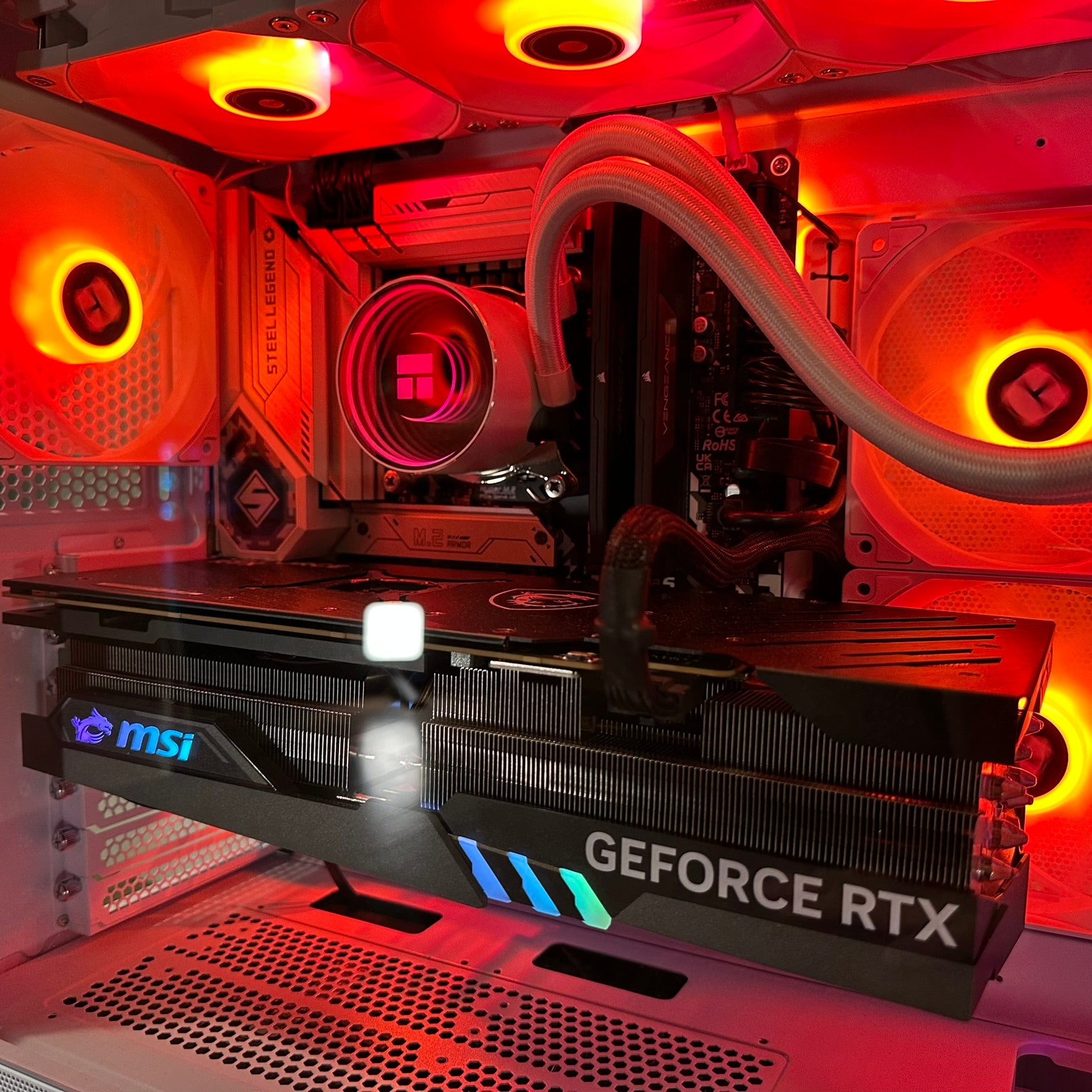
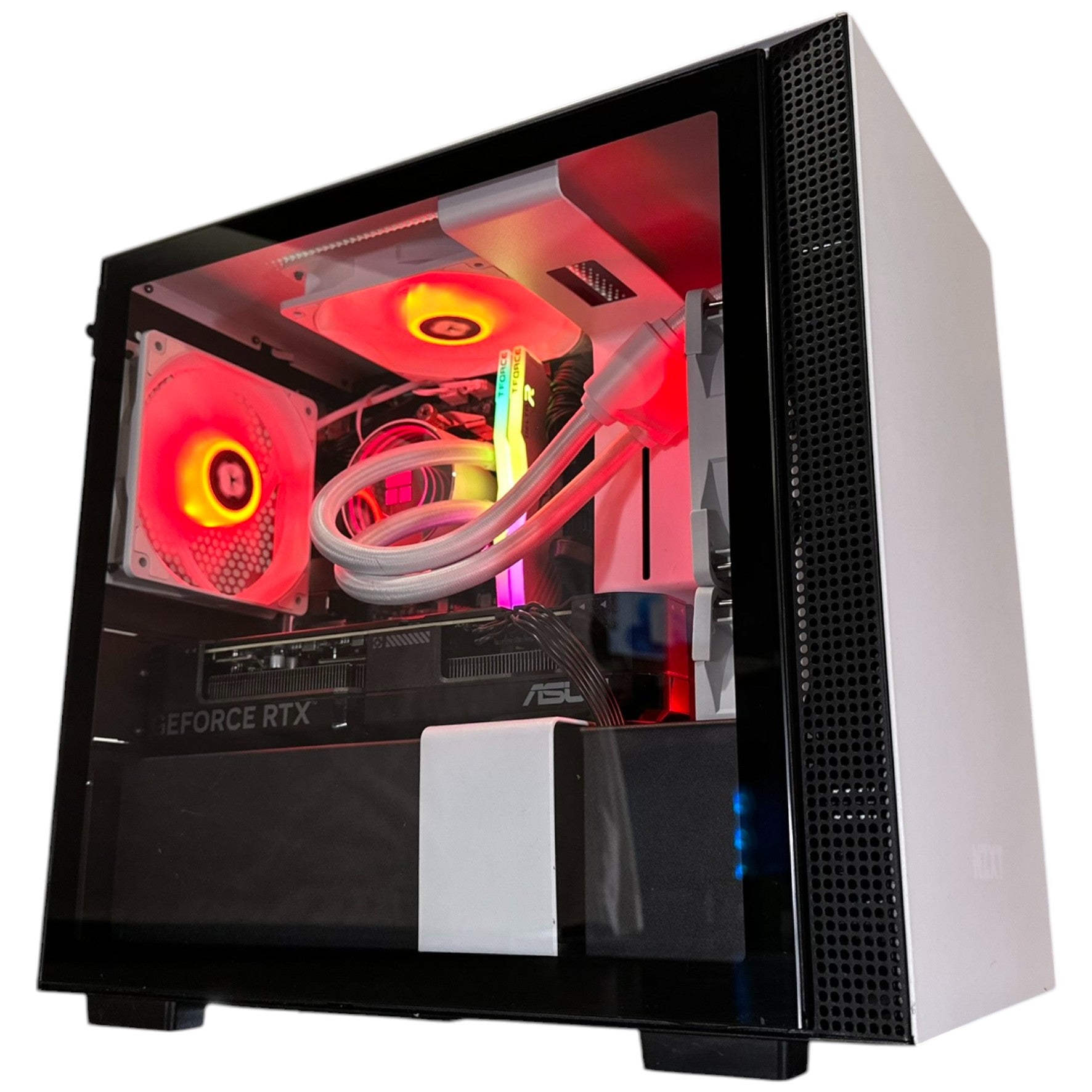
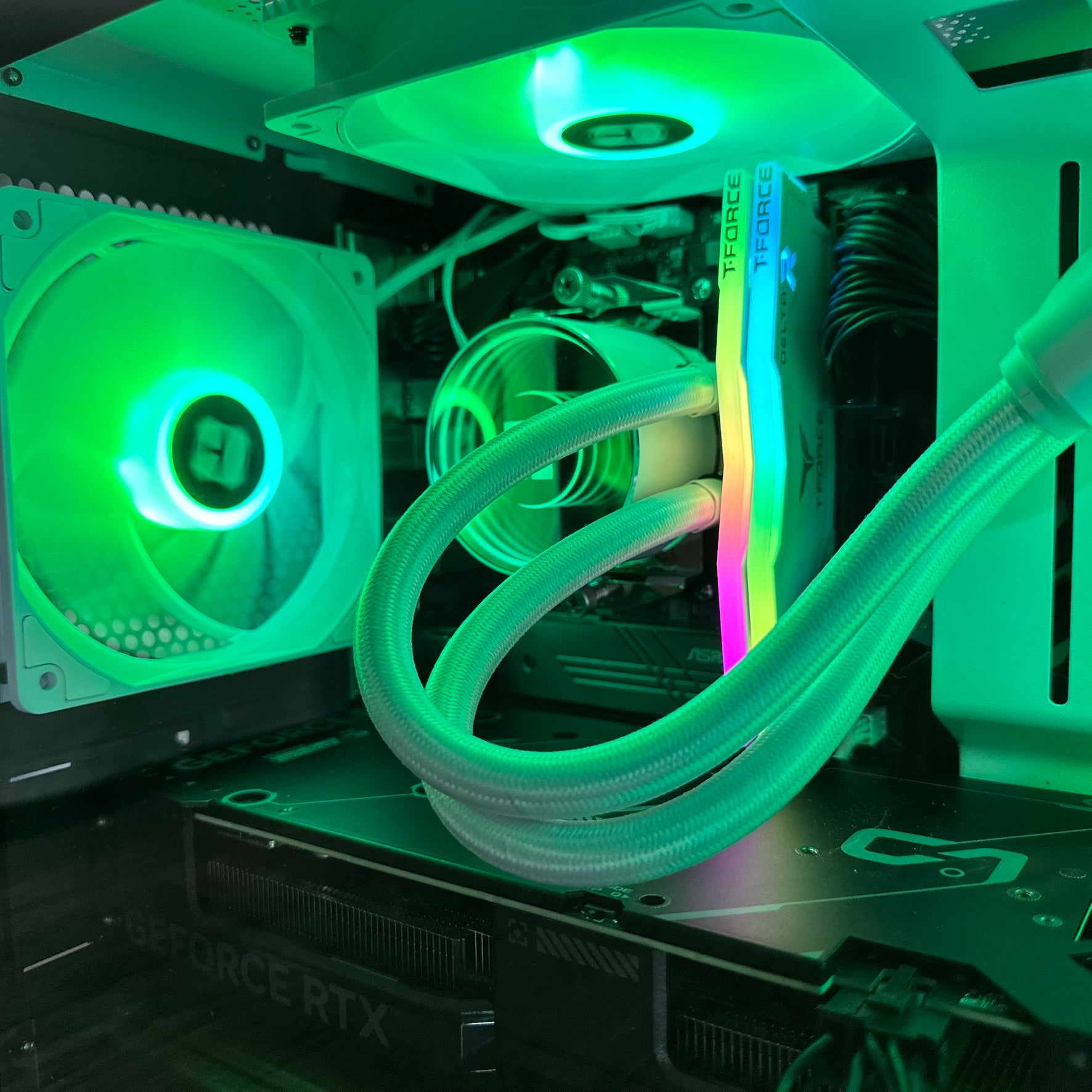
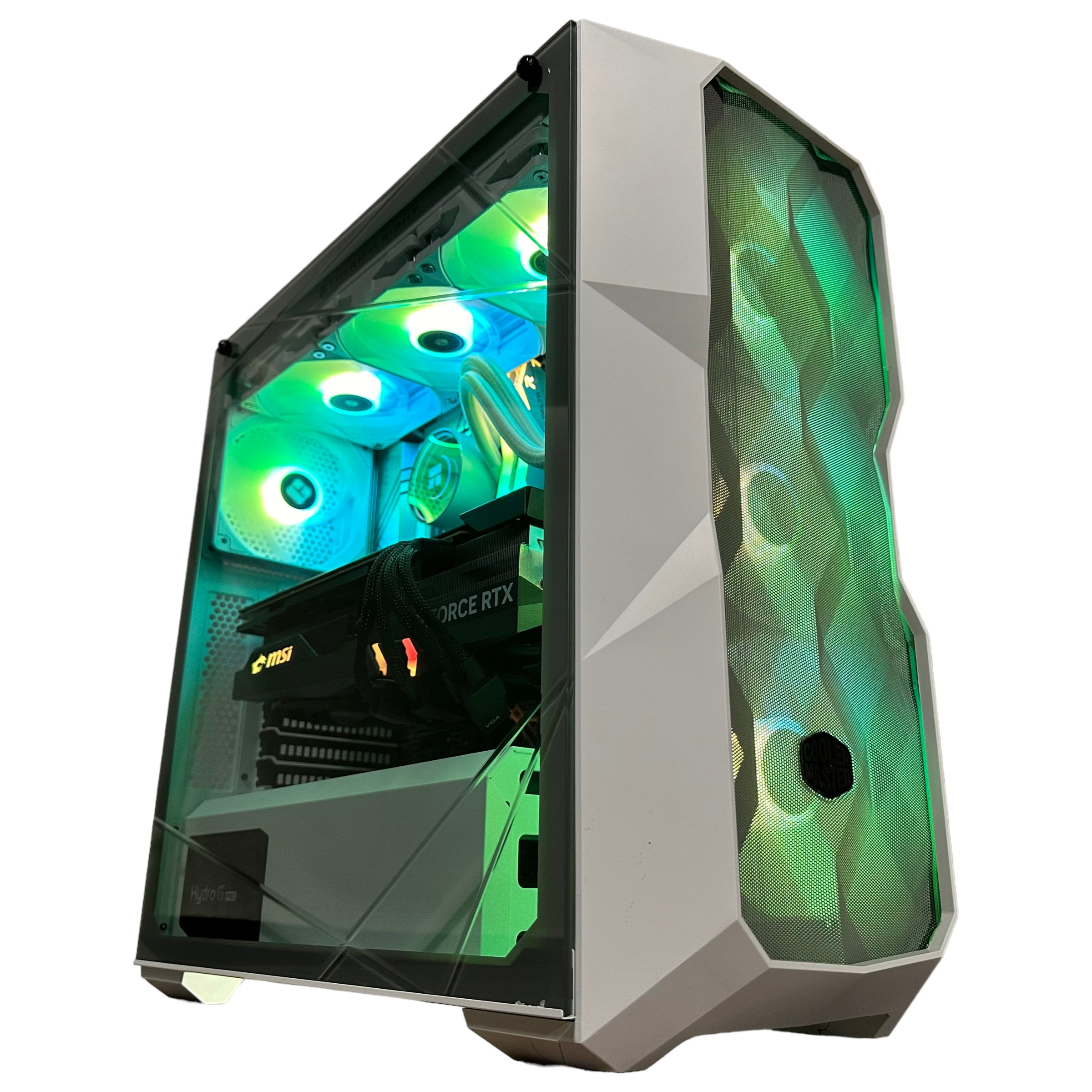
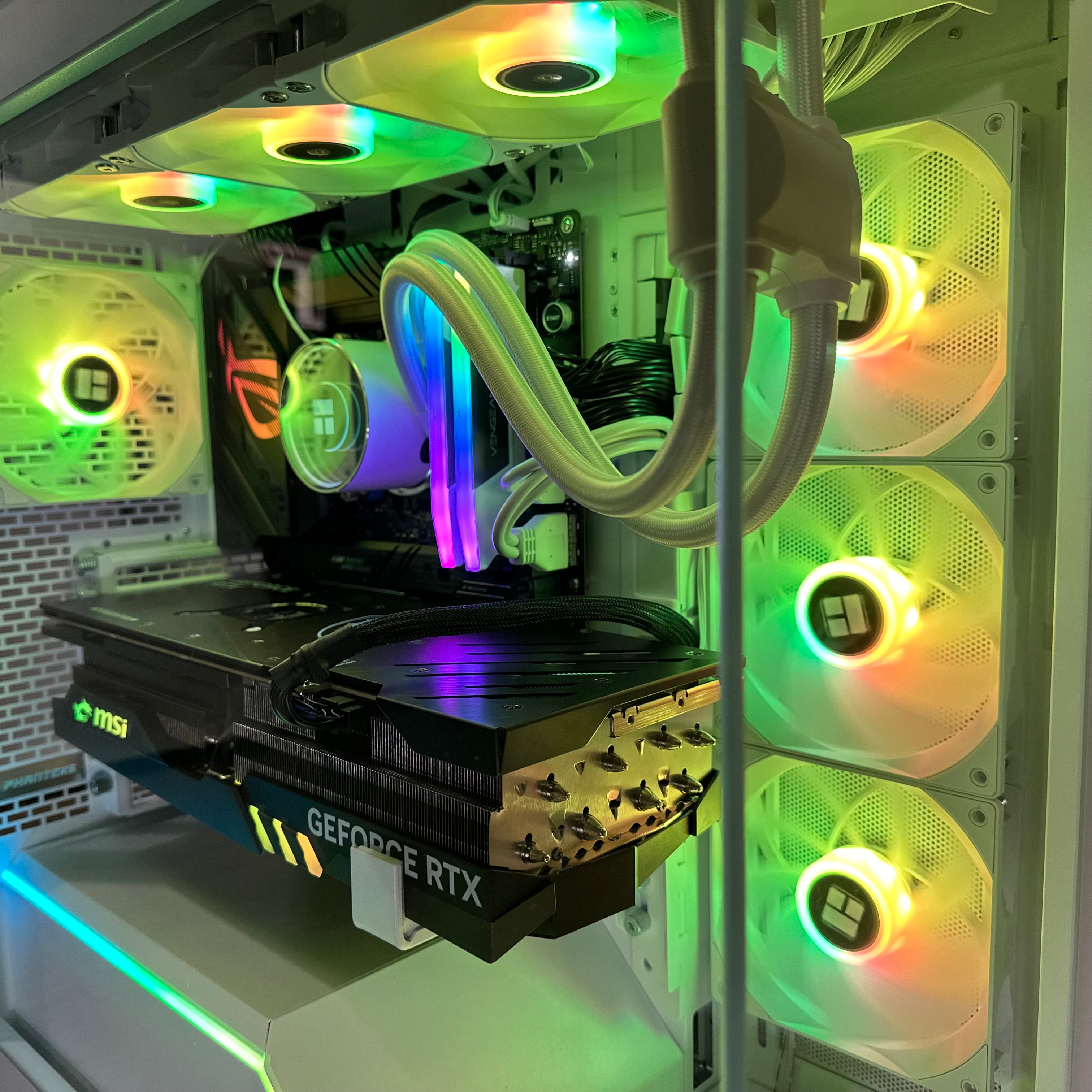
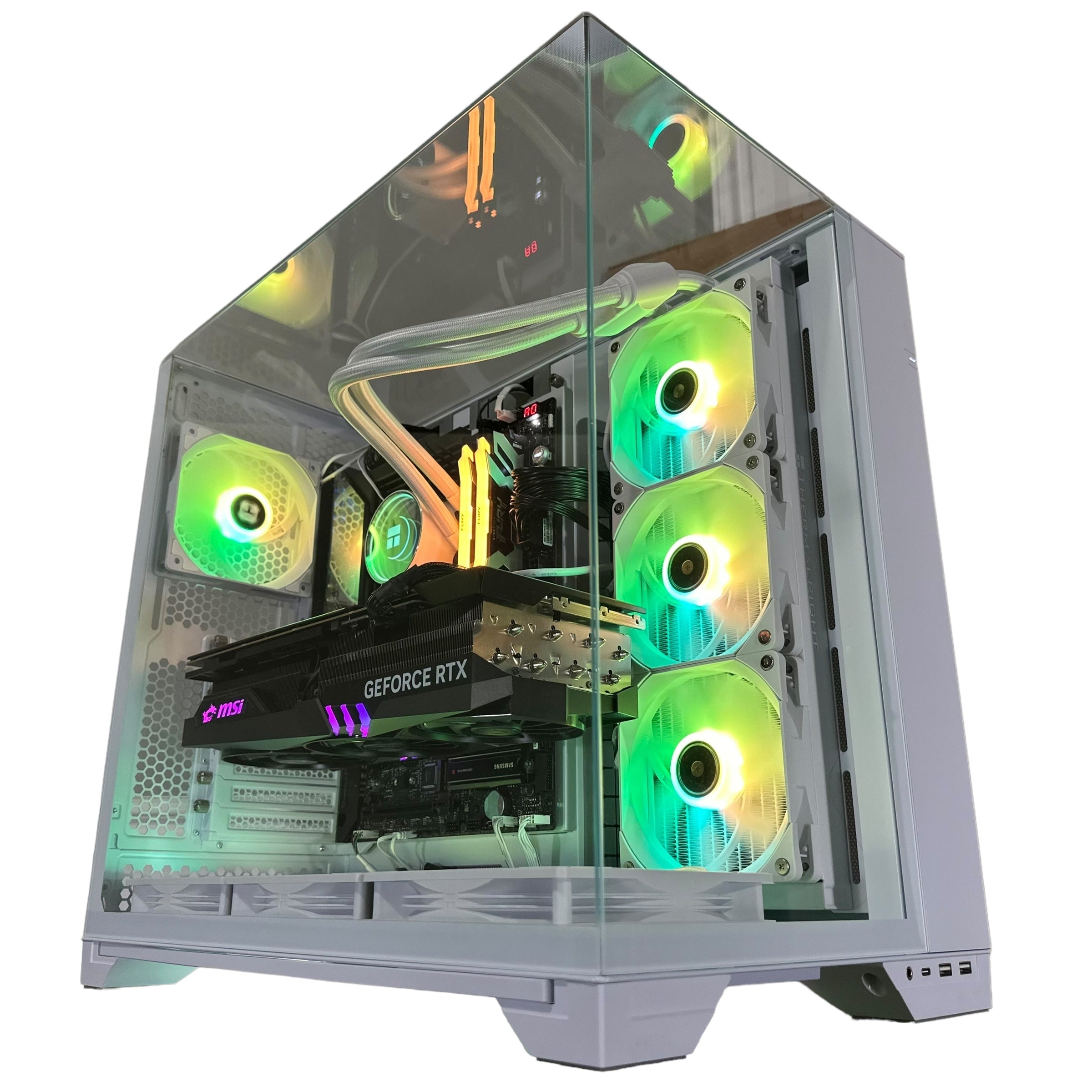
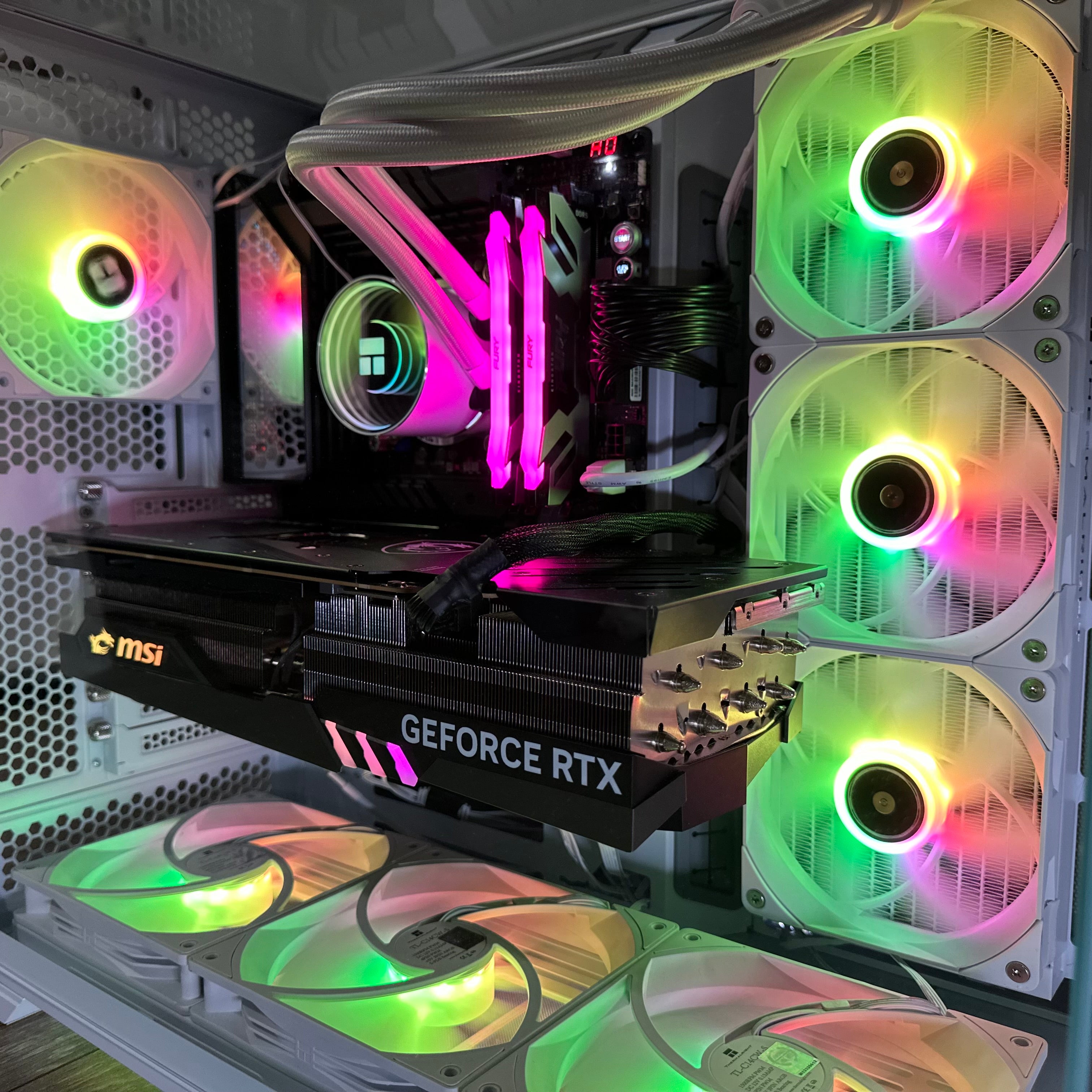
At Groovy Computers, the smarter move is not chasing fake access. It is preparing with a properly built system that is ready for major game releases, demanding open-world titles, and the performance expectations that come with modern AAA gaming. If you are planning ahead for GTA 6 or any other blockbuster release, this is the time to think less about shortcuts and more about what kind of PC will actually serve you well.
What the GTA 6 early access scam gets right about gamer demand
The scam works because it targets real behaviour. Gamers wait years for major franchises. They watch trailers, follow leaks, compare rumours, and keep asking the same question: is there any way to play early? When a game has a massive fan base and a long gap between releases, the emotional pressure gets stronger. That is exactly when bad actors step in.
The offers described in the source material use familiar signals that lower suspicion. Premium visuals. Exclusive wording. Digital access language. Limited-time urgency. Crypto payments that feel modern. A staged “verification” process that mimics a real product checkout. None of that means legitimacy, but all of it can look believable when excitement is high.
That same excitement also shapes buying decisions in the PC market. When a major title is on the horizon, many players start shopping for a better machine. Some want their first serious gaming desktop. Some want to upgrade from an aging GPU. Some want a system that can finally deliver ultra settings, high FPS, better cooling, and room for future games. Others want one machine that can game at night and edit video or stream during the day.
So the real opportunity is not early access. The real opportunity is planning properly before demand spikes hit gaming hardware, before parts become harder to source, and before you end up overpaying for the wrong tier of system.
Why Canadian gamers should think differently right now
Canadian shoppers often face a different buying environment than buyers in larger markets. Exchange pressure, shipping costs, regional inventory issues, and hardware demand can all influence total system cost. Even when a major release is still months away, consumer hype can increase traffic toward GPUs, CPUs, RAM kits, SSDs, and complete gaming desktops.
That means the smartest question is not, “Can I get GTA 6 early?” It is, “Should I secure the right PC before release-season demand pushes me into a rushed purchase?”
If you are in Nova Scotia, Atlantic Canada, or ordering elsewhere in Canada, having a trusted Canadian custom builder matters. You want clarity, support, tested components, and a machine that is assembled for your actual needs instead of a generic spec sheet. You also want to avoid the common mistake of buying too weak and replacing too fast.
Would a budget-friendly system cover what you really play? Or are you buying once and hoping it lasts through the next wave of open-world games, shooters, racing titles, mods, streaming tools, and creative software?
What do you want your next PC to do for you?
Before you buy anything, pause and define the real job of your next system.
Do you want a gaming PC for GTA 6 and other new AAA releases? Do you also want to play competitive titles at high refresh rates? Are you planning on streaming to Twitch or YouTube? Do you edit clips for TikTok, Reels, or long-form YouTube content? Do you need a creator-friendly system for Adobe apps, DaVinci Resolve, Blender, Photoshop, or Illustrator when you are not gaming?
This is where many buyers go wrong. They shop by hype instead of workload. A better buying strategy starts with use case.
- Gaming-focused buyer: You care most about resolution, frame rate, visual settings, and smooth gameplay in modern titles.
- Gaming and streaming buyer: You want to game and broadcast at the same time without frame drops, encoding issues, or thermal headaches.
- Content creator: You need strong gaming performance, but also fast exports, responsive timelines, multitasking capacity, and lots of storage.
- Designer or photographer: You want snappy Adobe performance, enough RAM, fast SSDs, and a system that stays responsive with large files and multiple apps open.
- 3D modeler or workstation user: You need heavier CPU and GPU capability, more memory, and dependable performance under sustained loads.
If your current desktop struggles with newer games, runs hot, has limited storage, or forces you to lower settings more than you want, then the GTA 6 hype cycle may simply be revealing what you already knew: your system is due.
What gaming PC do you need for GTA 6 and other new AAA games?
No unofficial early-access site can give you a real GTA 6 experience, but the right hardware can make sure you are ready when major releases actually arrive. If you are shopping for a gaming PC for GTA 6, think in terms of target experience rather than just minimum survival specs.
Entry tier: 1080p gaming for value-focused buyers
If your goal is solid 1080p performance in modern games with sensible settings, an entry-to-midrange gaming desktop may be enough. This tier often makes the most sense for first-time buyers, students, esports players, and shoppers who want strong value without paying for 4K ambitions they do not have.
Ask yourself: are you mainly playing at 1080p on a standard monitor? Are you trying to keep the build affordable while still staying capable for upcoming games? Do you want a budget gaming computer that performs well today without pretending to be a flagship machine?
This tier is often ideal for buyers who want a practical start but still need room for a future GPU or storage upgrade.
Mid tier: 1440p gaming sweet spot
For many Canadian gamers, 1440p is the real sweet spot. It offers a noticeably better visual experience than 1080p while staying more cost-efficient than a full 4K build. If you want a gaming PC for new games that feels premium without moving all the way into top-tier pricing, this is often where the best balance lives.
Do you want better textures, stronger average FPS, and enough GPU headroom for demanding open-world games? Do you care about ray tracing, but still want practical value? Are you trying to avoid buying a machine that feels underpowered a year from now?
If so, a well-balanced 1440p system is often the strongest recommendation.
High-end tier: 4K and ray tracing performance
If you are aiming for a true high-end experience, 4K gaming and heavier ray tracing workloads require a different class of hardware. This is where buyers need to be honest with themselves. A premium GPU, stronger cooling, quality power delivery, and a CPU that can keep up all matter more at this level.
Do you want ultra settings in upcoming AAA games? Are you gaming on a large 4K display? Do you want to keep this system for years and avoid another major upgrade too soon? Are you also interested in streaming, recording, AI-assisted tools, or creator work on the same machine?
Then a premium custom gaming PC is likely the smarter fit than a stripped-down mass-market box with flashy branding and weak balance.
What if you want to stream, edit, or create content too?
This is where a lot of “gaming-only” purchases become expensive mistakes. Many buyers start with a gaming goal and then quickly realize they also want to stream gameplay, record footage, cut highlight reels, use OBS, edit in Premiere Pro, colour in DaVinci Resolve, design thumbnails in Photoshop, or create social content across multiple platforms.
So ask the next question early: is your next PC only for gaming, or is it really a gaming and creator system?
A streaming and editing workload changes your ideal parts mix. You may need more RAM, a better multi-core CPU, additional SSD capacity, stronger airflow, and a GPU that helps with both gaming and creative acceleration. If you are a content creator, your system should not just run games. It should save you time.
- For streaming: prioritize stable gaming performance while encoding, enough CPU overhead, efficient GPU-assisted streaming, and multitasking headroom.
- For video editing: prioritize CPU strength, RAM capacity, fast NVMe storage, and a GPU that accelerates playback and exports.
- For photo editing and graphic design: prioritize responsiveness, RAM, storage speed, and a balanced CPU/GPU setup for Adobe workloads.
- For content creation across gaming, streaming, and editing: build for mixed workloads, not just one benchmark.
If your current machine makes editing frustrating, timelines laggy, and streaming unstable, then a custom creator PC may be the better answer than another gaming-only purchase.
Could the hype around big game releases push PC demand and prices higher?
That risk is always worth considering. High-interest gaming releases can influence demand indirectly. More gamers start searching for upgrades. More buyers compare GPUs. More people decide they need more SSD space, more RAM, or a better processor. That increased urgency does not guarantee a shortage, but it can tighten availability and reduce flexibility for late buyers.
And gaming demand is not the only factor. Creator workloads are rising. AI-enhanced software features are becoming more common. Higher-resolution assets and larger project files are normal now. Even casual users often multitask across browsers, chat apps, launchers, editing tools, and capture software all at once. The “good enough” PC from a few years ago may not feel good enough anymore.
So the timing question becomes practical: do you buy while you can choose calmly, or do you wait until a release window, sale period, or stock shift forces a compromise?
Should you buy now or wait for a better time?
This depends on your current system, your budget, and how soon you plan to use the machine seriously.
If your PC is already struggling, waiting can be false savings. You may spend months tolerating poor performance, only to buy later under more pressure. If your build is still acceptable and your goals are modest, waiting may be reasonable. But if you know a major game release, streaming plan, editing workflow, or school/work project is coming, then “wait and see” is not always the cheapest strategy.
Ask yourself a few honest questions:
- Can your current PC handle the games you want to play over the next year?
- Are you planning to move from 1080p to 1440p or 4K soon?
- Do you expect to stream, edit, or create more content in the near future?
- Would one stronger purchase now save you from a second upgrade later?
- Are you worried that replacing parts or buying a full system later could cost more?
If the answer to several of those is yes, then buying strategically now often makes more sense than waiting for the “perfect” moment.
Which performance tier fits you best?
One of the most useful ways to shop is to match your needs to a realistic performance tier. Not every buyer should chase the highest spec. But not every buyer should settle for entry-level either.
Tier 1: Budget-conscious gamer
This buyer wants dependable 1080p play, good value, and enough power for mainstream gaming without paying for premium features they may not use.
This may be you if you are asking: how much should I spend on a gaming PC? Can a budget gaming PC play new games? Is it better to start with a practical build and upgrade later?
Tier 2: Mainstream enthusiast
This buyer wants stronger 1440p performance, better visuals, and a more future-aware build. They may play a mix of esports and AAA games and want a system that feels fast for years, not months.
This may be you if you are asking: what PC do I need for 1440p gaming? Should I spend a bit more now to avoid upgrading too soon? Is a custom gaming PC worth it if I want better cooling and cleaner part selection?
Tier 3: Premium gamer and streamer
This buyer wants high settings, premium responsiveness, better ray tracing support, and enough overhead to stream, record, and multitask confidently.
This may be you if you are asking: do I need a separate streaming PC? Is CPU or GPU more important for streaming? Should I buy a high-end system if I want one machine for gaming and broadcasting?
Tier 4: Hybrid creator and workstation user
This buyer wants gaming performance but also relies on creative software, rendering tasks, editing timelines, heavy multitasking, or professional workloads.
This may be you if you are asking: is a gaming PC good for video editing? What PC do content creators need? How much RAM do I need for video editing, graphic design, or Blender? Would a creator workstation save me time every week?
Why custom builds matter more when the market feels uncertain
Scam pages sell fantasy. Generic low-effort PCs often sell compromise. A custom build is where you gain control.
When you choose a properly built custom system, you are not just choosing a processor and graphics card. You are choosing a balanced machine. That means the cooling makes sense for the CPU. The power supply makes sense for the GPU. The storage setup makes sense for your game library or project files. The case airflow, memory capacity, and upgrade path are considered together, not assembled as an afterthought.
This matters even more when prices feel volatile. If parts cost more later, replacing a bad buying decision gets more expensive too. A weak power supply, poor airflow case, limited RAM, tiny SSD, or mismatched CPU/GPU combination can shorten the useful life of your machine and force upgrades sooner than expected.
Would you rather buy once with a clear build plan, or buy twice because the first machine looked cheap but was not actually suited to what you do?
Why crypto-only offers are a red flag, but financing a real PC can be smart
The source story makes one point very clear: crypto-only payment demands remove buyer protection. That is one reason scam operators favour them. Once the funds are sent, recovery is difficult or impossible.
That should not make buyers afraid of spending. It should make them more selective about where and how they spend.
If you know you need a stronger desktop, financing can be a sensible tool when used for a real asset from a real Canadian PC builder. Instead of settling for a lower-spec machine that you outgrow quickly, some customers prefer to spread the cost and secure a better-performing system now.
Would financing help you get the GPU tier, RAM capacity, storage space, or creator-ready performance you actually need? Would monthly payments make it easier to buy a system that lasts longer and reduces the chance of replacing it early?
For many buyers, the decision is not “buy or do not buy.” It is “buy underpowered now, or finance a stronger machine that fits the job properly.” That is a more useful conversation than anything a fake early-access page is offering.
What should you ask before choosing a gaming PC, creator PC, or workstation?
Before you commit, ask the questions that actually shape long-term satisfaction.
- What games do you play most? Open-world AAA titles, esports shooters, racing games, modded sandbox games, or a mix?
- What resolution are you targeting? 1080p, 1440p, or 4K?
- Do you care about ray tracing, high refresh rates, or ultra settings?
- Will you stream or record gameplay? If yes, how often and at what quality level?
- Do you edit video, photos, or graphics? Which apps matter most to you?
- Do you work with Blender, CAD, rendering, or heavier workstation tasks?
- How much storage do you really need? Modern games and media libraries add up quickly.
- How long do you want the system to feel current? One to two years, or much longer?
- Would financing a stronger build now help you avoid an earlier replacement?
These are the questions that lead to good builds. Not fake countdown timers. Not “exclusive access” claims. Not crypto wallets on a scam page.
Why Groovy Computers is the better answer for Canadian buyers
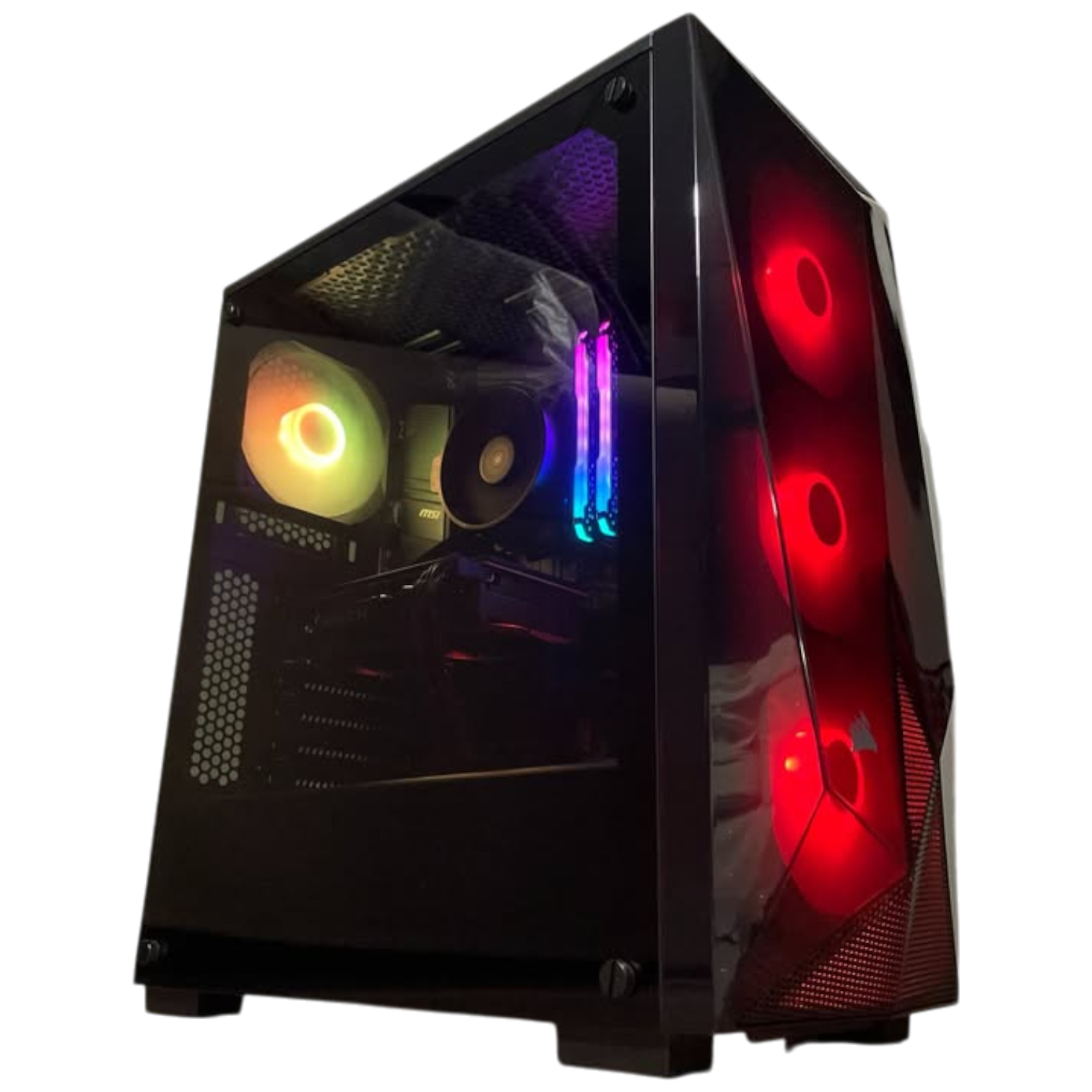
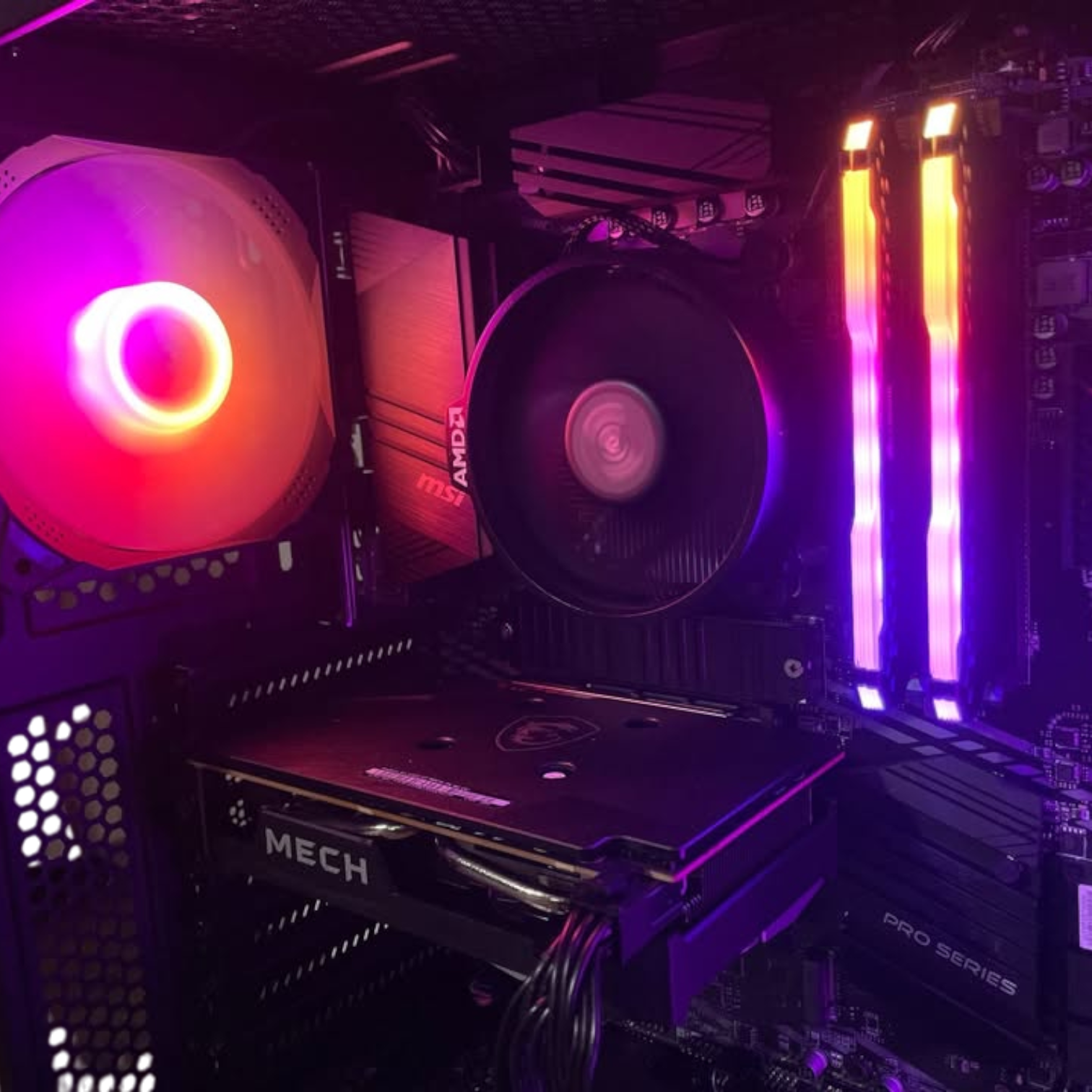
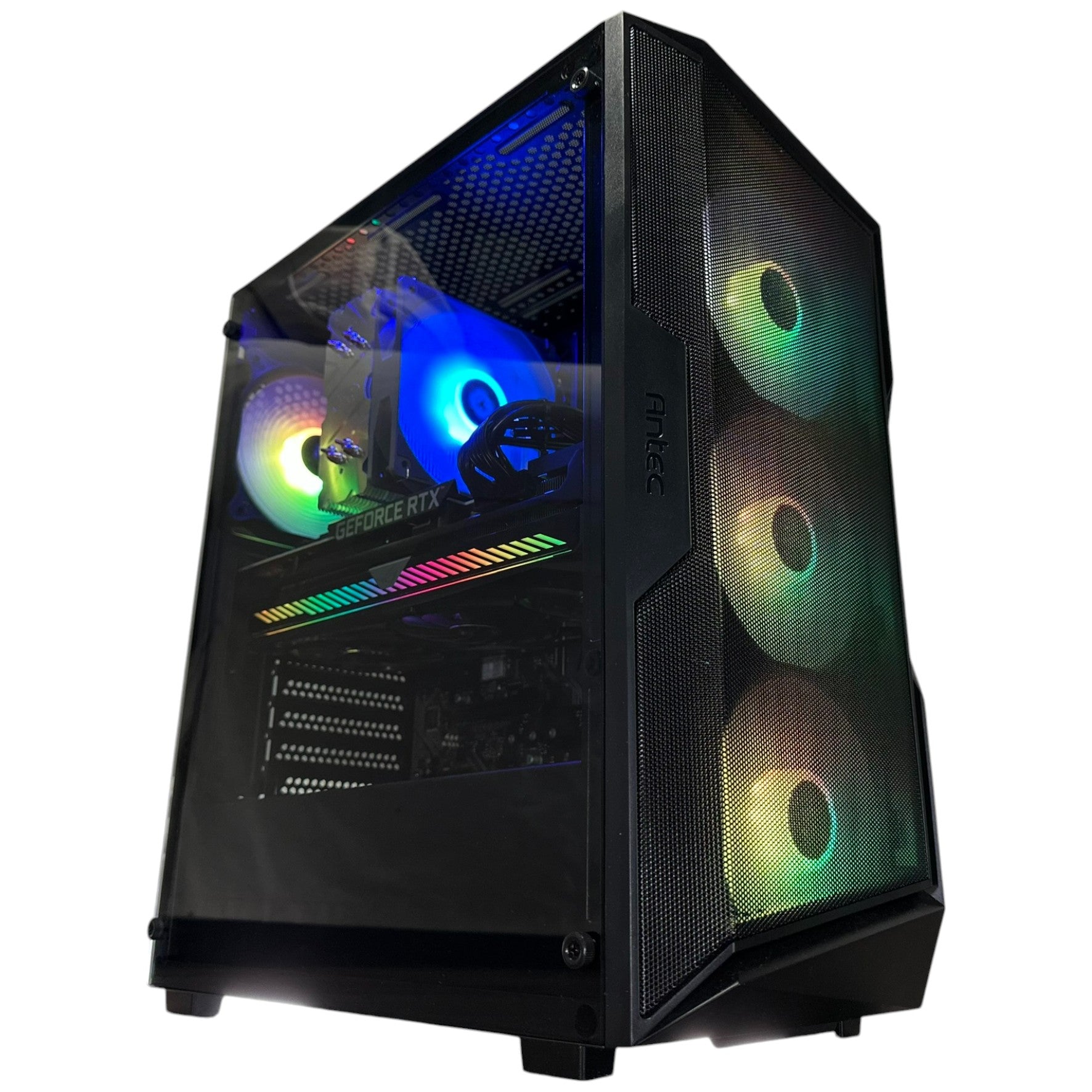
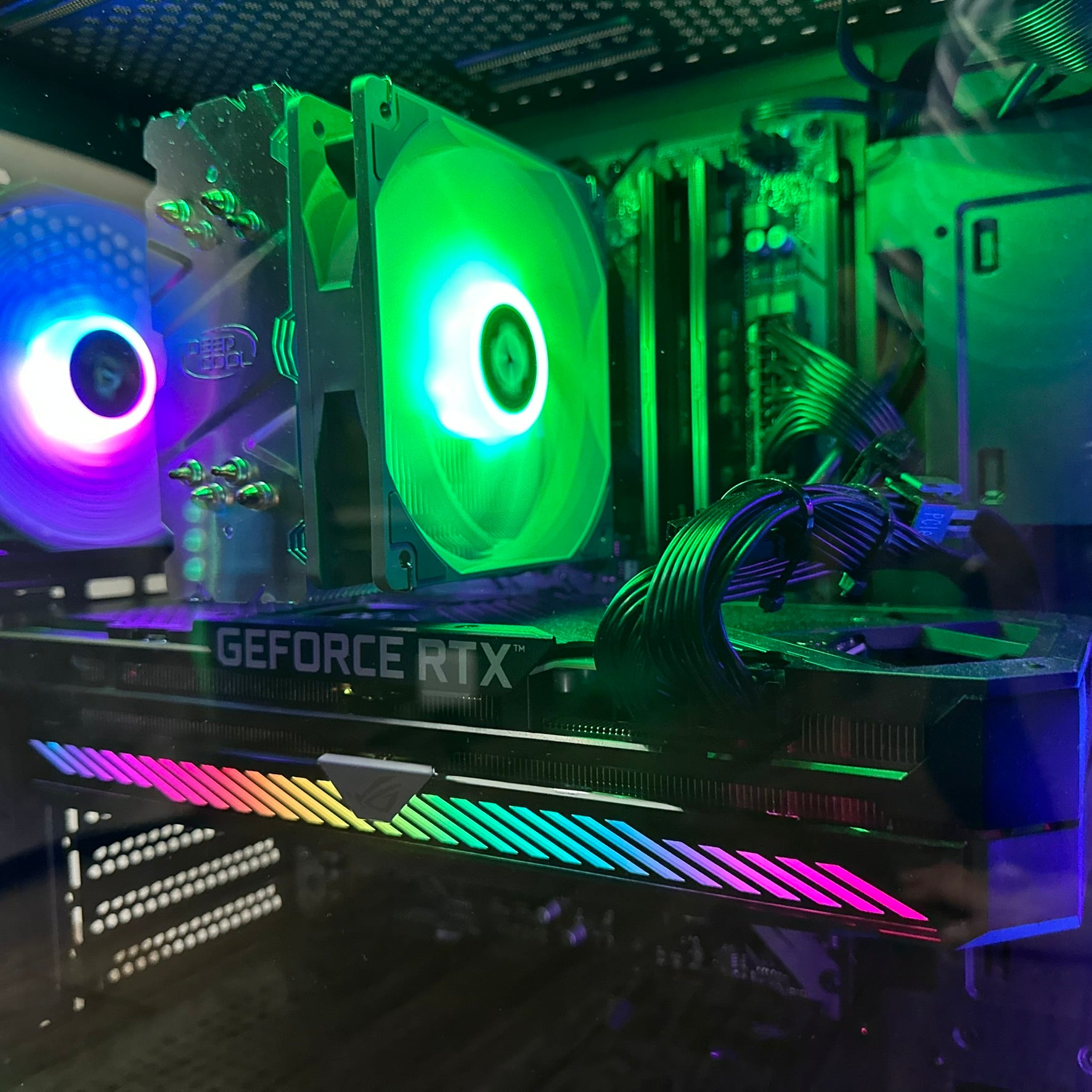
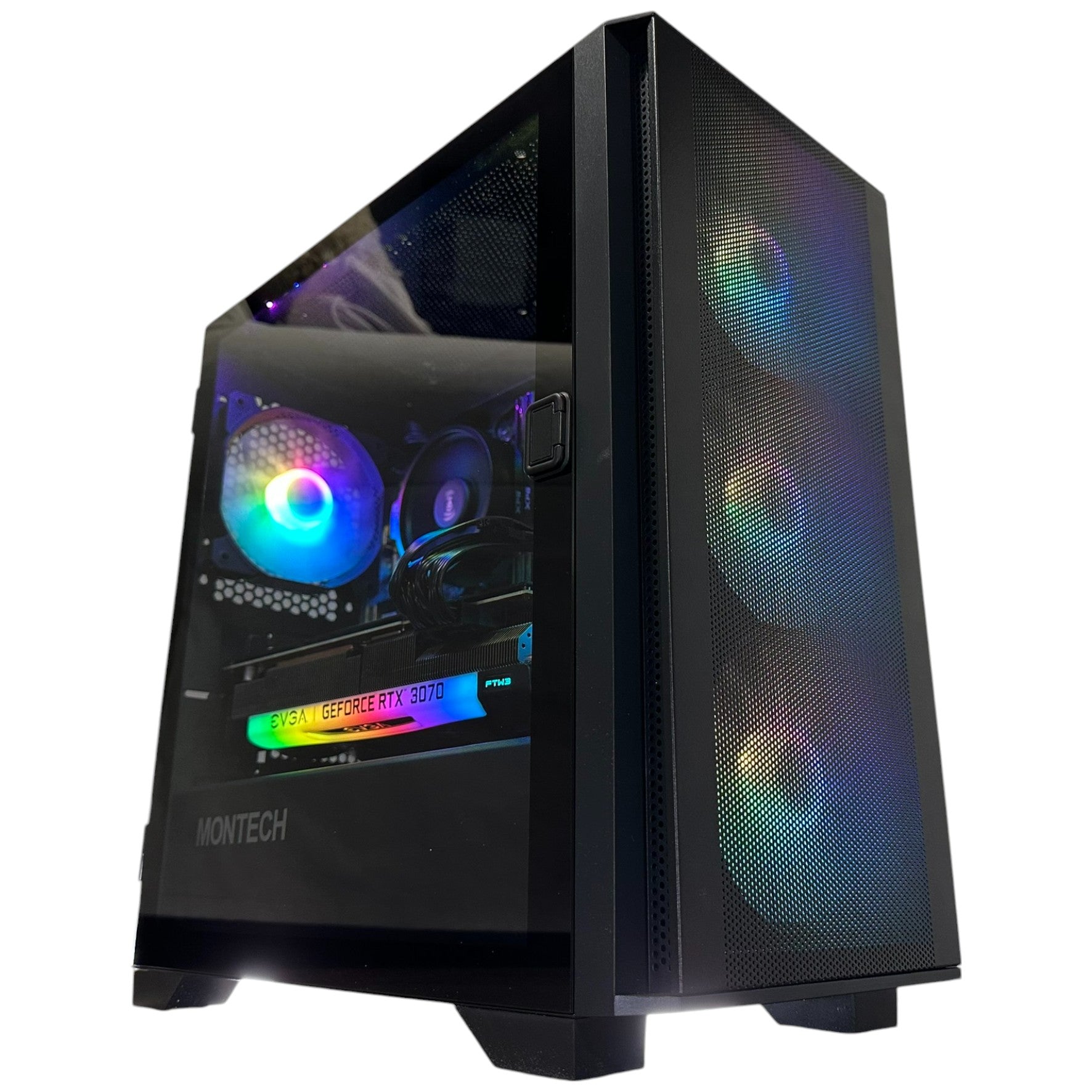
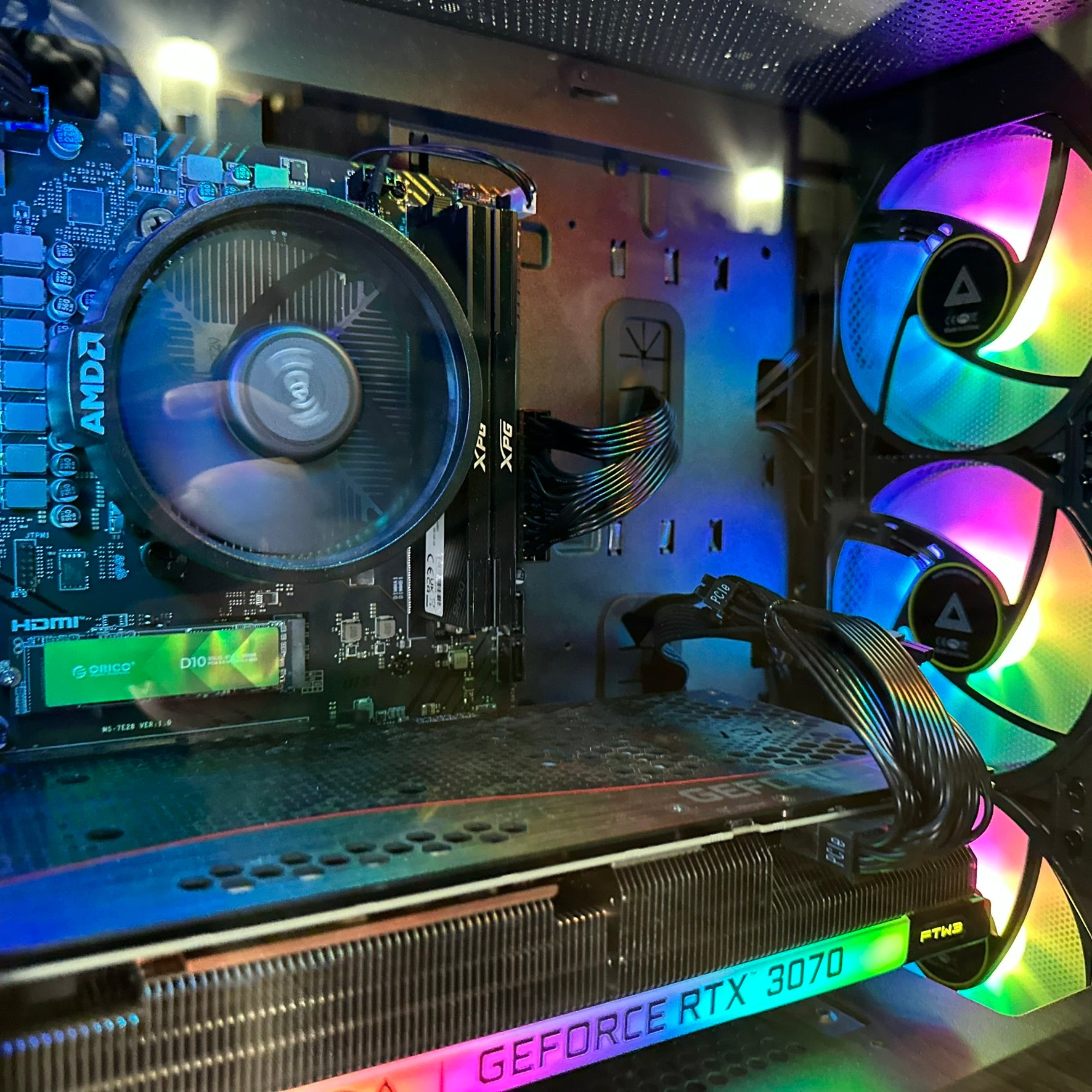
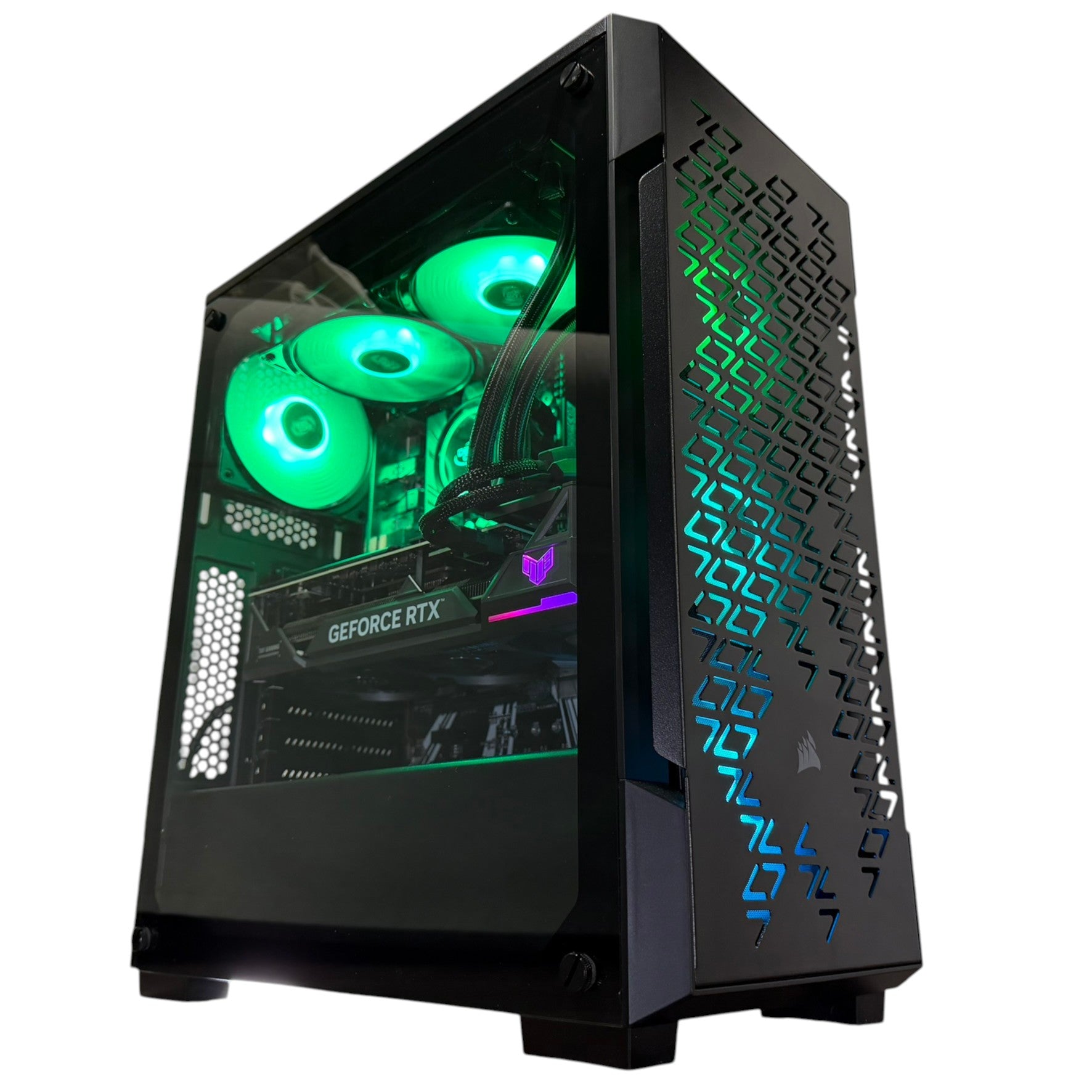
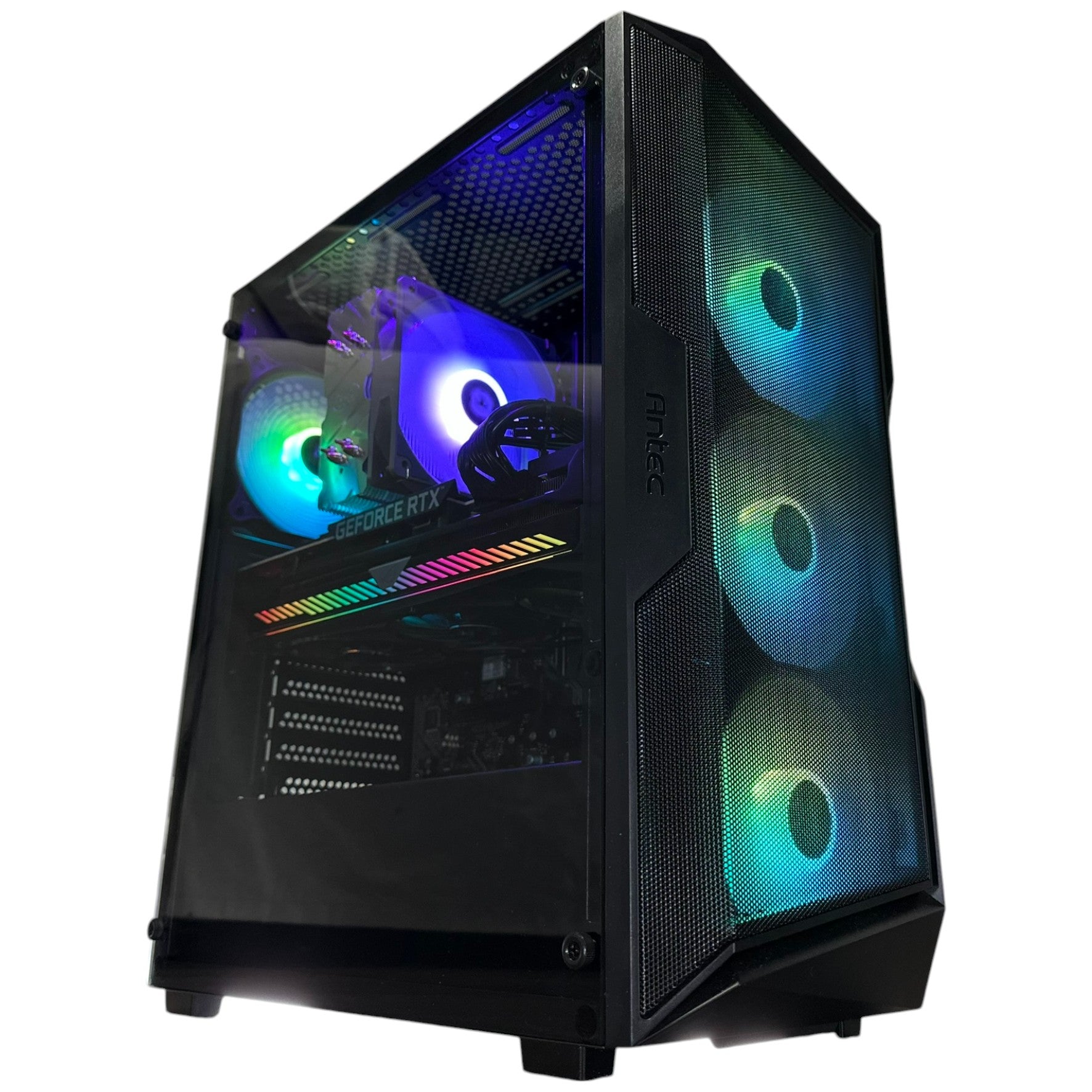
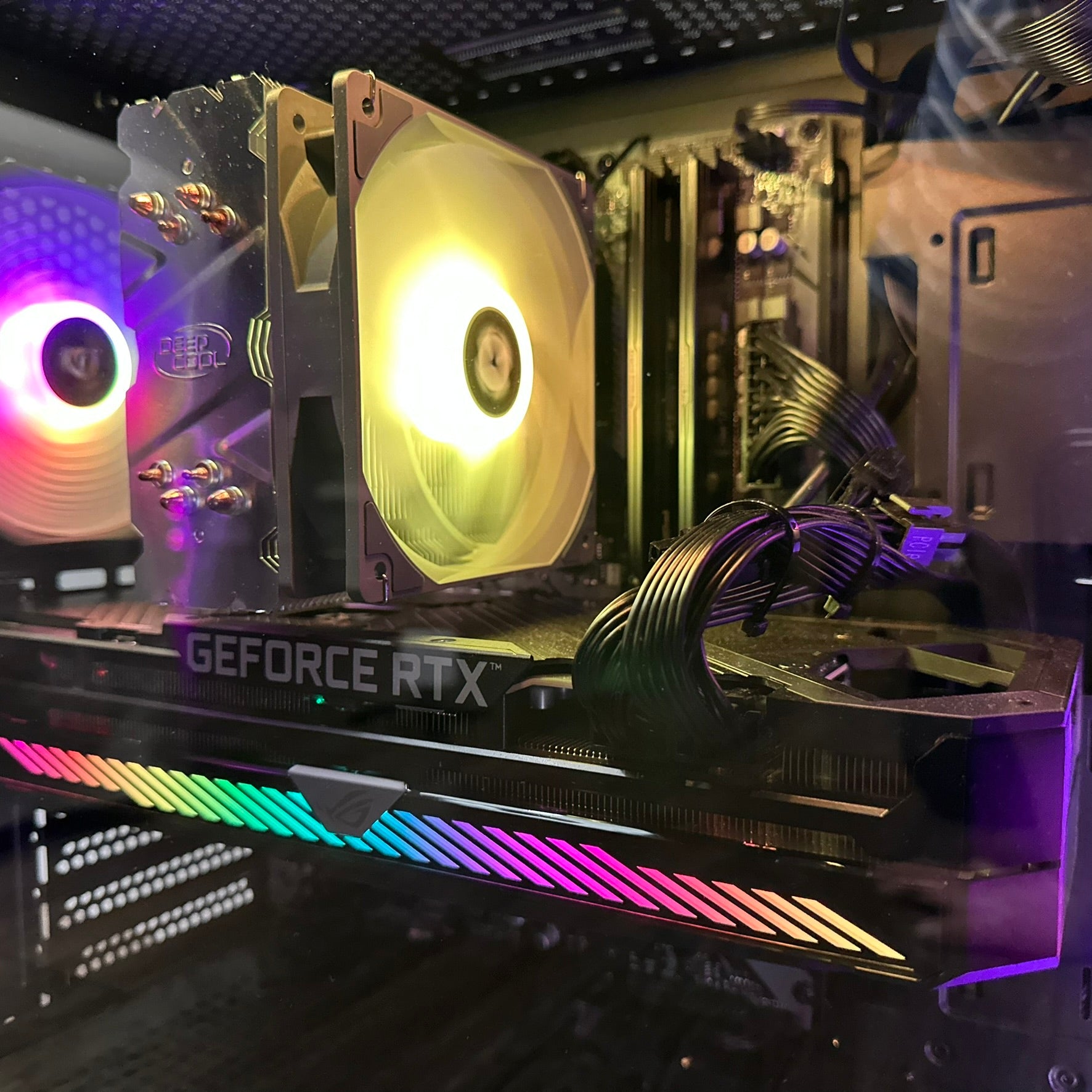
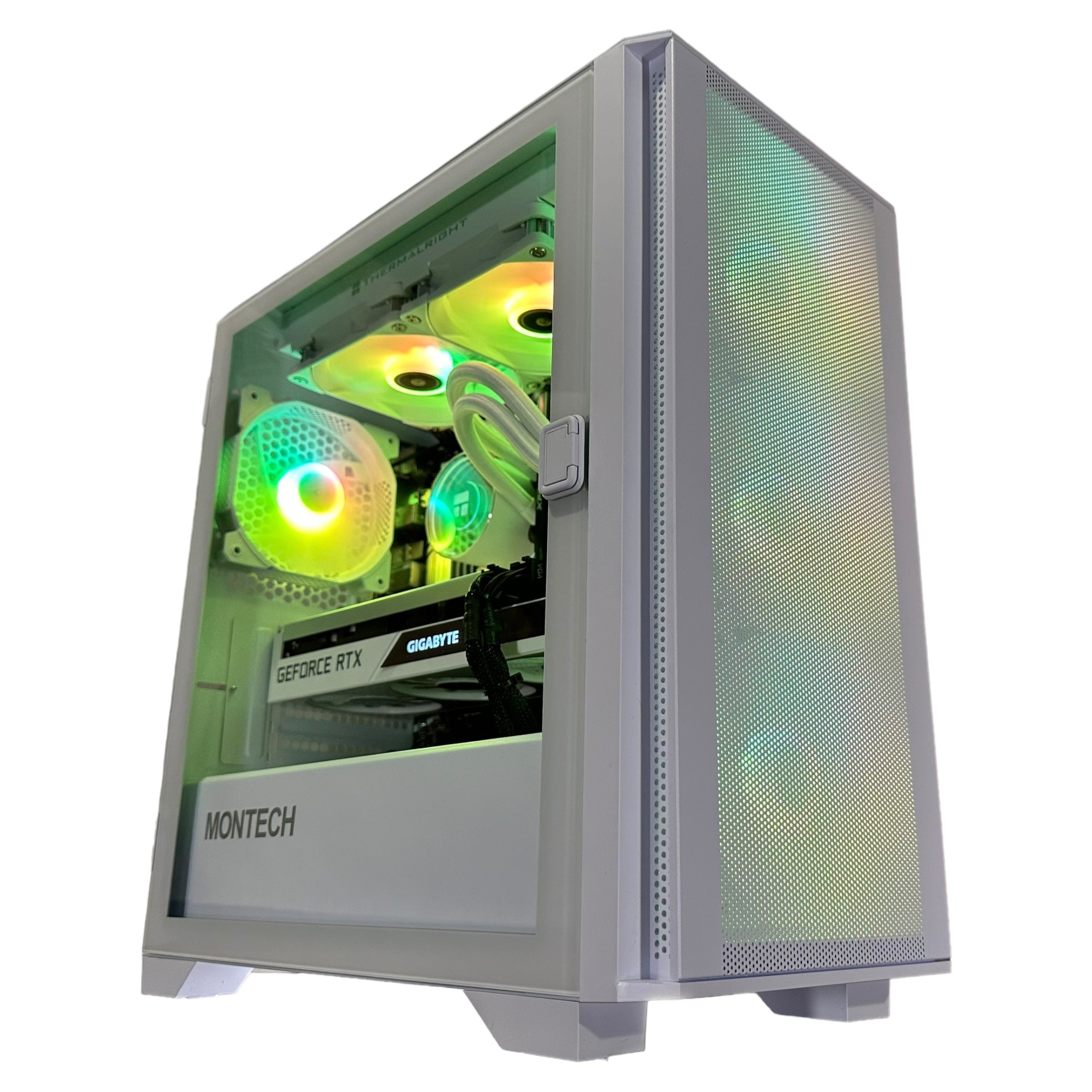
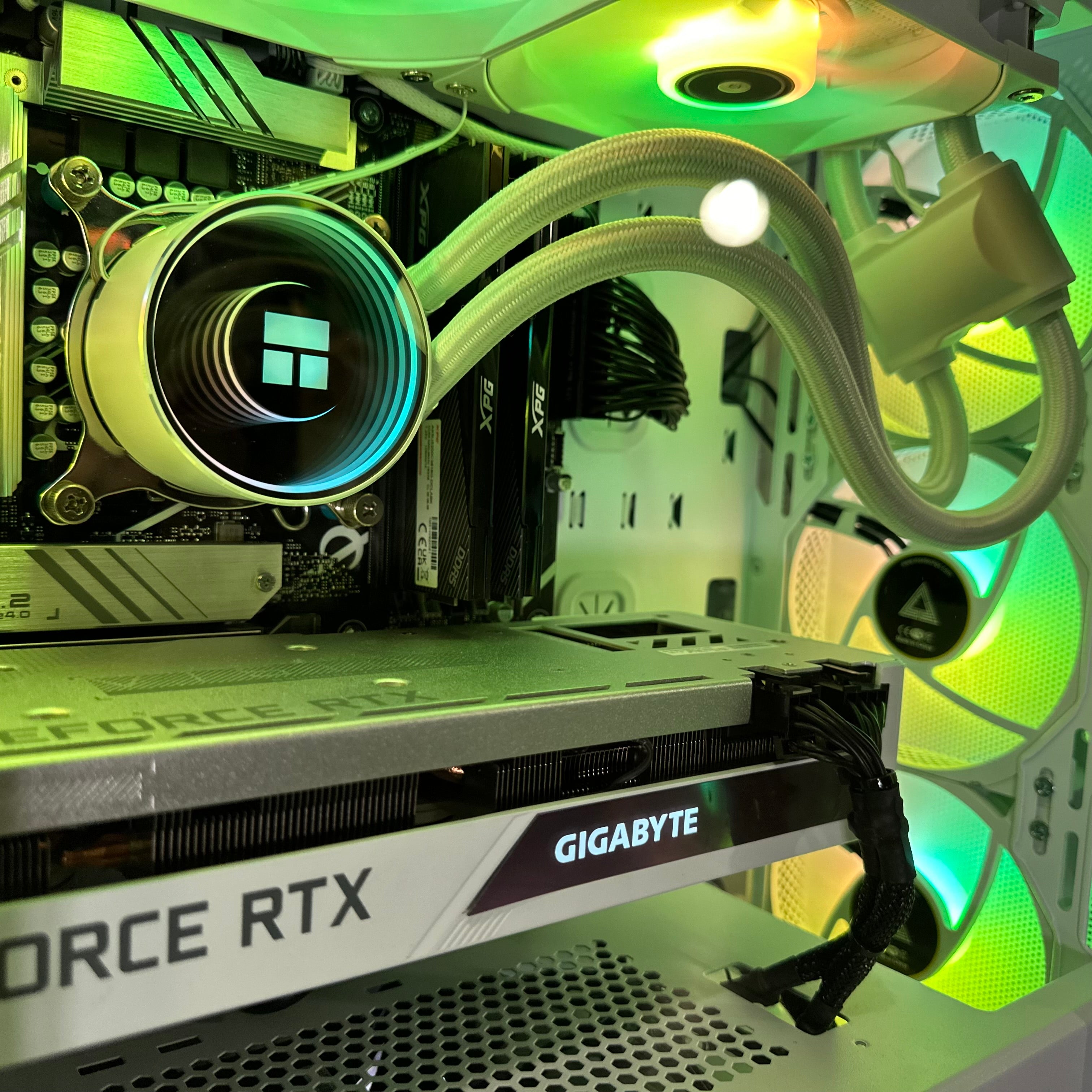
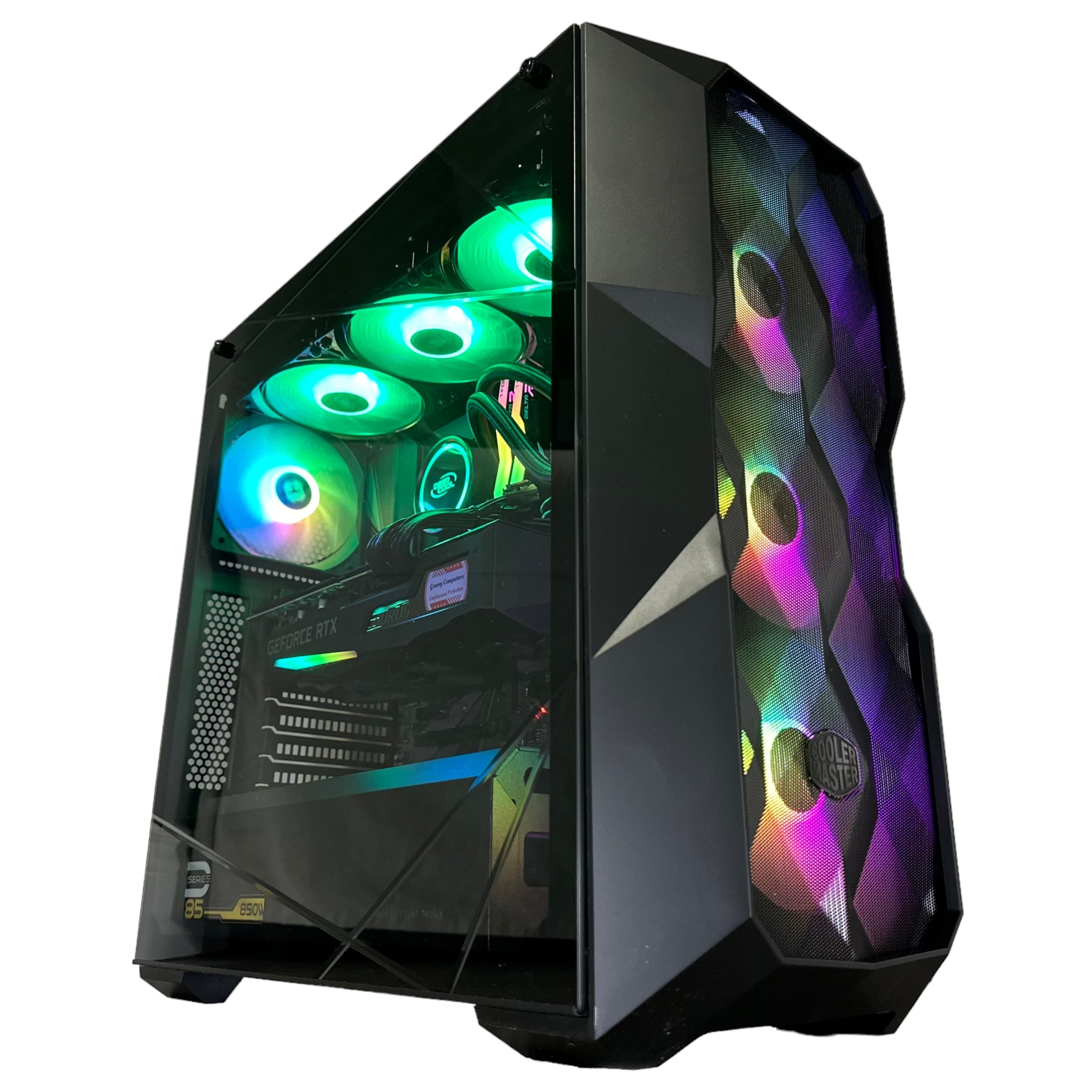
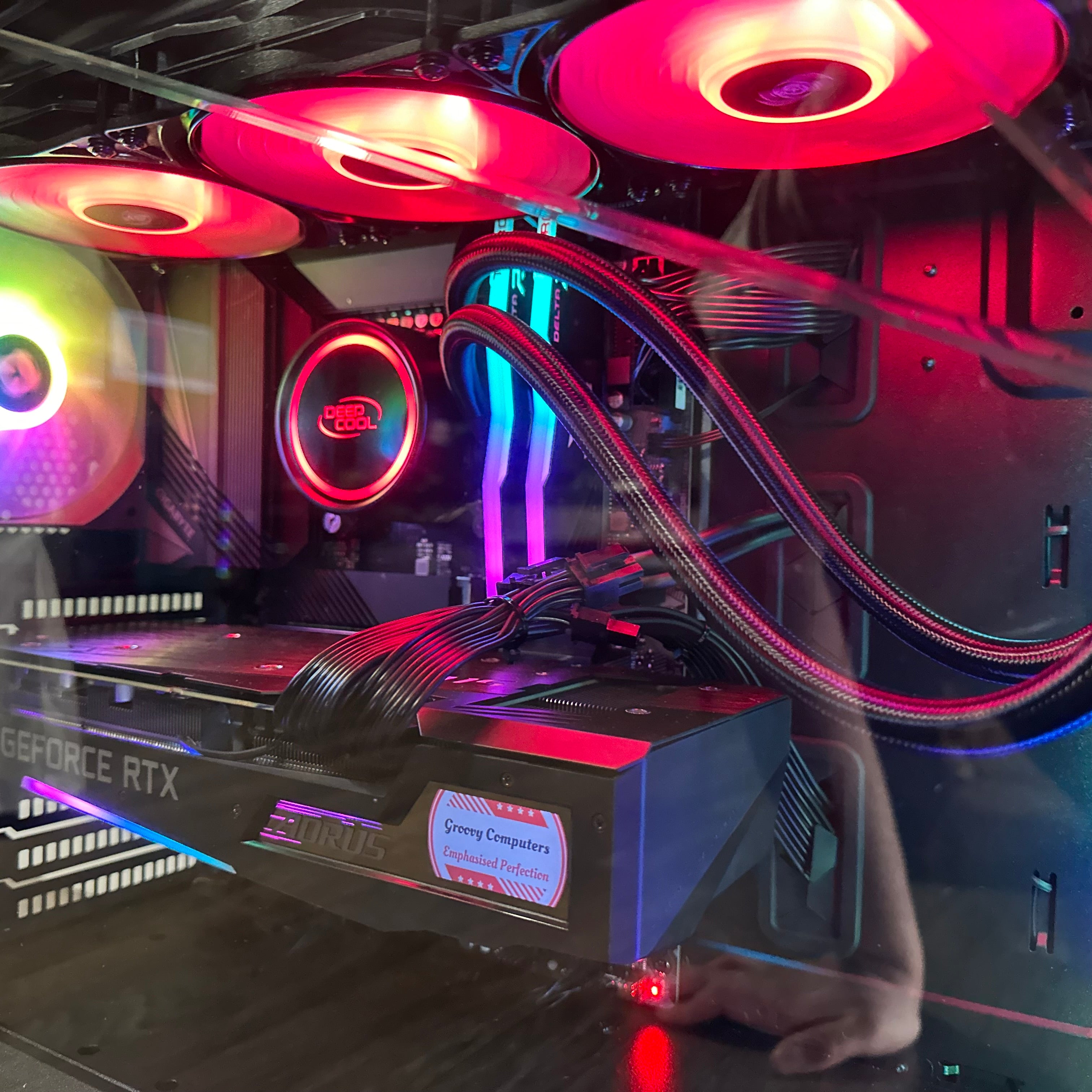
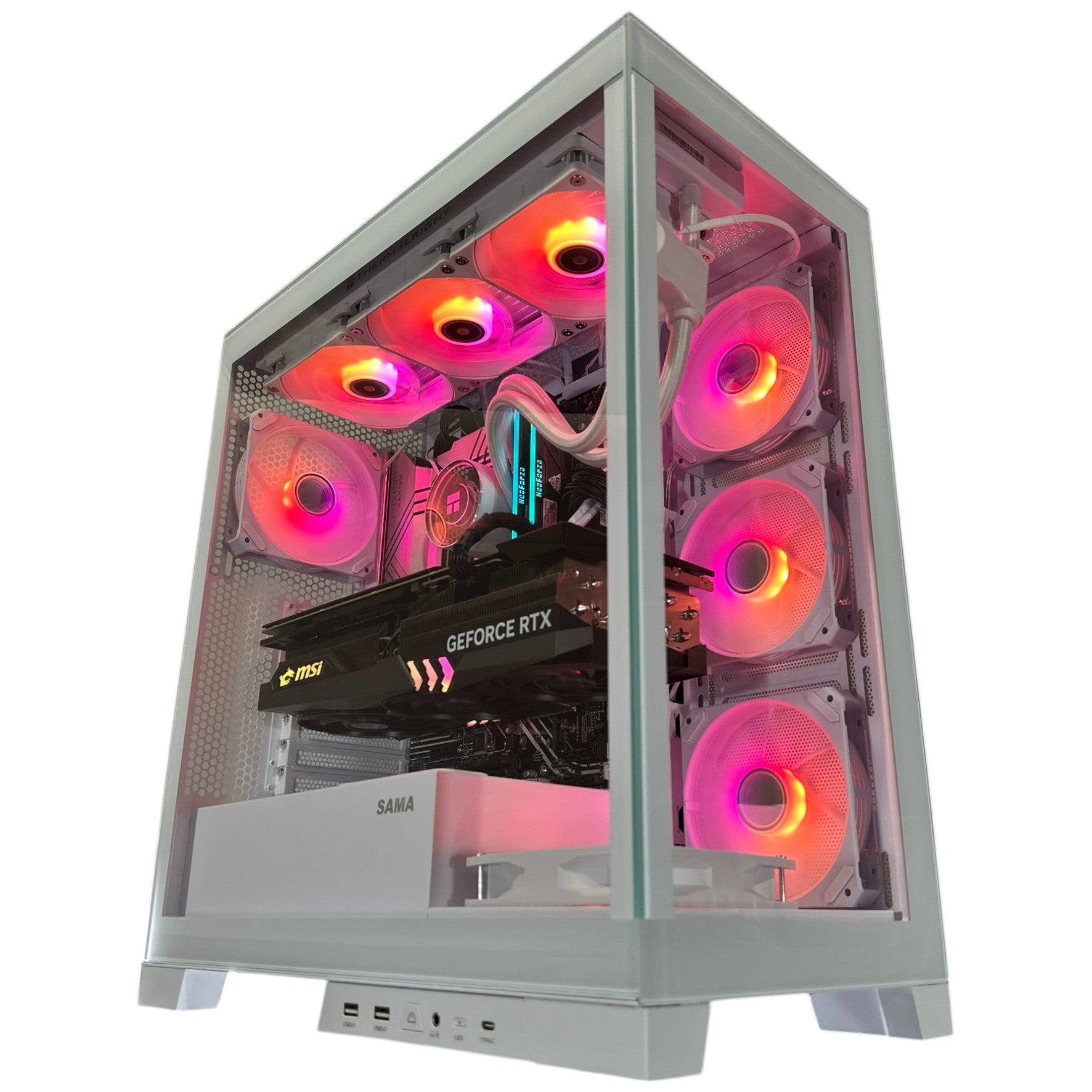
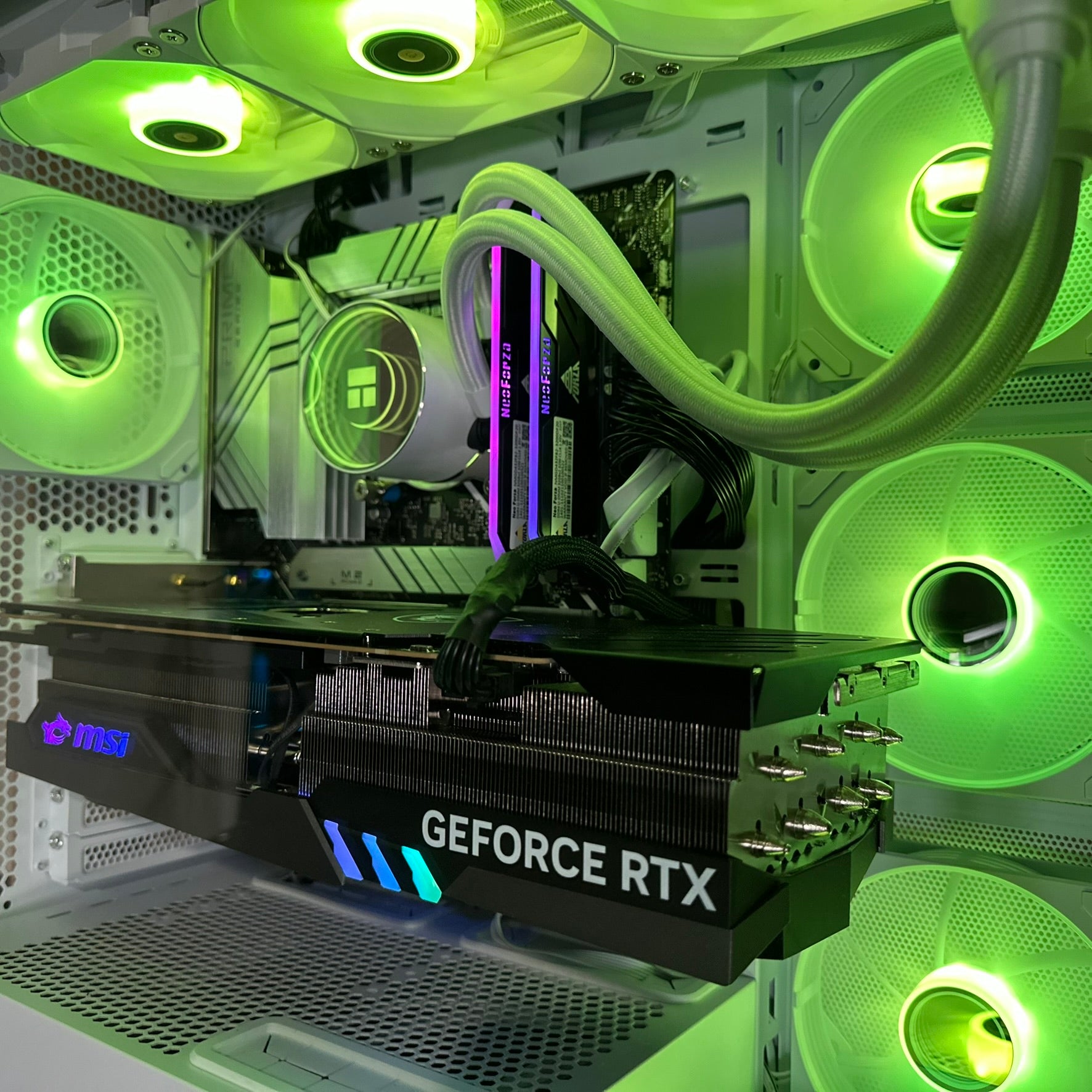
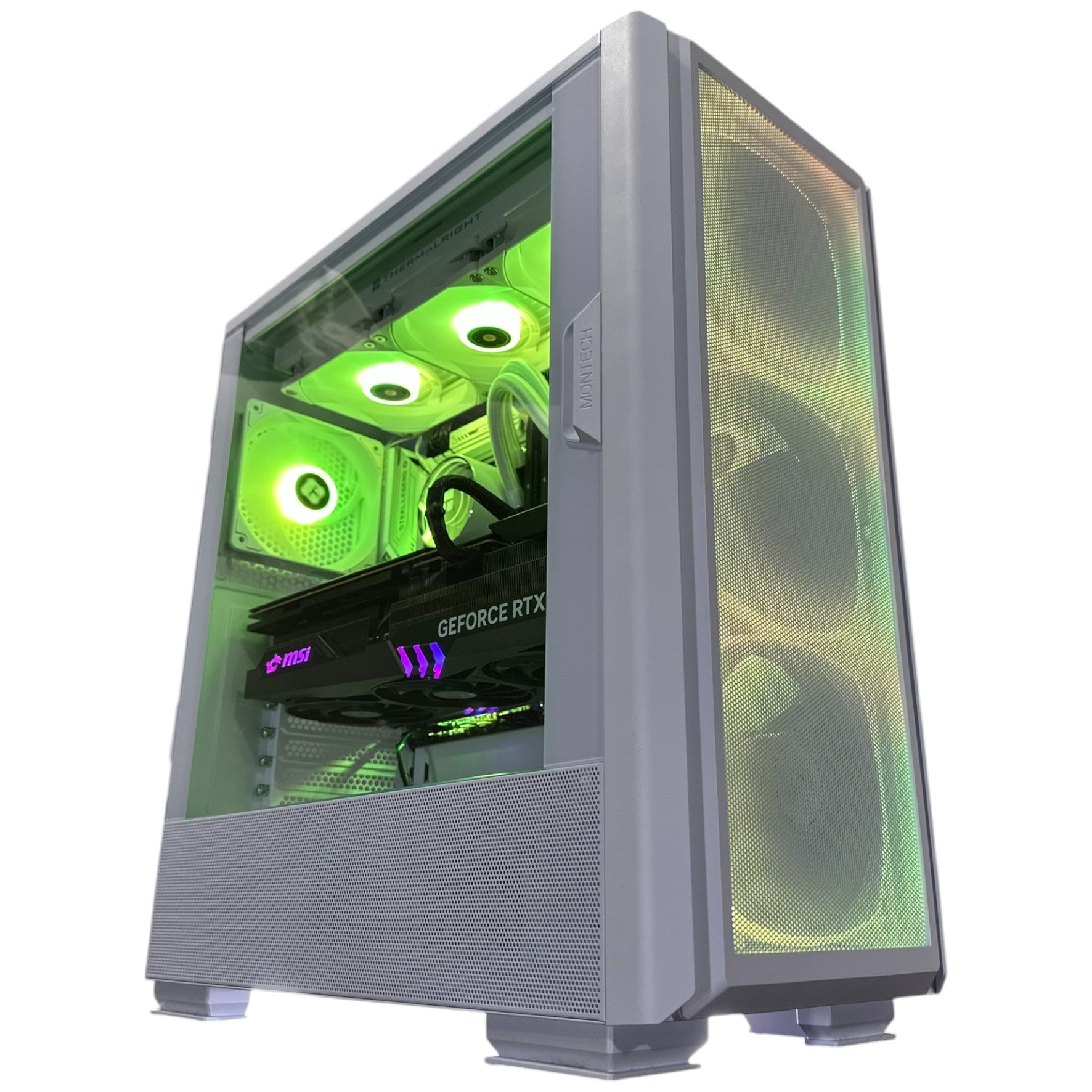
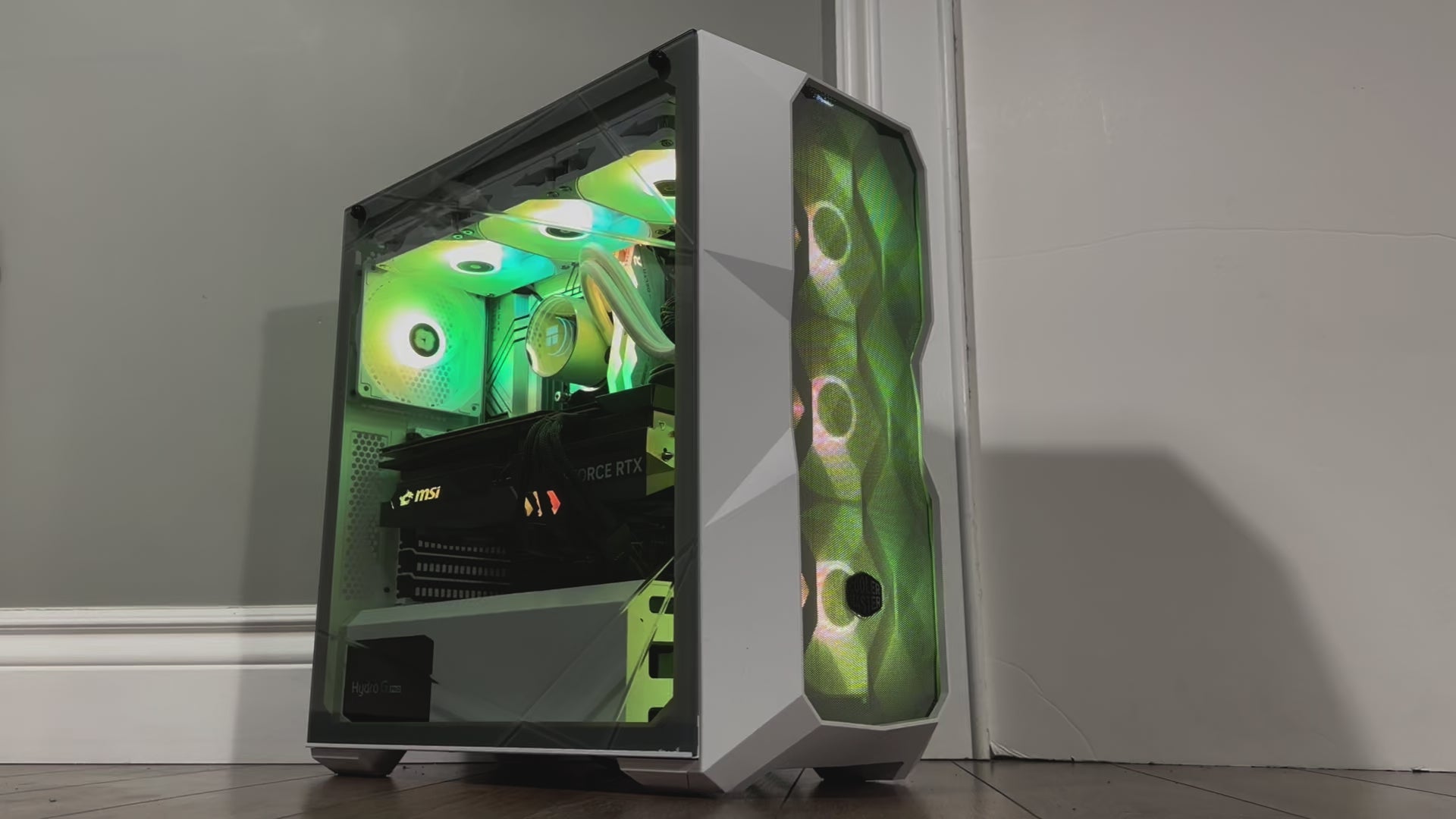
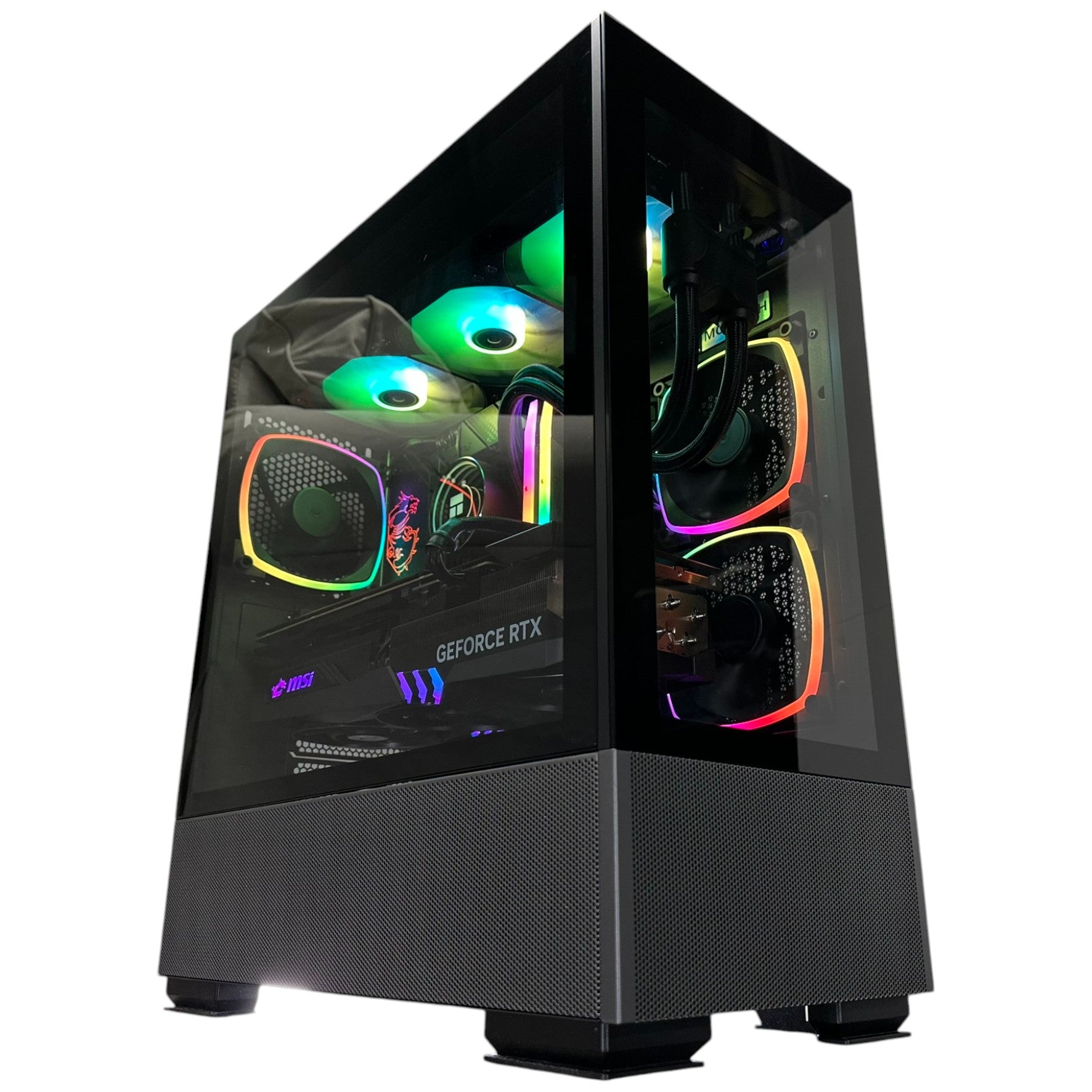
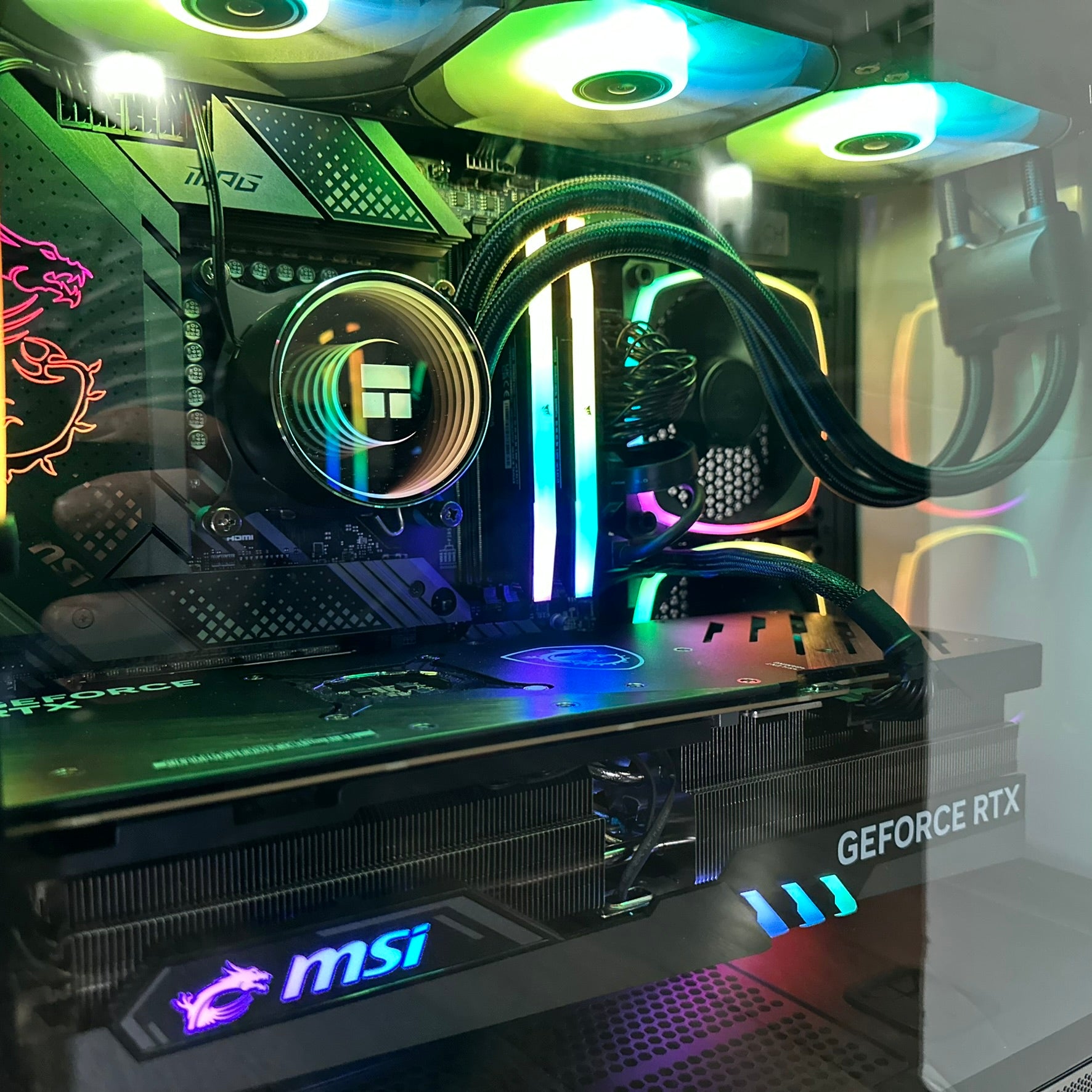
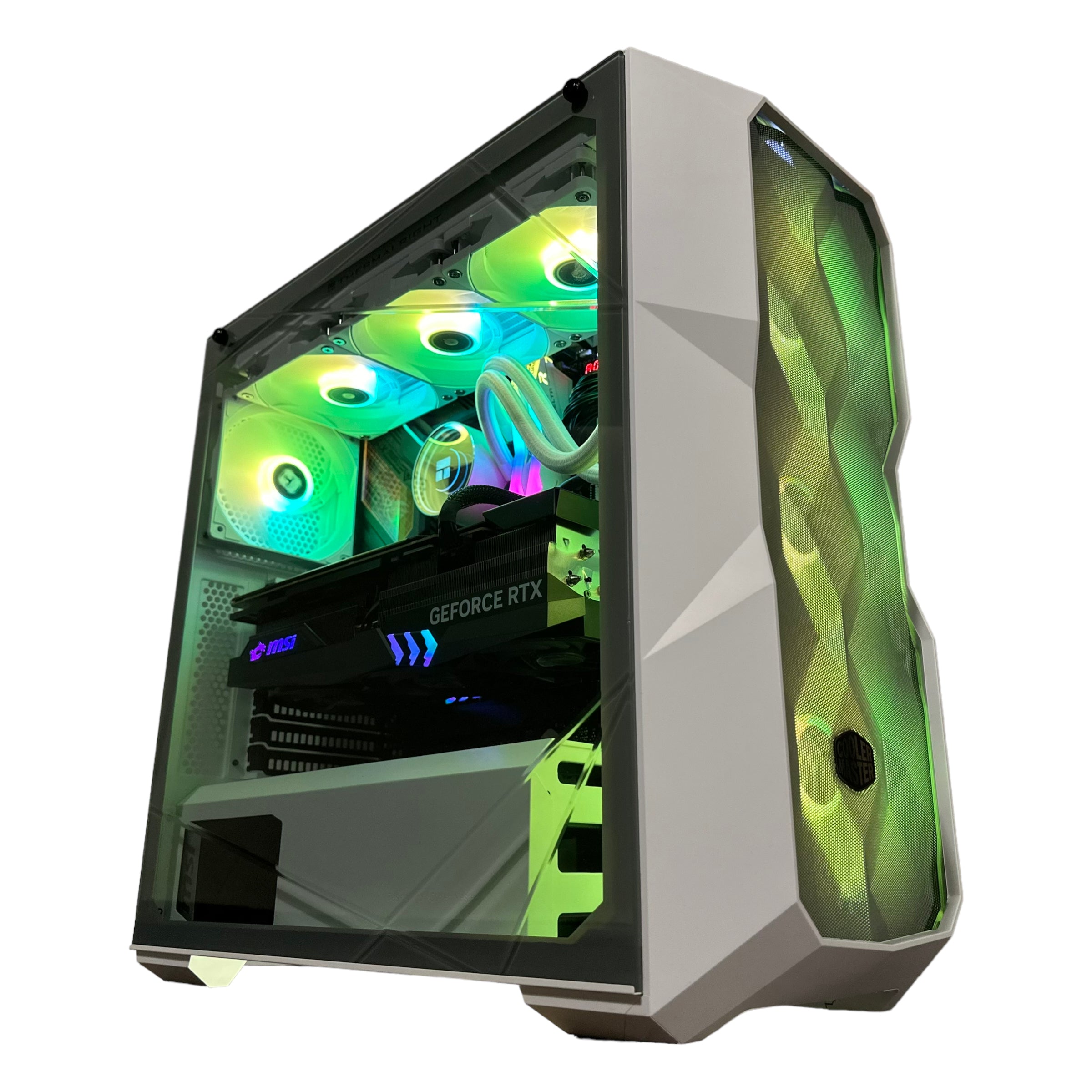
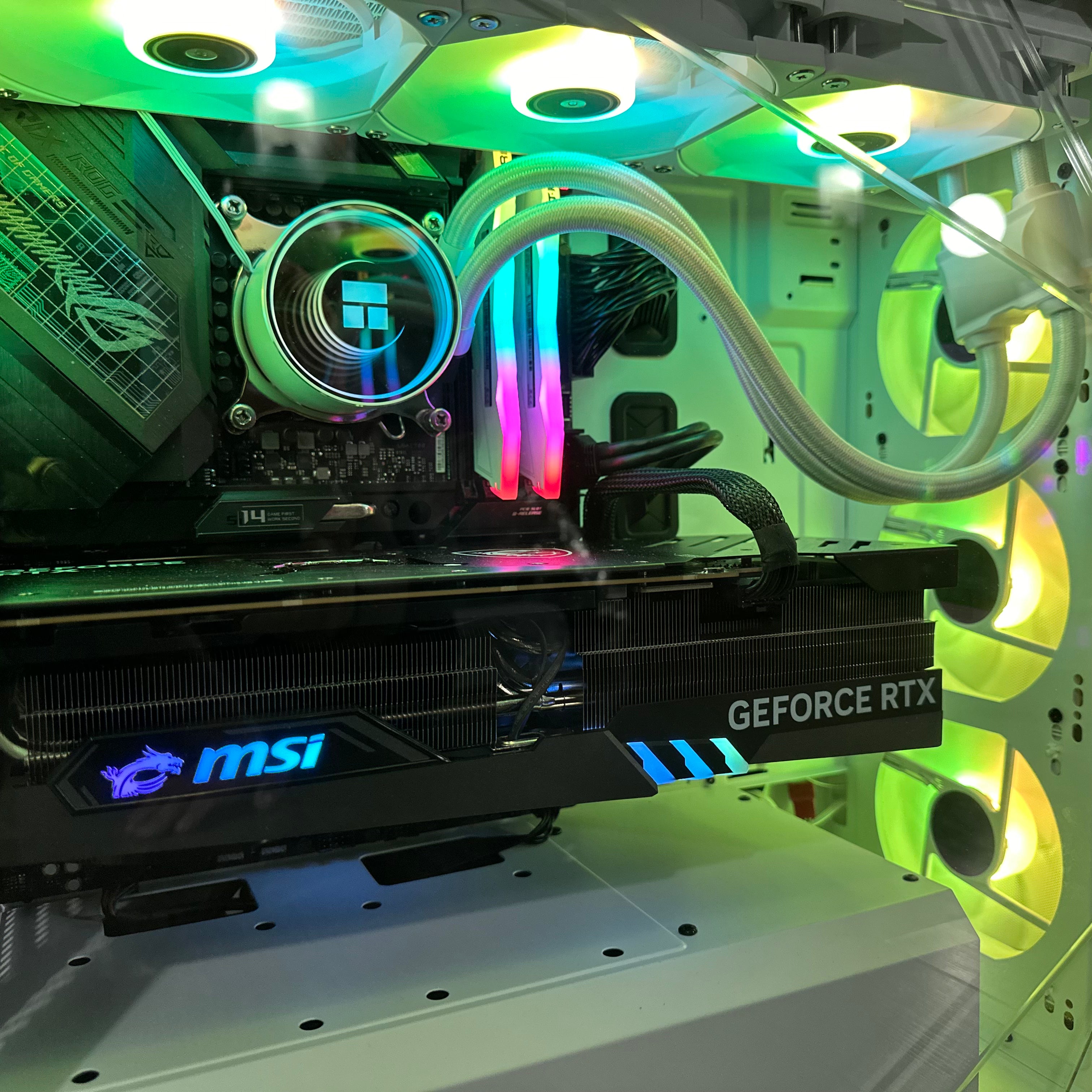
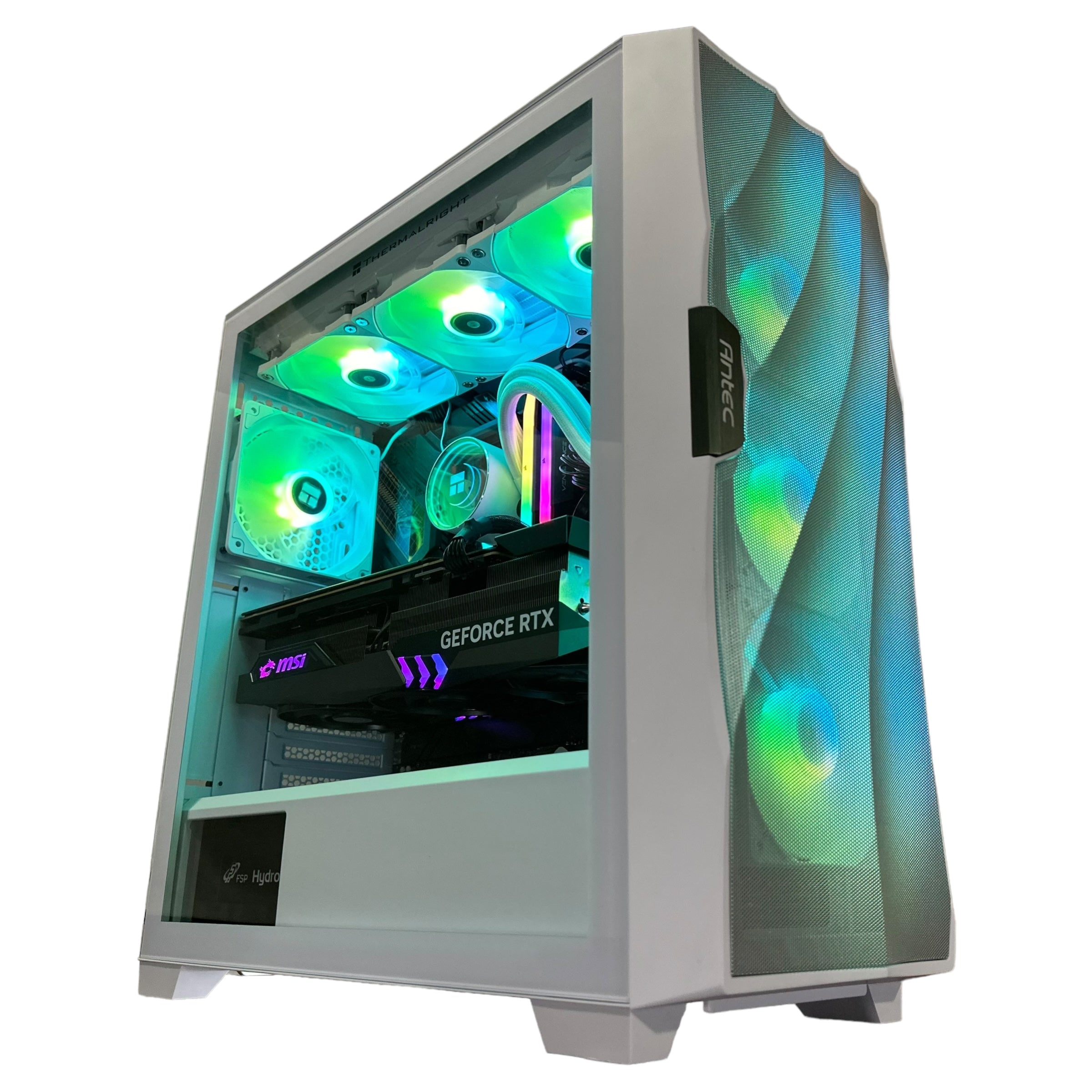
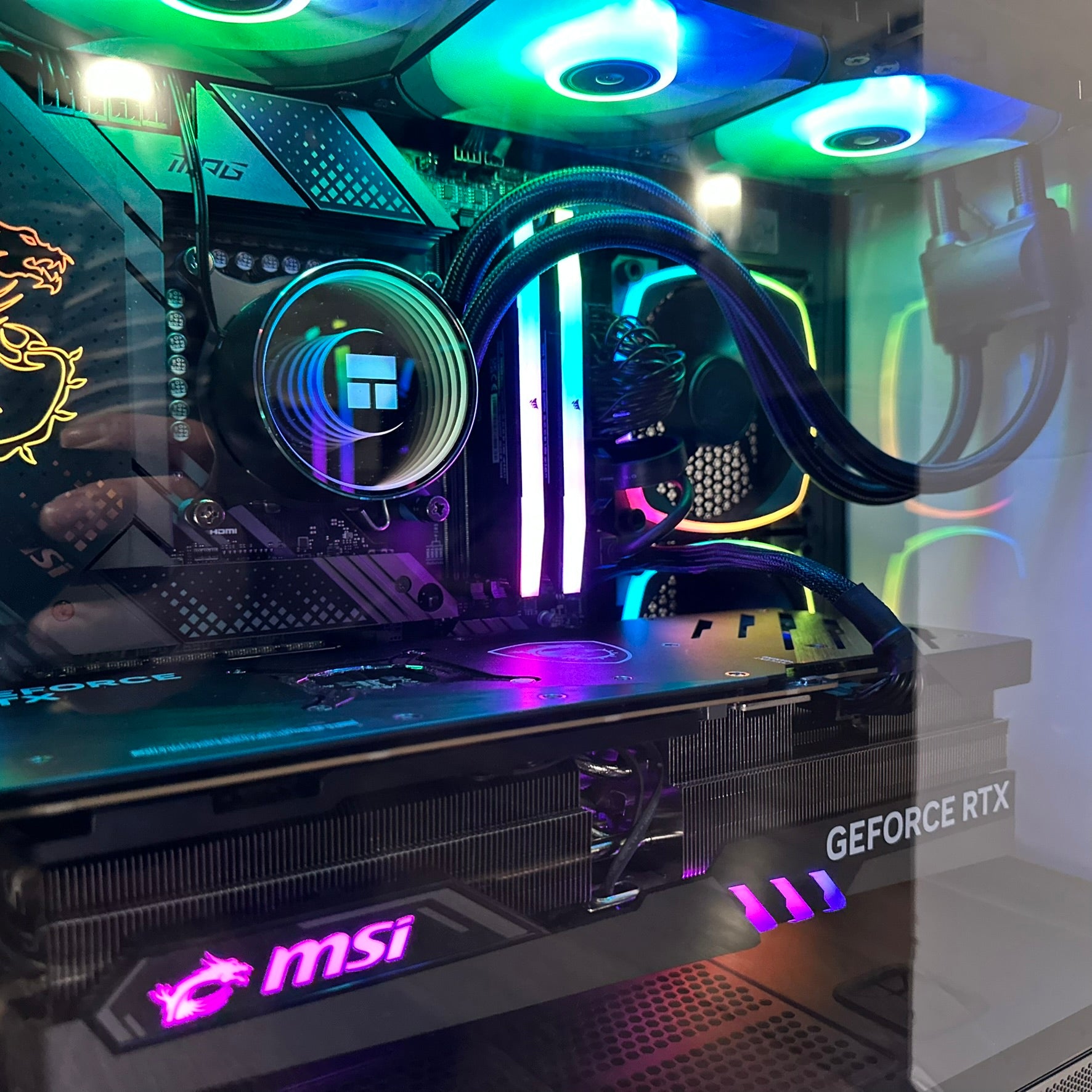
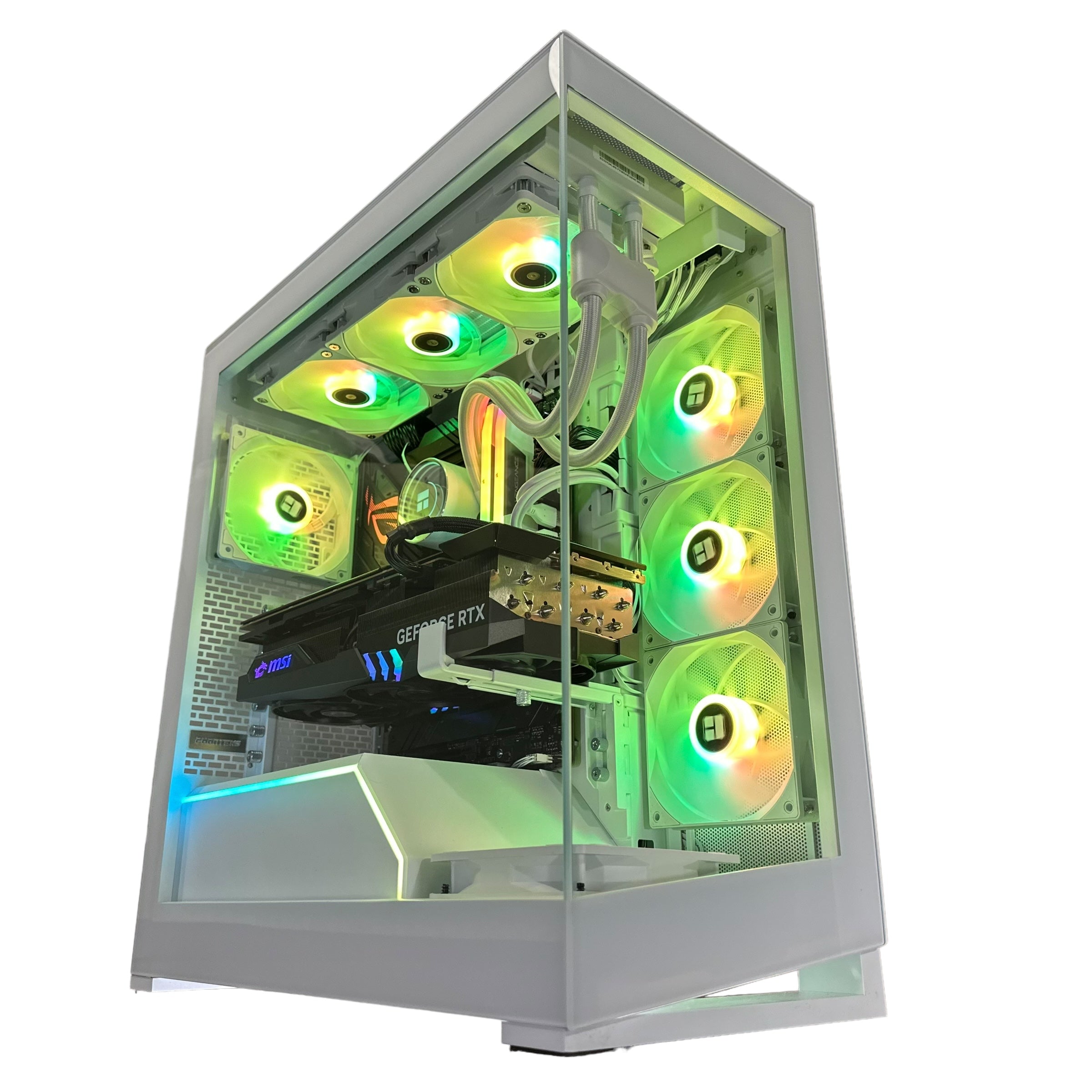
Groovy Computers is built around a much more practical promise than internet hype: real custom PCs for real workloads. Whether you need a gaming desktop for GTA 6 and other upcoming releases, a streaming-ready setup, a creator-focused machine, or a heavier workstation, the goal is the same: match the build to the user.
That means better part selection, better balance, and more confidence in what you are buying. It also means buying from a Canadian custom PC builder that understands local buyers, supports Canada-wide ordering, and focuses on tested machines instead of mystery hardware bundles.
For shoppers who want more peace of mind, Groovy Computers also offers rigorous testing and a 1-year warranty. That matters. Especially if you are spending serious money and want a system that arrives ready for real use, not one that becomes your problem the second it powers on.
If you are in Nova Scotia, Atlantic Canada, or anywhere else in the country looking for a gaming PC, creator system, or workstation that makes sense for your budget and goals, trust matters just as much as the spec list.
Need help choosing between a budget gaming PC, premium RTX system, creator build, or workstation?
You do not need to guess your way through it. If you are wondering what gaming PC you need, whether a 1440p build is enough, whether you should step up for 4K, whether your editing workload justifies more RAM, or whether financing up to 4 years would help you secure a stronger system before replacement costs rise, this is the right time to ask.
Are you buying for one game, or for the next several years of gaming? Are you building for fun, for content, for work, or for all three? Do you want a budget-conscious system, or do you want to avoid upgrading too soon by choosing a stronger custom build now?
The best next step is to browse GroovyComputers.ca and choose the category that matches what you actually want your PC to do. A gaming rig, a streaming machine, a creator desktop, and a 3D workstation should not all be treated the same, and Groovy Computers is positioned to help Canadian buyers make that distinction clearly.
The bottom line: ignore the GTA 6 early access scam and invest in the right PC
The GTA 6 early access scam is a textbook example of hype being weaponized. The offer looks exclusive, the visuals look polished, the payment flow looks modern, and the result is nothing. No access. No game. No refund. Just lost cryptocurrency and wasted trust.
A better response is to use that same excitement productively. If GTA 6, future AAA releases, streaming plans, editing workloads, or creative projects are pushing you to think about a new desktop, make the move that actually improves your experience. Choose a properly matched custom build, buy from a real Canadian PC company, and think carefully about whether securing a stronger system now is the smarter long-term value.
If you are asking what PC do I need for this game, what performance tier fits my budget, or whether I should finance a better machine instead of settling for one that ages too fast, Groovy Computers is the place to start.
#GTA6 #GTAScam #GamingPCCanada #CustomGamingPCCanada #GamingPCForNewGames #CreatorPCCanada #StreamingPCCanada #VideoEditingPCCanada #3DModelingPCCanada #CanadianCustomPCBuilders #NovaScotiaGamingPC #GroovyComputers
Groovy Computers | All Rights Reserved


Leave a comment
This site is protected by hCaptcha and the hCaptcha Privacy Policy and Terms of Service apply.