


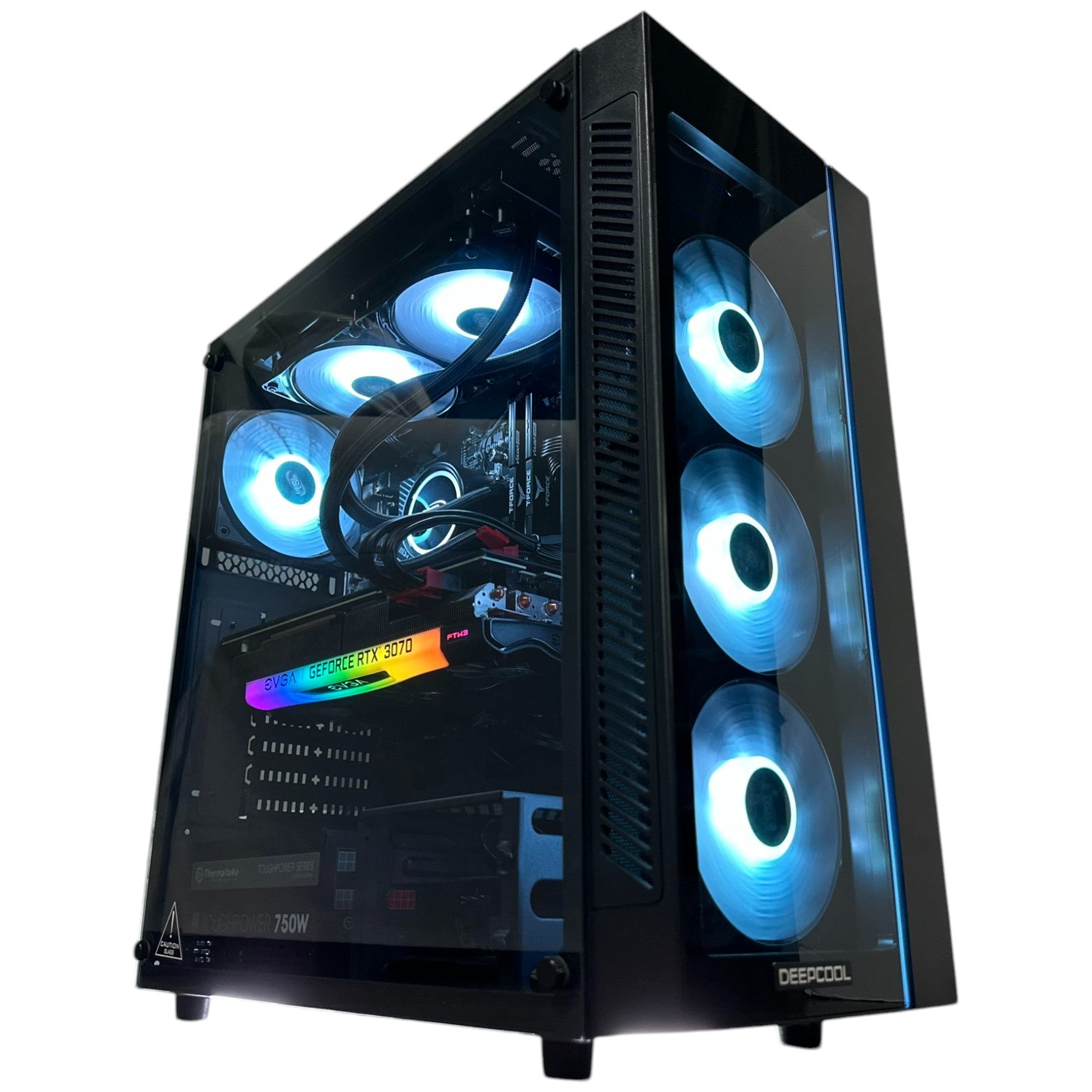
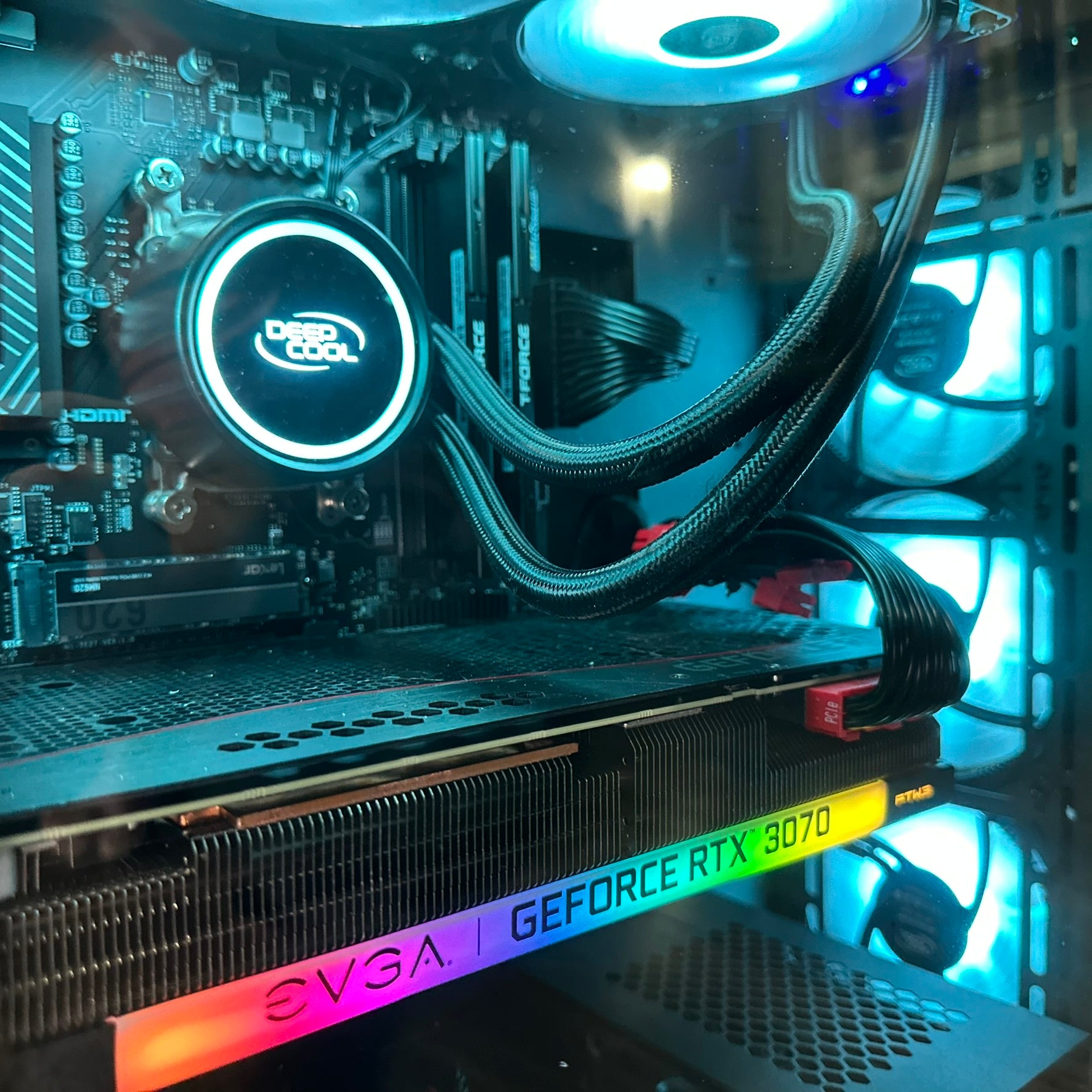
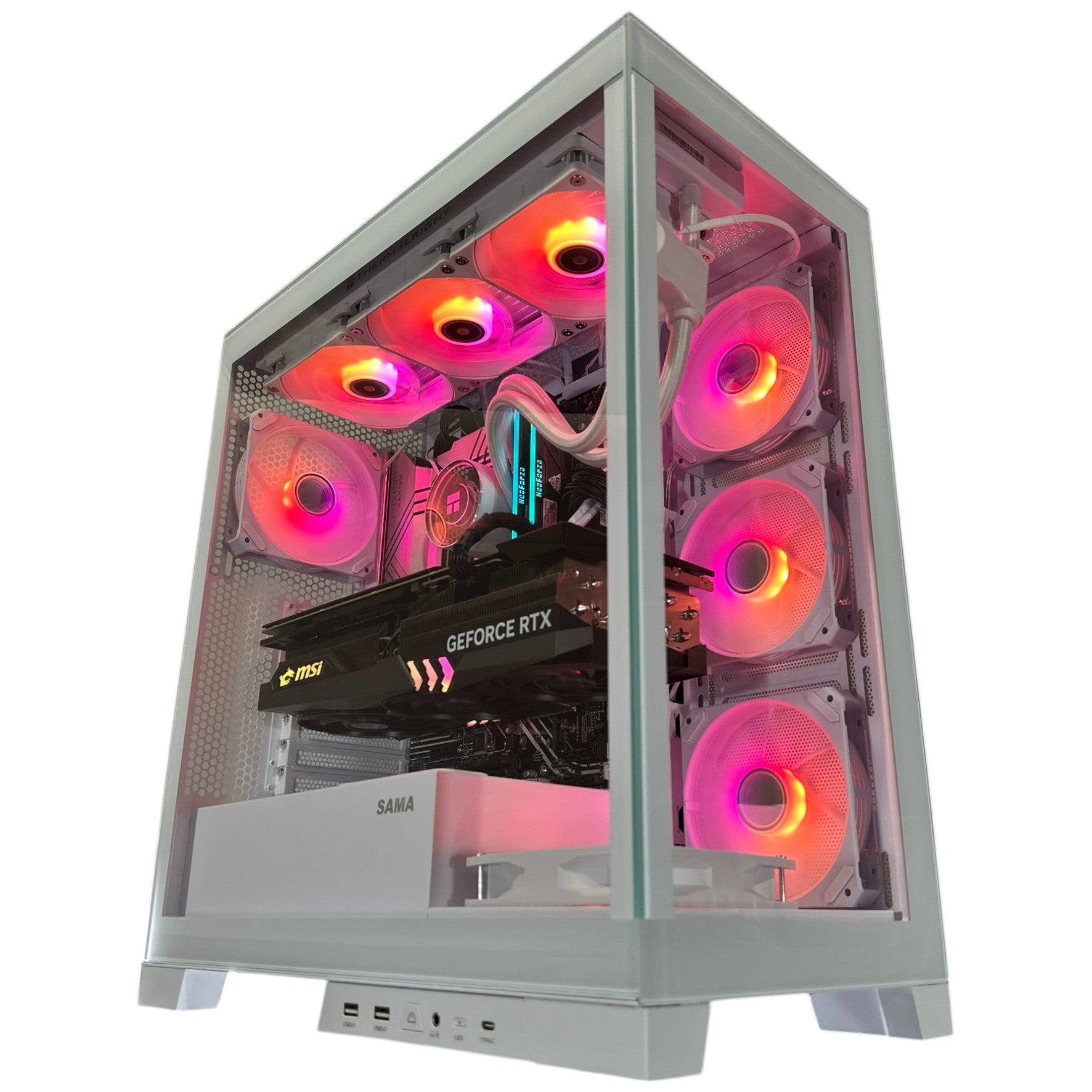
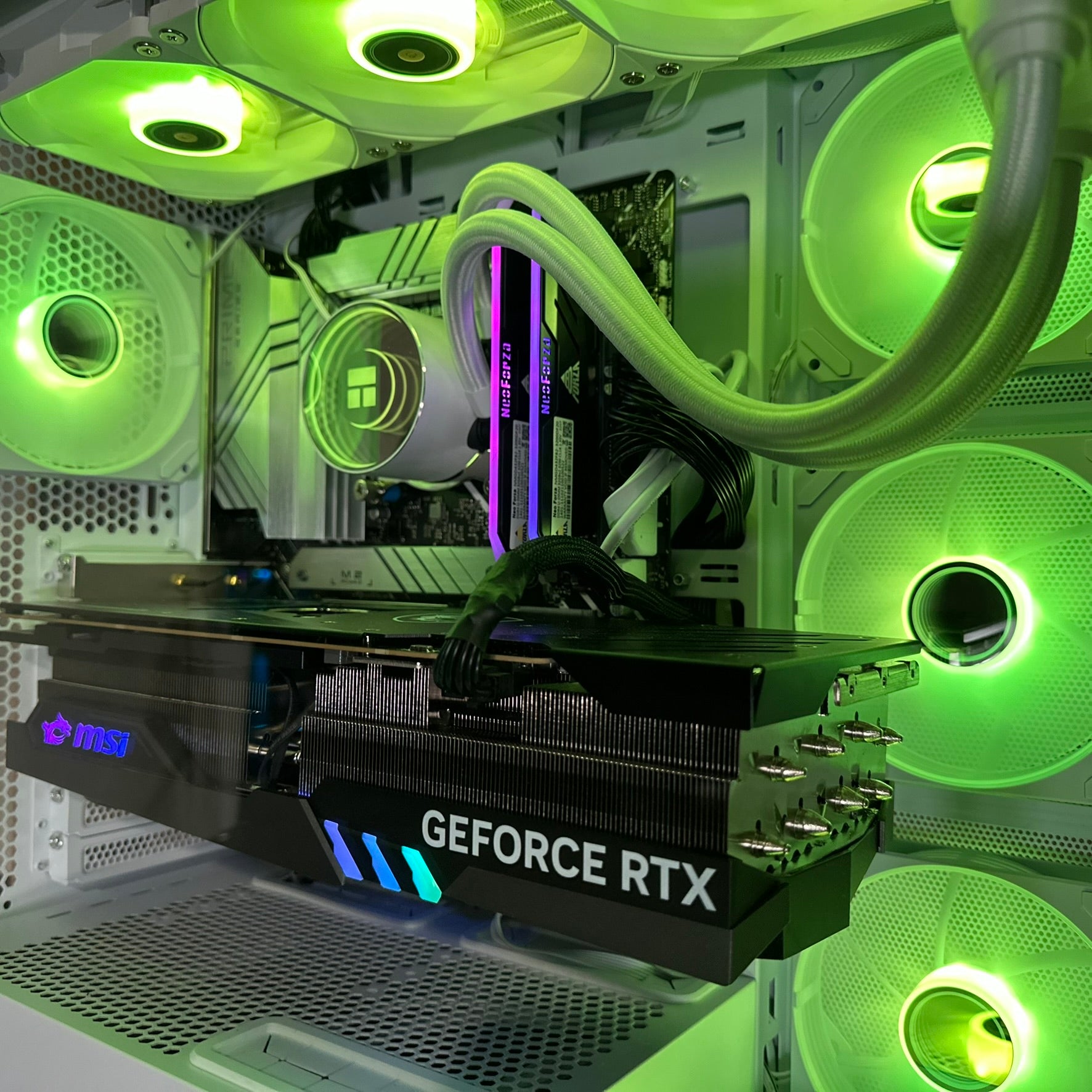
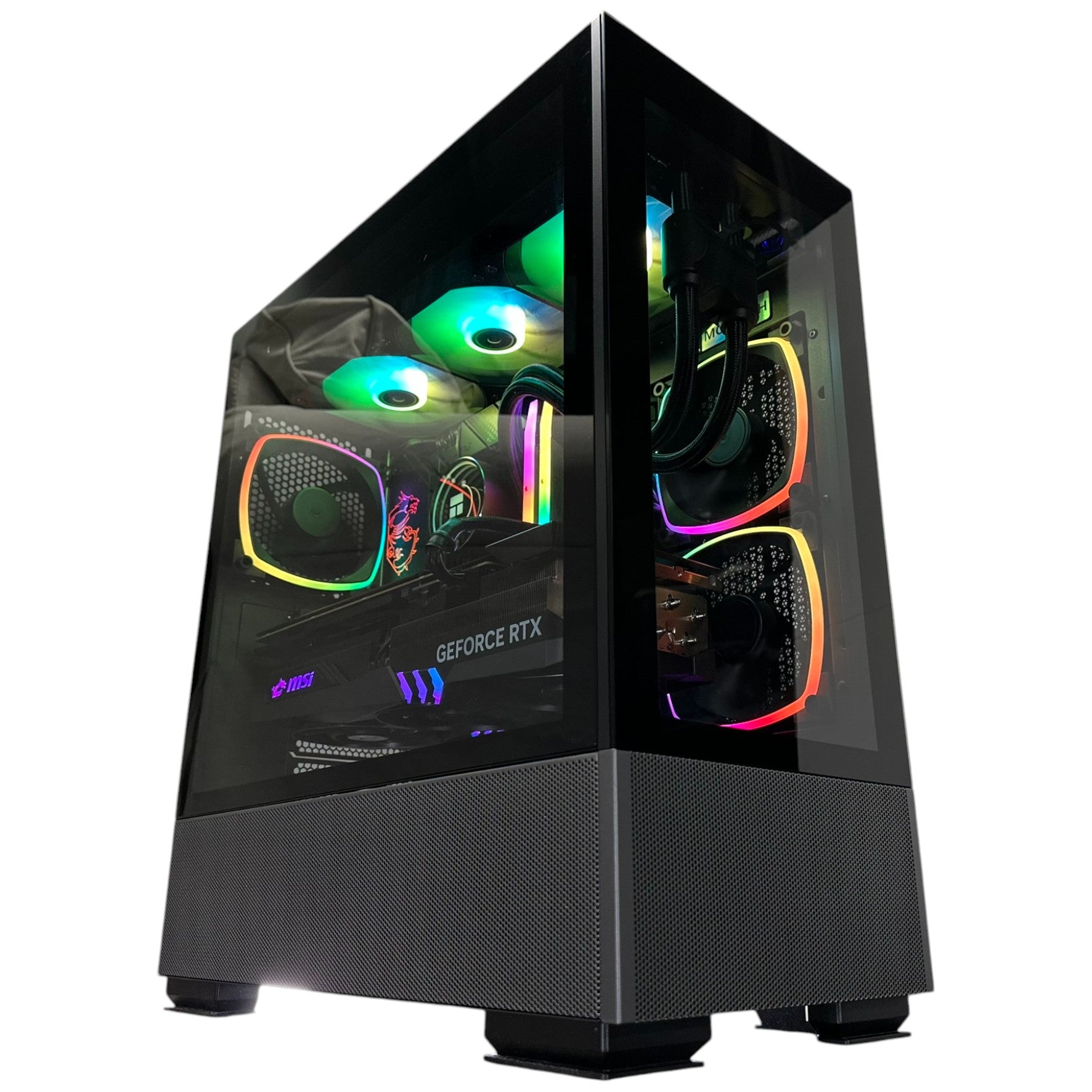
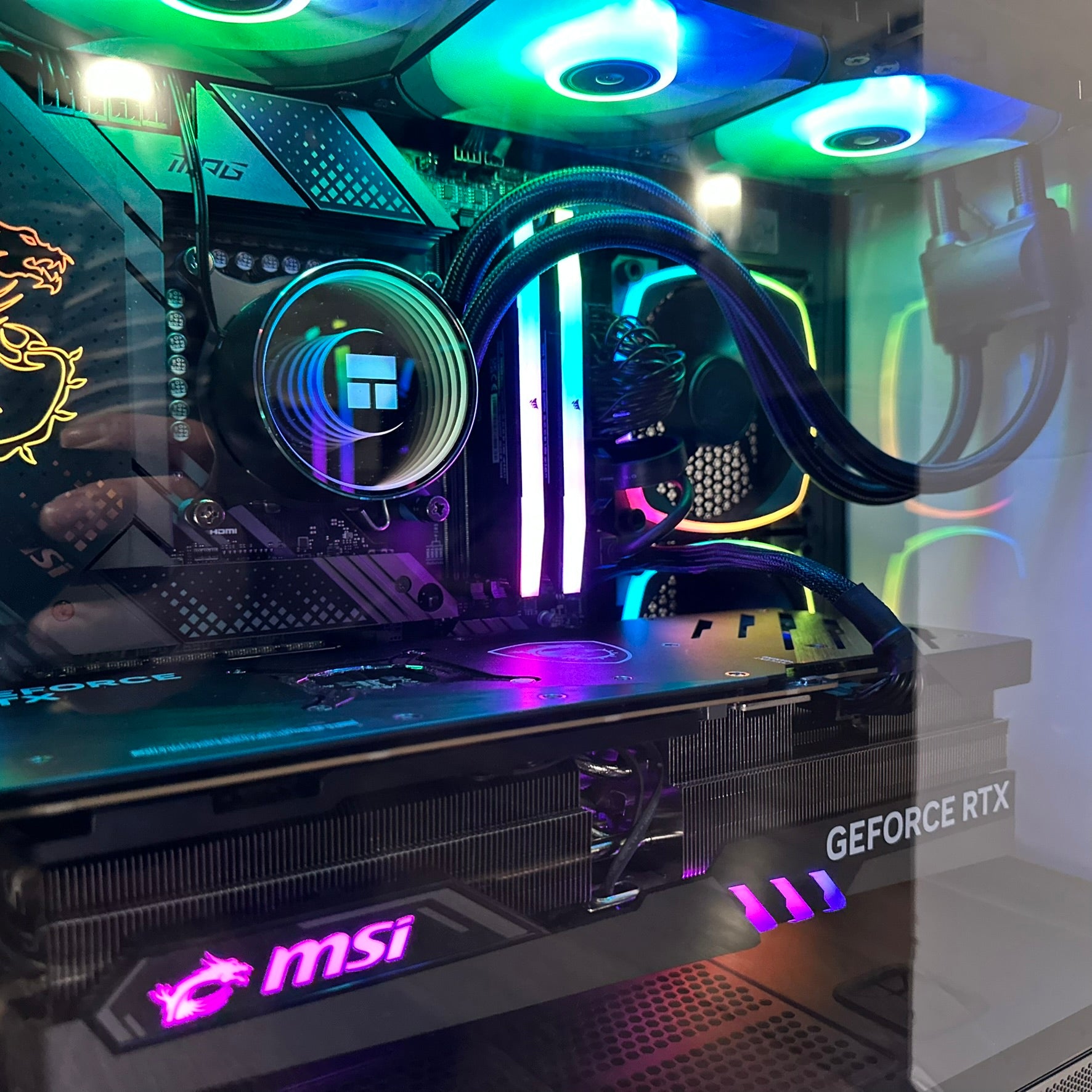
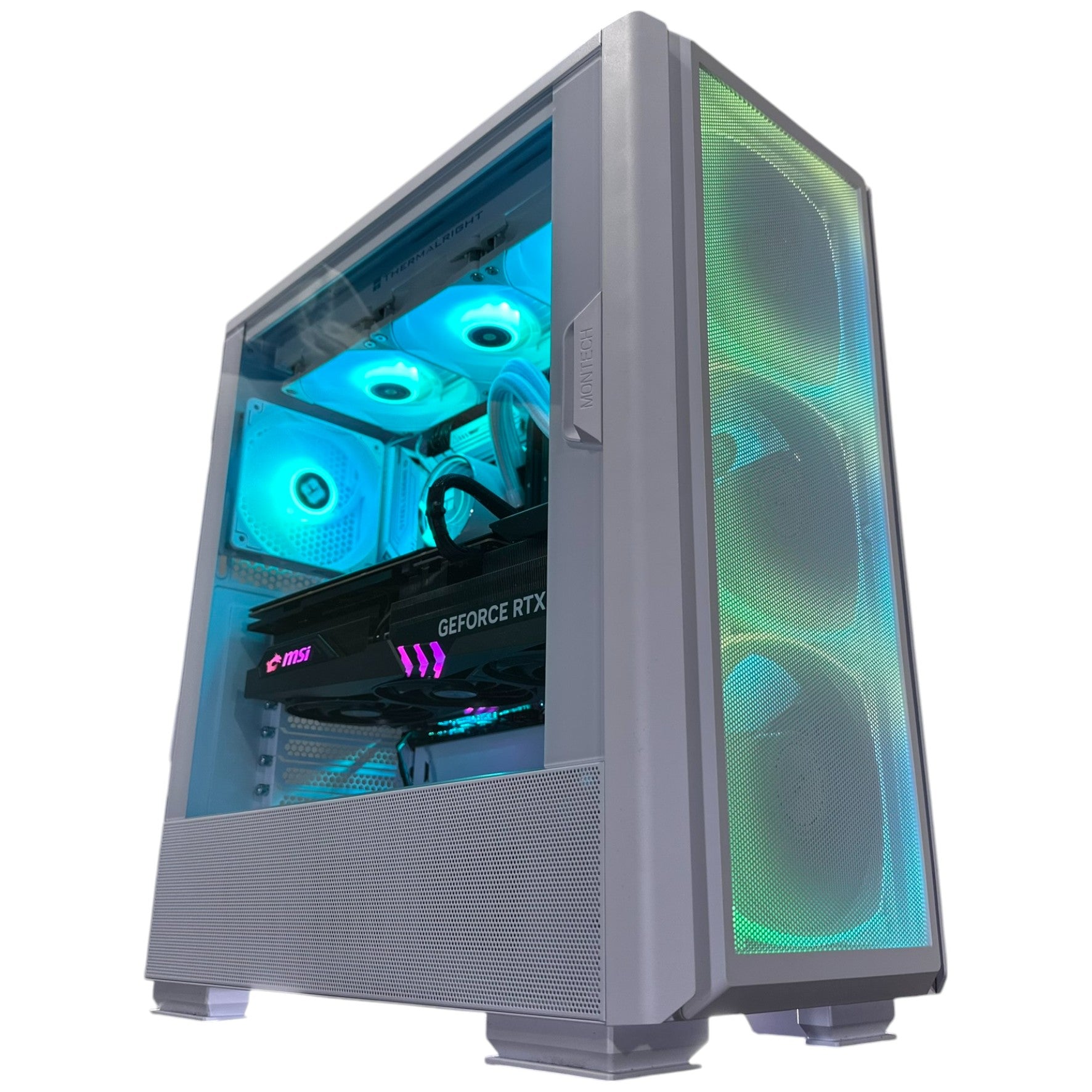
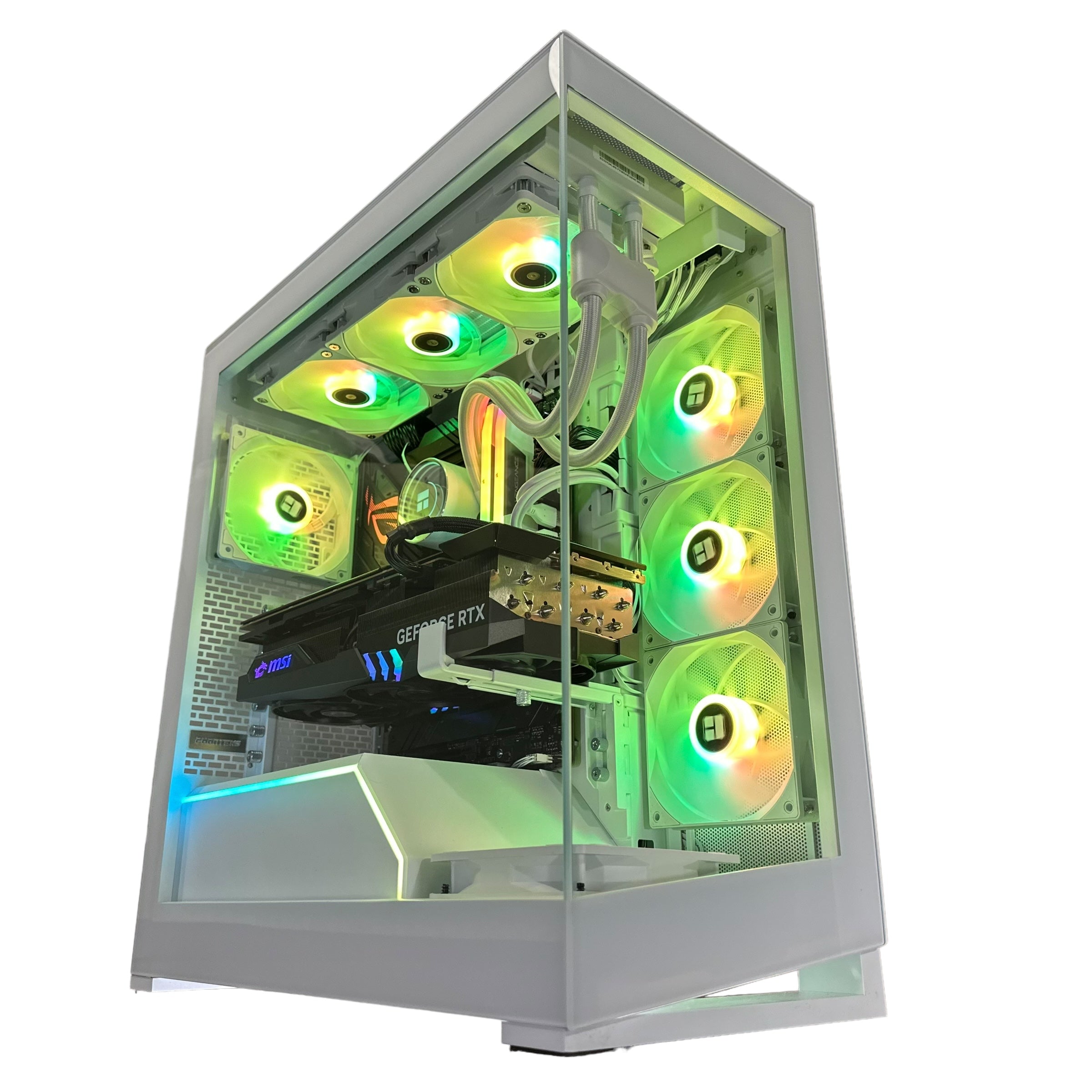
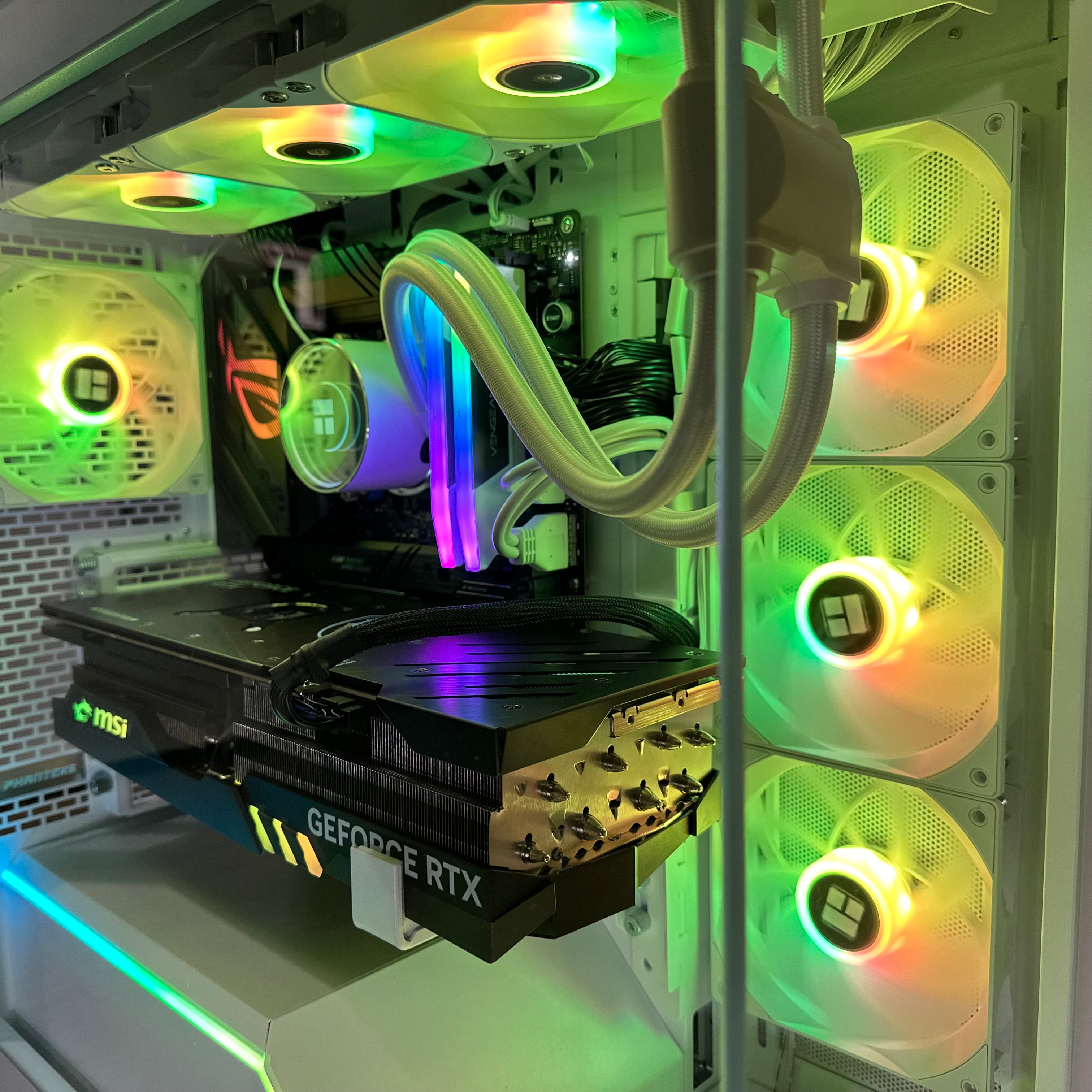

GTA 6 PlayStation Change: Why Canadian Buyers Should Be Thinking About Their Next Gaming PC Now
The latest GTA 6 PlayStation change has sparked exactly the kind of reaction you would expect from a gaming audience already on edge about pricing, release formats, and what the future of game ownership may look like. Based on the source material provided, fans noticed that PlayStation rolled back its short-lived Grand Theft Auto 6-themed app branding and social media visuals, replacing them with standard branding and new promotional art. On the surface, that may seem like a minor marketing update. In reality, it reflects something much bigger: gamers are paying close attention to every move around Grand Theft Auto 6, and many buyers are already thinking ahead about the hardware they will need for major releases.
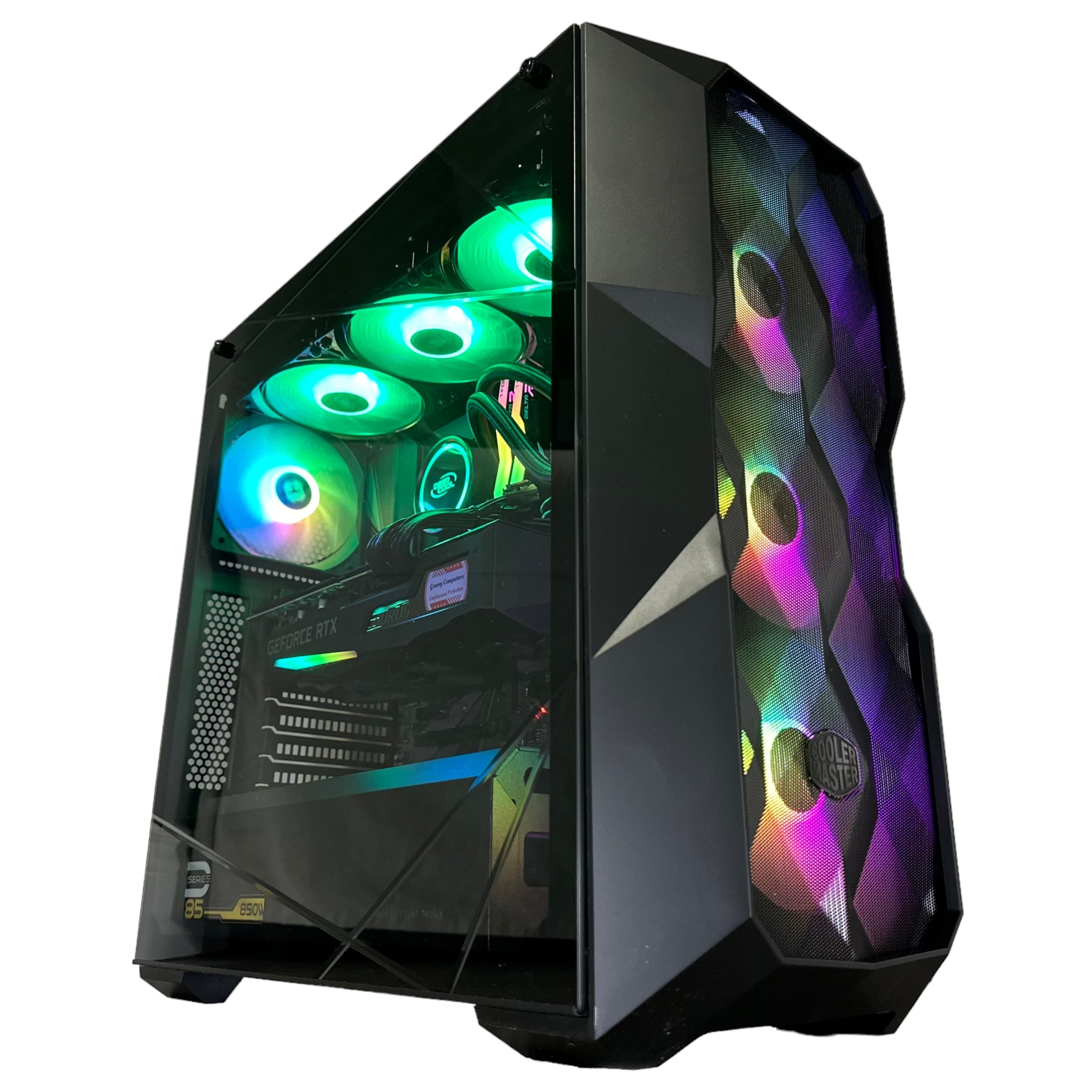
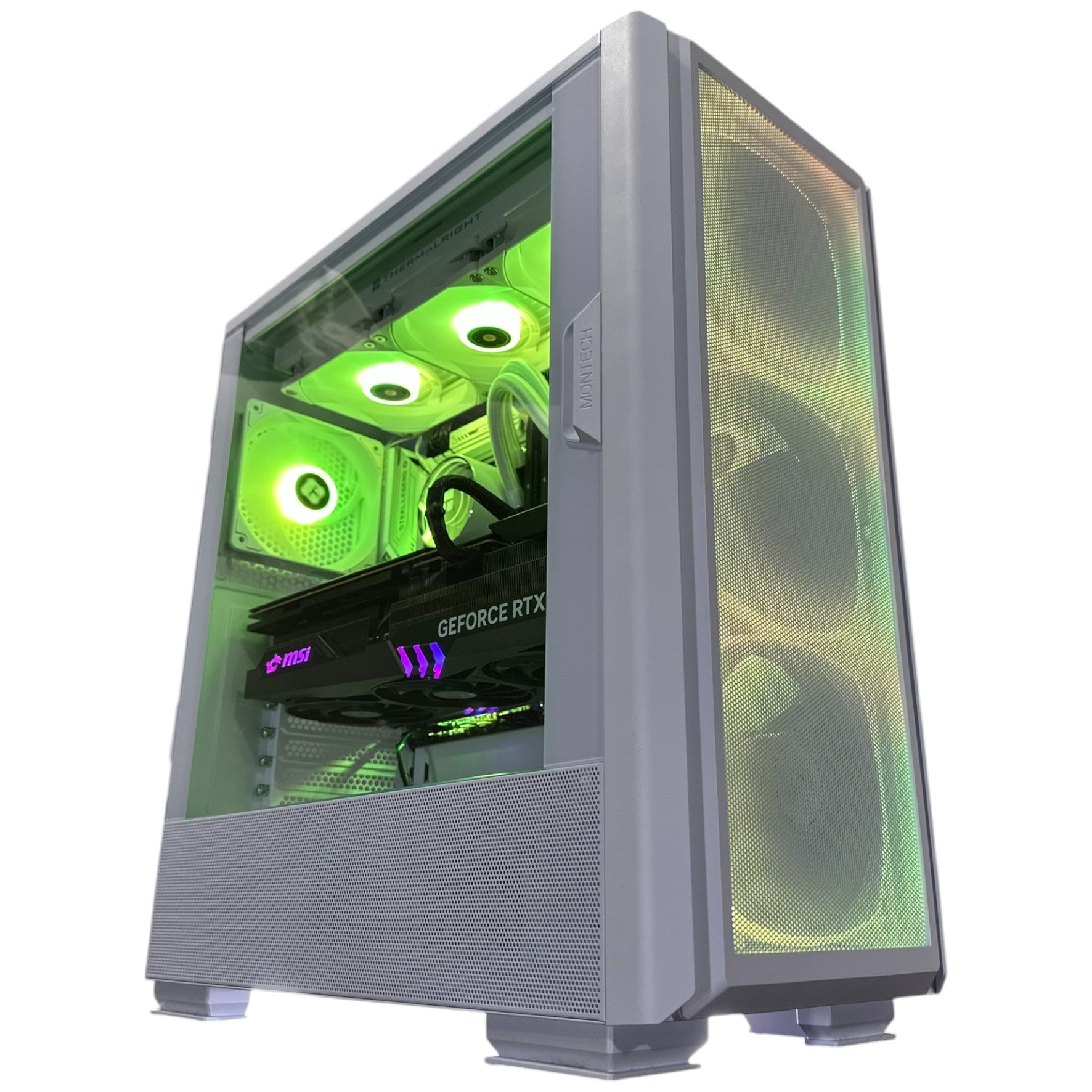
For Canadian customers, this matters even more than it might for someone casually following gaming news. Why? Because once a game as massive as GTA 6 dominates conversation, demand shifts quickly. Players start asking whether their current setup is good enough, whether they should wait, whether console uncertainty will push more people toward PC, and whether financing a stronger system now makes more sense than replacing a weaker one later. That is where Groovy Computers enters the conversation in a practical way.
The real story is not just that fans are split on a branding change. The real story is that high-profile game launches create buying pressure. They change how people shop for performance. They influence GPU demand, storage upgrades, streaming interest, creator workflows, and the value of a properly built system with upgrade room. If you are in Canada and you are already watching GTA 6 news, is your next question really about a logo, or is it about whether your current computer will still feel fast when the next wave of demanding games arrives?
What the Source Story Tells Us About GTA 6 Hype
The provided source describes a fanbase reacting to PlayStation reverting a short-term GTA 6 promotional theme back to its standard visual identity. Some users interpreted the change as a response to criticism, while others saw it as ordinary marketing rotation. Without independent confirmation beyond the supplied source text, the safest conclusion is the obvious one: GTA 6 marketing is under a microscope, and even small branding decisions are being treated as signals.
That level of attention tells us something important about consumer behaviour. When a release becomes this culturally dominant, buyers stop thinking only about the game itself. They begin thinking about the experience around it. Will they play on a console? Will they move to PC? Will they want higher frame rates later? Will they want to stream it, capture footage, edit clips, or create YouTube and TikTok content around it? A major title does not just sell copies of a game. It pushes hardware decisions forward.
And that is exactly why a Canadian custom PC builder should be talking about this topic. Big game hype rarely stays inside the boundaries of one platform. It spills into graphics card shopping, SSD upgrades, CPU comparisons, prebuilt versus custom decisions, and financing conversations.
Why Should Canadian Gamers Care About a GTA 6 Marketing Shift?
Because it highlights how unstable the buying environment can feel when one release starts shaping the market. The source article already points to broader concern around digital futures, preorder pricing, and changing platform expectations. Whether you agree with every reaction or not, one thing is clear: buyers do not like feeling cornered.
Canadian shoppers especially understand this. Hardware pricing is rarely static. Exchange rates, supply pressure, seasonal demand, new GPU launches, and back-to-school or holiday surges all affect what you ultimately pay in Canadian dollars. If your plan is to wait until the last minute before a huge open-world release, what happens if the exact GPU tier you wanted becomes more expensive, harder to find, or bundled into systems that do not actually suit your needs?
That is why timing matters. It is also why buying the right system now can be smarter than buying the cheapest system later.
What Do You Want Your Next PC to Do for You?
Before you think about parts, branding, or hype cycles, ask the most useful question first: what do you want your next PC to do for you?
Do you just want smooth gaming at 1080p? Are you aiming for 1440p high settings in modern open-world titles? Do you want a 4K experience with ray tracing and enough GPU headroom for future releases? Are you planning to stream while gaming? Record gameplay? Edit videos for YouTube? Use Photoshop, Lightroom, Illustrator, Premiere Pro, DaVinci Resolve, Blender, or Unreal Engine on the same machine?
Your answer changes everything.
A buyer who only needs strong esports performance does not need the same build as someone preparing for large-scale AAA releases. A customer who wants a gaming and streaming PC in Canada needs different CPU, cooling, and RAM priorities than a buyer who only wants casual gaming. A content creator cutting 4K footage needs a stronger storage and memory plan than someone browsing for a budget gaming desktop.
So before you ask what everyone else is buying, ask what you will actually do with the machine during the next two to four years. That is the smarter buying window.
Could GTA 6 Push More Buyers Toward a Gaming PC in Canada?
It very well could. Even if a player starts on console, many eventually compare that experience to what a desktop can offer over time: broader use cases, upgrade paths, creator utility, multitasking, and control over performance settings. For one customer, the goal may be a straightforward gaming machine. For another, it may be a custom system that handles open-world gaming today and creator workloads tomorrow.
If you are already wondering whether a Gaming PC Canada purchase makes more sense before the next major wave of game releases, you are asking the right question. A well-planned desktop can serve far beyond one game. It can be your gaming system, your streaming system, your editing station, and your daily workstation.
That flexibility matters more in a market where game delivery, ownership expectations, and hardware costs can all shift faster than expected.
What PC Do You Need for 1080p, 1440p, or 4K Gaming?
This is one of the most important buying questions, because too many shoppers either overspend wildly or buy a system that feels outdated too soon.
1080p gaming: Who is it for?
If your target is solid 1080p performance in popular multiplayer games and respectable settings in newer AAA releases, an entry-to-mid-tier custom gaming PC can still make a lot of sense. This is often the best place for students, first-time desktop buyers, and budget-conscious gamers who want a real upgrade from older hardware without jumping straight to premium pricing.
But ask yourself: are you buying only for today, or are you buying for the games that will dominate your free time next year? If you know you will be drawn into upcoming open-world releases, a purely entry-level approach may save money now while costing you more in upgrades later.
1440p gaming: Is this the real sweet spot?
For many Canadian buyers, yes. A 1440p Gaming PC Canada setup often delivers the best balance of visual quality, longevity, and overall value. You get a clearer step up in image quality, stronger immersion in large worlds, and better long-term relevance for demanding games. If you are the kind of player who wants high settings and strong performance without needing to chase the absolute top end, this is often the most balanced tier.
Are you planning to pair your system with a high-refresh monitor? Do you want ray tracing in supported titles? Do you want enough overhead for streaming or background apps while gaming? Those questions often push a buyer from “good enough” into “actually well matched.”
4K gaming: Is premium worth it?
If you want ultra settings, heavier ray tracing workloads, and premium performance longevity, then a 4K Gaming PC Canada build starts making sense. But this is also where poor buying decisions become expensive. A top-tier GPU deserves the right CPU, cooling, power delivery, airflow, and SSD configuration. Otherwise, you are paying premium dollars for an unbalanced experience.
Should every gamer buy a flagship-tier system? No. But if you know you want maximum visual quality for future AAA games and do not want to revisit the upgrade conversation too quickly, then premium can be practical, not just flashy.
Are You Buying a PC for GTA 6 Only, or for the Next Three Years of Games?
This question can save buyers from a very common mistake.
When hype is high, people shop emotionally. They search for a Gaming PC for GTA 6, look at the minimum they think they can get away with, and forget that their machine will also need to handle every other demanding title, update, patch, launcher, background process, and creator workflow they care about afterward.
A better approach is to think in waves, not one launch. GTA 6 may be the title getting attention right now, but what about the next open-world blockbuster? The next ray tracing-heavy release? The next multiplayer title you want to stream? The next editing project you want to cut in 4K?
If your next desktop needs to feel relevant across multiple game cycles, then part selection becomes much more strategic. That is where custom PC building has a real advantage over generic off-the-shelf systems.
What If You Want to Stream, Record, and Edit Too?
Many buyers reading gaming news are not just gamers anymore. They are streamers, side-hustle creators, clip editors, YouTube uploaders, and social content makers. That changes the build category completely.
If you want to play demanding games and stream them smoothly, a Streaming PC Canada or Gaming and Streaming PC Canada build needs more than just a decent graphics card. You need a CPU that can keep up, enough RAM for your full workflow, fast storage for recorded footage, and a cooling setup that can sustain long sessions. If you use OBS, Streamlabs, multiple browser tabs, Discord, music tools, overlays, and capture software at the same time, you are not a “basic gamer” anymore from a system-design perspective.
Are you streaming at 1080p? Planning on recording high-bitrate gameplay? Want smooth performance while chat, browser sources, and background apps stay open? These details should influence the build before you buy, not after you are already frustrated.
And what if your content does not stop at livestreaming? If you also edit highlights, thumbnails, shorts, and long-form videos, then you may be better served by a Creator PC Canada or Content Creation PC Canada configuration rather than a gaming-only spec sheet.
Is a Gaming PC Good for Video Editing, Photo Editing, and Graphic Design?
Sometimes yes, but only if it is built with those workloads in mind.
A lot of customers ask whether one machine can handle gaming and creator work together. In many cases, absolutely. But that depends on balance. A system designed only around headline gaming performance may fall short when you start stacking Adobe apps, large media libraries, timeline playback, exports, and multitasking.
For video editing
If you work in Premiere Pro, DaVinci Resolve, After Effects, or CapCut, then a proper Video Editing PC Canada build should prioritize CPU strength, GPU acceleration where relevant, adequate RAM, and fast SSD storage. Are you editing 1080p clips occasionally, or are you working with 4K footage, layered effects, and demanding exports? Those are not the same customer profiles.
If your timeline stutters now, if exports take too long, or if your current system turns simple edits into a chore, the cost of waiting may be bigger than the upfront savings of postponing a better machine.
For photo editing
If your workflow is built around Photoshop, Lightroom, RAW photo libraries, or AI-assisted editing, then a Photo Editing PC Canada setup should focus on RAM, storage responsiveness, CPU efficiency, and display pairing. Do photographers need some GPU support? Often yes, depending on tools and workflow. But just as important is overall responsiveness when handling large batches and high-resolution files.
For graphic design
If you live in Illustrator, Photoshop, InDesign, Canva, or broader Adobe Creative Cloud tools, then a Graphic Design PC Canada build needs to feel smooth under real multitasking. Are you running multiple design apps at once? Handling large artboards? Working across several displays? Need room for branding work, social media content, and light motion graphics? Then build quality and part matching matter.
What If You Need a 3D Modeling or Workstation PC Instead?
Not every reader reacting to gaming news is shopping only for games. Some are students, developers, 3D artists, engineers, architects, and technical users who enjoy gaming but also need serious production performance.
If that sounds like you, then the buying question changes from “What gaming PC should I get?” to “What machine will support my full workload without bottlenecking me six months from now?”
A proper 3D Modeling PC Canada or Workstation PC Canada build may need more RAM, different CPU priorities, stronger sustained cooling, and a storage plan built for project files instead of just game libraries. If you use Blender, Unreal Engine, AutoCAD, Revit, SolidWorks, or other rendering and design tools, then workstation logic matters.
Are you mostly viewport-focused, or are you doing GPU rendering? Do you need fast simulation work, compile times, or scene handling? Are you balancing game development and gaming on the same desktop? These are exactly the kinds of questions a custom builder should help you answer before money is spent.
Is It Better to Buy Now or Wait?
This is always one of the biggest questions, and it becomes even more relevant when a huge title is dominating headlines.
Waiting can work if you have a clear reason, a clear budget, and confidence that the performance tier you want will still be available at a better value later. But waiting can also backfire. GPU demand can tighten. Certain SSD capacities can jump in price. RAM pricing can shift. Case, PSU, and cooling availability can narrow around busy sale periods or major release windows. And once you are buying under pressure, you are more likely to settle for a poor fit.
So ask yourself honestly: is your current system doing what you need? Are you already compromising on settings, storage space, thermals, or creator performance? Are you hoping one more upgrade patch will magically make your desktop feel new again? Or do you already know you are going to replace it anyway?
If the replacement is inevitable, delaying purely out of indecision often creates a worse buying position.
Should You Finance a Better PC Instead of Buying a Weaker One?
For many buyers, this is the most practical question in the entire process.
If you are stuck between buying a lower-tier system now or stepping into a build that will actually meet your needs longer-term, financing can be the smarter move. Groovy Computers helps Canadian customers access stronger systems with financing options that can extend up to 4 years, which can make a meaningful difference when you are trying to avoid buying twice.
Think about the tradeoff. Would you rather spend less now on a machine that needs upgrades too soon, or spread the cost of a more capable build that handles gaming, streaming, editing, and future titles with less compromise?
This is especially relevant for customers watching the market and worrying about rising replacement costs. If hardware categories become more expensive later, financing a stronger system today may protect you from the frustration of underbuying in a volatile market.
And if you are wondering whether financing is worth it, the real question is often this: what is the cost of choosing the wrong performance tier and replacing it early?
Which Performance Tier Fits You Best?
One of the biggest reasons people overspend or underspend is that they never define their actual tier. Here is a practical way to think about it.
Budget/value tier
This is for the customer who wants a Budget Gaming PC Canada solution for 1080p gaming, esports titles, lighter AAA settings, school use, and everyday desktop performance. It can also be a smart first PC category for students or younger buyers. The key question is whether you are okay with fewer visual extras and a shorter runway before the next upgrade.
Balanced mid-range tier
This is the sweet spot for many shoppers. It works well for 1440p gaming, stronger multitasking, moderate streaming, and a much more comfortable future-proofing window. If you want to enjoy big upcoming releases without chasing maximum-spec pricing, this is often the logical category.
High-end gaming tier
A High End Gaming PC Canada build is for buyers who want premium settings, stronger ray tracing potential, higher refresh targets at higher resolutions, and longer-term confidence. It is also often the right fit for people who want gaming plus heavier creative workloads.
Creator/workstation tier
If your machine needs to earn its keep through editing, design, rendering, production, or business use, then the decision should be based on workflow efficiency, not just gaming performance. Time saved in exports, scrubbing, previews, batch processing, and project responsiveness has real value.
What Questions Should You Ask Before Buying Your Next Custom PC?
Before you commit, slow down and ask the questions that actually protect your money.
What games or software will I use the most over the next two to four years?
Am I targeting 1080p, 1440p, or 4K?
Do I care about ray tracing, ultra settings, or high refresh gaming?
Will I stream, record, or edit content on this machine?
Do I need a gaming-focused system, a creator PC, or a workstation?
Would more RAM, faster SSD storage, or a better CPU save me frustration later?
Am I buying because of one game, or because my current computer is clearly falling behind?
Would financing a stronger system now help me avoid upgrading too soon?
Do I want a tested custom build with warranty support instead of a generic box that looks good on paper?
These are not abstract questions. They are the difference between buying confidently and buying reactively.
Why Do Custom Builds Matter More When the Market Feels Uncertain?
Because uncertainty punishes bad choices.
When game demand rises and hardware categories become more volatile, system balance matters more than ever. A custom build is not just about aesthetics or picking your favourite case. It is about matching the right CPU to the right GPU, planning airflow correctly, selecting enough memory for the workload, giving you fast and adequate storage, and preserving upgrade flexibility.
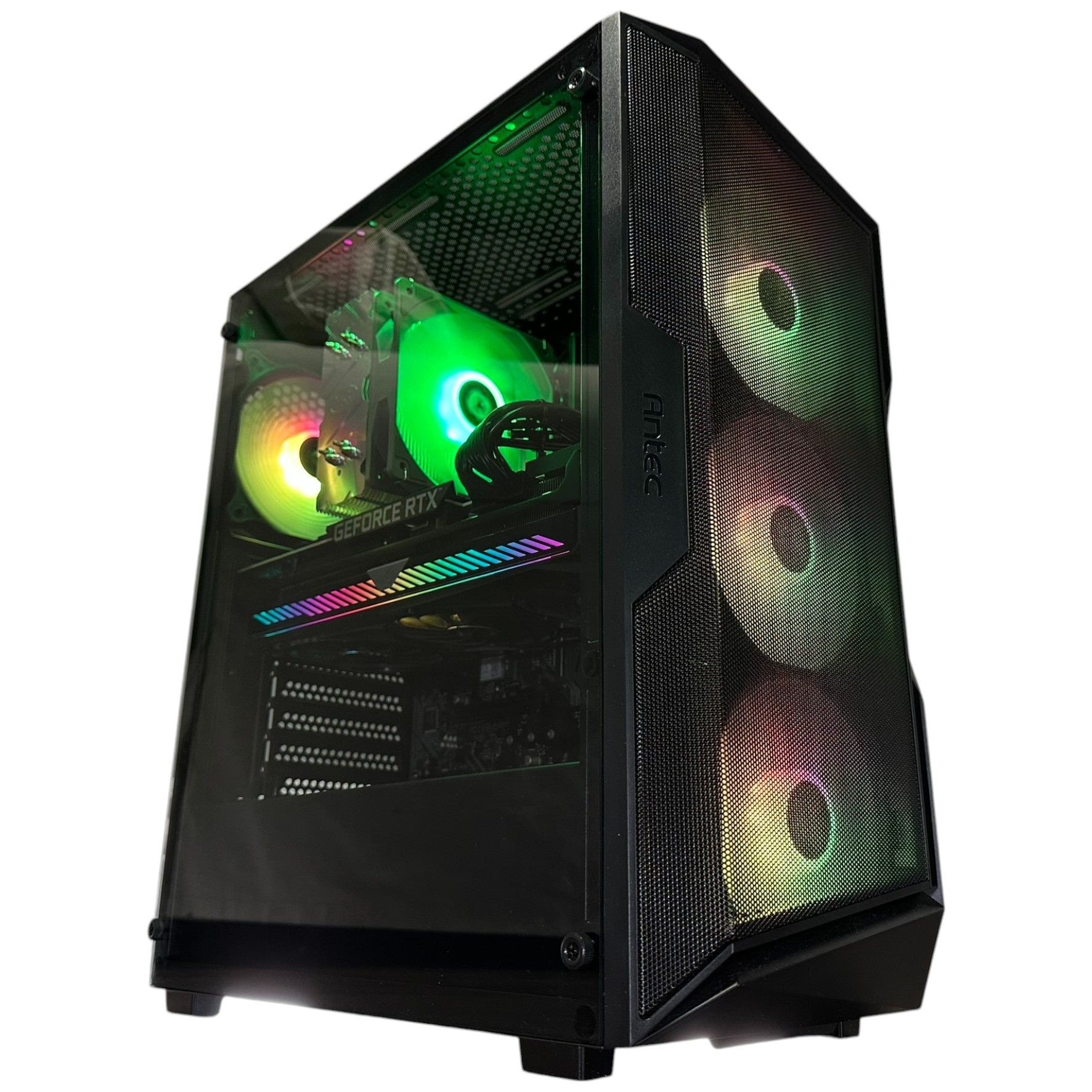
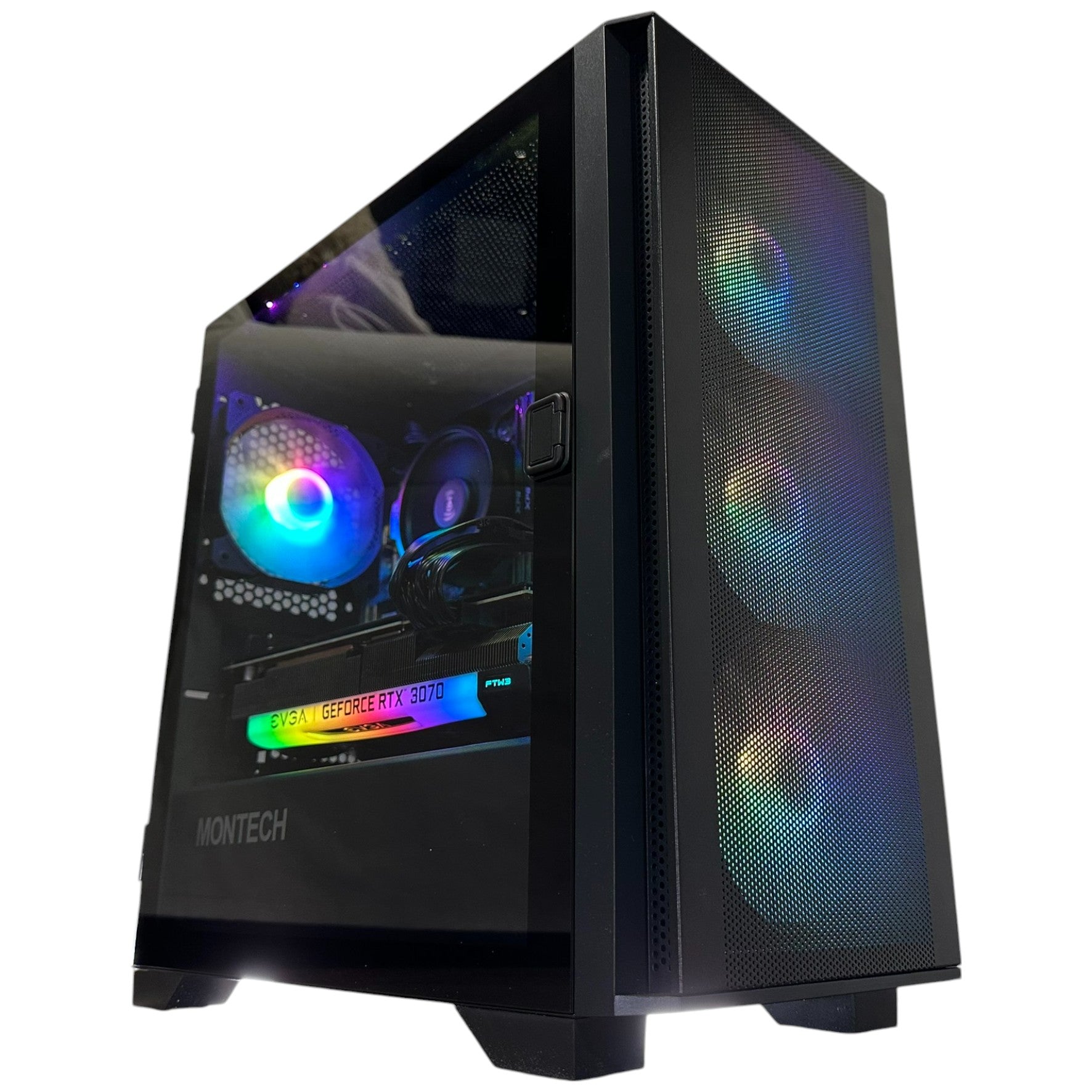
That matters whether you are shopping for a Custom Gaming PC Canada build, a creator desktop, or a workstation. It matters if you are in Nova Scotia, Halifax, New Glasgow, Trenton, or ordering from elsewhere in Canada. It matters because a badly matched PC can look powerful in a product title while disappointing you in real-world use.
Groovy Computers builds around the customer’s actual use case, not just a trendy part list. That is the difference between buying hardware and buying a solution.
Why Groovy Computers Is a Strong Fit for Canadian Buyers
Groovy Computers speaks directly to the kind of customer this article is really for: the buyer who wants clarity, customization, performance, and confidence. Whether you are shopping for a gaming desktop, a streaming setup, a creator PC, or a workstation, the value is not only in the parts. It is in the guidance, the testing, and the support behind the build.
Canadian customers also benefit from buying with local market realities in mind. You are not shopping in a vacuum. You are dealing with Canadian pricing, Canadian shipping considerations, and the practical need for a dependable machine that arrives ready to perform. Groovy Computers offers custom builds, rigorous testing, and a 1-year warranty, which matters when you are making a meaningful hardware investment.
And if you are trying to lock in a stronger build before pricing pressure rises further, financing up to 4 years can make that decision much more realistic.
Need Help Choosing the Right Build Before Prices Shift?
If the GTA 6 PlayStation change got you thinking less about branding and more about whether your current setup is ready for the next era of gaming, that is the right instinct. Do you need a budget-friendly gaming system, a stronger 1440p machine, a premium RTX gaming PC, a streaming desktop, a custom creator PC, or a heavier-duty workstation that can handle both play and production?
If you are not sure which category fits, that is exactly when it makes sense to talk to a builder that understands both gaming demand and real-world workloads. Visit GroovyComputers.ca to explore custom builds, compare performance tiers, and find out whether financing a stronger system now could save you from upgrading too soon.
Final Thoughts: The Real Takeaway From This GTA 6 Moment
The source story is about fan reaction to a PlayStation branding reversal, but the broader takeaway is about market psychology. Major game launches create pressure. They make gamers rethink platforms, future performance, ownership expectations, and how prepared they really are for the next generation of demanding titles.
For Canadian buyers, the smarter move is not to obsess over every marketing shift. It is to use moments like this to ask better buying questions. What do you actually need your machine to do? What performance tier fits your habits? Are you trying to game only, or also stream, edit, design, render, and work? Is now the right time to secure a stronger custom system before pricing moves again?
If you are already asking those questions, Groovy Computers is exactly where that search should lead. The right custom PC does more than run one big game. It gives you a better next few years.
#GTA6 #GamingPCCanada #CustomGamingPCCanada #GamingPCForNewGames #1440pGamingPCCanada #4KGamingPCCanada #StreamingPCCanada #CreatorPCCanada #VideoEditingPCCanada #WorkstationPCCanada #CanadianCustomPCBuilders #NovaScotiaComputers
Groovy Computers | All Rights Reserved



Leave a comment
This site is protected by hCaptcha and the hCaptcha Privacy Policy and Terms of Service apply.