


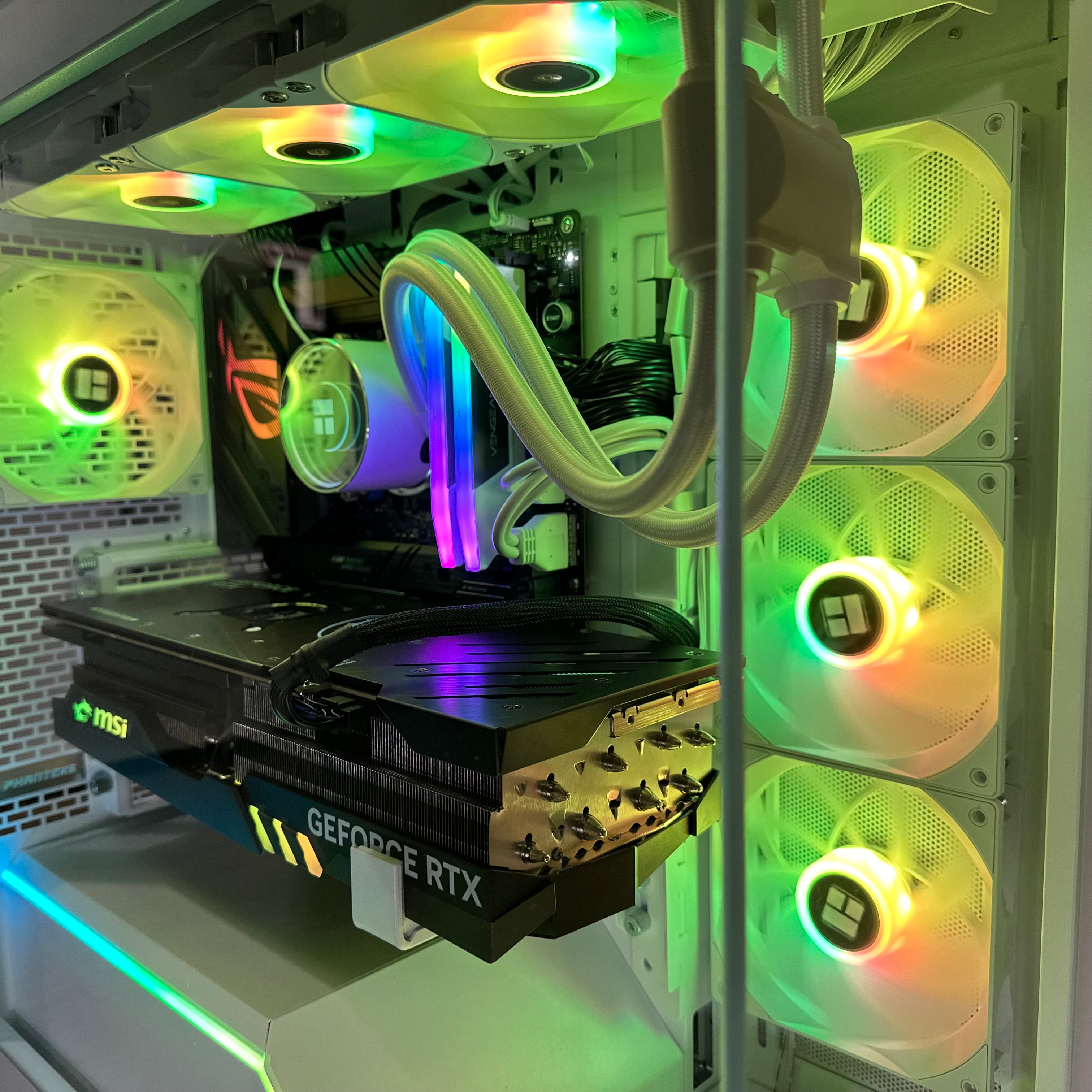

GTA 6 Boycott Talk Won’t Stop Demand: What Canadian Buyers Should Really Learn Before Buying a Gaming PC
The GTA 6 boycott debate is getting attention for a reason: players are reacting to higher edition pricing, locked extras, and bigger questions about where premium game launches are heading. But for Canadian shoppers, the more practical takeaway is not whether outrage trends online. It is whether your current system is actually ready for the next wave of demanding AAA games, creator workloads, and price pressure across the custom PC market. If you are already asking what kind of gaming PC for GTA 6 makes sense, whether a stronger GPU tier is worth it, or whether now is the right time to secure a better build before costs move again, this is the part that matters.
The source discussion makes a blunt point: major releases with massive hype rarely fail because of internet backlash alone. Big franchises still sell. Premium editions still move. Demand still shows up. That same reality affects PC buyers too. When a game becomes a cultural event, people do not just buy the game. They upgrade monitors, replace old desktops, move from console to PC, start streaming, and finally buy the creator or workstation machine they have been postponing. That ripple effect matters if you are shopping in Canada and trying to avoid buying in a rush later.
What does the GTA 6 pricing controversy actually tell PC buyers?
At a high level, it tells us that customers complain about pricing, but many still buy when the product feels important enough. In gaming hardware, that pattern shows up all the time. Buyers say they will wait. Then a major release date gets closer, benchmarks start circulating, streamers flood social feeds, and suddenly thousands of people are asking the same question at once: can my PC run this properly at the settings I want?
That is where the real buying pressure begins.
If you wait until the hype peak, you are no longer choosing calmly. You are competing with every other late buyer who wants a gaming PC for new games, a better RTX system for ray tracing, or a more future-ready desktop before launch week. Canadian buyers already know that exchange rates, shipping realities, and hardware availability can make waiting more expensive than it first appears.
So while the source article focuses on software pricing and consumer behaviour, the smarter PC lesson is this: high-demand entertainment launches can trigger hardware buying waves, and those waves often tighten value.
Why should Canadian buyers think differently about this story?
Because Canada does not experience pricing the same way as the U.S. market narrative you often see online. If a premium game edition is discussed at around $100 USD, the Canadian buyer is looking at a noticeably higher CAD figure once currency conversion, taxes, and local retail realities are considered. The same logic applies to graphics cards, processors, DDR5 memory, NVMe storage, and complete custom systems.
That means a buying delay is not just a delay. It can become a replacement-cost problem.
Are you planning around a major game release? Are you also planning around a software upgrade, a new semester, a return to streaming, or a move into content creation? Are you hoping your current machine can survive one more cycle, even though you are already lowering settings, closing background apps, or dealing with storage bottlenecks? Those are the questions that matter more than social media noise.
For many shoppers, the issue is not whether GTA 6 sells. It almost certainly will. The issue is whether you end up paying more later for a weaker system because you waited until demand spiked.
What do you want your next PC to do for you?
Before you compare specs, ask the most useful buying question first: what do you want your next PC to do over the next three to five years?
Do you want a machine mainly for open-world AAA gaming? Do you want high-FPS esports performance at 1080p? Are you aiming for 1440p with ultra settings and ray tracing? Do you want to stream to Twitch or YouTube while gaming? Will you also edit videos in Adobe Premiere Pro or DaVinci Resolve? Are you a photographer working in Photoshop and Lightroom? Do you create graphics in Illustrator, InDesign, Canva, or Creative Cloud? Are you building in Blender, Unreal Engine, or other 3D tools?
A lot of buyers accidentally shop by price first and workload second. That usually leads to one of two problems: either the system is underpowered and needs upgrading too soon, or the system overspends in the wrong area and feels unbalanced. A custom build works best when it is matched to your real usage, not just to a flashy headline GPU.
If you want a gaming PC for GTA 6, what performance level do you actually need?
This is where many Canadian buyers need a clearer path. Not every customer needs the same class of hardware, even if they are all excited about the same game.
Entry gaming tier: is 1080p still enough for you?
If your goal is solid 1080p gameplay, strong general performance, and a better experience than an aging console or older desktop, an entry or lower-midrange gaming PC can still make sense. This is often the right answer for buyers who mainly play a mix of popular games, want better loading times, and are not chasing maximum ray tracing effects.
But ask yourself honestly: are you buying for today only, or for the next major release cycle too? If you already know you will want higher settings, better textures, smoother frame pacing, or stronger multitasking, going too low now may just delay a more expensive upgrade later.
Midrange sweet spot: is 1440p where you really want to be?
For many shoppers, 1440p is the real value target. It gives a major visual upgrade over 1080p without the extreme cost jump of chasing top-end 4K performance. If you want a Gaming PC Canada buyers can rely on for new AAA titles, high settings, and a more future-proof experience, this is often the smartest tier.
Are you the kind of player who notices frame stability, texture quality, and draw distance? Do you want enough GPU power to enjoy modern lighting features without replacing your machine too quickly? Do you want a system that still feels fast when you have Discord, a browser, launchers, and recording software open in the background? If yes, the midrange tier is usually where build quality and balance matter the most.
High-end gaming tier: do you want 4K, ray tracing, and longer runway?
If your target is 4K gaming, ultra settings, strong ray tracing capability, or premium longevity, you are shopping in a different category. This is where cooling, power delivery, airflow, CPU pairing, and memory configuration all matter more. A high-end build is not just about buying a faster graphics card. It is about buying a system architecture that can support that card properly and stay stable under real use.
Are you planning to pair your next PC with a high-refresh 1440p monitor or a 4K display? Are you trying to avoid upgrading again in two years? Are you moving from console to full desktop gaming and want the jump to feel dramatic? Then a premium tier build may be the smarter long-term value, especially if financing helps you secure the right system now instead of settling.
What if you want to game and stream at the same time?
The GTA 6 conversation is not only about players. It is also about creators. Big launches create clips, reaction content, livestreams, walkthroughs, benchmark videos, mods, social media edits, and community channels. If you are buying a Gaming and Streaming PC Canada shoppers can use for both play and production, your needs change immediately.
Do you want smooth gameplay while running OBS? Do you record locally while streaming? Are you clipping content for TikTok, YouTube Shorts, or long-form uploads? Do you use a dual-monitor setup with chat, browser tabs, music tools, and overlays running in the background? If so, your CPU, GPU encoder support, RAM capacity, and storage speeds all deserve more attention.
A system that feels fine for gaming alone can start to feel cramped once live encoding, browser loads, asset management, and simultaneous recording are added. That is why many buyers should not ask only, “Can this run the game?” They should ask, “Can this run the game and my workflow together without frustration?”
Are you also a creator who needs more than a gaming PC?
This is where a lot of customers benefit from reading beyond gaming headlines. Maybe the game release is what pushed you to shop, but your real need is broader. If you also edit footage, manage client files, render projects, create thumbnails, design brand assets, or work with RAW media, your best fit may actually be a Creator PC Canada professionals and aspiring creators can grow into.
Video editing buyers: do you need faster exports and smoother timelines?
If you work in Premiere Pro, DaVinci Resolve, After Effects, or CapCut, you should think beyond game FPS. Ask yourself: are scrubbing delays costing time? Are proxies becoming necessary because your current system struggles? Are 4K timelines choppy? Are export times slowing your upload schedule? A proper Video Editing PC Canada customers can rely on should balance CPU performance, GPU acceleration, RAM, and fast SSD storage so the entire workflow improves, not just one benchmark.
For content creators, the “upgrade now or wait” decision has direct output value. A stronger machine can save hours every week. If you are monetizing content or trying to publish more consistently, that time has real worth.
Photo editing and graphic design buyers: does your system stay responsive under real project loads?
Photographers and designers often get overlooked in gaming-heavy conversations, but they face similar upgrade timing problems. If you use Photoshop, Lightroom, Illustrator, InDesign, Canva, or other Creative Cloud tools, responsiveness matters. Batch exports, large canvases, layered compositions, AI-assisted features, and multi-app workflows can all expose the limits of an older PC.
Do you want a system that stays quick when working with high-resolution assets? Do you run multiple displays? Do you care about stable performance more than flashy RGB? Then a Photo Editing PC Canada or Graphic Design PC Canada build should be selected around memory, storage, CPU responsiveness, and the right GPU support for your actual software.
3D modeling and workstation buyers: are you buying for hobby use or serious production?
If your workflow includes Blender, Unreal Engine, Unity, Maya, Cinema 4D, AutoCAD, Revit, or SolidWorks, then game launch hype may simply be the event that reminds you your machine is overdue. A 3D Modeling PC Canada customers need for viewport work, rendering, simulation, and asset builds is often very different from a standard gaming desktop.
What PC do you need for Blender? What PC do you need for 3D rendering? Do you need more VRAM, more cores, more RAM, or all three? Are you doing freelance, architecture, product design, or game asset development? A proper workstation should be built for stability, sustained load, and upgrade runway, not just peak marketing numbers.
Is it better to buy a gaming PC now or wait?
This is one of the most important questions in the entire buying journey, and the answer depends on why you are waiting.
If you are waiting for clarity on your needs, that can be smart. If you are waiting because your current system still performs well for what you actually do, that can also be smart. But if you are waiting only because you hope everything will get cheaper at the exact moment demand rises, that is often where buyers lose.
Major release cycles can increase interest in GPUs, complete gaming systems, SSD upgrades, and higher refresh displays. At the same time, broader market factors can affect pricing on imported components in Canada. When those trends overlap, value can compress quickly.
So ask yourself: are you likely to buy eventually anyway? Are you already compromising on settings, storage, or performance? Are you going to need a stronger machine for school, work, or content in the same season? If the answer is yes, then the cost of waiting may be higher than the comfort of postponing.
Should you buy a cheaper PC now or finance a better one?
This is where many shoppers make the wrong move. They know the system they really want, but they drop down too far to hit a cash number that feels safer today. Then six to twelve months later they are unhappy with performance, stuck with weaker upgrade paths, or replacing parts earlier than expected.
That is why Gaming PC Financing Canada customers use can be a practical tool, not just a payment option. Financing can help you secure the right performance tier now instead of settling for a build you will outgrow quickly. If financing is available up to 4 years, the conversation changes from “What is the cheapest thing I can get away with?” to “What system will actually serve me properly over time?”
Should you finance a gaming PC? Can you finance a gaming PC in Canada and still make a smart decision? In many cases, yes, if the result is a better-balanced machine with stronger longevity, a more suitable GPU, more RAM, more storage, or a better CPU for mixed workloads. The key is not financing for the sake of spending. It is financing strategically so you avoid rebuying sooner.
If you are choosing between a too-basic budget build and a much more capable midrange or premium system, monthly payments can make the stronger option easier to justify while preserving your buying timing.
How much should you spend on a gaming PC in Canada right now?
There is no single answer, but there is a better framework.
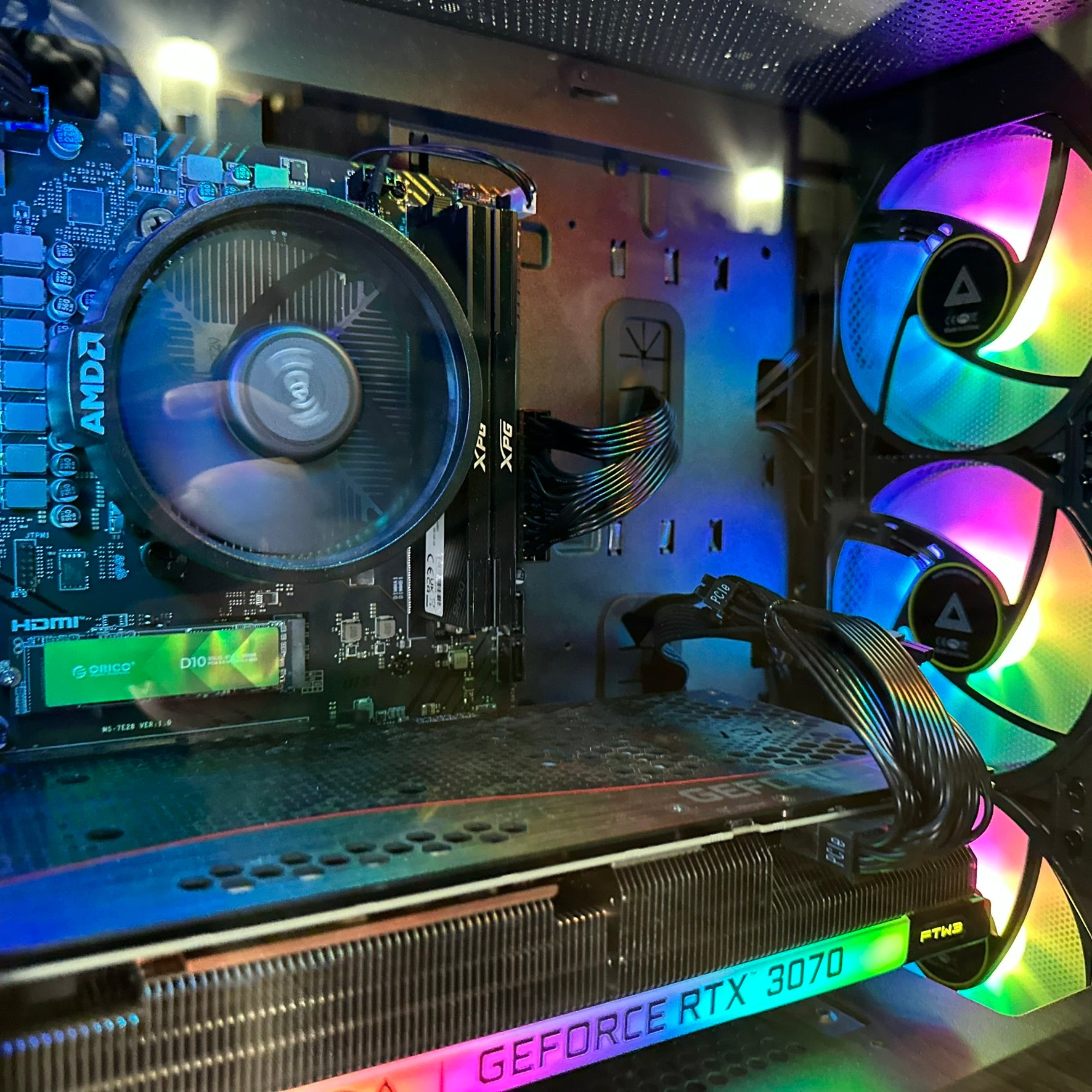
Spend based on your target resolution, the kinds of games you play, whether you want ray tracing, whether you stream or edit, and how long you want the build to stay satisfying before a major upgrade. A buyer focused on esports at 1080p is not shopping for the same machine as a player who wants a Gaming PC for GTA 6, future open-world AAA releases, livestreaming, and weekend editing work.
- Value-focused buyers should prioritize balanced entry or midrange systems that avoid weak power supplies, poor airflow, and dead-end upgrade paths.
- Mainstream gamers should focus on the 1440p sweet spot, where modern visual quality and long-term usefulness tend to align best.
- Premium buyers should think carefully about 4K, ray tracing, thermal design, and whether the system also needs creator or workstation capability.
- Hybrid users who game, stream, and create should not underspend on RAM, CPU quality, or fast storage.
So what PC specs do you need? That depends less on internet outrage and more on your real screen, software, and expectations.
Which performance tier fits you best?
If you are unsure where you belong, use this decision logic.
Choose a budget-conscious build if:
- You mainly play lighter games or are satisfied with 1080p.
- You want a first gaming PC without overcommitting.
- You are comfortable lowering some settings in future AAA releases.
- You want the best short-term value and plan to upgrade later.
Choose a strong midrange custom build if:
- You want 1440p to feel smooth and worthwhile.
- You play modern AAA titles and care about visual quality.
- You want better long-term value and fewer near-term upgrades.
- You may also stream, record, or multitask heavily.
Choose a premium RTX gaming PC if:
- You want 4K, ultra settings, or stronger ray tracing.
- You want a high-refresh premium display setup.
- You want longer useful life before a major rebuild.
- You also create content or need serious GPU acceleration.
Choose a creator or workstation build if:
- Your PC is also a tool for income, school, or client work.
- You edit 4K video, work in Adobe apps, or manage large media libraries.
- You use Blender, Unreal Engine, CAD, or rendering software.
- You need reliability, sustained performance, and smarter part matching.
Why do custom builds matter more when prices and demands are shifting?
When the market gets noisier, a random off-the-shelf system becomes riskier. That is because not all prebuilts are balanced properly. Some overspend on one visible part and cut corners on cooling, motherboard quality, power supply quality, memory configuration, or SSD performance. That can leave buyers with a machine that looks strong on paper but underdelivers in real use.
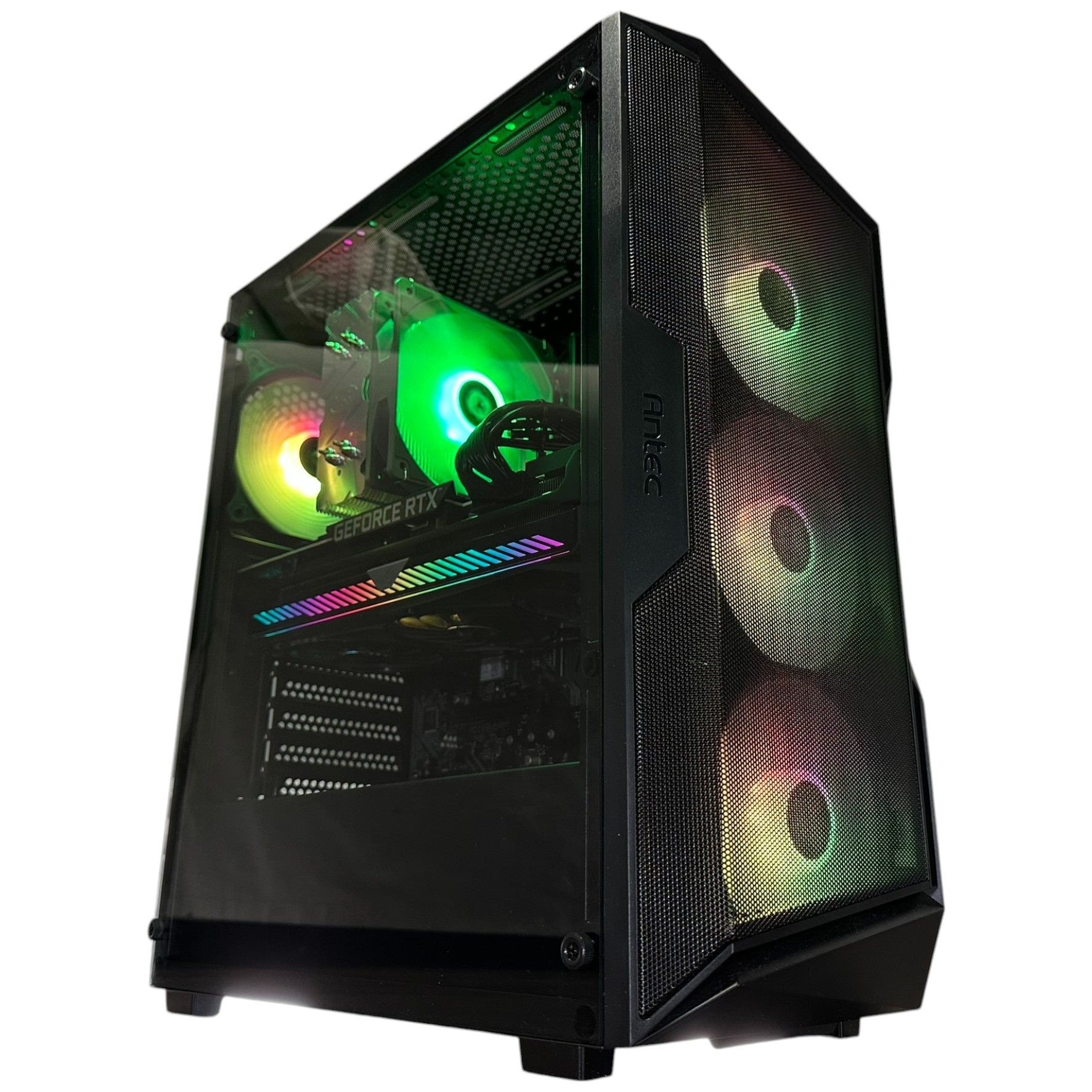
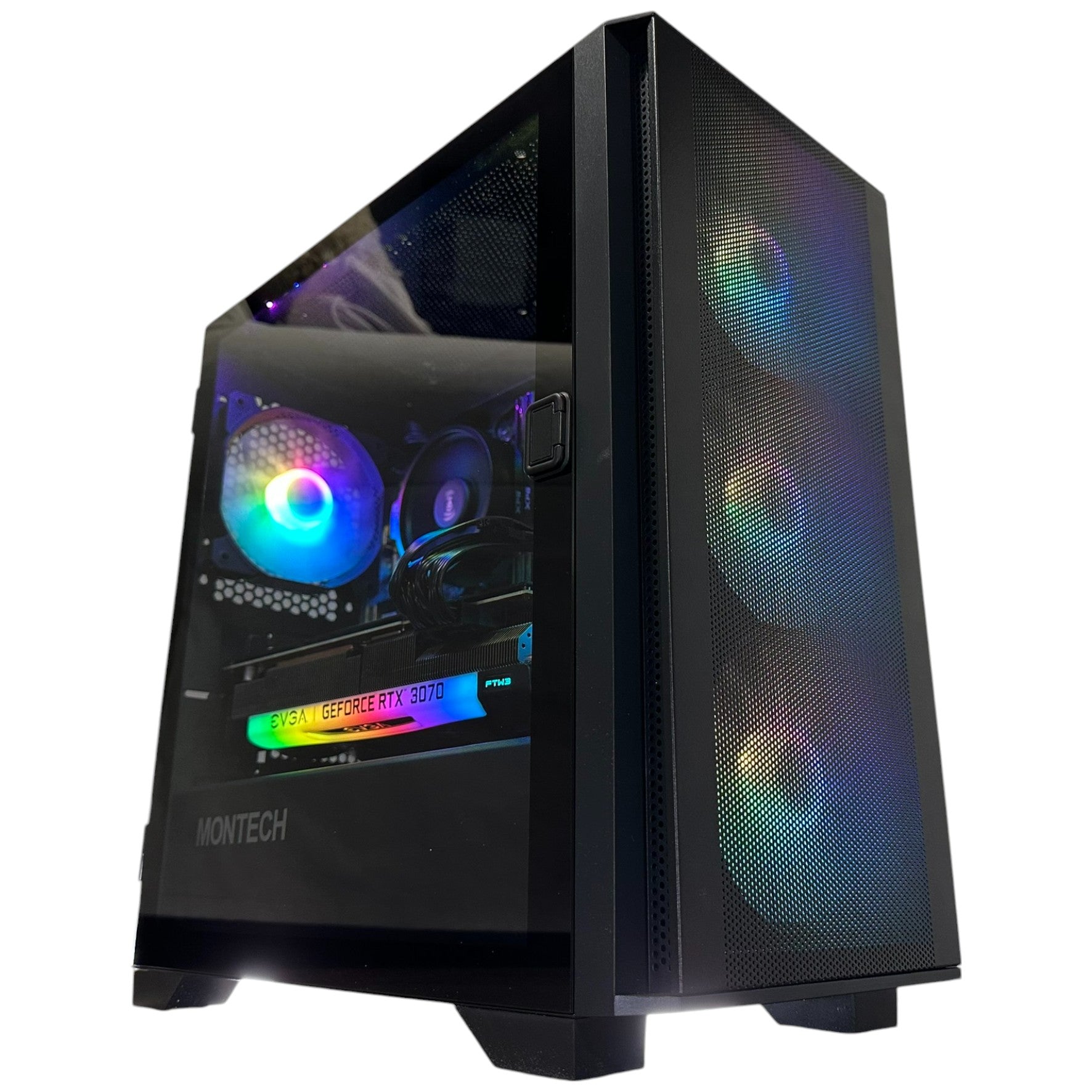
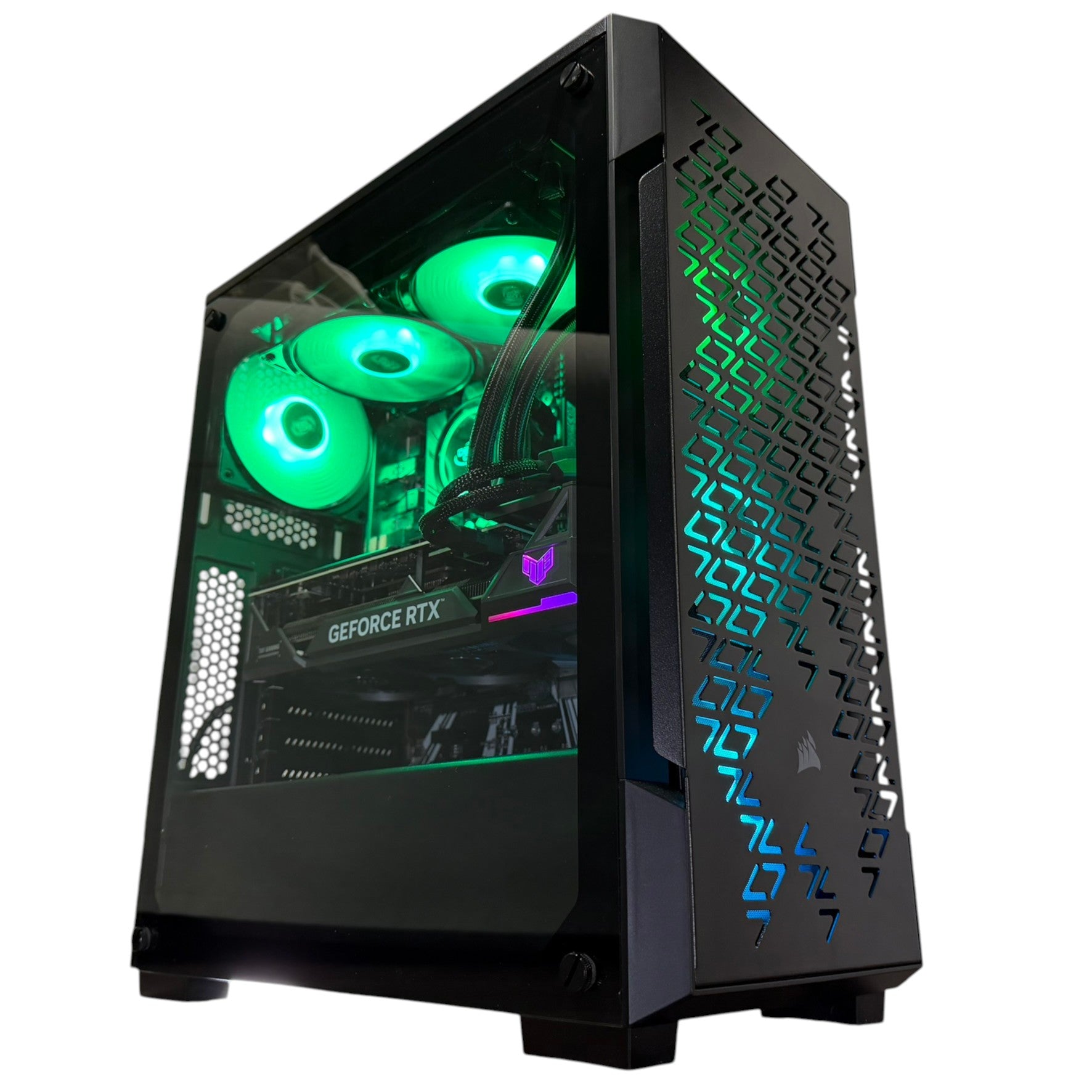
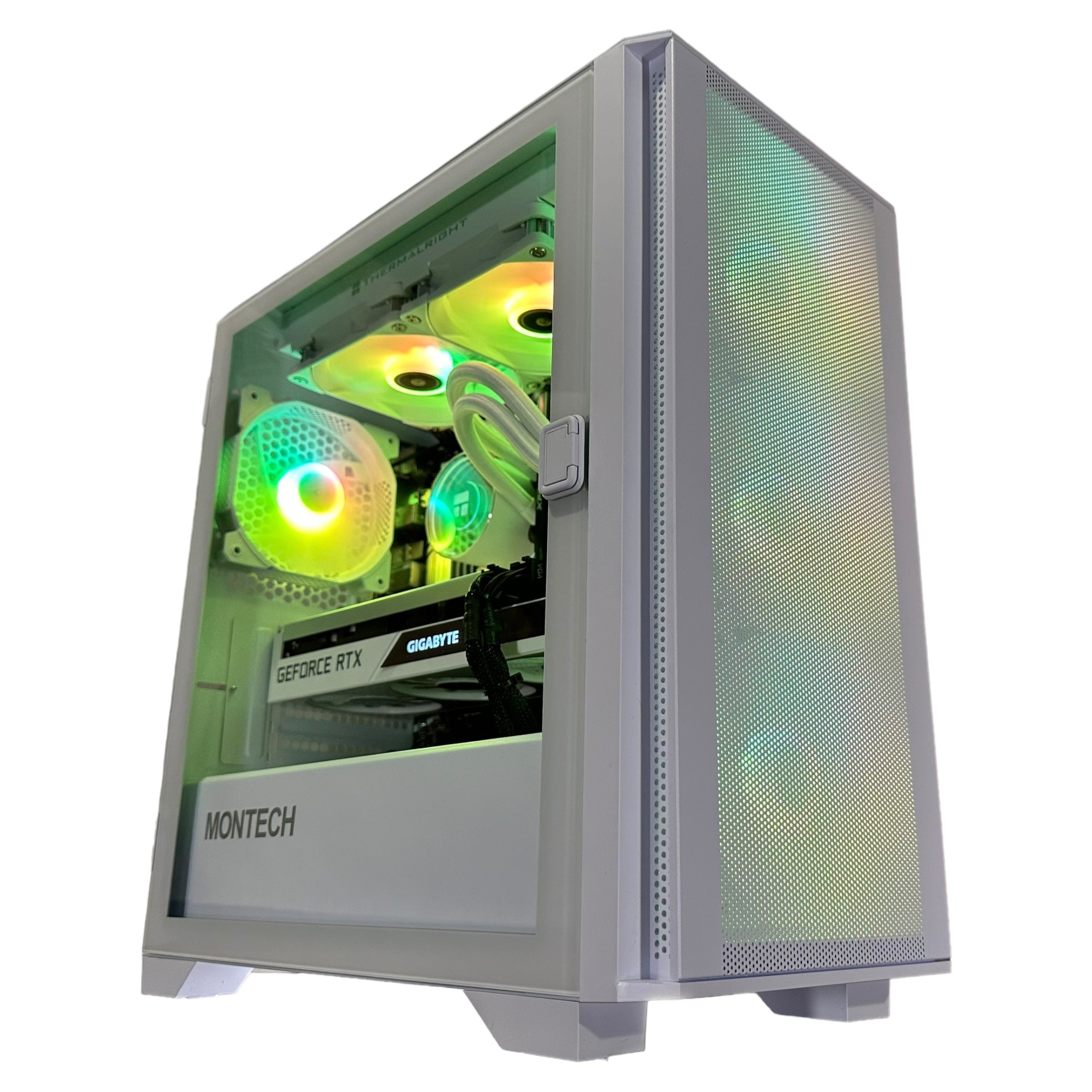
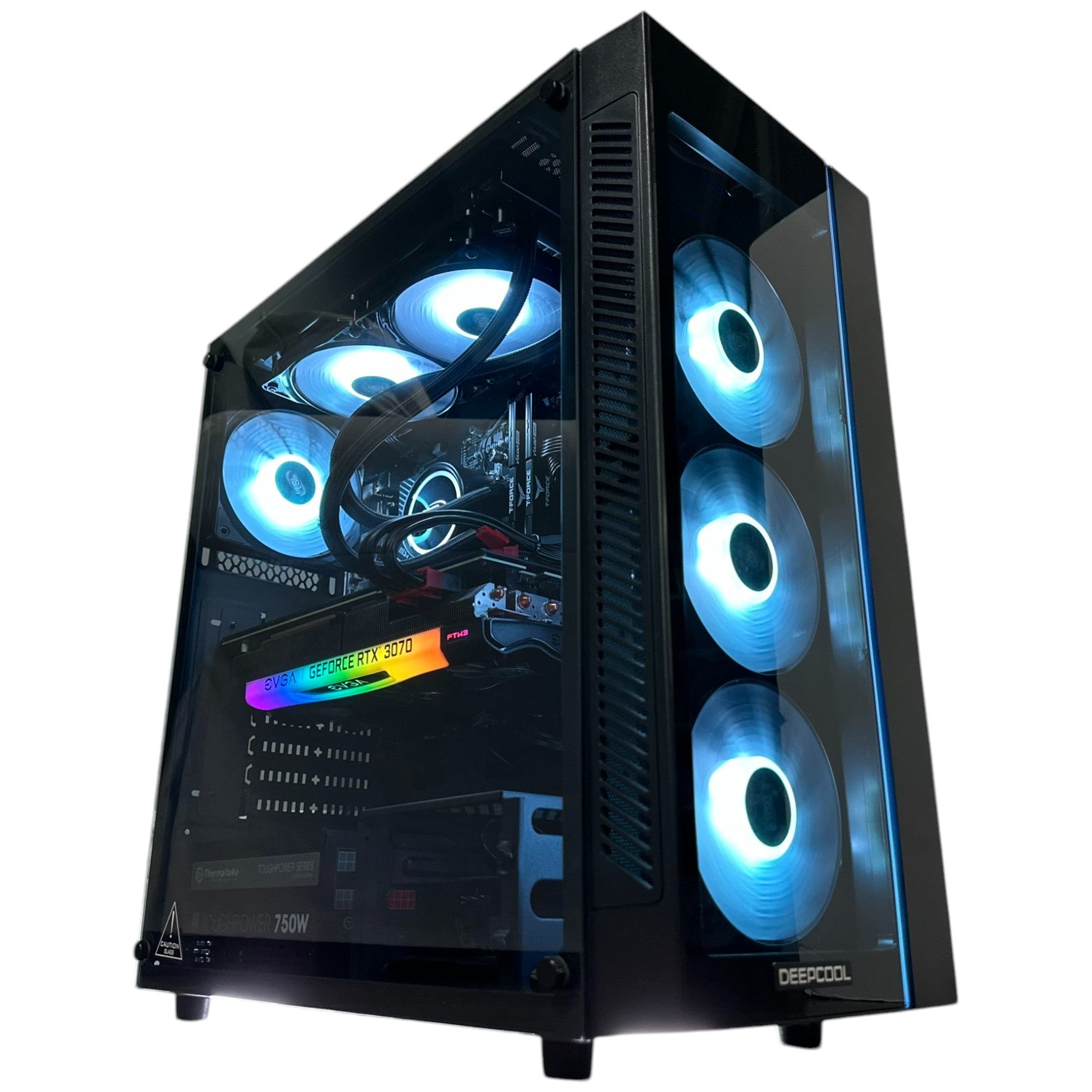
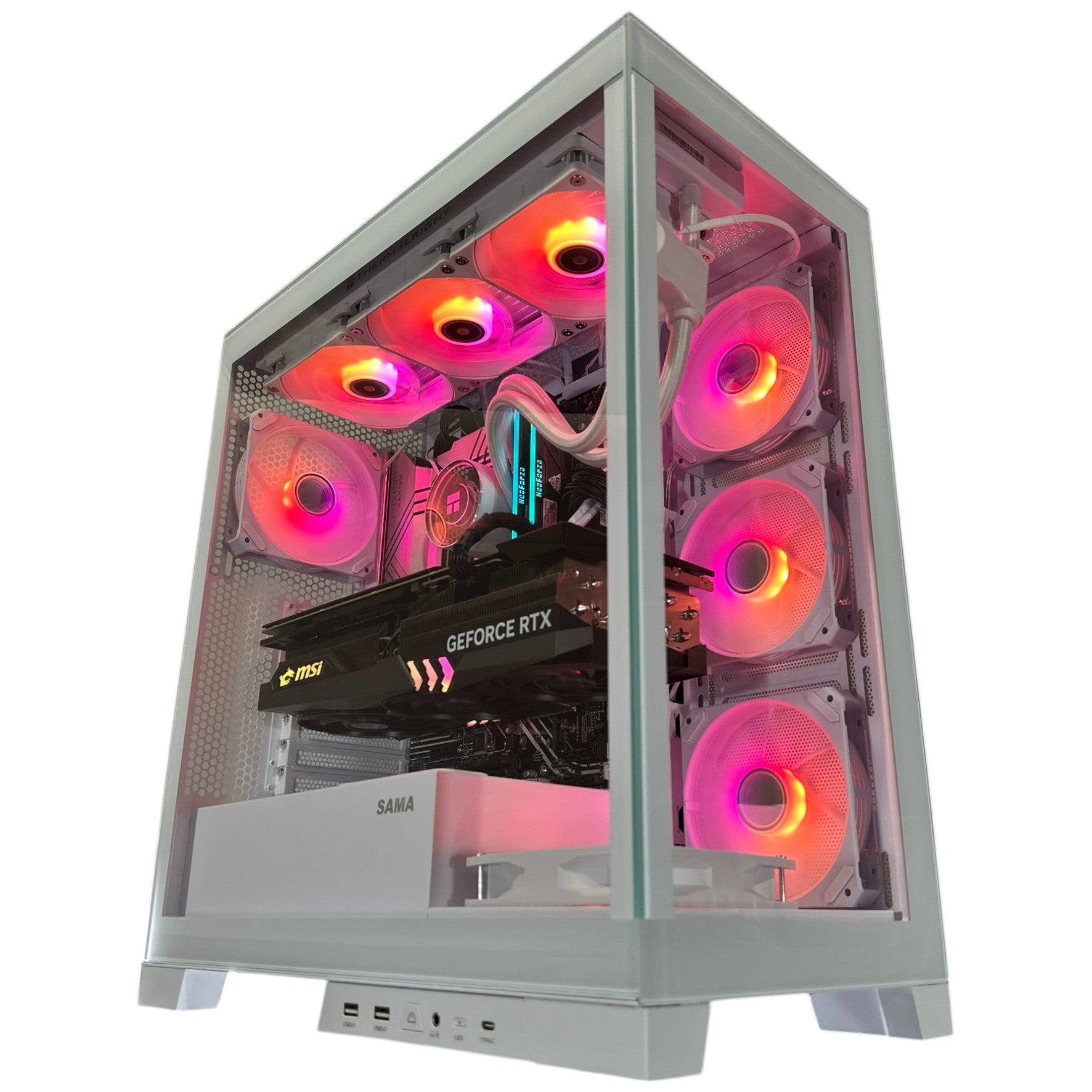
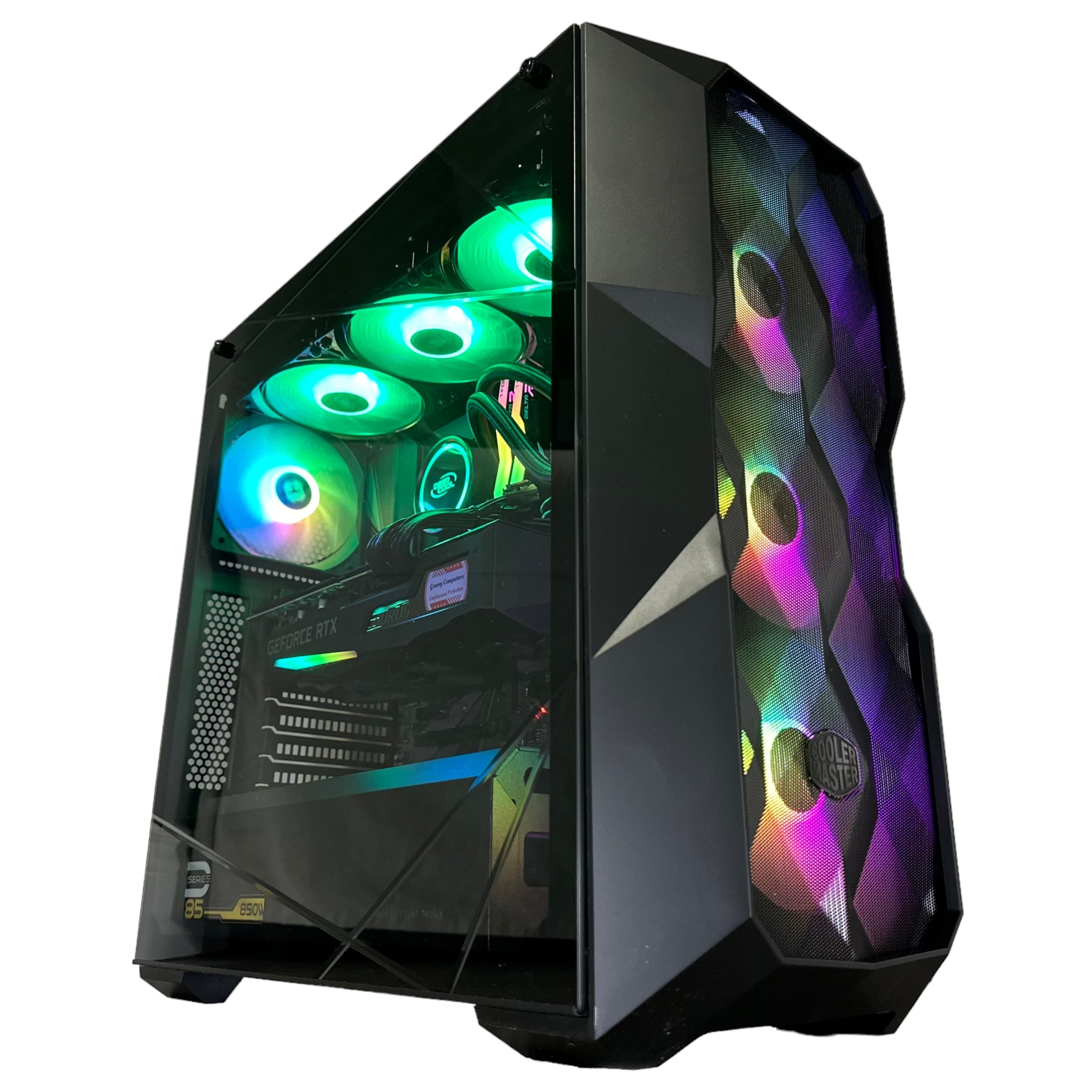
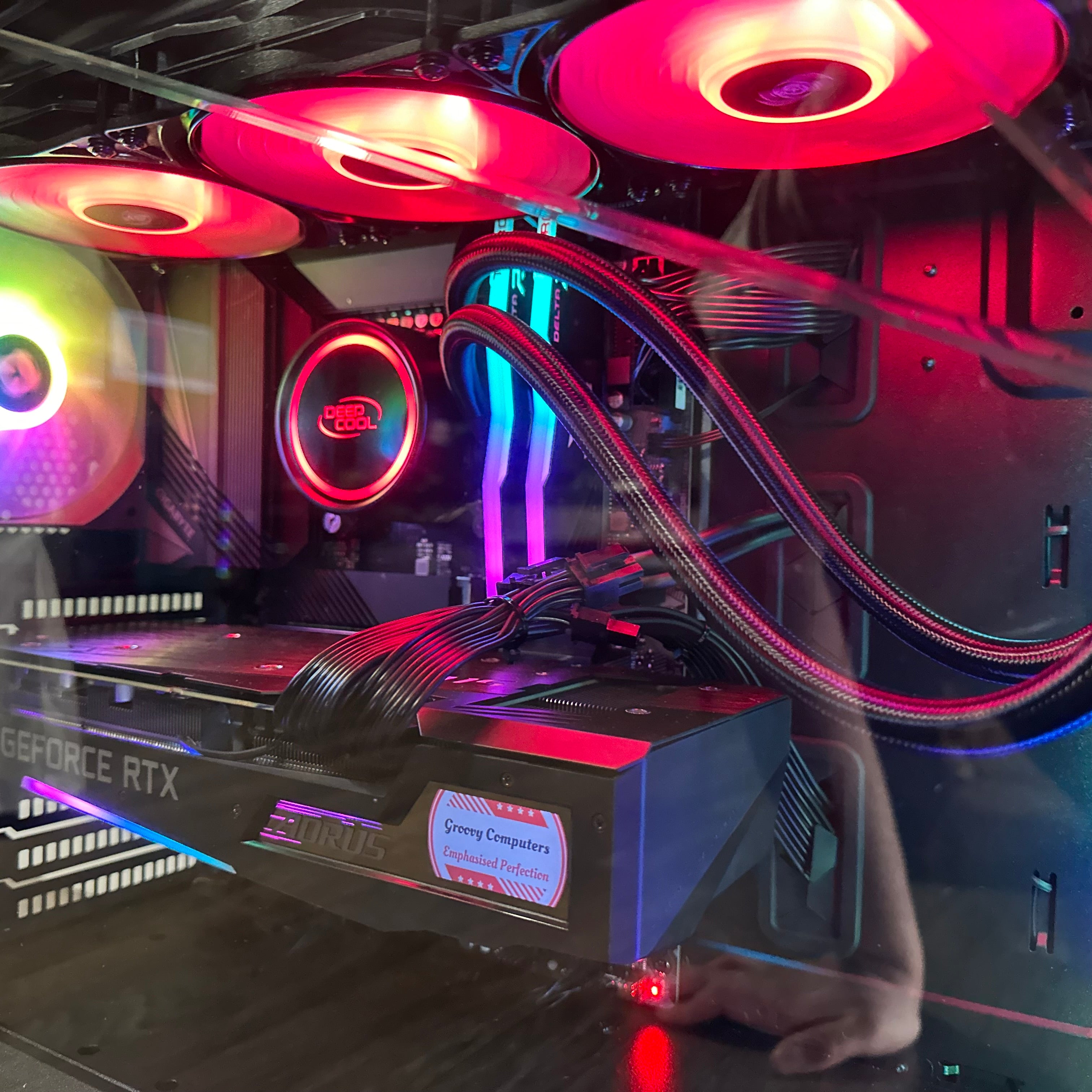
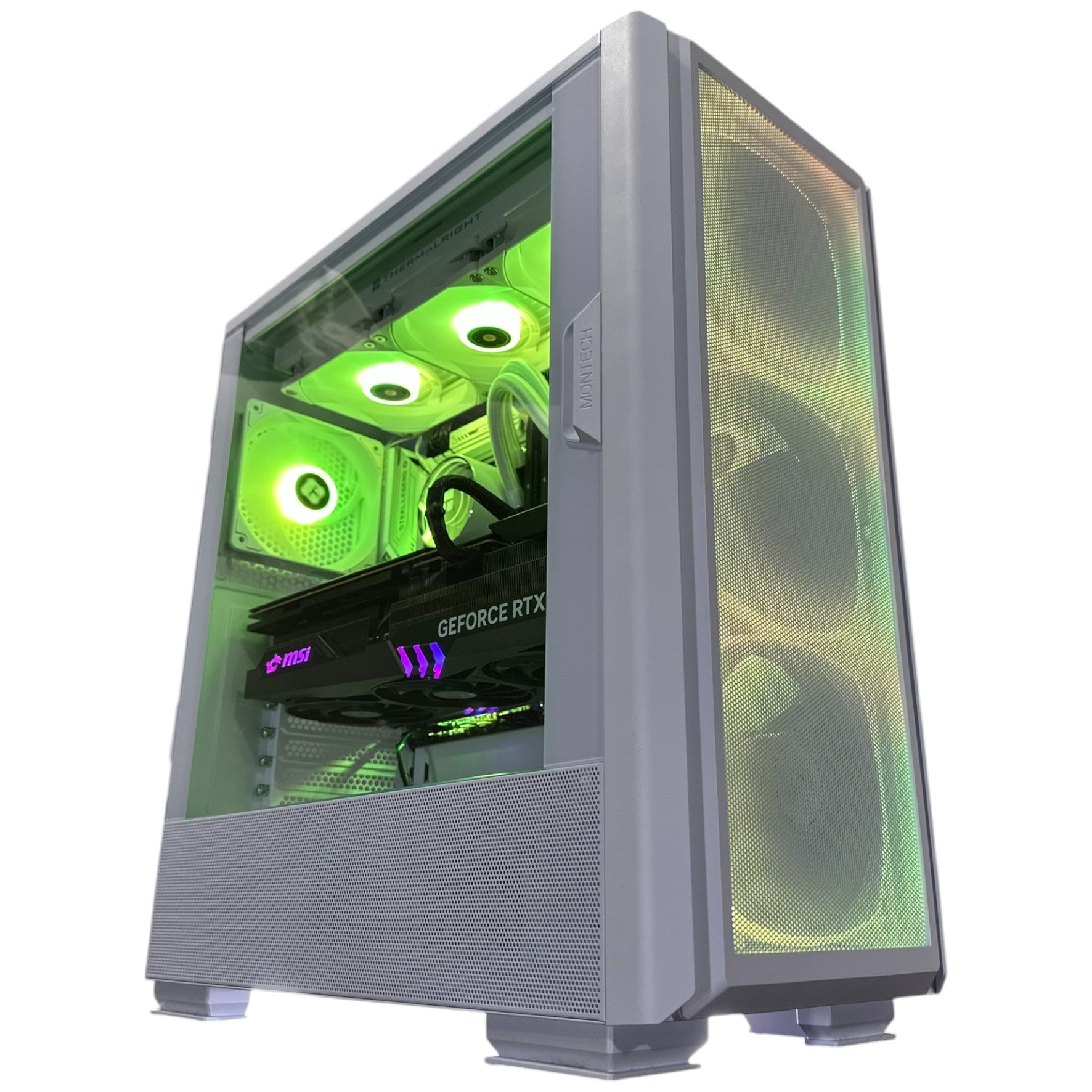
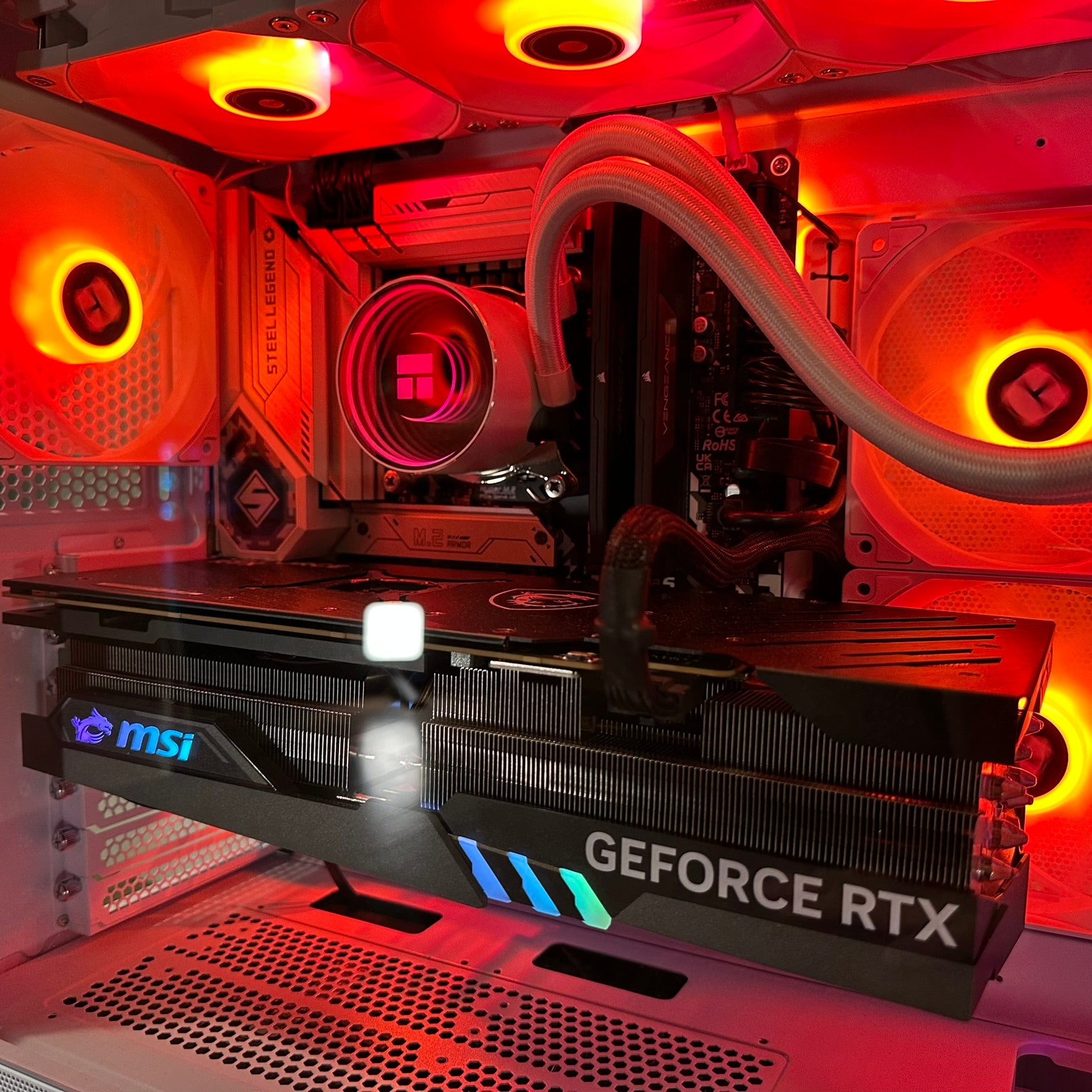
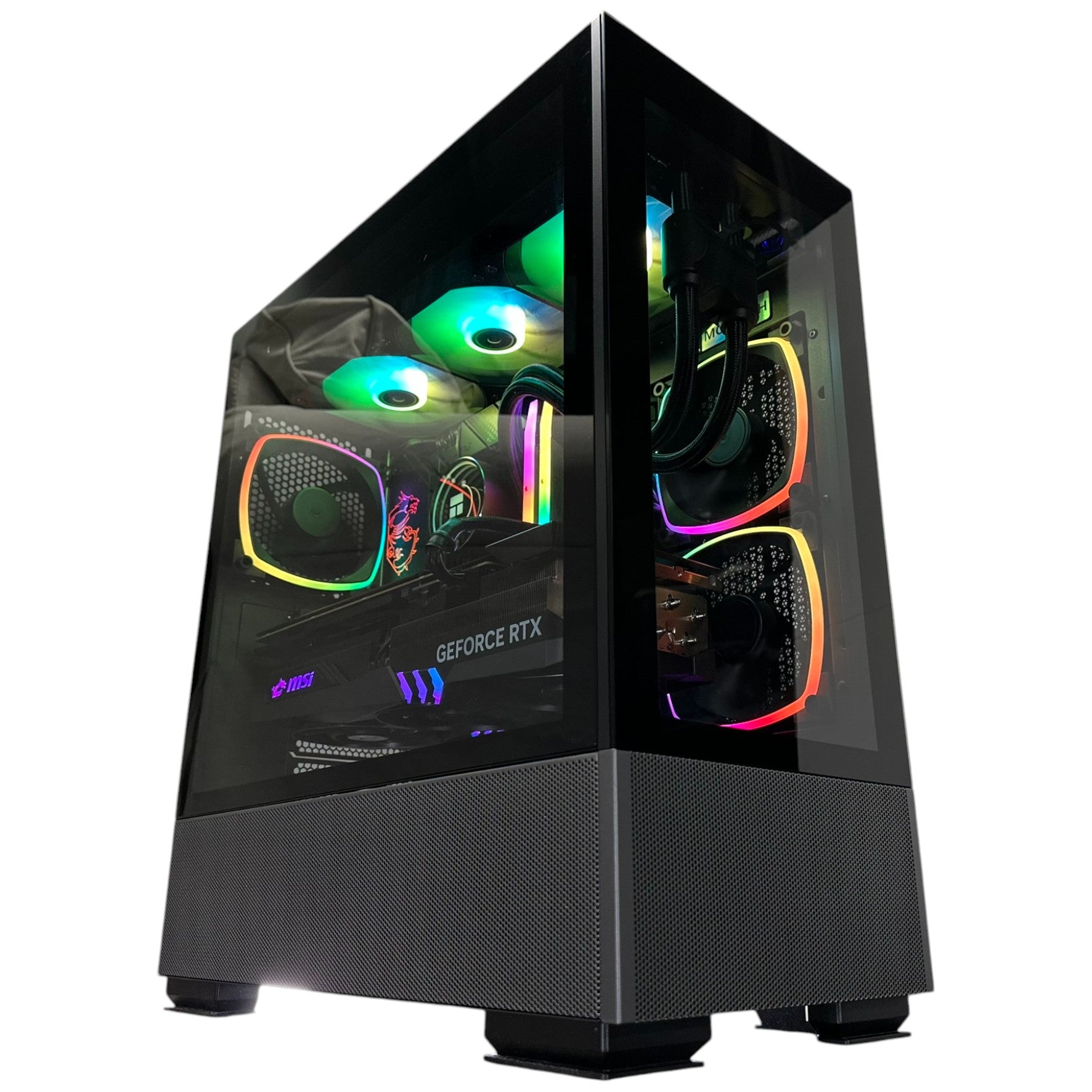
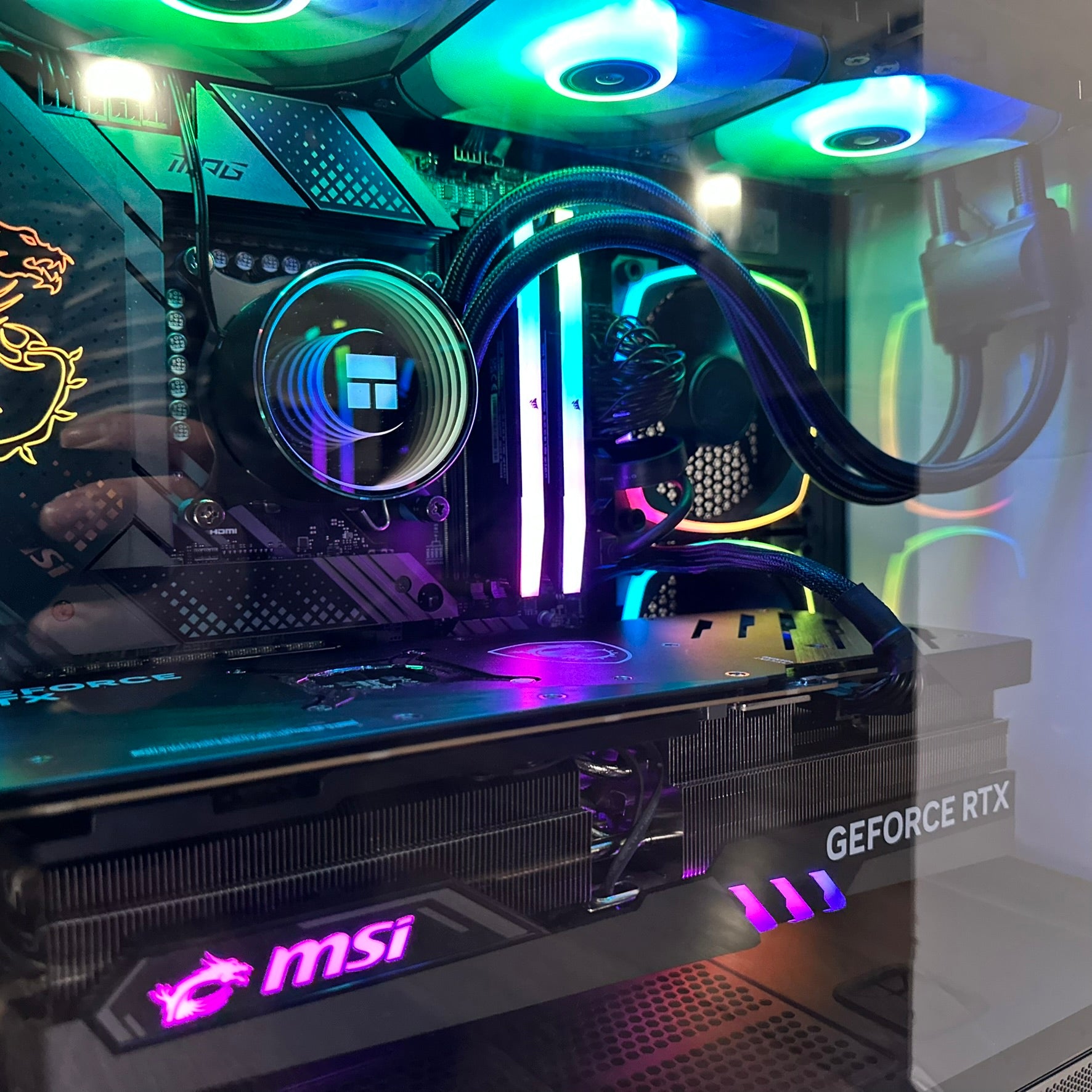
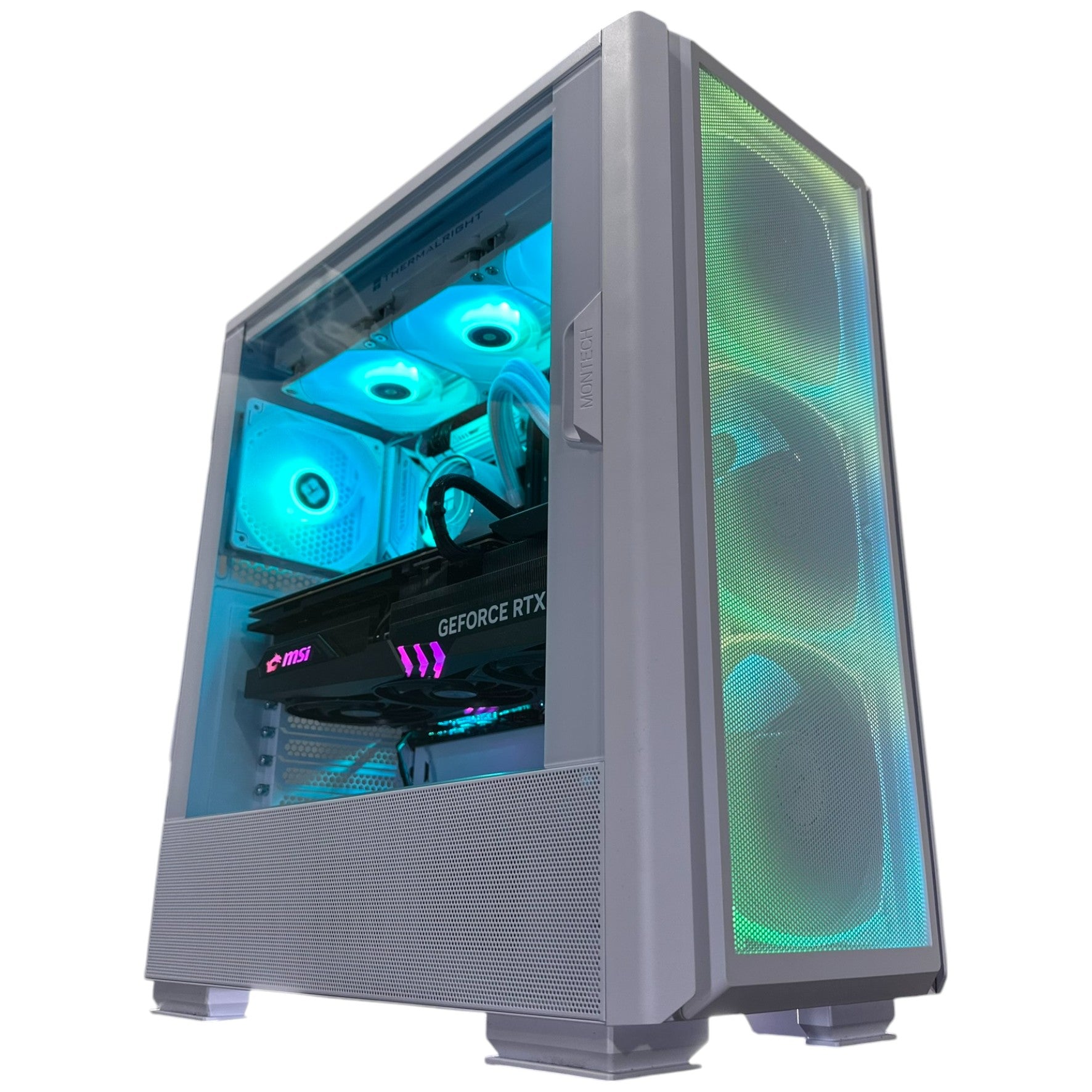
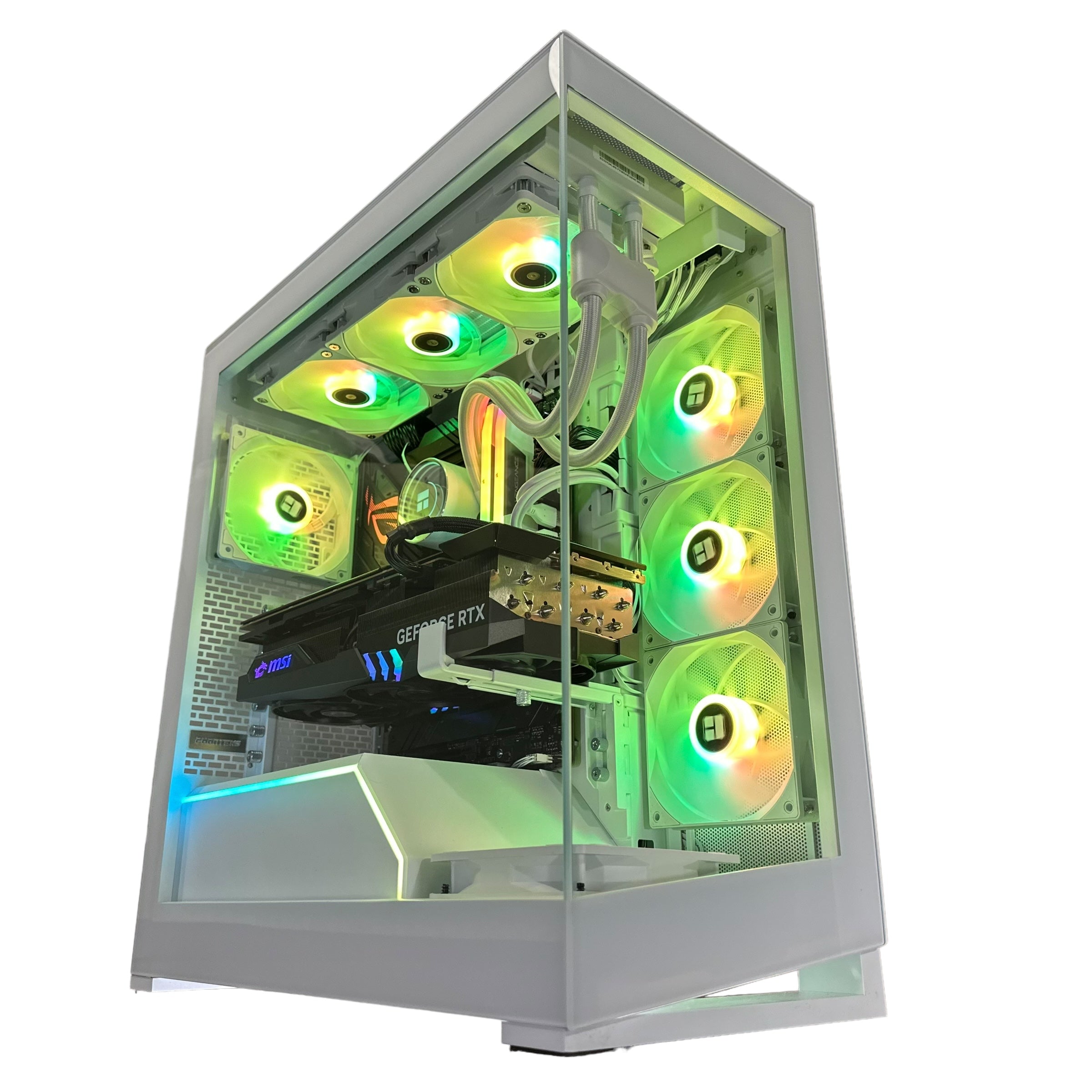
A proper Custom Gaming PC Canada shoppers can trust should be designed around the whole system, not just one headline component. The same goes for a Custom Creator PC Canada customers need for production work or a Custom Workstation PC Canada professionals depend on. Better part matching means fewer bottlenecks, better thermals, cleaner upgrade paths, and stronger long-term value.
It also matters when demand is volatile because every dollar needs to go to the right place. If your workload benefits more from more RAM and storage than from pushing one GPU tier higher, your build should reflect that. If your software needs a stronger CPU and fast scratch storage, that should shape the budget. Customization protects buyers from wasting money in the wrong category.
What questions should you ask before buying your next PC?
Before you commit, ask yourself the questions a good builder would ask you.
- What games or software will I use most? GTA 6, competitive shooters, Photoshop, Premiere Pro, Blender, and OBS all stress systems differently.
- What resolution am I really targeting? 1080p, 1440p, and 4K are different buying tiers.
- Do I care about ray tracing, high refresh, or maximum visual settings?
- Will I stream, record, or edit content too?
- How soon do I want to upgrade again? Buying too low can be expensive later.
- Am I replacing a PC that already frustrates me daily?
- Would financing a stronger system make more sense than buying a weaker one outright?
- Do I want a tested system with warranty support from a Canadian builder?
These questions sound simple, but they prevent expensive mistakes.
Why Groovy Computers is a smart fit for Canadian buyers right now
Groovy Computers is built around the kind of buying decision this moment demands: thoughtful, workload-based, and performance-focused. Instead of pushing one generic box for everyone, Groovy helps customers choose the right desktop category for what they actually do, whether that is gaming, streaming, video editing, photo editing, graphic design, content creation, 3D modeling, or heavier workstation use.
For Canadian shoppers, that matters. You want a builder that understands part balance, upgrade paths, and the reality of buying in CAD. You want a machine that is rigorously tested before it reaches you. You want warranty confidence, and Groovy Computers offers a 1-year warranty that adds reassurance when you are making a serious purchase. You also want financing flexibility when timing matters, and the ability to finance up to 4 years can help buyers secure a stronger, longer-lasting system before replacement costs rise further.
If you are in Nova Scotia, Atlantic Canada, or ordering from elsewhere in Canada, trust and support matter just as much as specs. A Canada-built custom system backed by real testing and real guidance is a very different experience from buying a mystery machine based only on a flashy sales page.
Are you buying before the rush, or after it?
This may be the most important decision in the whole GTA 6 conversation.
Are you the buyer who upgrades early, gets the right machine, and enjoys the release cycle properly? Or are you the buyer who waits until performance anxiety, demand spikes, and pricing pressure all hit at once? If your current PC is already near its limit, the difference between those two decisions can be costly.
What gaming PC do you need? What PC do you need for 1440p gaming? Is financing a gaming PC worth it if it helps you get the tier you actually want? Should you buy a gaming PC before prices go up again? Those are not hypothetical questions anymore for buyers tracking major launches and heavier workloads.
The lesson from the GTA 6 boycott story is not simply that hype beats outrage. It is that big releases change buying behaviour. They push people from “maybe later” into “I need this now.” If you already know your next system needs to handle modern games, streaming, editing, or creator work, waiting for perfect conditions can leave you with worse options.
Ready to choose the right build for gaming, creating, or both?
If you are asking yourself whether your next machine should be a budget gaming desktop, a premium RTX gaming PC, a custom creator system, or a workstation-class build, now is the time to get clear on it. Do you want help choosing the right tier before demand rises further? Do you want a better-balanced system instead of a rushed compromise? Do you want to explore financing so you can secure a stronger custom PC now rather than replace a cheaper one too soon? Start with GroovyComputers.ca and choose a Canadian builder focused on real performance, real testing, and real long-term value.
For Canadian shoppers, the smartest response to GTA 6 demand is not arguing with the market. It is preparing for it. A Gaming PC Canada buyers choose today should be selected around the experience they actually want tomorrow. Whether you need a custom gaming system, a streaming setup, a video editing desktop, a graphic design machine, or a 3D workstation, Groovy Computers can help you buy with more confidence and less guesswork.
#GamingPCCanada #CustomGamingPCCanada #GamingPCForGTA6 #GamingPCBuilderCanada #CreatorPCCanada #VideoEditingPCCanada #StreamingPCCanada #3DModelingPCCanada #FinanceGamingPCCanada #CanadianCustomPCBuilders
Groovy Computers | All Rights Reserved



Leave a comment
This site is protected by hCaptcha and the hCaptcha Privacy Policy and Terms of Service apply.