
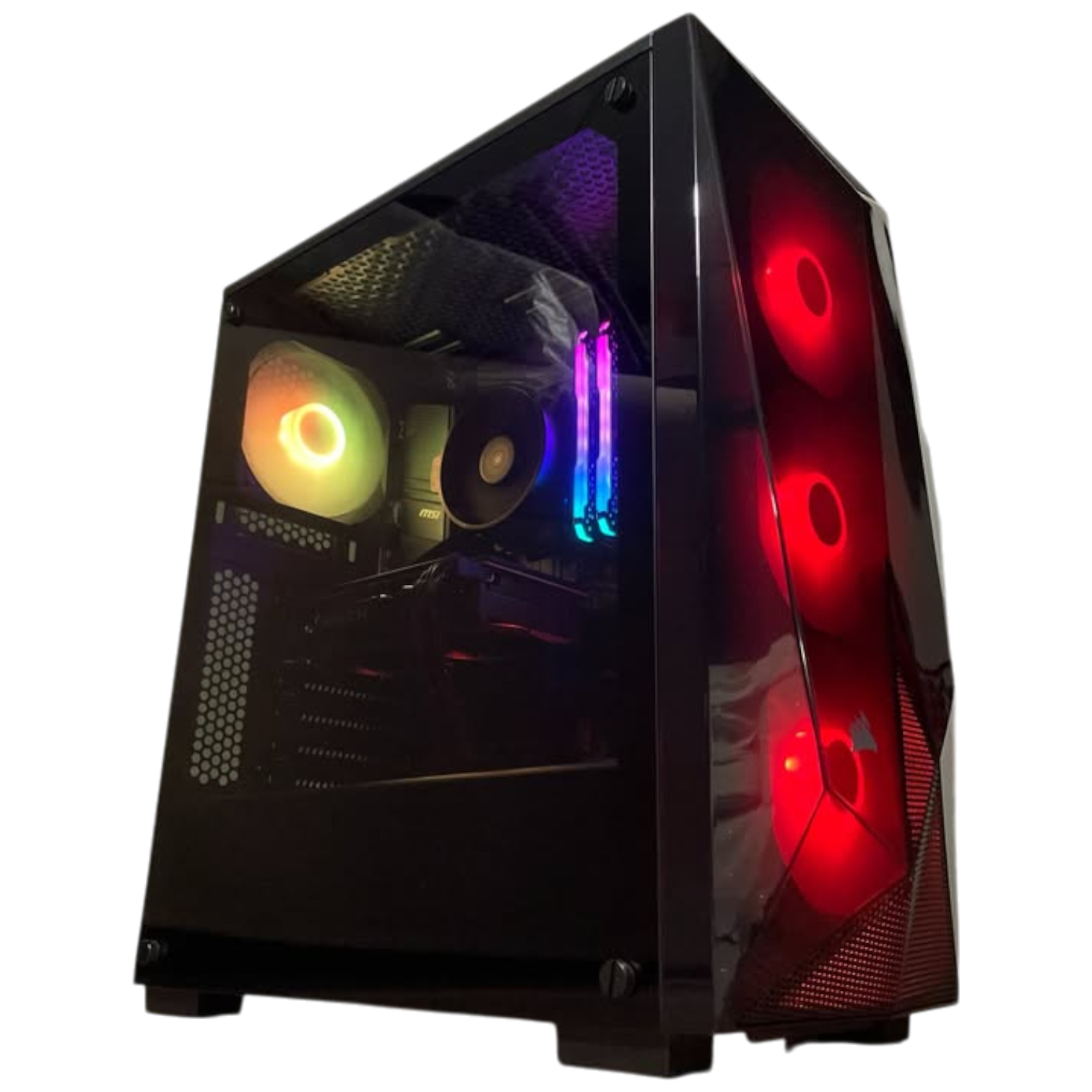
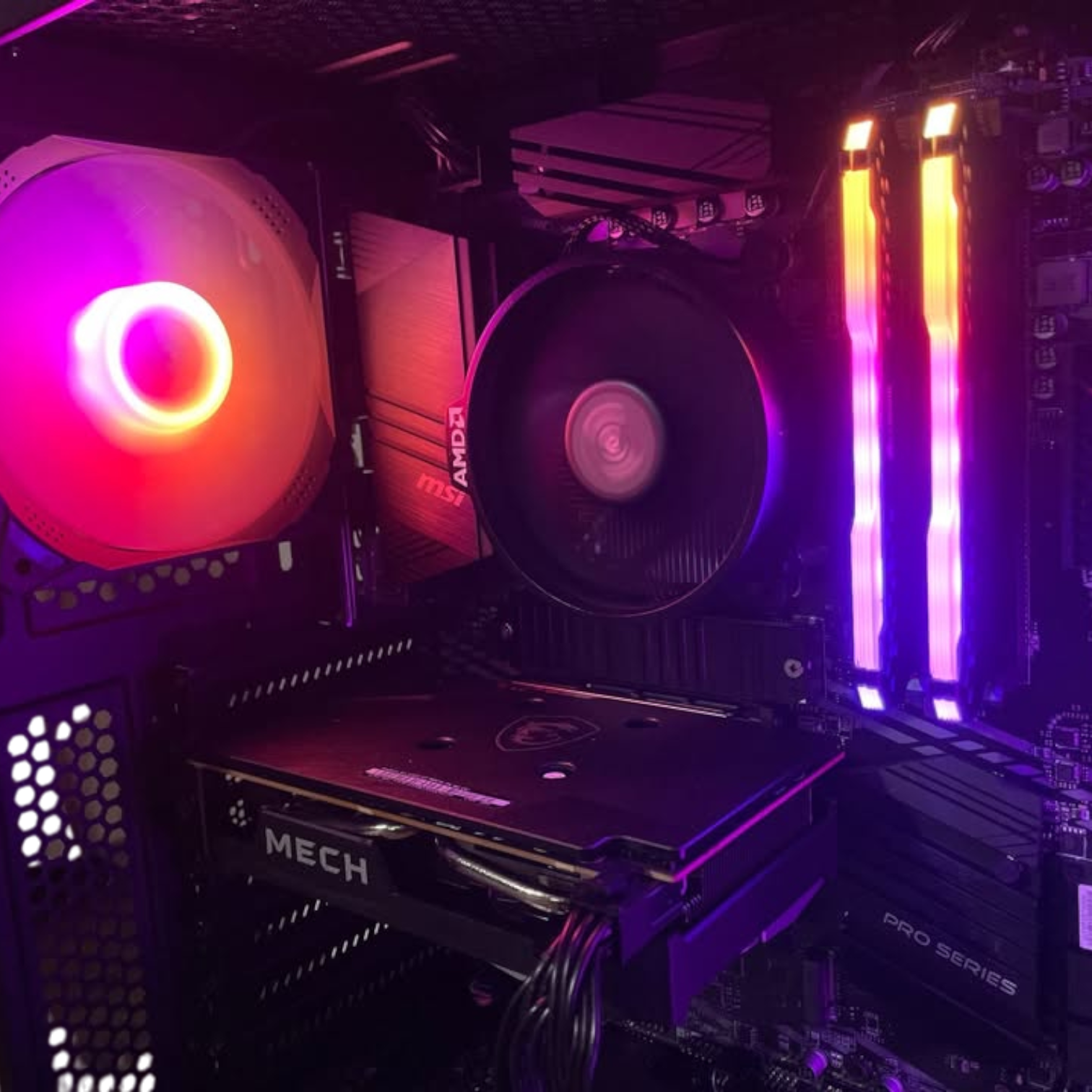
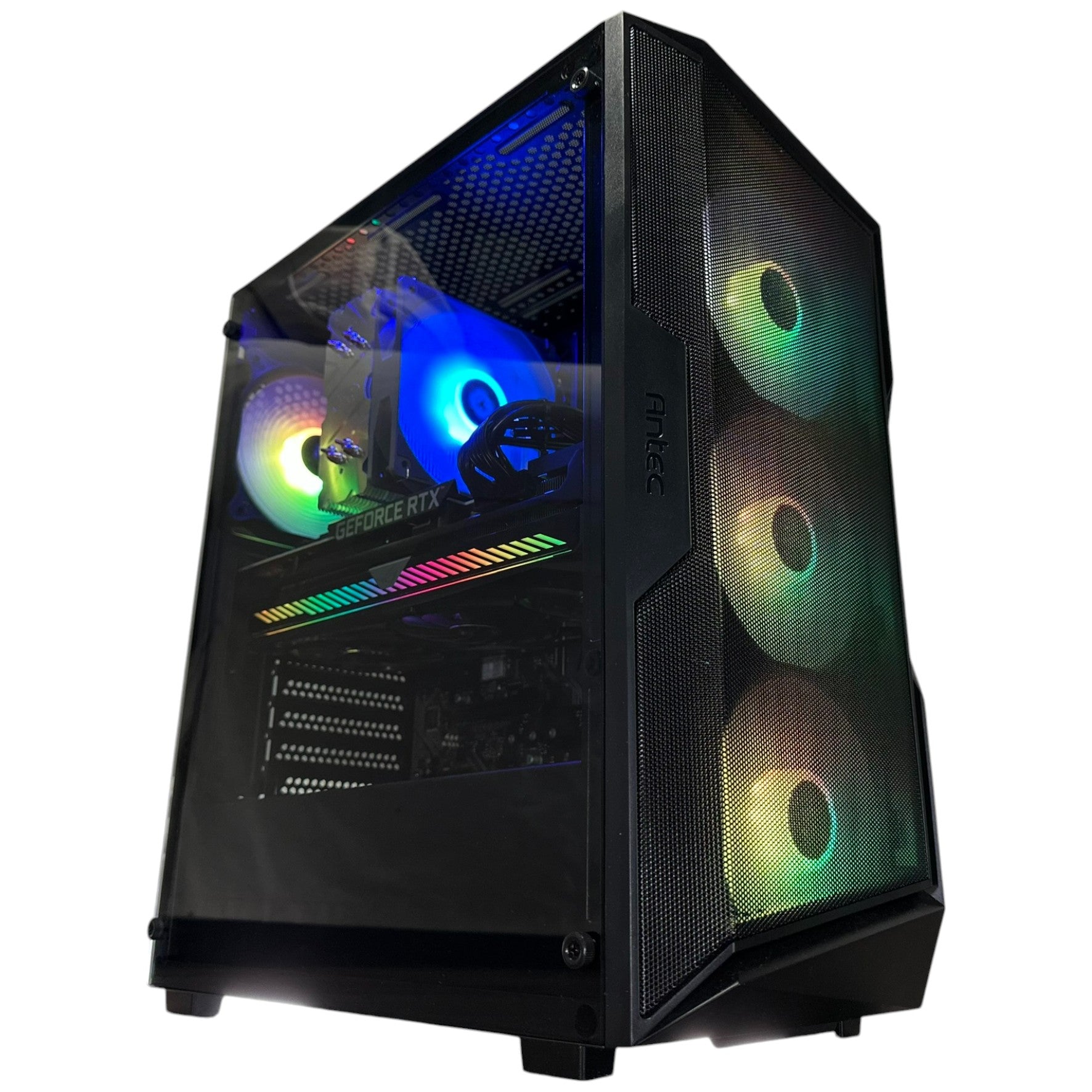
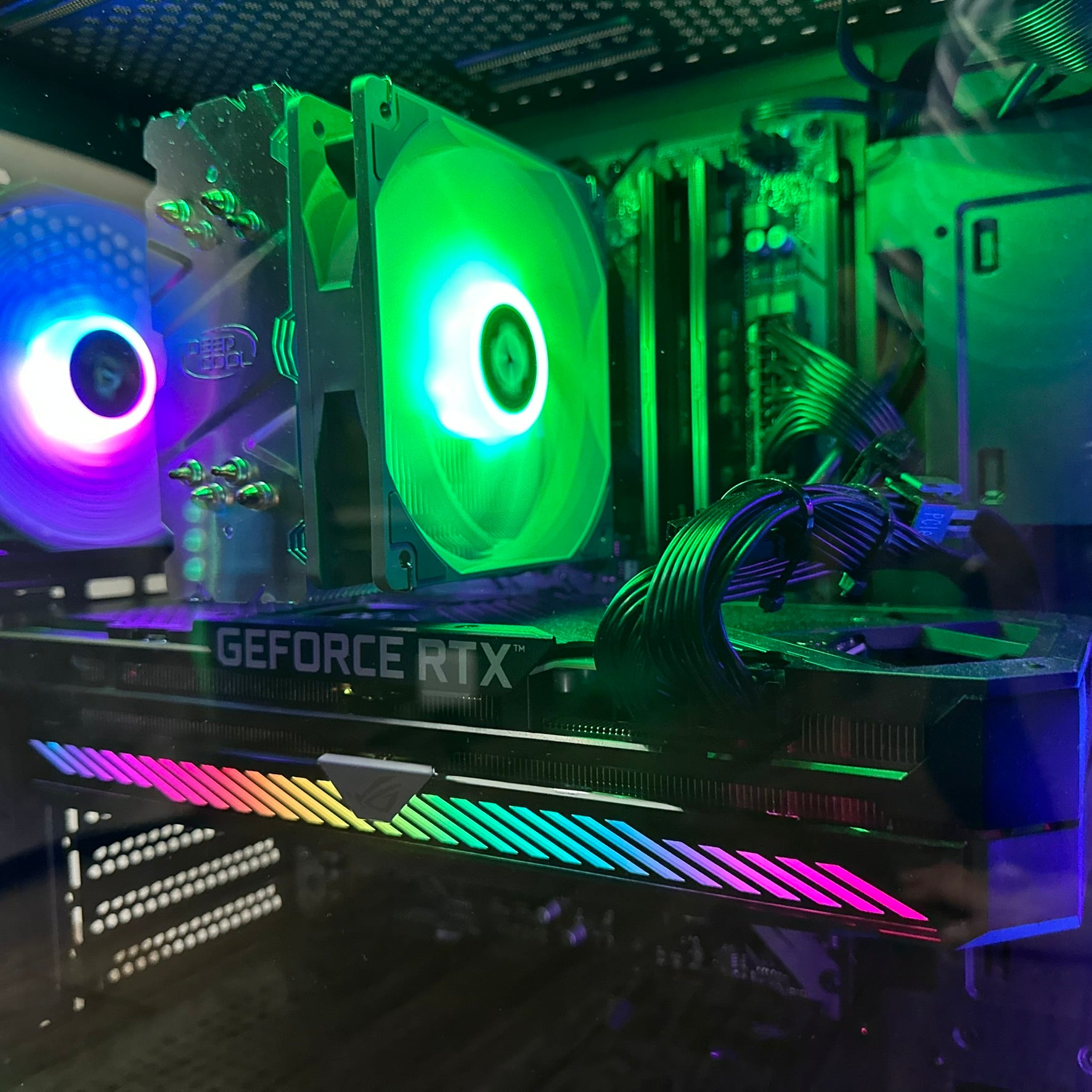





GTA 6 Release Schedule Shakeup: Why Canadian Buyers Should Plan Their Next Gaming PC Before the November Rush
The GTA 6 release schedule is already changing how the entire games industry behaves, and that matters for more than publishers. It matters for anyone in Canada thinking about buying a new gaming PC, creator system, or high-performance workstation before the busiest launch season in years. When studios worldwide move major titles to avoid Rockstar’s November launch window, buyers are left facing a packed fall calendar, rising hardware demand, and a simple question: is your current PC actually ready for what is coming next?
According to the source report, developers and publishers are actively scheduling around Grand Theft Auto 6 because they do not want their games buried under the attention that Rockstar’s next blockbuster will command. That means September and October are becoming overloaded with major game launches, while November is expected to be dominated by GTA 6 conversation, gameplay, and player time. Even though GTA 6 is currently slated for console launch first, the shockwave is already affecting PC buying decisions because big AAA releases do not just sell games. They push people to upgrade entire systems.
For Groovy Computers, this is where the story becomes practical. If you are a Canadian gamer, streamer, editor, creator, or power user, this is not just industry news. It is a buying-timing story. A release wave this large can push demand toward GPUs, CPUs, RAM, SSD storage, cooling, and complete custom builds. If your system is already struggling with newer open-world games, ray tracing, high refresh rate gaming, OBS streaming, video editing, or multitasking, waiting too long could mean shopping in a much hotter market.
What the GTA 6 release schedule tells us about the market
The biggest takeaway from the source article is not only that studios fear being overshadowed. It is that one release can distort the timing of dozens of others. When publishers move major launches into the six-week runway before a blockbuster, consumers often start upgrading earlier too. Why? Because players want to be ready not for one title, but for a whole season of demanding games.
Ask yourself: are you only buying a PC for one game, or do you want a system that can comfortably handle a stacked fall lineup, your daily library, and the next several years of releases?
That is the better question, especially if you want to avoid buying twice. A cheap short-term fix can feel affordable now, but if it cannot hold steady at 1440p, support high settings in future AAA titles, or manage gaming plus streaming, it may become the more expensive decision in the long run.
Why Canadian PC buyers should think ahead before the fall gaming surge
Canadian customers need to think differently than buyers casually watching game news from the sidelines. A crowded release calendar can tighten buying windows, especially for performance-focused systems. If a large number of players decide in late summer that they need a better GPU, faster SSD, or more capable CPU before the fall launch rush, prices and availability can become less comfortable than they were a few weeks earlier.
That does not mean panic buying. It means buying strategically.
Do you want a gaming PC for upcoming games at 1080p, 1440p, or 4K? Do you also want to stream to Twitch or YouTube, capture footage, edit clips, or run creative software after you game? Are you trying to avoid another upgrade in twelve months? Those are the questions that matter more than hype.
For Canadian shoppers, timing can also affect budgeting. A stronger system purchased at the right time may offer better long-term value than settling for an underpowered machine during a demand spike. This is especially true if you are comparing a budget gaming PC against a more balanced custom build with better GPU headroom, cooling, storage, and upgrade path.
What do you want your next PC to do for you?
Before you choose parts, financing, or a price range, define the job.
Do you want your next PC to run the latest open-world games smoothly at high settings? Do you need a system for competitive shooters at high FPS? Are you planning to game and stream from one machine? Do you want to edit 4K video, manage Lightroom catalogs, render in Blender, or work in Adobe Creative Cloud without stuttering every time a project gets heavy?
Too many buyers start with a budget number and only later realize they bought for the price instead of the workload.
A better process is to ask:
- What games do I actually play?
- What resolution do I want to enjoy them at?
- Do I care about ray tracing, ultra settings, or high refresh rates?
- Will I stream, record, edit, or create content on the same machine?
- Do I want a build that lasts, or am I okay upgrading again soon?
If you answer those honestly, choosing the right performance tier gets much easier.
What gaming performance tier fits you before the GTA 6 era really hits?
Entry and value tier: strong 1080p gaming
If your goal is smooth 1080p gaming in current titles, esports performance, and good everyday responsiveness, an entry or value-focused build may still be enough. This kind of system makes sense for players asking, “What gaming PC do I need if I mainly want excellent 1080p performance and solid value?”
This tier is often ideal for students, first-time desktop buyers, and gamers moving up from an older console or laptop. It can also work well for lighter editing, casual streaming, and school or office tasks. But here is the key question: will you still be happy if next year’s bigger games demand more VRAM, more CPU strength, and faster storage?
If the honest answer is no, stepping up one tier now may be the smarter move.
Mainstream sweet spot: 1440p gaming and better longevity
For many Canadian buyers, this is the most balanced category. A well-configured 1440p gaming system gives you better image quality, stronger AAA performance, more breathing room for future games, and improved multitasking for Discord, browser tabs, launchers, voice chat, and background apps.
This is the tier for customers asking, “What PC do I need for 1440p gaming?” and “Is it better to buy a gaming PC now or wait?” If you want your system to stay enjoyable through the next wave of blockbuster releases, this is often where the value-to-longevity ratio gets much better.
It is also a smart tier for anyone who wants to dabble in streaming or content creation without stepping fully into workstation pricing.
High-end tier: 4K, ray tracing, ultra settings, and premium headroom
If you want maximum visual quality, premium frame rates, strong ray tracing capability, and a longer runway before your next major upgrade, a high-end system makes sense. This is where buyers start asking, “What PC do I need for 4K gaming?” and “Should I finance a high-end gaming PC instead of buying a weaker one now?”
High-end builds are not just about bragging rights. They are about reducing compromise. They help if you want demanding AAA performance, content capture, heavy modding, creator workloads, and high-quality multitasking in one system.
And if major release windows trigger demand spikes, premium buyers may actually benefit from acting early rather than waiting for the busiest shopping period of the year.
Why a GTA 6-driven launch season also matters if you stream or create content
The source article is centered on game scheduling, but the buying impact goes beyond gamers. Every major launch creates a second wave of demand from streamers, YouTubers, TikTok creators, clip editors, thumbnail designers, and creators who want to ride the trend.
So ask yourself: if a massive game release dominates online attention, do you want to be the person trying to create content on a PC that drops frames in OBS, crawls during exports, or runs out of storage just as traffic spikes?
A gaming and streaming PC Canada shoppers can rely on should do more than launch games. It should handle:
- Gameplay at stable frame rates
- OBS or Streamlabs encoding
- Fast SSD load times and capture storage
- Multitasking across browser tabs, chat apps, and overlays
- Clip editing for YouTube Shorts, TikTok, or highlight reels
If that sounds like your use case, a generic low-end gaming desktop is usually not enough. A custom build designed around your actual workflow is the smarter fit.
Are you only gaming, or do you also need a creator PC?
This is one of the most important buying questions right now.
If you game, stream, edit videos, design graphics, work in Photoshop, produce social content, or render 3D scenes, you may need more than a standard gaming-first spec sheet. A creator-focused system often benefits from extra RAM, stronger multicore CPU performance, additional SSD capacity, and a more thoughtful balance between graphics power and productivity speed.
That is especially true for anyone using:
- Adobe Premiere Pro
- DaVinci Resolve
- After Effects
- Photoshop and Lightroom
- Illustrator and InDesign
- Blender
- Unreal Engine
What PC do content creators need? The answer depends on whether your bottleneck is gaming FPS, export times, rendering speed, RAM capacity, or storage performance. The right system for one customer may be overkill for another and not enough for someone else.
Video editing buyers
If you are cutting gameplay footage, producing YouTube content, editing 4K timelines, or using effects-heavy workflows, your next system should not be chosen the same way as a pure gaming machine. A proper video editing PC Canada buyers can trust should prioritize smooth timeline playback, reliable exports, and enough memory for modern creative software.
Are you editing short clips, long-form content, multicam footage, or higher-bitrate recordings? How much RAM do you need for video editing? Do you need faster scratch storage? Would more CPU cores save you time every week?
Those are practical money questions, because time saved in exports and previews is part of the value of a better PC.
Photo editing and graphic design buyers
For photographers and designers, a balanced build matters more than chasing flashy gaming headlines. A strong photo editing or graphic design desktop should feel responsive with large files, AI-assisted tools, batch exports, and multitasking across design apps.
Do you work in Lightroom Classic with thousands of RAW files? Do you build marketing assets in Photoshop and Illustrator? Do you need a machine that stays quick with multiple displays, high-resolution canvases, and browser-heavy workflows?
If yes, buying solely by gaming buzz may leave you with the wrong build. Creator-focused tuning is often the better answer.
3D modeling and workstation buyers
Some readers will see the GTA 6 launch wave and realize something else: game development, modding, 3D asset work, and rendering demands are also increasing. If your workflow includes Blender, Unreal Engine, CAD, product visualization, or professional rendering, a workstation mindset becomes more important than a consumer-gaming mindset.
What PC do you need for Blender? Is a gaming PC good for 3D modeling? Do you need more GPU rendering power, more RAM, or a CPU with heavier productivity muscle?
That is where a custom workstation PC becomes the safer long-term investment.
Why timing matters more when major game releases distort the market
The source article makes one thing very clear: major publishers are clustering releases before GTA 6 to avoid being overshadowed. For hardware buyers, that can create a similar cluster effect. More launches mean more benchmarking, more streaming, more social hype, more people asking whether their current machine can keep up, and more last-minute purchases.
When that happens, waiting can create several problems:
- You shop when everyone else is shopping
- You settle for what is available instead of what is ideal
- You buy under deadline pressure
- You risk paying more for similar performance
- You choose a weaker system because the stronger one feels just out of reach
Is now a good time to buy a gaming PC if you already know your current machine is aging? In many cases, yes, because buying before peak urgency gives you more control over the build, budget, and performance tier.
Should you buy a cheaper PC now, or finance a stronger one that lasts longer?
This is one of the most useful questions in the entire decision process.
If you buy the cheapest system that technically works today, will it still satisfy you after a full season of new releases, patches, mods, creator tools, and higher system demands? Or will you spend more later replacing a machine that never really matched your goals?
For many customers, financing a stronger build makes more sense than compromising too aggressively. A better GPU, more RAM, improved cooling, and larger SSD storage can dramatically improve daily use and long-term value. Groovy Computers can help Canadian buyers secure a better-fit custom PC with financing options up to 4 years, which can make a smarter performance tier more accessible before replacement costs rise.
Should you finance a better PC instead of buying a cheaper one? If the stronger build helps you avoid an early upgrade, improves your experience immediately, and better supports gaming, streaming, editing, or work, the answer is often yes.
How do GPU, CPU, RAM, and SSD choices affect your fall 2026 readiness?
GPU: the heart of modern AAA performance
If you are buying for upcoming open-world titles, high settings, ray tracing, or 1440p and 4K gaming, the graphics card decision carries huge weight. It also tends to be the component category buyers regret underestimating. A weak GPU can force lower settings, lower resolutions, and shorter system lifespan.
Do you need an RTX-class card for modern visual features and creator acceleration? Do you want enough graphics headroom for the next wave of AAA games, not just today’s library? If you stream or edit, do you also benefit from stronger encoding and acceleration support?
That is why GPU selection should be based on target resolution and game style, not just the lowest sticker price.
CPU: not just for benchmarks, but for smoothness and multitasking
A stronger processor helps with minimum frame rates, background tasks, game logic in large open-world titles, simulation-heavy workloads, and creator software. It is especially important if you stream, record, render, or multitask heavily while gaming.
Are you the type of user who runs Discord, a browser, music, chat tools, capture software, and multiple monitors while playing? If yes, CPU headroom matters more than many buyers expect.
RAM: the difference between “works” and “feels easy”
RAM is one of the easiest places to underbuild if you focus only on game minimums. Modern gaming plus background apps can already push memory usage higher than many older systems were designed for. Add streaming, editing, or creative apps, and a low-RAM system starts to feel cramped very quickly.
Do you want your next PC to feel smooth under real-world usage, not just in ideal test conditions? Then memory capacity deserves real attention.
SSD storage: no one regrets having the right capacity
Modern games are large. Creator files are larger. Recorded footage, project caches, mods, and asset libraries fill drives faster than most buyers expect. Fast SSD storage improves boot times, loading, transfers, and workflow responsiveness, but capacity matters just as much as raw speed.
Are you constantly uninstalling games to make room for the next one? Are your editing projects living on a nearly full drive? A better storage plan can remove a daily frustration point immediately.
What kind of buyer should choose which type of Groovy Computers build?
Choose a budget-minded gaming build if
- You mainly want 1080p gaming
- You play lighter or mixed titles
- You are upgrading from very old hardware
- You want strong value without chasing ultra settings
- You need a first desktop that still leaves room for future upgrades
If that sounds like you, ask yourself one more thing: do you want a budget gaming computer, or do you want the best value per year of use? Sometimes they are not the same answer.
Choose a mainstream gaming build if
- You want 1440p to be your sweet spot
- You play newer AAA games regularly
- You care about visual quality and smoother minimum FPS
- You want more future-proofing
- You may also stream casually or edit content
This is often the safest all-around category for buyers who want to enjoy the coming release wave without overbuying.
Choose a premium RTX gaming PC if
- You want 4K or very high-end 1440p performance
- You care about ray tracing and ultra settings
- You want a longer upgrade cycle
- You stream, record, or multitask heavily
- You want to be prepared for the biggest new games with fewer compromises
If your question is, “What PC do I need for ultra settings and long-term confidence?” this is probably your category.
Choose a custom creator PC if
- You game and edit from the same machine
- You use Premiere Pro, Resolve, Photoshop, or Illustrator
- You need more RAM and storage than a standard gaming setup
- You value productivity as much as FPS
- You want one system for content creation, streaming, and entertainment
Choose a workstation or 3D build if
- You render, model, simulate, animate, or compile large projects
- You use Blender, Unreal Engine, CAD, or other demanding pro tools
- You need reliability under sustained load
- You care about long sessions, thermal stability, and expansion room
- You want a machine built for real production work, not just gaming headlines
What should you ask before buying a new PC for the next release cycle?
Before you commit, ask the questions that help prevent regret.
- What games or software will I use most in the next 12 to 24 months?
- Am I buying for 1080p, 1440p, or 4K?
- Do I want ray tracing or just high FPS?
- Will I stream, record, or edit?
- Do I need extra RAM for creator apps or multitasking?
- Am I trying to avoid upgrading too soon?
- Would financing help me secure the right build now instead of compromising?
- Do I want a generic system, or a tested custom build with support?
These questions matter because every dollar should go toward the experience you actually want.
Why custom builds matter more when gaming demand gets noisy
When a release season gets crowded, generic systems tend to look simpler than they really are. A spec sheet can hide weak cooling, poor part balance, limited upgrade paths, noisy operation, or corners cut in power delivery and case airflow.
That is where custom PC builders stand apart.
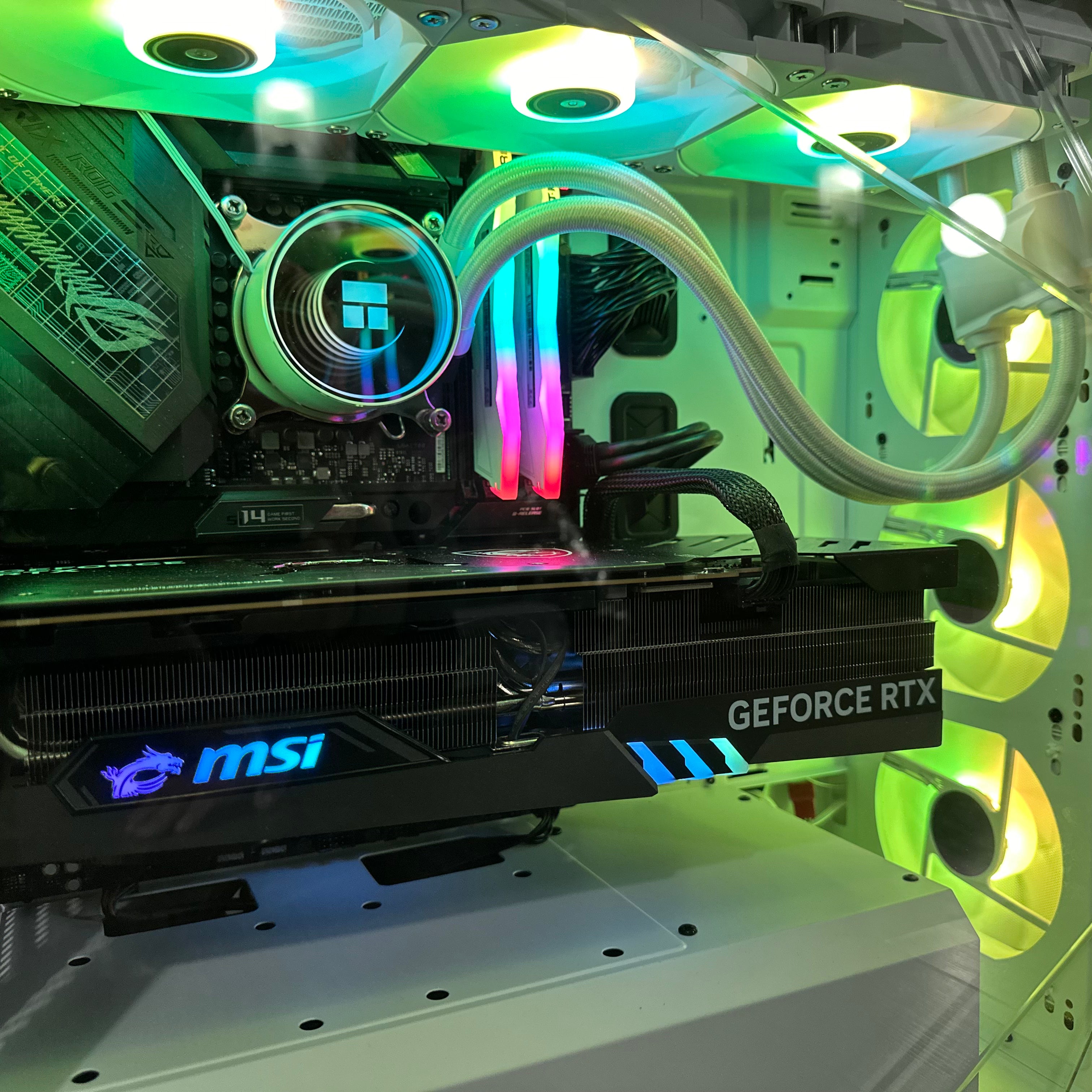
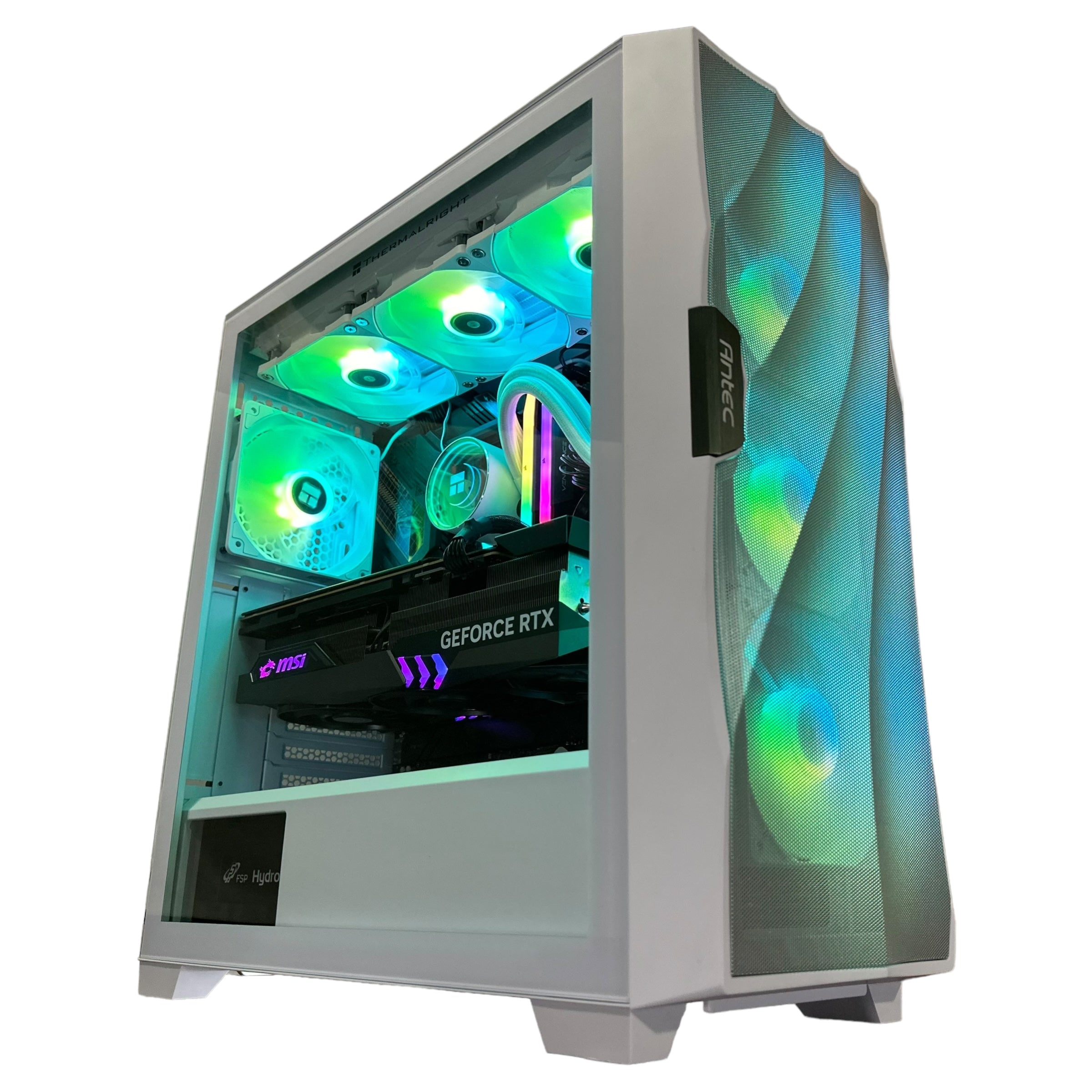
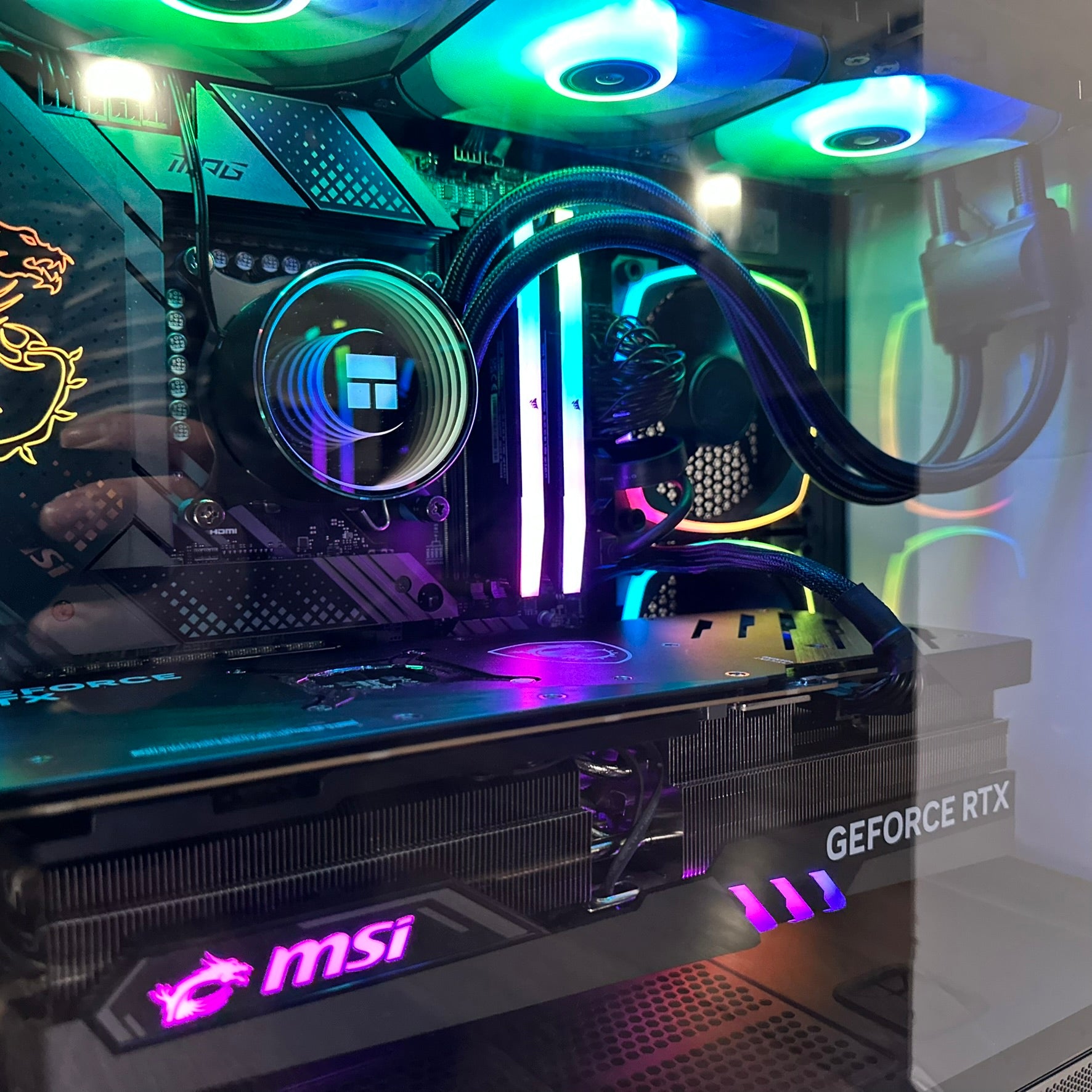
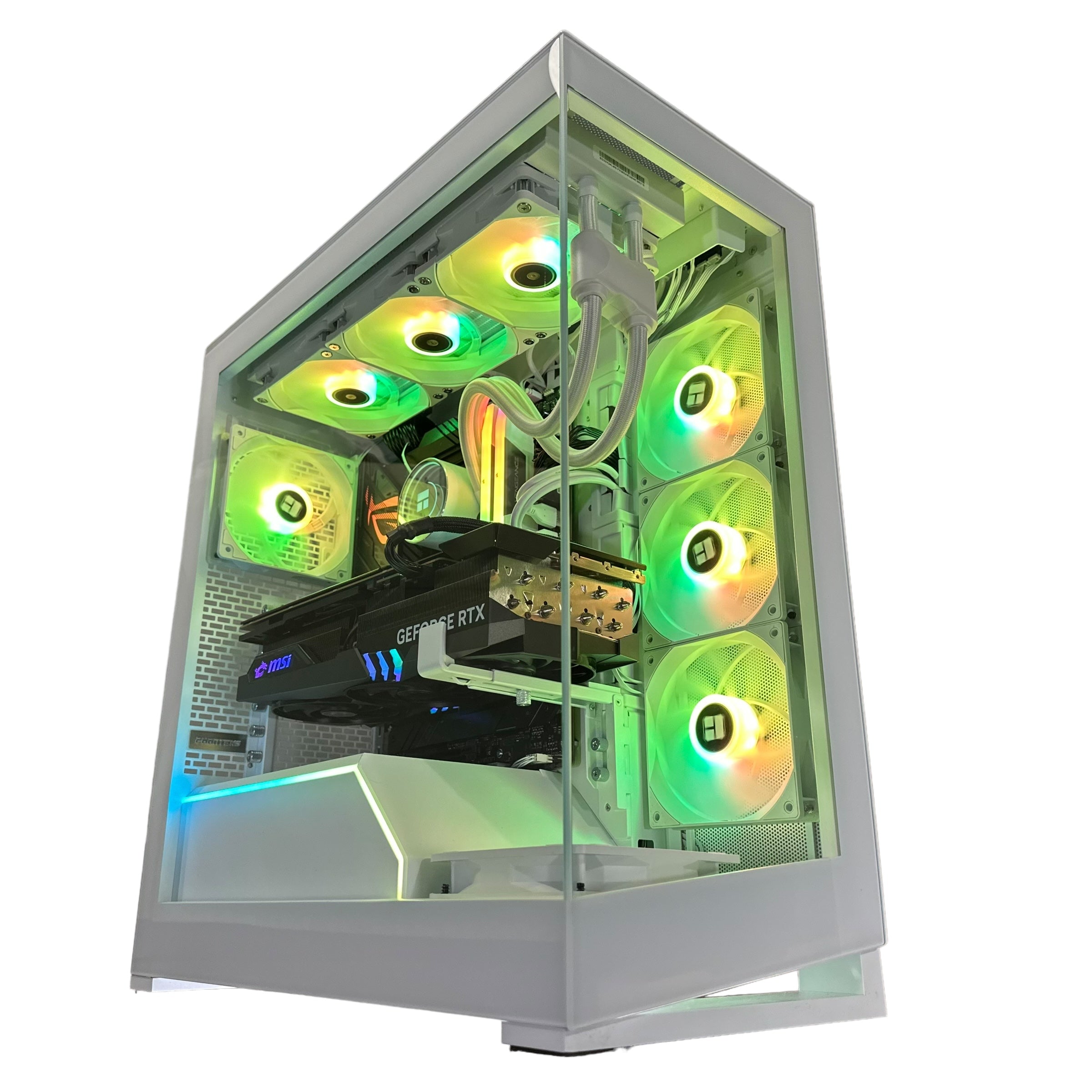
Groovy Computers builds systems around the customer’s real use case instead of pushing one-size-fits-all configurations. If you need a gaming-first machine, a gaming and streaming system, a custom creator PC, or a workstation-class desktop, the point is not simply to hit a number. The point is to make the machine feel right for the job from day one.
Would you rather guess your way through parts and compromises, or have a Canadian custom PC builder help you choose a balanced machine that is properly matched to your goals?
Why Groovy Computers is a strong fit for Canadian buyers right now
Groovy Computers serves customers who want more than a random box with flashy branding. Buyers want confidence, especially when the market is being influenced by major gaming events, crowded release windows, and shifting demand.
With Groovy Computers, Canadian shoppers can look for the things that matter:
- Custom PC builds tailored to gaming, streaming, editing, design, and workstation use
- Rigorous testing before delivery
- A 1-year warranty for added confidence
- Financing options up to 4 years
- Support from a Canadian PC builder that understands local buyers
- Systems shipped across Canada
If you are in Nova Scotia, Atlantic Canada, or shopping online from elsewhere in Canada, this kind of trust matters. A Canada-built gaming PC or creator system should not feel like a gamble.
So, should you wait for more game news, or act before the rush?
If your current system already struggles, waiting for perfect certainty usually does not help. The release calendar described in the source article suggests the second half of the year will be unusually crowded. That means more attention on performance, more players asking whether their machine can keep up, and more buyers entering the market at once.
Is it better to buy a gaming PC now or wait? If you already know your needs, want better choice, and would rather shop before peak urgency, moving earlier is often the smarter call.
If you are still unsure, the good news is you do not need to guess alone. Ask the practical question: what do I want my next PC to do for me over the next few years? Once you answer that, the right build category becomes much clearer.
Need help choosing the right custom PC before the fall launch season?
Whether you need a balanced gaming desktop, a premium RTX system, a content creation machine, or a workstation that can handle demanding software, Groovy Computers can help you choose a build that fits your real workload and budget. If you are wondering whether financing makes sense, whether 1440p is enough, whether you should step up for creator performance, or whether your current system is worth upgrading at all, now is a smart time to start that conversation.
Ready to stop guessing and get a build that matches your goals? Visit GroovyComputers.ca to explore custom options, ask about the right performance tier, and secure a system built for the next wave of games and creative demands in Canada.
In short, the GTA 6 release schedule is not just gaming news. It is a warning sign that the market is heading into a high-attention, high-demand season. For Canadian buyers who want smoother gaming, stronger streaming, faster editing, better workstation performance, and less upgrade regret, planning early is the advantage. If you want a custom-built system that is tested, supported, and ready for what is next, Groovy Computers is the place to start.
#GamingPCCanada #GamingPCForUpcomingGames #CustomPCCanada #CanadianCustomPCBuilders #1440pGamingPC #4KGamingPC #StreamingPCCanada #CreatorPCCanada #VideoEditingPCCanada #3DModelingPCCanada #NovaScotiaPCBuilder #GroovyComputers
Groovy Computers | All Rights Reserved



Leave a comment
This site is protected by hCaptcha and the hCaptcha Privacy Policy and Terms of Service apply.