




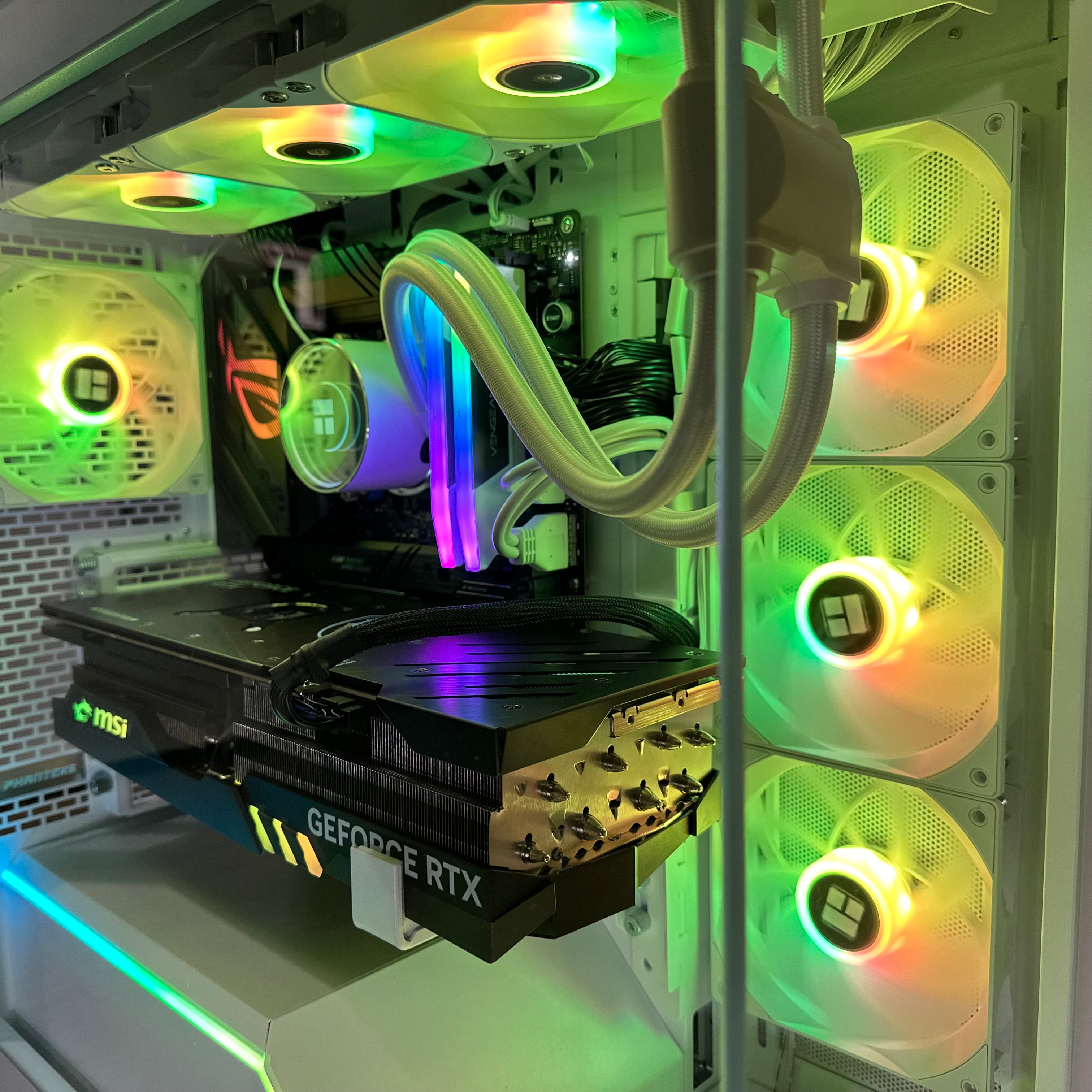
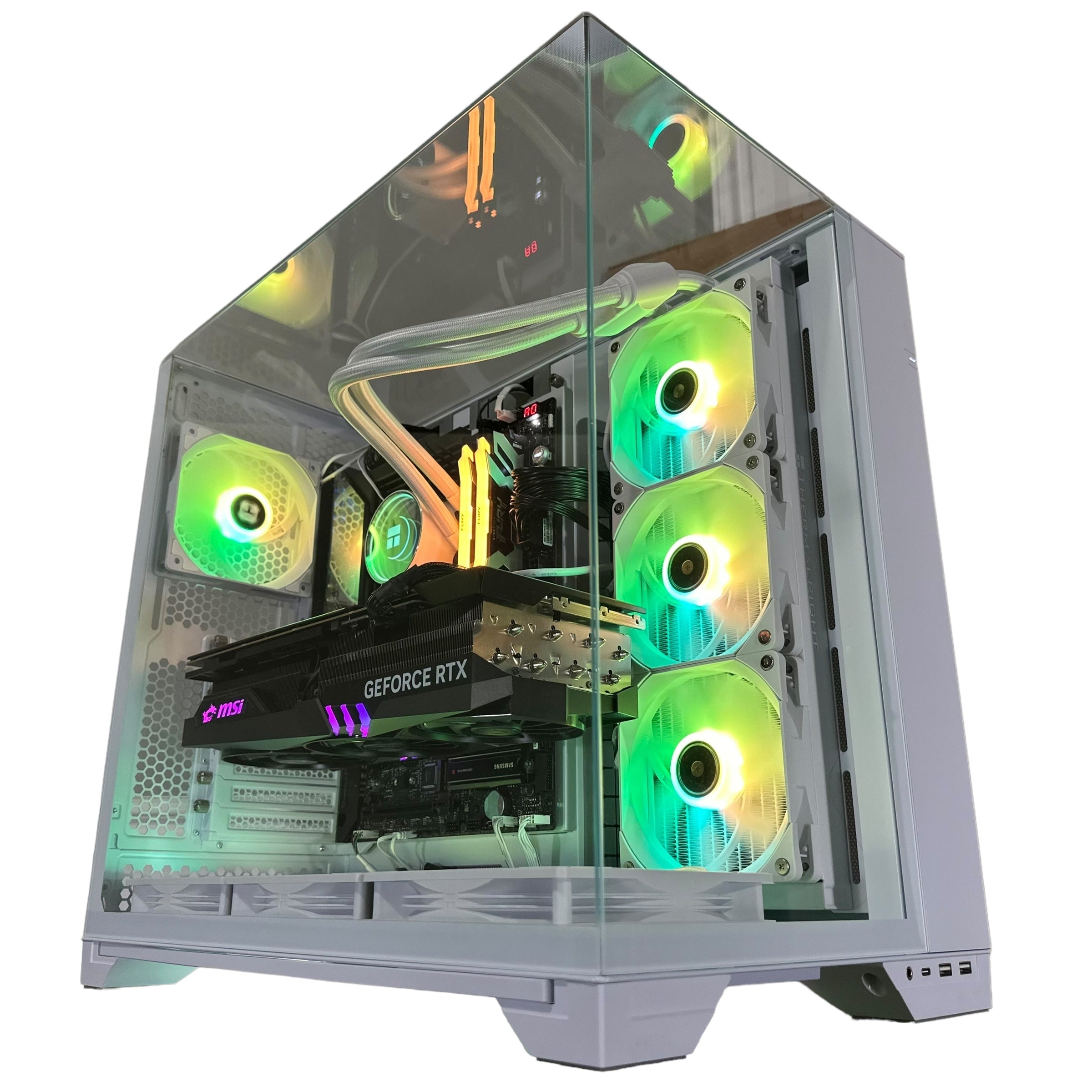
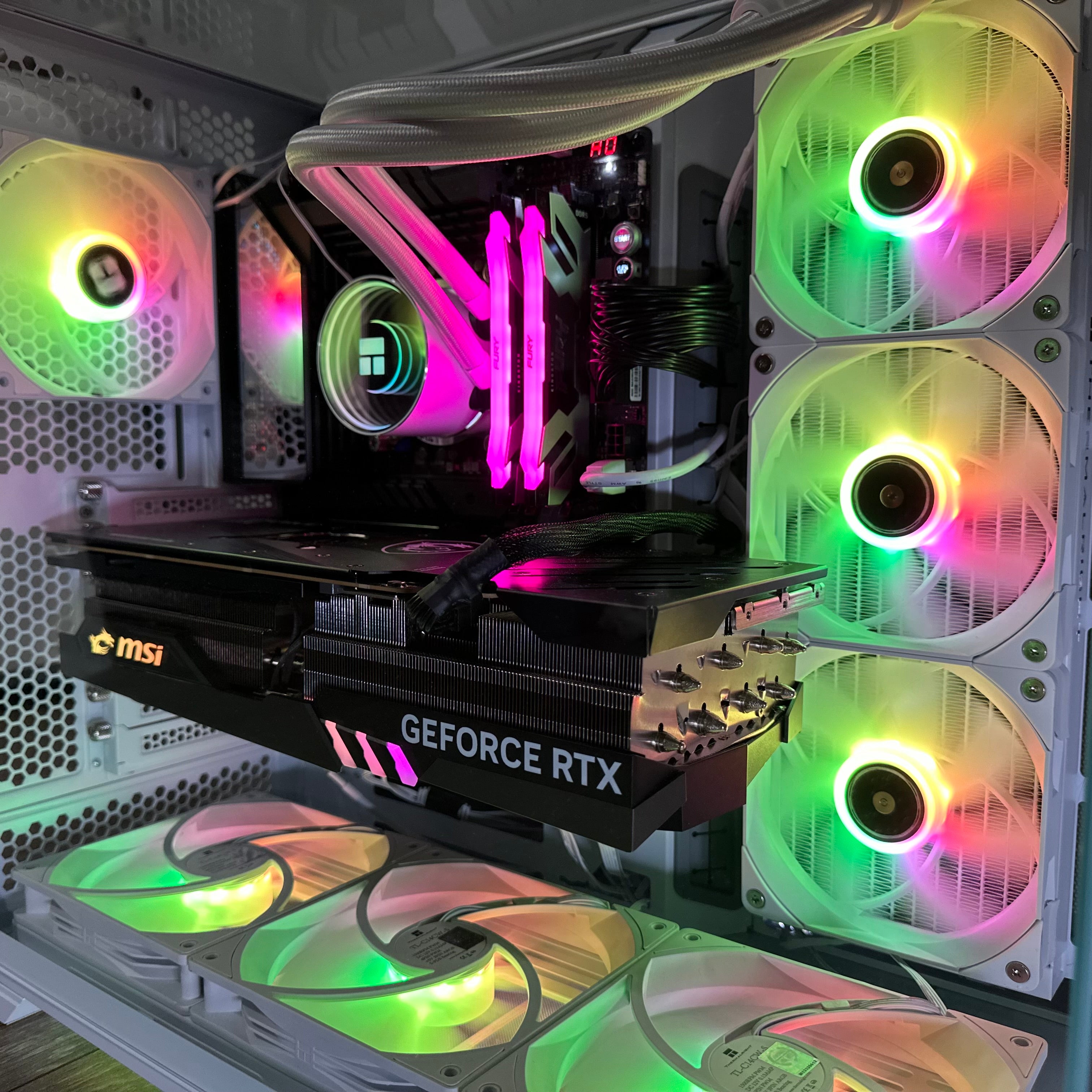

GTA 6 Ferris Wheel Tech Analysis: What It Really Means for Buying a Gaming PC in Canada
The new GTA 6 ferris wheel reflection debate may sound like a tiny visual detail, but it actually reveals something much bigger for anyone shopping for a Gaming PC Canada build today: modern blockbuster games are being judged on lighting, ray tracing, world detail, reflection accuracy, and image realism at a level we almost never saw in earlier console generations. When one missing reflection in a short promotional loop becomes headline material, it tells Canadian buyers exactly where the market is going. Players are no longer just asking whether a game runs. They are asking how it looks, how smooth it feels, whether ray tracing is worth it, and whether their next system will still feel strong when the biggest open-world games finally land.
That is why this story matters beyond the joke about a “vampire” ferris wheel. The source report highlighted a nighttime Vice City scene where the ferris wheel appears lit, but its reflection is absent from the water while nearby buildings still reflect normally. The likely explanation discussed by rendering experts is a ray tracing quirk, object exclusion, or an optimization choice to manage GPU cost. That kind of technical compromise is common in advanced rendering pipelines. It is also exactly the kind of issue that helps buyers understand why some PCs age gracefully and others feel outdated too soon.
If you are planning your next gaming computer around GTA 6 hype, ray traced games, creator work, or the next wave of graphically demanding releases, the real question is not whether one ferris wheel reflected correctly in a website teaser. The real question is this: what do you want your next PC to do for you when games start demanding more from your hardware than ever?
Why the GTA 6 Ferris Wheel Story Matters to PC Buyers
Small visual anomalies often expose big technical truths. In this case, the conversation is about reflections, rendering budgets, scene complexity, and optimization priorities. When developers push large open worlds, dynamic lighting, water, dense geometry, and cinematic presentation at once, something has to carry that load. On PC, that usually means your GPU first, then your CPU, RAM capacity, storage speed, cooling quality, and system balance.
So what should Canadian buyers take from this? Simple: if one of the most anticipated games in the world is already prompting analysis of reflection quality, then upcoming AAA games are going to put even more pressure on hardware choices. A weak or poorly matched system may still launch the game, but will it deliver the experience you actually want? Will it hold high settings? Will it handle ray tracing? Will it stay smooth in dense city scenes, night driving, streaming sessions, or future patches?
Those are buying questions, not just enthusiast questions.
What the Source Article Gets Right About Modern Game Technology
The source article correctly points toward ray tracing as the likely reason for the missing ferris wheel reflection. In many modern engines, not every object receives the same treatment all the time. Developers constantly make decisions about what to trace, when to trace it, how far to trace it, and which assets should be excluded to preserve performance.
That does not automatically mean something is broken. It may mean the scene was captured from a certain distance. It may mean the object was not flagged the same way as surrounding structures. It may mean the build shown was unfinished. It may mean optimization was still in progress. But for buyers, the more important takeaway is this: ray tracing is expensive, and as games rely on it more heavily, hardware headroom matters.
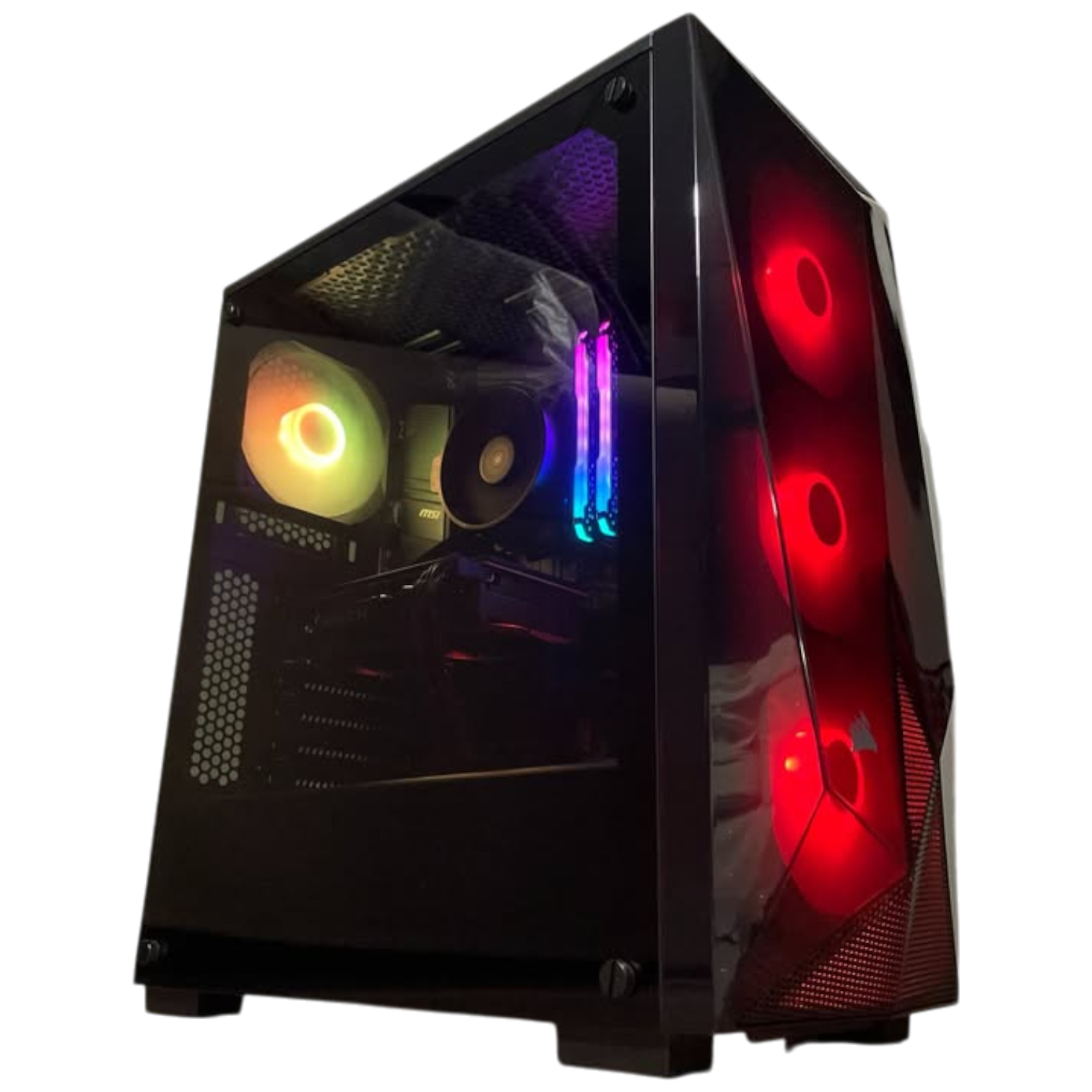
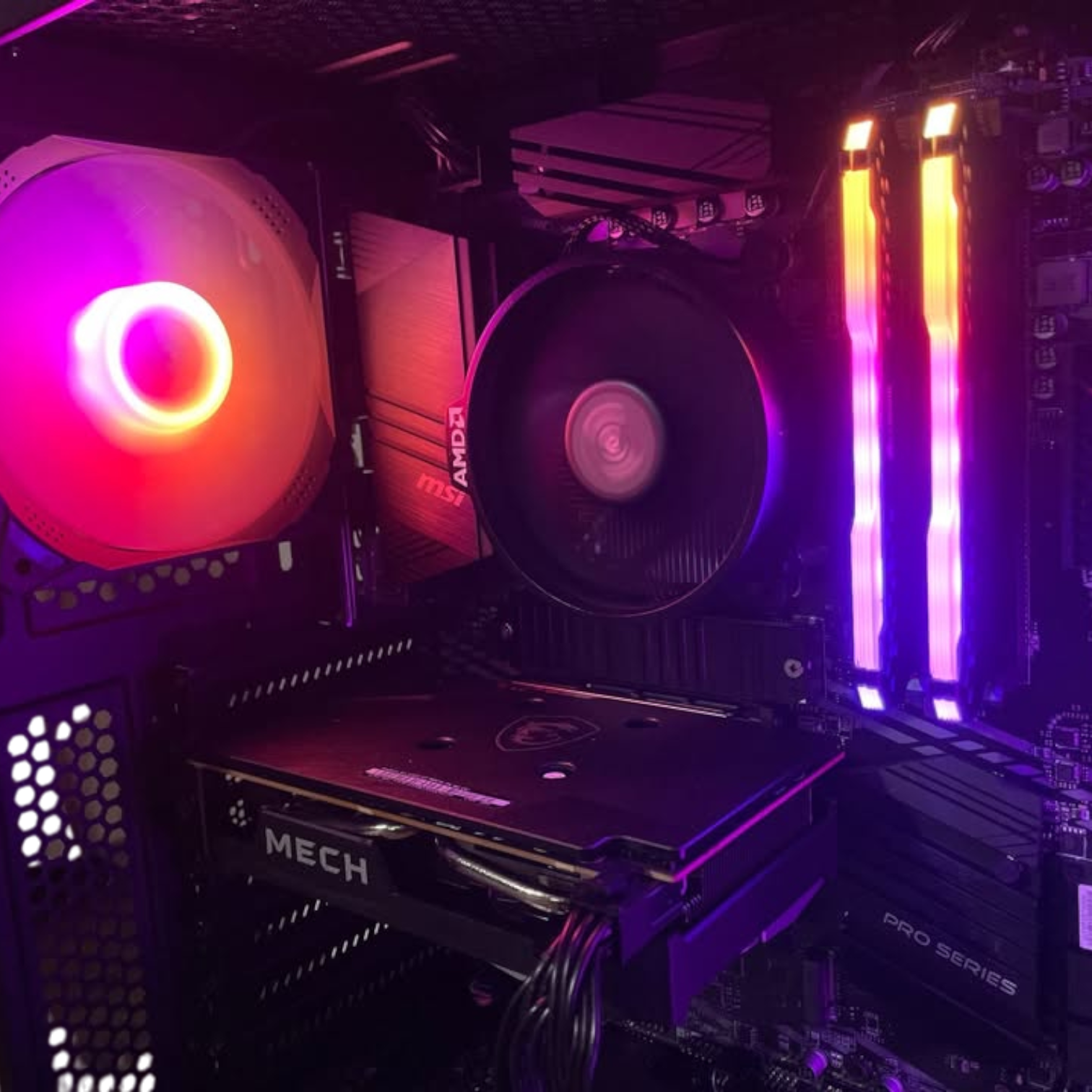
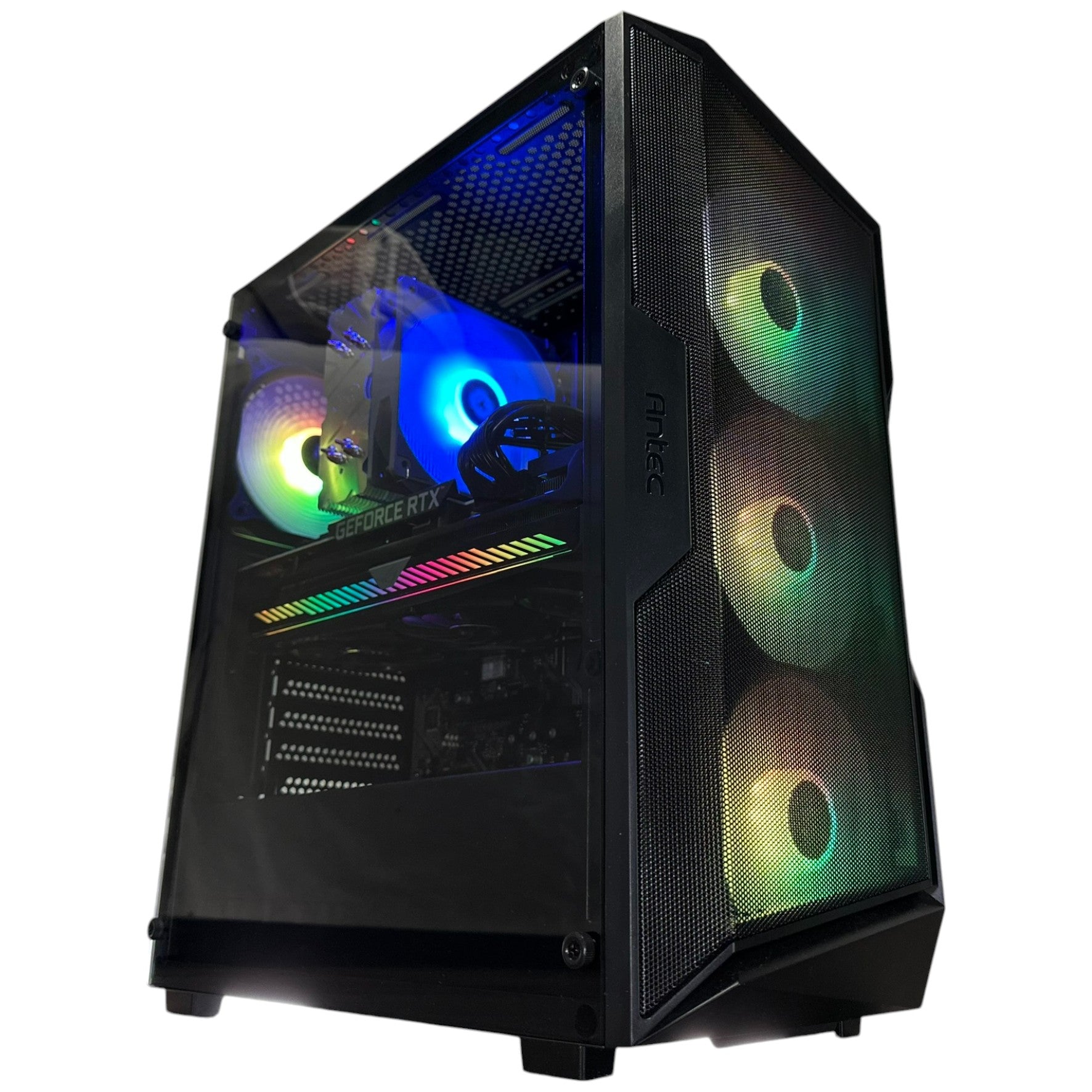
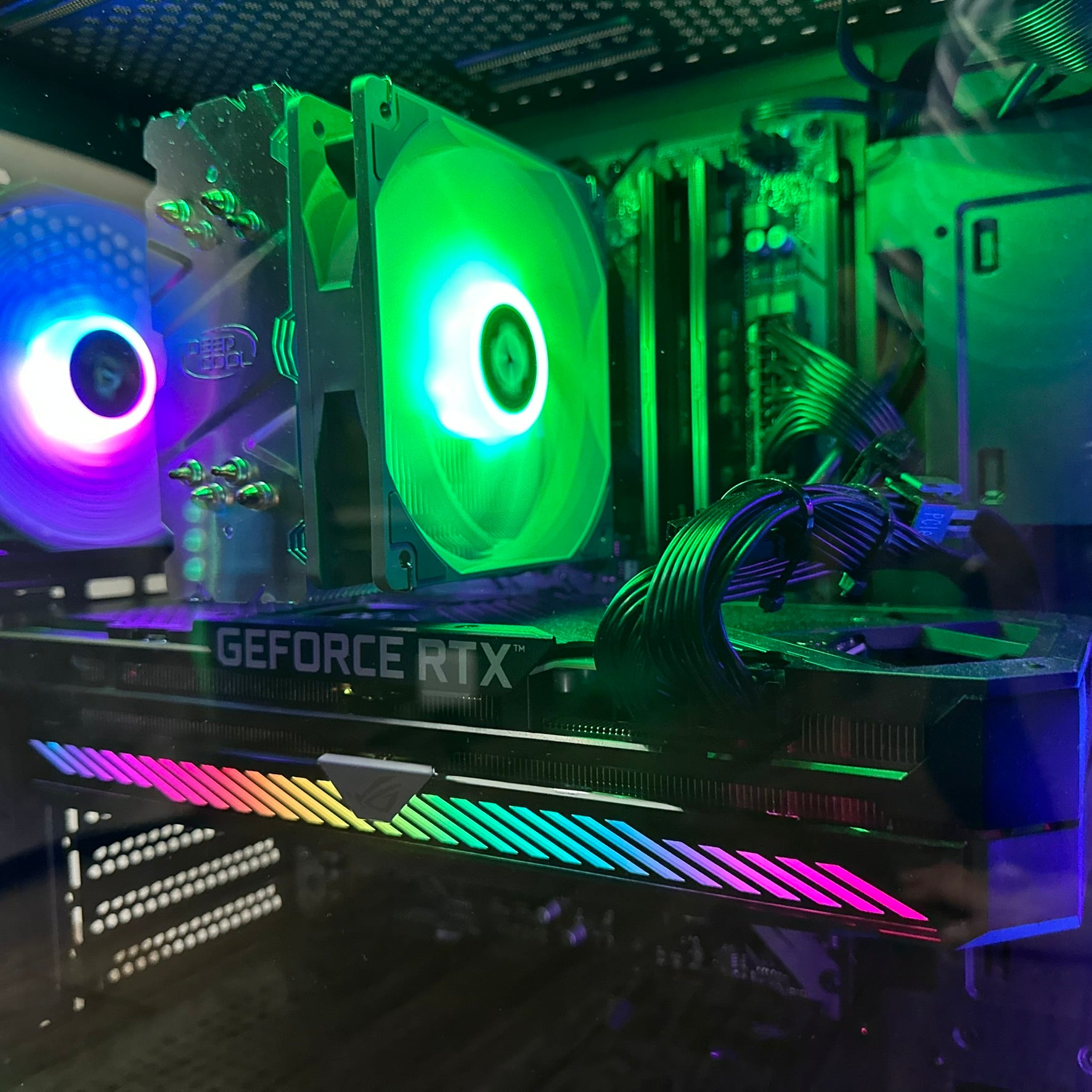
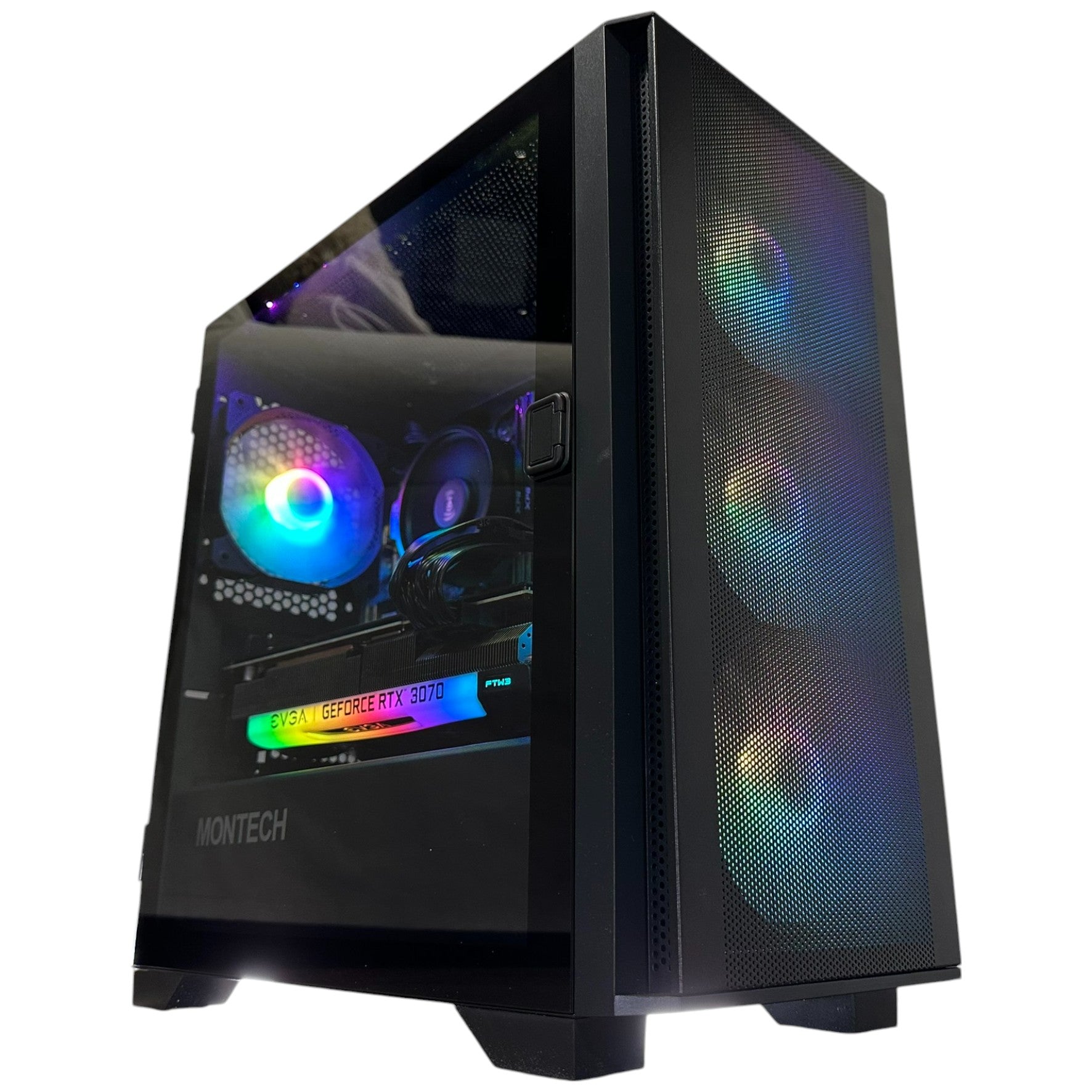
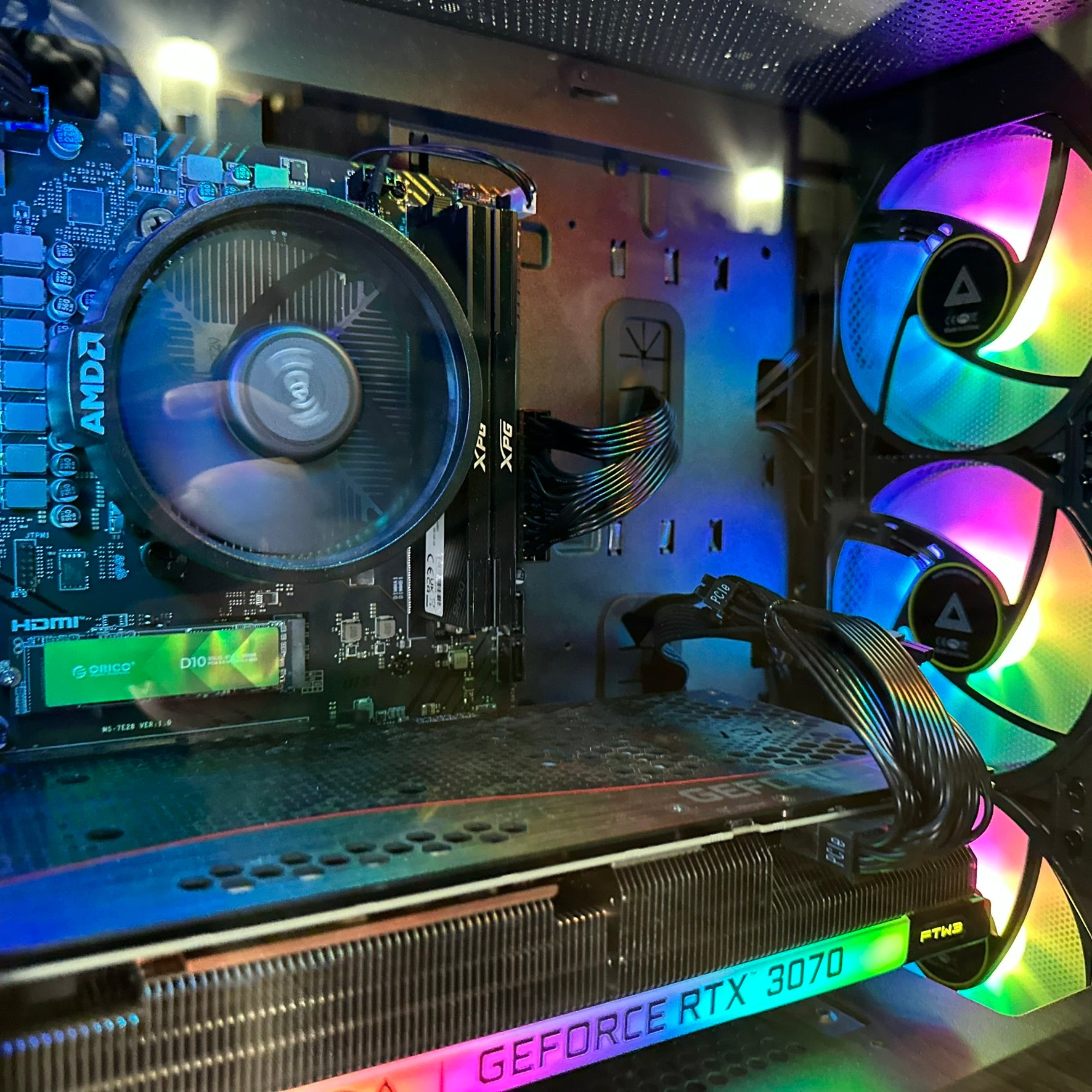
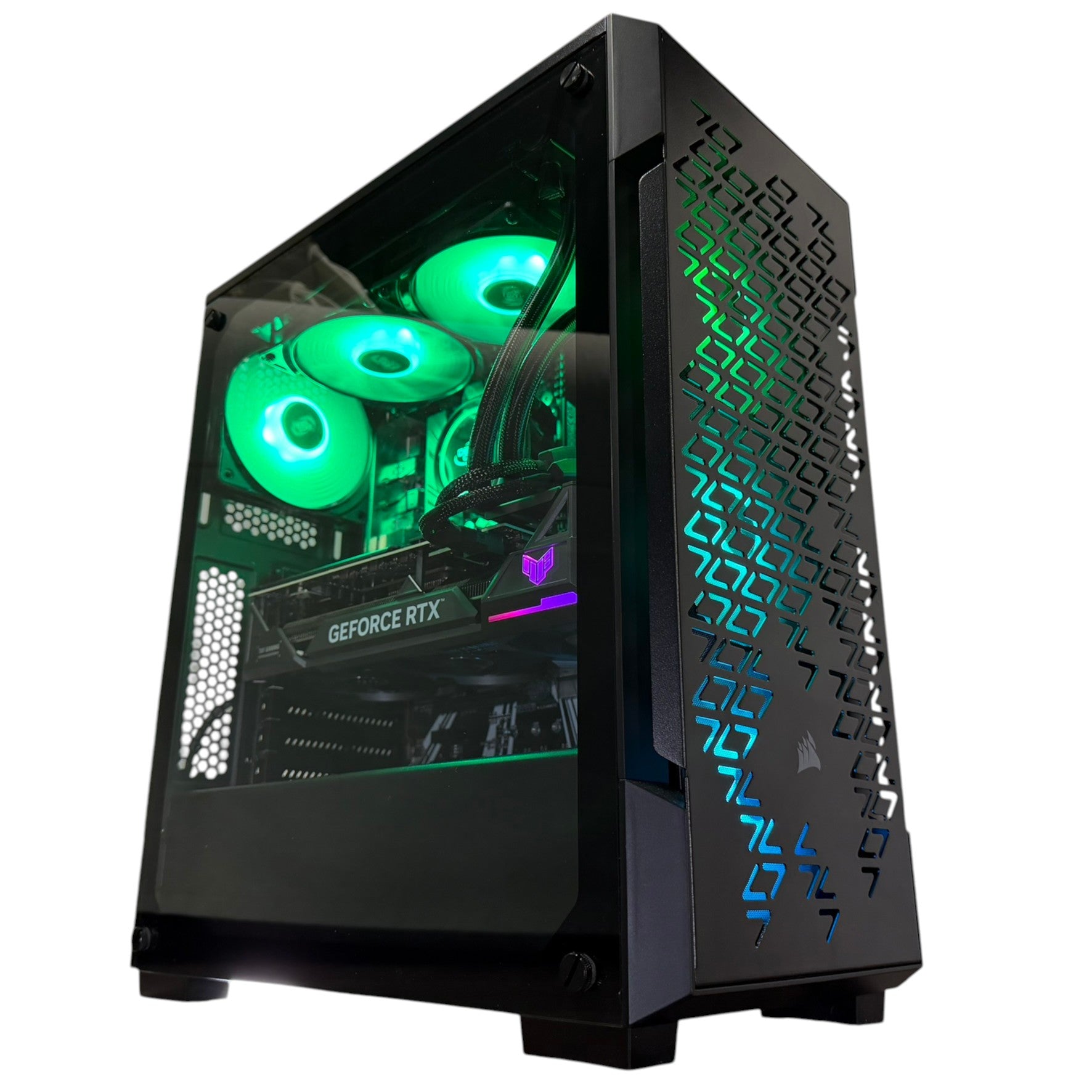
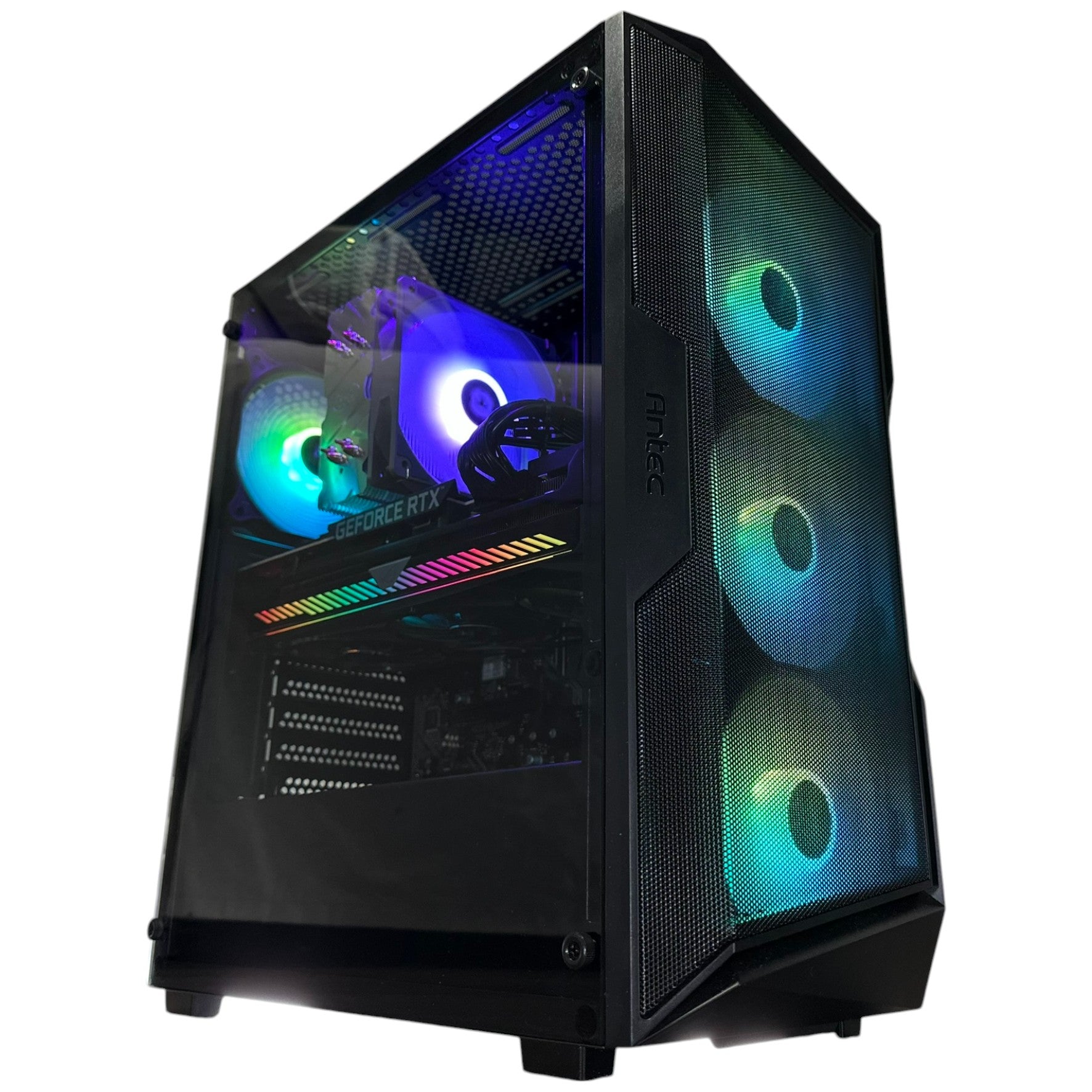
That is why a custom build matters more than ever. A system designed for esports titles alone is not automatically the right system for massive cinematic open-world games with advanced lighting. A generic budget tower may look fine on paper, but if the GPU is too weak, cooling is too limited, RAM is too low, or the power supply leaves no upgrade room, that “deal” can become an expensive dead end.
Are You Buying a PC for GTA 6, or for the Next 3 to 5 Years of Games?
This is one of the most important questions any customer can ask.
If you are shopping because of GTA 6, are you really buying for one title, or are you buying for the next generation of open-world games, ray tracing games, streaming, recording, Discord multitasking, mods, and future releases that will likely push hardware harder? A lot of buyers say they want a PC for one game, but what they actually need is a system that avoids an early upgrade cycle.
Do you want a machine that feels good at 1080p now but struggles when you move to a higher refresh monitor later? Do you want to buy once and then regret not stepping up one performance tier? Or would you rather choose a system that gives you room to breathe for years instead of months?
This is where a properly planned custom gaming PC becomes more cost-effective than underbuying and replacing too soon.
What Do You Want Your Next PC to Do for You?
Before looking at specs, ask yourself what success actually looks like.
Do you want smooth 1080p gameplay in new releases without sacrificing settings too aggressively? Do you want 1440p with stronger image quality and better long-term value? Are you aiming for 4K, ray tracing, and cinematic visuals? Do you want to play and stream at the same time? Are you also editing YouTube videos, clipping gameplay for TikTok, creating thumbnails in Photoshop, or managing a full content workflow?
Maybe gaming is only part of the picture.
Are you also working in Adobe Premiere Pro, DaVinci Resolve, Photoshop, Lightroom, Illustrator, Blender, Unreal Engine, or other demanding software? If so, does a pure gaming-first build still make sense, or do you need a more balanced creator or workstation configuration?
This is where many buyers get stuck. They search for a Gaming PC for GTA 6, but what they really need might be a gaming and streaming PC, a content creation PC, or even a 3D workstation that also plays games beautifully.
Which Performance Tier Fits You Best?
Entry Performance: Is 1080p Enough for Your Goals?
An entry or lower-midrange build can make sense if your focus is 1080p gaming, competitive titles, lighter new releases, and strong value. This tier is often right for students, first-time PC buyers, and players who care more about smooth gameplay than maximum visual settings.
But ask yourself honestly: are you buying for today only? If your main target is a huge open-world release with advanced lighting and high visual ambition, a bare-minimum system may not age well. If you already know you want better graphics, ray tracing, or stronger future-proofing, buying too low can create regret fast.
Midrange Sweet Spot: Is 1440p the Best Balance?
For many Canadian buyers, 1440p is the best overall value tier. It delivers a major step up in clarity over 1080p and usually pairs well with stronger GPUs that can better handle upcoming AAA games. If you want a 1440p Gaming PC Canada setup that feels relevant for longer, this is often the tier where excitement and practicality meet.
Are you hoping to play large open-world games at high settings with strong frame rates? Do you want enough GPU strength for ray tracing experimentation without jumping straight to extreme premium pricing? Do you want a system that can game now and still support video editing, streaming, or creator work later? Midrange to upper-midrange is often the smartest tier for that buyer.
High-End Tier: Do You Want Ray Tracing and Long-Term Headroom?
If the entire GTA 6 ferris wheel discussion got your attention because you care about visual fidelity, then you are probably the kind of buyer who should be looking at high-end configurations. This is the tier for players who want stronger ray tracing performance, better longevity, higher settings, smoother frametimes, and less compromise in demanding games.
Are you planning to use a high refresh 1440p monitor or a 4K display? Do you want more confidence as game requirements climb? Do you want to avoid feeling pressured into another GPU upgrade too soon? Then a premium build may cost more upfront, but it often delivers a better ownership experience.
Creator and Workstation Tier: Do You Need More Than Gaming?
If your system also needs to handle editing, rendering, AI-assisted creative tools, multi-app workflows, or 3D production, then your ideal build may not be a standard gaming configuration at all. A Content Creation PC Canada setup or Workstation PC Canada build needs a different balance of CPU power, memory capacity, GPU acceleration, storage speed, and thermal consistency.
Do you edit 4K footage? Work with layered Photoshop files? Render in Blender? Build scenes in Unreal Engine? Run OBS while gaming and recording? Those use cases should influence your parts list before you click buy.
What PC Do You Need for Ray Tracing Games Like GTA 6?
Ray tracing is where buyers often underestimate demand. It is one thing to run a game at acceptable settings. It is another thing to enable advanced reflections, lighting effects, and heavier visual features while keeping frame rates smooth enough to enjoy the experience.
If your question is, What PC do I need for 1440p gaming with ray tracing? the answer is usually not an entry-level configuration. If your question is, What PC do I need for 4K gaming in major AAA titles? the answer climbs again. The more you care about visual settings and long-term relevance, the more important GPU tier selection becomes.
That is why game-specific hype often pushes buyers to re-evaluate their system plans. A lot of people can tolerate lower settings in a multiplayer shooter. Fewer want to make that compromise in a cinematic open-world release they have been waiting years to play.
Should You Buy Now or Wait for Major Game Releases?
This is one of the most common buyer questions in Canada: is it better to buy a gaming PC now or wait?
There is no universal answer, but here is the practical reality. Waiting can help if you know a specific product refresh is just around the corner and your current PC still serves you well. But waiting can also backfire if demand spikes, GPU supply tightens, exchange-rate pressure hits landed costs, memory prices rise, or you end up shopping at the same time everyone else starts preparing for the year’s biggest games.
Do you really want to be shopping when everybody else suddenly decides they need a stronger graphics card? Do you want to wait until your current system feels obviously inadequate and then buy under pressure? Or would you rather secure a system while you can still choose calmly, compare performance tiers properly, and avoid panic buying?
For many buyers, the best time to buy is before the upgrade becomes urgent.
Why Canadian Buyers Should Think Differently
Canadian PC shoppers face unique pressures. Exchange rates matter. Import costs matter. Regional inventory swings matter. Shipping across Canada matters. Support matters even more when you are investing in a custom-built system. A flashy spec sheet is not enough if the seller cannot back it up with proper assembly, testing, and after-sale confidence.
That is why buying from a Canadian custom PC builder matters. You want parts that make sense together. You want airflow that supports the hardware you chose. You want power delivery that is not a gamble. You want a system that arrives ready, tested, and built around your actual use case, whether that is gaming, streaming, editing, design, or professional work.
For shoppers in Nova Scotia, Atlantic Canada, or anywhere else in the country ordering online, trust becomes part of the product.
What If You Also Stream, Edit, or Create Content?
The GTA 6 ferris wheel story is gaming news, but the buyers reading it are not all just gamers. Many are streamers, editors, artists, or aspiring creators. If that sounds like you, your next PC may need to do more than run one game well.
Do you plan to stream gameplay to Twitch or YouTube? Do you record footage while playing? Do you edit long-form videos afterward? Do you use OBS, Premiere Pro, DaVinci Resolve, Photoshop, or After Effects? Then your ideal system needs enough horsepower for multitasking, encoding, exports, and creative responsiveness.
A Streaming PC Canada build should consider CPU resources, GPU encoding capability, RAM capacity, and storage planning. A Video Editing PC Canada setup needs fast scratch performance, enough memory for large timelines, and reliable cooling for sustained loads. A Graphic Design PC Canada or Photo Editing PC Canada build may prioritize colour workflow, responsiveness in Adobe apps, and large SSD space for project libraries. A 3D Modeling PC Canada or 3D Rendering PC Canada system may demand even more from both CPU and GPU depending on the software stack.
So ask yourself: are you buying a gaming PC that can also create, or a creator PC that can also game? That distinction matters.
Is a Gaming PC Good for Video Editing, Photo Editing, and 3D Work?
Sometimes yes, but not always by default.
A well-chosen gaming system can be excellent for creative work if it includes the right CPU, enough RAM, a suitable GPU, and smart storage. But a gaming-first build that cuts corners on memory, cooling, or workspace SSDs may become frustrating in creator software.
If you are wondering, Is a gaming PC good for video editing? the answer depends on the configuration. If you are asking, What PC do I need for Adobe Creative Cloud? or What PC do I need for Blender? then gaming benchmarks alone will not tell the whole story. Software behavior matters. Export times matter. Viewport performance matters. Render stability matters.
This is where custom planning saves money. Instead of overpaying for the wrong parts or underbuying on memory and storage, you can get a system tailored to your real mix of workloads.
How Much RAM, Storage, and CPU Power Do You Really Need?
Many buyers fixate on the graphics card first, but total system balance is what makes a PC feel premium day to day.
If you mainly game, moderate RAM and a strong GPU may be enough. If you game, stream, keep browser tabs open, run Discord, capture footage, and edit clips, your memory needs rise. If you work in 4K editing, large PSD files, RAW photo libraries, Blender scenes, or Unreal Engine projects, they rise again.
Storage matters too. Modern games are large. Video assets are larger. Creative workflows can fill drives fast, and slow storage creates friction you feel constantly. CPU matters because game simulation, background tasks, streaming, rendering, exports, and multitasking all rely on it.
So the better question is not just, How much should I spend on a gaming PC? It is, How much performance do I need to avoid replacing this system sooner than I want?
Should You Finance a Better PC Instead of Buying a Weaker One?
This is where timing and value meet.
If you are on the fence between a lower-tier system you can pay for immediately and a stronger system that better matches your long-term needs, financing can be the smarter move. Groovy Computers offers financing options up to 4 years, which can help buyers secure more meaningful performance now instead of settling for a build they may outgrow quickly.
Ask yourself: would a slightly stronger GPU save you from upgrading too soon? Would more RAM make streaming or editing much easier? Would a better CPU keep your system relevant longer? Would a larger SSD prevent a storage headache within months? If the answer is yes, then spreading the cost may be more practical than replacing a weak system early.
For many customers, the question is not just Can I afford this build today? It is What will it cost me if I underbuy now and upgrade again earlier than planned?
Why Price Volatility Changes the Decision
PC pricing does not move in a straight line. GPU demand can surge. Memory and SSD pricing can shift. Premium cards can become harder to source. Major game launches can pull new buyers into the market all at once. Creator workloads continue to increase, and newer software features often reward stronger hardware.
That means waiting is not always the money-saving move people assume it is.
If your current machine is already struggling, if you know a major game release is part of your plan, or if your work depends on a more capable PC, delaying too long can narrow your options. It can also push you into a rushed purchase. Financing a stronger custom build before replacement costs rise further can be a very logical decision, especially when you want to spread the investment without sacrificing capability.
Custom PC vs Generic Prebuilt: Why Build Quality Matters More for New AAA Games
When graphics technology gets more demanding, build quality becomes more important, not less. New games put pressure on thermals, sustained boost behavior, power stability, and airflow. A system that looks good in a listing photo is not automatically a system that performs well over time.
That is why many Canadian buyers prefer working with Canadian Custom PC Builders instead of gambling on mass-market sameness. A proper custom build gives you better control over component matching, cooling, expandability, cable management, and upgrade path planning. It also reduces the chance of ending up with unbalanced parts chosen to win a price comparison instead of delivering a better experience.
Would you rather own a system assembled around your actual goals, or one built around clearing generic inventory? Would you rather have a PC selected for 1440p ray tracing, streaming, and editing, or a random bundle that happens to be labeled “gaming”?
Why Groovy Computers Is a Strong Fit for Canadian Buyers
Groovy Computers is built around the kind of decision buyers are facing right now: choosing the right custom system before their current hardware becomes the bottleneck. Whether you need a gaming desktop for new AAA releases, a balanced creator machine, or a heavier workstation, the goal is not just to sell you a box. The goal is to help you choose a system that matches what you actually want to do.
That means custom builds, practical guidance, rigorous testing, and confidence after the sale. It also means a 1-year warranty and support from a Canadian builder that understands what local customers care about: value, reliability, performance, and a smoother buying experience.
If you are in Nova Scotia, Atlantic Canada, or ordering from elsewhere in the country, working with a Canadian PC builder can make the process far easier than trying to decode random marketplace listings or under-specced generic systems.
What Kind of Buyer Should Choose Which Type of System?
- Choose a budget-focused gaming PC if you mainly play esports titles, want 1080p value, and need the lowest practical entry point without expecting top-end ray tracing.
- Choose a midrange custom gaming PC if you want a better 1440p experience, stronger long-term value, and more confidence for upcoming AAA games.
- Choose a premium RTX gaming PC if visual quality, ray tracing, higher settings, and longevity matter most to you.
- Choose a gaming and streaming PC if you want to play, record, stream, and multitask smoothly from one machine.
- Choose a creator PC if you split time between gaming and Adobe, editing, design, or content production.
- Choose a workstation or 3D system if Blender, rendering, CAD, Unreal Engine, or professional workloads are central to your daily use.
- Choose financing for a stronger build if the better system clearly aligns with your real needs and helps you avoid a premature upgrade cycle.
Questions to Ask Yourself Before You Buy
- What games do I actually want to play over the next few years?
- Do I want 1080p, 1440p, or 4K performance?
- Do I care about ray tracing enough to buy for it properly?
- Will I stream, record, or edit content on the same PC?
- Do I use Premiere Pro, DaVinci Resolve, Photoshop, Lightroom, Illustrator, Blender, or Unreal Engine?
- Am I buying for today only, or to avoid upgrading too soon?
- Would financing a stronger system save me money and frustration over time?
- Do I want help choosing a build instead of guessing from product listings?
Ready for GTA 6 Hype, Creator Work, and What Comes Next?
The GTA 6 ferris wheel story is entertaining because it shows how closely people are watching the technology behind the biggest games. But for shoppers, it carries a practical lesson: the future of gaming is visual, demanding, and increasingly unforgiving to weak hardware. If you already know you want a stronger machine for upcoming titles, ray tracing, content creation, or workstation performance, waiting too long can leave you with fewer options and more pressure.
So what do you want your next PC to do for you? If you want help choosing the right custom gaming PC, creator system, or workstation in Canada, visit GroovyComputers.ca. Whether you are comparing performance tiers, trying to decide if financing makes sense, or planning ahead for major game releases, Groovy Computers can help you buy smarter instead of upgrading twice.
In the end, the GTA 6 ferris wheel discussion is not really about one missing reflection. It is about where modern games are heading, what level of hardware they will reward, and why buying the right Gaming PC Canada system now can be the difference between excitement and compromise later. If your current PC is already making you question whether it is ready, that is your sign to start planning with more intention.
#GamingPCCanada #CustomGamingPCCanada #GamingPCForGTA6 #1440pGamingPCCanada #RayTracingGamingPCCanada #ContentCreationPCCanada #VideoEditingPCCanada #3DModelingPCCanada #CanadianCustomPCBuilders #NovaScotiaPCBuilder
Groovy Computers | All Rights Reserved


Leave a comment
This site is protected by hCaptcha and the hCaptcha Privacy Policy and Terms of Service apply.