


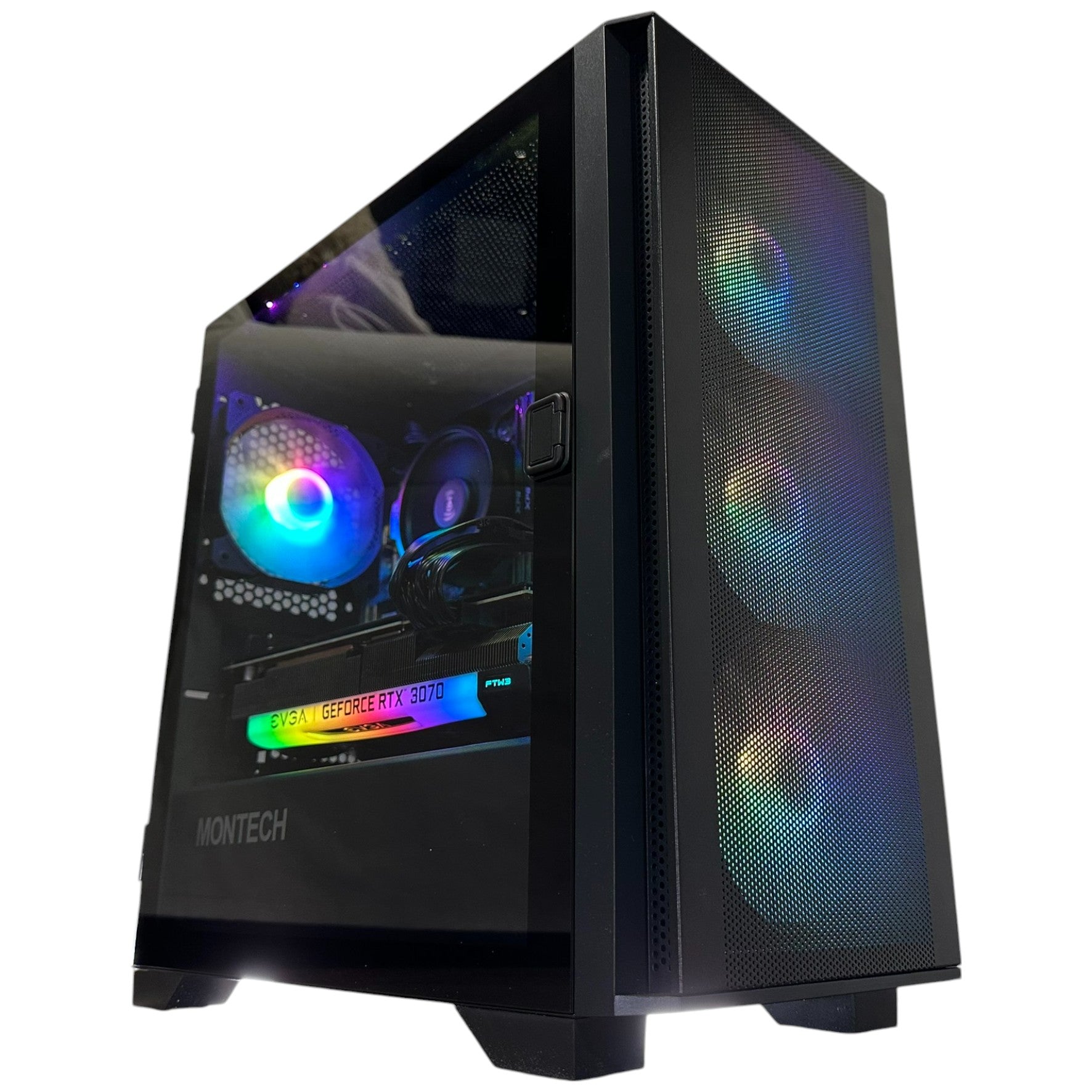
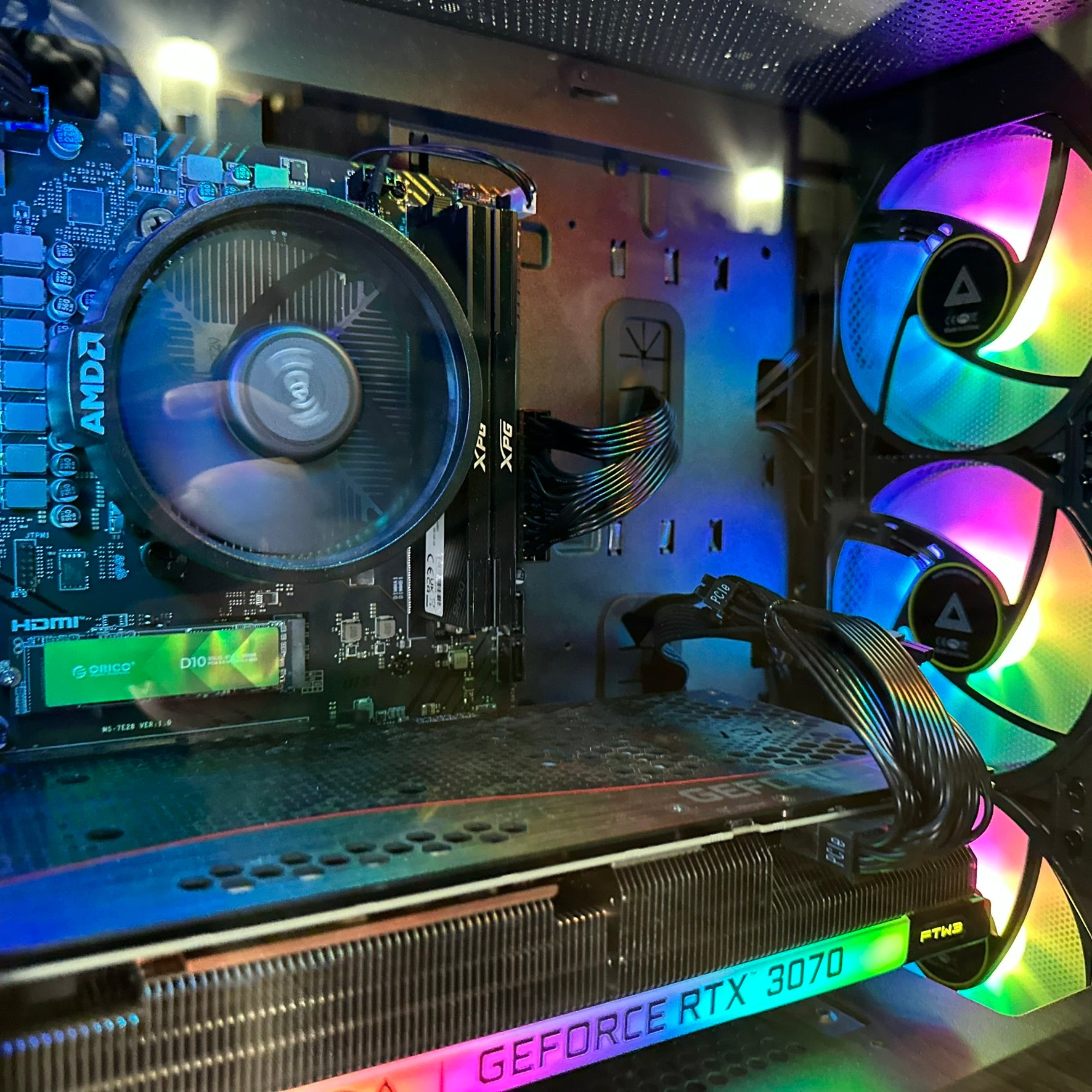
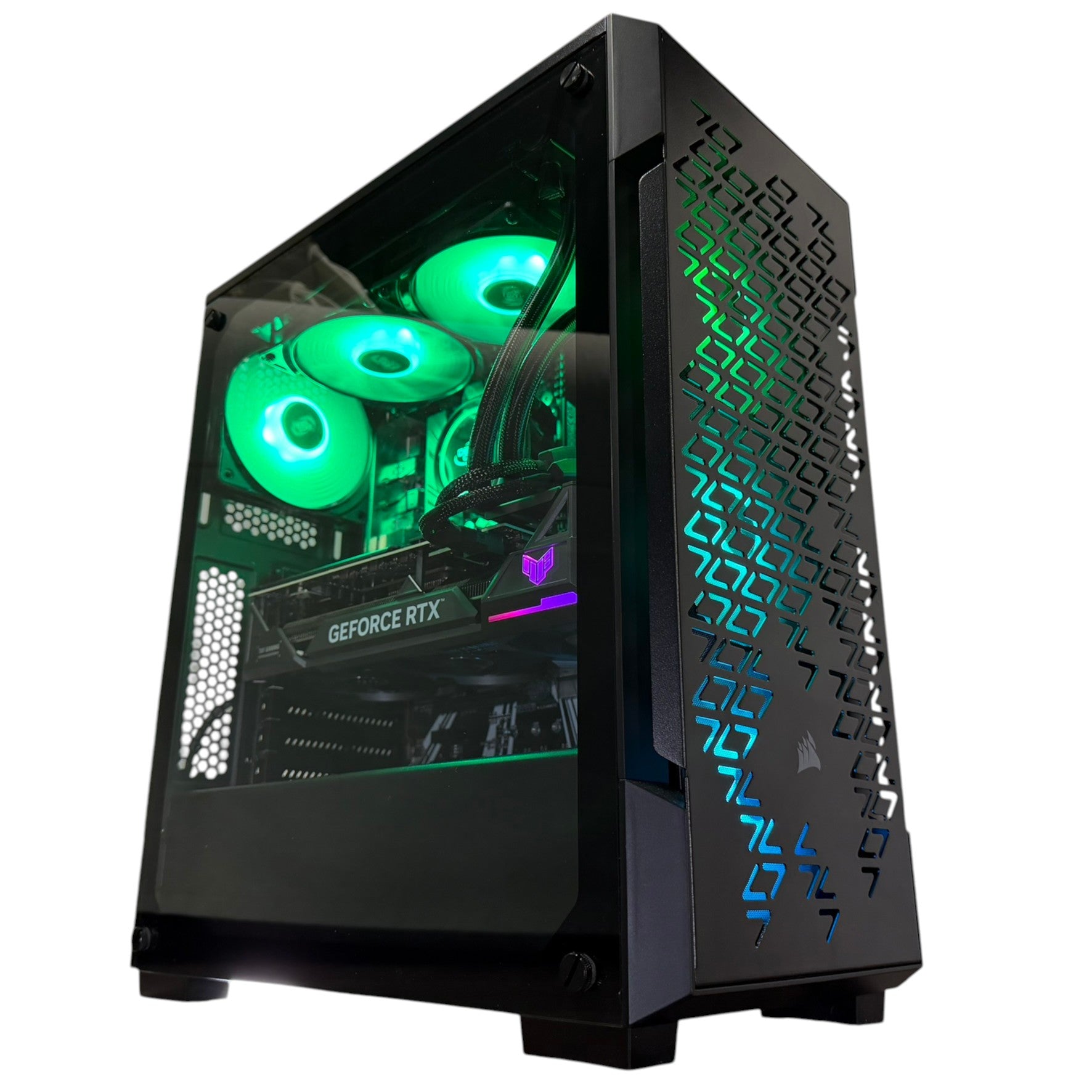

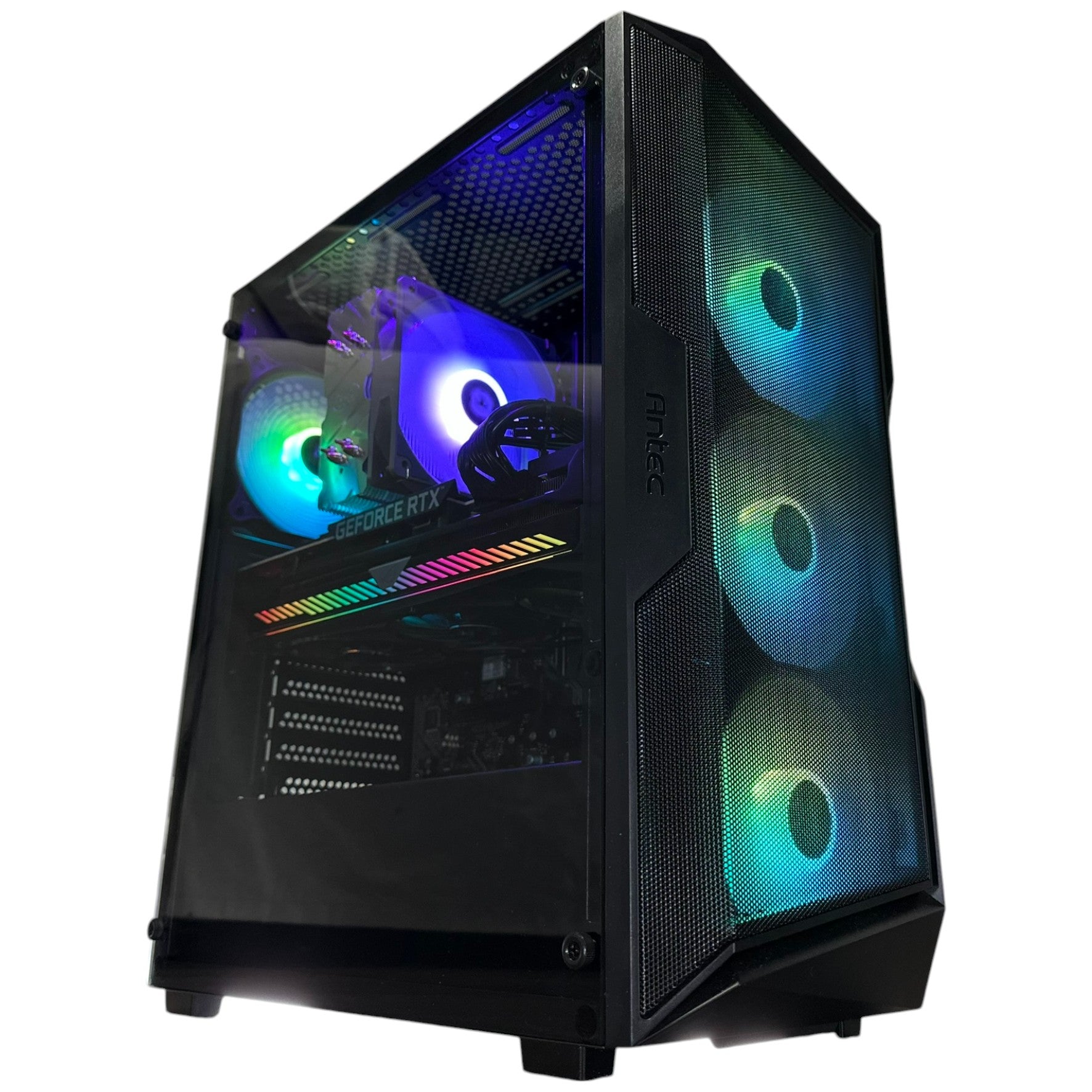


GTA 6 Code in a Box at Launch: What Canadian Buyers Should Know Before Choosing a Gaming PC
The GTA 6 code in a box launch plan is more than just a surprising packaging decision. It is also a strong signal about where modern game releases are heading: bigger downloads, more pre-loading, fewer true physical copies, and even more pressure on storage, internet speed, hardware readiness, and buying timing. According to the source material, launch-day “physical” copies of Grand Theft Auto VI will include a redeemable code in the box rather than a disc, with the release positioned to support pre-loading ahead of launch. For Canadian gamers, that changes the buying conversation immediately. If your next major game purchase is going to live or die by download size, install speed, SSD capacity, and system performance, is your current PC actually ready?
That is the real story behind this news. Yes, collectors may be disappointed. Yes, players who still value discs have a reason to be frustrated. But from a practical PC-buying perspective, the bigger question is this: if the biggest game release in years is leaning hard into digital delivery, what does that mean for the gaming desktop, creator PC, or upgrade path you choose in Canada right now?
What the GTA 6 code in a box launch tells us about the future of PC gaming
The source article frames the move as a way to reduce early leaks and control release timing. That makes sense. A code in a sealed box is easier to secure than a disc that could be copied, leaked, or circulated before launch. But for players, this decision also highlights a trend that has been building for years: major AAA games are no longer small, simple installs. They are massive software ecosystems with huge files, day-one patches, online services, high-resolution assets, and ongoing updates.
So what should buyers take from that? If you are excited about GTA 6, or about any major open-world release coming after it, your PC is not just running a game anymore. It is managing a storage-heavy, bandwidth-heavy, performance-heavy platform. Do you have enough fast SSD space for a title of that scale? Do you have the GPU power for high settings? Do you want smooth 1080p, strong 1440p, or true 4K gaming? And if ray tracing becomes part of your target experience, are you prepared for the extra performance demand?
For many Canadians, this kind of release becomes the moment they realize their current system is one upgrade away from becoming a money pit. A bigger SSD here, more RAM there, maybe a stronger GPU after that. But does piecemeal upgrading still make sense, or would a properly balanced custom gaming PC Canada build save more frustration in the long run?
Why Canadian buyers should look at this differently
In the source, the base game price is listed at $80 USD. For Canadian shoppers, that is roughly in the range of about $110 CAD before tax, depending on exchange conditions. If you add premium editions, online extras, storage needs, accessories, and a potential hardware upgrade, the real cost of “just playing the new game” rises quickly.
This is exactly why Canadian buyers should treat headline gaming news as buying-signal news. A major release can create sudden demand for GPUs, higher-capacity SSDs, and complete gaming systems. That demand can affect pricing, stock, and turnaround times. If enough people wait until the week before release to upgrade, what happens? Fewer good-value parts, more rushed buying, more compromise, and more people settling for systems that are not actually future ready.
Are you buying before a major game launch because you want to enjoy it properly on day one? Are you trying to avoid another cycle of buying cheap now and upgrading again too soon? Are you considering whether financing a stronger build makes more sense than replacing weak parts one by one over the next year?
What do you want your next PC to do for you?
Before you focus on one headline game, step back and ask the most important question: what do you really want your next PC to handle over the next three to five years?
Do you want a gaming PC for GTA 6 and other open-world AAA games at high settings? Do you also want to stream to Twitch or YouTube? Are you editing gameplay clips for social content? Are you creating thumbnails in Photoshop, handling video in Premiere Pro or DaVinci Resolve, or balancing gaming with school, business, or workstation tasks?
This matters because the right system is not only about whether a game launches with a code instead of a disc. It is about whether your next machine is built around your real use case. A buyer focused only on one title may underspend in the wrong areas or overspend in the wrong tier. A better path is to choose a system that matches your broader needs today and your likely demands tomorrow.
What gaming PC do I need for GTA 6 and other new AAA games?
If GTA 6 is the trigger that has you shopping, the practical answer depends on your target resolution, frame rate expectations, and whether you care about visual extras like ray tracing.
Entry-level and value-focused buyers
If your goal is solid 1080p gaming, smooth overall performance, and a system that can handle modern games without pretending to be a flagship, a balanced budget-oriented gaming desktop can still make sense. This kind of buyer usually wants strong value, fast boot times, enough RAM for current games, and an SSD large enough to avoid constant uninstalling.
But ask yourself: are you truly a budget buyer, or are you a frustrated upgrader in disguise? If you already know you want high settings, future games, streaming, mods, or multi-tasking, an ultra-cheap build can become expensive quickly.
Mainstream performance buyers
This is where many of the smartest purchases happen. If you want 1440p gaming, better visual quality, longer relevance, and enough horsepower for demanding releases, a mid-to-upper-tier custom gaming PC Canada build is often the sweet spot. This is also the range where gaming and streaming start to work together much more comfortably.
Do you want your system to feel good only on launch week, or still feel strong two years from now? If the answer is long-term value, this performance tier is usually where buyers avoid the regret of underbuying.
Premium enthusiasts
If your target is 4K gaming, ultra settings, high refresh rates, stronger ray tracing performance, and more longevity at the top end, then you are in premium territory. Buyers in this category are usually not asking whether a game will run. They are asking how well it will run, how long the system will stay competitive, and whether the build can also support recording, editing, creator work, or workstation-style multitasking.
Should you finance a high-end gaming PC rather than settle for a weaker build that feels outdated sooner? For many buyers, especially around major game launches, that is a very reasonable question.
Why storage matters more than ever
The GTA 6 code in a box story also highlights a less glamorous but very important issue: storage planning. If your launch copy is a code, the install process depends heavily on your SSD, internet connection, and available drive space.
How much fast storage do you really need now? One large AAA title can consume a huge chunk of a smaller SSD once the base install, updates, saved content, mods, recordings, and other games start stacking up. A gaming PC for new games should not leave you deleting titles every time something major releases.
A well-planned system should account for more than the game itself. Are you saving gameplay footage? Downloading creator assets? Running editing software? Installing multiple current titles at once? If so, bigger and faster SSD configurations become far more than a luxury.
Are you only gaming, or do you also want to stream and create?
One of the biggest mistakes buyers make is treating gaming as a completely separate use case from content creation. In reality, modern gaming culture overlaps heavily with streaming, recording, editing, social posting, and creative work.
If you want to play GTA 6, stream it, record clips, edit highlights, and upload polished content, then you are not just buying a gaming machine. You are shopping for a gaming and creator platform. That changes the ideal CPU, GPU, RAM, cooling, and storage balance.
What PC do you need for streaming? If you are using OBS, running voice chat, managing browser sources, and gaming at the same time, you need more than just minimum-playable specs. What PC do content creators need? Usually one with enough graphics performance for modern games, enough CPU strength for multitasking, enough RAM for simultaneous workloads, and enough SSD speed to keep recording and editing responsive.
If you edit videos, photos, or graphics too, should your next PC be a creator build instead?
Maybe GTA 6 is what got your attention, but maybe your next system needs to do much more than gaming. A lot of Canadian buyers who search for a gaming PC for GTA 6 are also editing YouTube videos, processing RAW photos, designing thumbnails, creating social media graphics, or learning 3D tools.
If that sounds like you, a custom creator PC Canada build may be the smarter long-term move. Why? Because gaming alone does not always reveal what a system will feel like during export times, timeline scrubbing, high-resolution image work, layered Adobe projects, or background rendering.
Do you work in Premiere Pro or DaVinci Resolve? Are you using Photoshop and Lightroom? Do you need fast exports, smoother playback, stronger multitasking, and more reliable responsiveness under load? If yes, a creator-focused build can protect you from buying a system that games well but wastes your time during actual work.
What if you need 3D modeling, rendering, or workstation performance too?
Some buyers come in through gaming news but actually need a much broader machine. If you are working in Blender, Unreal Engine, CAD, 3D rendering, product visualization, or technical software, you should not buy based only on game hype. You need to think like a workstation buyer.
What PC do you need for Blender? What workstation PC do you need if you are balancing 3D work and gaming after hours? Can a gaming-class system do both? Sometimes yes, but only if the build is configured properly. RAM capacity, cooling, processor choice, GPU tier, and storage layout all matter more when your machine is both your entertainment system and your production tool.
A buyer who chooses carefully now can avoid replacing the system much sooner than expected. That is especially important when component pricing is volatile and replacement costs can rise faster than expected.
Should you buy now or wait until closer to launch?
This is one of the most common and most important questions. Is it better to buy a gaming PC now or wait? There is no one-size-fits-all answer, but there are smart ways to think about it.
If a major release is driving broad demand, waiting can mean tighter stock, less ideal part selection, longer build queues, and less room to compare tiers carefully. If your current PC is already struggling, waiting may also leave you rushing into a weak purchase at the worst possible time.
On the other hand, buying early gives you time to choose the right build, test your setup, migrate files, install software, and spread out accessory purchases. It also lets you secure stronger specs before urgency kicks in across the market.
Ask yourself a few honest questions. Are you trying to be ready before a major game release? Before student season? Before holiday demand? Before another wave of GPU pricing pressure? If the answer is yes, your timing matters more than most people think.
How pricing pressure can affect full-system costs
Gaming headlines often move attention toward one title, but they also move buyers into the market all at once. When enough people start shopping for the best PC for new games, several parts of the system can come under pressure.
Graphics cards are the obvious example, especially in performance tiers where new AAA gaming demand is strongest. But CPUs, RAM kits, high-capacity SSDs, and even good-quality power supplies and coolers can become part of the equation. Once replacement costs rise, building later can mean paying more for the same class of machine.
This is why “I will just wait and see” can sometimes become the expensive option. If you already know you need a better system, does delaying really save you money, or does it just postpone an inevitable purchase into a potentially worse market?
Which performance tier fits you best?
Not every buyer needs the same machine. The smartest purchase is the one that fits your actual goals without forcing you into another upgrade too soon.
Choose a value-focused gaming tier if:
- You mainly want 1080p gaming
- You play a mix of current and upcoming titles without chasing maximum settings
- You want strong everyday responsiveness and modern storage
- You are trying to stay within a tighter budget while still buying something worthwhile
Choose a mainstream enthusiast tier if:
- You want 1440p gaming and stronger long-term value
- You care about higher settings, better frame consistency, and future readiness
- You might stream, record, or multitask while gaming
- You want a system that feels meaningfully stronger, not barely enough
Choose a premium gaming tier if:
- You want 4K gaming or high-refresh 1440p with visual extras
- You care about ray tracing and top-tier overall experience
- You want more longevity before another major upgrade cycle
- You plan to mix gaming with editing, rendering, or creator work
Choose a creator or workstation tier if:
- You edit video, create graphics, process photos, or produce content regularly
- You need smooth multitasking and strong export or render performance
- You use software that benefits from more RAM, stronger CPUs, and more storage
- You want one PC to handle both high-end gaming and professional work
Should you finance a stronger PC instead of buying a cheaper one?
For many buyers, this is the question that matters most. If you know your current system is behind, and if you know your next PC needs to last, should you finance a better machine instead of settling for a lower tier you will outgrow quickly?
There are plenty of cases where the answer is yes. Financing can help you move into the performance class you actually need rather than the one that only fits the immediate cash limit. That matters when the gap between “good enough today” and “still good next year” can be the difference between satisfaction and regret.
If you are considering financing up to 4 years, think about what you are gaining: more GPU headroom, better storage, more RAM, stronger multitasking, better cooling, and a longer useful life for the system. Are monthly payments on a better PC more practical than buying a weaker machine now and paying again to upgrade sooner?
For a Canadian buyer watching AAA games get larger, more demanding, and more digital-first, that is not a reckless question. It is a smart one.
Why custom PC selection matters more than generic box-store thinking
The GTA 6 code in a box story is really a reminder that modern gaming is no longer simple. Large installs, online services, creator workflows, streaming tools, and rising performance expectations all reward smart system planning. That is where custom PC selection becomes so valuable.
A custom build is not just about choosing flashy parts. It is about balancing the system properly. A fast GPU paired with weak storage planning can still feel frustrating. Plenty of RAM with poor cooling can still cause headaches. An attractive price without a clear upgrade path can still become bad value.
What parts should you choose for a gaming PC if you also stream? What if you want to edit 4K video? What if you want one machine for school, work, gaming, and content creation? These are exactly the kinds of questions where a proper custom PC builder Canada approach wins over generic one-size-fits-all hardware.
Why Groovy Computers is a strong fit for Canadian buyers
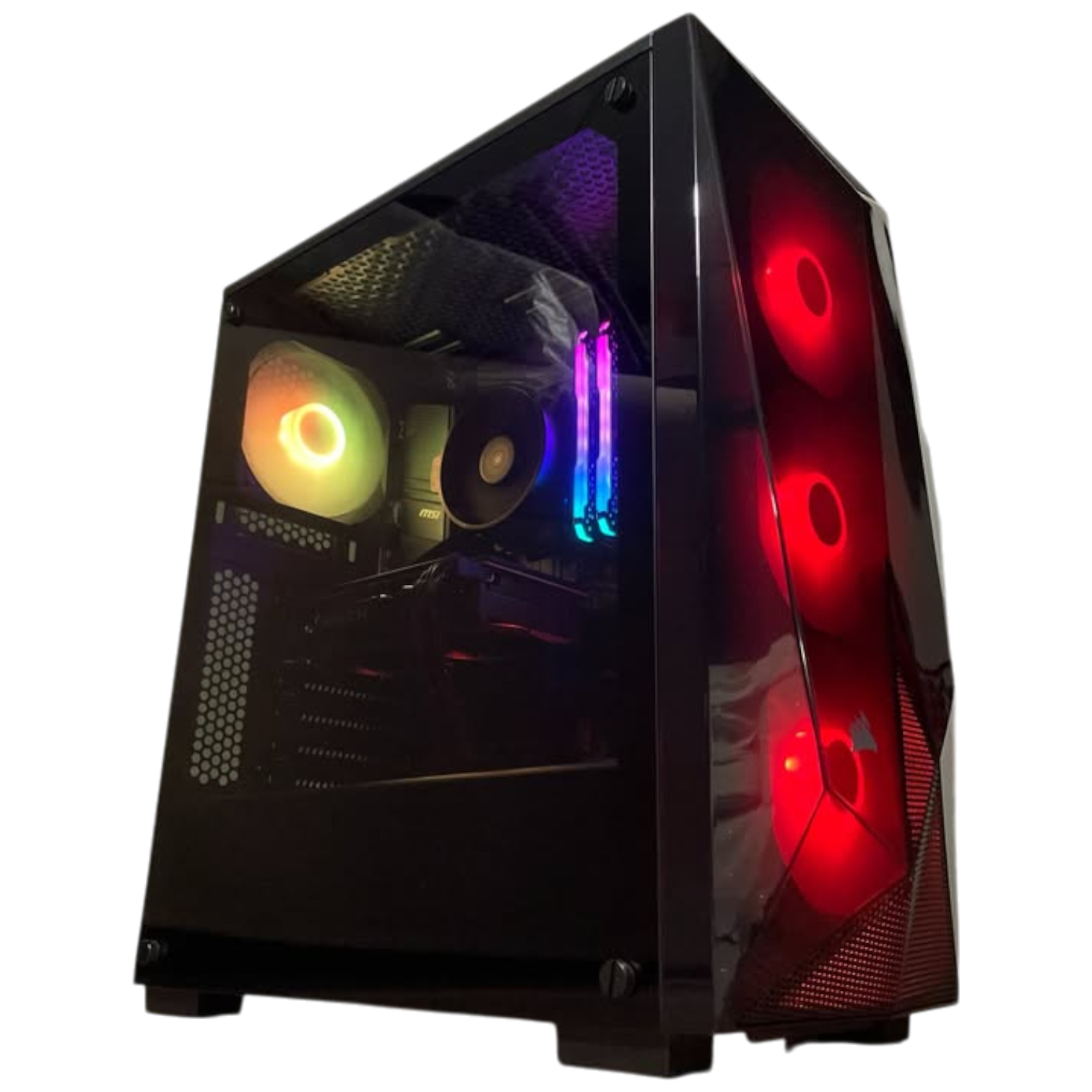
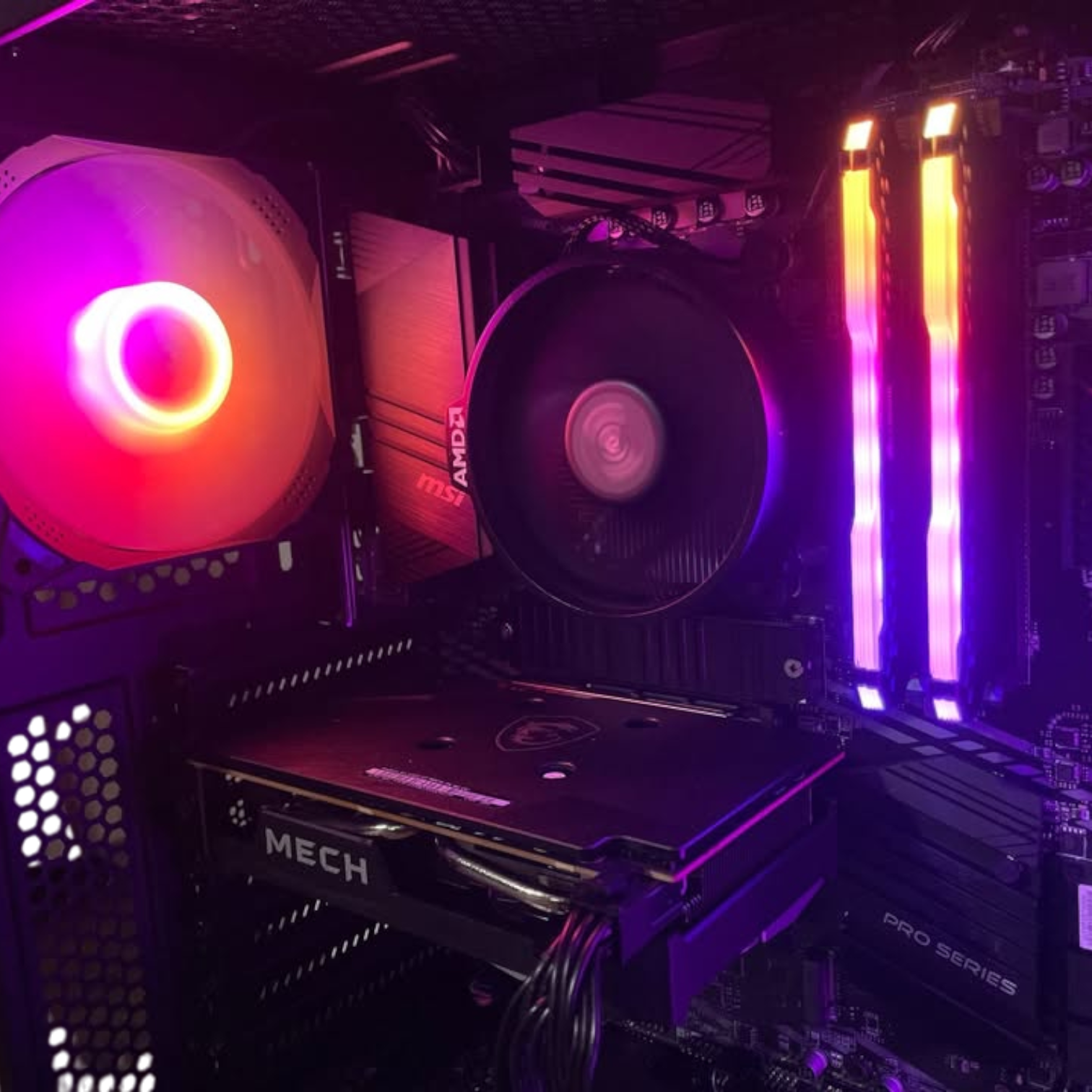
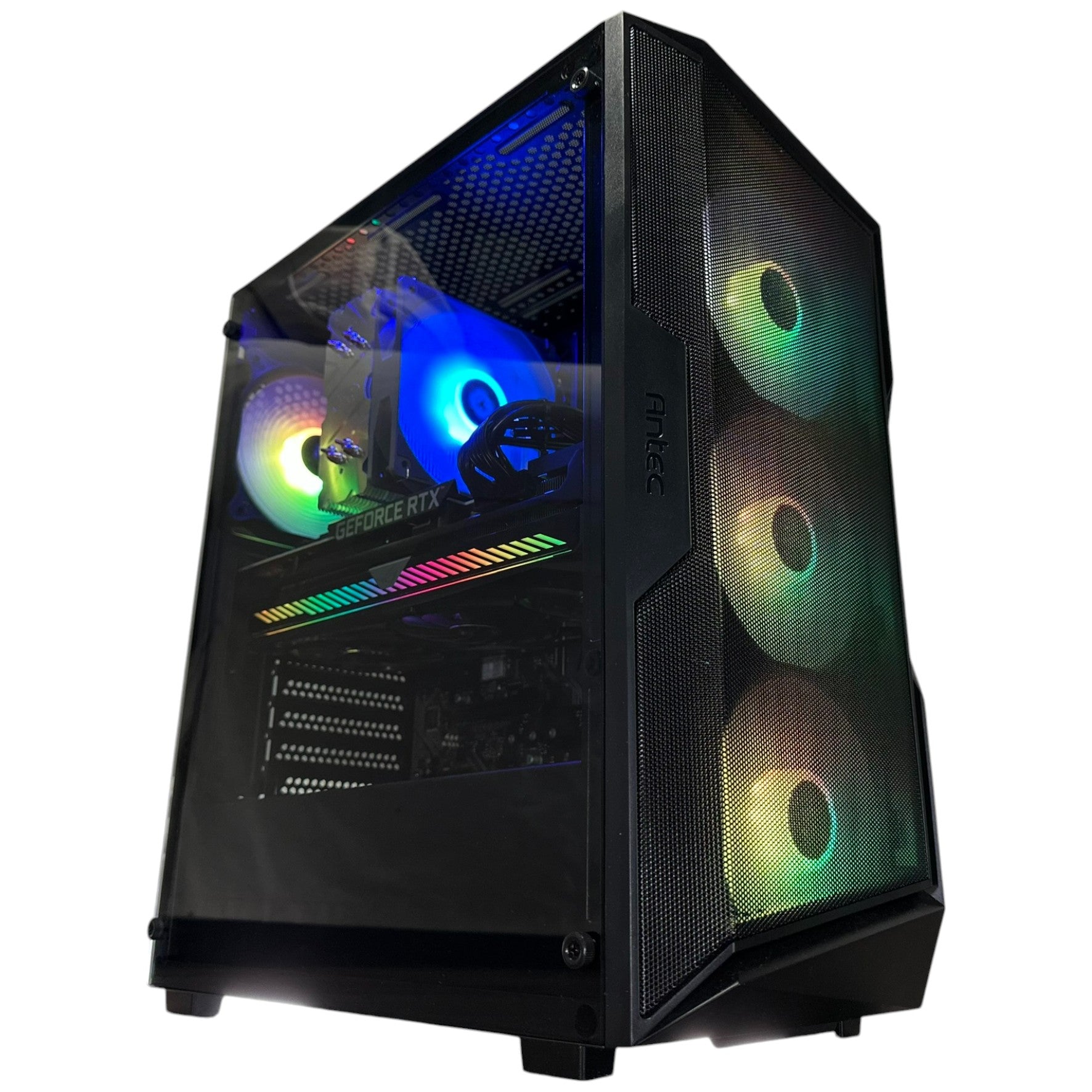
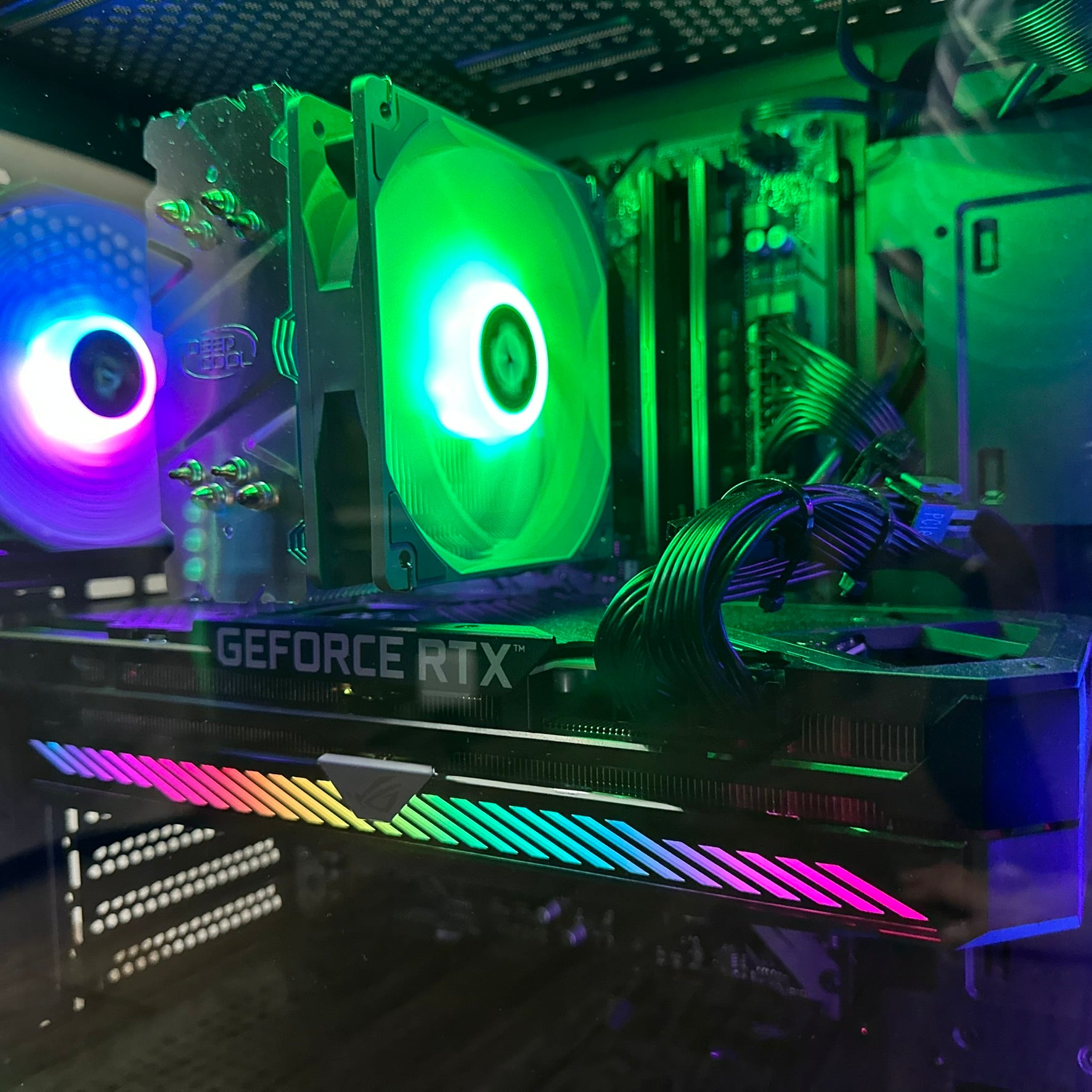
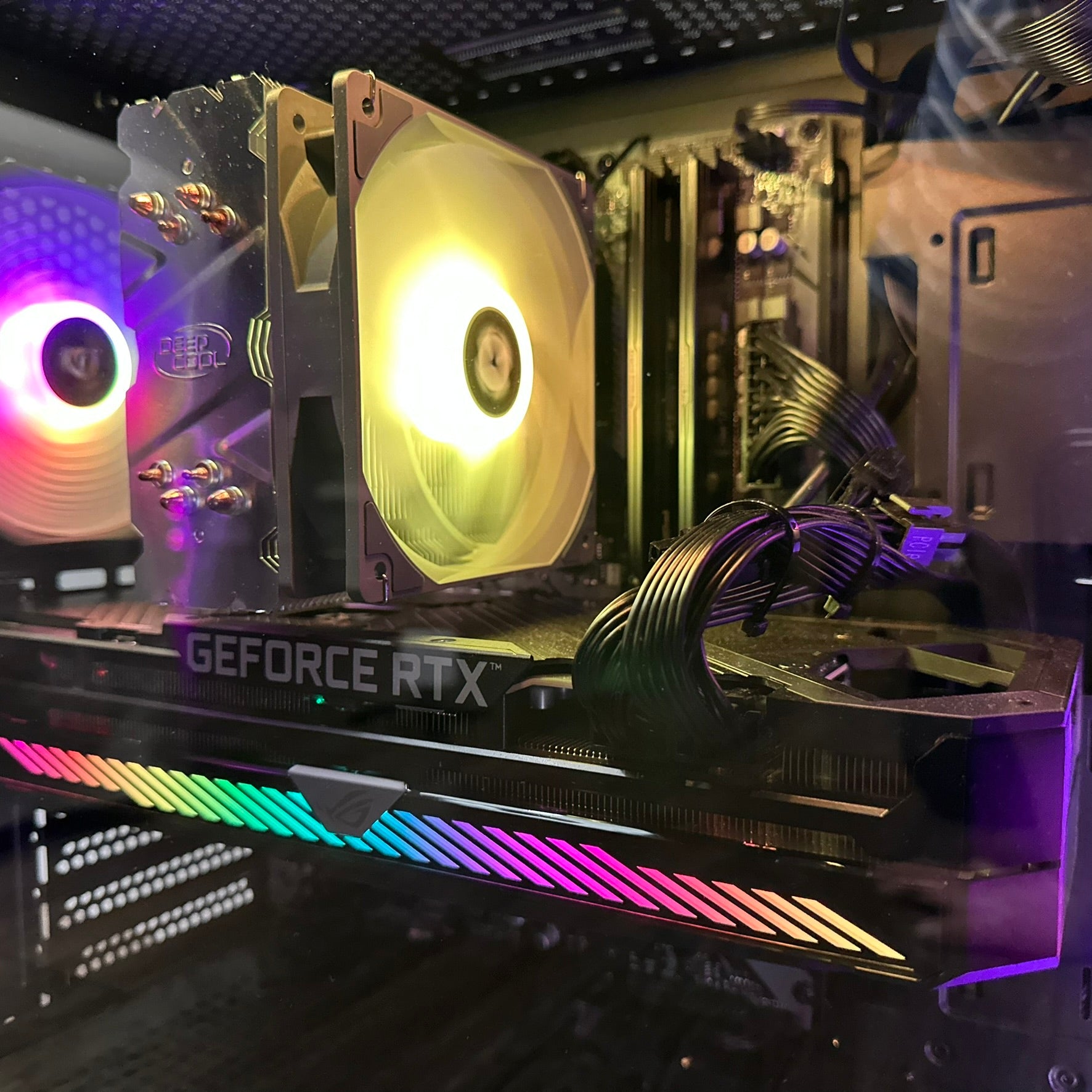
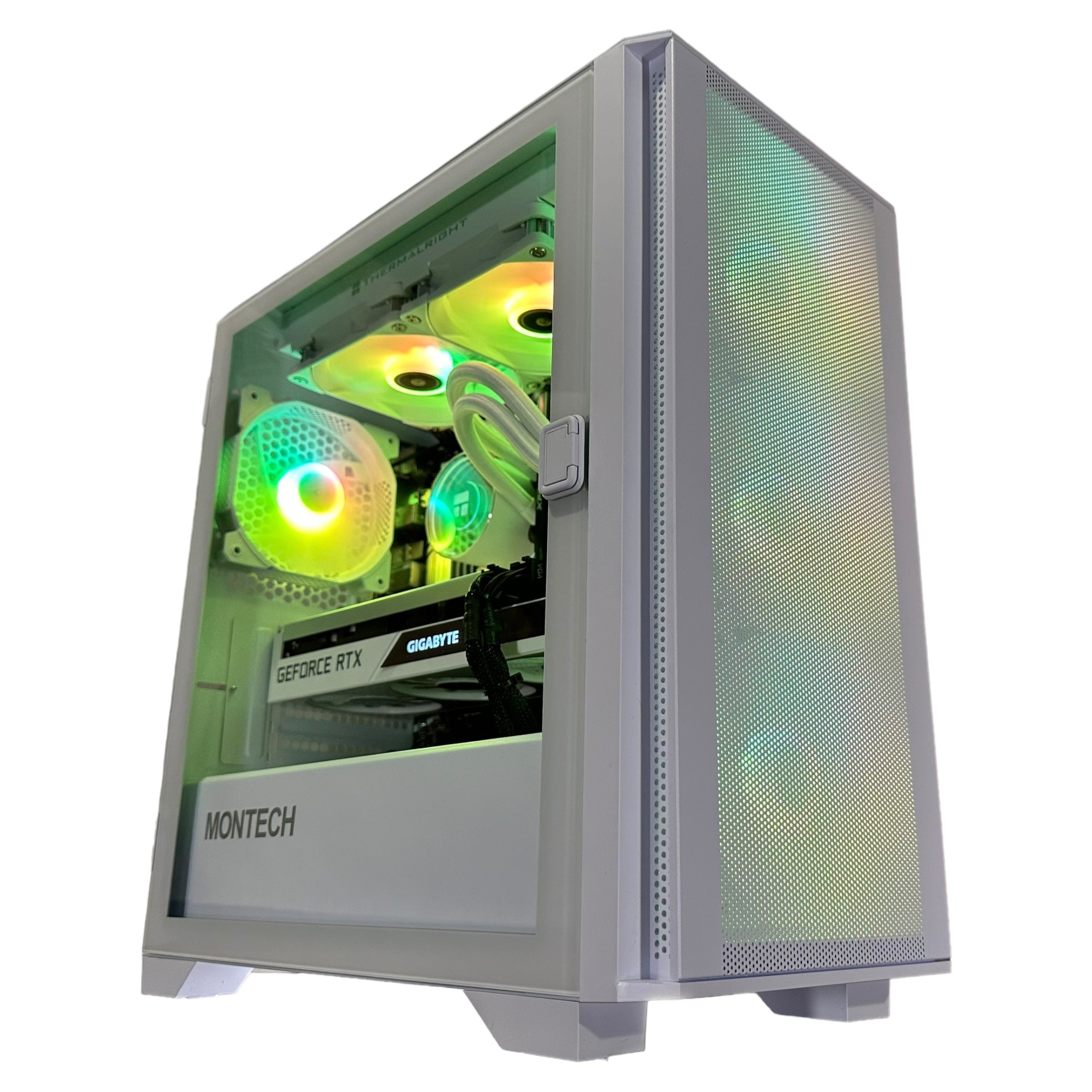
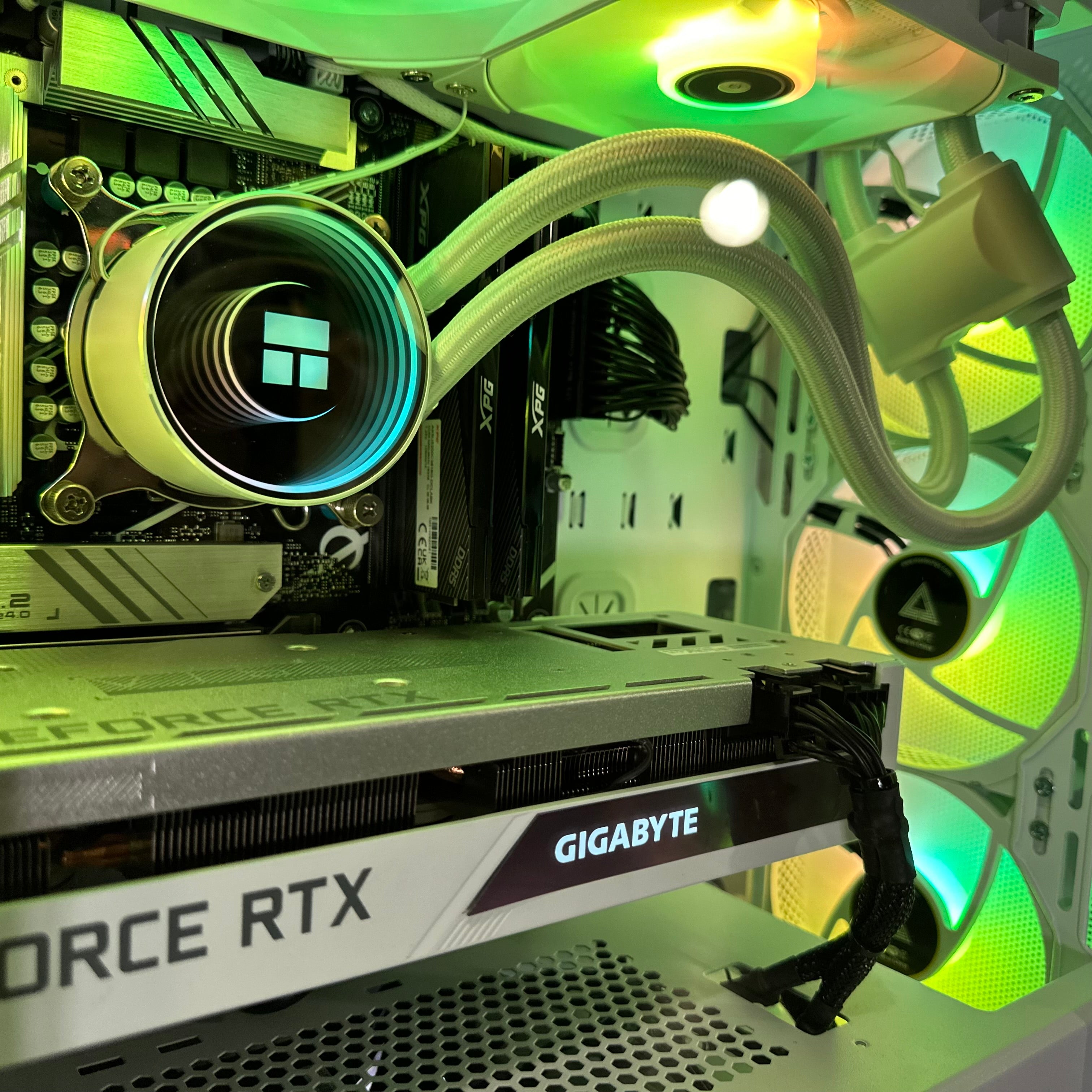
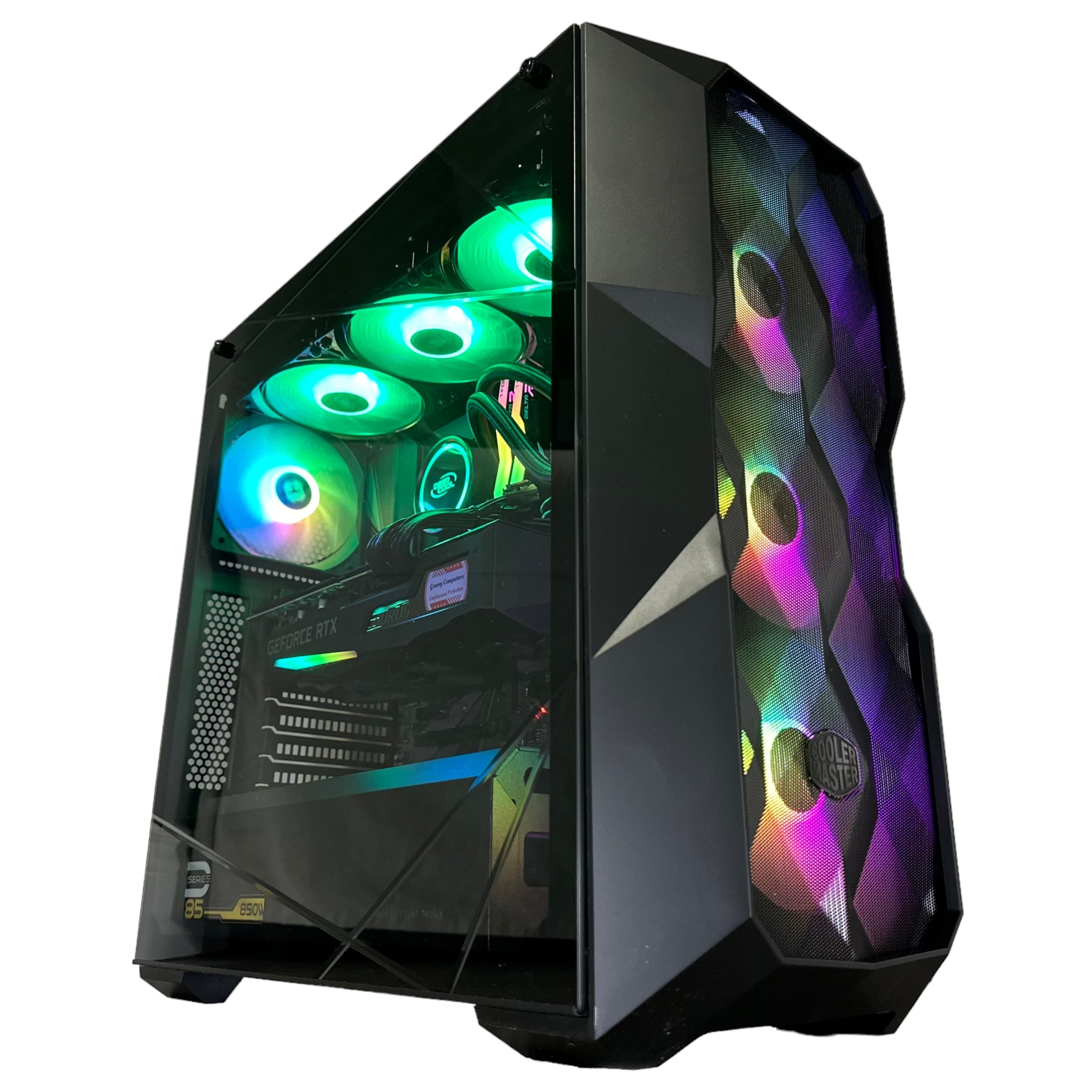
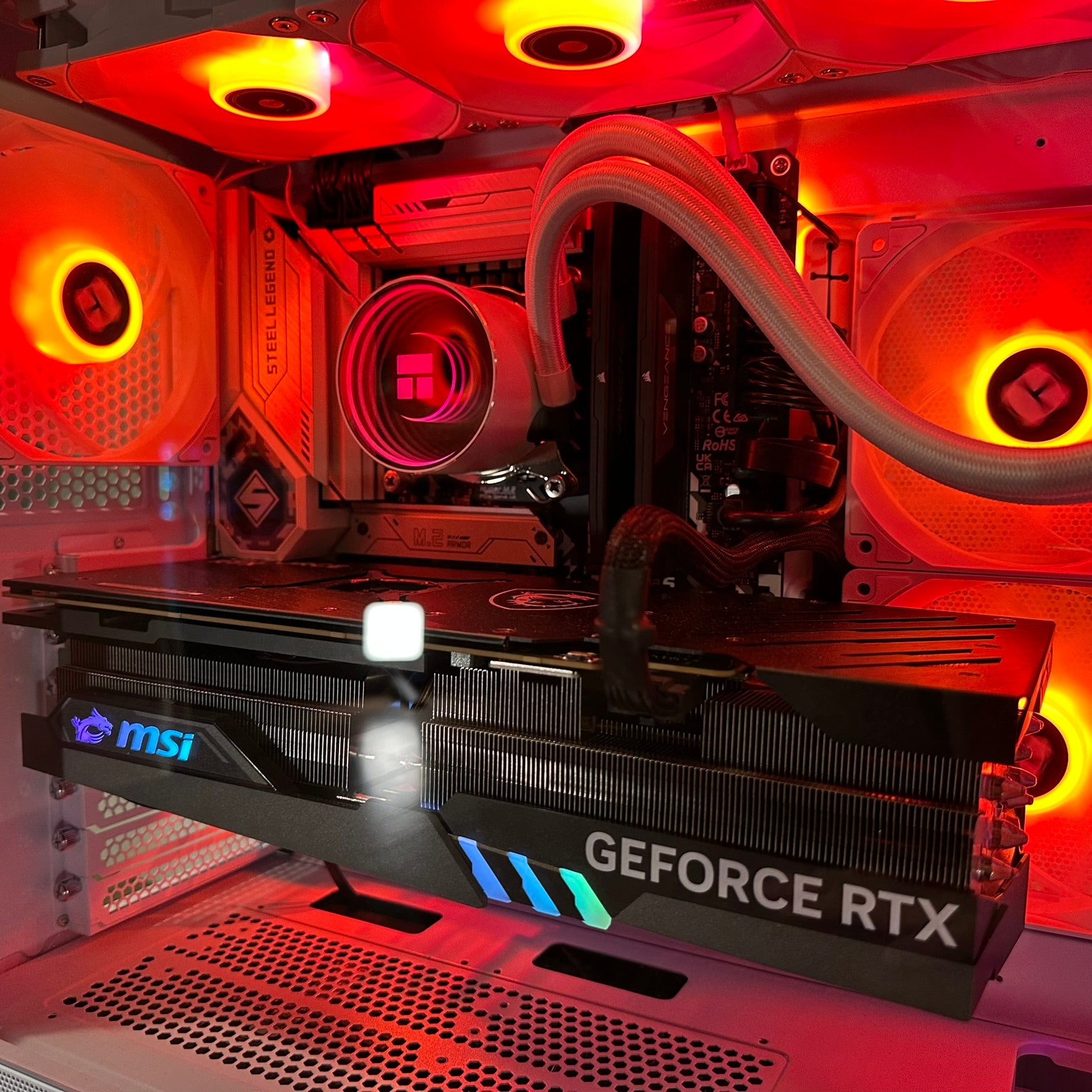
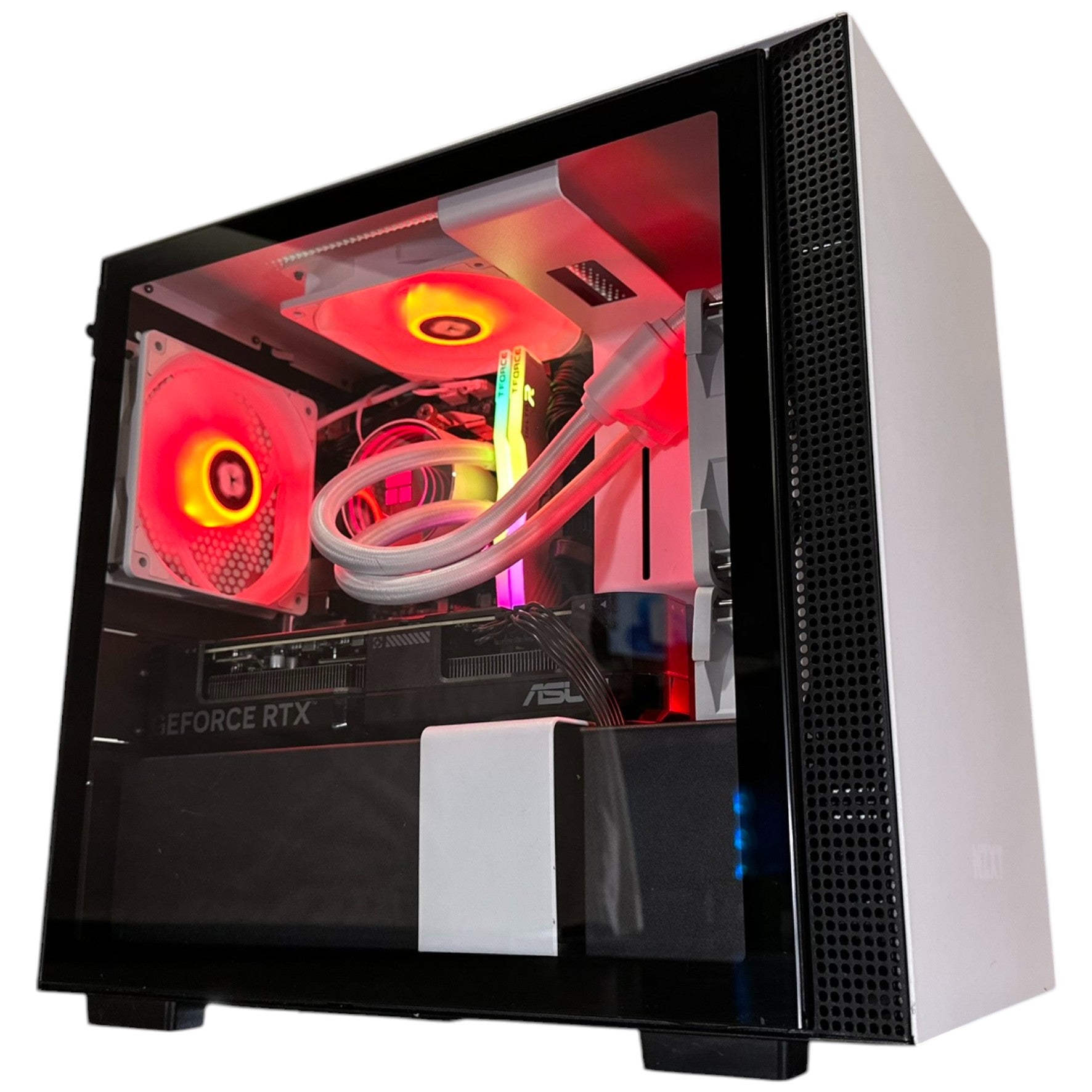
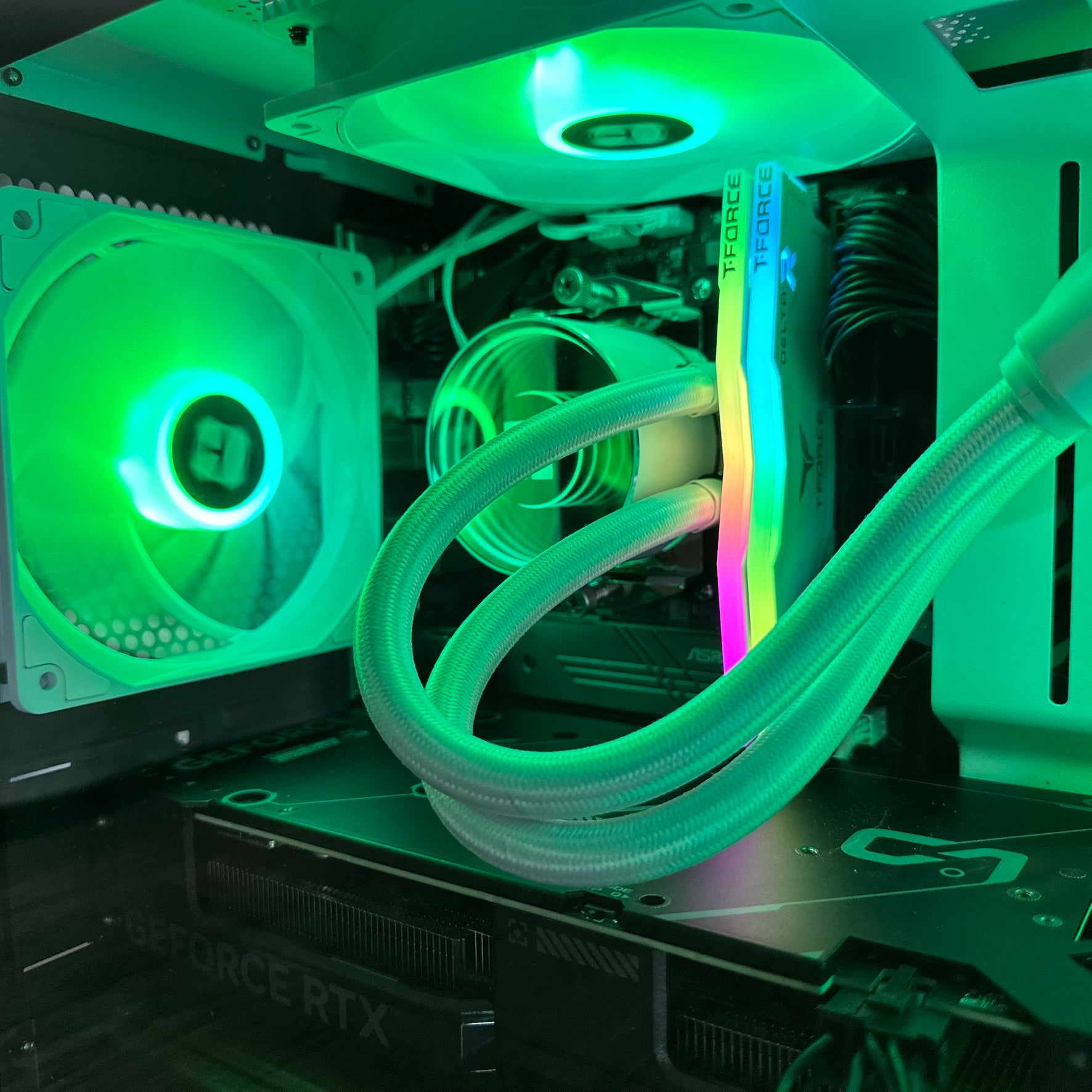
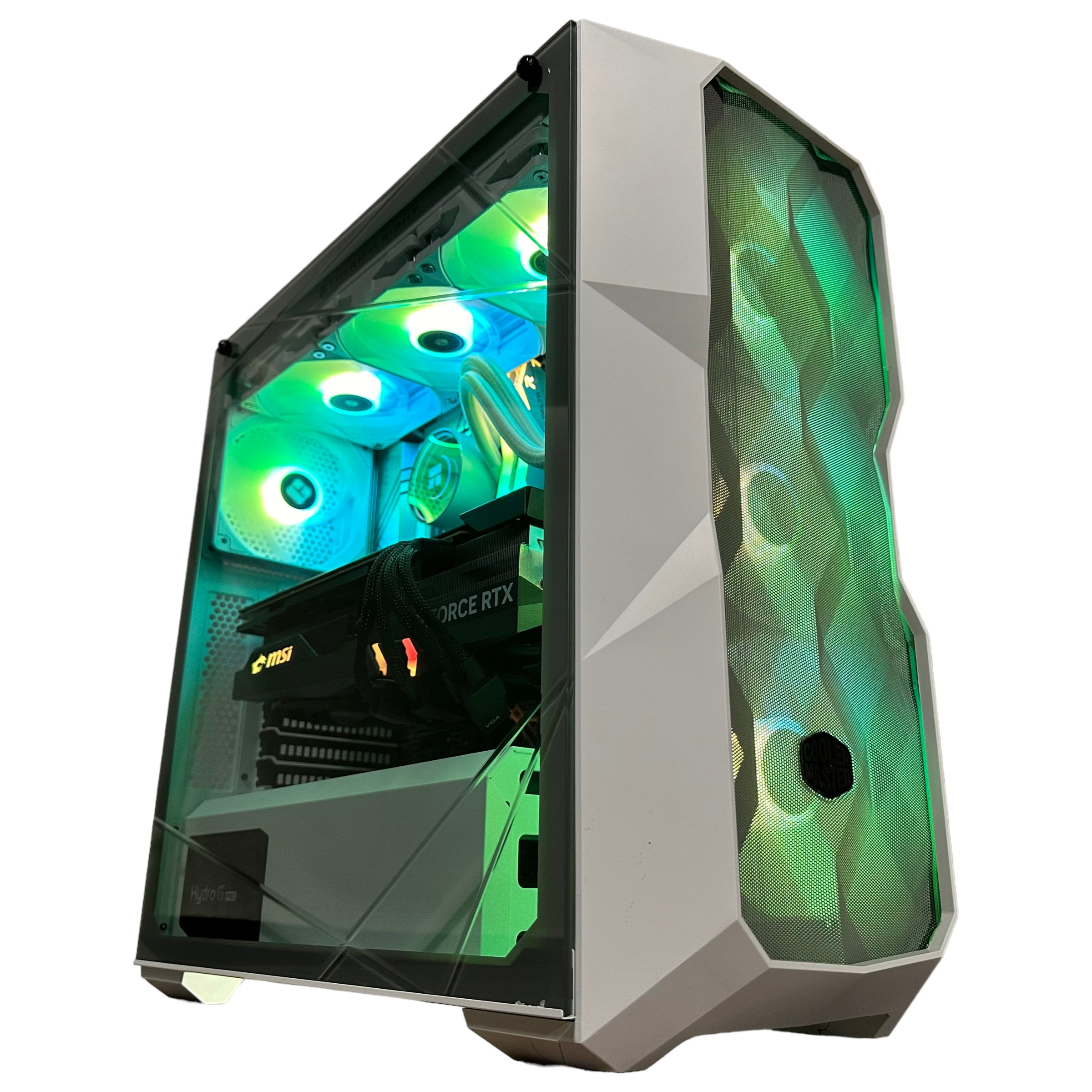
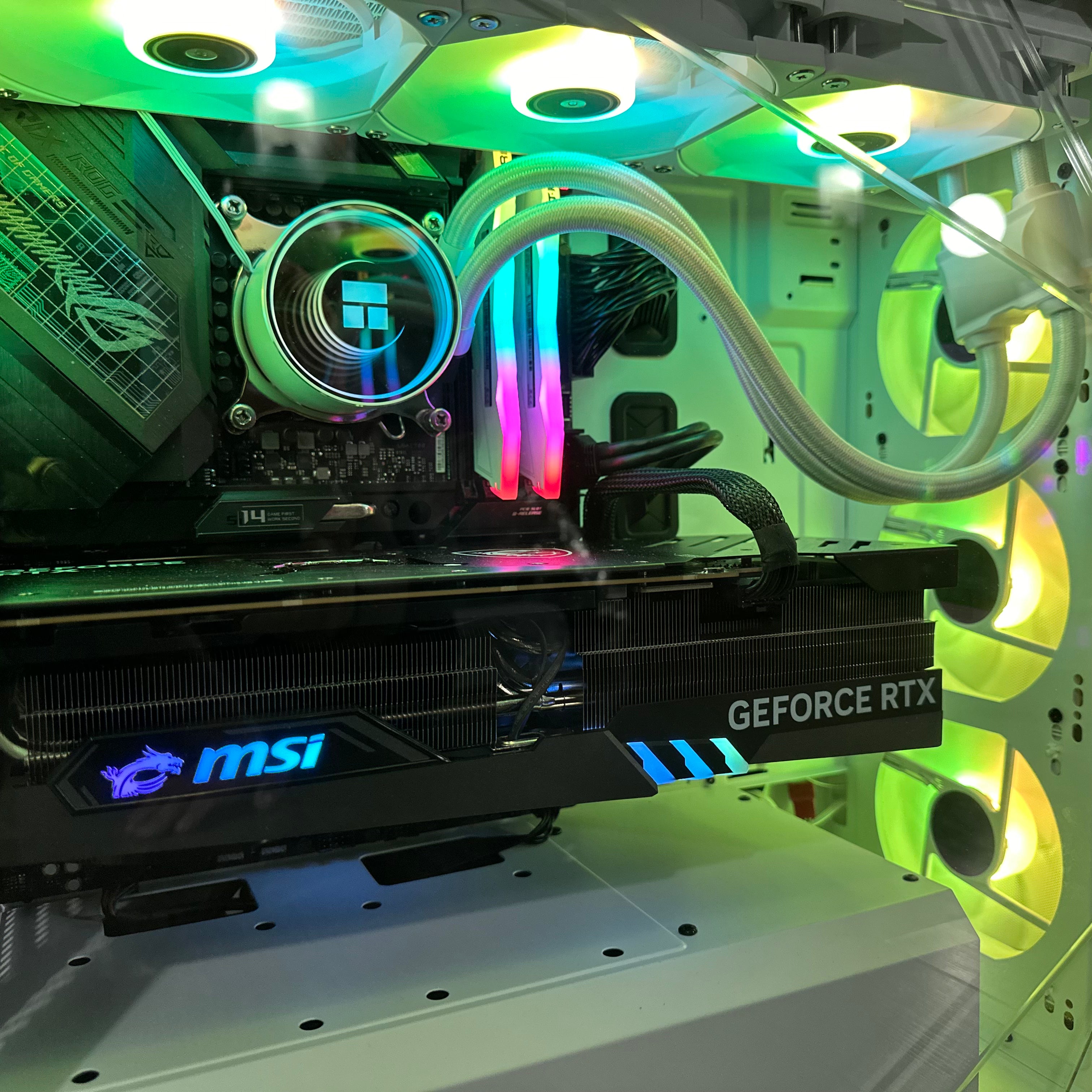
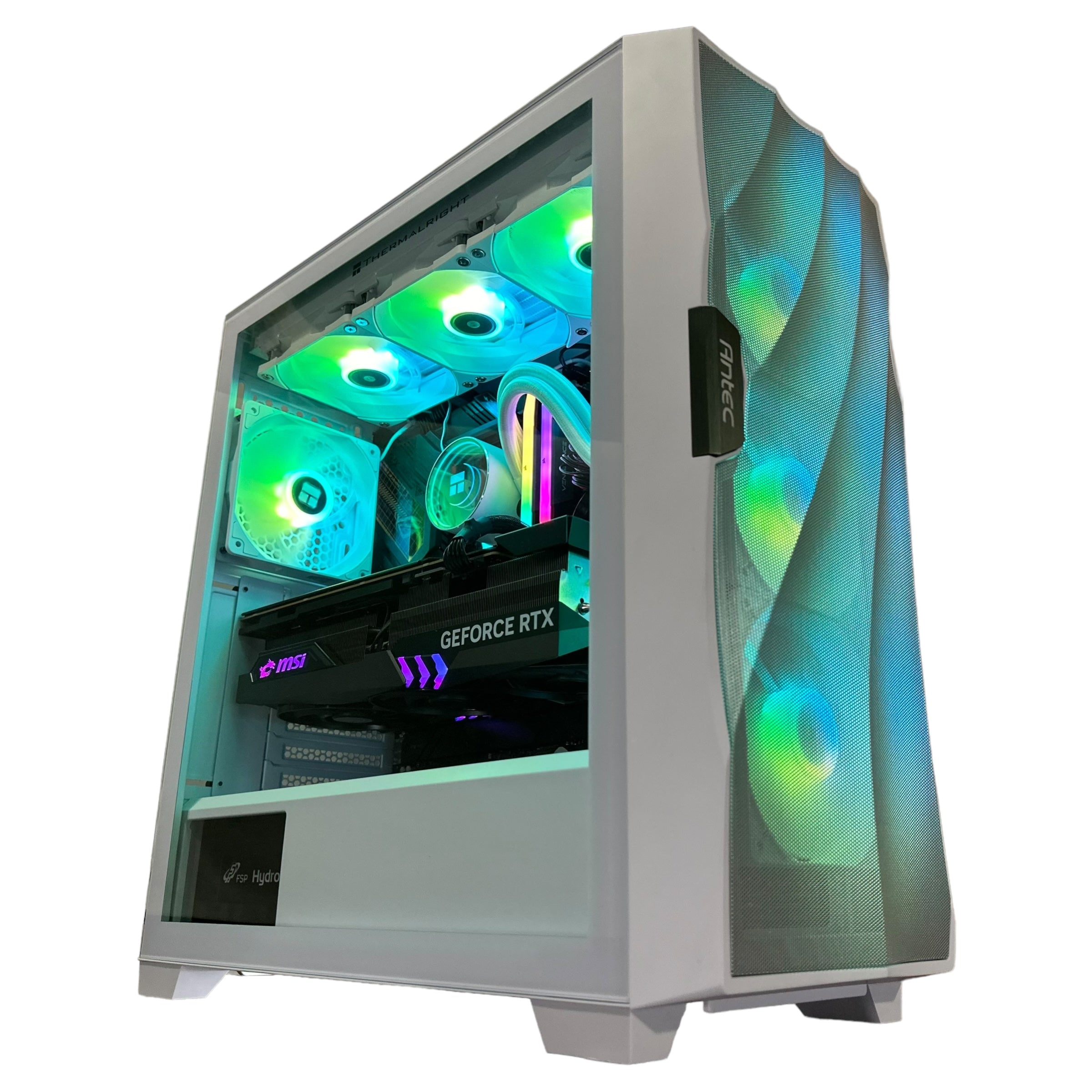
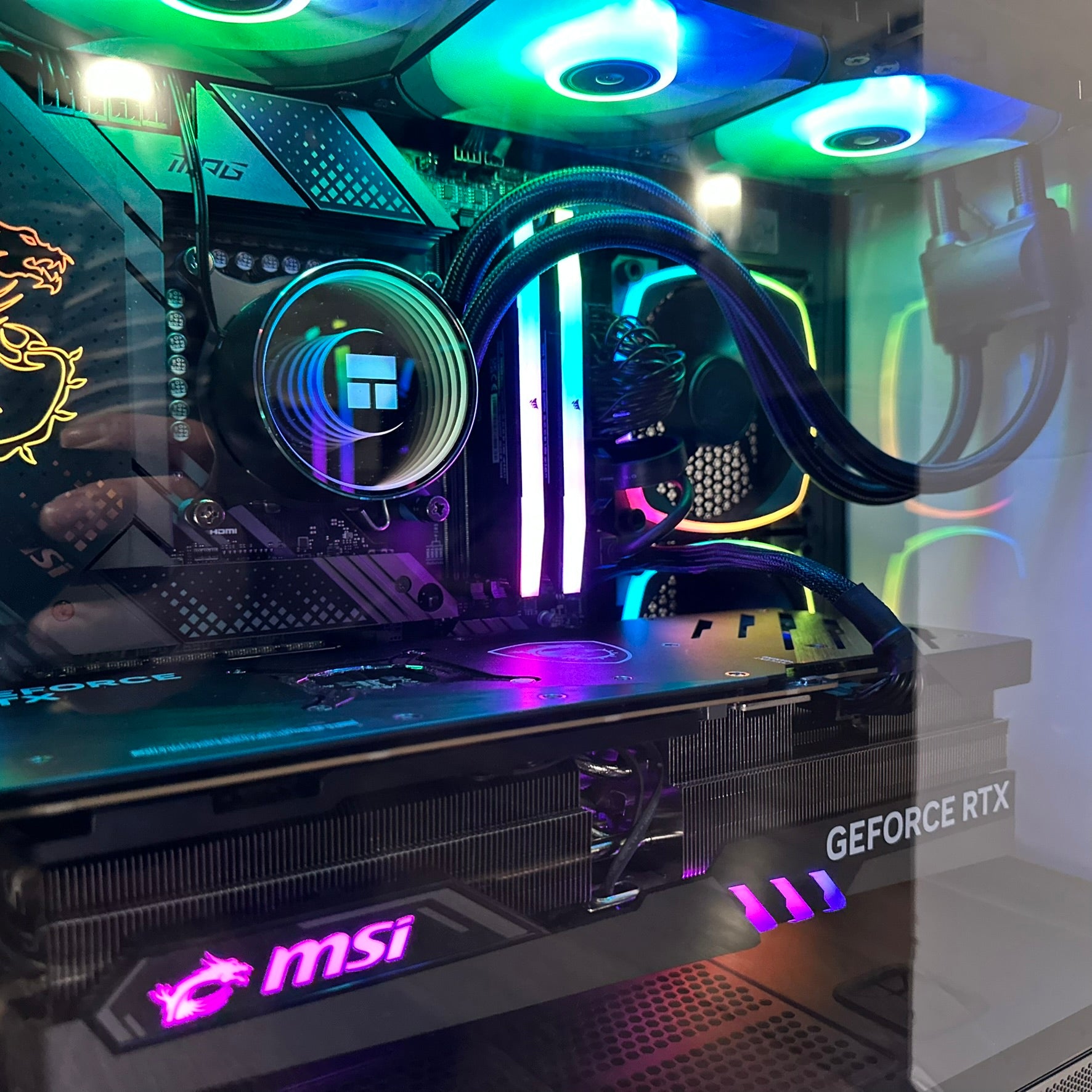
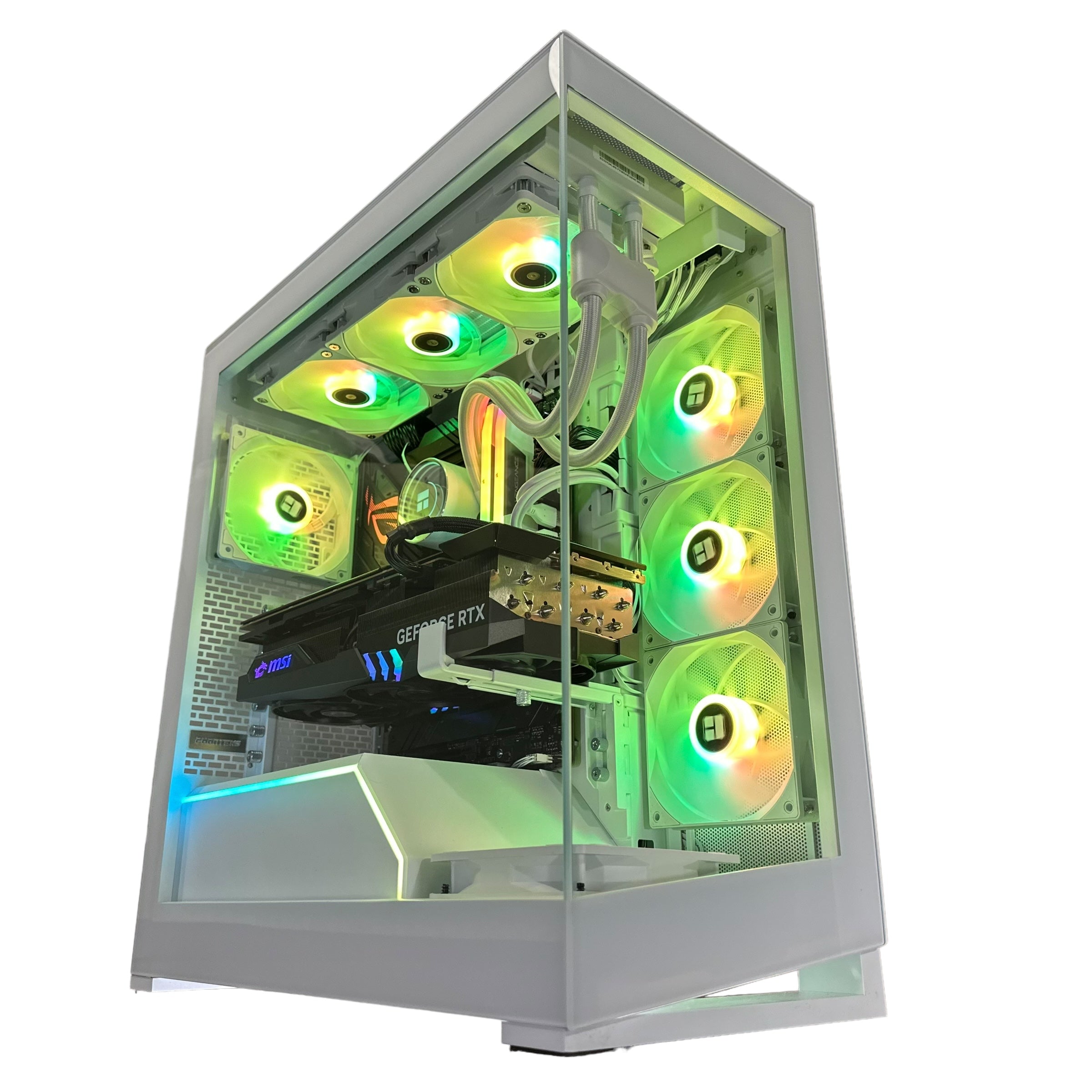
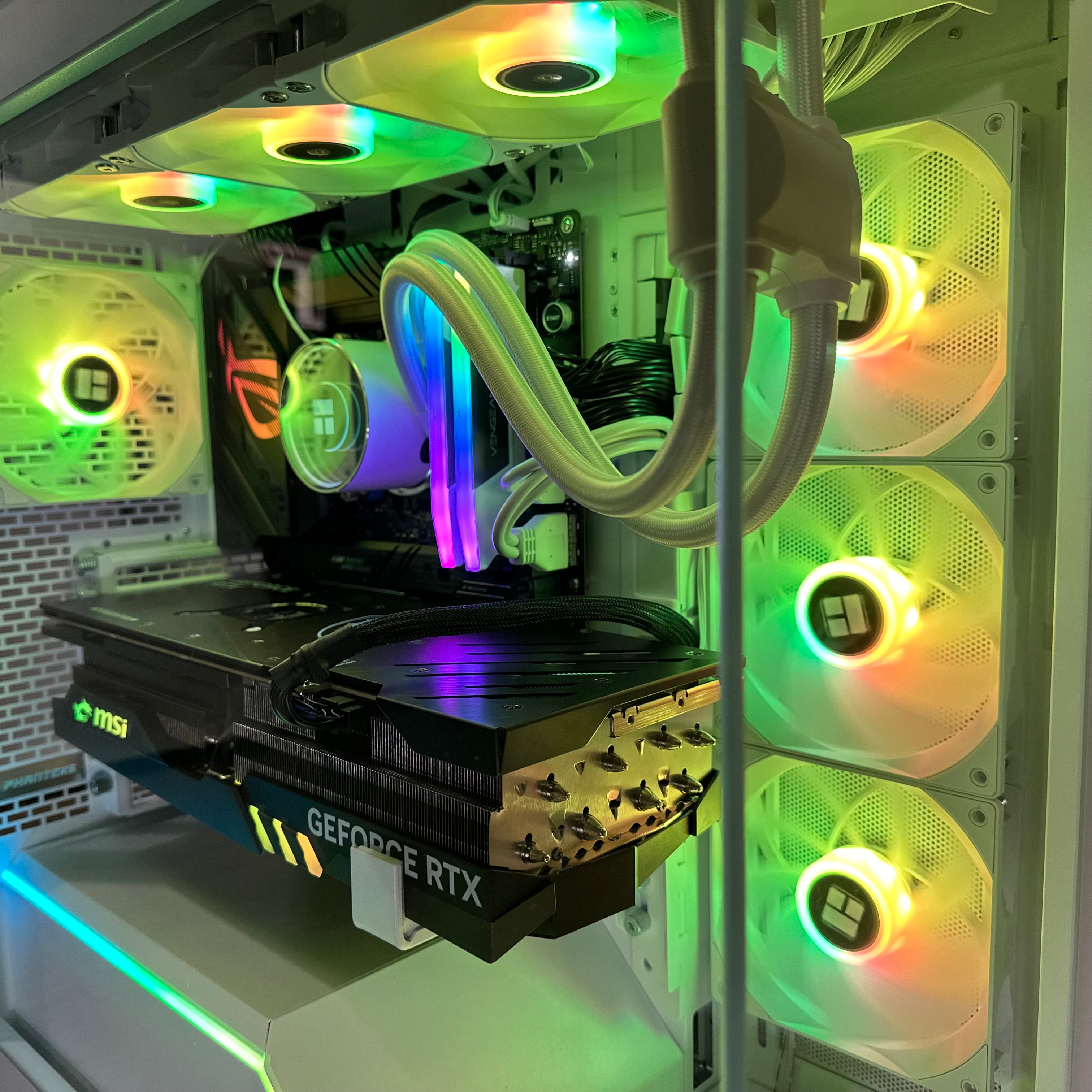
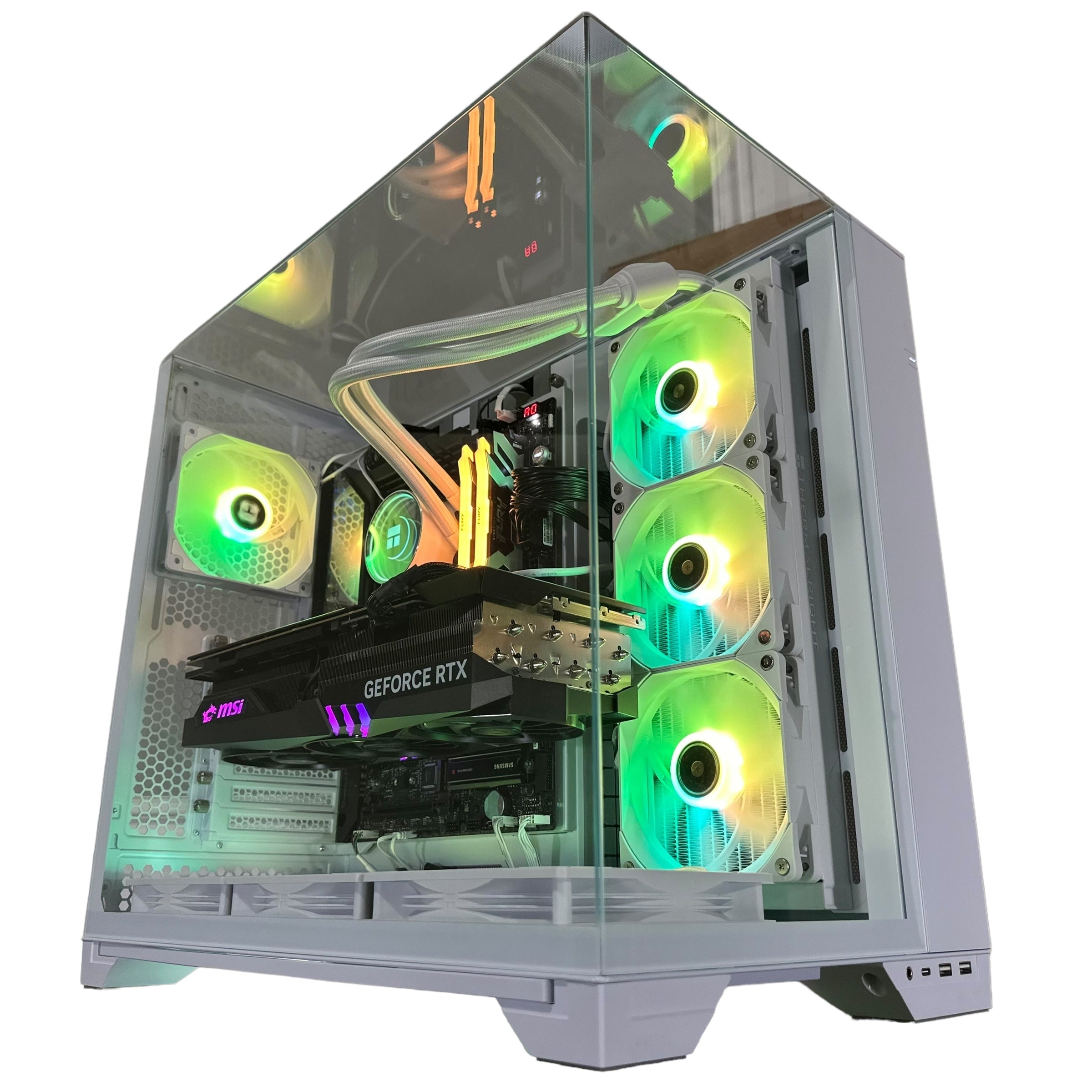
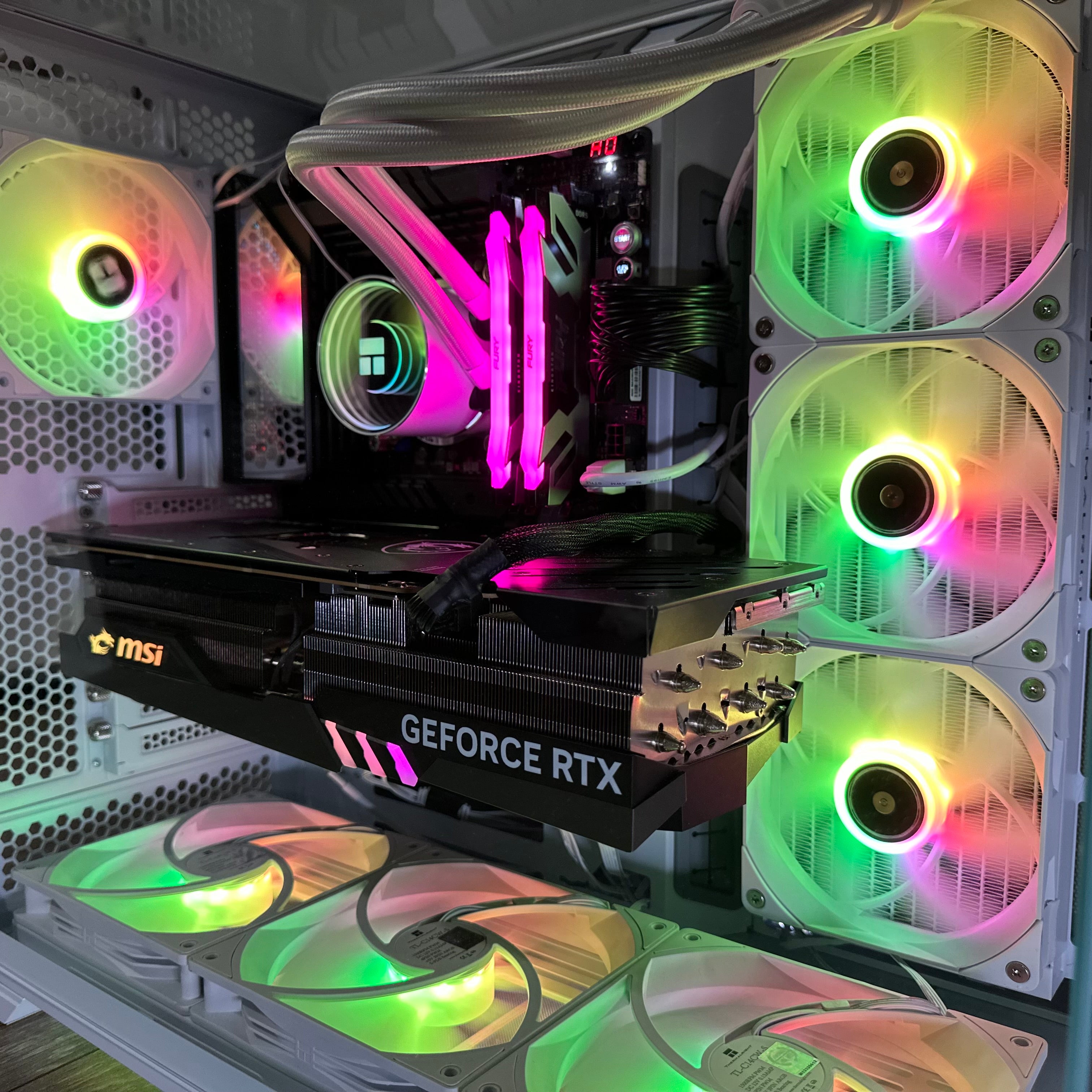
Groovy Computers is positioned for the buyer who wants more than a random spec sheet. If you are shopping for a custom gaming PC Canada build, a creator desktop, or a workstation-ready system, the value is in getting a machine matched to how you actually use it.
That means carefully selected components, balanced performance, and the kind of testing that gives buyers confidence when spending real money. When pricing is volatile and demand can shift fast, reliability matters. So does support. So does knowing your system was built with a purpose instead of assembled around whatever looked easiest to move.
Groovy Computers also gives Canadian shoppers a more practical path if they are trying to secure a stronger system before prices shift again. Whether you are in Nova Scotia, elsewhere in Atlantic Canada, or ordering from another part of the country, it makes sense to work with a Canadian PC builder that understands both performance needs and buyer timing.
If warranty confidence matters to you, if stress testing matters to you, and if you want a 1-year warranty on a machine you plan to depend on, those are not small details. They are part of buying properly.
Questions to ask before you buy your next PC
- What games do I want to play over the next two to three years, not just this month?
- Am I targeting 1080p, 1440p, or 4K gaming?
- Do I care about ray tracing, high refresh rates, or ultra settings?
- Will I stream, record, or edit gameplay content?
- Do I also need the system for video editing, photo editing, or graphic design?
- Will I use demanding software like OBS, Premiere Pro, DaVinci Resolve, Photoshop, Blender, or Unreal Engine?
- How much SSD space will I actually need once big games and creative projects pile up?
- Am I trying to avoid upgrading again too soon?
- Would financing help me buy the right system now instead of compromising?
- Do I want help choosing the right Groovy Computers build for my real workload?
What should you do if GTA 6 is the game that finally pushed you to upgrade?
Use that motivation wisely. Do not shop only for the minimum machine that might launch the game. Shop for the system that matches how you really play, create, and work. If GTA 6 is bringing more attention to storage, digital delivery, and next-wave performance expectations, then this is the right time to think bigger than one install screen.
Do you want a budget gaming computer that handles today’s essentials well? A premium RTX gaming PC built for demanding AAA releases? A custom creator PC that can game, stream, and edit? A more serious workstation-class build that supports 3D modeling, rendering, and professional software? Your answer should shape the build, not the hype cycle alone.
Ready to choose the right build for the next wave of games?
If the GTA 6 code in a box launch has you thinking about digital downloads, storage pressure, gaming performance, and whether your current machine is falling behind, now is a smart time to plan properly. What do you want your next PC to do for you: smooth 1440p gaming, high-end 4K performance, streaming, editing, content creation, or all of the above? Visit GroovyComputers.ca to explore the right custom system for your goals and get help choosing a build that fits your performance tier, timeline, and budget.
In the end, the GTA 6 code in a box story is not just packaging news. It is a reminder that the biggest game launches now test more than hype. They test your storage, your internet, your GPU, your upgrade path, and your buying timing. For Canadian shoppers, the smartest response is not panic. It is preparation. If you know a major release is coming and you know your current PC is not where it should be, this may be the right moment to secure a better system before demand, pricing, and compromise start working against you.
#GTA6 #GamingPCCanada #CustomGamingPCCanada #GamingPCForNewGames #1440pGamingPCCanada #4KGamingPCCanada #CreatorPCCanada #ContentCreationPCCanada #CanadianCustomPCBuilders #NovaScotiaTech
Groovy Computers | All Rights Reserved


Leave a comment
This site is protected by hCaptcha and the hCaptcha Privacy Policy and Terms of Service apply.