




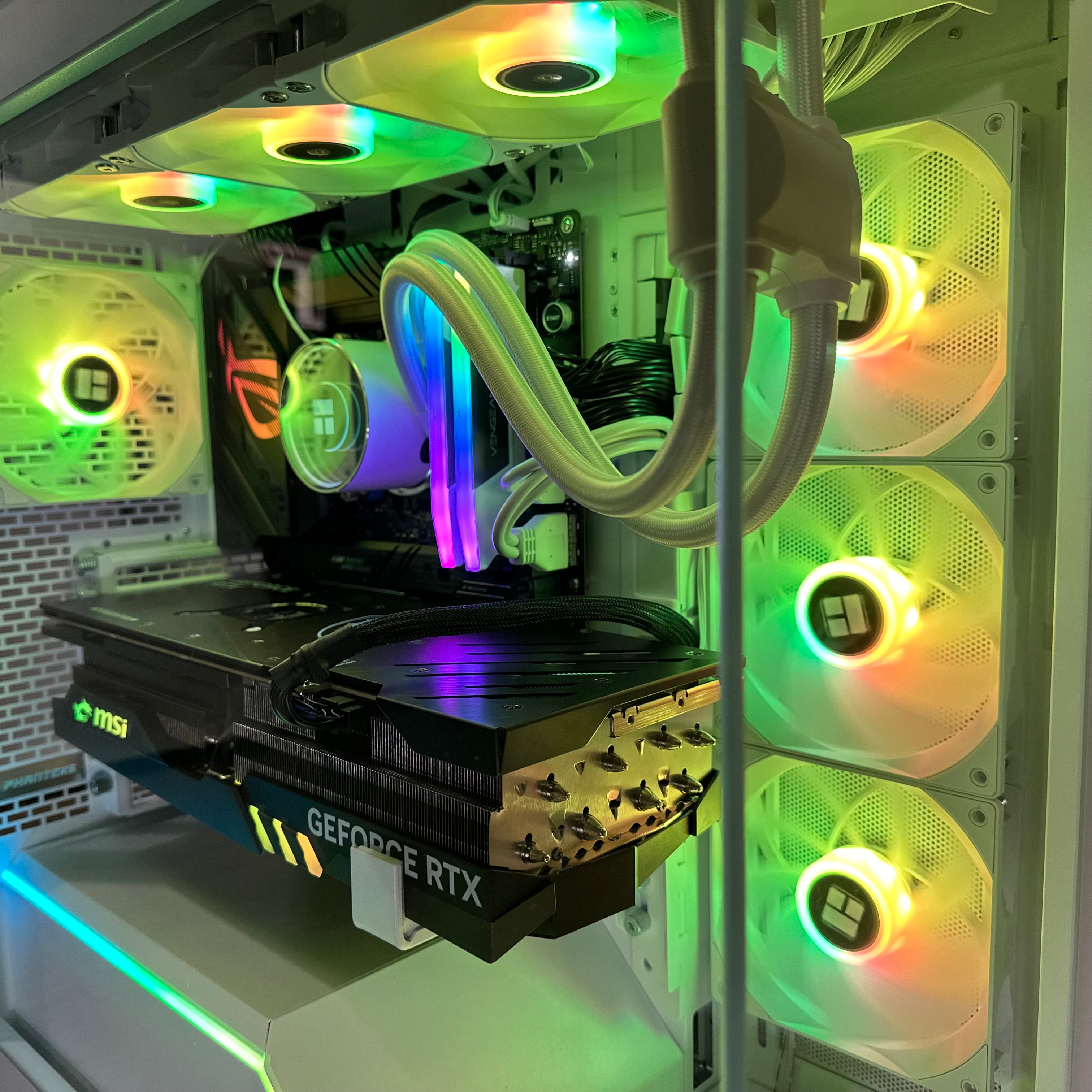
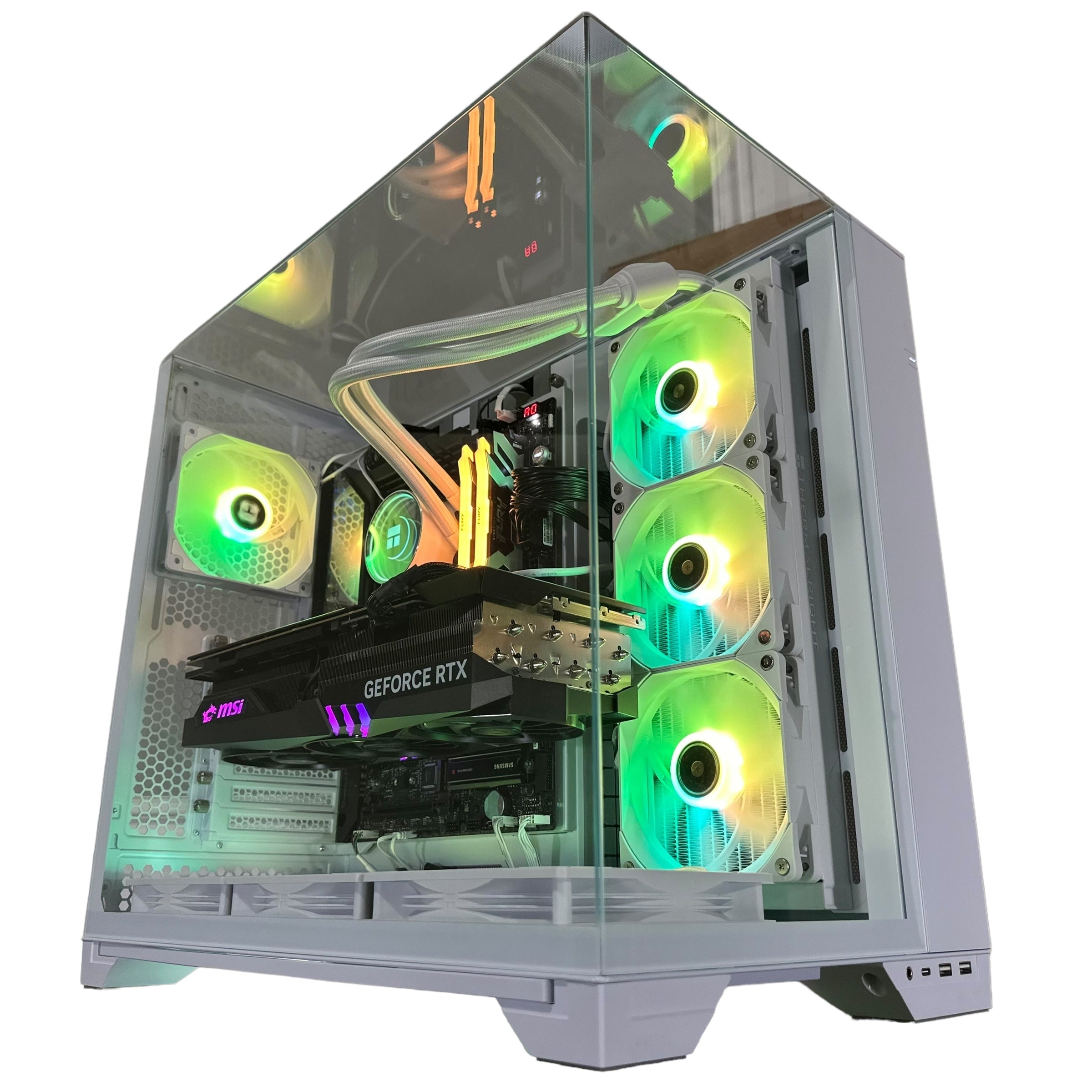
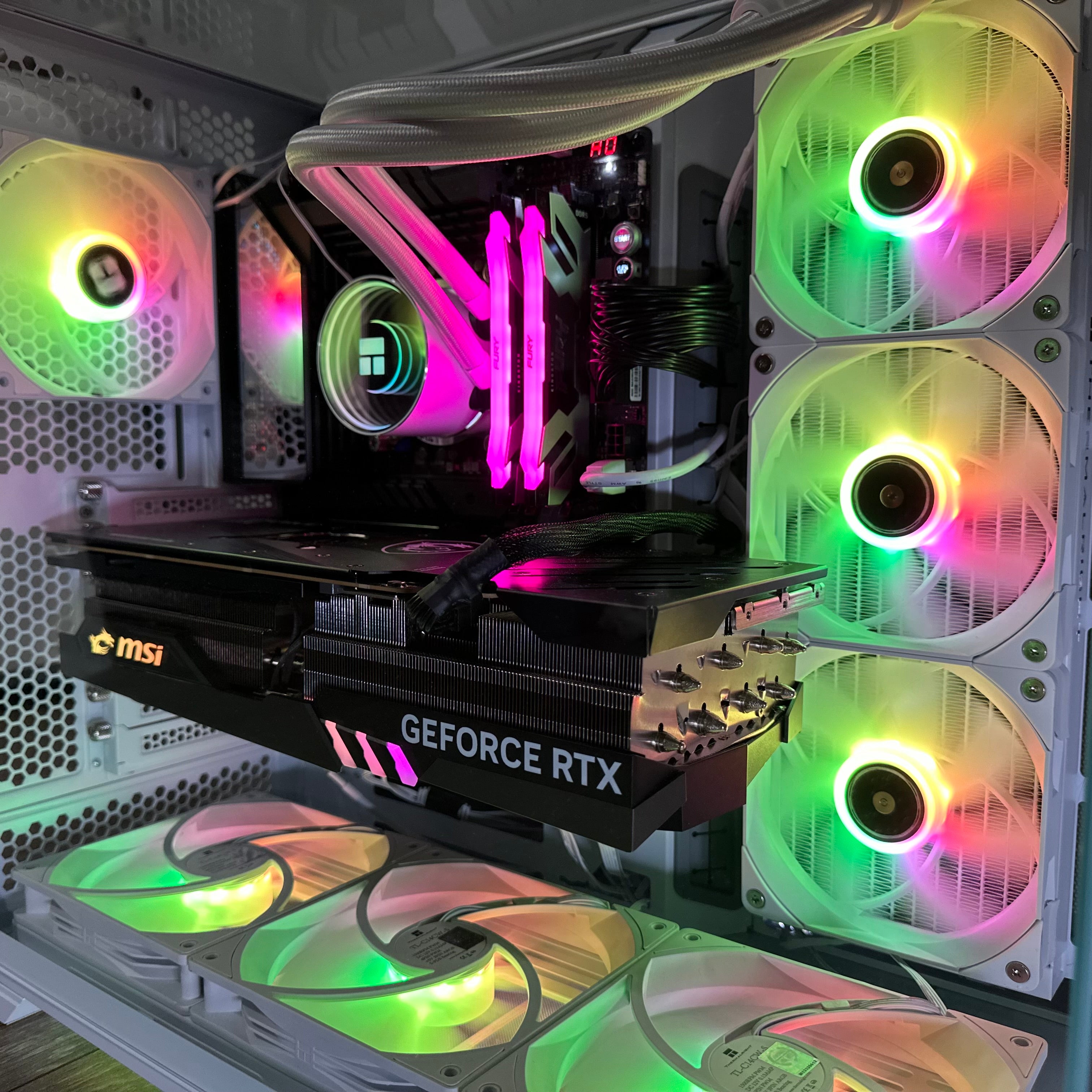

Resident Evil Movie Changes, Modern Horror Trends, and What That Means for Choosing the Right Gaming PC in Canada
The new Resident Evil movie is already getting fans talking for one simple reason: it is not trying to be a frame-by-frame copy of Resident Evil 2. According to the source material, director Zach Cregger openly said he took creative liberties, including a present-day setting, modern smartphones, and a snowy visual style. For movie fans, that is a debate about adaptation. For PC buyers in Canada, it raises a more practical question: when a major horror franchise returns to the spotlight, are you ready for the games, remakes, streaming, recording, and creator workloads that usually follow the hype?
That is where this story becomes more than entertainment news. Big franchise moments often trigger renewed interest in PC gaming, content creation, livestreaming, modding, horror game replays, and performance upgrades. If you are revisiting Resident Evil titles on PC, planning to stream survival horror, edit reaction content, or finally replace an aging system, this is the kind of moment that should make you pause and ask: what do you actually want your next PC to do for you?
Why is the new Resident Evil movie getting so much attention?
The core issue from the source article is straightforward. Some fans expected a closer visual and timeline match to Resident Evil 2, which famously takes place in 1998. Instead, the upcoming film uses current-day devices and winter conditions. Cregger’s comments make it clear that this was intentional. He is aiming to capture the feel of Resident Evil while still making a movie that reflects his own creative priorities.
That matters because franchise adaptations now live under a different kind of scrutiny. Fans no longer just ask whether the characters look accurate. They ask whether the world, tone, pacing, technology, and atmosphere feel faithful enough. Snow changes the mood. Smartphones change communication. Modern visuals change immersion. And when a franchise like Resident Evil trends again, it usually pulls gamers back toward the source games, new installs, enhanced graphics settings, and hardware upgrades.
Are you the kind of player who wants to replay older Resident Evil titles at higher settings? Are you looking ahead to newer horror releases and wondering whether your current computer can keep up? Or are you a creator who sees trend spikes like this and thinks about streaming, YouTube editing, thumbnails, shorts, and social clips?
What does a movie adaptation debate have to do with a Gaming PC Canada buyer?
A lot, actually. Franchise momentum drives buying behaviour. When a series returns to the spotlight, people start reinstalling games, buying remakes, testing mods, capturing footage, and upgrading their displays. That often exposes weaknesses in older systems very quickly.
If your current machine struggles with newer games, takes forever to boot, stutters during background apps, or sounds like it is under stress every time you launch something demanding, then trend moments like this can help clarify what your next purchase should be.
Maybe you only want smooth 1080p gameplay. Maybe you want a 1440p Gaming PC Canada buyers would consider a real step up. Maybe you want ray tracing, better minimum frame rates, and enough overhead for Discord, browser tabs, OBS, and recording at the same time. Or maybe you are not only gaming anymore. Maybe your next system also needs to handle Photoshop, Premiere Pro, DaVinci Resolve, Blender, or Adobe Illustrator without feeling cramped.
The real buying question is not whether a movie changed the timeline. It is whether your PC still matches the way you use it now.
What do you want your next PC to do for you?
This is the most important question in the entire buying process, and it is the one too many people skip.
Do you want a system mainly for gaming? Do you want a PC that can handle horror games, open-world AAA releases, competitive titles, and story-heavy single-player games? Do you also want to stream to Twitch or YouTube? Will you be editing gameplay videos, reaction clips, podcasts, or shorts? Are you doing creative work for school, freelance clients, or a business? Do you need a machine that can move from gaming at night to editing, design, or rendering during the day?
If you are not sure, think about your weekly routine.
- Mostly gaming: focus on GPU, cooling, and the right resolution target.
- Gaming plus streaming: focus on GPU and CPU balance, plus enough RAM for multitasking.
- Video editing and content creation: focus on CPU performance, GPU acceleration, fast SSD storage, and memory capacity.
- Photo editing and graphic design: focus on system responsiveness, RAM, storage, and display pairing.
- 3D modeling and workstation tasks: focus on sustained performance, thermals, stability, memory headroom, and workload-specific GPU power.
Do you want your next computer to simply run games, or do you want it to save you time every day?
Resident Evil hype is a reminder: are you buying for 1080p, 1440p, or 4K?
A lot of Canadian shoppers begin with a budget number when they should really begin with a performance target.
1080p gaming: who is it for?
If you mainly play at 1080p and want strong value, an entry to mid-range build can still be a smart choice. This performance tier fits buyers who want solid frame rates in popular games, respectable settings in modern titles, and a system that feels far more responsive than an old office PC or aging budget tower.
Is your goal smooth gaming without overspending? Are you building a first setup for yourself, a student, or a younger gamer? Do you want a budget gaming PC Canada buyers can rely on for current titles without immediately needing upgrades? Then this is often the best value category.
1440p gaming: the sweet spot for many buyers
For many people, 1440p is where a custom gaming PC starts to feel truly premium without jumping all the way into extreme spending. Image quality improves, frame rates can still stay strong with the right GPU, and the overall experience feels more future-ready.
If you are asking, what PC do I need for 1440p gaming? the answer usually points to a balanced mid-high tier build with enough graphics power for demanding new games, enough CPU headroom for background apps, and enough RAM to avoid bottlenecks as software grows heavier.
Do you want a system that still feels strong two or three years from now? Do you want to enjoy high settings instead of constantly lowering options? Do you want to play cinematic games the way they are meant to feel? A 1440p-oriented system is often the right answer.
4K and ray tracing: are you buying for visual impact?
If the reason you care about franchises like Resident Evil is atmosphere, lighting, texture detail, reflections, and cinematic immersion, then 4K and ray tracing performance may matter to you. This is premium territory. It is for buyers who want fewer compromises, stronger longevity, and higher visual ceilings in demanding games.
Are you wondering if a 4K Gaming PC Canada buyers invest in is worth it? Ask yourself how often you upgrade. A stronger system up front can mean a longer useful life, fewer compromises later, and less frustration when major new releases arrive.
What if you want gaming and streaming in the same system?
Many buyers are no longer choosing between playing and creating. They want both. If a major entertainment release inspires you to stream horror game marathons, record walkthroughs, upload reaction edits, or build a content channel around gaming, then a general-purpose budget PC may not be enough.
A proper streaming PC Canada buyers should consider needs more than raw game performance. It needs overhead. OBS, browser sources, chat tools, Discord, background uploads, microphone software, webcam feeds, and recording can all pile onto the system at once.
What PC do you need for streaming? That depends on your goals.
- Casual streaming: solid gaming GPU, capable CPU, and enough RAM for stable multitasking.
- Frequent Twitch or YouTube streaming: stronger CPU/GPU pairing, fast SSDs, and more memory headroom.
- Gaming, recording, and editing on one machine: move up another tier to avoid replacing the system too soon.
Are you only streaming at 1080p now, or do you want room to grow into better overlays, cleaner video, and faster edits later? Buying too close to the minimum is one of the fastest ways to outgrow a system.
Could this trend moment also be a sign you need a Creator PC Canada build?
Not every customer landing on a gaming article is just a gamer. Some are editors, designers, photographers, social media managers, or hybrid creators who need one machine for everything.
If this kind of franchise news makes you think about editing trailers, creating thumbnails, designing posters, cutting shorts, colour-grading reaction content, or producing horror-themed content across platforms, then you may be shopping for more than a gaming desktop. You may need a Creator PC Canada buyers can trust for mixed workloads.
Video editing
If you work in Premiere Pro, DaVinci Resolve, After Effects, or CapCut, your workload changes the build logic completely. You need strong processing, good thermal control, fast storage, and enough RAM to work smoothly on modern timelines.
What PC do you need for video editing? Are you cutting simple 1080p clips, or are you handling layered 4K projects with effects, colour work, and exports running under deadline? If your exports take too long or your timeline stutters every time you stack effects, that is not just annoying. It costs you time.
Photo editing and graphic design
If your workflow centres around Photoshop, Lightroom, Illustrator, InDesign, Canva, or Creative Cloud multitasking, the ideal build needs speed, consistency, and memory efficiency. Designers and photographers often underestimate how much daily friction a slow system adds.
Do you edit large RAW files? Do you batch-export images? Do you work with layered PSDs, branding files, mockups, and browser-heavy workflows all at once? Then a proper photo editing PC Canada or graphic design PC Canada setup may be more useful than a pure gaming-first machine.
3D modeling and workstation use
If you use Blender, Unreal Engine, AutoCAD, Revit, Maya, 3ds Max, Cinema 4D, or similar tools, then reliability matters just as much as speed. Workstation buyers need systems built for sustained loads, not just burst performance.
What PC do you need for Blender or 3D rendering? Do you need fast viewport performance, GPU rendering, CPU-heavy simulation strength, or all three? This is where a custom build really matters, because the wrong balance can leave expensive performance on the table.
Should you buy now or wait if gaming and creator demand keeps rising?
This is one of the most common buying questions in Canada, and it is a fair one.
Is it better to buy a gaming PC now or wait? The answer depends on your current system, your workload, and your tolerance for delay. Waiting can make sense if your existing machine still handles what you do comfortably. But if your PC is already struggling, waiting can mean months of lower performance, more frustration, and potentially higher replacement costs if demand spikes affect key components.
Gaming trends, franchise releases, creator software updates, and renewed GPU demand all have a way of pushing buyers into the market at the same time. When that happens, even shoppers who were casually researching suddenly become urgent buyers.
Ask yourself a few honest questions:
- Are you trying to be ready before a major game release?
- Are you replacing a system that already feels outdated?
- Do you expect to start streaming, editing, or creating more this year?
- Will a delay force you to settle for weaker specs later?
- Would a stronger machine now help you avoid upgrading too soon?
If you answered yes to several of those, waiting may not actually save you money. It may only delay a decision you already know you need to make.
Which performance tier fits your actual buying situation?
One of the biggest mistakes shoppers make is buying based on broad labels like budget or high-end without connecting them to how the system will actually be used.
Entry-level value tier
This tier makes sense for first-time PC buyers, light creators, esports players, students, and users focused on 1080p gaming with everyday productivity. It is often the right fit if you want a machine that is clearly better than a generic desktop but do not need premium graphics settings in every new title.
Are you trying to stay efficient while still getting a real gaming experience? Are you looking for an affordable step into PC gaming without buying something underpowered?
Mainstream performance tier
This is the strongest all-around category for many customers. It is ideal for 1080p high refresh or 1440p gaming, moderate streaming, light to mid-range editing, and future-proofing that feels meaningful rather than marketing-driven.
If you are asking how much should I spend on a gaming PC, this is often where the best balance lives. It gives you enough performance to enjoy new games comfortably and enough flexibility to expand into content creation.
Premium enthusiast tier
This is where higher-end GPUs, stronger cooling, more RAM, and larger SSD configurations begin to matter. Buyers in this group want excellent 1440p or 4K results, strong ray tracing capability, creator readiness, and better longevity.
Do you want ultra settings, stronger minimum frame rates, faster editing, and less compromise for years instead of months? Then this may be your tier.
Workstation and creator-heavy tier
This tier is for serious editors, designers, developers, 3D artists, and professionals who need performance under sustained workloads. Here, part selection has to be smarter. Stability, thermals, memory capacity, and task-specific balance matter more than flashy specs on paper.
Will your PC be making you money? Will slow exports, laggy previews, or render delays affect client work or deadlines? If so, a workstation-class custom build is not a luxury. It is a business tool.
Would financing help you secure the right system instead of settling for the wrong one?
For many buyers, the real issue is not whether they need a better PC. It is whether they should settle for a lower-tier machine now or step into a stronger build that lasts longer. That is why financing matters when chosen responsibly.
If a better system means fewer compromises, a longer upgrade cycle, and more confidence before prices change, then spreading the cost can be the smarter move. At that point, the question becomes: should you finance a better PC instead of buying a cheaper one?
That answer depends on your use case. If you are just browsing casually and your current setup still works well, you may not need to rush. But if you are already hitting limitations in gaming, streaming, editing, or 3D work, financing can help you secure the build you actually need instead of buying twice.
Groovy Computers offers Canadian shoppers a more practical path when they need performance now and want room to pay over time. Financing up to 4 years can make a stronger custom system more accessible while preserving a better long-term value than buying a weak system that needs early replacement.
Would monthly payments make it easier to move from entry-level specs into a better GPU, more RAM, faster storage, or a more creator-ready CPU? If yes, that decision can have a real impact on how long the system stays useful.
Why do custom builds matter more when gaming and creator demands keep changing?
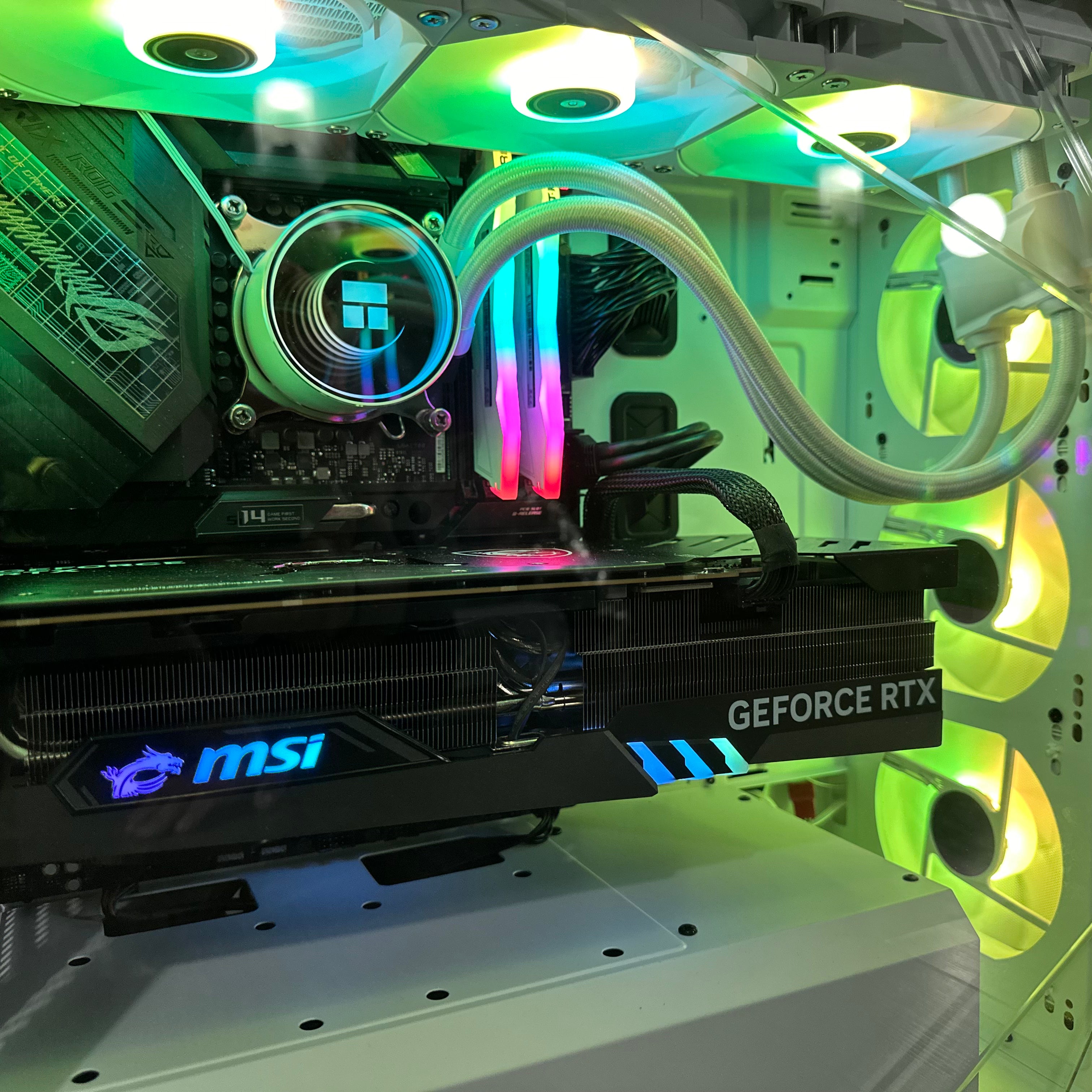
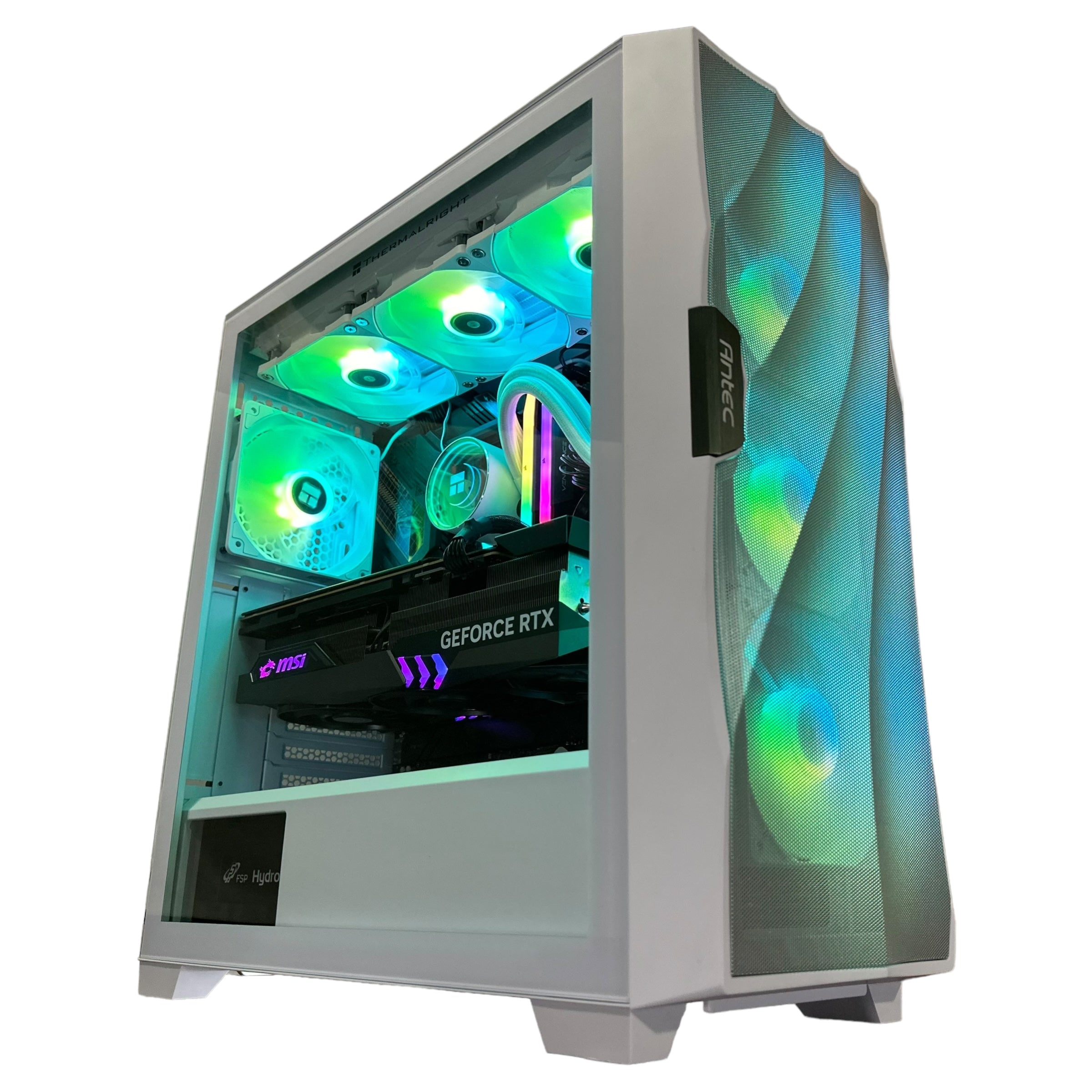
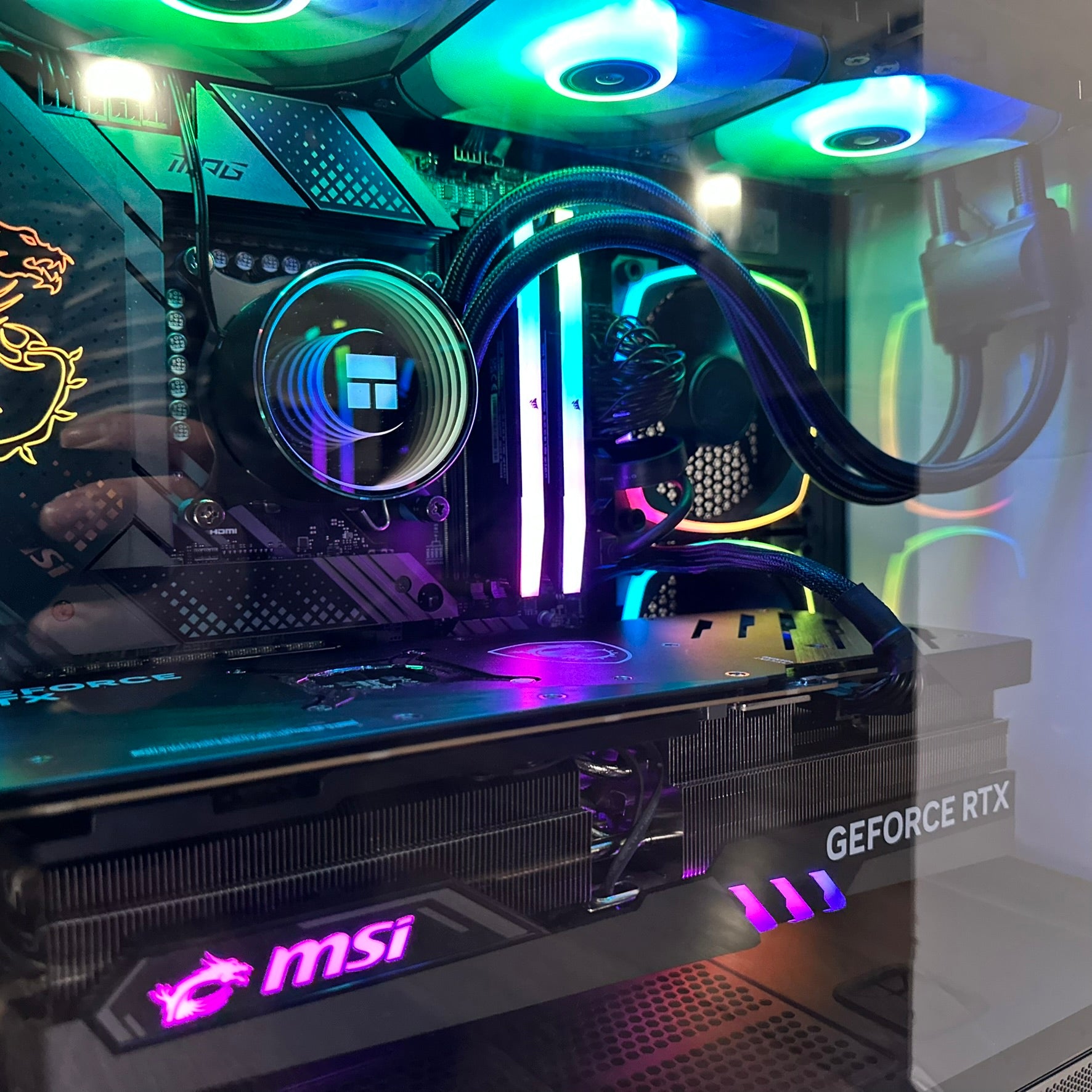
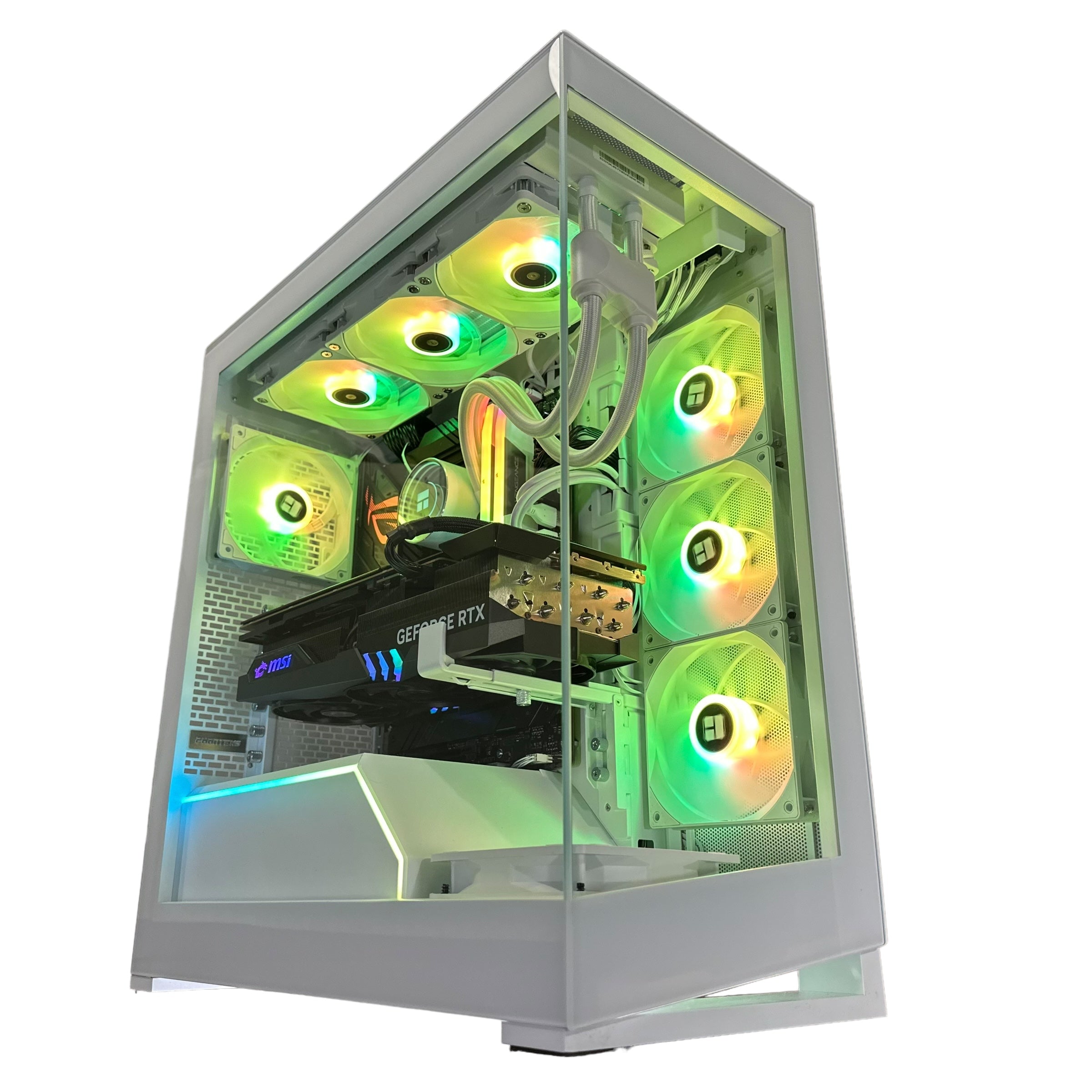
Generic big-box systems often look similar on a spec sheet, but the differences that matter most are usually hidden in part quality, airflow, motherboard choice, power delivery, thermal planning, memory configuration, and upgrade path.
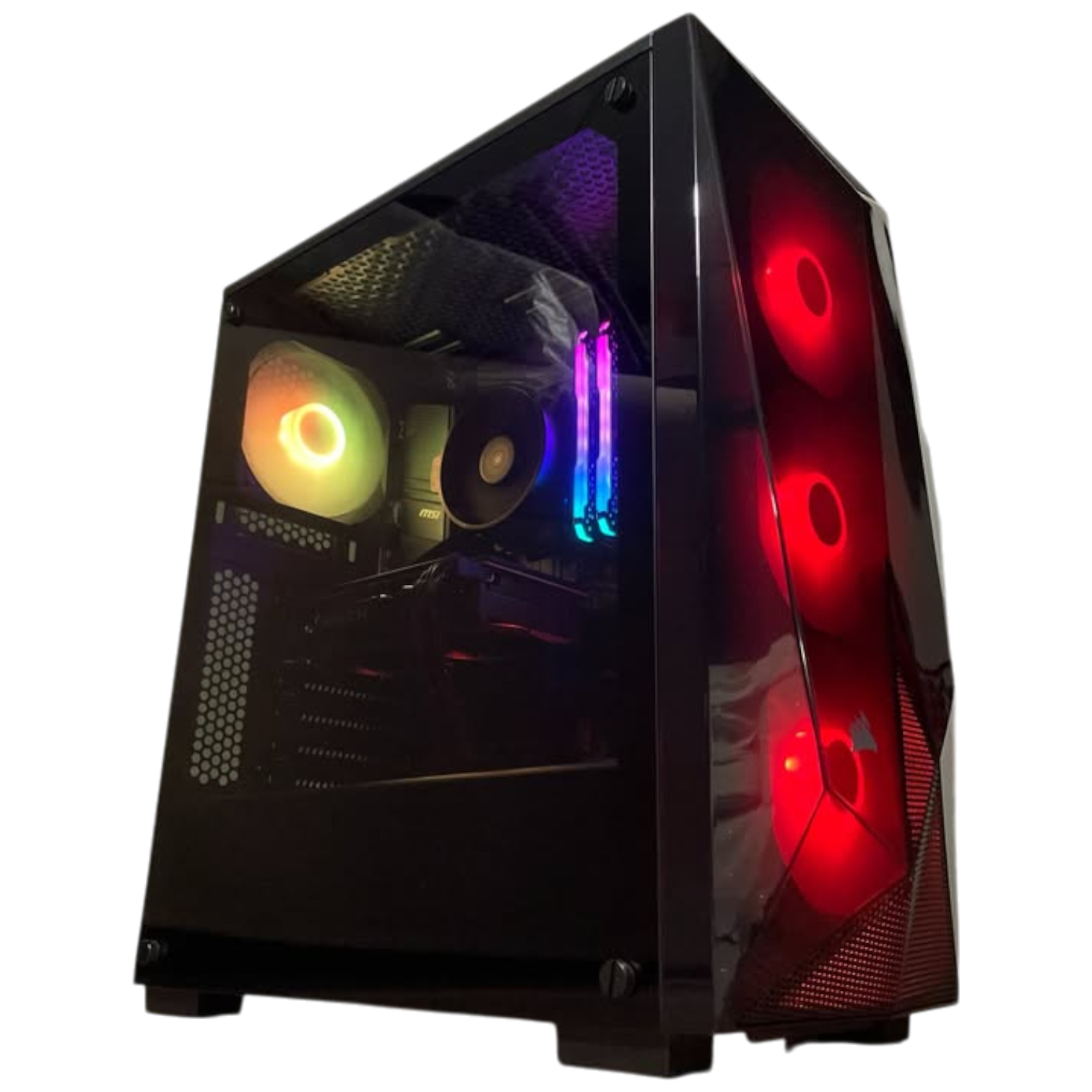
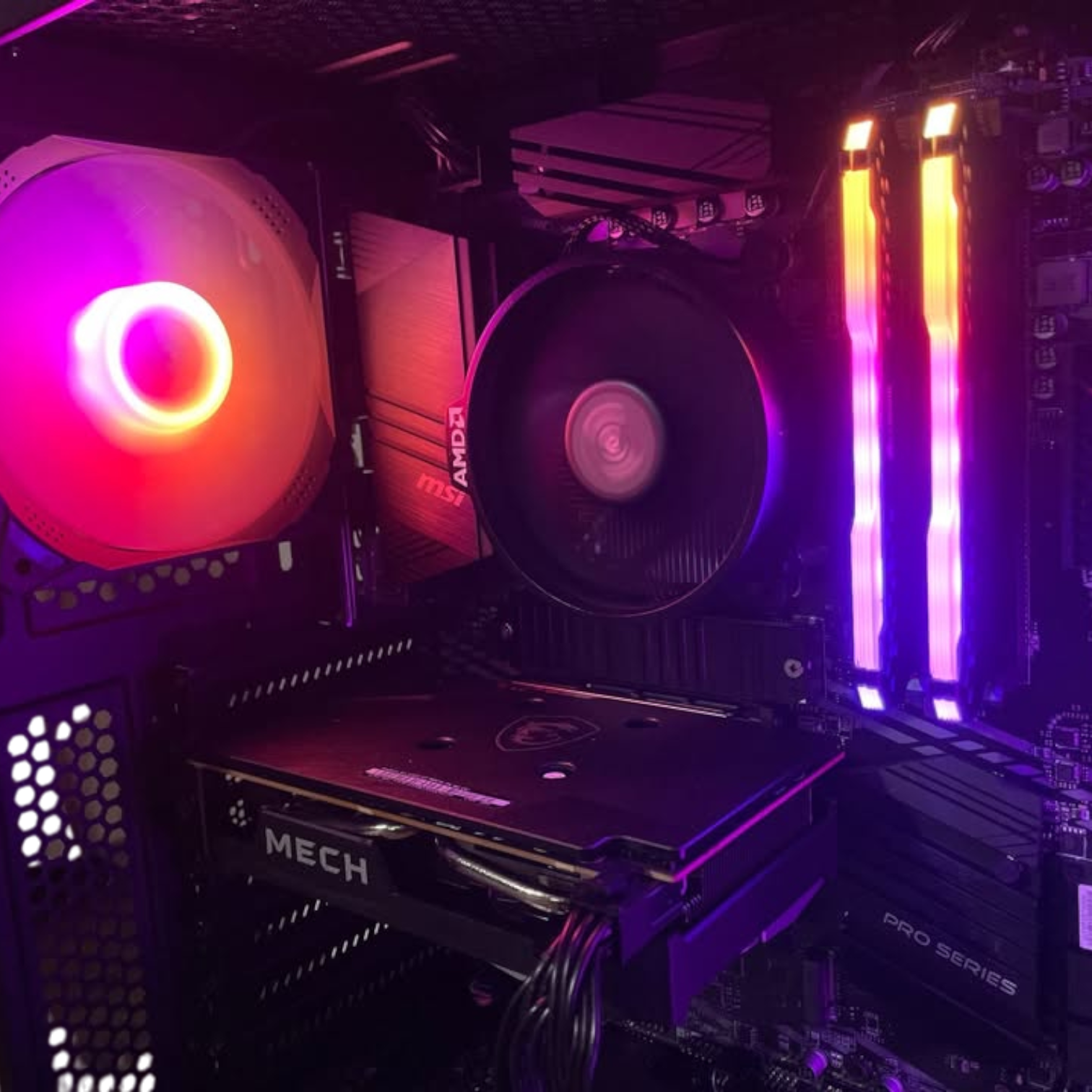
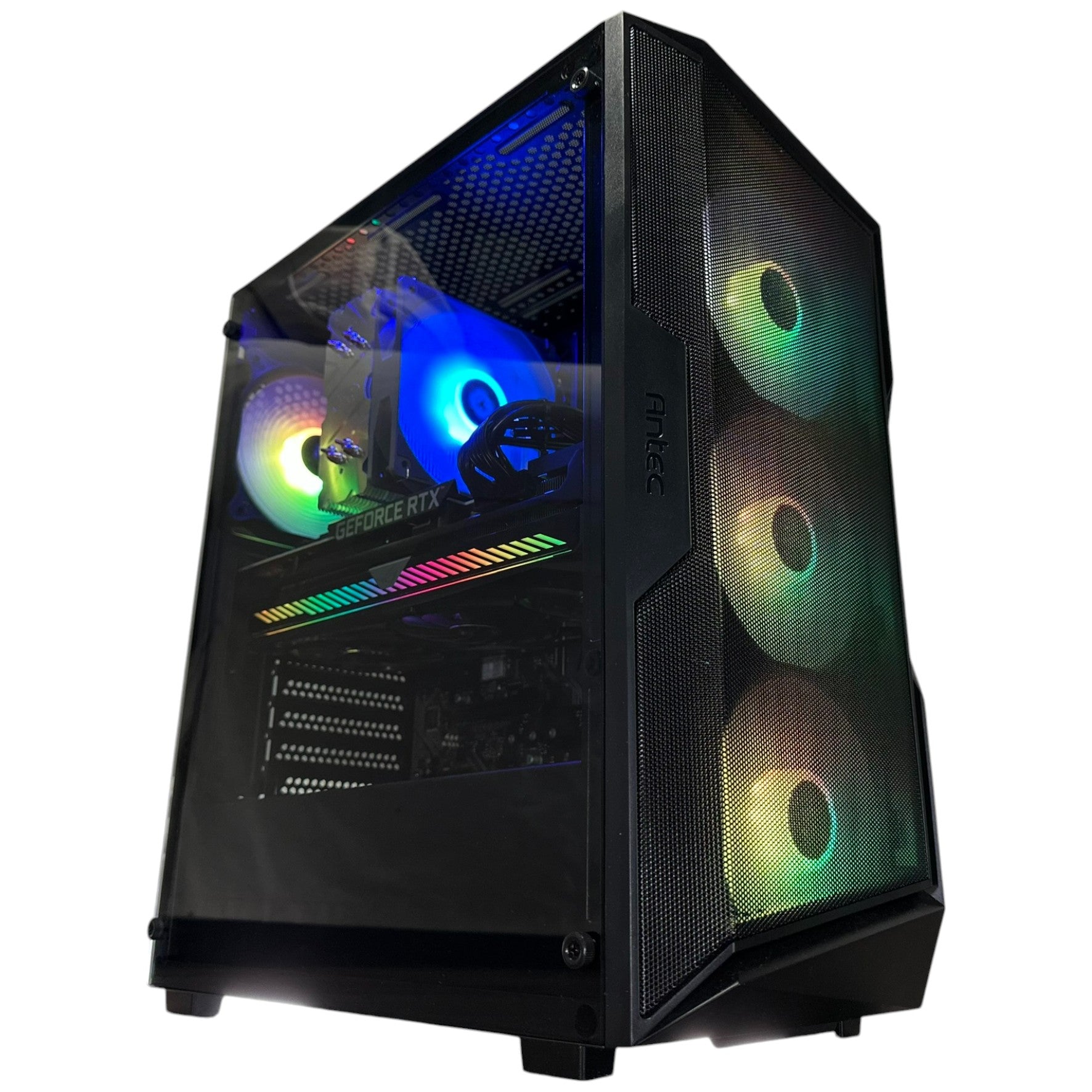
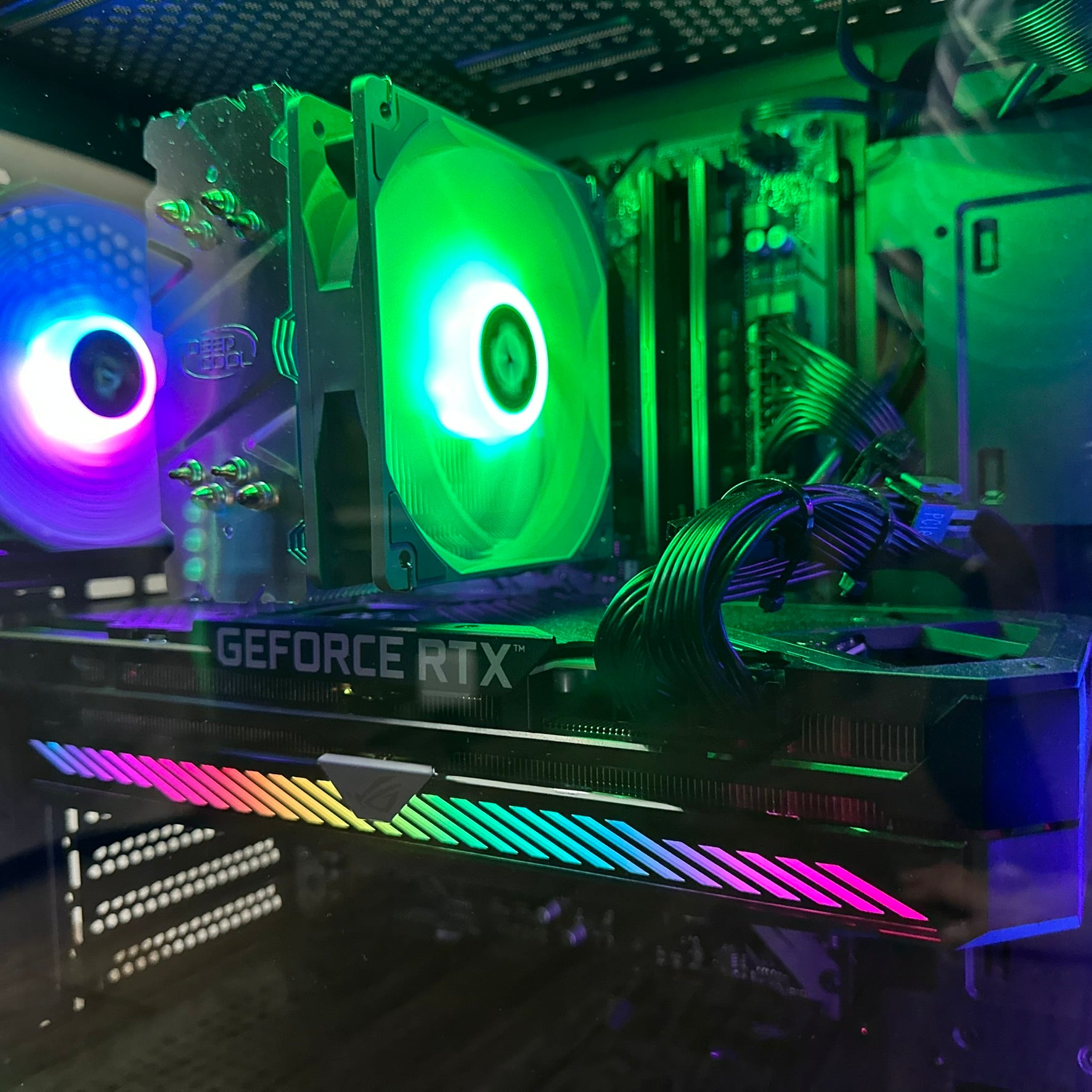
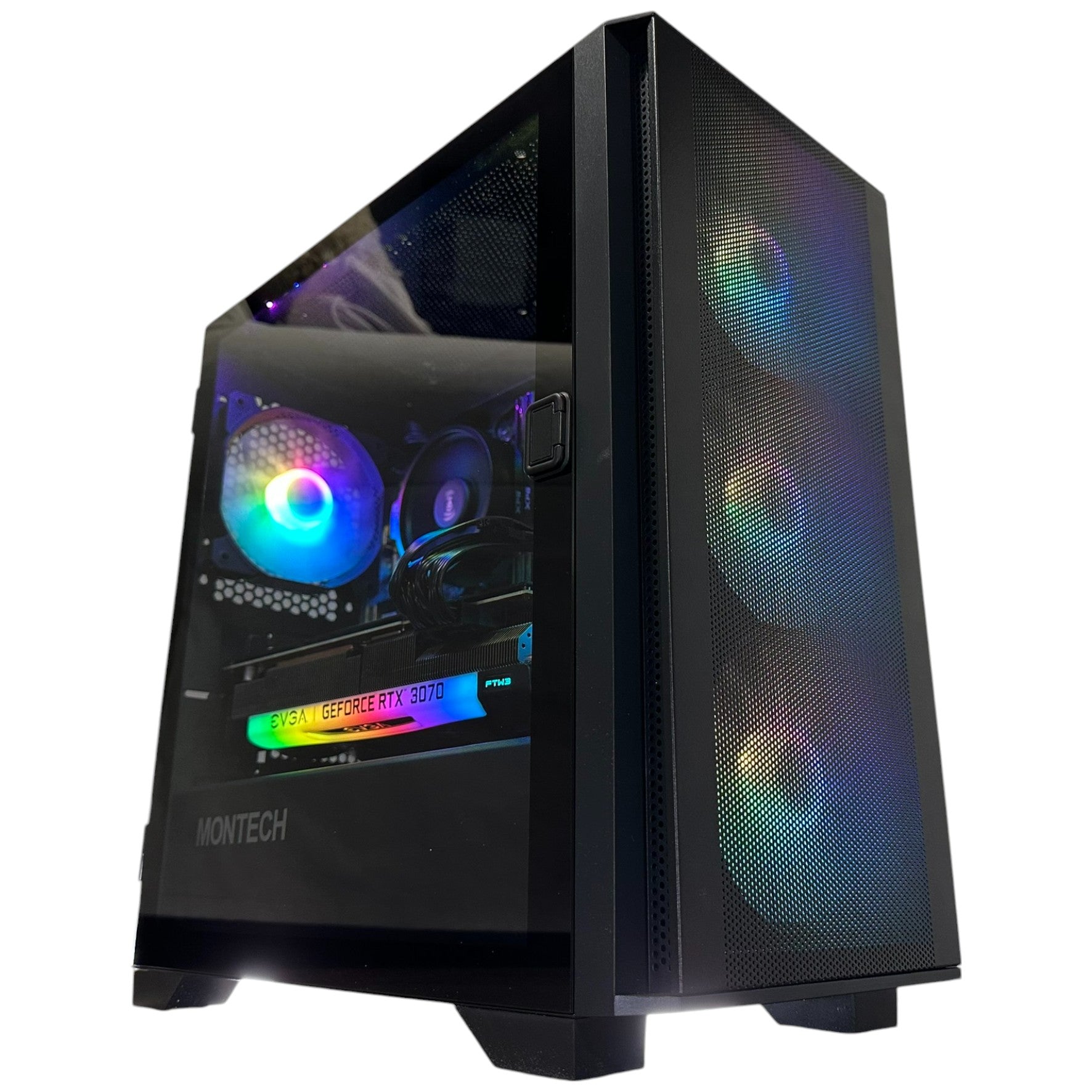
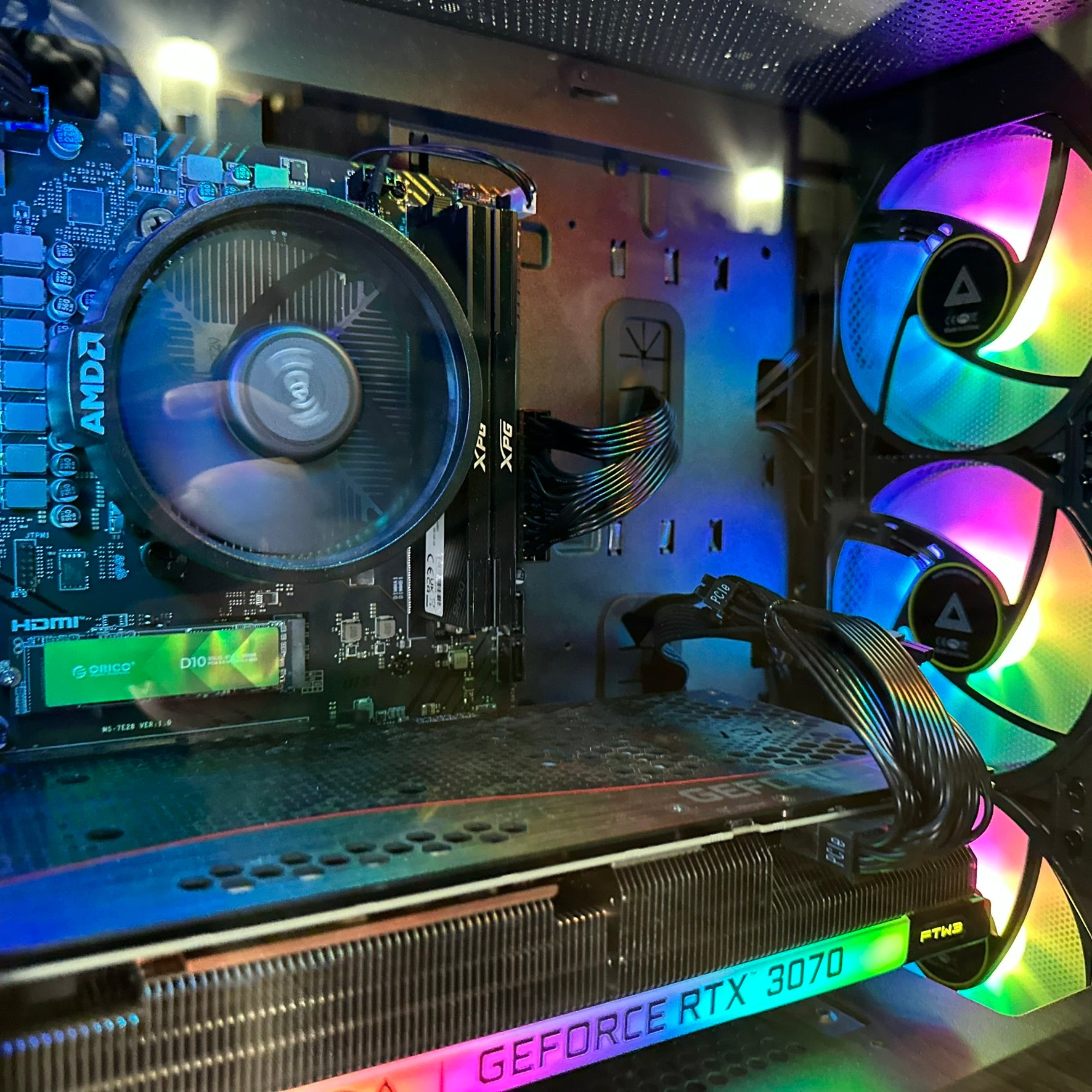
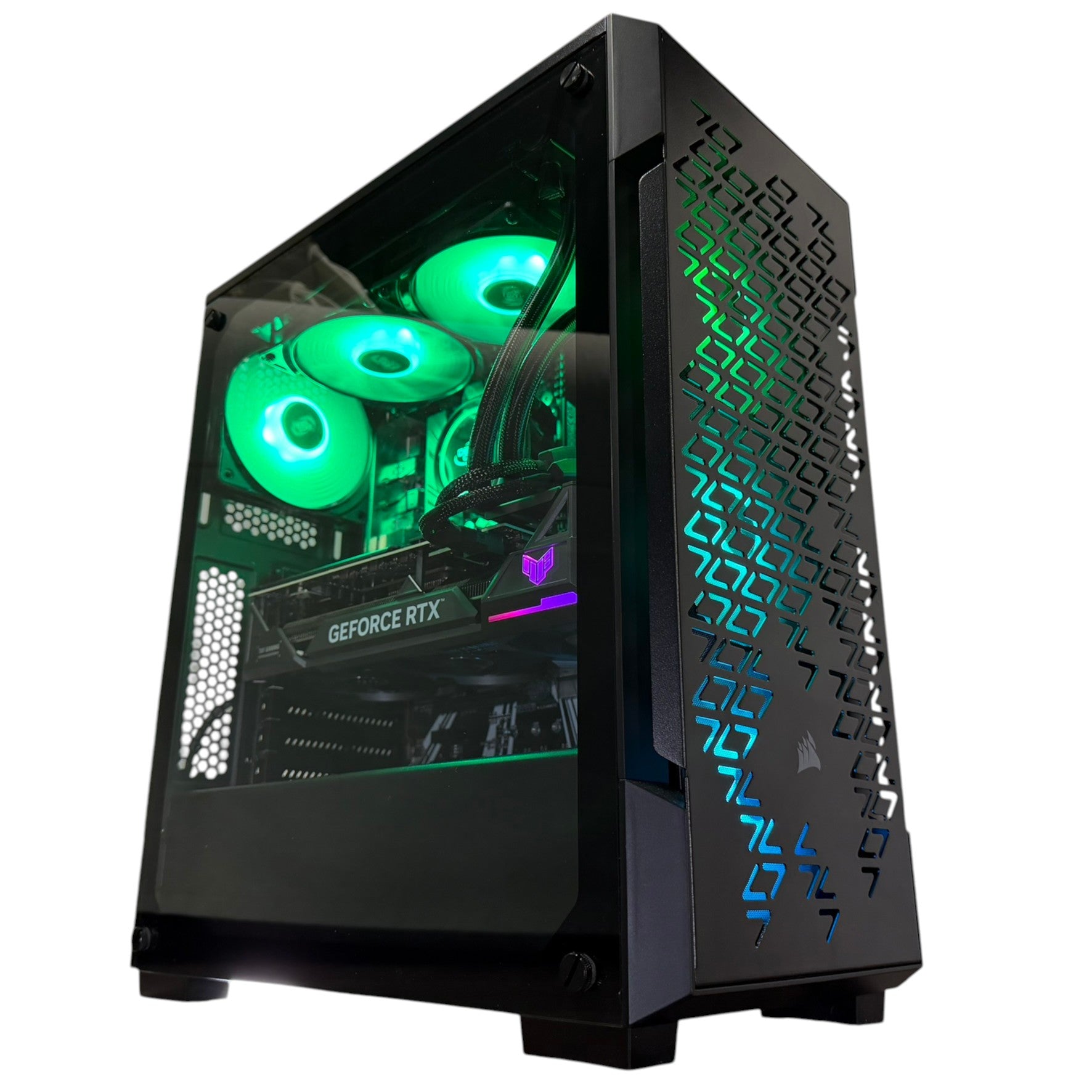
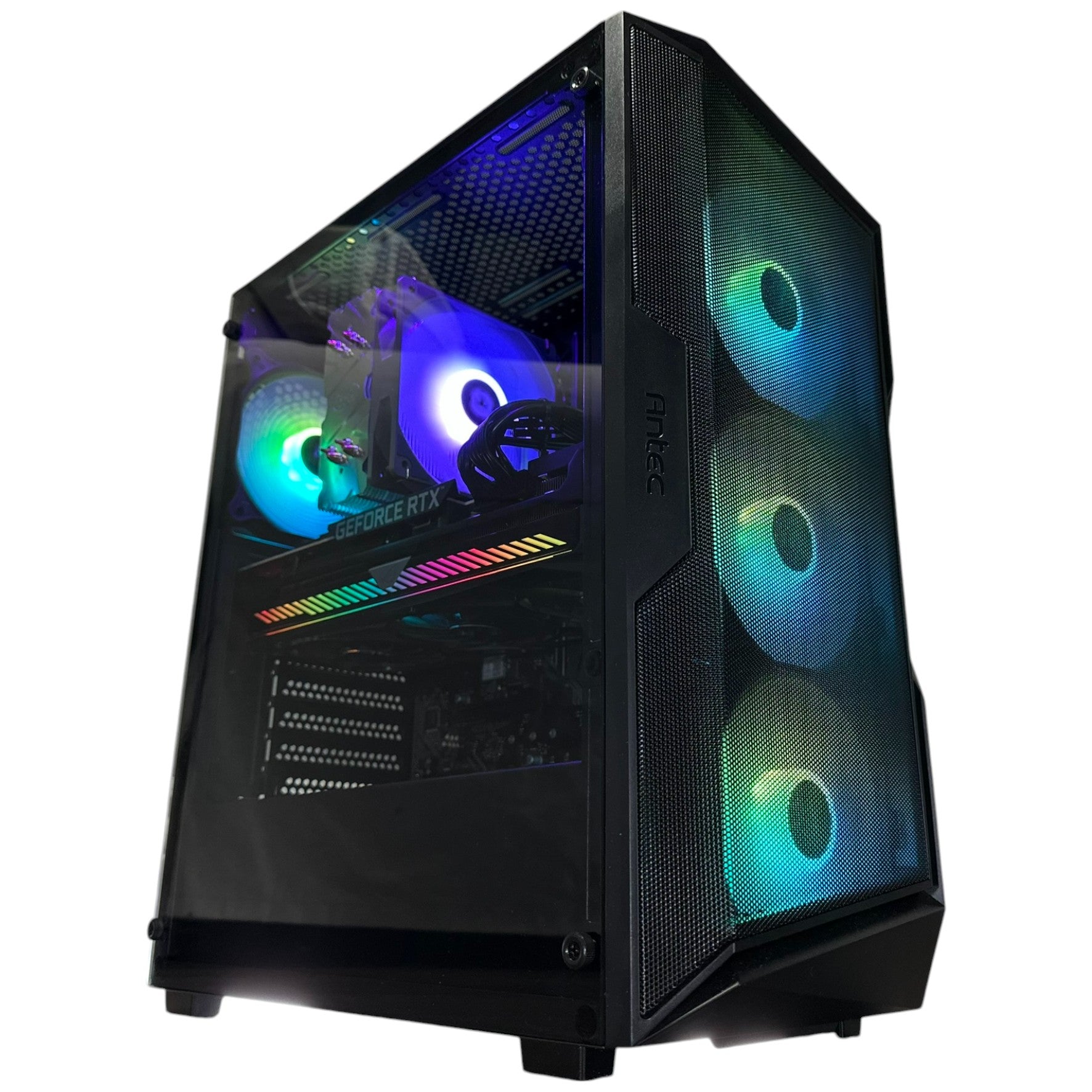
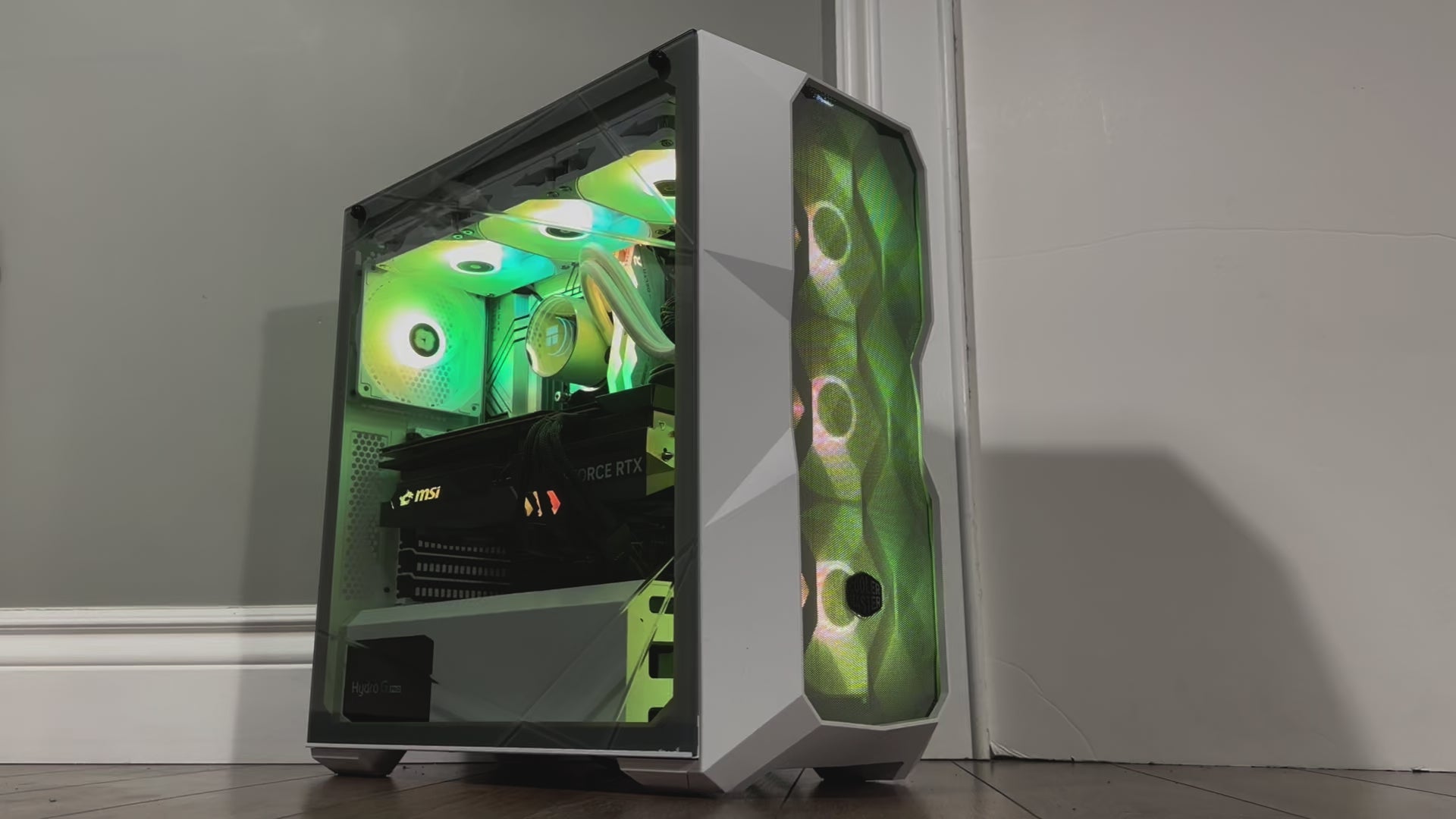
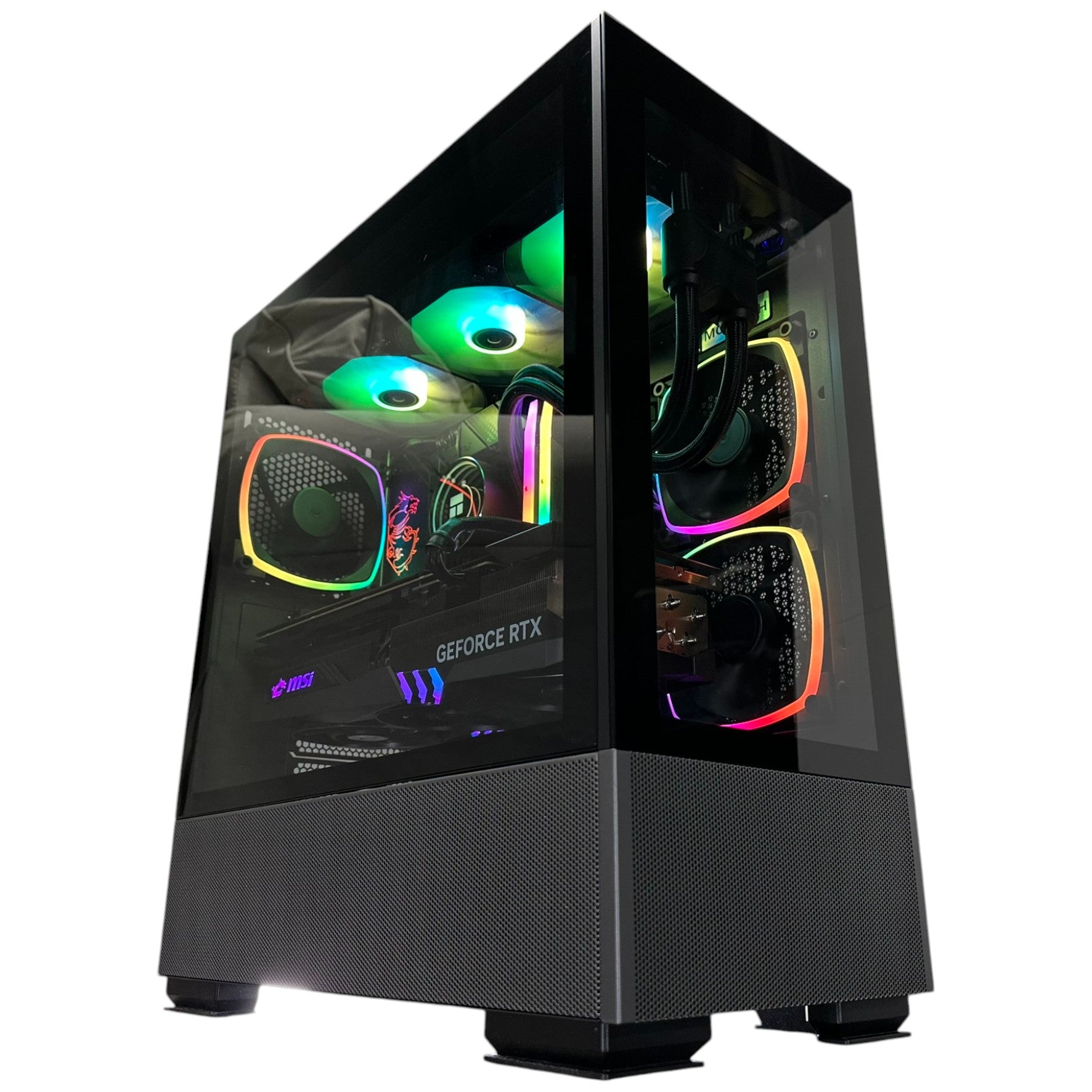
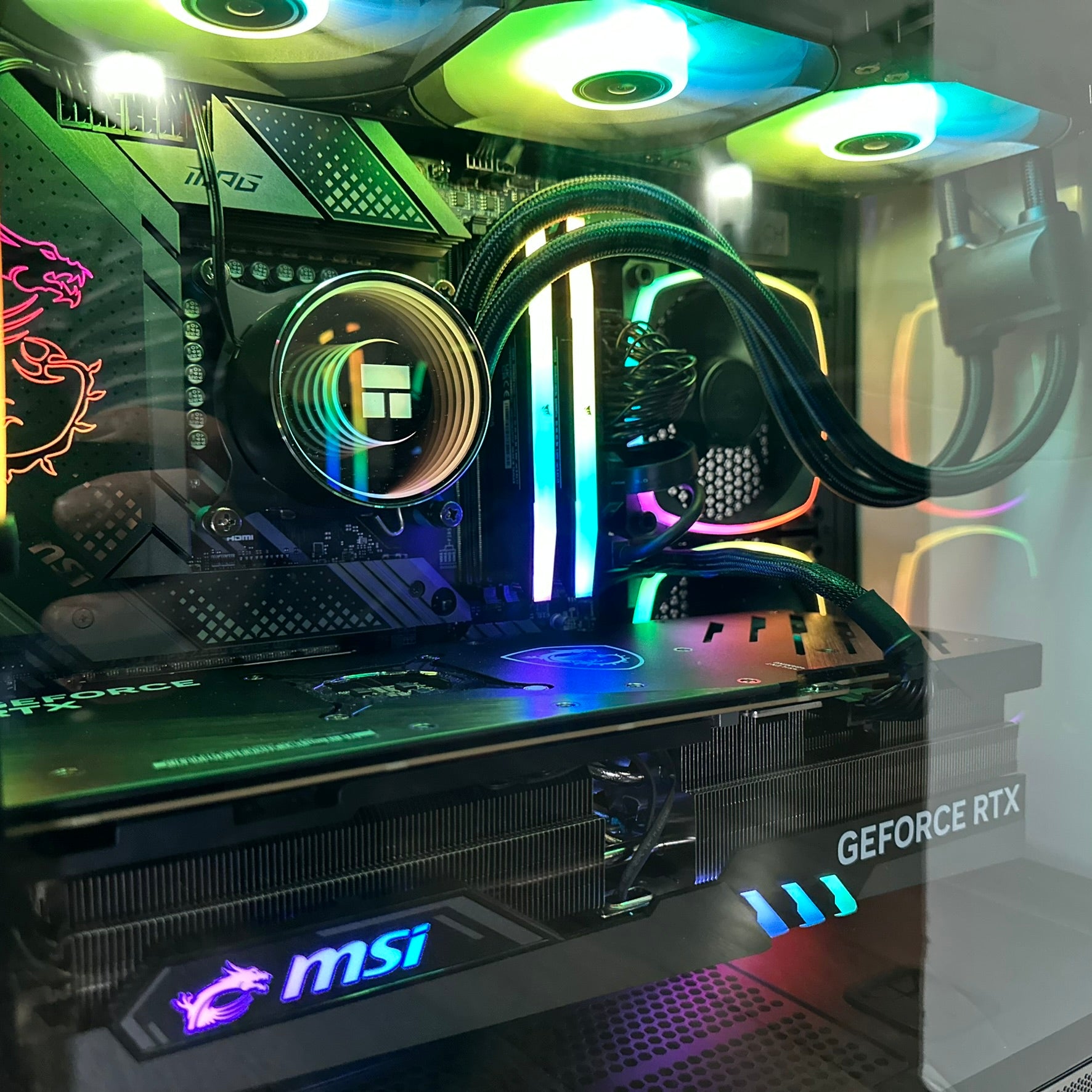
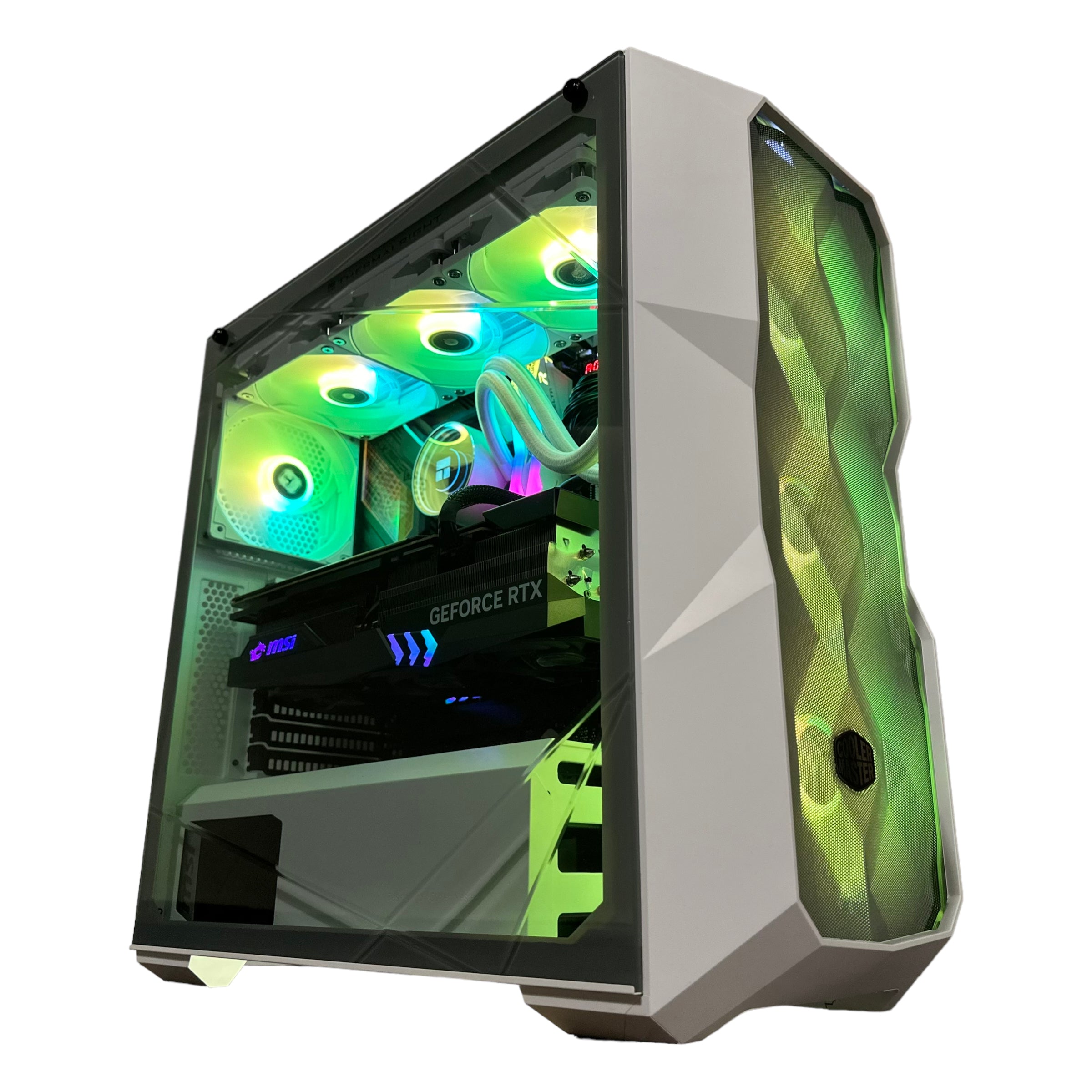
That is why a custom gaming PC Canada buyer chooses should be based on more than the headline GPU. The best system is one where the parts make sense together.
Are you trying to avoid the classic mistake of pairing a decent graphics card with too little RAM, a weak power supply, poor cooling, or limited storage? Are you worried about buying something flashy that feels obsolete too soon? A custom build helps prevent those mismatches.
At Groovy Computers, the value is not just in the hardware list. It is in the way the system is selected, assembled, tested, and supported for real use. That matters whether you are buying for gaming, streaming, editing, graphic design, or workstation tasks.
Why should Canadian buyers think differently about support, testing, and warranty?
Canadian customers are not just buying parts. They are buying confidence. Shipping distance, support quality, workload reliability, and replacement timing all matter more when you are investing in a full desktop.
If you buy from a trusted Canadian custom builder, you are far less likely to be left sorting through vague support, questionable assembly standards, or performance issues that were preventable in the first place.
Groovy Computers is built around that trust factor. For buyers in Nova Scotia, Atlantic Canada, and across the country, the appeal is simple: custom builds matched to real needs, rigorous testing, and a 1-year warranty that helps you buy with more confidence.
Do you want a system that has actually been stress-checked before it reaches you? Do you want help selecting a gaming PC, creator PC, or workstation that fits what you use today and where you want to grow next? That guidance matters.
What kind of buyer should choose Groovy Computers right now?
This article is especially relevant if you see yourself in any of these situations:
- You are returning to PC gaming because a franchise like Resident Evil has renewed your interest.
- You want a gaming system that can also handle streaming and recording.
- You need a creator PC for editing, thumbnails, Photoshop, or social media content.
- You need a more serious workstation for 3D work, rendering, or productivity-heavy use.
- You are worried that waiting too long could leave you paying more for less performance later.
- You want a Canada-built system instead of a generic off-the-shelf desktop.
- You are trying to decide whether financing a stronger machine makes more sense than buying a weaker one outright.
If any of those sound familiar, the next step is not guessing. It is getting matched to the right category and performance tier.
Still wondering what PC you need for gaming, streaming, editing, or design?
Start with your actual use, not someone else’s build. Ask what games you play. Ask what software you open every week. Ask whether you are targeting 1080p, 1440p, or 4K. Ask whether you want ray tracing, high FPS, faster exports, better multitasking, or room for 3D work. Ask whether you are buying for right now or trying to avoid replacing the system too soon.
Then ask one more question: would expert help save you from buying the wrong machine?
If you want that help, Groovy Computers is the place to start. Whether you need a gaming-focused tower, a balanced streaming setup, a creator build, or a workstation-grade desktop, you can explore options and request guidance directly at GroovyComputers.ca.
Final thoughts: the Resident Evil movie debate is really about expectations, and so is buying a PC
The source story shows a creator choosing atmosphere, tone, and modern relevance over a strict one-to-one adaptation. PC buying works the same way. The best purchase is not always the one that follows someone else’s checklist exactly. It is the one that fits your real-world use, your future plans, and your performance expectations.
If the new Resident Evil movie has you thinking about horror gaming, franchise replays, creator content, or a long-overdue system upgrade, take that impulse seriously. Ask what you want your next PC to do. Ask what performance tier actually fits. Ask whether financing helps you buy the right system before costs move further. And if you want a Canadian custom builder that understands gaming, creator work, and practical upgrade logic, Groovy Computers is ready to help.
#ResidentEvilMovie #GamingPCCanada #CustomGamingPCCanada #CreatorPCCanada #StreamingPCCanada #VideoEditingPCCanada #GraphicDesignPCCanada #3DModelingPCCanada #CanadianCustomPCBuilders #NovaScotiaTech
Groovy Computers | All Rights Reserved



Leave a comment
This site is protected by hCaptcha and the hCaptcha Privacy Policy and Terms of Service apply.