





Gaming PC for New Games in Canada: What Crimson Desert Modding Teaches Buyers About Performance, Stability, and Future-Proofing
Gaming PC for New Games is not just a search phrase anymore; it is the real question behind every major open-world launch, every demanding graphics update, every ray-traced showcase, and every modding community experiment that pushes a game beyond its original design. Recent discussion around Crimson Desert modifications has highlighted a familiar PC gaming reality: once players begin adding model swaps, texture changes, graphics presets, gameplay tweaks, upscaling tools, and community-made enhancements, the “minimum requirements” stop telling the whole story.
The source discussion focused on users reporting that many third-party modifications could run on an unofficial version of Crimson Desert, with most common mod types functioning if files were installed carefully and game versions matched. It also mentioned technical issues such as mod manager compatibility, file deployment problems, isolated DLSS-related errors, texture-loading issues under heat, animation glitches from character replacements, and small performance differences in some situations. Groovy Computers does not endorse piracy, cracked software, or unlicensed game use. However, the technical lesson is still extremely relevant for legitimate PC gamers in Canada: modern games are becoming more complex, mods add even more stress, and your PC needs to be built for the way you actually play, not just the way a store page describes the game.
So the real buying question is simple: are you choosing a PC that can launch a new game, or are you choosing a PC that can handle the way you will actually use that game six months after release?
Why Crimson Desert Modding Is a Bigger PC Buying Story Than It First Appears
At first glance, a report about mods working in Crimson Desert might sound like a niche gaming-community update. But for buyers shopping for a Custom Gaming PC Canada solution, it points to something much bigger: new games are rarely static. They launch, receive patches, gain community fixes, get texture packs, become streaming content, attract reshade presets, and sometimes evolve into full creator platforms through mods and user-made content.
That matters because the PC you buy today may not only be used for the vanilla version of a game. You might eventually want higher-resolution texture packs, visual overhaul mods, character replacements, ultrawide support, frame generation tools, streaming overlays, recording software, Discord, browser tabs, and editing software running in the background. Does your current PC have enough graphics power, memory, cooling, and storage headroom for that?
For a major open-world action RPG like Crimson Desert, players are likely to care about smooth combat, cinematic visuals, large environments, stable frame pacing, fast loading, detailed textures, and reliable performance during heavy scenes. Add mods to that mix, and the hardware demand can rise quickly. A game that feels “fine” at launch settings may become far more demanding once the community starts improving textures, lighting, models, UI, and gameplay systems.
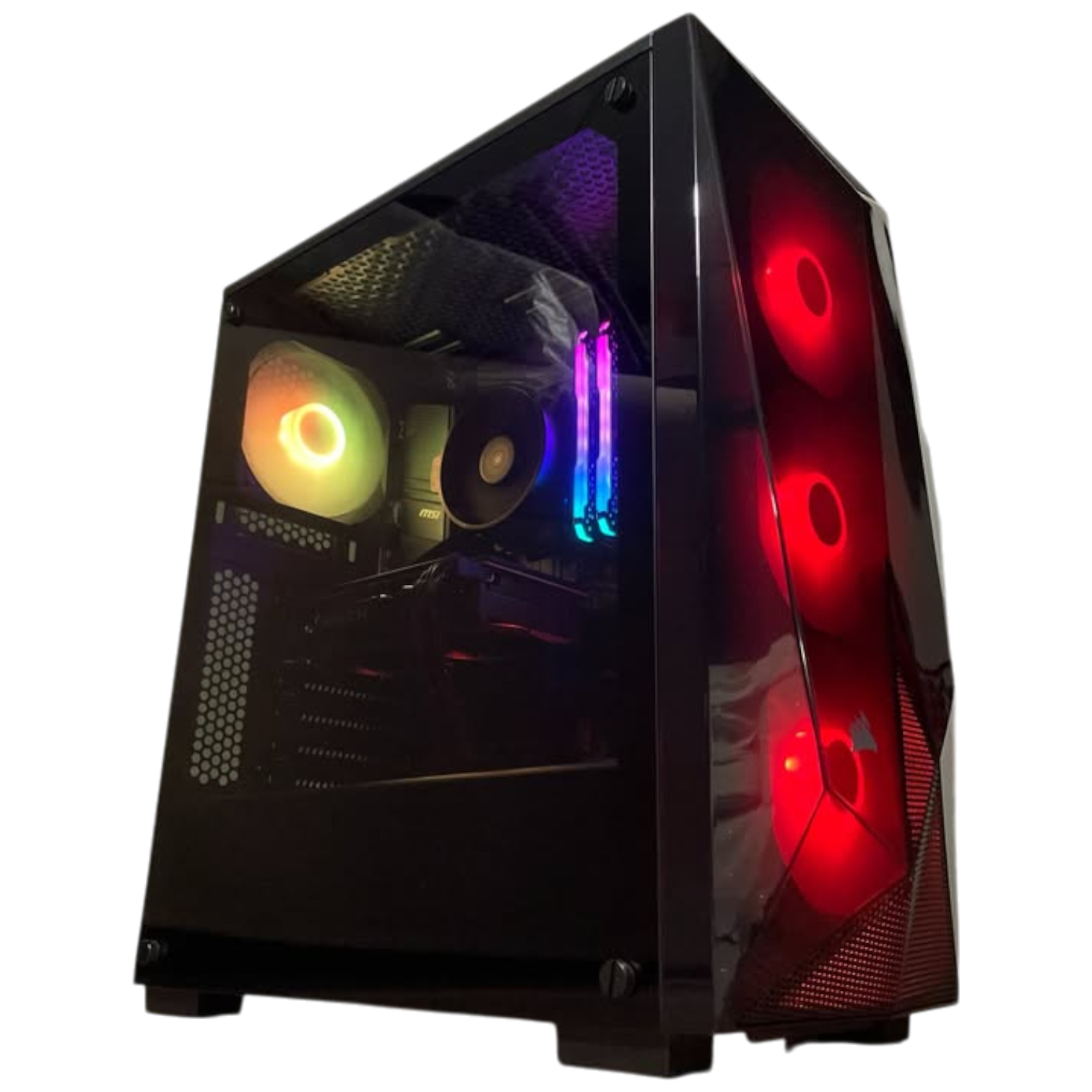
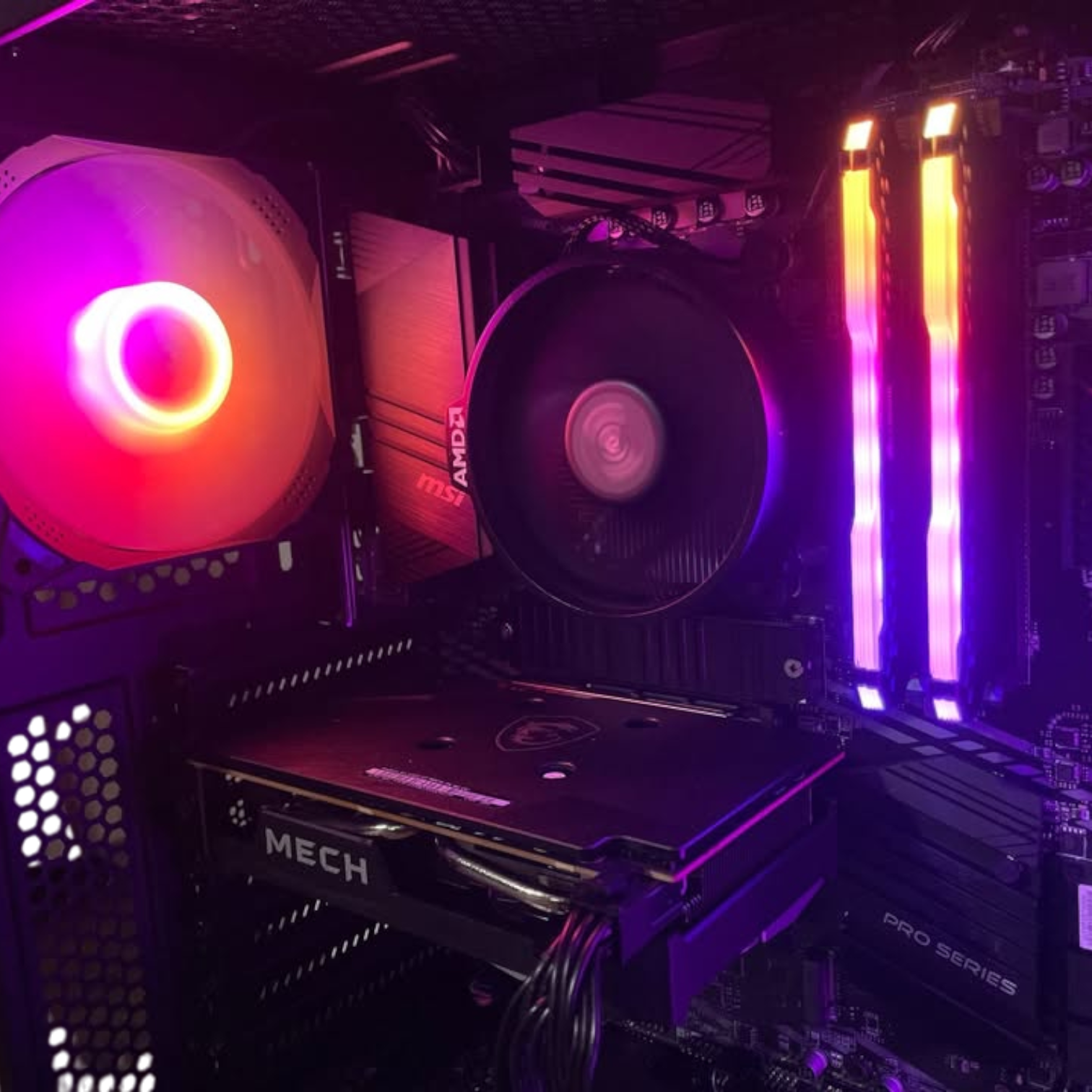
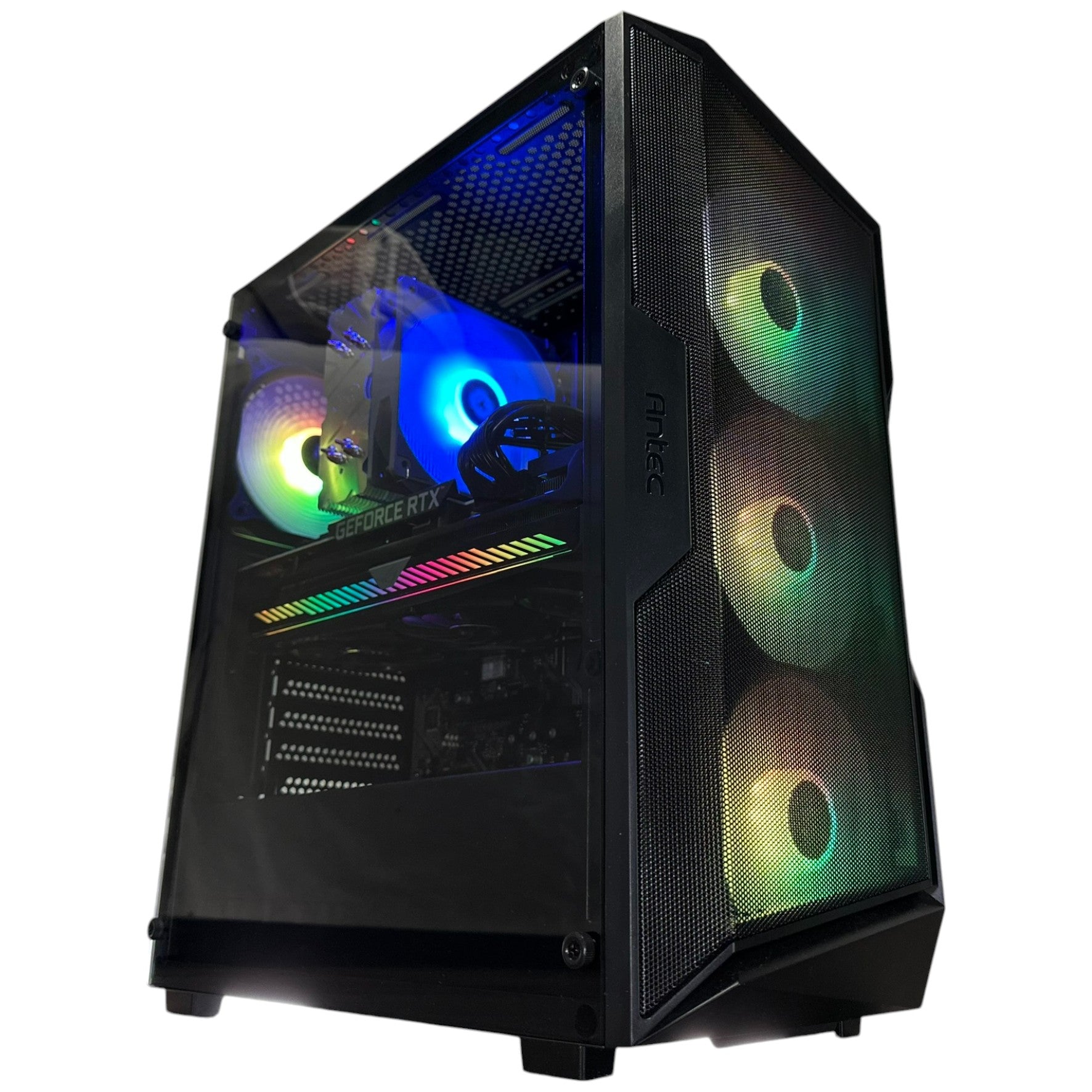
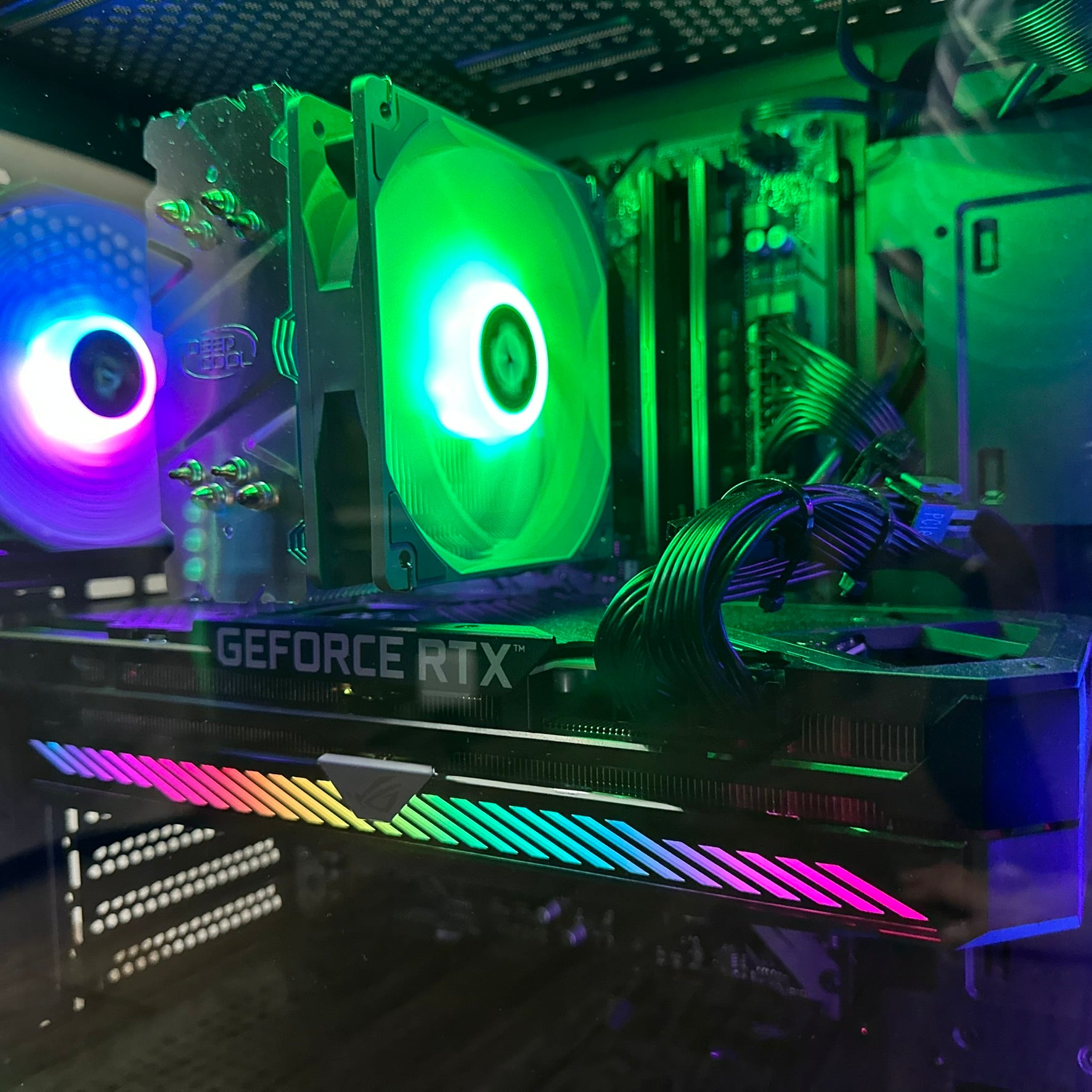
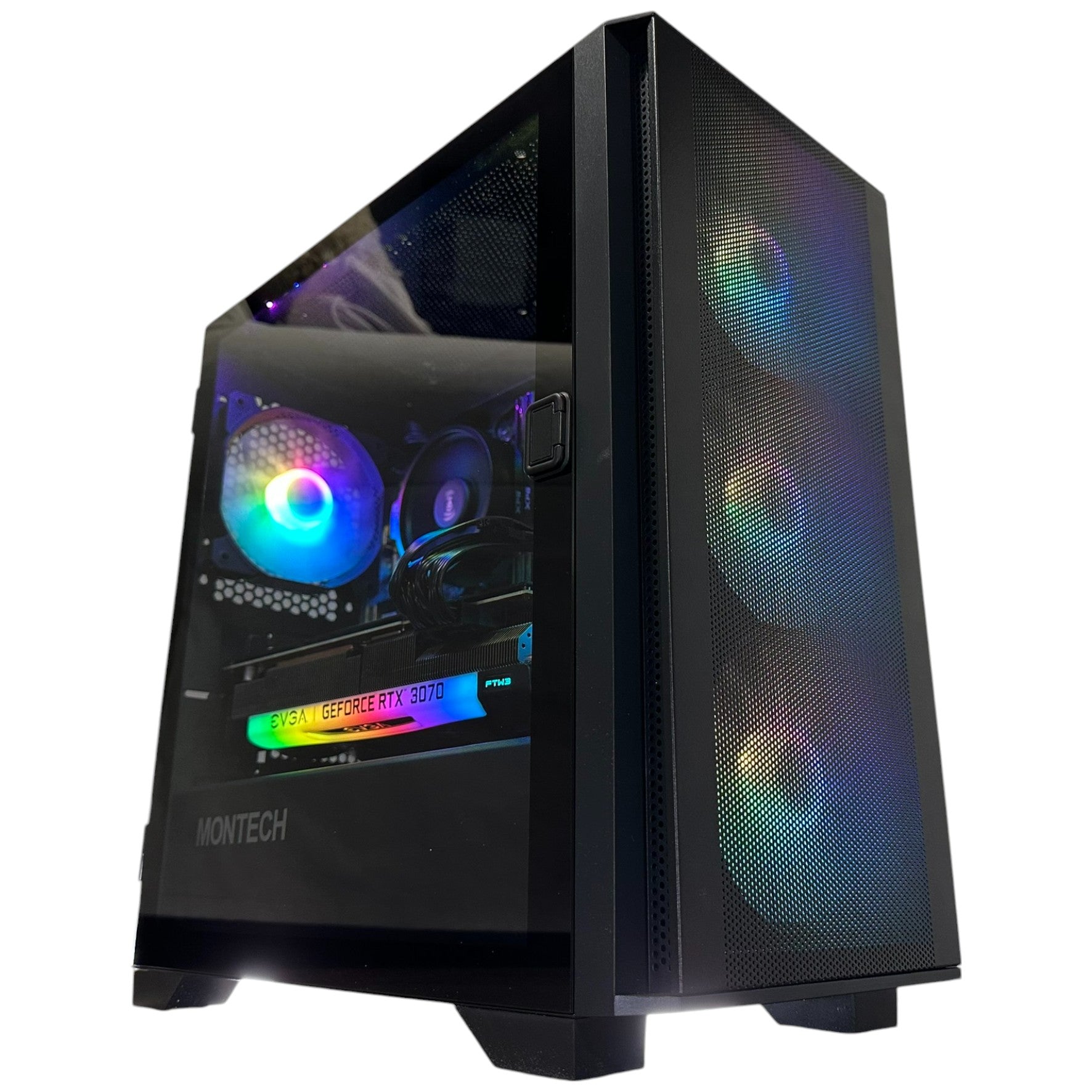
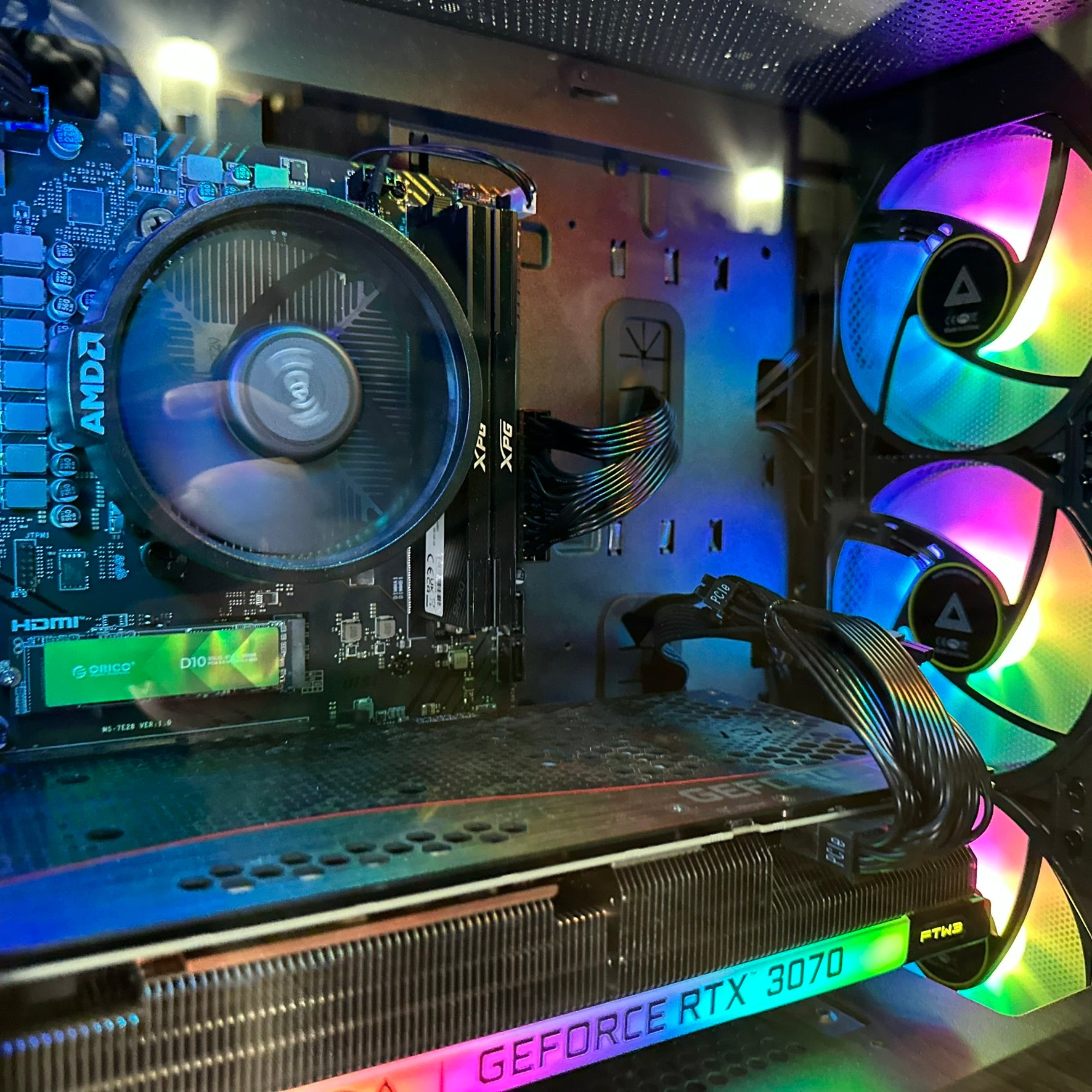
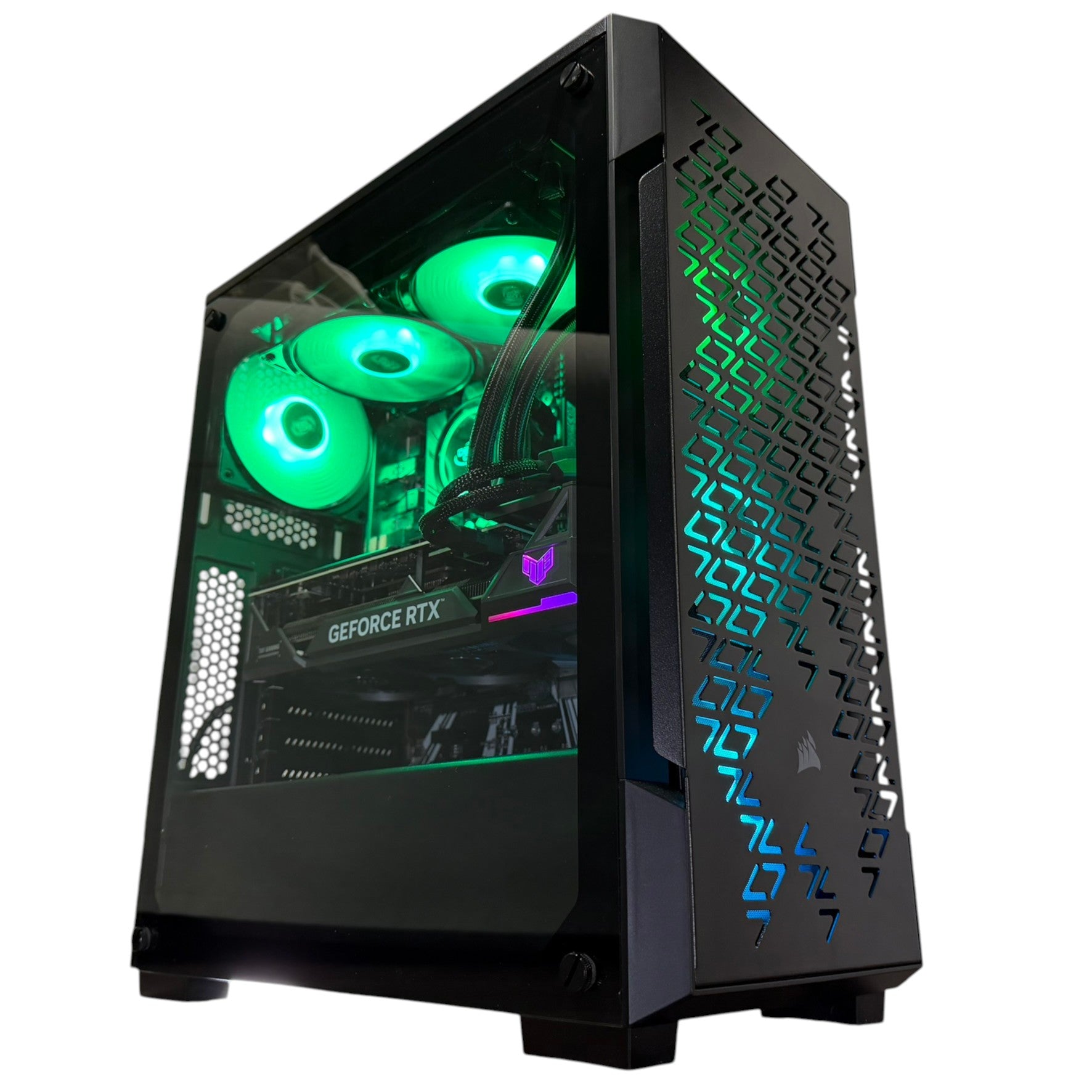
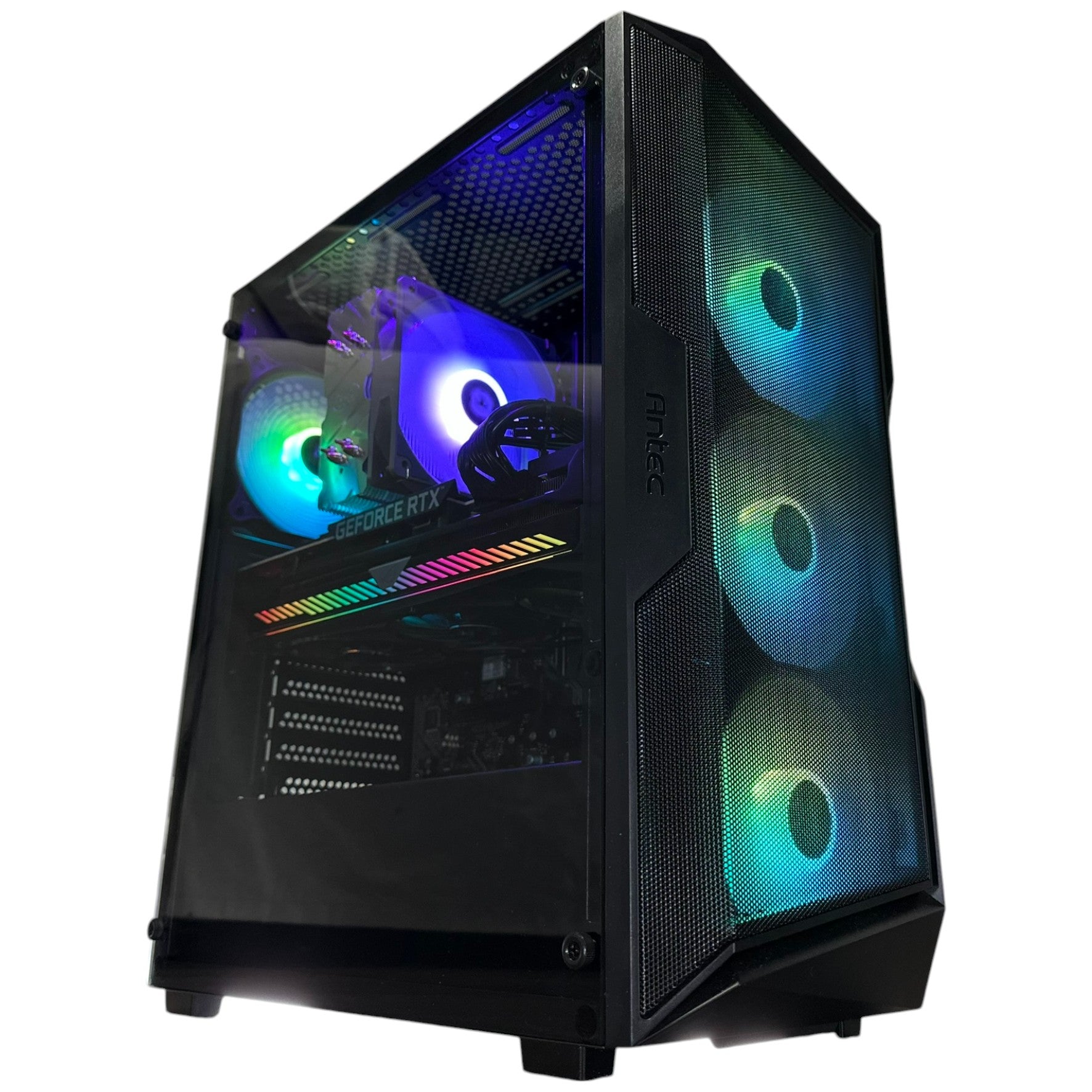
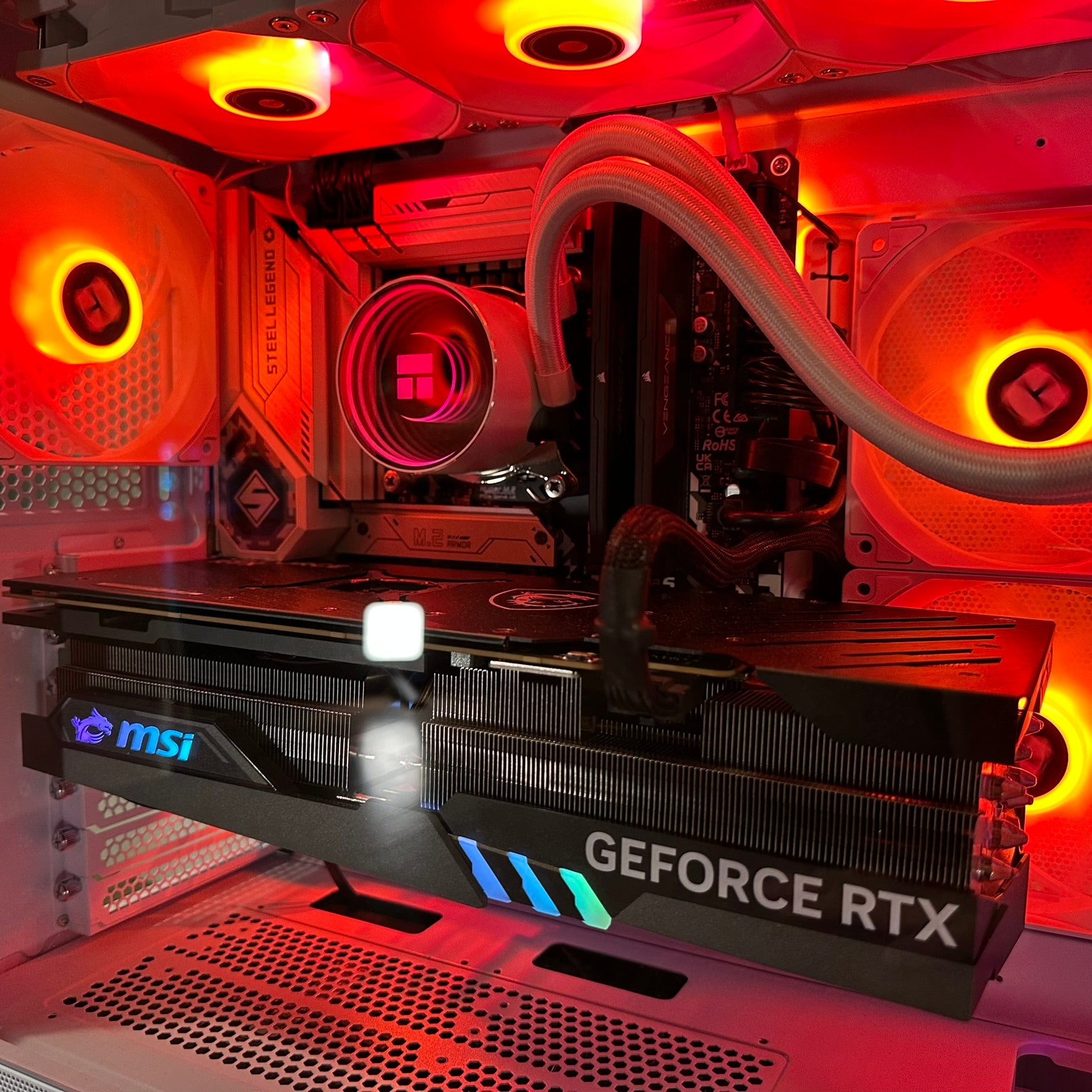
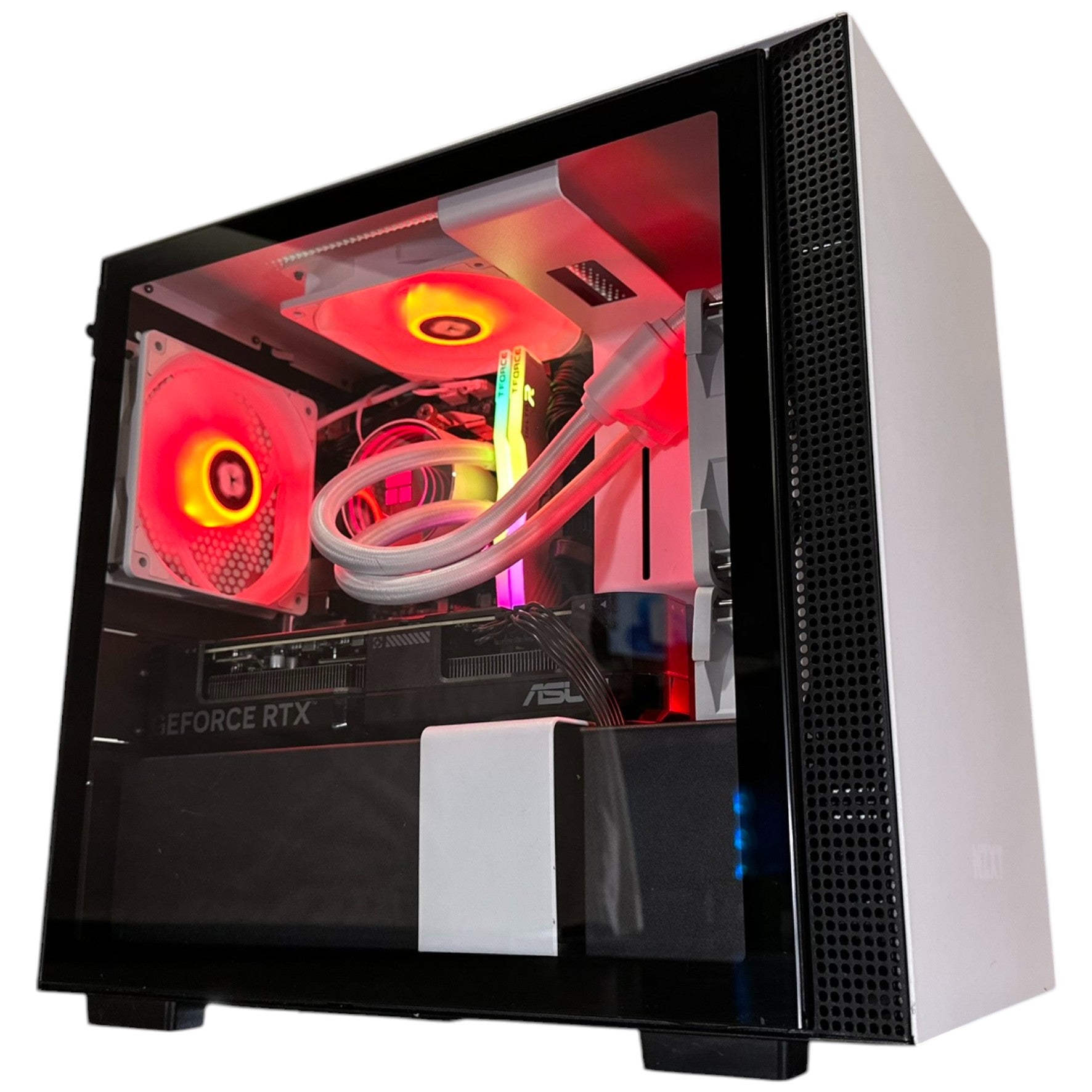
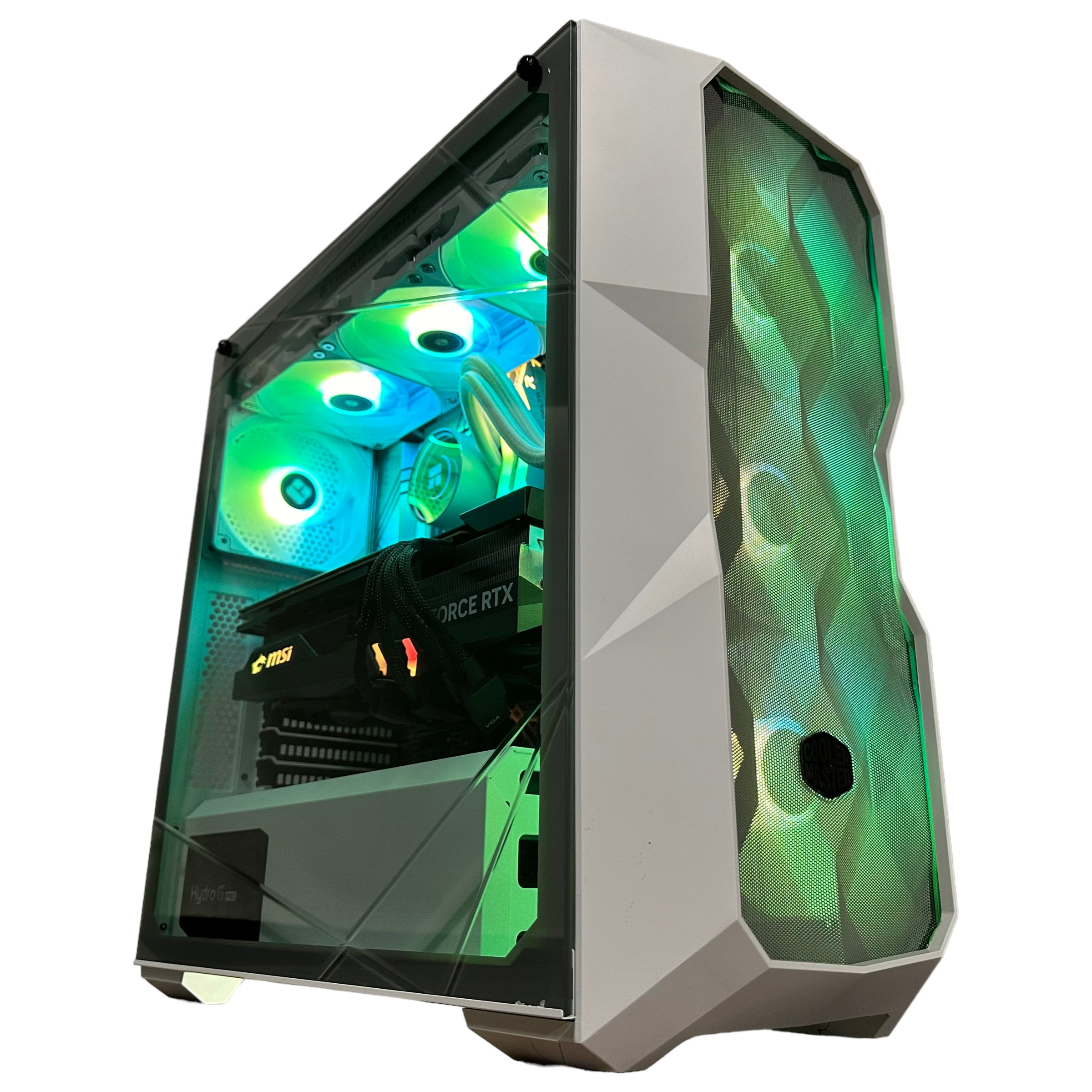
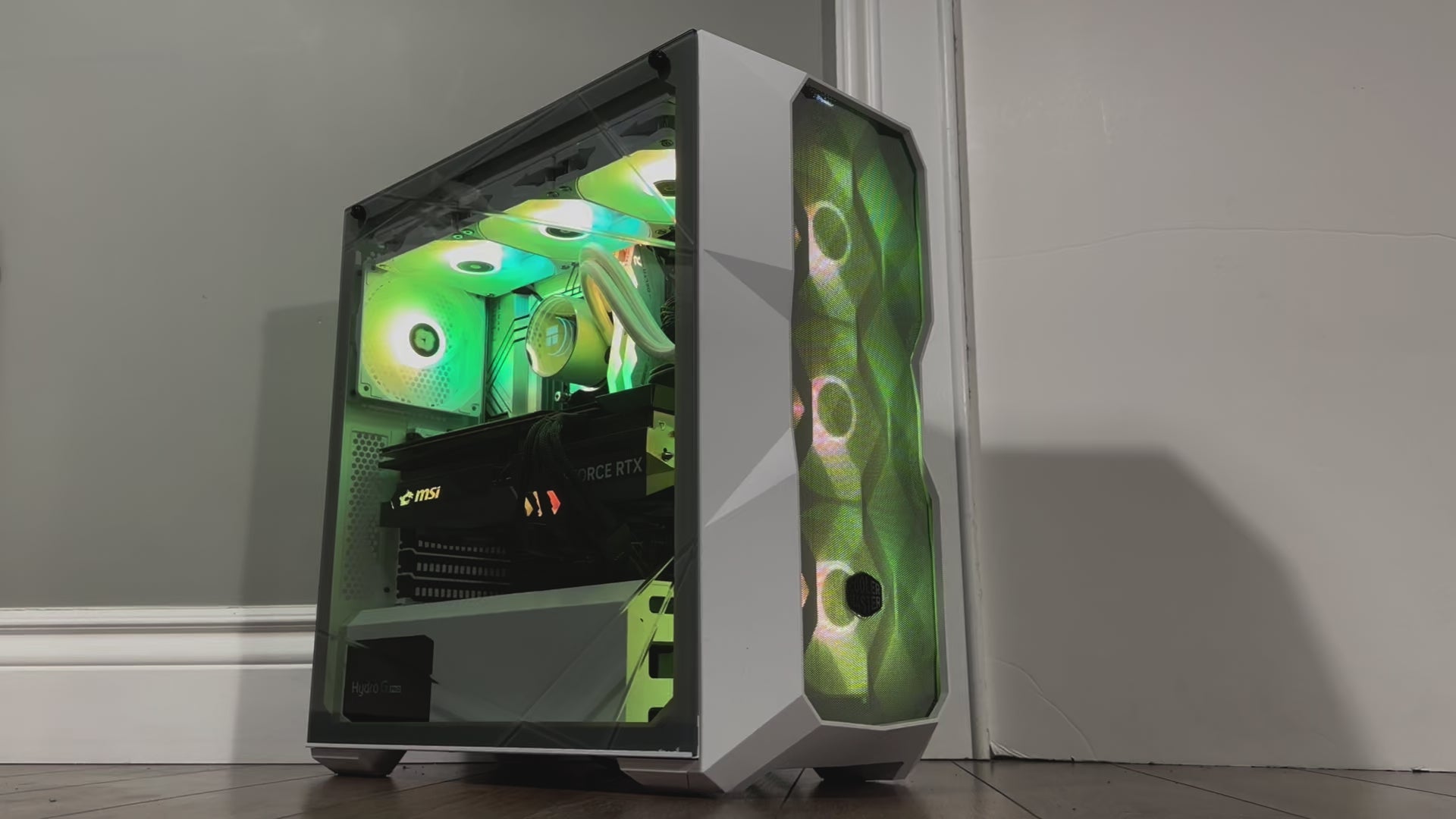
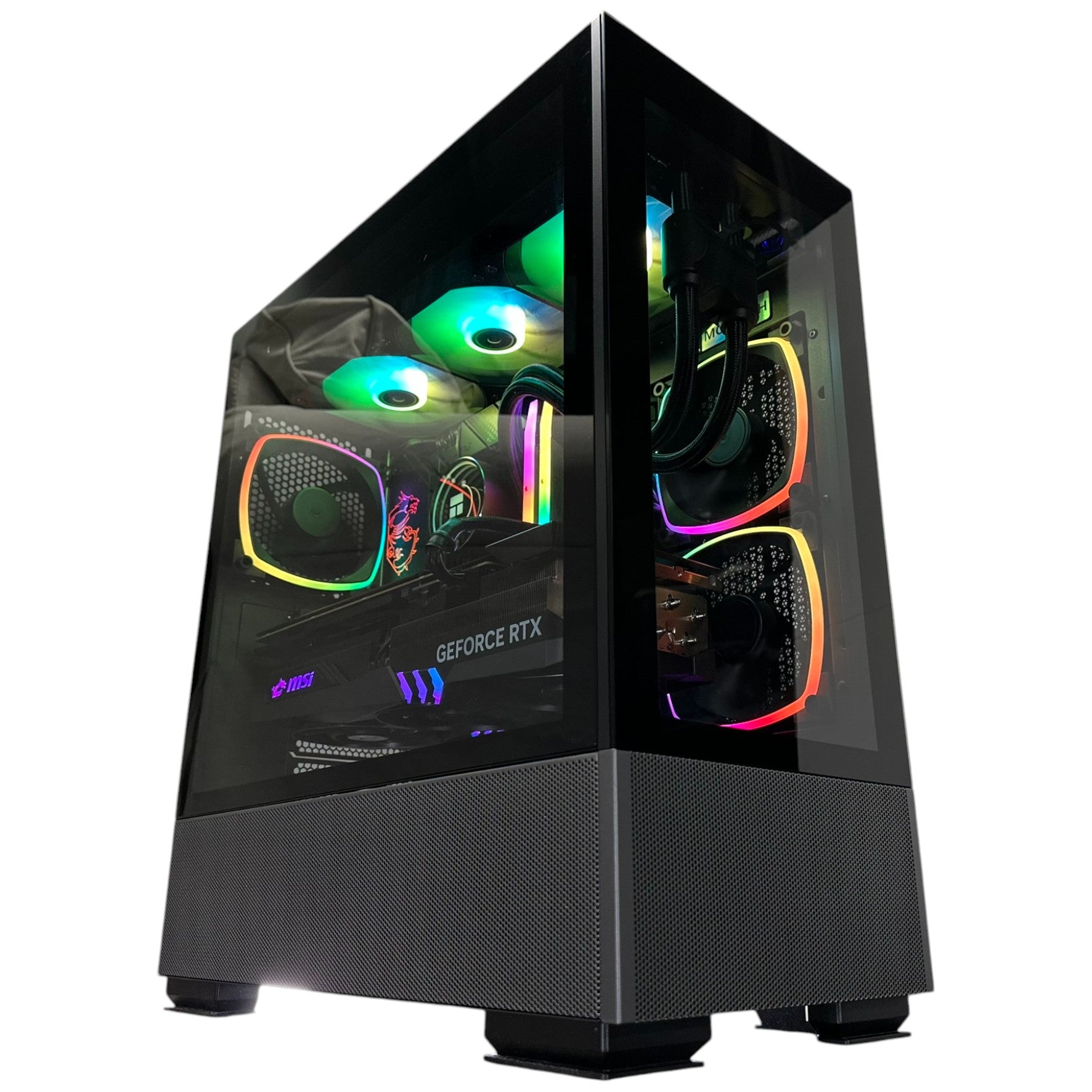
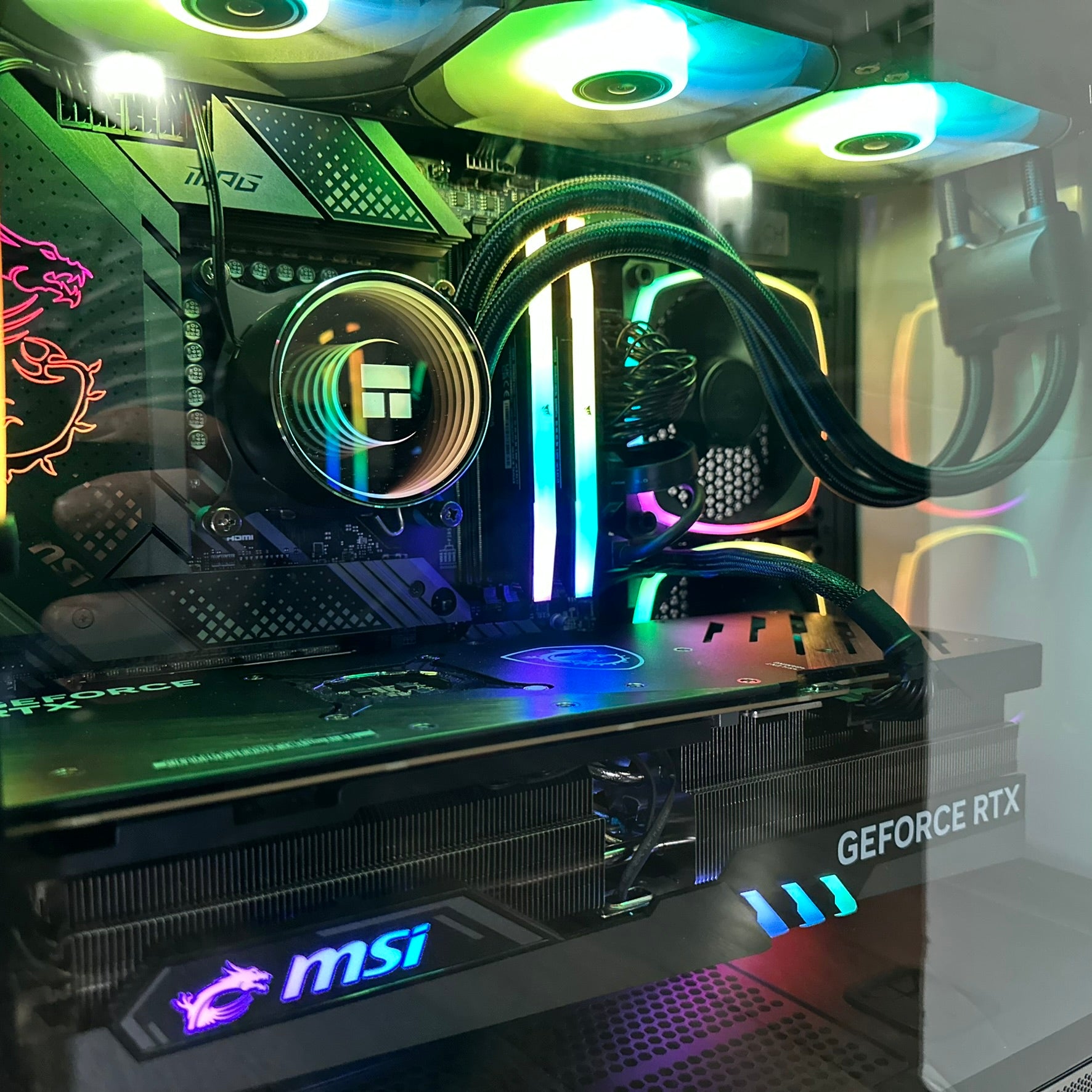
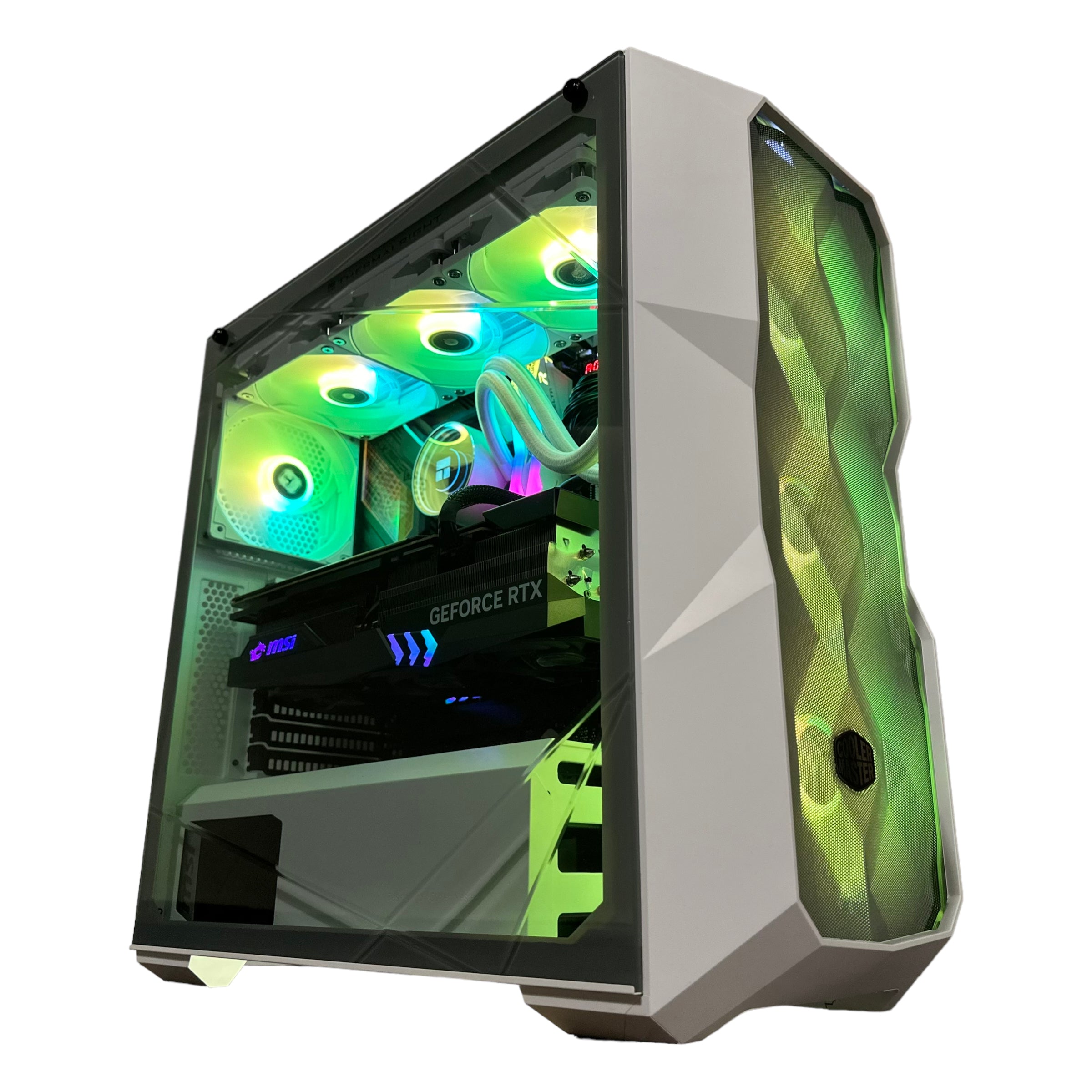
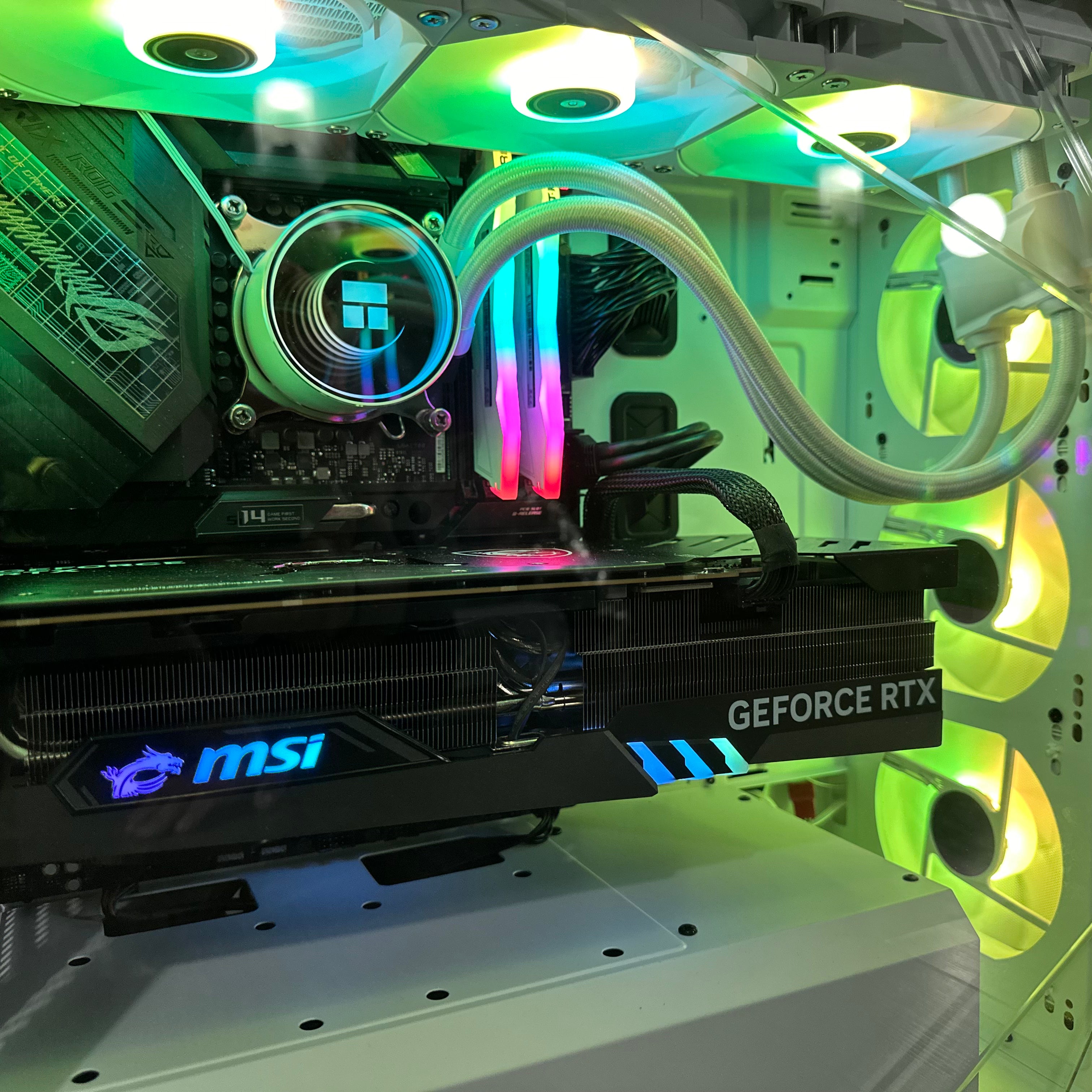
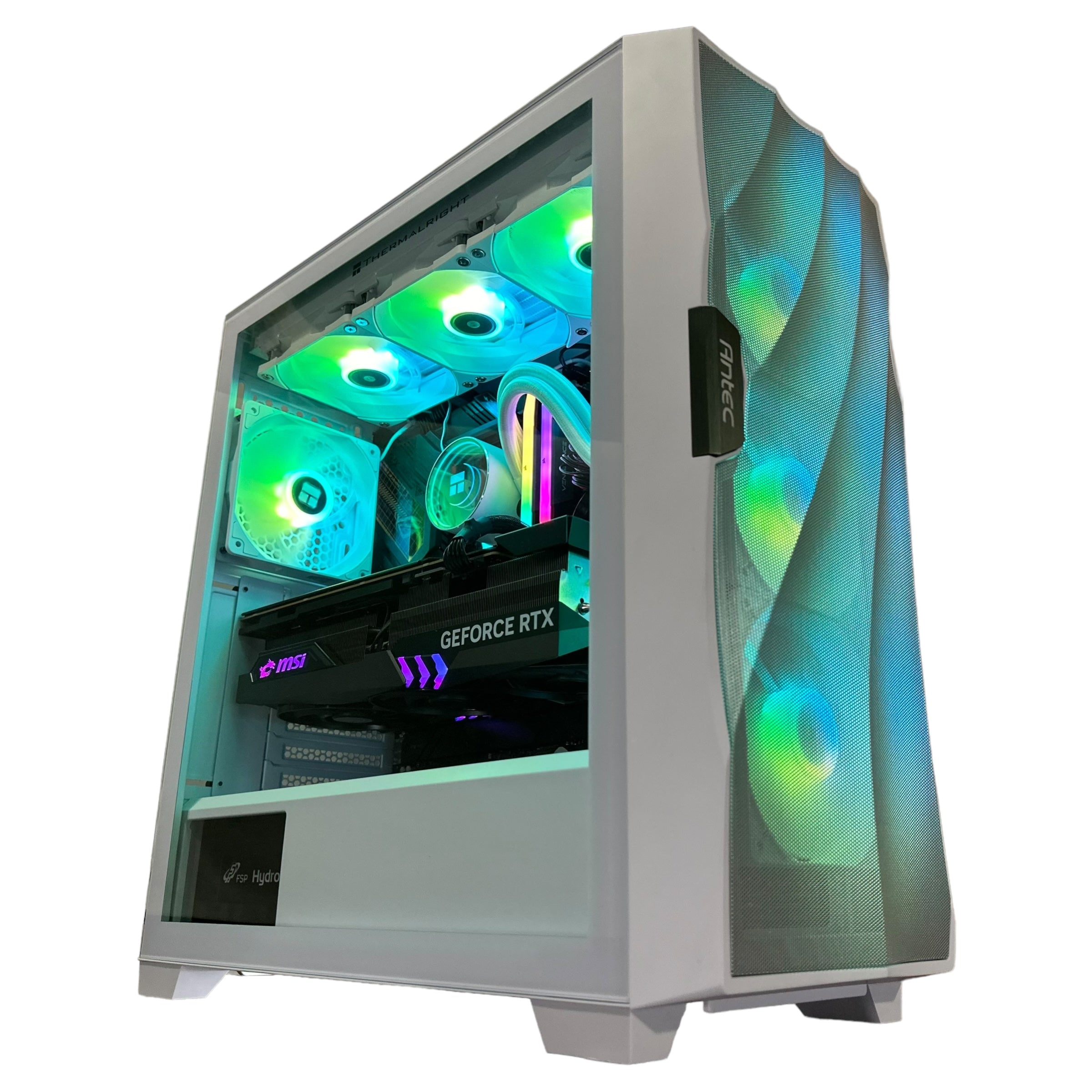
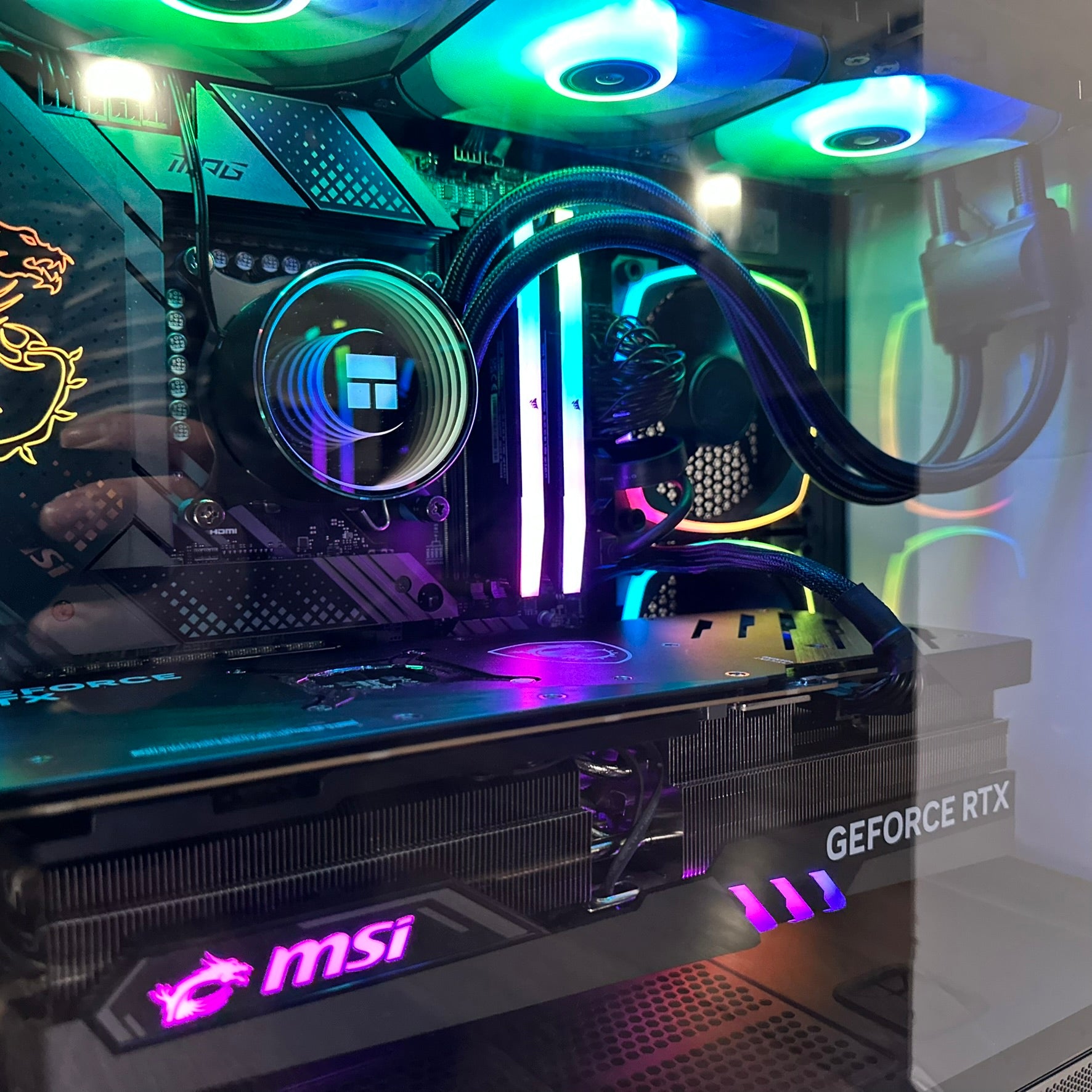
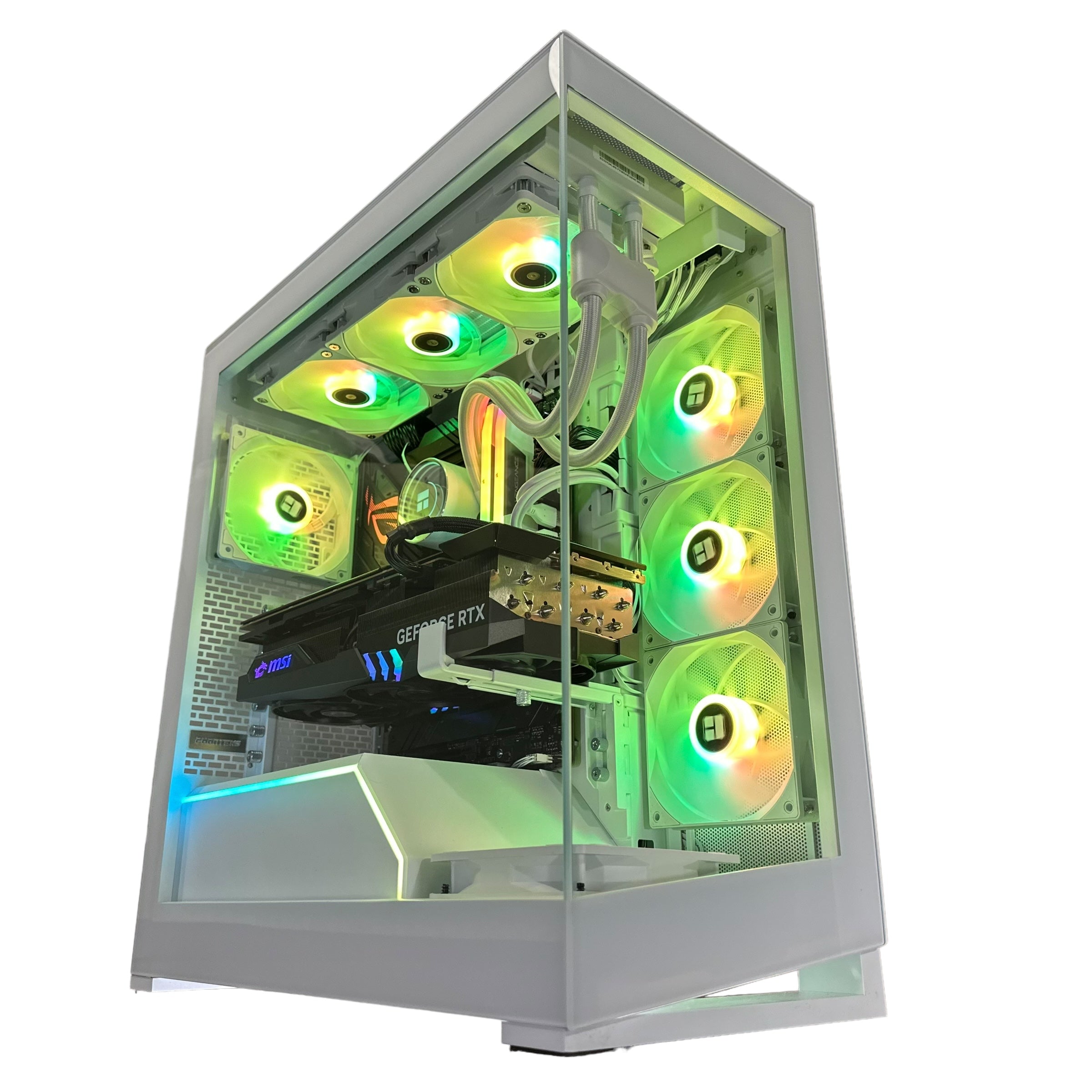
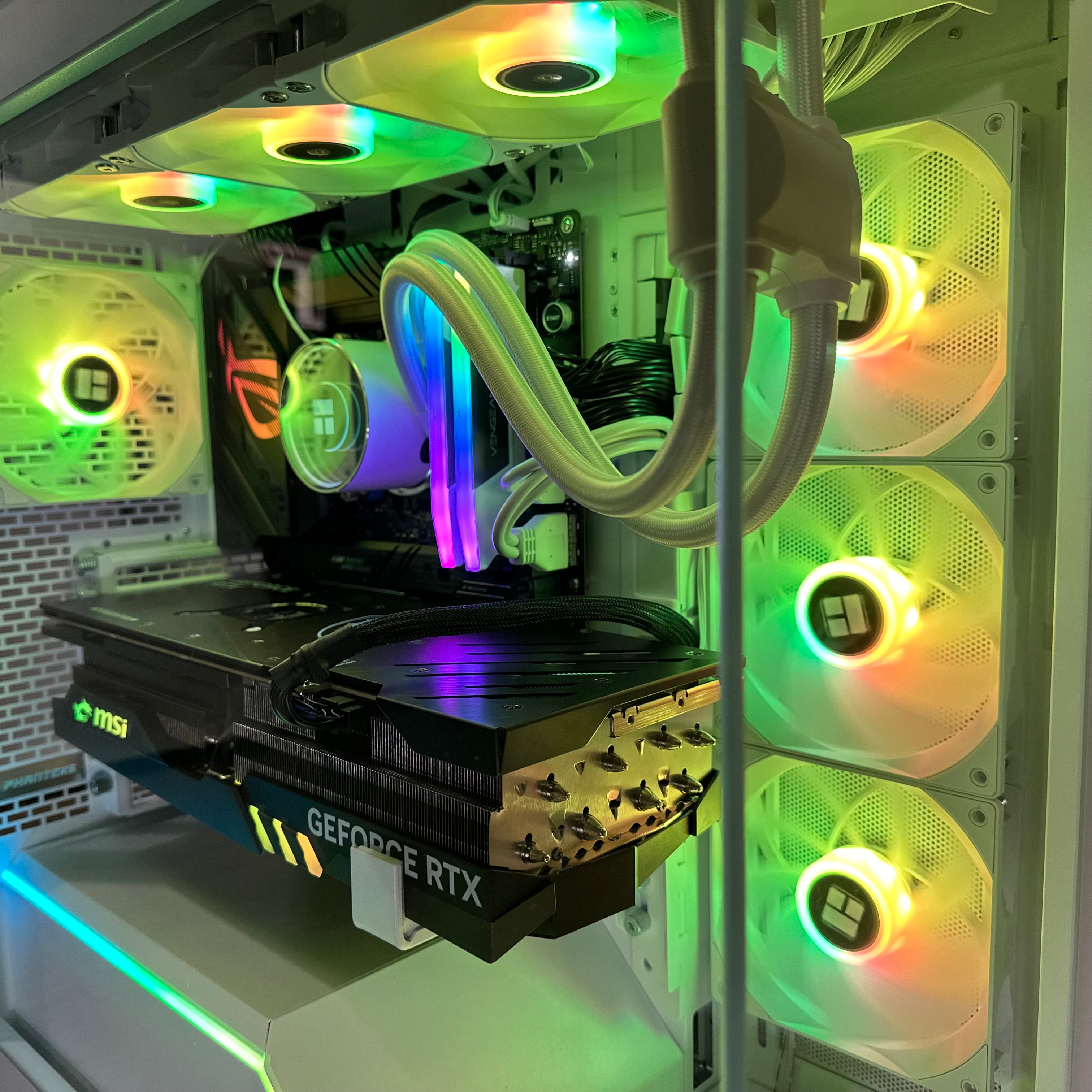
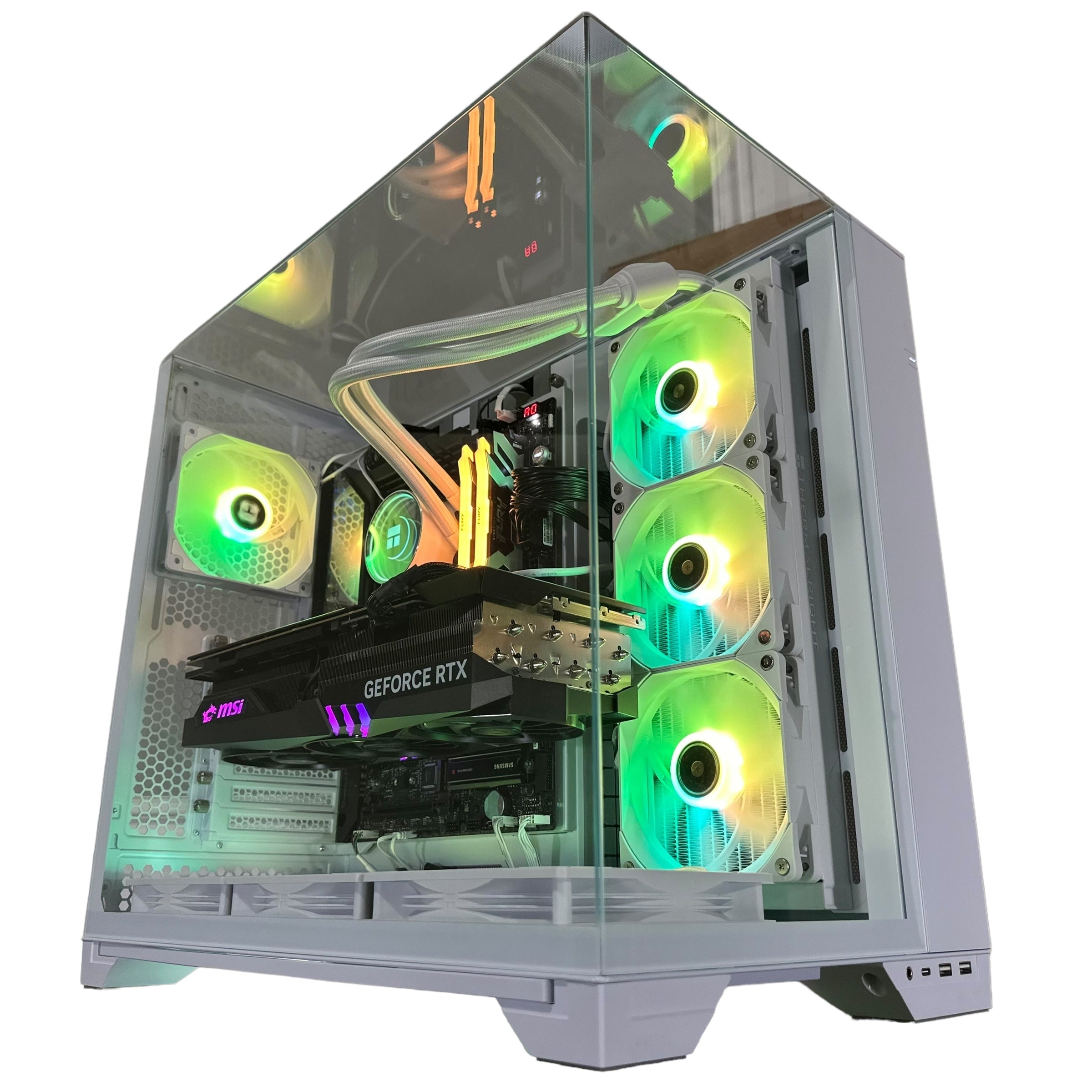
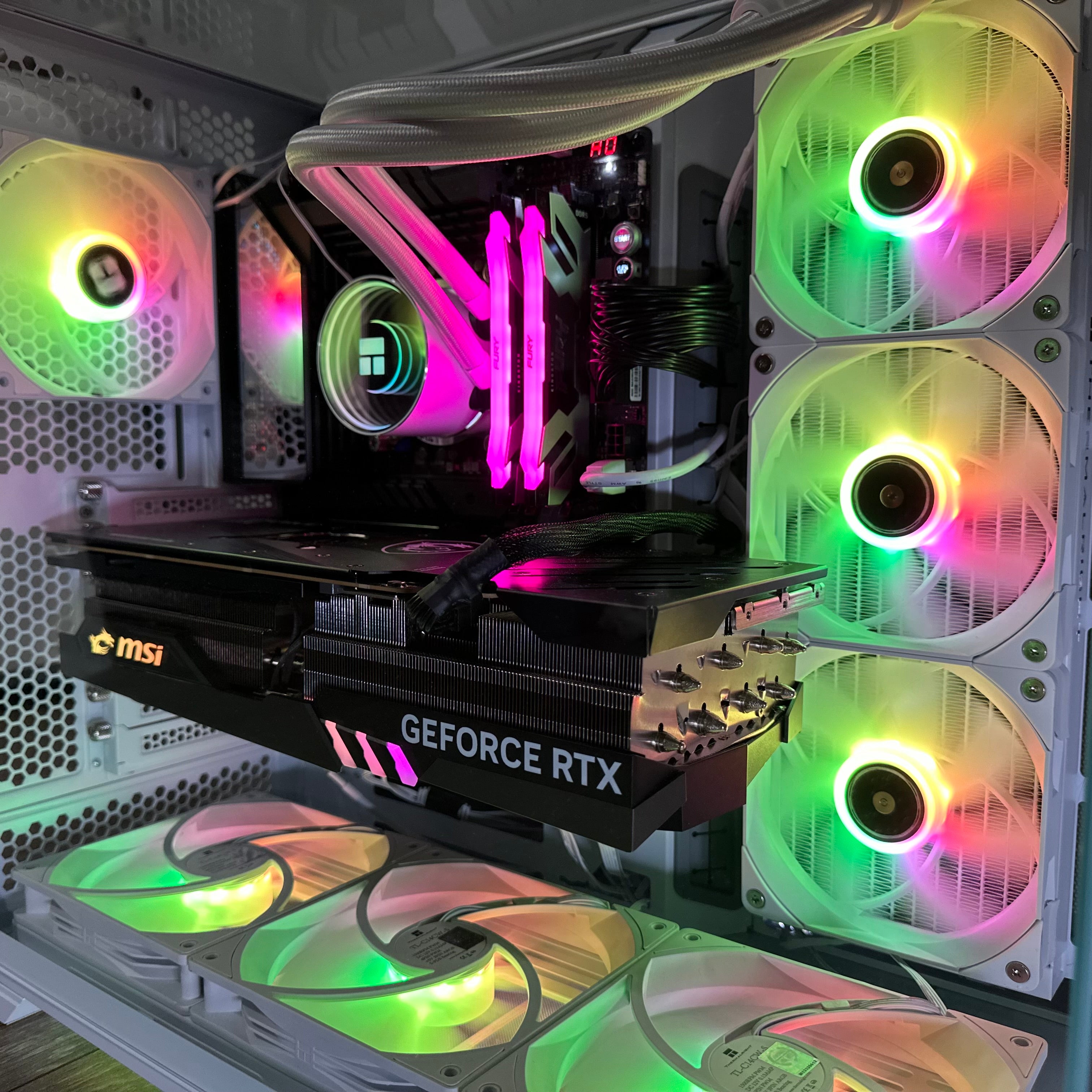
This is why Groovy Computers approaches gaming PCs as complete systems, not just a list of flashy parts. A powerful graphics card is important, but it is only one piece of the build. The CPU, RAM, SSD, cooling, power supply, case airflow, driver stability, and stress testing all affect whether your game feels smooth when everything gets heavy.
What the Modding Discussion Gets Right: Stability Matters as Much as Raw FPS
The source material noted that many modifications worked, but only when file order, software versions, base game versions, and deployment methods were handled correctly. That detail is important. PC gaming performance is not only about average FPS; it is about the total experience. A system that reaches a high average frame rate but stutters, overheats, crashes, or fails to load textures correctly does not feel premium.
When a mod manager fails to deploy files, when a plugin expects a specific tool version, or when a graphics preset pushes VRAM too hard, players often blame the game. Sometimes the issue is software. Sometimes it is a mod conflict. But sometimes the system itself lacks the headroom needed for modern gaming habits.
Ask yourself: do you want a gaming computer that simply meets a requirement list, or do you want a Future Proof Gaming PC Canada build that has enough overhead for patches, mods, streaming, recording, and future games?
For Canadian buyers, that distinction matters because replacement costs can change quickly. If you buy too low now, you may end up upgrading sooner than expected. If you choose a better-balanced custom PC today, you can often stretch the useful life of the system and avoid the frustration of replacing major components after only a short period.
Gaming PC for New Games: What Should Your Next System Actually Handle?
Before choosing parts, the most important question is not “What is the cheapest PC that can run the game?” The better question is: what do you want your next PC to do for you?
Do you want to play Crimson Desert, GTA 6 when it arrives on PC, Call of Duty, Fortnite, Counter-Strike 2, Valorant, Cyberpunk-style ray tracing games, open-world RPGs, survival games, racing sims, or competitive esports titles? Do you want high settings at 1080p, 1440p, or 4K? Do you want ray tracing turned on? Do you want to stream to Twitch or YouTube while playing? Do you want to record gameplay and edit it later for TikTok, YouTube Shorts, or long-form content?
Your answers change the build. A 1080p esports system is not the same as a 4K cinematic open-world system. A gaming-only PC is not the same as a gaming, streaming, and editing PC. A budget computer for casual play is not the same as a premium RTX gaming PC built for ultra settings and modded visuals.
This is where a custom build becomes valuable. Instead of buying a generic prebuilt computer that may cut corners on cooling, power supply quality, motherboard features, RAM configuration, or storage speed, Groovy Computers can help match the system to your actual use case.
What PC Do I Need for 1080p, 1440p, 4K, Mods, and Ray Tracing?
Resolution is one of the clearest ways to choose your performance tier. A game like Crimson Desert, especially if modded with visual upgrades, can demand very different hardware depending on whether you are playing at 1080p, 1440p, or 4K. The right choice depends on your monitor, the frame rate you want, and how long you want the PC to remain comfortable with new games.
1080p Gaming: Is a Budget Gaming PC Enough?
A well-built 1080p system can be excellent for many players. If you play esports titles, mainstream multiplayer games, older favourites, or new releases at tuned settings, a Budget Gaming PC Canada option can deliver strong value. This tier is often ideal for students, first-time PC gamers, families buying a first gaming desktop, or players moving from console to PC.
But here is the key question: are you happy adjusting settings, or do you want the PC to stay smooth at higher presets for several years?
If you are buying mainly for 1080p gaming, prioritize a balanced CPU and GPU, 16GB to 32GB of RAM depending on multitasking, a fast NVMe SSD, and cooling that keeps boost clocks stable. If you plan to mod games, stream, or record gameplay, stepping up slightly can be worth it. A cheaper system may run the base game, but modded textures and background software can expose weaknesses quickly.
1440p Gaming: The Sweet Spot for Modern PC Gamers?
For many Canadian buyers, 1440p is the current sweet spot. A 1440p Gaming PC Canada build can deliver sharper visuals than 1080p without the extreme GPU demand of native 4K. It is a great target for open-world action games, RPGs, shooters, racing games, and content creation on the same system.
If you are asking, “What PC do I need for 1440p gaming?” think about more than the GPU name. You want enough VRAM for high-resolution textures, enough CPU performance for large worlds and high frame rates, and enough RAM for modern game engines plus Discord, launchers, browsers, RGB software, and recording tools.
For modding-heavy players, 1440p is often where a stronger GPU becomes more important. Visual overhaul mods can increase texture memory use, shader complexity, and frame-time variability. A PC that feels smooth today should also have enough headroom for tomorrow’s patches and community upgrades.
4K Gaming: Do You Want Ultra Settings Without Compromise?
4K gaming is beautiful, but it is demanding. A 4K Gaming PC Canada build should be treated as a premium performance category, especially if you care about ray tracing, cinematic settings, high-resolution texture packs, and smooth frame pacing. This is where high-end graphics cards, strong CPUs, advanced cooling, and carefully selected power supplies become essential.
Ask yourself: do you want to play at 4K because you already own a 4K monitor or TV, or are you planning to upgrade your display soon? Are you comfortable using DLSS, FSR, XeSS, frame generation, or optimized settings, or do you want the strongest possible native rendering performance?
For premium buyers, the goal is not just to hit a benchmark number. The goal is to maintain a high-quality experience across new releases, large patches, demanding mods, and future titles. If you want to avoid upgrading too soon, it often makes sense to invest in a stronger system from the beginning.
Why Mods Can Make Minimum Requirements Misleading
Minimum requirements are usually designed around launching a game at low settings under controlled conditions. Recommended requirements are better, but they still do not account for every real-world scenario. Mods can change that equation dramatically.
Common mod types that increase hardware pressure include:
- High-resolution texture packs that use more VRAM and storage bandwidth.
- Model replacements that can increase memory use and cause animation or asset-loading issues if poorly optimized.
- Graphics presets that add shader effects, colour grading, sharpening, ambient occlusion, or lighting changes.
- Gameplay overhaul mods that increase CPU workload by changing AI, physics, spawning, or world simulation.
- UI and quality-of-life mods that may rely on script extenders, loaders, or specific game versions.
- Upscaling and frame-generation tools that depend on GPU support, driver maturity, and clean software configuration.
Have you ever installed a mod and suddenly noticed stutters, longer loading, missing textures, or crashes? That does not always mean your PC is “bad.” It means modded gaming is more complex than standard gaming. A well-built custom PC gives you more room to handle that complexity.
DLSS, FSR, Frame Generation, and Heat: Why Cooling Still Matters
The source discussion mentioned isolated DLSS-related issues and texture-loading problems reported when a graphics card reached higher temperatures. Without independently verifying those exact technical claims, the general point is still worth understanding: GPU behaviour can change under heat, driver load, memory pressure, and unstable software conditions.
Modern GPUs are designed to boost dynamically. If cooling is strong, the card can often maintain higher clocks more consistently. If airflow is weak, temperatures rise, fan noise increases, boost behaviour may become less consistent, and the player may notice stutter or reduced performance during long sessions.
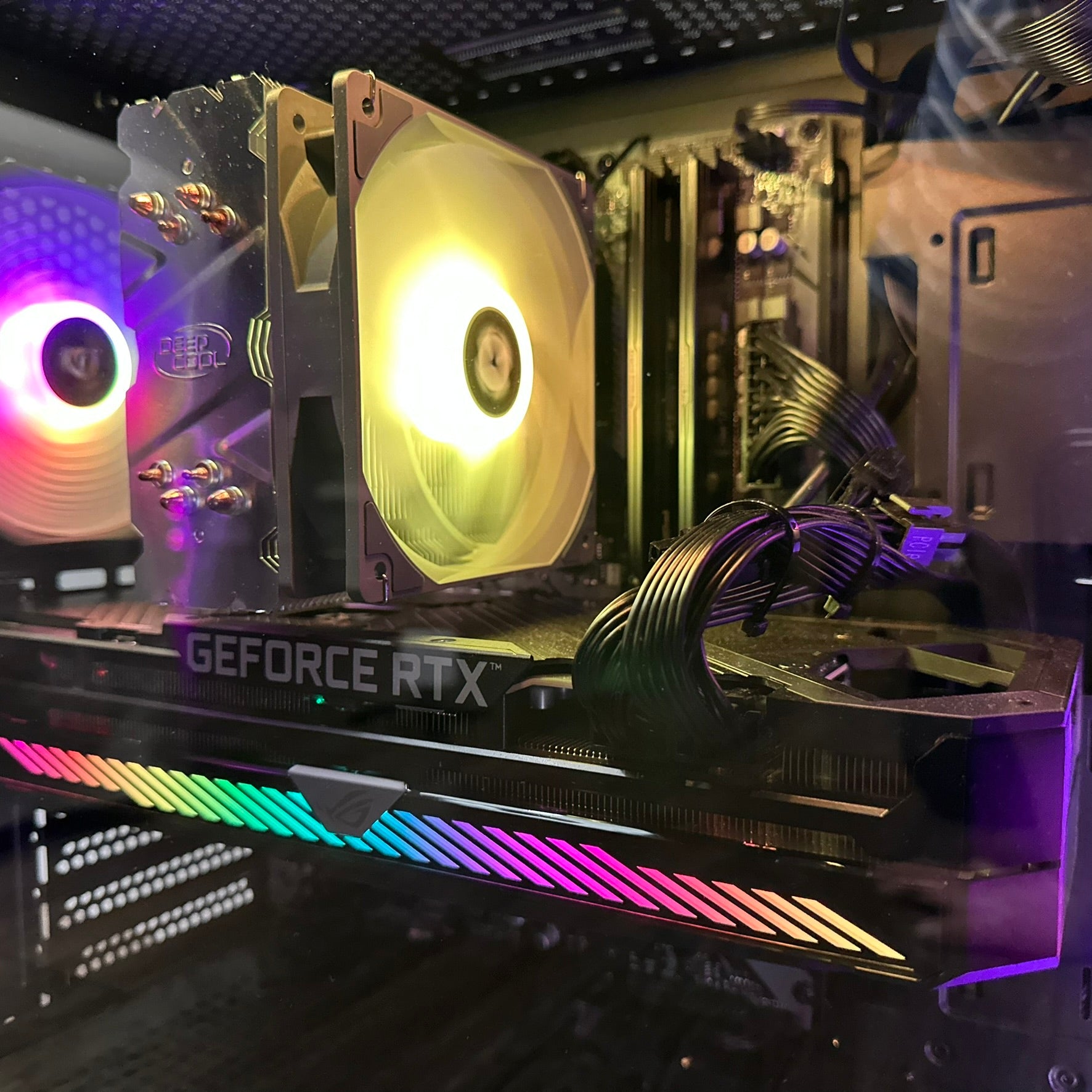
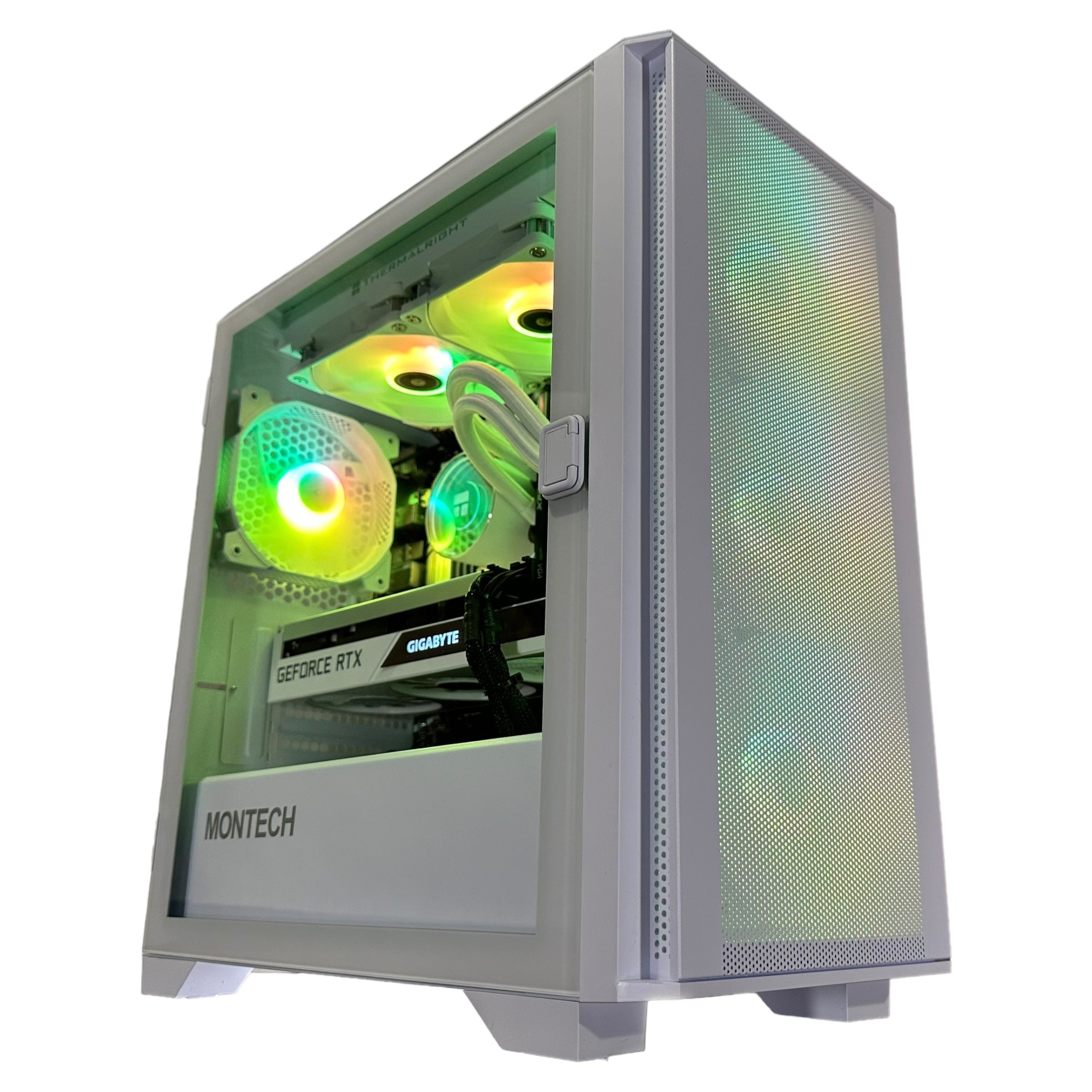
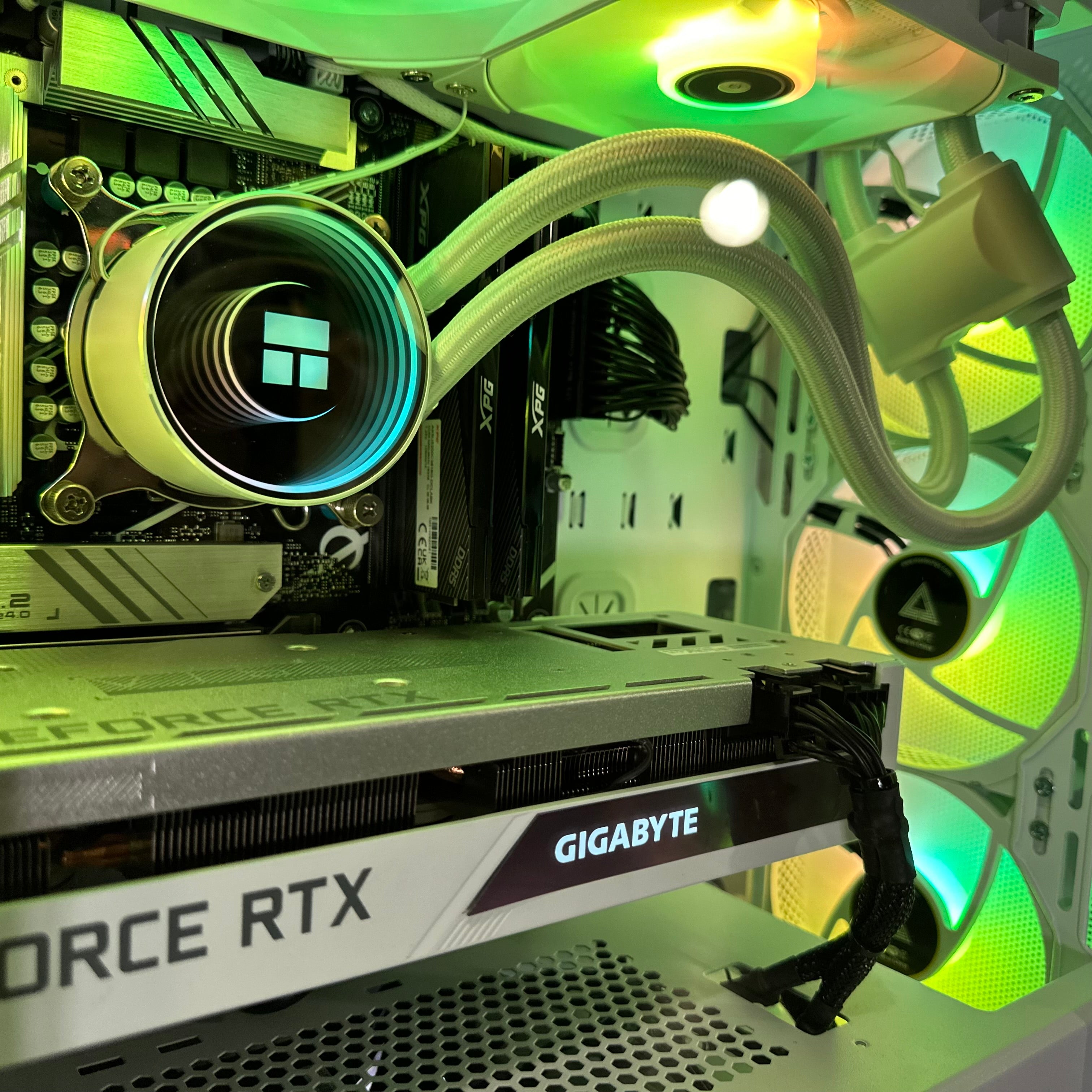
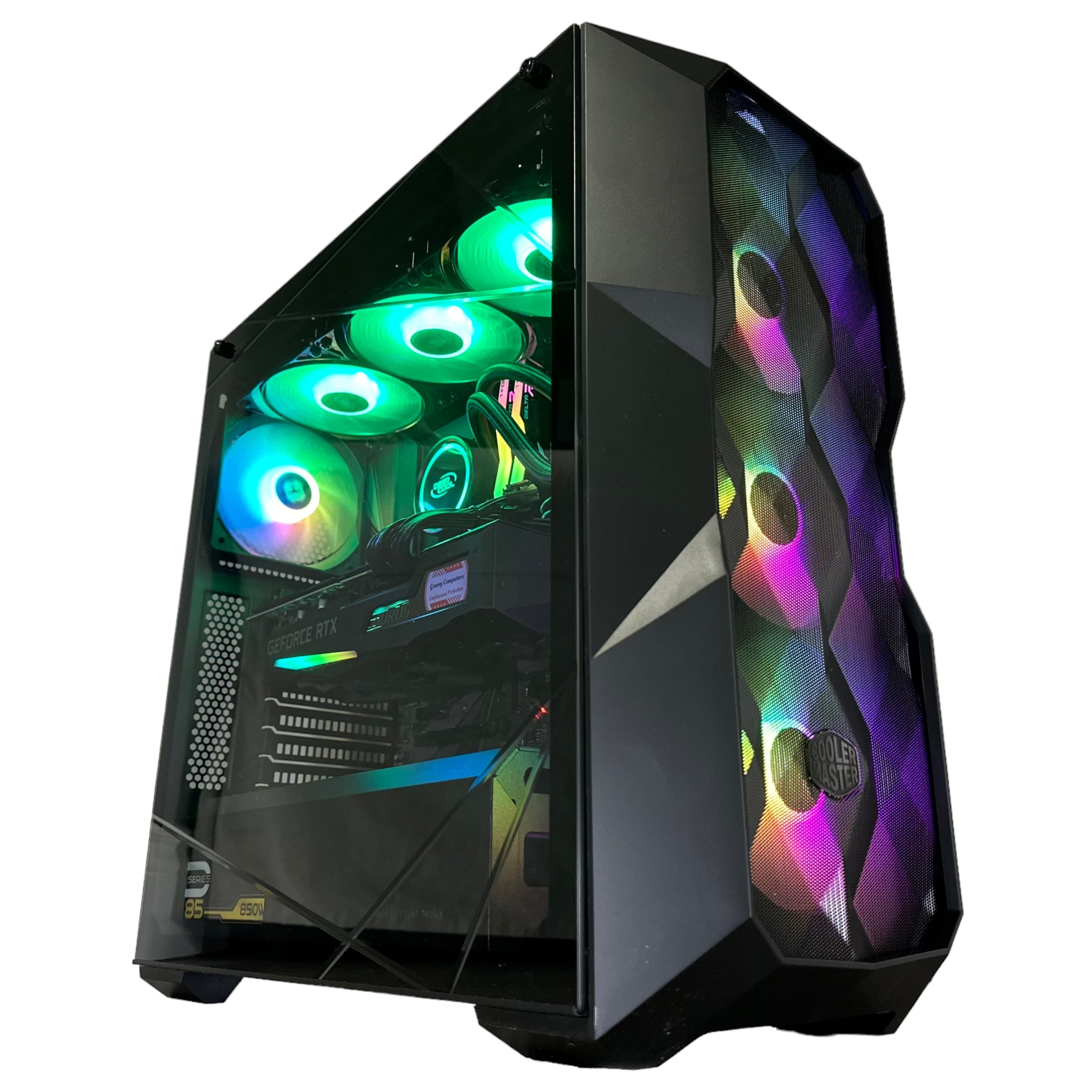
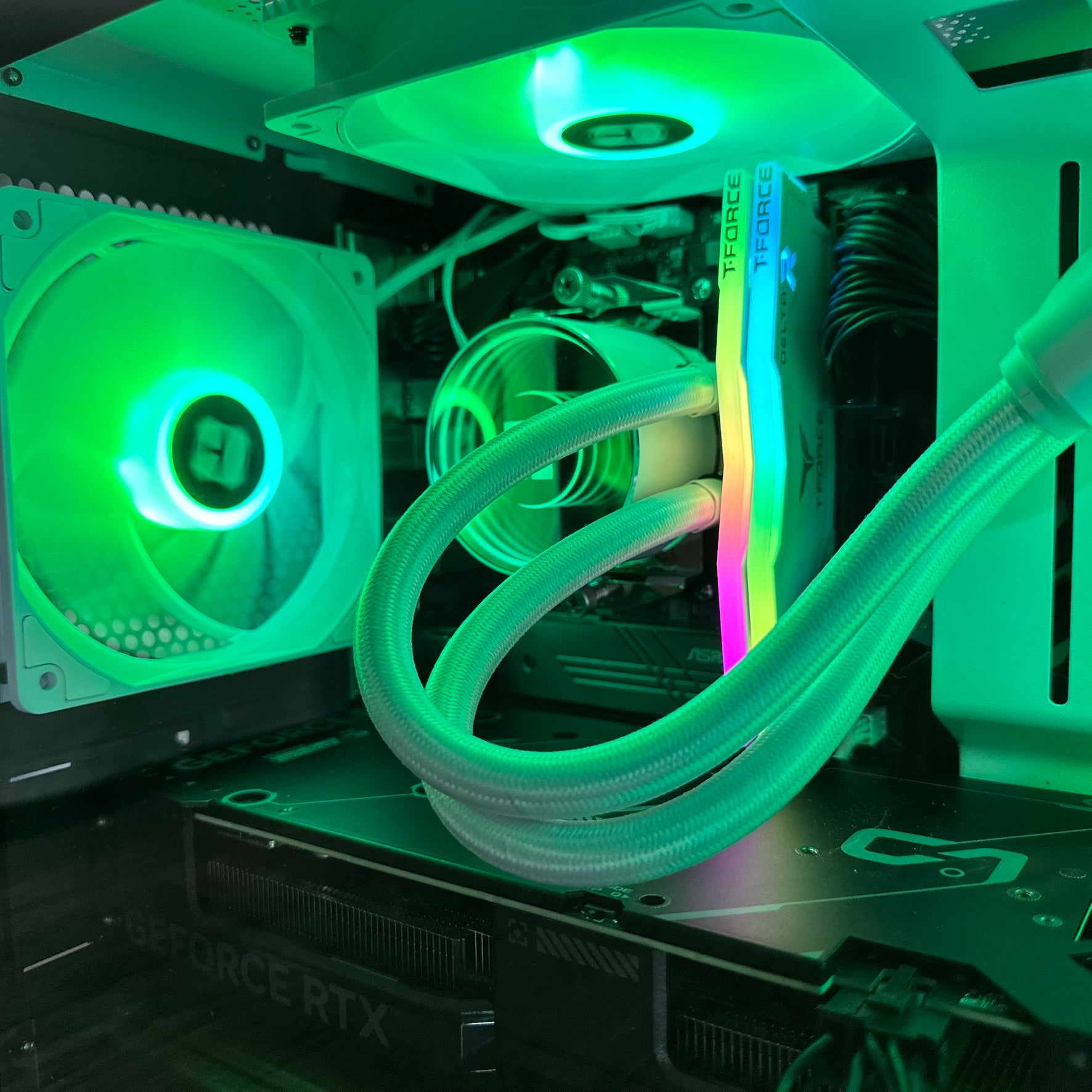
This is one reason Groovy Computers focuses on full-system quality. A gaming PC is not just a GPU in a box. Case airflow, cable management, fan placement, CPU cooling, power delivery, and stress testing all affect the experience. If you are buying a Ray Tracing Gaming PC Canada build or a premium modding-ready system, cooling should not be treated as an afterthought.
Do you play for one hour at a time, or do you run long sessions on weekends? Do you stream for three to six hours? Do you leave editing software open while gaming? Those habits affect how much thermal headroom you should build into your next PC.
Is a Gaming PC Good for Streaming, Editing, and Content Creation?
For many players, the PC is no longer just a gaming machine. It is a content engine. You might play Crimson Desert, record boss fights, stream new updates, edit clips, design thumbnails, manage social media graphics, and render videos on the same desktop. That changes the buying strategy.
If you are asking, “Is a gaming PC good for content creation?” the answer is yes, if it is configured properly. A strong gaming PC often has the GPU power needed for editing, encoding, streaming, and AI-assisted creative tools. But a true Content Creation PC Canada build may need more RAM, more storage, a stronger CPU, and a better cooling setup than a gaming-only machine.
What PC Do I Need for Streaming?
If you plan to stream to Twitch, YouTube Live, TikTok Live, or record gameplay through OBS Studio, you need to think about encoding performance, multitasking, network stability, and monitor setup. A Gaming and Streaming PC Canada build should be able to run the game smoothly while also handling OBS, alerts, chat, browser sources, microphones, cameras, and overlays.
Do you want to stream at 1080p, or are you planning a 1440p or 4K content workflow? Are you playing competitive games where every frame matters, or cinematic games where visual quality matters more? Do you need a dual-monitor setup? These questions help determine the right GPU, CPU, RAM, and storage configuration.
What PC Do I Need for Video Editing?
If your gaming PC will also be used as a Video Editing PC Canada workstation, look beyond FPS. Adobe Premiere Pro, DaVinci Resolve, After Effects, CapCut, and YouTube editing workflows benefit from fast CPUs, strong GPUs, plenty of RAM, and fast SSD storage. For 1080p editing, a modest creator-capable system may be enough. For 4K footage, multi-camera timelines, effects, colour grading, and fast exports, a stronger custom creator PC becomes more valuable.
How much RAM do you need for video editing? Many casual editors can start with 32GB, while heavier 4K and multitasking workflows often benefit from 64GB or more. If you edit, stream, and game on the same machine, do not build only for the game. Build for the whole workflow.
What PC Do I Need for Photo Editing and Graphic Design?
Photographers and designers often underestimate the value of a responsive desktop. Photoshop, Lightroom Classic, Capture One, Illustrator, InDesign, Canva, and other creative tools may not always need the largest GPU, but they benefit from fast CPUs, high RAM capacity, reliable SSDs, and smooth multitasking.
If you are editing RAW photos, batch exporting wedding galleries, designing brand assets, building marketing graphics, or working across multiple monitors, a Photo Editing PC Canada or Graphic Design PC Canada configuration can save time every day. Are you waiting on previews, exports, filters, or AI tools? Those seconds add up across a week of paid creative work.
What PC Do I Need for 3D Modeling and Rendering?
For Blender, Unreal Engine, Unity, Maya, 3ds Max, Cinema 4D, SketchUp, ZBrush, AutoCAD, Revit, or SolidWorks, the buying decision becomes even more specific. A 3D Modeling PC Canada or 3D Rendering PC Canada build may require high VRAM, strong CPU performance, large RAM capacity, fast storage, and careful thermal planning.
Are you rendering product visuals, architectural scenes, game assets, animations, or real-time Unreal Engine environments? Are you CPU rendering, GPU rendering, or both? A gaming PC can be good for Blender, but a workstation-focused build may be better if your income depends on render times and stability.
Which Performance Tier Fits You Best?
Choosing a PC becomes easier when you match the system to your real workload. Instead of starting with a random budget, start with your target experience.
Entry-Level and Budget Gaming Tier
This tier is best for players who want a first gaming PC, 1080p gaming, esports titles, school use, casual streaming, and good value. It can be a smart choice if you are budget-conscious and willing to tune settings in the most demanding games.
Choose this tier if you are asking: “How much should I spend on a gaming PC?” or “Can a budget gaming PC play new games?” The answer depends on expectations. A budget system can be excellent, but it should still be built with quality parts, good airflow, and an upgrade path.
Mid-Range 1440p Gaming and Streaming Tier
This is often the best fit for serious gamers who want smooth 1440p performance, high settings, streaming capability, and enough power for editing clips. It is also a strong choice for buyers who want value without going all the way to a flagship build.
Choose this tier if you want a strong balance between cost, performance, and longevity. If you are buying before a major game release or expecting to play multiple new AAA games over the next few years, this tier is often the safest recommendation.
Premium RTX Gaming and Creator Tier
This tier is built for high refresh rate 1440p, 4K gaming, ray tracing, modded visuals, streaming, 4K editing, content creation, and long-term performance. It is ideal for players who do not want to compromise quickly when the next wave of demanding games arrives.
Choose this tier if you are asking: “What PC do I need for ultra settings?” or “Should I finance a high-end gaming PC?” If your expectations are high and your upgrade cycle is long, a premium build can make sense.
Workstation and 3D Rendering Tier
This tier is for professionals, creators, students in demanding technical programs, 3D artists, CAD users, video editors, and anyone whose PC directly affects productivity. It emphasizes stability, memory, storage, CPU/GPU balance, and workload-specific component selection.
Choose this tier if downtime costs money, export times affect deadlines, or you need a machine for both client work and gaming. A Custom Workstation PC Canada build should be designed around your software, not generic gaming specs.
Should You Buy Before a Major Game Release, Hardware Shortage, Sale Period, or Price Spike?
Timing matters. PC component pricing can move with GPU demand, memory availability, storage supply, exchange rates, new game launches, school seasons, holiday sales, creator-software trends, and global manufacturing pressure. Canadian buyers can feel those shifts quickly because many components are affected by international supply chains and currency movement.
Is it better to buy a gaming PC now or wait? There is no single answer, but there is a practical way to think about it. If your current PC already struggles, waiting can mean months of poor performance while prices remain uncertain. If a major game release is coming and you know you want to play at launch, waiting until demand spikes can reduce your options. If memory or GPU prices rise, a system that fits your budget today may cost more later.
On the other hand, if your current PC still handles your games and software comfortably, you may have time to plan. The key is knowing the difference between waiting strategically and delaying until you are forced into a rushed purchase.
Ask yourself: are you buying because your current PC is inconvenient, or because it is actively limiting what you can do? Are you missing game releases, losing editing time, turning down settings too far, or avoiding creative projects because your system cannot keep up?
Could Financing Help You Secure a Stronger System Before Replacement Costs Rise?
For many Canadian buyers, financing is not about buying irresponsibly. It can be a practical way to avoid underbuying. If you purchase the cheapest possible computer today, then replace the GPU, add RAM, upgrade storage, and improve cooling a year later, the total cost can become higher than choosing a better system from the start.
Groovy Computers offers financing options up to 4 years where available, which can help customers move from a compromise build into a more capable system. That can be especially useful if you need a gaming PC for new releases, a streaming and editing PC, a creator workstation, or a 3D rendering system before pricing conditions change.
Should you finance a better PC instead of buying a cheaper one? Consider it if the stronger system will last longer, reduce upgrade pressure, support your work or content creation, and deliver the experience you actually want. Financing should always fit your budget, but it can be a smart tool when the alternative is buying a system you already know you will outgrow.
If you are looking for a Gaming PC for New Games and you want help choosing between budget, mid-range, premium, creator, or workstation options, visit GroovyComputers.ca and explore a custom build that matches your goals instead of settling for a one-size-fits-all PC.
Why Custom Builds Matter More Than Ever for Modded Games
Modding is one of the best reasons to play on PC. It gives players control, creativity, and longevity. But it also makes build quality more important. A generic prebuilt may advertise a recognizable GPU and CPU, while hiding weaker choices in areas that affect long-term reliability.
When you are buying a custom gaming PC, pay attention to:
- Graphics card performance and VRAM for resolution, textures, ray tracing, and modded visuals.
- CPU strength for open-world simulation, high refresh rates, streaming, editing, and multitasking.
- RAM capacity for modern games, background apps, content creation, and heavy modding.
- NVMe SSD storage for fast loading, large game installs, project files, and asset-heavy workflows.
- Cooling and airflow for stable boost clocks, lower noise, and long gaming sessions.
- Power supply quality for stability, GPU headroom, and future upgrades.
- Motherboard features for connectivity, expansion, memory support, and long-term usability.
- Testing and warranty support so your system arrives ready for real workloads.
Groovy Computers builds systems for Canadian customers who want performance they can trust. Every serious gaming, creator, or workstation PC should be assembled with care, stress tested, and supported by a clear warranty. Groovy Computers includes a 1-year warranty, giving buyers more confidence than a random marketplace PC or a poorly balanced off-the-shelf machine.
What Questions Should You Ask Before Buying a Custom Gaming PC in Canada?
The smartest buyers ask better questions before they buy. If you are comparing options, use these questions to narrow your direction:
- What games do I actually want to play over the next two to four years?
- Do I want 1080p, 1440p, or 4K performance?
- Am I targeting high FPS, ultra settings, ray tracing, or a mix of all three?
- Will I use mods, texture packs, shaders, or graphics presets?
- Will I stream, record, or edit gameplay?
- Do I need Adobe Premiere Pro, DaVinci Resolve, Photoshop, Lightroom, Illustrator, Blender, Unreal Engine, CAD, or other creative software?
- How much storage do I need for games, clips, footage, projects, and backups?
- Do I want to upgrade soon, or do I want to avoid upgrading too quickly?
- Would financing help me secure a stronger system now instead of replacing parts later?
- Do I want expert help from a Canadian custom PC builder instead of guessing at parts?
These questions are not just technical. They are financial and practical. The best PC is not always the most expensive one. It is the one that fits your games, your work, your monitor, your budget, and your expectations.
Canadian Buyers Should Think Beyond the Game Trailer
Game trailers are designed to build excitement. They do not always show the hardware reality behind the scenes. A new open-world game may look incredible, but your experience depends on your PC, your settings, your display, your drivers, and the way the game is optimized after launch.
For buyers in Nova Scotia, Atlantic Canada, Ontario, Alberta, British Columbia, Quebec, and across the country, the challenge is choosing a system that makes sense in Canadian dollars. Component prices, availability, shipping timelines, and warranty support all matter. Buying from a Canadian PC builder can make the process easier because you are not only buying parts; you are buying guidance, assembly, testing, support, and a system designed for your goals.
Do you want a ready-to-ship gaming PC, a custom built gaming PC, a creator desktop, or a workstation designed around your software? Do you need help deciding between a budget gaming computer and a premium RTX build? Groovy Computers can help you make that decision with a practical, performance-first approach.
How to Avoid Upgrading Too Soon
One of the biggest mistakes PC buyers make is buying for yesterday’s games instead of tomorrow’s habits. If you only plan around the game you play today, your system may feel outdated when your interests change. Maybe you start streaming. Maybe you buy a 1440p monitor. Maybe your favourite game gets a ray tracing update. Maybe a modding community releases a visual overhaul. Maybe you begin editing videos or learning Blender.
Avoiding early upgrades does not always mean buying the most expensive PC. It means choosing the right foundation. A well-planned build has enough power supply headroom, cooling capacity, RAM, storage, and motherboard flexibility to grow with you.
Ask yourself: if your favourite game becomes more demanding next year, will your PC still feel good? If you start creating content, will your system help you move faster or hold you back? If component prices rise, will you wish you had secured the stronger build earlier?
Why Groovy Computers Is Built for This Kind of Decision
Groovy Computers is focused on custom PCs for Canadian gamers, creators, and professionals. That means the conversation does not stop at “What is your budget?” It includes what you play, what you create, what software you use, what resolution you want, how long you want the system to last, and whether financing makes sense for your situation.
For gaming customers, Groovy Computers can help you choose between a value-focused 1080p PC, a strong 1440p gaming desktop, or a high-end 4K RTX build. For streamers, Groovy can help balance encoding, CPU performance, GPU power, RAM, and storage. For editors and designers, Groovy can build around Adobe Creative Cloud, DaVinci Resolve, Photoshop, Lightroom, Illustrator, and other creative tools. For 3D artists and workstation users, Groovy can help plan for Blender, Unreal Engine, CAD, rendering, and heavy multitasking.
That is the advantage of working with a custom PC builder instead of buying a generic configuration. You get a system shaped around your needs, tested for reliability, and backed by support from a Canadian company.
Gaming PC for New Games: The Bottom Line for Crimson Desert Fans and Modded PC Gamers
The Crimson Desert modding discussion is a reminder that PC gaming never stands still. Games evolve. Mods expand them. Streaming and content creation add new layers. Hardware pricing can shift. Software demands keep rising. A system that only meets minimum expectations may not deliver the experience you actually want.
If you are shopping for a Gaming PC for New Games, think beyond launch-day requirements. Think about your monitor, your frame-rate target, your interest in mods, your streaming plans, your editing workflow, and your desire to avoid upgrading too soon. Whether you need a budget gaming computer, a premium RTX gaming PC, a custom creator PC, an editing workstation, or a 3D modeling workstation, the right build should support your real life, not just a spec sheet.
Ready to choose a PC that fits what you actually play and create? Visit GroovyComputers.ca to explore custom gaming PCs, creator PCs, workstation options, and financing solutions built for Canadian buyers who want performance, reliability, and confidence before prices or demand shift again.
#GamingPCForNewGames #CustomGamingPCCanada #GamingComputersCanada #1440pGamingPC #4KGamingPC #StreamingPCCanada #CreatorPCCanada #GroovyComputers
Groovy Computers | All Rights Reserved


Leave a comment
This site is protected by hCaptcha and the hCaptcha Privacy Policy and Terms of Service apply.