
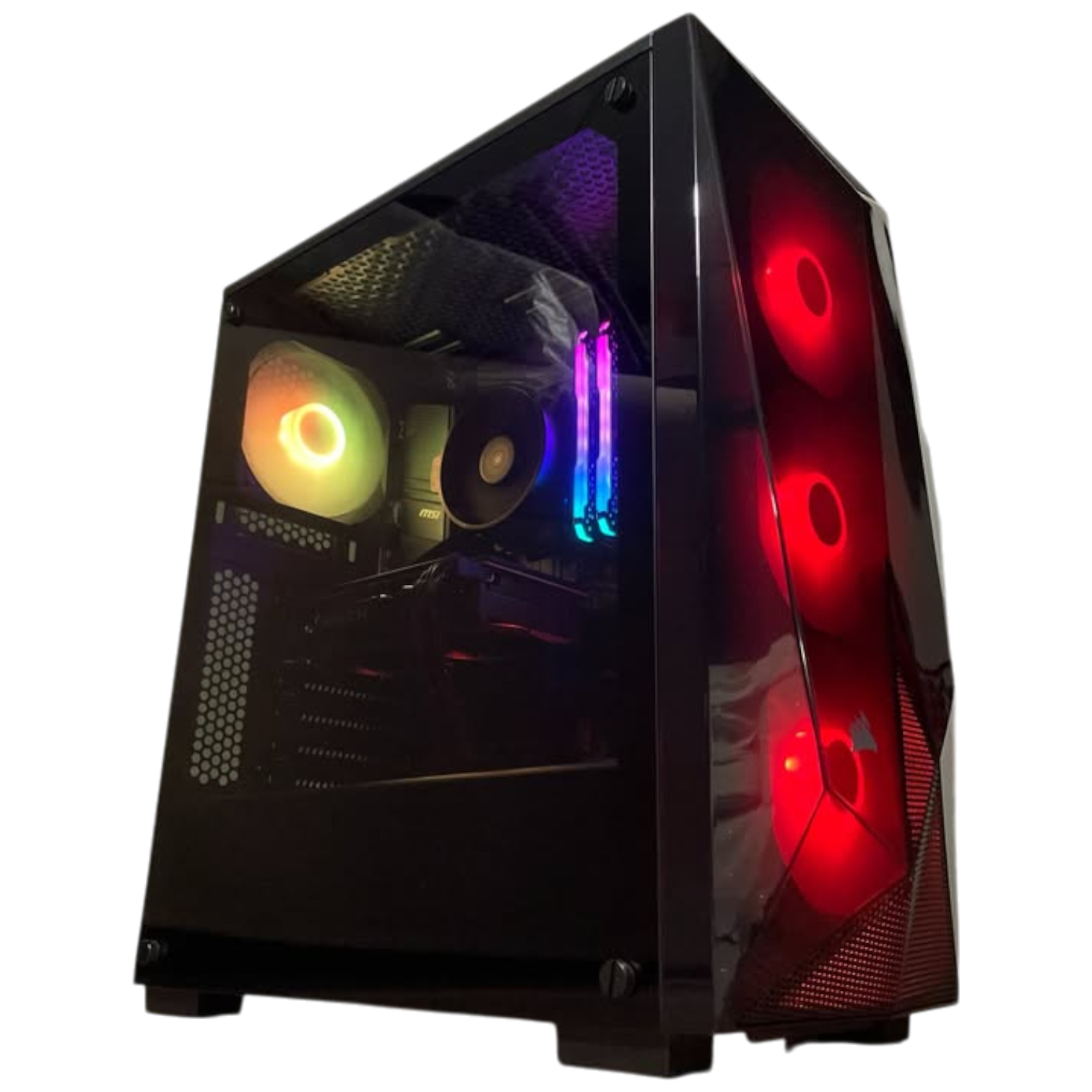
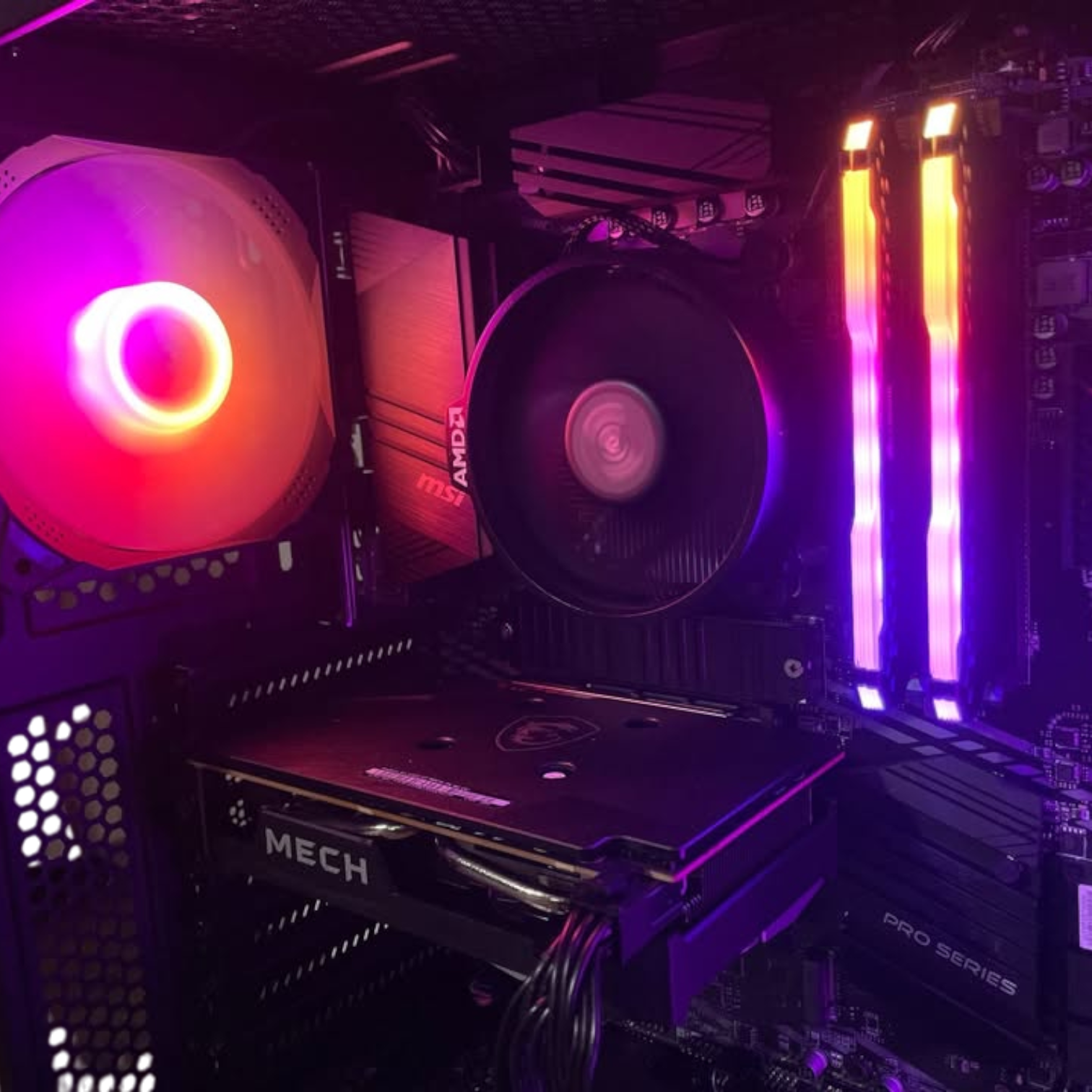
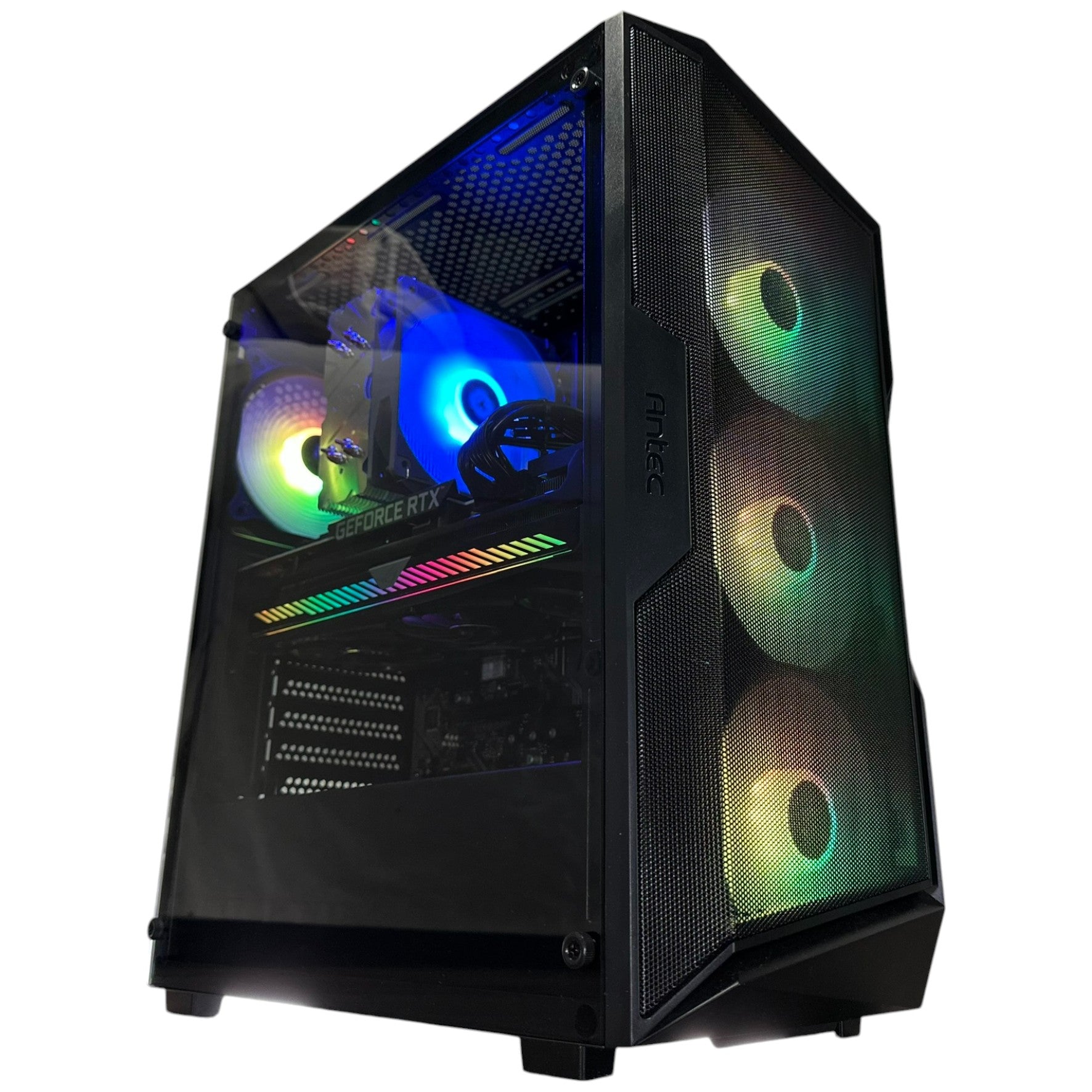
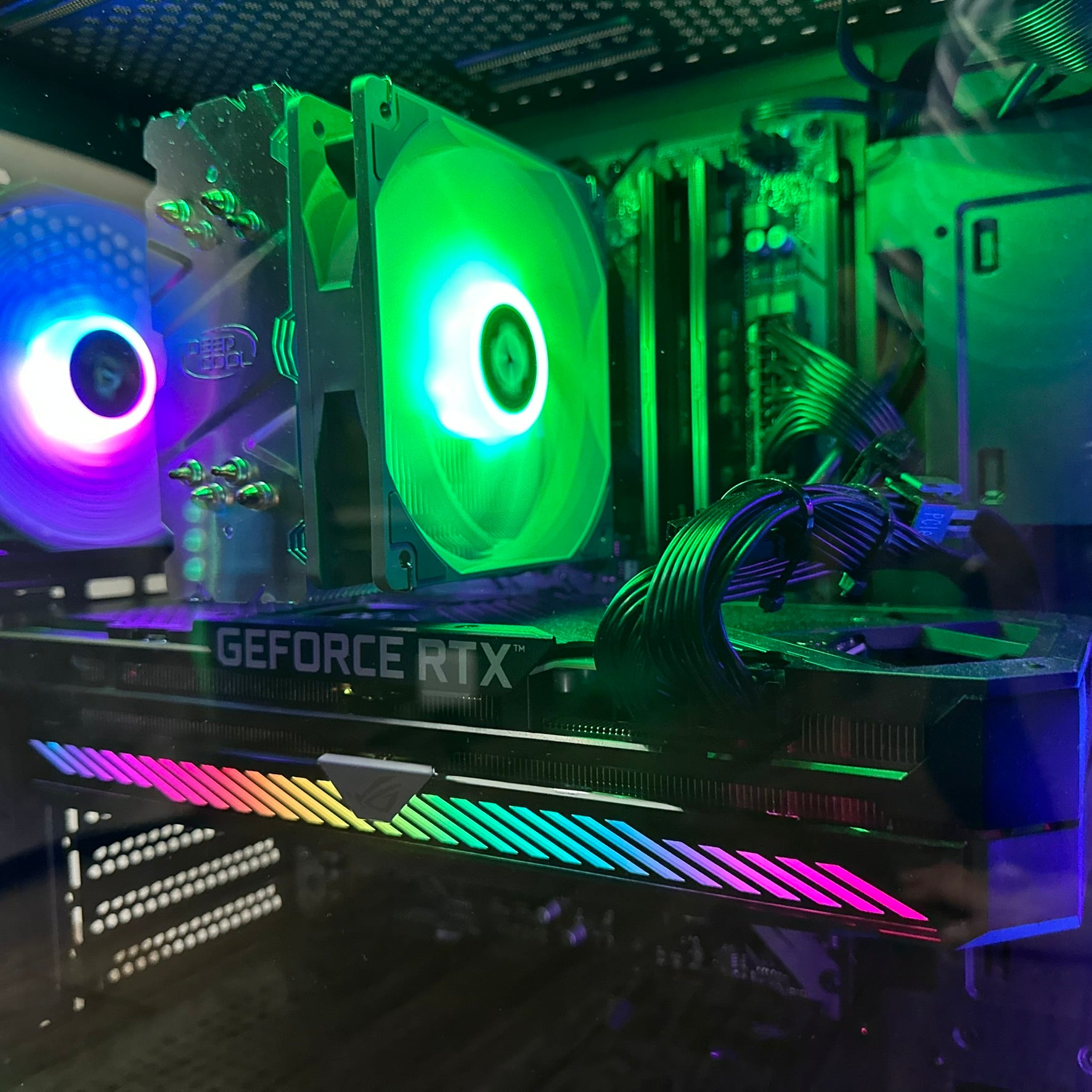


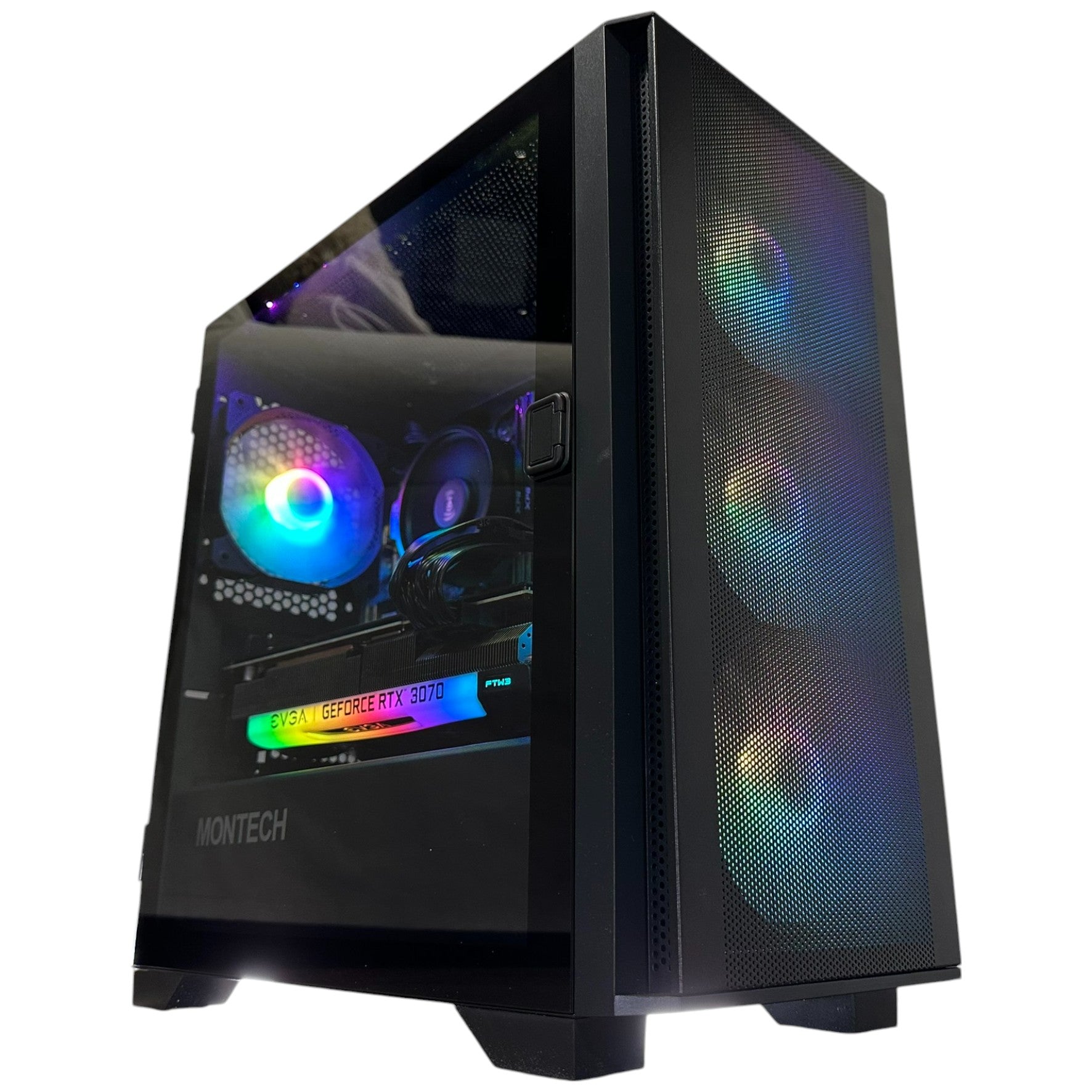
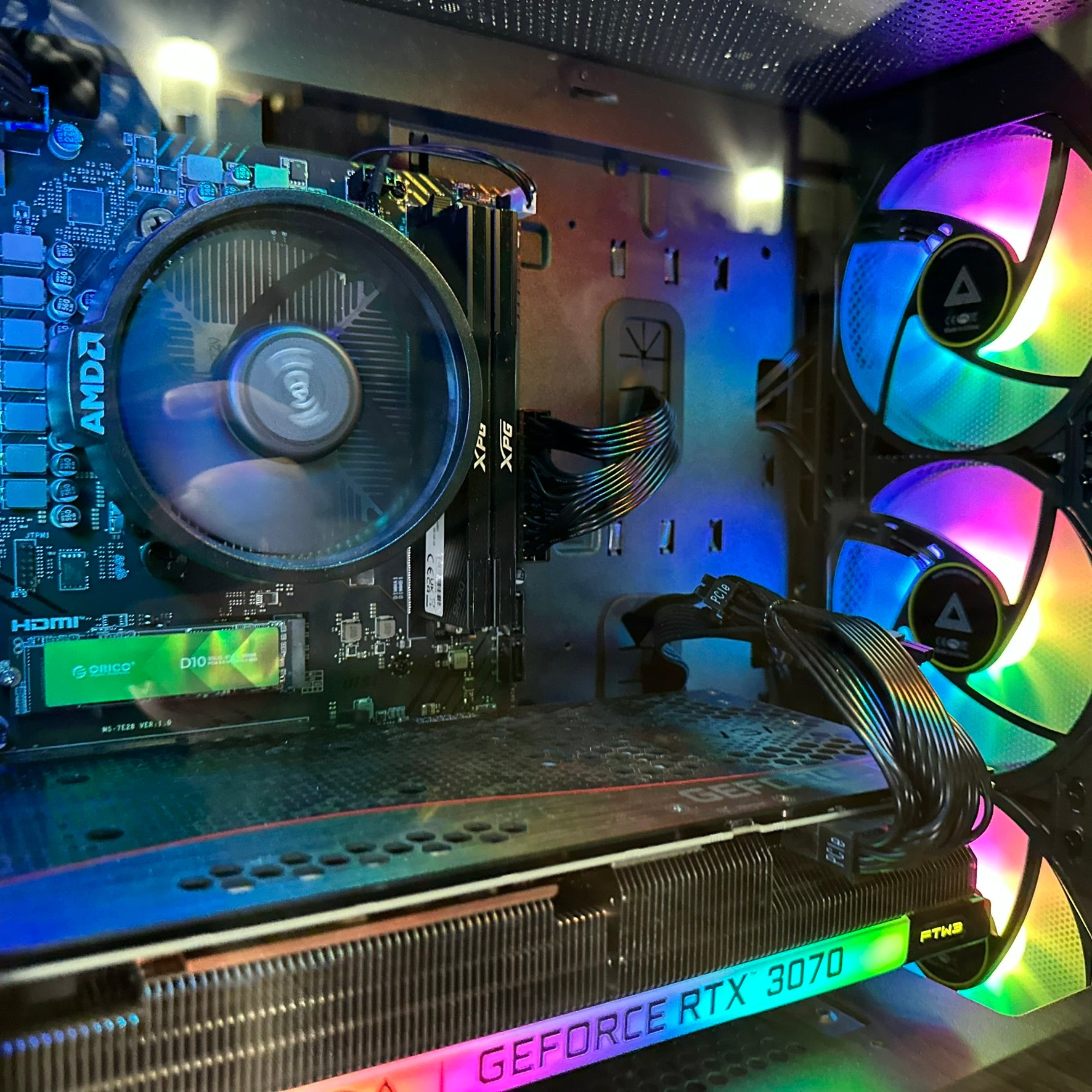
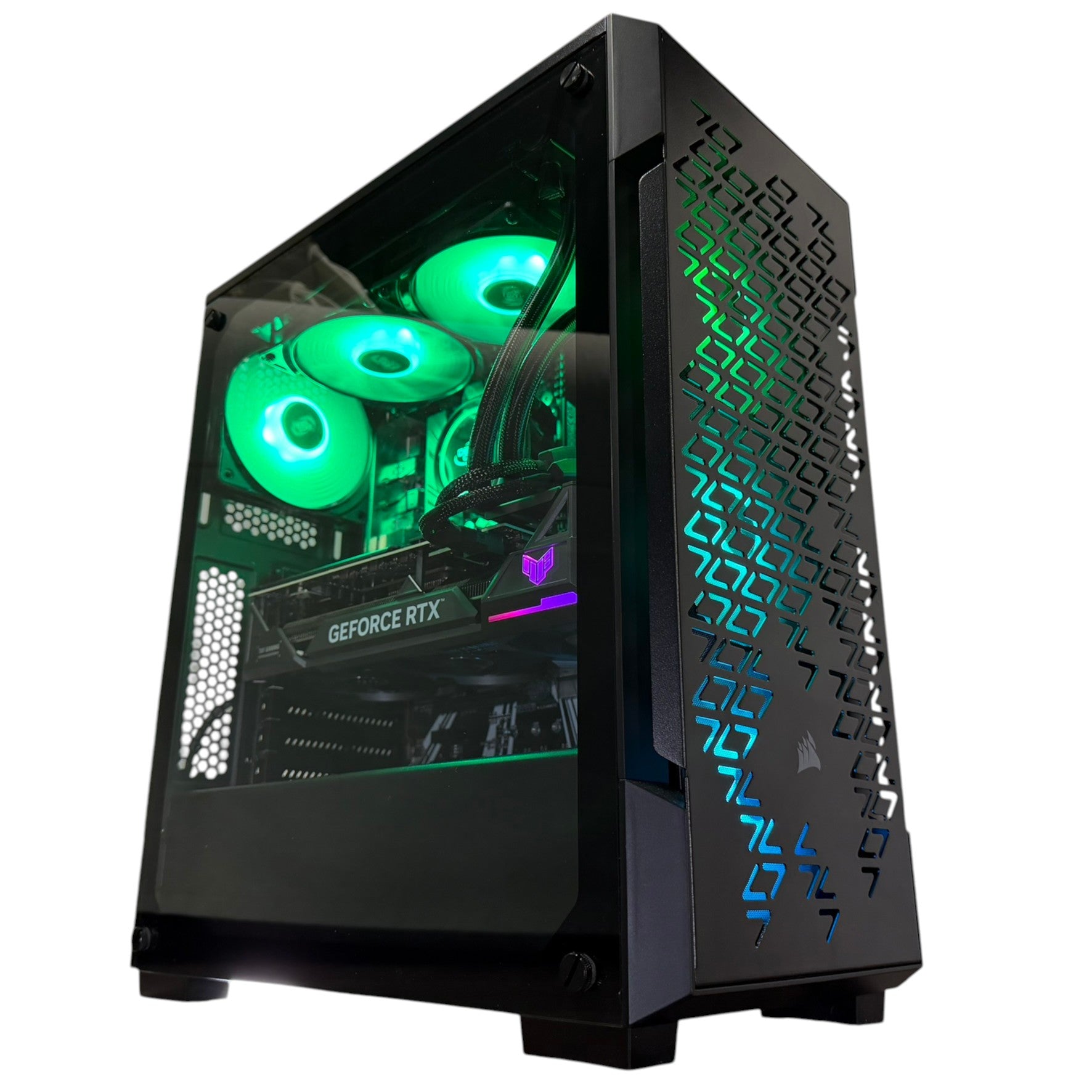

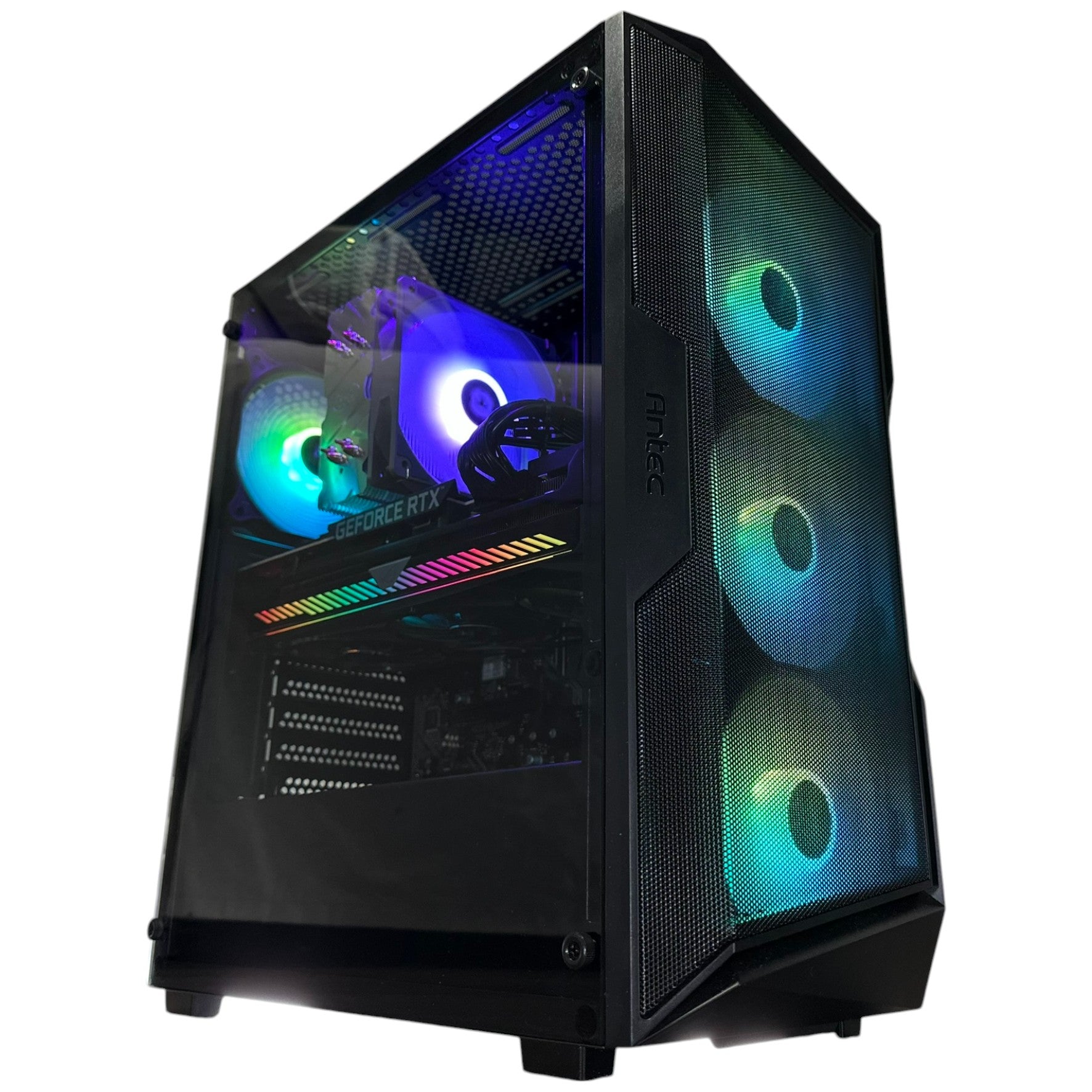
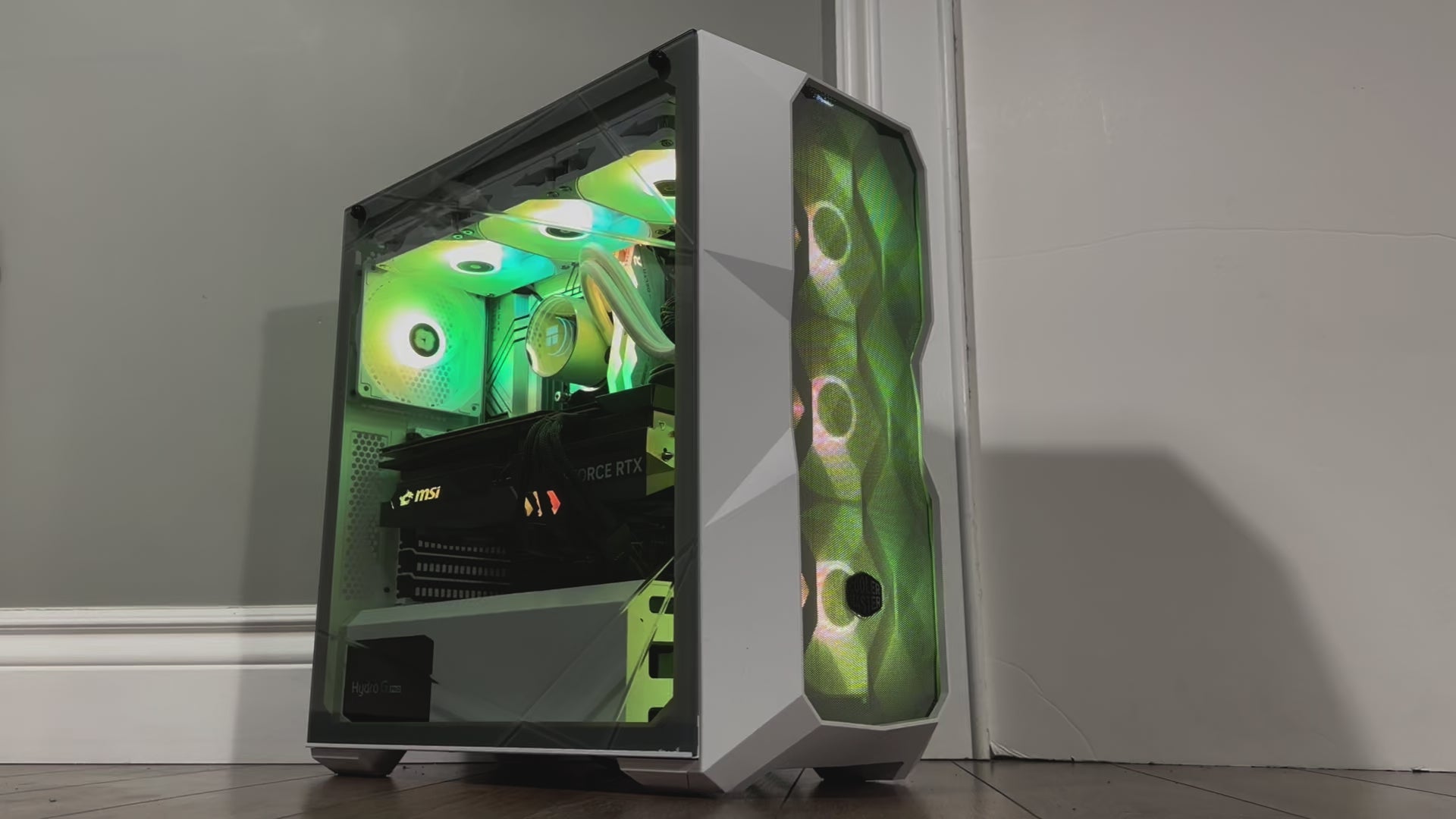
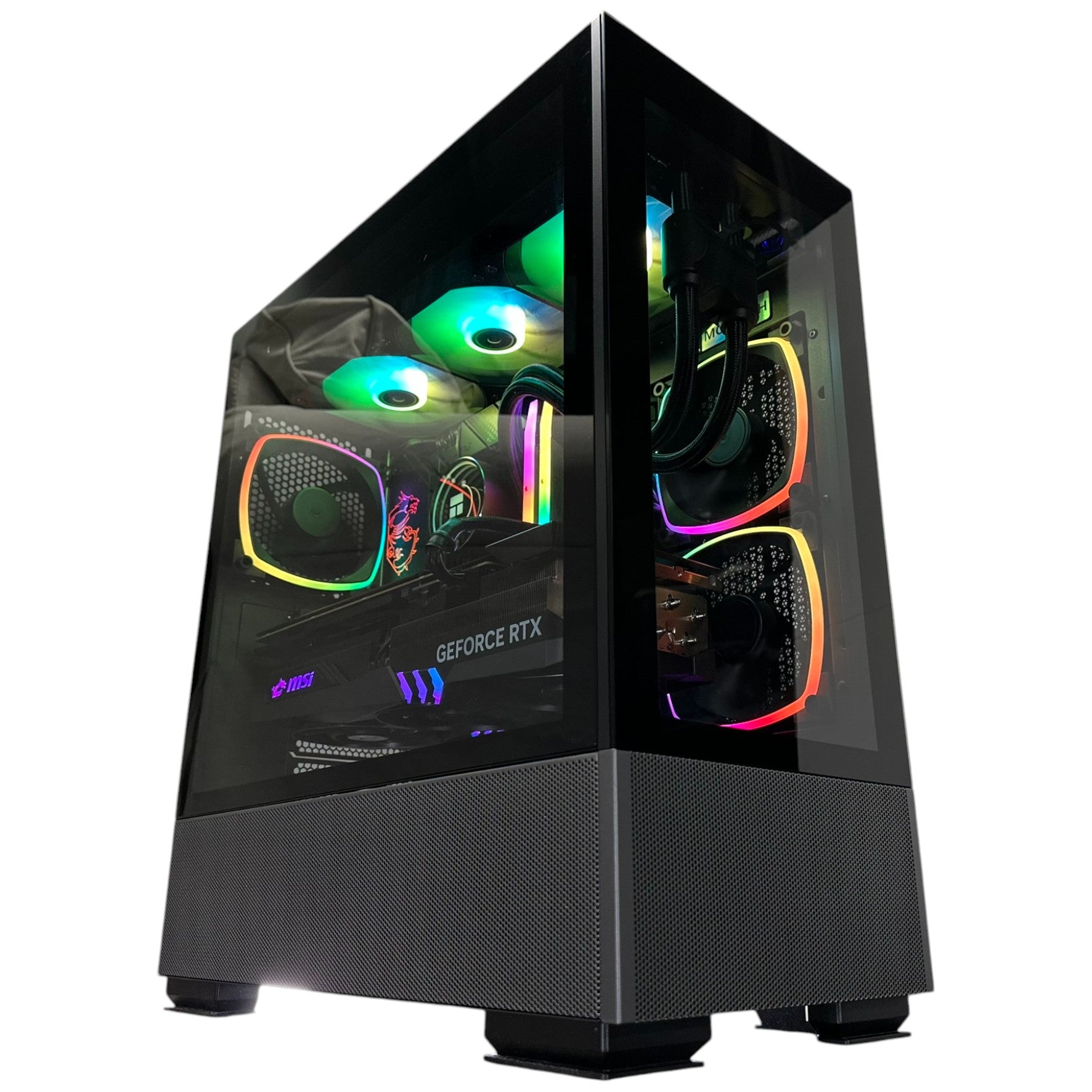
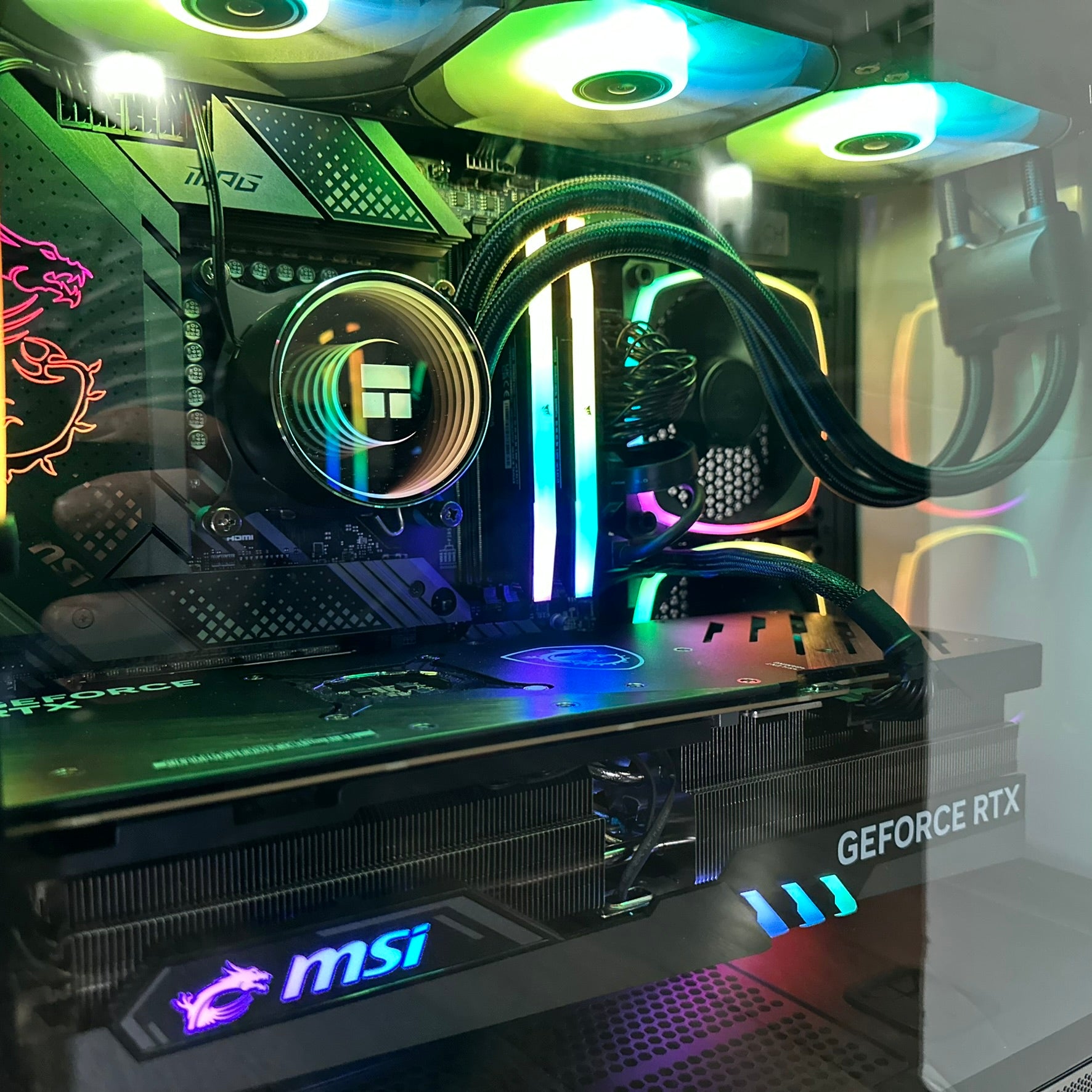
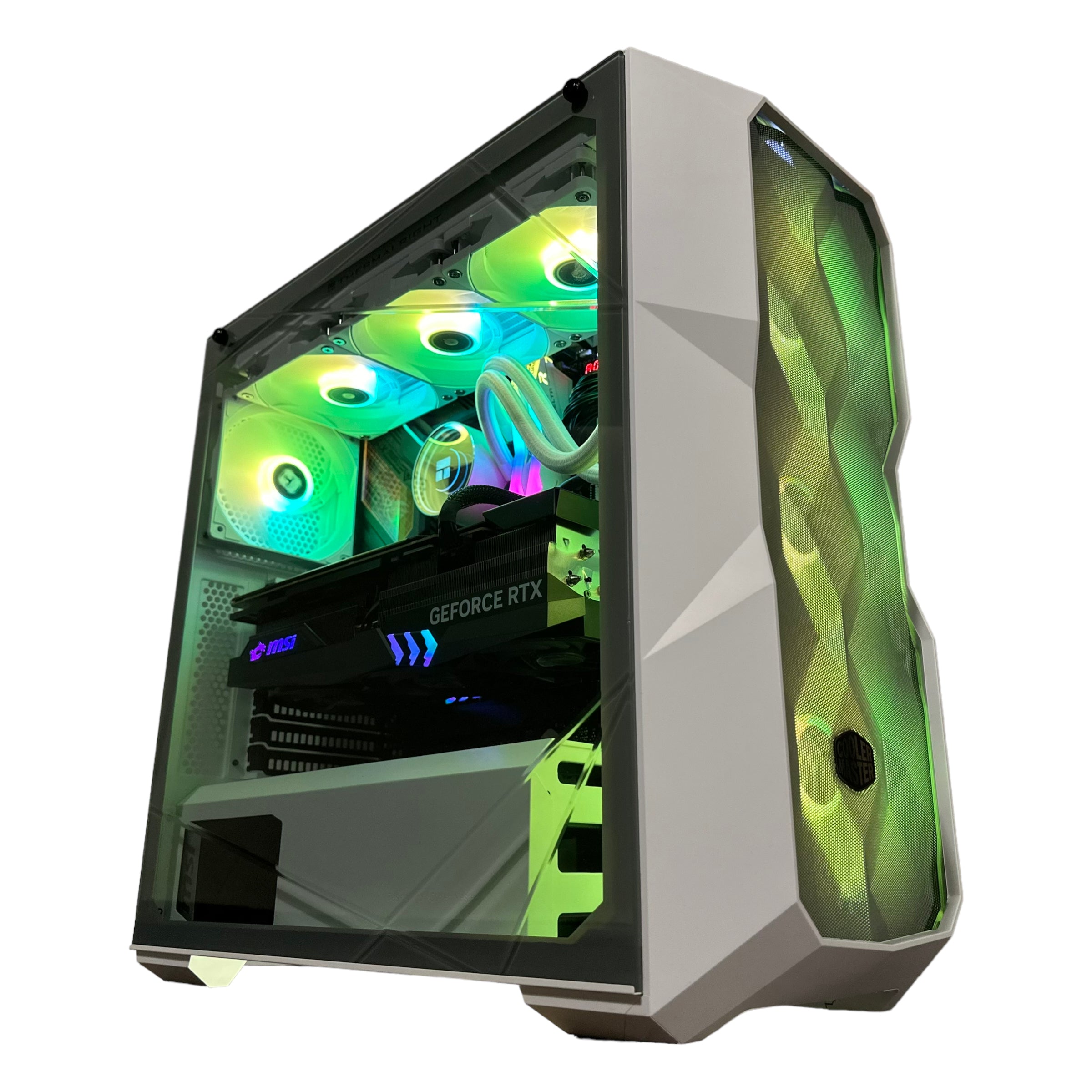
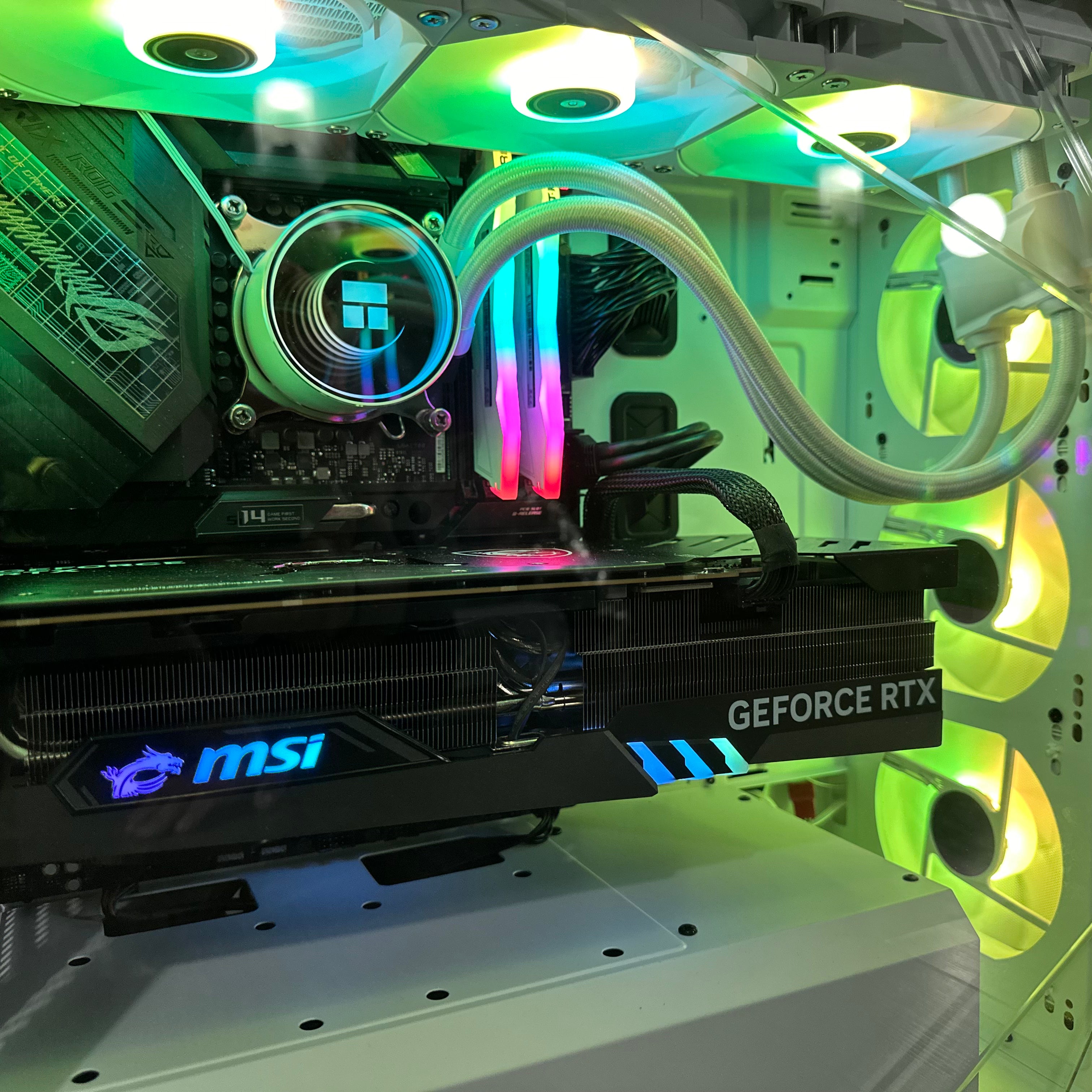
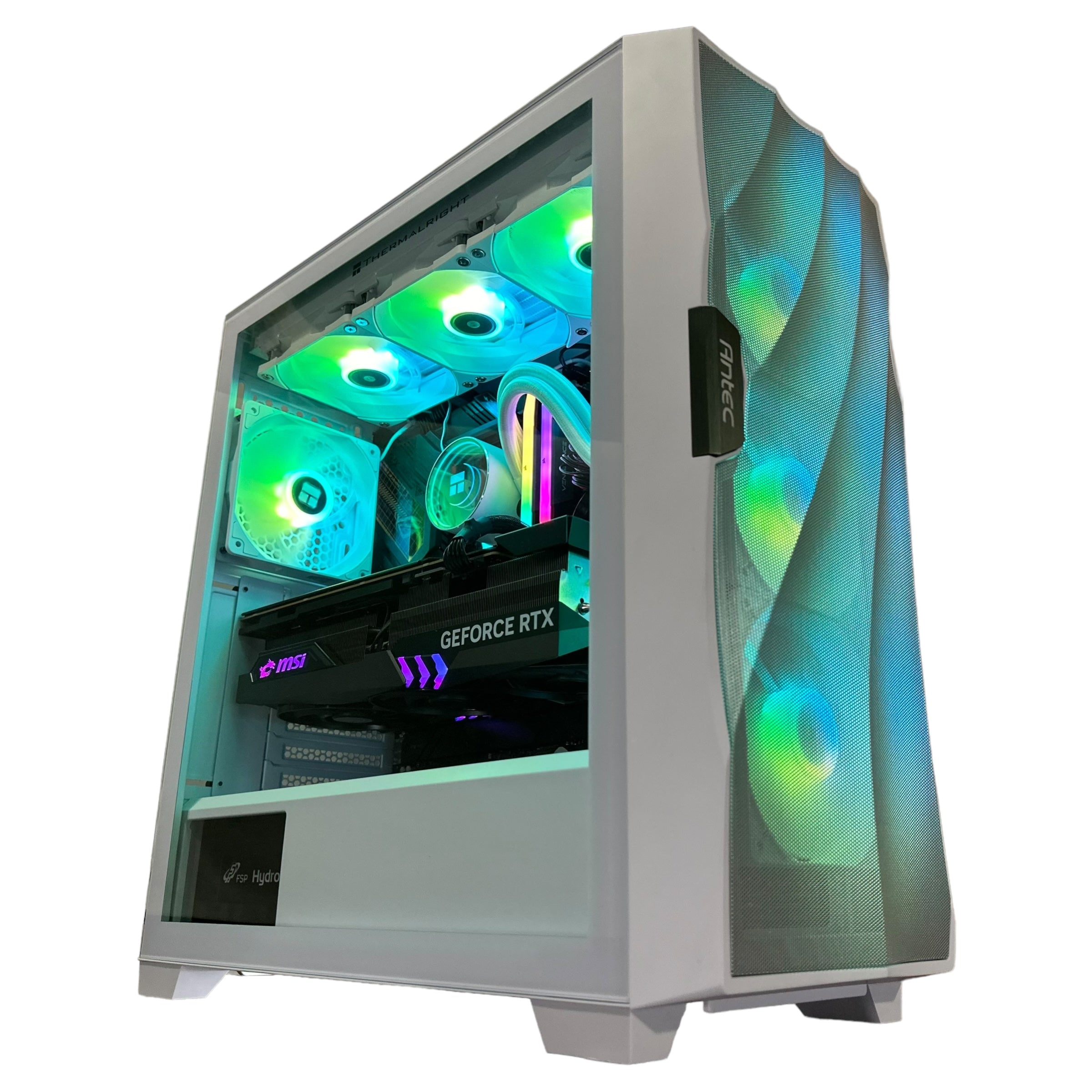

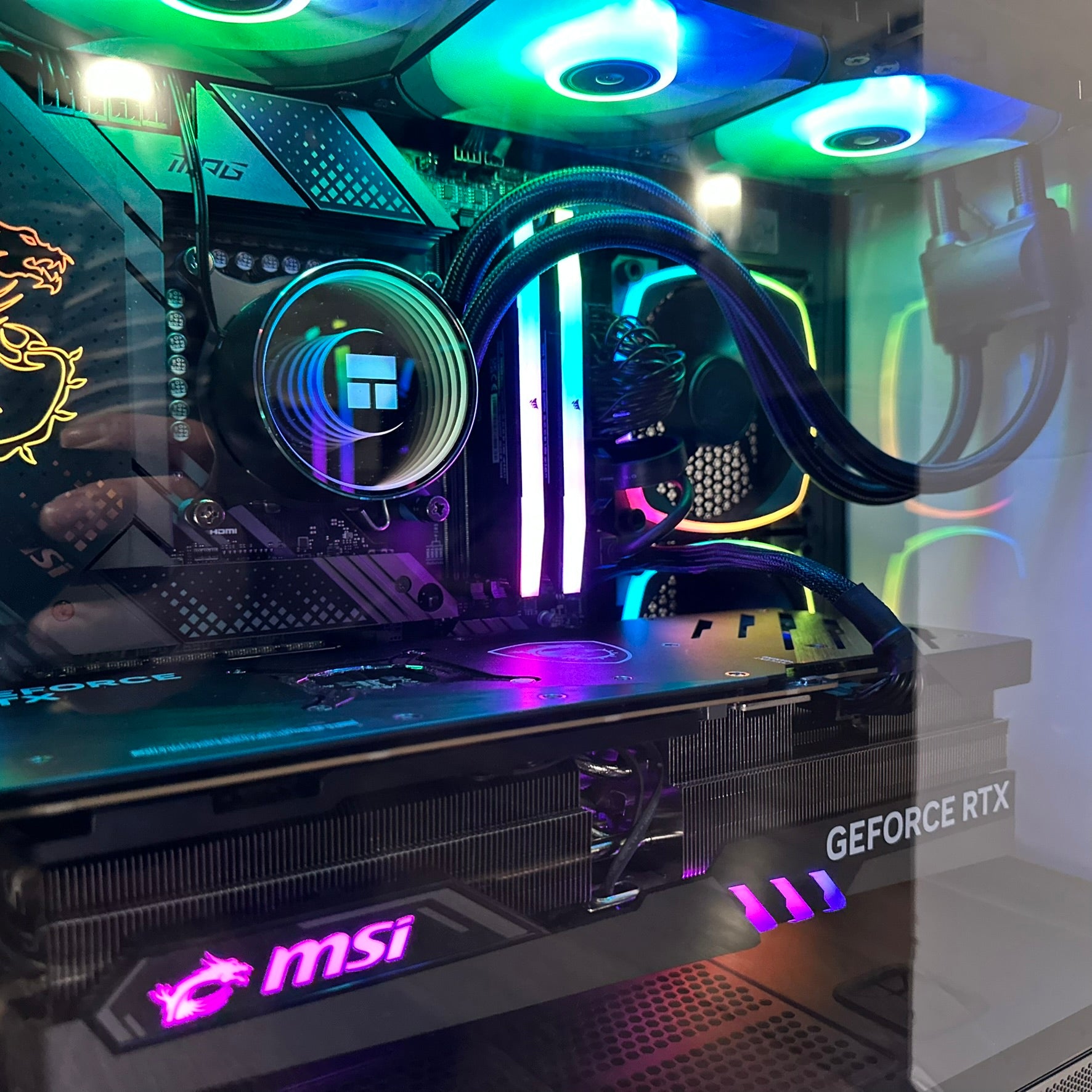
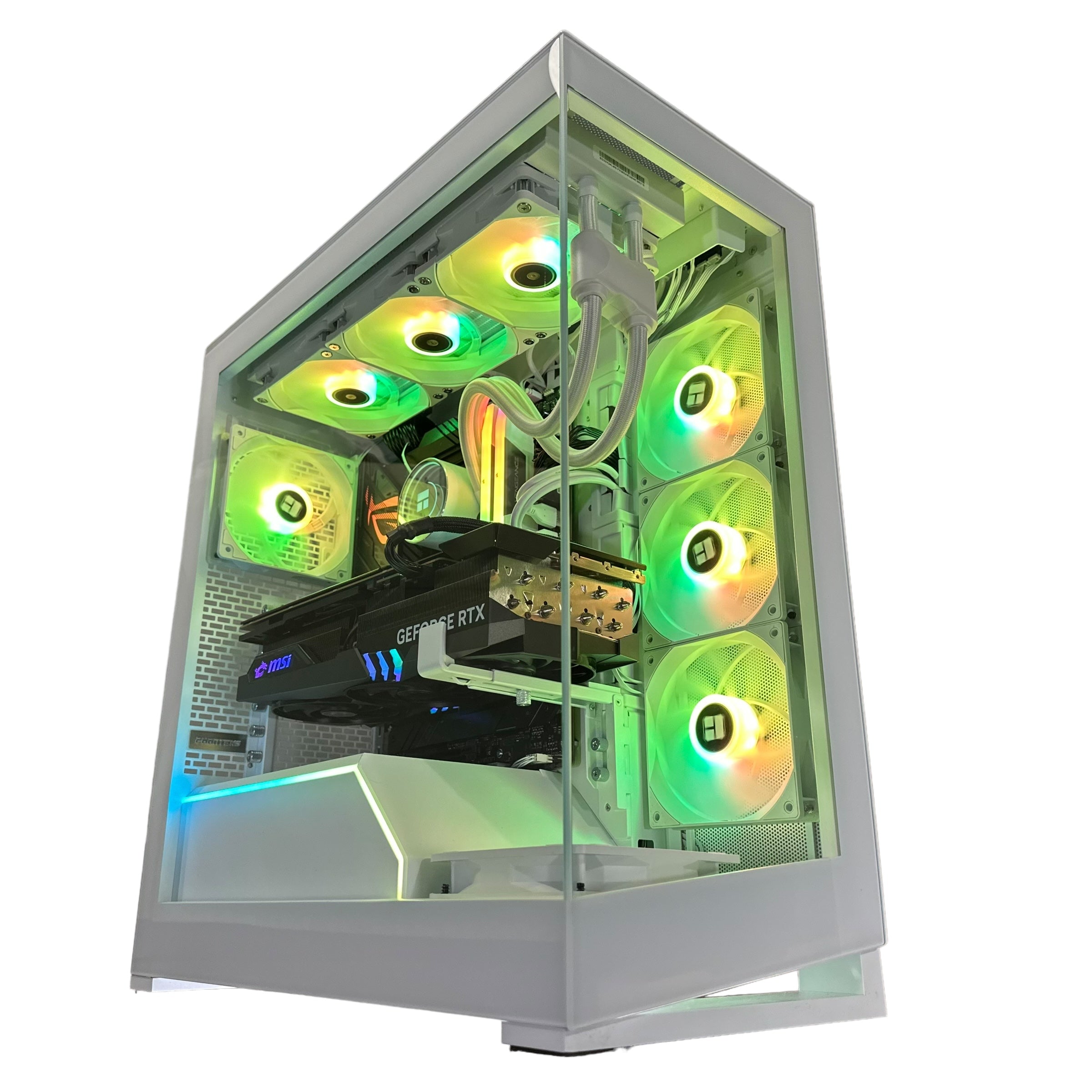
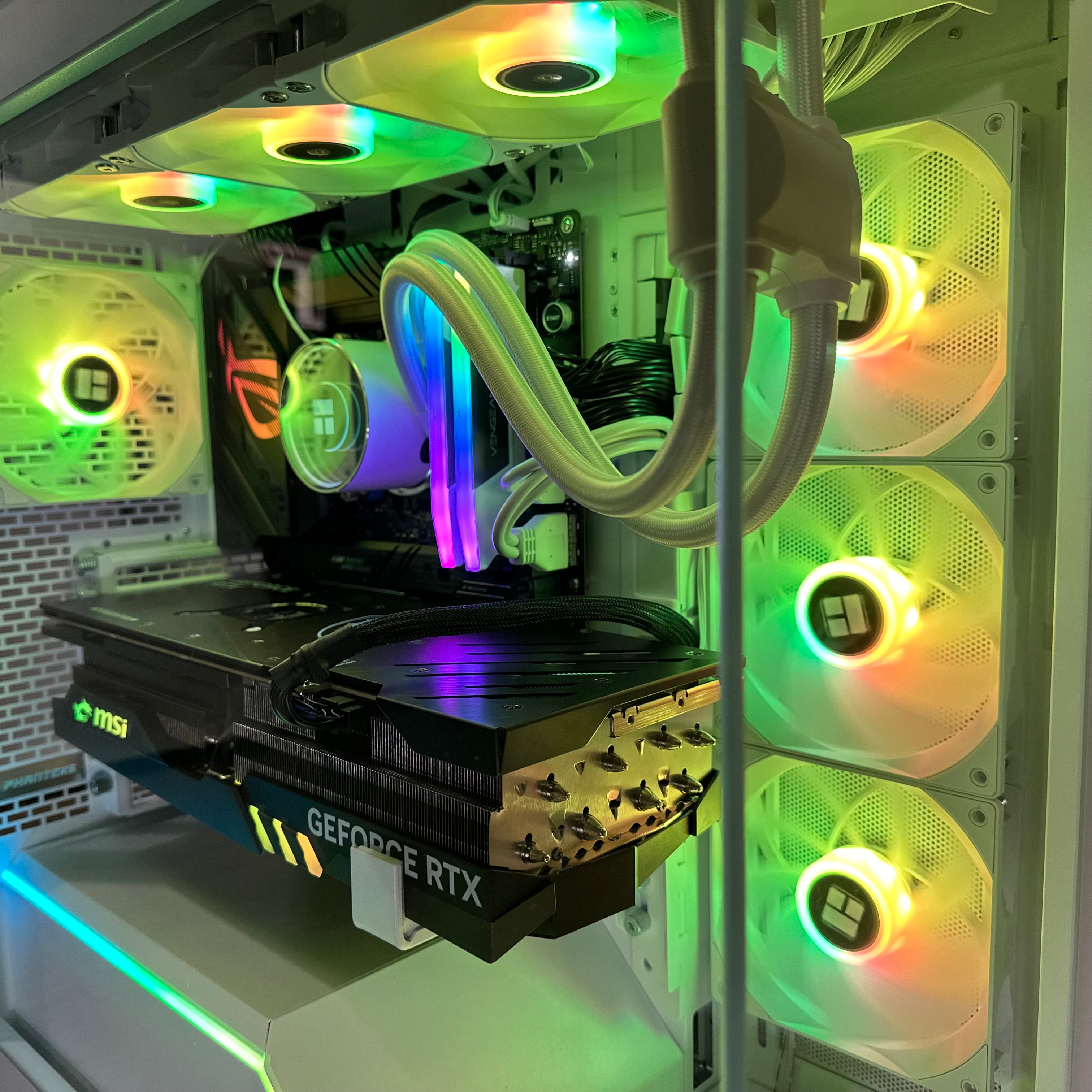
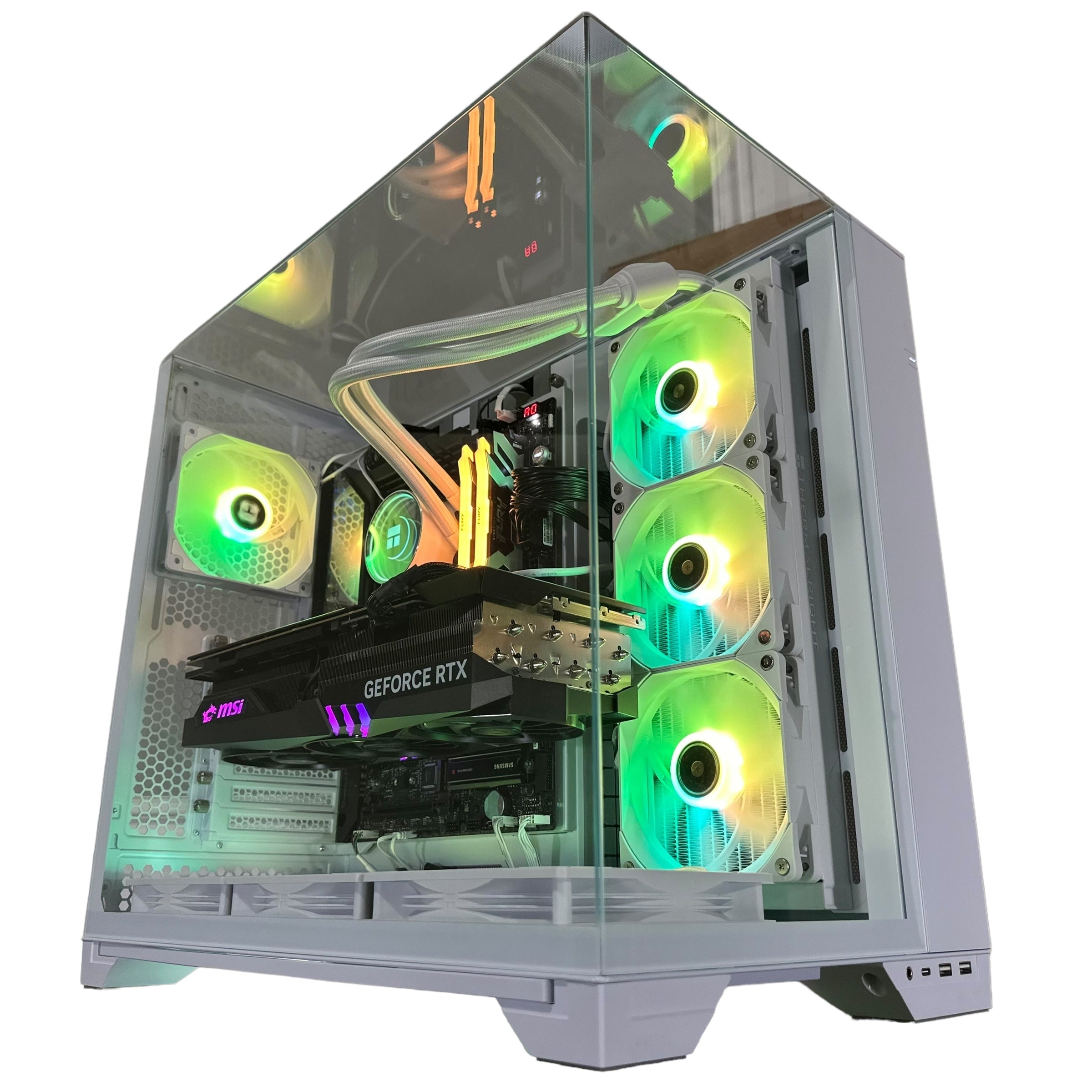
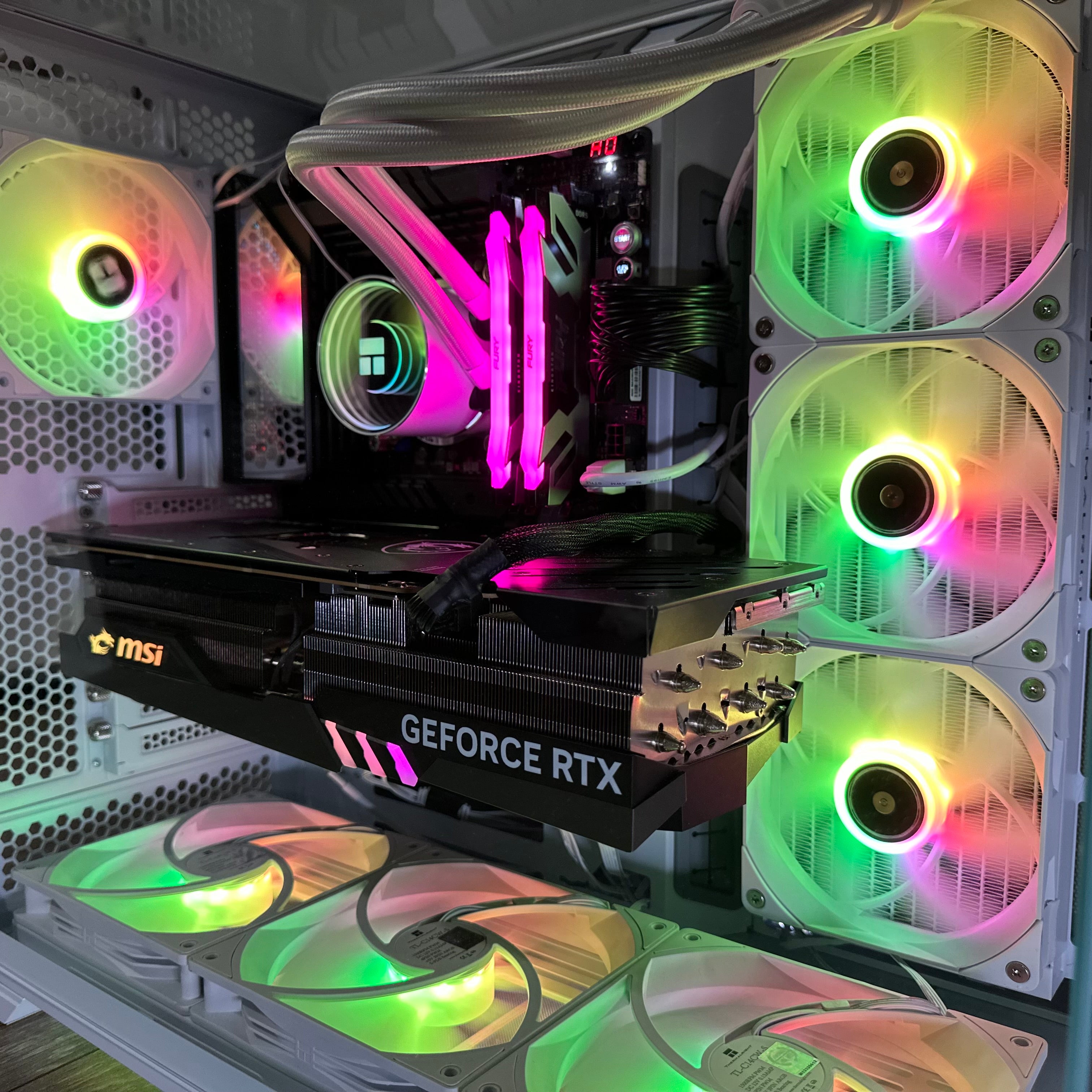

Gaming PC for New Games: What Crimson Desert Stat Min-Maxing Teaches Canadian PC Buyers
If you are shopping for a gaming PC for new games, the biggest lesson from deep Crimson Desert stat optimization is simple: performance is not about one big number. It is about balance, thresholds, bottlenecks, and choosing the right build for the way you actually play. In the game, players chase caps for Critical Rate, Attack Speed, Movement Speed, and Elemental Resistance. In the real world, Canadian PC buyers face a similar challenge with CPUs, GPUs, RAM, SSDs, cooling, monitor resolution, streaming needs, editing workloads, and long-term upgrade plans.
That is where Groovy Computers comes in. As a Canadian custom PC builder, Groovy Computers helps buyers move beyond generic spec lists and into practical build decisions: What games do you want to play? Are you targeting 1080p, 1440p, or 4K? Do you want ray tracing? Are you streaming to Twitch or YouTube? Are you editing video, working in Photoshop, creating 3D models, rendering in Blender, or building a workstation that needs to stay fast for years?
The source guide focuses on maximizing in-game stats in Crimson Desert. This Groovy Computers guide expands that idea into a real buying framework for Canadian gamers, streamers, creators, designers, students, and professionals who want a system that performs properly today and does not feel outdated too soon.
Before you buy your next PC, ask yourself one important question: Are you trying to buy the cheapest computer that runs your current game, or are you trying to build a system that keeps up with what you want to do next?
Why Crimson Desert Stat Optimization Matters to PC Buyers
Crimson Desert’s gearing system highlights a familiar performance problem: once you understand caps and thresholds, you stop wasting resources. The original guide explains how stats such as Critical Rate, Attack Speed, Movement Speed, and Elemental Resistance are not always useful in small random amounts. Some stats need to hit specific levels before they matter. Others cap out, which means stacking more of the same stat provides little or no benefit.
That same thinking applies directly to a custom gaming PC. Buying a high-end GPU with too little RAM can create a bottleneck. Buying a powerful CPU with a weak graphics card may not help much in GPU-heavy games. Choosing a blazing-fast processor but installing a small, slow SSD can make the whole system feel less responsive. Overspending in one area while neglecting another is the PC-building version of putting too many sockets into a stat that already hit its cap.
What do you actually need your PC to do? Do you want high FPS in esports games, cinematic 4K visuals in open-world RPGs, smooth recording while you play, fast exports in Adobe Premiere Pro, responsive RAW photo editing in Lightroom, or reliable 3D rendering in Blender? Each goal changes the correct balance of parts.
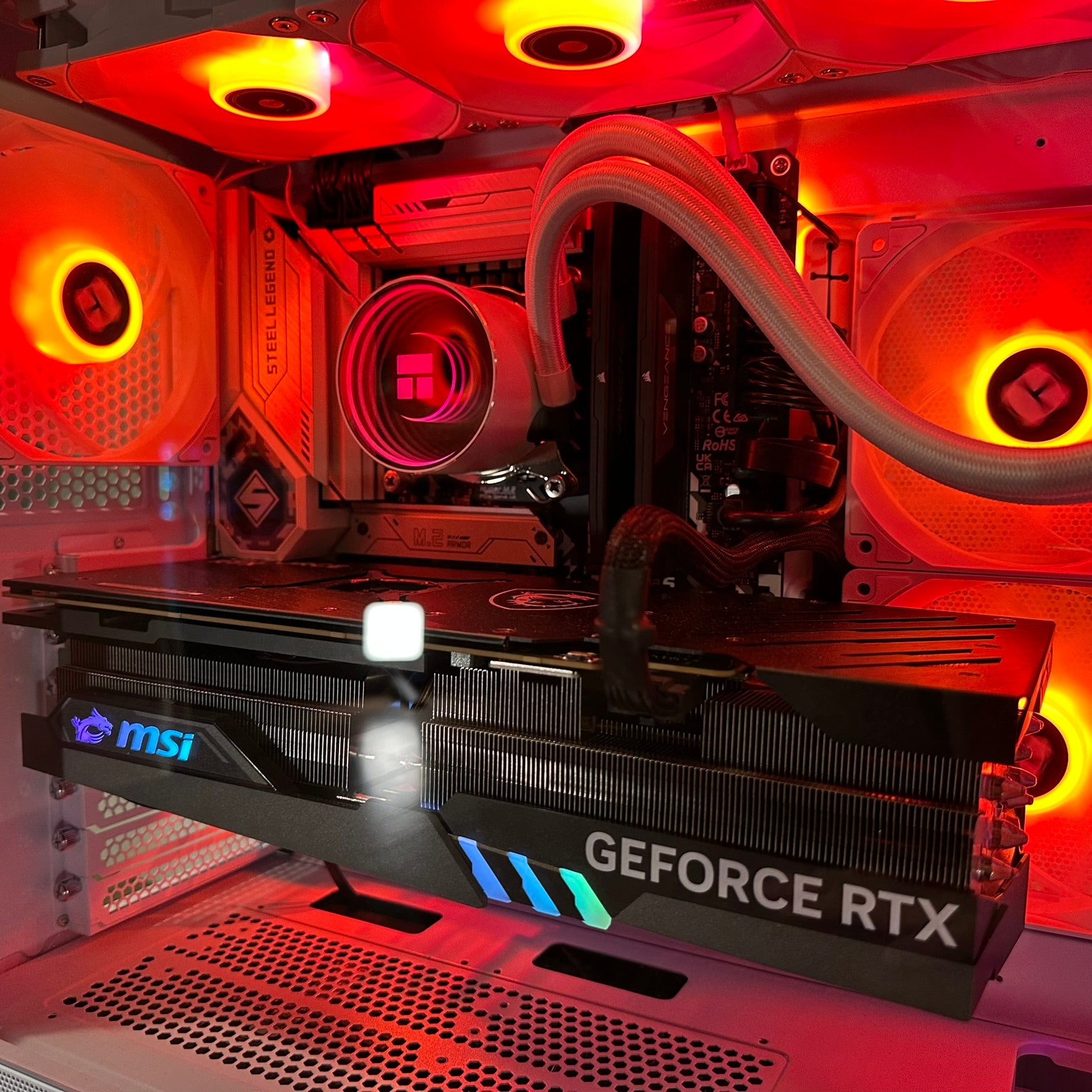
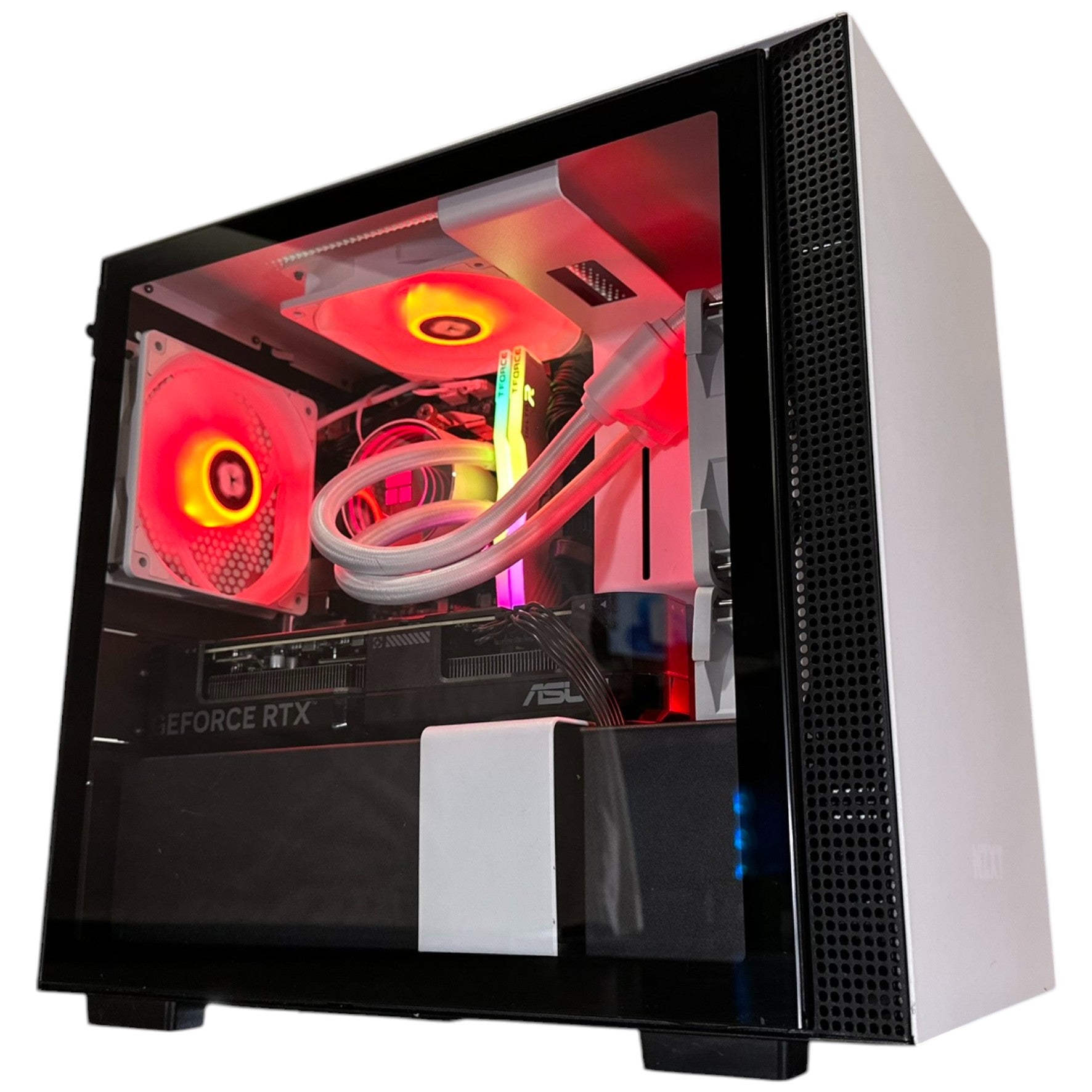
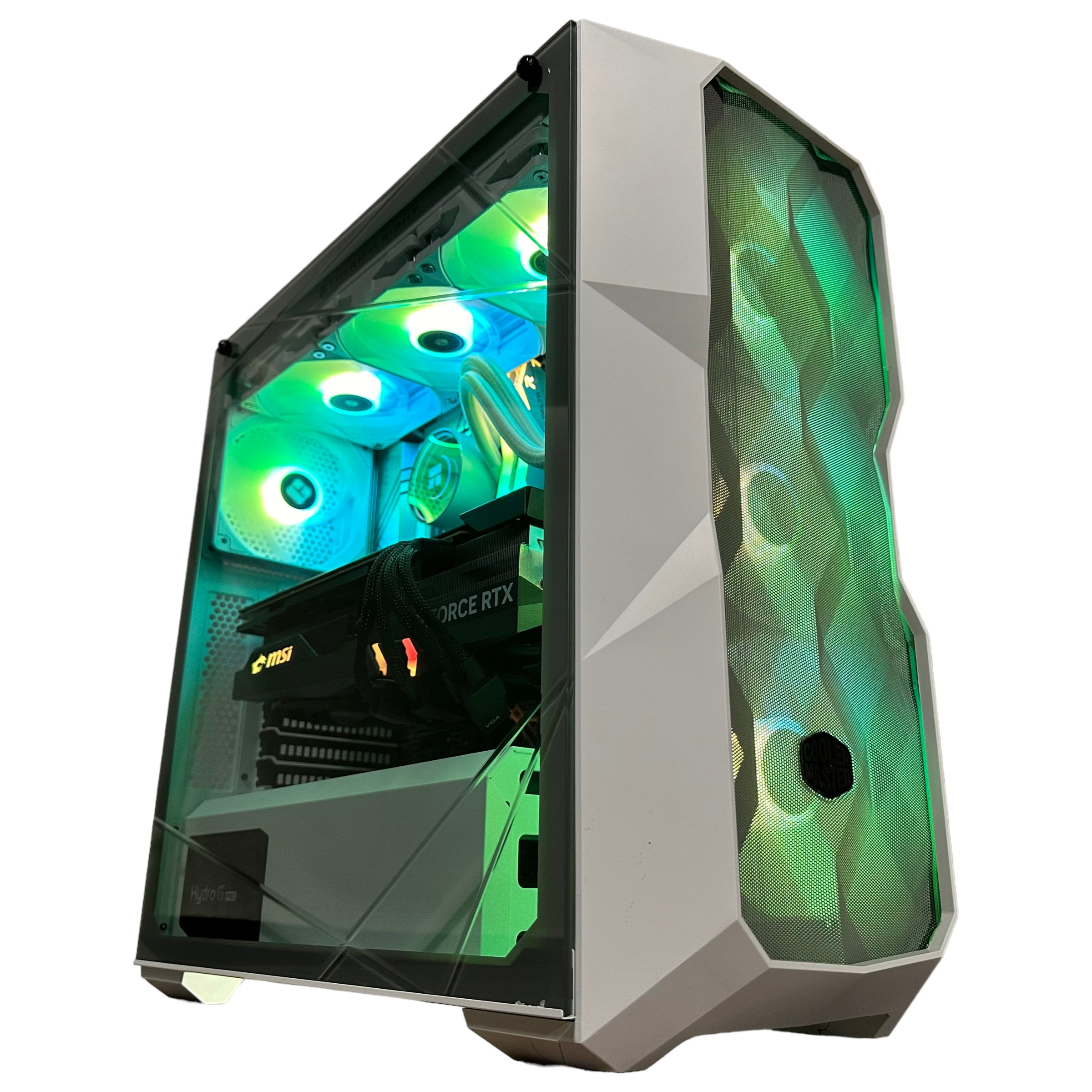
A smart gaming PC for new games is not just a tower full of expensive components. It is a tuned system where the CPU, GPU, RAM, storage, power supply, cooling, and case airflow all work together for your workload.
What the Source Gets Right: Performance Comes From Reaching the Right Thresholds
The Crimson Desert guide focuses on stat caps and thresholds. It explains that some stats only matter after specific breakpoints, and that the most efficient builds avoid wasting sockets. That is one of the most important concepts in custom PC buying.
For gamers, performance thresholds usually look like this:
- 1080p gaming: Smooth gameplay, strong value, high FPS potential, and a great fit for budget gaming computers.
- 1440p gaming: The current sweet spot for many players who want sharper visuals, high refresh rates, and strong longevity.
- 4K gaming: A premium experience that demands a stronger GPU, more VRAM, better cooling, and more careful build planning.
- Ray tracing: A GPU-intensive feature that can transform lighting and reflections but requires the right graphics card tier.
- Streaming while gaming: A dual workload that benefits from a capable CPU, modern GPU encoding, enough RAM, and fast storage.
- Video editing and content creation: A workload where CPU cores, GPU acceleration, RAM capacity, SSD speed, and project storage all matter.
- 3D modeling and rendering: A more demanding professional workload where GPU power, VRAM, RAM, CPU strength, and cooling become critical.
Are you chasing 60 FPS, 144 FPS, or maximum visual settings? Are you using a 1080p monitor today but planning to upgrade to 1440p later? Are you buying before a major game release or before your creative software demands more from your system? These questions matter because the right threshold for one buyer can be the wrong threshold for another.
What Do You Want Your Next PC to Do for You?
Before choosing a custom build, pause and think about the role your next computer needs to play. This sounds simple, but it is where many buyers make expensive mistakes.
Do you want your next PC to:
- Play new AAA games at high settings without stutter?
- Run competitive esports titles at high FPS on a high-refresh monitor?
- Handle 1440p gaming now and remain useful as game requirements rise?
- Deliver a premium 4K gaming experience with ray tracing?
- Stream gameplay through OBS Studio while keeping your frame rate stable?
- Edit YouTube videos, TikToks, Reels, podcasts, or client projects?
- Work smoothly in Adobe Premiere Pro, DaVinci Resolve, After Effects, Photoshop, Illustrator, Lightroom, Canva, or InDesign?
- Render 3D scenes in Blender, Unreal Engine, Cinema 4D, Maya, 3ds Max, SketchUp, Revit, AutoCAD, or SolidWorks?
- Support multiple monitors, a capture card, external drives, audio gear, and creator accessories?
- Avoid another major upgrade too soon?
If your answer is “a bit of everything,” you are exactly the kind of buyer who benefits from a custom system. A generic prebuilt may look attractive on a shelf, but a carefully configured custom desktop can be tuned around your real priorities.
Do you need a budget gaming PC Canada buyers can afford today, a premium RTX gaming PC for ultra settings, a custom creator PC Canada workflow machine, a video editing workstation, or a 3D rendering workstation? Groovy Computers can help you choose the category that actually matches your needs.
Gaming PC for New Games: Why Balance Beats Randomly Chasing Big Specs
A common PC-buying mistake is assuming the single most expensive part automatically creates the best experience. It does not. Just as a Crimson Desert build can waste sockets by stacking the wrong stat, a PC can waste budget by overspending in one area while underbuilding another.
For a gaming PC for new games, the graphics card usually matters most for visual settings, resolution, ray tracing, and frame rate. But the CPU still matters for simulation-heavy games, high FPS esports, background tasks, streaming, and overall responsiveness. RAM matters when games, browsers, Discord, launchers, mods, and recording tools are open at the same time. SSD speed and capacity matter when modern games take up huge storage space and load large worlds. Cooling matters because high-performance parts need to sustain boost speeds, not just look impressive on a product page.
What happens if you buy too little GPU for 1440p or 4K? You may need to lower settings sooner than expected. What happens if you buy too little RAM for gaming and streaming? You may see stutters, dropped frames, or sluggish multitasking. What happens if you buy a tiny SSD? You may spend more time uninstalling games than playing them.
A good custom gaming PC is a complete system. It should be selected around your monitor, your games, your expectations, and your future plans.
Which Performance Tier Fits You?
Not every customer needs the same PC. The right performance tier depends on your games, your monitor, your creative workload, and how long you want the system to remain comfortable.
Entry-Level and Budget Gaming: Are You Focused on Value?
A budget gaming computer is ideal if you want to play esports titles, lighter games, popular multiplayer games, and many current releases at 1080p with sensible settings. This tier is often right for students, first-time desktop buyers, families, and players moving away from older laptops or aging consoles.
Ask yourself: Do you mainly play games like Fortnite, Valorant, Counter-Strike 2, Minecraft, Roblox, Rocket League, or similar competitive and social titles? Are you comfortable with 1080p? Would you rather keep the price lower and upgrade later?
A Budget Gaming PC Canada buyer should still care about quality. Cheap does not mean careless. You still want a reliable power supply, good airflow, enough RAM, a fast SSD, proper cable management, stress testing, and warranty support. A low-cost tower that overheats or uses weak parts is not a good deal.
Mid-Range 1440p Gaming: Do You Want the Best Balance?
For many Canadian gamers, 1440p is the sweet spot. It looks much sharper than 1080p, does not demand as much GPU power as 4K, and pairs beautifully with high-refresh monitors. A 1440p Gaming PC Canada build is often the best choice for players who want strong performance in open-world games, shooters, RPGs, racing games, survival games, and upcoming AAA releases.
Are you buying before a major game release? Are you upgrading from an older GTX or early RTX system? Are you tired of turning down settings every time a new game launches? A balanced 1440p custom gaming PC may be the point where value and long-term satisfaction meet.
This tier is also excellent for players who stream casually, edit videos occasionally, or run multiple monitors. With the right CPU, GPU, RAM, and SSD configuration, a mid-range custom PC can become a gaming and creator hybrid without moving into full workstation pricing.
Premium 4K and Ray Tracing: Do You Want Ultra Settings Without Compromise?
A premium gaming PC is for buyers who want the high-end experience: 4K gaming, ray tracing, ultra settings, high frame rates, premium cooling, more VRAM, stronger CPUs, and a build that feels powerful for longer. If you are shopping for a 4K Gaming PC Canada or High End Gaming PC Canada build, component matching becomes even more important.
Do you want to play cinematic open-world games with maximum visual settings? Are you using a 4K monitor or planning to buy one? Do you care about ray tracing, path tracing, AI-enhanced performance features, and premium visual fidelity? If so, your GPU tier matters heavily, but so do airflow, power delivery, case quality, CPU selection, and long-term upgrade room.
This is where financing can also become a practical tool. If a stronger PC saves you from upgrading too soon, spreads the cost over time, and gets you into the right performance tier before prices shift, it may be more sensible than buying an underpowered system today and replacing it sooner.
Streaming and Gaming: Are You Playing, Recording, and Broadcasting at the Same Time?
Streaming changes the equation. A gaming PC that performs well while doing only one task may struggle when you add OBS Studio, browser sources, alerts, chat, recording, audio processing, camera feeds, and multiple monitors.
What PC do you need for streaming? The answer depends on your stream quality, game choice, resolution, and whether you also record high-quality footage locally. A Gaming PC for Streaming Canada build should include a strong GPU with modern encoding support, a capable CPU, enough RAM for multitasking, fast SSD storage, and reliable cooling for long sessions.
Do you want to stream at 1080p while gaming at 1440p? Do you plan to edit your stream highlights after the broadcast? Do you want one machine that handles gaming, recording, editing, thumbnails, and uploads? If yes, you are no longer just buying a gaming PC. You are buying a content engine.
Video Editing and Content Creation: Are You Losing Time to Slow Exports?
For creators, the real cost of a weak PC is time. Slow timeline playback, laggy scrubbing, long exports, proxy workflow headaches, and crashes can damage productivity. A Video Editing PC Canada build should be planned around the software you use and the footage you work with.
What PC do you need for video editing? If you are editing 1080p social clips, your needs may be modest. If you are working with 4K footage, multicam timelines, colour grading, effects, motion graphics, or DaVinci Resolve projects, you need a stronger CPU, GPU acceleration, more RAM, and fast SSD storage. If you are using Adobe Premiere Pro, After Effects, Photoshop, Lightroom, and OBS on the same machine, you need a more complete creator setup.
Are you editing for YouTube, TikTok, client projects, weddings, real estate, product videos, podcasts, or business marketing? Your workload matters. A Custom Video Editing PC Canada system should not be a random gaming tower with a creator label. It should be built to reduce friction in the actual software you use.
Photo Editing and Graphic Design: Do You Need Responsiveness More Than Raw Gaming Power?
Photographers and designers often need a different balance than pure gamers. Photoshop, Lightroom Classic, Capture One, Illustrator, InDesign, Canva, CorelDRAW, and Affinity Designer benefit from responsive CPUs, enough RAM, fast SSDs, reliable storage planning, and monitor support. A dedicated GPU can help with acceleration and AI tools, but the best build depends on the software and file sizes.
Do you edit large RAW photo libraries? Do you batch export hundreds of images? Do you work with layered Photoshop files, brand mockups, large Illustrator assets, or multi-monitor design layouts? A Photo Editing PC Canada or Graphic Design PC Canada build should be tuned for smooth workflow, not just game benchmarks.
If you are also gaming after work, a custom system can serve both roles. The key is being honest about which workload matters most when budget decisions need to be made.
3D Modeling, Rendering, and Workstation Use: Are You Building for Serious Production?
3D modeling and rendering workloads can punish weak systems quickly. Blender, Unreal Engine, Unity, Maya, 3ds Max, Cinema 4D, ZBrush, SketchUp, AutoCAD, Revit, and SolidWorks can require far more than a basic gaming desktop. A 3D Modeling PC Canada or 3D Rendering PC Canada build may need a higher-end GPU, more VRAM, more RAM, stronger CPU performance, and better cooling than a typical gaming setup.
What PC do you need for Blender? Are you doing GPU rendering, CPU rendering, animation, architectural visualization, game development, product rendering, CAD, or real-time engine work? Are you opening large scenes, high-resolution textures, simulations, or multiple design tools at once?
A workstation PC should be built for sustained performance. That means stable thermals, quality components, reliable power delivery, storage planning, and proper testing. If your computer is part of your income, downtime is not just annoying. It is expensive.
How PC Specs Work Like In-Game Stats
The original Crimson Desert guide explains how Attack, Critical Rate, Attack Speed, Movement Speed, Defense, and Elemental Resistance behave differently depending on gear sources and thresholds. PC specs work the same way: each component contributes differently depending on the task.
GPU: Your Visual Power Stat
The GPU is the main driver of gaming resolution, high settings, ray tracing, 3D rendering acceleration, video effects acceleration, and AI-assisted creative workflows. If your goal is 1440p or 4K gaming, the GPU usually deserves a major share of your budget.
But should you always buy the biggest GPU you can afford? Not automatically. If the rest of the system is weak, you may create imbalance. A powerful GPU should be paired with a CPU, power supply, case, airflow plan, and monitor that let it make sense.
CPU: Your Simulation, Multitasking, and Creation Stat
The CPU matters for high FPS gaming, background tasks, streaming, compiling, editing, encoding, rendering, multitasking, and general responsiveness. Some games lean harder on the CPU than others, especially simulation-heavy titles, strategy games, MMOs, open-world games, and high-refresh esports.
Creators should pay special attention to CPU choice. Video editing, After Effects, 3D work, music production, and workstation tasks can all benefit from more processing power. But again, balance matters. The best CPU for gaming is not always the best CPU for rendering, and the best workstation CPU may not be necessary for a budget gamer.
RAM: Your Smoothness and Multitasking Stat
RAM is one of the most commonly underestimated parts of a PC. For basic gaming, a reasonable amount may be enough. For gaming plus streaming, editing, browser tabs, Discord, mods, and creative applications, more RAM can make the system feel dramatically smoother.
How much RAM do you need? A casual gamer, a streamer, a 4K video editor, and a 3D artist may all need different capacities. If you want to avoid upgrading too soon, RAM planning should be part of the build conversation from the start.
SSD Storage: Your Loading, Workflow, and Quality-of-Life Stat
Modern games are large. Creator projects are larger. Fast NVMe SSD storage improves boot times, game loading, application launch speed, project responsiveness, scratch disk performance, and general system feel.
Are you installing several huge games at once? Are you storing 4K footage? Are you working with RAW photo libraries or 3D assets? A small drive may look fine on a spec sheet, but it can quickly become a daily frustration.
Cooling and Power Supply: Your Stability Stats
Cooling and power delivery are not flashy, but they are critical. A high-performance PC must sustain performance under load. If temperatures climb too high or the power supply is poorly matched, the system can become noisy, unstable, or limited by thermals.
This is one reason Groovy Computers emphasizes custom builds and testing. A system should not just turn on. It should be built to run properly under real gaming, creator, and workstation conditions.
Why Canadian Buyers Should Think Differently About Timing
Canadian PC buyers face a different reality than buyers reading global hardware headlines. Exchange rates, shipping costs, Canadian inventory, component availability, demand spikes, seasonal sales, and replacement costs can all affect final pricing. A part that seems easy to find one month may become harder to source later.
Is it better to buy a gaming PC now or wait? The honest answer depends on your current system, your workload, your budget, and the market. But waiting is not always safer. If GPU demand rises, memory pricing shifts, SSD costs move, or a major game release drives more buyers into the market, the system you wanted may become more expensive or harder to secure.
Are you buying before a major game launch? Are you upgrading before school, a new editing contract, a content push, a software upgrade, or a busy work season? If the PC is tied to your entertainment, education, income, or productivity, timing matters.
This is also where financing can make sense. Financing up to 4 years can help some customers secure a stronger system now instead of settling for a weaker build that needs replacement sooner. The question is not only “Can I afford the cheapest PC today?” It may be “Would a better monthly payment gaming PC give me more useful performance for longer?”
Should You Finance a Better PC Instead of Buying a Cheaper One?
Financing is not about overspending. Used responsibly, it can be a planning tool. If you were already going to buy a PC and you know you need a stronger tier for 1440p gaming, 4K editing, streaming, or workstation use, financing can help you avoid the false economy of buying too little performance.
Ask yourself:
- Will a cheaper PC force me to upgrade within a year or two?
- Am I buying for new games that will continue getting more demanding?
- Do I need smoother streaming, faster editing, or reliable workstation performance now?
- Would a stronger system save time, reduce frustration, or support income-producing work?
- Could financing help me secure parts before pricing or availability changes?
- Do I want predictable payments instead of one large upfront purchase?
If you are researching Gaming PC Financing Canada options, the most important step is choosing the right system first. Financing a poorly matched PC does not solve the problem. Financing a carefully selected custom gaming PC, creator PC, or workstation can make far more sense when it aligns with your needs.
Want help deciding whether to buy now, finance, or choose a different performance tier? Visit GroovyComputers.ca and compare custom options built for Canadian gamers, creators, and workstation users.
Custom PC vs Generic Prebuilt: Why Testing and Part Matching Matter
A generic prebuilt can look simple, but it may hide compromises. Buyers often focus on the headline CPU and GPU while missing the quality of the motherboard, power supply, cooling, RAM configuration, SSD, case airflow, and upgrade path.
A custom build gives you more control. It lets you prioritize the parts that matter for your specific workload. A competitive gamer may need high FPS and low latency. A video editor may need RAM, SSD speed, and CPU/GPU acceleration. A 3D artist may need VRAM and rendering performance. A business user may need stability, quiet operation, and multi-monitor productivity.
Why buy a custom gaming PC? Because your needs are not generic. The right build for a 1080p esports player is different from the right build for a 4K ray tracing gamer. The right build for a YouTube editor is different from the right build for a CAD workstation. The right build for a student is different from the right build for a professional creator billing clients by the hour.
Groovy Computers focuses on custom builds, rigorous testing, and a 1-year warranty so Canadian customers can buy with more confidence. A tested gaming PC or creator workstation is not just about specs. It is about reliability when the system is under load.
How to Avoid Upgrading Too Soon
One of the biggest hidden costs in PC buying is underbuying. A cheap system that barely meets your needs today may feel like a deal, but if it struggles with next year’s games or your next creative workload, you may end up spending more overall.
To avoid upgrading too soon, think about your next two to four years, not just your next two weeks. Are you moving from 1080p to 1440p? Are you planning to stream? Are you learning video editing? Are you taking on design clients? Are you trying Blender or Unreal Engine? Are you buying a higher-refresh monitor? Are your kids getting into more demanding games? Are you starting school or a business?
A future proof gaming PC is not truly future proof forever, but it can be better prepared. That means choosing a sensible performance tier, enough RAM, a strong enough GPU, good storage, proper cooling, quality power delivery, and an upgrade-friendly platform where possible.
Just like the Crimson Desert stat guide warns against inefficient stat distribution, Groovy Computers encourages buyers to avoid inefficient budget distribution. Spend where it matters. Do not waste money where it does not. Build for the experience you actually want.
Questions to Ask Before Buying a Gaming, Creator, or Workstation PC
If you are not sure what to buy, these questions can quickly clarify your direction:
- What are the top five games or applications I care about most?
- Do I want 1080p, 1440p, or 4K performance?
- Do I care about ray tracing, ultra settings, or high FPS competitive play?
- Am I streaming, recording, or editing while gaming?
- Do I use Adobe Premiere Pro, DaVinci Resolve, After Effects, Photoshop, Lightroom, Illustrator, Canva, Blender, Unreal Engine, CAD, or other professional software?
- How much storage do I need for games, footage, photos, projects, and backups?
- Do I need multiple monitors?
- How long do I want this system to feel fast?
- Would financing allow me to choose the right tier instead of settling too low?
- Do I want a budget gaming computer, a premium RTX gaming PC, a custom creator PC, a video editing workstation, or a 3D modeling workstation?
- Do I want help choosing a build from Groovy Computers instead of guessing?
These are not just research questions. They are buying questions. The clearer your answers are, the easier it becomes to choose a PC that feels right after the excitement of the purchase wears off.
What Kind of Groovy Computers Build Should You Consider?
Groovy Computers helps Canadian customers choose systems based on real use cases, not just random spec bragging. Here is a practical way to think about your category.
Choose a Budget Gaming Computer If...
Choose a budget gaming computer if you want strong value, 1080p gaming, esports performance, school-friendly pricing, and a reliable first gaming desktop. This is the right lane if you want a sensible system without pretending you need flagship hardware.
Choose a 1440p Custom Gaming PC If...
Choose a 1440p custom gaming PC if you want a sharper, smoother, more future-ready experience for modern games. This is the sweet spot for many Canadian buyers who want excellent performance without jumping to premium 4K pricing.
Choose a Premium Gaming PC If...
Choose a premium gaming PC if you want 4K visuals, ray tracing, ultra settings, high-refresh gaming, stronger long-term performance, and a build that feels high-end in both speed and presentation.
Choose a Streaming and Editing PC If...
Choose a streaming and editing PC if you create content, record gameplay, edit videos, manage social channels, run OBS, and need a machine that can multitask without dragging you down.
Choose a Creator PC If...
Choose a creator PC if your workflow includes Adobe Creative Cloud, DaVinci Resolve, CapCut, Photoshop, Lightroom, Illustrator, InDesign, Canva, podcast editing, YouTube production, short-form video, or client creative work.
Choose a 3D Workstation If...
Choose a 3D workstation if you use Blender, Unreal Engine, Unity, Maya, 3ds Max, Cinema 4D, ZBrush, AutoCAD, Revit, SolidWorks, SketchUp, or other professional modeling and rendering tools. This category should be built for sustained performance, not just gaming benchmarks.
Why Groovy Computers Is a Strong Fit for Canadian PC Buyers
Buying a PC in Canada should not feel like gambling on a parts list. Groovy Computers helps customers match the right system to the right workload, whether that is gaming, streaming, editing, design, 3D rendering, or workstation productivity.
For customers in Nova Scotia, Atlantic Canada, and across Canada, Groovy Computers offers the confidence of a Canadian gaming PC company that understands local buying conditions, component pricing pressure, shipping realities, and the need for dependable support. Whether you are near Trenton, New Glasgow, Halifax, or ordering from elsewhere in Canada, the goal is the same: a reliable custom PC built around what you actually do.
Every buyer is different. Some need a value-focused gaming desktop. Some need a high-end gaming PC for 4K. Some need a creator workstation that can handle paying client work. Some are trying to finance a stronger system before component prices move. A good custom PC builder should help you sort those priorities, not push you into a one-size-fits-all tower.
Is Now the Right Time to Buy a Gaming PC for New Games?
If your current computer still handles everything you do, waiting may be reasonable. But if you are already lowering settings, avoiding new games, struggling with editing timelines, dropping frames while streaming, running out of storage, or losing paid work time to slow renders, waiting can cost more than it saves.
Are you preparing for a major game release? Are you planning a monitor upgrade? Are you starting content creation seriously? Are you moving into 4K video, RAW photo work, graphic design, or 3D modeling? Are you worried that component prices or availability could shift before you are ready?
If the answer is yes, this is a good time to start comparing builds. You do not need to overspend. You need to choose intentionally. A custom PC can be configured around your budget, your monitor, your software, your games, and your upgrade expectations.
The smartest buyers do what the best min-maxing players do: they identify the target, understand the thresholds, avoid waste, and invest where performance actually matters.
Ready to Choose the Right Build?
If you are still asking “What gaming PC do I need?” or “Should I finance a better PC instead of buying a cheaper one?” Groovy Computers can help you narrow the answer. Start with your games, your software, your monitor, your budget, and your timeline. From there, the right build category becomes much clearer.
Do you want a gaming PC for new games, a 1440p gaming PC, a 4K ray tracing system, a streaming PC, a video editing PC, a graphic design desktop, a content creation PC, or a 3D rendering workstation? Visit GroovyComputers.ca to explore custom options, ask about financing up to 4 years, and get help choosing a Canadian-built system that is matched to your real performance goals.
Crimson Desert stat optimization is a reminder that smart performance is never random. The same is true when buying a PC. The right parts, in the right balance, at the right time, can make the difference between a system that merely runs and a system that feels genuinely powerful.
#GamingPCForNewGames #CustomGamingPCCanada #GamingPCBuilderCanada #1440pGamingPC #4KGamingPC #StreamingPCCanada #CreatorPCCanada #VideoEditingPCCanada #3DRenderingPCCanada #GroovyComputers
Groovy Computers | All Rights Reserved


Leave a comment
This site is protected by hCaptcha and the hCaptcha Privacy Policy and Terms of Service apply.