


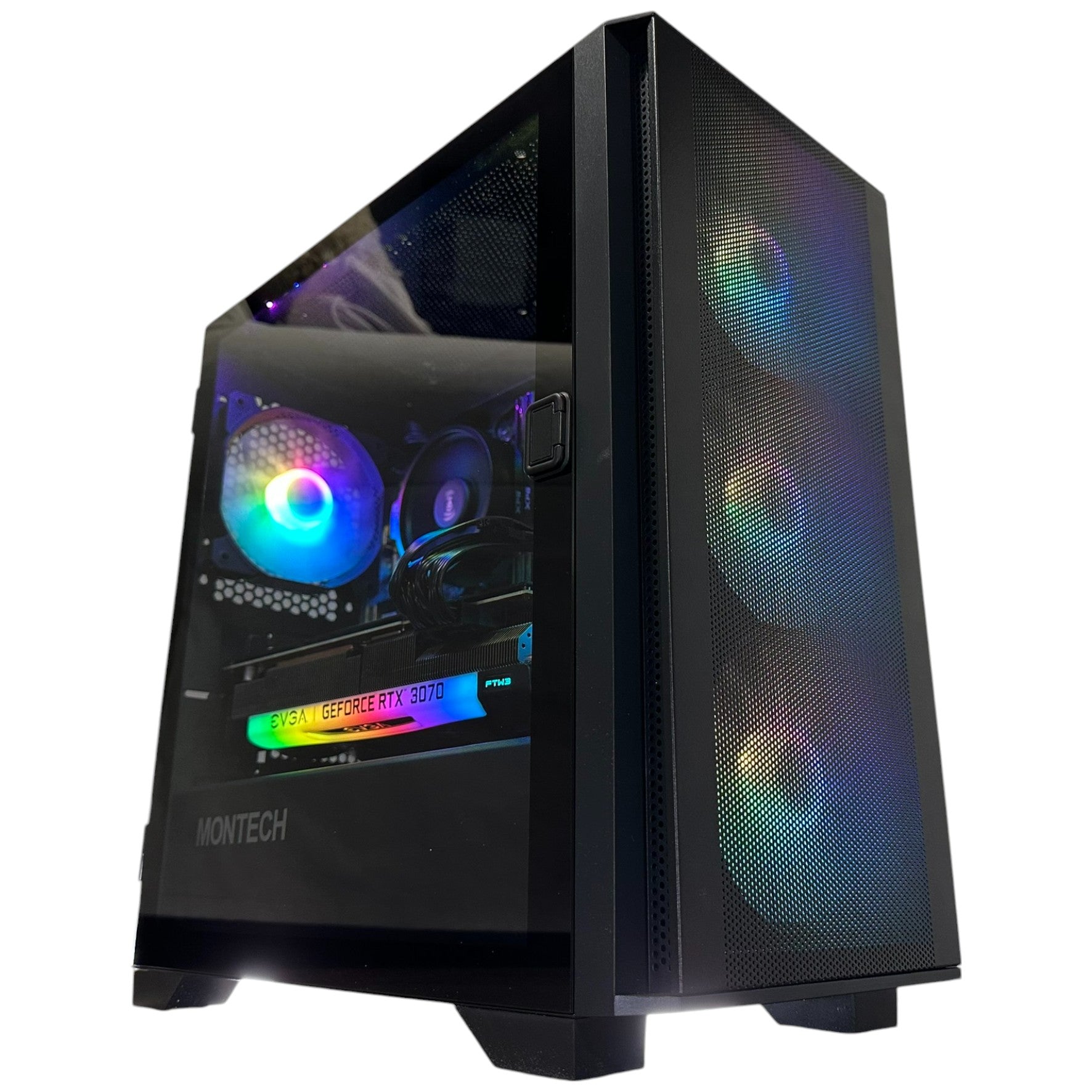
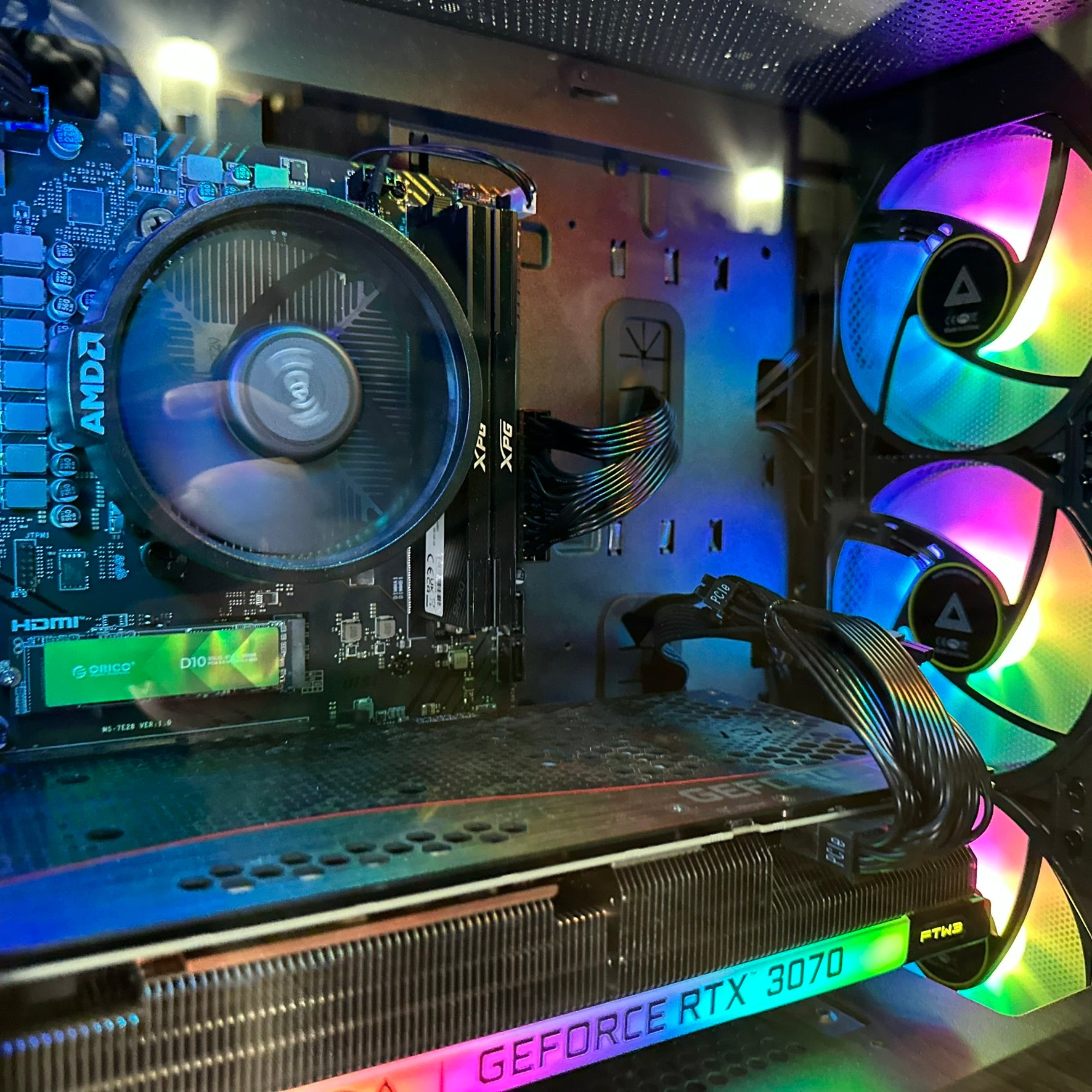
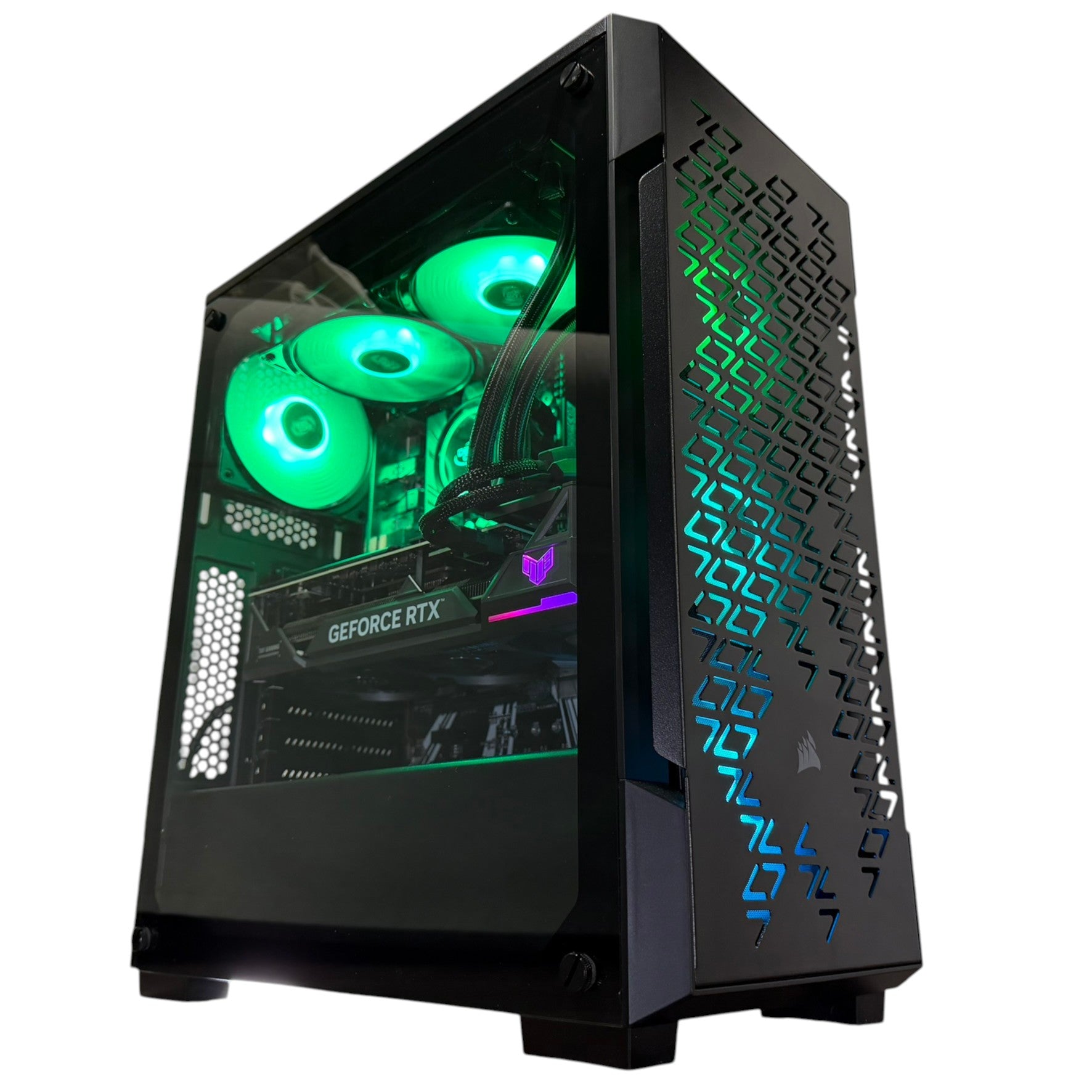

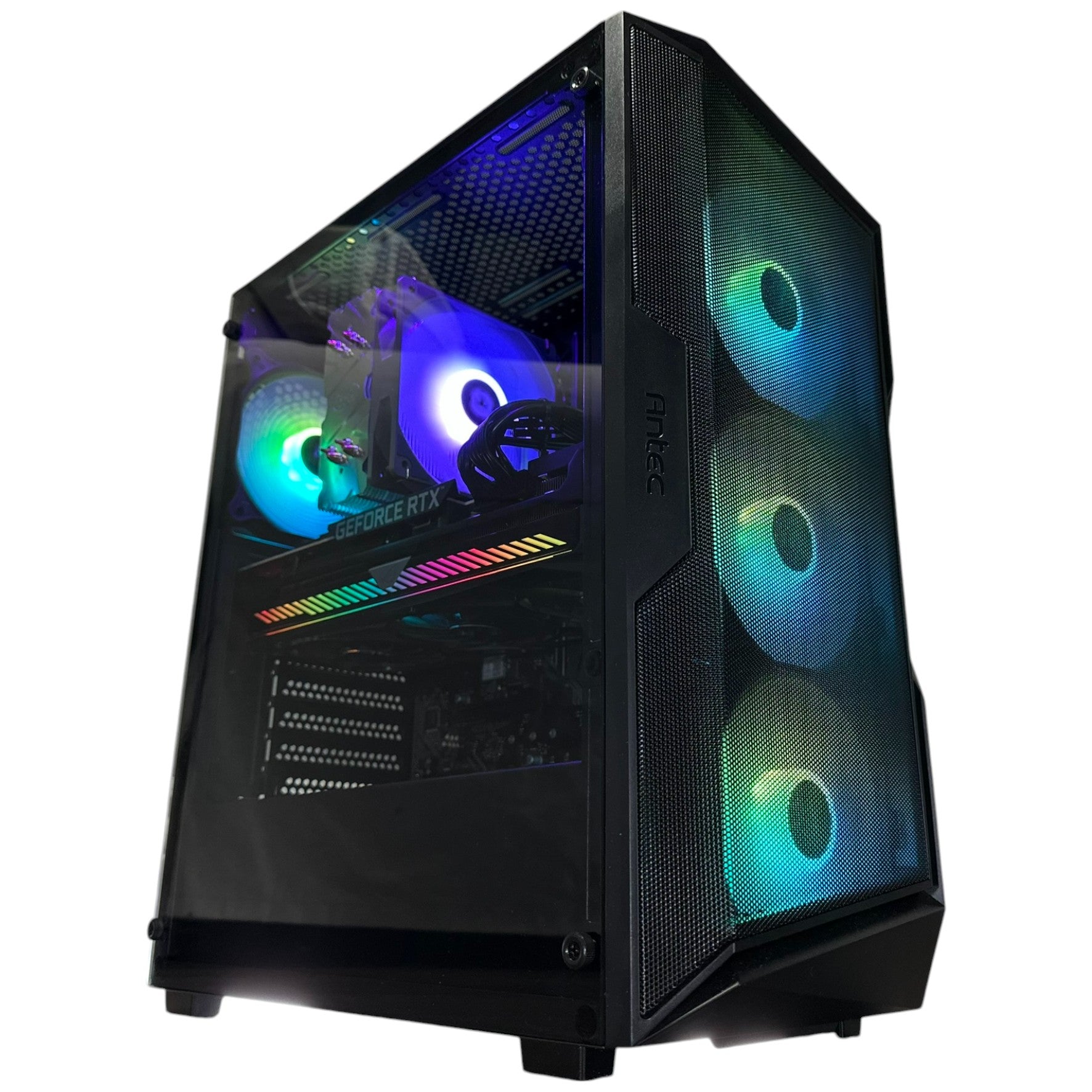
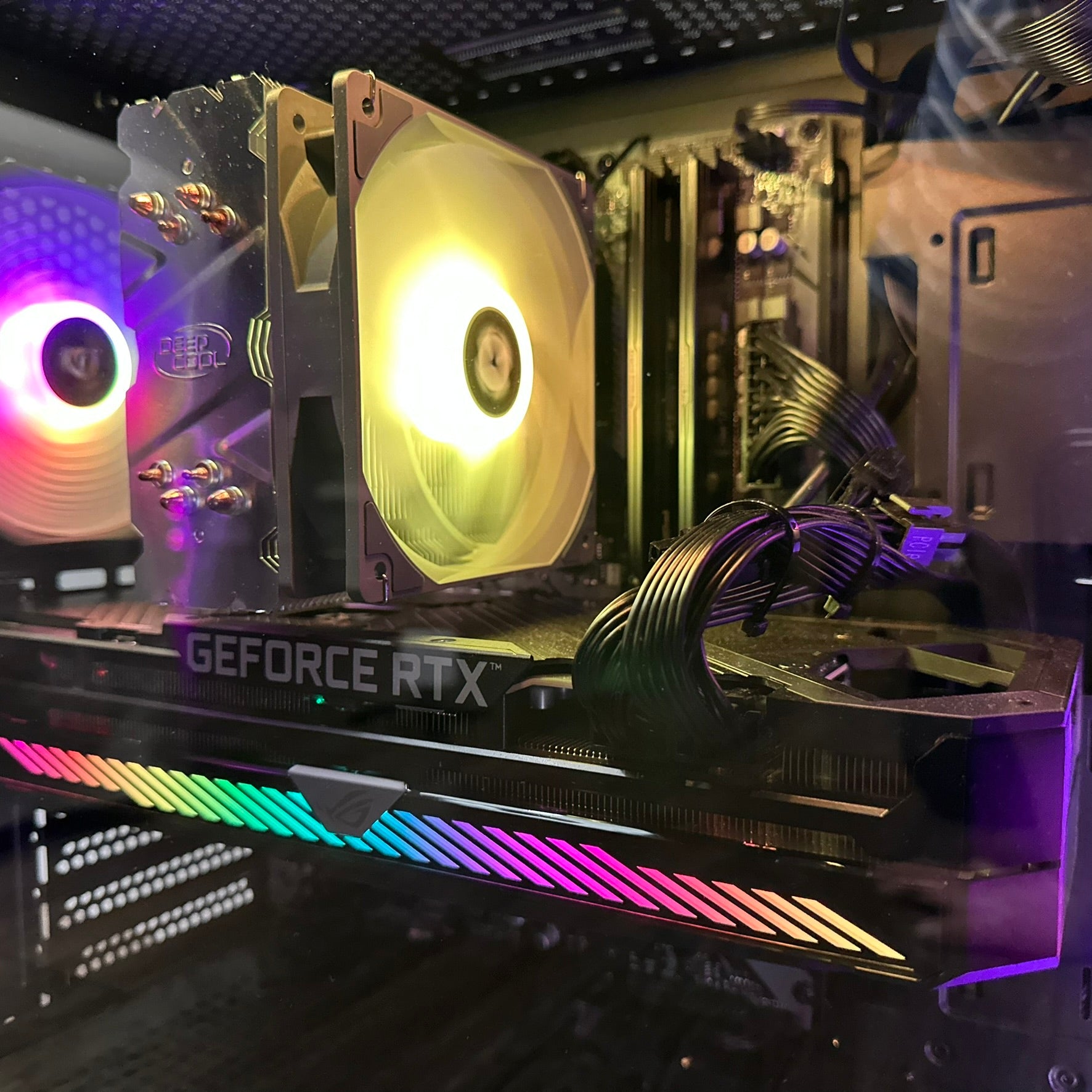
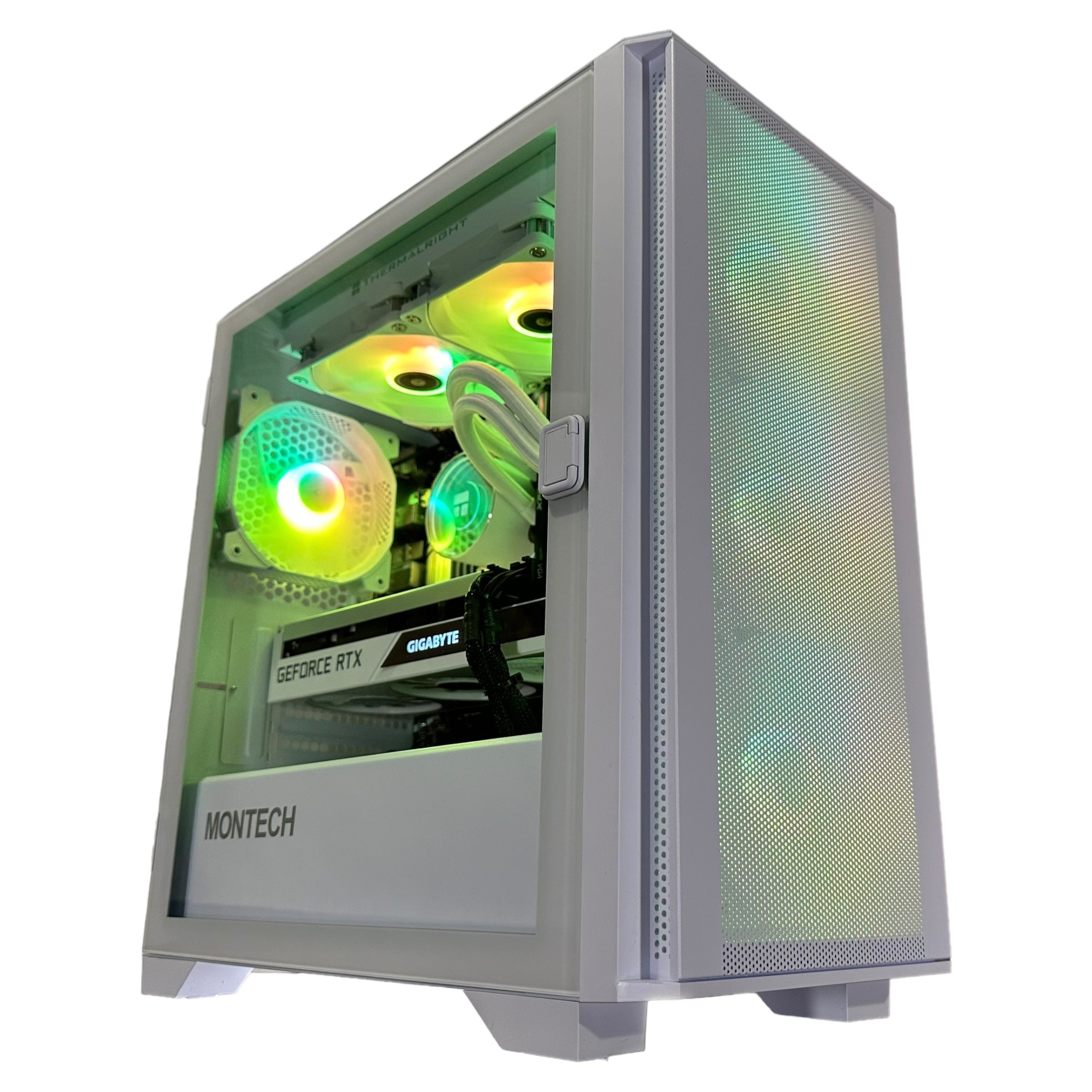
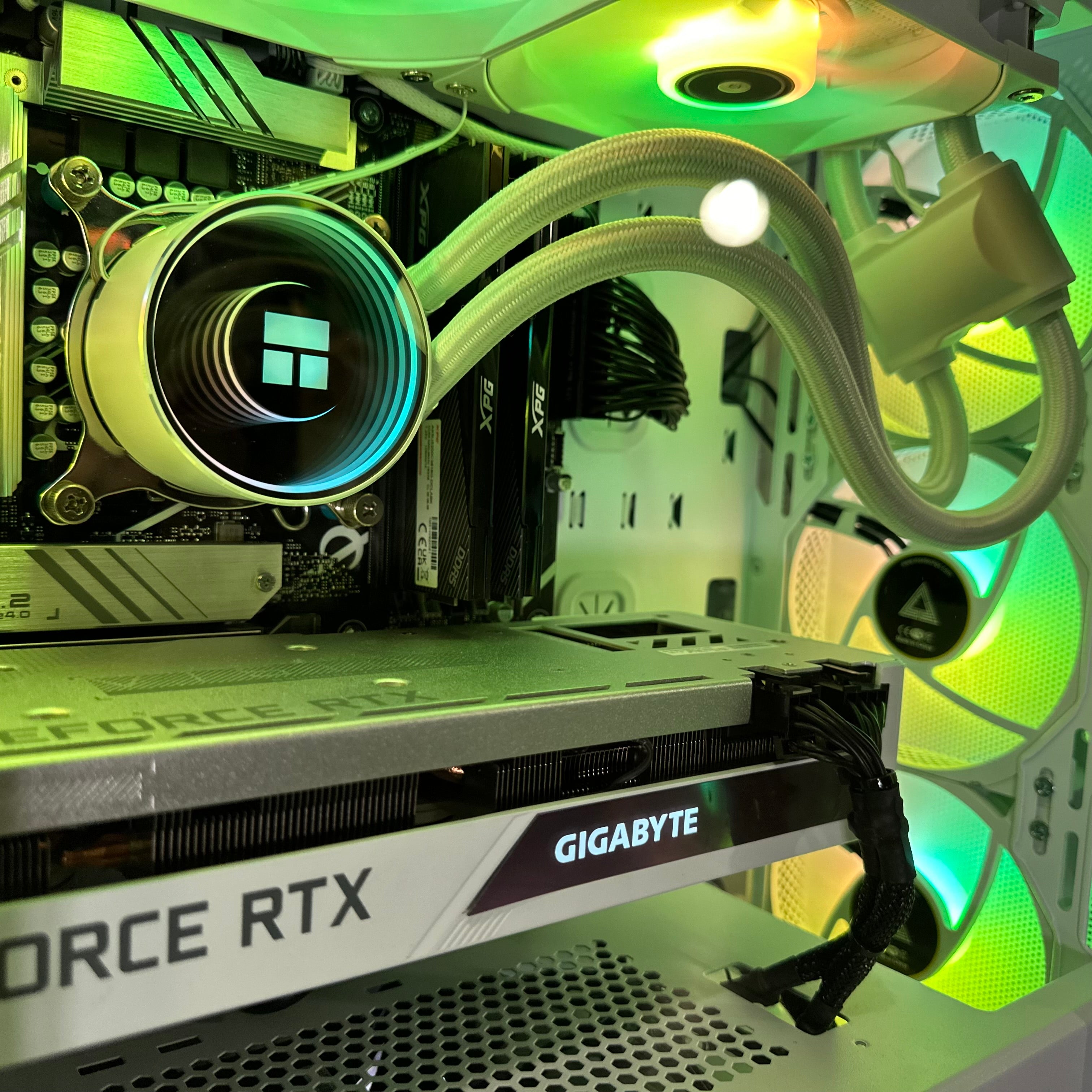
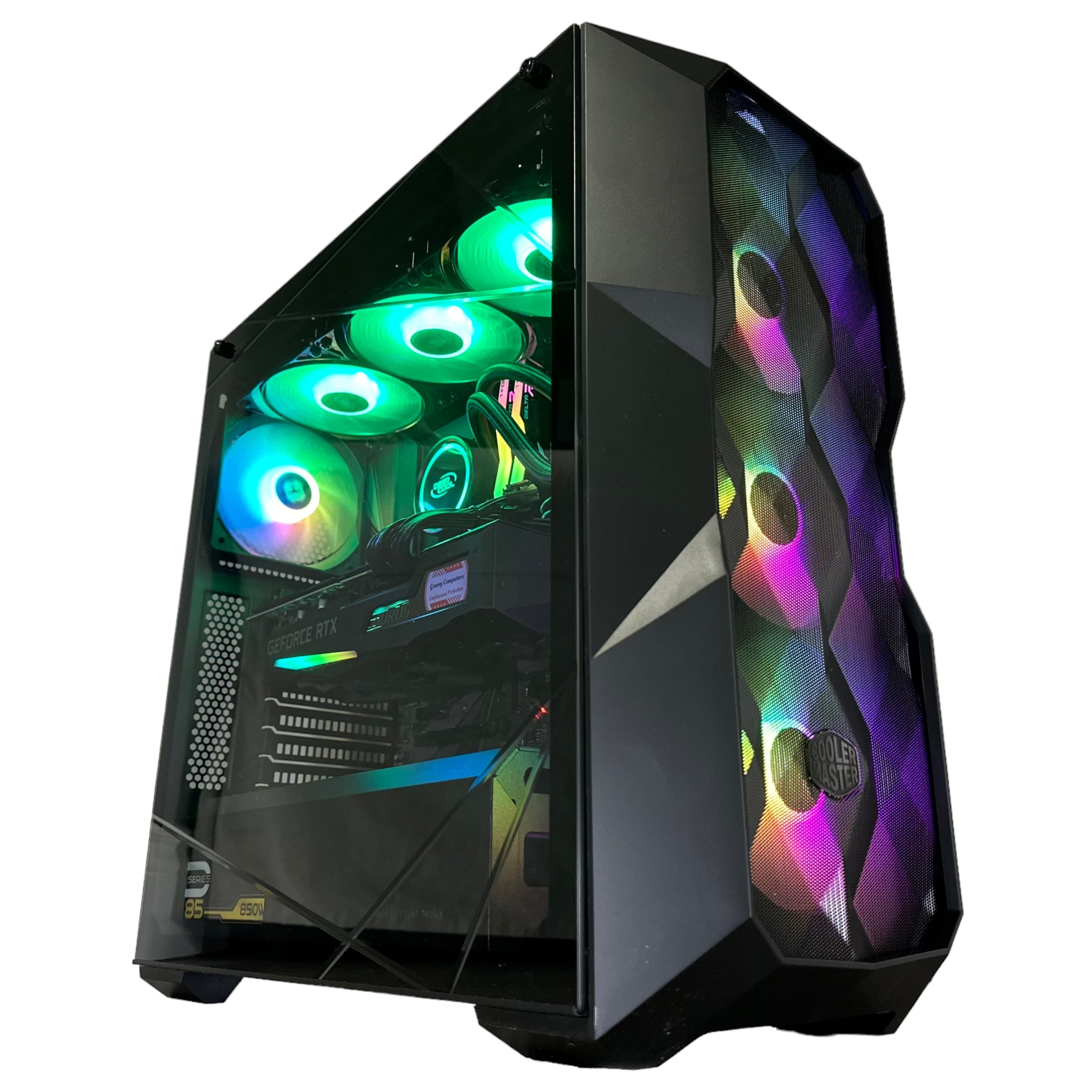
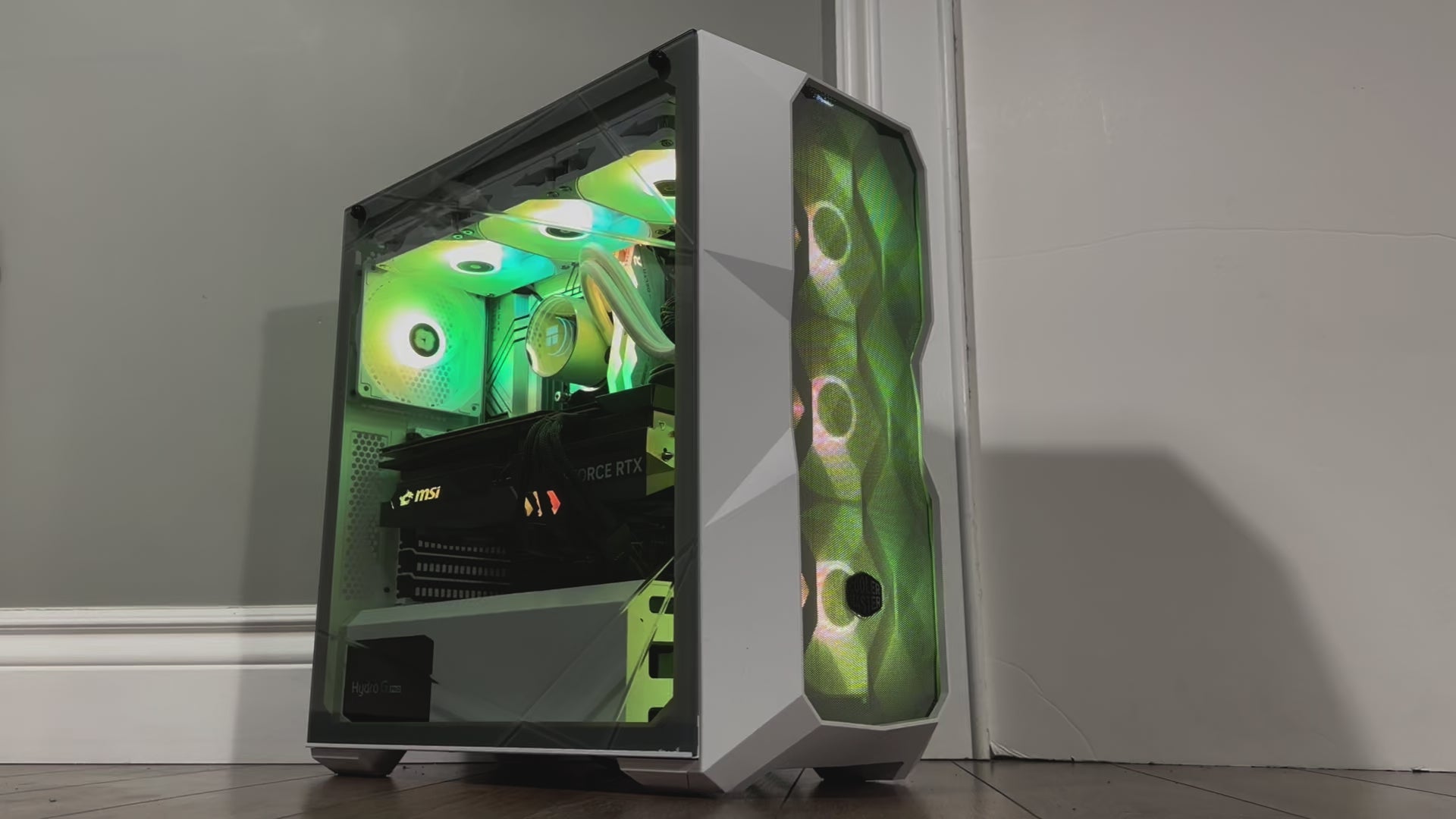
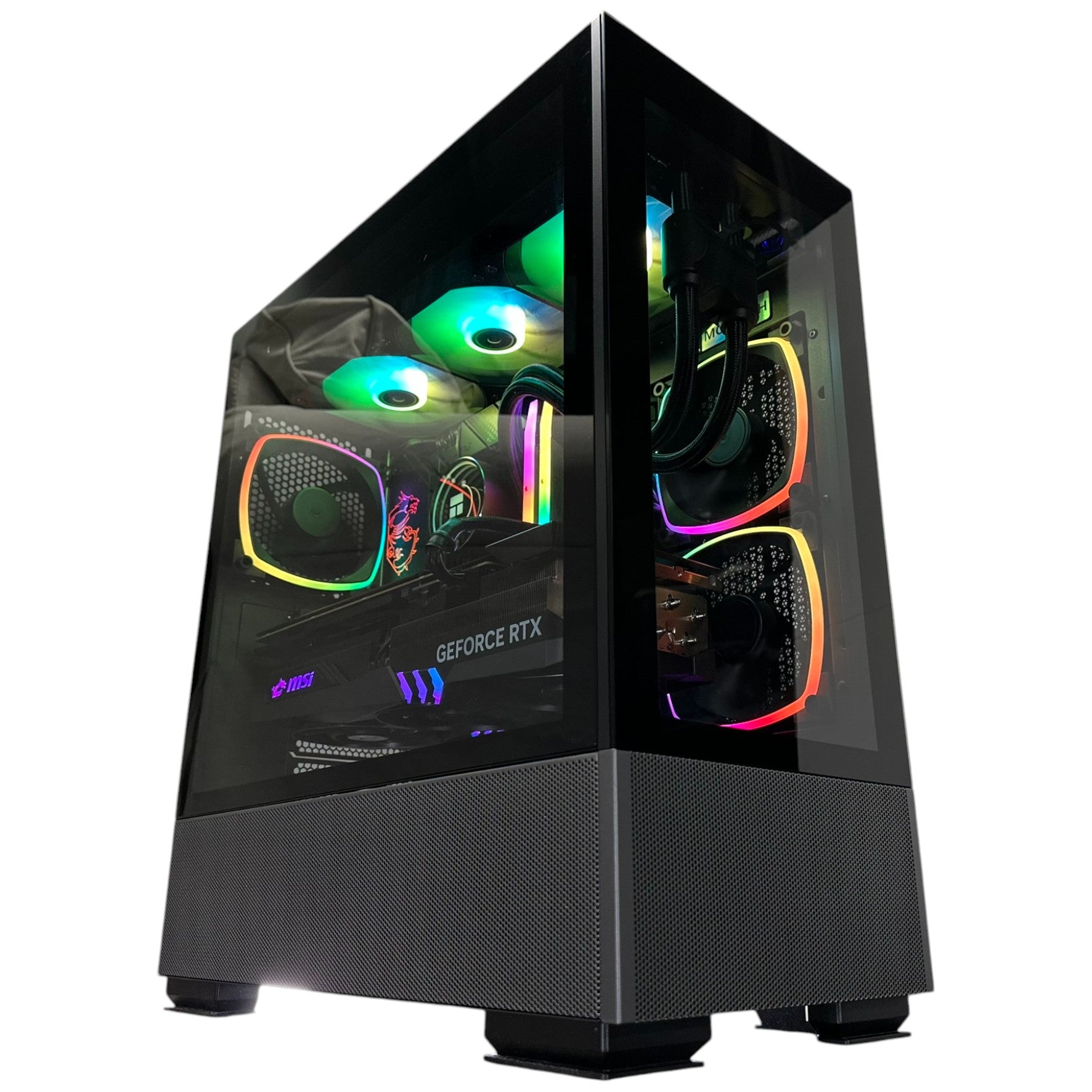
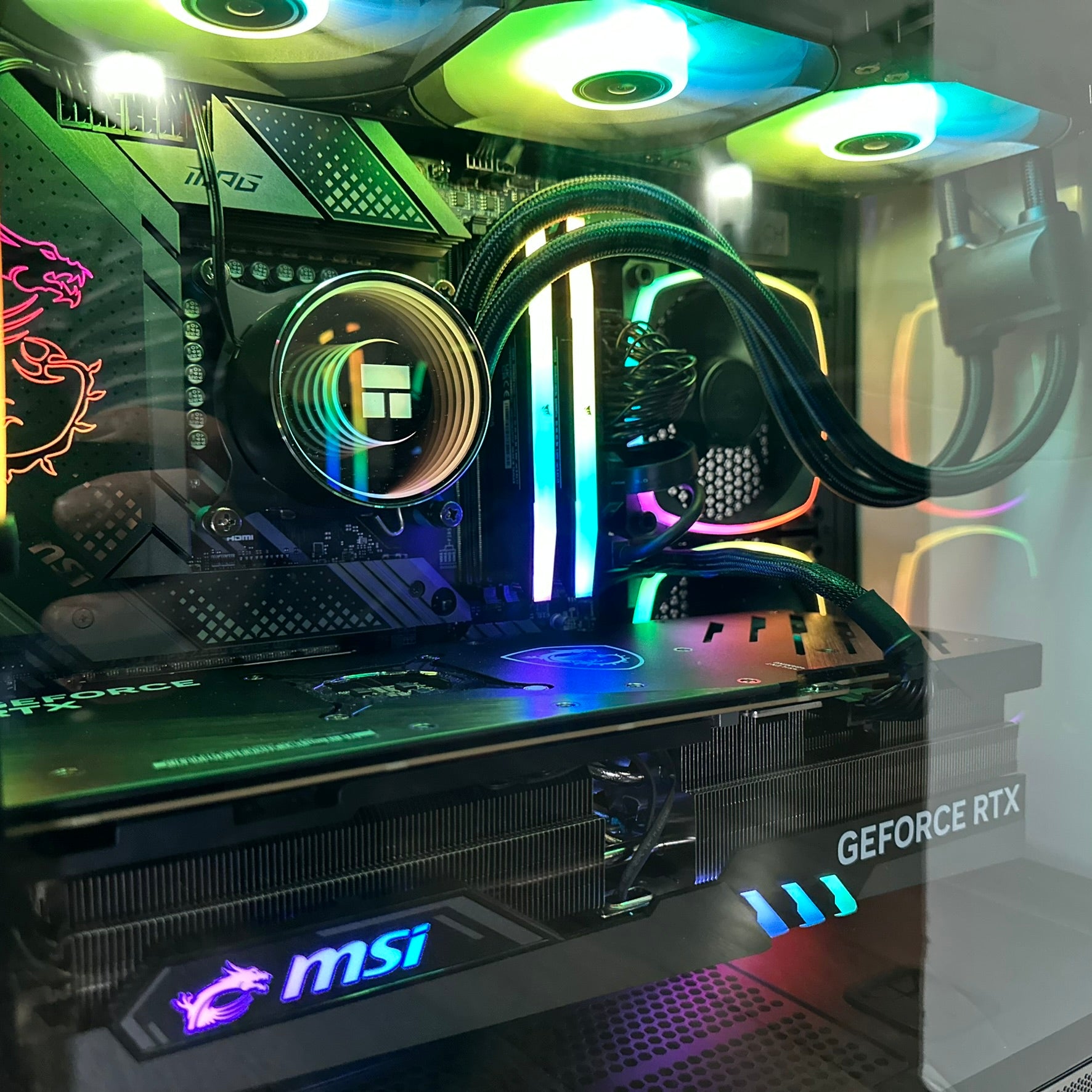
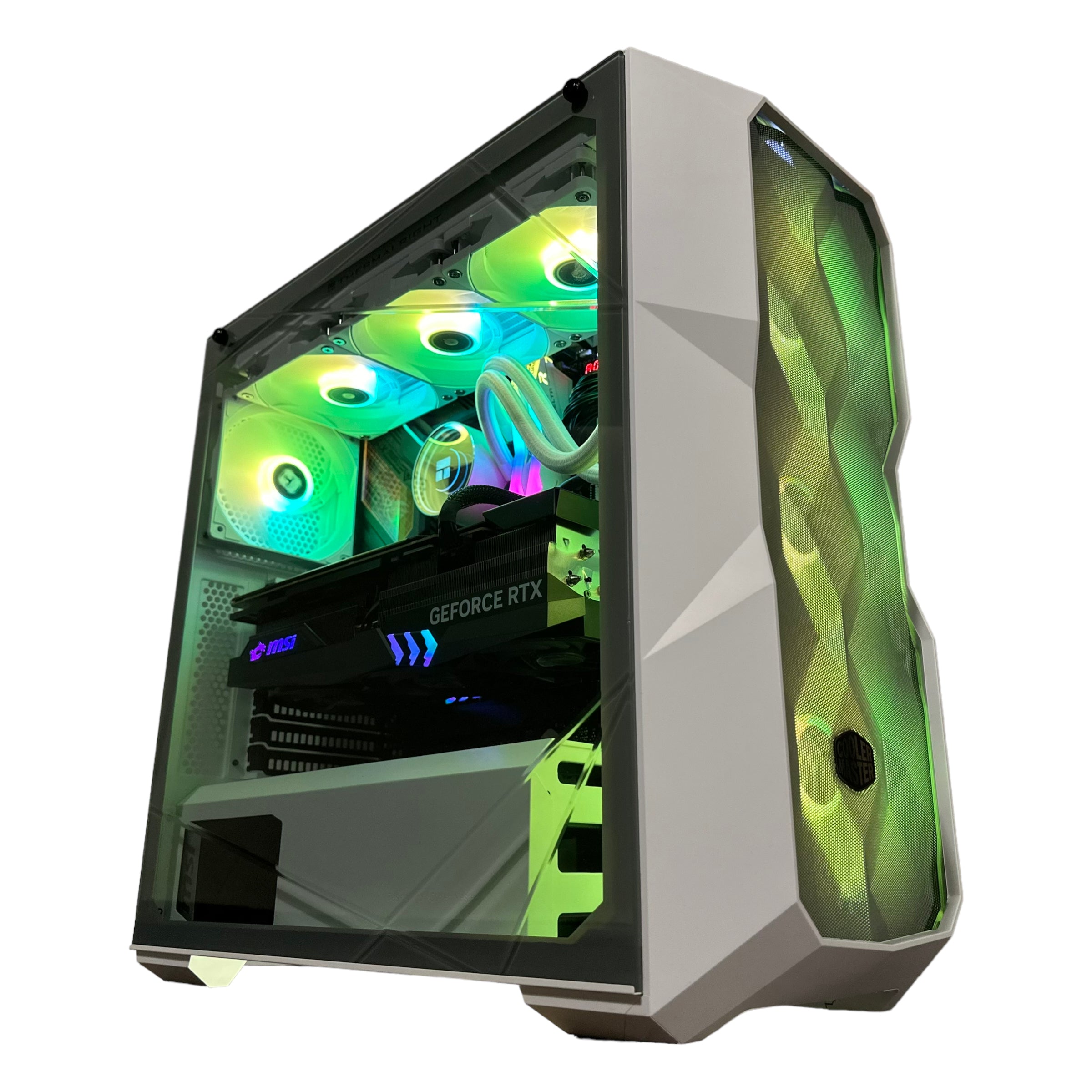
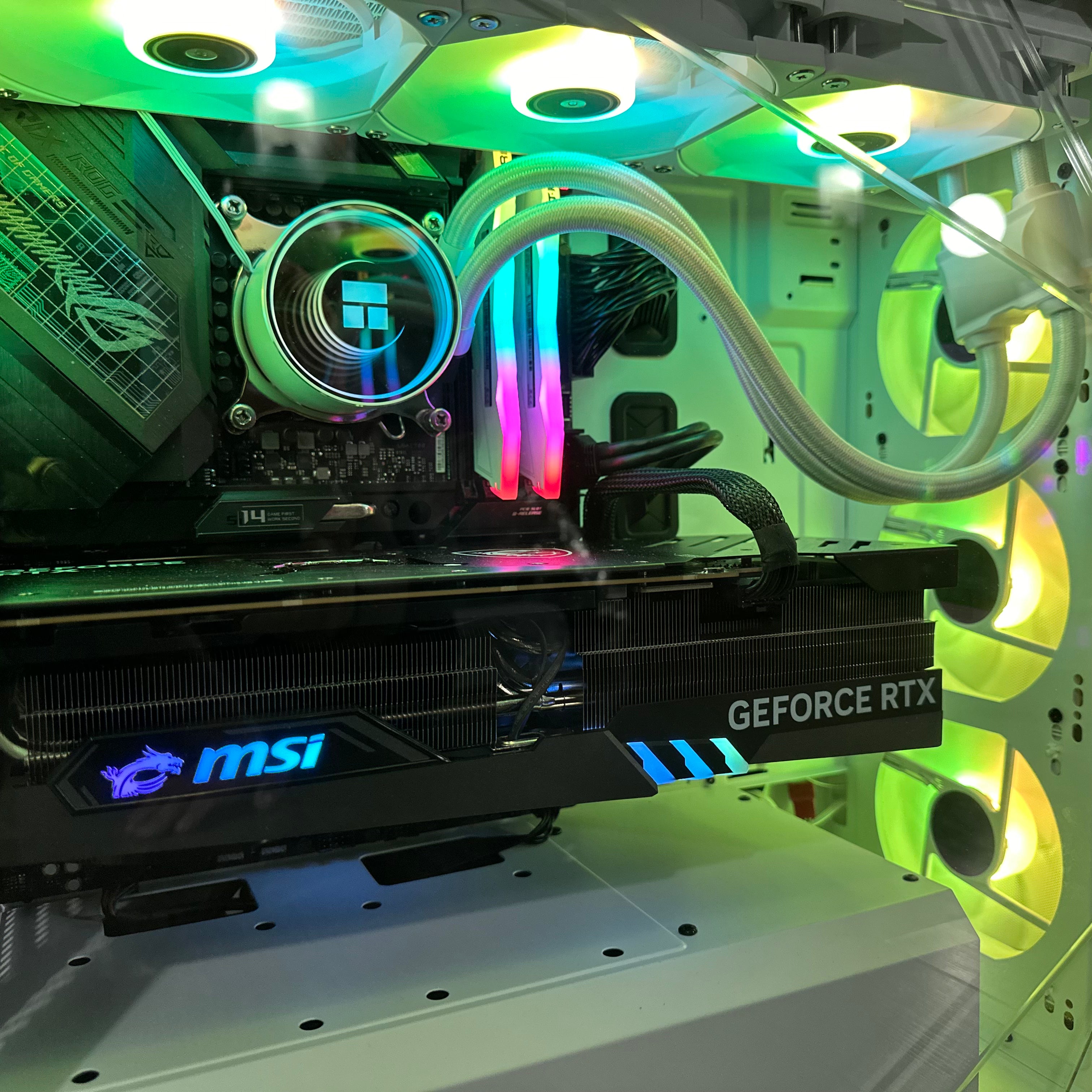
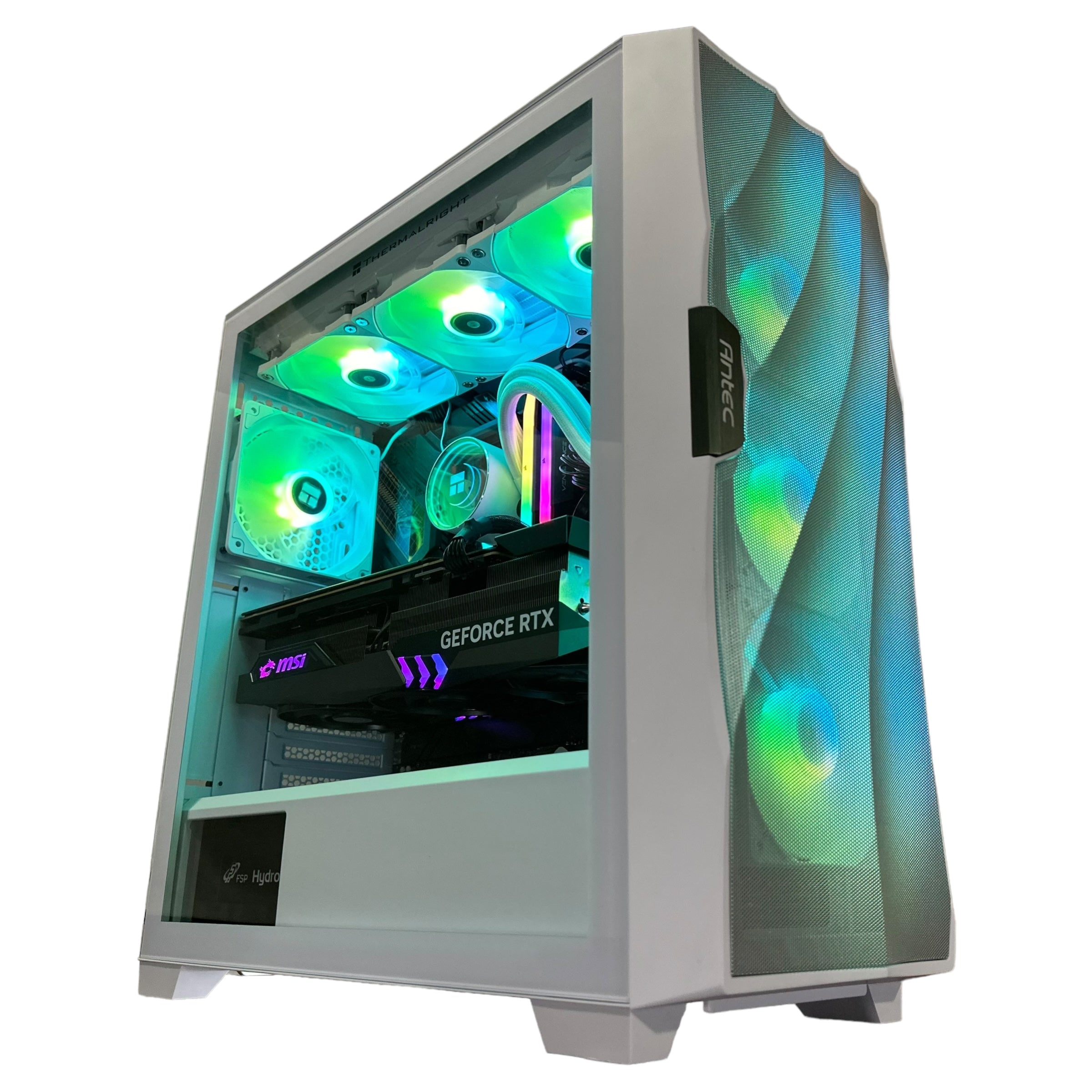

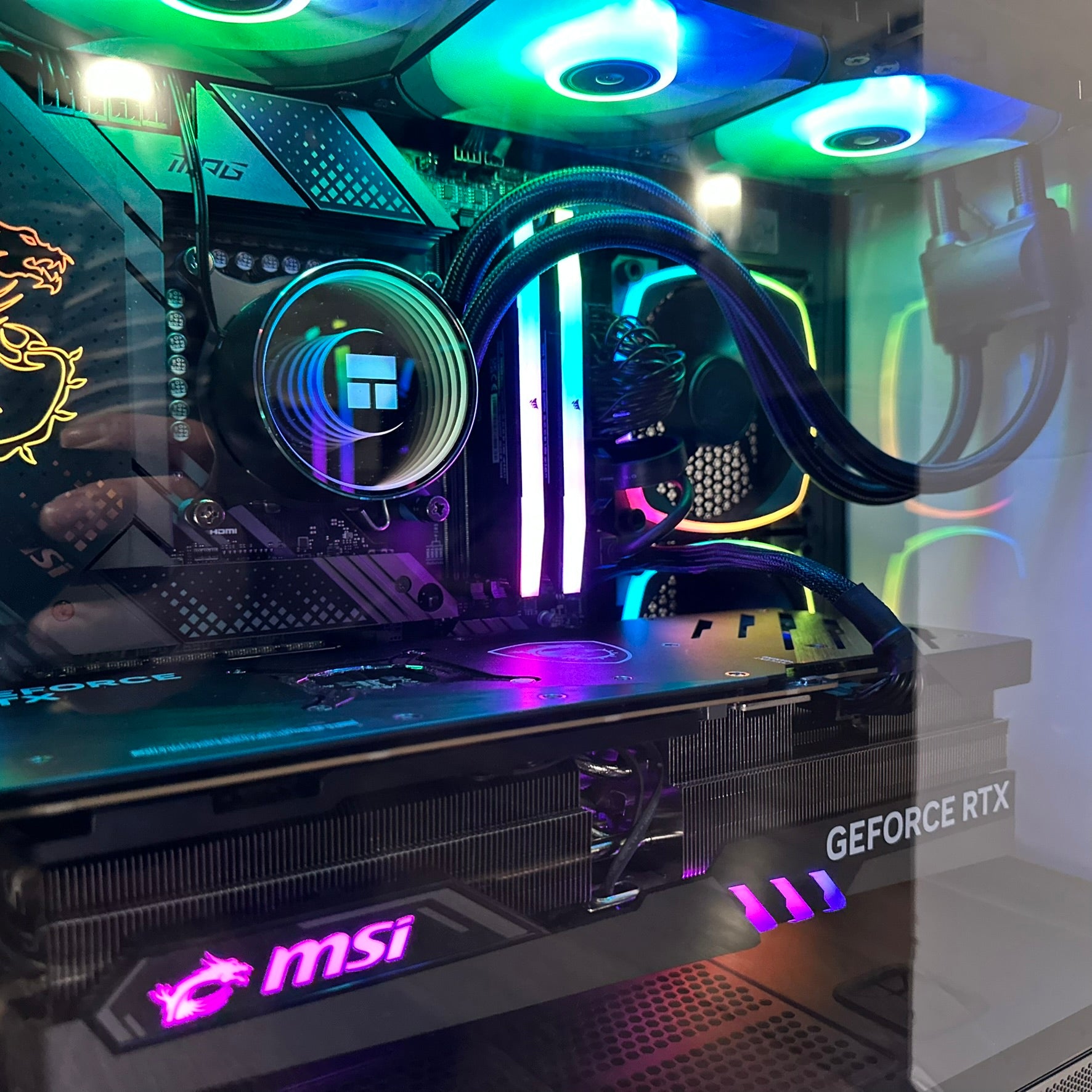
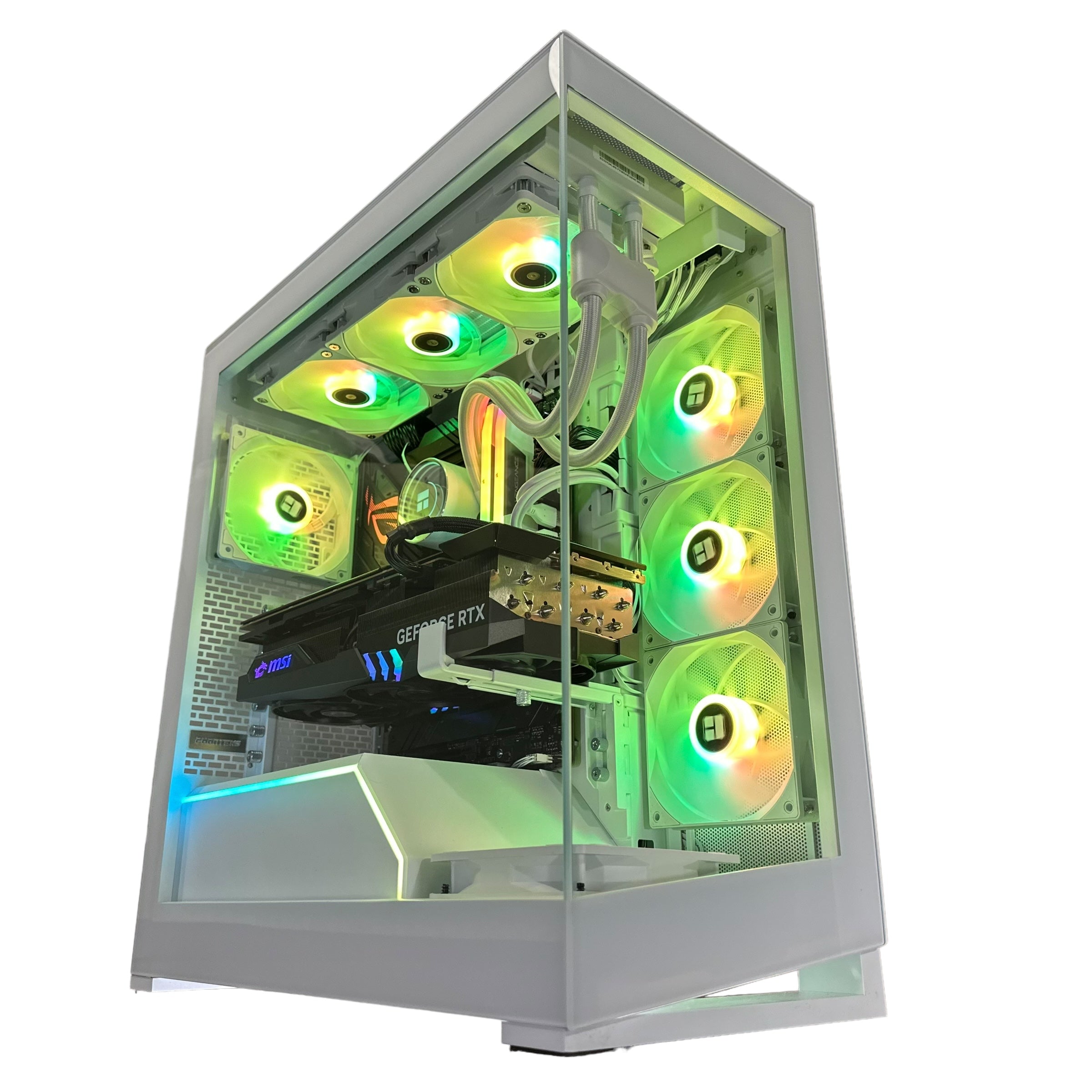
Why Backend Game Infrastructure Matters When Choosing a Custom Gaming PC in Canada
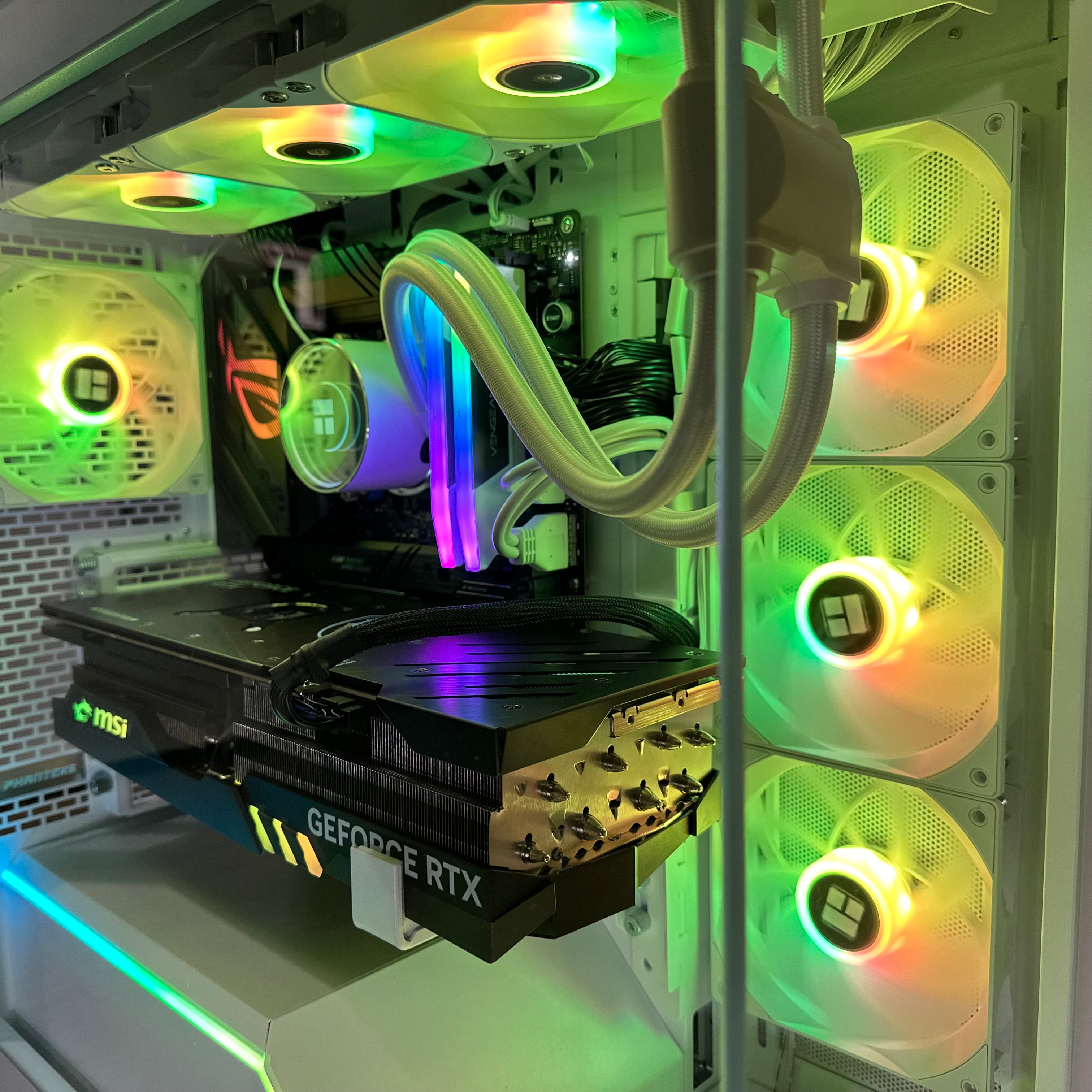
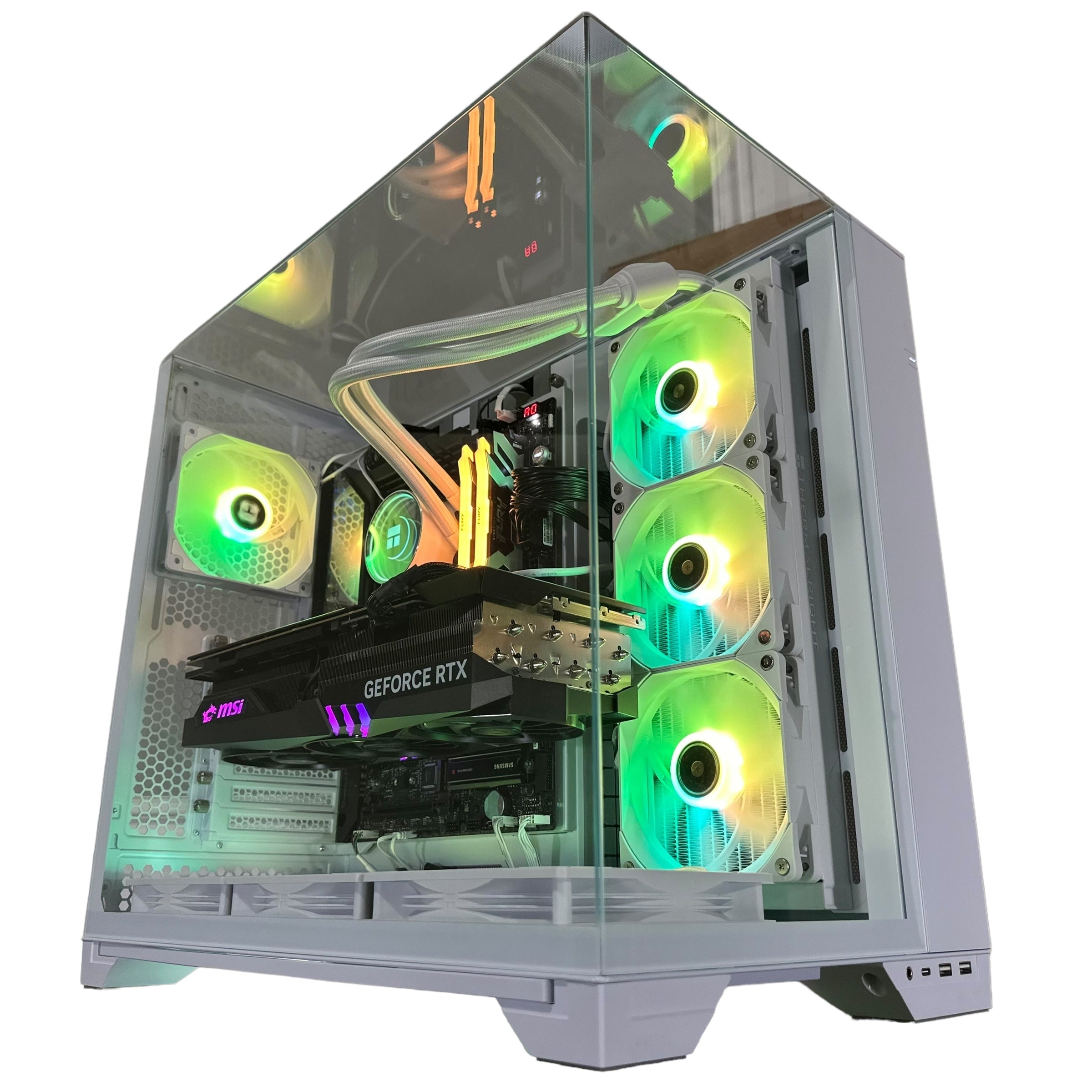
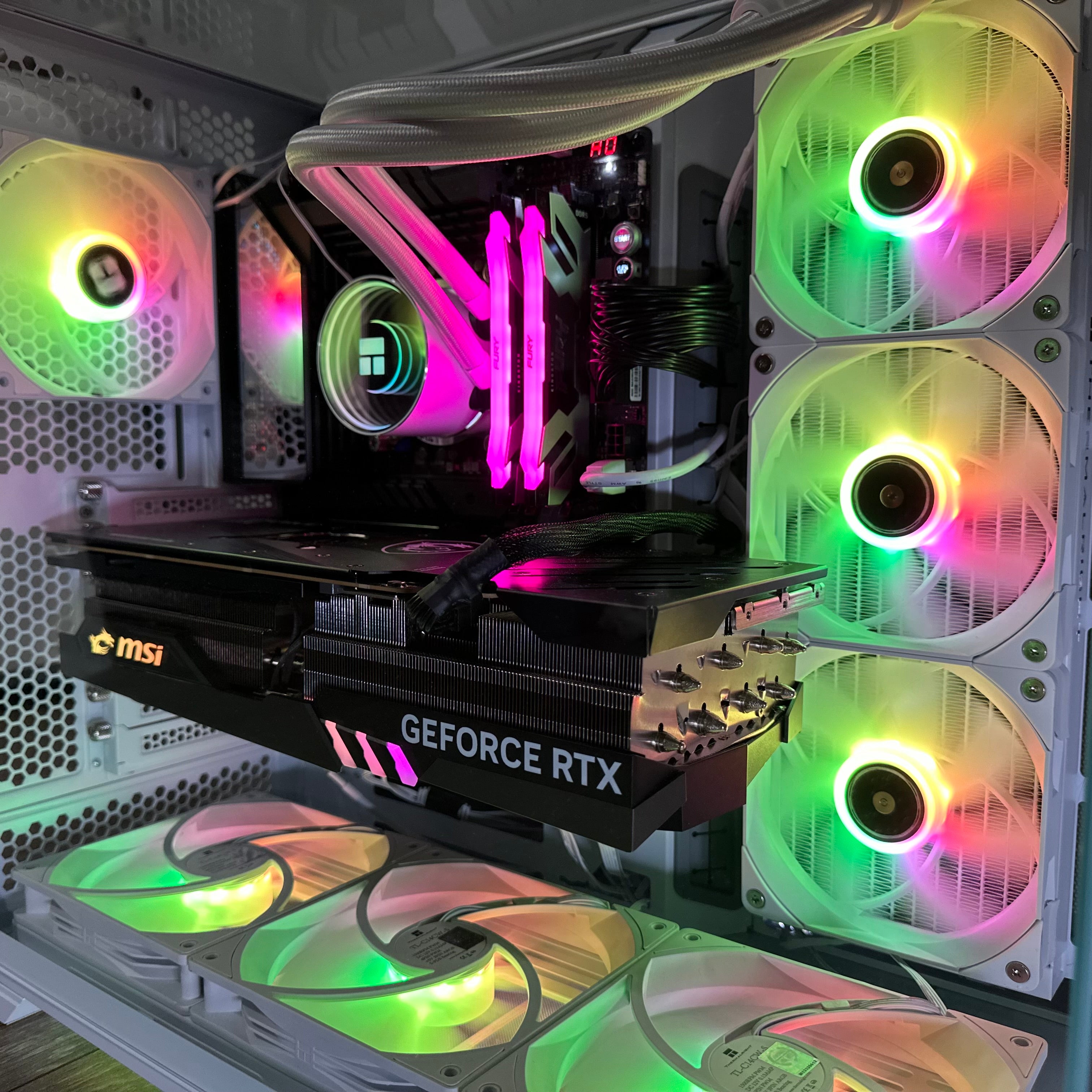
The source story highlights a part of gaming most players rarely think about until something breaks: backend game infrastructure. Matchmaking, account systems, server scaling, leaderboards, live-service support, and online reliability may not be flashy, but they shape how modern games feel every single day. For anyone shopping for a custom gaming PC Canada, that matters more than it first appears. Why? Because today’s PC buying decision is no longer just about whether a game launches. It is about whether your system is ready for connected games, streaming, content creation, creator workloads, and the next wave of demanding releases.
That is the real takeaway for Canadian buyers. The gaming industry increasingly depends on invisible technical systems, and the same logic applies to your own computer. A great-looking spec sheet means very little if the build is unstable, badly balanced, poorly cooled, or not tested properly. In the same way a successful online game depends on reliable infrastructure behind the scenes, a successful gaming or creator setup depends on the quality of the hardware decisions you make before you buy.
So what should you be asking yourself right now? Are you buying a PC mainly for competitive gaming? Do you want a machine that can handle new AAA launches at 1080p, 1440p, or 4K? Are you also planning to stream, edit videos, design graphics, or work in Blender or Unreal Engine? And if stronger hardware today could help you avoid an early upgrade later, does financing make more sense than settling for a weaker system now?
What the source article gets right: the boring technical stuff is often the most important
The original feature focused on a studio that built its business around the work many game teams do not want to prioritize: backend architecture, account systems, scaling, and network-related systems that keep games running. The message was simple and powerful. Creative ambition gets the headlines, but technical reliability keeps the experience alive.
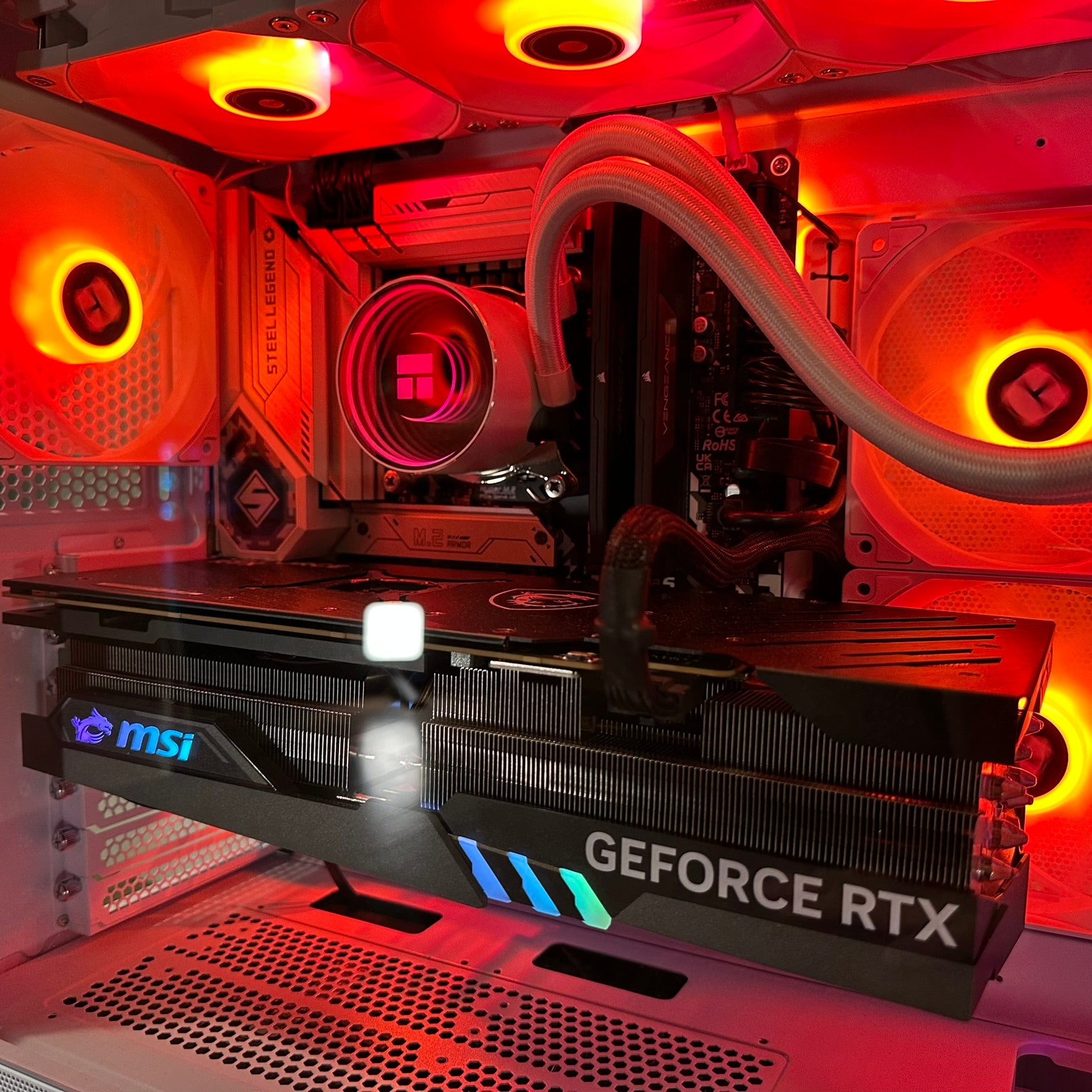
That same principle should guide PC buying. A lot of shoppers naturally focus on the most visible specs. They ask about the GPU first, and that makes sense. But do they ask enough about cooling? Power delivery? Memory capacity? SSD speed? CPU pairing? Airflow? Long-session stability? Stress testing? Warranty support? Those details are the PC equivalent of backend infrastructure. They are not the glamorous part of the purchase, but they are often the reason one machine feels dependable while another becomes frustrating.
If you are planning to play big online games, install several modern titles, multitask across Discord, browsers, launchers, OBS, or Adobe apps, then your PC has to do more than hit a benchmark screenshot. It has to work smoothly every day.
Why Canadian buyers should think differently about a custom gaming PC
For Canadian shoppers, the decision carries extra weight. Hardware pricing can move quickly. GPU demand can tighten. Storage and memory pricing can fluctuate. Shipping timelines can vary. And if you buy too little system now, replacing parts later can cost more than choosing the right build from the start.
That is why a custom gaming PC Canada buyer should think beyond entry-level marketing claims. What do you actually want your next PC to do for you over the next three to five years? Do you want a budget-focused system that plays esports titles well today? Do you want stronger 1440p performance for modern AAA games? Do you want ray tracing and high refresh rates? Do you want enough overhead to stream and record? Do you need a creator-capable machine that can game at night and edit content during the day?
Buying based on real use matters. A system that is perfect for Valorant, Counter-Strike 2, Fortnite, and League of Legends may not be the right machine for cinematic single-player titles, Unreal Engine workflows, or 4K video editing. And a build that looks affordable up front can become expensive if it forces you into a quick GPU, RAM, or storage upgrade.
What do you want your next PC to do for you?
This is the question more buyers should ask before comparing models or budgets.
Do you want a machine built for smooth 1080p gaming and esports responsiveness? Do you want a 1440p setup that feels balanced for new releases and longer-term value? Do you want a 4K and ray tracing system that can push premium visual settings? Or do you need a hybrid machine that handles gaming, streaming, video editing, photo editing, graphic design, content creation, and 3D workloads without compromise?
Your answer changes everything. It changes the right CPU tier, the right GPU class, the amount of RAM you should choose, how much SSD space makes sense, whether cooling should be upgraded, and whether financing a stronger machine now could actually save money versus replacing a weaker one early.
If you mostly game, what kind of gaming do you actually mean?
There is a major difference between “I play games” and “I want my system to stay strong for new games.”
- Esports and competitive gaming: If your priority is high frame rates in lighter titles, a balanced CPU and GPU build with strong cooling and fast storage may be enough.
- AAA single-player gaming: If you care about visual quality, ray tracing, texture settings, and future releases, you will want more GPU headroom and a stronger overall platform.
- Live-service gaming: If you spend time in online multiplayer games, stability, background multitasking, storage speed, and memory capacity matter more than many buyers expect.
- Gaming plus everything else: If you also stream, record, edit, or create, a gaming-only mindset can lead to buying the wrong machine.
So ask yourself honestly: what PC do I need for 1440p gaming? What PC do I need for 4K gaming? Am I building for today’s favourite titles, or for the games I expect to be playing next year?
How the rise of technical game development affects PC buying
The source article also pointed to a broader truth: modern games are increasingly shaped by systems, scale, and long-term support. Many major releases rely on years of technical planning before players even see the first trailer. That means your own system should be selected with a similar mindset. Buying a PC only for what you need this month is often shortsighted.
New games continue to ask more from CPUs, GPUs, memory, and storage. Background applications are heavier. Launchers stack up. Streaming tools consume resources. Editing software leans harder on modern hardware acceleration. AI features in creator tools add more load. High-resolution assets and larger install sizes continue to pressure SSD needs.
What does that mean in practical terms? It means “good enough right now” is not always the same as “smart to buy now.”
Which performance tier fits you best?
If you are unsure where you fit, this section can help narrow it down.
Entry-level and budget-focused buyers
If your target is a budget gaming PC Canada setup for esports titles, indie games, school use, and light multitasking, you may not need to jump into premium GPU territory. A sensible entry build can be a great fit if your expectations are realistic.
But ask the harder question: is a budget gaming PC worth it for what you actually play? If your real goal is to enjoy big new releases at higher settings, or to stream while gaming, or to keep the system for several years without frustration, going too low can become a false economy.
Budget buyers should think carefully about:
- 1080p target versus 1440p aspirations
- Storage capacity for modern game libraries
- Whether 16GB of RAM will still feel comfortable for their use
- Whether a stronger GPU today prevents a more expensive upgrade later
- Whether financing a better PC instead of buying a cheaper one makes more sense
Mainstream 1440p buyers
For many Canadians, this is the sweet spot. A strong 1440p build often delivers the best balance of visual quality, lifespan, and overall value. It is also where a lot of customers start to appreciate the difference between generic systems and properly matched custom builds.
If you are asking, “What gaming PC do I need?” and you want flexibility for modern games, high refresh gaming, content consumption, light editing, and some future-proofing, a mid-to-upper tier system is often the smartest category.
This tier suits buyers who want:
- Excellent 1440p performance in new games
- Better longevity before the next upgrade cycle
- Enough power for gaming and streaming
- A path into creator work without replacing the whole machine
- A more balanced CPU and GPU pairing
High-end and premium buyers
If you are chasing ultra settings, demanding AAA releases, 4K targets, ray tracing, or high-end creator workflows, then a high end gaming PC Canada or creator-grade custom build is the right conversation. This is not just about chasing the biggest numbers. It is about buying enough headroom to keep the experience strong as game demands rise.
Should you buy a premium system? Ask yourself:
- How long do I want this PC to last?
- Am I buying for 4K, ultra settings, or heavy ray tracing?
- Do I stream, edit, render, or multitask professionally?
- Would a stronger system reduce upgrade pressure over the next few years?
- Should I finance a high-end gaming PC instead of compromising now?
Are you only gaming, or are you really buying a creator PC too?
One of the most important shifts in the market is that many gaming buyers are not just gaming buyers anymore. They are also streamers, editors, designers, and creators. The same person who wants great frame rates in a new shooter might also be cutting videos in Premiere Pro, exporting in DaVinci Resolve, editing RAW photos, building thumbnails in Photoshop, or testing 3D scenes in Blender.
If that sounds like you, then a standard gaming-first build may not be enough. You should be thinking about a creator PC Canada or a hybrid gaming-and-creation setup.
Do you need a streaming PC?
If you want to go live on Twitch, YouTube, or other platforms, then your system has to manage gameplay, encoding, chat tools, browser tabs, overlays, recording, and scene switching. So ask: what PC do I need for streaming? Is CPU or GPU more important for streaming? Do I need a separate streaming PC?
For most Canadian buyers, a properly configured modern custom build can handle gaming and streaming together very well. The key is selecting enough CPU strength, the right GPU class, sufficient RAM, and enough storage for recordings and media management.
A gaming and streaming PC Canada setup makes sense if you:
- Play competitive or AAA titles while live streaming
- Record gameplay for YouTube or social clips
- Use OBS, Streamlabs, or other streaming software regularly
- Need a machine that can multitask comfortably under load
Do you need a video editing PC?
If your content pipeline includes 4K footage, multi-layer timelines, transitions, effects, colour correction, and frequent exports, then your PC choice changes significantly. A video editing PC Canada buyer should care about CPU performance, GPU acceleration, RAM capacity, SSD speed, and thermal consistency.
Ask yourself: what specs do I need for 4K video editing? How much RAM do I need for video editing? Is a gaming PC good for video editing, or should I step into a custom creator workstation?
If you edit in Adobe Premiere Pro, DaVinci Resolve, After Effects, or CapCut, hardware balance matters a lot. A machine that is excellent for games but weak in RAM or storage planning can become a frustrating editing platform very quickly.
Do you need a photo or graphic design PC?
Maybe your workflow is less about games and more about Photoshop, Lightroom, Illustrator, Canva, InDesign, or broader Adobe Creative Cloud use. In that case, a graphic design PC Canada or photo editing PC Canada build should be configured differently from a purely gaming-focused machine.
Do graphic designers need a dedicated GPU? Sometimes yes, depending on workflow. Do photographers need lots of RAM and fast SSD space? Absolutely, especially when handling high-resolution files and large libraries. Do designers benefit from a custom build with strong multitasking support and future upgrade flexibility? Definitely.
Do you need a 3D modeling or workstation build?
The source article discussed the complexity behind modern game production. That same complexity drives demand for local development and creator hardware. If you work in Blender, Unreal Engine, Unity, CAD, or rendering applications, your needs are different again.
A 3D modeling PC Canada or workstation PC Canada buyer should ask: what PC do I need for Blender? What PC do I need for 3D rendering? Is a gaming PC good for Blender, or should I move into a true workstation configuration?
These systems often need:
- More CPU cores for rendering and multitasking
- More VRAM and GPU compute power
- 64GB or more RAM depending on project size
- Fast SSDs for project files, cache, and scratch data
- Cooling and power design that stays stable under long workloads
Why financing can be the smarter move when hardware pressure is rising
The source article touched on budget pressure in game development and the need to avoid wasteful spending. That idea translates well to PC buying. Spending smarter does not always mean spending less. Sometimes it means choosing the right machine now before prices rise or before your workload outgrows a weak build.
This is where gaming PC financing Canada becomes a practical option rather than an impulse purchase tool. If a stronger system today lets you avoid replacing your GPU, doubling your RAM, adding storage, or rebuilding the whole system too soon, financing can improve long-term value.
Ask yourself a few direct questions. Is financing a gaming PC worth it for your situation? Should you finance a better PC instead of buying a cheaper one? Is now a good time to buy a gaming PC, especially if major game launches, software upgrades, or hardware pricing pressure may increase costs later?
For many shoppers, the answer depends on lifespan. A stronger build that stays satisfying for years can be easier to justify than a weak build that feels outdated quickly. Groovy Computers offers options that can help customers spread the cost over time, including financing up to 4 years where applicable, making it easier to secure the right custom PC rather than the fastest compromise.
Why timing matters more than many buyers expect
PC buyers often wait for the “perfect” moment. But in real-world hardware markets, perfect timing is rare. Prices can move. New game announcements can drive GPU demand. Creator software gets heavier. AI-assisted tools increase system requirements. Storage needs rise. Replacement costs rarely move in only one direction.
So ask yourself: are you buying before a major game release? Before a school or holiday rush? Before your software workflow gets heavier? Before a current machine becomes unreliable? Before GPU pricing or availability shifts again?
Waiting can be smart if your current system truly covers your needs. But waiting can also backfire if you already know your PC is holding you back. If your current machine struggles with frame pacing, export times, multitasking, storage space, or streaming performance, then delaying may simply mean spending more time frustrated.
Custom PC vs prebuilt PC in Canada: what should matter most?
Many shoppers still ask: custom PC vs prebuilt PC Canada—what is actually better? The answer depends on who is building it and how seriously they take system quality.
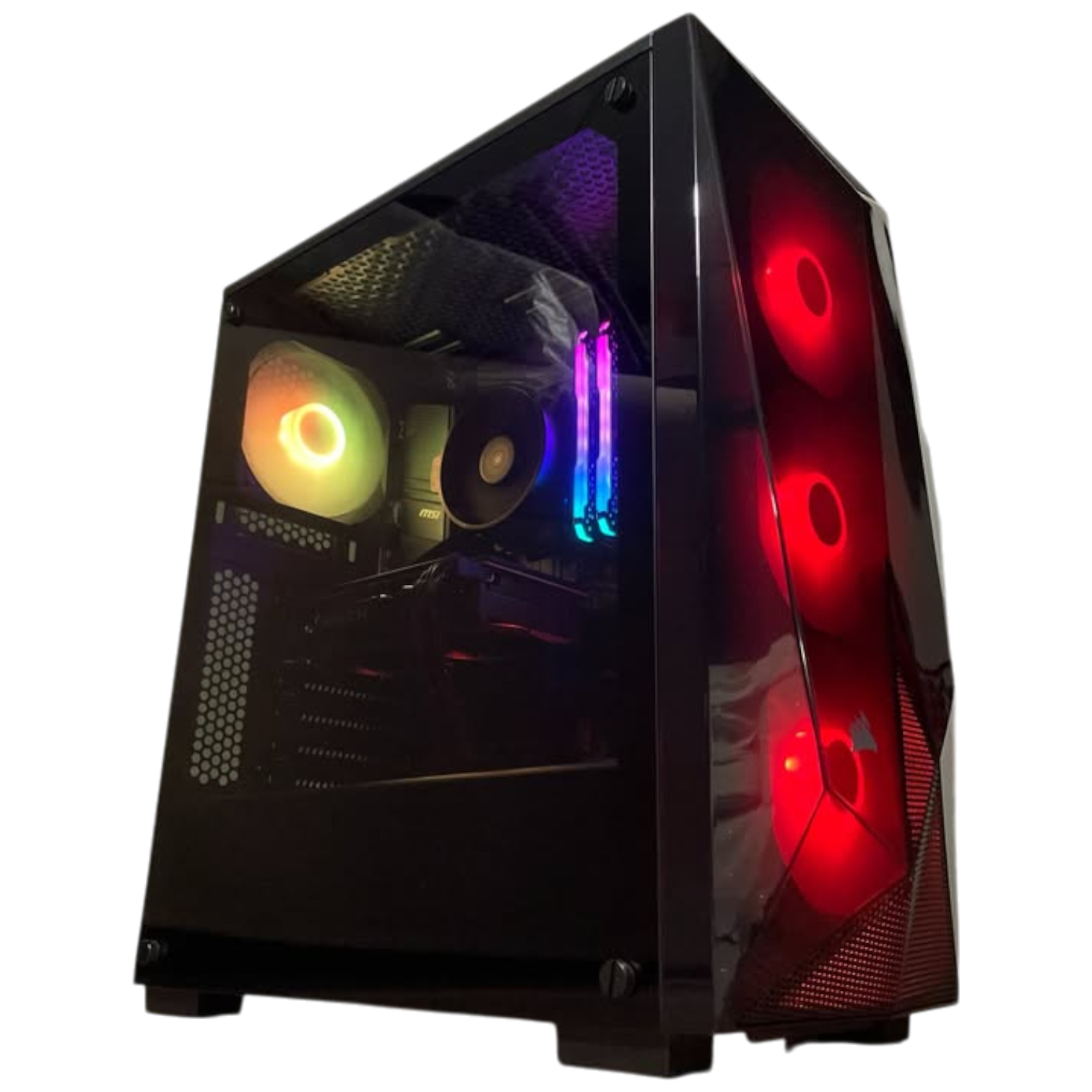
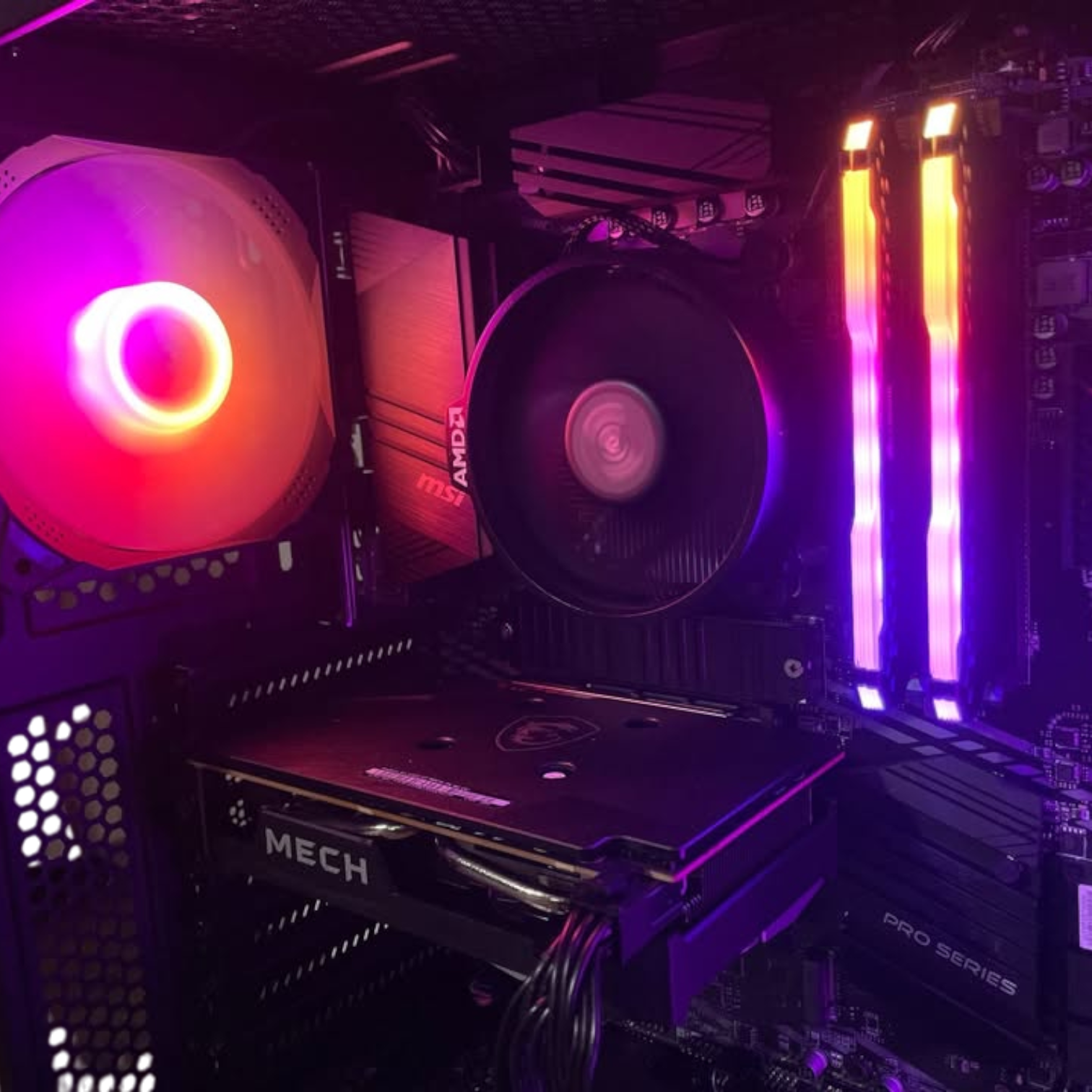
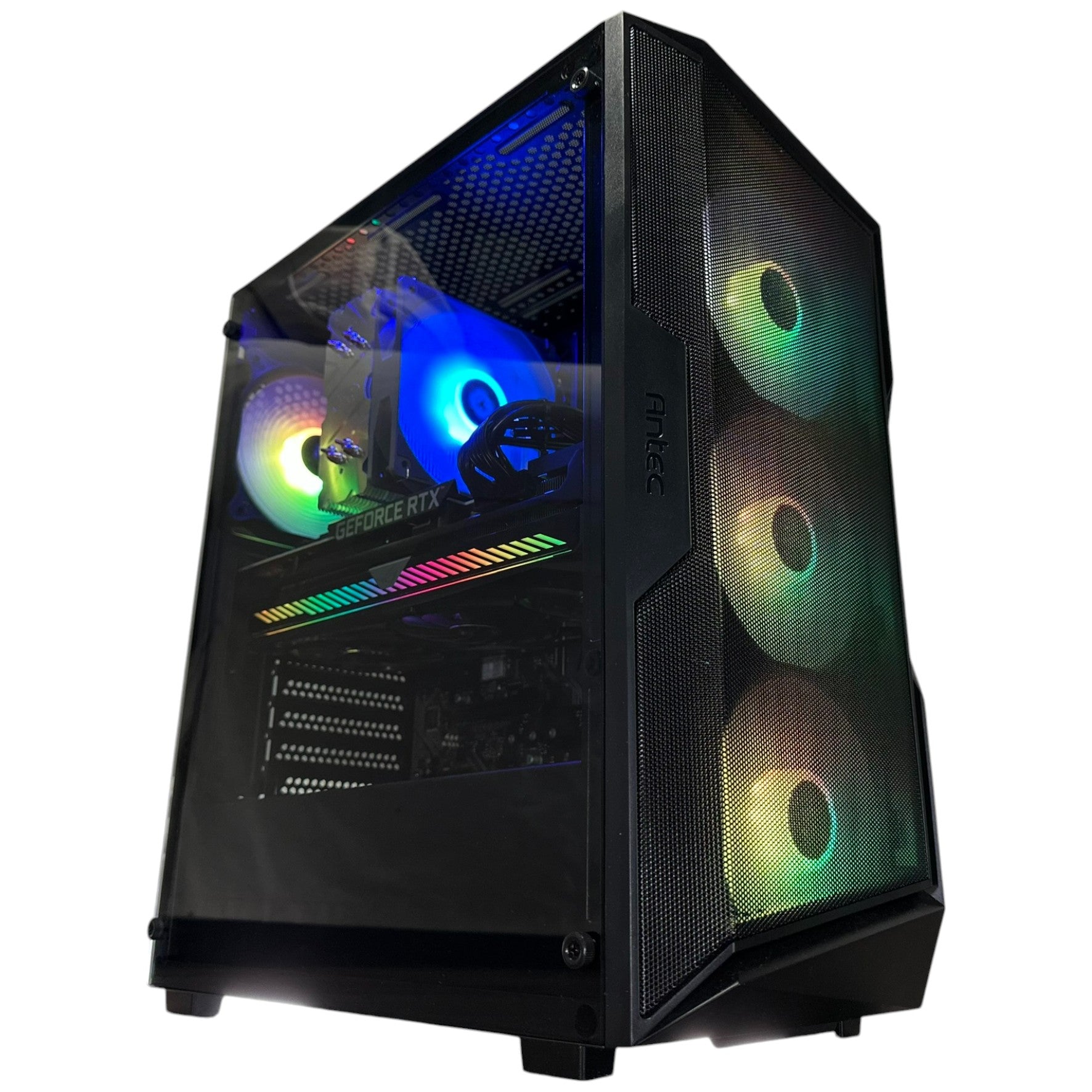
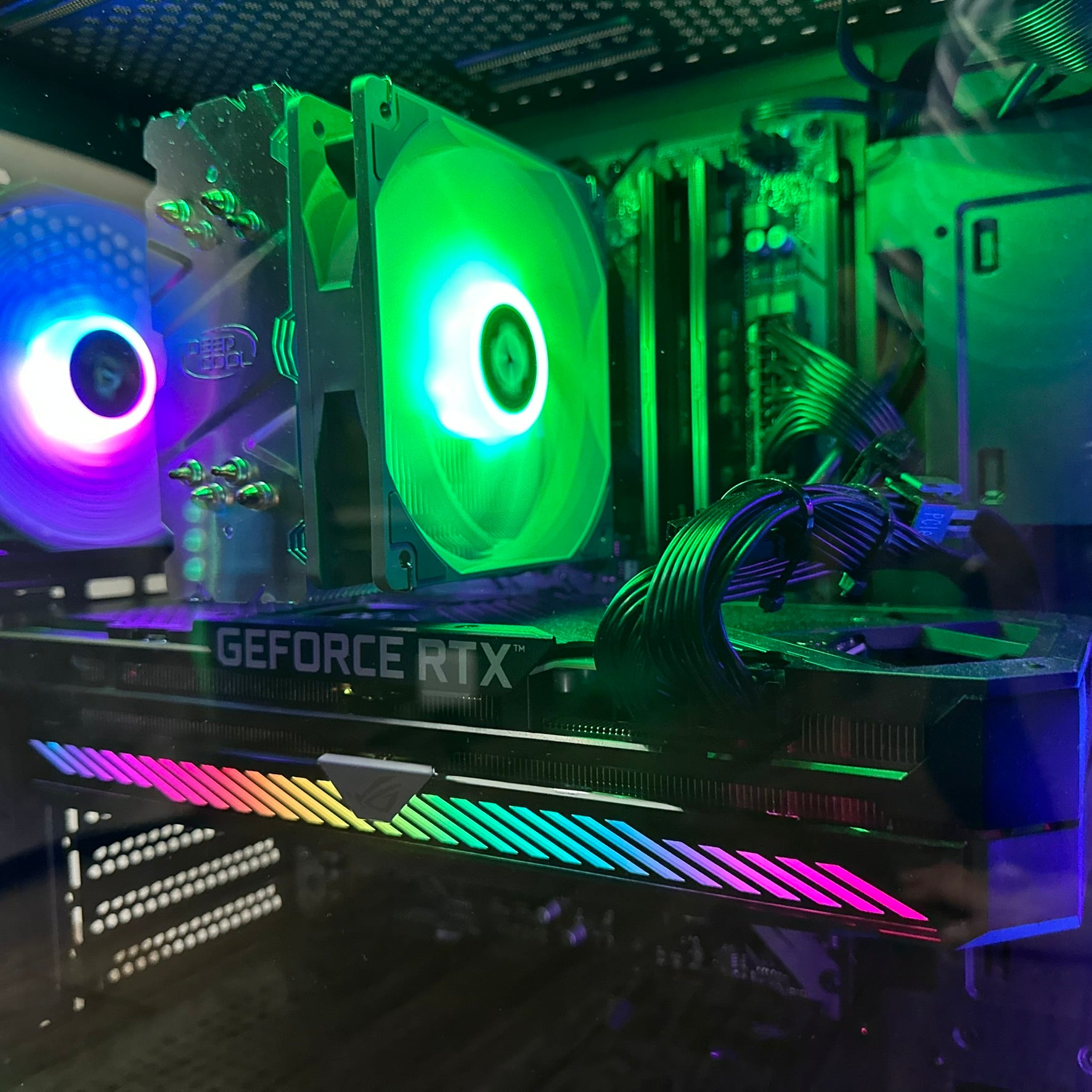
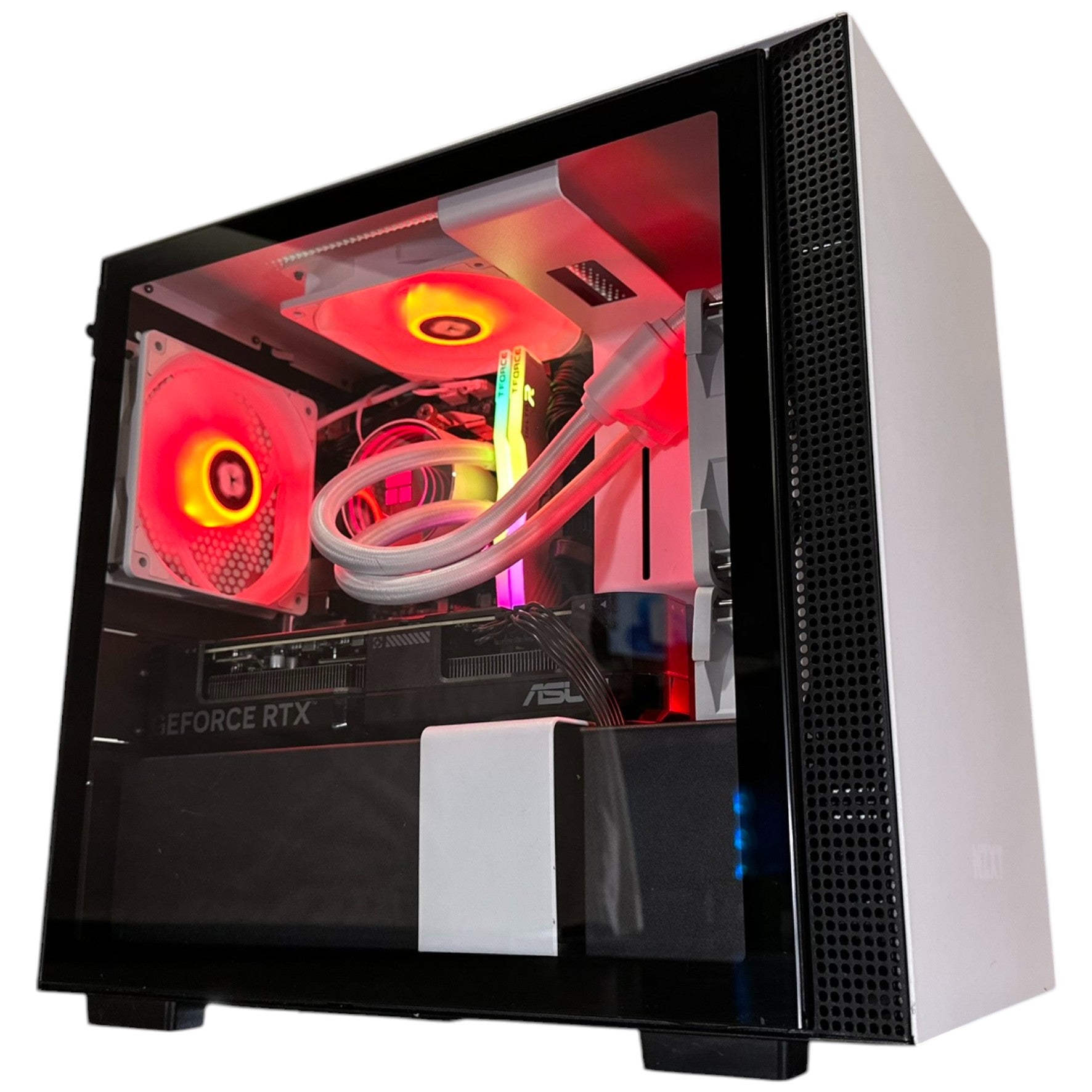
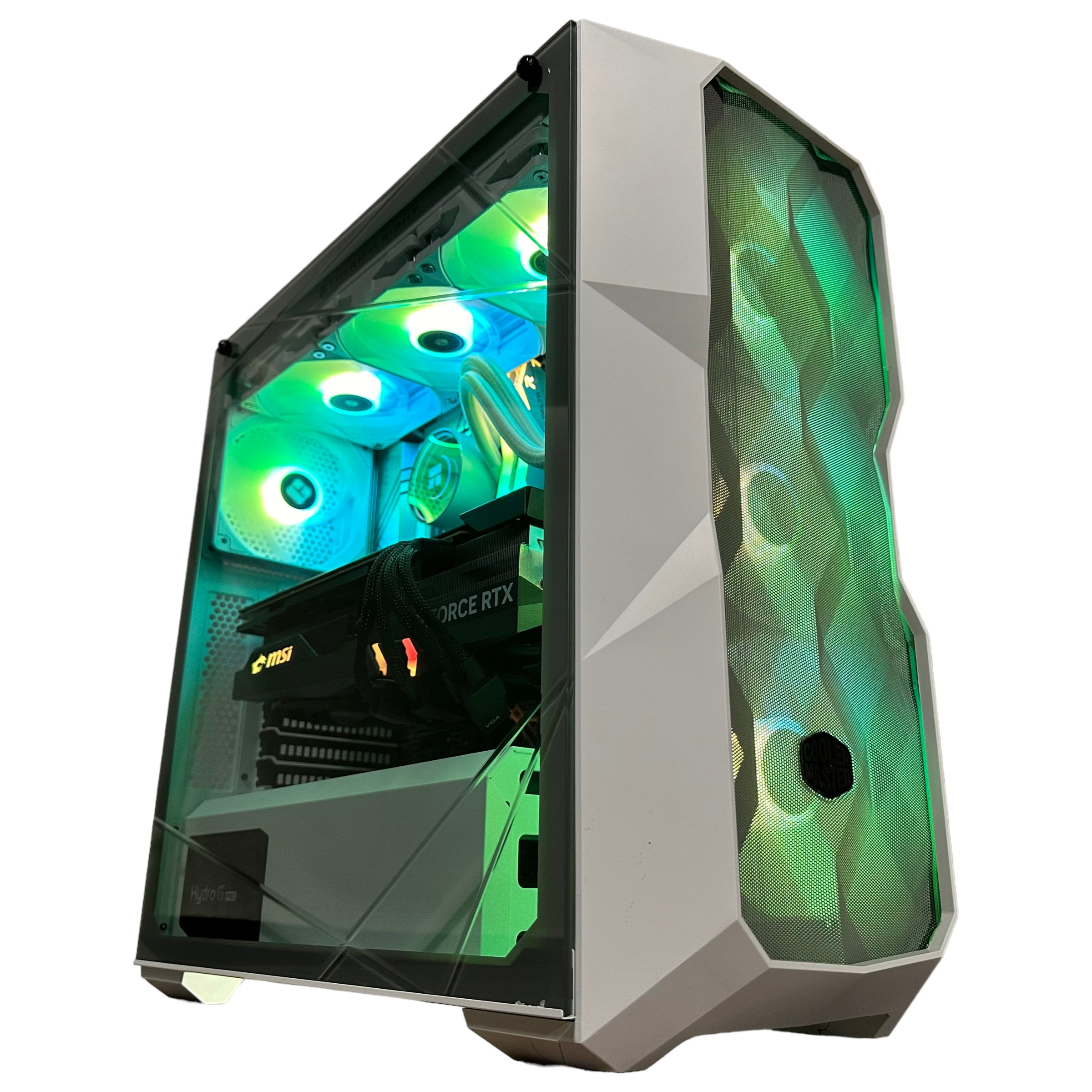
A custom system should deliver more than a different logo on the box. It should mean better component matching, better airflow planning, smarter wattage choices, cleaner upgrade paths, stronger testing, and less guesswork for the buyer. That matters whether you need a gaming rig, a streaming setup, a custom video editing PC Canada, or a workstation for 3D and professional workloads.
When you choose a custom build, ask:
- Are the parts selected to work well together?
- Is the cooling appropriate for long sessions?
- Is the system stress tested before shipping?
- Is there a real warranty behind it?
- Will the build still make sense when my needs grow?
Those are not minor details. They are the reason some PCs feel dependable and others become a source of support headaches.
Why testing, reliability, and warranty matter just as much as specs
The source article made one point especially clear: the best technical work often goes unnoticed because it prevents problems before they happen. That is exactly how a quality PC build should work.
You should not have to think constantly about temperatures, instability, crashes, poor airflow, mismatched parts, or weak power delivery. You should be able to turn on your PC and trust it.
That is why stress testing matters. That is why proper assembly matters. That is why warranty support matters. Groovy Computers positions itself around the kind of reliability serious buyers should want: carefully selected custom builds, rigorous testing, and a 1-year warranty that adds confidence to the purchase.
For Canadian buyers, especially those ordering online, that trust matters even more. You are not just buying parts. You are buying peace of mind that the full machine is ready to perform when it arrives.
What kind of buyer should choose each category of Groovy build?
Choose a budget or entry gaming system if:
- You mainly play esports, lighter titles, or older games
- You want a first gaming PC without overcommitting
- You are happy with 1080p and practical settings
- You do not expect heavy streaming or creator workloads right away
Choose a mainstream performance gaming PC if:
- You want strong 1080p or 1440p gaming in modern releases
- You want a better balance between price and lifespan
- You plan to multitask, stream lightly, or expand your use later
- You want to avoid upgrading too soon
Choose a premium gaming build if:
- You want 1440p high-refresh or 4K-focused performance
- You care about ray tracing and top-end visual settings
- You want more long-term headroom
- You are willing to invest more now to stay satisfied longer
Choose a creator or workstation build if:
- You edit video, work in Adobe apps, or create content regularly
- You stream and game from one system
- You use Blender, Unreal Engine, CAD, or rendering software
- You need performance that saves time, not just wins benchmarks
What questions should you ask before buying or financing your next PC?
If you are close to buying, here are the questions worth answering before you commit:
- What games, software, or workloads will I actually use every week?
- Do I want 1080p, 1440p, or 4K performance?
- Will I stream, record, edit, or design on the same machine?
- How long do I want this system to last before I feel pressure to upgrade?
- Am I buying for current needs only, or for the next wave of games and software too?
- Would a stronger custom build save me money and frustration over time?
- Should I finance a better system now instead of replacing a weaker one early?
- Do I want help choosing the right build from a Canadian custom PC builder?
Why Groovy Computers is a strong fit for Canadian buyers
Groovy Computers is well positioned for buyers who want more than a generic PC listing. Whether you need a gaming machine, a creator system, or a workstation-grade build, the value is in the match between your real workload and the hardware inside the case.
As a Canadian custom PC builder, Groovy Computers speaks directly to customers who want:
- Custom gaming and creator PCs built for their use case
- Canada-wide support and ordering confidence
- Rigorous testing before the machine reaches them
- A 1-year warranty for added trust
- Guidance on choosing the right performance tier
- Financing options that can make a stronger build more accessible
That matters whether you are in Nova Scotia, Atlantic Canada, or ordering elsewhere in the country. If you are trying to avoid the usual confusion of overhyped specs, underpowered entry systems, and unclear upgrade paths, a builder-focused approach makes a real difference.
Ready to decide what your next PC should do?
If the source article proves anything, it is that invisible technical quality separates systems that merely exist from systems that truly perform. The same is true when buying your own machine. A good PC is not just about what looks impressive on a product page. It is about whether the whole build is ready for the games, software, and workloads you plan to throw at it.
So what do you want your next system to do for you? Do you need a better gaming experience? A stronger streaming setup? Faster exports? More reliable multitasking? More room for new games before prices shift again? If you want help choosing the right custom gaming PC Canada, creator system, or workstation build, visit GroovyComputers.ca and explore a build that actually fits how you play and work.
In a market shaped by rising game complexity, changing performance demands, and ongoing hardware pressure, buying carefully matters. For many Canadian shoppers, the smartest move is not waiting endlessly for the perfect moment. It is choosing a properly balanced custom system now, with the option to finance when it helps secure a stronger, longer-lasting machine.
#CustomGamingPCCanada #GamingPCBuildsCanada #CreatorPCCanada #VideoEditingPCCanada #StreamingPCCanada #3DModelingPCCanada #WorkstationPCCanada #CanadianCustomPCBuilders #GamingComputersCanada #GroovyComputers
Groovy Computers | All Rights Reserved


Leave a comment
This site is protected by hCaptcha and the hCaptcha Privacy Policy and Terms of Service apply.