



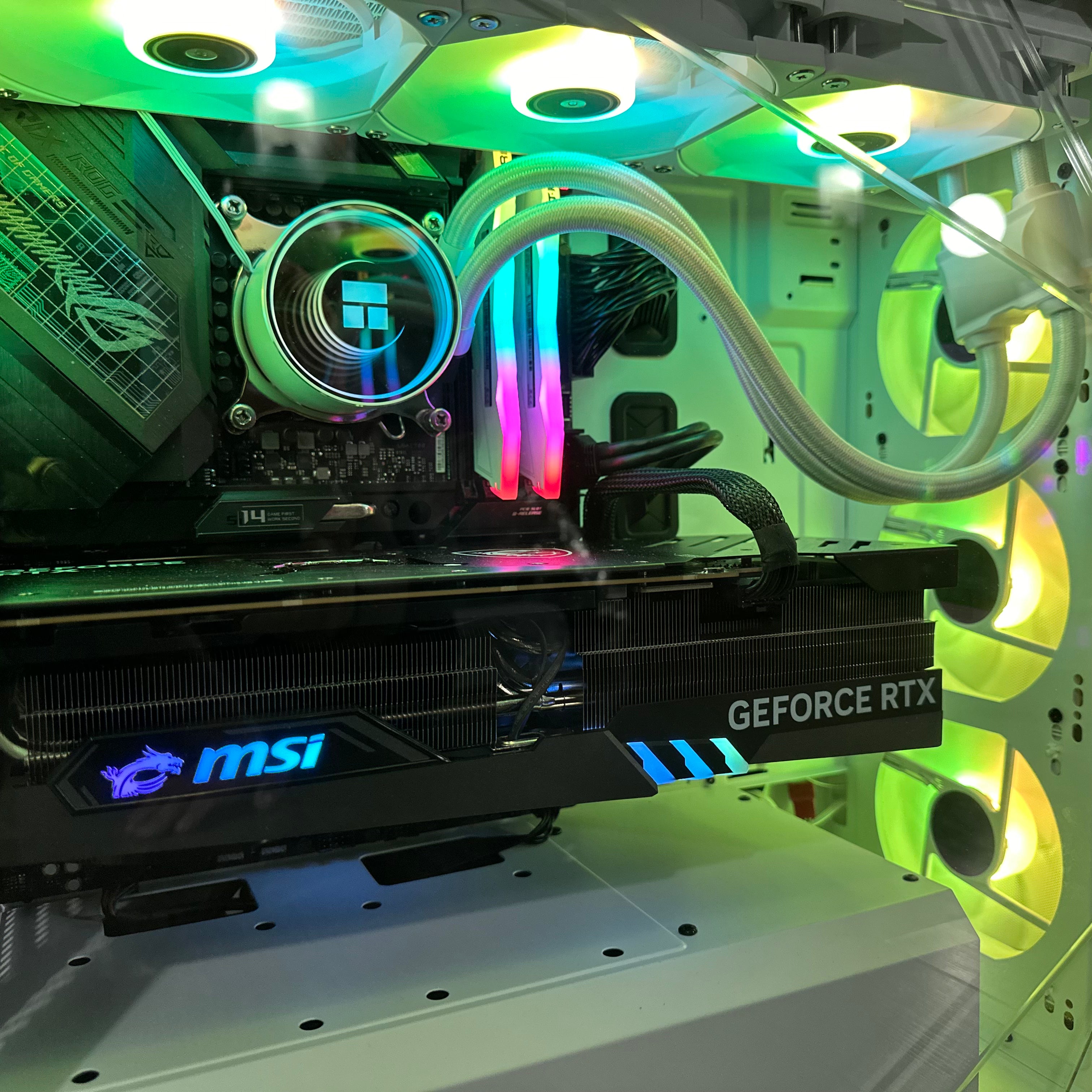
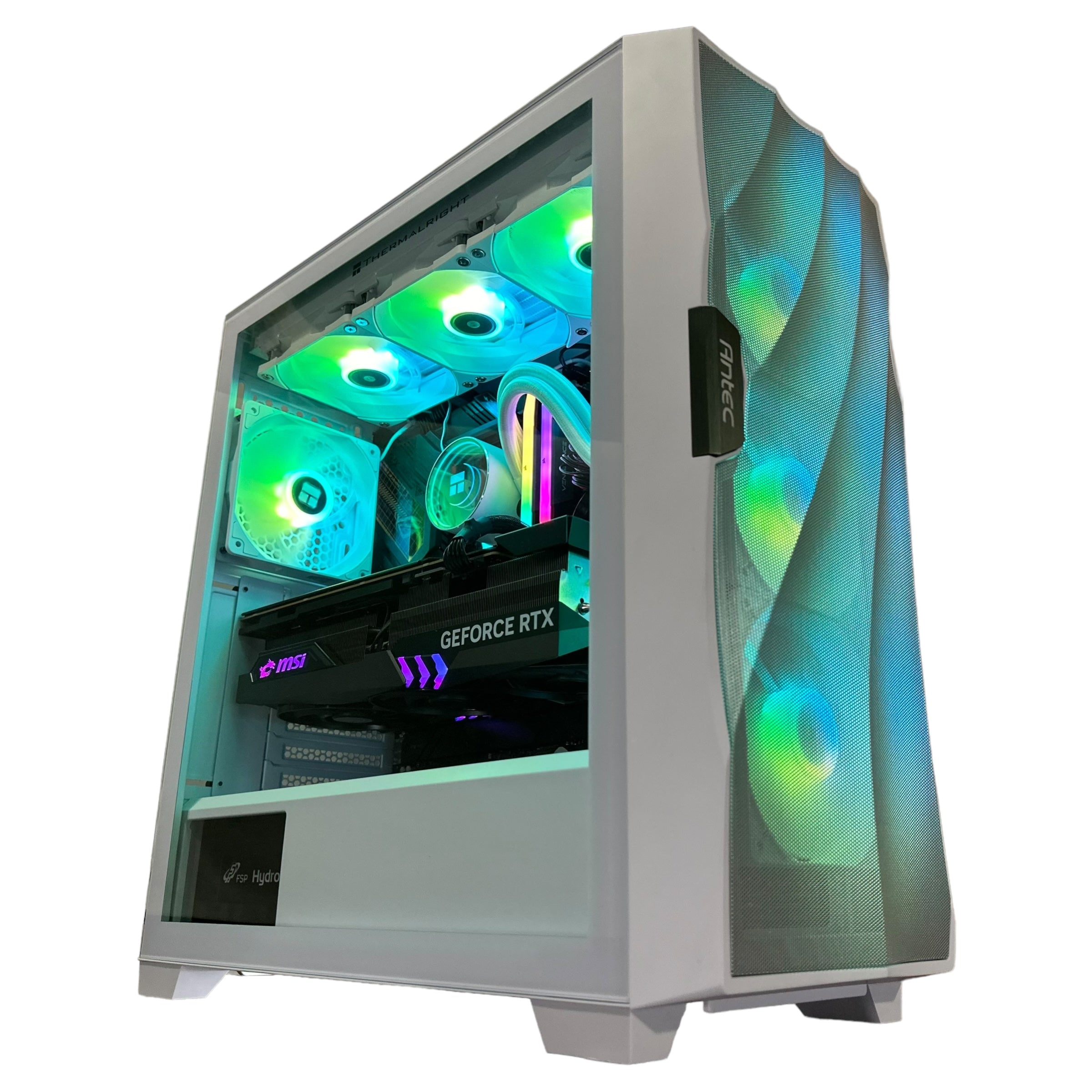

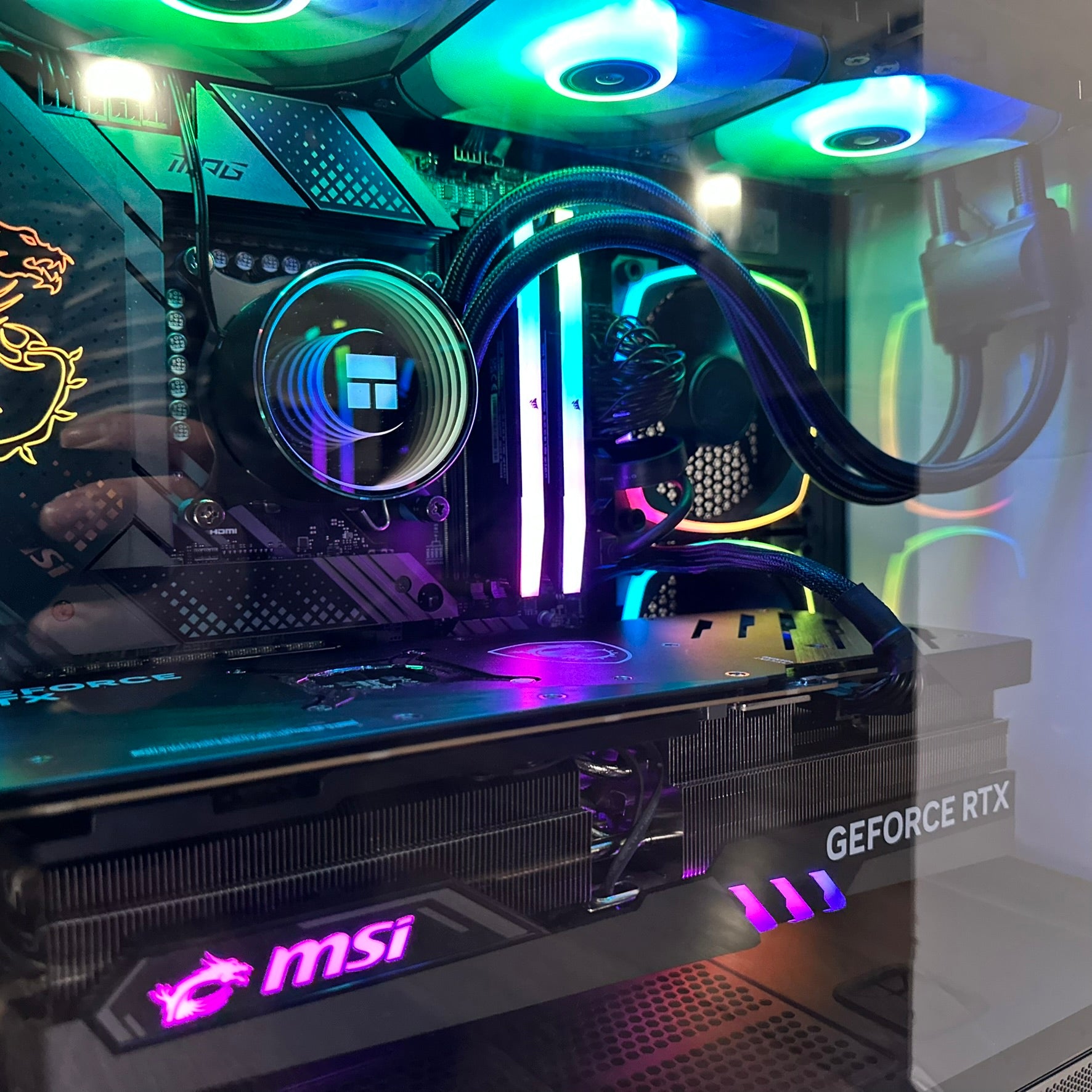
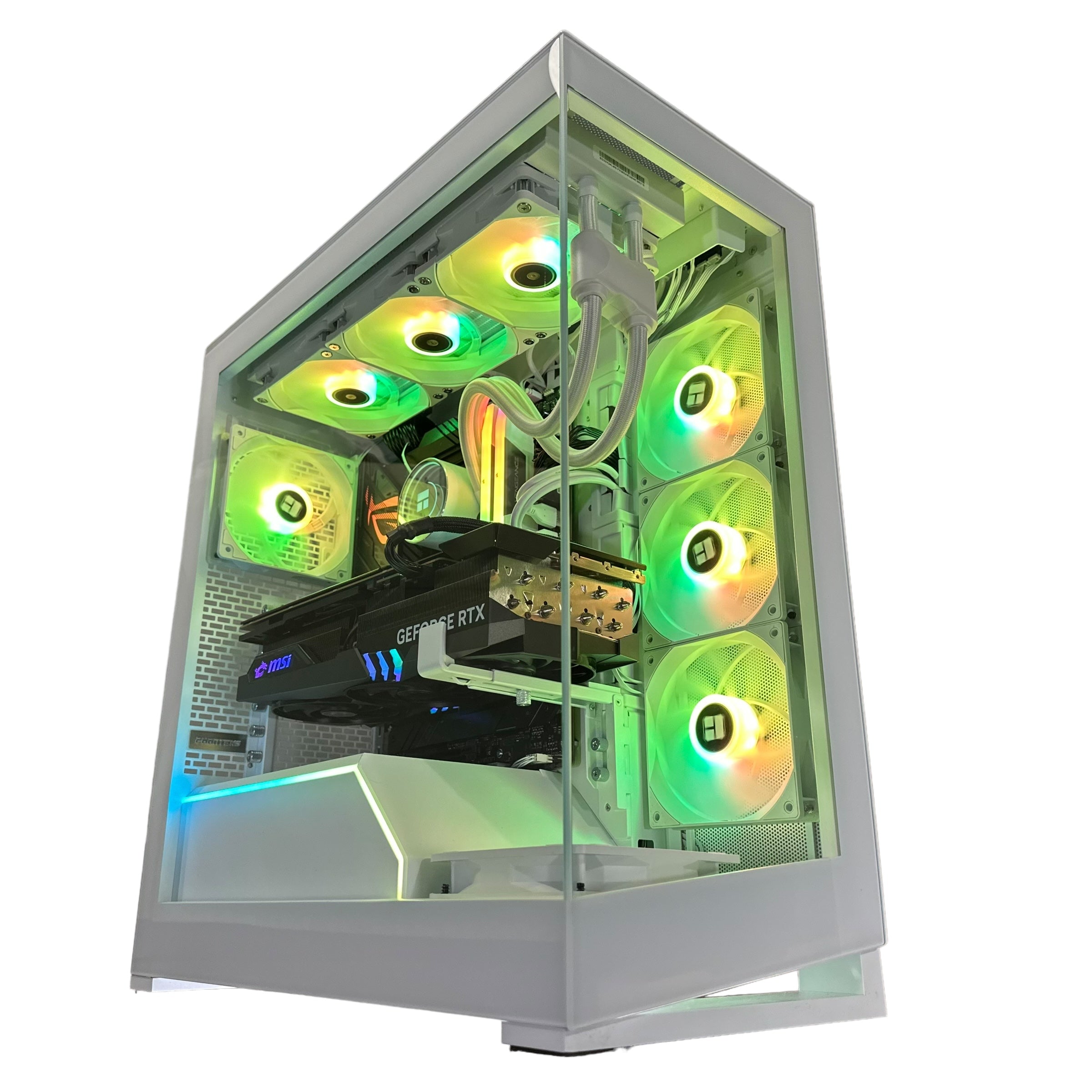

Radeon RX 9070 XT Power Limit Tuning: What Canadian Gamers Should Know Before Buying a High-Performance Gaming PC
The recent discussion around Radeon RX 9070 XT power limit tuning in Resident Evil Requiem highlights something many PC buyers do not think about until after purchase: peak performance is only part of the story. Heat, noise, room temperature, sustained clocks, case airflow, and long-session comfort all matter just as much. For Canadian buyers shopping for a powerful gaming desktop, creator PC, or mixed-use custom build, this kind of benchmark insight is more than enthusiast trivia. It is a reminder that the right PC is not just about the biggest GPU on paper. It is about balance.
In the source benchmark, users tested a Gigabyte Radeon RX 9070 XT at 1440p with maximum settings in Resident Evil Requiem under extremely hot ambient conditions of 34 degrees Celsius. Stock operation pushed the card to its full 330W power limit, producing substantial heat. After tuning with a voltage reduction, memory adjustment, and a modest negative power limit, the card reportedly held around 85 FPS while reducing power draw to about 290W. More aggressive power limiting lowered consumption further, but performance dropped noticeably because memory and controller power use remained significant.
That result matters because it reinforces a simple truth: more wattage does not always mean better real-world value, and lower wattage does not automatically mean smarter tuning either. There is usually a sweet spot. If you are shopping for a Gaming PC Canada buyers can actually live with day to day, this is exactly the kind of real-world behaviour that should influence your build decisions.
What does this benchmark actually tell us about the Radeon RX 9070 XT?
At a high level, it suggests the RX 9070 XT can be a very strong 1440p gaming GPU, but it also shows that thermal output and efficiency tuning may play a major role in user satisfaction. A stock 330W graphics card can absolutely deliver premium gaming results, but if your case airflow is weak, your room runs hot in summer, or your workload includes long gaming sessions, streaming, or content creation, the experience can change fast.
Does that sound familiar? Have you ever looked at a benchmark chart and thought, Yes, the FPS looks great, but what will that system feel like after three hours of gaming? That is the right question to ask.
The source also points toward a practical efficiency range, with the community suggesting roughly 250W to 260W as a more balanced operating target for cooling and performance. That does not mean every card, cooler, or silicon sample will behave the same way. It does mean buyers should stop thinking only in terms of maximum boost claims and start thinking about total system design.
Why should Canadian buyers care about GPU power draw and heat?
Because in the real world, system design affects your ownership experience every single day. In Canada, buyers often shop with long-term value in mind. You may want one desktop that handles gaming now, streaming later, editing after that, and future game releases without forcing another upgrade too soon. A hot, noisy, poorly matched build can undermine that goal.
Are you buying for a cooler basement setup in Nova Scotia? A warm upstairs office in Ontario? A compact desk space in an apartment? A dual-purpose room where gaming heat becomes a problem in summer? These details matter. A GPU that runs at high wattage in a poorly ventilated case can make the entire room less comfortable, not just the PC.
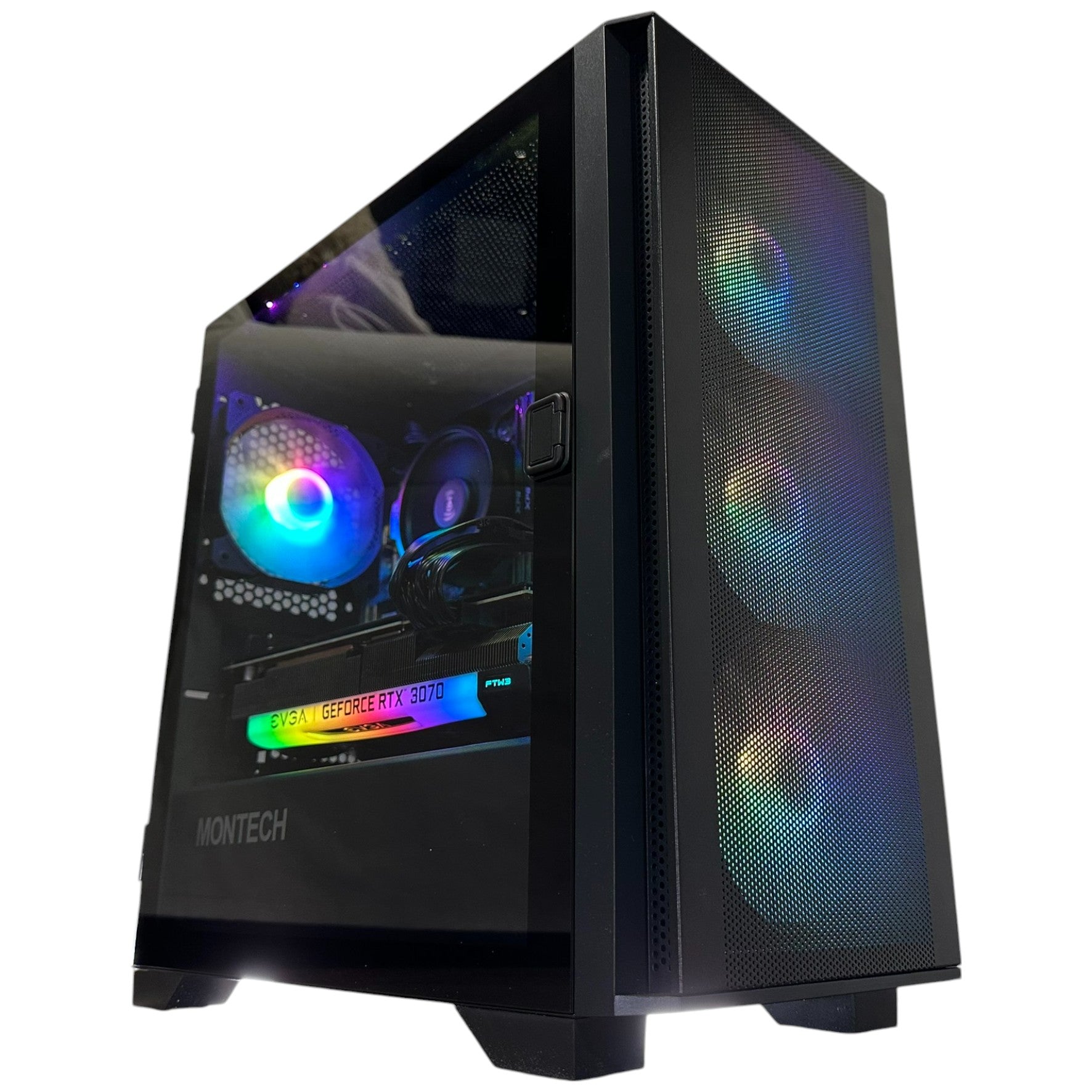
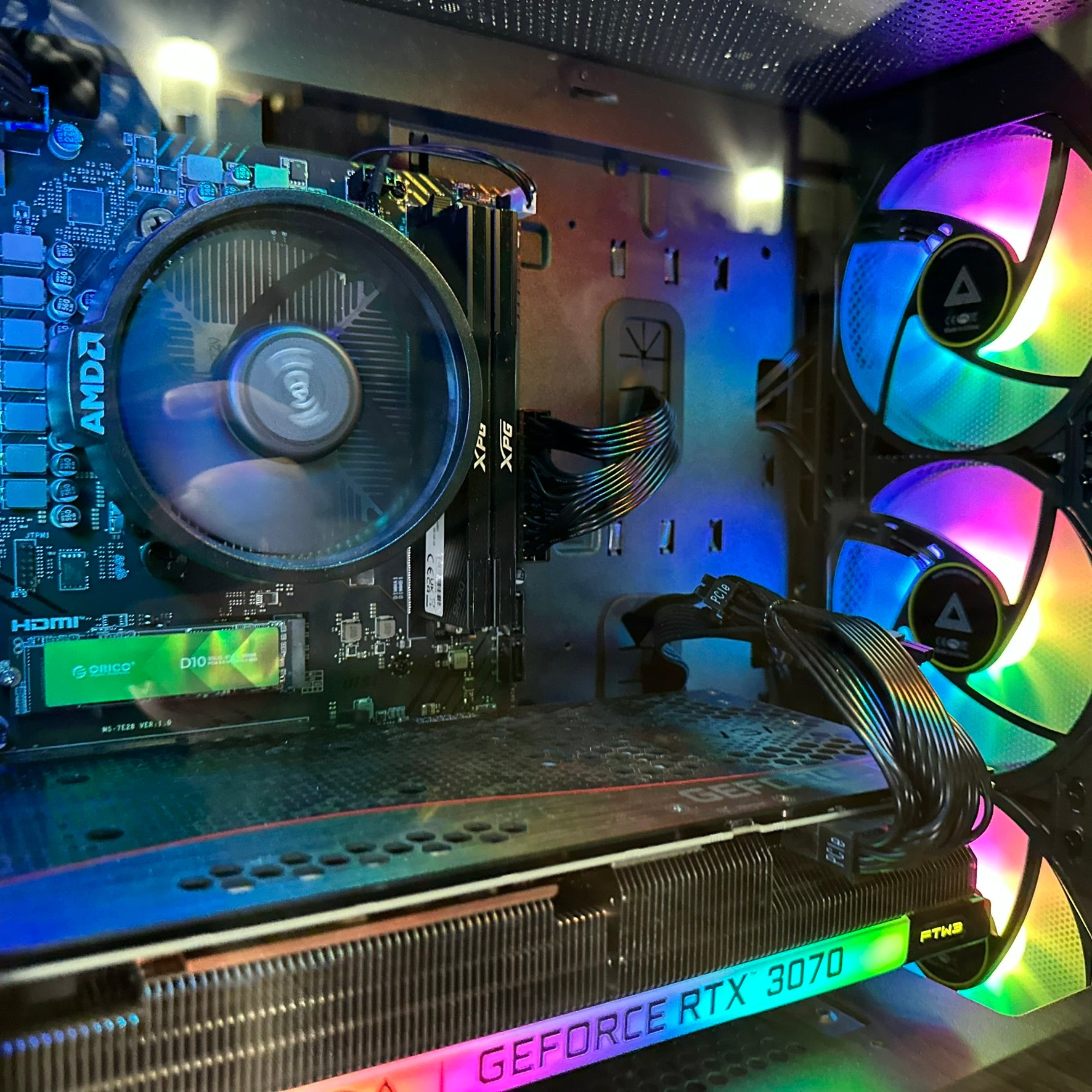
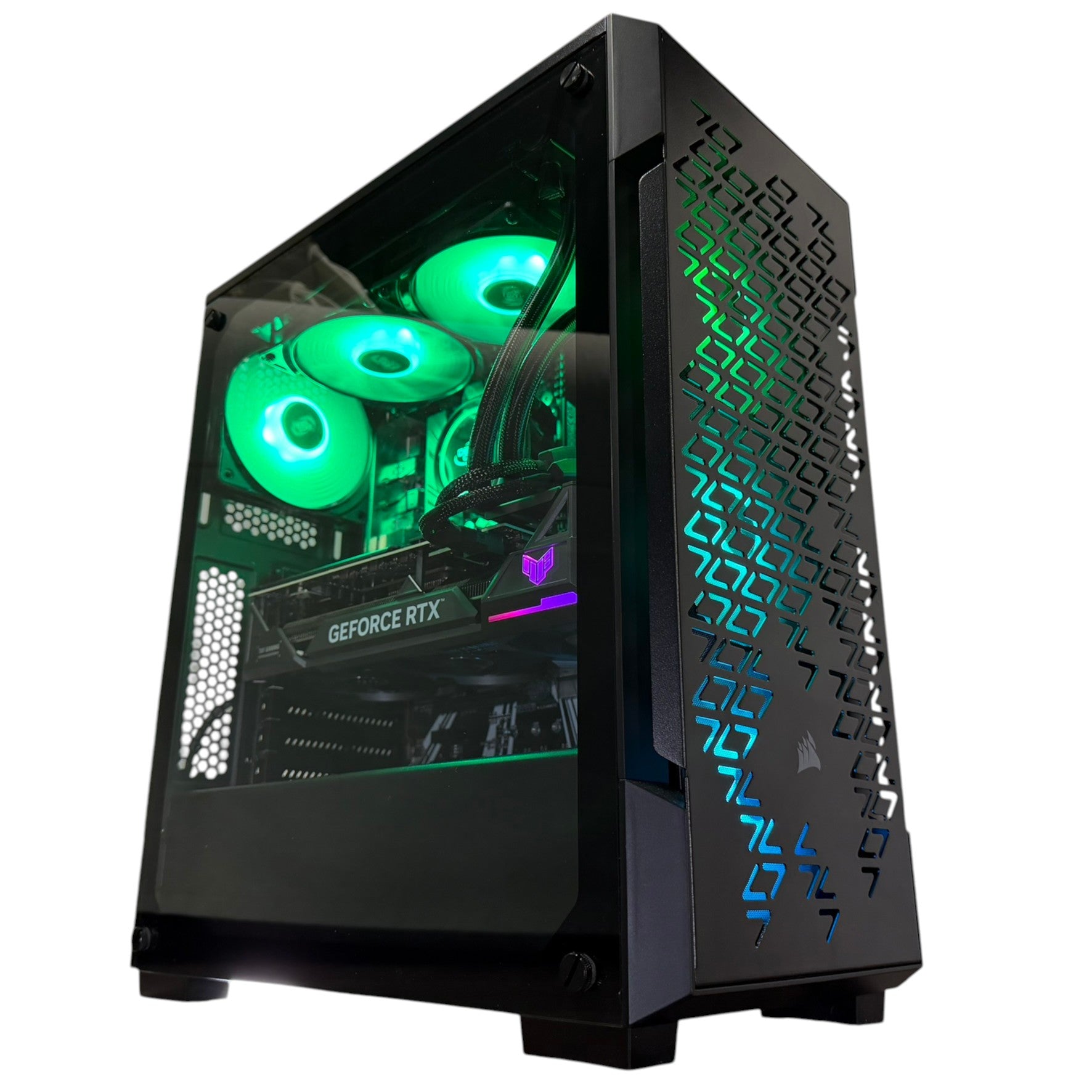
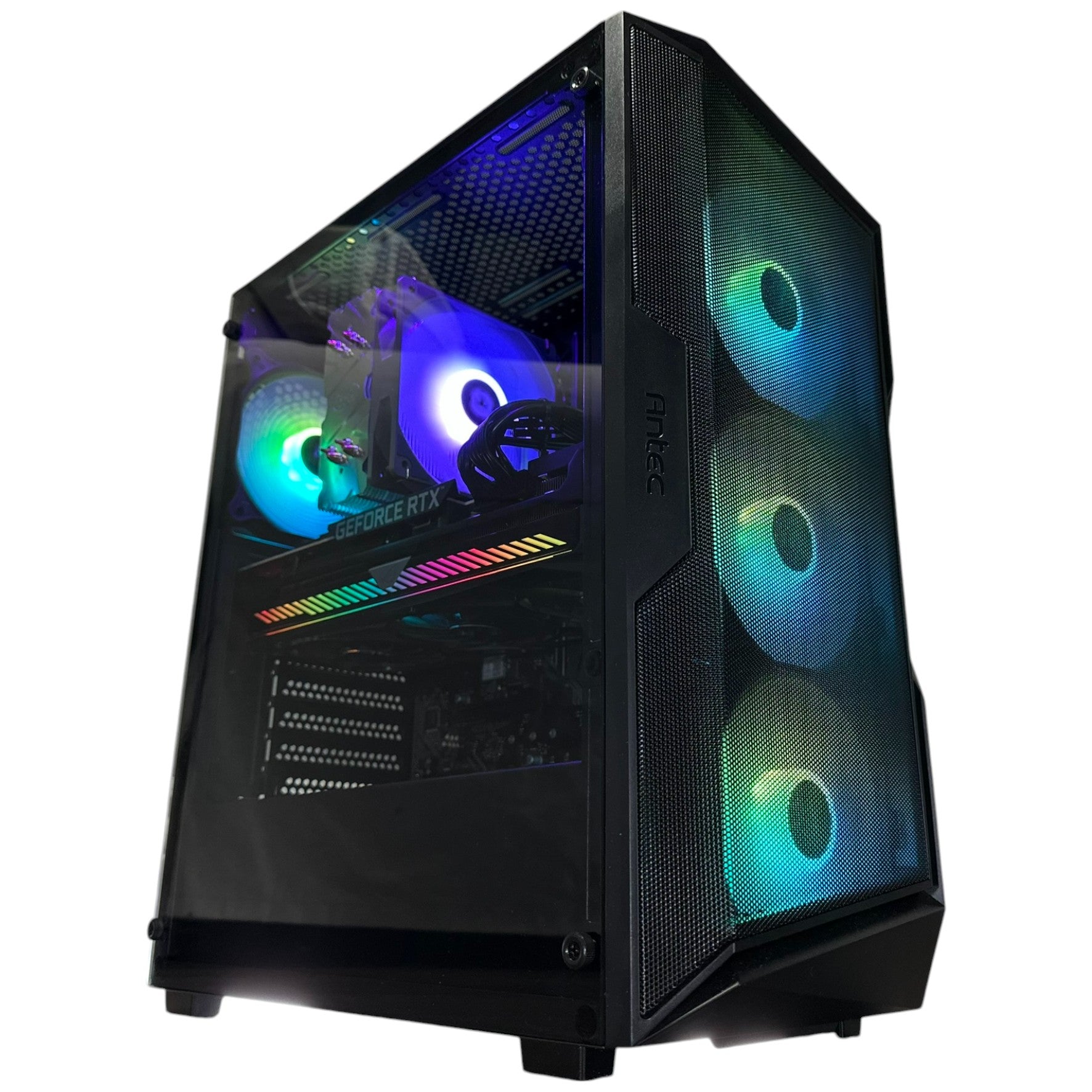
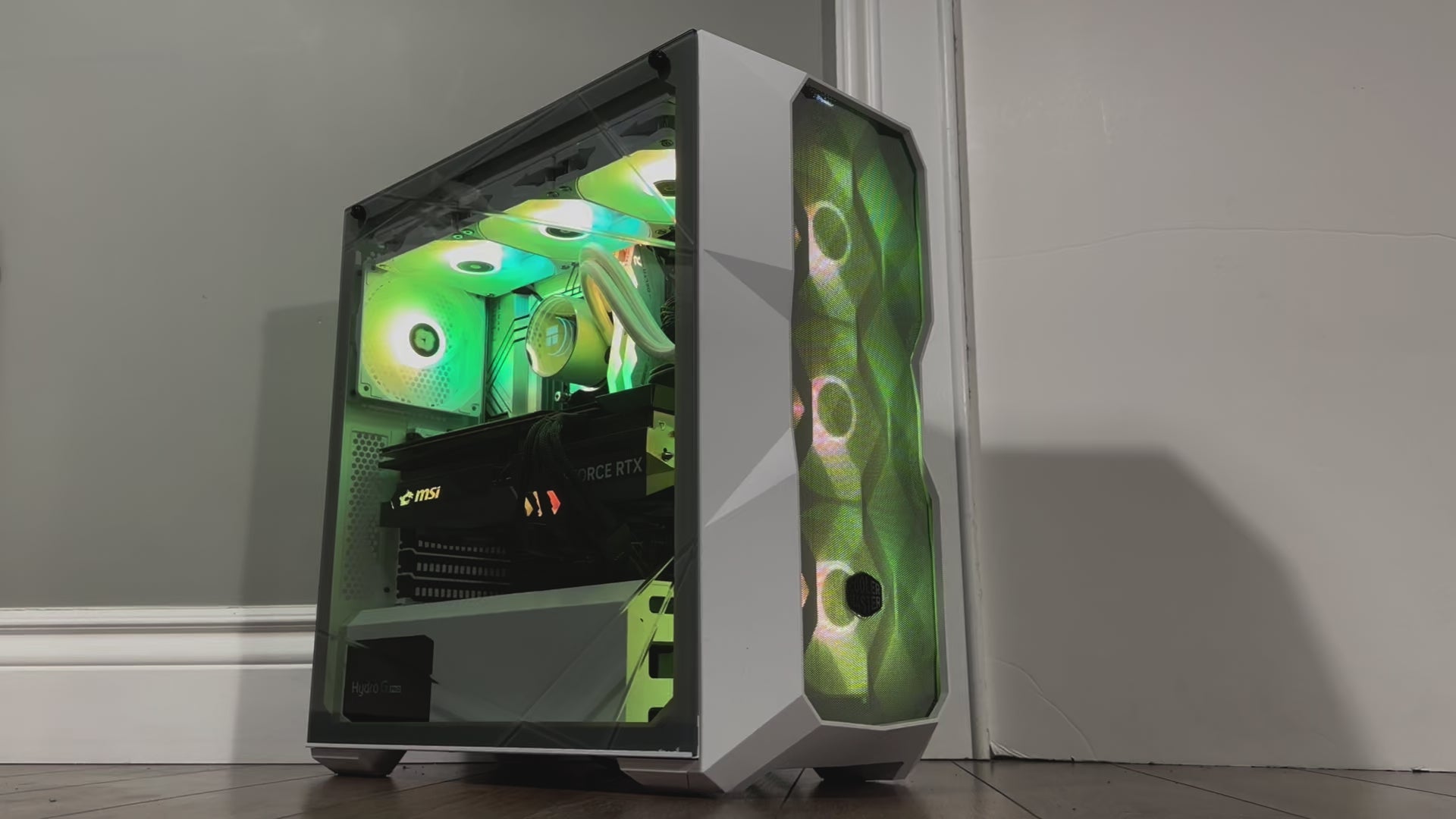
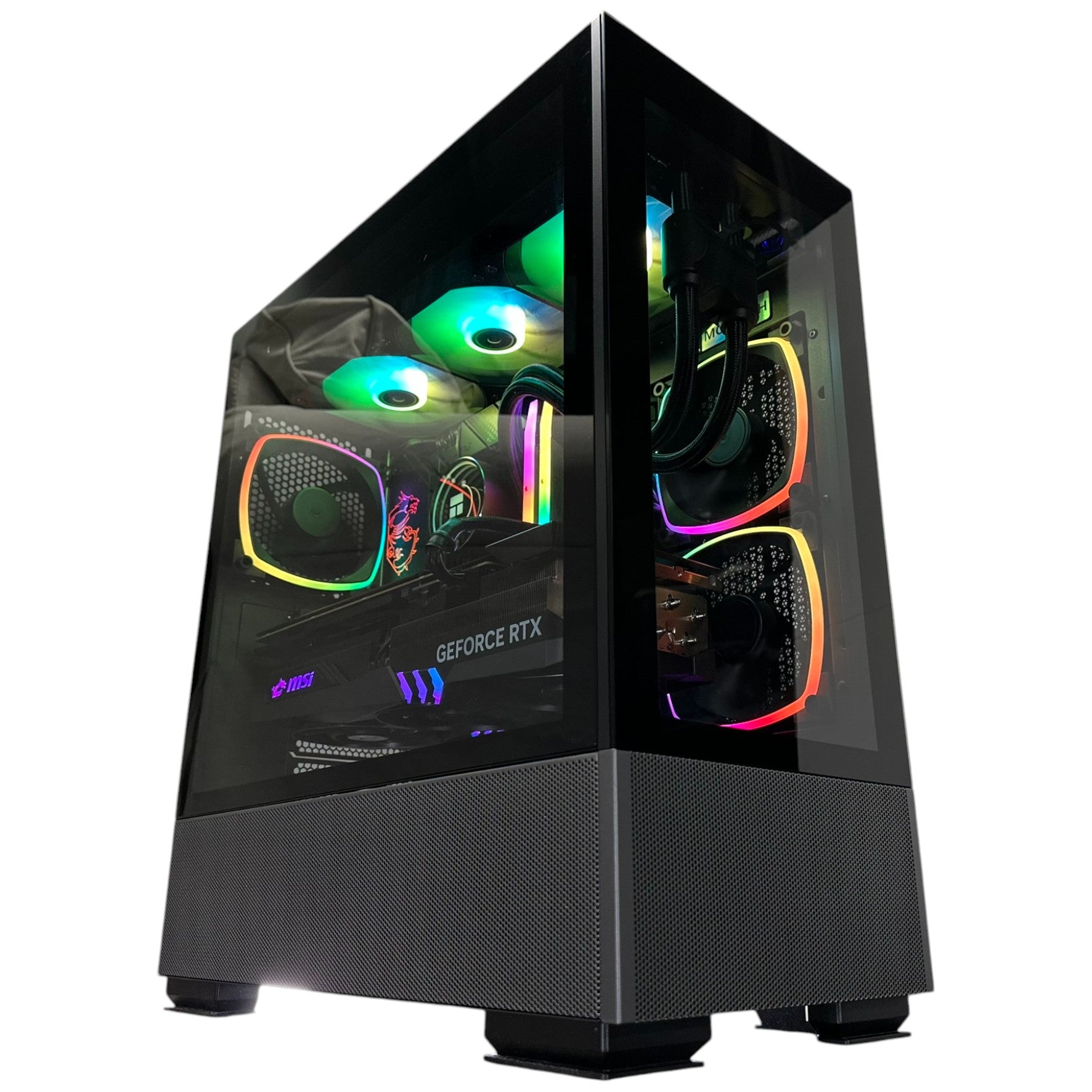
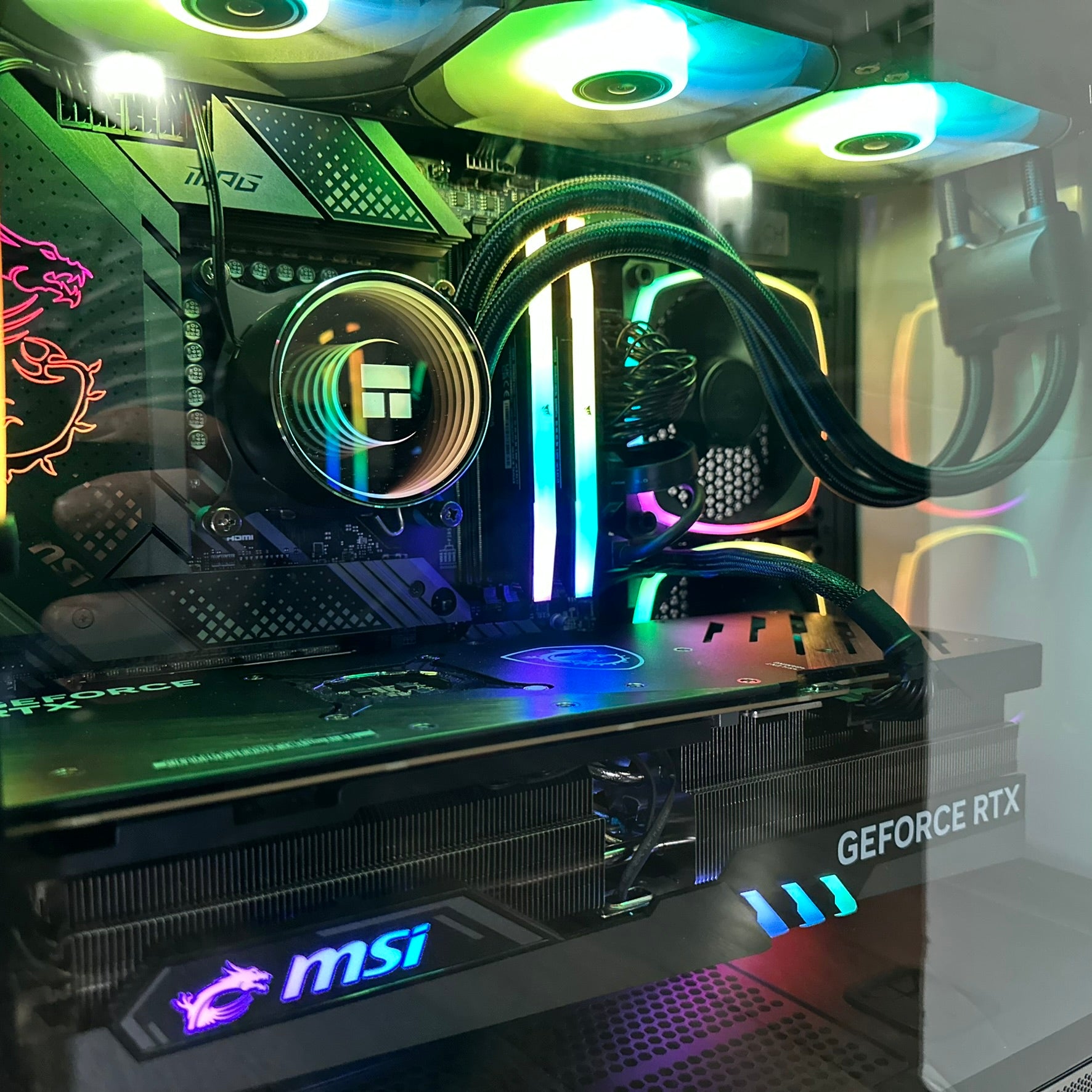
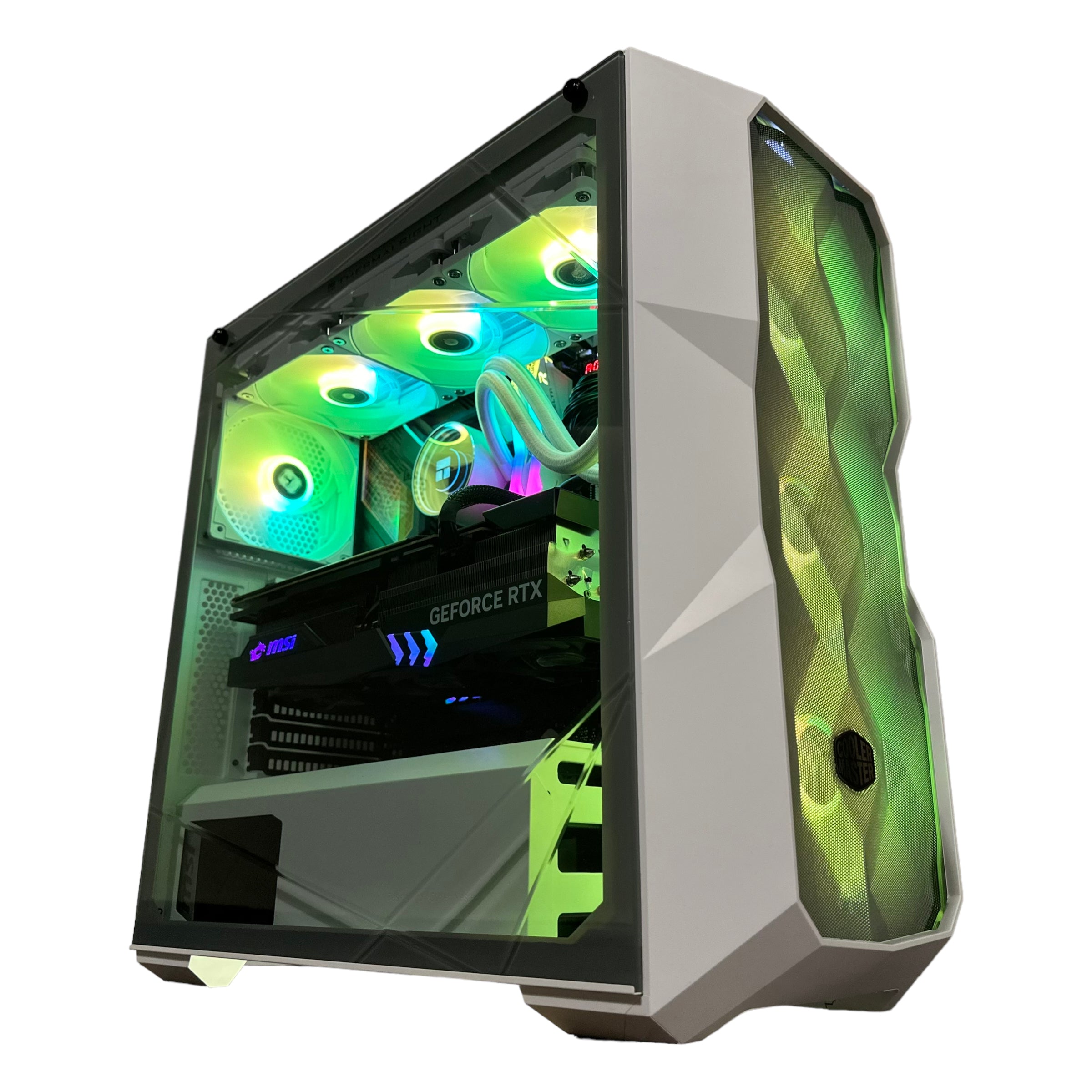
That is why custom system planning matters. At Groovy Computers, the conversation should never stop at the video card alone. The right case, fan layout, CPU pairing, power supply, airflow path, storage configuration, and thermal tuning all influence whether a high-end gaming PC feels premium or frustrating.
What did the source article get right?
The source got three important things right.
- First, it recognized that raw stock performance can come with meaningful thermal costs.
- Second, it showed that modest tuning can lower power draw while preserving strong frame rates.
- Third, it highlighted that extreme power limiting is not always efficient once baseline memory and controller consumption become a larger share of total power use.
That last point is especially important. Buyers sometimes assume that if reducing power by 10 percent is good, reducing it by 30 percent must be even better. But GPUs do not always scale that way. Once fixed overhead becomes a larger percentage of consumption, you can give up too much performance for too little thermal gain.
So what does that mean if you are not an overclocker? It means your best buying decision may not be the GPU with the most aggressive factory behaviour. It may be the system that is built, cooled, and tested to deliver stable performance without unnecessary excess.
What do you want your next PC to do for you?
Before you get distracted by one benchmark result or one GPU headline, take a step back and ask the real buying question: what do you want your next PC to do for you?
Do you want a machine mainly for 1080p esports and general gaming? Do you want 1440p ultra settings in demanding new releases? Are you planning on 4K gaming with ray tracing? Do you also want to stream to Twitch or YouTube? Will you be editing gameplay clips in Adobe Premiere Pro or DaVinci Resolve? Are you creating thumbnails in Photoshop, social media assets in Illustrator, or product visuals in Blender?
If you are asking, What gaming PC do I need? the answer depends less on one GPU model and more on your total workload. A customer who plays competitive shooters at high FPS has different needs than someone chasing cinematic AAA gaming. A creator who games at night and edits 4K video during the day needs a different balance again.
Is the RX 9070 XT the right fit for your gaming goals?
For many buyers, the Radeon RX 9070 XT class makes the most sense as a 1440p Gaming PC Canada performance target. That is where cards like this typically shine: high settings, strong frame rates, and enough muscle for visually demanding modern titles.
If your target is 1440p ultra settings in heavy games, this class of GPU can be very attractive. But ask yourself a few questions first.
Are you aiming for 1080p competitive gaming?
If your focus is esports titles, high refresh gameplay, and value per dollar, you may not need this much GPU at all. A more balanced system could free up budget for a better CPU, more RAM, a faster SSD, or a higher-quality monitor. Buying too much GPU for the wrong use case is just as unhelpful as buying too little.
Are you aiming for 1440p max settings in new AAA games?
This is where the RX 9070 XT conversation becomes more relevant. If you want strong immersion, smoother minimums, and better longevity, a GPU in this class makes more sense. But it should be paired with proper cooling and the right processor so that your premium graphics card is not wasted in a poorly balanced build.
Are you trying to jump into 4K or heavy ray tracing?
If 4K is the goal, or if you care deeply about the most demanding visual features, you may want to compare this class against stronger premium-tier options. This is where long-term buying strategy matters. Would you rather buy at the edge of your needs now and upgrade sooner, or finance a stronger system that lasts longer and keeps you happier for more years?
How much should you care about heat, hotspot, and memory temperatures?
You should care a lot, especially if you want a PC that stays pleasant to use. In the source test, the tuned card still showed substantial temperatures, including an 88 degree hotspot and 84 degree memory temperature. Those numbers are not just abstract diagnostics. They tell you how hard the card is working and how important case airflow becomes.
Have you ever bought a high-performance part and then realized the rest of the system could not support it properly? That is one of the most common mistakes in gaming PC buying.
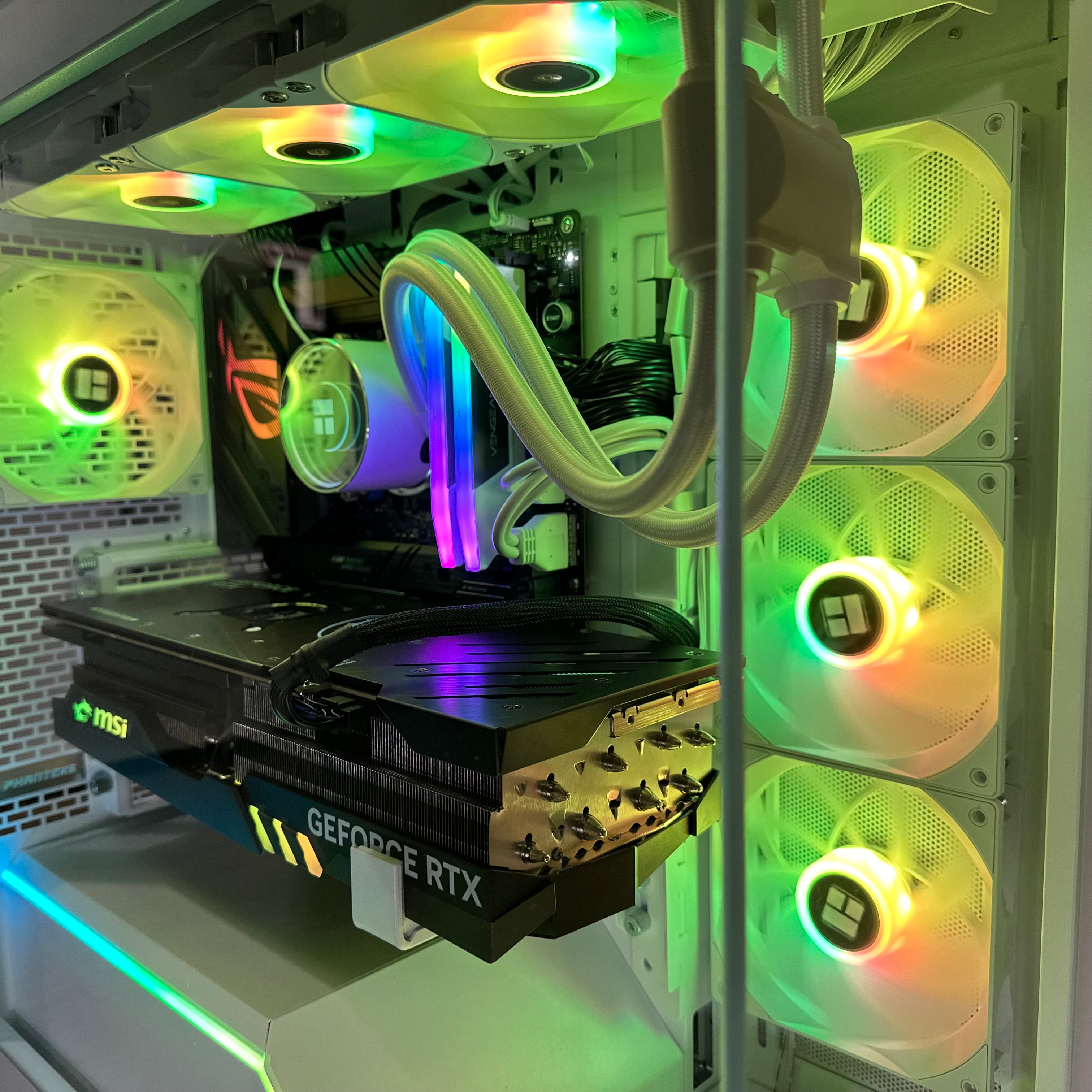
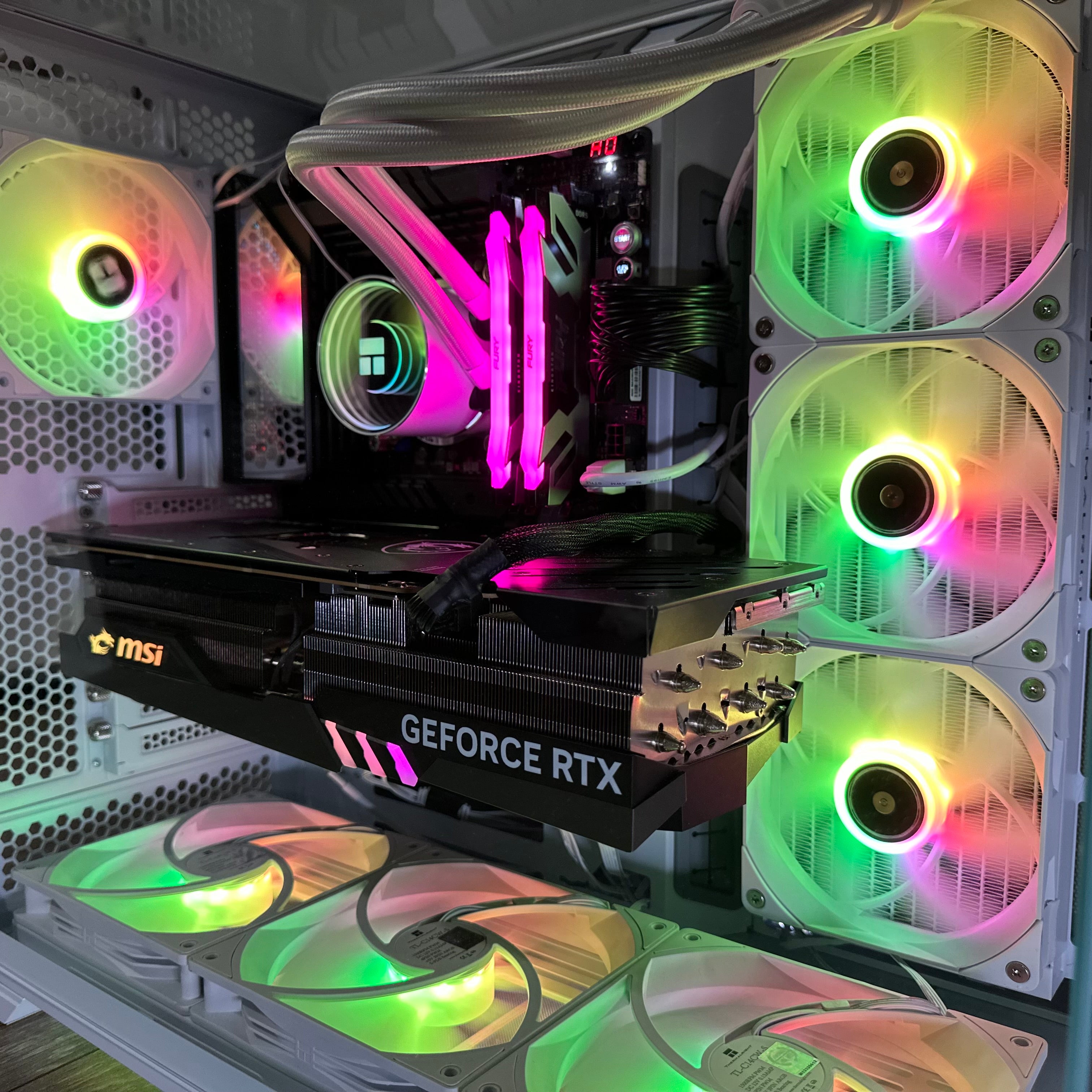
A high-power GPU inside a cramped case, with weak intake airflow and a budget power supply, can create noise, throttling, warmer motherboard temperatures, and an overall less refined experience. A custom build avoids that trap by considering the whole system from the beginning.
Why custom PC building matters more when GPU wattage climbs
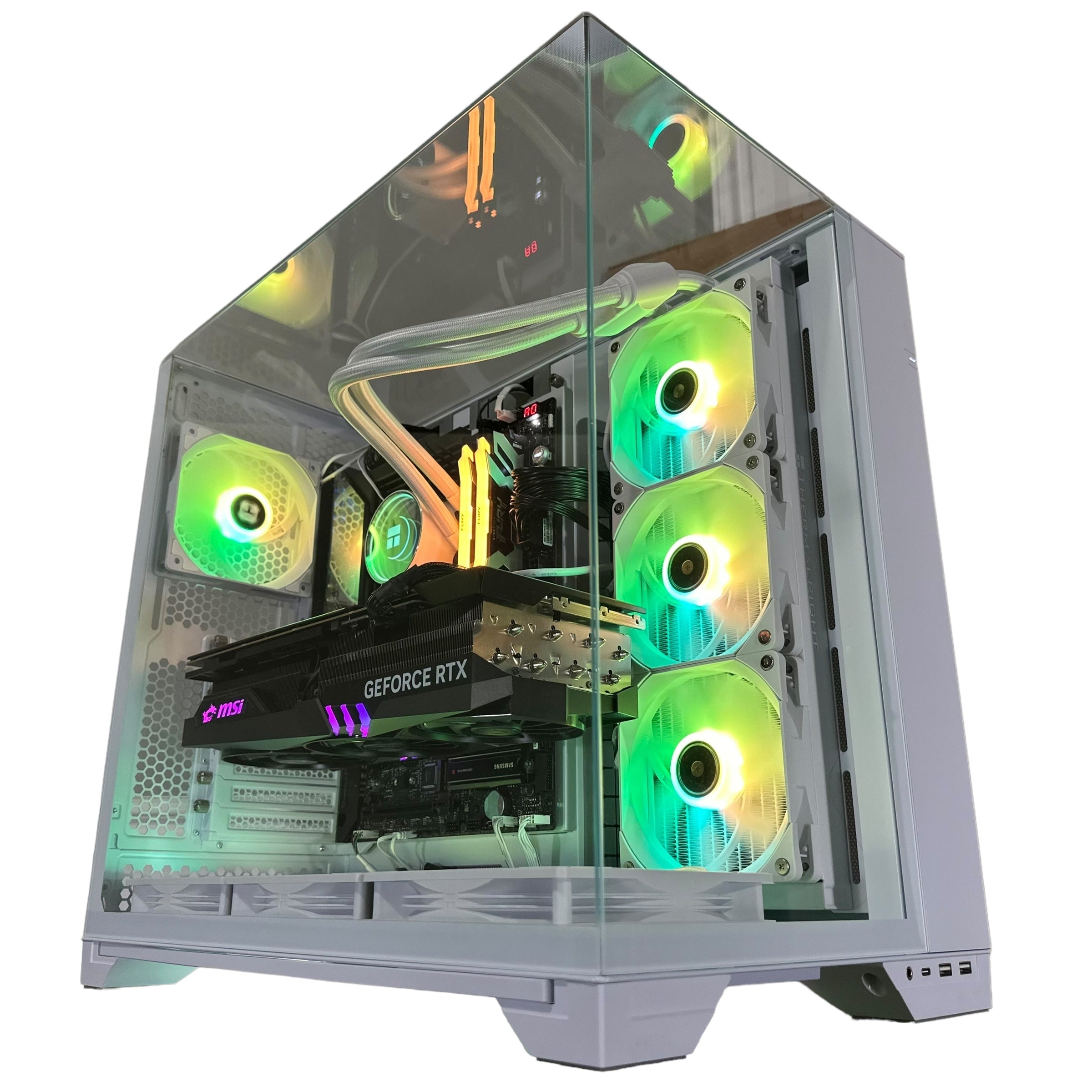
As graphics cards become more powerful, build quality matters more. This is one reason many buyers looking for a Custom Gaming PC Canada solution choose a builder instead of gambling on generic specs.
When wattage rises, little choices become big ones:
- Case size and ventilation matter more
- Fan quality and placement matter more
- CPU cooler selection matters more
- Power supply quality and headroom matter more
- Cable management matters more for airflow
- Motherboard VRM quality matters more in premium systems
- Thermal testing matters more before the PC reaches your desk
If you are buying a high-end gaming desktop, should you settle for a build where the GPU technically fits, or should you buy one that is designed to run properly from day one? That is the difference between a box of parts and a well-planned custom computer.
What performance tier fits you best?
One benchmark result should not decide your whole budget, but it can help you identify the performance tier you actually need.
Entry-level to value-focused gaming tier
This tier is best for buyers focused on 1080p gaming, lighter AAA settings, esports titles, school use, and general home performance. If you are searching for a Budget Gaming PC Canada option, you may be better off prioritizing balanced components instead of stretching for a hotter, more expensive GPU tier than your games require.
Ask yourself: do you really need max settings in every game, or do you want the smartest value for your budget?
Mainstream enthusiast 1440p tier
This is where the RX 9070 XT class becomes especially relevant. For players who want premium 1440p, strong visual quality, and a system that feels modern for upcoming releases, this tier often offers the best overall blend of performance and practical ownership. It is also a great zone for buyers who want gaming plus some streaming, editing, and content creation.
If your question is, What PC do I need for 1440p gaming? this is likely the part of the market you should be studying closely.
High-end and premium 4K tier
If you want top-end ray tracing, ultra settings in the most demanding new releases, or creator-grade multitasking alongside gaming, it may make sense to step above this class. That decision is not just about bragging rights. It is about how long you want the system to stay above your minimum expectations.
Would you rather buy once with confidence, or buy twice because the first system fell short of your long-term plans?
Are you only gaming, or do you also create content?
This is one of the most important questions modern buyers can ask. Plenty of customers no longer fit into just one category. They game, stream, clip gameplay, edit videos, manage social media, design thumbnails, and maybe even explore 3D software. That changes the build logic.
If you need a Content Creation PC Canada solution rather than a pure gaming tower, then CPU choice, RAM capacity, scratch storage, and software acceleration matter more. A gaming-only parts list is not always the best creator parts list.
Do you stream while gaming?
If you plan to run OBS, manage overlays, record local footage, and keep browser tabs and chat tools open while playing, the system must be built for more than game FPS alone. A proper Gaming and Streaming PC Canada build needs strong thermal behaviour and enough processing headroom to avoid stutters during live use.
What PC do you need for streaming if you also want modern AAA gaming? Usually, you want a more complete system, not just a faster graphics card.
Do you edit video after you play?
If your gaming PC also doubles as a Video Editing PC Canada setup, then fast SSD storage, higher RAM ceilings, and stronger CPUs can make a noticeable difference in timeline smoothness, export times, and overall responsiveness. Editing 4K footage, color work, transitions, multicam clips, and effects can quickly expose weaknesses in a build that was planned only around gaming benchmarks.
Are you buying a PC that saves time every week, or one that just looks good in a single FPS chart?
Do you use Photoshop, Lightroom, or Illustrator?
If you also need a Photo Editing PC Canada or Graphic Design PC Canada workflow, your priorities may shift toward system memory, storage speed, monitor pairing, and consistent responsiveness under multitasking. The right creator-focused custom desktop can handle gaming beautifully while still feeling sharp in Adobe Creative Cloud workloads.
Do you use Blender, Unreal Engine, CAD, or rendering software?
For 3D artists, engineers, developers, and visualization professionals, a gaming-first build may not be enough. If you need a 3D Modeling PC Canada or Workstation PC Canada solution, you should think beyond game benchmarks and focus on rendering performance, memory requirements, CPU scaling, and workload stability.
Should you buy now or wait for something better?
This is where many buyers get stuck. They see one benchmark, one rumour, one upcoming game, or one possible hardware refresh and keep delaying. But waiting is not always safer or cheaper.
Component markets can shift. GPU demand can rise. Memory pricing can move. SSD costs can fluctuate. New game releases can create sudden interest in higher performance tiers. Software updates can increase recommended system requirements. Even if prices do not jump dramatically, the opportunity cost of waiting can be real if your current system is already holding you back.
Ask yourself a practical question: are you delaying because you have a clear better option in mind, or because you hope the market will become easier? Often, buyers end up waiting through one launch cycle only to find that the next one is not cheaper, not cooler, and not easier to buy.
Could financing help you secure a stronger PC before replacement costs rise?
For many customers, this is the real decision point. If you know you need a stronger system soon, but you are trying to avoid settling for the cheapest possible parts today, financing can change the equation. Instead of buying a lower-tier system that feels outdated too quickly, you may be able to step into a more capable build that lasts longer and performs better across gaming, streaming, and creative work.
Is financing a gaming PC worth it? That depends on your goals. If a better system helps you avoid upgrading too soon, delivers a better daily experience, and secures stronger parts before market conditions worsen, it can be a very rational choice.
Groovy Computers offers options that can help Canadian buyers spread out the cost of a stronger custom PC, including financing up to 4 years where applicable. If you are weighing a compromise build against a properly specced one, monthly affordability may be what lets you buy the right machine the first time.
What should you check before choosing a high-performance GPU build?
Before you commit to a premium system, ask these questions:
- What resolution do I actually play at? 1080p, 1440p, or 4K changes everything.
- Do I want ultra settings, competitive FPS, or balanced value?
- Will I stream, record, edit, or create content on the same PC?
- How warm is my room and how long are my typical sessions?
- Do I care about low noise and better thermals, or only top benchmark numbers?
- Would I rather upgrade once in several years or sooner than expected?
- Am I buying ahead of a major game launch or software workflow increase?
- Would a custom-built system with testing and warranty support reduce my risk?
These are the questions that turn a casual shopper into a smarter buyer.
Why does a balanced custom build beat a parts-list mentality?
The RX 9070 XT power limit story is a perfect example. Enthusiast discussion often focuses on the graphics card alone, but your actual experience depends on the whole machine. A great GPU can feel mediocre in the wrong system. A properly matched GPU can feel excellent in the right one.
That is why a custom build strategy matters. You want a PC where the airflow supports the card, the CPU keeps pace, the power supply has quality headroom, the storage is fast enough for modern game installs and creator files, and the memory capacity matches your real workflow.
Would you rather guess your way through that, or work with a builder that already thinks in terms of complete system balance?
Why Groovy Computers makes sense for Canadian buyers
Canadian shoppers want more than hype. They want reliability, support, and a system that feels worth the money when it arrives. Groovy Computers is built around that logic: custom PCs tailored to real workloads, rigorous testing, practical part matching, and a 1-year warranty for extra confidence.
If you are comparing generic options against a purpose-built system, ask yourself what matters more: a flashy headline spec, or a PC that has been assembled with airflow, thermals, stability, and future use in mind?
For buyers in Nova Scotia and across Canada, that trust factor matters. Whether you need a gaming desktop, creator setup, or workstation-class machine, choosing a builder that understands complete system design can help you avoid expensive mismatch mistakes.
What kind of buyer should choose which type of Groovy Computers build?
Choose a value-focused gaming build if:
- You mainly play esports or lighter titles
- You are targeting 1080p
- You want strong everyday performance without overspending
- You are buying a first gaming desktop or student-friendly setup
Choose a stronger 1440p gaming build if:
- You want high settings in modern AAA games
- You care about smoother long-term performance
- You want room for future releases
- You may stream or do some editing on the same system
Choose a premium gaming and creator build if:
- You want higher-end visuals, demanding settings, or 4K ambitions
- You game and stream regularly
- You edit video, create content, or multitask heavily
- You want a system that stays relevant longer
Choose a workstation or 3D-focused build if:
- You use Blender, Unreal Engine, CAD, rendering, or professional creative tools
- You need stability under heavier sustained workloads
- You need more RAM, more storage planning, and stronger compute balance
- You want a system that earns its keep through productivity
So, what is the real lesson from the RX 9070 XT power limit discussion?
The real lesson is not simply that lowering power can reduce heat. It is that smart PC buying is about balance, not maximums. The source benchmark showed that a powerful GPU can often be tuned toward a better practical operating range, but it also showed that there are limits to how much efficiency you can chase before performance falls off too far.
For buyers, that means the smartest move is usually not to obsess over one number. It is to choose the right tier, the right cooling strategy, and the right custom system for your actual use.
Are you buying for 1440p gaming? For AAA horror titles like Resident Evil Requiem? For streaming and editing? For a creator workflow that grows over time? For a premium setup you do not want to replace too soon? Your answers should shape your build more than any single stock benchmark ever could.
Need help choosing the right custom PC before prices or demand shift?
If you are wondering whether you need a better 1440p gaming build, a premium creator desktop, or a more future-ready custom system, Groovy Computers can help. Instead of guessing based on one GPU headline, get a build matched to your games, software, thermals, budget, and upgrade goals. If monthly affordability is part of the decision, ask whether financing could help you secure a stronger system now instead of compromising and upgrading again too soon. Start by exploring GroovyComputers.ca.
In the end, the Radeon RX 9070 XT power limit conversation is a buying lesson as much as a performance lesson. Heat, efficiency, and long-session comfort matter. Balanced builds matter. Timing matters. And if you want a high-performance desktop that is actually enjoyable to own, a carefully planned custom system is often the best answer for Canadian buyers.
#GamingPCCanada #CustomGamingPCCanada #1440pGamingPCCanada #GamingPCBuilderCanada #CanadianCustomPCBuilders #ContentCreationPCCanada #VideoEditingPCCanada #WorkstationPCCanada #GamingPCNovaScotia #GroovyComputers
Groovy Computers | All Rights Reserved


Leave a comment
This site is protected by hCaptcha and the hCaptcha Privacy Policy and Terms of Service apply.