
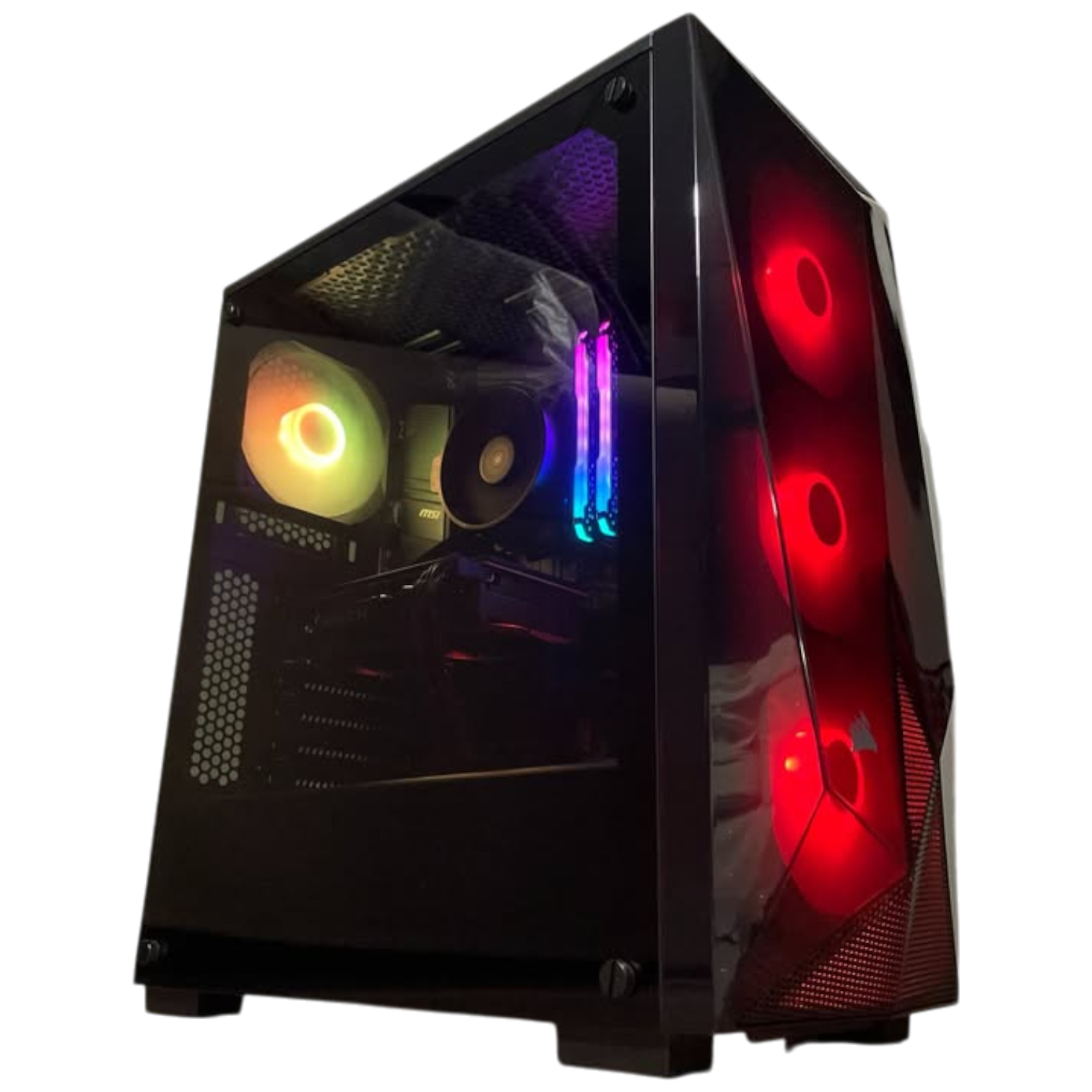
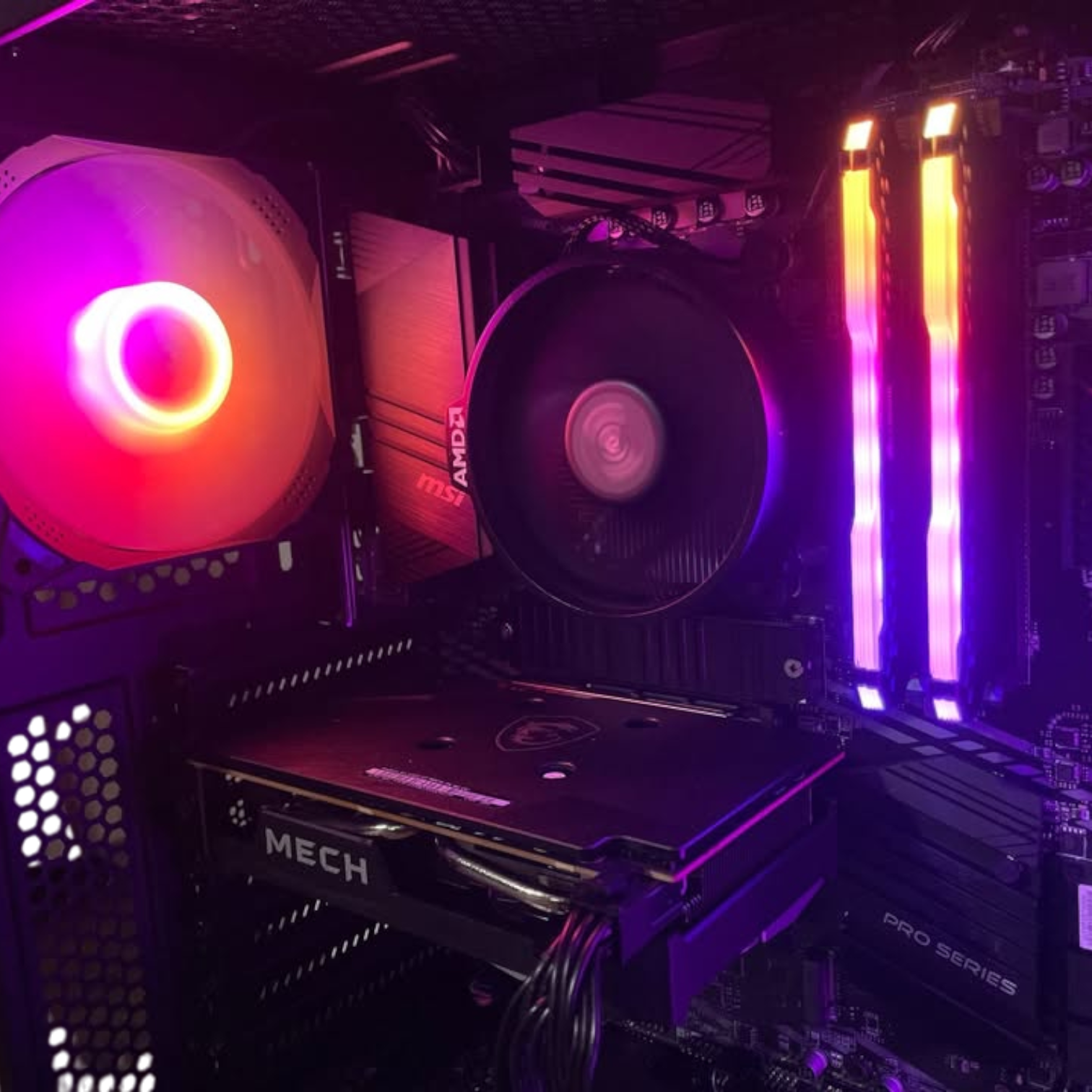
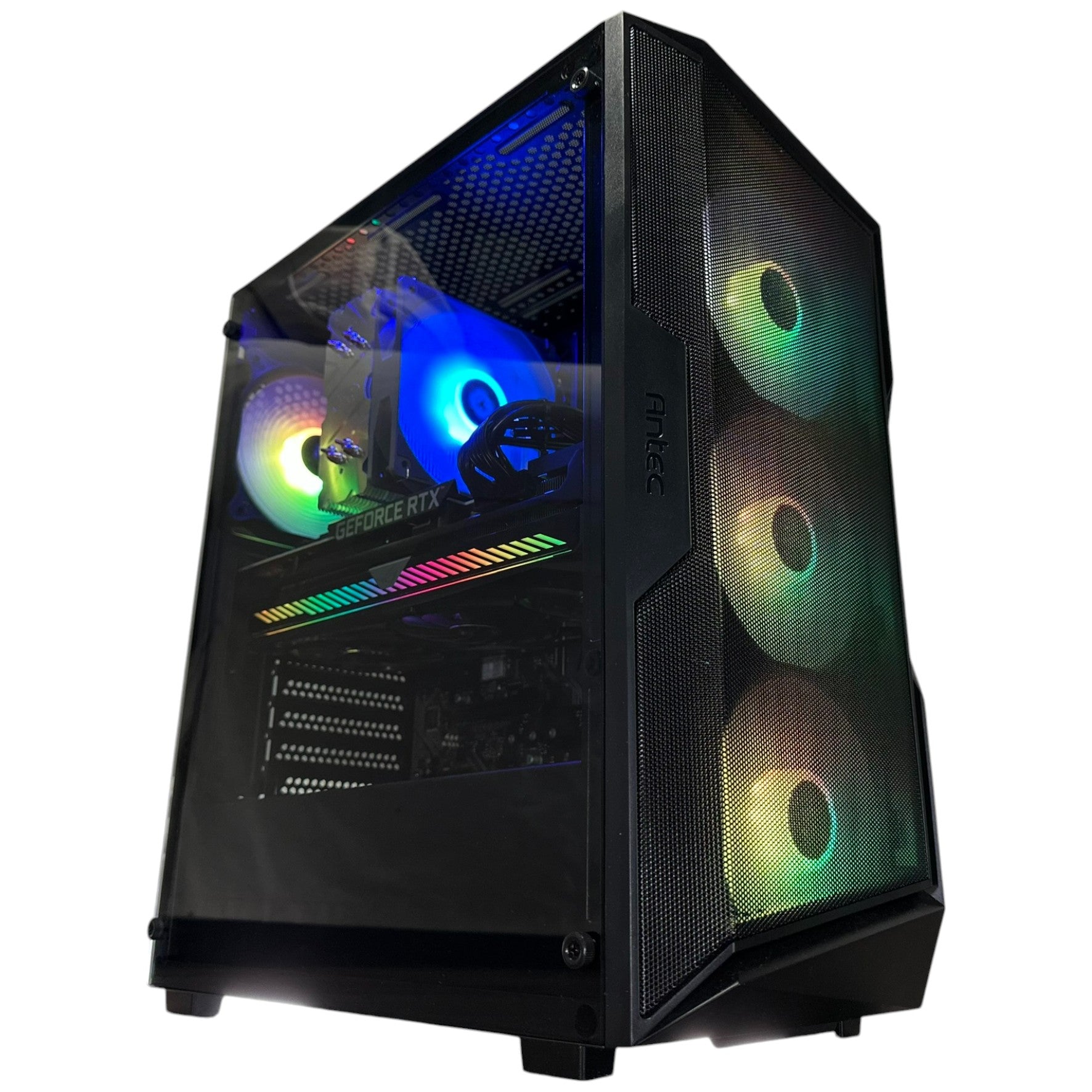
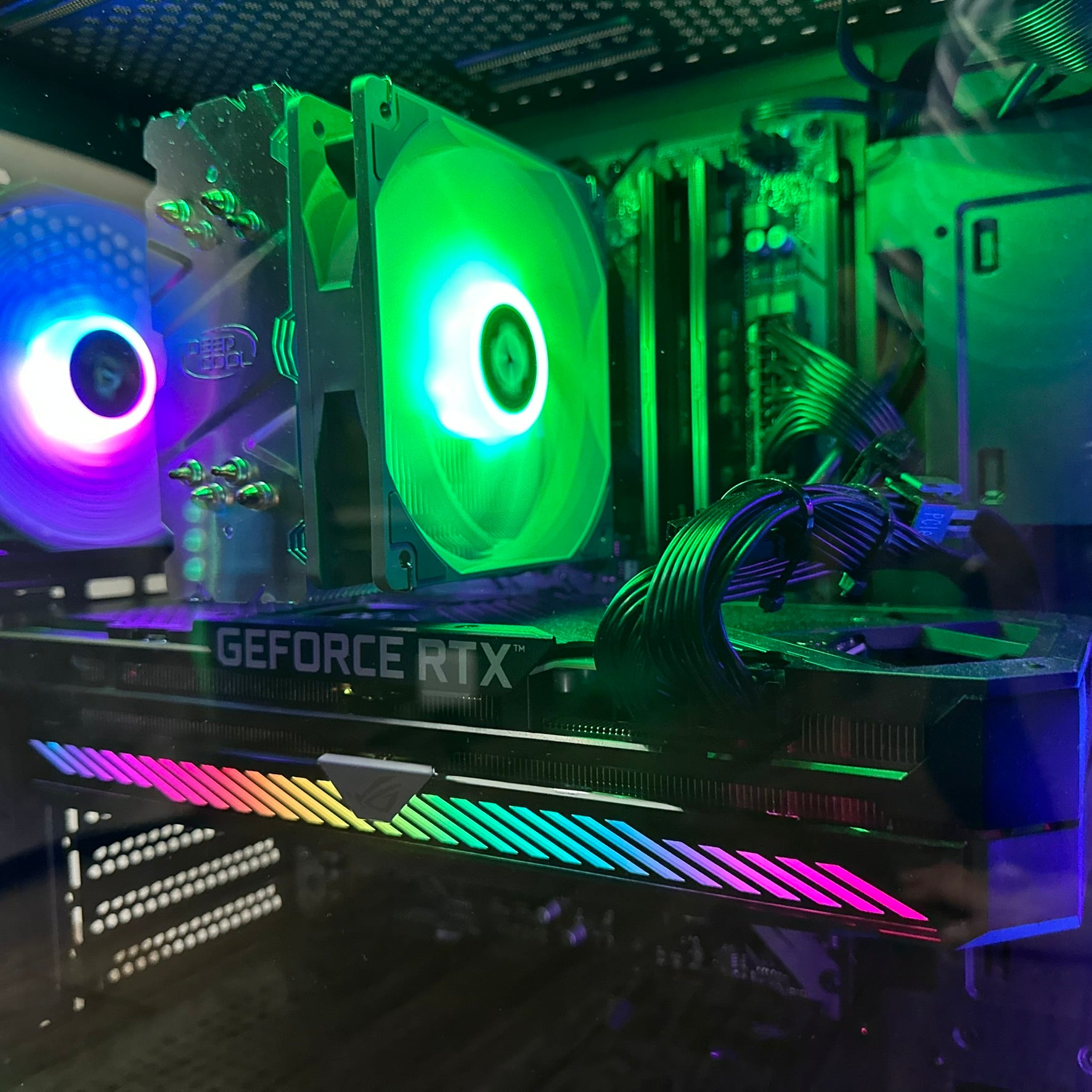


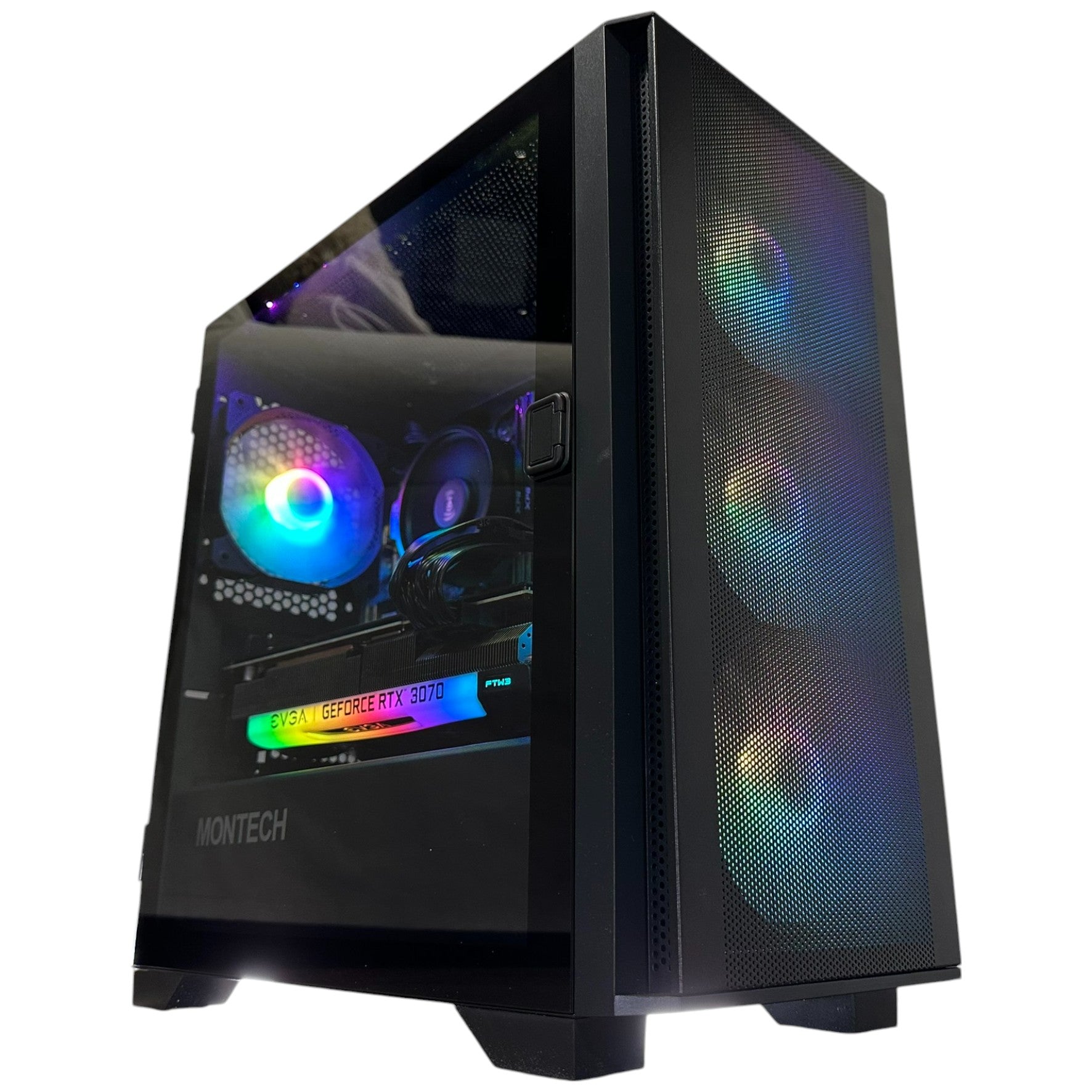
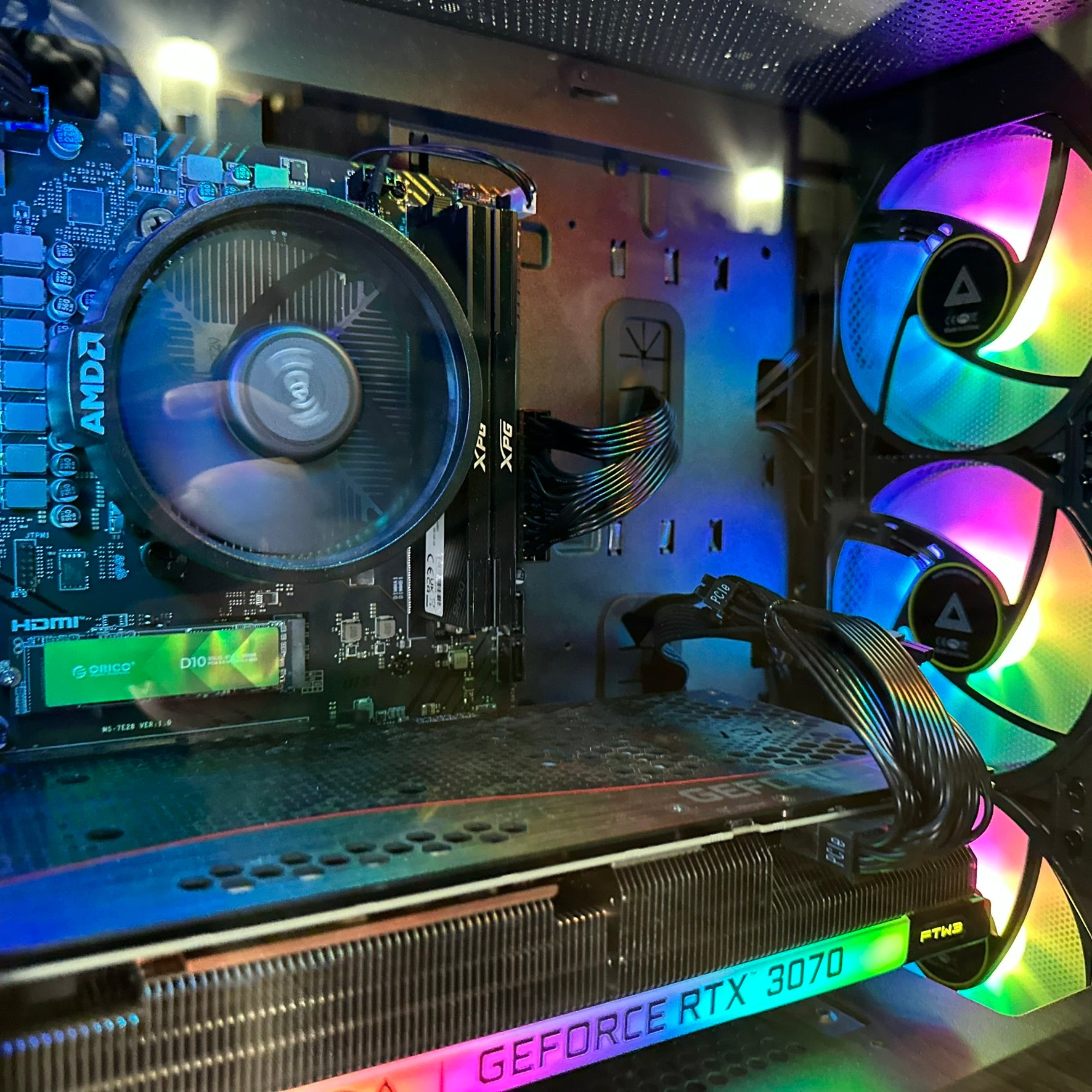
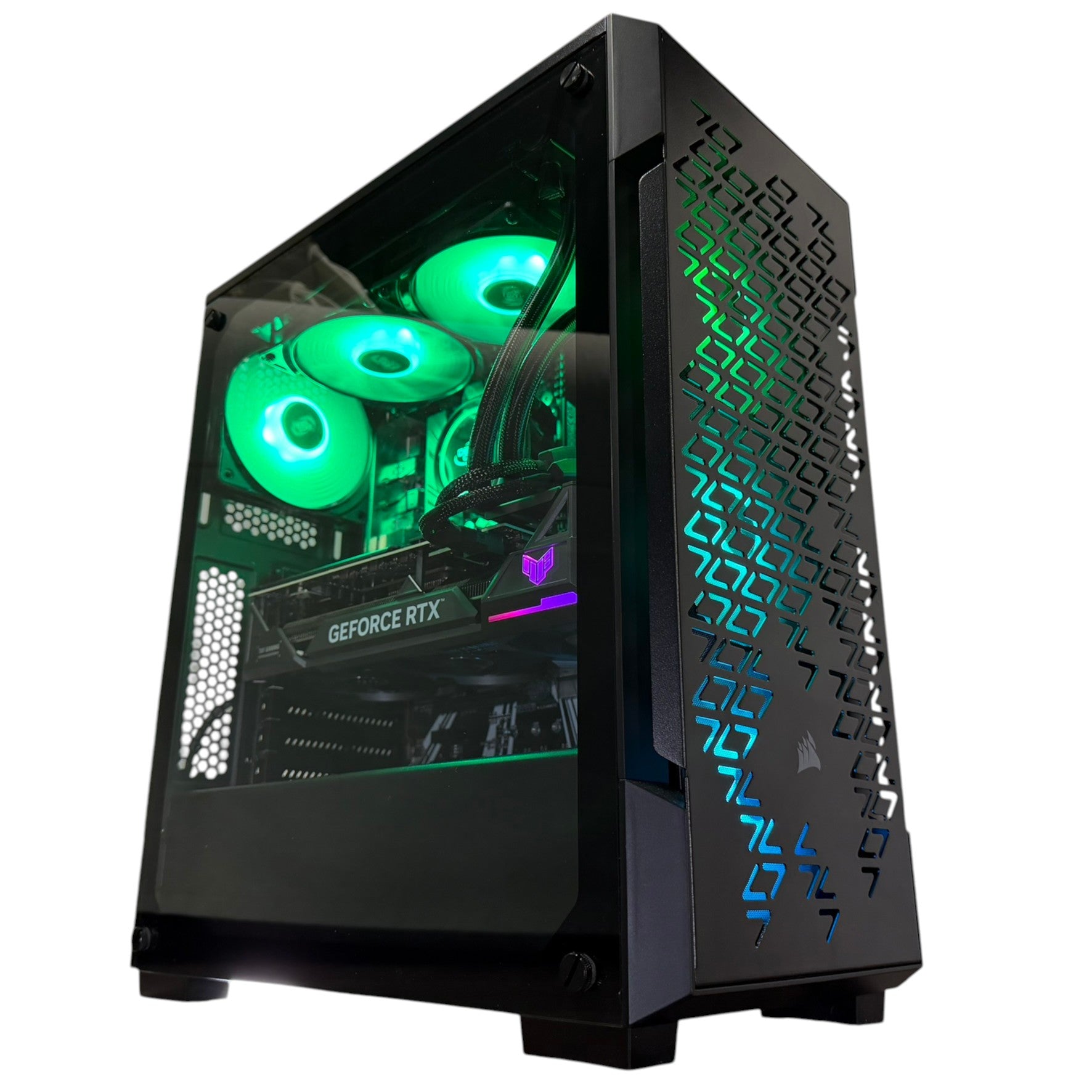

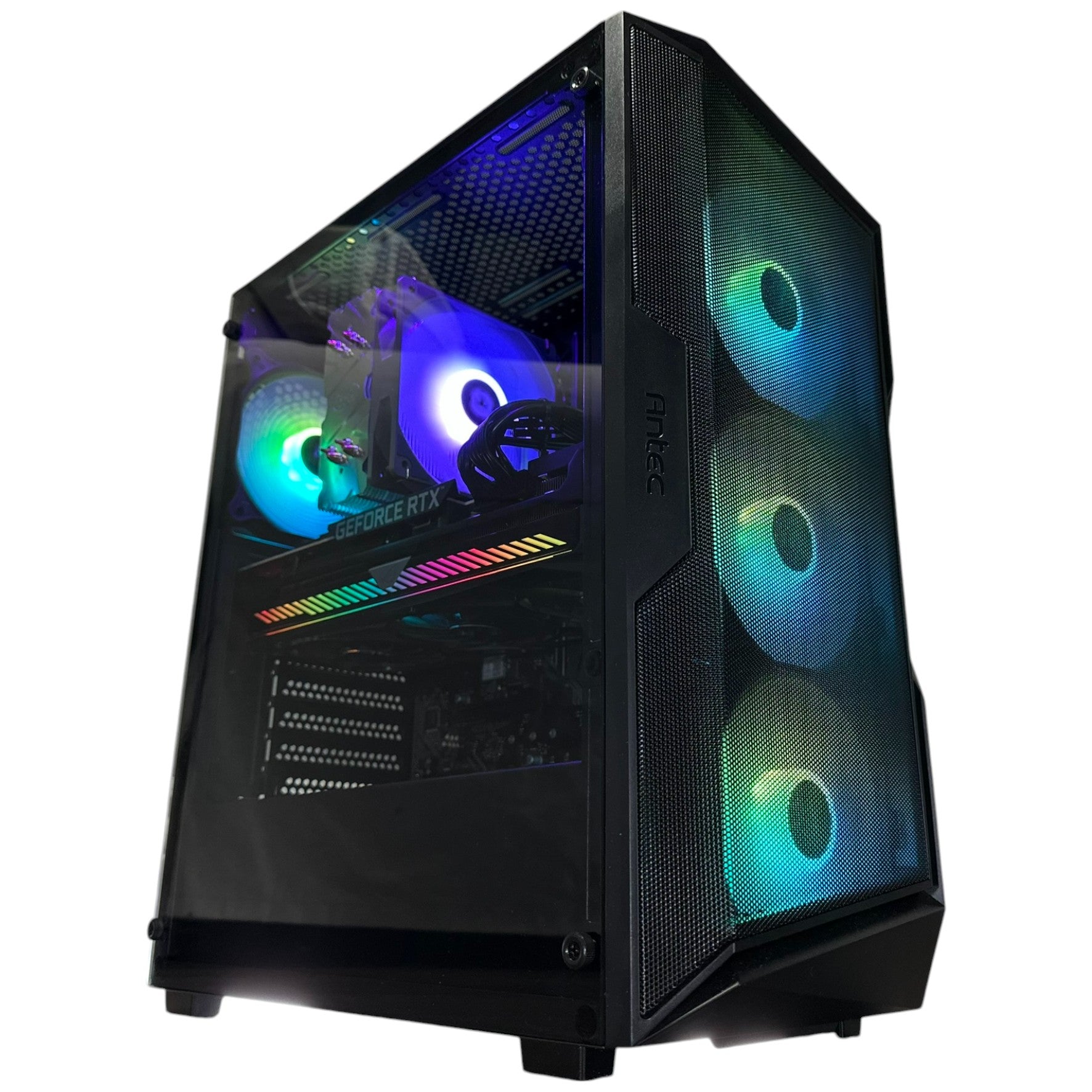
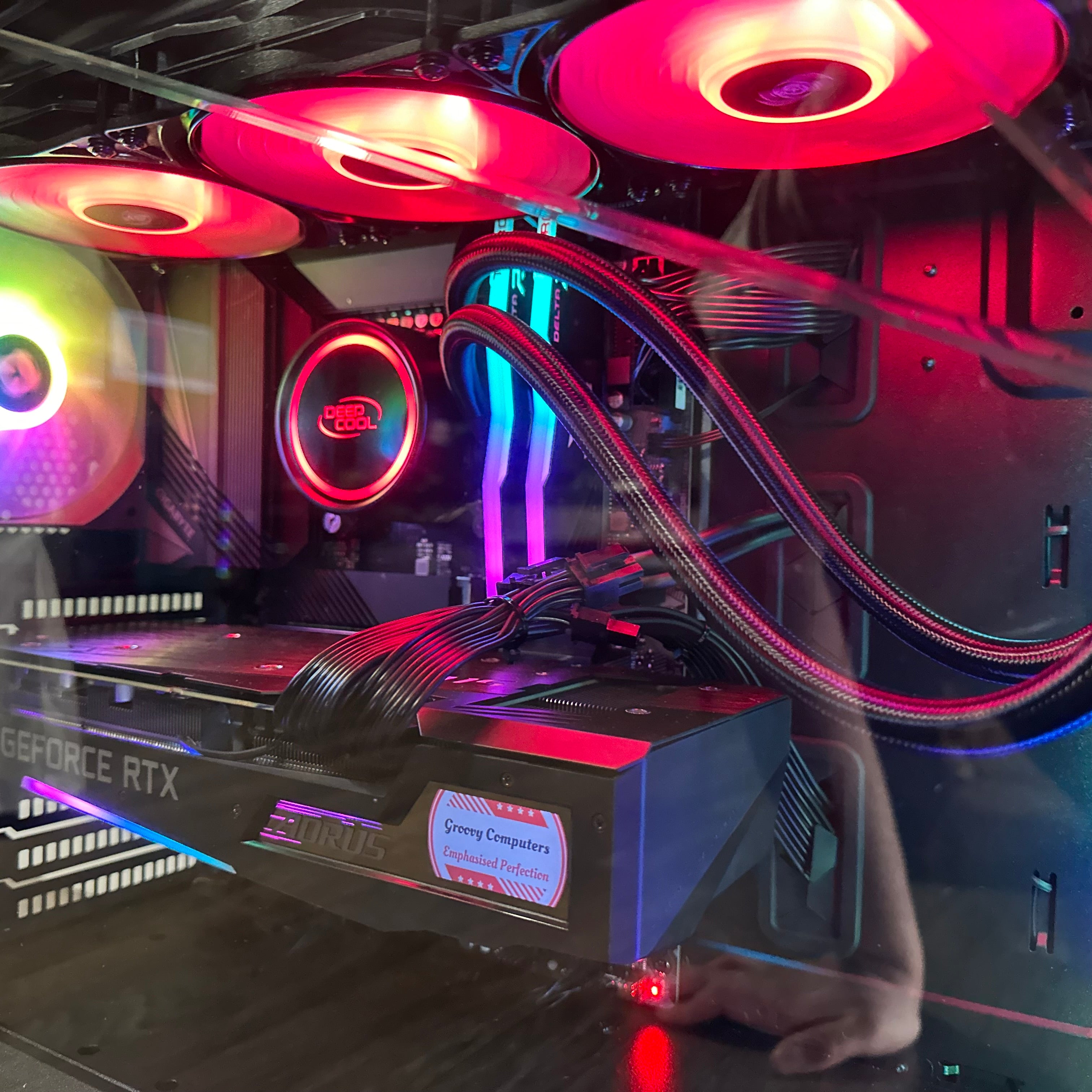
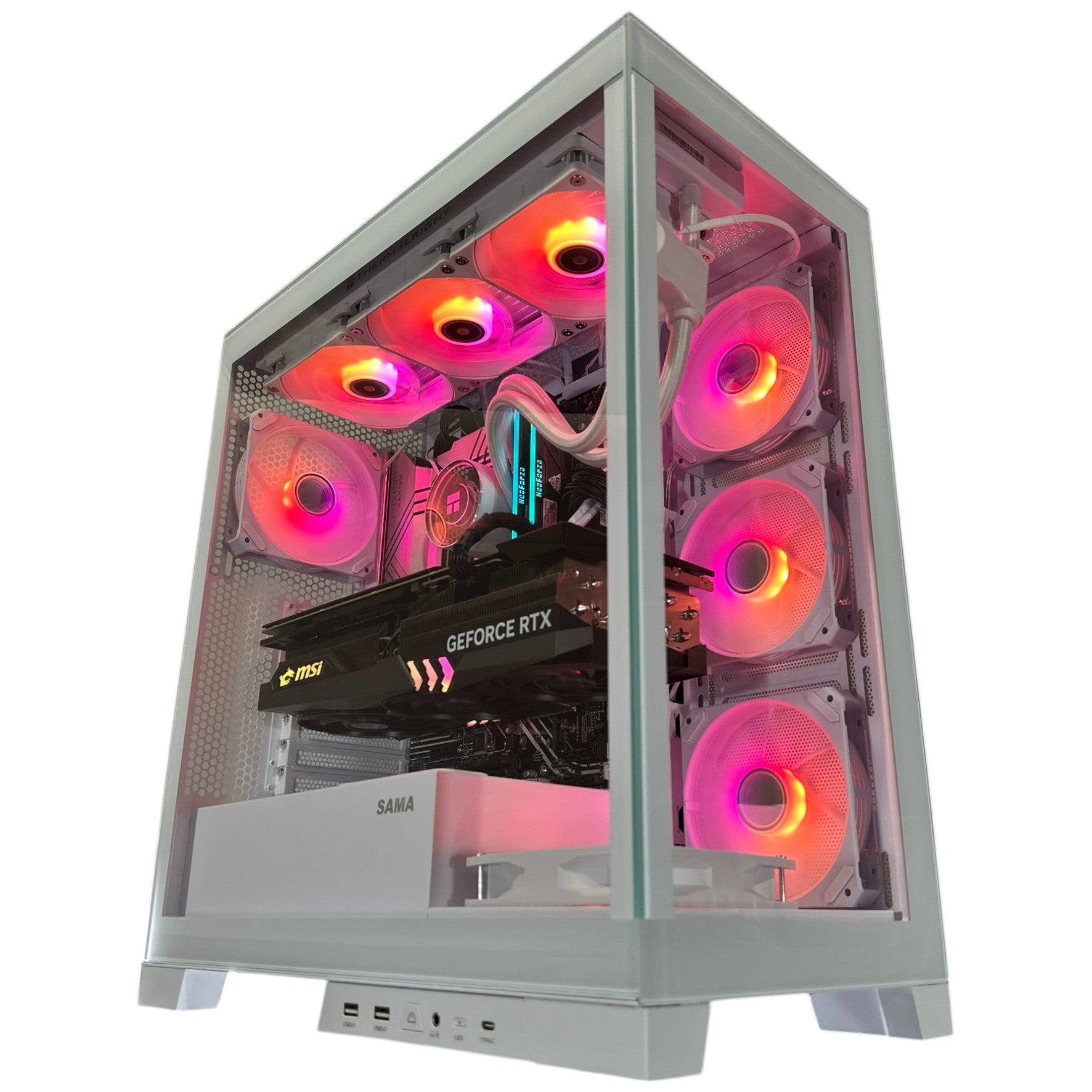
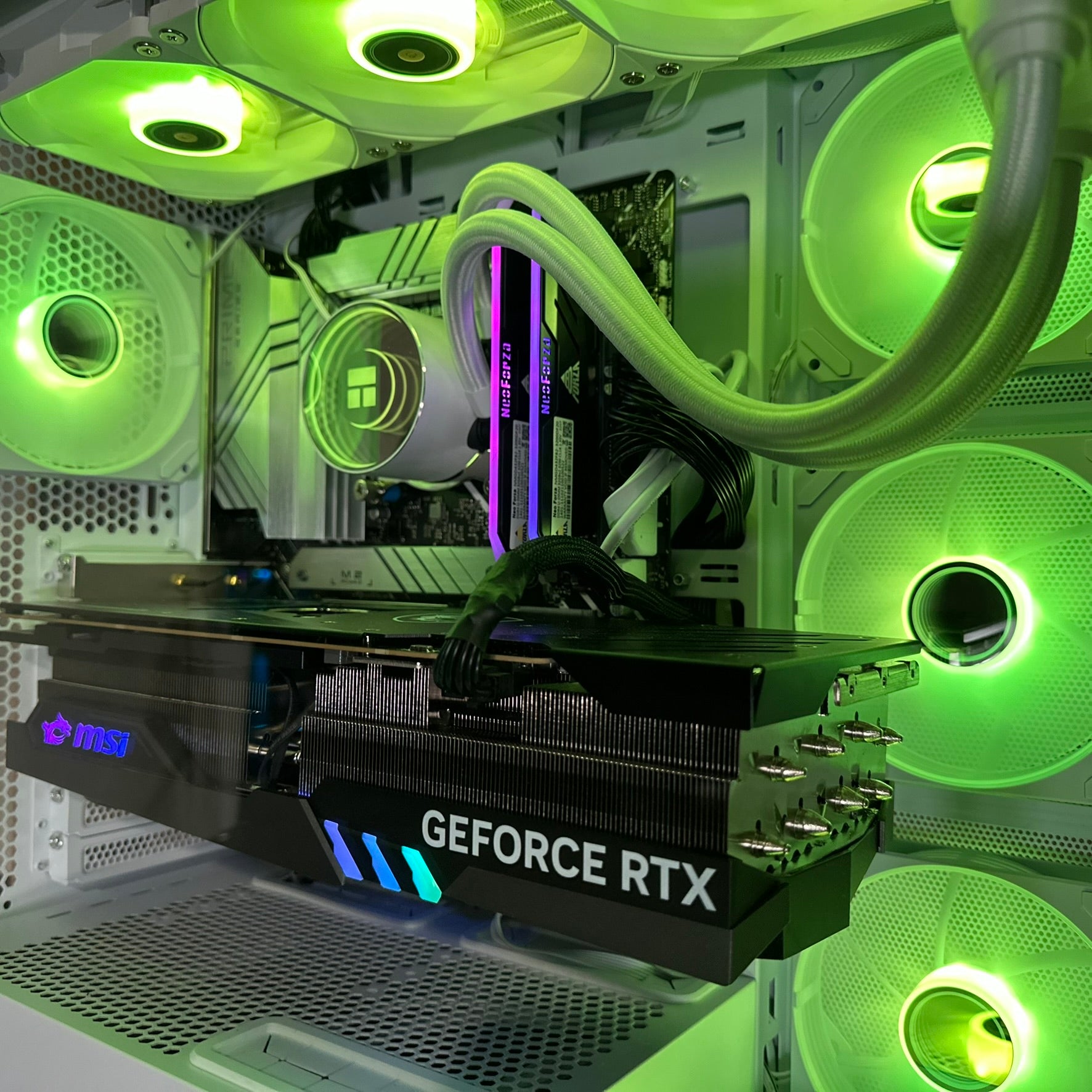
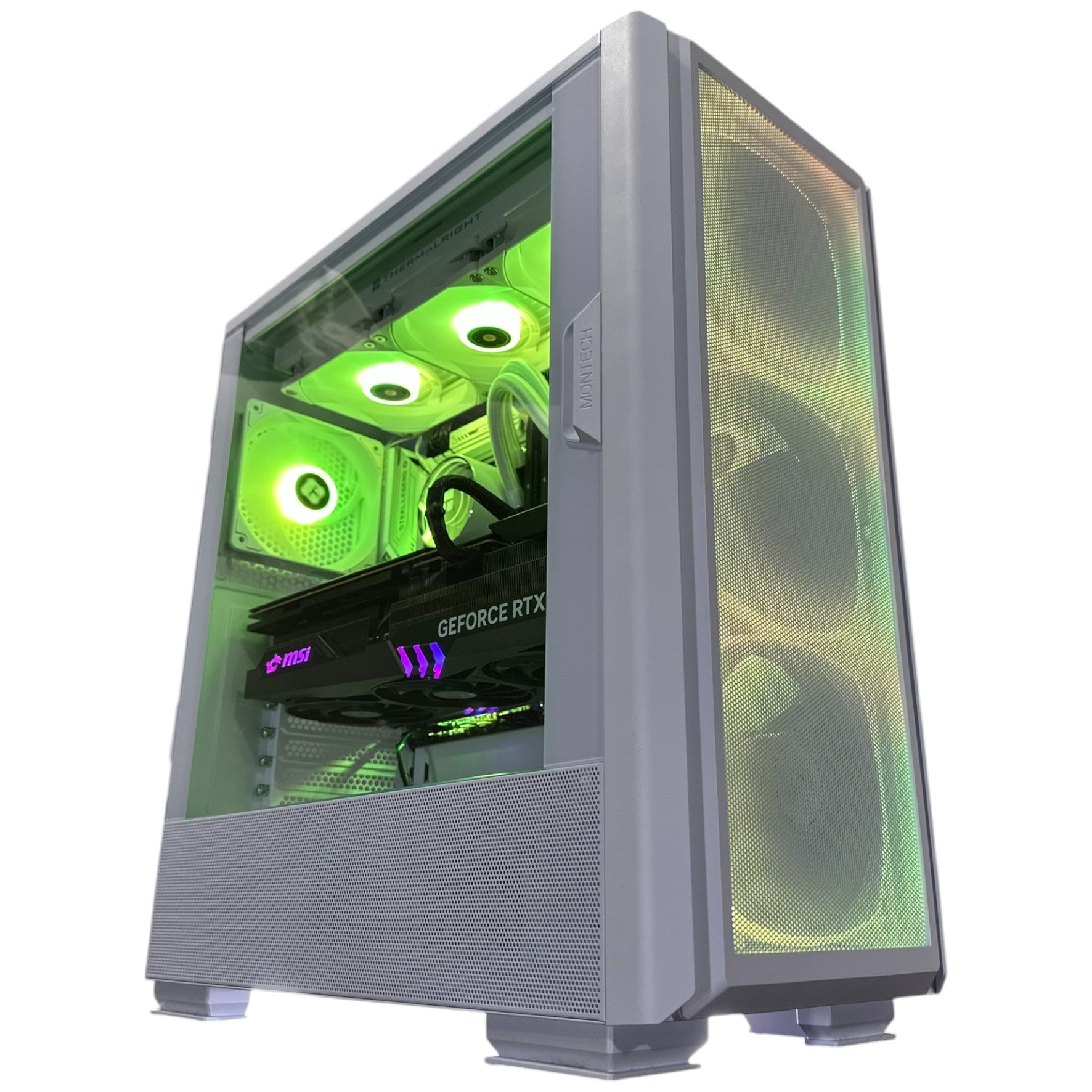
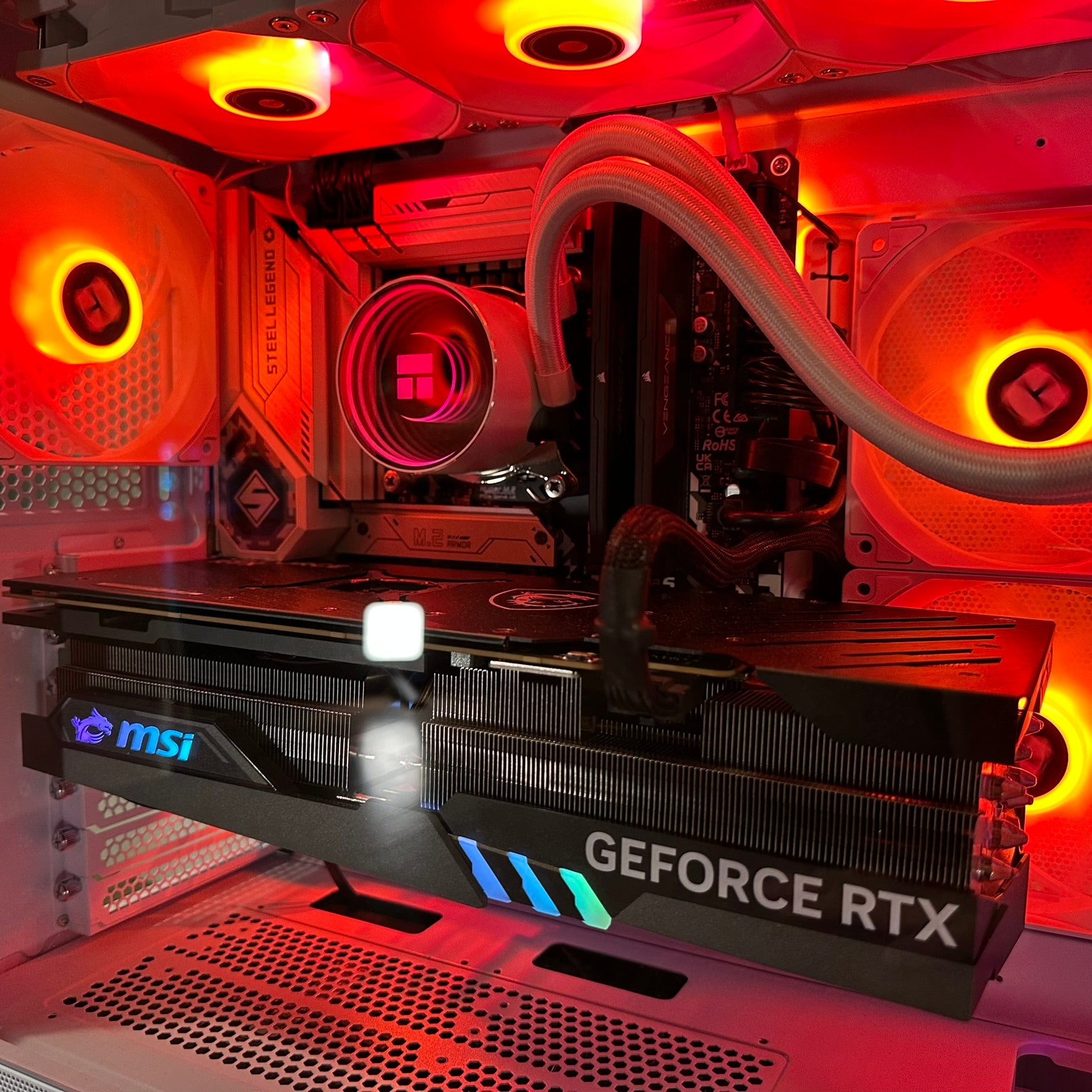
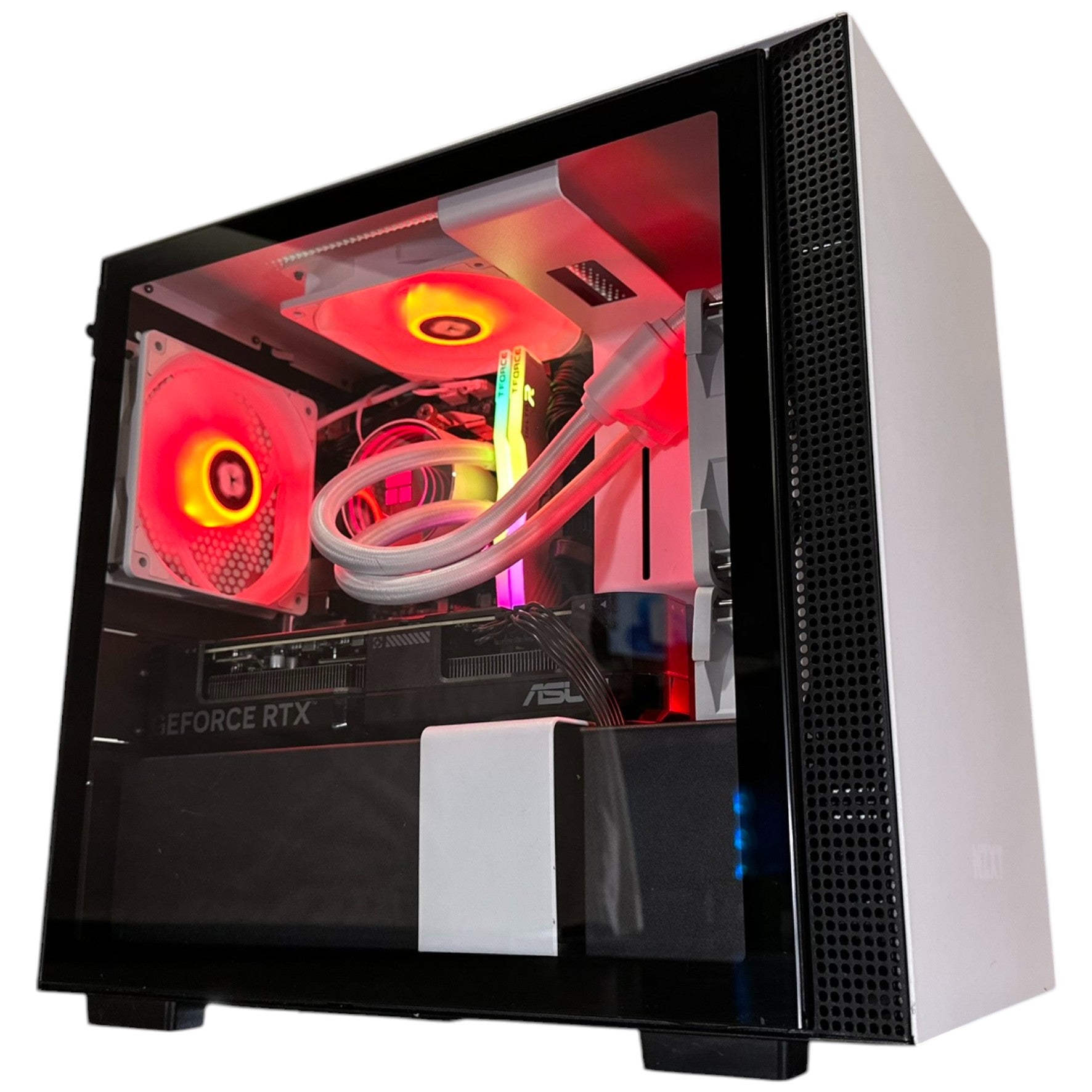
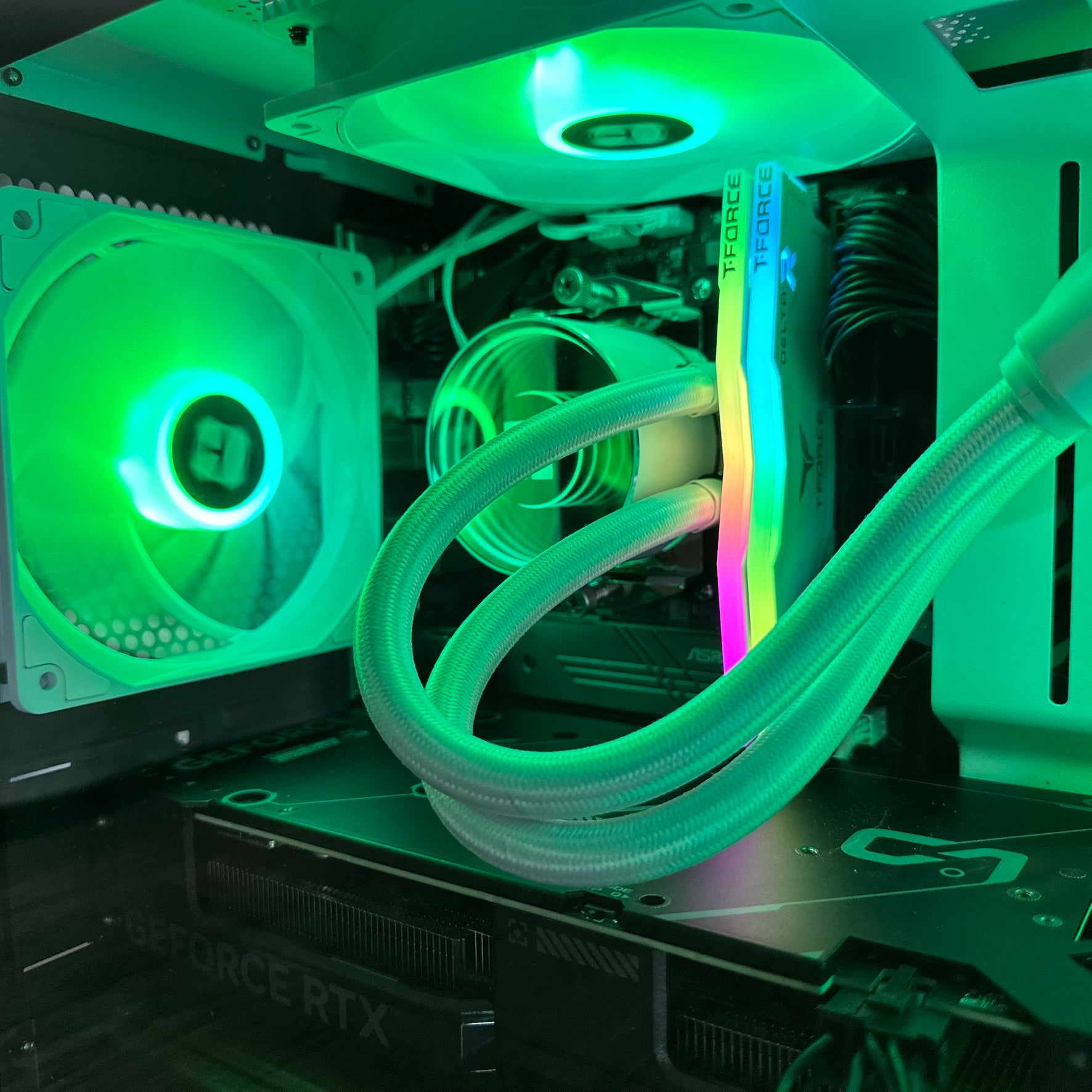
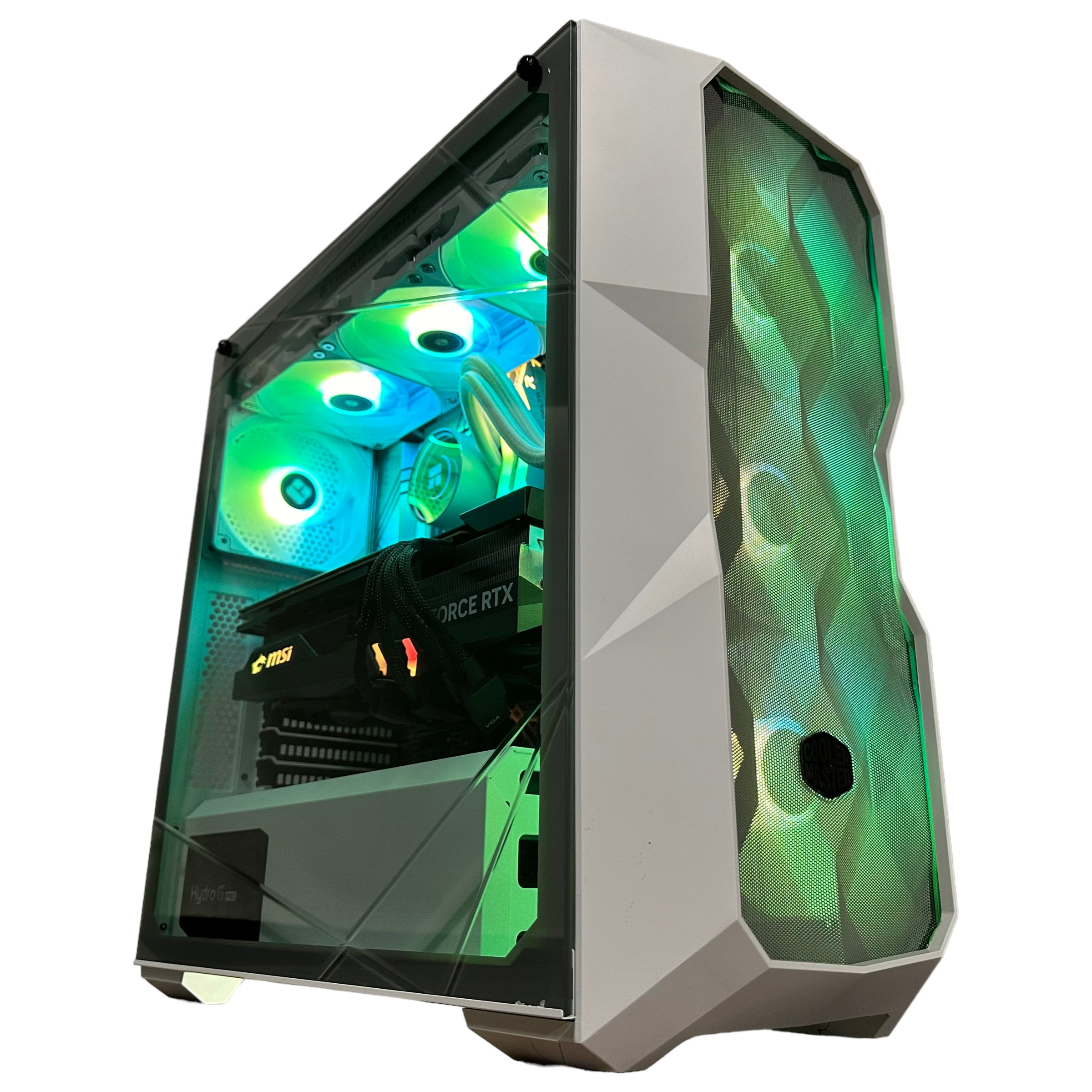

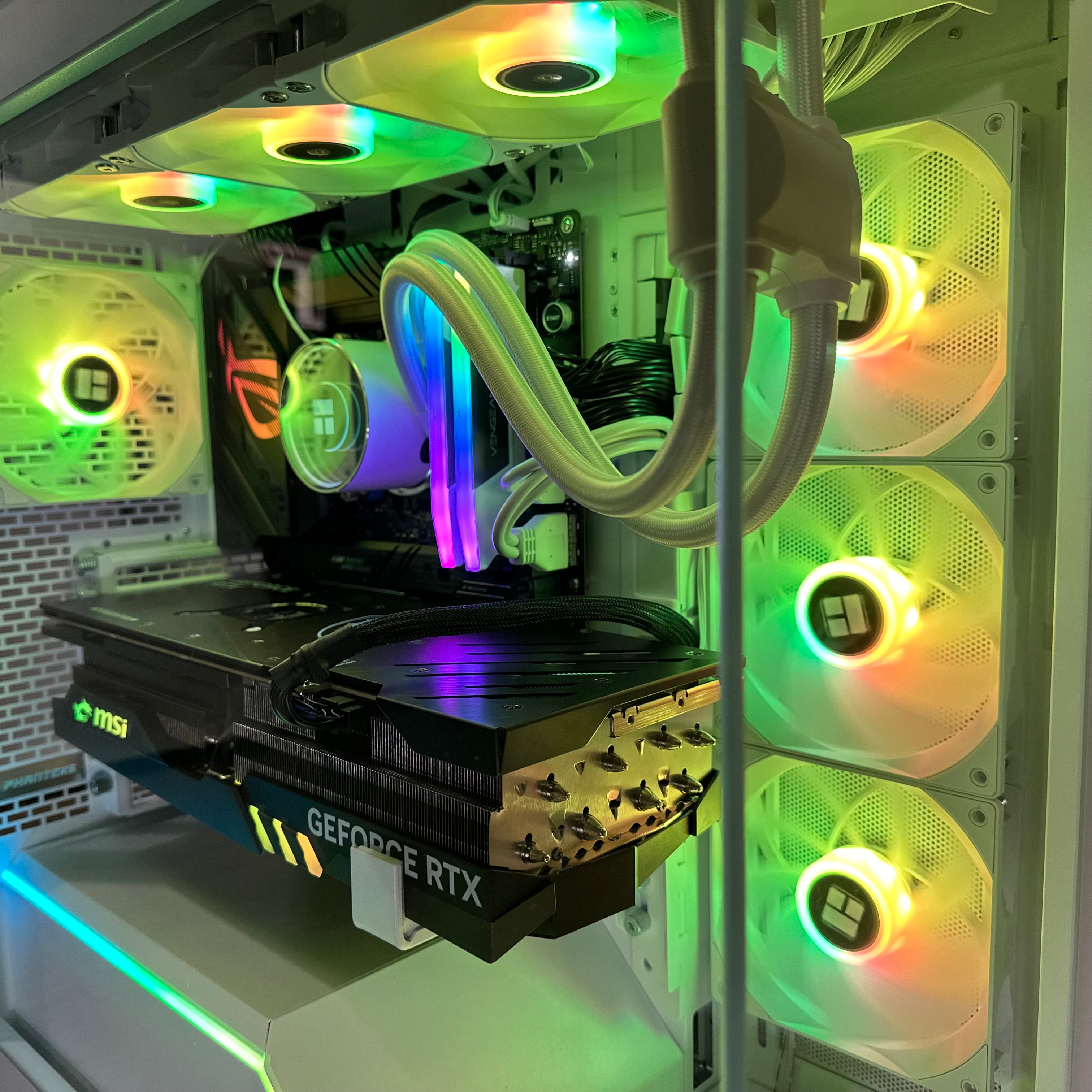
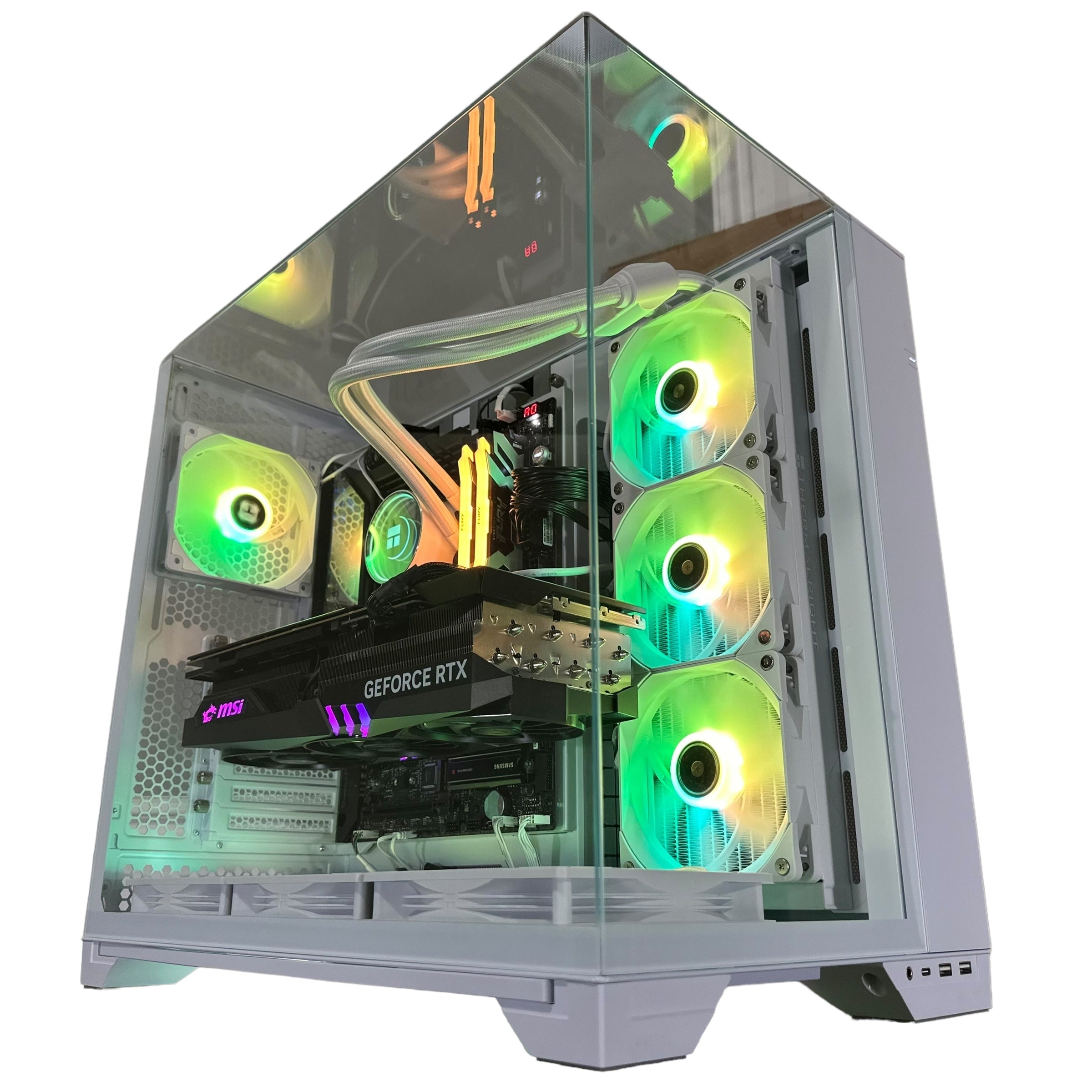
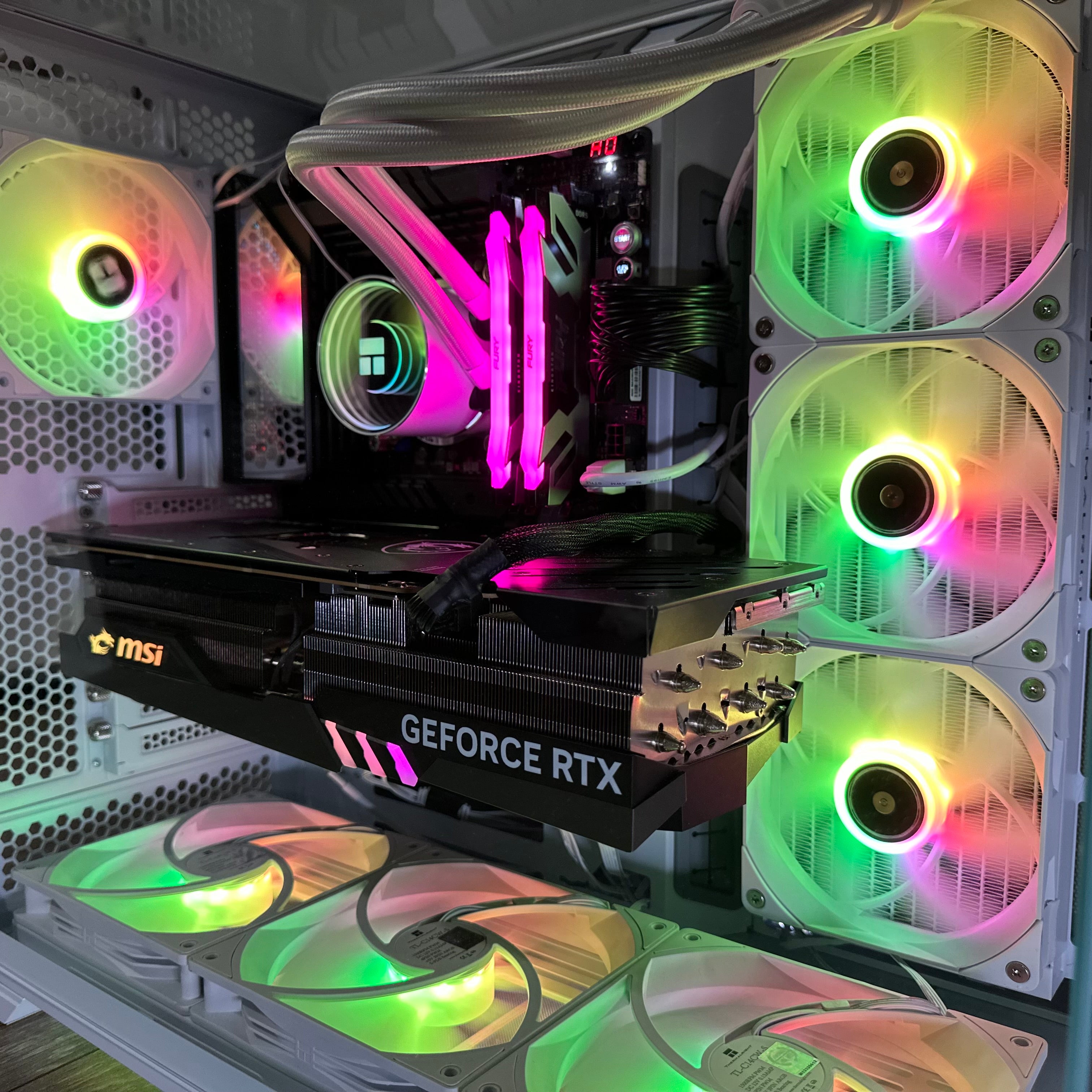

Krafton’s Record Results Show Why a Gaming PC Canada Buyers Can Trust Matters More Than Ever
Krafton’s record first-half performance, driven by the continued power of PUBG and the explosive launch of Subnautica 2, is more than a gaming business headline. It is also a strong signal for anyone shopping for a gaming PC Canada buyers can rely on. When a major publisher posts historic numbers because players are showing up in massive numbers for live-service titles, open-world survival experiences, and content-rich PC releases, hardware demand follows. For Canadian gamers, streamers, creators, and performance-focused buyers, that raises an important question: is your current PC really ready for the next wave of bigger games, heavier patches, higher resolutions, creator tools, and longer play sessions?
The source report highlights several clear takeaways. PUBG remains a major force. Subnautica 2 sold more than five million copies in only 22 days. PC platform sales hit new highs. Console demand also jumped. Krafton is planning new releases, more content updates, broader collaborations, and deeper AI investment. In plain language, that means the games industry is not slowing down. It is pushing harder into larger experiences, longer support cycles, and heavier technical expectations. That is exactly why Canadian shoppers should think beyond a short-term bargain and start asking what kind of system will still feel strong a year or two from now.
Why does a game publisher’s success matter if you are shopping for a custom PC in Canada?
Because successful games do not stay small for long. Big launches lead to larger communities, more updates, more content creators, more mods, more streaming, more higher-resolution assets, and more pressure on aging hardware. A title that runs “fine” today can become frustrating after future updates, more demanding settings, or a jump from 1080p to 1440p. If you are looking at a custom gaming PC Canada shoppers can use for both today’s hits and tomorrow’s releases, industry momentum matters.
Think about the pattern. A breakout game draws attention. Friends start playing. Streamers showcase better visuals. You upgrade your monitor. New DLC or multiplayer modes arrive. Suddenly, the hardware decision you delayed becomes more expensive, more urgent, and more complicated. Do you really want to buy only when your current system is already behind?
This is where Groovy Computers fits the real buying moment. A custom PC is not just about chasing specs on paper. It is about matching performance to what you actually want to do, whether that is competitive gaming, open-world exploration, ray tracing, streaming, editing gameplay clips, or handling a mixed creator workload without replacing the whole system too soon.
What the Krafton story tells us about the future of PC gaming demand
The source article makes one thing very clear: flagship game IP still drives huge spending, and new releases can ramp up incredibly fast. Subnautica 2 reaching five million copies in just over three weeks is the kind of launch momentum that changes hardware conversations. It shows that players are eager for large-scale, visually immersive PC experiences. PUBG’s continued success shows that long-running titles with active support can keep attracting players and revenue years after release.
That combination matters because it reflects two separate PC-buying pressures at once.
- First, long-running multiplayer games reward stable performance, low latency, and high frame rates.
- Second, visually rich new releases reward stronger GPUs, faster CPUs, more RAM, and better storage.
Are you primarily chasing smooth esports-style performance, or do you want a PC for new games with stronger visual settings and more breathing room for future releases? That answer changes what kind of build makes sense.
What do you want your next PC to do for you?
Before comparing parts, ask the question that matters most: what do you want your next PC to handle without frustration?
- Do you want to play PUBG, survival games, and new AAA releases at 1080p with strong frame rates?
- Do you want to move up to 1440p for sharper visuals and better immersion?
- Are you aiming for 4K, ray tracing, or ultra settings?
- Do you want to stream while gaming using OBS?
- Will you also edit footage in Adobe Premiere Pro or DaVinci Resolve?
- Do you need Photoshop, Lightroom, Illustrator, or InDesign performance for design work?
- Are you doing Blender, Unreal Engine, CAD, or 3D rendering on the same machine?
- Do you want a system that avoids another upgrade in the near future?
This is the point where many buyers go wrong. They shop by one part, one sale, or one social-media recommendation instead of by real workload. A better decision starts with the outcome you want every day.
If PUBG and Subnautica 2 are driving demand, what kind of PC performance tier fits you?
Not every buyer needs the same machine. The right performance tier depends on your games, monitor, software, and how long you want the system to stay relevant. Here is the practical way to think about it.
Entry performance: for 1080p gaming and value-focused buyers
If your goal is 1080p gaming, strong everyday responsiveness, and a sensible budget, an entry-to-midrange build can still be the right move. This tier makes sense for players focused on competitive titles, lighter creator work, and general gaming without pushing every slider to the limit.
This is often the sweet spot for someone asking, What gaming PC do I need if I mostly play multiplayer games and want good value? If your monitor is 1080p and your expectations are realistic, you may not need to overspend. But be careful not to buy too low if you already know you want newer open-world titles, streaming, or future upgrades in visual quality.
Mainstream performance: for 1440p gaming, streaming, and mixed-use power
This is where many of the best long-term buys live. A stronger CPU, more RAM, faster NVMe storage, and a more capable GPU create a system that can handle modern games at 1440p, higher texture settings, stronger minimum frame rates, and smoother multitasking. For many buyers, this is the best balance between longevity and cost.
Are you gaming and streaming at the same time? Do you want better headroom for future titles? Do you also export videos, run Discord, capture gameplay, keep browser tabs open, and avoid stutters during long sessions? A properly configured mainstream custom build can be a much smarter investment than replacing a cheaper machine earlier than planned.
High-end performance: for 4K gaming, ray tracing, creator work, and long-term confidence
If you want premium visuals, higher refresh 1440p or 4K gaming, more serious streaming quality, advanced editing, or a blend of gaming and workstation tasks, high-end hardware becomes much easier to justify. This is the tier for buyers who already know they do not want compromises in the near term.
Are you the kind of user who buys once and expects that PC to stay impressive for years? Do you want ultra settings, stronger ray tracing performance, faster exports, better rendering times, and room for future game updates? Then a premium build may save you from the cycle of “good enough for now” purchases that stop feeling good enough very quickly.
What if you are not just a gamer?
The Krafton story is also relevant to creators. When a title like Subnautica 2 explodes in popularity, a second wave follows: streamers, YouTubers, short-form editors, thumbnail designers, community modders, and commentary channels all need capable PCs. That means buyers are not just looking for a gaming machine. They are often looking for a content creation PC Canada shoppers can use for both play and production.
Do you need a gaming and streaming PC Canada buyers can grow with?
If you want to game and stream on one machine, your PC must do more than just hit a target frame rate in-game. It has to handle your encoder, overlays, alerts, background applications, microphone software, browser sources, and recording workload. A system that feels fast in solo gaming can struggle once live streaming enters the picture.
Ask yourself: what PC do I need for streaming if I want to play current games smoothly and still deliver a polished live broadcast? That question usually points to more CPU overhead, stronger GPU encoding support, more RAM, and better thermal planning than a purely budget gaming system offers.
Do you also need a video editing PC Canada creators can count on?
If your content workflow includes cutting gameplay clips, editing YouTube videos, creating shorts, exporting 4K footage, or managing layered timelines, then your build needs to support more than gaming performance alone. A proper video editing PC Canada buyers choose for Adobe Premiere Pro, DaVinci Resolve, or After Effects should prioritize a balanced CPU-GPU-RAM-storage combination.
How much RAM do you need for video editing? If your footage is growing in resolution and complexity, more memory helps avoid slowdowns. Fast SSD storage matters for project files, cache, and exports. The “good enough” gaming-only system may not feel so good once your creative workload starts expanding.
What about photo editing and graphic design?
Plenty of customers are not full-time video editors or streamers, but they still use Photoshop, Lightroom, Illustrator, Canva, or InDesign regularly. If that sounds like you, a photo editing PC Canada buyers trust should focus on snappy application response, strong multitasking, dependable storage, enough RAM for large assets, and a smooth desktop experience across multiple monitors.
Are you editing RAW photo libraries? Working with AI-assisted tools? Managing branding projects, social content, product images, or layered design files? Then a custom creator PC may be a better fit than a purely gaming-focused build.
Do you need a 3D modeling PC Canada professionals and advanced hobbyists can use seriously?
The source article also mentions AI and next-generation development ambitions. That matters for buyers working in Blender, Unreal Engine, Unity, or rendering-heavy software. A 3D modeling PC Canada shoppers need for game assets, environments, animations, product visualization, or rendering should be planned very differently than a basic gaming tower.
What PC do you need for Blender or Unreal Engine? That depends on whether you are viewport-focused, GPU-rendering heavy, CPU-rendering heavy, or juggling huge scenes. It also depends on how much downtime you can tolerate. If time is money, the cheapest build is often the most expensive mistake.
Why Canadian buyers should think carefully about timing
When game publishers are winning big, hardware conversations get more competitive. More players enter the market. More creators upgrade. More customers start shopping before major release windows. That can tighten demand on key components and affect pricing across GPUs, CPUs, RAM, SSDs, and complete systems.
Do you want to buy before a major game launch or after demand spikes? Do you want to secure a system while pricing is manageable, or wait until the exact model you want becomes harder to source? Even when the market is not in full shortage mode, demand pressure can still reduce flexibility and value.
Canadian buyers have another layer to consider: imported hardware costs, exchange pressure, shipping realities, and the fact that waiting does not always produce the deal people hope for. Sometimes waiting only means buying later at a similar total cost, but with less availability, less selection, or more urgency.
Is it better to buy a gaming PC now or wait?
That depends on why you are waiting.
If you are waiting because you do not know what performance tier you need, that is a planning issue, not a timing advantage. If you are waiting because your current PC still handles everything you need comfortably, that can be reasonable. But if you are waiting while already noticing dropped frames, limited storage, thermal throttling, poor multitasking, or inability to stream or edit efficiently, the delay may be costing you more in frustration than you realize.
Ask yourself a simple question: will waiting make your workload lighter, or just make the purchase more urgent later?
If a new game release, a streaming plan, a school term, a work project, or a software upgrade is coming up, buying earlier can be smarter. It gives you time to configure the right machine, receive it, set it up, transfer files, install software, and actually enjoy the system before you need it.
Should you choose a budget gaming computer or finance a stronger system?
This is one of the most important real-world questions in the Canadian PC market. Many buyers start by targeting the lowest upfront price. That is understandable. But there is a difference between saving money and buying short-term limitations.
If the lower-cost system only handles your current needs for a short time, requires upgrades sooner, or struggles with streaming, editing, or future games, the “cheaper” option may not really be cheaper. In many cases, financing a stronger build now can provide better long-term value, better daily experience, and a longer upgrade runway.
Would a slightly more capable GPU help you move from 1080p to 1440p? Would more RAM keep your creative software from slowing down? Would better cooling, storage, or CPU headroom help you avoid replacing major components early? These are the questions that matter when comparing a budget build against a more balanced custom system.
For buyers who want to spread out the cost, financing can make the right build accessible before replacement costs rise. Instead of settling for a system you may outgrow quickly, you can secure the performance tier you actually want and pay over time.
What specs should you pay attention to if you want to avoid upgrading too soon?
Future-proofing does not mean buying the most expensive PC possible. It means choosing the right parts for the way software and games are actually evolving.
- GPU: Critical for gaming resolution, visual settings, ray tracing, creator acceleration, and 3D workloads.
- CPU: Important for frame pacing, streaming, multitasking, simulation-heavy games, exports, and productivity.
- RAM: Often underestimated by buyers who later want to stream, edit, design, or run multiple applications together.
- Storage: Fast SSDs improve loading, project handling, update responsiveness, and everyday workflow fluidity.
- Cooling and power delivery: Matter for stability, sustained performance, and component lifespan.
Are you buying for today only, or for the next major release cycle too? If you know your library is growing and your tasks are getting heavier, the smarter buy is usually the one with enough headroom to remain comfortable rather than merely functional.
How do gaming trends translate into real buying decisions?
Let’s bring the source story back to the buyer. Krafton’s results show strong momentum in multiplayer gaming, premium PC releases, and future franchise expansion. That suggests more players upgrading monitors, trying higher settings, recording gameplay, and entering creator workflows around those games. This has a direct effect on what customers should prioritize.
If you mainly play competitive games
Your focus is likely high FPS, low input lag, stable minimums, and consistent performance during long sessions. A balanced CPU-GPU pairing matters more than flashy excess. But if you are also thinking about streaming or moving to a higher-refresh monitor, it may be wise to step above entry-level parts now.
If you mainly play cinematic or open-world games
You will care more about GPU strength, visual quality, texture handling, resolution scaling, and future performance headroom. If a title like Subnautica 2 captures your attention because of its atmosphere and immersion, then stronger graphics performance is not a luxury. It is part of the experience you are buying the game for in the first place.
If you want one PC for gaming, streaming, and editing
You need a more deliberate system. This is where many off-the-shelf options disappoint because they are built to hit a price tag, not to support a layered workflow. A custom build planned around gaming and creator use can save time, reduce noise, improve stability, and give you a much better day-to-day experience.
What should Canadian buyers ask before ordering a custom gaming or creator PC?
- What games or software will I actually use most?
- Am I staying at 1080p, or do I want 1440p or 4K?
- Do I want ray tracing, high refresh, or ultra settings?
- Will I stream, record, or edit my content?
- Do I need Photoshop, Lightroom, Premiere Pro, DaVinci Resolve, Blender, or Unreal Engine performance too?
- How long do I want this system to feel fast?
- Would I rather buy once properly than upgrade in stages?
- Does financing a stronger system make more sense than replacing a weaker one sooner?
- Am I buying before a major release, school start, work project, or holiday demand period?
- Do I want a tested system with warranty support from a Canadian builder?
These questions are not filler. They are the difference between buying the right PC and buying the one you need to rethink six months later.
Why custom builds matter more when gaming demand is rising
When enthusiasm for major games increases, many buyers rush into generic systems with mismatched parts, weak cooling, limited upgrade paths, or inadequate memory. That is exactly when custom builds become more valuable.
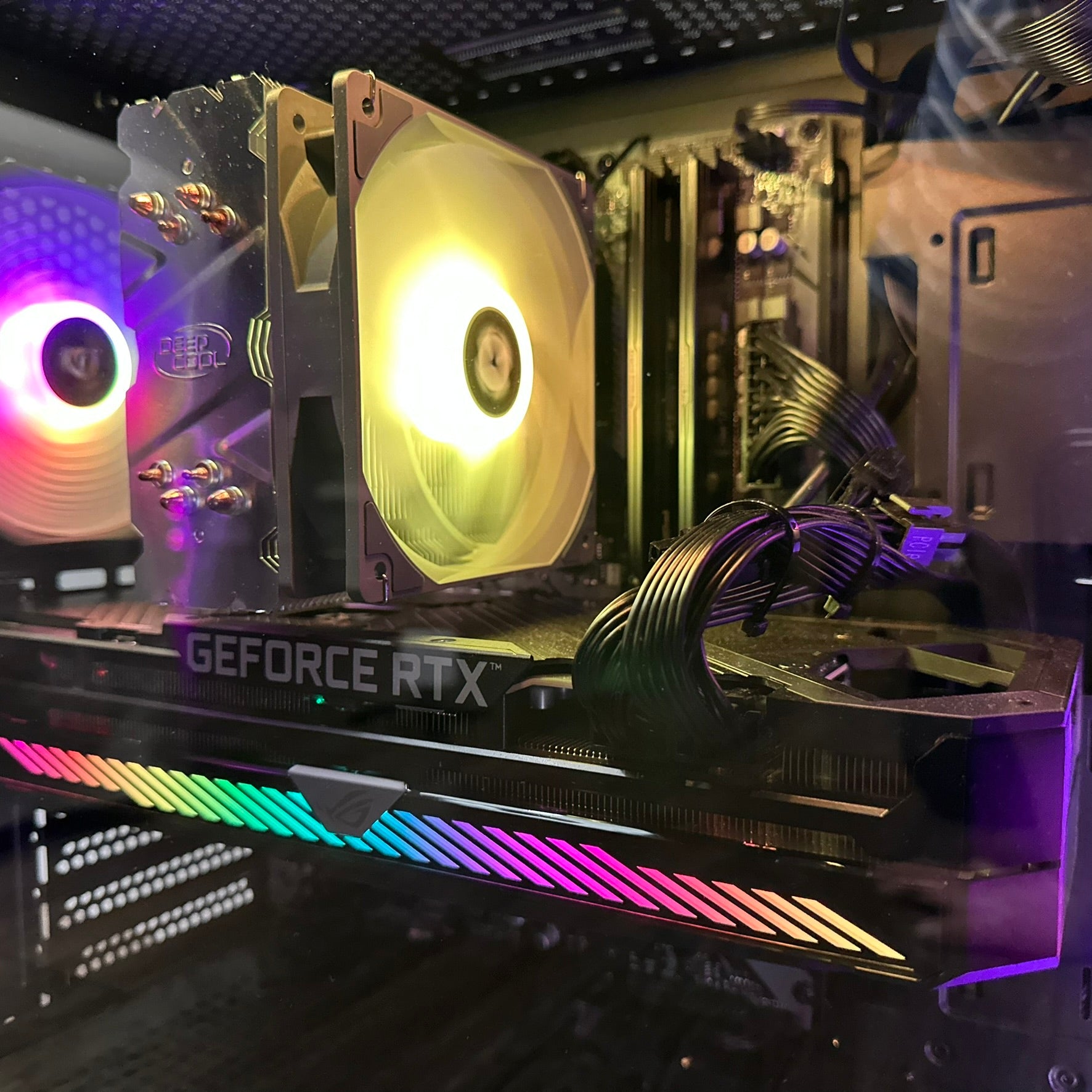
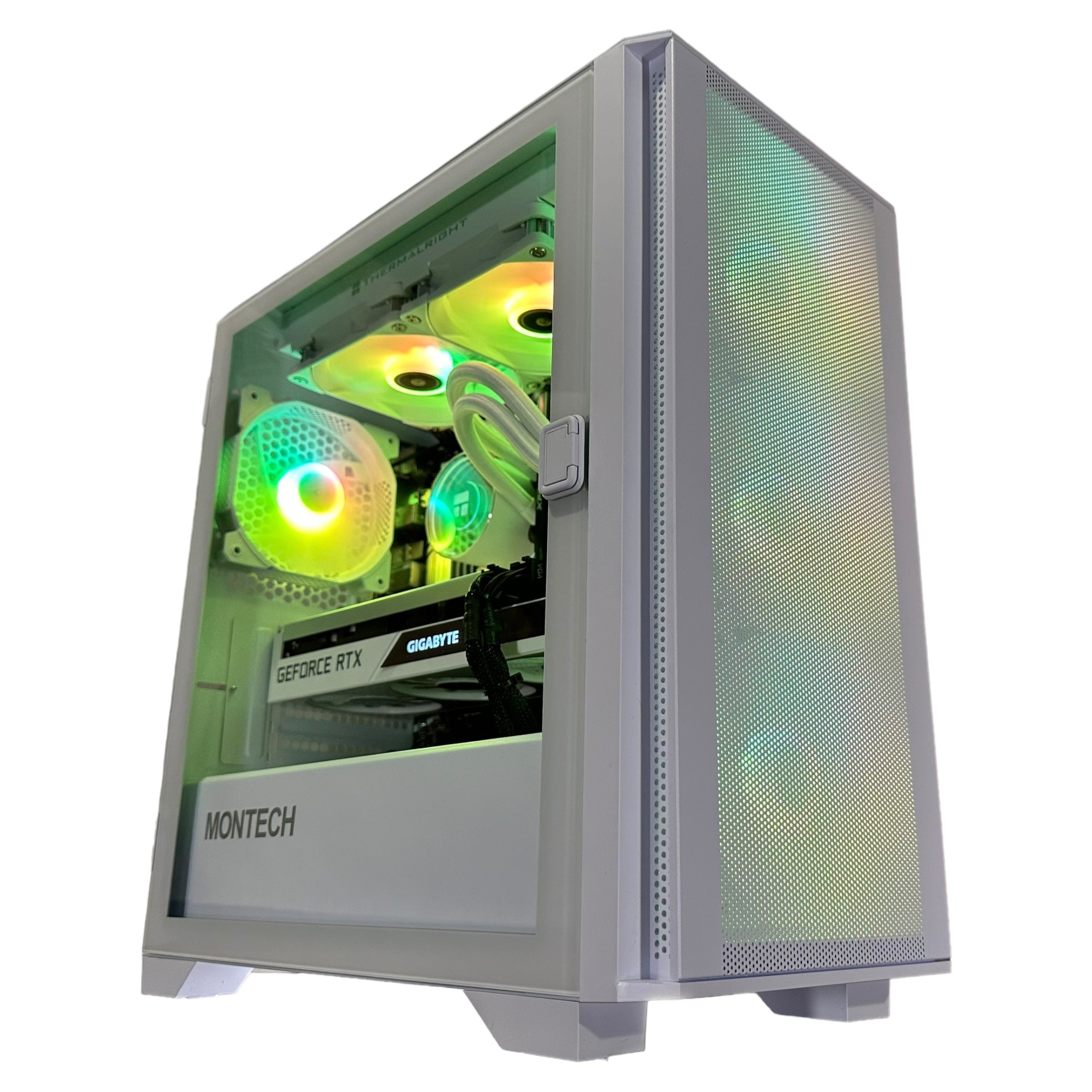
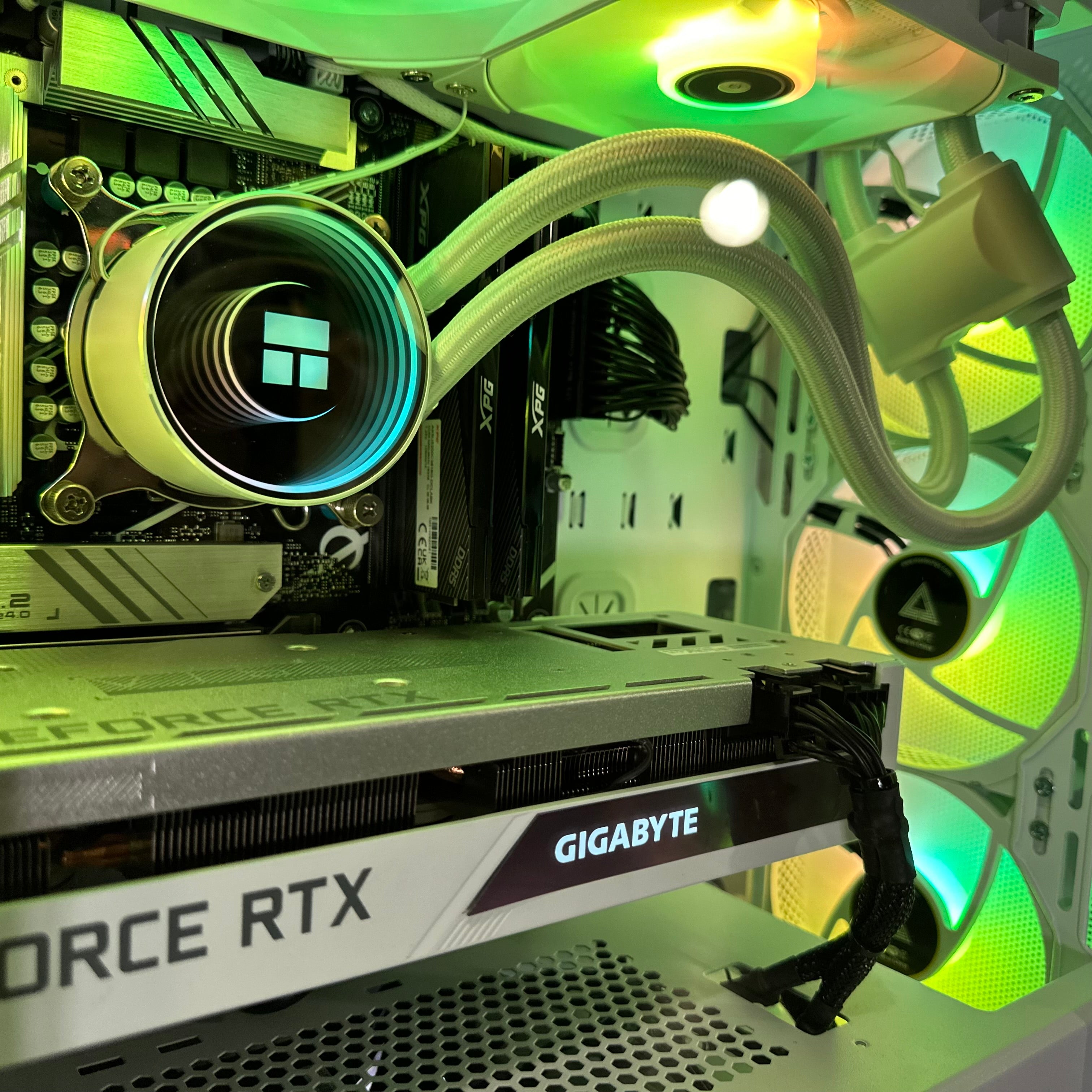
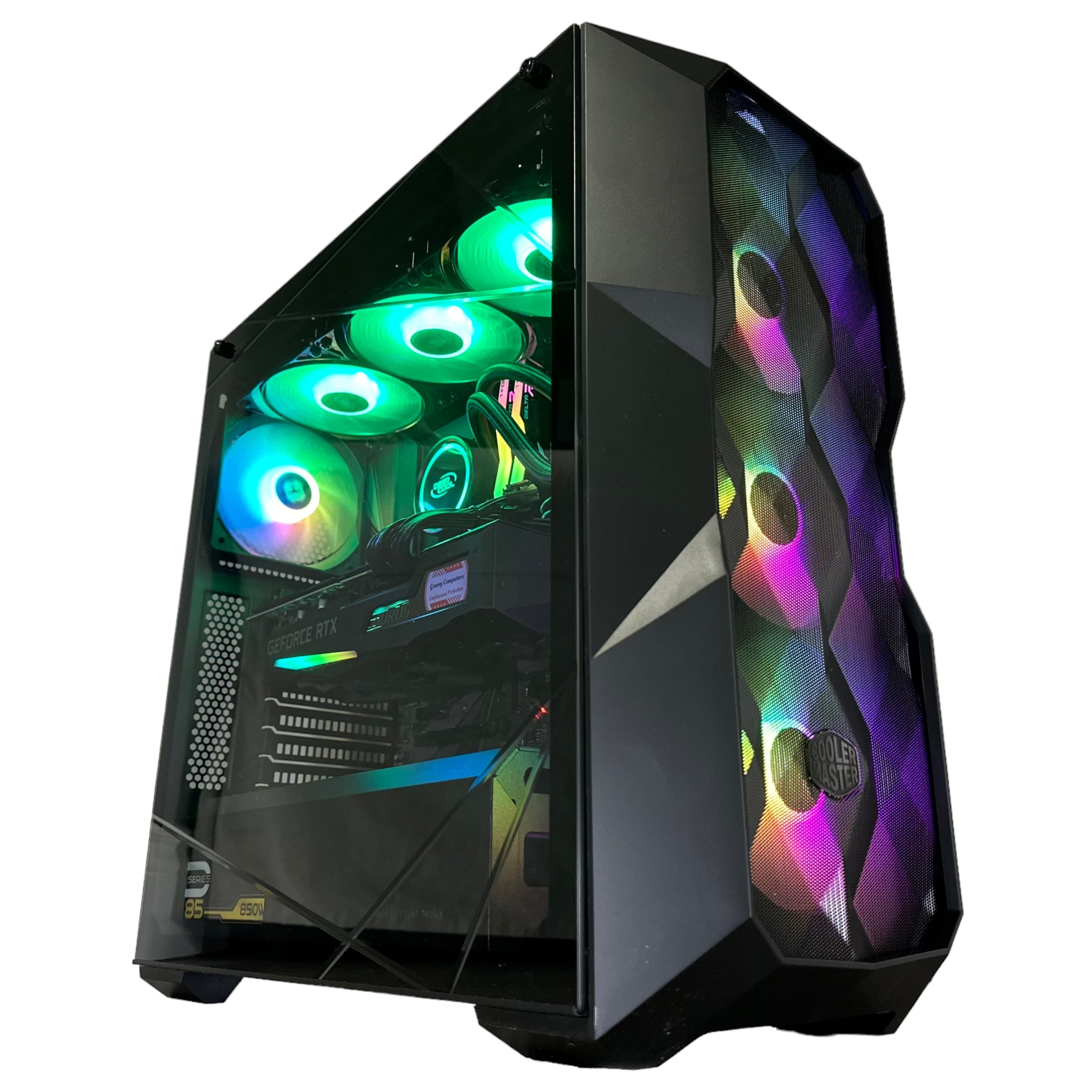
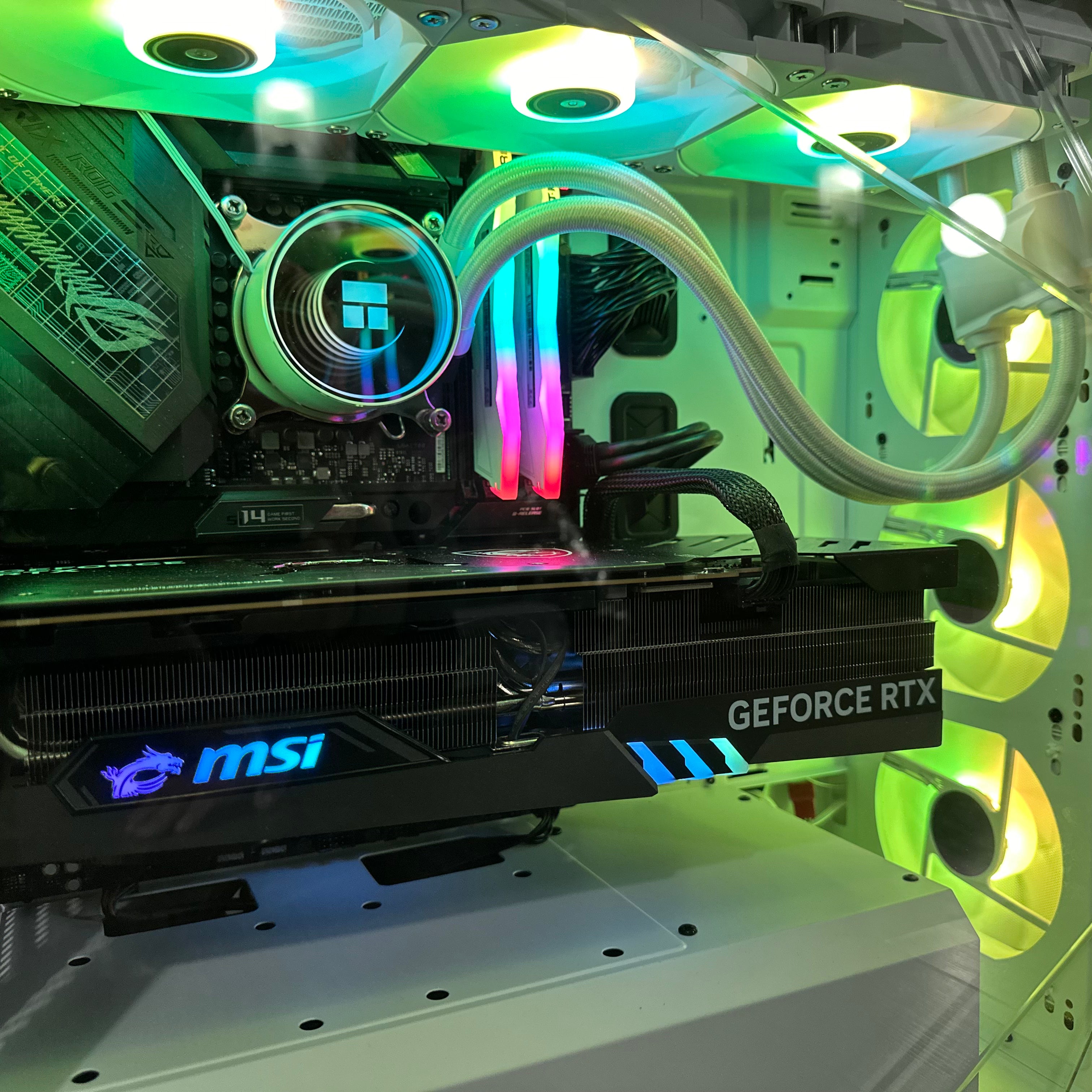
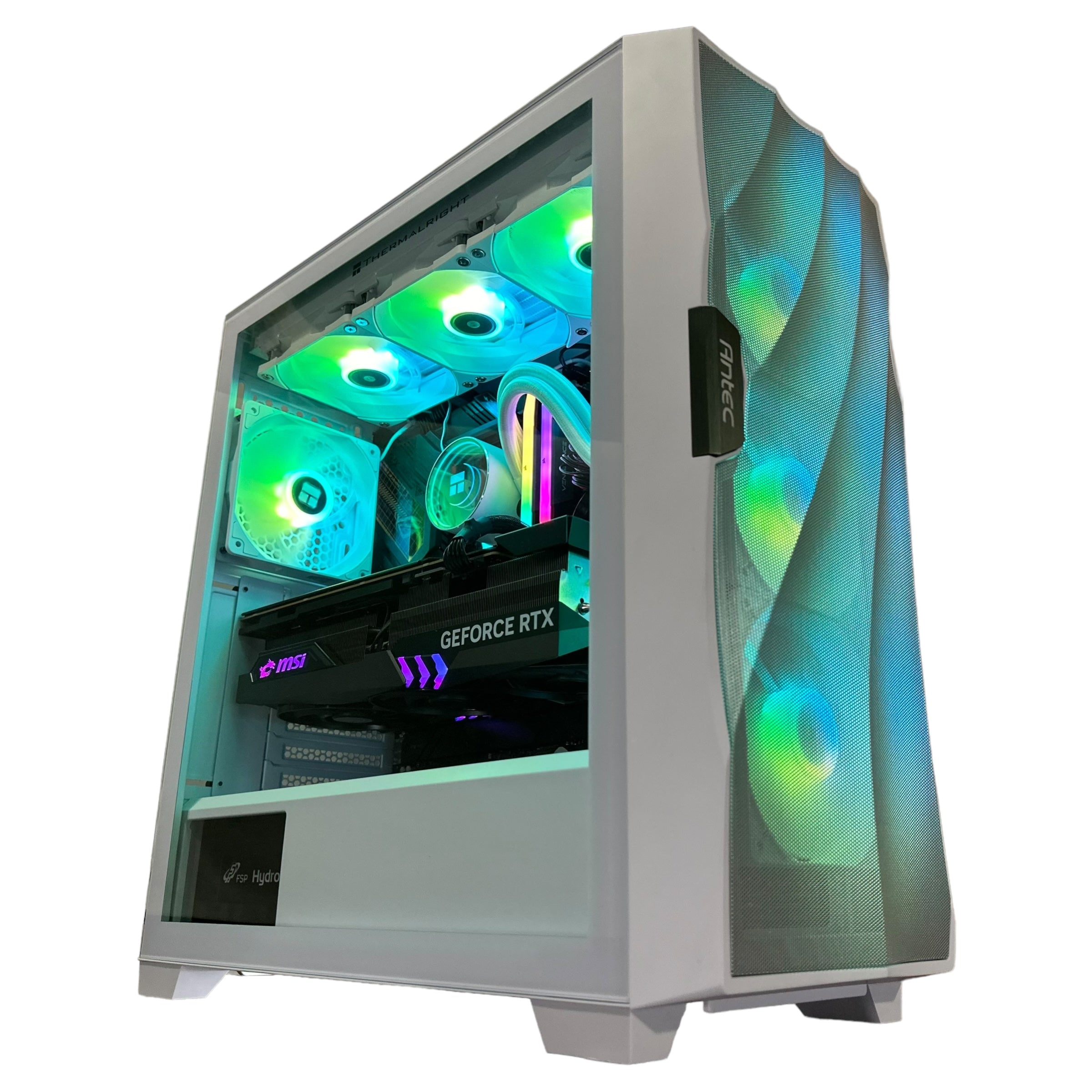
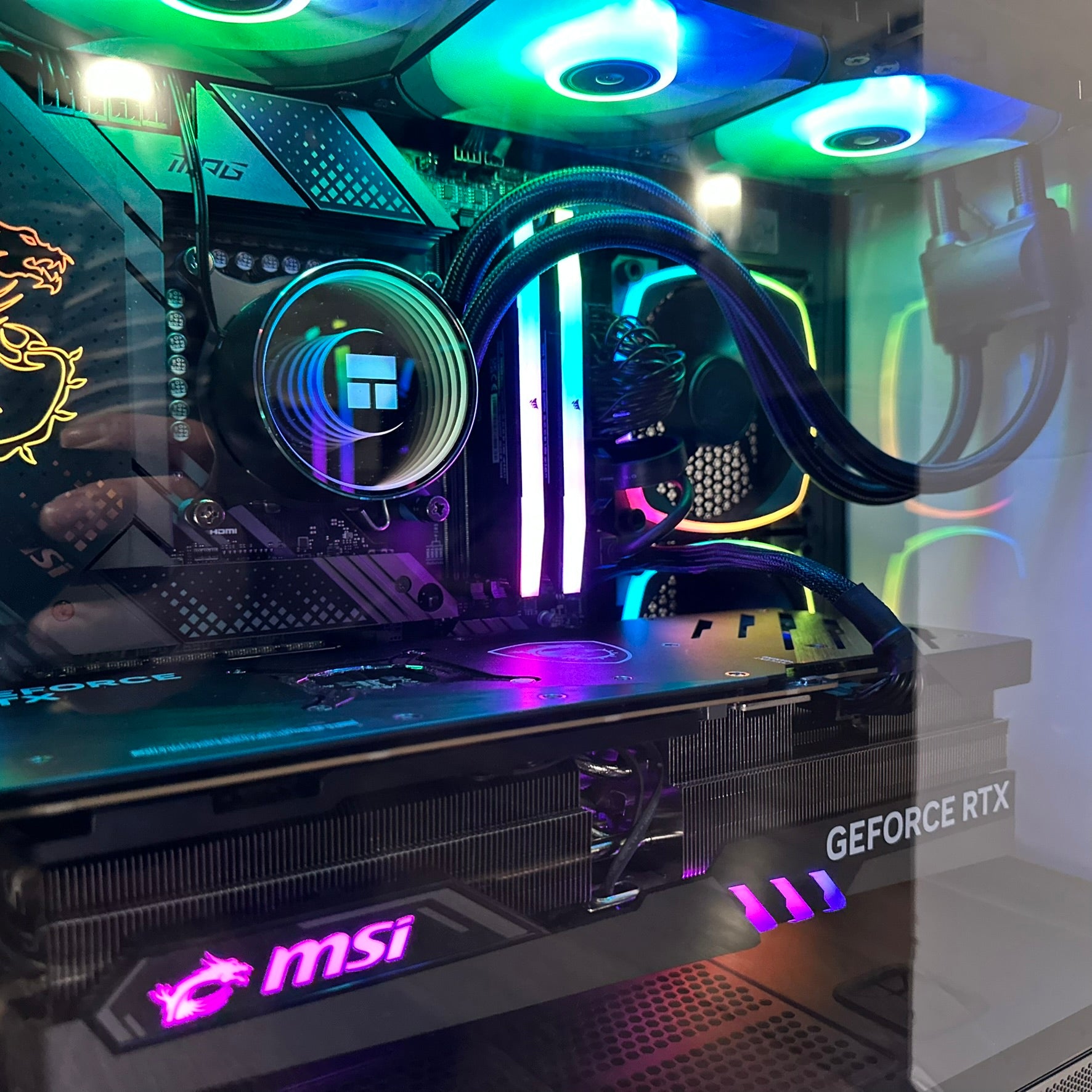
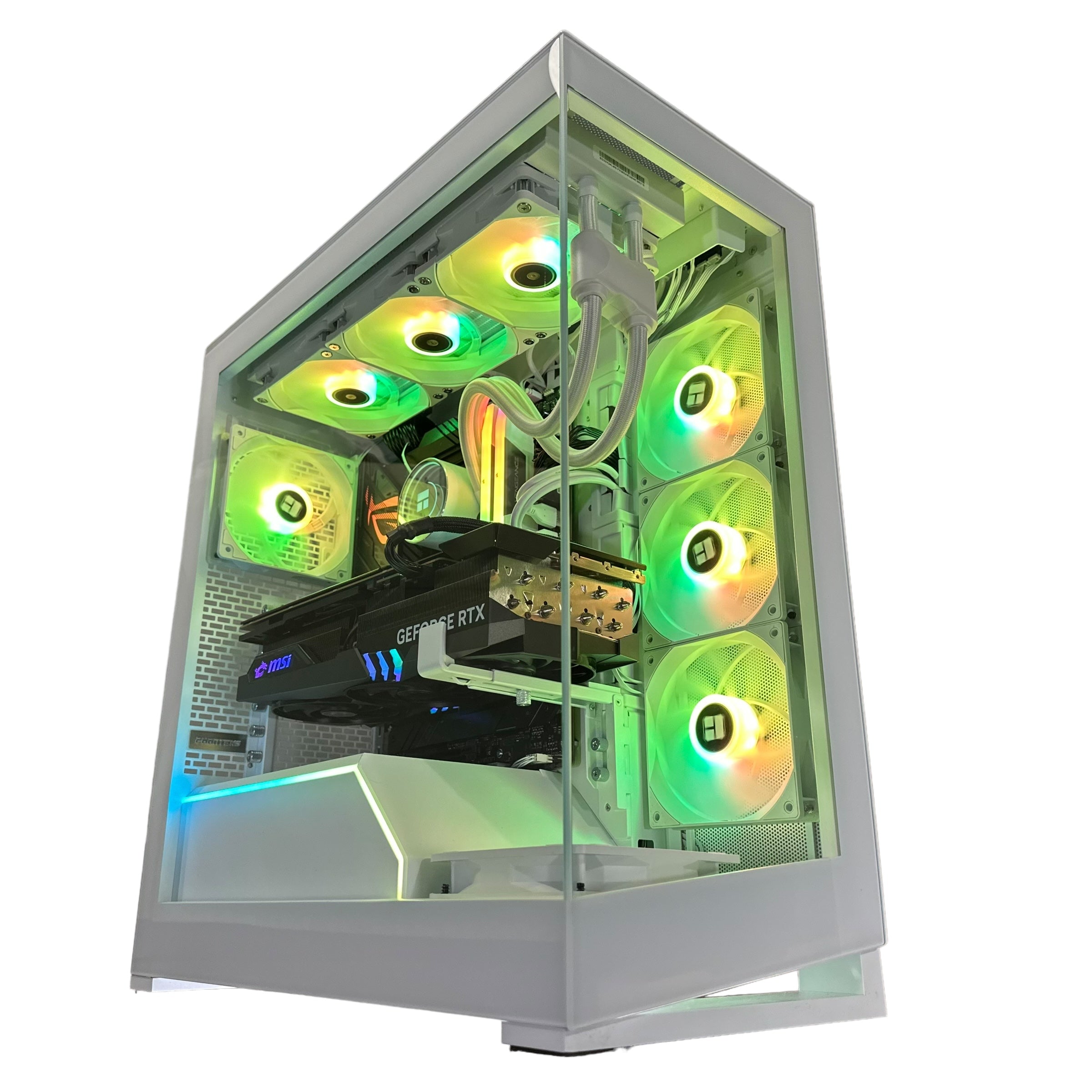
A properly planned custom gaming PC Canada buyers order from a specialist should be built around your real targets, not just a marketing label. It should consider airflow, stability, upgrade flexibility, workload balance, and long-term use. This is especially important if you are trying to bridge gaming with creator or workstation tasks.
Would you rather have a PC that merely boots into your favourite game, or one that stays smooth under pressure, handles updates better, and supports your next monitor, next project, or next hobby?
Why Groovy Computers is a smart fit for Canadian buyers
Groovy Computers is built around the kind of decision many customers are making right now: choosing a custom PC with the right performance level, confidence, and support before the market gets less convenient. Whether you need a gaming system, a streaming-capable desktop, a creator PC, or a more serious workstation, the value is not just in the parts list. It is in the way the system is matched to your use case.
Canadian buyers also benefit from working with a company that understands the realities of shopping here. That includes practical buying advice, custom build logic, tested configurations, warranty confidence, and Canada-focused service. Groovy Computers offers rigorously built systems, stress-tested reliability, and a 1-year warranty, which matters when you are investing in hardware you expect to depend on.
If you are in Nova Scotia, Atlantic Canada, or ordering from elsewhere in the country, the appeal is the same: better guidance, stronger fit, and a more confident purchase than rolling the dice on a generic machine. And if monthly affordability is part of your buying decision, financing up to 4 years can help you lock in a better-performing system without waiting until the need becomes urgent.
Which buyer type are you right now?
The budget-conscious gamer
You want strong value, solid 1080p performance, and a system that covers modern gaming without waste. You should focus on balance, not bargain-basement compromises. If a cheap build will force early upgrades, it is worth asking whether a better-configured system would save money over time.
The mainstream 1440p buyer
You want the sweet spot. Better visuals, smoother minimums, stronger future readiness, and room for multitasking. This is often the best category for shoppers who want a gaming PC for new games while also keeping the door open to streaming or editing.
The premium enthusiast
You want higher-end graphics, stronger long-term value, and fewer compromises. You care about visual quality, performance consistency, and upgrade runway. This is the category for buyers asking what PC they need for 4K gaming, ray tracing, or ultra settings.
The hybrid creator-gamer
You want one machine for games, OBS, editing, thumbnails, social clips, design work, and maybe even some 3D. You should avoid a one-dimensional gaming-only mindset and instead choose a balanced custom creator build that works as hard as you do.
The workstation user
You need a desktop for productivity, rendering, professional applications, or heavier technical tasks. If you are using Blender, Unreal Engine, CAD, or advanced Adobe workflows, your build decisions should be based on workflow efficiency, stability, and memory and storage planning.
What if you are still unsure what PC specs you need?
That is exactly when expert guidance matters most. The right answer is rarely “buy the biggest number.” It is usually “buy the system that fits your monitor, your games, your software, your workload, and your upgrade timeline.”
If you are asking questions like What gaming PC do I need?, What PC do I need for 1440p gaming?, Is a gaming PC good for video editing?, or Should I finance a better PC instead of buying a cheaper one?, you are already thinking the right way. The next step is to match those questions to a build plan that actually makes sense.
The bigger takeaway from Krafton’s record numbers
The source article is ultimately about success in gaming, but for buyers it is also about momentum. Popular franchises are staying relevant longer. New releases can scale faster. Publishers are expanding content pipelines, collaborations, AI initiatives, and future projects. That means the demand for capable PCs is tied not just to one game, but to a broader shift in how players and creators use their systems.
If you know your current PC is already being stretched, waiting rarely makes the decision easier. It usually makes the need more obvious later, often at a less comfortable moment. A smarter move is to decide what you want your next PC to do, choose the right performance tier, and secure a system that matches your real goals.
Ready to choose the right build for your games, content, or work?
Do you want a custom system that is actually built around how you play, create, and work instead of a generic parts list? Whether you need a stronger gaming desktop, a streaming-ready setup, a custom creator PC, or a workstation-grade build, Groovy Computers can help you choose a better-fit system now instead of settling for something you outgrow too quickly. Explore your options or request guidance at GroovyComputers.ca.
For Canadian shoppers looking at the next wave of game releases, creator demands, and performance expectations, the message is simple: a gaming PC Canada buyers choose today should not only run current favourites, but also leave room for what is coming next. That is where a carefully planned custom build from Groovy Computers can make the difference between keeping up and feeling behind.
#GamingPCCanada #CustomGamingPCCanada #GamingPCForNewGames #CreatorPCCanada #VideoEditingPCCanada #StreamingPCCanada #3DModelingPCCanada #CustomPCBuilderCanada #NovaScotiaPCBuilder #CanadianCustomPCBuilders
Groovy Computers | All Rights Reserved


Leave a comment
This site is protected by hCaptcha and the hCaptcha Privacy Policy and Terms of Service apply.