





Halo-Themed Lamborghini Urus Hype Is a Reminder to Buy the Right Gaming PC in Canada Before the Next Big Release
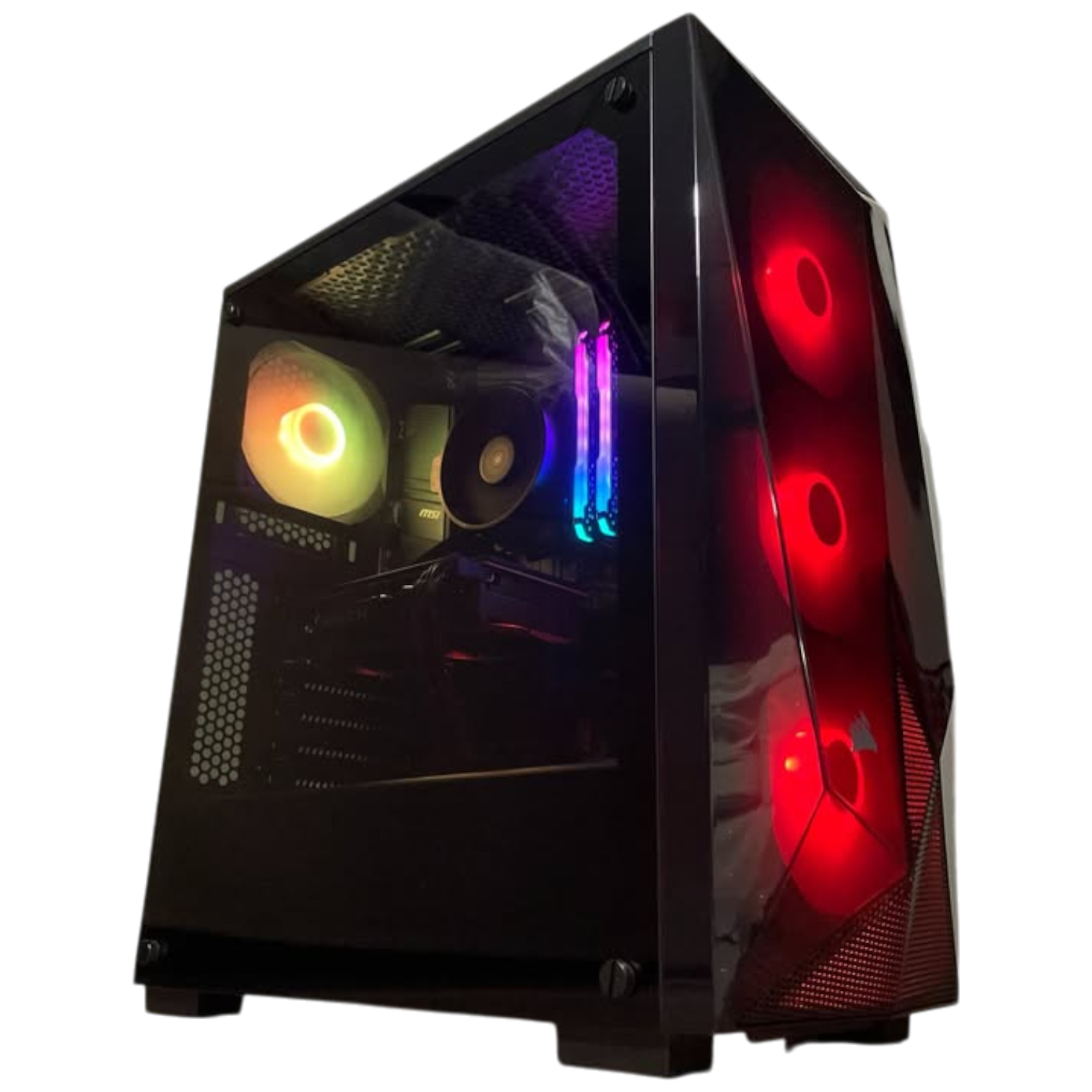
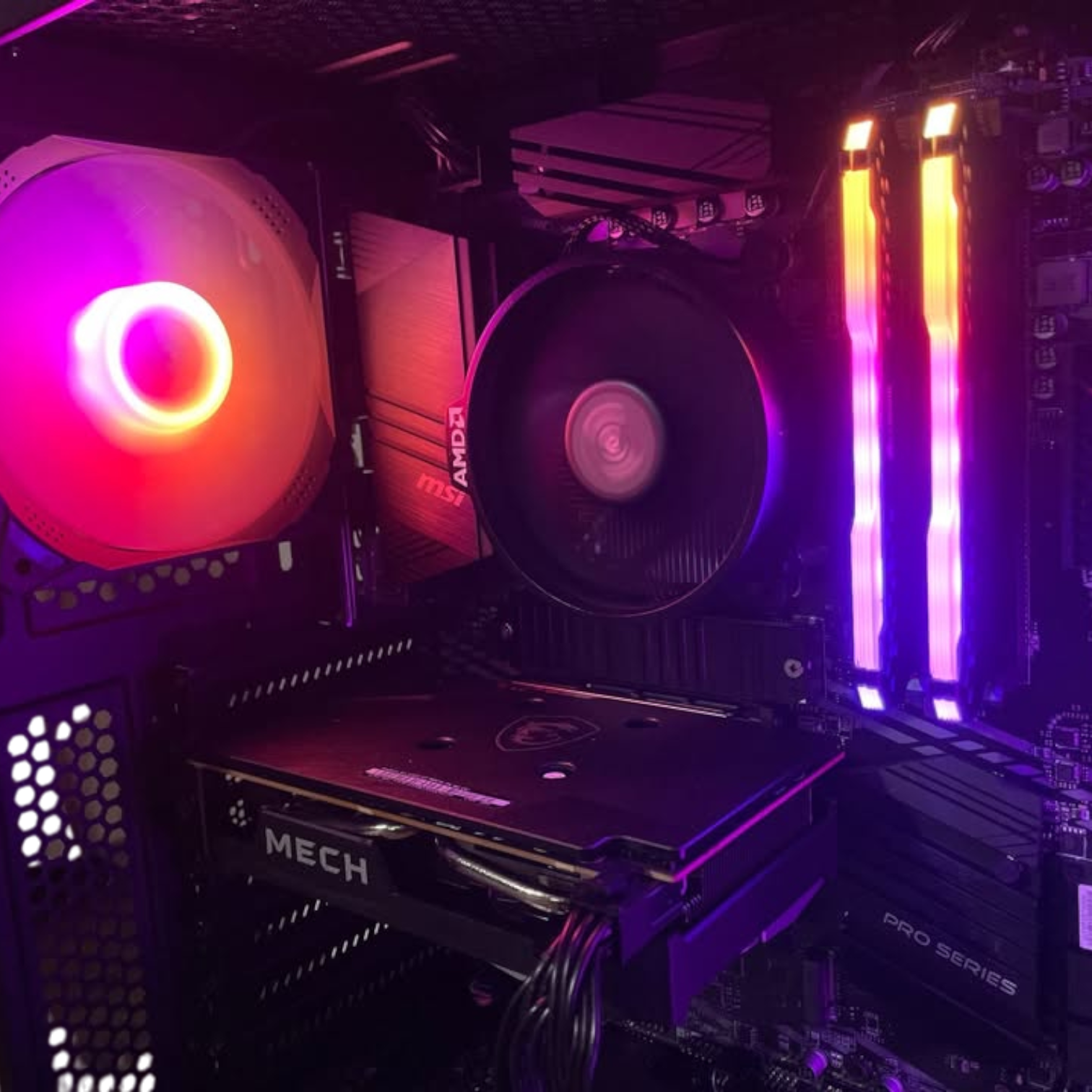
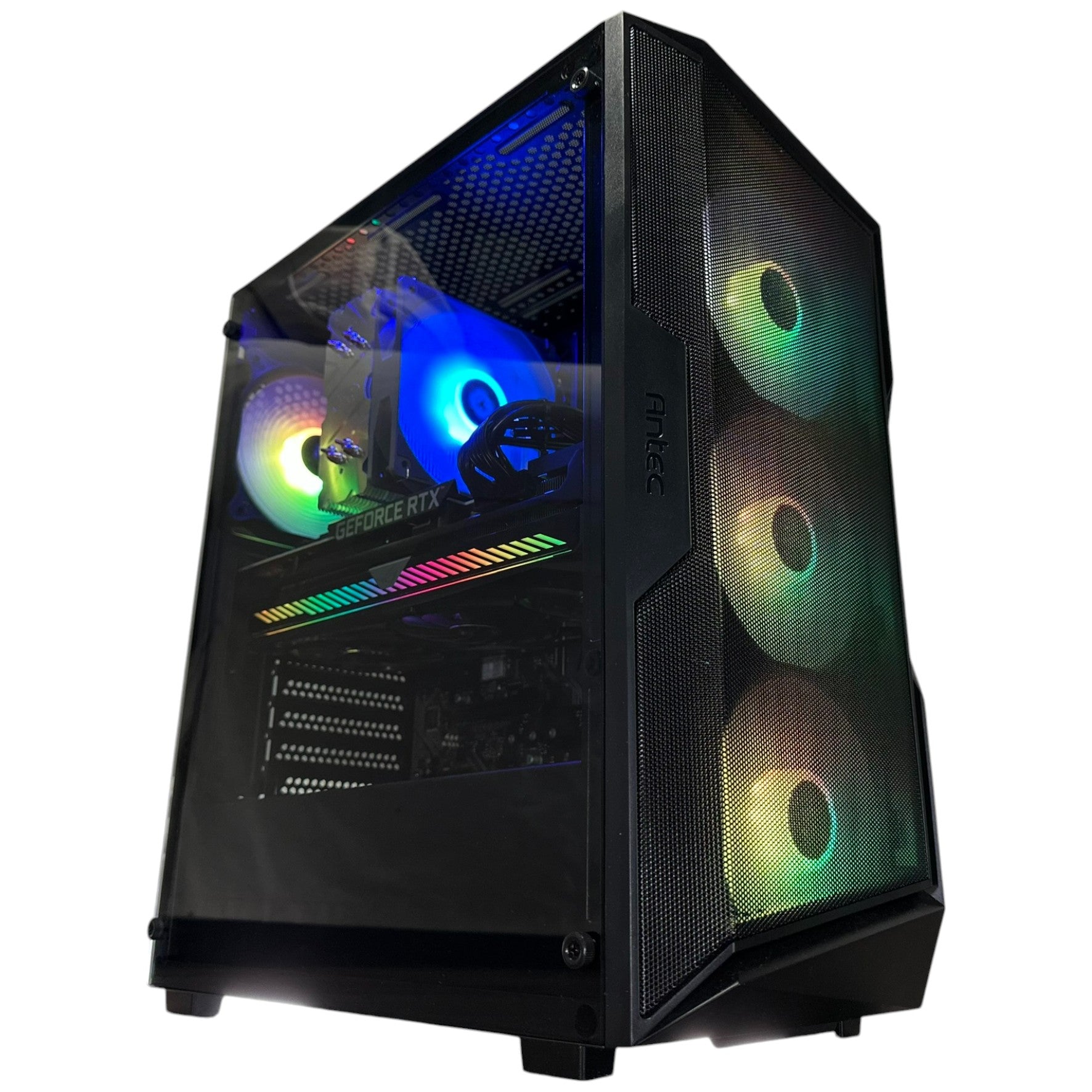
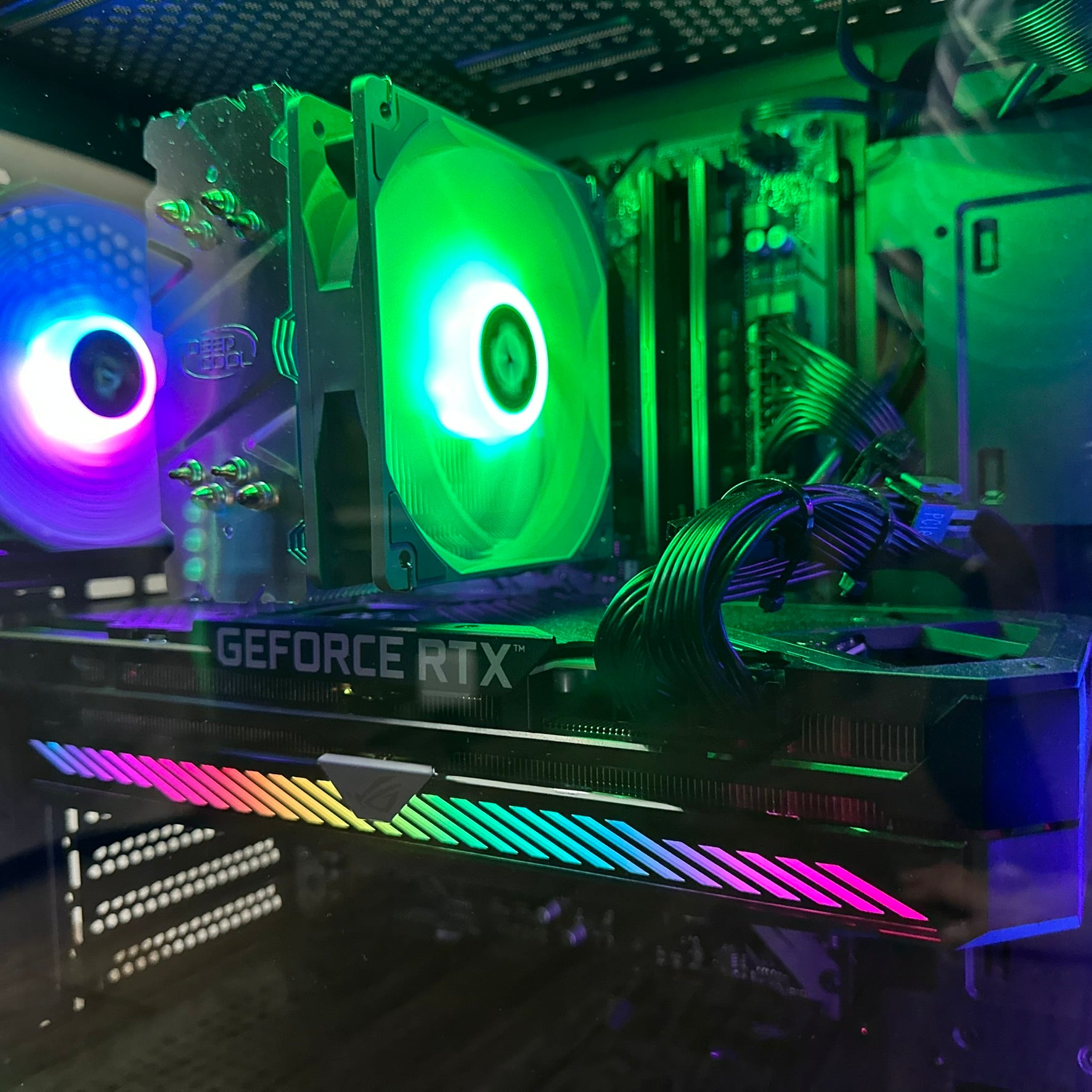
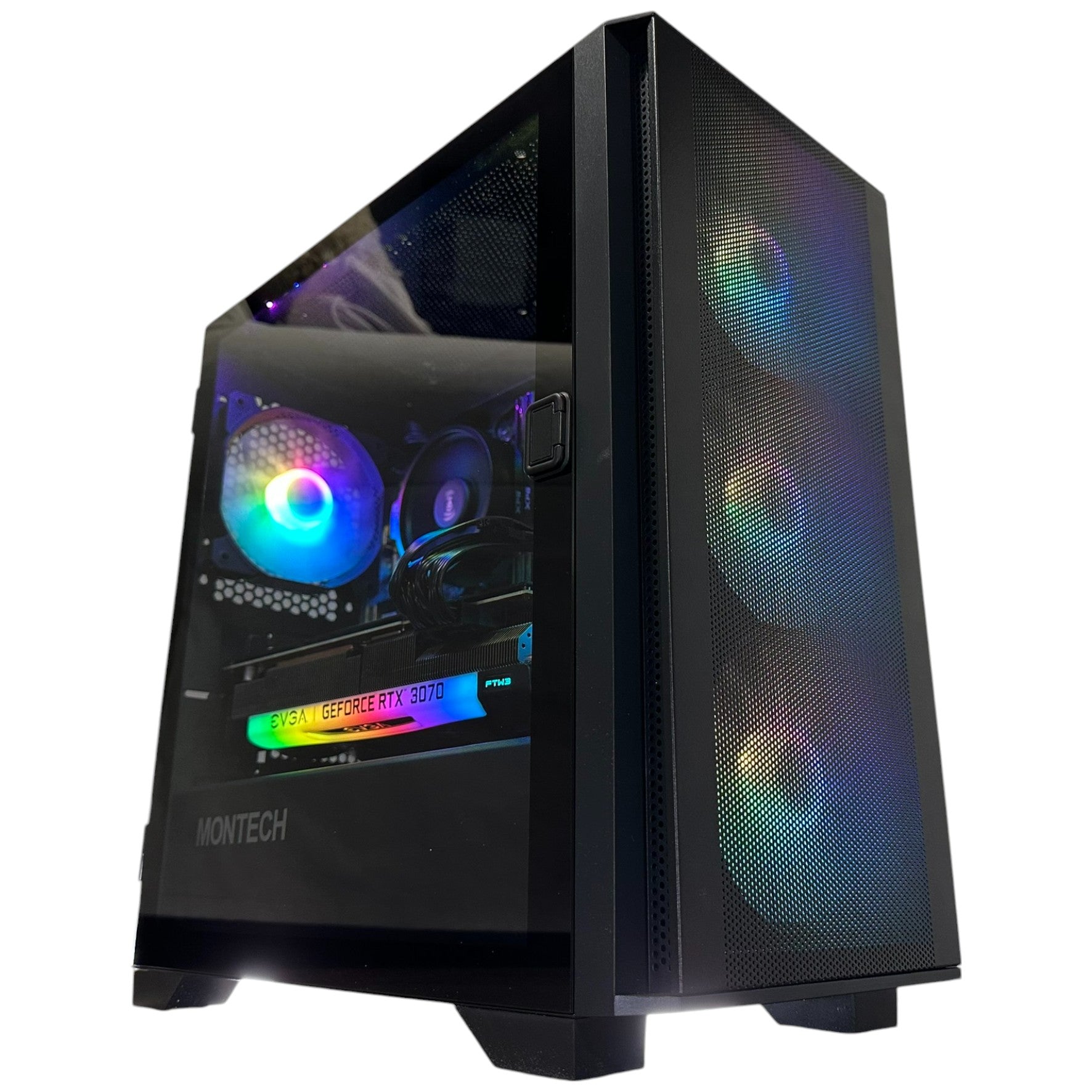
The new Halo-themed Lamborghini Urus collaboration has the kind of crossover energy that instantly grabs gamers, car fans, streamers, and creators at the same time. A one-off Lamborghini Urus SE inspired by Master Chief, a drivable Warthog replica, and a new Halo remake tied into a major racing game release is exactly the sort of pop-culture moment that pushes people to ask a more practical question: is your current setup actually ready for the next wave of games? For Canadian buyers researching a Gaming PC Canada option, this kind of release cycle matters more than it first appears.
The source story focused on the spectacle: the Master Chief 117 Edition Lamborghini Urus, its in-game Forza appearance, the Warthog build, and the nostalgia around Halo's return. That is the fun part. The buying lesson behind it is even more useful. Big franchise launches, remake announcements, graphics upgrades, Unreal Engine titles, open-world racing games, and content creation around those games all tend to increase demand for stronger PCs. If you are planning to play, stream, edit clips, design thumbnails, or build fan content around new releases, waiting too long can leave you shopping during the worst possible moment.
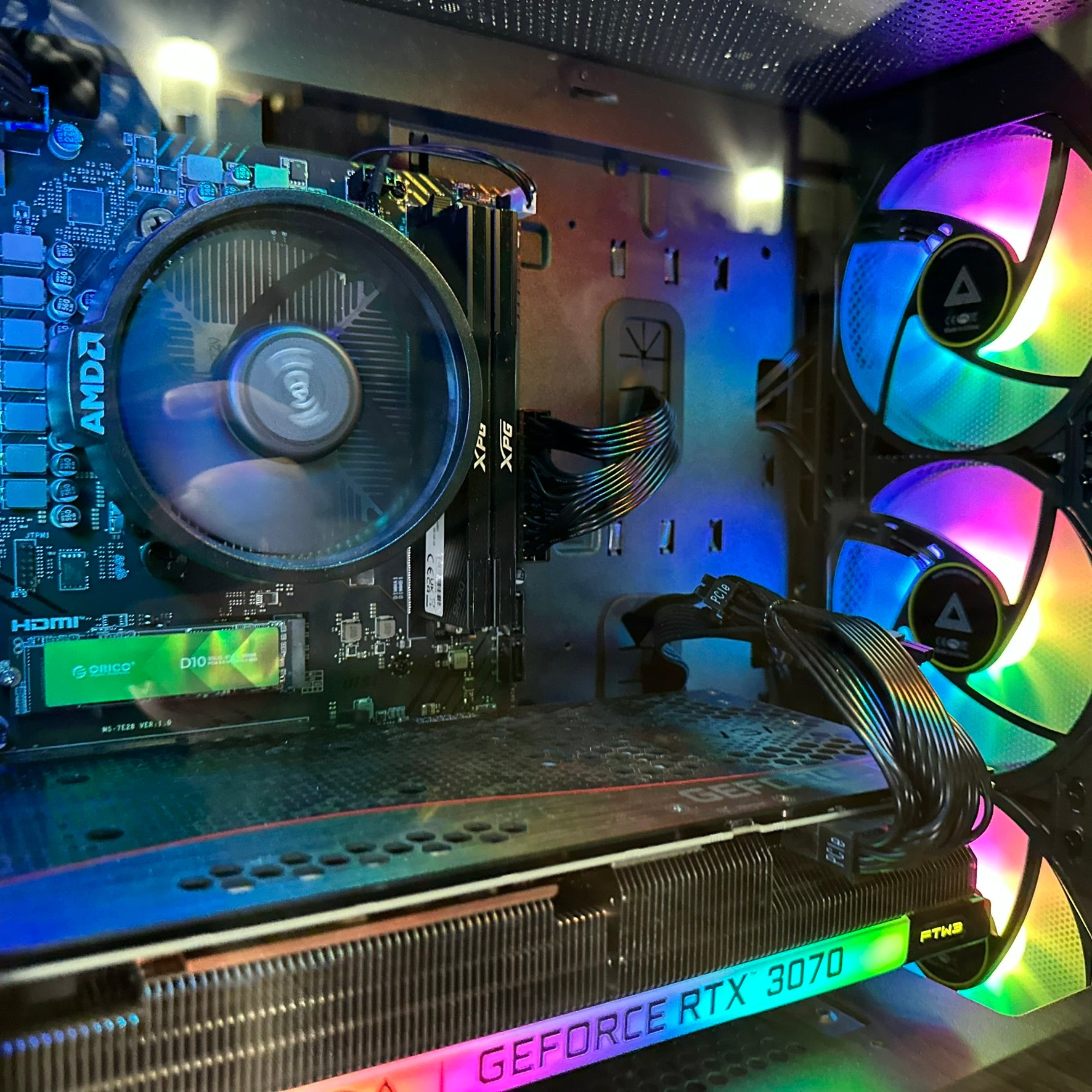
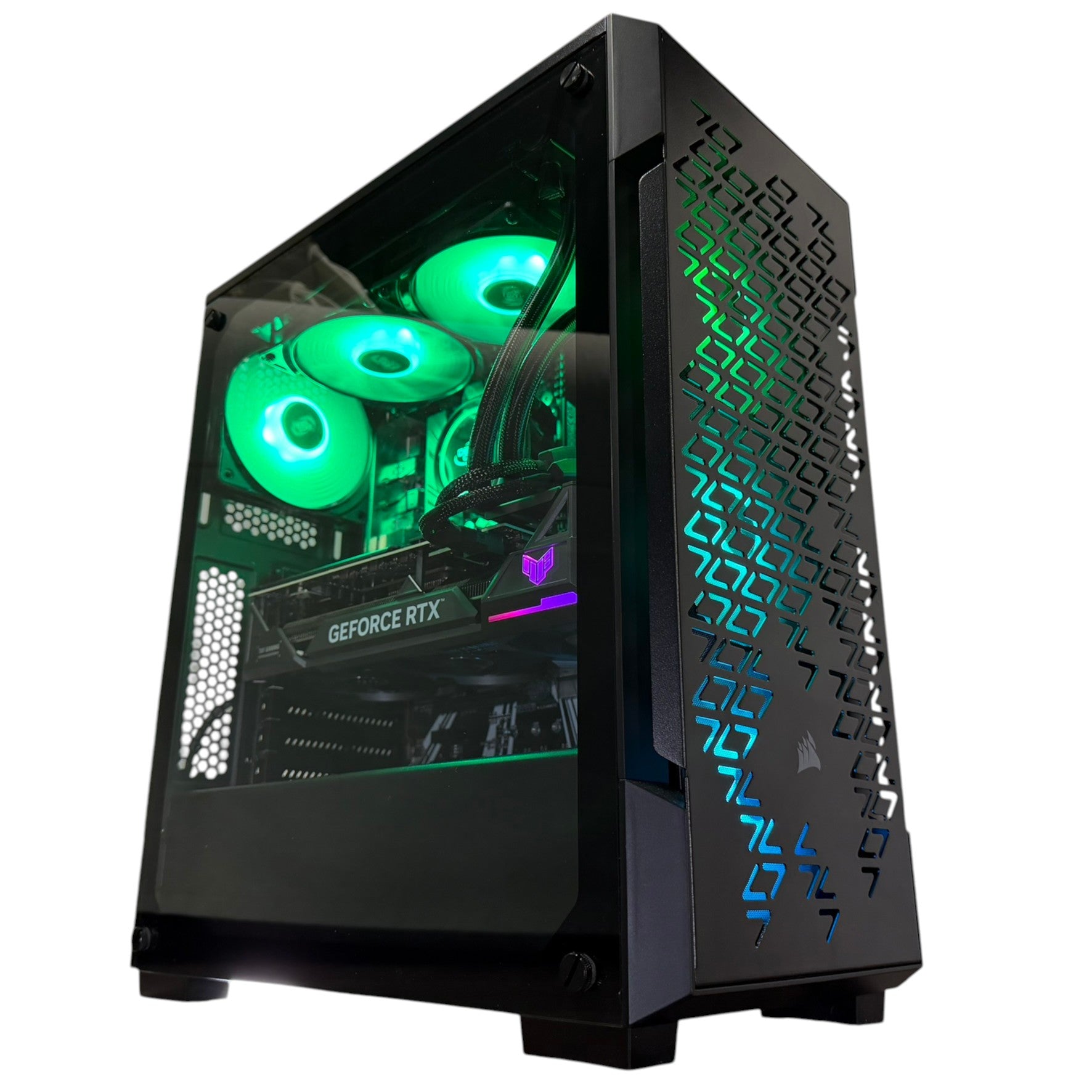
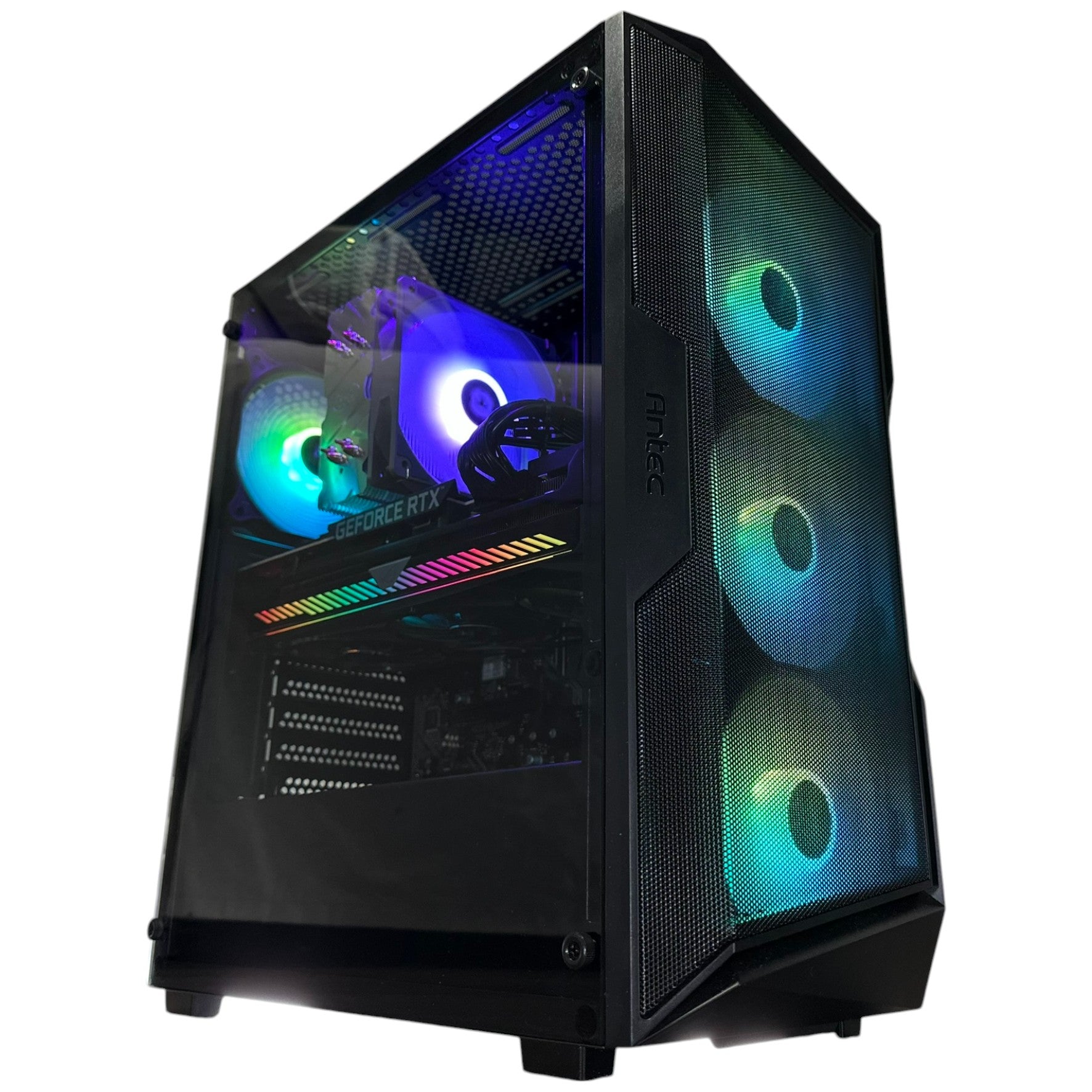
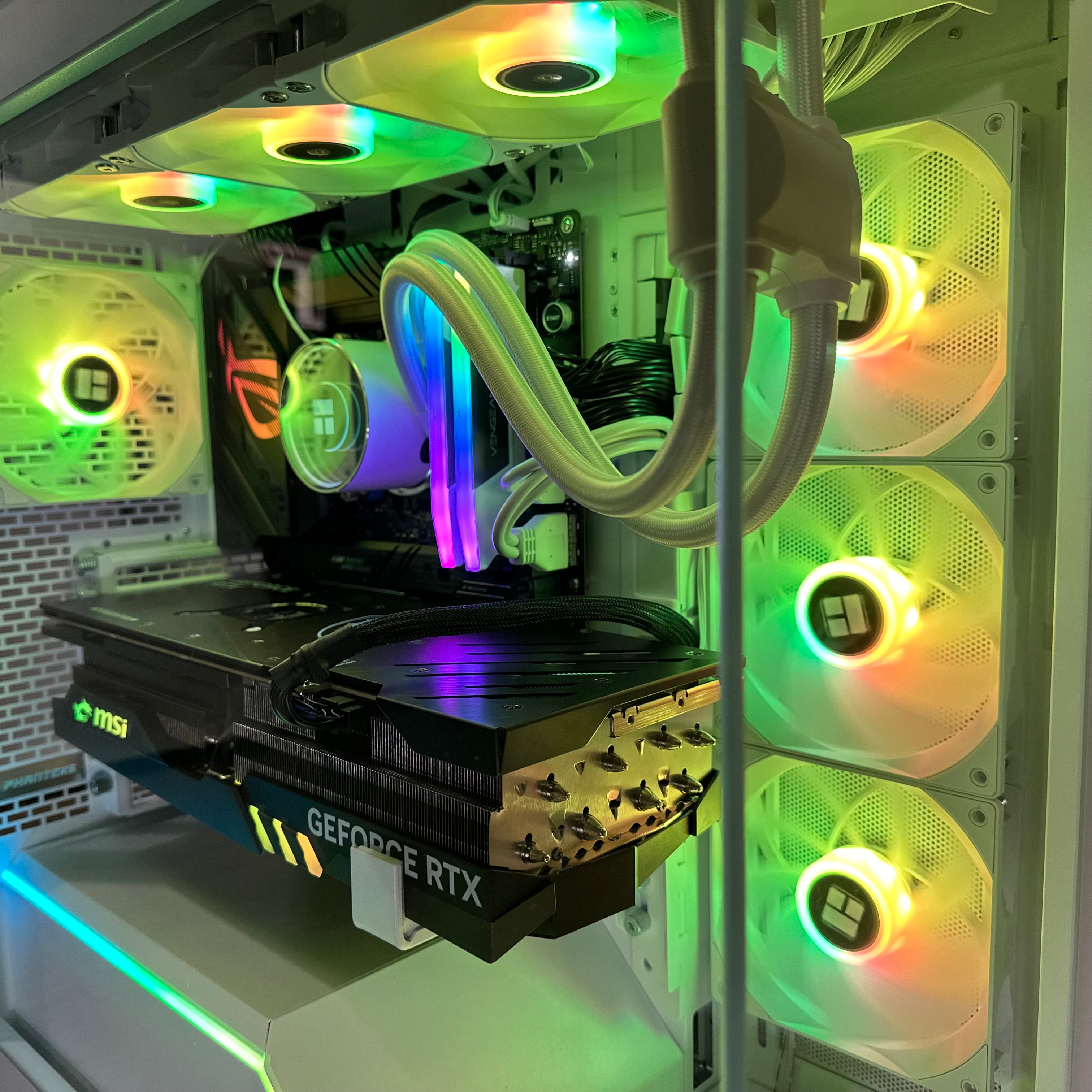
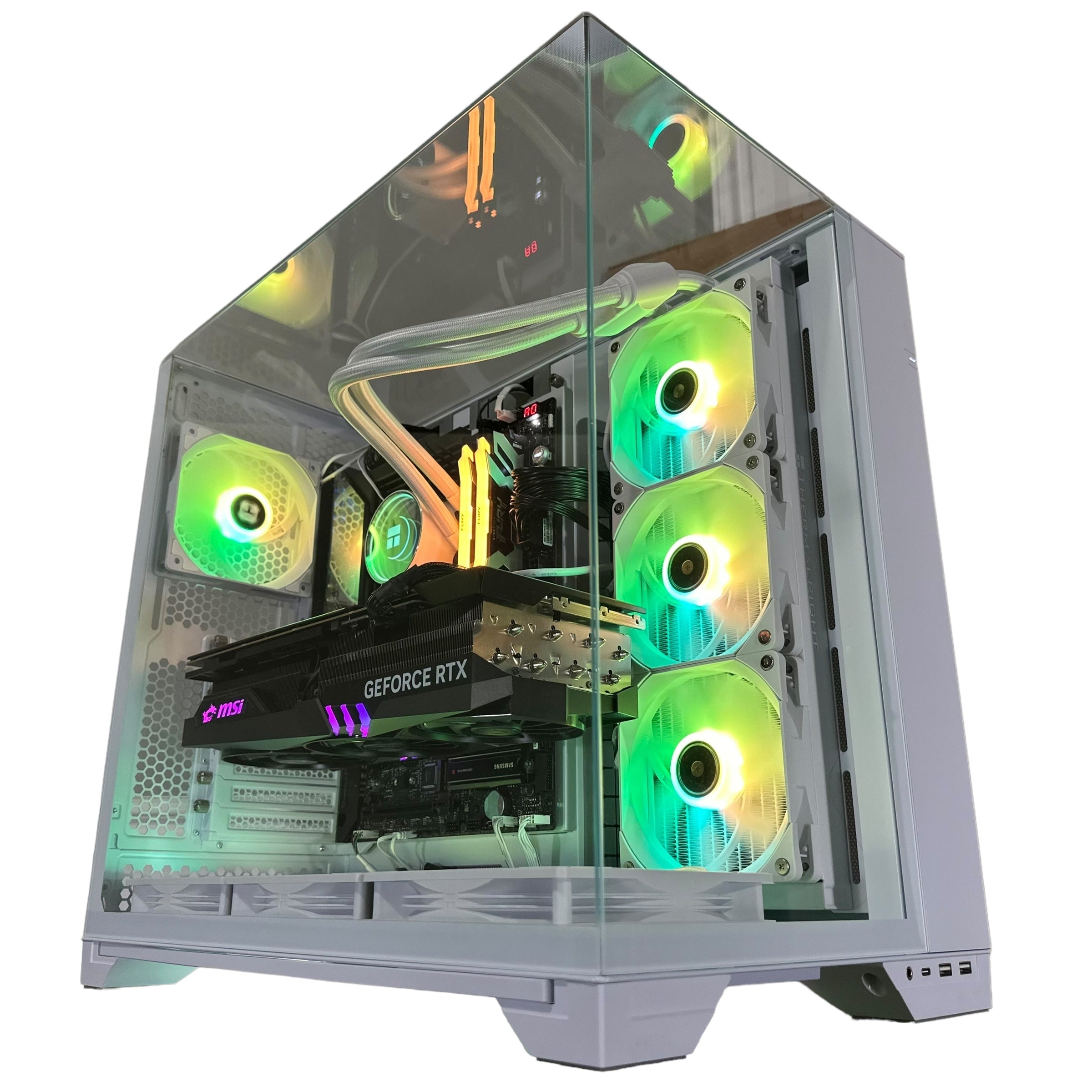
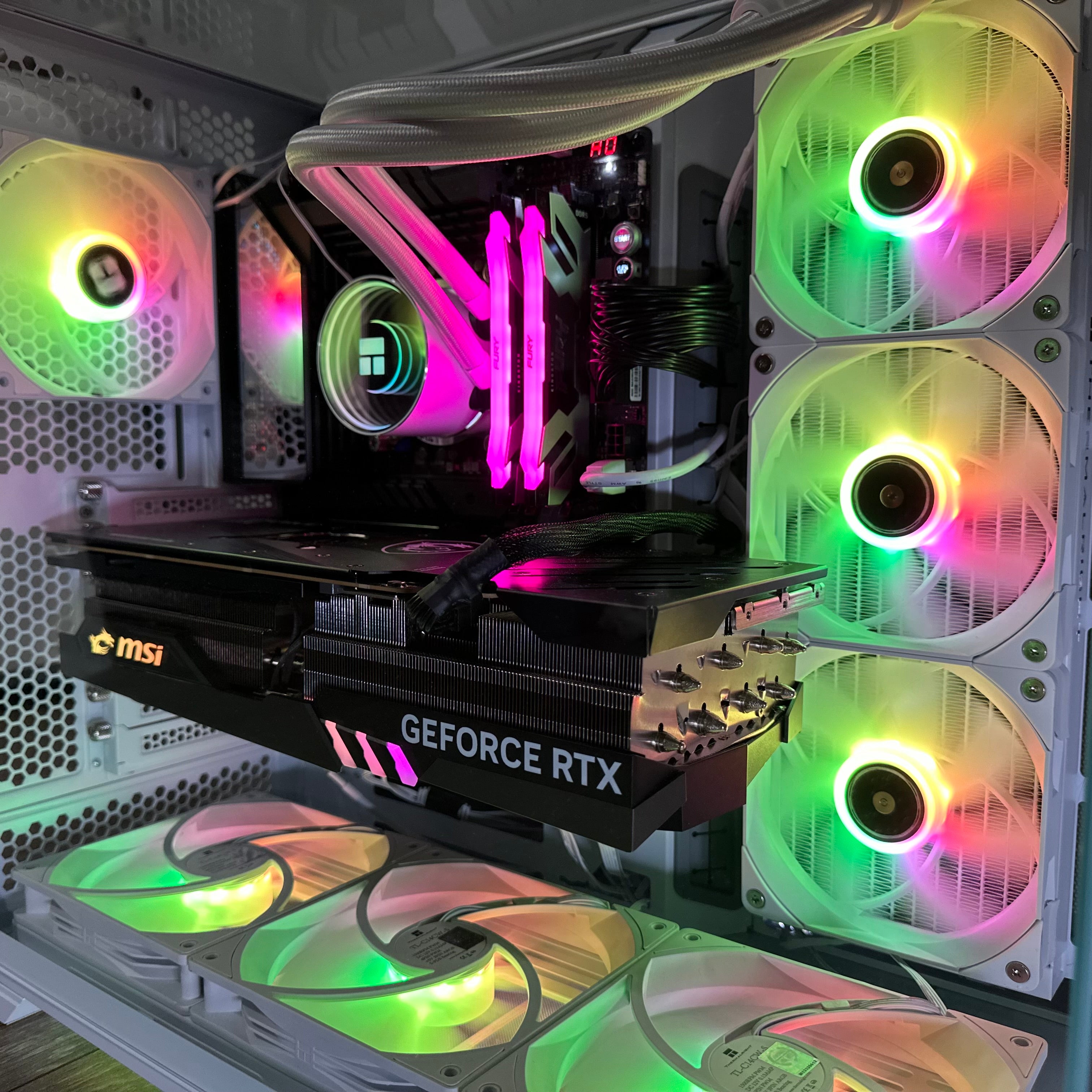
That is where Groovy Computers comes in for Canadian buyers who want more than a generic box with uncertain parts. If you are looking at your next system and wondering whether you need a budget gaming desktop, a premium RTX-powered rig, a streaming-ready tower, or a creator workstation that can handle editing and design work too, this is the moment to think carefully and buy strategically.
Why does a Halo and Forza crossover matter to PC buyers?
Because gaming hype changes buying behaviour. When a major title gets rebuilt with newer engine technology, visual expectations rise immediately. Even people who are not hardcore spec chasers start thinking about smoother frame rates, faster load times, higher texture settings, better lighting, and stronger overall responsiveness. Then the second wave hits: streamers want to broadcast it, creators want to clip it, YouTubers want to edit around it, and fans want to multitask with Discord, browsers, mods, recording tools, and capture software all running at once.
Do you just want to play the game at 1080p and enjoy the nostalgia? Do you want 1440p performance with high settings and room for future releases? Are you aiming for 4K, ray tracing, streaming, and recording at the same time? Your answer changes what kind of PC you should buy.
Pop-culture gaming moments also remind us that hardware decisions are no longer just about one game. If a system barely handles today’s release, how will it hold up for the next open-world title, the next Unreal Engine game, the next racing sim, or the next big shooter update?
What the source article gets right about modern gaming demand
The source article captured something important: today’s game launches are no longer isolated events. A new release can include cross-promotions, downloadable content, visual upgrades, creator interest, streaming momentum, community content, and platform-wide attention. In other words, a single game announcement can influence how thousands of people think about hardware.
The rebuilt Halo experience described in the source text was highlighted as visually impressive and modern-feeling while still retaining the spirit of the original. That alone is enough to make a lot of players revisit their hardware plans. A game that feels familiar but looks and performs like a current-generation release often exposes the weaknesses in an aging system.
The article also mentioned improved vehicle control, modern engine work, and the excitement of seeing Halo hardware and vehicles brought to life. From a PC-buying perspective, that points to a larger trend: modern titles are increasingly demanding not only for gameplay but for immersion. Better assets, better shaders, more detailed environments, and more advanced rendering all reward stronger GPUs, faster CPUs, more RAM, and SSD storage.
What do you want your next PC to actually do for you?
This is the question too many buyers skip.
Do you want a PC mainly for gaming? Do you also want to stream to Twitch or YouTube? Are you editing gameplay clips for TikTok, Shorts, or long-form videos? Are you using Photoshop, Lightroom, Illustrator, Premiere Pro, DaVinci Resolve, OBS, Blender, or Unreal Engine? Do you want one tower that can do everything well, or do you need a machine that is specifically tuned for one type of workload?
If your answer is, “I want it to play new games smoothly for years without needing to upgrade too soon,” that points in one direction.
If your answer is, “I want to game, stream, edit, and maybe do some content creation on the side,” that points in another.
If your answer is, “I am buying once, and I want a stronger system that saves me from replacing it early,” then a custom build becomes even more important.
At Groovy Computers, that planning step matters because the best system is not just the most expensive one. It is the one that matches your real use case, your display target, your software, and your upgrade timeline.
Are you buying a PC for gaming only, or for gaming plus streaming and content creation?
A lot of buyers start by searching for a gaming desktop, then realize their actual workload is much broader. That is especially true around trending releases. A Halo comeback and a Forza tie-in do not just create players. They create streamers, clip editors, thumbnail designers, mod experimenters, and community creators.
If you only want to game
You may not need to overbuild. But you still need enough GPU and CPU headroom to play modern releases at the settings you care about. A buyer focused on 1080p esports and light AAA gaming does not need the same configuration as someone targeting 1440p ultra settings or 4K on a large display.
If you want to game and stream
You need to think beyond raw FPS. Encoding, background apps, browser tabs, overlays, chat tools, recording, and scene management can all eat resources. A Gaming and Streaming PC Canada build should be balanced differently than a pure gaming tower. Better cooling, more RAM, and the right CPU/GPU pairing can make a huge difference in stream stability and smooth gameplay.
If you want to game and edit content
Now you are in creator-PC territory. Fast SSD storage, stronger multicore performance, more memory capacity, and a GPU that helps with rendering and timeline acceleration all become more valuable. If you are clipping race footage, gameplay moments, and cinematic edits for social media, a weak storage setup can become frustrating very quickly.
If you want to use Blender, Unreal Engine, or heavier 3D tools
Then you are no longer just shopping for a gaming desktop. You are likely closer to a 3D Modeling PC Canada or workstation-class build. That means different priorities, especially if rendering, compiling, scene work, and GPU-heavy 3D tasks matter as much as gaming.
Which performance tier fits you best?
Not every buyer needs the same class of machine. One of the easiest ways to avoid overspending or underspending is to choose your tier based on what you actually expect from your system over the next few years.
Entry tier: best for 1080p gaming and first-time buyers
This tier makes sense if you mainly play esports titles, lighter games, and some newer releases at sensible settings. It is also a practical option for students, younger gamers, or anyone stepping up from an older console or office PC.
- Best for 1080p gaming
- Good for Fortnite, Minecraft, Roblox, Valorant, Counter-Strike 2, and many mainstream games
- Can work for casual recording and basic editing
- Ideal if you want a Budget Gaming PC Canada option without buying something disposable
Ask yourself: will you be happy staying at 1080p for the next few years, or do you already know you want more visual headroom?
Mid-range tier: best for 1440p gaming and balanced value
This is often the smart-buy tier for Canadian customers who want performance, longevity, and flexibility. If you are excited by new game releases, open-world titles, racing games, shooters, and occasional streaming or editing, this range usually delivers the best balance.
- Excellent for 1440p gaming
- Strong fit for high settings and smoother frame rates in modern titles
- Better for streaming, recording, and multi-use workloads
- Often the sweet spot for buyers who want to avoid upgrading too soon
If you are asking, What PC do I need for 1440p gaming? this is usually where the conversation should start.
High-end tier: best for 4K, ray tracing, and premium longevity
If you want premium visuals, ultra settings, stronger ray tracing performance, higher-end monitors, or enough overhead for gaming plus advanced creator work, this tier is where things get serious. It is also the right choice for buyers who prefer to invest once rather than chase upgrades every year.
- Built for 1440p maxed-out gaming or 4K gaming
- Ideal for ray tracing, large texture packs, demanding future titles, and creator multitasking
- Great fit for streaming, video editing, and heavy content workflows
- Often the best route for buyers considering financing instead of settling for a weaker build
If you are wondering, Should I finance a better PC instead of buying a cheaper one? this is the tier where that question matters most.
What if you want one PC for gaming, editing, streaming, and design?
That is becoming more common every year. Someone sees a trending release like Halo, captures gameplay, edits shorts, makes thumbnails, streams a session, and maybe even experiments with 3D tools or motion graphics after. That user is not just a gamer anymore. That user needs a balanced Content Creation PC Canada build.
A content-focused system should account for more than frame rates. It should also consider:
- RAM capacity for multitasking
- Fast NVMe storage for footage, projects, and exports
- CPU performance for rendering, encoding, and background workloads
- GPU acceleration for editing, effects, and creator apps
- Cooling and airflow for sustained workloads
Do you work in Premiere Pro? DaVinci Resolve? Photoshop? Illustrator? CapCut? OBS? If yes, your ideal system may not be the same as a pure gaming build, even if gaming is still a major priority.
Why Canadian buyers should think differently right now
Buying in Canada always adds a few extra layers to the decision. Exchange pressure, inventory fluctuations, shipping costs, and component volatility can all affect what a finished system costs. Even when a source article is entertainment-focused, Canadian readers should read between the lines. Every major gaming wave creates some level of hardware demand pressure.
That does not mean panic buying. It does mean planning intelligently.
If you wait until your current system is failing, or until a major game launch creates a rush, or until you suddenly need more GPU power for streaming and editing, you may have fewer good choices. The stronger move is to buy while you still have room to choose carefully.
Are you buying before a big fall gaming season? Before another hardware cycle pushes demand? Before your editing workload increases? Before your current PC turns every new release into a compromise?
Is now a good time to buy a gaming PC, or should you wait?
This is one of the most common questions, and the honest answer is simple: it depends on what waiting is supposed to solve.
If you are waiting because your current PC still does everything you need, that is reasonable.
If you are waiting in hopes that all components will suddenly become cheaper, that is much less predictable.
If you are waiting even though you already know your current system struggles with new games, editing timelines, streaming stability, or loading speeds, then waiting may cost you more in frustration than it saves you in money.
For many buyers, the real issue is not whether a future part might exist. It is whether their current computer is already too weak for the games and workloads they care about now. A custom build from Groovy Computers lets you buy for your real-world needs instead of chasing rumours or delaying a decision until your options narrow.
How pricing pressure affects GPUs, CPUs, RAM, and storage
Gaming and creator systems are sensitive to multiple kinds of market pressure. GPU demand gets the headlines, but it is not the only factor. Memory pricing can shift. SSD pricing can rise. Platform changes can affect motherboard and cooling choices. And once demand picks up around major titles, the total cost of waiting can show up across the full system, not just one component.
That matters if you are planning to buy a stronger machine in a few months anyway.
Would you rather lock in a better-balanced system now, or risk paying more later for an equivalent build? Would financing a stronger system today help you avoid needing a second upgrade sooner than expected?
For buyers who are already close to needing a replacement, timing matters. A weak “good enough for now” PC can become expensive if it needs upgrades early.
Should you choose a budget gaming PC or finance a stronger build?
This is where many shoppers make the biggest mistake. They focus only on the immediate purchase price and ignore the replacement timeline.
A lower-cost system can be the right call if your needs are modest and your expectations are realistic. But if you already know you want higher settings, stronger future-game support, streaming capacity, or creator performance, going too low can lead to regret quickly.
Groovy Computers can help Canadian buyers think beyond the first payment. Financing up to 4 years can make a significantly stronger build more practical, especially if it helps you avoid replacing or heavily upgrading the system too soon.
Ask yourself honestly: are you trying to spend the least today, or are you trying to get the best long-term value? Those are not always the same thing.
What PC specs do you need for modern games inspired by this kind of release cycle?
While the source article focused on Halo nostalgia and a Forza crossover rather than formal PC requirements, the broader lesson is clear. Modern games tied to major franchises increasingly reward hardware that can handle advanced visuals, fast asset streaming, and multitasking without slowing down.
If you are shopping around a “gaming PC for new games” mindset, think in terms of outcome rather than just spec labels.
For 1080p players
You want reliable performance, enough VRAM and CPU headroom for current titles, and an SSD that keeps load times under control. This is the zone for practical value buyers.
For 1440p players
You need more GPU power, stronger cooling, and better balance overall. This is often the right target for players who want a clearly premium experience without jumping straight into the most expensive class.
For 4K and ray tracing buyers
You are shopping for premium graphics horsepower and stronger long-term relevance. This is where component quality, thermal planning, and build balance really matter. A premium system should not just look good on paper. It should be built and tested properly.
What if your next PC also needs to handle creator software?
Then your buying decision should expand beyond gaming benchmarks.
If you use Adobe Premiere Pro, DaVinci Resolve, Photoshop, Lightroom, Illustrator, After Effects, or Blender, you need to think about workflow speed. How fast do projects open? How smoothly does the timeline scrub? How quickly do exports finish? How many apps can stay open before the system starts to drag?
A proper creator or workstation build can save time every single day. That saved time has value.
Are you editing 1080p clips, 4K footage, or larger projects? Are you doing colour correction, motion graphics, thumbnails, social graphics, or 3D renders too? Do you need a Video Editing PC Canada setup, a graphic design machine, or a heavier workstation?
Gaming PC or workstation PC: which one should you choose?
Some buyers assume they need a workstation when they really need a well-balanced gaming and creator PC. Others buy a gaming system and later realize their professional workloads would have justified more RAM, more storage, or different CPU priorities.
A gaming-first build is right when:
- Gaming is the main priority
- Streaming and editing are secondary
- You care most about FPS, visual settings, and future game support
A creator or workstation-oriented build is right when:
- You spend serious time in editing, rendering, or design apps
- Multitasking and productivity matter as much as gaming
- Project reliability and sustained performance are essential
If you are asking, Is a gaming PC good for video editing? or Workstation PC vs gaming PC for 3D modeling? the answer depends on how heavy your non-gaming workloads really are. Groovy Computers can help match the system to that reality.
Why custom builds matter more than ever
When buyers get excited by a major game or franchise return, many rush toward whatever machine looks cheapest or has the flashiest headline spec. That is often how they end up with weak cooling, poor power delivery, limited upgrade paths, or mismatched parts.
A custom system is about more than personalization. It is about making sure the full build makes sense.
That includes:
- Balanced CPU and GPU selection
- Proper airflow and cooling
- Enough memory for current and future use
- Storage that fits gaming and creator workloads
- Reliable component matching
- Upgrade-friendly planning
- Real testing before the system reaches the customer
This is especially important if you are buying for a new release window and want confidence that your tower is actually ready to go.
Why buy from a Canadian custom PC builder instead of chasing random deals?
Trust matters when you are investing in a gaming or creator system. Groovy Computers is positioned for buyers who want a Canadian custom PC experience with real build logic behind it, not just a pile of attractive spec buzzwords.
For customers in Nova Scotia, Atlantic Canada, and across the country, that means working with a builder that understands what Canadian buyers actually care about: value, performance, support, sensible configuration choices, and a smoother buying process.
Groovy Computers also offers rigorous testing and a 1-year warranty, which matters when you are buying a system you expect to handle modern gaming, streaming, editing, or workstation tasks without drama. A properly tested PC is not a luxury. It is the baseline.
What questions should you ask before buying your next PC?
Before you commit, ask yourself these practical questions:
- What games do I want to play over the next two to three years?
- Am I targeting 1080p, 1440p, or 4K?
- Do I care about ray tracing or ultra settings?
- Will I stream, record, or edit content?
- Do I need this PC for Photoshop, Premiere Pro, DaVinci Resolve, Blender, or Unreal Engine too?
- How soon do I want to avoid my next upgrade?
- Would monthly payments help me buy the right system instead of settling for a weaker one?
- Do I want a tested custom build with warranty support from a Canadian builder?
If you do not have all the answers yet, that is normal. The right builder should help you work through them.
What kind of buyer should choose each Groovy Computers path?
Choose a budget-focused path if
You want a practical first system, mainly play at 1080p, and need solid gaming value without pretending it is a flagship machine.
Choose a mid-range custom gaming path if
You want strong 1440p results, better future readiness, and enough power for mainstream gaming plus some streaming or editing.
Choose a premium RTX path if
You want higher-end visuals, stronger longevity, better support for demanding AAA titles, and less need to compromise over the next few years.
Choose a creator PC if
You want your system to game well but also save time in editing, rendering, design, or content workflows.
Choose a workstation-class system if
Your livelihood or serious project work depends on consistent performance in 3D, rendering, design, development, or heavier professional software.
Do you want your next PC to be ready for the next wave, not just the current one?
That is really the lesson behind the Halo Lamborghini moment. Hype comes and goes, but hardware decisions last longer. A nostalgic remake, a new game engine, a high-profile crossover, and a fresh reason to jump back into a franchise can all make your old PC feel older overnight.
If your current system is already on the edge, the next launch probably will not be easier on it.
So what do you want from your next desktop? A smoother gaming experience? Better 1440p or 4K performance? Enough power to stream and record? Faster exports and better multitasking? Fewer compromises for the next several years?
Ready to choose the right custom build?
If you are asking what your next PC should handle, what performance tier fits, whether financing could help, or whether now is the right time to upgrade, Groovy Computers is the place to start. Visit GroovyComputers.ca to explore custom gaming PCs, creator systems, and workstation options built for Canadian buyers who want stronger performance, proper testing, and better long-term value.
Major gaming moments like Halo’s return do more than create hype. They expose whether your system is ready for what you actually want to do next. If you are shopping for the right Gaming PC Canada solution, want to avoid upgrading too soon, and prefer a tested custom build from a Canadian company, this is the time to plan carefully and buy with confidence.
#GamingPCCanada #CustomGamingPCCanada #GamingPCBuilderCanada #GamingAndStreamingPCCanada #ContentCreationPCCanada #VideoEditingPCCanada #3DModelingPCCanada #CanadianCustomPCBuilders #NovaScotiaTech #GroovyComputers
Groovy Computers | All Rights Reserved



Leave a comment
This site is protected by hCaptcha and the hCaptcha Privacy Policy and Terms of Service apply.